When Country Music Learned To Blush
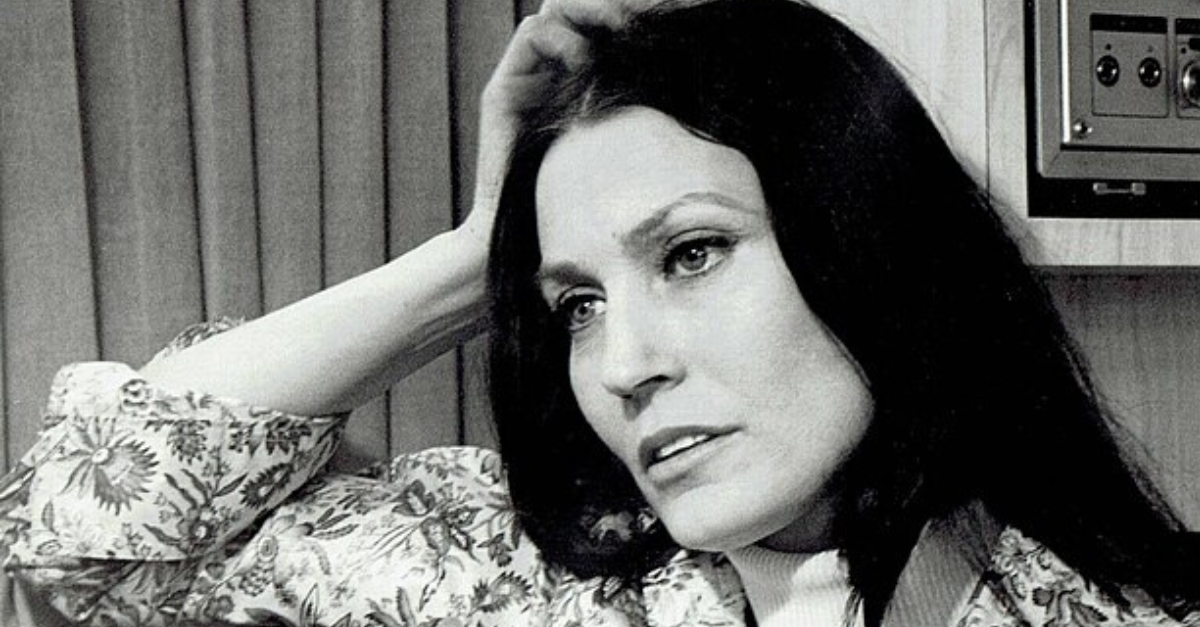
Country music has never been short on heartbreak, sin, or scandal—but for decades, it preferred those topics safely filtered through male voices. Then Loretta Lynn showed up and started singing about women’s lives the way women actually lived them. When she released “The Pill,” the genre wasn’t just uncomfortable—it panicked. The backlash was fierce, the bans were real, and the conversation she sparked never stopped echoing.
Born Into Coal Dust And Grit
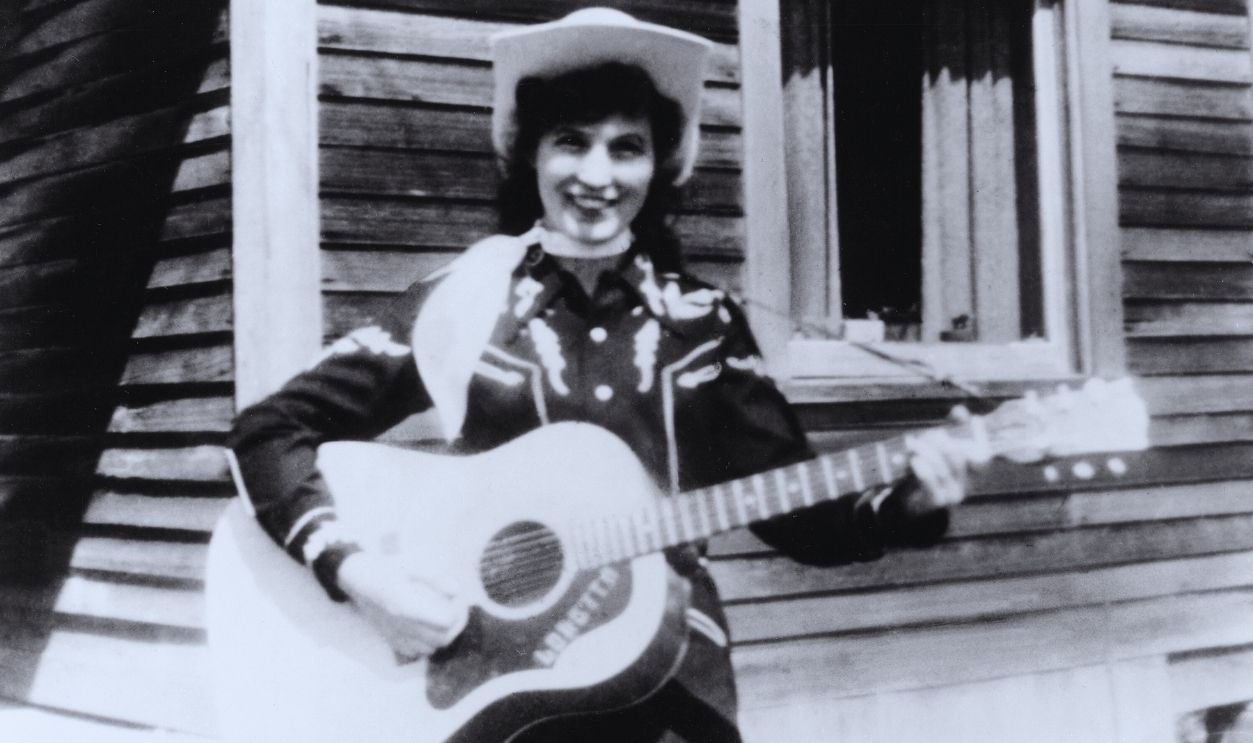
Loretta Lynn entered the world in a tiny Kentucky mining community where money was scarce and expectations were narrow. Her upbringing gave her firsthand knowledge of struggle—and a voice that never sounded polished or polite. That rawness would later become her greatest strength.
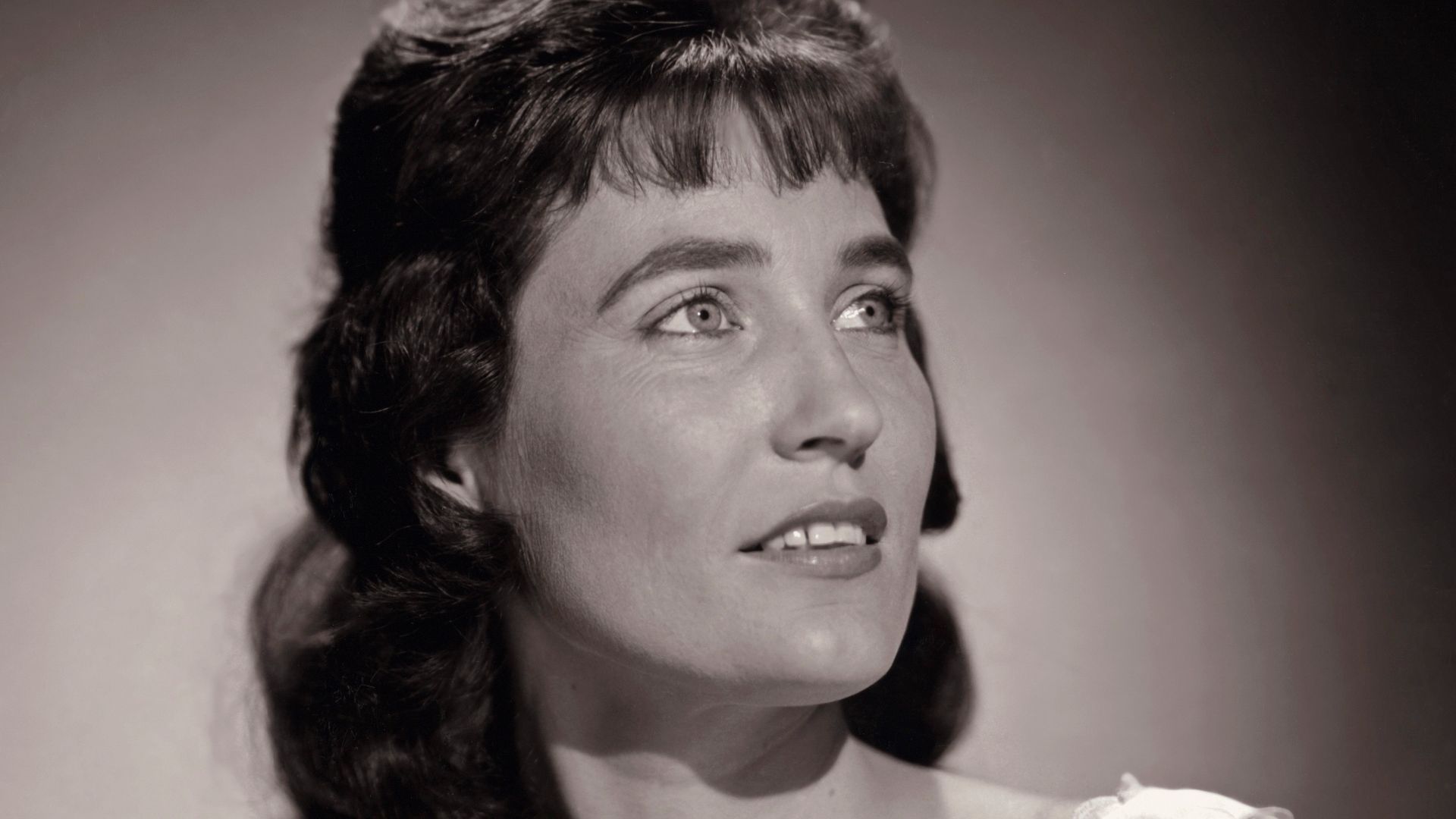 Walden S. Fabry, Wikimedia Commons
A Teenage Bride With A Lot To Say
She married young, became a mother quickly, and learned early what it meant to sacrifice personal freedom. Instead of burying those experiences, Lynn turned them into songs. That honesty made her relatable in ways Nashville hadn’t seen before.
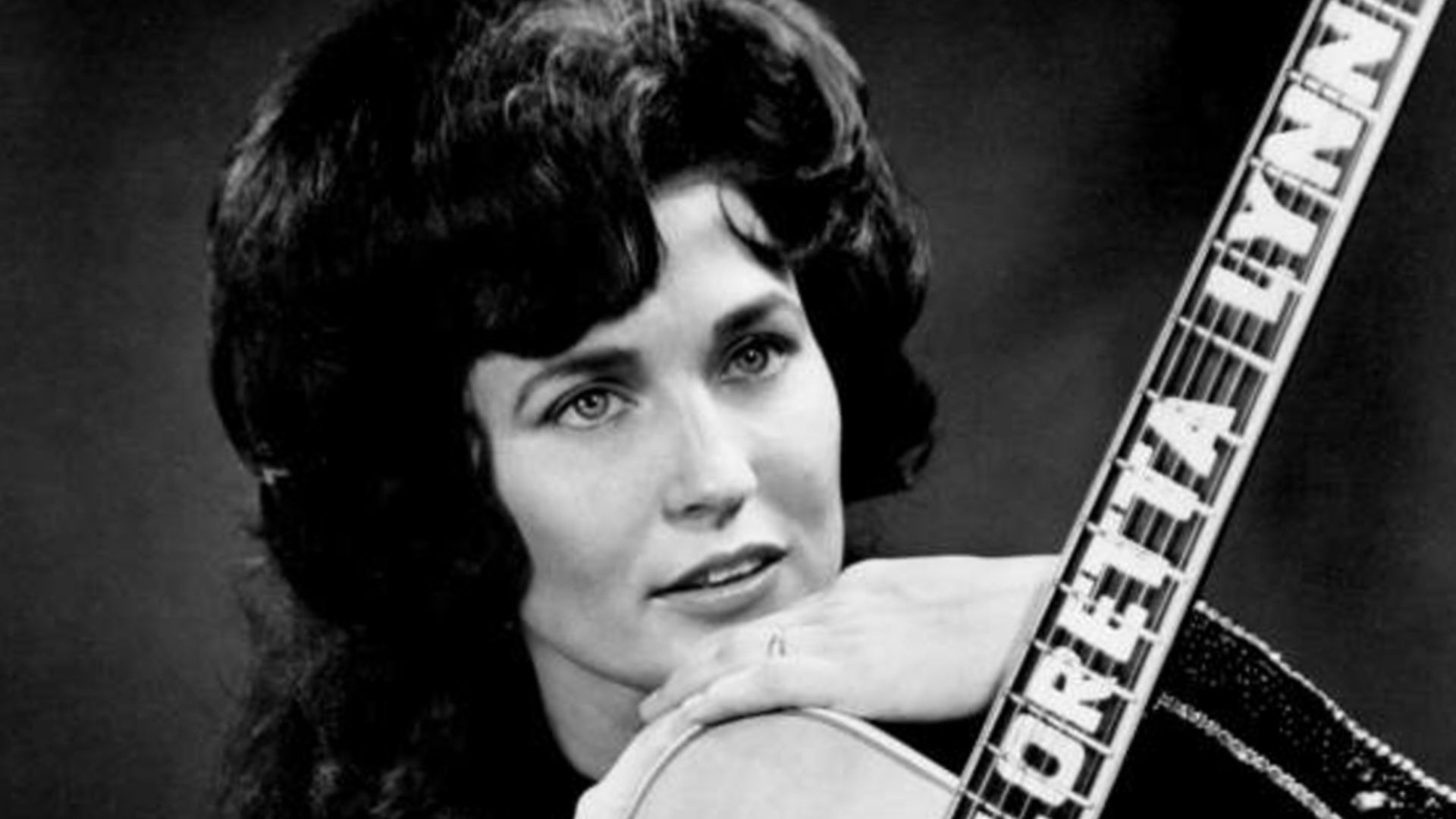 Les Leverett, Wikimedia Commons
Finding Music As An Escape
Music wasn’t a hobby for Lynn—it was a lifeline. Singing gave her a way to process frustration, joy, and exhaustion. Those emotions weren’t softened or romanticized—they were delivered straight, with no apology.
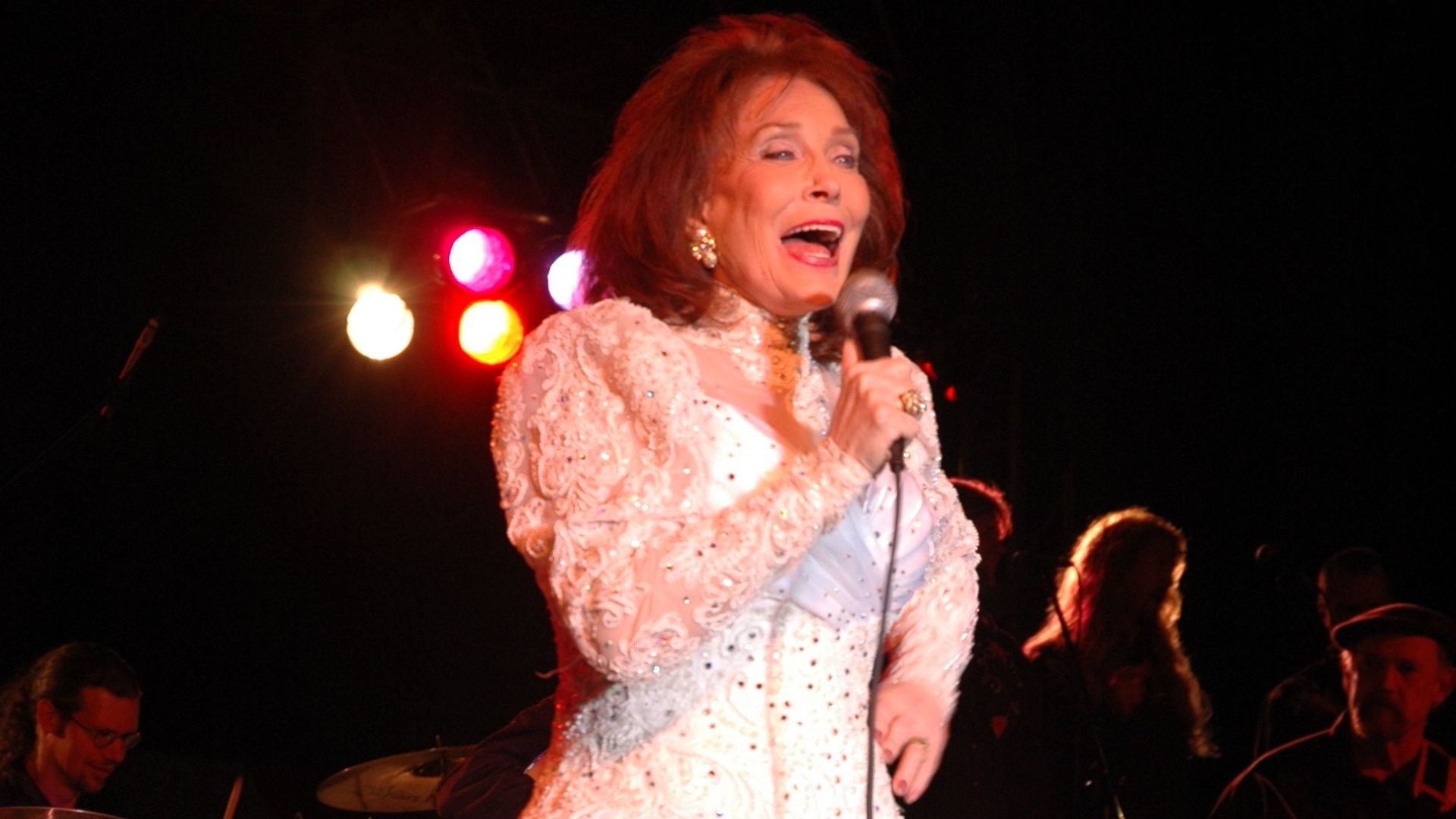 Scott Schram (http://schram.net/ ], Wikimedia Commons
Nashville Didn’t Know What To Do With Her
When Lynn arrived on the country scene, she didn’t fit the mold. She wasn’t demure, she wasn’t coy, and she wasn’t interested in pretending marriage was always blissful. That made executives nervous—but audiences listened.
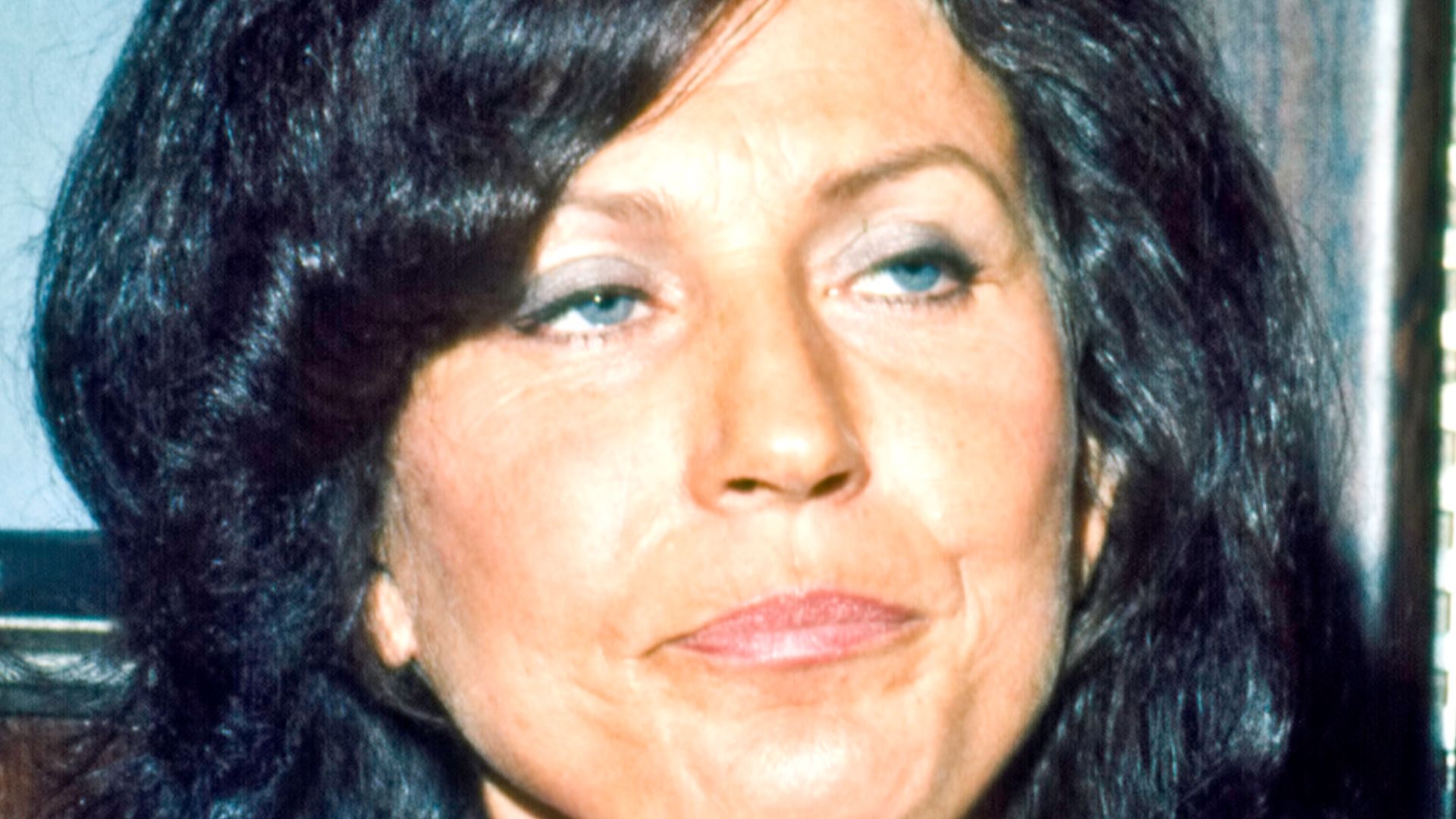
Early Hits That Shifted The Power
Her early success came from songs where women pushed back instead of suffering silently. Lynn sang about refusing cheating husbands and demanding respect, flipping traditional country narratives on their head.
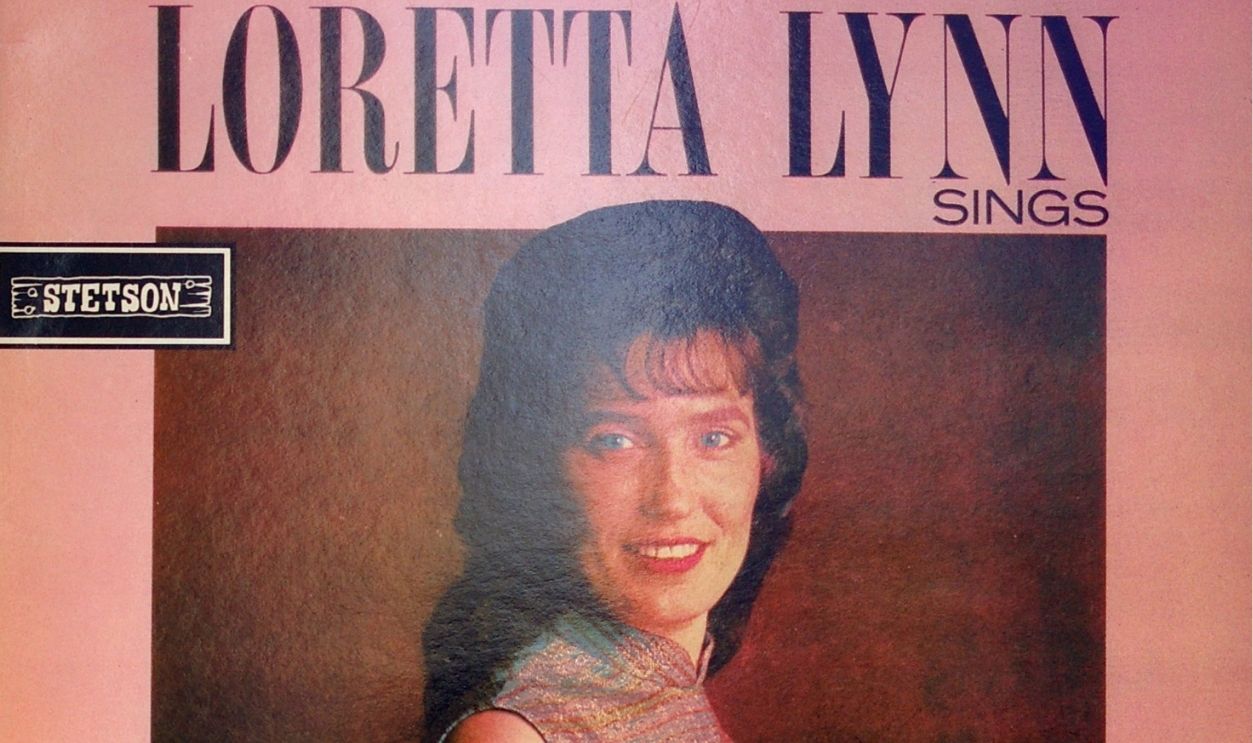
Writing What She Lived
Lynn wrote from experience, not imagination. Her lyrics sounded like conversations overheard in kitchens and front porches. That authenticity made her songs feel dangerous to a genre built on tradition.
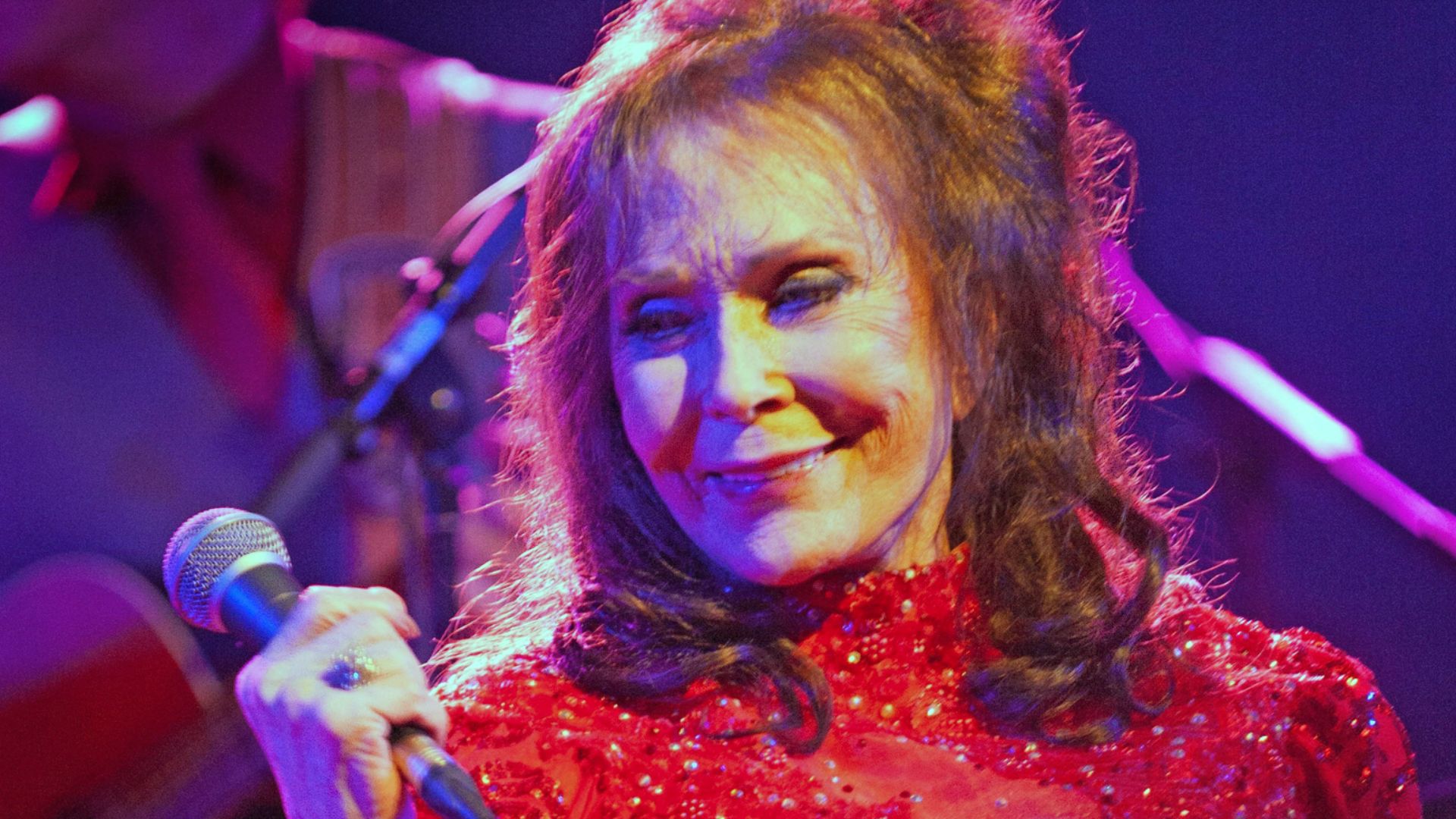 Anna Hanks from Austin, Texas, USA, Wikimedia Commons
Success Without Sanitization
By the early 1970s, she had proven you didn’t need to soften your voice—or your message—to sell records. She was wildly successful without abandoning her point of view, which quietly terrified gatekeepers.
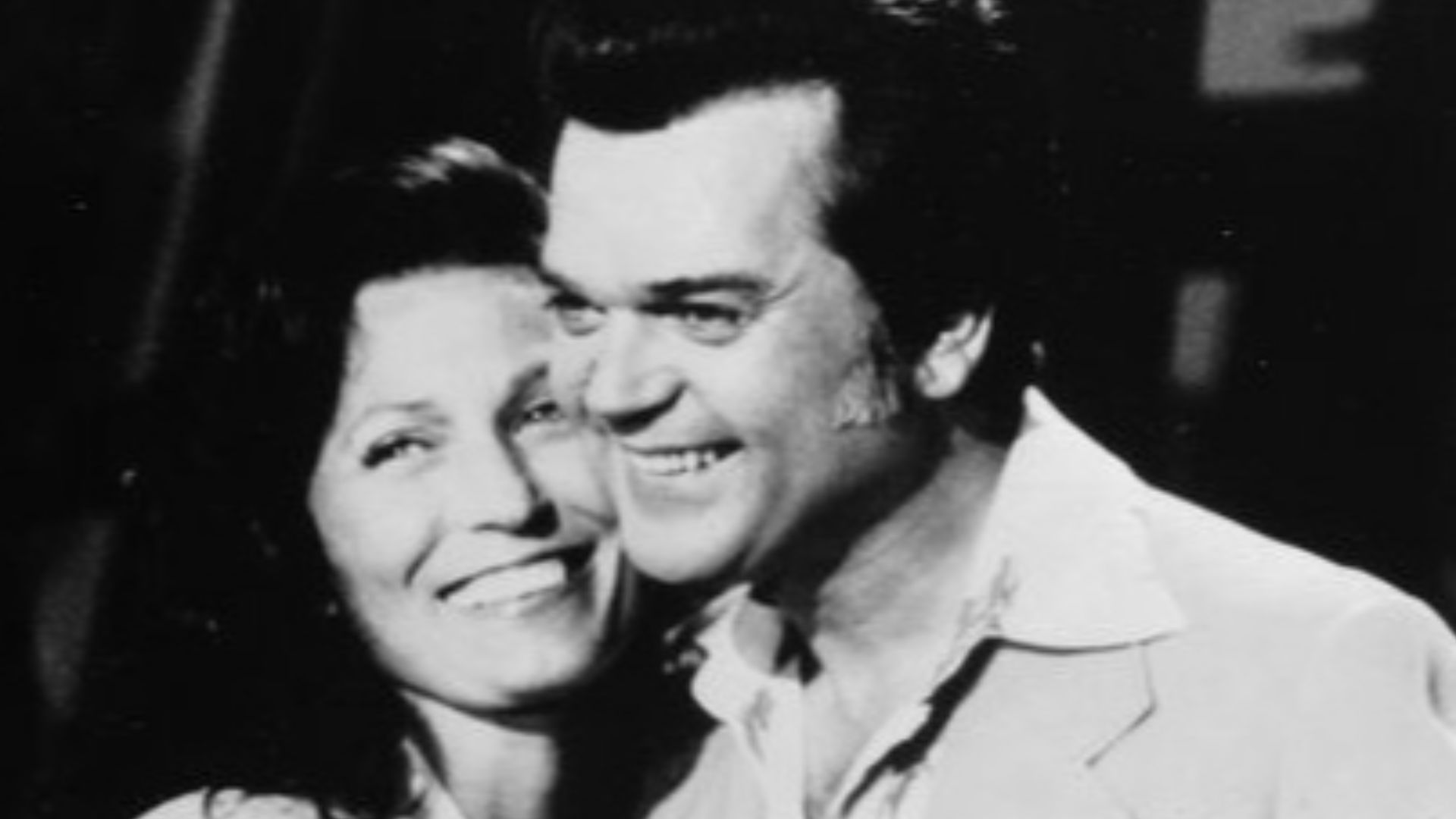 MCA Records, Wikimedia Commons
Singing About Women’s Realities
Lynn tackled topics other artists avoided, including marital dissatisfaction, motherhood fatigue, and double standards. She wasn’t trying to provoke—she was simply telling the truth as she knew it.
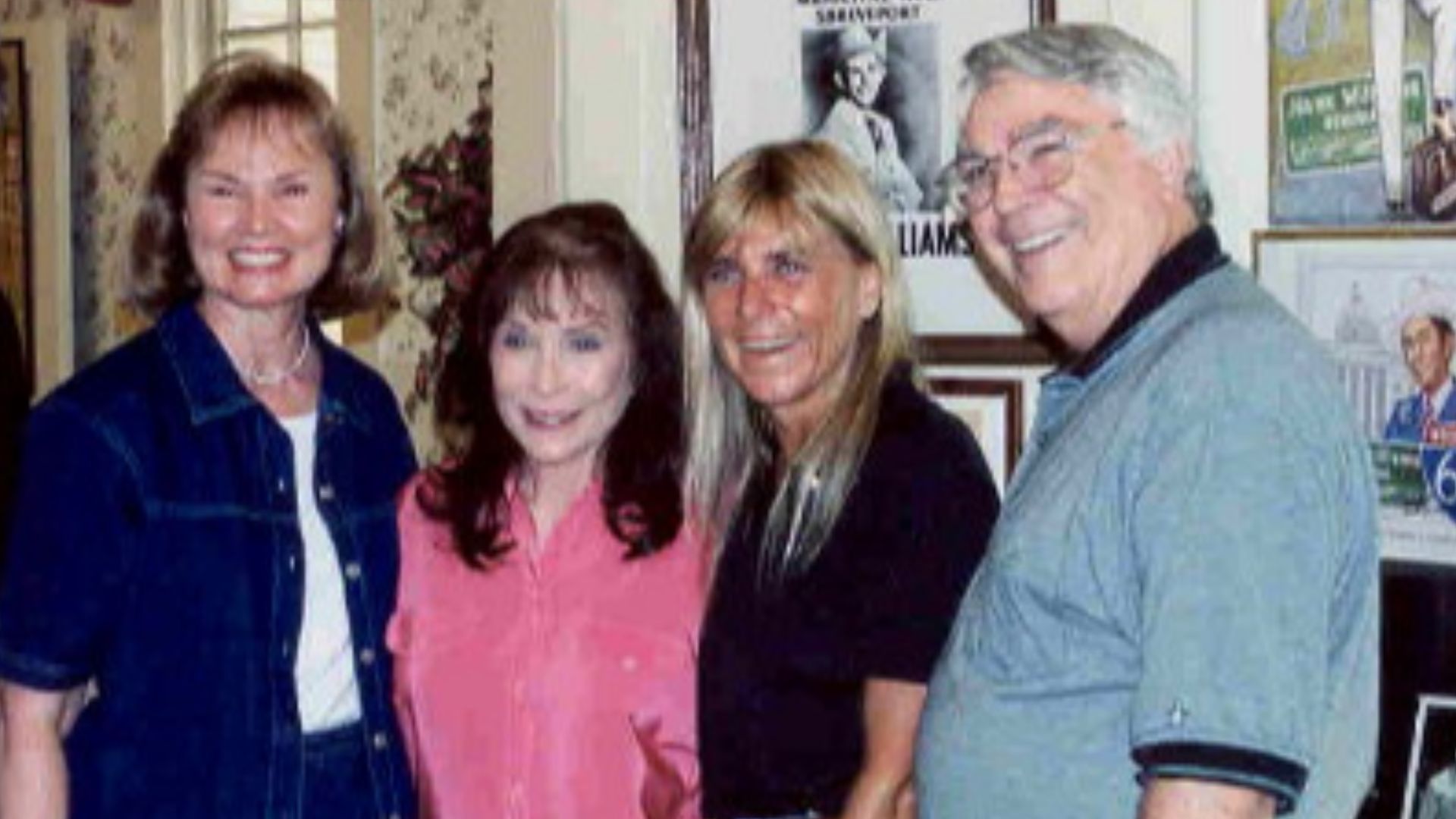 Office of Congressman Terry Everett, Wikimedia Commons
The Song Nashville Feared
“The Pill” was different even by Lynn’s standards. It addressed birth control openly, from a woman’s perspective, without shame or metaphor. That level of directness sent shockwaves through conservative radio circles.
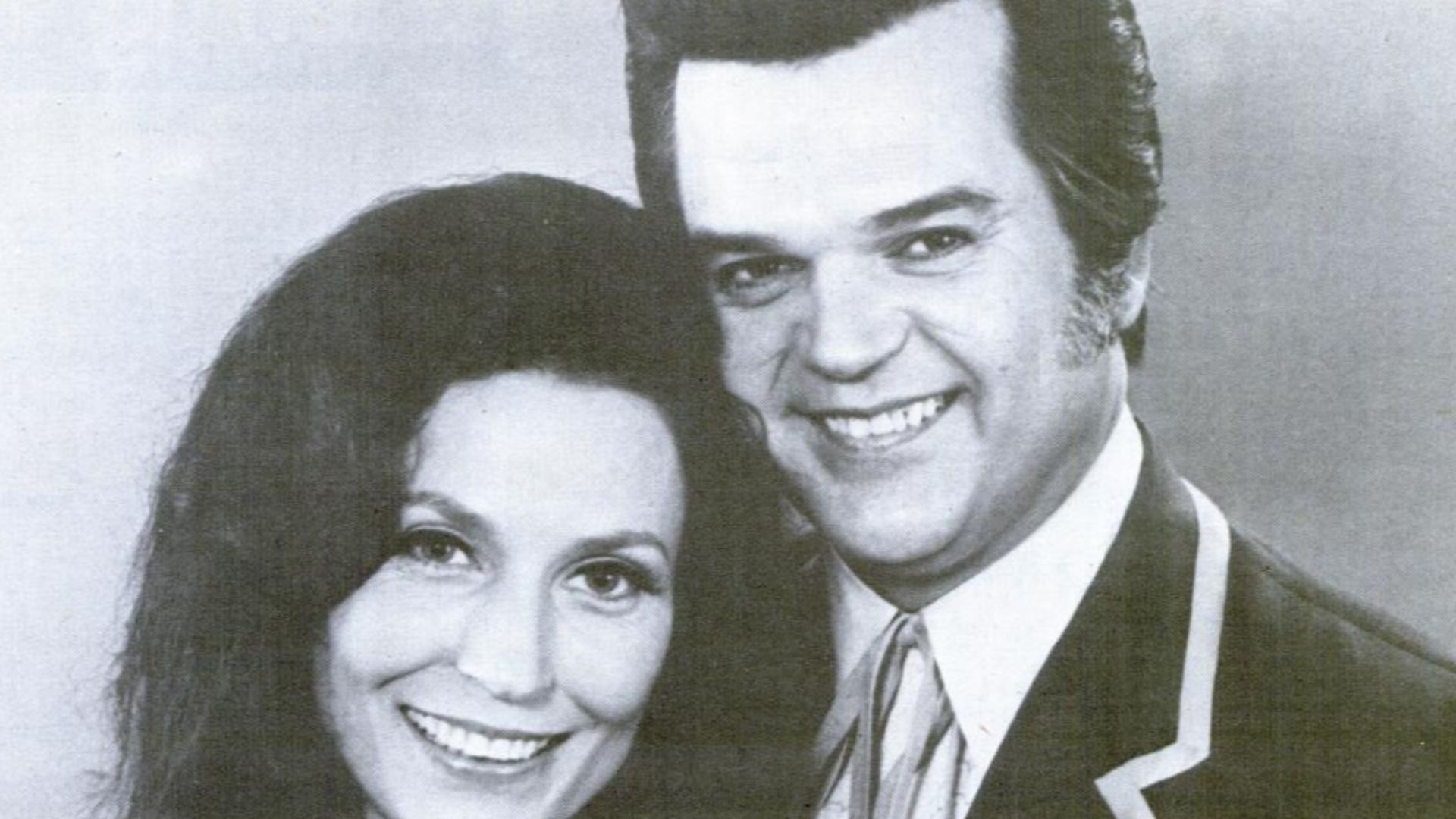 MCA Records, Wikimedia Commons
A Housewife Claims Control
The song tells the story of a woman reclaiming autonomy after years of relentless childbirth. It was playful, pointed, and unmistakably liberating. For some listeners, it was funny. For others, it was unforgivable.
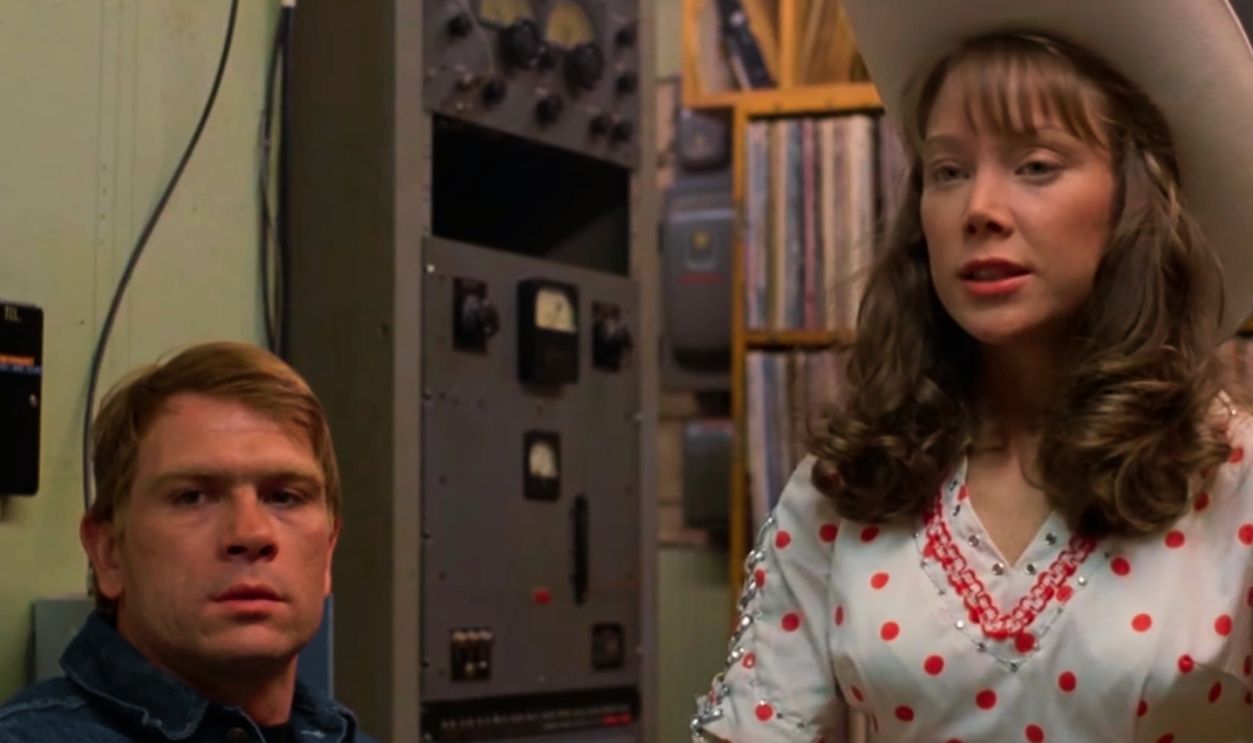 Screenshot from Coal Miner’s Daughter, Universal Pictures (1980)
Radio Stations Slam The Door
Country radio responded quickly—and harshly. Dozens of stations refused to play the song, declaring it inappropriate for their audiences. The ban wasn’t subtle or quiet—it was loud and public.
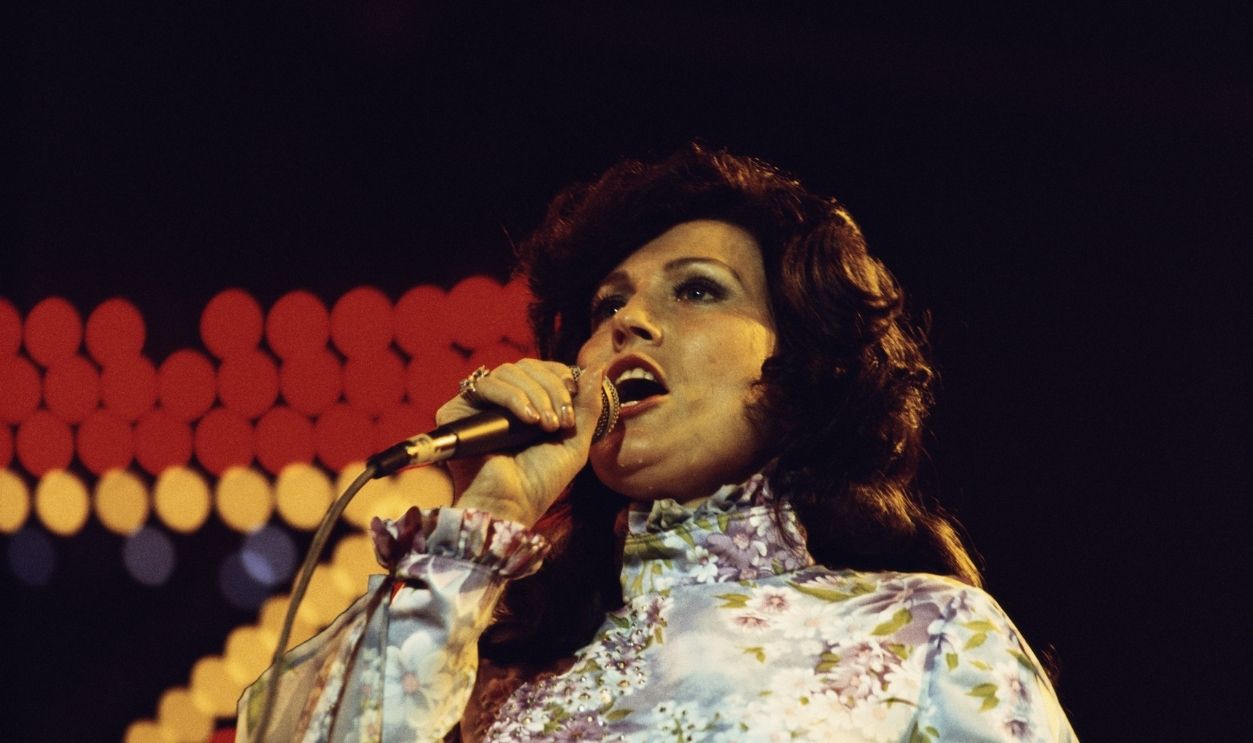
Banned But Unstoppable
Despite widespread resistance, “The Pill” refused to disappear. Listeners sought it out, word spread, and the controversy only made it more powerful. Attempts to silence it backfired spectacularly.
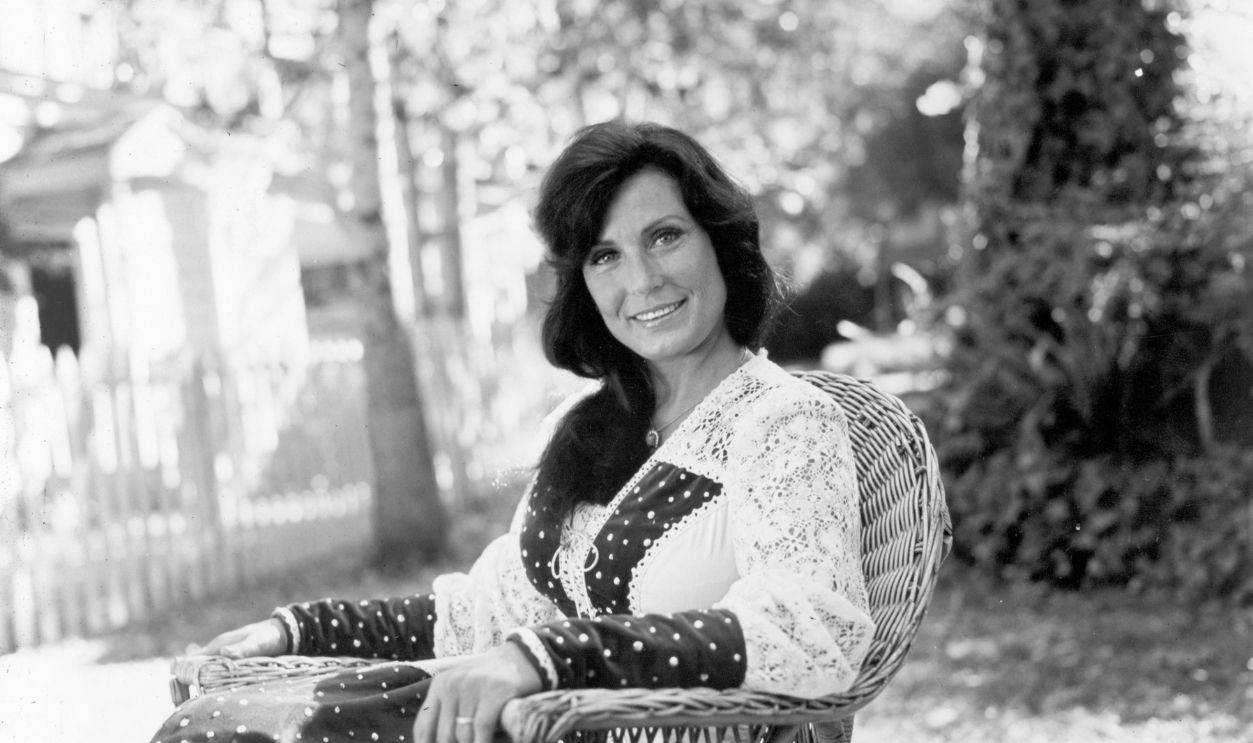
Success Without Permission
Even with limited airplay, the song became one of Lynn’s biggest hits. It climbed the charts through sheer demand, proving that audiences were ready—even if radio executives weren’t.
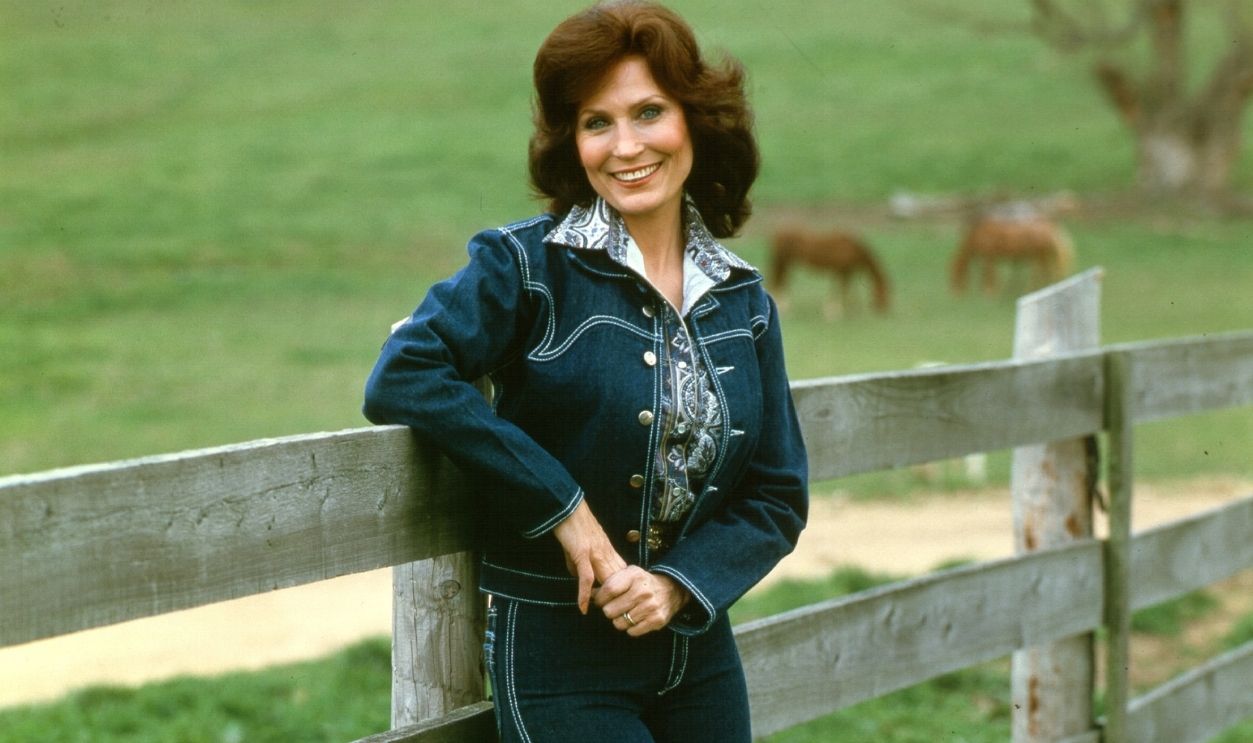 Michael Ochs Archives, Getty Images
Women Heard The Message
For many women, especially in rural communities, the song felt validating. It acknowledged exhaustion, desire, and choice in a way that had rarely been voiced in country music before.
 Michael Ochs Archives, Getty Images
Feminism Without The Label
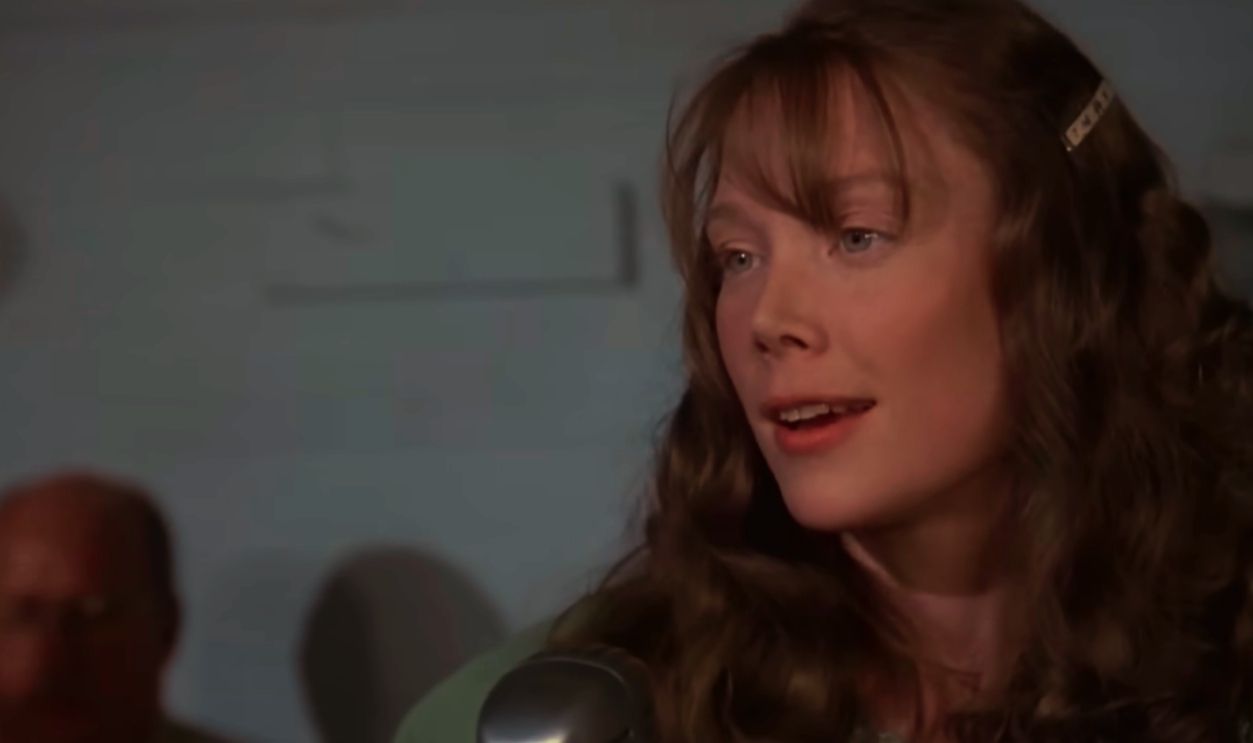
Lynn never positioned herself as a political figure, but the impact was undeniable. She normalized women asserting control over their bodies—something radical in her musical world.
 Screenshot from Coal Miner’s Daughter, Universal Pictures (1980)
Humor As A Trojan Horse
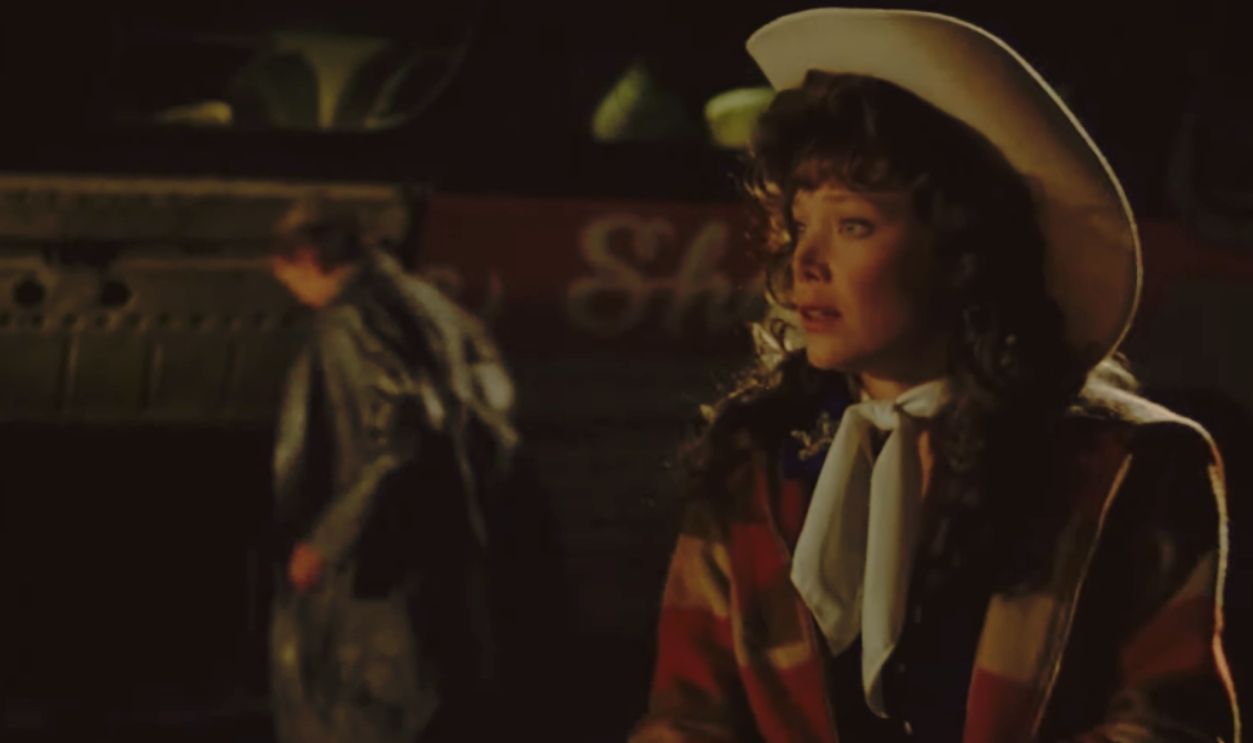
Part of the song’s power came from its wit. Lynn used humor to make a serious point, slipping social commentary past defenses with a grin and a punchline.
 Screenshot from Coal Miner’s Daughter, Universal Pictures (1980)
Drawn Straight From Experience
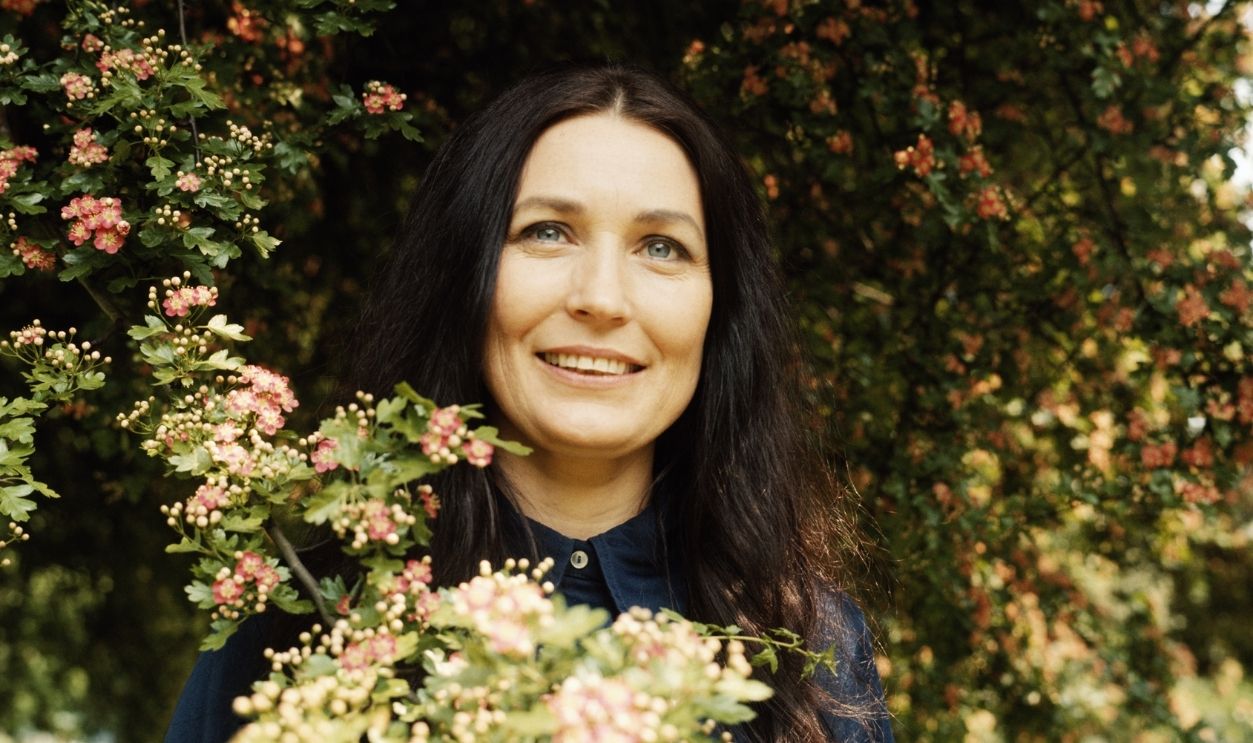
Her own life gave the song credibility. Lynn had lived the reality she described, and listeners could hear it in her voice. There was no abstraction—only lived truth.
Not Her First Controversy
“The Pill” wasn’t an outlier. Lynn had already tested boundaries with earlier songs about divorce and independence. This was simply the moment when resistance reached its breaking point.
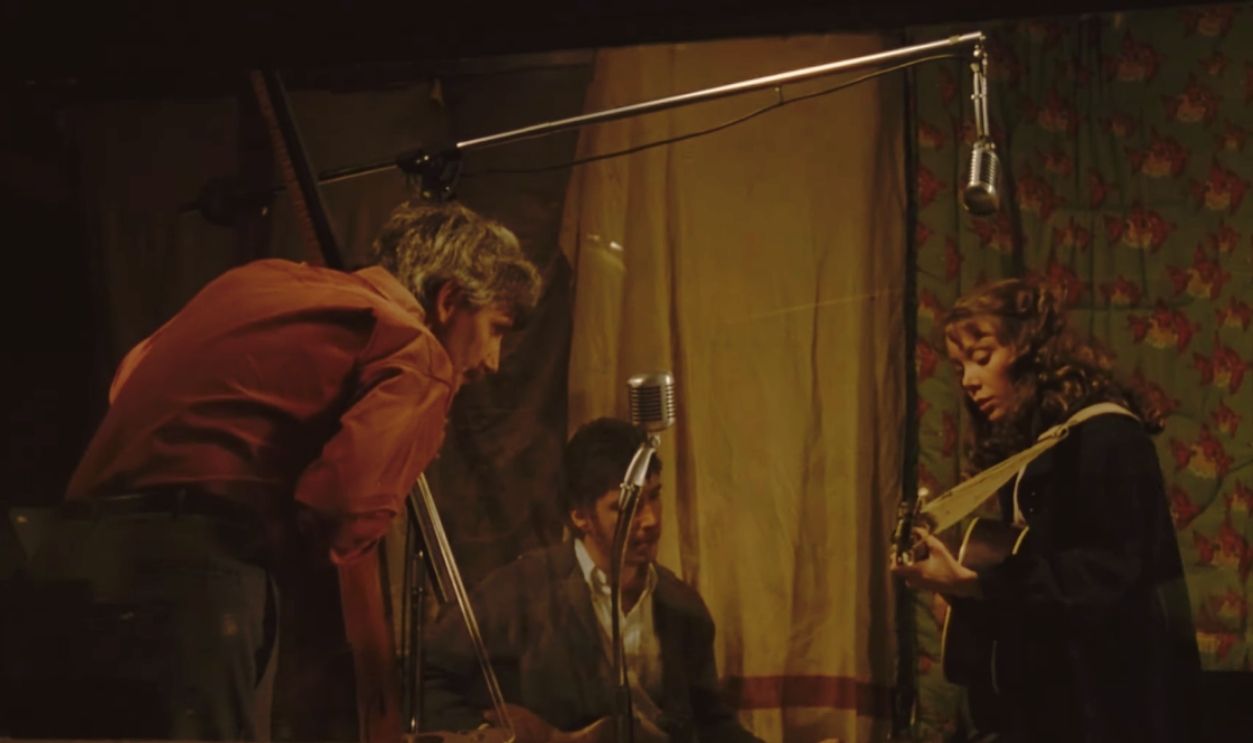 Screenshot from Coal Miner’s Daughter, Universal Pictures (1980)
Industry Hesitation And Delay
Even her own label hesitated, delaying the song’s release out of fear. Lynn pushed forward anyway, trusting her instincts over industry comfort. That decision changed everything.
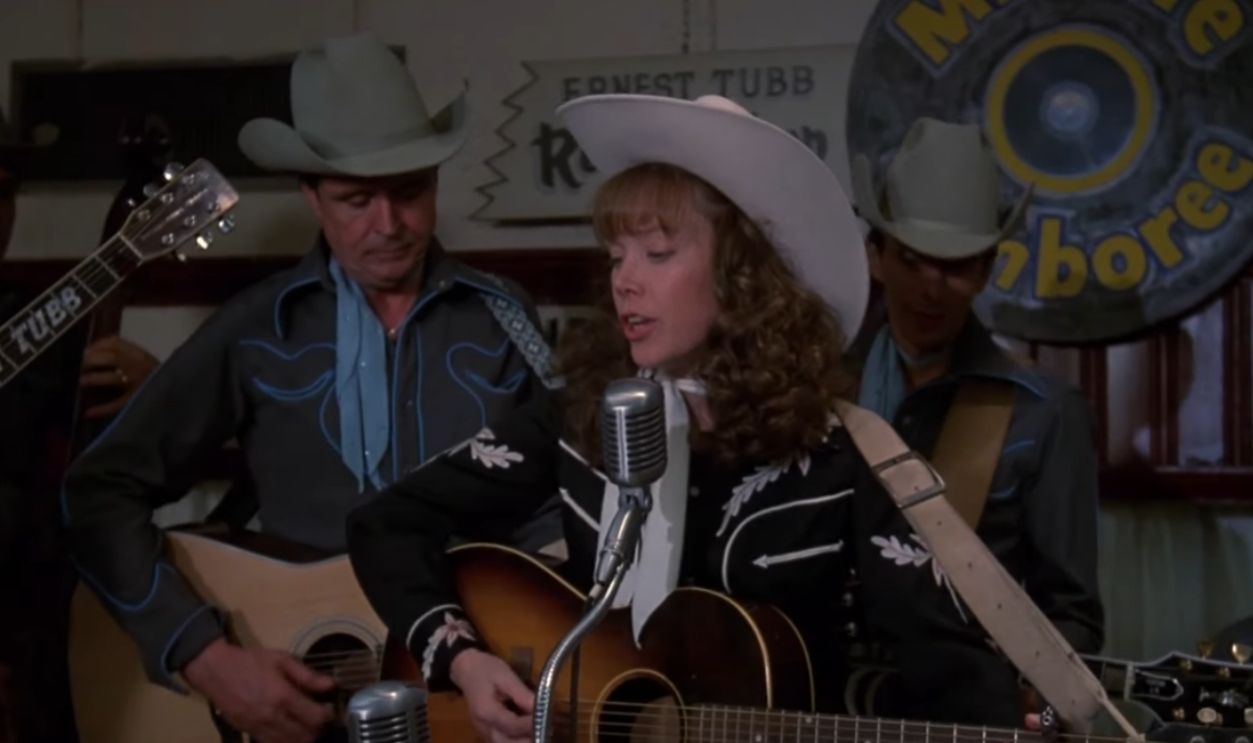 Screenshot from Coal Miner’s Daughter, Universal Pictures (1980)
Crossing Beyond Country
The song didn’t just resonate within country music—it crossed over. Its success showed that songs led by women’s perspectives could connect far beyond traditional genre limits.
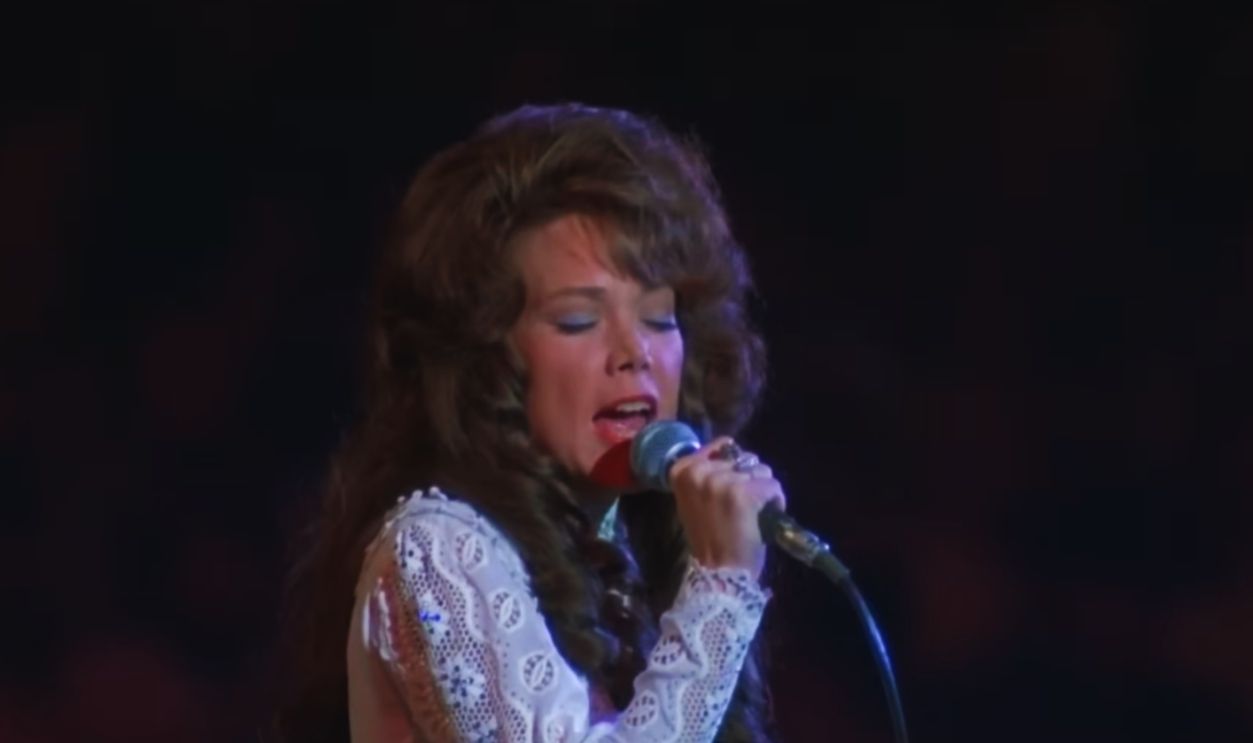 Screenshot from Coal Miner’s Daughter, Universal Pictures (1980)
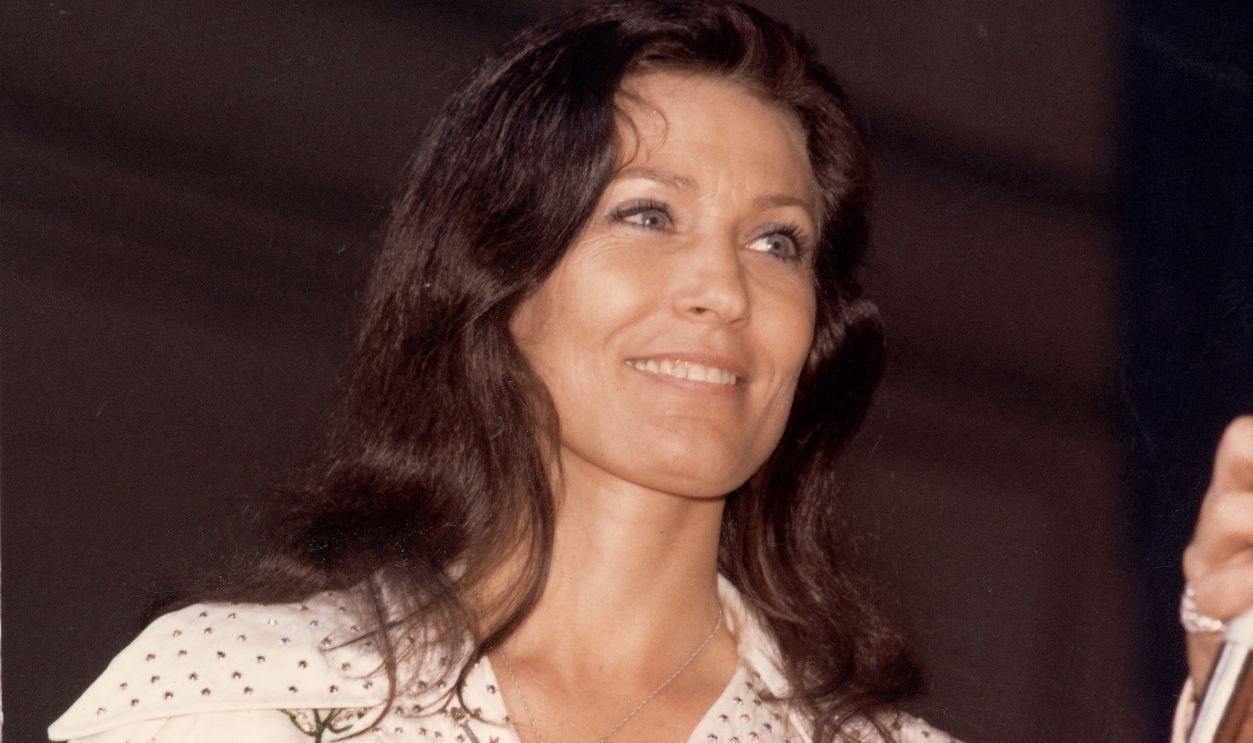
A Blueprint For The Next Generation
Later female country artists didn’t emerge in a vacuum. They followed a path Lynn carved, one where honesty mattered more than approval and silence was no longer an option.
The Long Shadow Of Defiance
Today, “The Pill” is remembered as more than a controversial hit. It’s a cultural marker—a moment when a woman refused to step back. That defiance permanently expanded what country music could say.
You May Also Like:
Music Stars That People Love, But Their Fan Bases Are Actually A Problem