From Chart-Toppers to Trivia Questions
Topping the charts is supposed to guarantee a place in music history. These songs sold millions of records, dominated radio stations, and became some of the biggest hits in America. And, for a while, they seemed impossible to escape.
But while Boomers still know every word, Millennials? Most of them don't even know the songs. Let's see how many of these former chart kings you actually recognize.
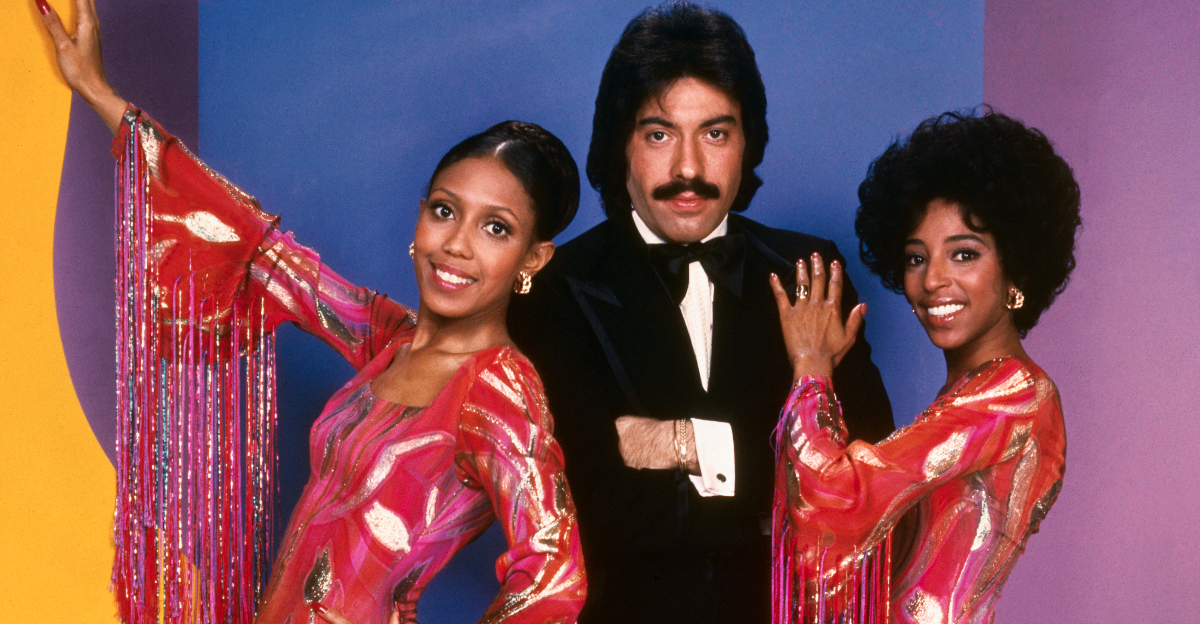
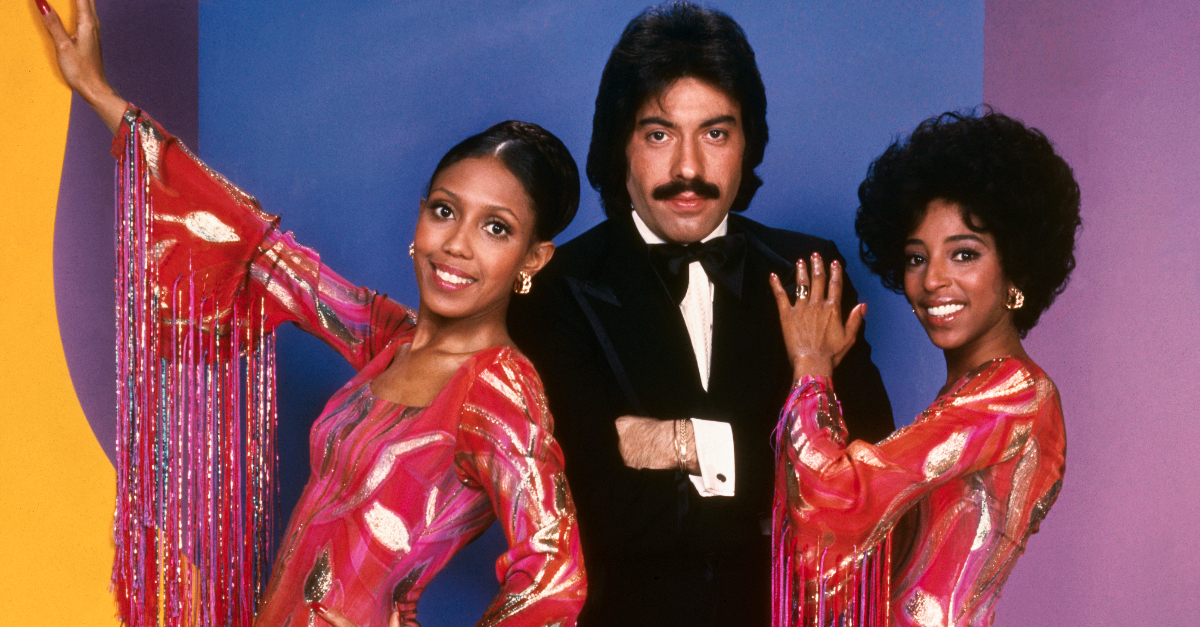
"Tie A Yellow Ribbon Round The Ole Oak Tree" (Tony Orlando & Dawn)
In 1973, this was everywhere. The song spent four weeks at No. 1 on the Billboard Hot 100 and became one of the biggest hits of the entire decade. The story about a man returning home and looking for a yellow ribbon struck a chord with listeners.
Today, younger music fans are often surprised to learn this song was once bigger than many of the rock classics they still hear on classic radio.
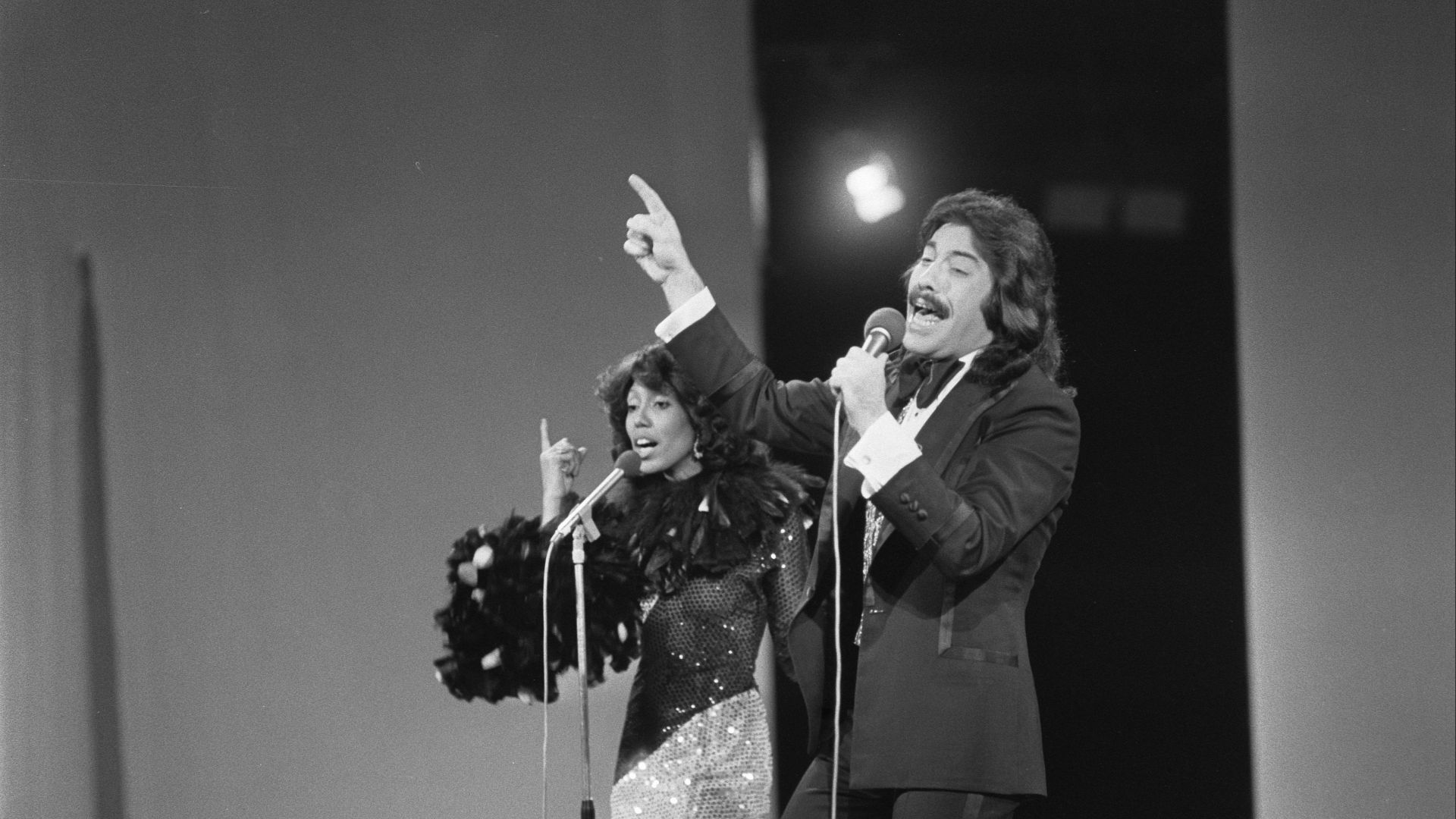 Fotograaf Onbekend / Anefo, Wikimedia Commons
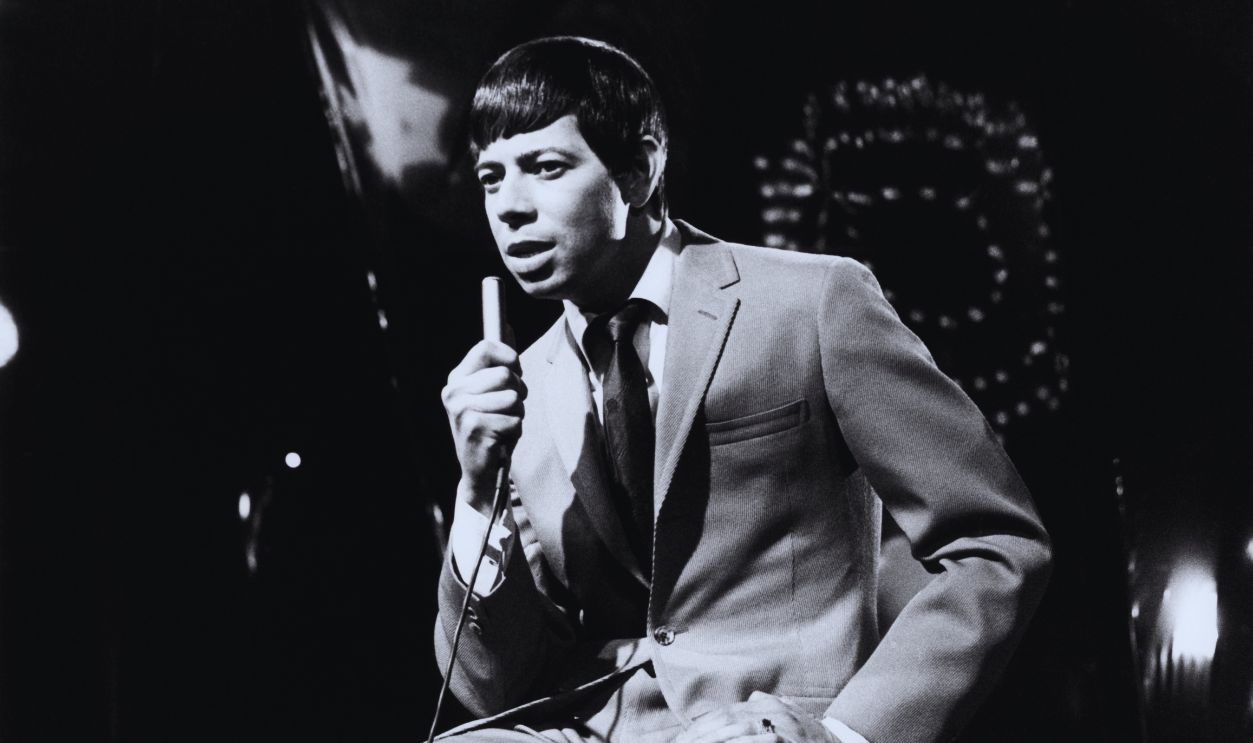
"Honey" (Bobby Goldsboro)
If you wanted to make people cry in 1968, this song got the job done. Honey spent five weeks at No. 1 and became one of the year's best-selling singles.
The sentimental story song was absolutely beloved by millions of listeners. Modern audiences, however, tend to find it either completely unfamiliar or surprisingly melodramatic.
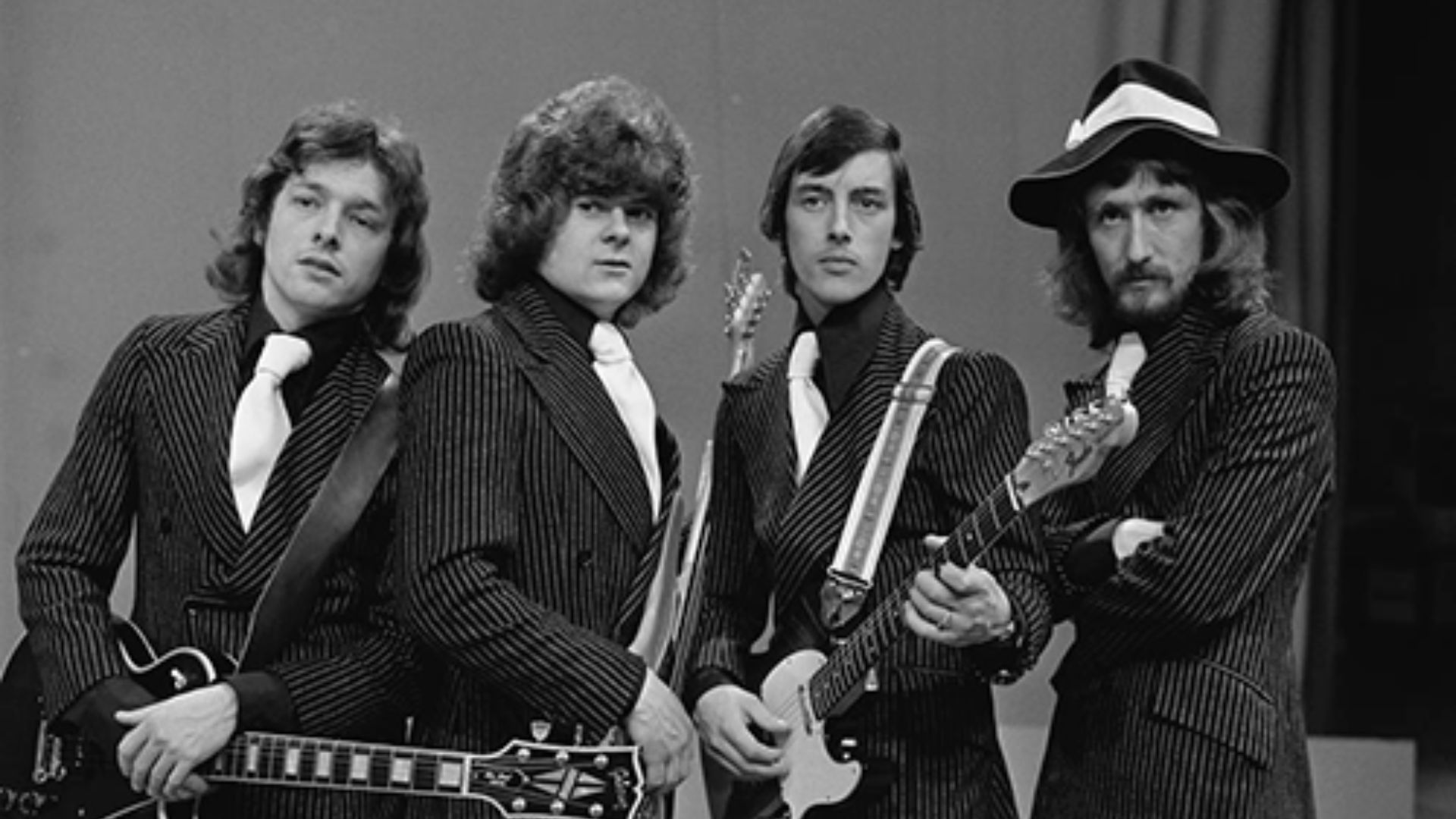
"The Night Chicago Died" (Paper Lace)
This dramatic 1974 hit tells a story about a massive gun battle in Chicago involving gangsters and police. The problem? The events described never actually happened.
Nobody seemed to care. The song raced to No. 1 and became a huge radio favorite. These days, it's mostly remembered by people who were there when it first hit the airwaves.
"Billy, Don't Be A Hero" (Bo Donaldson And The Heywoods)
War-themed songs were common in the early 70s, but few were bigger than this one. It hit No. 1 in 1974 and sold millions of copies.
Despite its massive success, the song has largely disappeared from popular culture. Unless your parents or grandparents played oldies radio constantly, there's a good chance you've never heard it.
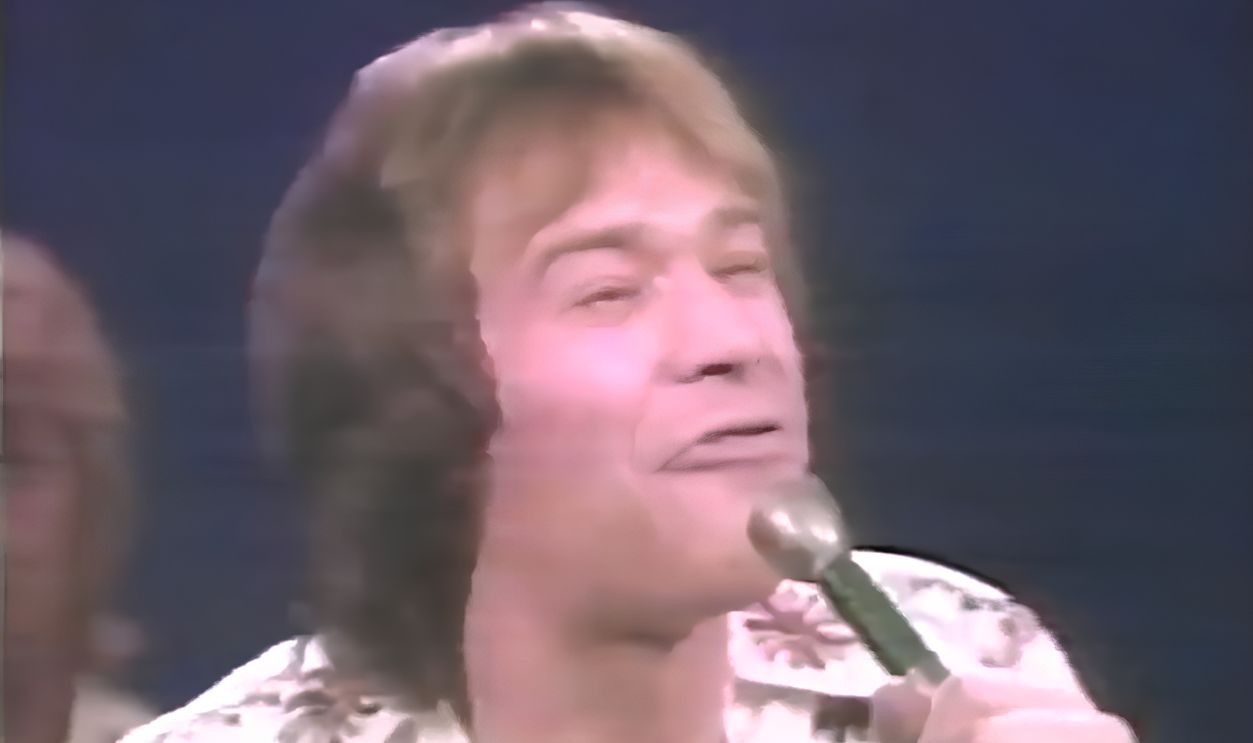 Screenshot from "Billy, Don't Be a Hero", Bo Donaldson & The Heywoods, ABC Records (1974)
"Indian Reservation" (The Raiders)
This was the biggest-selling single of 1971 in America. Let that sink in for a second.
The song spent a week at No. 1 and sold millions of copies, yet many younger listeners have never even seen it mentioned in discussions of major 70s hits. Imagine having the biggest-selling single in America and still somehow ending up as a music trivia question.
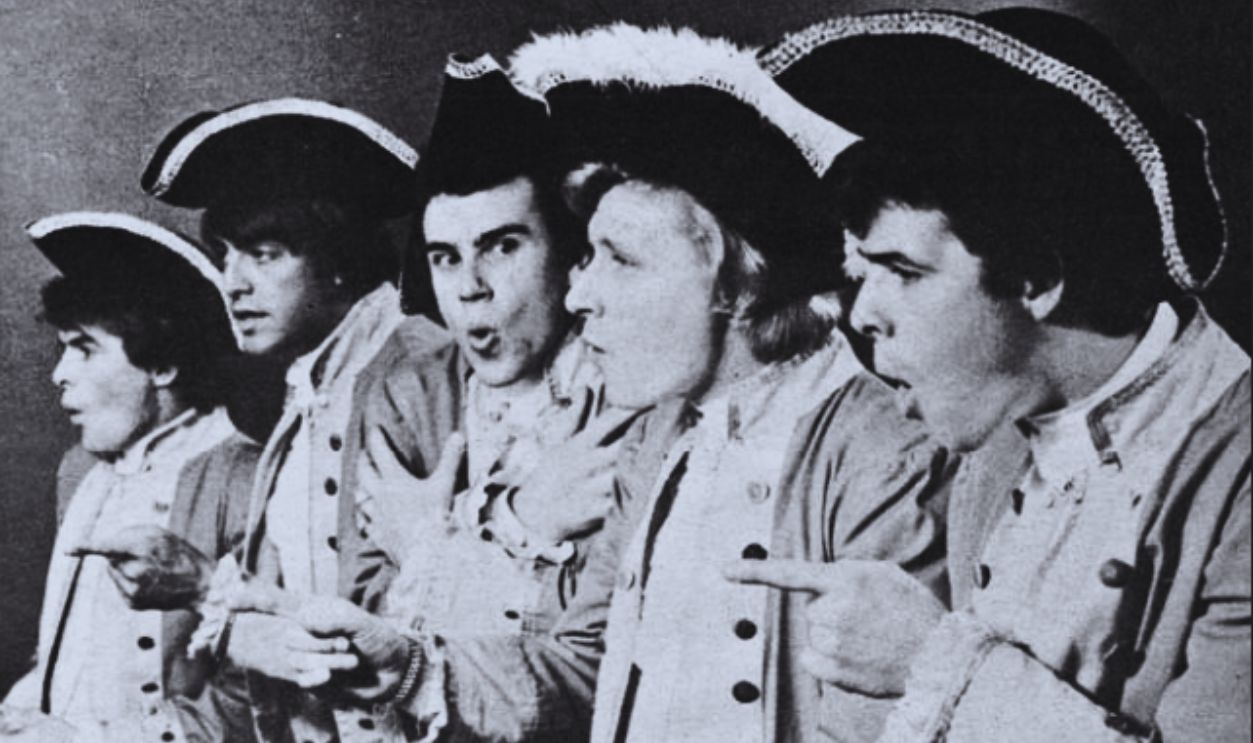
"Winchester Cathedral" (The New Vaudeville Band)
Released in 1966, this novelty hit sounded like it came from another era even when it was brand new. The old-fashioned vocals and production made it stand out from everything else on the radio.
It climbed all the way to No. 1, but today it feels like a musical time capsule that most millennials accidentally skipped.
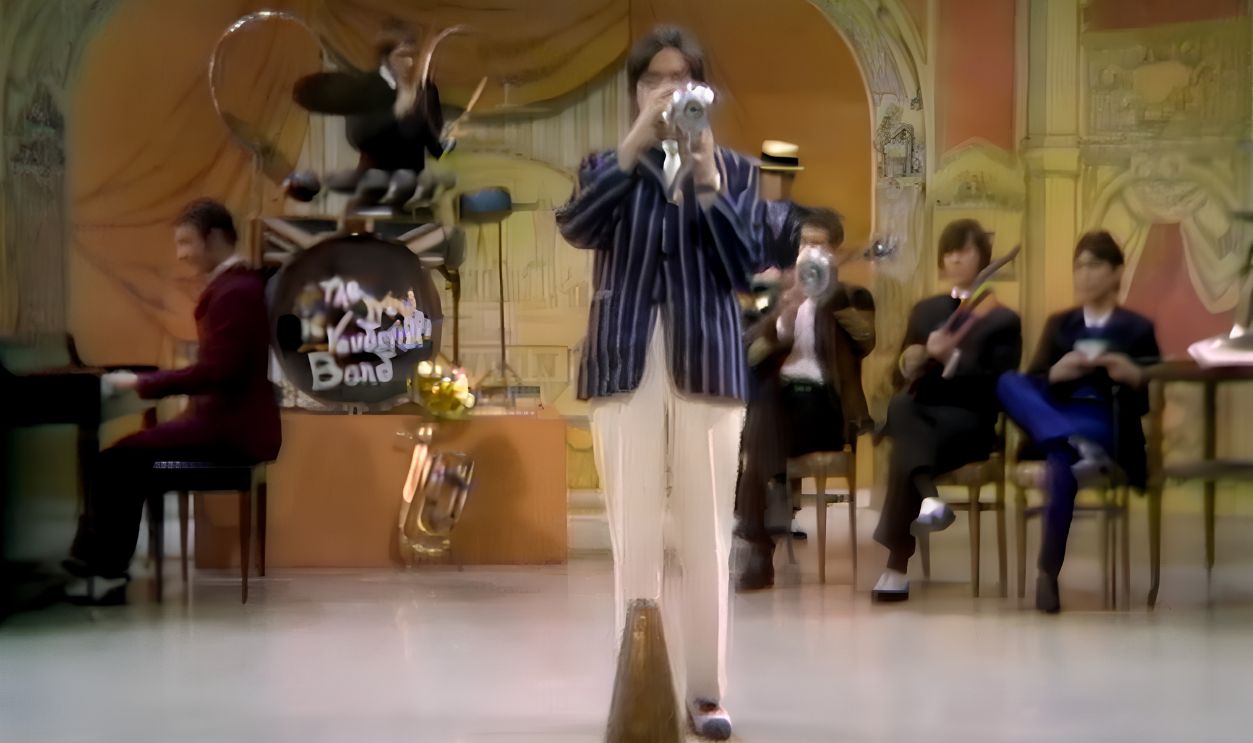 Screenshot from The Ed Sullivan Show featuring The New Vaudeville Band, CBS (1966)
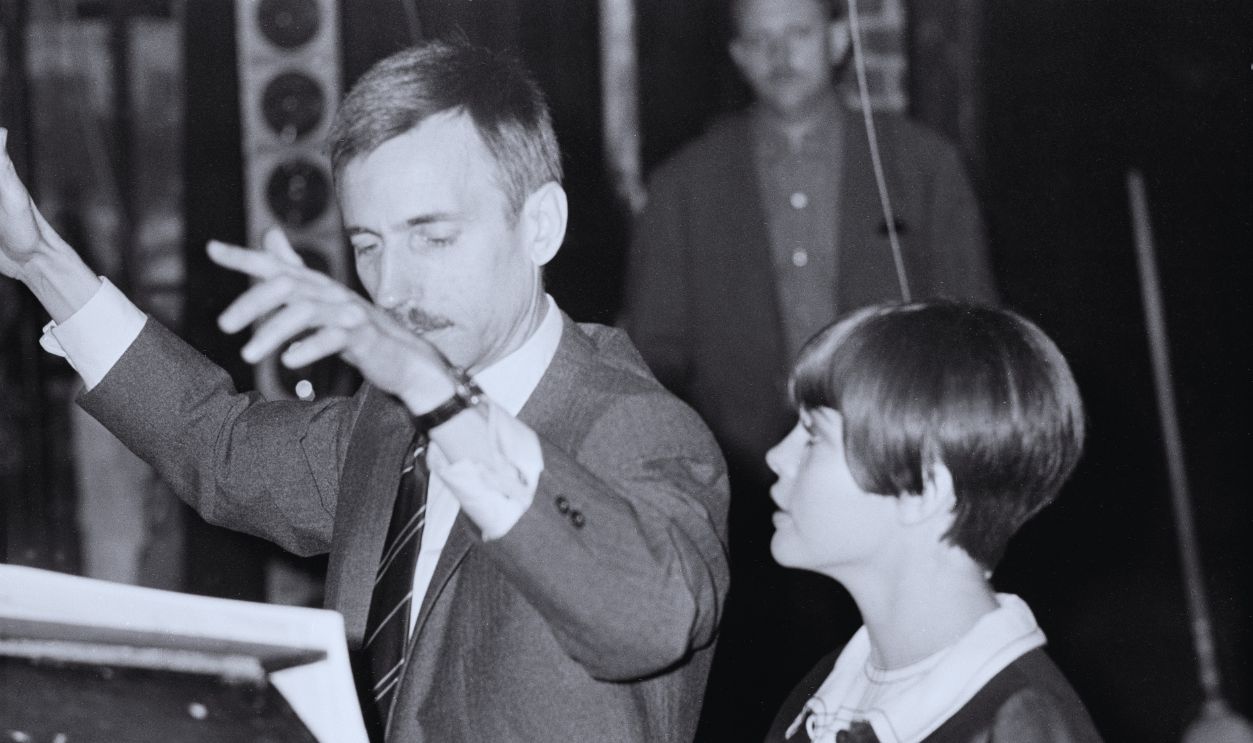
"Love Is Blue" (Paul Mauriat)
An instrumental song reaching No. 1 sounds unusual now, but Love Is Blue pulled it off in 1968.
The lush orchestral arrangement became a sensation and spent five weeks atop the charts. Today, many people recognize the melody without having any idea what it's called or how massive it once was.
"Seasons In The Sun" (Terry Jacks)
Nothing says fun pop music quite like a song about saying goodbye before death. Somehow, this melancholy tune became one of the biggest hits of 1974.
It spent three weeks at No. 1 and sold millions worldwide. Boomers know every word. Many millennials have never heard it outside of a movie soundtrack or random internet playlist.
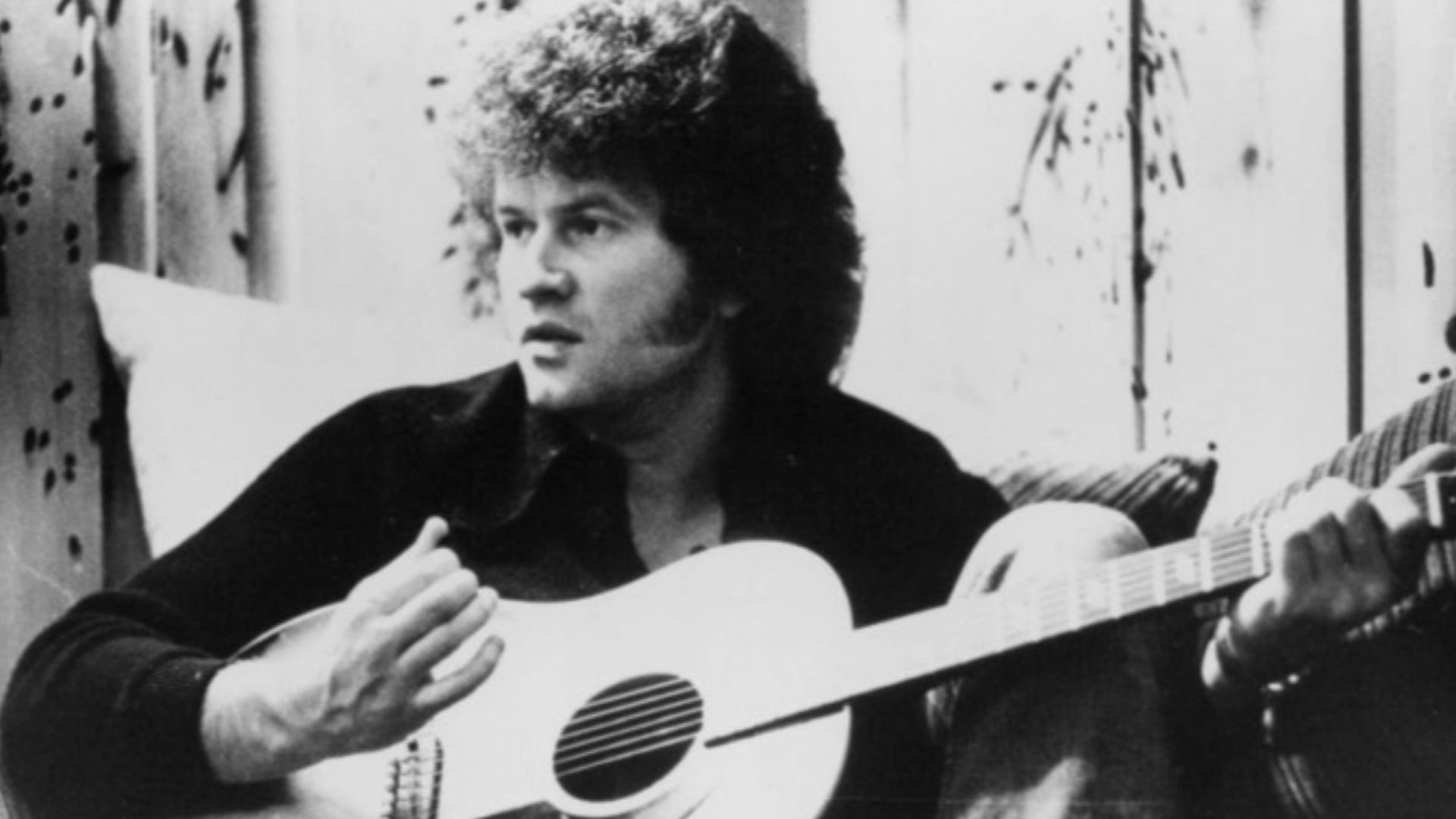 Bell Records, Wikimedia Commons
"Sugar, Sugar" (The Archies)
Yes, a cartoon band had the biggest song in America.
Sugar, Sugar topped the charts for four weeks in 1969 and became one of the defining bubblegum-pop songs of the era. Even people who know Archie Comics are often shocked to learn the characters once produced a No. 1 hit record. Honestly, if somebody pitched this idea today, half the room would think it was a joke.
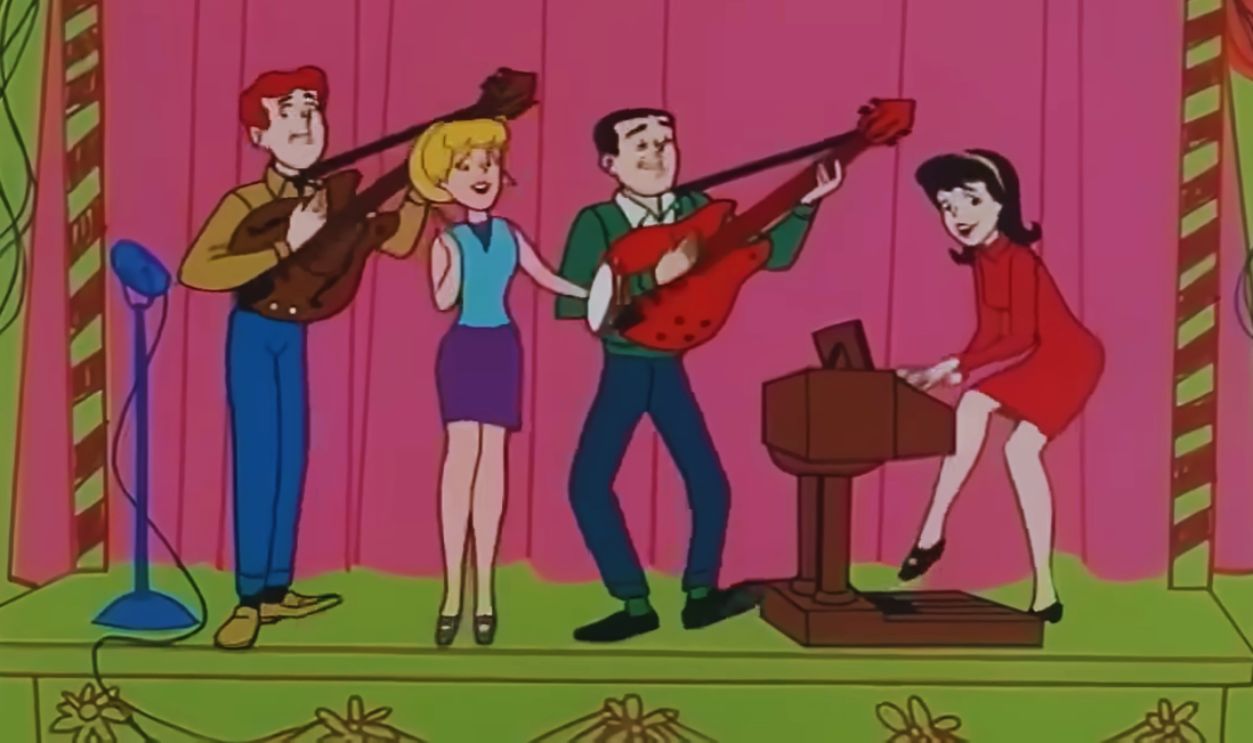 Screenshot from The Archies - "Sugar, Sugar", Calendar Records / Kirshner Entertainment (1969)
"In The Year 2525" (Zager And Evans)
This futuristic song imagined humanity's distant future and somehow became one of the most memorable records of 1969.
It spent six weeks at No. 1 and remains one of the strangest chart-toppers ever. The predictions didn't exactly age perfectly, but the song still fascinates listeners who discover it today.
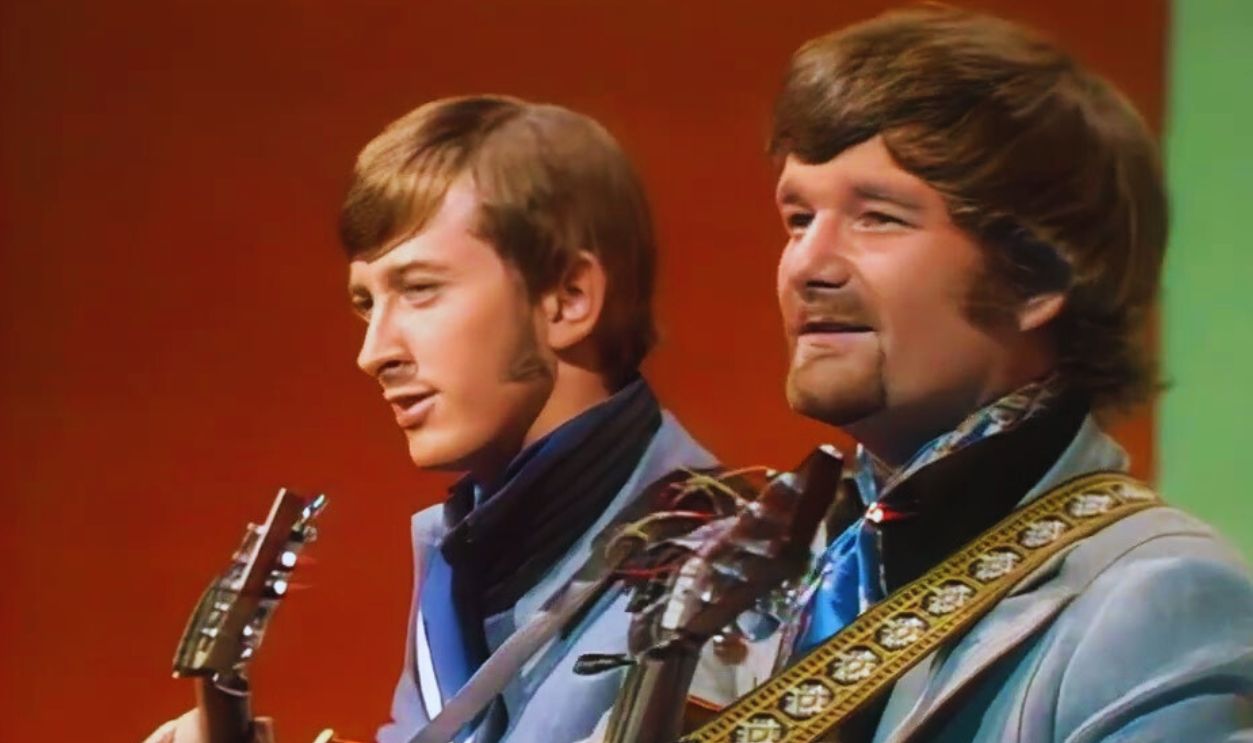 Screenshot from "In the Year 2525", Zager & Evans, RCA Records (1969)
"One Tin Soldier" (Coven)
This anti-war anthem became widely known after being featured in the film Billy Jack.
The song reached the Top 40 twice through different releases and became deeply connected to the social movements of its era. While many boomers instantly recognize it, younger generations often have no idea it exists.
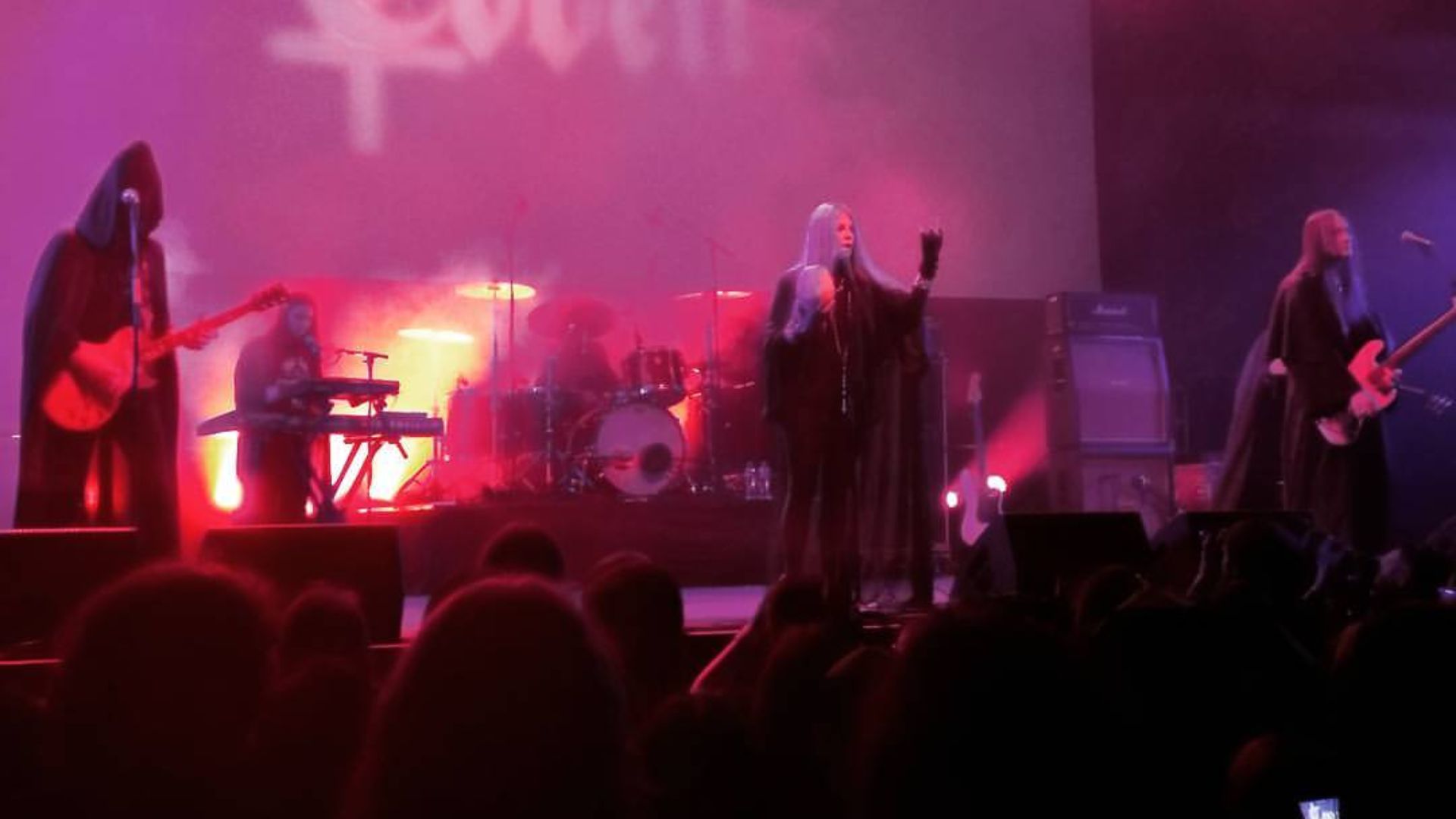 deepskyobject from Saint Petersburg, Russia, Wikimedia Commons
"Gypsys, Tramps & Thieves" (Cher)
Cher is still famous, but many younger listeners only know her later hits like Believe.
Back in 1971, Gypsys, Tramps & Thieves gave her a major comeback and spent two weeks at No. 1. It's a great reminder that Cher's chart dominance stretches much further back than many people realize.

"The Streak" (Ray Stevens)
A novelty song about the streaking craze of the 70s becoming a No. 1 hit sounds ridiculous. That's because it is.
But in 1974, America couldn't get enough of it. The song spent three weeks at the top of the charts and perfectly captured one of the strangest pop-culture moments of the decade. The 70s were a weird time. Not bad. Just...weird.
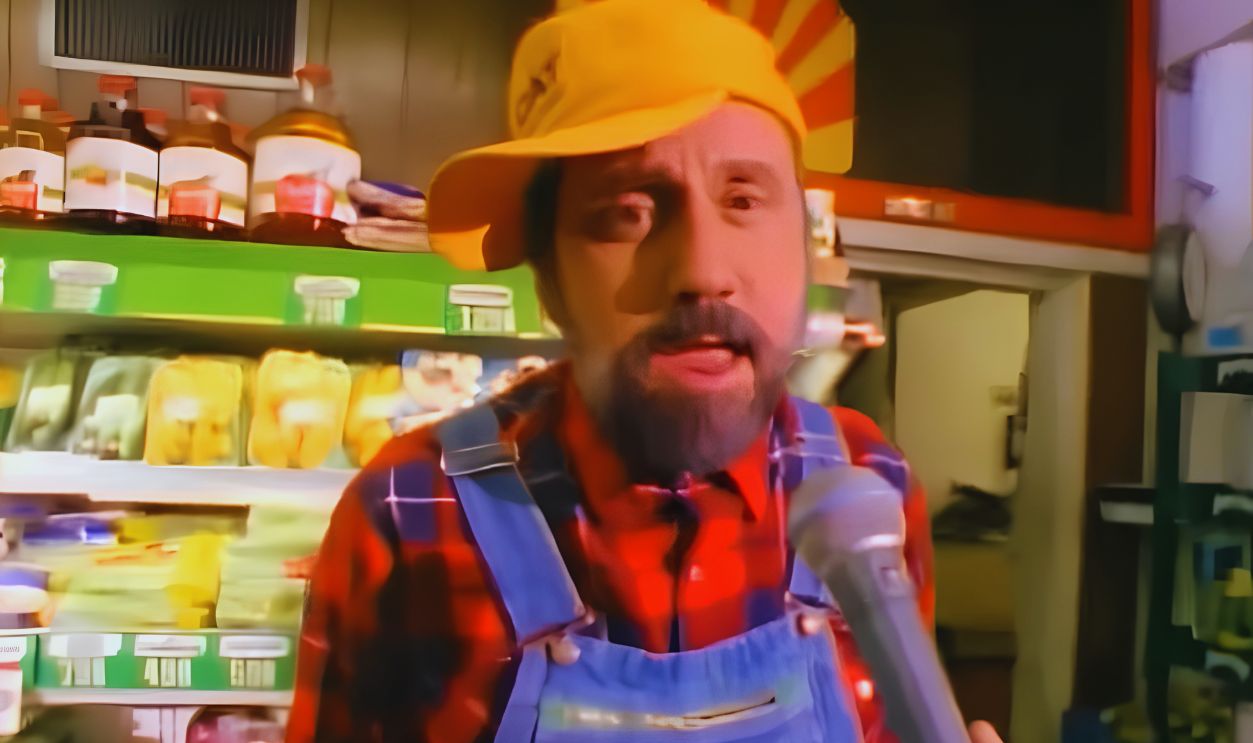 Screenshot from Ray Stevens - "The Streak", Barnaby Records (1974)
"Ode To Billie Joe" (Bobbie Gentry)
This mysterious story song became an instant phenomenon in 1967.
Listeners spent years debating what happened to Billie Joe and what exactly was thrown off the Tallahatchie Bridge. The mystery helped push the song to four weeks at No. 1 and turned it into a cultural event.
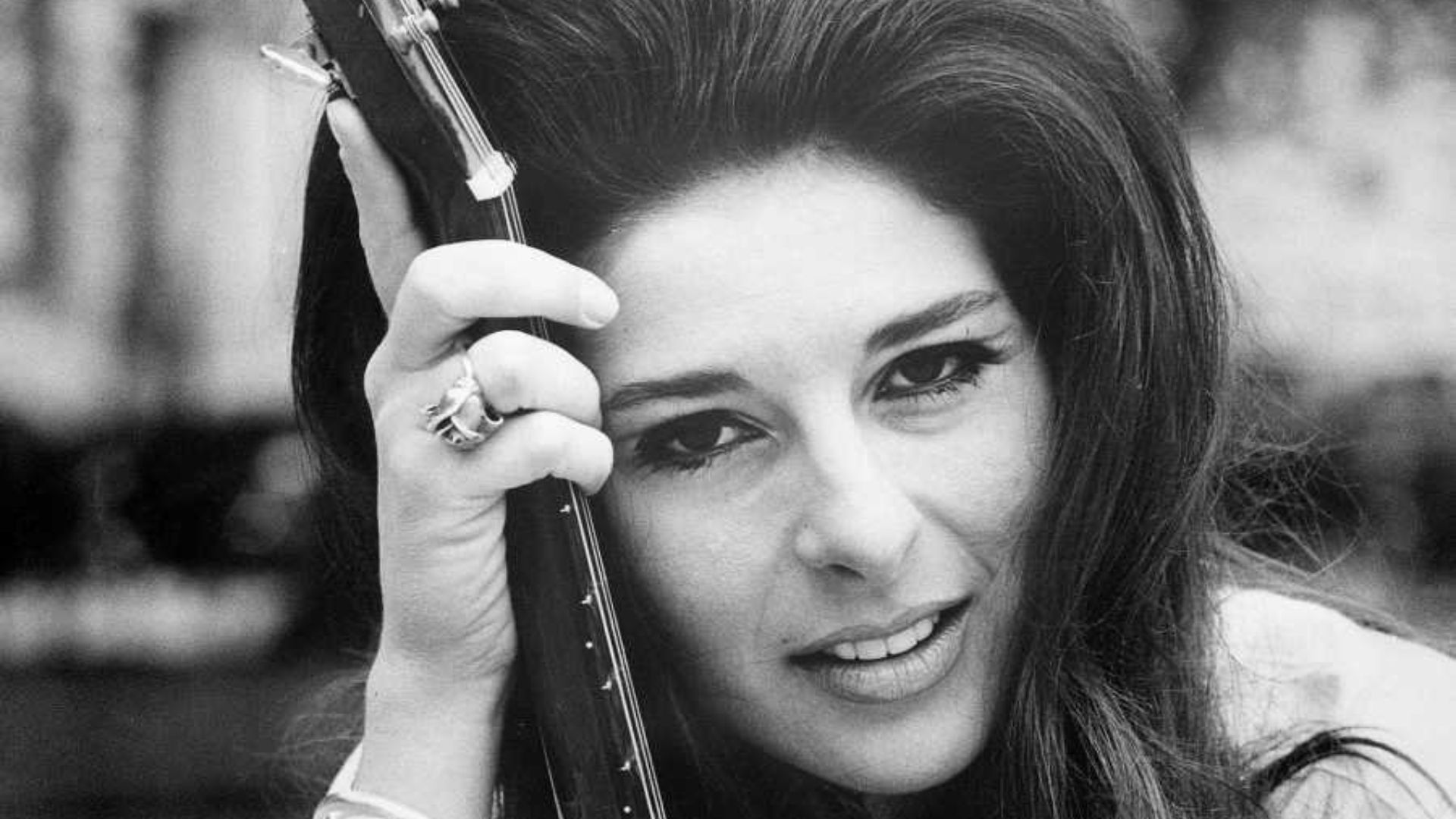 Capitol Records, Wikimedia Commons
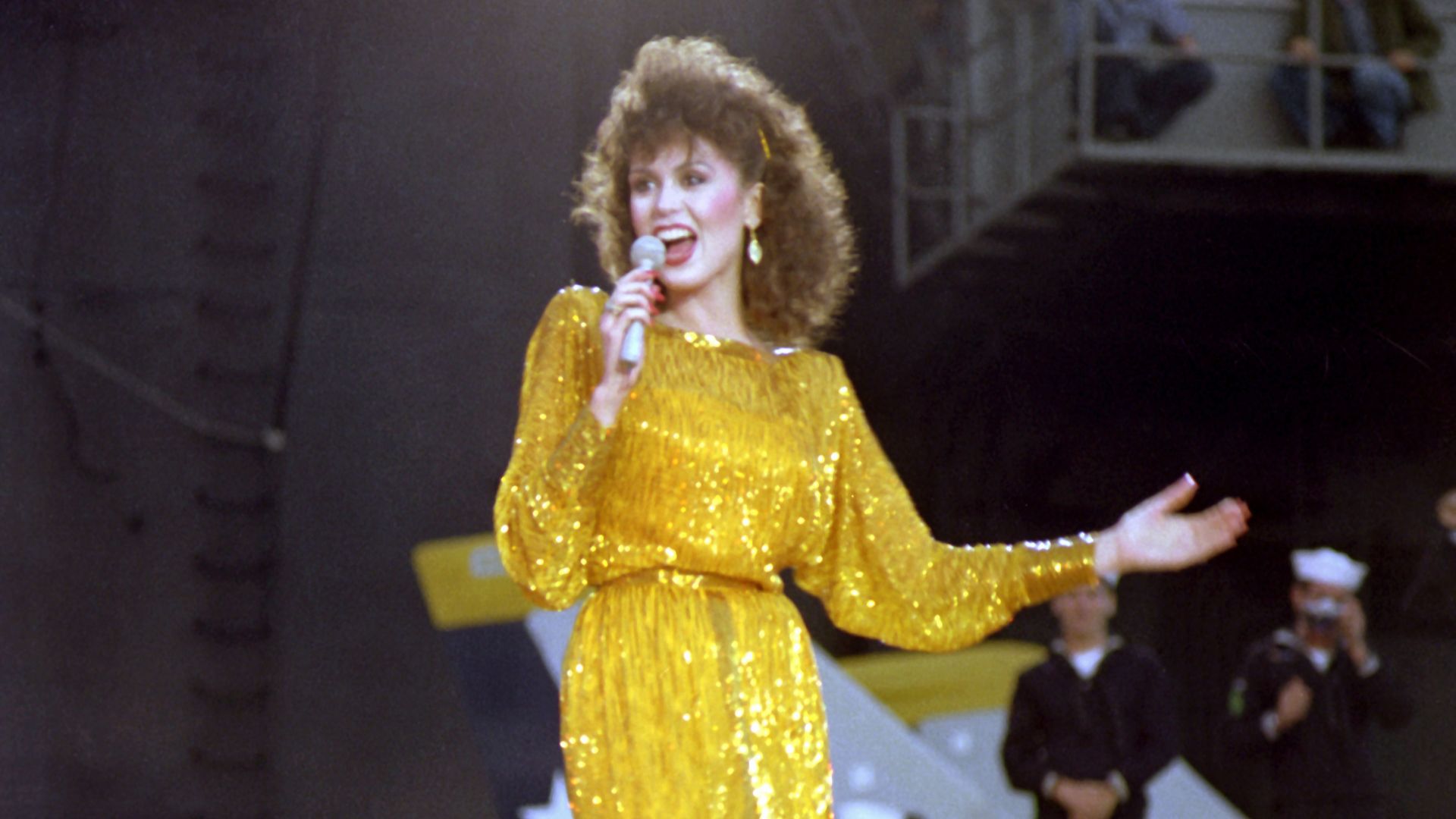
"Paper Roses" (Marie Osmond)
Marie Osmond was only 14 years old when this song became a massive hit.
The country-pop crossover reached No. 1 on the country charts and made her a star. While the Osmond name remains familiar, this particular song isn't nearly as well known among younger listeners.
"Afternoon Delight" (Starland Vocal Band)
Few songs scream "1970s" louder than this one.
The soft-rock hit topped the Billboard chart in 1976 and won a Grammy for Best New Artist. Despite its success, Millennials are only familiar with it because of the great Will Ferrell comedy, Anchorman. Actually, do Millennials know Anchorman?
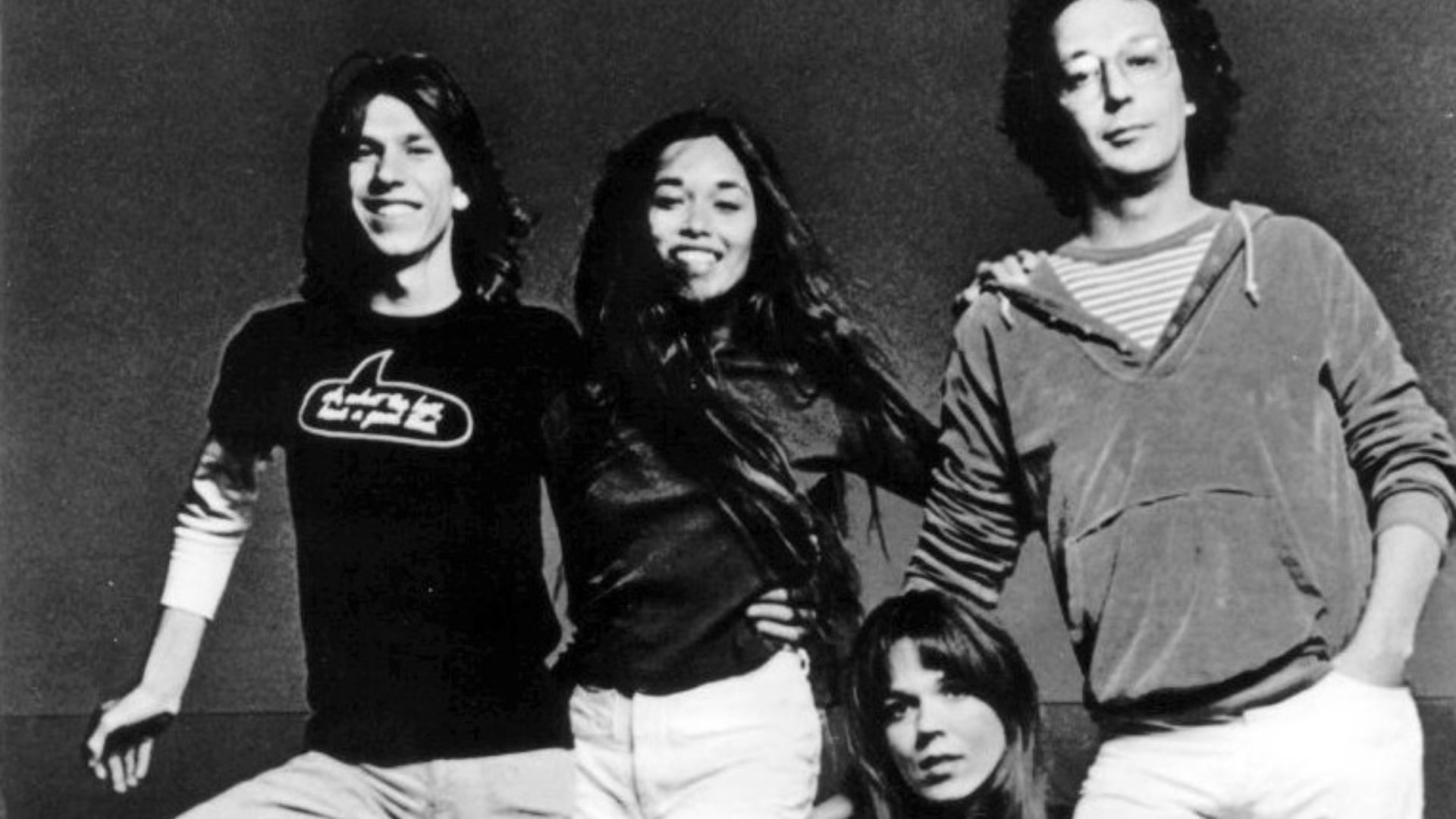 Windsong/RCA Records, Wikimedia Commons
"Knock Three Times" (Dawn)
Before Tony Orlando's name was added to the group, Dawn scored a giant hit with this catchy tune.
The song reached No. 1 in early 1971 and became one of the biggest singles of the year. It still sounds infectious today, even if most millennials couldn't tell you who recorded it.
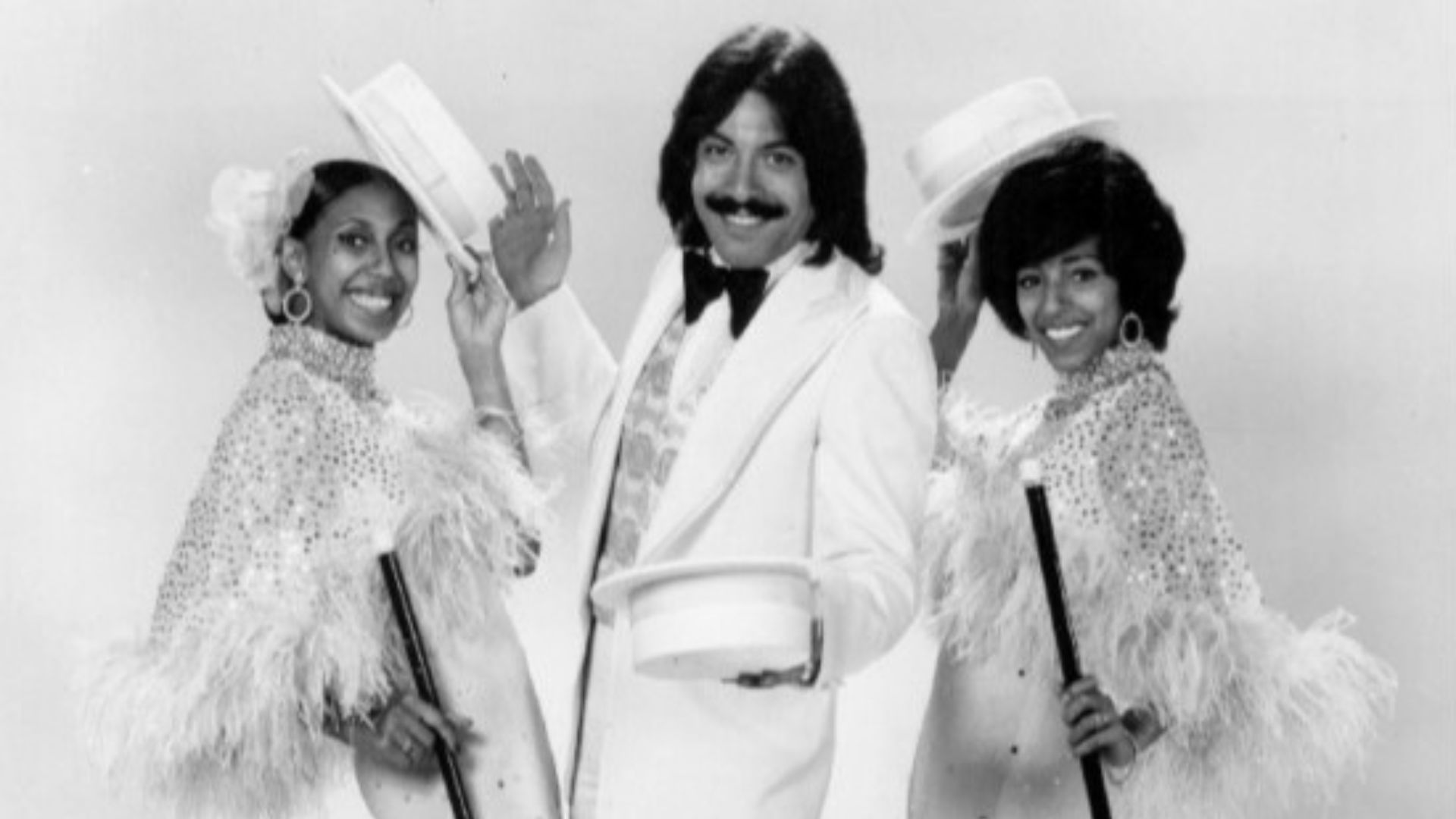 CBS Television, Wikimedia Commons
"Brother Louie" (Stories)
This 1973 hit tackled interracial relationships at a time when few pop songs addressed the topic directly.
It spent a week at No. 1 and became a defining record of the era. The song has been largely overshadowed by later covers and remakes, leaving the original version somewhat forgotten.
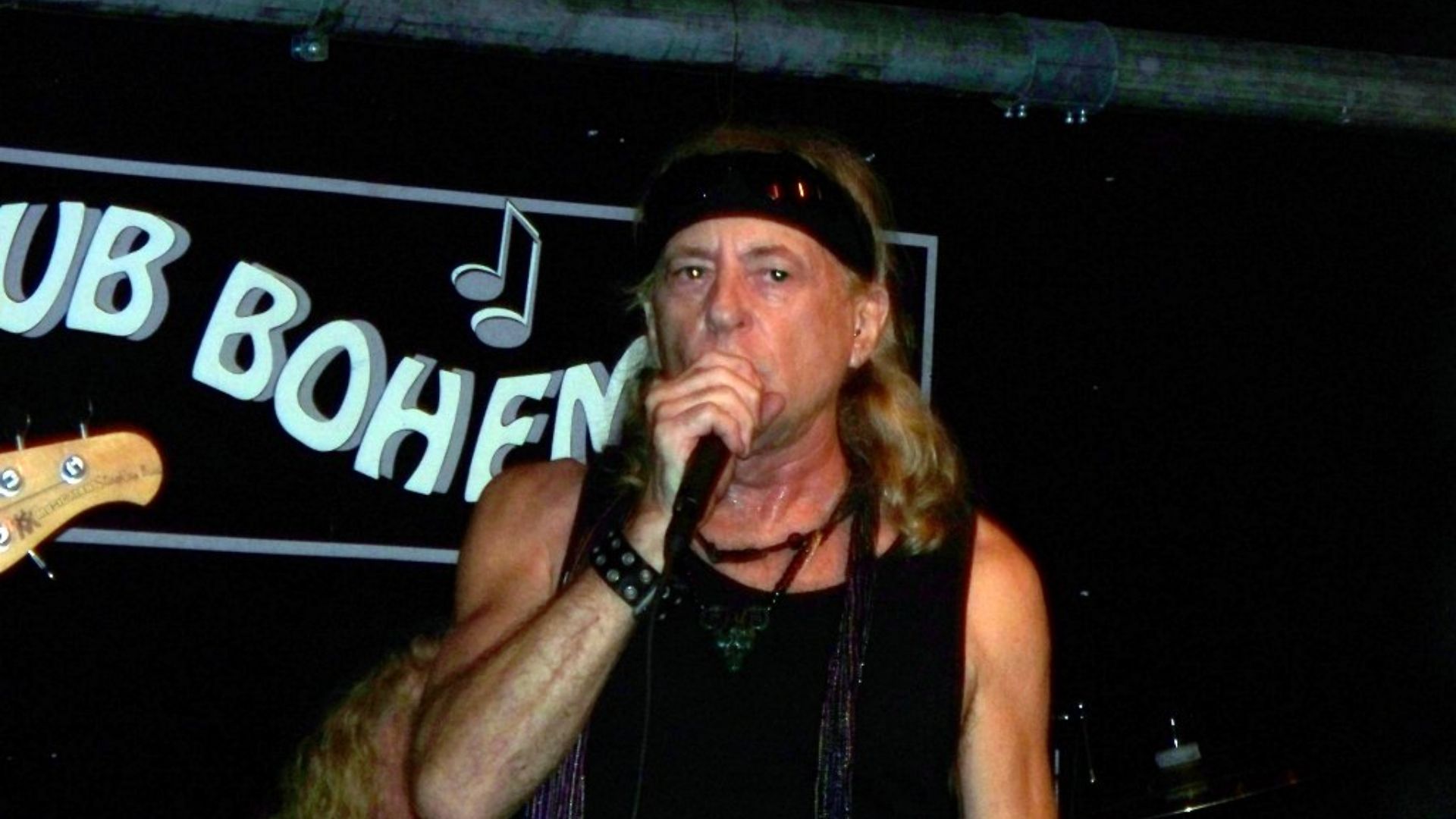 Michael Borkson, Wikimedia Commons
"Alone Again (Naturally)" (Gilbert O'Sullivan)
For a song with such a catchy melody, the lyrics are surprisingly bleak.
The song spent six weeks at No. 1 in 1972 and became one of the biggest records of the decade. Boomers remember it instantly, while younger listeners often discover it years later and wonder how they'd never heard it before.
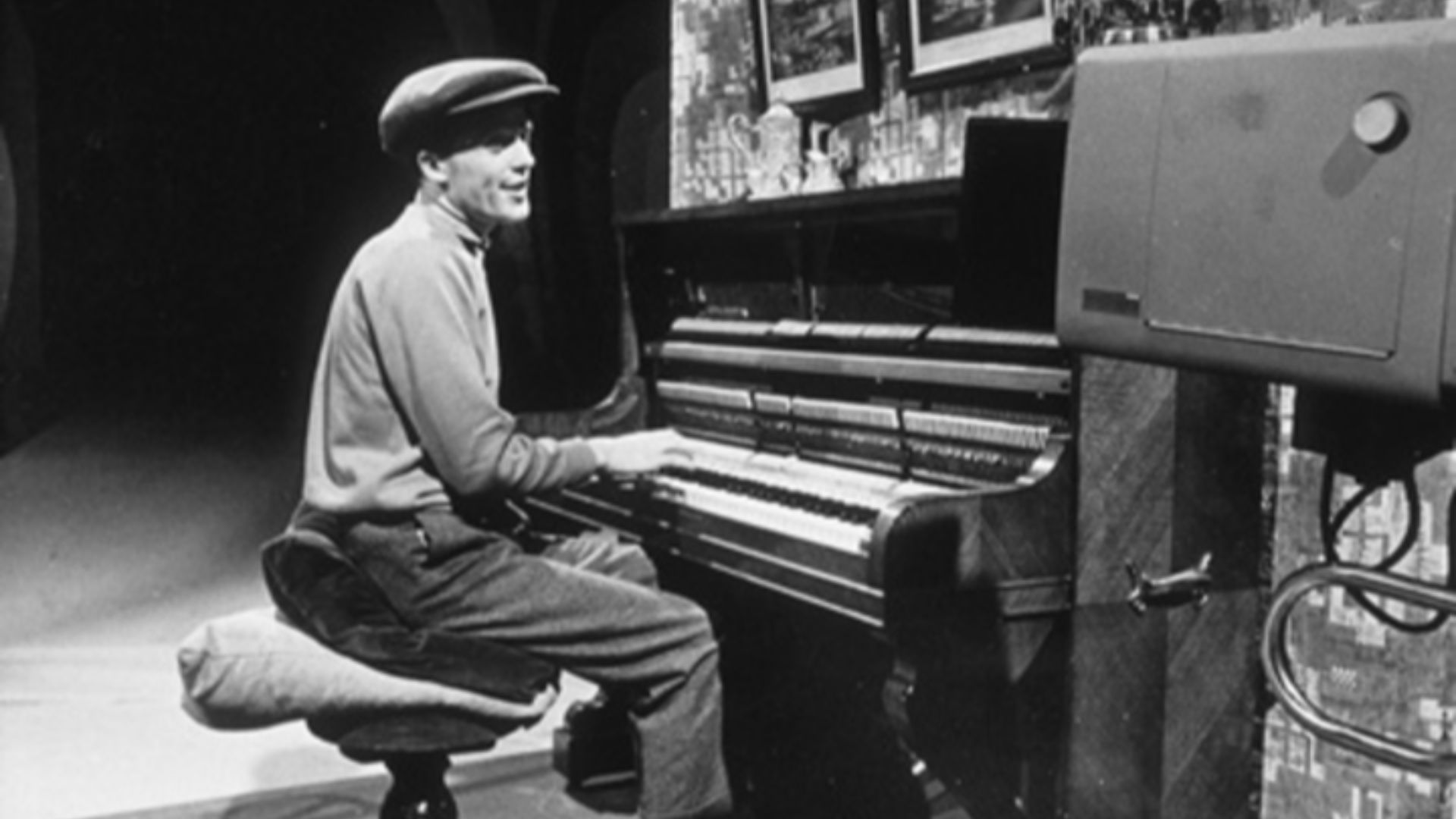 Kevin O'Sullivan, Wikimedia Commons
"Mandy" (Barry Manilow)
Barry Manilow's first No. 1 hit helped launch one of the most successful careers in pop music history.
The song topped the charts in 1975 and became a concert staple for decades. Yet many millennials know Manilow's name better than they know the song that started it all. Which is a little like knowing who Barry Manilow is but not actually knowing a Barry Manilow song.
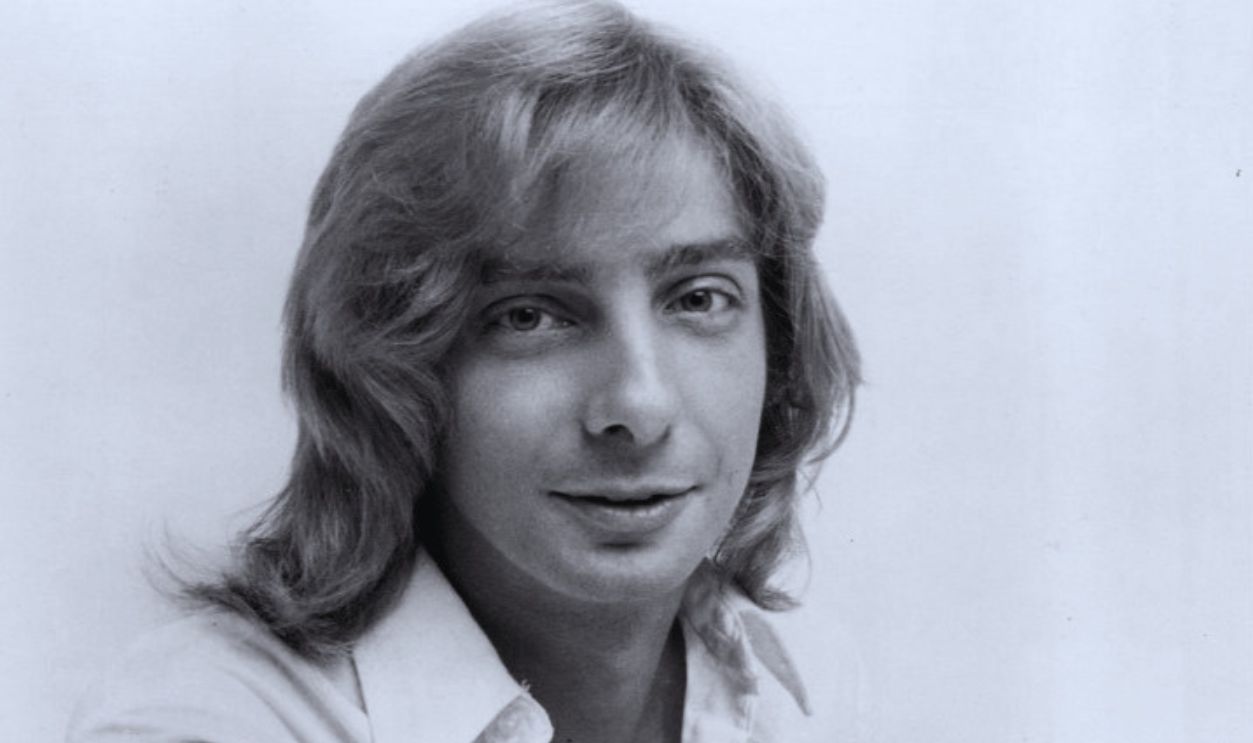 William Morris Agency (management), Wikimedia Commons
"Convoy" (C.W. McCall)
A song about truck drivers communicating over CB radio probably sounds like an unusual recipe for a chart-topping smash.
In 1976, it became exactly that. Convoy spent a week at No. 1 and sparked a nationwide CB-radio craze. For boomers, it's nostalgia. For many millennials, it's the moment they discover CB radios were once a real thing and not something invented for old trucker movies.
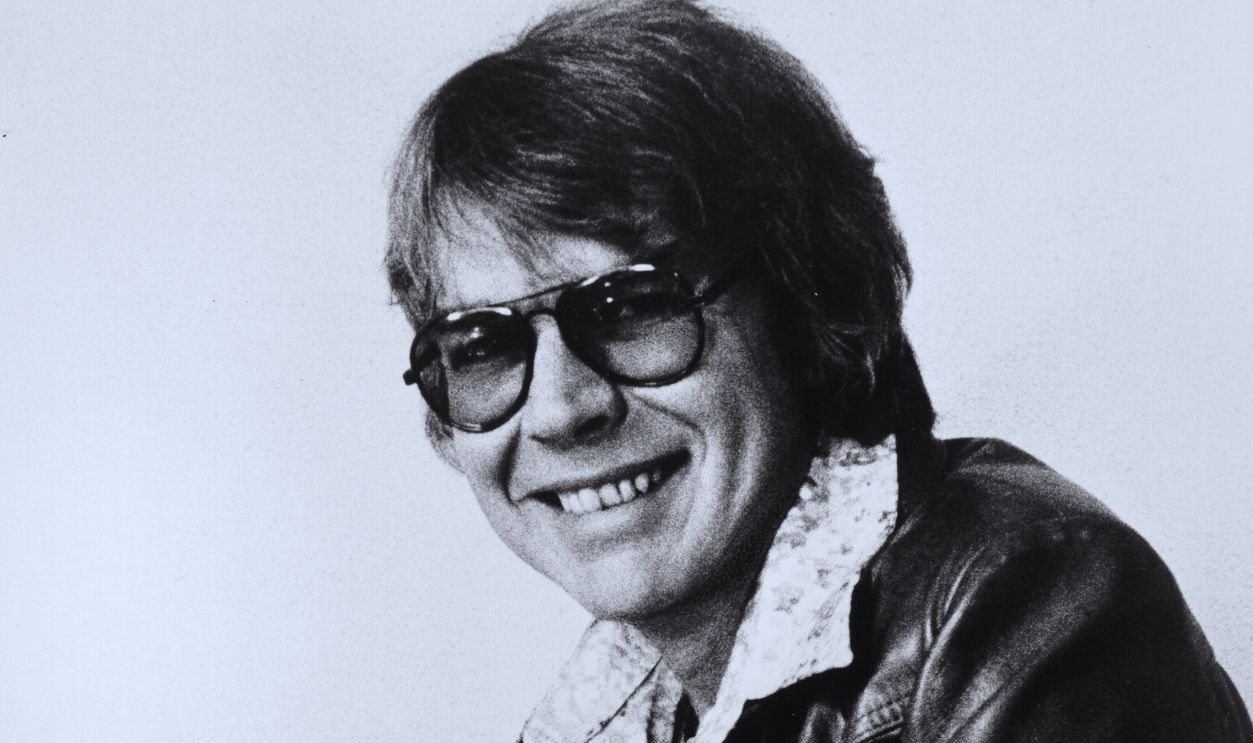 Michael Ochs Archives, Getty Images
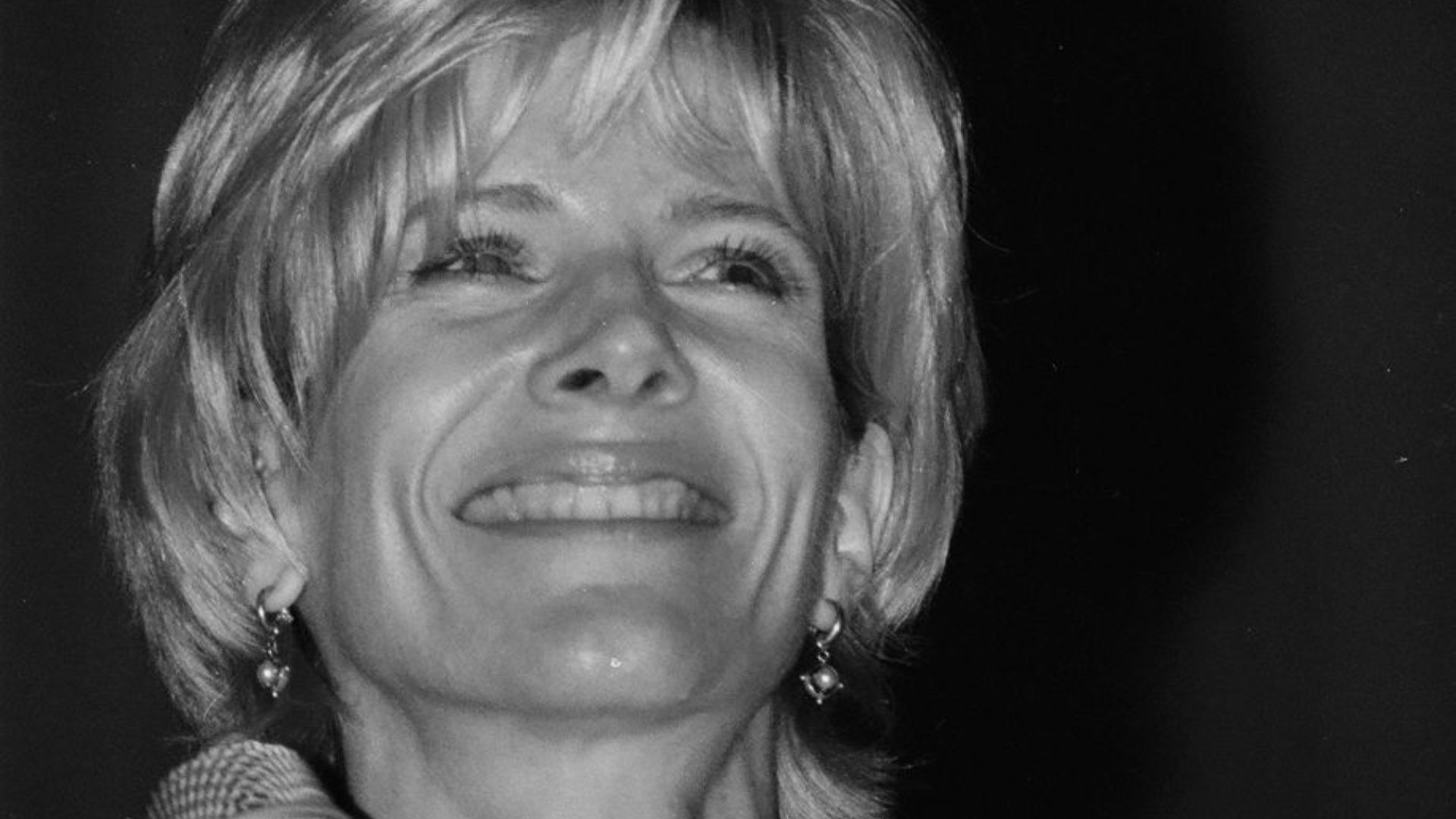
"You Light Up My Life" (Debby Boone)
This wasn't just a hit. It was a monster.
The song spent 10 consecutive weeks at No. 1 in 1977, setting a Billboard record at the time. Despite that incredible success, it rarely appears in discussions of the biggest songs ever recorded. Ten weeks at No. 1 should buy you a little more respect than that.
 John Mathew Smith & www.celebrity-photos.com from Laurel Maryland, USA, Wikimedia Commons
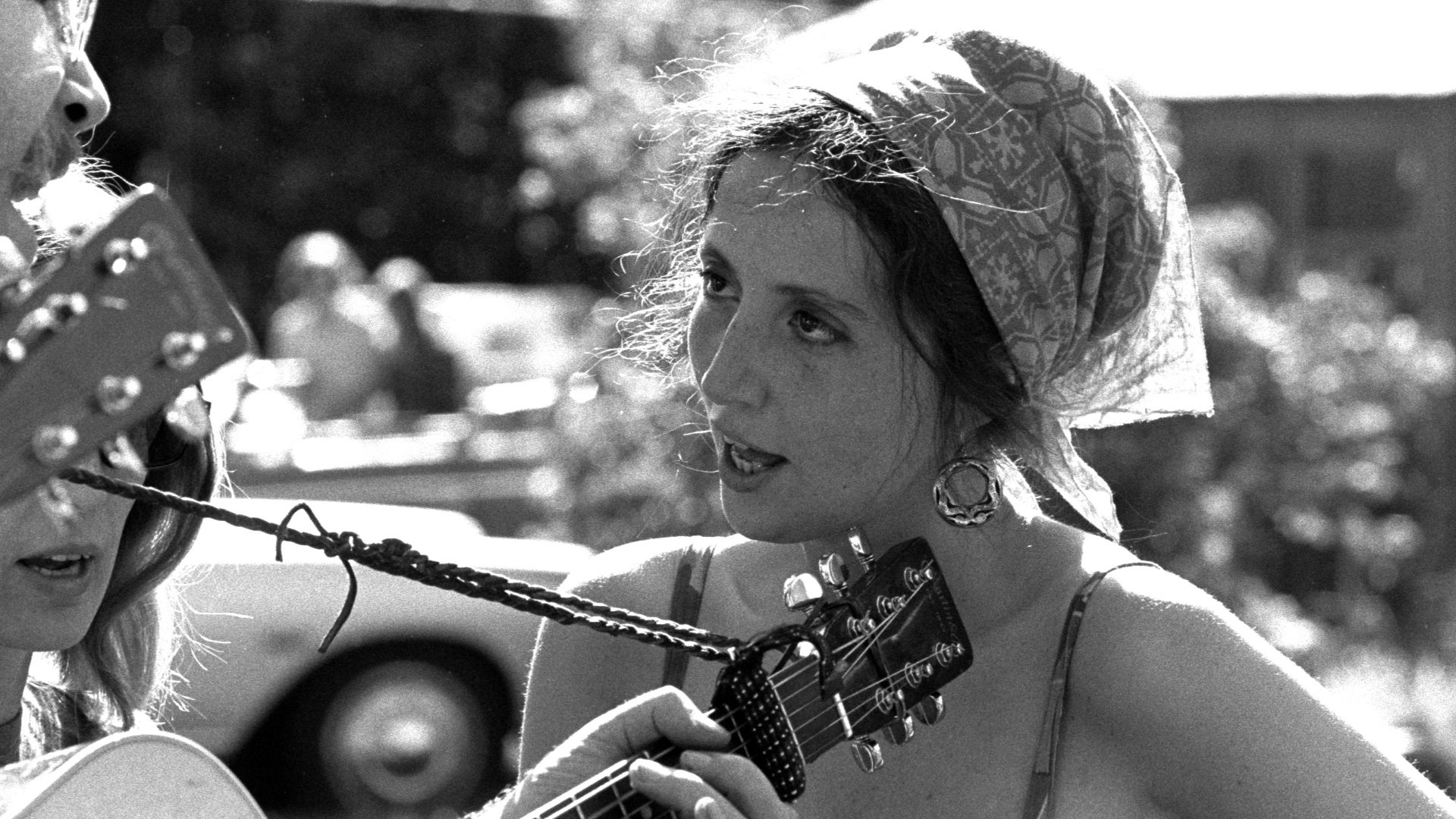
"Midnight At The Oasis" (Maria Muldaur)
This breezy 1974 hit never reached No. 1, but it became so closely associated with the decade that many boomers still remember every lyric.
Its blend of pop, jazz, and country influences made it stand out from the crowd. Today, it feels like one of those songs that everybody knew once and almost nobody talks about now.
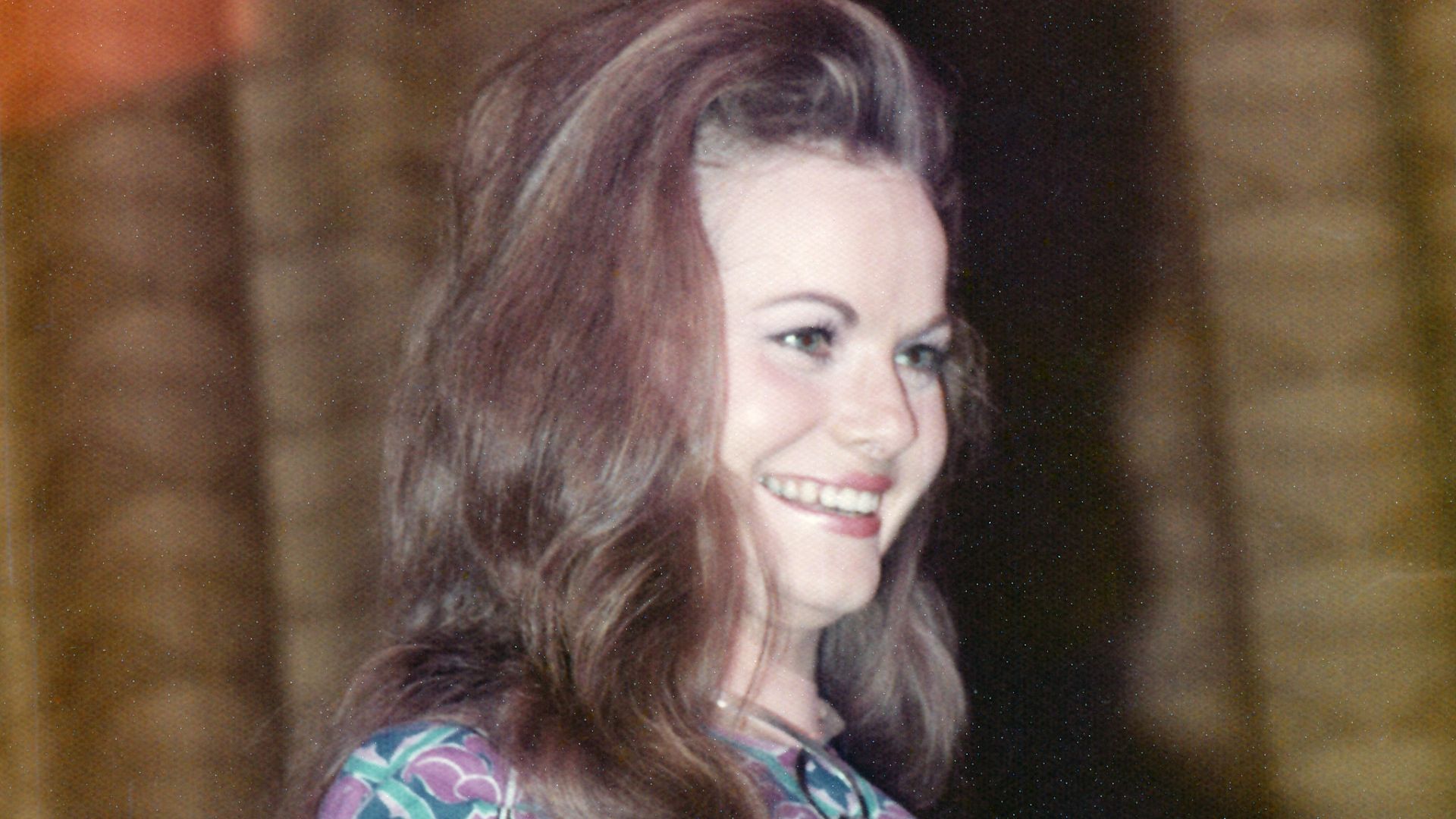
"Harper Valley P.T.A." (Jeannie C. Riley)
This country-pop crossover sensation became a cultural phenomenon in 1968.
The song reached No. 1 on both the pop and country charts and eventually inspired a movie and television series. That's how big it was. Yet plenty of younger music fans have never encountered it.
 The original uploader was Lemuela at English Wikipedia., Wikimedia Commons
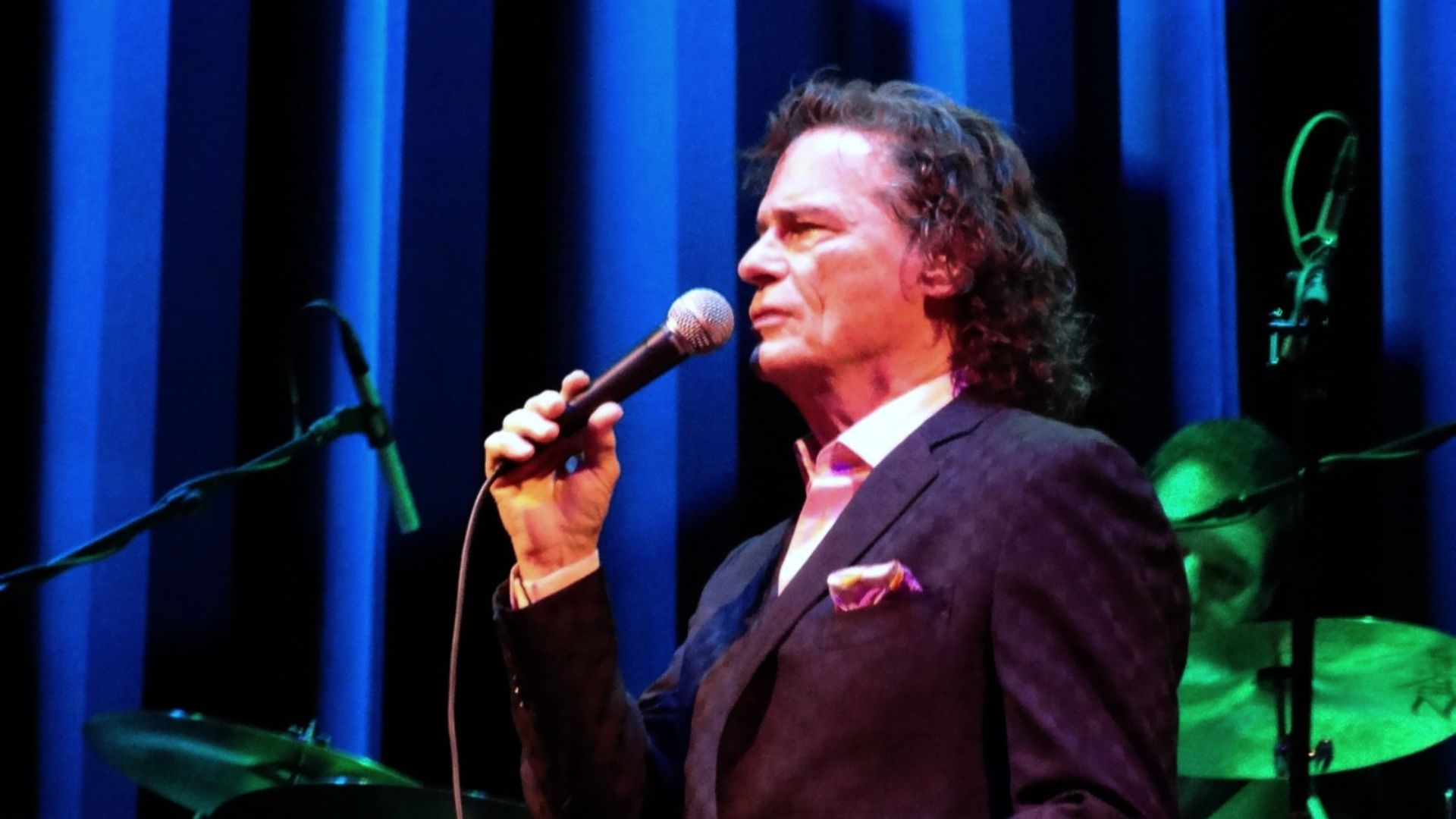
"Raindrops Keep Fallin' On My Head" (B.J. Thomas)
Thanks to its appearance in Butch Cassidy and the Sundance Kid, this song became one of the defining hits of 1970.
It spent four weeks at No. 1 and remains undeniably catchy. But ask a room full of millennials to identify it, and you'll probably get fewer correct answers than you'd expect. The melody? Everybody knows it. The title? That's where things get messy.
 Michael Borkson, Wikimedia Commons
"Me And Mrs. Jones" (Billy Paul)
Smooth, soulful, and impossible to forget once you've heard it, this 1972 hit topped the charts and became Billy Paul's signature song.
It has influenced countless artists over the years, but many younger listeners know later songs that sampled it better than they know the original.
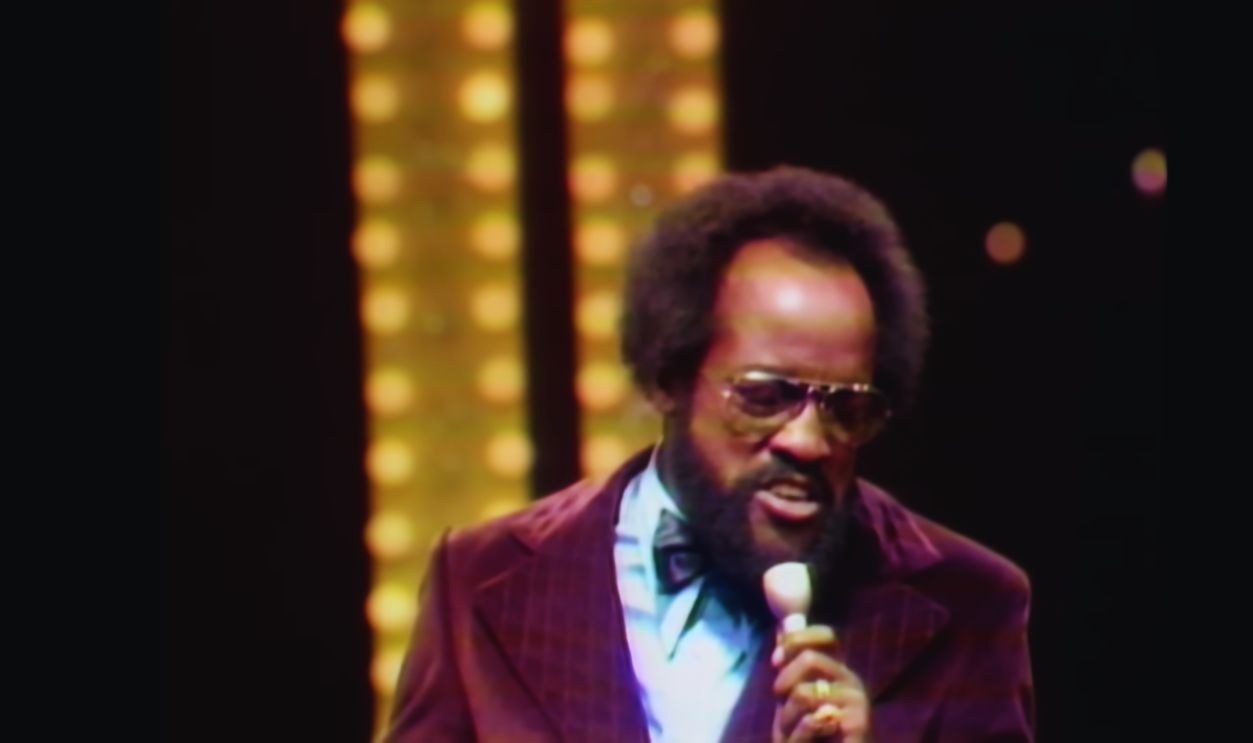 Screenshot from Billy Paul - "Me and Mrs. Jones", Philadelphia International Records (1972)
"Feelings" (Morris Albert)
For a while, this song seemed impossible to escape.
Released in the mid-70s, it became an international smash and inspired countless covers. Today, it's often remembered more as a punchline than a chart phenomenon, but there was a time when millions absolutely loved it.
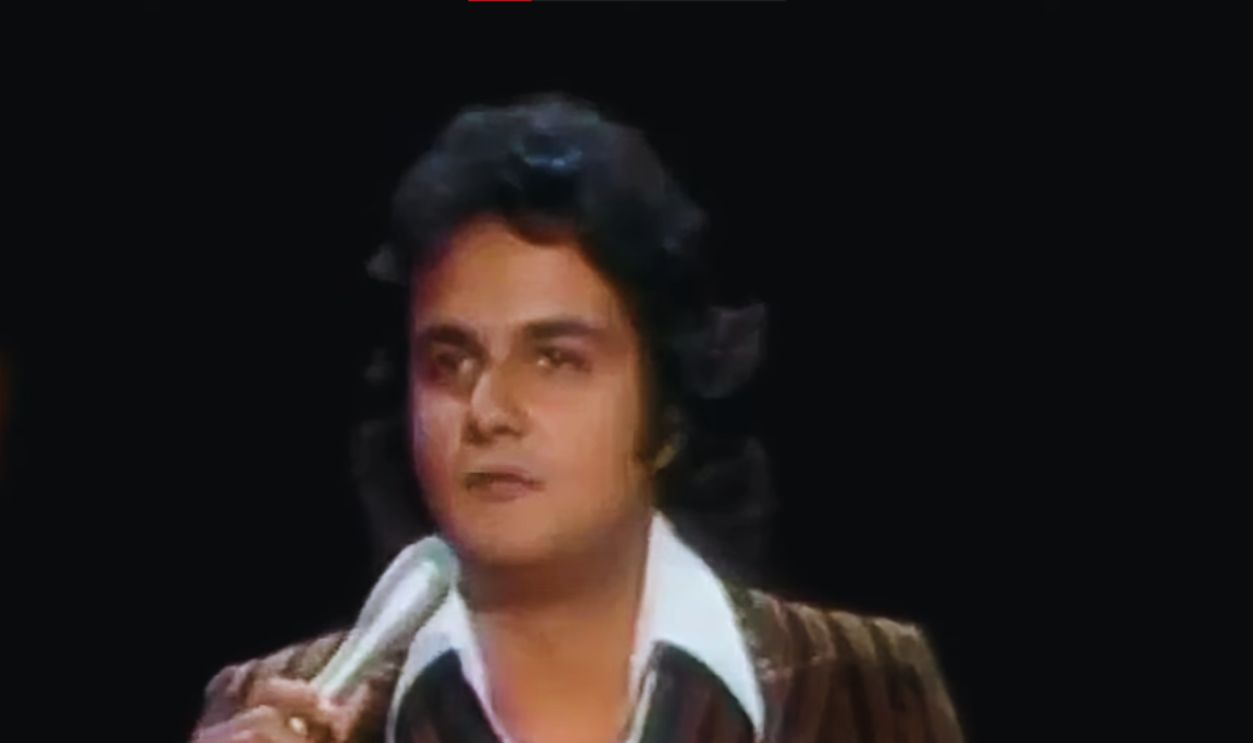 Screenshot from "Feelings" Morris Albert, RCA Records (1975)
"The Morning After" (Maureen McGovern)
Featured in the disaster movie The Poseidon Adventure, this dramatic ballad became a surprise No. 1 hit in 1973.
The song won an Academy Award and dominated radio playlists. Modern audiences are often familiar with the movie but not the song that became an enormous standalone success.
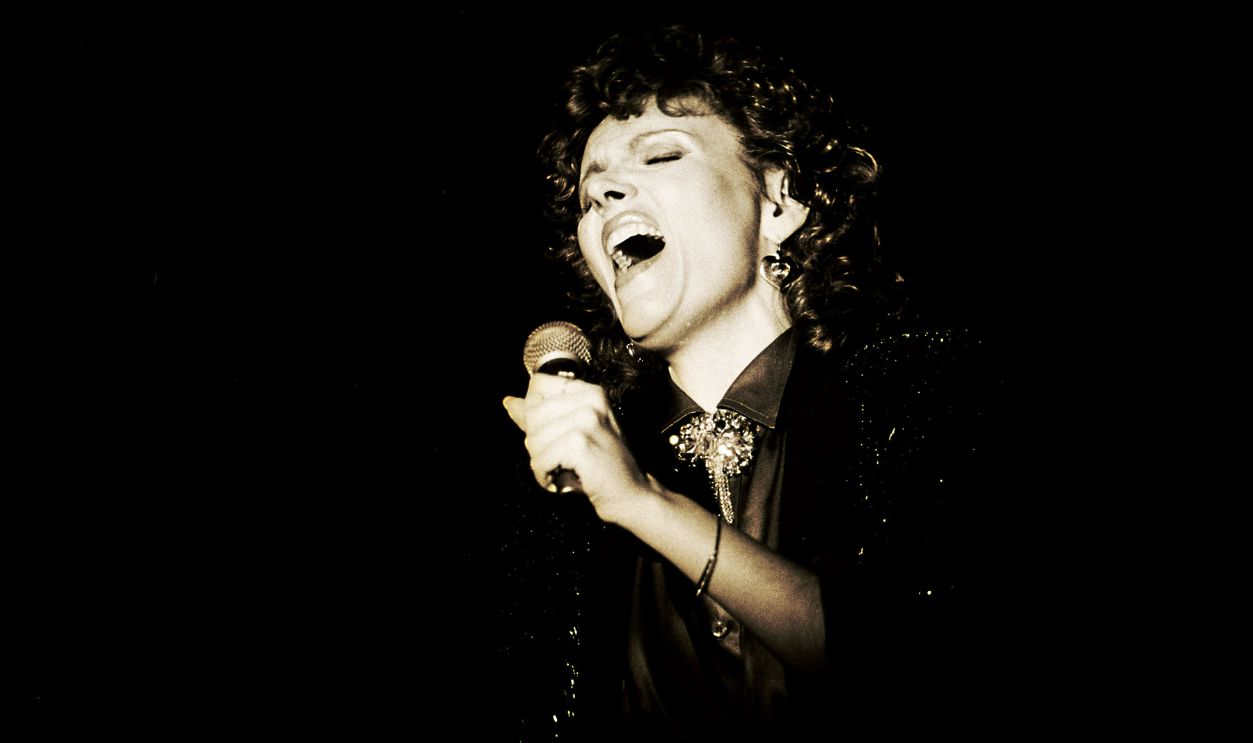
"Escape (The Piña Colada Song)" (Rupert Holmes)
This one has survived better than most songs on this list, but many younger listeners still know the famous chorus without knowing the title, artist, or story.
It reached No. 1 in 1979 and remains one of the most uniquely entertaining story songs ever recorded. It's basically a three-minute romantic comedy with one of the weirdest happy endings in pop music history.
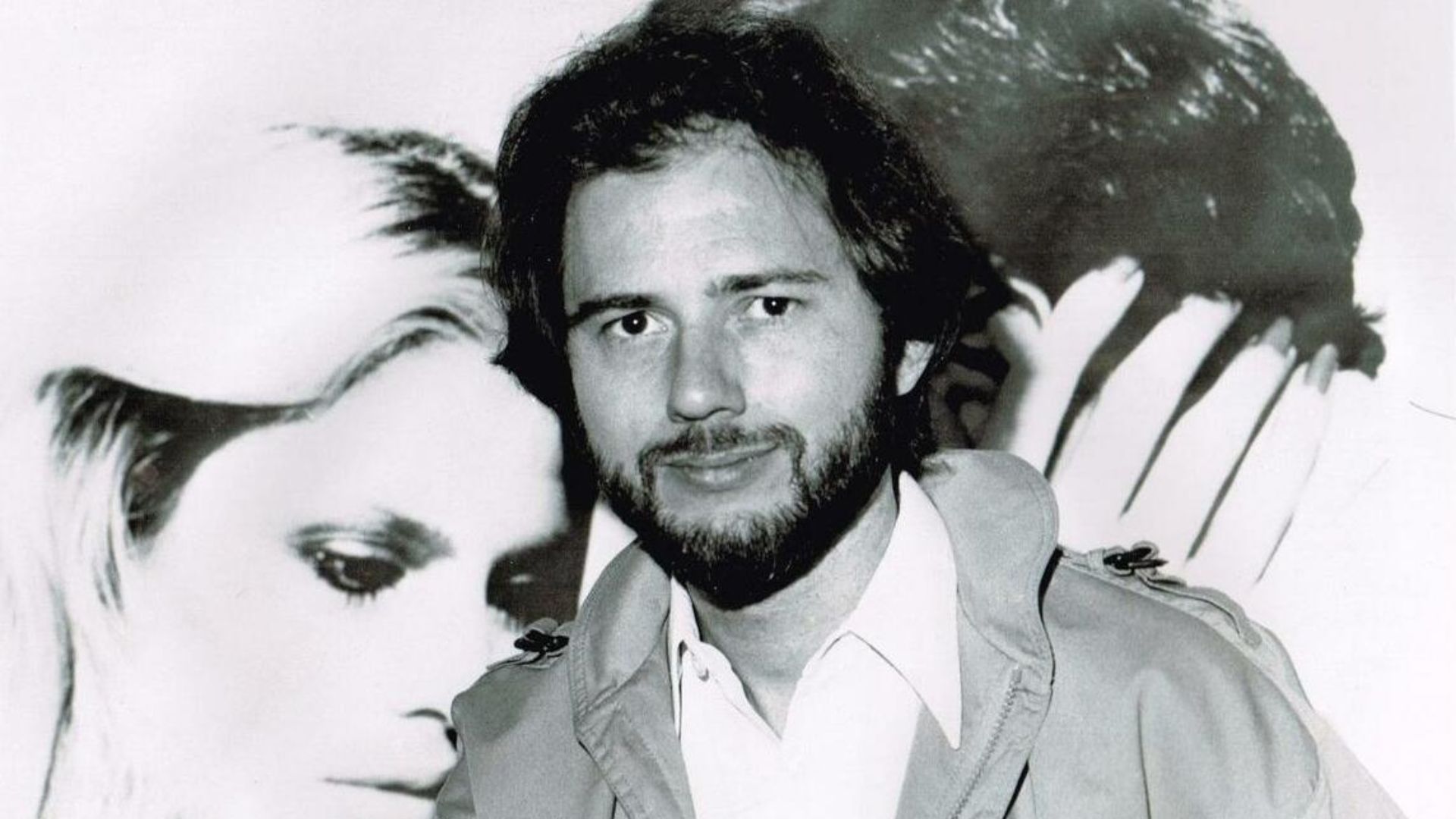 Infinity Records, Wikimedia Commons
"The First Time Ever I Saw Your Face" (Roberta Flack)
Roberta Flack's beautiful ballad became a sensation after being featured in Clint Eastwood's film Play Misty for Me.
The song spent six weeks at No. 1 in 1972 and won the Grammy for Record of the Year. It's one of the most acclaimed hits of the era, yet younger listeners often overlook it entirely.
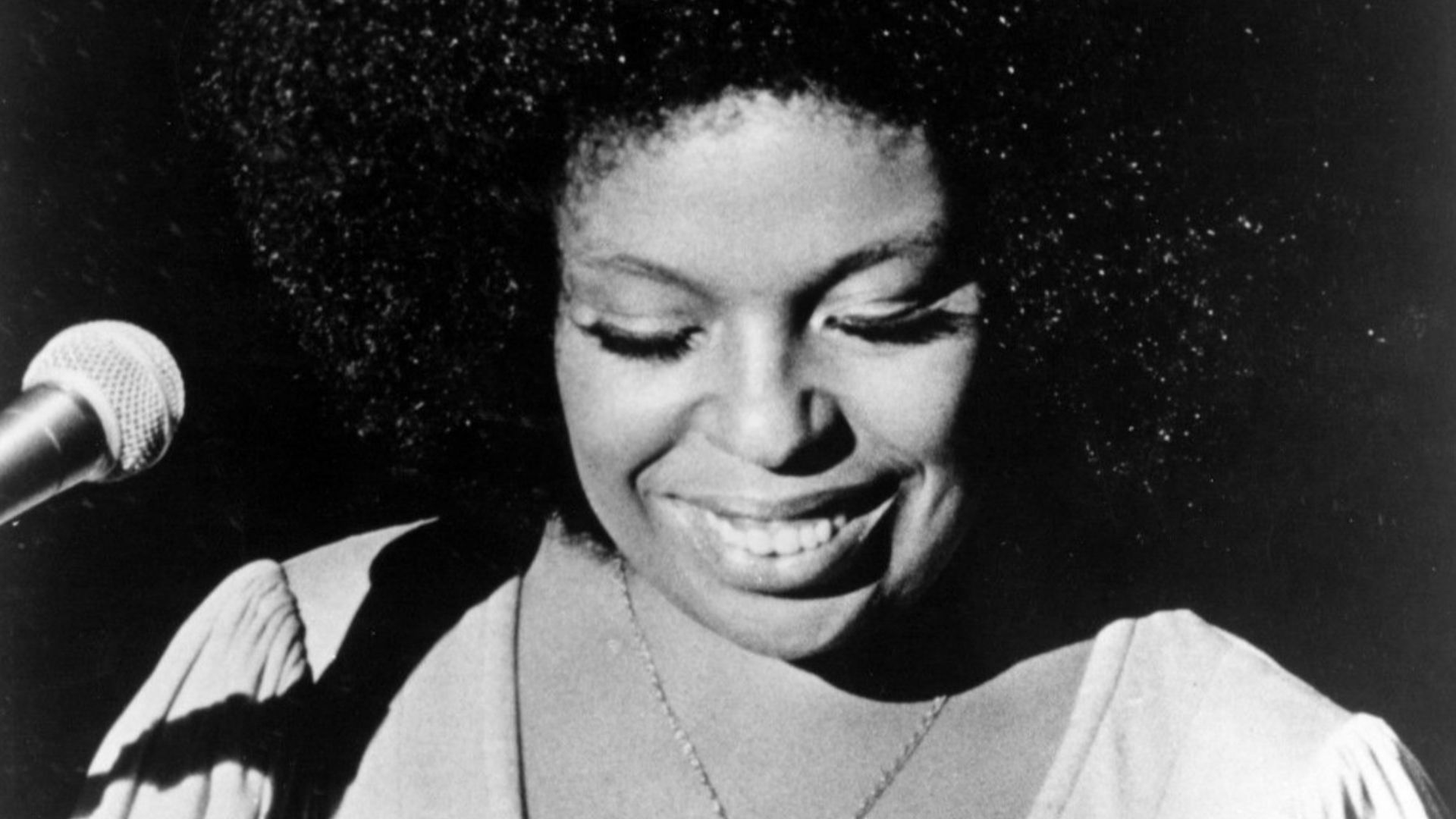 CMA-Creative Management Associates, Wikimedia Commons
You Might Also Like:
Rock Bands Who Clearly Didn’t Want To Make These Albums—And You Can Hear It