When The Weird Stuff Somehow Took Over The Charts
Pop music usually follows trends, but every once in a while, something completely unexpected slips through and takes over the world. Novelty songs, oddball production, bizarre concepts, or just straight-up chaotic energy—these tracks weren’t supposed to dominate the charts, and yet somehow, for a moment, they hit the number one spot.
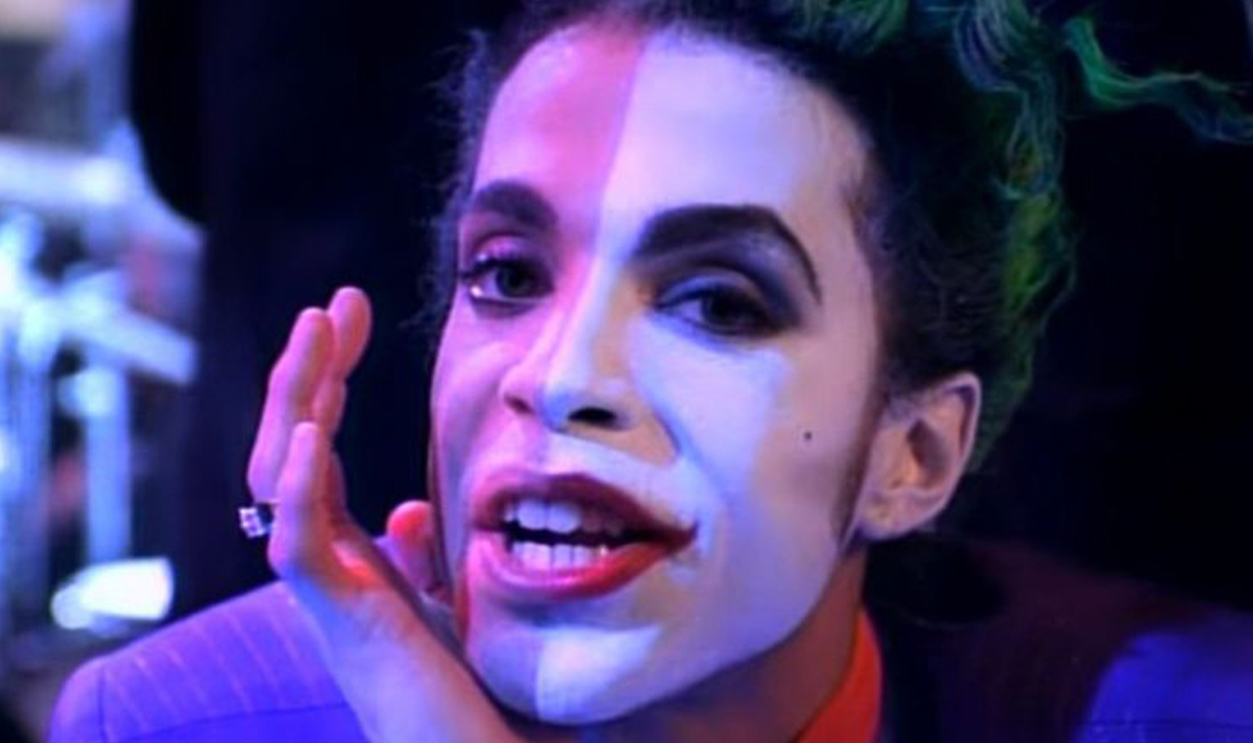
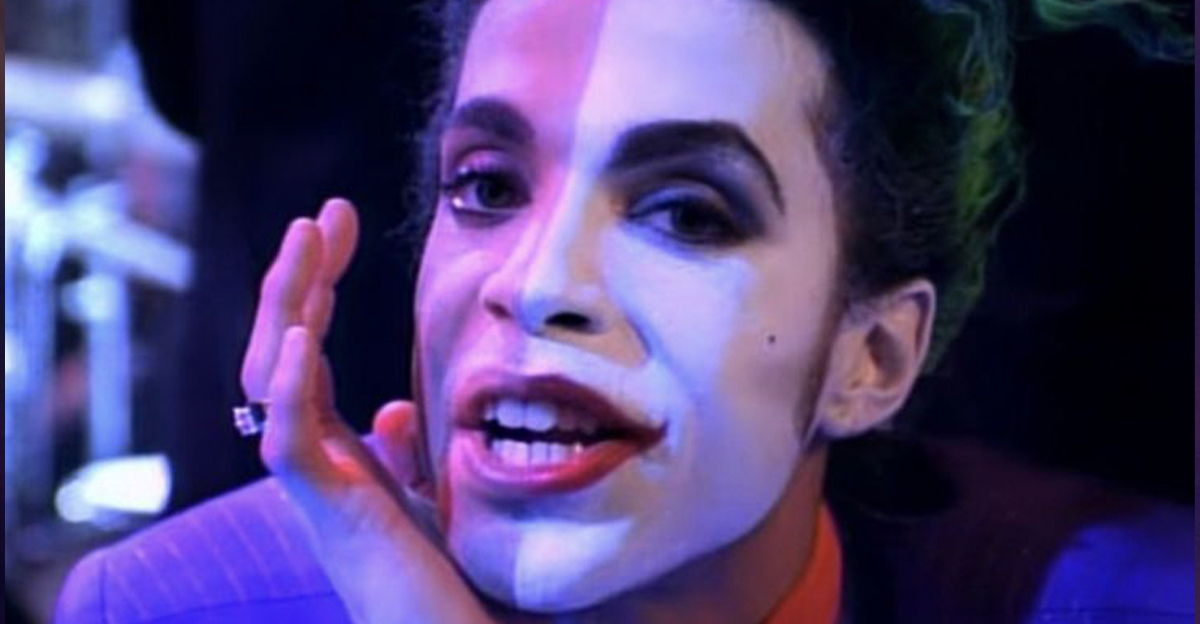 Screenshot from Partyman (extended cut) by Prince, Warner Records (1989)
Brian Hyland — “Itsy Bitsy Teenie Weenie Yellow Polkadot Bikini”
This song sounds like a tongue-twister turned into a hit single. Released in 1960, it tells a playful story about a shy girl at the beach, all wrapped in an overly catchy, almost novelty-style melody. Its success came from its sheer silliness and memorable phrasing, proving that sometimes a quirky concept is all it takes to grab attention.
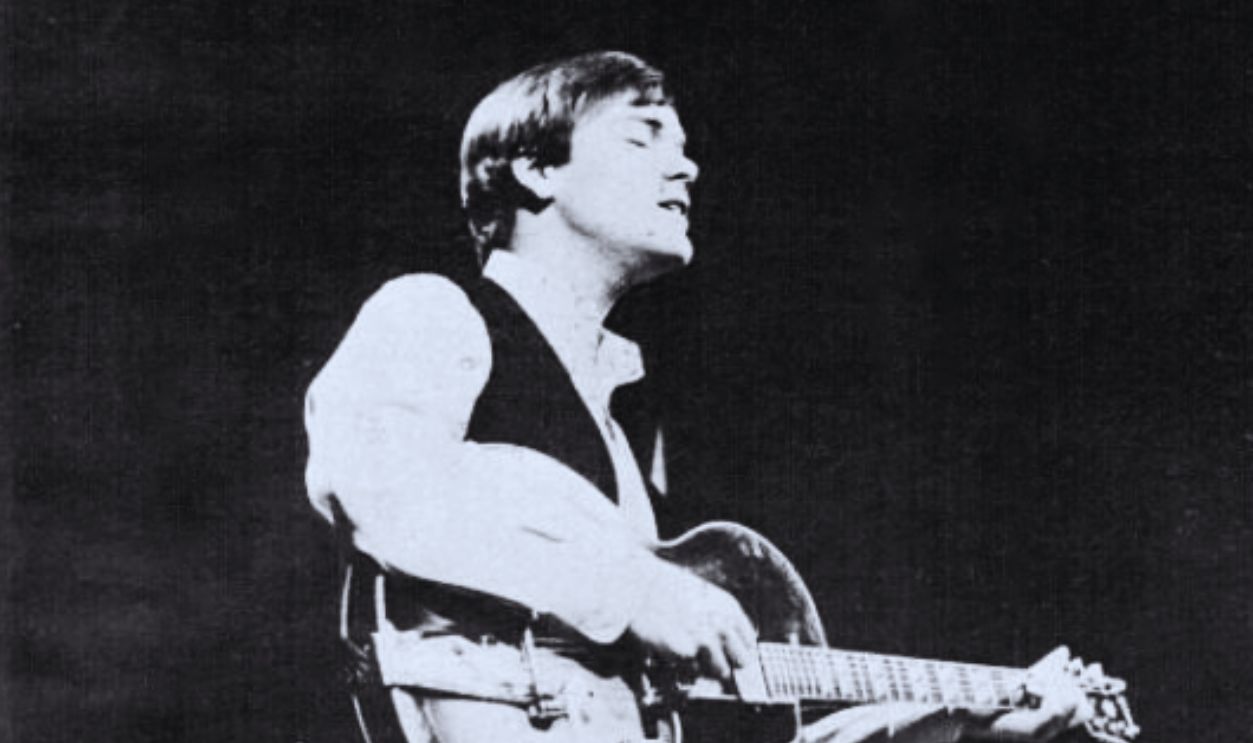 Philips Records, Wikimedia Commons
Carl Douglas — “Kung Fu Fighting”
“Kung Fu Fighting” rode the wave of 1970s martial arts mania and turned it into a disco hit. With exaggerated vocals and faux-Asian instrumentation, the song leaned heavily into its theme. It was originally recorded as a B-side, but its novelty appeal and timing helped it become an international smash almost overnight.
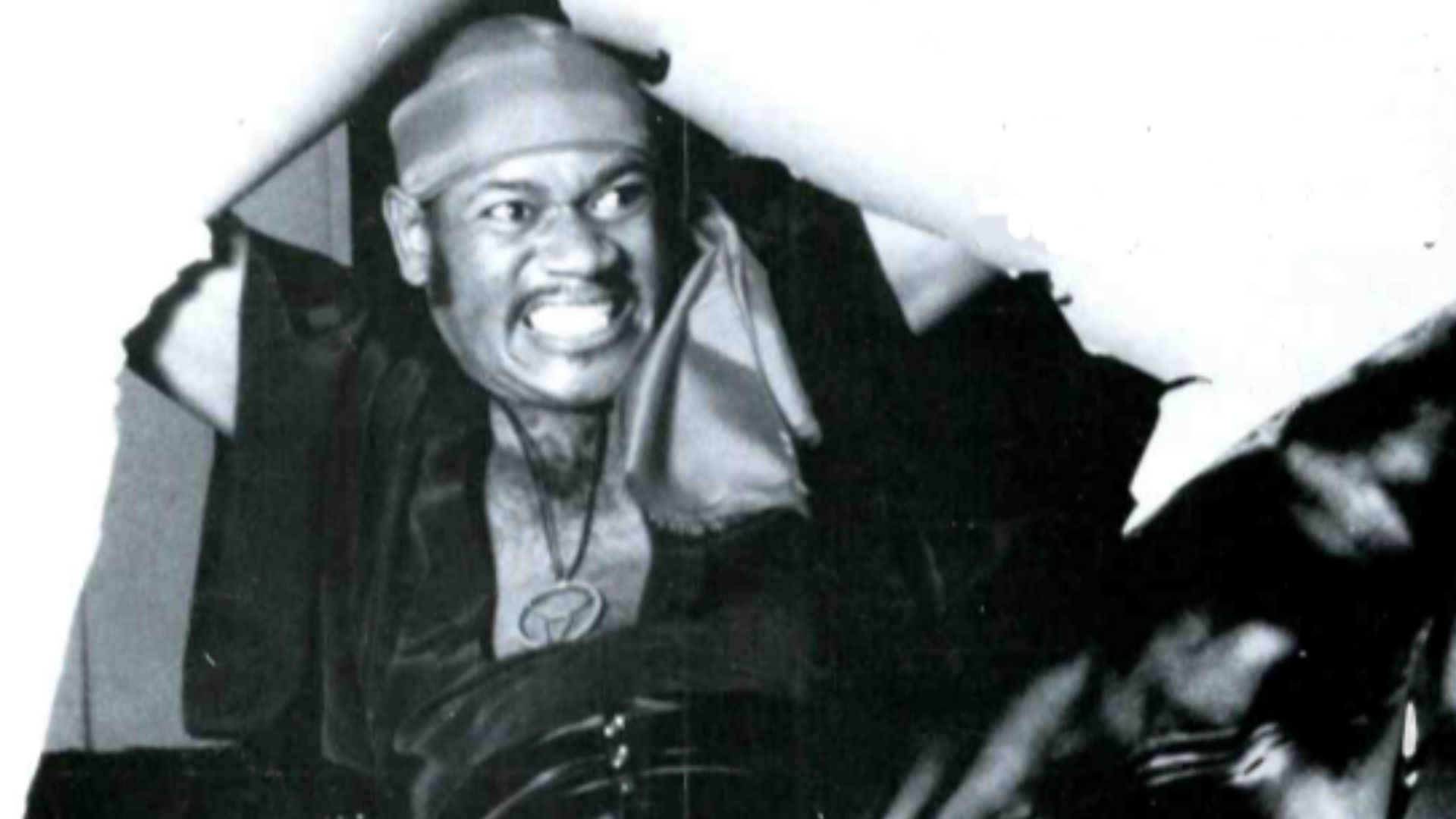 20th Century Records, Wikimedia Commons
Rick Dees And His Cast Of Idiots — “Disco Duck”
“Disco Duck” is exactly what it sounds like—a disco song featuring a cartoonish duck voice. It was meant as a parody, but somehow it climbed to number one in 1976. Radio stations played it relentlessly, even as some critics dismissed it as pure novelty, making it one of the strangest chart-toppers of the disco era.
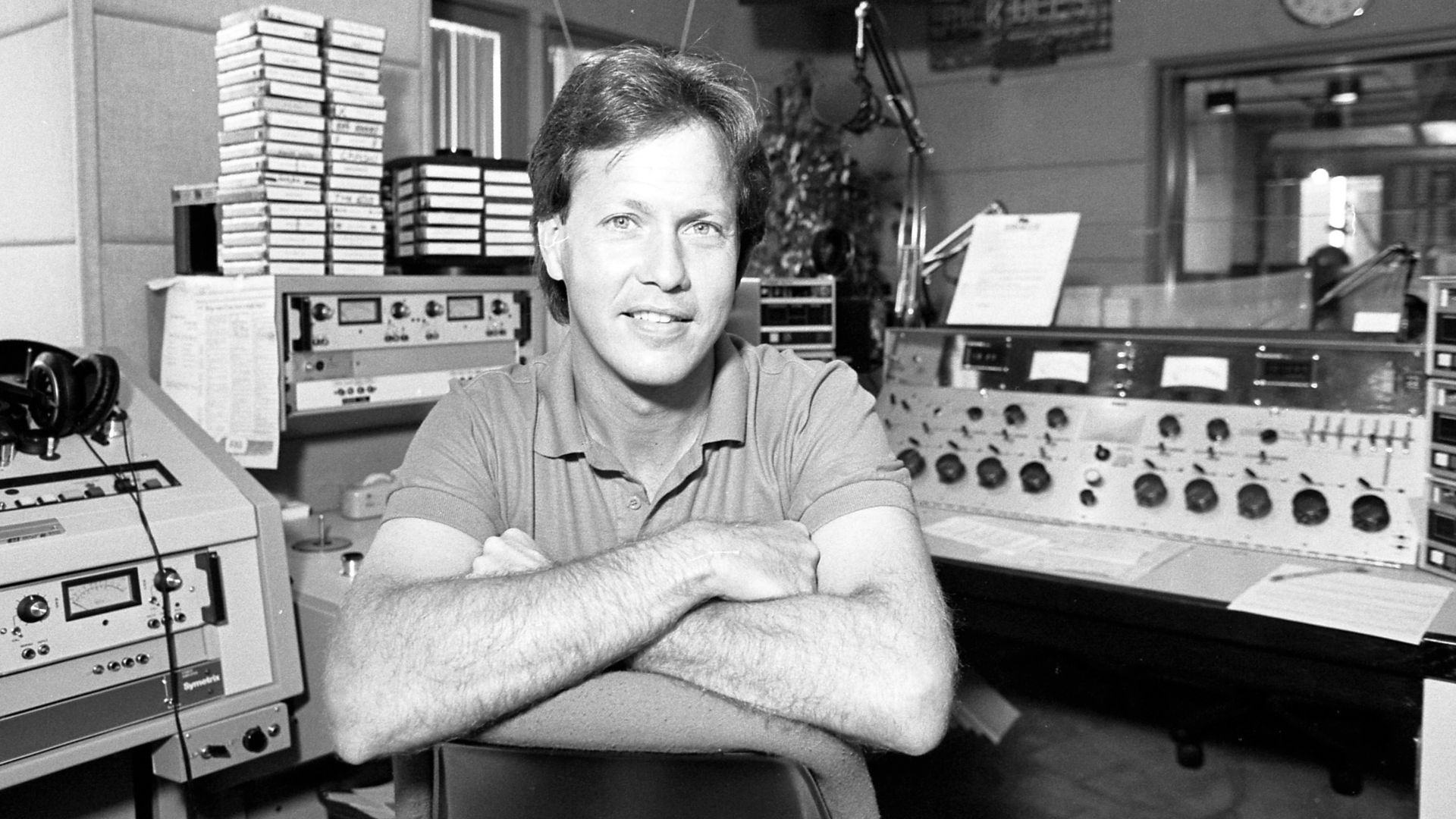 Larry Bessel, Los Angeles Times, Wikimedia Commons
Meco — “Star Wars Theme/Cantina Band”
Turning a film score into a disco track shouldn’t have worked, but Meco pulled it off. Released in 1977, this version of the Star Wars theme blended orchestral elements with dance beats. It capitalized on the film’s massive popularity and turned a movie soundtrack into a club-friendly hit.
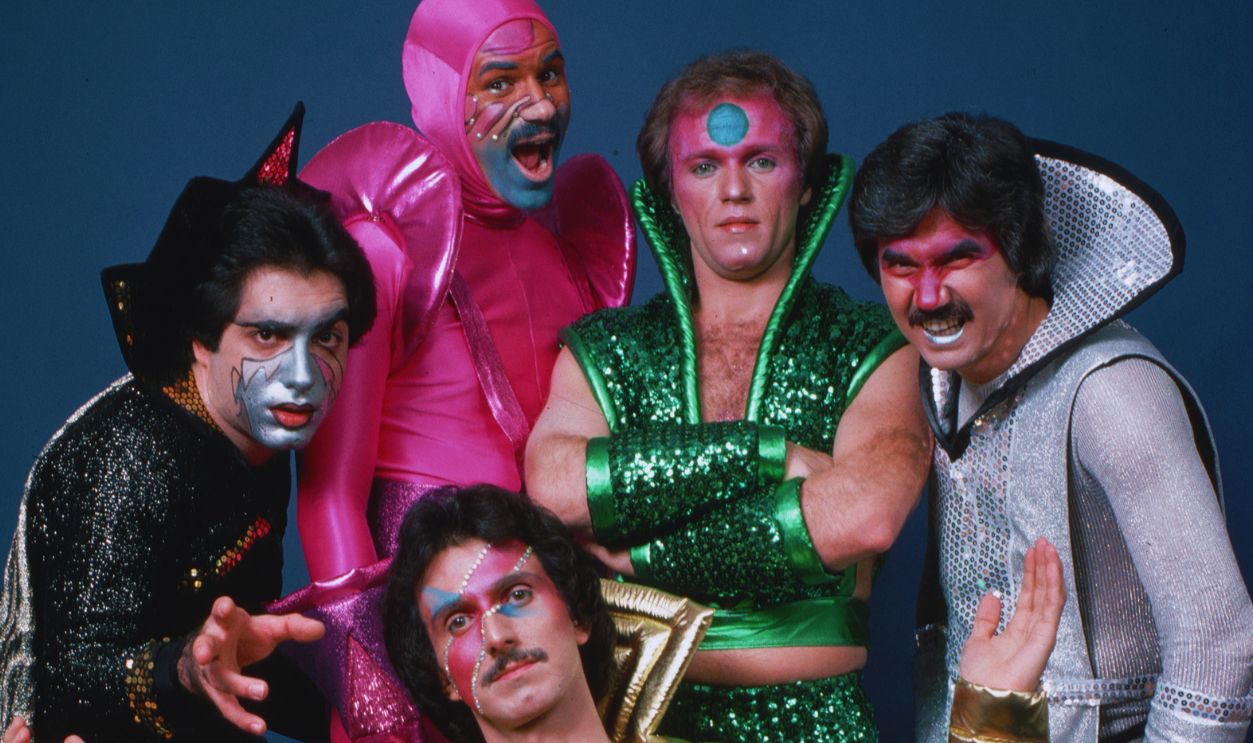
Prince — “Batdance”
“Batdance” feels like several songs stitched together into one chaotic experience. Created for the 1989 Batman soundtrack, it jumps between tempos, samples dialogue, and shifts tone constantly. Even by Prince’s standards, it’s a strange track, but its connection to a major film helped push it to the top.
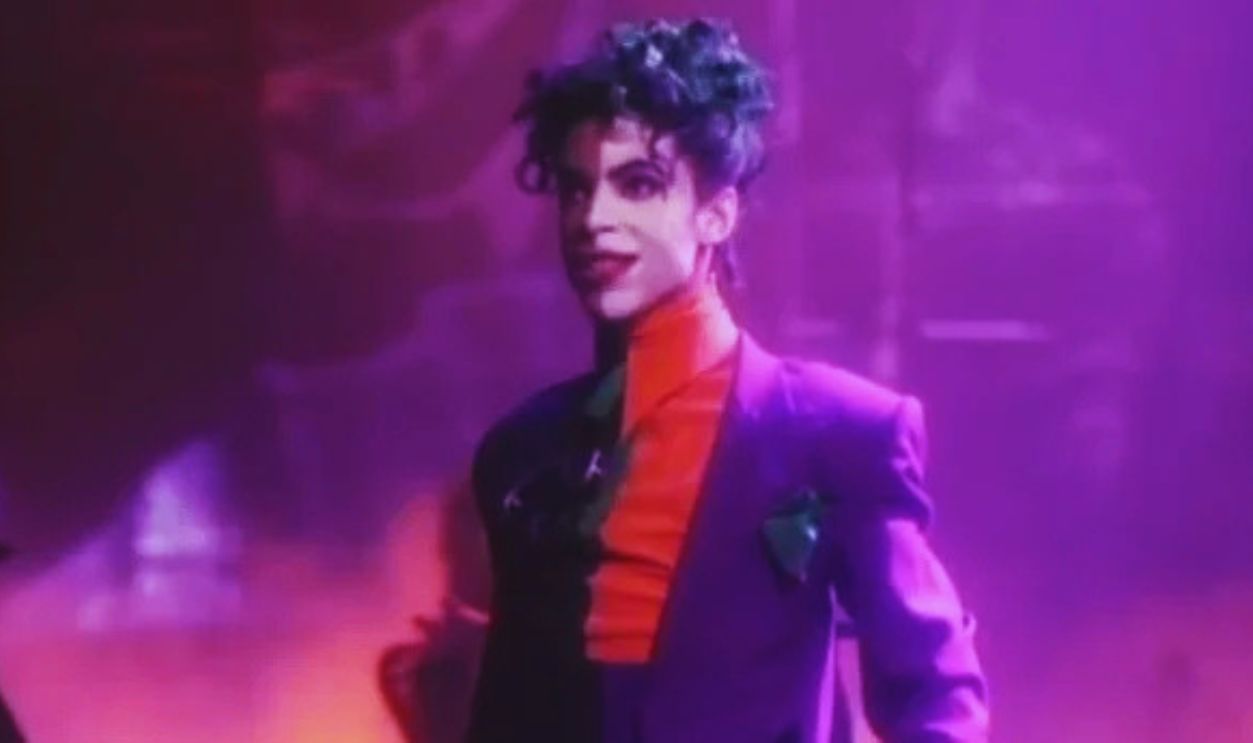 Screenshot from Prince: Batdance, Warner Bros. Records (1989)
The Singing Nun — “Dominique”
“Dominique” might be one of the most unexpected number-one hits ever. Sung in French by a Belgian nun in 1963, the song tells the story of Saint Dominic. Its gentle melody and religious theme stood in stark contrast to the rock and pop music of the time, which is part of what made its success so unusual.
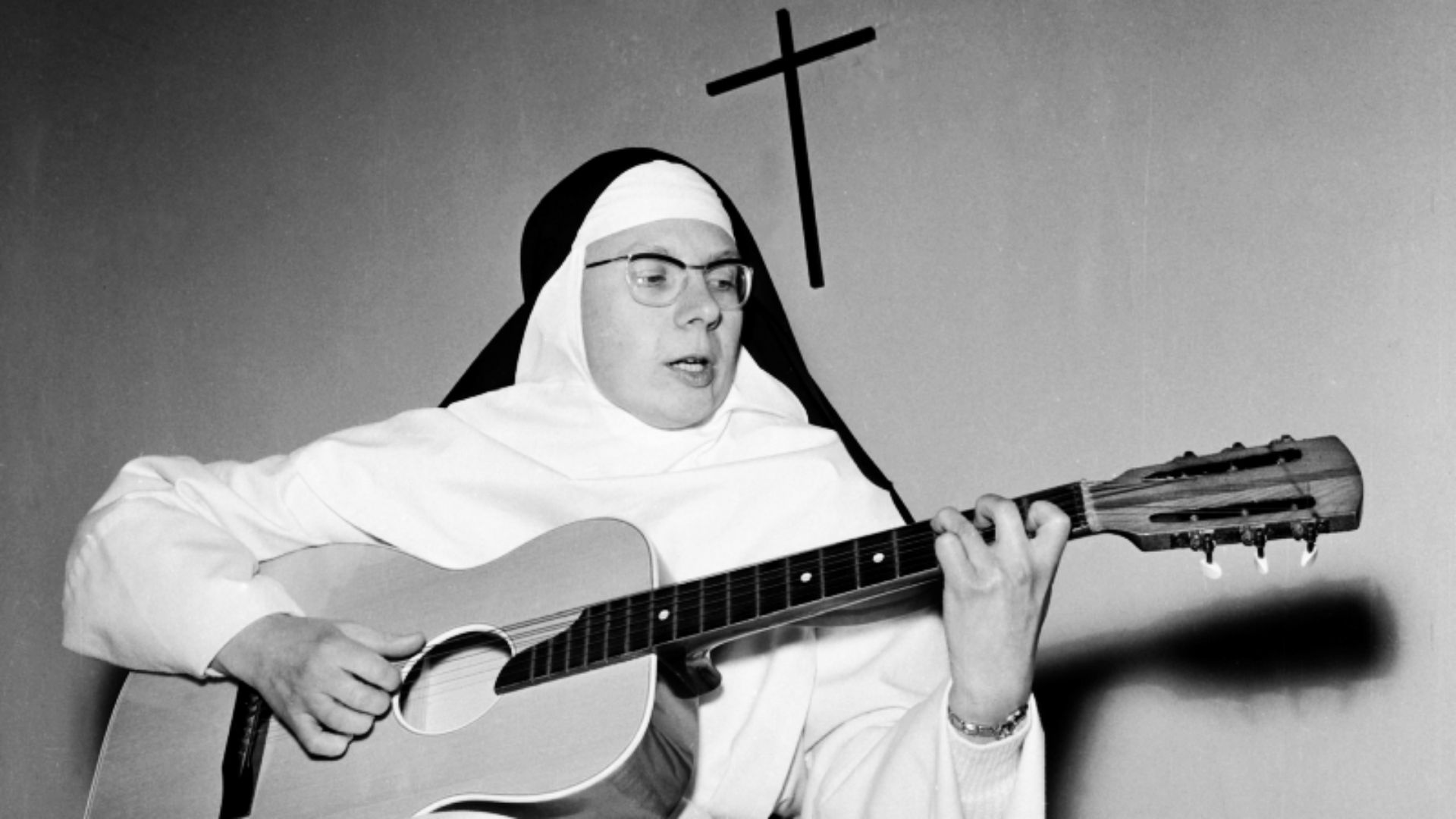 Priscila Sherlyn, Wikimedia Commons
Baauer — “Harlem Shake”
“Harlem Shake” became a number-one hit thanks almost entirely to internet culture. The song itself is a short, bass-heavy electronic track, but its viral dance trend turned it into a global phenomenon. It marked one of the first times memes directly drove a song to the top of the charts.
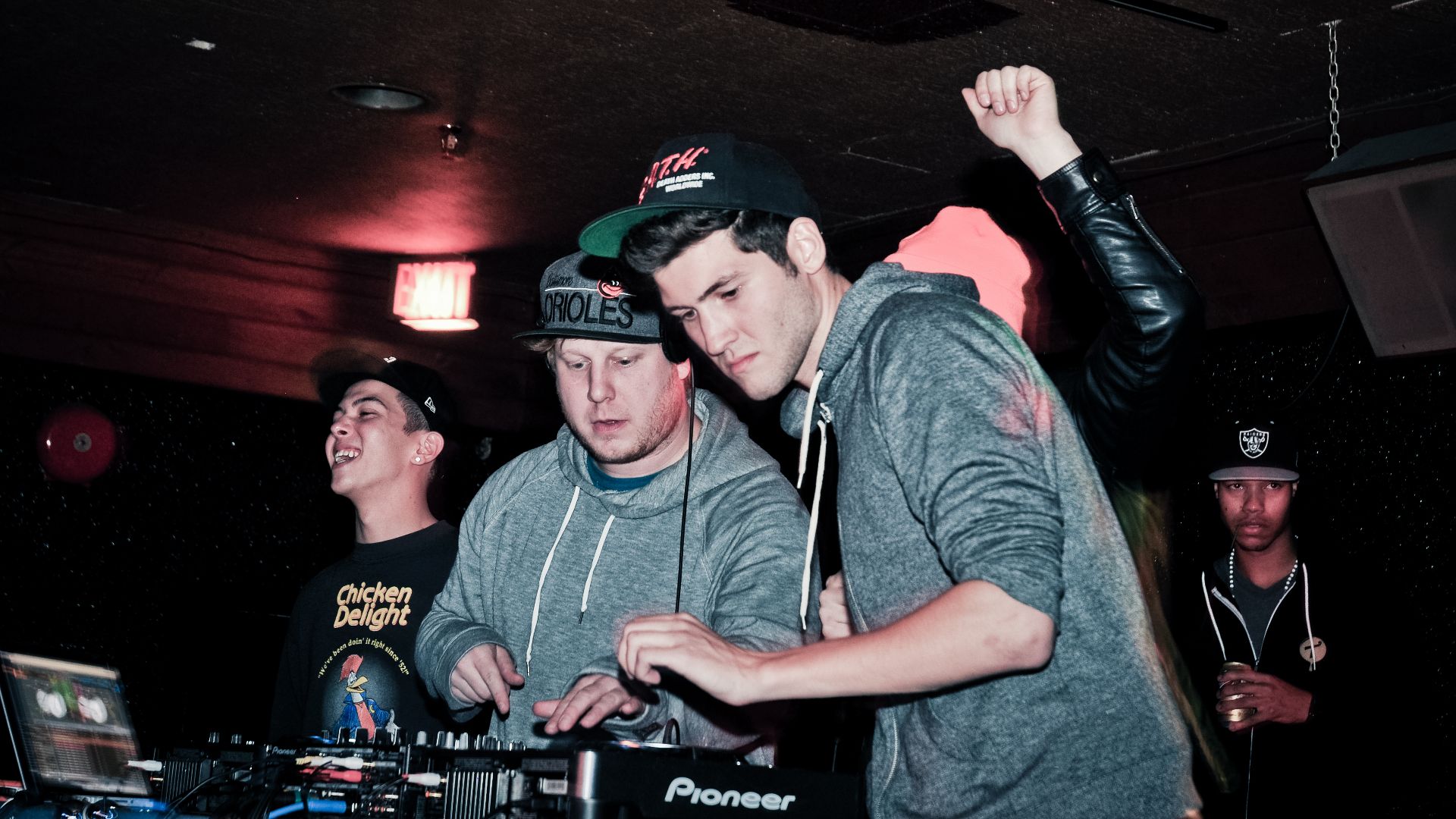
Los Del Rio — “Macarena (Bayside Boys Mix)”
“Macarena” wasn’t just a song, it was a full-blown cultural event. The Bayside Boys remix added English lyrics and a danceable structure that helped it dominate worldwide. Its repetitive rhythm and simple choreography made it accessible to everyone, which is exactly why it stuck around for so long.
 Screenshot from Los del Río: Macarena, RCA Records (1993)
Vanilla Ice — “Ice Ice Baby”
“Ice Ice Baby” made history as the first hip-hop song to hit number one on the Billboard Hot 100, but its path there was anything but typical. Built around a borrowed bassline from Queen and David Bowie, the track’s straightforward delivery and catchy hook made it instantly recognizable, even as debates about its originality followed it.
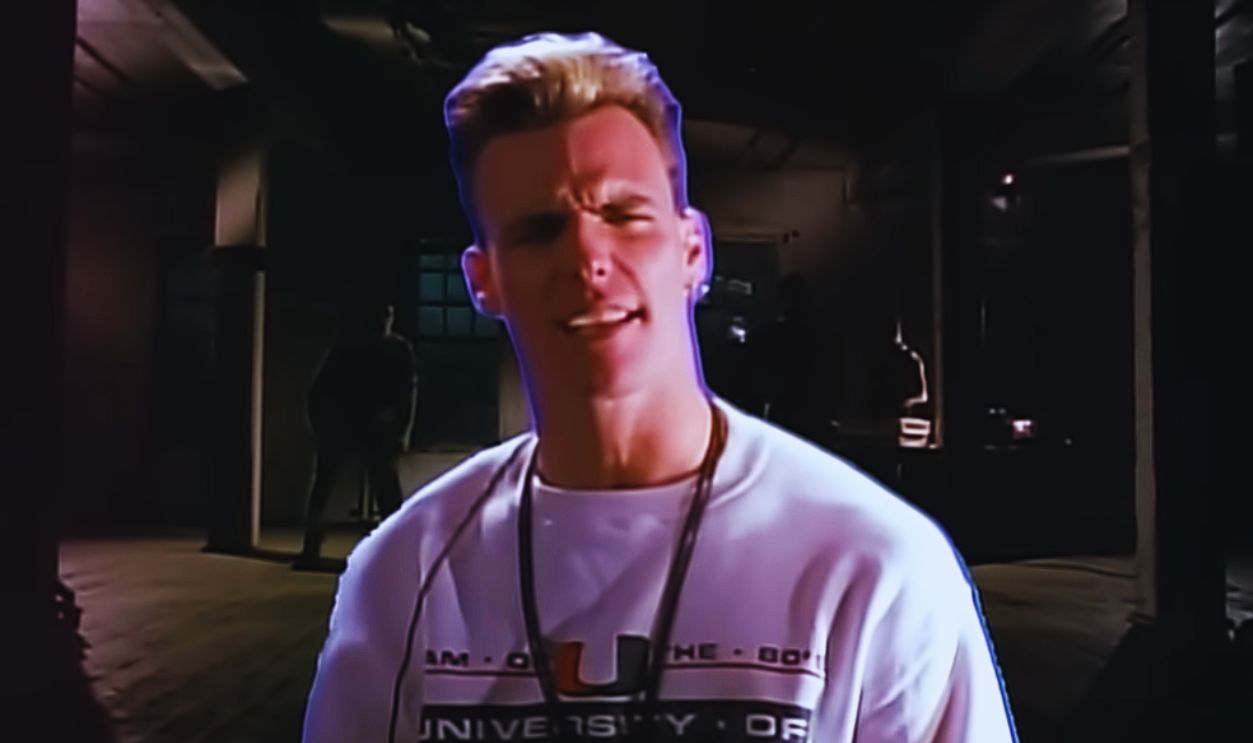 Screenshot from Vanilla Ice: Ice Ice Baby, SBK Records (1990)
Sir Mix-A-Lot — “Baby Got Back”
“Baby Got Back” stood out immediately thanks to its spoken-word intro and unapologetic theme. At a time when mainstream pop leaned toward romance, the song flipped expectations with humor and boldness. Its cultural impact went far beyond the charts, turning it into one of the most quoted songs of the decade.
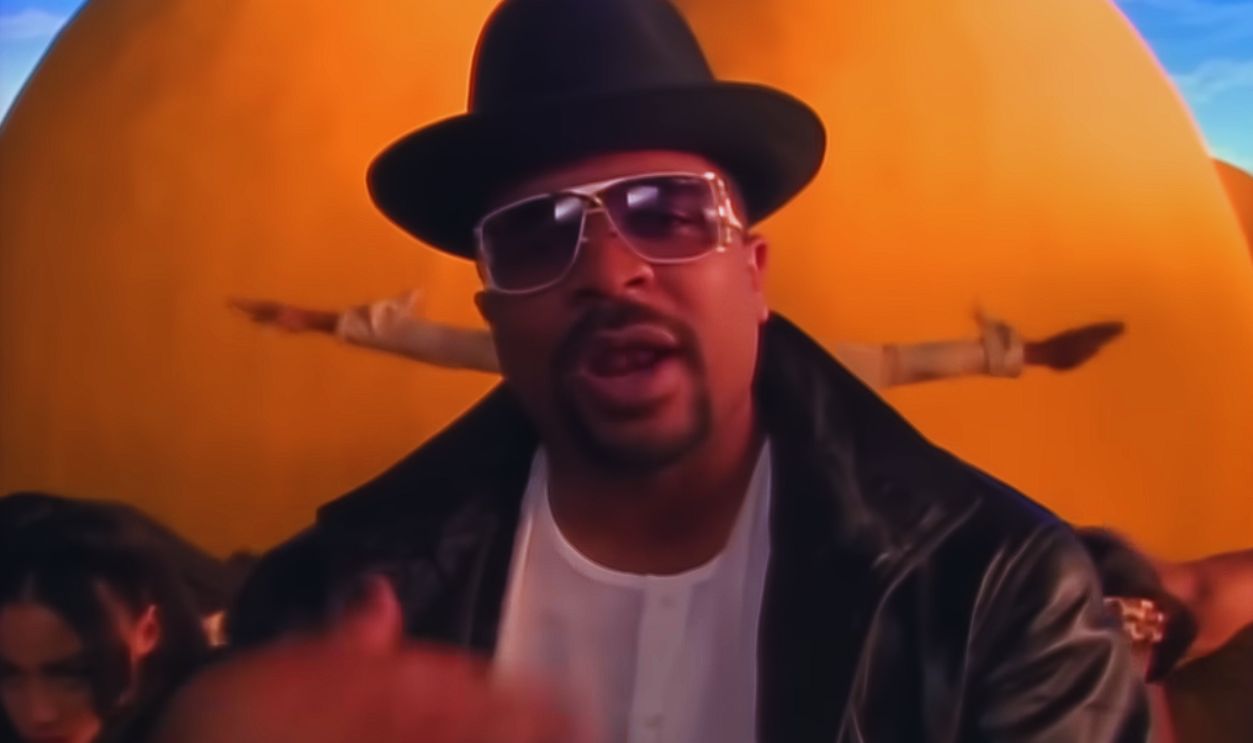 Screenshot from Sir Mix-A-Lot: Baby Got Back, Def American Recordings (1992)
Shaggy Featuring RikRok — “It Wasn’t Me”
“It Wasn’t Me” tells a story of getting caught cheating, then somehow turning denial into a strategy. The conversational format and laid-back reggae-pop production made it feel almost like a comedy sketch set to music. Its unusual storytelling approach helped it stand out from more traditional pop songs.
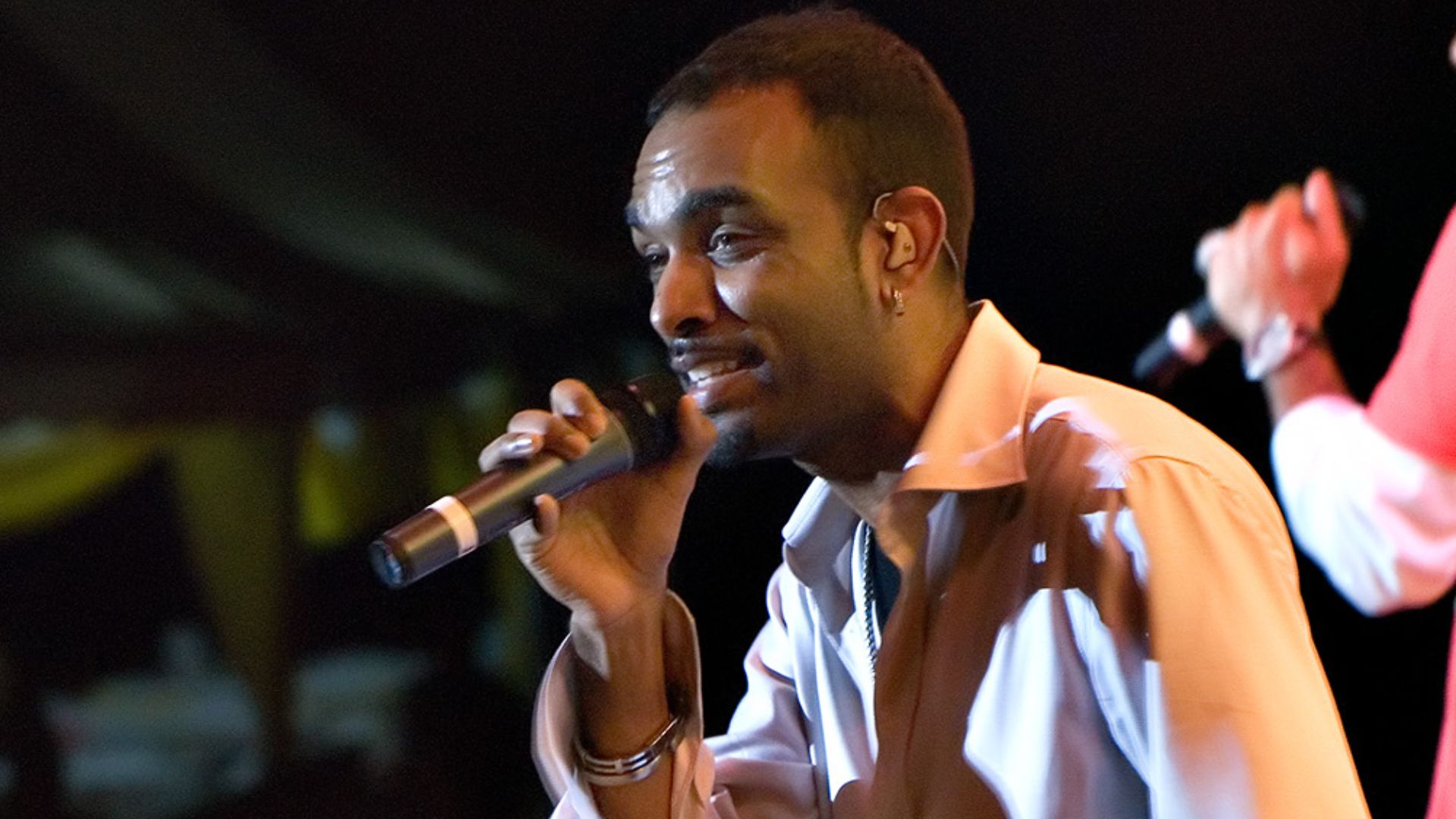 ShaolinTiger, Wikimedia Commons
Lil Nas X — “Old Town Road”
“Old Town Road” blurred the line between country and hip-hop in a way that sparked debate across the music industry. Its short runtime, viral success, and genre-mixing style made it feel completely different from anything else on the charts. The remix featuring Billy Ray Cyrus only pushed it further into the spotlight.
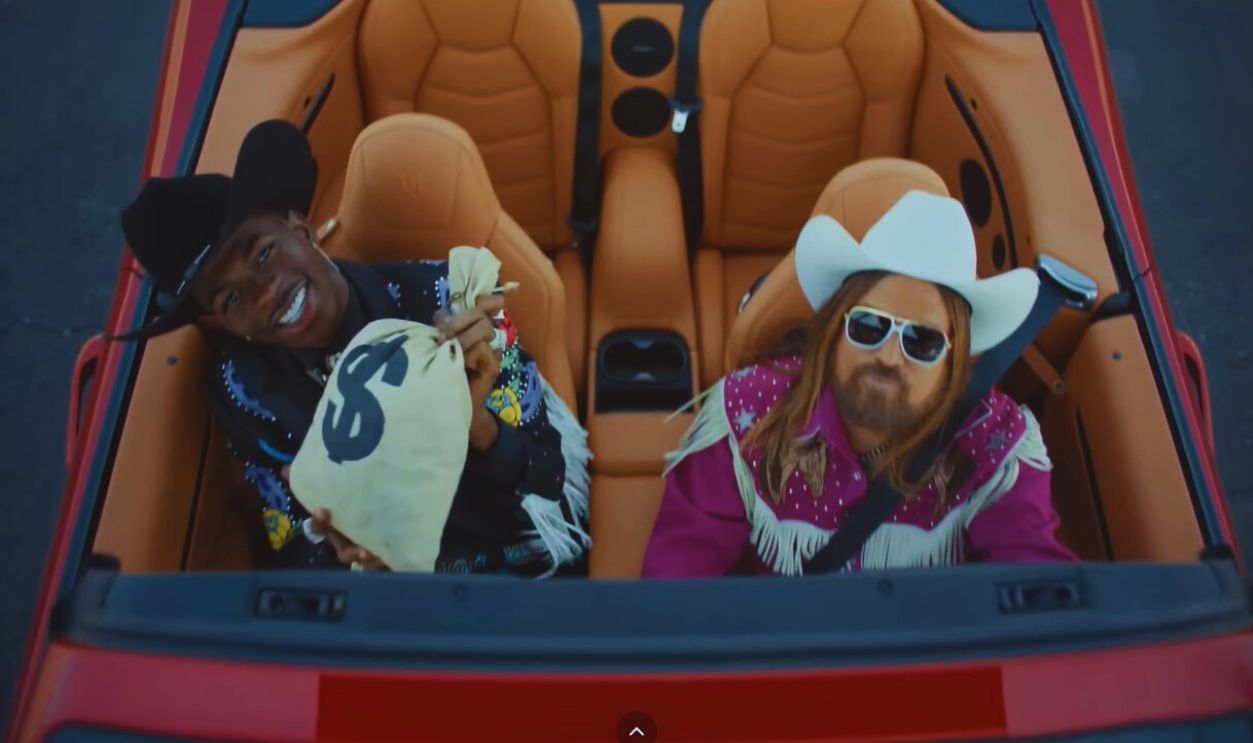 Screenshot from Old Town Road, Columbia Records (2018)
Gotye Featuring Kimbra — “Somebody That I Used To Know”
At a time dominated by big, polished pop productions, this song went in the opposite direction. Sparse instrumentation, unusual structure, and a haunting duet made it feel almost out of place on mainstream radio. Its quiet intensity and memorable hook gave it a unique presence that audiences couldn’t ignore.
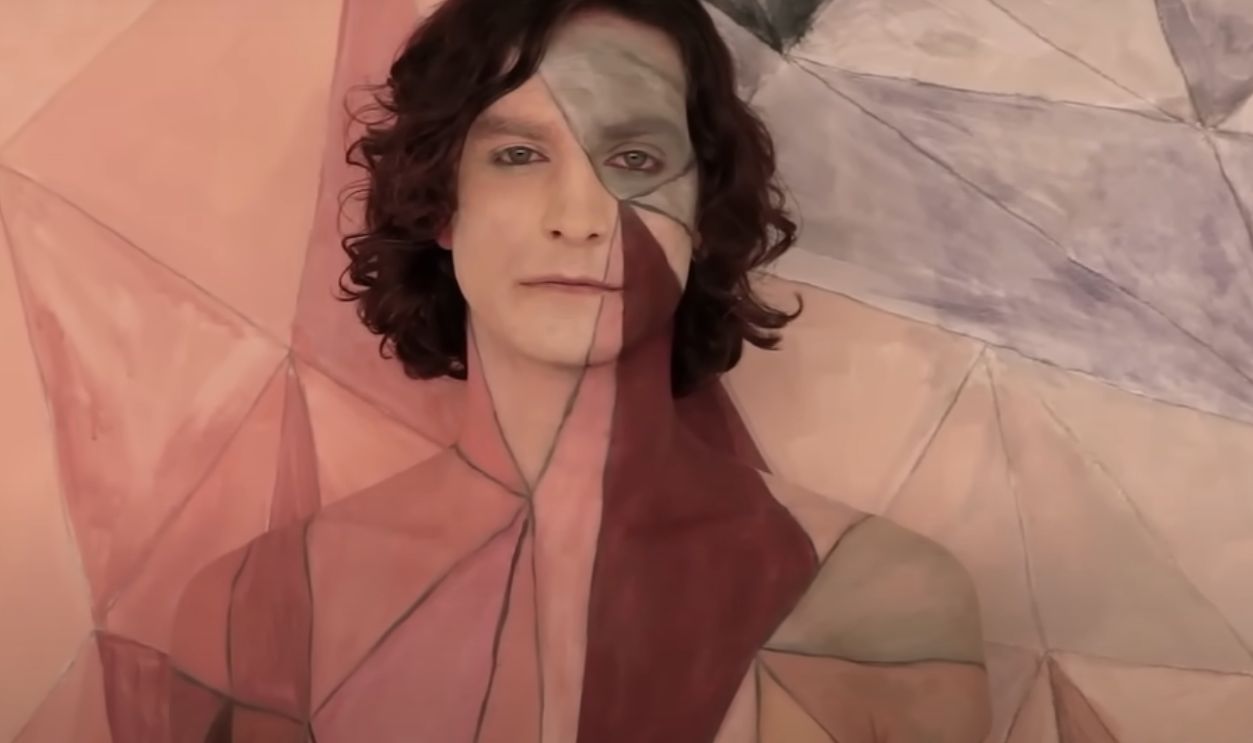 Screenshot from Gotye ft. Kimbra: Somebody That I Used To Know, Eleven / Universal Republic (2011)
Bobby “Boris” Pickett — “Monster Mash”
Originally released as a Halloween novelty song, “Monster Mash” somehow climbed to number one in 1962. Its horror-themed lyrics and playful vocal impressions made it feel more like a seasonal gimmick than a chart-topper. Still, its charm has kept it relevant every October ever since.
 Leslie Gottlieb from Little Ferry, NJ, USA, Wikimedia Commons
Marky Mark And The Funky Bunch — “Good Vibrations”
“Good Vibrations” combined upbeat dance production with Mark Wahlberg’s early rap career, creating a track that felt both polished and slightly unexpected. The contrast between its slick sound and its unusual origins helped it stand out during the early ’90s pop landscape.
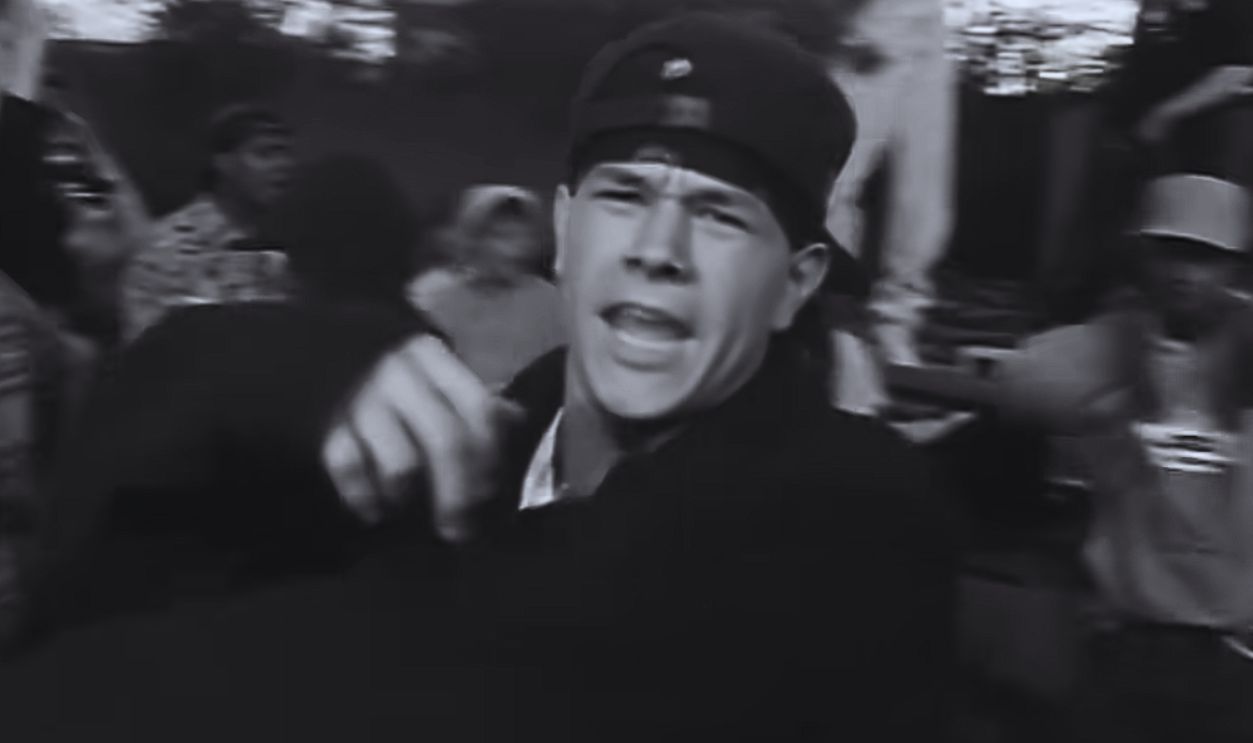 Screenshot from Marky Mark and the Funky Bunch: Good Vibrations, Interscope Records (1991)
Starship — “We Built This City”
“We Built This City” is often remembered as one of the most divisive number-one hits ever. Its glossy production and corporate rock feel clashed with its supposed message about the music industry. That contradiction has kept it in discussions long after its initial success.
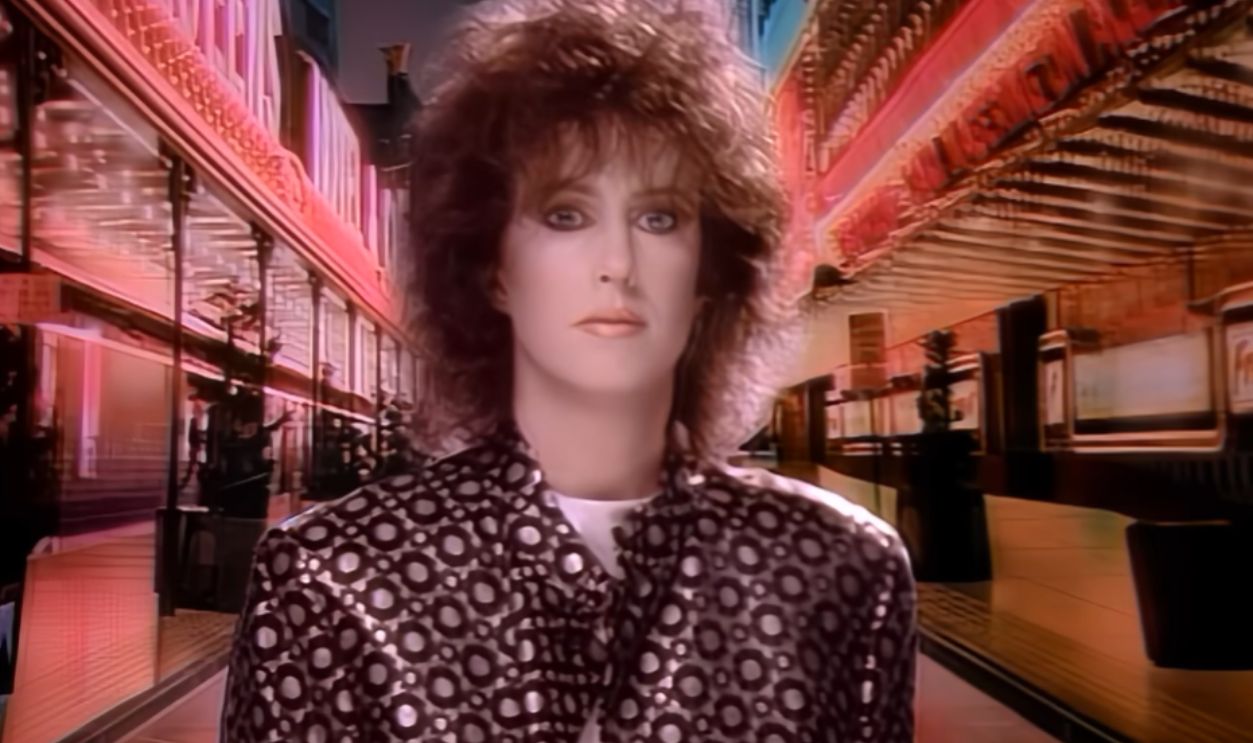 Screenshot from We Built This City, Sony Music Entertainment (1985)
Magic! — “Rude”
“Rude” tells the story of a man asking for permission to marry his girlfriend and being denied, then deciding to go ahead anyway. The reggae-influenced sound and repetitive structure made it catchy, but the storyline itself struck many listeners as unusual, helping it stand out on radio.
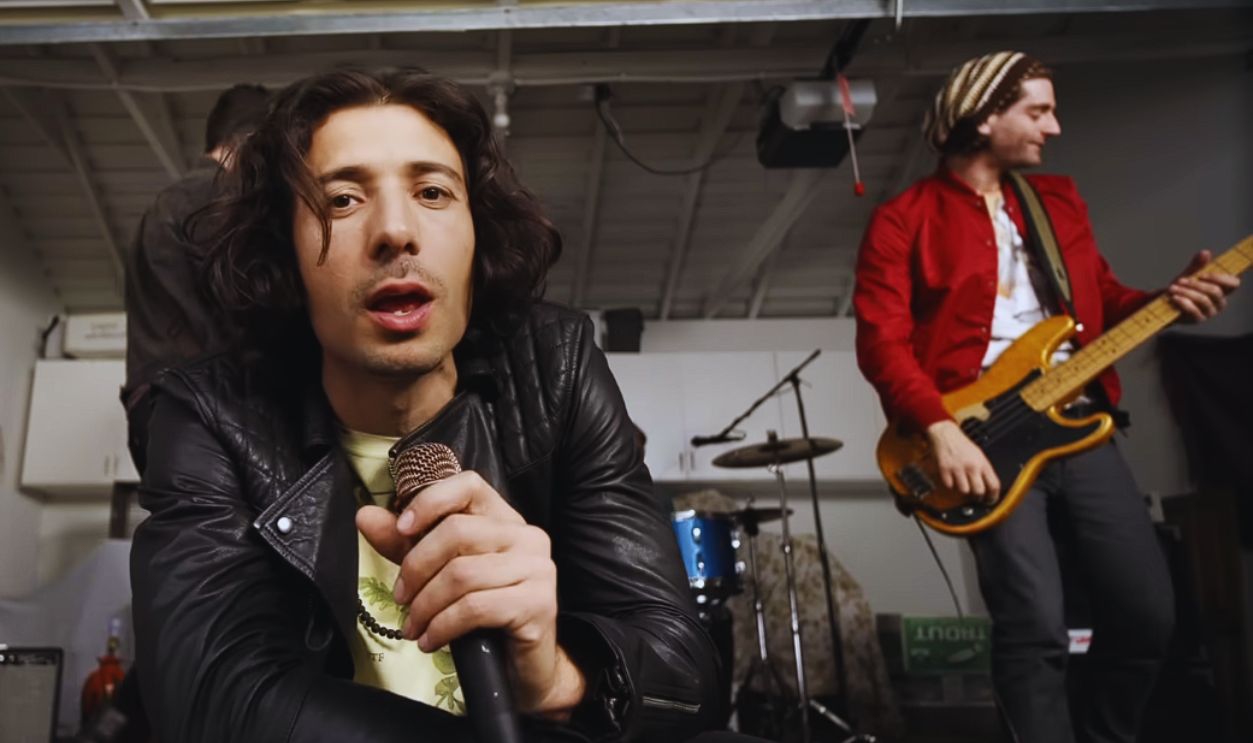 Screenshot from MAGIC!: Rude, Latium Records / Sony Music Entertainment (2013)
Bee Gees — “Stayin’ Alive”
“Stayin’ Alive” became synonymous with disco, but its falsetto vocals and tight rhythm gave it a distinct identity even within the genre. The song’s connection to Saturday Night Fever helped push it further, turning it into a defining track of an era that was already larger than life.
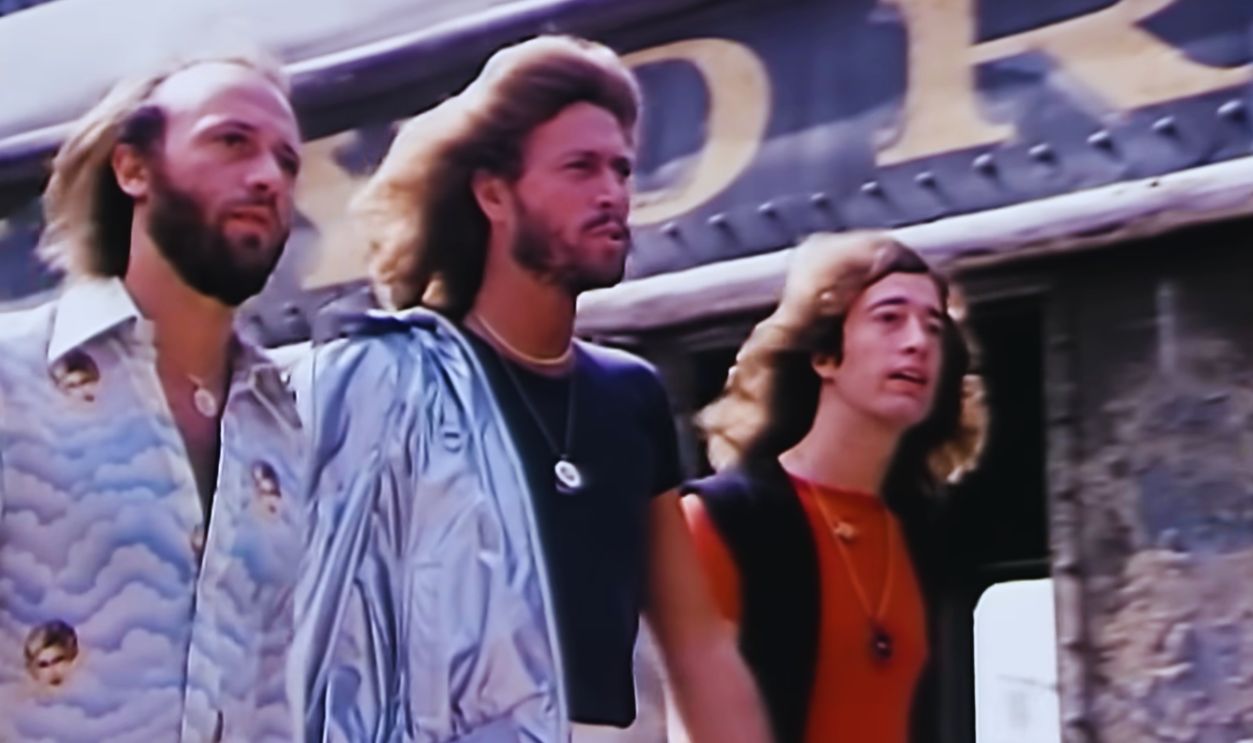 Screenshot from Bee Gees: Stayin’ Alive, RSO Records (1977)
Outkast — “Hey Ya!”
“Hey Ya!” breaks nearly every rule of pop structure, shifting between sections and genres while still feeling cohesive. Its upbeat energy masks lyrics about relationships falling apart, creating a contrast that adds depth. The song’s unpredictability is exactly what made it unforgettable.
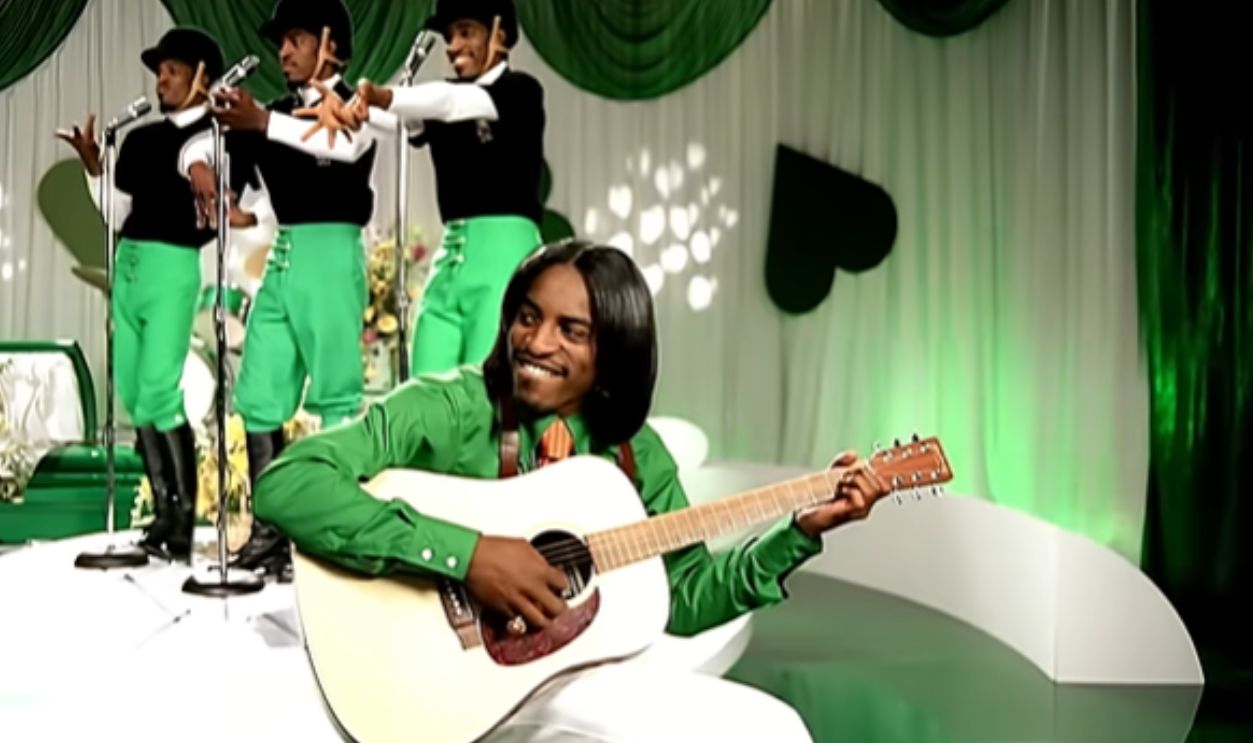 Screenshot from Hey Ya!, LaFace Records (2003)
Billie Eilish — “Bad Guy”
“Bad Guy” flipped modern pop expectations with minimalist production and whispery vocals. Instead of building toward a massive chorus, it leans into restraint and subtlety. That approach helped redefine what a mainstream hit could sound like in the streaming era.
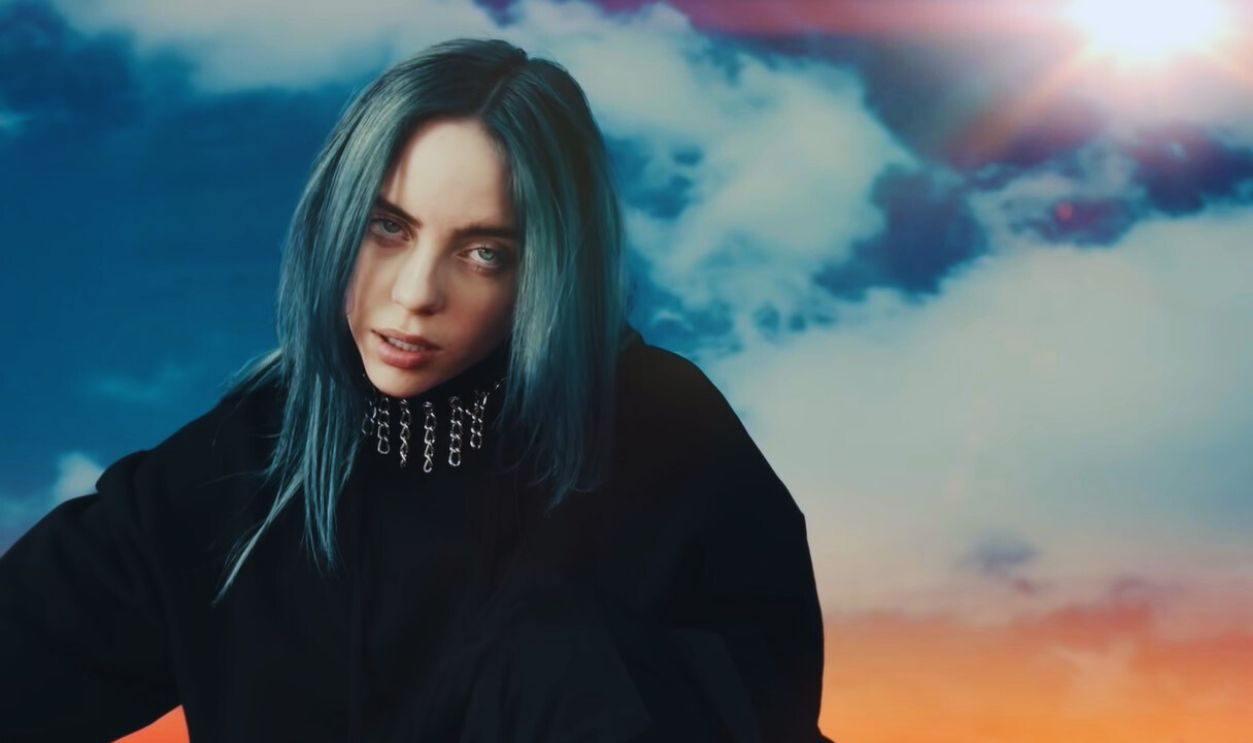 Screenshot from Bad Guy, Interscope Records (2019)
You May Also Like:
Bands Who Left A Mark That Still Shapes Music Today
Movies That Were Completely Different Before Reshoots