Hollywood Hits “Undo”
There’s a version of almost every movie you love that never made it to theaters. Somewhere out there—buried in editing rooms, test screenings, and frantic studio meetings—is a completely different cut that almost changed everything. Reshoots are Hollywood’s ultimate safety net, used when something isn’t working… or when executives panic at the last minute. Sometimes they save a movie. Other times, they quietly make things worse.
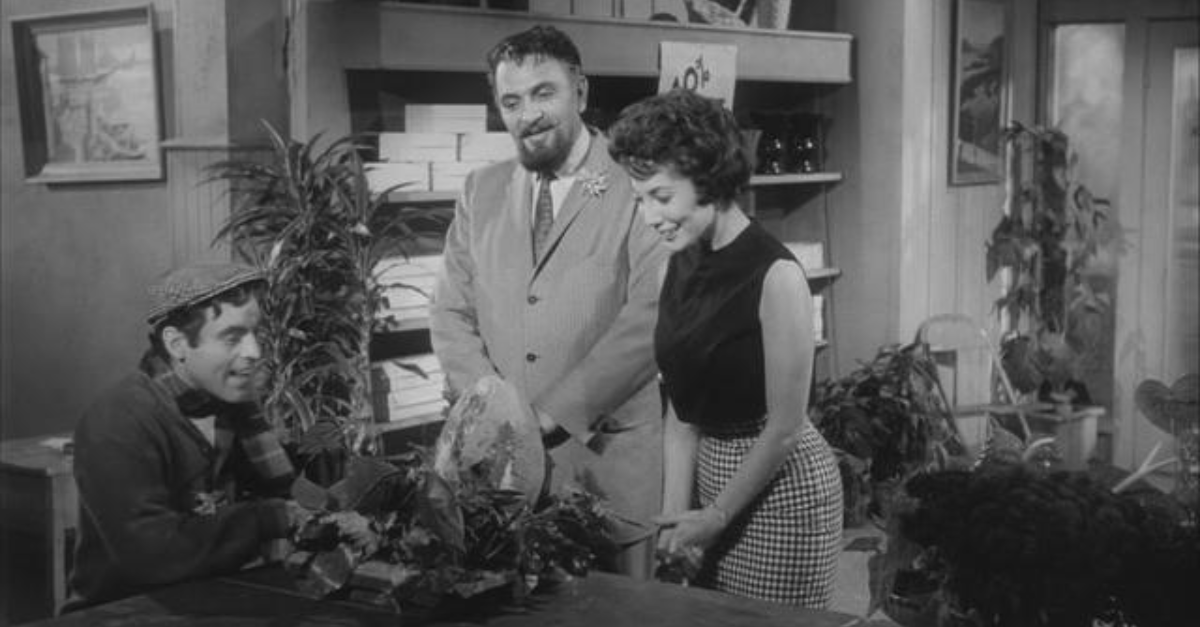
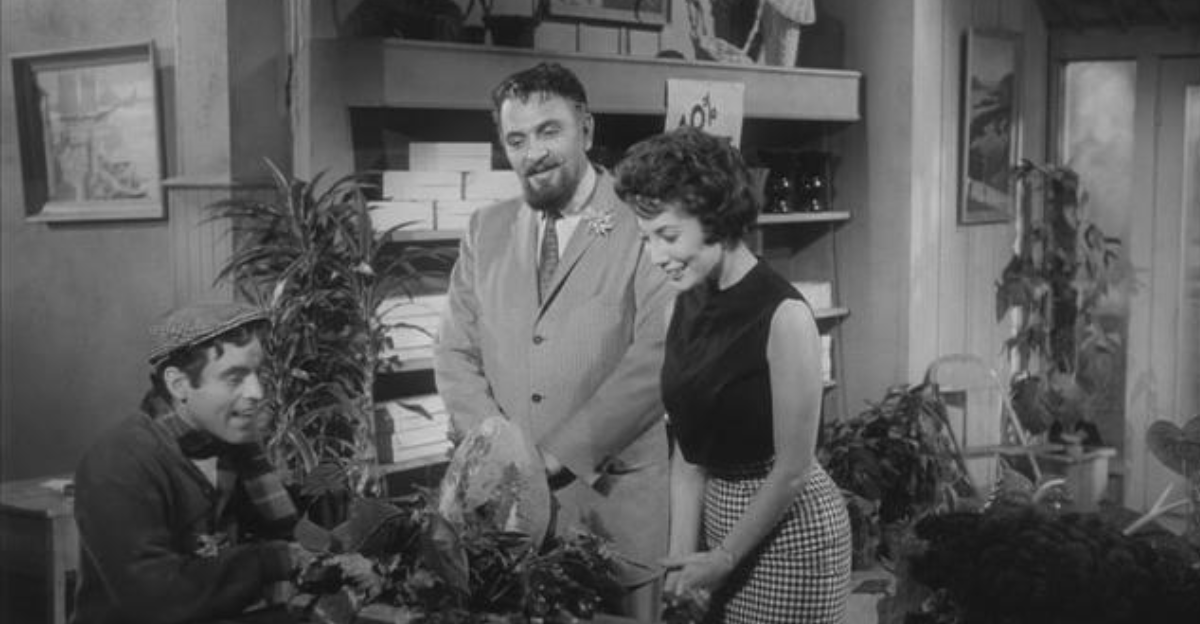 Roger Corman, Wikimedia Commons
World War Z
World War Z is one of the most extreme examples of a movie being rebuilt mid-production. The original third act was a massive, expensive action sequence set in Russia that simply didn’t work. Reshoots scrapped it entirely and replaced it with a quieter, suspense-driven ending in a lab. The shift changed the film’s entire tone—from blockbuster chaos to tense survival.
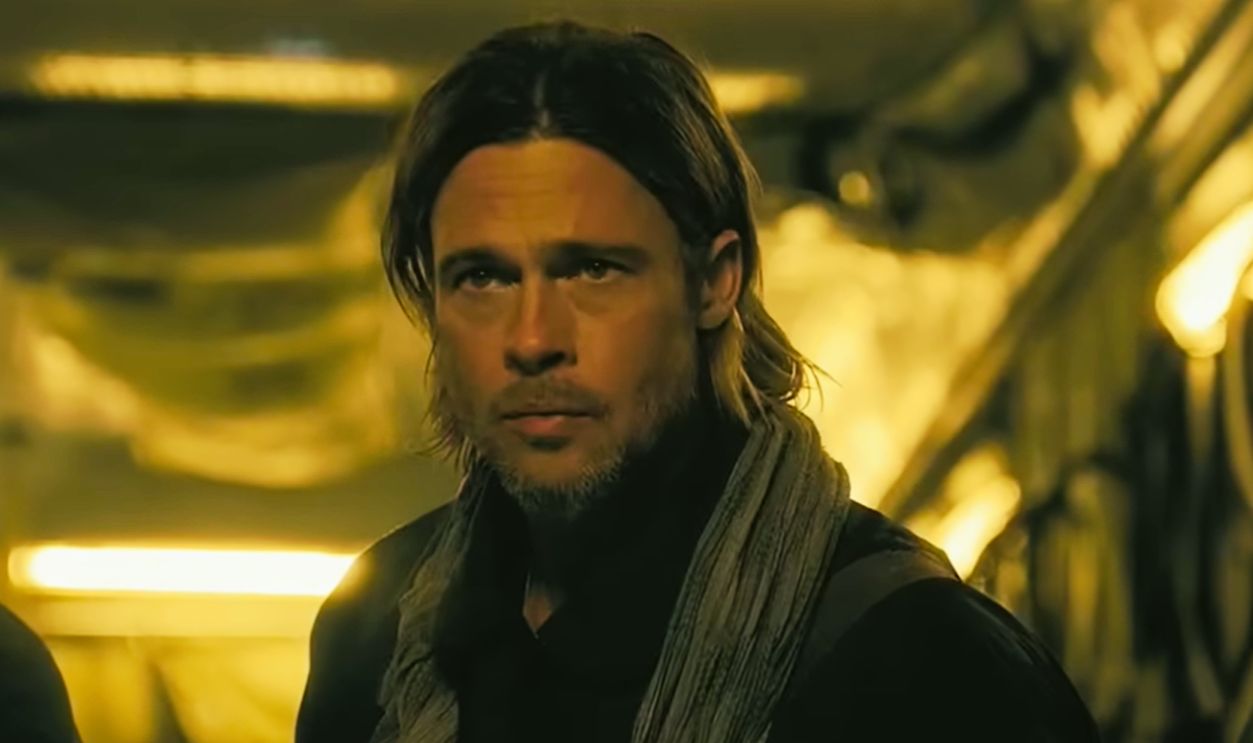 Screenshot from World War Z, Paramount Global (2013)
Rogue One: A Star Wars Story
Early trailers for Rogue One: A Star Wars Story showed scenes that never made the final cut, hinting at a very different story. Reshoots reworked character arcs, pacing, and even major plot beats. The end result is a tighter film—but one where you can still feel the seams between versions.
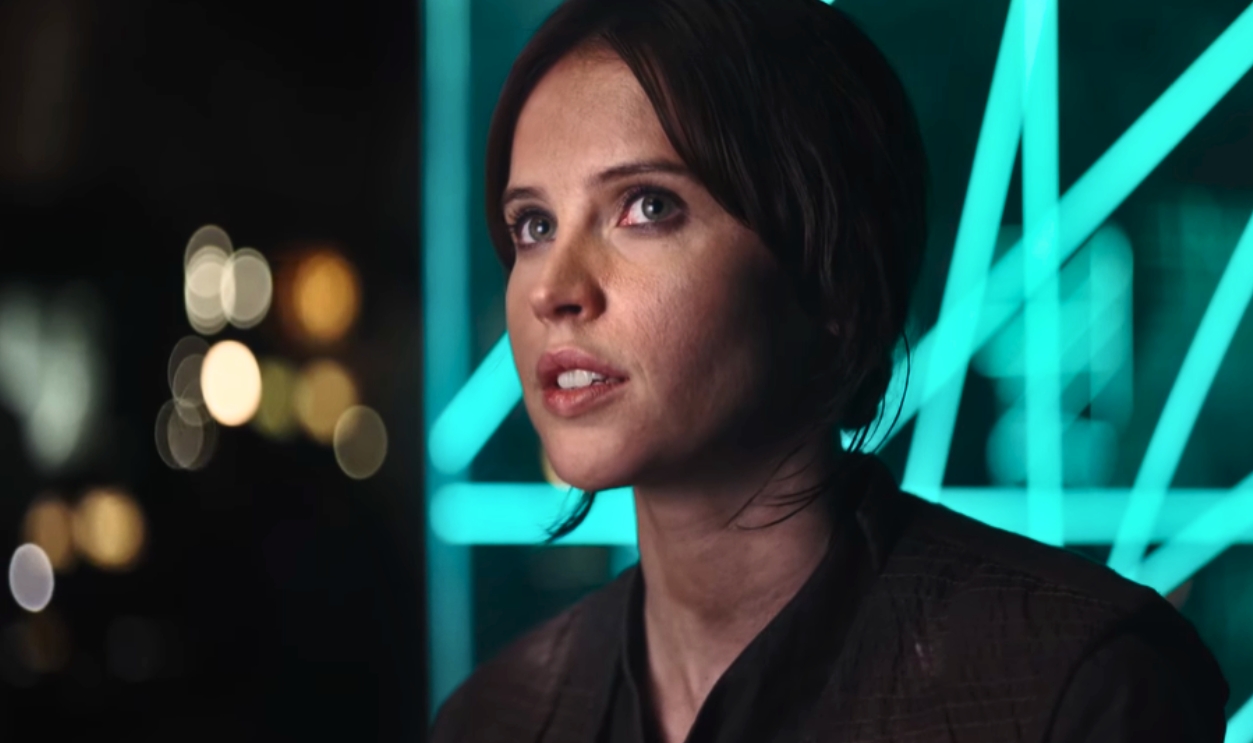 Screenshot from Rogue One: A Star Wars Story, The Walt Disney Company (2016)
I Am Legend
The original ending of I Am Legend gave a completely different meaning to the story. Instead of portraying the creatures as mindless monsters, it suggested a deeper, more unsettling truth. Reshoots replaced that ending with a more conventional, action-heavy conclusion, stripping away much of the nuance.
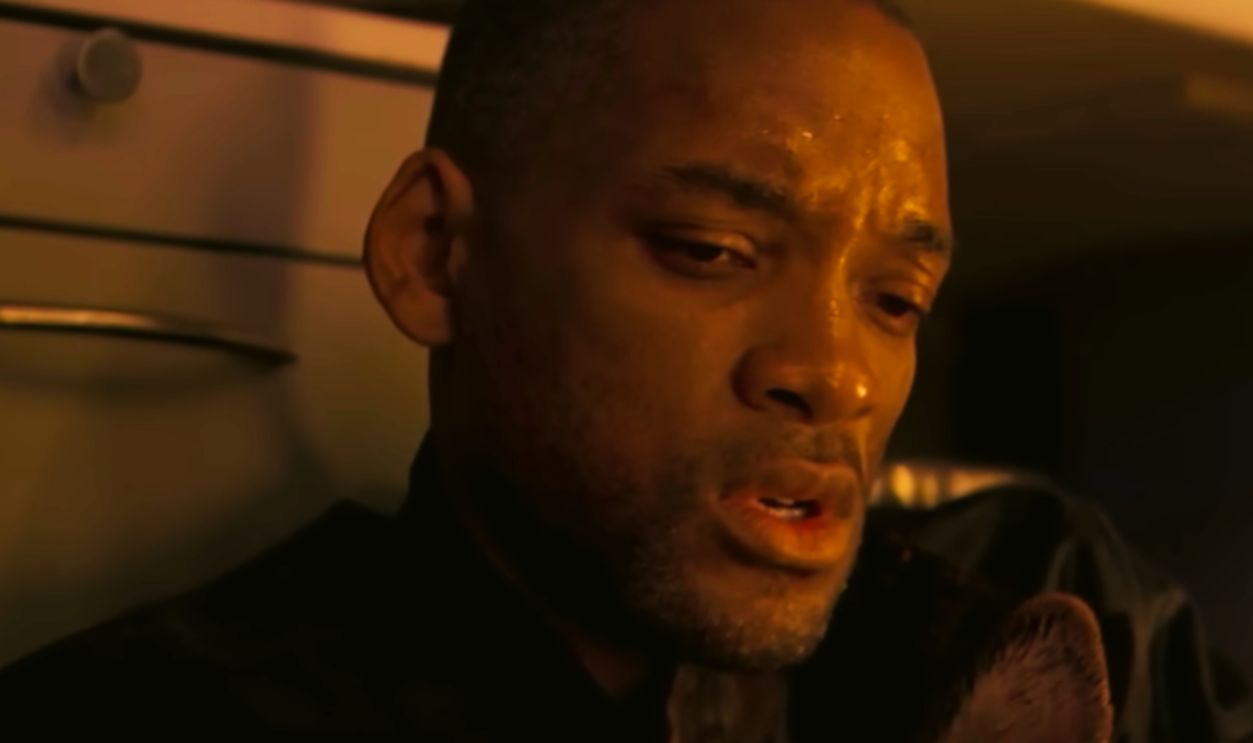 Screenshot from I Am Legend, Warner Bros. Discovery (2007)
Justice League
Few films show the impact of reshoots as clearly as Justice League. After a major shift in creative leadership, large portions of the film were rewritten and reshot. The theatrical version ended up feeling tonally inconsistent—something later highlighted when a very different version was eventually released.
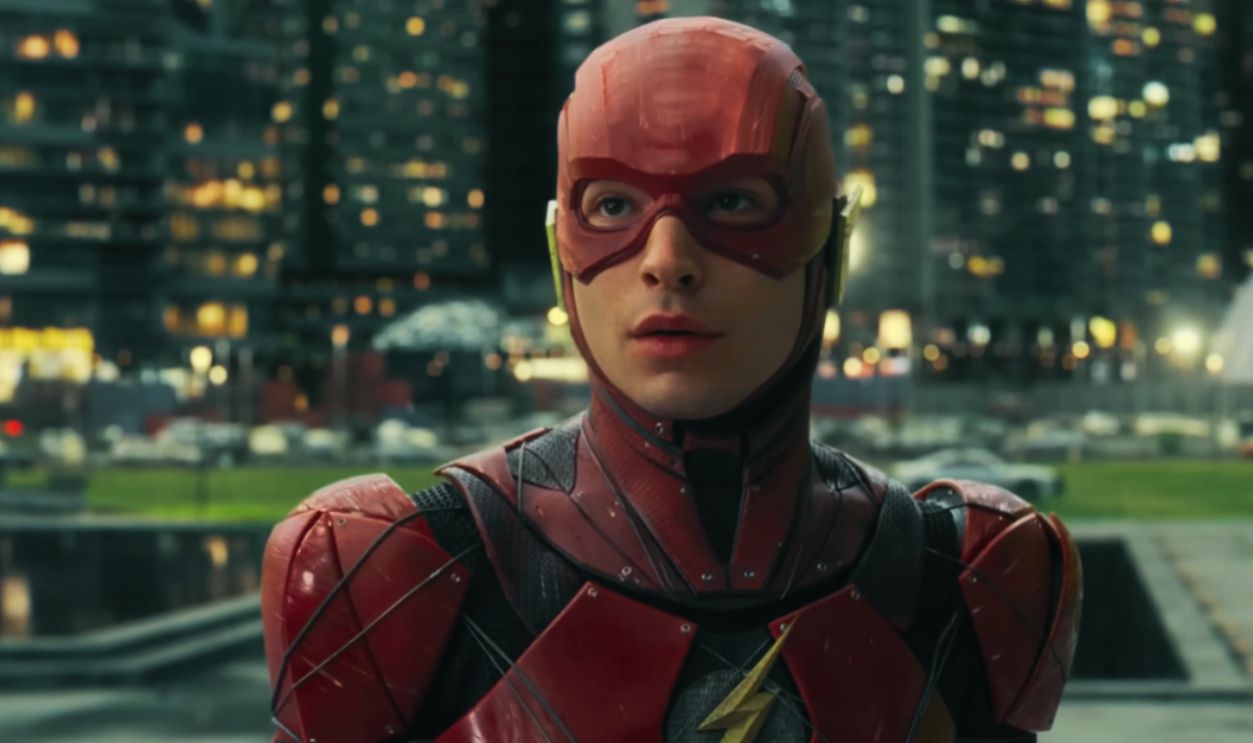 Screenshot from Justice League, Warner Bros. Discovery (2017)
The Wolverine
Originally envisioned as a more introspective character story, The Wolverine was altered during reshoots to include more action and spectacle. The third act in particular feels like a departure from the grounded tone the film starts with. It’s a classic case of a movie losing focus late in development.
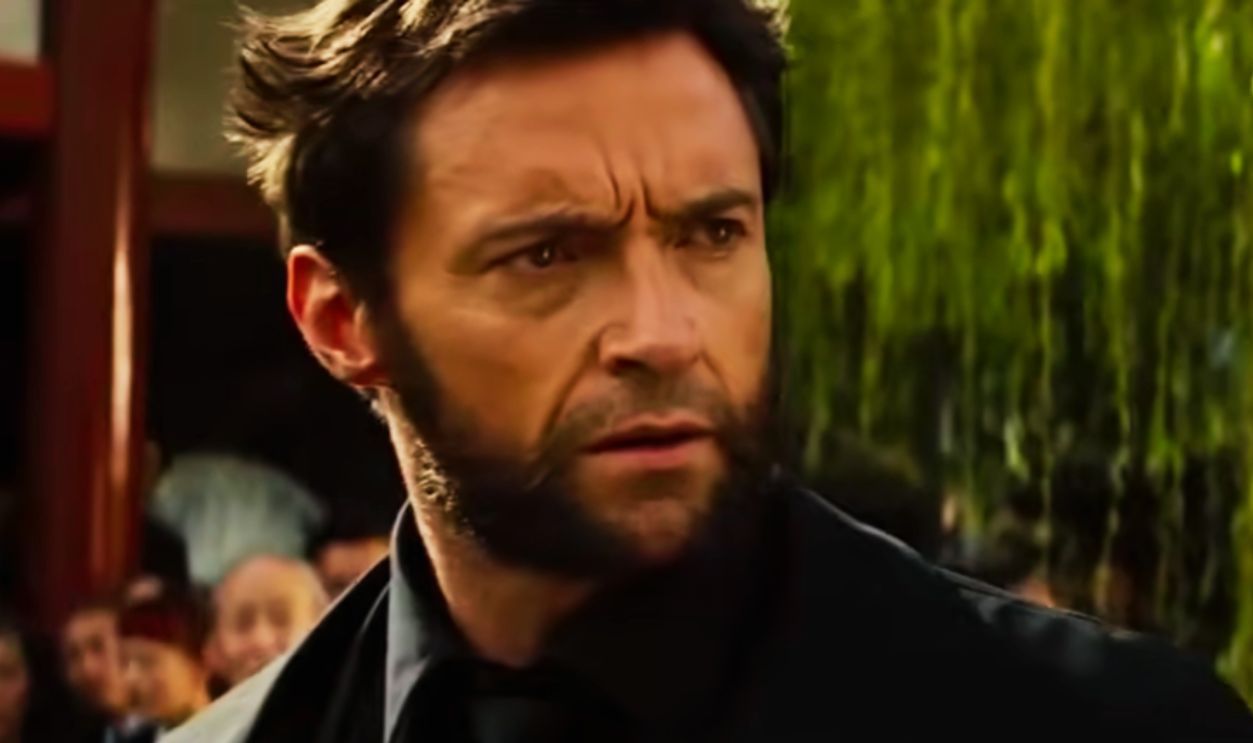 Screenshot from The Wolverine, The Walt Disney Company (2013)
Thor: The Dark World
Reshoots changed key elements of Thor: The Dark World, especially its ending and character dynamics. Some of the more daring story choices were softened or removed altogether. The result plays things safer, even if it loses some emotional impact along the way.
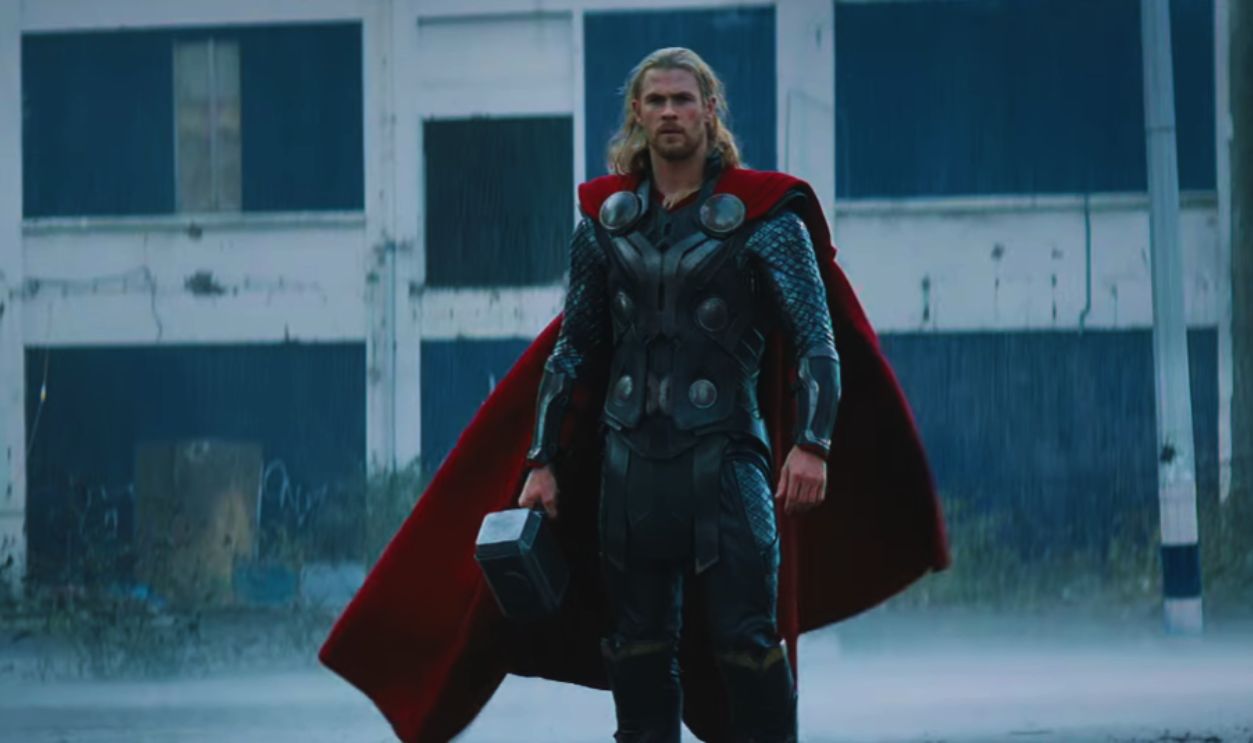 Screenshot from Thor: The Dark World, The Walt Disney Company (2013)
The Amazing Spider-Man 2
The Amazing Spider-Man 2 had multiple storylines that were heavily altered or cut during reshoots. Subplots involving Peter Parker’s family and Oscorp were trimmed down or removed entirely. The final film feels crowded, as if parts of a bigger narrative were left behind.
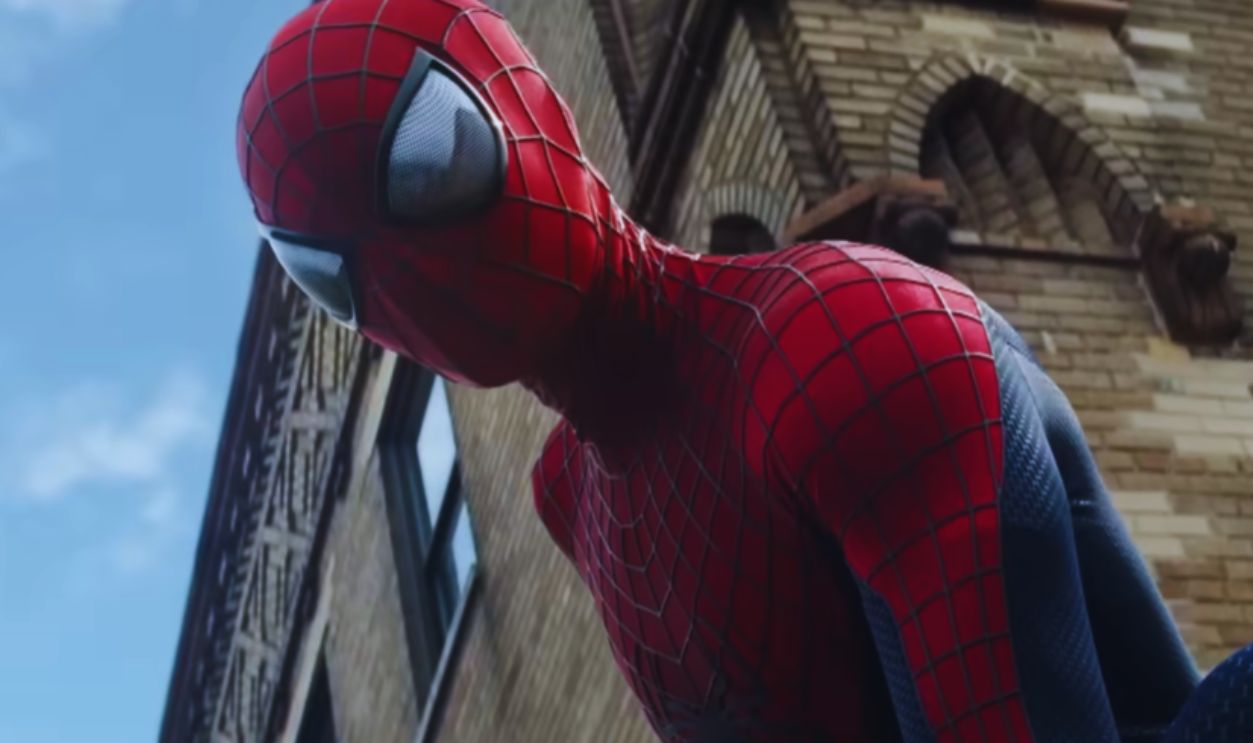 Screenshot from The Amazing Spider-Man 2, Sony Pictures (2014)
Hancock
Hancock began as a darker, more unconventional take on a superhero story. Reshoots shifted the tone toward something more traditional and audience-friendly. You can still feel the tonal split, especially in how the story changes halfway through.
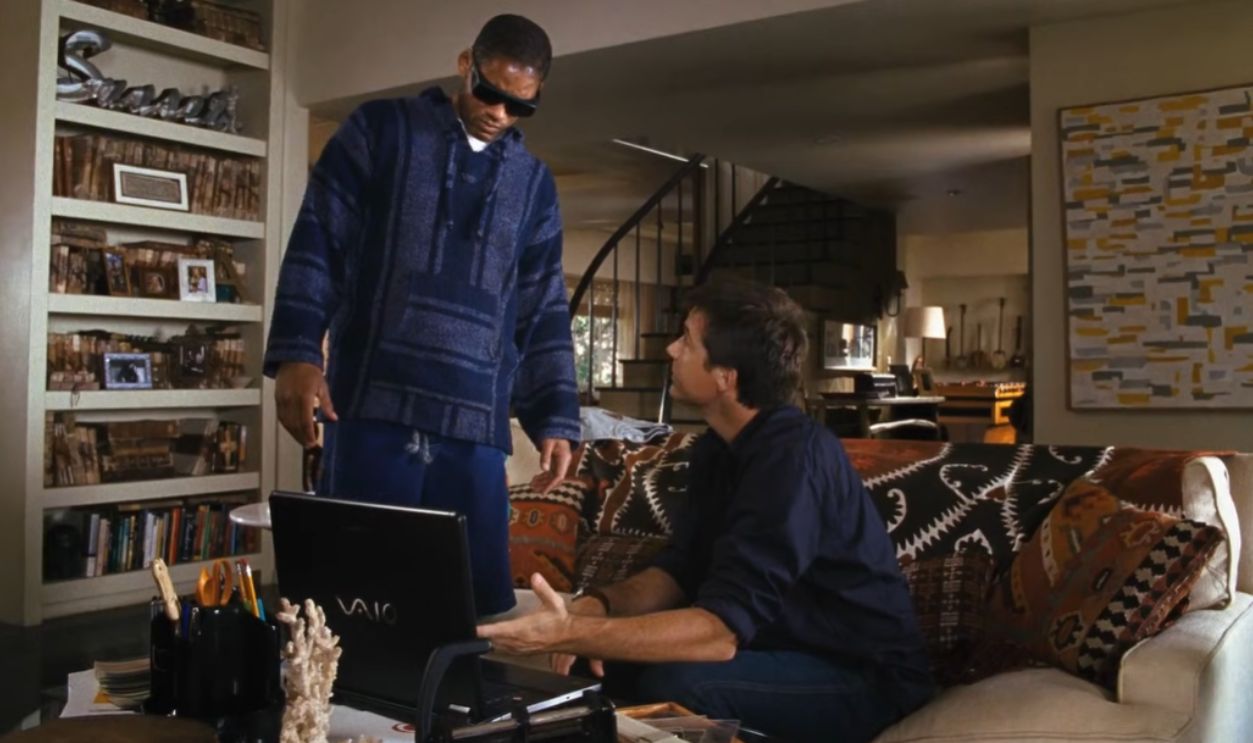 Screenshot from Hancock, Sony Pictures (2008)
Blade Runner
The original version of Blade Runner didn’t include its now-famous voiceover narration or its more optimistic ending. Those elements were added later due to studio pressure and reshoots. Over time, alternate cuts have revealed just how different the film was meant to be.
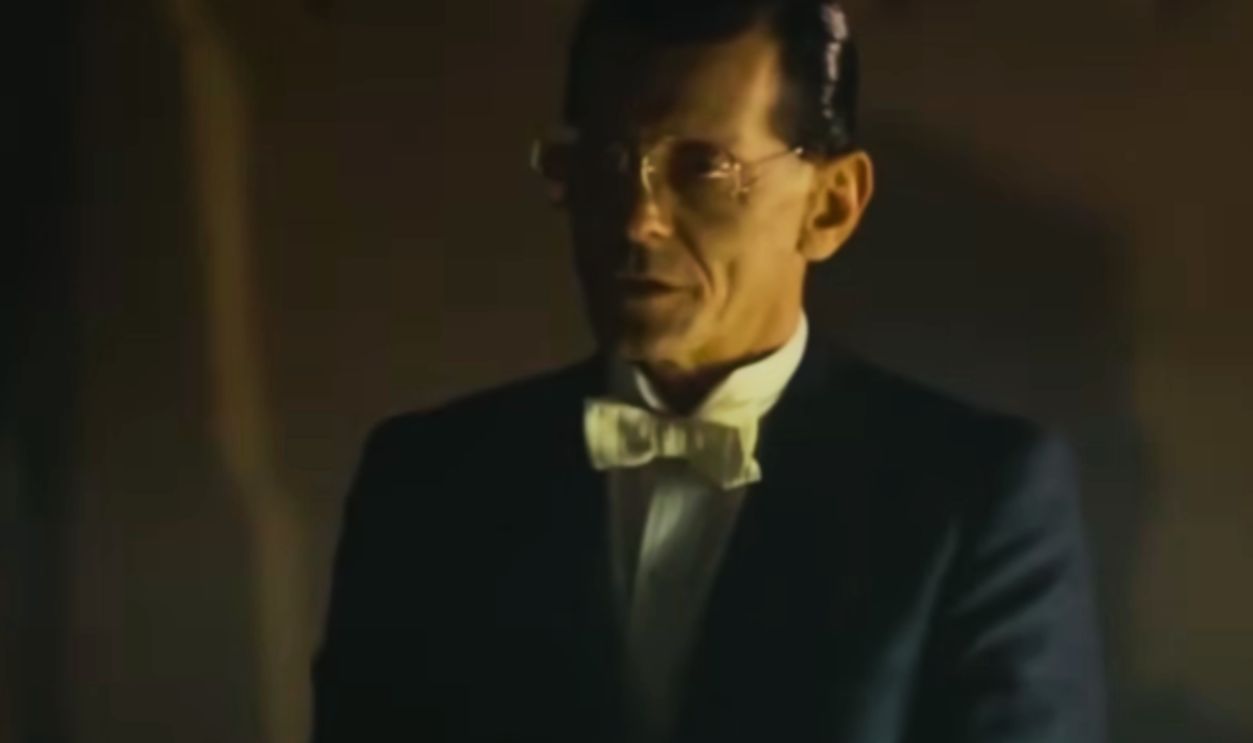 Screenshot from Blade Runner, Warner Bros. Discovery (1982)
A Nightmare on Elm Street
The original ending of A Nightmare on Elm Street offered a more definitive resolution. Reshoots introduced a darker twist that kept Freddy Krueger’s threat alive. That change helped turn the film into a long-running franchise—but it also shifted the tone toward lingering horror.
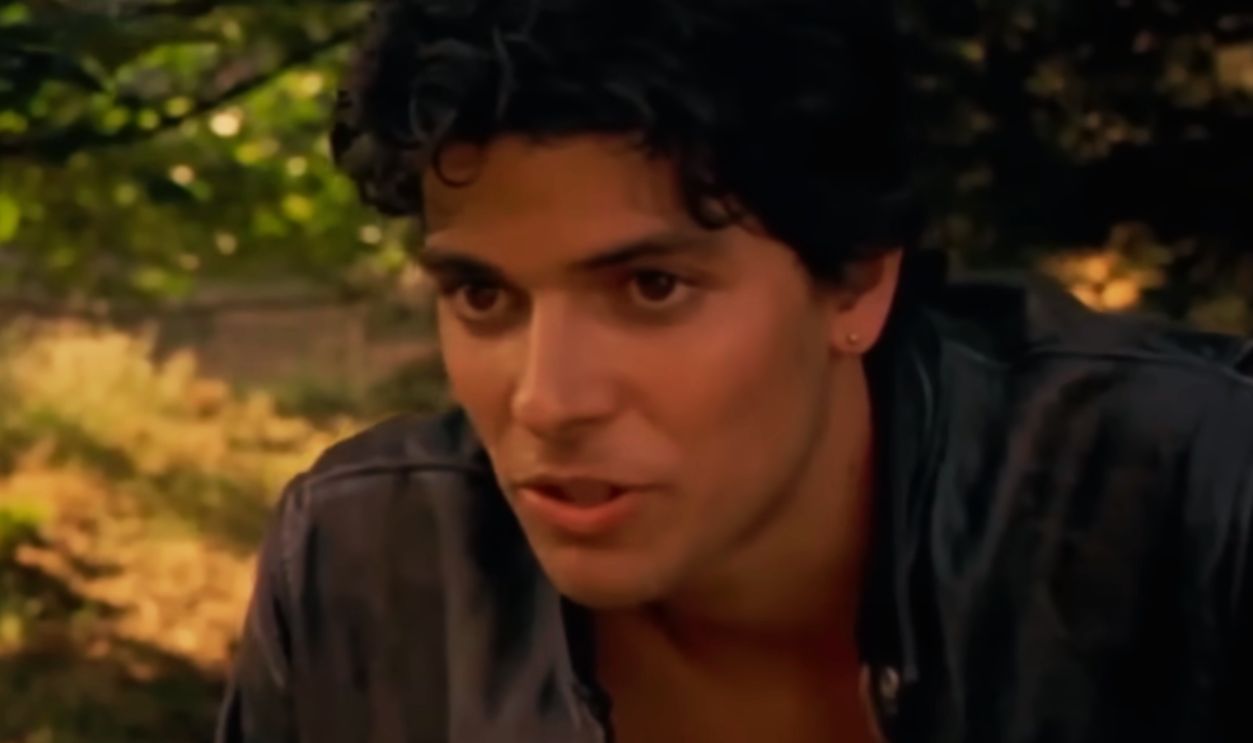 Screenshot from A Nightmare on Elm Street, Warner Bros. Discovery (1984)
Superman II
Superman II is one of the most famous examples of a film being reshaped during production. A change in directors led to significant reshoots and a very different final product. The contrast between versions became even clearer when the original director’s cut was eventually released.
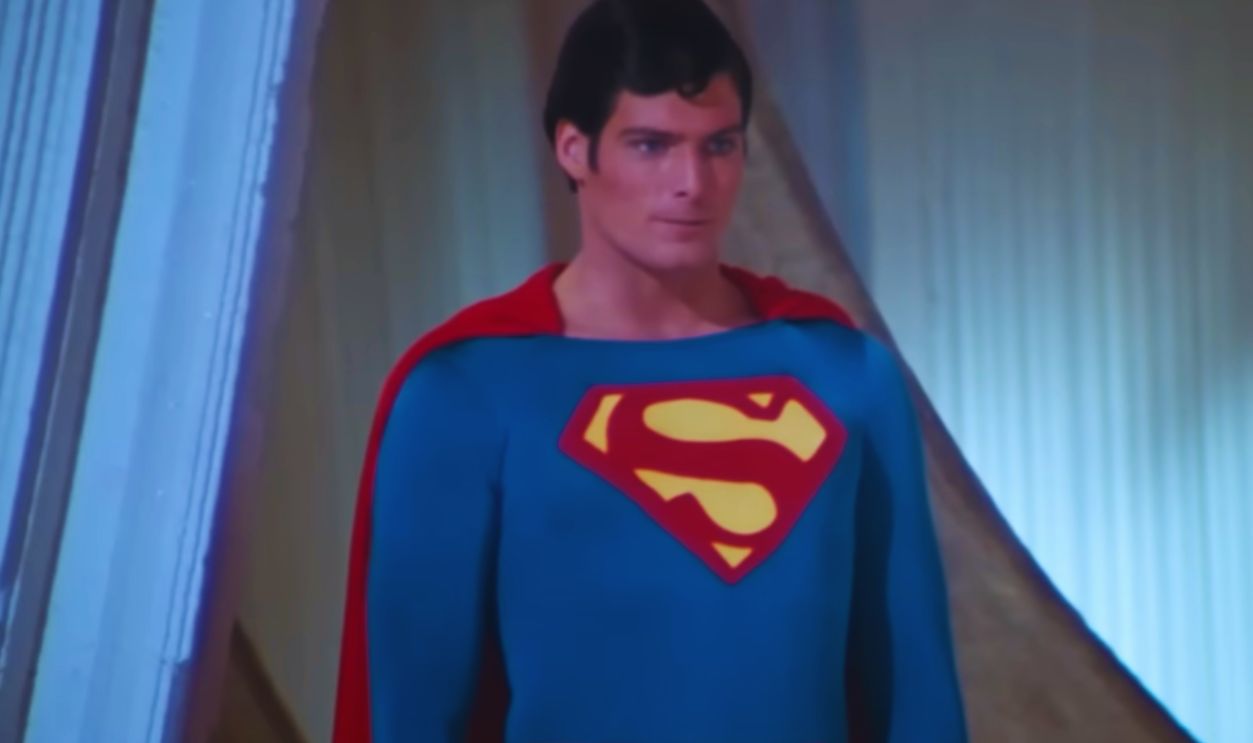 Screenshot from Superman II, Warner Bros. Discovery (1980)
The Butterfly Effect
Early versions of The Butterfly Effect ended on a much darker note. Test audiences reacted negatively, prompting reshoots that created a more hopeful ending. The theatrical version is easier to digest—but arguably less bold.
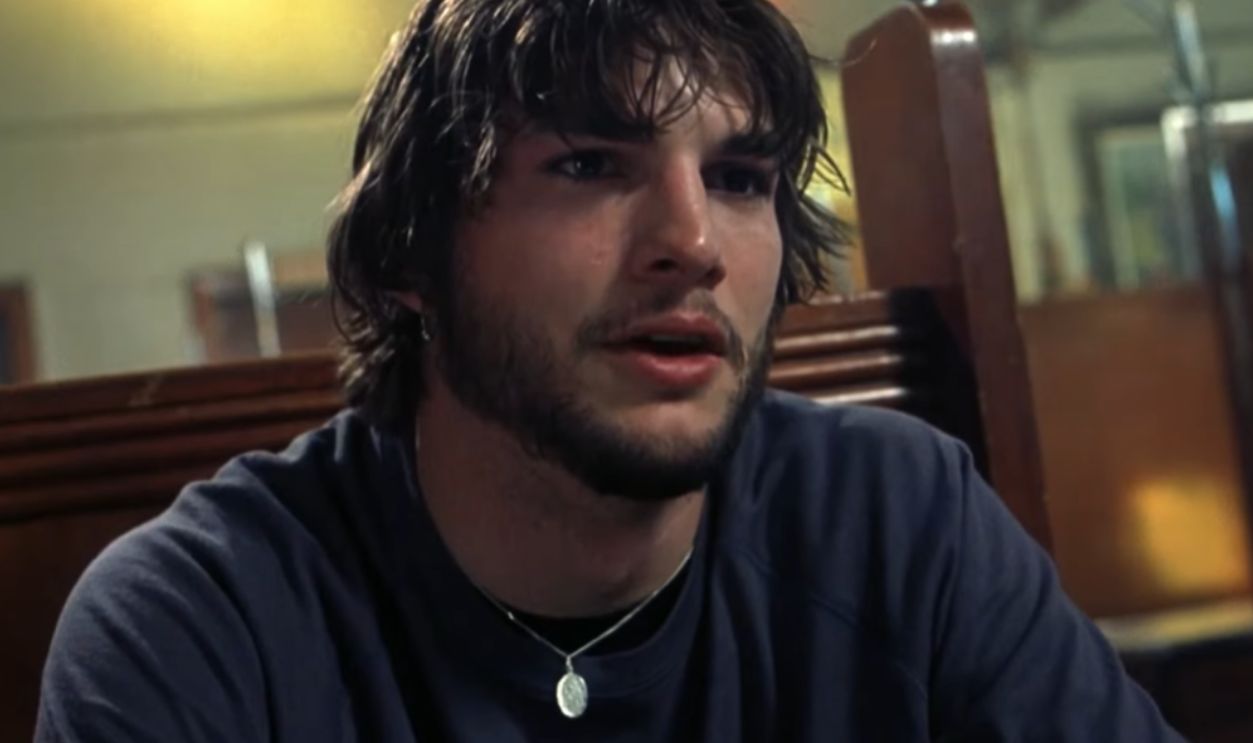 Screenshot from The Butterfly Effect, Warner Bros. Discovery (2004)
First Blood
The original ending of First Blood had John Rambo dying at the end of the film. Test audiences didn’t respond well, leading to reshoots that kept him alive. That single decision didn’t just change the movie—it launched an entire franchise.
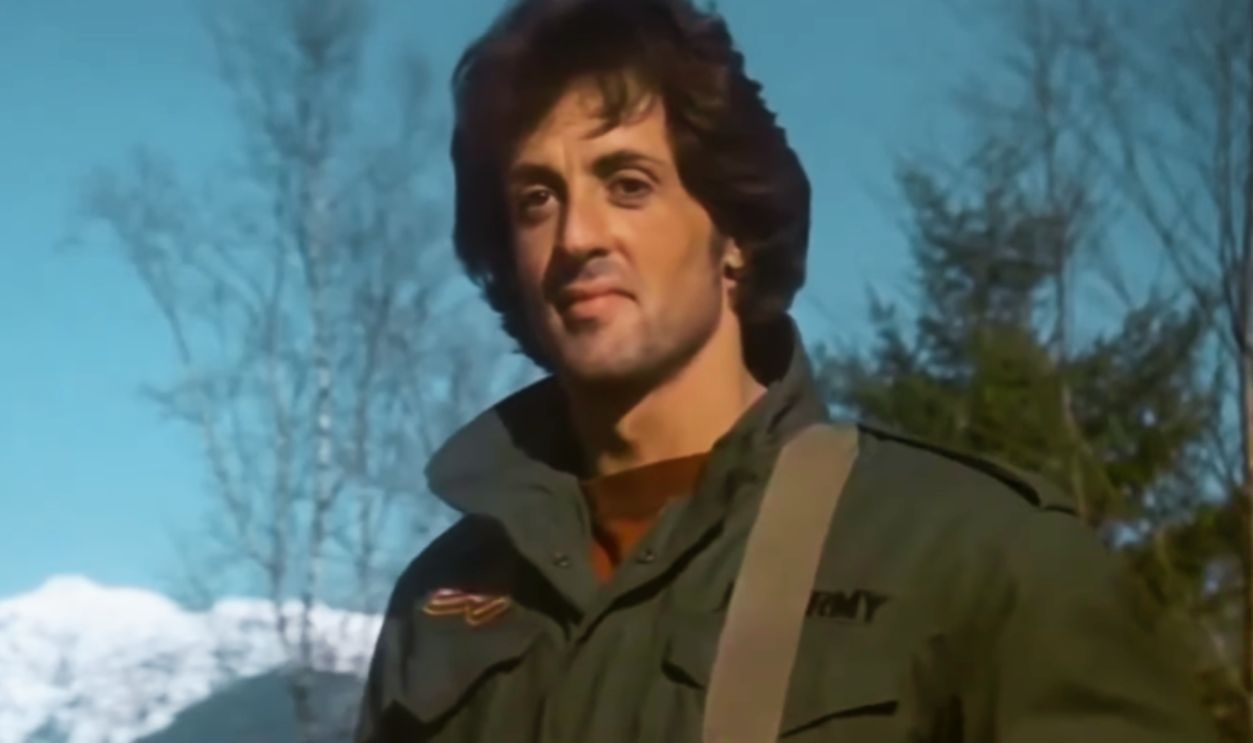 Screenshot from First Blood, Amazon (1982)
Daredevil
Daredevil originally included a major subplot involving an investigation. Reshoots and edits removed much of that material to streamline the story. Later versions restored it, revealing a much more complex film underneath.
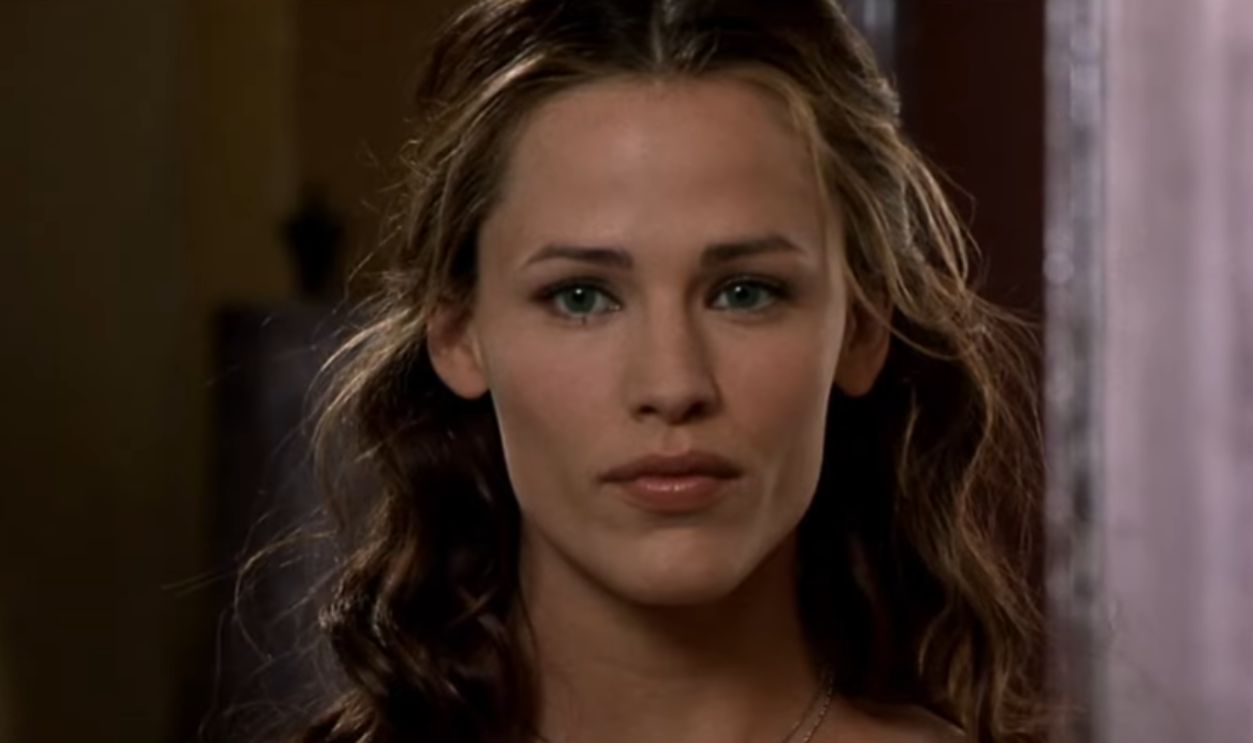 Screenshot from Daredevil, The Walt Disney Company (2003)
Pretty Woman
Pretty Woman started as a much darker story about survival and relationships. Reshoots and rewrites transformed it into a romantic comedy with a fairy-tale ending. The shift didn’t just change the tone—it redefined the film entirely.
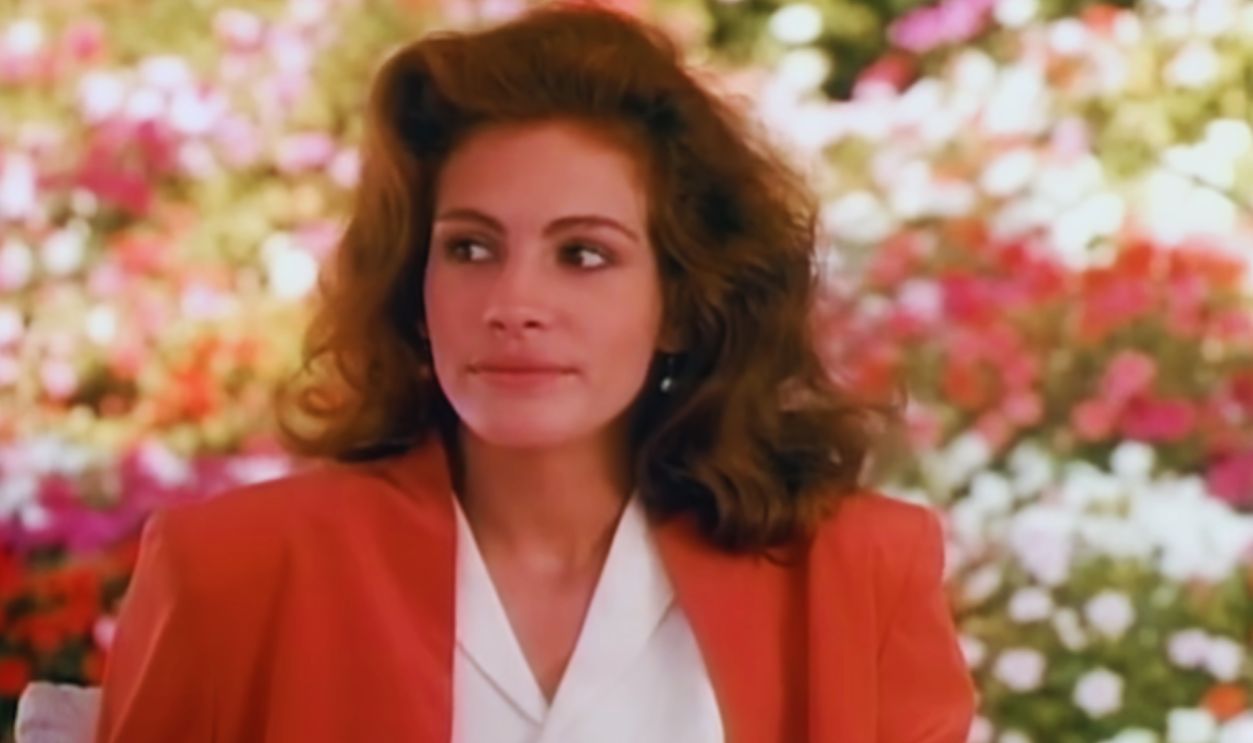 Screenshot from Pretty Woman, The Walt Disney Company (1990)
The Descent
The U.S. version of The Descent features a different ending than the original release. The darker conclusion was altered for American audiences. That change softened the emotional impact and made the story feel less haunting.
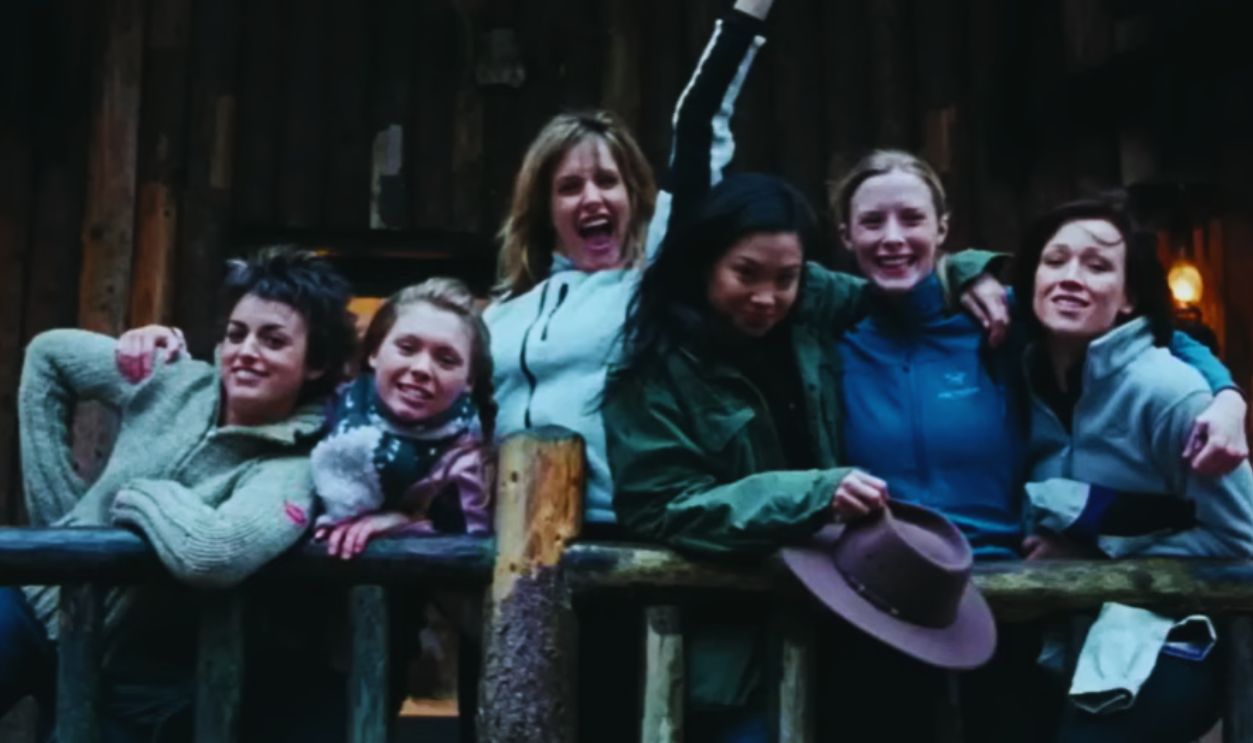 Screenshot from The Descent, Lionsgate (2005)
Dodgeball: A True Underdog Story
Originally, Dodgeball: A True Underdog Story ended with the main characters losing. Test audiences weren’t thrilled, so reshoots flipped the ending into a more traditional win. It’s a small change that completely alters the film’s message.
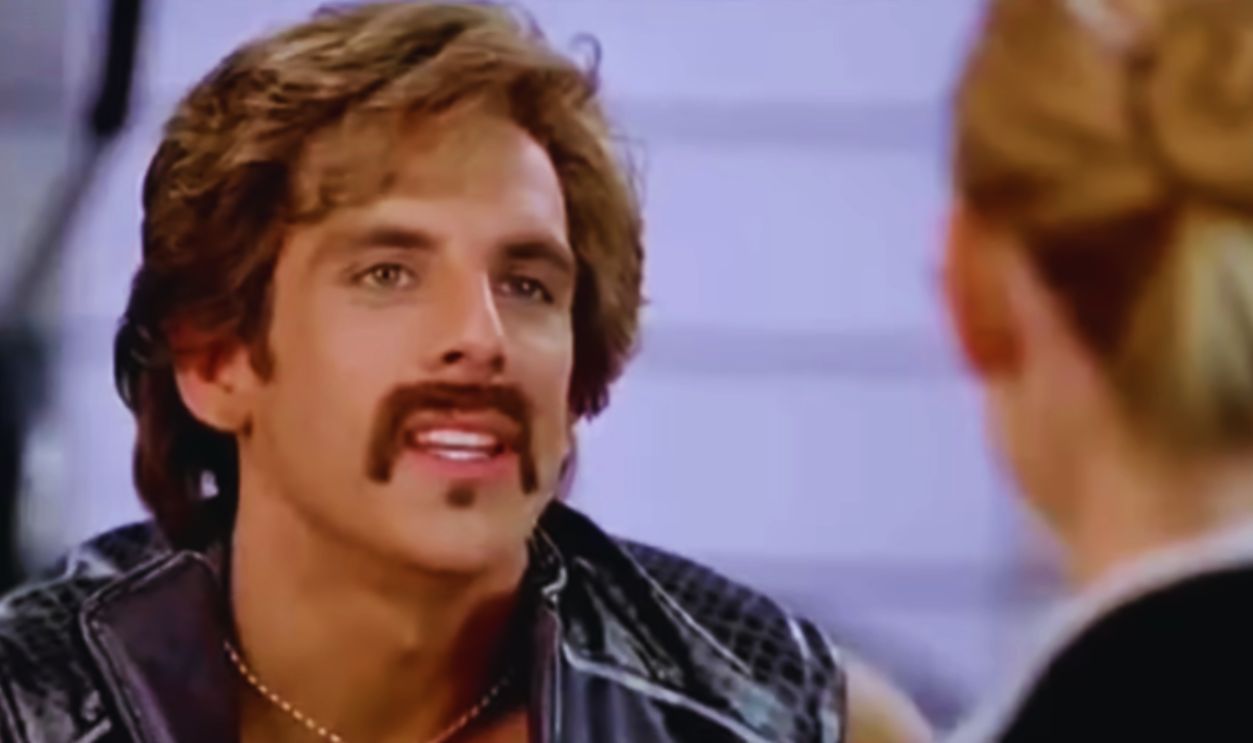 Screenshot from Dodgeball: A True Underdog Story, The Walt Disney Company (2004)
Little Shop of Horrors
The original ending of Little Shop of Horrors was much darker and more destructive. Test audiences rejected it, leading to reshoots that replaced it with a happier resolution. The change made the film more accessible, but far less daring.
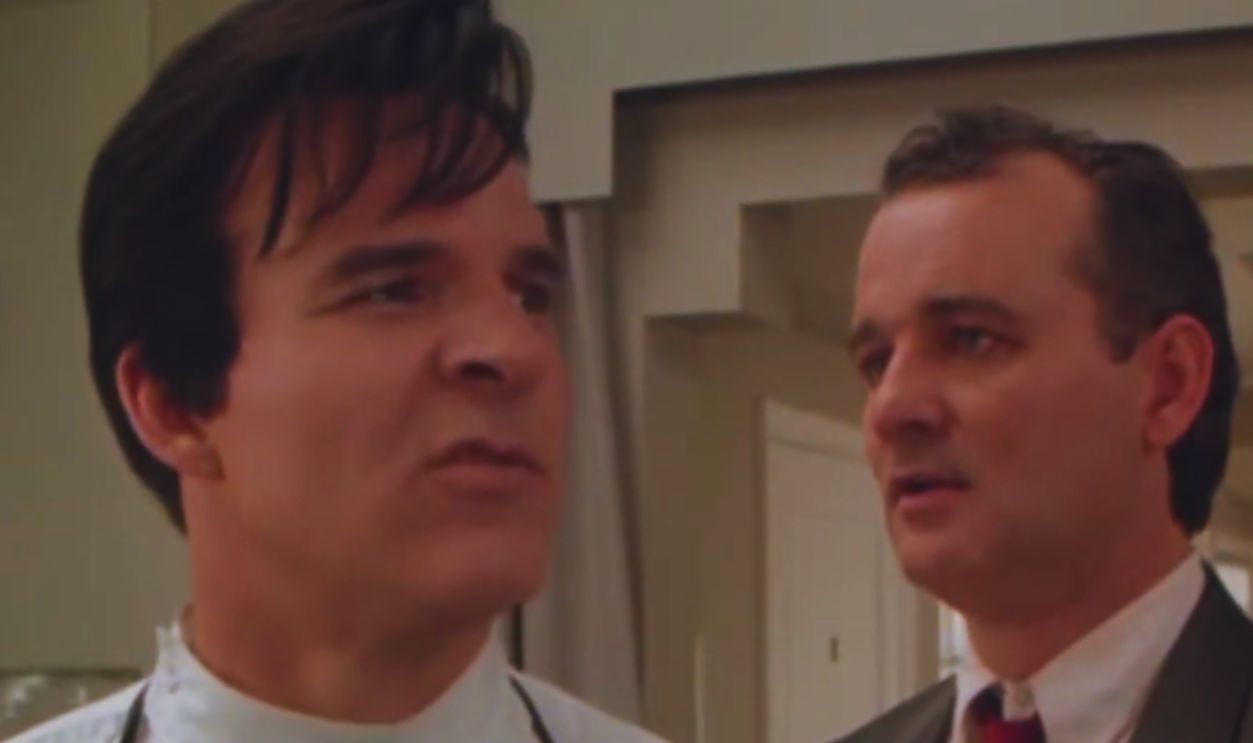 Screenshot from Little Shop of Horrors, Warner Bros. Discovery (1986)
You May Also Like:
Blood-Curdling Facts About Horror Movies
The Most Upsetting Romance Movies Of All Time