When Latin Music Took Over The World
Latin pop is big now, but it didn't start that way. It slowly grew over decades, evolving from early rock-and-roll crossovers to salsa, regional Mexican music, and the global reggaeton wave. Along the way, a handful of songs broke language barriers, climbed international charts, and introduced millions of listeners to Latin artists and rhythms. These are the songs that helped shape the sound of Latin pop and push it into the mainstream across the Americas and beyond.
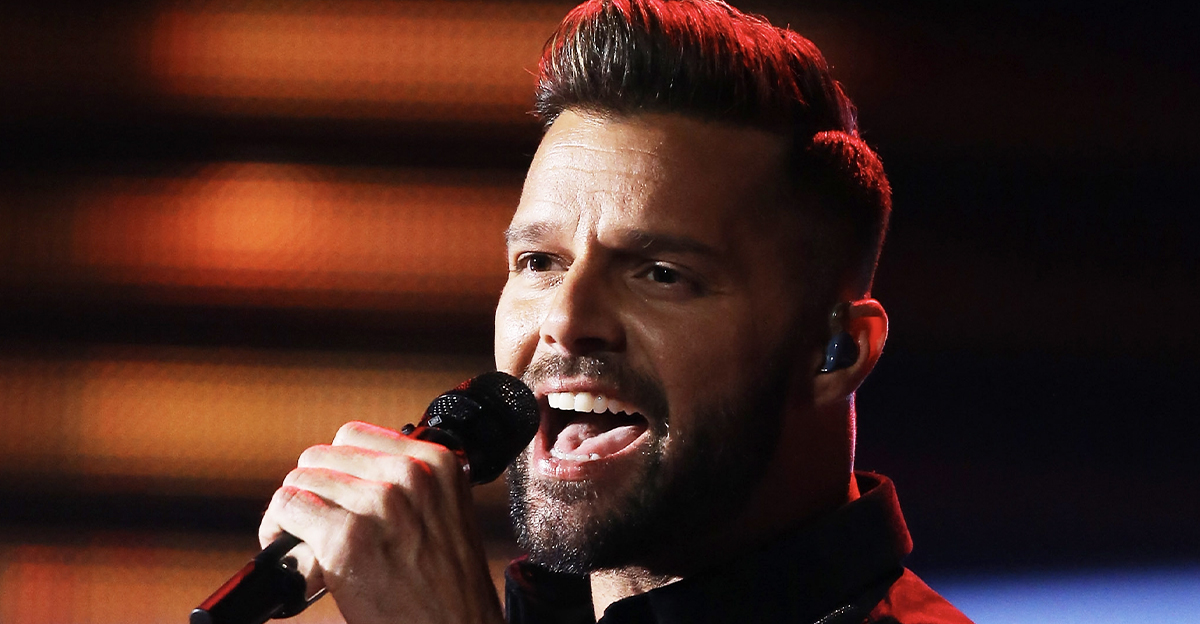
Ritchie Valens – “La Bamba” (1958)
“La Bamba” is one of the earliest examples of Latin music crossing into mainstream American pop culture. Ritchie Valens transformed the traditional Mexican folk song from Veracruz into a rock-and-roll hit with electric guitar and youthful energy. Released in 1958, it proved Spanish-language music could succeed in the US charts and paved the way for Latin artists in rock and pop.
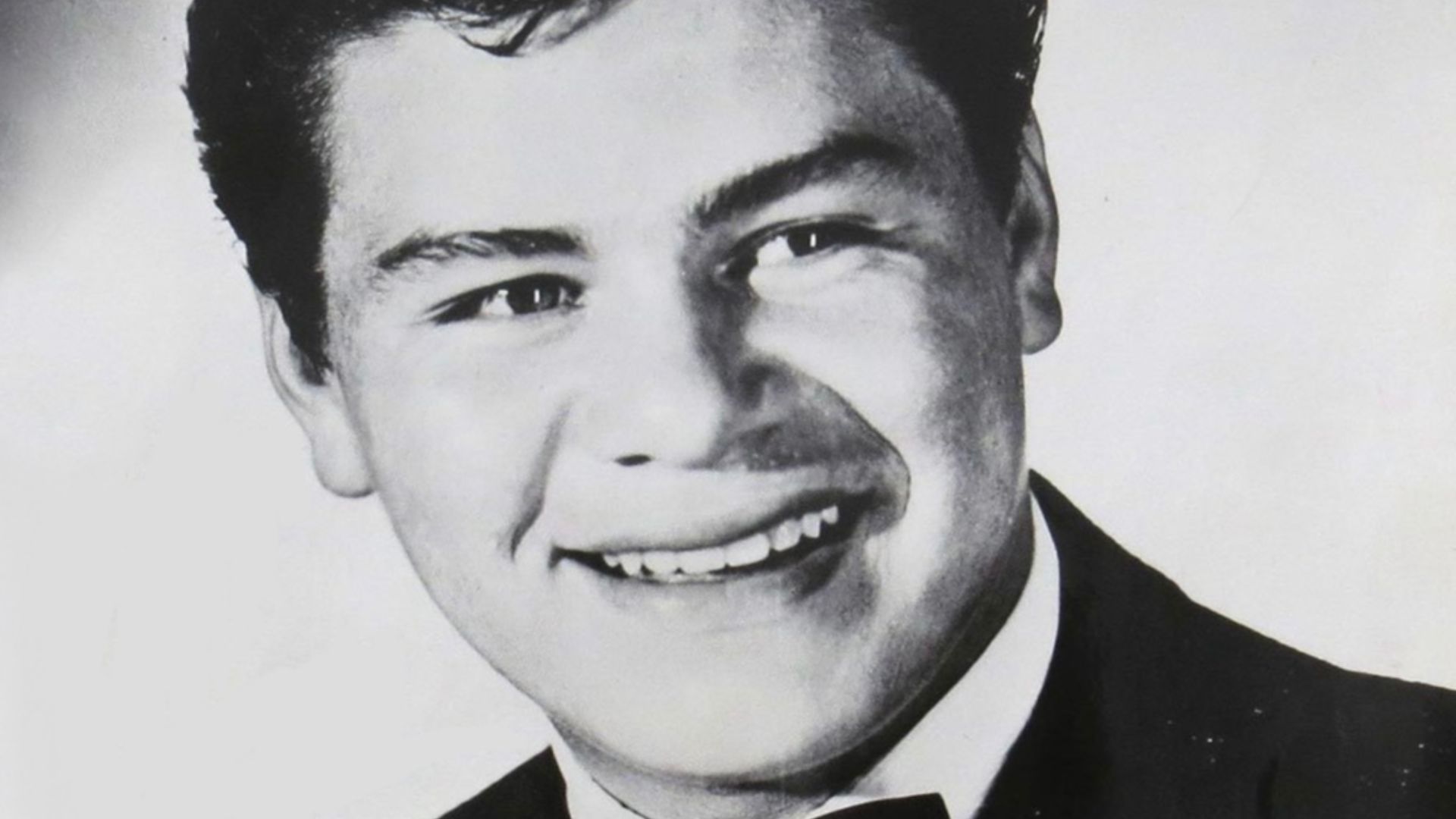 Distributed by General Artists Corportation, Wikimedia Commons
Santana – “Oye Como Va” (1970)
Originally written by Tito Puente, “Oye Como Va” became a global hit when Santana recorded a rock-infused version in 1970. Carlos Santana’s guitar work blended Latin rhythms with blues and psychedelic rock. The song introduced many rock listeners to Afro-Cuban grooves and helped establish Santana as one of the key bridges between Latin music and mainstream pop.
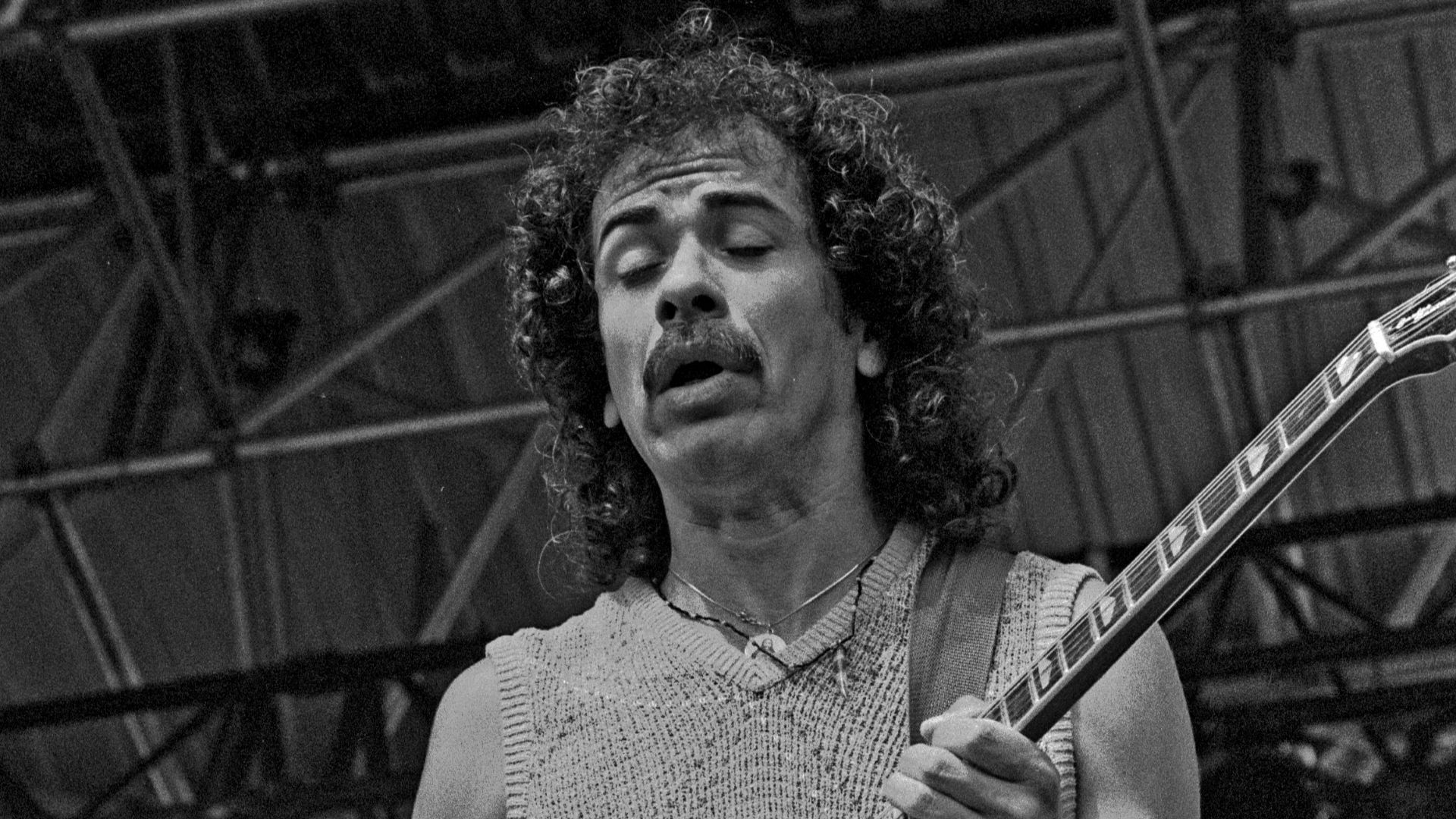 Heinrich Klaffs, Wikimedia Commons
Héctor Lavoe – “El Periódico de Ayer” (1976)
“El Periódico de Ayer” became one of salsa’s most beloved songs thanks to Héctor Lavoe’s emotional vocal performance. Written by Rubén Blades, the track mixes heartbreak with clever storytelling, comparing a failed relationship to yesterday’s newspaper. The song became a defining moment in the golden age of salsa and helped bring Latin music to wider audiences.
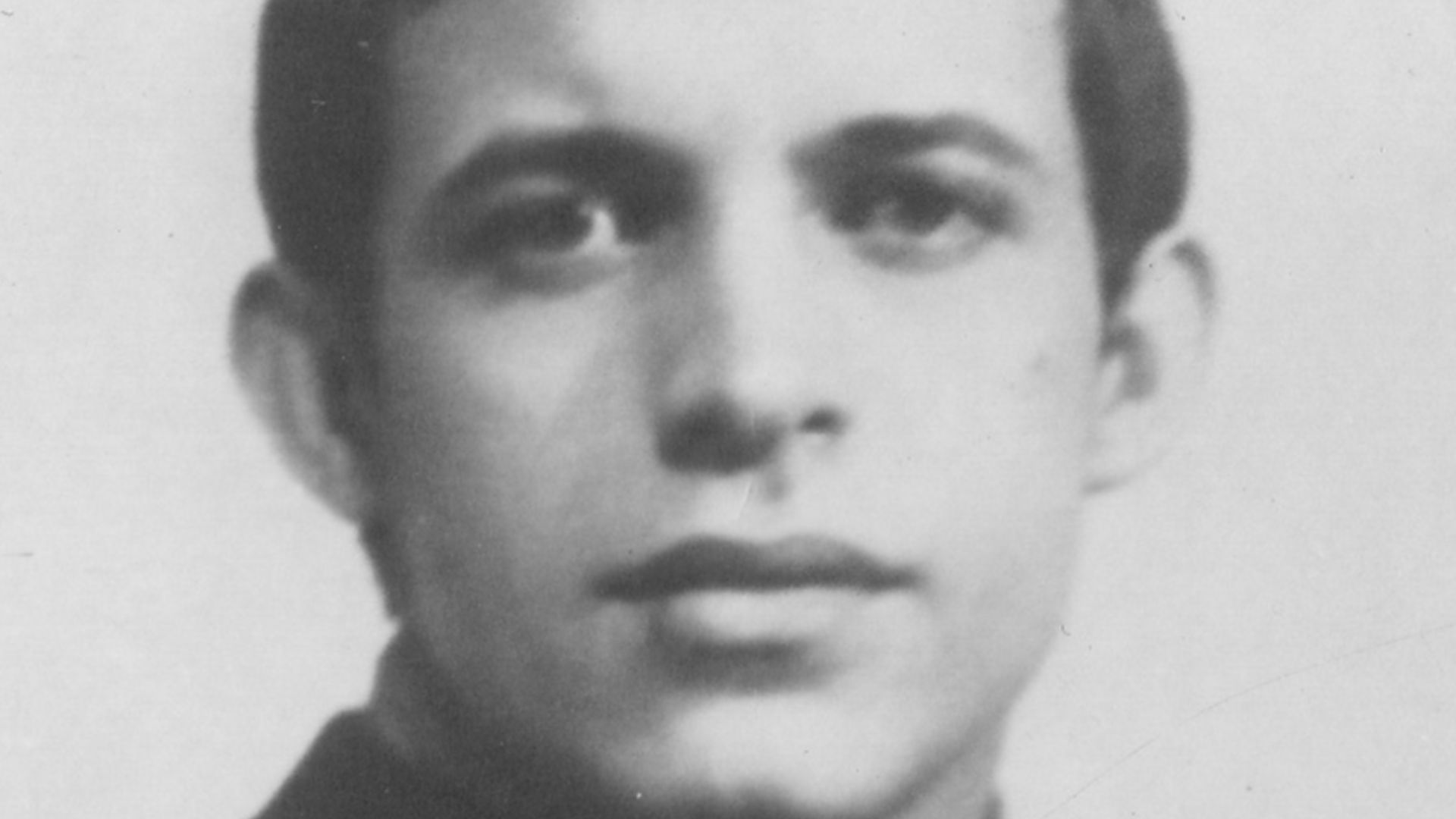 Fania Records, Wikimedia Commons
Rubén Blades And Willie Colón – “Plástico” (1978)
“Plástico” was far more than a dance track. Rubén Blades used the song to criticize superficial society and social inequality across Latin America. Combined with Willie Colón’s powerful salsa arrangements, the track became a landmark recording. It proved Latin music could be both politically conscious and hugely popular at the same time.
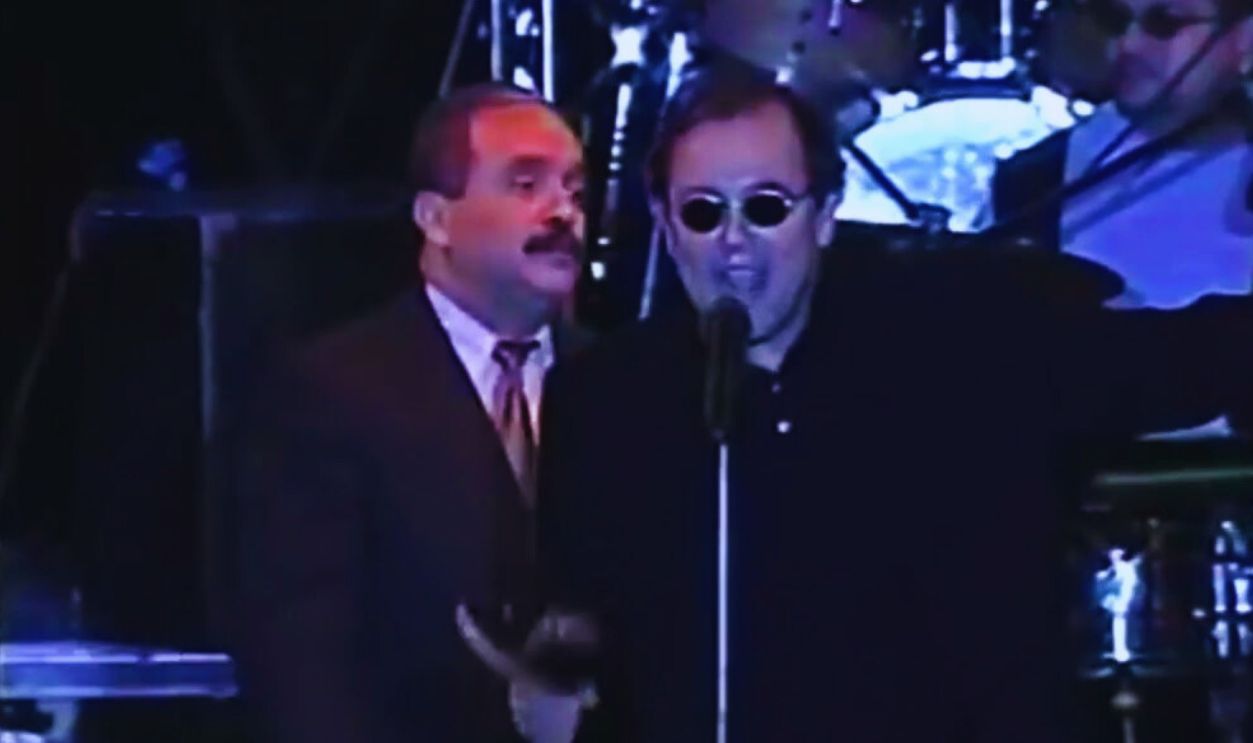 Screenshot from Úitimo Concierto, SONY DISCOS (1993)
Juan Gabriel – “Querida” (1984)
Juan Gabriel was already a superstar in Latin America when “Querida” became one of his biggest hits. The emotional ballad topped charts across Mexico and Latin America for weeks. With its sweeping orchestration and dramatic vocals, the song helped define the sound of Latin pop ballads in the 1980s.
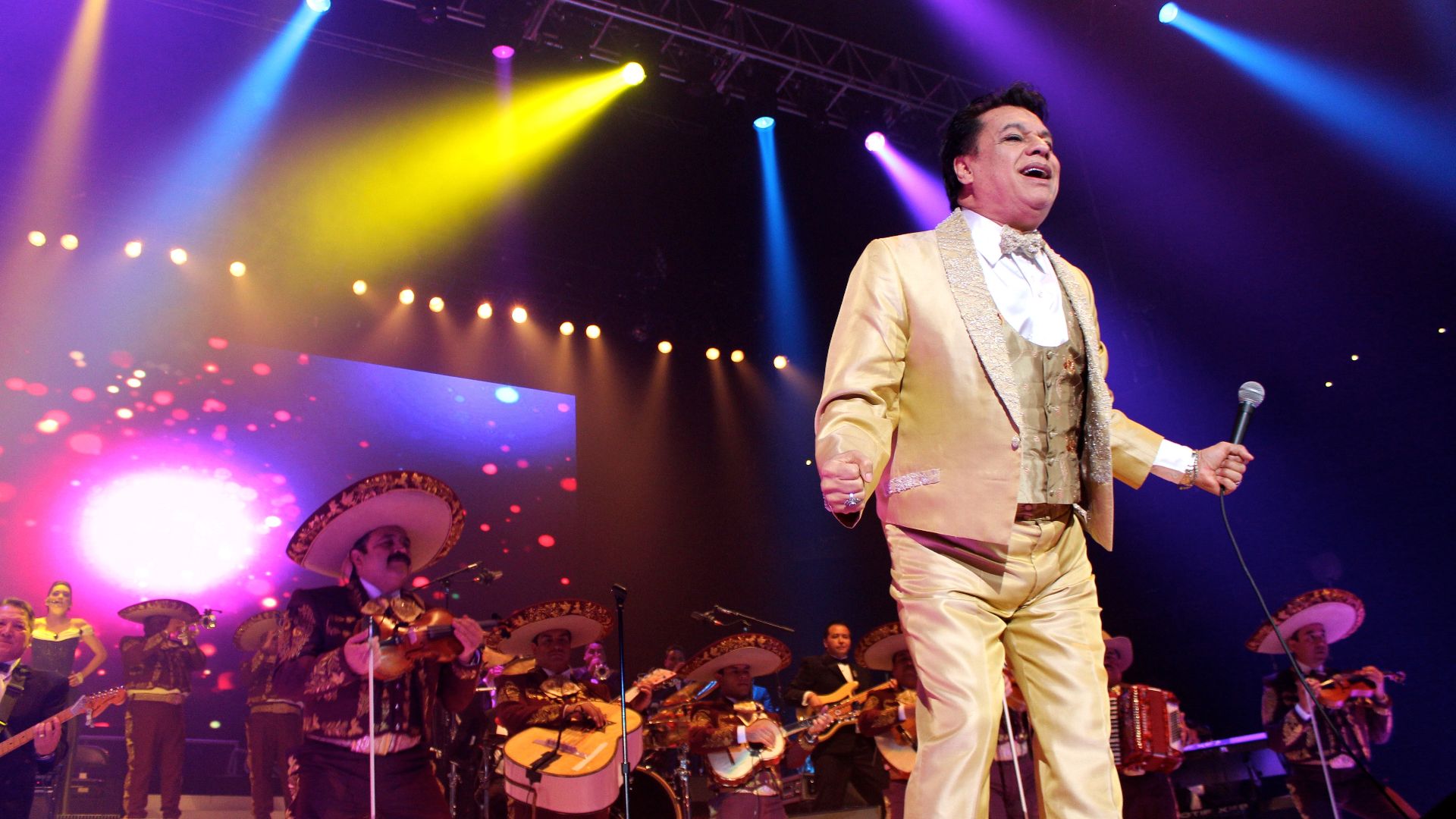 Julio Enriquez, Wikimedia Commons
Rocío Dúrcal – “Amor Eterno” (1984)
“Amor Eterno,” written by Juan Gabriel, became one of the most emotional songs in Latin music history. Rocío Dúrcal’s heartfelt performance turned the track into a powerful tribute to love and loss. The song remains a staple of Latin radio and live performances, often played at memorials and emotional moments across generations.
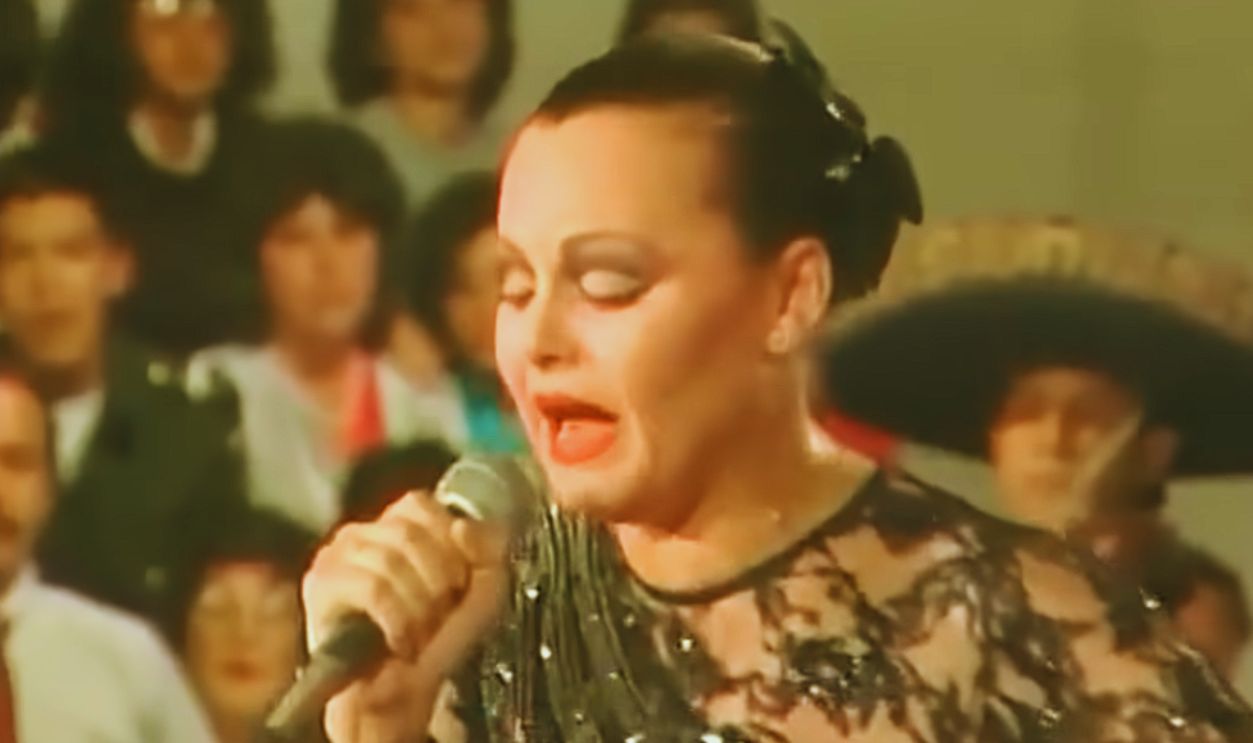 Screenshot from Amor Eterno, BMG Ariola (1984)
Daniela Romo – “Yo No Te Pido La Luna” (1984)
Daniela Romo’s “Yo No Te Pido la Luna” became a defining Latin pop hit of the 1980s. Adapted from an Italian song, the Spanish-language version helped push Romo to international fame. Its catchy melody and romantic lyrics made it a staple across Latin American radio and one of the era’s most recognizable pop songs.
 Secretaría de Cultura CDMX, Wikimedia Commons
Los Tigres Del Norte – “La Jaula De Oro” (1984)
“La Jaula de Oro” became one of the most powerful songs about immigration and identity in Latin music. Los Tigres del Norte told the story of Mexican immigrants living in the United States while feeling trapped between cultures. The song resonated deeply with Latino audiences and remains one of the most important regional Mexican recordings ever made.
 Harvey Rivera Murillo, Wikimedia Commons
Gloria Estefan And Miami Sound Machine – “Conga” (1985)
“Conga” became one of the first Latin crossover pop hits to dominate American radio. Gloria Estefan and Miami Sound Machine blended Latin percussion with dance-pop production, creating an irresistible club anthem. The song helped introduce Latin rhythms to mainstream audiences and opened doors for future crossover artists.
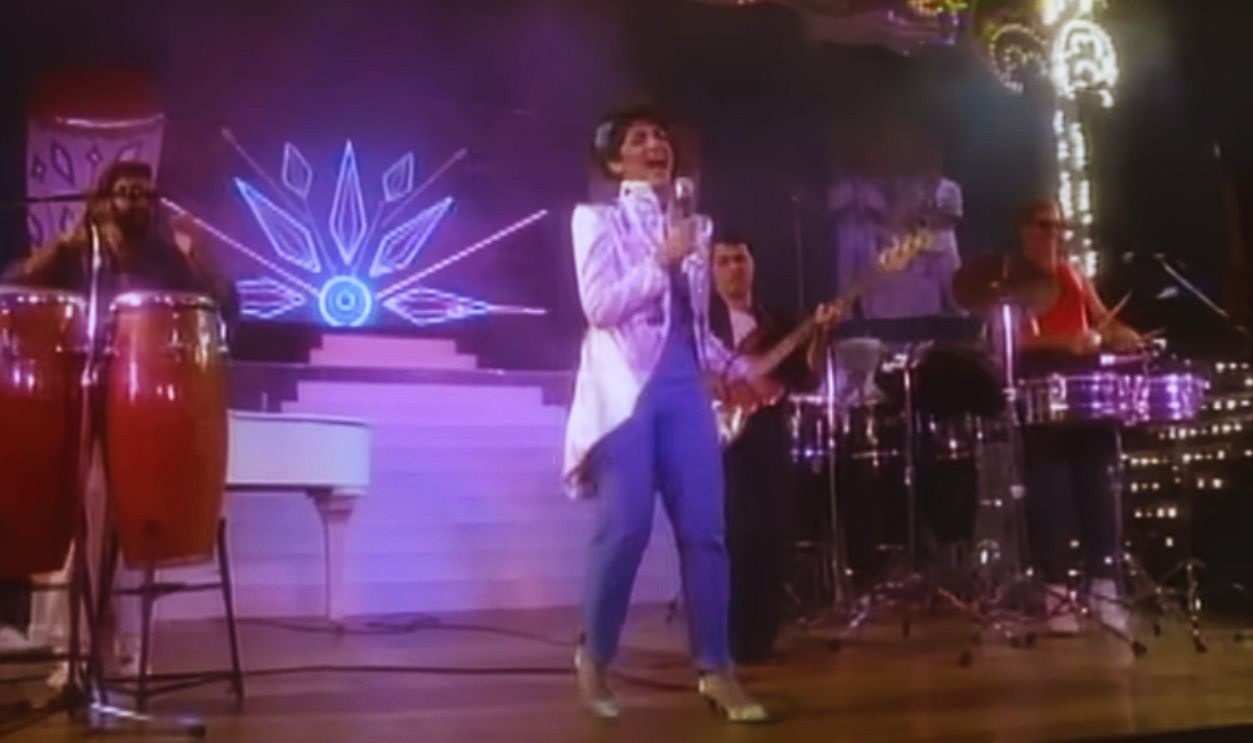 Screenshot from Conga, Epic Records (1985)
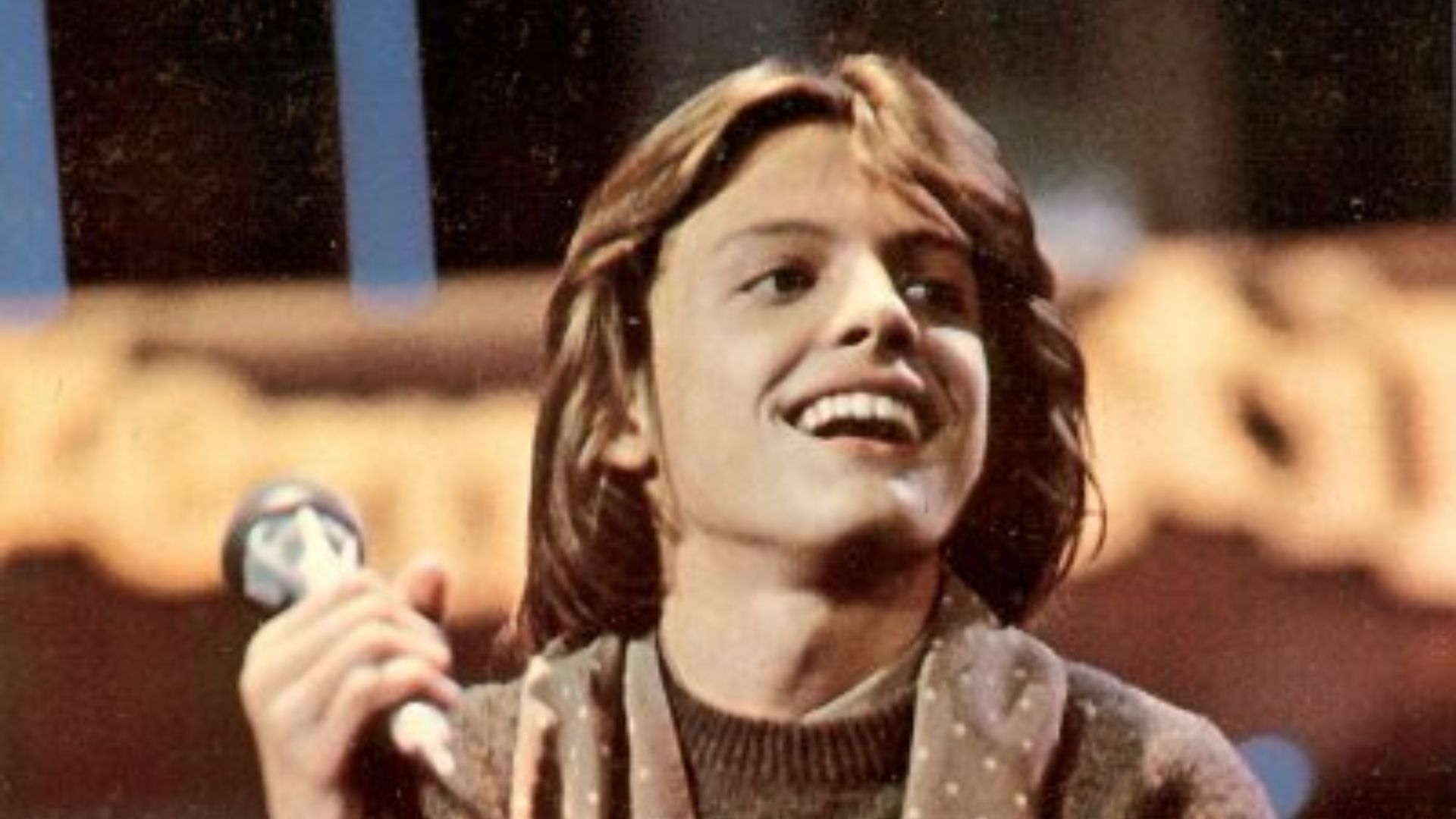
Luis Miguel – “La Incondicional” (1988)
Luis Miguel’s “La Incondicional” became one of the defining Latin pop ballads of the late 1980s. The song’s dramatic arrangement and emotional delivery helped establish Luis Miguel as one of the biggest Latin pop stars of his generation. Its music video and sweeping orchestration made it a massive hit across Spanish-speaking markets.
 Unknown authorUnknown author, Wikimedia Commons
Timbiriche – “Tú Y Yo Somos Uno Mismo” (1988)
Mexican pop group Timbiriche dominated Latin youth culture during the 1980s, and “Tú y Yo Somos Uno Mismo” became one of their biggest hits. The song captured the teen-pop energy of the era and helped shape Latin pop aimed at younger audiences, paving the way for later Latin boy bands and pop groups.
 Héctor Zamudio from Distrito Federal, México, Wikimedia Commons
Elvis Crespo – “Suavemente” (1998)
“Suavemente” became one of the most recognizable merengue songs ever recorded. Elvis Crespo’s energetic performance and the song’s irresistible rhythm turned it into a massive dancefloor hit across Latin America and the United States. Even decades later, it remains a party anthem played at clubs, weddings, and celebrations.
 Wilfrido Vargas, Wikimedia Commons
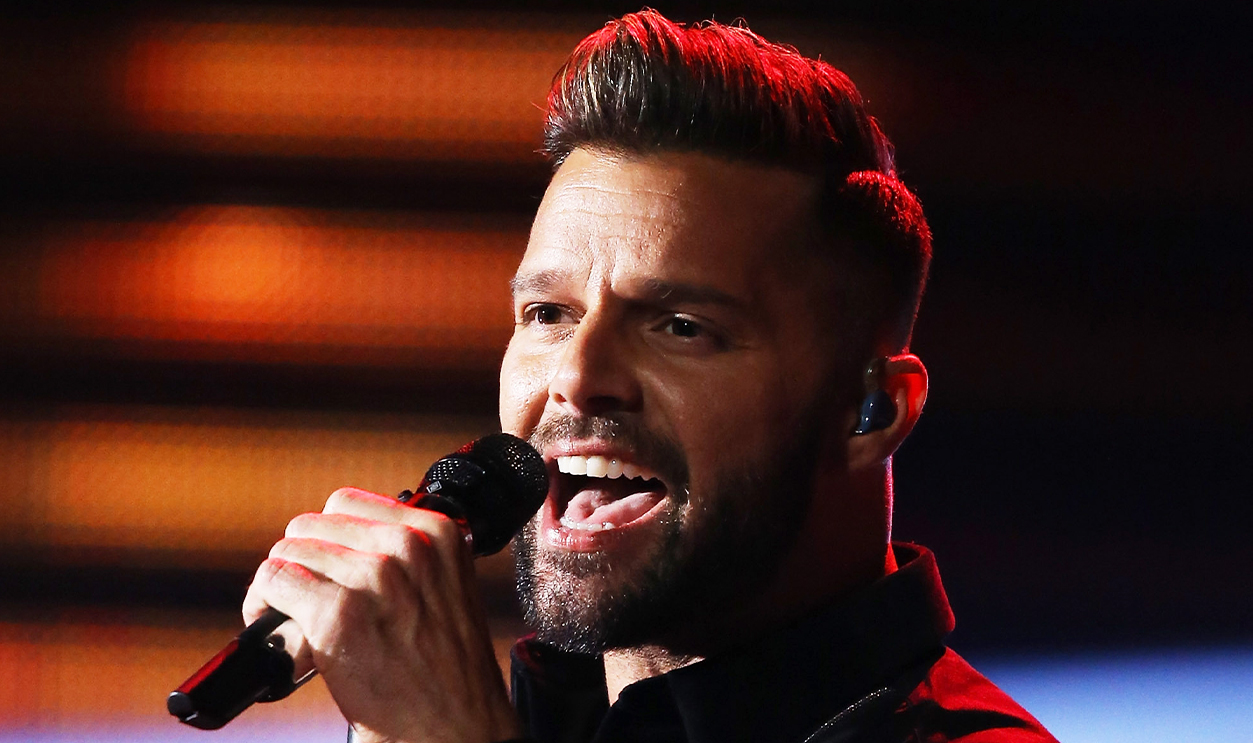
Ricky Martin – “Livin’ La Vida Loca” (1999)
“Livin’ La Vida Loca” helped launch the Latin pop explosion in the United States during the late 1990s. Ricky Martin’s energetic performance, catchy melody, and bilingual appeal made the song a global phenomenon. It topped charts around the world and introduced millions of listeners to Latin pop on mainstream radio.
 Screenshot from Livin' La Vida Loca, Columbia Records (1999)
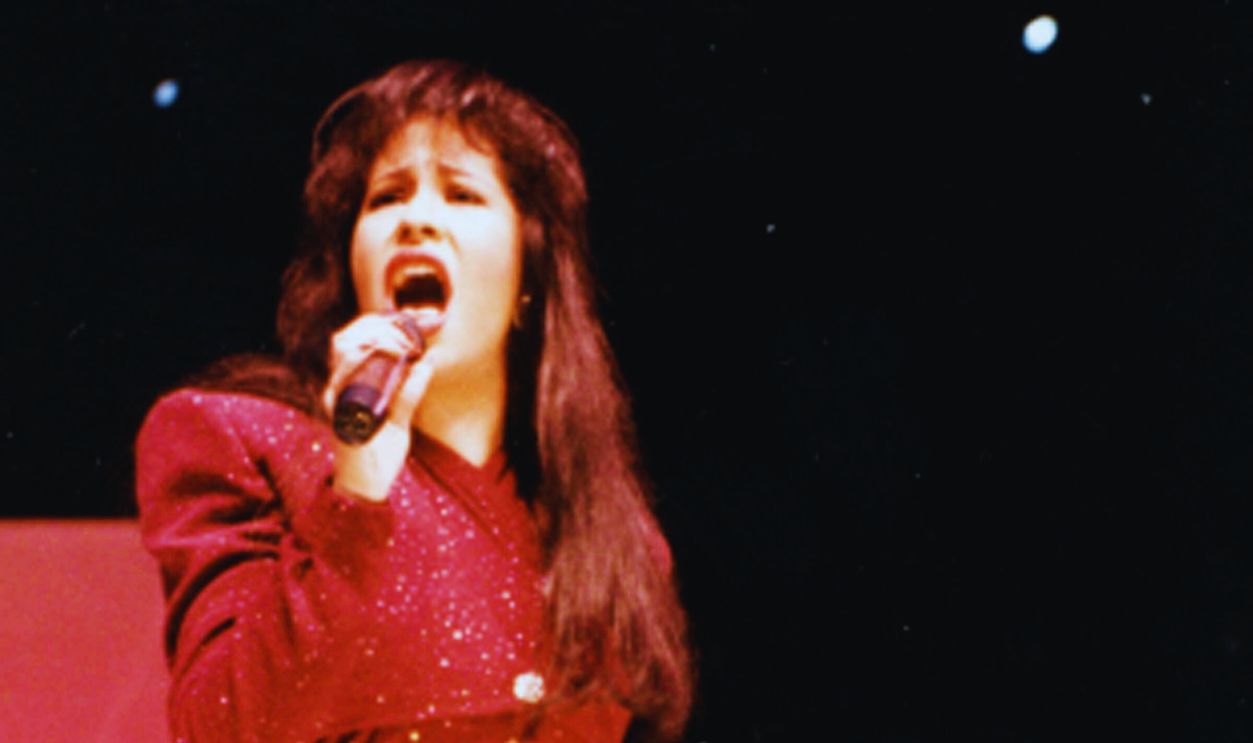
Selena – “Como La Flor” (1989)
“Como la Flor” became one of Selena’s signature songs and helped solidify her status as the Queen of Tejano music. The heartfelt lyrics about lost love resonated deeply with fans. The song also helped bring Tejano and Latin pop sounds to a wider audience in the United States.
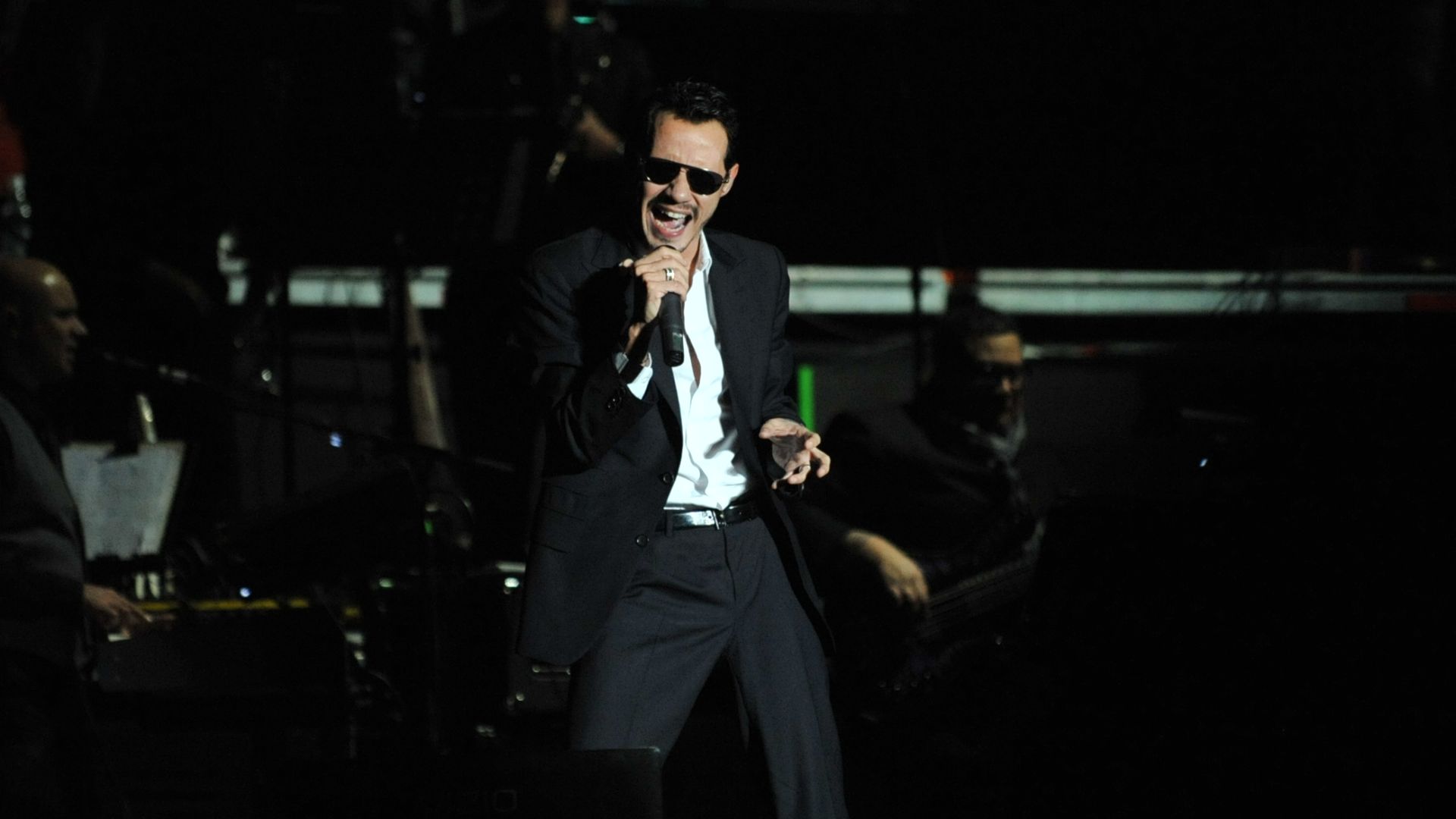
Marc Anthony – “Vivir Mi Vida” (2013)
“Vivir Mi Vida” became one of the biggest Latin pop hits of the 2010s. The upbeat salsa anthem encourages listeners to celebrate life despite its struggles. Marc Anthony’s powerful voice and the song’s joyful energy helped it dominate Latin charts and become a staple at parties and celebrations worldwide.
Shakira – “Suerte (Whenever, Wherever)” (2001)
Shakira’s “Suerte,” released internationally as “Whenever, Wherever,” became a global crossover hit. The song blended Latin rhythms with pop production and featured Shakira’s distinctive voice and songwriting. Its success helped transform Shakira into an international superstar and brought Latin pop firmly into the global mainstream.
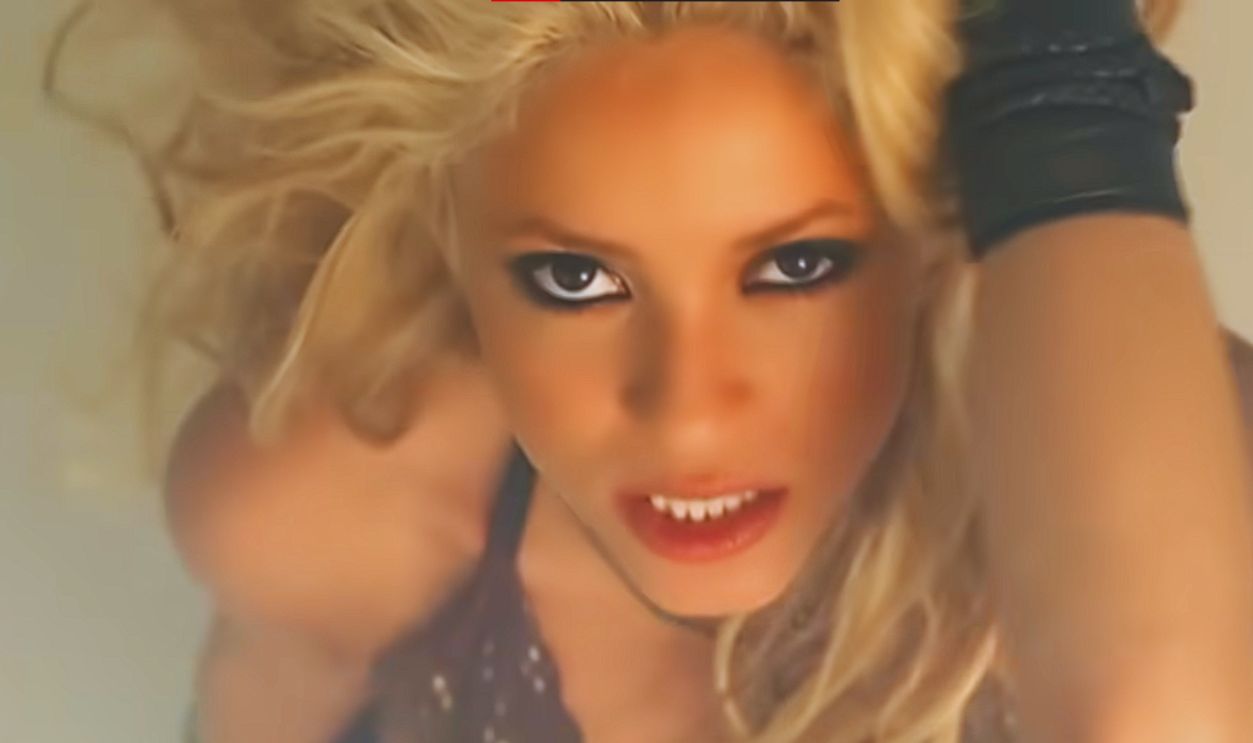 Screenshot from Whenever, Wherever, Epic Records (2001)
Daddy Yankee – “Gasolina” (2004)
“Gasolina” is widely considered one of the songs that brought reggaeton into the global spotlight. Daddy Yankee’s explosive hit introduced millions of listeners to the genre’s driving beat and dancehall influences. The song’s massive popularity helped turn reggaeton into one of the dominant sounds in modern Latin pop.
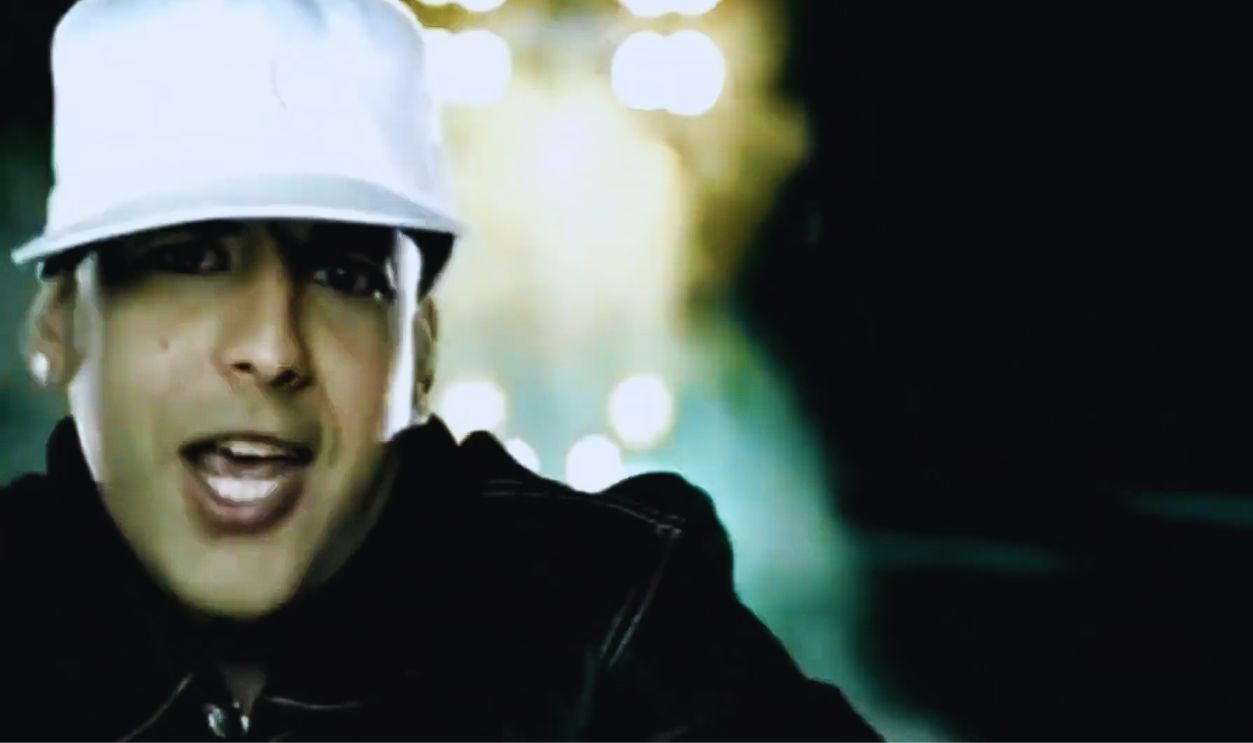 Screenshot from Gasolina, Machete Music / El Cartel Records (2004)
Enrique Iglesias, Descemer Bueno & Gente De Zona – “Bailando” (2013)
“Bailando” became one of Enrique Iglesias’ biggest hits and a defining Latin pop track of the 2010s. Mixing flamenco guitar, Cuban rhythms, and reggaeton influences, the song dominated charts worldwide. Its catchy chorus and danceable beat helped it become one of the most streamed Latin songs of its era.
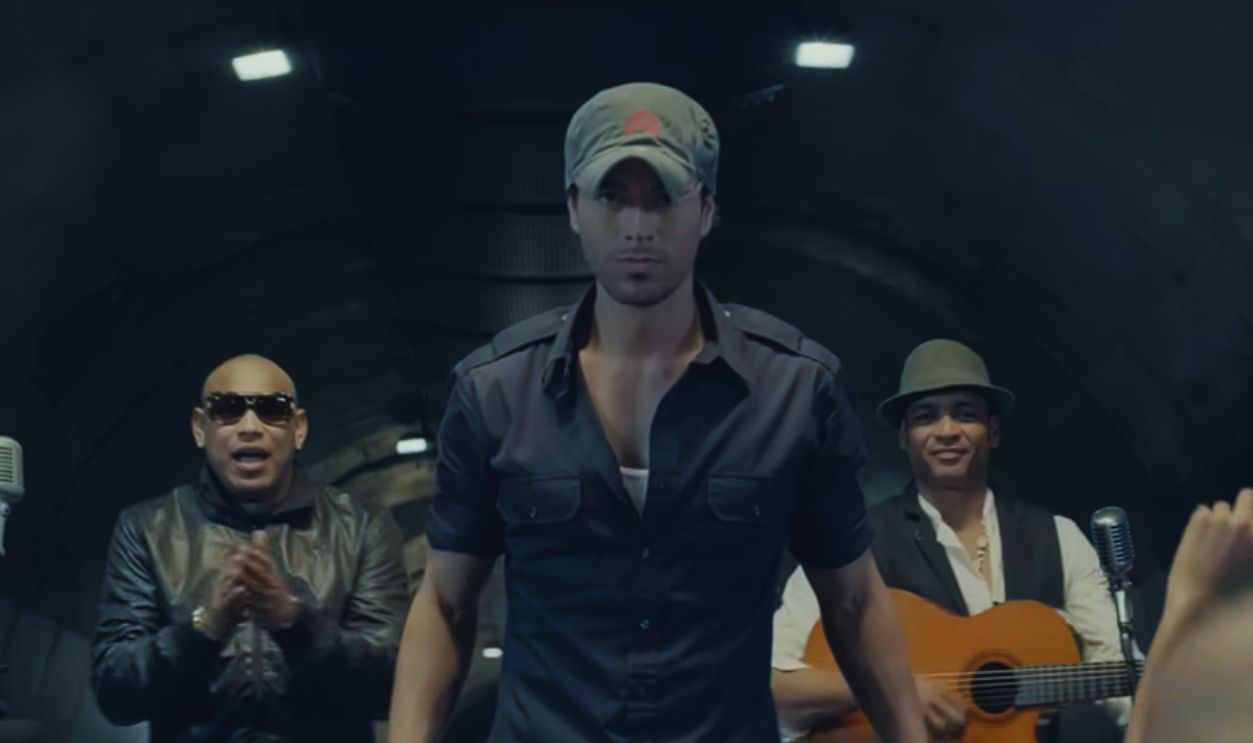 Screenshot from Bailando, Republic Records (2013)
Don Omar & Lucenzo – “Danza Kuduro” (2010)
“Danza Kuduro” became a global dance phenomenon thanks to its high-energy rhythm and irresistible chorus. The collaboration between Don Omar and Lucenzo blended reggaeton with Portuguese kuduro influences. The song exploded internationally and became one of the biggest Latin dance hits of the early 2010s.
 Screenshot from Danza Kuduro, Machete Music / Orfanato Music Group (2010)
Luis Fonsi & Daddy Yankee – “Despacito” (2017)
“Despacito” became one of the biggest songs in music history. Luis Fonsi and Daddy Yankee’s reggaeton-pop smash topped charts around the world and became one of the most streamed songs ever recorded. The track proved that Spanish-language music could dominate global pop culture without needing an English translation.
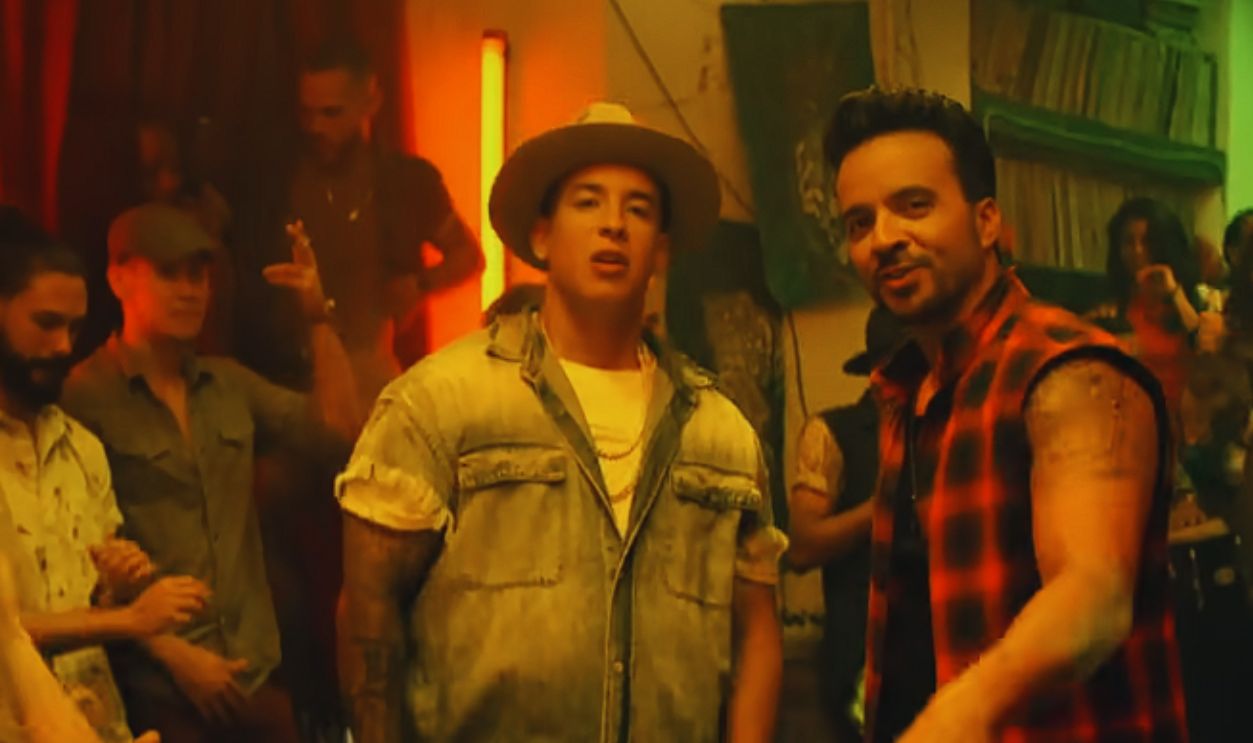 Screenshot from Despacito, Universal Music Latin (2017)
You May Also Like:
Every musician wishes they could own their masters, but only a few have fought for them—and won.
How Stevie Wonder Lost His Sight—But Gained A Vision
Hit Songs From The 90s That Everyone Knows—But Nobody Remembers The Artist