Taking Back The Music
For most of the history of the recording industry, artists rarely owned the master recordings of their music. Those masters were typically controlled by record labels, meaning that companies decided how songs were distributed, licensed, and monetized. Even hugely successful musicians often had little say over their own catalogs once the contracts were signed. In recent decades, however, more artists have begun challenging that system, and their legal battles have reshaped conversations about artist ownership and creative freedom. The musicians below chose to fight against the system—and won.
 Eva Rinaldi, Wikimedia Commons
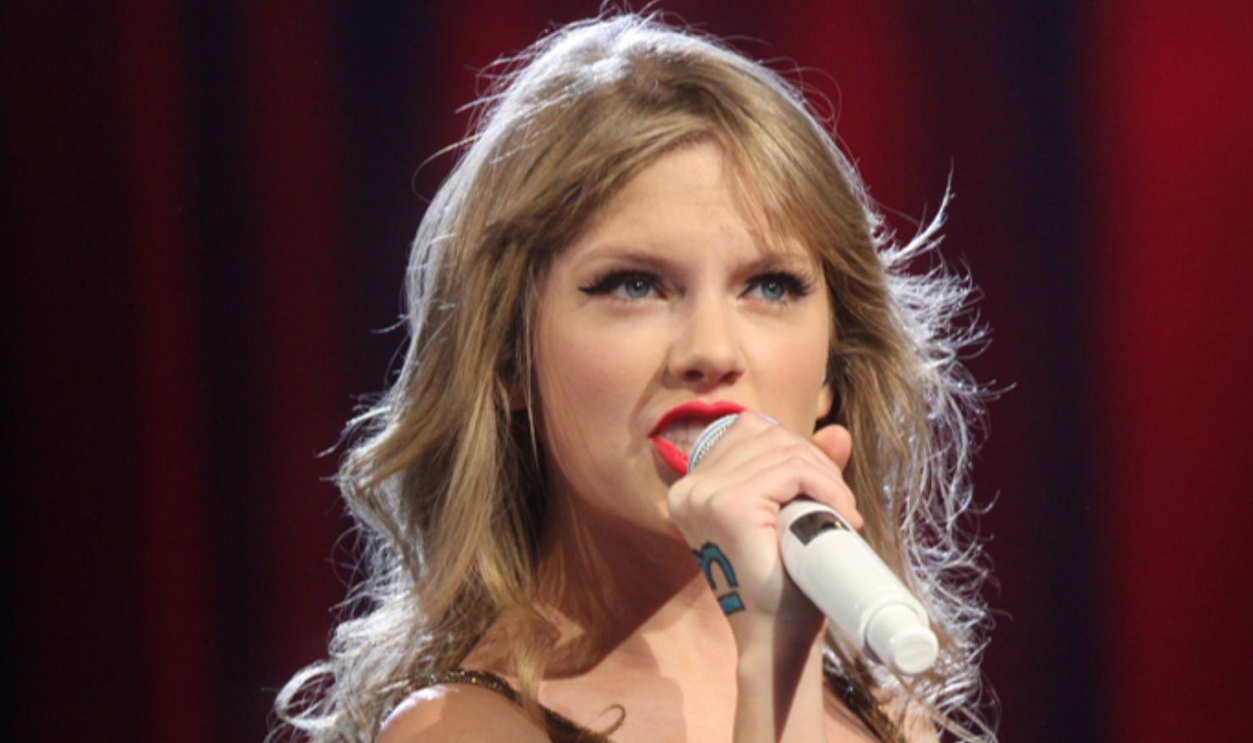
Taylor Swift
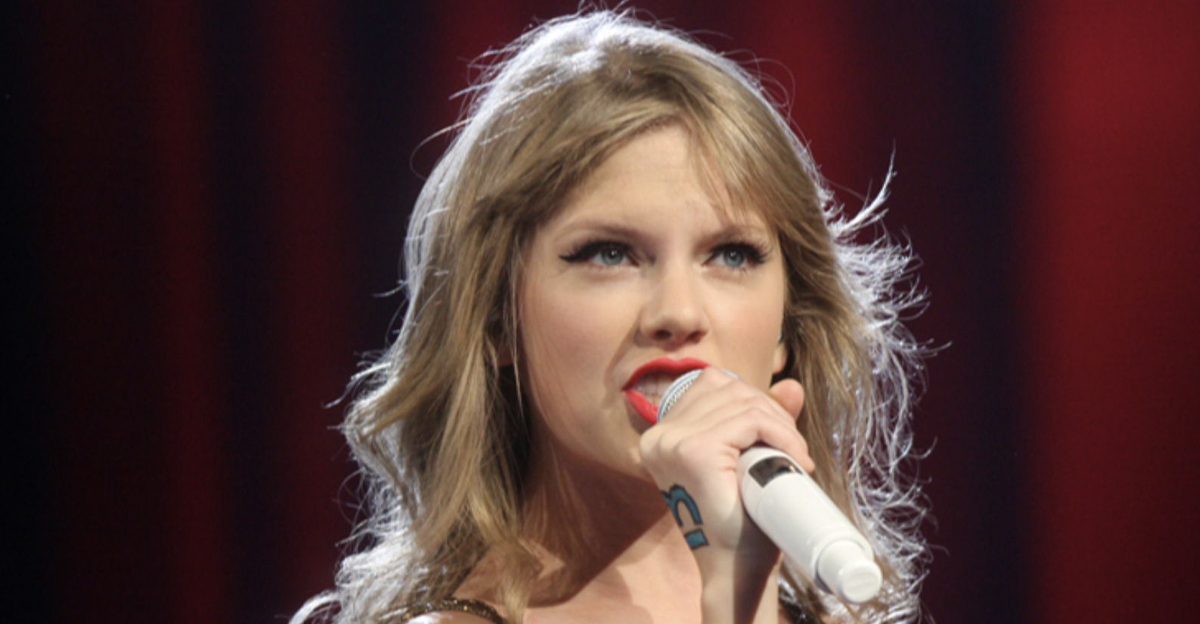
Taylor Swift’s battle over her masters became one of the most widely discussed music industry disputes of the 2010s. In 2019, her former label Big Machine Records sold the masters of her first six albums to Scooter Braun’s company without offering Swift the opportunity to buy them herself. Swift publicly criticized the deal, arguing artists should have the chance to own their work.
Taylor Swift (Cont'd)
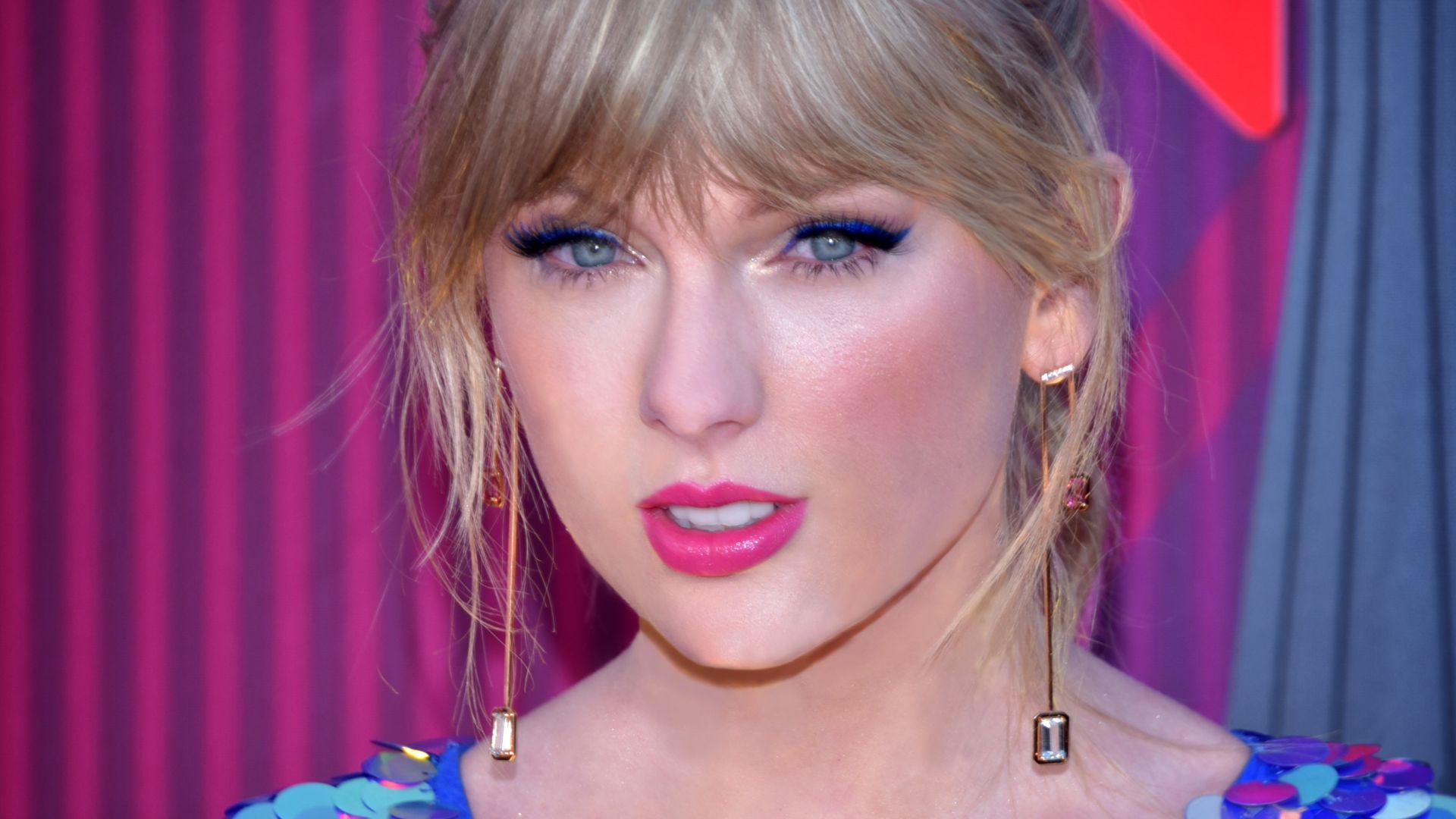
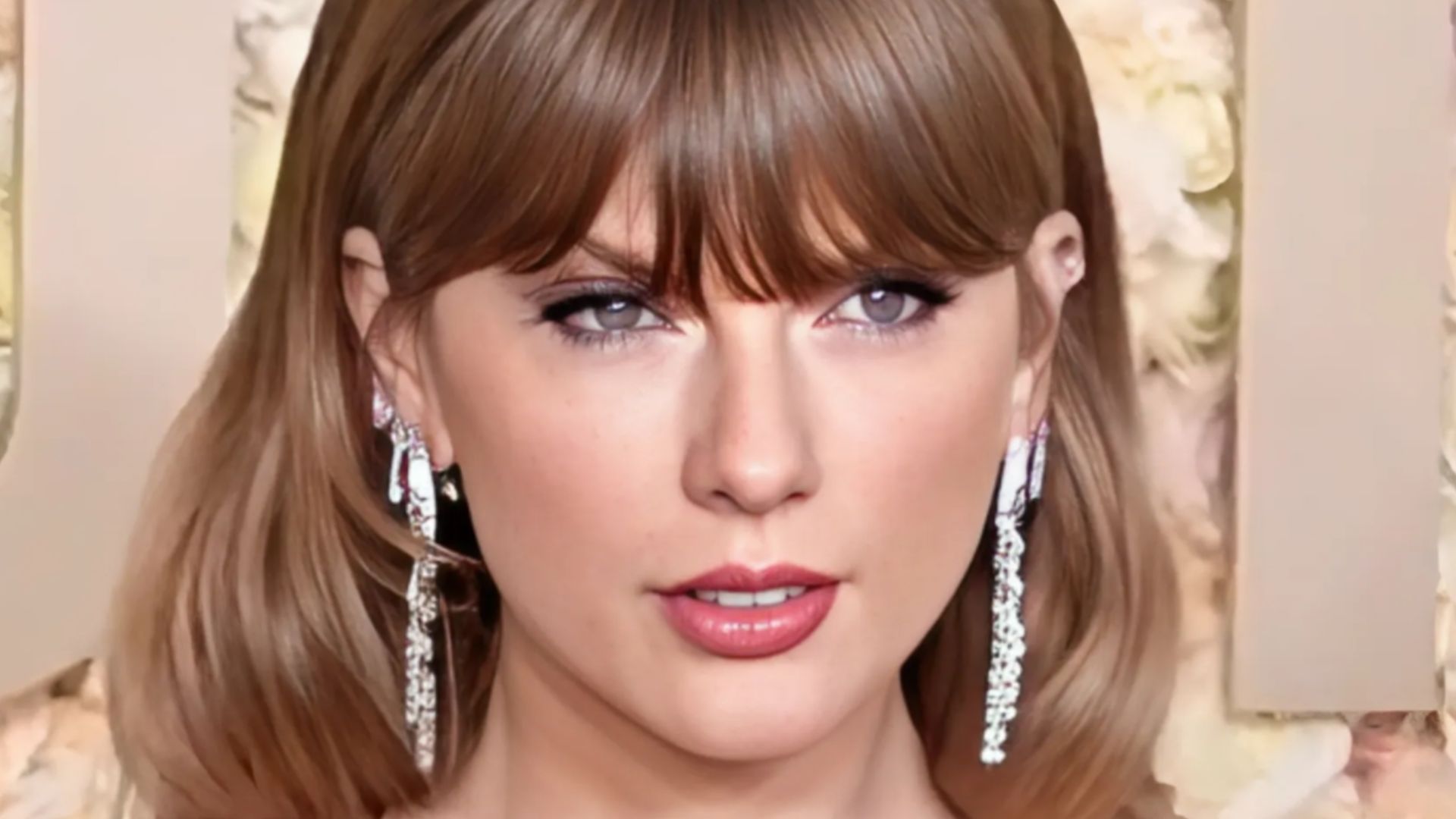
Instead of accepting the situation, Swift launched an ambitious plan to re-record her early catalog. Starting in 2021, she began releasing “Taylor’s Version” editions of albums like Fearless and Red. The re-recordings topped charts and encouraged fans to stream the new versions instead of the originals. In 2025, Swift ultimately reacquired the masters to her early catalog.
 iHeartRadioCA, Wikimedia Commons
Prince
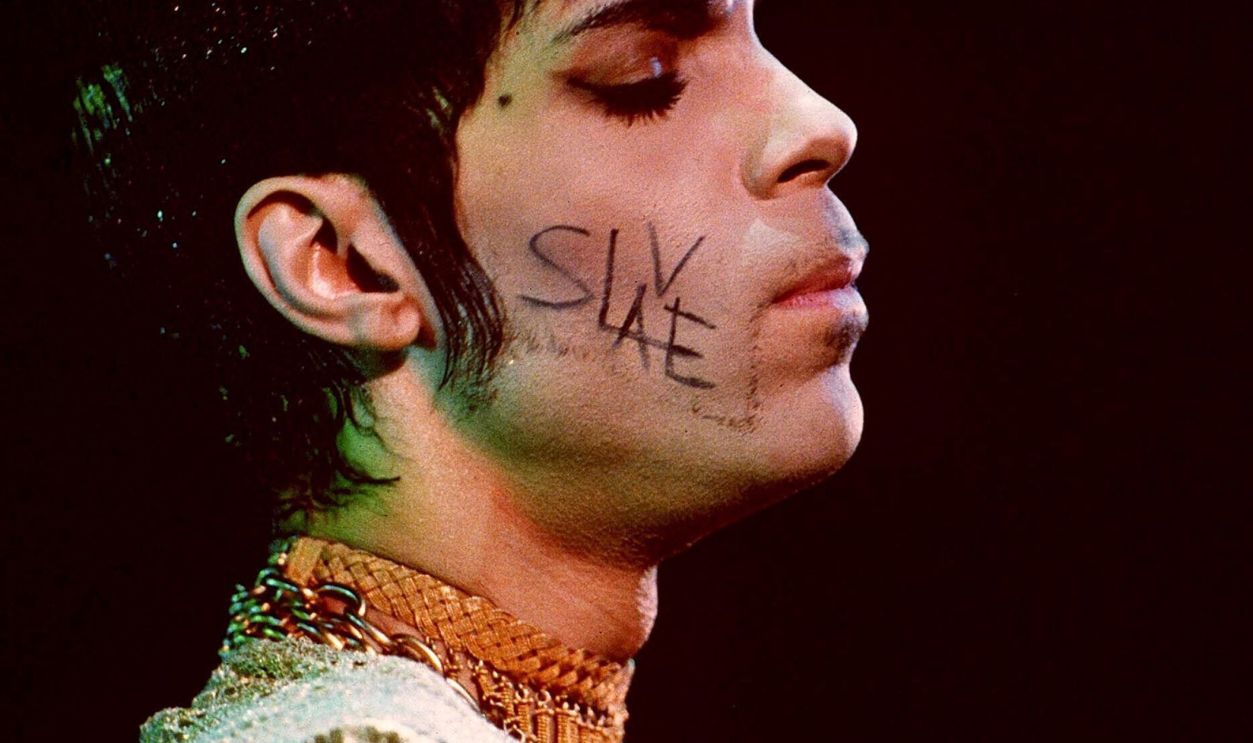
Prince was one of the first major artists to publicly challenge record label ownership of masters. During the 1990s he became increasingly frustrated with Warner Bros, arguing that artists were trapped in contracts that gave labels control over release schedules and recordings. His protest became famous when he appeared in public with the word “slave” written on his face.
Prince (Cont'd)
The dispute pushed Prince to take radical steps. He changed his name to an unpronounceable symbol and began releasing music independently to regain control over his output. Eventually he regained ownership of much of his catalog. His fight helped inspire later artists to demand ownership and rethink the power balance between musicians and record companies.
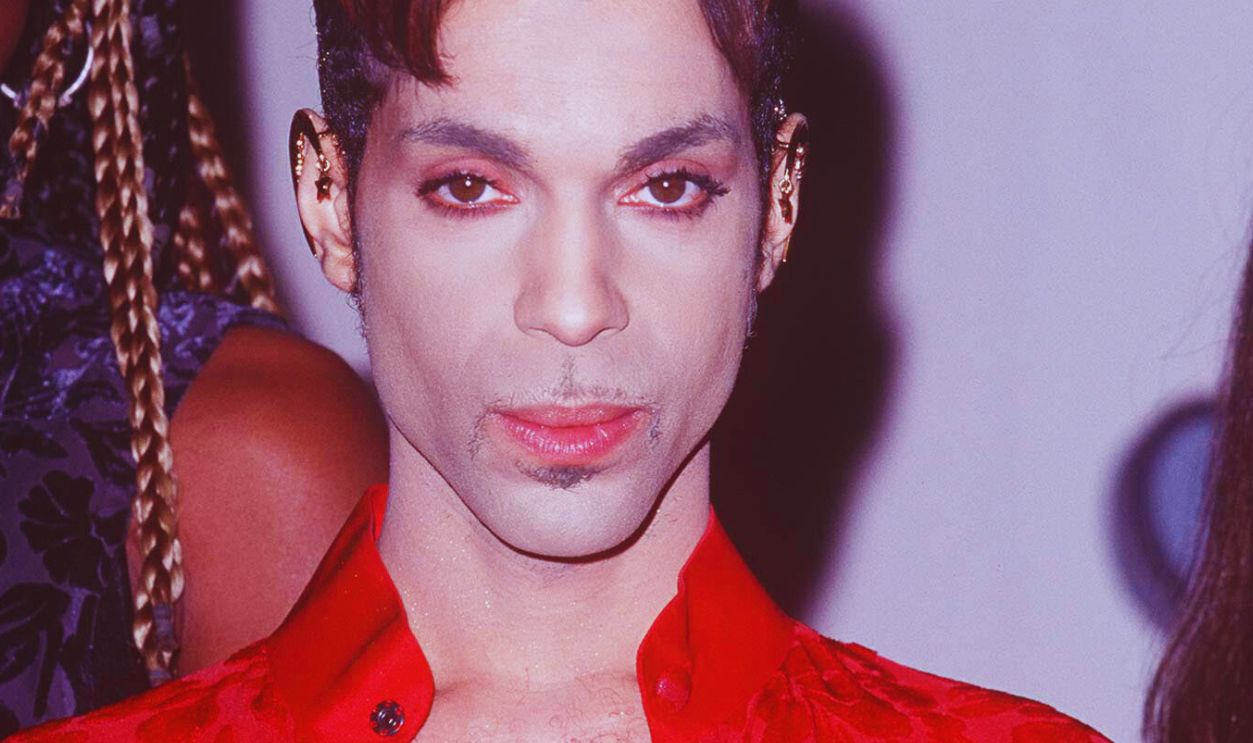
Kesha
Kesha’s struggle for control over her career became widely known after she filed a lawsuit in 2014 against producer Dr Luke. The legal dispute left her tied to contracts that made releasing music difficult during the years the case was ongoing. The situation sparked widespread public support from fans and fellow musicians.
 Mingle Media TV, Wikimedia Commons
Kesha (Cont'd)
Although the legal battle stretched on for years, Kesha eventually fulfilled her contractual obligations and regained greater creative independence. She later launched her own label and began releasing music on her own terms. The move allowed her to take greater control over her recordings, branding, and the direction of her career.
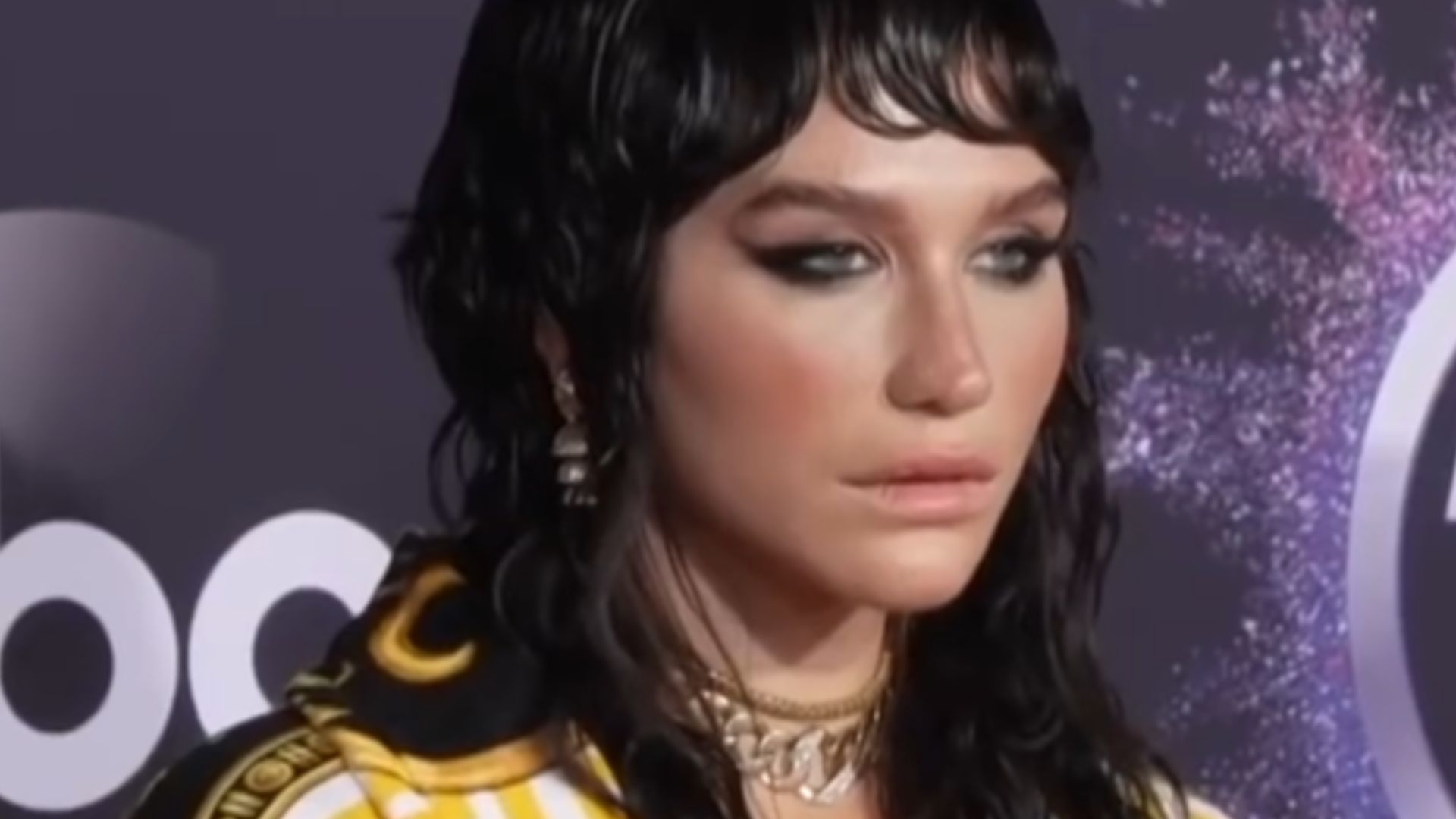 cosmopolitanuk, Wikimedia Commons
Anita Baker
Anita Baker spent decades trying to regain ownership of her early master recordings. Like many artists of the 1980s, her contract left control of the recordings in the hands of record companies. Over time, the ownership of those masters became complicated through corporate acquisitions and catalog transfers.
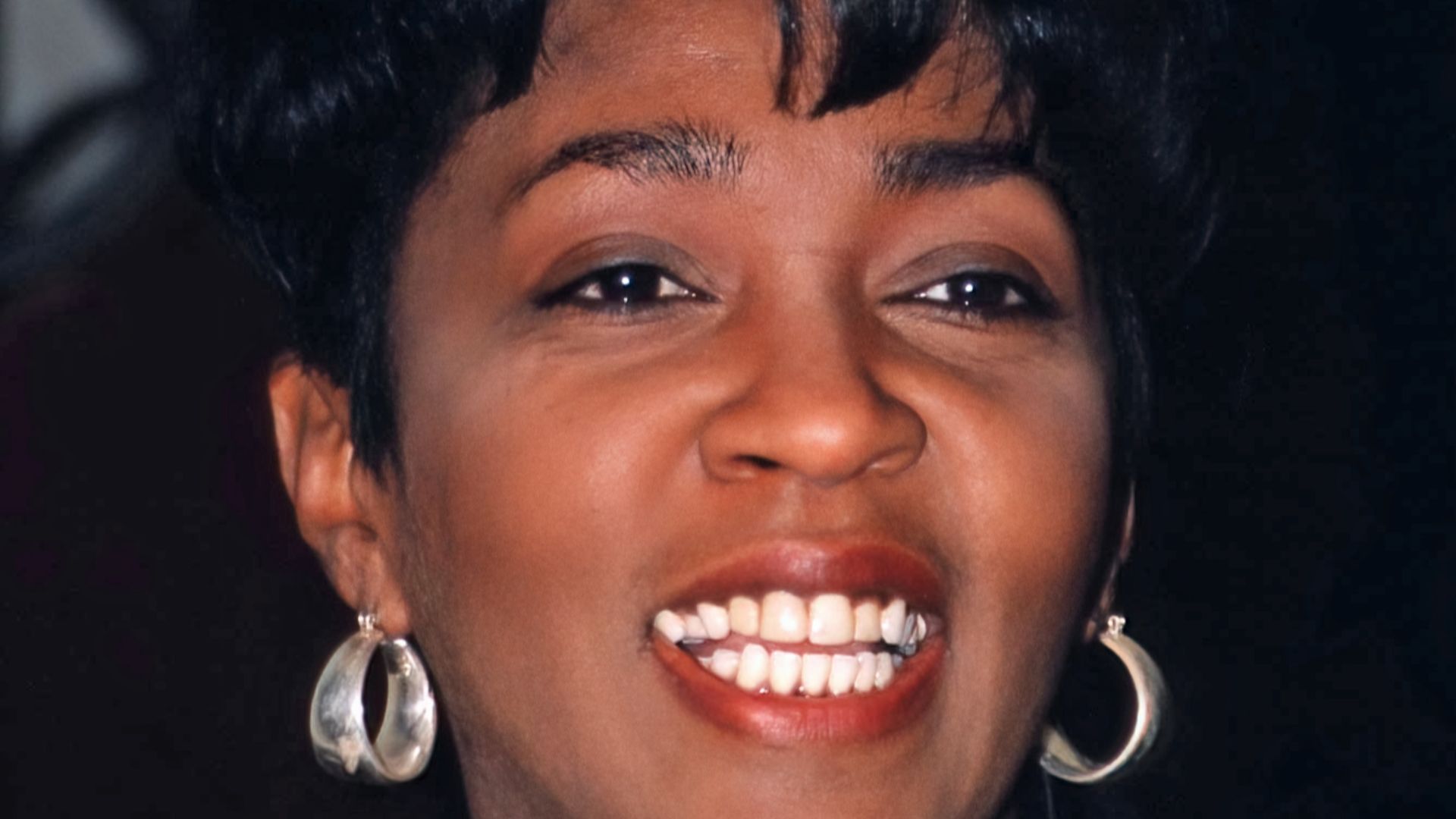 Kingkongphoto & www.celebrity-photos.com from Laurel Maryland, USA, Wikimedia Commons
Anita Baker (Cont'd)
In 2021, Baker announced that she had successfully regained control of her master recordings after a long legal process. The victory allowed her music to return to streaming platforms after years of absence. More importantly, it meant Baker herself could decide how her classic recordings would be distributed in the future.
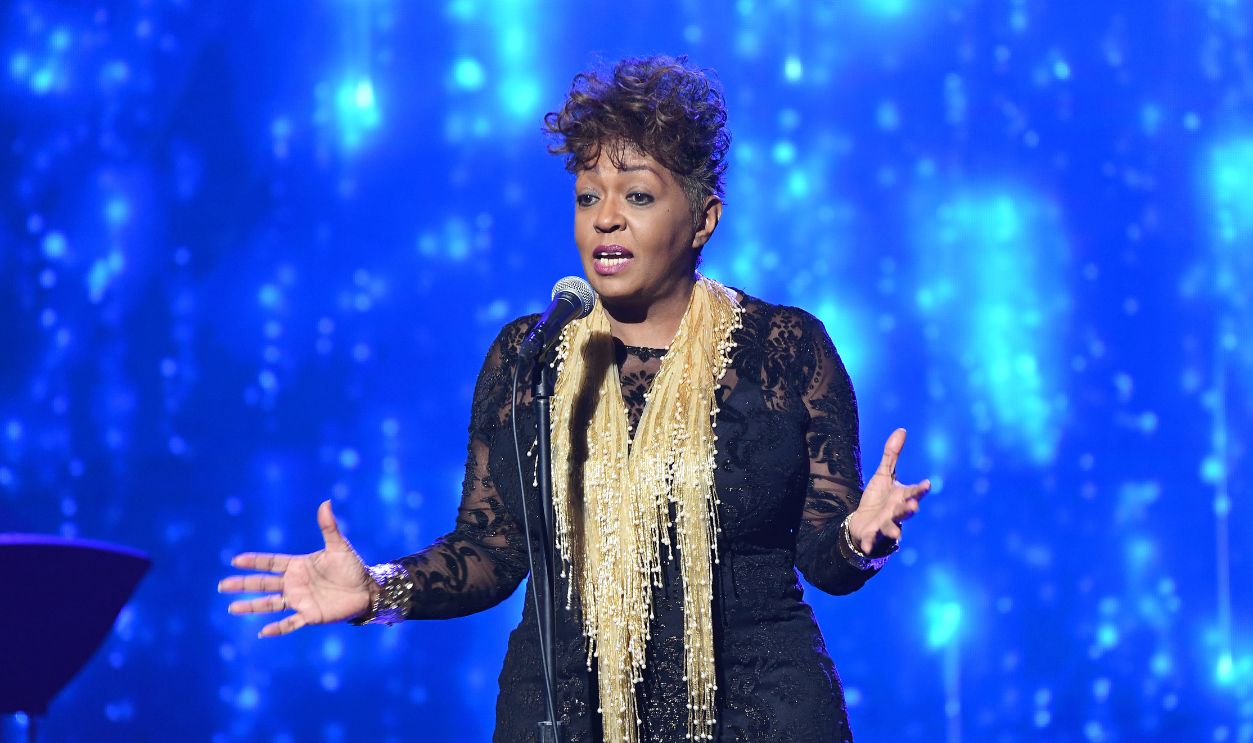
Frank Ocean
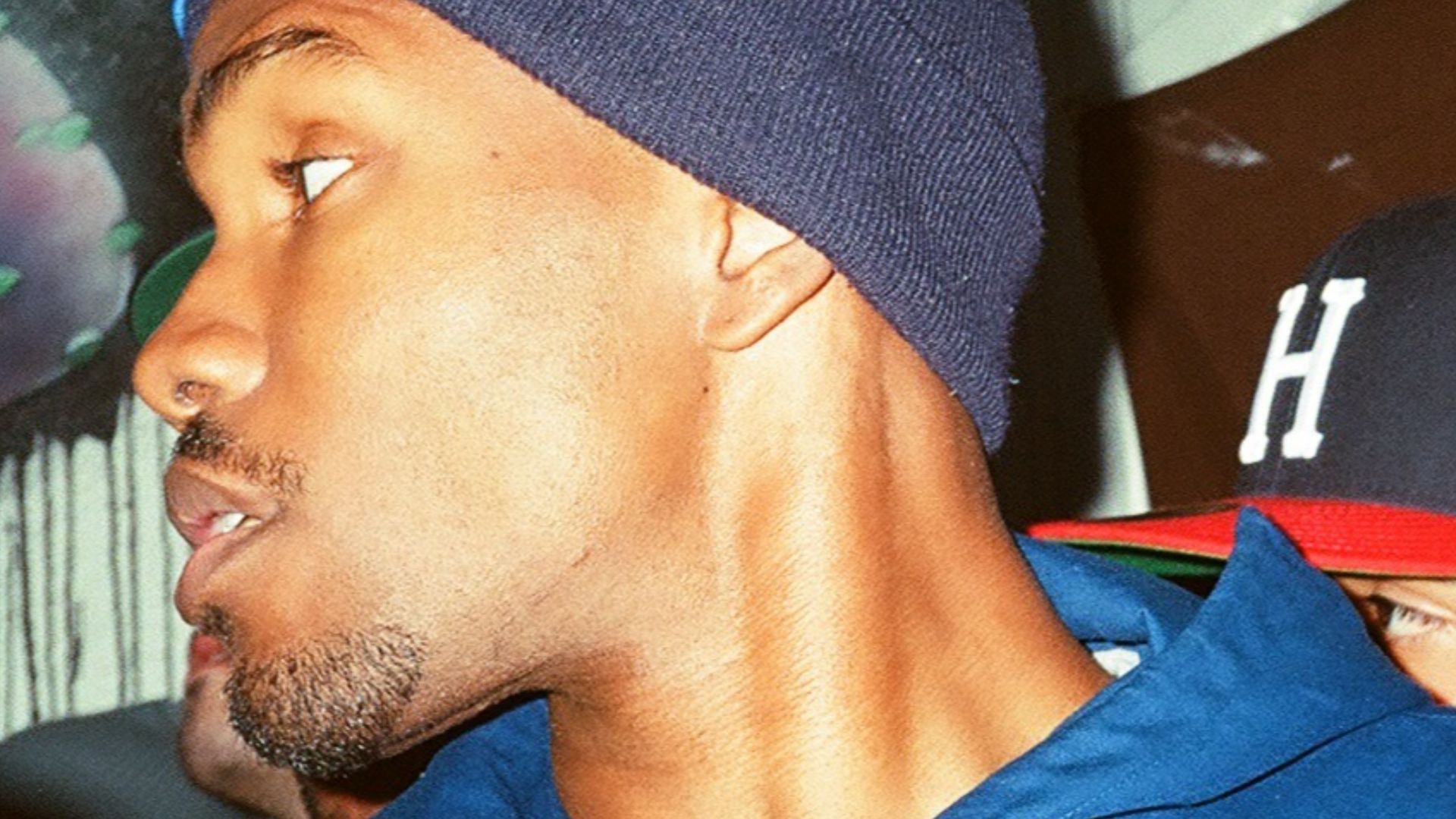
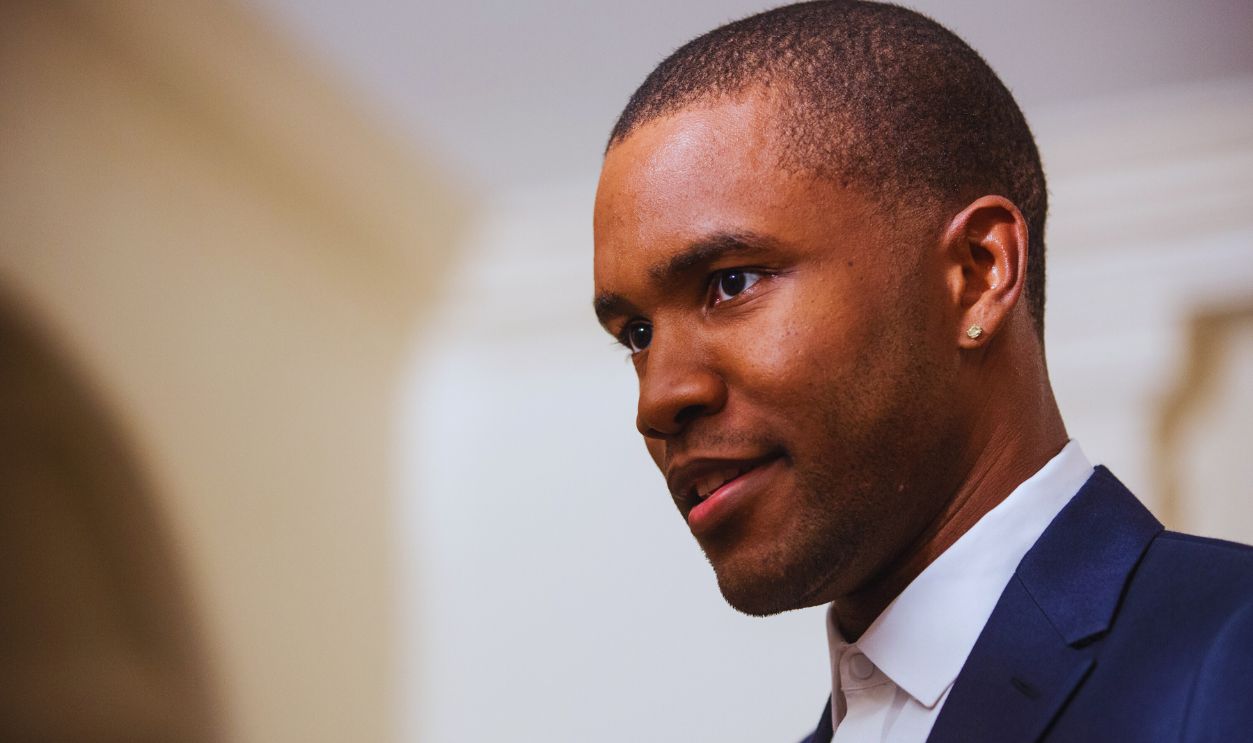
Frank Ocean executed one of the most clever contract strategies in modern music history. While signed to Def Jam, he still owed the label one final album before he could release music independently. Instead of simply delivering a traditional album, Ocean planned a carefully timed move.
Frank Ocean (Cont'd)
Ocean released the visual album Endless in 2016 to fulfill his contract with the label. Just one day later he independently released Blonde through his own company. Because his deal had already been completed, he owned the masters to Blonde entirely, turning the release into a legendary music industry power move.
The Beatles
The Beatles created one of the most valuable catalogs in music history, yet ownership of their songs became tangled in complicated publishing deals. Their songwriting rights were eventually controlled by major publishing companies rather than by the band members themselves.
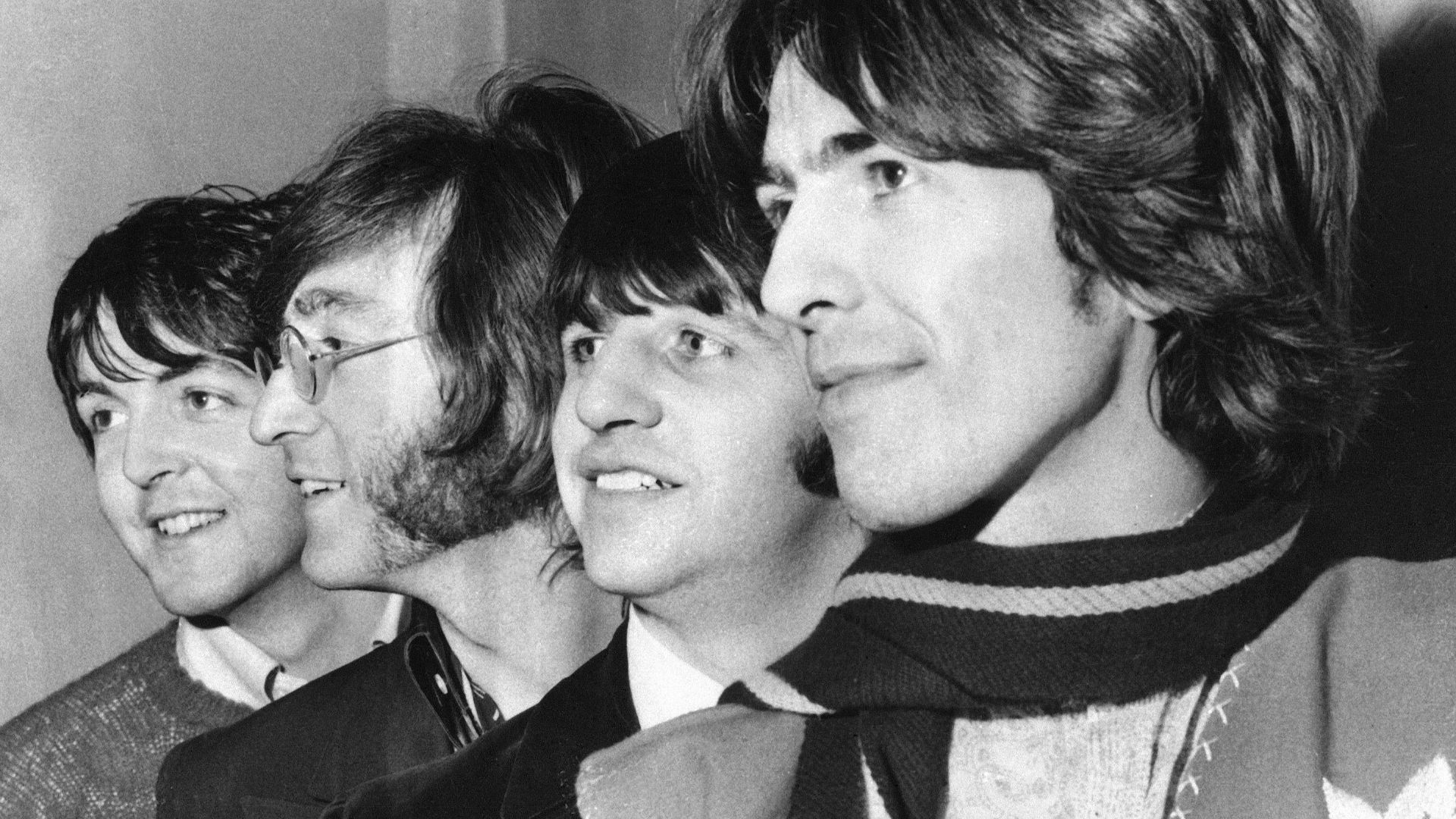 Associated Press, Wikimedia Commons
The Beatles (Cont'd)
Paul McCartney later used U.S. copyright law, which allows songwriters to reclaim rights after a certain number of years, to regain ownership of some Lennon–McCartney songs. In 2017 he reached a settlement that restored partial publishing control. The legal victory returned some authority over the band’s legendary catalog.
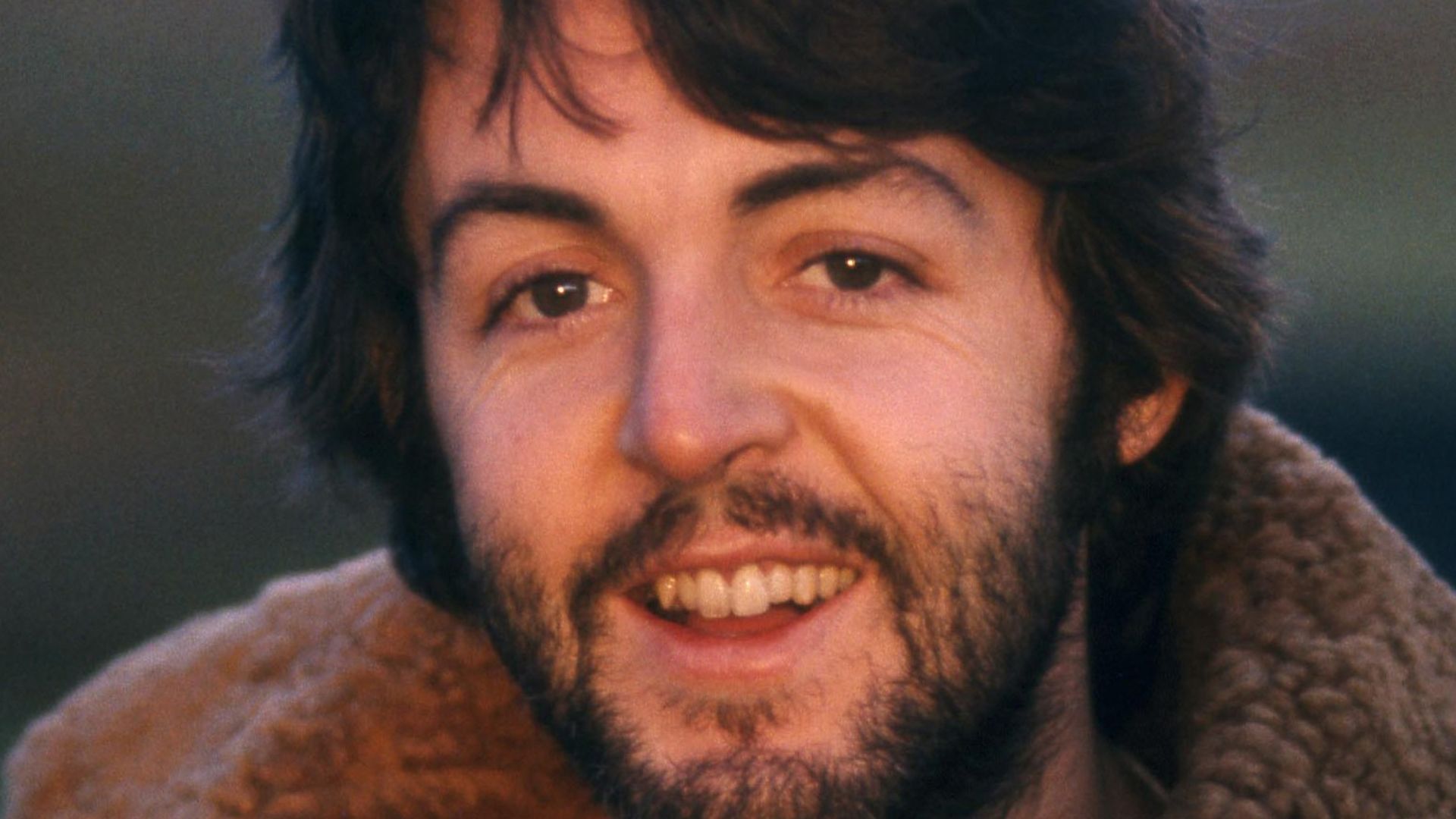 Apple Records, distributed by Capitol Records in the U.S., Wikimedia Commons
Iggy Azalea
Iggy Azalea eventually chose independence after experiencing the challenges of working within the traditional major label system. After leaving her label deal, she began releasing music through her own imprint so she could retain ownership of her recordings.
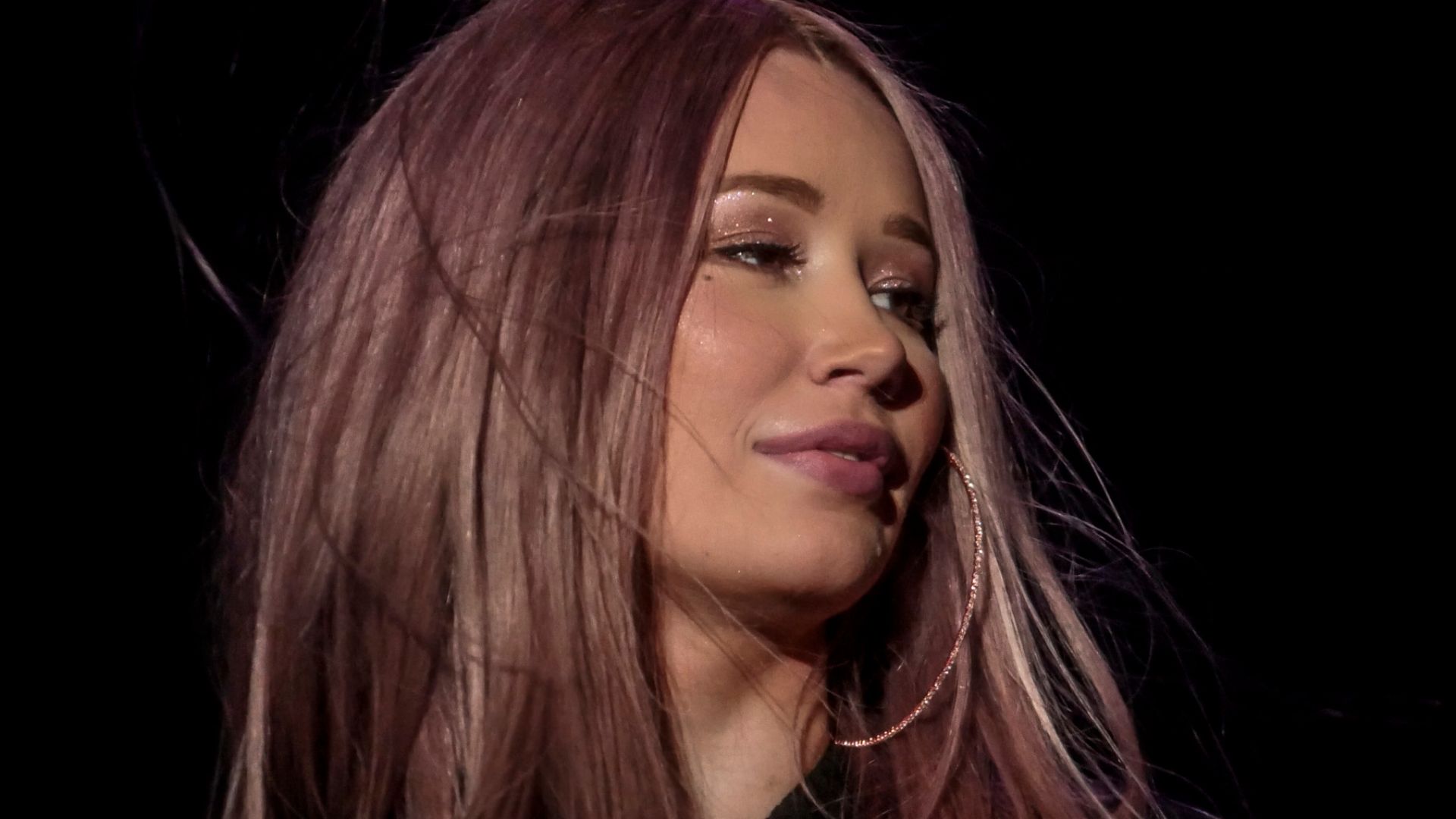
Iggy Azalea (Cont'd)
Controlling her masters allowed Azalea to decide how her music would be licensed, streamed, or sold. In 2022 she sold part of her catalog in a major publishing deal, demonstrating how valuable artist-owned masters can become in the modern music economy.
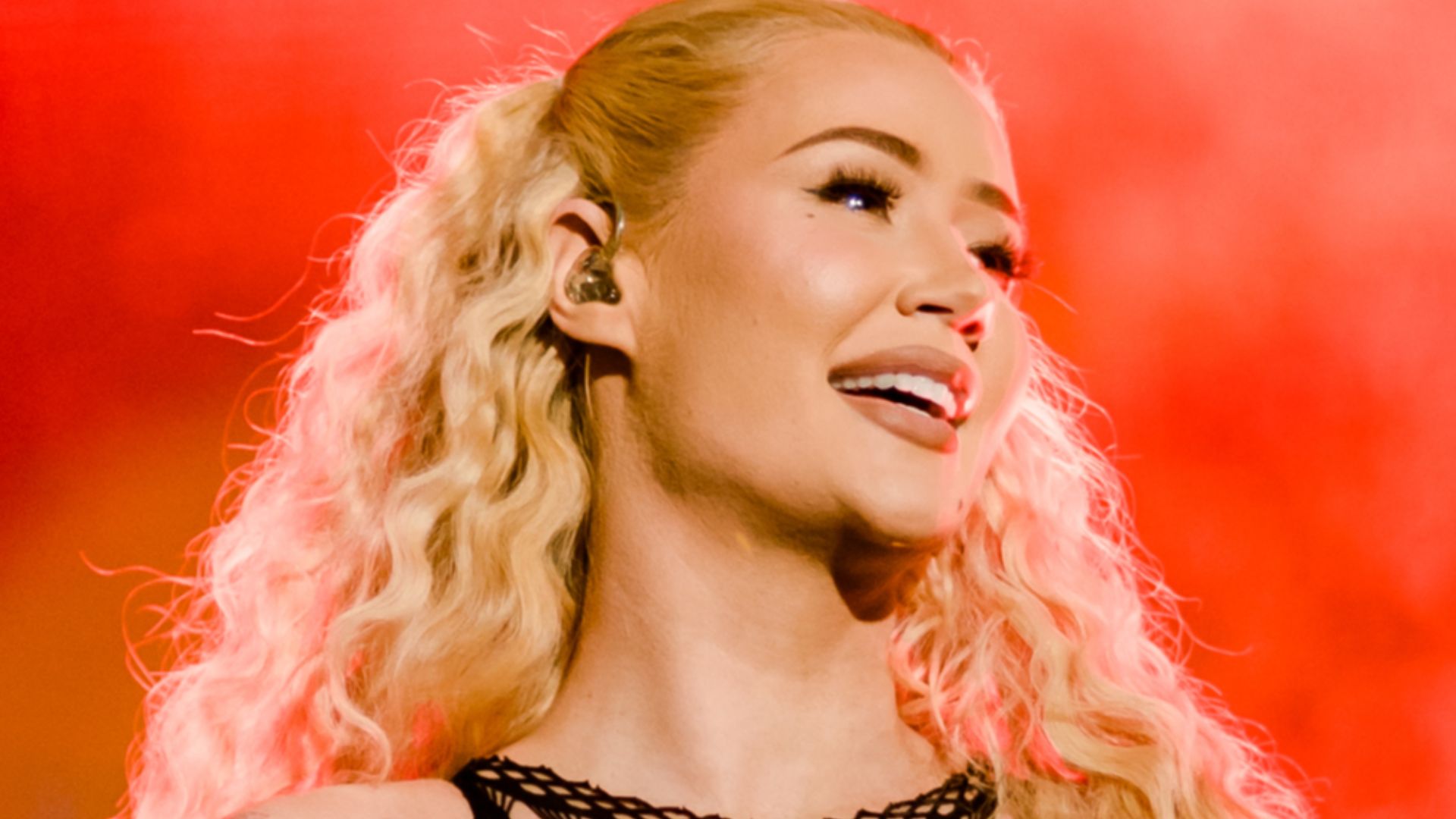 Matija Borbelj / EXIT photo team, Wikimedia Commons
JoJo
JoJo signed her first recording contract as a teenager, but later became trapped in a complicated legal dispute with her label that prevented her from releasing new music for years. Fans watched as her career stalled despite strong interest in new material.
 Hotrick Pictures, Wikimedia Commons
JoJo (Cont'd)
After eventually being released from the contract, JoJo launched her own label and regained creative control. She also re-recorded her early albums so she could own the masters and make them available on streaming services. The move helped restore her catalog and rebuild her career.
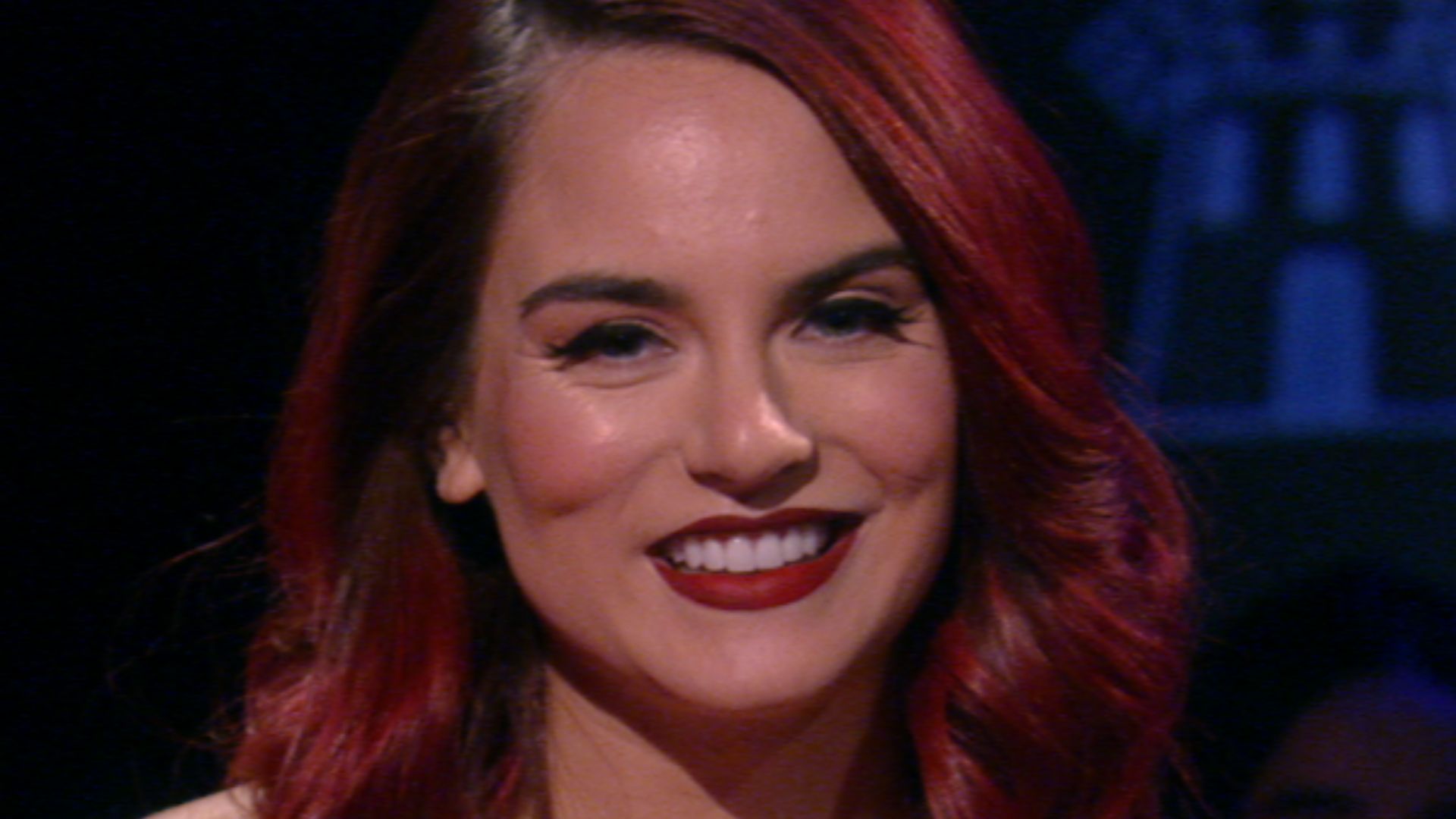 Wes sideman, Wikimedia Commons
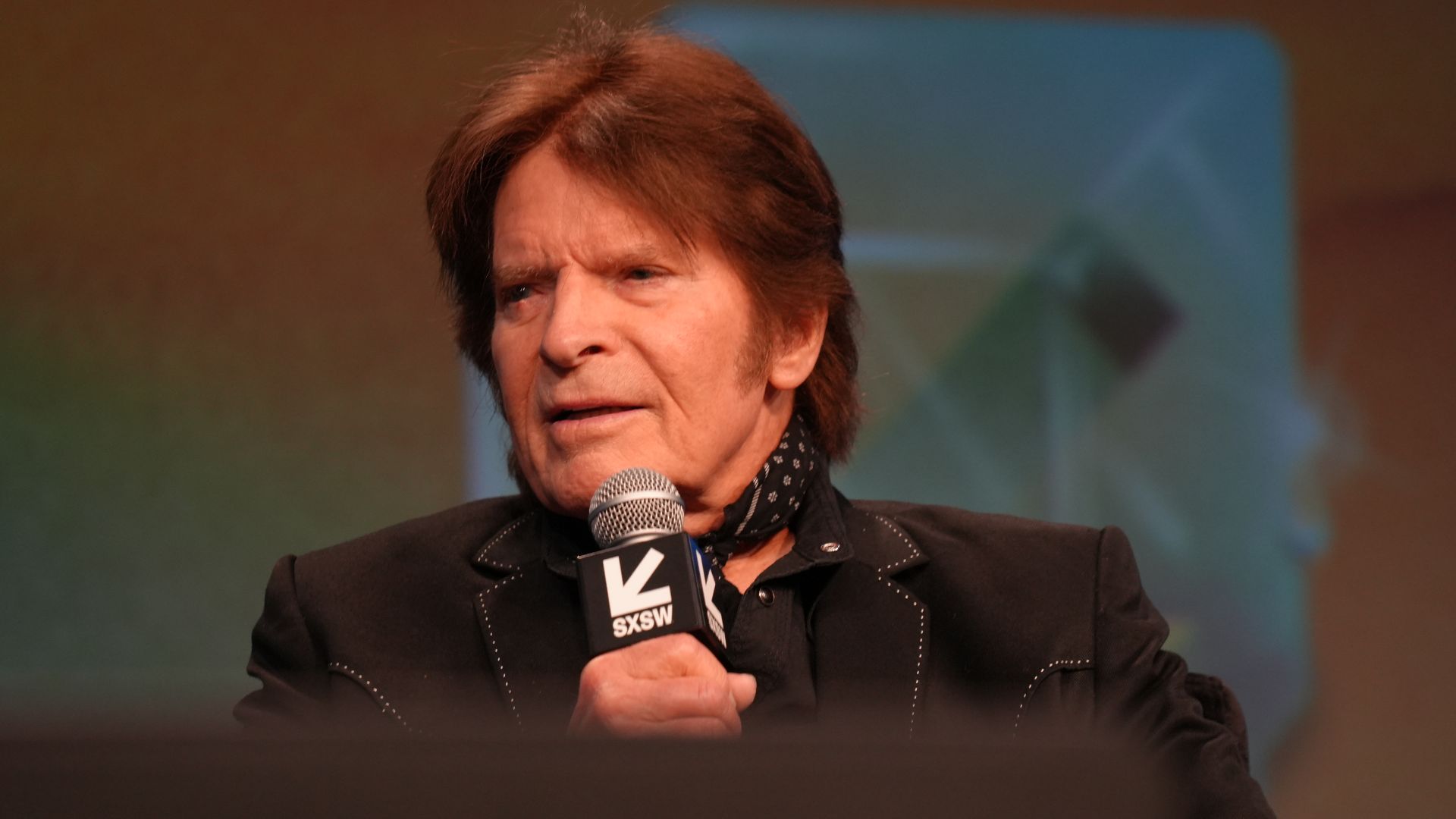
John Fogerty
John Fogerty’s battle over his music dates back to Creedence Clearwater Revival’s original deal with Fantasy Records. Under that contract, the label gained ownership of the band’s songs and publishing rights. Fogerty spent years feeling disconnected from the music he had written.
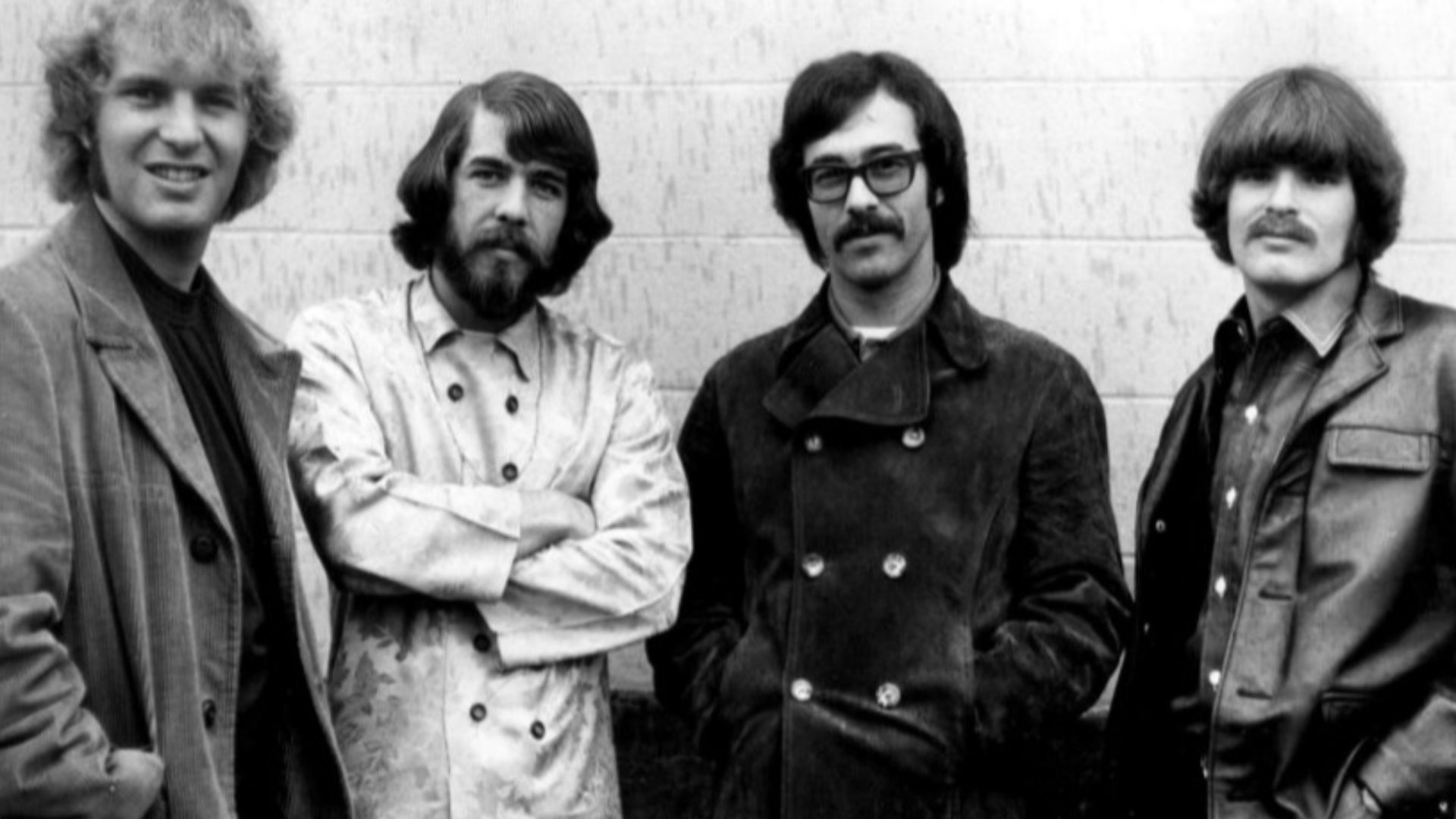 Fantasy Records, Wikimedia Commons
John Fogerty (Cont'd)
After decades of legal disputes and negotiations, Fogerty finally regained control over key rights to Creedence songs in the 2020s. The victory ended one of the longest-running ownership battles in rock history and allowed Fogerty to reclaim authority over the music that defined his career.
Ray Charles
Ray Charles was one of the earliest major artists to demand ownership of his masters. In 1960 he negotiated a groundbreaking contract with ABC Records that gave him ownership of his recordings and an unusually high level of creative freedom.
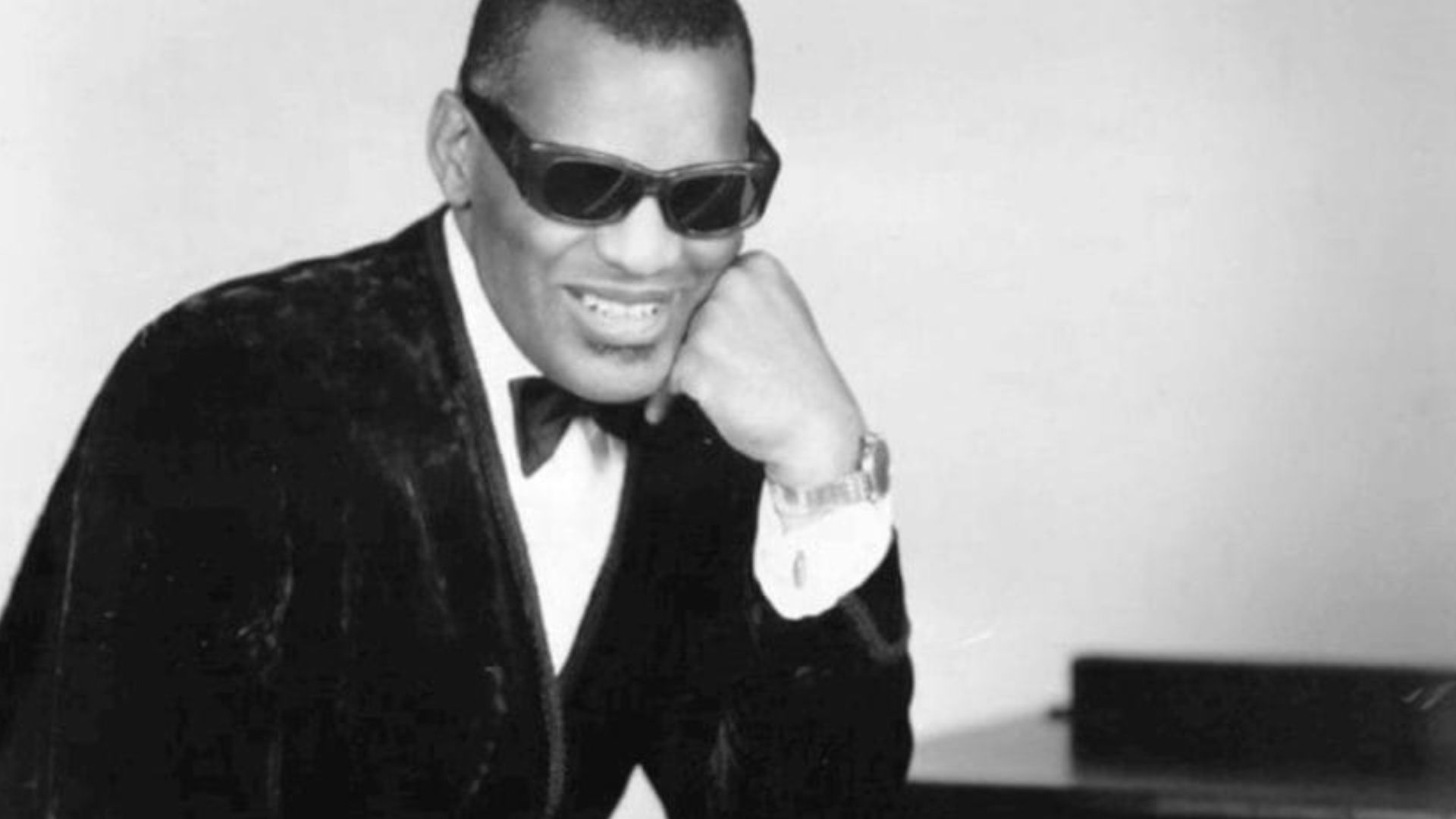 William Morris Agency (management)/Photo by Maurice Seymour, New York., Wikimedia Commons
Ray Charles (Cont'd)
The deal was revolutionary at a time when most artists had little bargaining power. By owning his masters, Charles controlled how his music was distributed and licensed. His contract became a historic precedent and helped pave the way for later artists seeking ownership of their work.
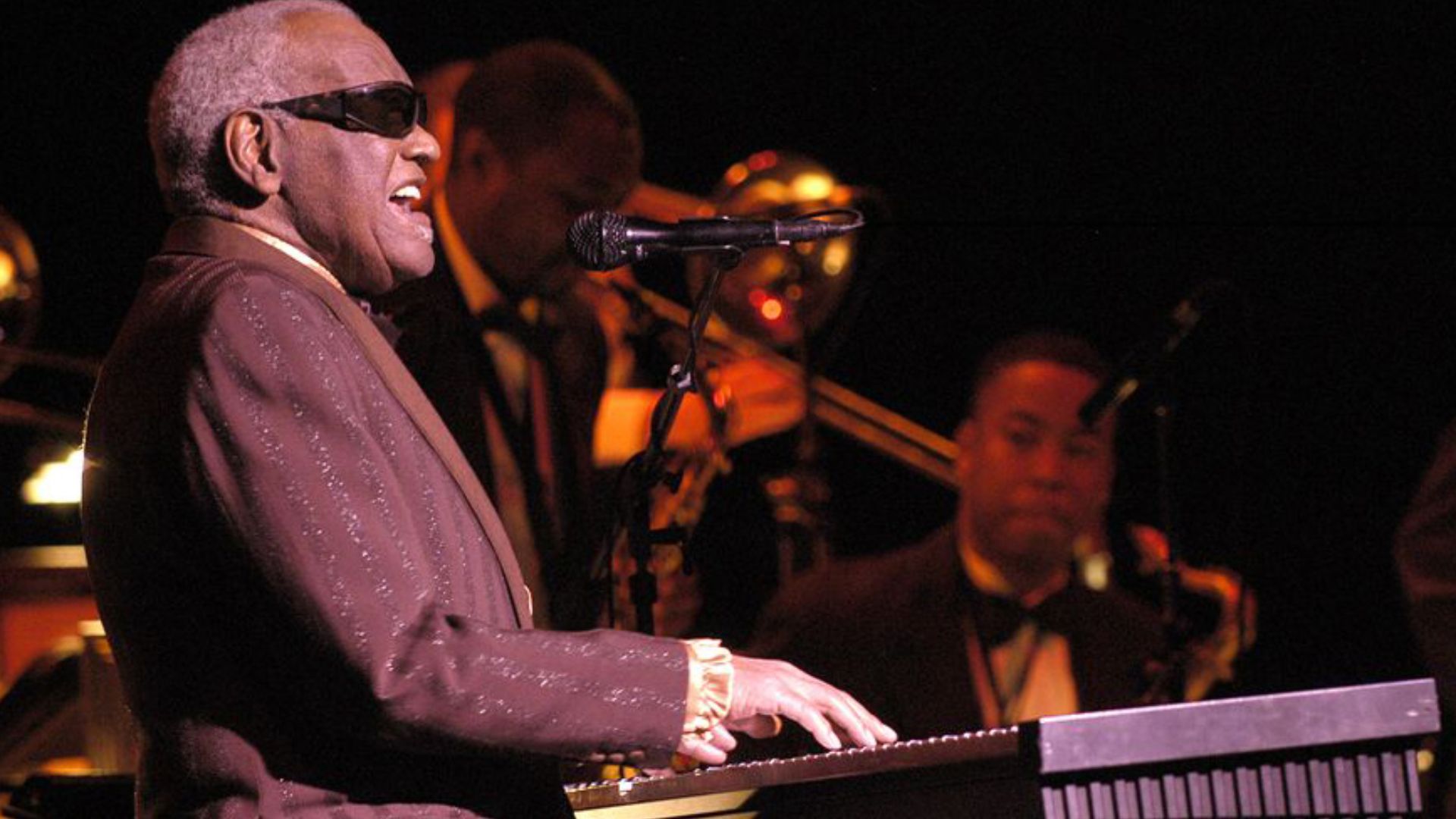 Victor Diaz Lamich, Wikimedia Commons
You May Also Like:
How Stevie Wonder Lost His Sight—But Gained A Vision
Hit Songs From The 90s That Everyone Knows—But Nobody Remembers The Artist
Country Music’s Ultimate Power Couple Has The Best Love Story