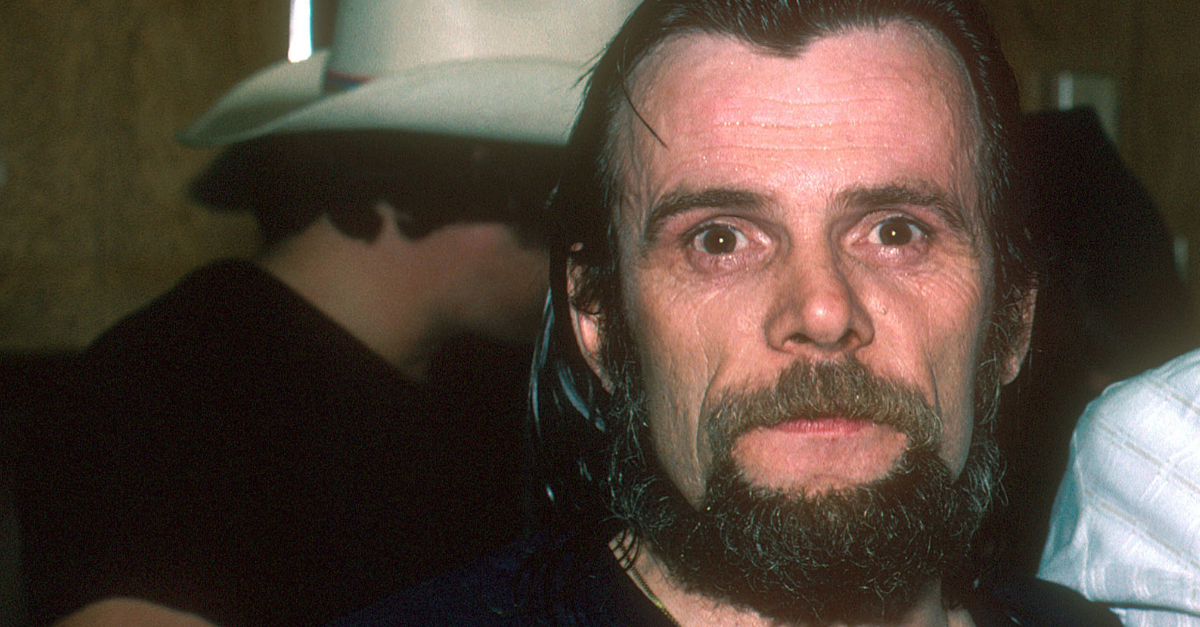
He Told America To Quit Their Jobs
Johnny Paycheck lived exactly like you’d expect a guy named Johnny Paycheck to live. He drank hard, fought often, and somehow became one of outlaw country’s biggest stars along the way. But while fans loved his rebellious image, his real life eventually became far darker than any country song.
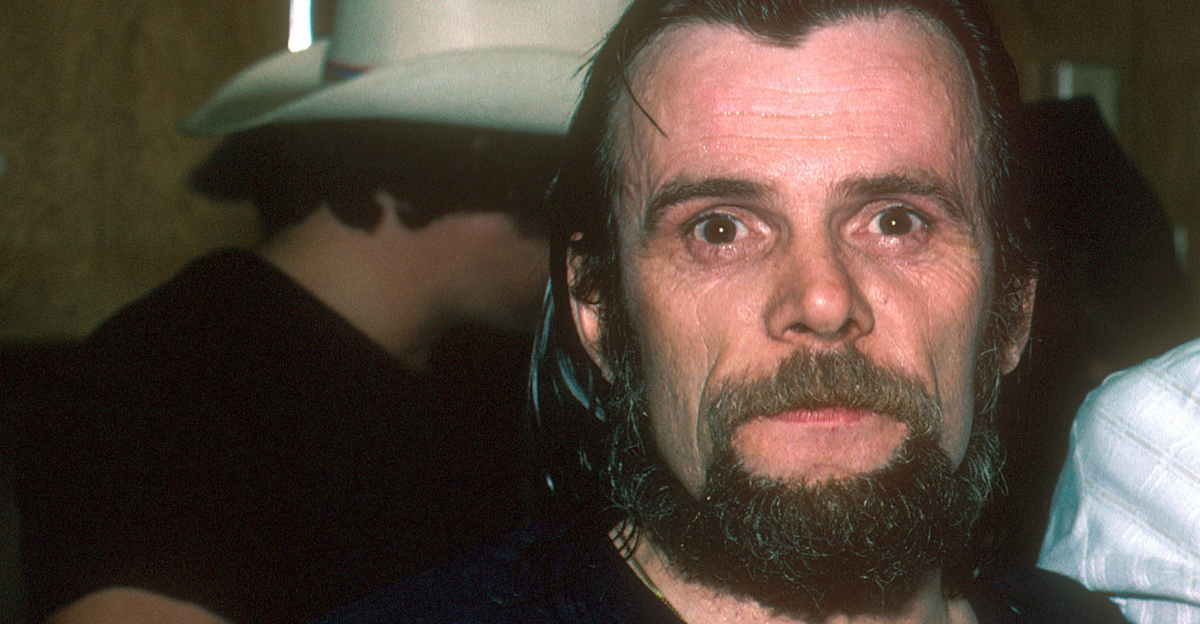
He Started Playing Music Very Young
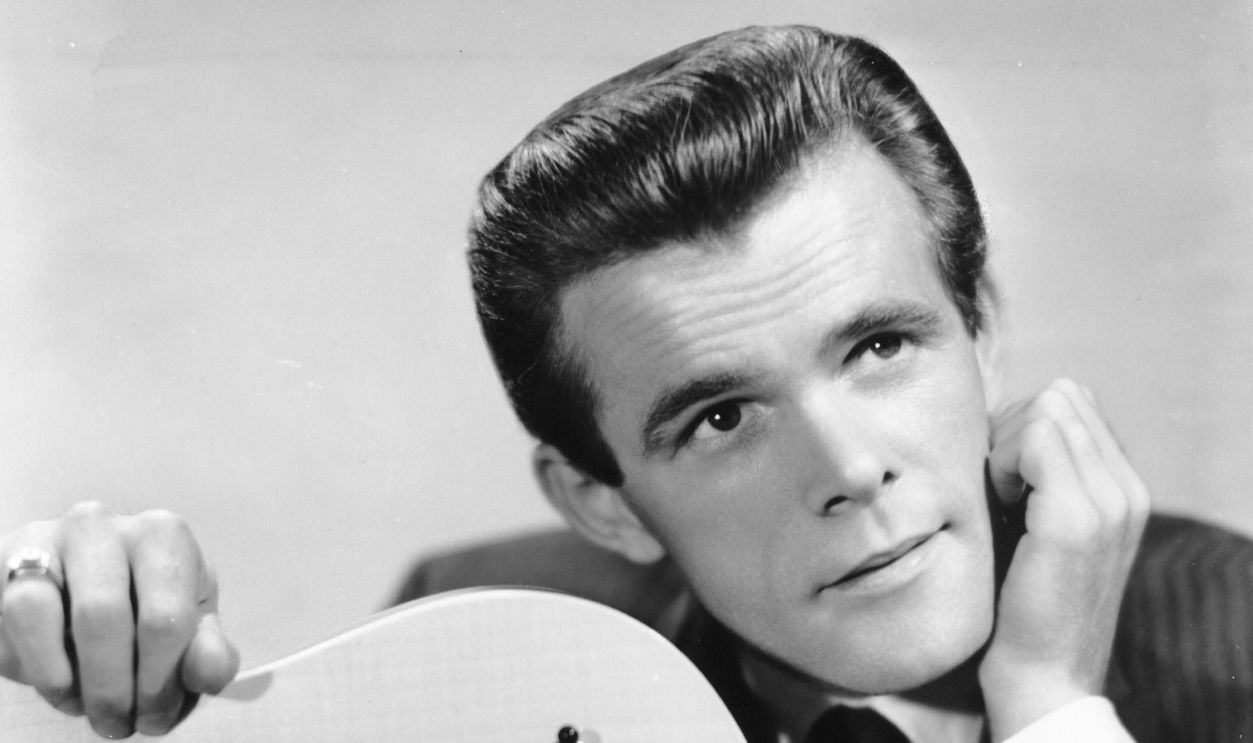
Johnny Paycheck was born Donald Eugene Lytle in Ohio in 1938, and he got into music early. By his teenage years, he was already performing professionally and touring with country musicians while most kids his age were still in school figuring out algebra homework.
 Michael Ochs Archives, Getty Images
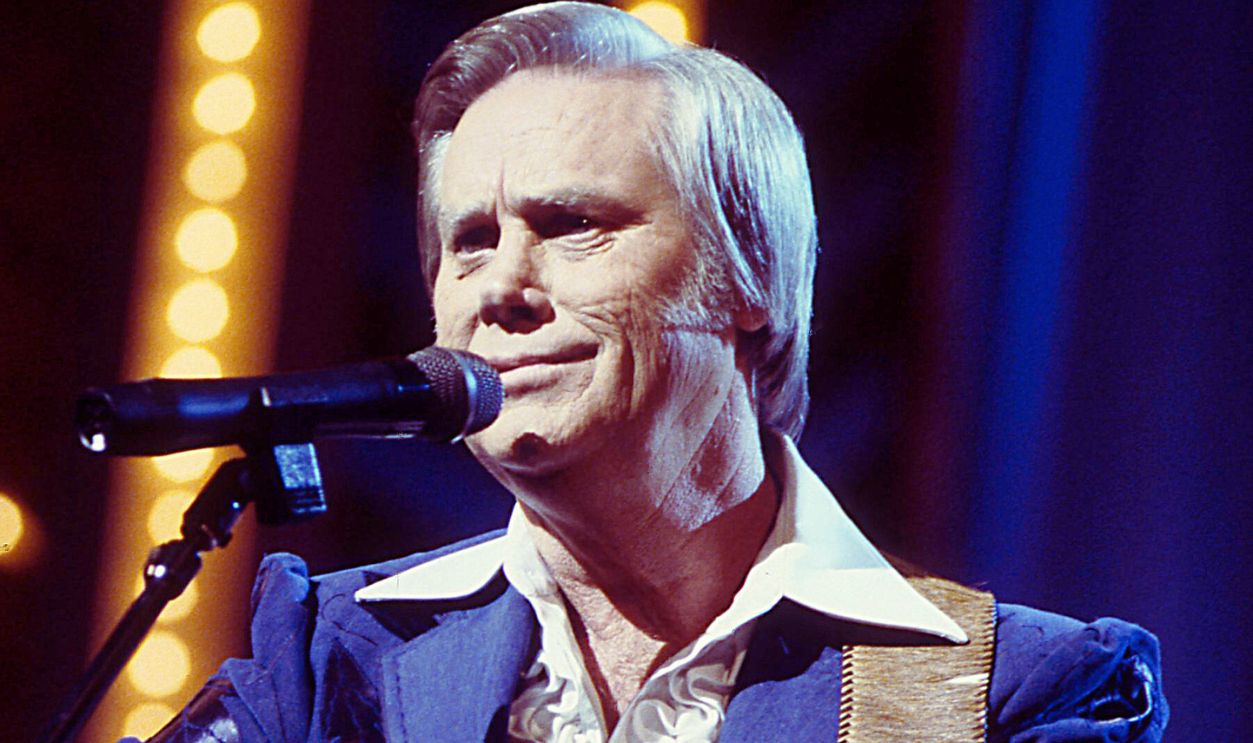
He Worked With George Jones
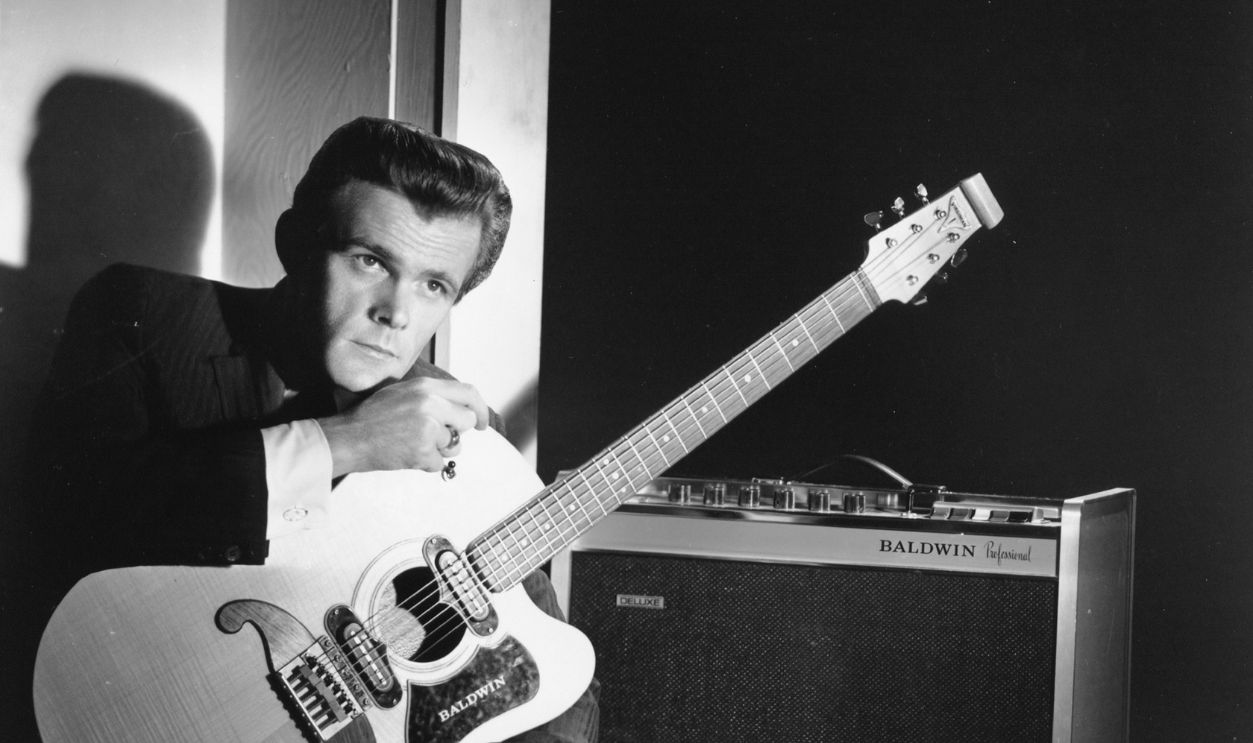
Before becoming famous himself, Paycheck played bass for George Jones and toured with several country acts. That also meant spending years around rowdy musicians, smoky bars, endless highways, and the kind of hard-living environment that was basically country music tradition back then.
His Name Wasn’t Actually Johnny Paycheck
“Johnny Paycheck” sounds almost too perfect to be real, but it was just a stage name. According to stories from the era, he adopted it because he was constantly broke and always waiting for his next paycheck to show up.
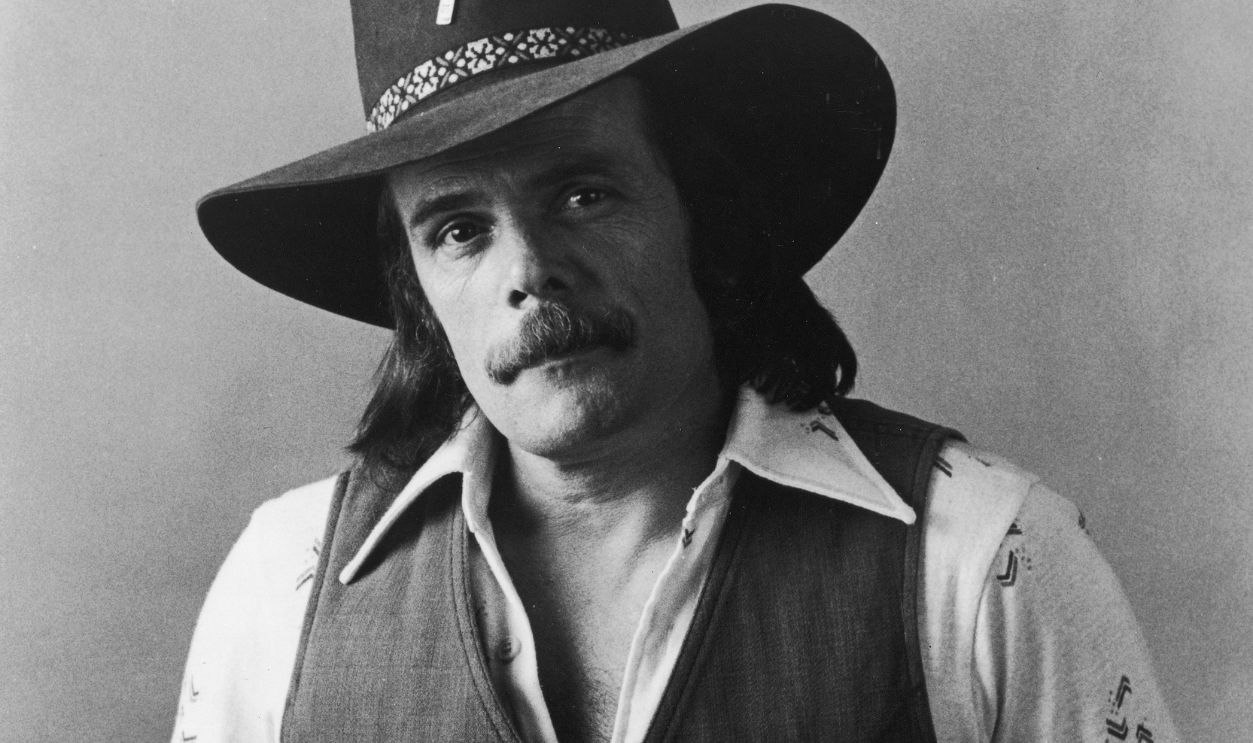
The Name Ended Up Being Perfect
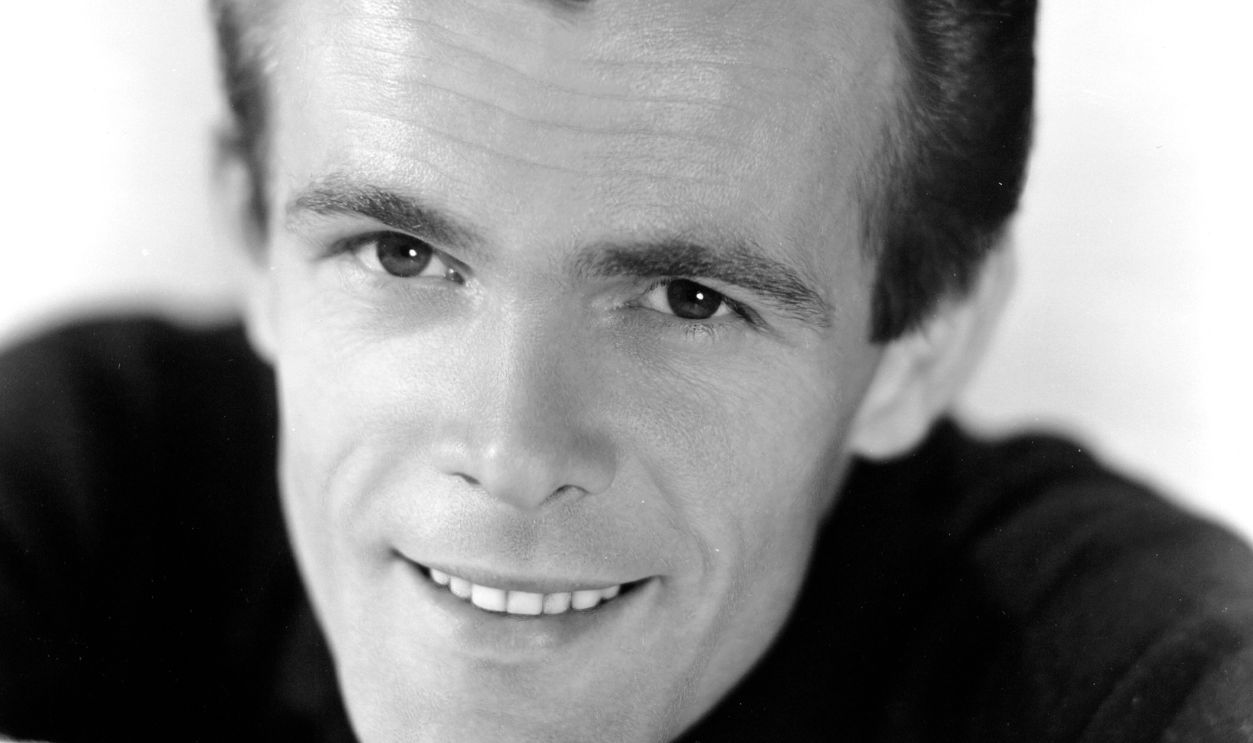
Ironically, “Johnny Paycheck” eventually became one of country music’s most memorable names. And years later, after recording Take This Job And Shove It, the whole thing sounded almost suspiciously planned—even though it apparently wasn’t.
 Michael Ochs Archives, Getty Images
He Survived...
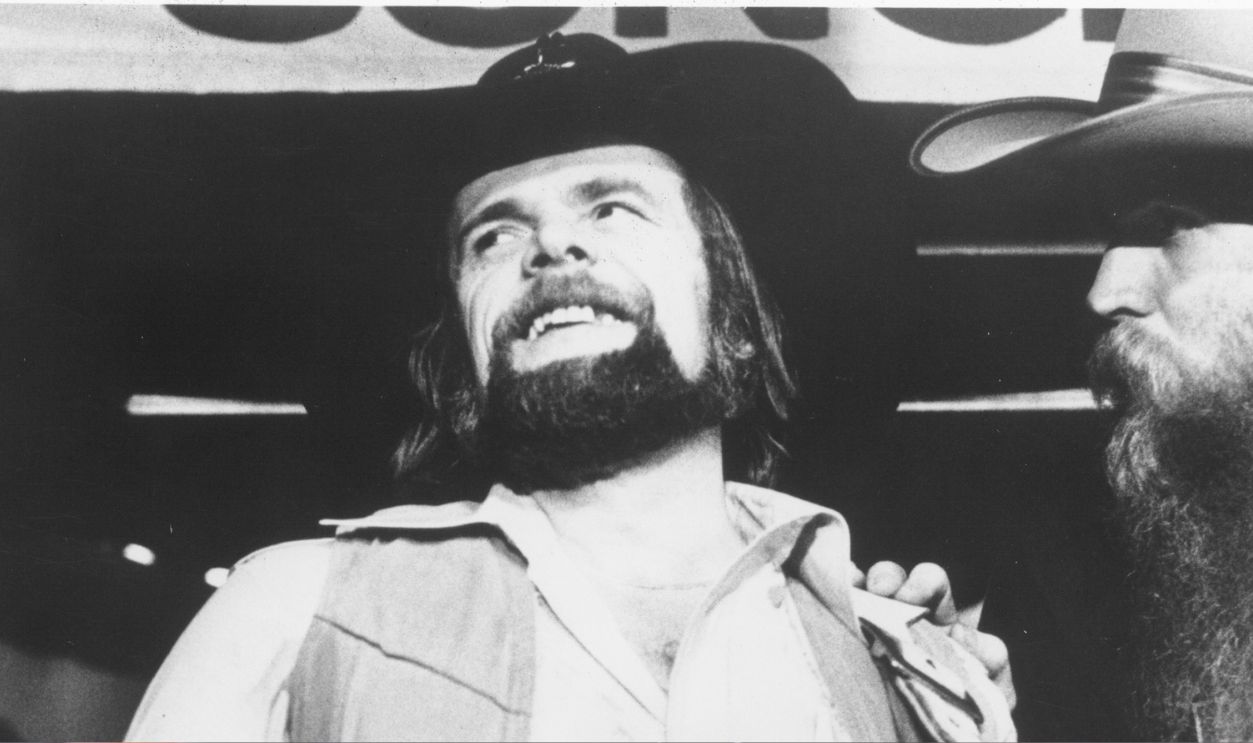
In 1961, another musician reportedly accidentally shot Paycheck in the head during a card game. Amazingly, Paycheck survived and eventually returned to performing again. This story becomes even more dark and ironic later one. You'll see...
 Michael Ochs Archives, Getty Images
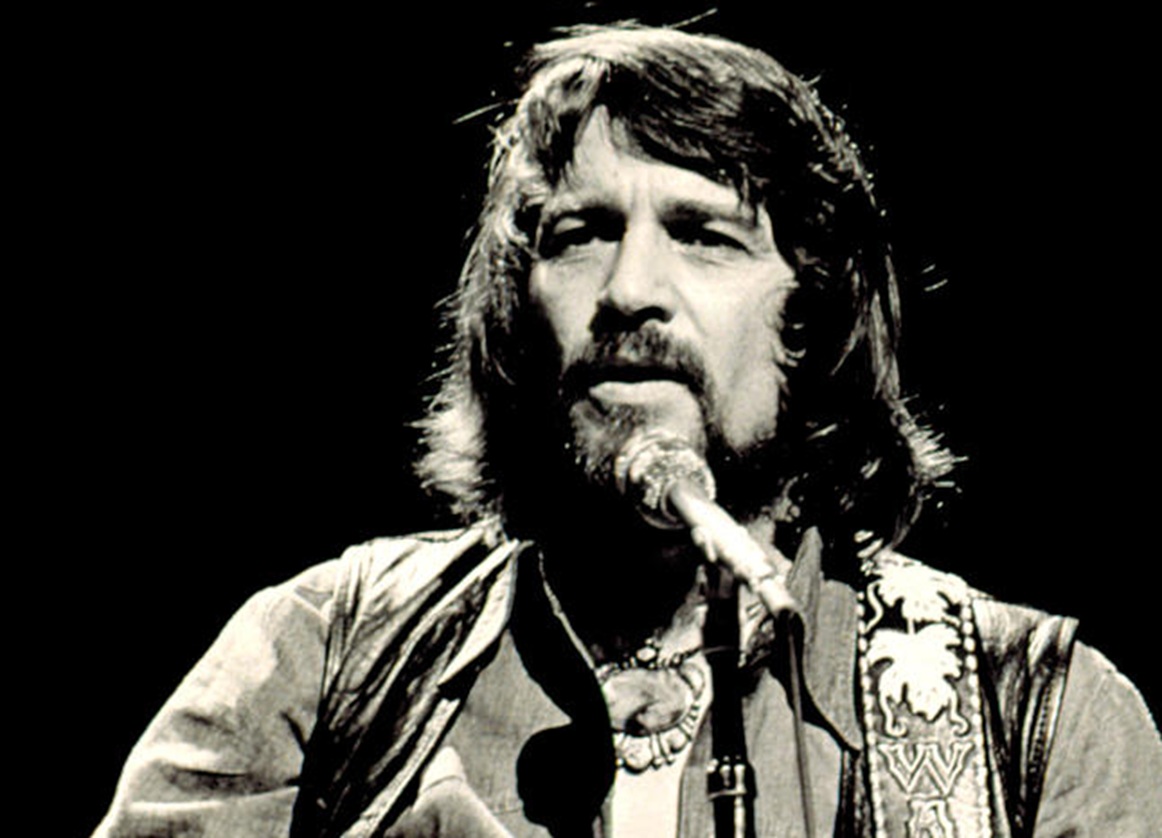
He Fit Perfectly Into Outlaw Country
By the 70s, Paycheck fit right into the outlaw country movement alongside stars like Waylon Jennings and Willie Nelson. He wasn’t polished, clean-cut, or especially predictable. Fans liked him because he felt rough, real, and completely unfiltered.
 RCA Records, Wikimedia Commons
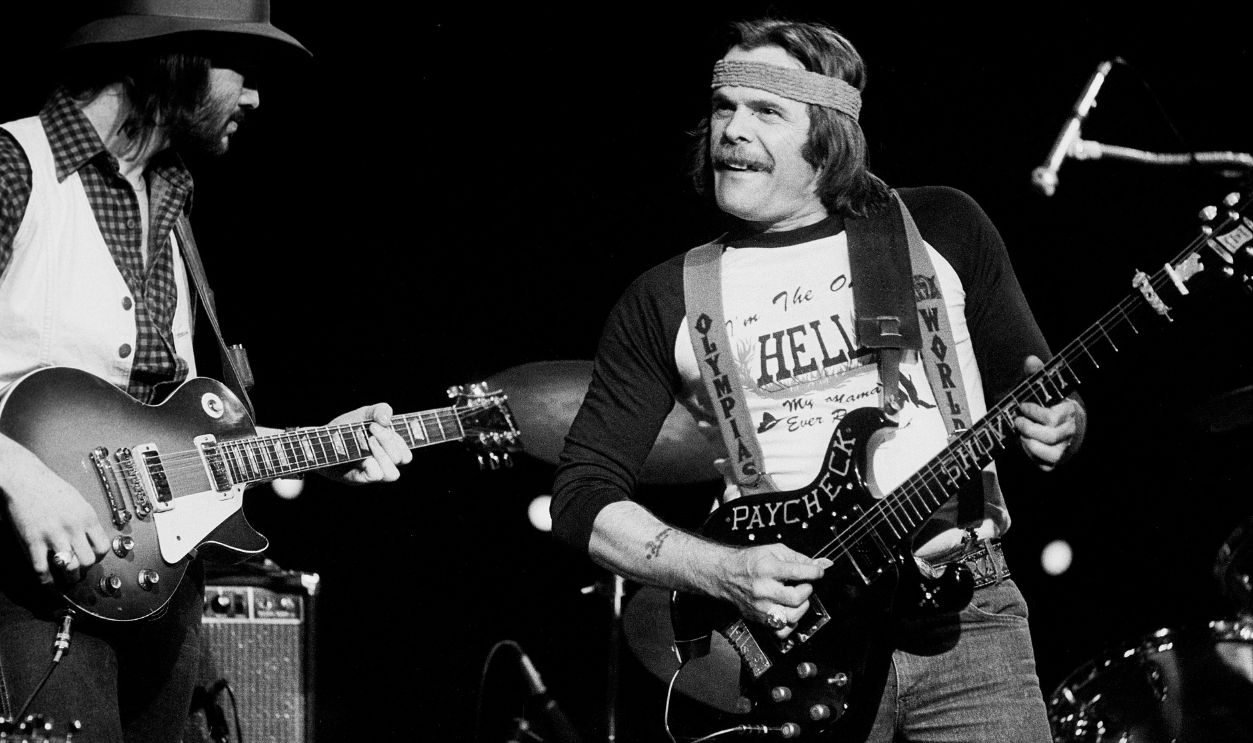
His Reputation Was Intense
Paycheck became known for drinking heavily, getting into fights, and having a serious temper. Stories about backstage arguments and barroom chaos followed him constantly. He didn’t just sing outlaw country songs. Most people around him believed he genuinely lived that way too.
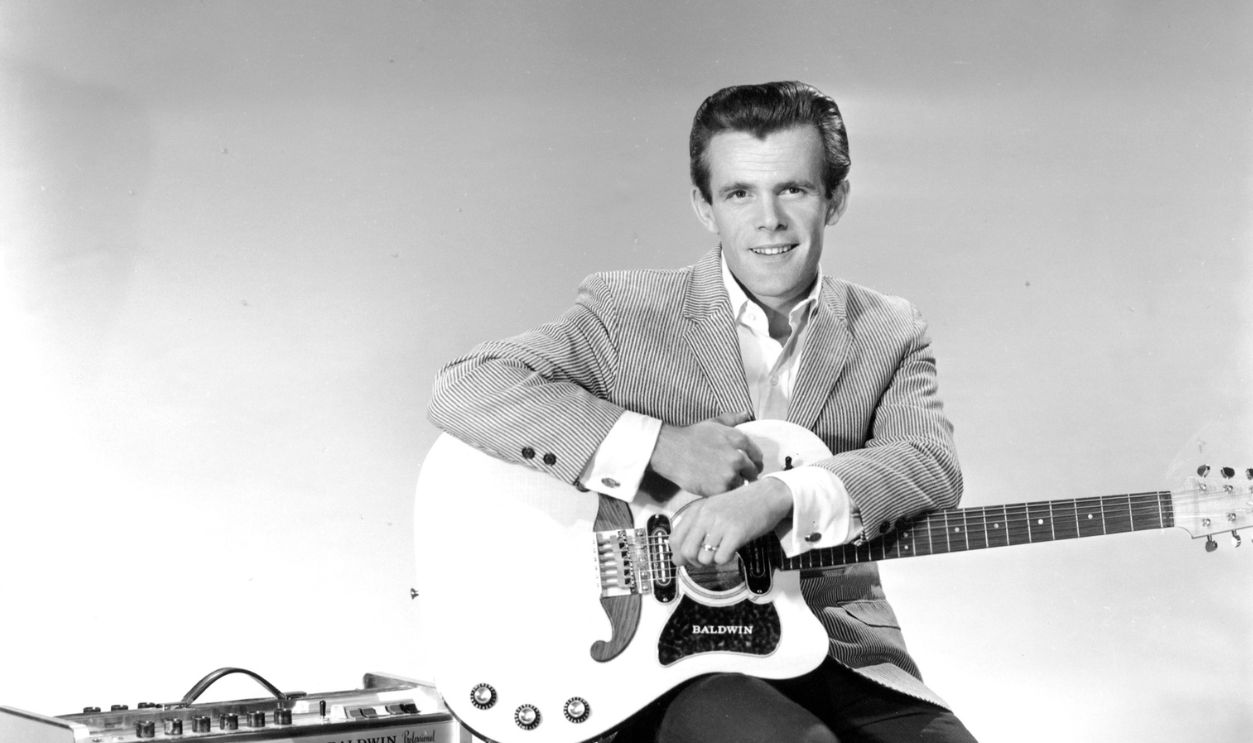
Then Came His Biggest Hit
In 1977, Johnny Paycheck released Take This Job And Shove It, written by David Allan Coe. The song exploded immediately and became one of the biggest country hits of the entire decade almost overnight.
 Michael Ochs Archives, Getty Images
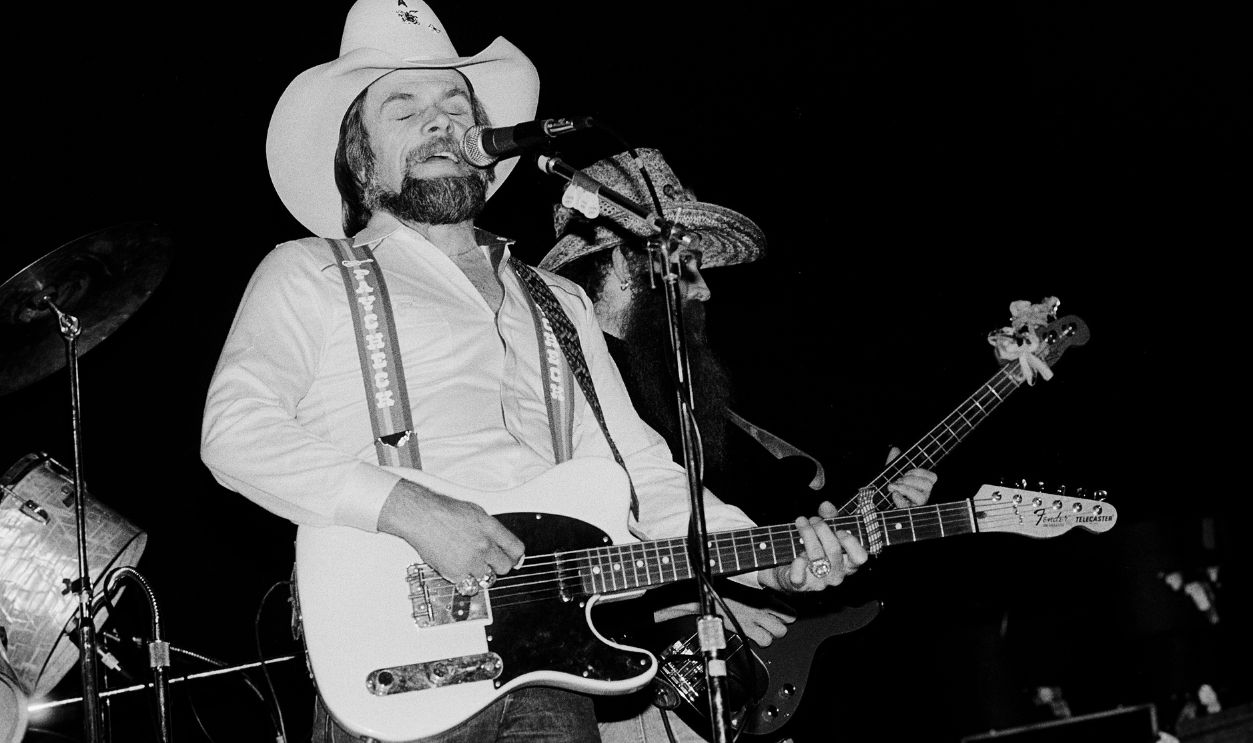
The Song Connected With Everybody
The track became a working-class anthem because almost everybody has imagined dramatically quitting a terrible job at least once. The title alone was memorable enough to make people laugh, and audiences absolutely loved the rebellious attitude behind it.
Hollywood Even Turned It Into A Movie
The song became so popular that it inspired a movie called Take This Job And Shove It a few years later. For a while, it looked like Johnny Paycheck had fully crossed over from outlaw singer into legitimate mainstream celebrity.
Fame Didn’t Calm Him Down
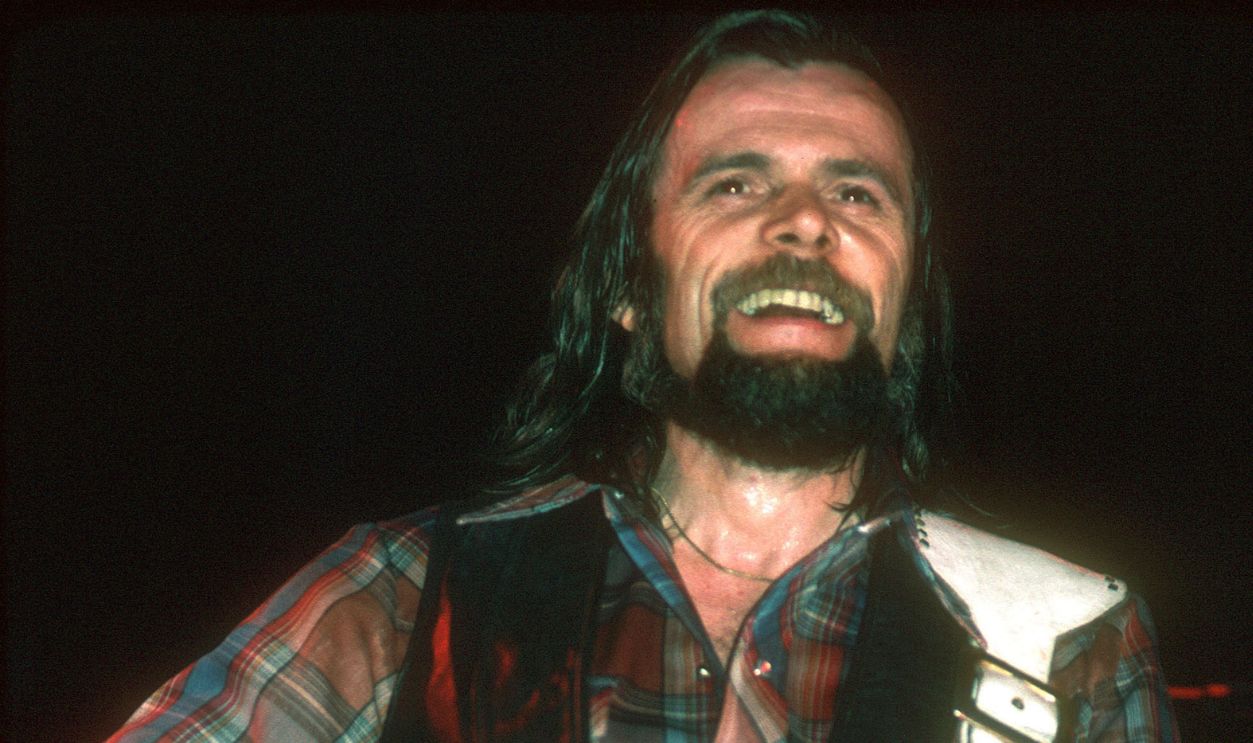
Unfortunately, success didn’t make Paycheck less chaotic. If anything, his outlaw reputation only got bigger after he became famous. Fans expected wild behavior from him, and eventually the line between image and reality completely disappeared.
 Michael Ochs Archives, Getty Images
Then Everything Changed In Ohio
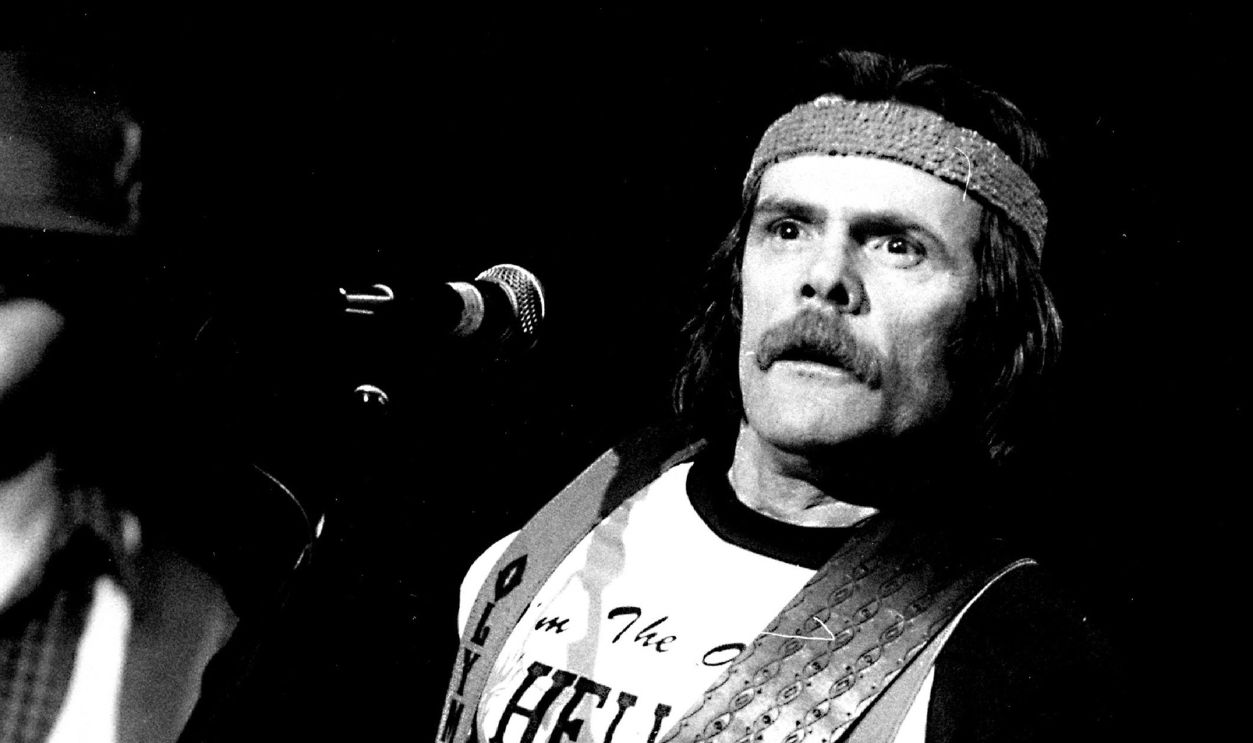
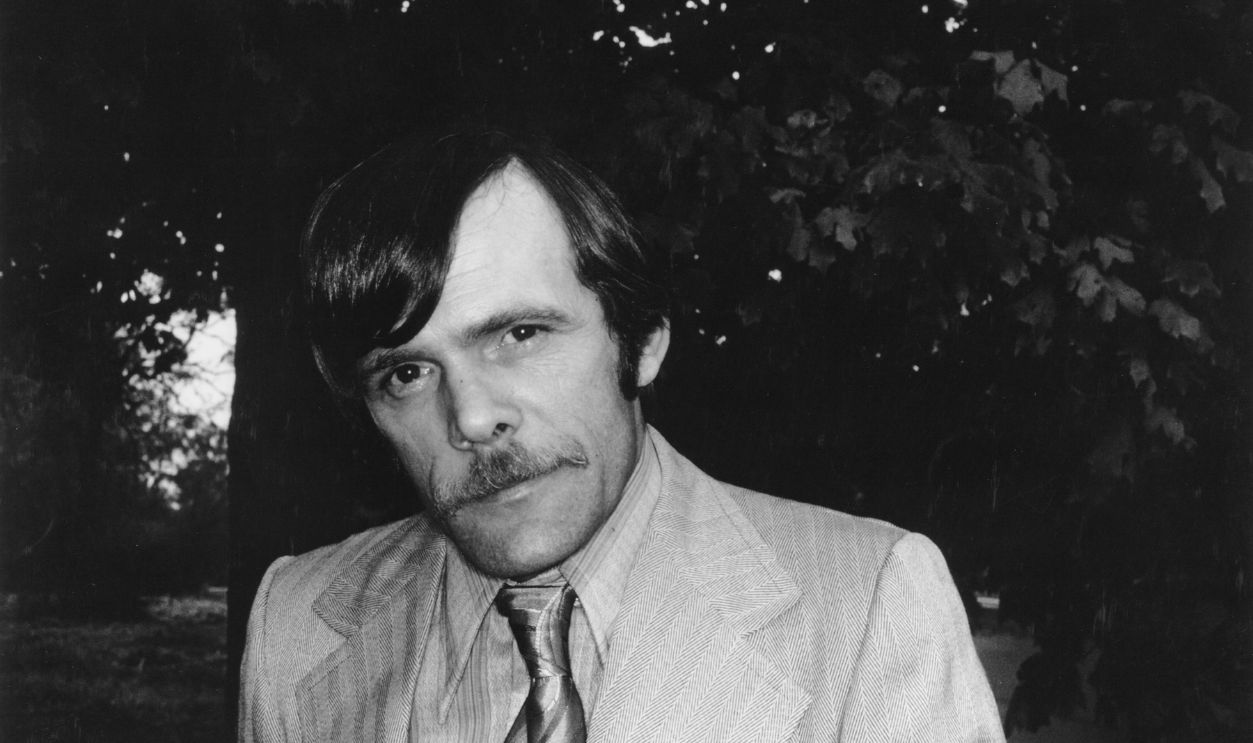
In 1985, Paycheck got into an argument inside a bar in Hillsboro, Ohio. What started as a confrontation quickly escalated into something far more serious, and suddenly the country star found himself making headlines for all the wrong reasons.
He Shot At A Man During The Argument
During the altercation, Paycheck pulled out a handgun and shot at a man named Larry Wise. The bullet grazed Wise’s head, and the story immediately became national news because Johnny Paycheck was already a major celebrity.
Suddenly The Outlaw Image Wasn’t Funny
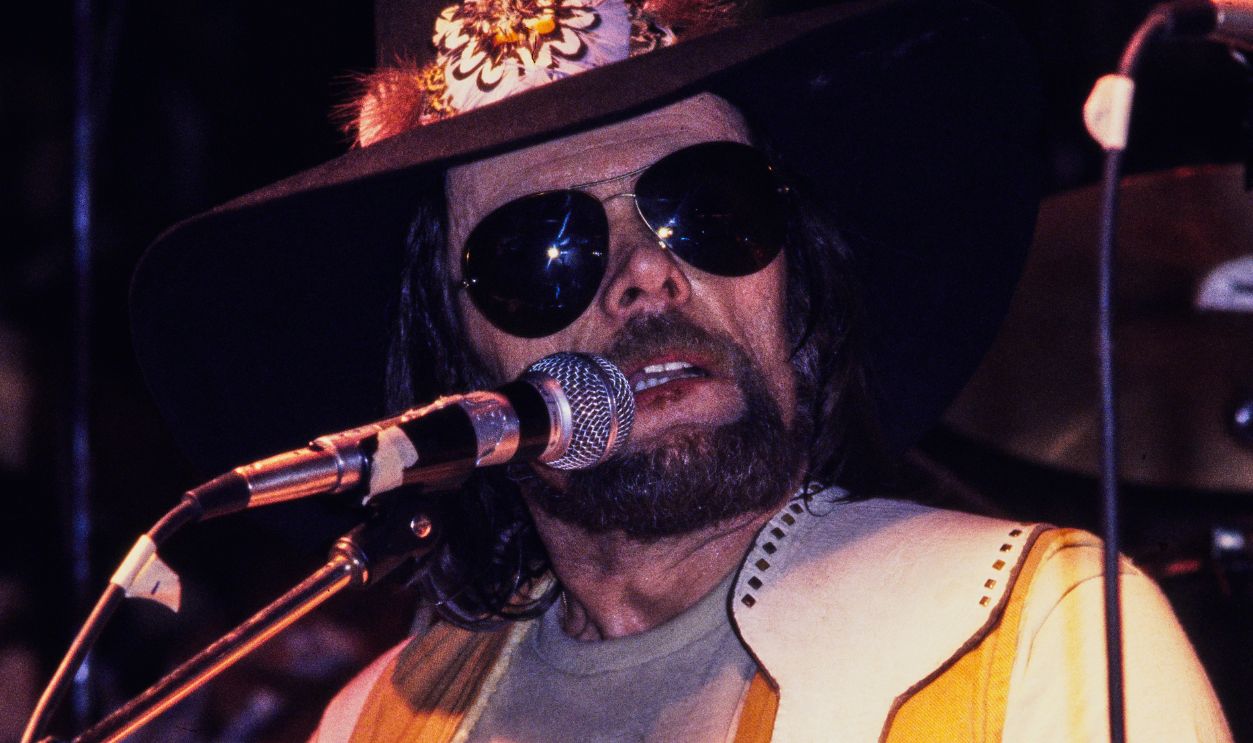
Fans had always treated Paycheck’s rough image as part of the outlaw country mystique. But after the shooting, things felt very different. This wasn’t another backstage fight story anymore. A man had nearly died during the confrontation.
 Michael Ochs Archives, Getty Images
He Was Sentenced To Prison
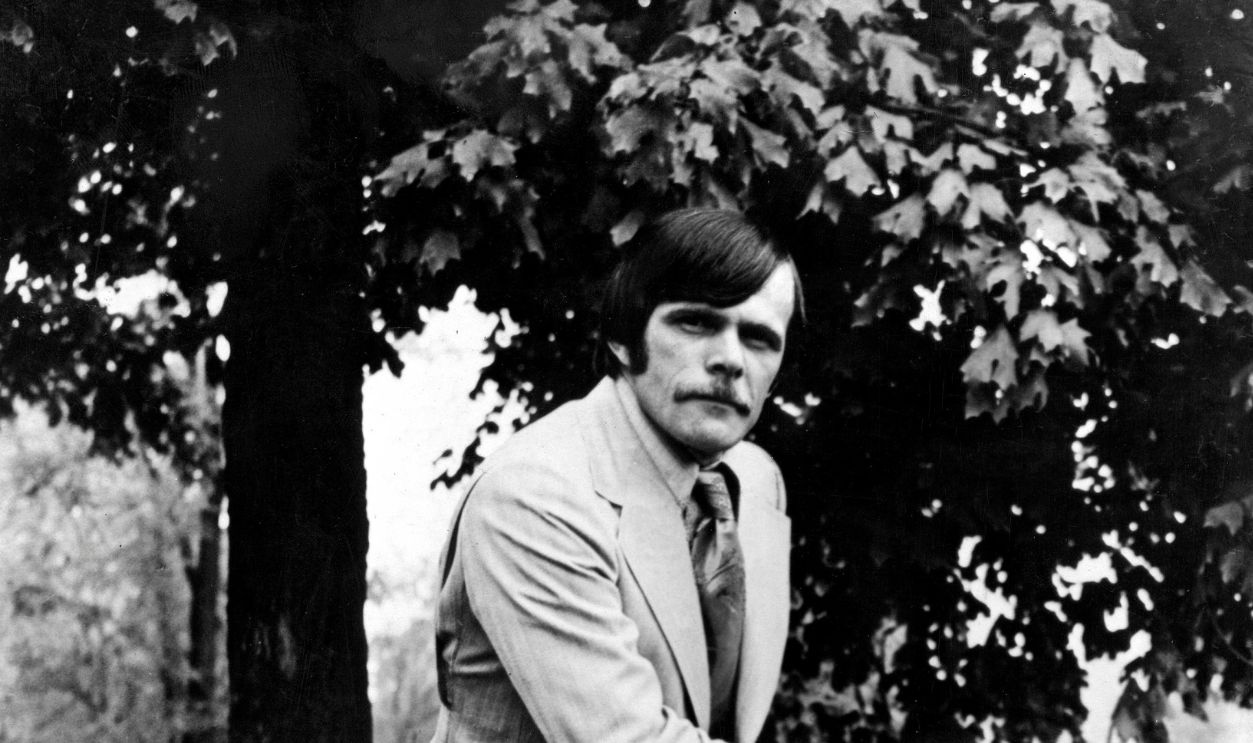
In 1986, Johnny Paycheck was convicted and sentenced to 7 to 9½ years in prison. After years of appeals, he eventually began serving his sentence in 1989.
His Career Looked Completely Finished
For a while, it honestly seemed impossible that Johnny Paycheck would ever recover professionally. He went from selling records and headlining concerts to sitting in a prison cell while the music world moved on without him.
 Michael Ochs Archives, Getty Images
Prison Apparently Changed Him
People close to Paycheck later said prison had a major effect on him emotionally and spiritually. He reportedly became more reflective during that period and spoke openly afterward about regretting the shooting and wanting to rebuild his life.
He Didn’t Serve The Full Sentence
Despite receiving a lengthy sentence, Paycheck ended up serving only a little over two years before being released. Several supporters within the country music world reportedly pushed for his early release once he became eligible.
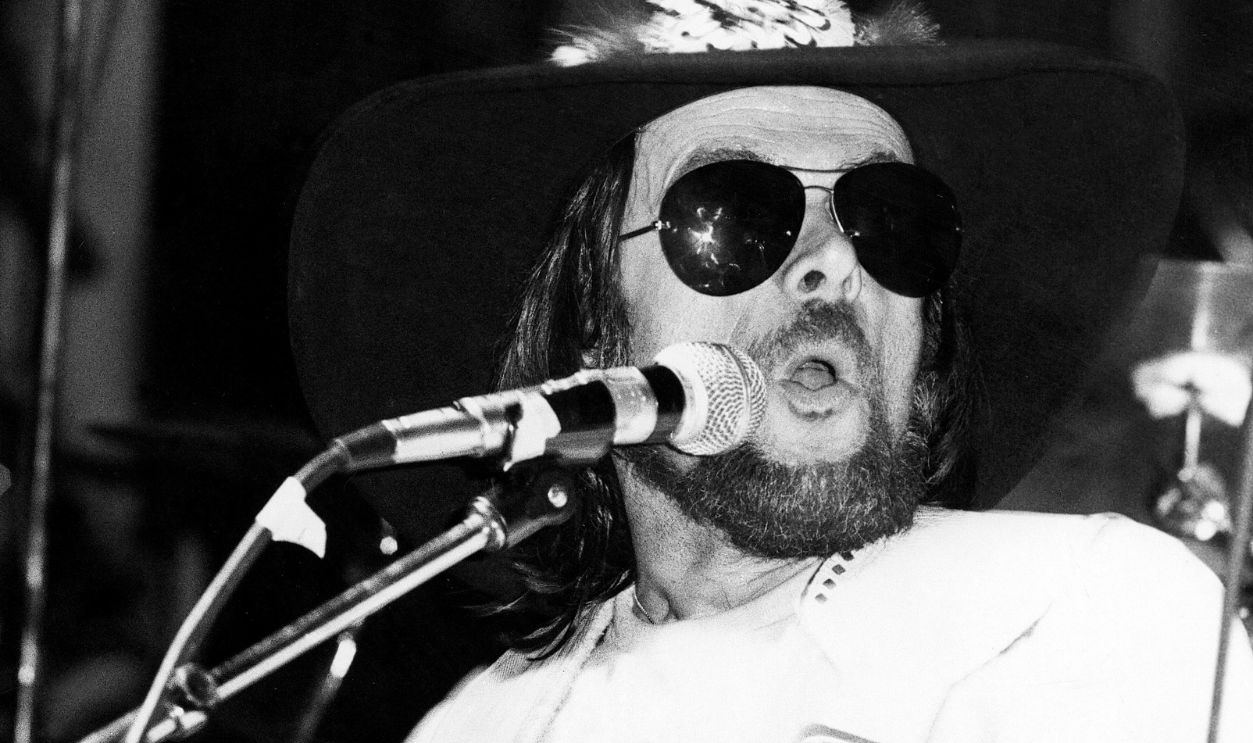
Somehow, Fans Still Welcomed Him Back
One surprising part of Johnny Paycheck’s story is that audiences still embraced him after prison. He returned to touring and performing, and many fans viewed him as a deeply flawed but authentic outlaw figure rather than a polished celebrity.
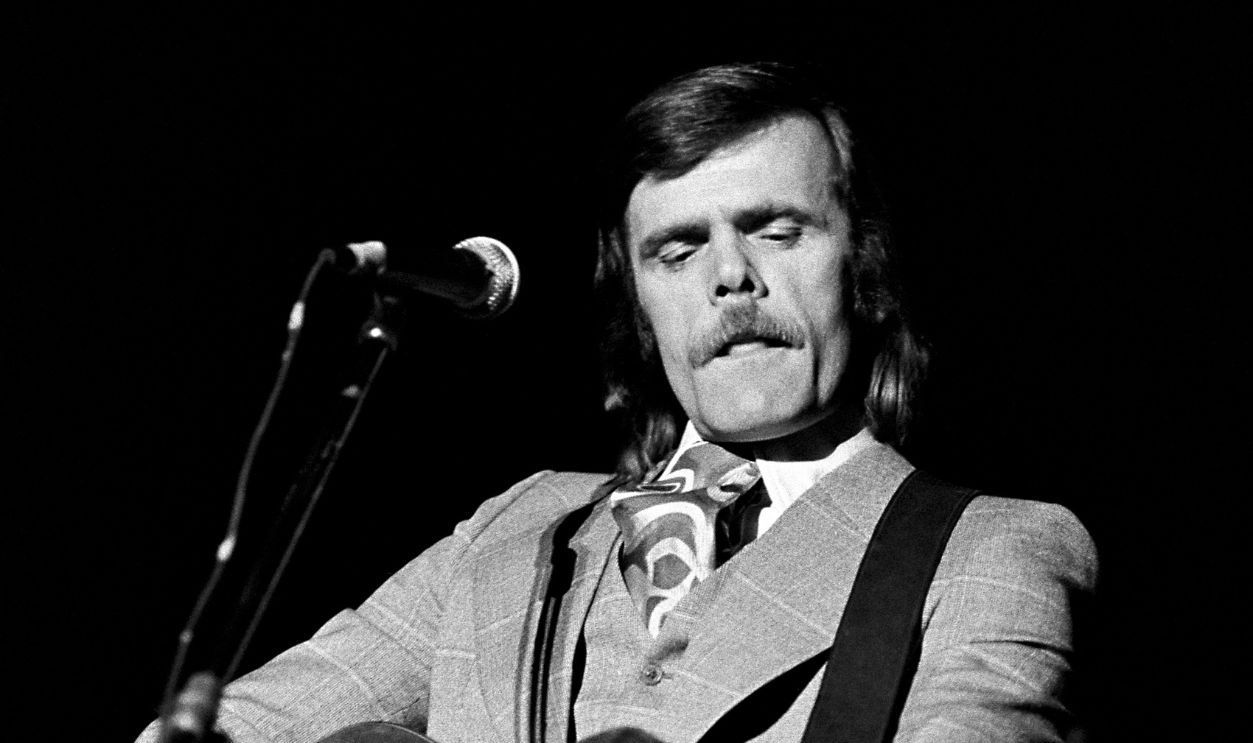
He Eventually Received Clemency
In 1991, Ohio governor Richard Celeste commuted Johnny Paycheck’s sentence years after his release from prison. The decision helped close one of the darkest chapters of his chaotic life and allowed him to continue rebuilding his career.
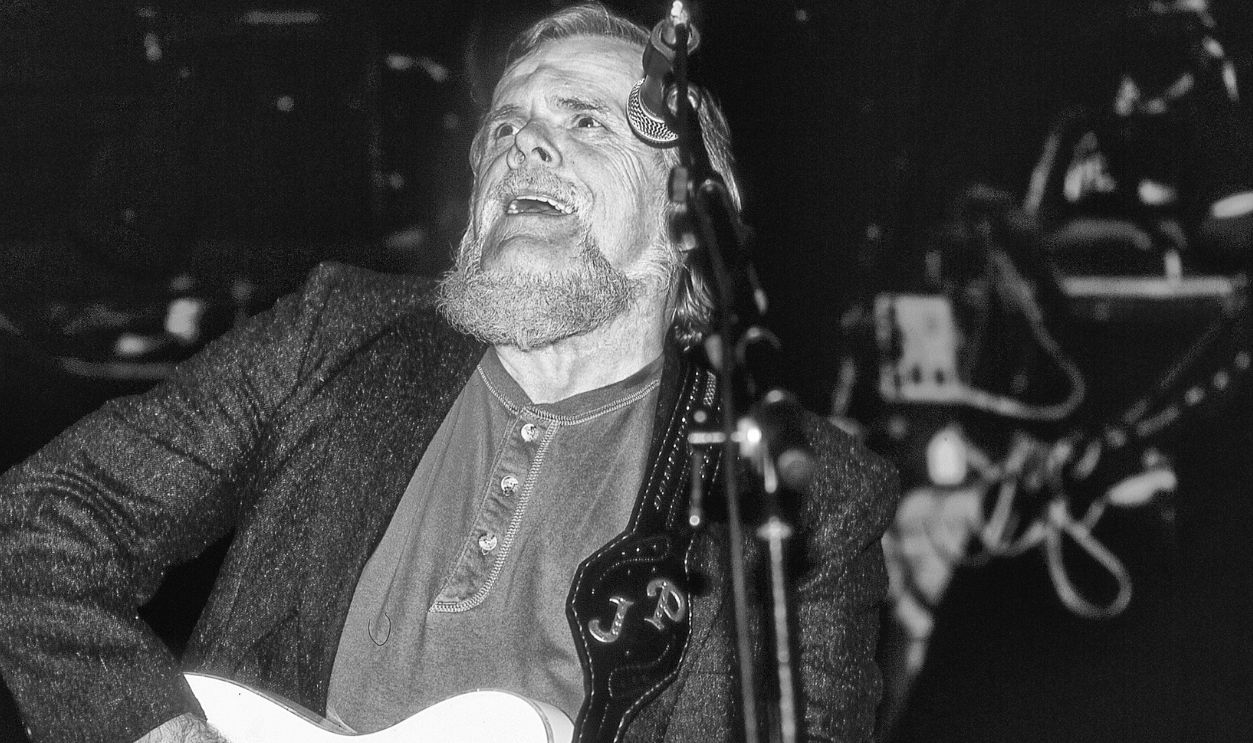
Hard Living Eventually Caught Up To Him
Years of smoking, drinking, and nonstop touring eventually damaged Paycheck’s health badly. He struggled with emphysema and other serious issues later in life, although he continued performing whenever his health allowed it.
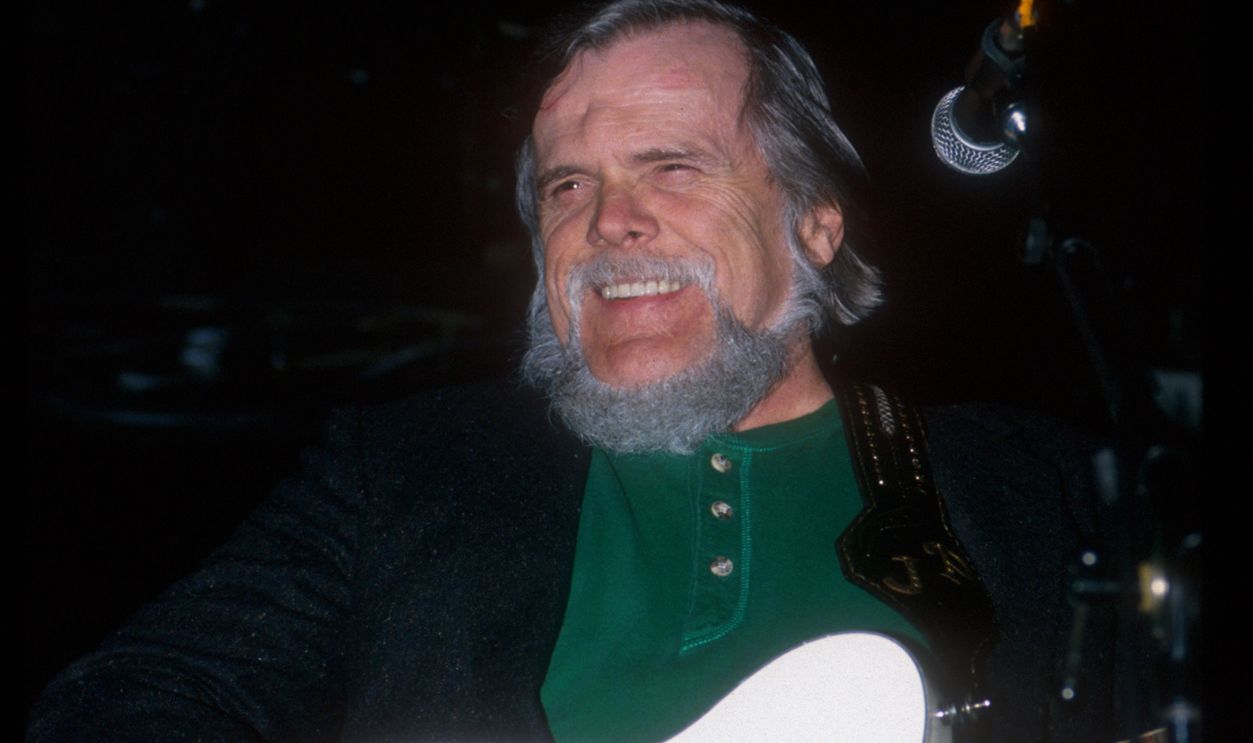
He Still Had The Voice
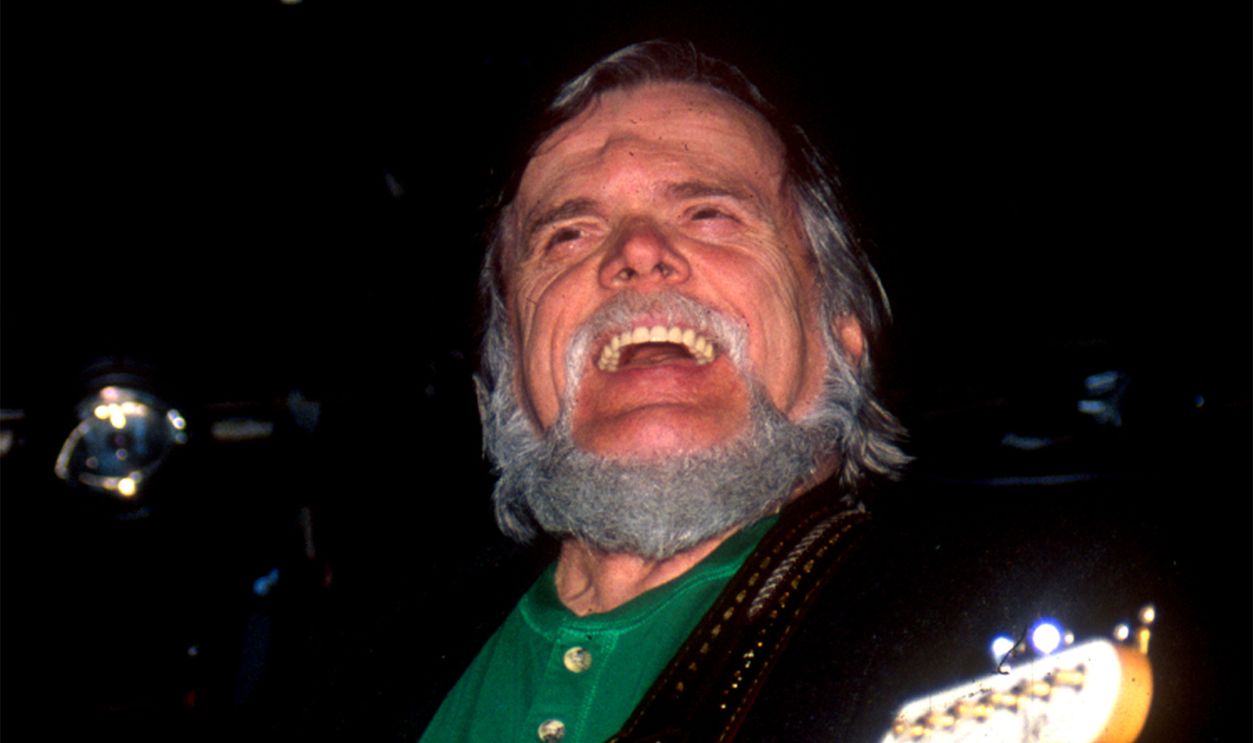
Even late in life, fans who saw Johnny Paycheck perform often said he still sounded powerful once he got on stage. The rough-edged voice that made him famous never completely disappeared, even after years of hard living.
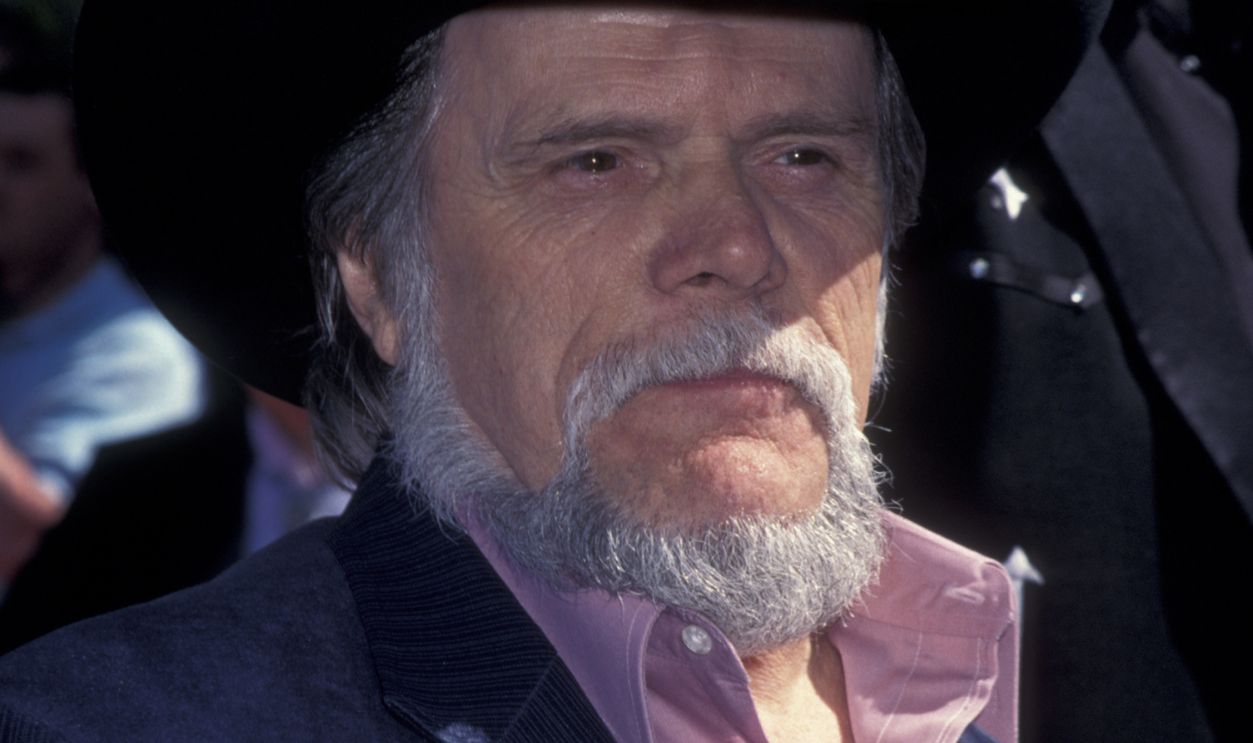
He Died In 2003
Johnny Paycheck passed away in 2003 at the age of 64. By then, he had already become one of country music’s most infamous outlaw figures thanks to his hits, scandals, prison sentence, and unbelievably chaotic personal life.
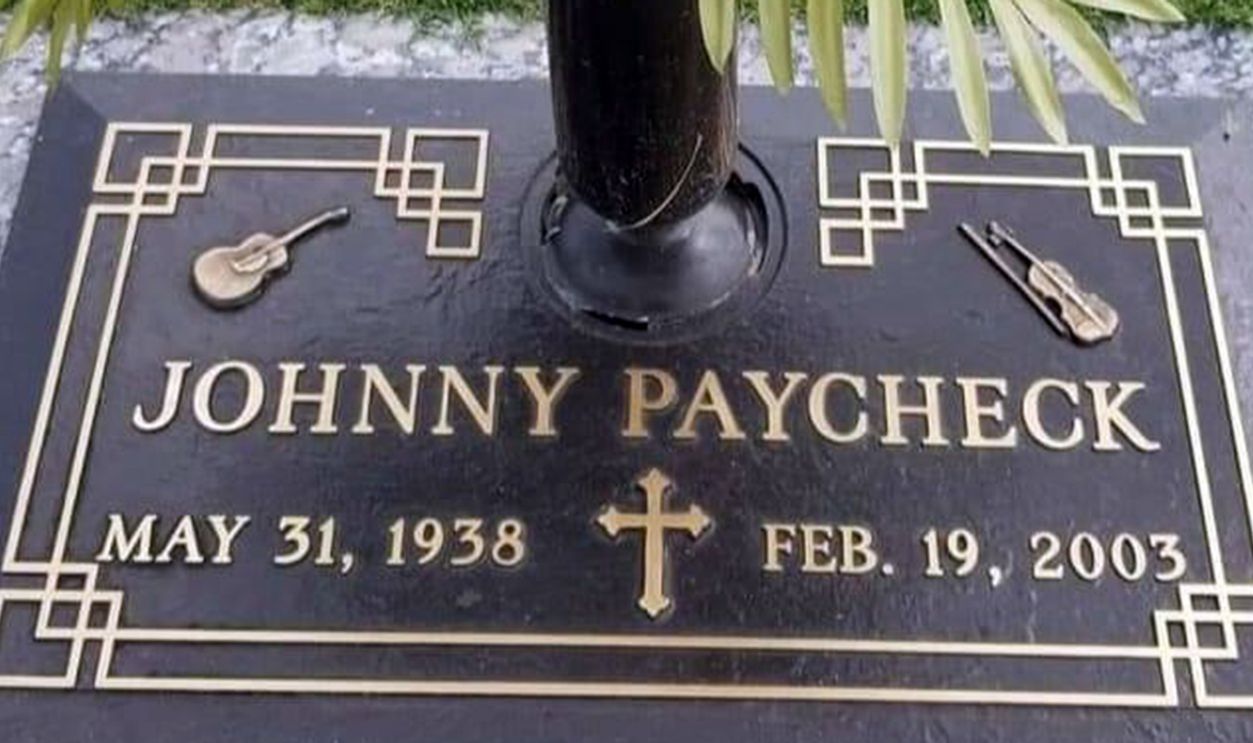
His Legacy Never Really Disappeared
Decades later, Take This Job And Shove It is still instantly recognizable, and Johnny Paycheck remains a country music legend. Mostly because, for better or worse, he seemed completely incapable of pretending to be anything other than himself.
You Might Also Like:
Dolly Parton Turned Her Poverty Into Poetry
Sources: 1