When Two Voices Made The Love Story Better
For baby boomers who grew up with country radio, some love songs were impossible to sing alone. One voice pleaded, the other answered. Sometimes the couple stayed together, sometimes they absolutely did not, but listeners memorized both sides anyway. These classics made romance sound less like a speech and more like a conversation.
 Michael Ochs Archives, Getty Images
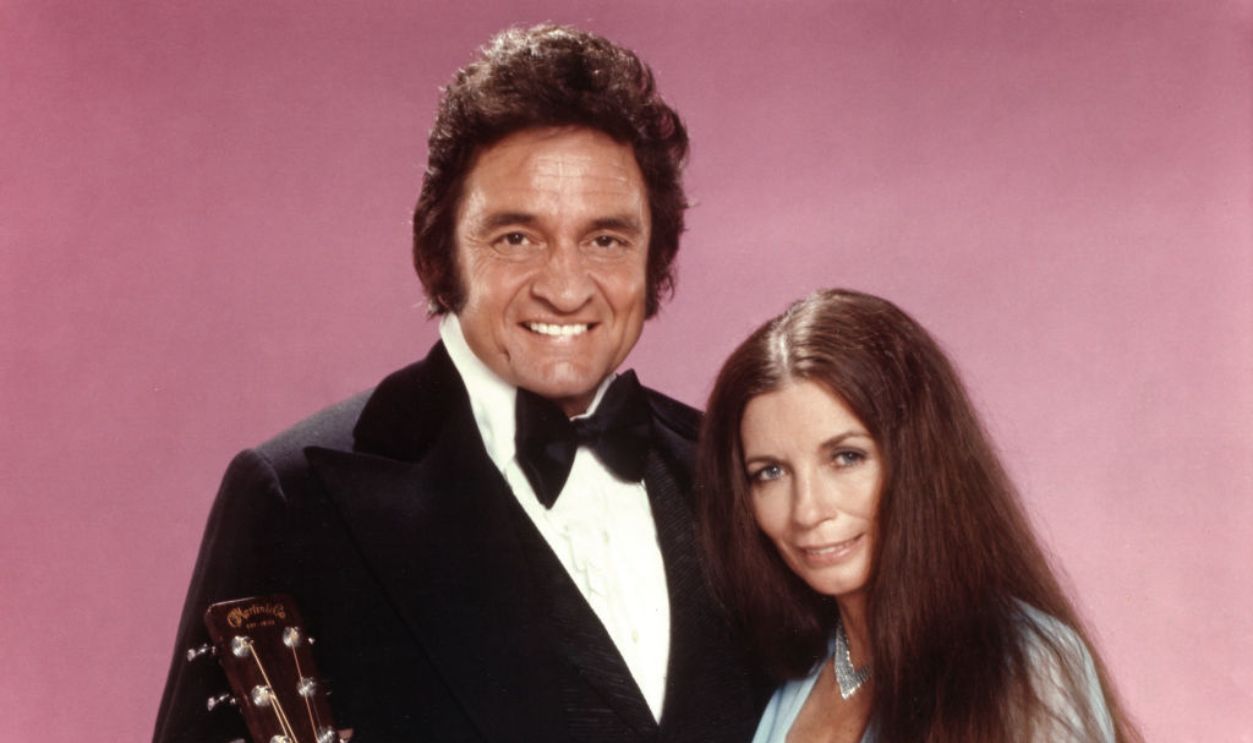
“Jackson” Made Johnny Cash And June Carter Sound Dangerous Together
Johnny Cash and June Carter were not yet married when “Jackson” became a hit in 1967. Instead of promising eternal devotion, they traded threats about running off and having more fun without each other. Their chemistry made the quarrel feel flirtatious, and the performance later earned them a Grammy.
 Michael Ochs Archives, Getty Images
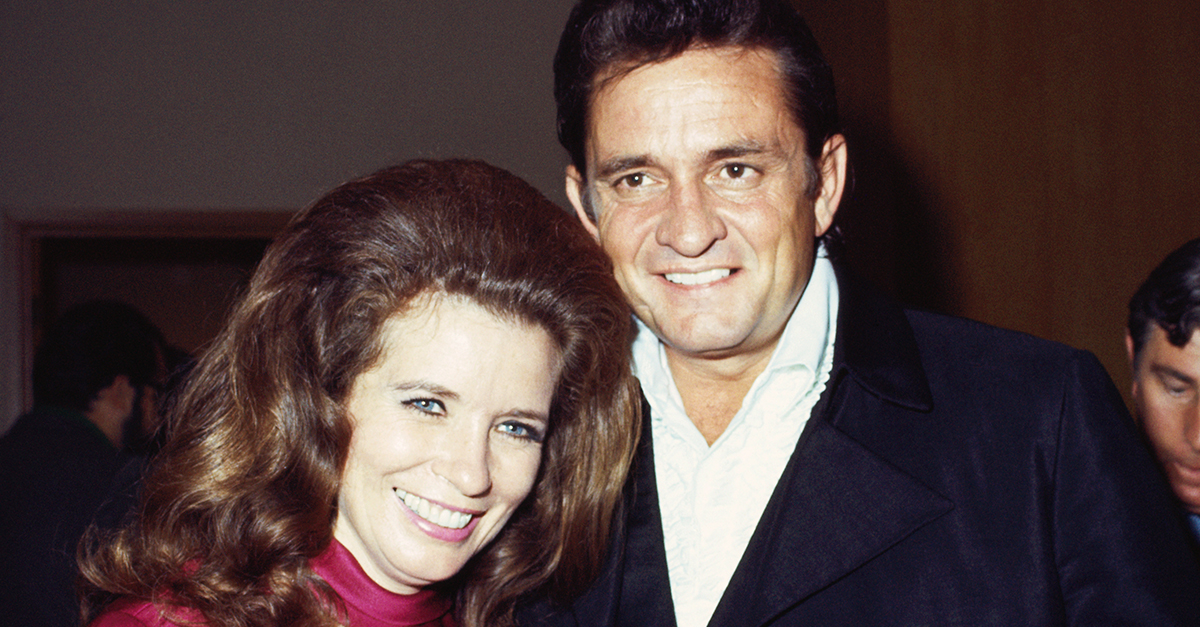
“If I Were A Carpenter” Showed Their Softer Side
Where “Jackson” crackled with mischief, “If I Were a Carpenter” stripped Johnny and June down to something more vulnerable. The song asks whether love would survive without status, wealth, or glamour. Their recording won a Grammy in 1971 and became one of the clearest examples of how tender their voices could sound together.
 Michael Ochs Archives, Getty Images
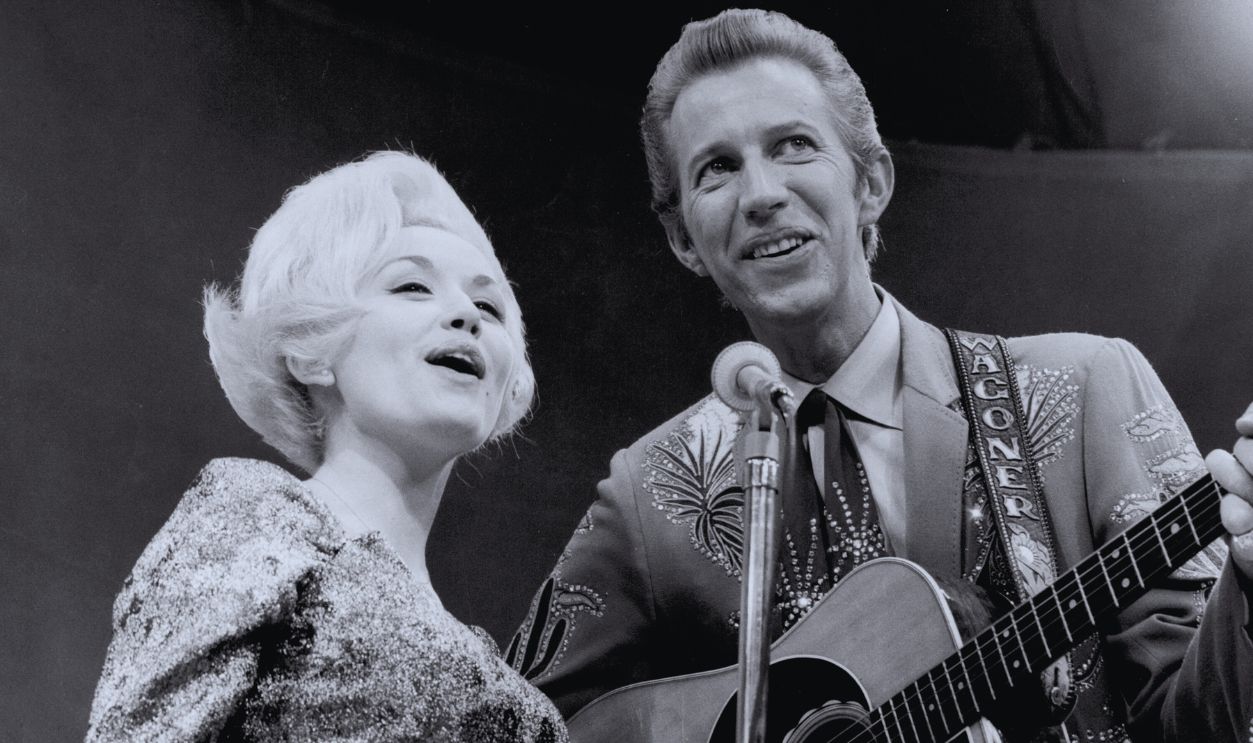
“Just Someone I Used To Know” Let The Denial Do The Talking
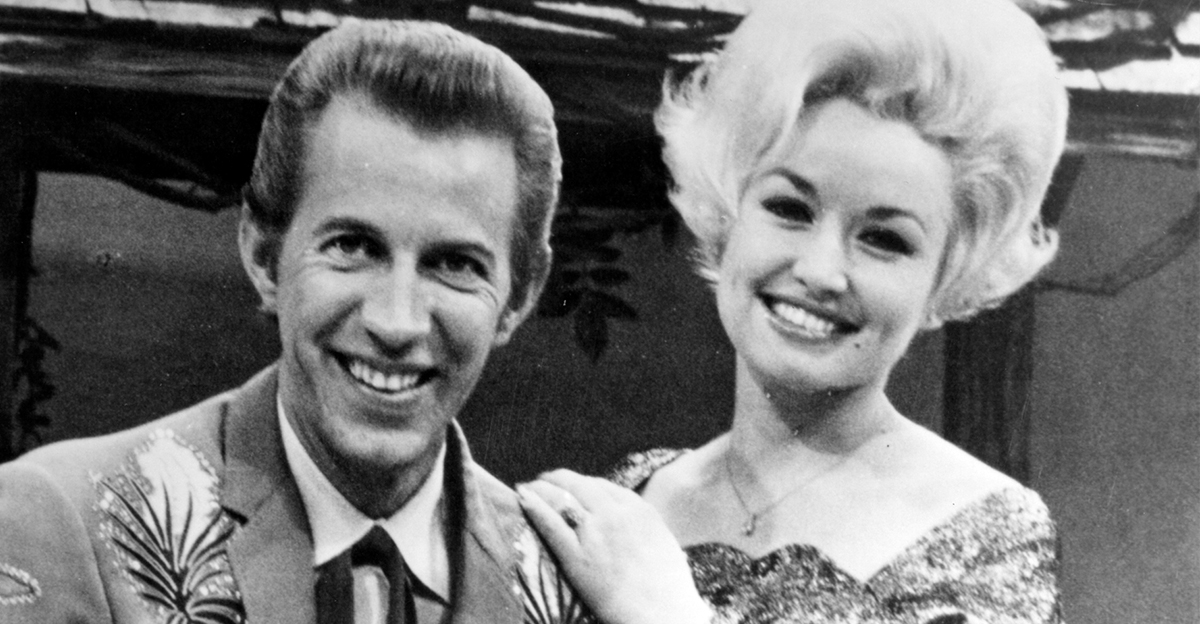
Porter Wagoner and Dolly Parton did not need a dramatic argument to make heartbreak obvious. On “Just Someone I Used to Know,” each singer insists an old love no longer matters. The trouble is that neither sounds convincing. That tension helped push the 1969 single into the country Top Five.
 Michael Ochs Archives, Getty Images
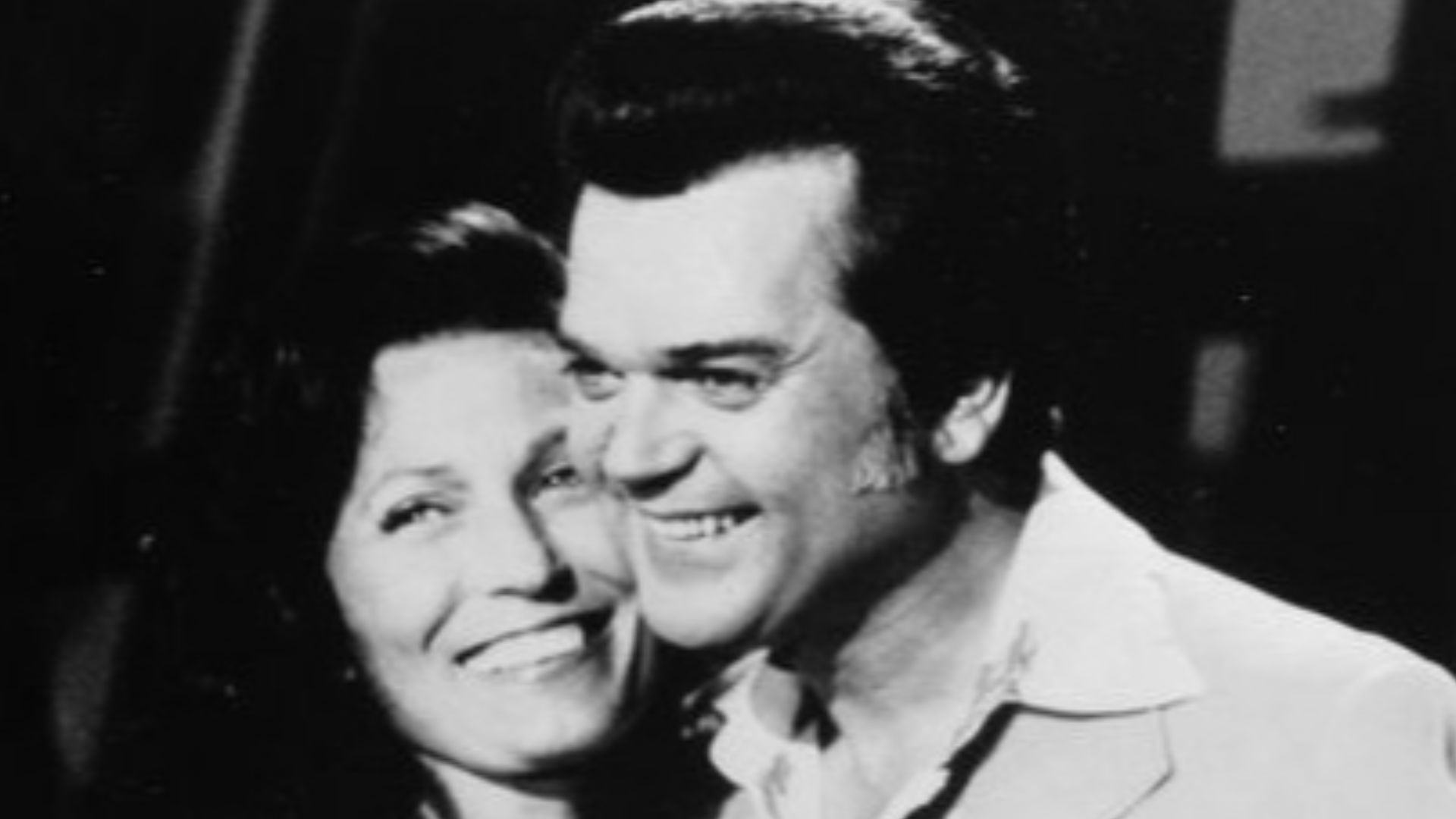
“After The Fire Is Gone” Made Forbidden Love Sound Almost Tender
Conway Twitty and Loretta Lynn began their celebrated duet run with a song that was anything but innocent. “After the Fire Is Gone” follows two people seeking affection outside unhappy relationships. The subject was messy, but the voices were effortless, and the performance won a Grammy in 1972.
 MCA Records, Wikimedia Commons
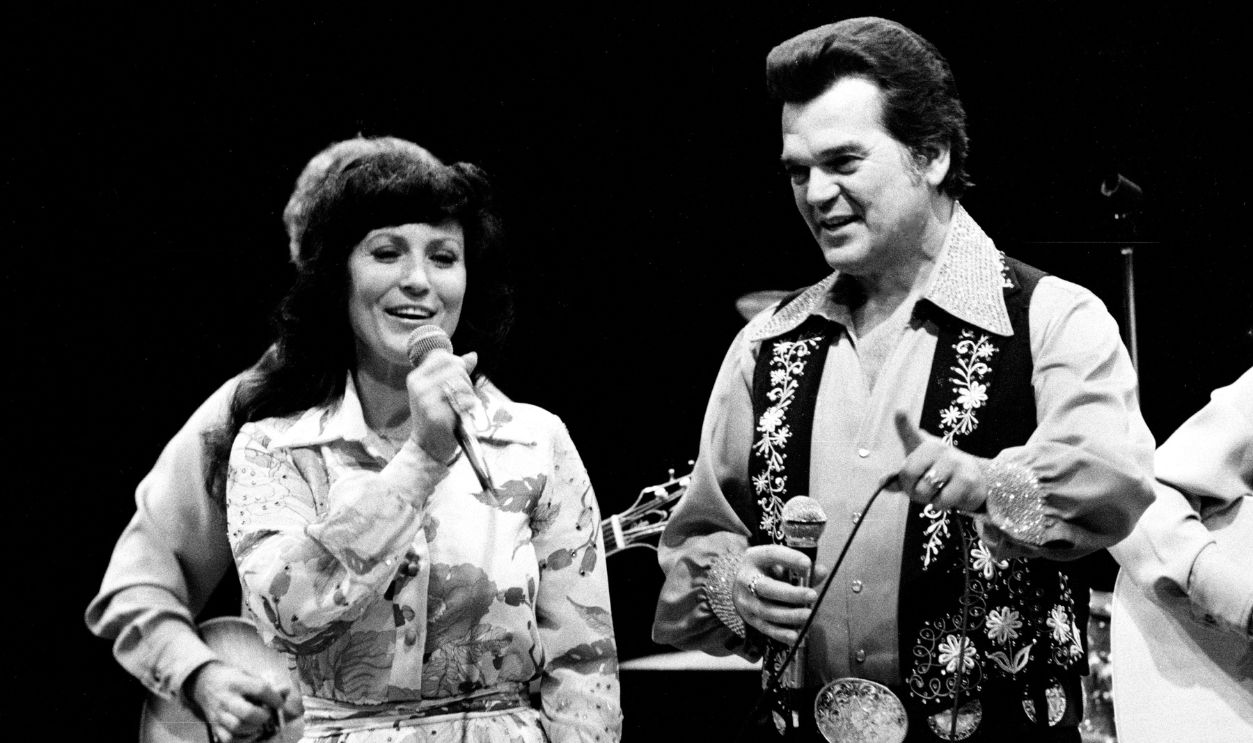
“Louisiana Woman, Mississippi Man” Turned Geography Into Flirting
By 1973, Conway and Loretta could make even the Mississippi River sound romantic. “Louisiana Woman, Mississippi Man” imagines two lovers separated by state lines and water, yet completely unwilling to stay apart. Its lively energy made it feel less like longing and more like two people daring distance to stop them.
 Richard E. Aaron, Getty Images
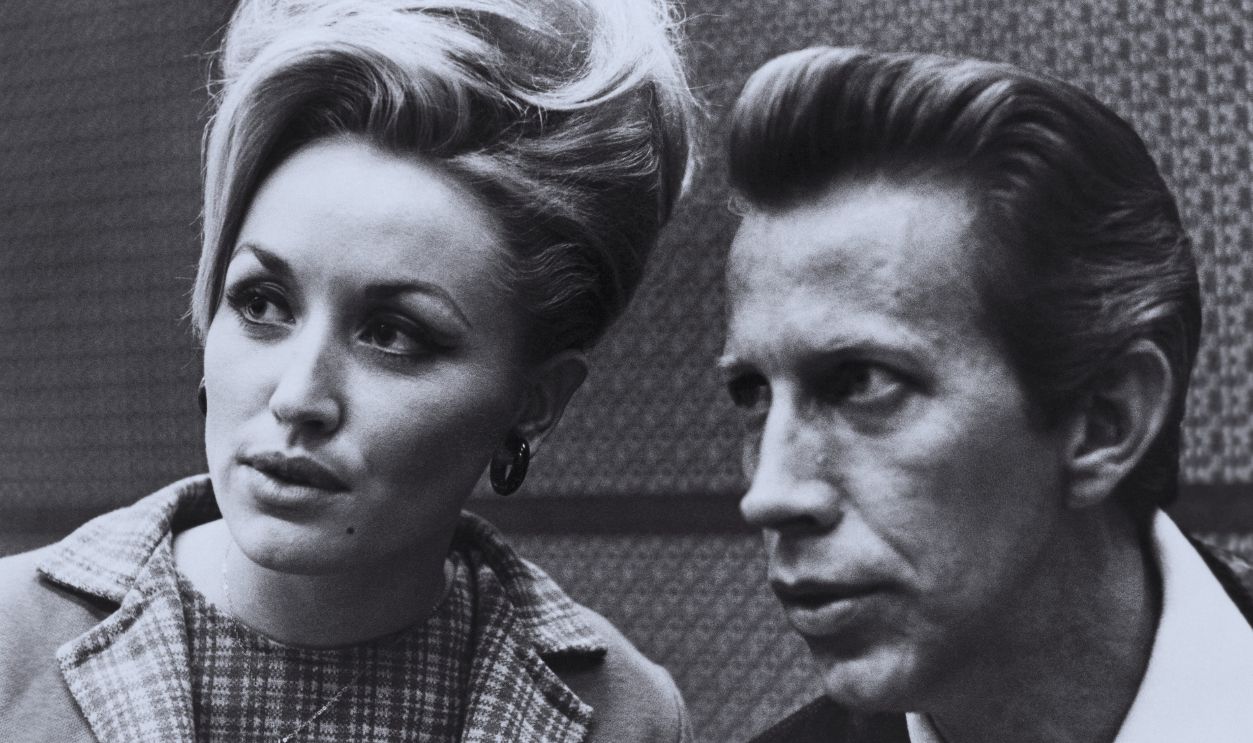
“Please Don’t Stop Loving Me” Was Porter And Dolly At Their Most Direct
There was nothing complicated about the central plea: stay. Written by Porter Wagoner and Dolly Parton, “Please Don’t Stop Loving Me” became their only No 1 country single as a duo in 1974. Its simplicity made it stand apart from some of their more wounded, suspicious, or emotionally tangled collaborations.
 Michael Ochs Archives, Getty Images
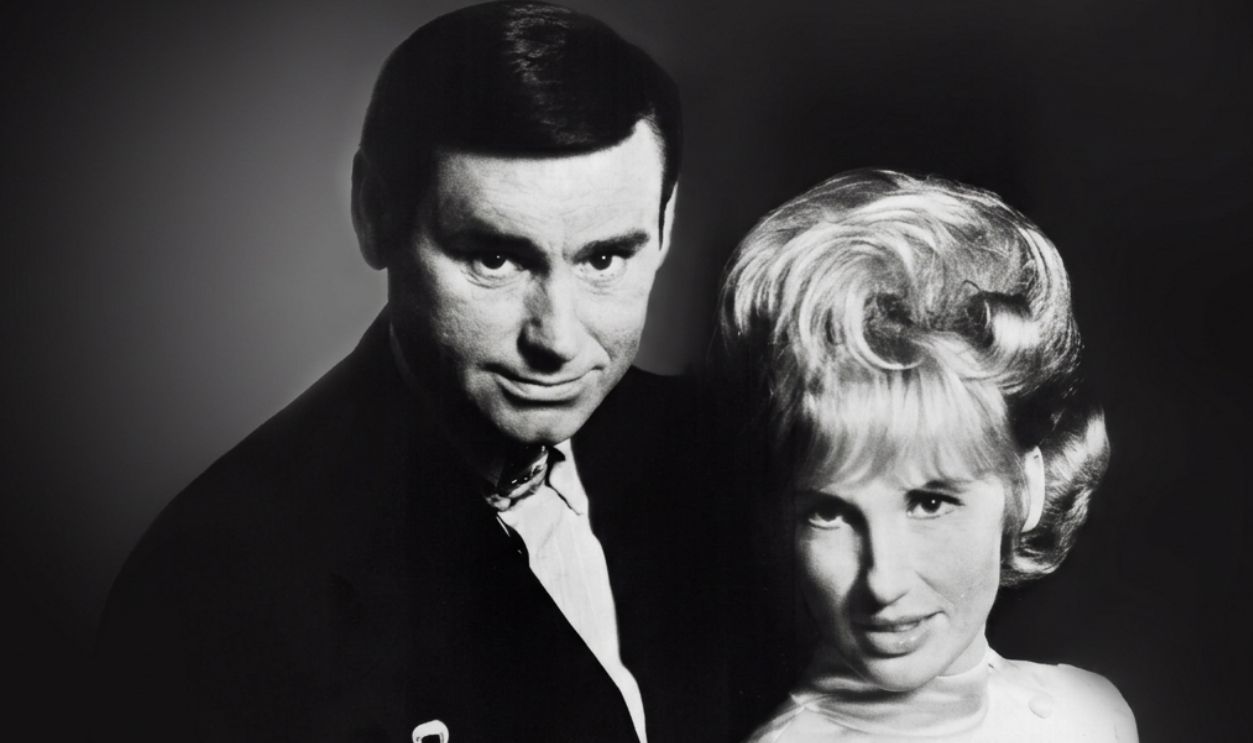
“We’re Gonna Hold On” Sounded Like A Marriage Making A Promise
George Jones and Tammy Wynette were still married when “We’re Gonna Hold On” reached No 1 in 1973. The song does not pretend love is effortless. Instead, two people acknowledge hardship and promise not to let go. Their turbulent real-life marriage would eventually make that promise sound even more poignant.
 Hubert Long Agency, Wikimedia Commons
“Golden Ring” Told An Entire Marriage In A Few Minutes
A ring sits in a pawn-shop window, gets bought for a wedding, witnesses a relationship collapse, and ends up back where it started. That is the devastating structure of “Golden Ring". George and Tammy released it after their divorce, which gave the 1976 No 1 hit an extra layer listeners could hardly ignore.
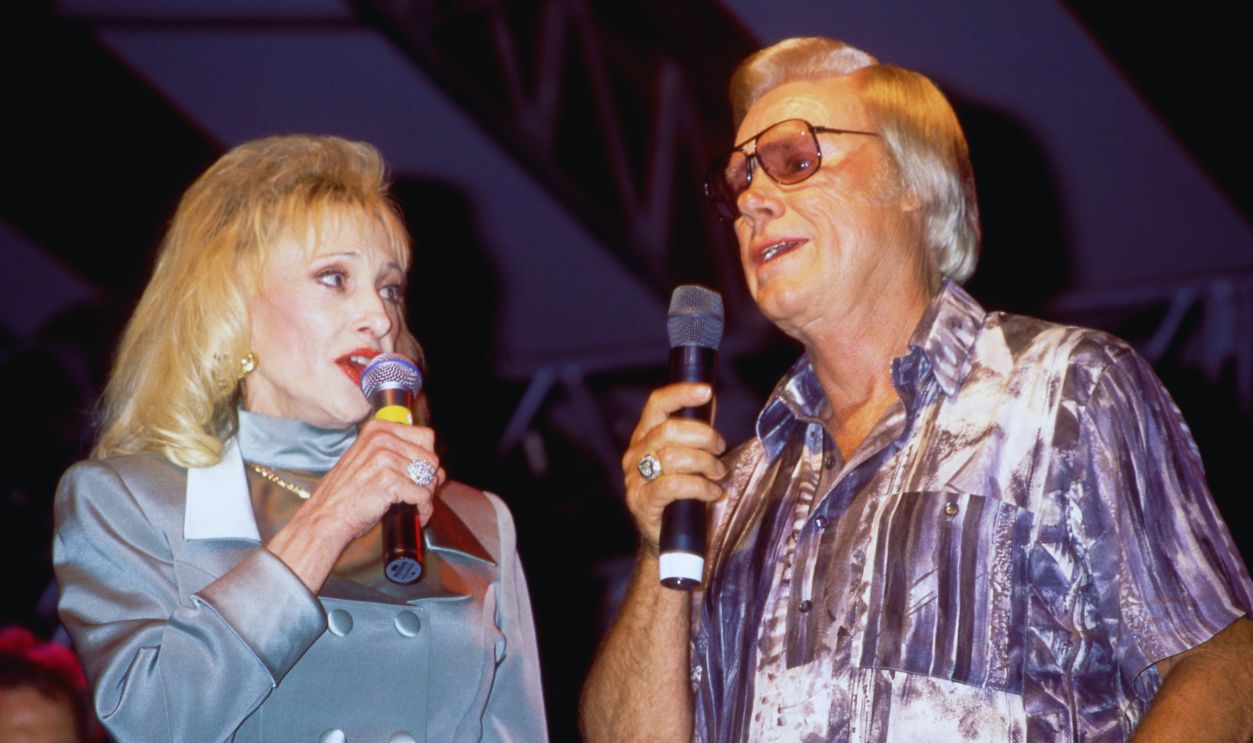
“Near You” Became Bittersweet After The Marriage Ended
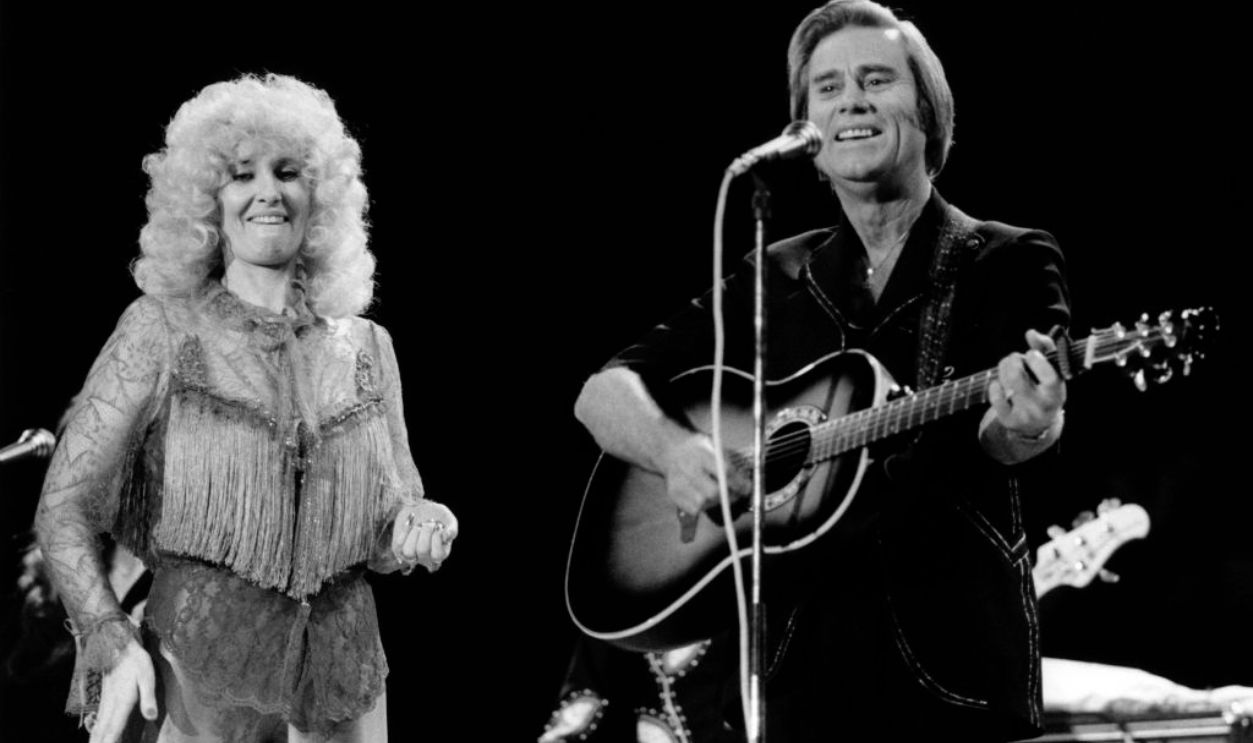
George Jones and Tammy Wynette recorded “Near You” before their marriage ended, but it did not top the country chart until 1977, when they were already divorced. That timing made the old-fashioned affection almost surreal. Their relationship had changed, yet their voices could still create complete romantic unity for three minutes.
“Loving Arms” Captured Kris And Rita At Their Most Intimate
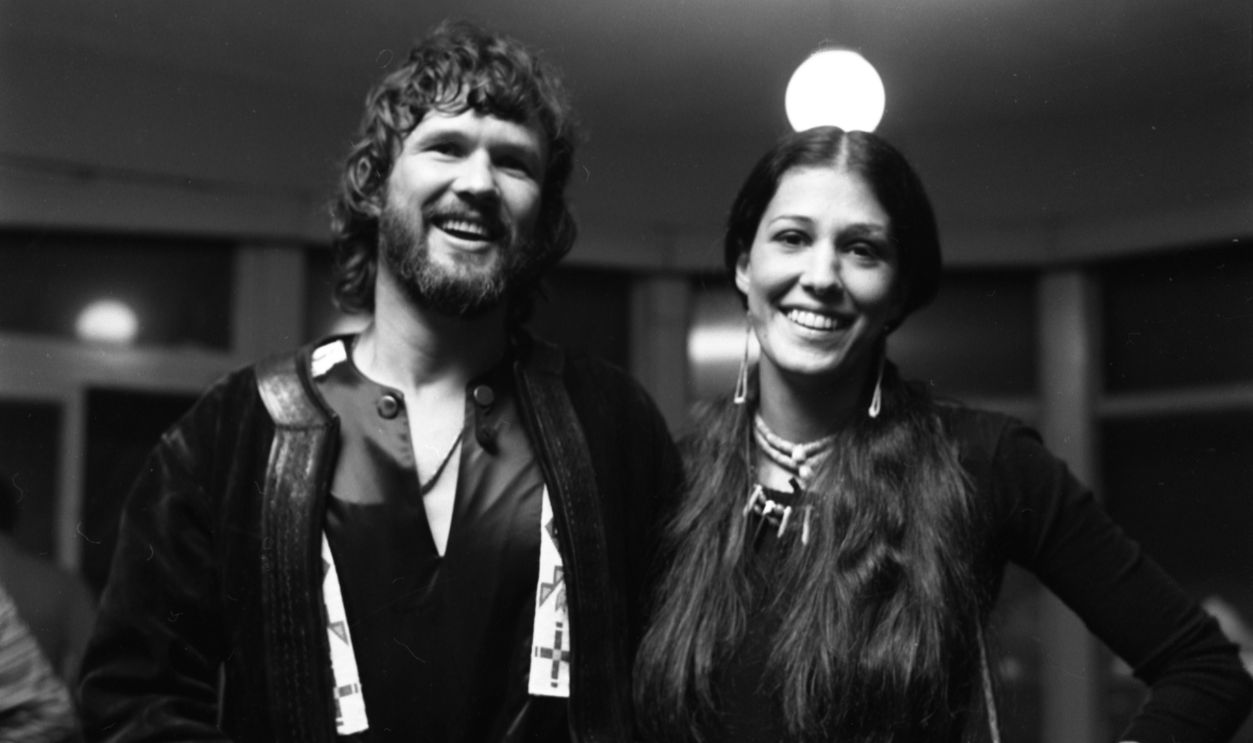
Kris Kristofferson and Rita Coolidge brought a gentler, folkier mood to 1970s country romance. “Loving Arms” is built on the ache of wanting to return to someone after leaving them behind. Their restrained delivery gave the song intimacy, and the performance earned the married pair a Grammy nomination.
 Michael Ochs Archives, Getty Images
“Lover Please” Showed Another Side Of Their Chemistry
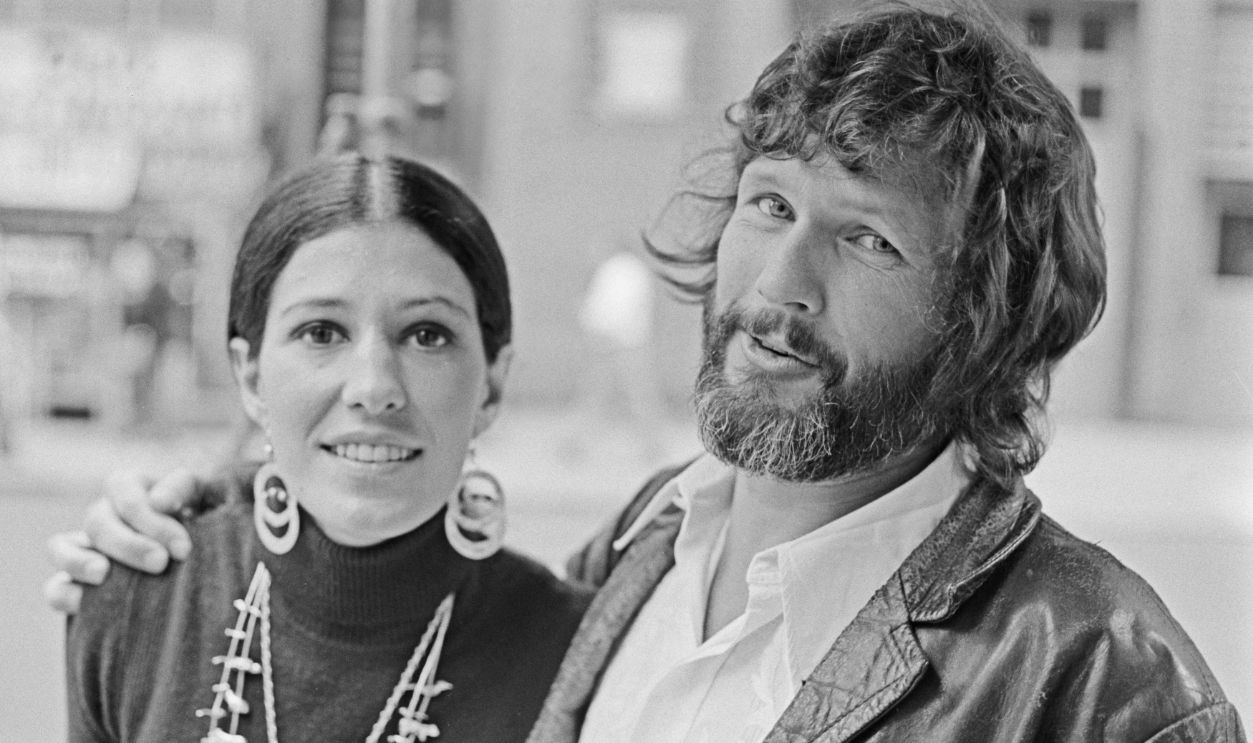
Kristofferson and Coolidge could be reflective, but “Lover Please” let them sound loose and energetic. Their take on the older rhythm-and-blues song became notable less for massive chart dominance than for what it showed about the pairing. Their performance won the 1976 Grammy for country performance by a duo or group.
 Michael Ochs Archives, Getty Images
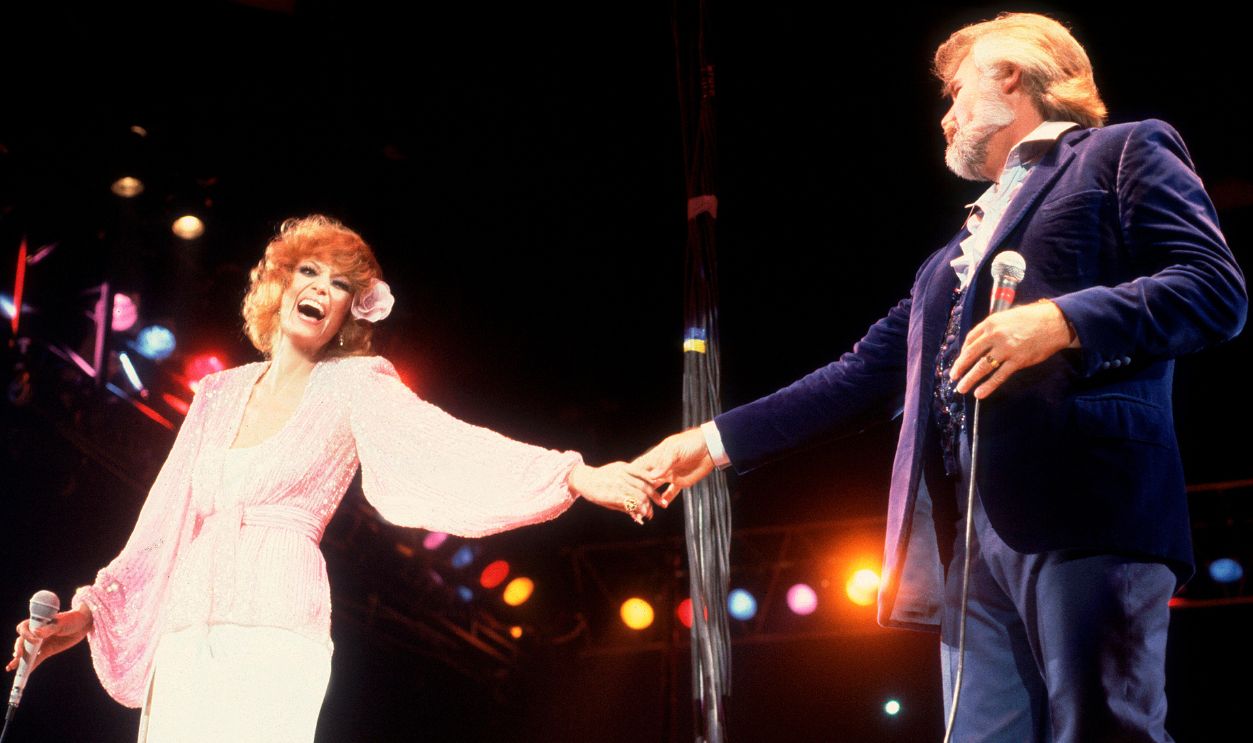
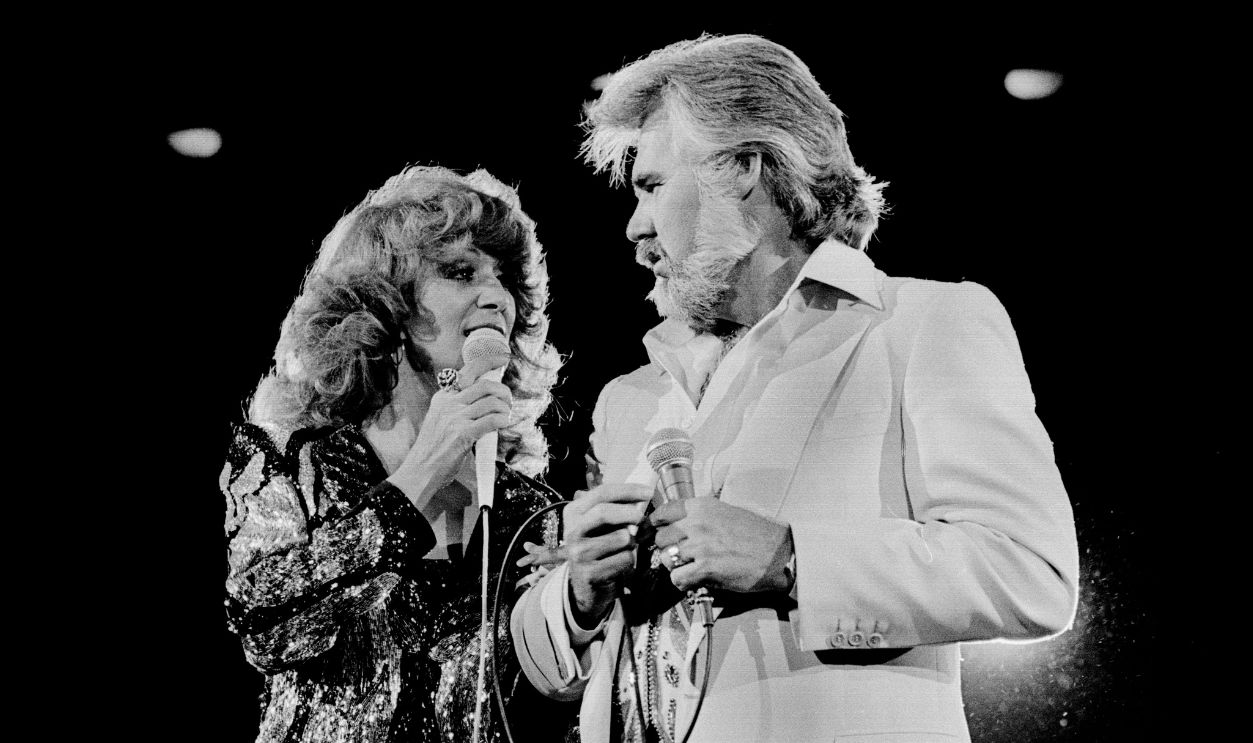
“Every Time Two Fools Collide” Made Dottie West An Essential Partner
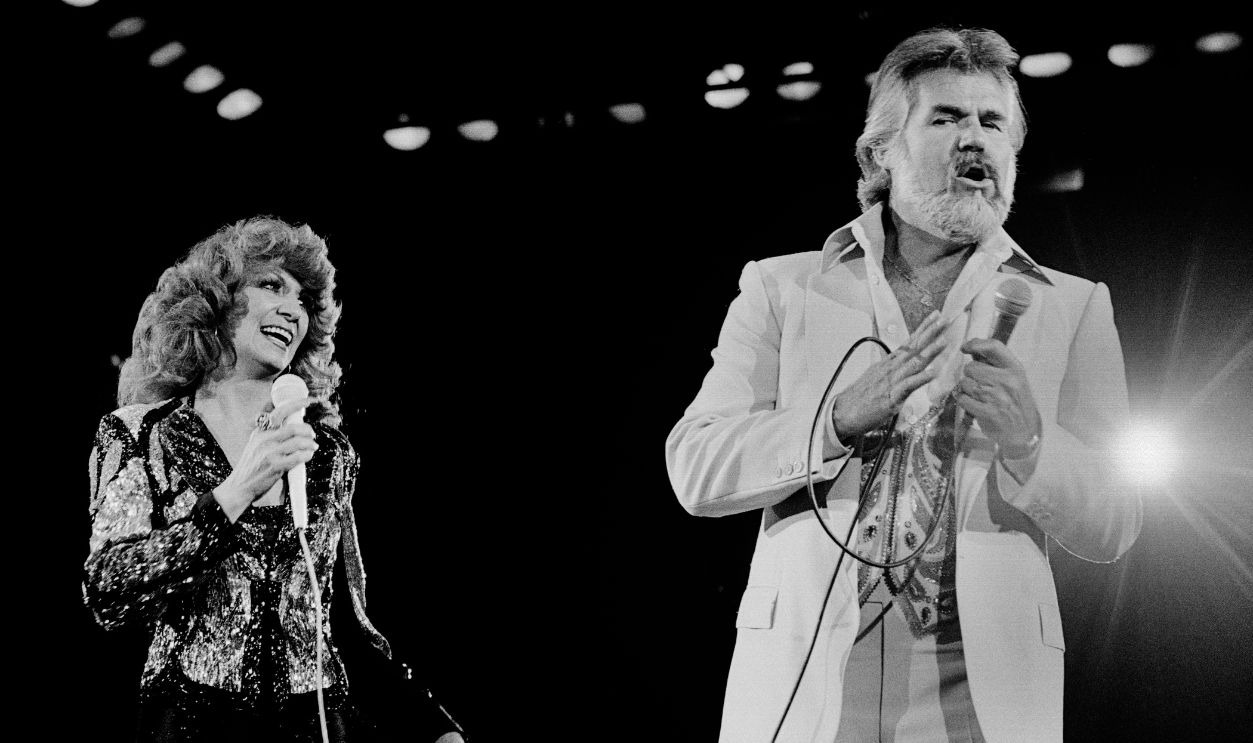
Dottie West was not simply there to harmonize. On “Every Time Two Fools Collide,” she and Kenny Rogers sound like equals caught in the same frustrating cycle. This 1978 duet works because neither person is obviously to blame. Two people keep hurting each other, yet neither seems ready to give up.
“All I Ever Need Is You” Gave Their Partnership A Warmer Ending
Where their earlier hit thrived on conflict, “All I Ever Need Is You” offered something steadier. West and Rogers sing as though companionship itself is enough to make the rest of life manageable. That change of mood helped the 1979 recording become another No 1 country hit for the pair.
“Don’t Fall In Love With A Dreamer” Belonged To Kim Carnes Too
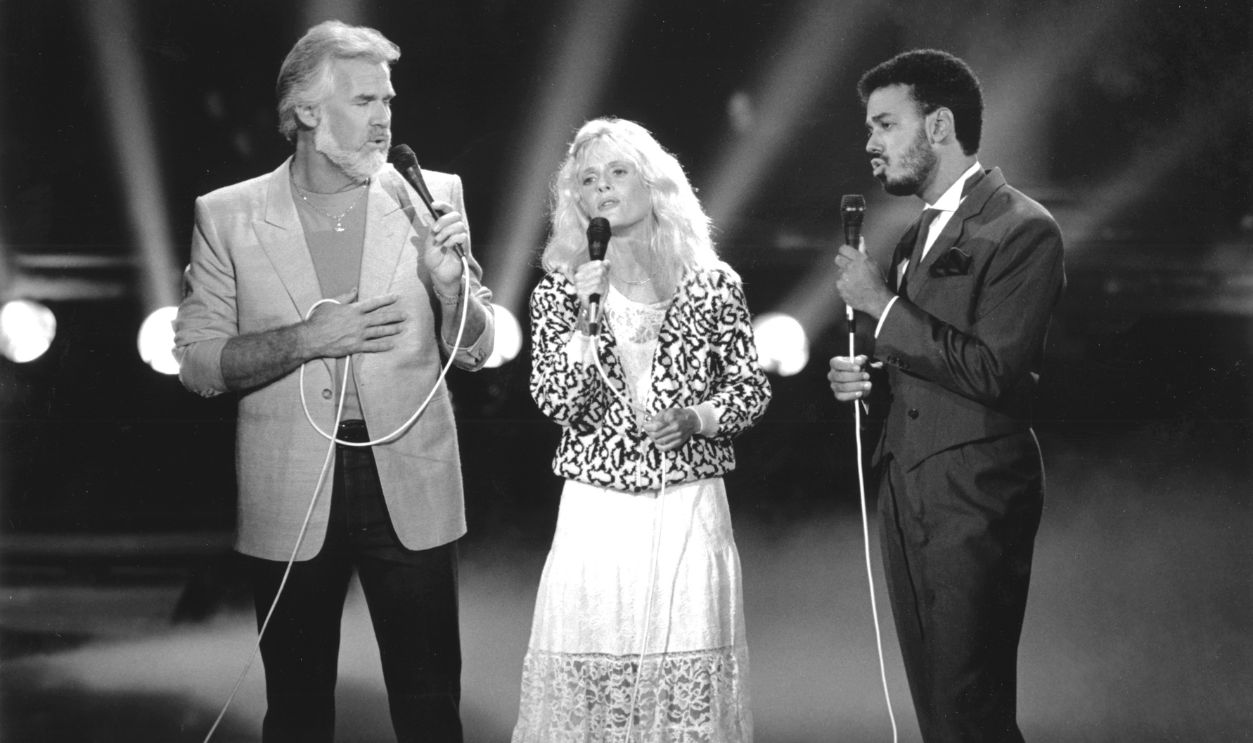
Kim Carnes brought a raspy, world-weary counterweight to Rogers on “Don’t Fall in Love with a Dreamer". The song works because both singers know the warning is sensible and neither sounds willing to obey it. Their 1980 recording crossed well beyond country radio, reaching both country and pop audiences.
 Michael Ochs Archives, Getty Images
“You’re The Reason God Made Oklahoma” Made Homesickness Romantic
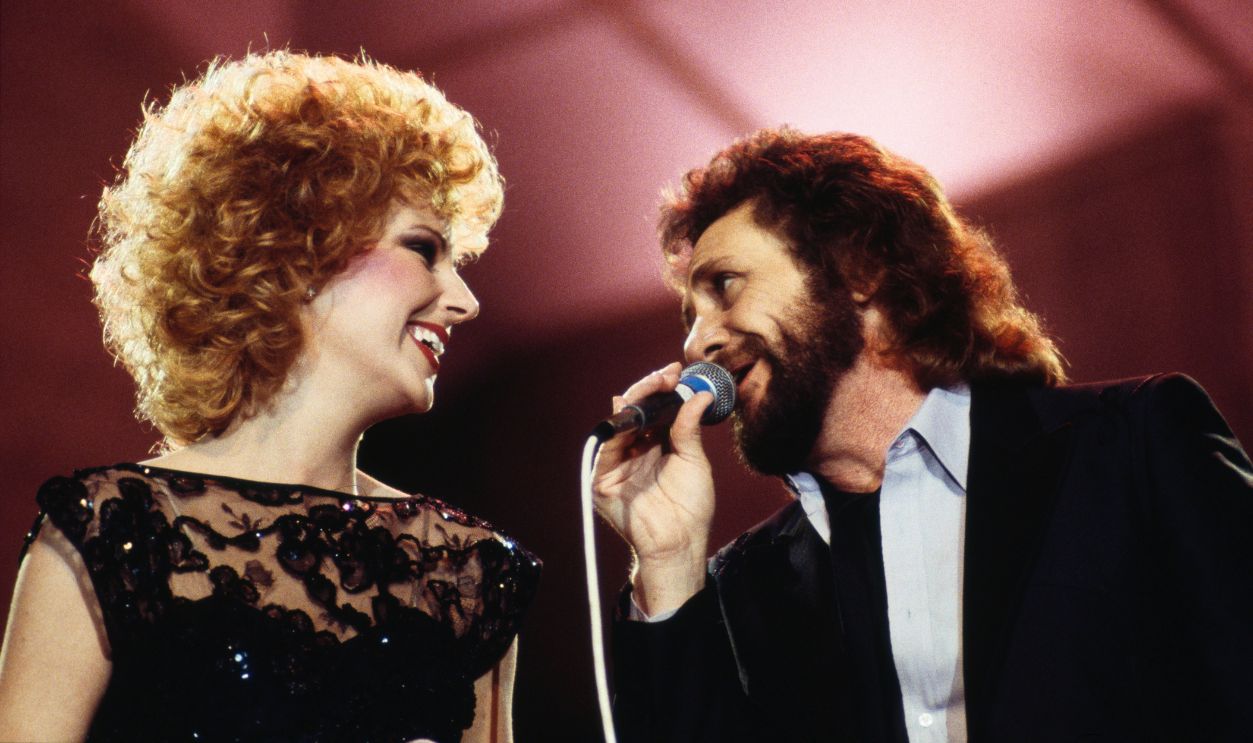
David Frizzell and Shelly West gave distance a very specific address. “You’re the Reason God Made Oklahoma” follows separated lovers who miss both home and each other, blending romance with homesickness. The 1981 No 1 helped establish the pair as one of the decade’s most recognizable duet teams.
“If I Needed You” Barely Had To Raise Its Voice
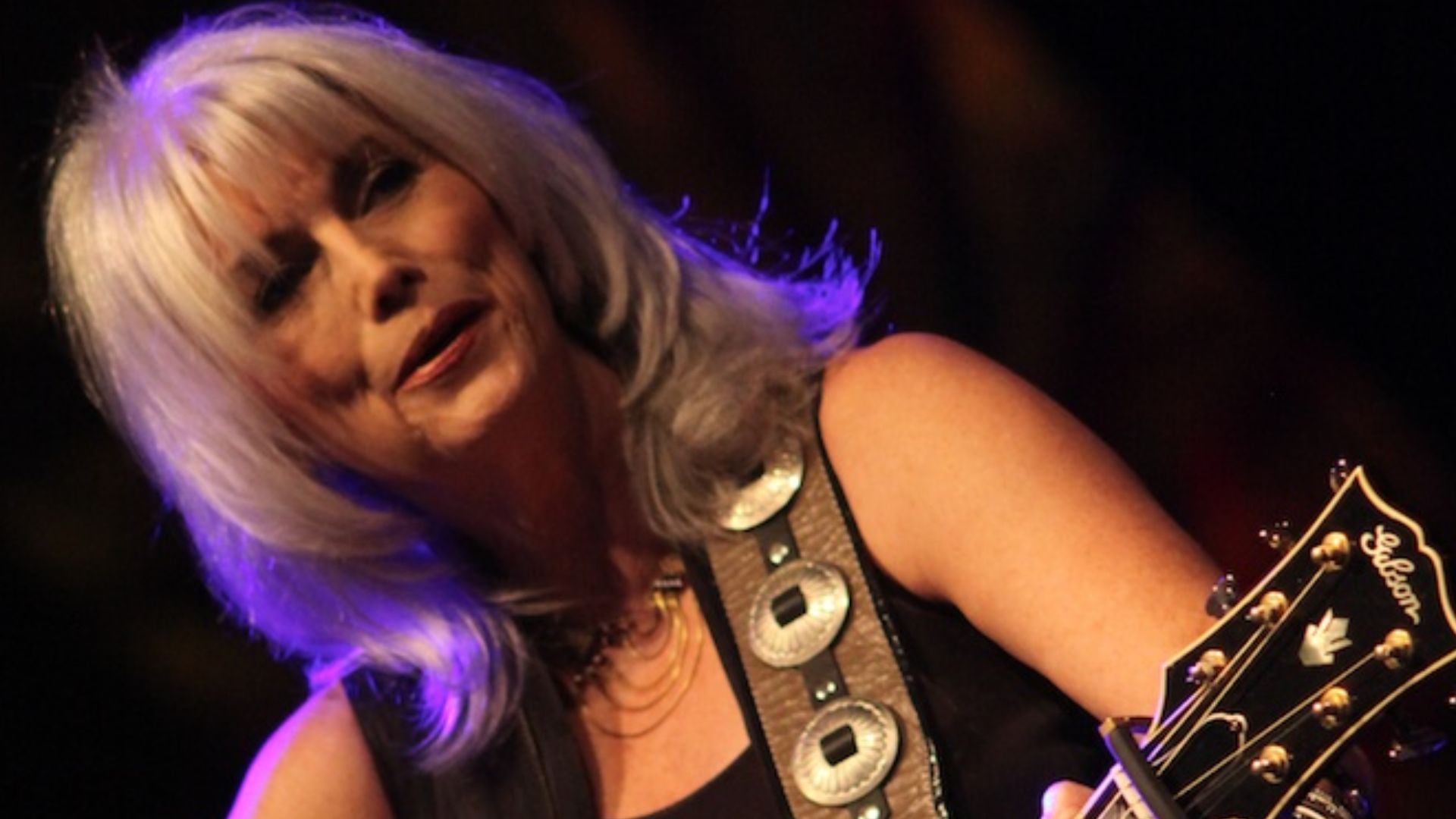
Don Williams and Emmylou Harris brought an unusually quiet touch to Townes Van Zandt’s “If I Needed You". There is no giant vocal showdown and no theatrical heartbreak. The restraint is the appeal. Their 1981 version reached No 3 in the United States and topped Canada’s country chart.
 Penguinstorm at en.wikipedia, Wikimedia Commons
“What Are We Doin’ In Love” Brought The Old Chemistry Back
By 1981, Dottie West and Rogers already had a history of successful duets, so “What Are We Doin’ in Love” felt like a familiar pairing stepping into a new mess. This time, the joke is that affection has gotten ahead of common sense. Country listeners embraced the confusion, sending the song to No 1.
“We’ve Got Tonight” Let Sheena Easton Change The Mood
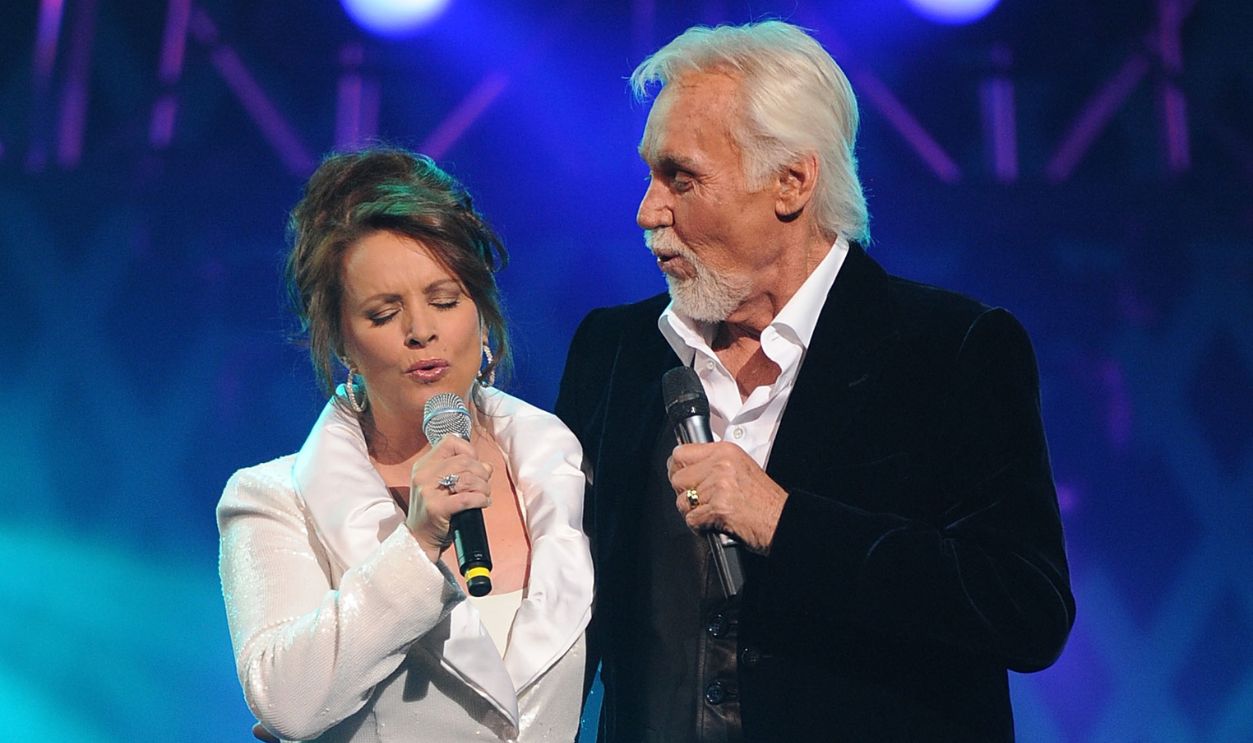
Sheena Easton gave “We’ve Got Tonight” a different texture from Rogers’ country pairings with West. The song is built around two lonely adults choosing companionship without pretending it will last forever. Their 1983 version topped the country chart while also finding a large pop and adult-contemporary audience.
“Islands In The Stream” Worked Because Dolly Could Match Him Completely
Dolly Parton did not sound like a guest on “Islands in the Stream.” She sounded like the only possible person who could answer every line with the same force. Written by the Bee Gees, the 1983 single topped both the country chart and the Billboard Hot 100 and became far bigger than either genre label.
 Beth Gwinn/Redferns, Getty Images
“Nobody Loves Me Like You Do” Was Made For Slow Dancing
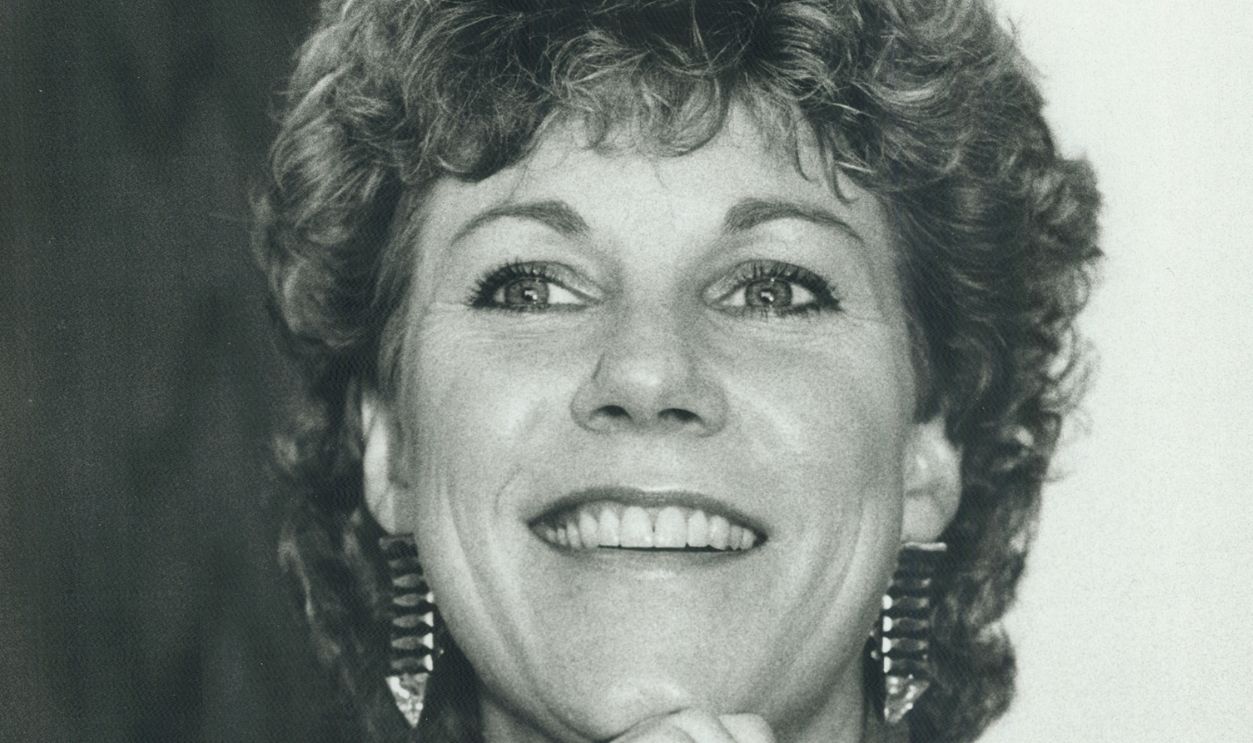
Anne Murray and Dave Loggins did not need irony or heartbreak. “Nobody Loves Me Like You Do” is exactly what the title promises: a straightforward declaration of devotion. The 1984 single reached No 1 on the country chart, and the pairing later earned CMA recognition as Vocal Duo of the Year.
“Meet Me In Montana” Made A Second Chance Feel Earned
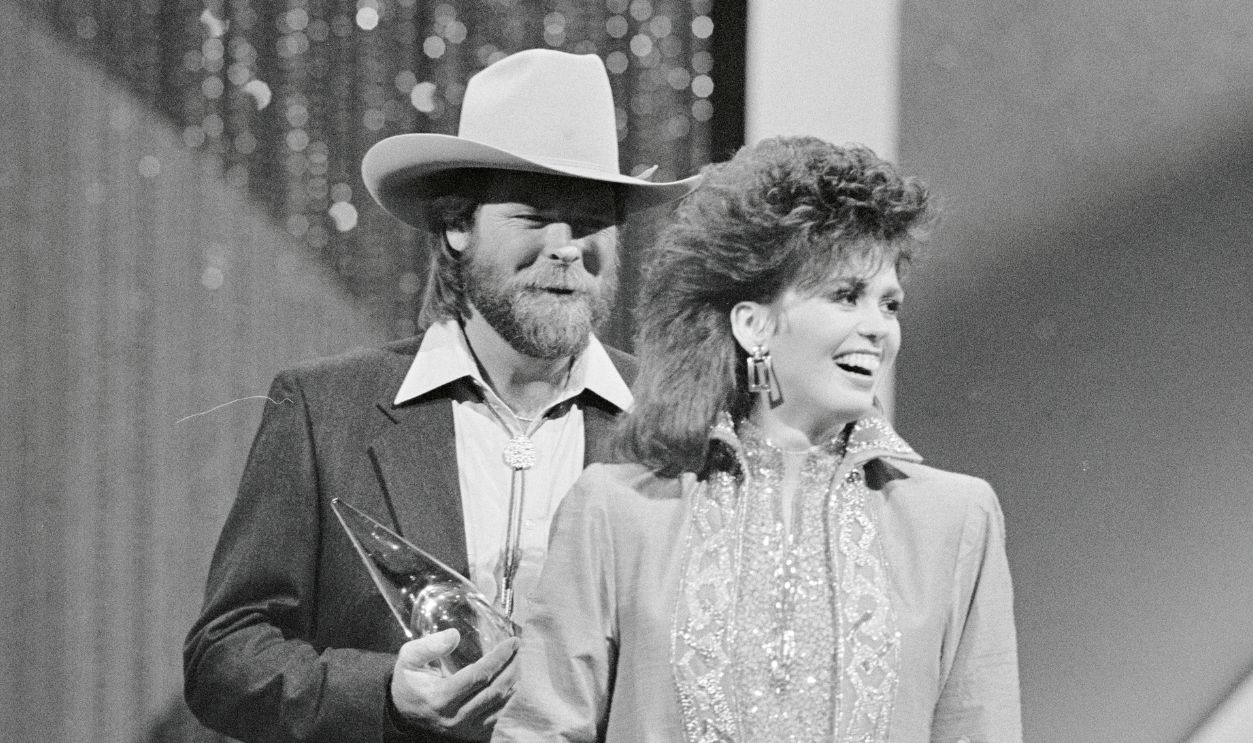
Dan Seals and Marie Osmond sing as two people who chased separate ambitions only to discover that success felt incomplete without each other. “Meet Me in Montana” turns reunion into the destination. The 1985 single reached No 1, and Seals and Osmond won the 1986 CMA award for Vocal Duo of the Year.
The Best Duets Let Both People Have A Point Of View
The magic was rarely just harmony. A great country duet gave each singer something to defend, confess, promise, or regret. That made the listener feel caught between two people instead of simply hearing one person describe a relationship. Even when the couple was doomed, both voices made the story feel alive.

You May Also Like:
Classic Country Singers From The 1970s Whose Wholesome Images Hid Much Wilder Lives
Musicians Who Appeared In Famous Songs Without Most Listeners Ever Knowing
Forgotten Rock Frontmen From The 1970s Who Once Seemed Larger Than Life
Sources: 1, 2, 3, 4, 5, 6, 7, 8, 9, 10, 11, 12, 13, 14, 15, 16, 17, 18, 19, 20, 21