Rock's 1970s landscape was crowded with giants.
These performers once commanded enormous attention, and revisiting them reveals just how crowded the decade really was.
 Michael Putland / Getty Images
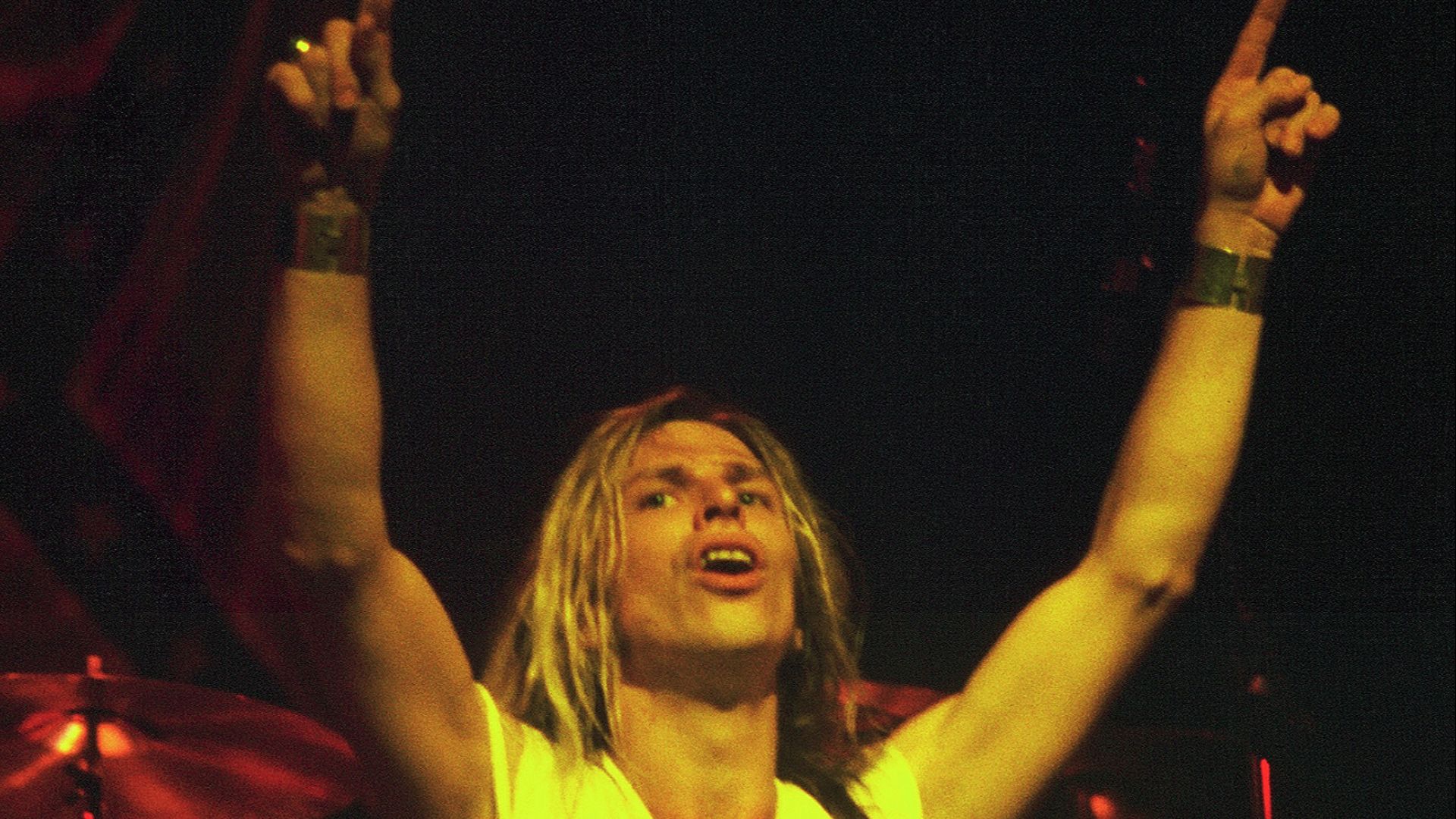
Jim Dandy Mangrum Was Impossible To Ignore
Black Oak Arkansas frontman Jim "Dandy" Mangrum turned Southern rock into theater with waist-length hair, a rasping voice, and a stage presence built for huge outdoor crowds. The band placed 10 albums on the charts during its peak years, while its 1973 version of "Jim Dandy" reached the Billboard Top 40. His wild performing style was later cited as an influence on much bigger frontmen who followed.
 Jim Summaria, http://www.jimsummariaphoto.com, Wikimedia Commons
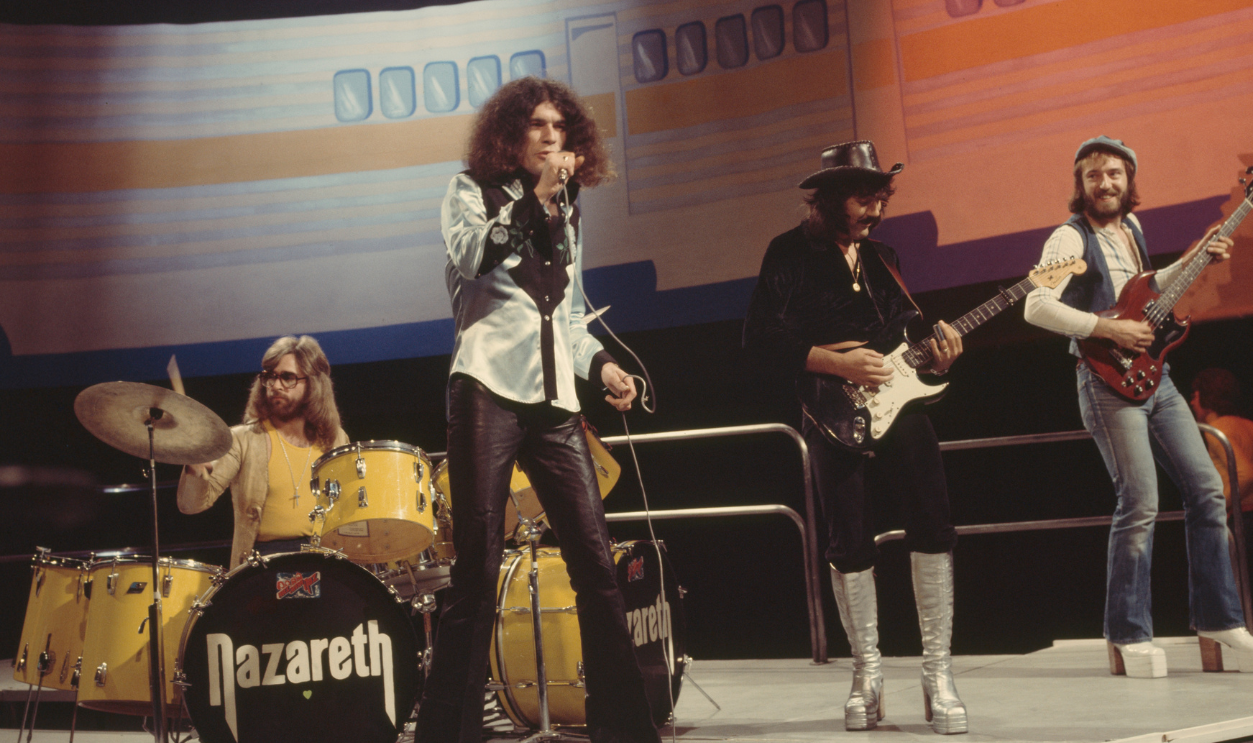
Dan McCafferty Could Rattle The Walls
Nazareth's Dan McCafferty possessed one of the decade's most instantly identifiable voices, capable of moving from quiet passages to a tremendous hard-rock roar. Hair of the Dog gave the Scottish band its international breakthrough, and a run of successful American albums followed. McCafferty remained Nazareth's voice for decades, but the singer behind those records is now less familiar to casual listeners than the songs themselves.
Lonesome Dave Peverett Made Foghat Move
Dave Peverett left Savoy Brown with drummer Roger Earl in 1971 and helped build Foghat around a thundering blend of British rock and American blues. By the middle of the decade, Fool for the City and Foghat Live had turned the band into one of America's most dependable concert attractions. Peverett's good-humored swagger was at the center of it all, even if his name eventually became less famous than "Slow Ride."
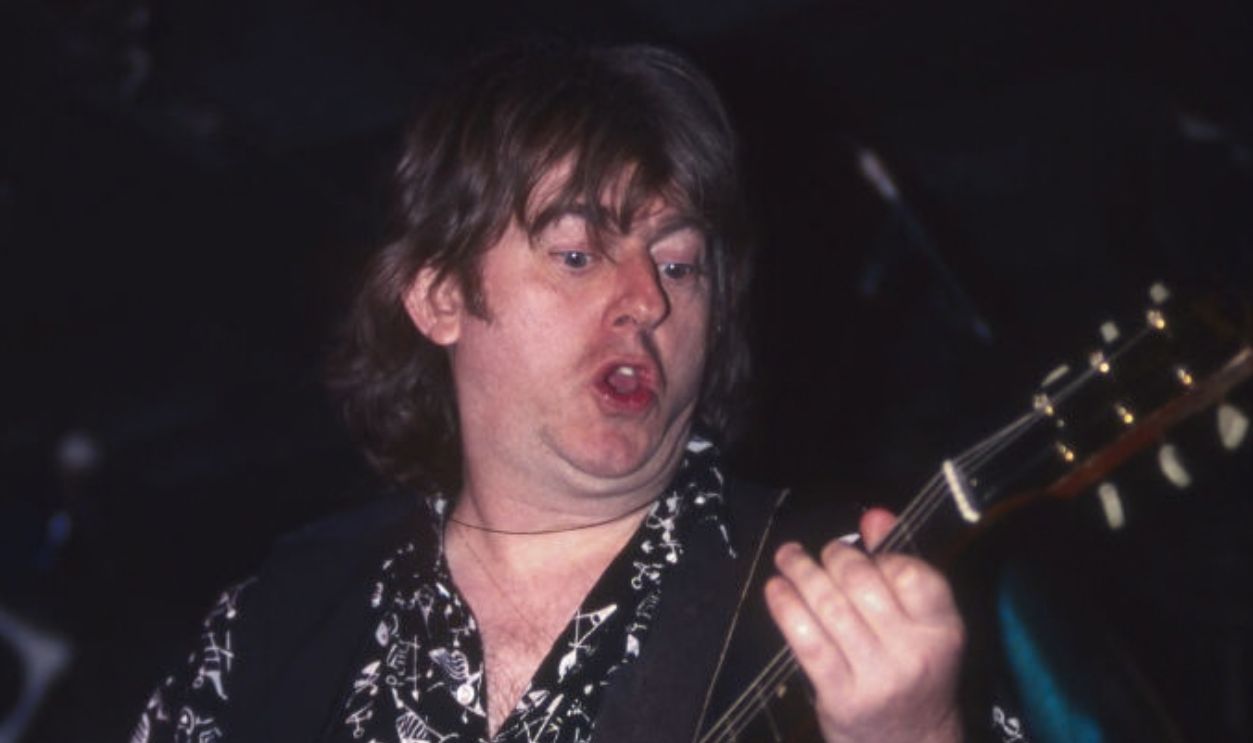
Steve Marriott Had A Giant Voice
Steve Marriott was physically small, but almost nothing about his singing sounded restrained. After leaving Small Faces, he formed Humble Pie with Peter Frampton and spent the early 1970s filling large American venues with stripped-down, aggressive rock. Later generations of British musicians continued citing Marriott as an enormous influence long after his own commercial peak had passed.
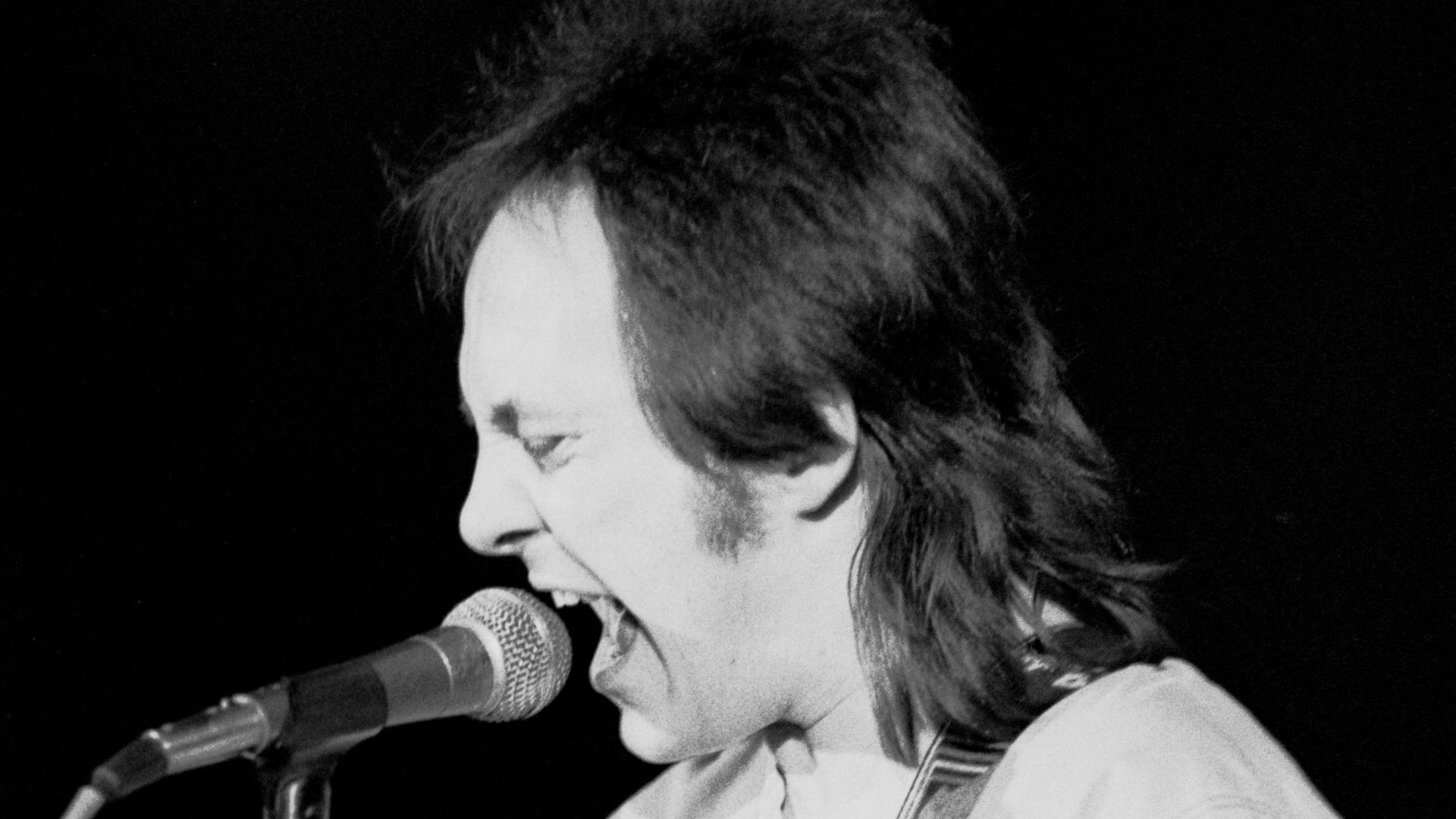
Phil Mogg Made UFO Dangerous
Phil Mogg spent more than four decades fronting UFO, but the band's 1970s incarnation remains the one that built its mythology. With Michael Schenker on guitar, UFO became an influential bridge between blues-rooted hard rock and the heavier British bands that followed. Mogg's dry charisma and tough vocals gave all that guitar fire a human center.
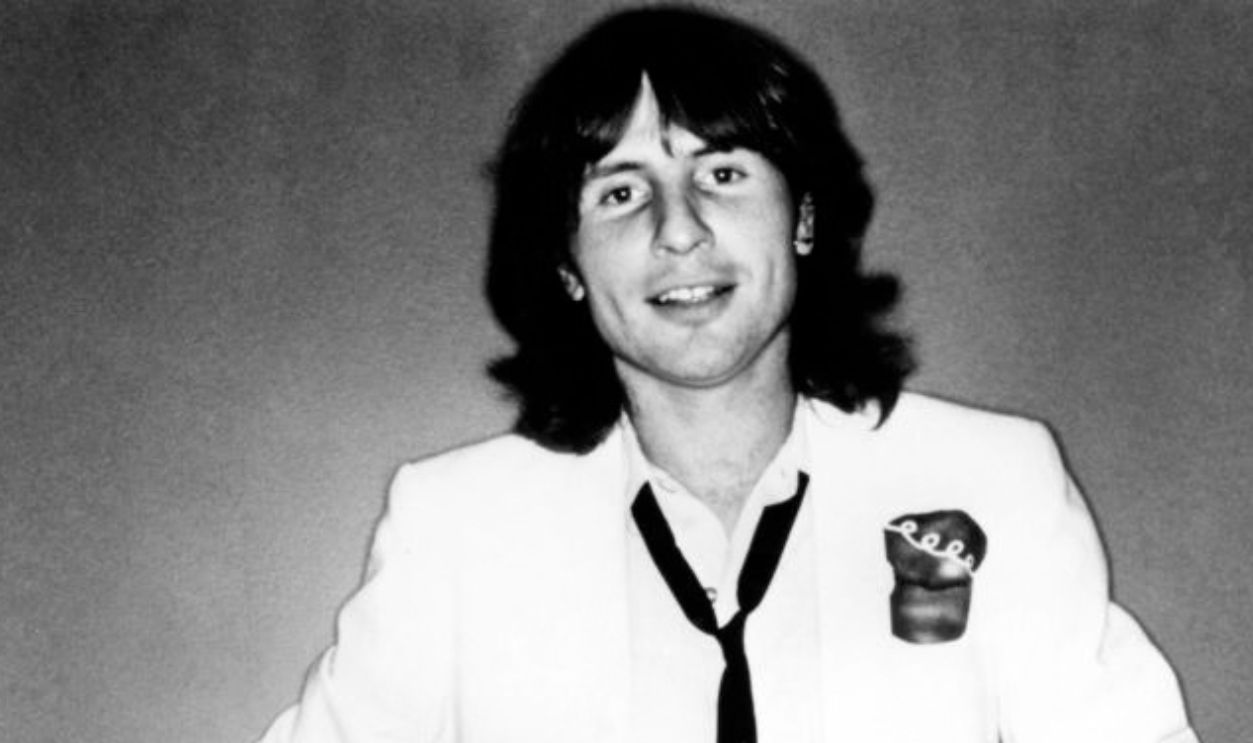
David Byron Gave Uriah Heep Its Drama
David Byron was the voice of Uriah Heep during the band's breakthrough period, singing on the albums that established its grand, theatrical hard-rock sound. The band's official history places Byron at the center of the lineup from its formation in 1970 until his departure in 1976. His dramatic delivery helped make early Heep feel enormous, even when today's casual rock listener is more likely to know the band name than Byron's.
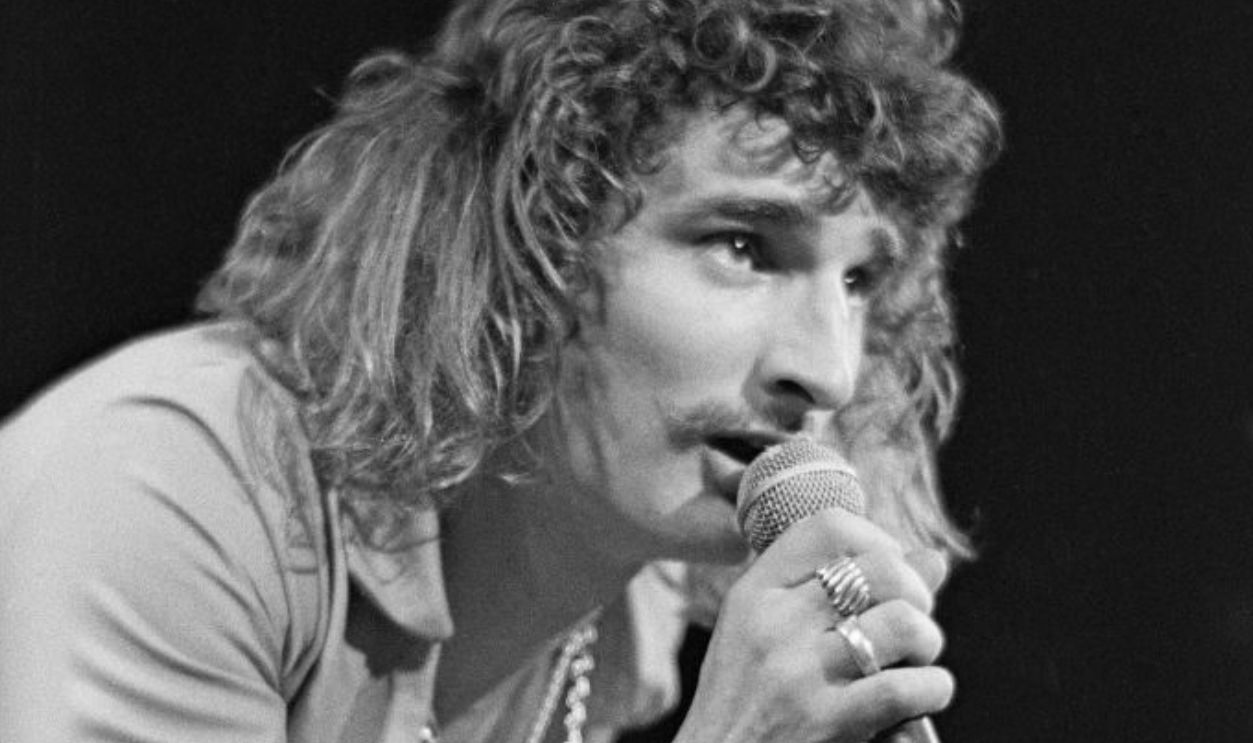
Burke Shelley Made Budgie Punch Above Its Weight
Welsh trio Budgie never became as commercially huge as several bands it influenced, but frontman and bassist Burke Shelley helped create a sound that traveled far beyond the group's chart position. Their 1974 album In for the Kill! reached the British Top 30, and later heavy-rock musicians repeatedly acknowledged the band's importance. Shelley's high, cutting voice made Budgie sound far larger than three people.
Dave Cousins Led Rock's Strangest Folk Transformation
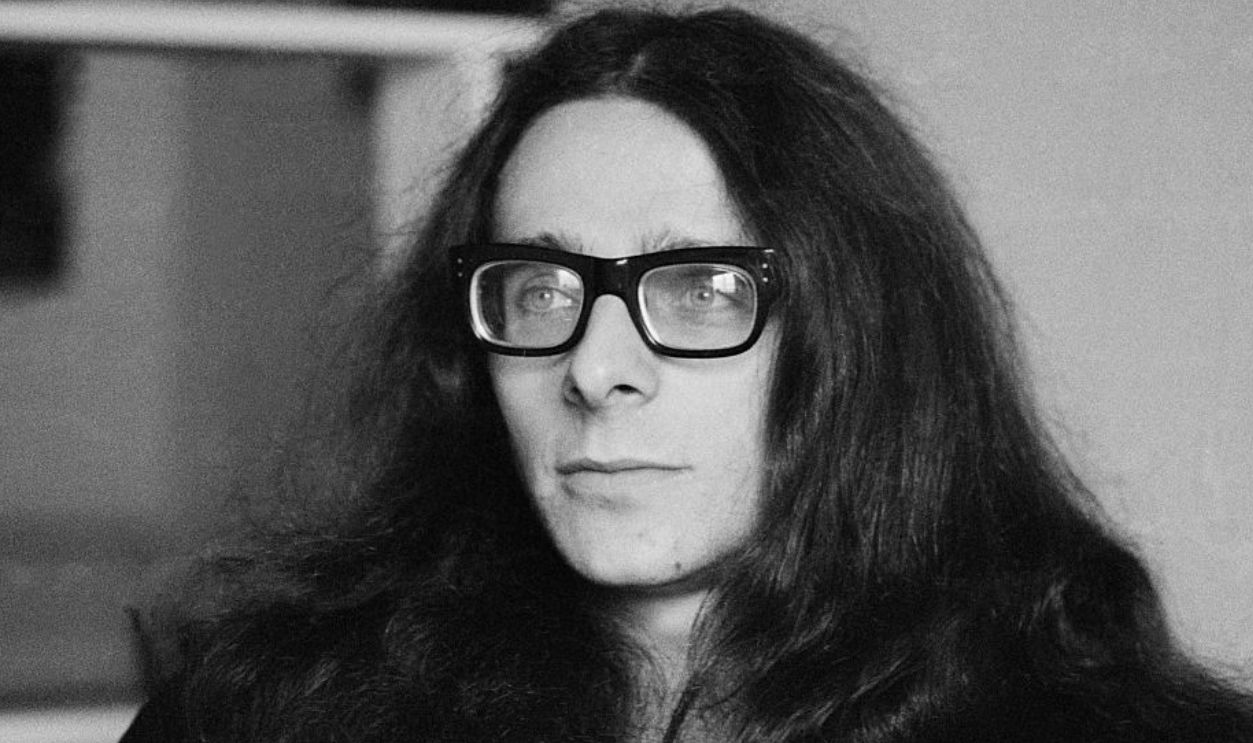
Dave Cousins began with acoustic roots, but Strawbs gradually transformed into an ambitious progressive-rock group during the early 1970s. The band's own history identifies Cousins as its founder, lead singer, and essential figure. For a brief period, Strawbs moved easily between folk clubs, album-rock audiences, and major British chart success.
Gary Brooker Gave Procol Harum Its Gravitas
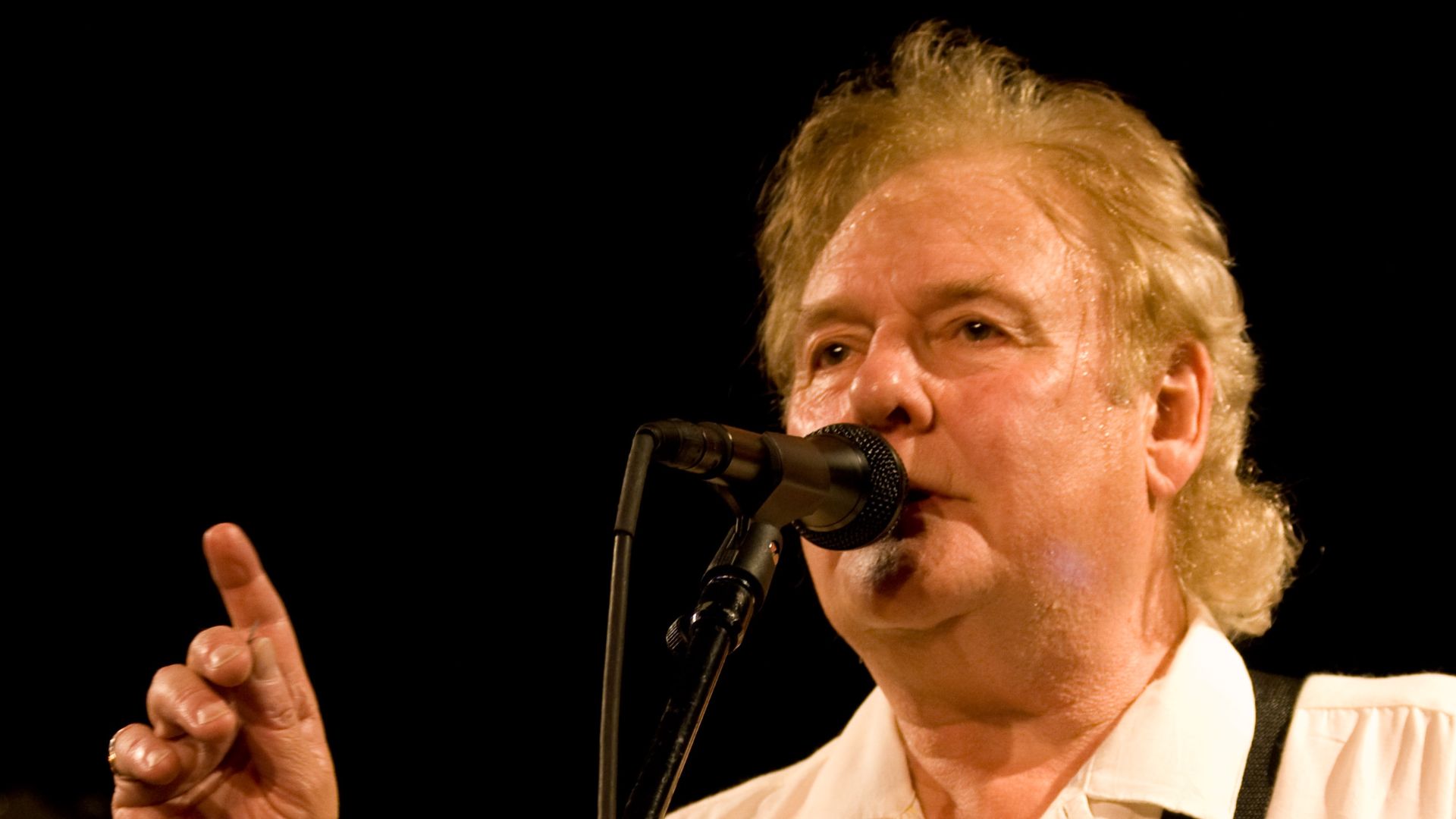
Gary Brooker had already sung one of the 1960s' most enduring records with "A Whiter Shade of Pale," but Procol Harum remained a major album band into the following decade. His blues-inflected voice and stately piano playing gave the group a seriousness that separated it from many progressive contemporaries. Brooker kept the band's identity alive for decades, even as his own name faded behind its most famous recordings.
 Chrysalis Records, Wikimedia Commons
Noddy Holder Once Ruled British Rock
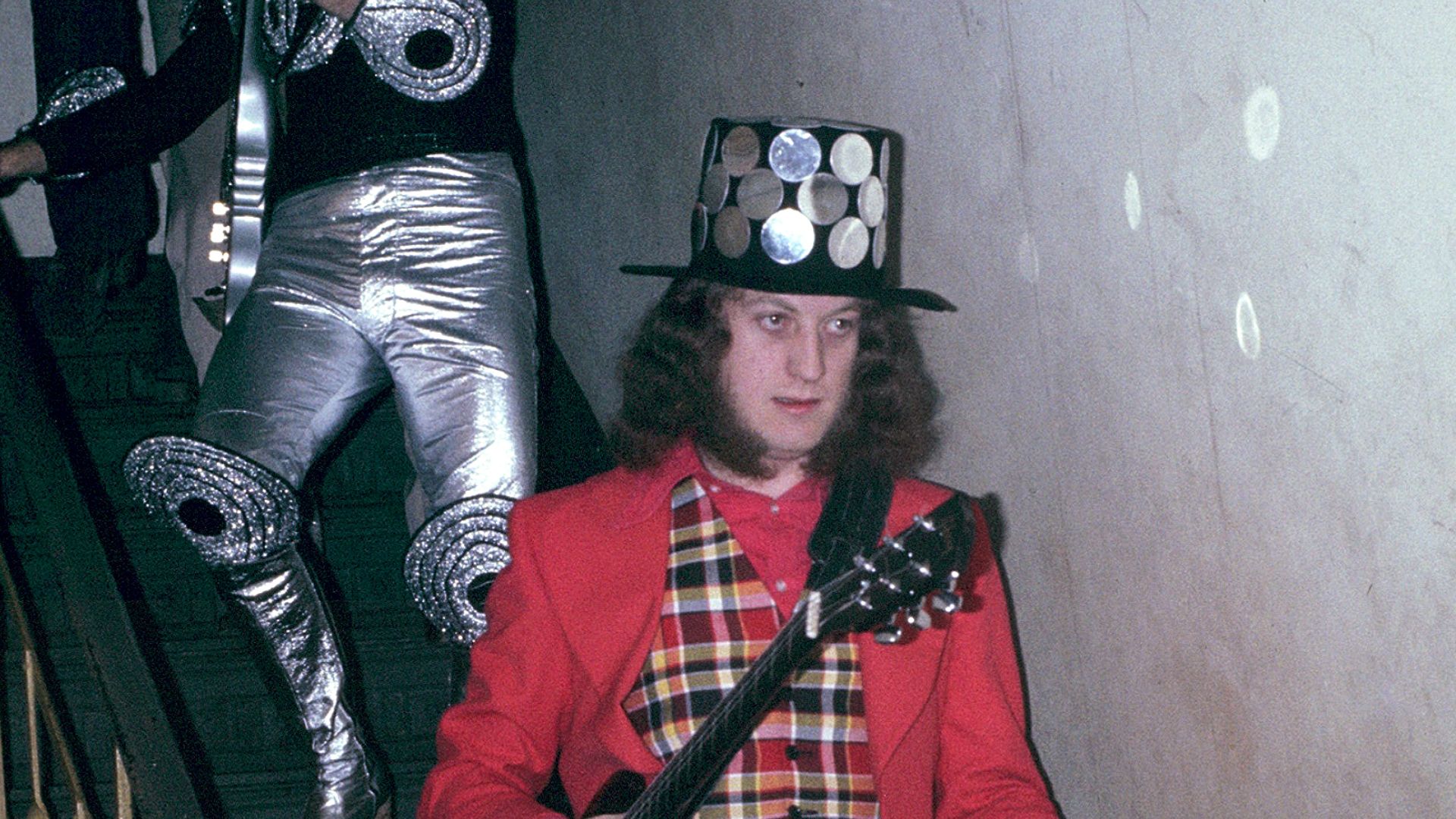
For several years, Slade seemed practically unavoidable in Britain. Noddy Holder's colossal voice, extravagant clothes, and unmistakable sideburns fronted a run that included six British No. 1 singles during the band's peak period. He later joked that younger audiences increasingly associated him with one annual holiday hit, obscuring just how dominant Slade had once been.
 Jim Summaria, Wikimedia Commons
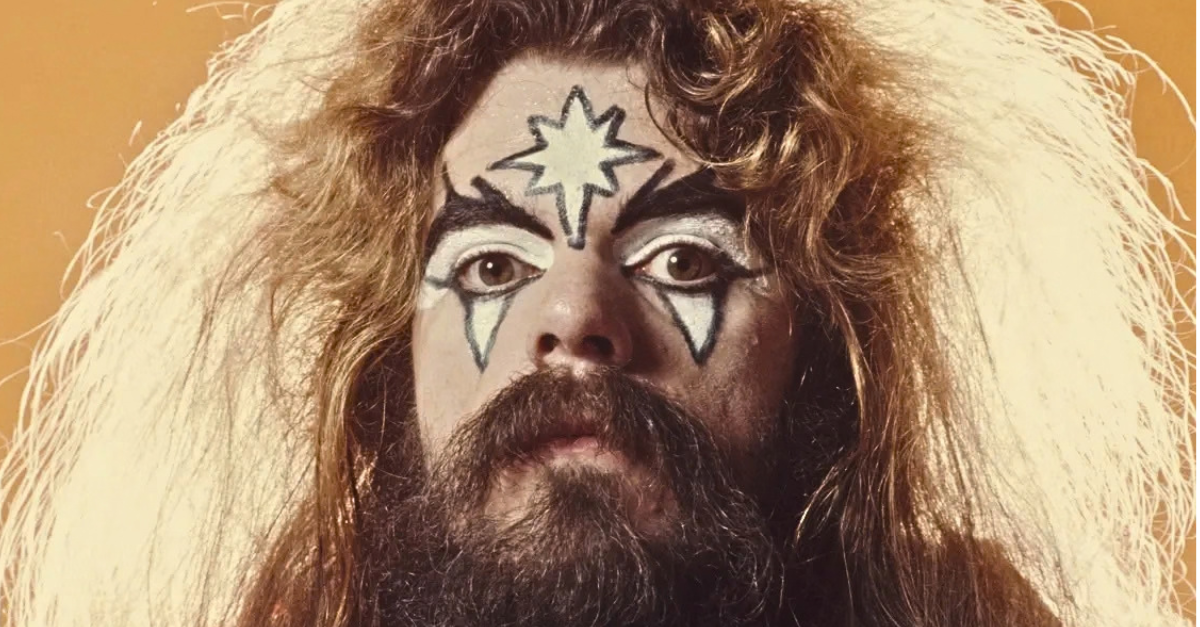
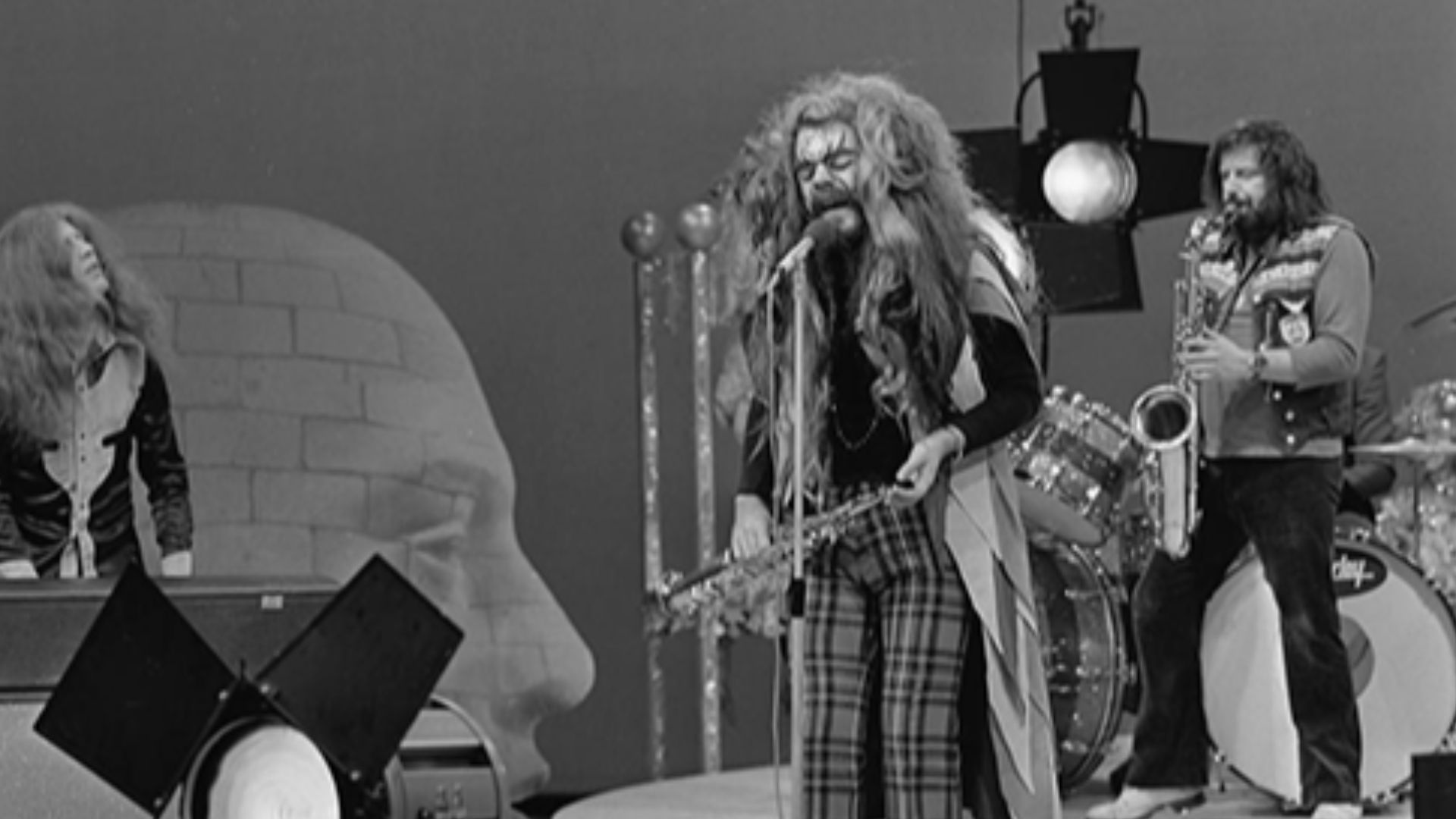
Roy Wood Looked Like Rock From Another Planet
Roy Wood moved from The Move into Electric Light Orchestra and then created the gloriously excessive Wizzard. As a singer, songwriter, producer, and multi-instrumentalist, he seemed able to construct entire bands around whatever idea interested him next. His wild appearance made him one of British television's most recognizable rock figures, yet later audiences often remember the groups without recognizing how much Wood built himself.
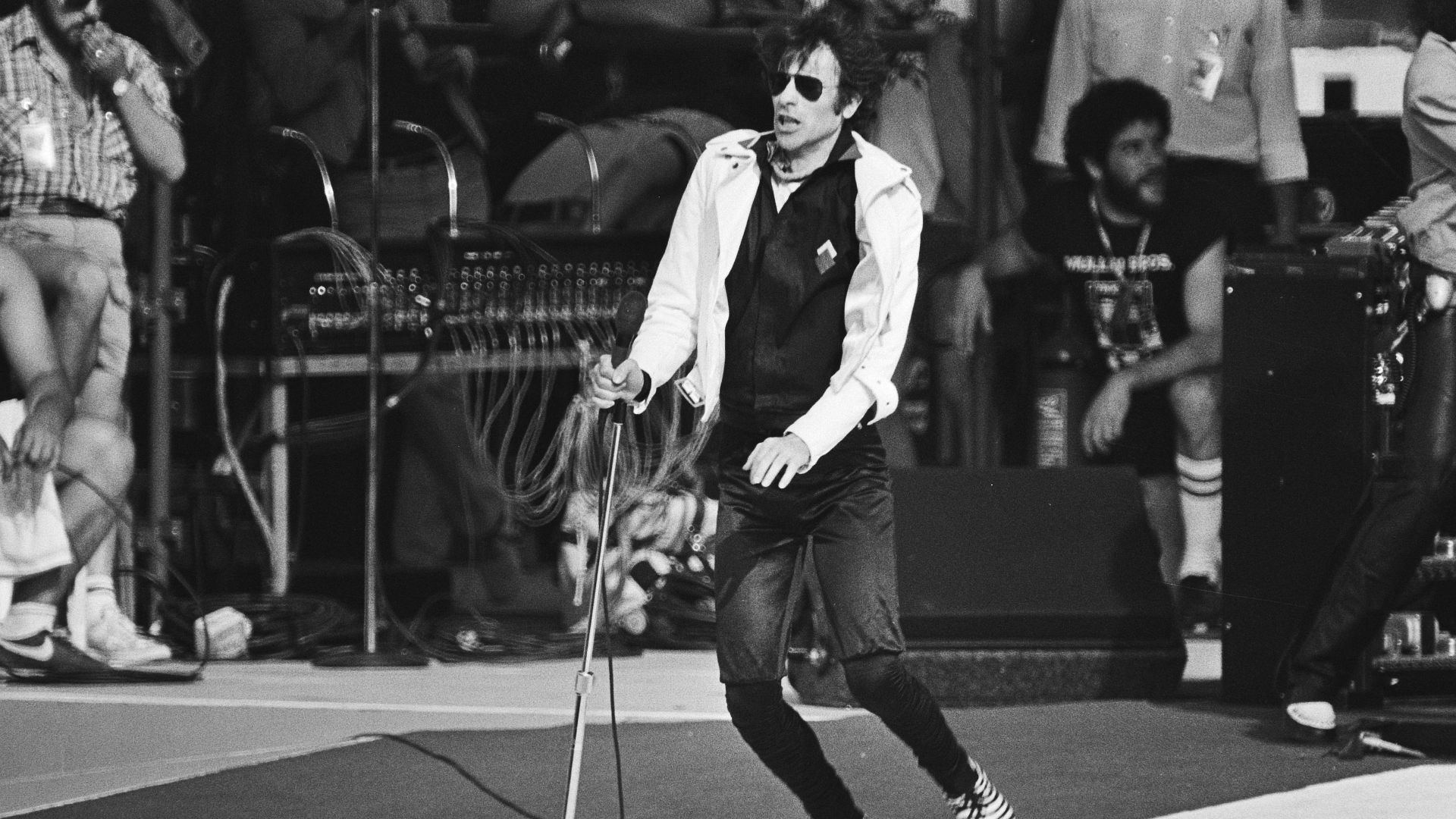
Peter Wolf Could Barely Stand Still
Before MTV made him nationally familiar in the early 1980s, Peter Wolf had already spent the 1970s turning J. Geils Band concerts into frantic rhythm-and-blues revues. The former Boston radio DJ developed a rapid-fire stage personality that could make a large venue feel like an overheated club. Recent retrospectives have argued that Wolf's place in American rock history has become strangely overlooked considering how commanding he once was.
 Marcel Antonisse / Anefo, Wikimedia Commons
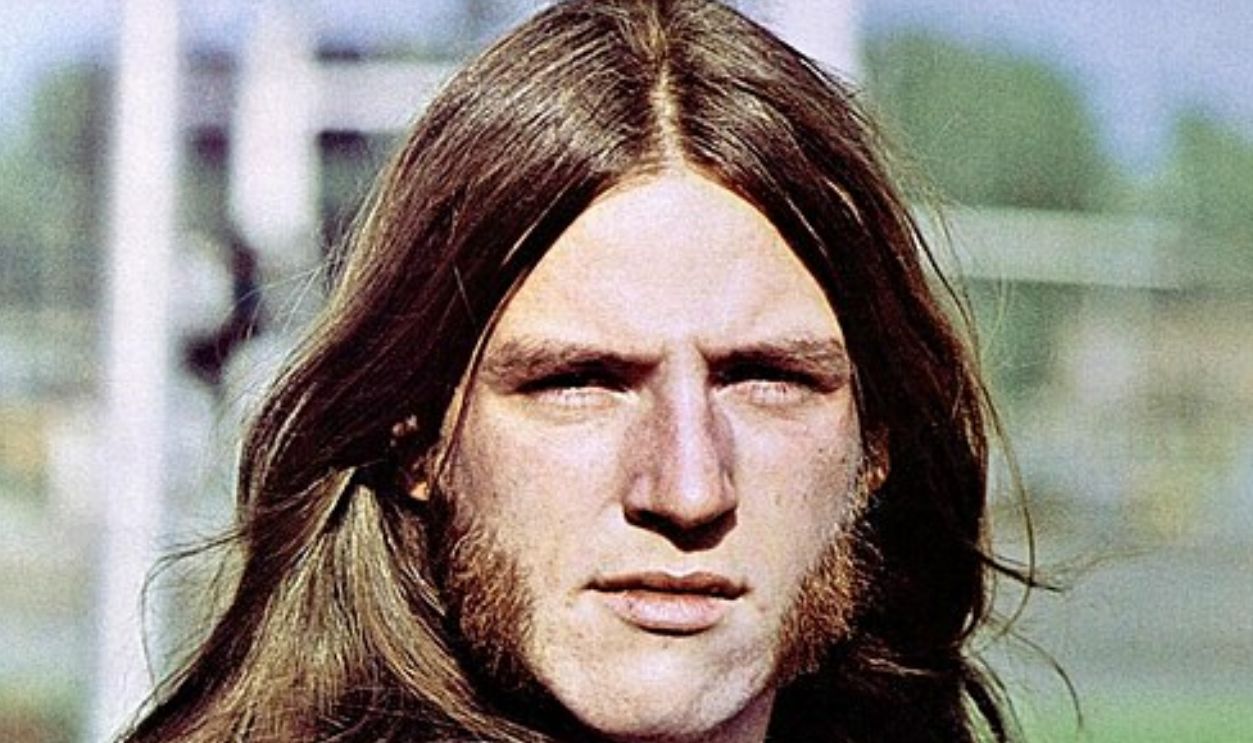
Mark Farner Was Grand Funk's Engine
Grand Funk Railroad's rise happened with astonishing speed, and Mark Farner stood at its center as singer, guitarist, and primary songwriter. The group moved from the 1969 Atlanta Pop Festival to chart-topping records and massive venues in only a few years. Farner's raw vocals and bare-chested stage intensity made him one of America's archetypal rock frontmen before the original group broke apart in 1976.
 Premier Talent Associates-on page 44., Wikimedia Commons
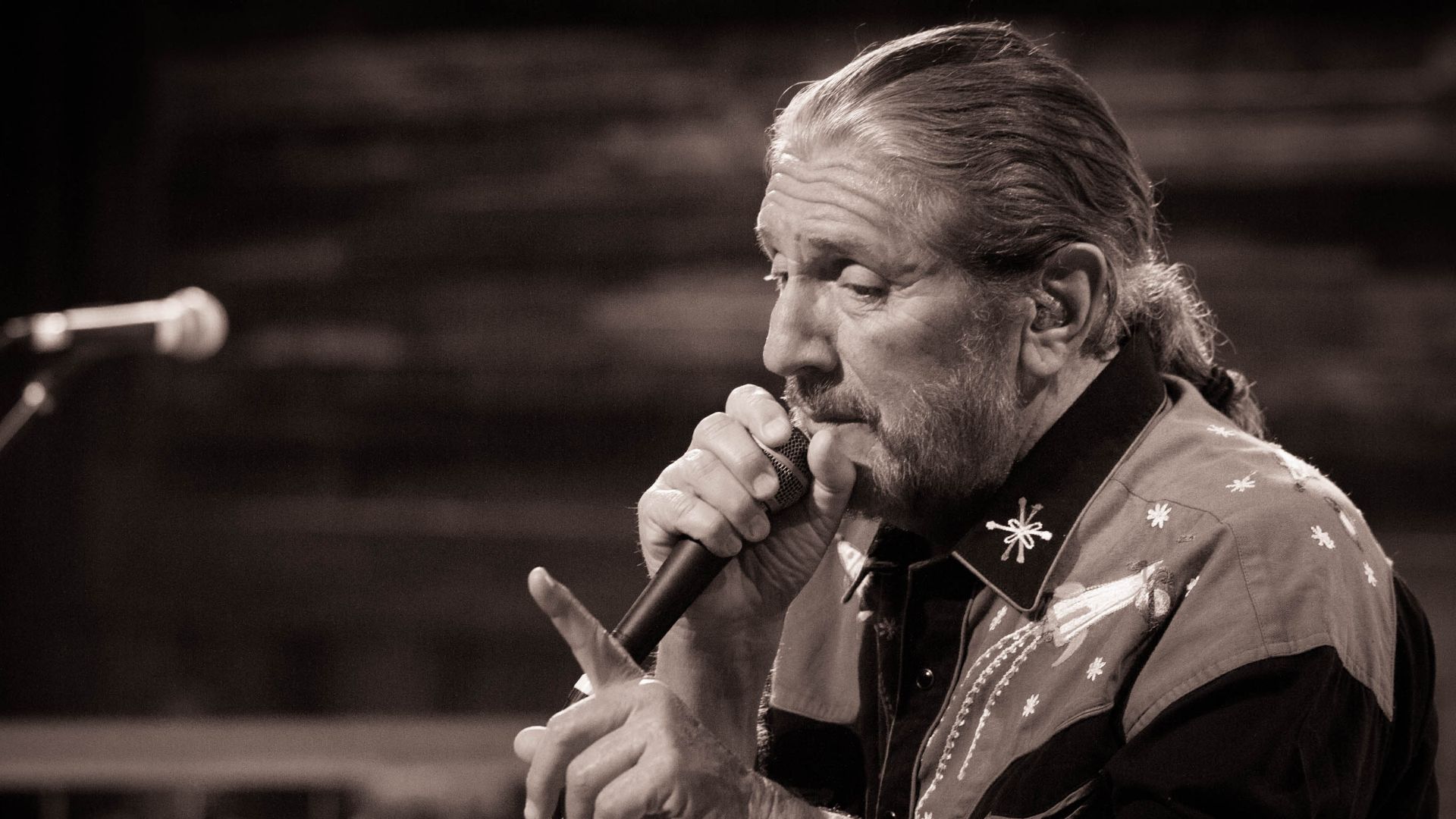
Doug Gray Became Southern Rock's Constant
The Marshall Tucker Band was always an ensemble, but Doug Gray became its enduring voice and eventually its bandleader. He has fronted the group since its beginnings, singing music that blended rock, country, blues, and jazz rather than fitting neatly into one category. During the 1970s, that mixture could draw enormous audiences, and Gray was the man standing in front of them.
 Republic Country Club, Wikimedia Commons
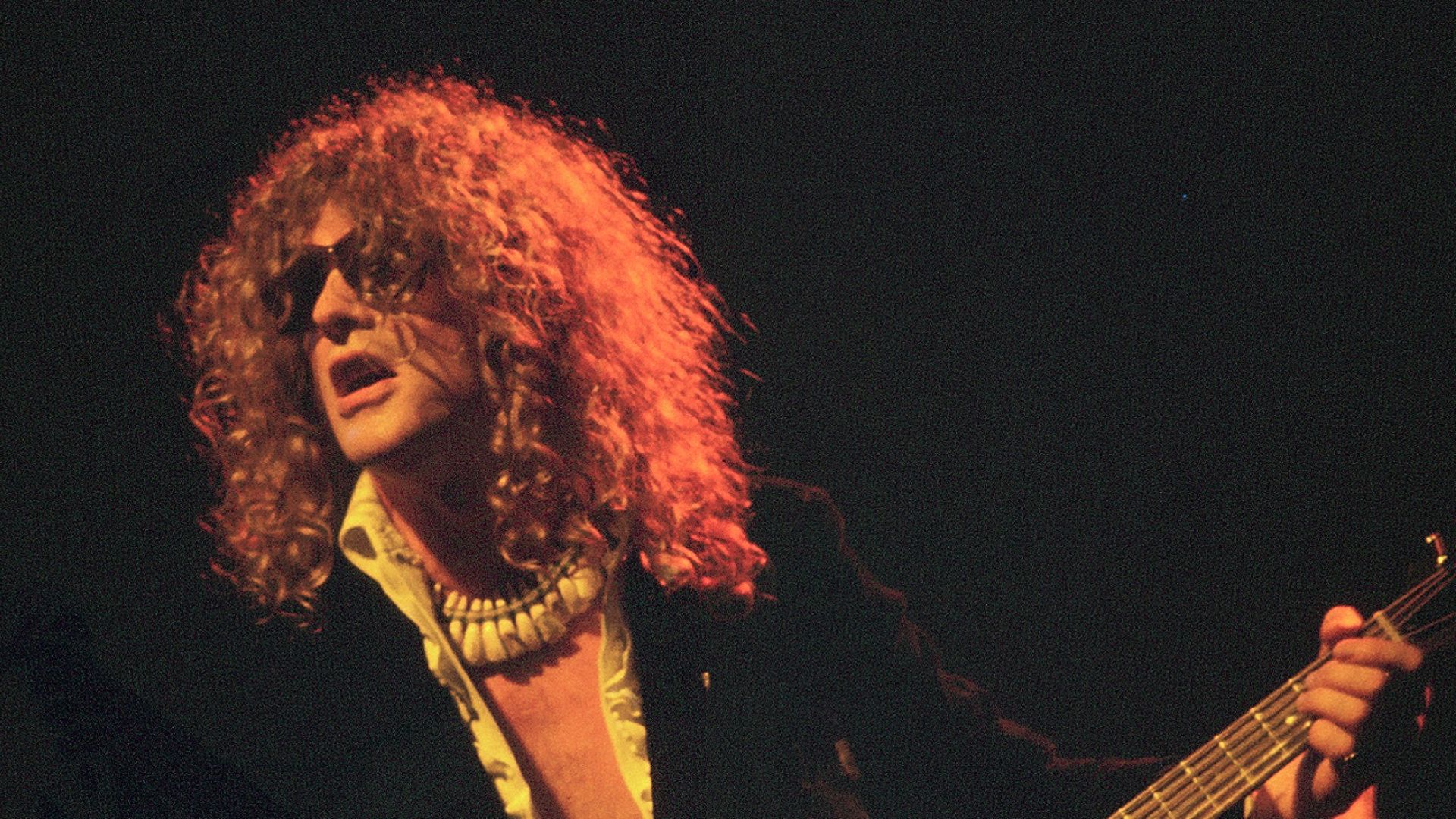
Ian Hunter Made Mott The Hoople Look Dangerous
Ian Hunter's dark glasses and severe stage presence made Mott the Hoople appear far tougher than its members claimed to be. David Bowie famously helped revive the struggling band with "All the Young Dudes," after which Mott developed a passionate following and several major British hits. Hunter later joked that Bowie initially thought he looked like the leader of a motorcycle gang.
 Jim Summaria, Wikimedia Commons
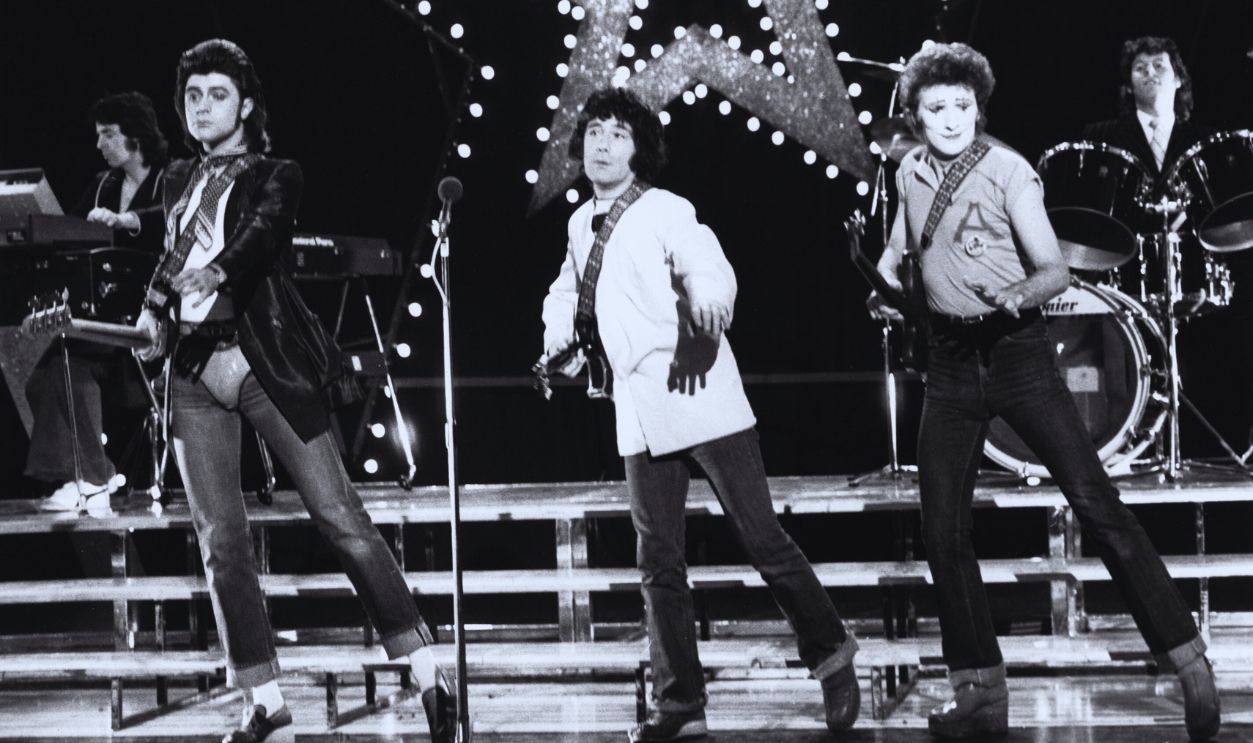
Alex Harvey Turned Concerts Into Theatre
The Sensational Alex Harvey Band occupied a strange place between hard rock, glam, cabaret, and outright performance art. Harvey stalked the stage like an actor playing an unpredictable character, while guitarist Zal Cleminson often appeared in exaggerated stage makeup beside him. The Glasgow singer became a cult hero whose influence lasted much longer than the band's comparatively brief commercial peak.
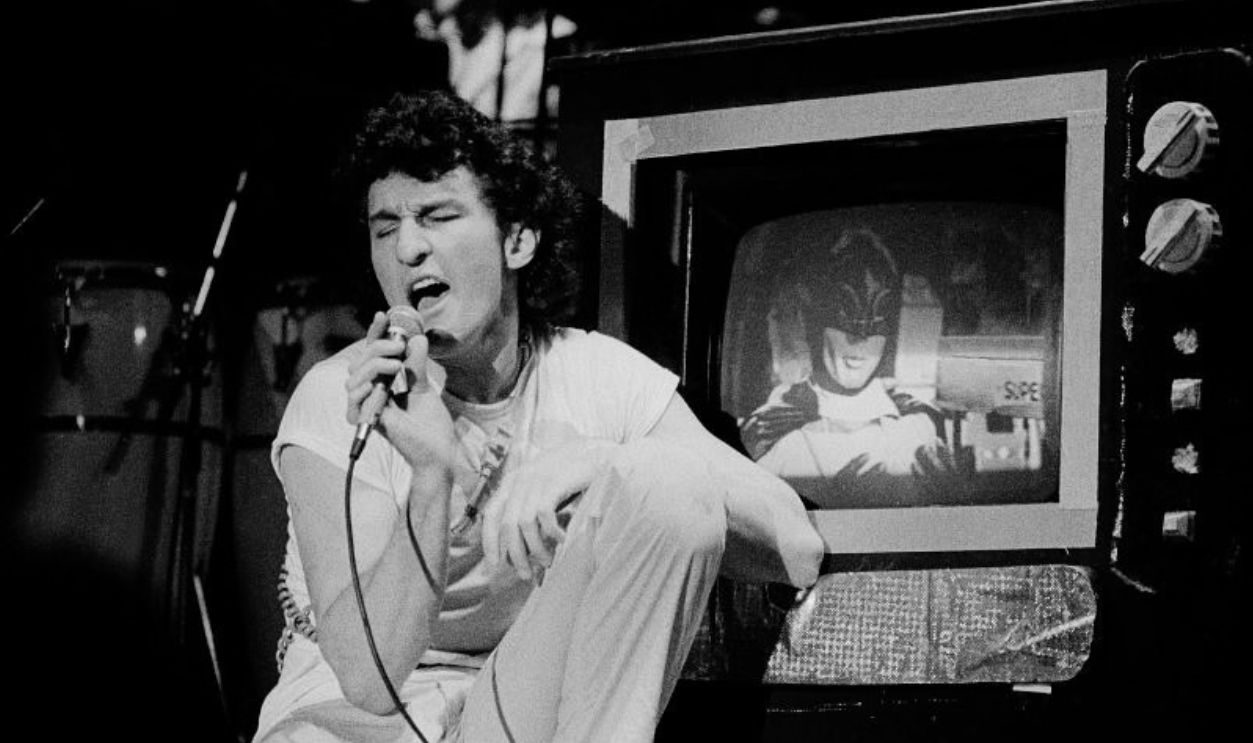
Fee Waybill Made The Tubes Spectacular
The Tubes did not simply perform songs. Fee Waybill adopted elaborate stage characters and helped turn the group's concerts into sprawling satirical productions inspired by movies, popular culture, and contemporary American life. Those theatrical shows made the band notorious in the 1970s even before its biggest commercial singles arrived later.
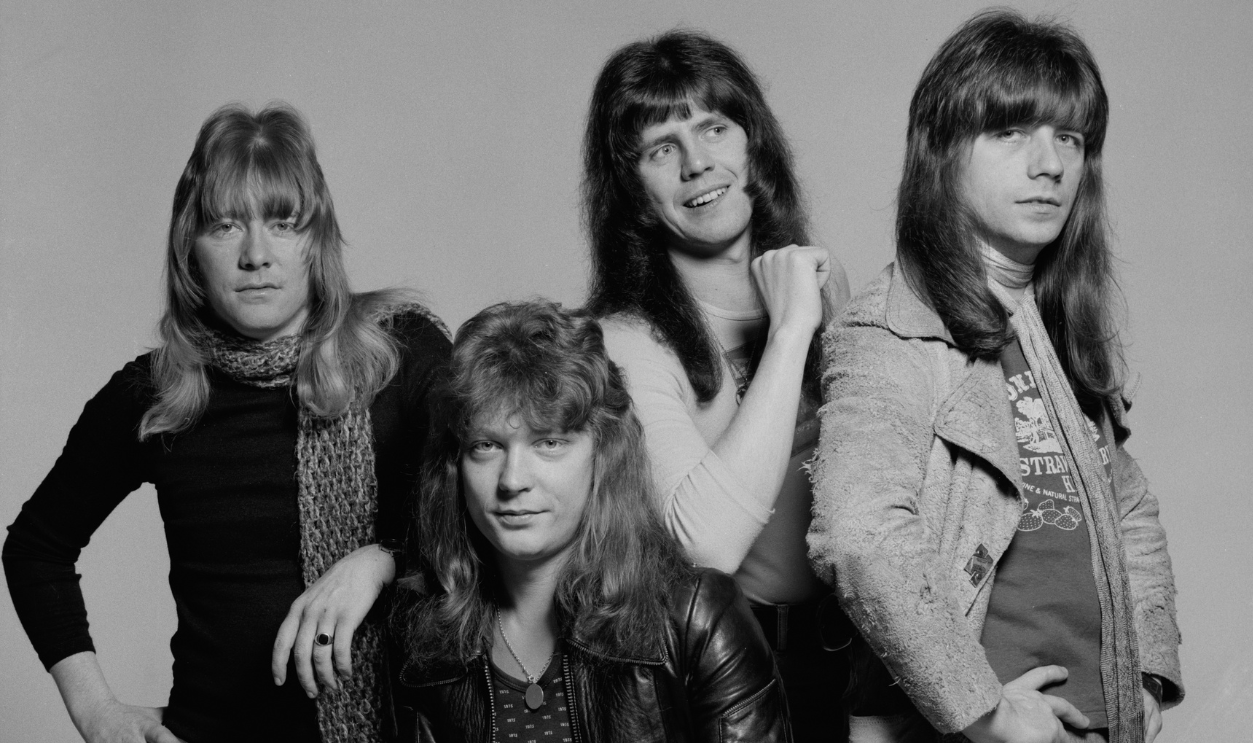
Brian Connolly Put A Face On Sweet
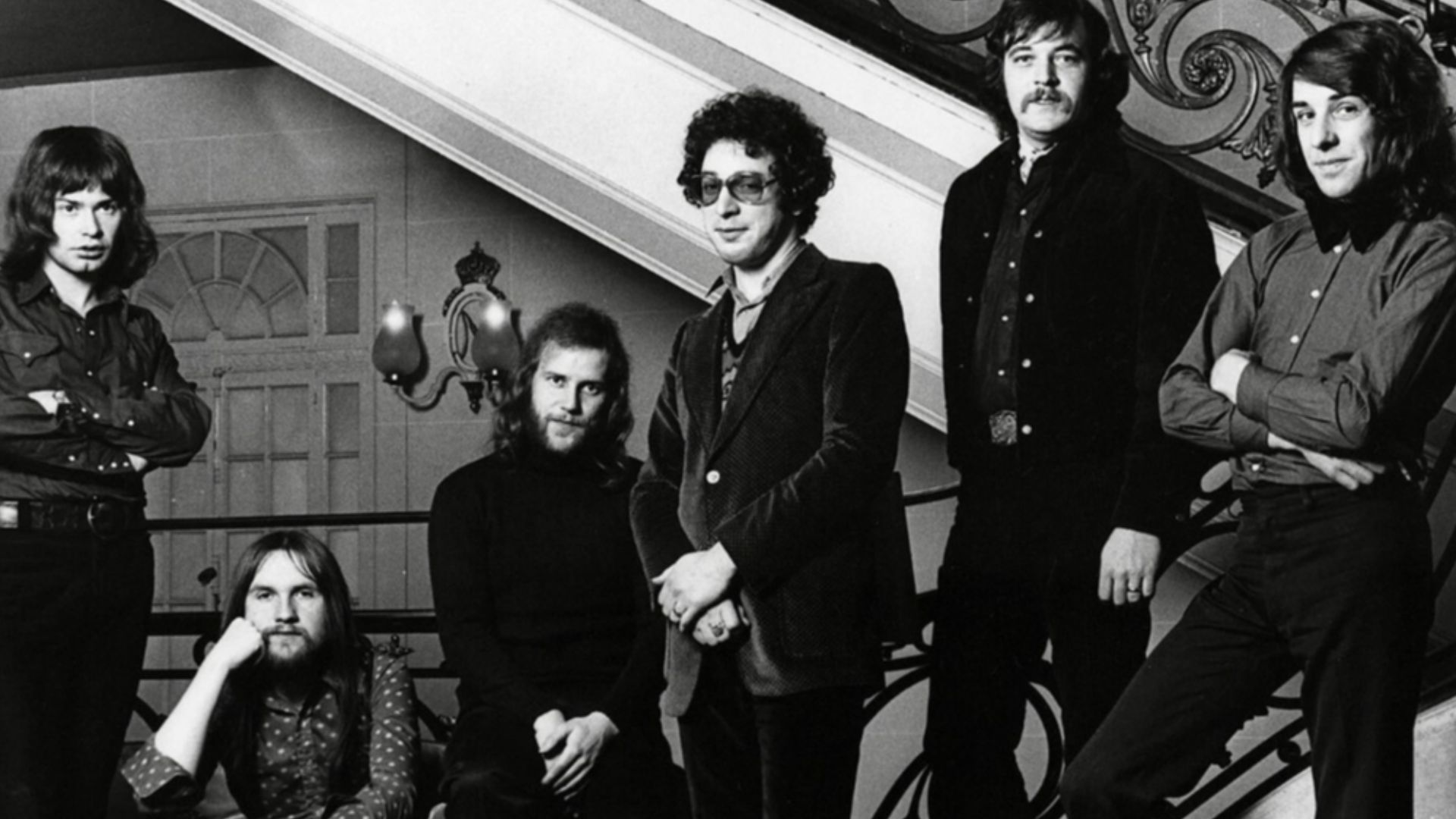
Sweet's records were built around enormous choruses and glam-rock spectacle, and Brian Connolly supplied the lead voice during the band's defining years. With guitarist Andy Scott, bassist Steve Priest, and drummer Mick Tucker, he helped drive a run of major hits that made the group unavoidable on British television. The surviving image of Sweet can sometimes overshadow just how central Connolly's soaring vocals were to its sound.
Les Gray Made Mud Look Like A Party
Mud produced 15 hit singles in roughly three years during the height of British glam. Frontman Les Gray leaned into the fun, leading performances full of theatrical costumes, comic gestures, and enormous hooks. "Tiger Feet" and "Lonely This Christmas" remain familiar in Britain, but the singer once attached to that string of hits is far less widely remembered.
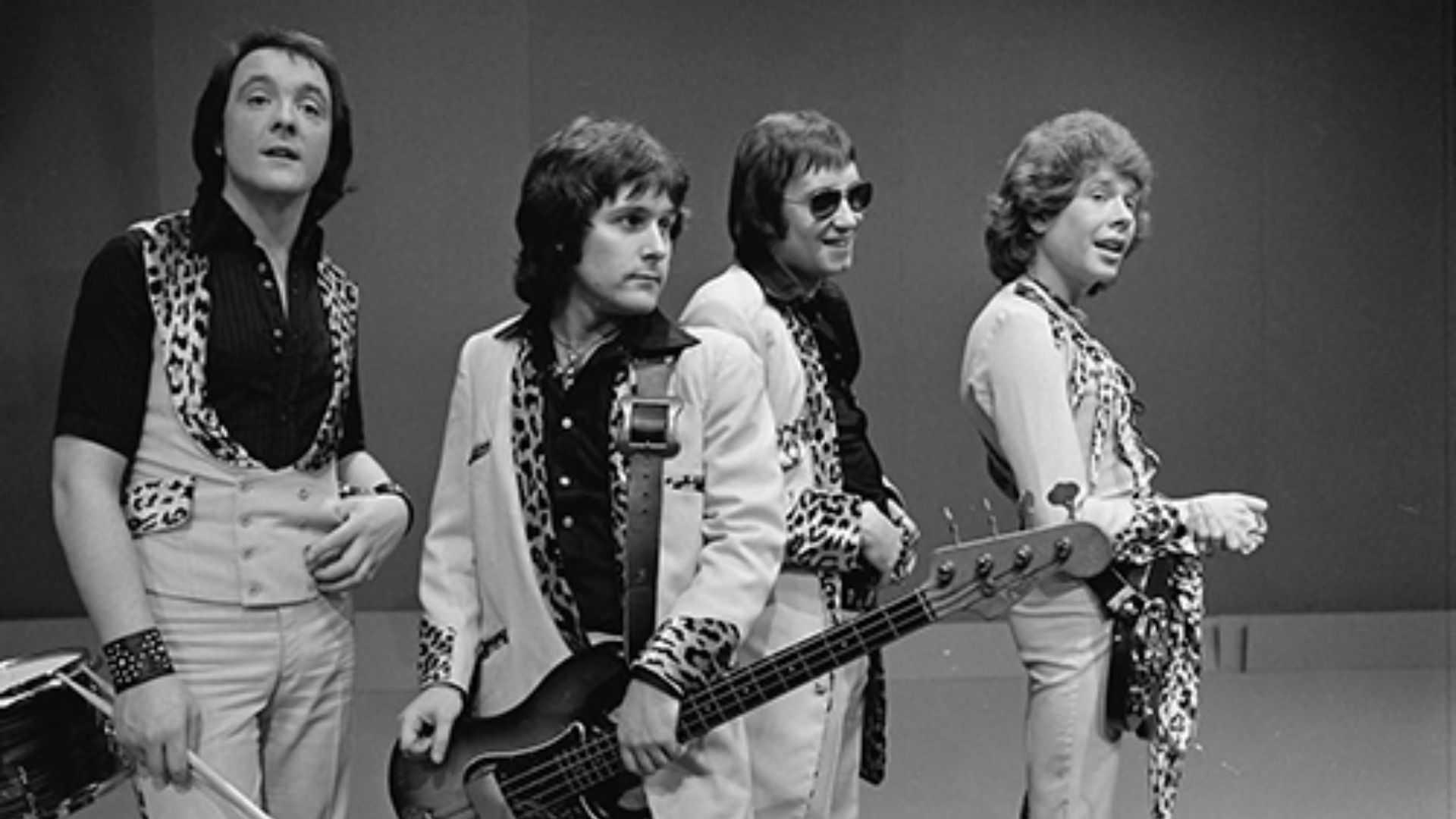
Ray Dorset Owned One Extraordinary Summer
Mungo Jerry's "In the Summertime" became a worldwide phenomenon in 1970, instantly turning singer and songwriter Ray Dorset into one of the most recognizable faces of the year. Dorset had written the song while still working a day job, with the melody first taking shape as he experimented on a guitar. Few frontmen ever experienced a faster leap from ordinary life to global recognition.
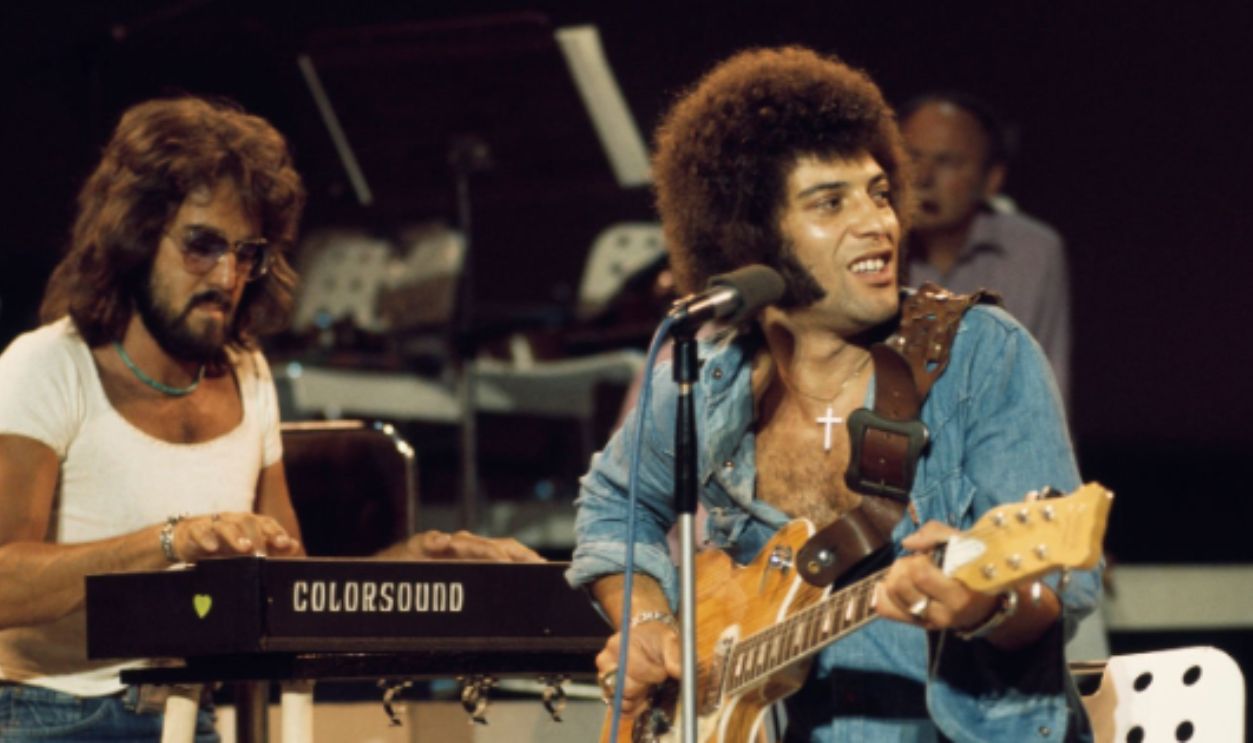
Steve Walsh Gave Kansas Its Voice
Kansas combined complex arrangements, violin, keyboards, and arena-rock choruses, but Steve Walsh's muscular singing helped hold the mixture together. He joined the group in 1972 and became the voice associated with songs including "Carry On Wayward Son" and "Point of Know Return." By the late 1970s, Kansas was one of America's biggest album-rock bands, though Walsh himself remained less famous than the music.
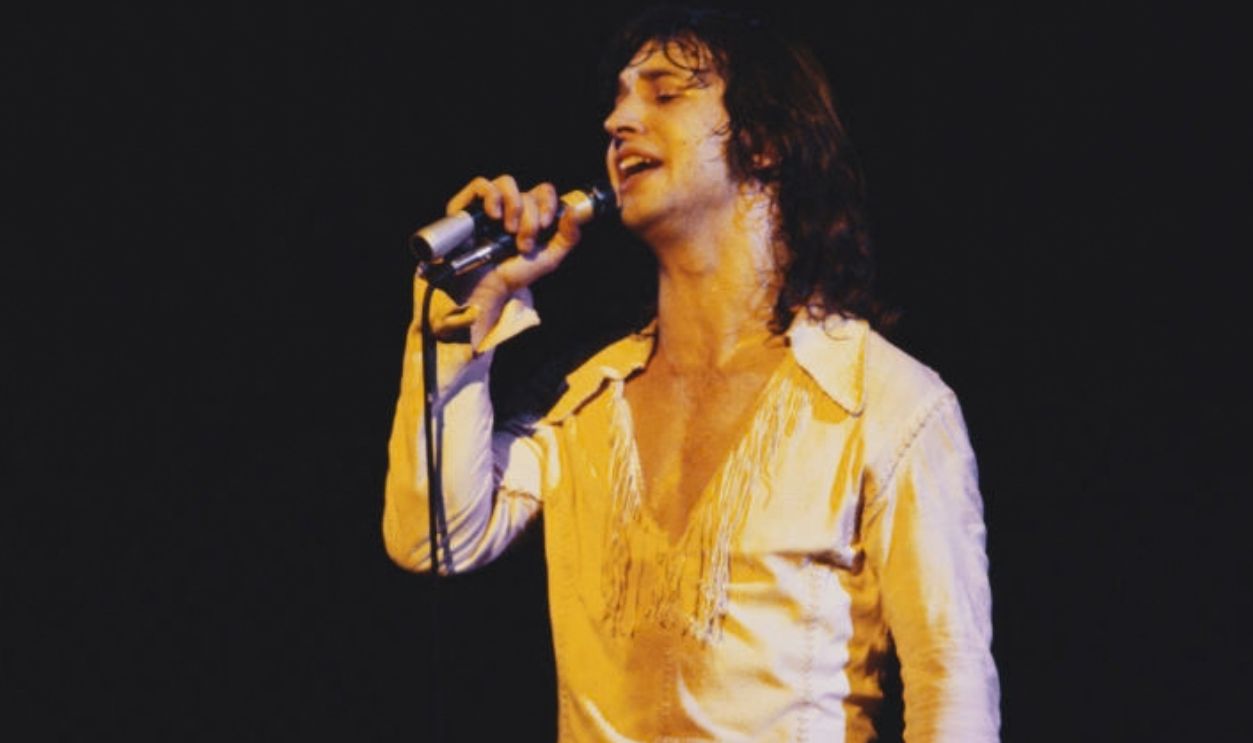
Randy Bachman Built A Second Empire
Randy Bachman had already conquered the charts with The Guess Who before starting again with Bachman-Turner Overdrive. BTO's 1974 album Not Fragile topped the American album chart, while "You Ain't Seen Nothin' Yet" went to No. 1 and the group became an enormous touring attraction. Bachman shared vocals with Fred Turner, but his guitar, songwriting, and onstage presence made him the public architect of the group's blue-collar identity.
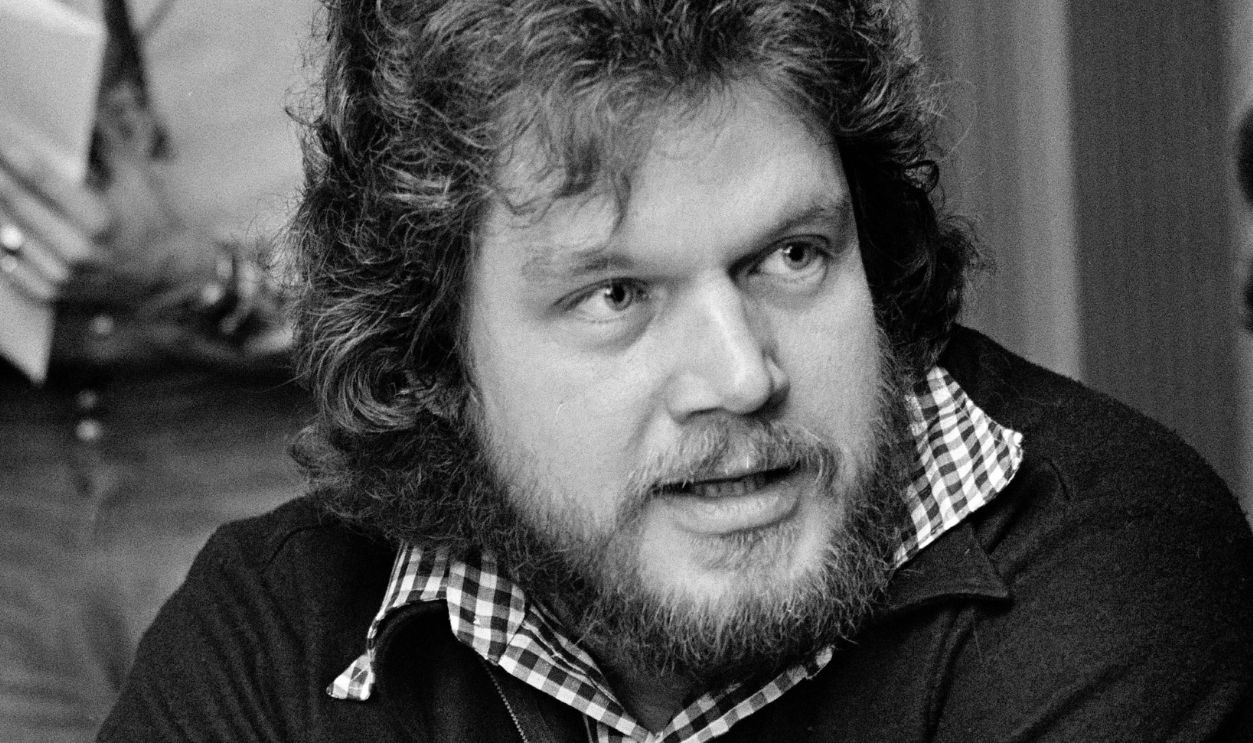
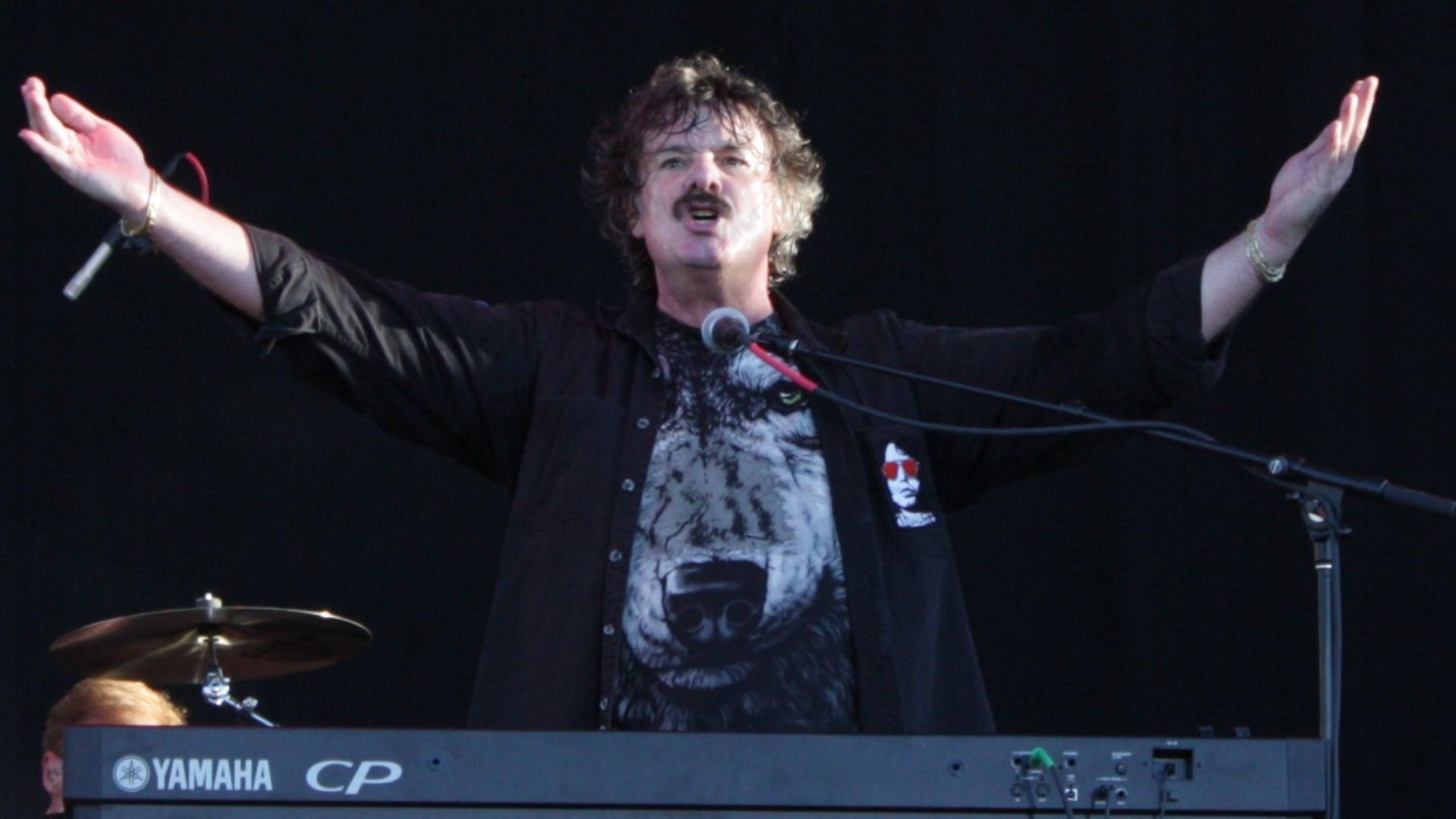
Burton Cummings Commanded The Guess Who
Once Randy Bachman left The Guess Who, Burton Cummings became the group's undisputed leader. The Winnipeg singer had already fronted hits including "These Eyes" and "American Woman," but he carried the band through years of further lineup changes until its 1975 breakup. His solo career remained substantial in Canada, even as his name became less universally familiar elsewhere.
 Shayne Kaye from Victoria, Canada, Wikimedia Commons
Rik Emmett Made Triumph Look Huge
Rik Emmett joined Triumph in 1975 as singer, songwriter, and virtuoso guitarist, giving the Canadian trio a frontman capable of carrying both delicate melodies and towering hard-rock songs. By 1979, three Triumph albums had already gone platinum in Canada, and American radio was beginning to follow. Elaborate lights, lasers, and explosive stage production soon made the three-piece look like a band twice its size.
 Mykal Burns!, Wikimedia Commons
Myles Goodwyn Carried April Wine For Decades
Myles Goodwyn co-founded April Wine and became its principal singer and songwriter. The Canadian band grew throughout the 1970s from regional success into an international rock act, eventually building a catalog that kept it touring for decades. Goodwyn remained so closely identified with the group that his 2023 death marked the loss of the voice that had guided April Wine for more than half a century.
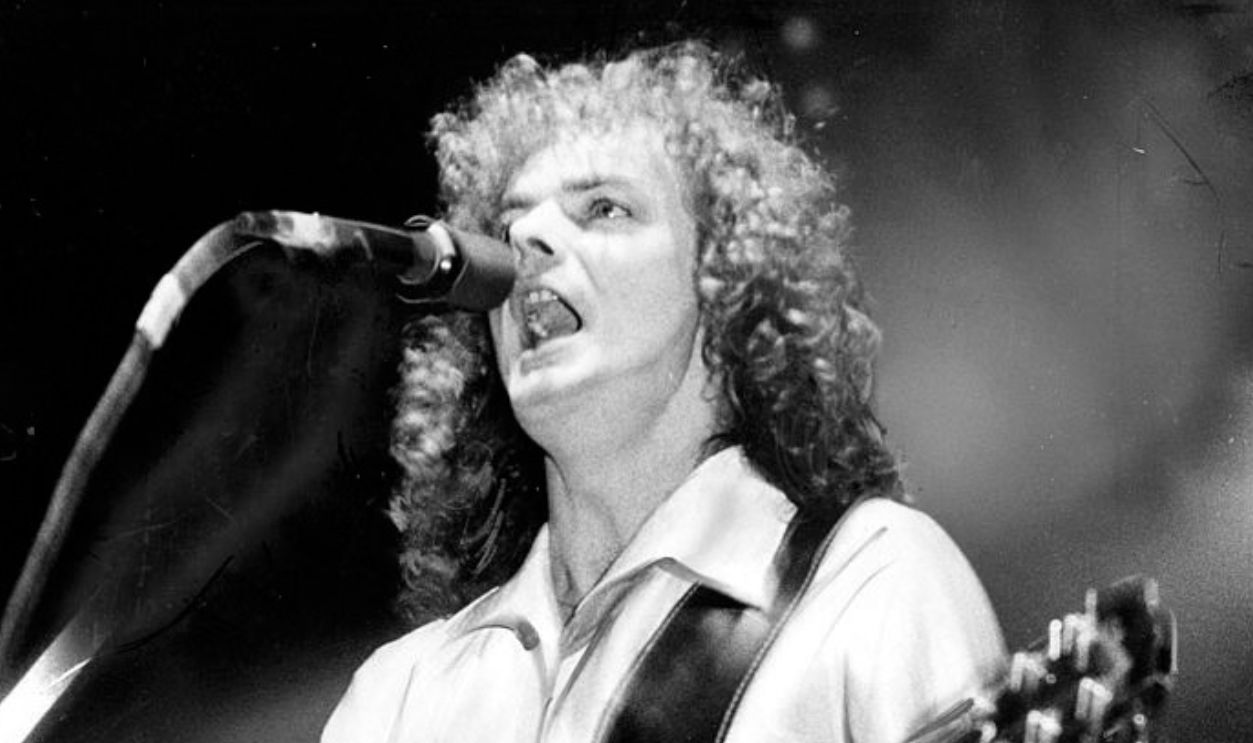
Doc Neeson Made The Angels Intense
The Angels became one of Australia's fiercest live bands with Doc Neeson stalking the stage at the front. Their late-1970s rise produced enduring Australian rock staples and established Neeson as a magnetic, physically commanding performer. His fame never translated as completely overseas, which helps explain why his name is less familiar internationally than it remains in Australia.
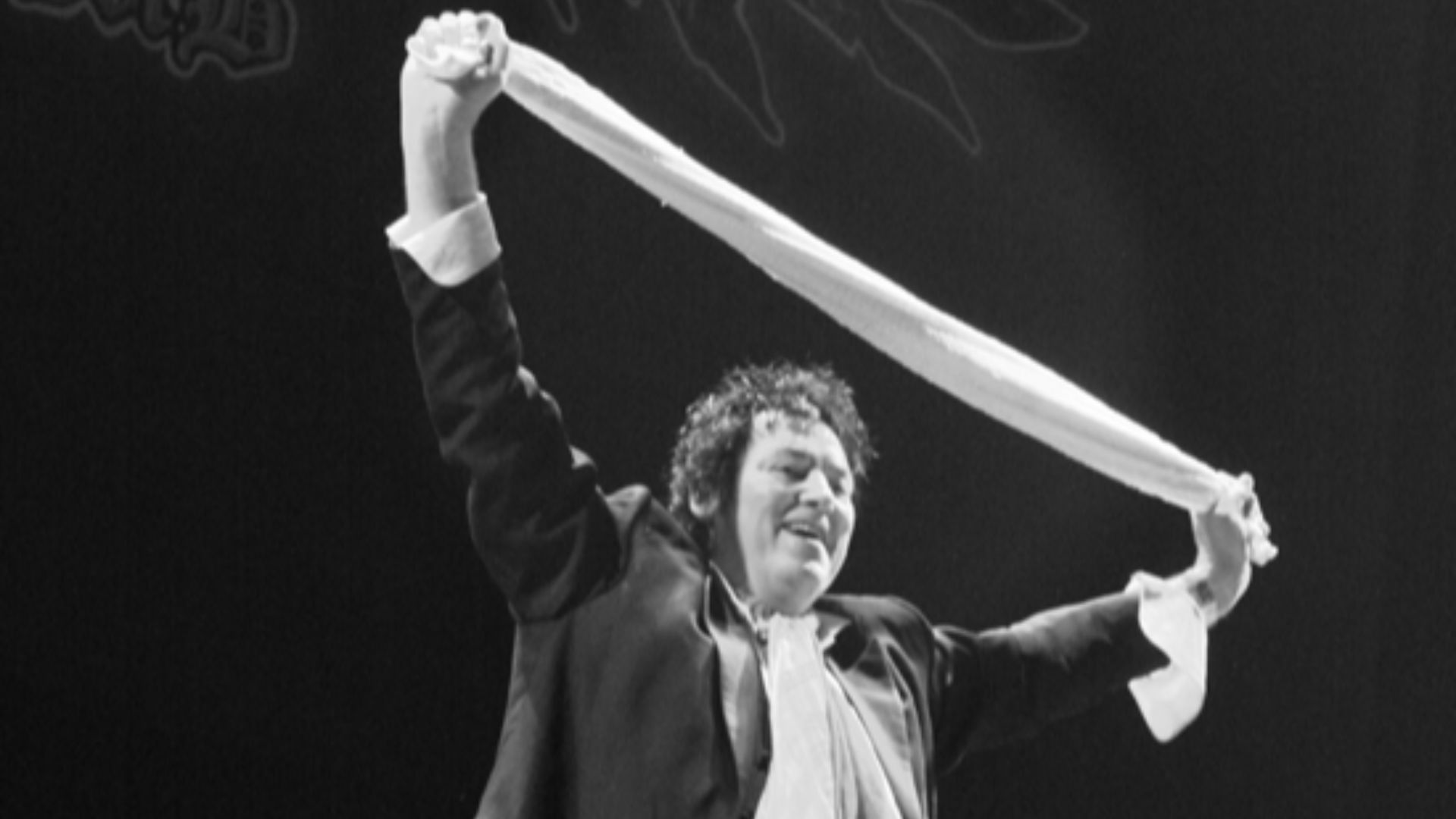 Eva Rinaldi, Wikimedia Commons
Graham Bonnet Looked Nothing Like Rainbow Expected
When Rainbow needed a new singer in 1979, Graham Bonnet arrived for his audition looking so unlike a conventional hard-rock frontman that the band reportedly reacted with amusement. Then he opened his mouth. His huge voice powered Down to Earth and hits including "Since You Been Gone," even though Bonnet later admitted that he had barely known Rainbow before being invited to audition.
 Goongunther, Wikimedia Commons
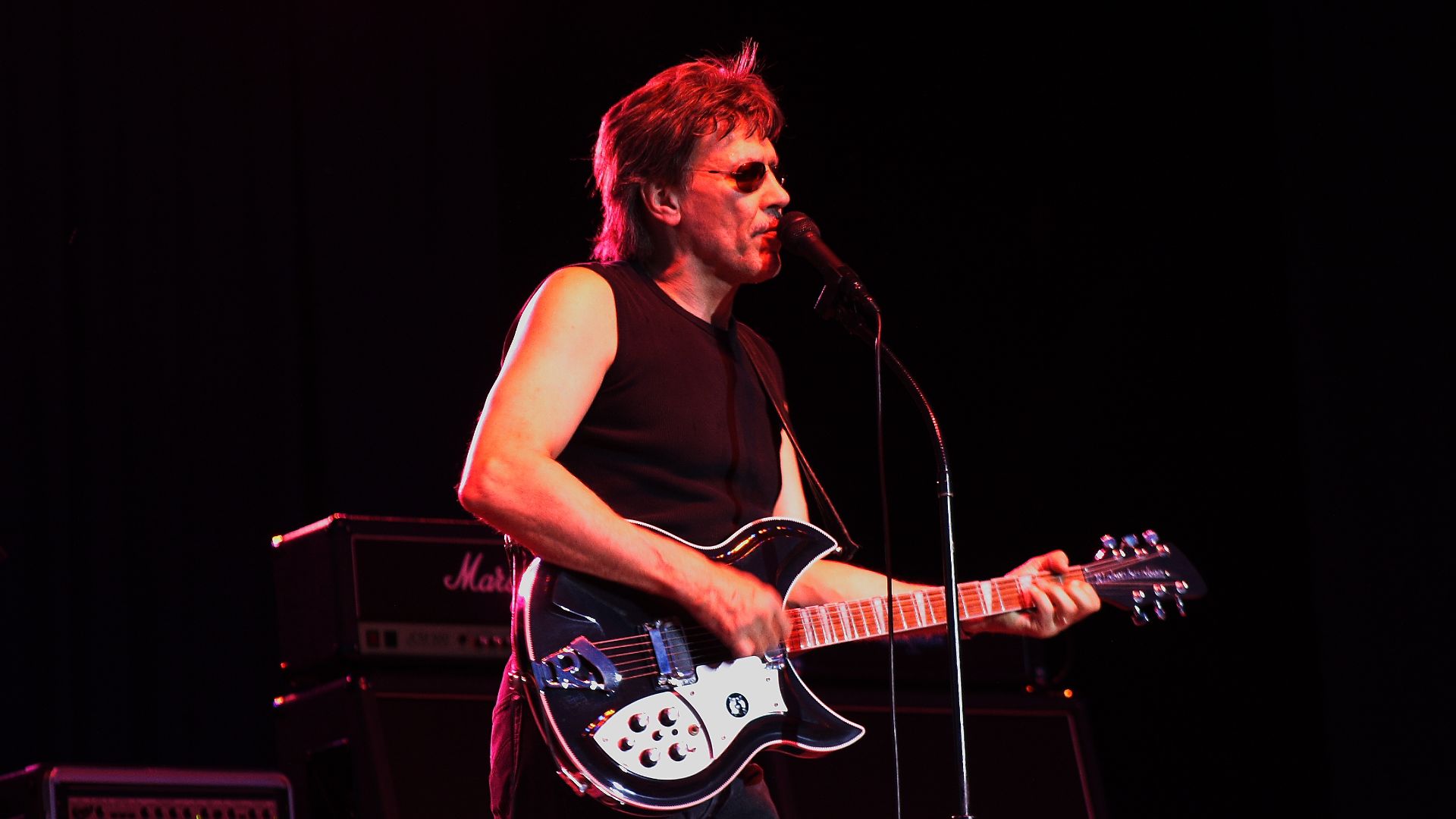
John Kay Was Born To Be Wild
John Kay's black clothes, dark glasses, and gravelly voice made Steppenwolf's frontman look permanently ready for trouble. "Born to Be Wild" and "Magic Carpet Ride" had made the group internationally famous before the 1970s began, but Kay carried the Steppenwolf identity through breakups, reunions, and decades of touring. He later acknowledged that audiences often assumed his intimidating stage persona was the whole man.
 Fdbrumbl at English Wikipedia, Wikimedia Commons
Gerry Rafferty Never Looked Comfortable With Stardom
Gerry Rafferty co-founded Stealers Wheel and sang on the worldwide 1973 hit "Stuck in the Middle with You." After contractual complications kept him from recording freely for a period, he returned as a solo artist and scored an even larger success with "Baker Street" in 1978. Rafferty's thoughtful, reserved personality made him the opposite of the stereotypical swaggering frontman, but for a brief period his voice was everywhere.
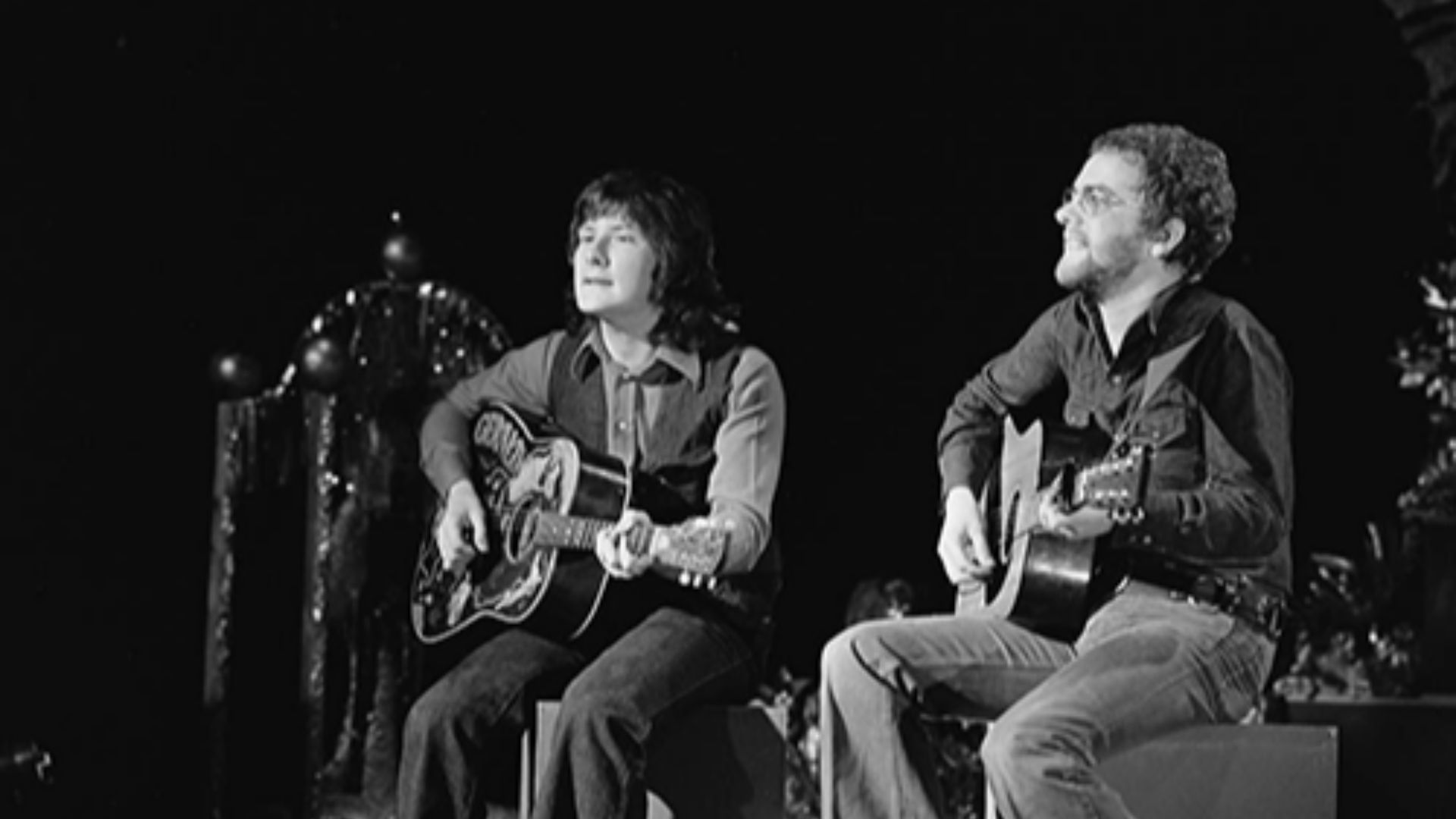
Alan Hull Gave Lindisfarne Its Soul
Alan Hull helped transform Newcastle folk-rock band Lindisfarne into one of Britain's hottest groups of the early 1970s. Their second album, Fog on the Tyne, became Britain's biggest-selling album of 1972, while Hull's writing gave the band much of its distinctive personality. Lindisfarne fractured soon afterward, leaving Hull as one of the era's major regional rock figures whose reputation remained stronger in Britain than abroad.
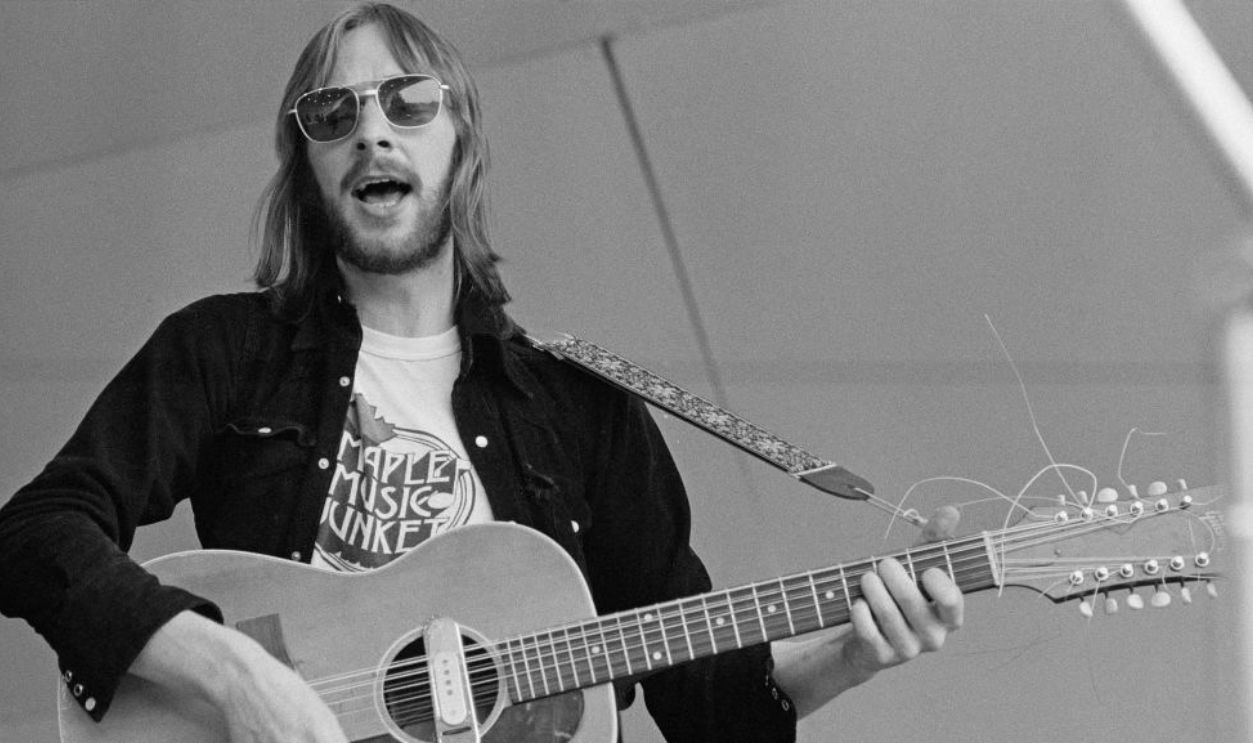
The Decade Had More Giants Than Memory Could Hold
These singers did not all have the same level of success, but each briefly occupied a space that felt enormous to the people watching at the time. Some filled stadiums, some ruled national charts, and others became cult figures whose stage presence influenced musicians who later surpassed them commercially. The 1970s did not run short of rock stars; history simply ran short of room to remember all of them equally.
You May Also Like:
Forget The Critics: These Are The 50 Greatest Rock Albums Of The 1970s—Do You Agree?
Critics Say These Rock Albums Don’t Have Any Weak Tracks—Do You Agree?
Sources: 1, 2, 3, 4, 5, 6, 7, 8, 9, 10, 11, 12, 13, 14, 15, 16, 17, 18, 19, 20, 21, 22, 23, 24, 25, 26, 27, 28, 29, 30