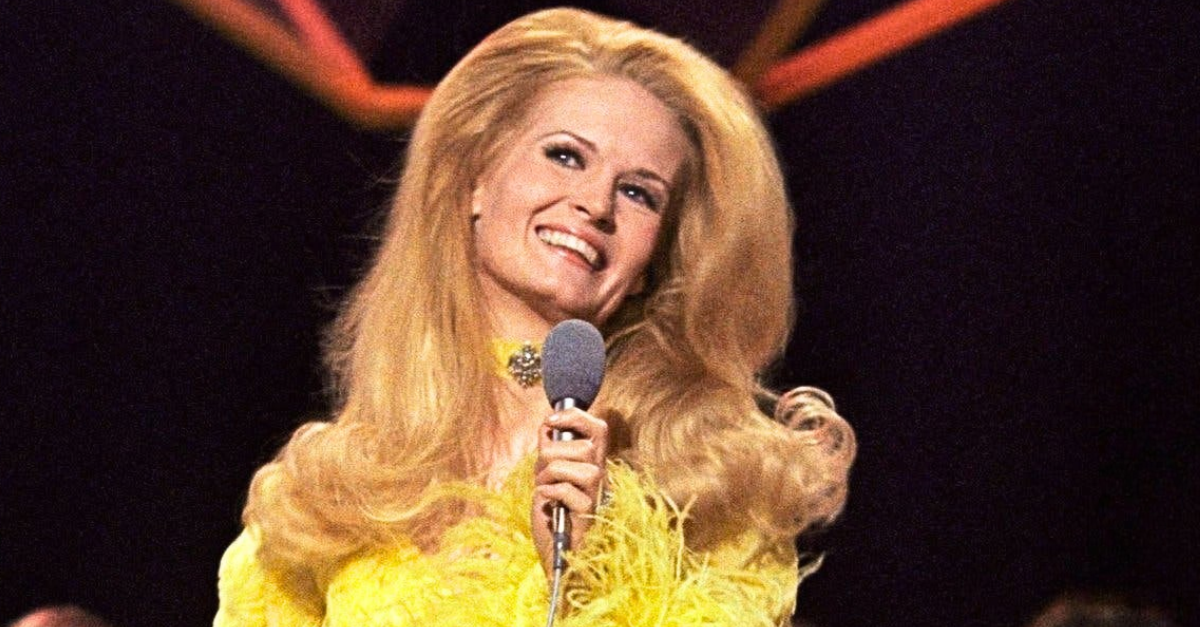
Country Wasn't Always As Polished As It Looked
The television smiles and carefully pressed stage clothes told only part of the story. Behind some of country music's most familiar 1970s stars were lives filled with private turmoil, risky decisions, and stories that rarely fit their reassuring public images.
 Ron Howard/Popperfoto / Getty Images
Johnny Cash Became Primetime America's Country Star
By the beginning of the 1970s, Johnny Cash was far more than a recording artist. The Johnny Cash Show put him in American living rooms every week, often alongside June Carter Cash and performers drawn from gospel, folk, rock, and country. His deep voice and solemn black clothes somehow made him both rebellious and respectable enough for network television.
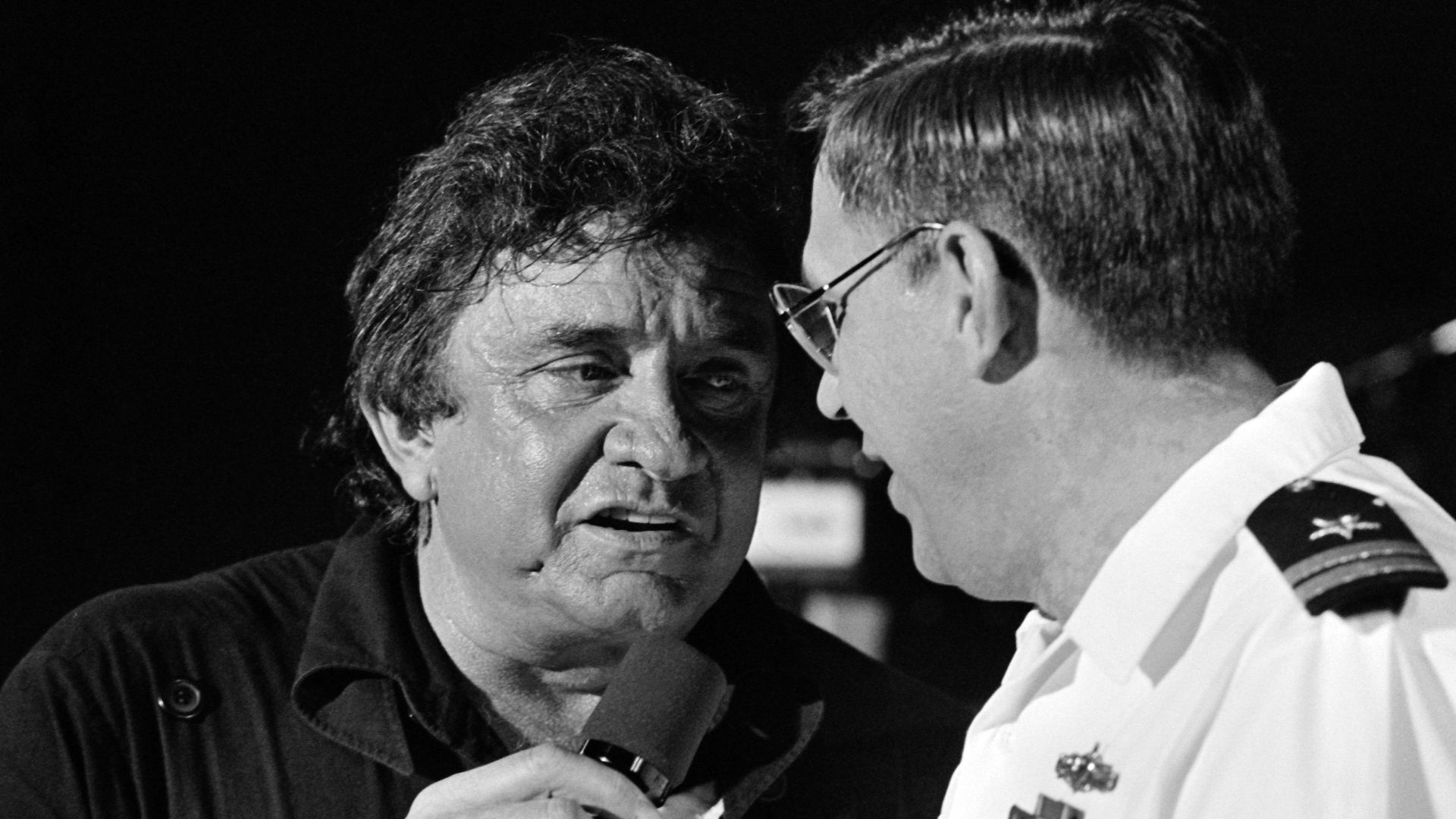 PH1 GARY RICE, USN, Wikimedia Commons
His Road To Respectability Had Been Rough
Only a few years earlier, Cash's career and personal life had been badly destabilized by substance misuse and a deteriorating first marriage. His 1968 performance at Folsom Prison became part of a dramatic professional recovery that eventually carried him to national television and the top of country music. The reassuring family entertainer viewers saw in the 1970s had already survived a remarkably chaotic chapter.
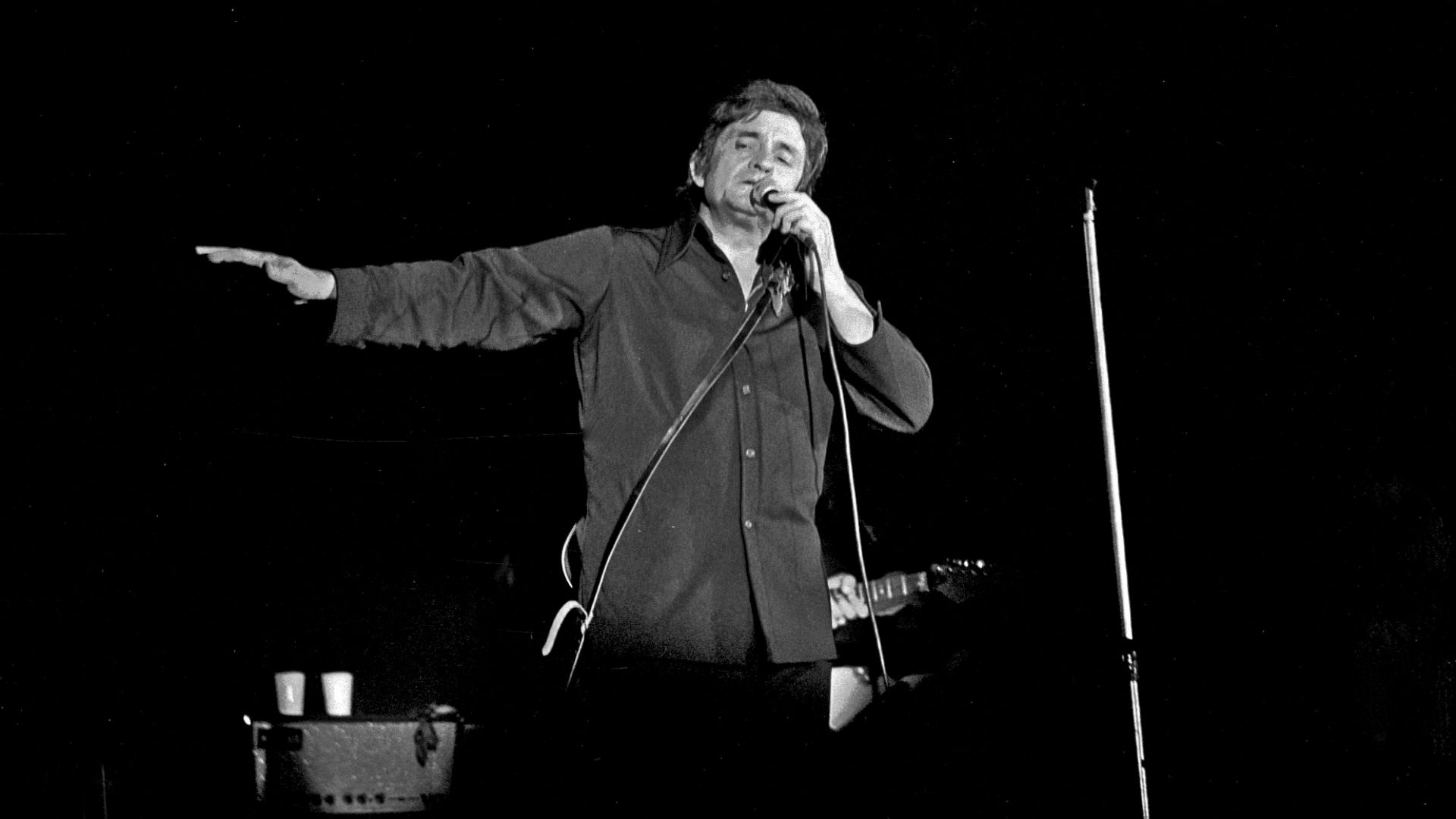 Heinrich Klaffs, Wikimedia Commons
Waylon Jennings Looked Like A Television Cowboy
Waylon Jennings had the deep voice, black clothes, and rugged appearance of a man who seemed born for traditional country music. By the middle of the 1970s, however, he was helping tear up Nashville's usual rules by demanding control over his musicians, recording locations, and material. The polished industry had accidentally created one of its most stubborn rebels.
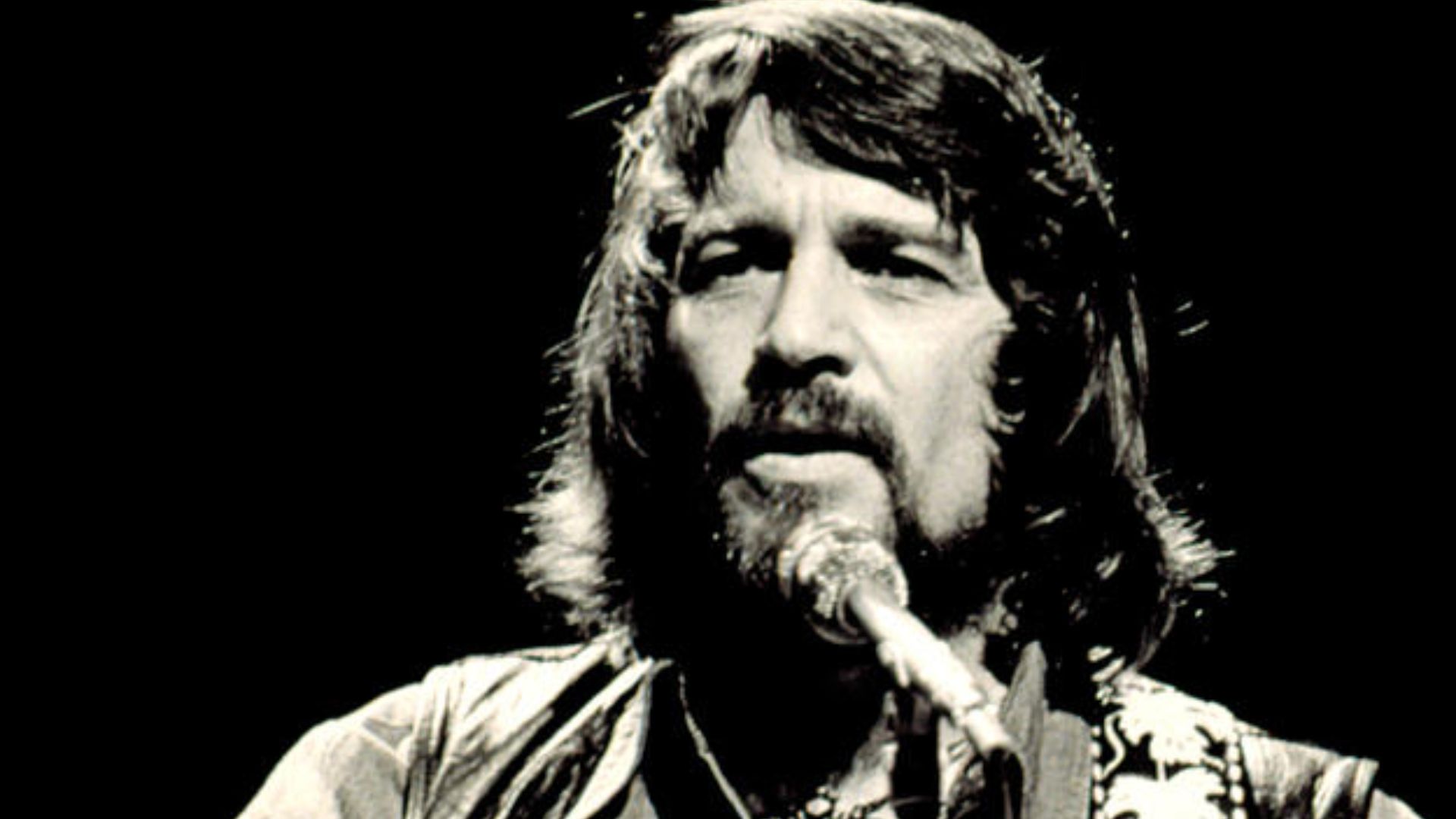 RCA Records, Wikimedia Commons
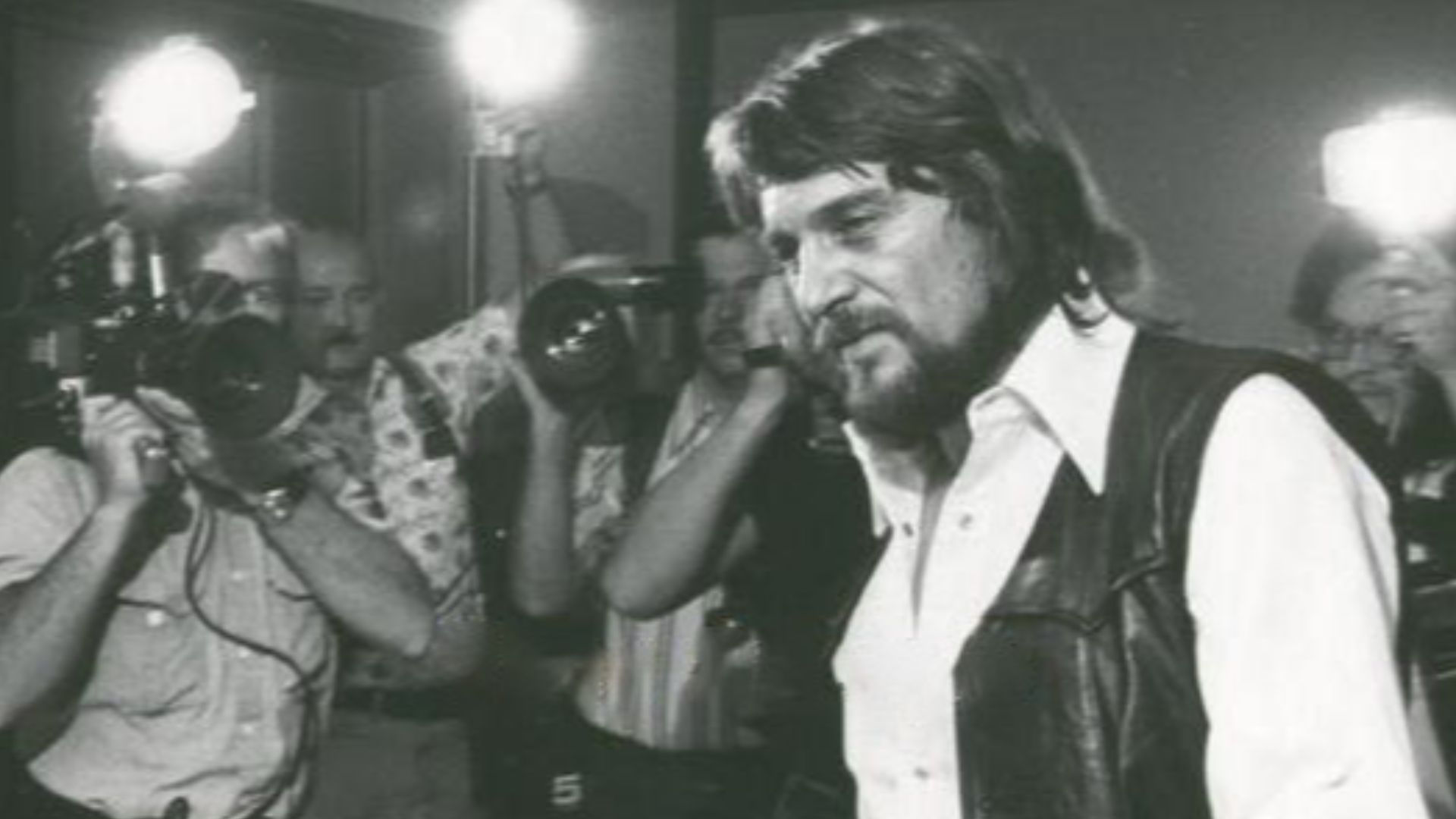
The Outlaw Life Wasn't Just Marketing
Jennings later acknowledged that the freedom surrounding his success became personally destructive. His years of heavy substance misuse grew expensive enough to damage his health, finances, and career before he finally changed course. The outlaw image sold millions of records, but the reality behind it eventually stopped being romantic.
 AP Wirephoto, Wikimedia Commons
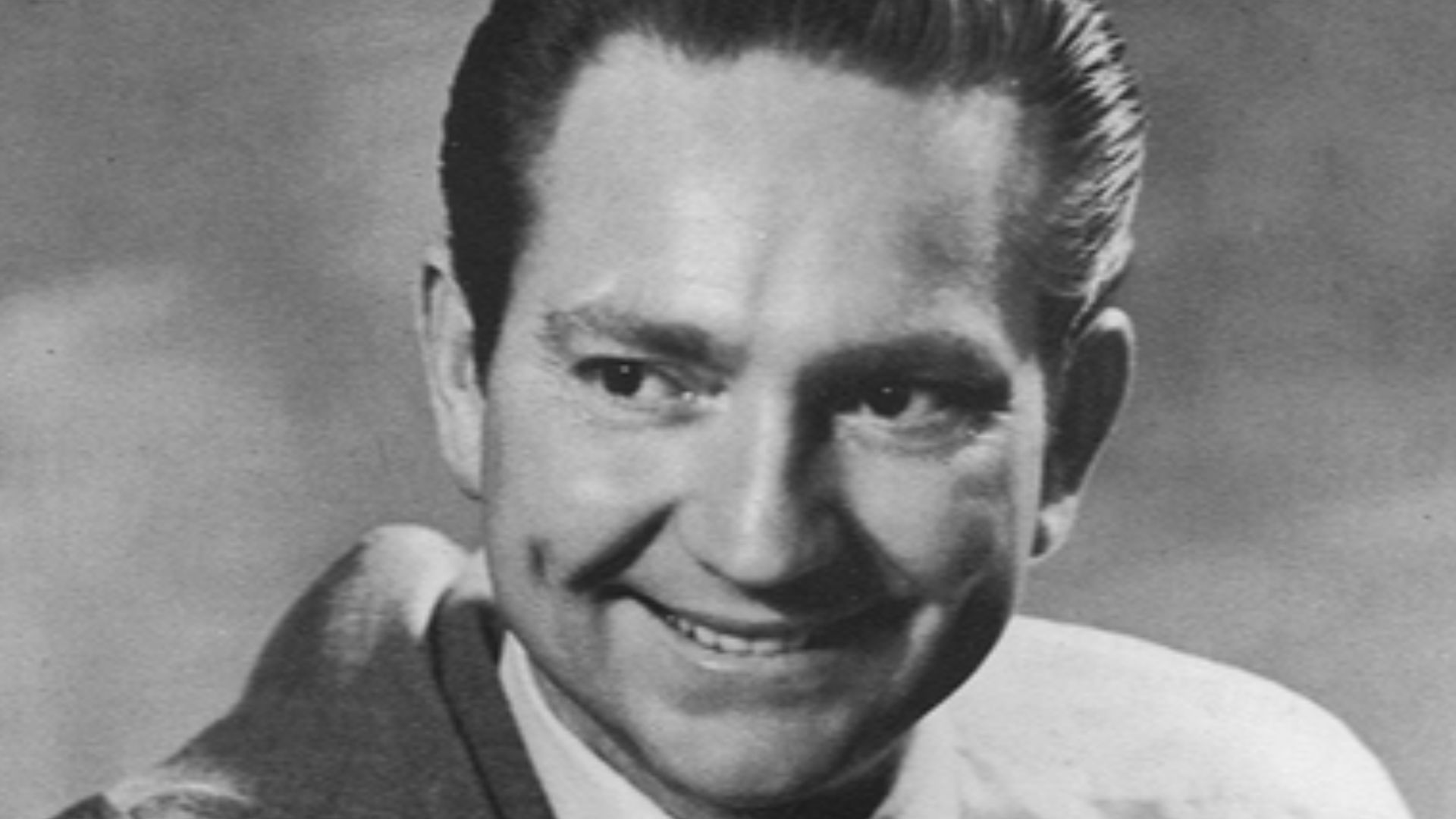
Willie Nelson Once Looked Like A Nashville Traditionalist
Before the braids and outlaw reputation, Willie Nelson spent years trying to function inside Nashville's conventional music business. He wore suits, wrote songs for other stars, and struggled to make his unusual phrasing fit the established commercial sound. When that approach stalled, Nelson effectively reinvented himself.
 Grand Ole Opry, Wikimedia Commons
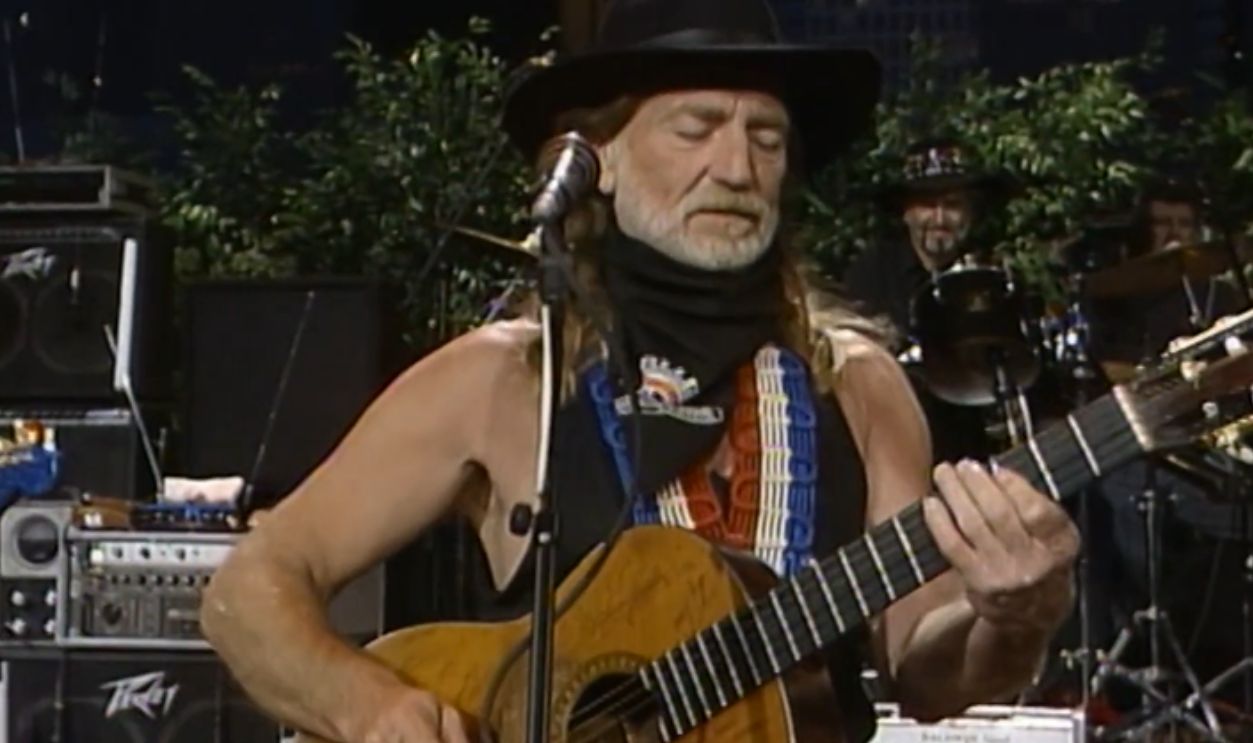
Texas Let Willie Rewrite The Rules
Nelson returned to Texas, grew his hair, embraced a looser stage identity, and helped create the country movement that made him an icon. His annual July 4 gatherings became enormous events, while albums such as Shotgun Willie and Red Headed Stranger ignored many of Nashville's accepted formulas. The gentle elder statesman audiences later adored had built his reputation by refusing to behave like the industry expected.
 Screenshot from Whiskey River, Atlantic Records (1973)
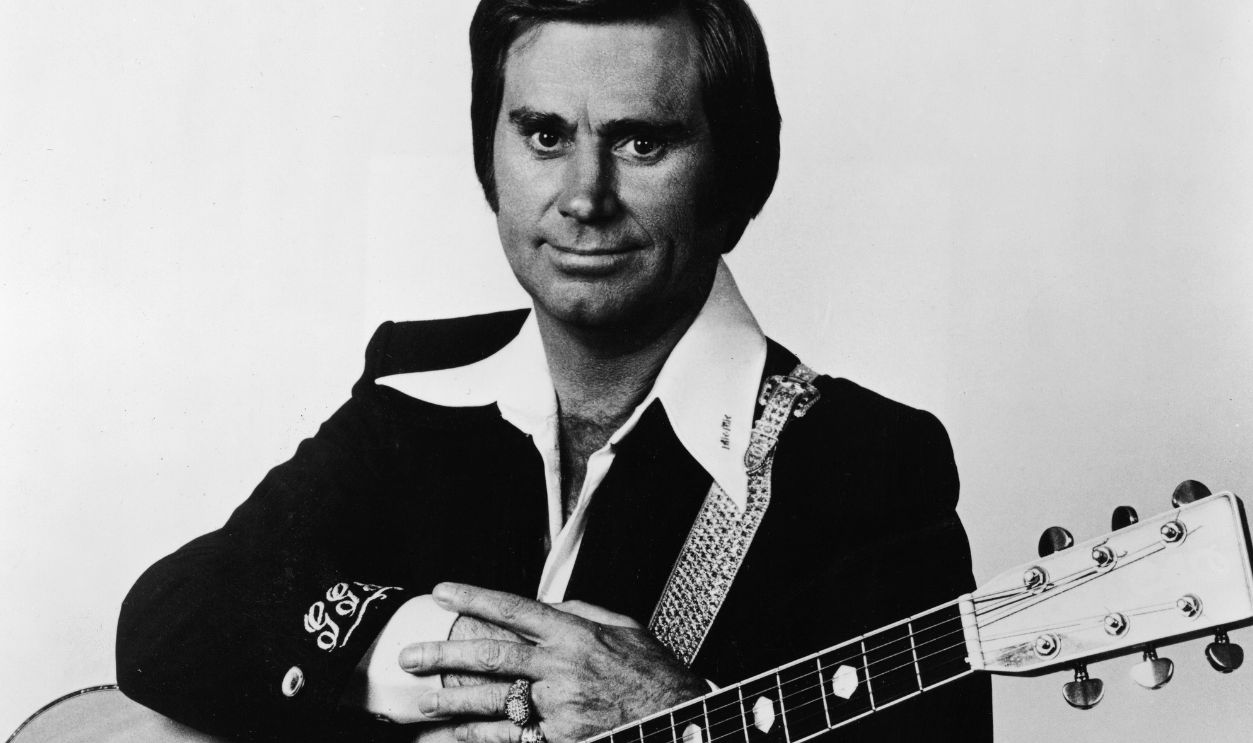
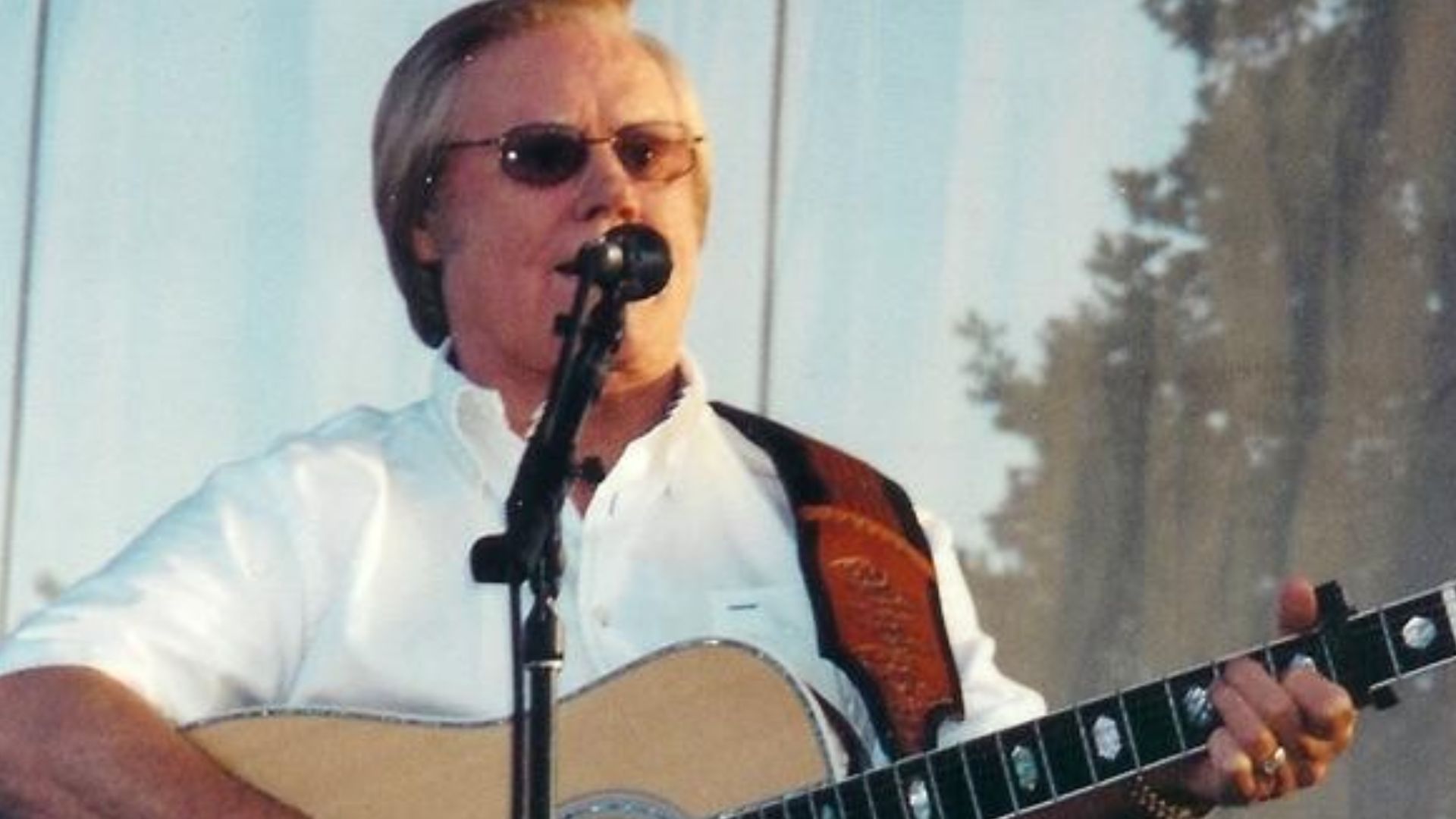
George Jones Could Sound Almost Fragile
Few singers could make heartbreak sound as tender as George Jones. During the 1970s, producer Billy Sherrill surrounded that voice with polished arrangements on recordings including "The Grand Tour" and "The Door." The elegance of those performances hid a life that was becoming increasingly unstable away from the microphone.
No-Show Jones Wasn't A Cute Nickname
Jones missed so many performances that audiences and promoters began calling him "No-Show Jones." The Country Music Hall of Fame describes the late 1970s and early 1980s as an especially dark period involving substance misuse, arrests, hospital stays, financial trouble, and dangerously declining health. Somehow, some of his greatest recordings emerged right in the middle of the chaos.
 Secisek at English Wikipedia, Wikimedia Commons
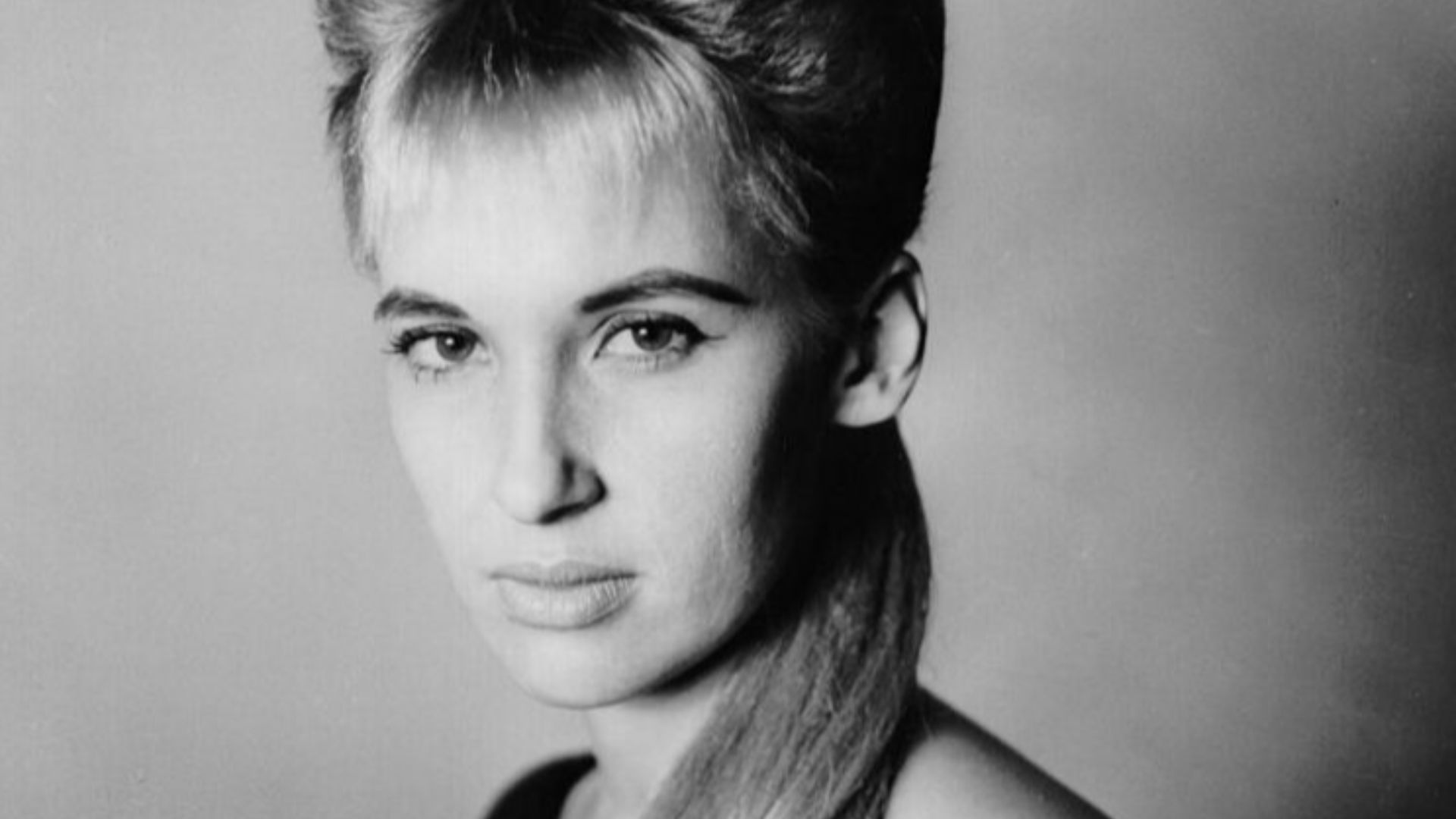
Tammy Wynette Sang About Standing By Your Man
Tammy Wynette became associated with domestic devotion so strongly that one song followed her throughout her career. Her carefully styled appearance and emotional ballads helped create the image of country's dignified "First Lady." Her own home life was considerably less settled than the image suggested.
 Getty Images, Wikimedia Commons
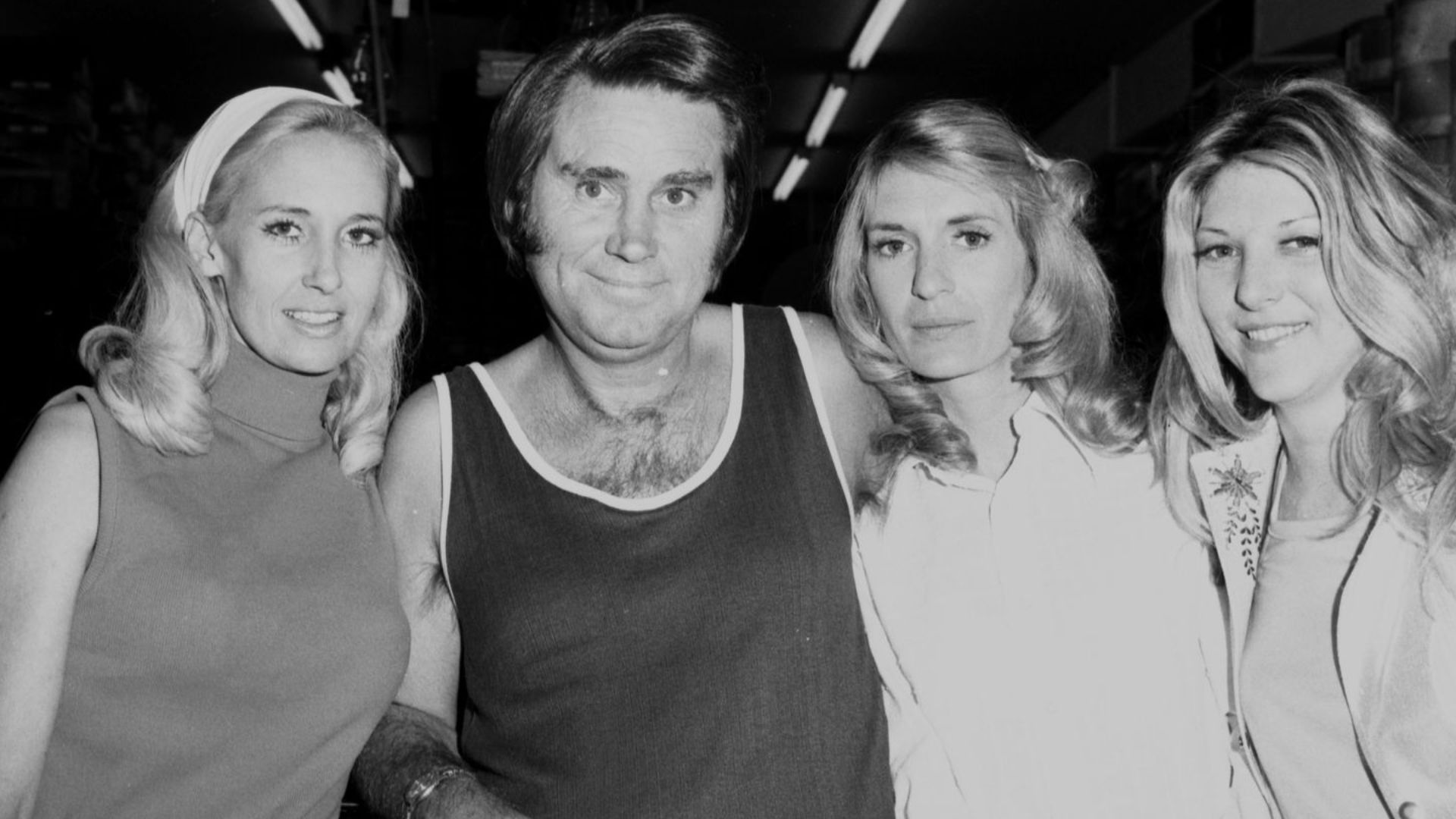
Her Personal Story Never Stayed Quiet For Long
Wynette married five times, including a turbulent marriage to George Jones that ended in divorce in 1975. Another marriage in 1976 lasted only six weeks, while her autobiography later chronicled serious illness, financial difficulties, threats, and an alleged abduction. The singer associated with enduring through domestic hardship had lived through more of it than most listeners realized.
 Jasper Daily and Michael Ochs, Wikimedia Commons
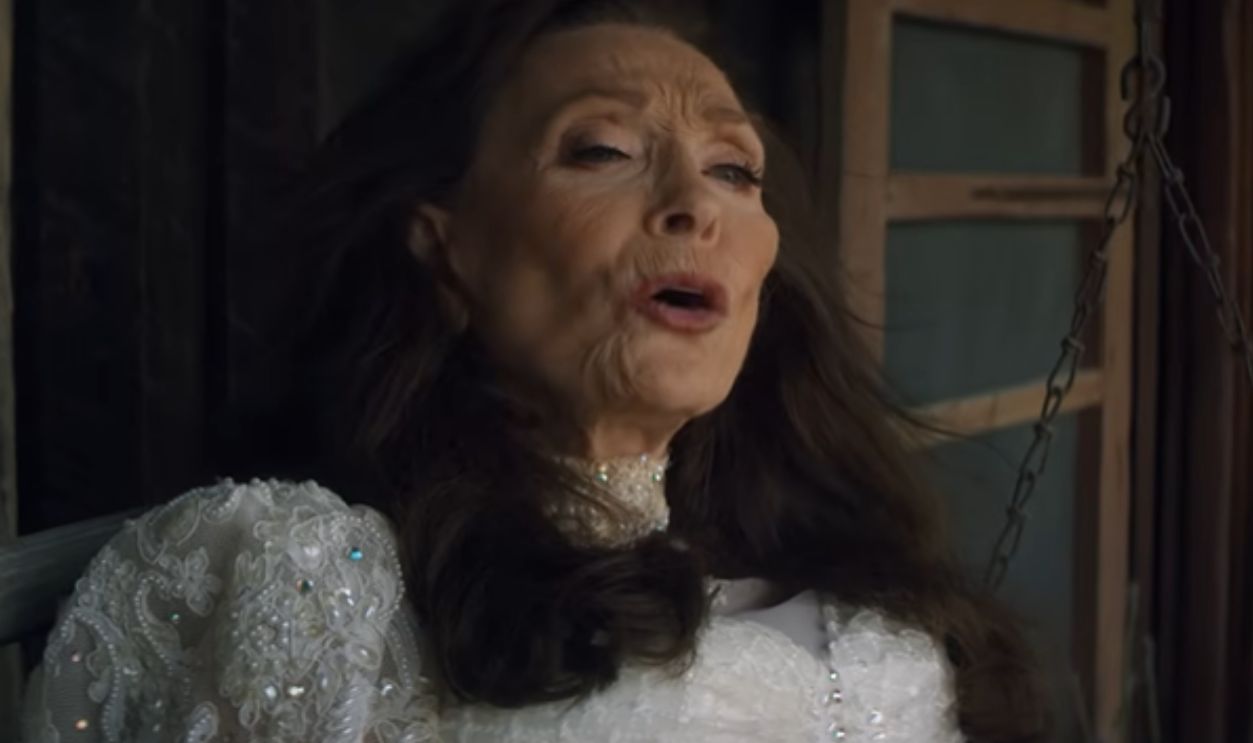
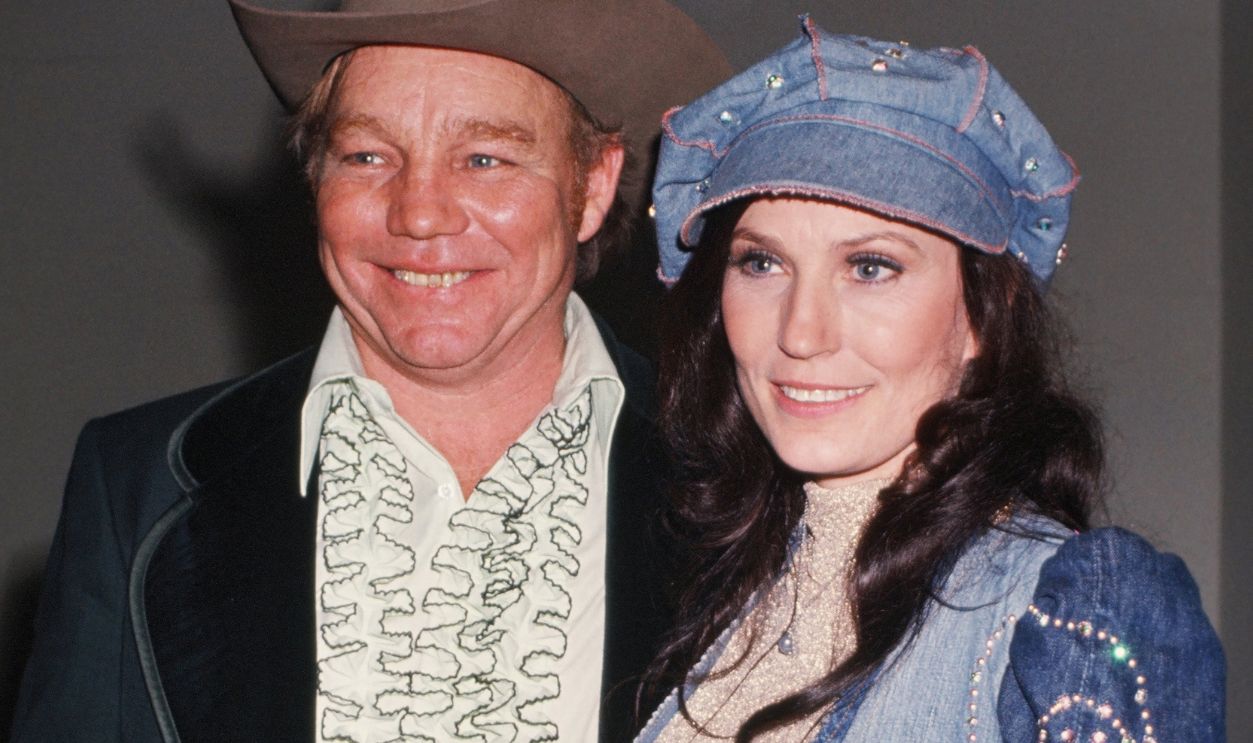
Loretta Lynn Looked Like Country's Toughest Mother
Loretta Lynn's public identity was built around family, poverty, motherhood, and a fierce pride in where she came from. Her 1970 hit "Coal Miner's Daughter" transformed that history into one of country's great autobiographical songs. Onstage she could seem utterly self-assured, but the marriage behind many of her songs was complicated from almost the beginning.
 Screenshot from Coal Miner's Daughter, Decca Records (1970)
Her Marriage Supplied Plenty Of Material
Loretta married Oliver "Mooney" Lynn while still a teenager and had four children by her early twenties. She openly drew from their difficult marriage when writing songs about jealousy, arguments, loneliness, and women's frustrations. Instead of protecting a perfect family image, Lynn eventually made the imperfections part of her art.
 Michael Ochs Archives, Getty Images
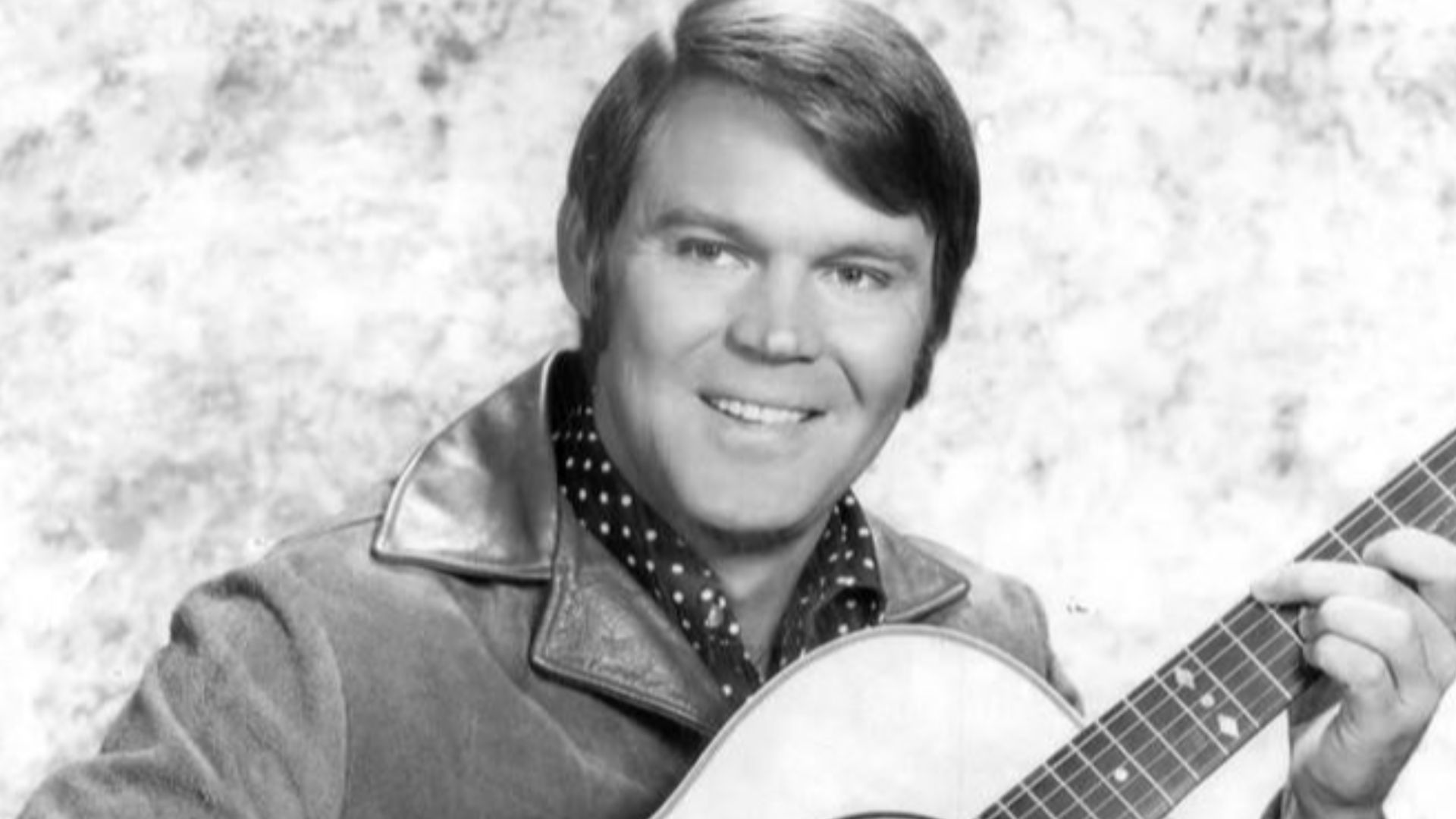
Glen Campbell Was America's Rhinestone Cowboy
Glen Campbell had one of the friendliest faces on television. He hosted The Glen Campbell Goodtime Hour, starred in movies, played extraordinary guitar, and crossed effortlessly between country and pop audiences. To millions of viewers, he seemed like one of the safest entertainers in show business.
 CBS Television, Wikimedia Commons
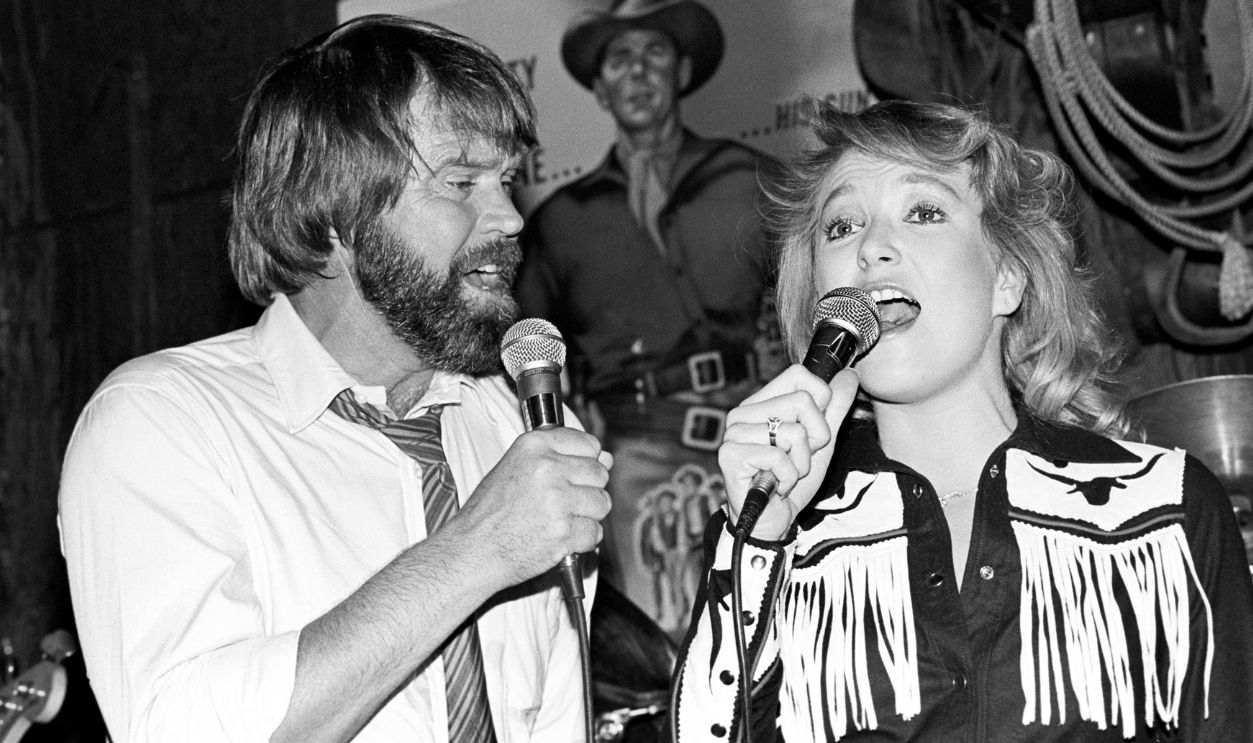
The Private Years Became Much Messier
Campbell's later life included three divorces, substance misuse, and a highly publicized relationship with Tanya Tucker. The Country Music Hall of Fame describes those years as tumultuous and notes that the turmoil coincided with a decline in his commercial standing. The genial television host had entered a chapter far removed from the easygoing image that made him famous.
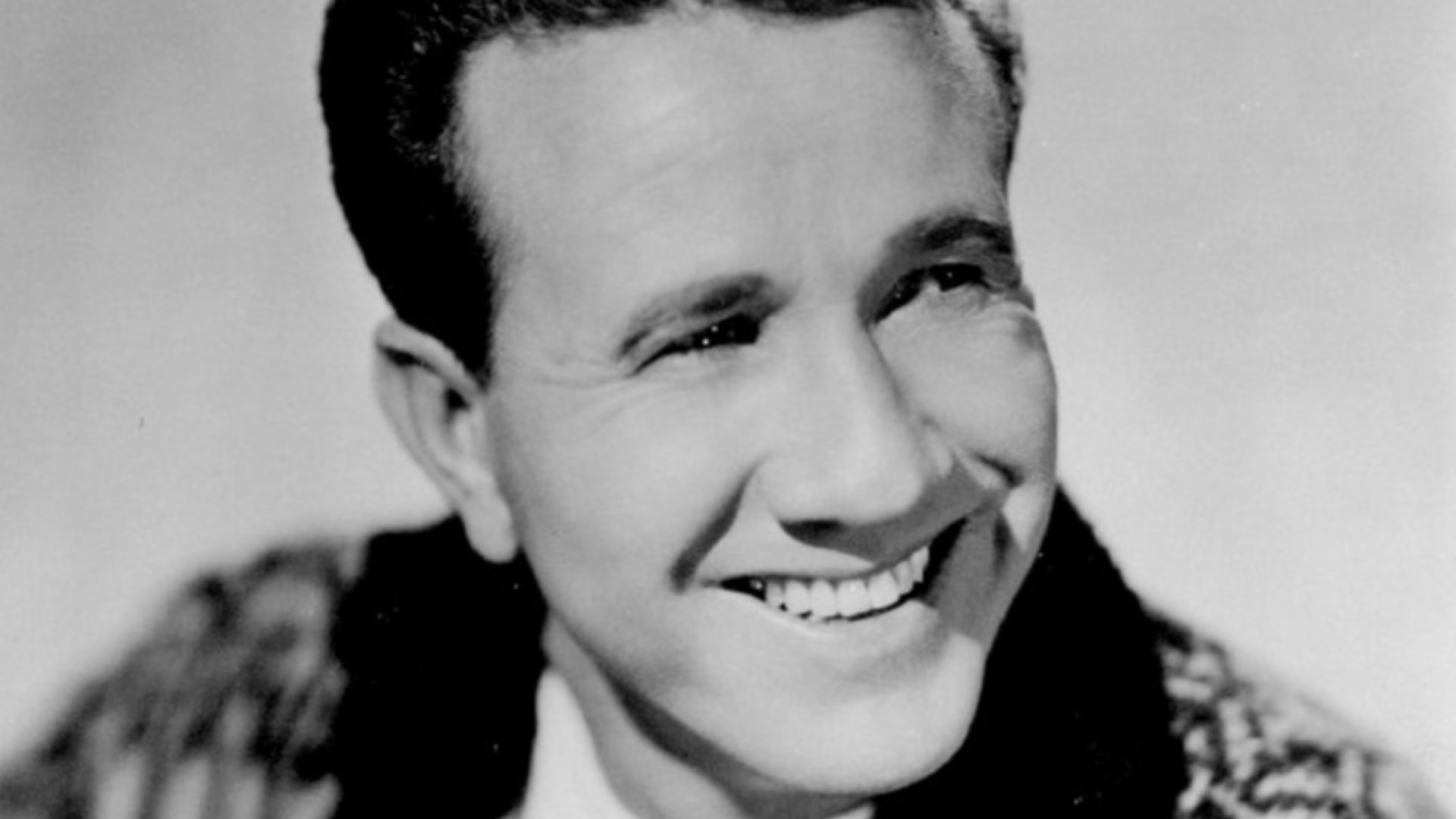
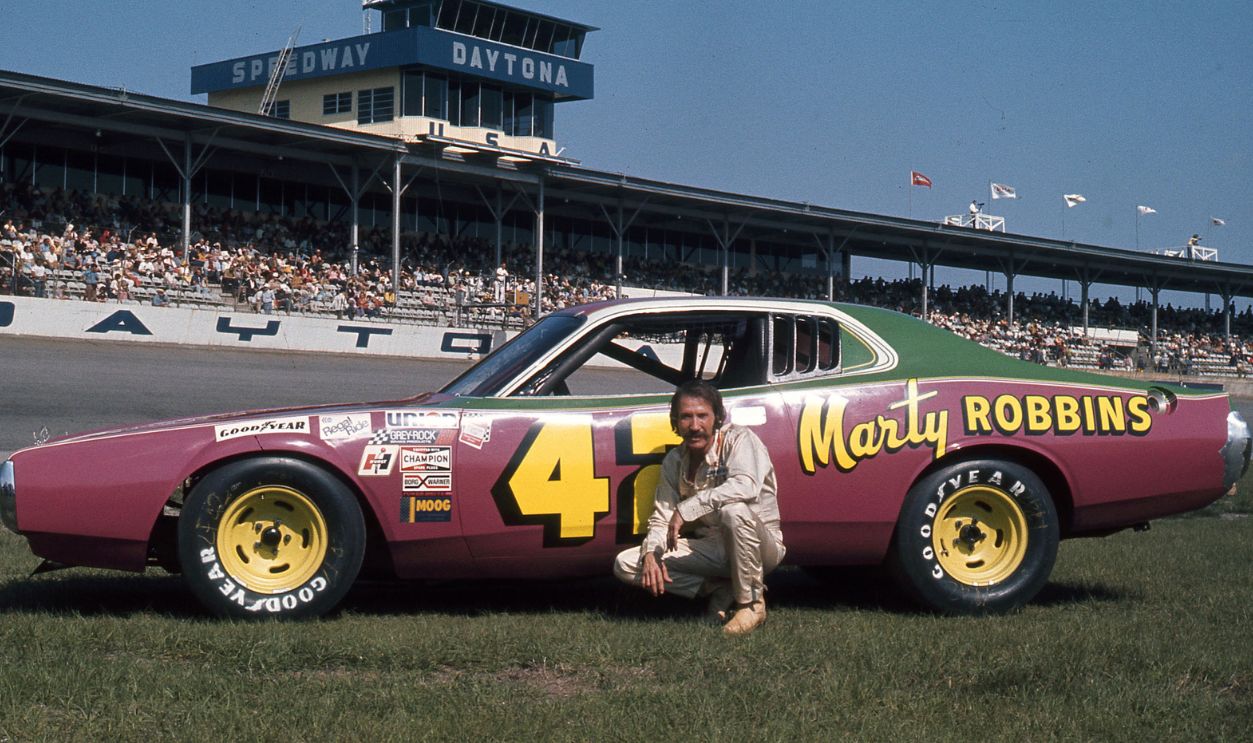
Marty Robbins Sang Like A Gentle Western Hero
Marty Robbins could sound impossibly smooth singing western ballads and romantic country songs. His polished suits, television appearances, and storytelling hits made him seem like the kind of performer who belonged safely behind a microphone. Robbins had another hobby that was anything but safe.
 AMD Inc.-management, Wikimedia Commons
He Kept Racing Even After Heart Surgery
Robbins became a serious stock-car racer and entered NASCAR's top series. After suffering a heart attack and undergoing bypass surgery in early 1970, he returned to racing that October, then endured multiple wrecks in the middle of the decade. He loved racing so much that he continued competing into 1982, only weeks before his death.
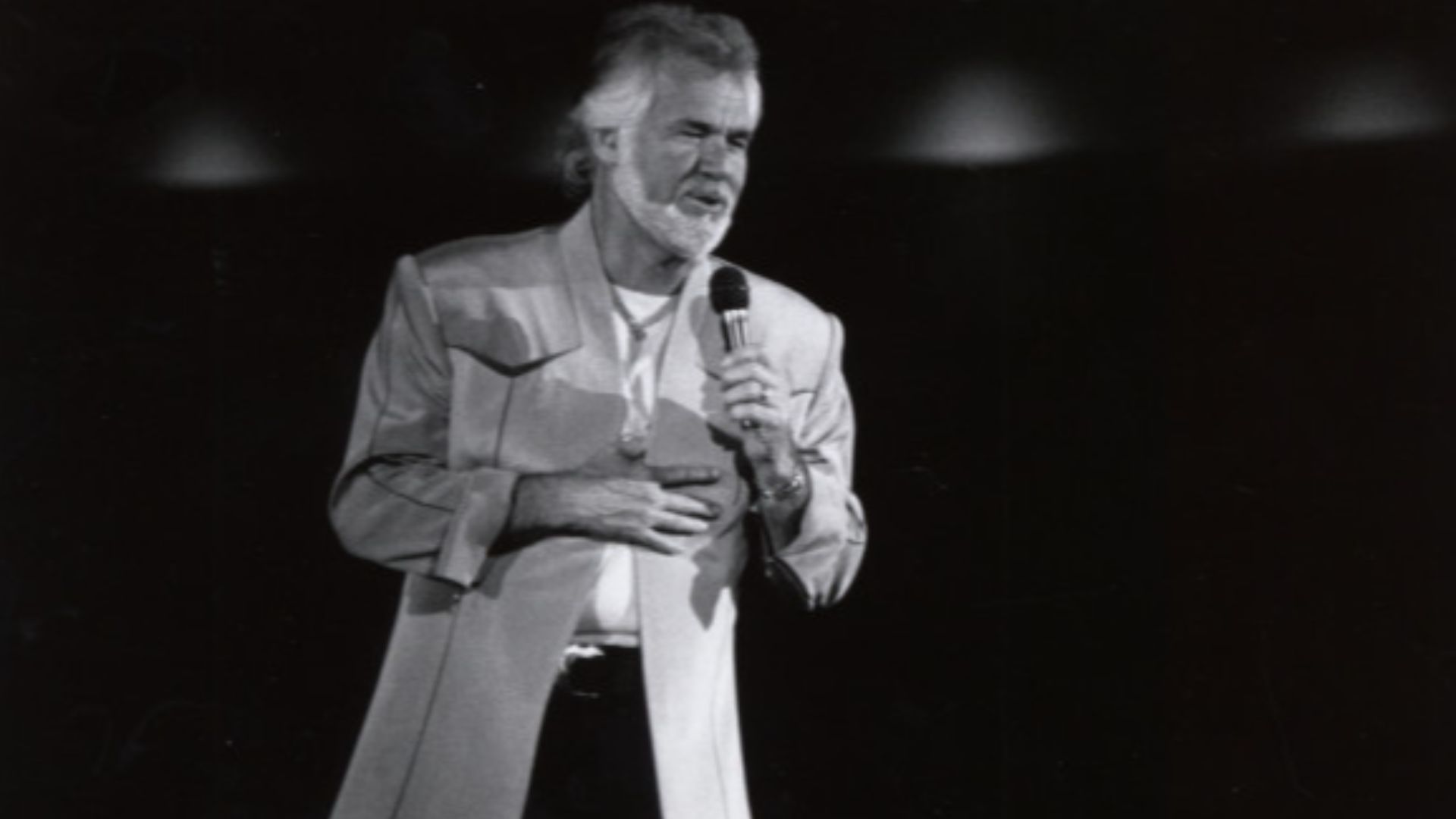
Kenny Rogers Eventually Looked Born For Country
By the late 1970s, Kenny Rogers had transformed himself into the bearded balladeer behind "Lucille" and "The Gambler." His calm voice and story songs made him an ideal crossover star for television specials and family audiences. That neatly packaged country identity was actually one of several professional lives Rogers had already tried.
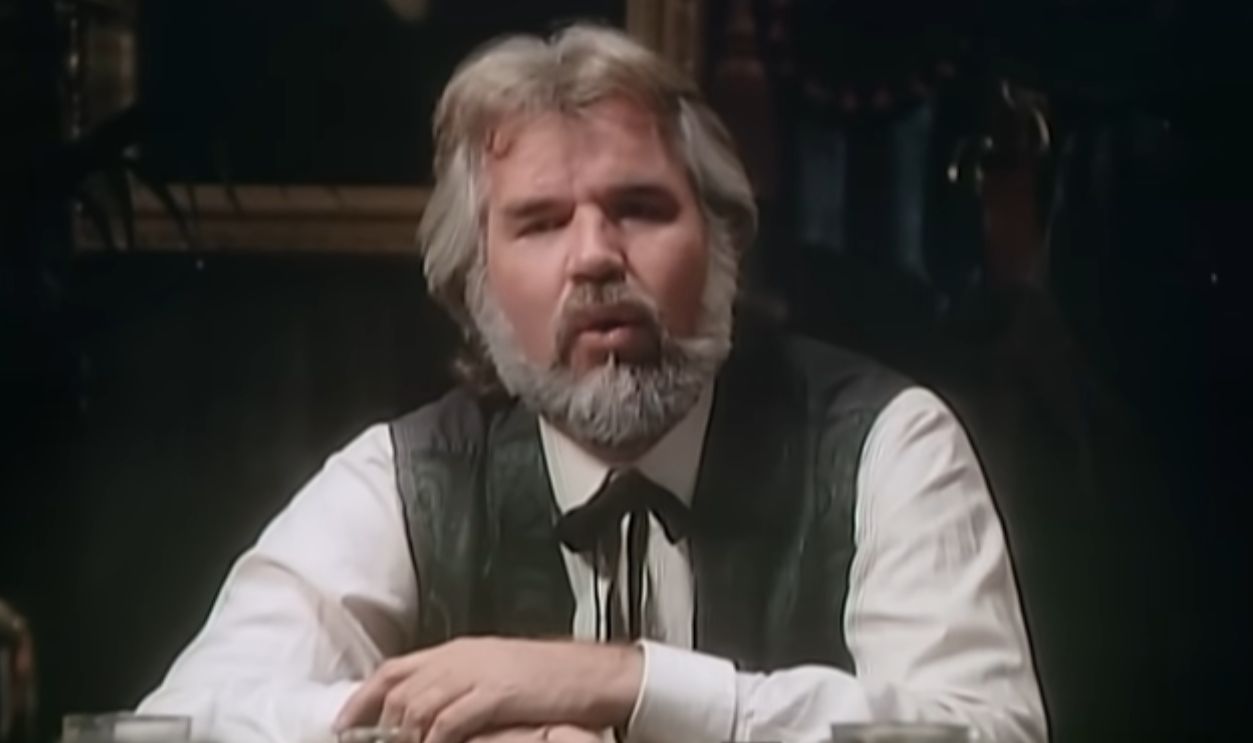 Screenshot from The Gambler, United Artists Records (1978)
Before The Gambler Came A Much Stranger Kenny
Rogers had performed doo-wop, jazz, folk, and psychedelic rock before his country breakthrough. With the First Edition, he deliberately grew his hair, added an earring, and leaned into the look of a late-1960s rock performer; personally, he later admitted that relentless touring had also damaged several early marriages and strained family relationships. The grandfatherly superstar of later years had taken a surprisingly winding path to get there.
 University of Houston Digital Library, Wikimedia Commons
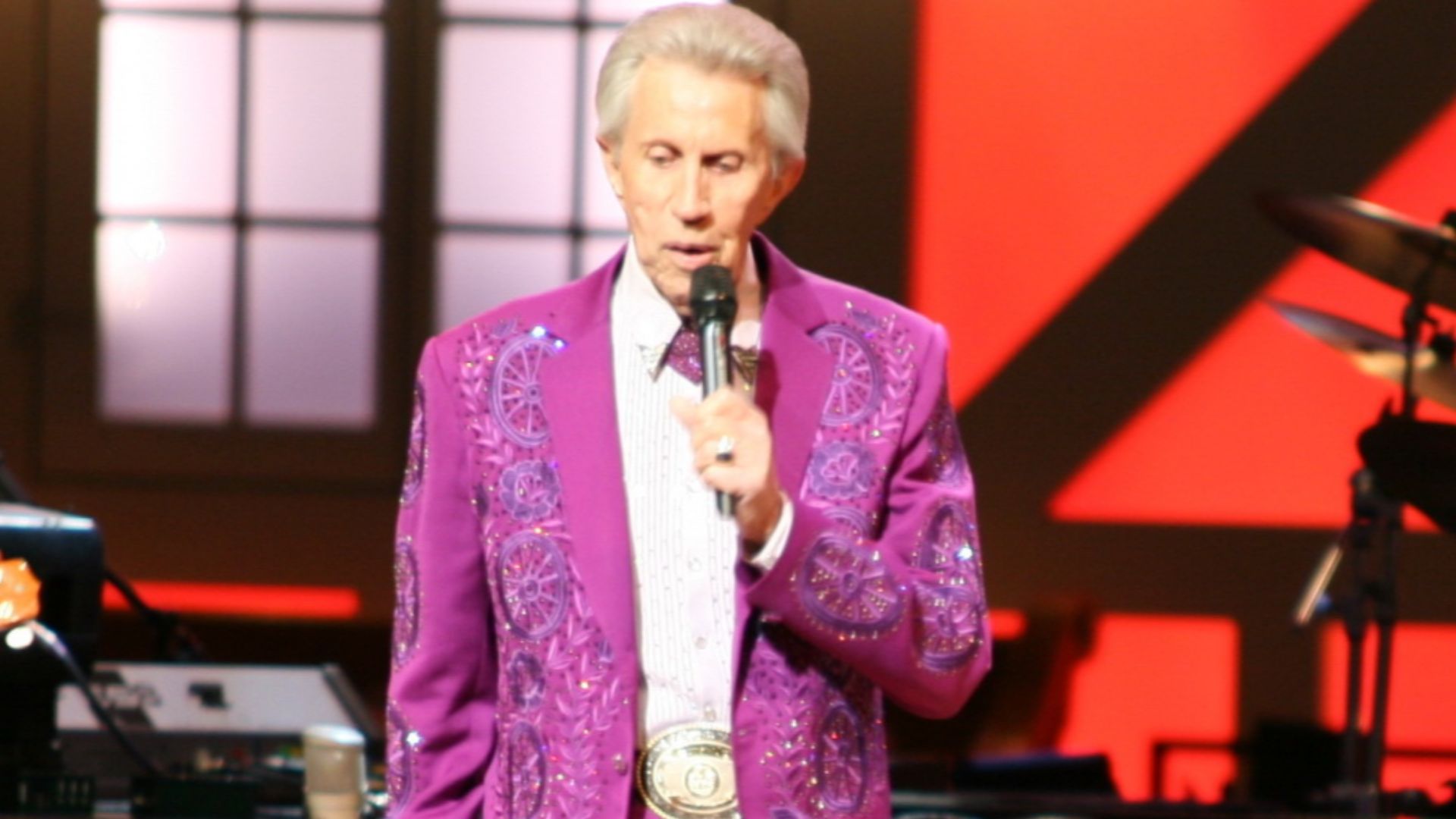
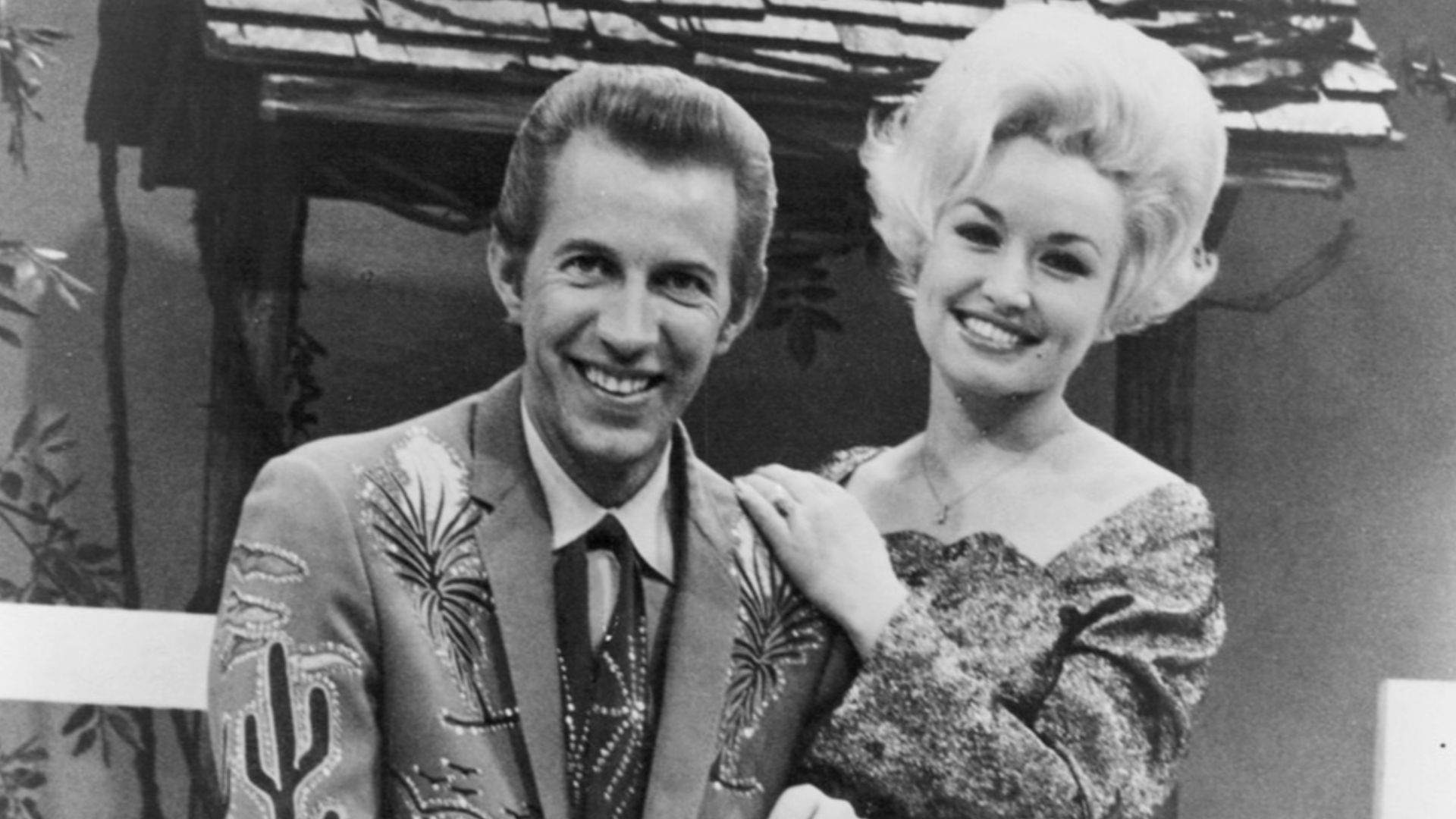
Porter Wagoner Looked Made For Family Television
Porter Wagoner's sparkling suits and broad grin became fixtures of syndicated television. The Porter Wagoner Show eventually reached nearly 100 markets and more than three million viewers, blending jokes, country performances, and gospel music into a remarkably durable package. He appeared to be the ultimate cheerful ambassador for Nashville.
 Cliff from Arlington, Virginia, USA, Wikimedia Commons
Dolly Parton's Departure Turned Bitter
Wagoner's partnership with Dolly Parton became one of the show's biggest attractions, but her growing independence eventually created serious tension. When Parton left in 1974, the split produced angry words and legal action before the two eventually reconciled. Behind one of country's friendliest television partnerships was a very real fight over careers, contracts, and control.
 Moeller Talent, Inc. Nashville (management), Wikimedia Commons
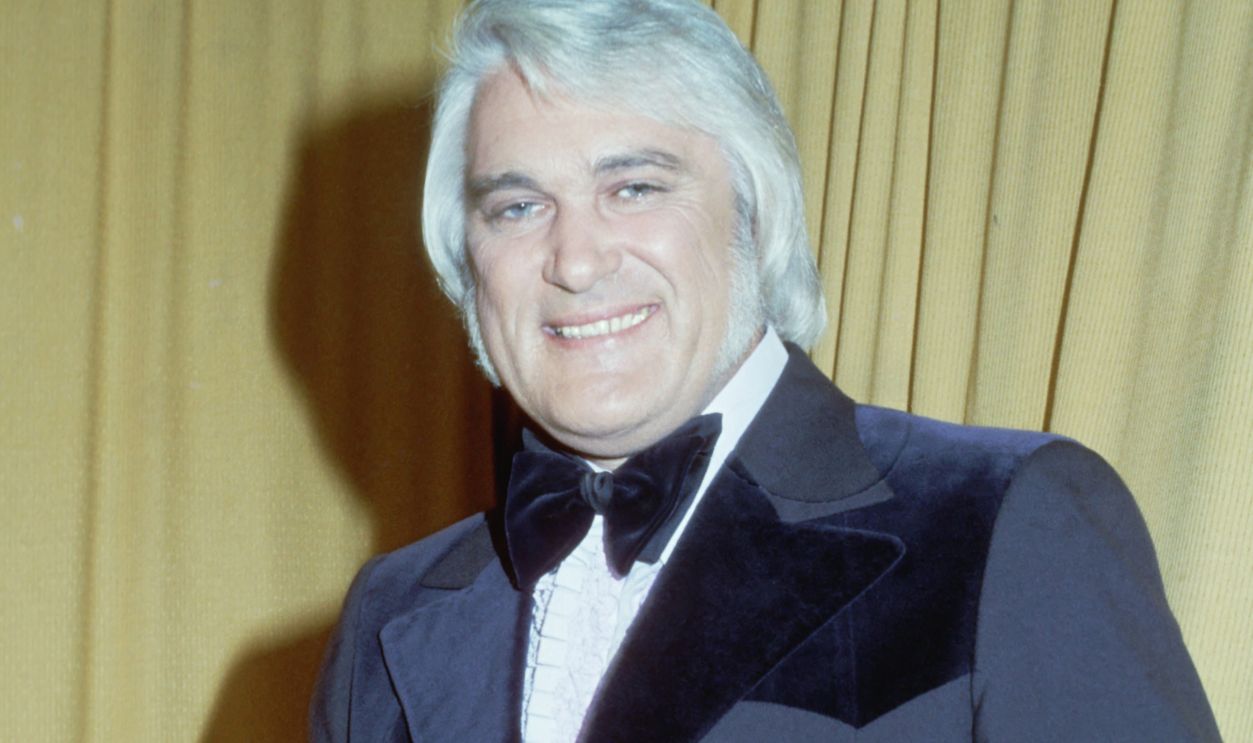
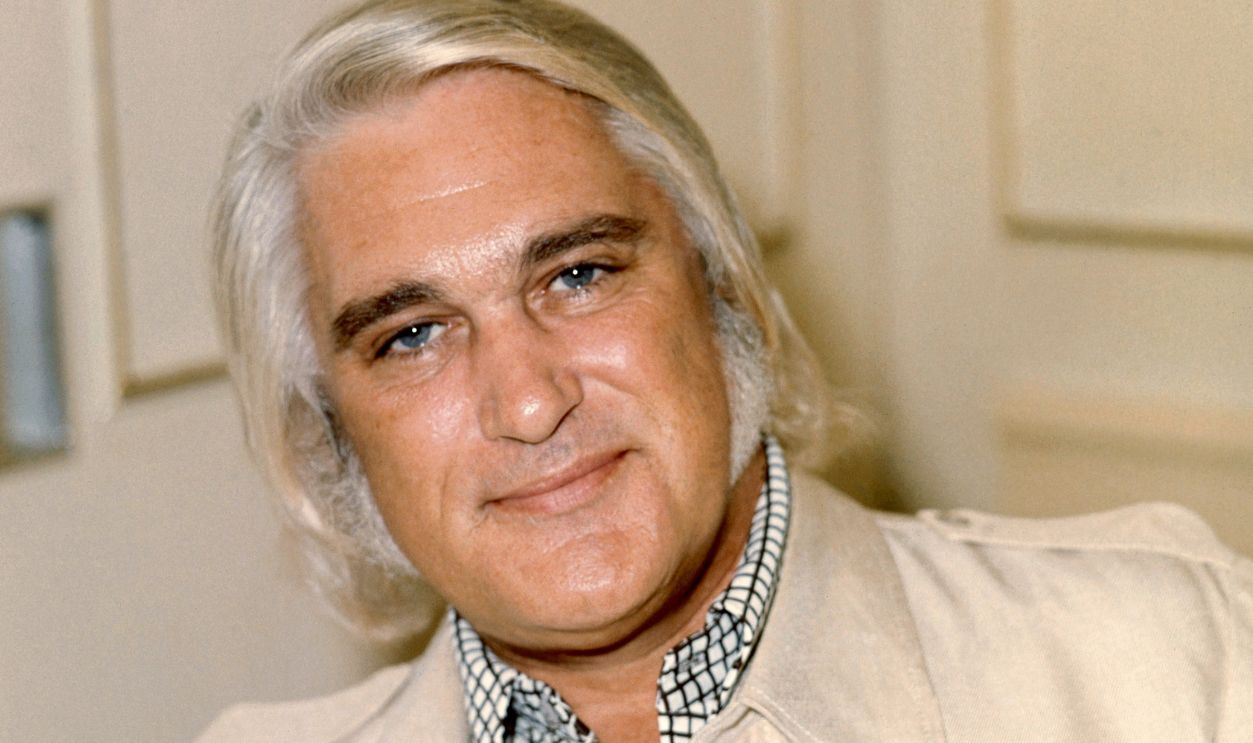
Charlie Rich Became The Sophisticated Silver Fox
Charlie Rich's silver hair, restrained singing style, and string-heavy country records made him seem almost impossibly smooth. His 1973 and 1974 success culminated in the Country Music Association naming him Entertainer of the Year. Then one live television moment permanently complicated that elegant image.
 Michael Ochs Archives, Getty Images
He Set The Winner's Card On Fire
At the 1975 CMA Awards, Rich opened the envelope naming John Denver as the new Entertainer of the Year. Instead of simply announcing the result, he produced a lighter and burned the card onstage before giving Denver's name. The bizarre episode became one of country's most famous awards-show incidents, although later accounts have cautioned against reducing Rich's motivations to a simple anti-Denver protest.
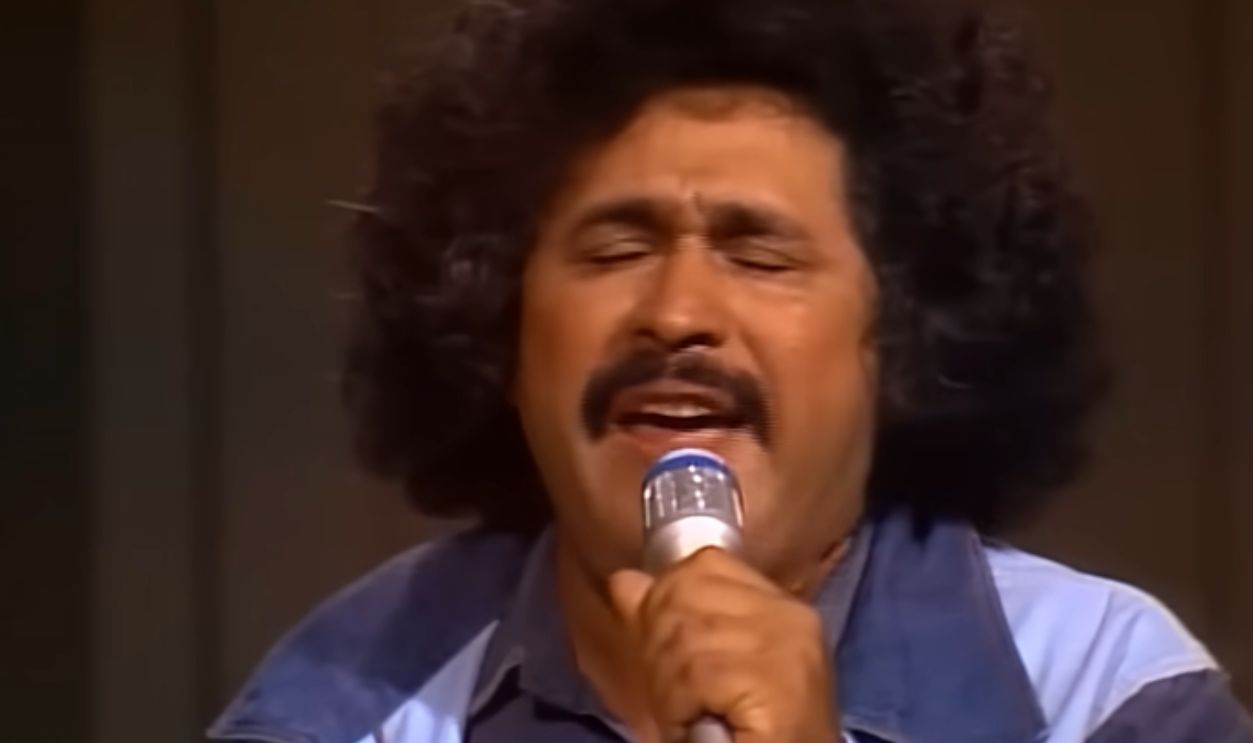
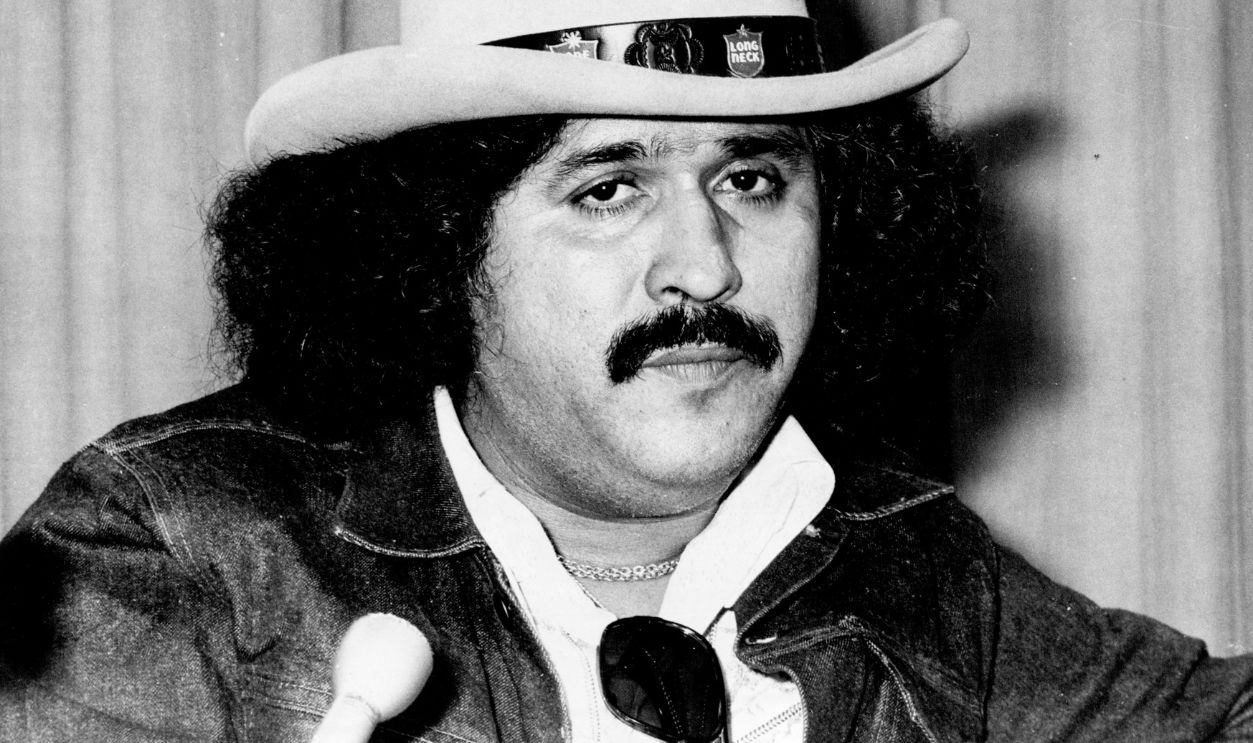
Freddy Fender Sang Like A Hopeless Romantic
Freddy Fender's tender voice made "Before the Next Teardrop Falls" one of 1975's biggest crossover successes. Singing in both English and Spanish, he brought a distinctive South Texas identity into mainstream country music and won major industry honors. His sudden arrival looked like an overnight success story, but it had actually taken years to recover from an enormous setback.
 Screenshot from Before the Next Teardrop Falls, ABC-Dot Records (1975)
Prison Nearly Ended His Career Before It Began
Fender had already developed a promising music career when a 1960 arrest resulted in nearly three years at Louisiana's Angola prison. After his release, he worked as an auto mechanic, studied at community college, and played music on weekends before getting another chance at national success. His mellow 1970s ballads arrived only after a remarkably difficult detour.
 Fairfax Media Archives, Getty Images
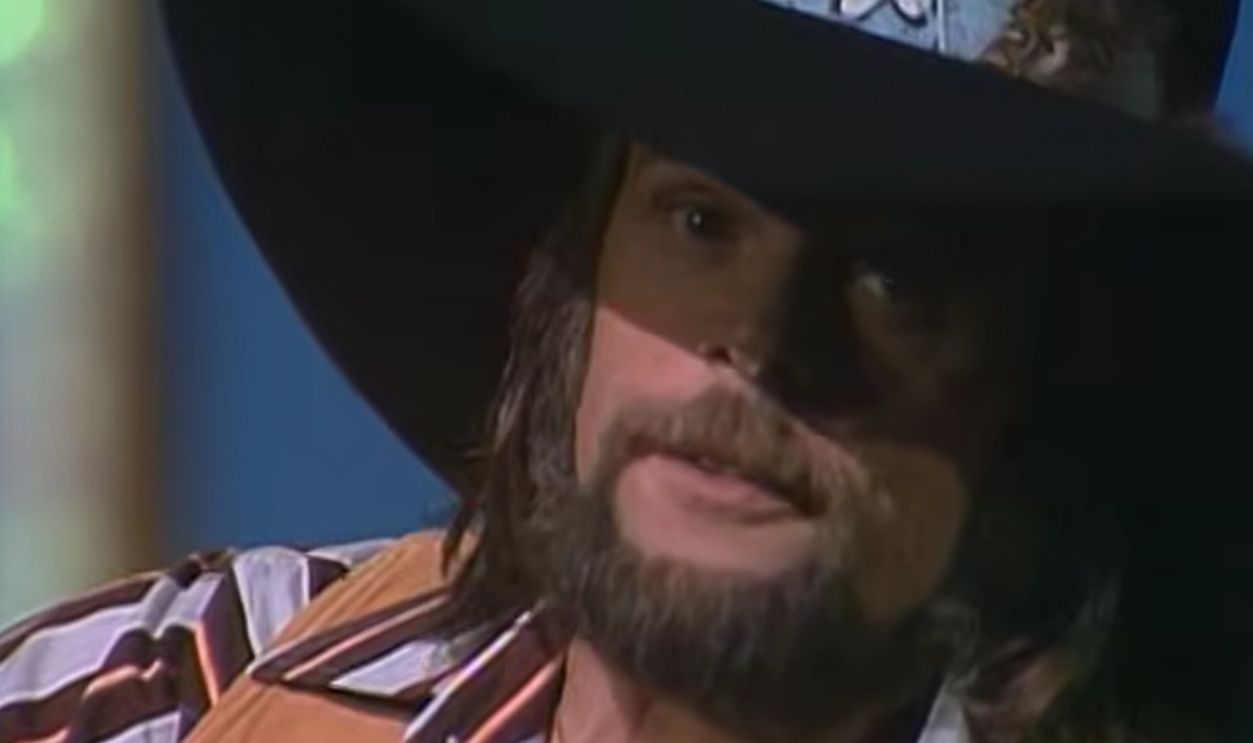
Johnny Paycheck Became A Working-Man Hero
Johnny Paycheck's 1977 recording of "Take This Job and Shove It" turned him into a voice for frustrated workers everywhere. The blunt title made him a blue-collar folk hero, and his hard-country voice fit the role perfectly. His own confrontations with authority went far beyond anything contained in the song.
 Screenshot from Take This Job and Shove It, Epic Records (1977)
His Reputation Eventually Became Reality
Paycheck was convicted following a 1985 barroom shooting and began serving a prison sentence in 1989. His legal problems also included major tax debts, while earlier in life he had served time following a military court case. By the time he tried rebuilding his career in the 1990s, the rebellious persona attached to his music had acquired very real consequences.
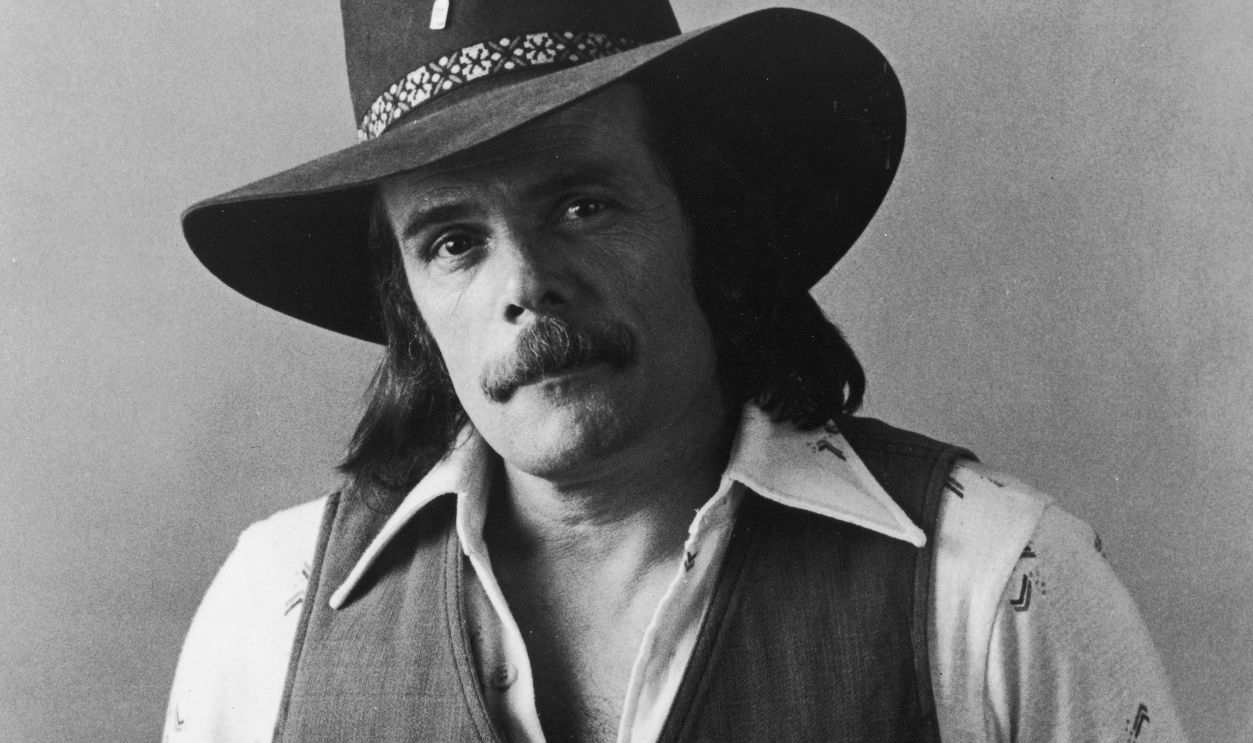
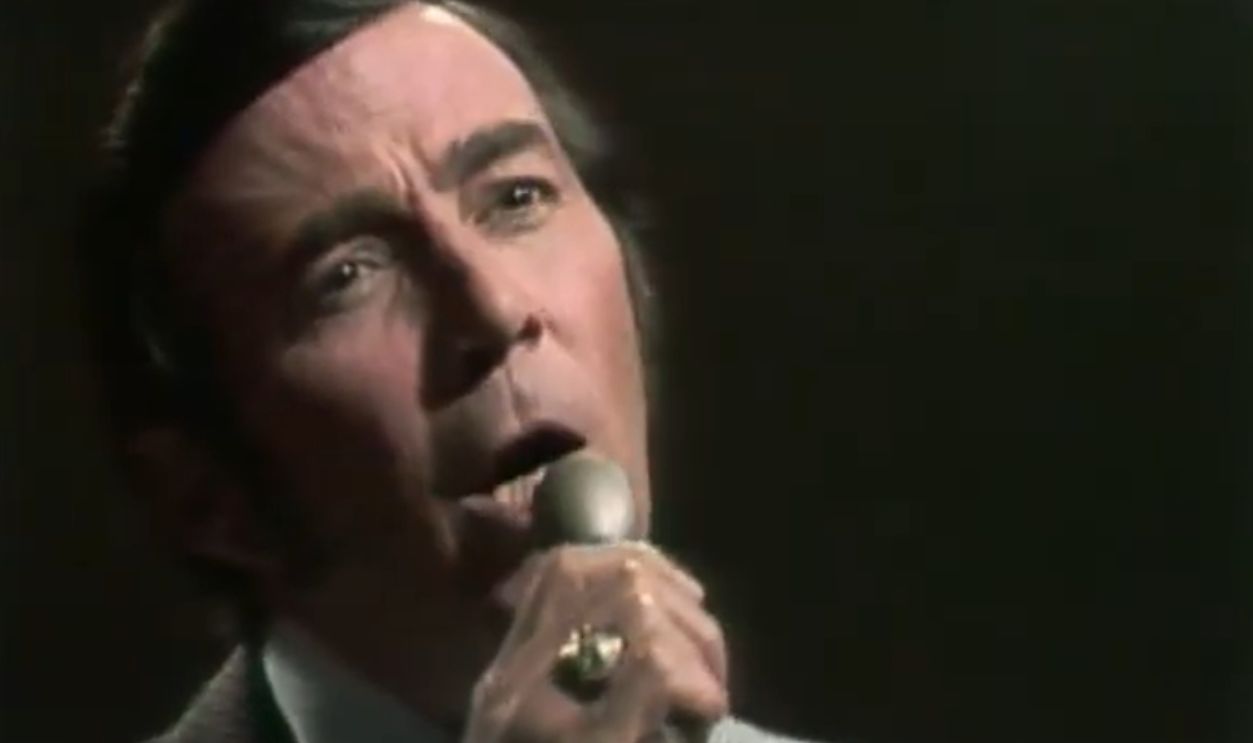
Faron Young Could Look Like Nashville Royalty
Faron Young spent decades appearing in immaculate western clothes and delivering traditional country songs with star-level confidence. By the early 1970s, "It's Four in the Morning" had returned him to the top of the country chart. He was also an entrepreneur whose investments and Music City News publication made him an unusually powerful figure around Nashville.
 Screenshot from It's Four in the Morning, Mercury Records (1971)
His Temper Made Headlines Too
Young's outgoing personality could cross into genuinely troublesome behavior. In 1972, he was arrested after an incident involving a six-year-old audience member at a West Virginia concert and later paid a fine. The Country Music Hall of Fame notes that by the middle of the decade, his controversial personality was beginning to overshadow his records.
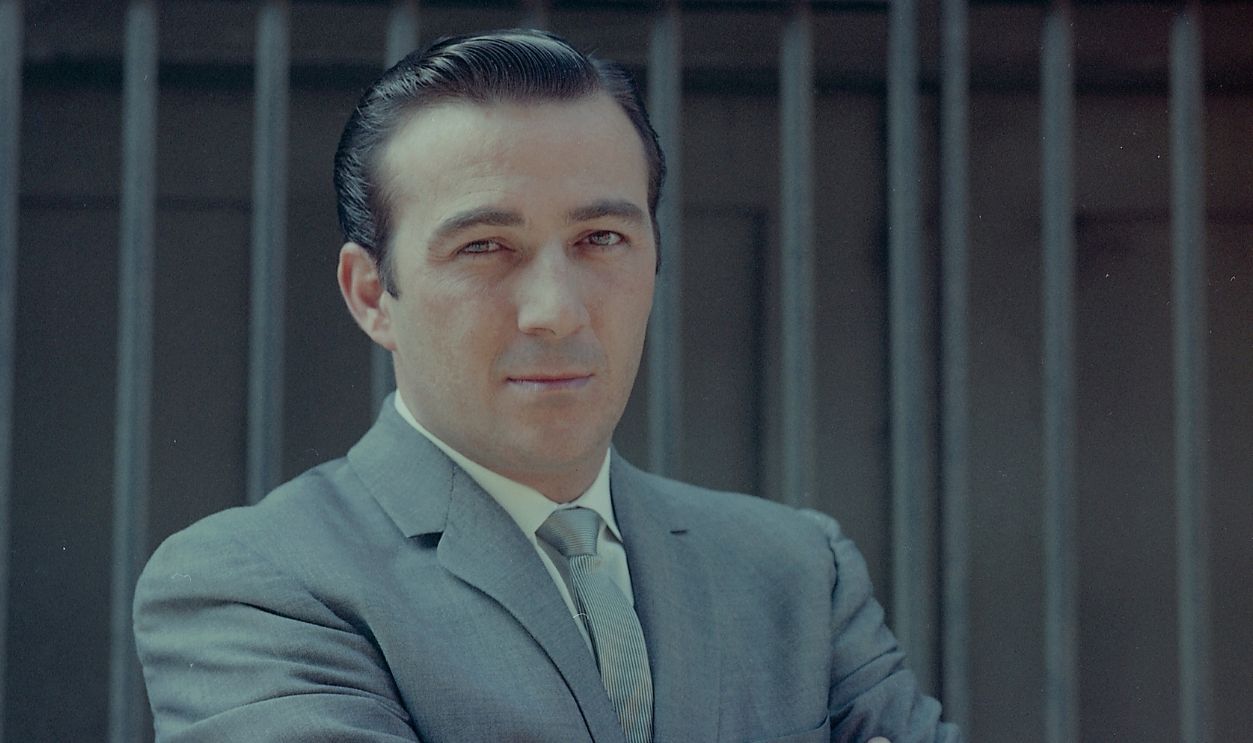 Michael Ochs Archives, Getty Images
Lynn Anderson Seemed Like Country's Rose-Garden Princess
Lynn Anderson's polished appearance and enormous "Rose Garden" crossover hit made her one of the most glamorous country singers of the early 1970s. She became the first female country performer to sell out Madison Square Garden and collected major awards along the way. Away from the spotlight, she was also a fiercely competitive horsewoman.
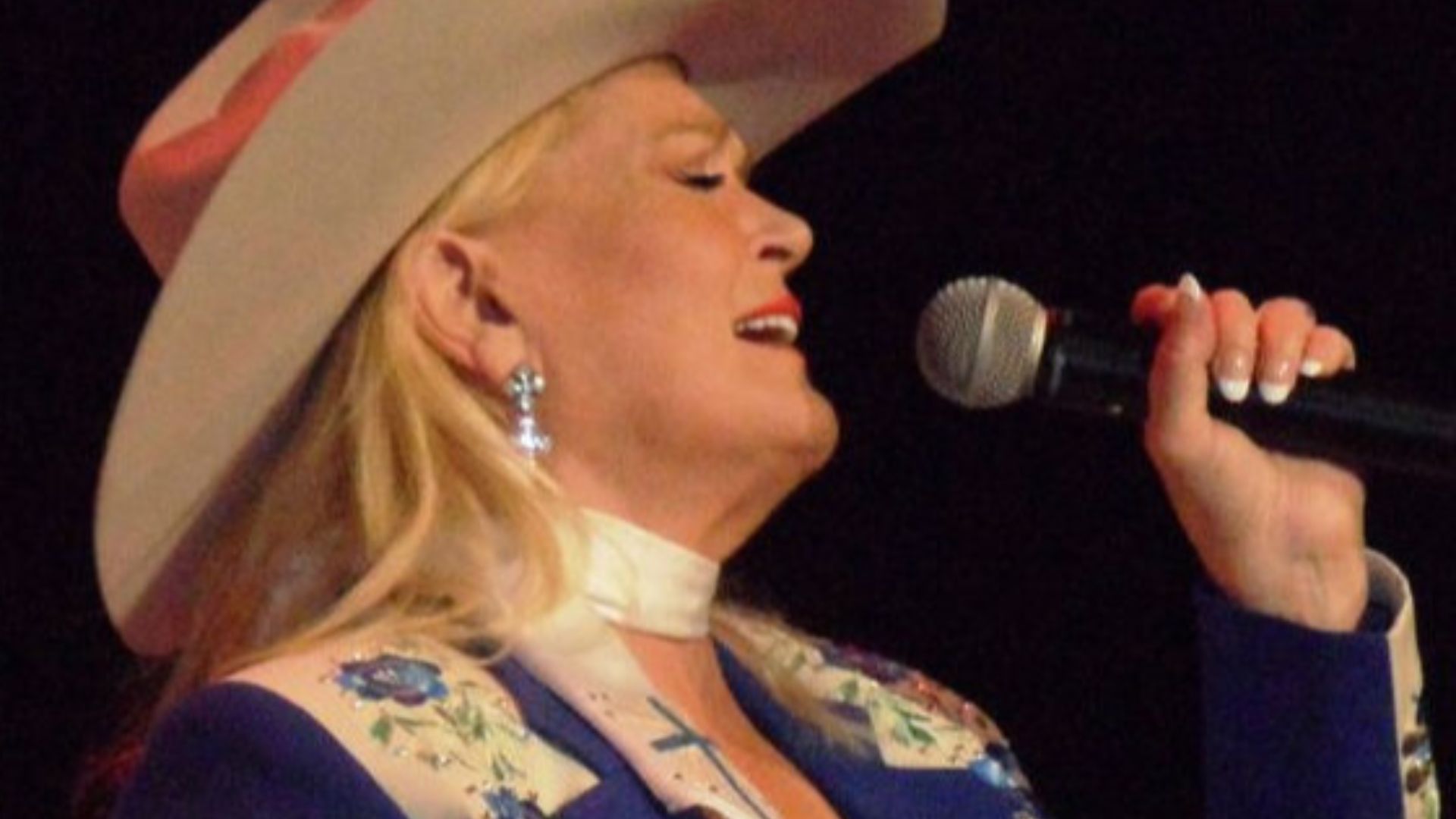 Mikiesmonkey, Wikimedia Commons
Her Later Years Were Far Less Polished
Anderson won numerous national and world championships in equestrian competition, revealing a competitive streak rarely visible in her carefully produced television appearances. Much later, her life also included several legal problems, including a 2005 incident that led to a no-contest plea for obstructing an officer. The serene singer behind "Rose Garden" lived a life considerably more complicated than that signature recording suggested.
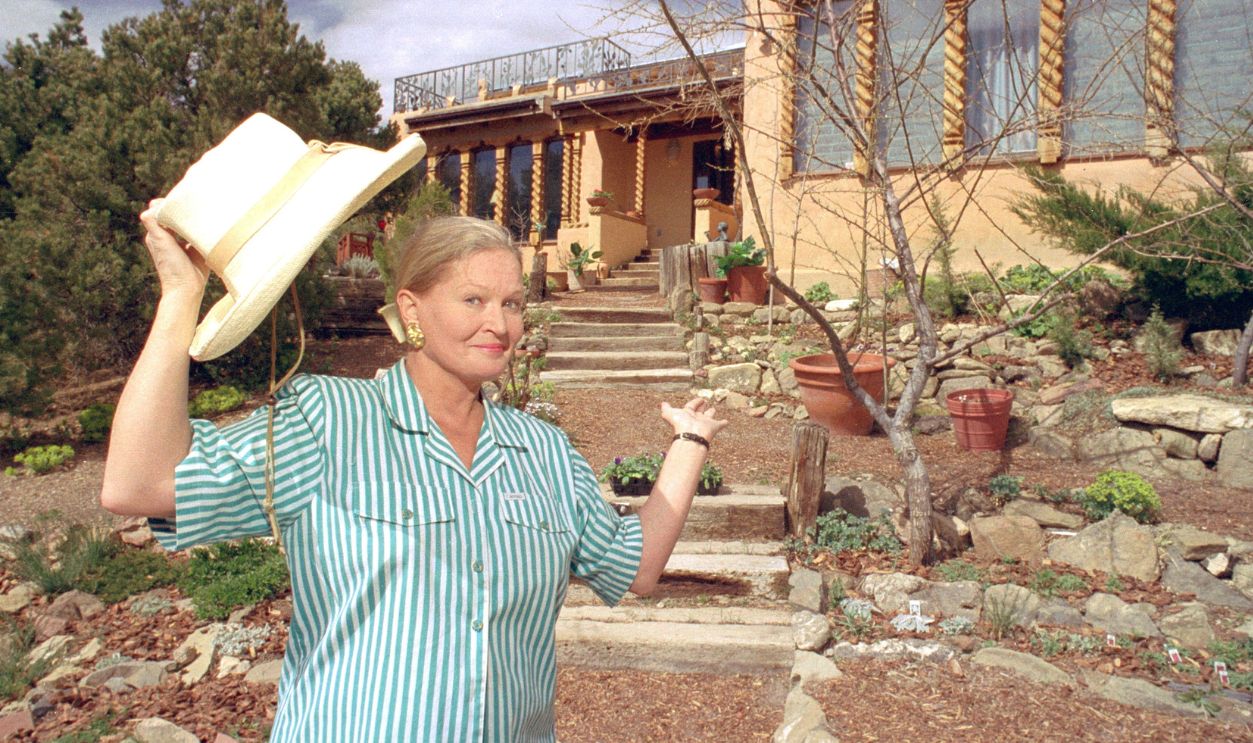
You May Also Like:
Forget The Critics: These Are The 50 Greatest Rock Albums Of The 1970s—Do You Agree?
Critics Say These Rock Albums Don’t Have Any Weak Tracks—Do You Agree?
Sources: 1, 2, 3, 4, 5, 6, 7, 8, 9, 10, 11, 12, 13, 14, 15, 16, 17, 18, 19, 20, 21, 22, 23, 24, 25, 26, 27, 28, 29