Somewhere In The Background
You know the singer. You know the guitar solo. You may even know every word. But sometimes the person making that familiar sound wasn't officially in the band at all. From Beatles hiding behind false names to superstars dropping in on their friends' sessions without credit, these famous records contain some amazing musical cameos. See how many you know.
 John Kelly, Public domain, Wikimedia Commons
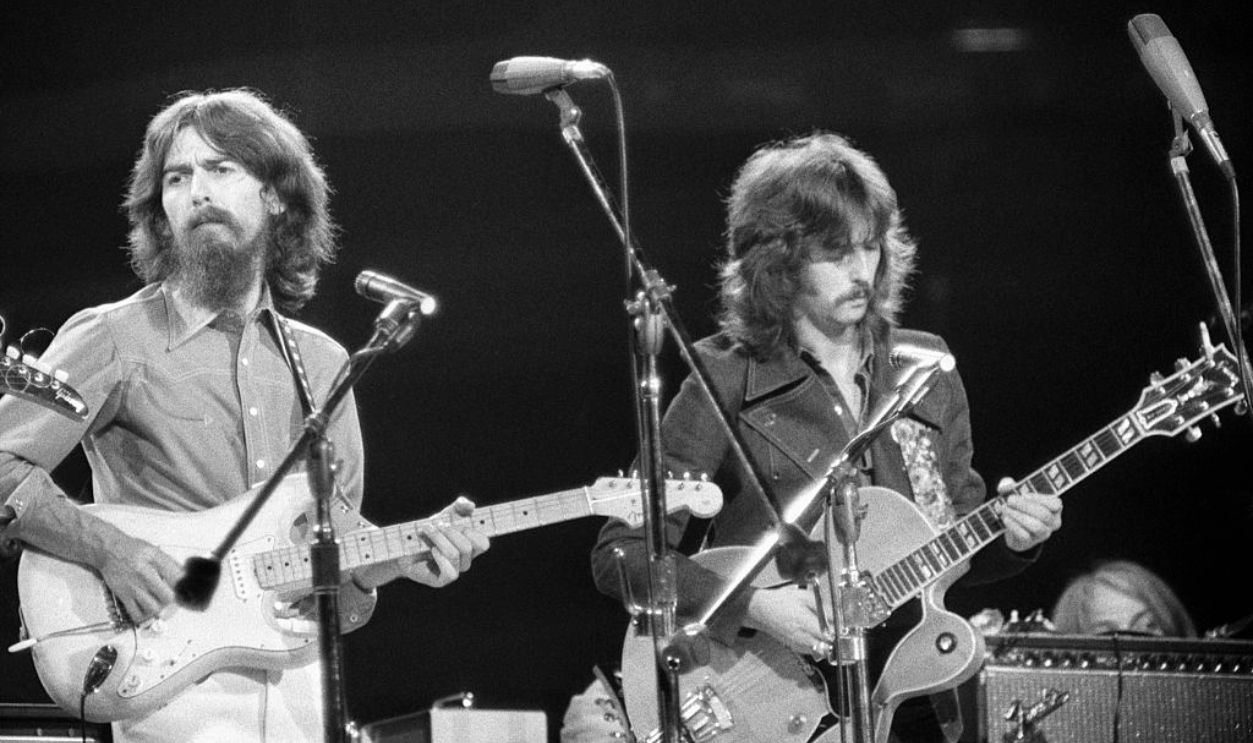
Eric Clapton — “While My Guitar Gently Weeps”
That soaring lead guitar on the Beatles' 1968 classic isn't George Harrison. Harrison invited his friend Eric Clapton to Abbey Road after becoming frustrated with the song's progress. Clapton initially resisted, arguing that outsiders didn't play on Beatles records, but eventually agreed. His performance went uncredited on the original White Album.
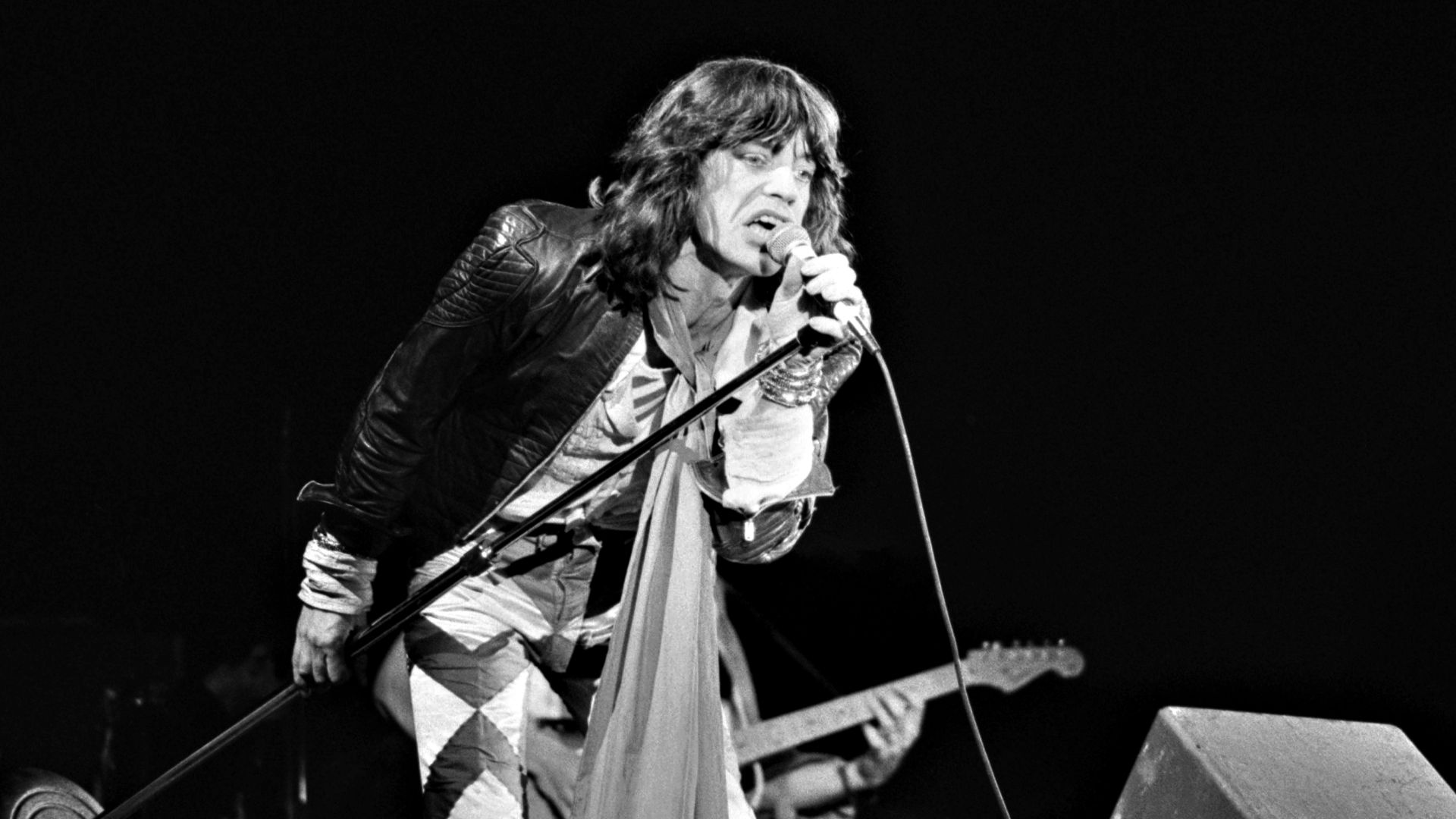
Mick Jagger — “You're So Vain”
Carly Simon's mystery man wasn't necessarily Mick Jagger, but Jagger really is on the record. He happened to telephone while Simon was recording backing vocals, so she invited him to the studio. Jagger's unmistakable voice joined hers during the chorus, although his contribution wasn't credited on the original album.
 Bert Verhoeff for Anefo, Wikimedia Commons
Michael Jackson — “Somebody's Watching Me”
Rockwell's paranoid 1984 hit contains one of pop's least-secret secret appearances. The enormous chorus is sung by Michael Jackson, with his brother Jermaine also contributing backing vocals. Michael wasn't billed as a featured artist, making it possible for unsuspecting listeners to hear one of the world's biggest stars without seeing his name on the single.
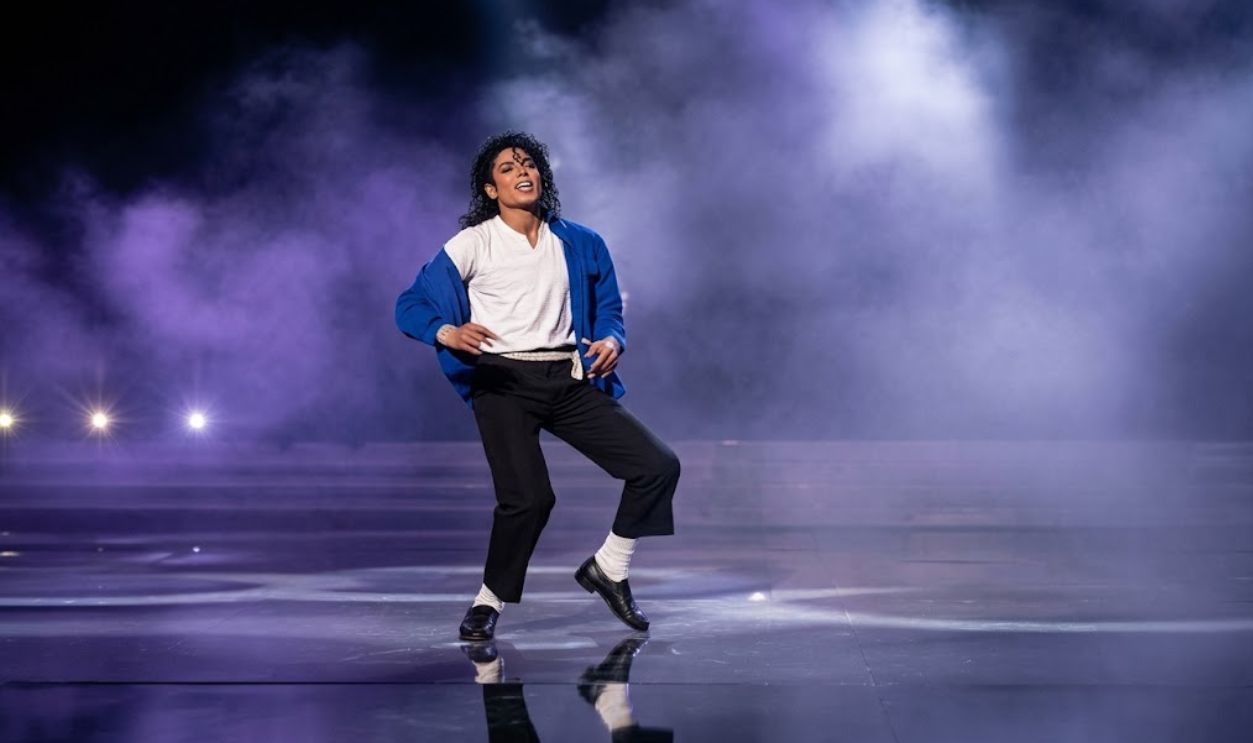 Screenshot from Somebody’s Watching Me, Motown Records (1983), Modified
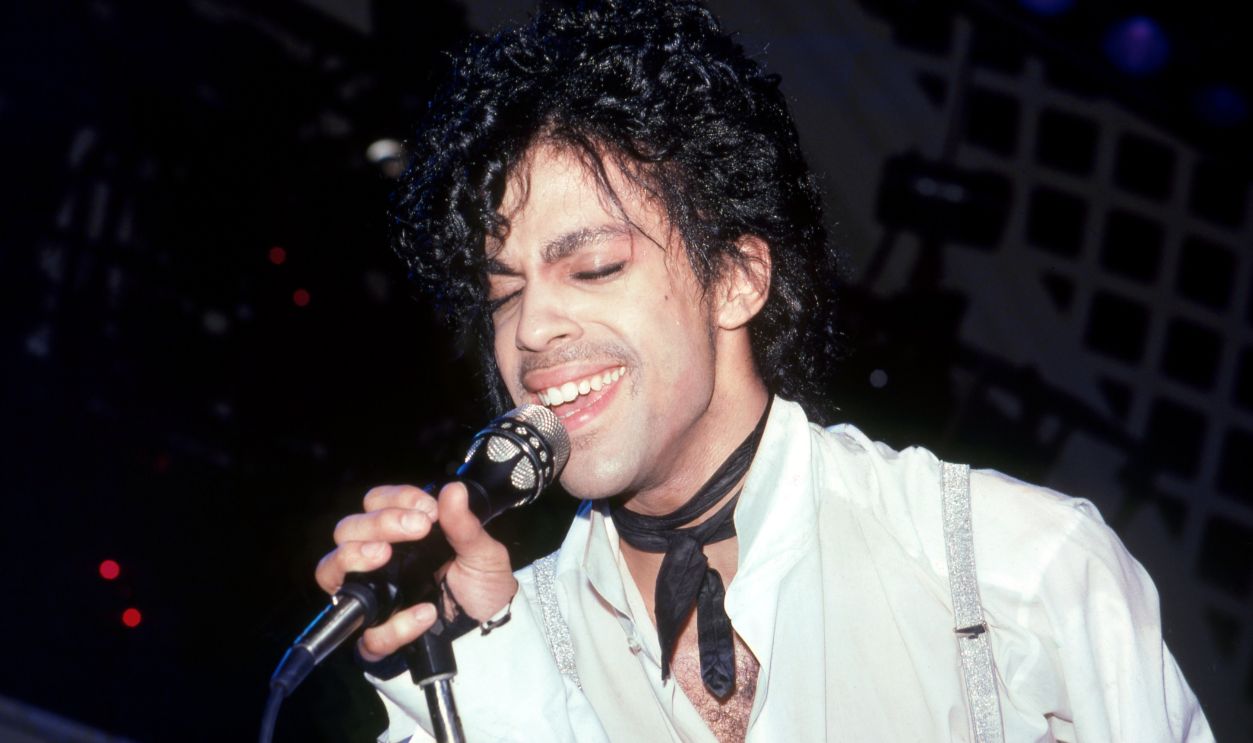
Prince — “Like A Prayer”
Madonna's “Like a Prayer” begins with a brief burst of electric guitar before a slamming door seemingly cuts it off. Producer Patrick Leonard later revealed that the guitarist was Prince. Prince contributed additional guitar work during the sessions, but his appearance on the title track wasn't credited on the album.
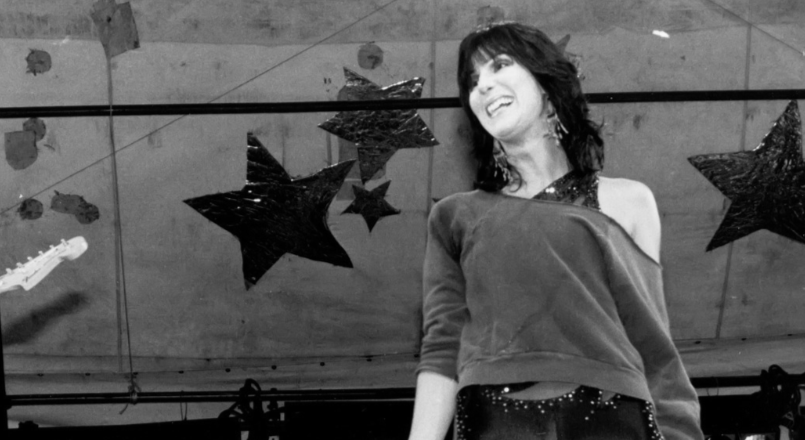
Cher — “Be My Baby”
Before Cher became a star, she was hanging around Phil Spector's recording sessions with Sonny Bono. When extra voices were needed for the Ronettes' “Be My Baby,” she joined the backing singers. The uncredited appearance became one of Cher's earliest professional recordings, buried inside one of the most celebrated pop productions ever made.
Elton John — “Bad Blood”
Neil Sedaka's 1975 chart-topper has an awfully recognizable voice answering him. That's Elton John, who supplied backing vocals without receiving a credit on the record. Elton's involvement wasn't exactly accidental: Sedaka's American comeback was being released through Elton's Rocket label. “Bad Blood” spent three weeks atop the Billboard Hot 100.
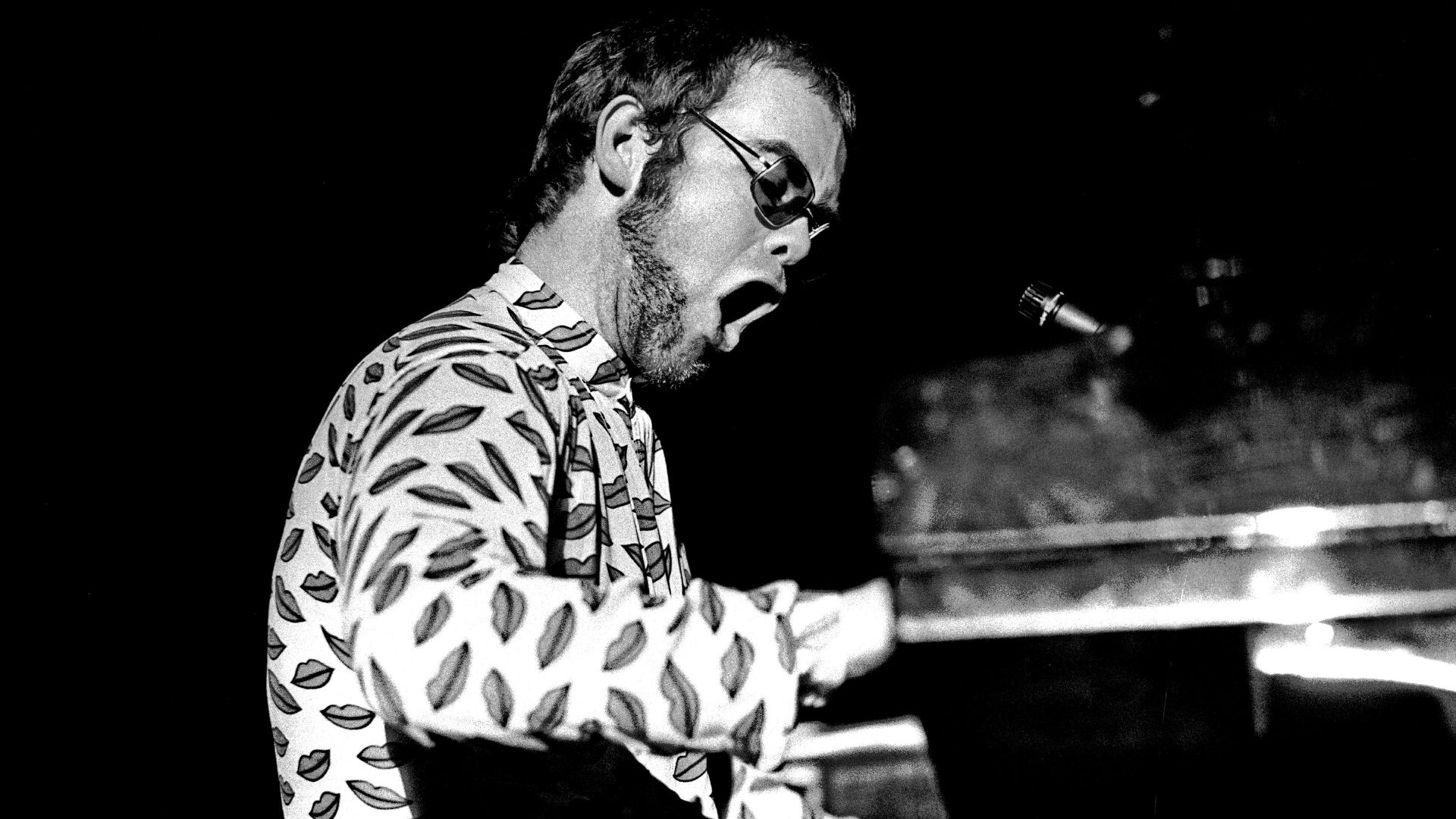 Heinrich Klaffs, Wikimedia Commons
Paul McCartney — “Mellow Yellow”
No, Paul McCartney isn't the mysterious voice whispering “quite rightly” on Donovan's “Mellow Yellow.” Donovan himself debunked that enduring story. McCartney really was at the session, however, contributing uncredited background noises, including whoops, shouts and other party-like vocals that can be heard scattered through the finished 1966 recording.
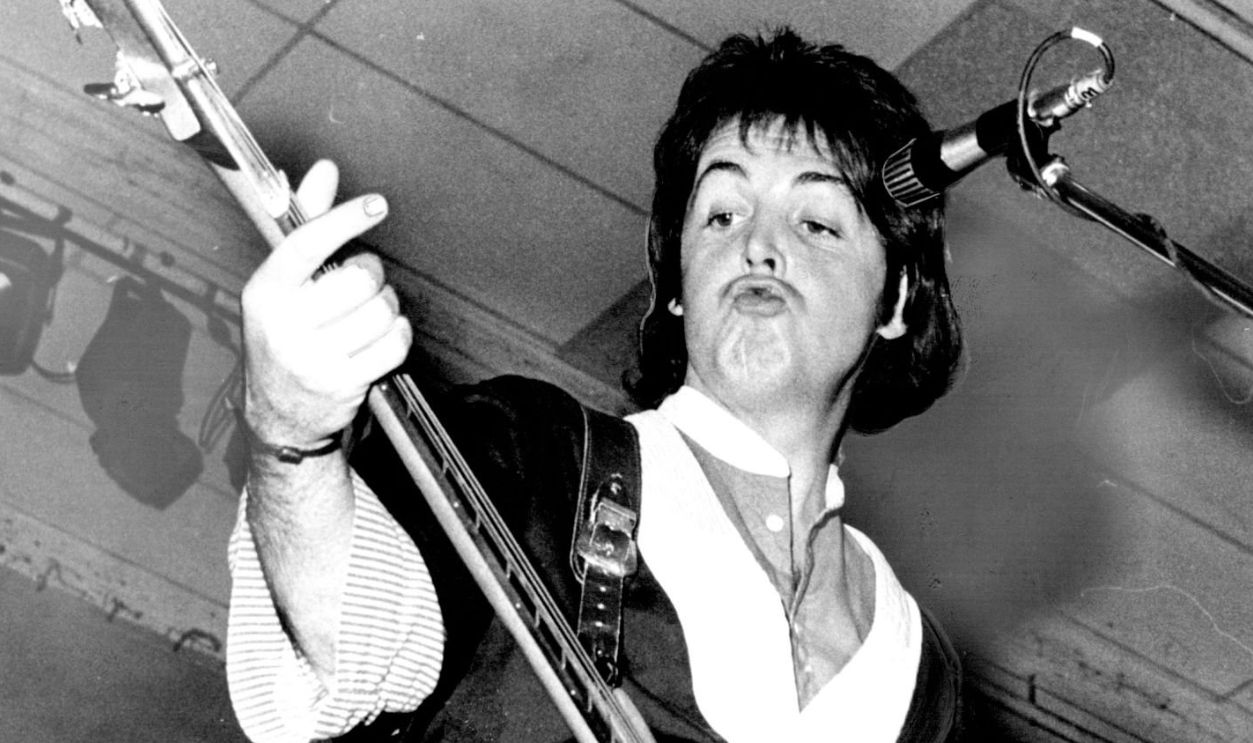 Fairfax Media Archives, Getty Images
John Lennon — “We Love You”
The Rolling Stones received some Beatle assistance on their psychedelic 1967 single “We Love You.” John Lennon and Paul McCartney contributed backing vocals, joining Mick Jagger and Keith Richards as the record builds toward its chaotic finale. Neither Beatle was a member of the Stones, obviously, making the collaboration a remarkable meeting of supposed 1960s rivals.
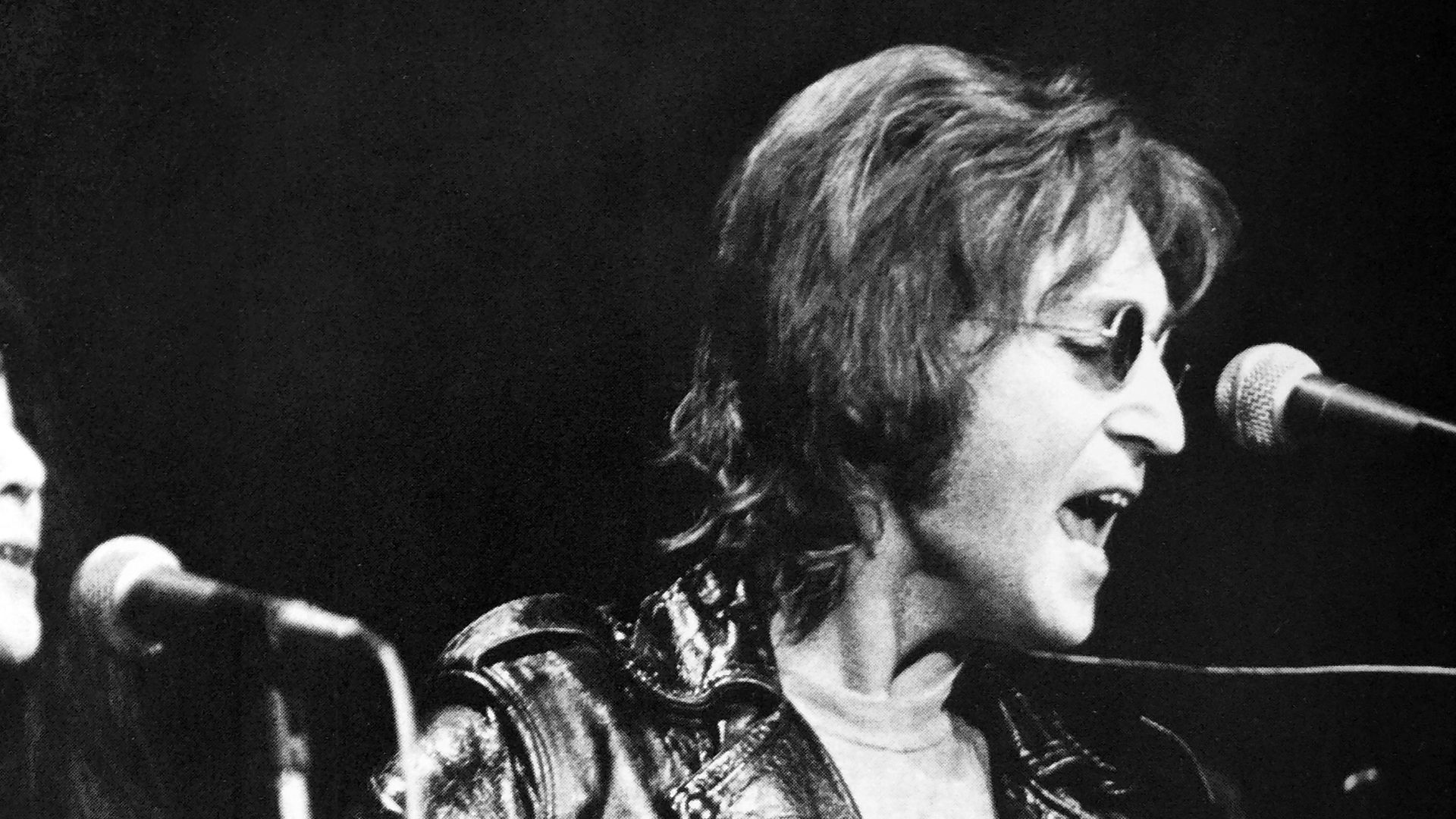
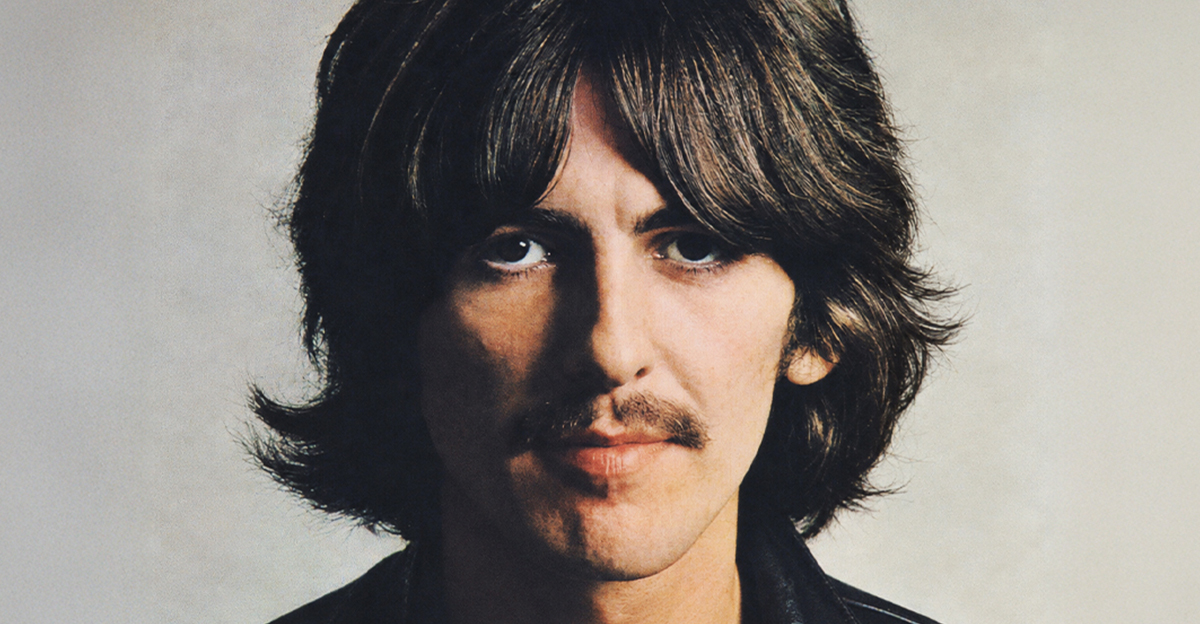
George Harrison — “Badge”
George Harrison didn't exactly go uncredited on Cream's “Badge.” He went disguised. Contractual complications prevented Harrison from appearing under his own name, so Cream's Goodbye album credited his rhythm guitar to the wonderfully mysterious “L'Angelo Misterioso.” Harrison also helped Eric Clapton write the song.
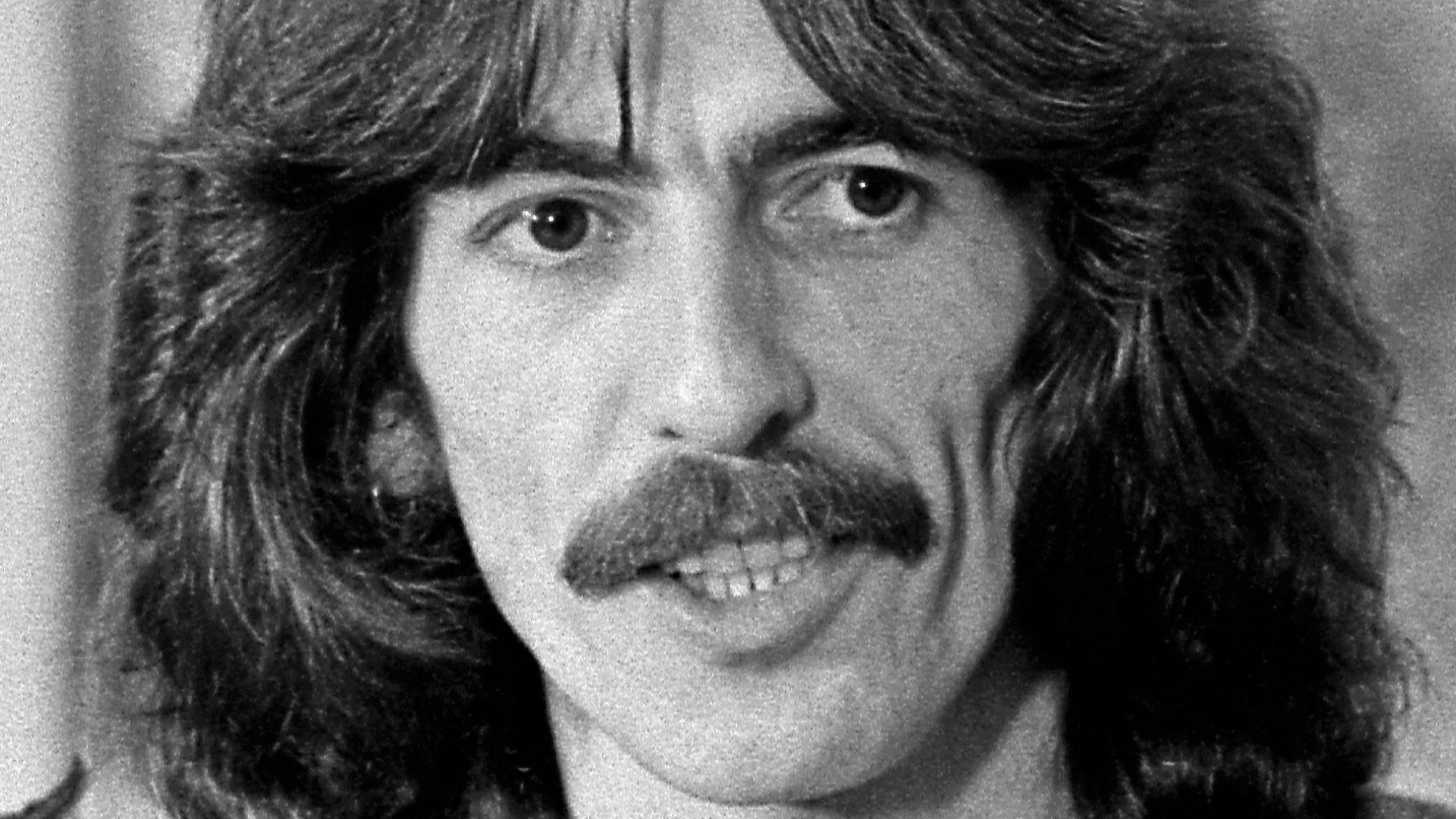 David Hume Kennerly, Wikimedia Commons
Brian Jones — “All Along The Watchtower”
There's a famous misconception worth correcting here. Rolling Stone Brian Jones did participate in Jimi Hendrix's “All Along the Watchtower,” but he didn't play its acoustic guitar. Traffic's Dave Mason supplied 12-string acoustic guitar. Jones contributed percussion during the sessions, adding another famous name to Hendrix's masterpiece.
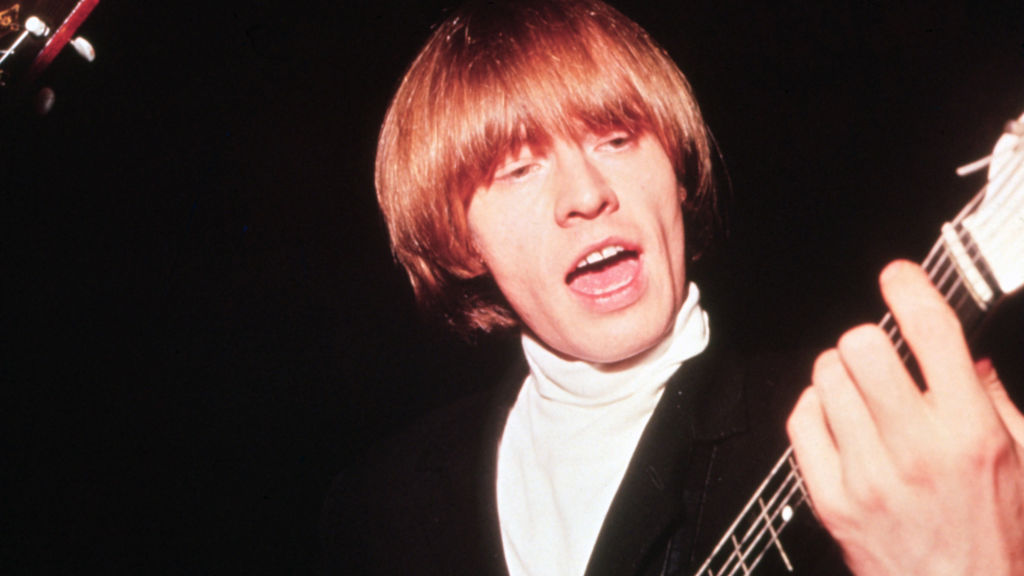
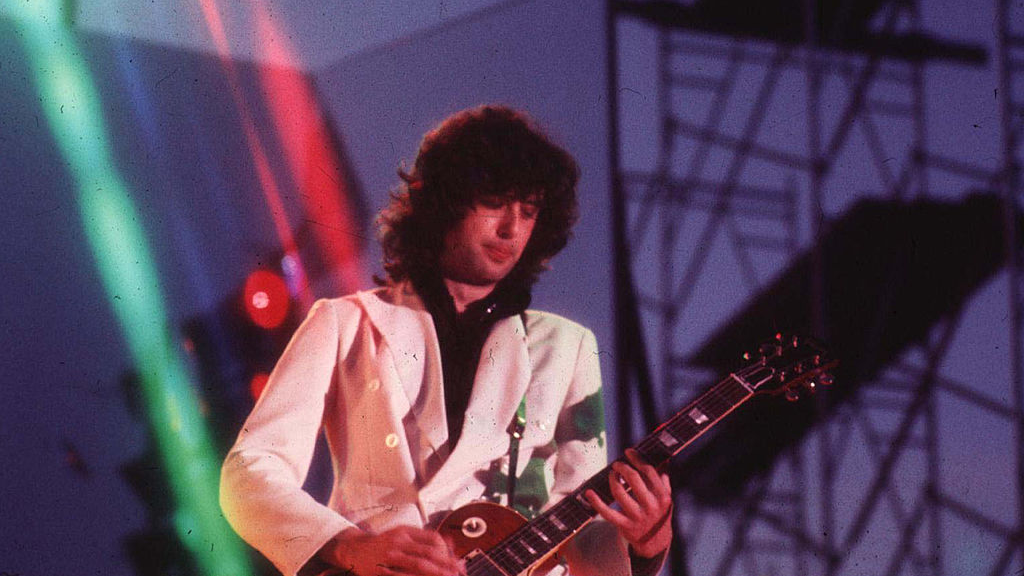
Jimmy Page — “With a Little Help from My Friends”
Before Led Zeppelin made him a guitar hero, Jimmy Page was one of Britain's busiest session musicians. He played lead guitar on Joe Cocker's radically reworked 1968 version of “With a Little Help from My Friends,” alongside Procol Harum drummer B.J. Wilson and organist Tommy Eyre. Cocker's recording reached No. 1 in Britain before Page became internationally famous with Led Zeppelin.
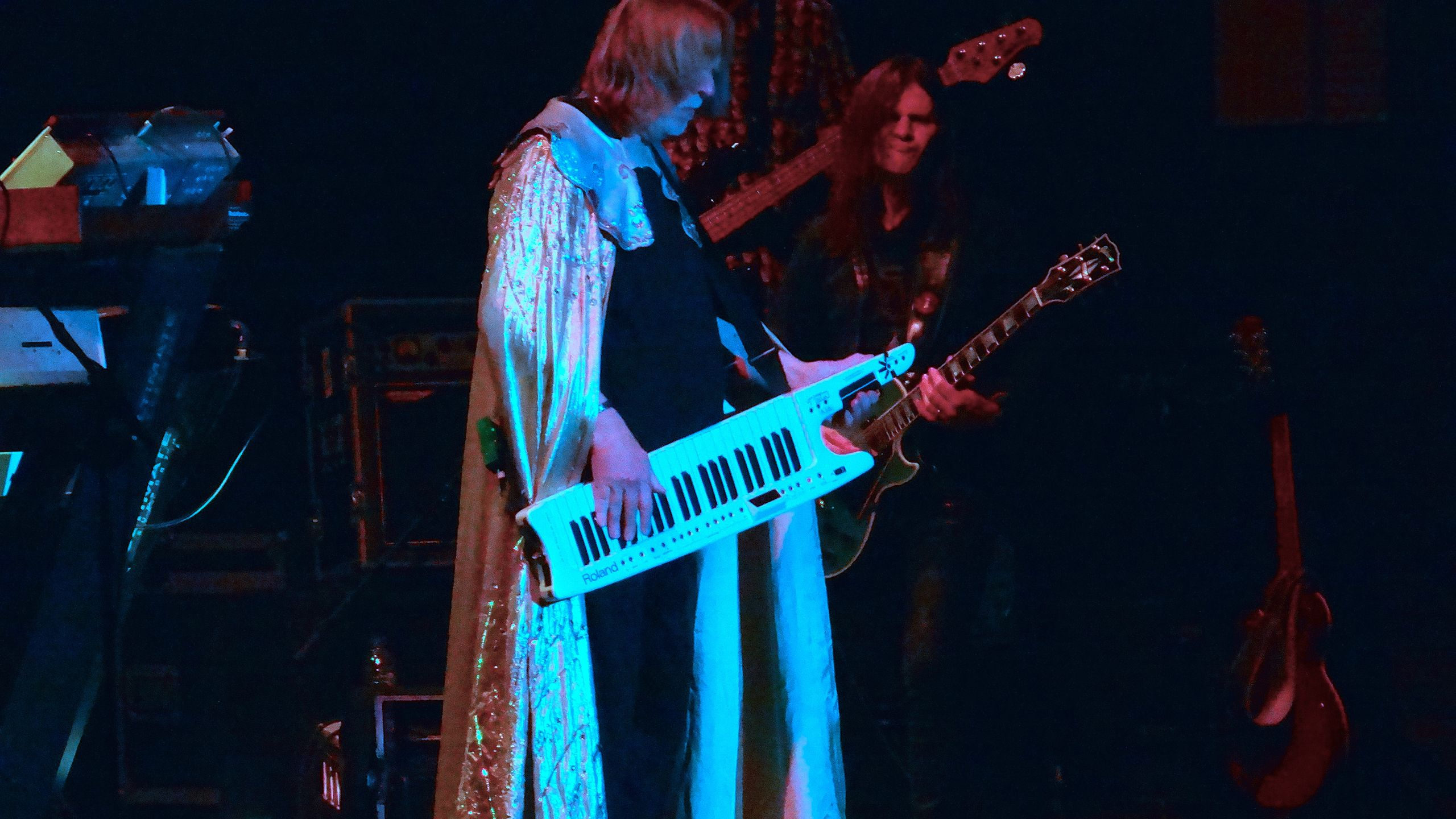
Rick Wakeman — “Space Oddity”
Years before becoming the flamboyantly caped keyboard wizard of Yes, Rick Wakeman was a session musician. He played Mellotron on David Bowie's original 1969 recording of “Space Oddity,” helping create the otherworldly atmosphere surrounding Major Tom. Wakeman later remembered realizing immediately that Bowie's strange new record sounded unlike anything else on the radio.
 Phil Guest , CC BY-SA 2.0, Wikimedia Commons
Ian McDonald — “Get It On”
T. Rex's “Get It On,” known as “Bang a Gong (Get It On)” in America, contains another prog-rock connection hiding in plain sight. Ian McDonald, a founding member of King Crimson and later Foreigner, played the baritone and alto saxophones. Producer Tony Visconti layered McDonald's parts to create the record's swaggering horn sound.
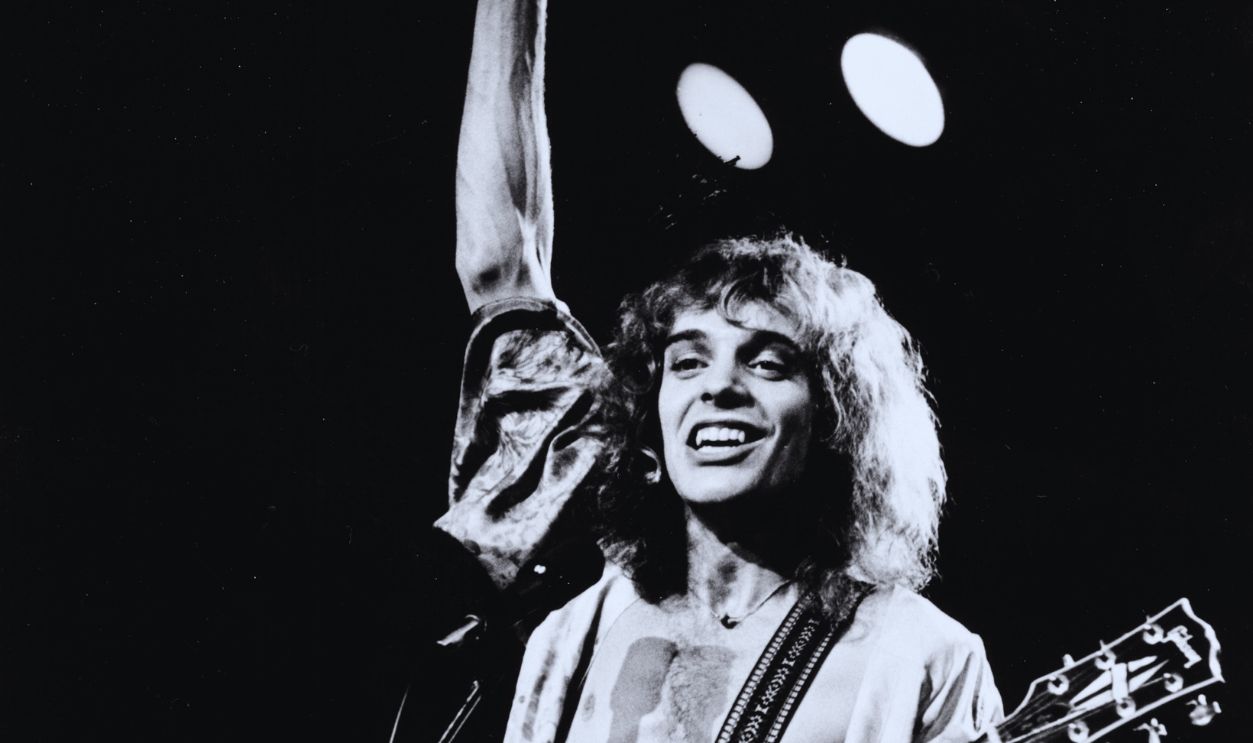
Peter Frampton — “Grease”
Frankie Valli sang it and Barry Gibb wrote and produced it, but another 1970s superstar helped make “Grease” work. Peter Frampton played guitar on the 1978 No. 1 hit after Gibb invited his Sgt. Pepper's Lonely Hearts Club Band (1978) castmate into the studio. Frampton's contribution is easily overlooked amid that soundtrack's enormous cast.
 Michael Ochs Archives, Getty Images
Ronnie Spector — “Take Me Home Tonight”
Eddie Money's 1986 hit suddenly transforms when a familiar female voice answers his plea to “listen, honey.” Ronnie Spector then reprises the famous “Be my little baby” hook from the Ronettes' 1963 classic. Her vocal wasn't originally billed as a featured performance, making Spector's comeback an unexpectedly anonymous one.
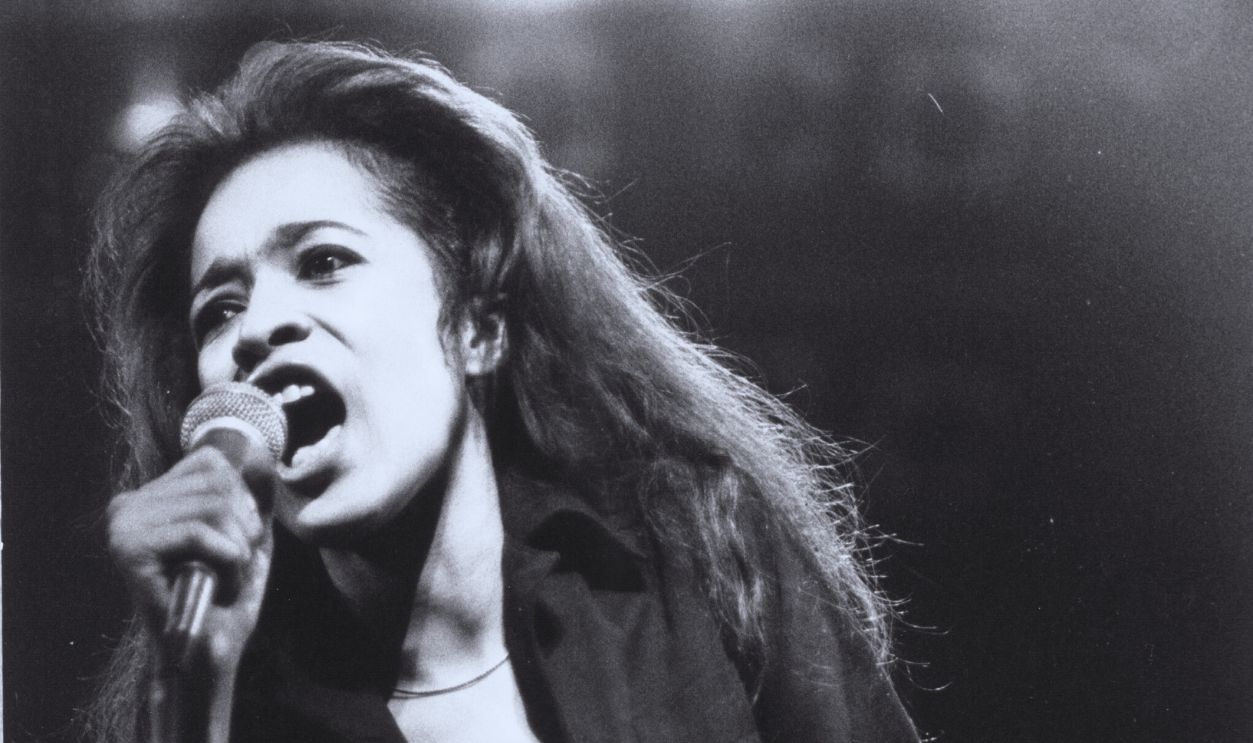
Lou Rawls — “Bring It On Home To Me”
Sam Cooke's 1962 recording sounds almost like a duet because another extraordinary singer answers each of Cooke's lines. That's Lou Rawls, Cooke's old friend from Chicago's gospel scene. Rawls wasn't credited on the original record, despite providing the deep answering vocal that became an essential part of the song's identity.
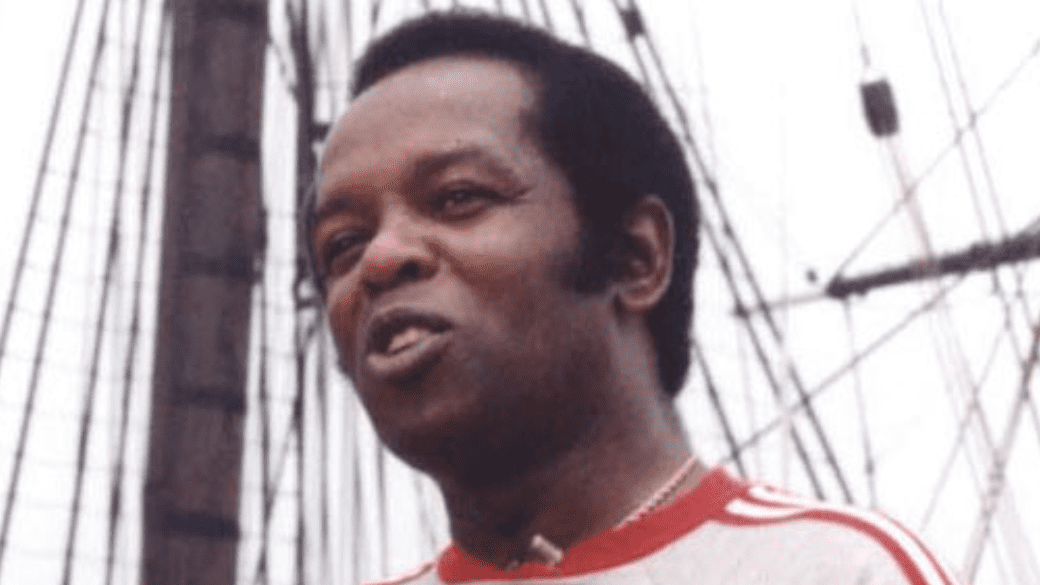
Luther Vandross — “Young Americans”
Before “Never Too Much” made Luther Vandross a star, David Bowie discovered his remarkable voice during the Young Americans sessions. Vandross sang backing vocals on the title track and helped devise its vocal arrangements. The future R&B superstar was only 23 and still sufficiently unknown that millions heard him before they knew who he was. Bowie covered the Vandross song "Funky Music (Is a Part of Me)" on the same album (retitled as "Fascination").
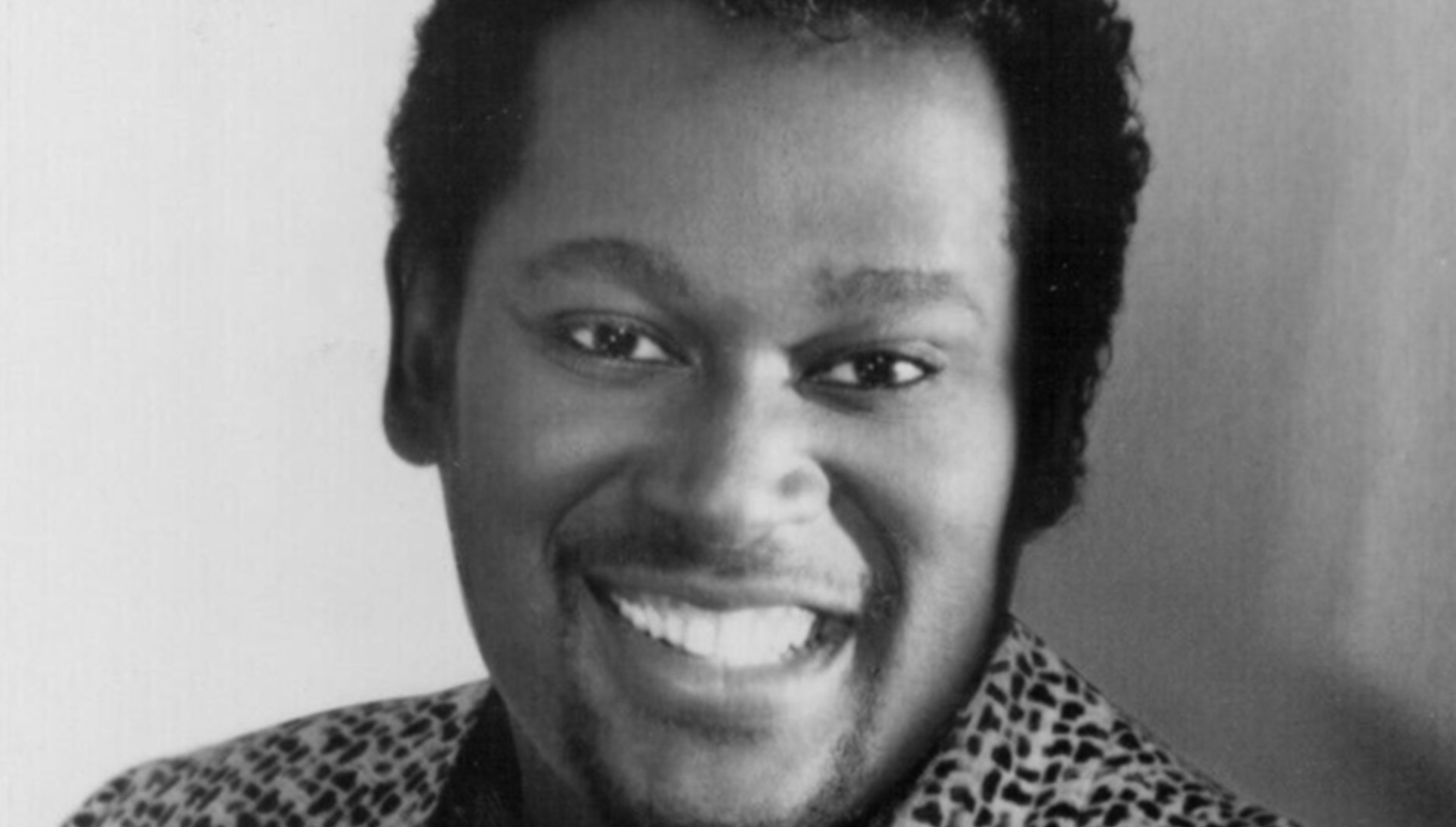
David Bowie — “Satellite Of Love”
Listen closely as Lou Reed's “Satellite of Love” approaches its conclusion and an extraordinary high backing vocal begins climbing behind him. That's producer David Bowie. Reed later singled out Bowie's performance for praise, marveling at his melodic instincts and ability to reach the increasingly high notes heard during the song's finale.
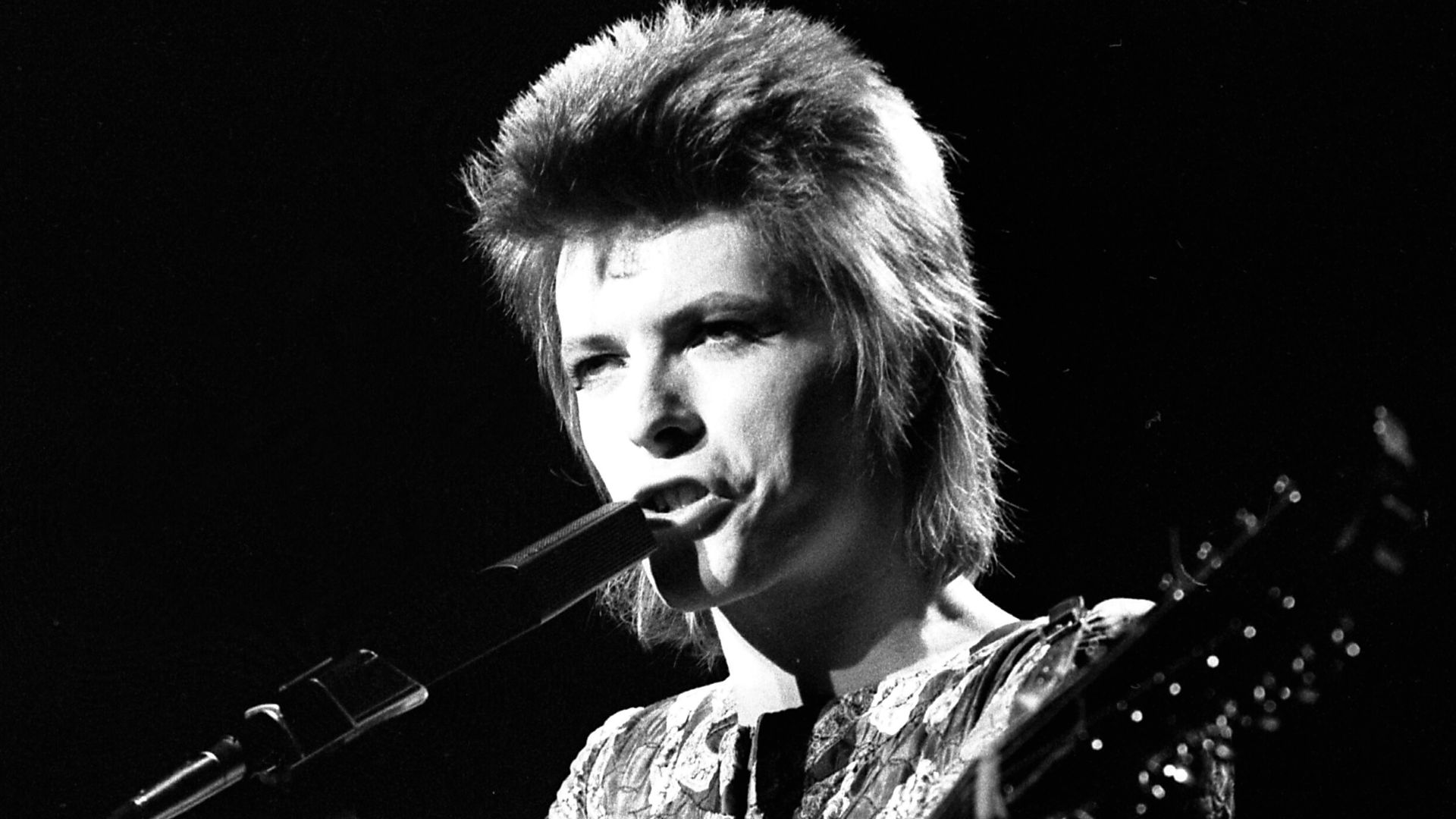
Sting — “Money For Nothing”
That ghostly voice singing “I want my MTV” sounds suspiciously like Sting because it is Sting. He happened to be in Montserrat while Dire Straits were recording Brothers in Arms and joined the session. His vocal melody echoed the Police's “Don't Stand So Close to Me,” earning Sting a co-writing credit.
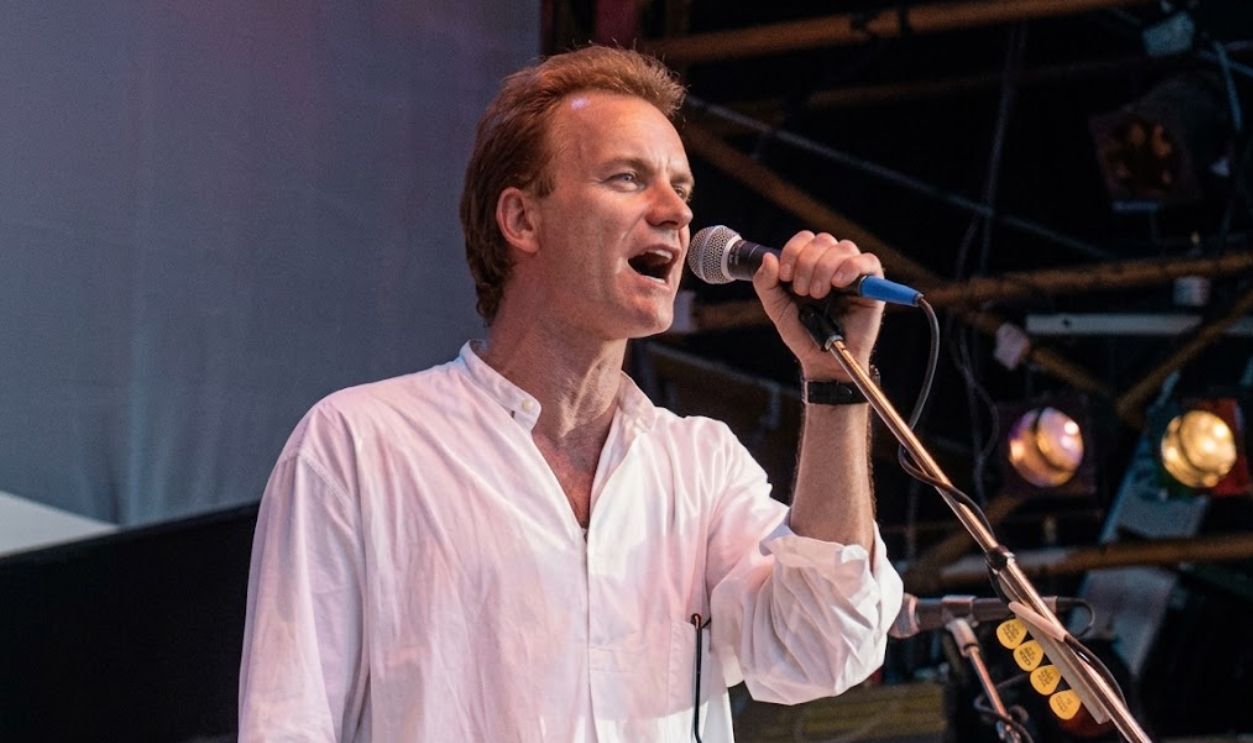 Screenshot from Money for Nothing, Warner Bros. Records (1985), Modified
Eddie Van Halen — “Beat It”
Michael Jackson wanted a rock edge for “Beat It,” so Quincy Jones approached Eddie Van Halen. Van Halen recorded the spectacular guitar solo without payment and without receiving a performance credit. He even altered the section beneath his solo before recording one of the most recognizable guitar breaks of the 1980s.
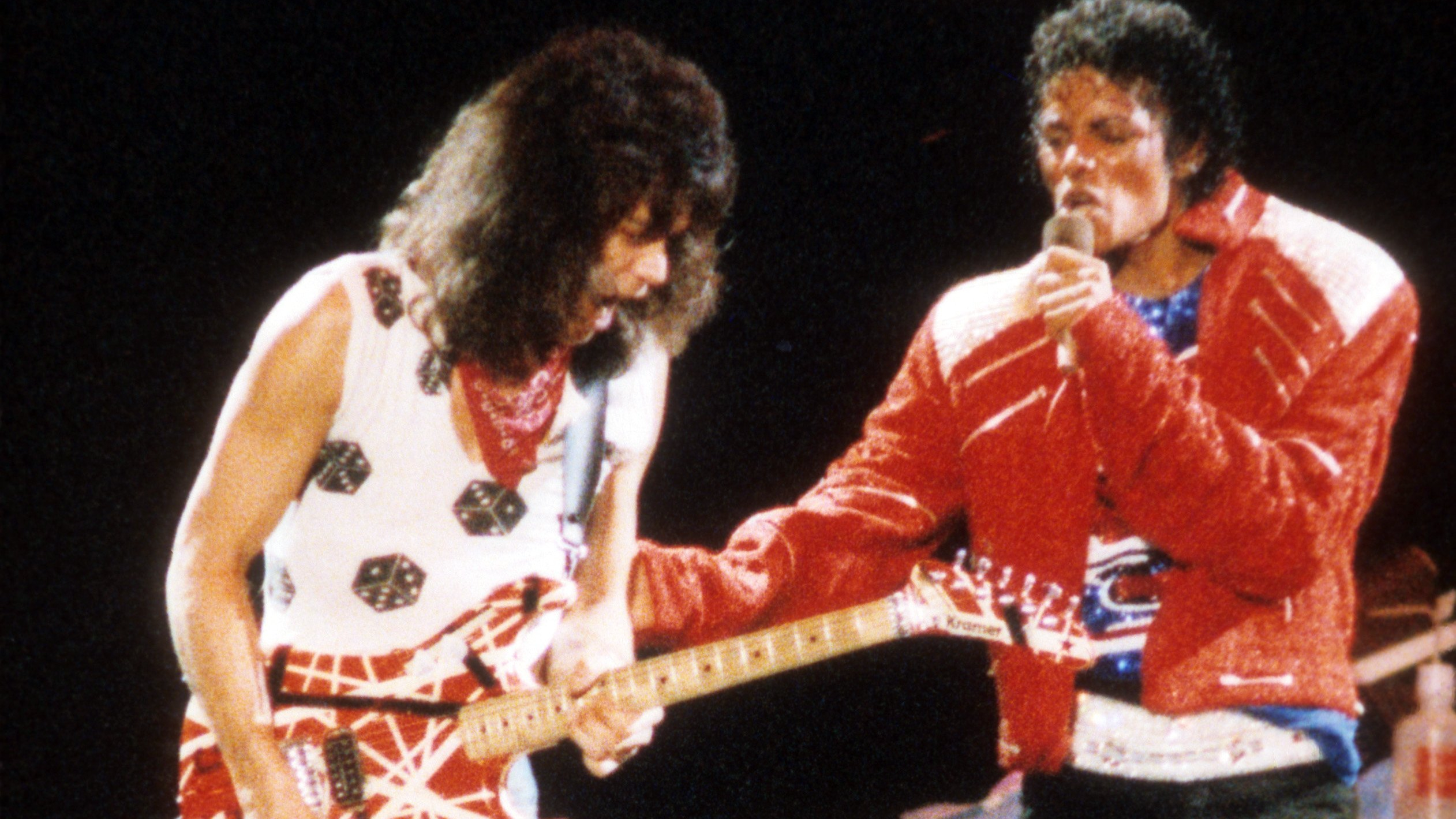 Michael Ochs Archives, Getty Images
Freddie Mercury — “Emotions In Motion”
Billy Squier had some spectacularly overqualified backing singers on his 1982 single “Emotions in Motion”: Freddie Mercury and Queen drummer Roger Taylor. Squier's original album sleeve coyly thanked “Freddie & Roger” for “emotional support,” rather than plainly spelling out what they'd done. Their Queen-like harmonies make considerably more sense once you know.
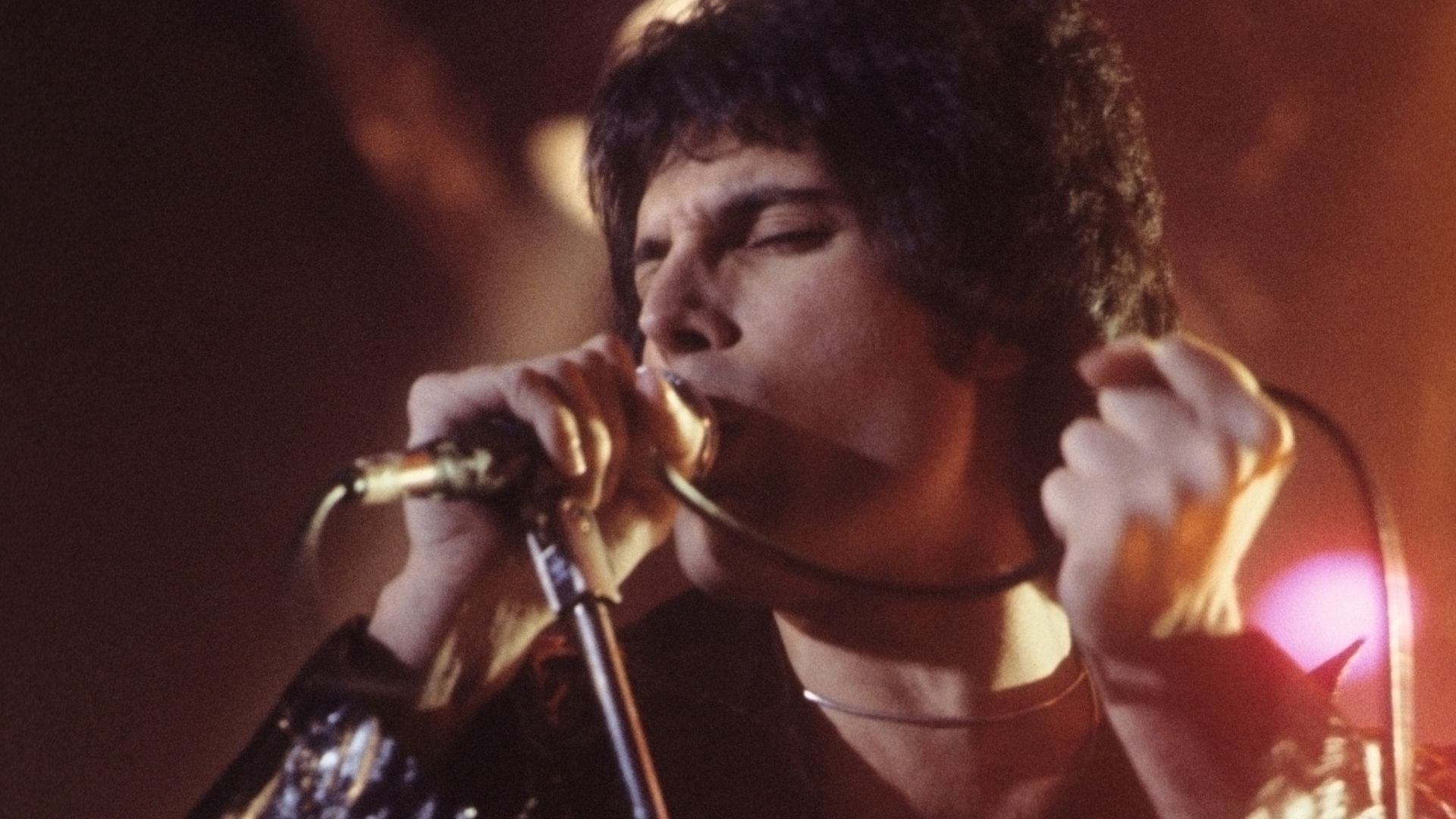 Carl Lender, Wikimedia Commons
Linda Ronstadt — “Heart Of Gold”
Neil Young recorded “Heart of Gold” in Nashville while Linda Ronstadt and James Taylor happened to be in town for The Johnny Cash Show. Producer Elliot Mazer recruited both to sing backing vocals. Their restrained harmonies became part of Young's only Billboard Hot 100 No. 1, though casual listeners rarely realize who's behind him.
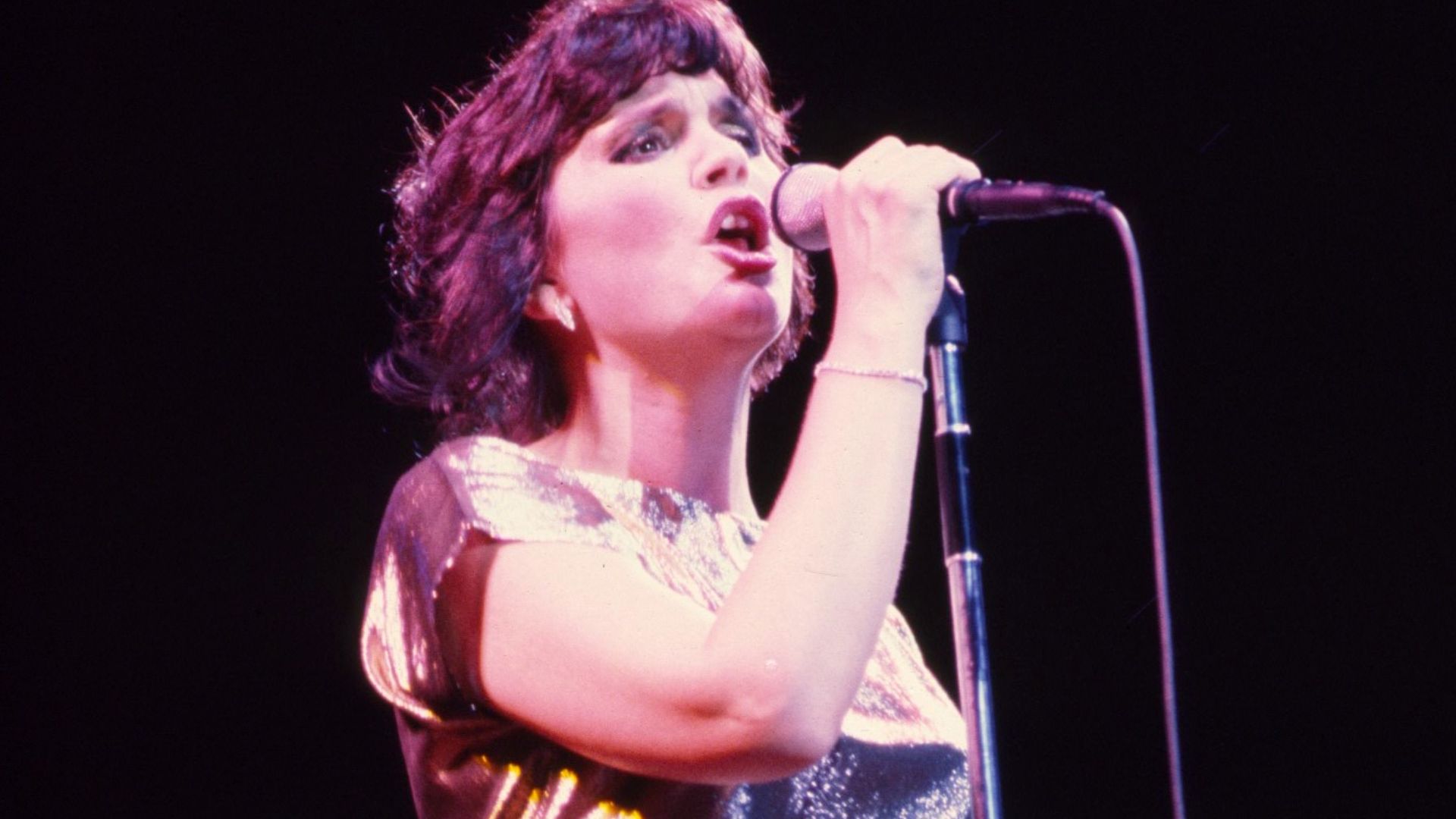
James Taylor — “Back In The High Life Again”
That warm harmony surrounding Steve Winwood on “Back in the High Life Again” belongs to James Taylor. Taylor supplied backing vocals to Winwood's 1986 recording, while Winwood himself played the song's prominent mandolin. It's an unusually subtle superstar cameo, perfectly suited to a recording whose arrangement deliberately leaves plenty of breathing room.
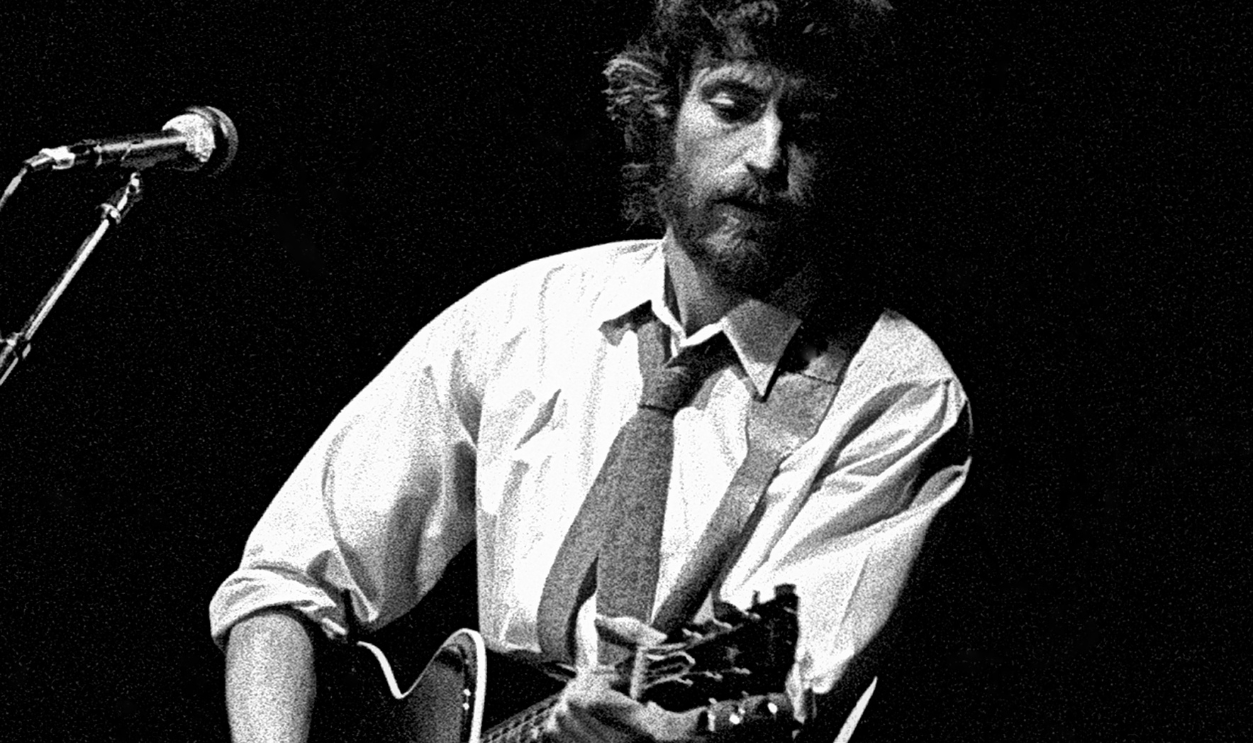
Stevie Wonder — “I Feel For You”
Chaka Khan's “I Feel for You” already had an absurd pedigree: Prince wrote it, and Melle Mel supplied its famous rap. There's another superstar hiding in the arrangement. Stevie Wonder plays the chromatic harmonica solo, while the production also samples his youthful voice from “Fingertips.” That's two generations of Stevie Wonder on one record.
![Collectie / Archief : Fotocollectie Anefo
Reportage / Serie : [ onbekend ]
Beschrijving : Stevie Wonder (zanger) voor TROS-TV
Datum : 30 oktober 1967
Trefwoorden : zangers
Persoonsnaam : Stevie Wonder
Instellingsnaam : TROS
Fotograaf : Nijs, Jac. de / Ane](https://www.factinate.com/storage/app/media/theshot/2026/7/30/1785420552d6499753f2b83ccc2fecca56f46bf678b676c5ef.jpg) Jack de Nijs for Anefo, Wikimedia Commons
Jack de Nijs for Anefo, Wikimedia Commons
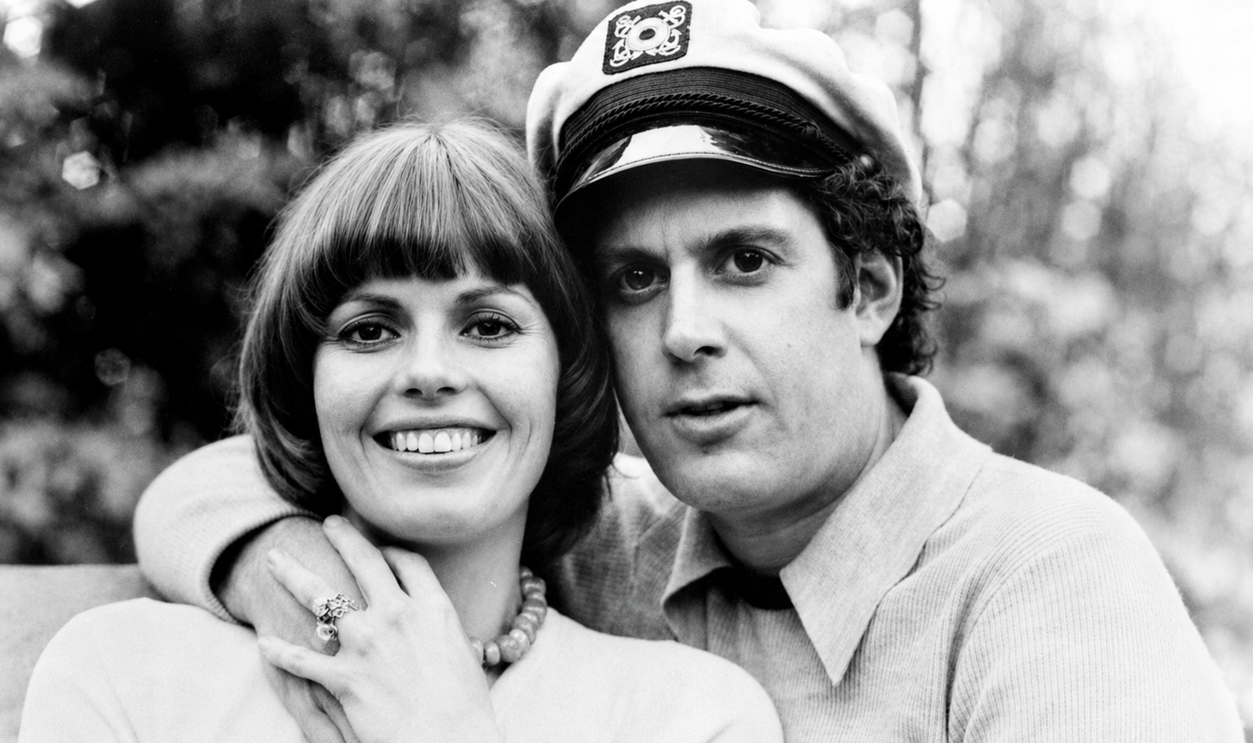
Toni Tennille — “The Show Must Go On”
Yes, that's the Toni Tennille on Pink Floyd's The Wall. The Captain & Tennille singer joined a group of backing vocalists assembled for the album, including Beach Boys member Bruce Johnston. Tennille can be heard among the backing voices on “The Show Must Go On,” one of rock history's stranger intersections of musical worlds.
 Michael Ochs Archives, Getty Images
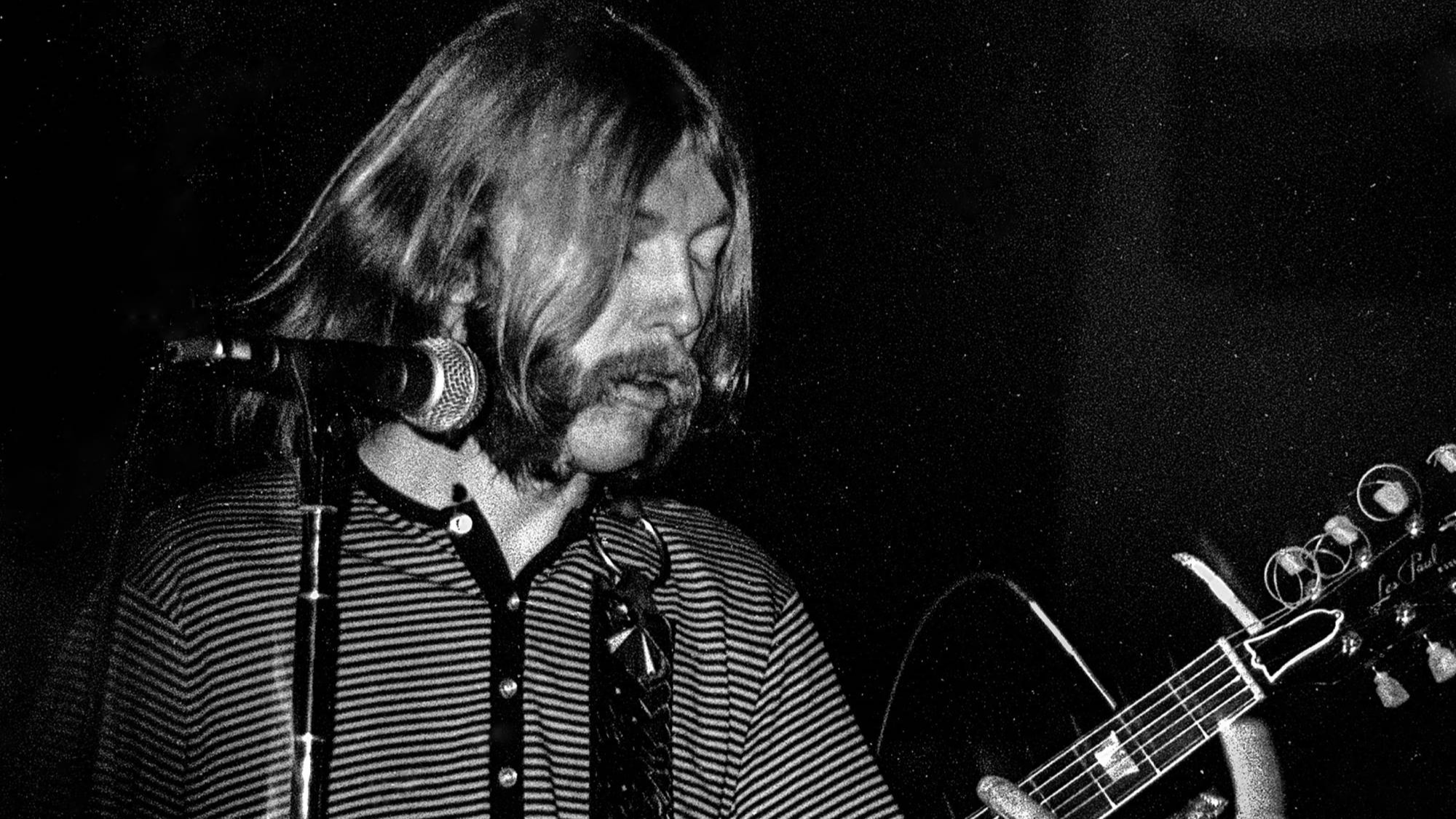
Duane Allman — “Layla”
The breathtaking slide guitar woven through Derek and the Dominos' “Layla” didn't come entirely from Eric Clapton. Allman Brothers guitarist Duane Allman joined the sessions after Clapton met him in Miami, and the two guitarists built the recording together. Allman was credited in the album's personnel, but generations of casual listeners have assumed every guitar was Clapton.
You May Also Like:
Dazed Facts About Jimmy Page, The Godfather Of Heavy Metal
Unbelievable Facts About Cher, The Star Who Turned Back Time