From The Background To The Spotlight
Before the hit records, screaming fans, and sold-out concerts, some of music's most recognizable voices were barely noticed. They spent years singing harmonies, supporting established stars, and sometimes making other people's biggest records sound better. A few became legends in their own right. Others scored one unforgettable hit. But all of them learned their craft standing just outside the spotlight.
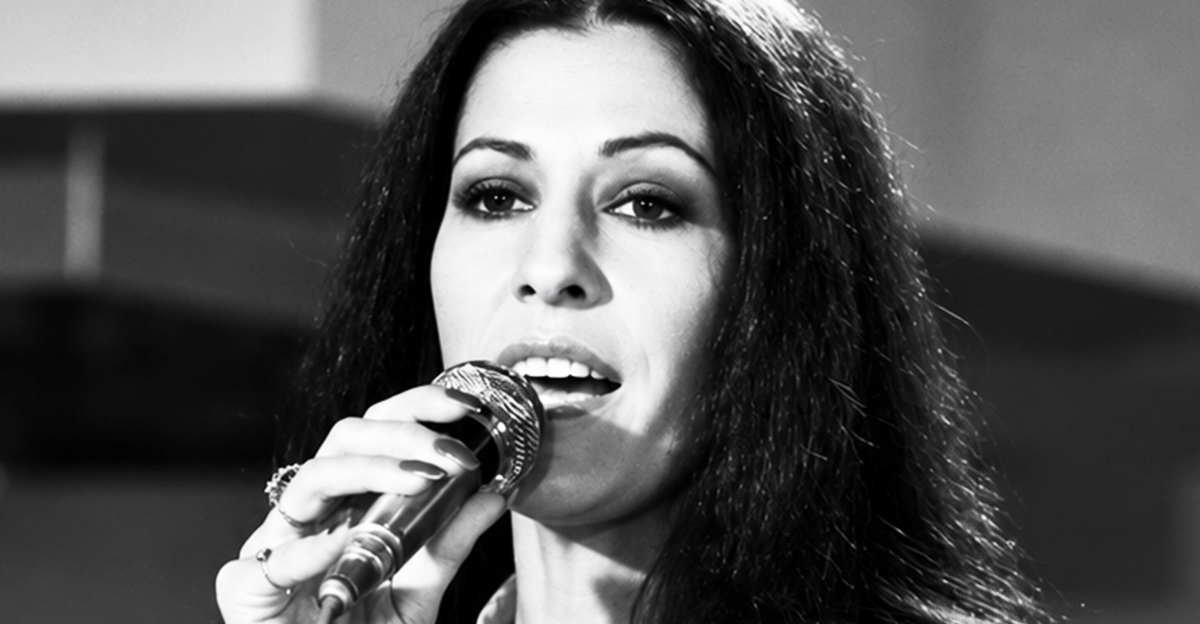 Photo by Sophia MORIZET/Gamma-Rapho via Getty Images
Luther Vandross
Before his silky voice made “Never Too Much” a smash in 1981, Luther Vandross was one of New York's busiest session singers. He sang on David Bowie's Young Americans (1975) and worked with Bette Midler, Roberta Flack, and Donna Summer. Bowie even recognized his arranging talents. Vandross spent much of the 1970s making other stars sound magnificent before becoming an R&B superstar himself.
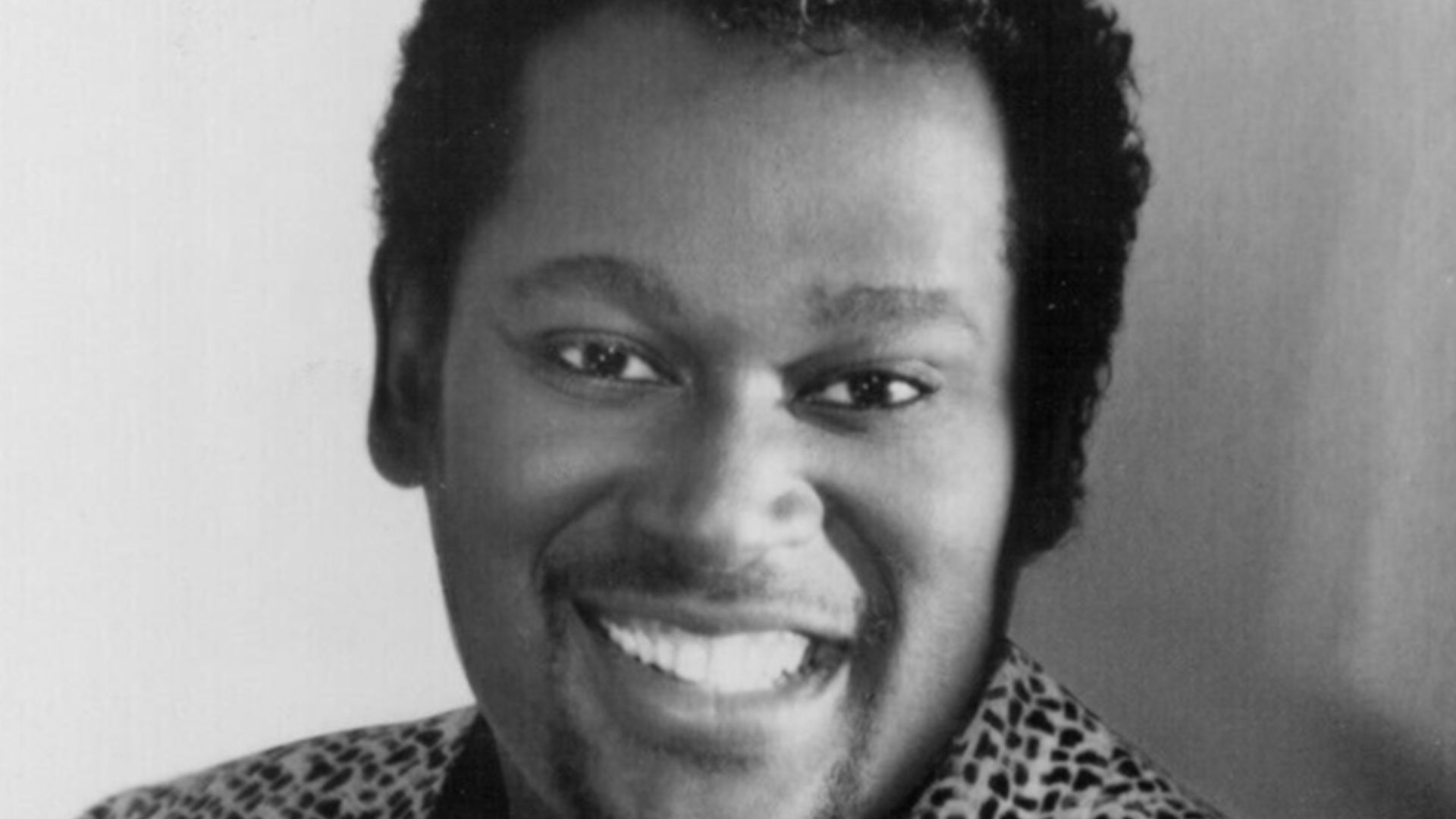
Whitney Houston
Whitney Houston's spectacular voice was already earning professional credits years before her 1985 debut album. As a teenager, she sang behind her mother, Cissy Houston, and contributed to recordings by artists including Chaka Khan and Lou Rawls. When “Saving All My Love for You” and “How Will I Know” became enormous hits, the former backup singer suddenly belonged to the entire world.
 PH2 Mark Kettenhofen, Wikimedia Commons
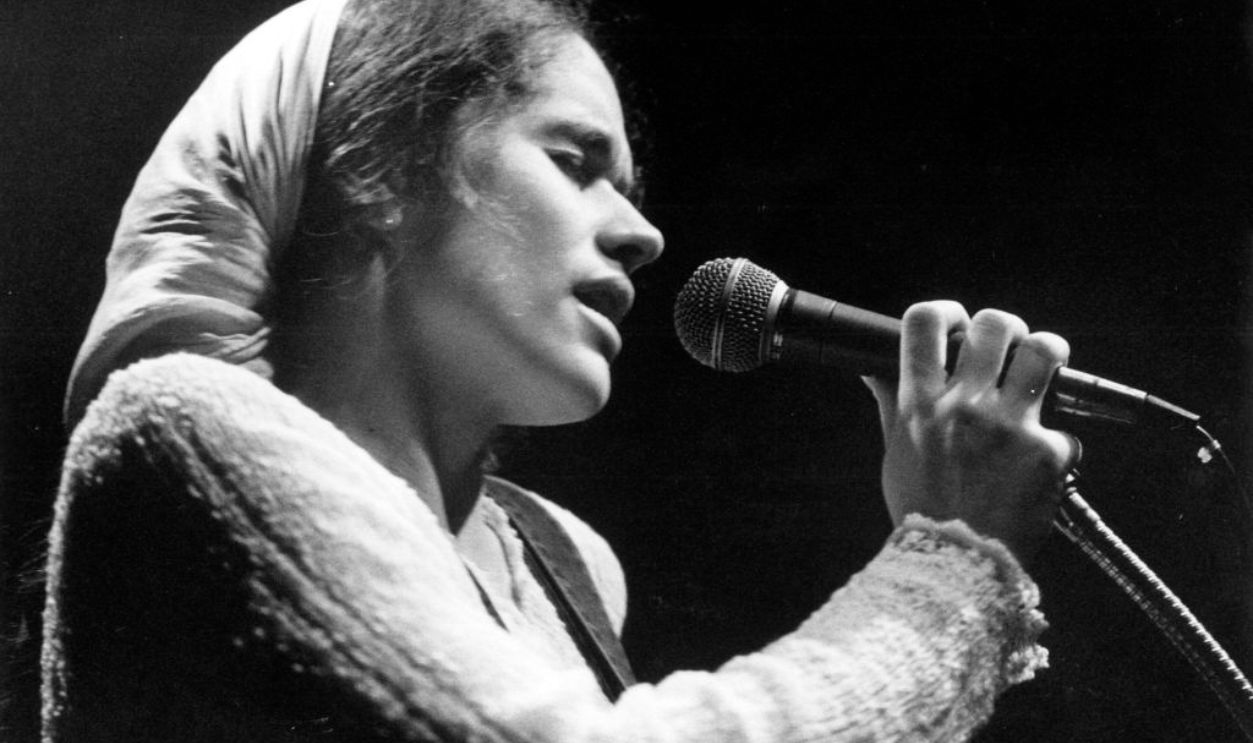
Nicolette Larson
Nicolette Larson spent much of the 1970s singing behind artists including Emmylou Harris, Linda Ronstadt, and Neil Young. Her distinctive voice appeared on Young's American Stars 'n Bars (1977) and Comes a Time (1978). Her solo breakthrough came with Young's composition “Lotta Love,” released in 1978, which climbed to No. 8 on the Billboard Hot 100 in February 1979.
 Sherry Rayn Barnett, Getty Images
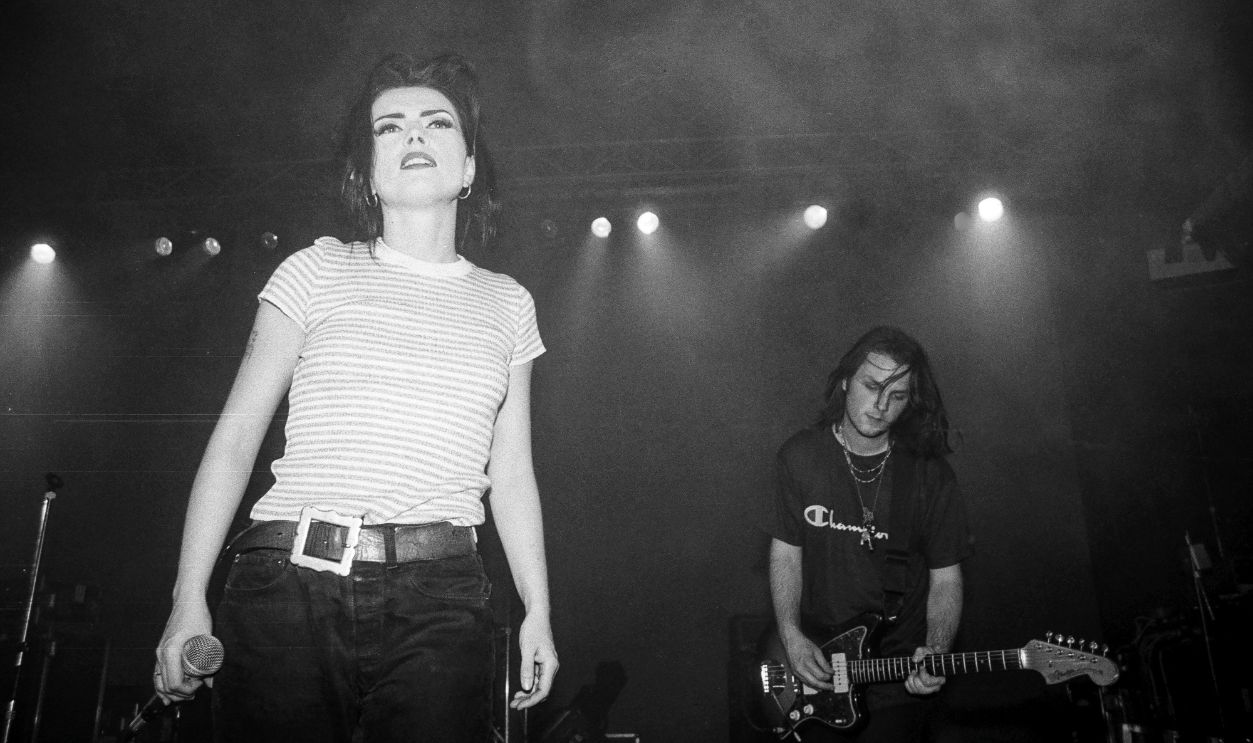
Toni Halliday
Before becoming the striking voice of British alternative rock band Curve, Toni Halliday spent years on other people's music. She sang backing vocals for Robert Plant on Shaken 'n' Stirred (1985) and Now and Zen (1988). After an unsuccessful solo career, she reunited with musician Dean Garcia to form Curve, whose early 1990s singles “Coast Is Clear” and “Fait Accompli” attracted a devoted alternative audience.
Sheryl Crow
Before “All I Wanna Do” turned her into a household name in 1994, Sheryl Crow was a working musician who sang advertising jingles and landed a coveted spot in Michael Jackson's touring band. She performed backing vocals during his massive Bad world tour from 1987 to 1989. Years of session work and unsuccessful recording attempts followed before Tuesday Night Music Club (1993) launched her solo career.

Mariah Carey
Long before her astonishing vocal range dominated pop radio, Mariah Carey was a struggling young singer in New York. She worked as a backing vocalist for Brenda K. Starr, who became an important supporter and helped introduce Carey to music-industry executives. Carey's self-titled debut album arrived in 1990, and “Vision of Love” went straight to No. 1. Her background-singing apprenticeship was relatively brief, but it proved pivotal.
 David Shankbone, CC BY-SA 3.0, Wikimedia Commons
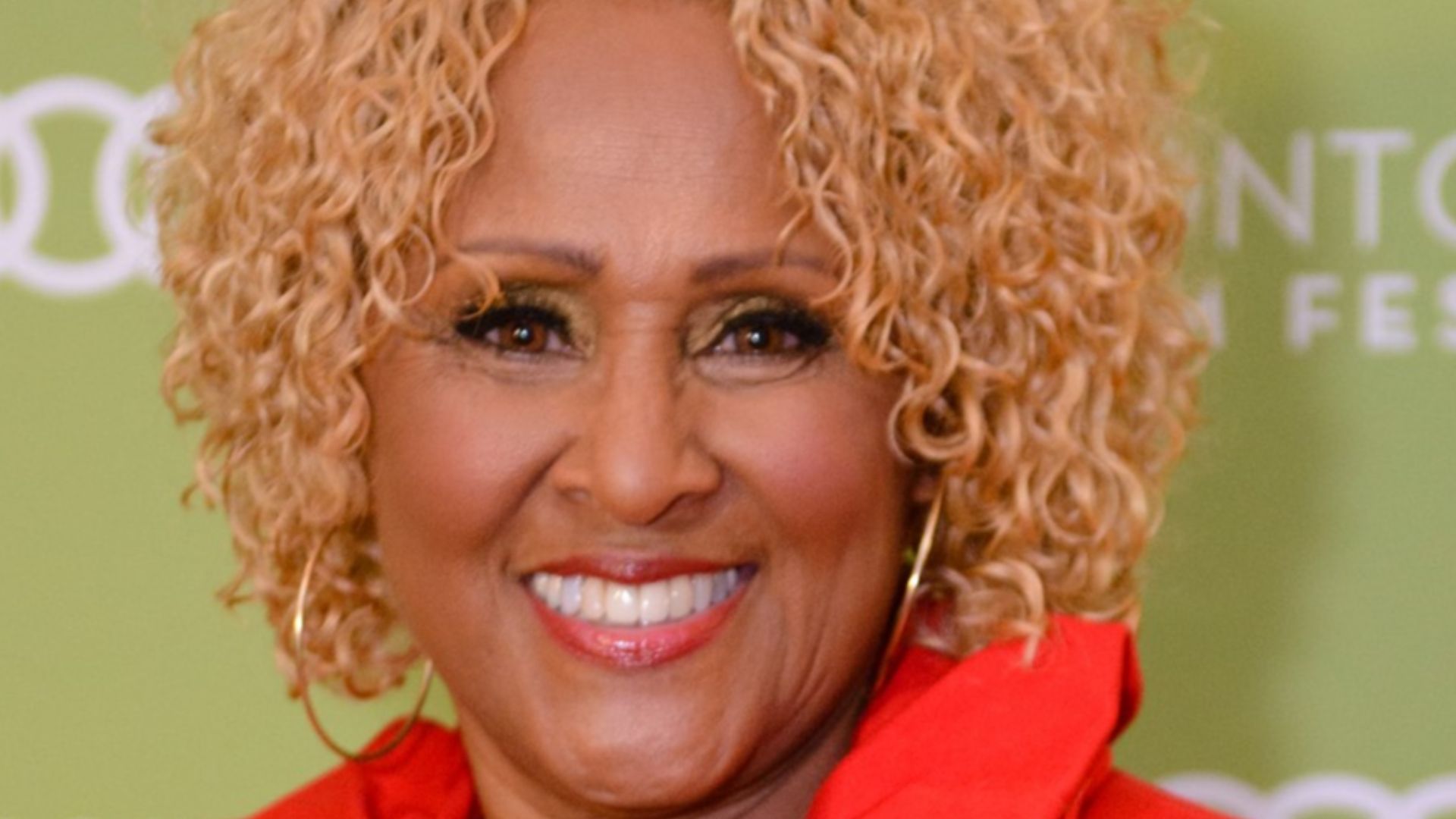
Darlene Love
Darlene Love was already a seasoned professional when producer Phil Spector began using her extraordinary voice on his recordings. As a member of the Blossoms, she sang behind numerous performers, often without prominent credit. She finally received a featured billing on the Crystals' 1962 hit “He's a Rebel,” although it was actually Love and the Blossoms singing. Her own name appeared on the classic “Christmas (Baby Please Come Home)” in 1963.
 Montclair Film Festival, Wikimedia Commons
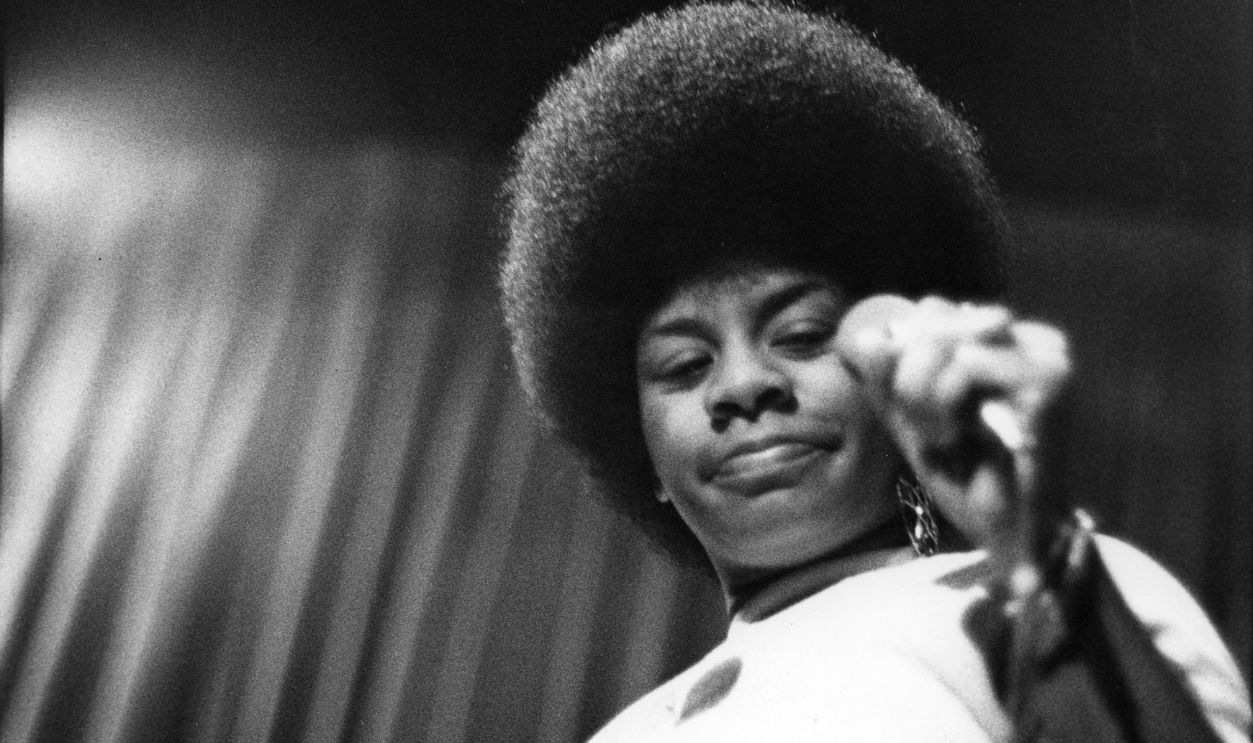
Merry Clayton
Merry Clayton's unforgettable vocals on the Rolling Stones' “Gimme Shelter” (1969) made her one of rock's most celebrated background singers. She also worked with artists including Ray Charles, Joe Cocker, and Carole King. Clayton pursued her own recording career, releasing Gimme Shelter (1970) and scoring a modest R&B hit with “After All This Time.” Her reputation ultimately rested as much on those electrifying guest performances as on her solo records.
 Michael Ochs Archives, Getty Images
Lisa Fischer
Lisa Fischer spent the 1980s singing behind major stars, including Luther Vandross, before stepping into the spotlight herself. Her 1991 single “How Can I Ease the Pain” became a major R&B hit and earned her a Grammy Award. Yet Fischer never abandoned background singing. She became a longtime touring vocalist for the Rolling Stones, eventually earning widespread recognition through the documentary 20 Feet from Stardom (2013).
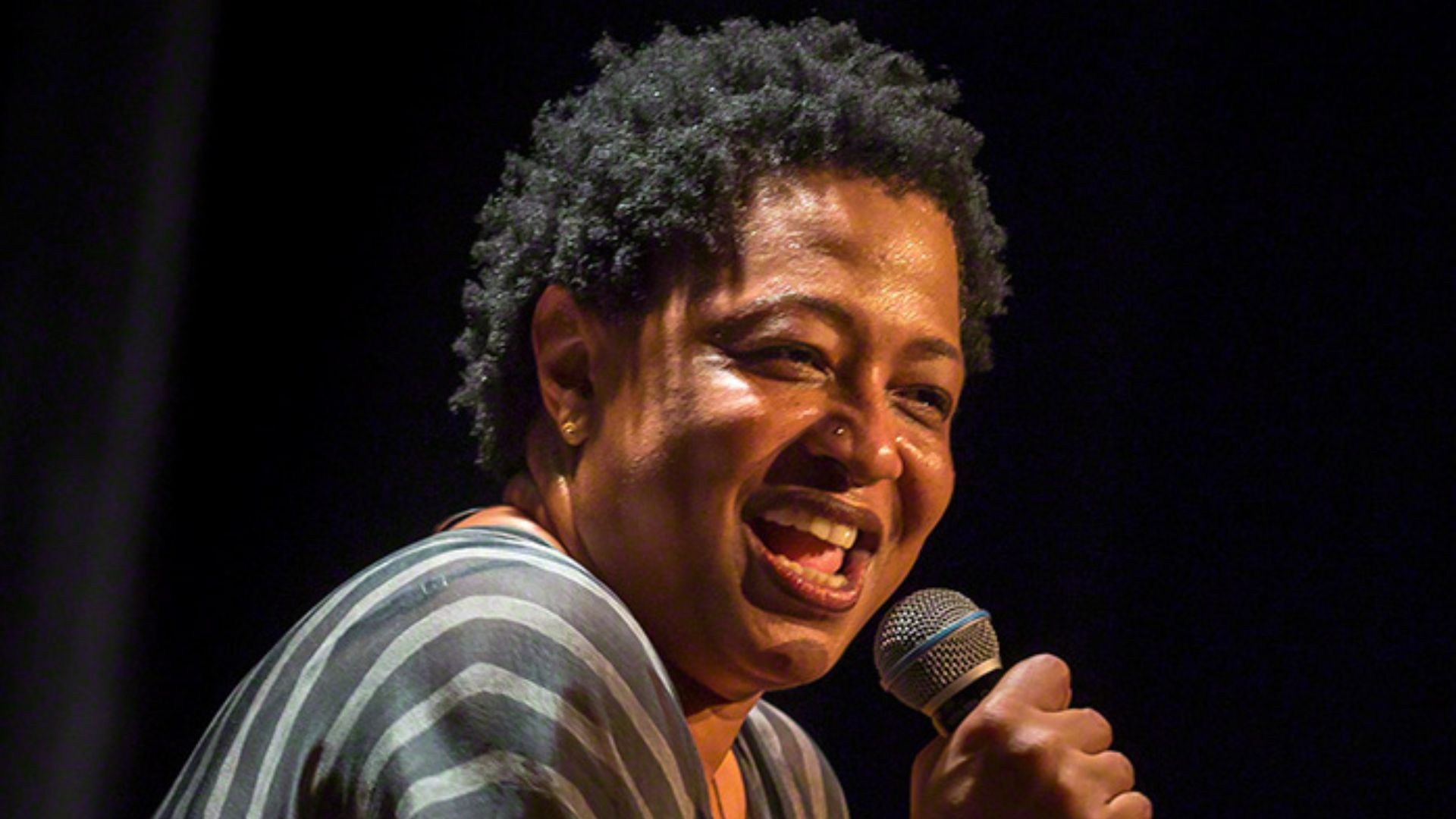
Erma Franklin
Aretha Franklin's older sister Erma was a talented singer in her own right, spending years performing and recording in the gospel and R&B worlds. She also sang backing vocals for Aretha, but her greatest moment came as a featured artist in 1967 with the original recording of “Piece of My Heart.” Janis Joplin's version became more famous the following year, yet Erma's powerful original remains a soul classic.
 Michael Ochs Archives, Getty Images
Cissy Houston
Long before her daughter Whitney became a superstar, Cissy Houston was one of America's most accomplished backing vocalists. She sang with the Sweet Inspirations, whose harmonies supported Aretha Franklin, Van Morrison, and Elvis Presley. After leaving the group in 1969, Houston pursued solo recordings and later scored a disco hit with “Think It Over” in 1978. She continued working as a respected session singer for decades.
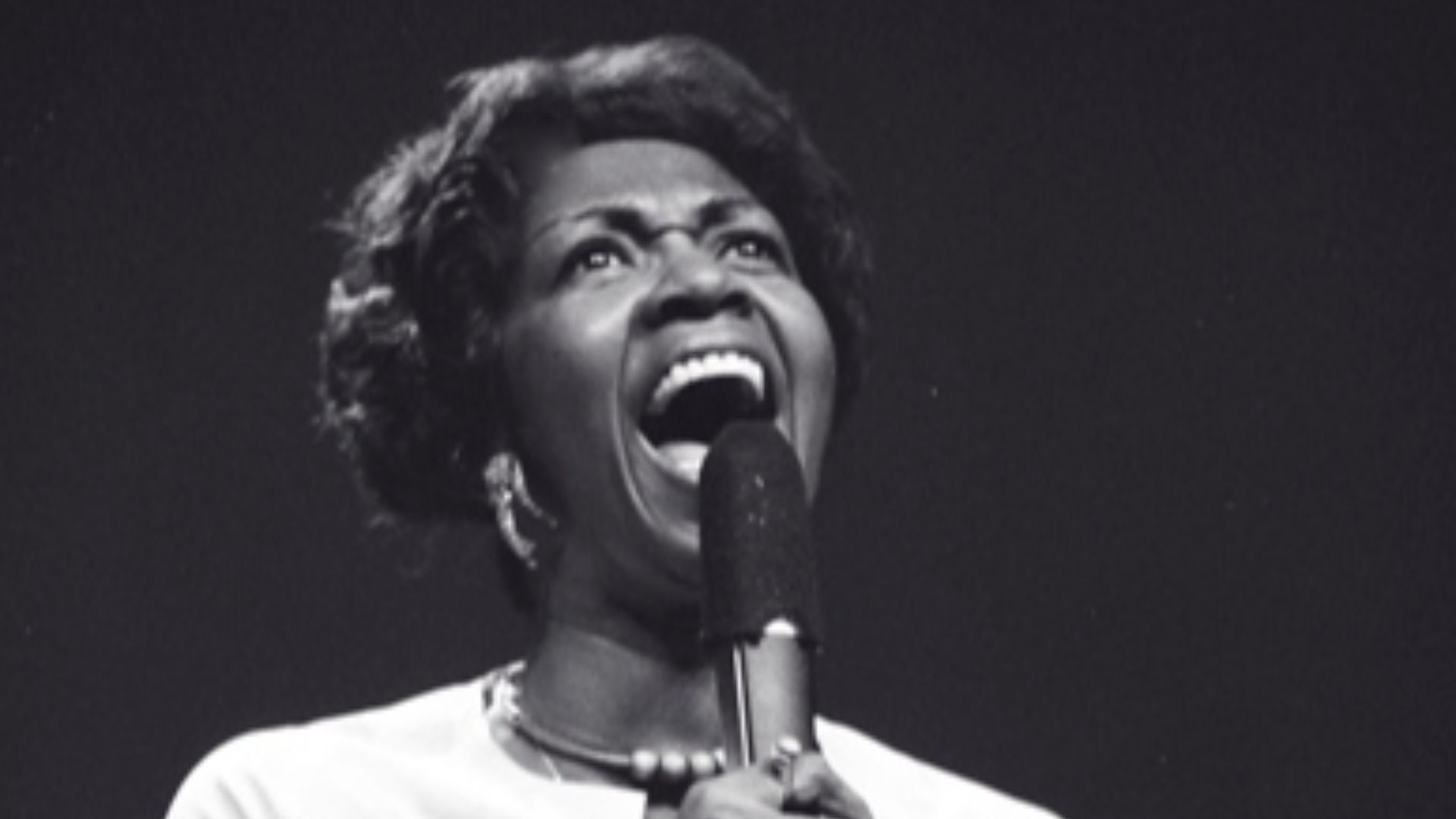 Tom Marcello Webster, New York, USA, Wikimedia Commons
Rita Coolidge
Rita Coolidge became an in-demand Los Angeles session vocalist in the early 70s, working with artists including Joe Cocker, Leon Russell, and Stephen Stills. She was part of Cocker's famous Mad Dogs & Englishmen tour before building a solo career. Her biggest commercial breakthrough came in 1977 with “(Your Love Has Lifted Me) Higher and Higher,” followed by her successful cover of the Boz Scaggs track “We're All Alone.”
 A&M Records, Wikimedia Commons
Kiki Dee
British singer Kiki Dee spent the 1960s making records and working as a backing vocalist, including sessions connected with Dusty Springfield. She also recorded for Motown, becoming one of the label's early British female artists. Her solo breakthrough came with “Amoureuse” in 1973, followed by the Top 20 hit “I've Got the Music in Me.” In 1976, her duet with Elton John, “Don't Go Breaking My Heart,” reached No. 1.
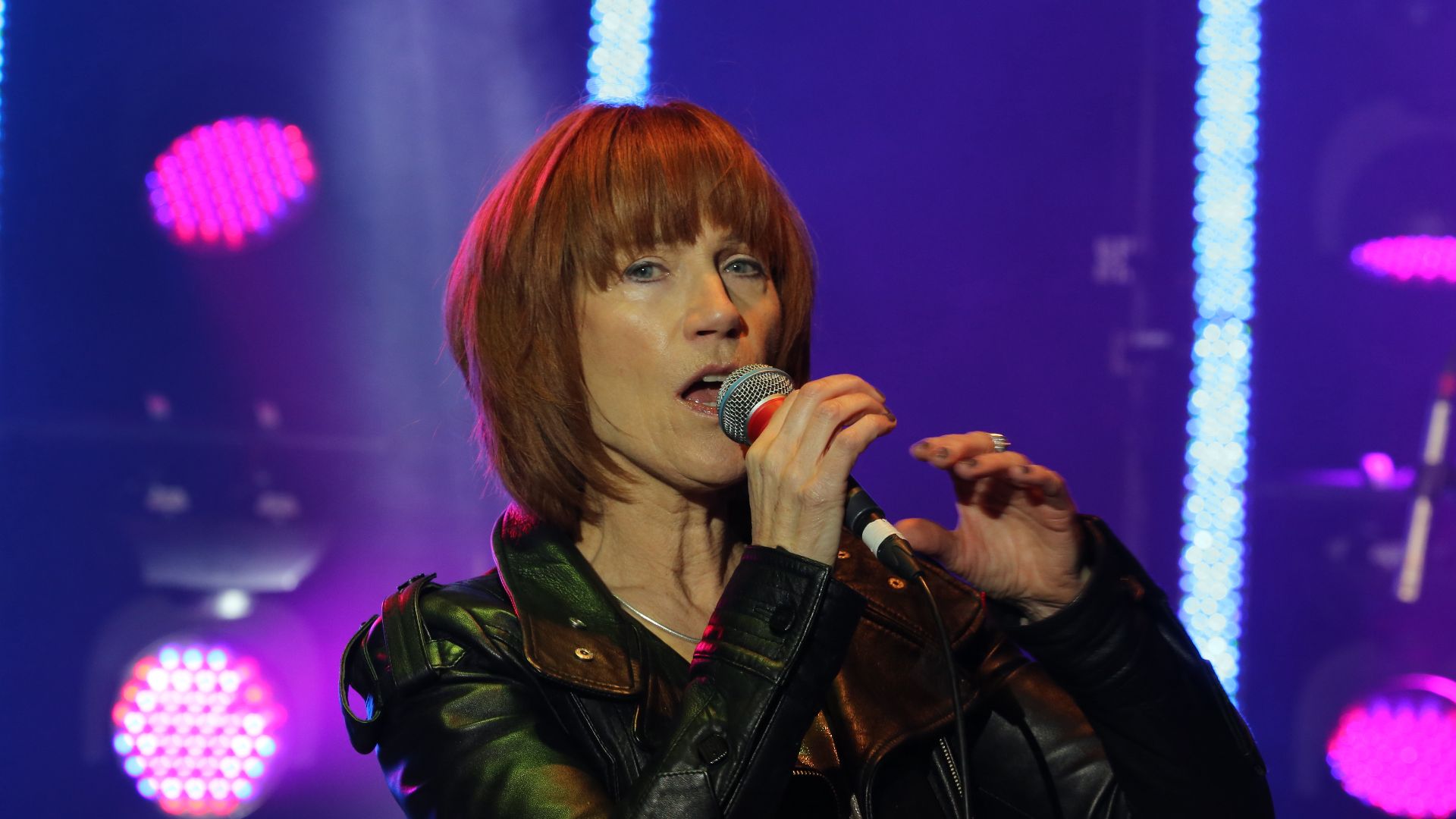
P. P. Arnold
P. P. Arnold first attracted attention as an Ikette, singing and dancing behind Ike and Tina Turner. After touring Britain with the duo in 1966, she stayed and developed a solo career with encouragement from members of the Rolling Stones. Her singles “The First Cut Is the Deepest” and “Angel of the Morning” became British hits. Arnold later returned to session work, proving that backup singing and solo success weren't mutually exclusive.
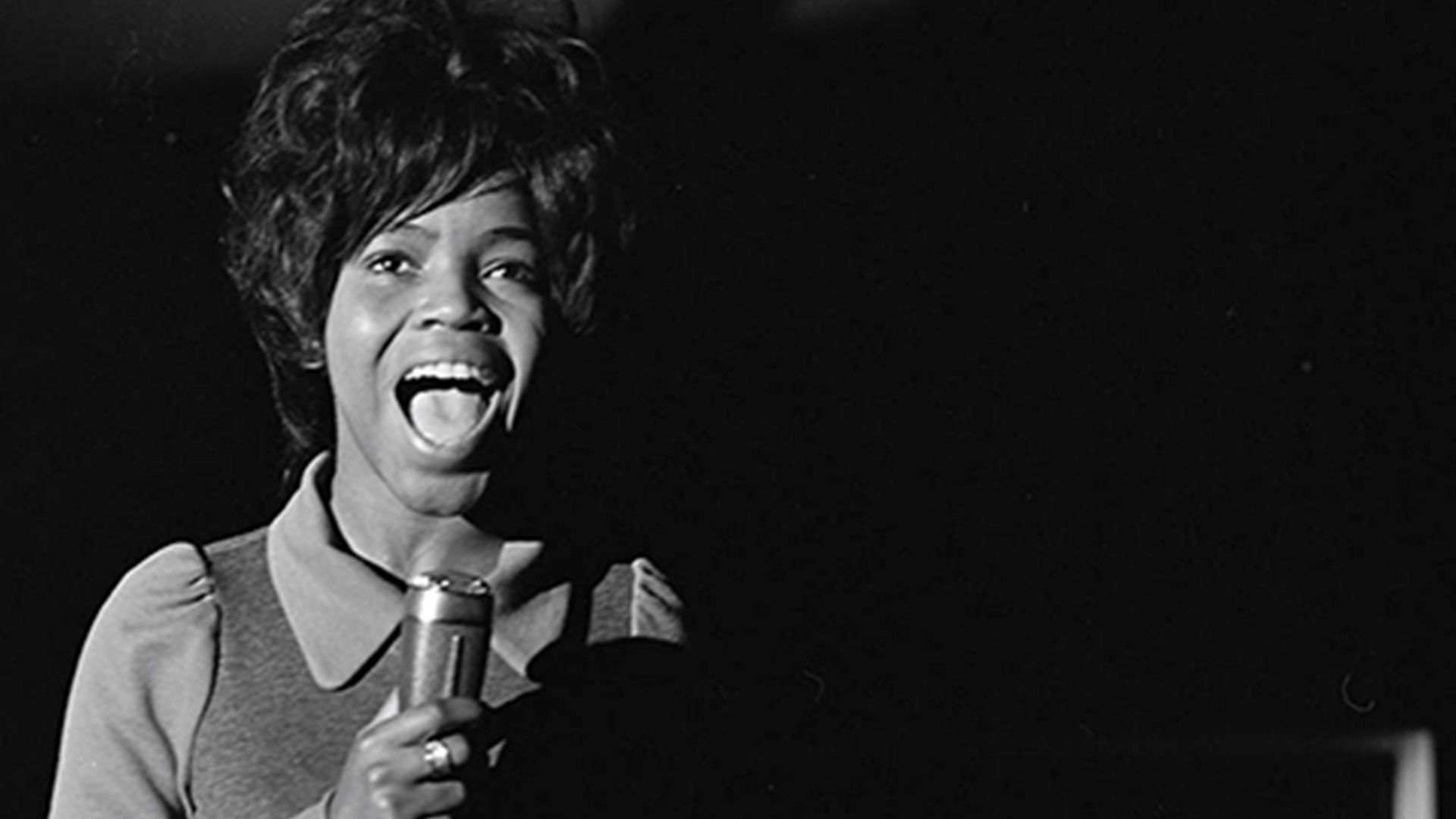 Photographers: A. Vente, A & F. van Geelen, Wikimedia Commons
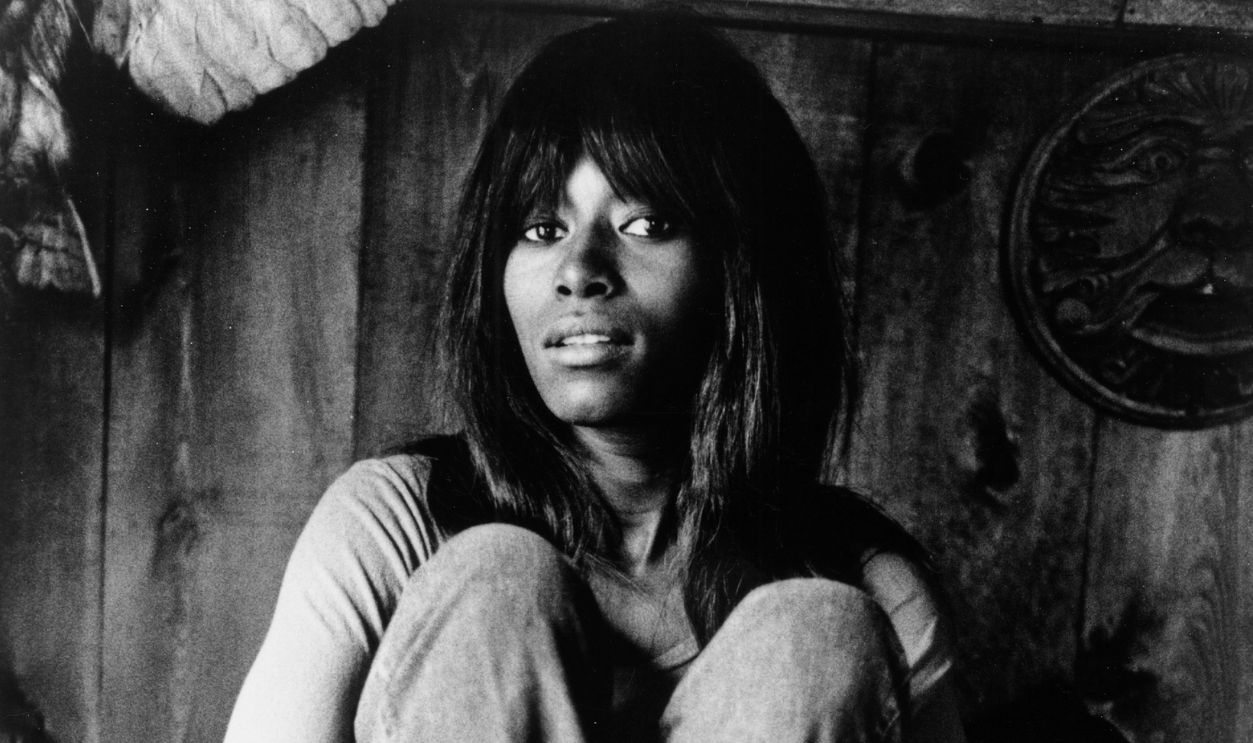
Claudia Lennear
Claudia Lennear became a familiar voice in rock during the late 1960s and early 1970s, performing as an Ikette and working with musicians including Joe Cocker. She attempted a solo career with Phew! (1973), an album that later attracted a cult following but failed to produce a commercial breakthrough. Her story was revisited in the documentary 20 Feet from Stardom (2013), which celebrated the remarkable singers who often remained outside the spotlight.
 Michael Ochs Archives, Getty Images
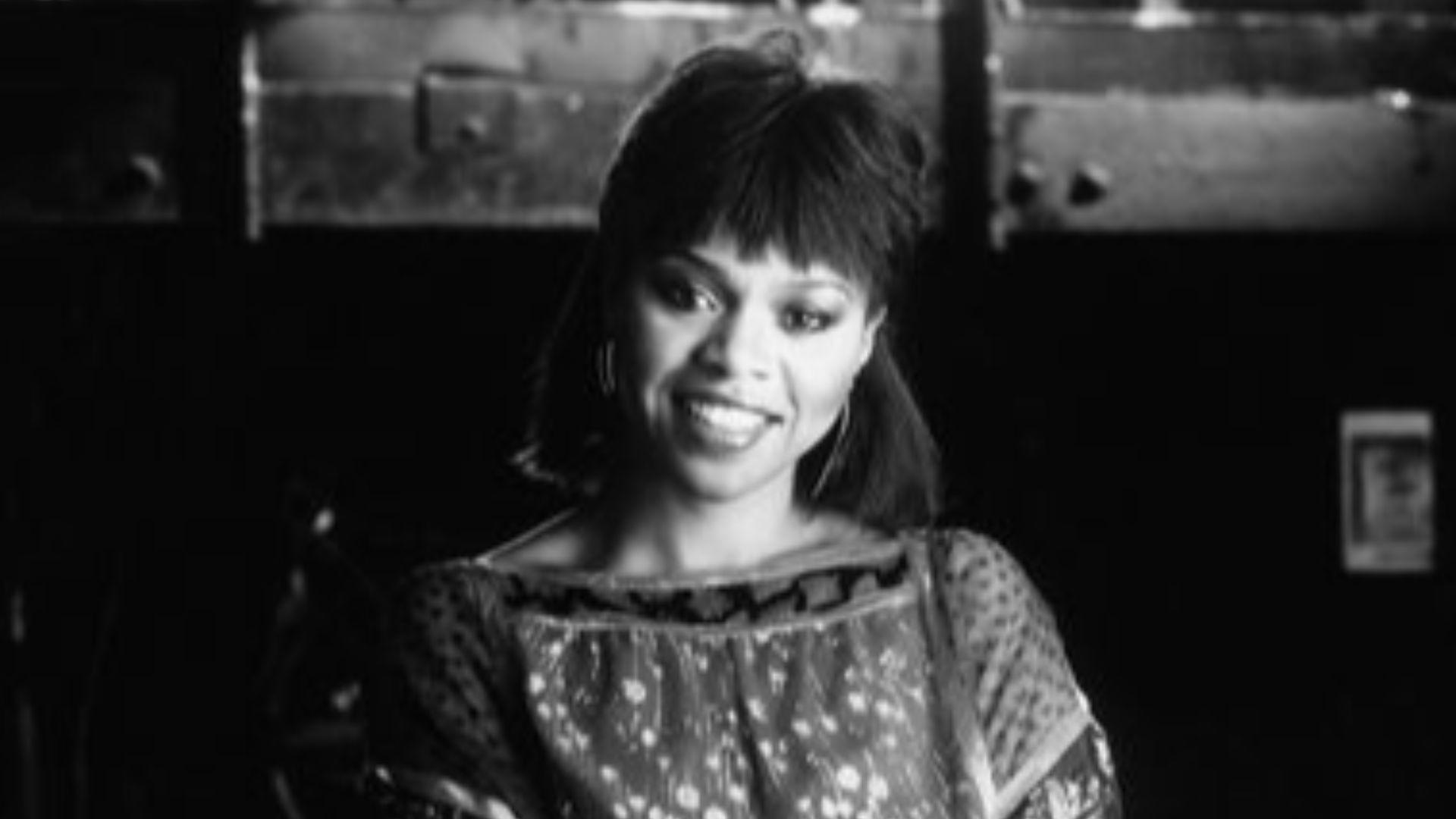
Deniece Williams
Deniece Williams spent several years singing backup for Stevie Wonder as part of his Wonderlove ensemble during the early 1970s. Wonder's demanding performances gave her valuable experience, but her own voice was far too distinctive to remain in the background. In 1976, she released This Is Niecy, featuring the breakthrough single “Free.” She later scored enormous hits with “It's Gonna Take a Miracle” and “Let's Hear It for the Boy.”
 Distributed by Columbia Records, Wikimedia Commons
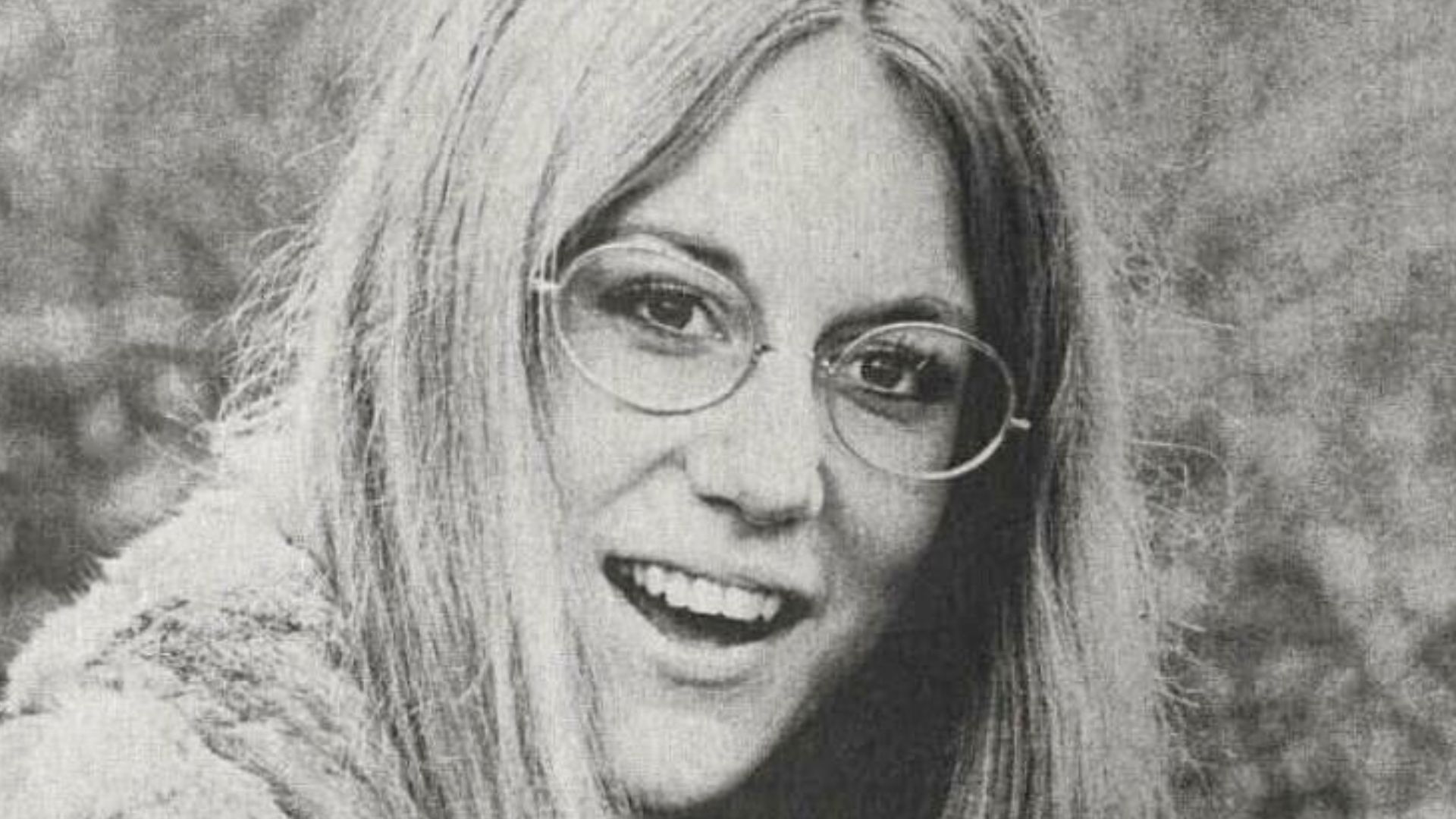
Jennifer Warnes
Jennifer Warnes worked steadily through the late 1960s and 1970s, developing a career that included backing vocals, solo recordings, and collaborations with Leonard Cohen. She became especially associated with Cohen's touring band, although she had already achieved a solo hit with “Right Time of the Night” in 1977. Her biggest successes followed with the movie duets “Up Where We Belong” with Joe Cocker and “(I've Had) The Time of My Life” with Bill Medley. Her career shows how background work sometimes continued after solo success.
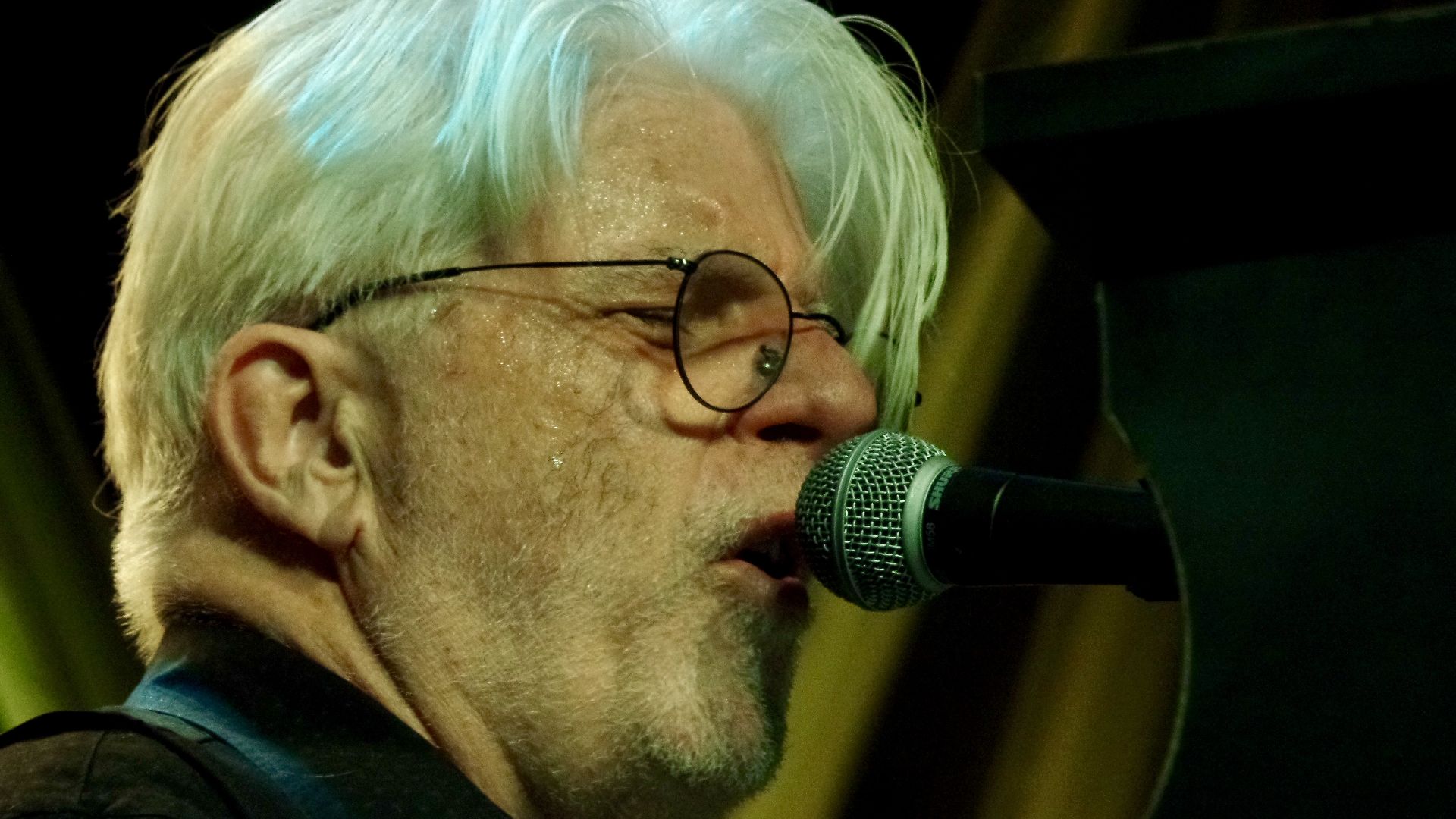
Michael McDonald
Before his distinctive baritone became one of the defining sounds of late-1970s pop, Michael McDonald sang backing vocals and played keyboards with Steely Dan. He contributed to albums including Katy Lied (1975) before joining the Doobie Brothers. His lead vocals helped transform the band's sound, especially on “What a Fool Believes,” a No. 1 hit in 1979. McDonald later established a successful solo career with songs such as “I Keep Forgettin' (Every Time You're Near).”
James Ingram
James Ingram worked as a session musician and backing vocalist before producer Quincy Jones recognized his abilities. His voice appeared on Jones's The Dude (1981), which featured Ingram singing lead on “Just Once” and “One Hundred Ways.” Both became hits, and the latter earned him a Grammy. He subsequently enjoyed a successful career that included “Yah Mo B There” with Michael McDonald and the No. 1 ballad “I Don't Have the Heart.”
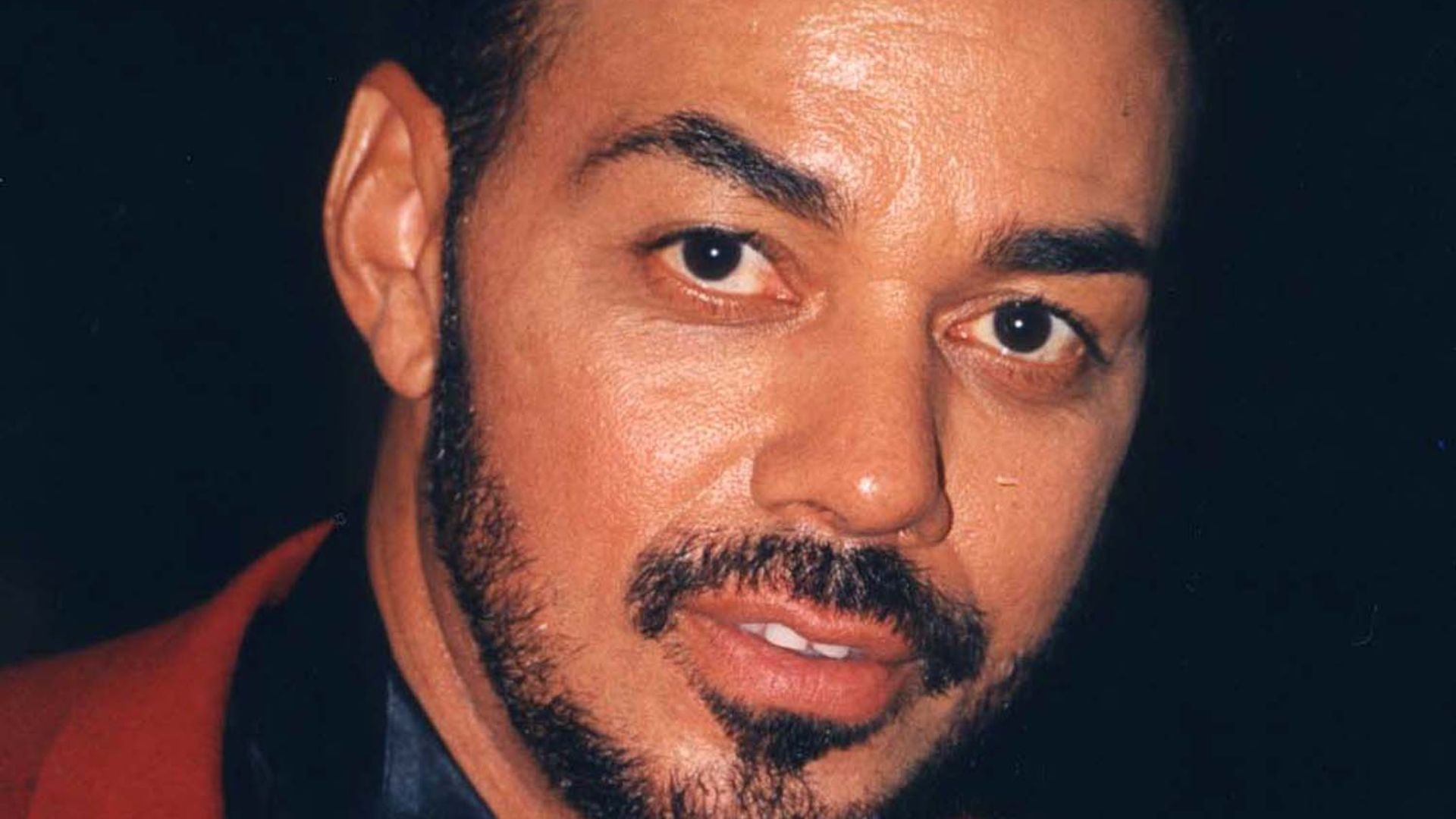 Kingkongphoto & www.celebrity-photos.com from Laurel Maryland, USA, Wikimedia Commons
Richard Marx
Before becoming a late-1980s pop-rock star, Richard Marx moved to Los Angeles and found work singing background vocals for established performers. Lionel Richie became an important early supporter, and Marx contributed to recordings by Richie and other major artists. His self-titled debut album arrived in 1987, producing hits including “Don't Mean Nothing” and “Should've Known Better.” By 1989, “Right Here Waiting” had made him one of pop's most recognizable voices.
 Michael Cohn Photo, Wikimedia Commons
Kelly Price
Kelly Price built her reputation singing background vocals for major R&B and pop performers, including Mariah Carey. Her powerful voice was also heard on recordings associated with Sean Combs and Bad Boy Records. In 1998, Price finally stepped forward with her debut album, Soul of a Woman. The single “Friend of Mine” became a major R&B hit, proving that the woman who had spent years supporting other singers could command an audience herself.
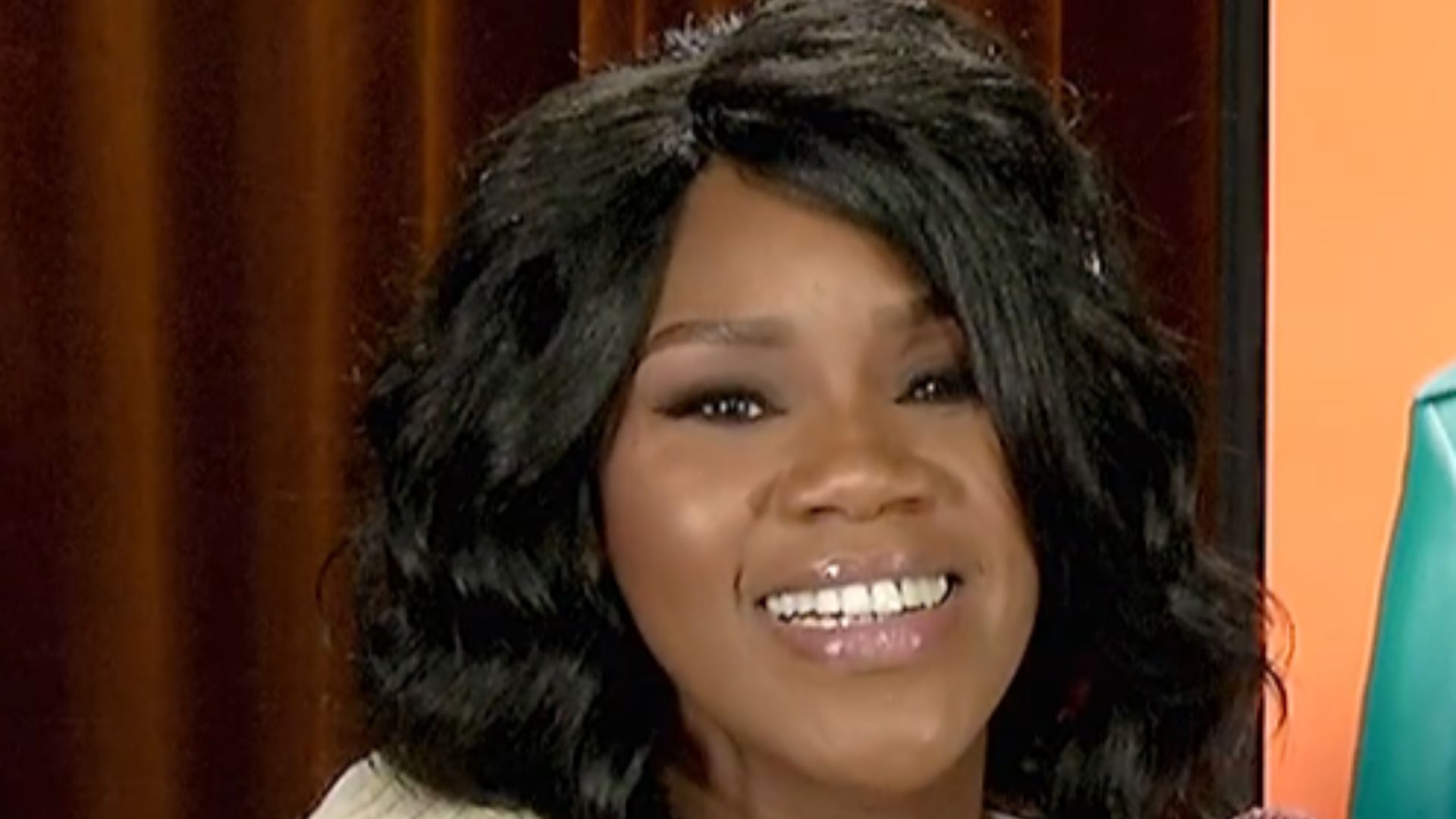 Valder Beebe Show, Wikimedia Commons
Faith Evans
Faith Evans was already a talented songwriter and backing vocalist before becoming one of the defining voices of 1990s R&B. She contributed background vocals to Mary J. Blige's My Life (1994) and Usher's debut album. After signing with Bad Boy Records, Evans released Faith (1995), featuring the hits “You Used to Love Me” and “Soon as I Get Home.” Her career quickly established her as much more than a studio singer.
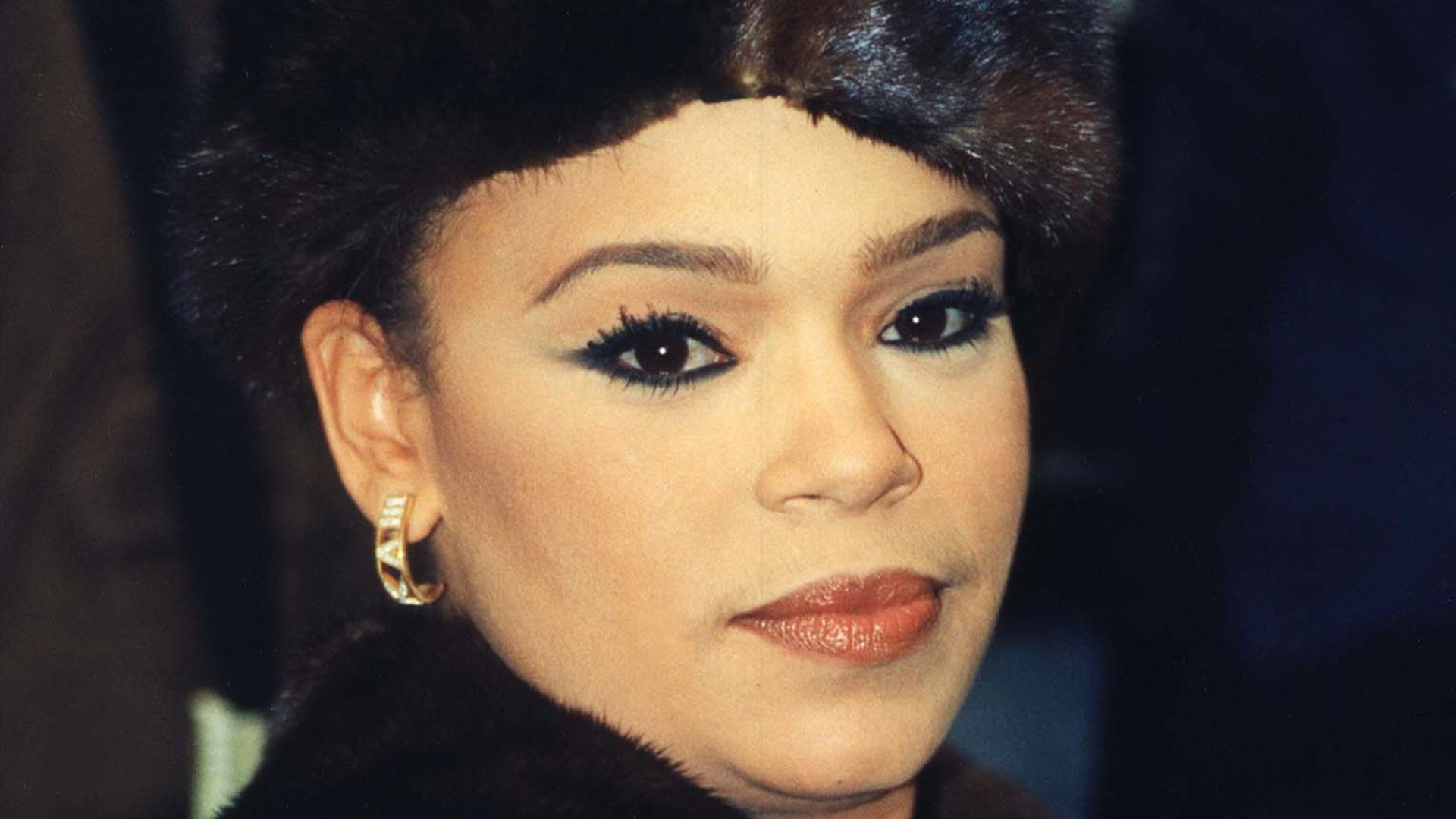 Kingkongphoto & www.celebrity-photos.com from Laurel Maryland, USA, Wikimedia Commons
Deborah Cox
Canadian singer Deborah Cox gained valuable professional experience performing as a backing vocalist for Céline Dion in the early 1990s. The exposure helped prepare her for a solo career, and she signed with Arista Records after moving to the United States. Her self-titled debut arrived in 1995, followed by her signature ballad, “Nobody's Supposed to Be Here,” in 1998. That song spent a remarkable 14 weeks at No. 1 on Billboard's R&B chart.
 [TheBigBang57], Wikimedia Commons
Vesta Williams
Vesta Williams was a sought-after background singer long before she became a solo R&B favorite. She worked with performers including Chaka Khan and developed a reputation for her powerful, expressive voice. Her self-titled debut album appeared in 1986, but her biggest commercial success came with Vesta 4 U (1988). The single “Congratulations” became a signature song, proving that years spent supporting other artists had prepared her for the spotlight.
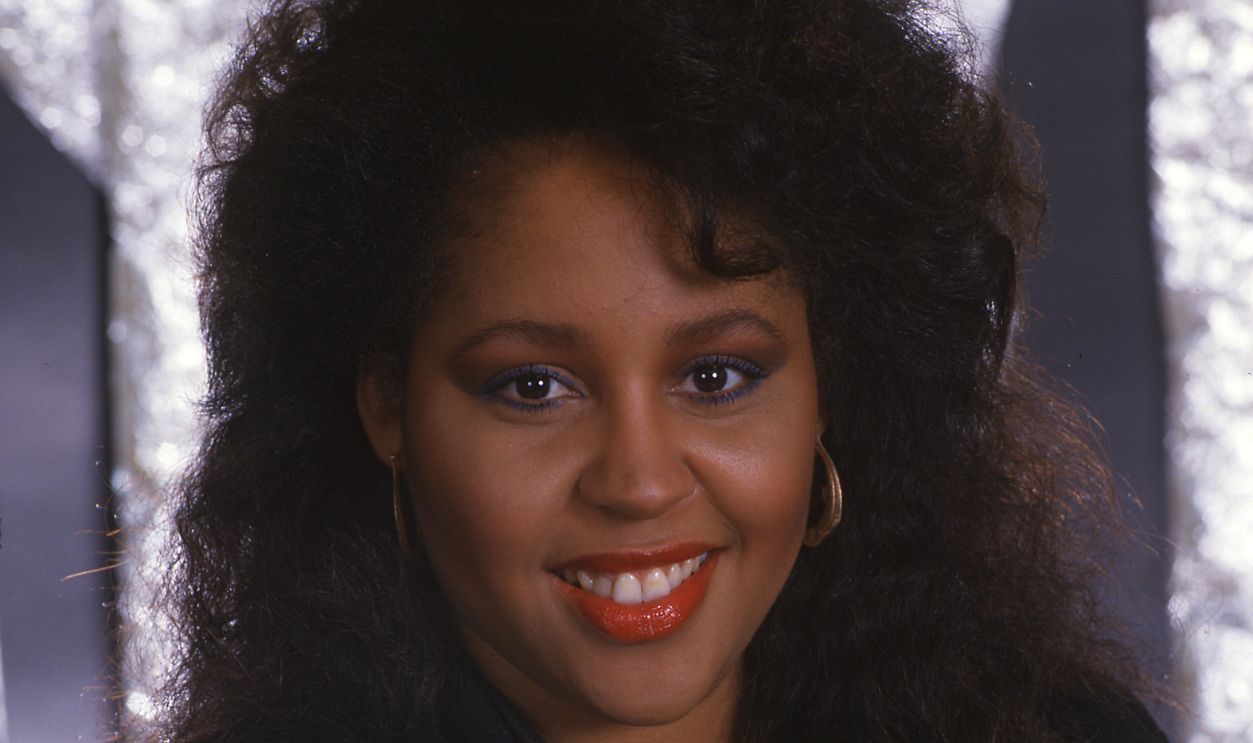 BSR Entertainment, Getty Images
Siedah Garrett
Siedah Garrett worked as a session singer and songwriter before becoming an important contributor to Michael Jackson's Bad (1987). She co-wrote “Man in the Mirror” with Glen Ballard and sang with Jackson on “I Just Can't Stop Loving You,” which reached No. 1. Garrett subsequently scored an R&B hit with her own single “K.I.S.S.I.N.G.” in 1988, while continuing a successful career as a songwriter and backing vocalist.
Judith Hill
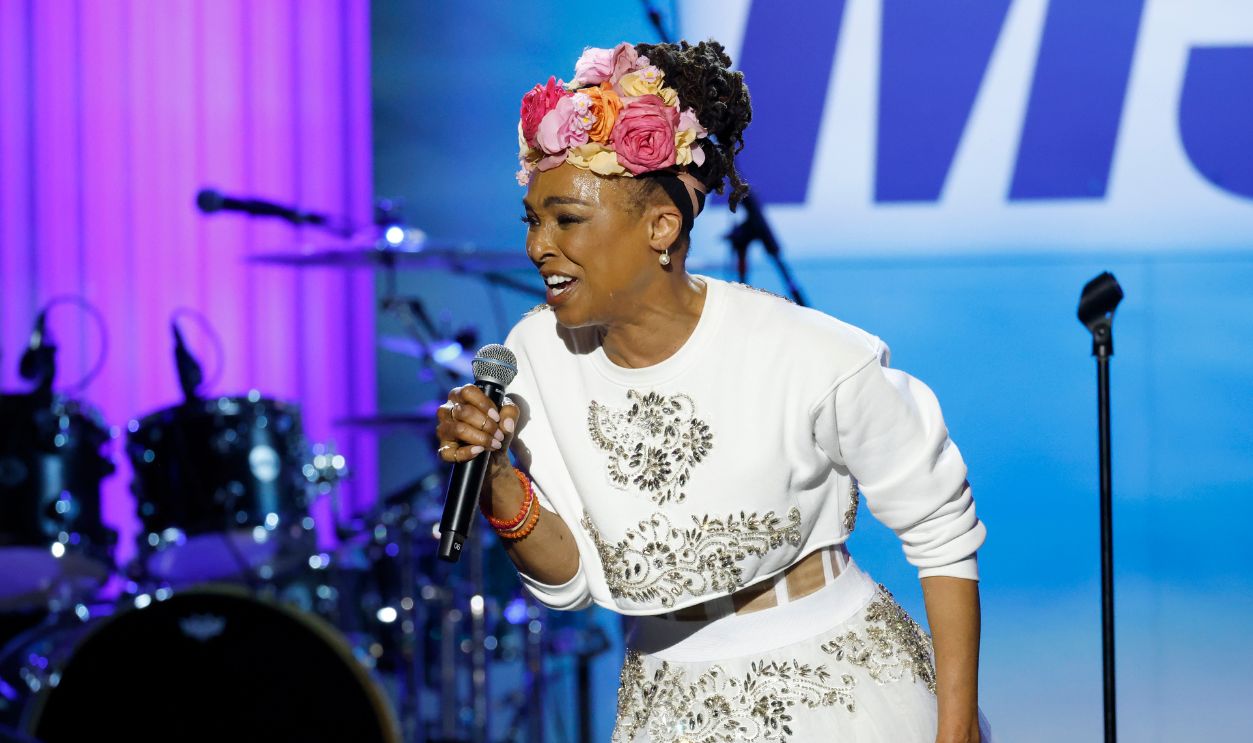
Judith Hill spent years singing behind artists including Stevie Wonder and Josh Groban before being selected as a featured vocalist for Michael Jackson's planned This Is It concerts in 2009. She attracted enormous attention singing “Heal the World” at Jackson's memorial service. Hill subsequently pursued her own career, appearing on The Voice and releasing Back in Time (2015), produced by Prince. Her success has been more critically acclaimed than chart-dominating, but her journey from background singer to featured artist is remarkable.
Rosanne Cash
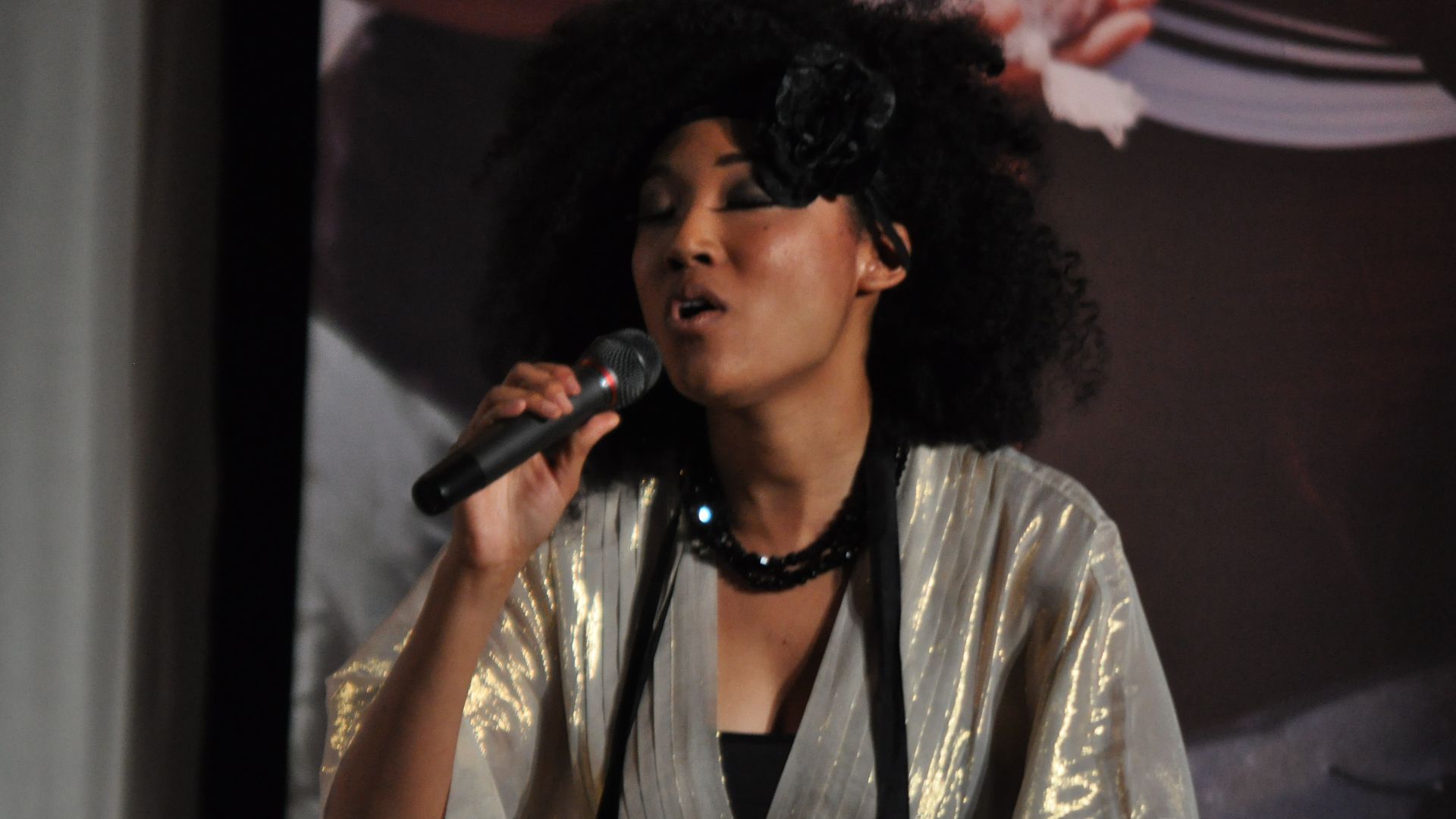
Being Johnny Cash's daughter didn't mean Rosanne Cash immediately became a star. After graduating from high school in 1973, she joined her father's touring show, initially helping with wardrobe before becoming a backing vocalist. She spent roughly three years on the road, learning the business before pursuing her own recording career. Her breakthrough finally arrived with “Seven Year Ache” in 1981, which topped the country chart and crossed over to pop radio. By then, Rosanne had established an identity far beyond her famous surname.
 Bryan Ledgard, Wikimedia Commons
Angie Stone
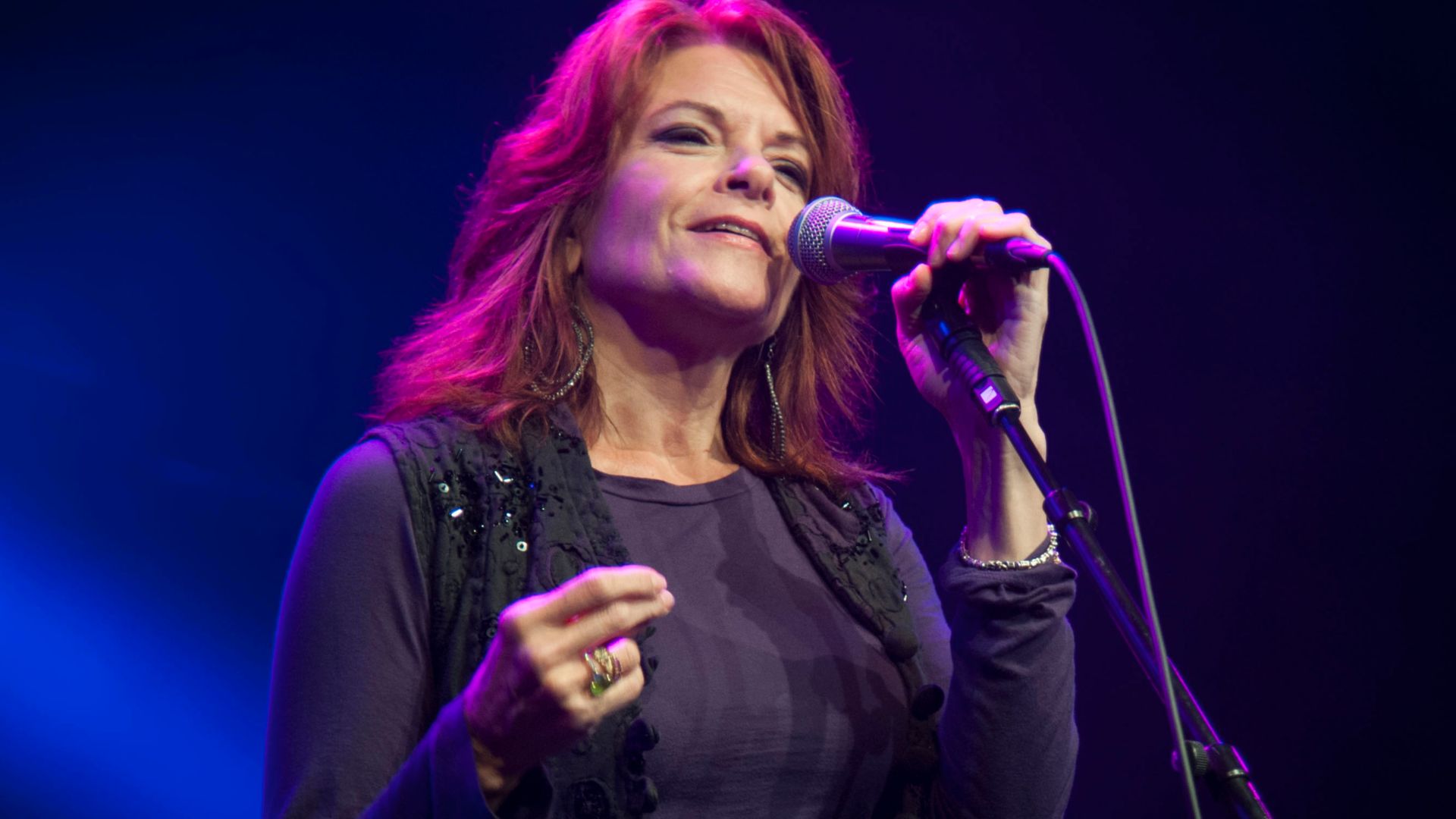
Angie Stone had already enjoyed a remarkable musical career before becoming a solo star. She first found success with the pioneering female rap group the Sequence in 1979, then performed with R&B group Vertical Hold during the early 1990s. She also collaborated with D'Angelo on Brown Sugar (1995). Stone launched her solo career with Black Diamond (1999), featuring “No More Rain (In This Cloud).” Her signature hit “Wish I Didn't Miss You” appeared on Mahogany Soul (2001) and became a successful single in 2002.
 Bengt Nyman, CC BY 2.0, Wikimedia Commons
Chanté Moore
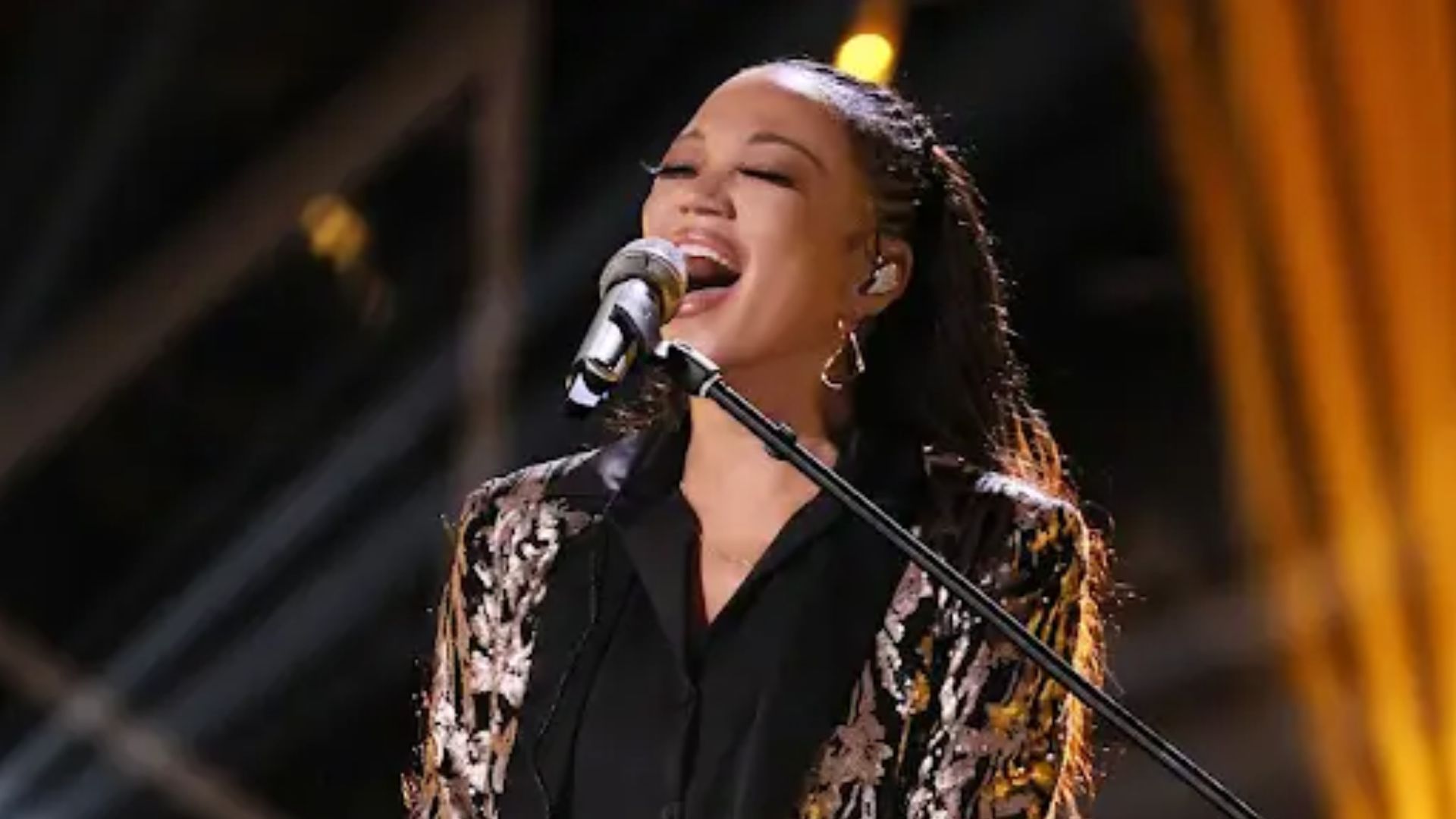
Before becoming a successful R&B singer, Chanté Moore developed her voice through live performances and early recording work. She performed with bands in cocktail lounges before gaining wider attention as a featured vocalist on El DeBarge's “You Know What I Like” in 1992. That same year, she released her debut album, Precious, featuring “Love's Taken Over” and “It's Alright.” Her biggest crossover hit arrived in 1999 with “Chanté's Got a Man,” which reached No. 10 on the Billboard Hot 100.
You May Also Like:
Singers Who Nearly Quit Before Becoming Famous
Sources: 1, 2, 3, 4, 5, 6, 7, 8, 9, 10, 11, 12, 13, 14, 15, 16, 17, 18, 19, 20, 21, 22, 23