Everyone Has A Breaking Point
One future superstar was told to go back to driving a truck. Another was convinced her voice would never make it. Others packed their bags, moved home, or accepted ordinary jobs because they believed the dream was over. These legendary singers all came within inches of quitting before one final twist changed music history forever.
 Casablanca Records, Public domain, via Wikimedia Commons
Elvis Presley Was Told He Was Better Off Driving Trucks
Before becoming the King of Rock and Roll, Elvis Presley struggled to impress everyone in the music business. After one early performance at Nashville's Grand Ole Opry, manager Jim Denny reportedly told him he should go back to driving a truck. Elvis kept recording anyway, and within mere months "Heartbreak Hotel" launched him into superstardom.
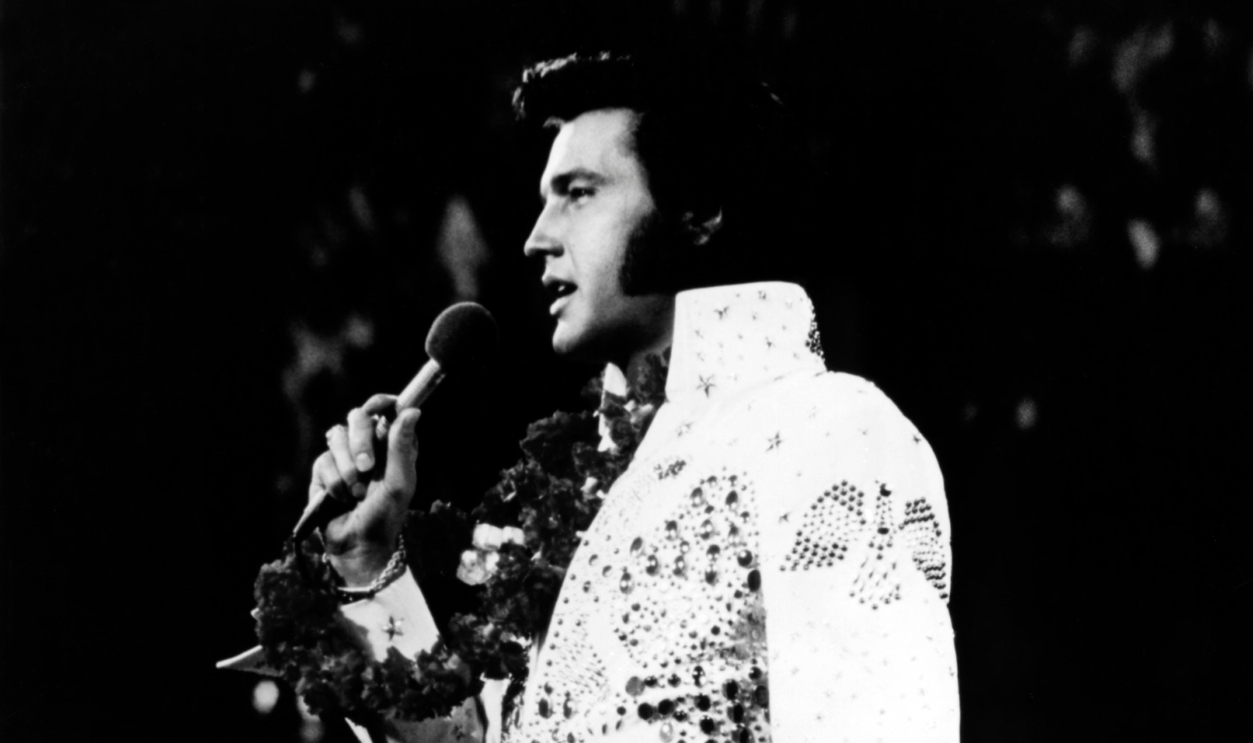
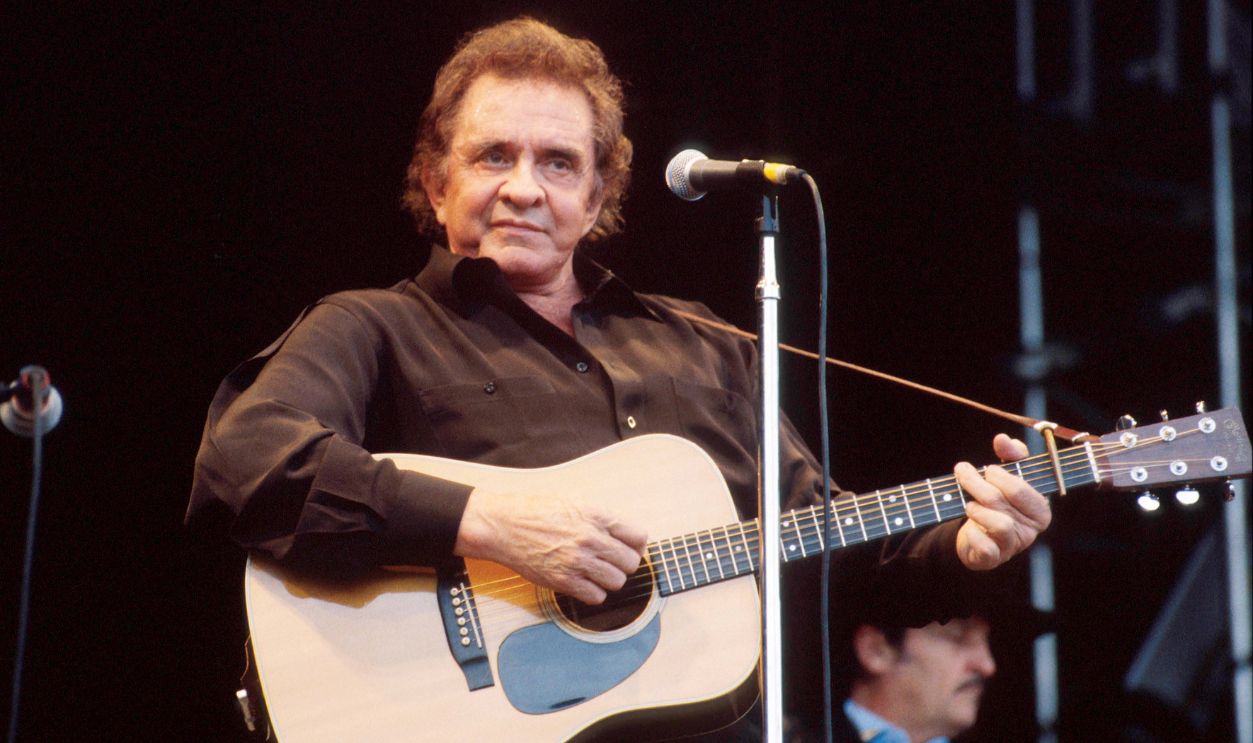
Johnny Cash Nearly Walked Away After Years Of Rejection
Johnny Cash spent many long years trying to convince record labels he belonged in country music. Before signing with Sun Records, he worked long shifts as an appliance salesman while wondering whether music would ever pay the bills. His persistence paid off when Sam Phillips finally gave him a chance, beginning one of country music's greatest careers.
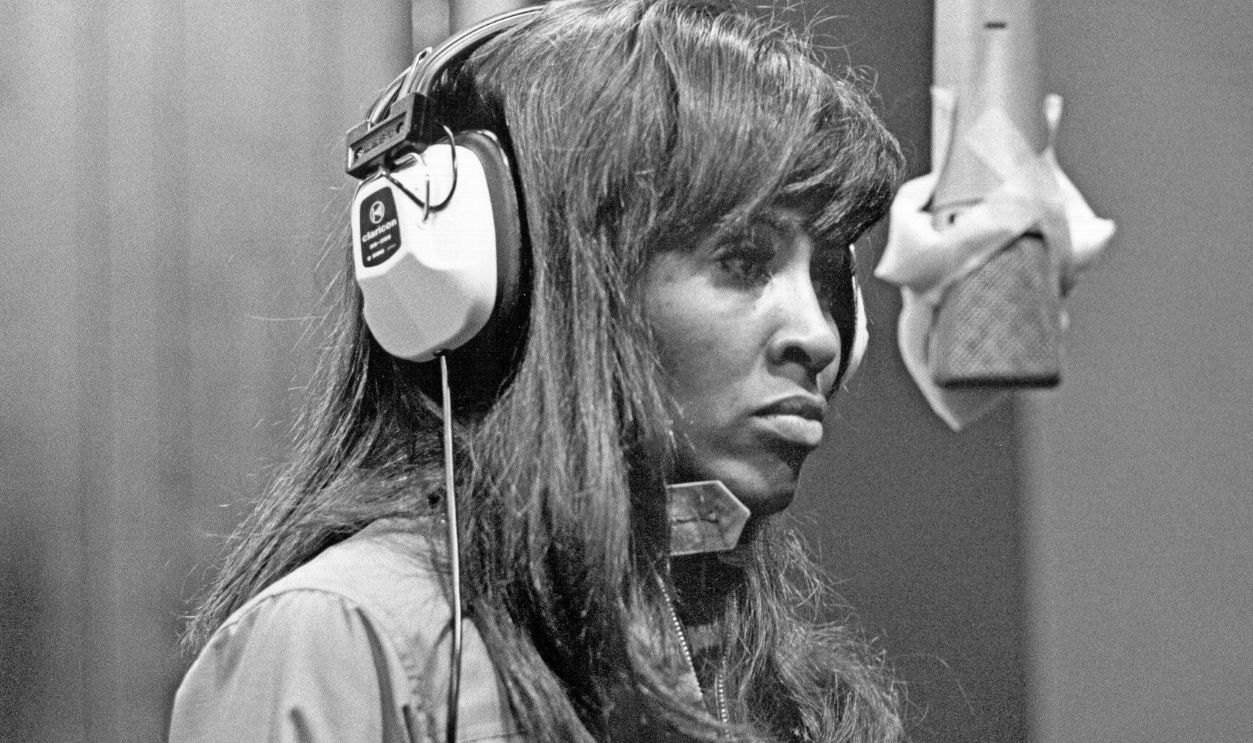
Tina Turner Thought Her Career Was Finished
After escaping her abusive marriage to Ike Turner in the late 1970s, Tina Turner found herself deeply in debt and struggling to book any shows. Many record companies believed she was too old to launch a solo comeback and openly doubted her. She seriously questioned whether her music career was over before Private Dancer became one of the biggest comeback albums in history.
 Michael Ochs Archives, Getty Images
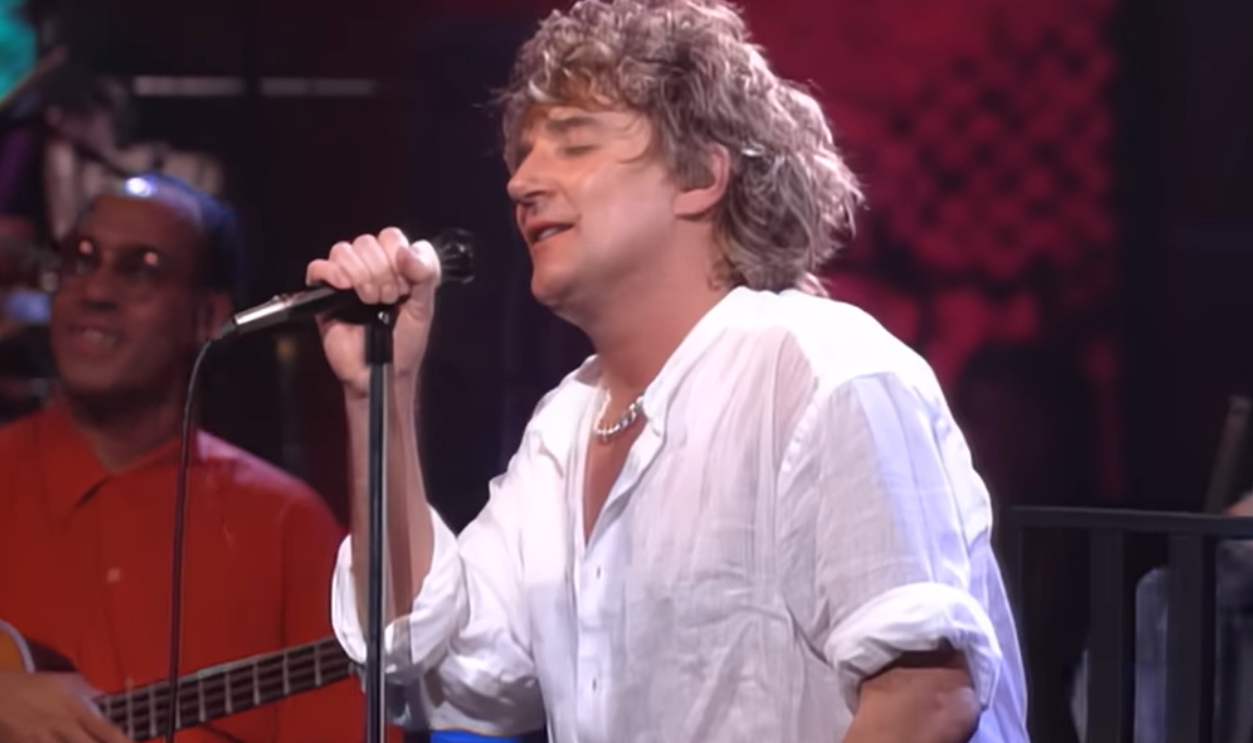
Rod Stewart Kept Hearing His Voice Was Wrong
Long before "Maggie May," Rod Stewart faced repeated rejection from record companies. Executives thought his raspy voice was simply too rough for commercial success. Stewart later admitted those setbacks were discouraging, but he refused to change his style, and that unique voice eventually became one of rock's most recognizable sounds.
 Screenshot from Maggie May, Mercury Records (1971)
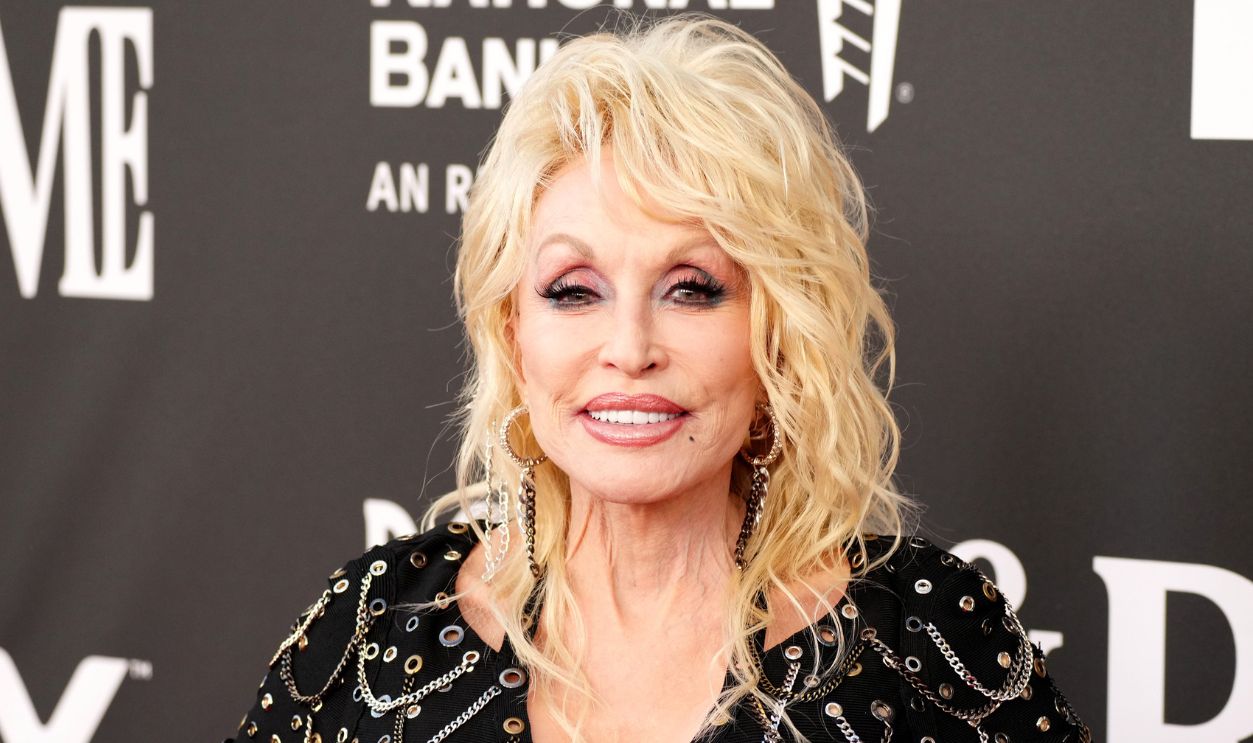
Dolly Parton Wondered If Nashville Wanted Her
Moving from rural Tennessee to Nashville brought plenty of uncertainty for Dolly Parton. Early in her career, some industry figures believed she should focus on songwriting instead of performing because they doubted her image and voice. Rather than give up, Parton trusted her instincts and soon became one of country music's brightest stars.
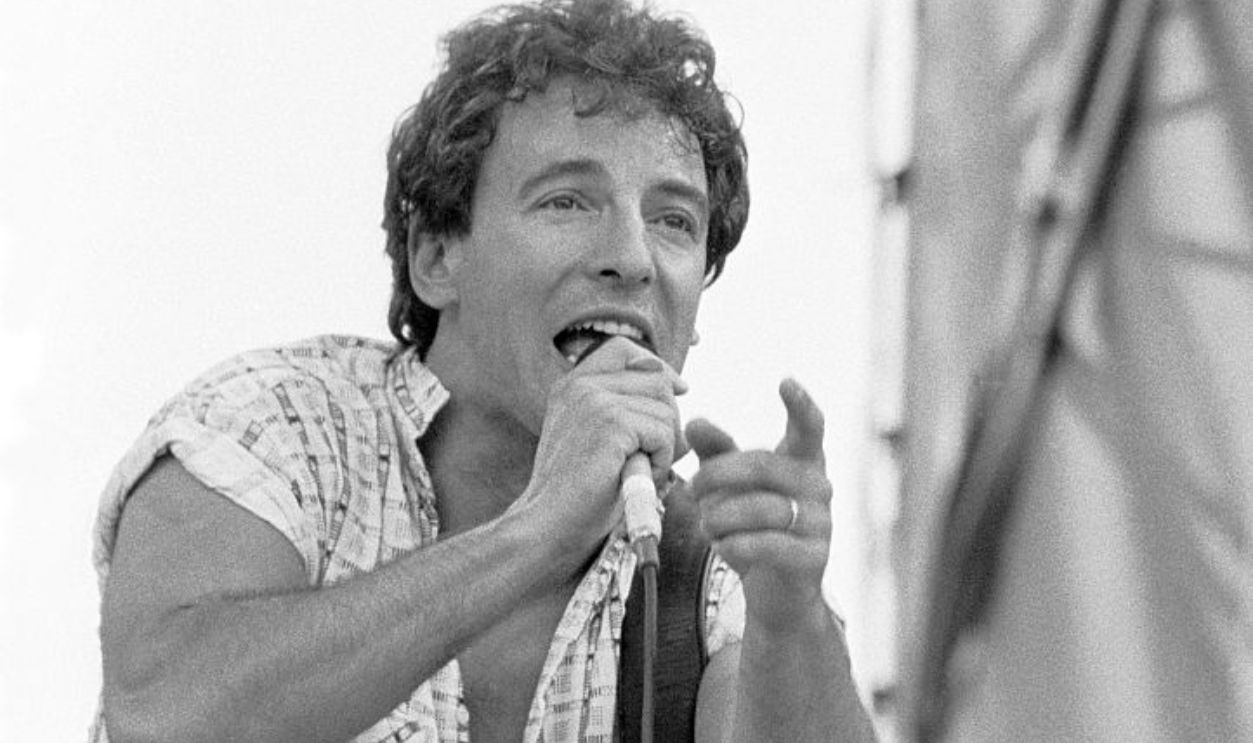
Bruce Springsteen Faced One Last Chance
By the early 1970s, Bruce Springsteen had earned critical praise but not major commercial success. His record label reportedly viewed Born To Run as a make or break album after two disappointing sellers. The enormous success of that record transformed him from an artist fighting for survival into one of rock's defining voices.
Willie Nelson Considered Staying Behind The Scenes
Before finding fame as a performer, Willie Nelson earned a living writing songs that other artists recorded. His own albums failed to attract much attention, and he grew frustrated with Nashville's expectations. Returning to Texas and embracing a different musical style revived his confidence and sparked the outlaw country movement.
 rufusowliebat, Wikimedia Commons
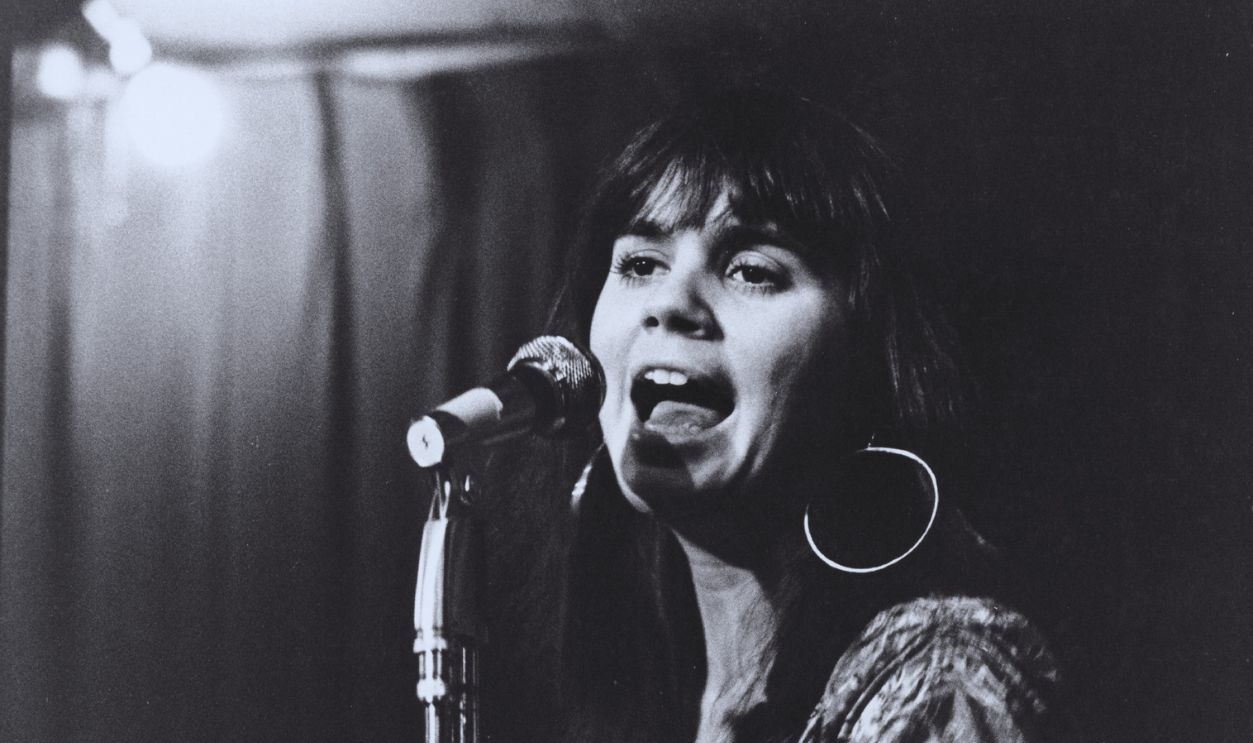
Linda Ronstadt Wondered If Success Would Ever Come
Linda Ronstadt spent years performing in clubs and recording albums that achieved only modest commercial results. She later admitted there were times when the endless touring and uncertainty became exhausting. Everything changed in the mid-1970s when a string of hit albums established her as one of the decade's biggest stars.
 Michael Ochs Archives, Getty Images
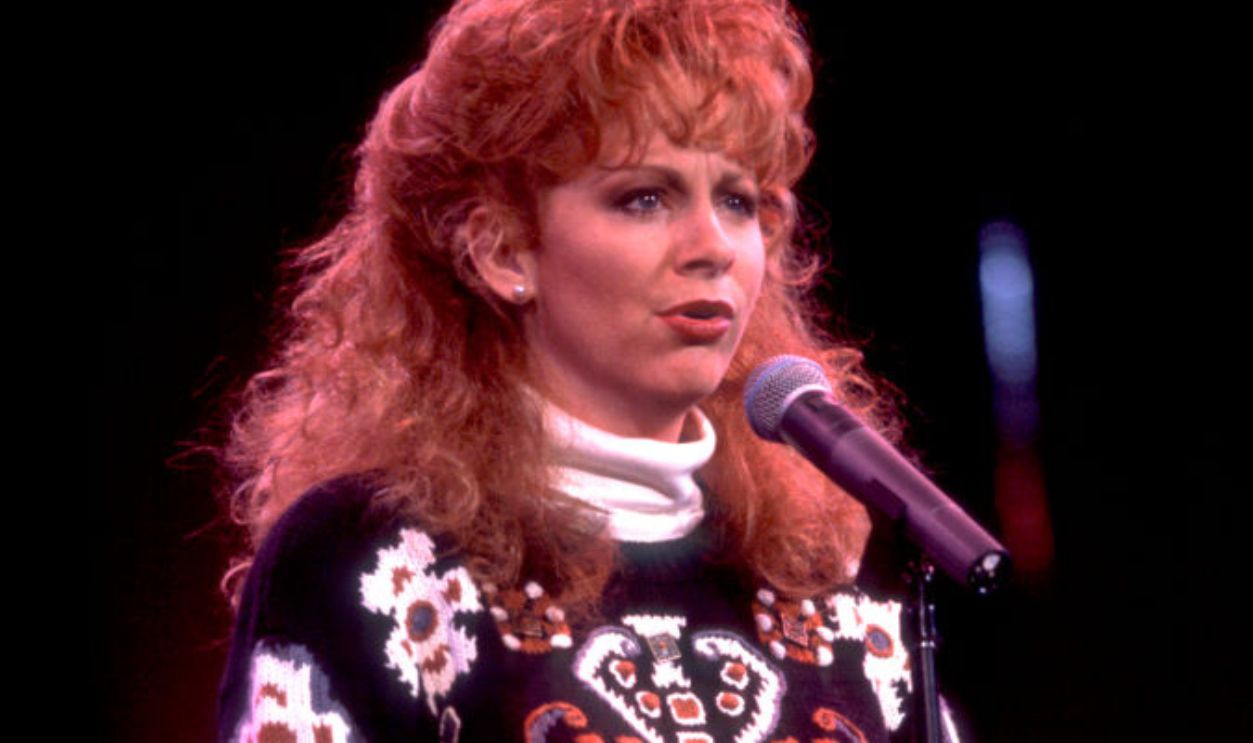
Reba McEntire Nearly Returned To Teaching
Reba McEntire originally studied to become an elementary school teacher while pursuing music on the side. Her first several singles barely made an impact, and her career seemed stuck. She later credited a change in musical direction and renewed determination for turning everything around and making her a country superstar.
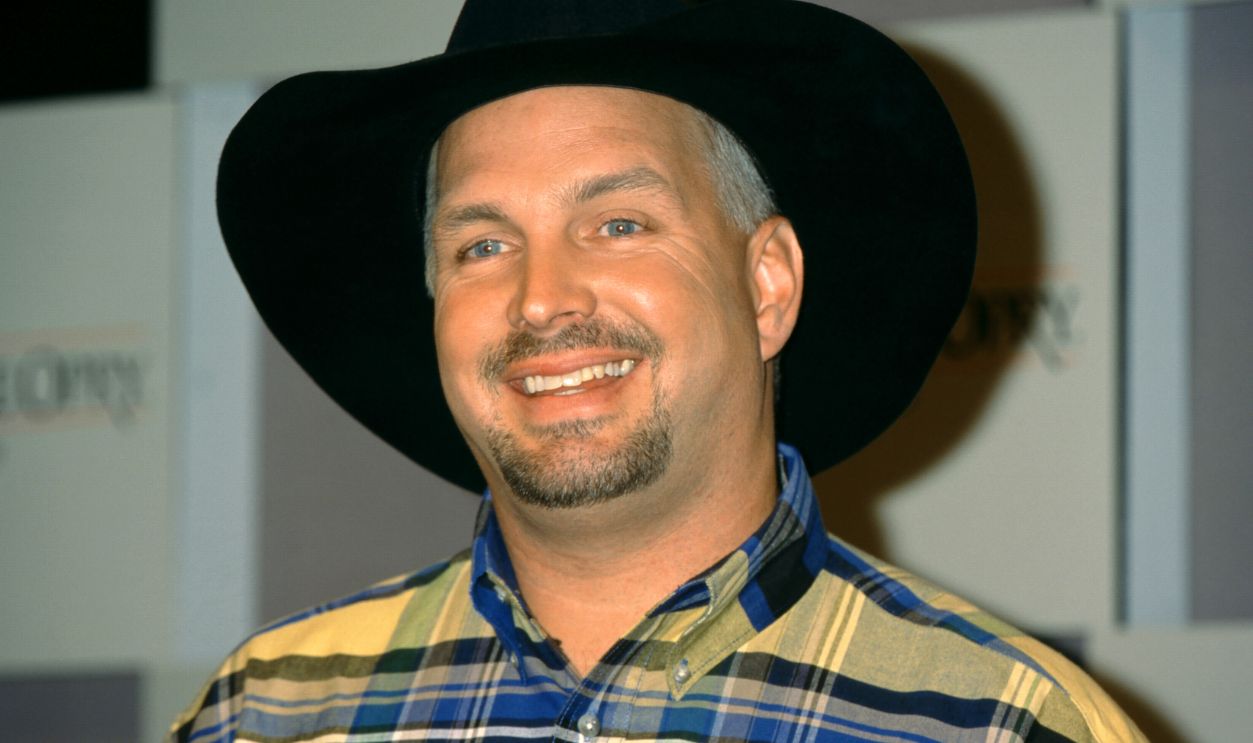
Garth Brooks Was Ready To Head Home
In 1985, an unknown Garth Brooks moved to Nashville to pursue music but fled back to Oklahoma in under 24 hours after being overwhelmed by the ruthless reality of the industry. He returned permanently in 1987 with his wife Sandy Mahl, taking odd jobs and cleaning churches to survive before finally signing with Capitol Records.
Cher Was Told She Could Not Sing
Cher encountered harsh criticism throughout her early career. Some executives dismissed her unusual contralto voice. In 1964, DJs initially refused to play "Ringo, I Love You" because they mistook her voice for a man's. She ignored those opinions, built a remarkable partnership with Sonny Bono, and later reinvented herself multiple times as a solo artist.
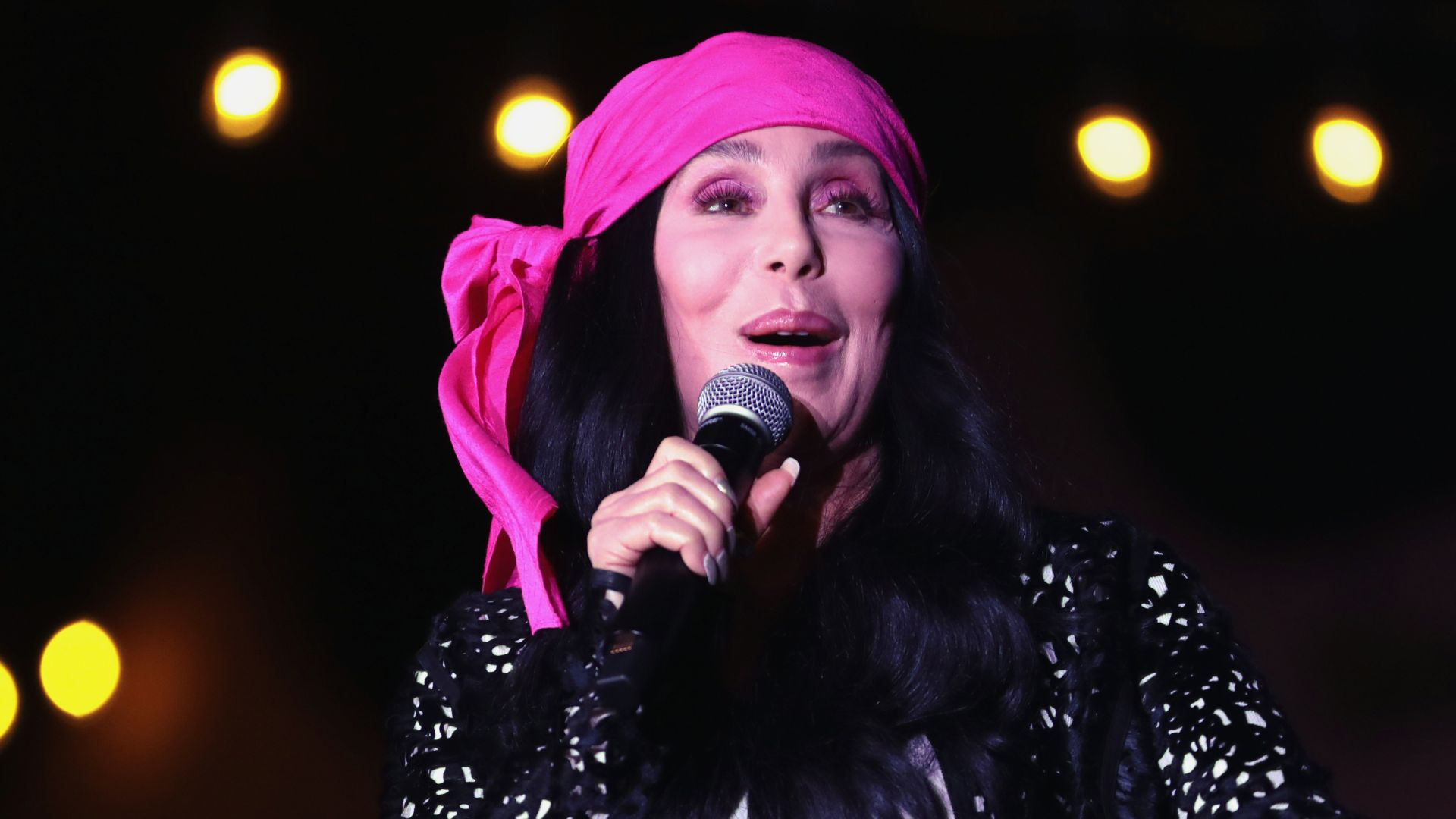 Gage Skidmore from Surprise, AZ, United States of America, Wikimedia Commons
Neil Diamond Struggled To Believe In Himself
Neil Diamond found early success as a songwriter, but performing his own material proved much harder. After several disappointing records, he continued writing hits for other artists while searching for his own breakthrough as a performer. That breakthrough finally arrived in the late 1960s, proving audiences wanted to hear his own voice as much as his songwriting.
 Alexander Gresbek, Wikimedia Commons
Bonnie Raitt Waited Years For Her Breakthrough
Bonnie Raitt earned tremendous respect from fellow musicians long before mainstream audiences discovered her. Despite releasing acclaimed albums throughout the 1970s and 1980s, commercial success remained elusive. After losing her record deal, she questioned whether her career had reached a dead end before Nick of Time unexpectedly became a massive hit in 1989.
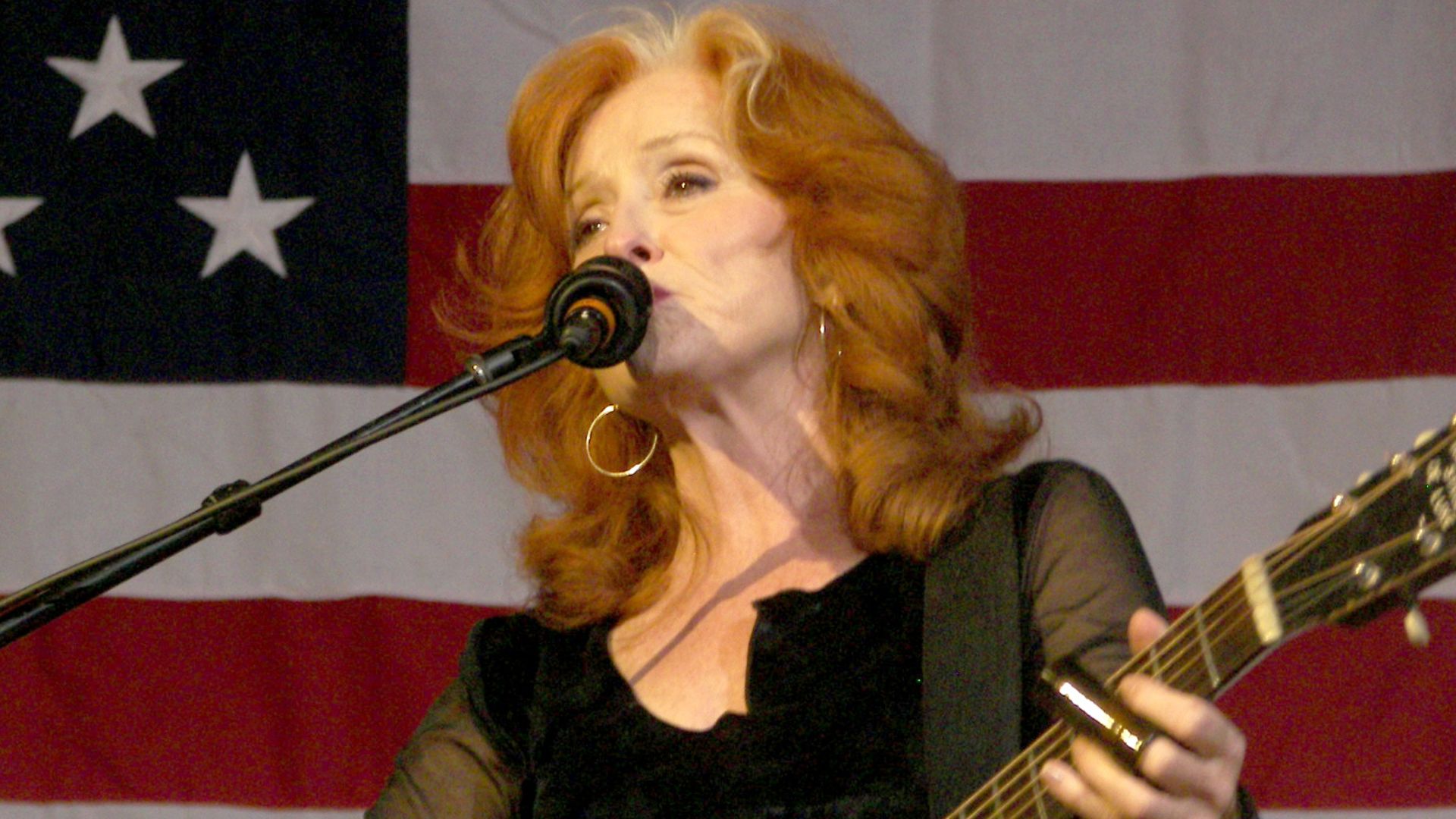 John Edwards, Wikimedia Commons
Carole King Almost Stayed Behind The Curtain
Carole King had already written countless hit songs before stepping into the spotlight herself. She initially lacked confidence as a performer and struggled with stage fright, wondering whether audiences would accept her on stage. Tapestry erased those doubts and became one of the best-selling albums ever released.
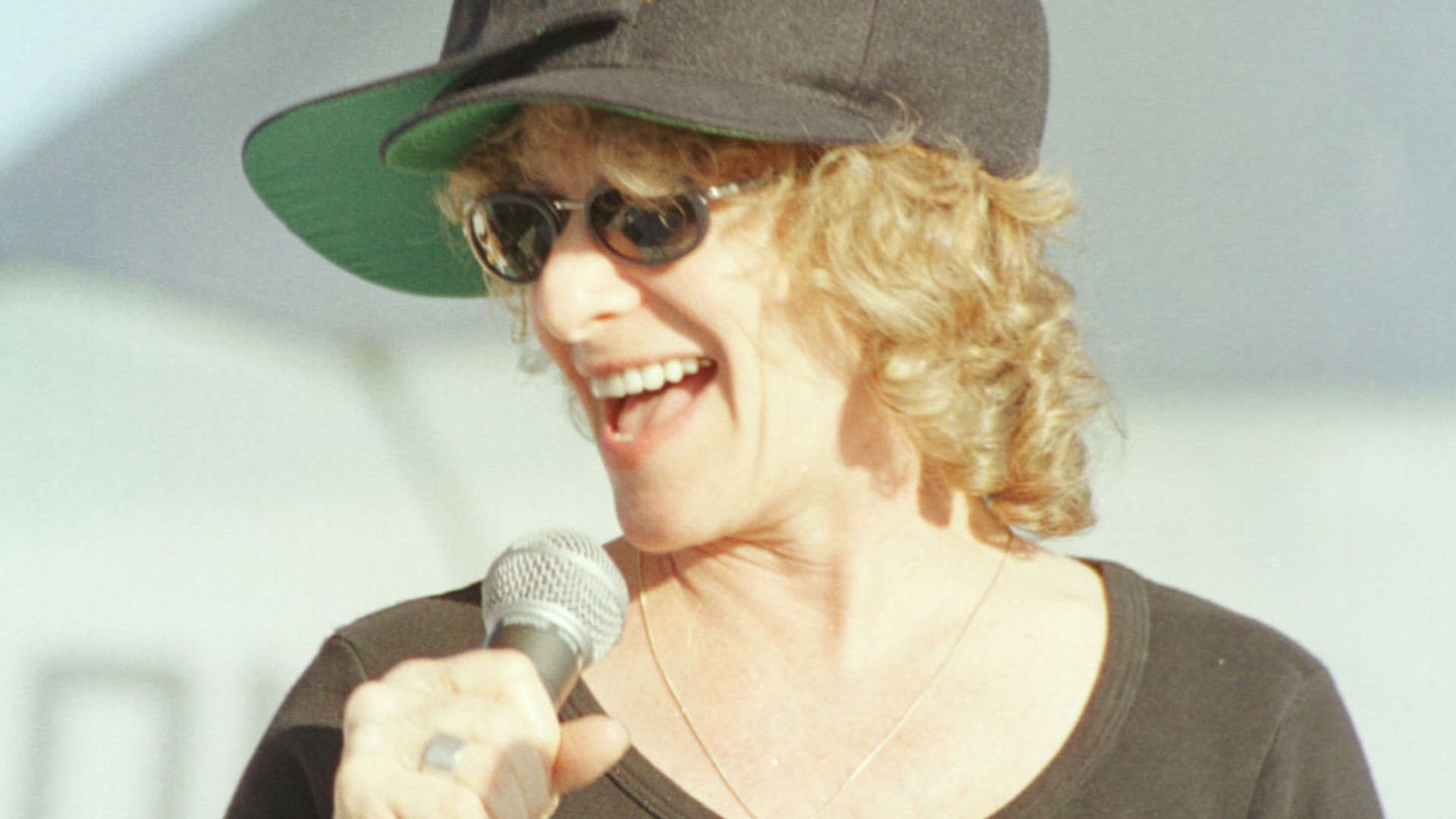 PH3 Jason D. Malcom, USN, Wikimedia Commons
Shania Twain Nearly Left Music To Care For Her Family
In 1987, Shania Twain's parents were killed in a car accident, leaving her responsible for her younger siblings. She put her recording ambitions on hold and spent years performing at Ontario's Deerhurst Resort to support her family instead of chasing stardom. Once her siblings were grown, she returned to Nashville, and the gamble eventually led to The Woman in Me and worldwide fame.

Steve Perry Went Home Ready To Give Up
Before Journey ever called, Steve Perry believed his dream was over. The band he fronted, Alien Project, fell apart after bassist Richard Michaels was killed in a car accident, leaving Perry devastated. He returned to his hometown of Lemoore, California, planning to quit music altogether until Journey's manager heard one of his demo tapes and invited him to audition.
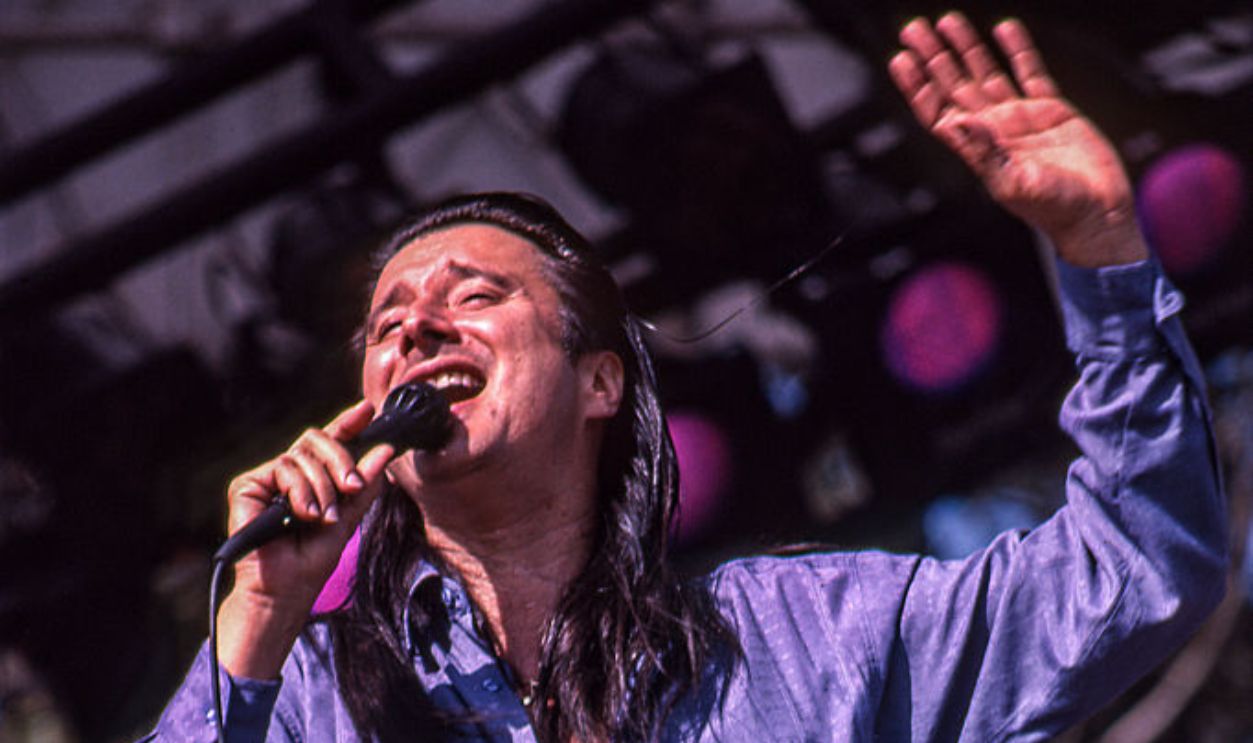
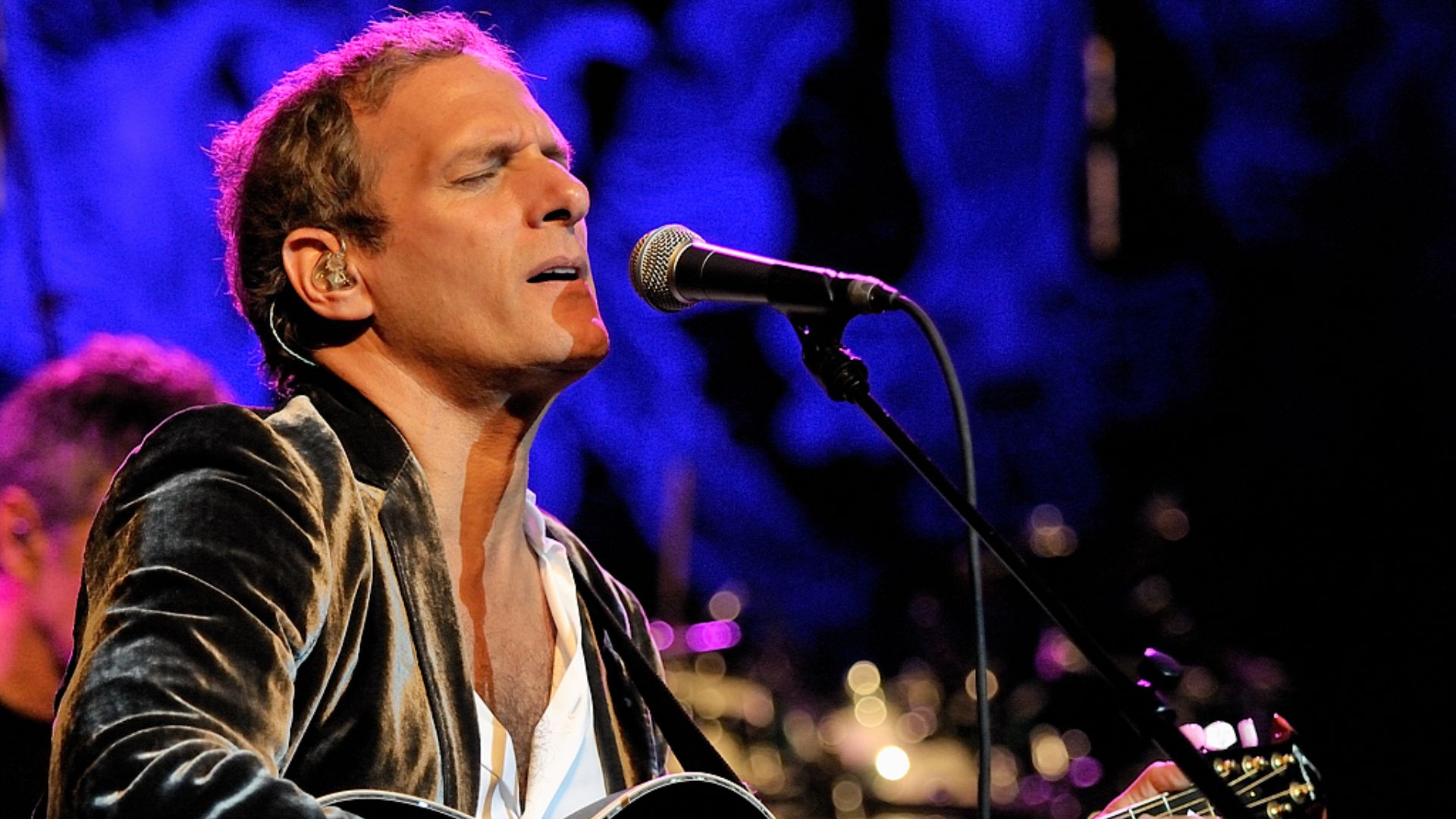
Michael Bolton Was Facing Eviction
Long before becoming the king of power ballads, Michael Bolton spent years releasing albums that barely sold. By his early thirties, he had a family to support and later recalled receiving eviction notices while wondering whether success would ever come. Instead, his songwriting career took off first, followed by his own string of massive hits just a few years later.
 Alterna2 http://www.alterna2.com, Wikimedia Commons
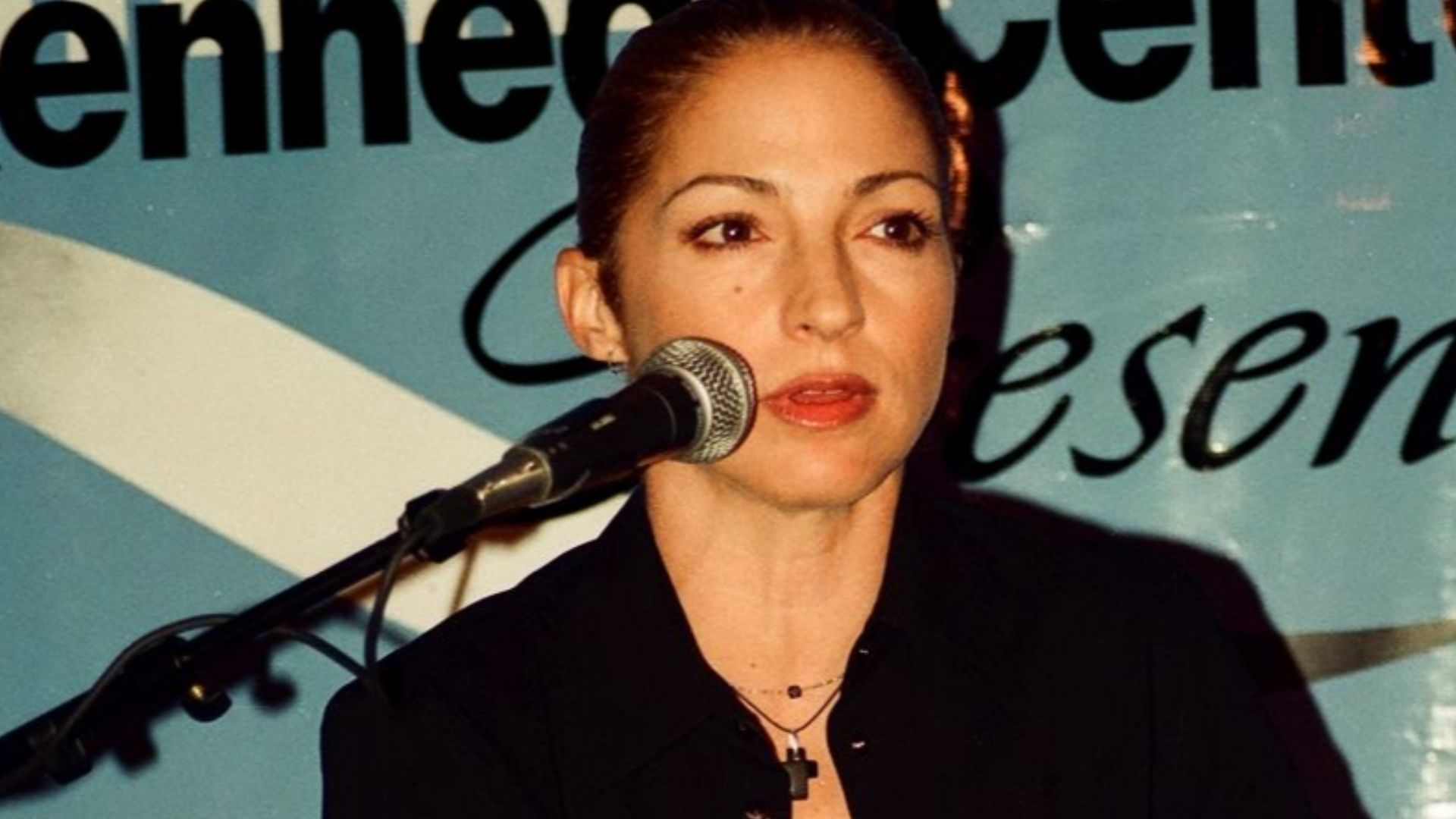
Gloria Estefan Refused To Let Tragedy End Her Career
In 1990, Gloria Estefan suffered a devastating tour bus accident that left her with a fractured spine. There were real questions about whether she would ever perform again, and months of painful rehabilitation followed. She fought her way back to the stage less than a year later, turning one of the darkest chapters of her life into an inspiring comeback.
 John Mathew Smith & www.celebrity-photos.com from Laurel Maryland, USA, Wikimedia Commons
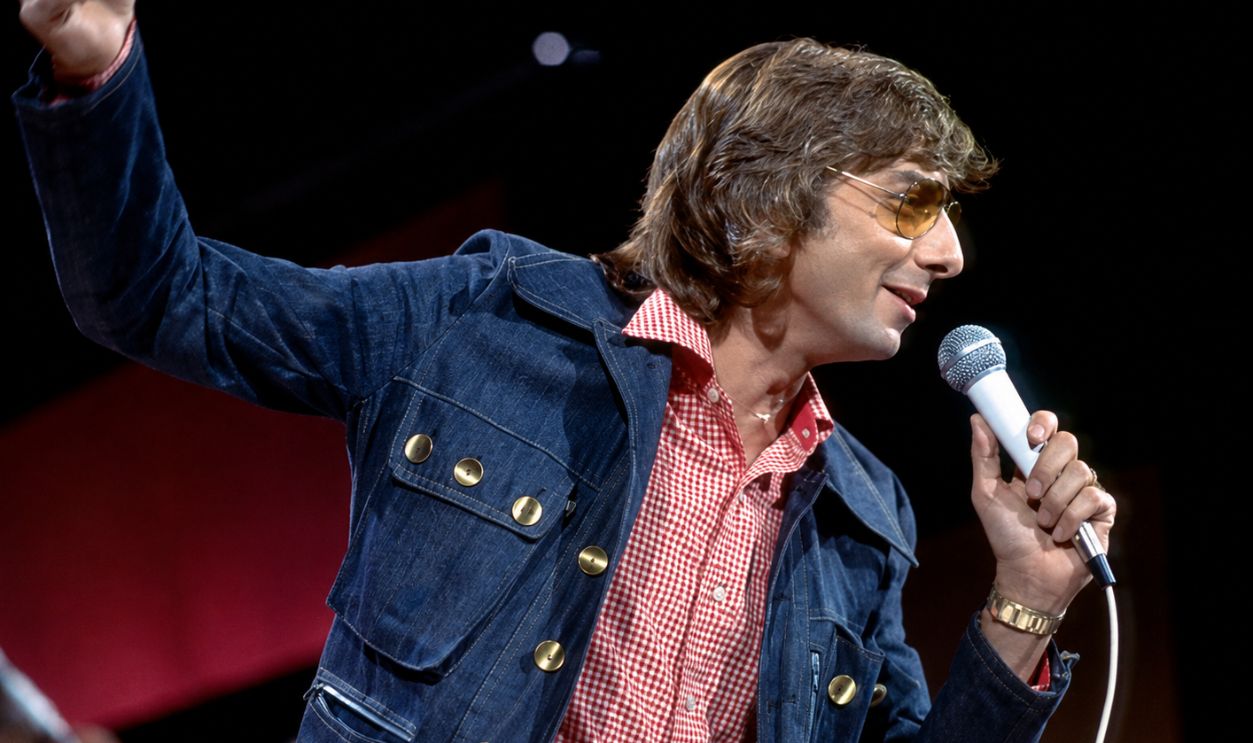
Barry Manilow Stayed Behind The Piano
Barry Manilow spent years writing commercial jingles and arranging songs for other performers while chasing his own recording career. His first albums attracted little attention, making it tempting to stay behind the scenes where the work was steady. Everything changed when "Mandy" unexpectedly became his first number one hit and transformed him into one of the biggest adult contemporary stars of the 1970s.
 Michael Ochs Archives, Getty Images, Enhanced
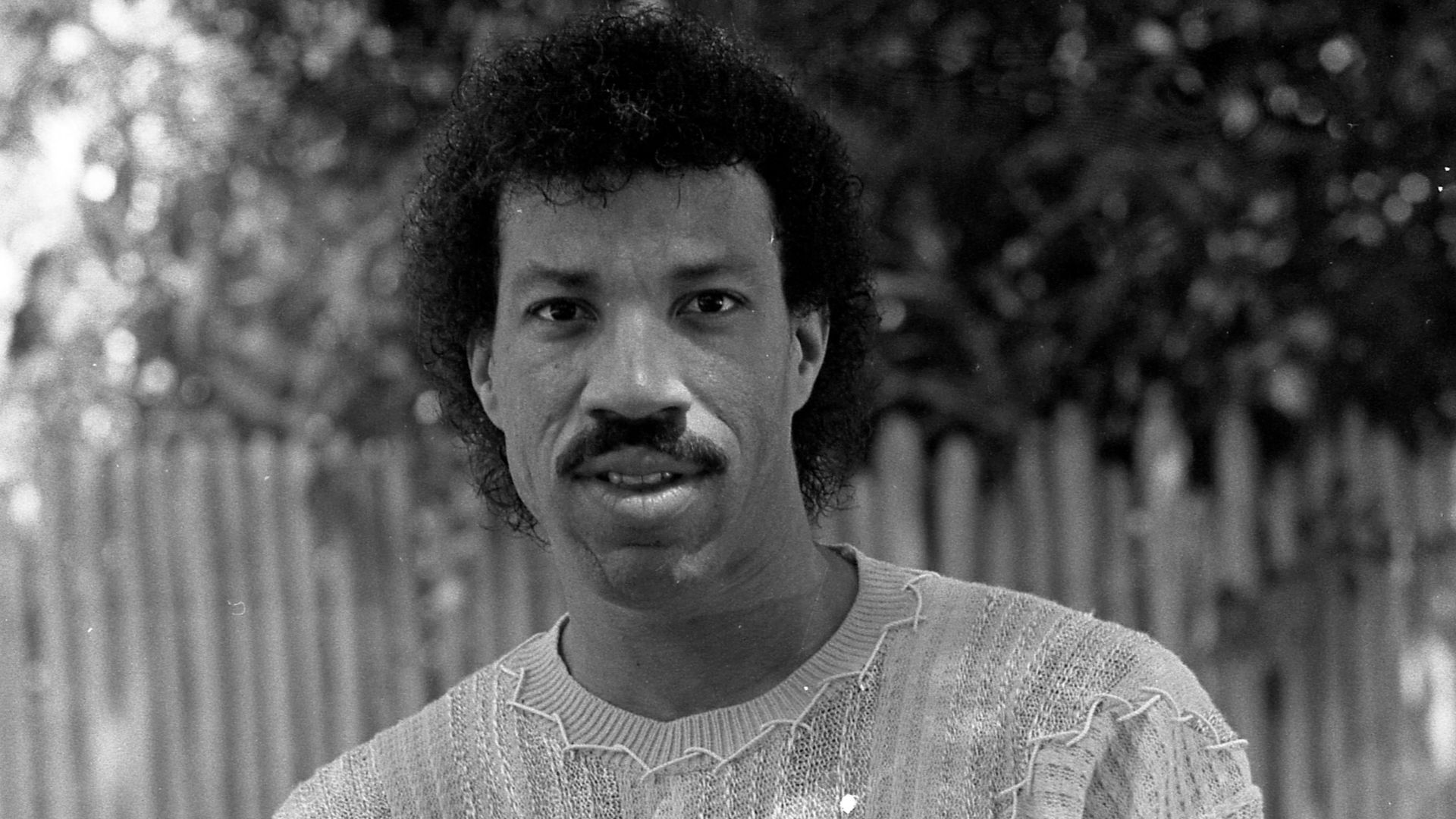
Lionel Richie Wondered If Going Solo Was A Mistake
Leaving the Commodores was an enormous gamble for Lionel Richie. Many people questioned whether audiences would accept him without the band that made him famous. Richie later admitted the move carried tremendous pressure, but his first solo albums quickly erased any doubts and established him as one of the defining voices of the 1980s.
 Penni Gladstone, Los Angeles Times, Wikimedia Commons
Melissa Etheridge Kept Hearing No
Melissa Etheridge spent years performing in California clubs while record labels repeatedly turned her down. Executives often claimed her style was difficult to market, and success seemed frustratingly out of reach. She continued touring anyway, eventually earning a deal with Island Records and building a career that has lasted for decades.
 Angela George, Wikimedia Commons
Kenny Rogers Was Told His Best Days Were Behind Him
Before becoming a country superstar, Kenny Rogers had already watched several musical groups rise and fall. By the mid-1970s, he was approaching forty and could easily have concluded his biggest opportunities had passed. Instead, his solo career exploded with hits like "Lucille" and "The Gambler," proving major success can arrive later than expected.
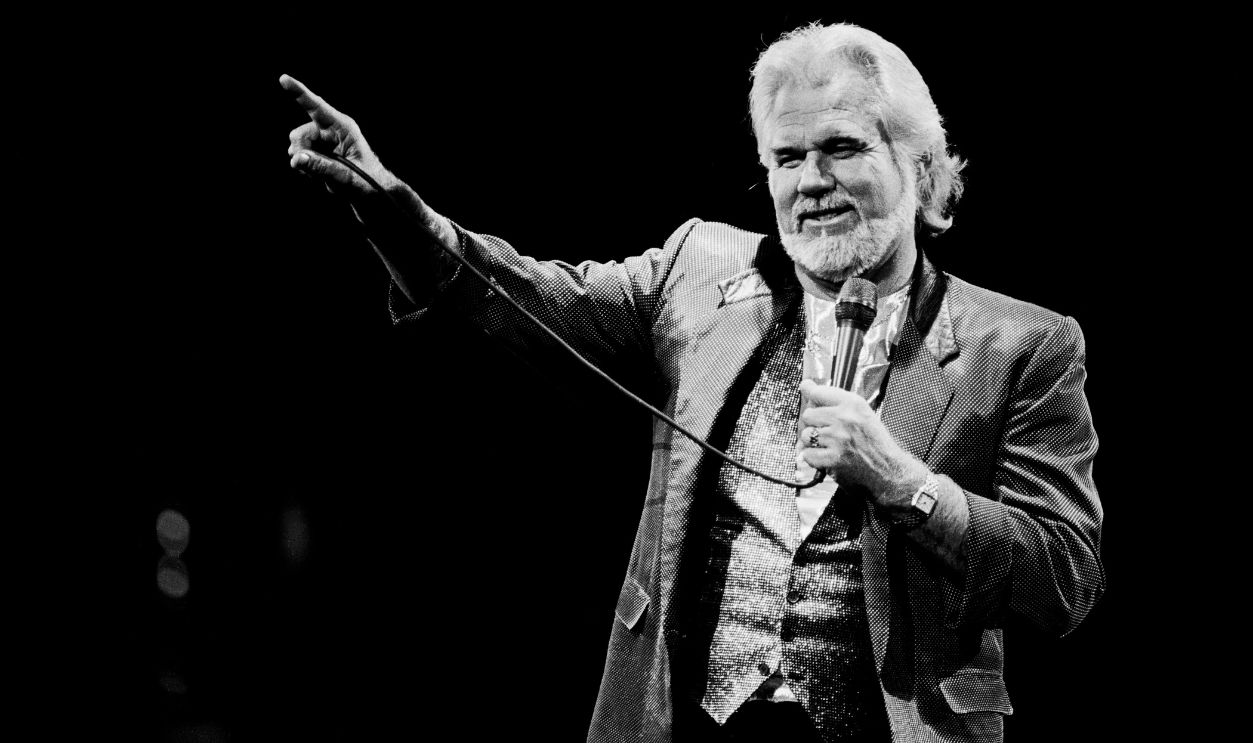
Jon Bon Jovi Kept Pushing Through Rejection
Jon Bon Jovi worked at his cousin Tony Bongiovi's recording studio while chasing a recording contract. Early demos generated interest but no immediate breakthrough, forcing him to keep hustling while assembling the right band. Persistence paid off when Bon Jovi's third album, Slippery When Wet, became one of the biggest rock albums of the decade.
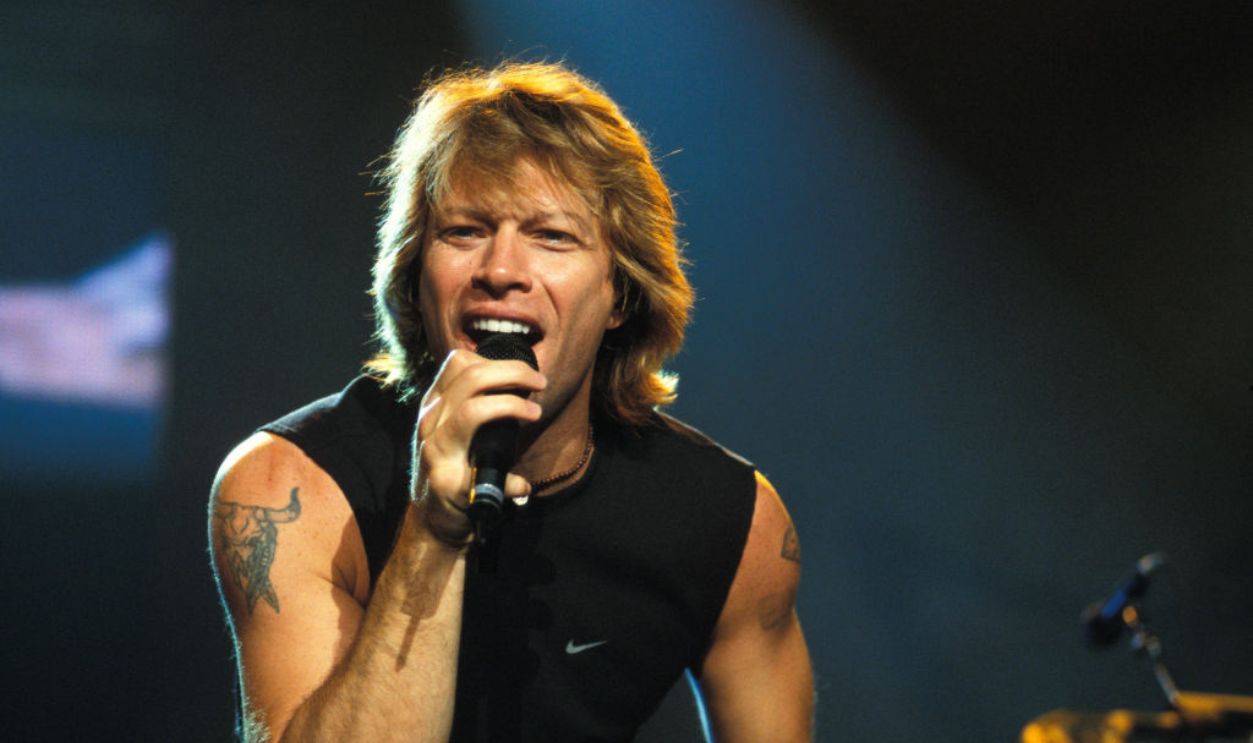
Andrea Bocelli Almost Chose Law Forever
Andrea Bocelli earned a law degree and briefly practiced as a court-appointed lawyer while studying classical singing. Music remained his passion, but a stable legal career offered far more certainty than trying to become a professional tenor. After leaving law to pursue music full time, he won Italy's prestigious Sanremo newcomer competition in 1994, setting him on the path to international fame.
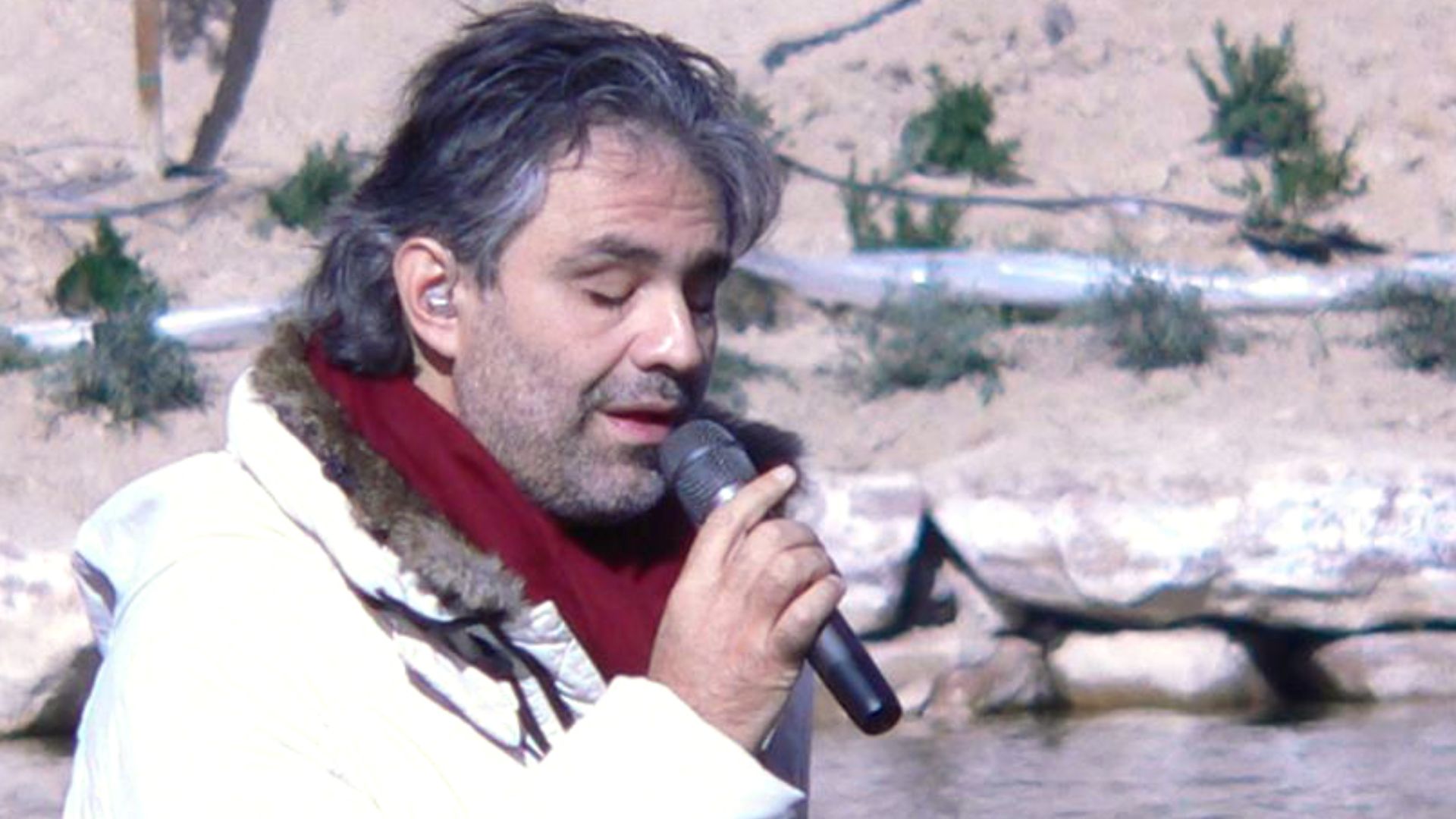
Kelly Clarkson Almost Never Auditioned Again
Before winning the first season of American Idol, Kelly Clarkson had moved to Los Angeles hoping to launch a music career. After little success, her apartment caught fire, and she returned to Texas discouraged and nearly broke. Friends encouraged her to audition for the new television competition, and that single decision completely changed her life.
 vagueonthehow from Tadcaster, York, England, Wikimedia Commons
Susan Boyle Thought Her Chance Had Passed
Susan Boyle spent decades caring for her mother while quietly singing in local venues around Scotland. After her mother's death, she wondered whether she had simply become too old to fulfill the dream she had held since childhood. Her unforgettable audition on Britain's Got Talent at age 47 instantly proved otherwise and captivated millions around the world.
 Screenshot from Britain's Got Talent, ITV (2007–)
You May Also Like:
Forget The Critics: These Are The 50 Greatest Albums Of All Time—Do You Agree?
Sources: 1, 2, 3, 4, 5, 6, 7, 8, 9, 10, 11, 12, 13, 14, 15, 16, 17, 18, 19, 20, 21, 22