
One Song Was Enough
The 1970s produced plenty of superstars, but also singers who seemed to materialize from nowhere, give radio one unforgettable song, and then disappear again. Some really did fade away. Others kept recording for decades without ever matching that first explosion of success. How many do you remember?
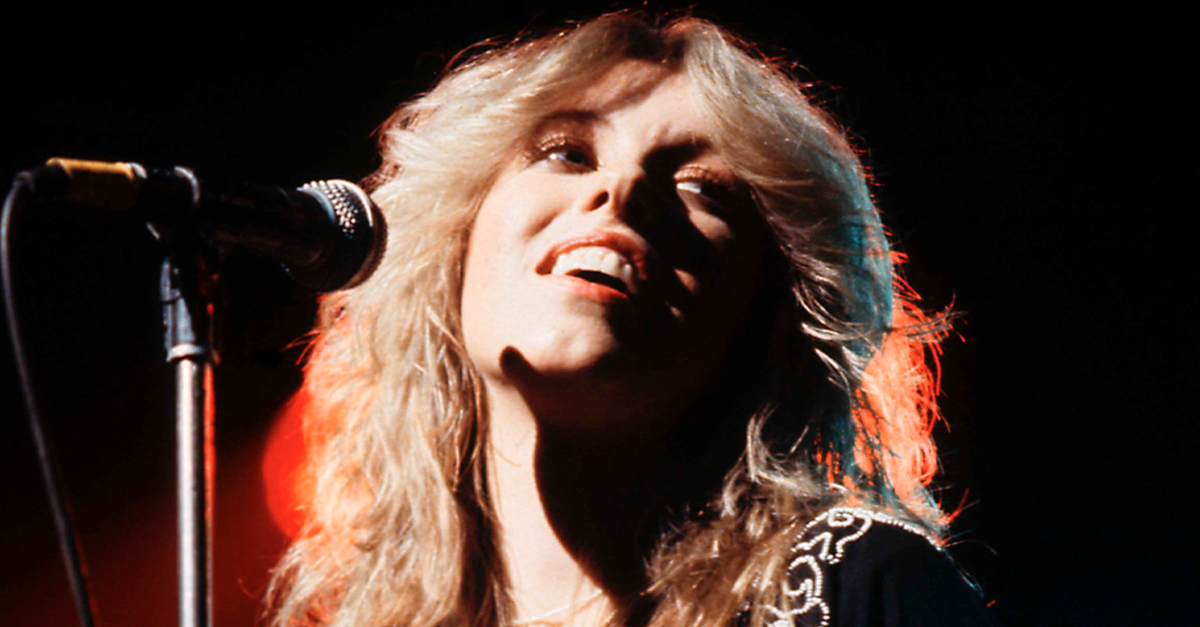
 Screenshot of singer Judie Tzuke on 'Countdown' (1980), Australian Broadcasting Corporation
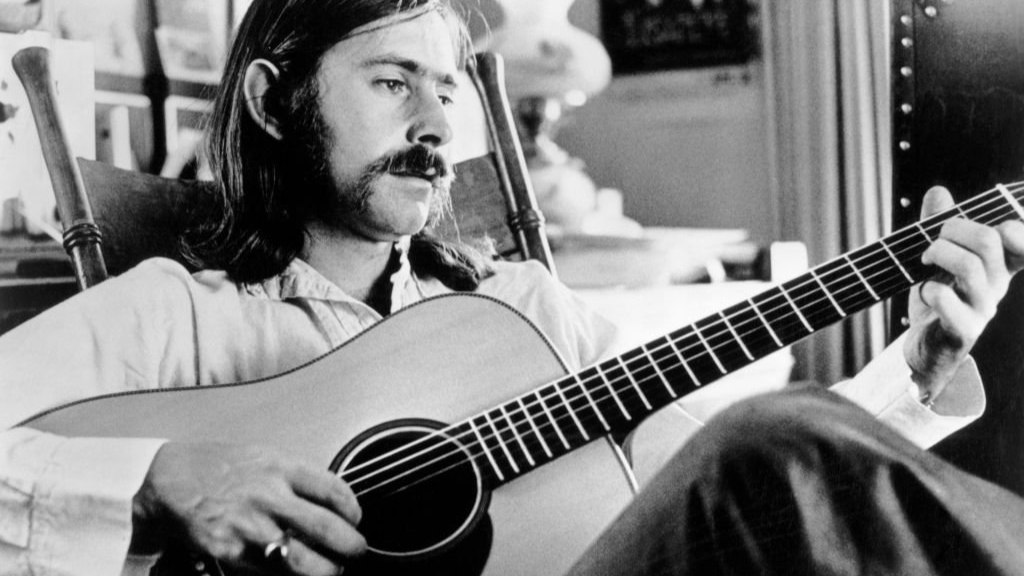
Norman Greenbaum: “Spirit In The Sky”
Norman Greenbaum fused gospel imagery with one of rock's nastiest fuzz-guitar riffs on the 1970 hit “Spirit in the Sky.” The song reached No. 3 on the Billboard Hot 100, but Greenbaum never returned to the American Top 40. Ironically, his supposedly fleeting hit became one of the decade's most enduring recordings.
Edison Lighthouse: “Love Grows”
Tony Burrows seemed to be everywhere in 1970, including as the voice of Edison Lighthouse's “Love Grows (Where My Rosemary Goes).” The impossibly cheerful single topped the British chart and reached No. 5 in America. Edison Lighthouse continued with other singers, while prolific session vocalist Burrows simply moved on to other projects.
 Evening Standard, Getty Images
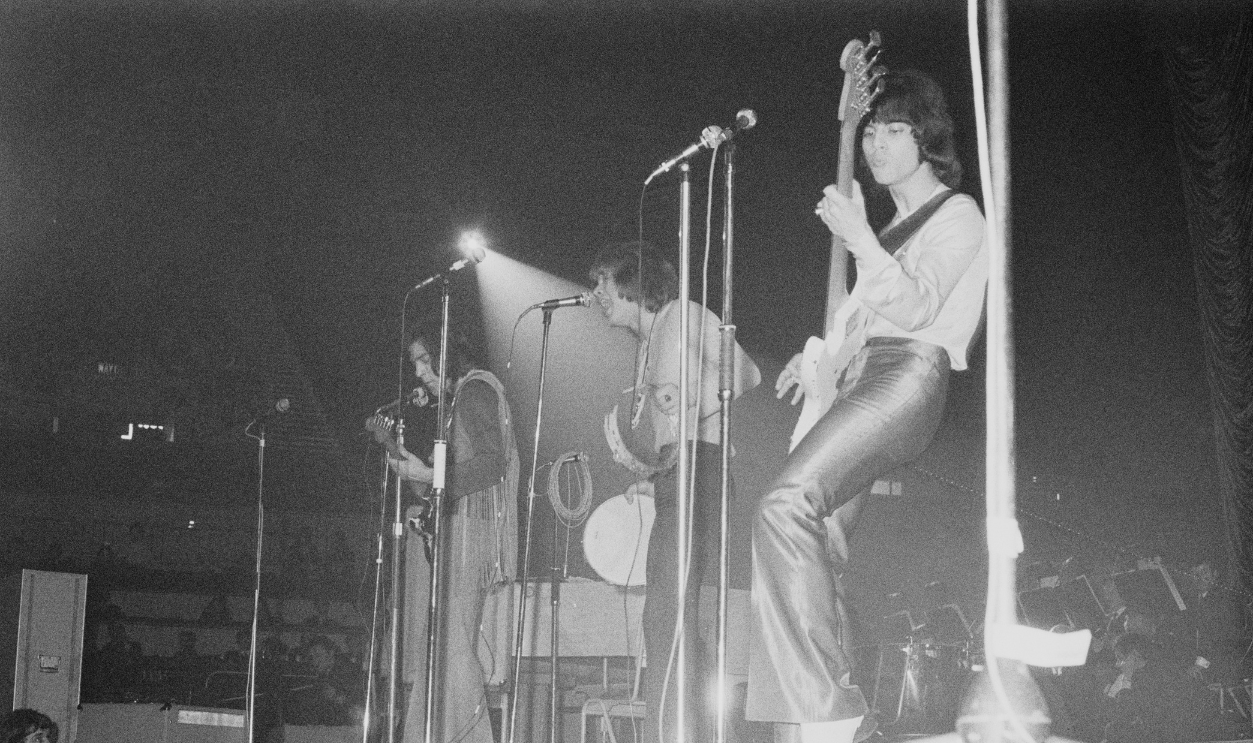
Mungo Jerry: “In The Summertime”
Few songs announce summer as effectively as Mungo Jerry's 1970 smash “In the Summertime.” Led by Ray Dorset, the British group topped the UK chart and reached No. 3 in America. Mungo Jerry enjoyed additional British success, but to many American listeners, that infectious jug-band groove was essentially their entire career.
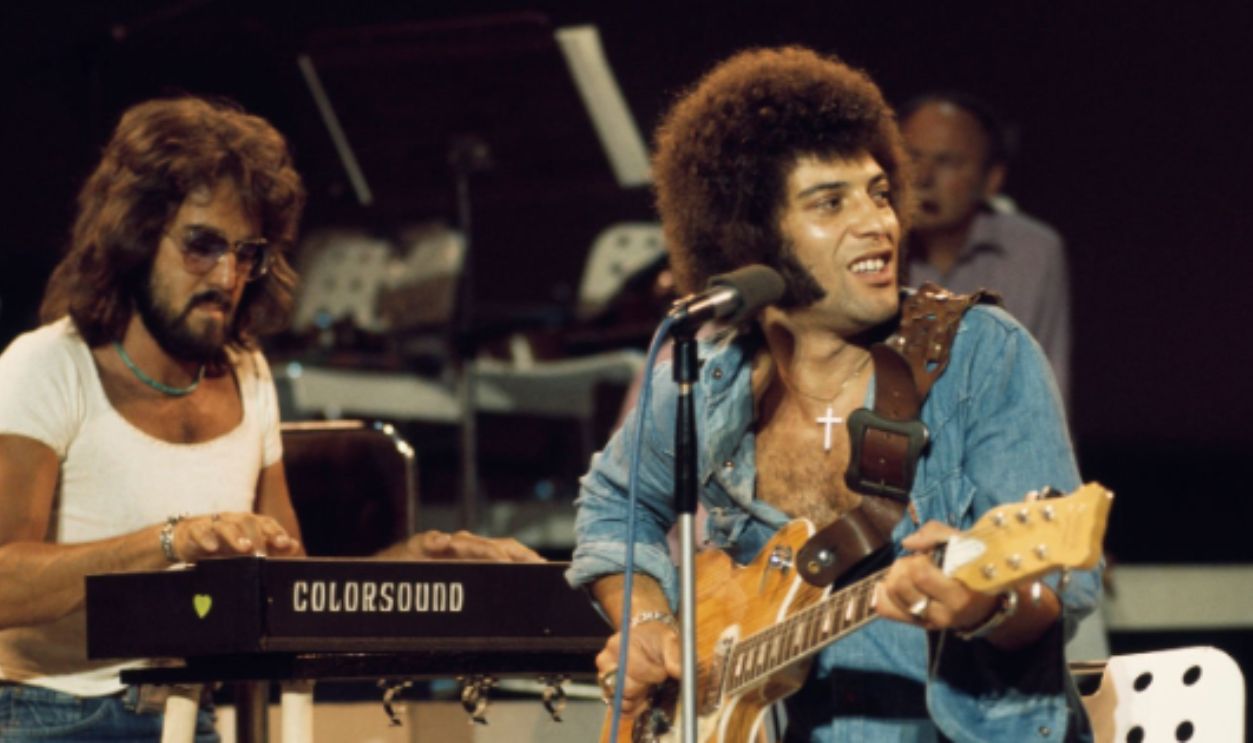
Brewer And Shipley: “One Toke Over The Line”
Michael Brewer and Tom Shipley became unlikely pop stars when “One Toke Over the Line” reached No. 10 in 1971. The marijuana reference generated controversy, yet Lawrence Welk's television program hilariously featured a cover apparently interpreted as a spiritual song. Brewer and Shipley kept recording, but never produced another comparable mainstream hit.
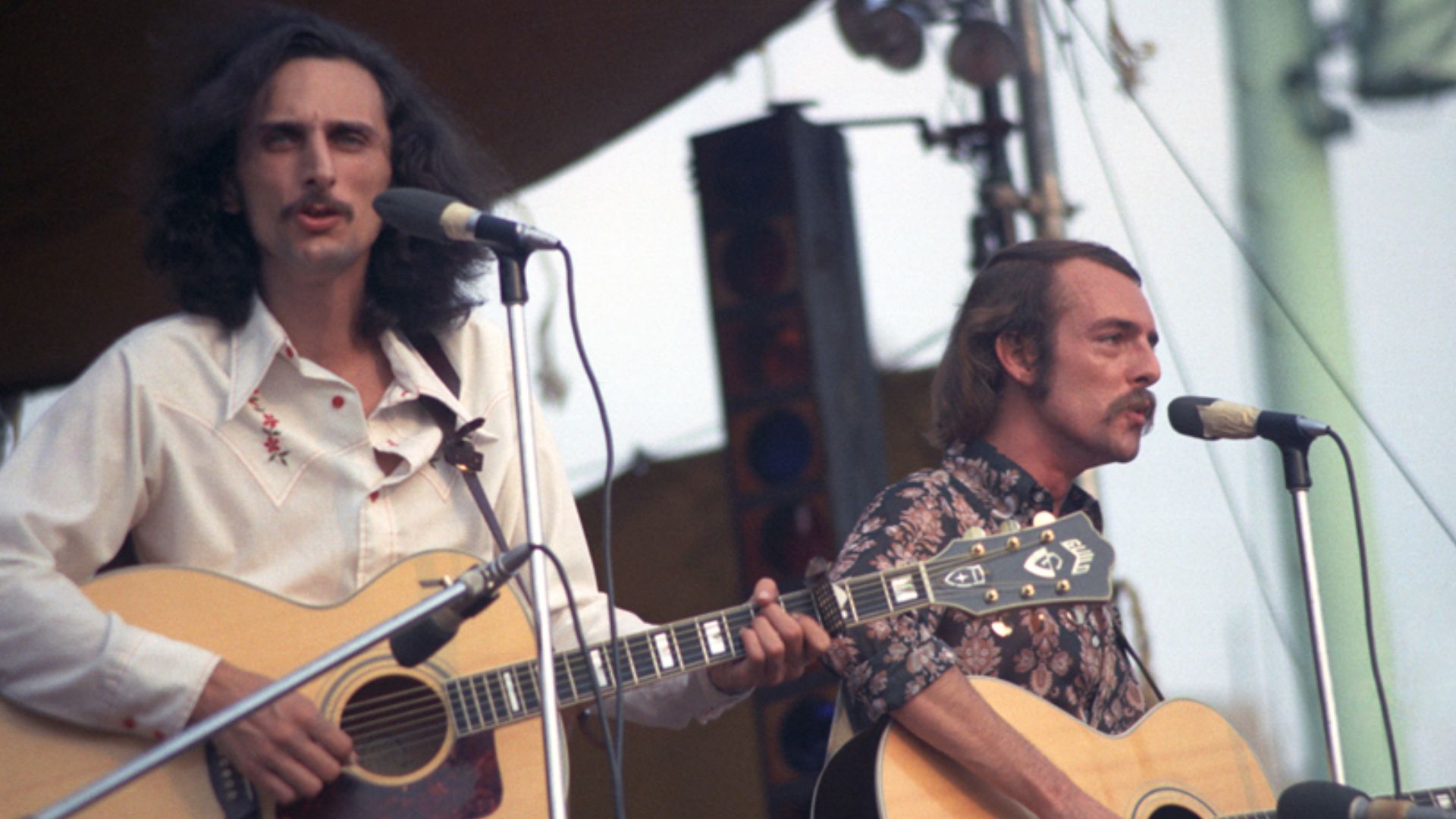 Nick DeWolf, Wikimedia Commons
Ocean: “Put Your Hand”
Canadian group Ocean struck gold in 1971 with the gospel-flavored “Put Your Hand in the Hand.” The song reached No. 2 on the Billboard Hot 100 and sold more than a million copies in America. Subsequent singles failed to recreate its enormous success, and the Toronto-based group had broken up by the mid-1970s.
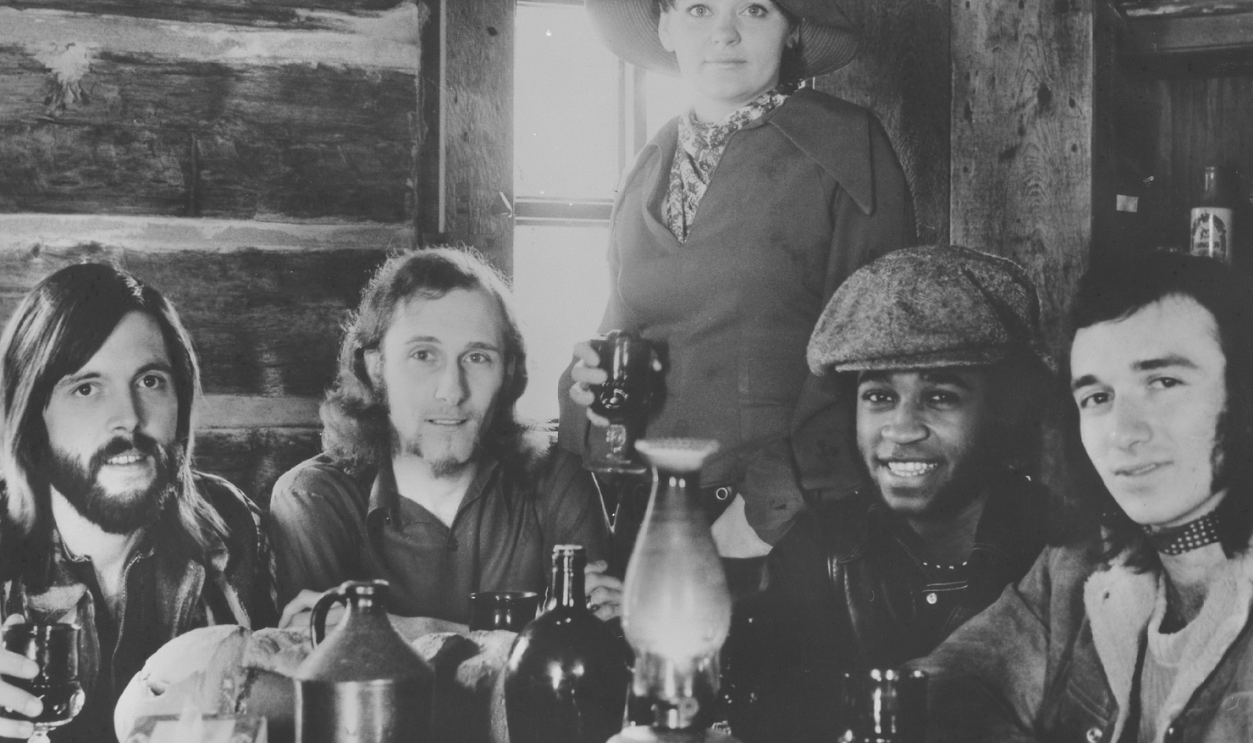 Michael Ochs Archives, Getty Images
King Harvest: “Dancing In The Moonlight”
King Harvest gave the world the best-known version of “Dancing in the Moonlight” in 1972. Written by Sherman Kelly and previously recorded by his band Boffalongo, King Harvest's breezy version climbed to No. 13 in America. The group soon splintered, but the song kept returning through movies, television and later cover versions.
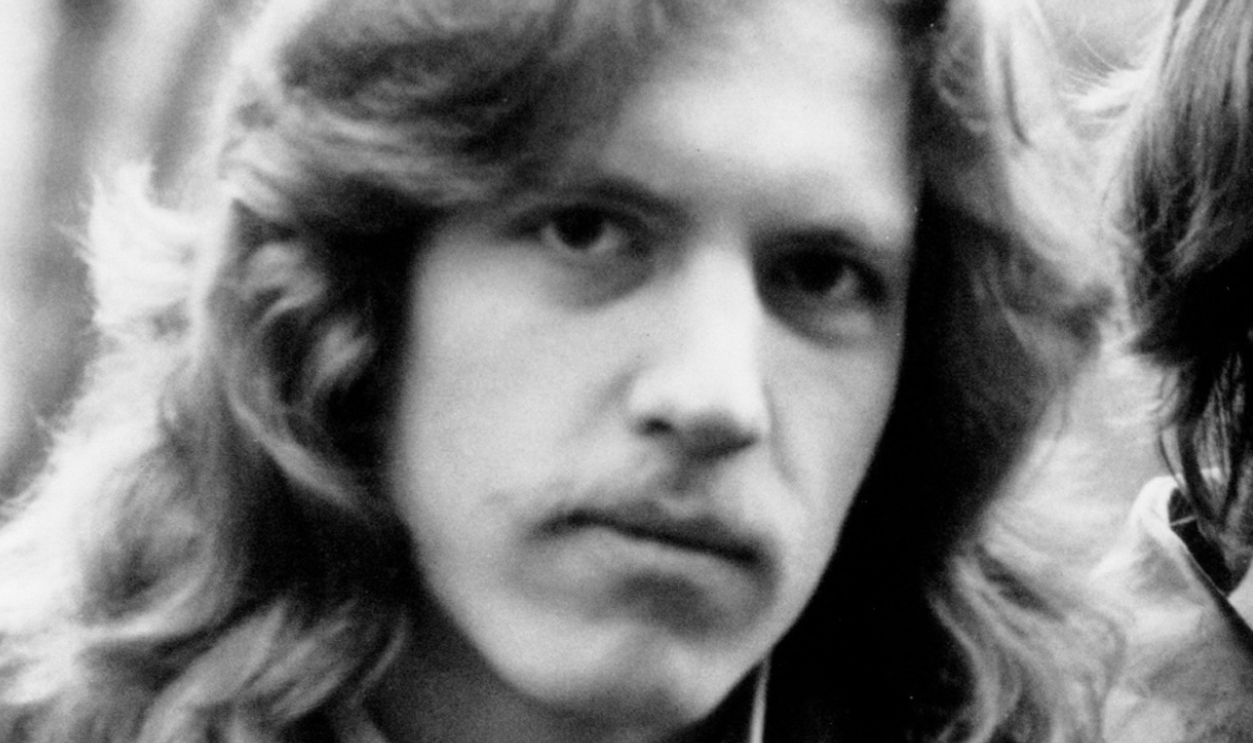 Michael Ochs Archives, Getty Images
Looking Glass: “Brandy”
“Brandy (You're a Fine Girl)” took Looking Glass all the way to No. 1 in 1972. Elliot Lurie's tale of a barmaid in love with a sailor became an enduring soft-rock staple. The New Jersey band managed only modest follow-up success, and Lurie eventually left, later building another career supervising music for movies.
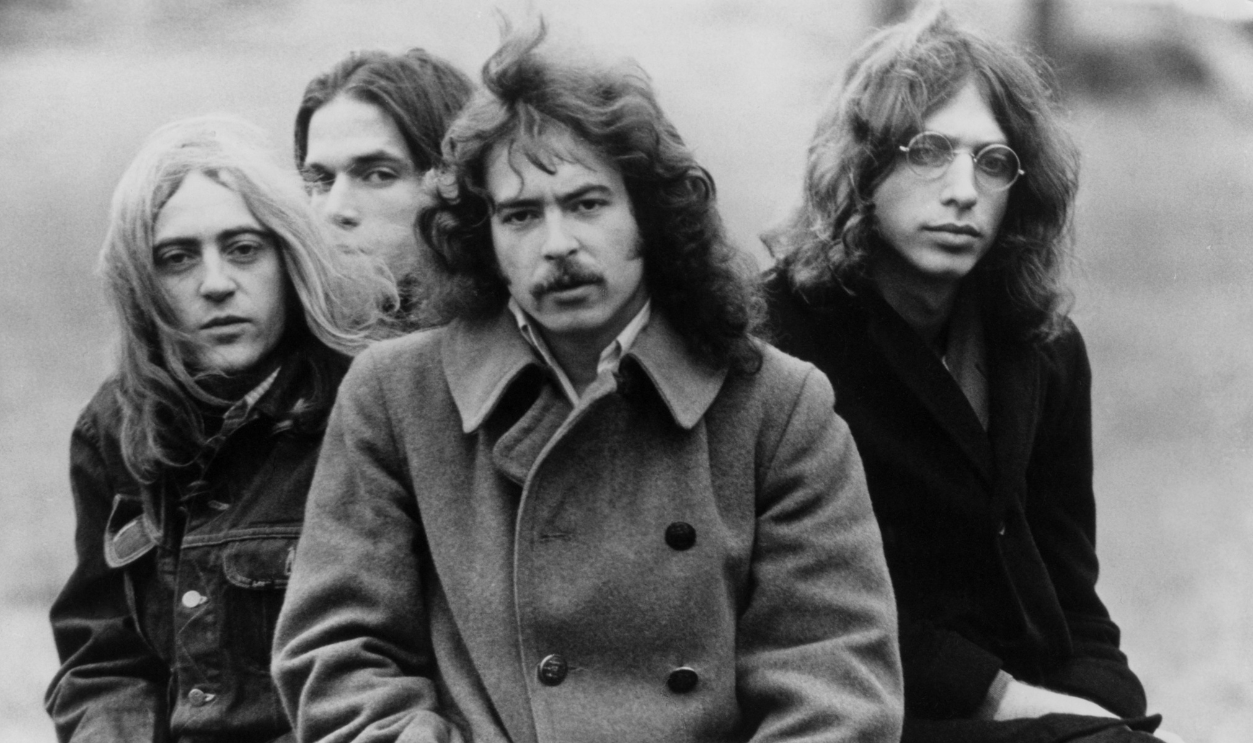
Stories: “Brother Louie”
Stories hadn't written the song that made them famous. Their 1973 version of Hot Chocolate's “Brother Louie,” featuring Ian Lloyd's distinctive vocals, nevertheless reached No. 1 in America. The racially charged love story became the band's defining recording, while Stories never again approached its chart success and dissolved during the decade.
 Michael Ochs Archives, Getty Images
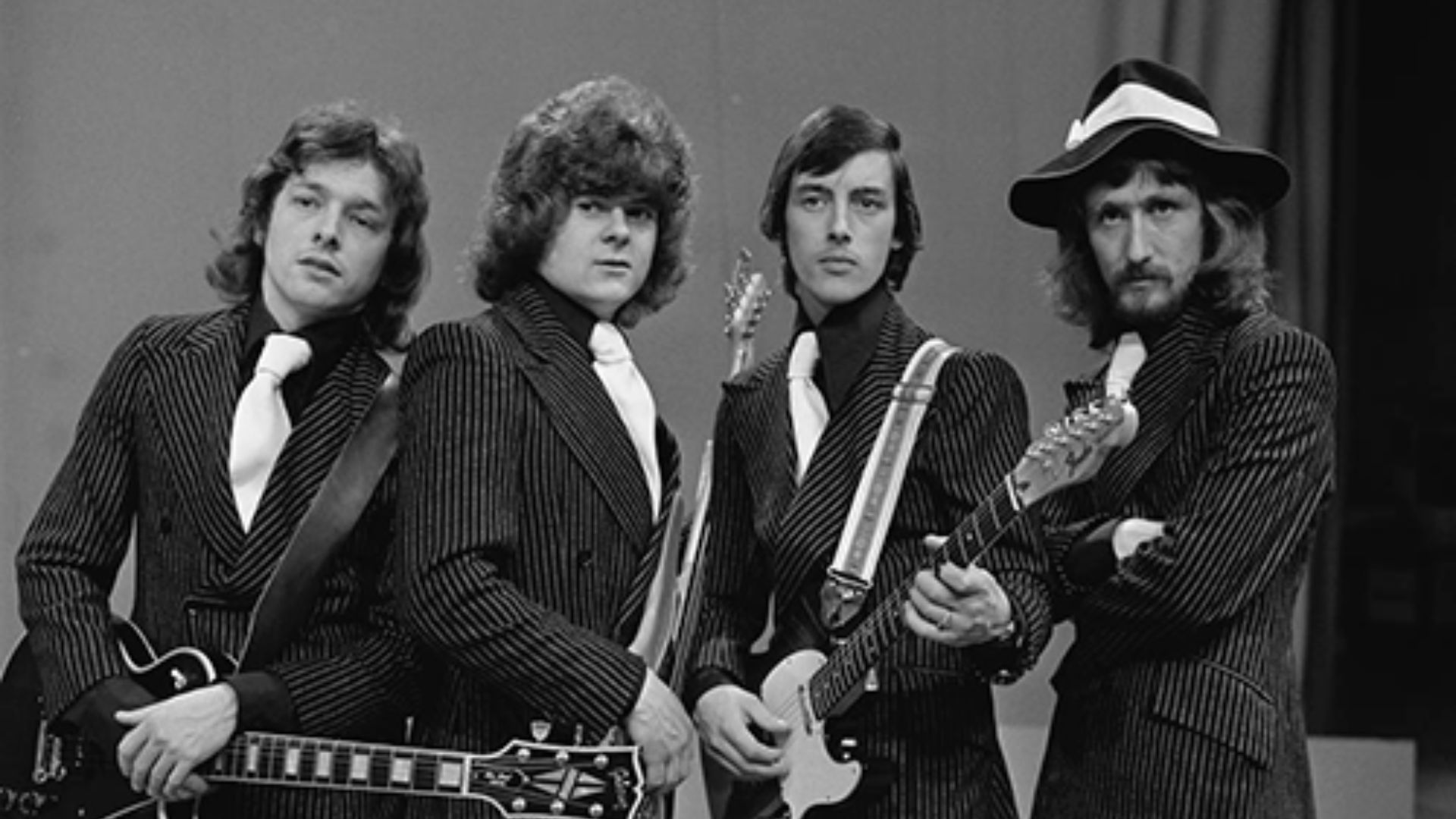
Paper Lace: “The Night Chicago Died”
British group Paper Lace had already topped the UK chart with “Billy Don't Be a Hero,” but America largely remembers them for 1974's “The Night Chicago Died.” The historically fanciful gangster saga reached No. 1 on the Billboard Hot 100. In America, Paper Lace quickly became another band seemingly attached to one song.
Carl Douglas: “Kung Fu Fighting”
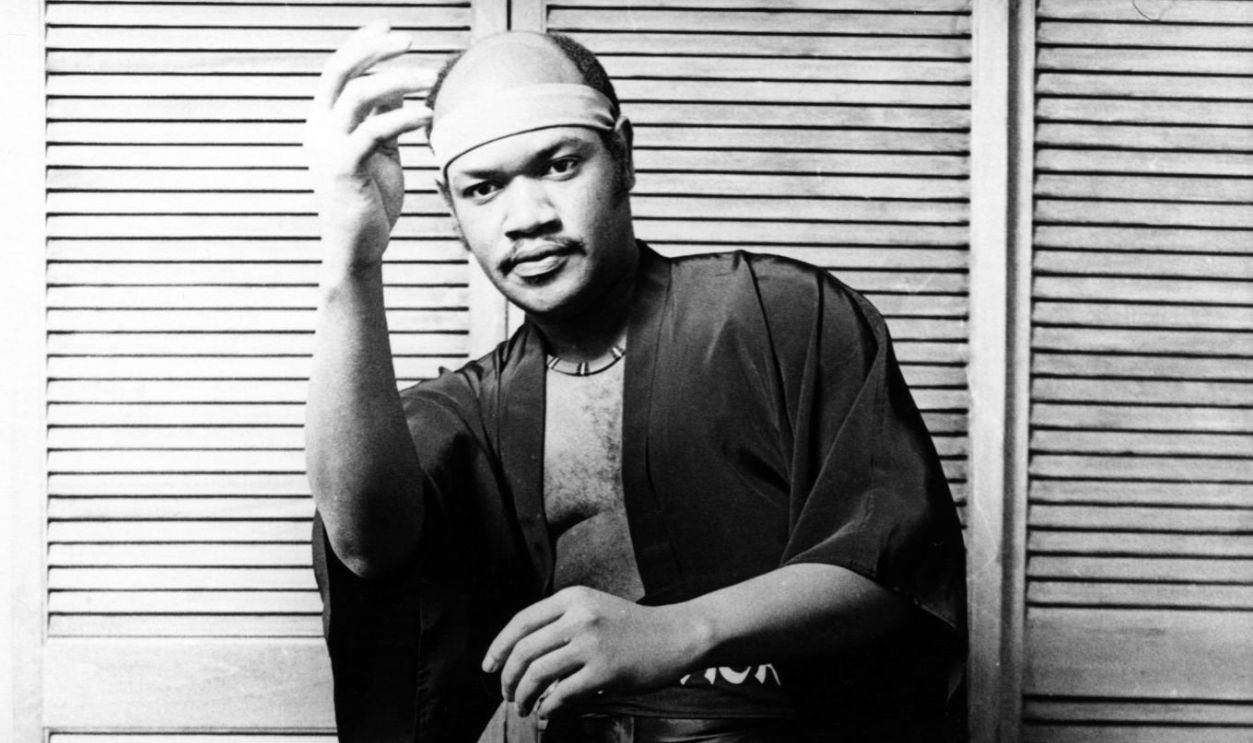
Carl Douglas turned a song reportedly recorded quickly as a B-side into a worldwide phenomenon. Released in 1974, “Kung Fu Fighting” topped both the American and British charts while capitalizing on the era's martial-arts craze. Douglas continued recording, but nothing he released afterward could possibly compete with that instantly recognizable opening.
 Colin Fuller, Getty ImagesMorris Albert: “Feelings”
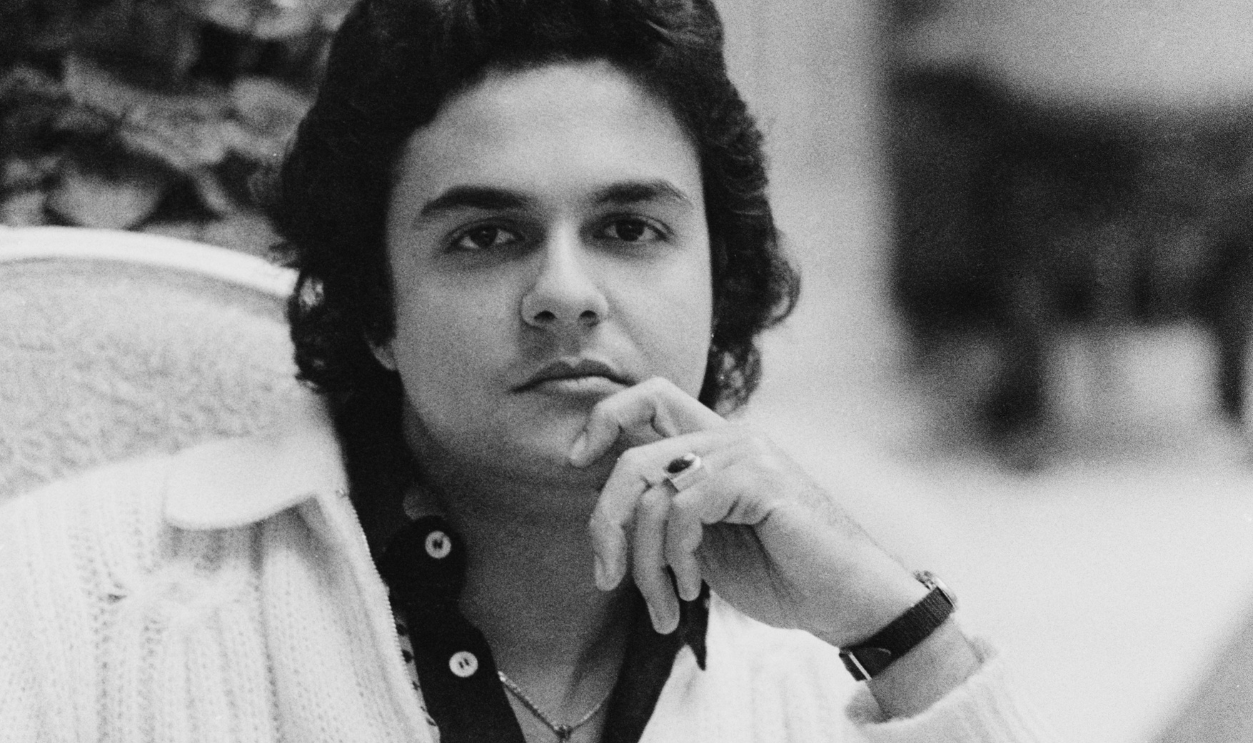
Few songs scream 1970s pop quite like Morris Albert's “Feelings.” Released internationally in 1974 and becoming an American smash in 1975, the aching ballad reached No. 6 on the Billboard Hot 100. Albert continued recording afterward, but in the United States his name remained almost completely synonymous with that one enormous song.
Starland Vocal Band: “Afternoon Delight”
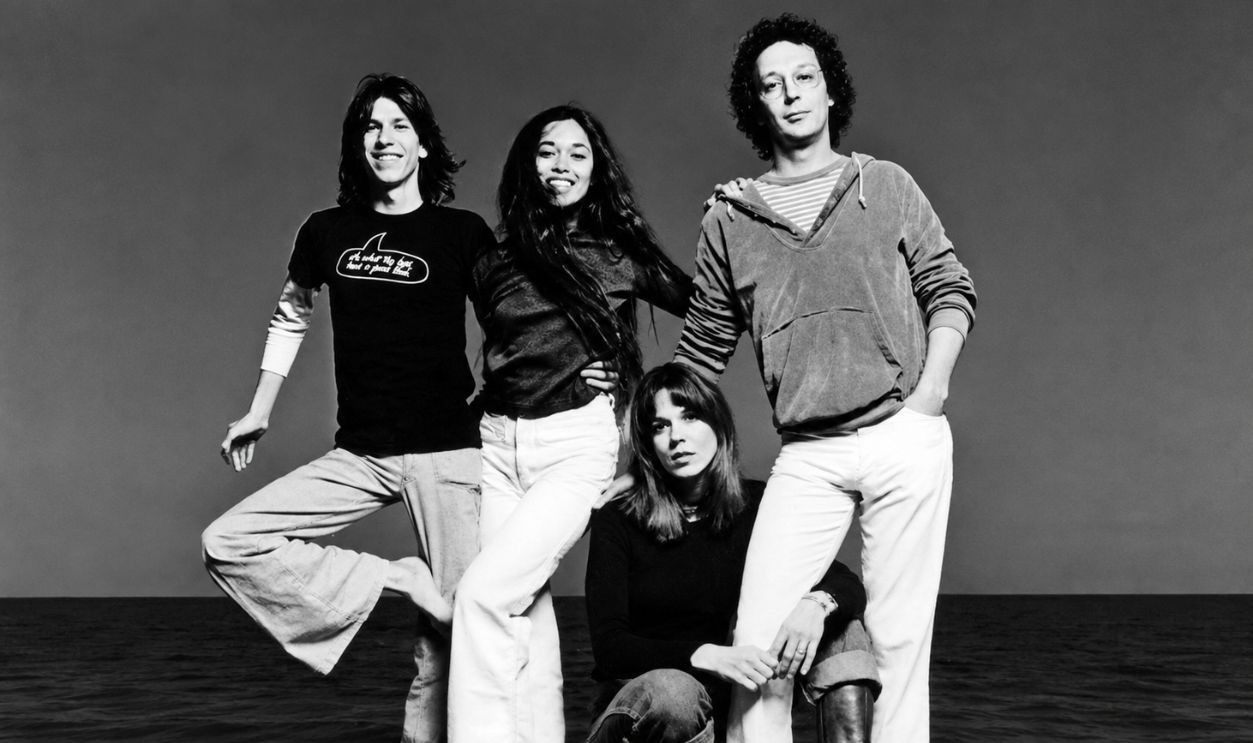
“Afternoon Delight” went to No. 1 during the summer of 1976, earned Starland Vocal Band Grammy Awards and even helped land them a television variety series. Bill Danoff had previously co-written “Take Me Home, Country Roads,” but his group's follow-ups went nowhere. Within five years, Starland Vocal Band was finished.
 Windsong/RCA Records, Wikimedia Commons, Modified
Andrea True: “More, More, More”
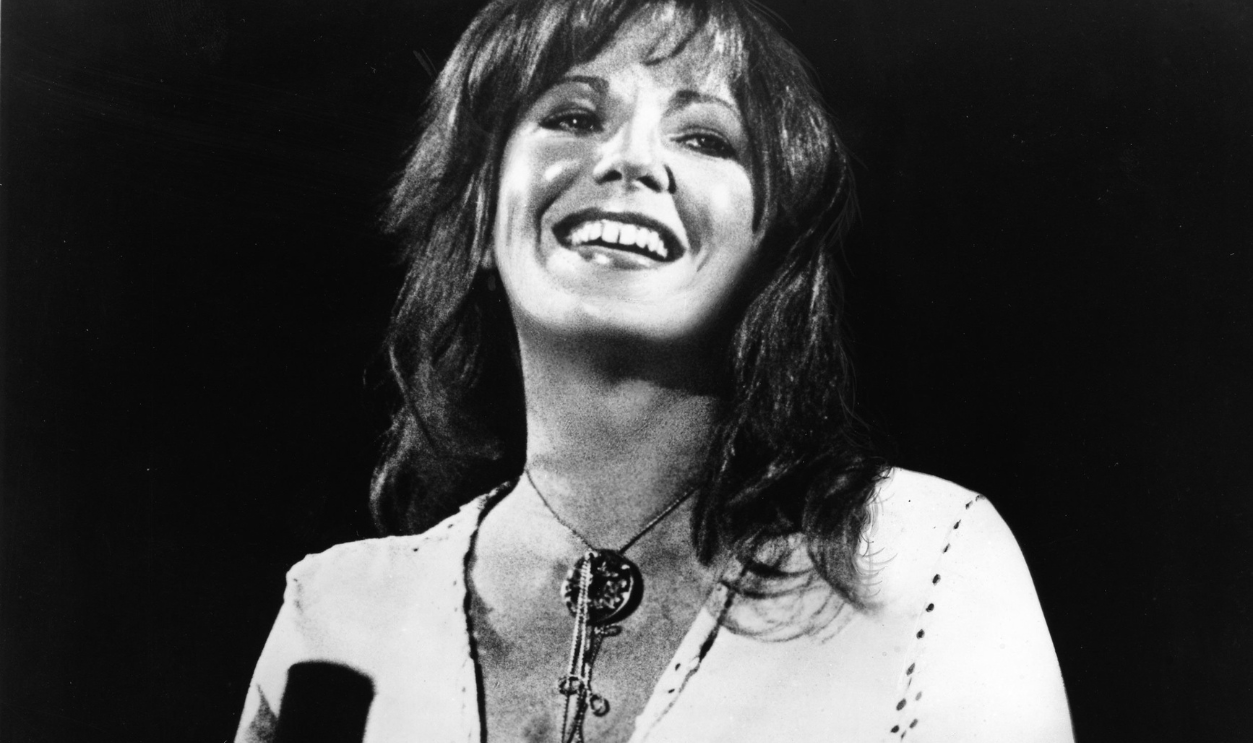
Andrea True recorded “More, More, More” with producer Gregg Diamond, and the 1976 disco single reached No. 4 in America. True released more music and even returned to the Top 40 with “N.Y., You Got Me Dancing,” but nothing approached the enormous success or cultural staying power of her disco breakthrough.
 Michael Ochs Archives, Getty Images
Wild Cherry: “Play That Funky Music”
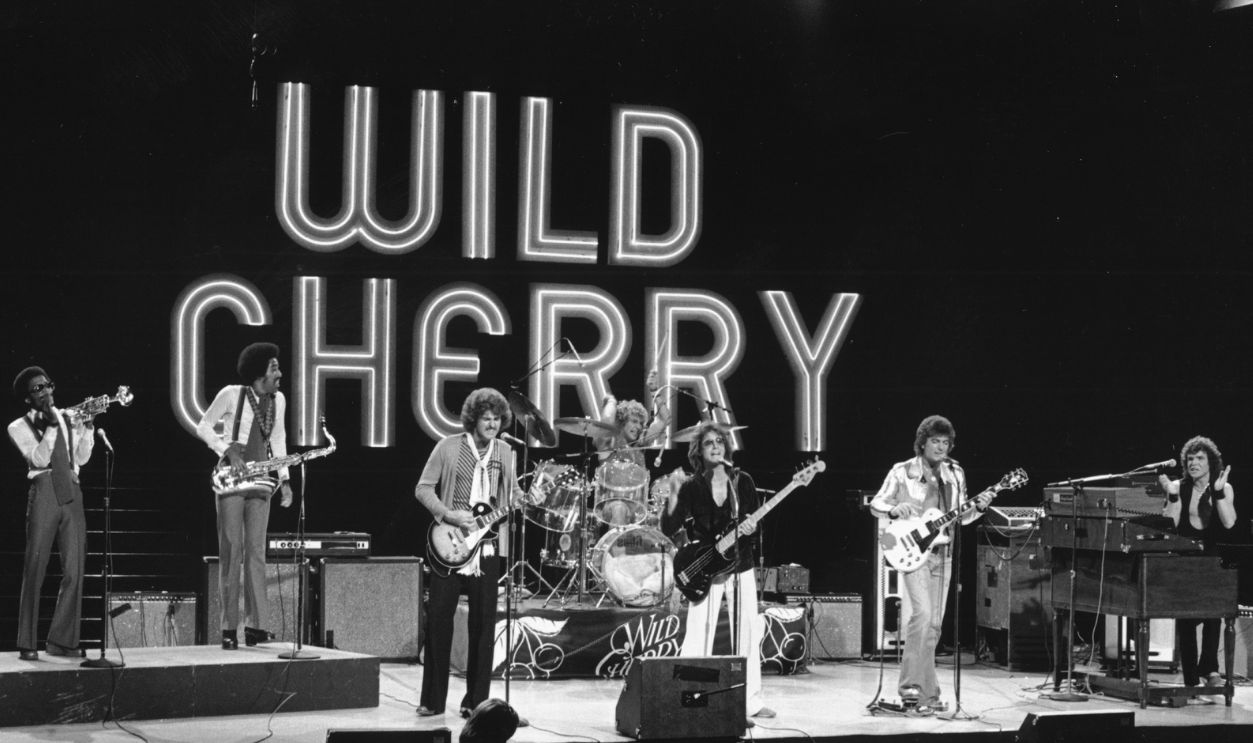
Rob Parissi's Wild Cherry transformed a real-life audience request into 1976's “Play That Funky Music.” The funk-rock monster reached No. 1 and earned the band two Grammy nominations. Follow-up records never came close, and Wild Cherry broke up in 1979, although several members subsequently enjoyed successful careers elsewhere in music.
 Michael Ochs Archives, Getty Images
Rick Dees: “Disco Duck”
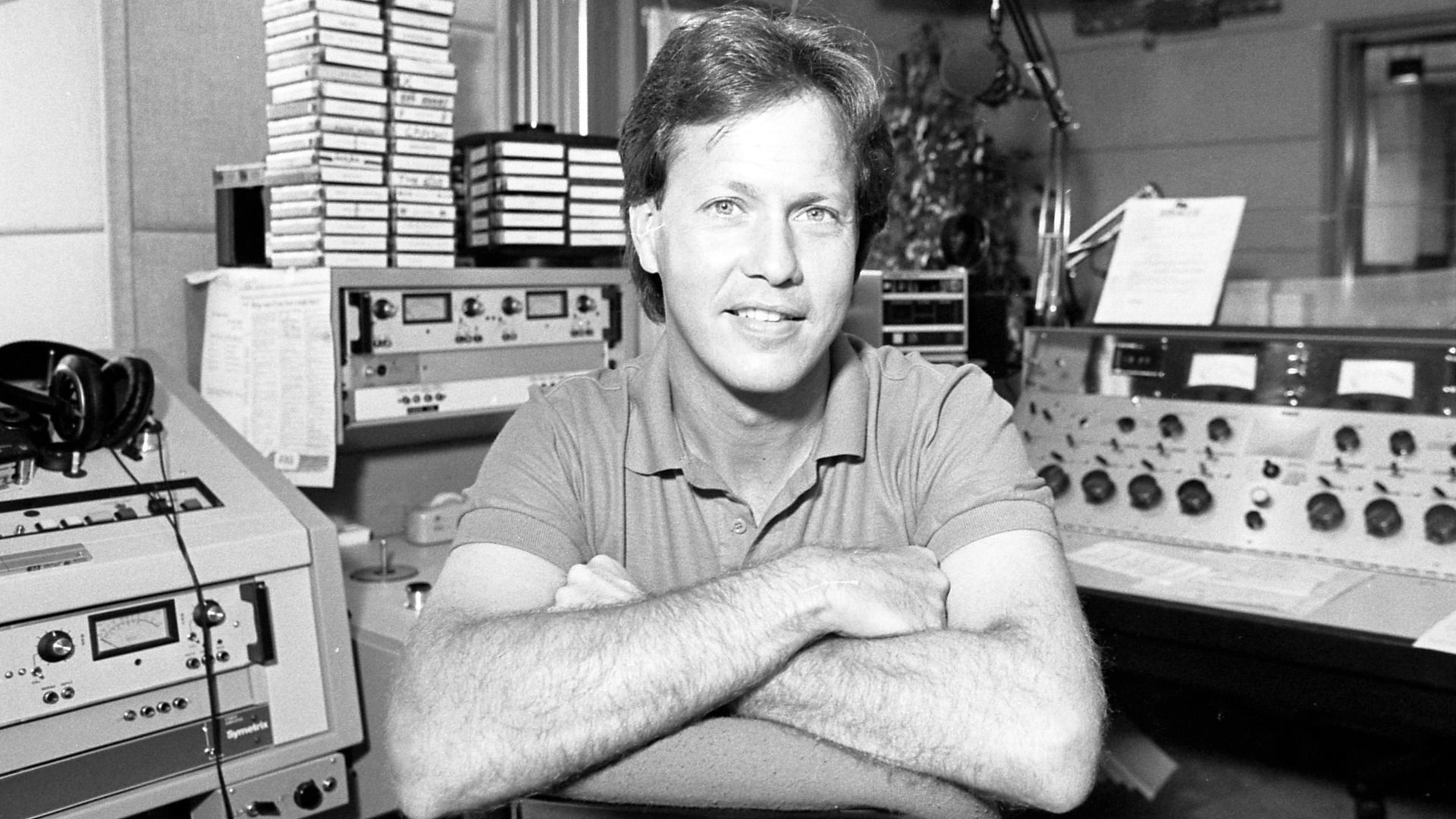
Radio personality Rick Dees recorded “Disco Duck” as a novelty record, and somehow it became a No. 1 hit in 1976. Dees never needed a serious recording career afterward. Instead, he became one of America's best-known radio personalities, eventually hosting the enormously successful syndicated countdown program Rick Dees Weekly Top 40.
 Larry Bessel, Los Angeles Times, Wikimedia Commons
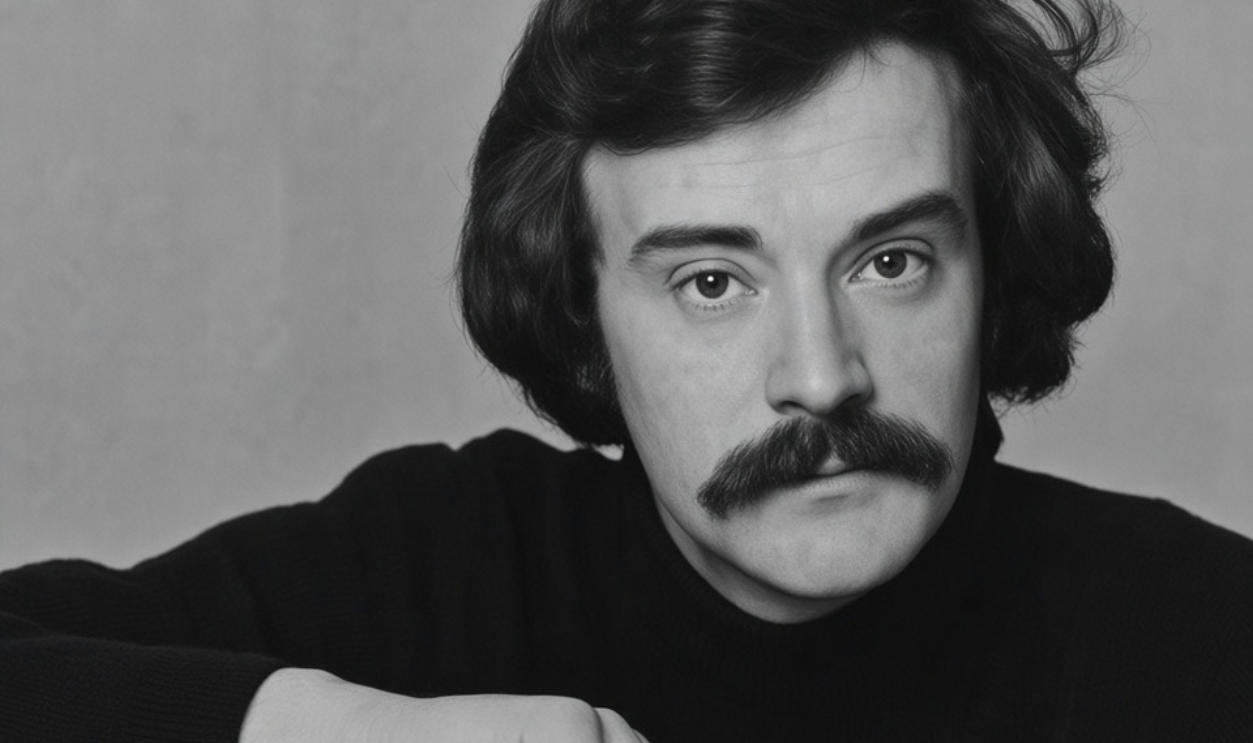
Peter McCann: “Do You Wanna Make Love”
Songwriter Peter McCann stepped in front of the microphone for “Do You Wanna Make Love,” which reached No. 5 on the Billboard Hot 100 in 1977. His own pop stardom proved brief, but McCann hardly disappeared from music. He became a successful songwriter whose compositions were recorded by numerous country and pop performers.
 Unknown author, Wikimedia Commons, Modified
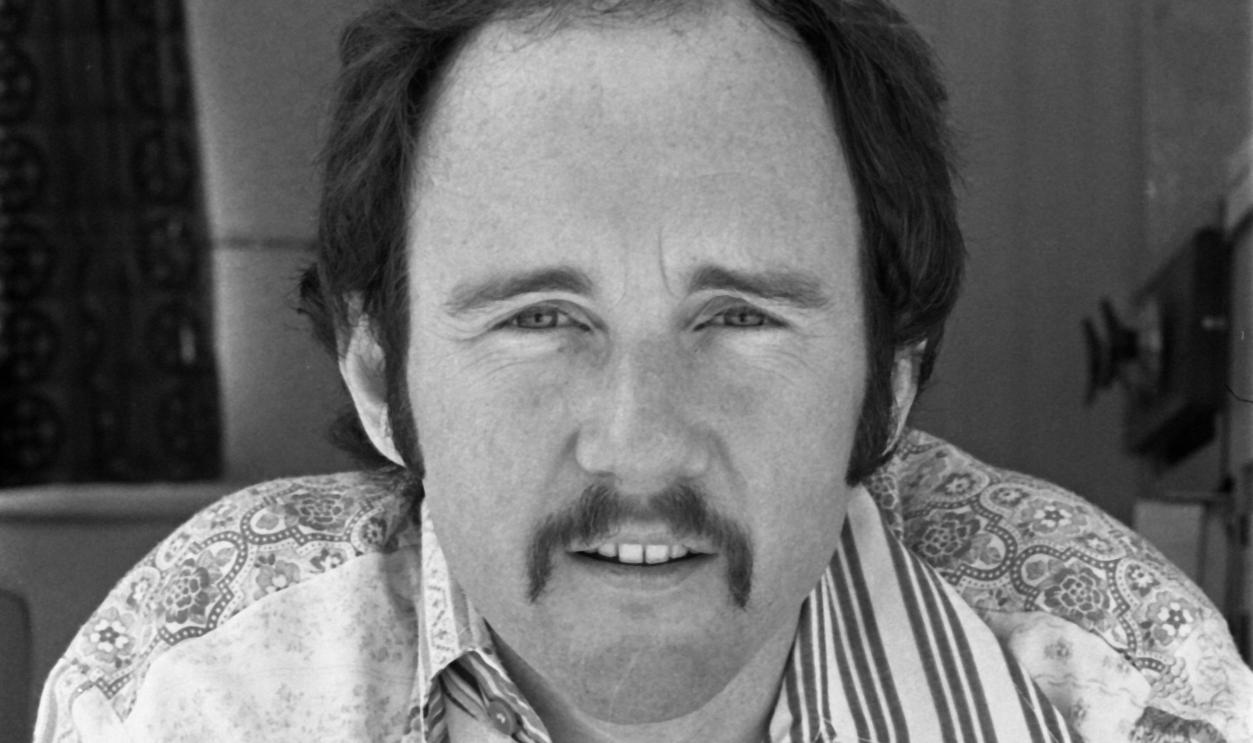
Alan O’Day: “Undercover Angel”
Alan O'Day had already written hits for other singers when he recorded the wonderfully odd “Undercover Angel.” It reached No. 1 in America in 1977, giving O'Day his own moment in the spotlight. His subsequent recordings never duplicated it, although he continued writing music and later worked extensively in children's television.
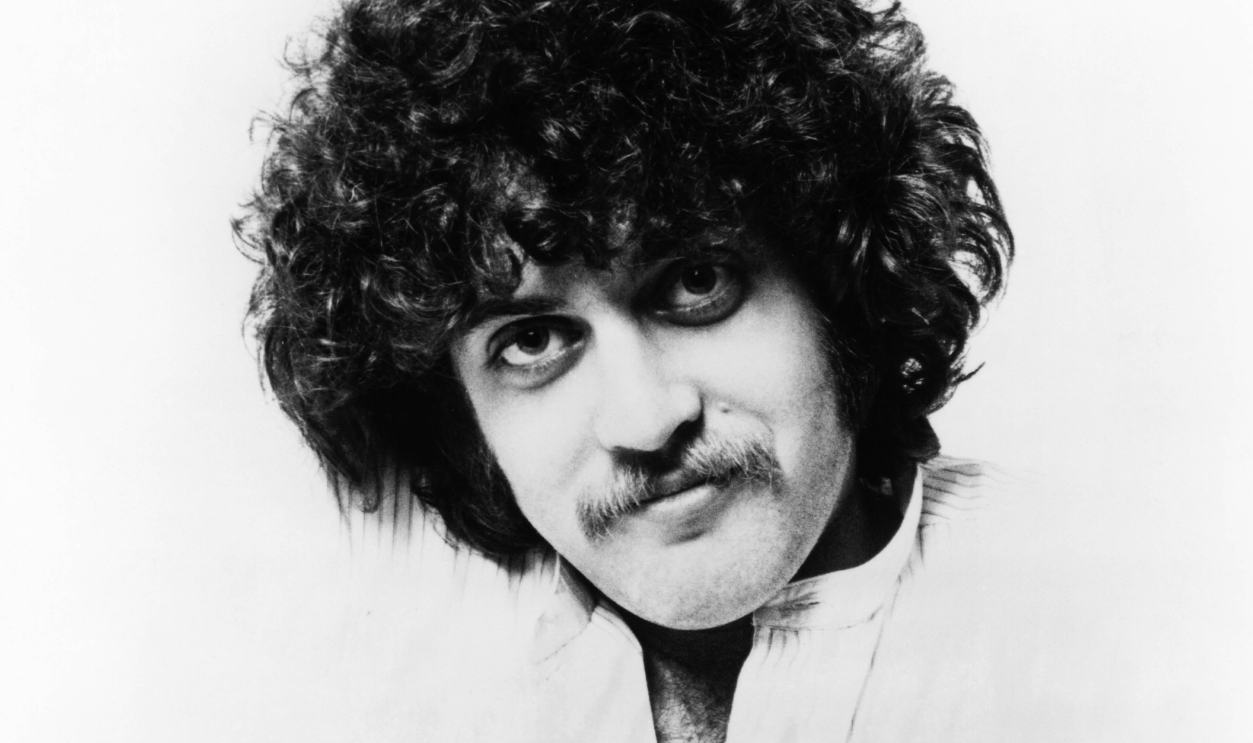
Dean Friedman: “Ariel”
Dean Friedman introduced listeners to a quirky New Jersey romance with 1977's “Ariel,” which climbed to No. 26 on the Billboard Hot 100. His American chart career never produced another comparable hit, although Friedman continued recording and performing. British listeners may remember him somewhat better thanks to later UK chart success.
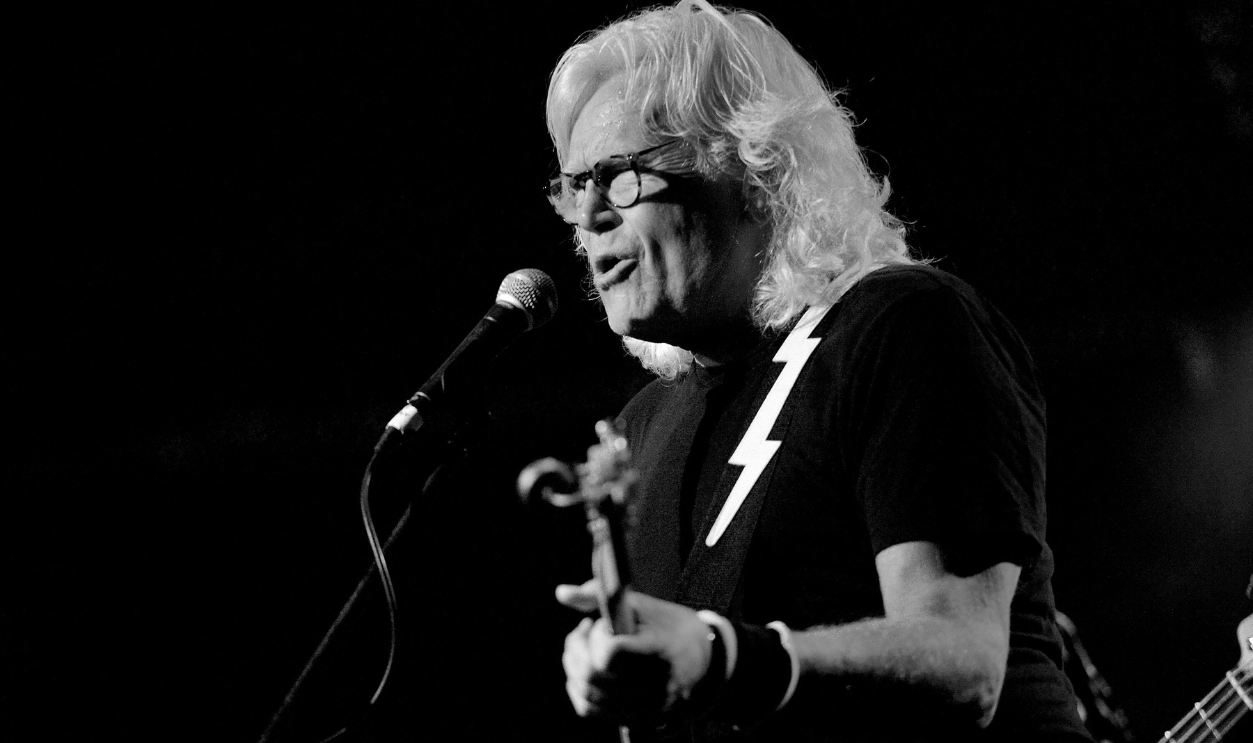
Walter Egan: “Magnet And Steel”
Walter Egan's 1978 hit “Magnet and Steel” had some impressive help: Lindsey Buckingham and Stevie Nicks contributed to the recording, with Nicks supplying backing vocals. The dreamy single reached No. 8 in America and earned Egan a Grammy nomination. He kept making records, but never again reached the Billboard Top 40.
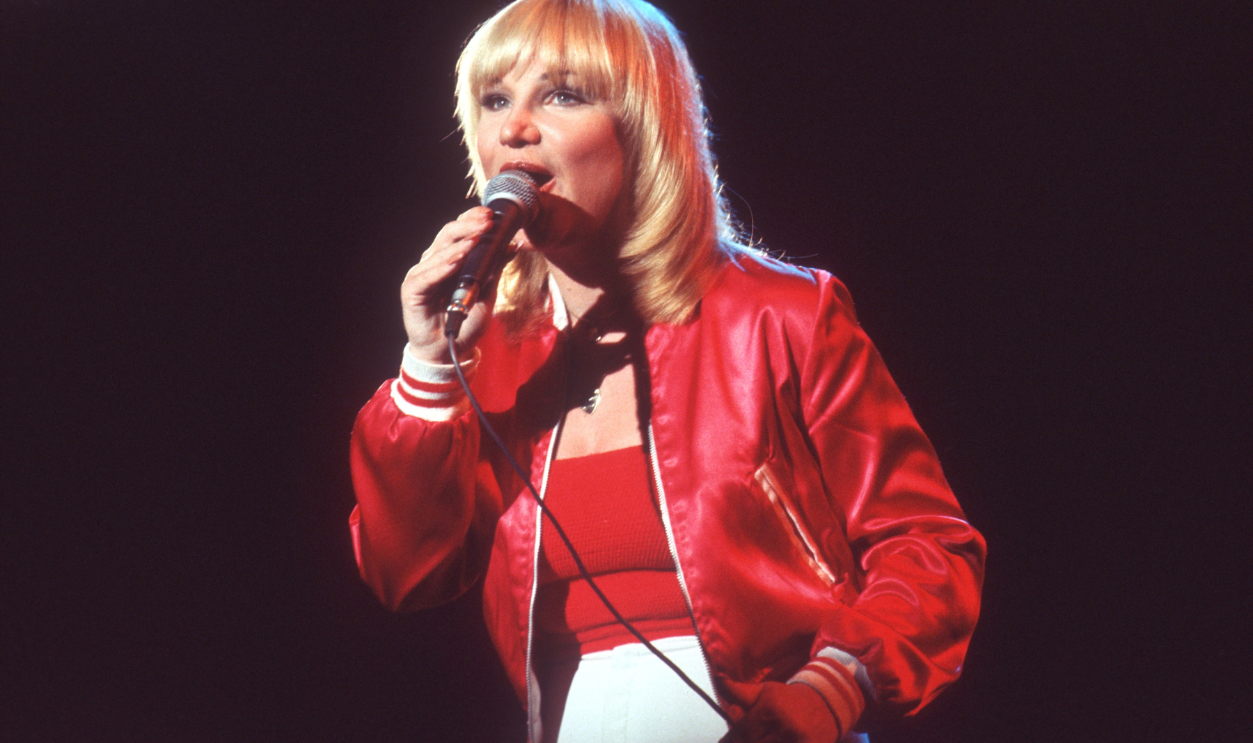
Samantha Sang: “Emotion”
Australian singer Samantha Sang landed the song of her career when Barry and Robin Gibb wrote “Emotion” for her. Barry also provided unmistakable backing vocals on the 1978 recording. At the height of Bee Gees mania, the single climbed to No. 3 in America, but Sang never came close to repeating its extraordinary success.
 Michael Ochs Archives, Getty Images
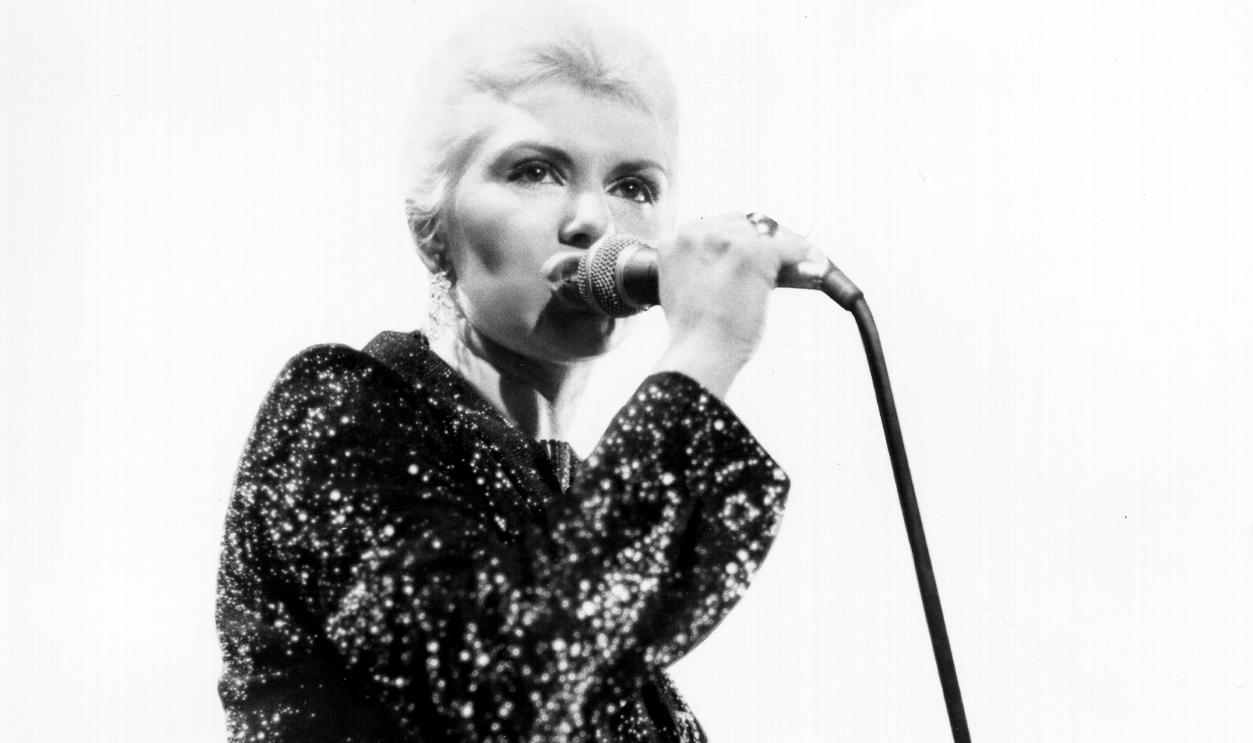
Alicia Bridges: “I Love The Nightlife”
Despite forever being associated with disco, Alicia Bridges considered herself more of a rock and blues singer. “I Love the Nightlife (Disco 'Round)” nevertheless became a dance-floor phenomenon in 1978, reaching No. 5 in America. Bridges released several subsequent records, but none came close to making the same cultural impression.
 Michael Ochs Archives, Getty Images
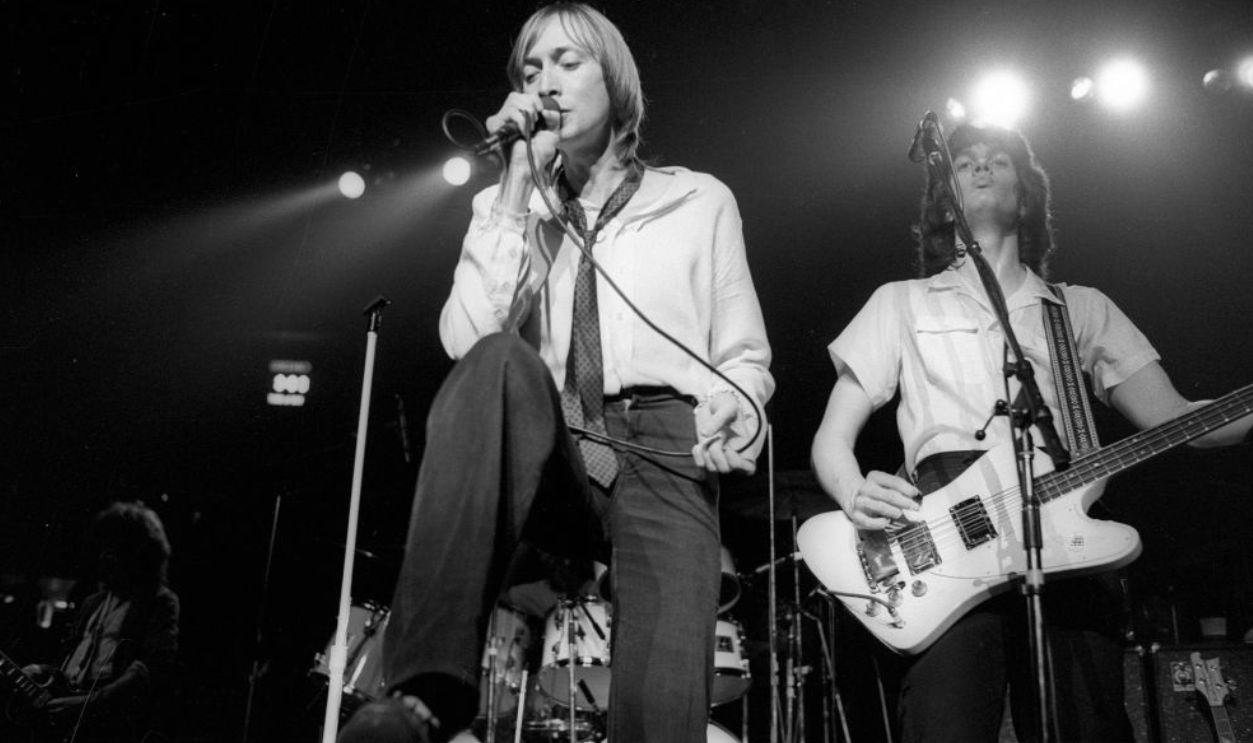
Nick Gilder: “Hot Child In The City”
Former Sweeney Todd singer Nick Gilder scored a massive solo success when “Hot Child in the City” reached No. 1 in 1978. Gilder never returned to those heights as a performer, but he didn't disappear from the business. He became a successful songwriter, sharing a hit-writing credit on Scandal's “The Warrior.”
 Richard E. Aaron, Getty Images
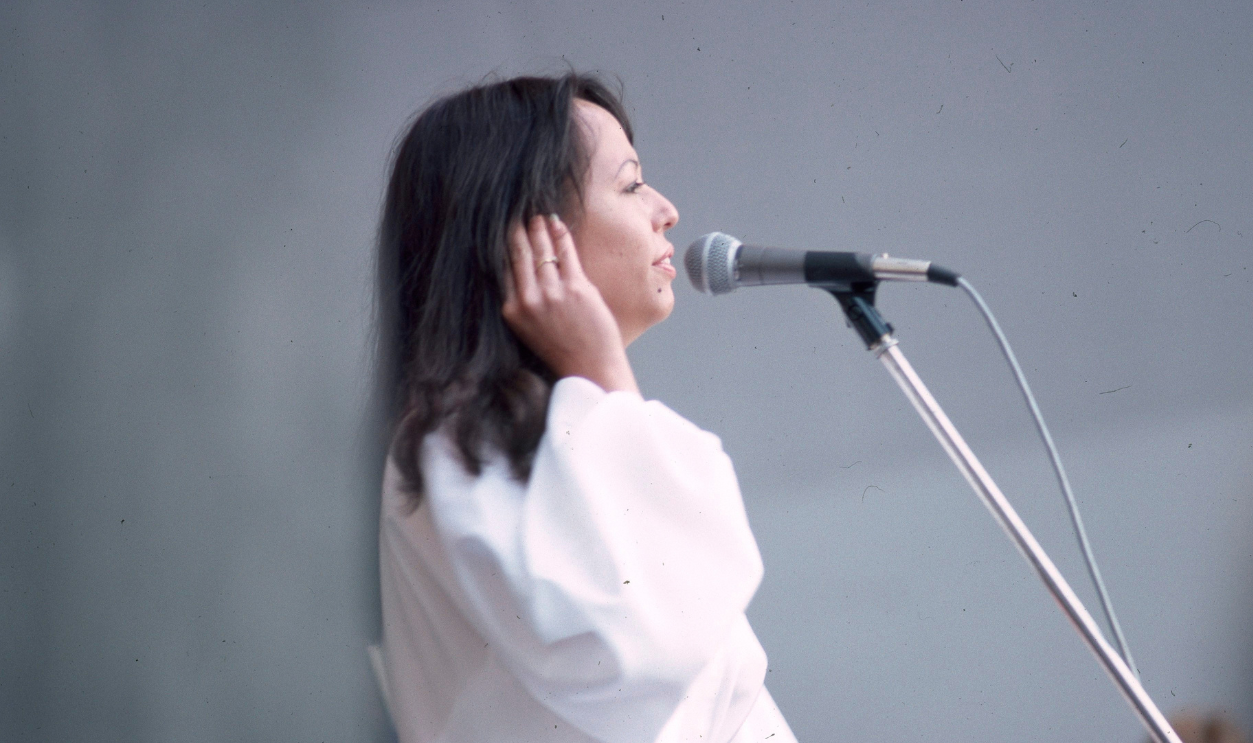
Yvonne Elliman: “If I Can’t Have You”
Yvonne Elliman was already known for playing Mary Magdalene in Jesus Christ Superstar and singing with Eric Clapton when her version of the Bee Gees' “If I Can’t Have You” became a No. 1 smash in 1978. The Saturday Night Fever hit overshadowed earlier successes like “Love Me” and “Hello Stranger,” so she certainly didn't come out of nowhere. But after two more albums, Elliman largely retreated from the pop spotlight.
Nicolette Larson: “Lotta Love”
Nicolette Larson spent years singing backup for artists including Neil Young before her warm, breezy version of Young’s “Lotta Love” became a No. 8 hit in 1979. She never matched that pop breakthrough again, although she continued recording, collaborated with Michael McDonald, and later found some success in country music before her untimely death in 1997 at just 45.
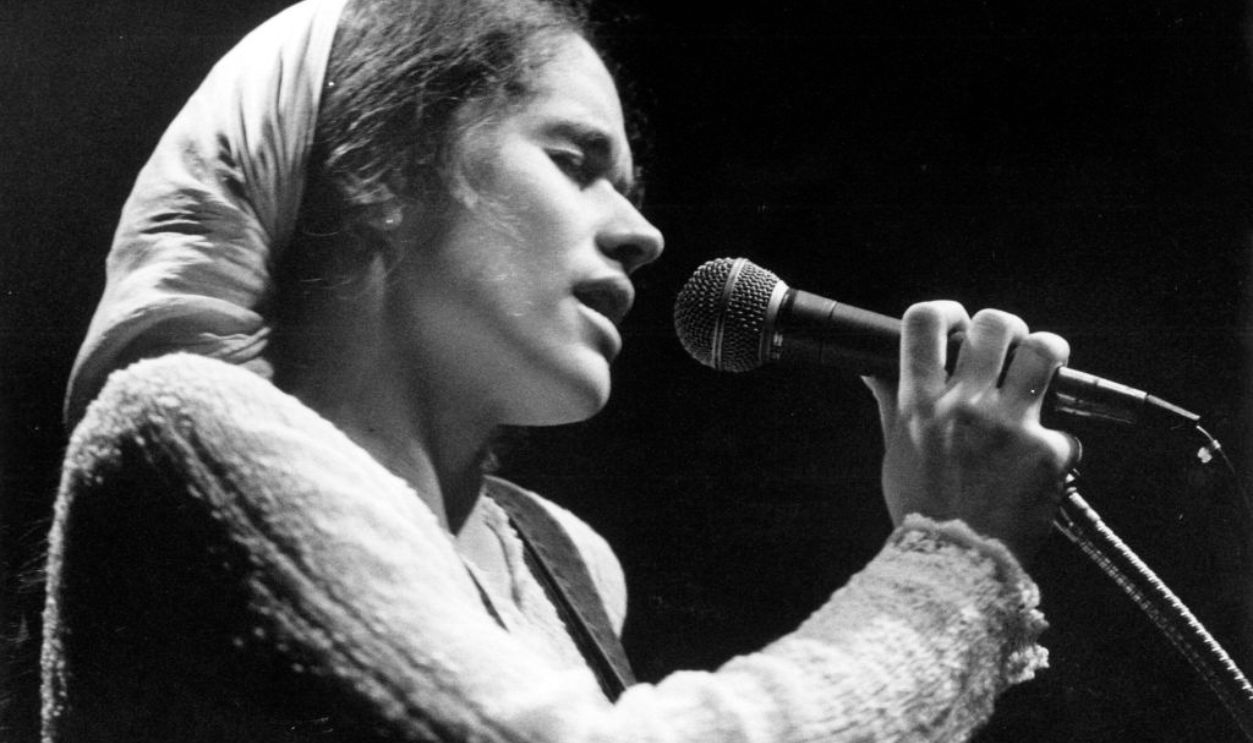 Sherry Rayn Barnett, Getty Images
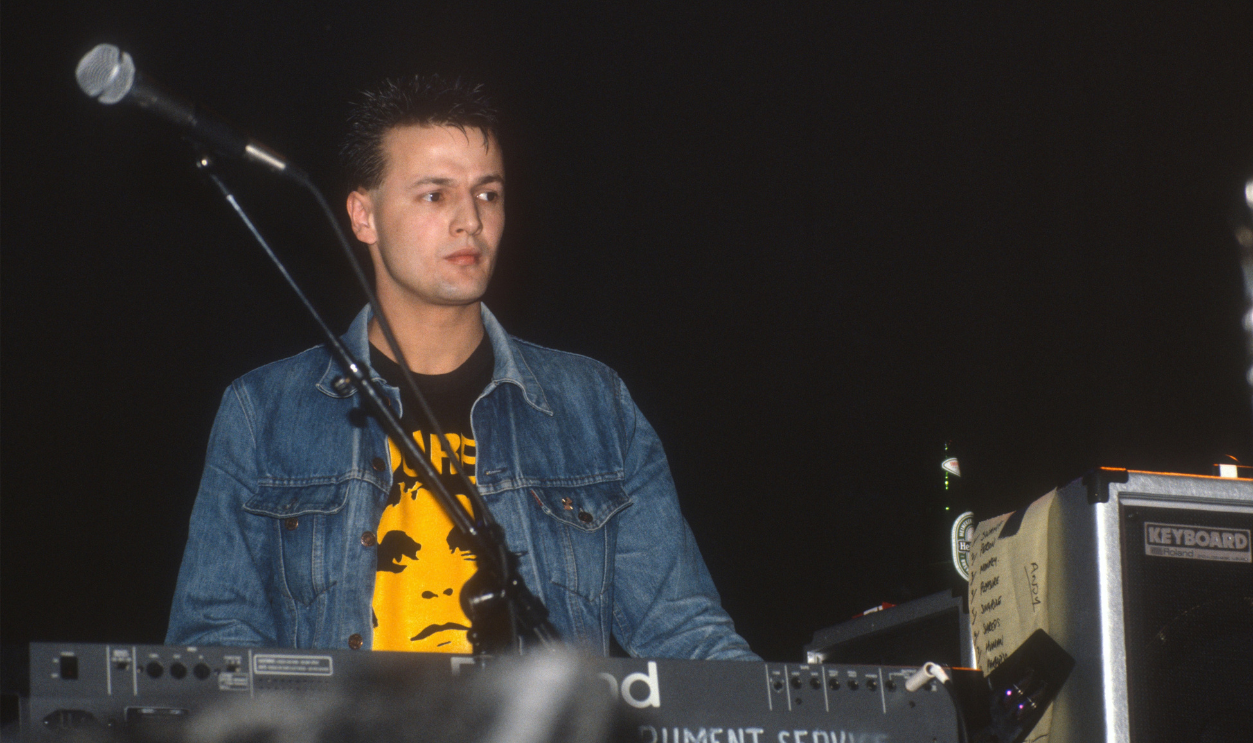
David Naughton: “Makin’ It”
Actor David Naughton was starring in the short-lived sitcom Makin' It when he sang its impossibly catchy theme song in 1979. The television show vanished quickly, but “Makin' It” reached No. 5 on the Billboard Hot 100. Naughton soon returned to acting, most memorably starring in An American Werewolf in London (1981).
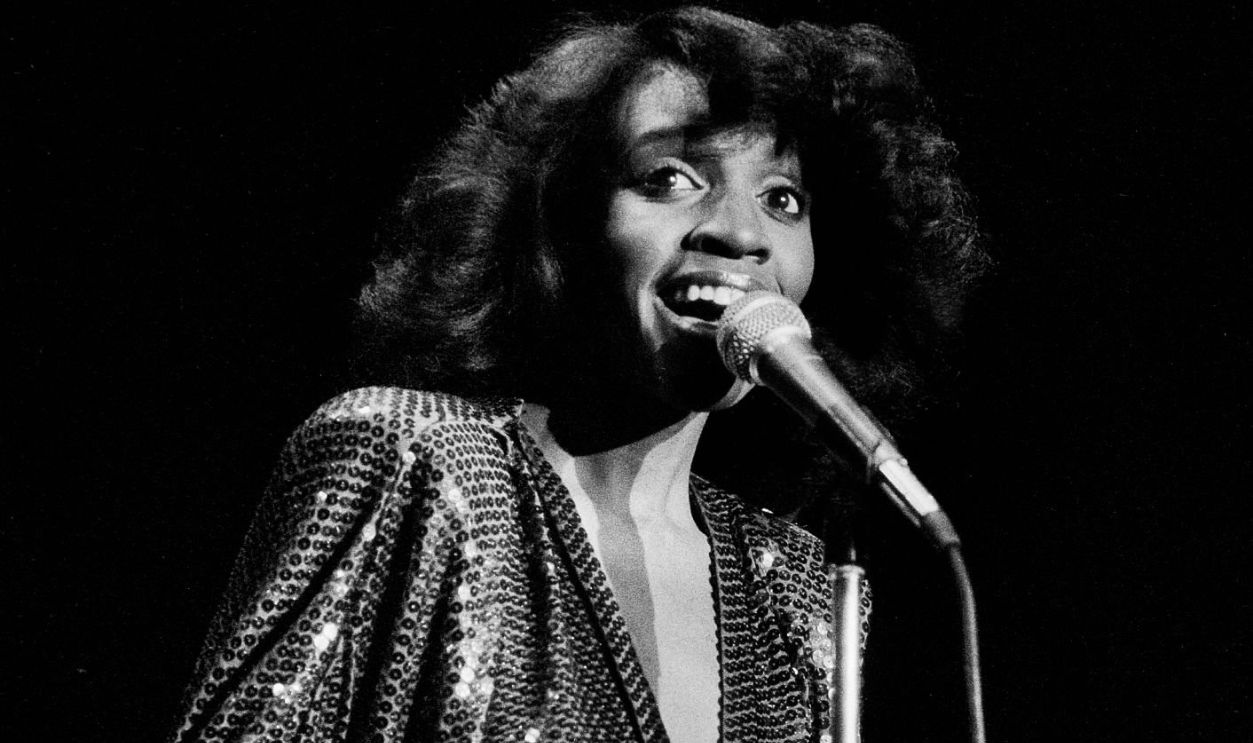
Anita Ward: “Ring My Bell”
Producer Frederick Knight originally wrote “Ring My Bell” for another singer, but Anita Ward ended up recording the song that made her famous. The 1979 disco single reached No. 1 in both America and Britain. Ward released follow-ups, but none approached the success of “Ring My Bell,” while disco's commercial decline soon made repeating that enormous breakthrough even more difficult.
Judie Tzuke: “Stay With Me Till Dawn”
Judie Tzuke's haunting “Stay with Me till Dawn,” co-written with Mike Paxman, became her signature song in 1979. It reached No. 16 in Britain and No. 8 in Australia. Tzuke never repeated that singles-chart success, but she hardly vanished, developing a devoted following and continuing to record for decades.
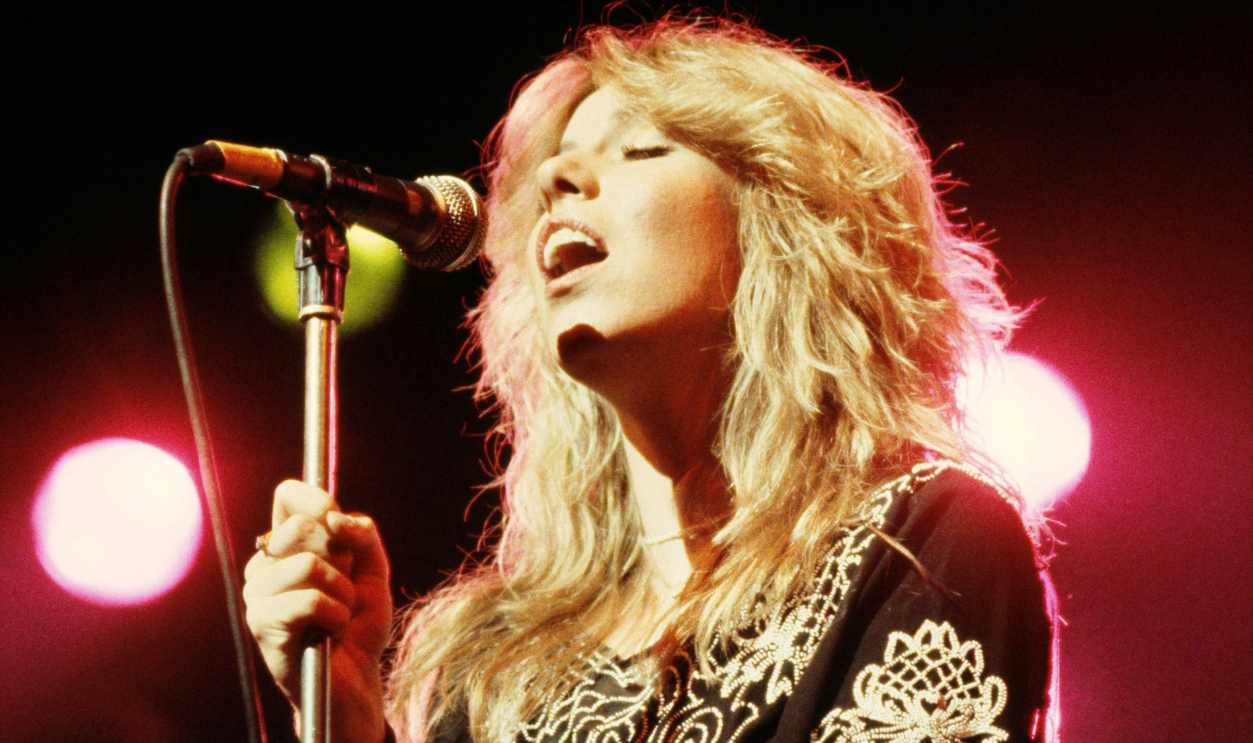
Randy VanWarmer: “Just When I Needed You Most”
Randy VanWarmer closed out the decade with one of its most recognizable heartbreak songs. “Just When I Needed You Most” reached No. 4 on the Billboard Hot 100 in 1979 and topped the Adult Contemporary chart. VanWarmer never duplicated it as a performer, but later found considerable success writing songs for country artists.
You May Also Like:
Forgotten Soft-Rock Duos That Were Everywhere In The 1970s, Then Quietly Faded Away
One-Hit Wonders From The 1970s That Were Way Stranger Than You Remember
.JPG)
