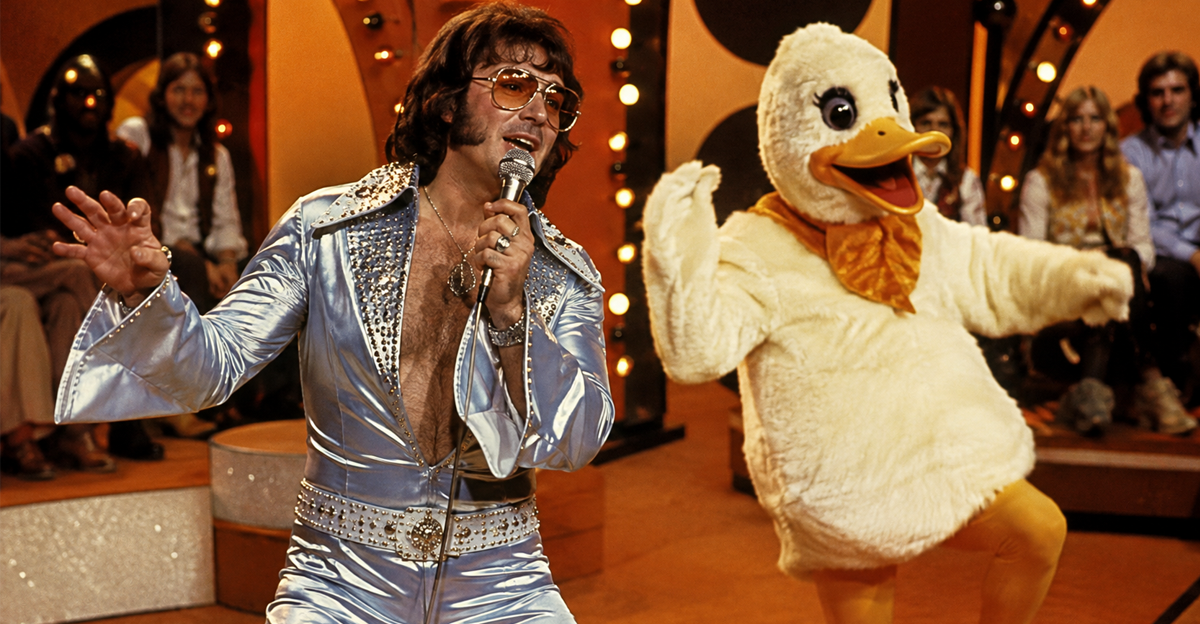
The Seventies Let Almost Anything Onto The Radio
The 1970s gave American listeners disco, arena rock, singer-songwriters, punk, and an astonishing collection of records that sound as if they slipped past the gatekeepers when nobody was looking. For this list, “one-hit wonder” refers to acts remembered in the United States for one major Top 40 breakthrough, even when they enjoyed longer careers or greater success overseas. Once you revisit what some of these songs were actually about, the decade starts looking considerably stranger than the soft-focus nostalgia suggests.
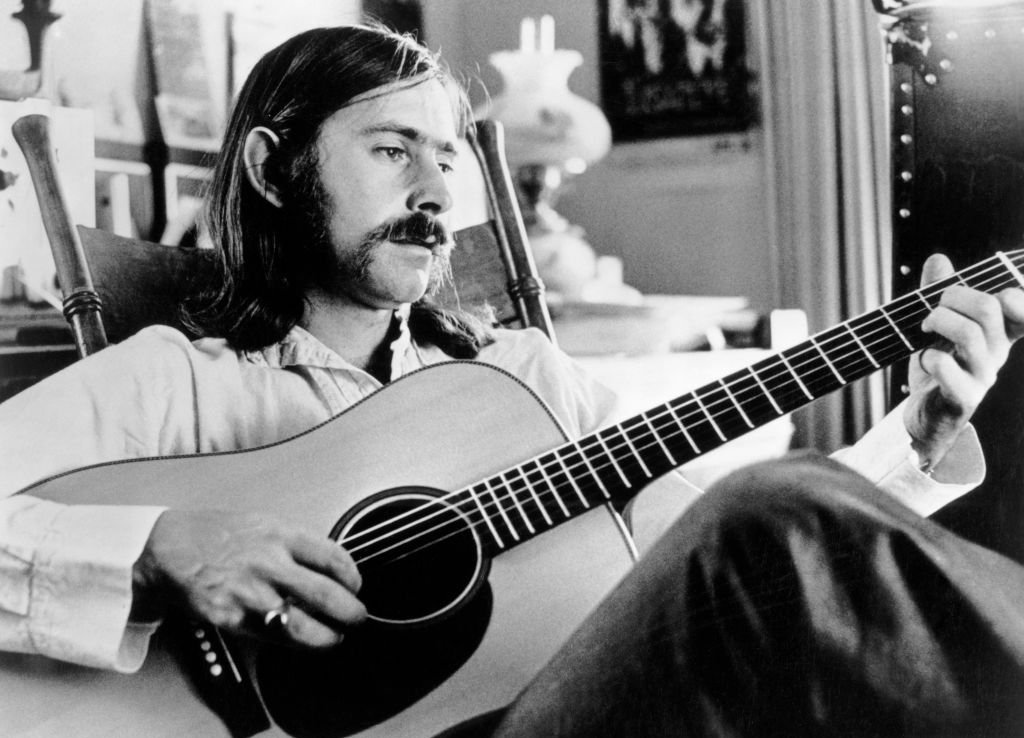
Spirit In The Sky Mixed Fuzz Guitar With Jesus
Norman Greenbaum's “Spirit in the Sky” sounds like psychedelic hard rock crashing into a revival meeting, and that contradiction was entirely intentional. Greenbaum came from a Jewish family and said a televised gospel performance by country star Porter Wagoner inspired him to try writing Christian-themed lyrics, while a greeting card supplied the phrase “spirit in the sky.” His record company initially worried that a roughly four-minute pop single about Jesus would be difficult to sell, only for the song to become the defining hit of Greenbaum's career.
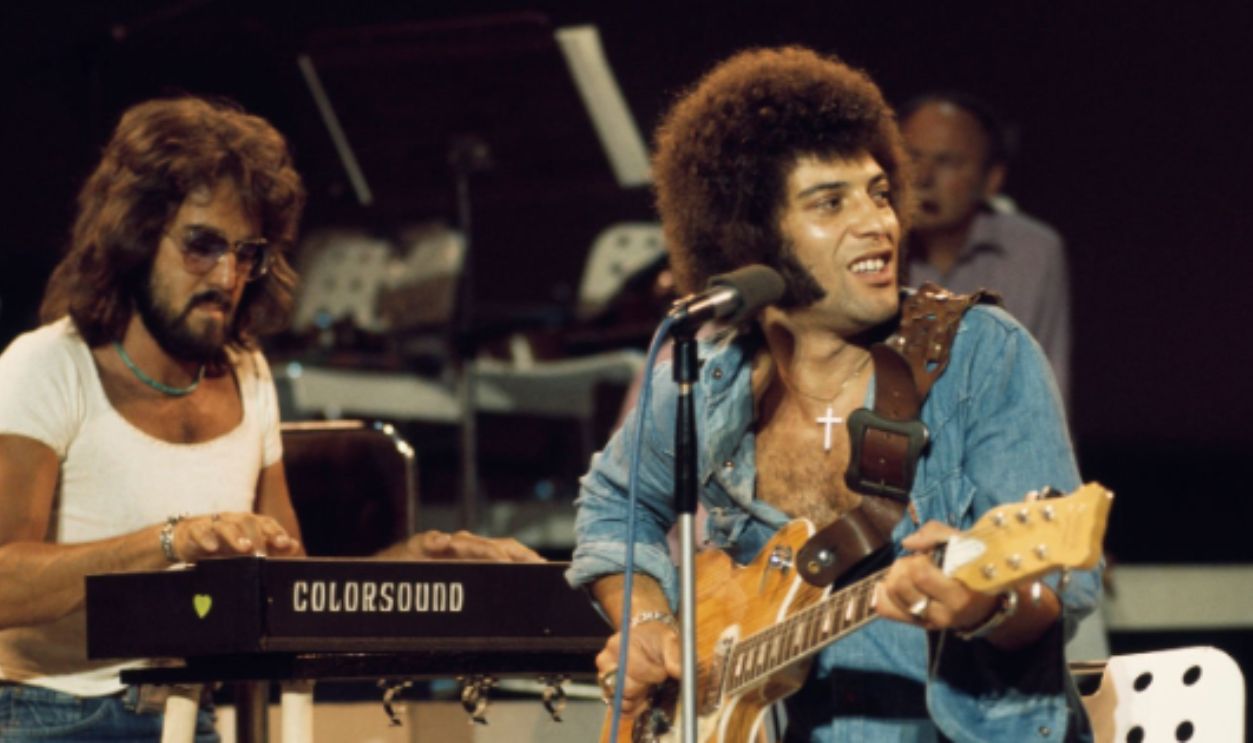
In The Summertime Has Some Seriously Dated Advice
Mungo Jerry's “In the Summertime” still sounds breezy, but some of its carefree philosophy lands very differently today. The lyrics casually encourage having a drink and going for a drive, while another verse treats women differently depending on how much money their fathers have. The recording itself was also wonderfully improvised, with a sports car revved outside the studio when the band wanted the sound of a motorcycle.
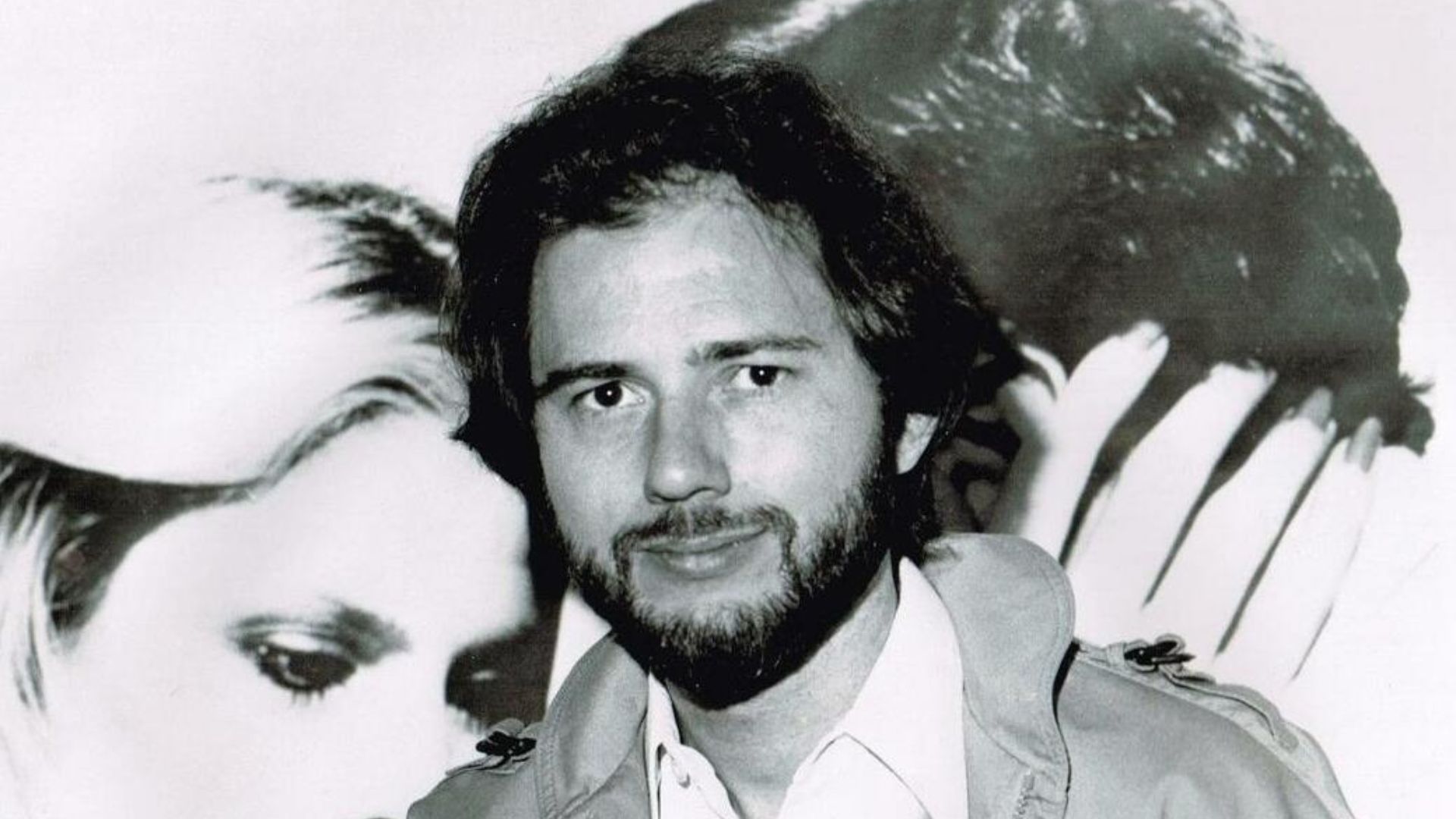
Timothy Was Literally About Cannibalism
The Buoys' “Timothy” may be the rare catchy pop song whose central mystery is whether somebody got eaten. Rupert Holmes wrote the song about three miners trapped underground, with only two emerging and the lyrics strongly implying that the missing Timothy became dinner. Holmes deliberately chose a shocking subject in hopes that controversy might force radio programmers to notice the band, and the strategy helped turn “Timothy” into a Top 20 hit.
 Infinity Records, Wikimedia Commons
One Toke Over The Line Fooled Lawrence Welk
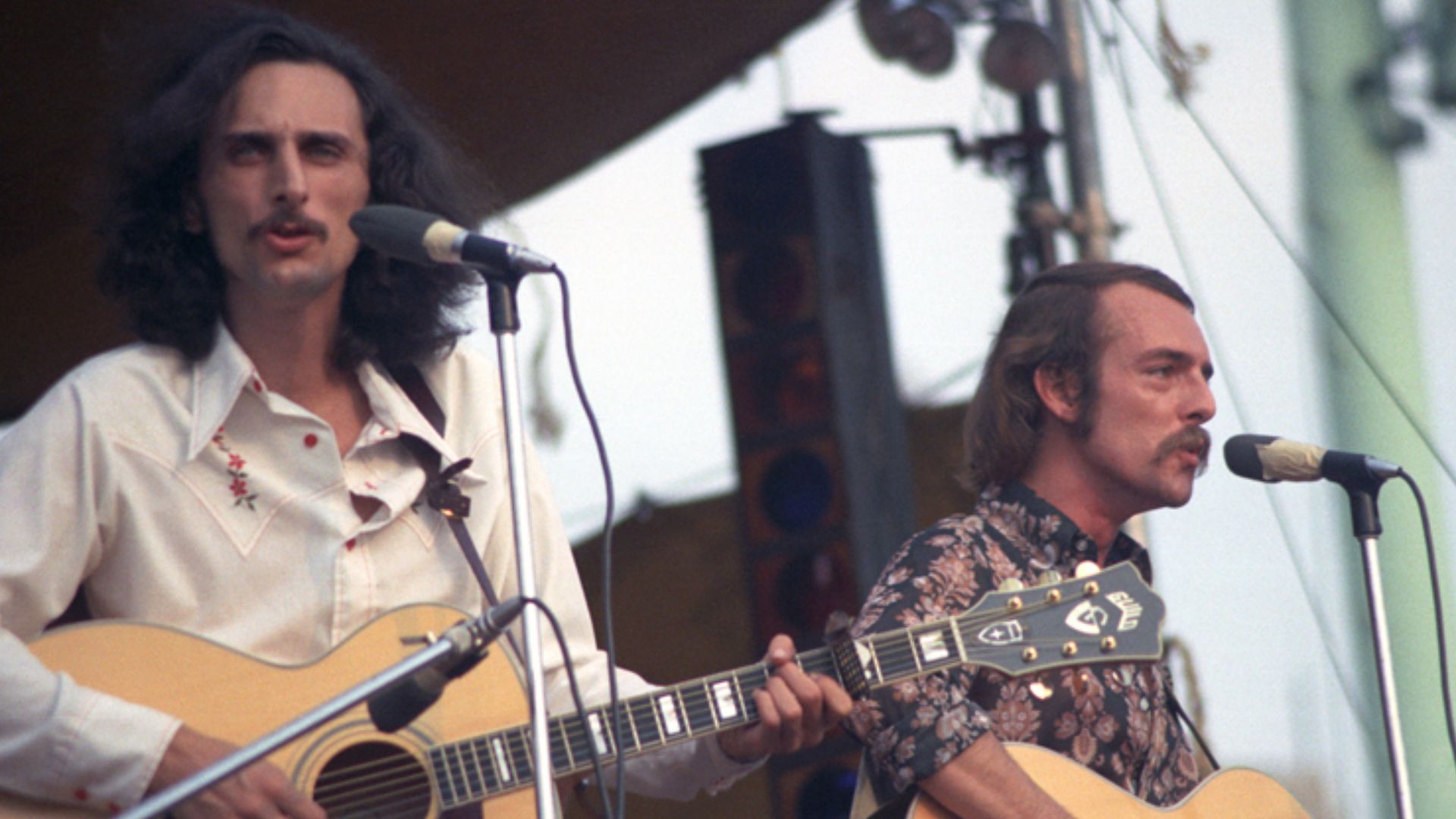
Brewer & Shipley wrote “One Toke Over the Line” as a joke, but its marijuana reference caused far more trouble than they expected. Michael Brewer recalled that Vice President Spiro Agnew publicly criticized the duo while the song climbed to No. 10 on the Billboard Hot 100. The strangest twist came when performers on The Lawrence Welk Show sang it on television and Welk reportedly introduced the drug-referencing tune as a “modern spiritual.”
 Nick DeWolf, Wikimedia Commons
Joy Turned Bach Into AM Radio
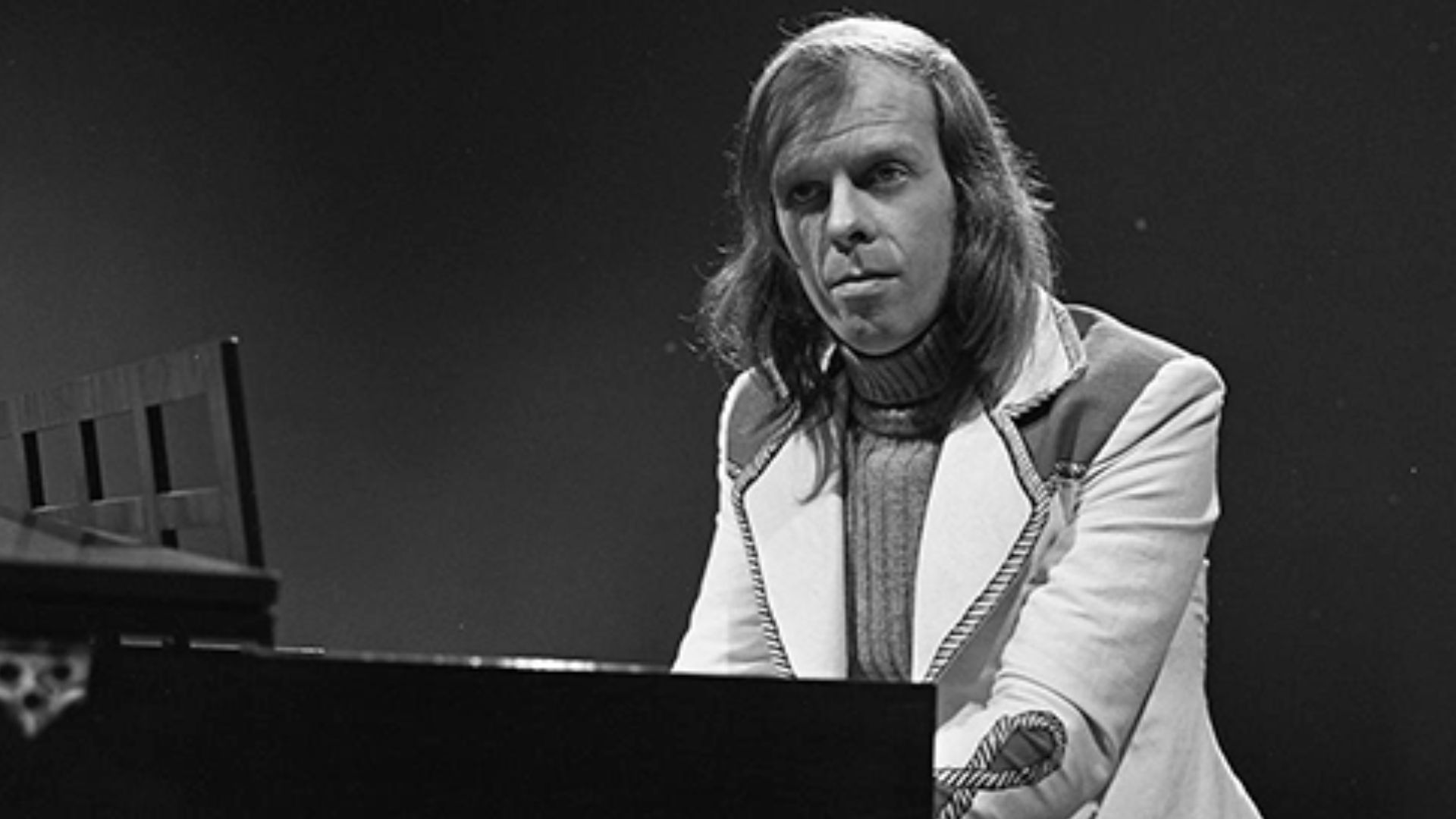
Apollo 100 took Johann Sebastian Bach's “Jesu, Joy of Man's Desiring,” plugged it into the sound of early-1970s pop, and somehow wound up with a major American single. The instrumental “Joy” reached No. 6 on the Billboard Hot 100 in 1972. Classical music had crossed into pop before, but hearing a piece rooted in the early 18th century competing with contemporary radio hits remains one of the decade's more surreal chart moments.
Popcorn Sounded Like The Future Arriving Early
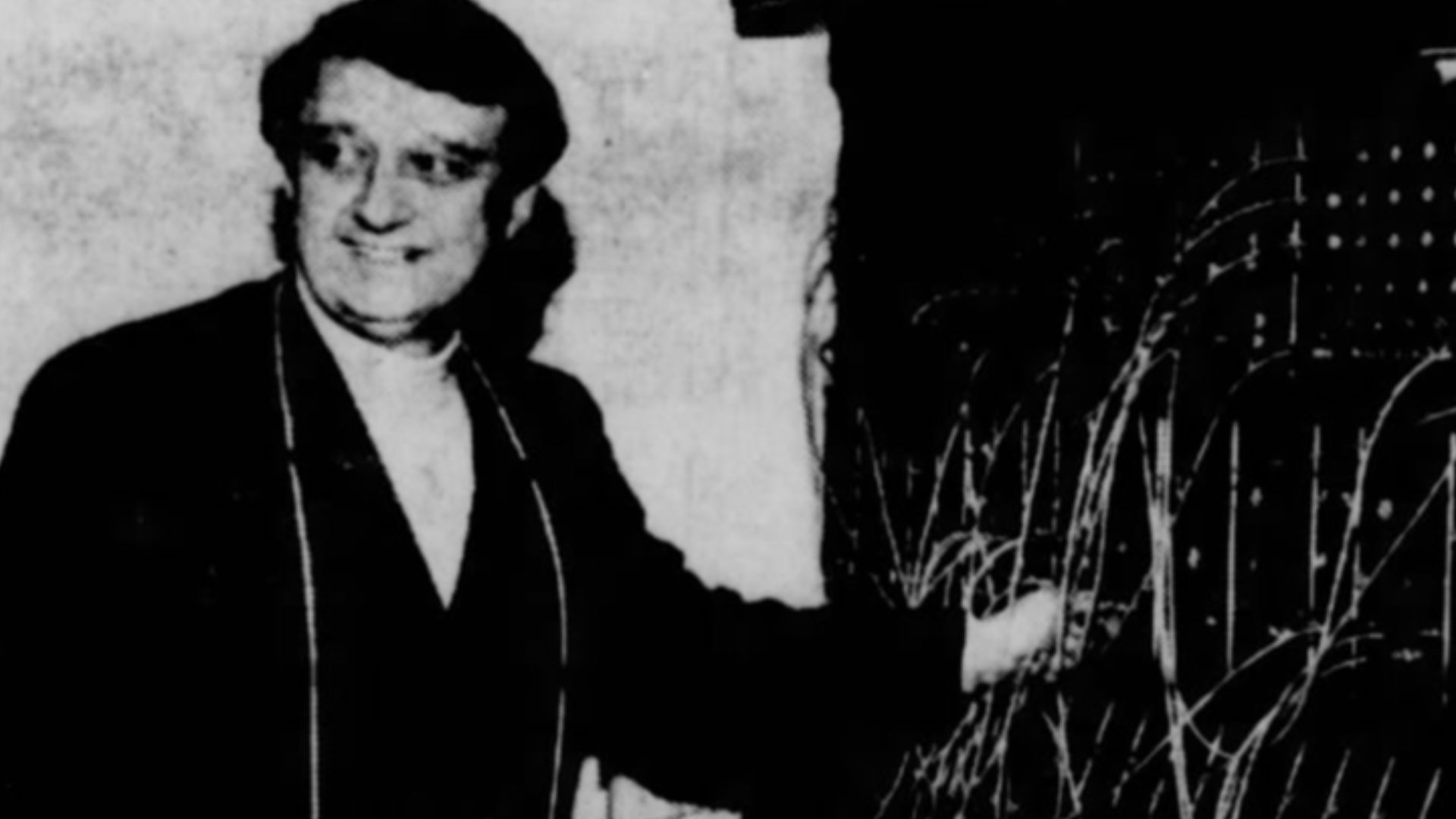
Long before synthesizers became standard pop equipment, “Popcorn” was bouncing across radios with practically nothing but electronic bleeps and an irresistible melody. Synthesizer pioneer Gershon Kingsley wrote the original piece in 1969, and Hot Butter turned it into an international hit in 1972. Pitchfork has described Kingsley as an important Moog pioneer, making the success of “Popcorn” feel less like a novelty in hindsight and more like an early glimpse of where popular music was heading.
 Wagner International photo, Wikimedia Commons
Dueling Banjos Came With A Copyright Fight
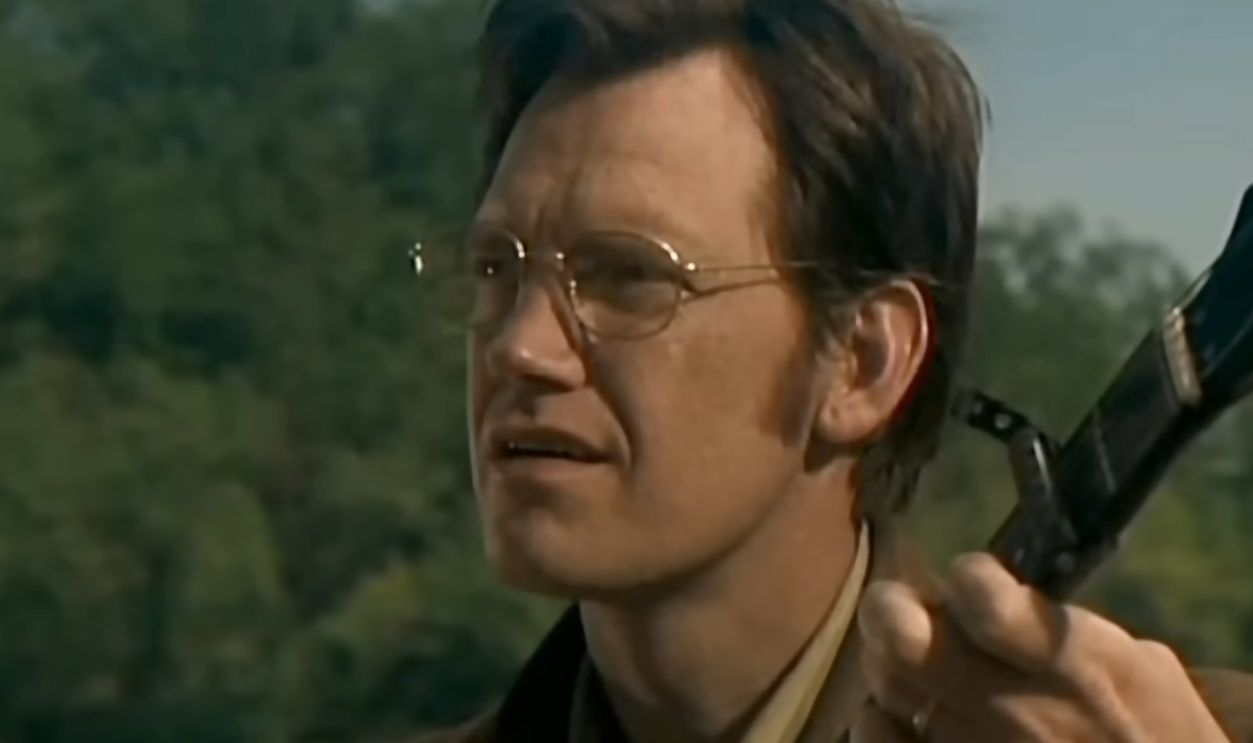
The banjo showdown from Deliverance became so famous that the instrumental escaped the movie and became a huge pop hit of its own. The soundtrack initially credited Eric Weissberg and Steve Mandell, even though Arthur “Guitar Boogie” Smith had written an earlier piece called “Feudin' Banjos.” Smith sued over the omission and ultimately received songwriting credit and royalties, giving one of the most recognizable movie instrumentals of the decade an unexpectedly contentious afterlife.
 Screenshot from Deliverance, Warner Records (1972)
Dancing In The Moonlight Hid A Horrifying Origin
King Harvest's “Dancing in the Moonlight” feels like three minutes of pure good cheer, which makes its background especially startling. Songwriter Sherman Kelly said he conceived the song while recovering from a brutal assault in St. Croix, imagining a peaceful alternate reality instead of the violence he had experienced. King Harvest's version later reached No. 13 in the United States, turning Kelly's imagined safe haven into an enduring feel-good anthem.
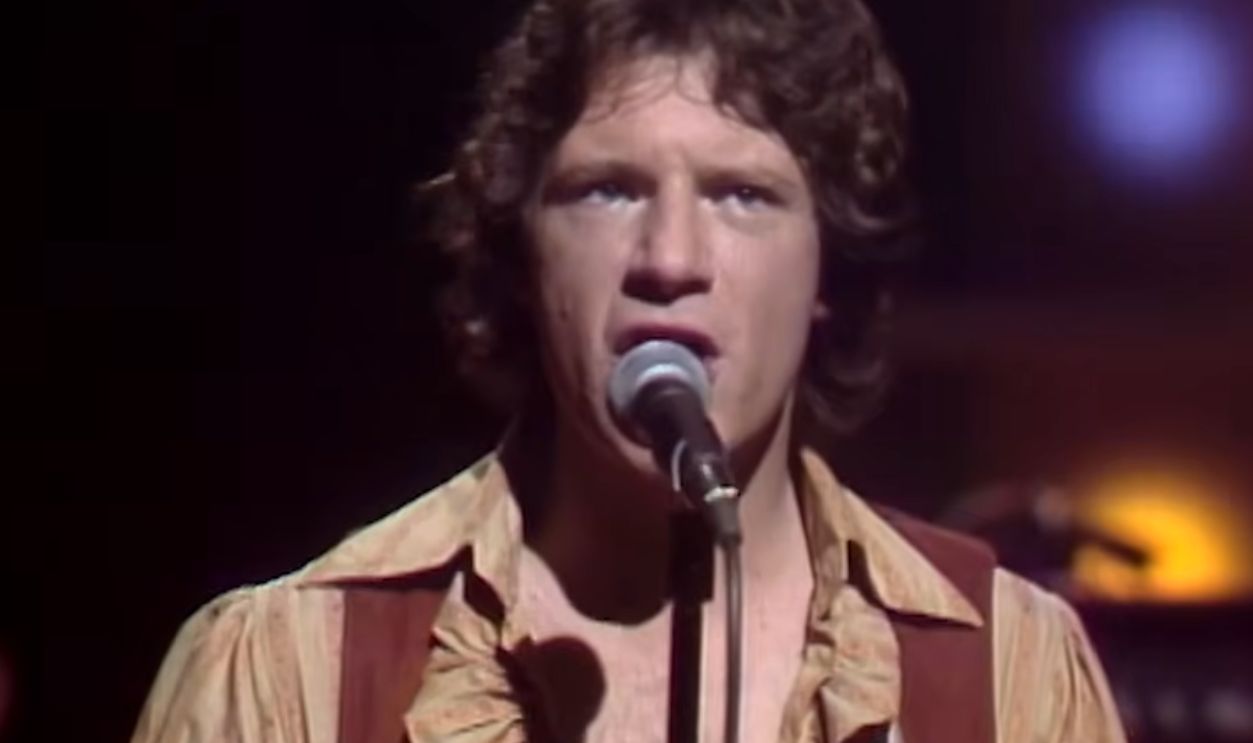 Screenshot from Dancing in the Moonlight, Perception Records (1972)
Hocus Pocus Put Yodeling Into Hard Rock
Focus built “Hocus Pocus” around a thunderous guitar riff, then repeatedly interrupted it with yodeling, flute, whistling, accordion, scat singing, and other musical left turns. AllMusic calls the complete package “utterly bizarre,” which is difficult to dispute after hearing vocalist Thijs van Leer launch into his first vocal acrobatics. Even stranger, this experimental Dutch prog-rock workout climbed into the American Top 10 in 1973.
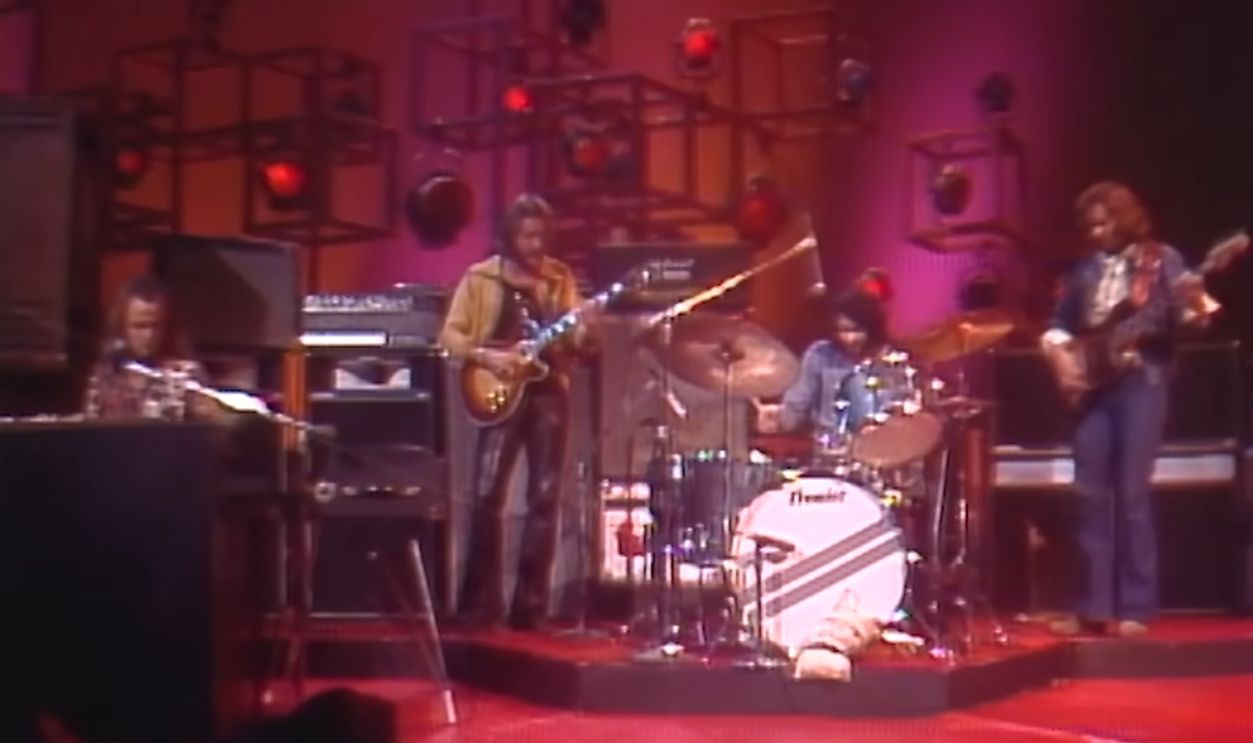 Screenshot from The Midnight Special, NBC (1972–1981)
Deodato Made Richard Strauss Funky
Eumir Deodato looked at the imposing opening of Richard Strauss's “Also sprach Zarathustra” and apparently decided what it really needed was a groove. His nine-minute jazz-funk treatment, titled “Also Sprach Zarathustra (2001),” referenced the classical piece's famous use in Stanley Kubrick's 2001: A Space Odyssey. An edited version reached No. 2 on the Billboard Hot 100 in 1973, which means an electrified 19th-century tone poem nearly became America's biggest pop song.
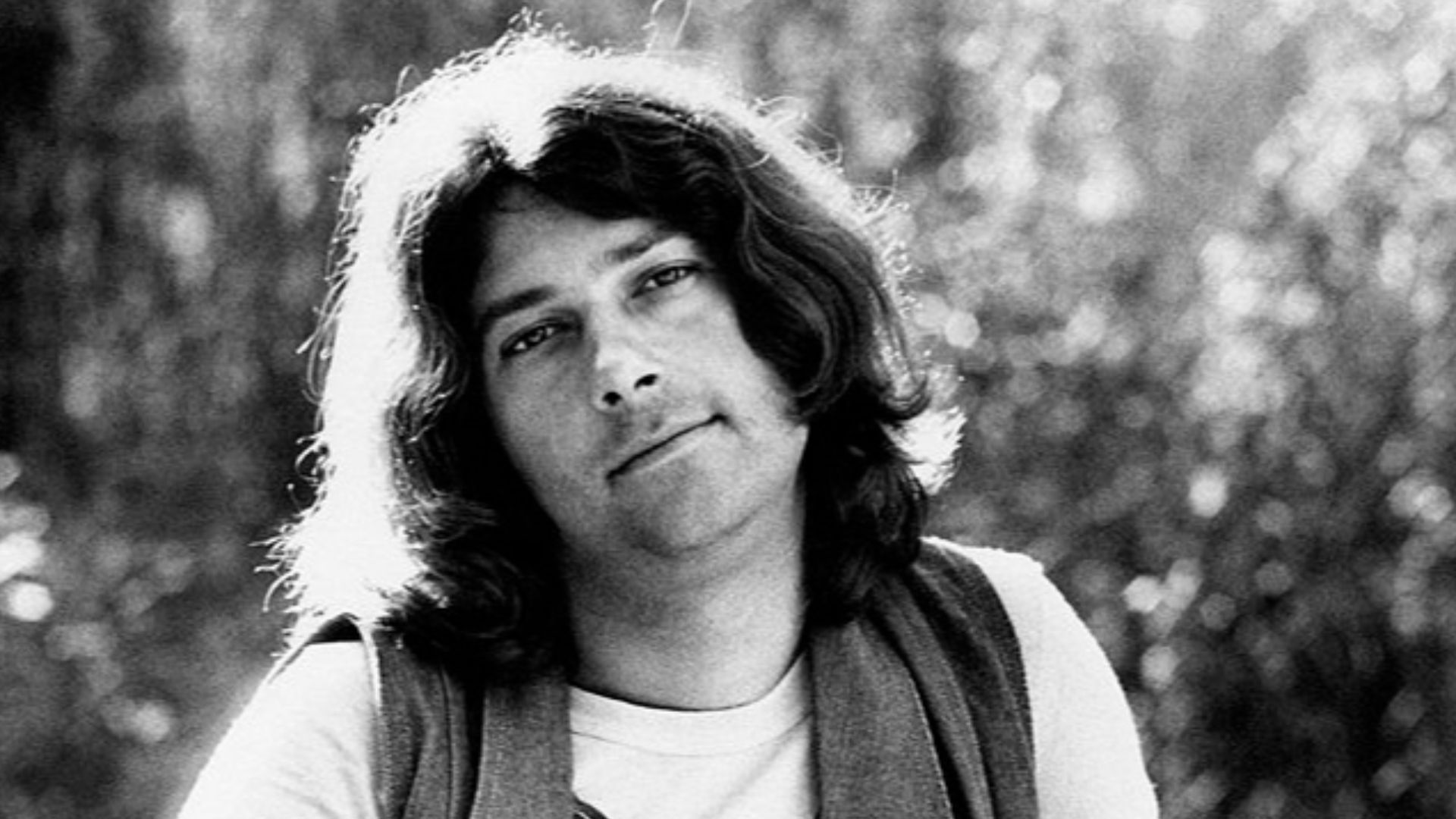 Angelo Deligio (Mondadori Publishers), Wikimedia Commons
A Nun Took The Lord's Prayer Into The Top Five
Sister Janet Mead was an Australian Catholic nun and music teacher who transformed the Lord's Prayer into an upbeat rock recording. Her version became an international sensation in 1974, reaching No. 4 on the Billboard Hot 100 and earning a Grammy nomination. Mead did not chase conventional pop stardom afterward, instead continuing her teaching and charitable work, which makes her brief appearance near the top of the American charts even more remarkable.
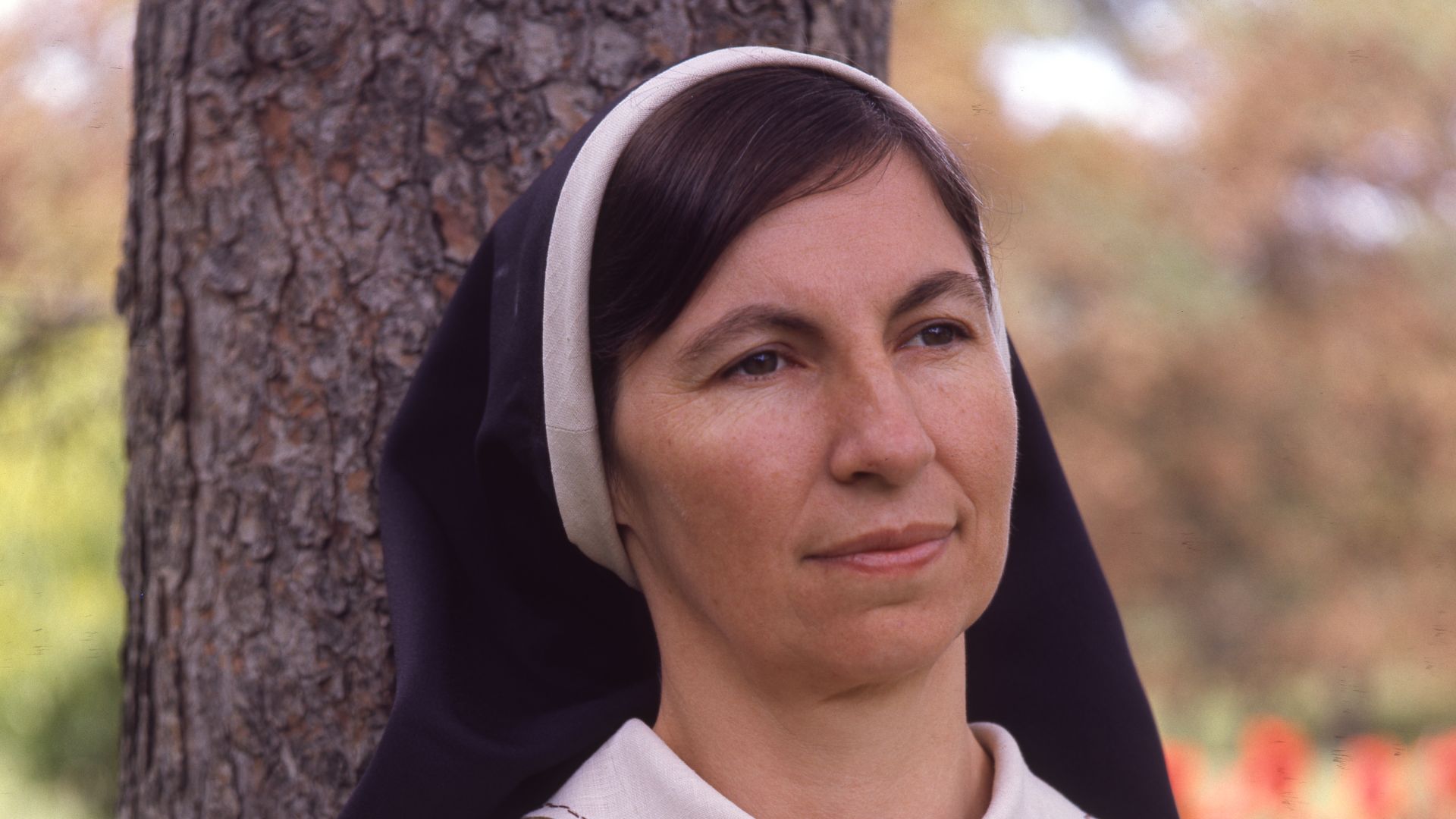 Vic Grimmet, Wikimedia Commons
Hooked On A Feeling Added The World's Strangest Intro
B.J. Thomas had already scored a hit with “Hooked on a Feeling,” but Blue Swede made sure nobody would confuse the two versions. The Swedish band's 1973 recording borrowed the famous “ooga-chaka” chant from Jonathan King's earlier cover and carried that wonderfully ridiculous opening all the way to No. 1 on the Billboard Hot 100. A straightforward love song had somehow evolved into something that sounds as though a cartoon jungle tribe wandered into the recording studio.
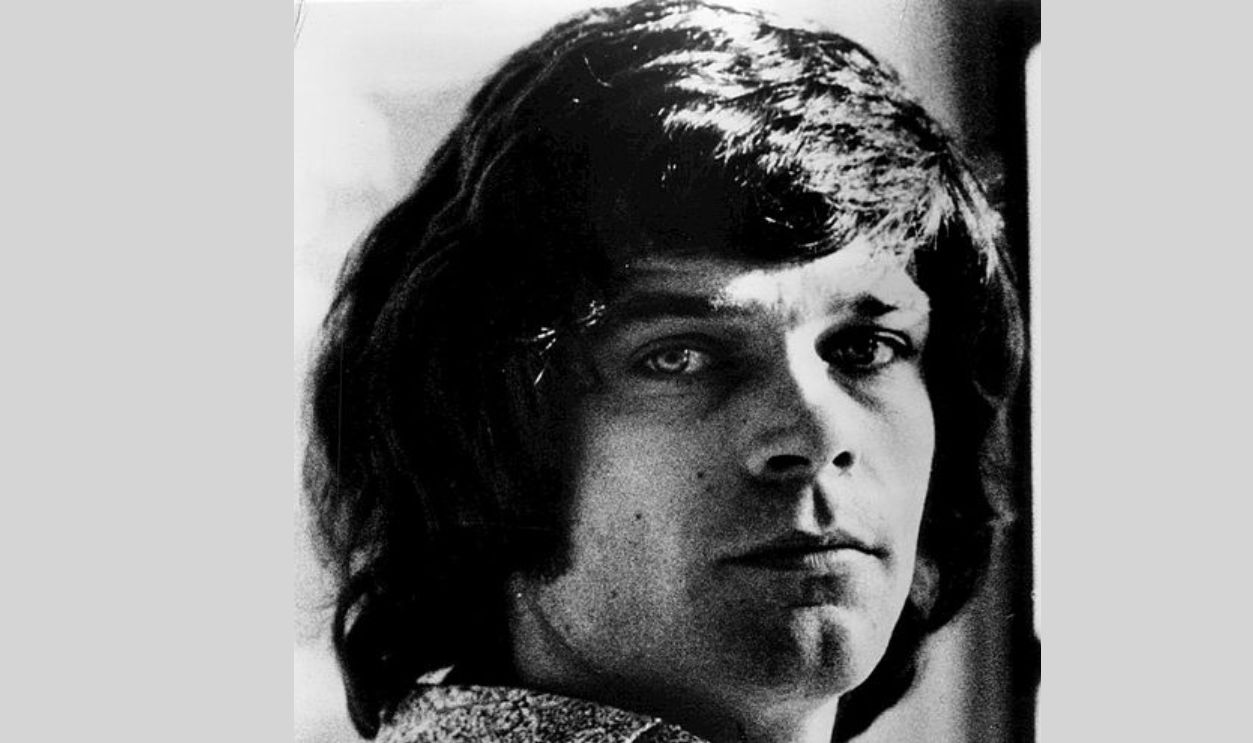 William Morris Agency-management, Wikimedia Commons
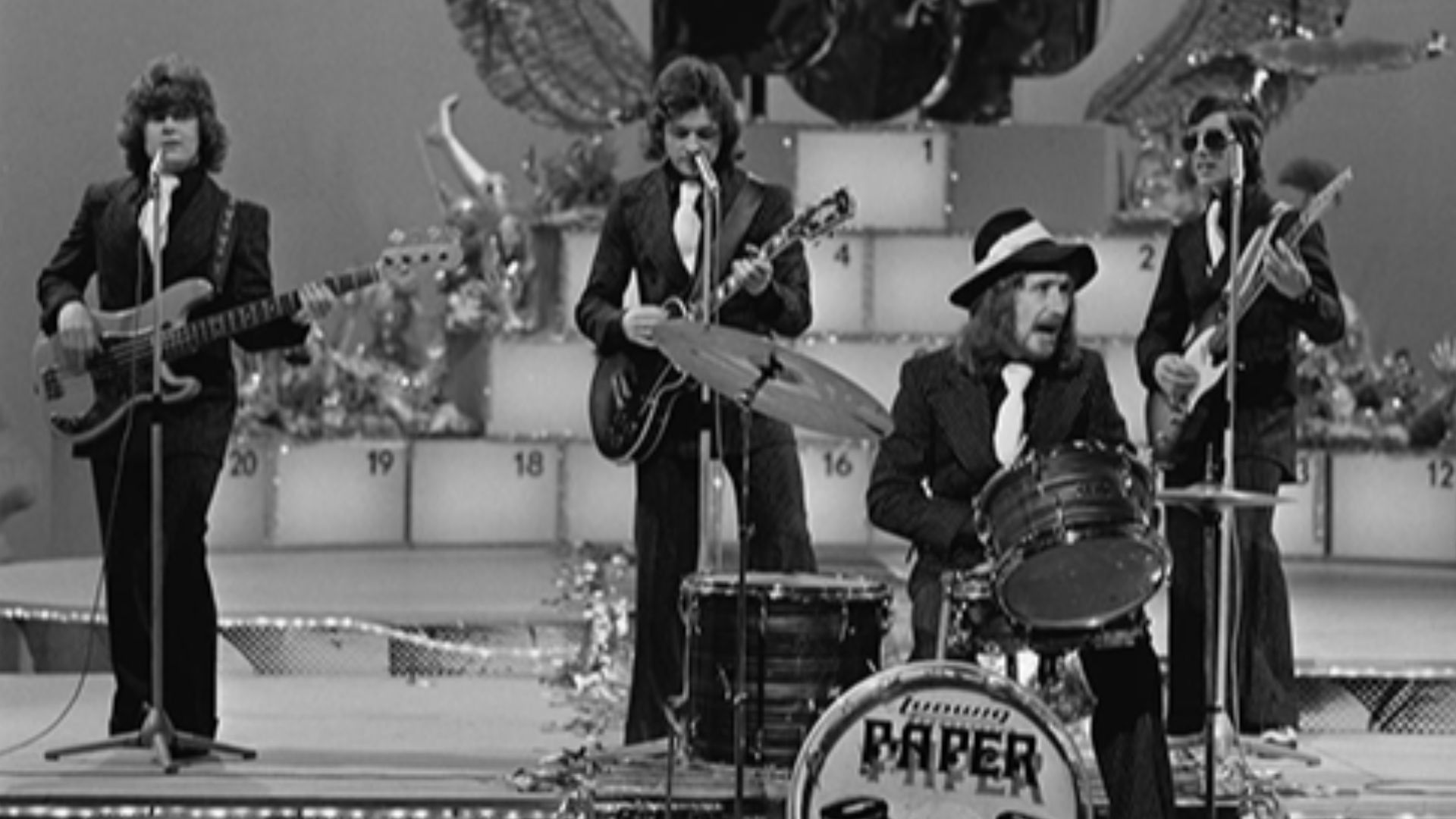
The Night Chicago Died Invented Its Own History
Paper Lace's “The Night Chicago Died” sounds like a breathless retelling of a bloody chapter from Al Capone's reign, except the central event never happened. The song describes a fictional battle between Chicago police and Capone's organization, complete with an enormous death toll. American listeners apparently did not mind the historical liberties, because the record reached No. 1 on the Billboard Hot 100 in 1974.
Seasons In The Sun Was A Death Song
Terry Jacks gave 1974 one of its sweetest melodies and attached it to a song about a dying man saying goodbye to everyone he loves. “Seasons in the Sun” originated as Jacques Brel's French-language “Le Moribond,” with Rod McKuen later writing the English adaptation. Jacks' recording took this farewell from the deathbed all the way to No. 1 in America, proving that crushing mortality could apparently coexist quite comfortably with AM-radio singalongs.
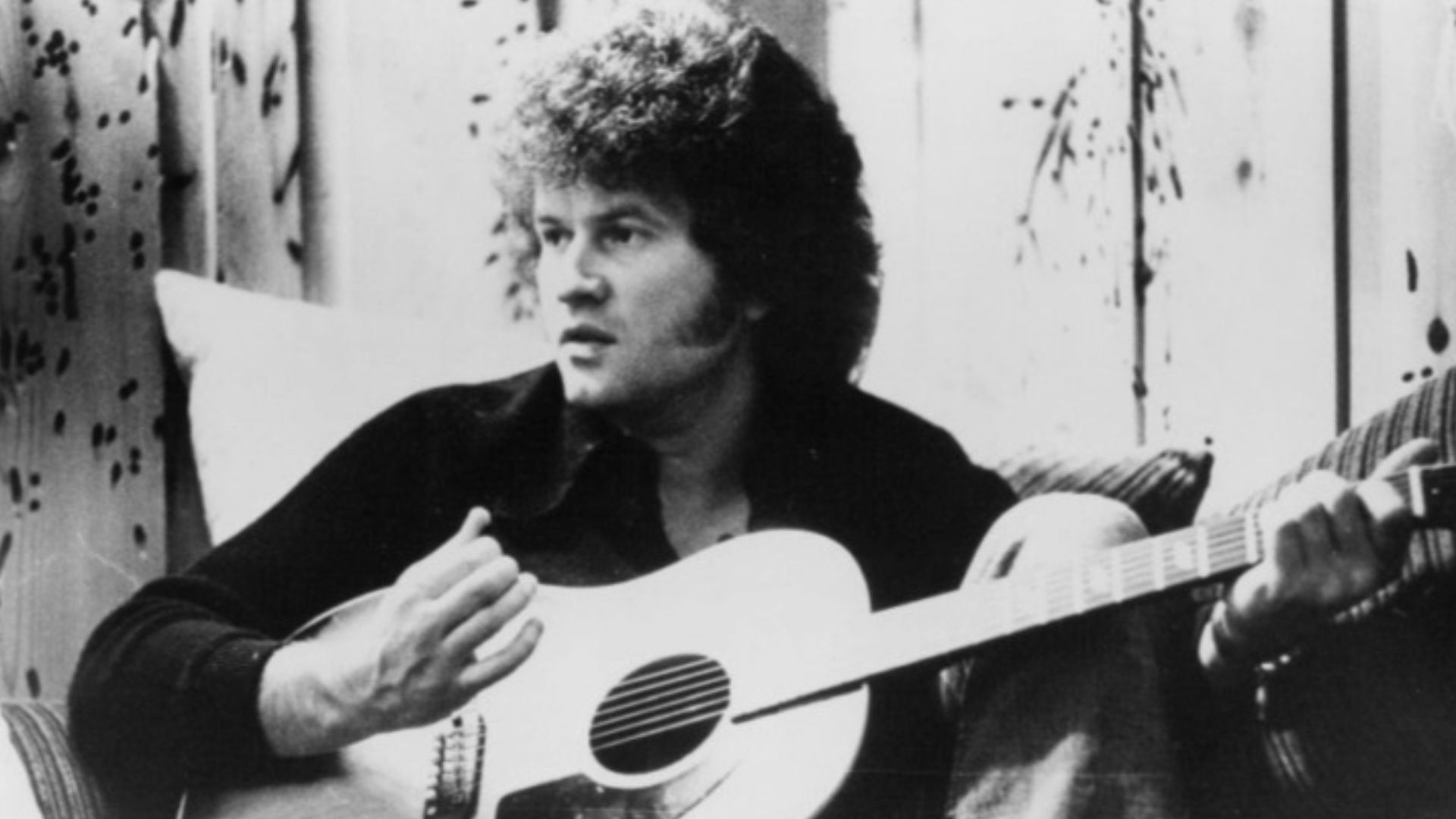 Bell Records, Wikimedia Commons
Life Is A Rock Barely Stops To Breathe
Reunion's “Life Is a Rock (But the Radio Rolled Me)” sounds like someone attempting to summarize decades of pop culture before running out of oxygen. The song fires off names of musicians, labels, DJs, and other references in a rapid vocal stream broken up by a comparatively simple chorus. Reunion was essentially a studio-assembled novelty act, yet this verbal sprint still made it to No. 8 on the Billboard Hot 100 in 1974.
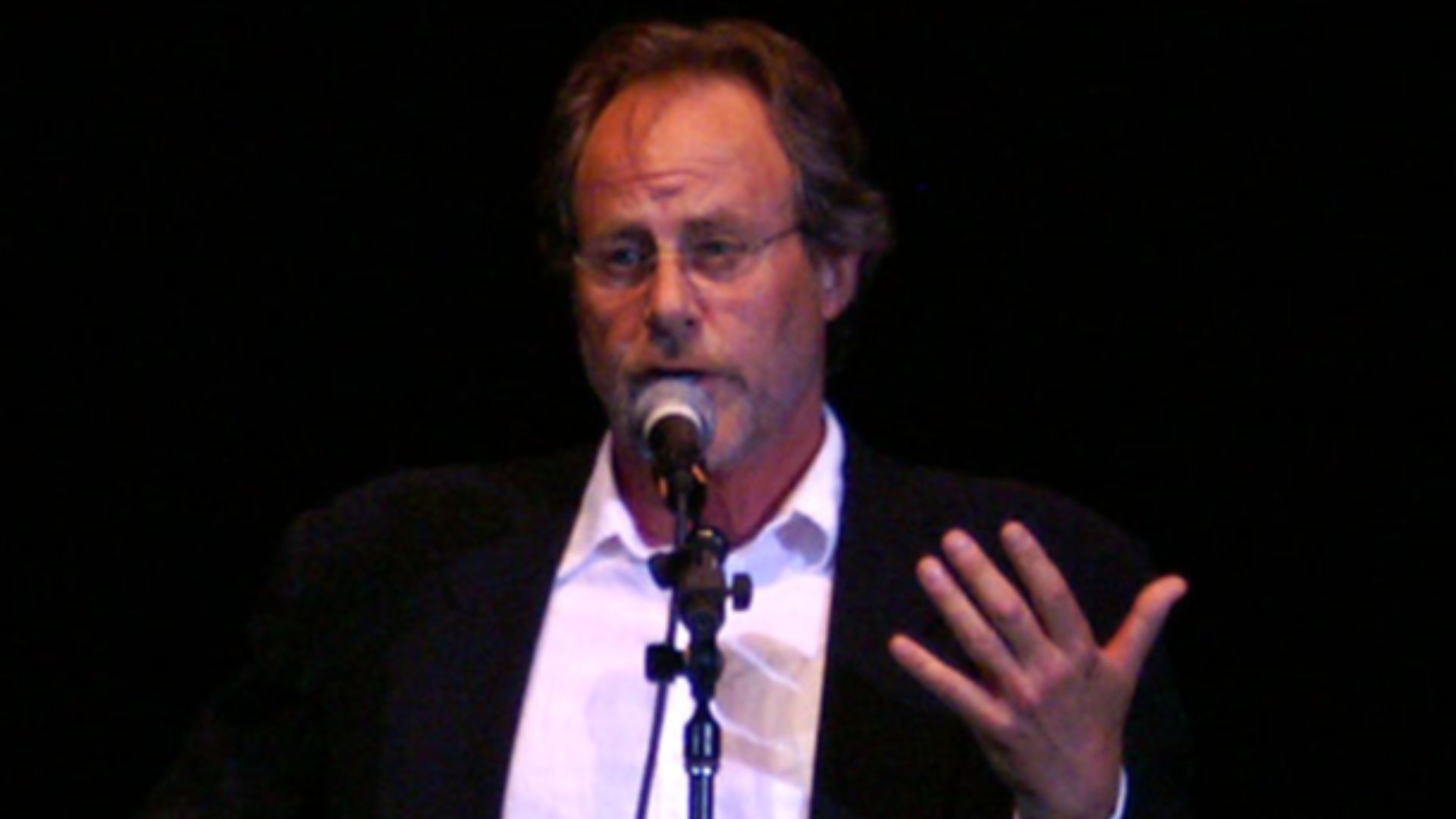 HaarFager (talk), Wikimedia Commons
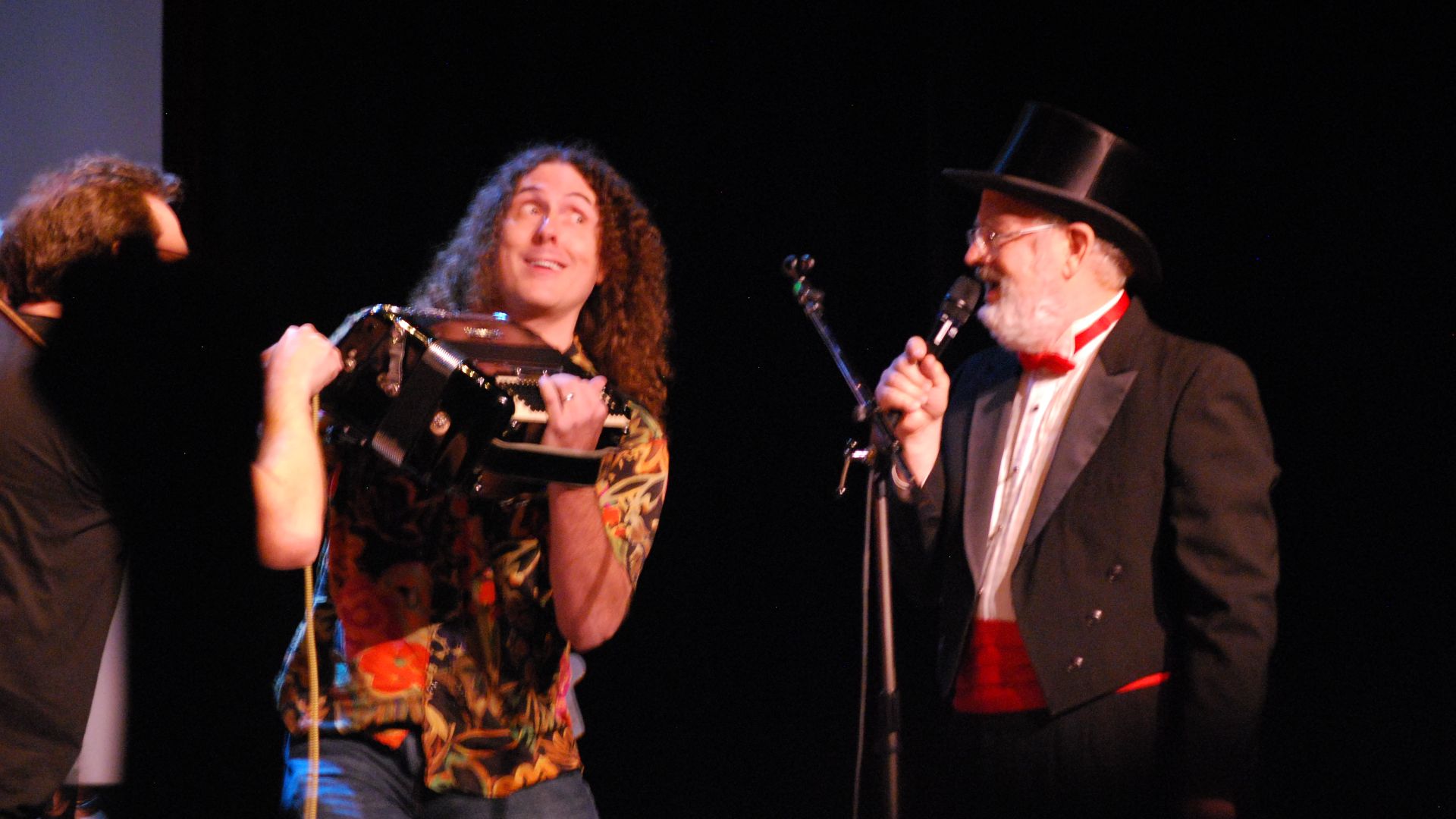
Shaving Cream Took Nearly Three Decades To Become A Hit
Benny Bell wrote “Shaving Cream” in 1946, building each verse around a rhyme that makes listeners expect a certain four-letter word before the title phrase abruptly interrupts it. Dr. Demento's later embrace of the old novelty recording helped introduce it to a new generation. Vanguard reissued the song in 1975, and a piece of postwar comedy suddenly climbed to No. 30 on the Billboard Hot 100 nearly three decades after it had been recorded.
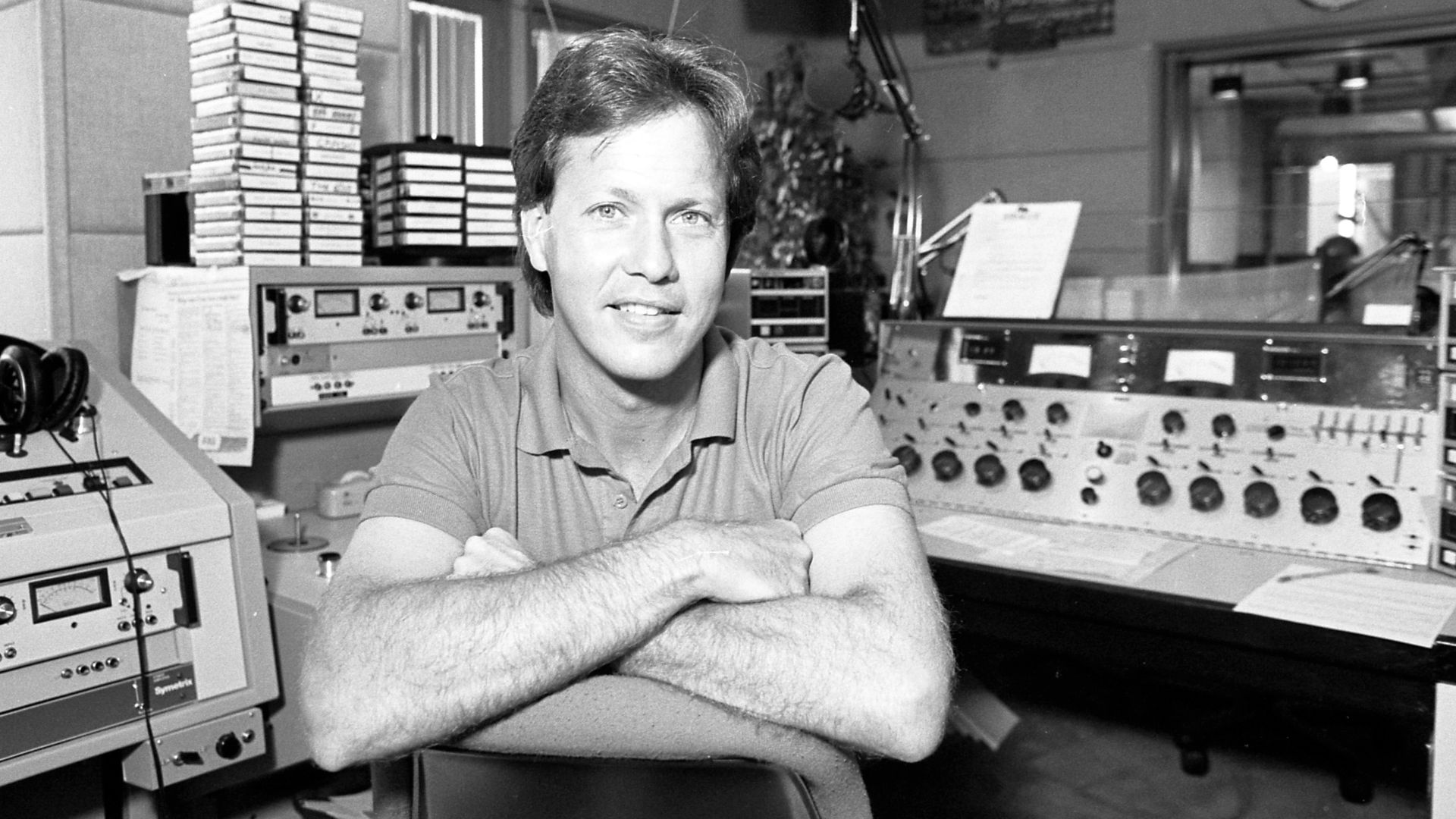
Disco Duck Really Did Reach Number One
Radio personality Rick Dees created “Disco Duck,” a record that combines the hottest dance trend of 1976 with a quacking character voice. The song somehow became a nationwide phenomenon and reached No. 1 on the Billboard Hot 100 that October. Adding to the absurdity, Dees' own Memphis station would not let him play his enormous hit on the air, while competing stations were reluctant to promote a rival personality.
 Larry Bessel, Los Angeles Times, Wikimedia Commons
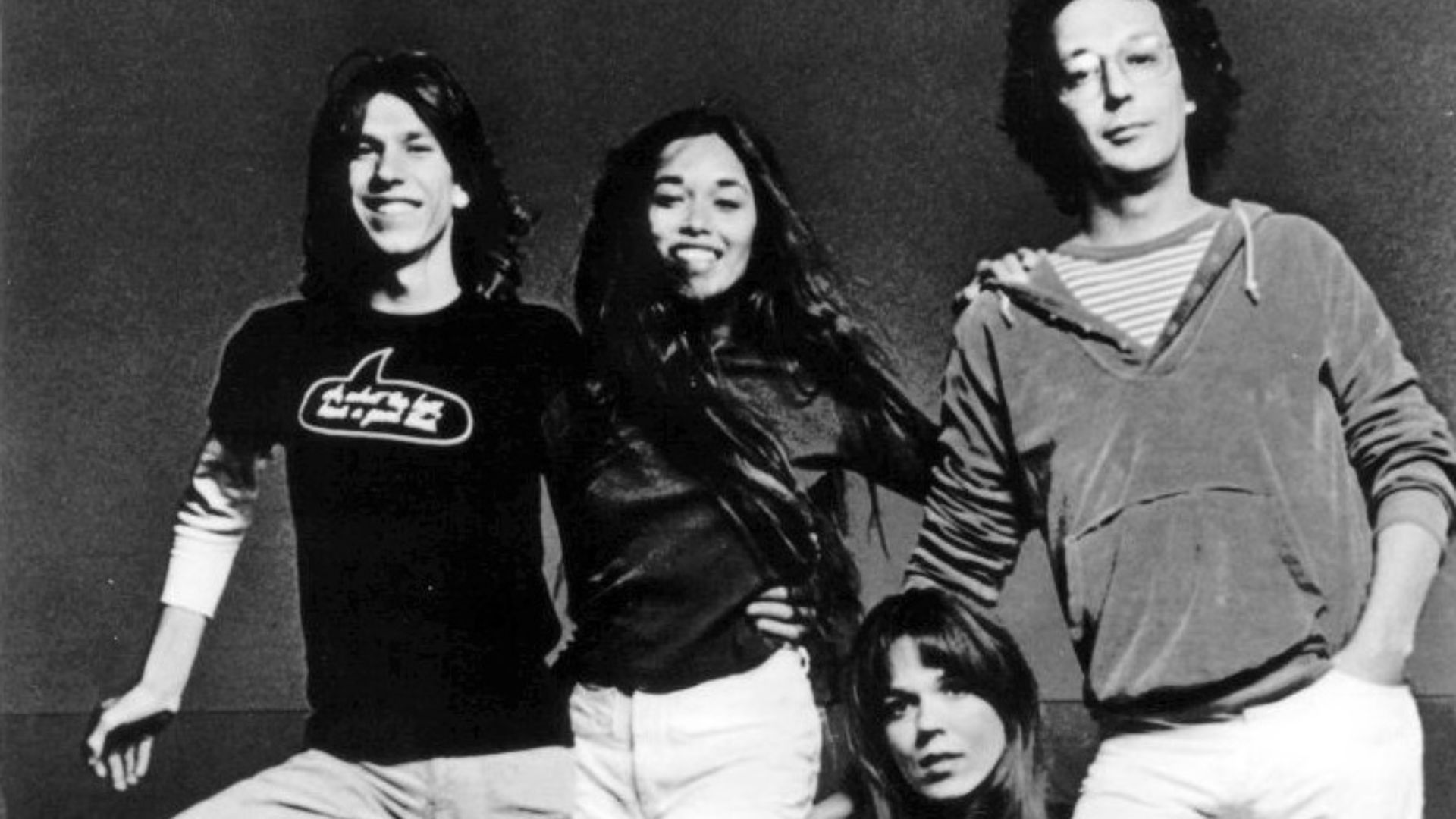
Afternoon Delight Was Much Less Innocent Than It Sounded
Starland Vocal Band wrapped “Afternoon Delight” in immaculate harmonies that could almost make the song sound family-friendly. In reality, songwriter Bill Danoff was writing about daytime sex, with the famous fireworks imagery doing very little to disguise the point once you actually listen. The wonderfully wholesome-sounding seduction reached No. 1 in 1976, right after America's bicentennial celebrations had filled the real sky with fireworks.
 Windsong/RCA Records, Wikimedia Commons
Junk Food Junkie Had A Secret Double Life
Larry Groce turned dietary hypocrisy into a novelty single with “Junk Food Junkie.” Its narrator presents himself as a model health-food devotee during the day, then secretly binges on decidedly less virtuous snacks at night. The joke connected strongly enough to take Groce to No. 9 on the Billboard Hot 100, and it remained his only song to reach the chart.
 Copyright owned by subject as a result of a work-for-hire arrangement, Wikimedia Commons
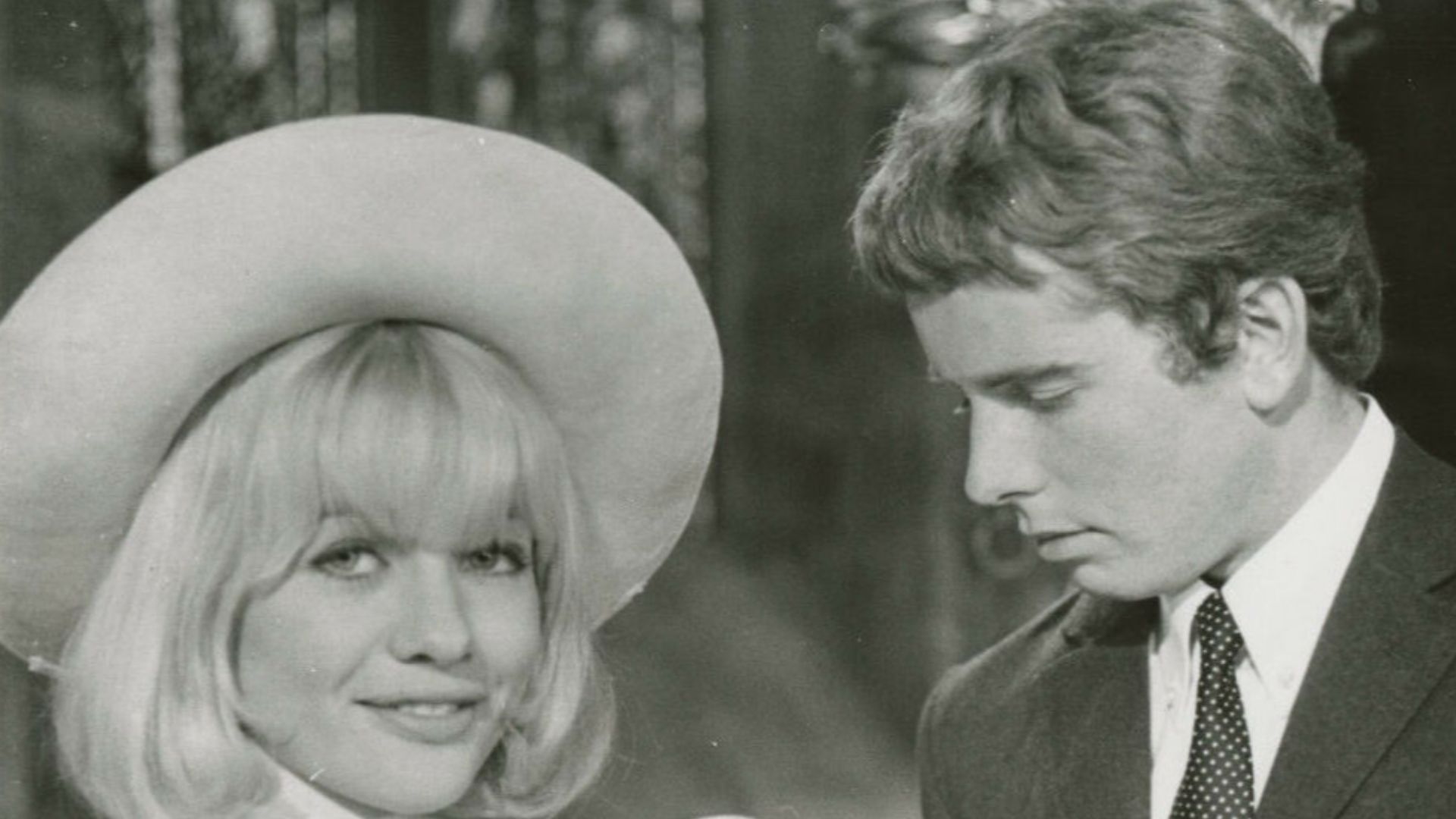
Jeans On Started As An Advertisement
David Dundas did not initially write “Jeans On” to launch a pop career. The song grew from music he had created for a British Brutus Jeans commercial, after which he and Roger Greenaway expanded the idea into a full single. That glorified advertising jingle crossed the Atlantic and became a Top 20 American hit, which is a fairly impressive return on a song originally written to sell pants.
 Twentieth Century Fox, Wikimedia Commons
I Love The Nightlife Was A Breakup Song In Disguise
The title of Alicia Bridges' “I Love the Nightlife (Disco 'Round)” makes it sound like a straightforward tribute to clubs and dancing. The lyrics actually begin with a collapsing romance before the narrator decides she would rather stop discussing the relationship and go somewhere people are dancing. That combination of breakup frustration and dance-floor escape took Bridges to No. 5 on the Billboard Hot 100 in 1978.
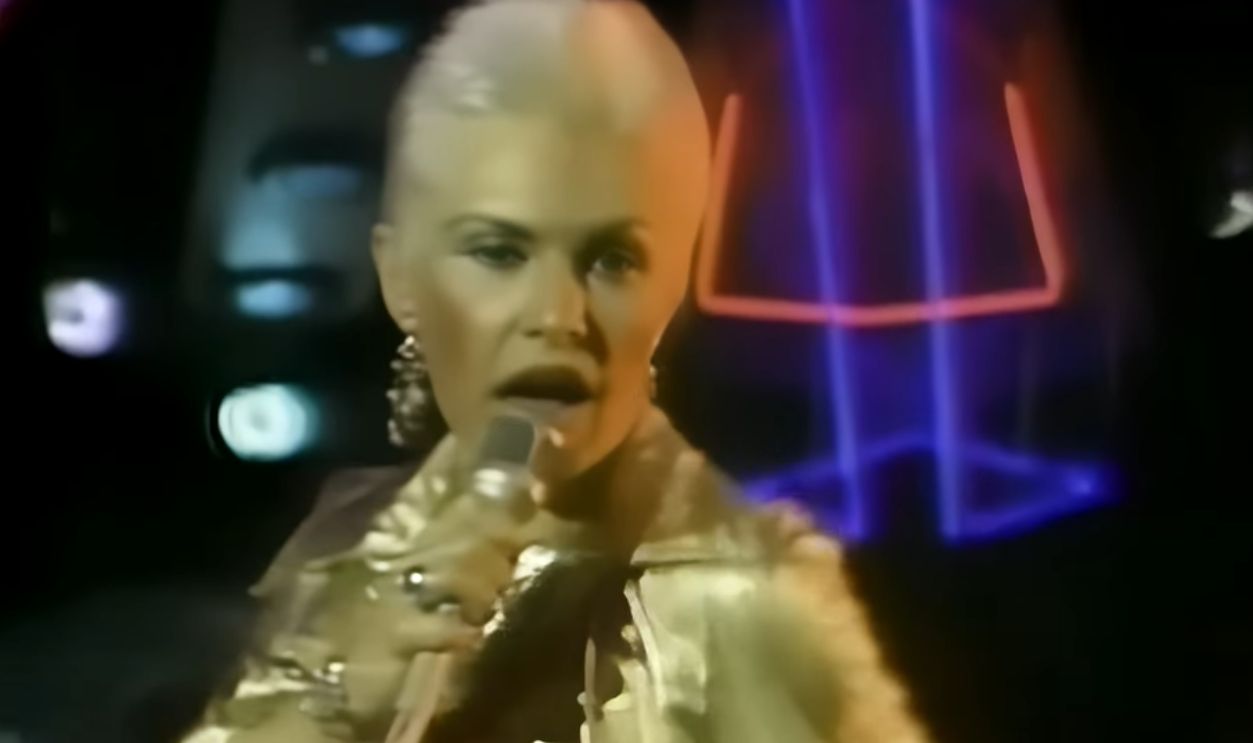 Screenshot from I Love the Nightlife, Polydor Records (1978)
Ring My Bell Was Supposed To Be For A Child
Anita Ward's sultry “Ring My Bell” became one of the defining disco hits of 1979, but songwriter Frederick Knight originally had a dramatically different singer in mind. He had written the song for 11-year-old Stacy Lattisaw, with the “bell” referring innocently to children talking on the telephone. After Ward recorded it instead, the song took on a more adult interpretation and went all the way to No. 1 on the Billboard Hot 100.
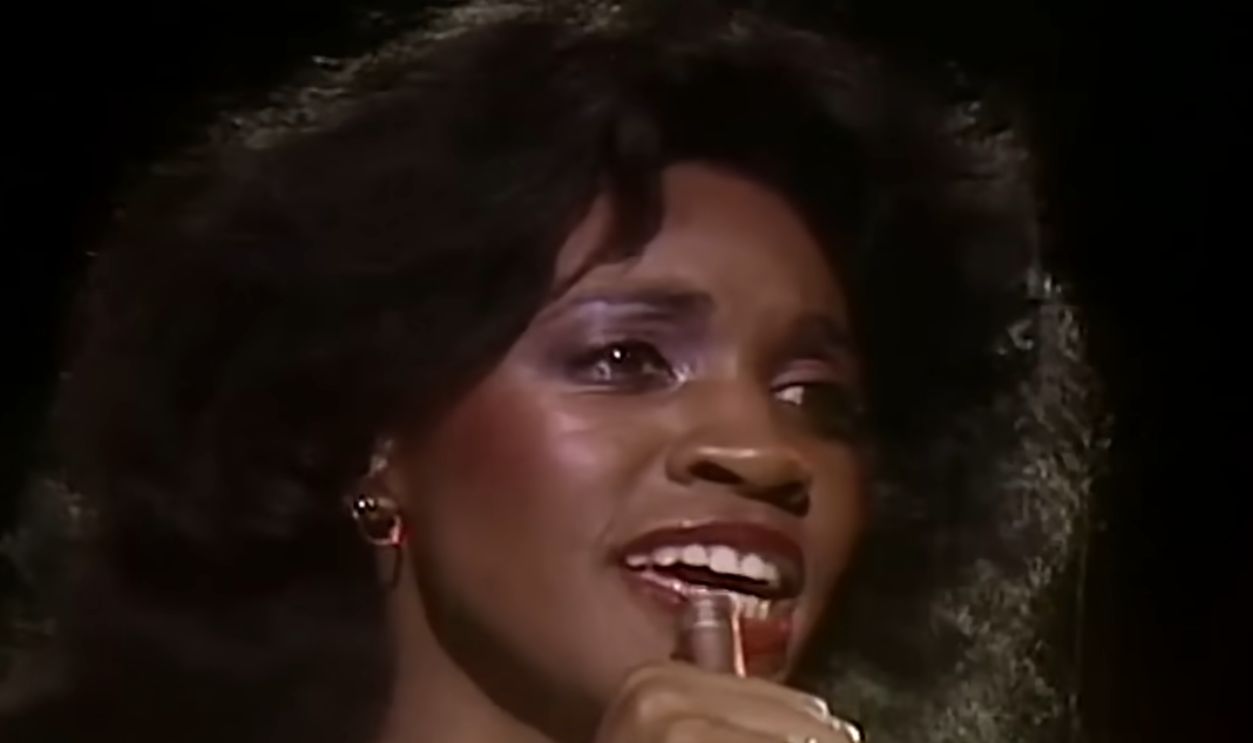 Screenshot from Ring My Bell, TK Records (1979)
Born To Be Alive Was Basically Patrick Hernandez's Entire American Moment
Patrick Hernandez's “Born to Be Alive” sounds like it was engineered in a laboratory for a crowded disco floor. The French singer's record became an international sensation, topping Billboard's disco chart and reaching No. 16 on the Hot 100 in the United States. It proved to be Hernandez's only American charting song, leaving behind an unusually concentrated burst of disco immortality.
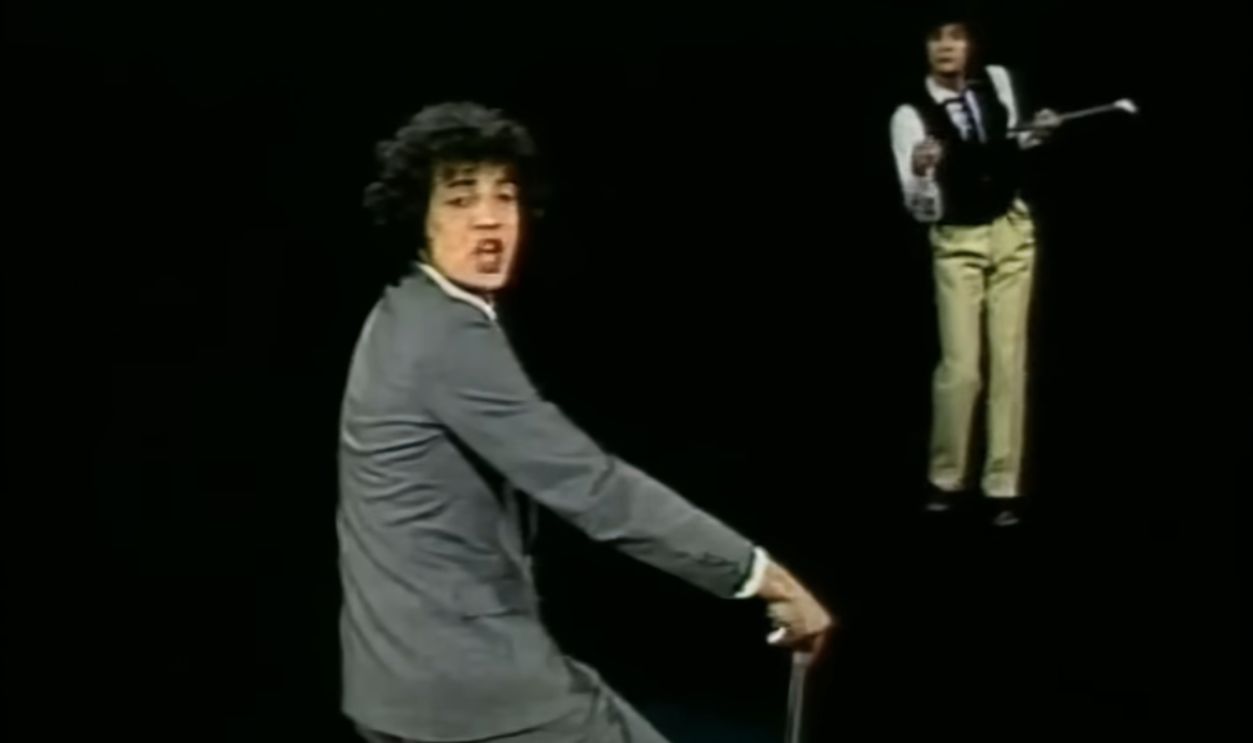 Screenshot from Born to Be Alive, Aquarius Records (1978)
Pop Muzik Was A One-Man Vision Of The Future
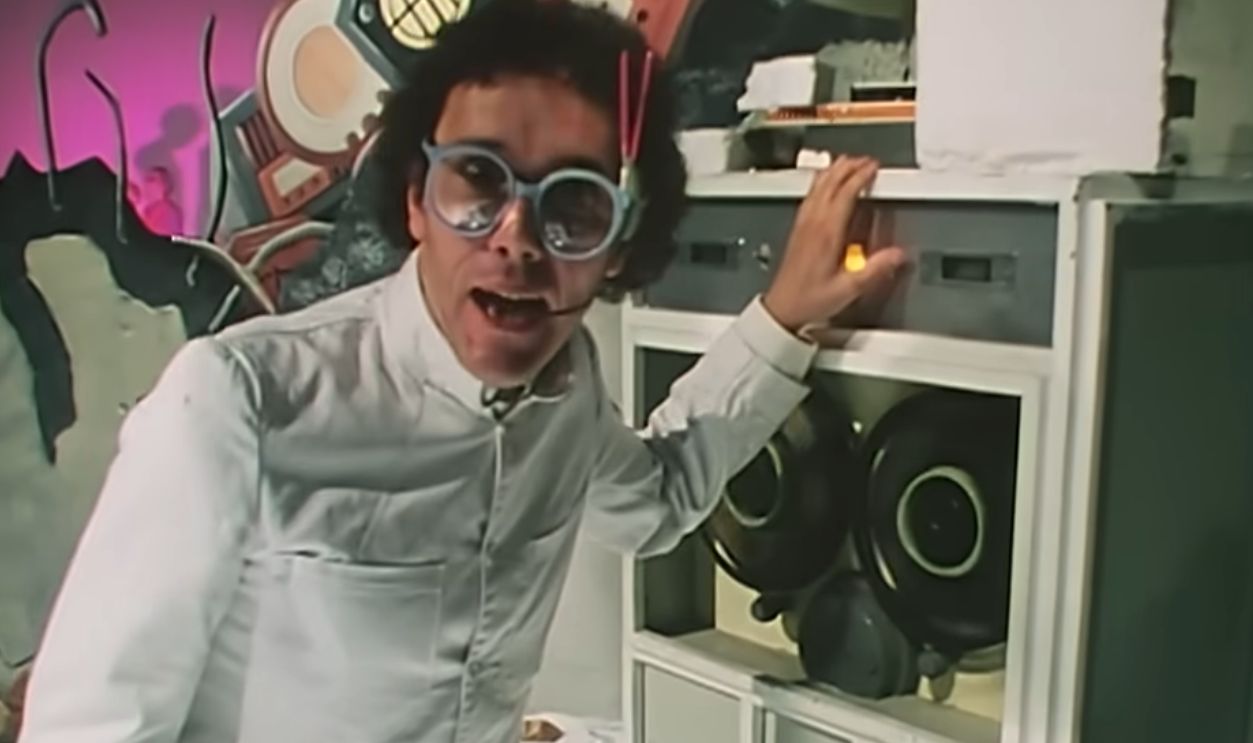
“M” sounded like a mysterious new group, but “Pop Muzik” was primarily the creation of British musician and producer Robin Scott. Scott has described the song as an attempt to celebrate pop culture itself, combining spoken vocals, electronic production, and a deliberately striking video at a moment when those ideas still felt futuristic. The experiment became a global hit and foreshadowed the highly visual, synthesizer-heavy pop that would explode during the following decade.
 Screenshot from Pop Muzik, MCA Records (1979)
Video Killed The Radio Star Predicted Its Own Future
The Buggles released “Video Killed the Radio Star” in 1979, writing about technology transforming the music business before the transformation had fully arrived. Trevor Horn and Geoff Downes packed the recording with layers of studio production that made it extraordinarily difficult to reproduce live. Then, on August 1, 1981, MTV chose it as the first music video in the network's history, turning a relatively modest American Top 40 hit into one of pop culture's most perfect pieces of accidental prophecy.
 Screenshot from Video Killed the Radio Star, Island Records (1979)
The Weirdness Was Part Of The Magic
A song about cannibalism sat on the same American charts that welcomed a rock-singing nun, yodeling prog musicians, electronic “popcorn,” and a disco-performing duck. That variety is part of what makes revisiting 1970s one-hit wonders so much fun, because the hits often feel less standardized than modern nostalgia packages make the decade seem. Even when the artists disappeared from the American Top 40, their strangest songs proved remarkably difficult to erase.
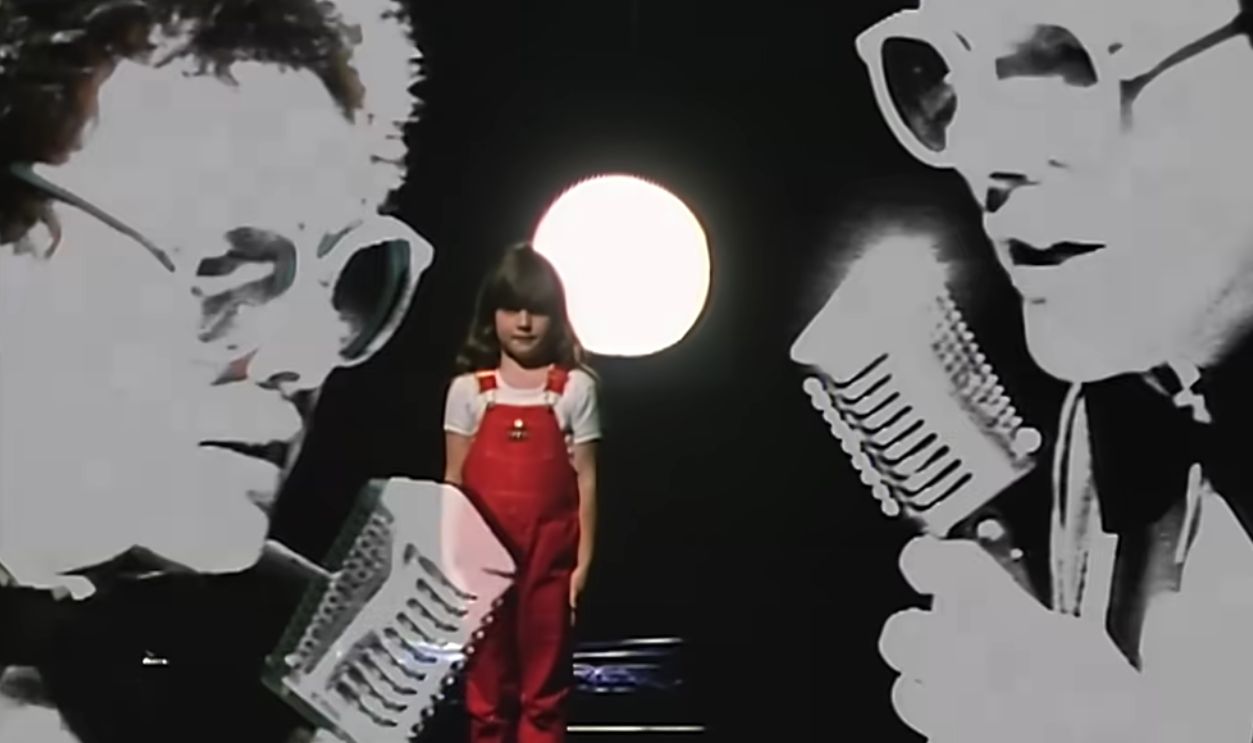 Screenshot from Video Killed the Radio Star, Island Records (1979)
You May Also Like:
Great Songs Baby Boomers Loved In The 1970s—That Millennials Actually Still Listen to Today
70s TV Guest Stars Who Seemed To Be On Every Show. How Many Do You Remember?
Sources: 1, 2, 3, 4, 5, 6, 7, 8, 9, 10, 11, 12, 13, 14, 15, 16, 17, 18, 19, 20, 21, 22, 23, 24, 25, 26, 27