Better Late Than Never
Some songs shoot straight to the top. Others take a detour through reissues, surprise covers, cult movies, or even TikTok before finding the audience they deserve. These 1970s recordings eventually enjoyed a breakthrough or a memorable second act, even when they were already hits the first time around.
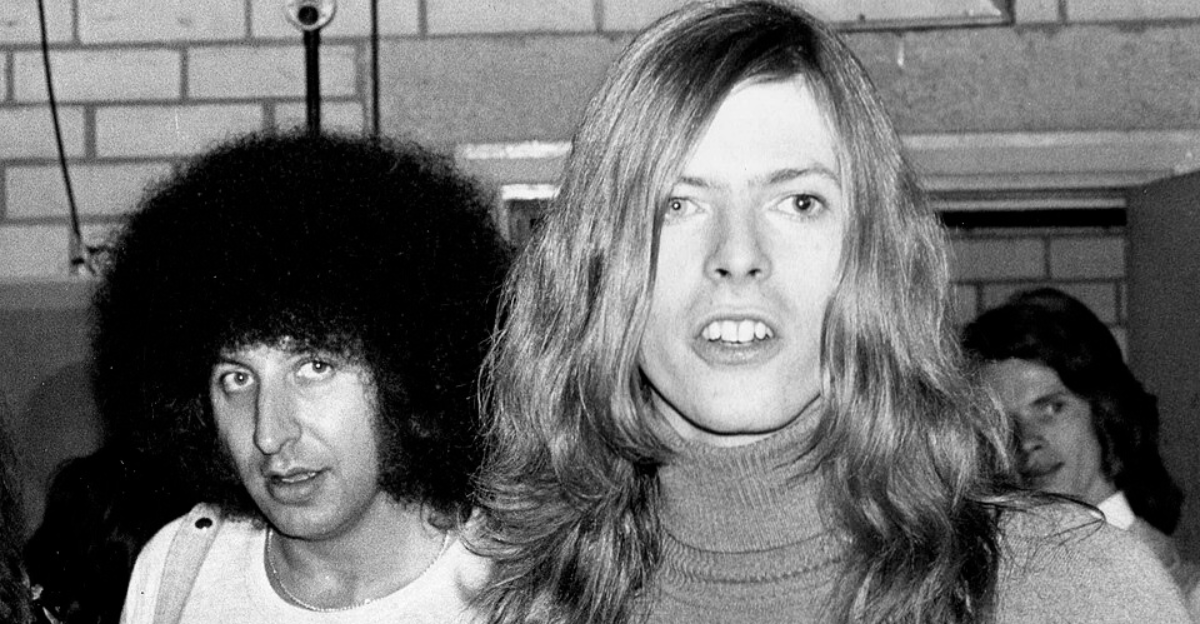
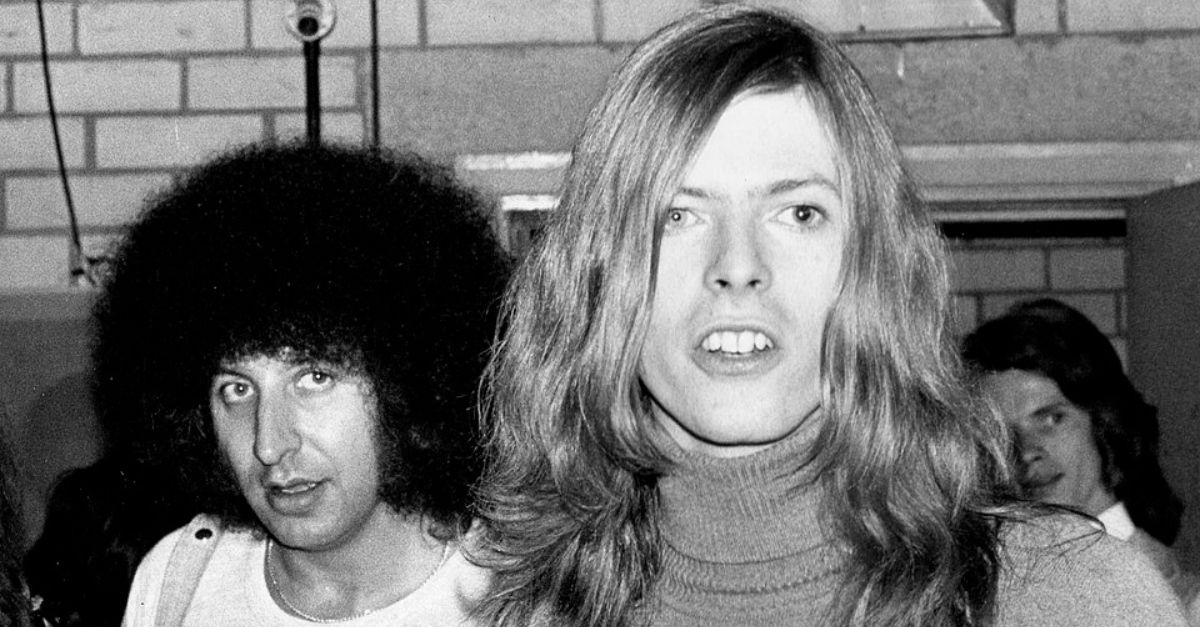
Dream On—Aerosmith
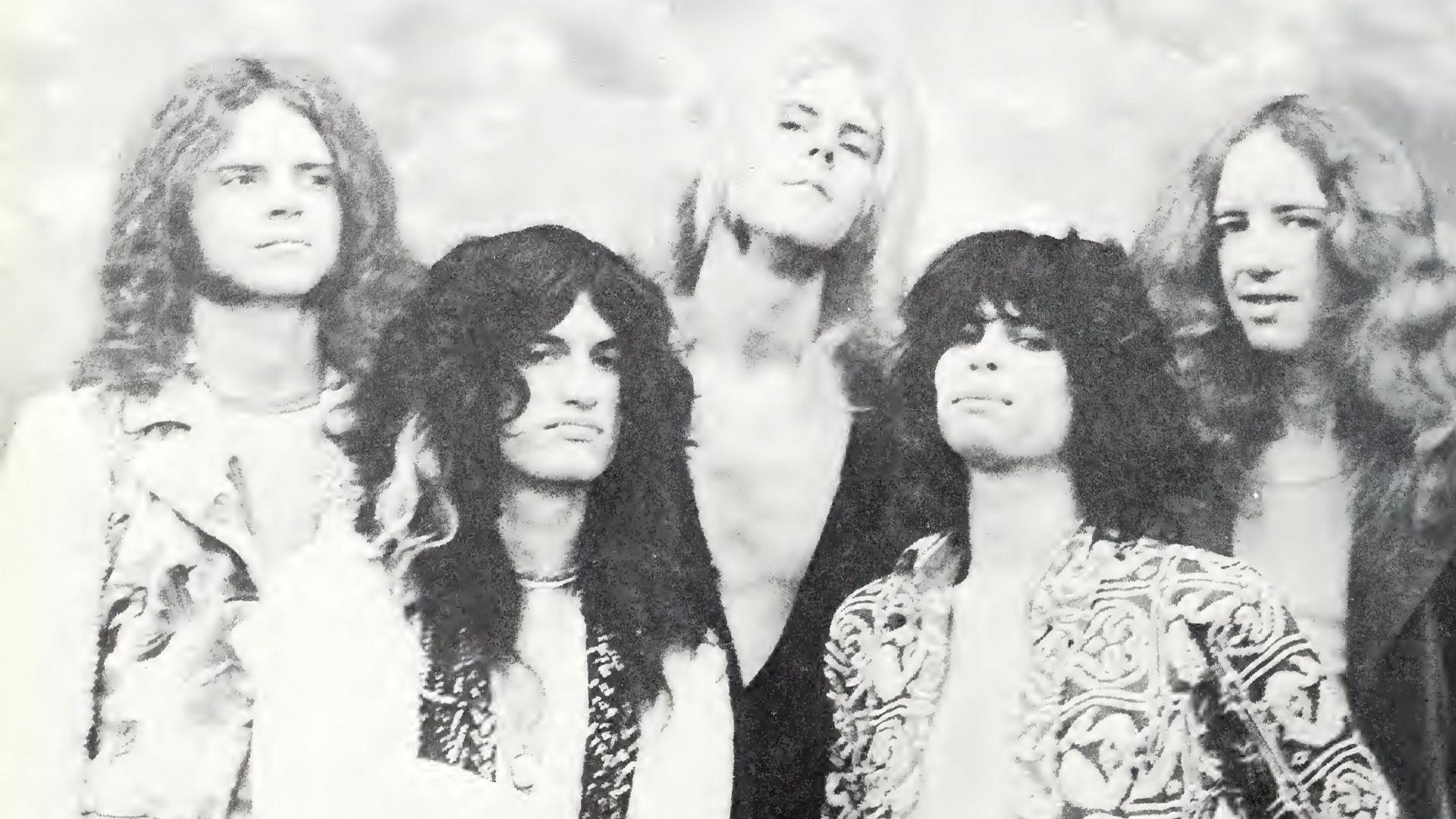
Aerosmith released “Dream On” in 1973, but its first national chart run reached only No. 59. The power ballad kept gaining admirers. When the single was reissued, it climbed to No. 6 in 1976.
 Columbia Records, Wikimedia Commons
She's Gone—Hall & Oates
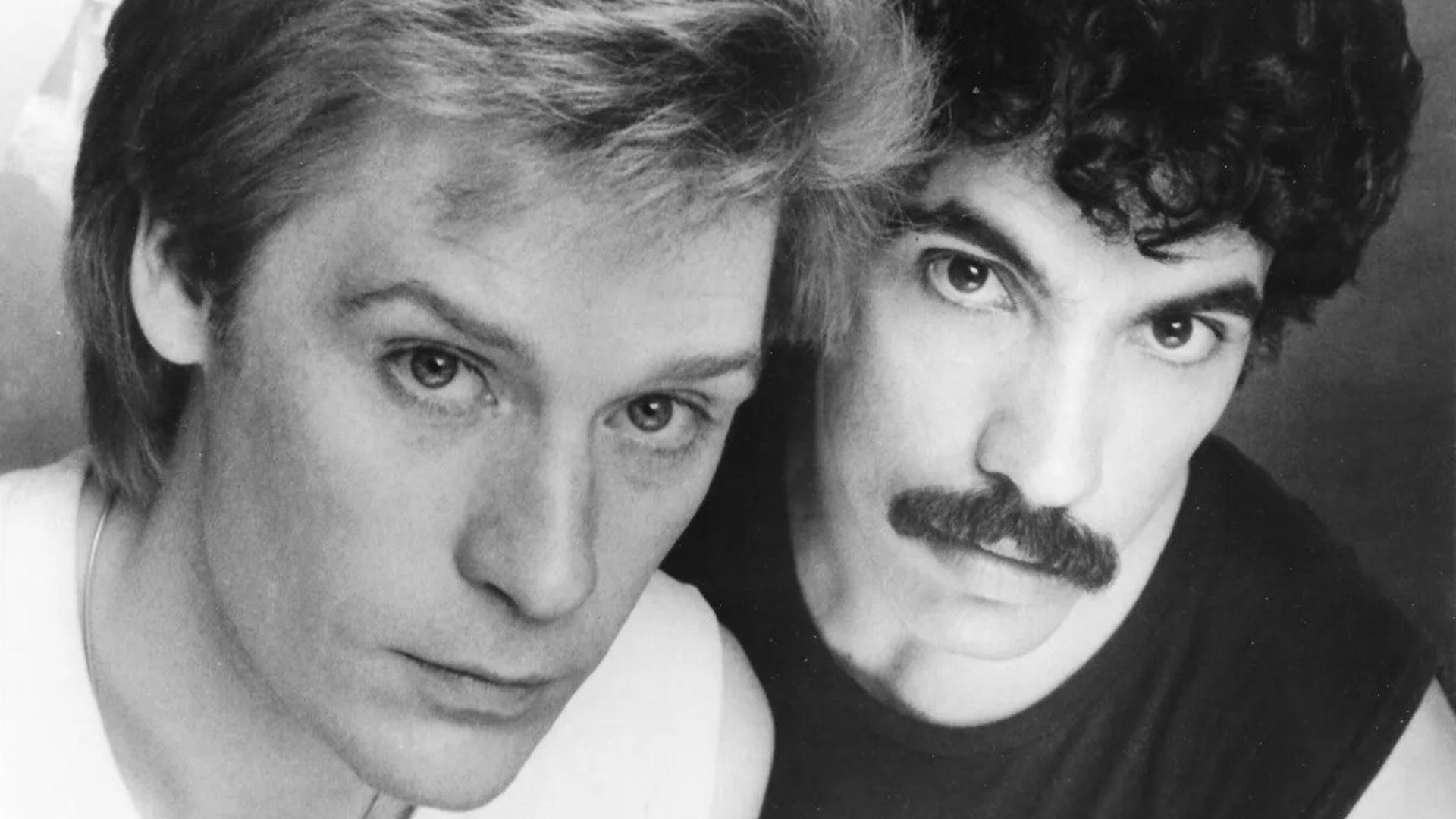
Hall & Oates included “She's Gone” on their 1973 album Abandoned Luncheonette, but their original single attracted little attention. Atlantic Records reissued it in 1976, when the soulful breakup number finally reached the American top ten.
 Distributed by RCA Records, Wikimedia Commons
I Want You To Want Me—Cheap Trick
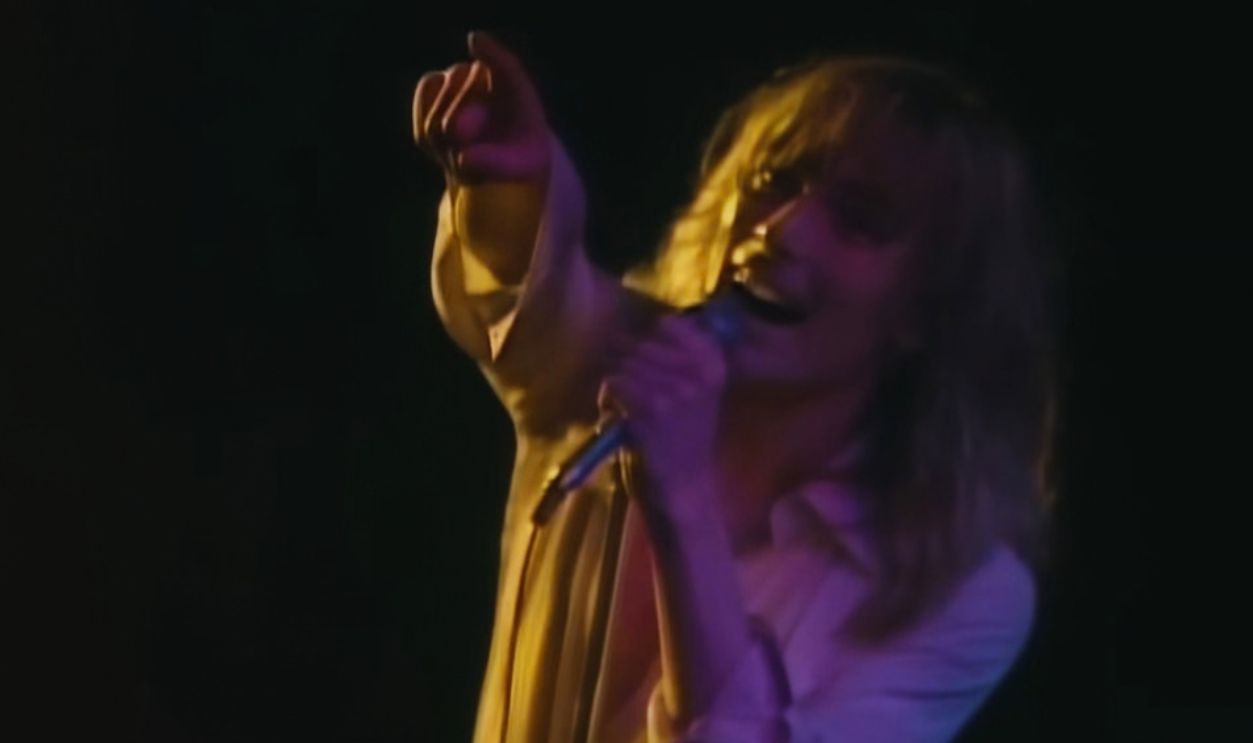
The original studio recording of “I Want You to Want Me” on In Color barely made a splash. Cheap Trick transformed it into a rowdy concert favorite on At Budokan. That live performance became their American breakthrough in 1979.
Maybe I'm Amazed—Paul McCartney
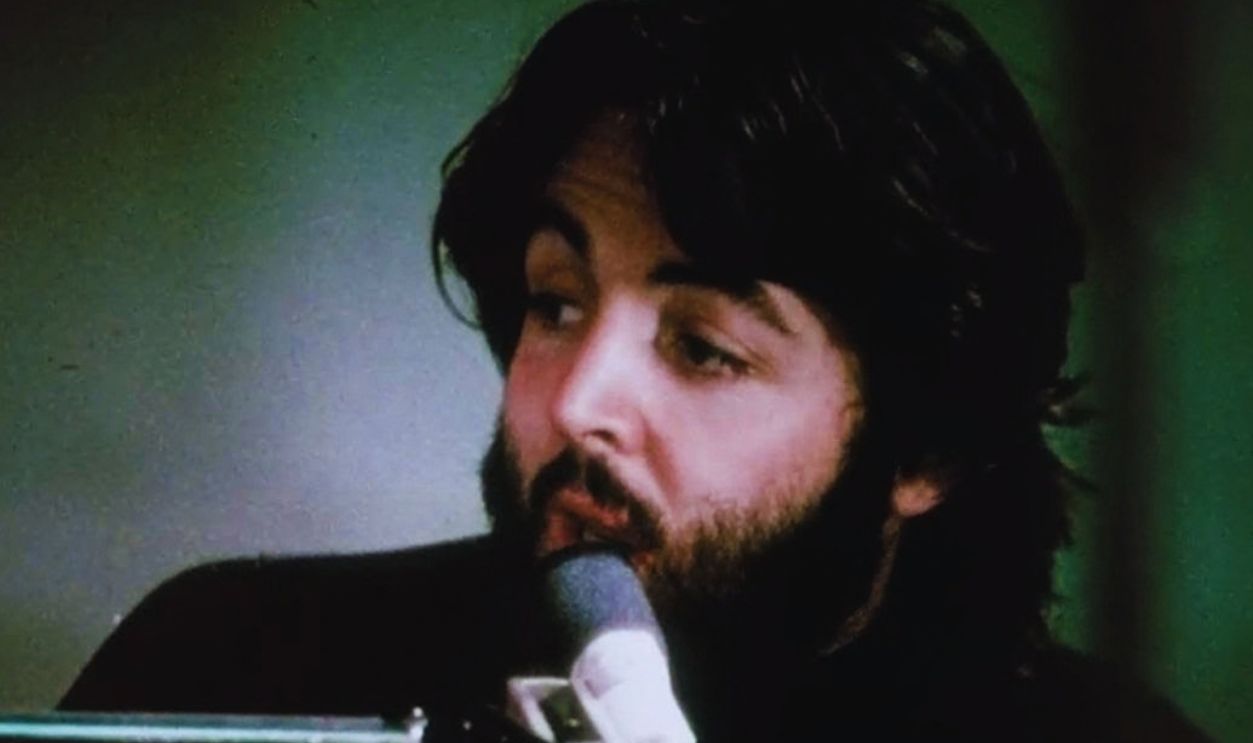
Paul McCartney put “Maybe I'm Amazed” on his 1970 solo debut without releasing it as a single. Years later, Wings delivered a concert version that finally gave the song its moment on the singles charts in 1977.
 Screenshot from Maybe I'm Amazed, Apple Records (1970)
Bette Davis Eyes—Jackie DeShannon
Long before Kim Carnes made “Bette Davis Eyes” a 1980s hit, Jackie DeShannon recorded it for her 1975 album New Arrangement. DeShannon co-wrote the song with Donna Weiss. Carnes' 1981 version turned it into a pop phenomenon.
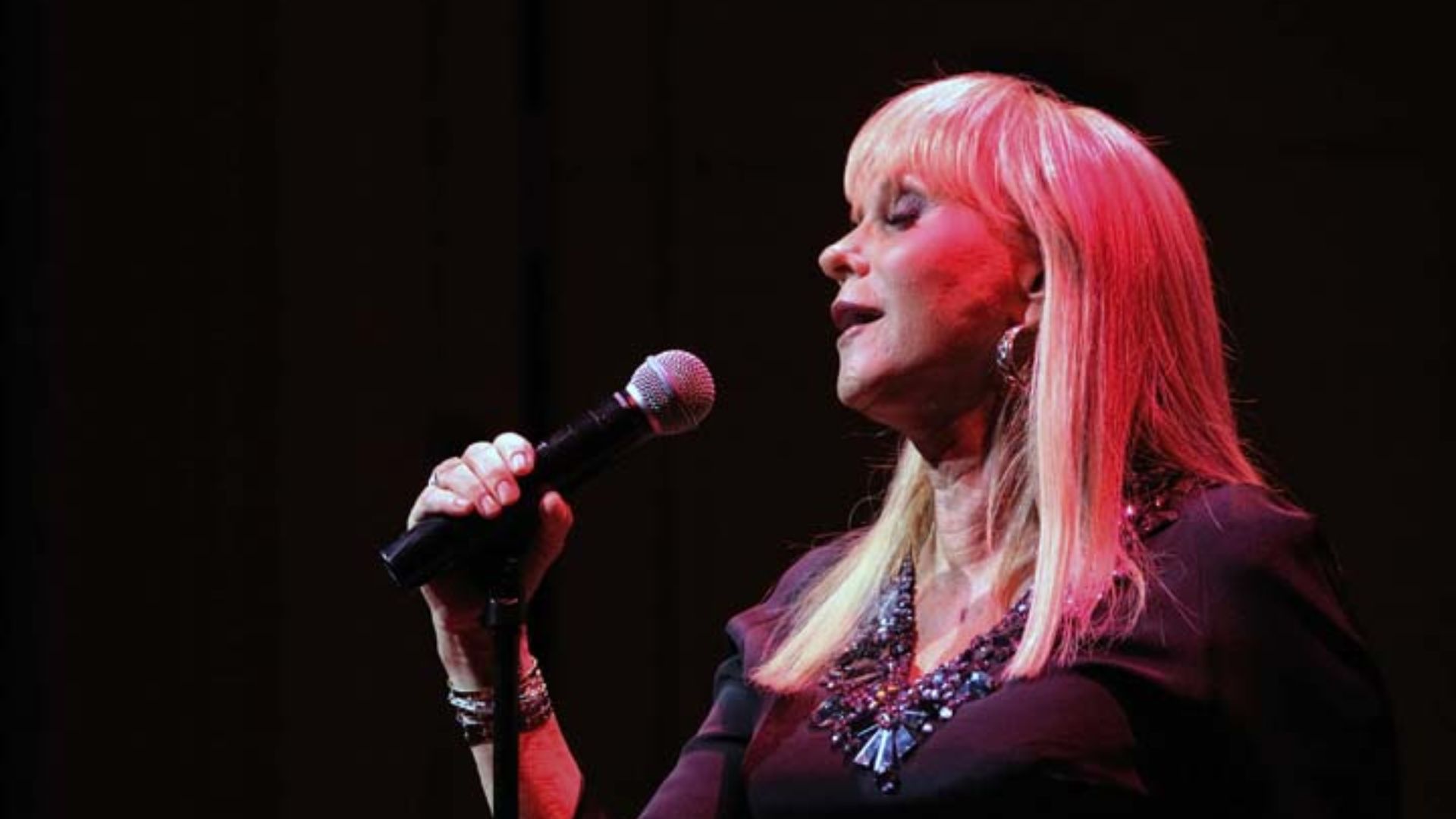 a nameless yeast, Wikimedia Commons
I Love Rock 'N Roll—Arrows
British band Arrows originally recorded “I Love Rock 'n' Roll” in 1975. Joan Jett encountered their performance while touring Britain with the Runaways. Her 1982 single brought the song worldwide recognition, topping America's charts for seven weeks.
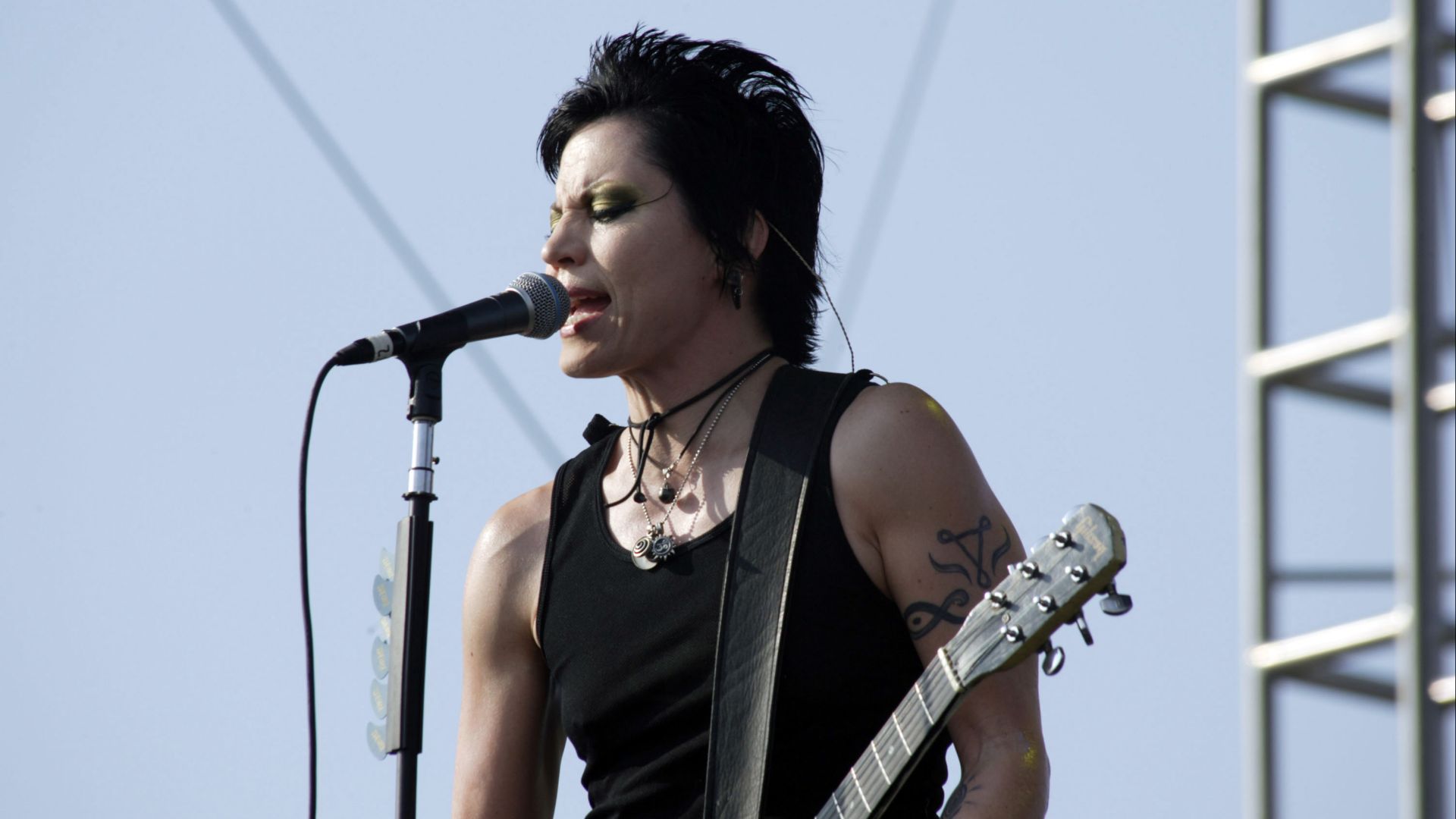 Steve Bibiano, Wikimedia Commons
I Feel For You—Prince
Prince recorded “I Feel for You” for his 1979 album, but Chaka Khan gave it a different life in 1984. Featuring Melle Mel's rapping and Stevie Wonder's harmonica, her recording reached No. 3 in America.
![Screenshot from Chaka Khan - I Feel for You (Official Music Video) [HD Remaster] (1984)](https://www.factinate.com/storage/app/media/theshot/2026/10/10/8.jpg) Screenshot from Chaka Khan - I Feel for You, Warner Records (1984)
Screenshot from Chaka Khan - I Feel for You, Warner Records (1984)
The Man Who Sold The World—David Bowie
David Bowie introduced “The Man Who Sold the World” in 1970, but Nirvana brought it to another generation. Their 1993 MTV Unplugged performance appeared on a 1994 album. Some listeners even mistook it for a Nirvana original.
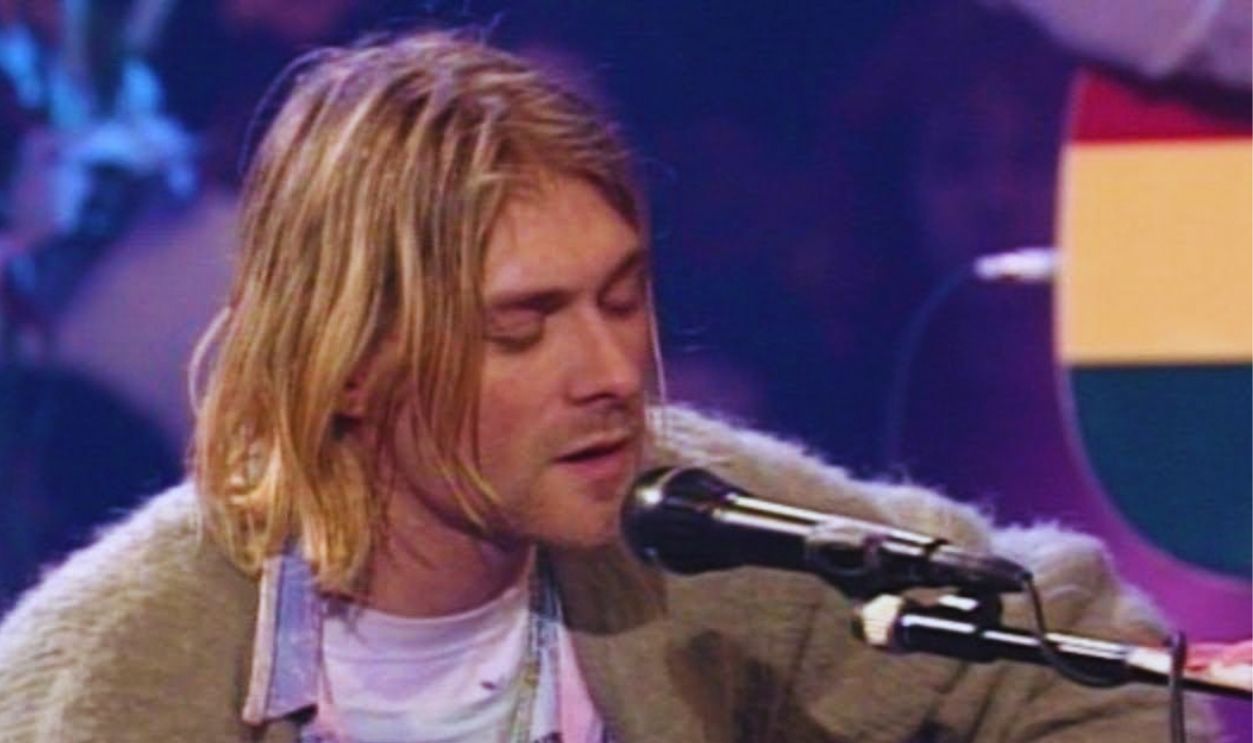
Without You—Badfinger
Badfinger released “Without You” on their 1970 album No Dice. Harry Nilsson turned it into a major hit in 1972. More than two decades later, Mariah Carey introduced the heartbreaking ballad to another generation.
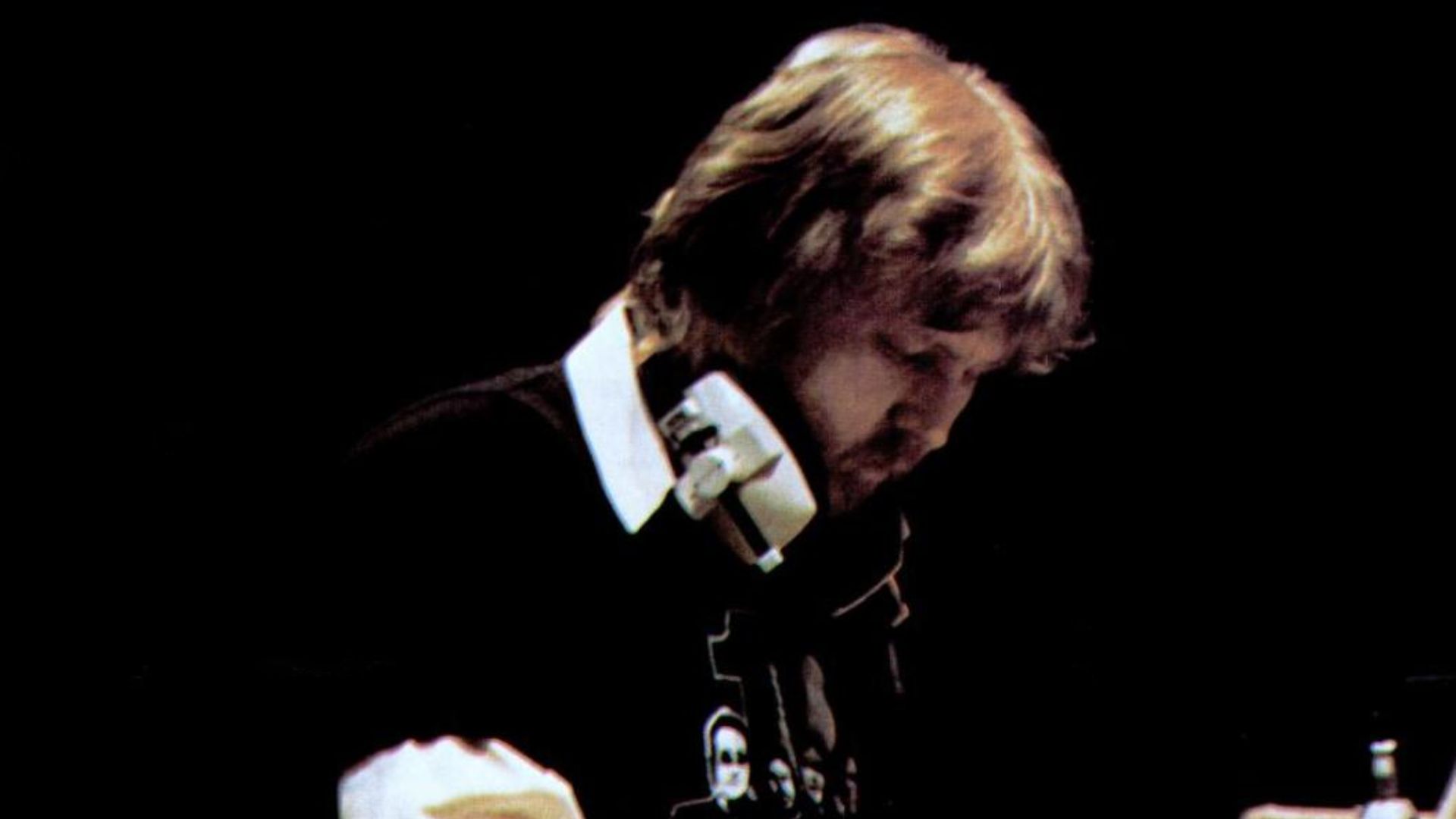 RCA Records, Wikimedia Commons
I Will Always Love You—Dolly Parton
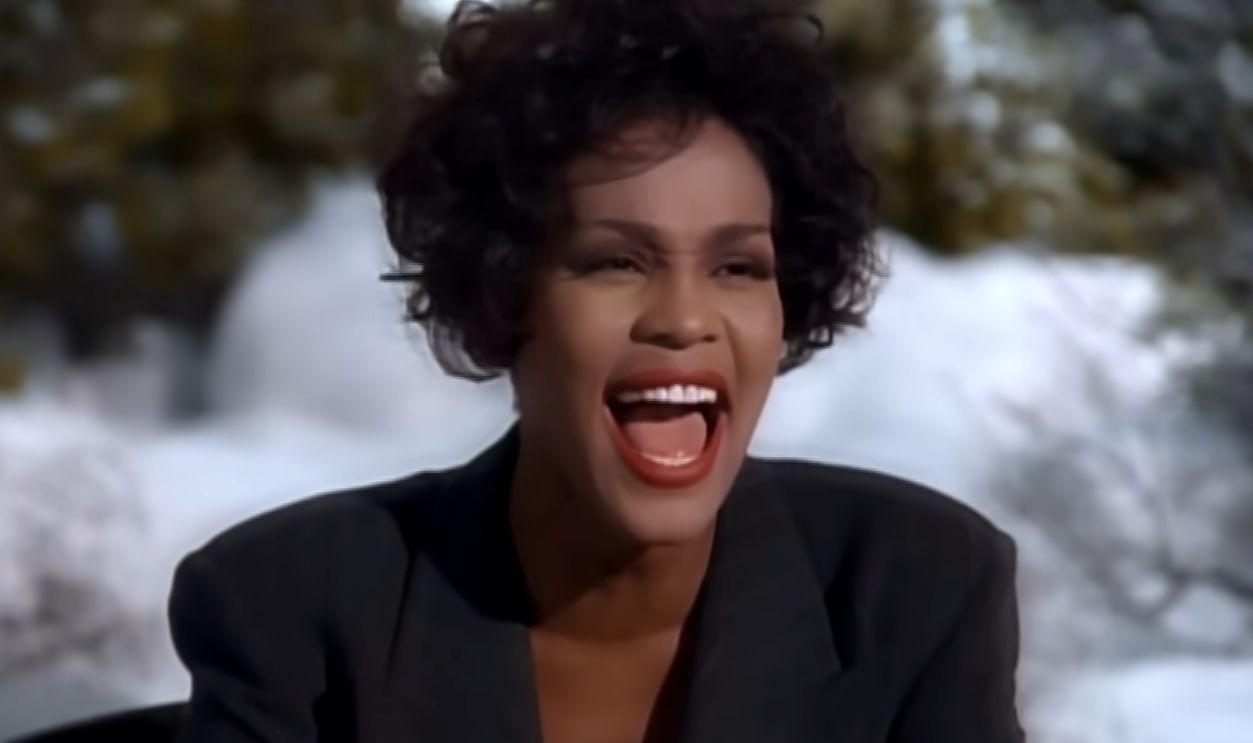
Dolly Parton's “I Will Always Love You” was already a No. 1 country hit in 1974. But Whitney Houston's recording for The Bodyguard in 1992 transformed that established country classic into an internationally recognized pop standard.
Turn The Page—Bob Seger
Bob Seger first released the road-weary “Turn the Page” on 1973's Back in '72. The song was familiar to rock audiences long before Metallica covered it in 1998, reaching a different generation with a heavier arrangement.
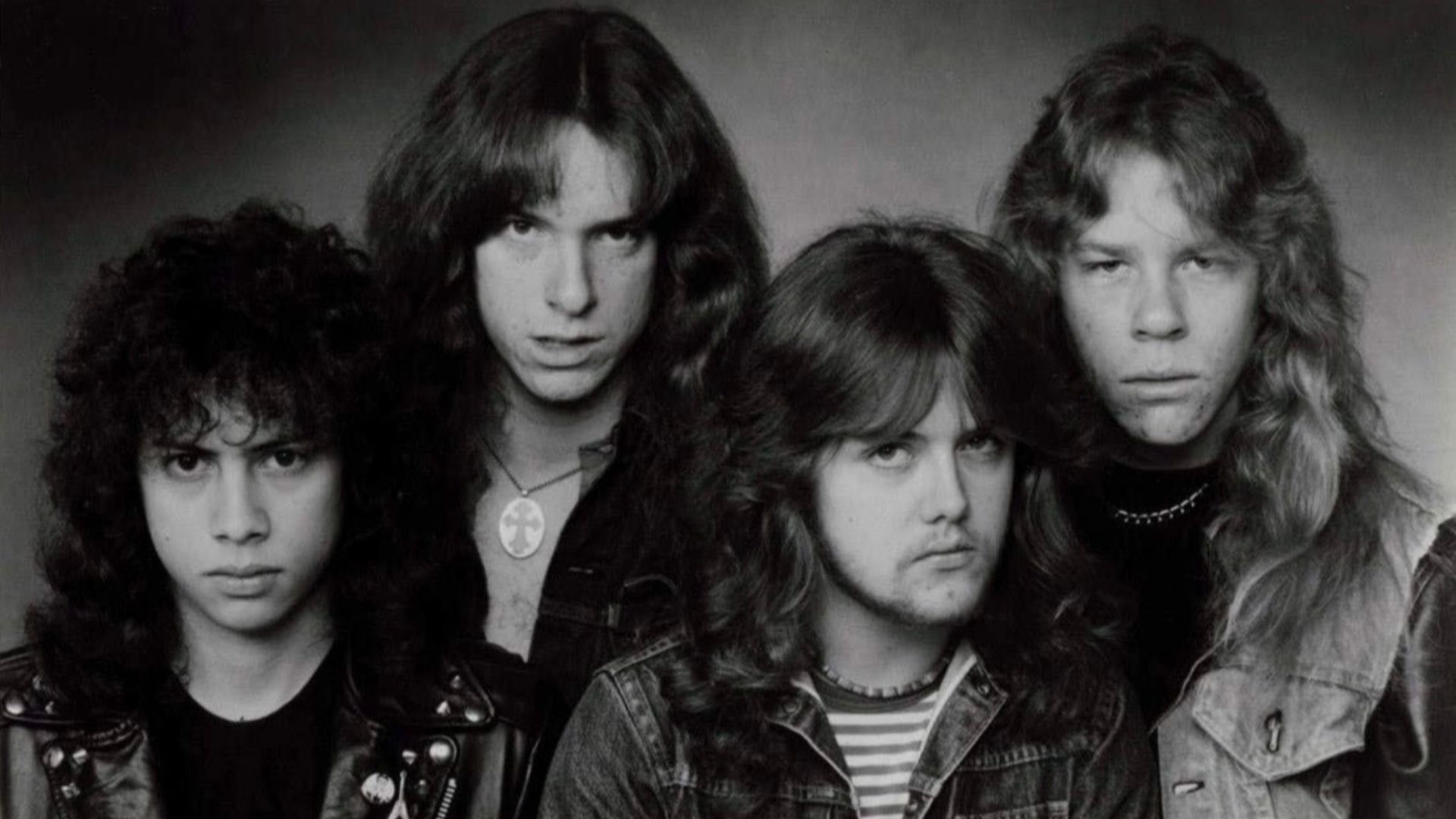 Distributed by Megaforce Records, Wikimedia Commons
Baby Blue—Badfinger
Badfinger's “Baby Blue” dates to the early 1970s, but it got an extraordinary second wind in 2013. The song played over the final moments of Breaking Bad, after which American streams surged dramatically.
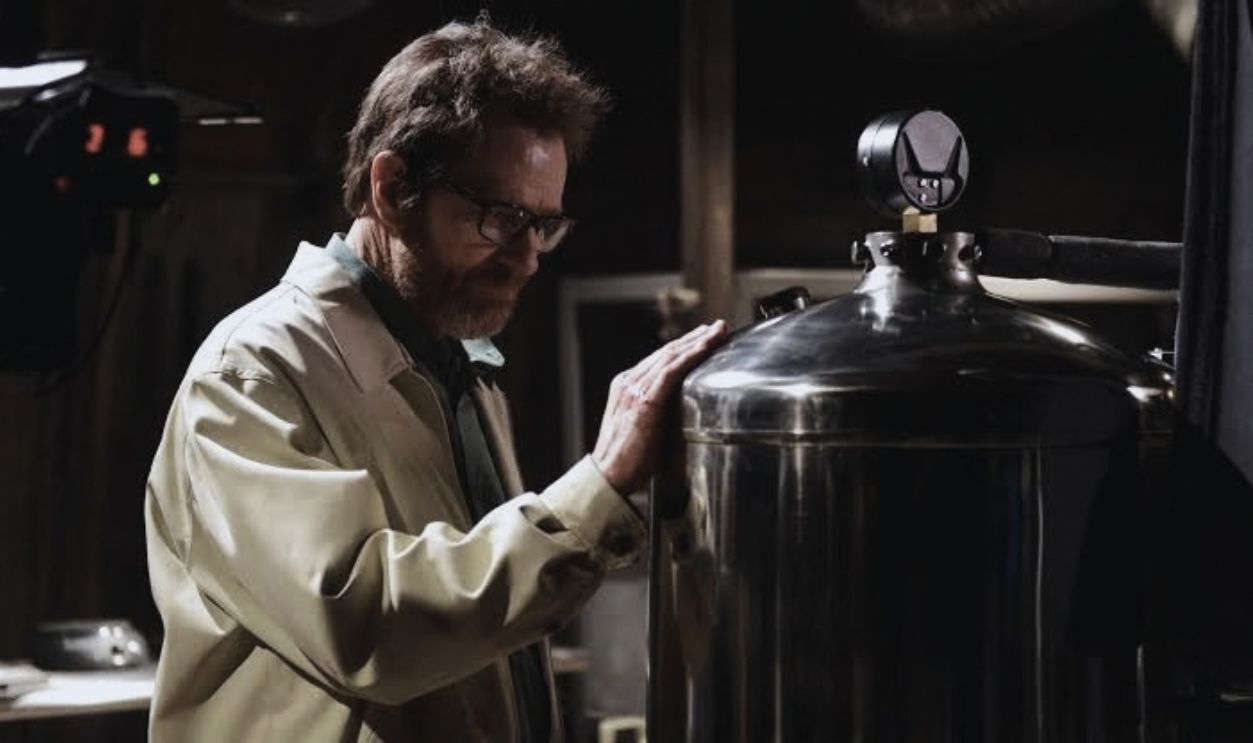 Screenshot from Breaking Bad, Sony Pictures Television (2008–2013)
Tiny Dancer—Elton John
Elton John's “Tiny Dancer” appeared in 1971 and reached only No. 41 on the American singles chart. Its singalong appearance in Cameron Crowe's 2000 film Almost Famous helped transform the modest chart performer into a beloved favorite.
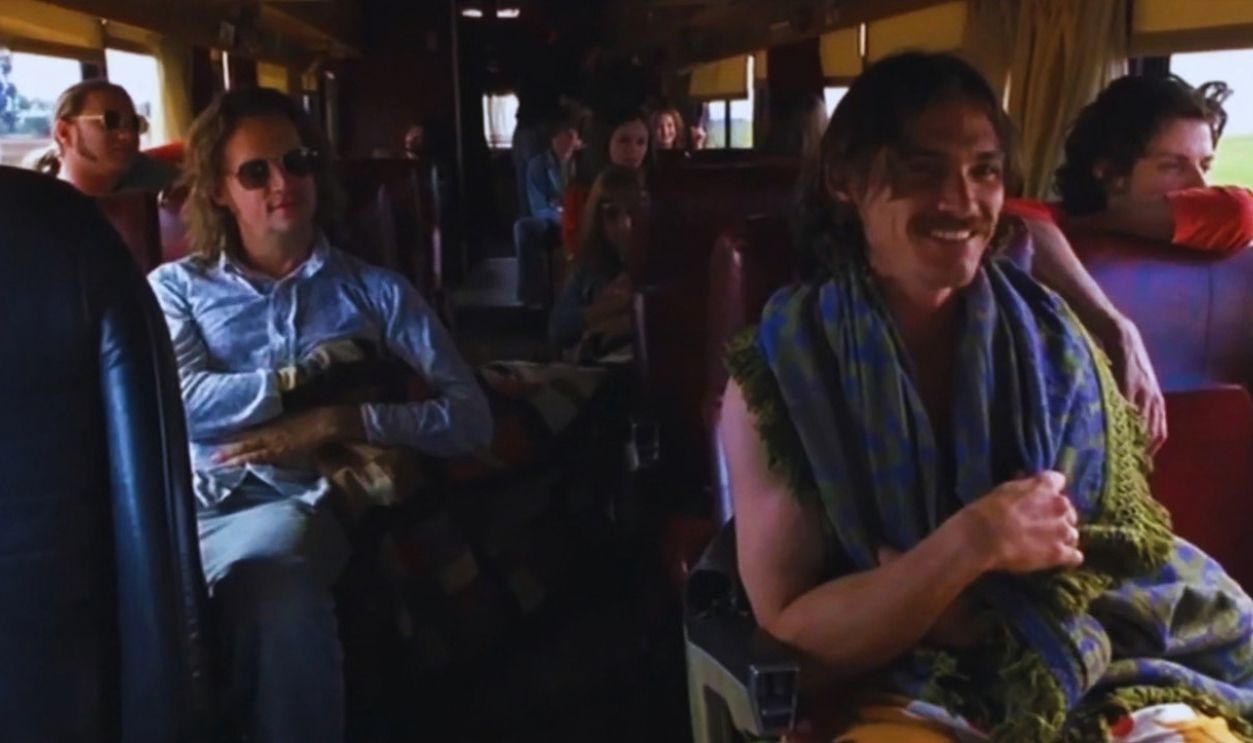 Screenshot from Almost Famous, Paramount Pictures / DreamWorks Pictures (2000)
Bohemian Rhapsody—Queen
“Bohemian Rhapsody” was already a British smash in 1975, making this a comeback rather than a delayed debut. Its unforgettable appearance in 1992's Wayne's World sent it to No. 2 in America, surpassing its original U.S. peak.
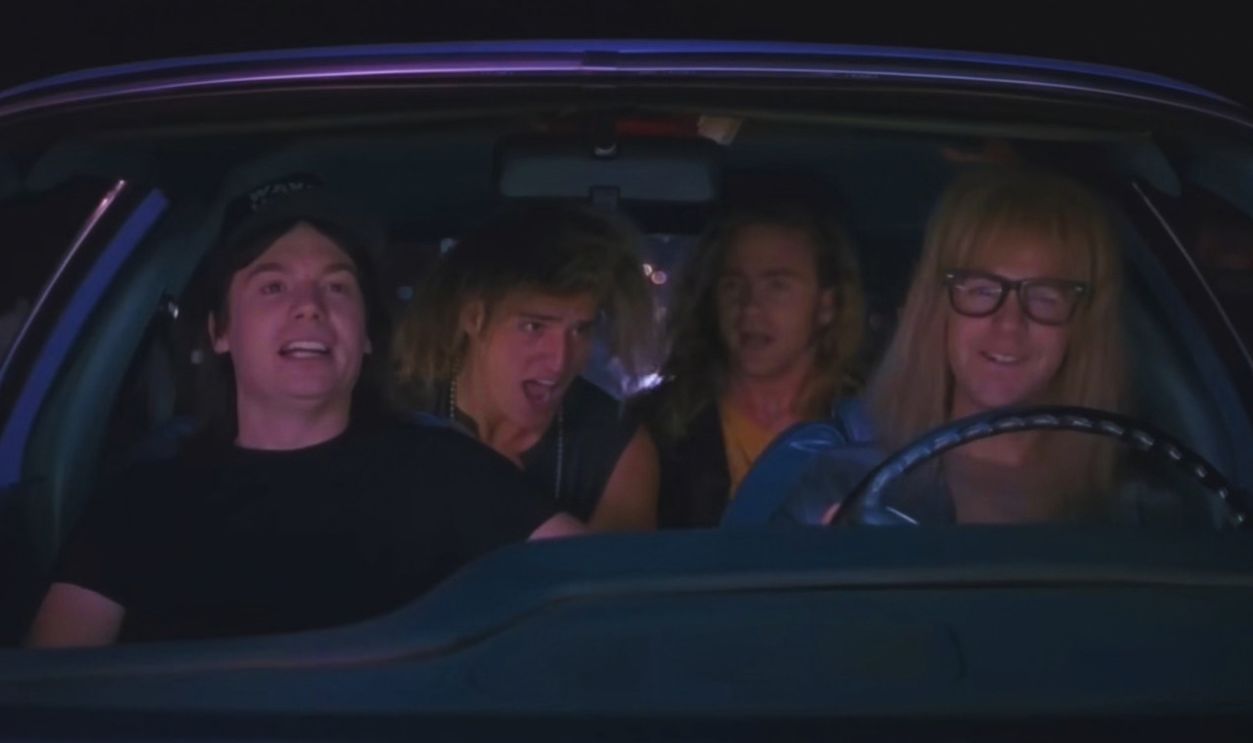 Screenshot from Wayne's World, Paramount Pictures (1992)
Amarillo—Tony Christie
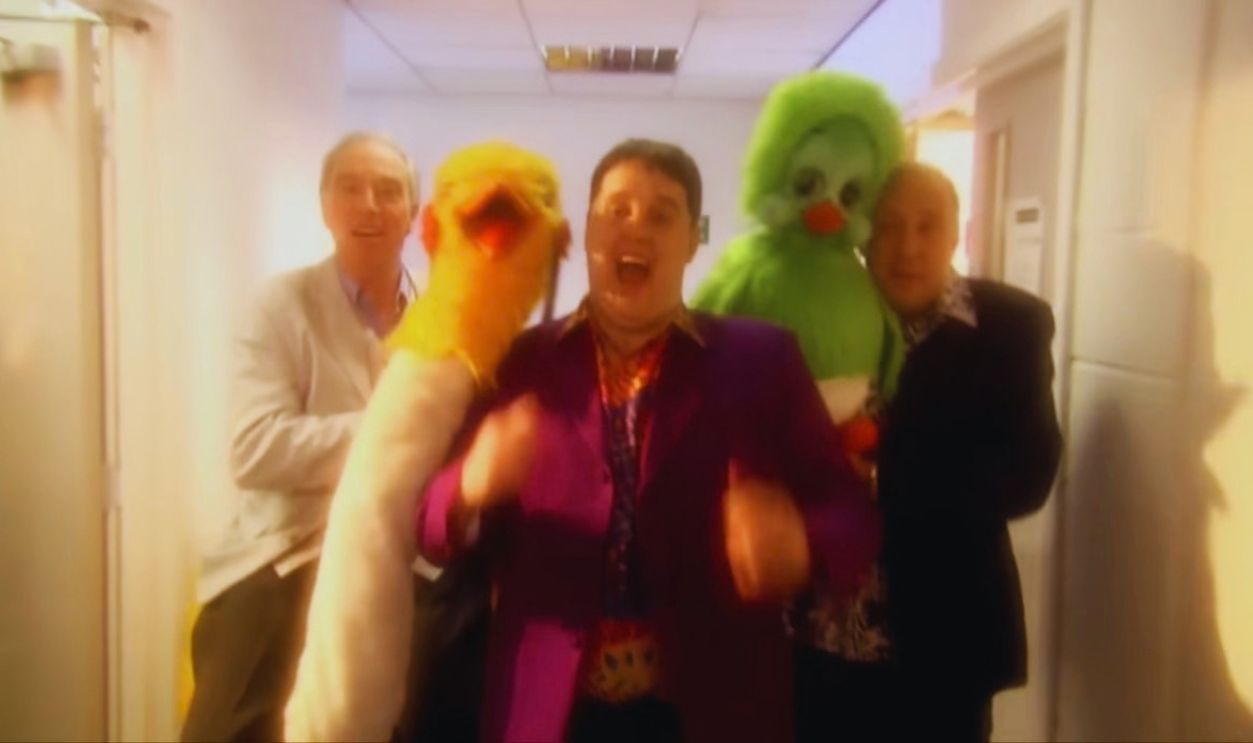
Tony Christie first recorded “(Is This the Way to) Amarillo” in 1971. Decades later, comedian Peter Kay appeared in a Comic Relief video featuring the song. The revival became Britain's best-selling single of 2005.
Stuck In The Middle With You—Stealers Wheel
Stealers Wheel's early-1970s hit had faded from the spotlight before Quentin Tarantino used it in his 1992 film Reservoir Dogs. Its deceptively cheerful sound accompanied a memorable scene, helping introduce the recording to a new audience.
 Screenshot from Reservoir Dogs, Miramax (1992)
Silver Springs—Fleetwood Mac
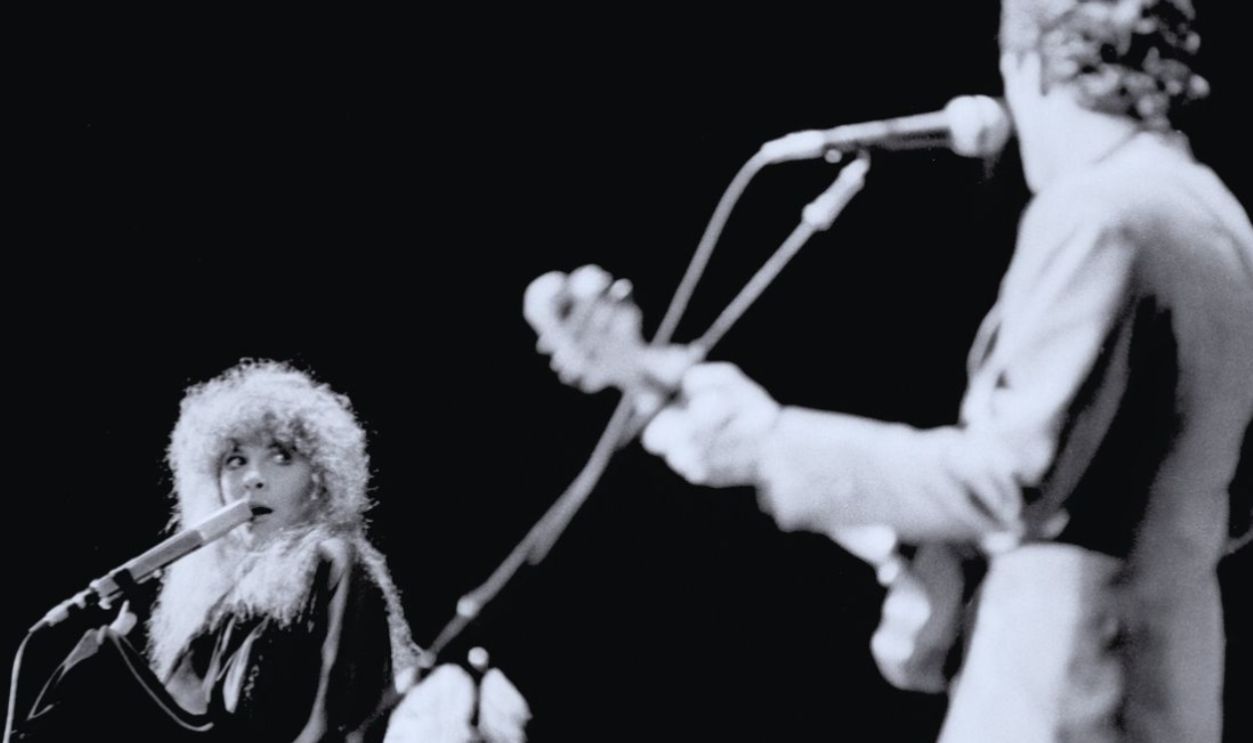
“Silver Springs” missed the original Rumours track list in 1977, appearing as the B-side of “Go Your Own Way.” Fleetwood Mac revived it during their 1997 reunion performances. The live recording subsequently earned a Grammy nomination.
Landslide—Fleetwood Mac
Fleetwood Mac included “Landslide” on their 1975 self-titled album but never released it as a single. The Smashing Pumpkins scored a modern-rock hit with a 1994 cover. The Dixie Chicks followed with another successful rendition.
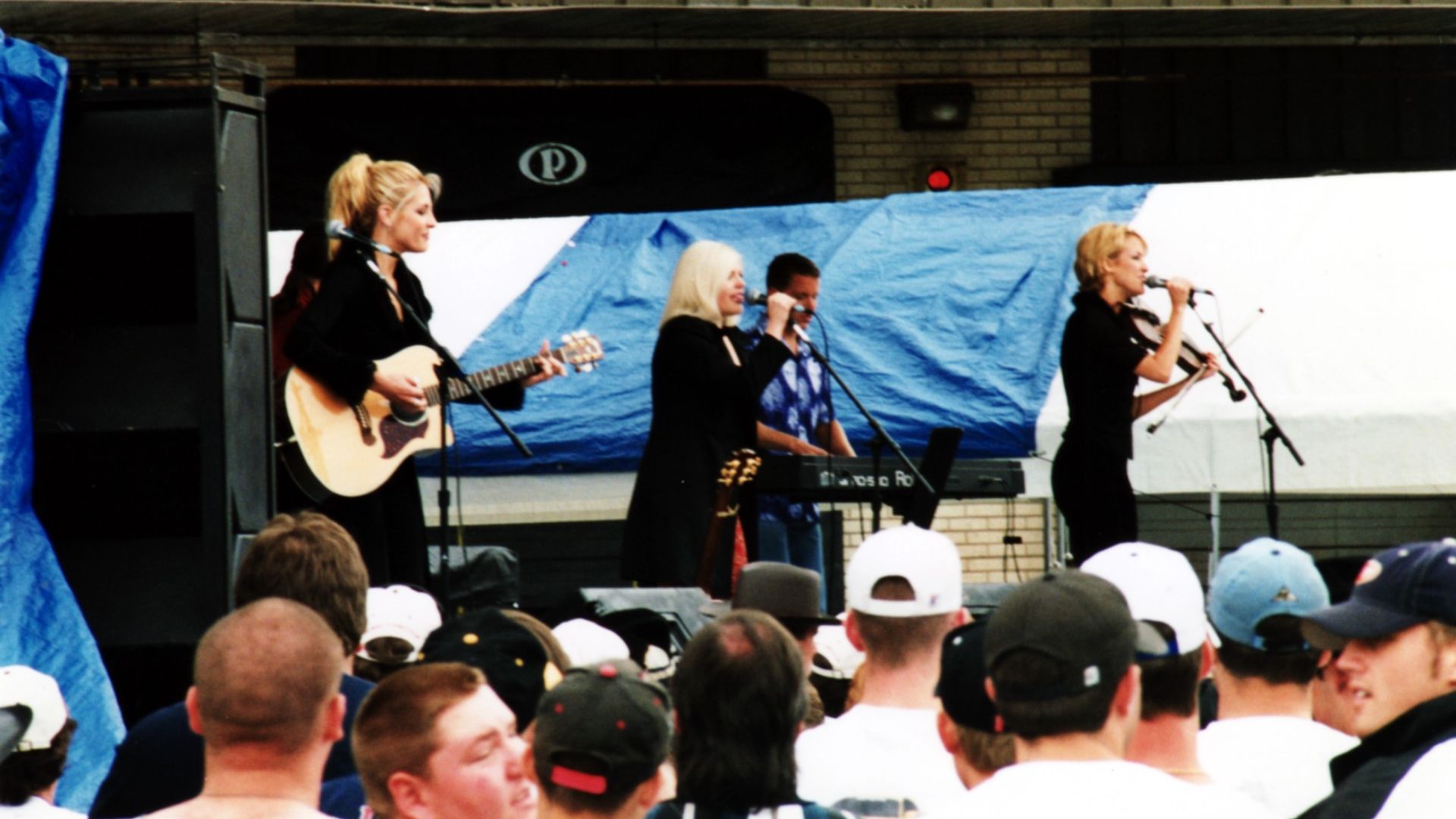 Jim Williams, Wikimedia Commons
Don't Stop Me Now—Queen
Queen released “Don't Stop Me Now” on 1978's Jazz, but it initially made little impact in America. Its energetic use in the 2004 comedy Shaun of the Dead helped spark fresh affection for the track.
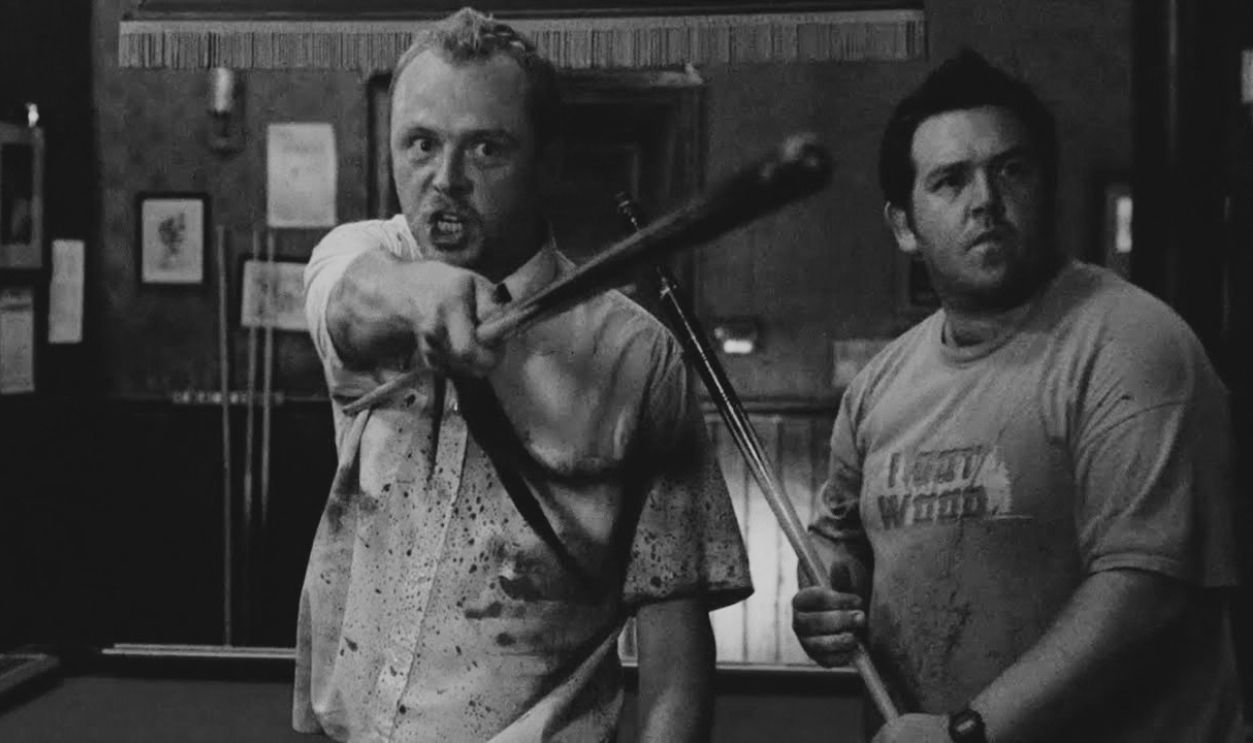 Screenshot from Shaun of the Dead, Universal Pictures / Working Title Films (2004)
Dreams—Fleetwood Mac
“Dreams” was already a huge hit in 1977, but its strangest comeback involved a skateboard and cranberry juice. Nathan Apodaca's viral 2020 TikTok video sent listeners back to Fleetwood Mac, returning the song to Britain's top 40.
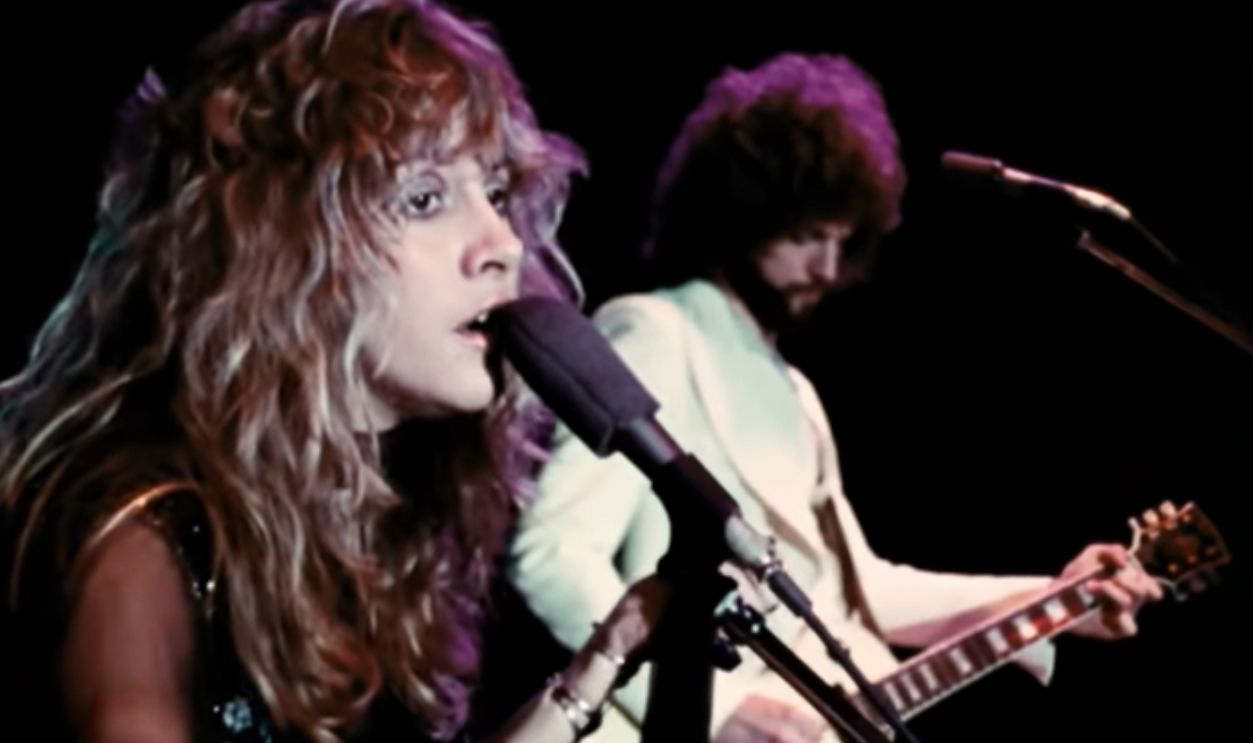 Screenshot from Dreams, Warner Records (1977)
Mr. Blue Sky—Electric Light Orchestra
Electric Light Orchestra introduced “Mr. Blue Sky” on 1977's Out of the Blue. Four decades later, the cheerful song accompanied Baby Groot's dancing during the opening of Guardians of the Galaxy Vol. 2, reaching a new moviegoing audience.
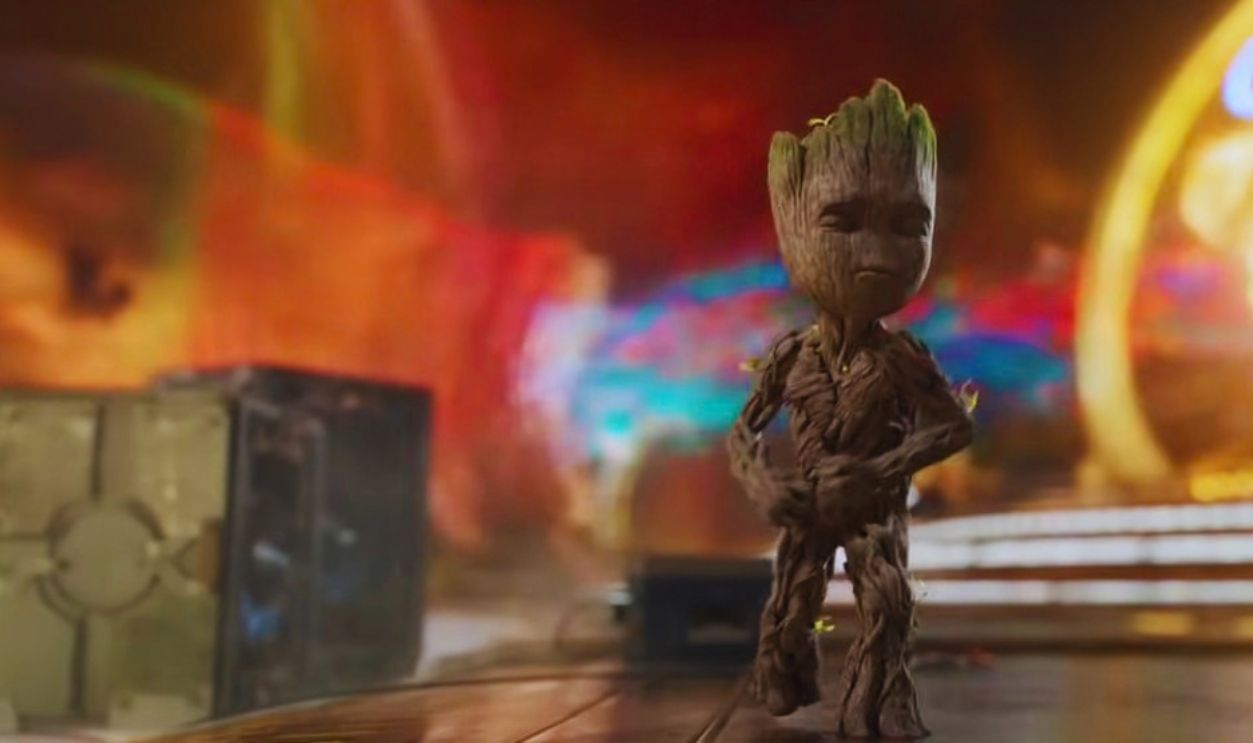 Screenshot from Guardians of the Galaxy Vol. 2, Marvel Studios (2017)
Come And Get Your Love—Redbone
Redbone's “Come and Get Your Love” reached No. 5 in America in 1974, so it was hardly obscure. Still, new audiences encountered it through Chris Pratt's opening dance in 2014's Guardians of the Galaxy.
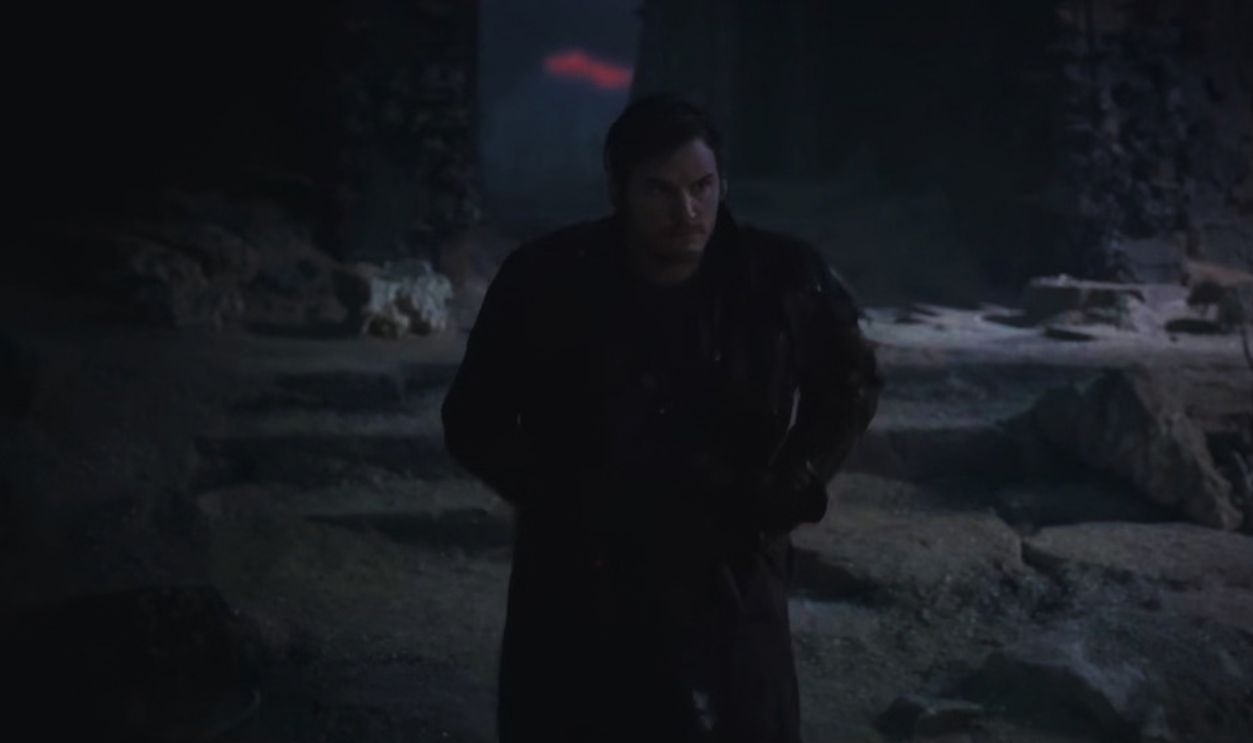 Screenshot from Guardians of the Galaxy, Marvel Studios (2014)
Changes—Black Sabbath
Black Sabbath's gentle ballad “Changes” appeared on 1972's Vol. 4. In 2003, Ozzy Osbourne revisited it in a duet with his daughter Kelly. Their version reached No. 1 in Britain, giving the album track an unlikely afterlife.
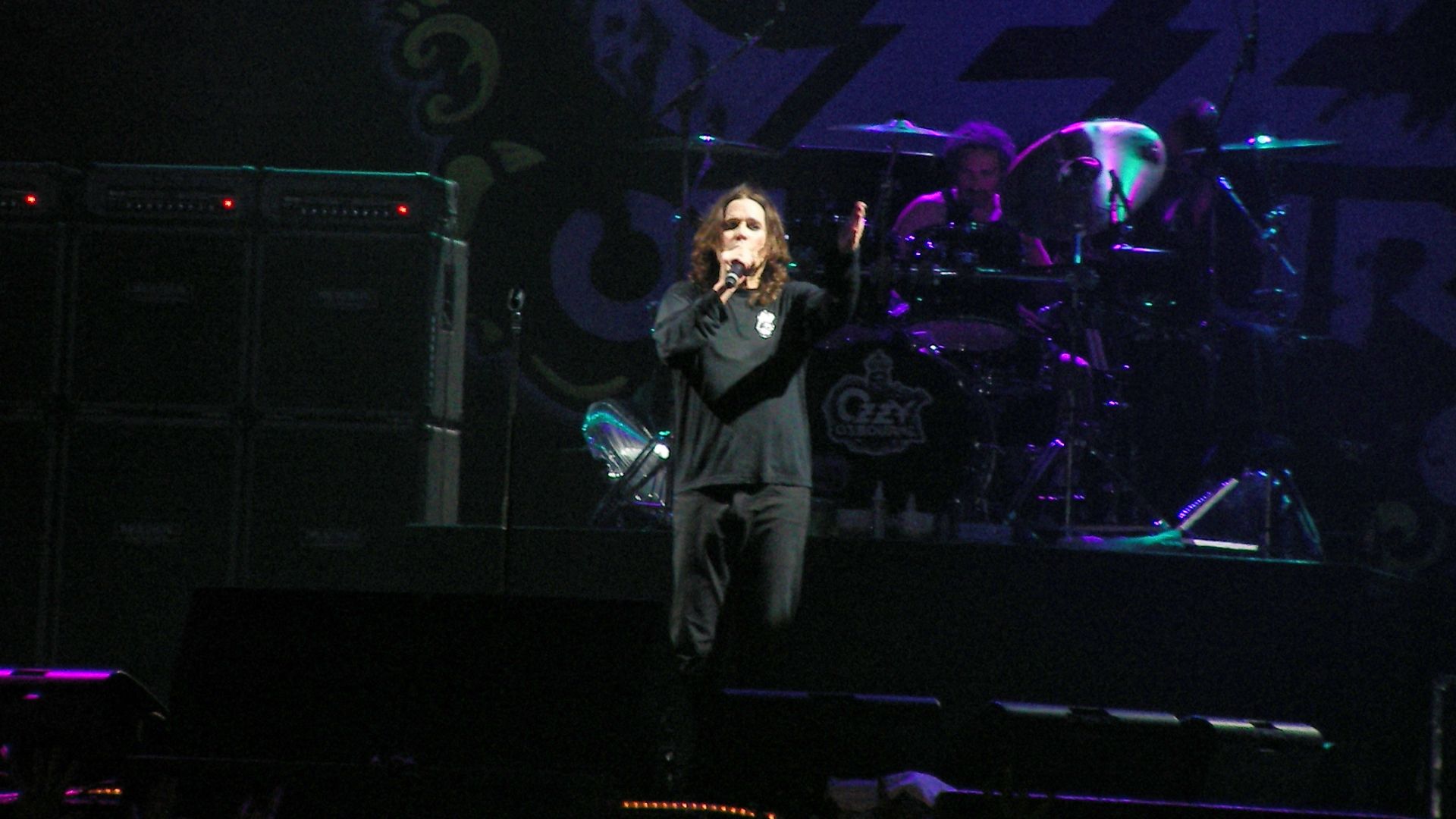 joxeankoret, Wikimedia Commons
Rasputin—Boney M.
Boney M. first unleashed “Rasputin” in 1978, when its disco storytelling became an international hit. In 2021, the song found a different dance floor: TikTok. The #RasputinDanceChallenge and a remix revived its chart fortunes.
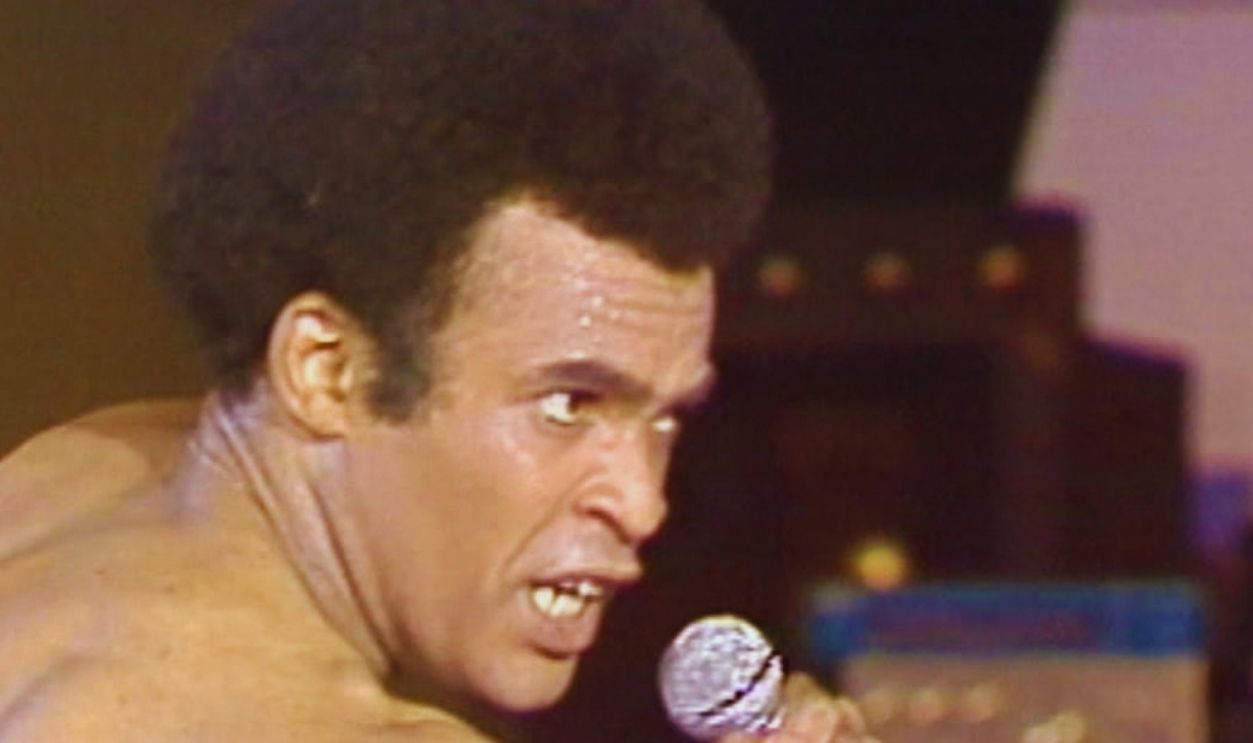 Screenshot from Rasputin, Hansa Records / Sony Music Entertainment (1978)
Love Grows (Where My Rosemary Goes)—Edison Lighthouse
Edison Lighthouse topped Britain's charts with “Love Grows (Where My Rosemary Goes)” in January 1970. More than 50 years later, it became a TikTok favorite. Millions of videos brought fresh streams and chart activity in 2022.
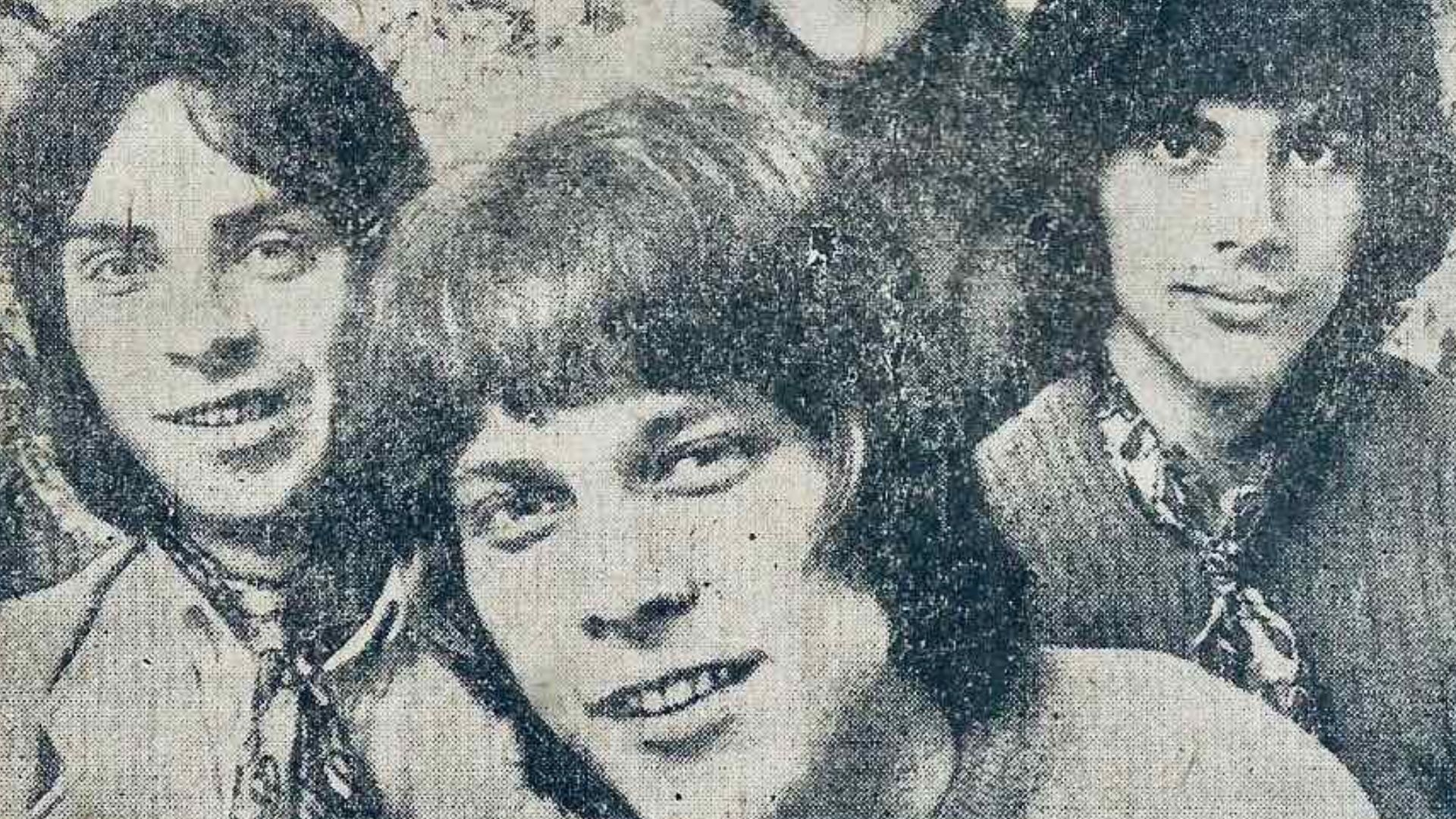 Majalah Aktuil, Wikimedia Commons
The Joker—Steve Miller Band
“The Joker” was an American No. 1 for Steve Miller in the 1970s, but it unexpectedly returned to the charts in 1990. A Levi's television commercial introduced the recording to fresh listeners, particularly in Britain.
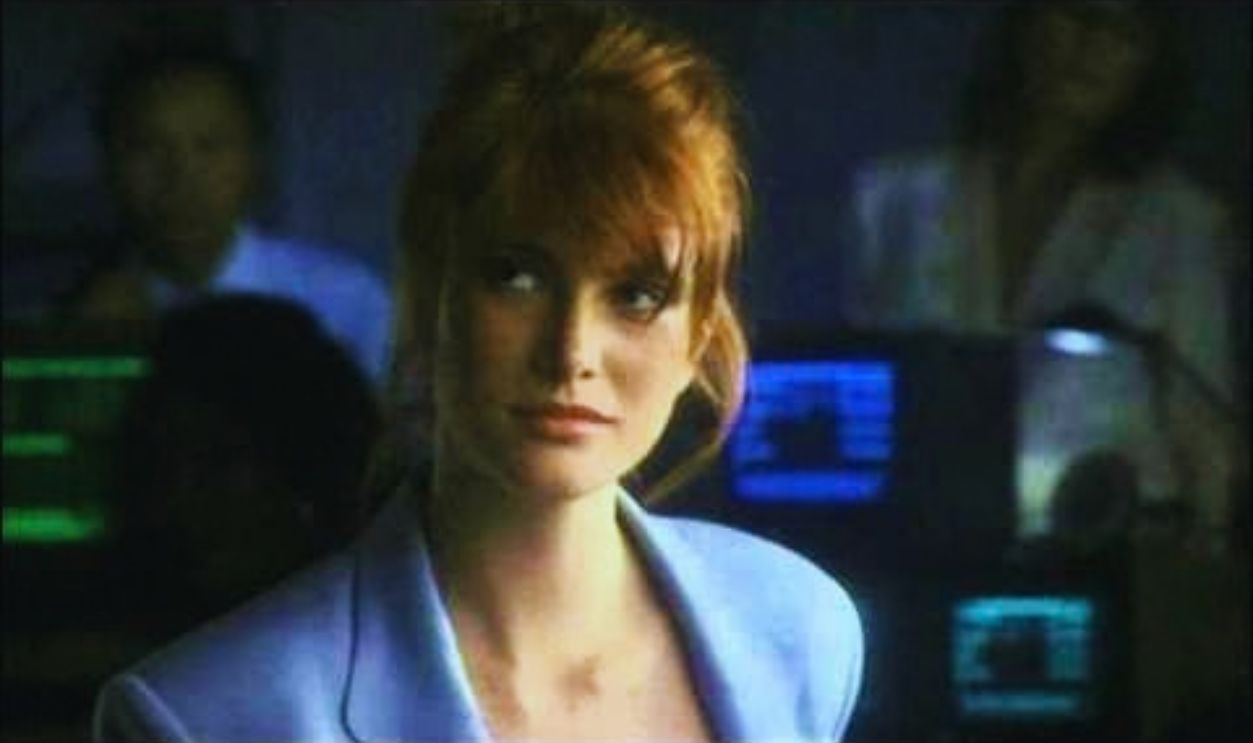 Screenshot from Levi's 501: Great Deal Commercial, Levi Strauss & Co. (1990)
You May Also Like:
Musicians Who Appeared In Famous Songs Without Most Listeners Ever Knowing
Flamboyant Facts About Brian Jones, The First Rolling Stone
Bands That Were Too Twangy For Rock Radio—And Too Loud For Nashville
Sources: 1, 2, 3, 4, 5, 6, 7, 8, 9, 10, 11, 12, 13, 14, 15, 16, 17, 18, 19, 20, 21, 22, 23, 24, 25, 26