The 1980s Got Seriously Weird
The 1980s gave us some massive pop classics, but things could get weird fast. Songs about Pac-Man, nuclear war, fake cowboys, mad scientists, and balloons triggering World War III somehow became genuine hits. Many of the artists behind them ended up as one-hit wonders in the U.S., which only makes their brief moment in the spotlight feel stranger. Some sounded perfectly normal until you listened closely. Others were gloriously bizarre from the first note.
 Screenshot from Mickey, Chrysalis Records (1989)
Nena, “99 Luftballons”
The bright melody and bouncing balloons hide one of the decade’s darkest pop-song premises. Guitarist Carlo Karges got the idea after seeing balloons released at a Rolling Stones concert in West Berlin and imagining military forces mistakenly identifying them as a threat. That thought became a song about an innocent event escalating into catastrophic warfare during the Cold War.
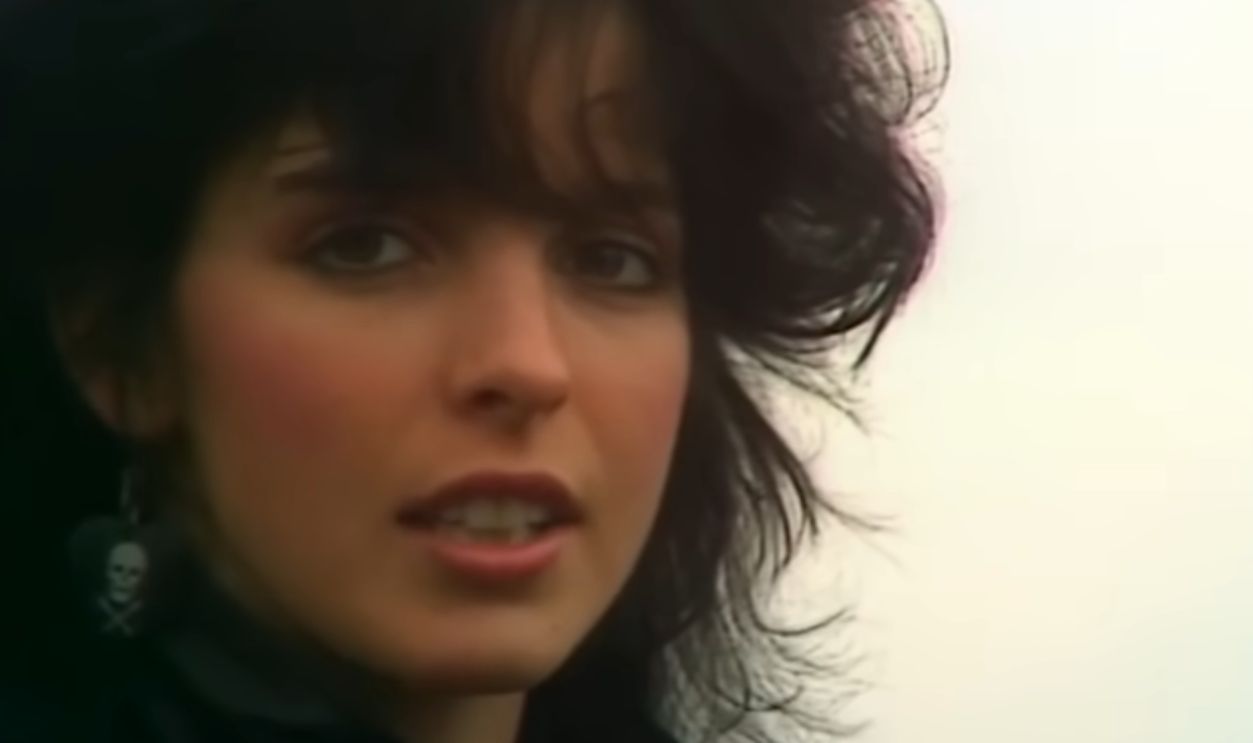 Screenshot from 99 Luftballons, Epic (1983)
Thomas Dolby, “She Blinded Me With Science”
Few Top 10 hits have built their hooks around a scientist dramatically shouting over synthesizers. “She Blinded Me with Science” featured British scientist and broadcaster Magnus Pyke, whose exaggerated interjections helped turn the song and video into early MTV favorites. Dolby later described the track as unusually frivolous compared with the music he actually hoped people would notice.
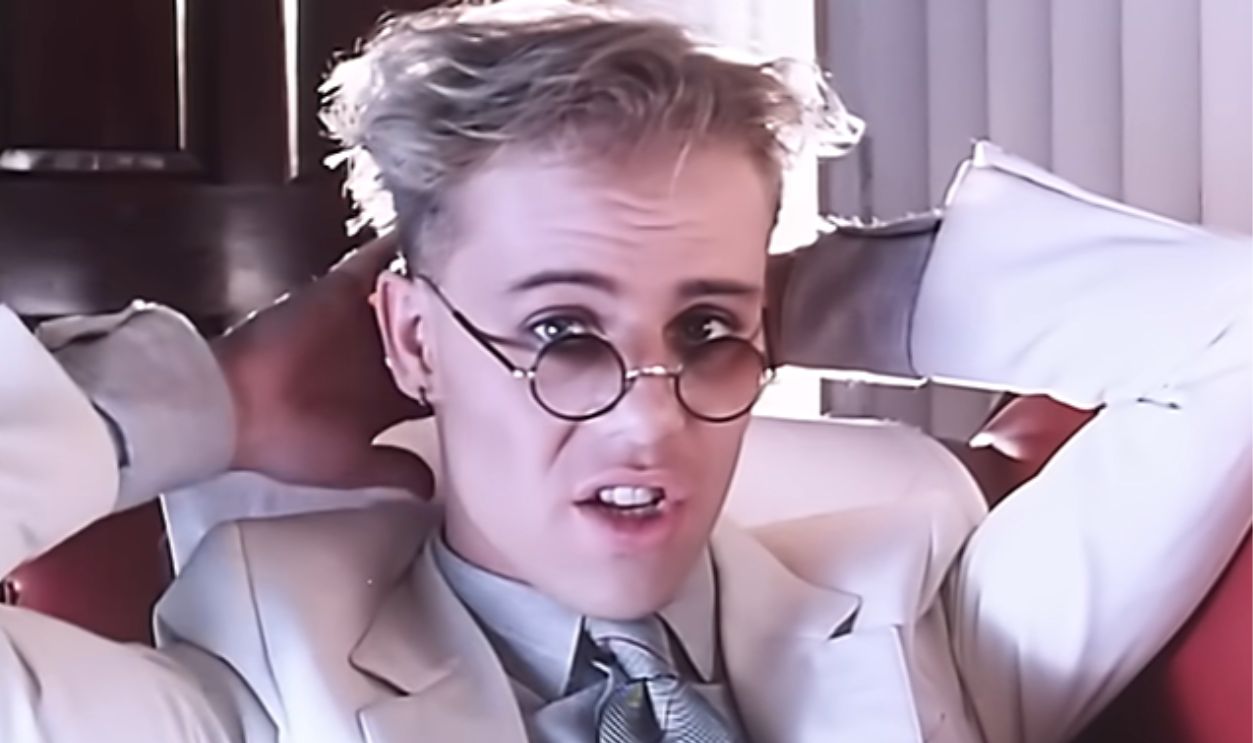 Screenshot from She Blinded Me With Science, Capitol Records (1982)
The Vapors, “Turning Japanese”
That instantly recognizable guitar riff helped “Turning Japanese” reach the U.S. Top 40 in 1980, but listeners quickly invented their own risqué explanation for the title. Singer Dave Fenton has repeatedly rejected the famous rumor, explaining that the song was really about romantic obsession and emotional turmoil. He came up with the strange central phrase after waking in the middle of the night, and its sheer oddness helped make the song unforgettable.
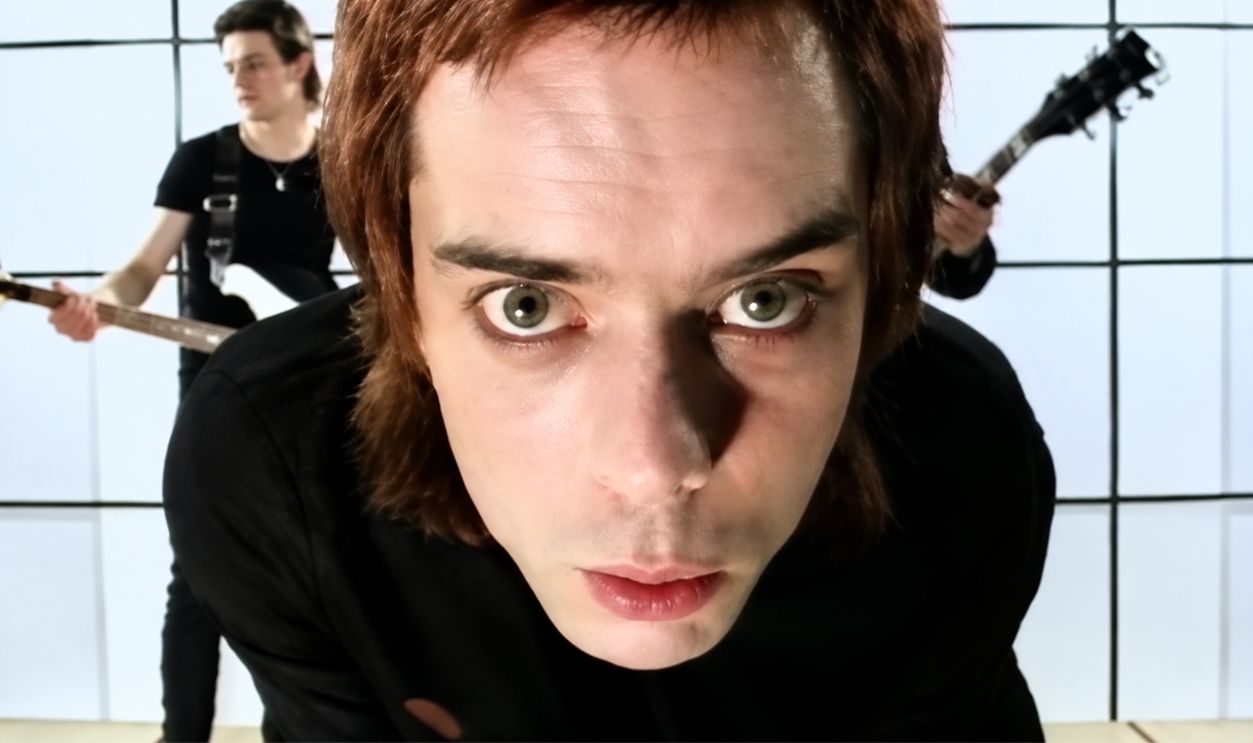 Screenshot from Turning Japanese, United Artists Records (1980), Enhanced
Toni Basil, “Mickey”
“Mickey” sounds like the ultimate cheerleader anthem, which was exactly the visual Toni Basil leaned into. Basil was already an accomplished dancer and choreographer, and she conceived, choreographed, and directed the famous video herself. She even wore a cheerleading sweater connected to her own high-school days while turning a relentlessly repetitive chant into a No. 1 hit.
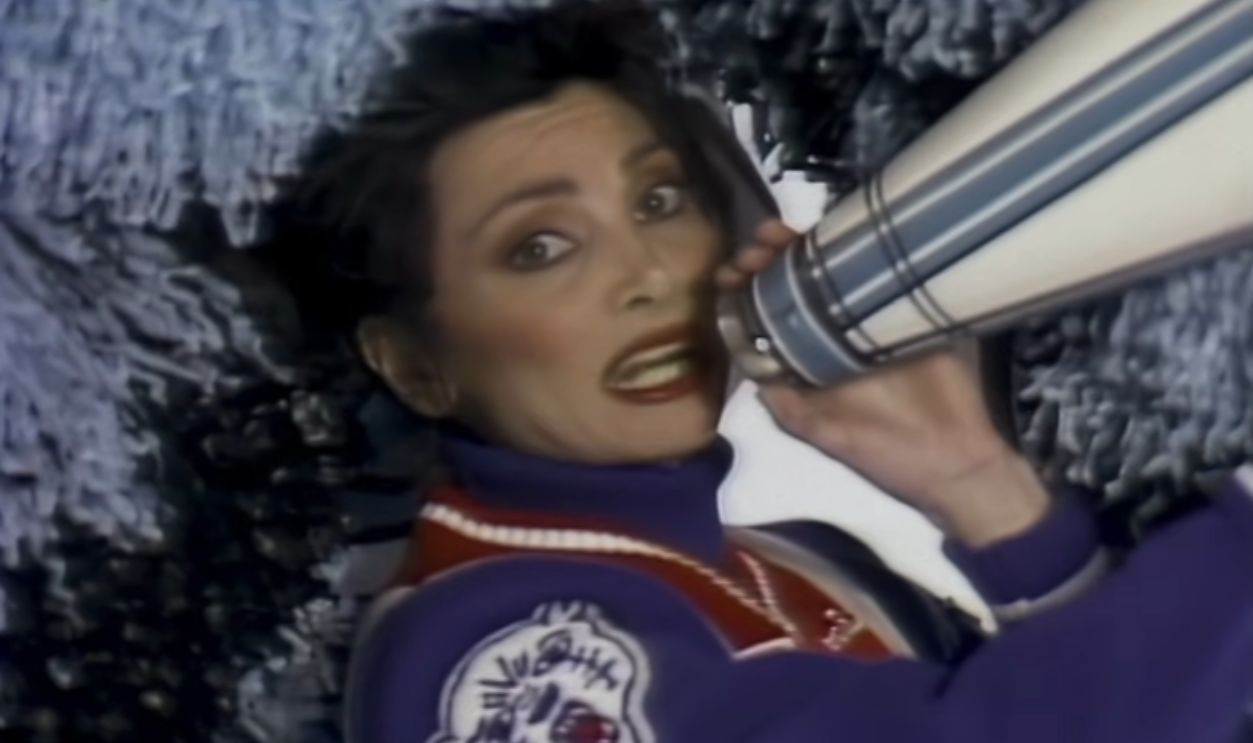 Screenshot from Mickey, Chrysalis Records (1982)
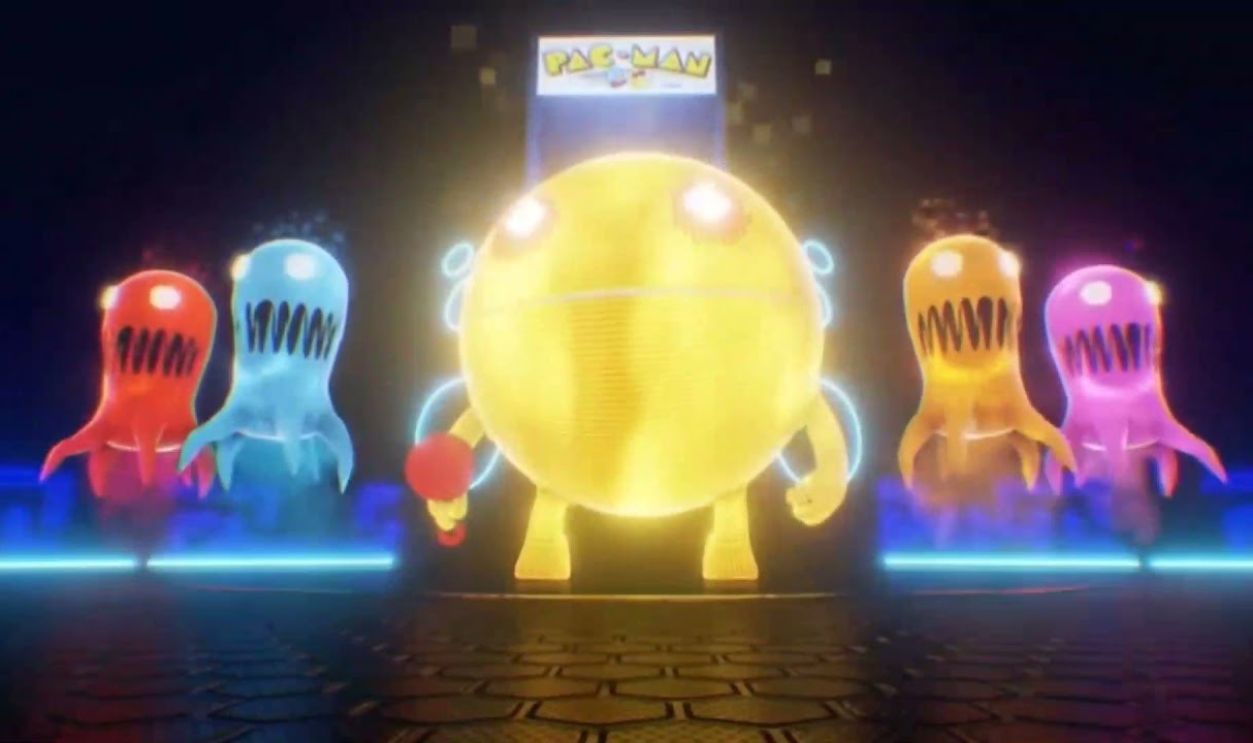
Buckner & Garcia, “Pac-Man Fever”
In 1982, Americans bought enough records about an arcade character eating dots to push “Pac-Man Fever” to No. 9. Buckner & Garcia did not stop there, filling an entire album with songs inspired by games including Donkey Kong, Frogger, Centipede, and Berzerk. Guinness World Records recognizes “Pac-Man Fever” as the first hit single inspired by a video game.
 Screenshot from Pac-Man Fever, CBS Records (1982)
Soft Cell, “Tainted Love”
Soft Cell turned an obscure 1960s Gloria Jones recording into one of the defining electronic hits of the next decade. Marc Almond and Dave Ball came from an experimental art-school environment, and their stripped-down synthesizers made the record sound unusually cold and mechanical for mainstream pop. Almond later recalled that the duo never expected their strange little electronic cover to become such an enormous success.
![Screenshot from Soft Cell - Tainted Love [Official Music Video] (1981)](https://www.factinate.com/storage/app/media/theshot/2026/4/20/3-1.jpg) Screenshot from Tainted Love, Some Bizzare Records / Phonogram (1981)
Screenshot from Tainted Love, Some Bizzare Records / Phonogram (1981)
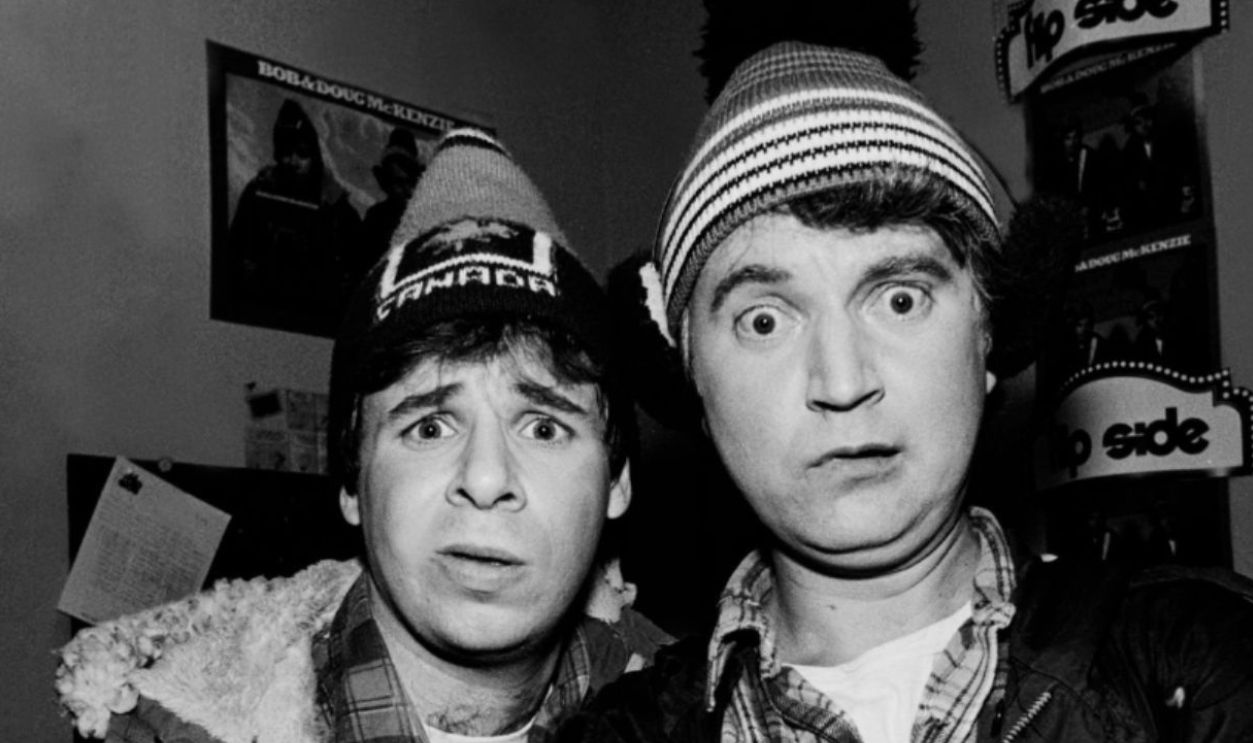
Bob And Doug McKenzie, “Take Off”
Rick Moranis and Dave Thomas created Bob and Doug McKenzie as beer-loving Canadian brothers on SCTV, then somehow turned the comedy characters into pop stars. Their single “Take Off” featured Rush frontman Geddy Lee singing the chorus between the brothers’ comic banter. It reached No. 16 on the Billboard Hot 100, higher than Rush ever climbed on that chart.
Dexys Midnight Runners, “Come On Eileen”
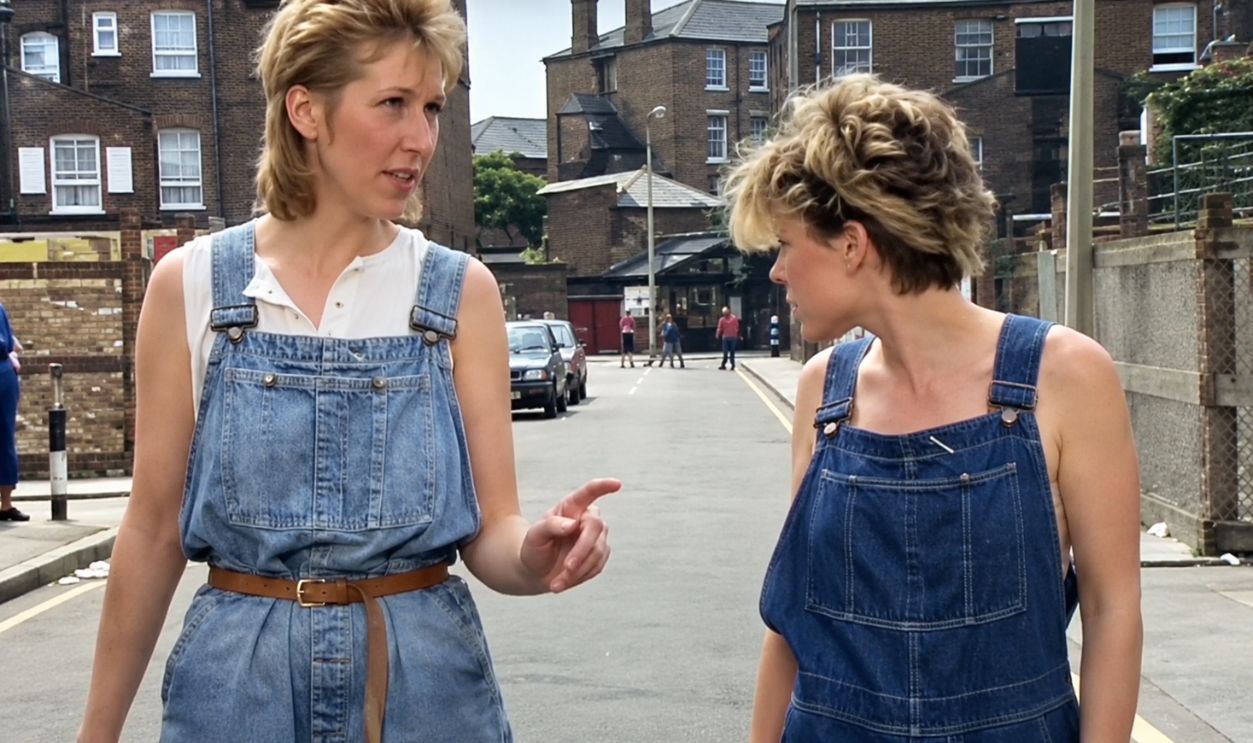
With fiddles, tempo changes, overalls, and a chorus that practically demands shouting, “Come On Eileen” hardly resembled standard American pop in 1983. Kevin Rowland later admitted that the supposedly real childhood sweetheart he once described as Eileen was actually a composite character. He said the song drew partly from his experiences with desire and repression while growing up in an Irish Catholic environment.
 Screenshot from Come On Eileen, Mercury Records (1982), Enhanced
Taco, “Puttin’ On The Ritz”
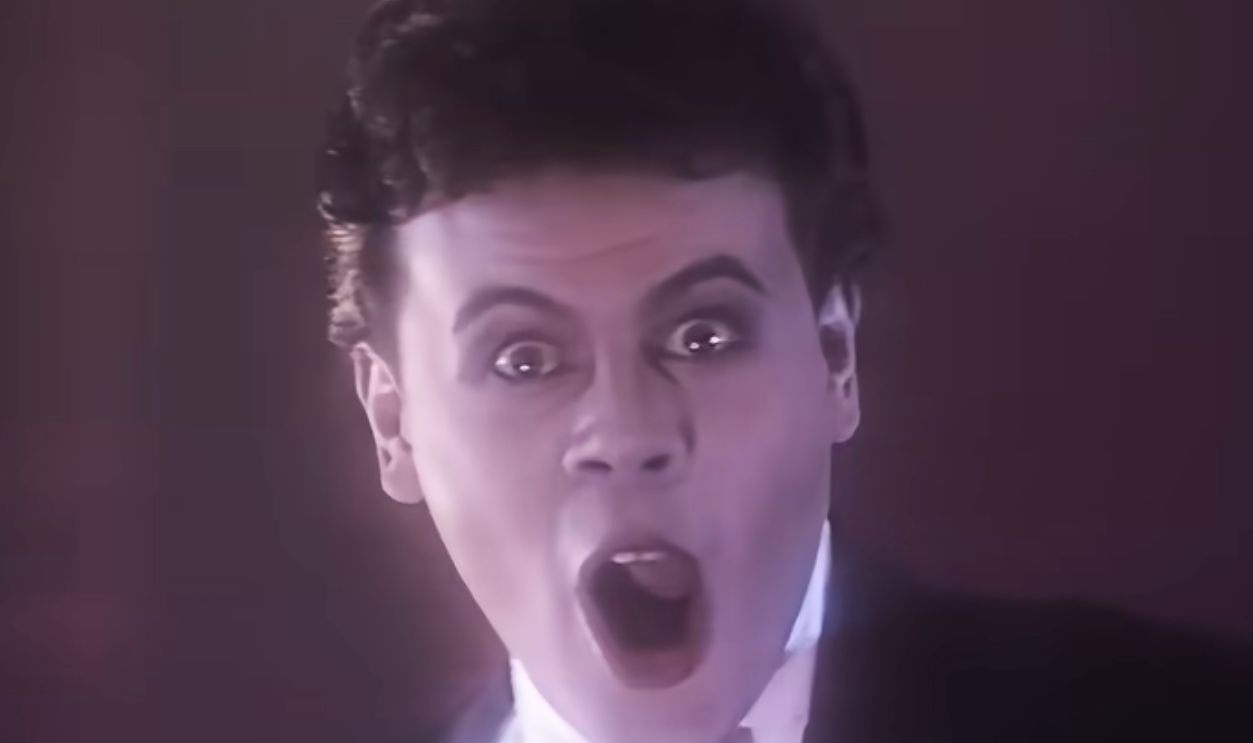
In 1983, Taco turned an Irving Berlin standard into a synth-heavy American Top 5 hit. His version surrounded the decades-old show tune with synthesizers, drum machines, theatrical vocals, and an elaborate retro presentation. One of the biggest pop records of the year was essentially a futuristic nightclub remake of a song written long before rock and roll existed.
 Screenshot from Puttin’ On The Ritz, RCA Records (1982)
Gary Numan, “Cars”
“Cars” sounded futuristic enough to suggest some grand technological vision, but Gary Numan has given it a much more personal explanation. He has described a car as a place where he could shut out a world that often felt threatening, essentially treating the vehicle like a small protective tank. That uneasy idea became an icy synth-pop classic and Numan’s defining American hit.
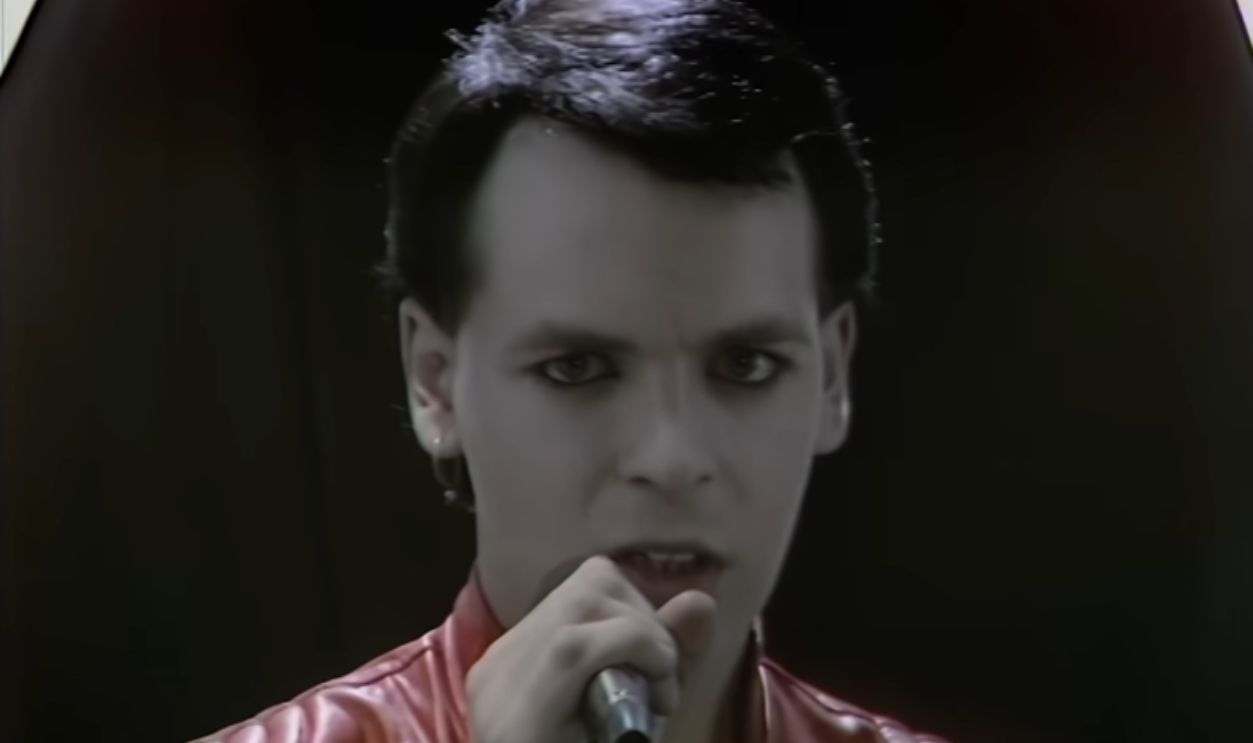 Screenshot from Cars, ATCO Records (1979)
Boys Don’t Cry, “I Wanna Be A Cowboy”
Boys Don’t Cry were not trying to create a solemn Western epic when they recorded “I Wanna Be a Cowboy.” Singer Nick Richards has said the band deliberately tried to make something silly after he had been watching cowboy movies, and the song came together remarkably quickly. Their joke became a No. 12 American hit, much to the surprise of the musicians themselves.
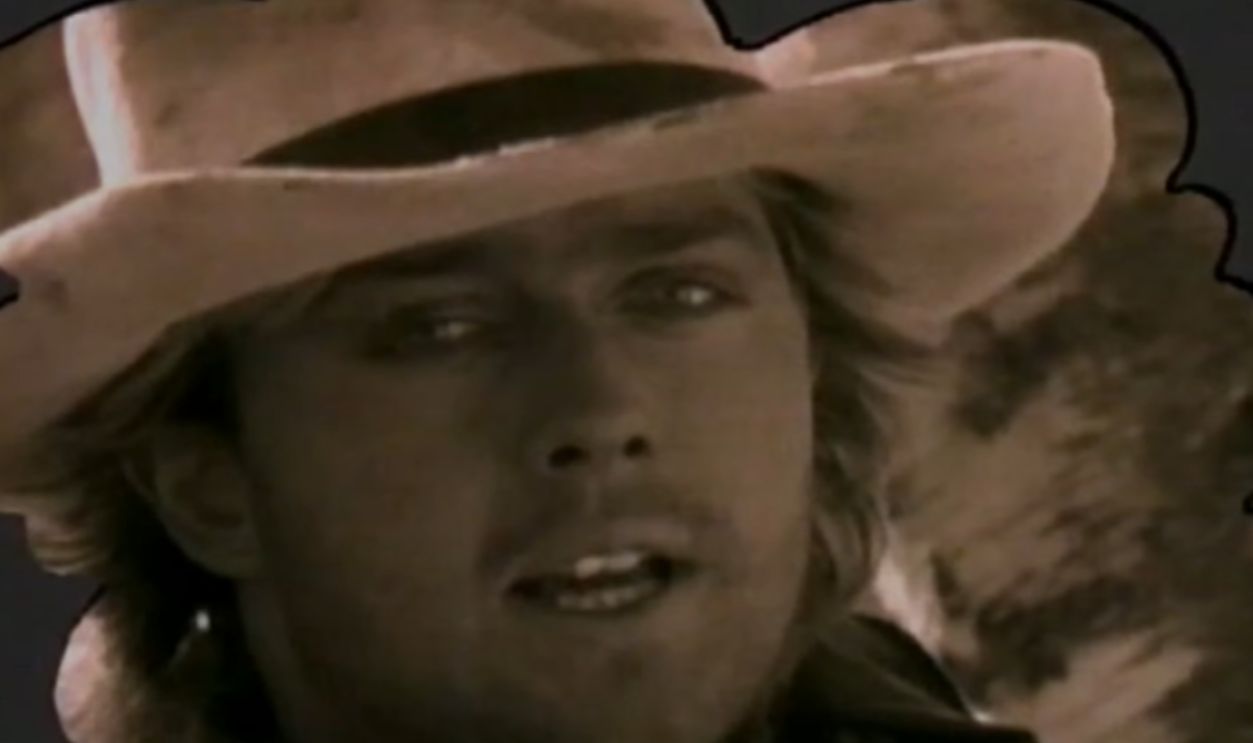 Screenshot from I Wanna Be A Cowboy, Profile Records (1985)
Frankie Goes To Hollywood, “Relax”
“Relax” became even bigger after British radio decided listeners should not hear it. BBC Radio 1 DJ Mike Read objected to the single’s lyrics and imagery, and the BBC subsequently restricted it, only for the controversy to help push the record to No. 1 in Britain. America was less scandalized, but “Relax” still became Frankie Goes to Hollywood’s only U.S. Top 40 hit.
 Screenshot from Relax, Island Records (1984), Enhanced
Musical Youth, “Pass The Dutchie”
A group of British schoolchildren scoring a worldwide reggae hit was unusual enough, but the song itself had already undergone a major rewrite. Musical Youth adapted the Mighty Diamonds’ “Pass the Kouchie,” whose lyrics referred to marijuana, replacing the central object with a “dutchie,” a cooking pot. Their producer even had to physically cut and splice the tape to make the recording short enough for release as a single.
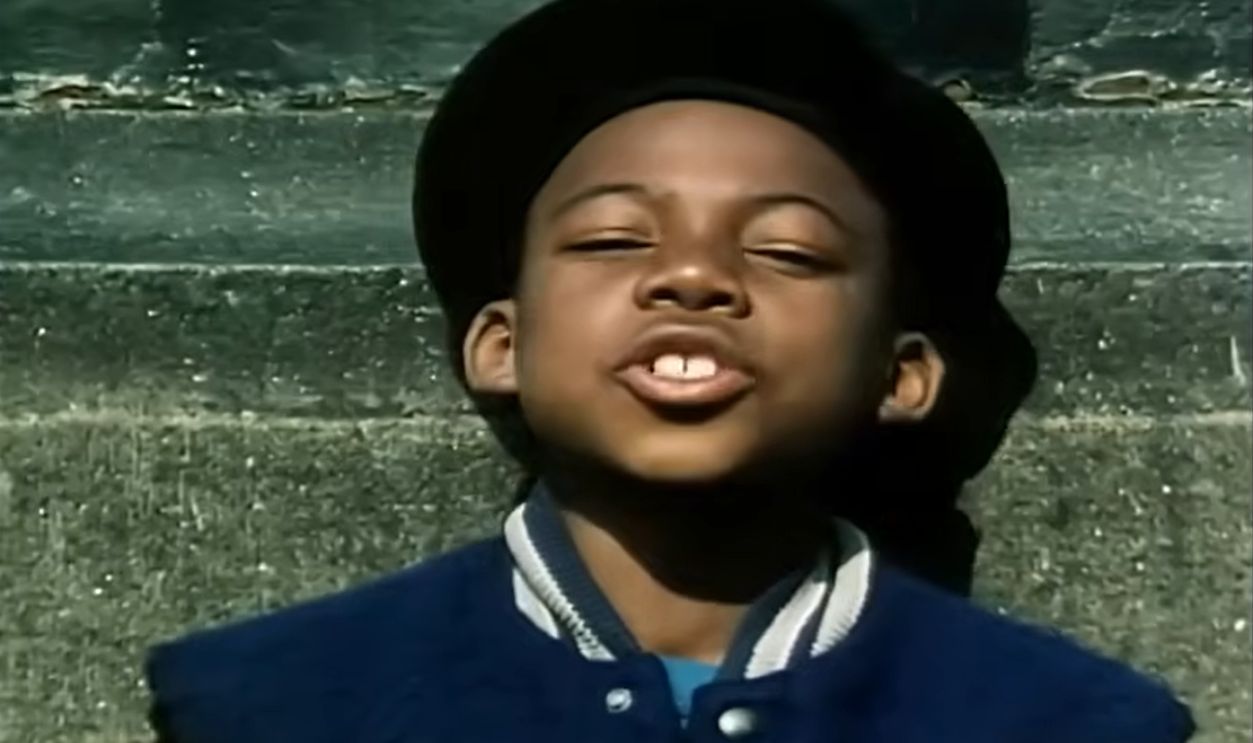 Screenshot from Pass the Dutchie, MCA Records (1982)
Aldo Nova, “Fantasy”
Aldo Nova’s “Fantasy” arrived with a music video that seemed determined to cram an entire science-fiction movie into a few minutes. Nova appeared in leopard-print clothing, arrived by helicopter, and used a guitar fitted with a laser-like effect to blast his way through a locked door. It was exactly the kind of gloriously excessive imagery that early MTV could turn into instant recognition.
 Screenshot from Fantasy, Portrait Records (1981), Enhanced
Kajagoogoo, “Too Shy”
The bizarre band name, enormous hairstyles, and whispered “hush hush” chorus already made “Too Shy” unmistakably 1983. Kajagoogoo got an enormous break after singer Limahl happened to serve Duran Duran keyboardist Nick Rhodes a drink and persuaded him to hear the band’s music. Even the opening vocal was partly accidental because producer Colin Thurston kept a note Limahl had originally sung while warming up.
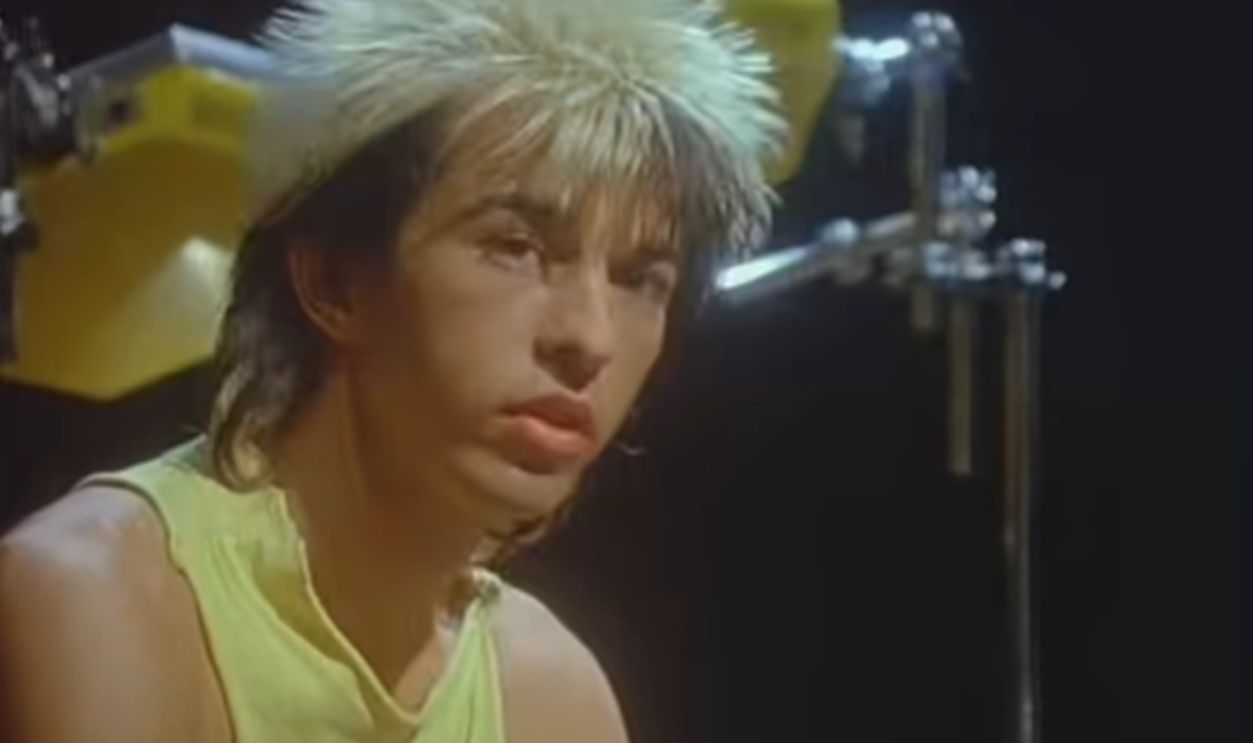 Screenshot from Too Shy, EMI America Records (1983)
Paul Hardcastle, “19”
Paul Hardcastle turned audio from a television documentary about the Vietnam War into a dance record, which sounds unlikely even by 1980s standards. The track sampled narrator Peter Thomas and famously chopped the word “nineteen” into a stuttering electronic hook. Clearing the documentary samples became a legal challenge because mainstream pop had rarely used recorded speech in quite that way before.
Lipps Inc., “Funkytown”
“Funkytown” sounded like an invitation to some fabulous futuristic metropolis, but songwriter Steven Greenberg was actually dreaming of escaping Minneapolis. Cynthia Johnson supplied the enormous lead vocal while Greenberg built the track around electronic rhythms that sounded remarkably futuristic in 1980. The result spent four weeks at No. 1 even though Lipps Inc. never found another comparable American hit.
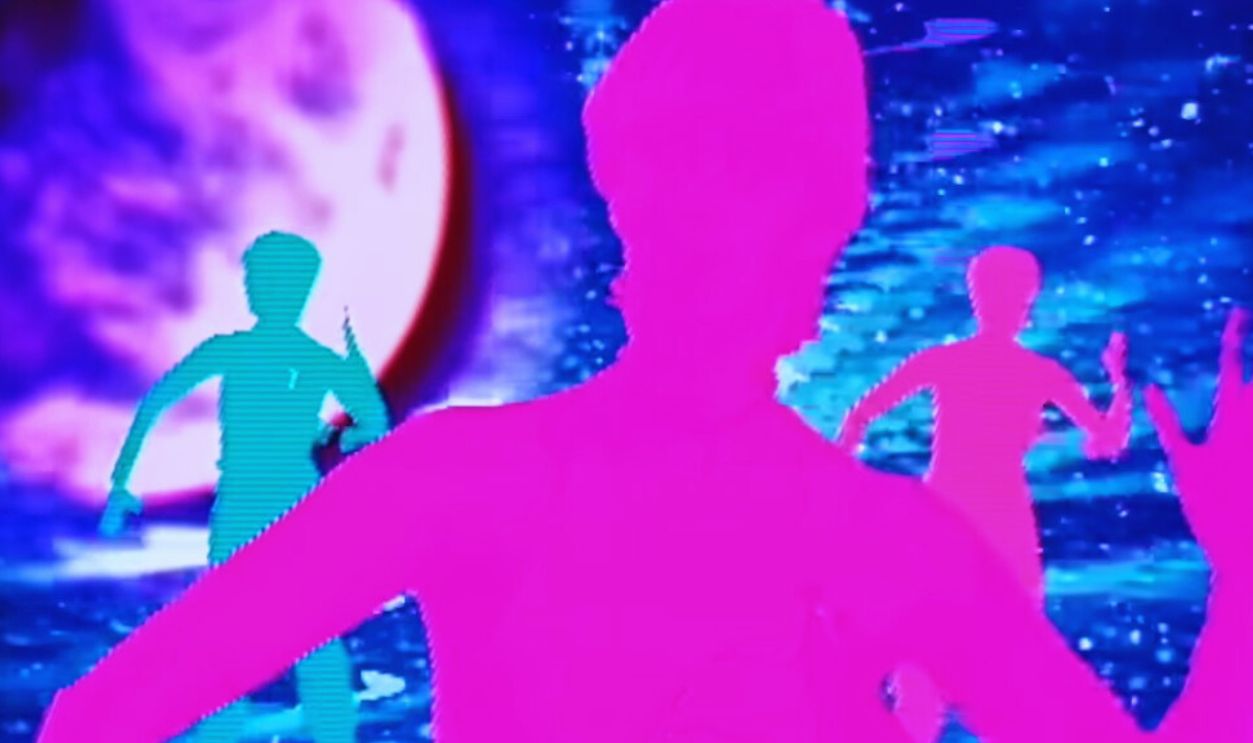 Screenshot from Funkytown, Casablanca Records (1980)
Peter Schilling, “Major Tom (Coming Home)”
Peter Schilling took a character closely associated with David Bowie and launched him on another trip into space. “Major Tom (Coming Home)” tells its own story of an astronaut losing contact with Earth, backed by glossy German synth-pop rather than Bowie’s psychedelic rock. The English-language version reached No. 14 in America, giving Schilling his defining U.S. hit.
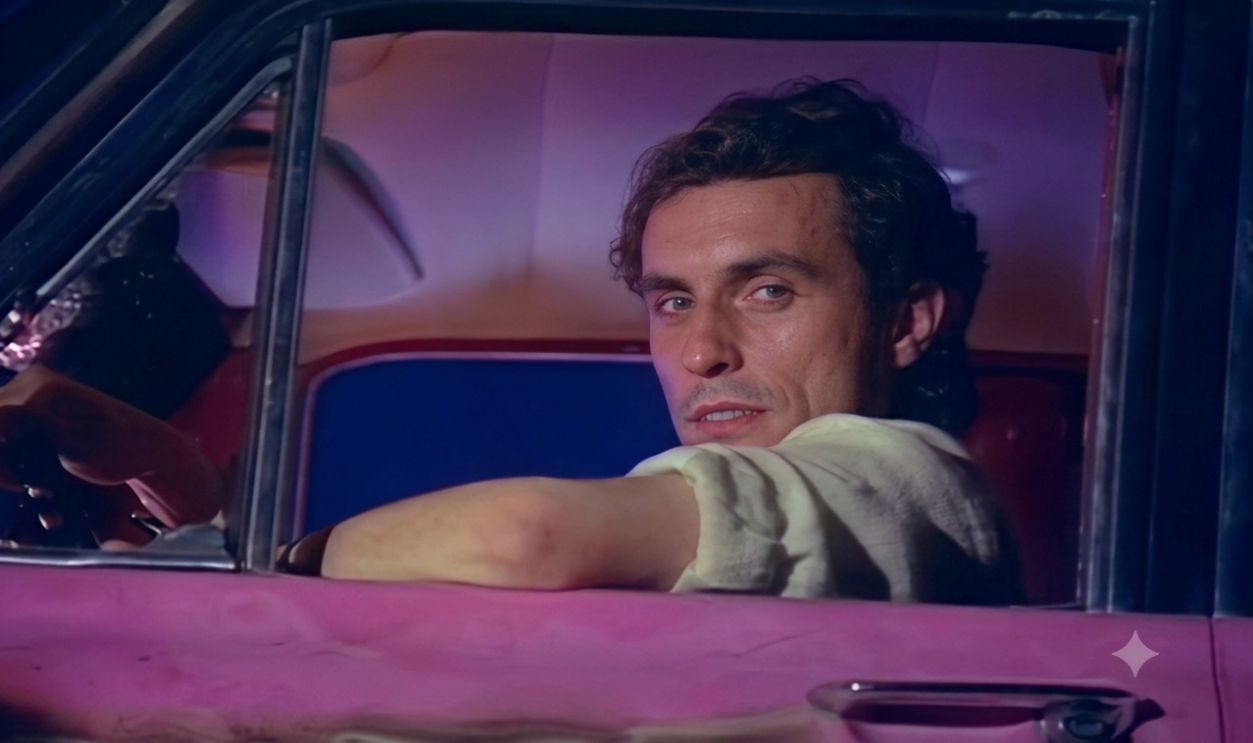 Screenshot from Major Tom (Coming Home), Elektra Records (1983), Enhanced
Baltimora, “Tarzan Boy”
Baltimora found an extremely direct way to make a chorus memorable: imitate Tarzan. The signature jungle cry functions as one of the song’s main melodic hooks, surrounded by glossy mid-1980s dance-pop production. “Tarzan Boy” reached No. 13 in America and later resurfaced repeatedly in movies, television, and advertising.
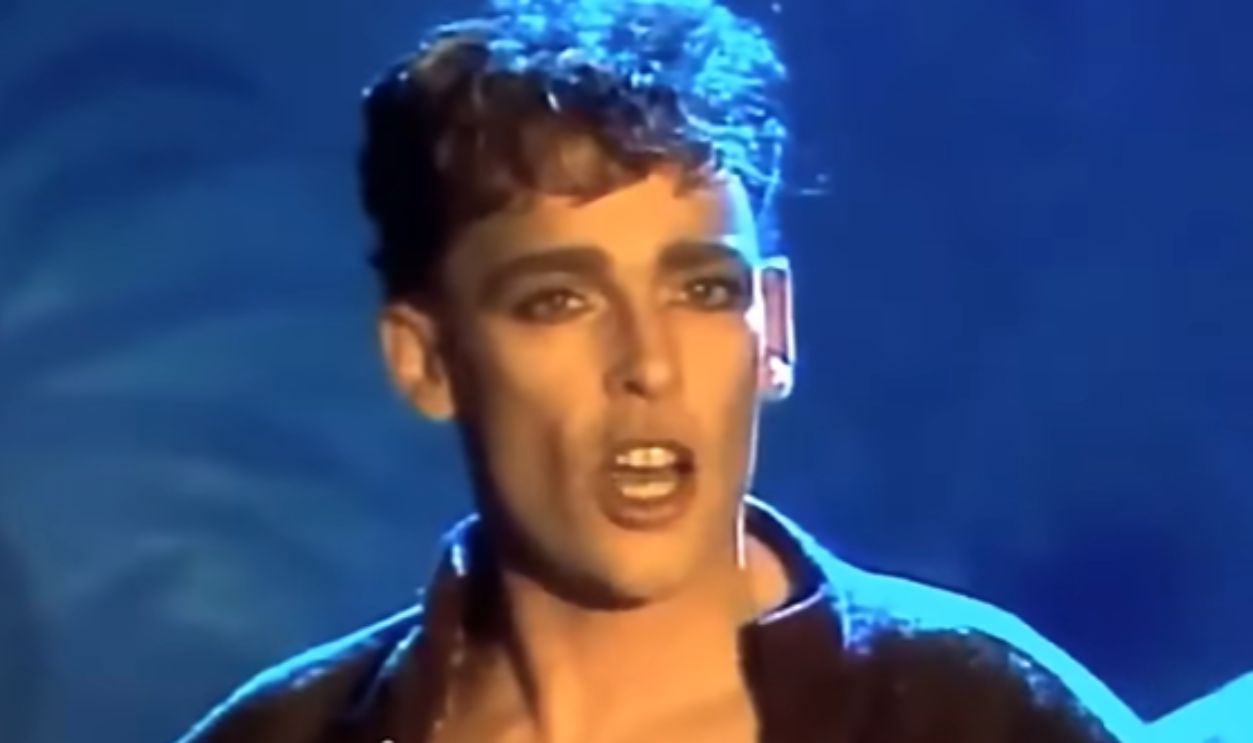 Screenshot from Tarzan Boy, Manhattan Records (1985)
Timbuk3, “The Future’s So Bright, I Gotta Wear Shades”
For decades, people have used this song at graduations and celebrations as though it were pure optimism. Pat MacDonald intended something much darker, turning his wife Barbara’s hopeful phrase about their future into an ironic reference to nuclear anxiety. He later said the widespread cheerful interpretation could be frustrating because the song was never meant as a simple feel-good anthem.
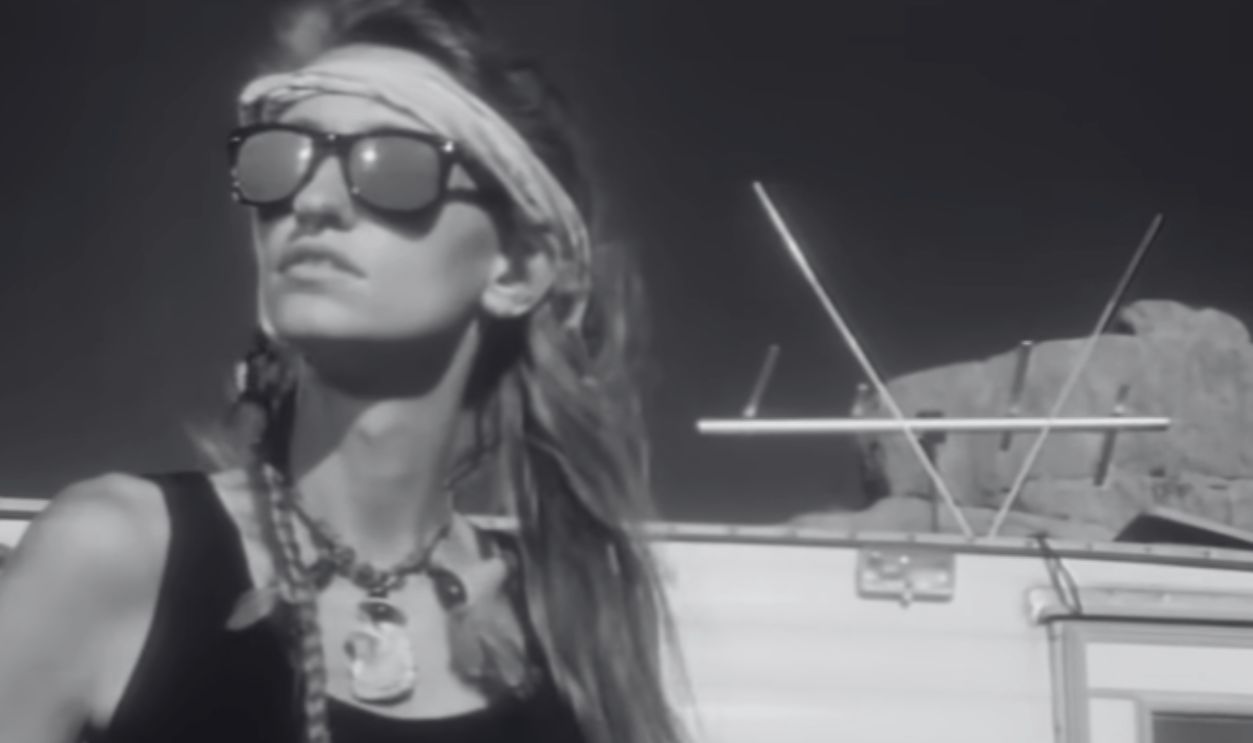 Screenshot from The Future’s So Bright, I Gotta Wear Shades, I.R.S. Records (1986)
After The Fire, “Der Kommissar”
Austrian singer Falco originally recorded “Der Kommissar” in German, but the version that conquered American radio came from British band After the Fire. Their English-language adaptation reached No. 5 in the U.S. just as the group itself was falling apart. One of 1983’s biggest new-wave hits was therefore climbing the American charts after the musicians behind it had already decided to split.
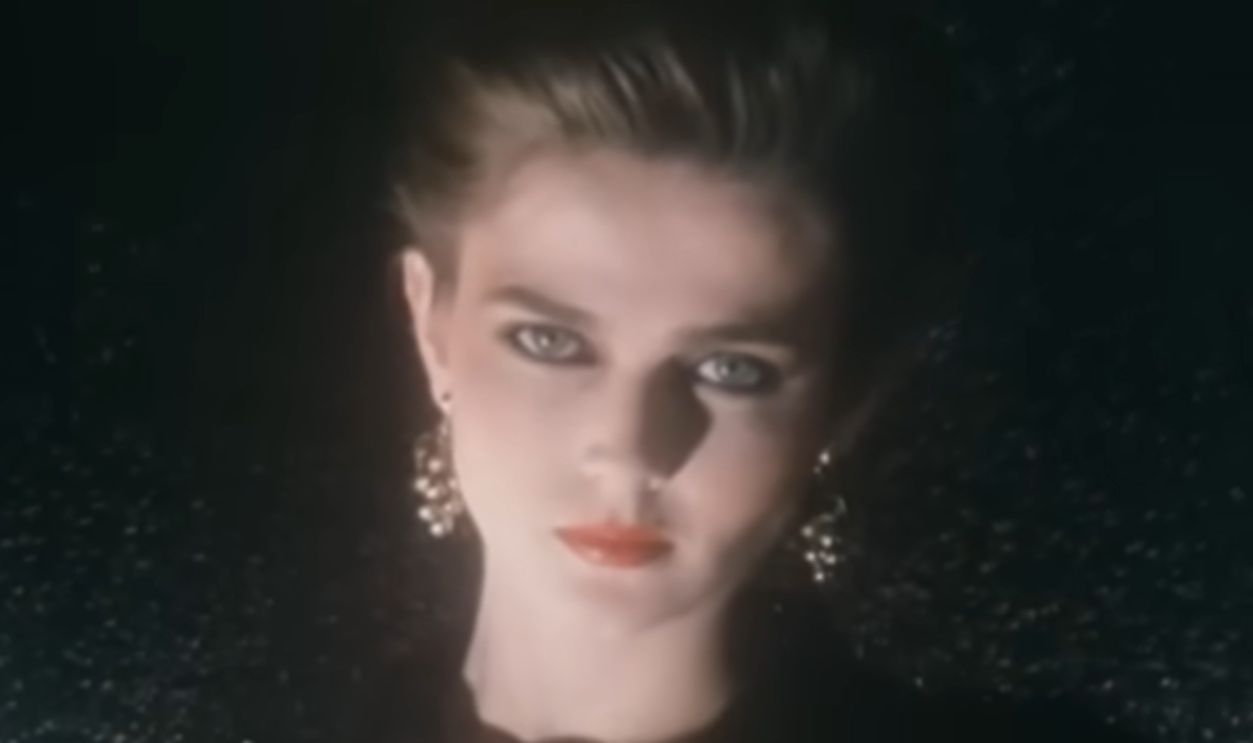 Screenshot from Der Kommissar, Epic Records (1982)
Patrick Swayze, “She’s Like The Wind”
Patrick Swayze’s biggest music hit came from the same movie that made him one of Hollywood’s hottest leading men. He co-wrote “She’s Like the Wind” years before Dirty Dancing and originally hoped to use it in the 1984 film Grandview, U.S.A.. That plan went nowhere, but the song eventually landed on the Dirty Dancing soundtrack and became a major pop hit in its own right.
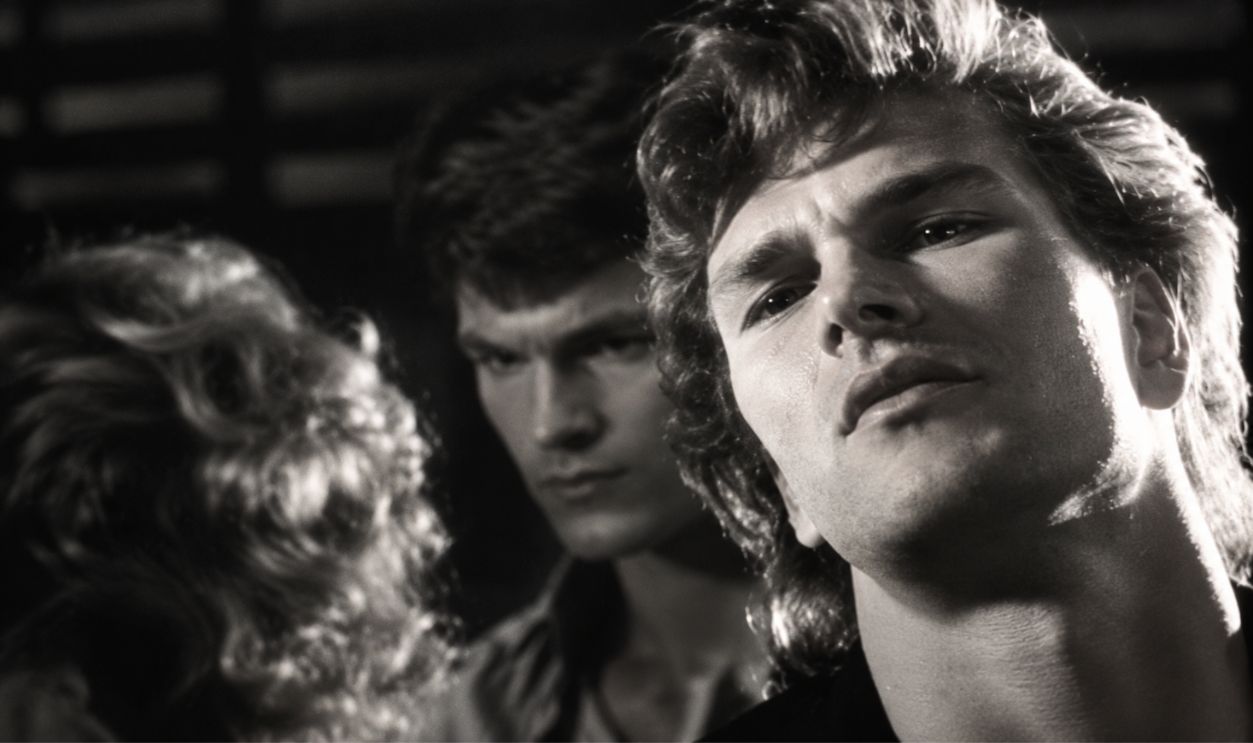 Screenshot from She’s Like The Wind, RCA Records (1987)
Stars On 45, “Stars On 45 Medley”
One of 1981’s American No. 1 singles was essentially a nonstop dance medley of familiar old songs performed by Dutch studio musicians. Much of the record consisted of recreated Beatles material stitched together over a relentless beat, with several other recognizable songs mixed in. Its 41-word official U.S. title became the longest title ever attached to a Billboard Hot 100 No. 1.

When In Rome, “The Promise”
“The Promise” sounds polished enough to have emerged from a huge professional studio, but its beginnings were far less glamorous. When in Rome developed the track in a tiny studio built inside singer Clive Farrington’s father’s garden shed, where space was so tight that keyboards were mounted vertically on the walls. The song eventually reached No. 11 in America and later found another generation of listeners through Napoleon Dynamite.
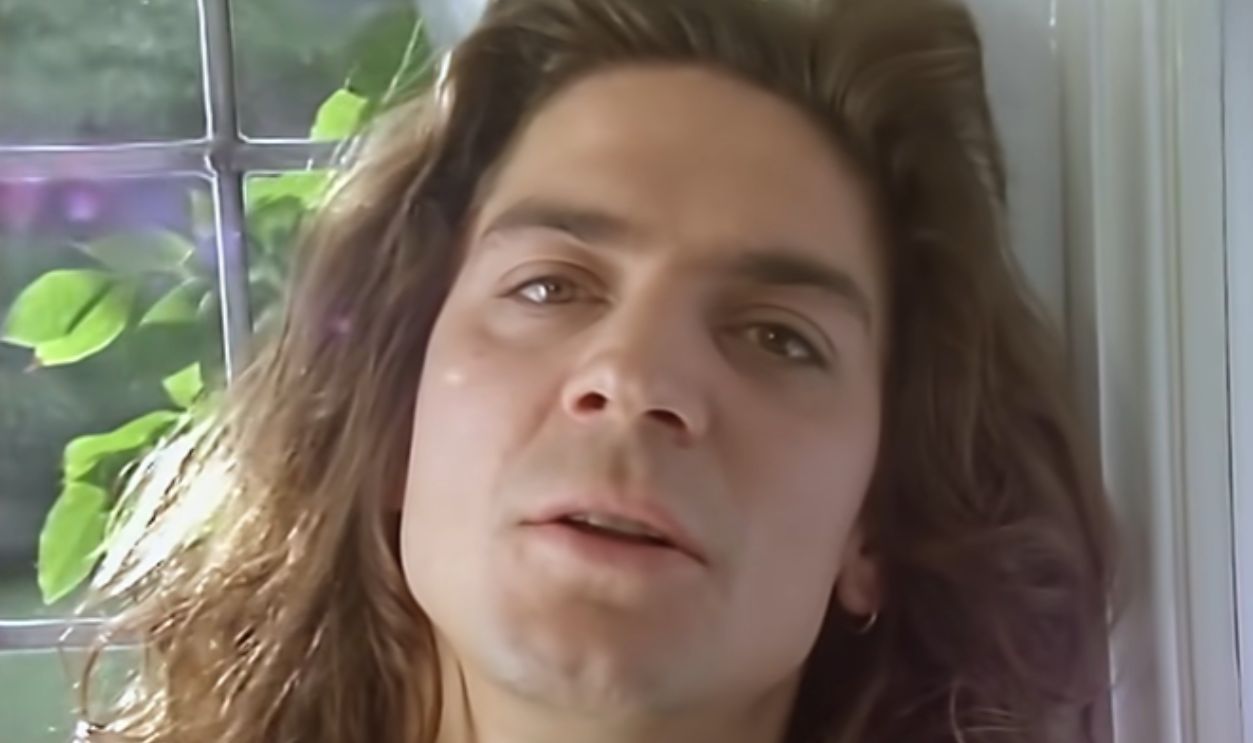 Screenshot from The Promise, Virgin Records (1988)
Weird Was Part Of The Fun
The strangest thing about these records is how normal their success seemed at the time. Radio listeners could move from a Cold War nightmare to a Pac-Man novelty record and then hear an old Irving Berlin song rebuilt for the synthesizer age. The 1980s did not just tolerate musical weirdness. For a while, the charts practically rewarded it.
You May Also Like:
1980s Love Songs Generation X Can Still Recognize After Hearing Just Three Notes
Forgotten Soft-Rock Duos That Were Everywhere In The 1970s, Then Quietly Faded Away