When Three Notes Are All It Takes
The 1980s knew how to make romance sound enormous. Love songs arrived with saxophones, synthesizers, soaring guitars, movie soundtracks, and choruses seemingly designed to fill an arena. For Generation X, many became part of the background music of adolescence, school dances, radio countdowns, and early MTV. Decades later, these songs can still make the 1980s feel remarkably close.
 Distributed by Atlantic Records, Wikimedia Commons
Careless Whisper—George Michael
That saxophone barely needs an introduction. George Michael and Andrew Ridgeley wrote “Careless Whisper,” and the single became Michael’s first solo UK chart-topper in 1984. Its mixture of regret, romance, and one of pop’s most recognizable saxophone parts helped turn it into an enduring signature song.
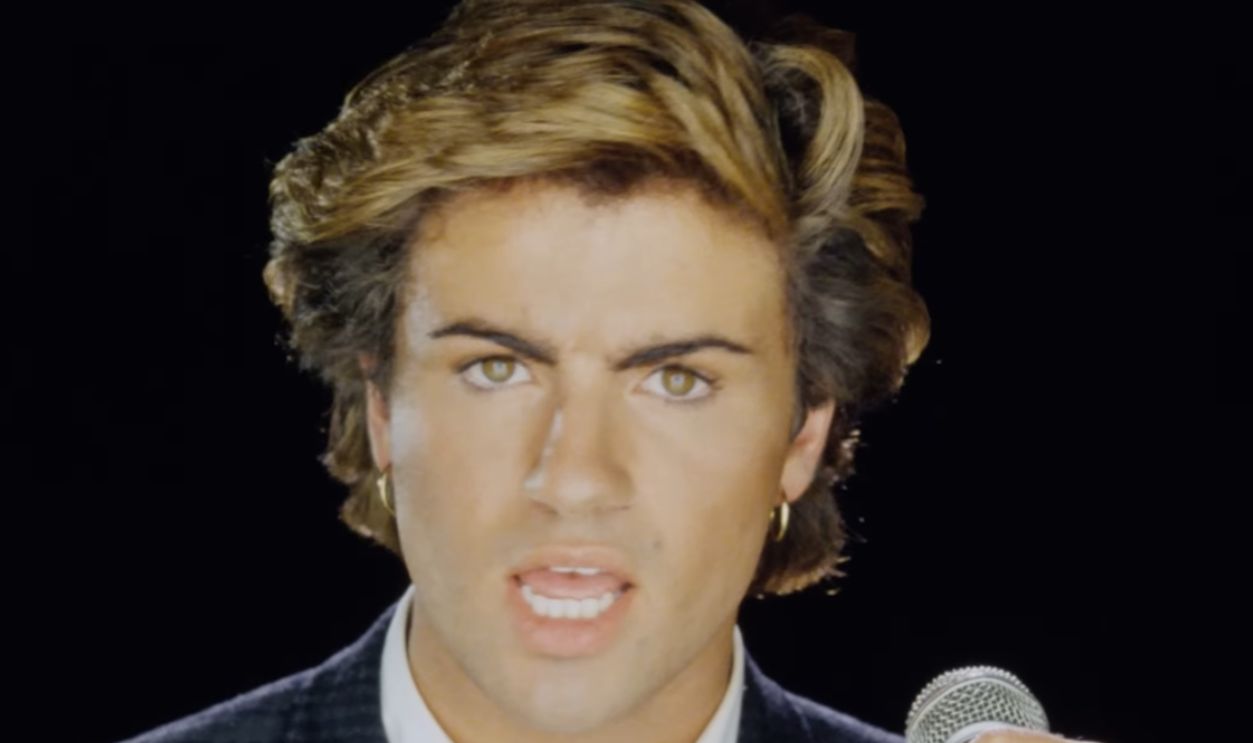 Screenshot from Careless Whisper, Columbia Records (1984)
Time After Time—Cyndi Lauper
Cyndi Lauper proved she could move effortlessly from colorful pop exuberance to tenderness with “Time After Time.” Released during the She’s So Unusual era, the song became one of her defining recordings and reached No. 3 in Britain. Its restrained opening makes the huge emotional payoff feel even stronger.
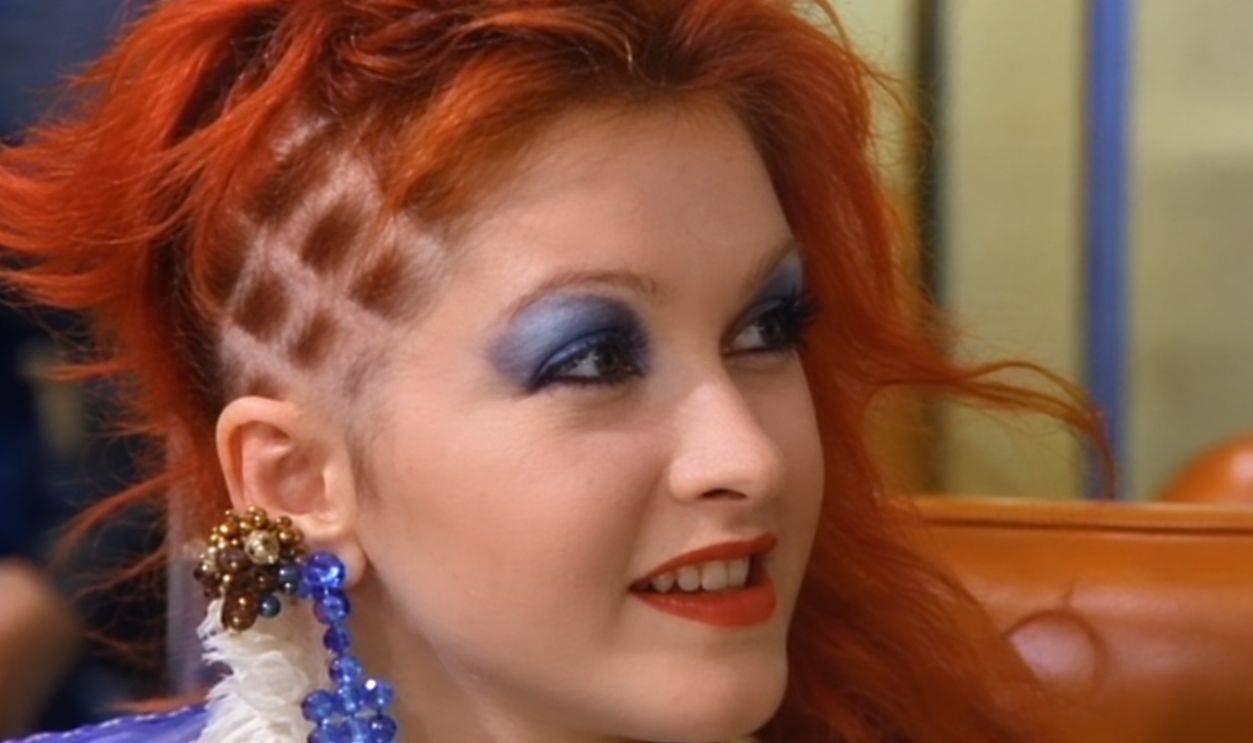 Screenshot from Time After Time, Portrait Records (1983), Enhanced
Heaven—Bryan Adams
Few singers sounded more convincing delivering an arena-sized love song than Bryan Adams. “Heaven” appeared on his hugely successful Reckless album and became one of the Canadian singer’s defining ballads. Its slow-building arrangement practically invites listeners to start singing before Adams reaches the chorus.
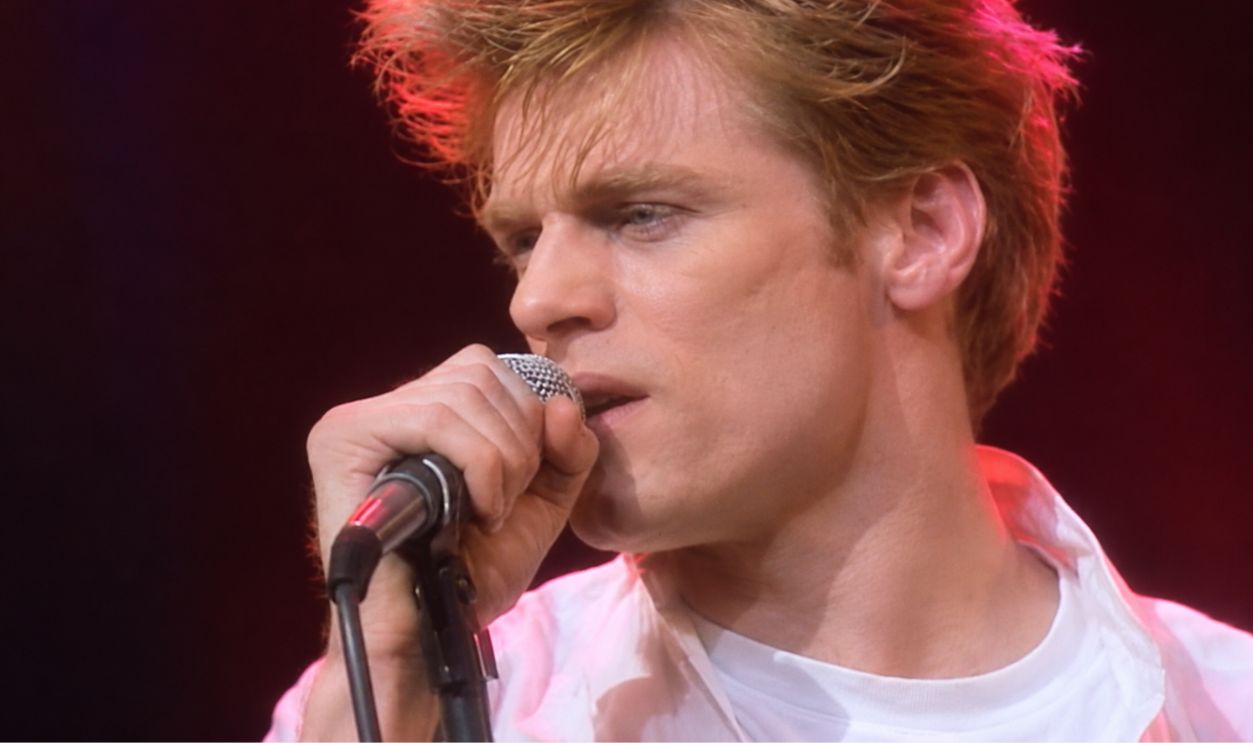 Screenshot from Heaven, A&M Records (1985), Enhanced
Take My Breath Away—Berlin
The romance in Top Gun would sound very different without Berlin. Giorgio Moroder composed “Take My Breath Away,” Tom Whitlock wrote the lyrics, and the song became the movie’s unforgettable love theme. It also won the Academy Award for Best Original Song, permanently linking its dreamy synthesizer opening with the film.
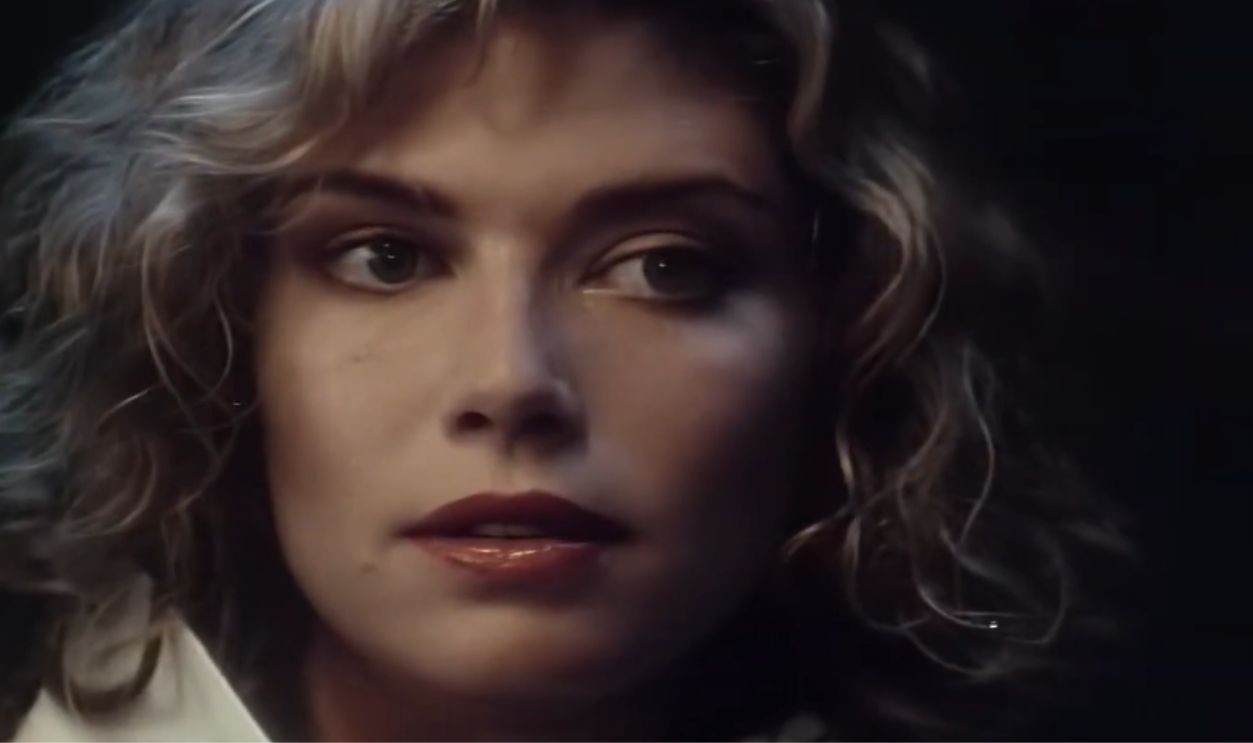 Screenshot from Take My Breath Away, Geffen Records (1986)
Faithfully—Journey
Journey specialized in songs built for enormous venues, yet “Faithfully” begins with striking simplicity. The Jonathan Cain-penned ballad appeared on the band’s 1983 album Frontiers. Steve Perry’s escalating vocal performance eventually turns that understated beginning into exactly the kind of widescreen romantic drama the decade loved.
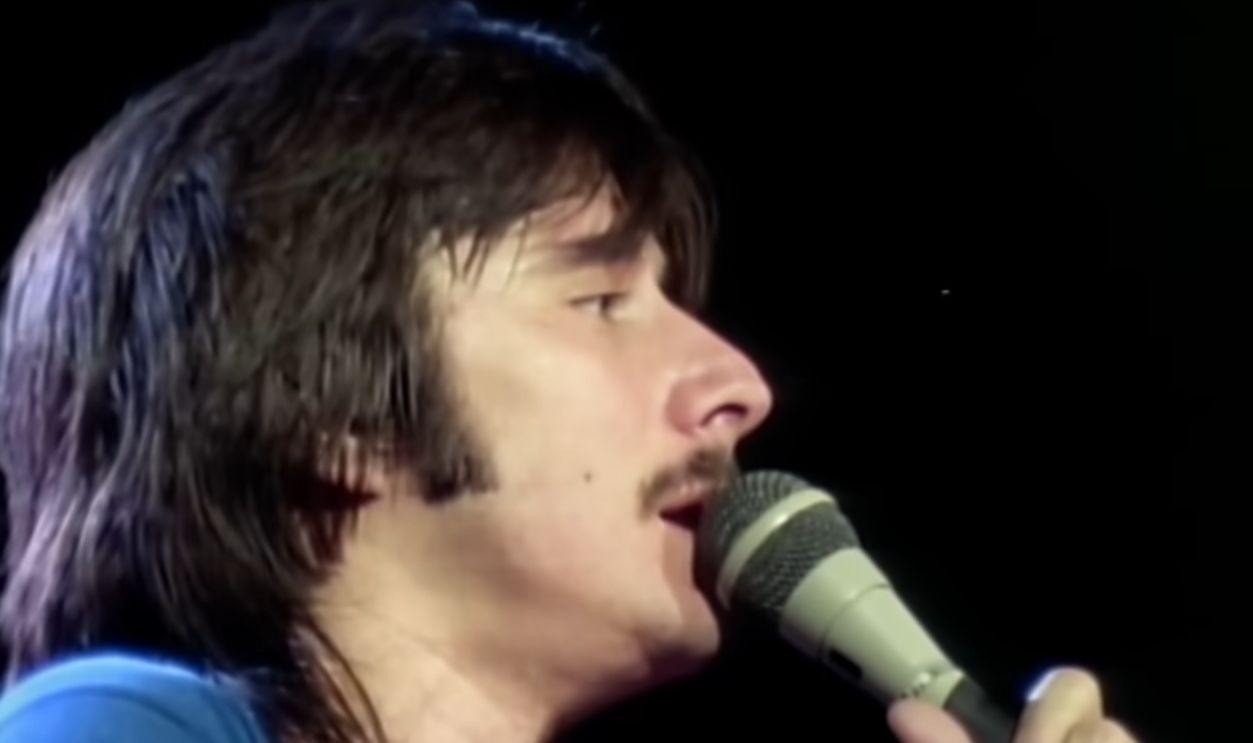 Screenshot from Faithfully, Columbia Records (1983)
True—Spandau Ballet
Gary Kemp wrote “True” while trying to express feelings he found difficult to put directly into words. He drew musical inspiration from soul artists including Marvin Gaye and Al Green. Released in 1983, the song topped the UK chart and became Spandau Ballet’s signature international hit.
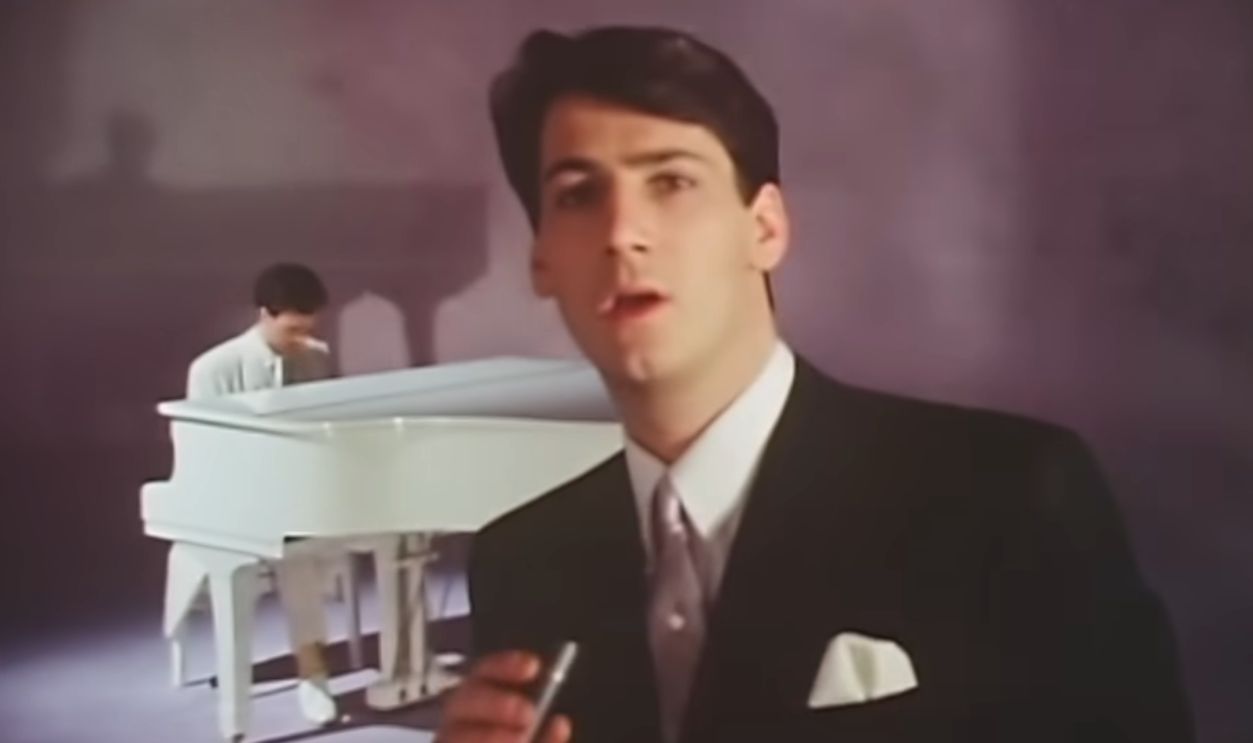 Screenshot from True, Chrysalis Records (1983)
Eternal Flame—The Bangles
The Bangles could deliver jangling pop-rock, but “Eternal Flame” showed another side entirely. Released in 1989, the delicate ballad became a massive international success and spent four weeks at No. 1 in Britain. Susanna Hoffs’ intimate lead vocal makes its opening instantly distinctive.
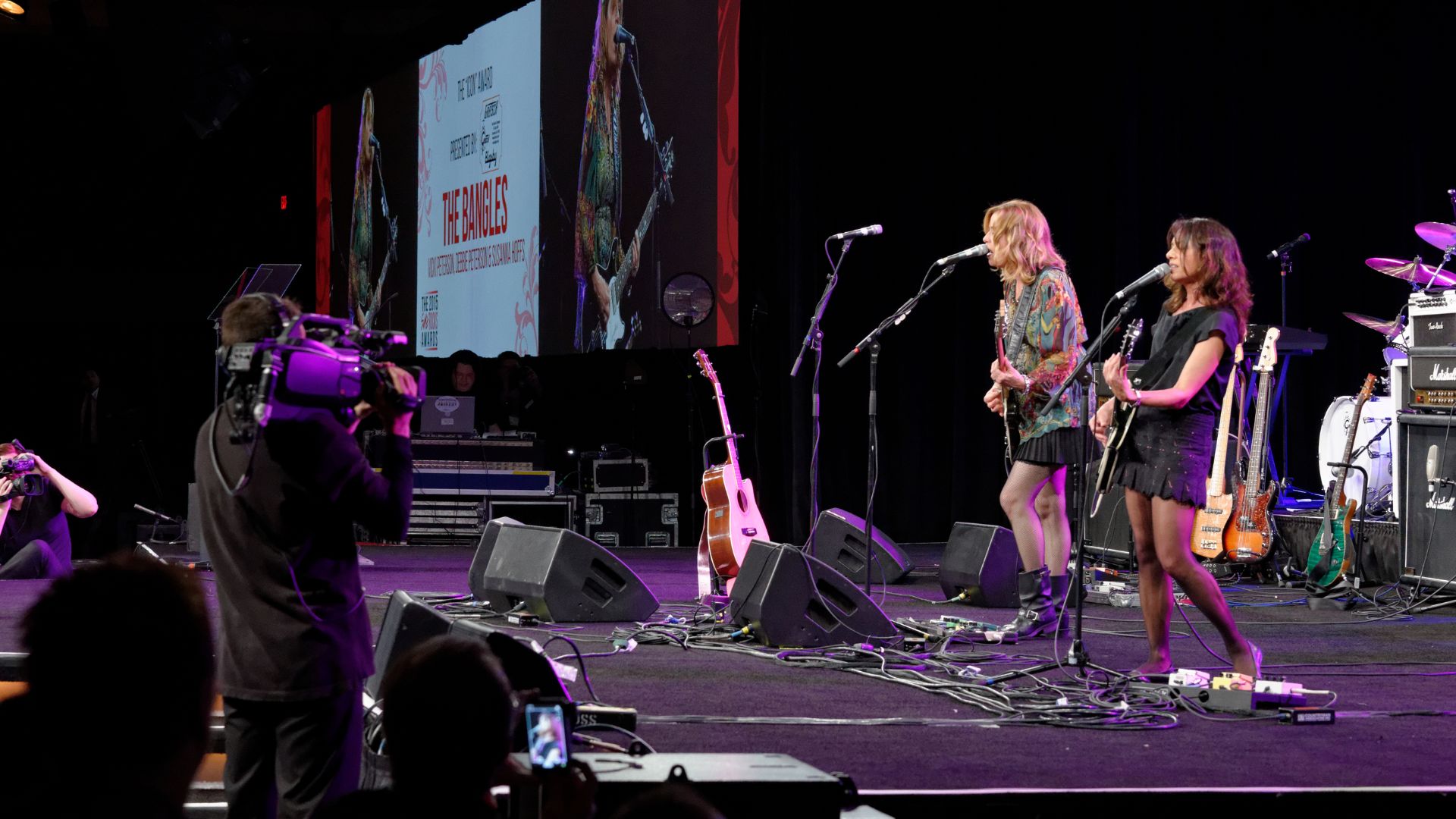 Justin Higuchi from Los Angeles, CA, USA, Wikimedia Commons
I Want To Know What Love Is—Foreigner
Foreigner went spectacularly big with this one. Released in late 1984, “I Want To Know What Love Is” topped both the UK singles chart and the Billboard Hot 100. The song’s gospel-influenced grandeur helped transform a rock ballad into the band’s biggest hit.
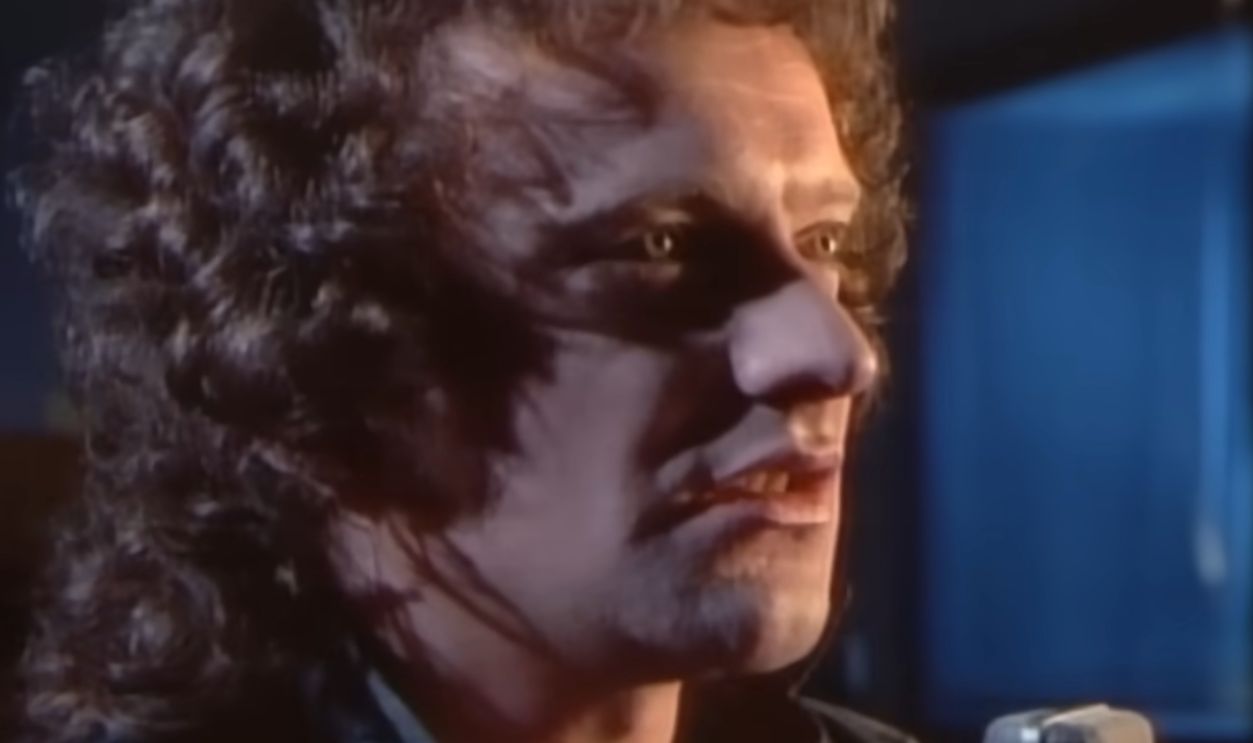 Screenshot from I Want to Know What Love Is, Atlantic Records (1984)
Nothing’s Gonna Stop Us Now—Starship
Recorded for the 1987 movie Mannequin, “Nothing’s Gonna Stop Us Now” paired Grace Slick and Mickey Thomas for one gloriously oversized declaration of devotion. The song reached No. 1 in Britain, staying there for four weeks. Subtlety was never the point, and that remains part of its charm.
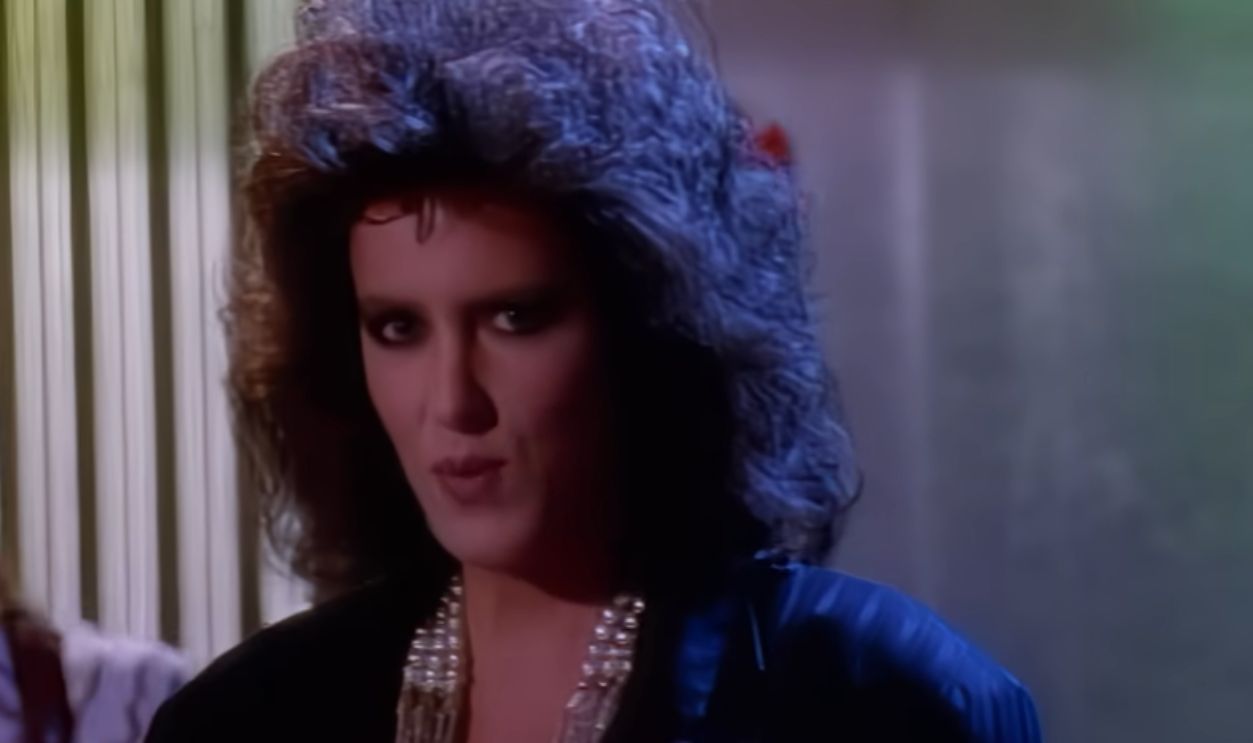 Screenshot from Nothing's Gonna Stop Us Now, Grunt Records (1987)
The Power Of Love—Huey Lewis And The News
Few opening chords scream 1985 faster. Written for Back to the Future, “The Power of Love” became inseparable from Marty McFly’s world and gave Huey Lewis and the News one of their defining hits. Romance, guitars, and a time-traveling DeLorean proved a surprisingly durable combination.
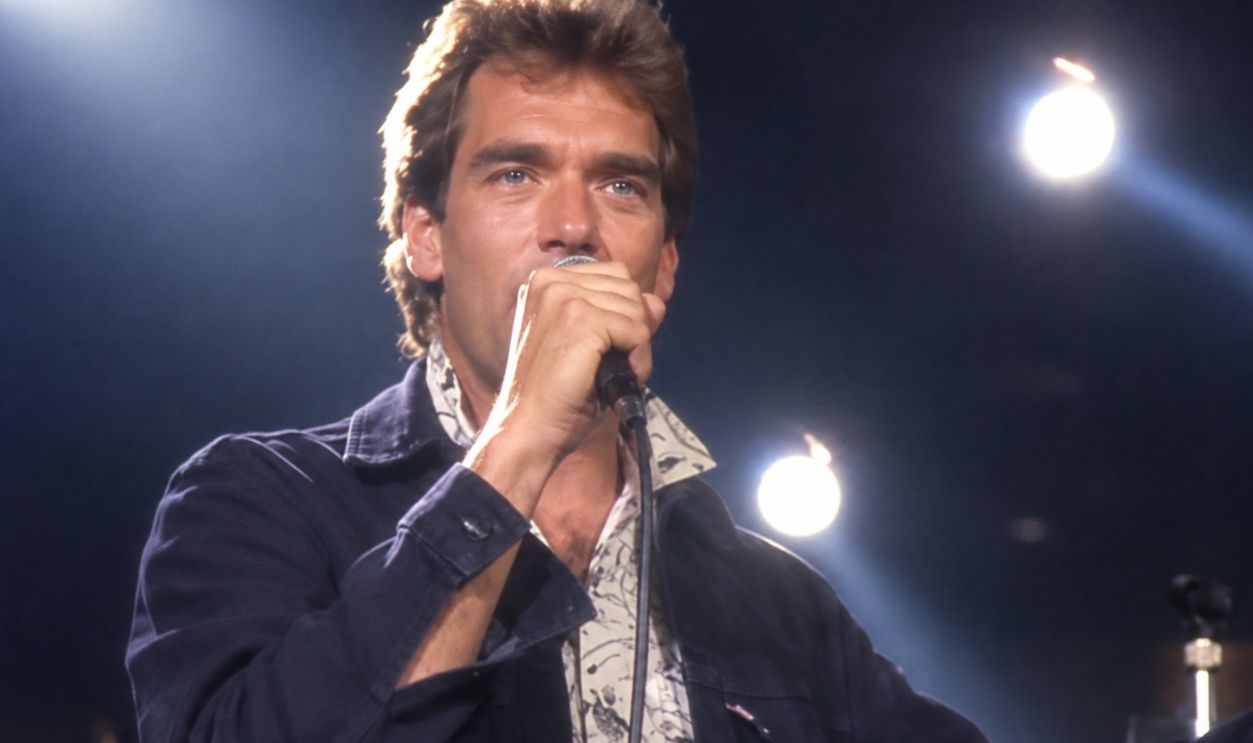 Screenshot from The Power of Love, Chrysalis Records (1985), Enhanced
Open Arms—Journey
Journey had already mastered muscular arena rock when “Open Arms” demonstrated how effective the band could be at slowing everything down. The Steve Perry vocal sits over a piano-led arrangement before the song expands dramatically. It became one of the group’s best-known ballads and was later covered by Mariah Carey.
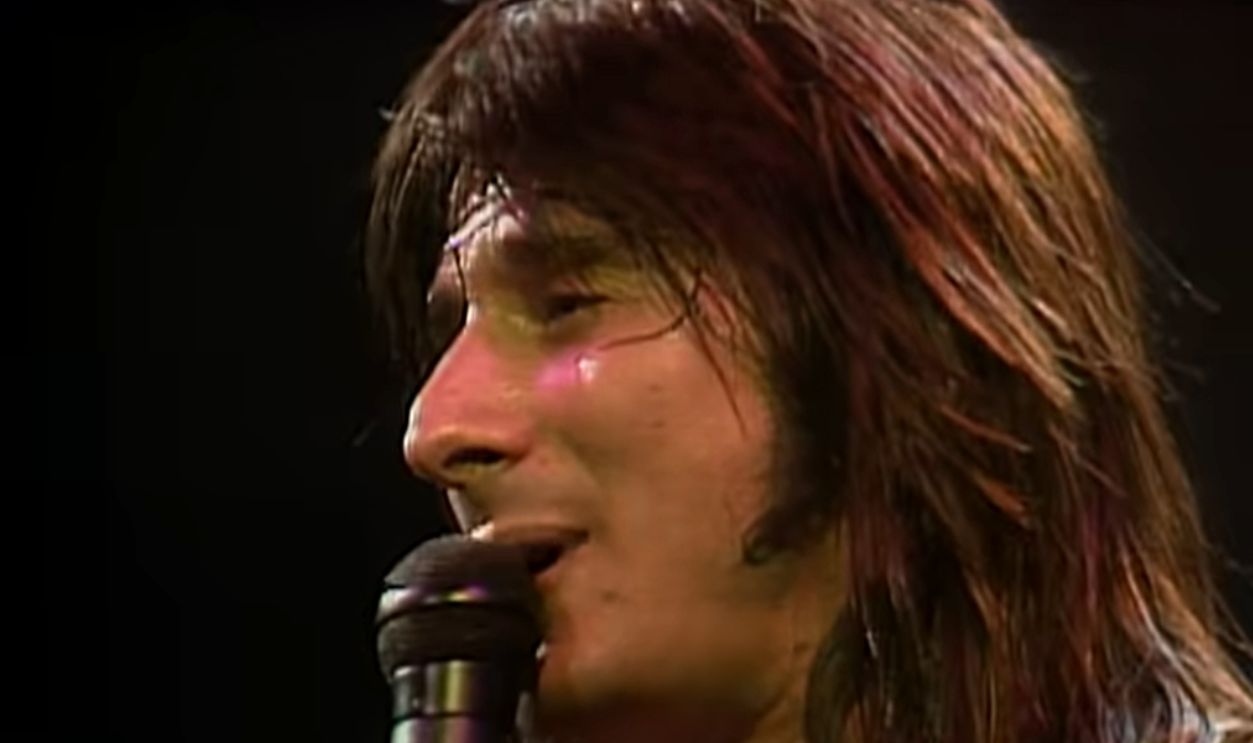 Screenshot from Open Arms, Columbia Records (1981)
Keep On Loving You—REO Speedwagon
“Keep On Loving You” helped push REO Speedwagon deep into power-ballad territory. The song appeared on the blockbuster Hi Infidelity and reached the UK Top 10 in 1981. Its opening piano notes announce almost immediately that a major emotional conversation is coming.
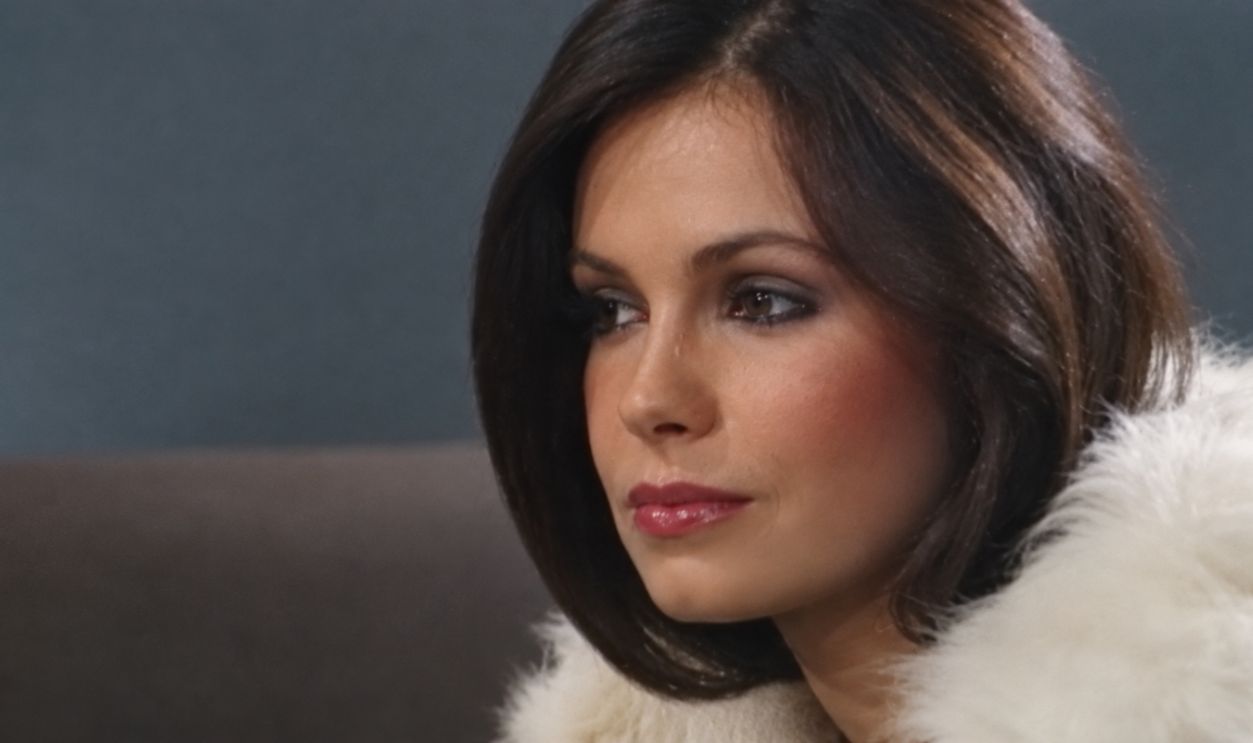 Screenshot from Keep On Loving You, Epic Records (1980), Enhanced
Endless Love—Diana Ross And Lionel Richie
Lionel Richie wrote “Endless Love” for the 1981 film of the same name and recorded it with Diana Ross. The duet became one of Motown’s biggest-selling recordings and spent nine weeks atop the Billboard Hot 100. Two instantly recognizable voices made an already grand romantic song even bigger.
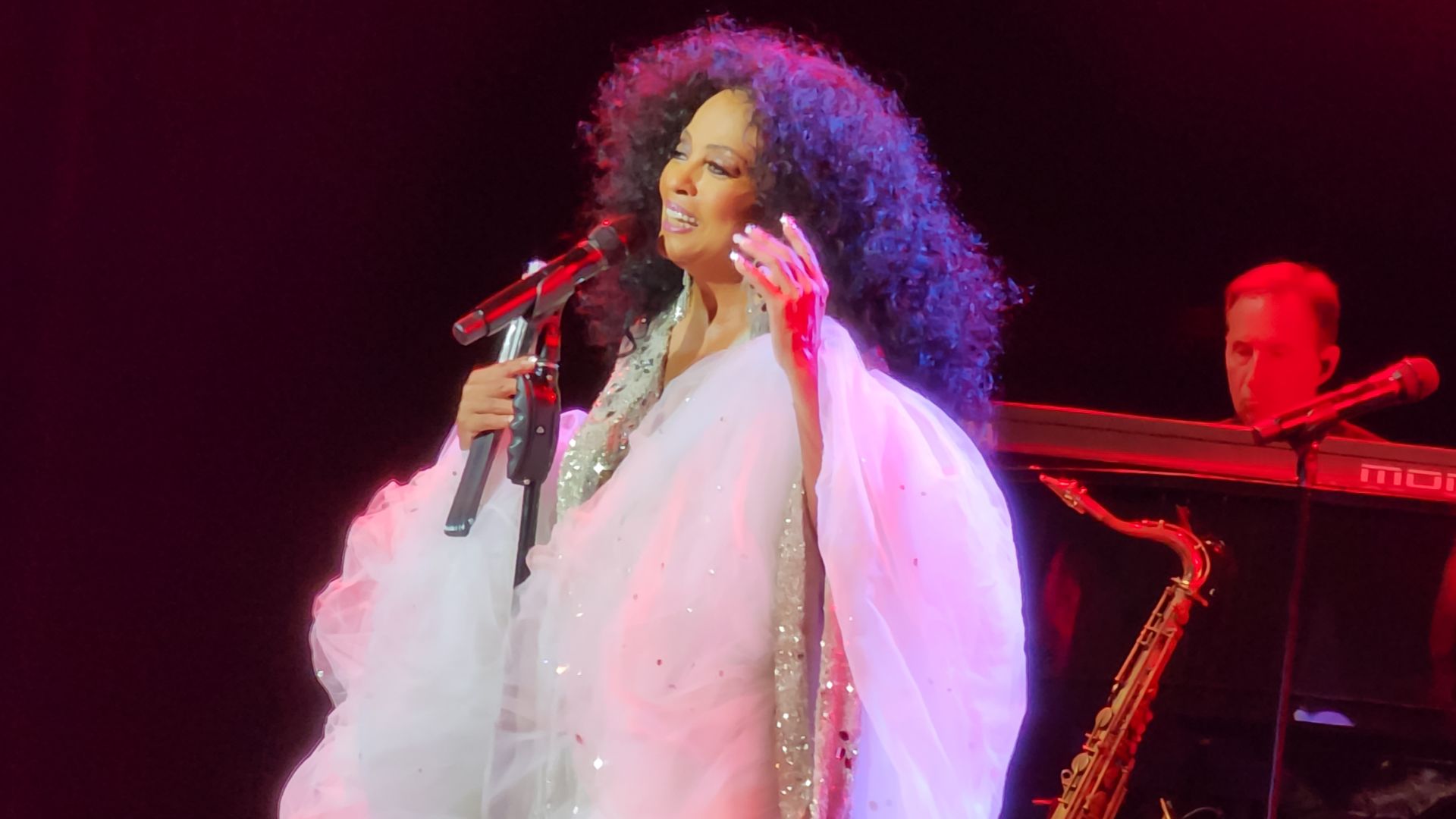 Crisco 1492, Wikimedia Commons
Every Time You Go Away—Paul Young
Paul Young turned a song originally recorded by Hall & Oates into a major solo hit. His 1985 version reached No. 4 in Britain and topped the Billboard Hot 100 in America. The spacious production and Young’s soulful vocal make the recording unmistakably mid-1980s.
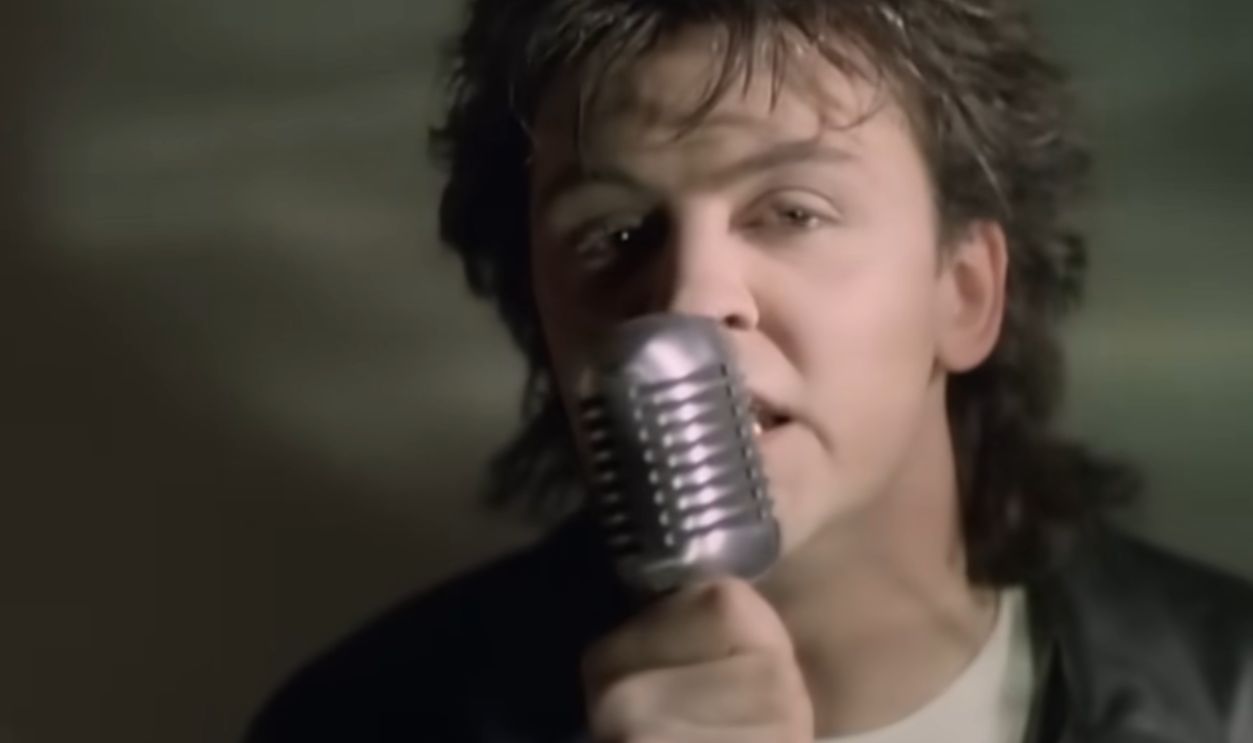 Screenshot from Every Time You Go Away, Columbia Records (1985)
Right Here Waiting—Richard Marx
By 1989, the power ballad had become practically an art form. Richard Marx’s “Right Here Waiting” stripped the formula back around piano, voice, and longing before gradually expanding. It became a worldwide hit, reaching No. 1 in the United States and No. 2 in Britain.
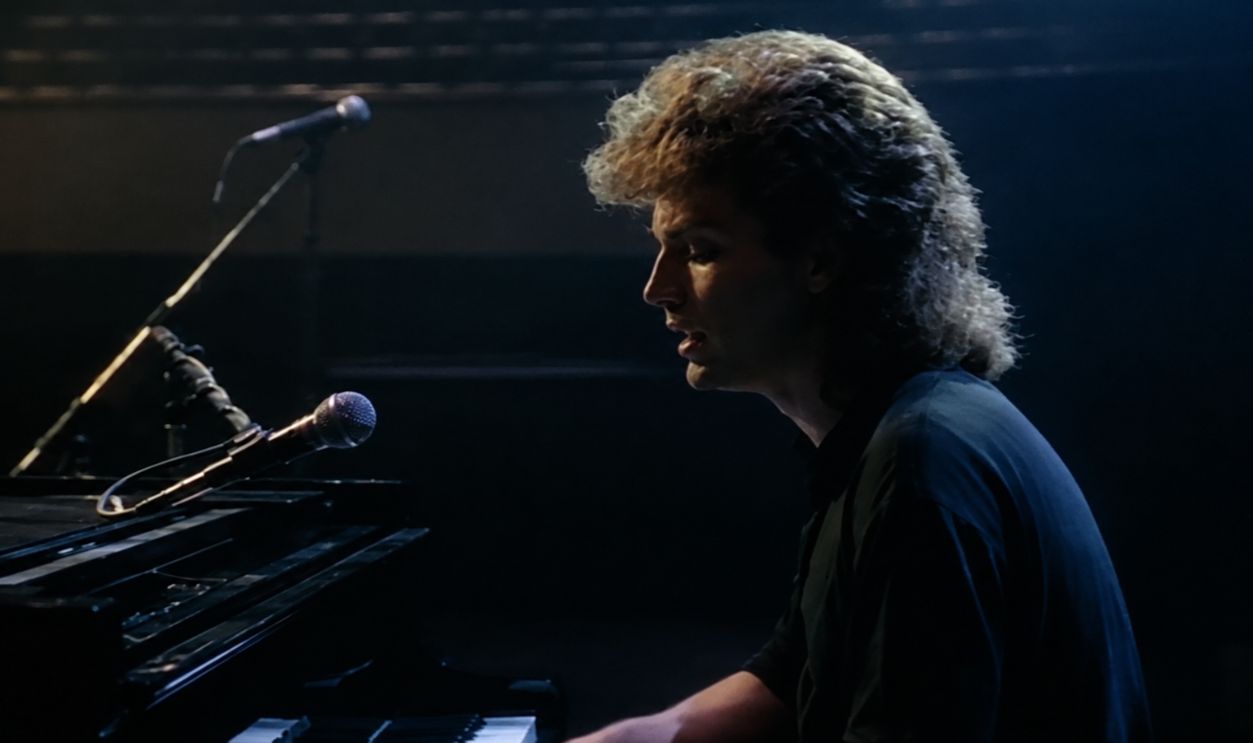 Screenshot from Right Here Waiting, EMI Records (1989), Enhanced
Heaven Is A Place On Earth—Belinda Carlisle
Belinda Carlisle’s 1987 smash sounds enormous from its opening seconds. “Heaven Is A Place On Earth” reached No. 1 in Britain and became one of the former Go-Go’s singer’s signature solo recordings. Its combination of romance and gleaming pop production practically defines late-1980s radio.
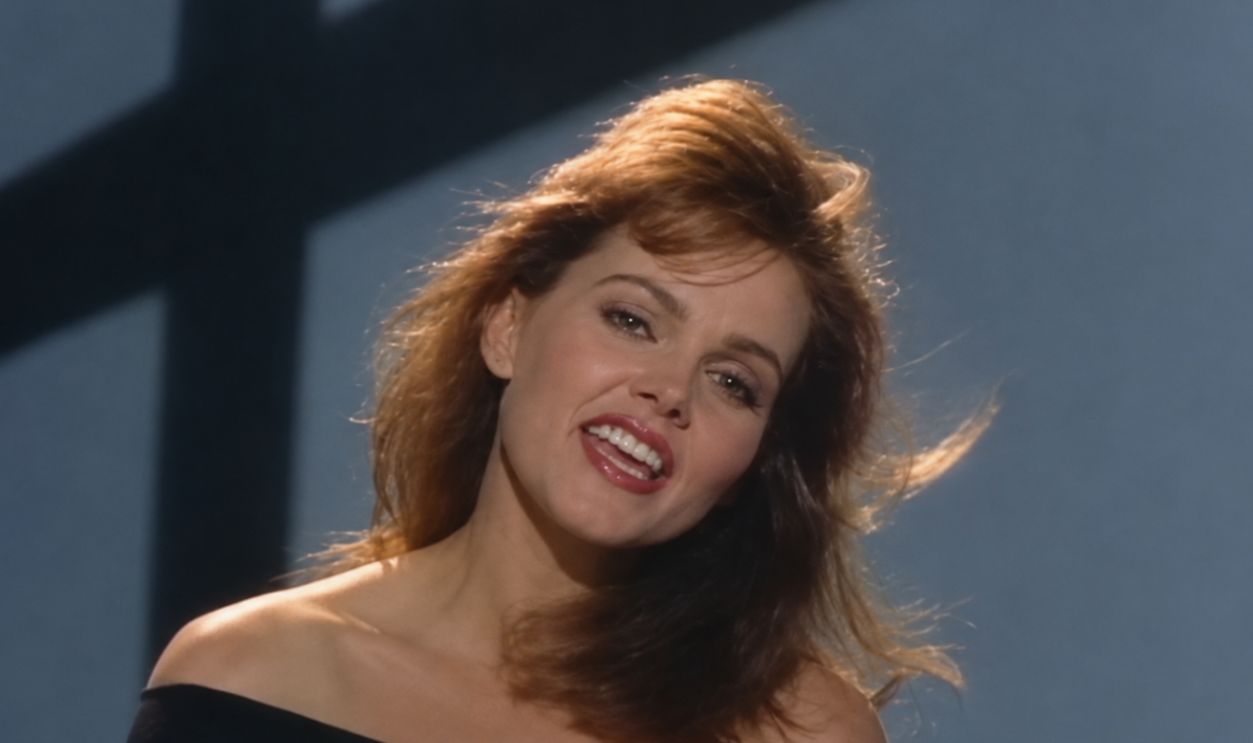 Screenshot from Heaven Is a Place on Earth, MCA Records (1987), Enhanced
Is This Love—Whitesnake
Whitesnake proved that hard-rock guitars and romantic uncertainty could coexist beautifully. “Is This Love” became a major crossover hit in 1987, reaching the UK Top 10. The restrained opening allows David Coverdale’s vocal to take center stage before the arrangement grows into full power-ballad mode.
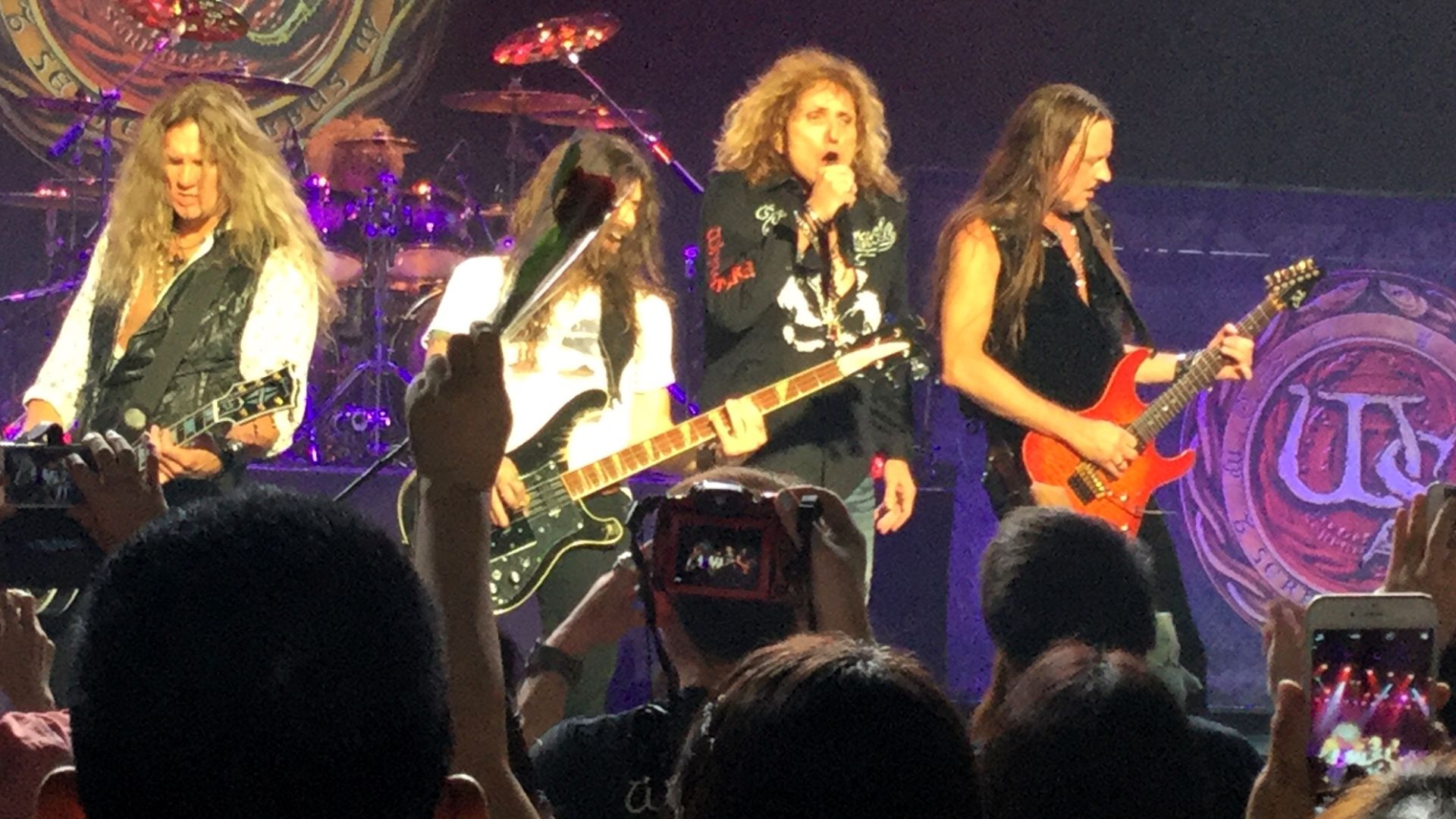 Cool-Rock.com, Wikimedia Commons
Alone—Heart
Heart’s “Alone” starts quietly, but nobody who knows the song expects it to stay there. Released in 1987, it reached No. 3 in Britain and topped the American chart. Ann Wilson’s towering vocal helped make it one of the decade’s definitive examples of the dramatic power ballad.
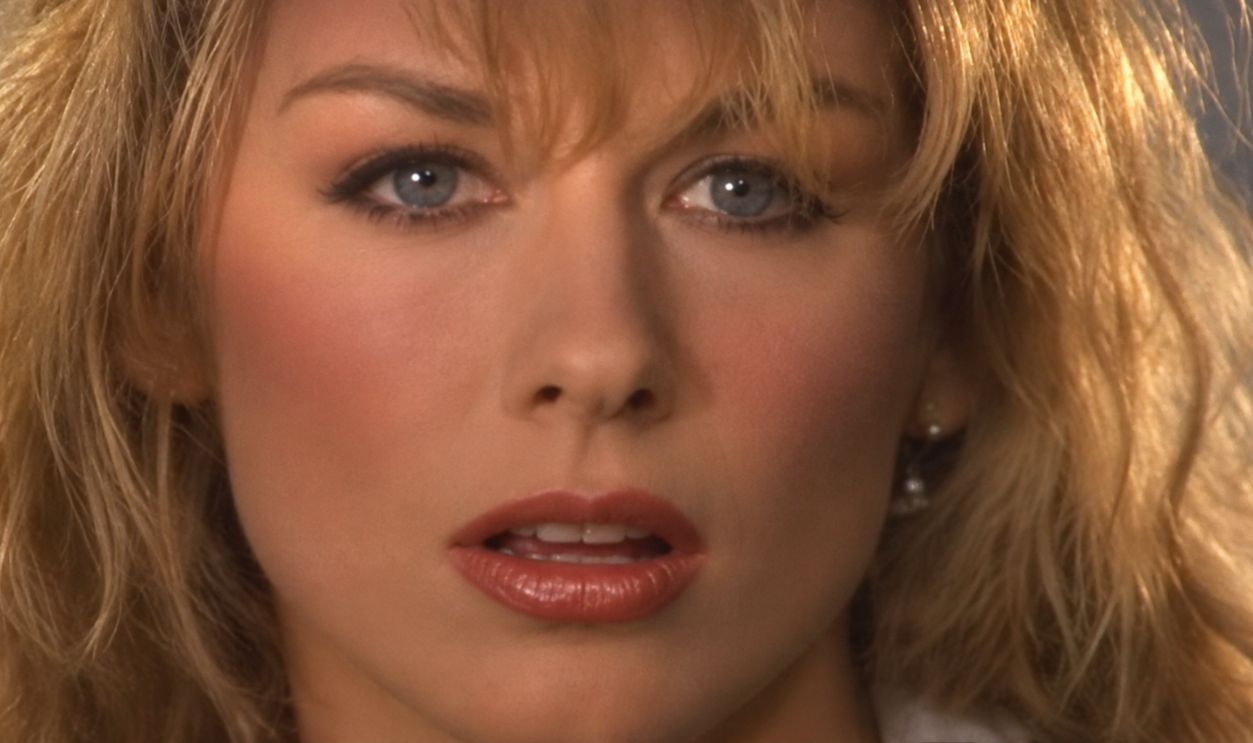 Screenshot from Alone, Capitol Records (1987)
The Lady In Red—Chris De Burgh
Few 1980s slow dances escaped “The Lady In Red.” Chris de Burgh’s romantic ballad became a No. 1 single in Britain in 1986 and remained on the UK chart for months. Its gentle introduction established the mood long before the famous chorus arrived.
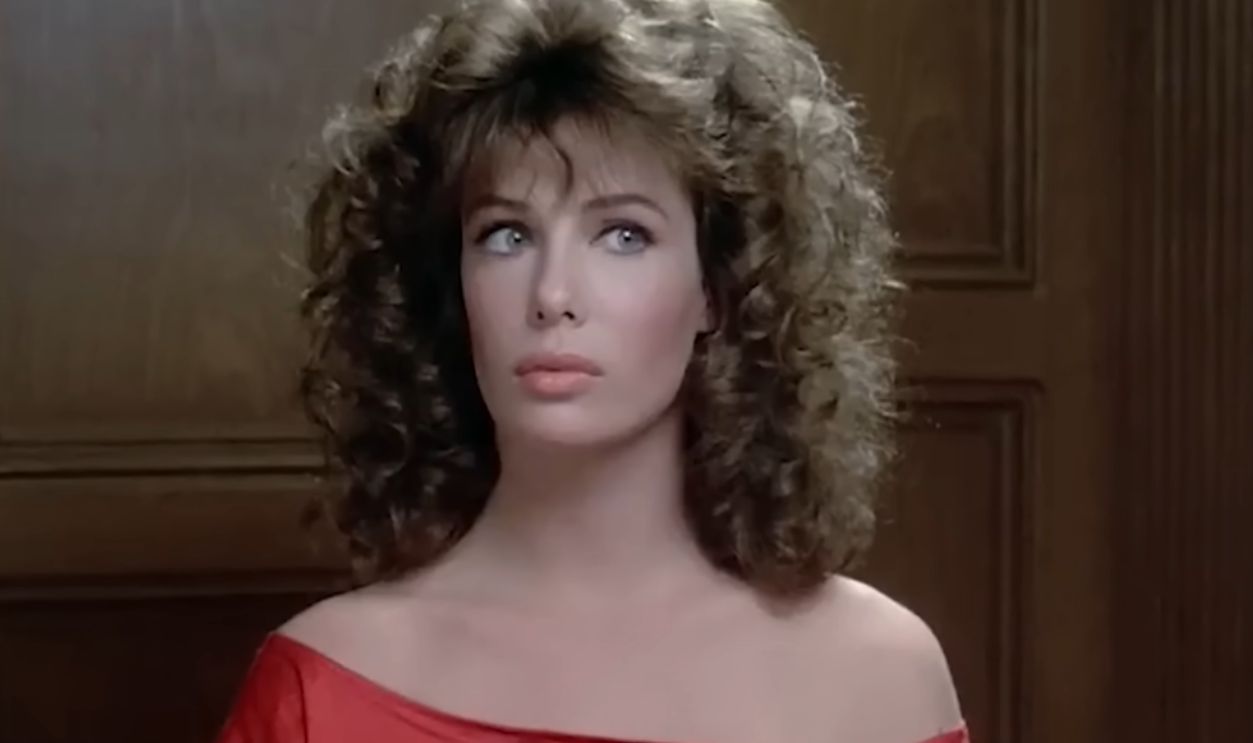 Screenshot from The Lady in Red, A&M Records (1986)
Crazy For You—Madonna
Madonna temporarily stepped away from dance-pop dominance for this ballad from the film Vision Quest. “Crazy For You” showcased a softer vocal style and reached No. 2 in Britain. Its slow, atmospheric opening remains strikingly different from many of her biggest mid-1980s singles.
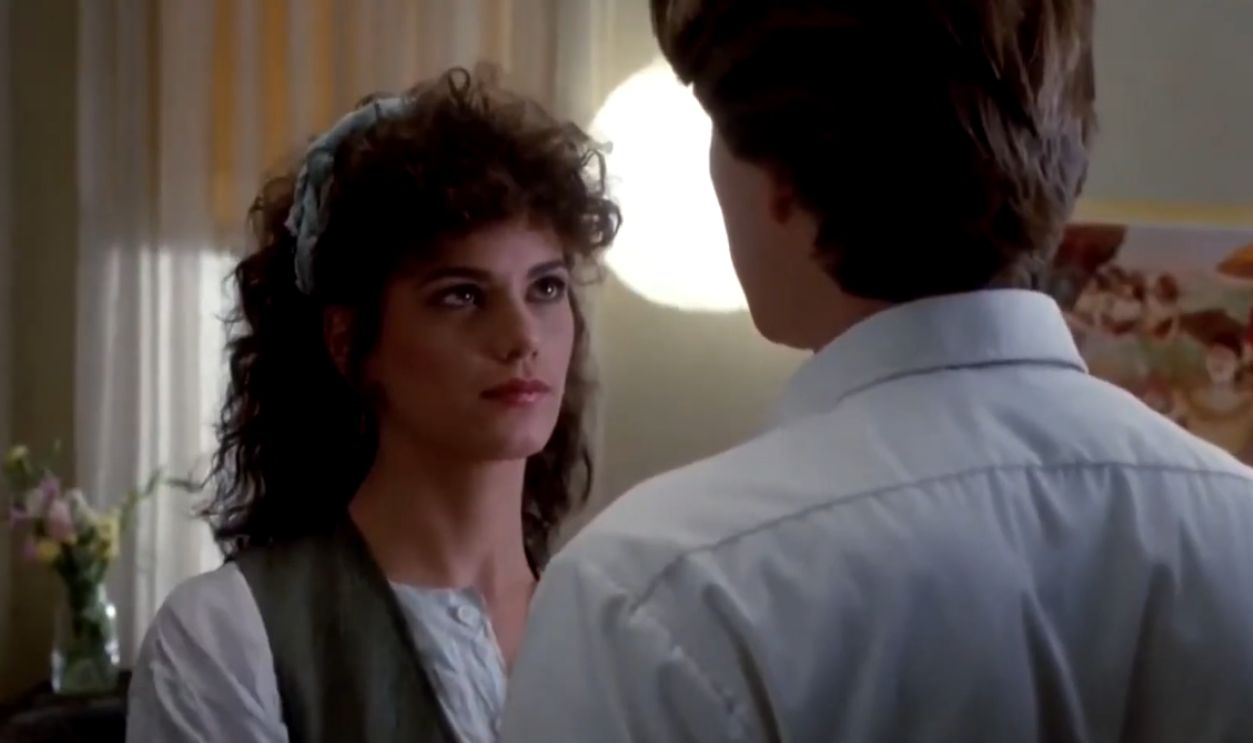 Screenshot from Crazy for You, Geffen Records (1985)
Saving All My Love For You—Whitney Houston
Whitney Houston’s voice turned this sophisticated ballad into an early career milestone. “Saving All My Love For You” topped both the Billboard Hot 100 and the UK singles chart in 1985. Houston also won the Grammy for Best Pop Vocal Performance, Female for the recording.
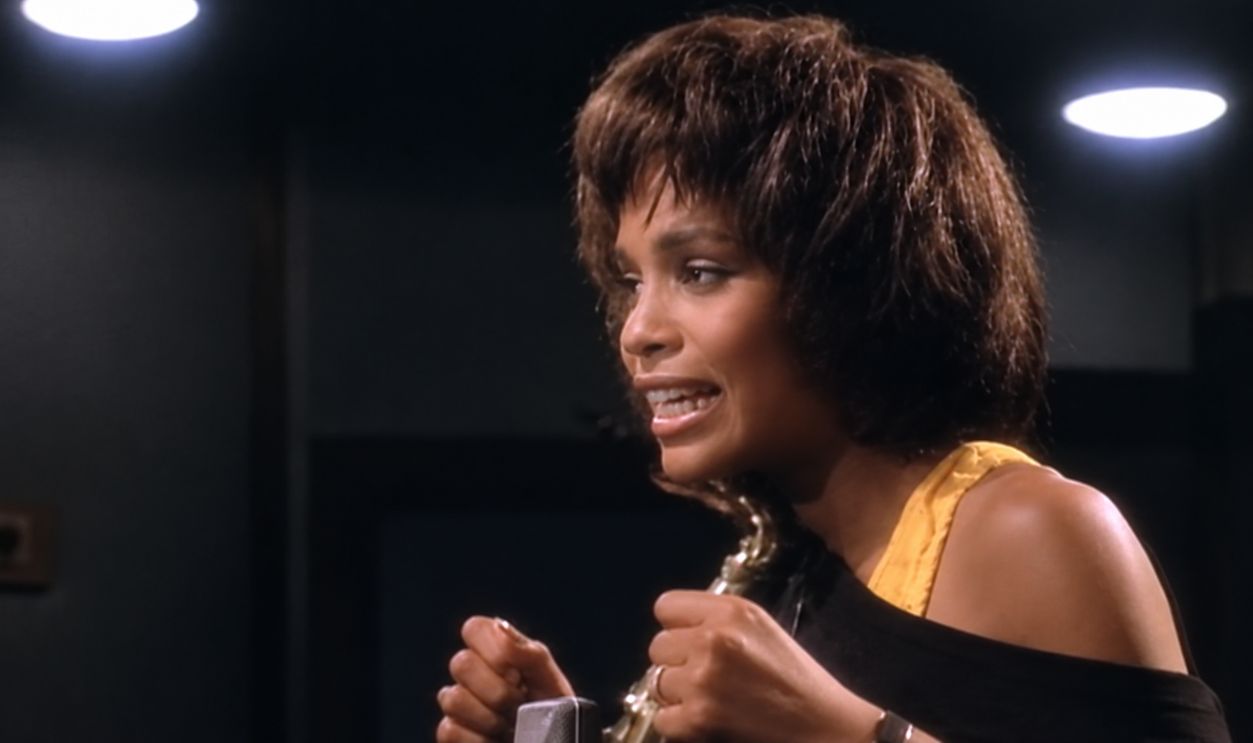 Screenshot from Saving All My Love for You, Arista Records (1985), Enhanced
Up Where We Belong—Joe Cocker And Jennifer Warnes
Movie romances rarely received musical finales bigger than this. Joe Cocker and Jennifer Warnes recorded “Up Where We Belong” for An Officer and a Gentleman, and the duet became a major international success. In Britain, it reached No. 7 and spent 13 weeks on the chart.
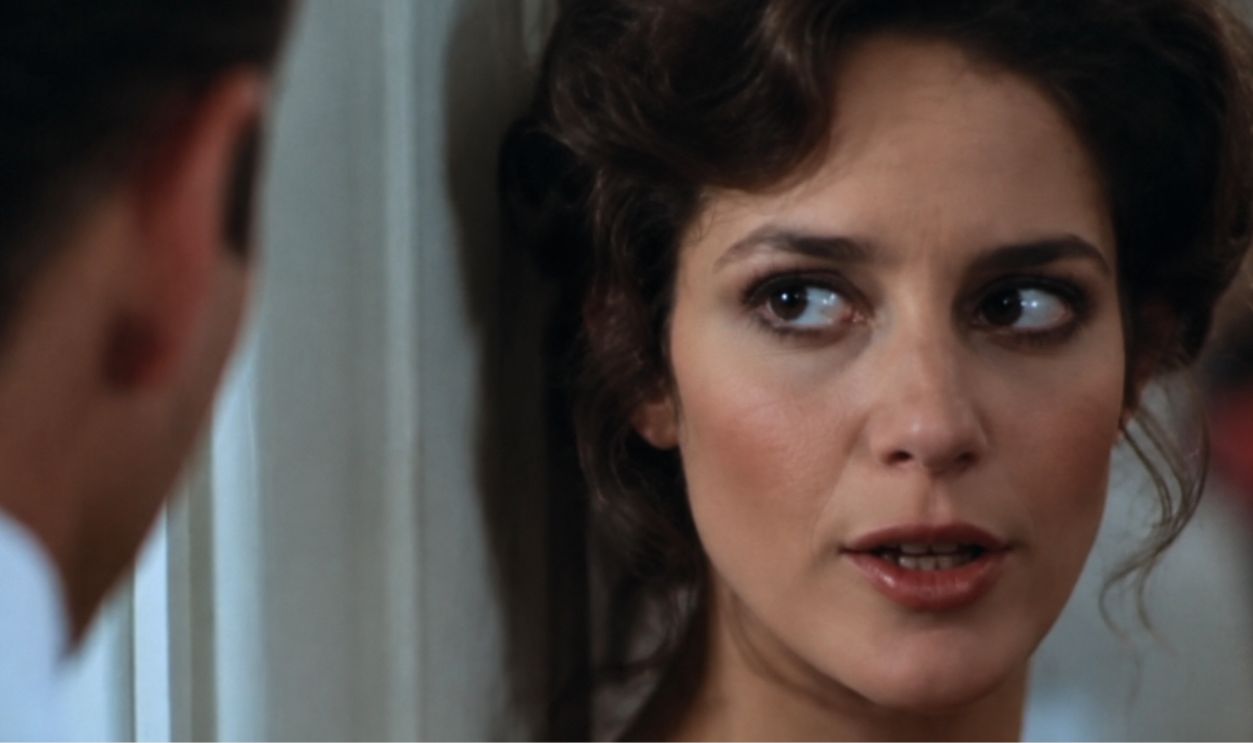 Screenshot from Up Where We Belong, Island Records (1982), Enhanced
Can’t Fight This Feeling—REO Speedwagon
REO Speedwagon returned to the power-ballad well with spectacular results. “Can’t Fight This Feeling” became a major 1985 hit and reached No. 16 in Britain while climbing even higher in America. Its quiet beginning provides plenty of room for the inevitable arena-ready crescendo.
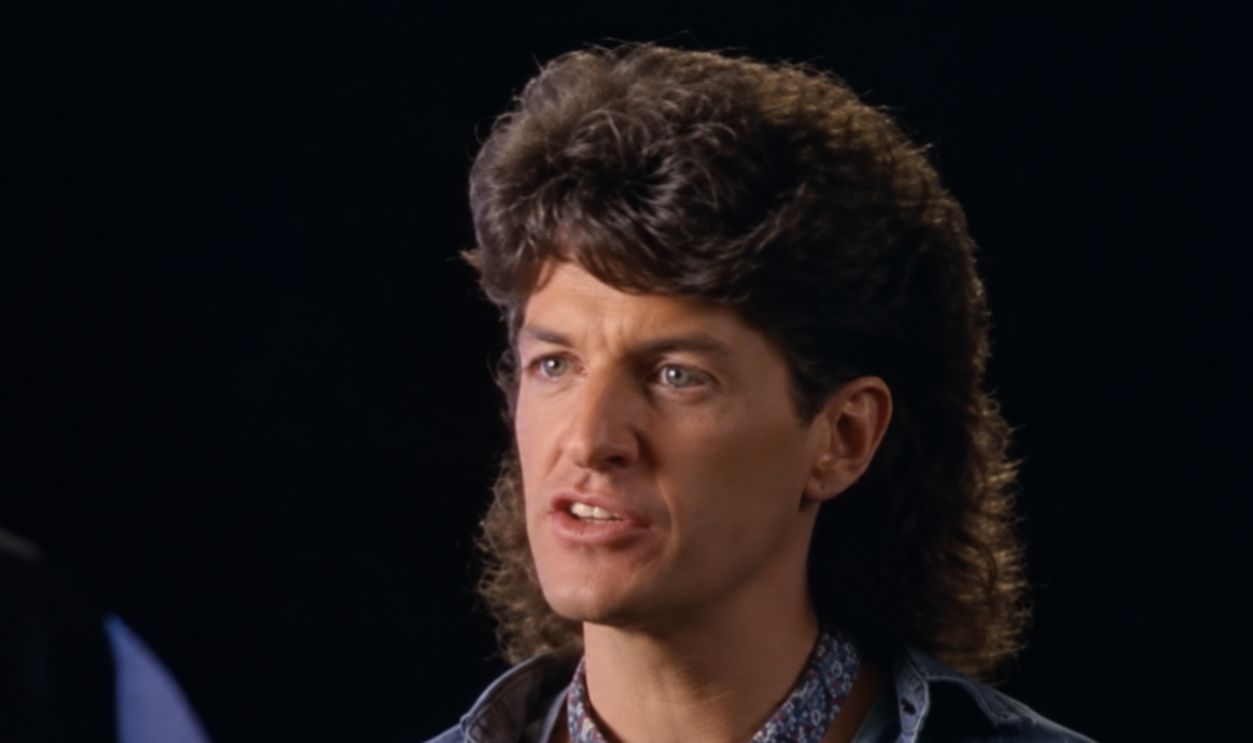 Screenshot from Can't Fight This Feeling, Epic Records (1984), Enhanced
Suddenly—Billy Ocean
Billy Ocean’s mid-1980s run produced dance hits and romantic ballads alike. “Suddenly,” the title track from his breakthrough album, became a major international hit and reached No. 4 in Britain. Its smooth arrangement gave Ocean room to deliver one of his warmest and most recognizable performances.
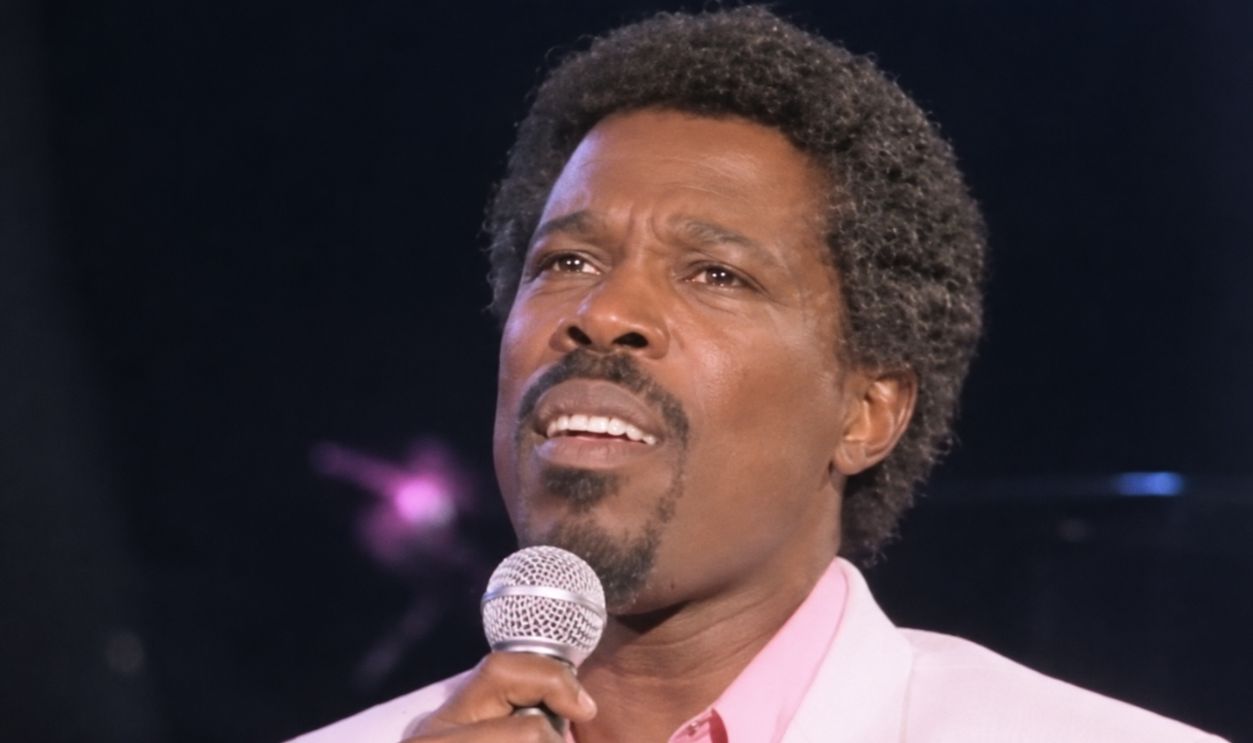 Screenshot from Suddenly, Jive Records (1984), Enhanced
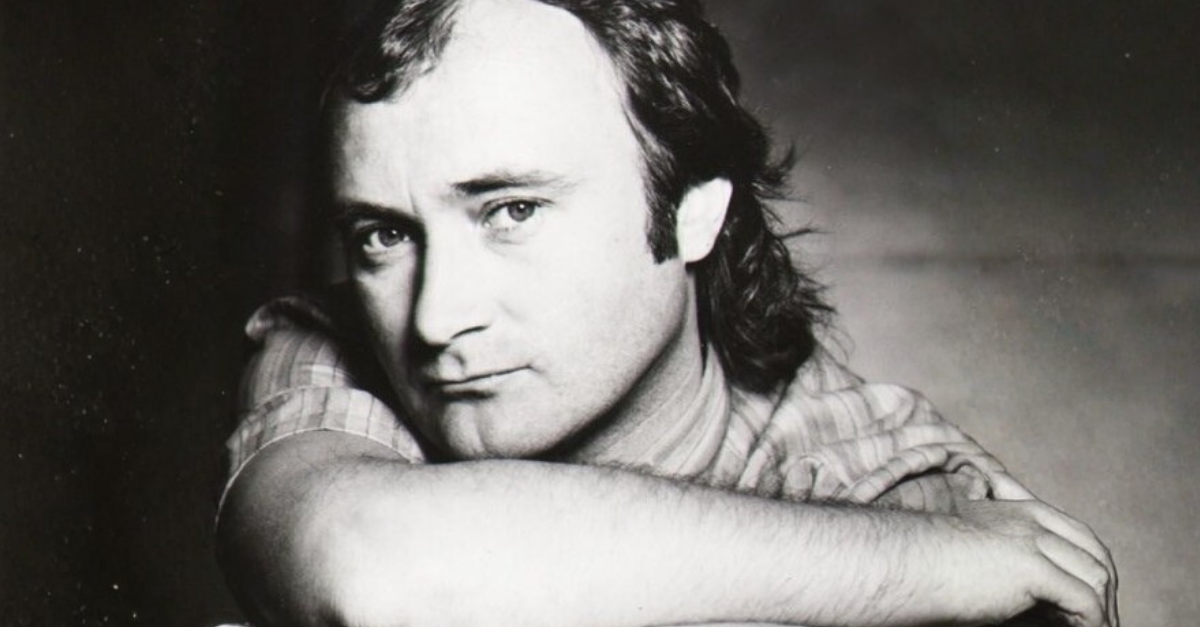
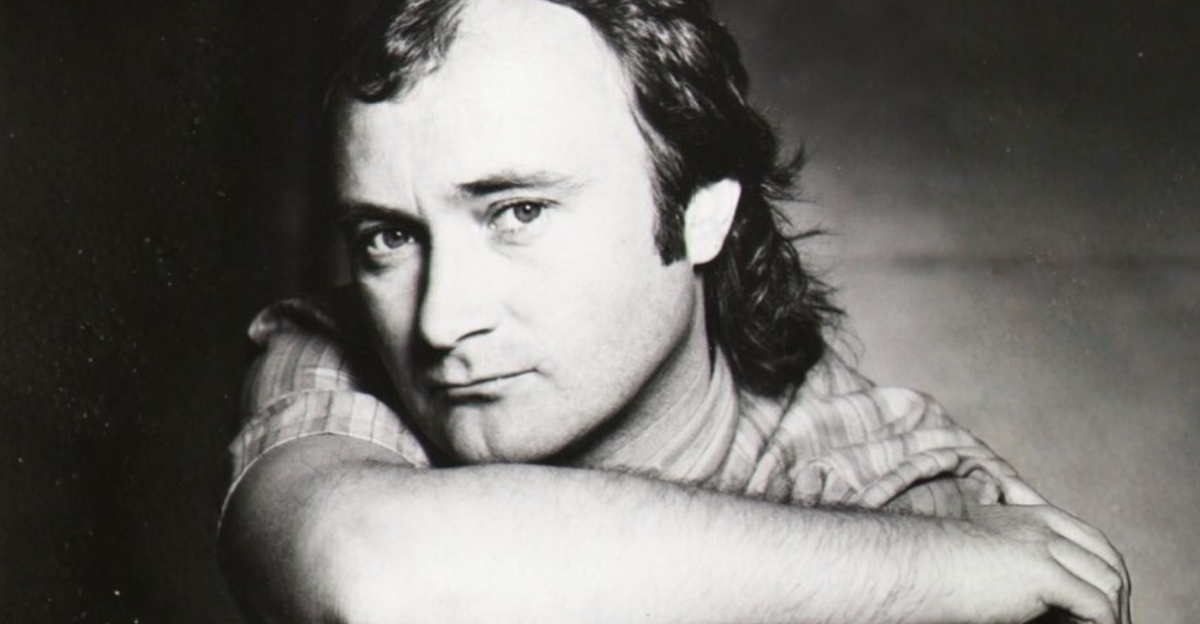
Against All Odds—Phil Collins
Phil Collins recorded “Against All Odds (Take A Look At Me Now)” for the 1984 film Against All Odds. The song became a major solo success, reaching No. 2 in Britain. Its sparse piano opening and increasingly intense vocal created a template countless movie ballads would chase afterward.
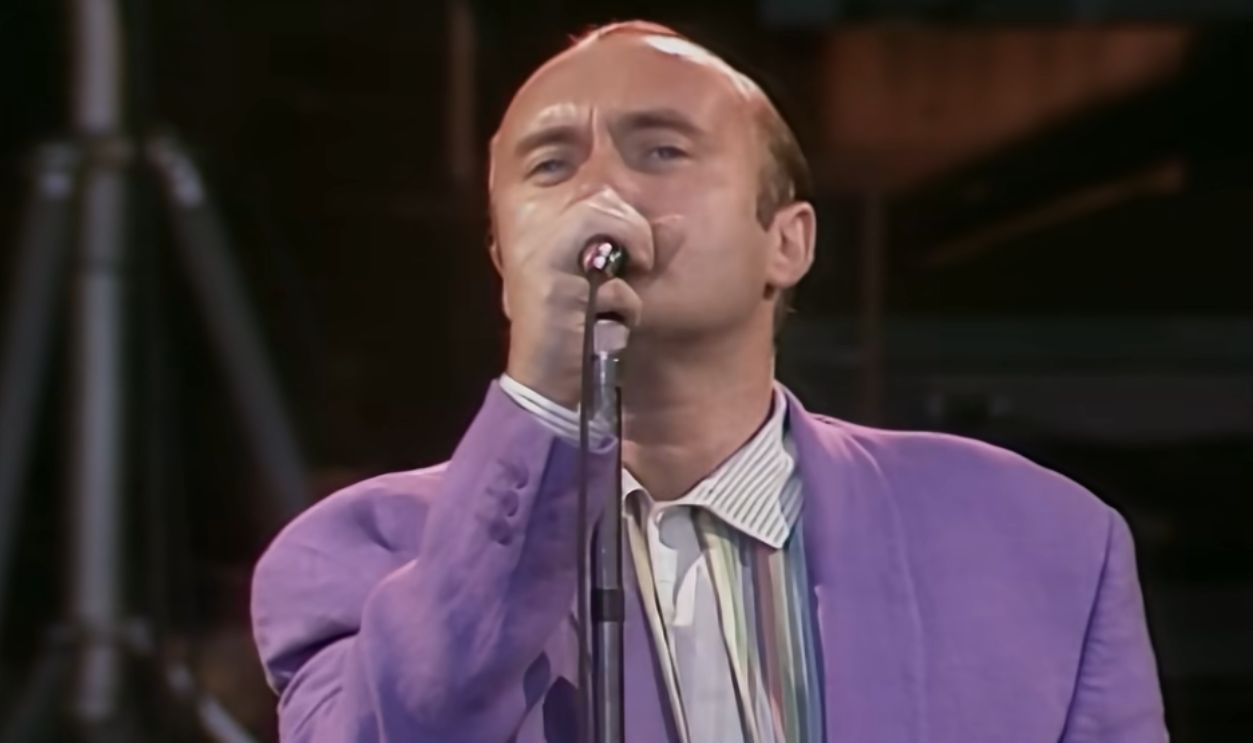 Screenshot from Against All Odds, Atlantic Records (1984)
You May Also Like:
1960s Songs That Sound Cheerful—Until You Actually Listen To The Lyrics
Timeless Songs About Travel And Adventure That Make The Open Road Feel Impossible To Resist
Sources: 1