
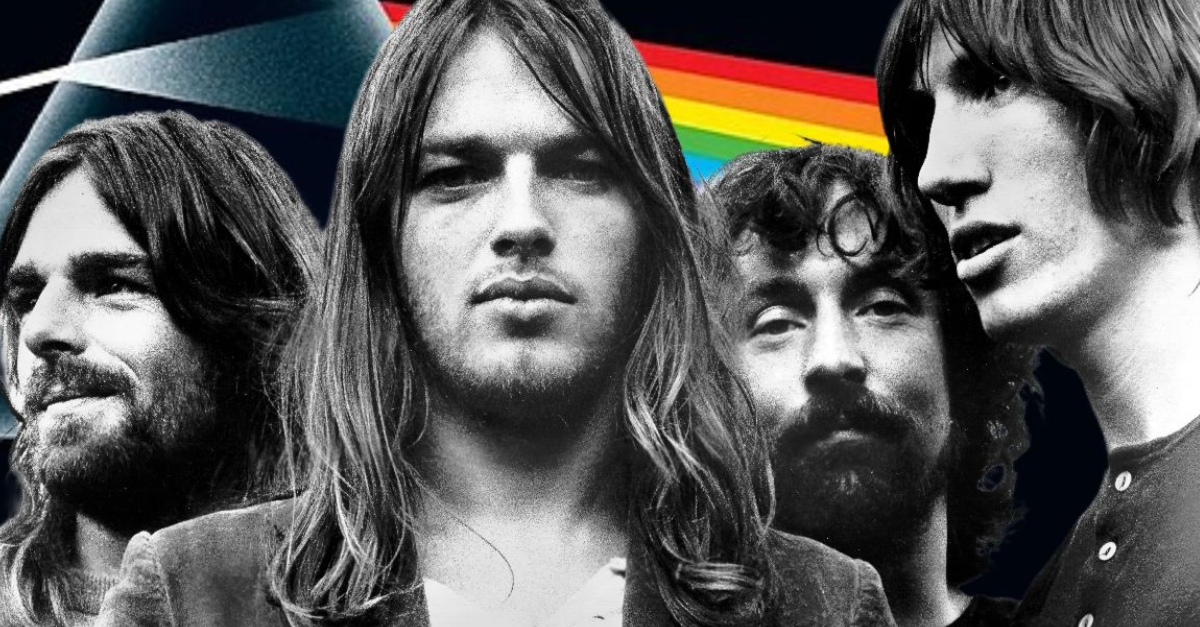
The Album That Wouldn’t Go Away
Most successful albums spend a few months near the top of the charts before slowly disappearing. Pink Floyd’s The Dark Side of the Moon did something completely different. It remained a Billboard fixture for years...and then suddenly vanished from the Billboard 200 for more than two decades. Did sales drop that drastically in one year? did Billboard do something to make it happen? It might be a bit of both and some more? Do you know the story?
 Michael Ochs Archives, Getty Images and w:George Hardie (artist), Wikicommons
It Arrived Without Much Warning
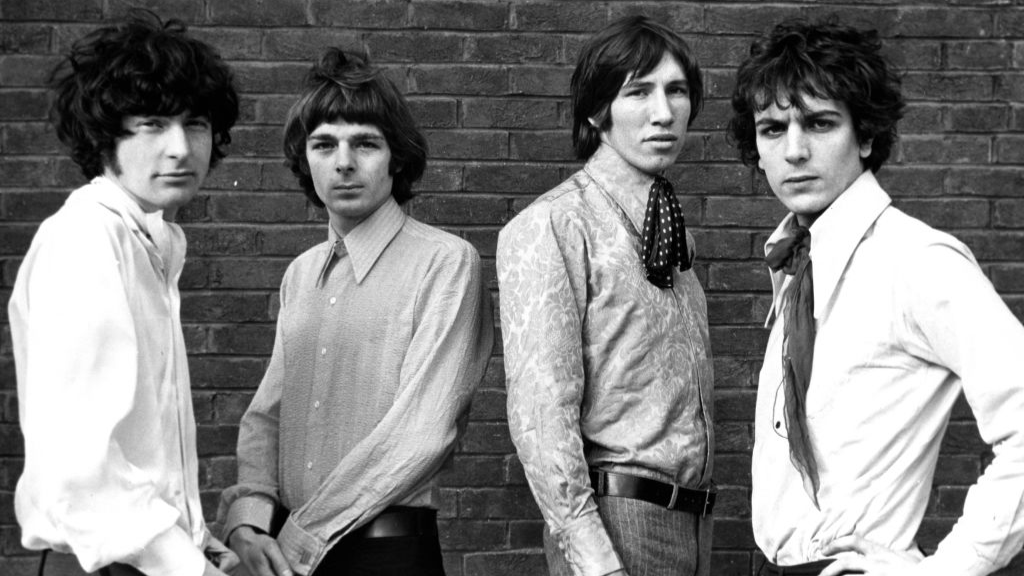
The Dark Side of the Moon entered the Billboard album chart at No. 95 in March 1973. Pink Floyd already had a loyal following, but nothing the band had previously released suggested that its eighth studio album was about to rewrite the record books.
 Michael Ochs Archives, Getty Images
It Reached No. 1
Just six weeks after entering the chart, the album reached No. 1. And then, somewhat surprisingly, it stayed there for only one week. That does not sound particularly historic—until you look at what happened after it surrendered the top spot.
It Simply Refused To Disappear
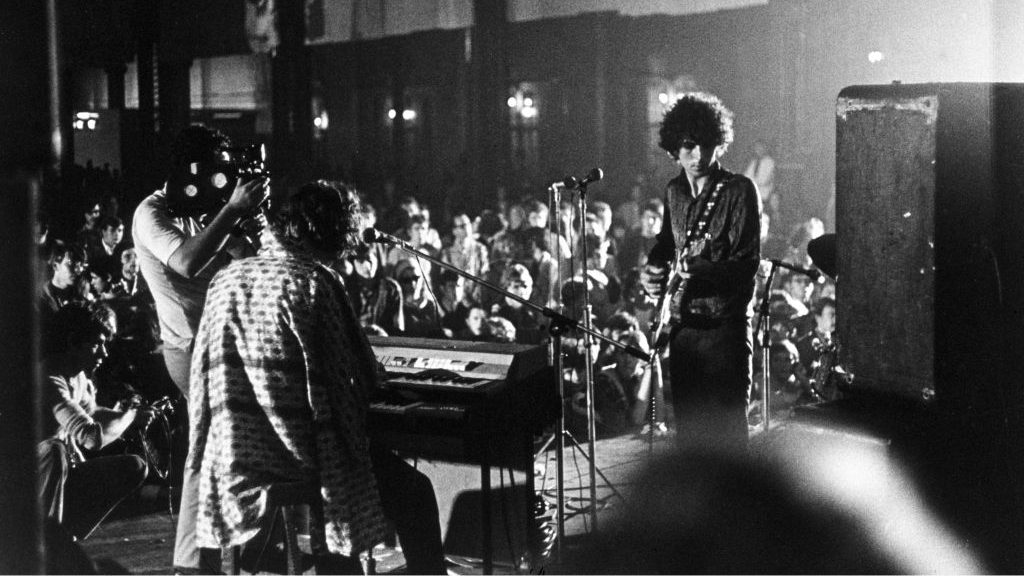
Instead of dropping rapidly, The Dark Side of the Moon remained somewhere on the 200-position chart year after year. New Pink Floyd albums arrived, musical trends changed and an entirely new generation began buying records. Yet that familiar prism kept appearing in record stores.
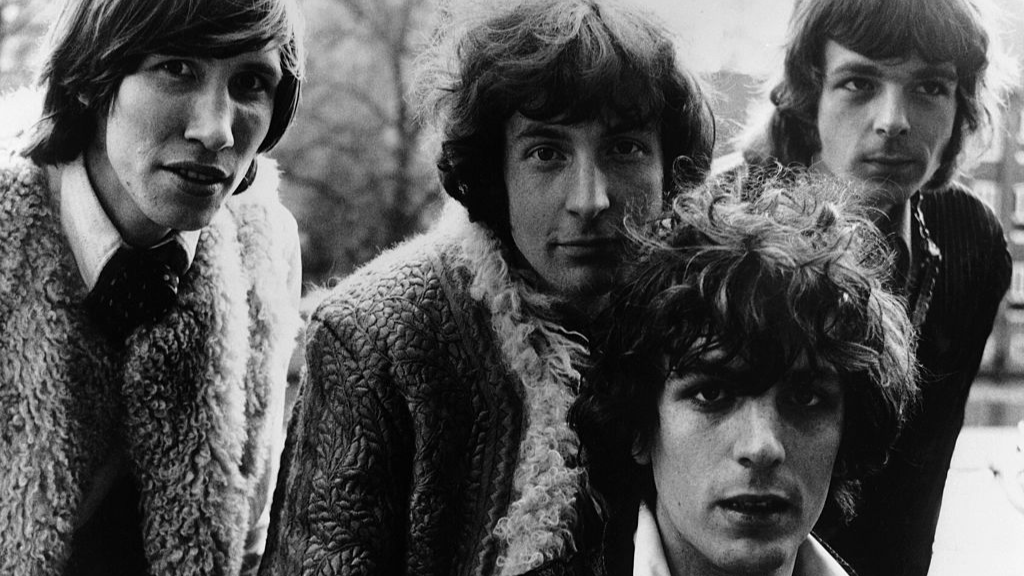
The Famous 741-Week Number
By the time its original Billboard 200 run was over, the album had accumulated an incredible 741 weeks on the chart. That works out to more than 14 years of actual chart appearances spread across a period lasting approximately 15 and a half years.
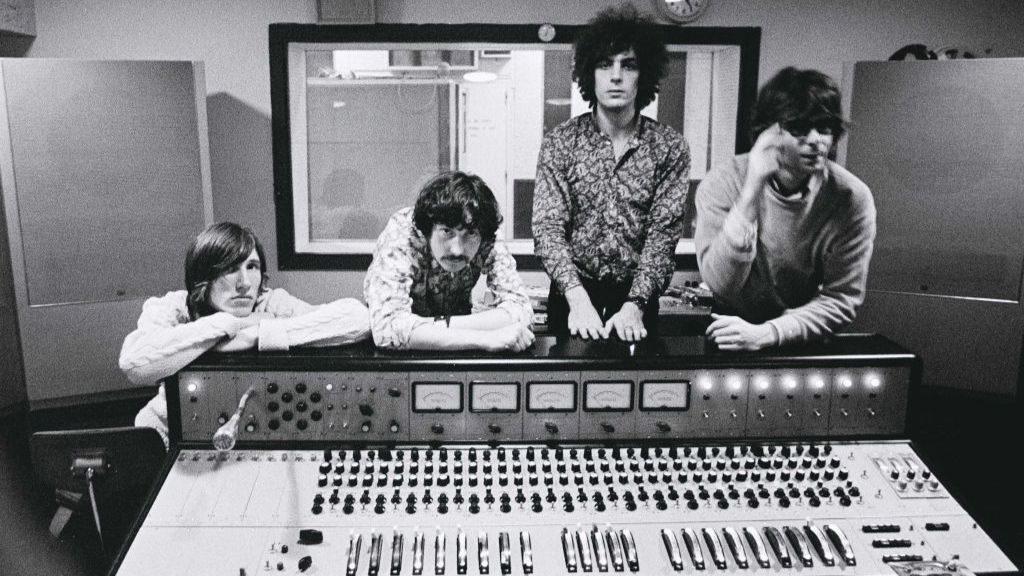
But They Weren’t Consecutive
The 741 weeks are often described as consecutive, but that is not quite accurate. The album briefly slipped off the chart several times. Its longest uninterrupted stretch lasted 593 weeks, running from December 1976 until April 1988—which is still more than 11 straight years.
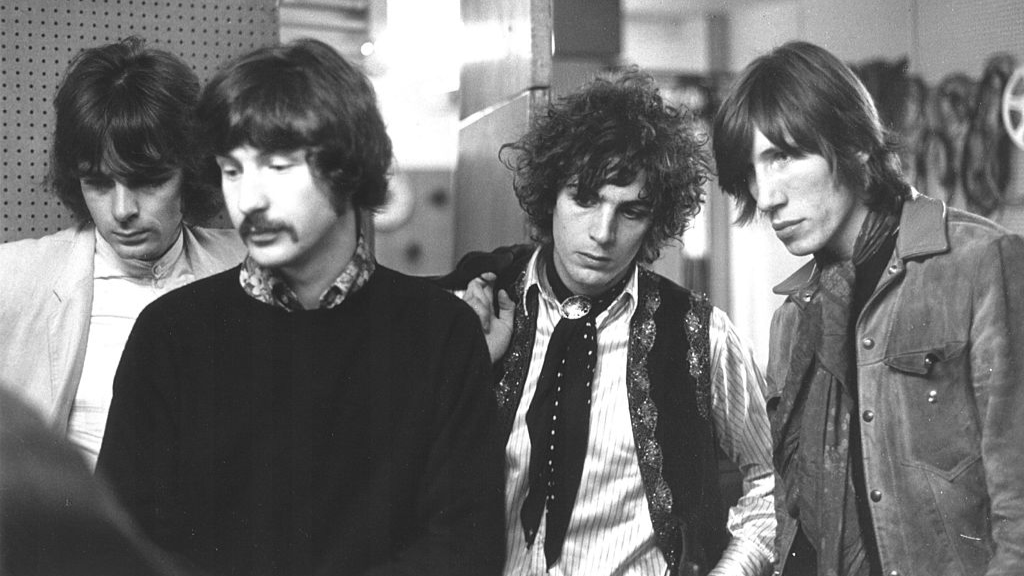
It First Fell Off In July 1988
After accumulating 736 weeks on the Billboard 200, The Dark Side of the Moon finally dropped below the chart in July 1988. There was no dramatic announcement. After all those years, the album simply slipped beyond the lowest available position.
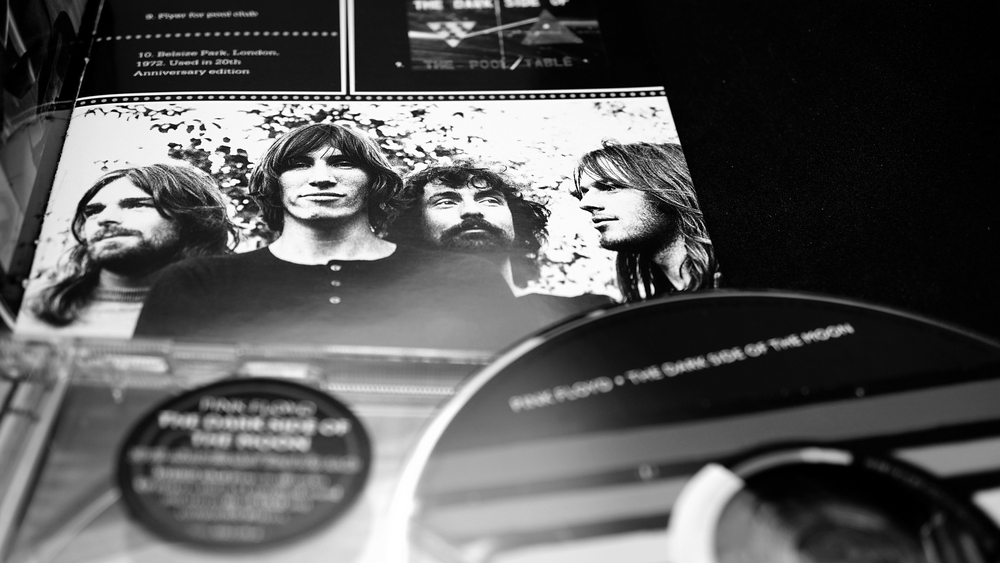
But It Wasn’t Finished Yet
Here is where the story gets strange. The July disappearance was not actually the end. The Dark Side of the Moon returned to the Billboard 200 and remained there for another five weeks, bringing its original total to the famous 741.
Its Final Week Came In October
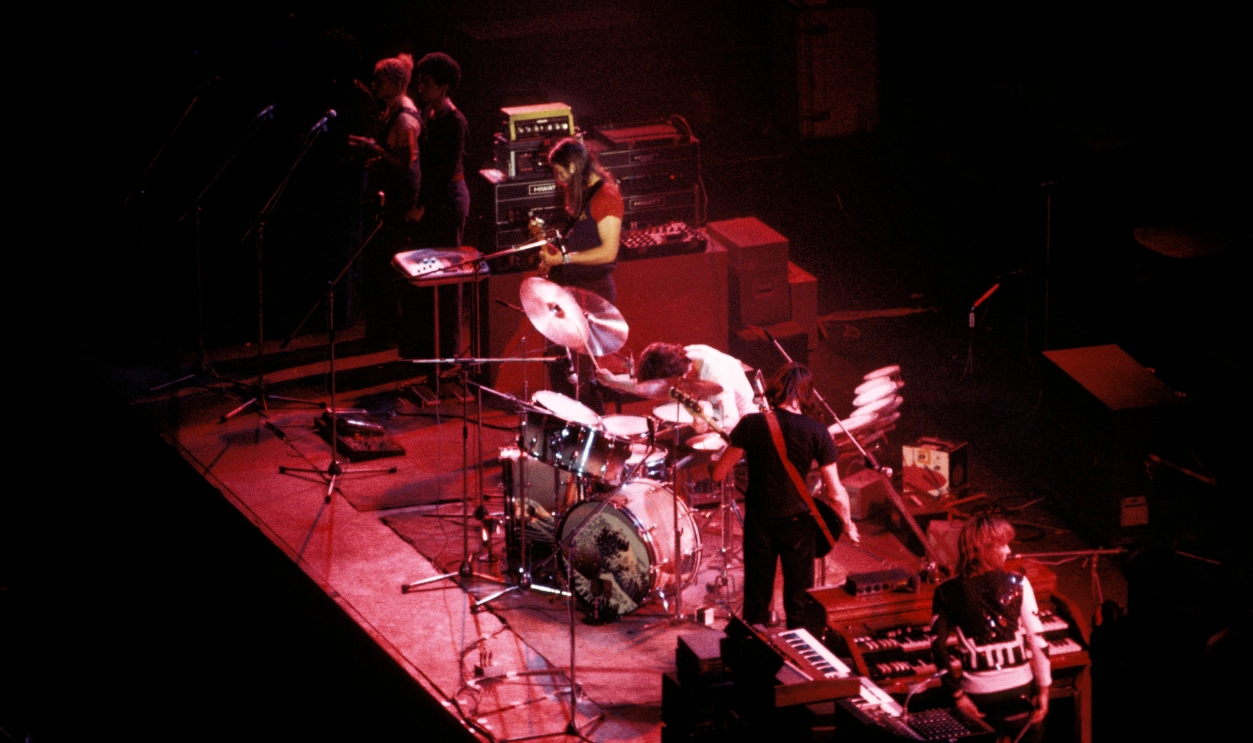
The album made its last appearance of that remarkable era on the Billboard chart dated October 8, 1988. It had survived changing fashions, several formats and countless new releases. This time, however, it would not return the following week—or anytime soon.
Nobody Had Suddenly Stopped Buying It
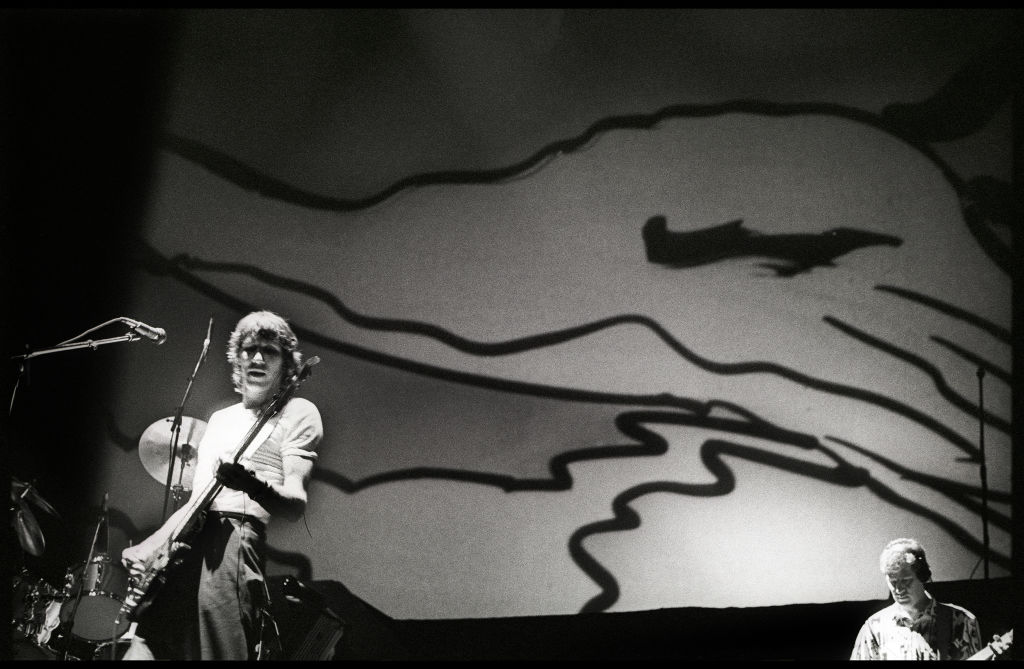
The album initially disappeared for the most ordinary reason possible: its weekly sales were no longer high enough to place it among America’s 200 leading albums. But that does not explain why a famously strong seller stayed away for the next 21 years.
 David Warner Ellis, Getty Images
Then Billboard Changed The Rules
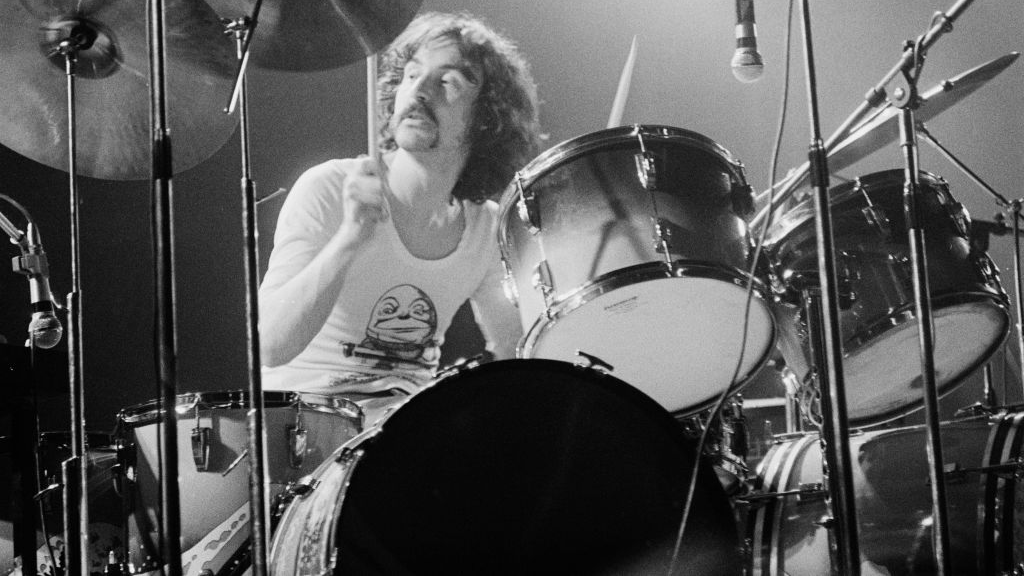
In 1991, Billboard introduced a separate catalog chart for older releases. Albums more than 18 months old that had fallen below No. 100 were generally moved out of the Billboard 200 and placed on this new chart instead.
That Included “The Dark Side Of The Moon”
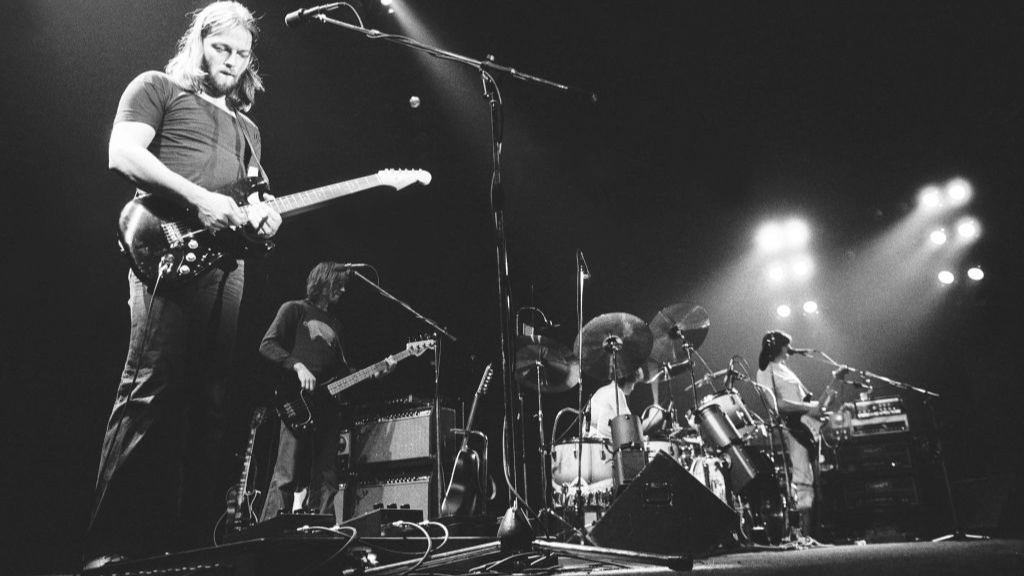
That policy meant The Dark Side of the Moon could appear on the new catalog chart but was generally ineligible to return to the Billboard 200. Its sales continued to count, but the album was now competing on a different Billboard list.
It Had Somewhere Else To Go
The album had not vanished from every Billboard ranking. It became a fixture on the Top Pop Catalog Albums chart, where older releases competed against one another. Fans kept buying it, but those purchases no longer gave it a normal route back onto the Billboard 200.
 National Archives at College Park, Wikimedia Commons
The Album Was Still Selling
This was not some forgotten record gathering dust in the back of a store. By the 2000s, The Dark Side of the Moon was reportedly still selling thousands of copies during an ordinary week—sometimes enough to outperform albums near the bottom of the Billboard 200.
 Andrew Whittuck/Redferns/Getty Images
It Could Have Returned
Under today’s rules, the album probably would have returned to the Billboard 200 numerous times between 1991 and 2009. Its catalog sales were frequently strong enough, although surviving sales data cannot tell us precisely which weeks it would have qualified.
The Door Finally Reopened
In 2009, Billboard changed its methodology and once again allowed older catalog albums to compete directly against newer releases on the Billboard 200. Suddenly, an album released when Richard Nixon was president was eligible for America’s main album chart again.
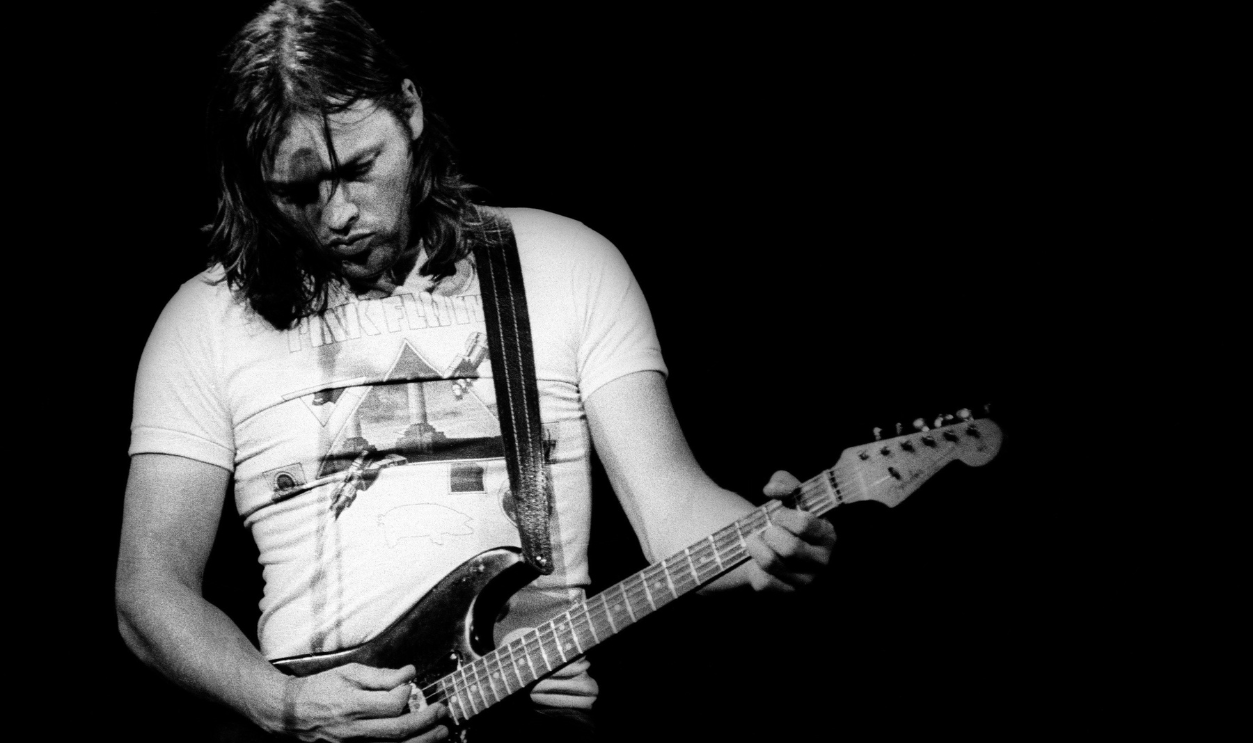
It Came Straight Back
On the Billboard 200 dated December 12, 2009, The Dark Side of the Moon returned at No. 189. More than 21 years had passed since its previous appearance. The album had not needed a new hit single or a reunion tour. It simply needed permission to compete.
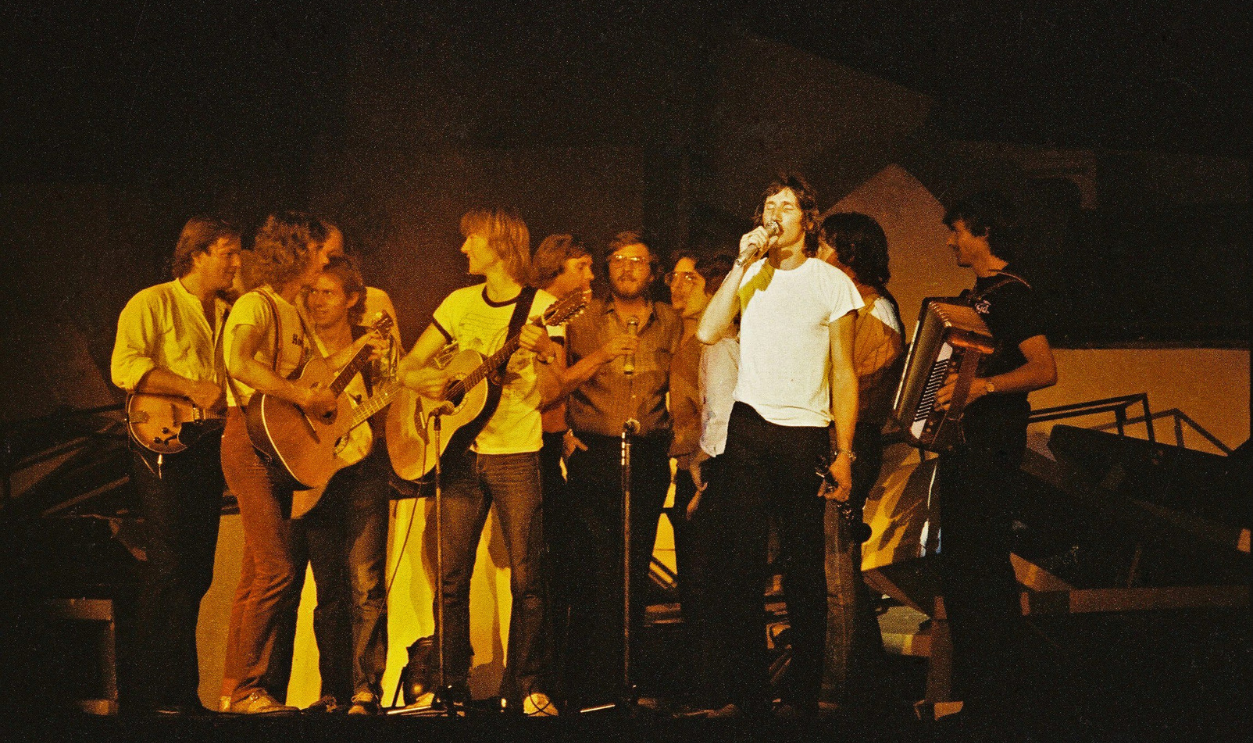
The Number Kept Growing
Its 2009 return marked the album’s 742nd week on the Billboard 200. It has continued making occasional appearances ever since. By January 2026, its total had reached 996 nonconsecutive weeks—more than 19 combined years on America’s leading album chart.
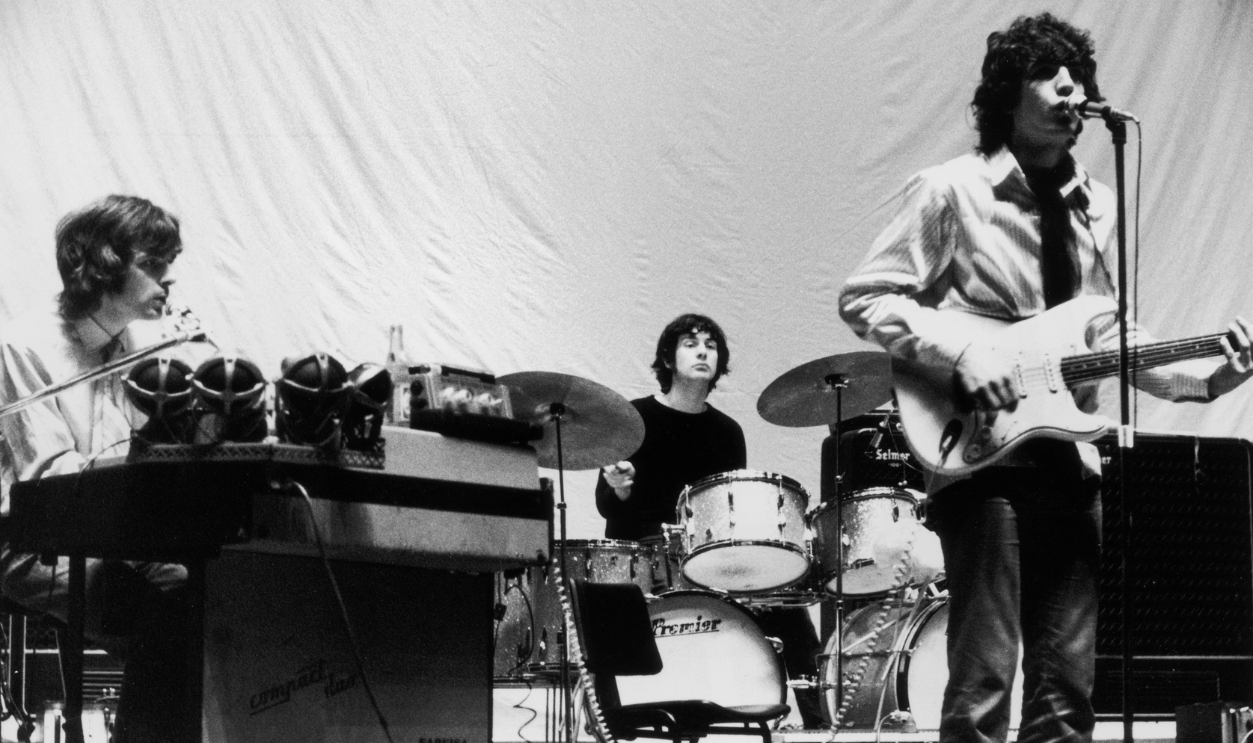
It Broke The Record Back In 1983
The album did not have to wait until 1988 to make history. In October 1983, its 491st week carried it past Johnny Mathis’ Johnny’s Greatest Hits, which had held the previous Billboard longevity record with 490 weeks.
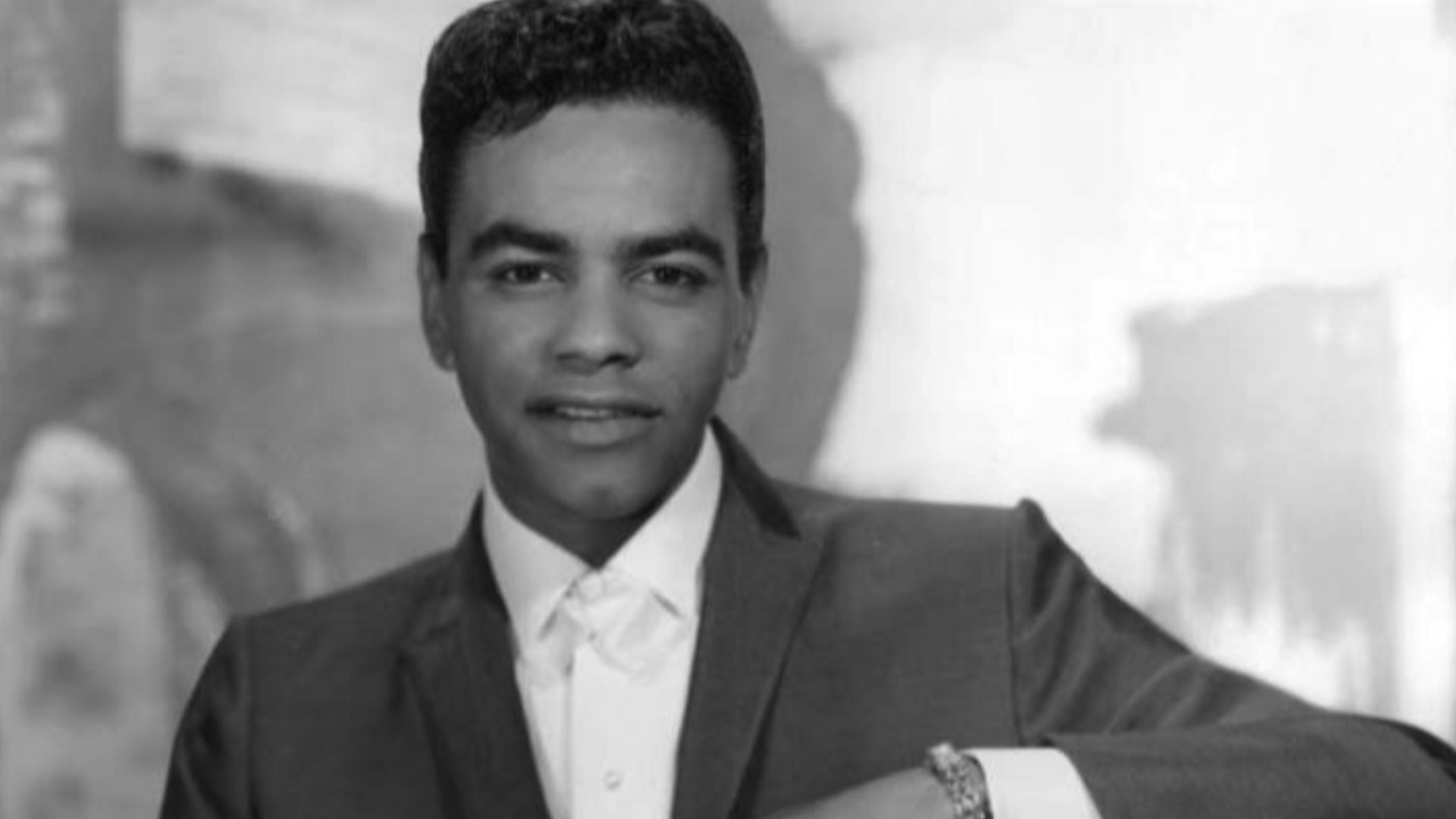 MCA-Music Corporation of America (management), Wikimedia Commons
Why Did People Keep Buying It?
Changing chart rules explain the album’s long absence, but they do not explain why it remained popular enough to return. For that, you have to go back to how Pink Floyd constructed it—and why it never sounded tied to one particular moment in the 70s.
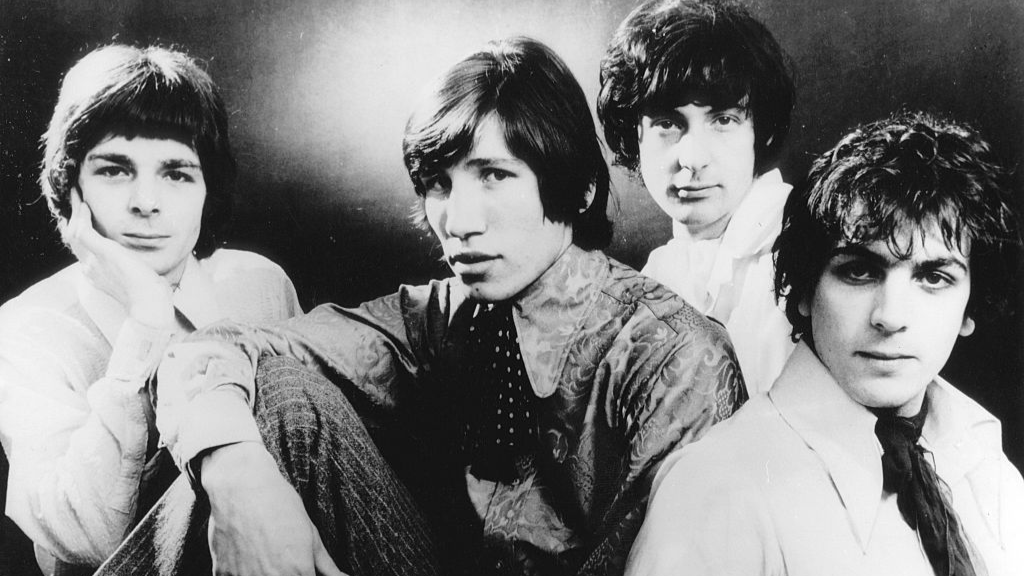
Pink Floyd Tested It Live
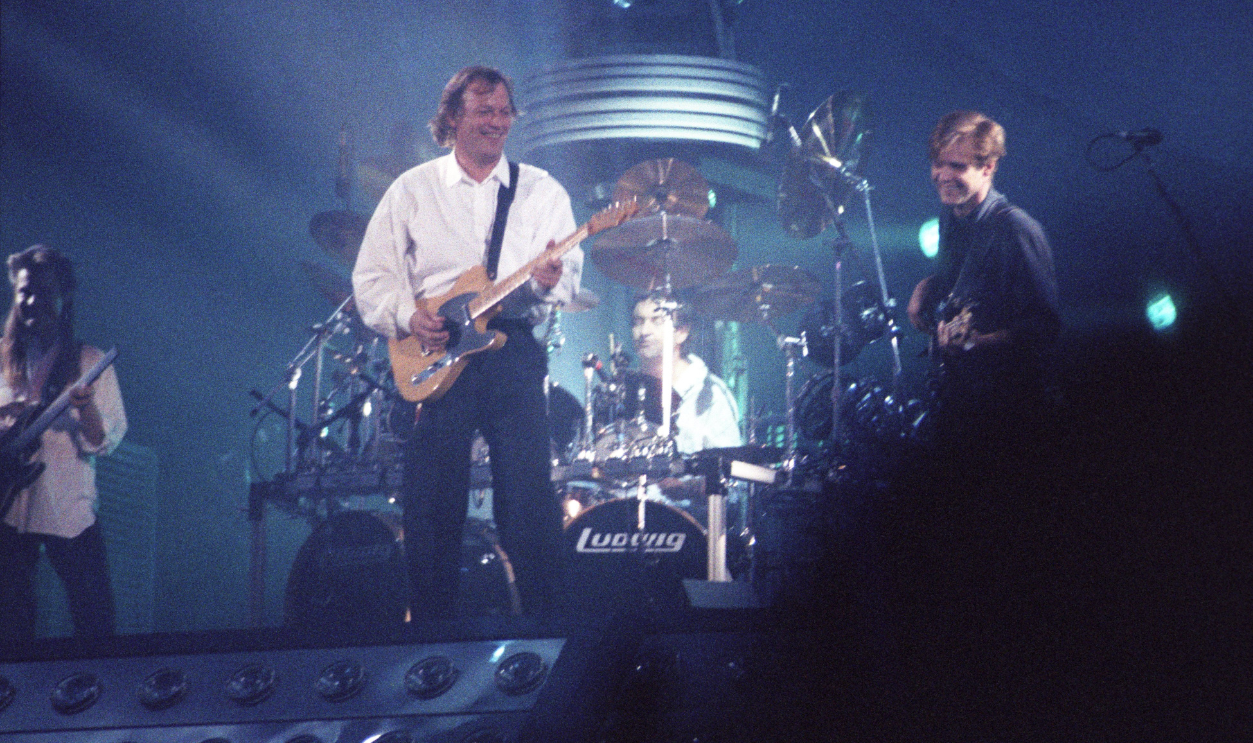
Pink Floyd began performing an early version of the album in concert more than a year before its release. Audiences heard the developing piece throughout 1972, giving the band repeated opportunities to improve the material before committing the final versions to tape.
It Was Designed As One Experience
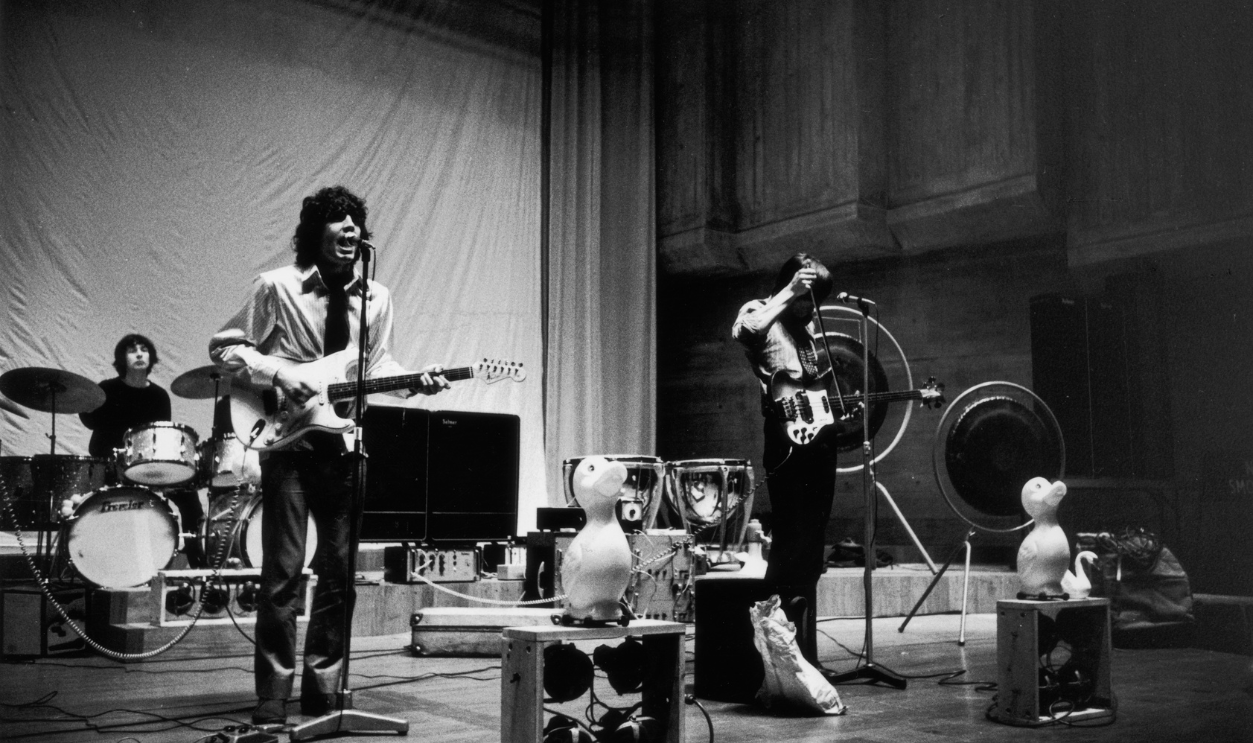
Each vinyl side plays as a continuous piece, with songs blending into sound effects, voices and one another. Listeners were not merely buying a collection of Pink Floyd tracks. They were buying a 43-minute experience that felt incomplete unless they played the entire thing.
It Was About Everyone
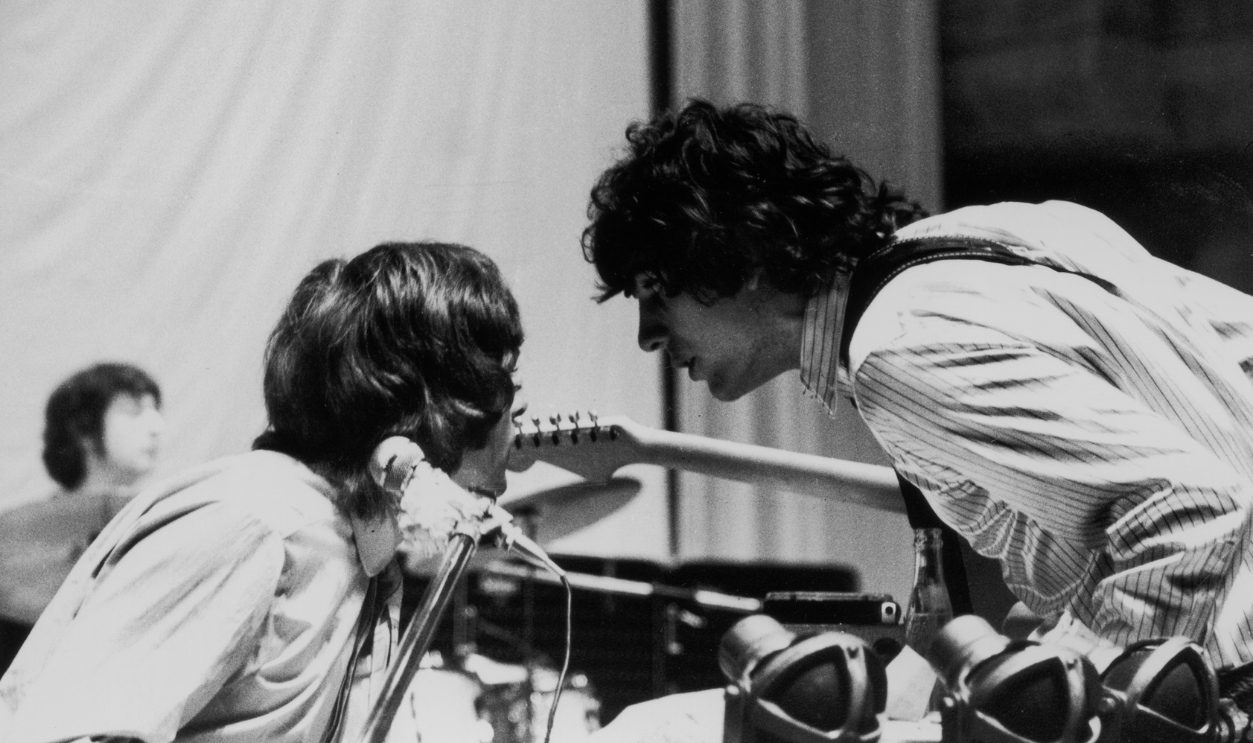
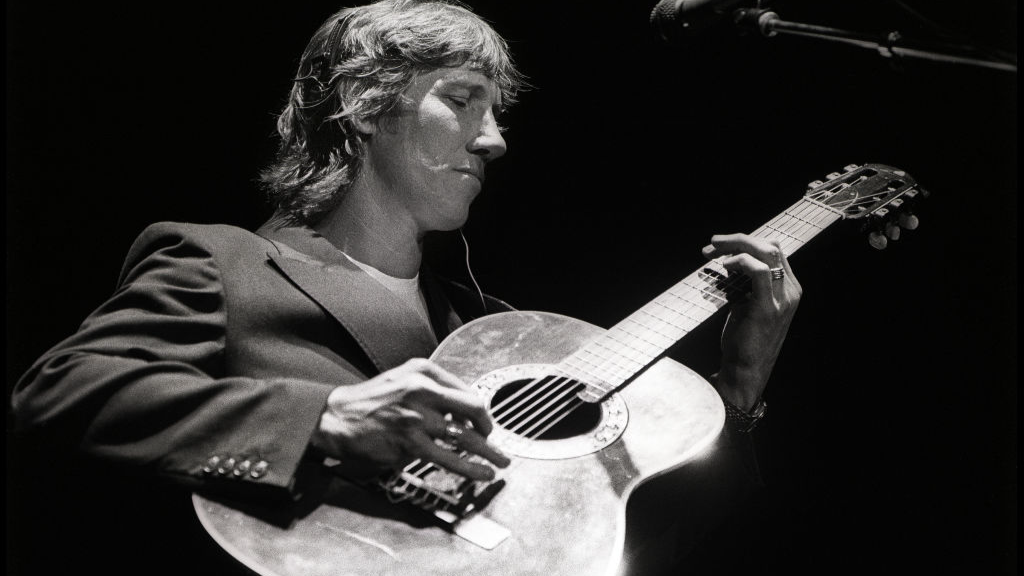
Roger Waters shaped the album around pressures capable of overwhelming an ordinary person: work, travel, money, conflict, aging and mortality. Those subjects never became outdated. A teenager discovering “Time” decades later could recognize the same fears heard by someone buying the album in 1973.
Syd Barrett’s Shadow Remained
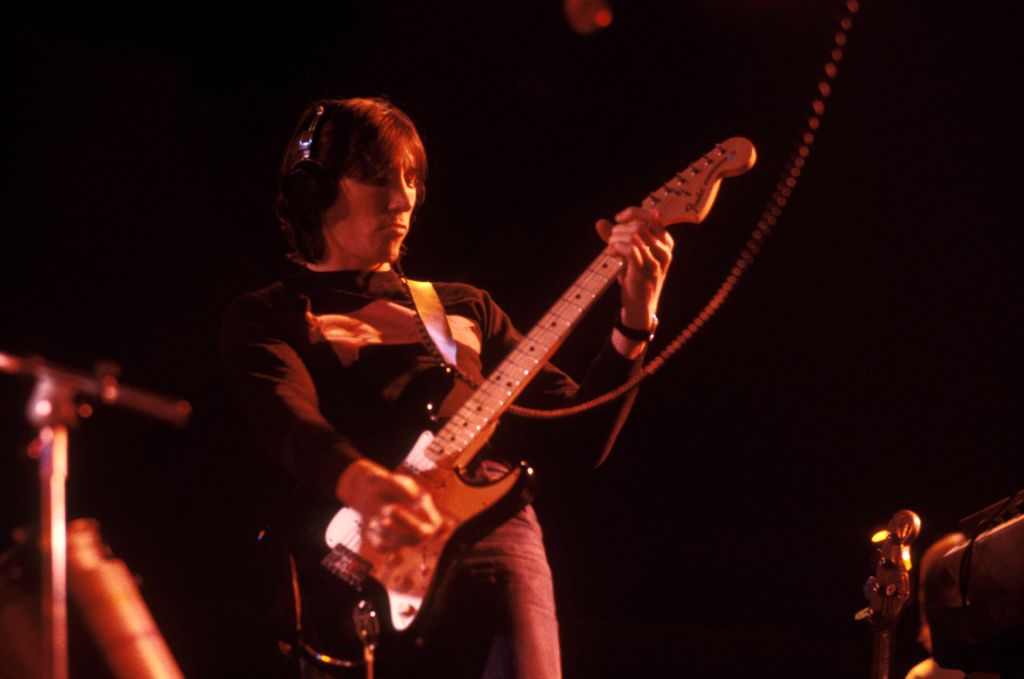
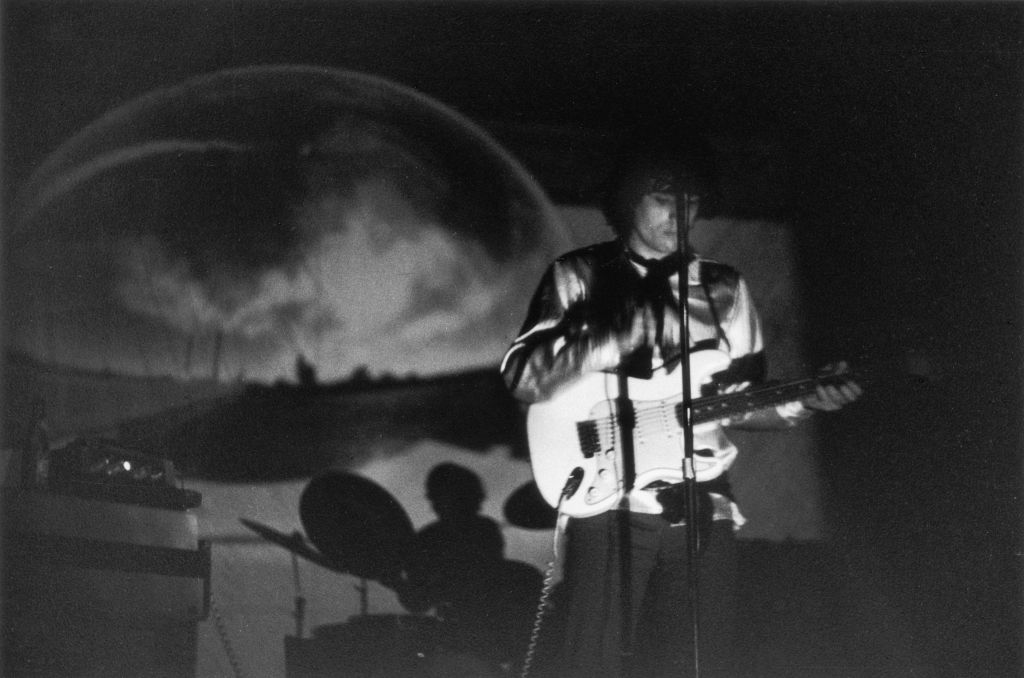
The album’s exploration of mental instability was partly informed by what Pink Floyd had witnessed with former bandmate Syd Barrett. However, it would be misleading to call the entire record a Barrett biography. His experience was one haunting influence behind its much broader themes.
Real People Supplied The Voices
Roger Waters placed question cards before people at Abbey Road Studios and recorded their spontaneous answers. The questions gradually moved from harmless subjects toward madness, confrontation and mortality. Fragments of those deeply personal responses were then scattered throughout the finished album.
Paul McCartney Didn’t Make The Cut
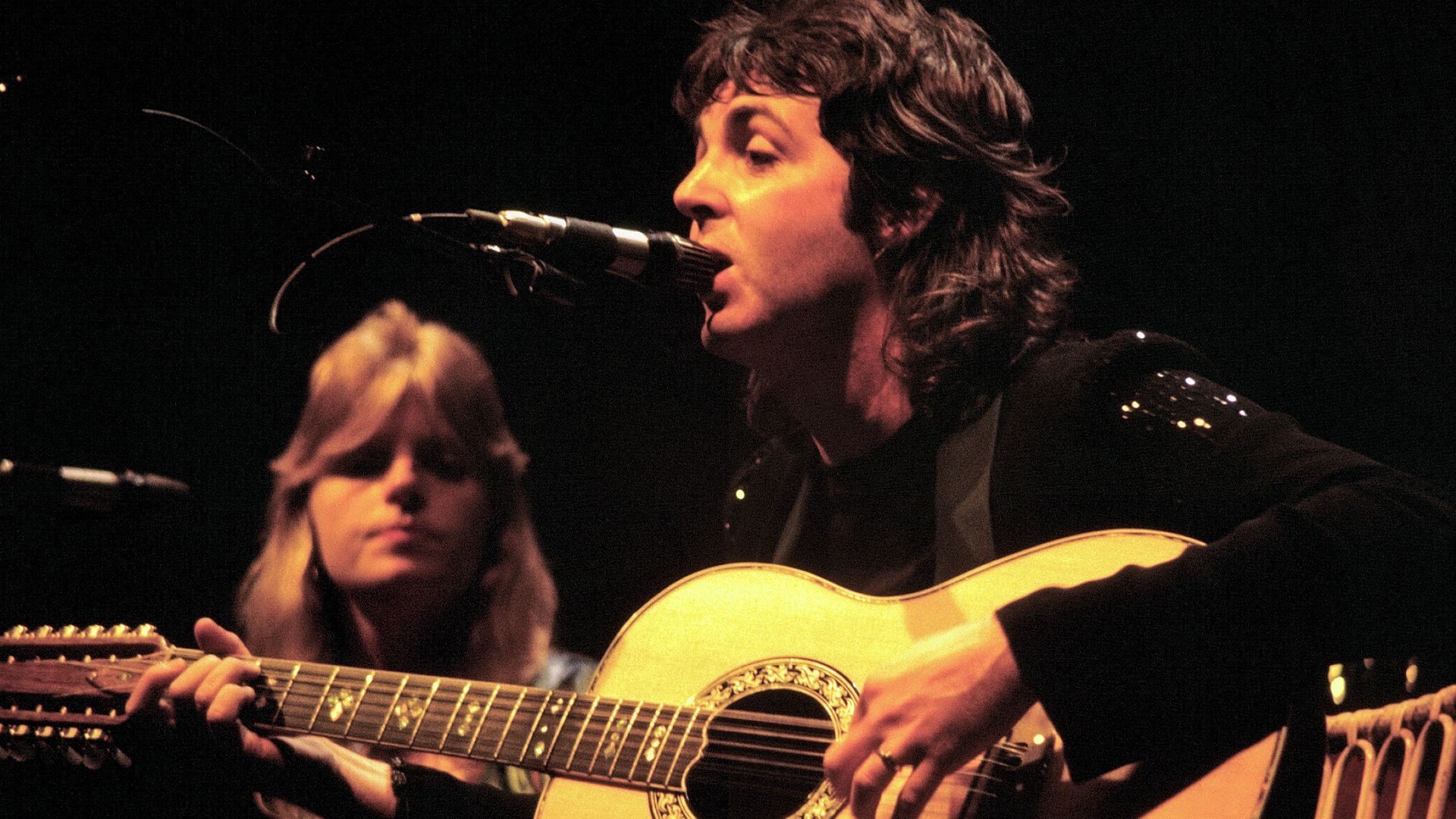
Paul and Linda McCartney were among the people interviewed, but their responses were reportedly considered too polished to use. Wings guitarist Henry McCullough was more successful: his wonderfully unguarded remark about not remembering an earlier incident appears immediately before “Money” begins.
 Jim Summaria, Wikimedia Commons
Those Clocks Were Originally A Test
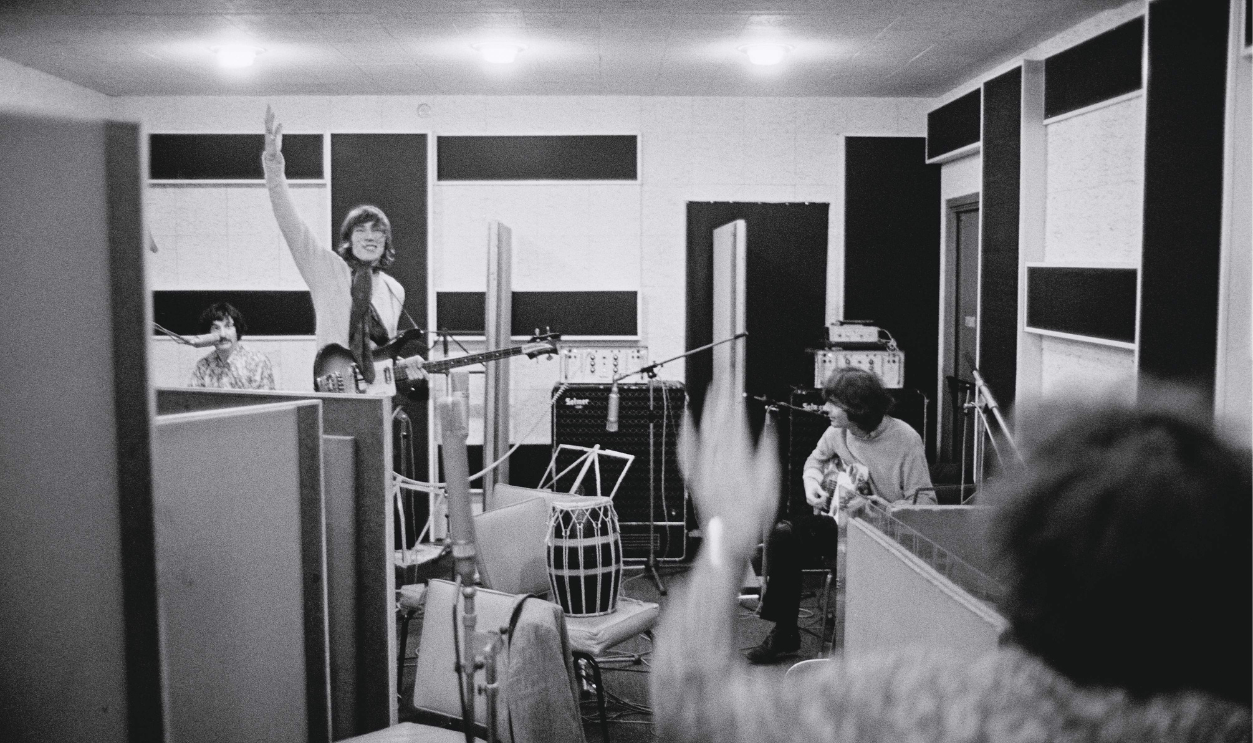
Engineer Alan Parsons recorded the collection of ticking and ringing clocks heard at the beginning of “Time” inside an antique clock shop. He originally made the recordings as a quadraphonic sound test, but they ended up providing one of the album’s most recognizable openings.
“Money” Gave Them A Hit
The album did not depend entirely upon unusual sound effects and deep philosophical ideas. “Money” became Pink Floyd’s first American Top 40 single, reaching No. 13 on the Billboard Hot 100. Its radio success introduced countless listeners to the larger album.
Clare Torry Improvised Her Performance
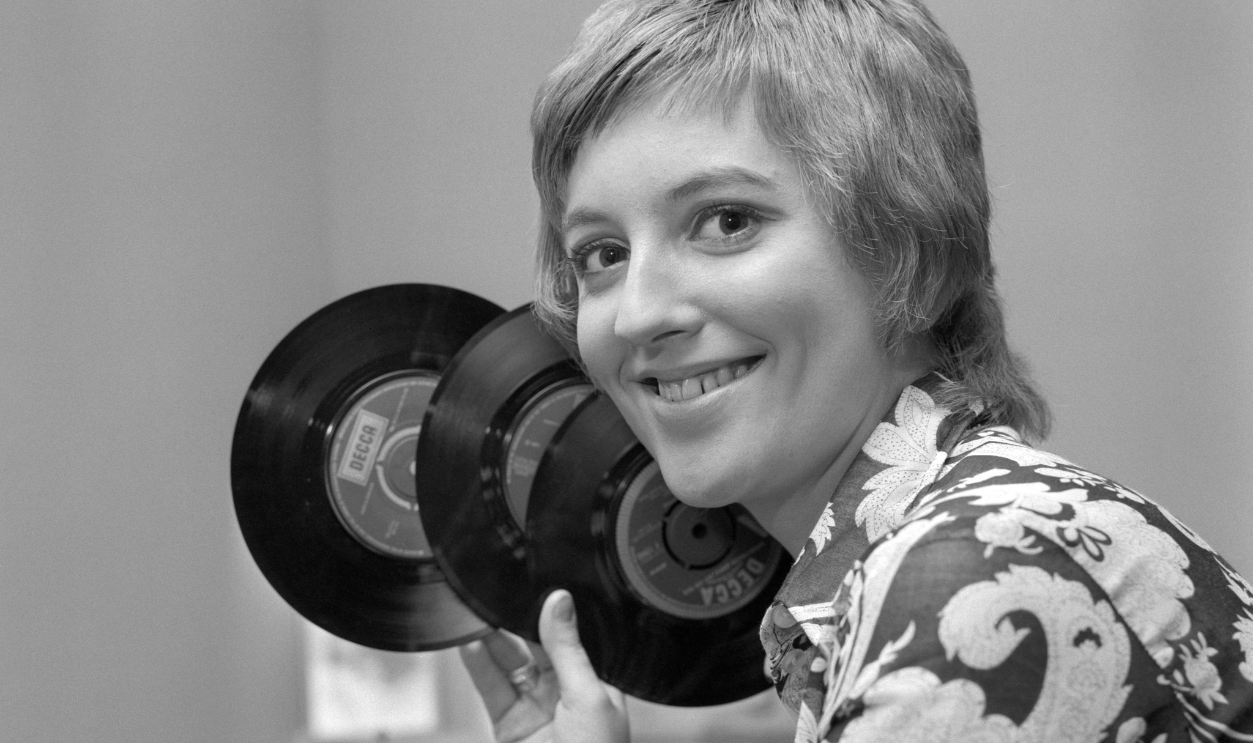
Clare Torry arrived at Abbey Road without written lyrics for “The Great Gig in the Sky.” She improvised the soaring wordless vocal, reportedly left unsure whether the band even liked it and received a standard session fee. Decades later, she successfully pursued a co-writing credit.
The Cover Sold The Mystery
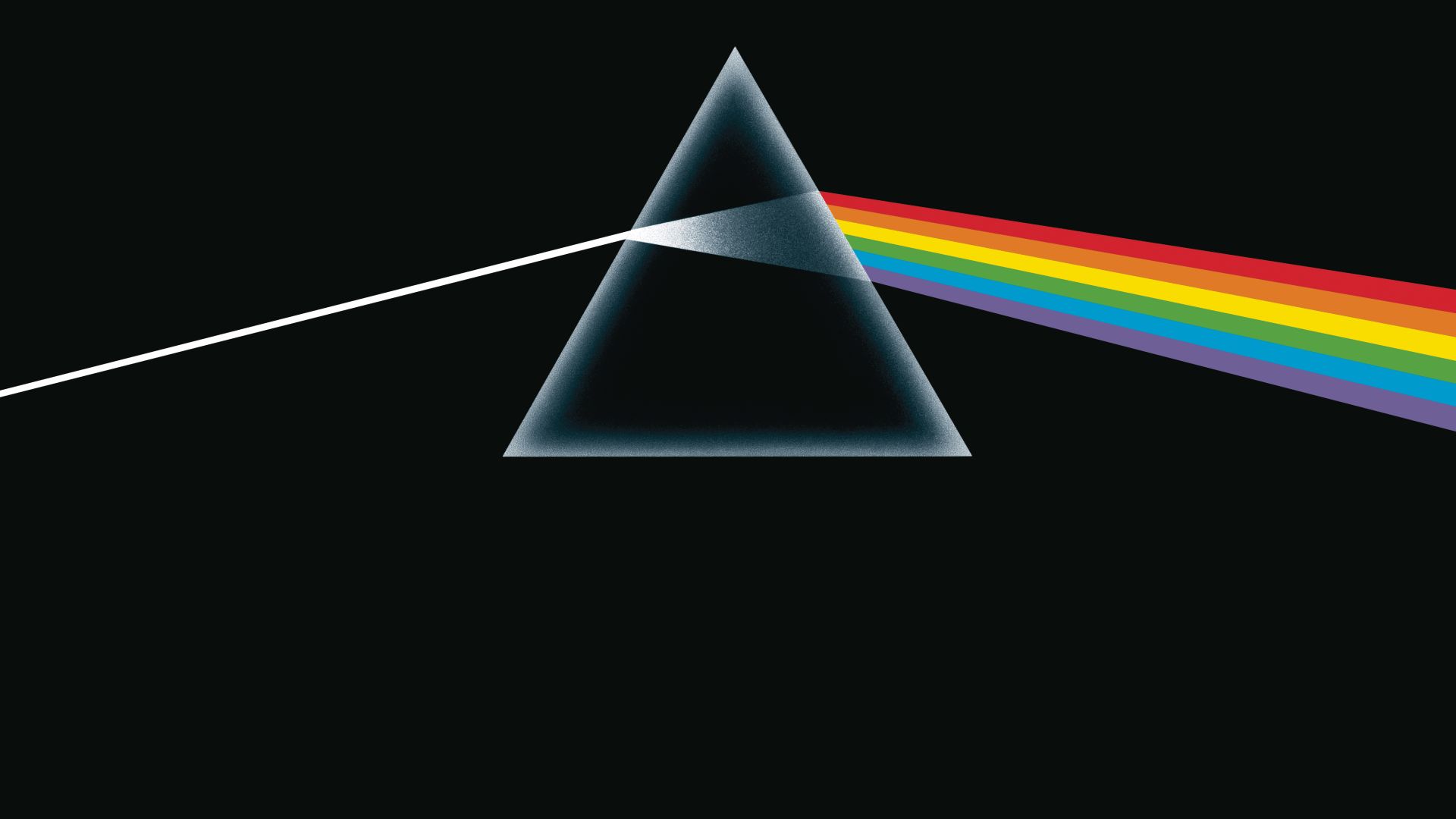
Pink Floyd wanted something simple and bold for the cover. Hipgnosis proposed the famous prism design, with George Hardie creating the finished artwork. There was no photograph of the band and no title on the front, yet it became instantly recognizable.
 w:George Hardie (artist), Wikimedia Commons
Every New Format Gave It Another Life
The album moved from vinyl to 8-track, cassette, compact disc, surround sound, downloads and streaming. Each transition gave existing fans a reason to purchase it again while placing it in front of younger listeners who had missed every previous edition.
The Album Never Really Vanished
So, why did The Dark Side of the Moon disappear from the Billboard 200 for 21 years? Falling sales initially pushed it off, and Billboard’s later catalog rules helped keep it away. But listeners never abandoned it. Once the door reopened, the album walked straight back through.
 ullstein bild Dtl., Getty Images
You Might Also Like:
From Buddy Holly To Madonna: The Greatest American Bandstand Performances Of All Time
Album Covers From The 1970s That Baby Boomers Can Still Recognize Instantly

_-_NARA_-_553890.jpg)