The Show That Put America On The Dance Floor
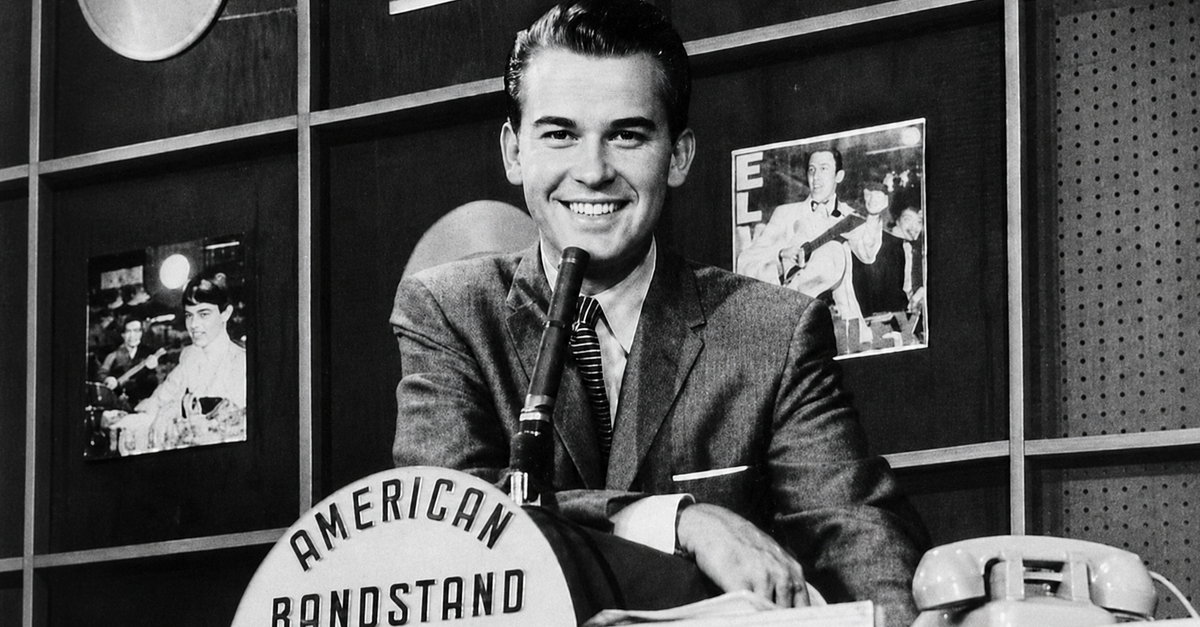
When American Bandstand went national in 1957, it gave teenagers a daily window into the rapidly changing sound of popular music. Across more than three decades, Dick Clark introduced viewers to established hitmakers, unknown newcomers, and future legends. Some of those appearances became cultural landmarks that still feel electric today.
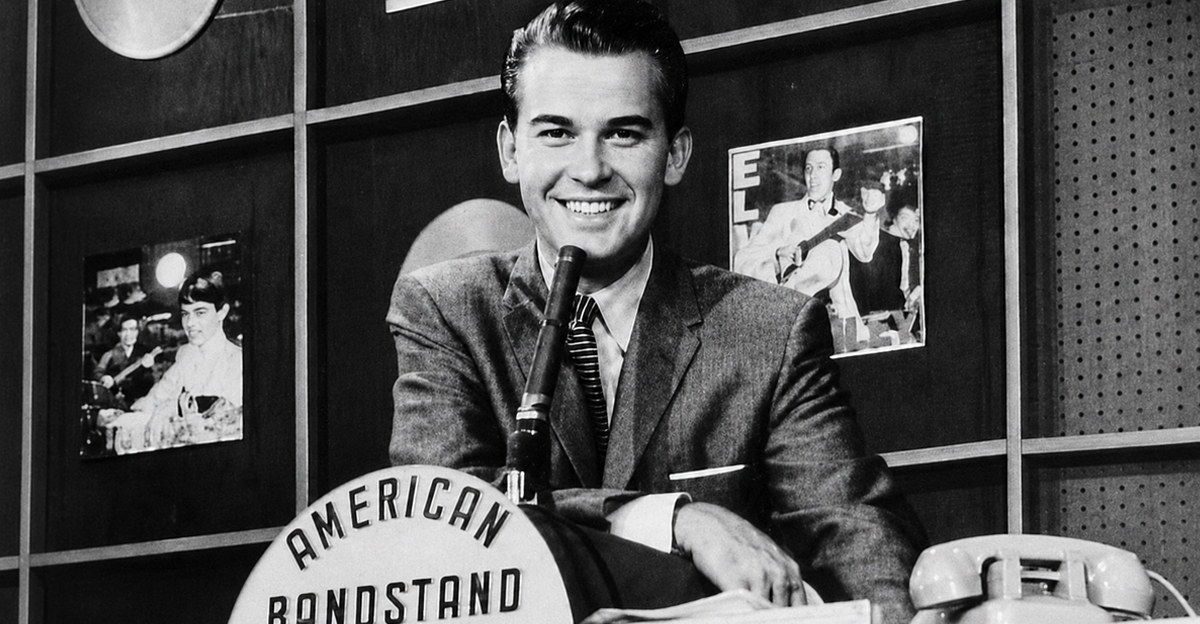 Screenshot from American Bandstand, ABC (1952-1989)
How The Performances Were Ranked
Most guests performed to prerecorded tracks, so this ranking considers stage presence, cultural impact, historical significance, and sheer entertainment value, The countdown begins with future stadium stars and ends with an appearance that became part of pop mythology.
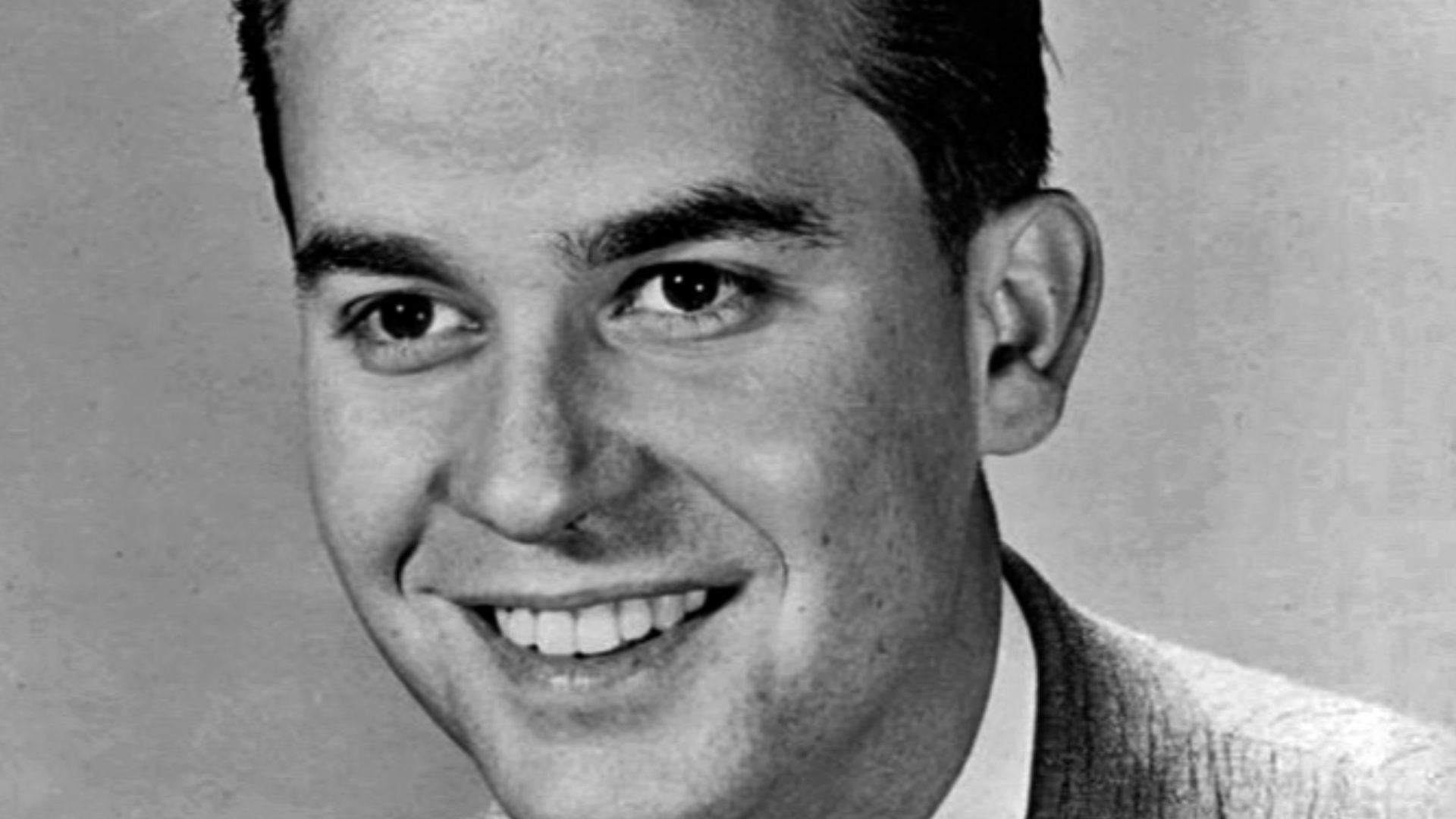 ABC Television, Wikimedia Commons
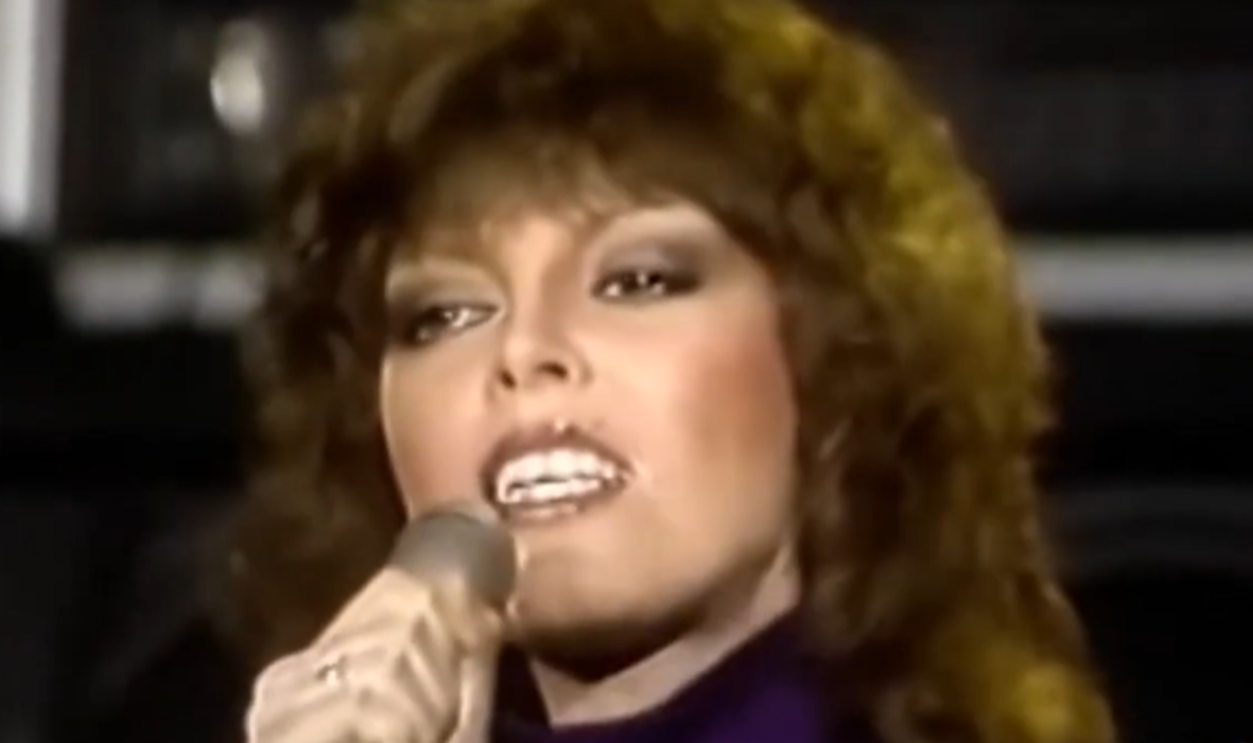
25. Pat Benatar
Pat Benatar performed “Heartbreaker” and “I Need a Lover” in March 1980. Her powerful vocals and confrontational presence stood apart from the softer pop that frequently appeared on the program. She looked entirely comfortable bringing arena-sized rock attitude into the compact Bandstand studio.
 Screenshot from American Bandstand, ABC (1952–1989)
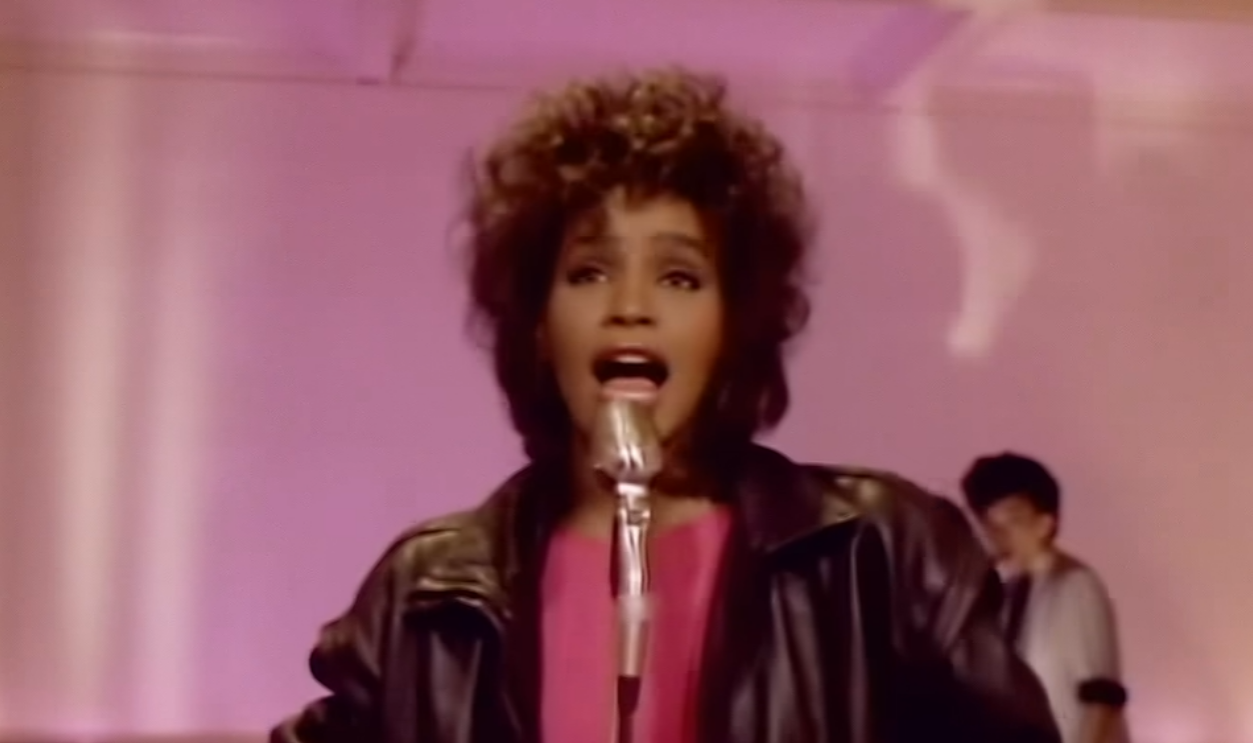
24. Whitney Houston
Whitney Houston visited American Bandstand during the early success of her self-titled debut album. She performed “You Give Good Love” with the poise and control that were quickly making her one of music’s most exciting new singers. Even in the show’s restrained format, her voice remained the center of attention.
 Screenshot from American Bandstand, ABC (1952–1989)
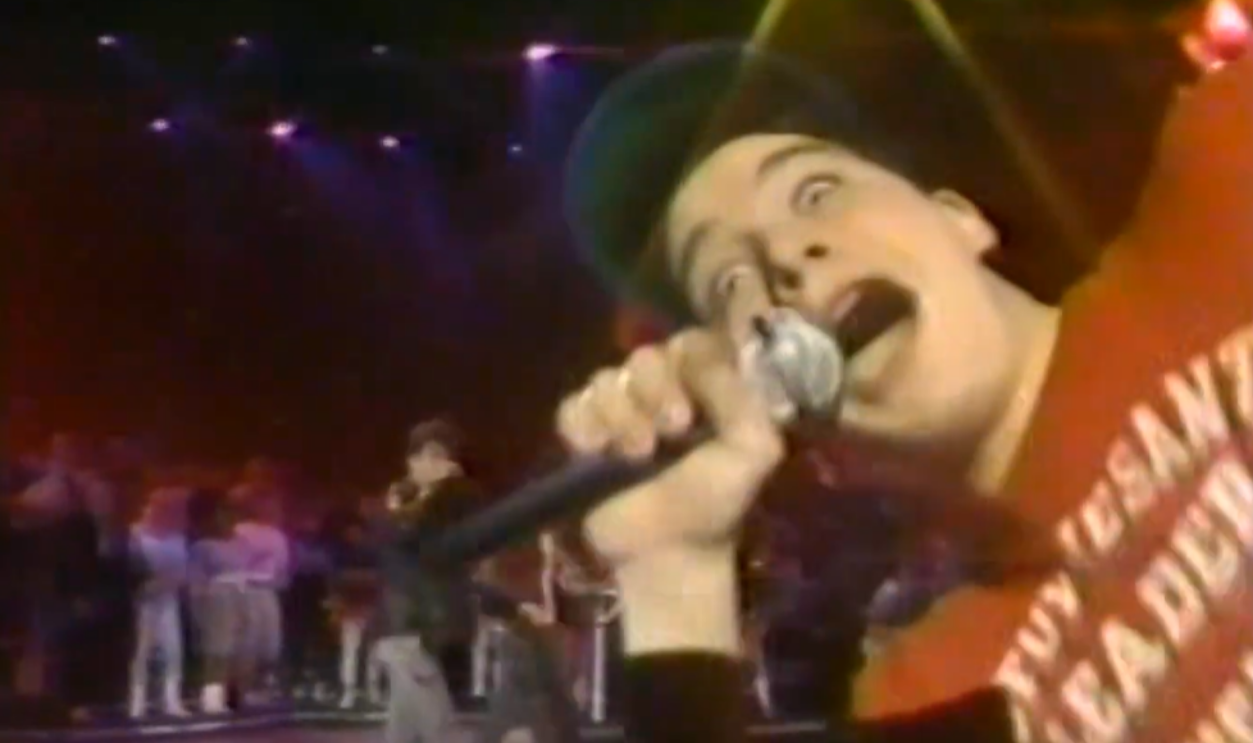
23. The Beastie Boys
The Beastie Boys performed “(You Gotta) Fight for Your Right (To Party!)” in 1987 after learning they would have to mime to a recording. They repeatedly dropped their microphones and made little effort to disguise the prerecorded vocals. One provocative gesture was removed before broadcast, making the appearance one of the show’s most chaotic encounters.
 Screenshot from American Bandstand, ABC (1952–1989)
22. Devo
Devo brought its radically reconstructed version of “(I Can’t Get No) Satisfaction” to American Bandstand in 1981. The group’s stiff movements, matching outfits, and deliberately mechanical style contrasted sharply with the program’s traditional pop polish. It was strange, funny, and unmistakably Devo.
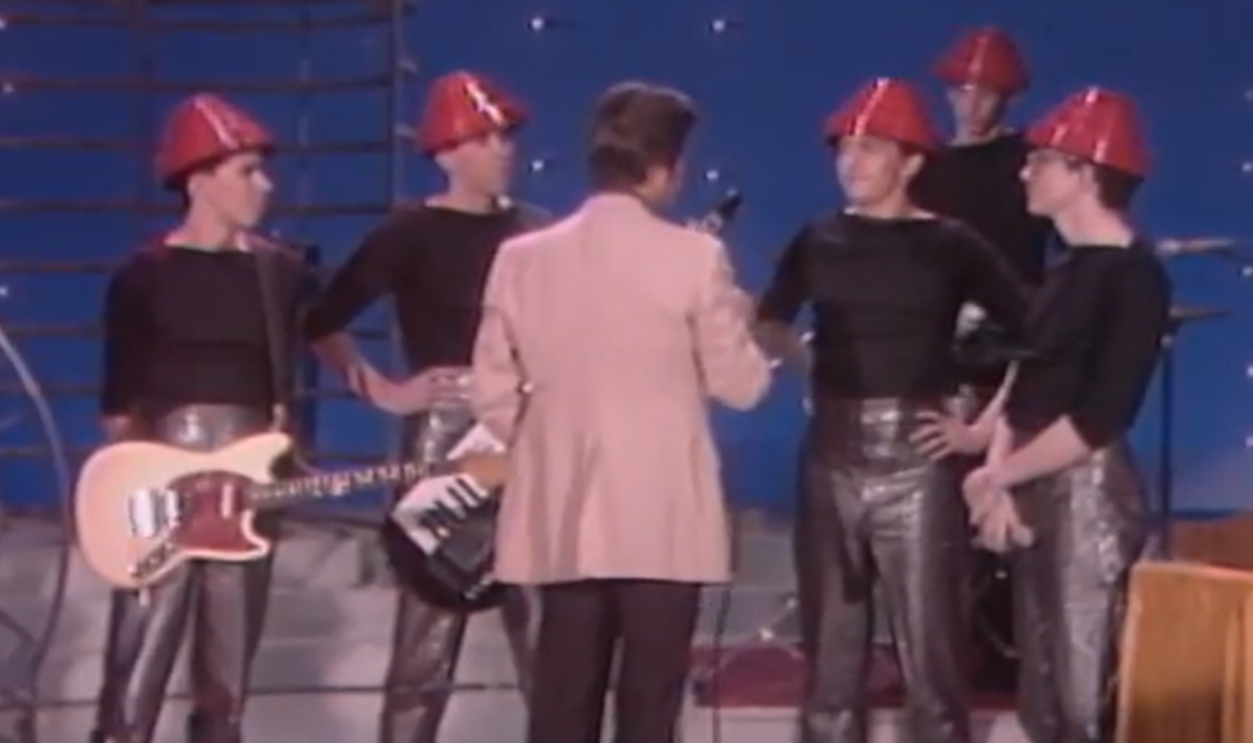 Screenshot from American Bandstand, ABC (1952–1989)
21. Talking Heads
Talking Heads appeared in March 1979 and performed their version of “Take Me to the River.” David Byrne’s tense movements and intense expression gave the performance an energy that felt unlike conventional television showmanship. The band showed how compelling nervousness and restraint could become in the right hands.
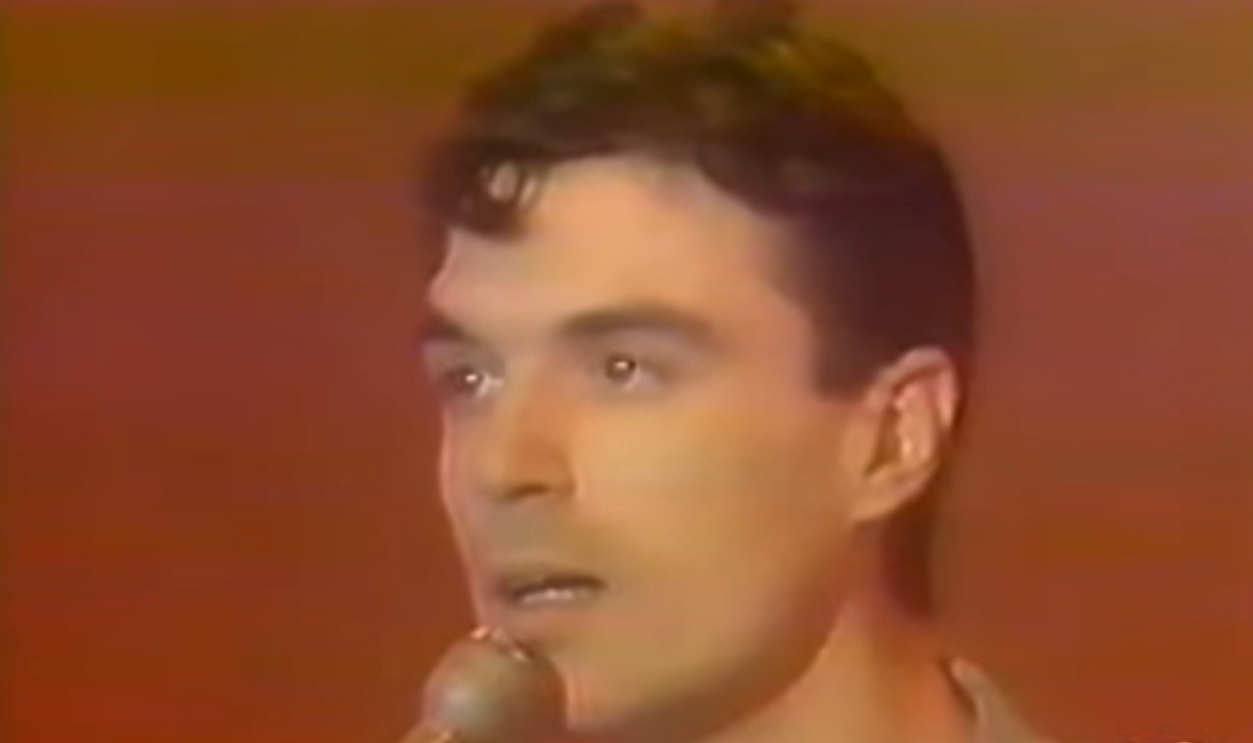 Screenshot from American Bandstand, ABC (1952–1989)
20. Blondie
Blondie performed “Heart of Glass” on the program in May 1979. Debbie Harry remained cool and composed while the song blended rock attitude with the pulse of disco. The appearance captured the group at the moment it was crossing from New York’s underground scene into mainstream pop.
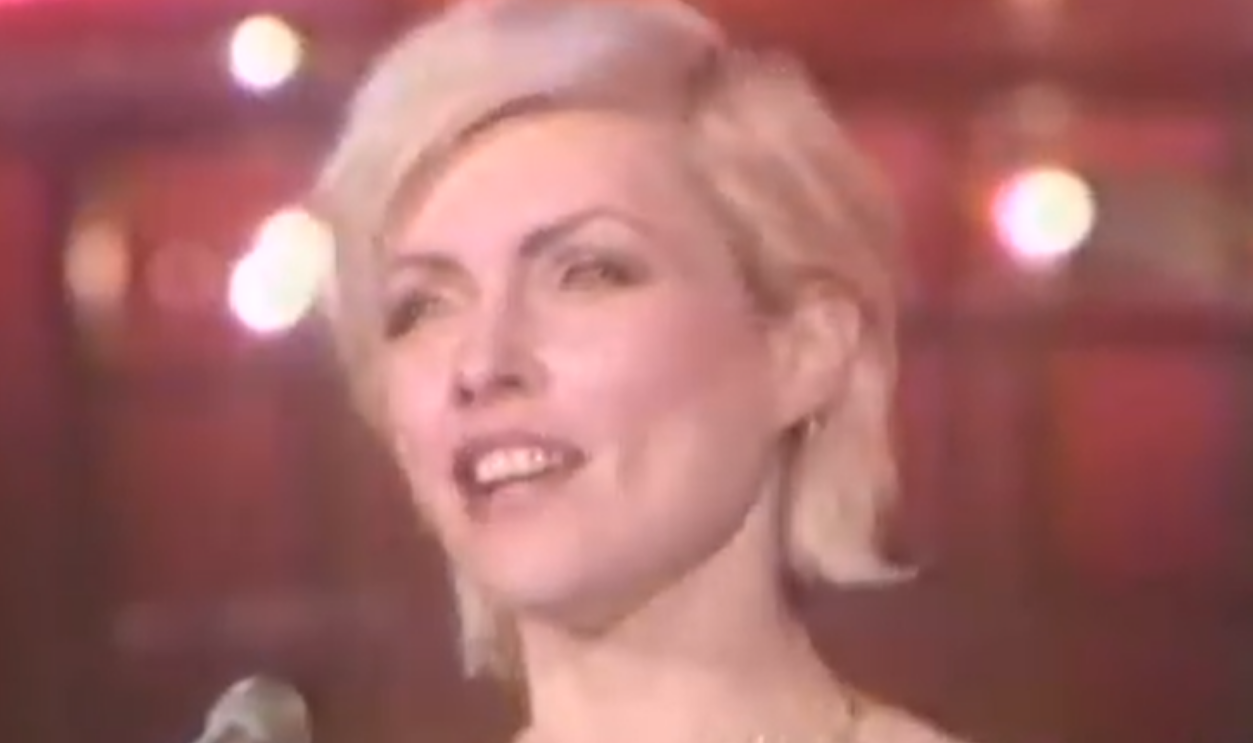 Screenshot from American Bandstand, ABC (1952–1989)
19. Cyndi Lauper
Cyndi Lauper performed “Girls Just Want to Have Fun” and “Time After Time” in March 1984. Her colorful clothing, expressive movements, and unmistakable voice made the studio seem suddenly too small for her personality. The two songs also displayed both sides of her appeal, moving from exuberant pop to sincere vulnerability.
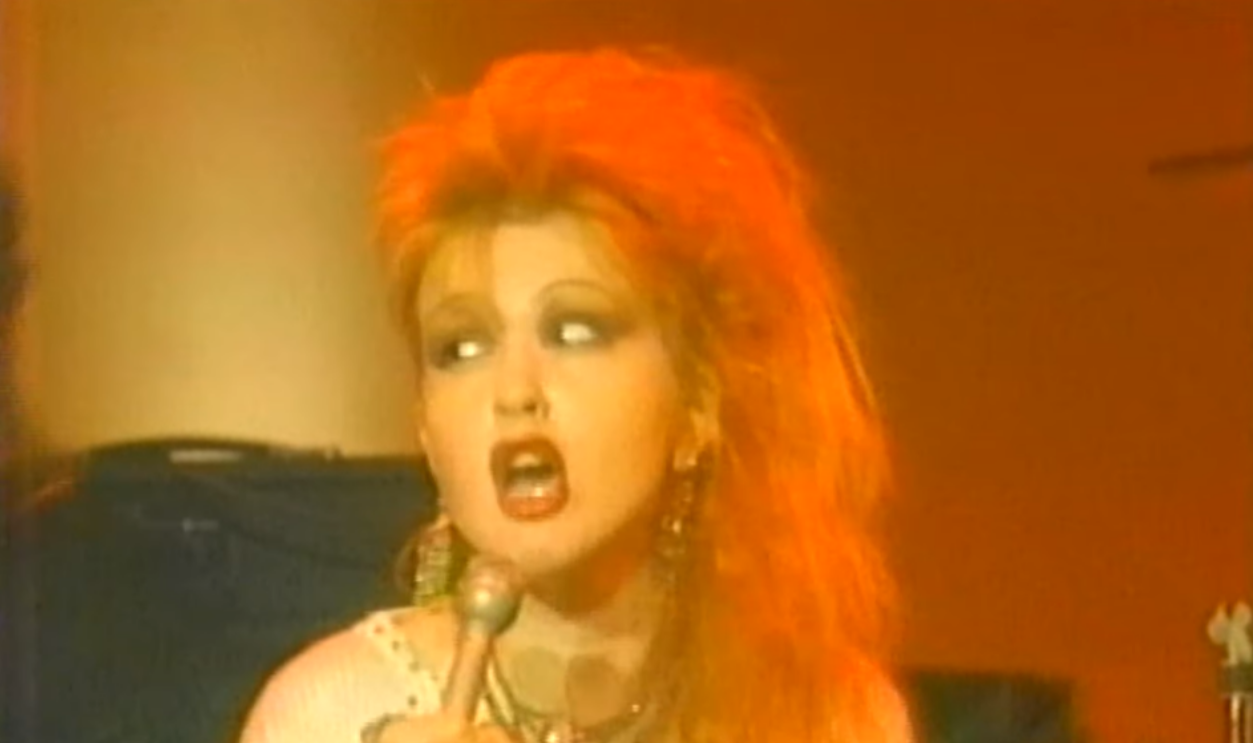 Screenshot from American Bandstand, ABC (1952–1989)
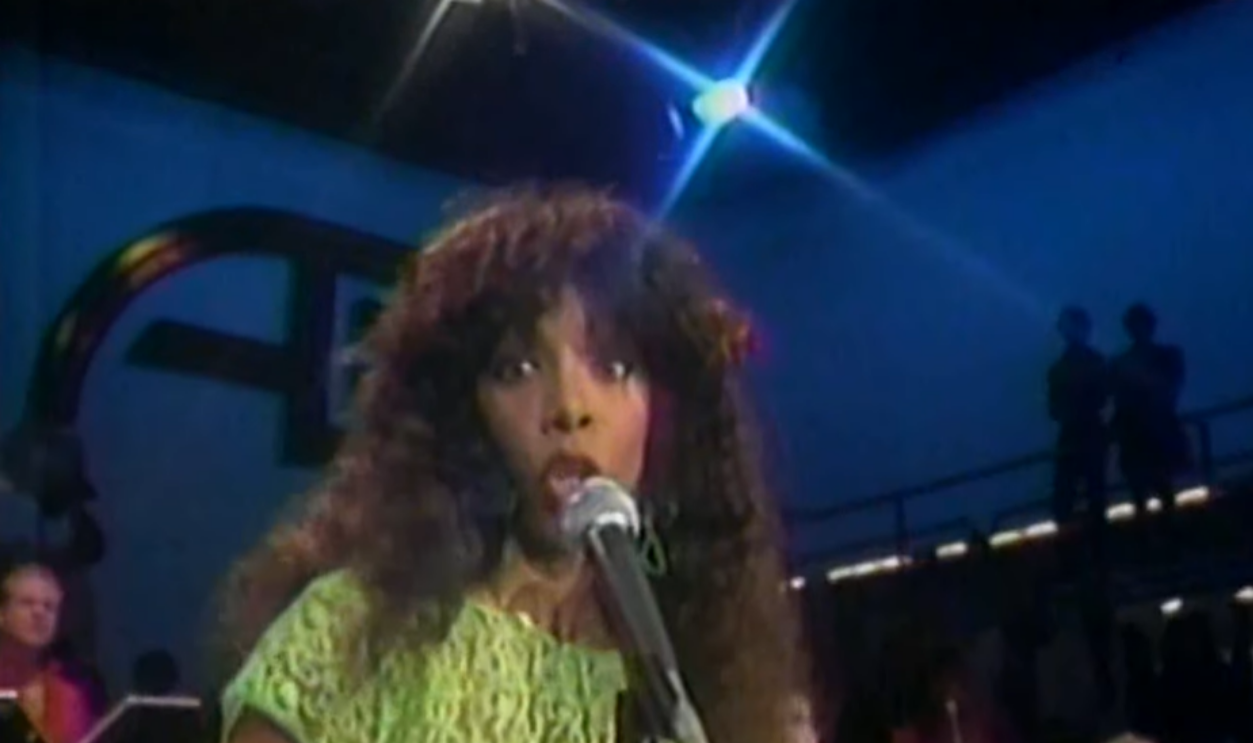
18. Donna Summer
Donna Summer performed “Last Dance” during a 1978 appearance at the height of the disco era. The song’s slow opening allowed her to begin with elegant restraint before the rhythm accelerated. Her transformation alongside the music made the appearance feel more theatrical than the average Bandstand performance.
 Screenshot from American Bandstand, ABC (1952–1989)
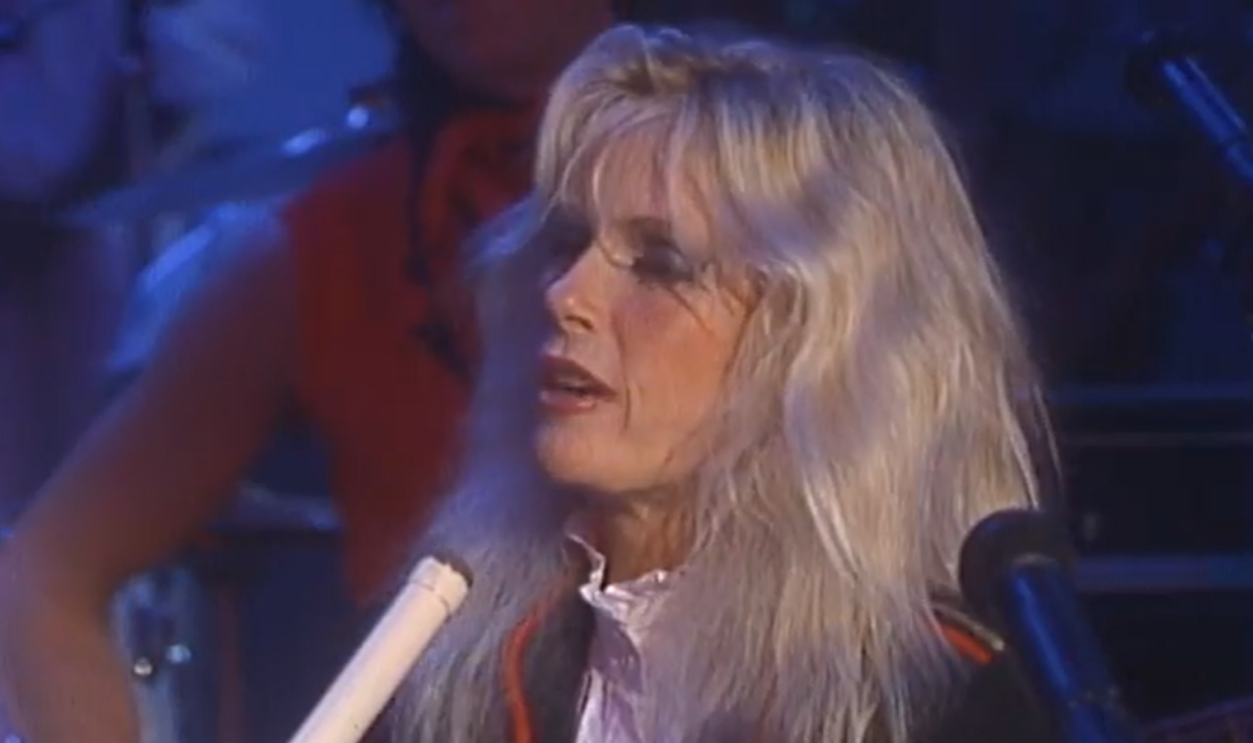
17. Kim Carnes
Kim Carnes brought “Bette Davis Eyes” to American Bandstand in 1981 as the song was dominating popular music. Its hypnotic synthesizer arrangement and Carnes’ famously raspy voice gave the performance an unmistakably nocturnal mood. The single spent nine weeks atop the Billboard Hot 100 and later won Grammy Awards for Record and Song of the Year.
 Screenshot from American Bandstand, ABC (1952–1989)
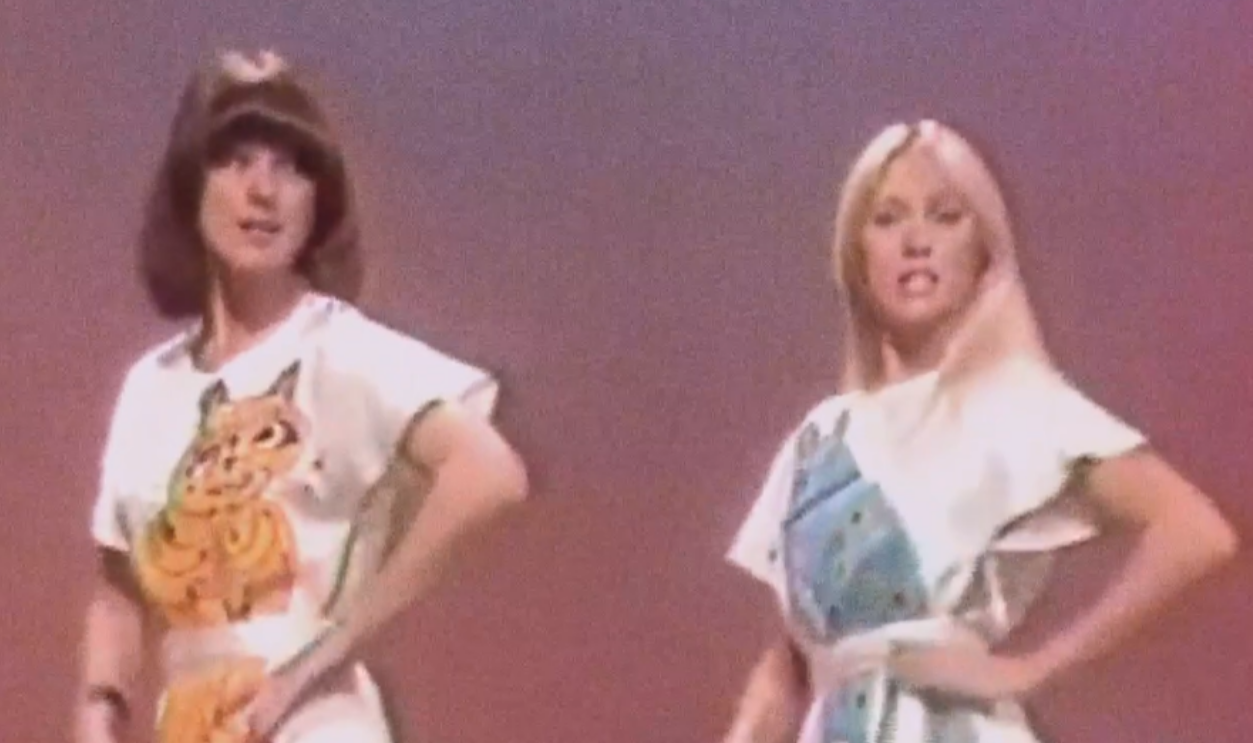
16. ABBA
ABBA visited the show in November 1975 and performed “SOS” and “I Do, I Do, I Do, I Do, I Do.” The group’s coordinated presentation matched the polished arrangements that had made it an international success. Its appearance gave American viewers a close look at one of Europe’s most sophisticated pop acts.
 Screenshot from American Bandstand, ABC (1952–1989)
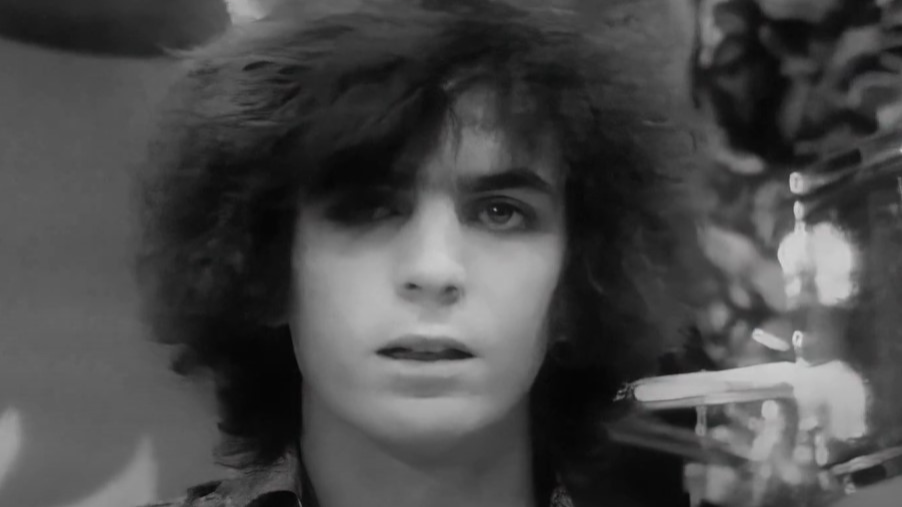
15. Pink Floyd
Pink Floyd performed “Apples and Oranges” during its first American tour in 1967. The appearance featured the group’s original lineup with Syd Barrett, whose detached presence only made the performance more intriguing. Dick Clark’s friendly questions about the group’s American experiences produced an amusingly awkward cultural exchange.
 Screenshot from American Bandstand, ABC (1952–1989)
14. Creedence Clearwater Revival
Creedence Clearwater Revival performed “Proud Mary” and “Cross-Tie Walker” in September 1969. John Fogerty and the band avoided elaborate costumes or carefully staged choreography. Their direct presentation suited music built around strong rhythms, memorable guitar lines, and Fogerty’s unmistakable voice.
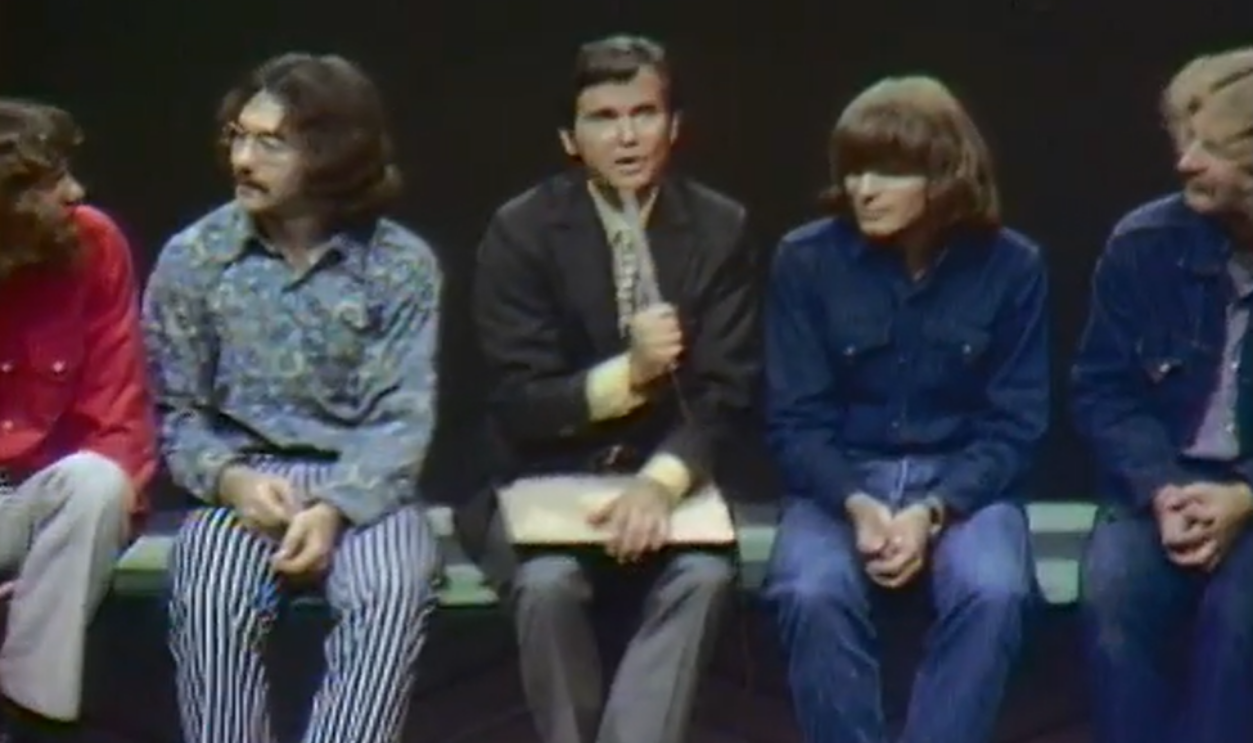 Screenshot from American Bandstand, ABC (1952–1989)
13. Aretha Franklin
Aretha Franklin brought “Respect” to American Bandstand in June 1967, the same year her recording became a defining hit. She needed no elaborate staging to dominate the studio. Her authority came from the song, her voice, and the confidence with which she delivered every line.
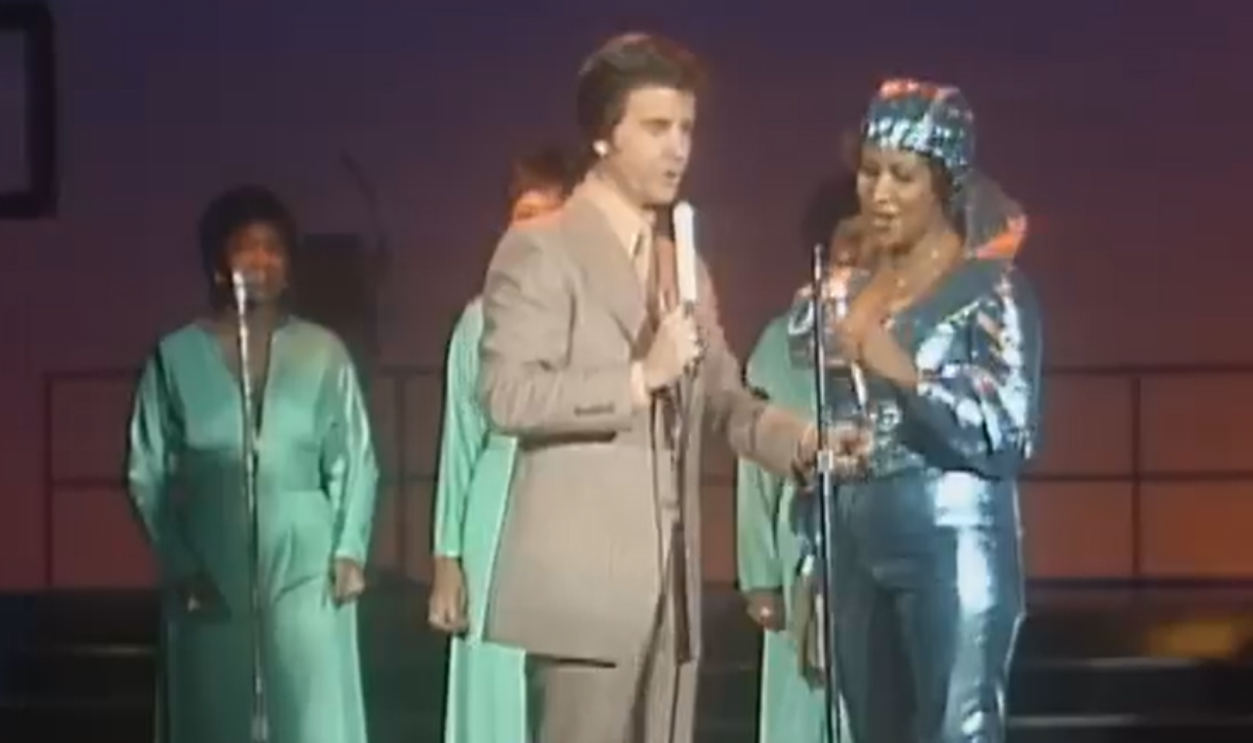 Screenshot from American Bandstand, ABC (1952–1989)
12. Sonny And Cher
Sonny and Cher performed “I Got You Babe” as the song was turning them into one of the 1960s’ most recognizable couples. Their contrasting voices, unconventional clothing, and affectionate chemistry made the performance immediately memorable. The appearance showed that their visual identity was nearly as important as the record itself.
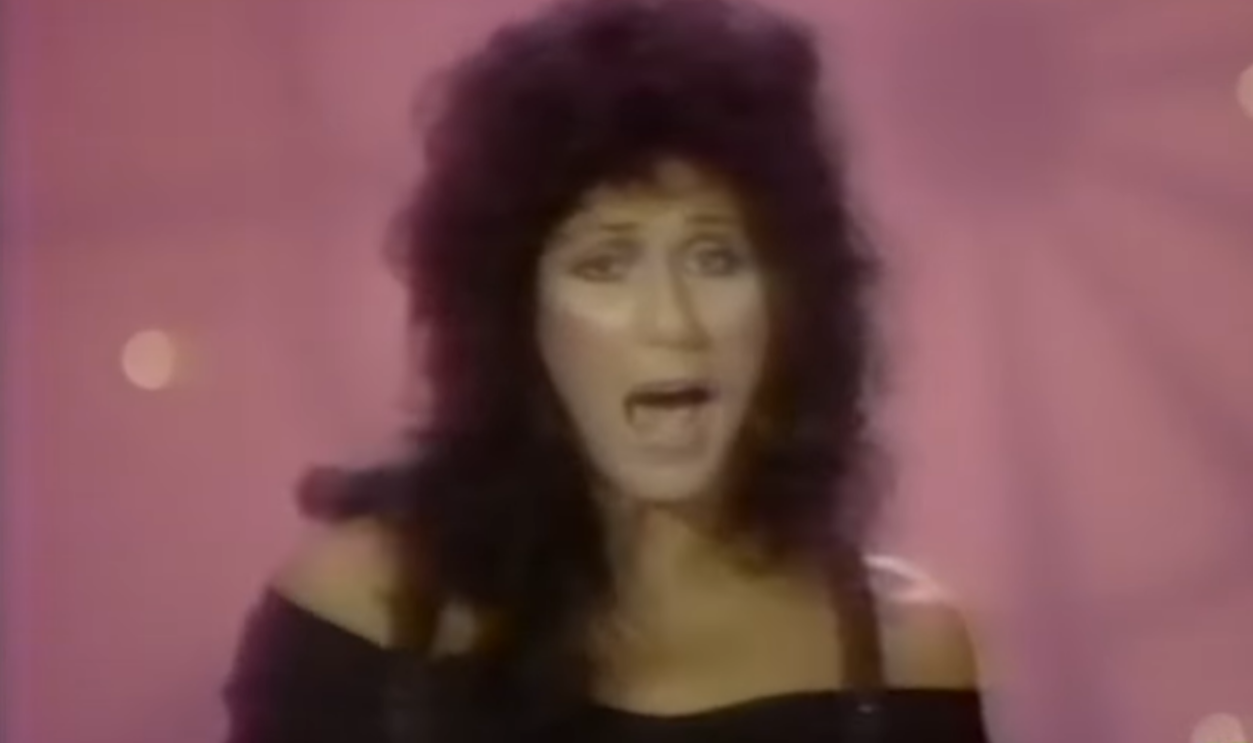 Screenshot from American Bandstand, ABC (1952–1989)
11. The Supremes
The Supremes performed “Stop! In the Name of Love” with the poised choreography that became inseparable from the song. Diana Ross, Florence Ballard, and Mary Wilson moved with precision while maintaining the polished elegance associated with Motown. Their famous raised-hand gesture gave television viewers a dance move they could copy instantly.
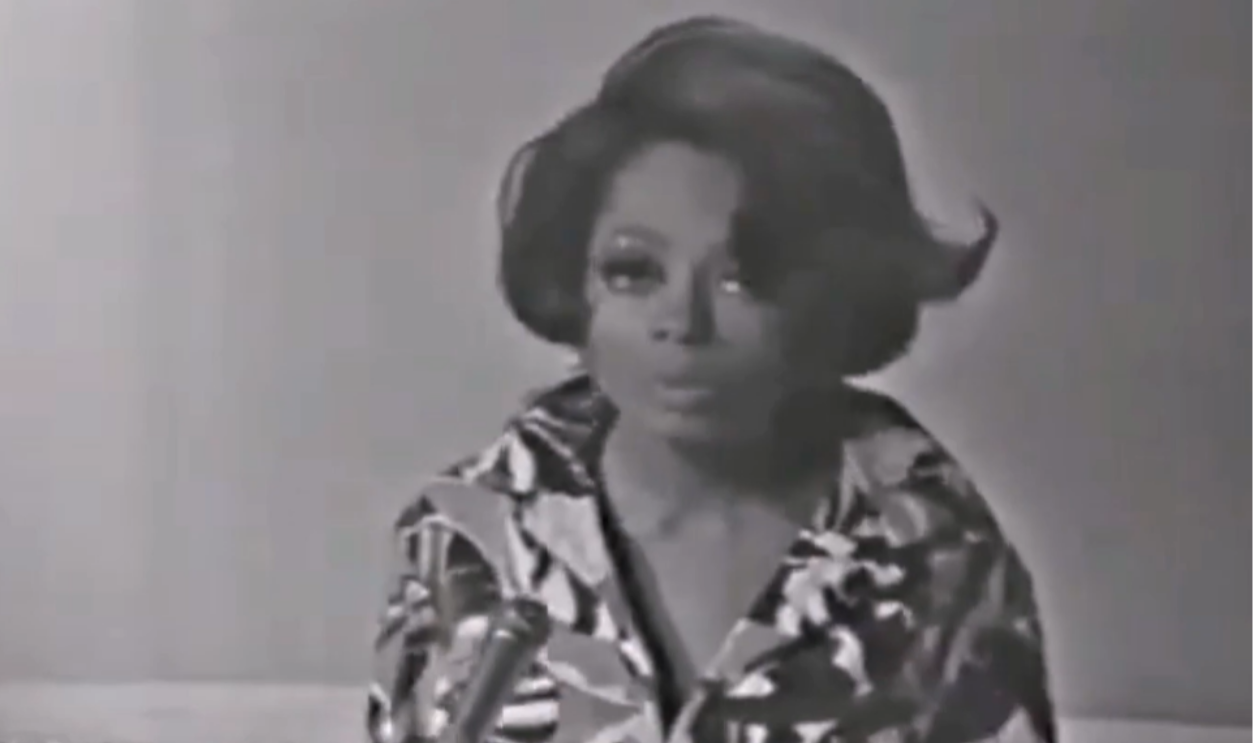 Screenshot from American Bandstand, ABC (1952–1989)
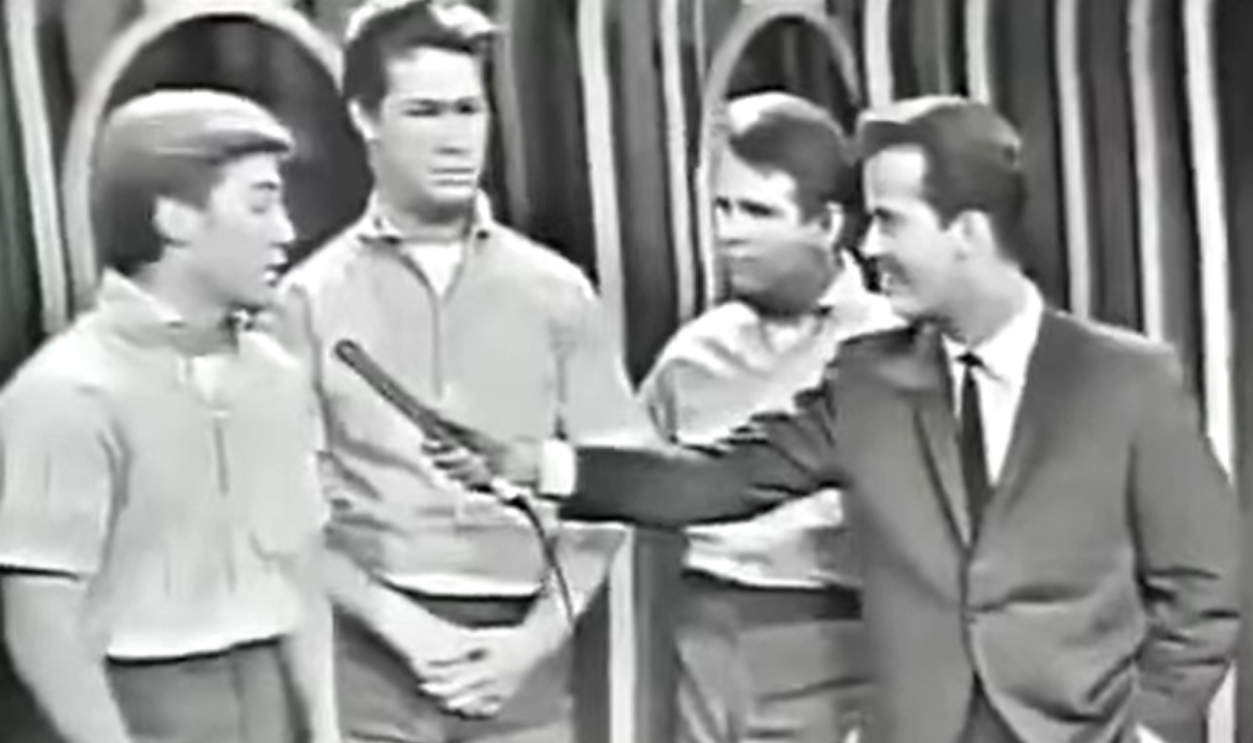
10. The Beach Boys
The Beach Boys performed “Don’t Worry Baby” on the show in April 1964. Without instruments in their hands, the members stood together and let the record’s layered harmonies carry the appearance. The simple presentation placed the focus squarely on one of Brian Wilson’s most emotionally resonant early songs.
 Screenshot from American Bandstand, ABC (1952–1989)
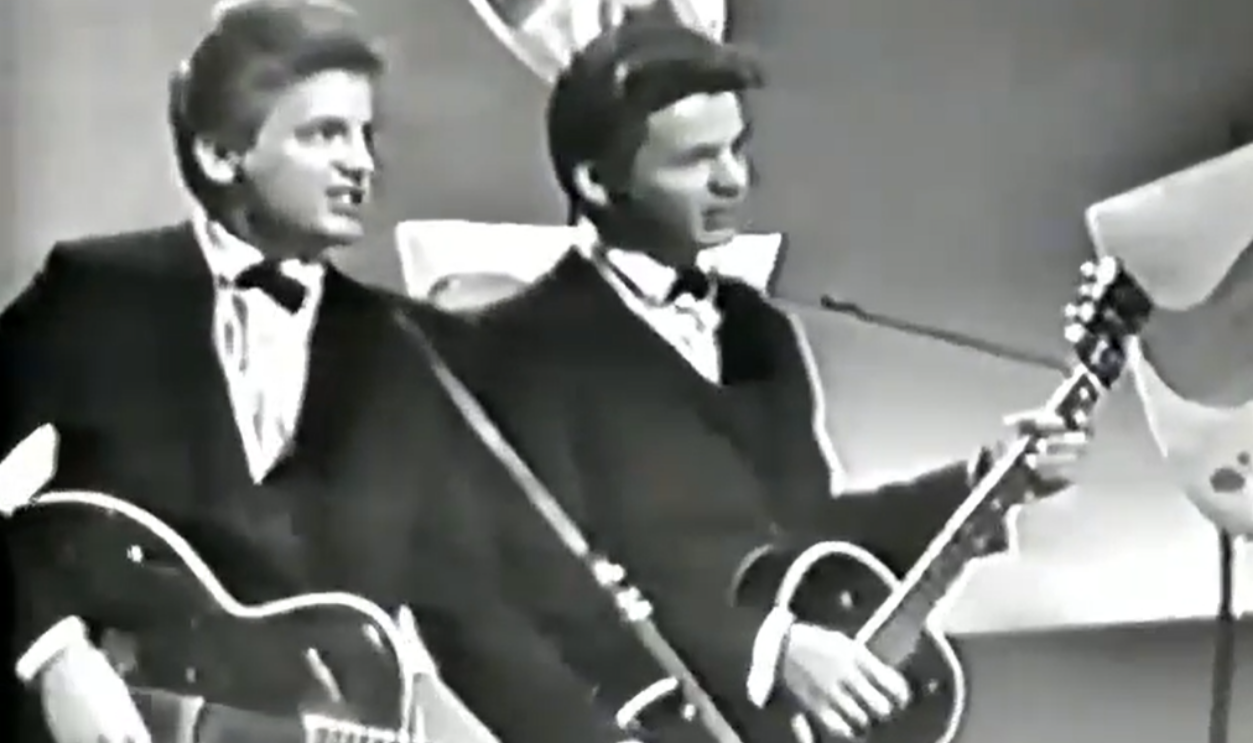
9. The Everly Brothers
The Everly Brothers returned to American Bandstand in November 1964 to perform “Cathy’s Clown.” Don and Phil Everly’s closely matched voices gave the song its distinctive emotional pull. Their controlled, understated appearance demonstrated why elaborate staging was unnecessary when the harmonies were that strong.
 Screenshot from American Bandstand, ABC (1952–1989)
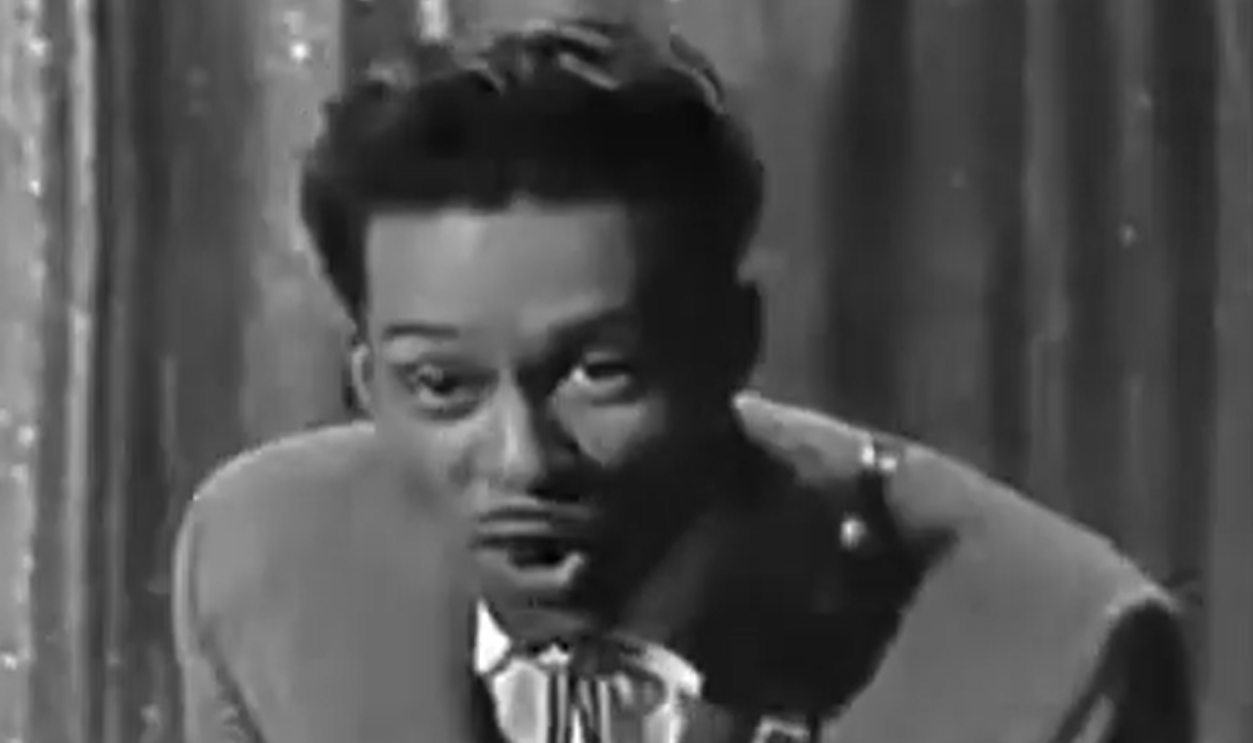
8. Chuck Berry
Chuck Berry made an early national American Bandstand appearance in November 1957 and presented “Rock and Roll Music.” His arrival placed one of rock’s foundational songwriters before the young audience most eager to hear the new sound. Few performers better represented the musical revolution that the program was bringing into American homes.
 Screenshot from American Bandstand, ABC (1952–1989)
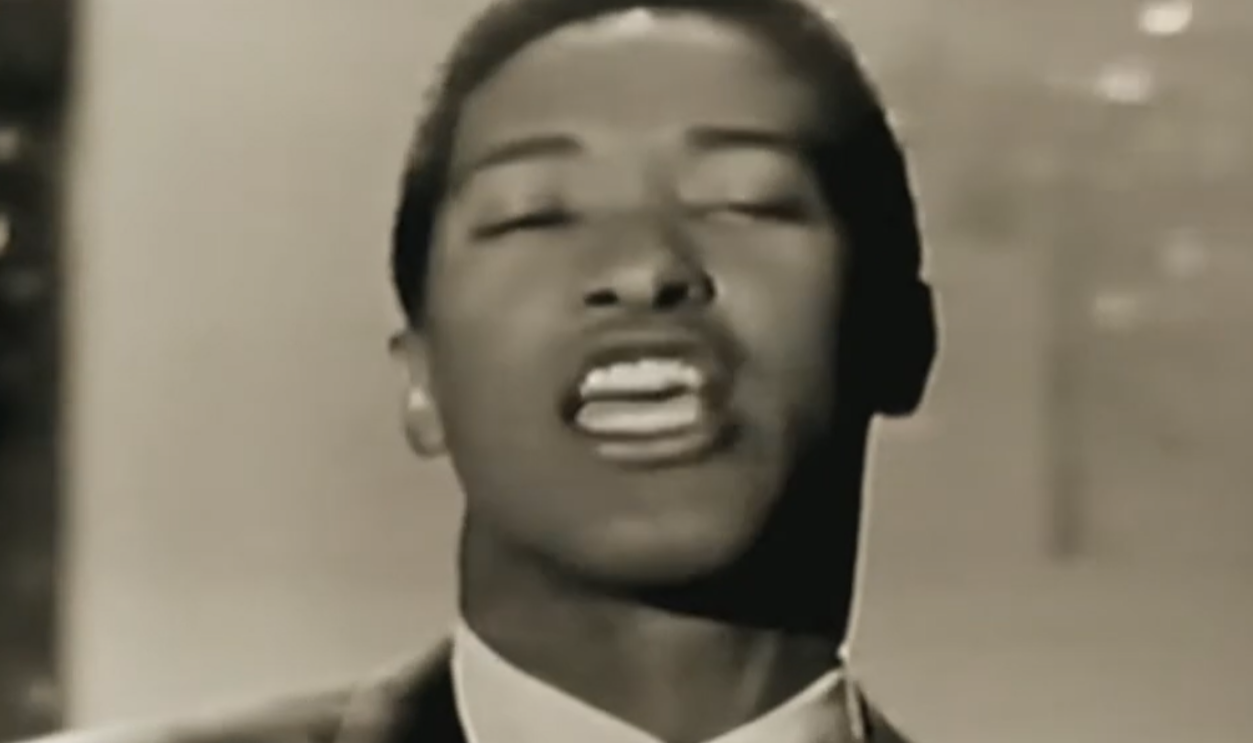
7. Sam Cooke
Sam Cooke performed “You Send Me” during American Bandstand’s first national season in December 1957. His graceful delivery and warm expression gave viewers an intimate introduction to his crossover appeal. The performance remains a remarkable glimpse of a singer whose effortless style would influence generations.
 Screenshot from American Bandstand, ABC (1952–1989)
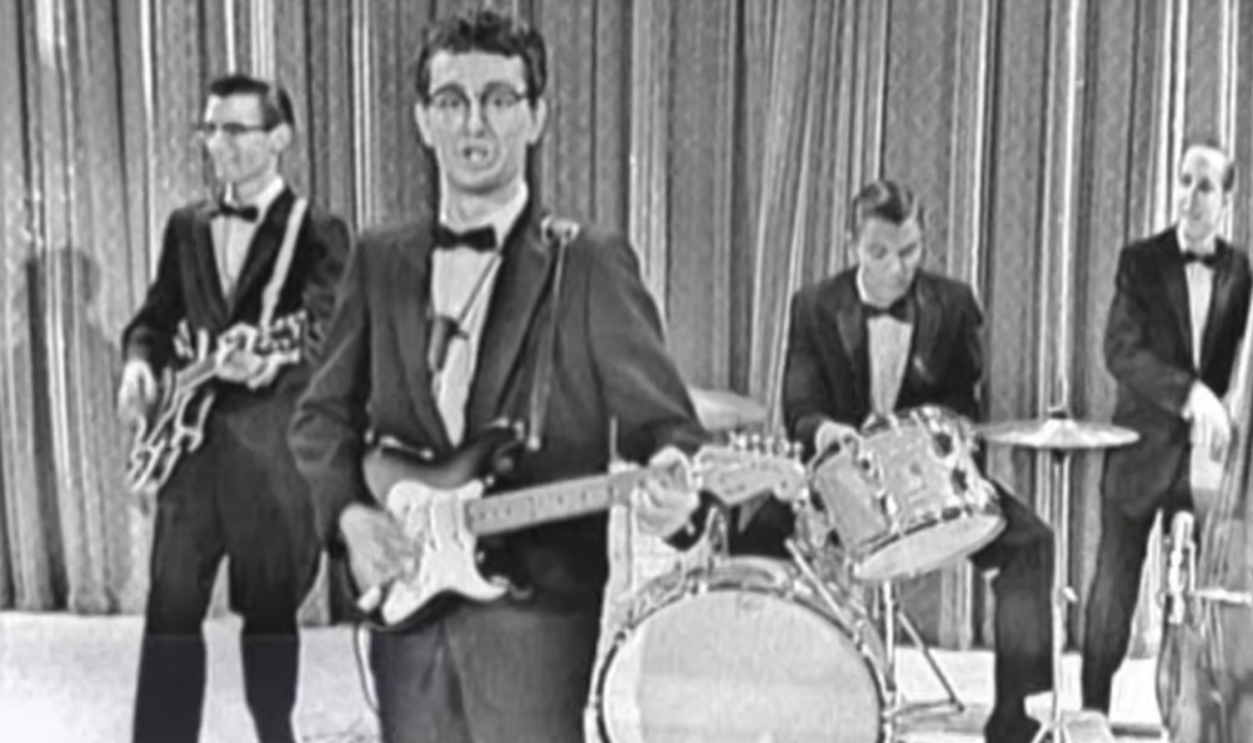
6. Buddy Holly
Buddy Holly and the Crickets appeared in August 1957 with “That’ll Be the Day.” Holly’s glasses, restrained movements, and guitar-driven sound presented a different kind of rock star from the flamboyant performers of the period. The surviving footage became even more precious after his death less than two years later.
 Screenshot from American Bandstand, ABC (1952–1989)
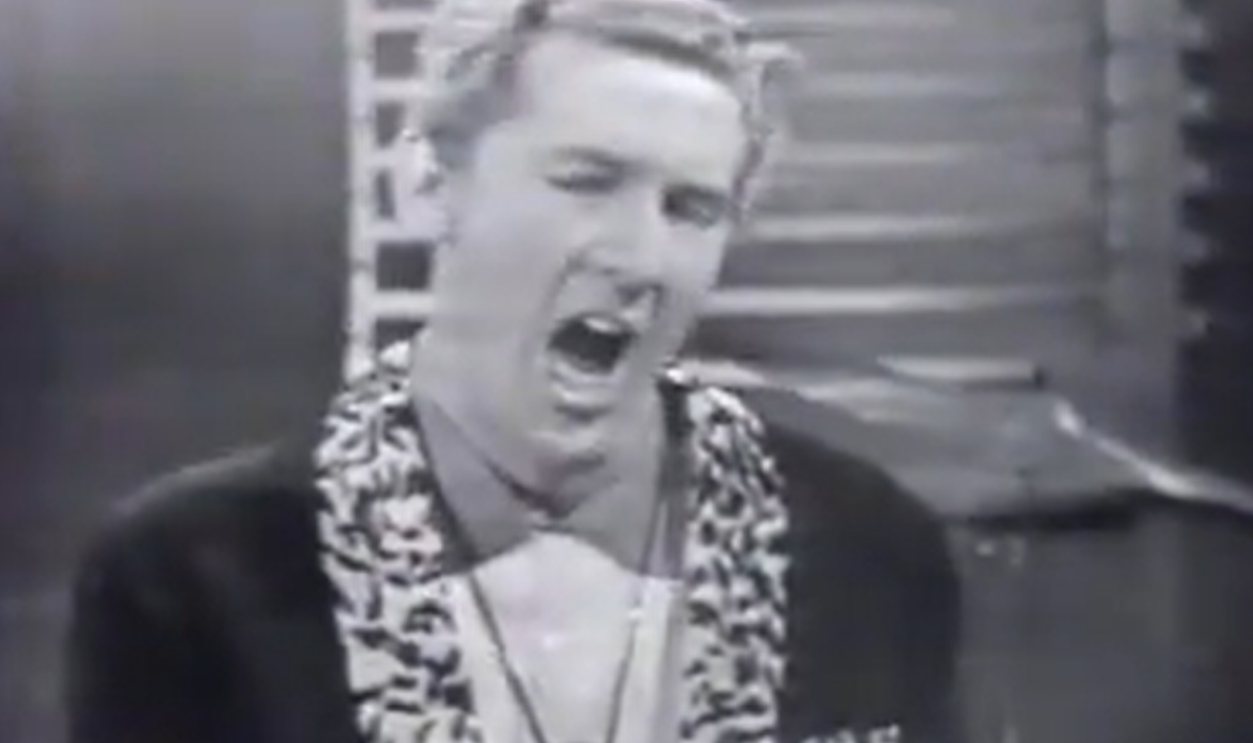
5. Jerry Lee Lewis
Jerry Lee Lewis performed “Great Balls of Fire” during one of his 1957 visits to the show. Unlike guests who routinely mimed to their records, Lewis insisted on playing live and attacked the piano with his customary intensity. His flying hair and physical abandon briefly shattered American Bandstand’s carefully controlled atmosphere.
 Screenshot from American Bandstand, ABC (1952–1989)
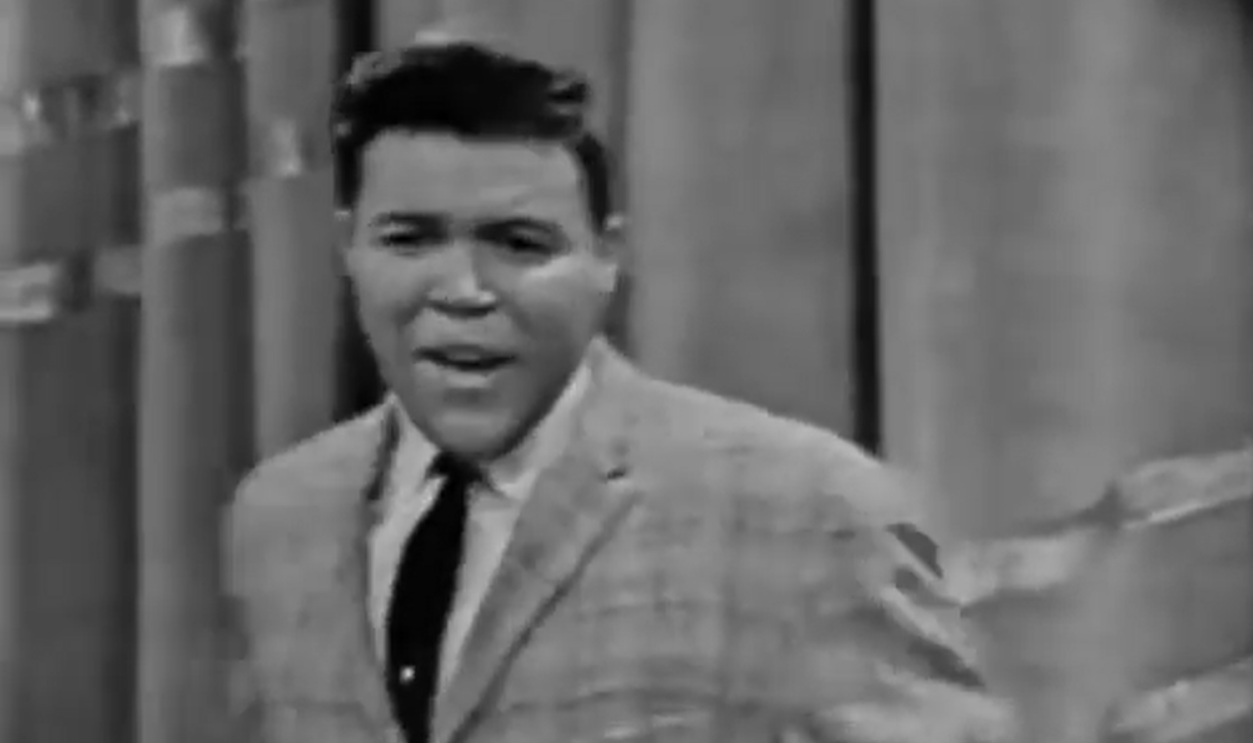
4. Chubby Checker
Chubby Checker performed “The Twist” on American Bandstand in August 1960. The dance required no partner or complicated steps, making it easy for viewers across the country to join in. The song eventually reached the top of the Billboard Hot 100 in two separate chart runs, confirming the extraordinary power of that television exposure.
 Screenshot from American Bandstand, ABC (1952–1989)
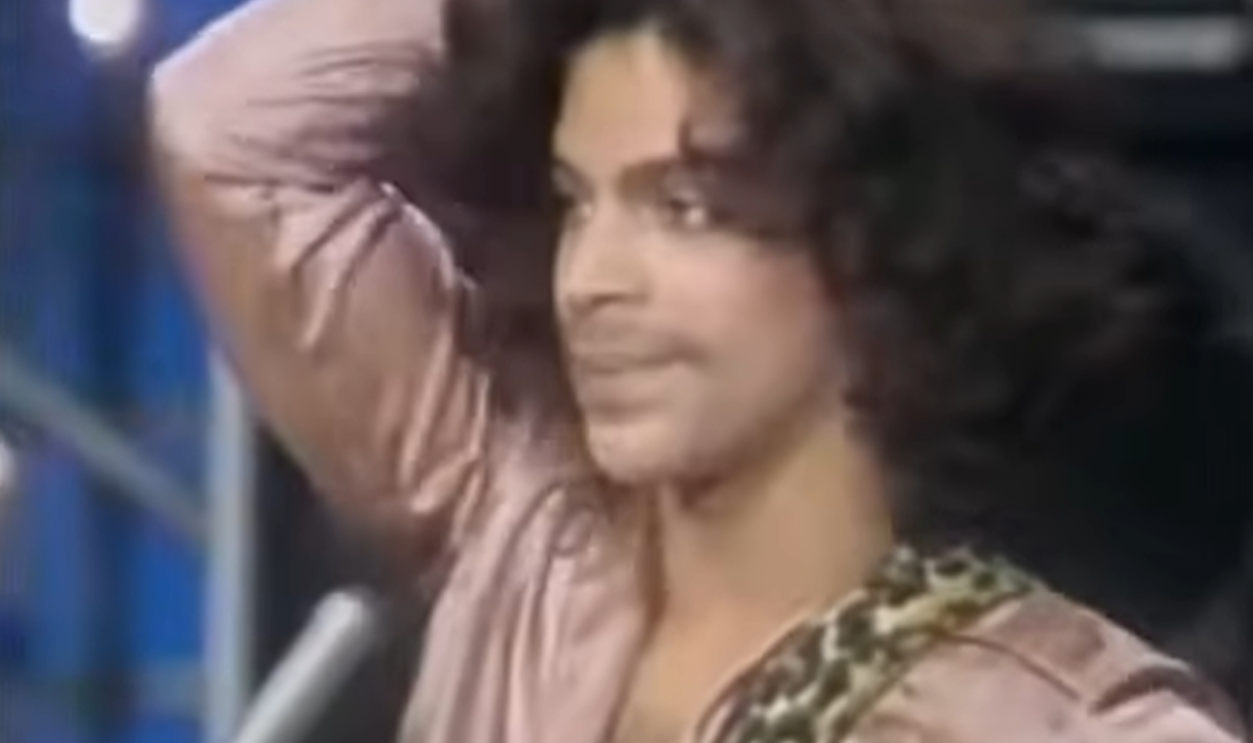
3. Prince
Prince performed “I Wanna Be Your Lover” and “Why You Wanna Treat Me So Bad?” on an episode broadcast in January 1980. His confident stage presence was followed by an interview filled with clipped, evasive answers to Dick Clark’s questions. The tense exchange strengthened the air of mystery that would soon become central to Prince’s public image.
 Screenshot from American Bandstand, ABC (1952–1989)
2. The Jackson 5
The Jackson 5 made its national television debut on American Bandstand in February 1970. The brothers performed “I Want You Back” and introduced “ABC,” with young Michael Jackson immediately commanding the screen. Their energetic choreography, bright harmonies, and astonishing confidence announced that a major new act had arrived.
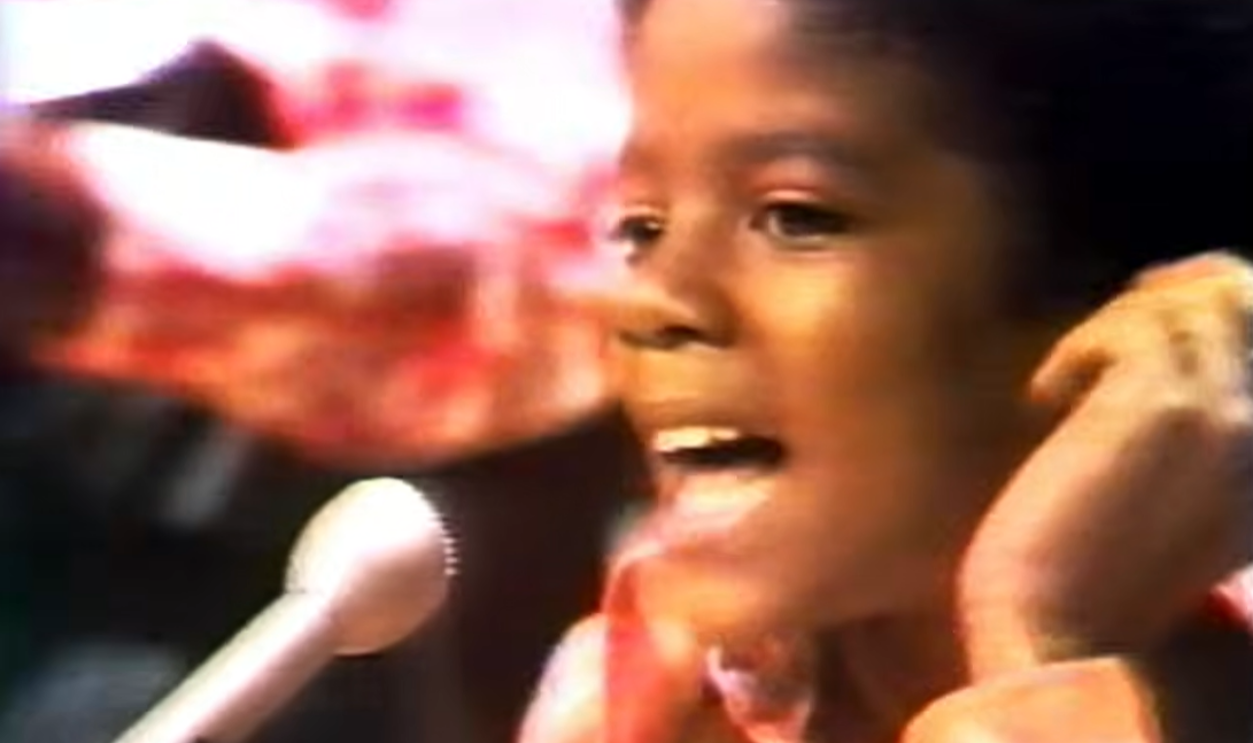 Screenshot from American Bandstand, ABC (1952–1989)
1. Madonna
Madonna performed “Holiday” during her first American Bandstand appearance in January 1984. After dancing through the song, she told Dick Clark that her professional ambition was to rule the world. The confidence of that answer, followed by decades of global success, makes this the show’s most perfectly prophetic appearance.
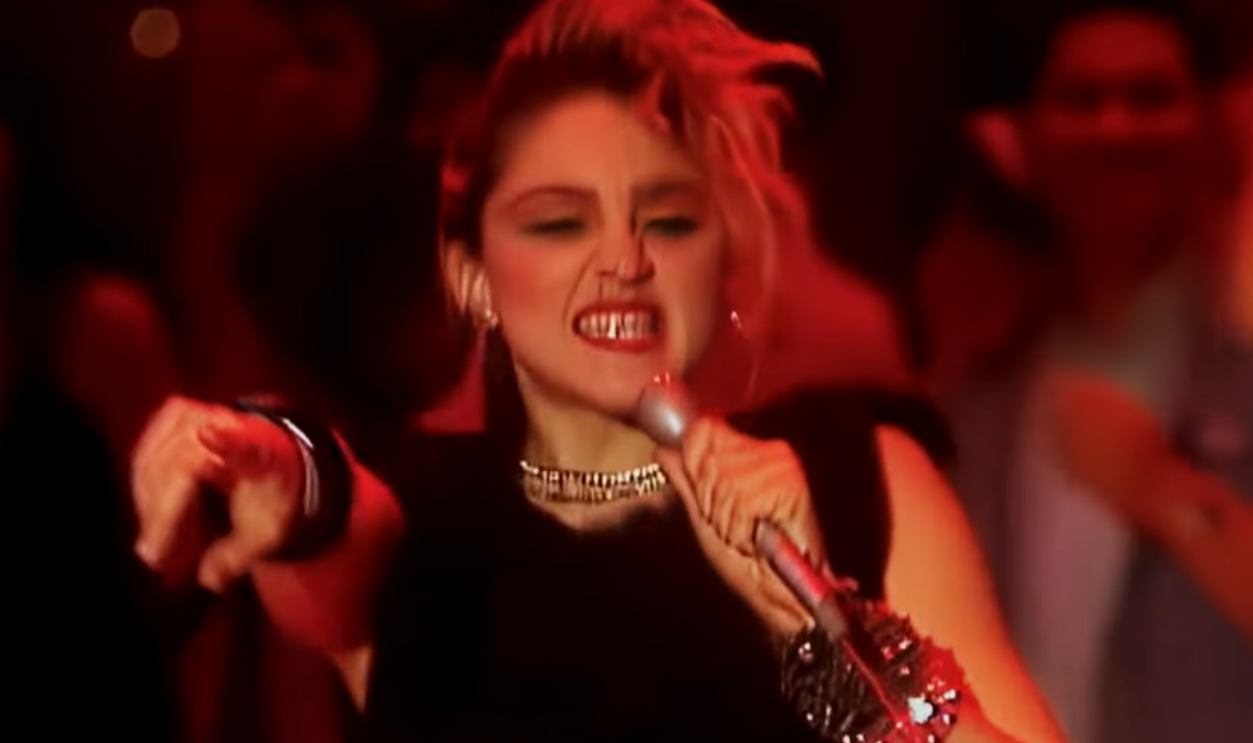 Screenshot from American Bandstand, ABC (1952–1989)
American Bandstand Captured Pop History In Motion
These appearances span early rock and roll, Motown, psychedelia, disco, new wave, hip-hop, and the rise of modern pop superstardom. Together, they show how American Bandstand kept placing new sounds before a national audience even as music and youth culture changed around it. The greatest performances did more than promote a record because they captured future legends at the moment America was discovering them.
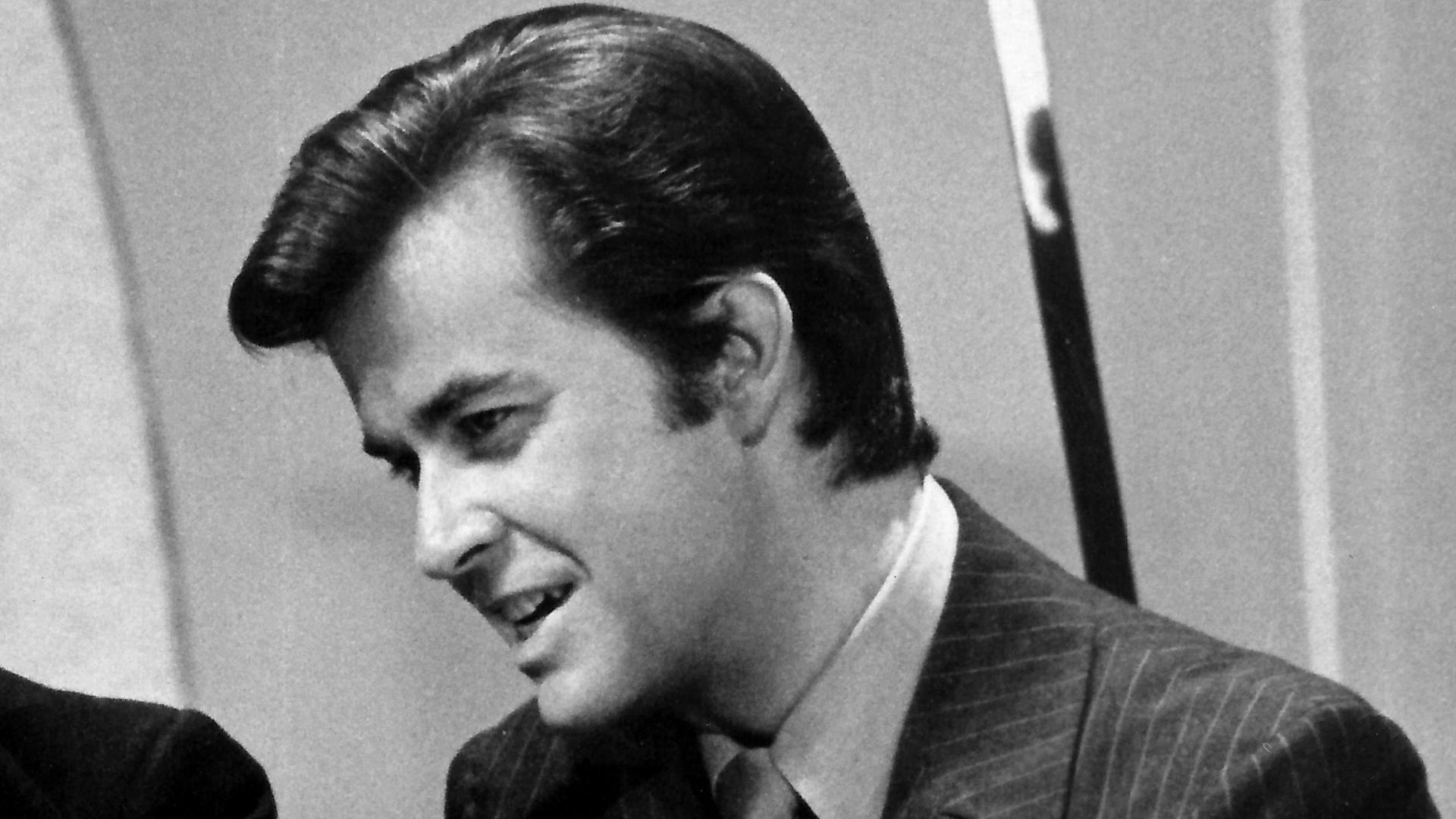 ABC Television Network, Wikimedia Commons
You May Also Like:
The Craziest Things That Happened To Famous Musicians On Stage—Ranked
Notorious Facts About Madonna, The Queen Of Pop
Sources: 1, 2, 3, 4, 5, 6, 7, 8, 9, 10, 11, 12, 13, 14, 15, 16, 17, 18, 19, 20, 21, 22, 23, 24, 25, 26, 27, 28, 29, 30