When Every Living Room Had the Same Stack of Records
Before playlists and streaming, musical taste was displayed on a shelf, usually beside an enormous stereo and at least one suspiciously comfortable beanbag chair. Some albums became so essential that nearly everyone seemed to own a copy. How many of these were hiding in your record collection?
 Michael Ochs Archives, Getty Images
#30: Linda Ronstadt — Heart Like a Wheel
Released in 1974, Heart Like a Wheel turned Linda Ronstadt into one of the decade’s biggest stars. It included “You’re No Good” and “When Will I Be Loved,” blending country, rock, and pop with effortless warmth. The album was ideal for listeners who liked heartbreak served with flawless harmonies.
![Collectie / Archief : Fotocollectie Anefo
Reportage / Serie : [ onbekend ]
Beschrijving : Zangeres Linda Ronstadt op Schiphol
Datum : 20 November 1976
Locatie : Noord-Holland, Schiphol
Trefwoorden : zangeressen
Fotograaf : Bogaerts, Rob / Anefo
Auteursrec](https://www.factinate.com/storage/app/media/theshot/2026/10/7/17913660291ababab34beeab06ef7679c6cf8d49ba2e2451ac.jpg) Rob Bogaerts for Anefo, Wikimedia Commons
Rob Bogaerts for Anefo, Wikimedia Commons
#29: James Taylor — Sweet Baby James
James Taylor’s 1970 breakthrough brought “Fire and Rain” and the comforting title track into countless homes. His quiet vocals and acoustic guitar offered a welcome break from heavier rock. This was the album people played when they wanted the room to feel calmer, even if absolutely nothing in their lives was calm.
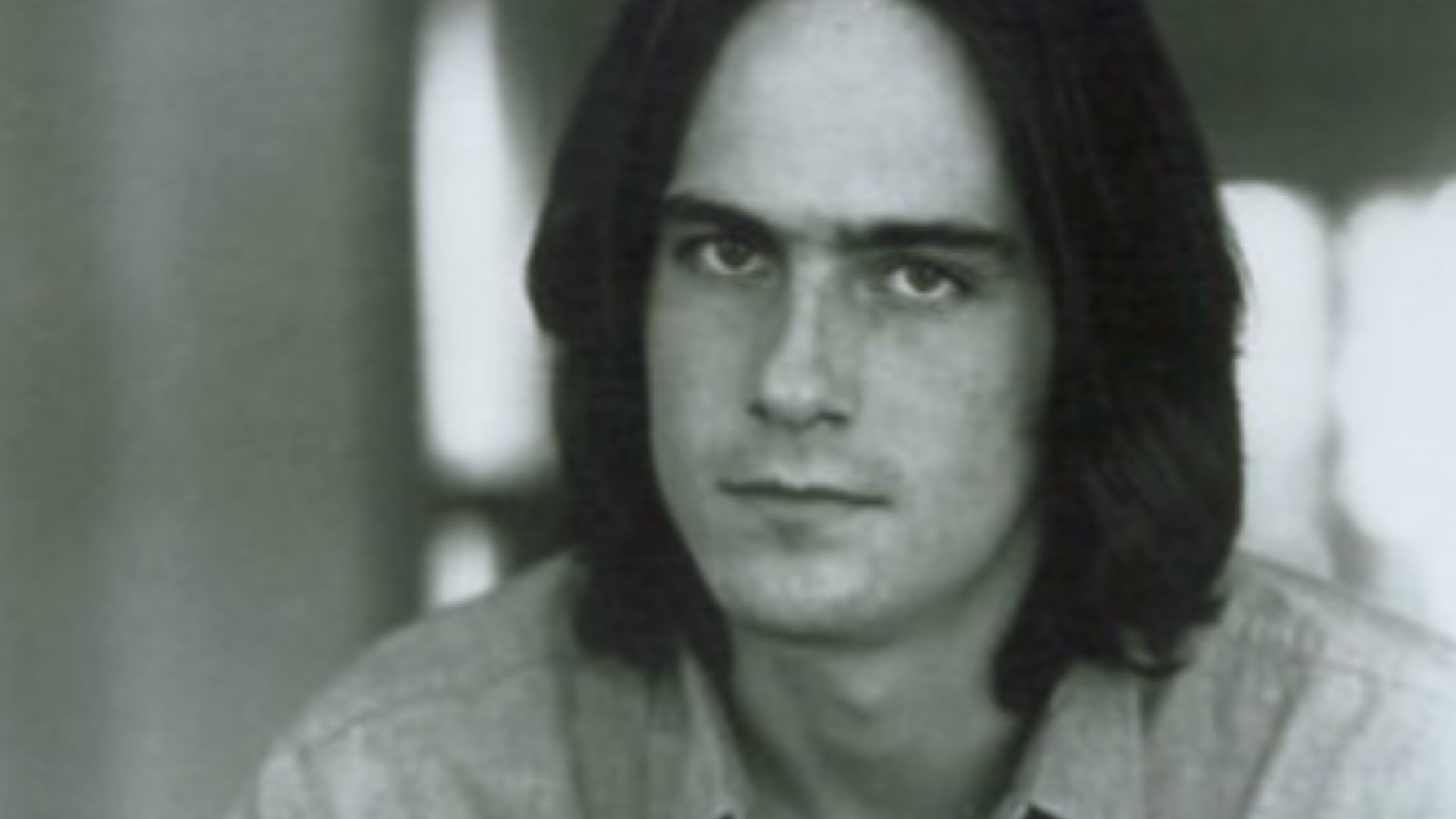 CMA/Warner Records. Uploaded by We hope at en.wikipedia, Wikimedia Commons
#28: Cat Stevens — Tea for the Tillerman
Released in 1970, Tea for the Tillerman included “Wild World,” “Father and Son,” and “Where Do the Children Play?” Cat Stevens sounded thoughtful without becoming inaccessible, making the album a favorite in dorm rooms and family homes alike. It practically arrived with a candle and a serious conversation about life.
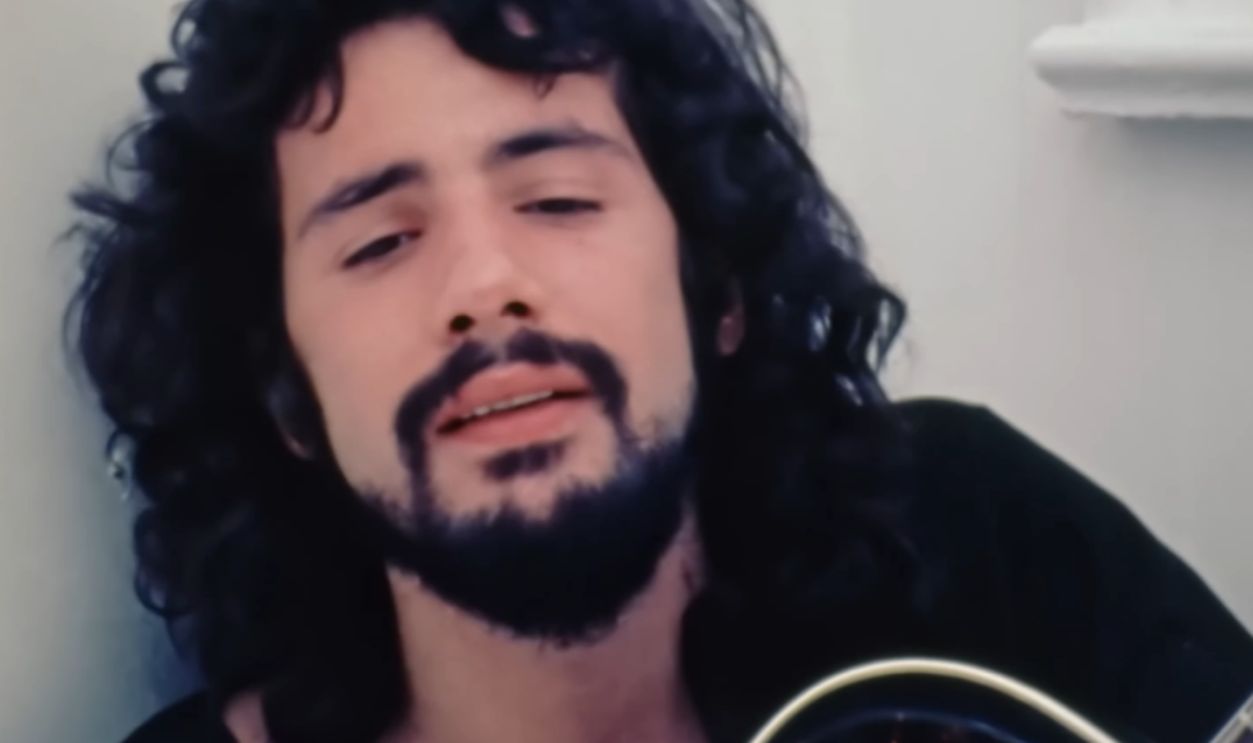 Screenshot from Father and Son, Universal Music Group (1970)
#27: Supertramp — Breakfast in America
By 1979, Breakfast in America was nearly impossible to escape. “The Logical Song,” “Goodbye Stranger,” and “Take the Long Way Home” helped the album top charts internationally. Its clever lyrics and polished production made it equally suitable for careful headphone listening and loudly testing a brand-new living-room stereo.
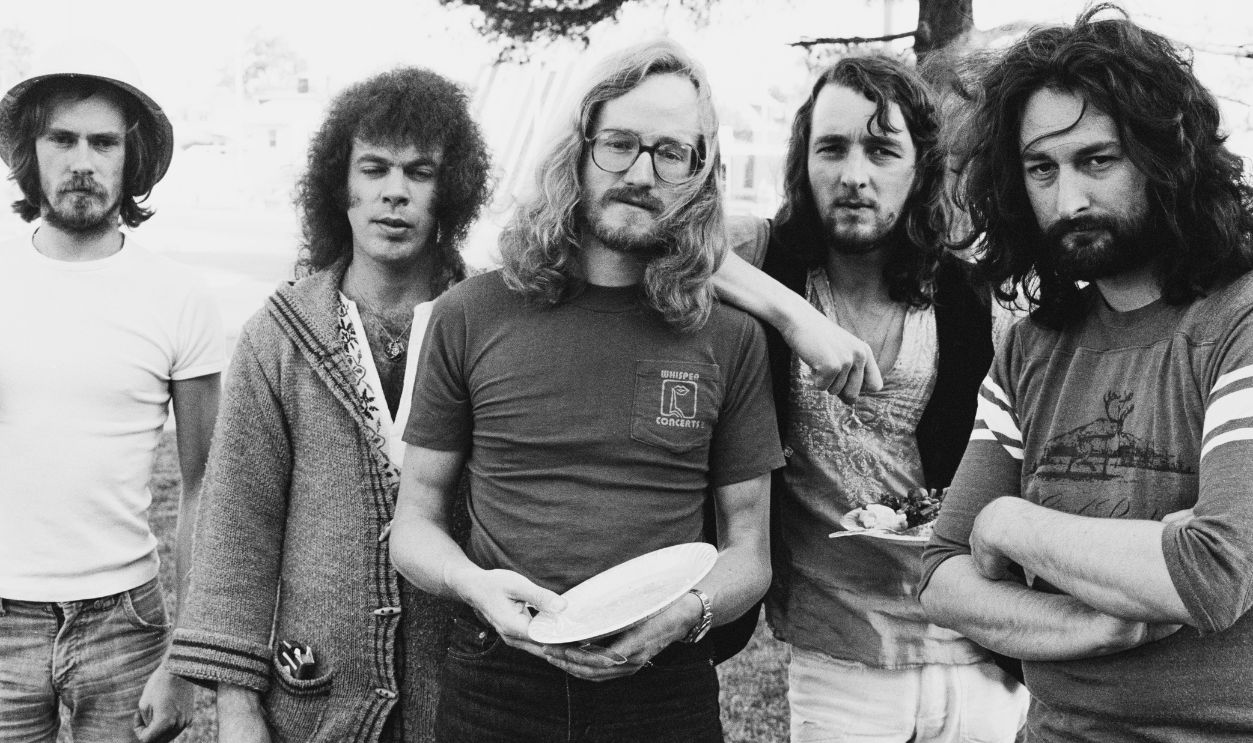
#26: The Cars — The Cars
The Cars’ 1978 debut sounded like rock music had suddenly discovered the future. “Just What I Needed,” “My Best Friend’s Girl,” and “Good Times Roll” combined guitars with cool synthesizers and sharp hooks. It became one of those albums where nearly every track sounded like it could have been a single.
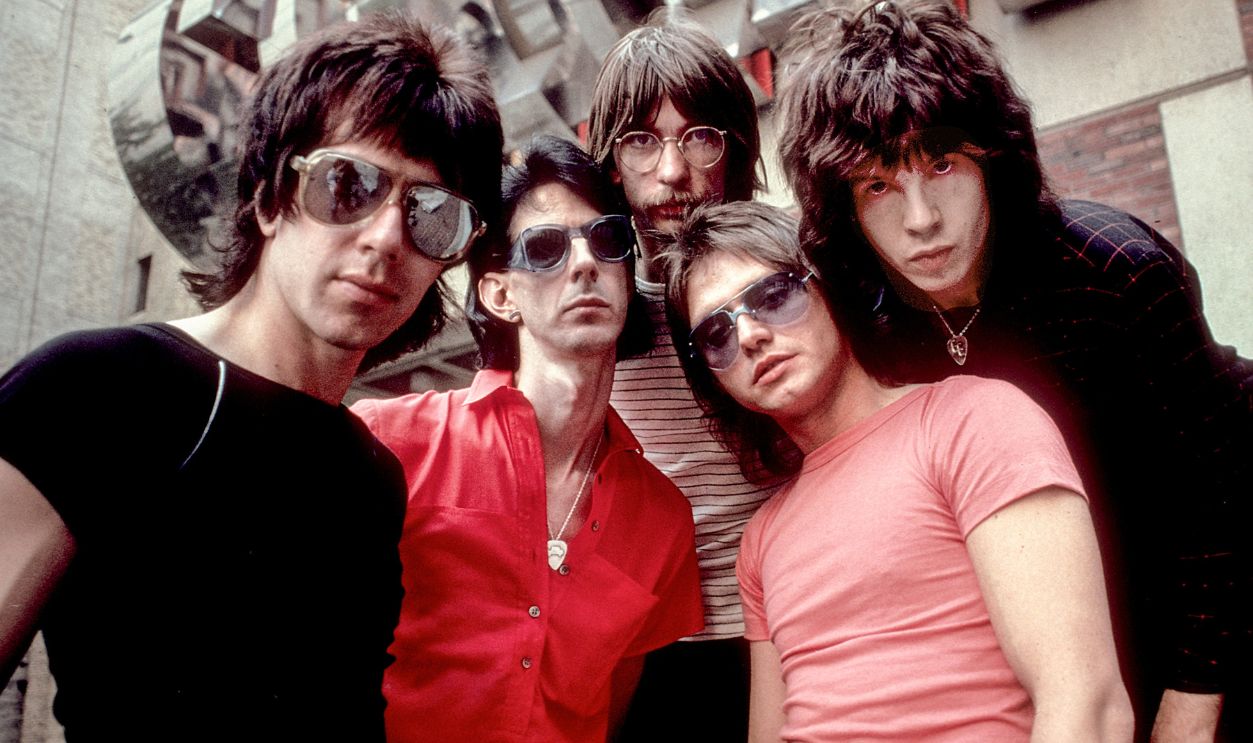 Ron Pownall Photography, Getty Images
#25: Blondie — Parallel Lines
Released in 1978, Parallel Lines took Blondie from New York’s punk scene to international pop success. “Heart of Glass,” “One Way or Another,” and “Hanging on the Telephone” gave the record remarkable variety. It was stylish enough for trendsetters but catchy enough for parents who claimed they disliked new wave.
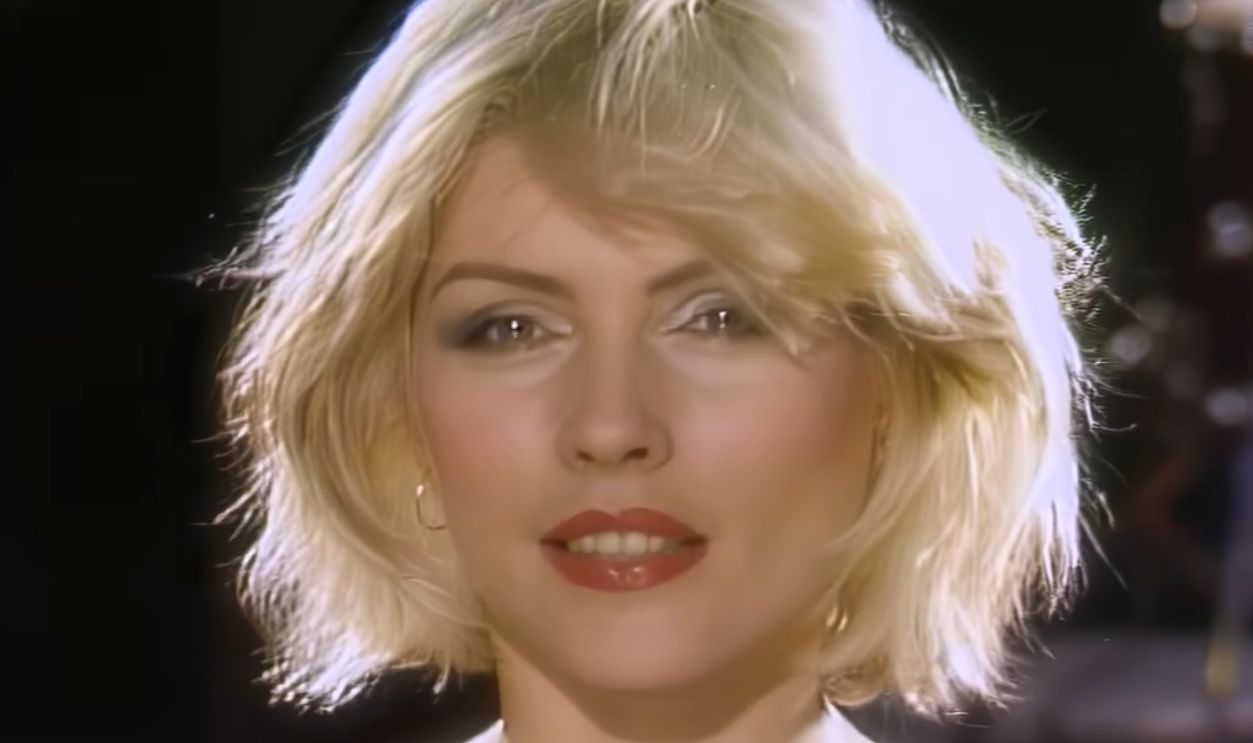 Screenshot from Heart of Glass, Universal Music Group (1979)
#24: Steve Miller Band — Greatest Hits 1974–78
This 1978 collection gathered “The Joker,” “Fly Like an Eagle,” “Rock’n Me,” and other radio staples onto one extremely convenient record. It eventually became one of America’s biggest-selling albums. If someone owned only one Steve Miller Band LP, this was almost certainly the one leaning beside the stereo.
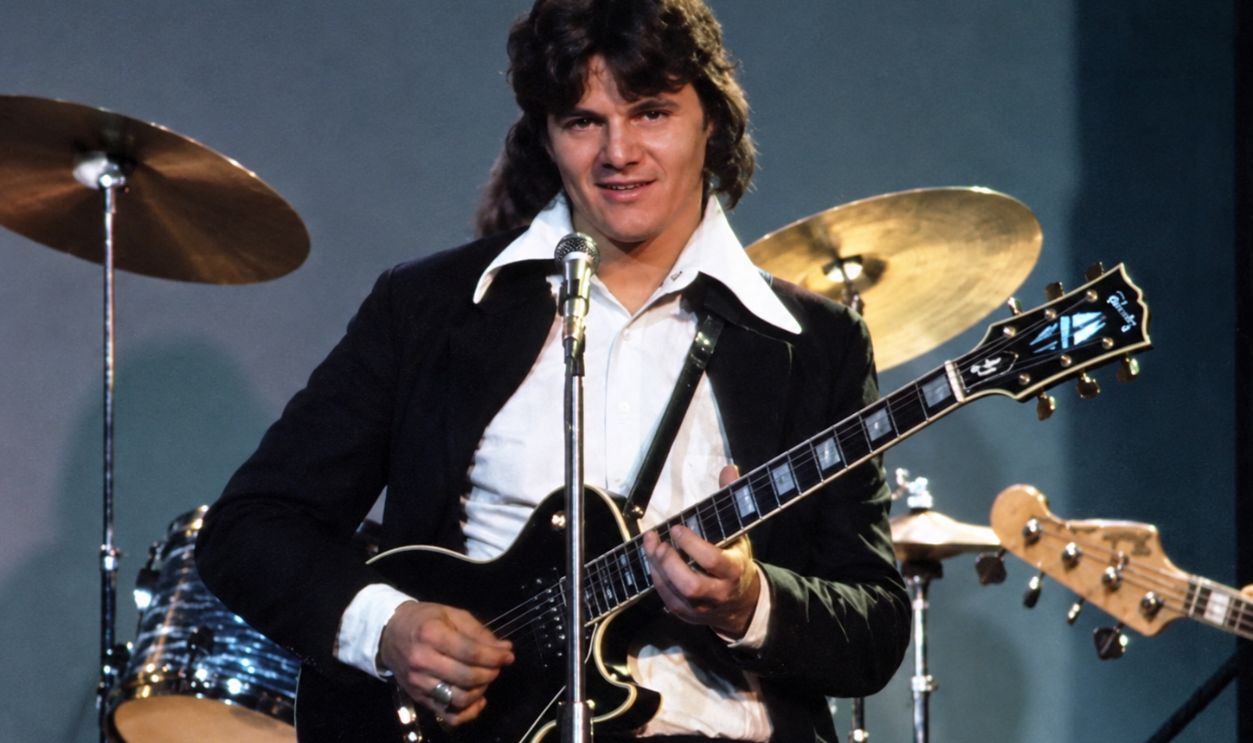 Screenshot from The Joker, Universal Music Group (1973), Enhanced
#23: Boston — Boston
Boston’s self-titled 1976 debut opened with “More Than a Feeling” and barely let up afterward. Its layered guitars, enormous choruses, and unusually polished sound helped make it one of the most successful debut albums ever. Every record collection needed at least one album capable of making ordinary speakers feel dramatically inadequate.
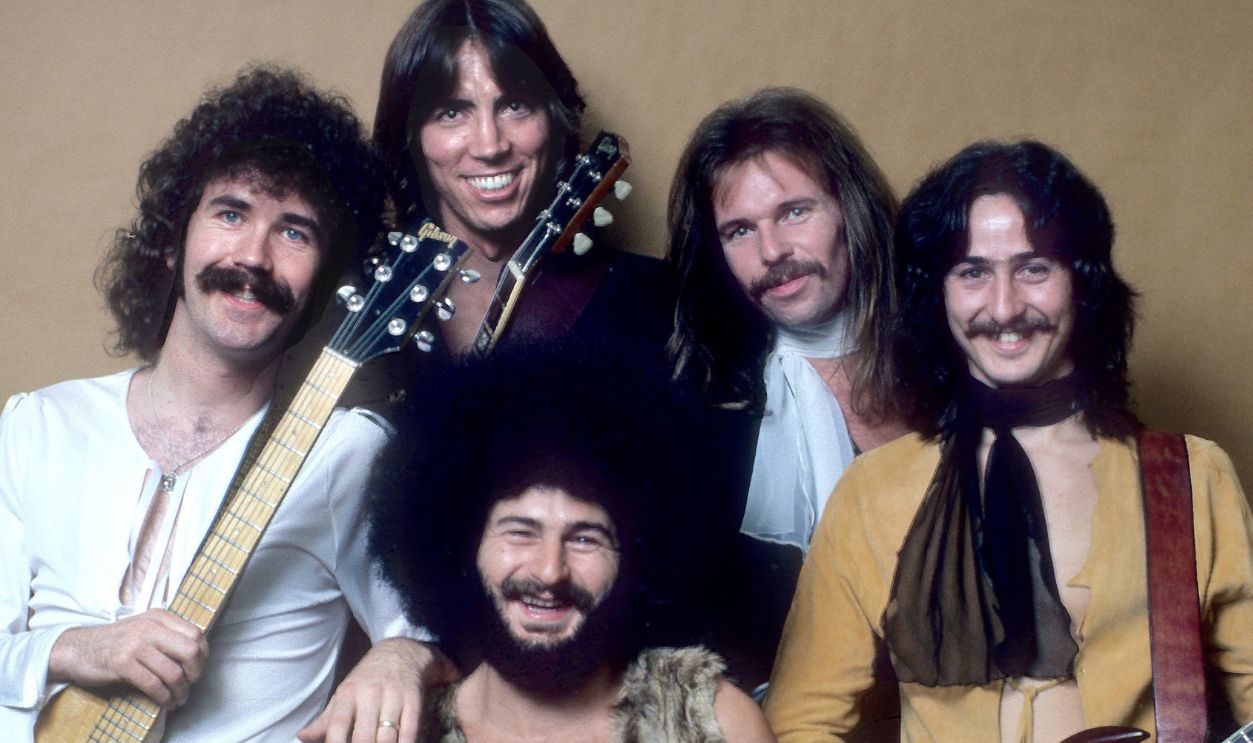 Ron Pownall Photography, Getty Images
#22: David Bowie — The Rise and Fall of Ziggy Stardust and the Spiders from Mars
David Bowie introduced his Ziggy Stardust persona on this 1972 concept album about an otherworldly rock star. “Starman” and “Suffragette City” made the theatrical story surprisingly accessible. Owning it suggested that your musical taste was adventurous, even if it sat alphabetically beside the Bee Gees.
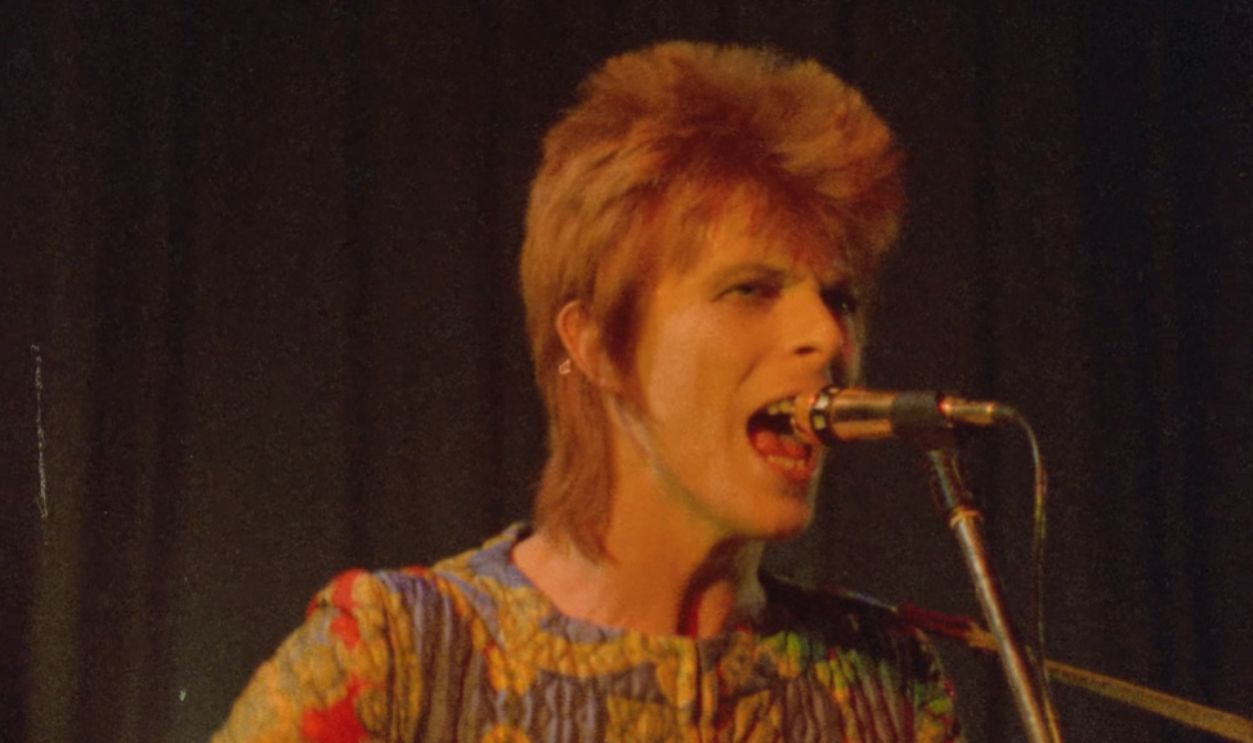 Screenshot from Starman, Warner Music Group (1972)
#21: Queen — A Night at the Opera
Queen’s 1975 album contained “You’re My Best Friend,” “Love of My Life,” and the gloriously excessive “Bohemian Rhapsody.” The band blended hard rock, opera, pop, and music-hall comedy without asking permission. It was the record most likely to inspire a full living-room performance involving several people who could not sing.
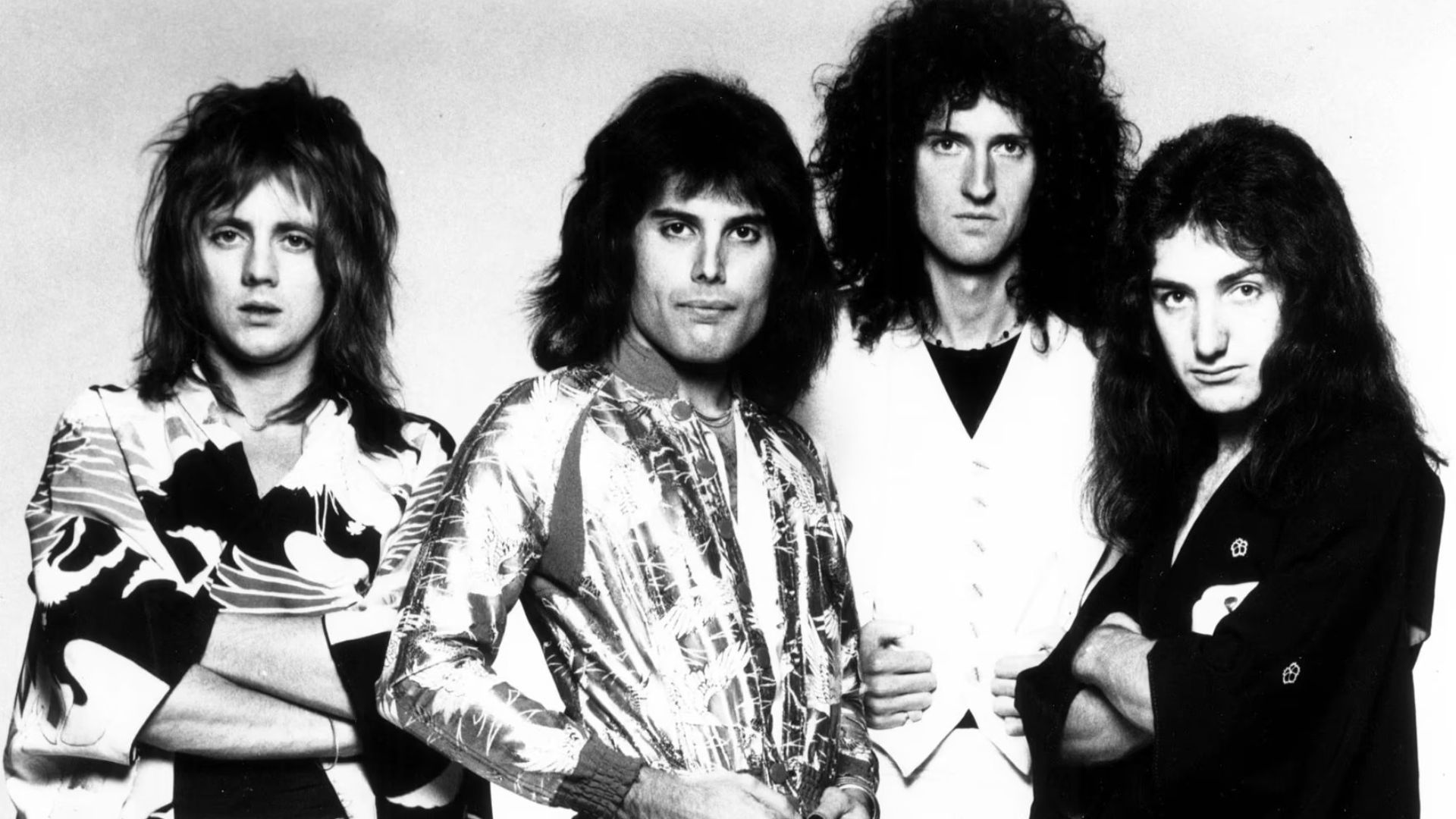 Koh Hasebe; Distributed by Elektra Records, Wikimedia Commons
#20: The Who — Who’s Next
Released in 1971, Who’s Next featured “Baba O’Riley,” “Behind Blue Eyes,” and “Won’t Get Fooled Again.” The album combined thunderous rock with pioneering synthesizer patterns and some of Roger Daltrey’s strongest vocals. It also taught generations that “teenage wasteland” was not actually the title of the opening song.
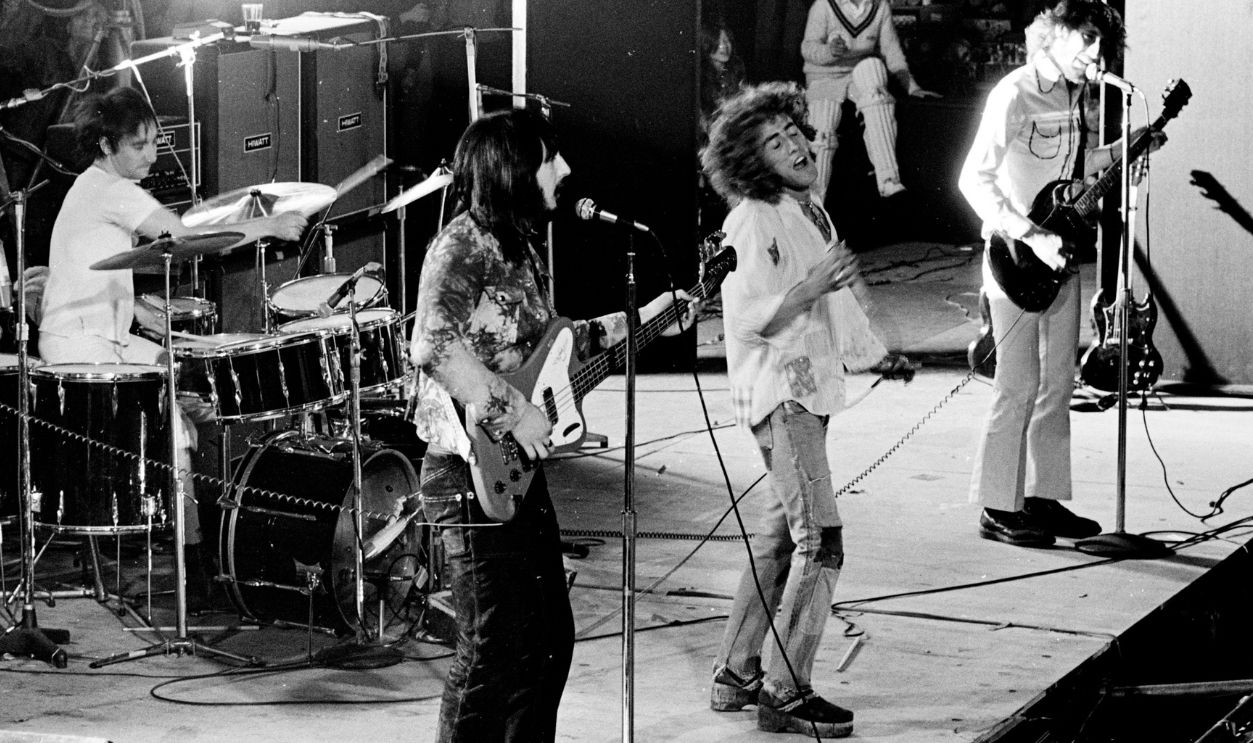 Gijsbert Hanekroot / Contributor, Getty Images
#19: The Rolling Stones — Sticky Fingers
The Rolling Stones released Sticky Fingers in 1971 with “Brown Sugar,” “Wild Horses,” and “Can’t You Hear Me Knocking.” Its famous Andy Warhol-designed cover originally included a working zipper. That clever feature looked impressive in stores, although record owners quickly discovered that unusual packaging could make album storage unnecessarily complicated.
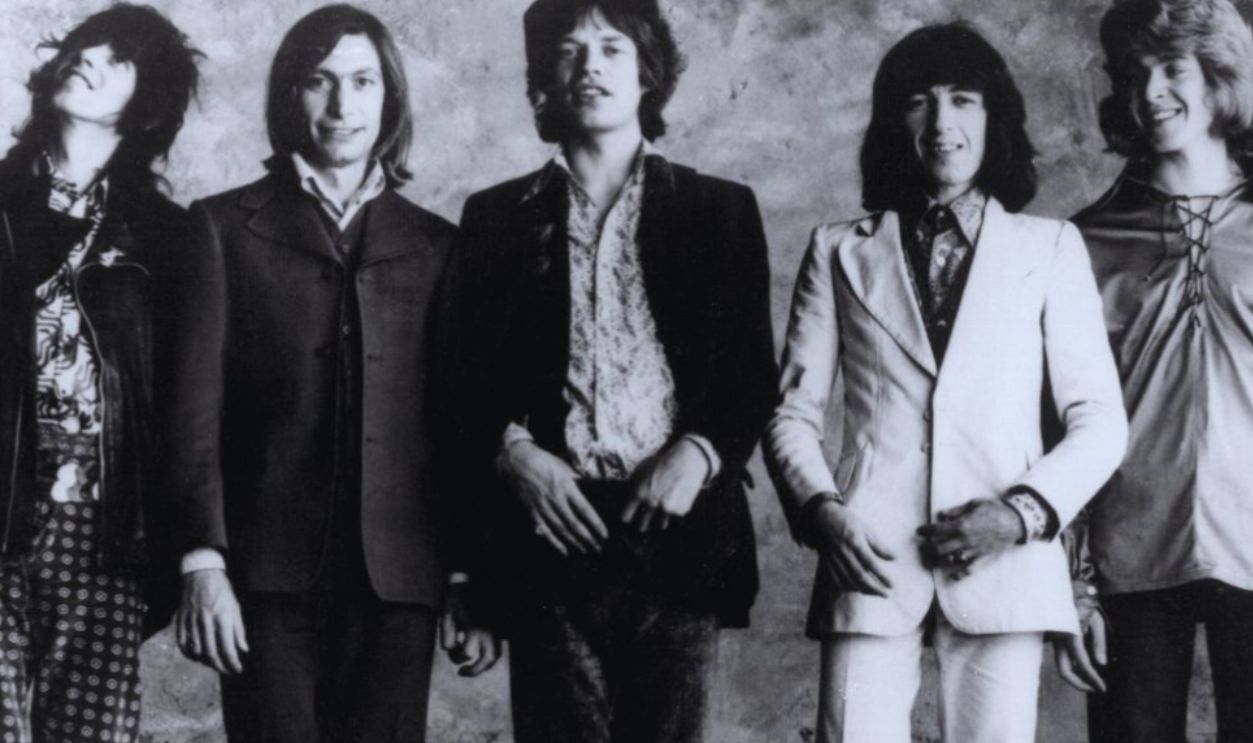 Michael Ochs Archives, Getty Images
#18: John Lennon — Imagine
John Lennon’s 1971 album balanced the hopeful title song with deeply personal and sometimes confrontational material. “Jealous Guy” became another enduring favorite. The cover photograph and spare white lettering made the record immediately recognizable, while the title track became the song everyone knew, including people who never bought the album.
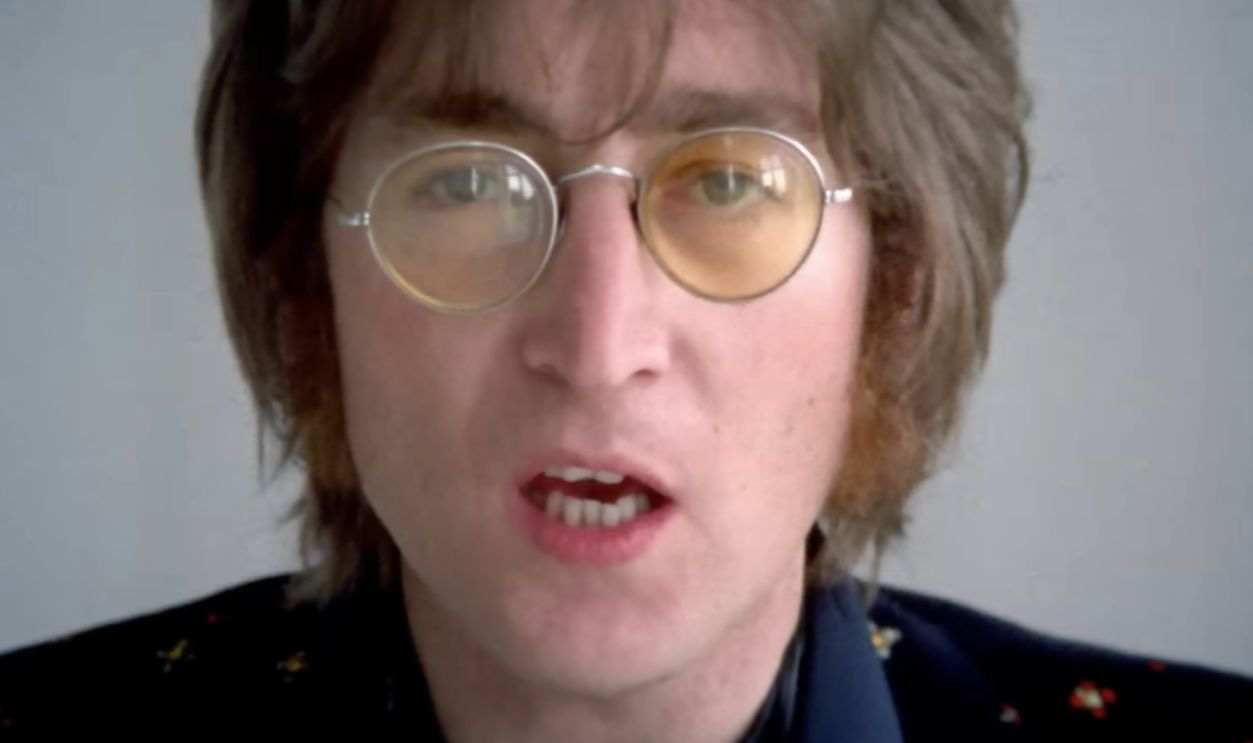 Screenshot from Imagine, Universal Music Group (1971)
#17: Neil Young — Harvest
Released in 1972, Harvest became Neil Young’s biggest commercial success and included “Heart of Gold,” “Old Man,” and “The Needle and the Damage Done.” Its blend of country, folk, and rock felt intimate and unpolished. The album sounded particularly convincing when played late at night through slightly crackling speakers.

#16: Billy Joel — The Stranger
Billy Joel’s career exploded with The Stranger in 1977. “Just the Way You Are,” “Only the Good Die Young,” “Movin’ Out,” and “She’s Always a Woman” made it feel like a greatest-hits collection upon arrival. Few albums offered so many opportunities to sing confidently while misunderstanding at least half the lyrics.
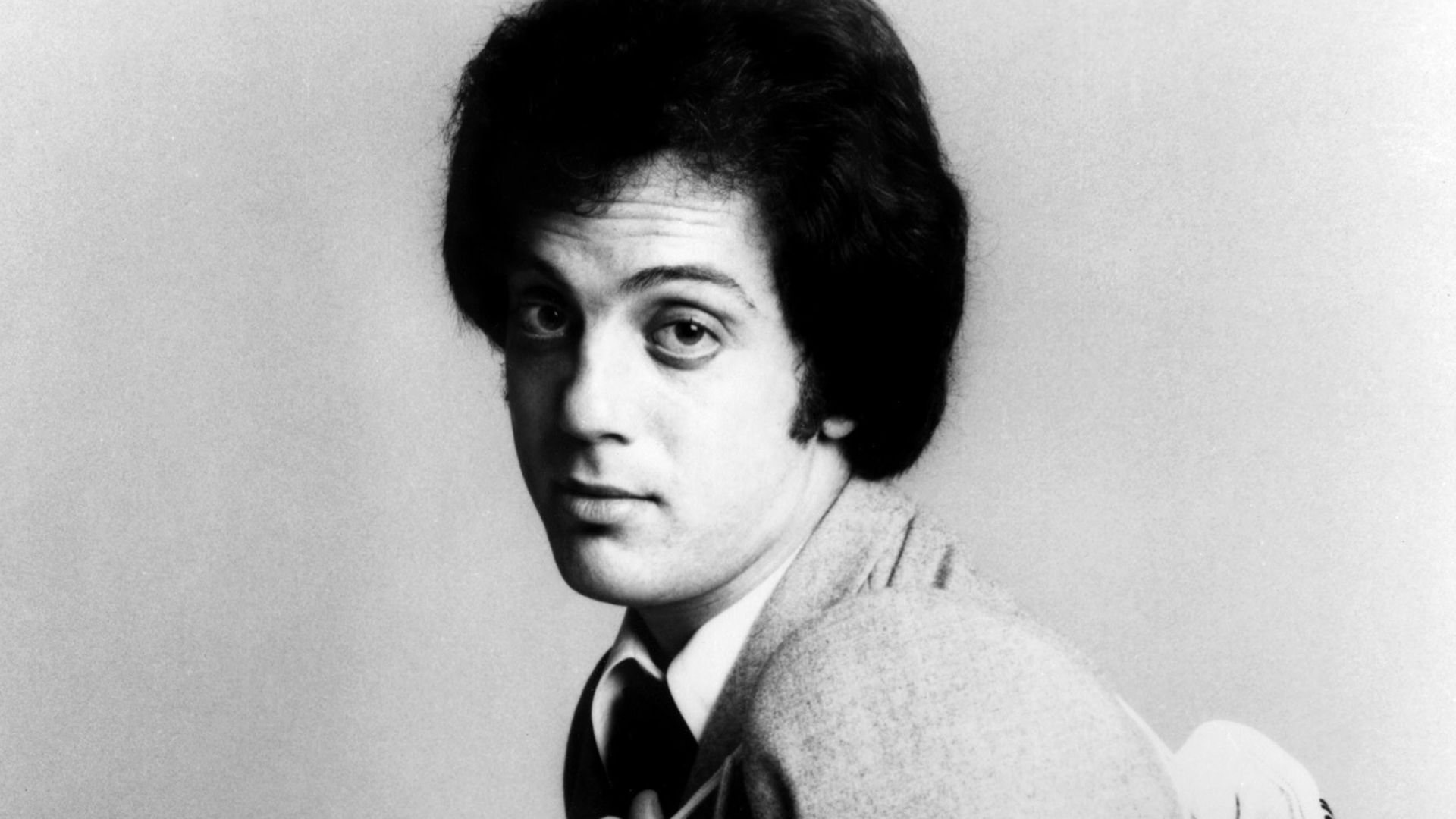 Uncredited (possibly Jim Houghton); Distributed by Columbia Records, Wikimedia Commons
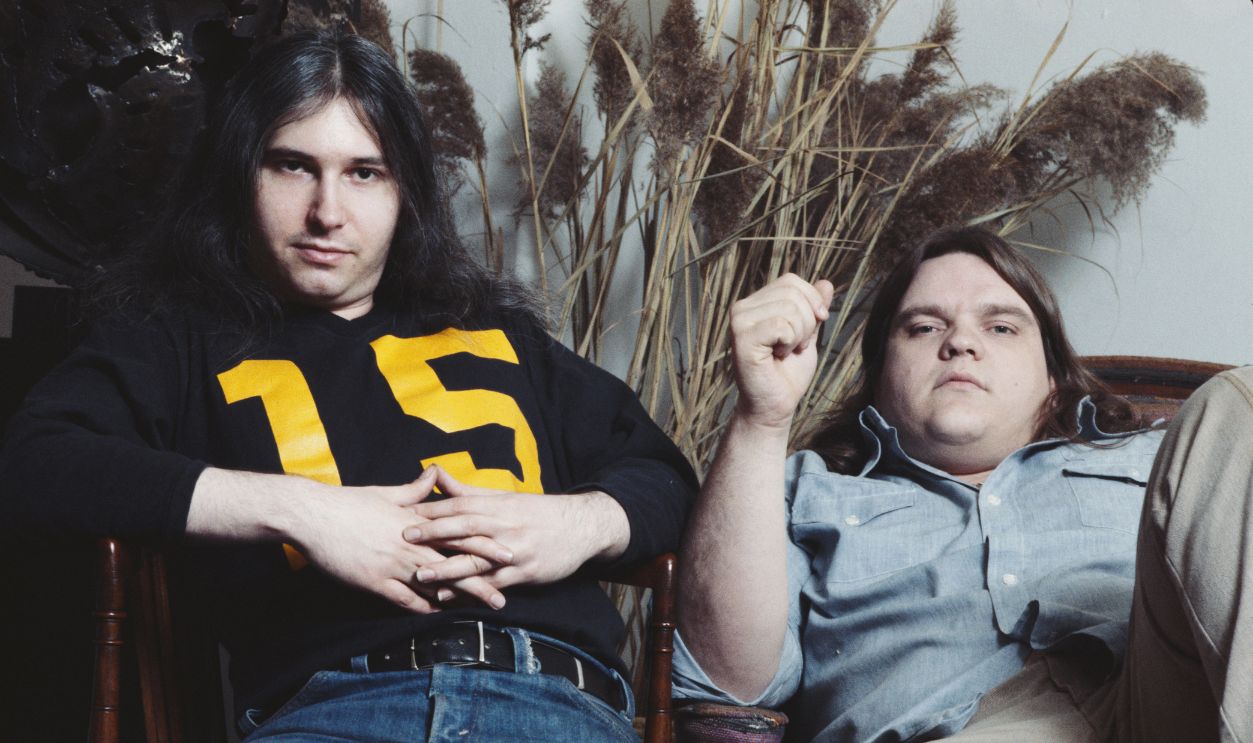
#15: Meat Loaf — Bat Out of Hell
Released in 1977, Bat Out of Hell combined Meat Loaf’s enormous voice with Jim Steinman’s theatrical songwriting. “Paradise by the Dashboard Light” and “Two Out of Three Ain’t Bad” turned teenage melodrama into miniature rock operas. Subtle it was not, but subtle records rarely came with motorcycles exploding out of graveyards.
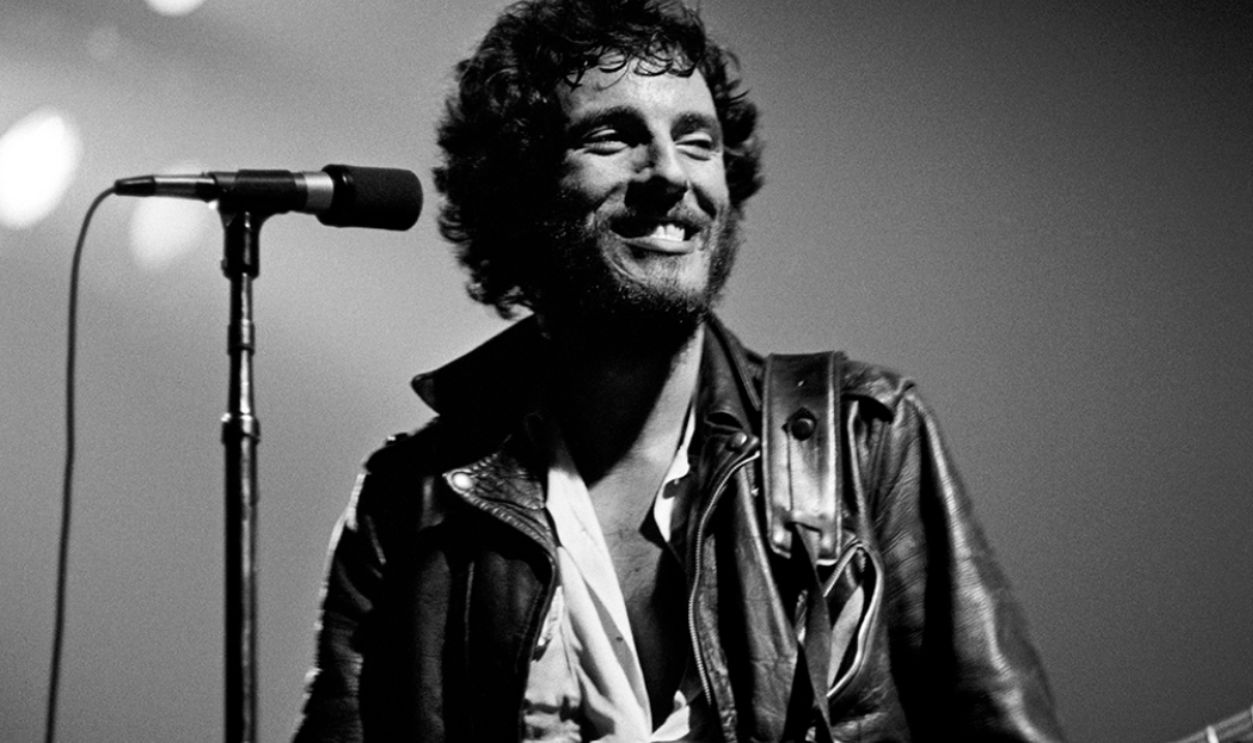
#14: Bruce Springsteen — Born to Run
Bruce Springsteen’s 1975 breakthrough captured youthful ambition, restless nights, fast cars, and the desperate need to get out of town. “Thunder Road,” “Tenth Avenue Freeze-Out,” and the title track made the album feel cinematic. Even listeners living on quiet suburban streets suddenly believed escape was waiting beyond the county line.
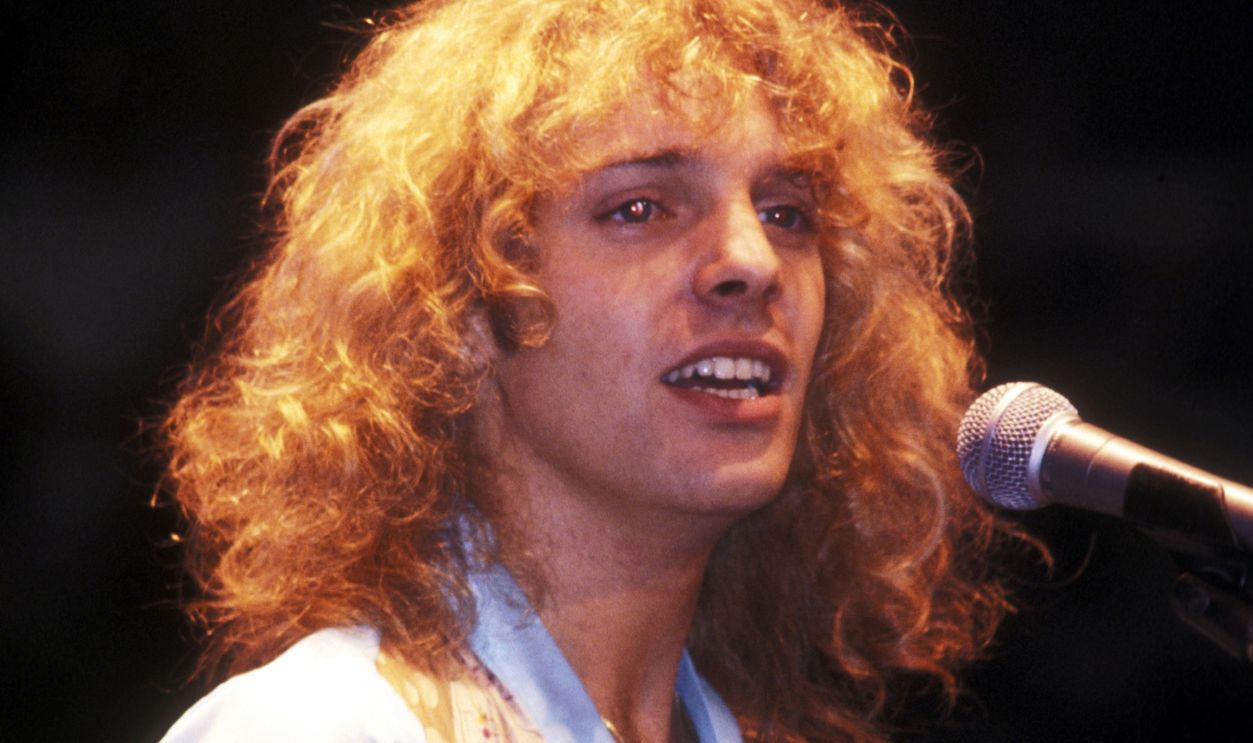
#13: Peter Frampton — Frampton Comes Alive!
This 1976 double live album turned Peter Frampton into one of the decade’s biggest stars. “Show Me the Way,” “Baby, I Love Your Way,” and the talk-box showcase “Do You Feel Like We Do” filled four record sides. For several years, owning it seemed less like a choice than a household requirement.
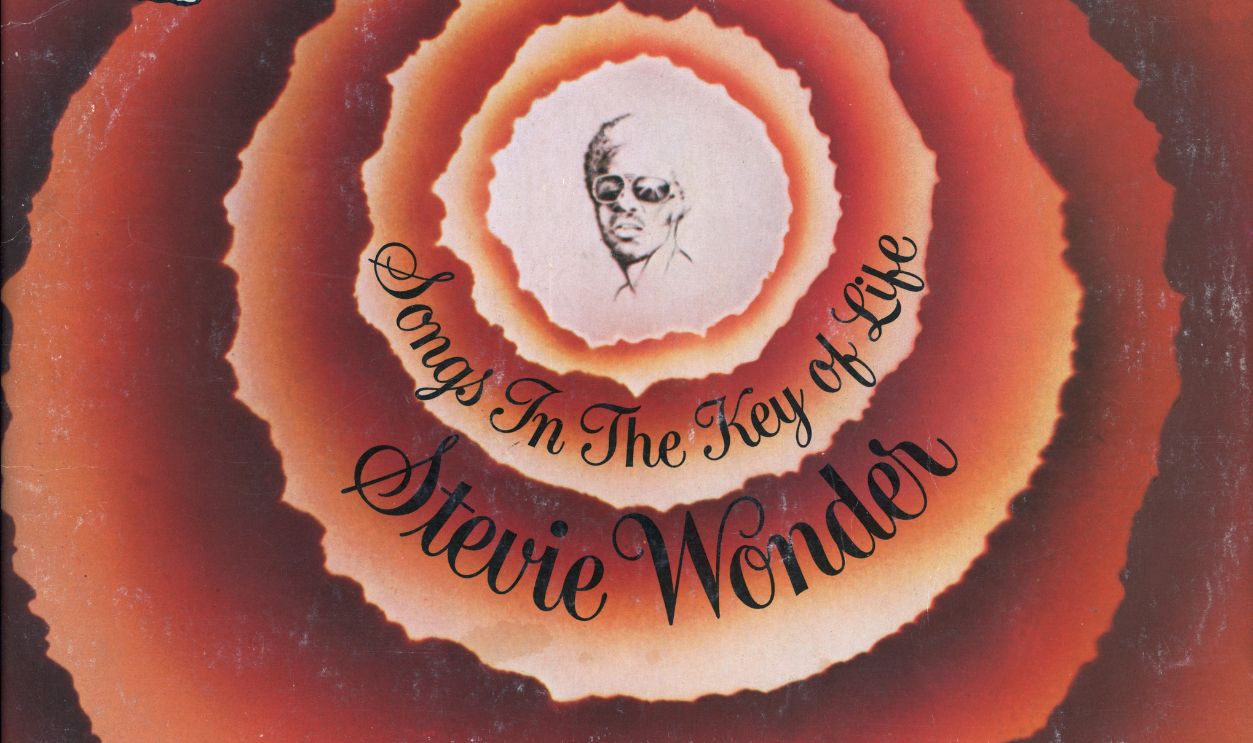
#12: Stevie Wonder — Songs in the Key of Life
Released in 1976, Stevie Wonder’s ambitious double album included “Sir Duke,” “Isn’t She Lovely,” and “I Wish.” It explored love, childhood, faith, inequality, and everyday life with extraordinary musical range. The original package even included a bonus EP, because one record apparently could not contain that much creativity.
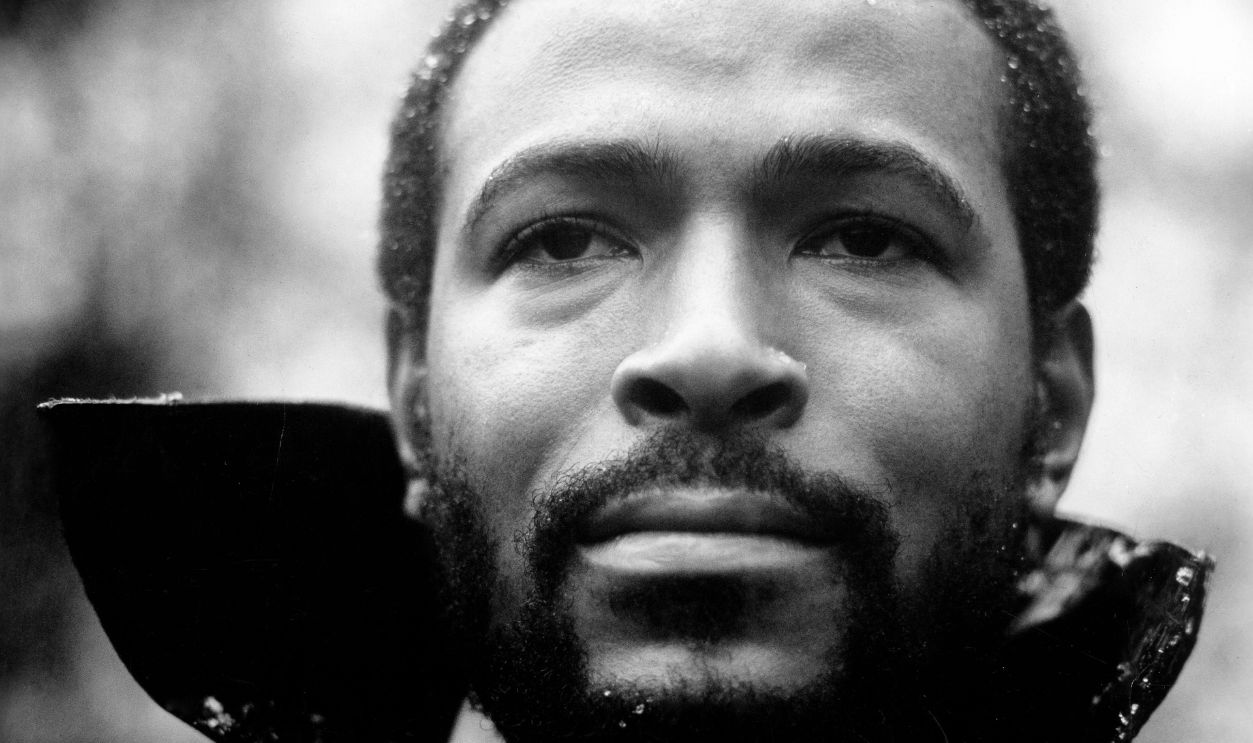
#11: Marvin Gaye — What’s Going On
Marvin Gaye’s 1971 masterpiece addressed war, poverty, environmental damage, and social injustice without losing its warmth or groove. “What’s Going On,” “Mercy Mercy Me,” and “Inner City Blues” flowed together beautifully. It was a serious album that people could discuss thoughtfully before quietly turning up the bass.
 Michael Ochs Archives, Gettyimages
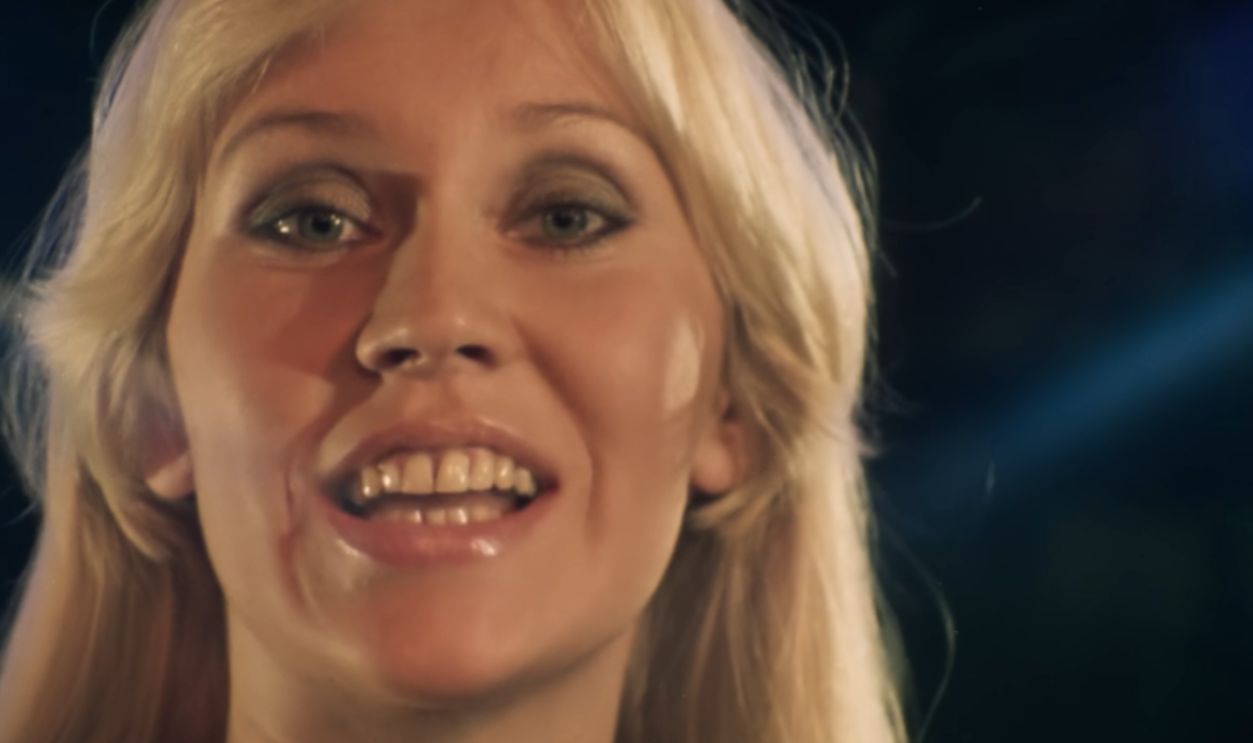
#10: ABBA — Arrival
ABBA’s 1976 album delivered “Dancing Queen,” “Knowing Me, Knowing You,” and “Money, Money, Money.” The group’s polished harmonies and immaculate pop production crossed borders with ease. Some rock fans pretended they were far too sophisticated for ABBA, usually moments before revealing that they knew every word to “Dancing Queen.”
 Screenshot from Dancing Queen, Universal Music Group (1976)
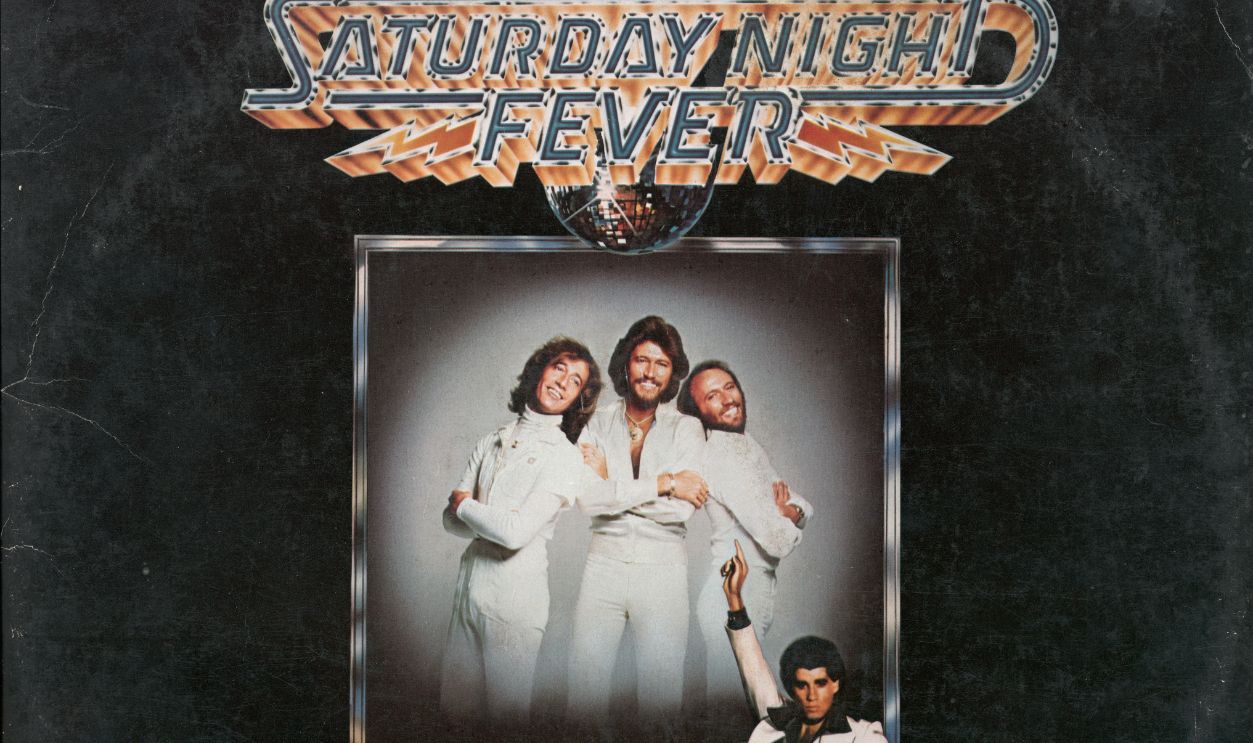
#9: Saturday Night Fever — Original Movie Soundtrack
The 1977 Saturday Night Fever soundtrack made disco unavoidable, powered by Bee Gees hits including “Stayin’ Alive,” “Night Fever,” and “How Deep Is Your Love.” The double album became a global phenomenon. Even households without a light-up dance floor could place the record on the turntable and briefly pretend otherwise.
#8: Grease — Original Motion Picture Soundtrack
Released in 1978, the Grease soundtrack included “You’re the One That I Want,” “Summer Nights,” “Hopelessly Devoted to You,” and the title song. It crossed generational lines by turning 1950s nostalgia into a 1970s sensation. Entire families could sing along, whether anyone had requested a performance or not.
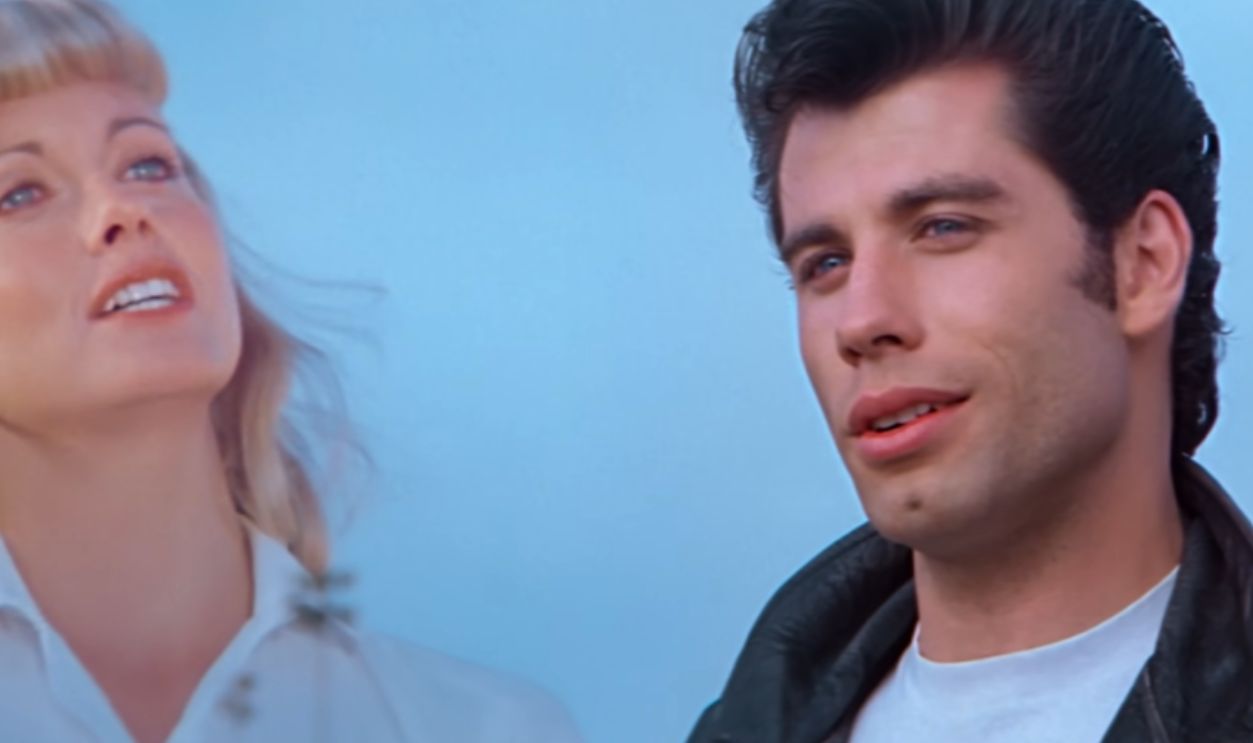 Screenshot from Grease, Paramount (1978)
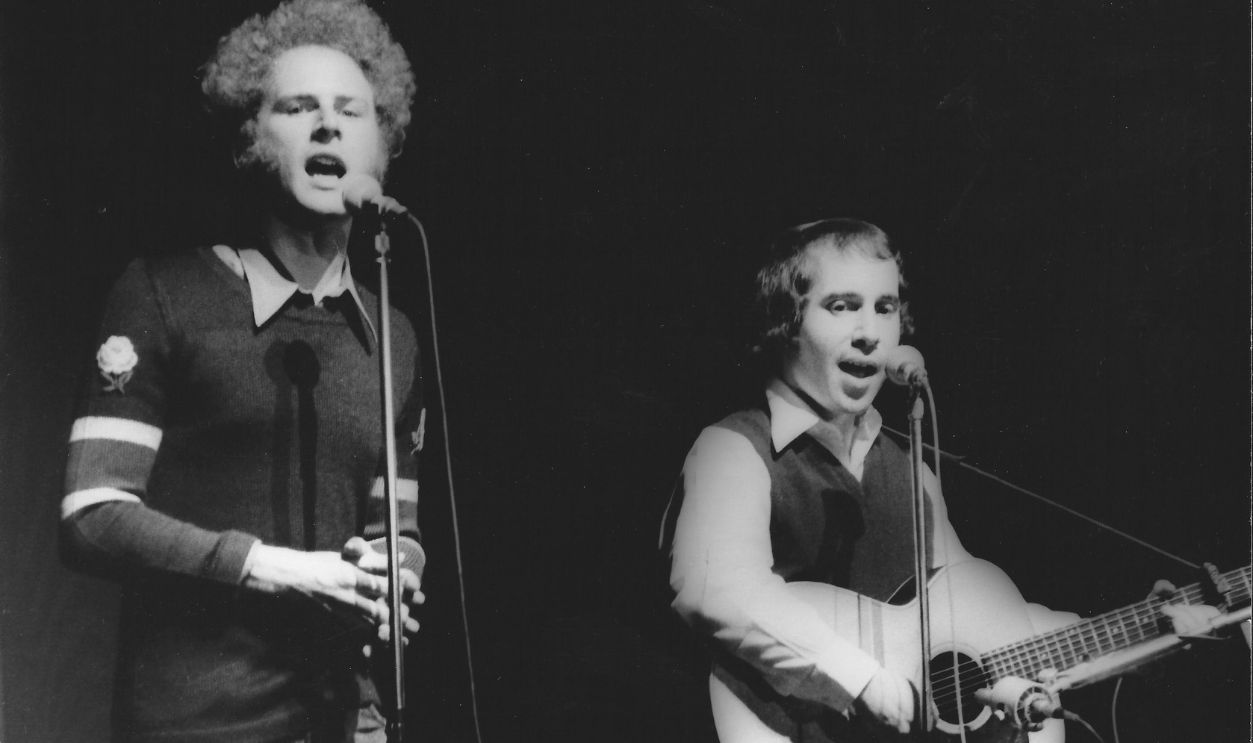
#7: Simon & Garfunkel — Bridge Over Troubled Water
Simon & Garfunkel’s final studio album arrived in 1970 and featured the towering title track, “The Boxer,” “Cecilia,” and “El Condor Pasa.” It won Album of the Year at the Grammys and became a massive international success. Its pristine harmonies made every inexpensive home stereo seem just a little more respectable.
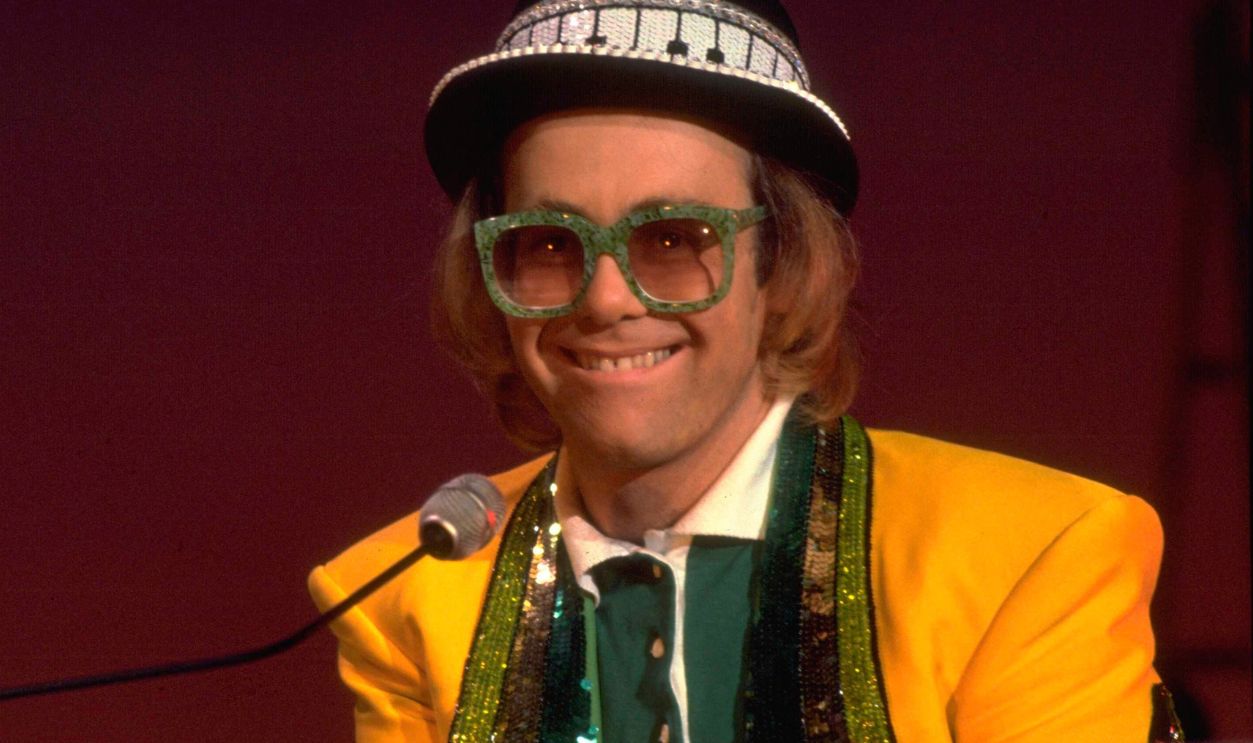
#6: Elton John — Goodbye Yellow Brick Road
Elton John’s 1973 double album included “Bennie and the Jets,” “Candle in the Wind,” “Saturday Night’s Alright for Fighting,” and the title track. Glamorous, emotional, and packed with hits, it captured Elton at his creative peak. The illustrated cover alone looked as if it belonged permanently beside a turntable.
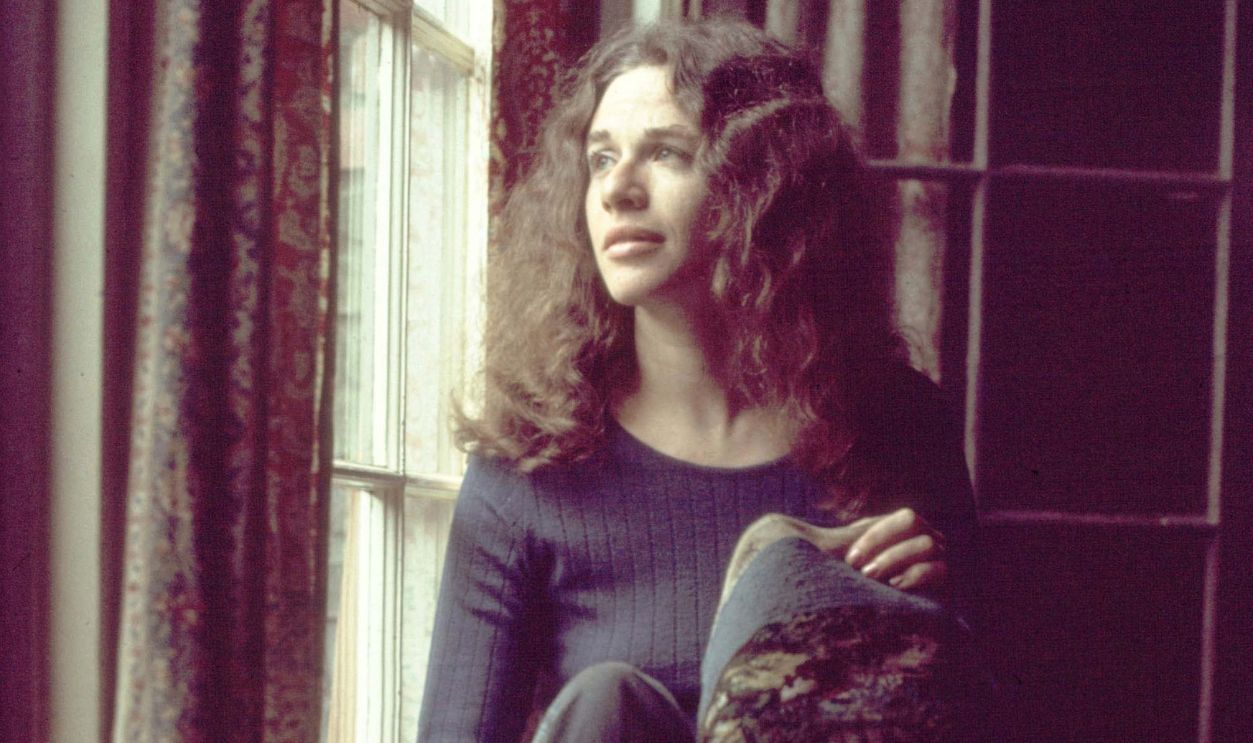
#5: Carole King — Tapestry
Released in 1971, Tapestry spent 15 consecutive weeks at No. 1 in the United States and won four Grammy Awards. “It’s Too Late,” “I Feel the Earth Move,” and “You’ve Got a Friend” sounded deeply personal yet universal. It became the record people played when the party ended and honest conversation began.
#4: Led Zeppelin — Led Zeppelin IV
Led Zeppelin’s untitled 1971 album, commonly called Led Zeppelin IV, brought together “Black Dog,” “Rock and Roll,” “Going to California,” and “Stairway to Heaven.” Its mysterious symbols and lack of a printed band name added to its appeal. Every copy seemed to have one side worn down more than the other.
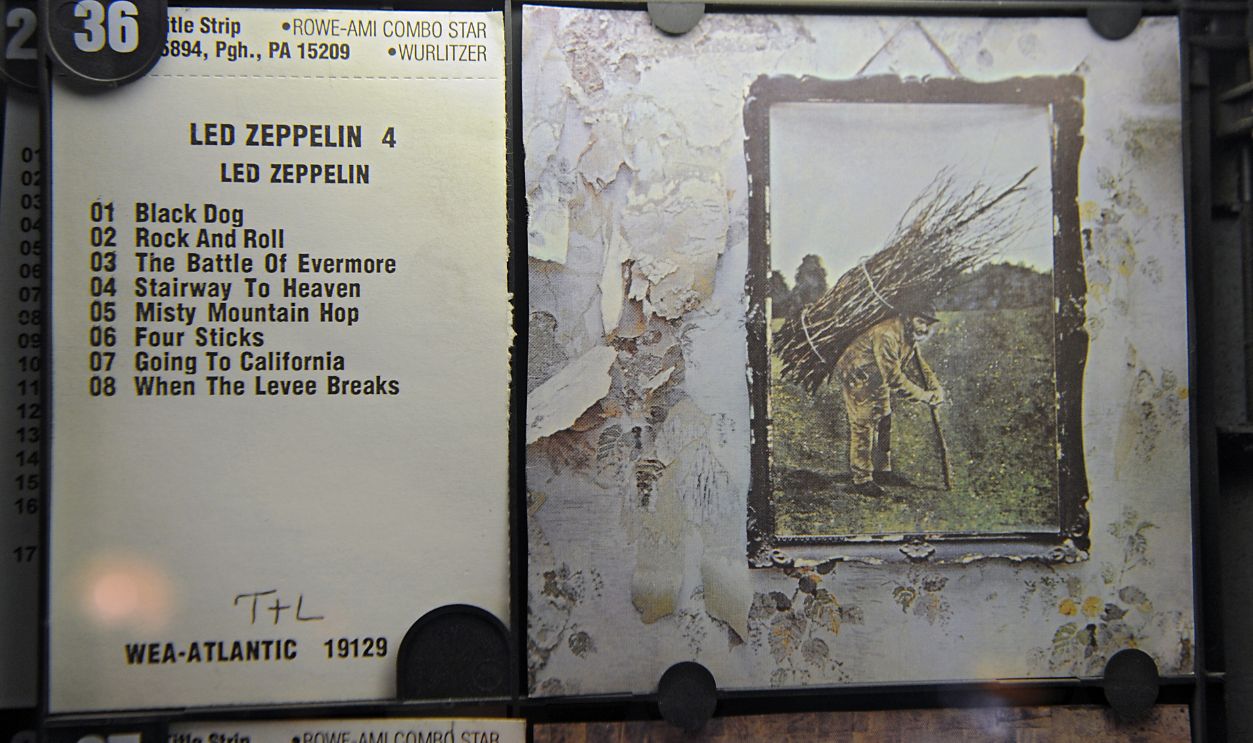 Albany Times Union/Hearst Newspapers, Getty Images
#3: Pink Floyd — The Dark Side of the Moon
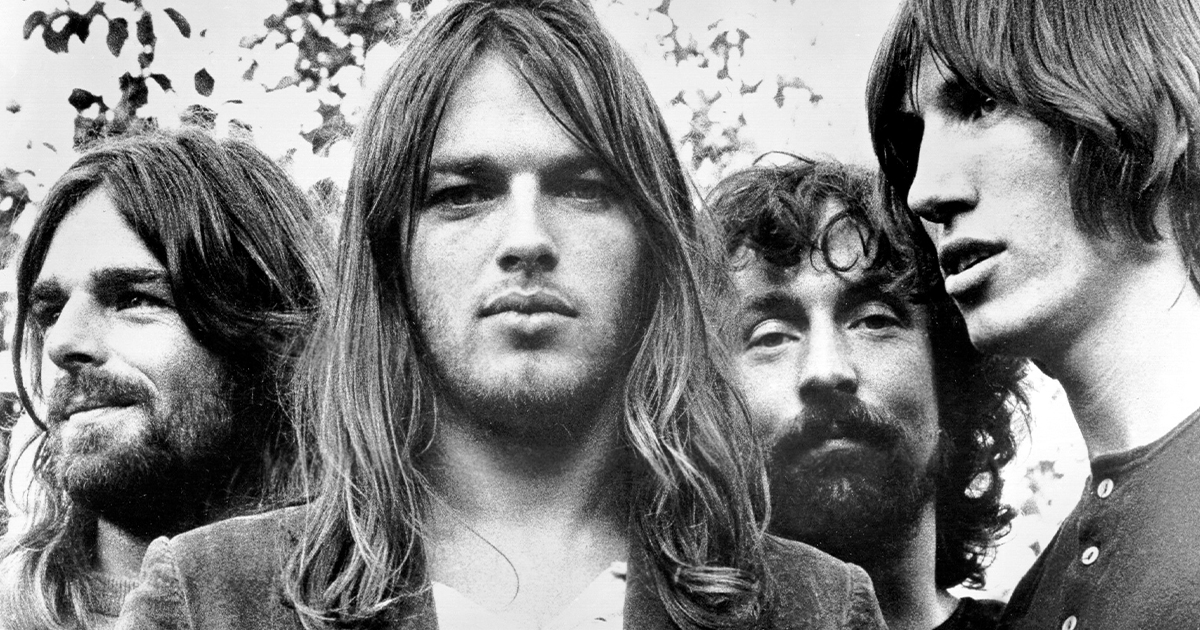
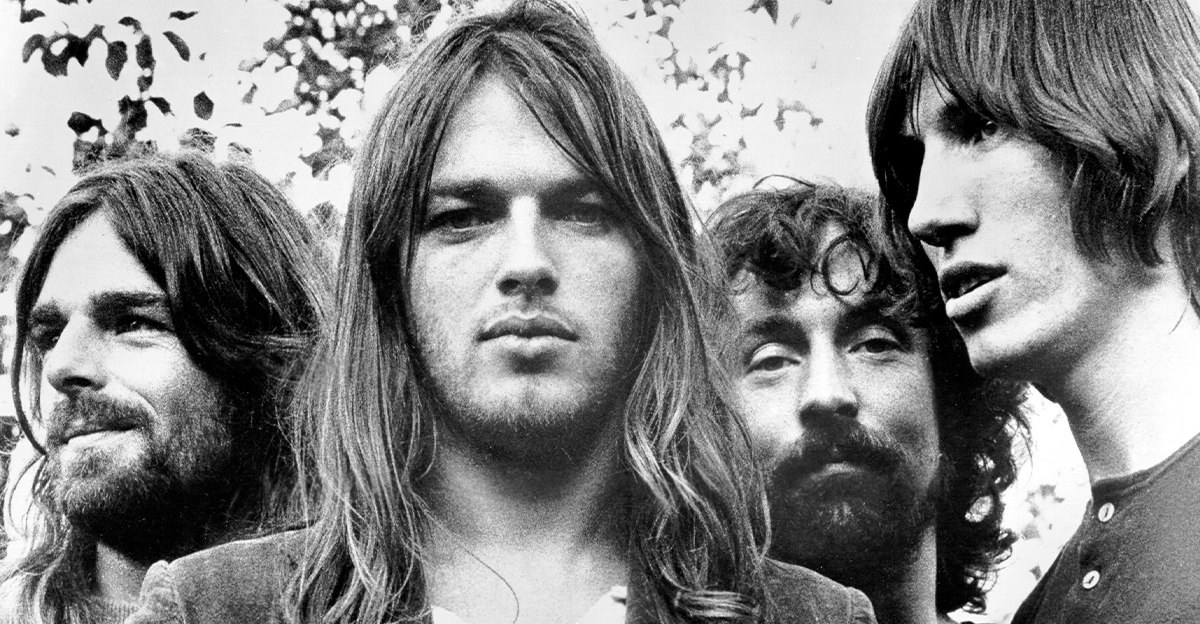
Released in 1973, The Dark Side of the Moon explored time, money, conflict, mortality, and mental strain through seamless production and unforgettable sound effects. Its prism cover became nearly as famous as the music. If a household owned a record player, there was a reasonable chance this album was nearby.
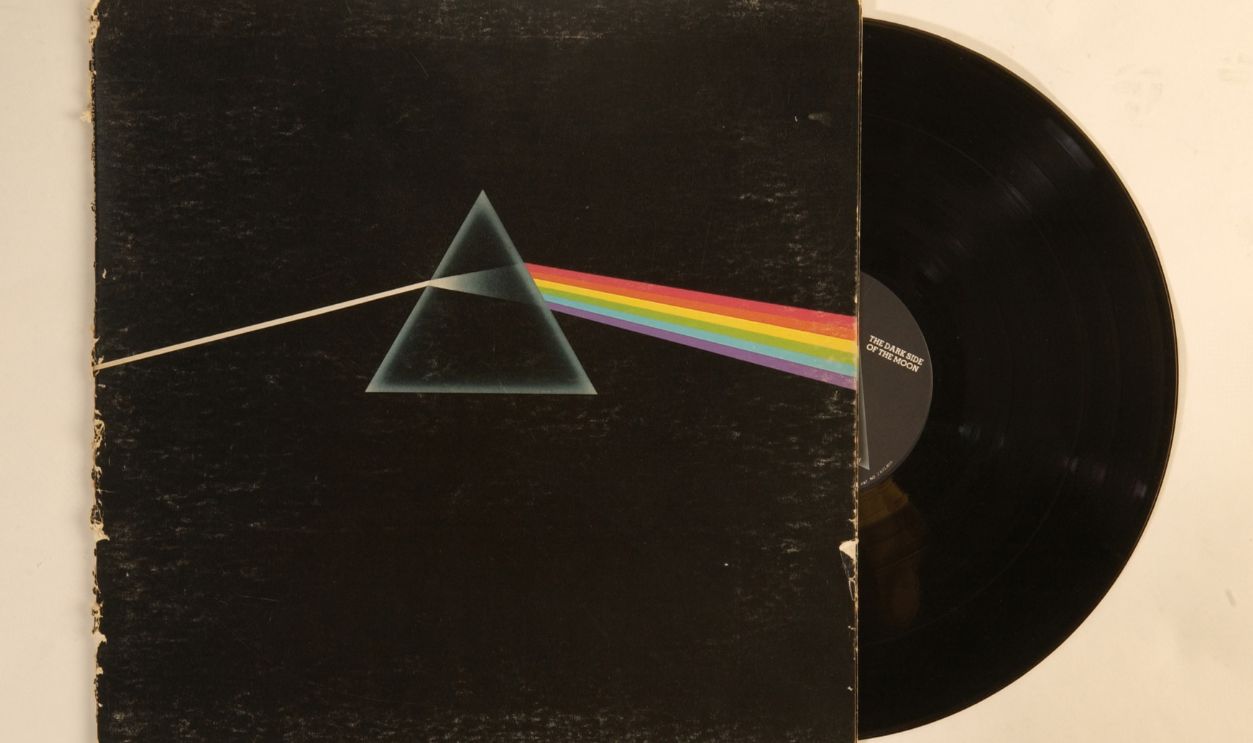 MediaNews Group/Reading Eagle via Getty Images, Getty Images
#2: Fleetwood Mac — Rumours
Fleetwood Mac transformed romantic breakups and internal tension into immaculate pop-rock on 1977’s Rumours. “Dreams,” “Go Your Own Way,” “Don’t Stop,” and “The Chain” made nearly every side feel familiar. Couples bought the record together, apparently overlooking that most of its songs described relationships collapsing in spectacular fashion.
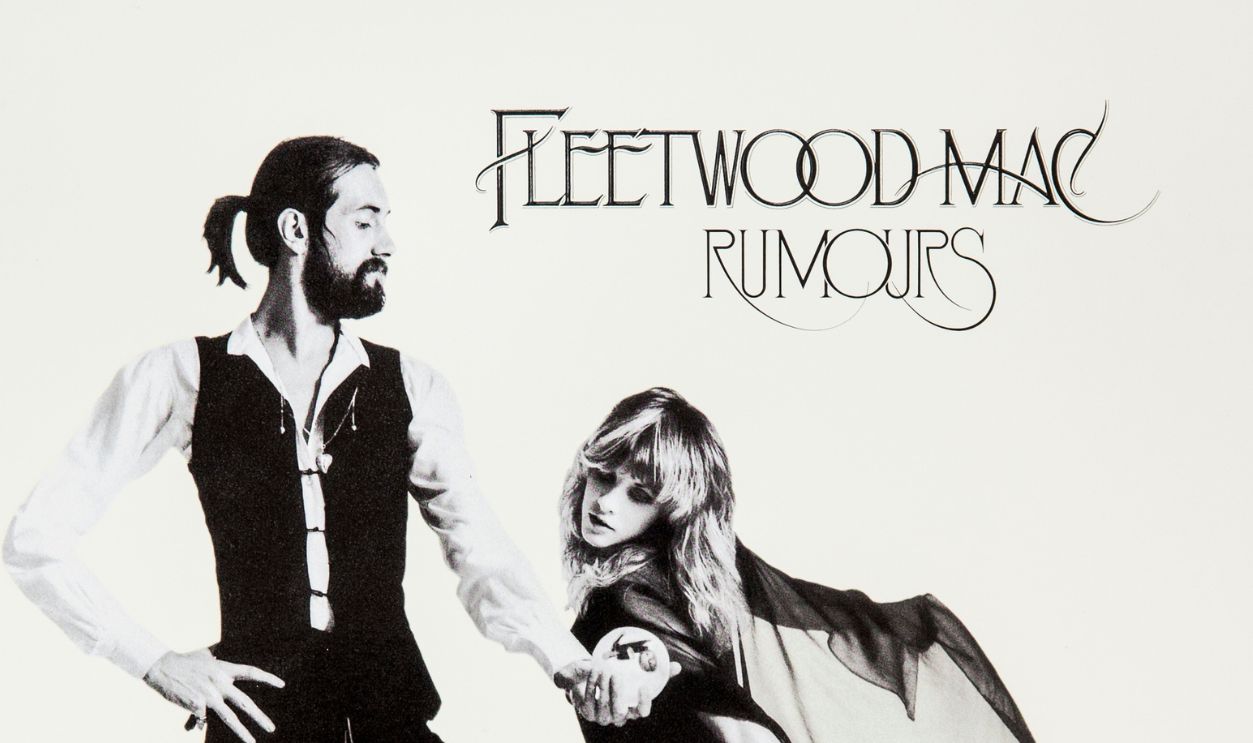 Jay L. Clendenin, Getty Images
#1: Eagles — Their Greatest Hits 1971–1975
Released in 1976, this Eagles compilation gathered “Take It Easy,” “Desperado,” “One of These Nights,” and other defining songs from the band’s early career. It became one of the best-selling albums in American history. Finding a 1970s record collection without it would be like finding the stereo but somehow misplacing the speakers.
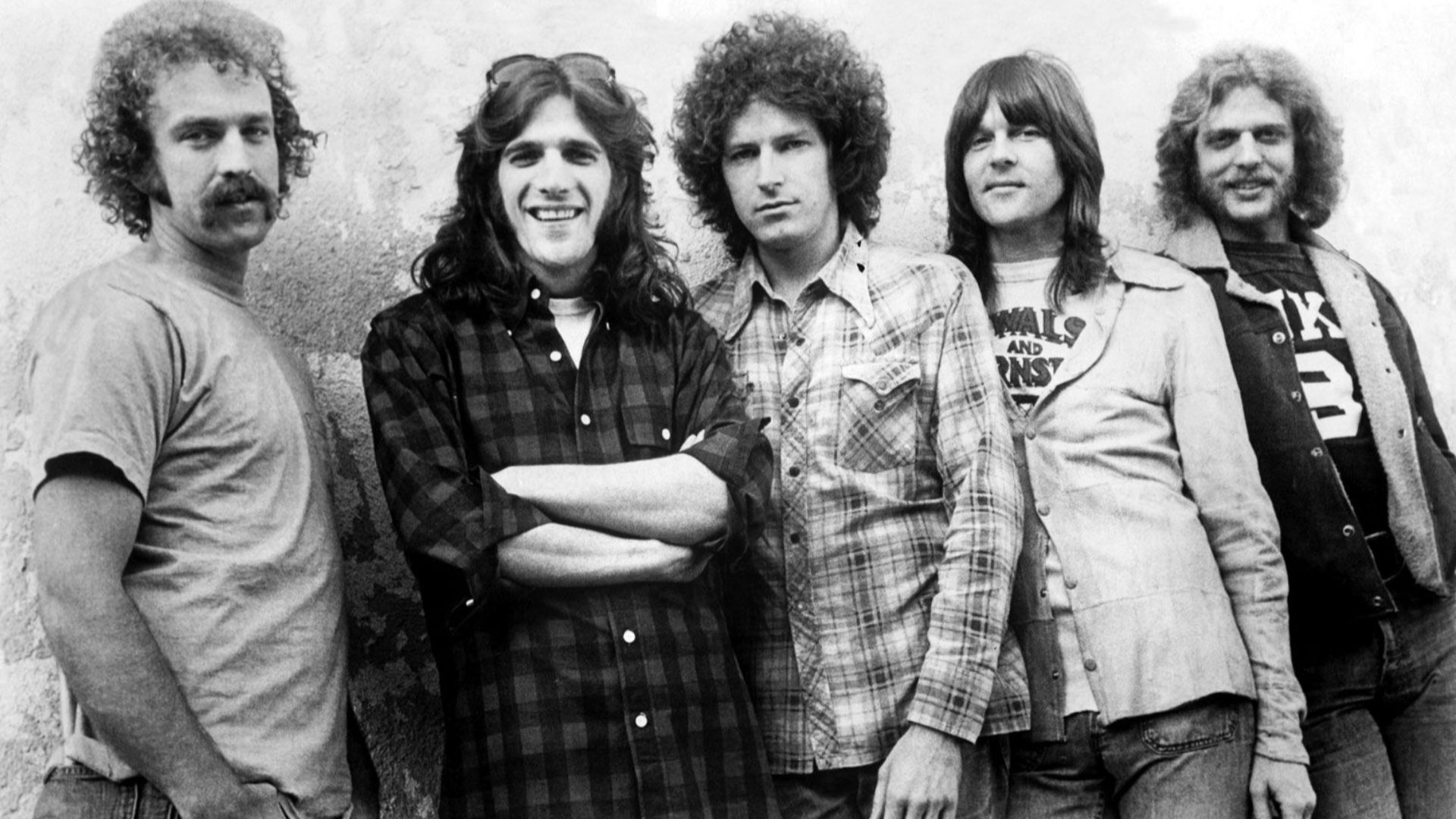 Distributed by Asylum Records, Wikimedia Commons
You May Also Like:
Albums That Capture The Hangover Of The 1980s
David Bowie dropped an album two days before his death—filled with clues he was dying. He passed in 2016, but his visionary legacy lives on.