When Soft Rock Ruled The Radio
Disco may dominate our memories of 1979, but turn on an American radio that year and you also heard an astonishing amount of warm harmonies, romantic ballads, and impossibly smooth soft rock. Many of these songs were legitimate Top 10 hits, yet decades of changing playlists have pushed them surprisingly far out of the spotlight. For listeners who were there, however, sometimes all it takes is the opening few seconds to bring an entire era rushing back.
 MCA Records, Public domain, via Wikimedia Commons
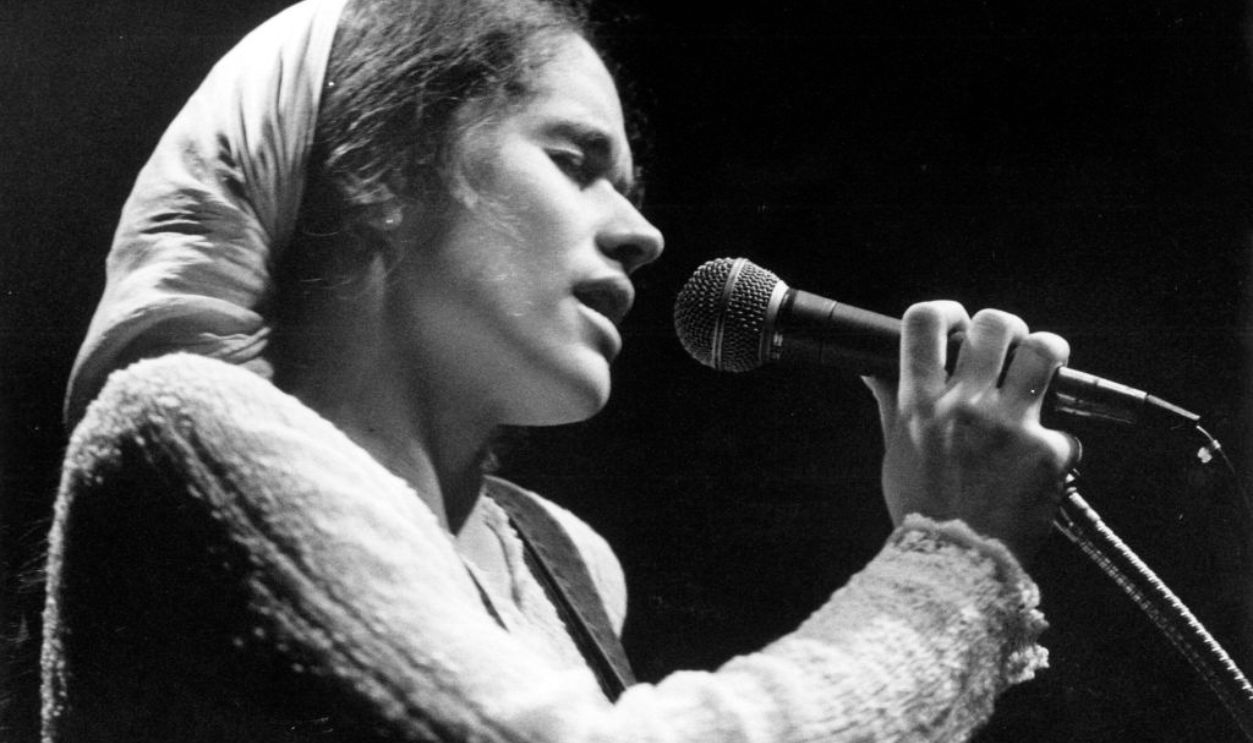
Nicolette Larson Had A Lotta Love
Nicolette Larson turned Neil Young's "Lotta Love" into one of the defining soft-rock singles of early 1979. Her breezier arrangement climbed to No. 8 on the Billboard Hot 100 and topped the Adult Contemporary chart. Larson later recalled discovering Young's song on a tape in his car and being told she could have it, creating one of the decade's most fortunate musical handoffs.
 Sherry Rayn Barnett, Getty Images
Poco Finally Found Their Crazy Love
Poco had been making country rock for years before "Crazy Love" gave the band its long-awaited crossover breakthrough. Written by Rusty Young, the gently rolling song reached No. 17 on the Hot 100 and spent seven weeks at No. 1 on Billboard's Adult Contemporary chart. It became Billboard's top Adult Contemporary song of 1979 and remains a perfect example of how mellow radio could turn a veteran band into pop stars.
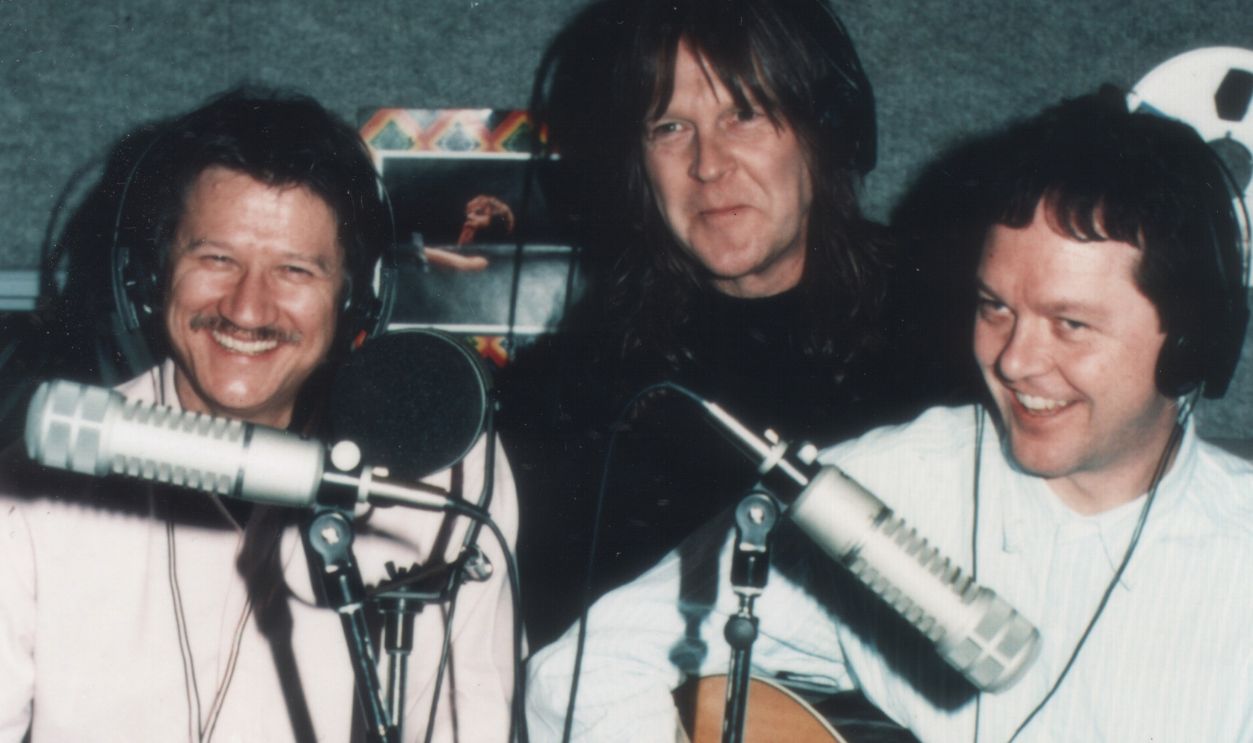
Randy VanWarmer Arrived With Heartbreak
Few breakup songs sound quite as politely devastating as Randy VanWarmer's "Just When I Needed You Most." Released in 1979, the song reached No. 4 on the Hot 100 and topped Billboard's Adult Contemporary chart. VanWarmer said the song grew partly from a painful breakup, and its combination of restrained vocals and melancholy made it nearly impossible to escape that summer.
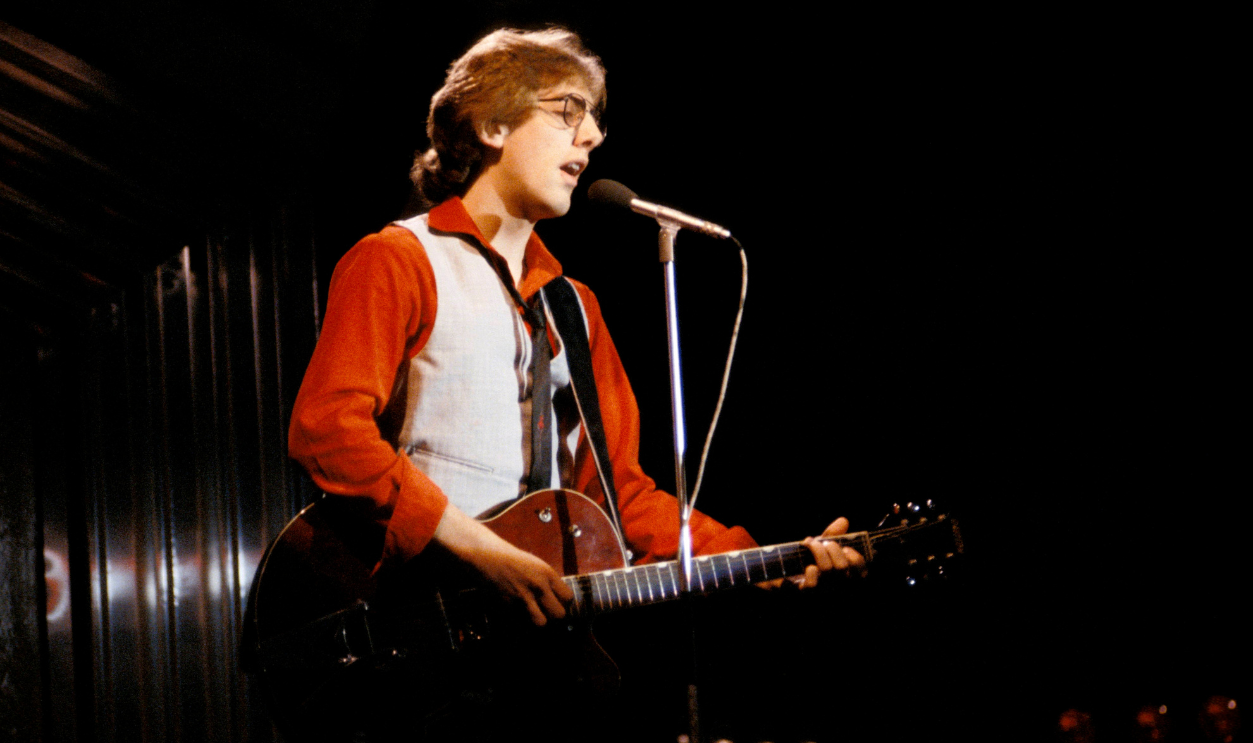
Maxine Nightingale Slowed Everything Down
Anyone who remembers Maxine Nightingale only for the upbeat "Right Back Where We Started From" may have forgotten just how different her next major American hit sounded. "Lead Me On" floated all the way to No. 5 on the Hot 100 and spent seven separate weeks at No. 1 on the Adult Contemporary chart in 1979. Nightingale herself described it as a "sweet, simple little song," which neatly captures its quiet appeal.
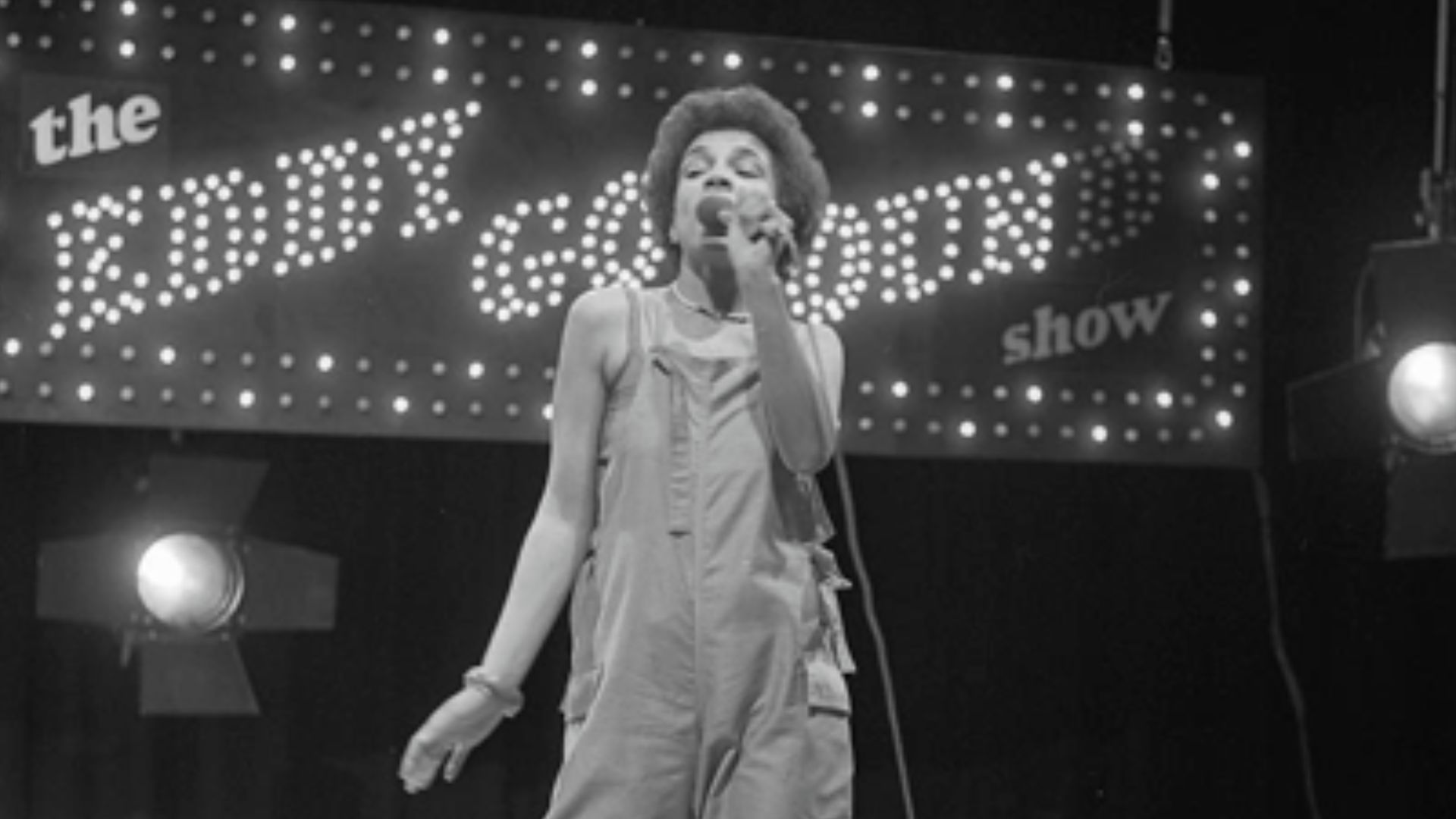
Love Really Was The Answer
England Dan and John Ford Coley were practically built for late-1970s soft-rock radio, and "Love Is the Answer" fit them perfectly. Todd Rundgren had originally written the song for Utopia, but the duo's 1979 version reached No. 10 on the Hot 100 and topped the Adult Contemporary chart. John Ford Coley later called it his favorite of the singles the duo released.
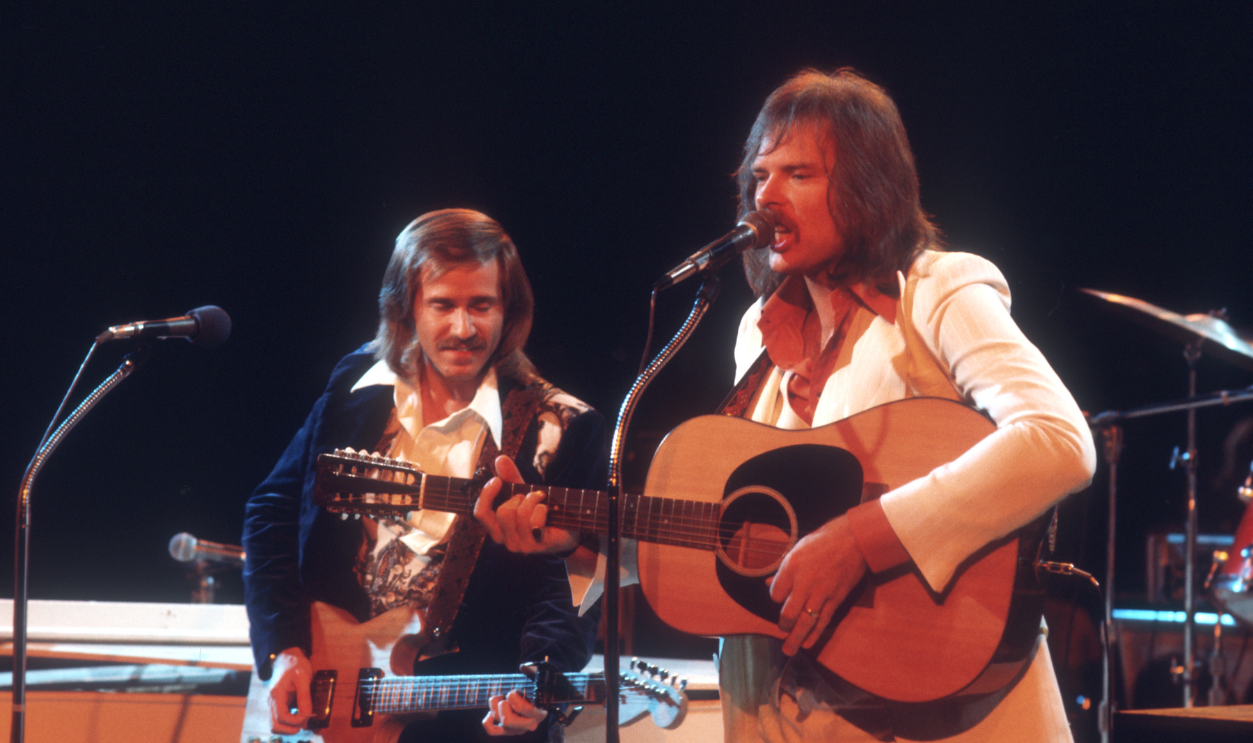 Michael Ochs Archives, Getty Images
Anne Murray Fell In Love Again
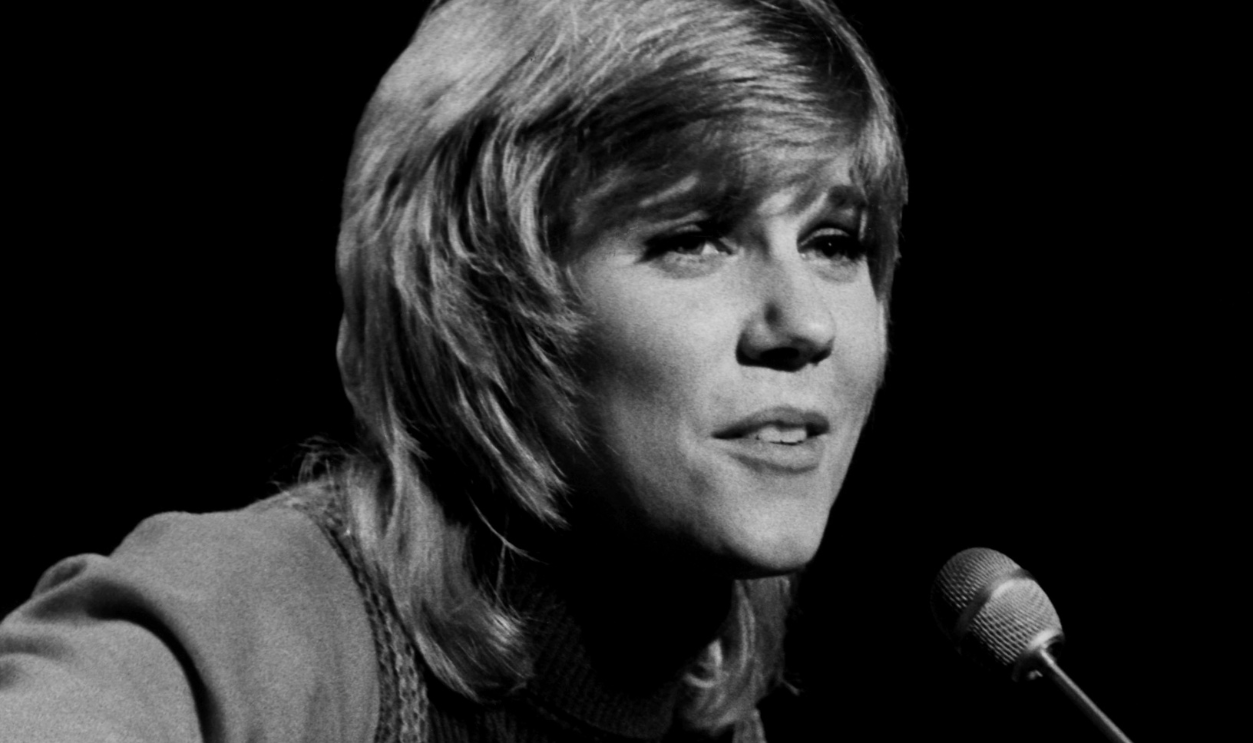
Anne Murray's "I Just Fall in Love Again" sounded almost custom-made for an era when country, pop, and easy listening regularly shared the same radio dial. Her version reached No. 12 on the Hot 100 while becoming a major country and Adult Contemporary success. It was the first of an extraordinary run of three Murray songs to top Billboard's Adult Contemporary chart during 1979.
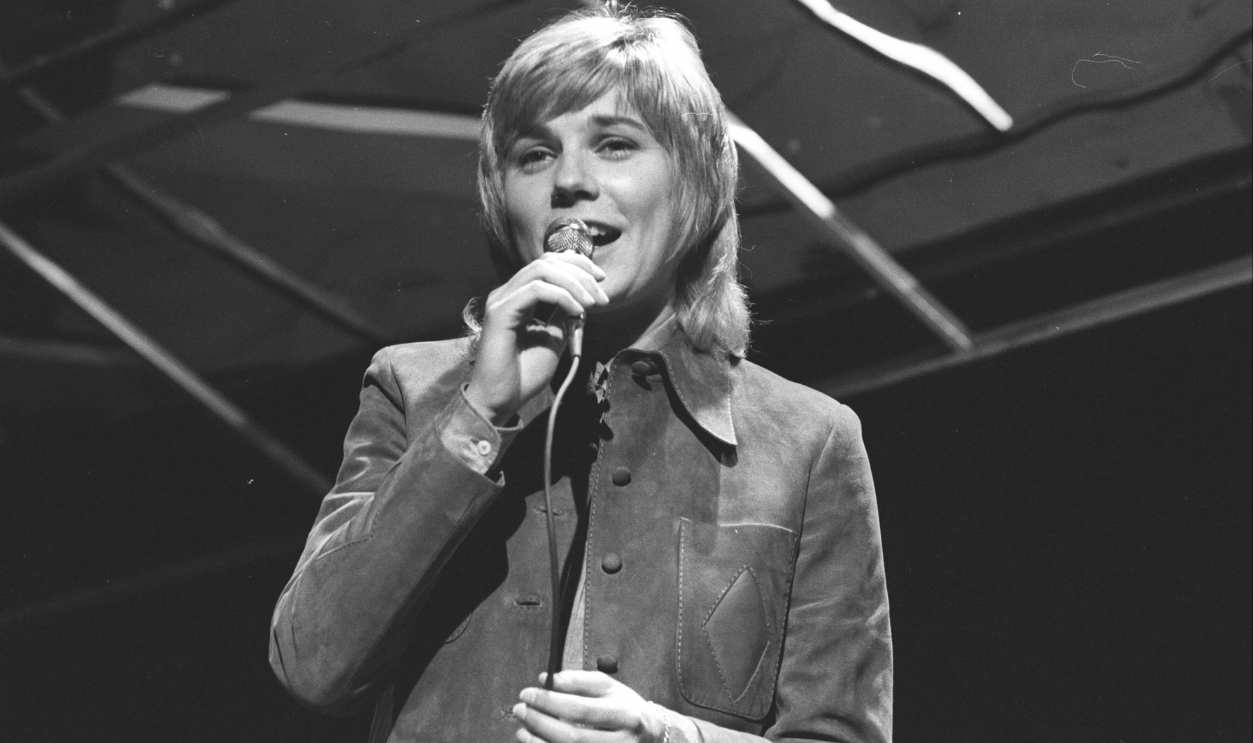 Watal Asanuma/Shinko Music, Getty Images
Shadows In The Moonlight Kept Her Hot
Murray followed that success almost immediately with "Shadows in the Moonlight." Released in May 1979, the song reached No. 25 on the Hot 100 while topping both Billboard's country and Adult Contemporary charts. The smooth crossover formula worked so well that Murray seemed to have a permanent reservation on American radio that year.
Robert John Made Sad Eyes Huge
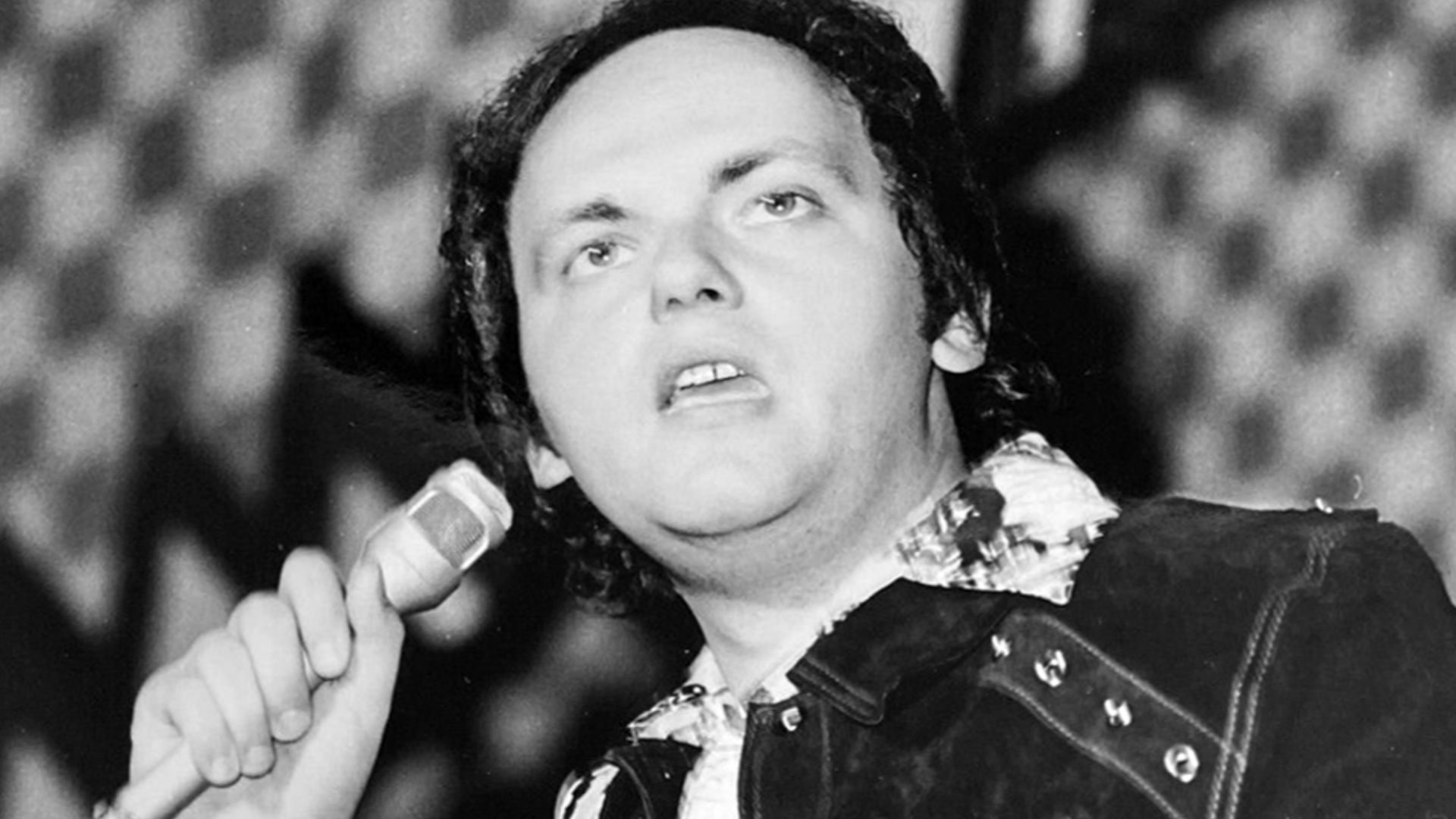
"Sad Eyes" sounds almost too gentle to have competed with disco, new wave, and arena rock, yet Robert John took it all the way to No. 1. The song entered the Hot 100 in May and finally reached the top on October 6, 1979, ending the six-week reign of the Knack's "My Sharona." Its deliberately old-fashioned, doo-wop-influenced heartbreak made it one of the year's strangest and most memorable chart-toppers.
 Walt Disney Productions, Wikimedia Commons
Poco Returned To The Heart Of The Night
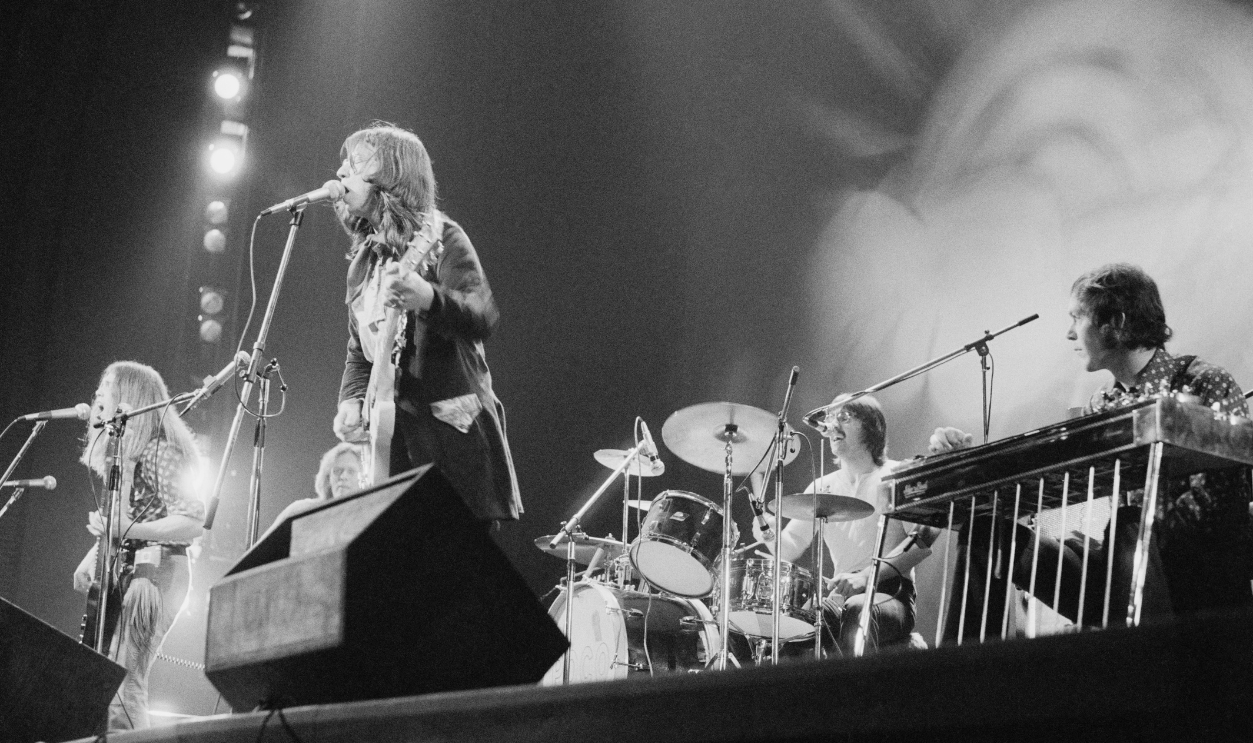
Poco was not finished after "Crazy Love." "Heart of the Night," written and sung by Paul Cotton, carried a richer, nighttime atmosphere and imagery centered on New Orleans. It reached No. 20 on the Hot 100 in 1979, giving Poco another substantial crossover hit in the same year.
Orleans Knew Love Takes Time
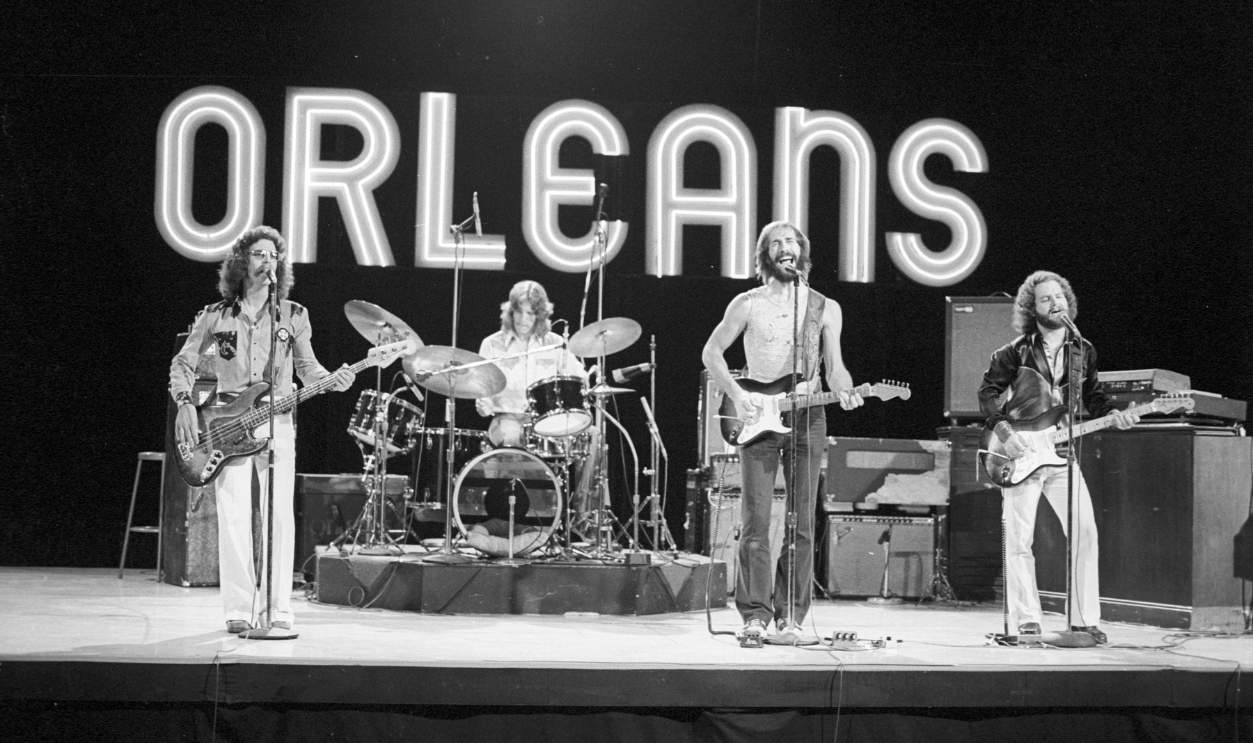
By 1979, Orleans already had "Dance with Me" and "Still the One" behind them, but "Love Takes Time" gave the group another soft-rock hit. Released that spring, it climbed to No. 11 on the Billboard Hot 100 and No. 13 on Adult Contemporary. It was also one of the group's biggest successes after founding member John Hall's departure.
 Michael Ochs Archives, Getty Images
J.D. Souther Was Only Lonely
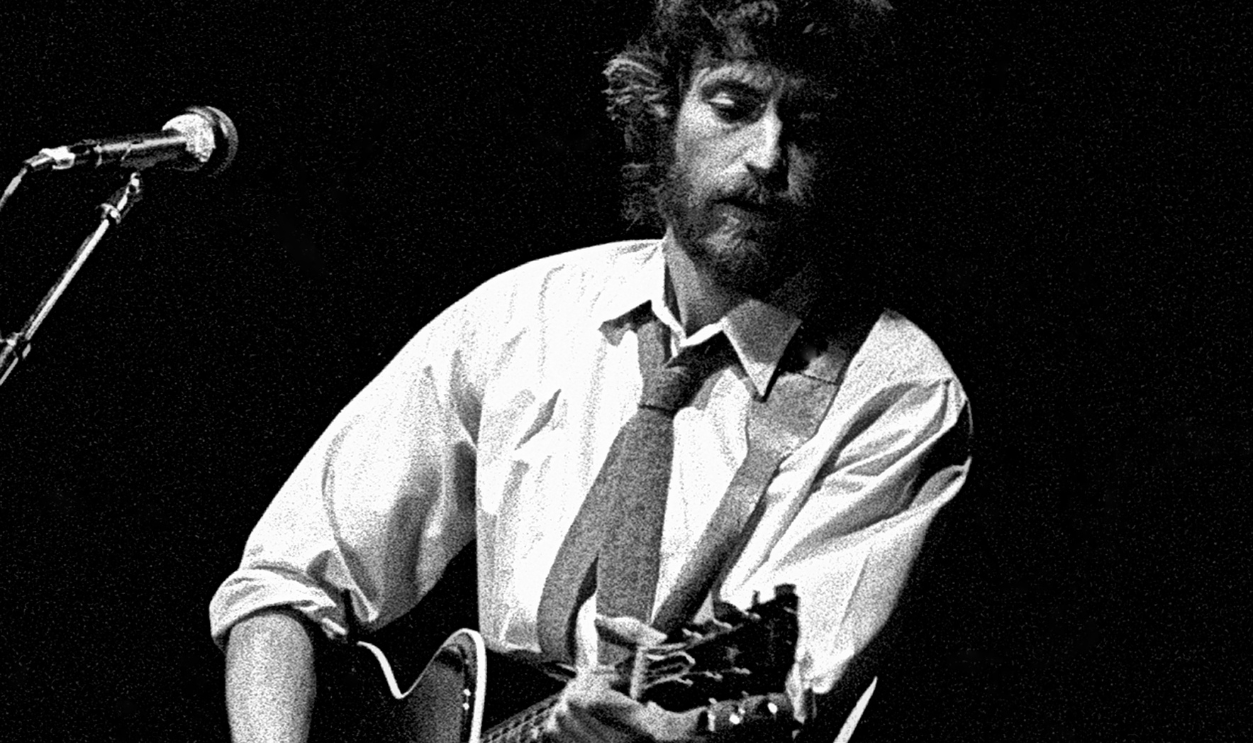
J.D. Souther helped write major songs for other artists, particularly members of the Southern California rock scene, but 1979 gave him a substantial hit of his own. "You're Only Lonely" reached No. 7 on the Hot 100 and topped the Adult Contemporary chart. At virtually the same moment, the Eagles were topping the charts with "Heartache Tonight," which Souther had co-written with Don Henley, Glenn Frey, and Bob Seger.
Lobo Had One Last Big Hit
Lobo had scored several mellow hits earlier in the decade before returning to the charts with one magnificently long song title. "Where Were You When I Was Falling in Love" reached No. 23 on the Hot 100 and became his fourth Adult Contemporary No. 1. It also proved to be Lobo's final appearance in the American Top 40.
Little River Band Sang For The Lonesome Loser
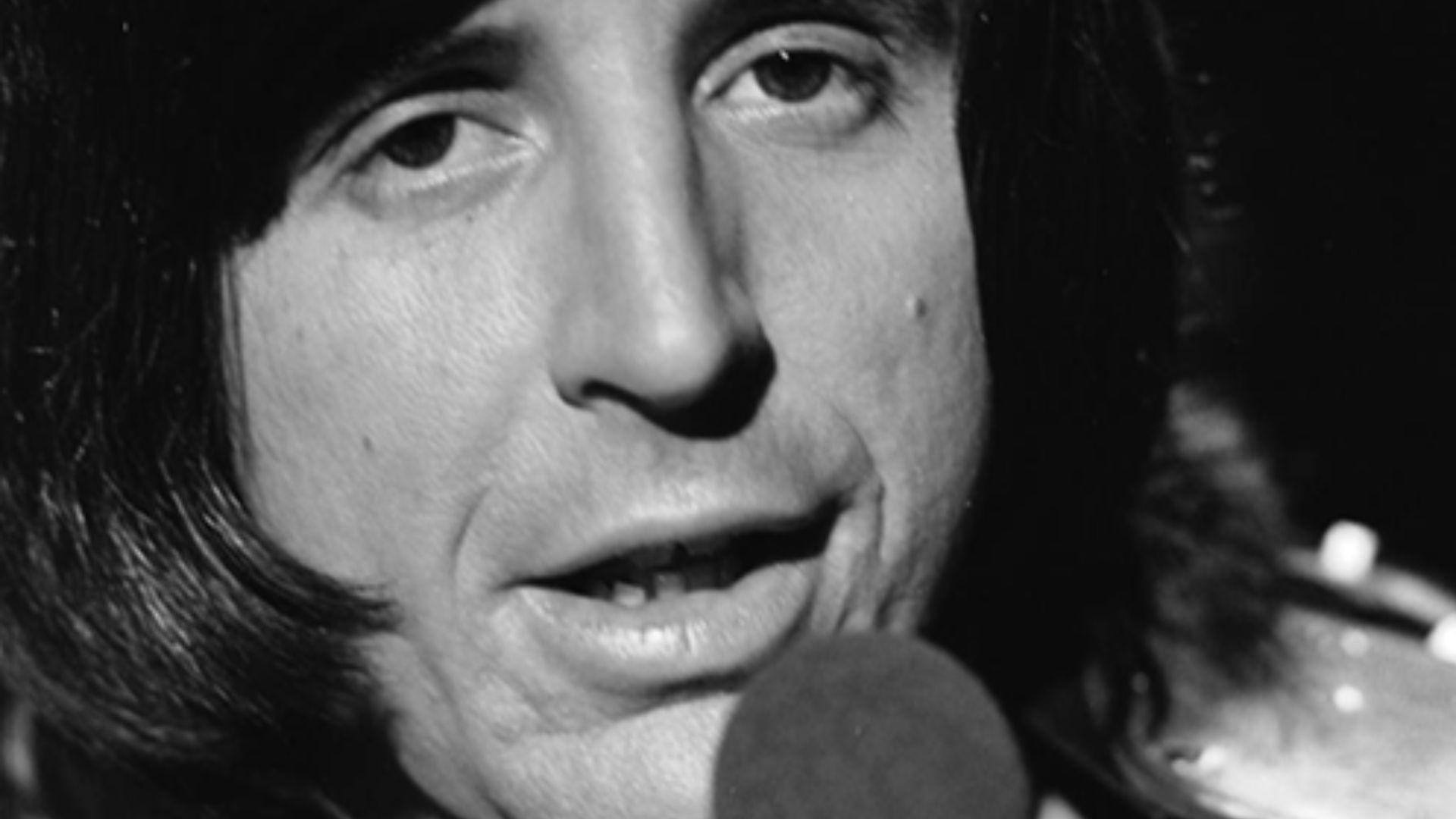
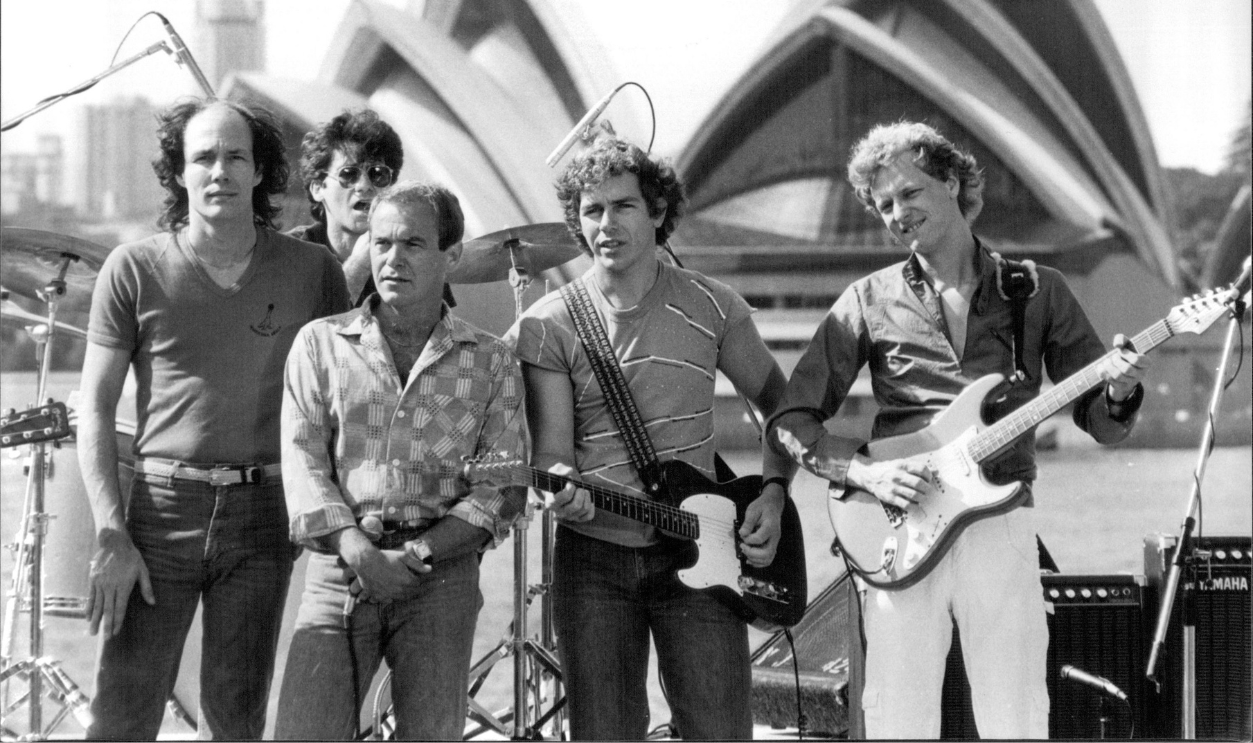
Australian group Little River Band became remarkably dependable on American radio, and "Lonesome Loser" was one of their biggest late-'70s successes. Released from First Under the Wire in 1979, it reached No. 6 on the Billboard Hot 100. Those stacked vocal harmonies made the band sound instantly recognizable even to listeners who could not have named every member.
 Fairfax Media Archives, Getty Images
Cool Change Arrived Just Under The Wire
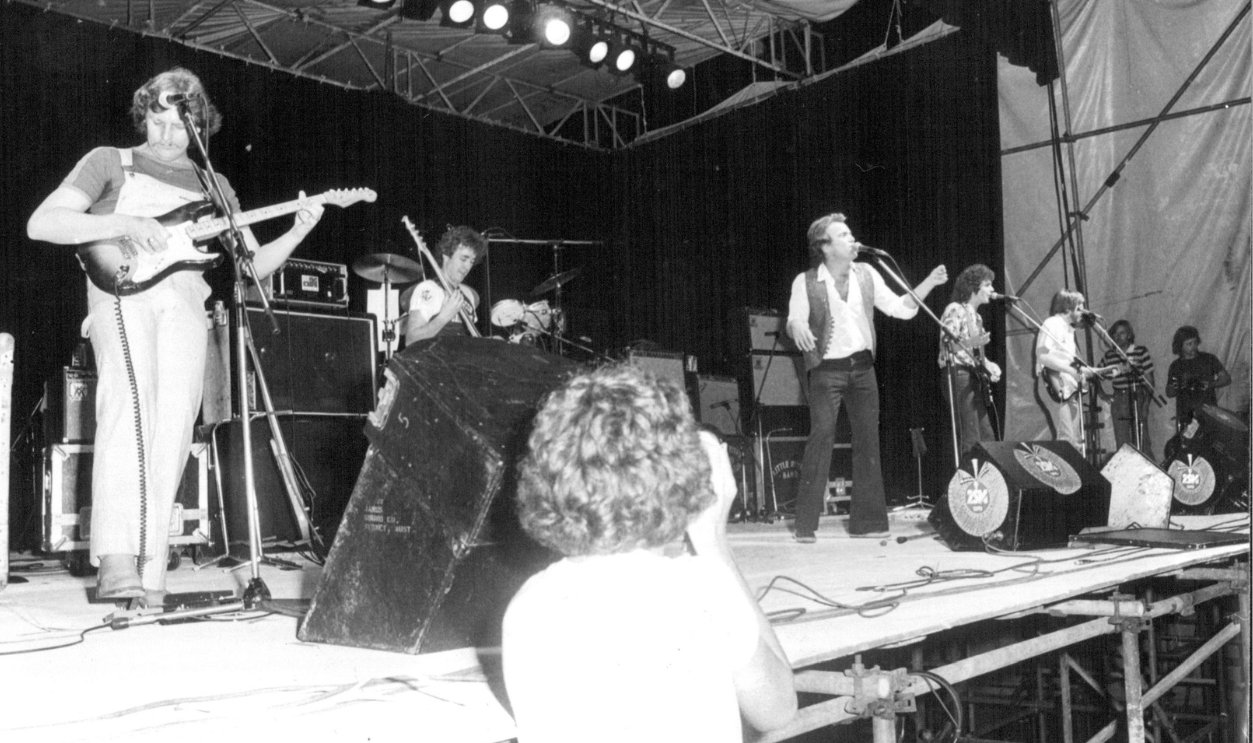
Little River Band followed "Lonesome Loser" with one of Glenn Shorrock's most enduring compositions, "Cool Change." The single came out in 1979, although its American chart run carried into January 1980, when it peaked at No. 10. The song later earned a place among APRA's celebrated Top 30 Australian songs, but for American listeners it remains deeply connected to the polished sound of turn-of-the-decade FM radio.
 Fairfax Media Archives, Getty Images
Suzi Quatro Went Stumblin' In
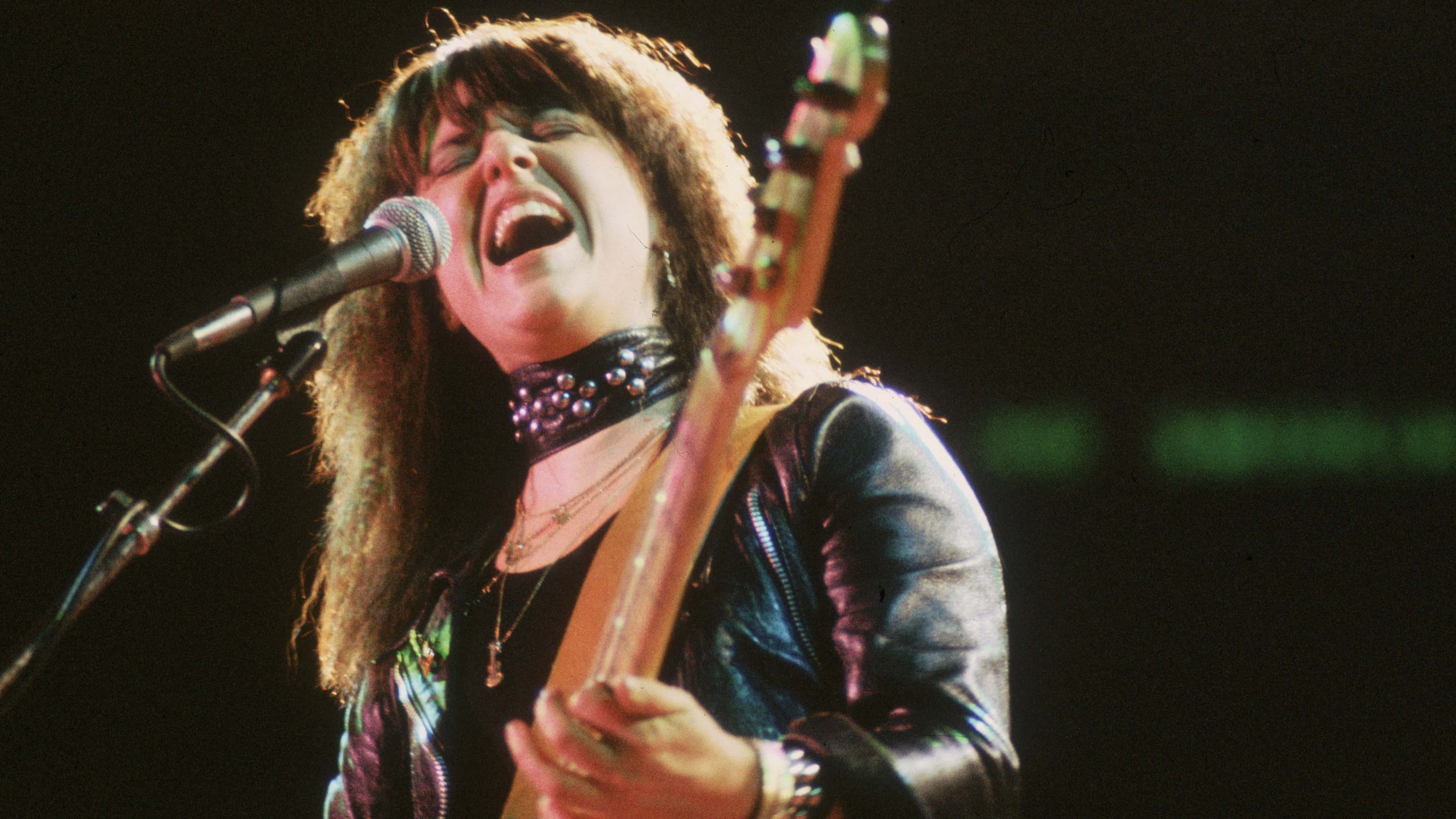
Suzi Quatro had already become a rock star overseas, but American pop audiences knew her best from an unexpectedly gentle duet. She and Smokie singer Chris Norman took "Stumblin' In" to No. 4 on the Billboard Hot 100 in 1979. Despite their respective careers, it became Quatro's only U.S. Top 40 hit and Norman's biggest American success under his own name.
Neil Diamond Made Blue Jeans Romantic
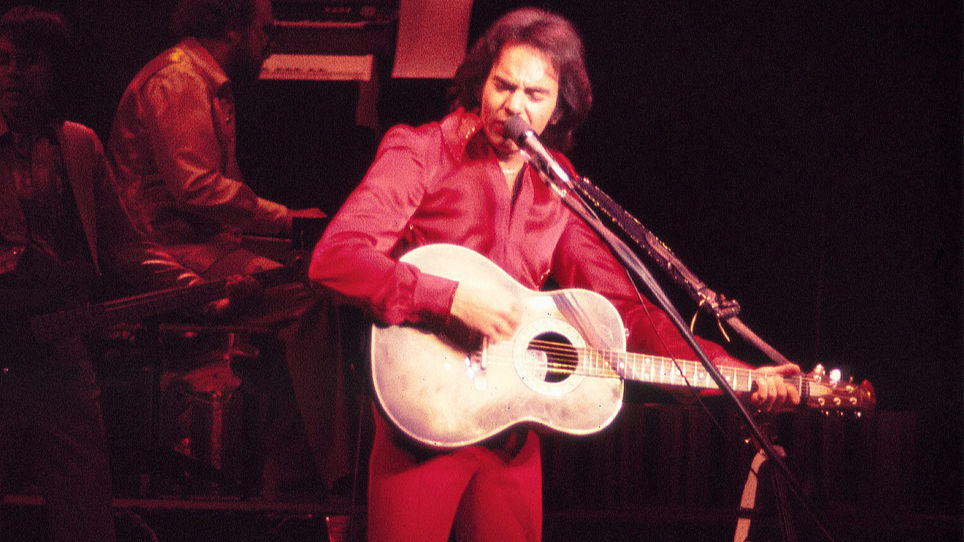
Neil Diamond could turn almost anything into a singalong, including an argument for enjoying life's simple pleasures. "Forever in Blue Jeans," co-written with guitarist Richard Bennett, reached No. 20 on the Hot 100 and No. 2 on Billboard's Easy Listening chart in 1979. The title has survived in popular culture, but the actual record is far less unavoidable today than it was on radio at the time.
 Jessie Eastland, CC BY-SA 3.0, Wikimedia Commons
Melissa Manchester Refused To Cry Out Loud
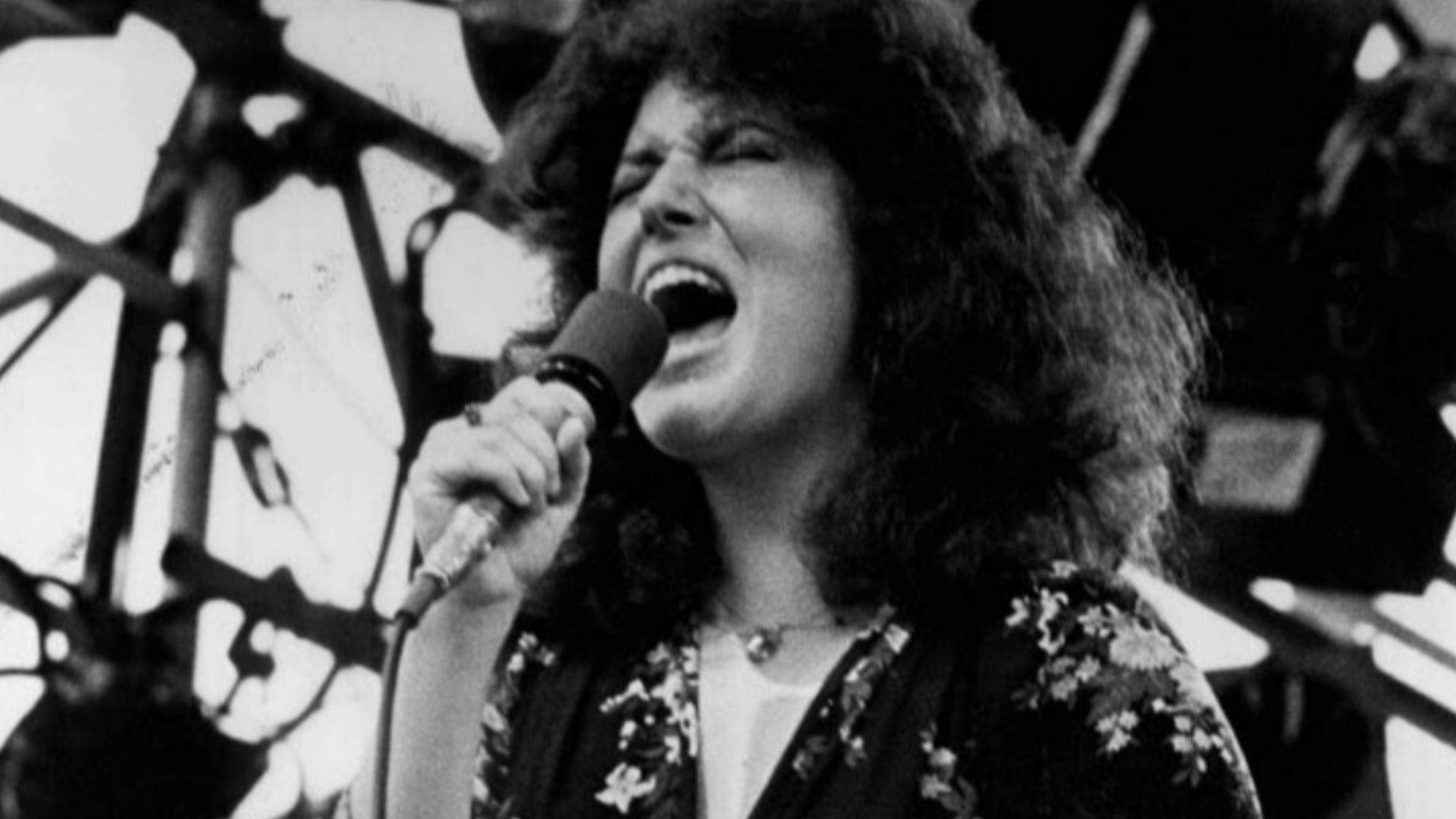
"Don't Cry Out Loud" became one of Melissa Manchester's signature performances even though she was initially reluctant to record it. Arista chief Clive Davis pushed for the song, and the resulting single eventually reached No. 10 on the Hot 100 in March 1979. The huge arrangement and Manchester's dramatic vocal made it considerably more theatrical than the average soft-rock ballad.
 JB (publicity agency), Los Angeles, Wikimedia Commons
Linda Ronstadt Revisited Motown
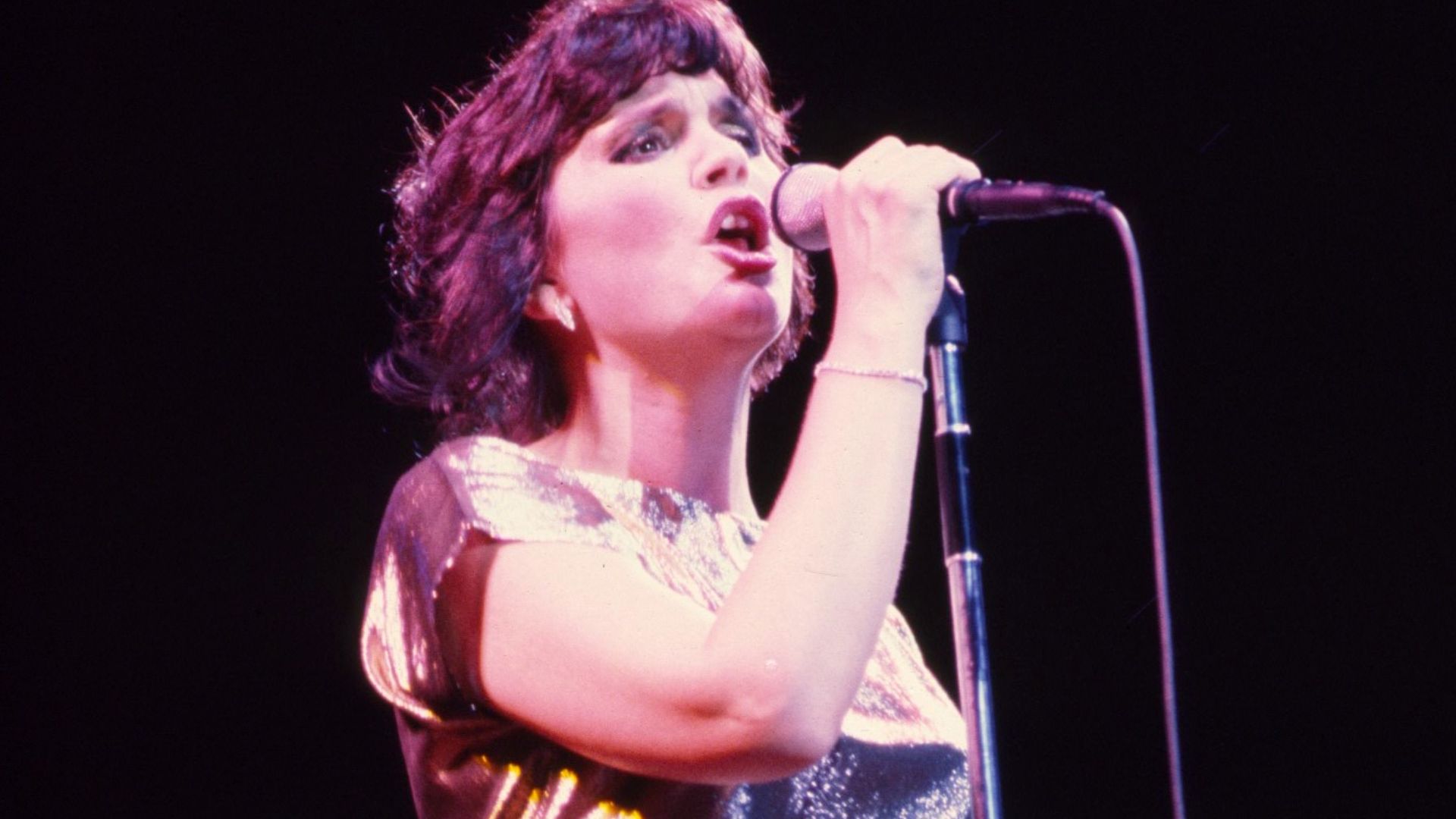
Linda Ronstadt's ability to reinterpret older material produced another hit when she tackled Smokey Robinson and the Miracles' "Ooo Baby Baby." Her recording, issued as "Ooh Baby Baby," peaked at No. 7 on the Billboard Hot 100 in 1979 and reached No. 2 on the Contemporary chart. David Sanborn's saxophone helped give the familiar song the sleek late-'70s atmosphere that separated it from the Motown original.
Kenny Rogers Had Everyone Believing
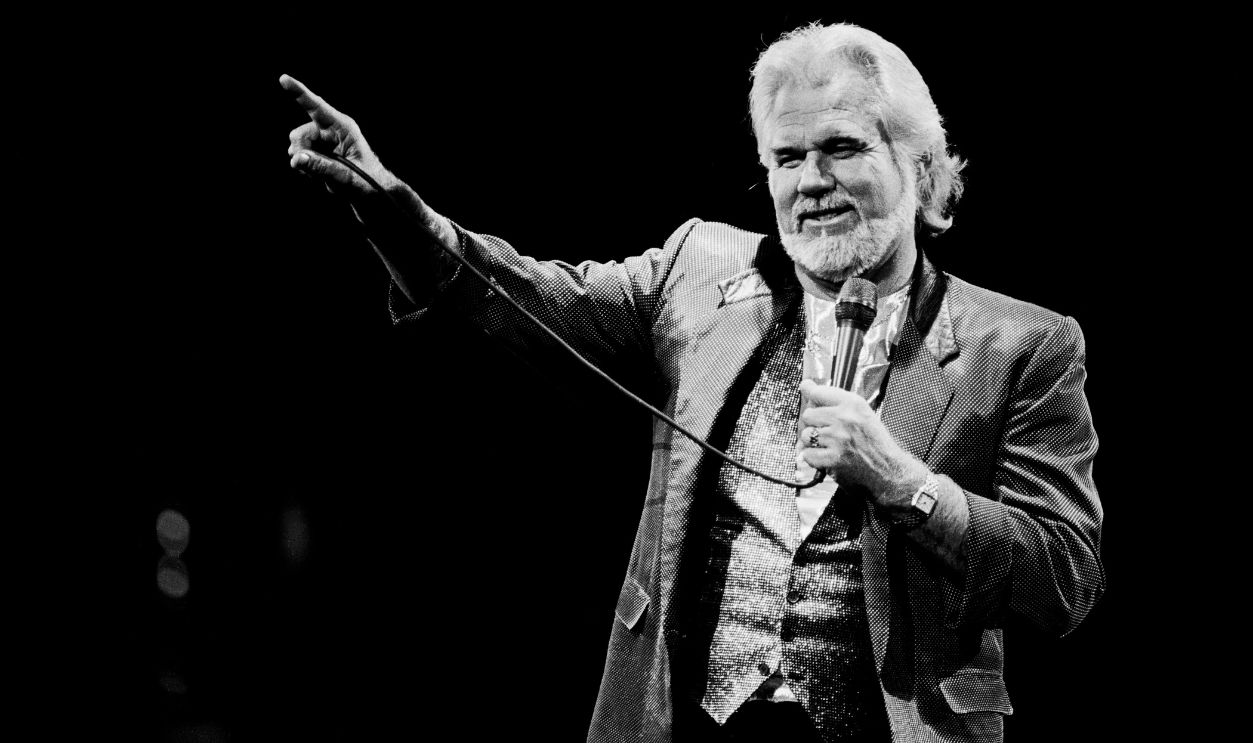
Country radio certainly claimed Kenny Rogers, but songs such as "She Believes in Me" made him a genuine pop crossover star. The sentimental ballad reached No. 5 on the Hot 100 while topping both Billboard's country and Adult Contemporary charts. In 1979, you did not have to consider yourself a country fan to hear Kenny Rogers almost everywhere.
Eddie Rabbitt Had His Suspicions
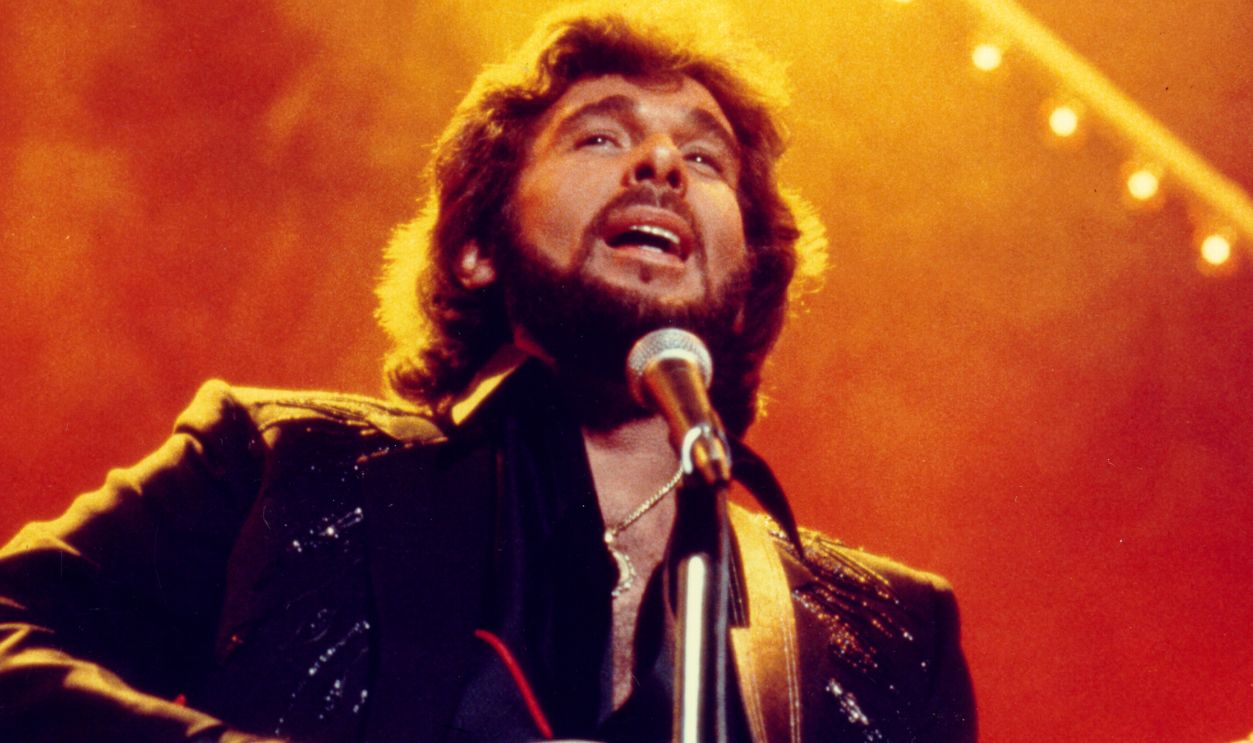
Eddie Rabbitt was another country singer who slipped comfortably onto pop and soft-rock stations. "Suspicions" became a No. 1 country hit in August 1979 while also reaching No. 13 on the Hot 100 and No. 9 on Adult Contemporary. It was Rabbitt's biggest pop showing up to that point and an early indication of the crossover streak that would define his next several years.
 Michael Ochs Archives, Getty Images
Brenda Russell Sounded So Good
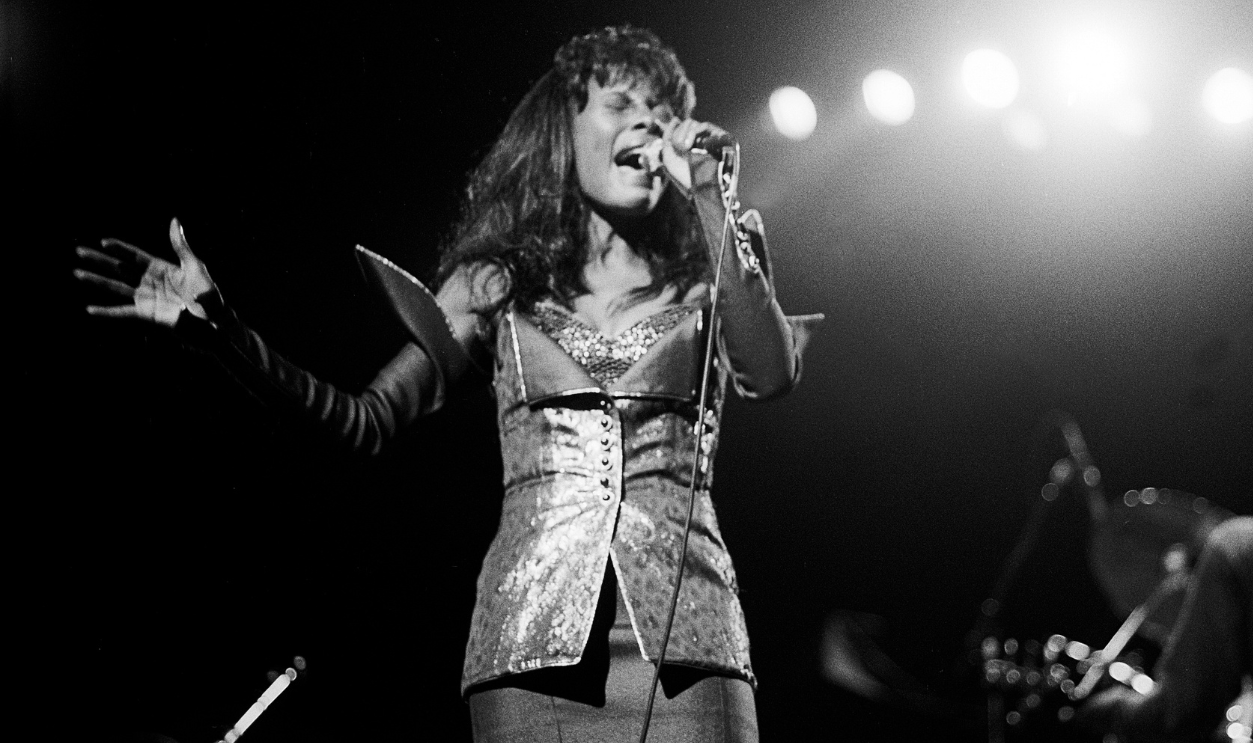
Brenda Russell's self-titled debut introduced a songwriter and singer who would eventually build an impressive career far beyond her own recordings. Its breakout single, "So Good, So Right," reached No. 30 on the Hot 100, No. 15 on the soul chart, and No. 8 on Adult Contemporary. The record sits at the meeting point of soul, pop, and soft rock that made late-'70s radio particularly difficult to put into neat categories.
Different Worlds Came Straight From Television
If "Different Worlds" instantly makes someone picture a sitcom opening, there is a good reason. Maureen McGovern recorded the song as the theme for the ABC comedy Angie, starring Donna Pescow and Robert Hays. The song reached No. 18 on the Billboard Hot 100 and spent two weeks atop the Adult Contemporary chart in 1979, outlasting the television series itself as a radio memory for many listeners.

John Stewart Struck Gold
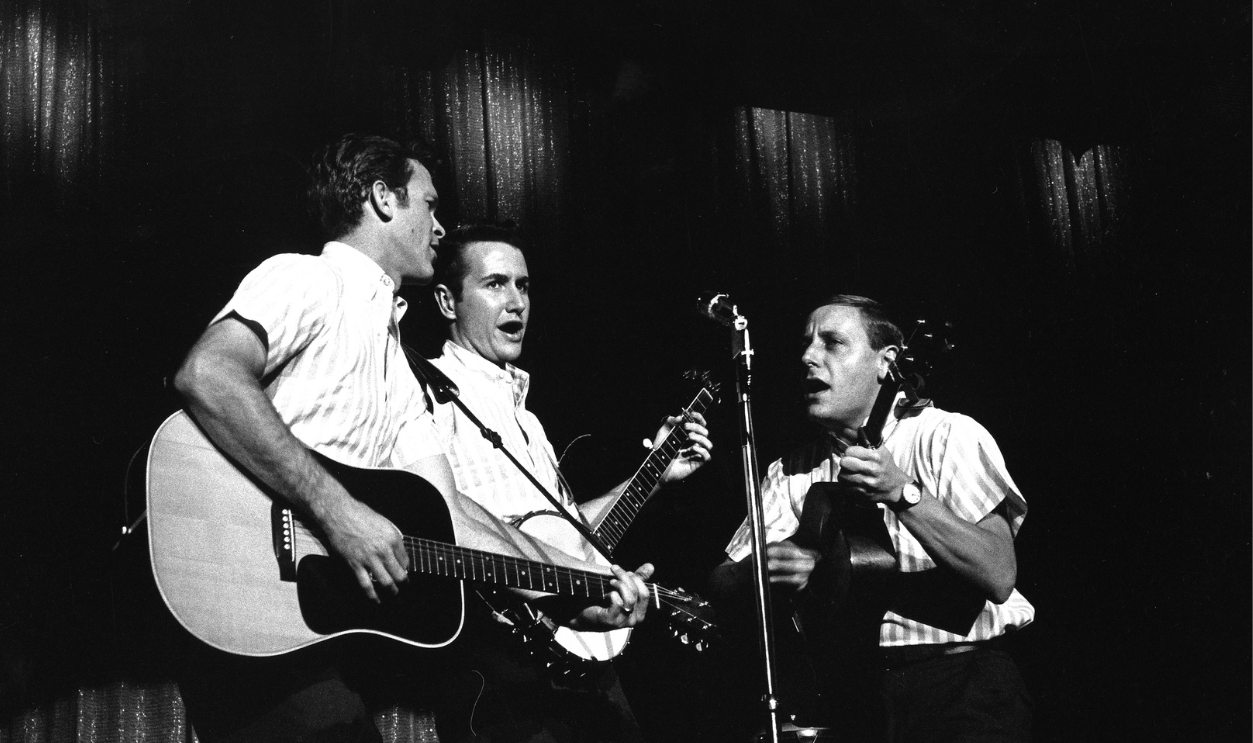
Former Kingston Trio member John Stewart scored an unexpected solo smash with "Gold." The song climbed to No. 5 on the Billboard Hot 100 in 1979, making it by far one of Stewart's most visible moments as a solo performer. Stevie Nicks contributed backing vocals, adding another thread connecting the record to the polished California sound that dominated the period.
 Michael Ochs Archives, Getty Images
Dr. Hook Loved A Beautiful Woman
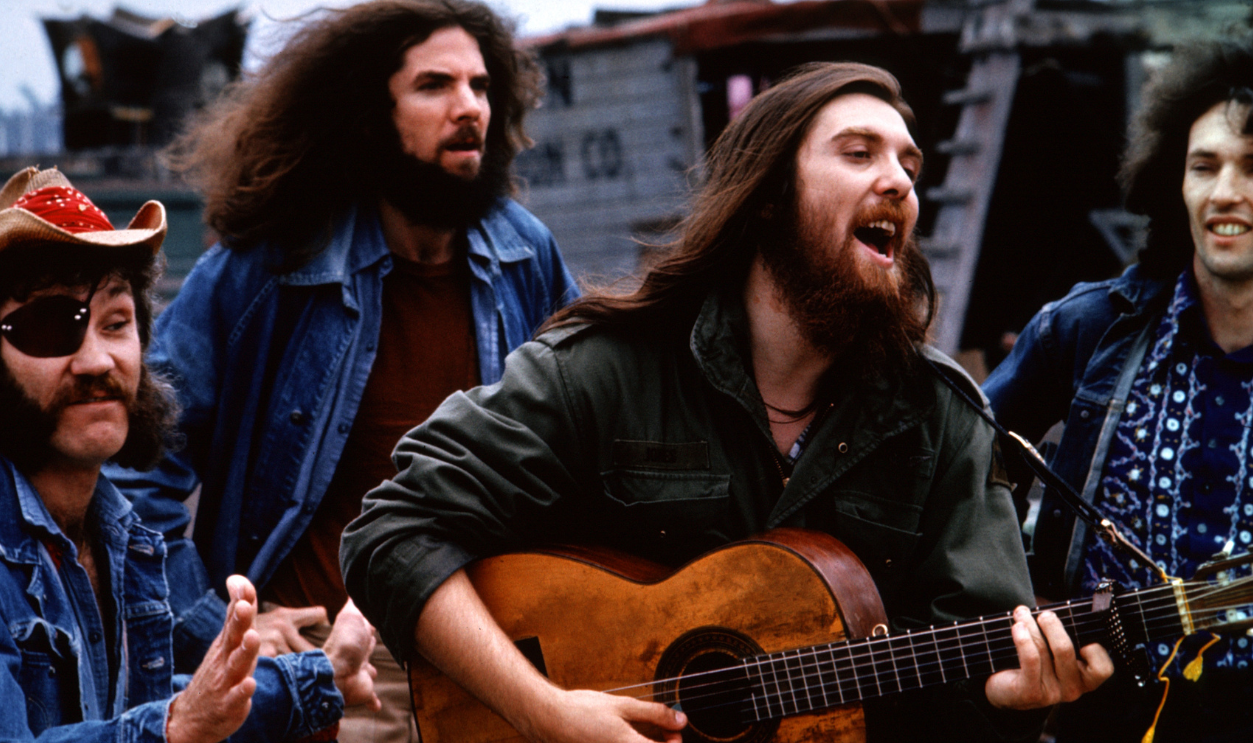
Dr. Hook spent much of the late 1970s moving from their scruffier early sound toward extraordinarily polished pop. "When You're in Love with a Beautiful Woman" became one of the biggest results, reaching No. 6 on the Hot 100 and No. 5 on Adult Contemporary in 1979. Its blend of soft rock and a light disco pulse made it perfectly suited to a year when those musical worlds frequently overlapped.
Little River Band Had A Lady
Before "Lonesome Loser," Little River Band were still riding the success of Sleeper Catcher with "Lady." Although released in late 1978, the song's American breakthrough came in 1979, when it reached No. 10 on the Hot 100 and No. 7 on Billboard's Easy Listening chart. Along with "Reminiscing," it helped establish the Australian group as one of America's favorite suppliers of immaculate soft rock.
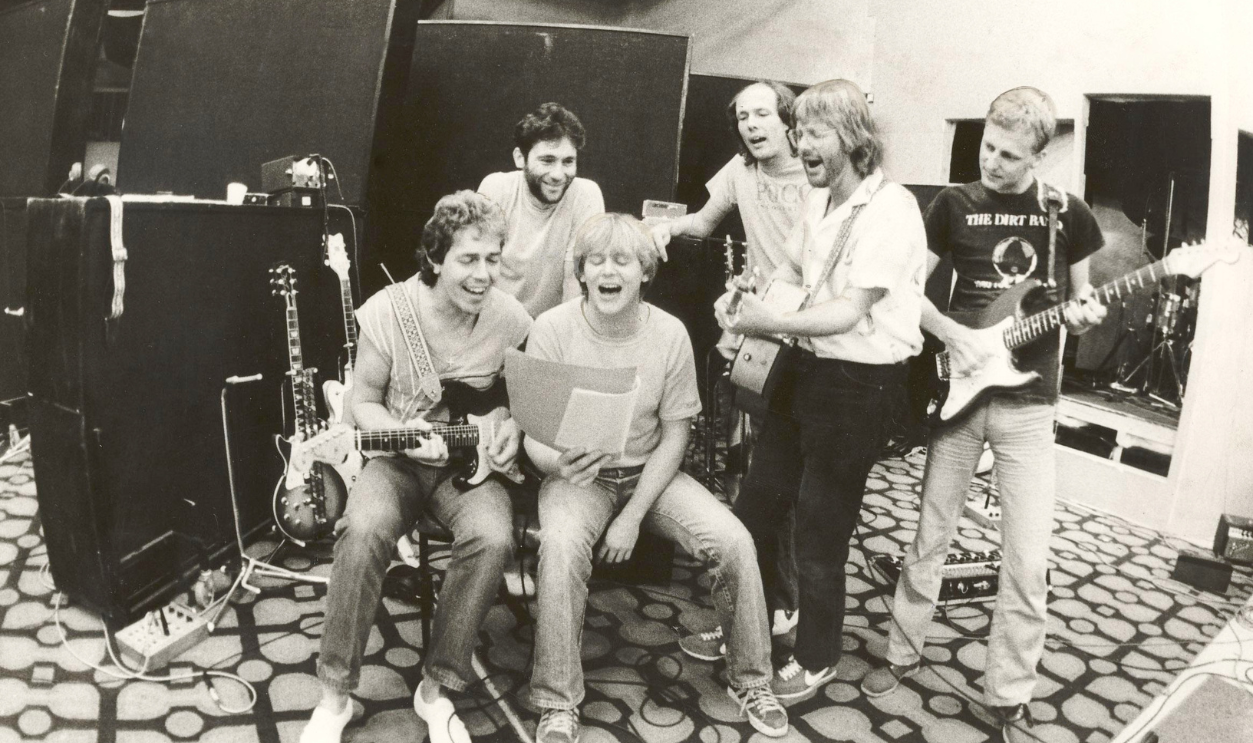
Soft Rock Was Hiding In Plain Sight
The funny thing about these records is that very few were obscure when they were new. Many were Top 10 hits, Adult Contemporary chart-toppers, or songs that spent months circulating through American radio, yet several now feel like musical passwords shared by people who lived through 1979. Put on "Lotta Love," "Lead Me On," or "You're Only Lonely" for the right listener, and there is a good chance the memory arrives before the song title does.
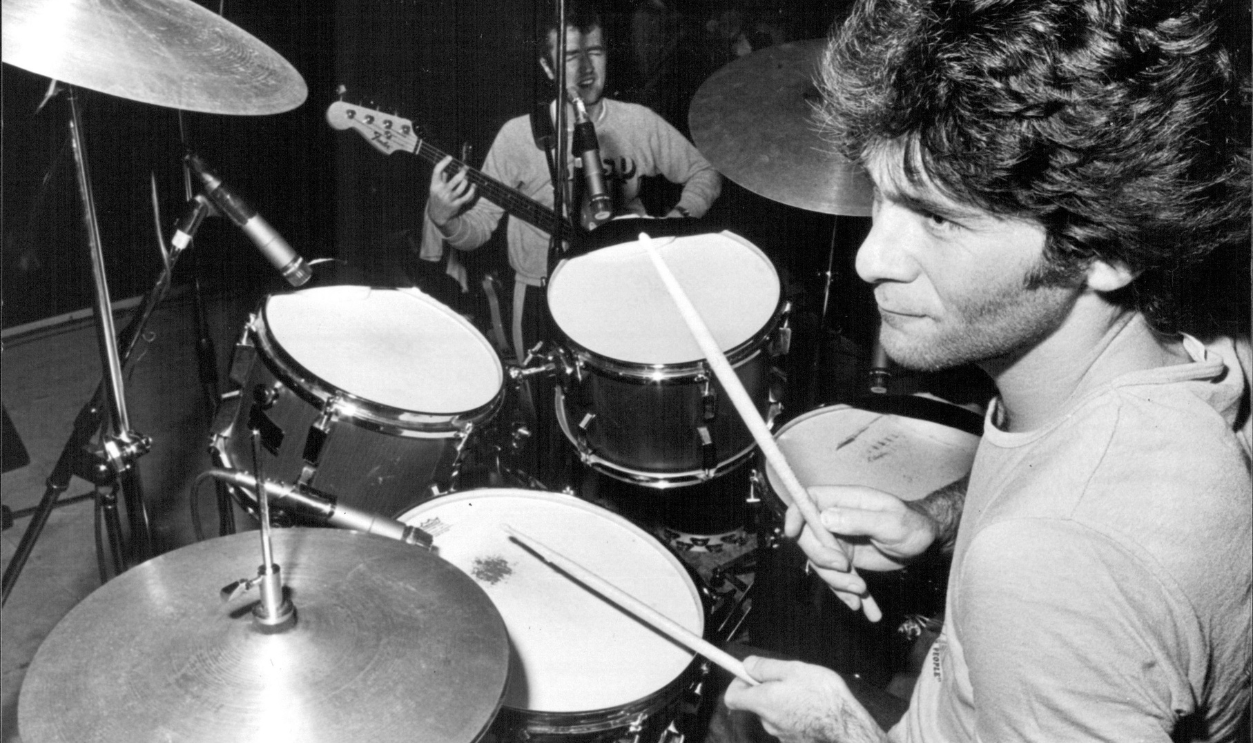 Fairfax Media Archives, Getty ImagesYou May Also Like:
I Just Picked The 30 Best Movies From The 1970s. Do You Agree With My List?
Best-Selling Artists In The History Of Music—Ranked According To Records Sold
Sources: 1, 2, 3, 4, 5, 6, 7, 8, 9, 10, 11, 12, 13, 14, 15, 16, 17, 18, 19, 20, 21, 22, 23, 24, 25, 26, 27, 28