When Soft Rock Ruled The Radio
The 1970s were a golden age for soft rock, when smooth harmonies, emotional lyrics, warm keyboards, and polished guitar parts filled FM radio. Some of these songs remain instantly recognizable, while others don't get nearly the attention they once did. But at their peak, these were the records playing in cars, living rooms, restaurants, and just about anywhere else a radio happened to be turned on.
 Jeremy Fletcher / Getty Images
Ambrosia - “How Much I Feel”
Ambrosia started out with progressive-rock ambitions, but “How Much I Feel” revealed just how good the band could be at sleek, emotional pop. David Pack sings about an old relationship that still hasn't completely loosened its grip, even though life has moved on. The 1978 single climbed to Numebr 3 on the Hot 100 and became the band's major pop breakthrough.
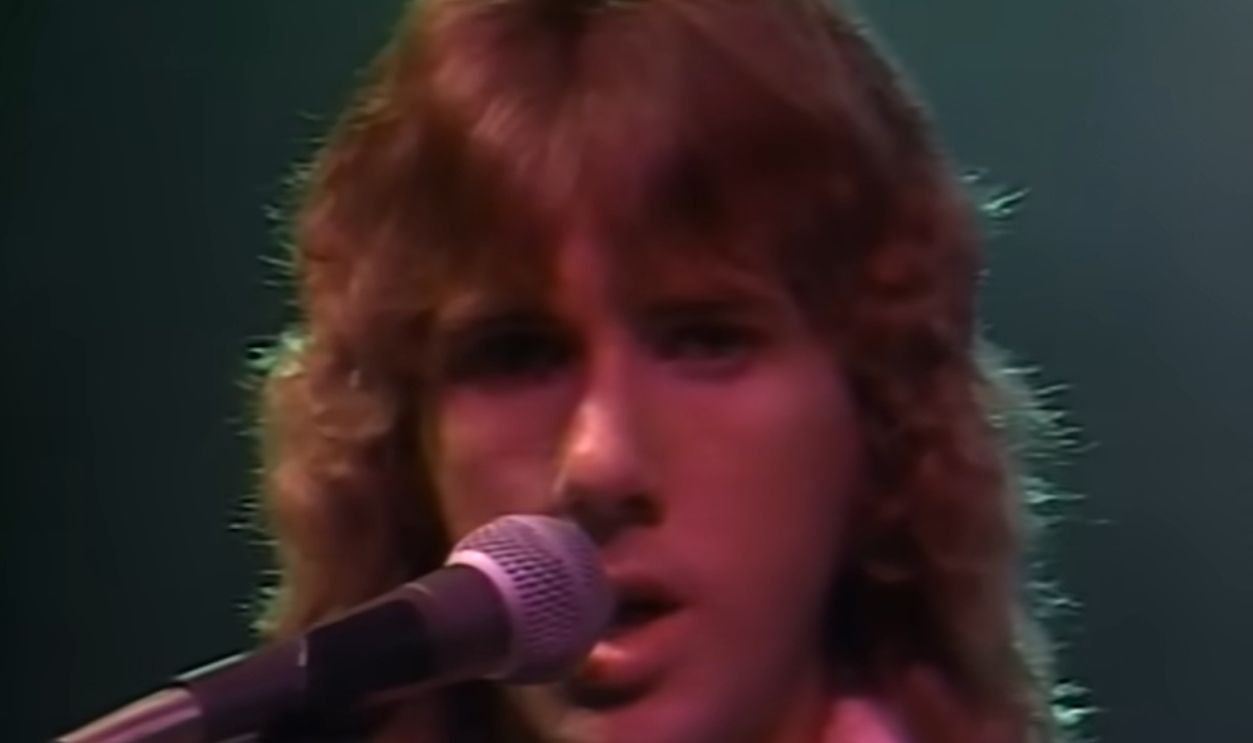 Screenshot from How Much I Feel, Warner Bros. Records (1978)
The Carpenters - “We've Only Just Begun”
It's hard to imagine a softer beginning for one of the decade's biggest radio standards. “We've Only Just Begun” was originally created for a bank commercial before Richard Carpenter heard it and recognized its potential. Karen Carpenter's beautifully restrained vocal transformed it into a hit, and its hopeful lyrics about starting a life together made it especially popular at weddings.
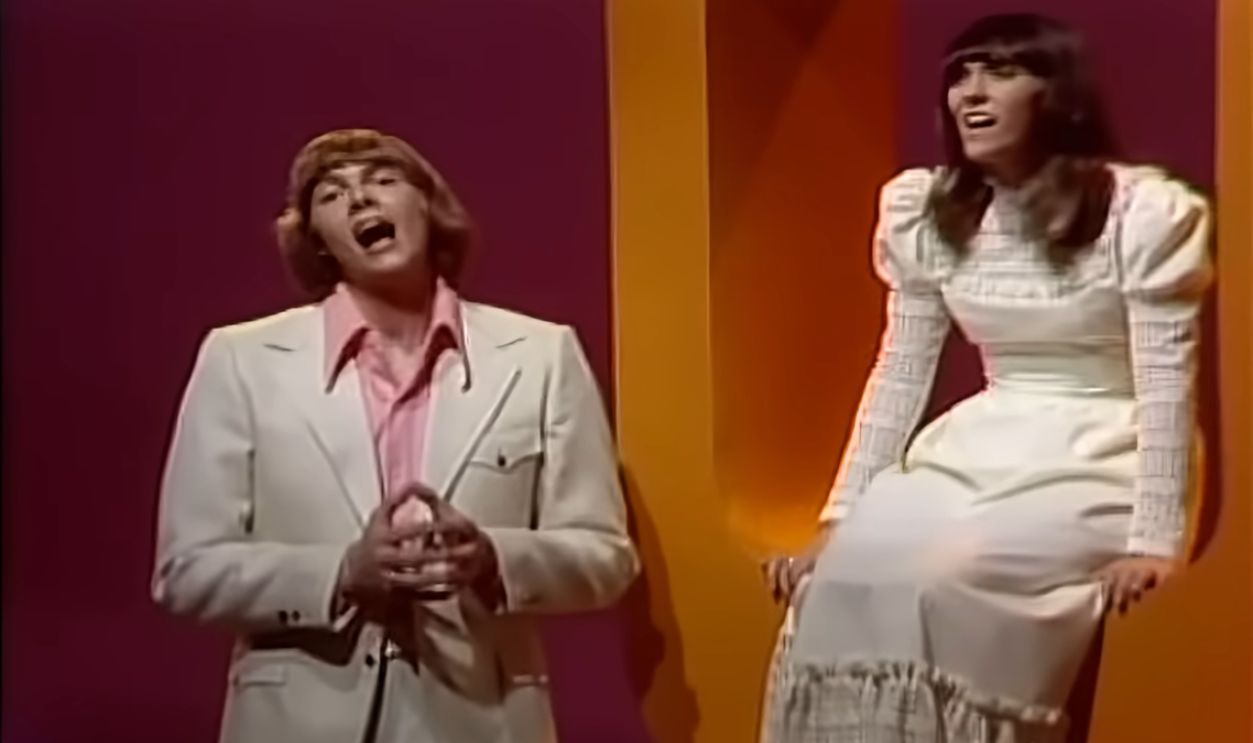 Screenshot from We've Only Just Begun, A&M Records (1970)
Carly Simon - “You're So Vain”
That famous bass introduction immediately sets up one of the sharpest takedowns of the singer-songwriter era. Carly Simon's “You're So Vain” reached Number 1, but the mystery surrounding its self-absorbed subject became nearly as famous as the song itself. Simon has revealed pieces of the inspiration over the years without completely solving the puzzle, which has kept listeners debating it for decades.
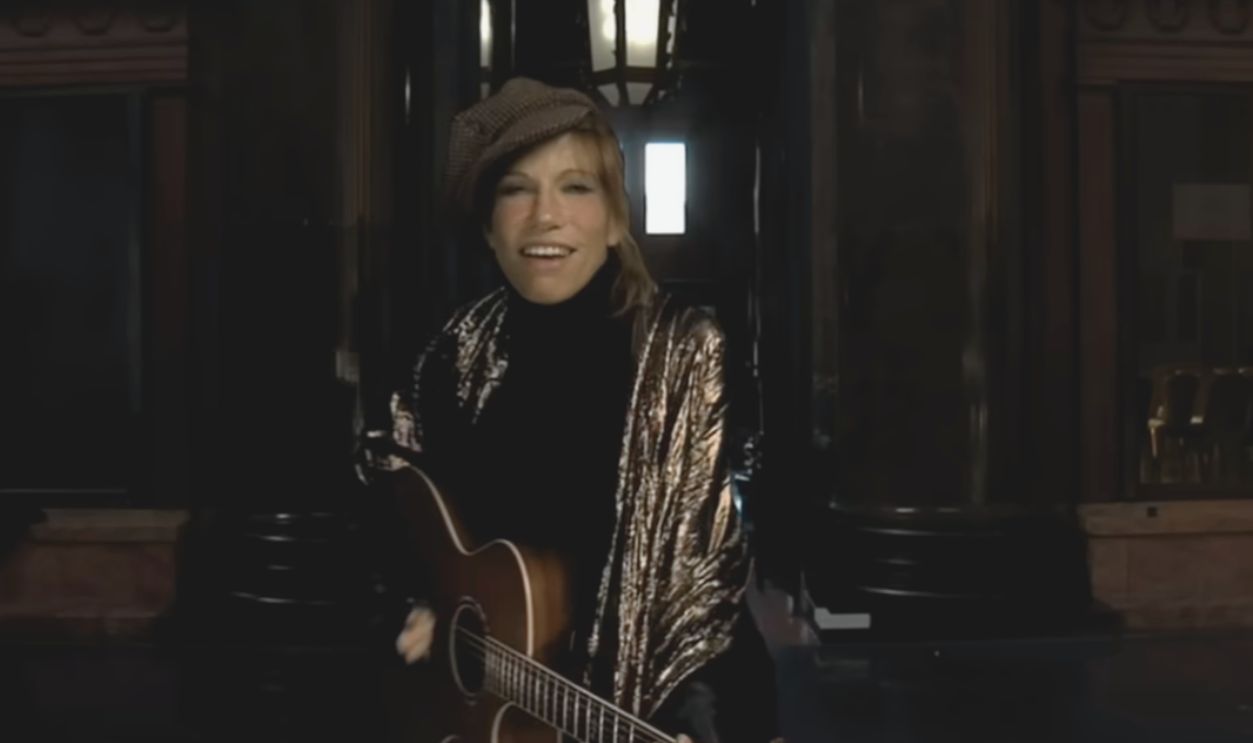 Screenshot from You're So Vain, Elektra Records (1972)
The Beatles - “The Long And Winding Road”
The Beatles' final US No 1 single couldn't have sounded much further removed from the group's early rock-and-roll years. Paul McCartney's melancholy piano ballad was given an elaborate orchestral treatment by producer Phil Spector, a decision McCartney famously disliked. Whatever the studio controversy, the song's weary emotional tone made it an unforgettable closing chapter in the Beatles' career.
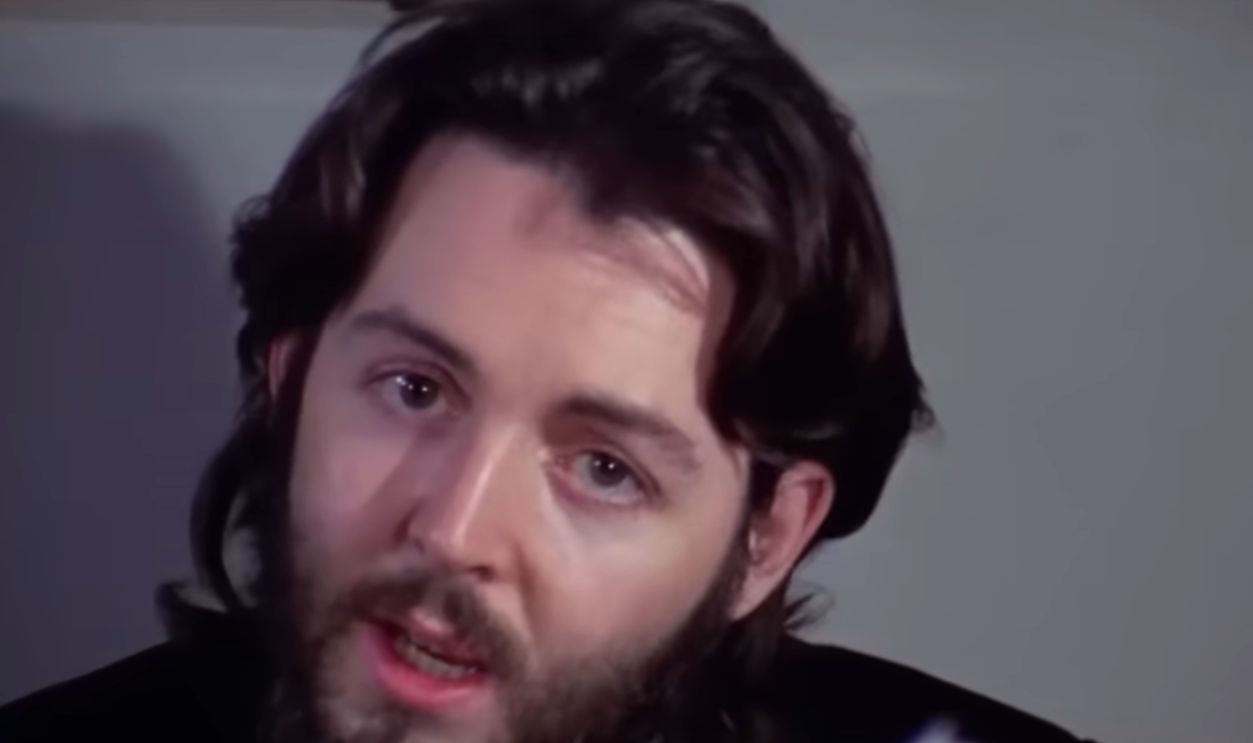 Screenshot from The Long and Winding Road, Apple Records (1970)
Bobby Caldwell - “What You Won't Do For Love”
Bobby Caldwell's smooth combination of soul, jazz, and soft rock gave “What You Won't Do for Love” a sound that didn't fit comfortably into one box. Radio listeners responded anyway, sending the 1978 single into the pop and R&B Top 10. Its laid-back groove later became especially valuable to hip-hop and R&B artists, who repeatedly covered and sampled Caldwell's signature song.
 Screenshot from What You Won’t Do for Love, TK Records (1978)
Little River Band - “Reminiscing”
“Reminiscing” sounds like nostalgia put to music. Little River Band paired smooth harmonies with a lightly jazzy arrangement while imagining an older couple looking back at their younger days together. Released in 1978, it reached Number 3 on the Hot 100 and became one of the Australian band's biggest American hits. It's the sort of record tailor-made for late-'70s adult-contemporary radio.
 Screenshot from Reminiscing, Harvest Records (1978)
Glen Campbell - “Southern Nights”
Glen Campbell heard himself in Allen Toussaint's “Southern Nights.” The song reminded him of growing up in rural Arkansas, and his brighter country-pop arrangement turned it into a massive crossover hit in 1977. Campbell's version reached Number 1 on the pop chart as well as the country chart, proving how easily his voice could move between Nashville and mainstream radio.
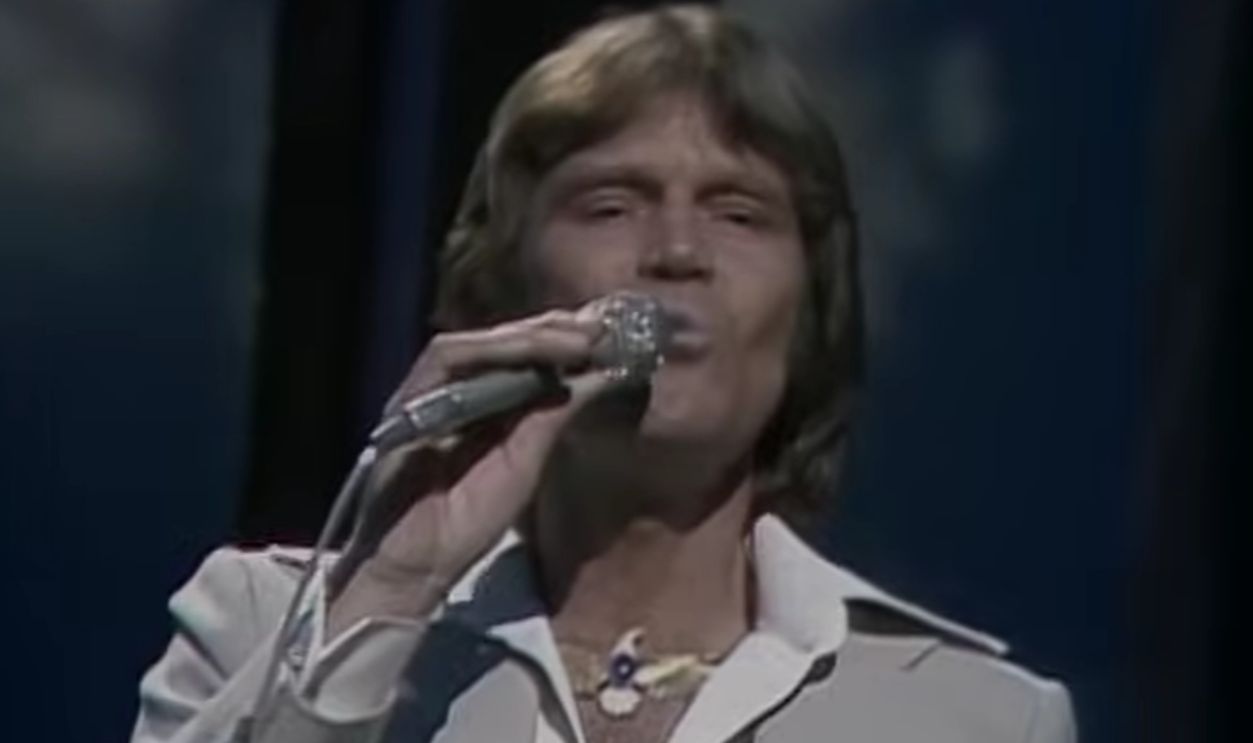 Screenshot from Southern Nights, Capitol Records (1977)
Jim Croce - “Operator (That's Not The Way It Feels)”
Jim Croce could make an entire life story unfold in a few minutes, and “Operator” is one of his finest examples. The narrator tries to call an old girlfriend, only to realize he can't bring himself to go through with it. Croce reportedly drew inspiration from conversations he overheard during his National Guard days, turning ordinary heartbreak into remarkably vivid storytelling.
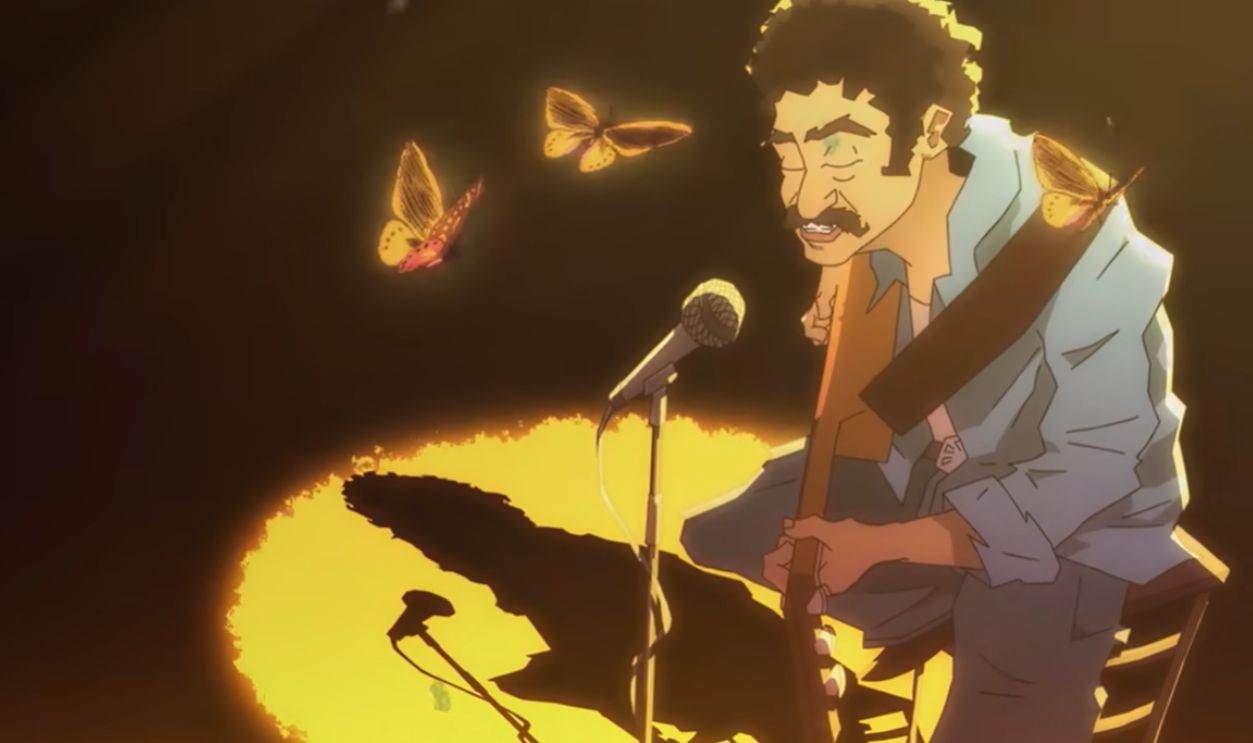 Screenshot from Operator (That's Not the Way It Feels), ABC Records (1972)
Paul Davis - “I Go Crazy”
Paul Davis made heartbreak sound almost impossibly gentle on “I Go Crazy.” Rather than raging over an old relationship, he sings about the awkward rush of emotion that comes from seeing someone again and discovering those feelings never completely disappeared. Released in 1977, the song became an unusually persistent radio hit, spending a remarkably long stretch on the American pop chart.
 Screenshot from I Go Crazy, Bang Records (1977)
Carole King - “It's Too Late”
Carole King's Tapestry produced several defining songs, but “It's Too Late” captured a breakup with unusual maturity. There isn't much anger in the performance. Instead, King simply recognizes that a relationship has run its course and can't be repaired. Released as part of a double-sided single with “I Feel the Earth Move,” it gave King her first Number 1 as a performer.
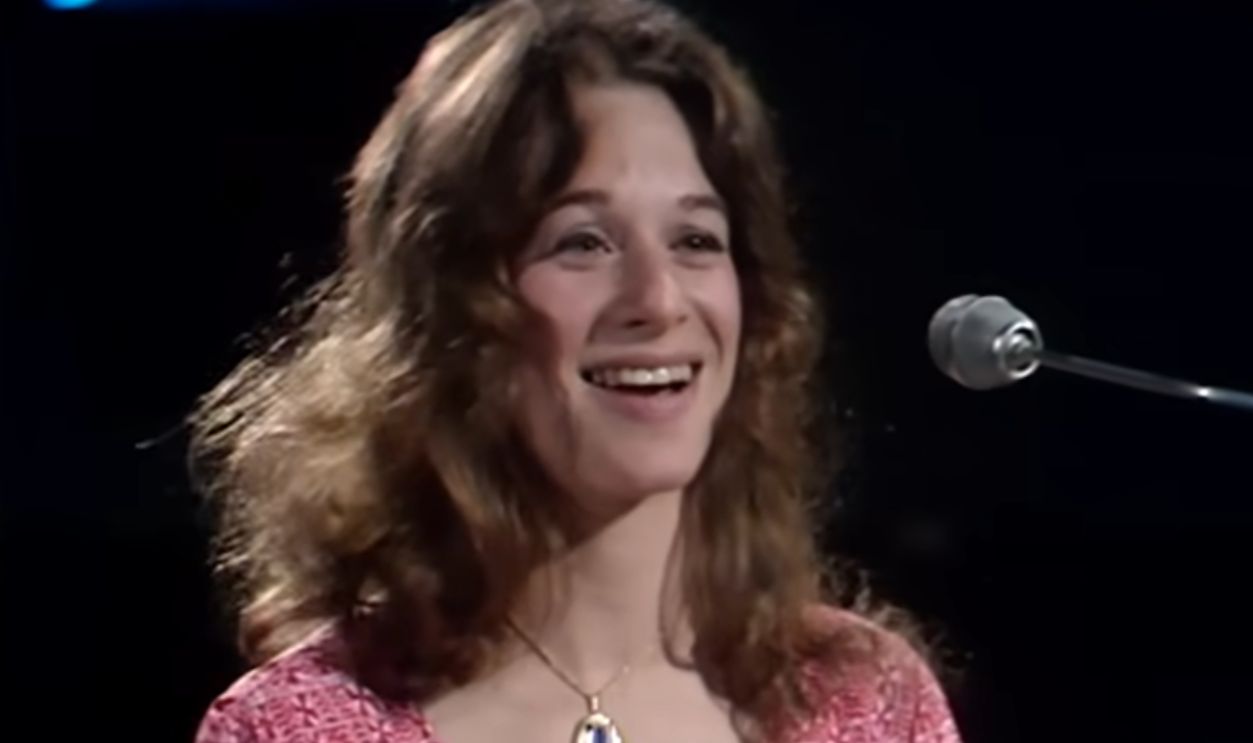 Screenshot from It's Too Late, Ode Records (1971)
Eagles - “Hotel California”
“Hotel California” is far less forgotten than many songs here, but it's impossible to talk about the soft-rock radio landscape of the 1970s without it. The mysterious lyrics, carefully layered guitars, and famous closing solo gave the Eagles something far stranger than a typical laid-back California single. It became one of the defining recordings of the decade and an enduring classic-rock staple.
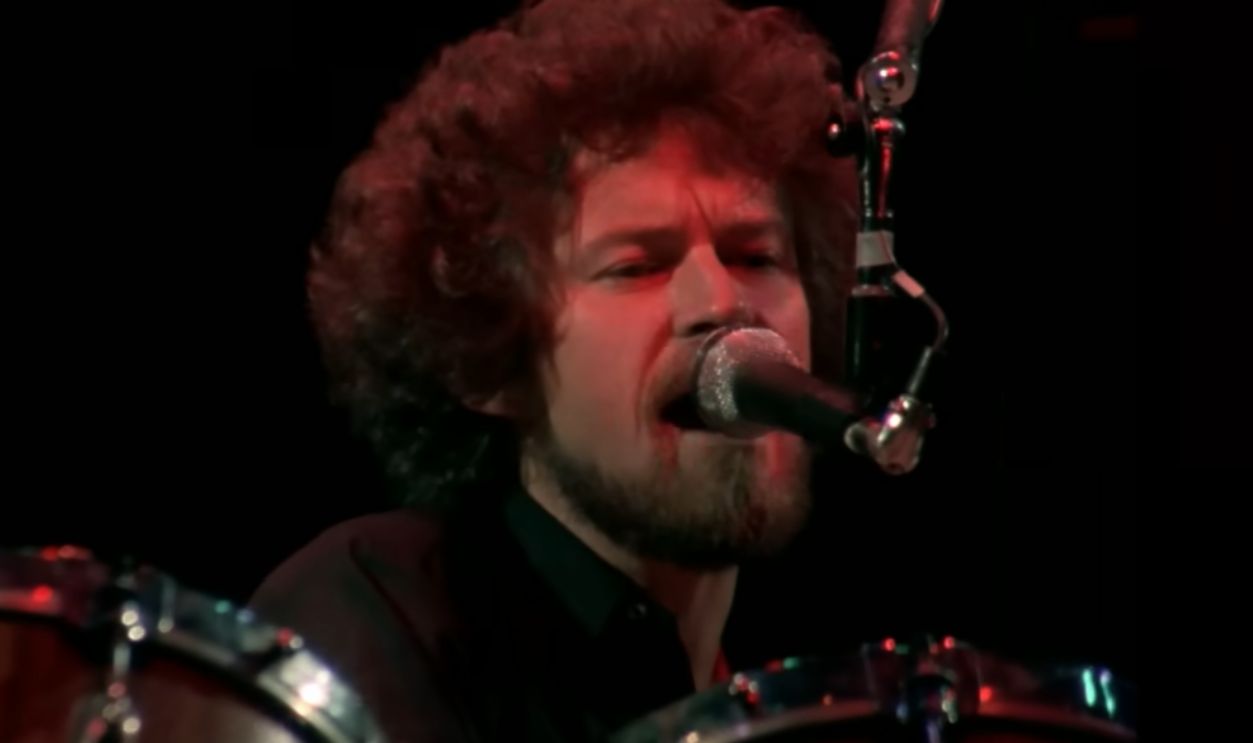 Screenshot from Hotel California, Asylum Records (1977)
Bee Gees - “How Deep Is Your Love”
The Bee Gees' disco image sometimes overshadows just how good they were at ballads. “How Deep Is Your Love” puts their intricate harmonies over an exceptionally smooth arrangement, with Barry Gibb's lead vocal rarely needing to push. Released during the Saturday Night Fever era, it showed that the brothers could dominate late-'70s radio without relying on a dance-floor beat.
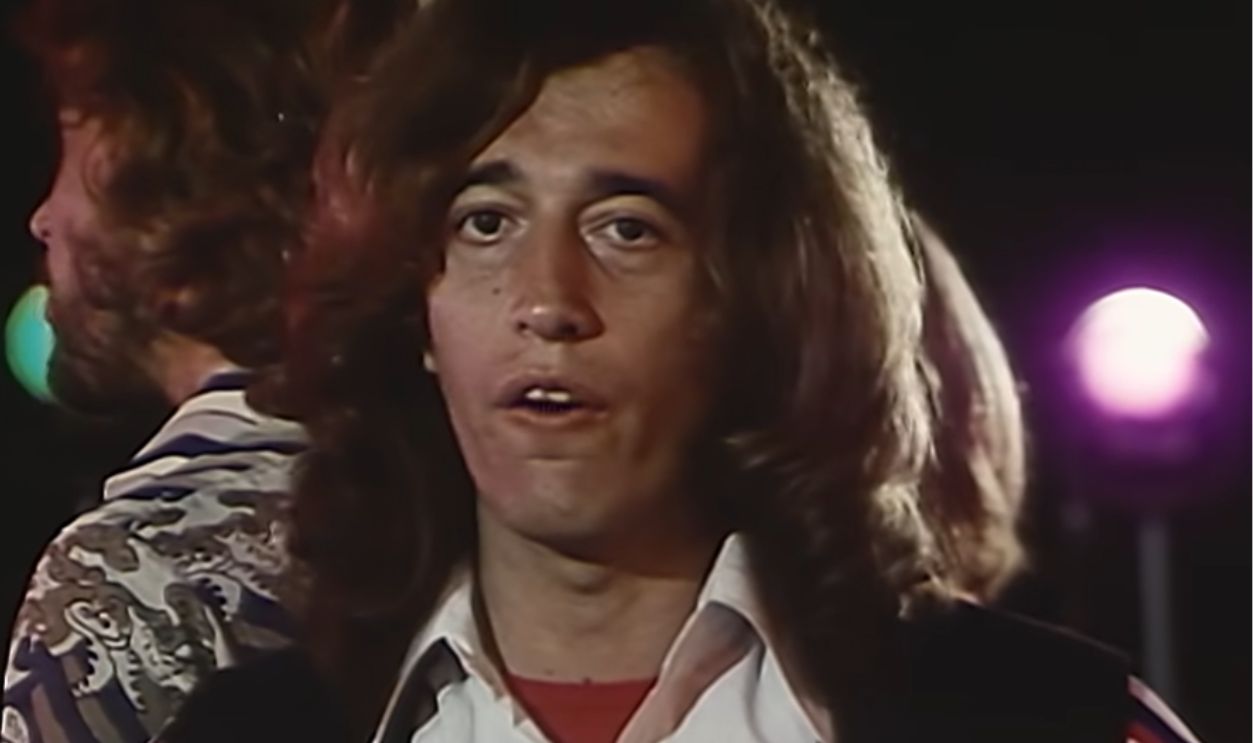 Screenshot from How Deep Is Your Love, RSO Records (1977)
Billy Joel - “Just The Way You Are”
Billy Joel almost left “Just the Way You Are” off The Stranger, but the song became one of his breakthrough hits. The arrangement is deliberately smooth, with Joel's electric piano and Phil Woods' saxophone giving it an adult-contemporary sheen. Its message is refreshingly uncomplicated: he doesn't want the person he loves to change. That simplicity helped make it a radio and wedding favorite.
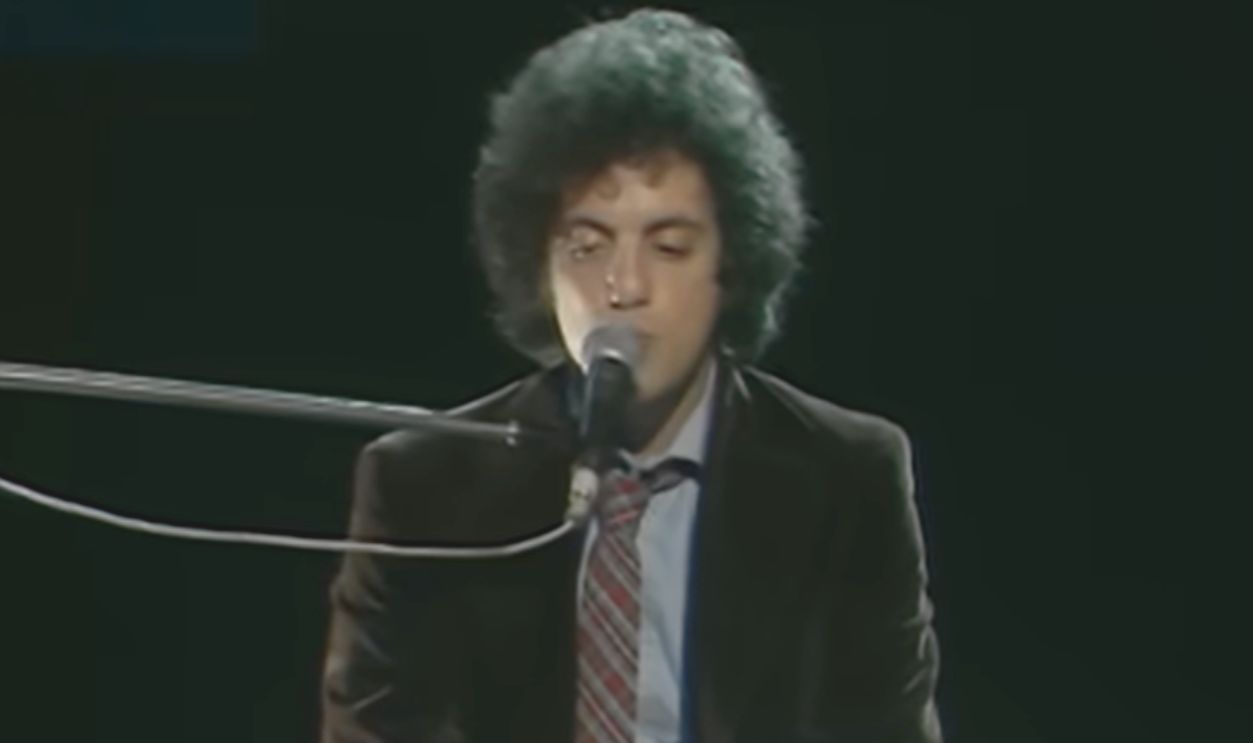 Screenshot from Just the Way You Are, Columbia Records (1977)
Fleetwood Mac - “Dreams”
Stevie Nicks wrote “Dreams” while Fleetwood Mac's personal relationships were collapsing during the making of Rumours. Instead of matching that chaos with an enormous arrangement, the band left plenty of space around her vocal, creating one of the album's coolest and most hypnotic tracks. It became Fleetwood Mac's only Number 1 single in the United States.
 Screenshot from Dreams, Warner Bros. Records (1977)
Chicago - “If You Leave Me Now”
Chicago had made its name with horn-driven rock, but “If You Leave Me Now” showed how effective the band could be when everything was softened. Peter Cetera's high, vulnerable vocal sits over strings and delicate acoustic instrumentation rather than a hard-rock arrangement. The ballad became one of Chicago's biggest hits and pushed the group further toward the smoother sound that would dominate its later years.
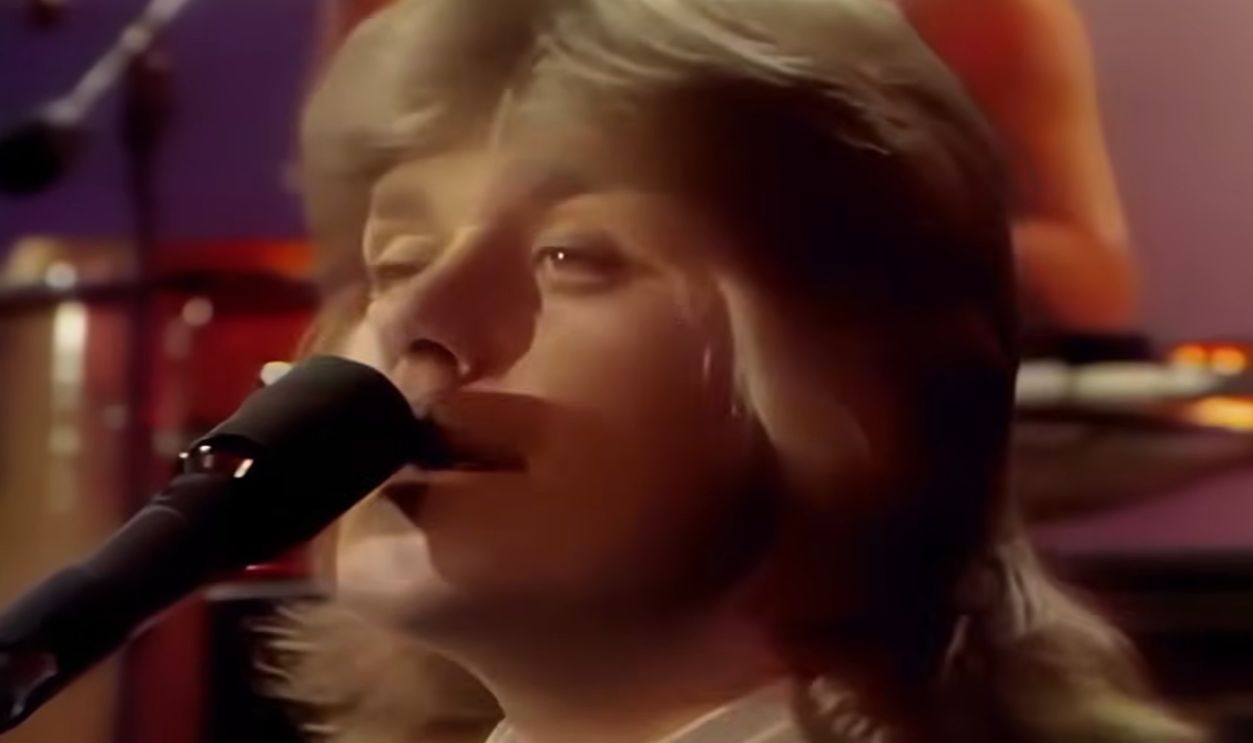 Screenshot from If You Leave Me Now, Columbia Records (1976)
Gerry Rafferty - “Baker Street”
Plenty of people who don't know Gerry Rafferty's name can recognize “Baker Street” within seconds. Raphael Ravenscroft's towering saxophone riff became the track's calling card, but there's more going on underneath it. Rafferty's lyrics deal with frustration, wandering, and the fantasy of finally escaping an unsatisfying life, giving this smooth 1978 hit a surprisingly restless heart.
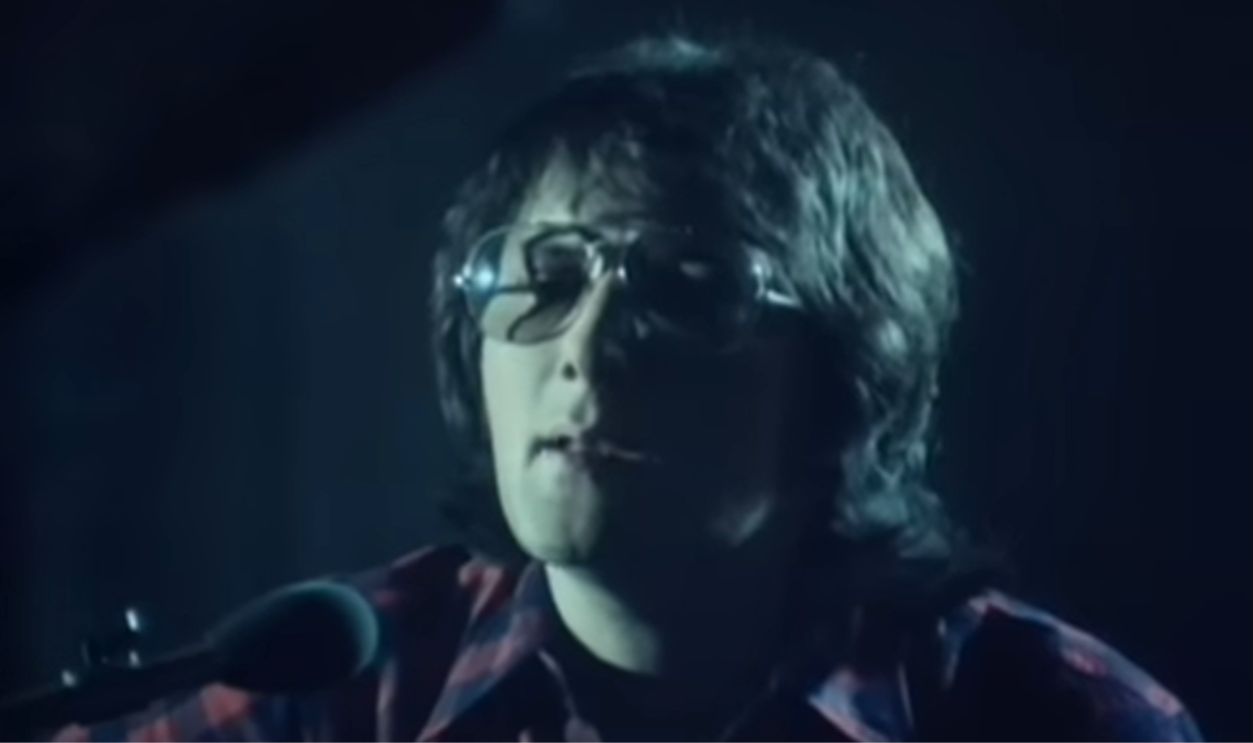 Screenshot from Baker Street, United Artists Records (1978)
Christopher Cross - “Sailing”
There's one technical wrinkle here: Christopher Cross's self-titled debut arrived at the end of 1979, but “Sailing” wasn't released as a single until 1980. It still belongs musically to the soft-rock sound the previous decade had perfected. Cross's dreamy vocal and restrained arrangement helped the song reach Number 1, and he later recalled being surprised that the label even wanted it released as a single.
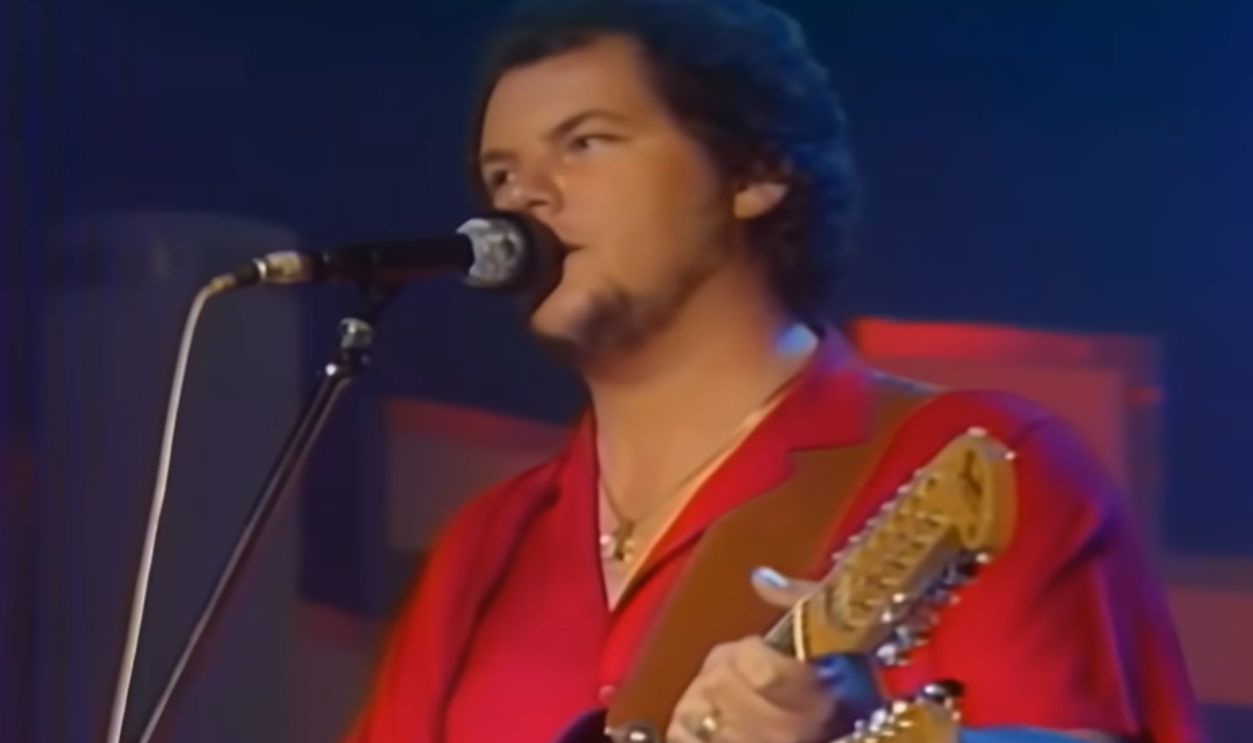 Screenshot from Sailing, Warner Bros. Records (1980)
JD Souther - “You're Only Lonely”
JD Souther spent much of the 1970s writing songs connected to the Southern California scene, including material recorded by the Eagles. In 1979, he finally landed a major hit of his own with “You're Only Lonely.” The song has an unmistakable Roy Orbison-style romantic sweep, but its polished arrangement puts it squarely inside the soft-rock world Souther had helped shape behind the scenes.
 Screenshot from You're Only Lonely, Columbia Records (1979)
Neil Young - “Heart Of Gold”
Neil Young's biggest hit came when he temporarily softened the edges of his music. “Heart of Gold” combines acoustic guitar, harmonica, country influences, and Young's unmistakably fragile voice into something unusually direct. The song became his only US Number 1 single, even though Young himself would soon become wary of the middle-of-the-road success it brought him.
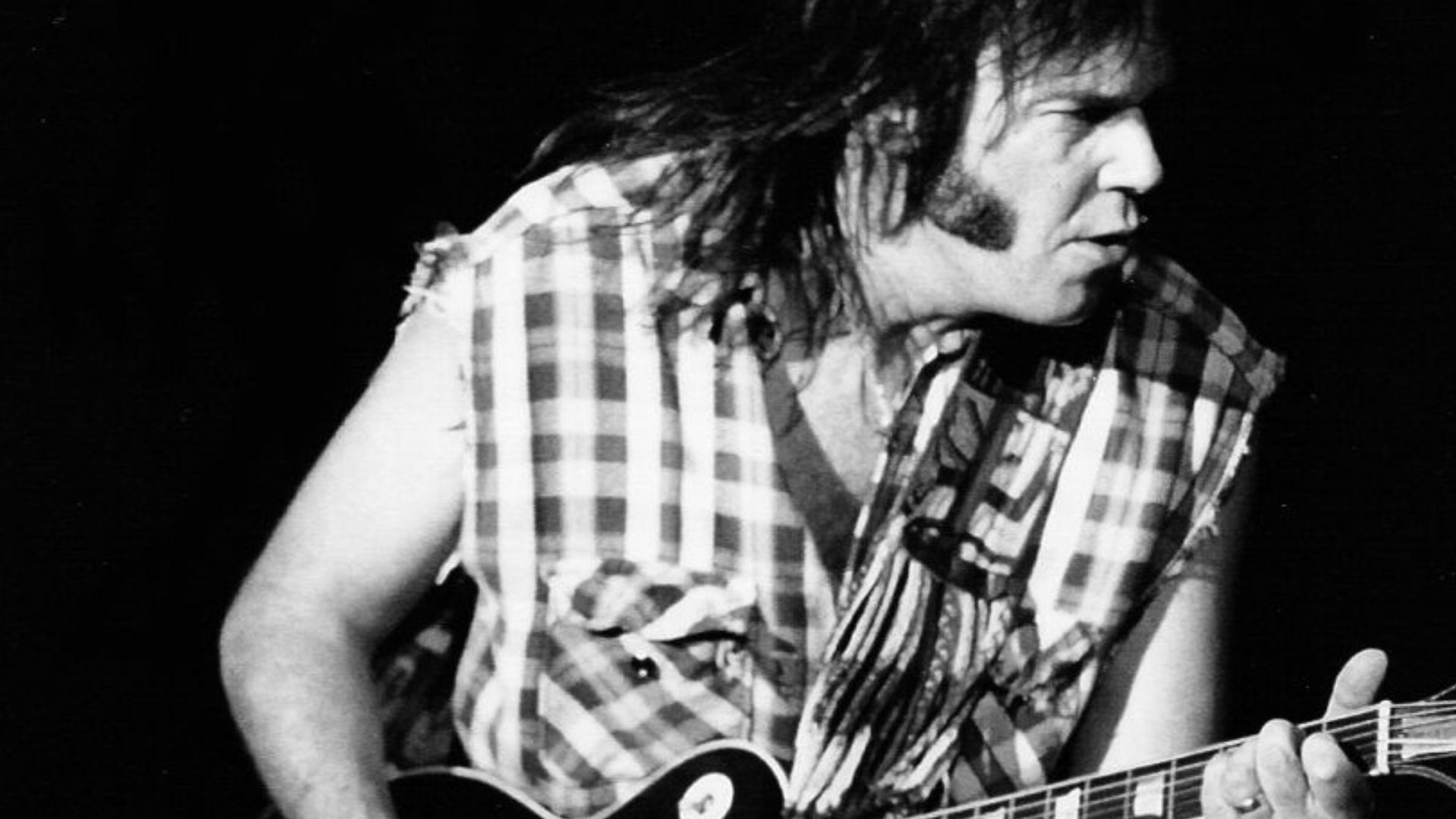 Stoned59, Photographer: F. Antolin Hernandez, Wikimedia Commons
Player - “Baby, Come Back”
Player didn't need complicated storytelling to make “Baby, Come Back” work. The 1977 song is a straightforward plea for another chance, but the band's smooth harmonies, guitar lines, and polished production gave the heartbreak an irresistible sheen. It became the group's signature hit and remains a textbook example of the California-flavored soft rock that would later get folded into yacht-rock nostalgia.
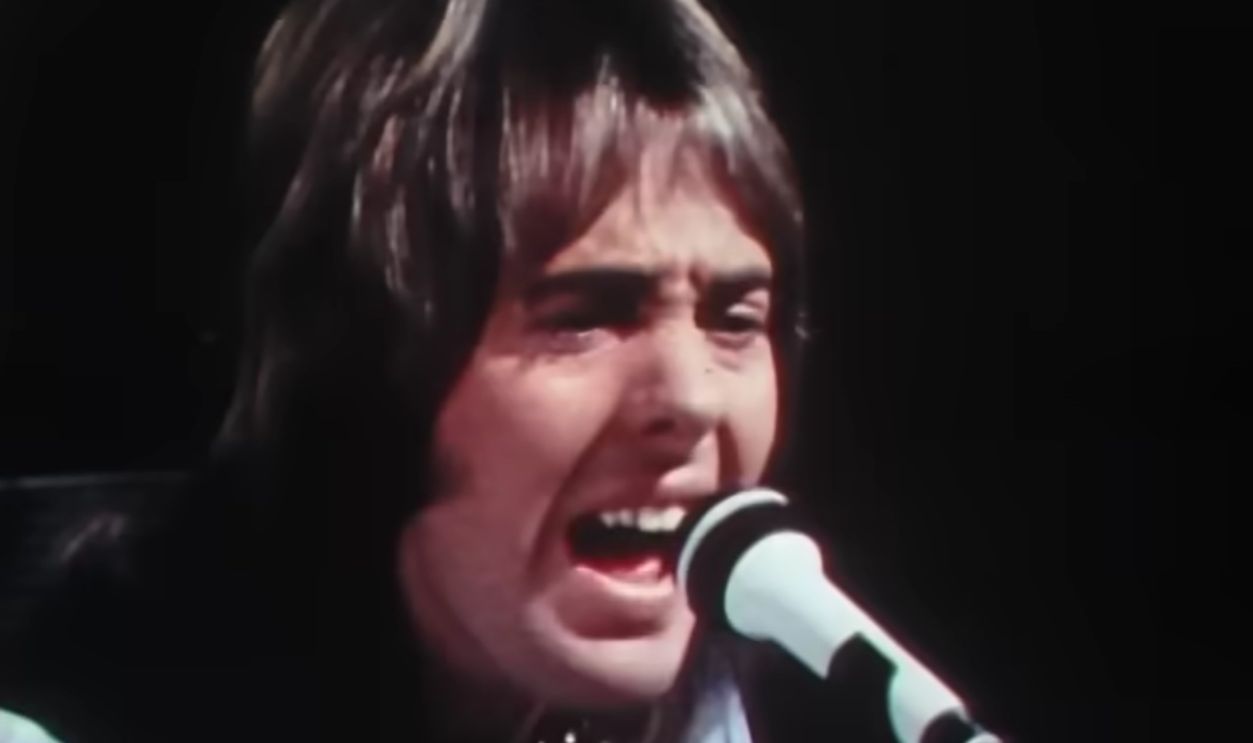 Screenshot from Baby Come Back, RSO Records (1977)
10cc - “The Things We Do For Love”
10cc could be quirky and experimental, but “The Things We Do for Love” showed the British band also knew exactly how to write a compact radio hit. The song combines bright piano, stacked harmonies, and an instantly memorable chorus while taking a slightly amused look at the compromises relationships demand. Its accessibility helped make it one of 10cc's biggest international successes.
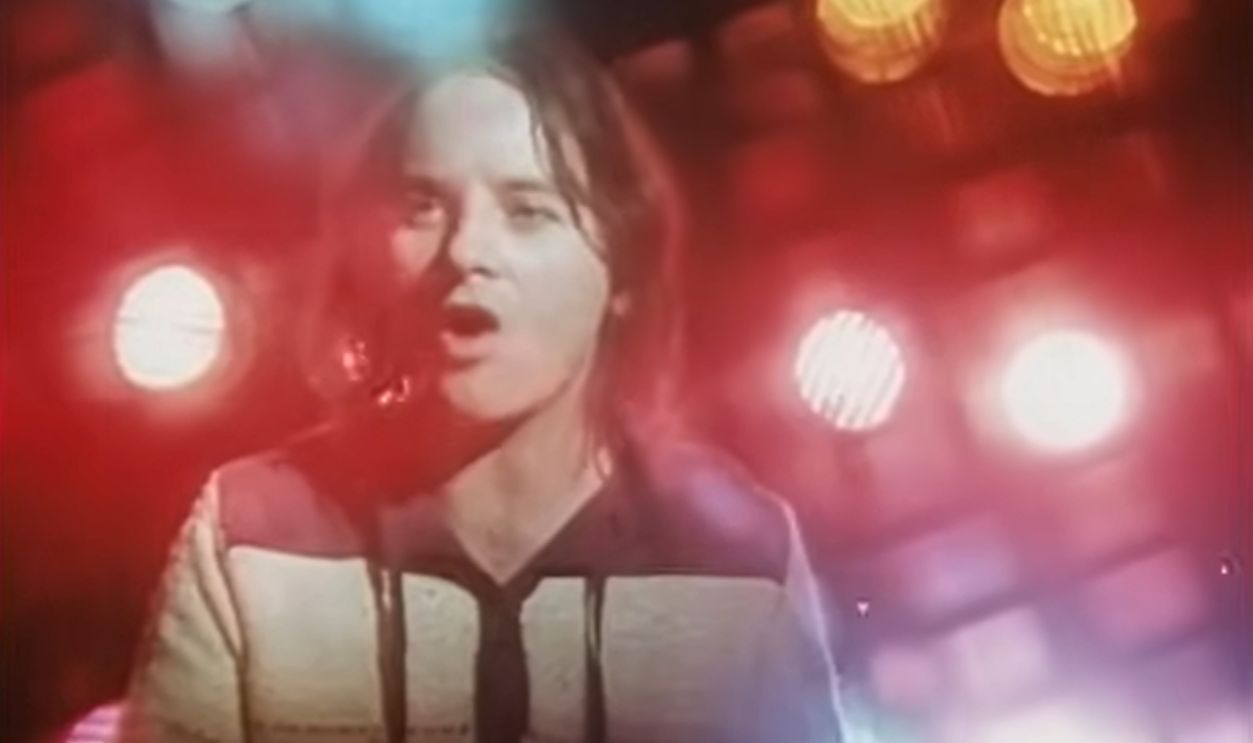 Screenshot from The Things We Do for Love, Mercury Records (1976)
Nicolette Larson - “Lotta Love”
Neil Young wrote “Lotta Love,” but Nicolette Larson turned it into her signature recording. Her 1978 version adds smooth production, warm vocals, and just enough rhythmic lift to fit perfectly alongside the era's California soft rock. The song gave Larson a major crossover hit and remains one of those records that can immediately make an old FM playlist feel like 1978 again.
 Screenshot from Lotta Love, Warner Bros. Records (1978)
England Dan & John Ford Coley - “I'd Really Love To See You Tonight”
Everything about “I'd Really Love to See You Tonight” is understated. The narrator isn't promising forever or demanding a dramatic reunion. He'd simply like to spend some time together and see where the evening goes. That conversational approach, paired with the duo's smooth harmonies, helped turn the 1976 single into one of the decade's quintessential adult-contemporary radio hits.
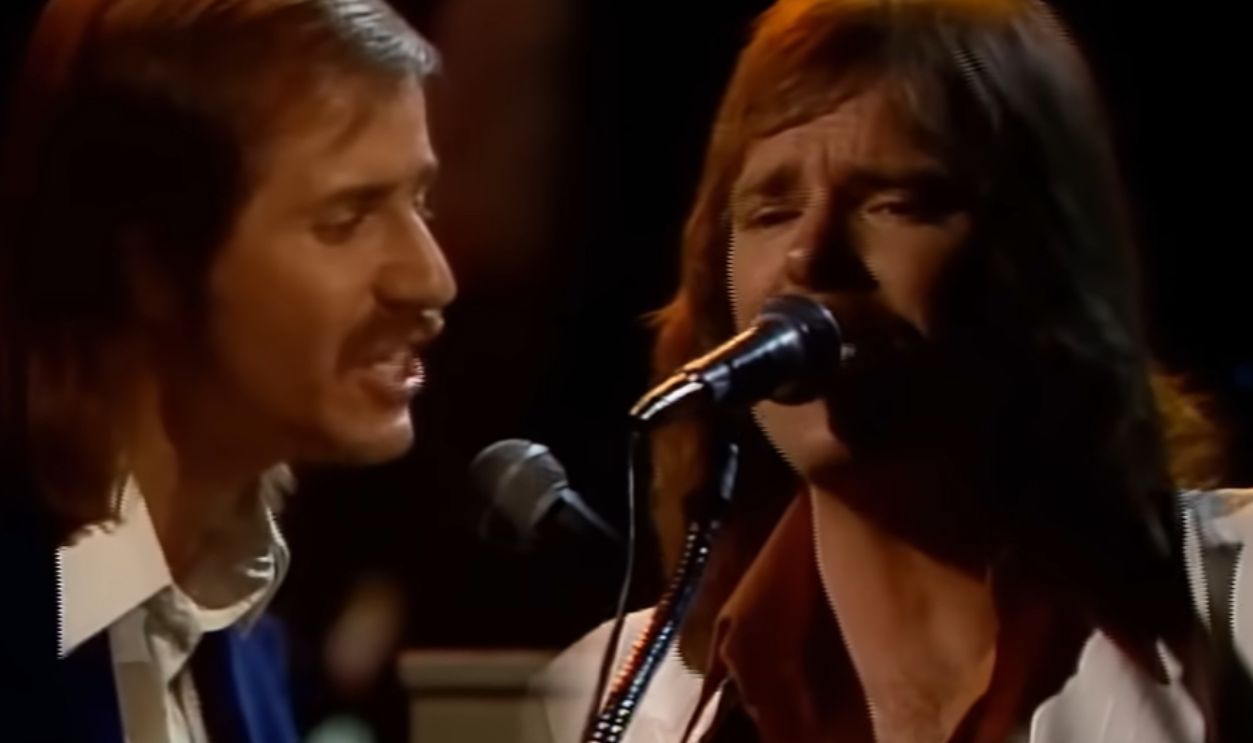 Screenshot from I'd Really Love to See You Tonight, Big Tree Records (1976)
Seals And Crofts - “Summer Breeze”
Few records capture the easy warmth associated with 1970s soft rock as perfectly as “Summer Breeze.” Seals and Crofts released it in 1972, and the song reached Number 6 on the Hot 100. Its images of warm evenings and familiar domestic comforts made it ideal summer-radio material, while later covers by the Isley Brothers and Type O Negative showed how adaptable the composition really was.
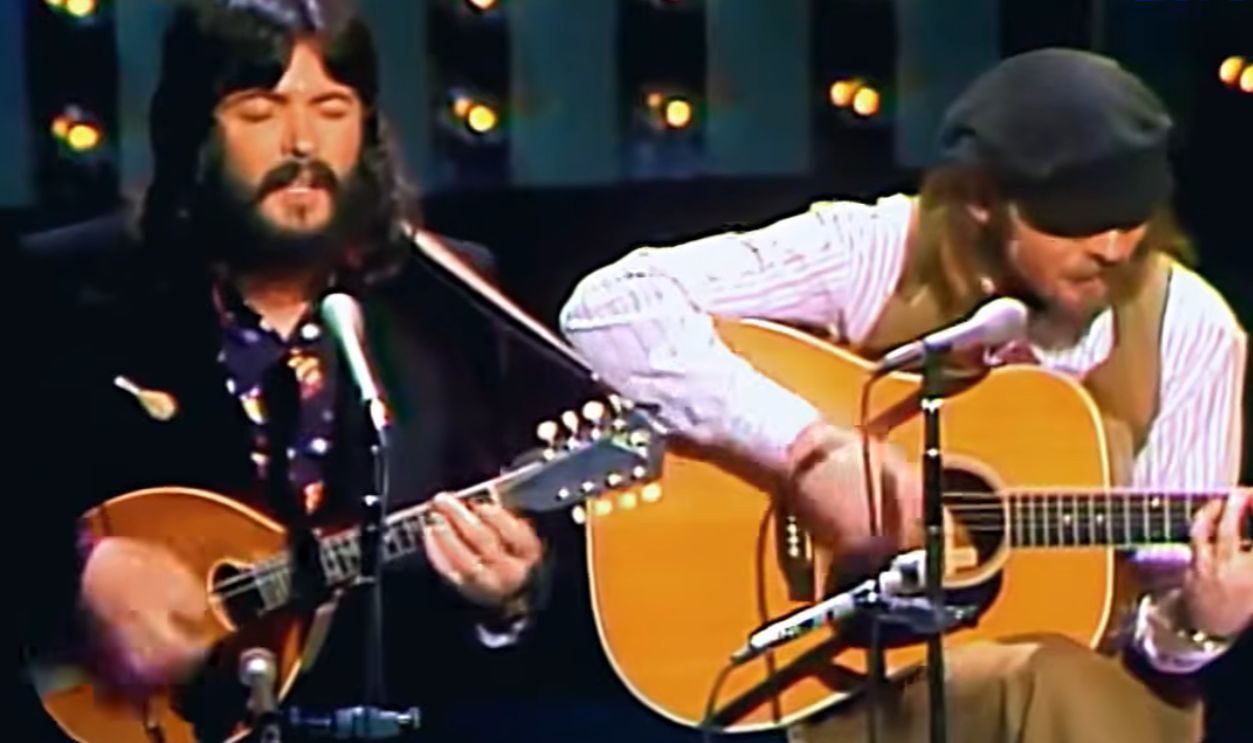 Screenshot from Summer Breeze, Warner Bros. Records (1972)
Orleans - “Still The One”
“Still the One” stands out because it celebrates a relationship that actually survived. Johanna Hall wrote the lyrics after someone challenged her to come up with a song about people staying happily together rather than breaking apart. John Hall supplied the music, and Orleans took the result to Number 5 in 1976, creating one of the decade's most upbeat soft-rock love songs.
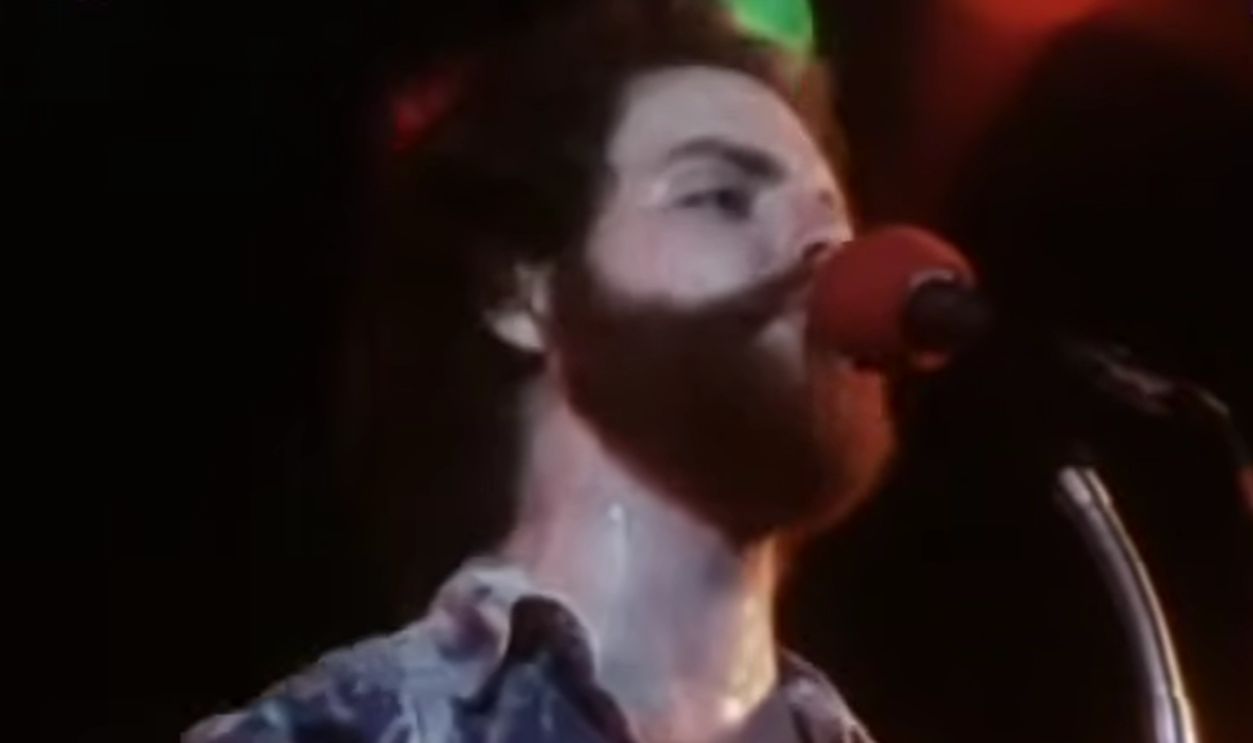 Screenshot from Still the One, Asylum Records (1976)
Glen Campbell - “It's Only Make Believe”
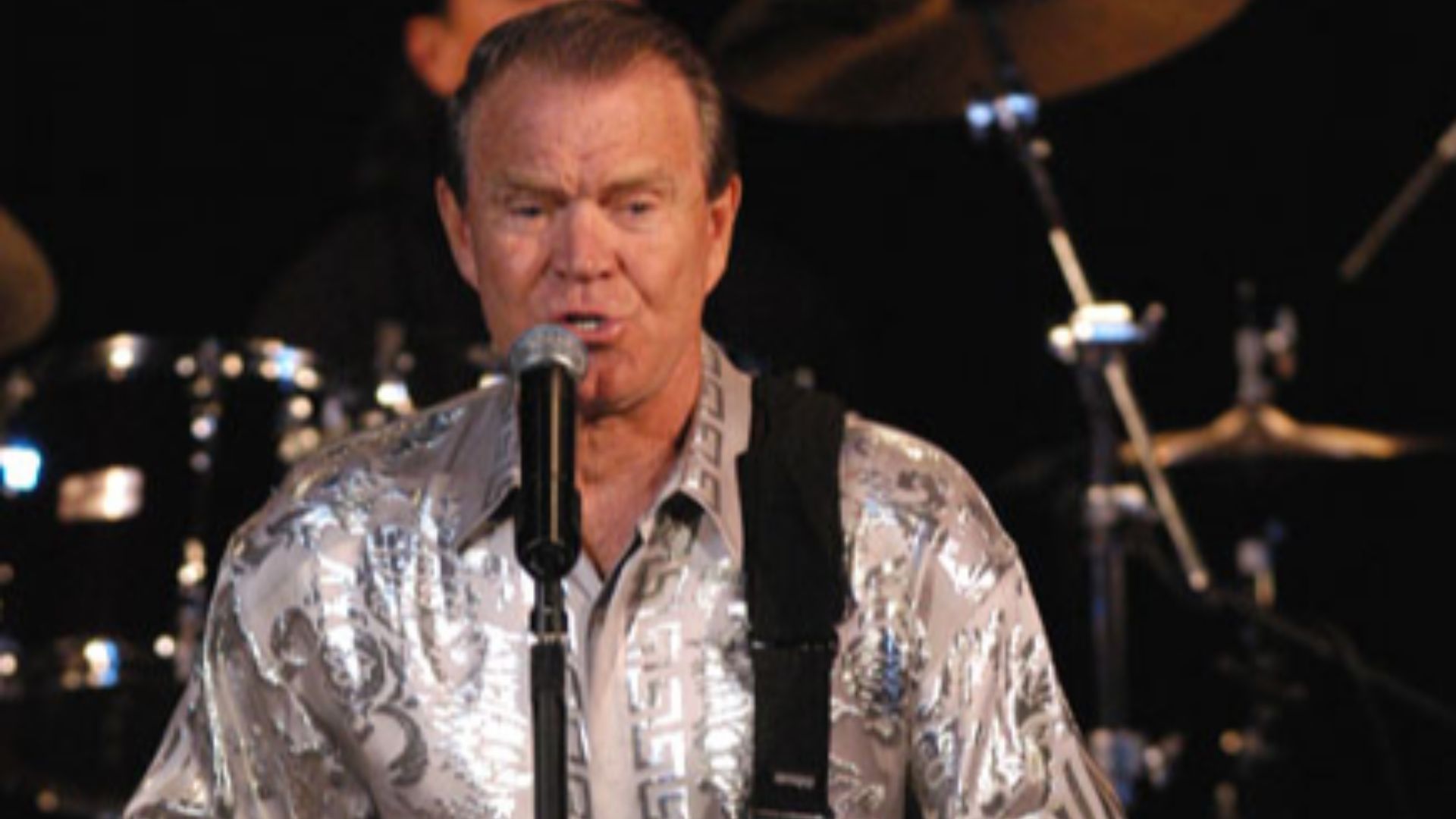
Glen Campbell reached backward for this one, covering the Conway Twitty and Jack Nance song that had first become a hit in the 1950s. Campbell's 1970 recording smoothed the material into his own country-pop style and became a substantial hit, reaching the Top 10 in both the United States and Britain. His controlled vocal keeps the heartbreak from becoming overly theatrical.
Bread - “It Don't Matter To Me”
David Gates originally wrote and recorded “It Don't Matter to Me” before Bread became major stars, but the band returned to it after breaking through with “Make It with You.” The 1970 remake has everything that came to define Bread's softer side: restrained instrumentation, Gates' delicate voice, and romantic uncertainty. It became another major hit as soft rock was beginning to establish itself on American radio.
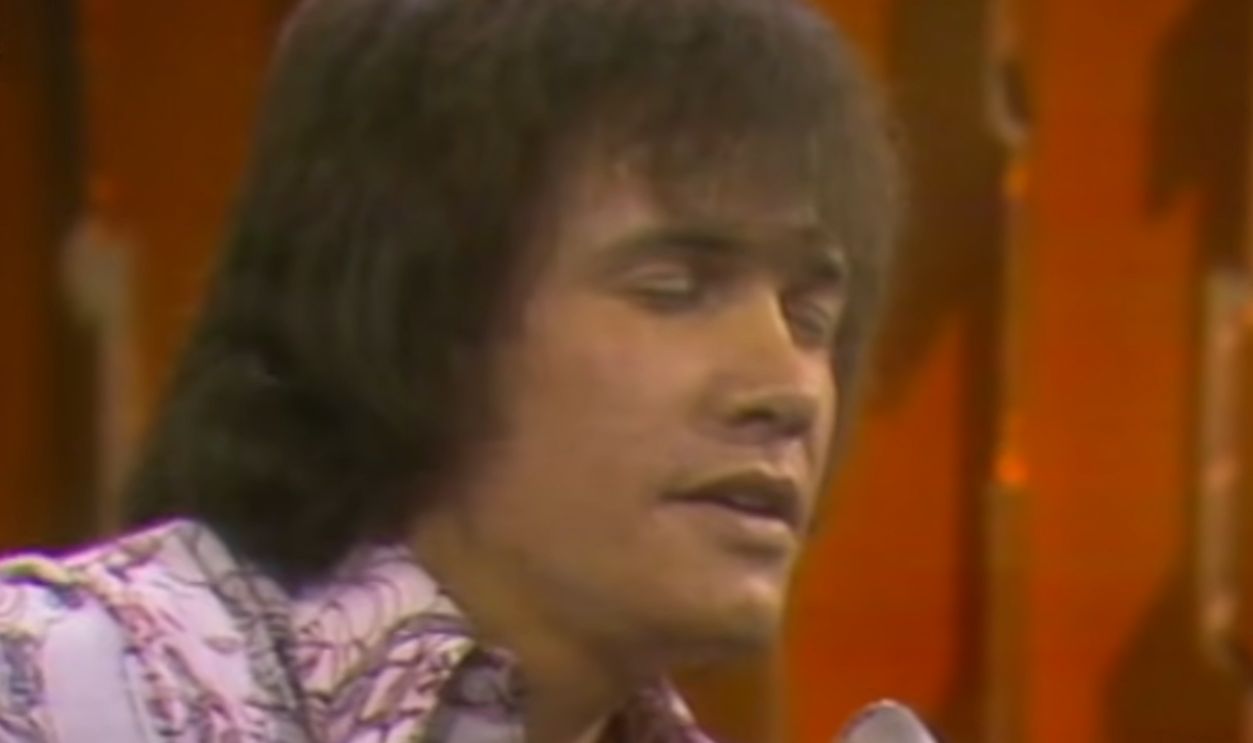 Screenshot from It Don't Matter to Me, Elektra Records (1970)
The Hollies - “The Air That I Breathe”
The Hollies turned “The Air That I Breathe” into an enormous 1974 ballad built around Allan Clarke's dramatic lead vocal and a lush arrangement. It became one of the group's final major international hits, reaching Number 2 in Britain and Number 6 in the United States. Decades later, its chord progression also became part of the famous dispute surrounding Radiohead's “Creep.”
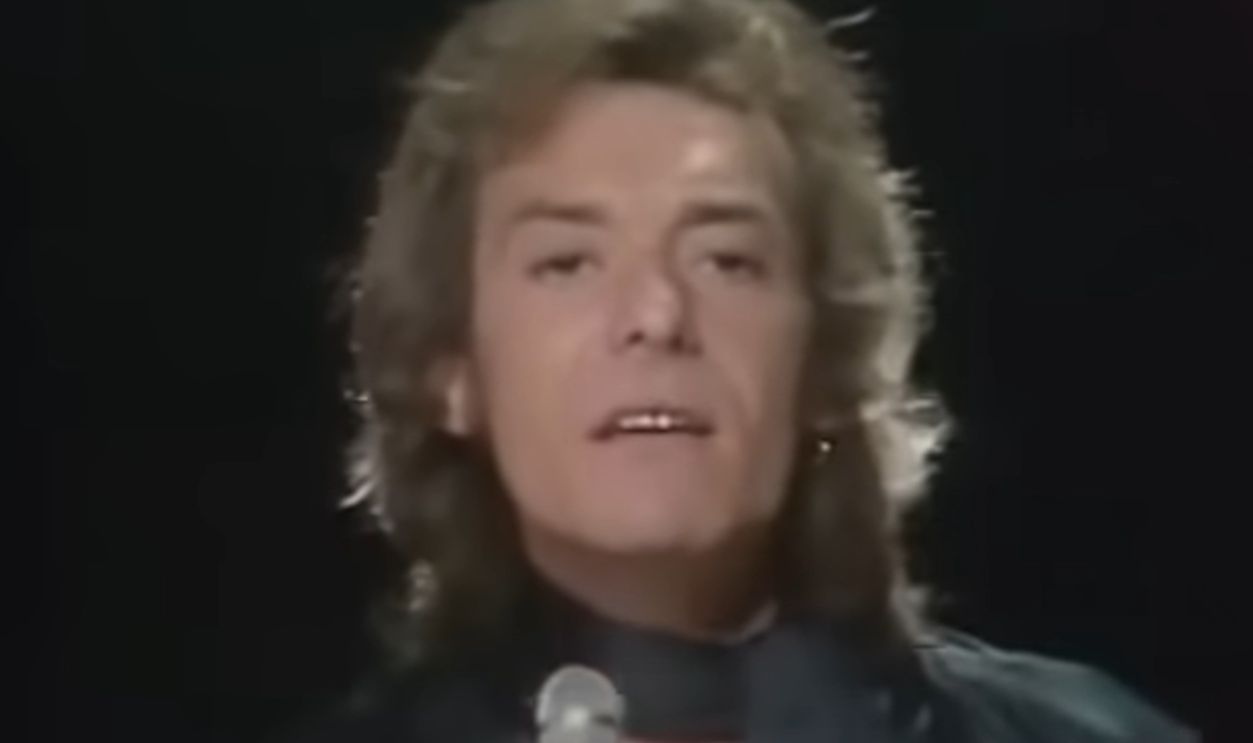 Screenshot from The Air That I Breathe, Epic Records (1974)
Kenny Loggins - “Whenever I Call You ‘Friend’”
Kenny Loggins got an enormous assist from Stevie Nicks on “Whenever I Call You ‘Friend.’” Written by Loggins and Melissa Manchester, the 1978 track paired his polished voice with Nicks' distinctive harmonies and became his first major solo hit. Loggins has since credited Nicks' participation with helping launch his solo career after his years working with Jim Messina.
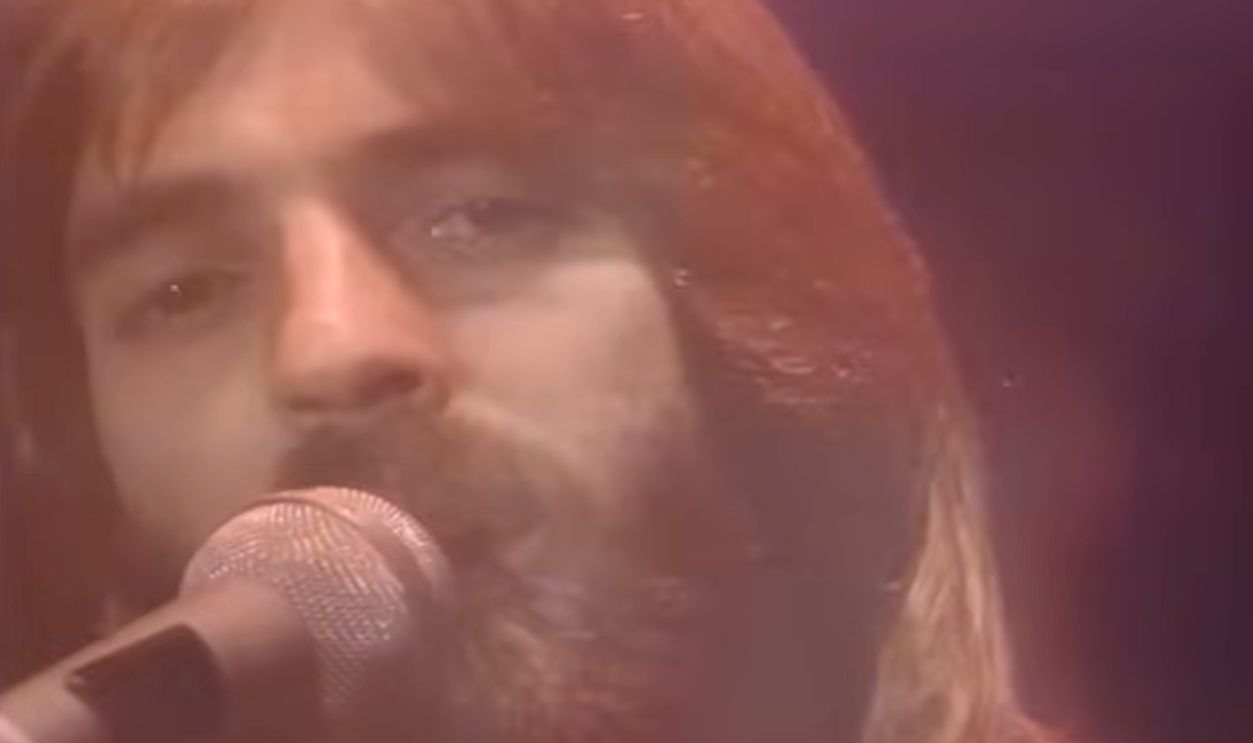 Screenshot from Whenever I Call You ‘Friend’, Columbia Records (1978)
Al Stewart - “Year Of The Cat”
“Year of the Cat” doesn't behave much like a conventional radio single. It runs long, unfolds like a short story, and includes extended instrumental passages, yet listeners embraced it anyway. Al Stewart's mysterious lyrics describe a romantic encounter in an unfamiliar setting, while producer Alan Parsons helped give the recording its elegant atmosphere. The 1976 song became Stewart's long-awaited commercial breakthrough.
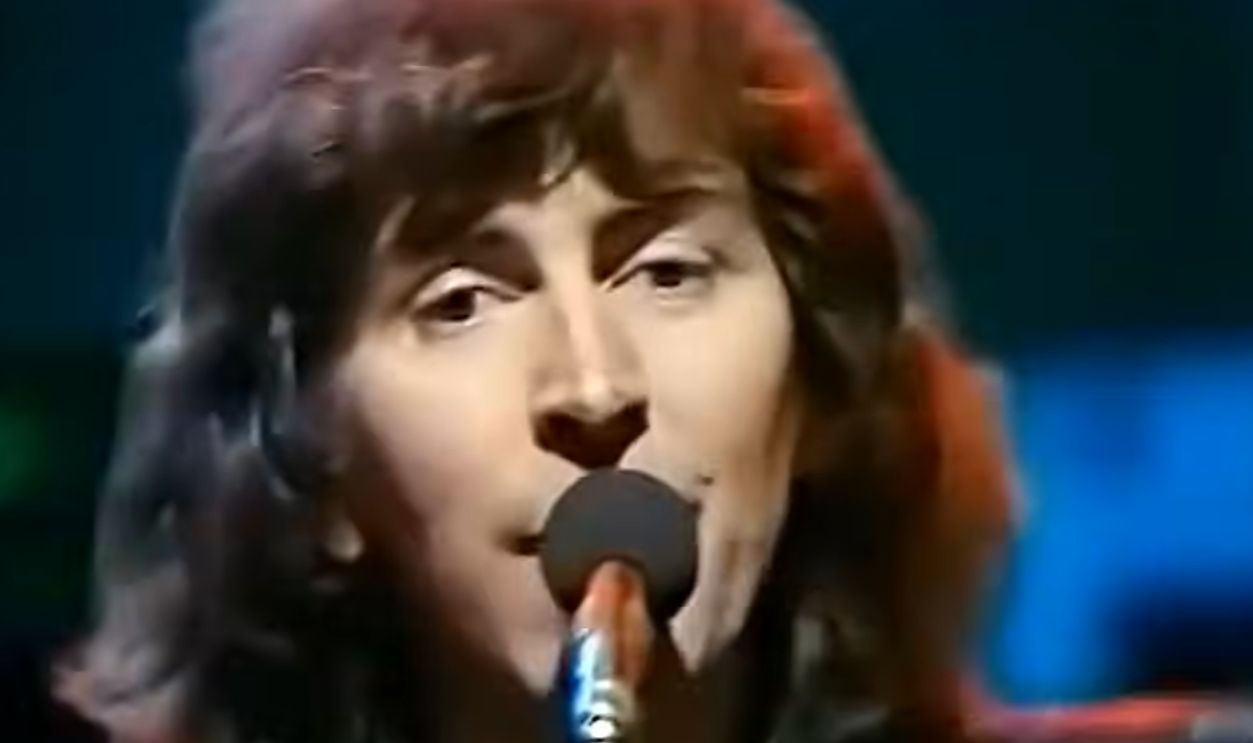 Screenshot from Year of the Cat, Janus Records (1976)
You May Also Like:
One-Hit Wonders From The 1970s That Were Way Stranger Than You Remember
Movie Villains From The 1960s Who Were Too Strange To Forget—Are They Just As Scary Today?
One-Season 1990s TV Shows That Came And Went In The Blink Of An Eye, Yet Still Have Loyal Fans Today