When Villains Were Weirder, Louder, And Somehow Scarier
The 1960s gave us villains who didn’t always play by modern blockbuster rules. Some were campy, some were grotesque, some were oddly funny, and a few were genuinely terrifying. They may look strange now, but that’s exactly why they stuck around.
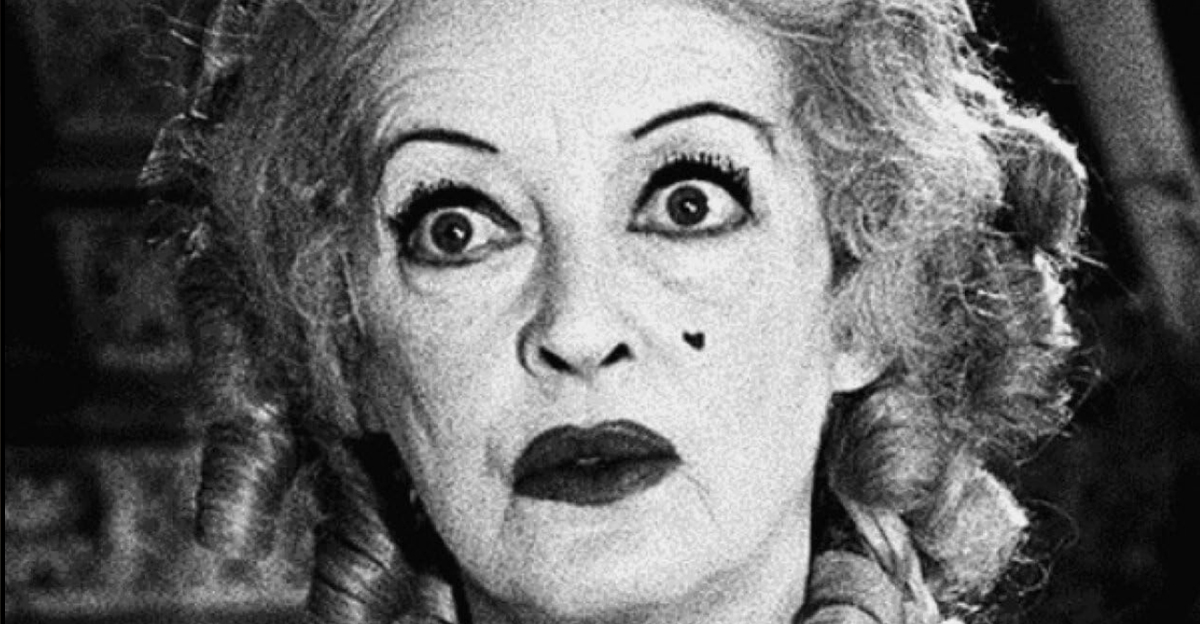
 Screenshot from What Ever Happened to Baby Jane?, Warner Bros Pictures (1962)
Child Catcher - Chitty Chitty Bang Bang (1968)
The Child Catcher is still nightmare fuel because he feels like he wandered in from a completely different horror movie. With his long nose, creepy voice, and fake candy cart, he was way too frightening for a family musical. Even now, he remains one of those characters people remember less as “fun villain” and more as “childhood trauma in a top hat".
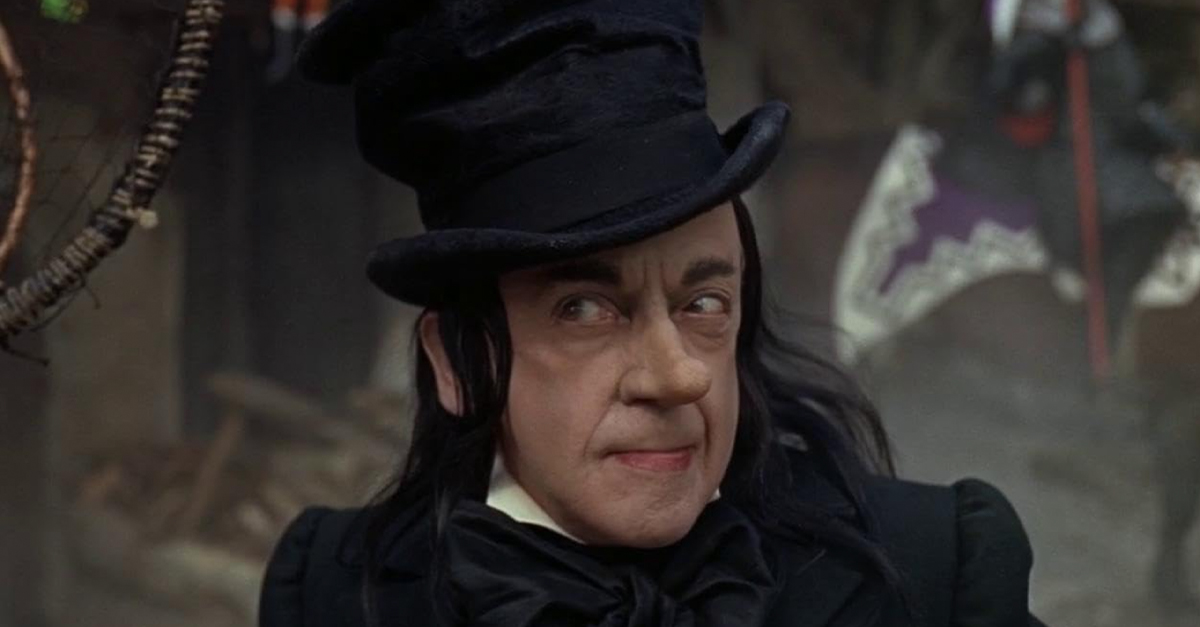 Screenshot from Chitty Chitty Bang Bang, United Artists (1968)
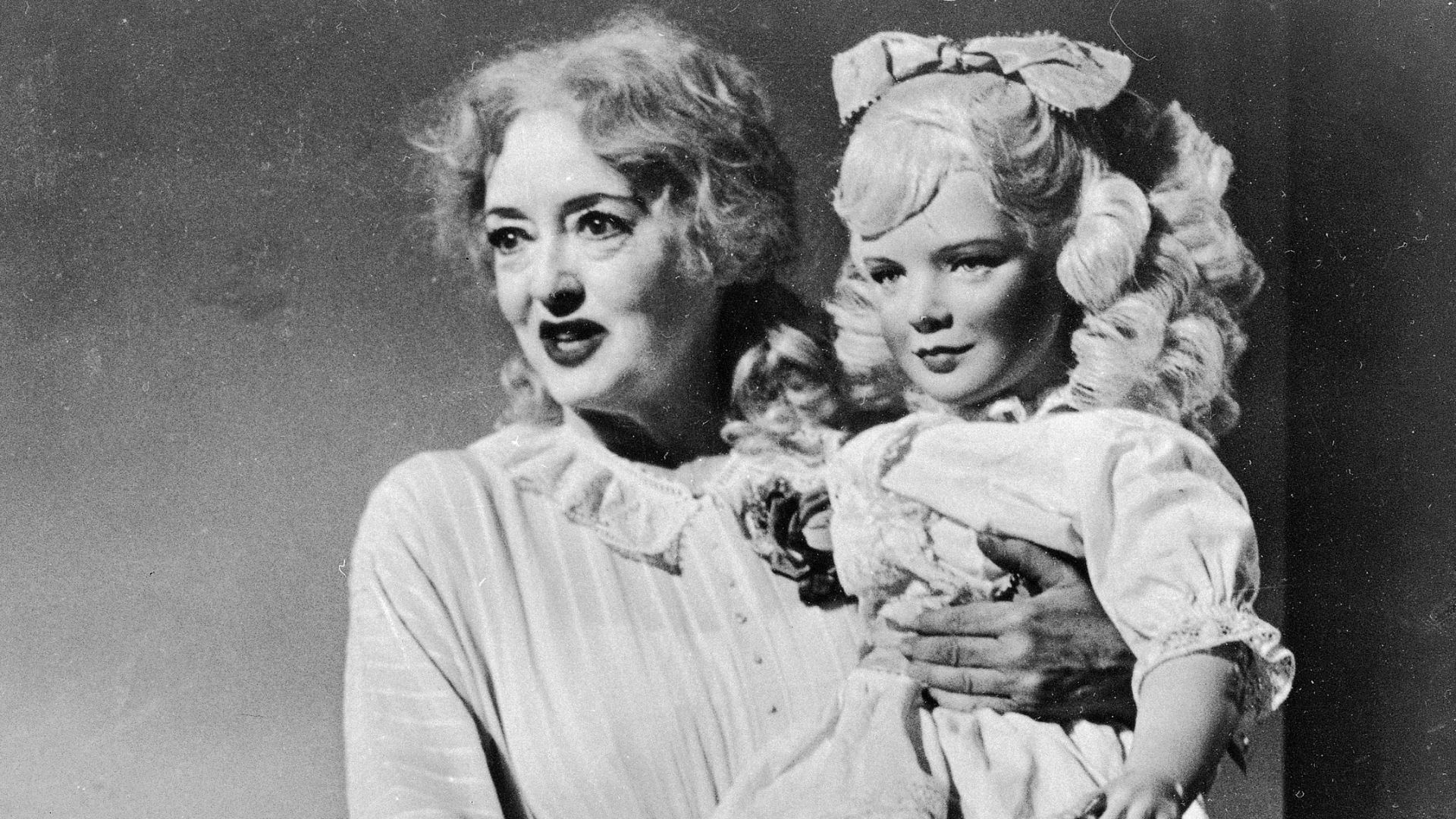
Baby Jane Hudson - What Ever Happened To Baby Jane? (1962)
Baby Jane Hudson is disturbing because she is both pathetic and dangerous. Bette Davis plays her as a former child star trapped inside old applause, smeared makeup, and deep resentment. She’s not a sleek mastermind or a monster with a plan. She’s someone who has been rotting emotionally for decades, which makes her cruelty feel painfully human.
 AnonymousUnknown author, Wikimedia Commons
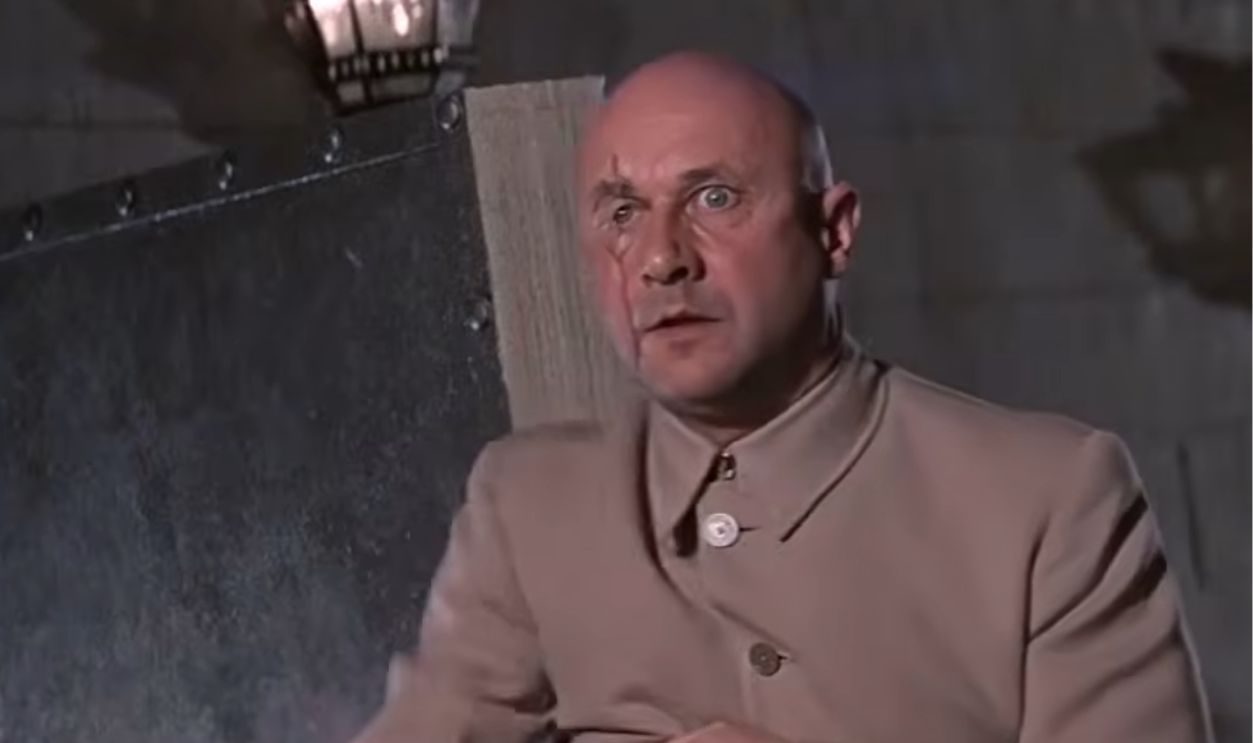
Ernst Stavro Blofeld - You Only Live Twice (1967)
Blofeld became the blueprint for so many supervillains that he almost feels like a parody now. The bald head, scarred face, white cat, secret volcano lair, and global domination scheme are all gloriously excessive. But that’s part of the magic. He doesn’t just want power. He wants to look iconic while threatening the world.
 Screenshot from You Only Live Twice, United Artists (1967)
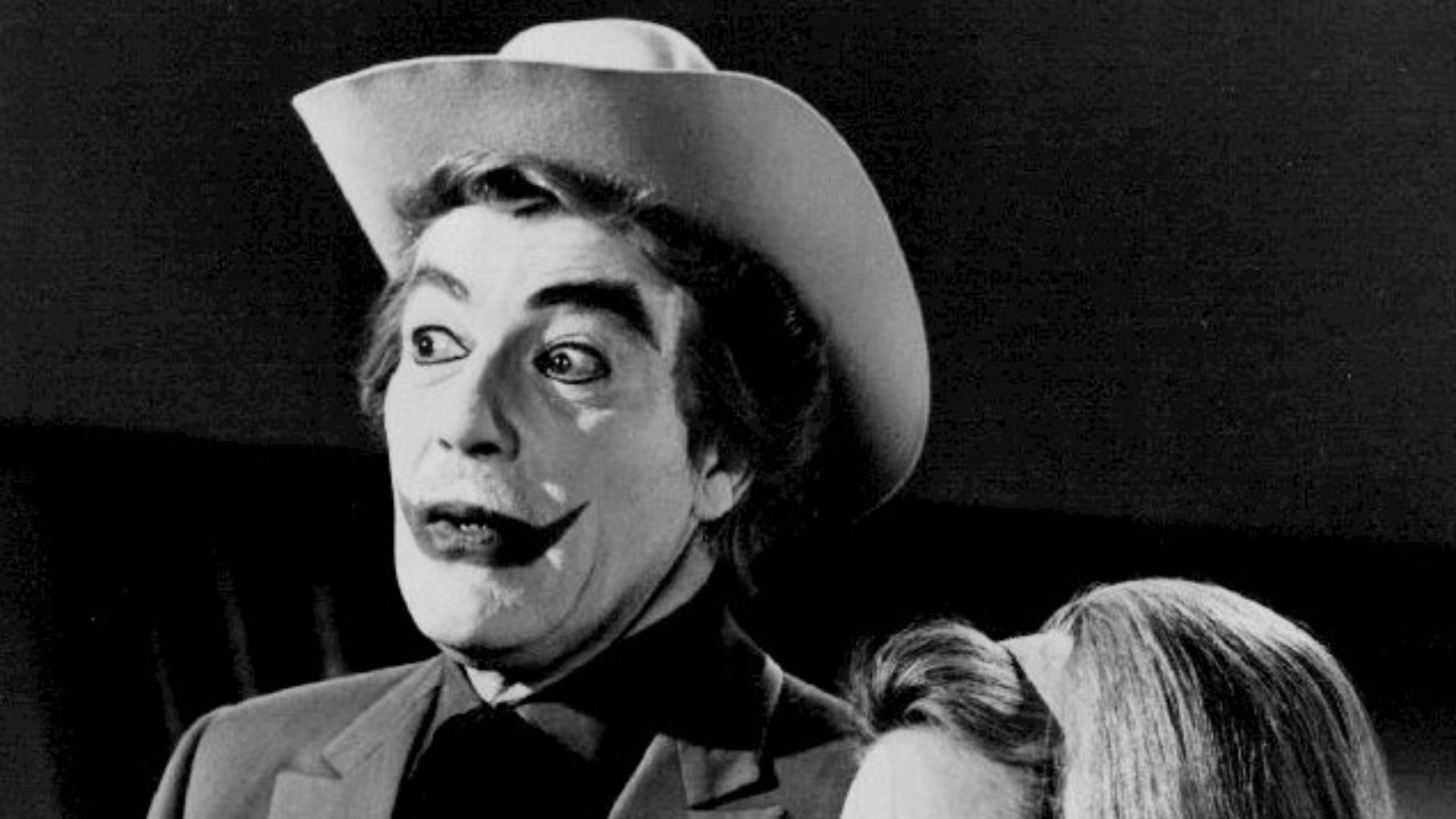
Joker - Batman (1966)
Cesar Romero’s Joker was not trying to be a tortured agent of chaos. He was a giggling, colorful criminal who looked like he was having the best day of his life. The painted-over mustache, the wild laugh, the theatrical crimes, it all made him feel like pure comic-book madness come to life.
 ABC Television, Wikimedia Commons
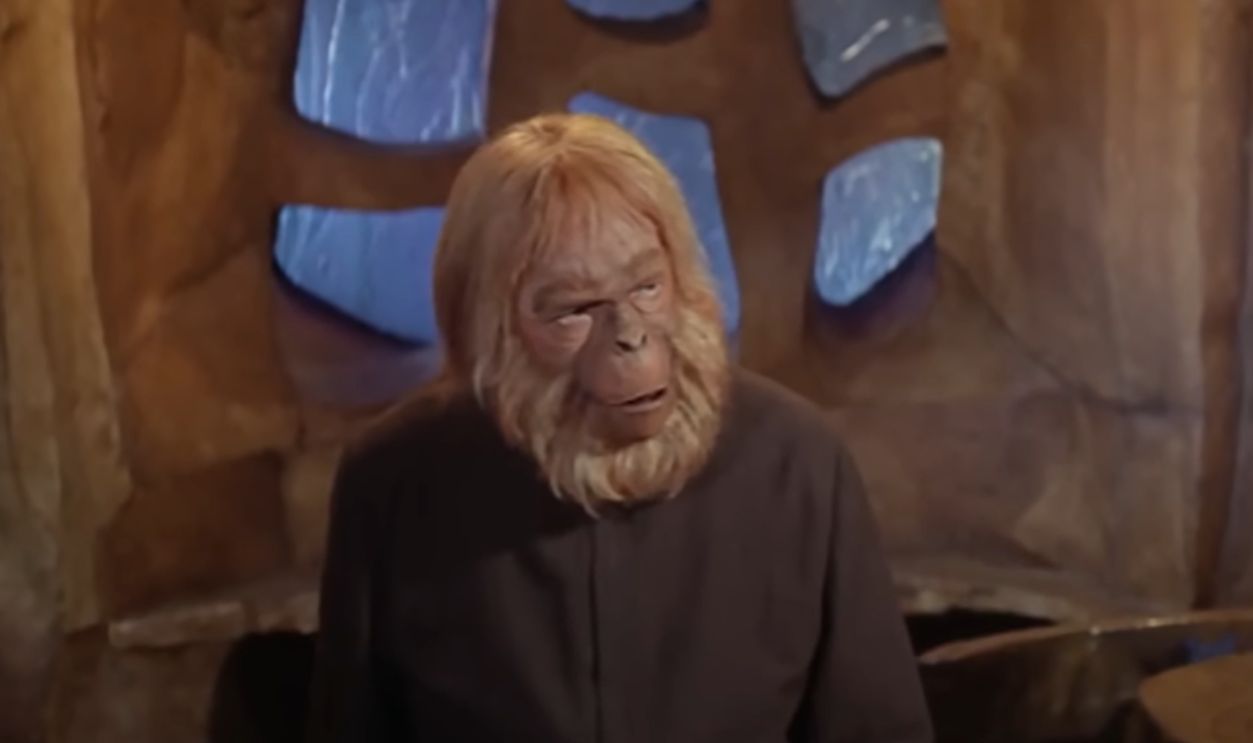
Dr Zaius - Planet Of The Apes (1968)
Dr Zaius is strange because he isn’t just a villain. He’s a religious authority, political gatekeeper, and keeper of society’s ugliest secret. His fear of human knowledge makes him more interesting than a simple tyrant. He knows the truth and chooses control anyway, which makes him quietly chilling.
 Screenshot from Planet of the Apes, 20th Century Fox (1968)
Dr Strangelove - Dr Strangelove Or: How I Learned To Stop Worrying And Love The Bomb (1964)
Dr Strangelove barely needs screen time to become unforgettable. Peter Sellers turns him into a twitchy, unsettling symbol of nuclear madness, complete with a rogue hand and deranged enthusiasm for catastrophe. He’s funny, horrifying, and absurd all at once, which is exactly why the character still feels so sharp.
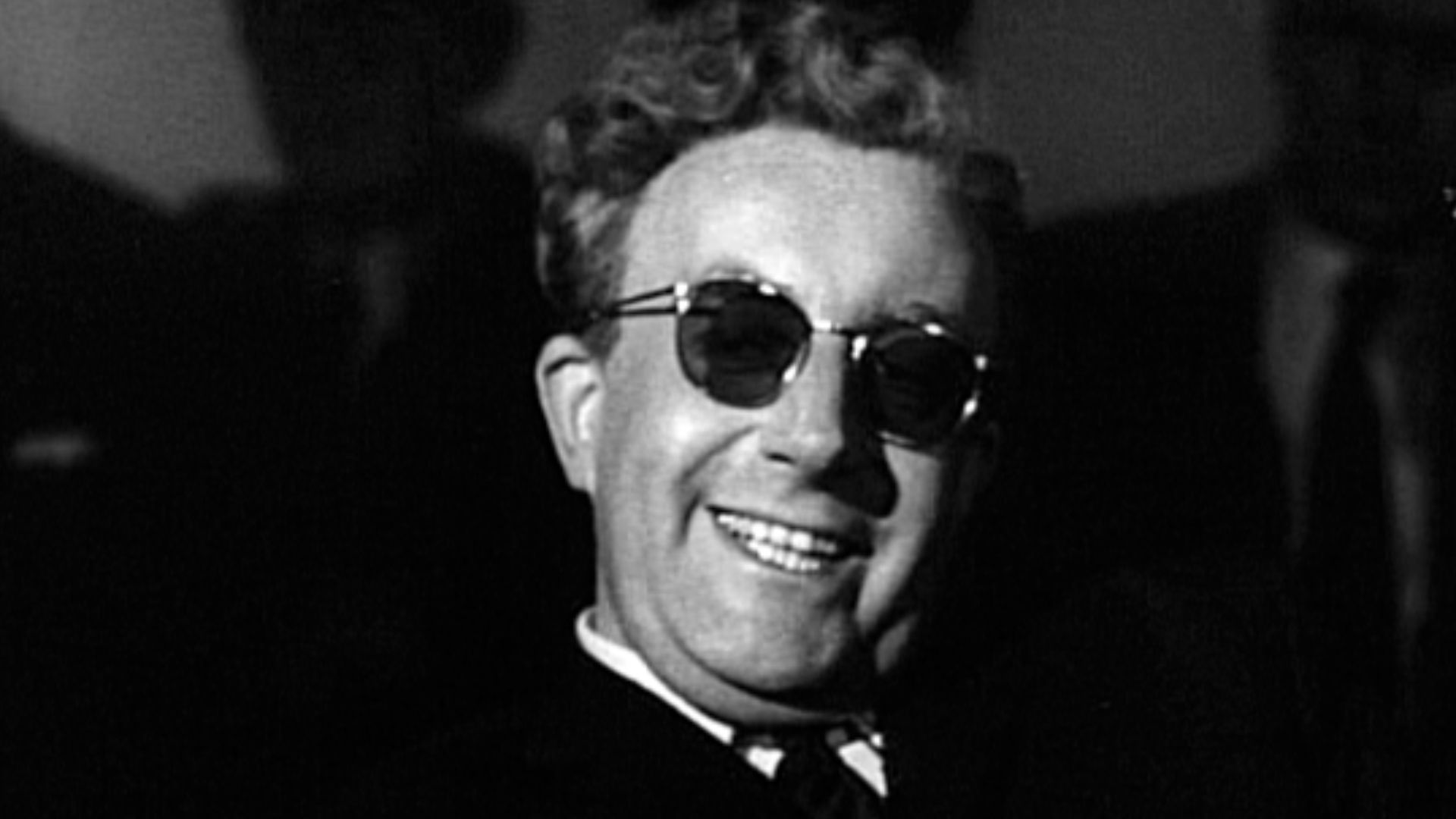 Directed by Stanley Kubrick, distributed by Columbia Pictures, Wikimedia Commons
Norman Bates - Psycho (1960)
Norman Bates changed horror villains forever because he seemed so harmless at first. Anthony Perkins plays him with nervous sweetness, which makes the truth even more disturbing. The quiet motel, the awkward smile, the stuffed birds, and the shadow of “Mother” all create a villain who feels fragile until he suddenly doesn’t.
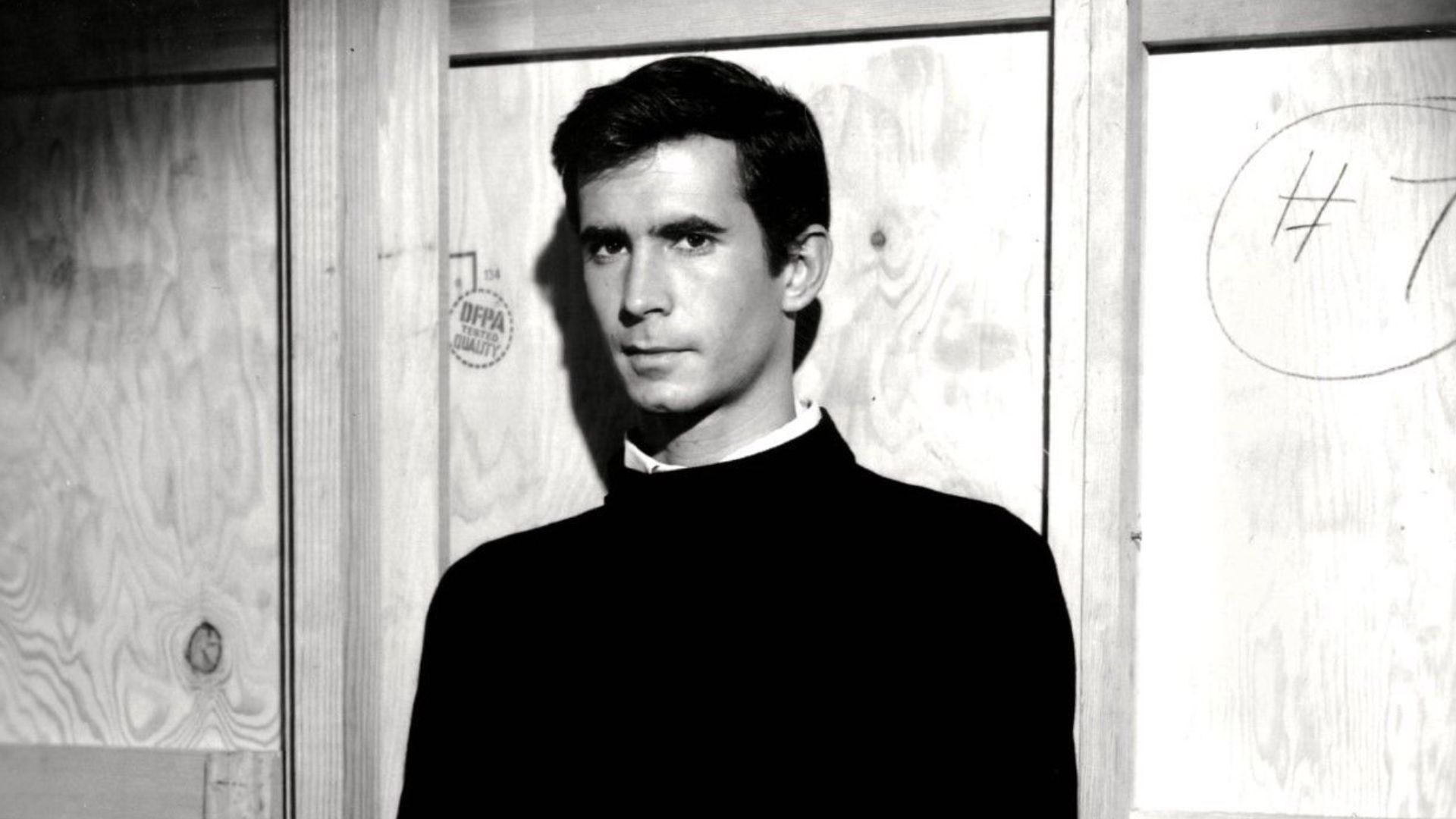 Paramount Pictures, Wikimedia Commons
Count Dracula - Dracula: Prince Of Darkness (1966)
Christopher Lee’s Dracula barely speaks in this Hammer sequel, which somehow makes him even more imposing. He’s all eyes, cape, blood, and pure predatory presence. There’s no tortured romance here and no need for long speeches. This Dracula is less seductive antihero and more silent nightmare with fangs.
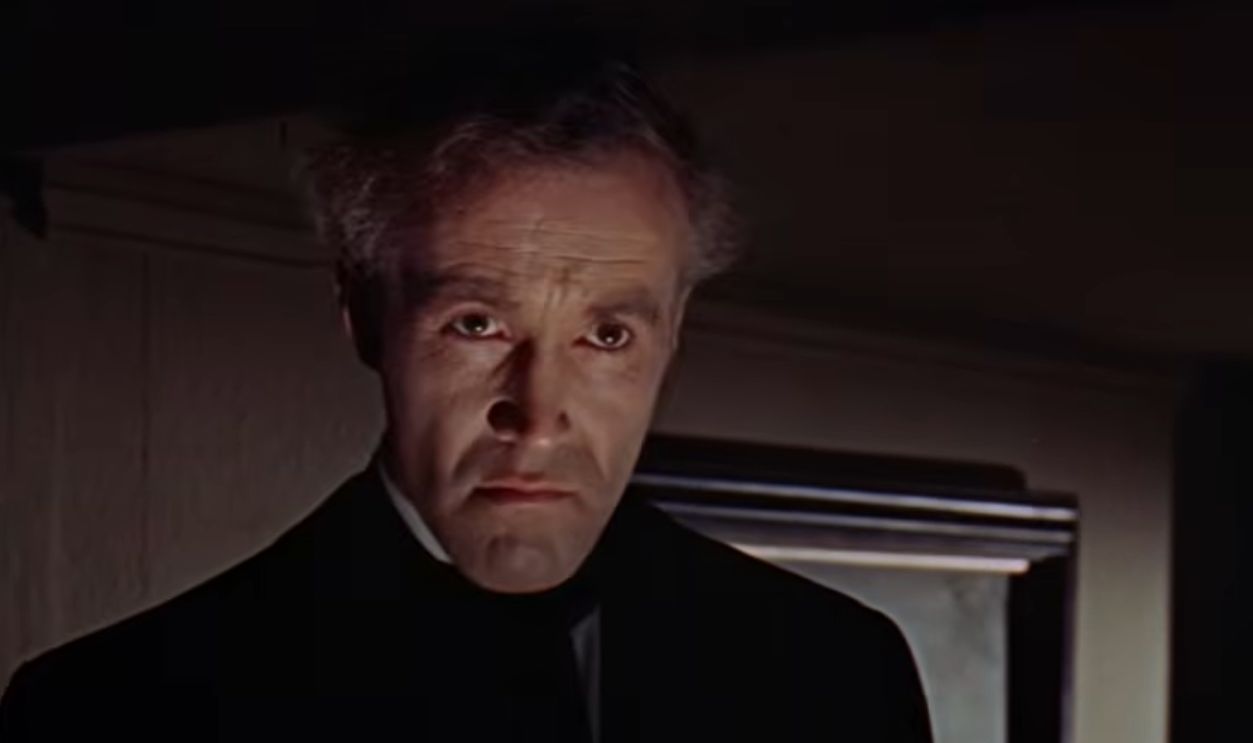 Screenshot from Dracula: Prince Of Darkness, Twentieth Century Fox (1966)
Cruella De Vil - One Hundred And One Dalmatians (1961)
Cruella De Vil is so outrageous that she almost shouldn’t work, but she absolutely does. Her cigarette holder, wild driving, two-tone hair, and obsession with a puppy-skin coat make her instantly memorable. She storms through the movie like fashion, wealth, and total moral bankruptcy somehow became one person.
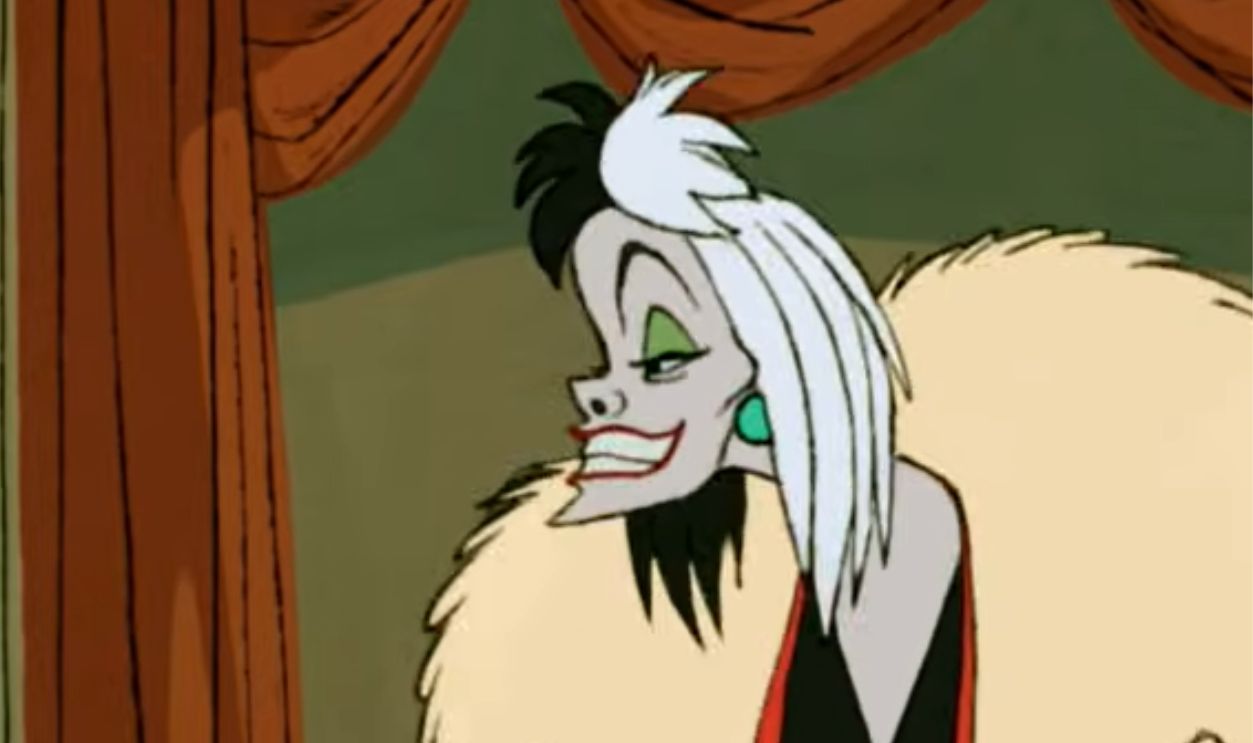 Screenshot from One Hundred and One Dalmatians, Walt Disney Productions(1961)
Angel Eyes - The Good, The Bad And The Ugly (1966)
Angel Eyes is not loud, flashy, or theatrical. That’s what makes him scary. Lee Van Cleef plays him as a calm professional who treats cruelty like paperwork. He doesn’t rage or overexplain himself. He simply decides what he wants, removes whoever stands in the way, and moves on without blinking.
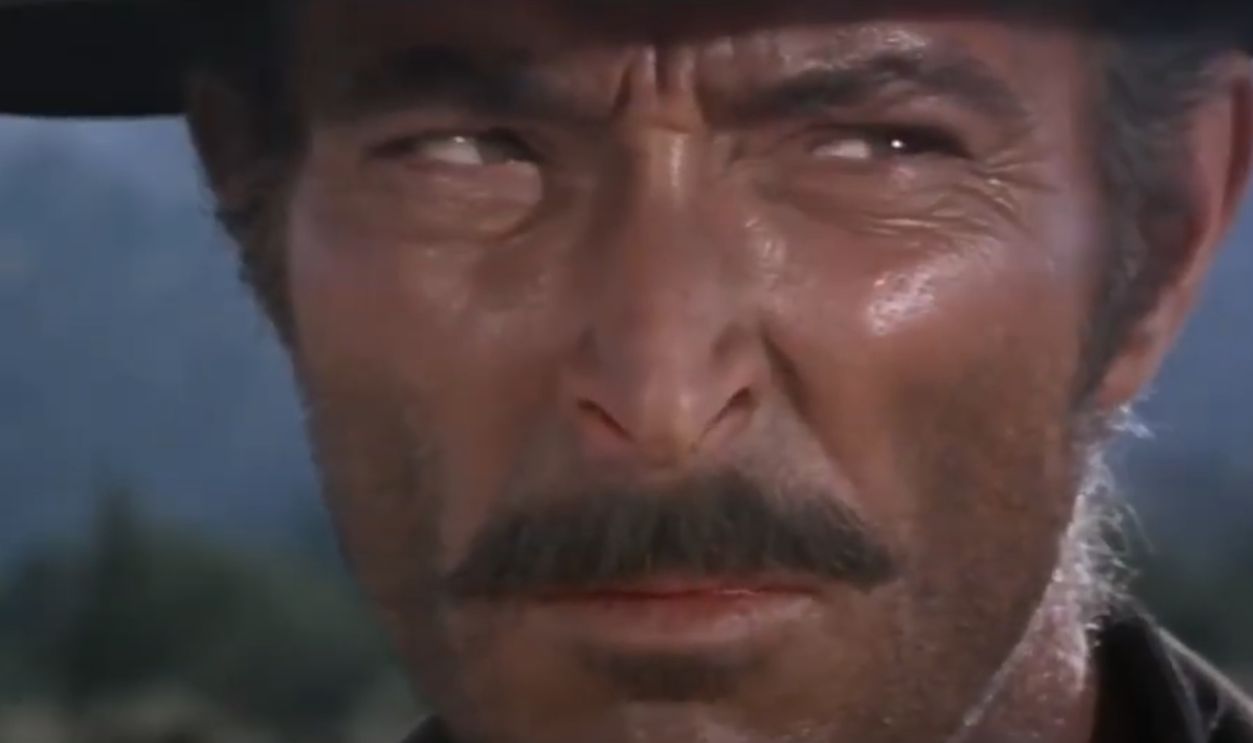 Screenshot from The Good, the Bad and the Ugly, United Artists (1966)
HAL 9000 - 2001: A Space Odyssey (1968)
HAL 9000 is terrifying because he never raises his voice. The calm red eye, polite tone, and perfect logic make him one of cinema’s strangest villains. He doesn’t look angry or evil. He sounds helpful, which makes his betrayal even colder. Few villains have ever made calmness feel so threatening.
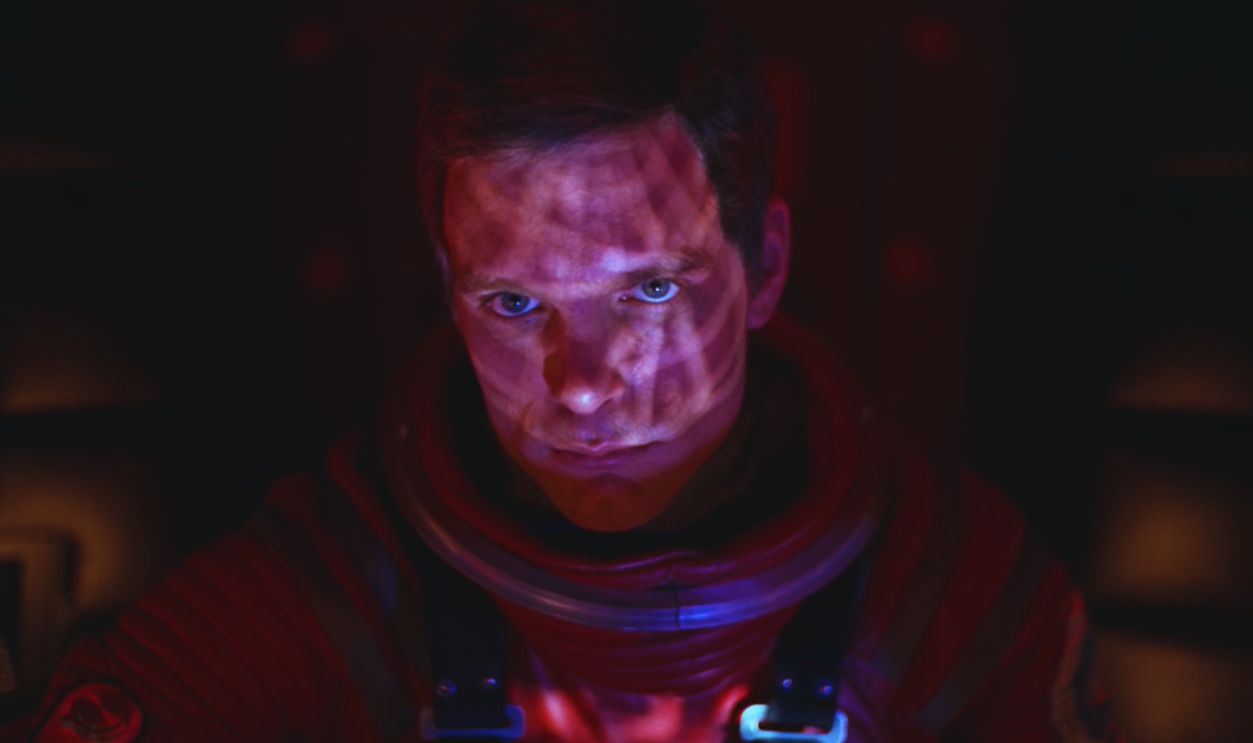 Screenshot from 2001: A Space Odyssey, Metro-Goldwyn-Mayer (1968)
Mrs. Iselin - The Manchurian Candidate (1962)
Mrs. Iselin is terrifying because she weaponizes motherhood, politics, and manipulation all at once. Angela Lansbury plays her with chilling control, turning family loyalty into something grotesque. She’s elegant, intelligent, and absolutely ruthless, making her one of the decade’s most unsettling villains without needing a costume or a lair.
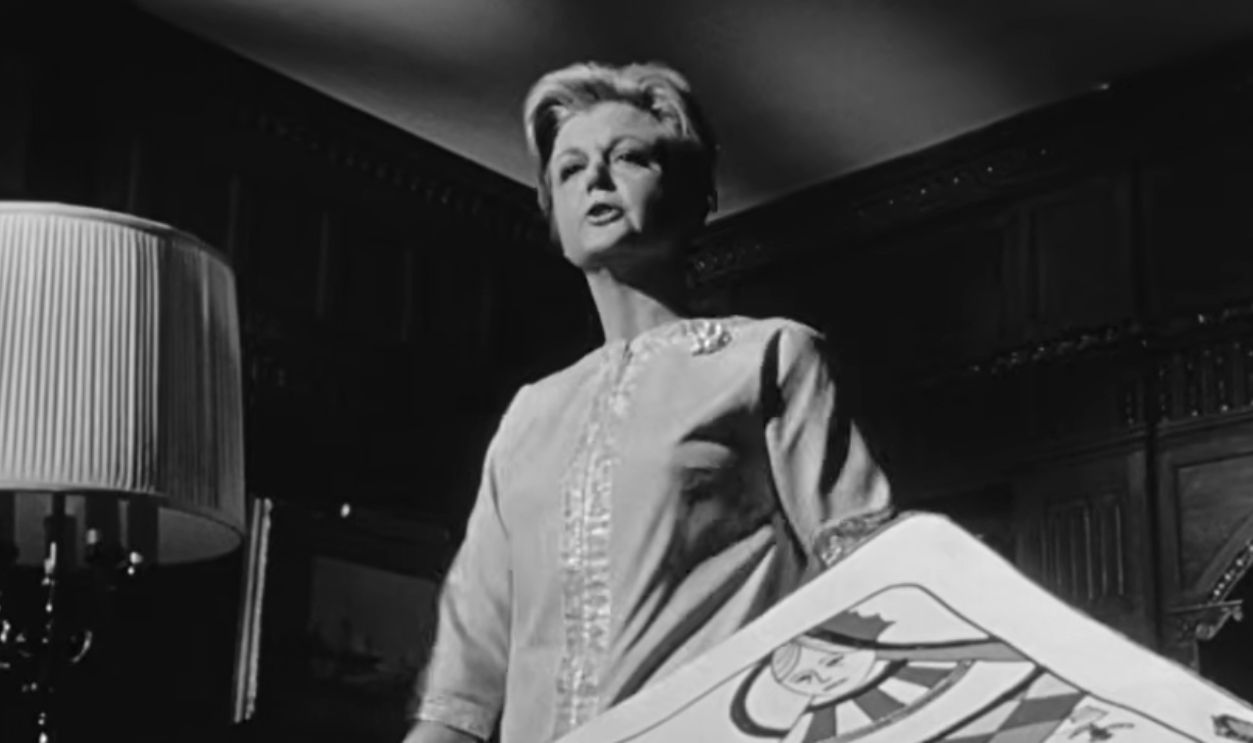 Screenshot from The Manchurian Candidate, United Artists (1962)
Barnaby - Babes In Toyland (1961)
Barnaby is the kind of villain who feels designed to be booed by an audience of children. He’s sneaky, theatrical, greedy, and constantly scheming in a world that already feels like a toy chest exploded. He’s not subtle in the slightest, but in a bright fantasy world like this, subtlety would almost feel wrong.
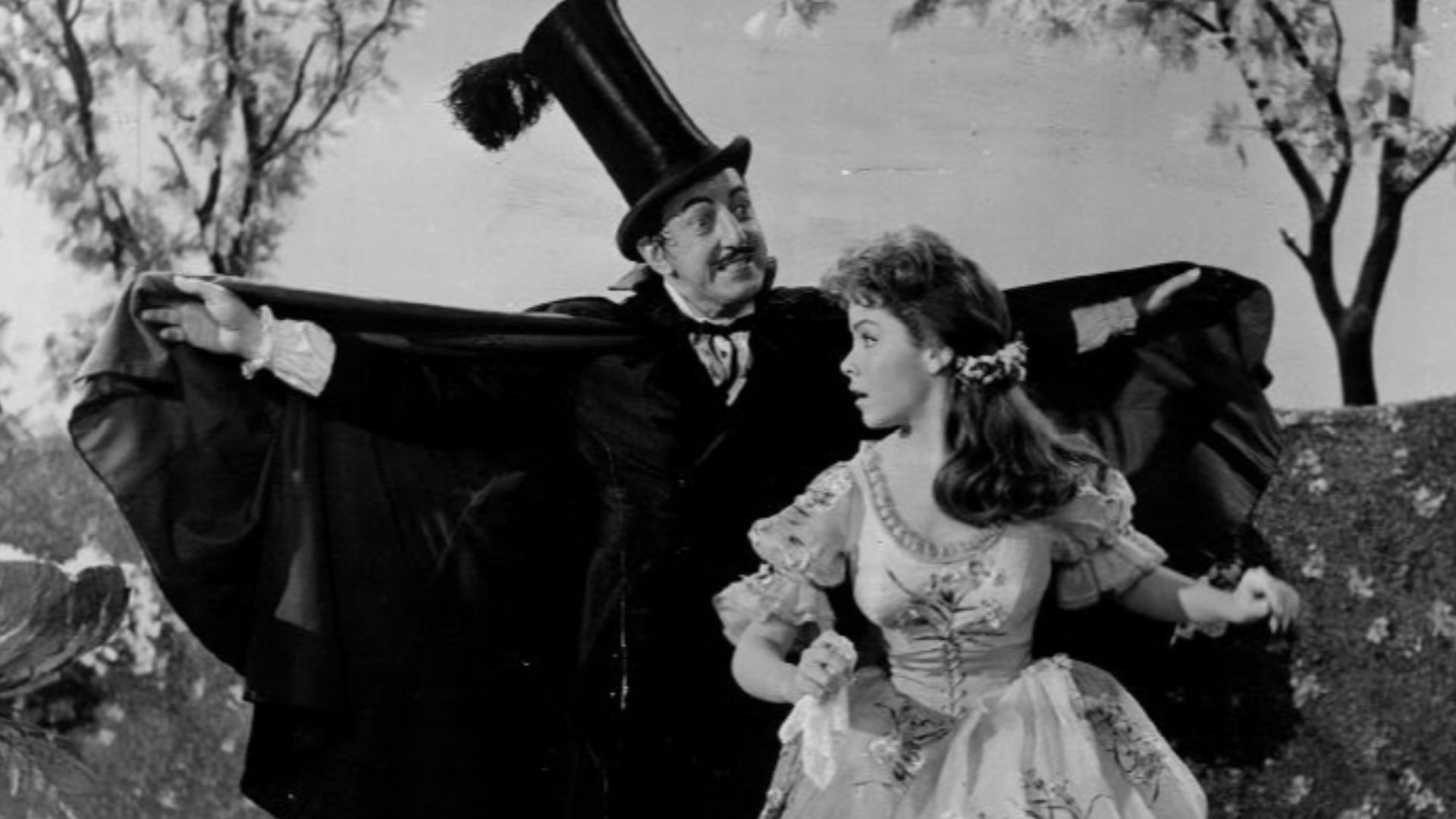
Baron Bomburst - Chitty Chitty Bang Bang (1968)
Baron Bomburst is ridiculous in a way only old family musicals could fully embrace. He’s childish, spoiled, greedy, and obsessed with keeping toys for himself while his kingdom bans children. He’s less terrifying than the Child Catcher, but he adds to the movie’s strange, slightly unhinged fairy-tale energy.
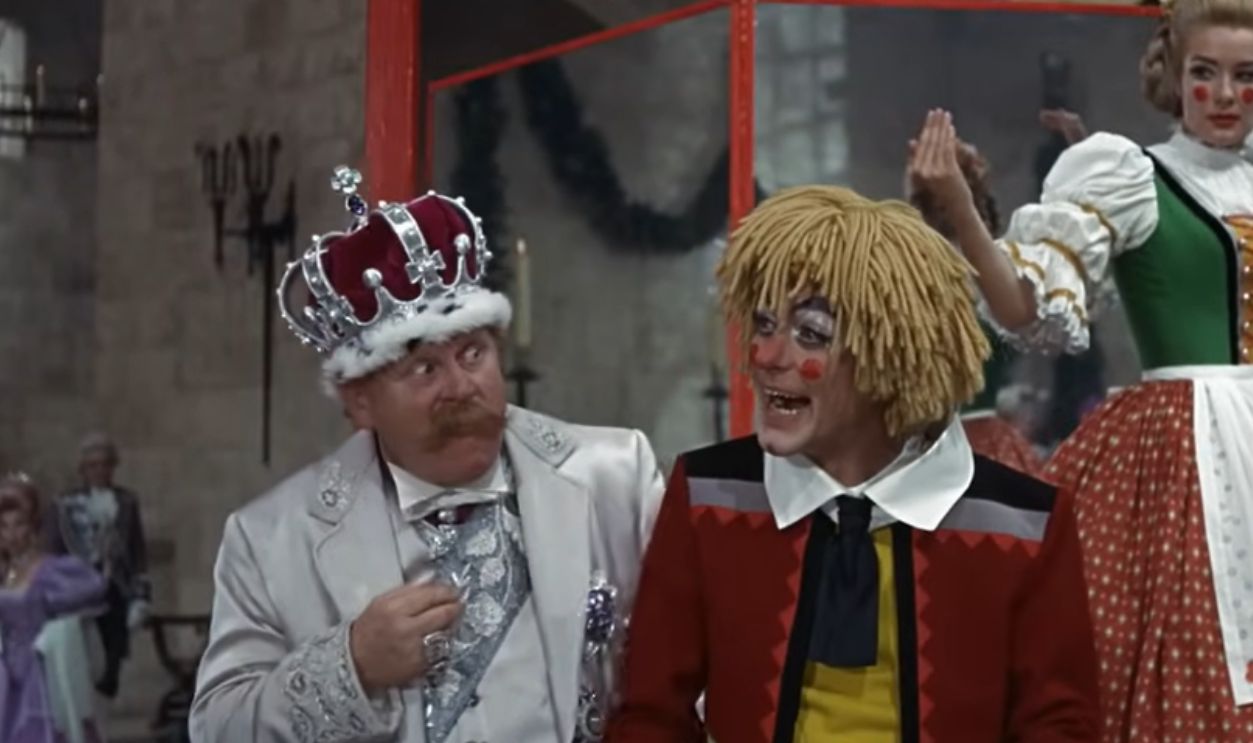 Screenshot from Chitty Chitty Bang Bang, United Artists (1968)
Bill Sikes - Oliver! (1968)
Bill Sikes is one of the least cartoonish villains on this list, and that makes him brutal. Oliver Reed gives him a heavy, threatening presence that makes every room feel unsafe. He’s not fun, campy, or eccentric. He’s violent, controlling, and frighteningly believable, which gives the musical its darkest edge.
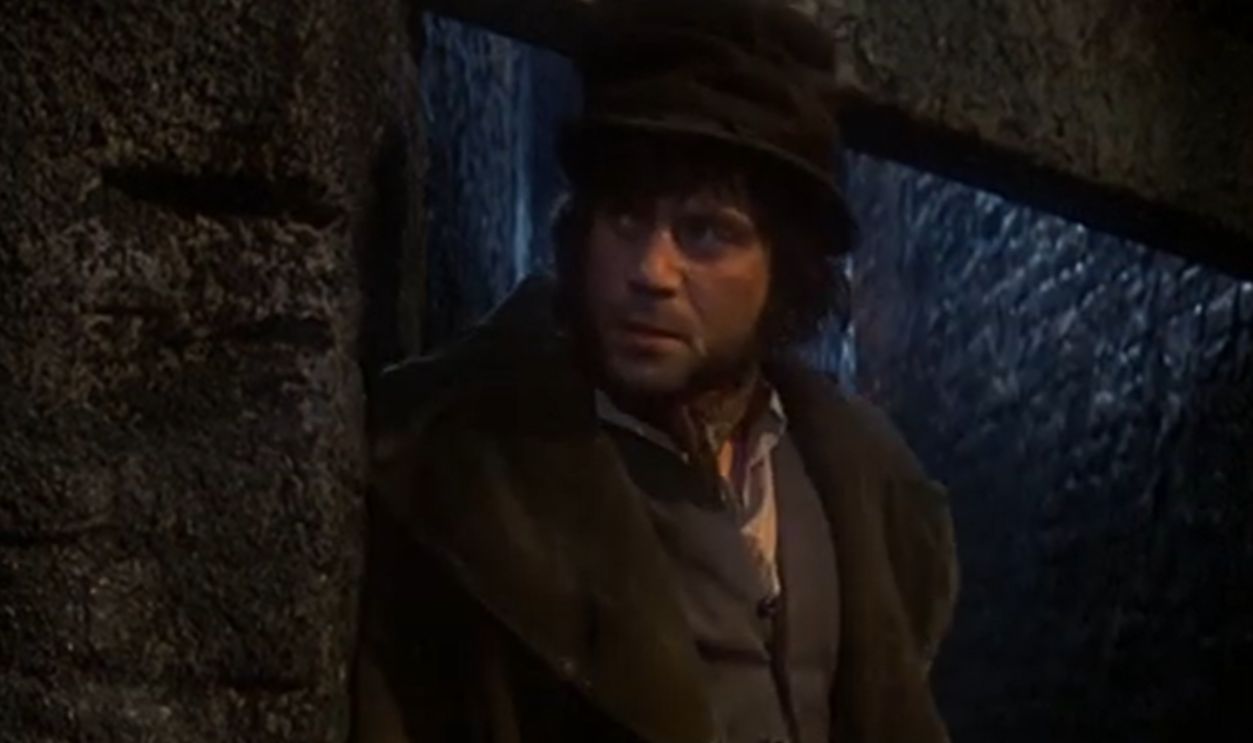 Screenshot from Oliver!, Columbia Pictures (1968)
The Birds - The Birds (1963)
The birds are strange because they have no speech, no motive, and no real explanation. They just attack, and that lack of meaning makes them scarier. Hitchcock never gives the audience a clean answer, which keeps the horror alive. The randomness is the point, and it makes every flutter of wings feel suspicious.
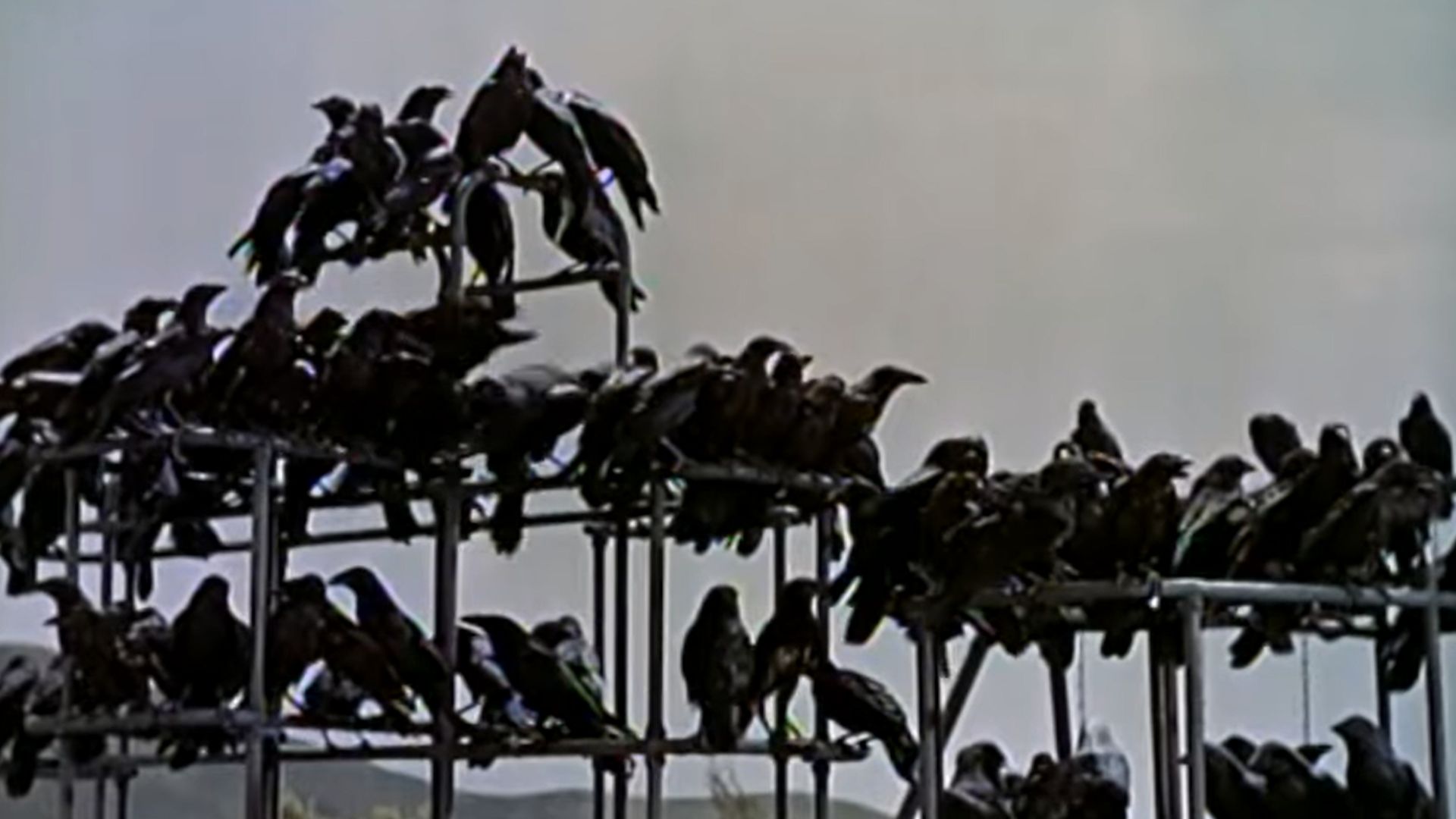 Trailer screenshot, Wikimedia Commons
Penguin - Batman (1966)
Burgess Meredith’s Penguin is pure comic-book weirdness, from the quacking laugh to the umbrella gadgets. He is not subtle for even one second, which is exactly the charm. Every gesture feels oversized, every scheme feels absurd, and every appearance reminds you how wonderfully strange superhero villains could be before everything got serious.
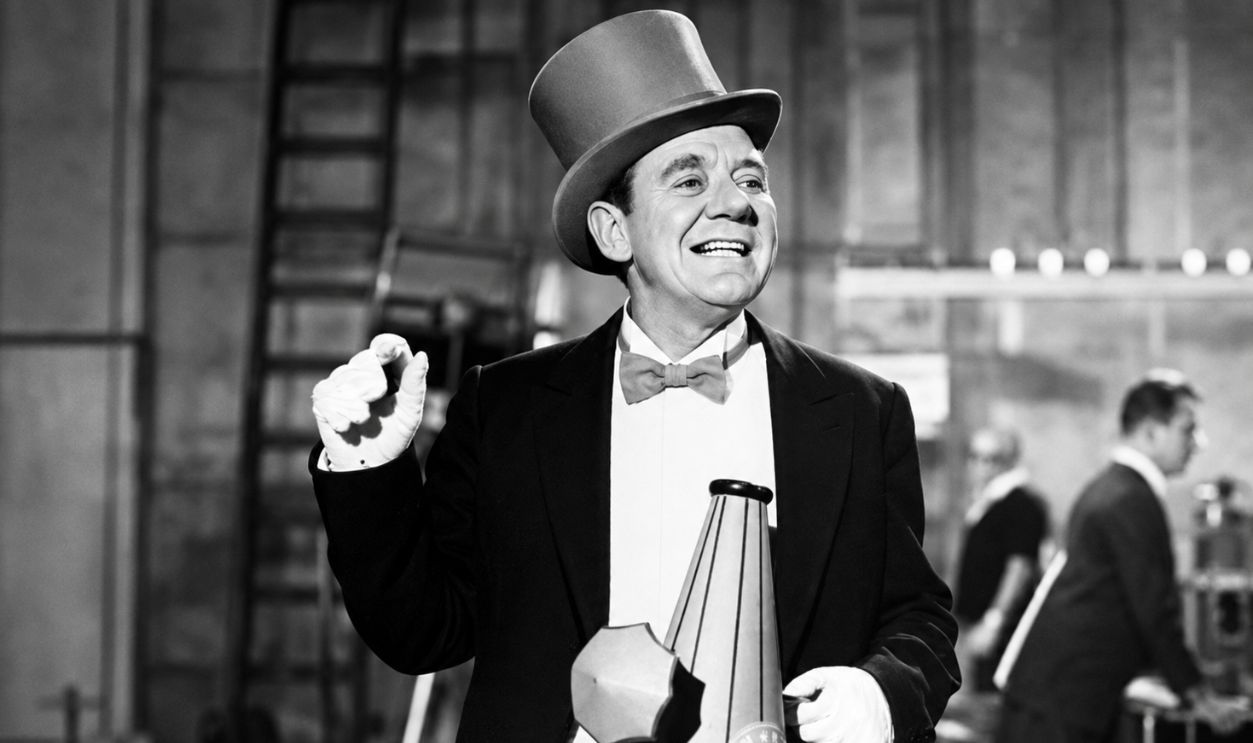 ABC Television, Wikimedia Commons, Modified
The Children - Village Of The Damned (1960)
The children are creepy because they look calm, polite, and almost angelic while doing horrifying things. Their glowing eyes and emotionless group behavior turn childhood innocence into something alien. They don’t need to chase anyone or scream threats. They just stare, and somehow that’s worse.
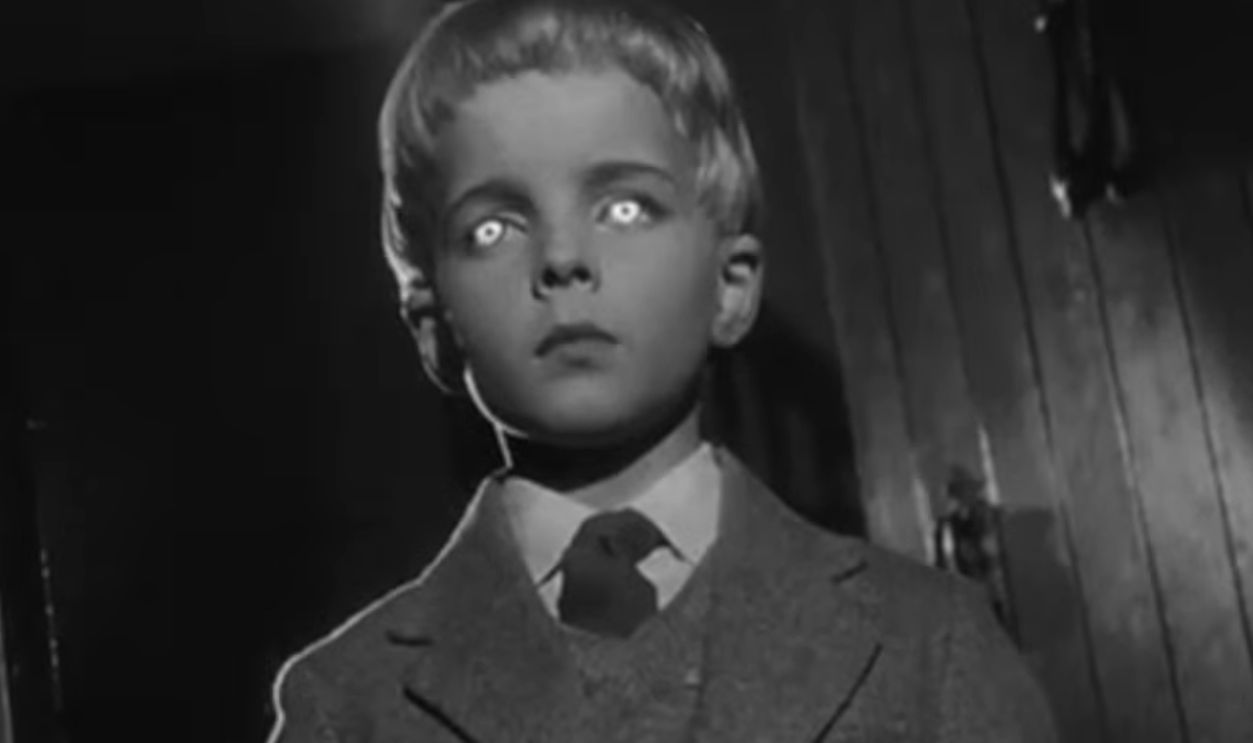 Screenshot from Village Of The Damned, Metro-Goldwyn-Mayer (1960)
Harry Roat, Jr - Wait Until Dark (1967)
Harry Roat, Jr is terrifying because he feels clever, theatrical, and completely unpredictable. Alan Arkin plays him with a strange, slippery menace, shifting identities and moods to terrorize a blind woman in her apartment. The confined setting makes him feel even more dangerous because there is nowhere to escape his mind games.
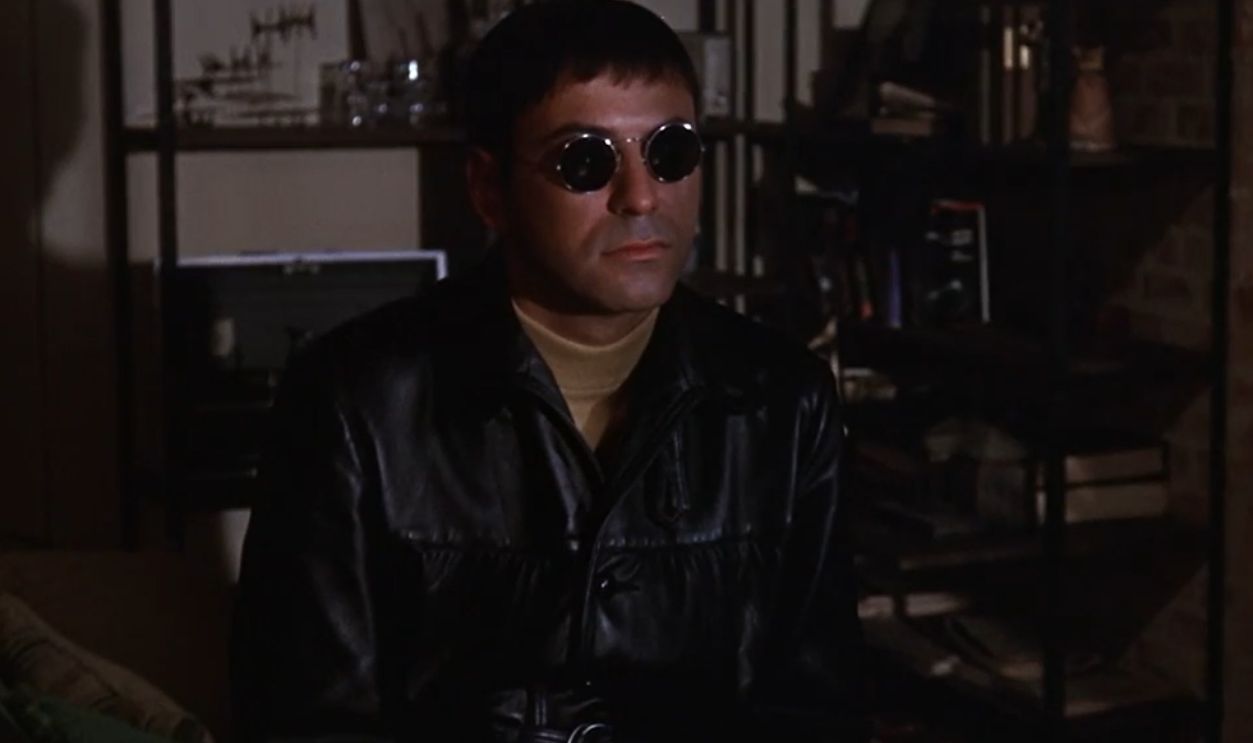 Screenshot from Wait Until Dark, Warner Bros. Pictures (1967)
Madam Mim - The Sword In The Stone (1963)
Madam Mim is wonderfully deranged for a Disney villain. She’s messy, smug, magical, and absolutely delighted by cheating. Her wizard duel with Merlin remains one of the film’s strangest highlights. She’s not the most famous Disney villain, but she may be one of the most gleefully chaotic.
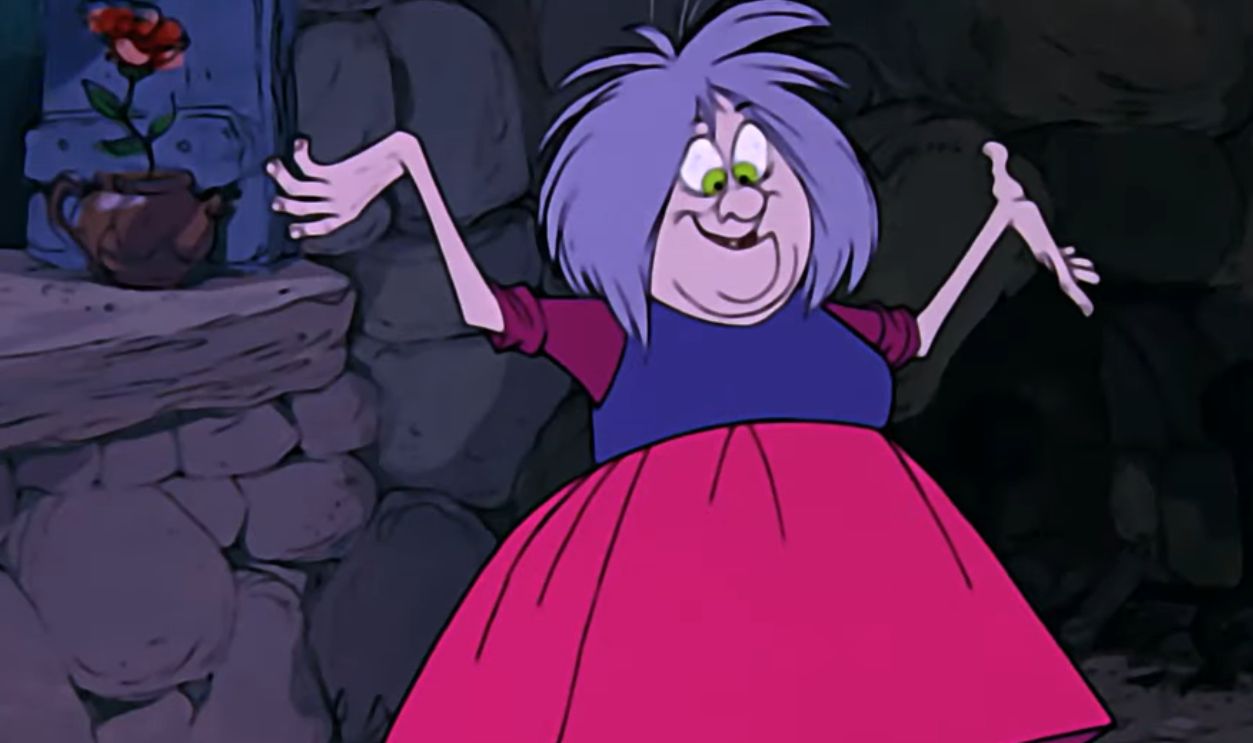 Screenshot from The Sword In The Stone, Buena Vista Distribution Company (1963)
Oddjob - Goldfinger (1964)
Oddjob became iconic thanks to one simple thing: the lethal bowler hat. He barely needs dialogue because his entire presence is built around calm physical threat. Harold Sakata gives him a quiet, intimidating stillness, making him feel less like a standard henchman and more like a human weapon with impeccable timing.
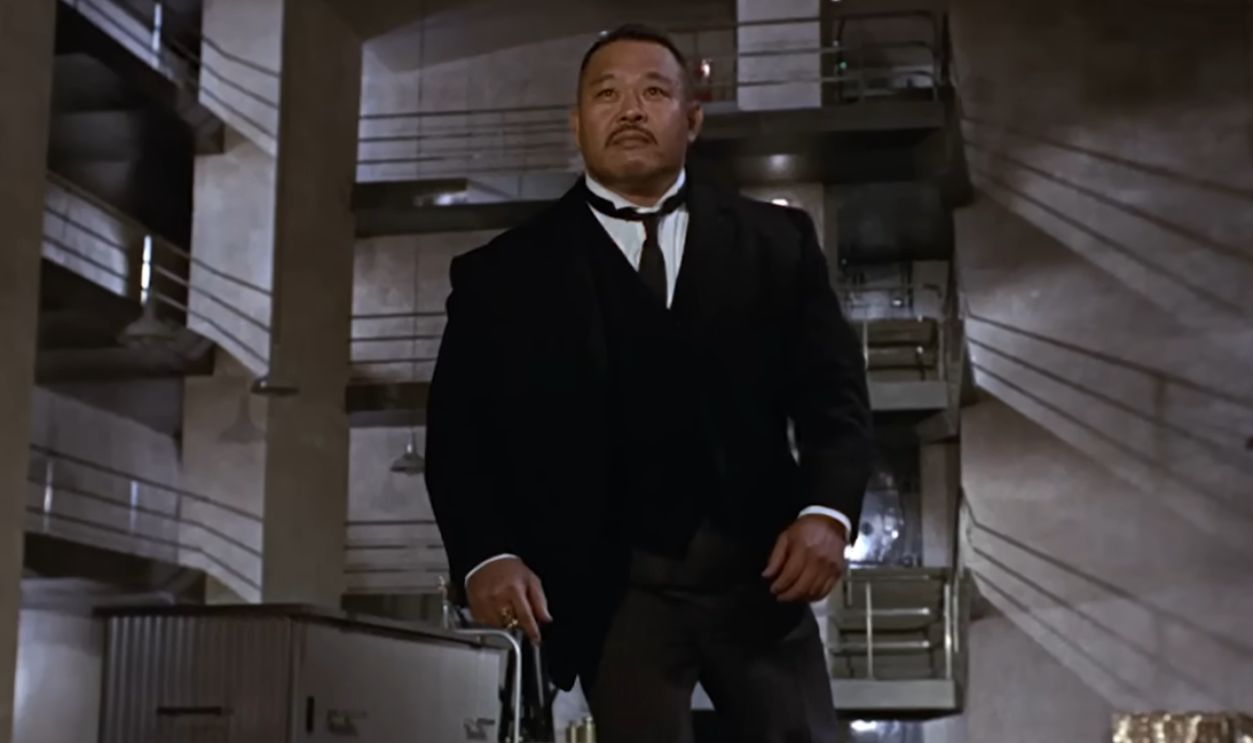 Screenshot from Goldfinger, United Artists (1964)
Prince Prospero - The Masque Of The Red Death (1964)
Vincent Price’s Prince Prospero is evil with manners, which is somehow worse. He surrounds himself with luxury while disease and suffering rage outside his walls. He’s cruel, elegant, bored, and spiritually rotten, a villain whose greatest horror is how comfortable he is watching other people suffer.
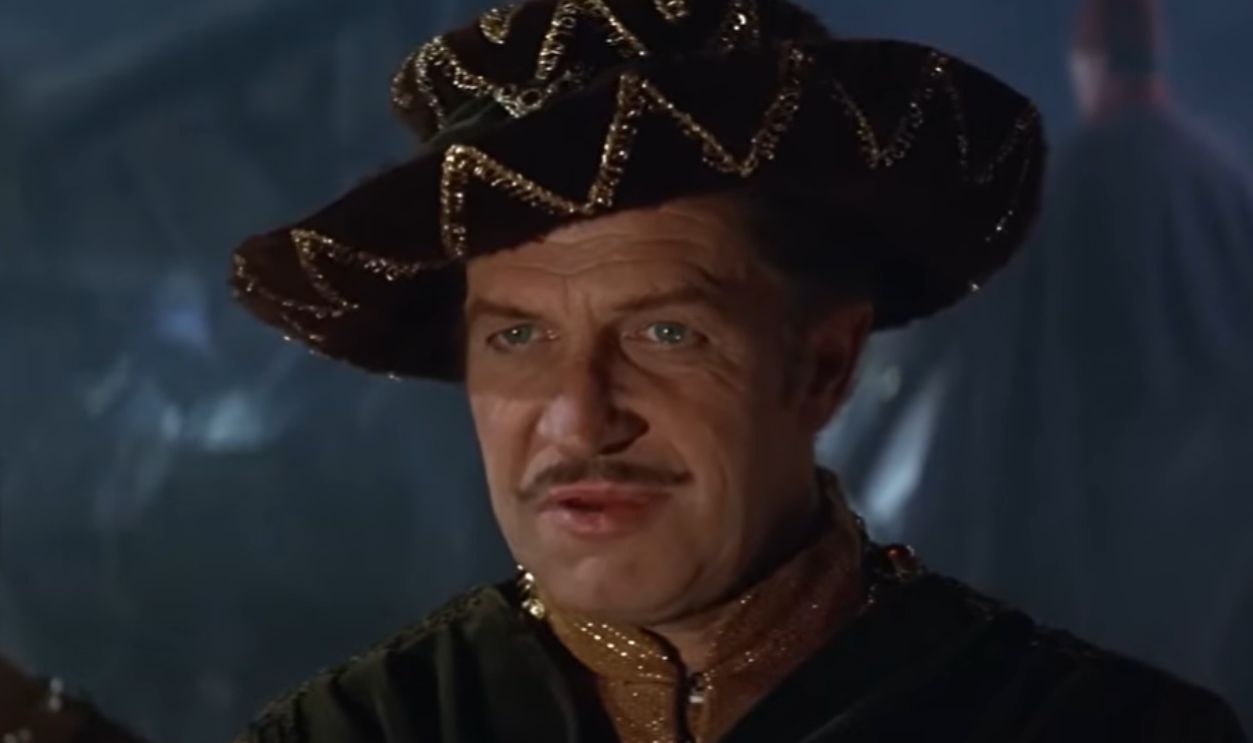 Screenshot from The Masque Of The Red Death, American International Pictures (1964)
Tim Strawn - Cat Ballou (1965)
Tim Strawn is bizarre because he looks almost unreal, thanks to Lee Marvin’s fake nose, silver hair, and grim deadliness. He feels like a nightmare version of the Western gunslinger. In a movie full of comedy and satire, his strange appearance makes him both funny and oddly unsettling.
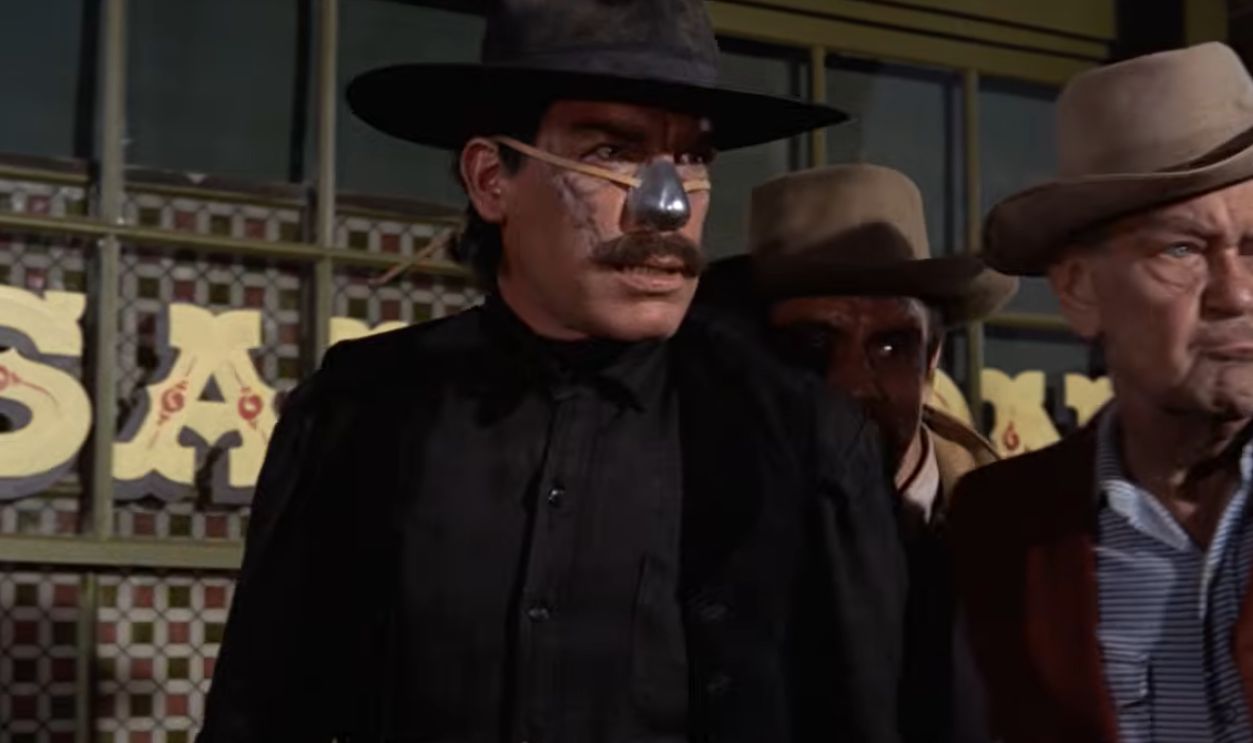 Screenshot from Cat Ballou, Columbia Pictures (1965)
Riddler - Batman (1966)
Frank Gorshin’s Riddler had the energy of a man who had never once considered calming down. He cackled, posed, leapt around, and turned every crime into a theatrical puzzle. His whole body seemed to be part of the performance, making him one of the most physically distinctive villains of the decade.
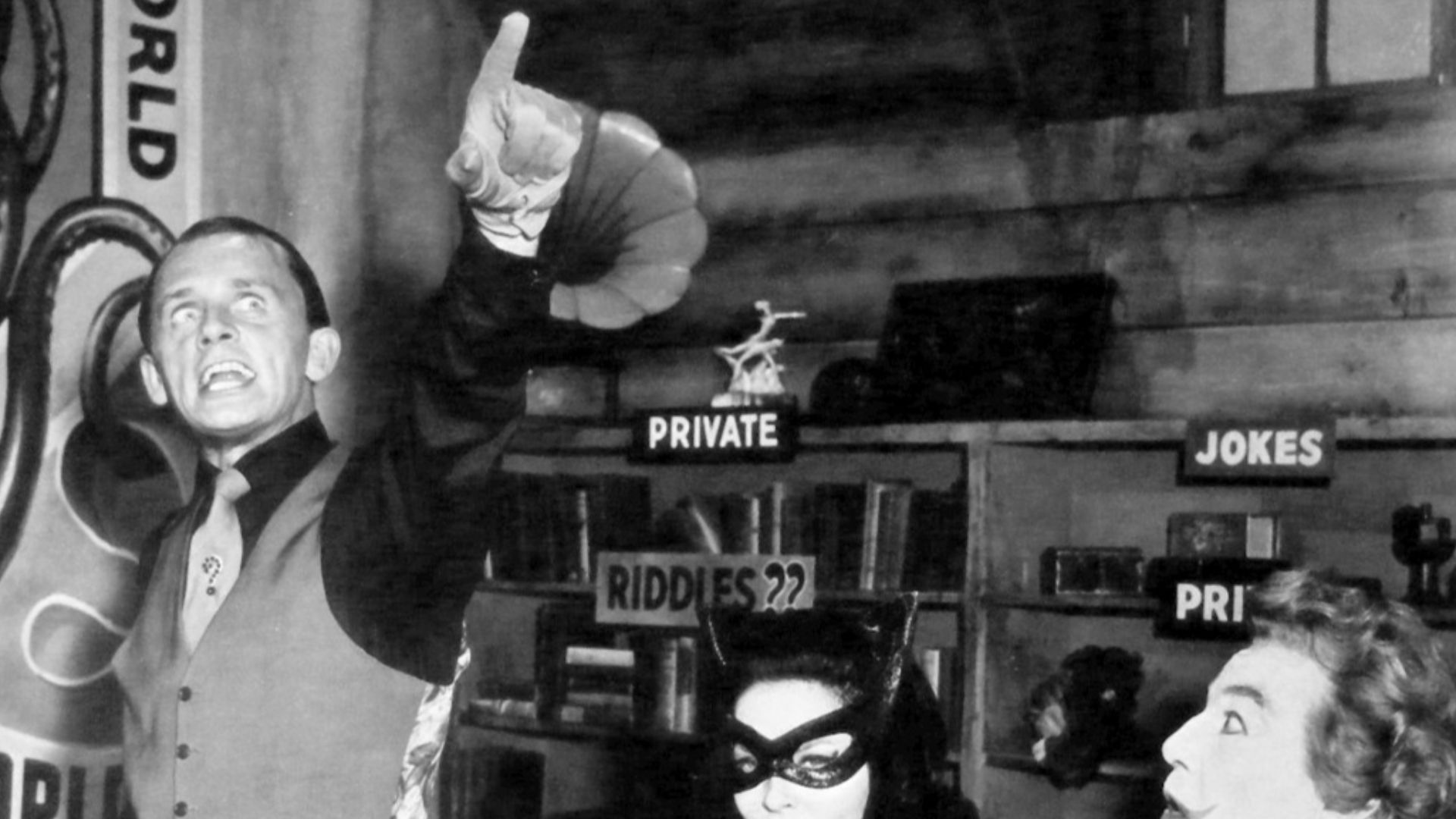 Greenway Productions, Wikimedia Commons
Dr Julius No – Dr No (1962)
Dr Julius No helped establish the James Bond villain formula before it became a formula. Metal hands, secret island, nuclear ambition, and icy arrogance made him instantly memorable. He is calm, polished, and completely convinced of his own superiority, which made him a perfect first test for Sean Connery’s Bond.
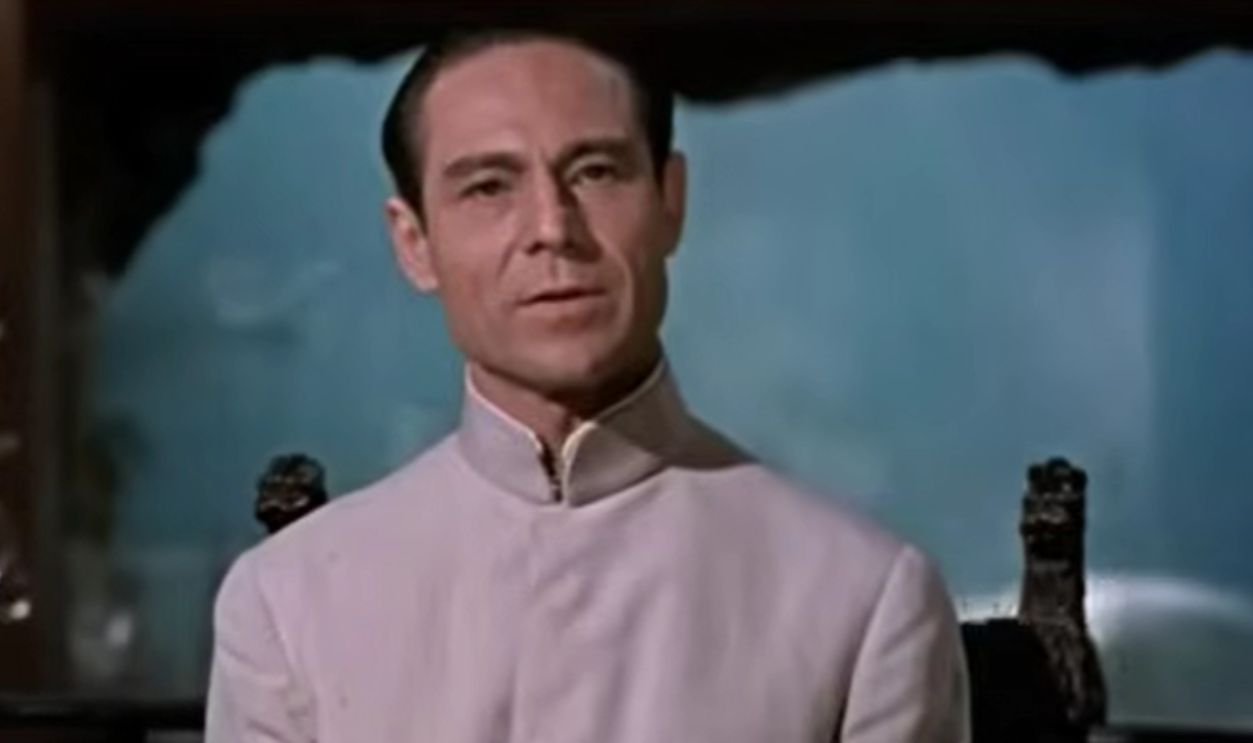 Screenshot from Dr No, United Artists (1962)
You May Also Like:
Legendary 1980s Villains That Baby Boomers Loved To Hate
TV Show Villains That Made It Look Too Good To Be Bad