Hollywood’s Most Mysterious Joker
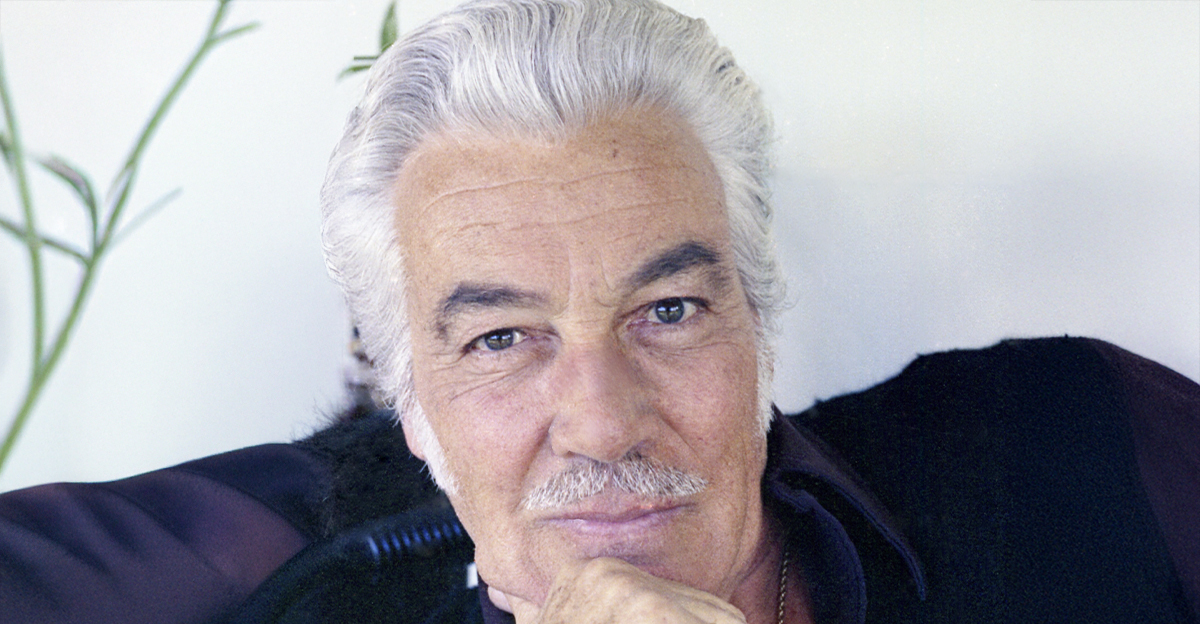
For generations of television viewers, César Romero will always be remembered as the gleeful, laughing Joker from Batman. But his remarkable career stretched back decades before comic books ever made it to television. Behind the colorful makeup was an accomplished leading man, decorated serviceman, gifted horseman, and one of Hollywood’s most private personalities.
Born Into Privilege
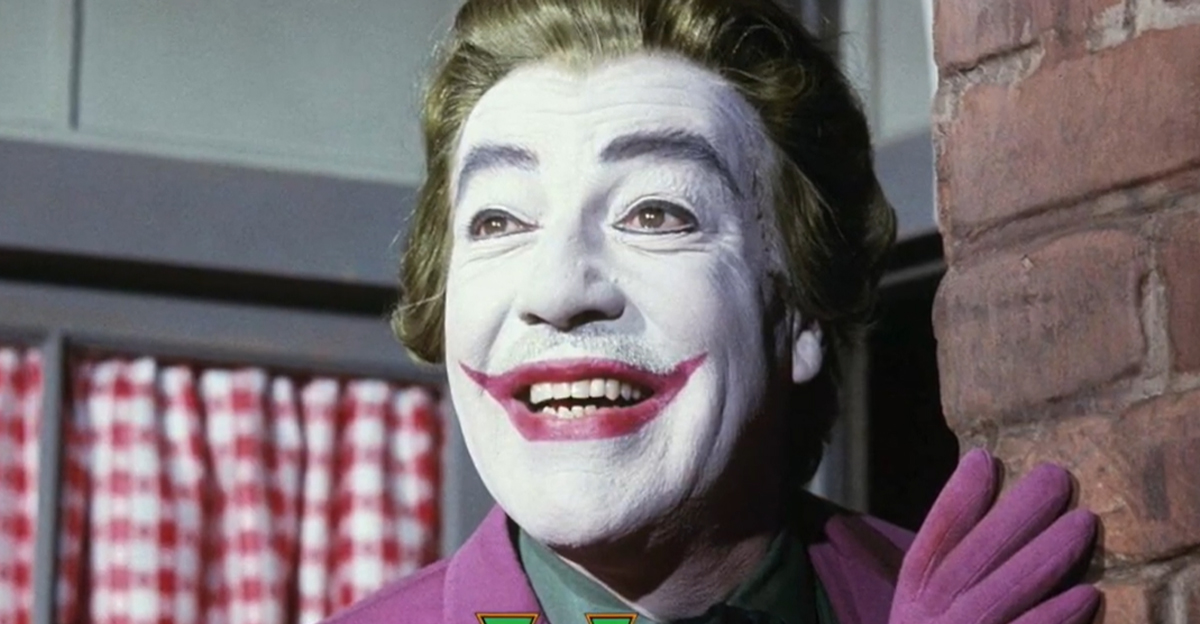
César Julio Romero Jr. was born on February 15, 1907, in New York City to a wealthy Cuban-American family. His father was an importer and sugar refining executive whose success allowed Romero to enjoy a privileged upbringing surrounded by culture, education, and international influences.
Family Fortunes Collapse
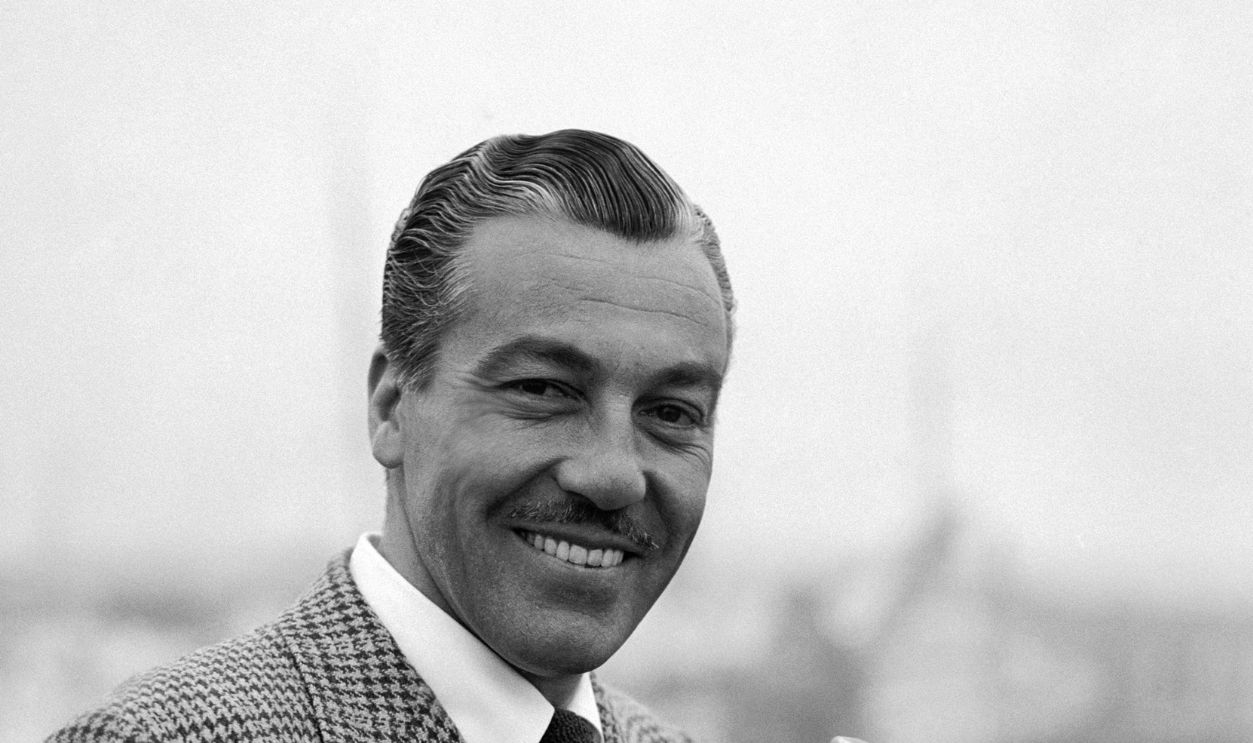
Romero’s comfortable childhood ended abruptly when financial difficulties devastated the family during the late 1920s. Suddenly needing to support himself and help his family, he began searching for work. That unexpected change in fortune ultimately pushed him toward a career in entertainment rather than business.
An Elegant Horseman
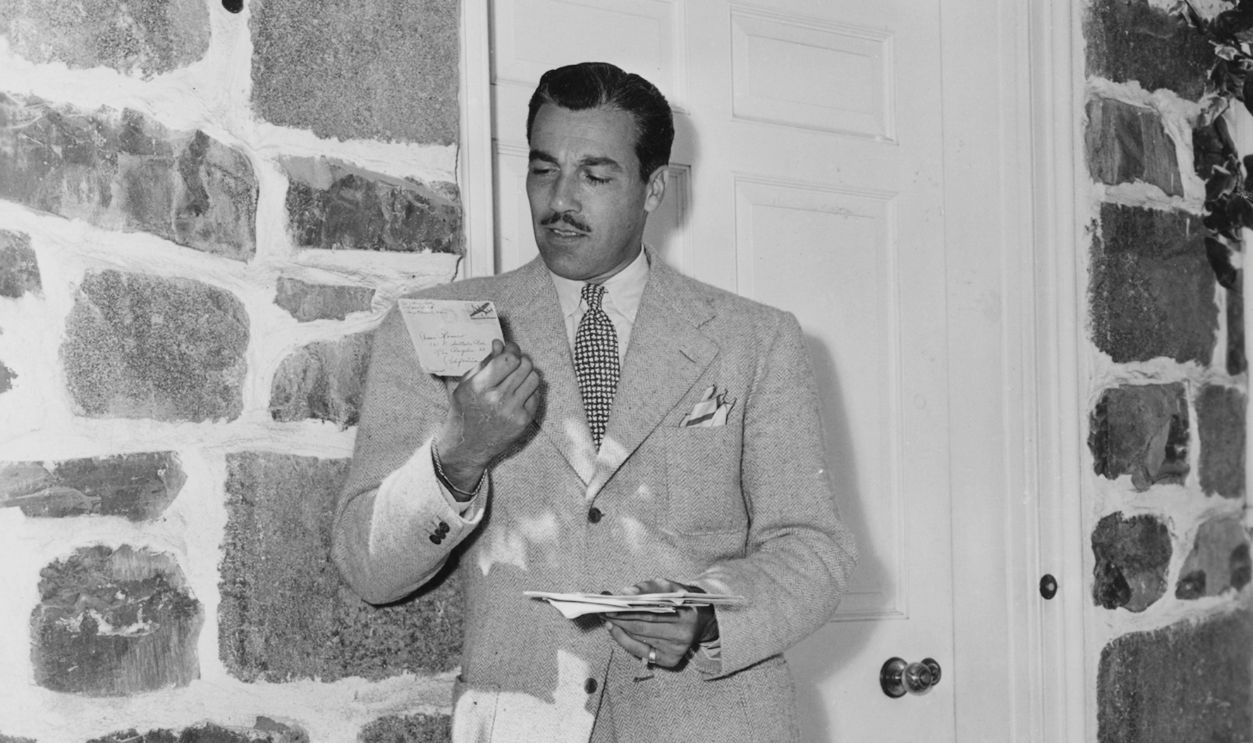
Long before becoming a movie star, Romero developed an exceptional love of horses. An accomplished equestrian throughout his life, he became known in Hollywood for his riding ability and elegant horsemanship. Those skills later proved valuable in numerous Westerns and adventure films requiring confident riders.
 Michael Ochs Archives, Getty Images
Dancing Into Show Business
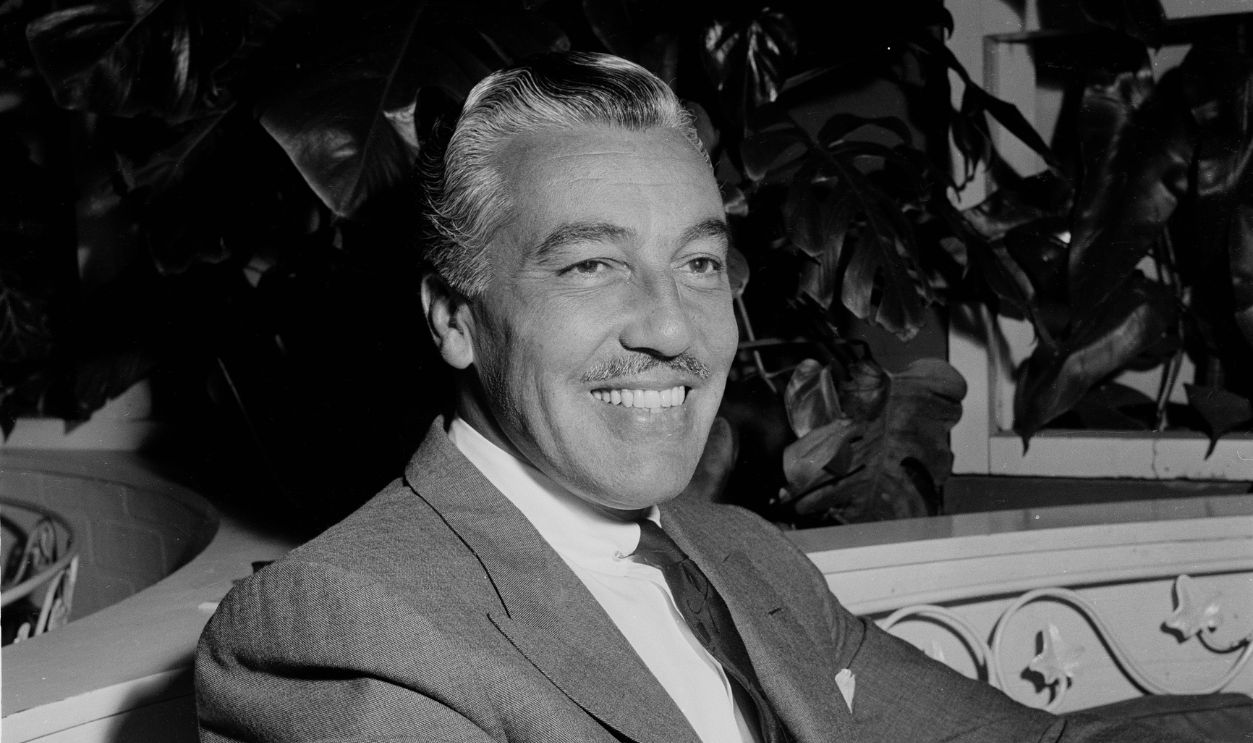
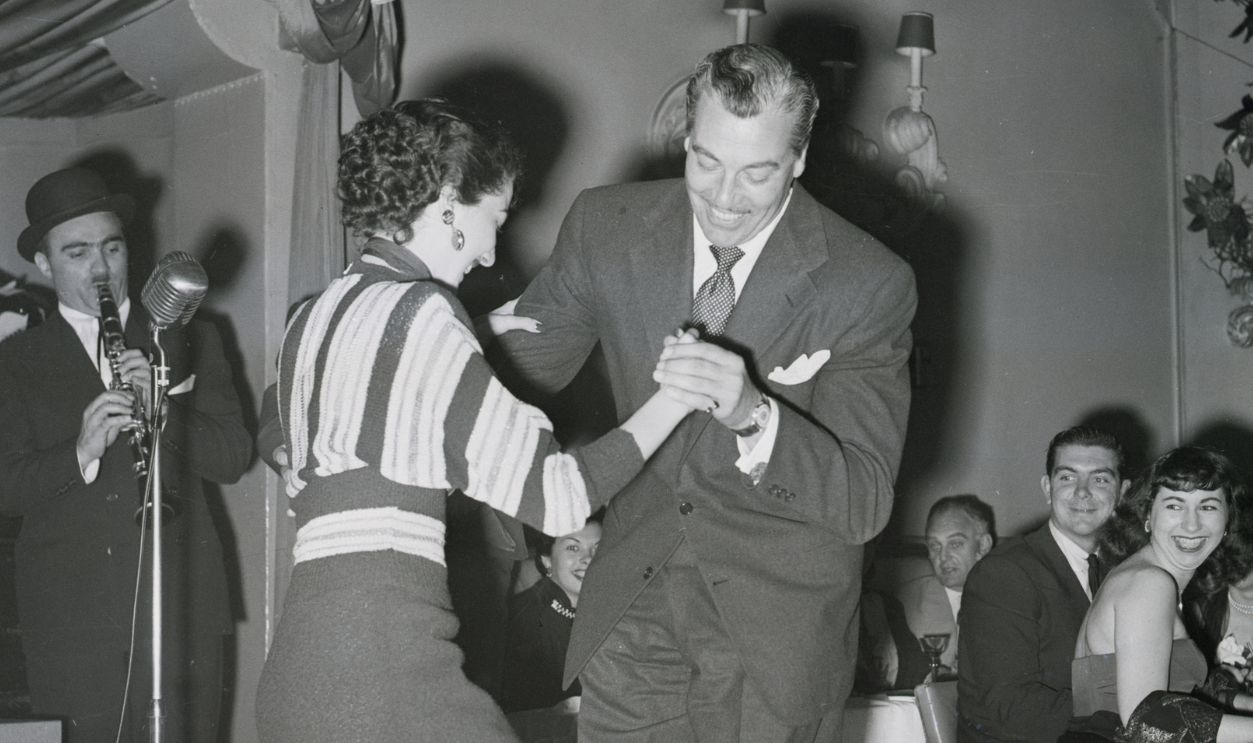
Romero first entered show business as a ballroom dancer, taking advantage of his athletic build, charm, and graceful movement. Dancing introduced him to theatrical performance while helping him make a living. It also gave him valuable experience before he transitioned into acting during Hollywood’s early sound era.
Breaking Into Hollywood
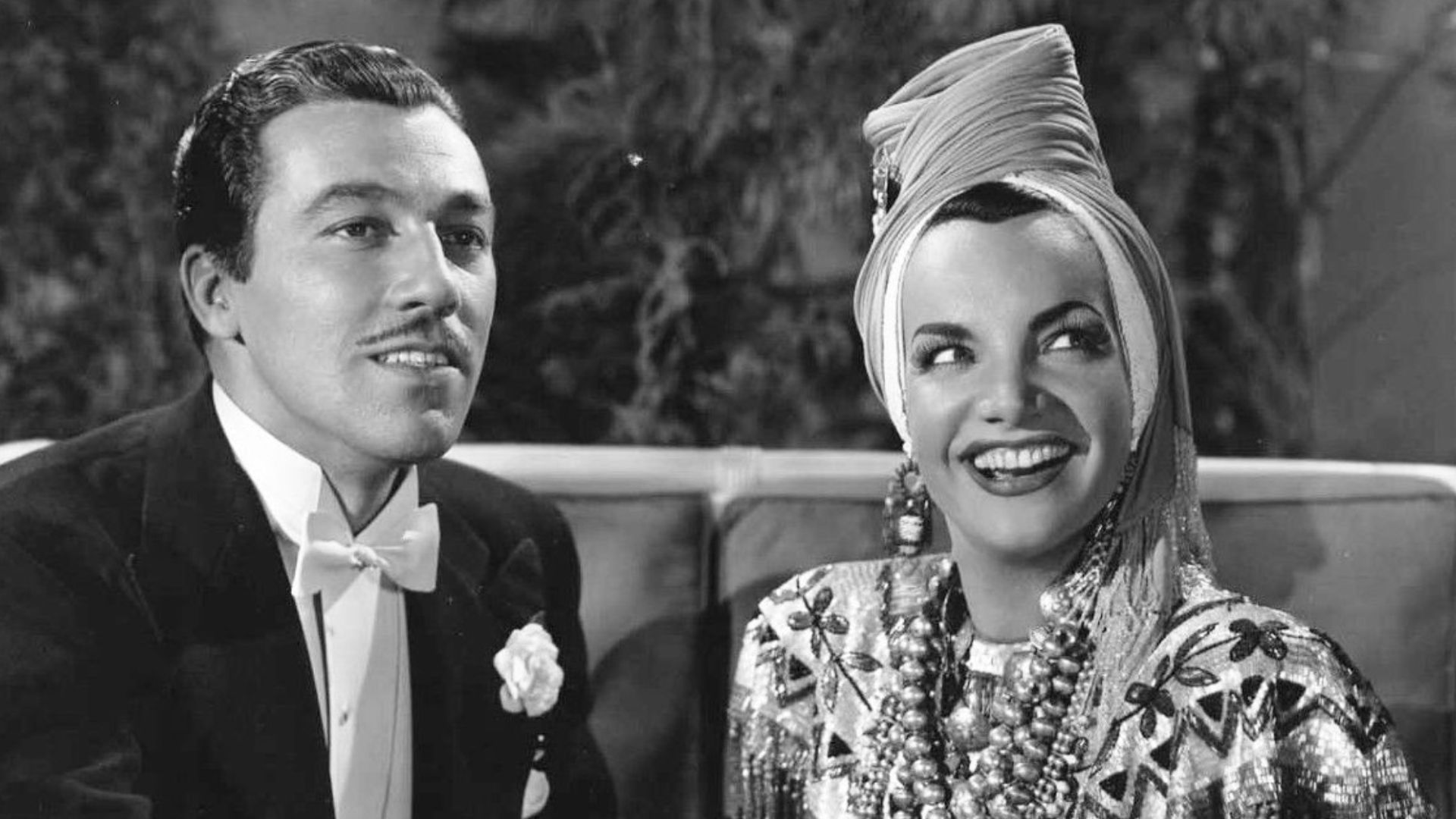
Romero’s handsome appearance quickly attracted studio attention, and he began showing up in small film roles during the early 1930s. Although success didn't come overnight, producers recognized his charisma, polished manners, and natural screen presence. He steadily built a reputation as a dependable supporting actor.
 unknown (20th Century Fox), Wikimedia Commons
Becoming A Leading Man
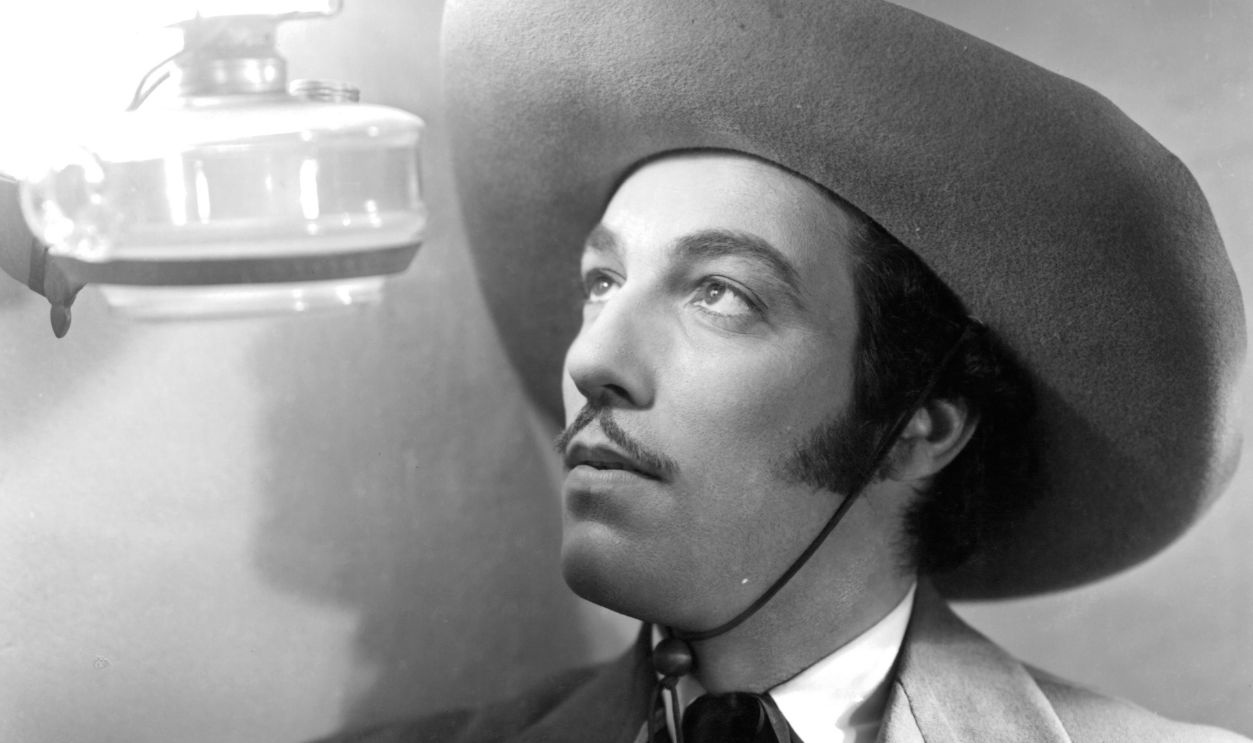
Throughout the 1930s, Romero graduated from supporting roles into starring performances. Audiences embraced his sophisticated charm, easy confidence, and sense of humor. Unlike a lot of actors who specialized in a single genre, Romero comfortably moved between romantic comedies, musicals, mysteries, adventures, and dramatic productions.
A Busy Film Career
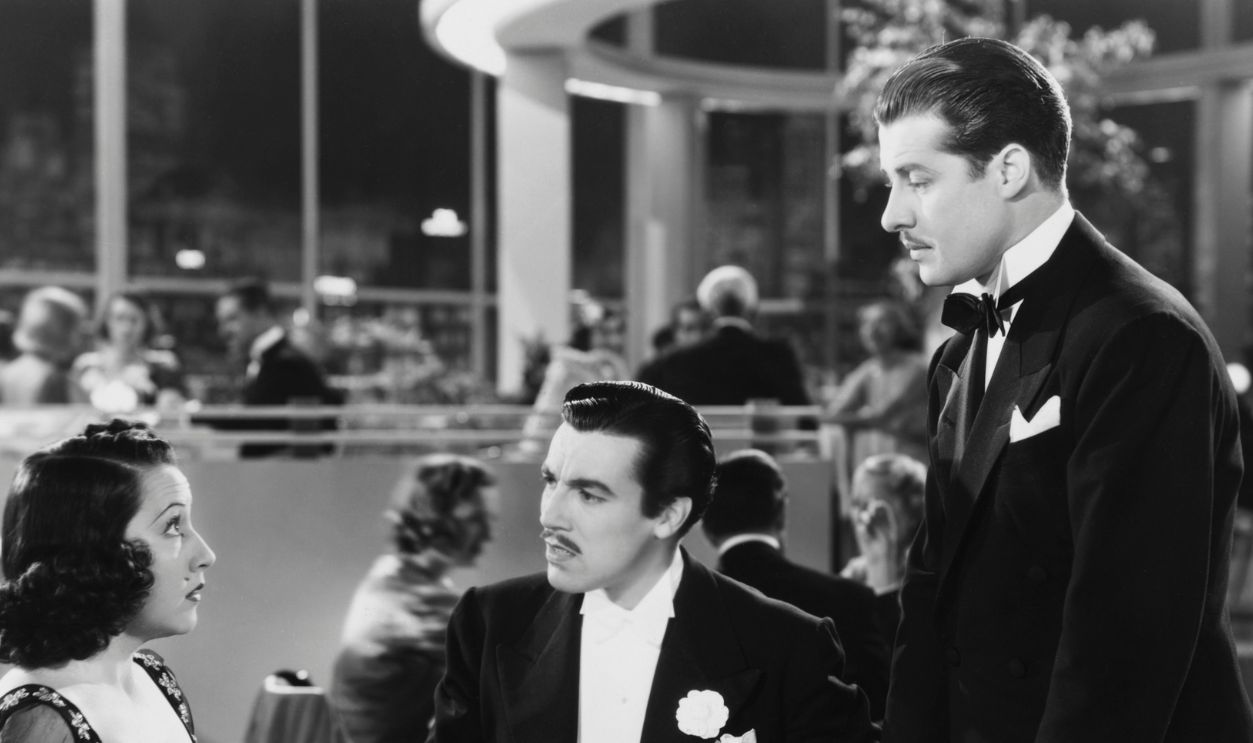
Romero appeared in a remarkable number of productions during Hollywood’s Golden Age. Memorable performances included The Thin Man (1934), Wee Willie Winkie (1937), Happy Landing (1938), and Tall, Dark and Handsome (1941). He became one of the industry’s busiest and most recognizable performers.
 John Springer Collection, Getty Images
Working With Shirley Temple
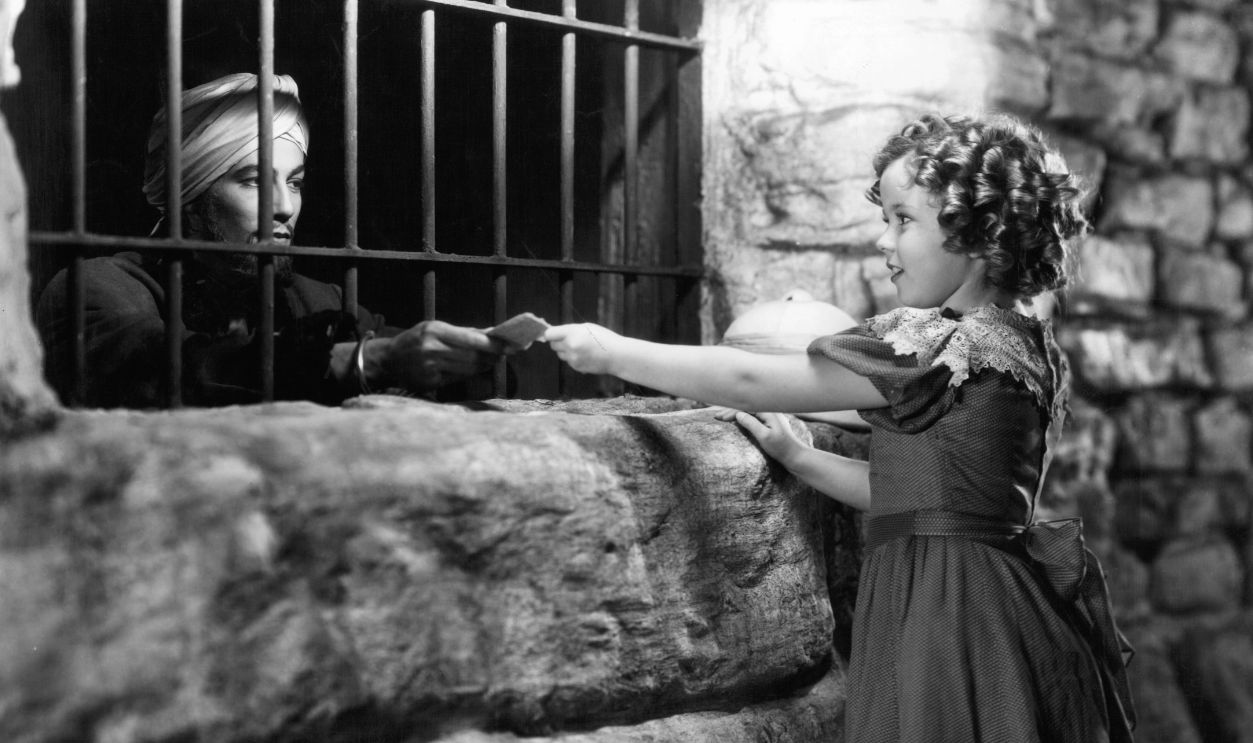
One of Romero’s most memorable early performances came opposite Shirley Temple in Wee Willie Winkie (1937). Playing the heroic Khoda Khan, he demonstrated his ability to balance charm, authority, and adventure. The successful production further strengthened his reputation as a versatile leading man.
A Friendship With Tyrone Power
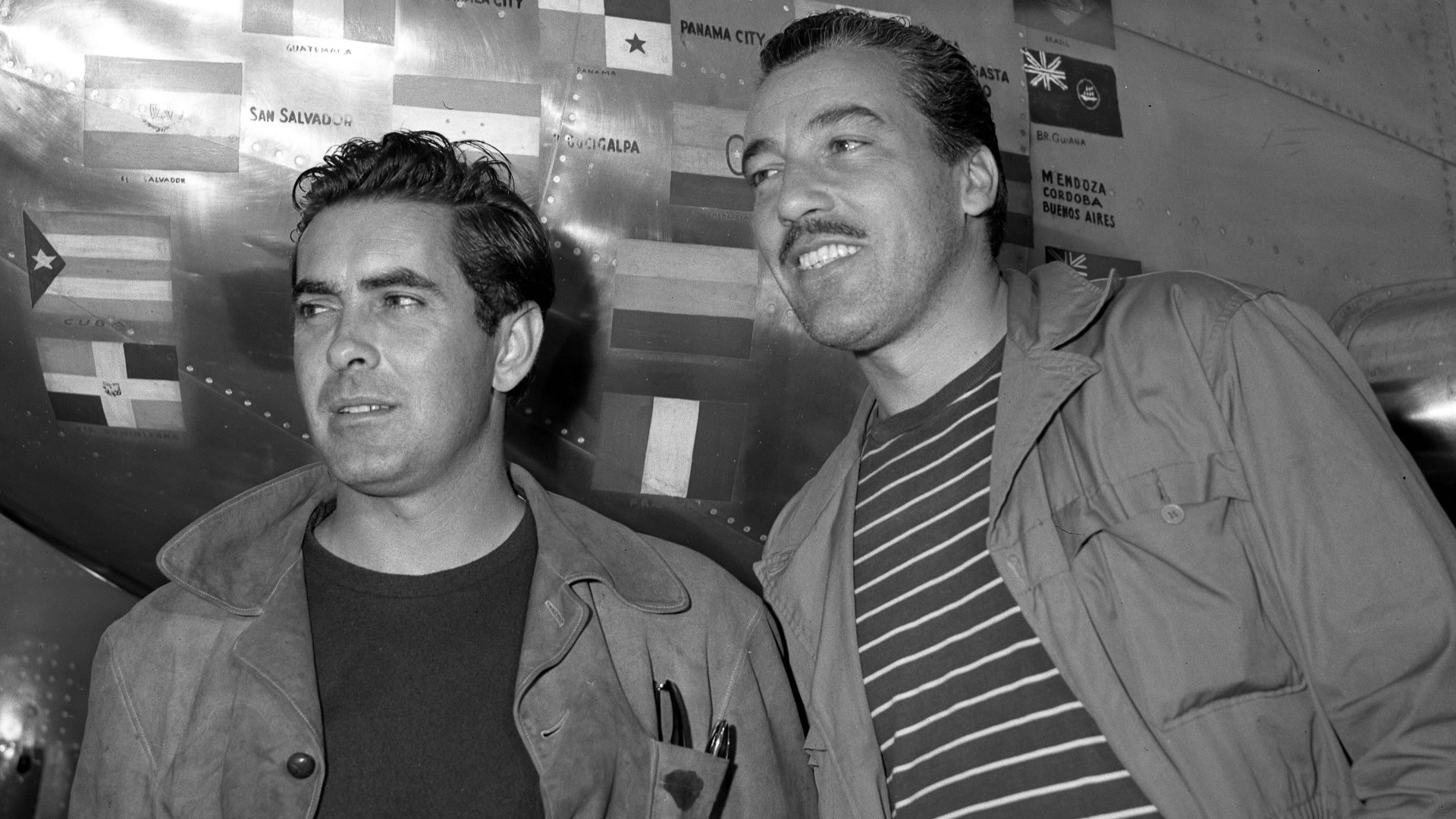
Among Romero’s closest Hollywood friends was fellow leading man Tyrone Power. The two shared similar backgrounds, enjoyed horseback riding, and maintained a lasting friendship throughout Power’s life. Their relationship reflected Romero’s reputation as a loyal and well-liked colleague within the entertainment industry.
 Los Angeles Times, Wikimedia Commons
Hollywood’s Gentleman Star
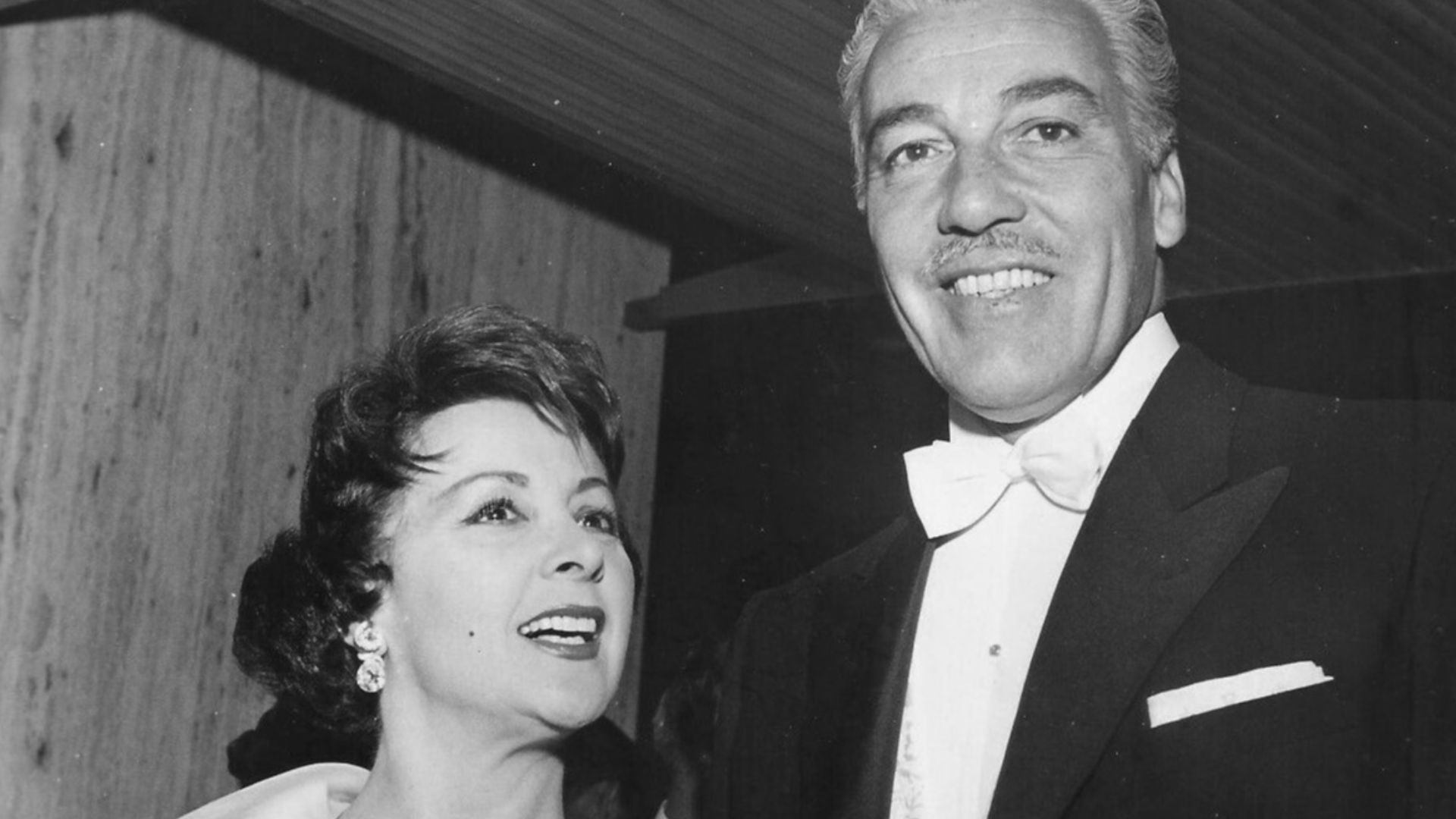
By the late 1930s and early 1940s, Romero had established himself as one of Hollywood’s polished gentlemen. Studios frequently cast him as sophisticated heroes, military officers, aristocrats, and romantic leads. His refined manner and effortless confidence made him particularly effective in elegant adventure stories.
 Photographer not credited, Wikimedia Commons
Serving During World War II
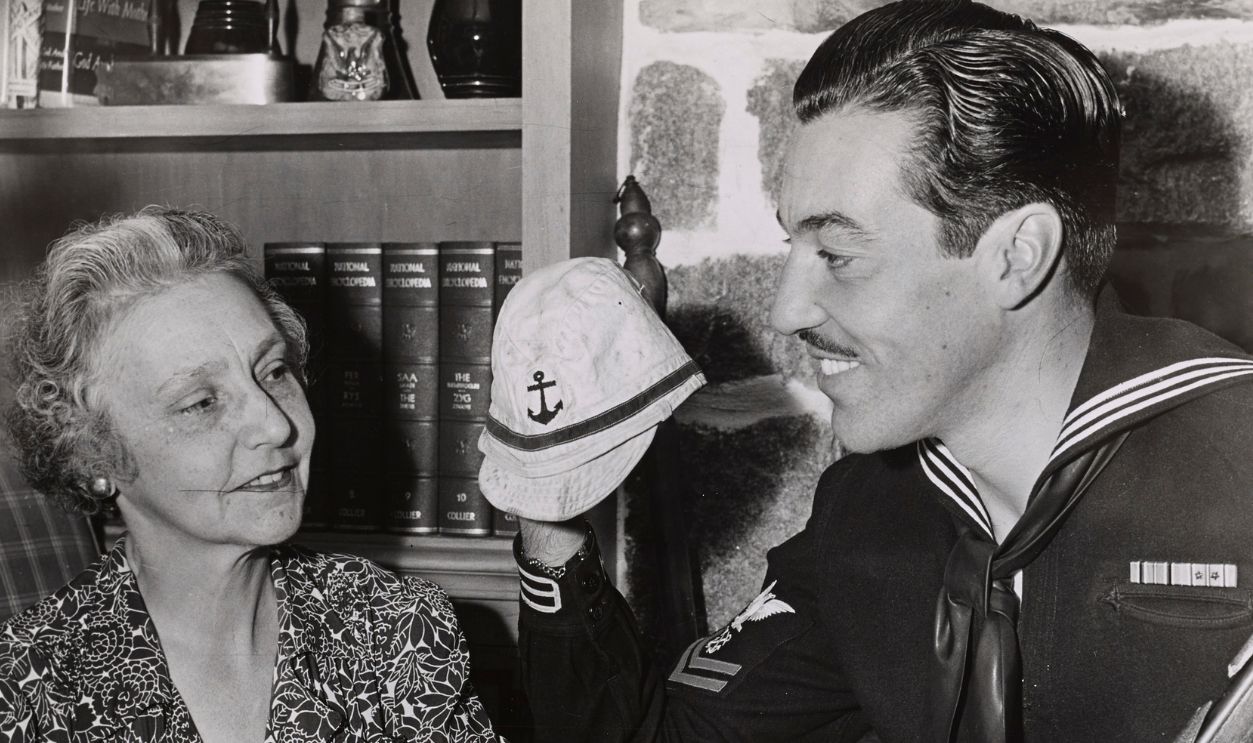
Like many Hollywood stars, Romero interrupted his acting career to serve during World War II. He enlisted in the United States Coast Guard in 1942 and served there until the war ended. His military service reflected a commitment shared by many leading actors of his generation.
Returning To The Screen
Following the war, Romero resumed acting with the same enthusiasm that had characterized his prewar career. He quickly found work in films across several genres, proving audiences had not forgotten his appeal. Hollywood was still eager to cast the experienced performer in substantial supporting and starring roles.
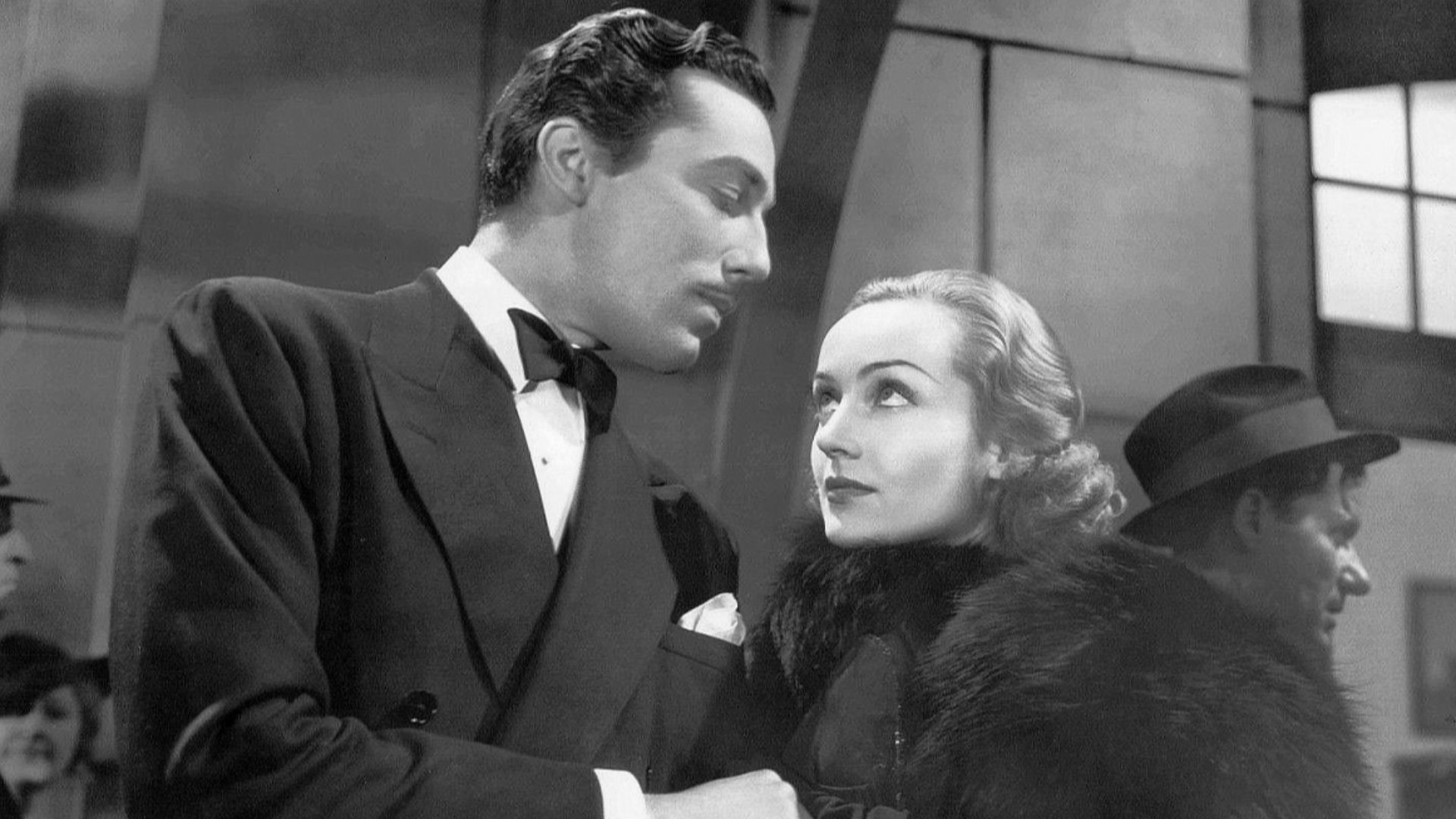 Universal Pictures, Wikimedia Commons
Adapting To Television
As television transformed American entertainment during the 1950s, Romero successfully adapted rather than resisting change. He appeared in numerous popular television productions, demonstrating the flexibility that had sustained his career for decades. His willingness to embrace the new medium introduced him to an entirely new generation.
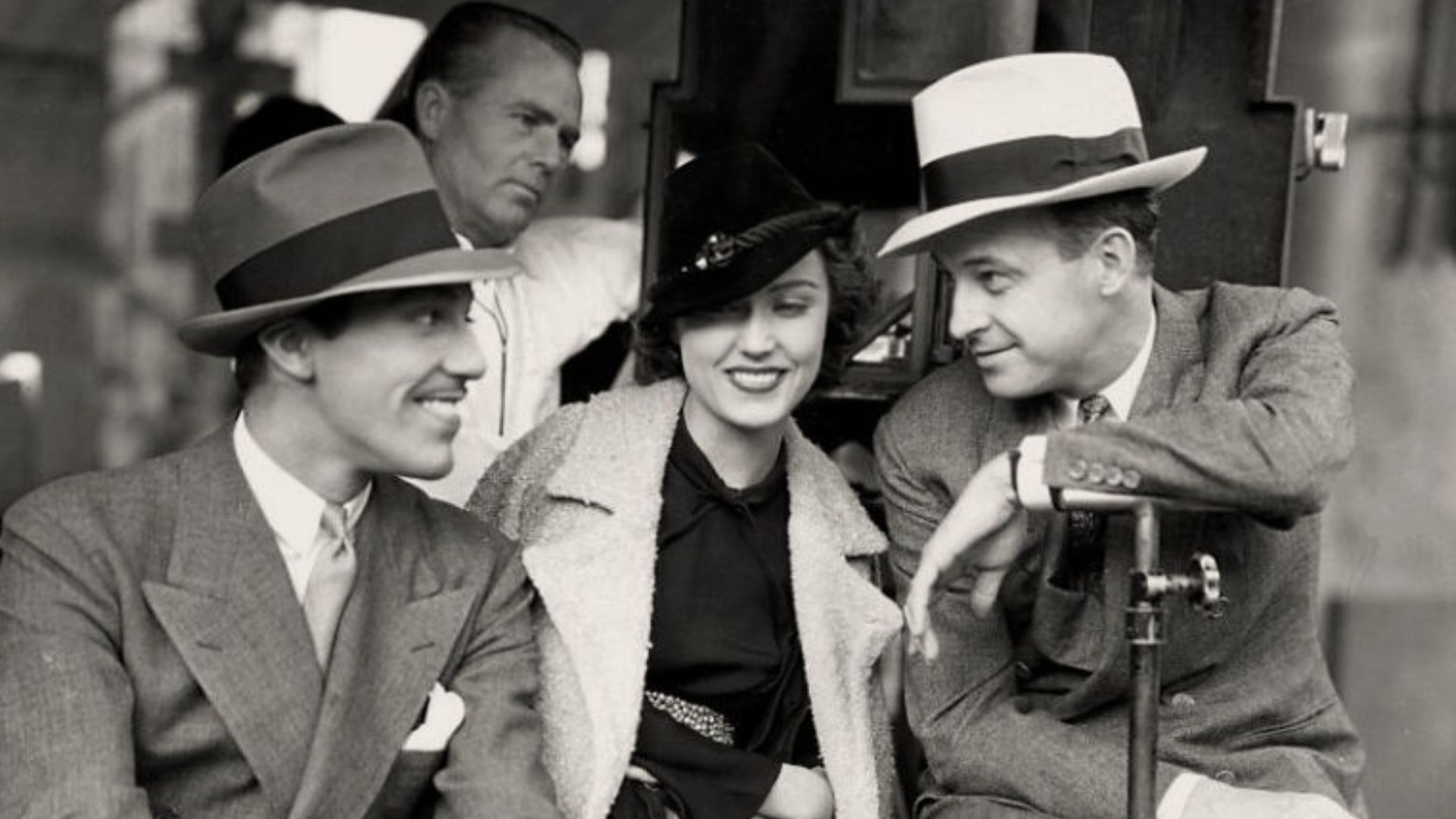 unknown (Universal Pictures), Wikimedia Commons
A Familiar Television Face
Romero became a frequent guest star on many successful television series, including Maverick, Zorro, Rawhide, Burke’s Law, The Man from U.N.C.L.E., Bonanza, The Virginian, and The Lucy Show. Producers appreciated both his professionalism and his ability to elevate all the supporting roles he appeared in.
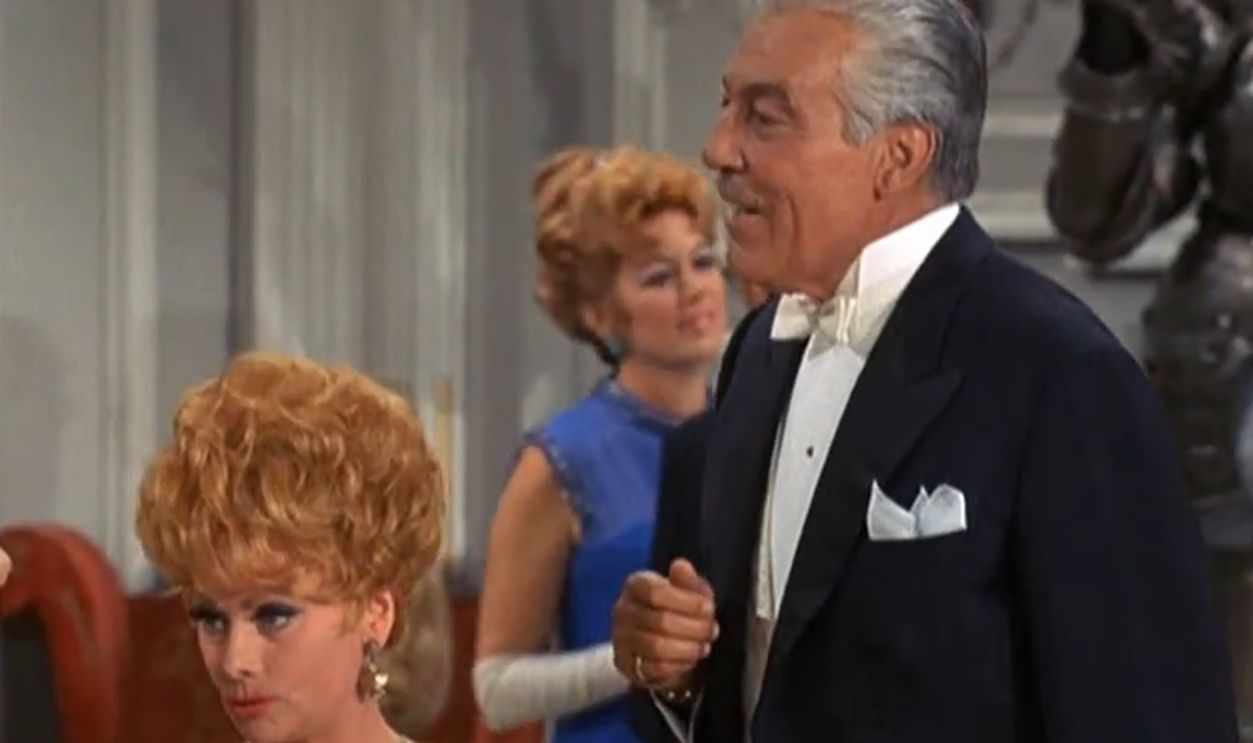 Screenshot from The Lucy Show, CBS (1962–1968)
Becoming The Joker
In 1966, Romero accepted the role that would permanently redefine his public image. Cast as the Joker in Batman, he transformed the comic-book villain into a wildly entertaining criminal whose infectious laughter, colorful costumes, and theatrical schemes delighted audiences every week.
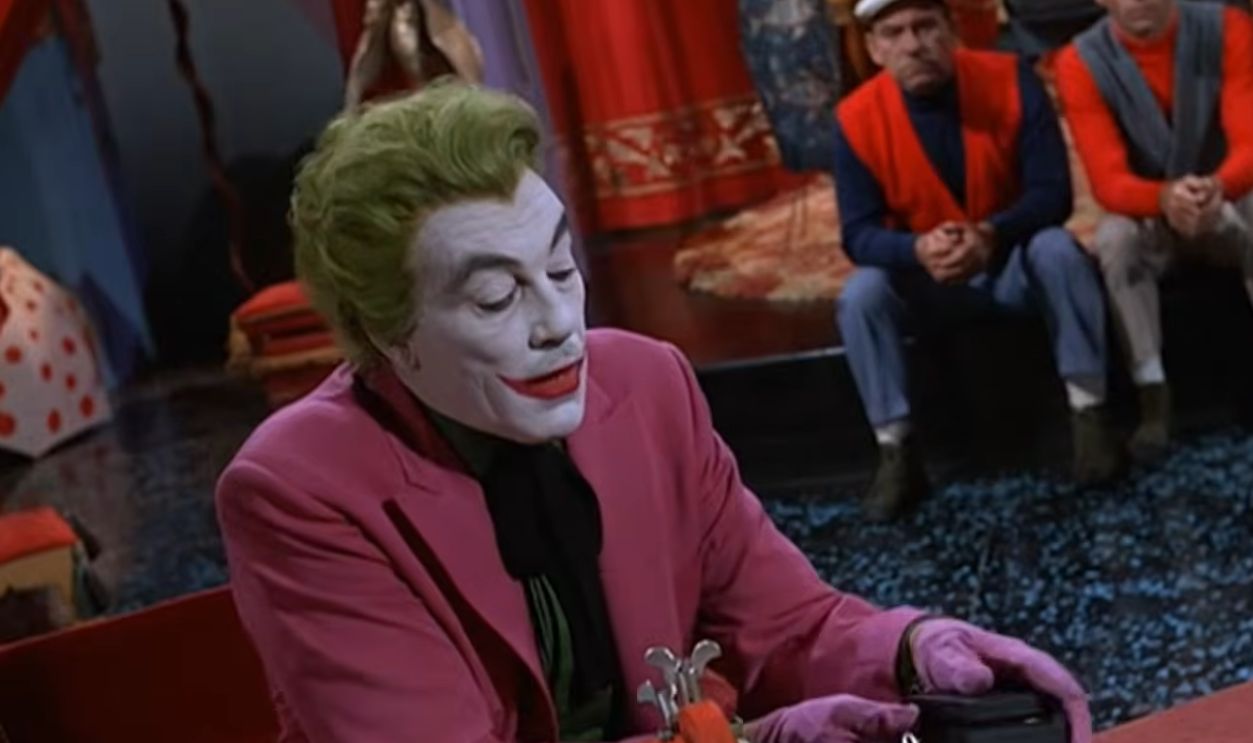 Screenshot from Batman, ABC (1966–1968)
Keeping His Mustache
Perhaps the most famous detail of Romero’s Joker involved his trademark mustache. Rather than shaving it, Romero insisted on simply covering it with white greasepaint beneath the Joker’s makeup. The faint outline remained visible on television, eventually becoming one of the character’s most beloved quirks.
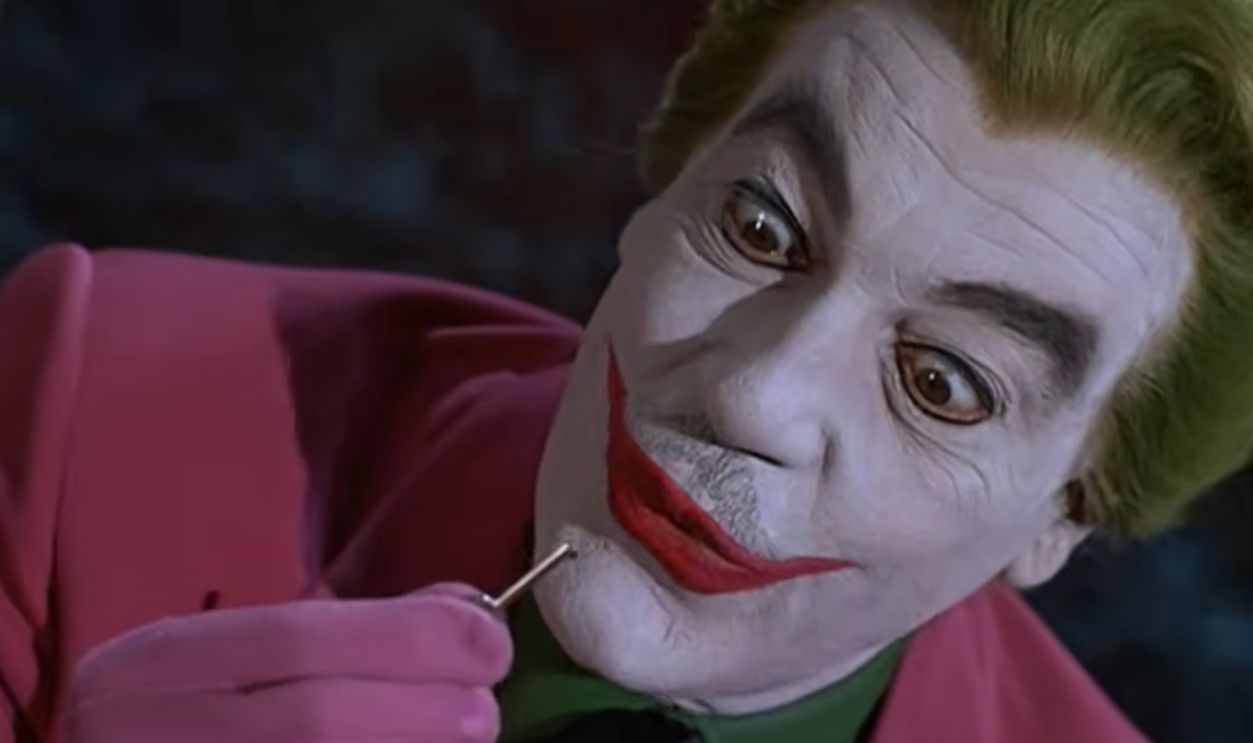 Screenshot from Batman, ABC (1966–1968)
A Joyfully Comic Villain
Unlike later interpretations that emphasized psychological darkness, Romero’s Joker embraced colorful chaos and broad comedy. His version laughed constantly, delighted in elaborate pranks, and rarely projected genuine menace. That approach perfectly matched the playful tone of Batman and remains enormously popular with classic television fans.
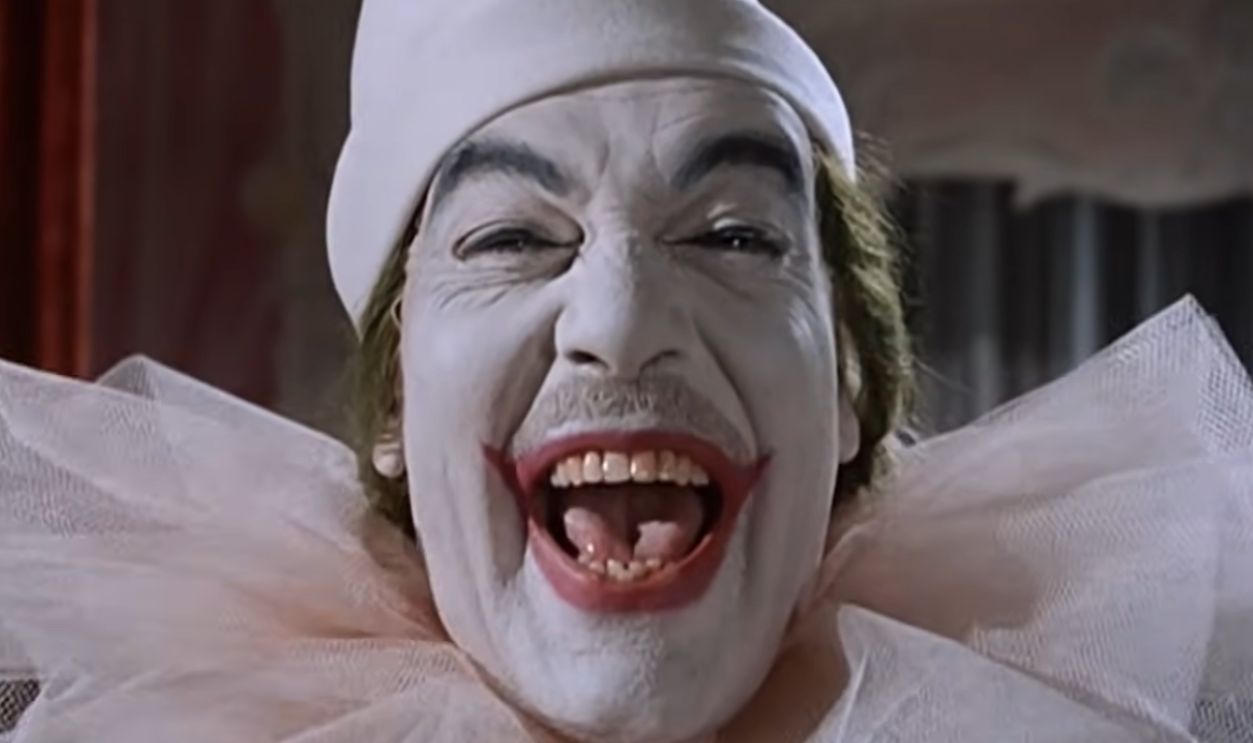 Screenshot from Batman, ABC (1966–1968)
Comparing Different Jokers
Subsequent actors explored darker interpretations of the Joker, emphasizing violence, psychological instability, or moral complexity. Romero pursued a completely different goal. His Joker celebrated comic-book fun and campiness rather than realism, proving that entertaining audiences didn't need the character to be frightening or deeply tragic.
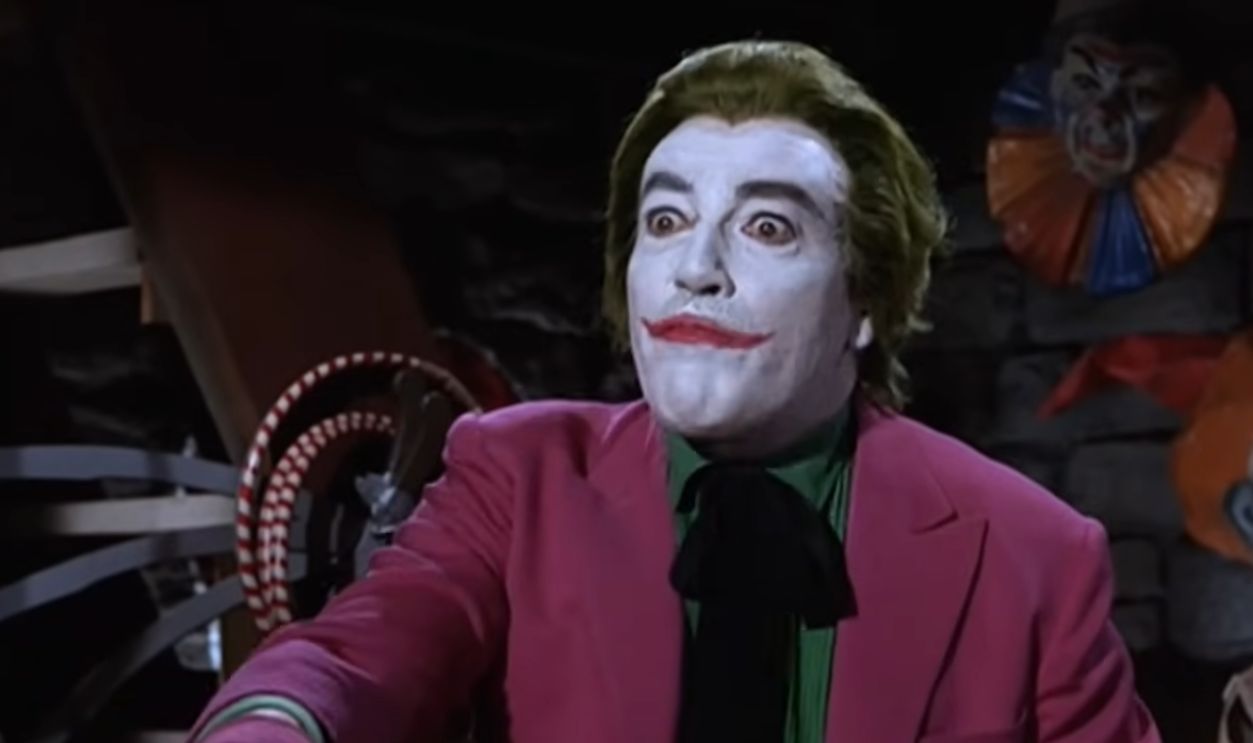 Screenshot from Batman, ABC (1966–1968)
Fame Beyond Gotham City
Although Batman lasted only three seasons, Romero’s Joker became one of television’s defining villains. His colorful performance continued reaching new audiences through syndication for decades. For many viewers, he established the visual and theatrical template against which every later live-action Joker would be compared.
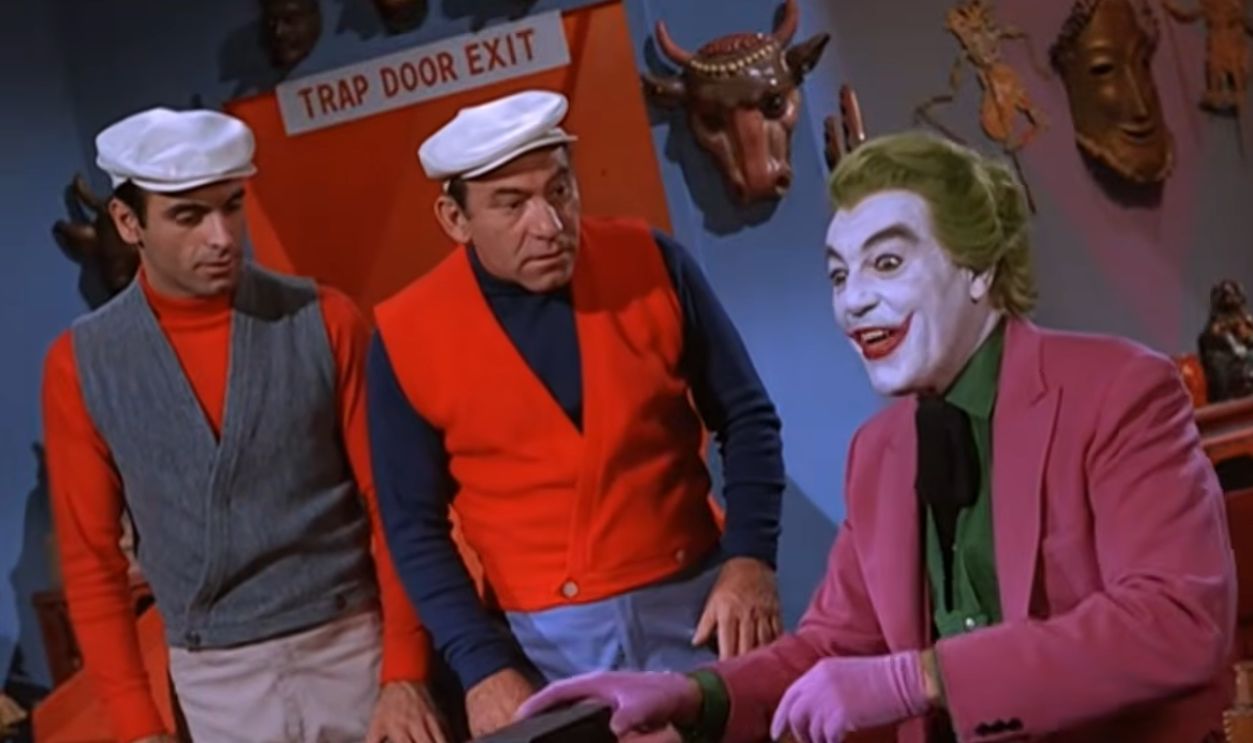 Screenshot from Batman, ABC (1966–1968)
Life After Batman
Romero wisely avoided becoming trapped by his most famous television role. He continued to work steadily in films and television throughout the 1970s and 1980s. Audiences enjoyed seeing him in productions such as Now You See Him, Now You Don’t (1972) and numerous television guest appearances.
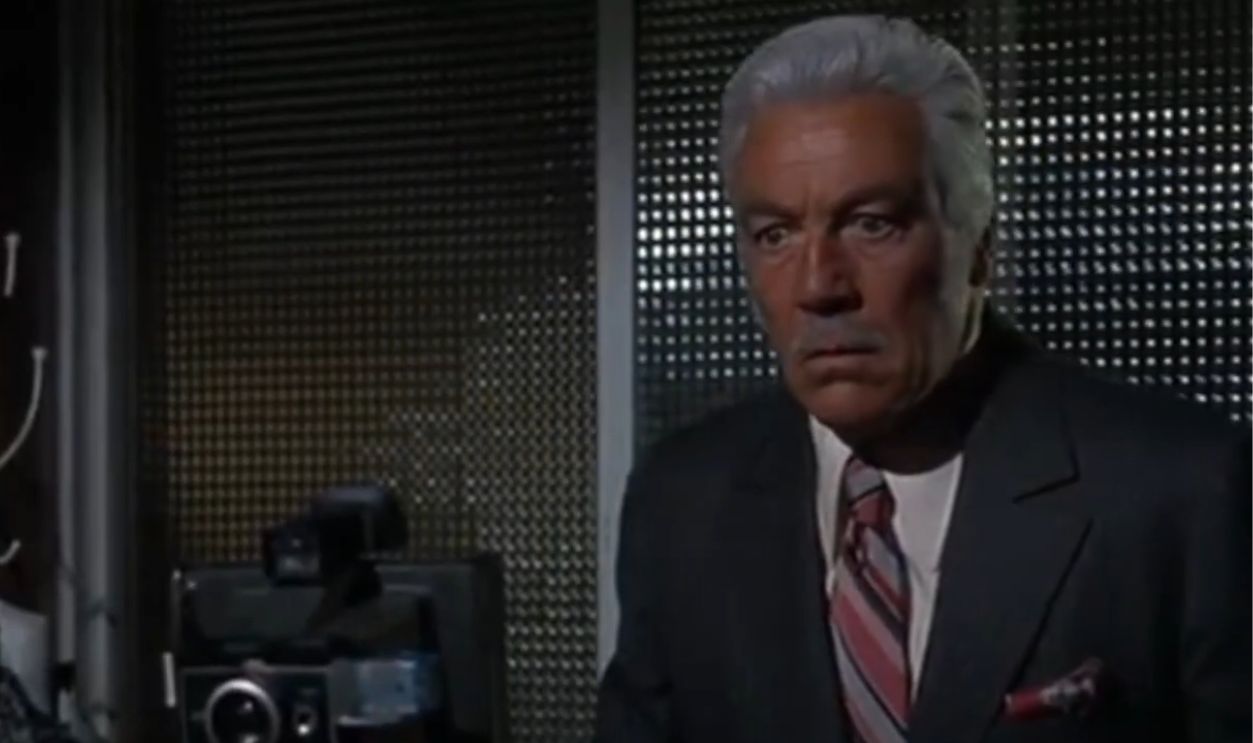 Screenshot from Now You See Him, Now You Don't, Walt Disney Productions (1972)
A Tireless Character Actor
Even after achieving pop-culture immortality as the Joker, Romero rarely stopped working. He appeared on series including Murder, She Wrote, Falcon Crest, and The Love Boat. Producers valued his reliability, warmth, and unmistakable screen presence well into his later years.
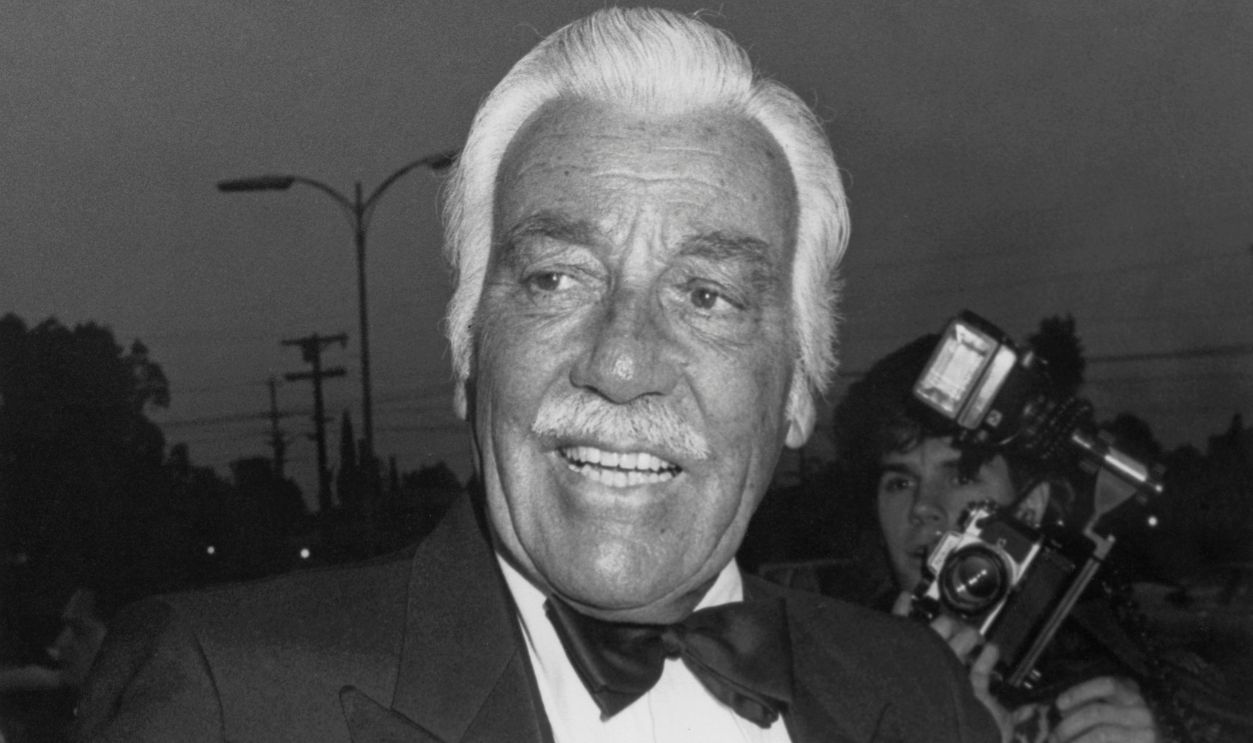
Guarding His Private Life
Despite decades of fame, Romero revealed remarkably little about his personal life. He never married and generally declined to discuss romantic relationships publicly. Friends often described him as courteous, charming, and intensely protective of his privacy, preferring that attention remain focused on his professional accomplishments.
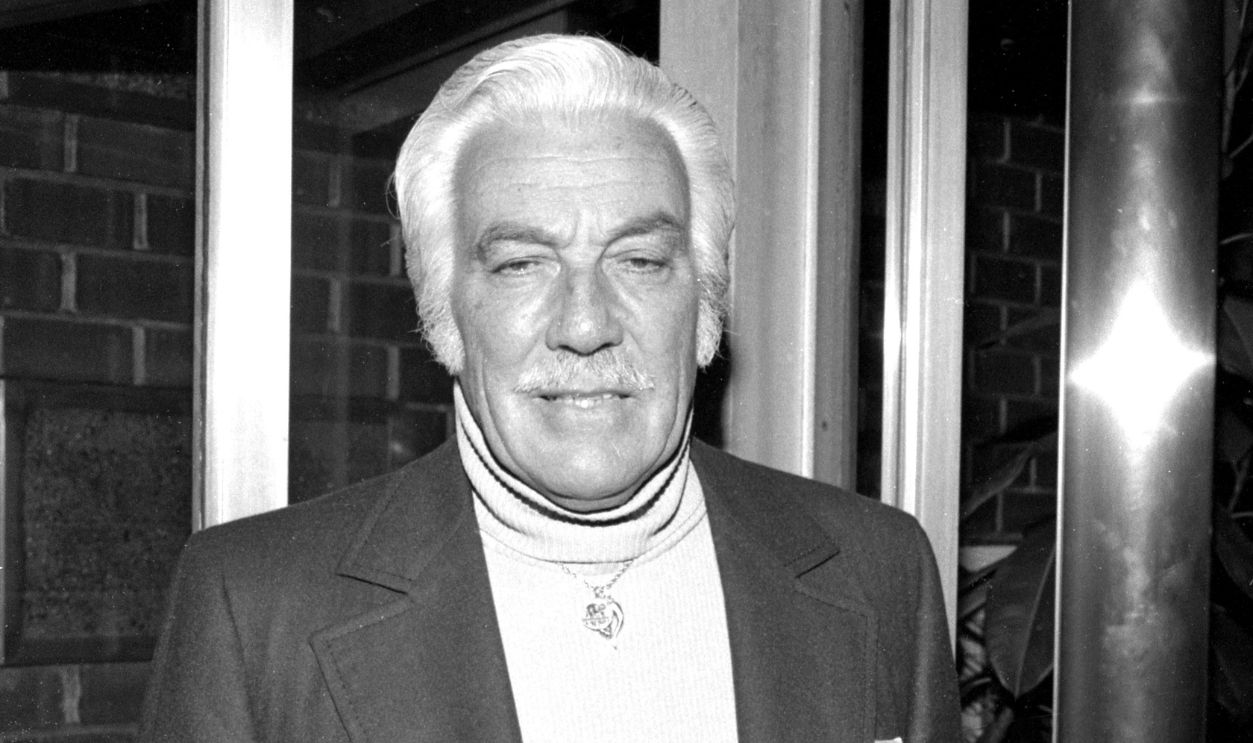
A Lasting Mystery
Some later biographers and modern writers have argued that Romero was gay and that he carefully protected his private life during an era when openness could seriously damage a Hollywood career. Romero himself never publicly confirmed his sexuality, leaving many aspects of his personal life deliberately undisclosed.
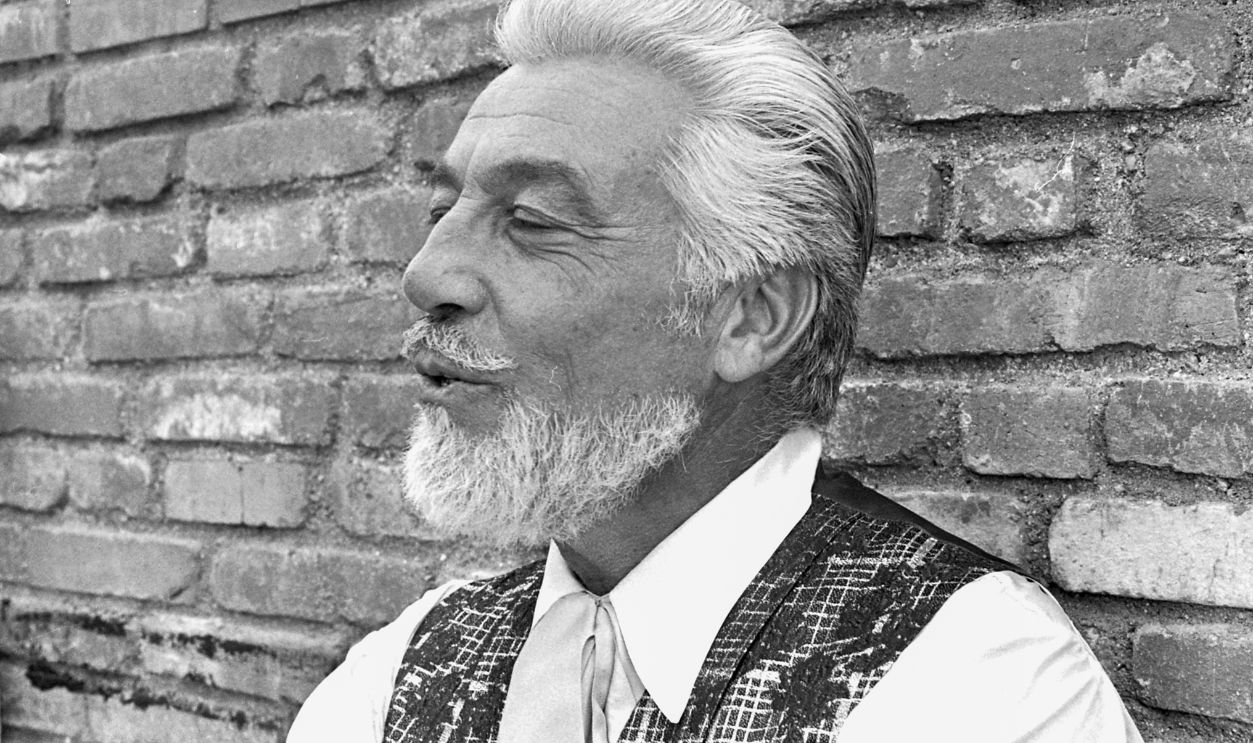
Retirement And Final Years
After gradually reducing his workload during the early 1990s, Romero enjoyed retirement while remaining warmly remembered by fans. He continued to make occasional public appearances celebrating Batman and his long career. His enduring popularity reflected decades of consistently entertaining audiences across multiple generations.
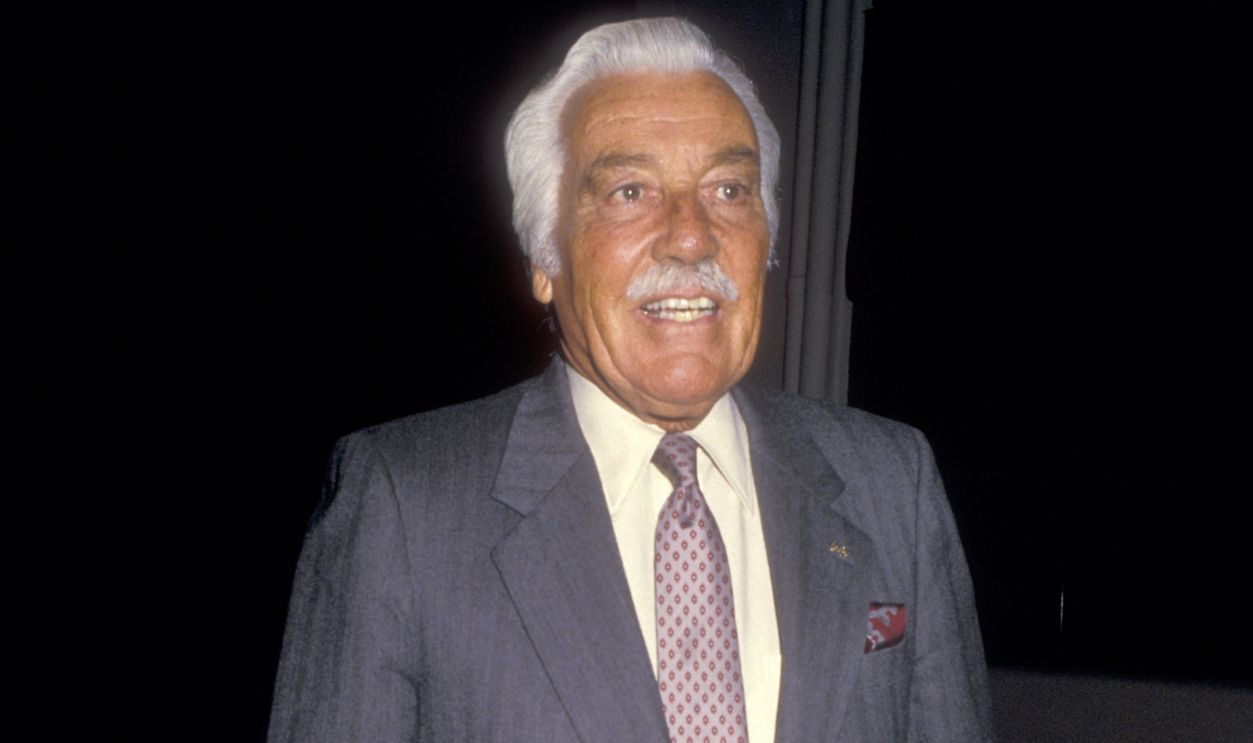 Ron Galella, Ltd., Getty Images
Remembering Cesar Romero
César Romero died on January 1, 1994, at age 86 in Santa Monica, California. His extraordinary career had lasted more than six decades. Today he is remembered not only as television’s unforgettable Joker, but also as a versatile Hollywood gentleman whose private life remained almost as legendary as his performances.
You May Also Like:
Heroic Facts About Adam West, TV’s Batman And The Original Bright Knight
Feline Facts About Eartha Kitt, Hollywood's Sultry Songstress