Some Cancellations Never Stop Hurting.
The 1990s produced dozens of daring comedies, teen dramas, Westerns, and science-fiction experiments that disappeared before audiences had time to understand what they were watching. Many found their real viewers through reruns, videotapes, DVDs, streaming, and fans who still insist the networks made a terrible mistake.
 Eerie, Indiana (1991) (Modified) NBC
Freaks And Geeks Became Bigger After Cancellation
Paul Feig’s Freaks and Geeks followed siblings Lindsay and Sam Weir through the humiliations of high school during the 1980–81 school year. NBC aired only 12 of the 18 completed episodes before canceling the series, but it later became a celebrated cult favorite and won an Emmy for casting. Its remarkable ensemble included Linda Cardellini, Seth Rogen, Jason Segel, James Franco, Busy Philipps, Martin Starr, and John Francis Daley before most became widely famous.
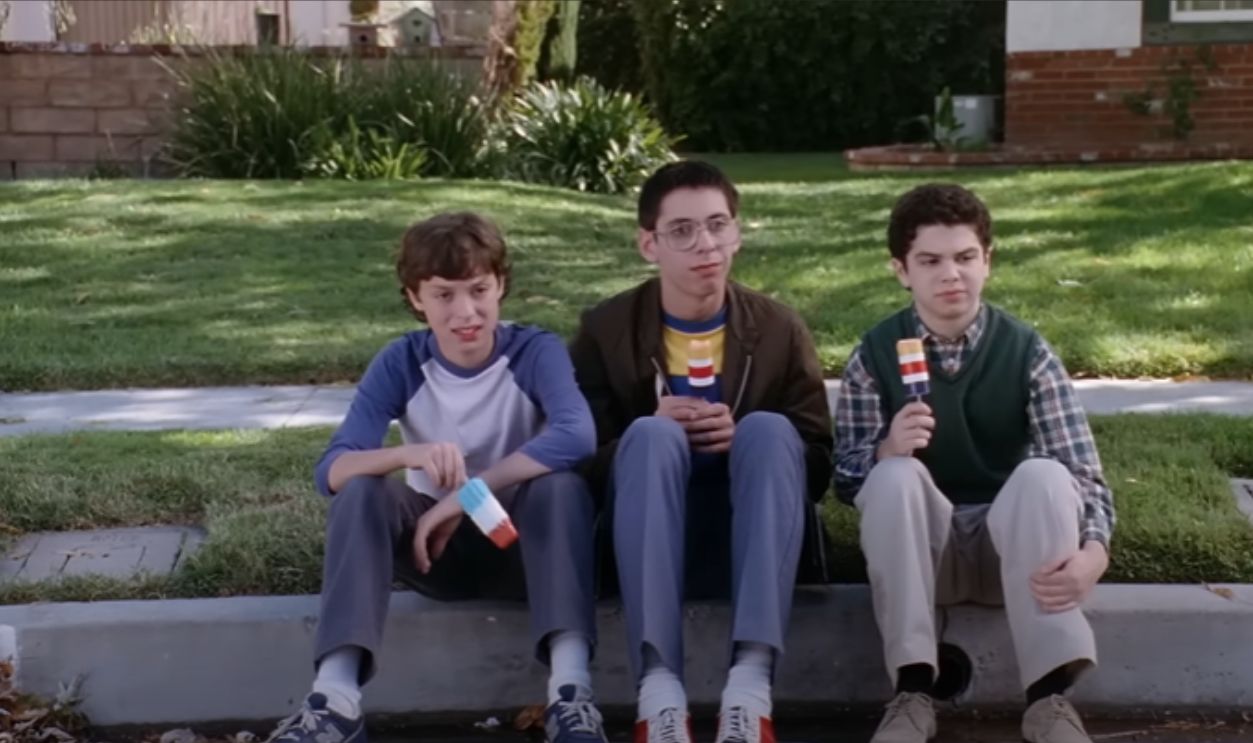 Screenshot from Freaks and Geeks, NBCUniversal (1999–2000)
My So-Called Life Understood Teenagers Too Well
Claire Danes starred as Angela Chase, a deeply self-conscious teenager navigating friendship, family conflict, sexuality, and her obsession with Jordan Catalano. ABC canceled My So-Called Life after 19 episodes, but its emotionally precise writing helped it become one of television’s most influential teen dramas. Thirty years later, cast reunions and anniversary retrospectives continue to celebrate its lasting impact.
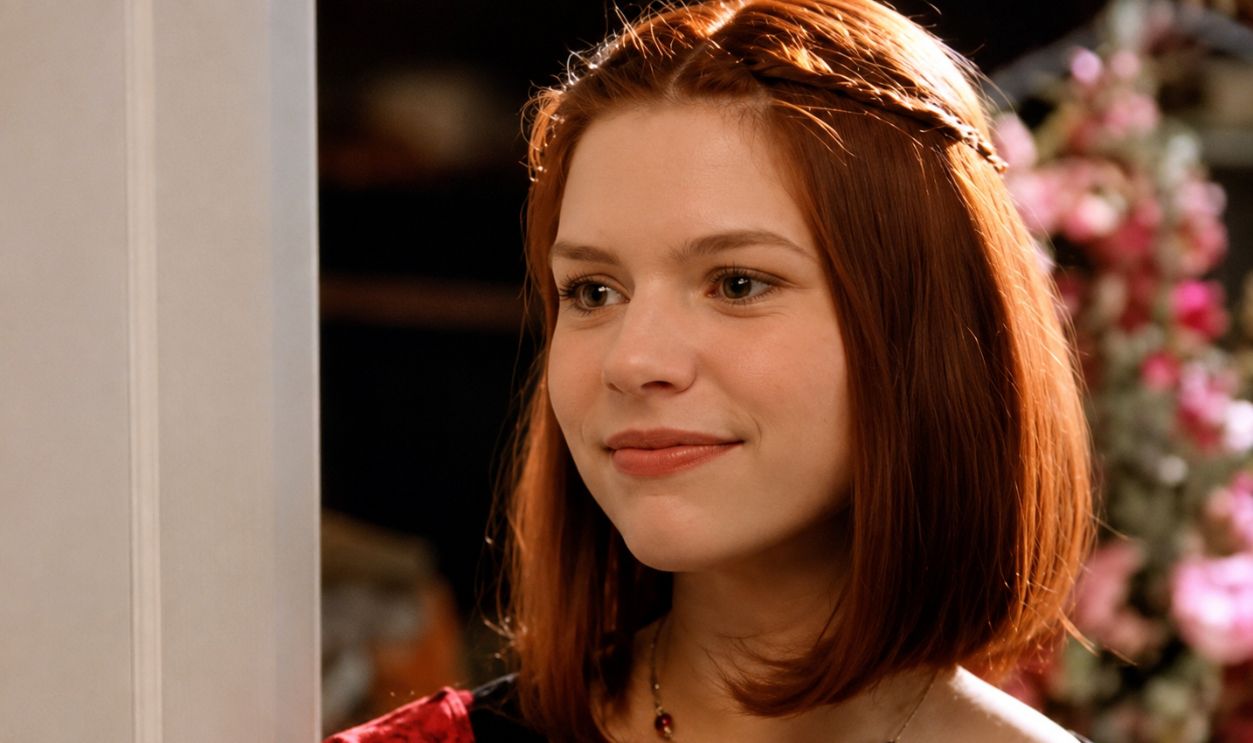 Screenshot from My So-Called Life, ABC Productions (1994-1995), Enhanced
Brisco County Mixed Westerns With Science Fiction
Bruce Campbell played a Harvard-educated bounty hunter chasing the outlaw responsible for his father’s death in The Adventures of Brisco County, Jr. The Fox series mixed old-fashioned Western action with comedy, futuristic inventions, and a mysterious object known as the Orb. Ratings faded after a promising start, but the show developed a devoted following and eventually received a complete-series DVD release.
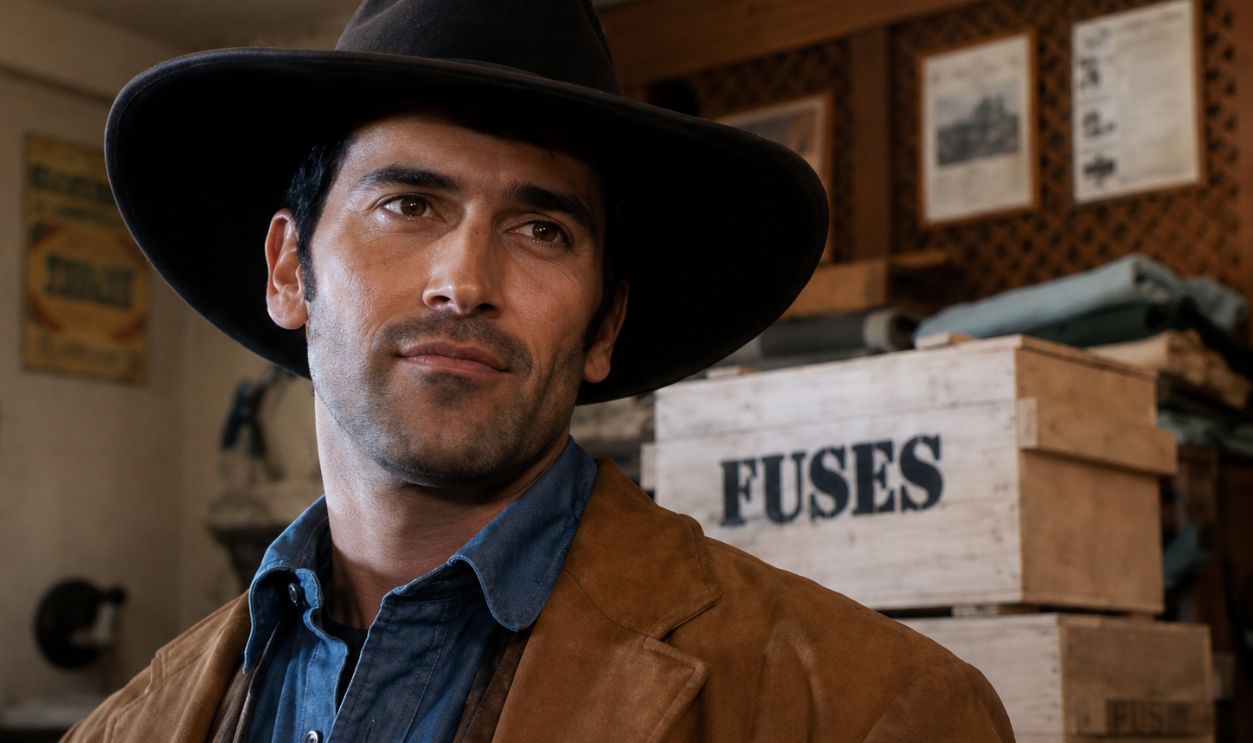 The Adventures Of Brisco County, Jr., Fox Network(1993-1994)
Eerie, Indiana Made Suburbia Deliciously Strange
Teenager Marshall Teller moved to a town where Elvis might be alive, household products could preserve children forever, and dogs appeared to be plotting something. NBC’s Eerie, Indiana lasted only one original season, although additional episodes and a later spinoff complicated its broadcast history. Its playful mixture of children’s adventure and surreal horror remains fondly remembered and is still available to new viewers.
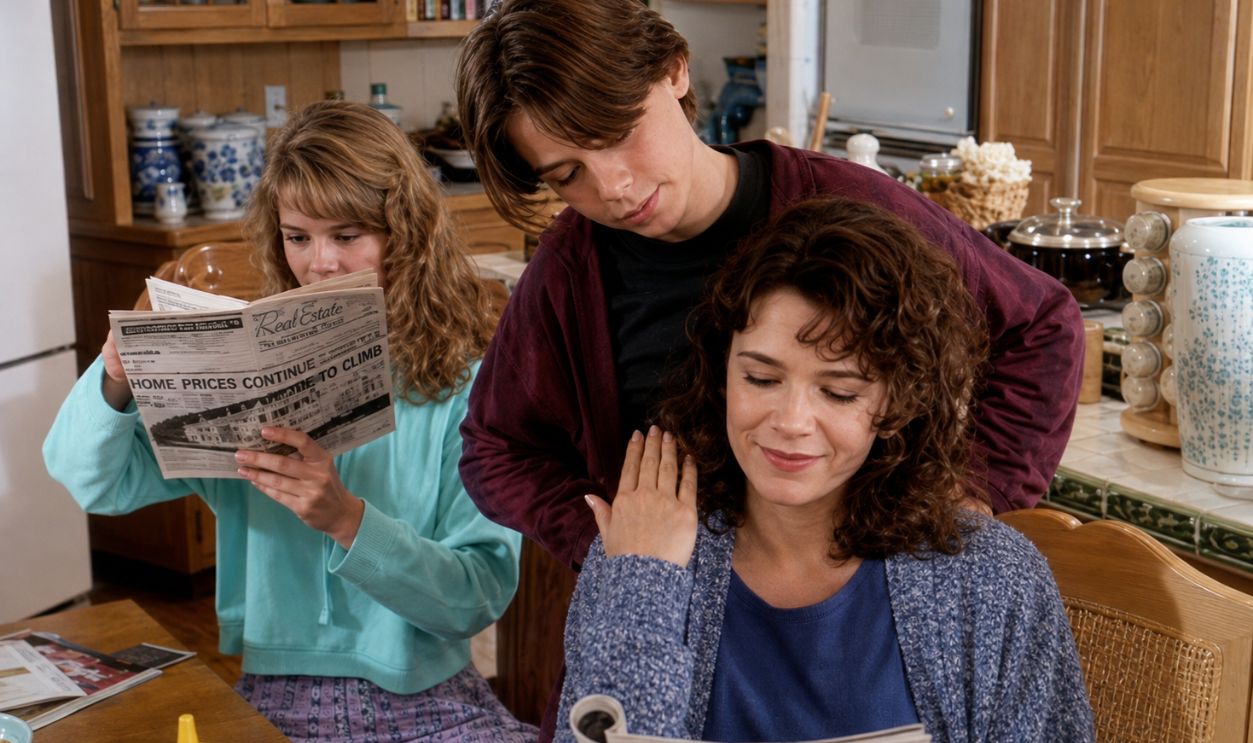 Screenshot from Eerie, Indiana, NBC (1991-1992)
American Gothic Gave Television A Demonic Sheriff
Gary Cole played Lucas Buck, a charming South Carolina sheriff who controlled his town through intimidation and apparently supernatural powers. Creator Shaun Cassidy surrounded him with a strong cast that included Lucas Black, Sarah Paulson, Paige Turco, and Nick Searcy. CBS scheduled the episodes inconsistently, but American Gothic later earned recognition as an atmospheric cult horror series.
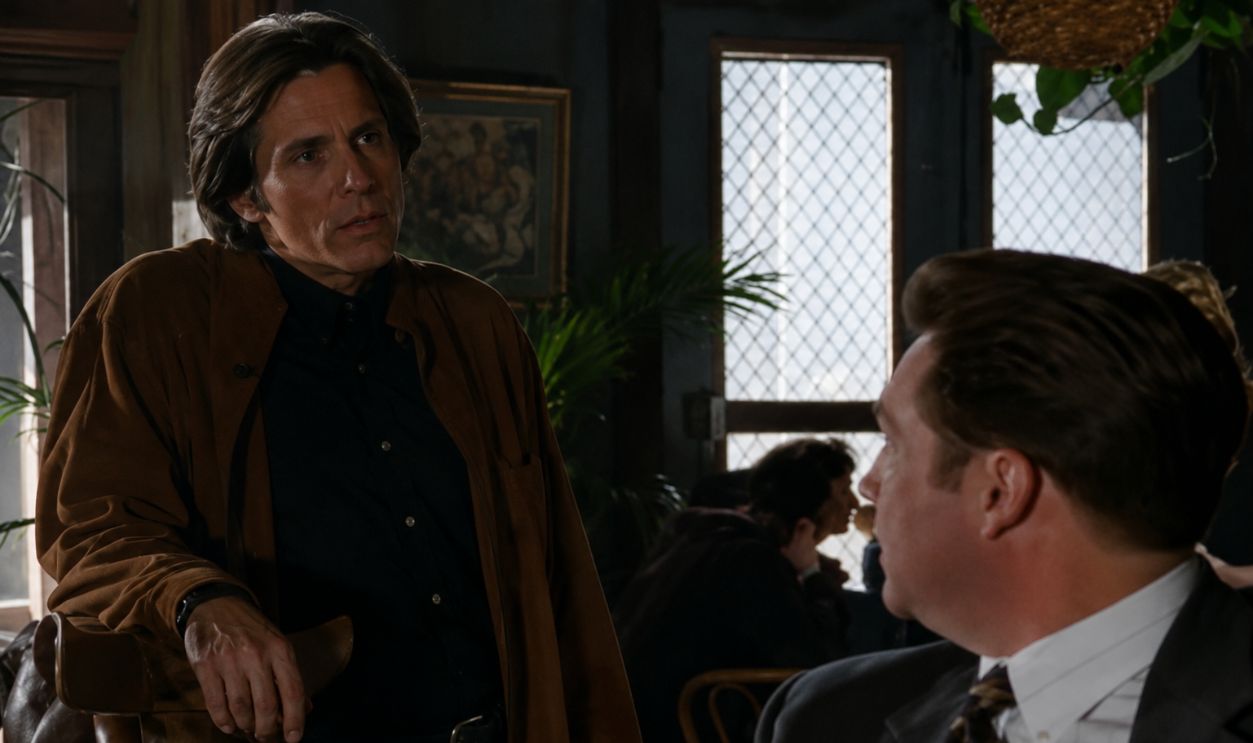 Screenshot from American Gothic, CBS (1995-1996), Enhanced
Space: Above And Beyond Fought A Bleak Future War
Space: Above and Beyond followed a group of young Marine aviators battling an alien enemy called the Chigs. Fox gave the military science-fiction drama expensive production values, a serious tone, and a mythology involving artificial humans and corporate power. The series ended after one season with major storylines unresolved, helping it become a perennial example of ambitious science fiction canceled too early.
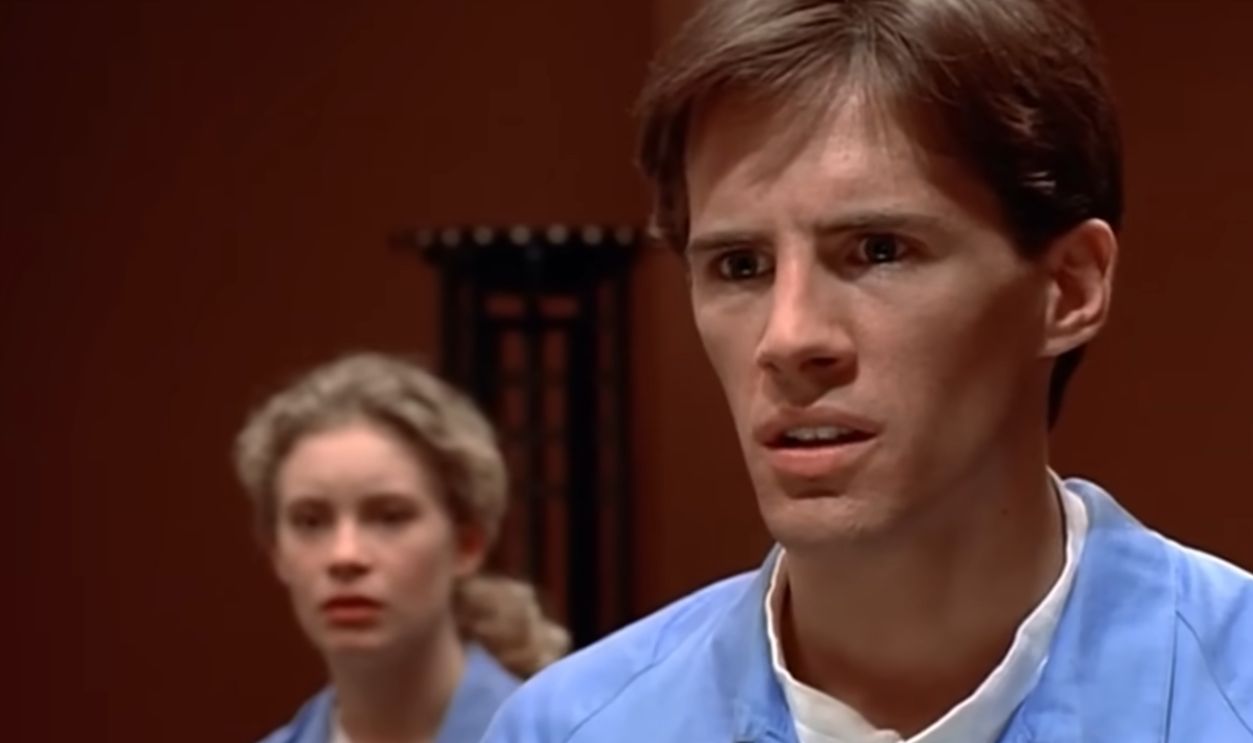 Screenshot from Space: Above and Beyond, FOX (1995–1996)
Nowhere Man Erased Its Hero’s Entire Life
Bruce Greenwood starred as photographer Thomas Veil, who returned from a restaurant washroom to discover that his wife no longer recognized him and his identity had seemingly been erased. Each episode pushed him deeper into a conspiracy connected to one politically explosive photograph. UPN canceled Nowhere Man after 25 episodes, but its paranoid atmosphere and serialized mystery continue to inspire devoted viewers.
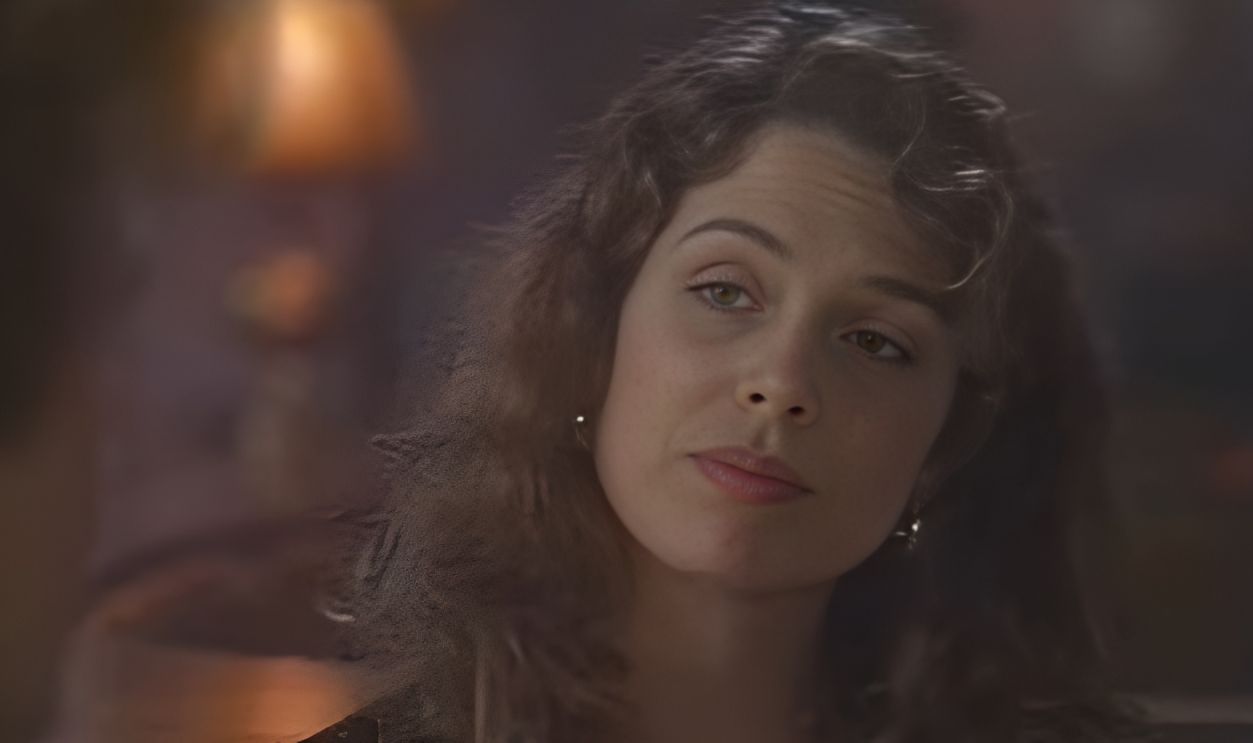 Screenshot from Nowhere Man, UPN (1995 - 1996), Modified
Profit Was Too Ruthless For Network Television
Adrian Pasdar played Jim Profit, a brilliant corporate executive who manipulated, blackmailed, and destroyed anyone obstructing his rise. Fox pulled the dark drama after airing only a handful of episodes, leaving several completed installments unseen during the original American run. Its morally empty antihero now looks surprisingly modern, and later television writers have frequently recognized the show as being ahead of its time.
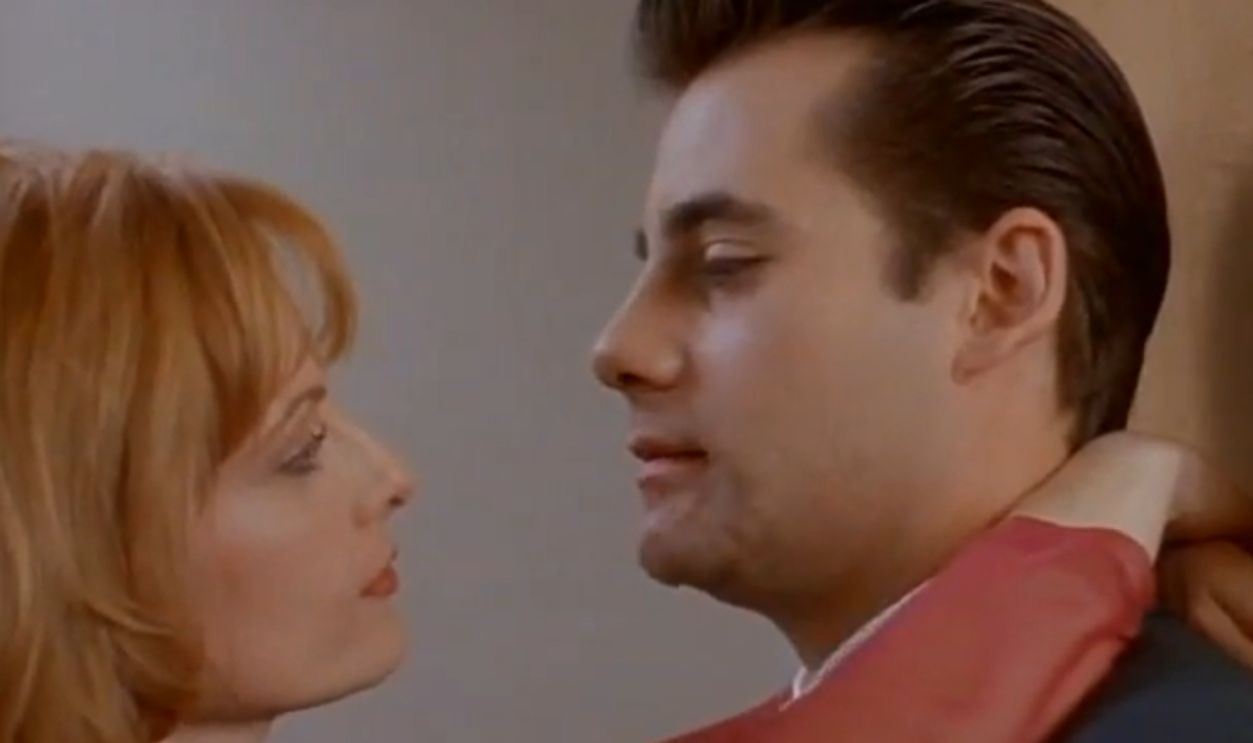 Screenshot from Profit, Fox (1996)
Dark Skies Rewrote Modern American History
NBC’s Dark Skies imagined that major historical events of the 1960s were connected to an alien invasion concealed by a secret government organization. Eric Close and Megan Ward played a young couple trying to expose the truth while powerful officials pursued them. The series lasted one season, but its combination of conspiracy history and alien mythology continues to attract science-fiction fans.
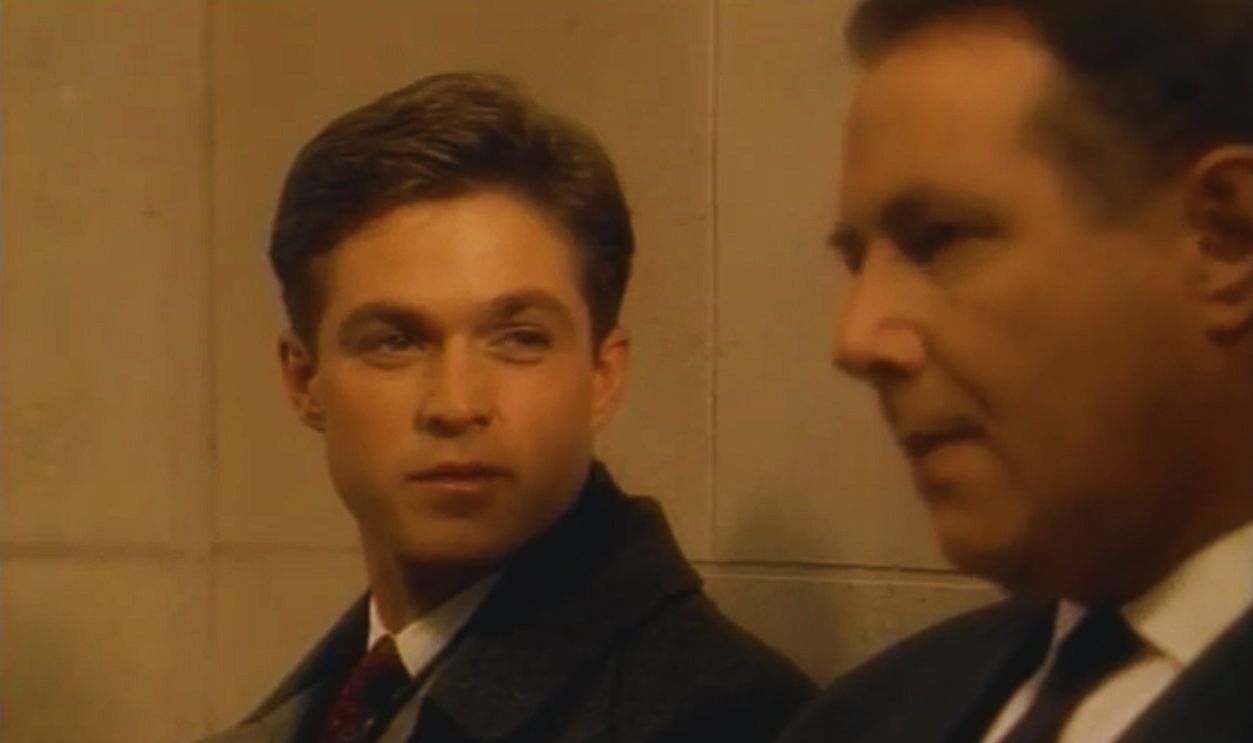 Screenshot from Dark Skies, NBC (1996–1997)
Earth 2 Stranded Humanity On A New Planet
A group of colonists traveled to a distant world hoping its clean environment could save children suffering from a mysterious illness. Their spacecraft crashed far from the planned settlement, forcing them to cross dangerous terrain inhabited by unfamiliar species. NBC canceled Earth 2 after one season, leaving its large mythology and final cliffhanger unresolved.
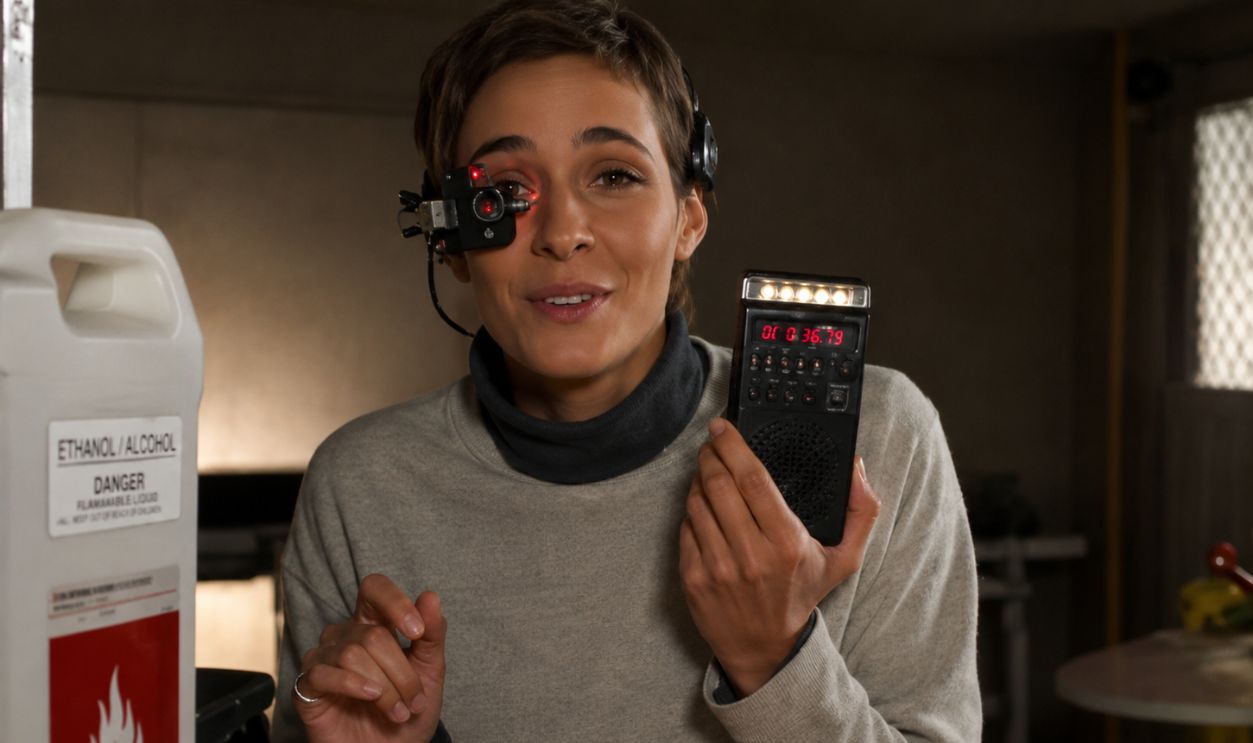 Screenshot from Earth 2, NBC (1994–1995)
VR.5 Turned The Internet Into A Dangerous Dream
Lori Singer starred as Sydney Bloom, a telephone-line technician who discovered that she could enter virtual-reality worlds connected to other people’s minds. Fox’s VR.5 blended cyberpunk imagery, corporate conspiracy, and anxieties about rapidly changing computer technology. The network aired the episodes irregularly, but the series retained fans intrigued by its moody vision of digital life.
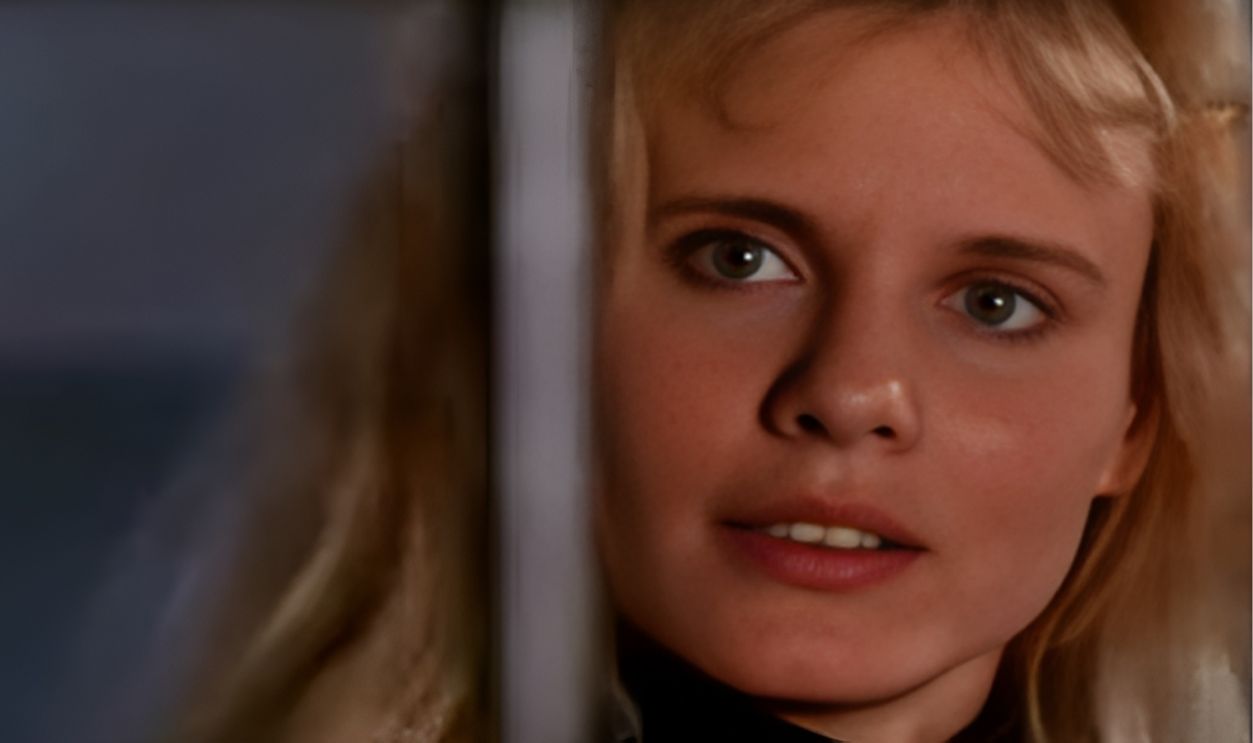 Screenshot from VR.5, Fox (1995)
Strange Luck Gave One Man Terrible Coincidences
D.B. Sweeney played Chance Harper, a photographer whose life was shaped by an endless series of extraordinary coincidences. His unusual luck frequently placed him at the center of disasters, crimes, and people who desperately needed help. Fox canceled Strange Luck after one season, yet its unusual premise and connection to the wider 1990s paranormal boom still attract curious viewers.
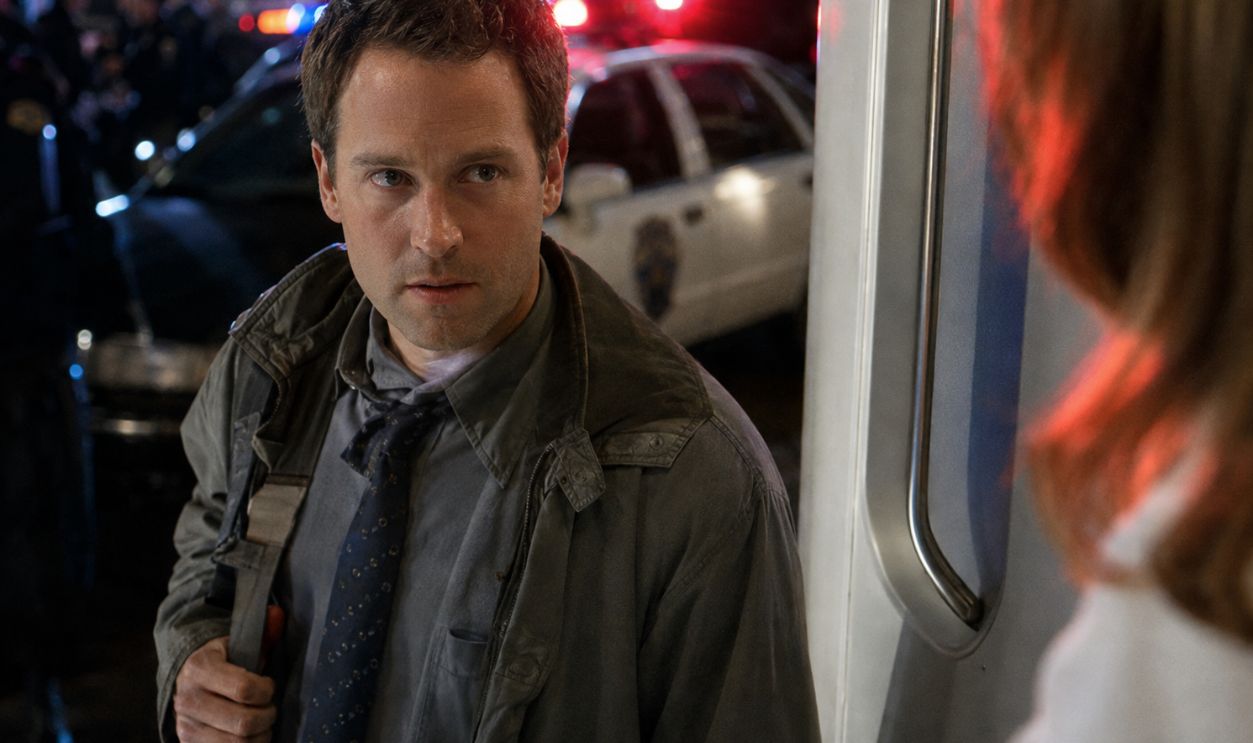 Screenshot from Strange Luck, New World Entertainment(1995-1996)
Kindred: The Embraced Brought Vampires To Prime Time
Loosely based on the role-playing game Vampire: The Masquerade, Kindred: The Embraced imagined San Francisco divided among powerful vampire clans. Mark Frankel played Julian Luna, a sophisticated vampire prince trying to prevent open war while maintaining a relationship with a human journalist. Fox aired only seven episodes, and Frankel’s death later ended realistic hopes for a continuation, giving the show an especially haunting cult reputation.
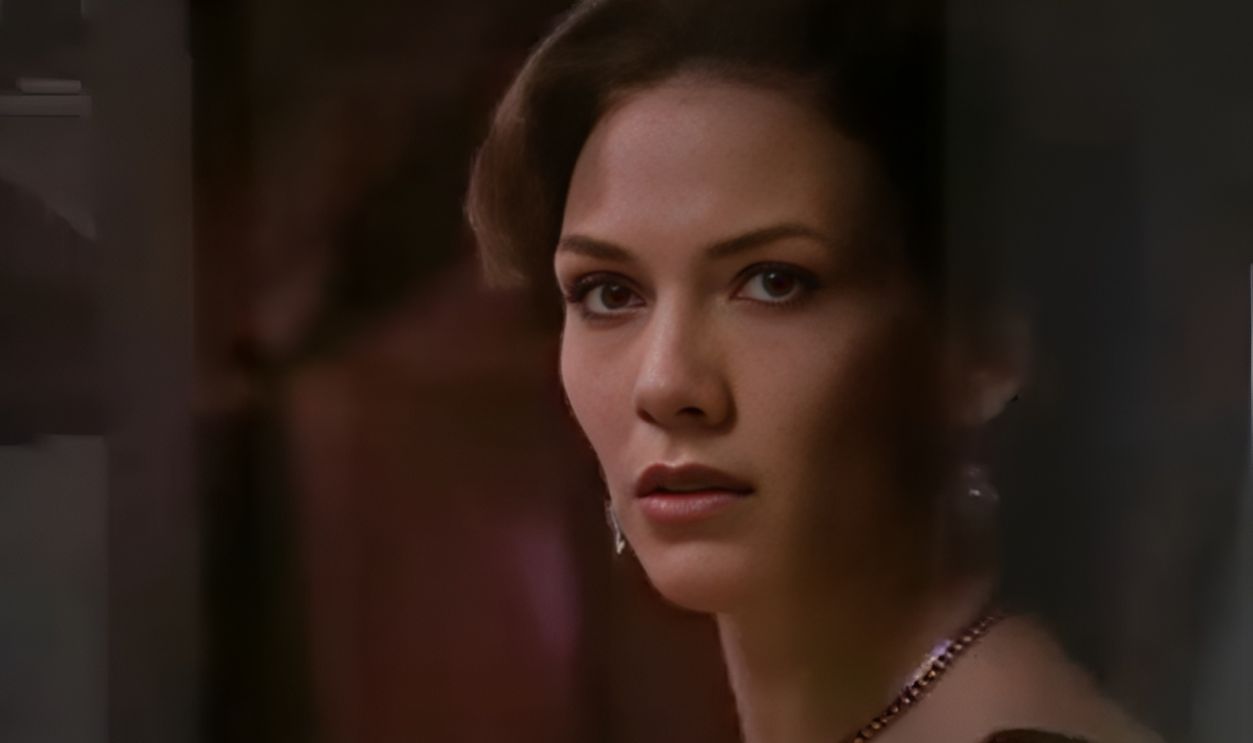 Screenshot from Kindred: The Embraced, Fox (1996), Modified
Brimstone Sent A Dead Cop After Escaped Souls
Peter Horton played Ezekiel Stone, a murdered police detective condemned to Hell after killing his wife’s attacker. The Devil, portrayed by John Glover, returned Stone to Earth and ordered him to capture 113 escaped souls. Fox canceled Brimstone before its mythology could develop fully, but fans still praise its grim atmosphere and the sharp exchanges between Stone and his manipulative employer.
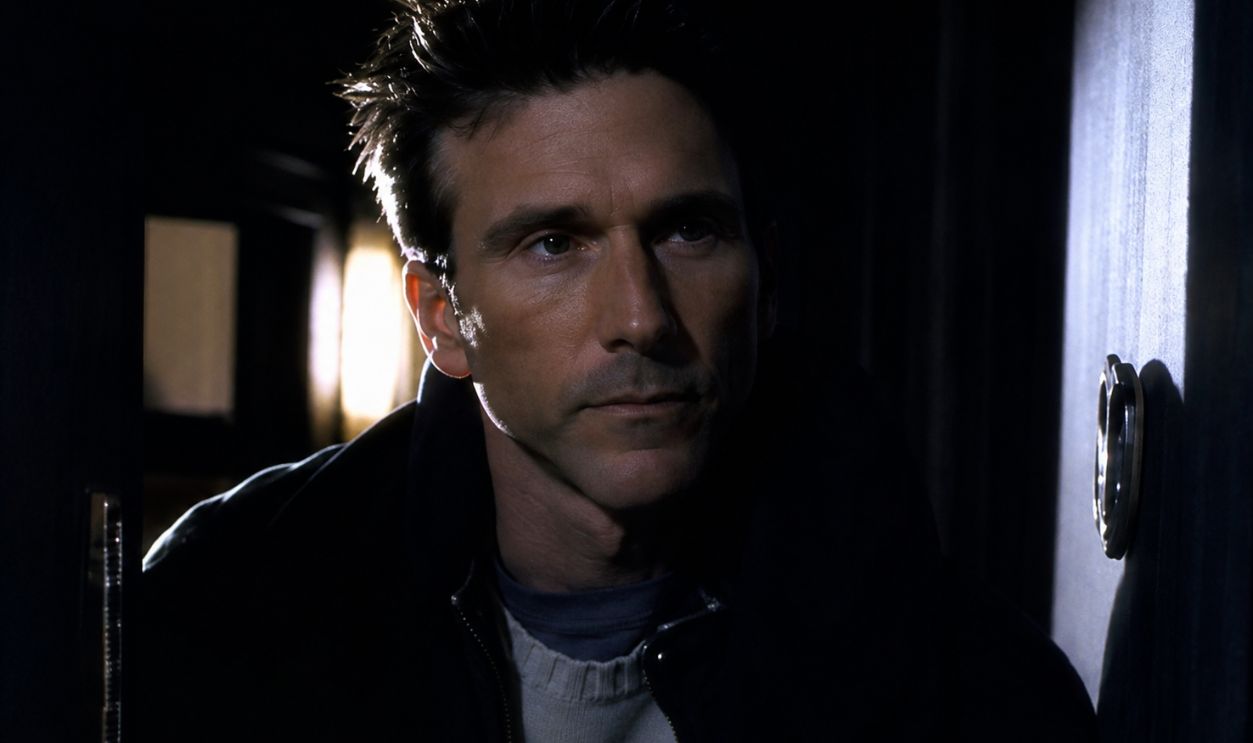 Screenshot from Brimstone, Warner Bros. Television Distribution (1998–1999)
Cupid Made Romance A Psychiatric Mystery
Jeremy Piven starred as Trevor Hale, a charismatic man who claimed to be Cupid and believed he had been exiled from Mount Olympus. Paula Marshall played the psychiatrist assigned to determine whether he was a god or simply experiencing an elaborate delusion. ABC canceled the romantic comedy-drama after one season, but creator Rob Thomas later revived the concept with a new cast in 2009.
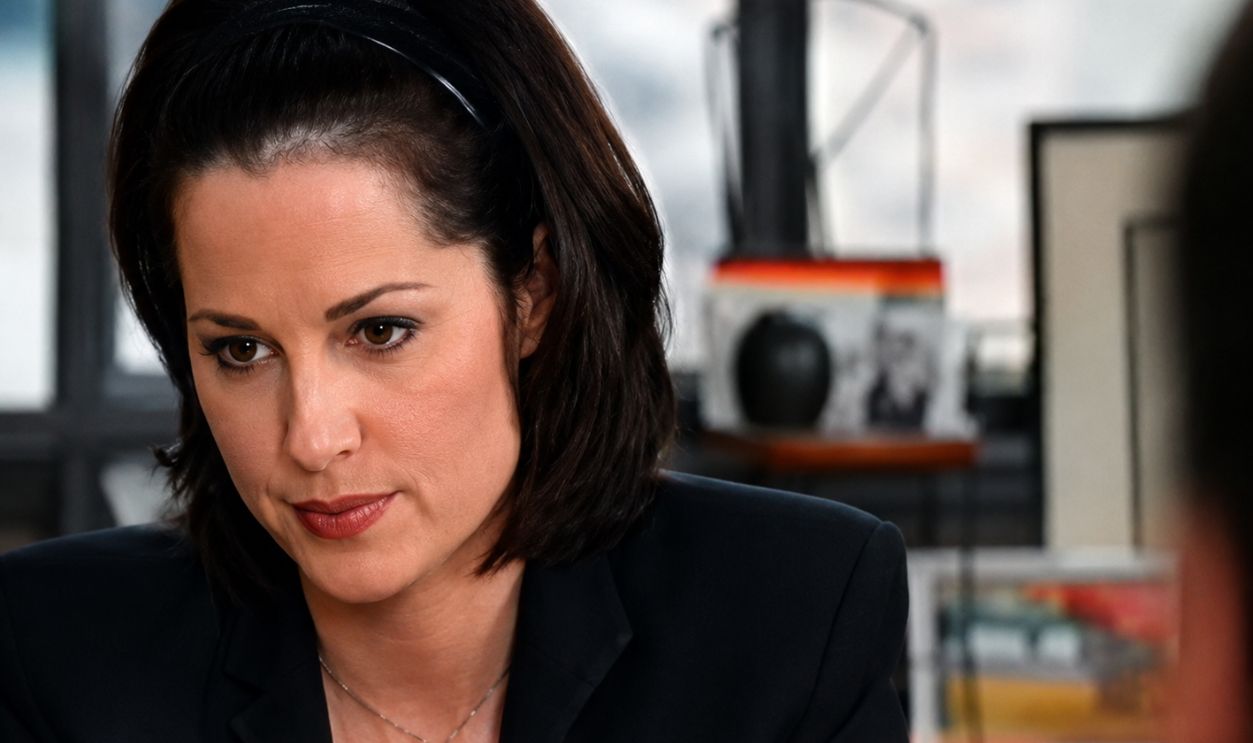 Screenshot from Cupid, Sony Pictures Television (1998)
Maximum Bob Was Pure Elmore Leonard Weirdness
Beau Bridges played an outrageous Florida judge famous for handing defendants the harshest possible sentences. Based on Elmore Leonard’s novel, the series surrounded him with alligators, criminals, a psychic wife, a dancing sheriff, and a determined public defender. ABC aired only seven episodes in 1998, leaving fans of eccentric crime comedy with a wonderfully strange fragment.
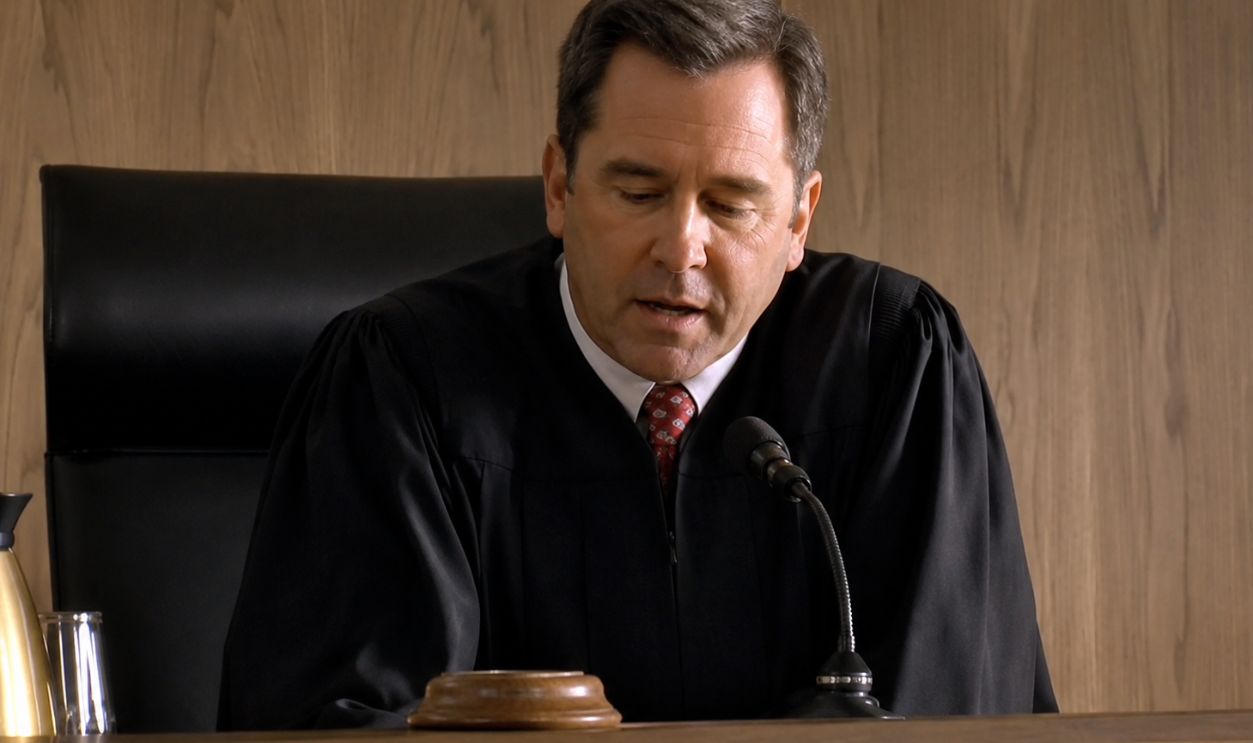 Screenshot from Maximum Bob, Warner Bros. Television (1998)
Action Attacked Hollywood From The Inside
Jay Mohr played Peter Dragon, a vicious movie producer scrambling to rebuild his career after a spectacular box-office failure. Fox’s Action mocked studio politics, celebrity egos, agents, drugs, and the entertainment industry’s casual cruelty. Its language and subject matter pushed the boundaries of network comedy, but poor ratings ended the show after one abbreviated season.
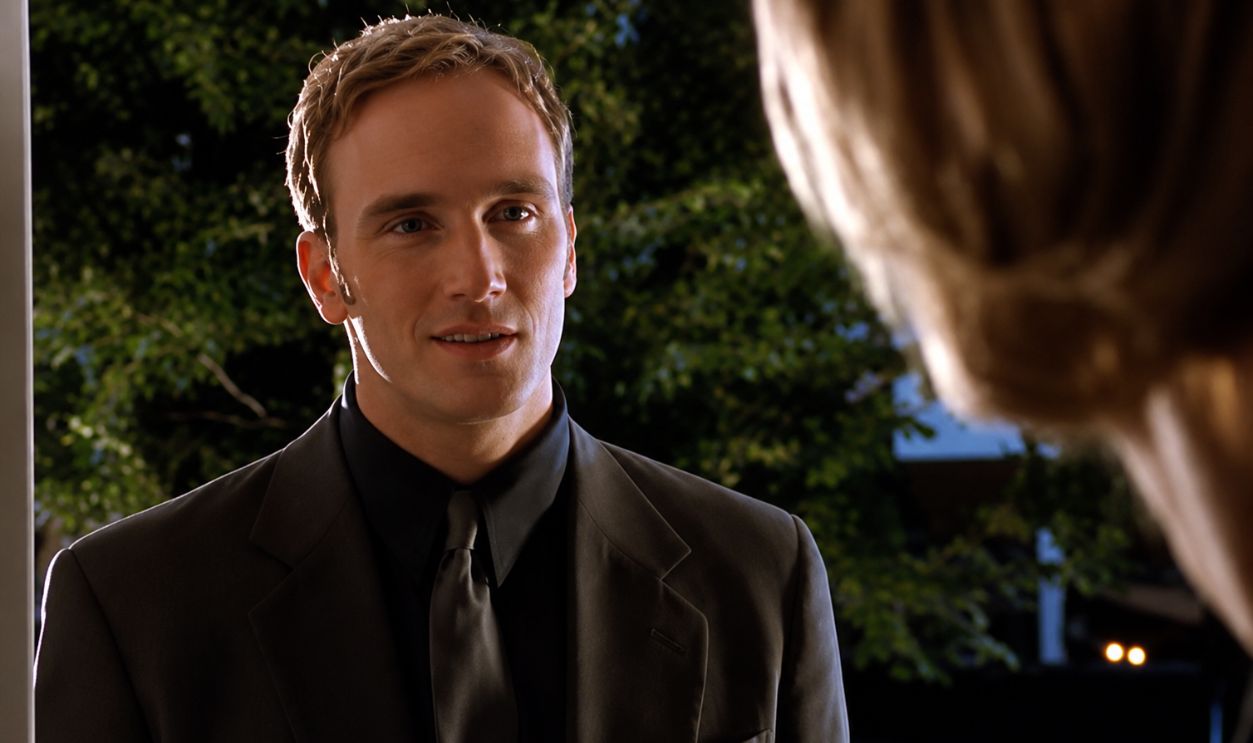 Screenshot from Action , Columbia TriStar Domestic Television (1999-2000)
Harsh Realm Entered A Virtual War
Chris Carter created Harsh Realm after the success of The X-Files and Millennium. Scott Bairstow played a soldier sent into a military simulation controlled by a rogue general portrayed by Terry O’Quinn. Fox removed the series after only three episodes, but the completed installments later circulated among fans fascinated by its darker version of virtual reality.
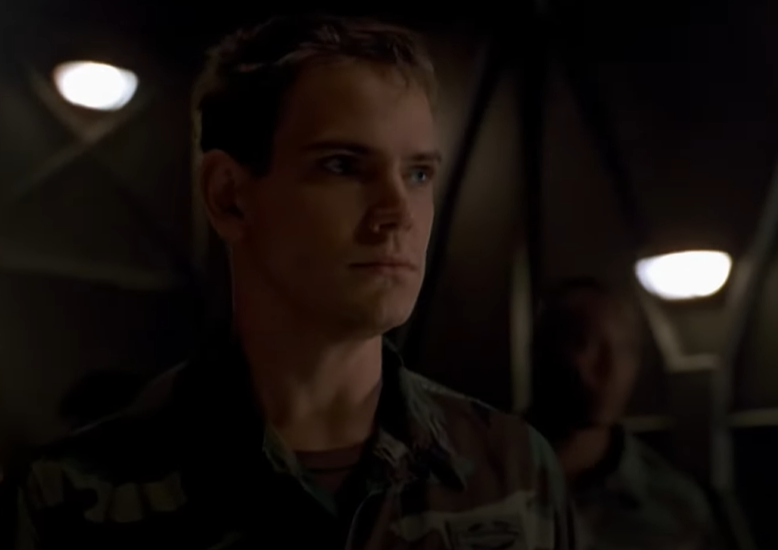 Screenshot from Harsh Realm, Twentieth Century (1999–2000)
Bakersfield P.D. Was Quietly Ahead Of Its Time
Giancarlo Esposito starred as a Washington detective transferred to a deeply eccentric California police department. The single-camera comedy used naturalistic lighting and no laugh track years before that style became common on network television. Fox canceled it after one season, but the cable channel Trio later presented it under its “Brilliant But Cancelled” banner.
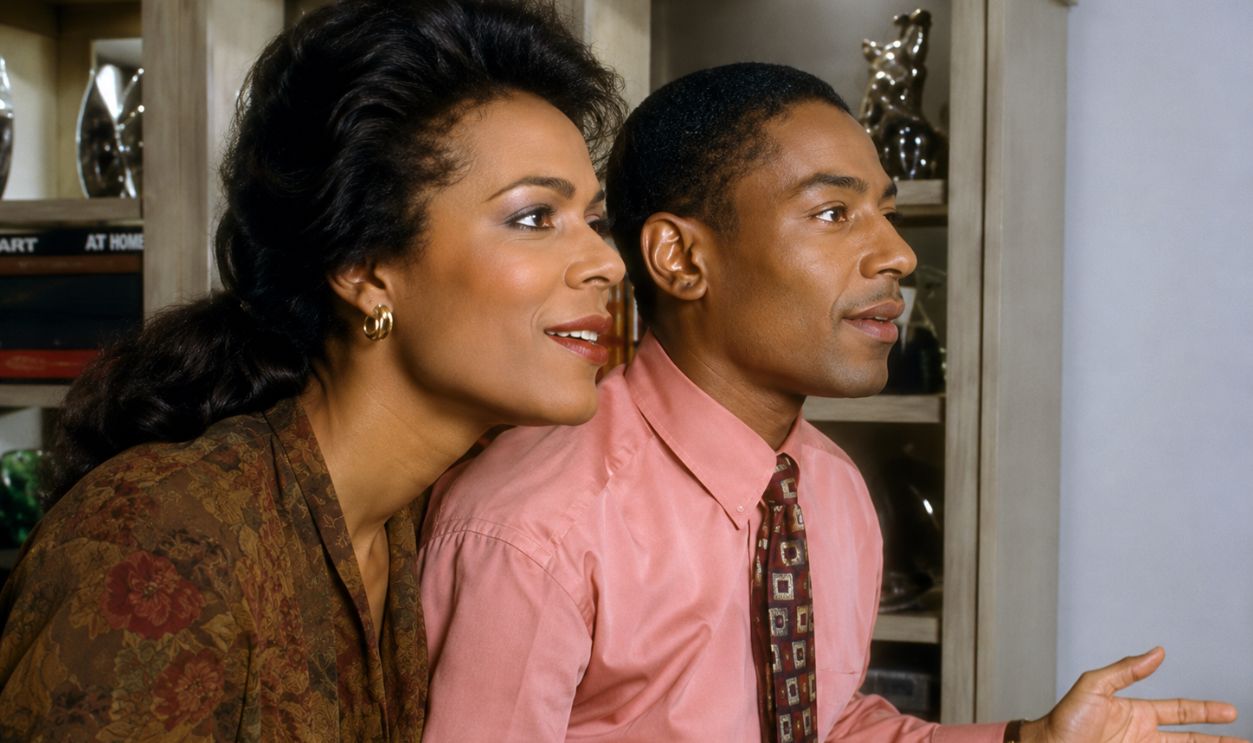 Screenshot from Bakersfield P.D., Touchstone Television (1993-1994)
The Ben Stiller Show Launched A Comedy Generation
Ben Stiller’s Fox sketch series featured Janeane Garofalo, Andy Dick, and Bob Odenkirk in parodies of movies, television, advertising, and celebrity culture. Fox canceled the program after one season, but it won an Emmy for its writing after it had already disappeared. Its writers and performers became enormously influential in American comedy, turning the failure into an important creative launching pad.
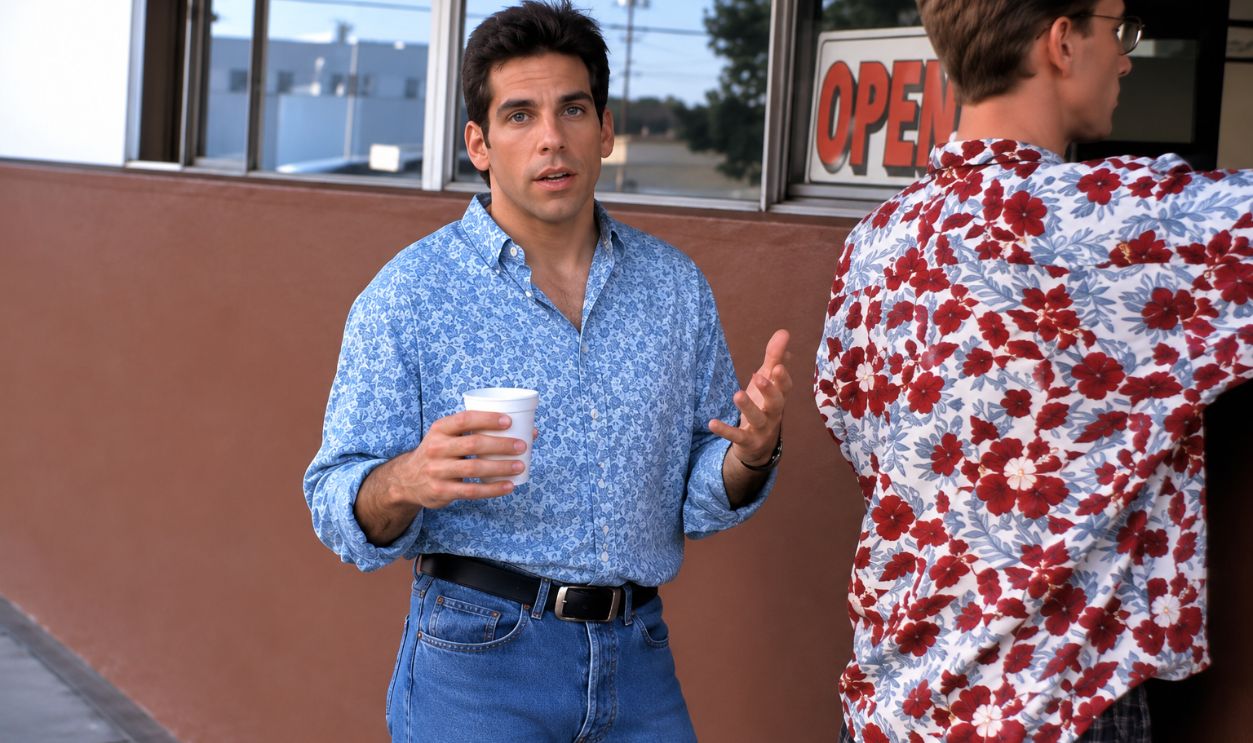 Screenshot from The Ben Stiller Show, MTV (1990-1995)
The Dana Carvey Show Was Almost Too Talented
Dana Carvey’s prime-time sketch series featured an extraordinary writing and performing team that included Steve Carell, Stephen Colbert, Robert Smigel, Louis C.K., and Charlie Kaufman. The premiere opened with an outrageous presidential sketch that immediately challenged ABC’s family-friendly audience. The network canceled the show after a brief run, but documentaries and retrospectives later transformed it into a legendary comedy disaster.
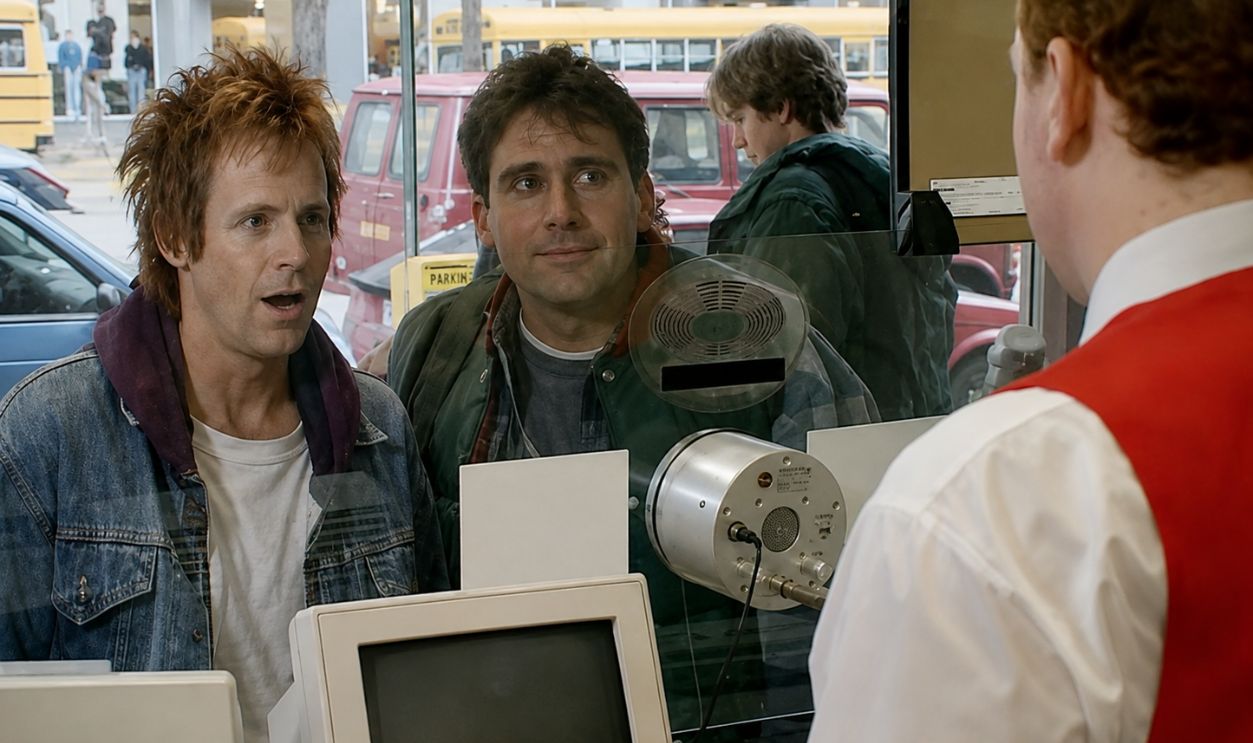 Screenshot from The Dana Carvey Show, ABC (1996)
Relativity Earned A Small But Passionate Audience
Kimberly Williams and David Conrad starred as Isabel and Leo, a couple who met in Italy and tried to continue their romance after returning to Los Angeles. The drama expanded into a thoughtful study of their families, ex-partners, and conflicting expectations about adulthood. ABC canceled it after 17 episodes, but its emotionally observant writing left a loyal group of viewers wanting more.
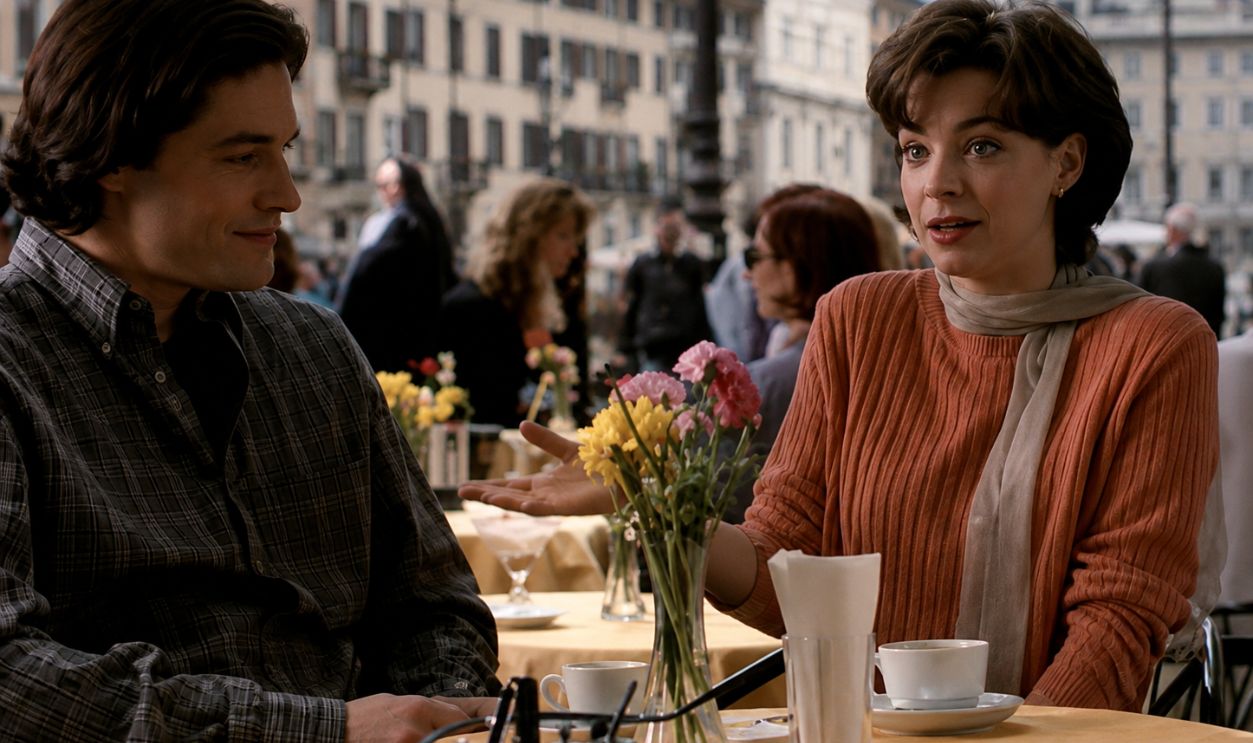 Screenshot from Relativity, ABC (1996-1997), Enhanced
Nothing Sacred Made Faith Complicated
Kevin Anderson played Father Francis Xavier McNally, an urban Catholic priest experiencing doubts while serving parishioners facing poverty, violence, pregnancy, and institutional indifference. ABC’s drama refused to turn every moral problem into a simple inspirational lesson. The series attracted controversy and lasted one season, but its serious treatment of religion earned critical respect and two Emmy nominations.
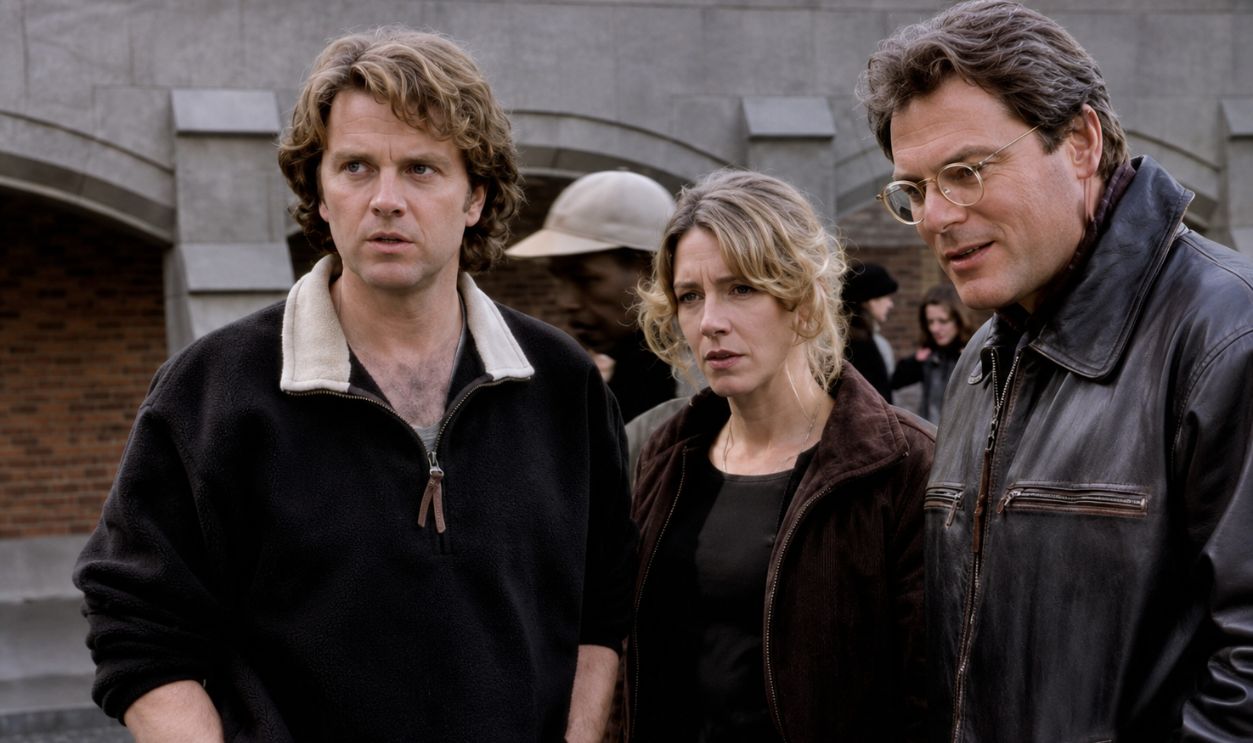 Screenshot from Nothing Sacred, 20th Century Fox Television (1997-1998), Enhanced
EZ Streets Was Too Dark For Its Schedule
Paul Haggis created this bleak crime drama about a police officer, an ex-convict, and a charismatic gangster whose lives converged in a decaying city. Ken Olin, Jason Gedrick, and Joe Pantoliano led a cast praised for giving the material unusual moral complexity. CBS repeatedly moved and interrupted the series, but critics and later viewers continued to champion it as one of the decade’s great missed opportunities.
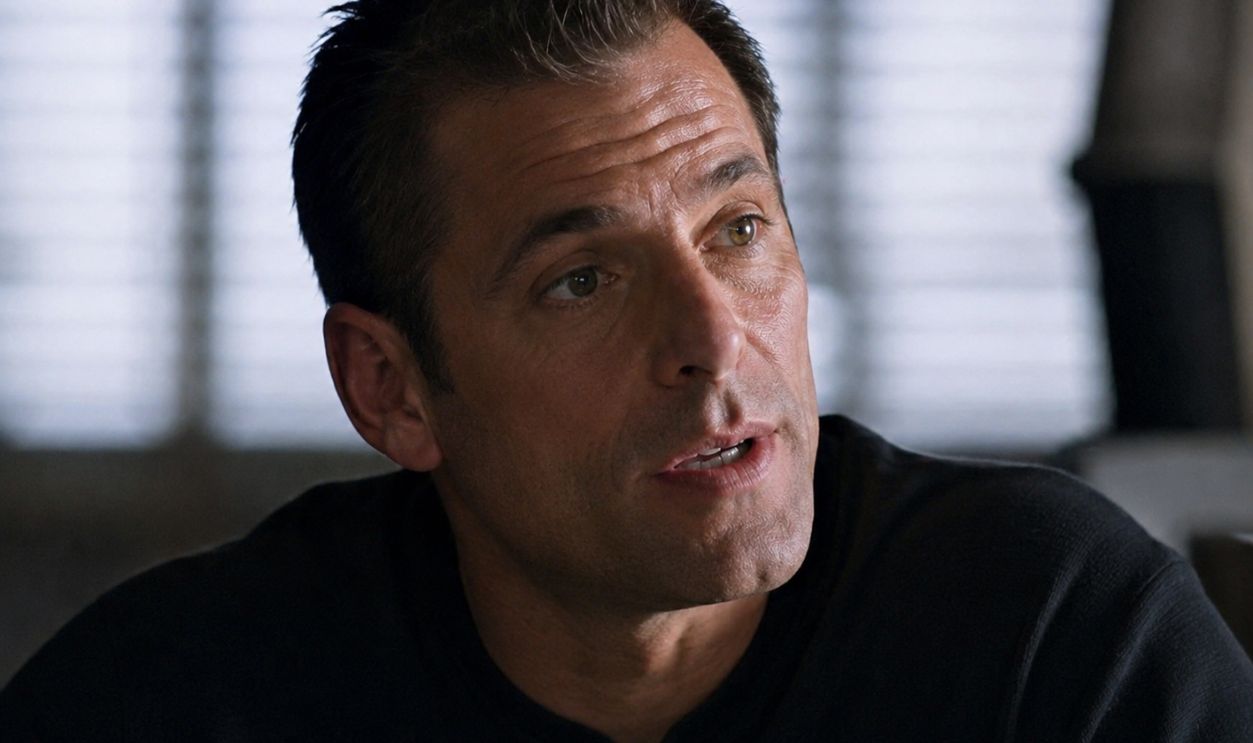 Screenshot from EZ Streets, Universal Television (1996-1997), Enhanced
Brooklyn South Focused On Uniformed Officers
Steven Bochco, David Milch, Bill Clark, and William Finkelstein created Brooklyn South as an ensemble drama about officers working inside a busy New York precinct. The series emphasized patrol cops rather than the glamorous detectives who usually dominated police television. CBS ended it after one season, although Mark Tinker won an Emmy for directing the pilot.
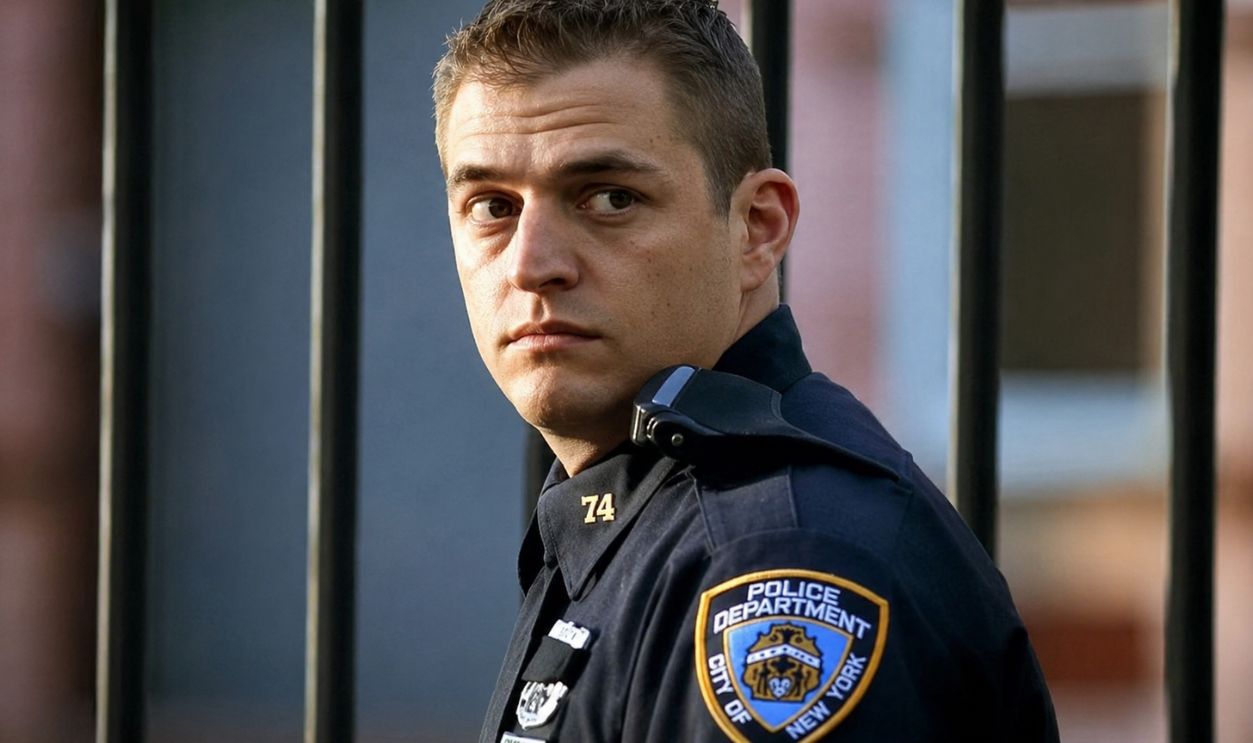 Screenshot from Brooklyn South, CBS (1997-1998), Enhanced
Roar Gave Heath Ledger An Early Leading Role
A young Heath Ledger starred as Conor, an Irish prince organizing Celtic clans against Roman expansion. Fox’s fantasy adventure mixed historical figures, magic, romance, and political rebellion, with Vera Farmiga appearing in an early role. Only 13 episodes were produced, but Ledger’s later fame helped new viewers discover the short-lived series.
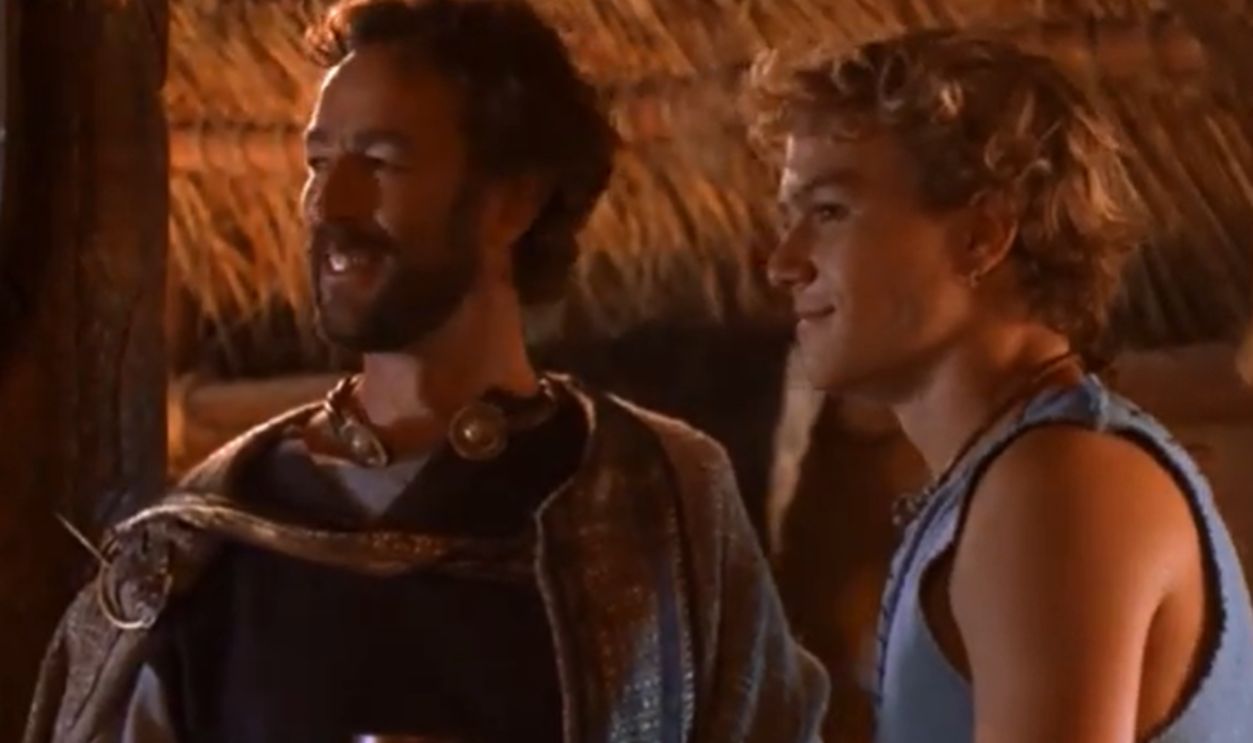 Screenshot from Roar, Fox (1997)
The Flash Arrived Before Superheroes Ruled Television
John Wesley Shipp played forensic scientist Barry Allen, who gained superhuman speed after a laboratory accident. CBS’s expensive series used elaborate costumes and visual effects to bring the DC hero into live-action prime time in 1990. Scheduling problems and production costs helped end it after one season, but Shipp’s later appearances in the Arrowverse honored the dedicated fan base that never forgot his Barry Allen.
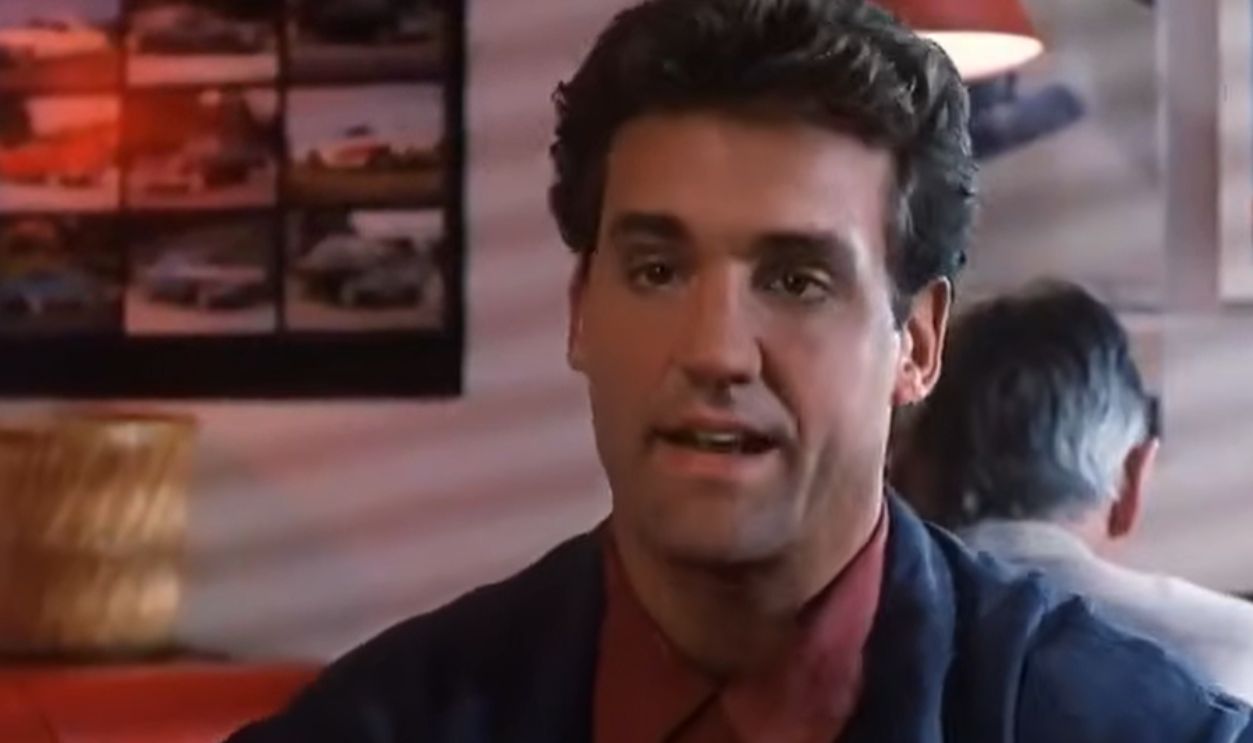 Screenshot from The Flash, Warner Bros. Television (1990-1991)
You May Also Like:
90s Sitcoms That Are Still Better Than Anything On TV Today
Nostalgic 90s Photos From When The World Made Sense
90s Action Movies That Defined A Generation
Sources: 1, 2, 3, 4, 5, 6, 7, 8, 9, 10, 11, 12, 13, 14, 15, 16, 17, 18, 19, 20, 21, 22, 23, 24, 25, 26, 27, 28