When Game Shows Ruled The Living Room
Before streaming services and smartphones, American families could spend entire evenings arguing with contestants on television. Throughout the 1970s and 1980s, game shows turned trivia, guessing games, and ordinary household knowledge into irresistible entertainment. Whether you watched after school, during summer vacation, or with your parents after dinner, chances are you still remember some of these classics.
 Michael Ochs Archives/Getty Images
The Price Is Right Made Grocery Shopping Exciting
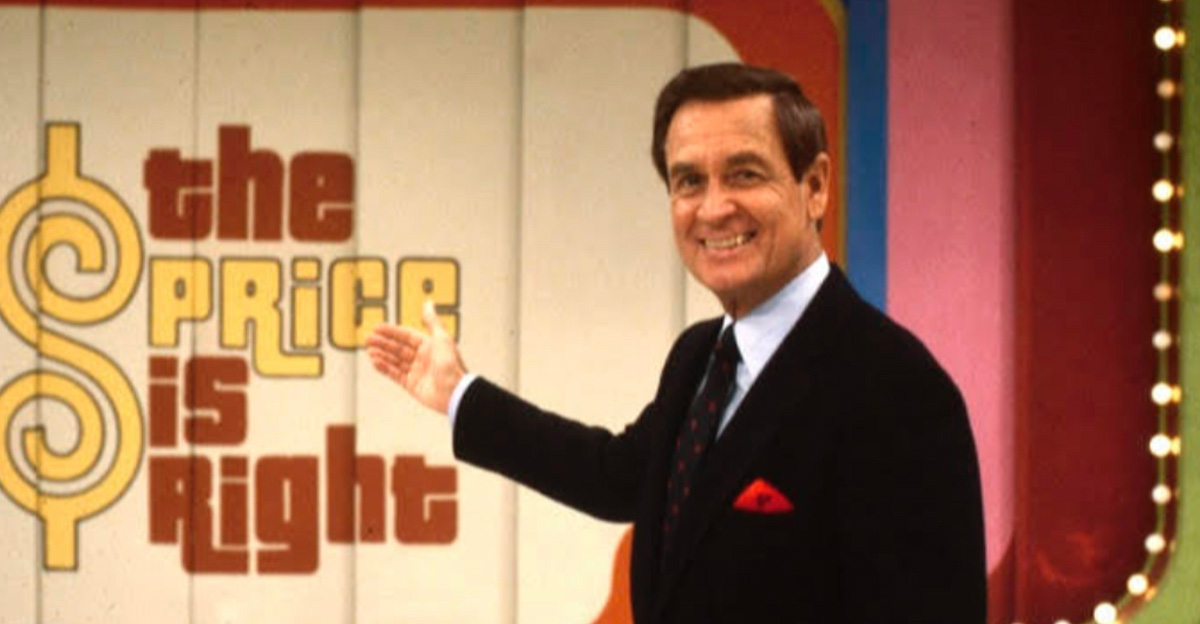
When Bob Barker began hosting The Price Is Right in 1972, Americans discovered just how entertaining guessing the cost of everyday products could be. Contestants competed for everything from kitchen appliances to brand-new cars, while viewers shouted their own estimates at the screen. Suddenly, knowing the price of laundry detergent or a refrigerator seemed like a potentially valuable talent.
 CBS tv, CC BY-SA 4.0, Wikimedia Commons
Everyone Wanted To Hear Their Name Called
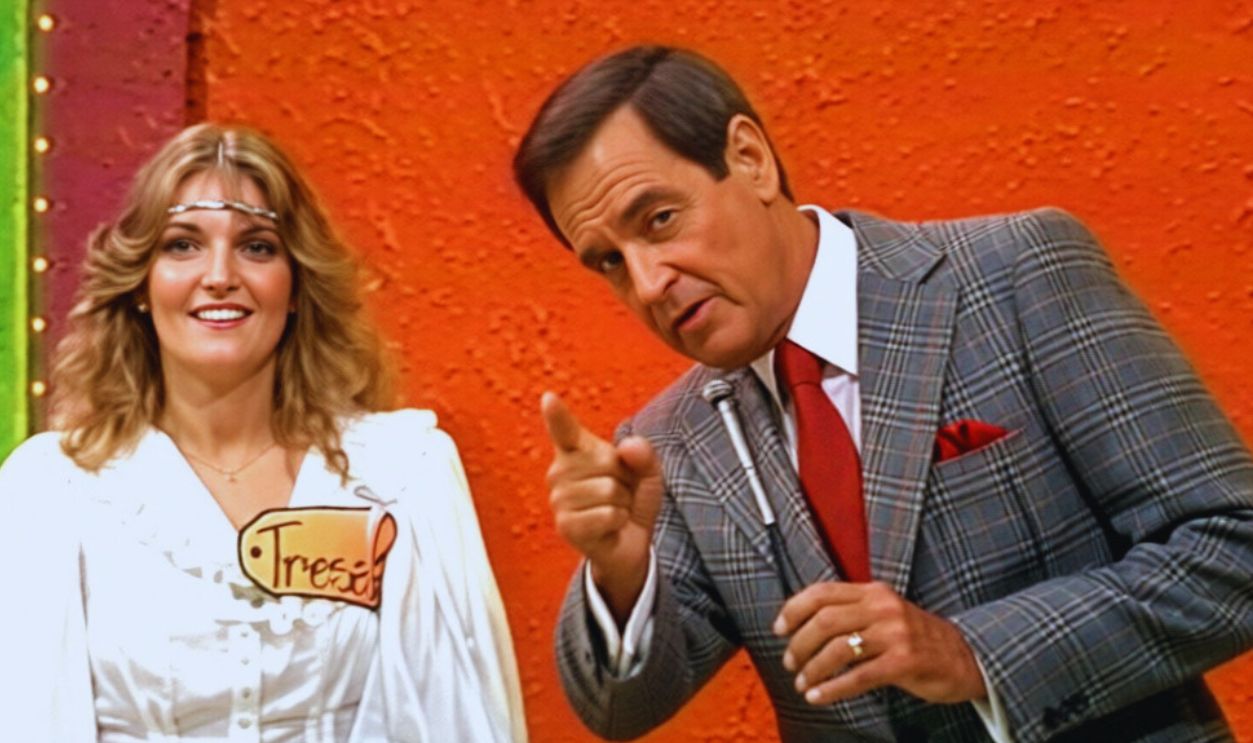
Few game show moments were as exciting as hearing an announcer invite an audience member to come on down to The Price Is Right. The contestants' enthusiastic reactions became part of the show's appeal, especially when they got the chance to play its famous pricing games. And when someone made it to the Showcase Showdown, families watching at home had another opportunity to prove they could have won.
 Screenshot from The Price Is Right, CBS (1972–), Enhanced
Wheel Of Fortune Had Everyone Guessing
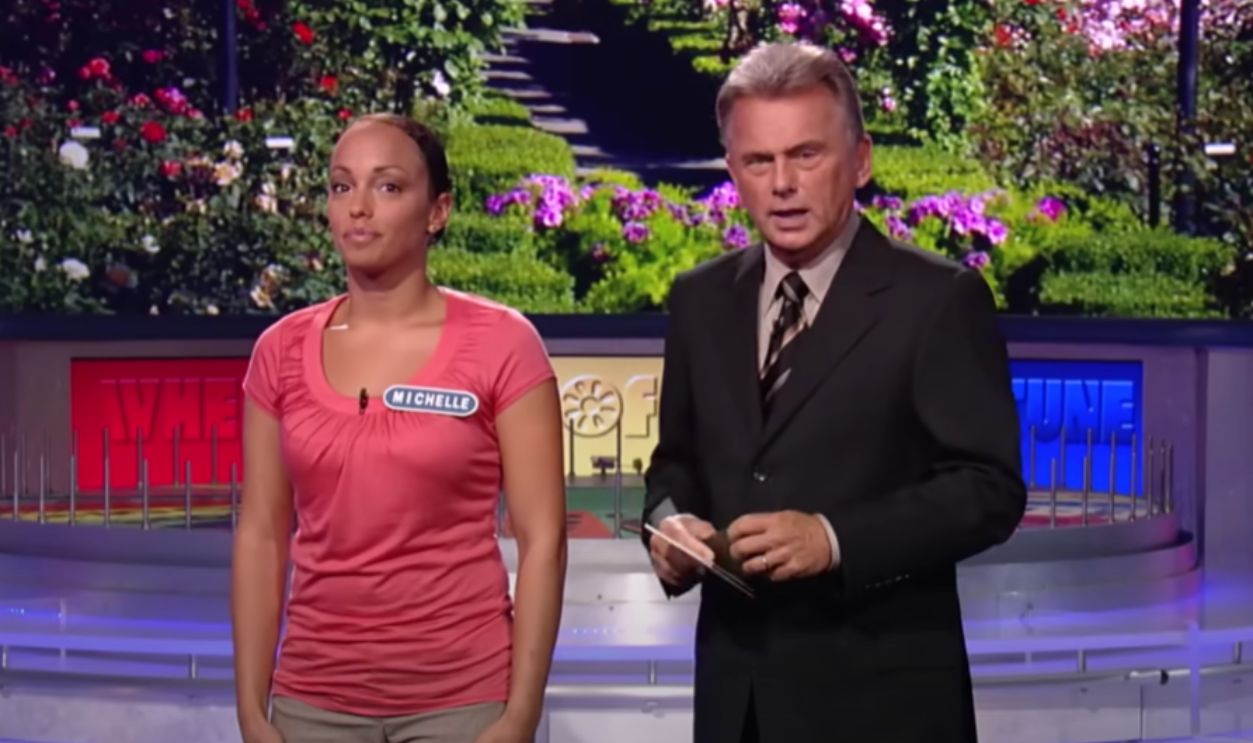
Wheel of Fortune debuted on NBC in January 1975, combining the familiar word game Hangman with a colorful spinning wheel. Contestants guessed consonants, purchased vowels, and tried to solve puzzles while accumulating cash and prizes. At home, the real competition was often between family members racing to recognize the phrase before the contestants did.
 Screenshot from Wheel of Fortune, NBC (1975–)
Pat And Vanna Became Household Names
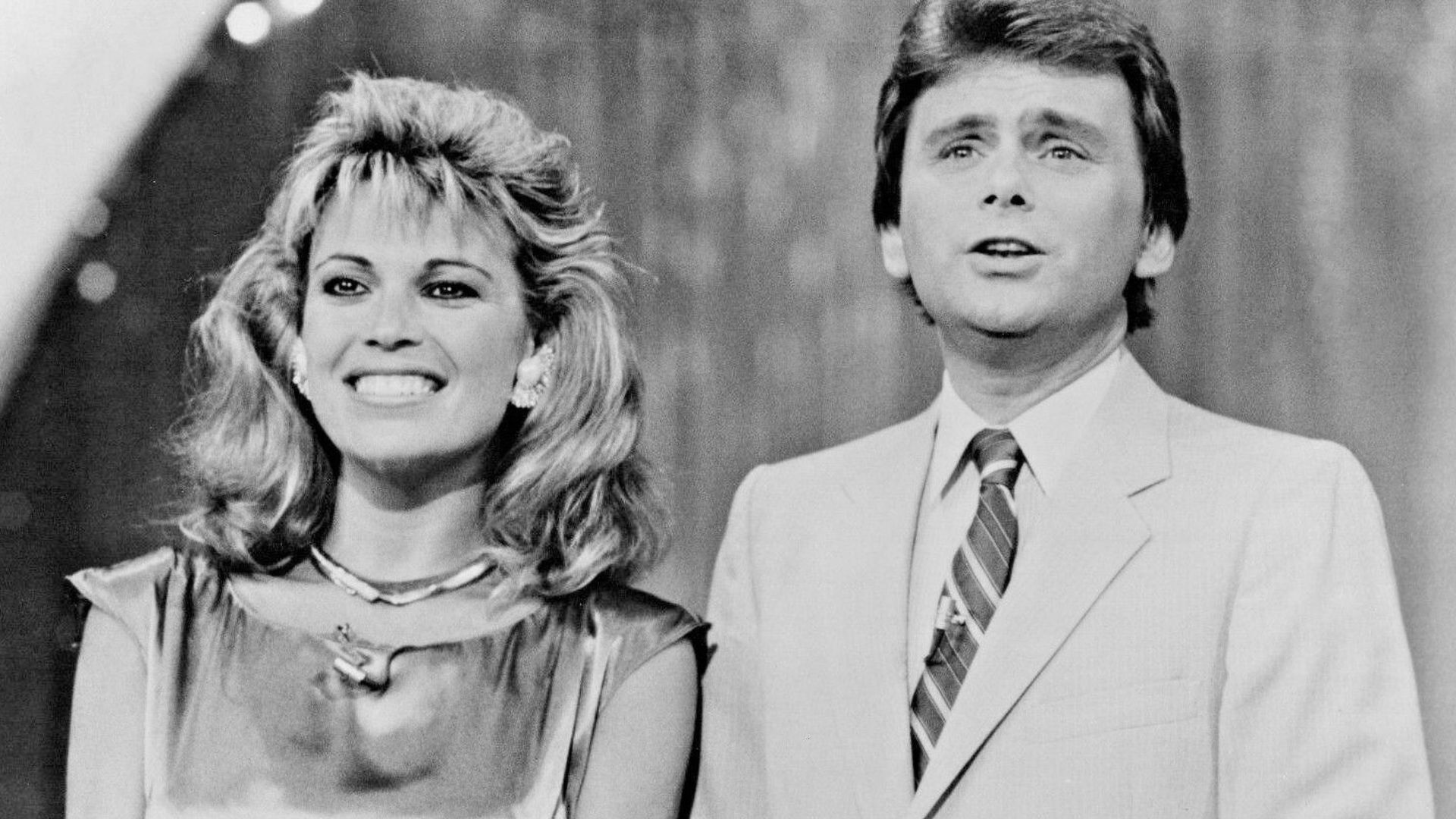
Chuck Woolery originally hosted Wheel of Fortune, but Pat Sajak took over in 1981, followed by Vanna White in 1982. Their partnership became even more familiar when a syndicated evening edition launched in 1983. White's letter-revealing role and Sajak's conversational hosting style helped make the show a recognizable part of American television.
 Merv Griffin Enterprises, Wikimedia Commons
Family Feud Turned Families Against Each Other
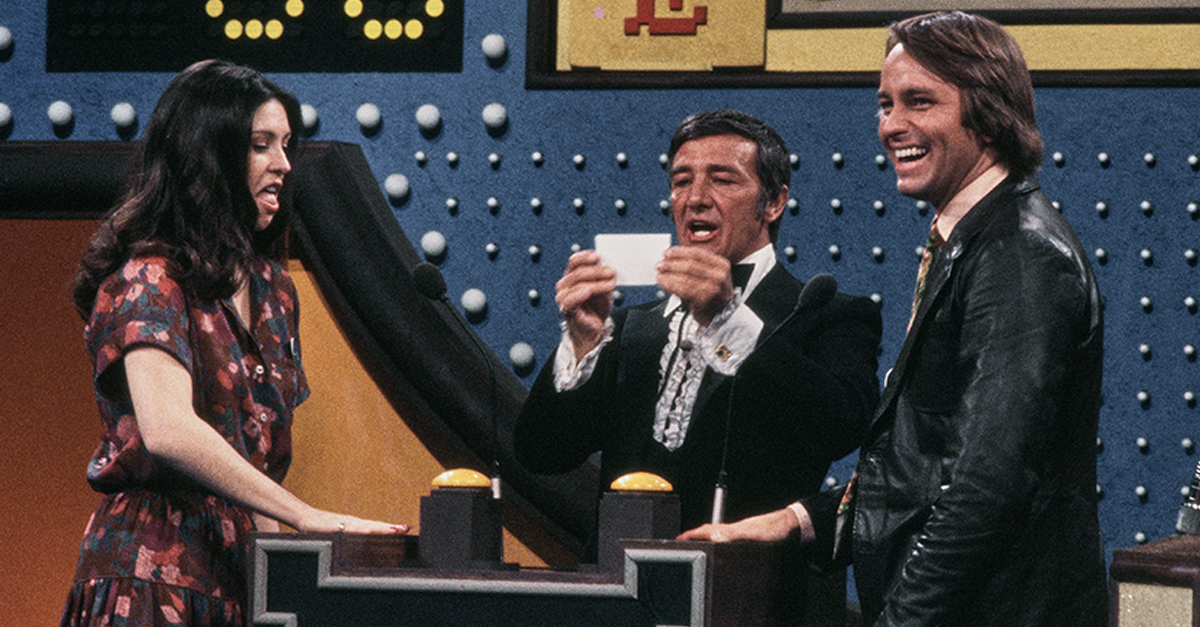
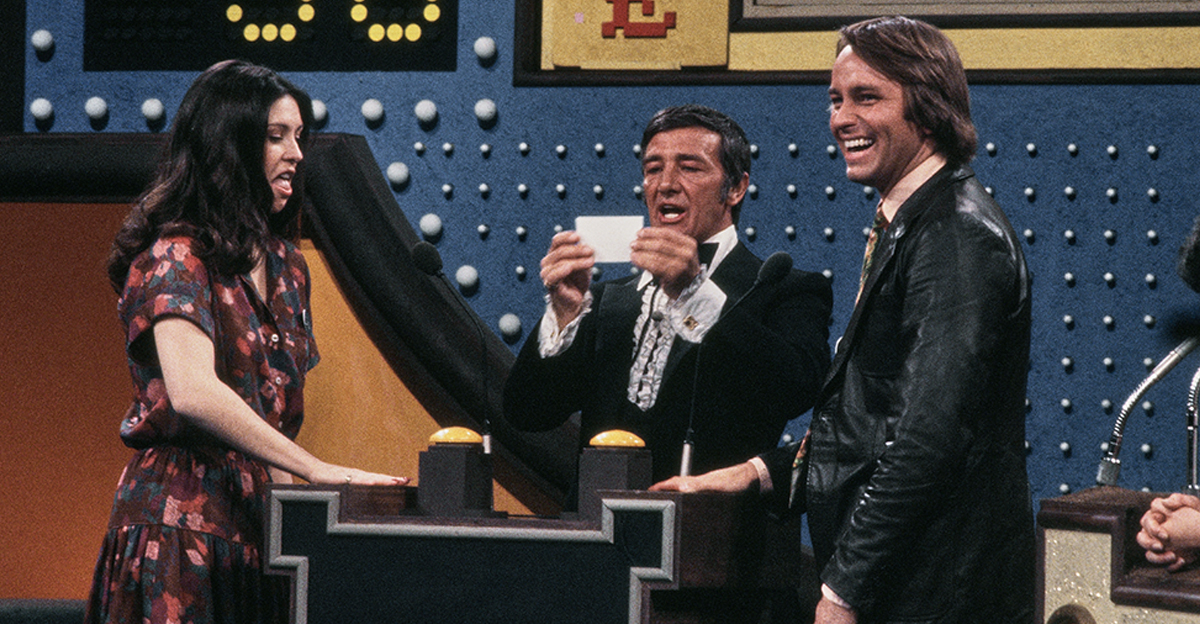
Family Feud premiered in July 1976 with Richard Dawson hosting two families competing to predict the most popular answers to survey questions. The questions were often deceptively simple, making it easy for viewers to participate from their couches. Of course, nothing was more frustrating than watching a contestant give an answer that everyone at home knew wouldn't be on the board.
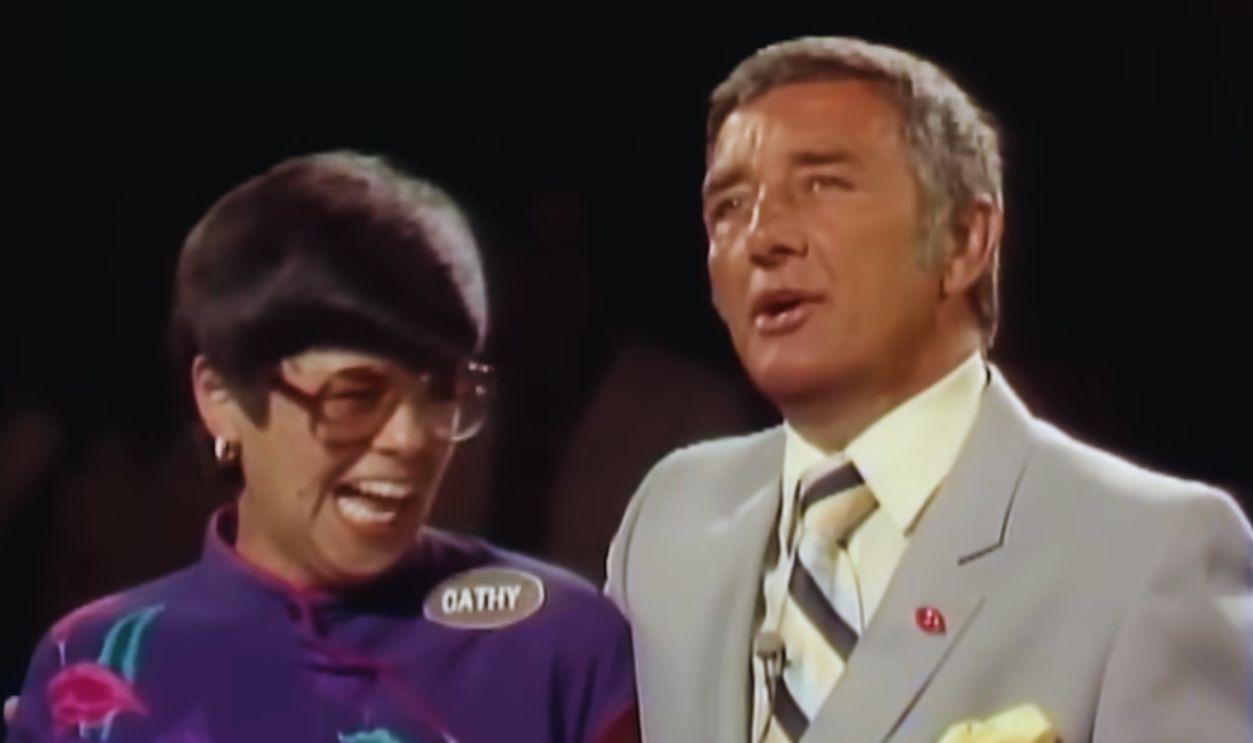 Screenshot from Family Feud, ABC (1976–)
Survey Says Richard Dawson Was Unforgettable
Richard Dawson made Family Feud famous for more than its survey questions and competitive families. His habit of kissing female contestants became one of his most recognizable trademarks, alongside his playful interactions with participants. When the original series ended in 1985, it left behind a format that was familiar enough to return with Ray Combs as host in 1988.
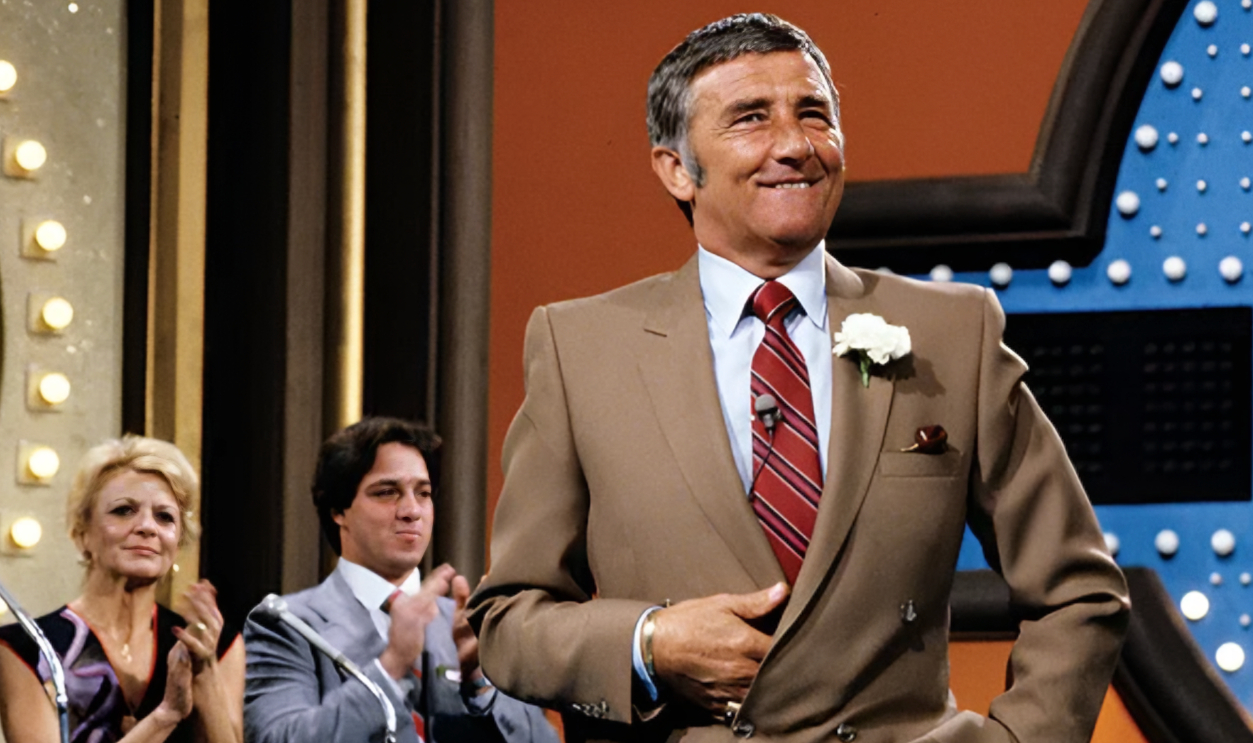 Screenshot from Family Feud, ABC (1976–) , Enhanced
Match Game Was Absolutely Unpredictable
When Match Game '73 arrived with Gene Rayburn as host, the show transformed a simple fill-in-the-blank competition into a showcase for celebrity comedy. Contestants attempted to match answers given by a panel of six famous faces, but those answers could be wonderfully ridiculous. Families could play along easily, although some of the celebrity responses were decidedly more suitable for the adults in the room.
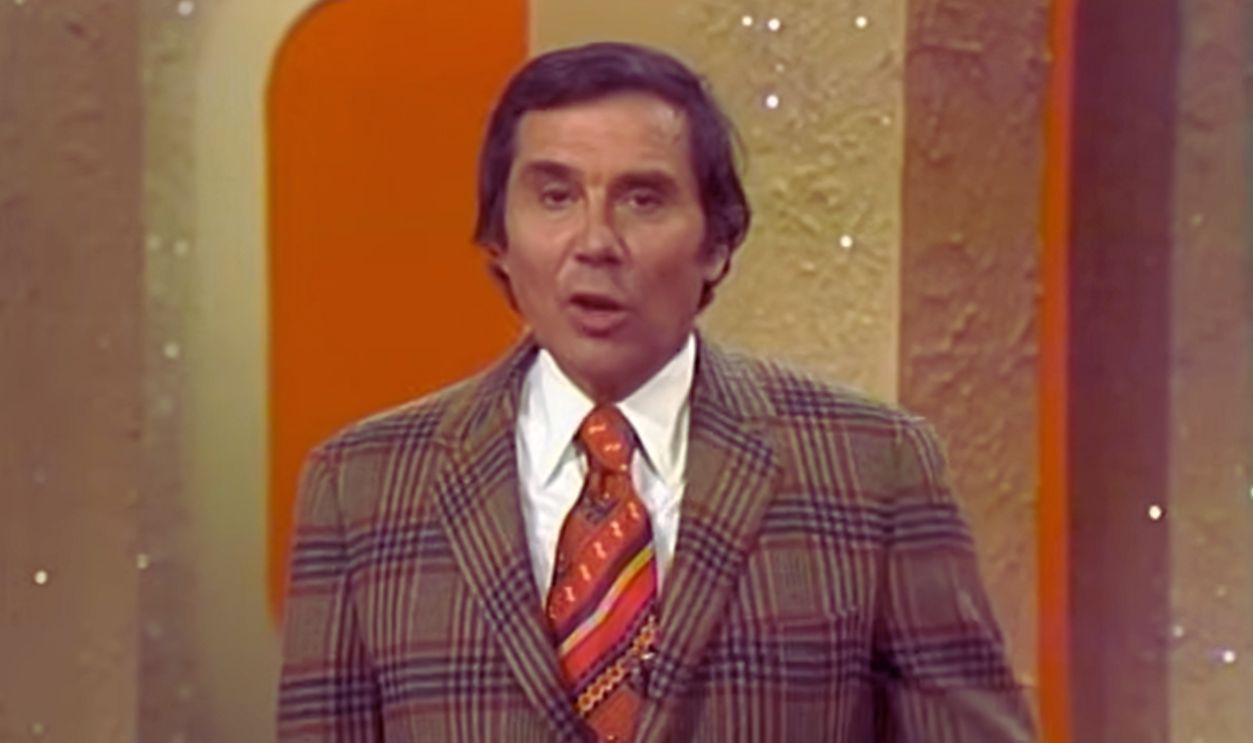 Screenshot from Match Game, NBC (1962–)
The Celebrity Panel Was Half The Fun
Richard Dawson, Betty White, and other familiar entertainers helped turn Match Game into one of television's most entertaining celebrity competitions. Its combination of suggestive questions, spontaneous jokes, and unpredictable answers made the panel just as important as the actual contestants. Even when nobody matched the correct response, the resulting laughter often made the round worthwhile.
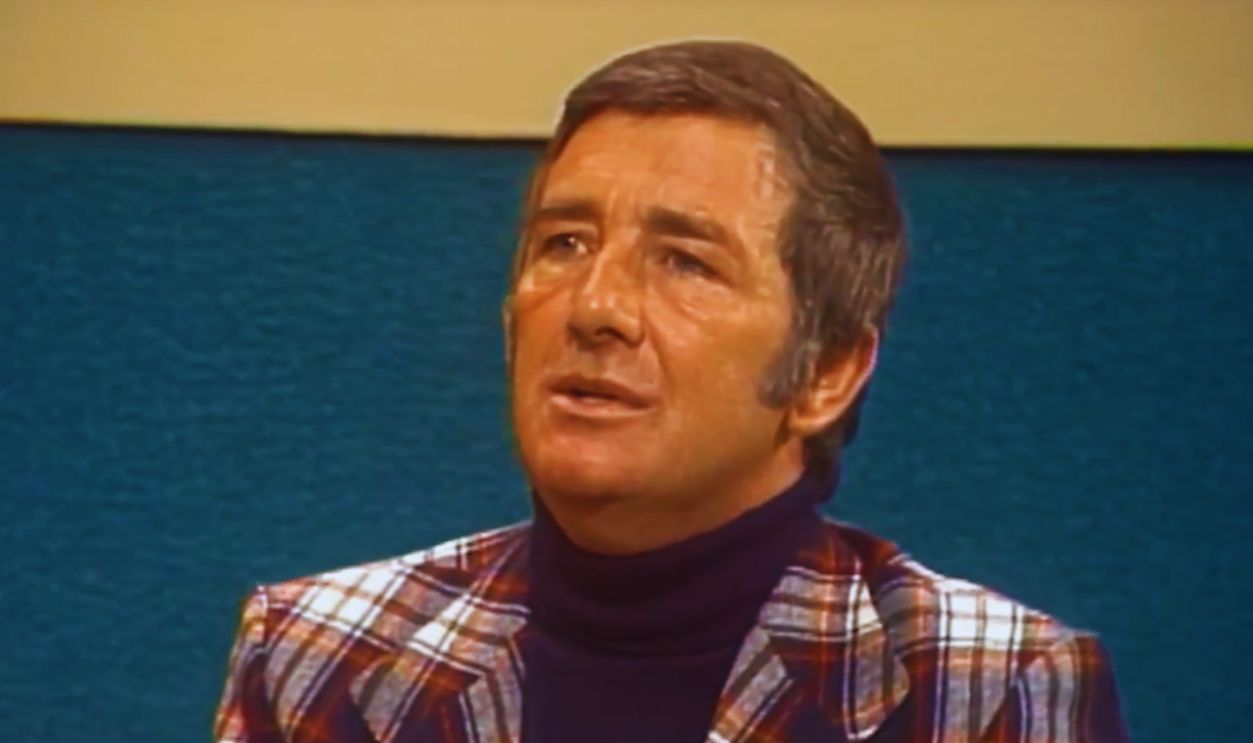 Screenshot from Match Game, Fremantle (1962–)
Hollywood Squares Had A Very Famous Center
The Hollywood Squares placed nine celebrities inside a giant tic-tac-toe board and invited contestants to decide whether their answers were correct. Peter Marshall hosted the original version, which debuted in 1966 and continued throughout the following decade. Paul Lynde became especially memorable in the center square, where his sharp one-liners frequently stole the spotlight.
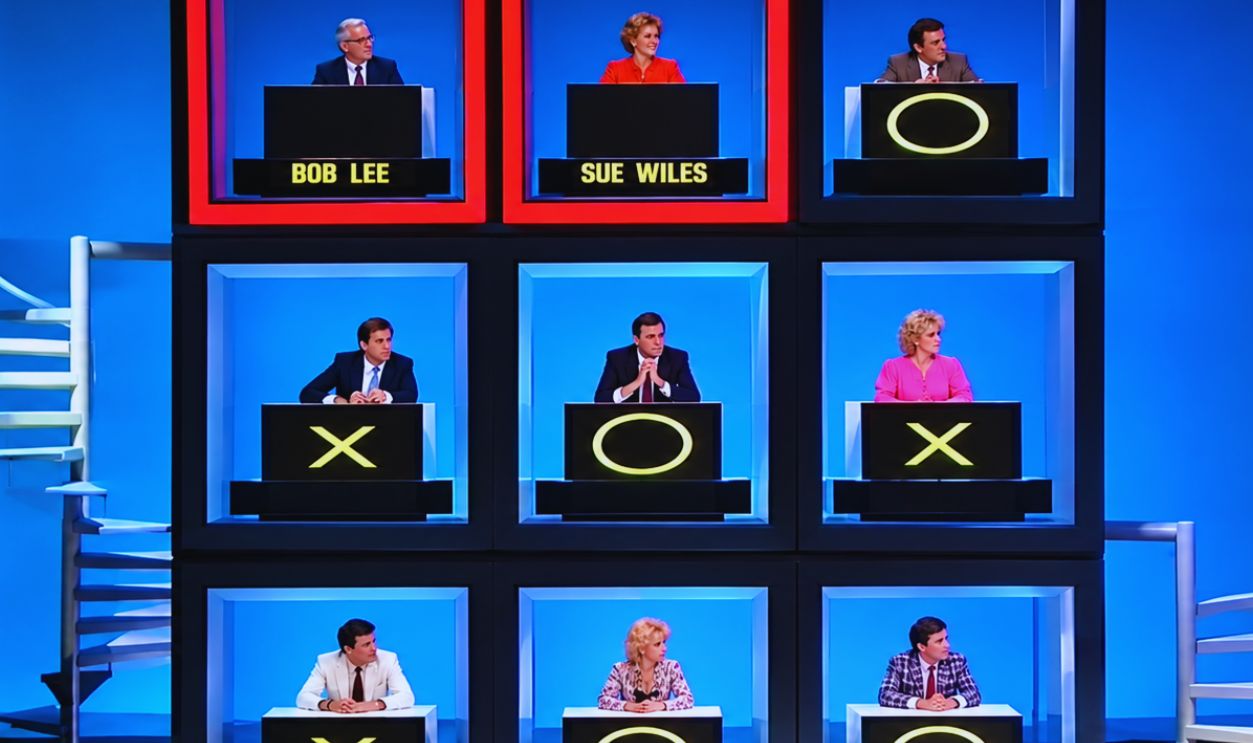 Screenshot from Hollywood Squares, NBC (1966–), Enhanced
Winning Tic-Tac-Toe Was Never This Funny
Although Hollywood Squares involved trivia questions, correctly judging a celebrity's answer was the key to claiming a square. The stars regularly delivered jokes before offering their responses, creating a competition that doubled as a comedy program. For audiences watching at home, deciding whether to agree or disagree was almost as entertaining as the celebrities themselves.
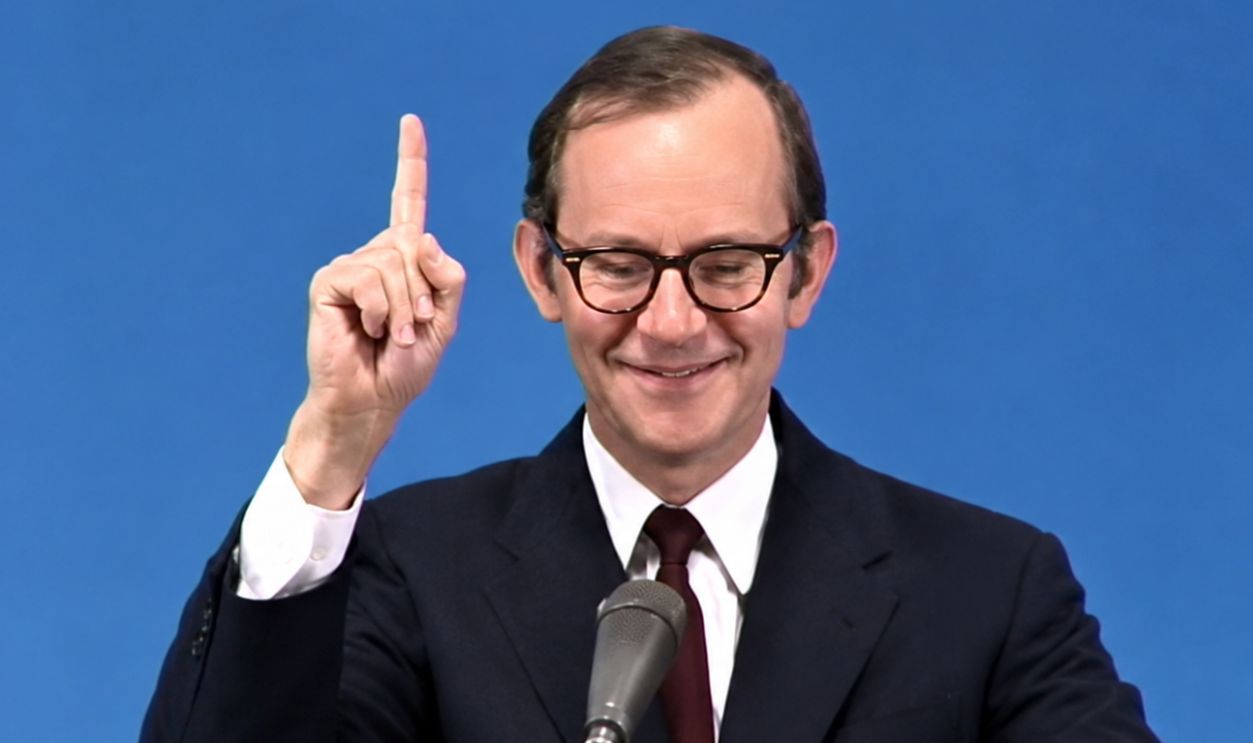 Screenshot from Hollywood Squares, NBC (1966–), Enhanced
Let's Make A Deal Was A Total Gamble
Monty Hall turned uncertainty into entertainment on Let's Make a Deal, where audience members faced decisions involving mysterious boxes, curtains, and hidden prizes. Contestants could accept a guaranteed reward or risk everything for something potentially more valuable. Unfortunately, the prize behind the curtain wasn't always a new car, and the show's famously disappointing zonks made every choice suspenseful.
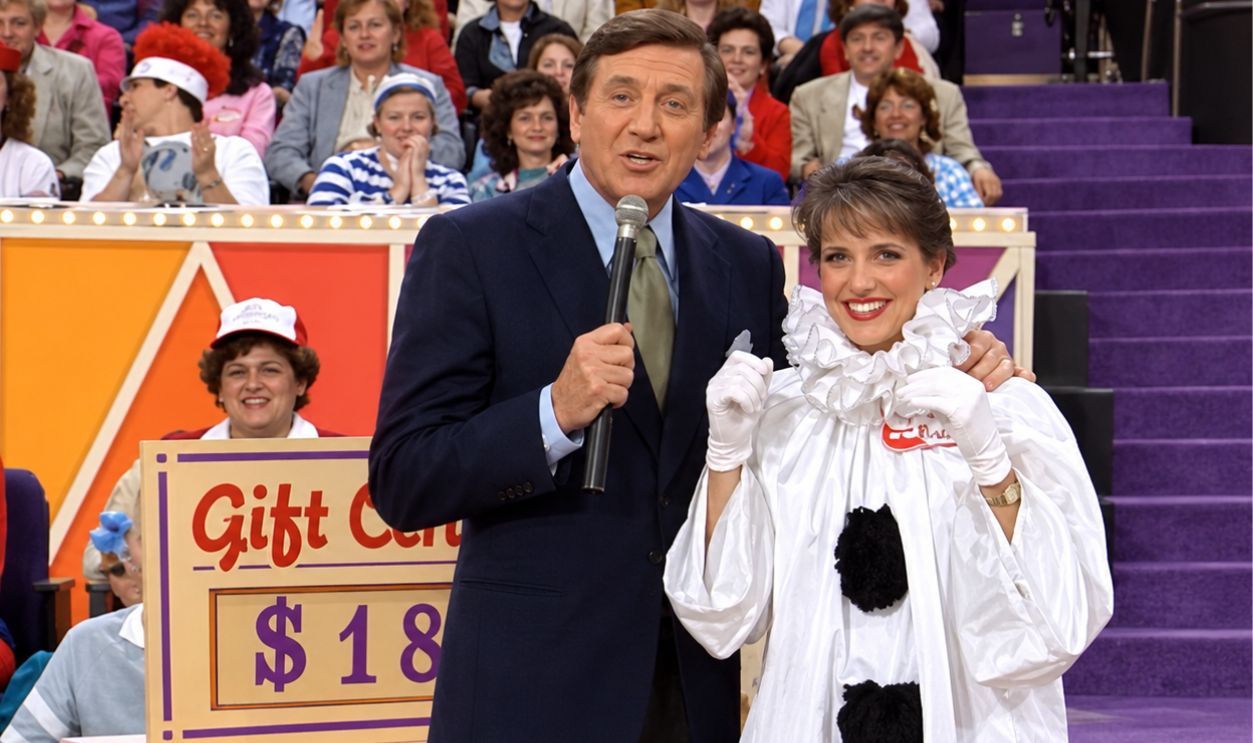 Screenshot from Let's Make a Deal, CBS (1963–), Enhanced
The Costumes Were Almost As Famous As The Prizes
One of the strangest and most entertaining traditions on Let's Make a Deal involved audience members arriving in outrageous costumes. Participants dressed up in hopes of attracting Monty Hall's attention and being selected to make a deal. The costumes became such an important part of the show's identity that they remained associated with the format through its later revivals.
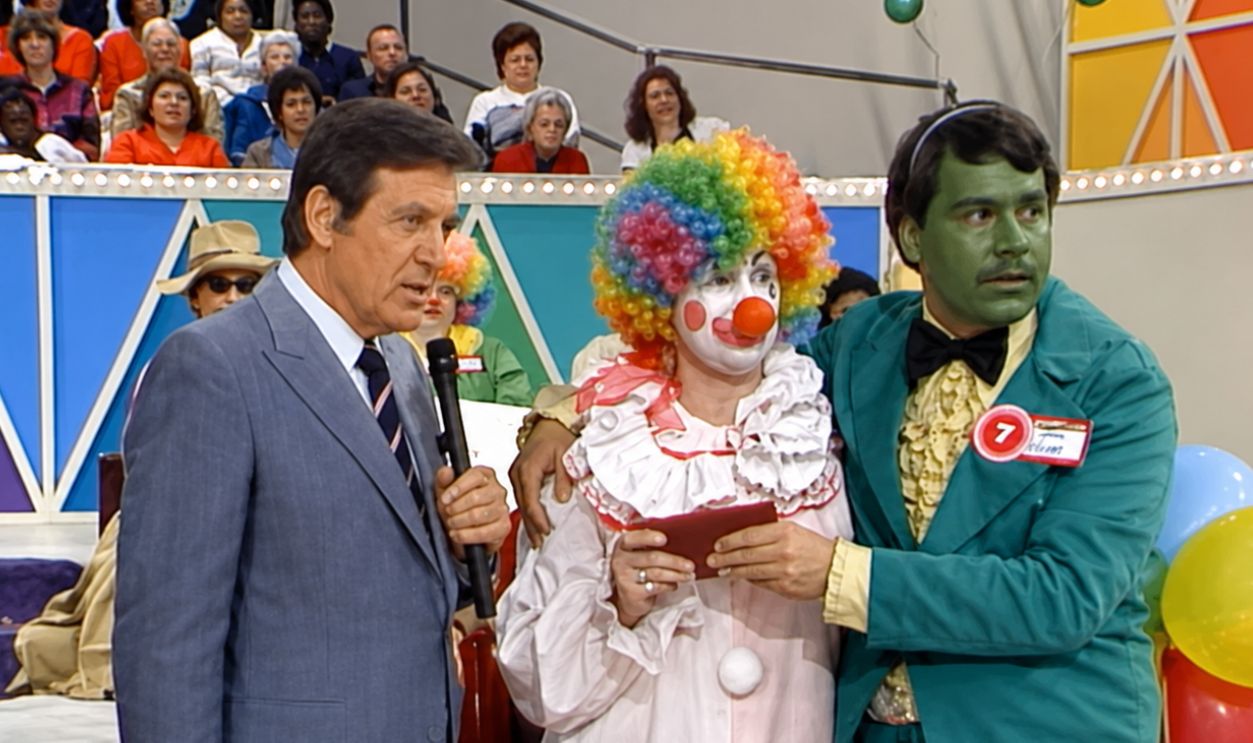 Screenshot from Let's Make a Deal, CBS (1963–), Enhanced
Jeopardy! Made Everyone Feel Like A Genius
Jeopardy! originally debuted in 1964, but its 1984 syndicated revival with Alex Trebek introduced the familiar version to another generation. Contestants selected clues from categories covering subjects such as history, literature, science, and popular culture. Unlike most quiz shows, they had to phrase their responses as questions, a distinctive rule that viewers quickly learned to imitate.
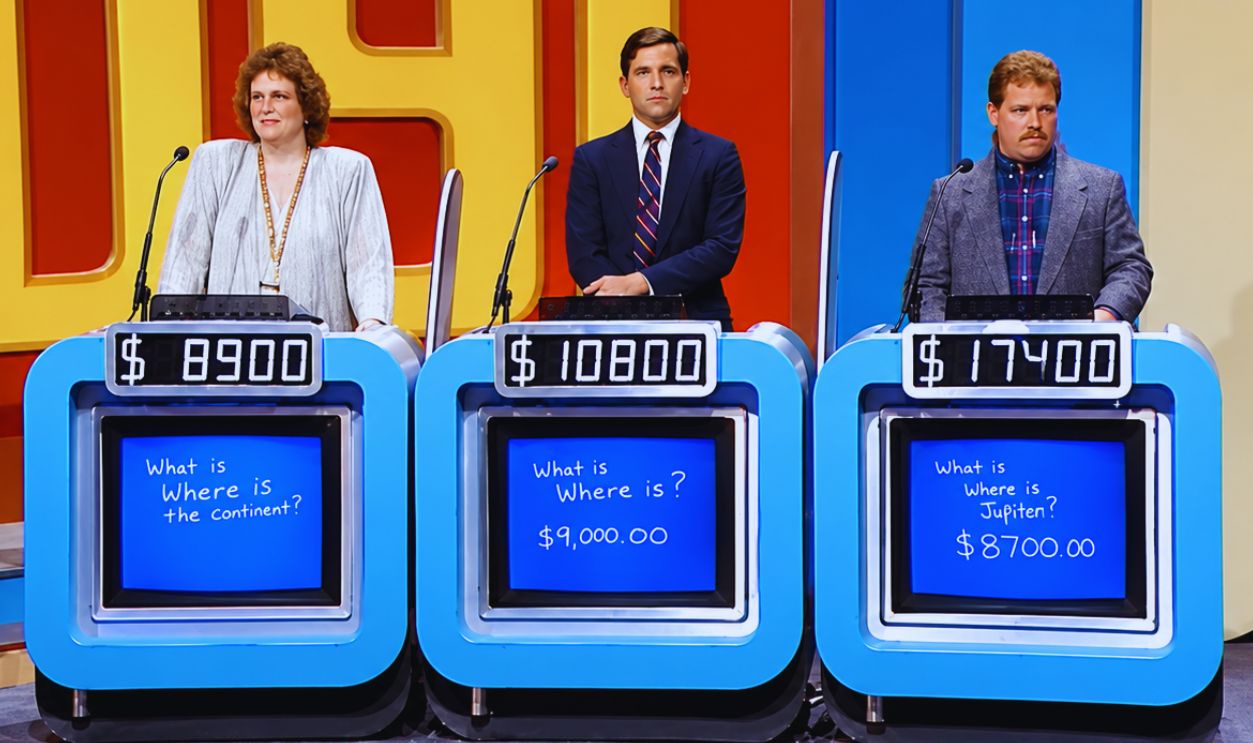 Screenshot from Jeopardy!, NBC (1964–), Enhanced
Alex Trebek Made Trivia Look Effortless
Alex Trebek became closely associated with Jeopardy! after taking over hosting duties for the 1984 revival. His measured delivery and ability to move between wildly different subjects helped give the competition its distinctive personality. Families could test their knowledge during the regular rounds, but Final Jeopardy offered one last chance to prove who knew the most.
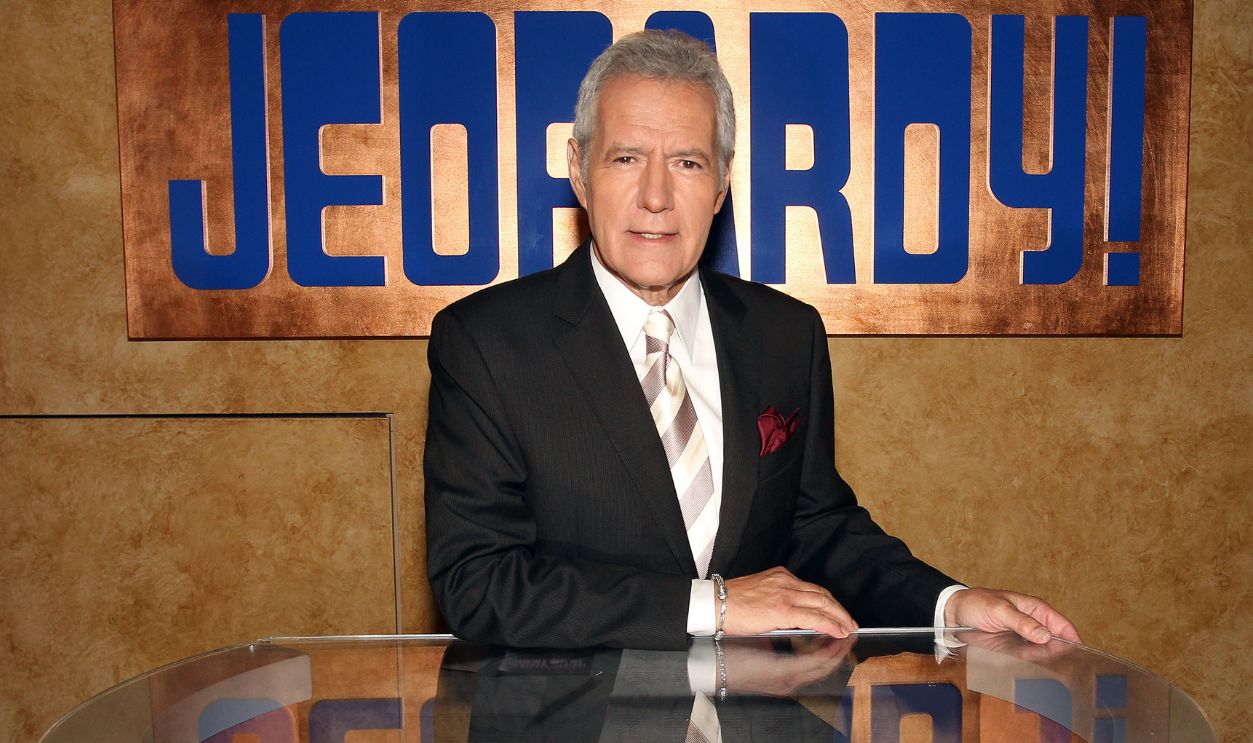 Frederick M. Brown, Getty images
The $10,000 Pyramid Was A Race Against Time
Dick Clark hosted The $10,000 Pyramid when it premiered in 1973, introducing a game built around quick thinking and word association. Celebrities partnered with ordinary contestants and supplied clues intended to help their teammates identify specific words or phrases. The concept was straightforward enough to play at home, although the ticking clock made the televised competition much more stressful.
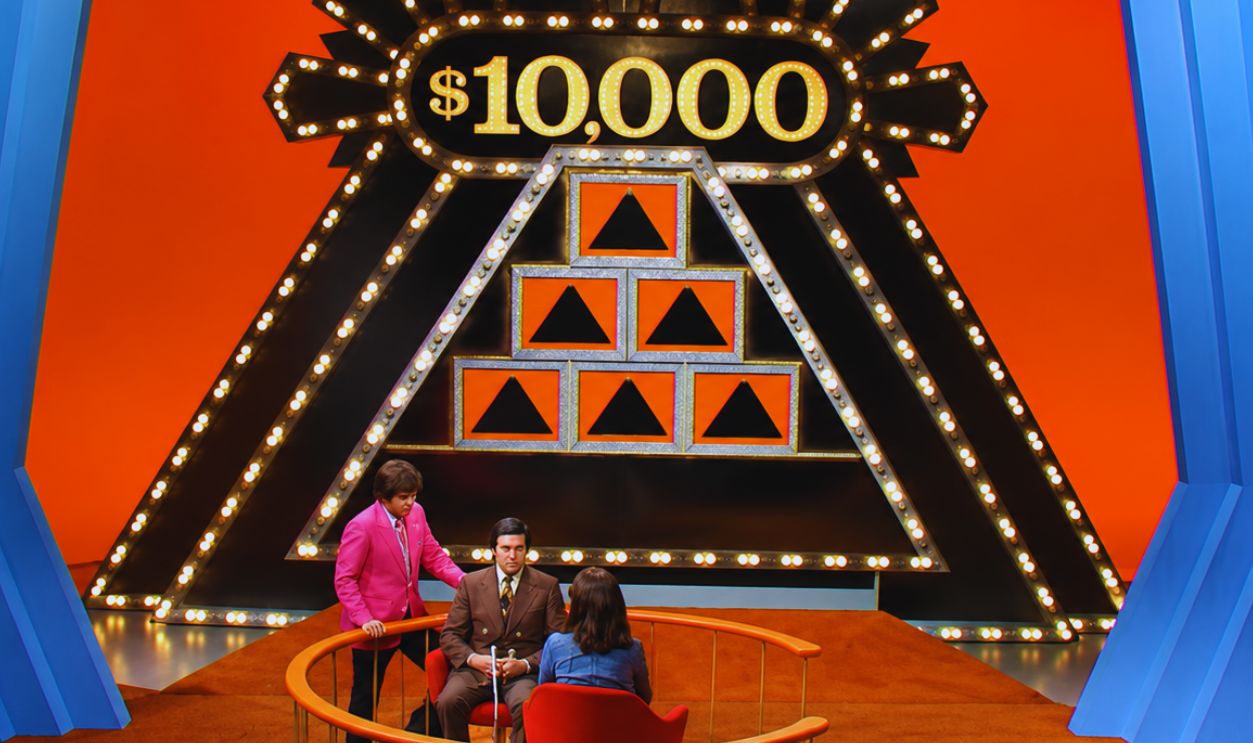 Screenshot from The $10,000 Pyramid, ABC (1973–), Enhanced
The Pyramid Kept Getting Bigger
The original $10,000 Pyramid proved successful enough to inspire versions offering increasingly large cash prizes. Eventually, the franchise reached The $100,000 Pyramid, while keeping its essential clue-giving format. The pressure of the bonus round, where contestants had to identify categories from their partners' clues, made even familiar words surprisingly difficult.
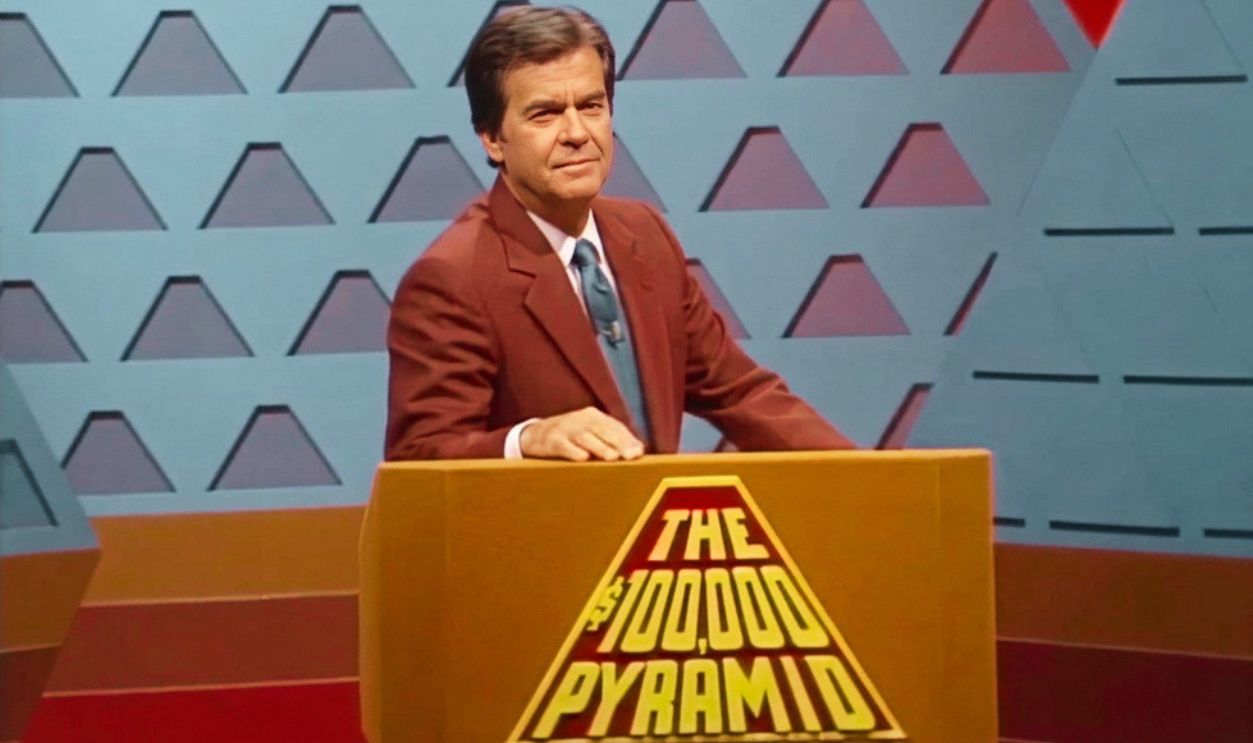 Screenshot from The $100,000 Pyramid, CBS (1985–), Enhanced
Password Proved One Word Could Be Enough
Password had been entertaining audiences since 1961, and its familiar celebrity-and-contestant format remained popular through later versions. Players attempted to communicate secret words by offering carefully chosen one-word clues. It seemed simple until someone gave a perfectly reasonable clue that sent their partner in completely the wrong direction.
 Screenshot from Password, CBS (1961–)
Password Plus Added A New Challenge
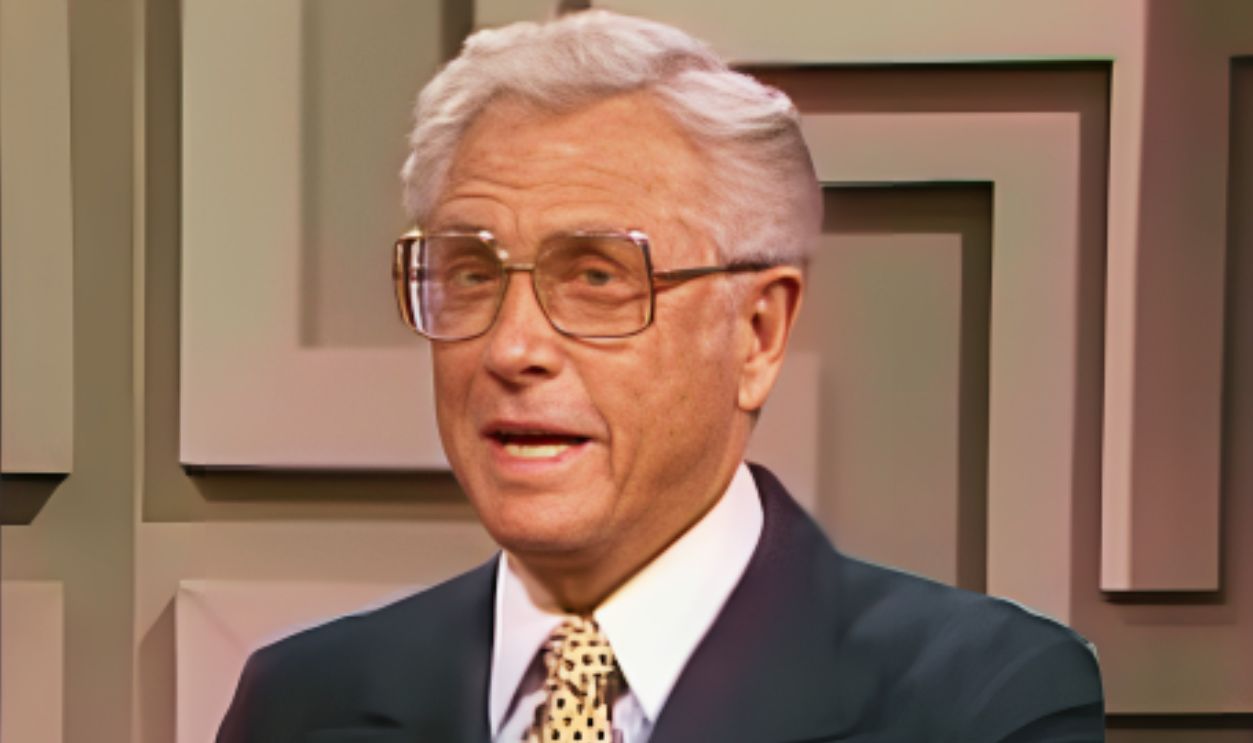
In 1979, Password Plus brought the classic word game back with Allen Ludden hosting. Rather than stopping with individual password guesses, the updated format incorporated puzzles that contestants had to solve using the words they had identified. Once again, television viewers could participate without needing anything more complicated than a little vocabulary and some quick thinking.
 Screenshot from Password Plus, NBC (1979–1982), Enhanced
Press Your Luck Made Everyone Fear The Whammy
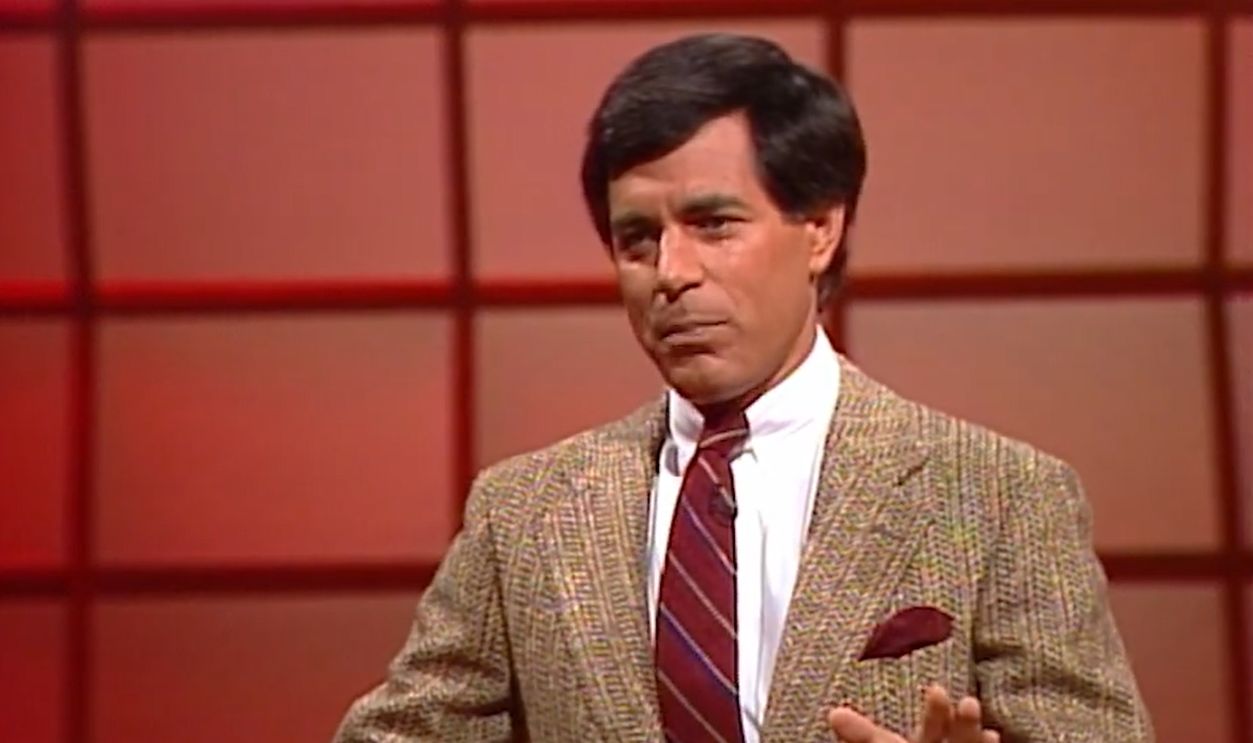
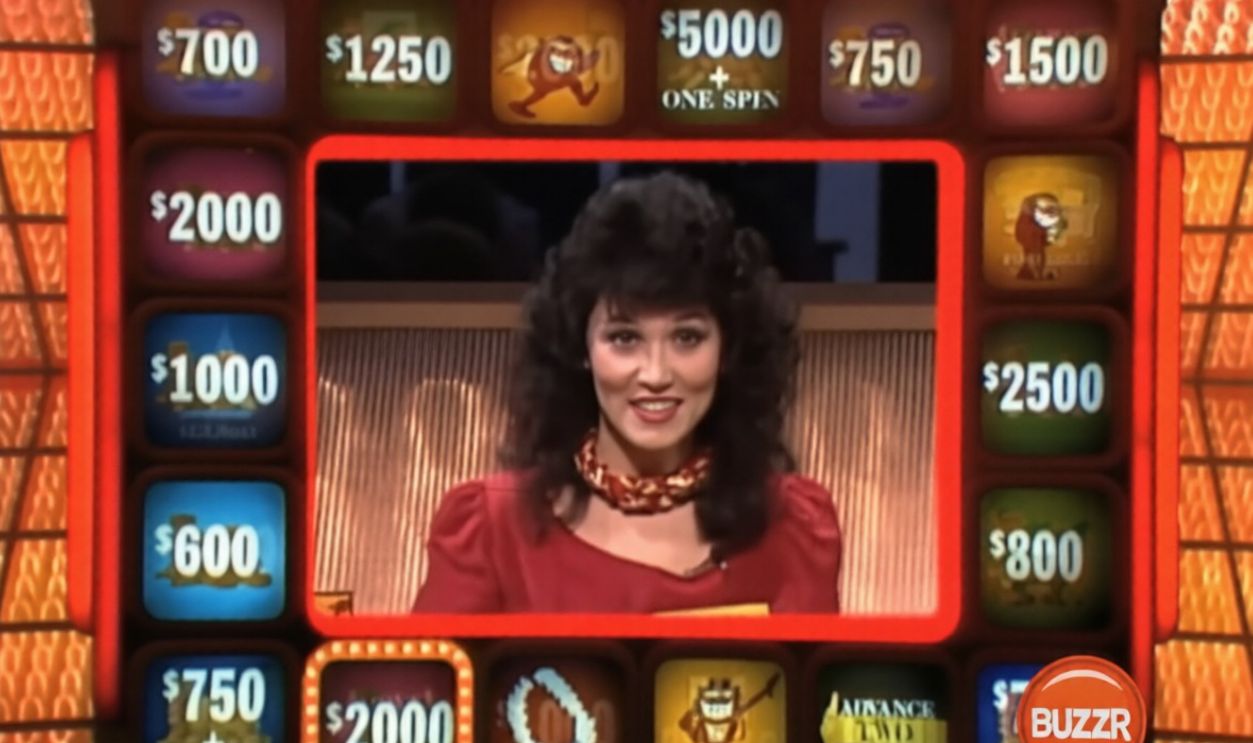
Press Your Luck became one of the memorable game shows of the 1980s thanks to its combination of trivia, money, and an unpredictable electronic game board. Contestants answered questions to earn spins, then attempted to stop the board on valuable prizes. Unfortunately, landing on the cartoon Whammy meant losing accumulated winnings, making every spin a potentially disastrous decision.
 Screenshot from Press Your Luck, CBS (1983–)
No Whammies Became A Familiar Plea
The animated Whammy gave Press Your Luck an instantly recognizable villain who delighted in ruining contestants' fortunes. Watching someone risk their accumulated prizes for another spin could be nerve-racking, especially when a Whammy appeared. The show's combination of suspense and sudden reversals made it easy for viewers to become deeply invested in each contestant's decisions.
 Screenshot from Press Your Luck, CBS (1983–), Enhanced
The Gong Show Was Beautifully Ridiculous
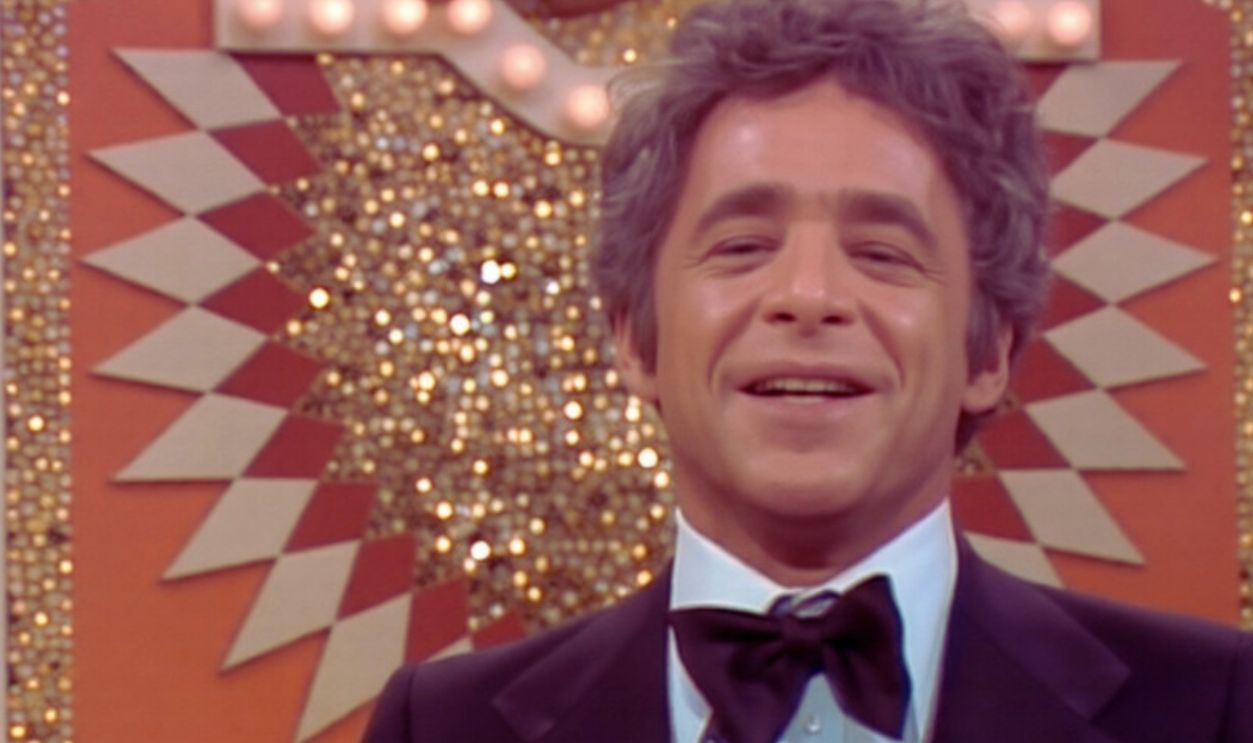
Chuck Barris created The Gong Show, which premiered in June 1976 and turned amateur talent performances into unpredictable comedy. Contestants attempted to impress three celebrity judges, but a sufficiently terrible performance could be interrupted by the show's enormous gong. Some acts were genuinely entertaining, while others seemed designed to make everyone wonder how they had reached television.
 Screenshot from The Gong Show, NBC (1976–2018), Enhanced
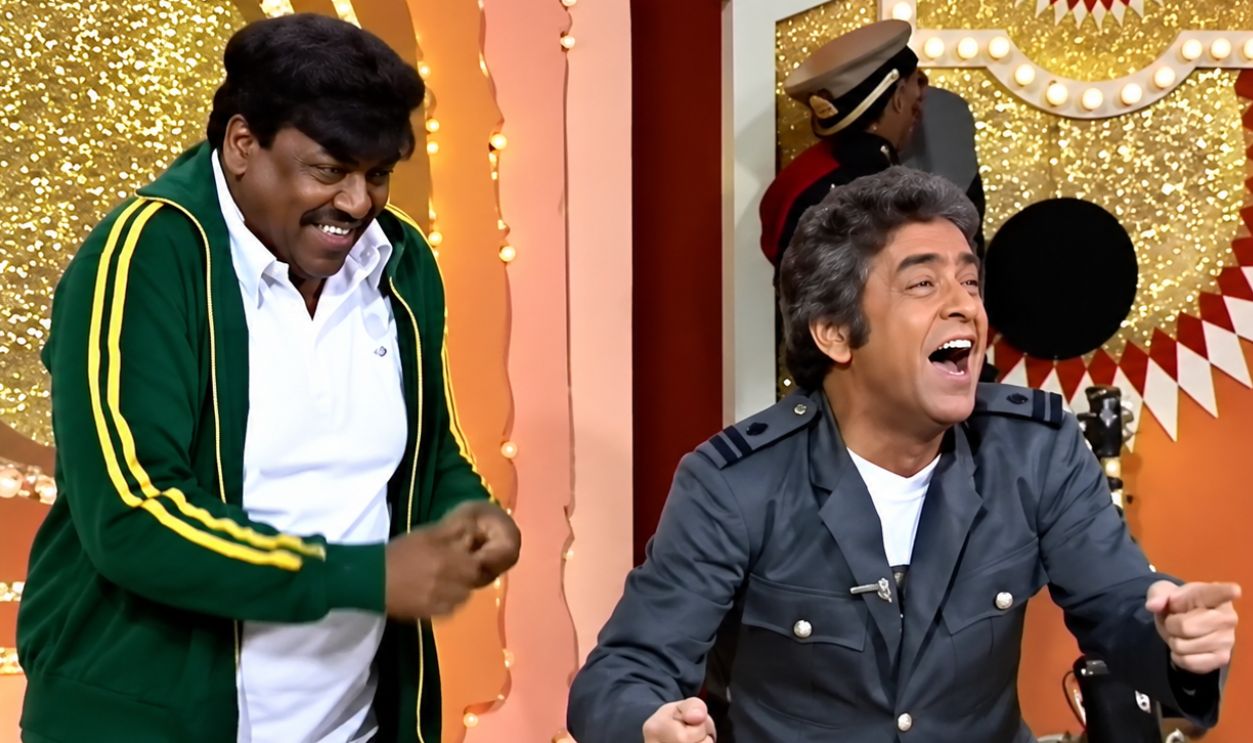
Gene Gene The Dancing Machine Stole The Show
The Gong Show became famous for unexpected appearances by Gene Patton, an NBC stagehand better known as Gene Gene the Dancing Machine. Patton would dance across the stage while the show's cast and crew enthusiastically joined in the celebration. His recurring appearances became an unforgettable part of a program that rarely followed the rules of conventional television.
 Screenshot from The Gong Show, NBC (1976–2018), Enhanced
The Newlywed Game Revealed Too Much
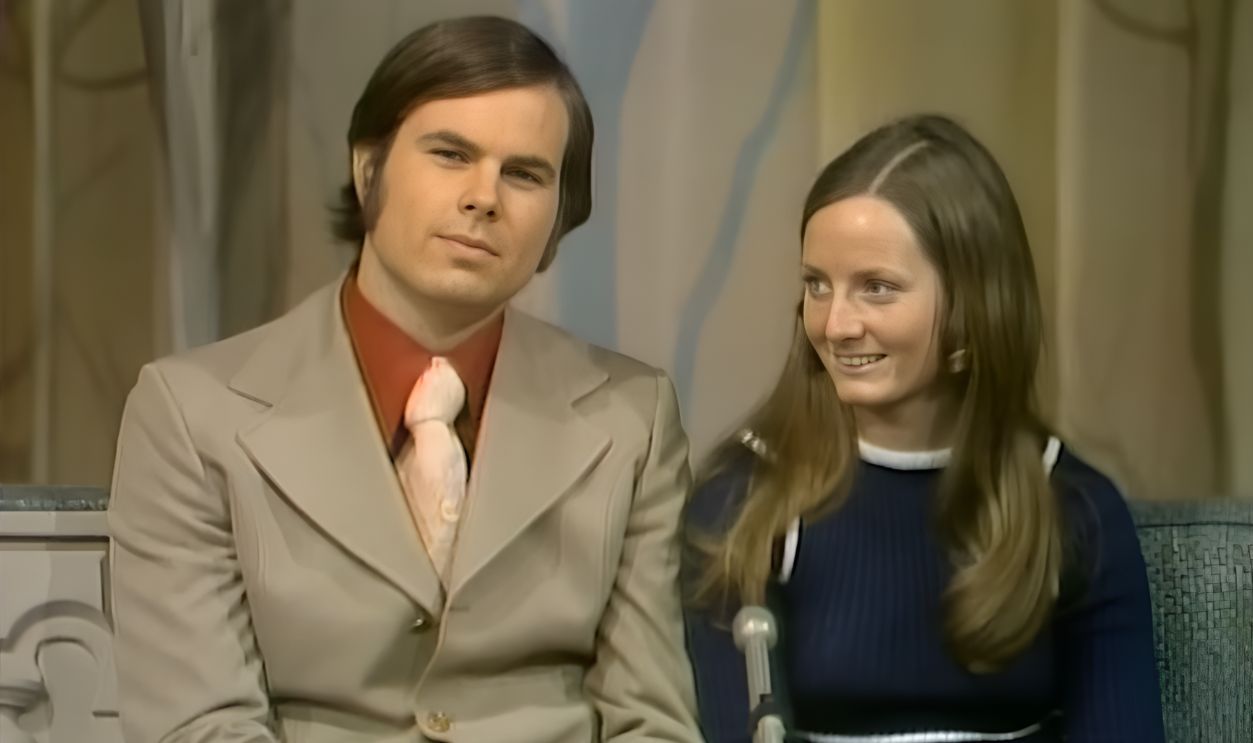
The Newlywed Game asked recently married couples questions designed to test how well they knew each other. Bob Eubanks hosted the original series beginning in 1966 and returned for several revivals during the 1970s and 1980s. Watching husbands and wives deliver completely contradictory answers was entertaining, but the resulting embarrassment sometimes made the show even funnier.
 Screenshot from The Newlywed Game, ABC (1966–2013), Enhanced
The Dating Game Made Romance A Competition
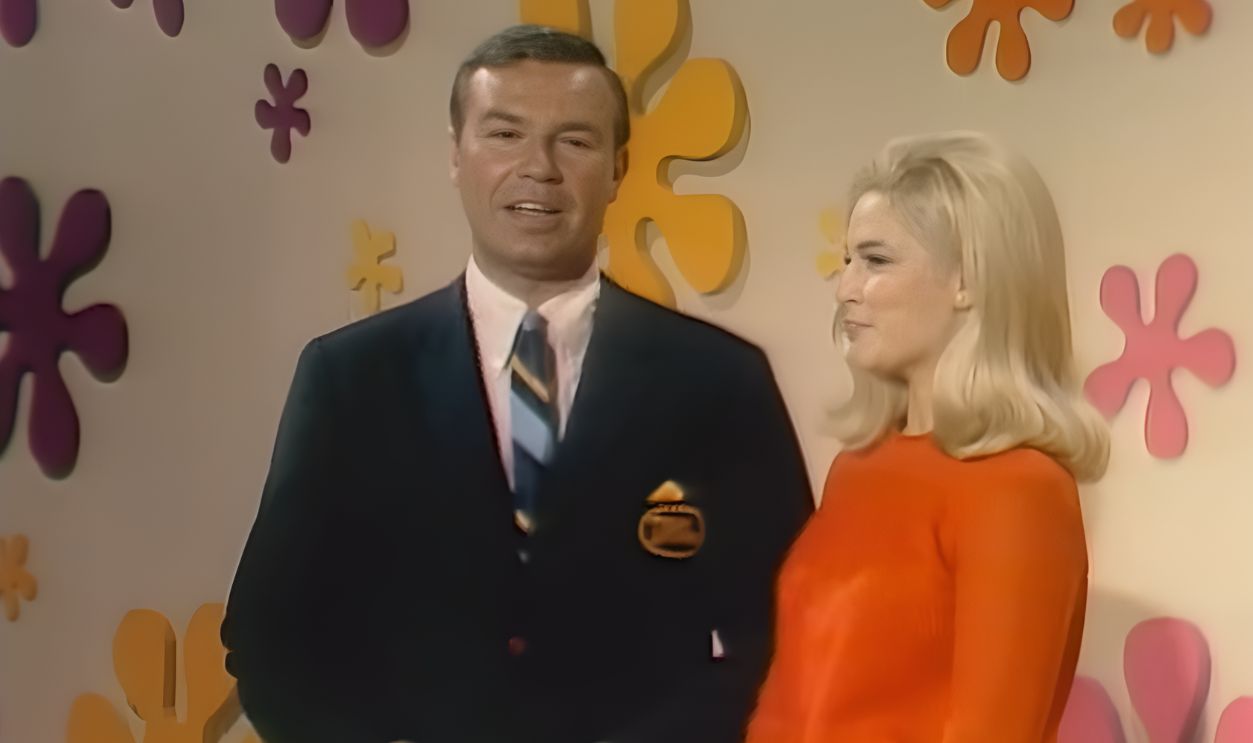
The Dating Game offered a different kind of suspense by allowing a contestant to question potential romantic partners without seeing them. Created by Chuck Barris, the show debuted in 1965 and returned in syndicated versions during both the 1970s and 1980s. Its hidden contestants and flirtatious questions invited viewers to decide which bachelor or bachelorette they would have chosen.
 Screenshot from The Dating Game, ABC (1965–2021), Enhanced
Card Sharks Made Guessing A Real Risk
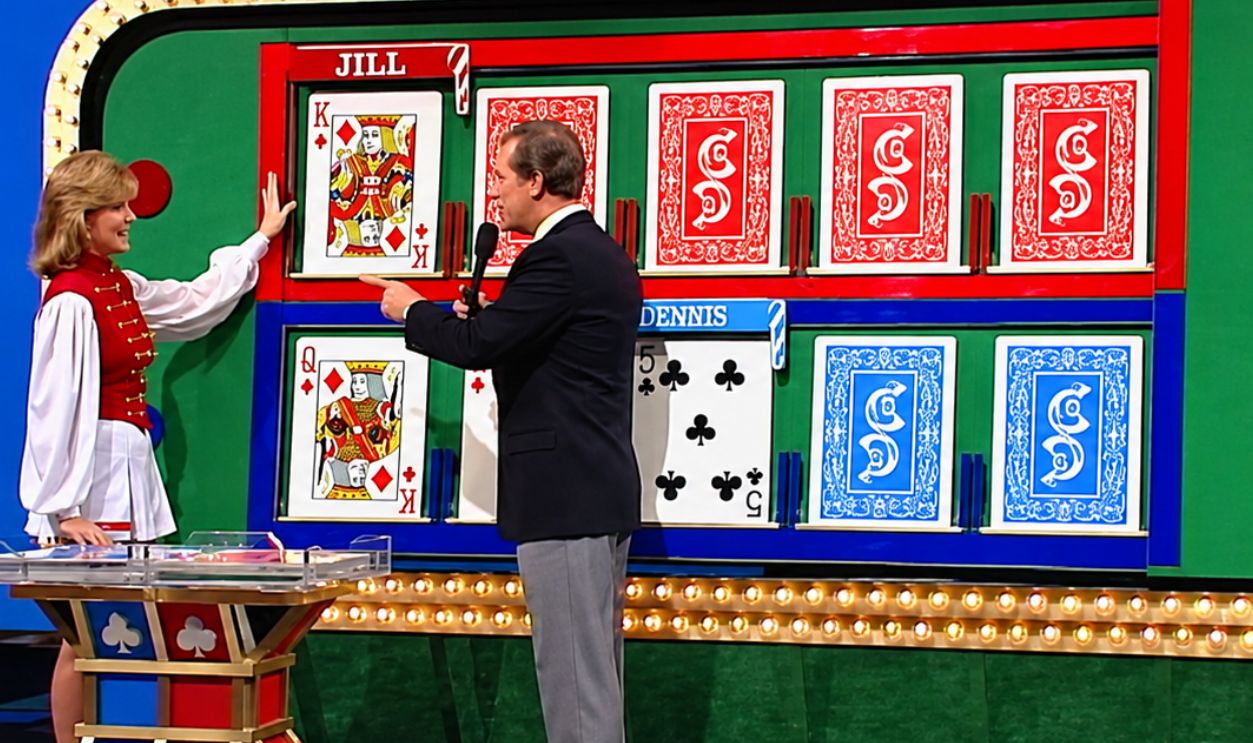
Card Sharks took a familiar deck of playing cards and turned it into a televised competition involving questions and calculated guesses. Contestants had to predict whether the next card would be higher or lower than the one already showing. Although the rules were simple, the possibility of losing progress made each decision surprisingly exciting.
 Screenshot from Card Sharks, NBC (1978–2021), Enhanced
Tic Tac Dough Made A Childhood Game More Complicated
Tic Tac Dough transformed the familiar three-in-a-row game into a televised trivia contest. Instead of simply placing an X or O, contestants answered questions to claim squares on a large electronic board. The combination of strategy and knowledge meant that someone could know plenty of answers and still struggle to secure a winning line.
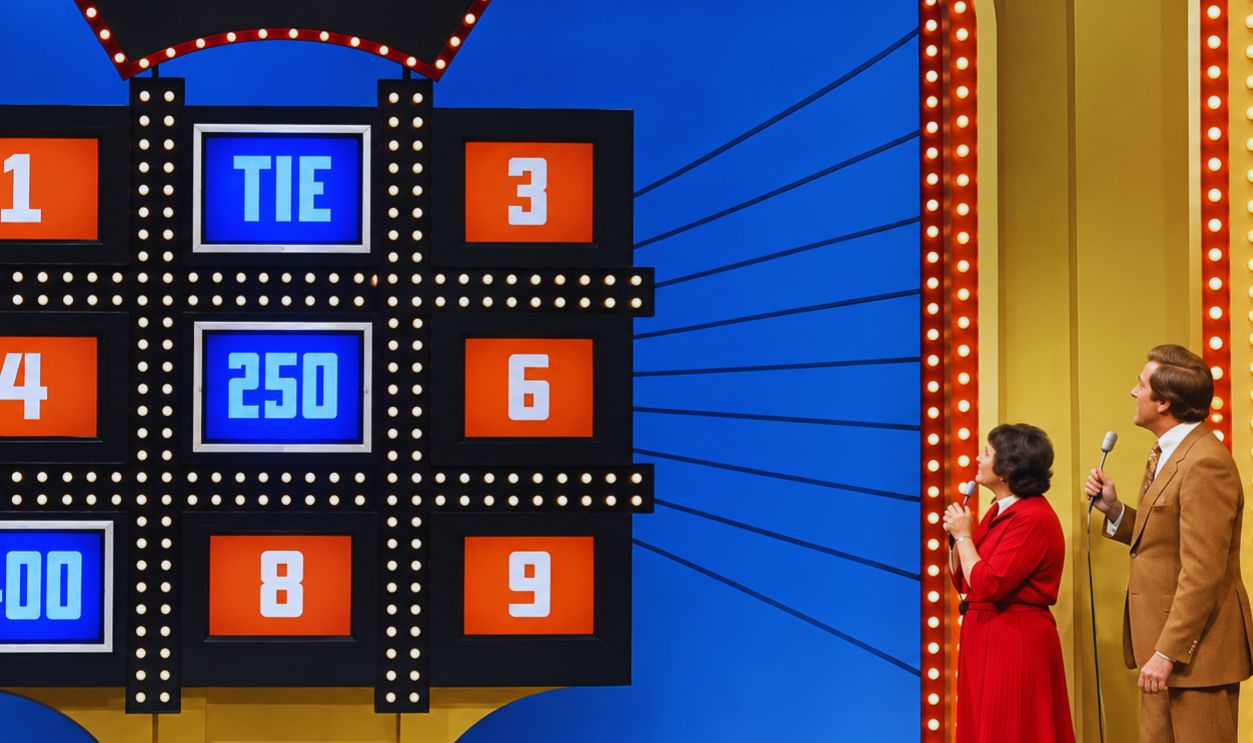 Screenshot from Tic Tac Dough, CBS (1956–)
Why These Shows Were So Much Fun To Watch
Part of the appeal of these classic game shows was how little viewers needed to participate. Families could guess prices, answer trivia, identify words, and debate survey responses without leaving their living rooms. The hosts, celebrity guests, and occasionally outrageous contestants provided the entertainment, but the audience could always feel like part of the competition.
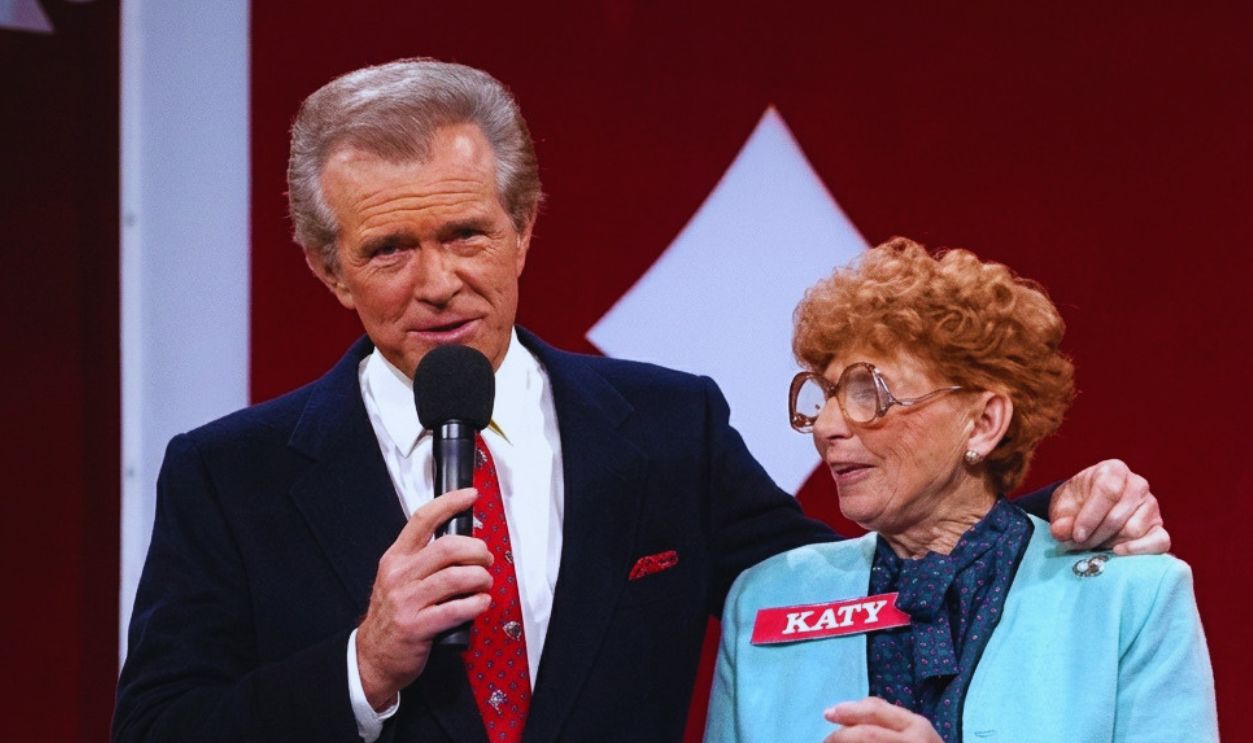 Screenshot from Card Sharks, NBC (1978–2021), Enhanced
How Many Could You Still Win Today?
The best game shows of the 1970s and 1980s combined simple ideas with unforgettable personalities and just enough suspense to keep viewers watching. Many of their formats survived through revivals, proving that guessing a word or answering a question could remain entertaining across generations. The real question is whether you could still beat your family at Jeopardy!, solve a Wheel of Fortune puzzle first, or avoid that dreaded Whammy.
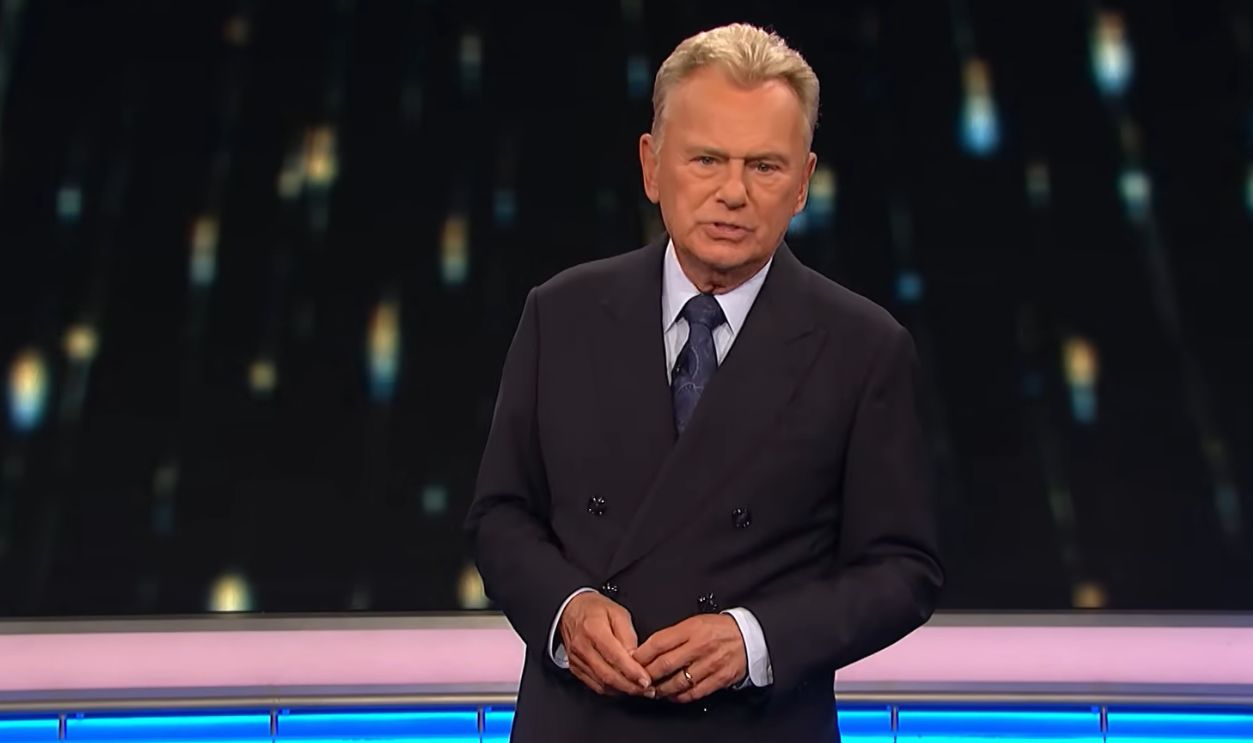 Screenshot from Wheel of Fortune, NBC (1975–)
You May Also Like:
Game Show Hosts From The 1970s & 1980s That Viewers Trusted Like Family
Actual Game Shows From The 1970s That Would Never Cut It On TV Today
The Most Absurd TV Game Shows Ever Aired
Sources: 1, 2, 3, 4, 5, 6, 7, 8, 9, 10, 11, 12, 13, 14, 15, 16, 17, 18