The Gong Show Turned Bad Acts Into The Whole Point
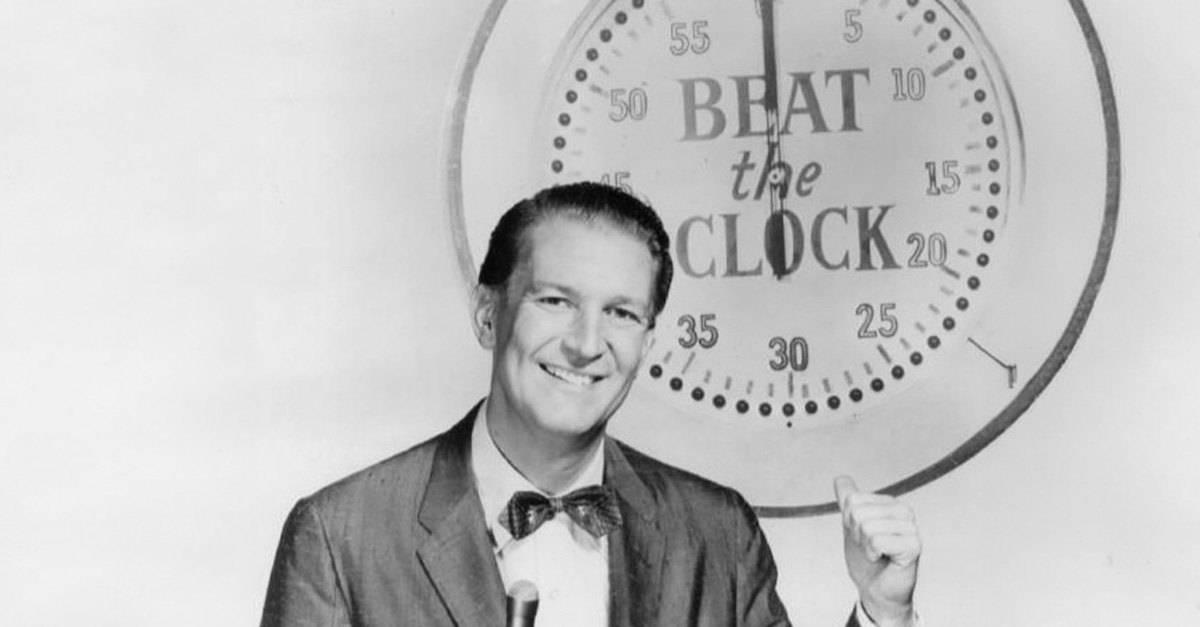
The Gong Show arrived in 1976 with Chuck Barris behind the scenes and a format built around amateur performers facing three celebrity judges. If a judge disliked an act, they could smack a giant gong and end the performance before it finished. That made the rejection itself part of the entertainment, which feels much harsher in a TV era that is more careful about public embarrassment and contestant treatment. The show’s chaos still has a strange charm, but a modern network would probably soften the humiliation fast.
Three’s A Crowd Made Marriage A Competition
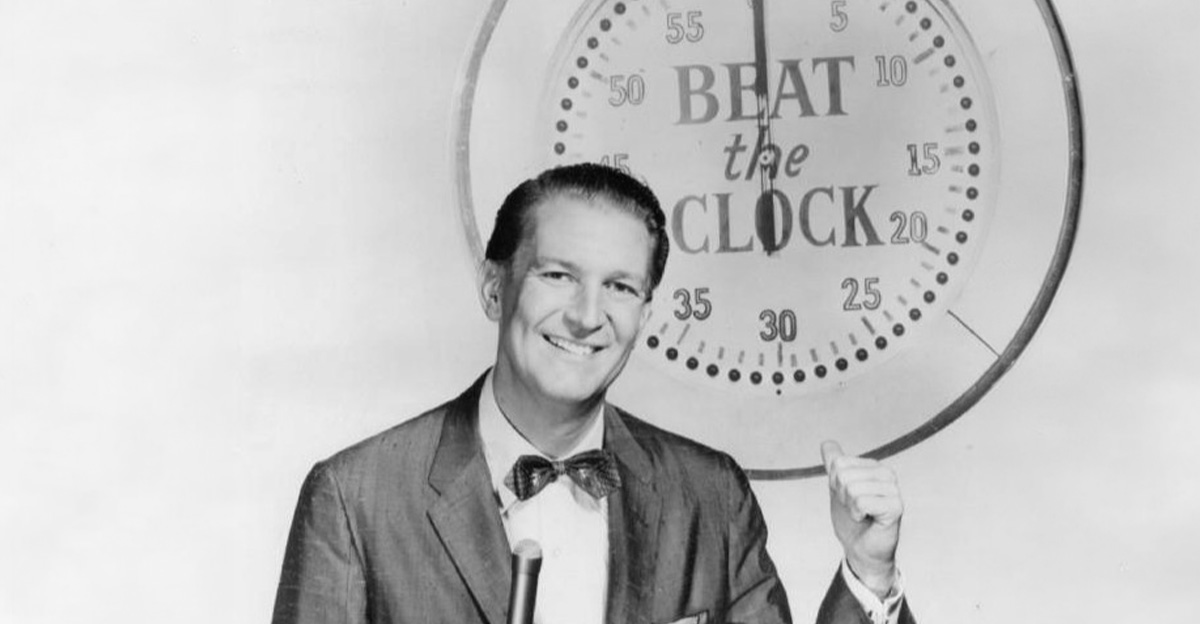
Three’s a Crowd aired in syndication in 1979 and asked a loaded question: who knew a man better, his wife or his secretary? The format put husbands, wives, and secretaries onstage to answer matching questions, with prize money split depending on who matched the man more often. Even by old-school game show standards, that premise practically begged for discomfort. Today, the workplace power dynamic alone would send producers running for a rewrite.
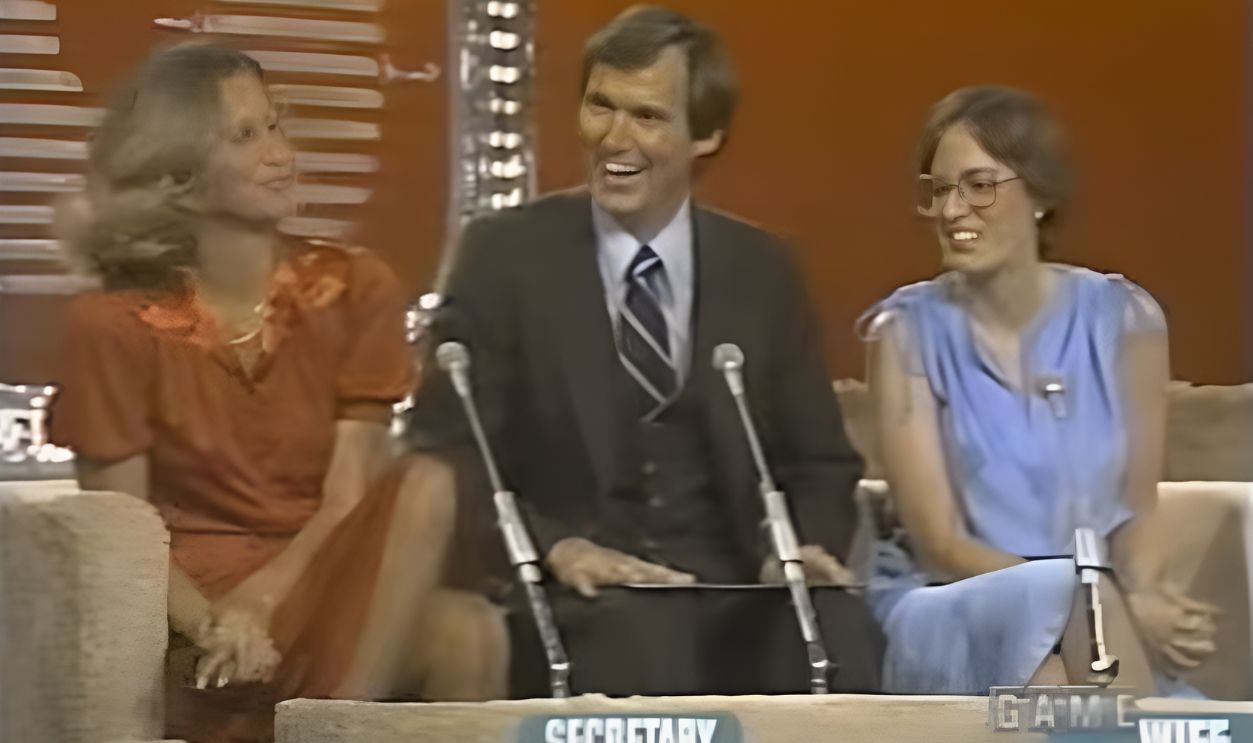 Screenshot from Three’s a Crowd, Syndication (1979-1980), Modified
The Newlywed Game Thrived On Awkward Spouse Answers
The Newlywed Game had already become a classic by the 1970s, and its syndicated version ran from 1977 to 1980. Newly married couples answered questions meant to show how well they knew each other, but the fun often came from wrong answers, arguments, and visible embarrassment. The setup was simple and memorable, yet it leaned heavily on turning private relationship friction into daytime comedy. A modern version would need much clearer boundaries and a gentler edit.
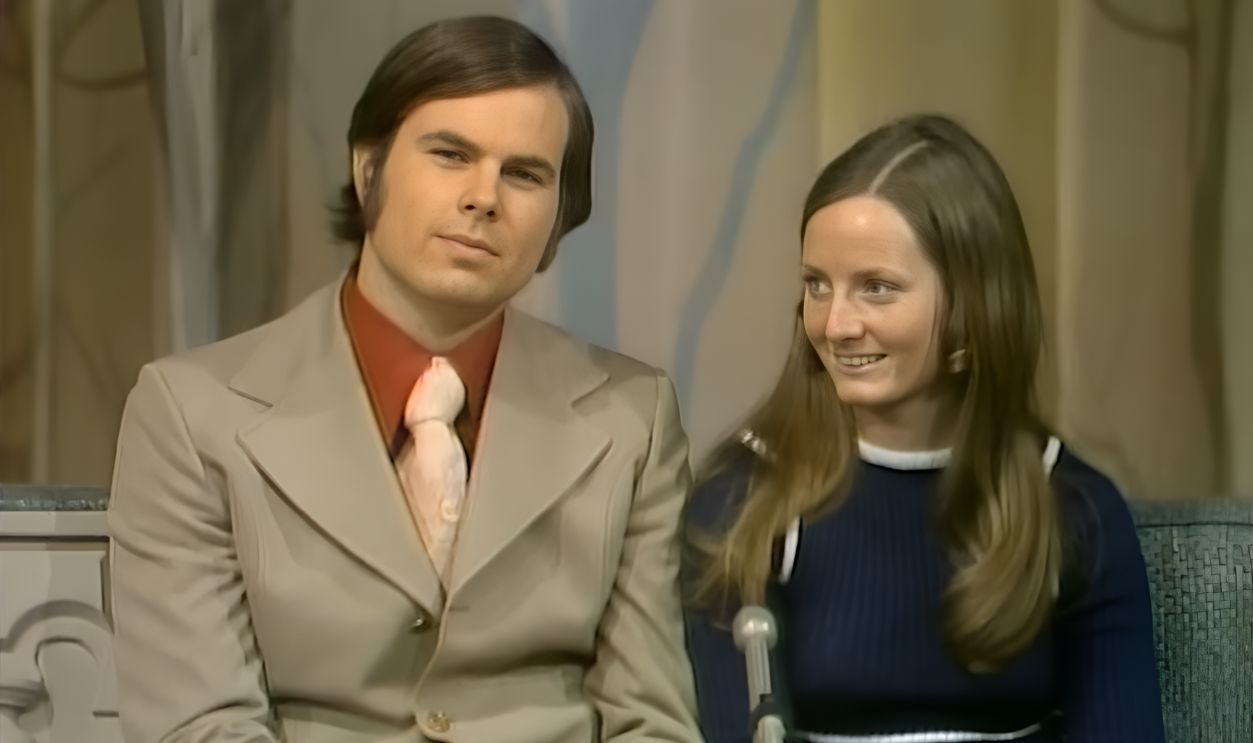 Screenshot from The Newlywed Game, Broadcast syndication (1977-1980), Modified
Family Feud Had The Kissing Bandit Era
Family Feud premiered in 1976 with Richard Dawson as its original host, and Dawson became famous for kissing female contestants. Entertainment Weekly reported that health concerns around those kisses eventually led to contestants being examined for signs of herpes during his tenure. That detail alone shows how different the production culture was from today’s consent-conscious television environment. The survey game still works beautifully, but that hosting habit would not survive a modern standards meeting.
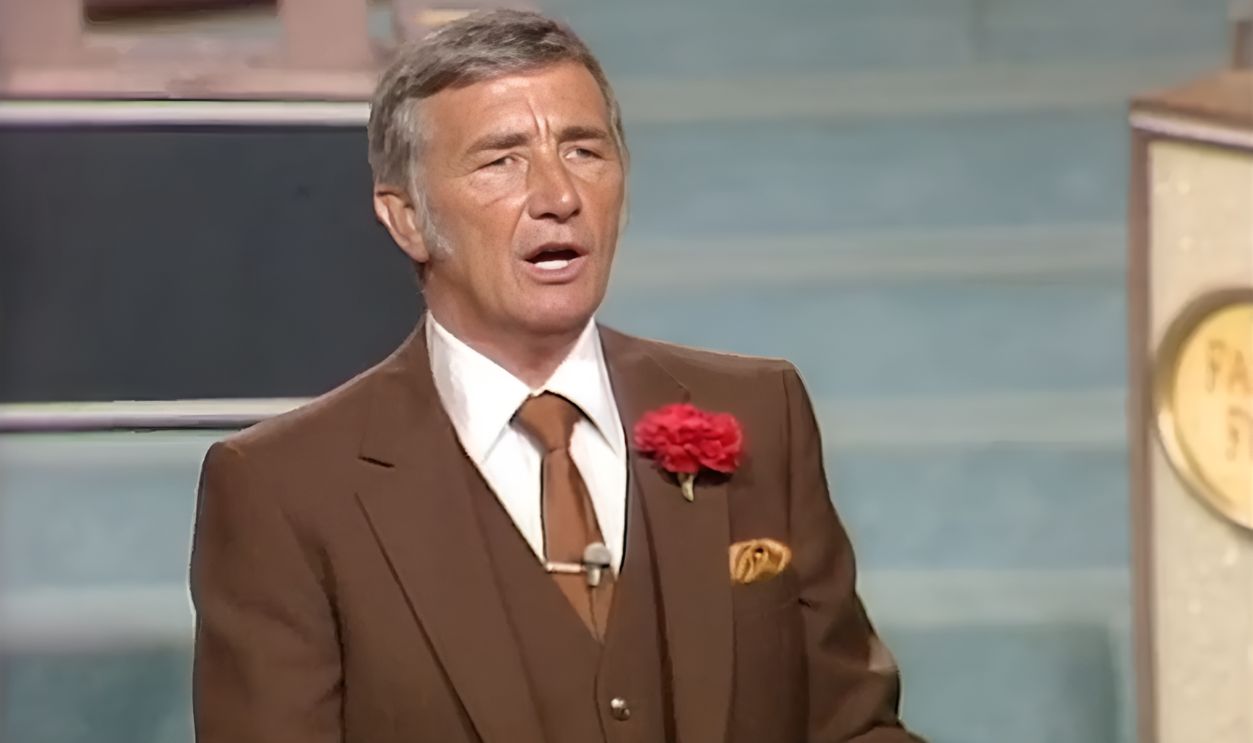 Screenshot from Family Feud, ABC (1976–), Modified
Almost Anything Goes Treated Chaos Like A Sport
Almost Anything Goes aired on ABC in 1975 and sent teams into wacky outdoor competitions inspired by old-fashioned picnic games. Contemporary listings describe it as a wild competitive event with teams from around the country, while later summaries mention slippery physical challenges and obstacle-style contests. The show had a big, goofy energy that anticipated later stunt competitions. Still, the loose carnival feeling would need major safety protocols, waivers, and a cleaner competitive structure today.
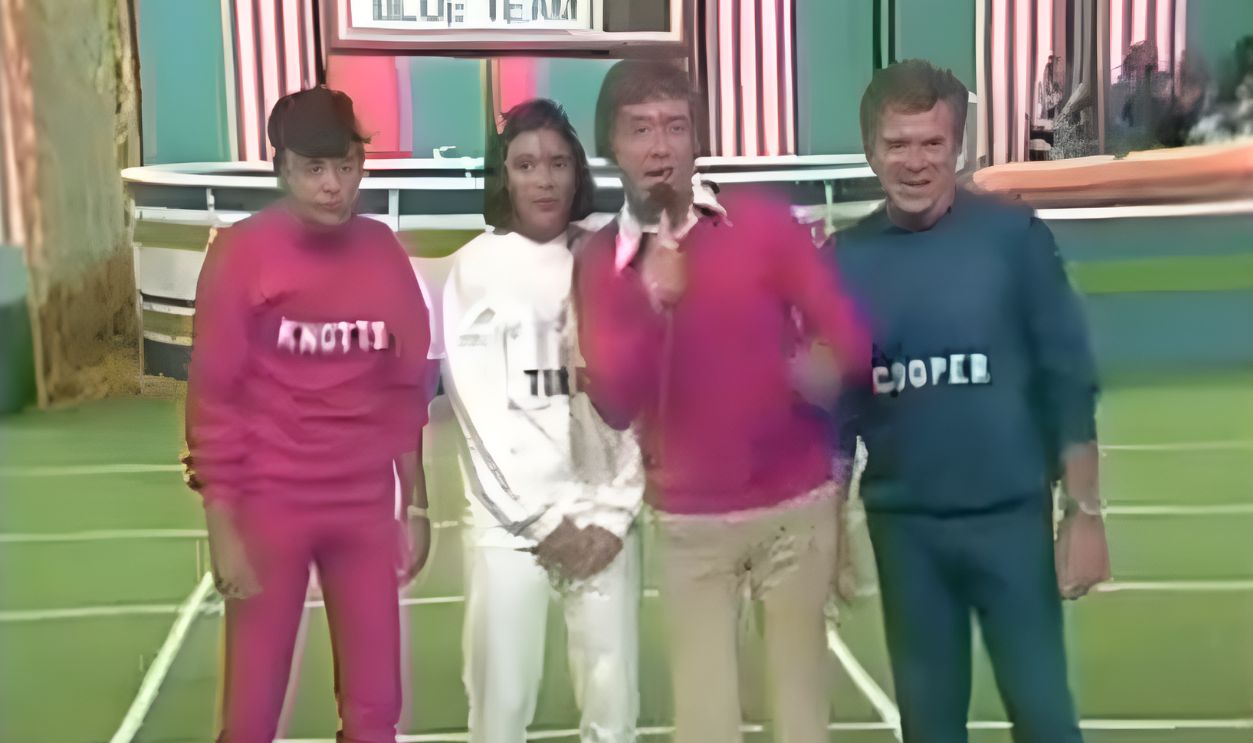 Screenshot from Almost Anything Goes, ABC (1975–1976), Modified
The Money Maze Put Spouses Under Pressure
ABC’s The Money Maze ran from December 1974 to June 1975, with Nick Clooney hosting. Its core challenge had one spouse guiding the other through a large studio maze toward prize towers. That sounds fun until you picture the shouting, confusion, and marital stress being used as the engine of the show. A modern version might keep the maze, but it would probably avoid making spouse-on-spouse pressure the whole emotional hook.
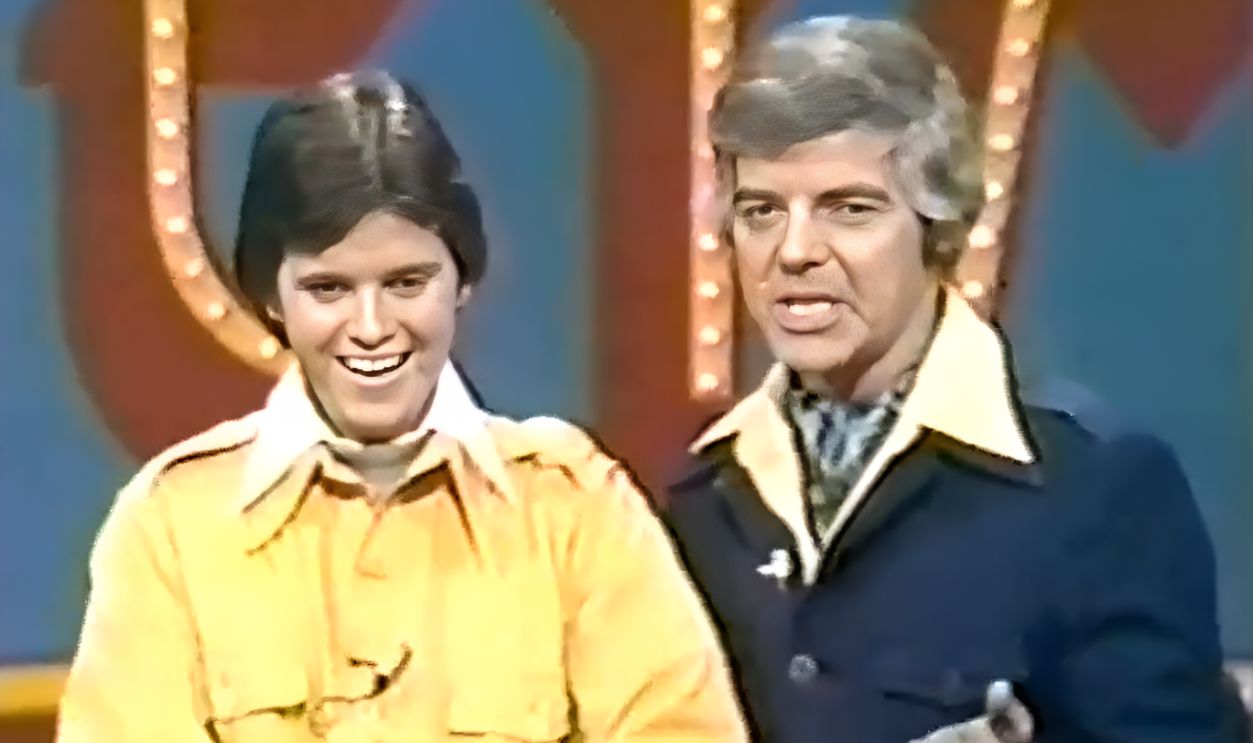 Screenshot from The Money Maze, ABC (1974–1975), Modified
Truth Or Consequences Made Embarrassment The Penalty
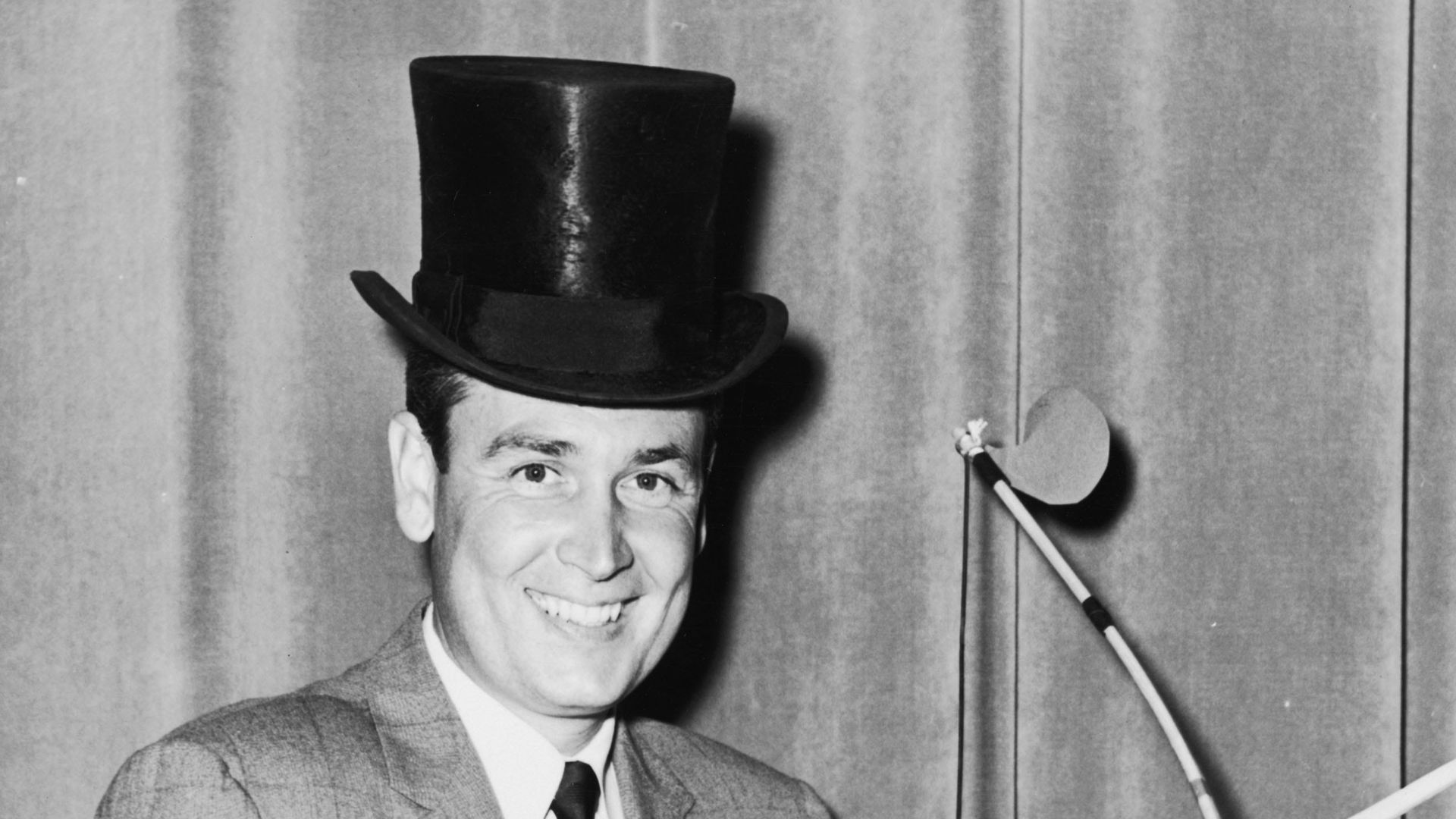
Truth or Consequences had roots far earlier than the 1970s, but it still aired in syndication during the decade. The premise mixed a nearly impossible trivia question with a “consequence,” which usually meant a silly or embarrassing stunt. Bob Barker hosted the show for many years before becoming the face of The Price Is Right. The idea of forcing contestants into humiliation for missing a deliberately tricky question feels much tougher to sell now.
Beat The Clock Asked Couples To Race Through Stunts
Beat the Clock returned in the late 1970s, with Monty Hall hosting a 1979 version built around timed stunts. Couples had to complete physical or comic tasks before the clock ran out, and later episodes shifted into an all-celebrity format with audience rooting sections. The appeal was easy to understand because the game was visual, quick, and silly. The problem is that a modern network would scrutinize every messy stunt for safety, fairness, and whether the laugh was coming at the contestant’s expense.
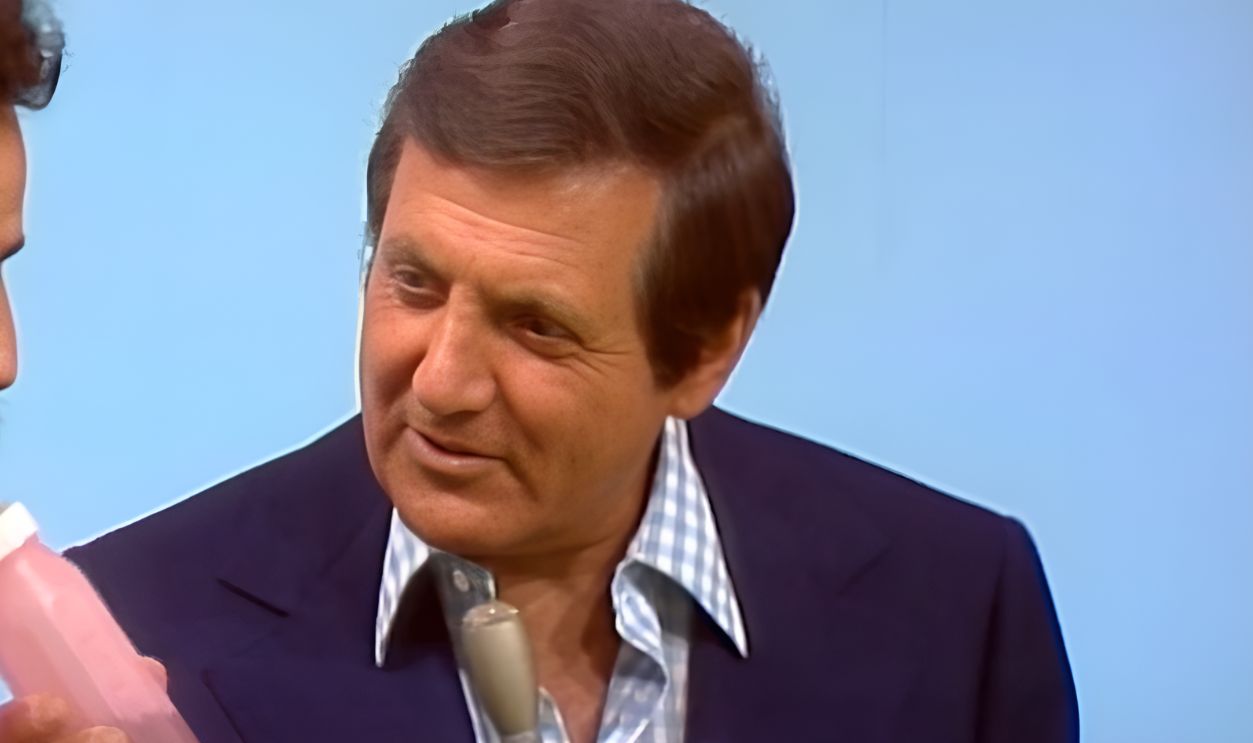 Screenshot from Beat the Clock, CBS (1950–2019), Modified
The $1.98 Beauty Show Spoofed Pageants With A Meaner Edge
The $1.98 Beauty Show aired in syndication beginning in 1978 and was created by Chuck Barris. Rip Taylor hosted the parody pageant, which crowned a “$1.98 Beauty Queen” and sent up traditional beauty contests. The concept was meant to mock pageant glamour, but it still depended on contestants being judged through a beauty-show frame. Today, a parody could work, but it would need to be sharper, kinder, and much less focused on putting contestants on display.
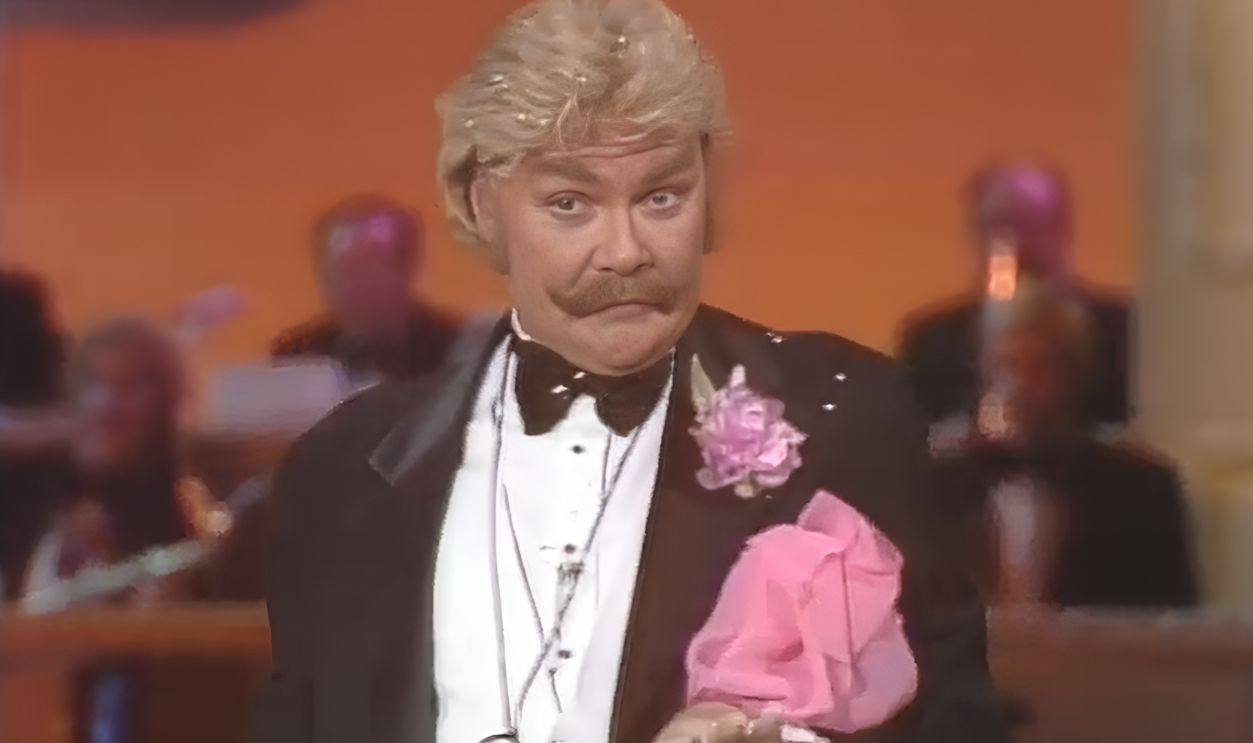 Screenshot from The $1.98 Beauty Show, Syndication (1978–1980), Modified
Tattletales Turned Couples’ Private Lives Into Audience Cash
CBS’s Tattletales premiered in 1974 with Bert Convy hosting and celebrity couples answering questions about their personal lives. The studio audience was divided into rooting sections, and audience members shared in the money won by the couple they were assigned to support. That made relationship trivia feel like a team sport. It was clever TV, but turning private couple details into a cash-backed spectator event would face a much tougher tone check today.
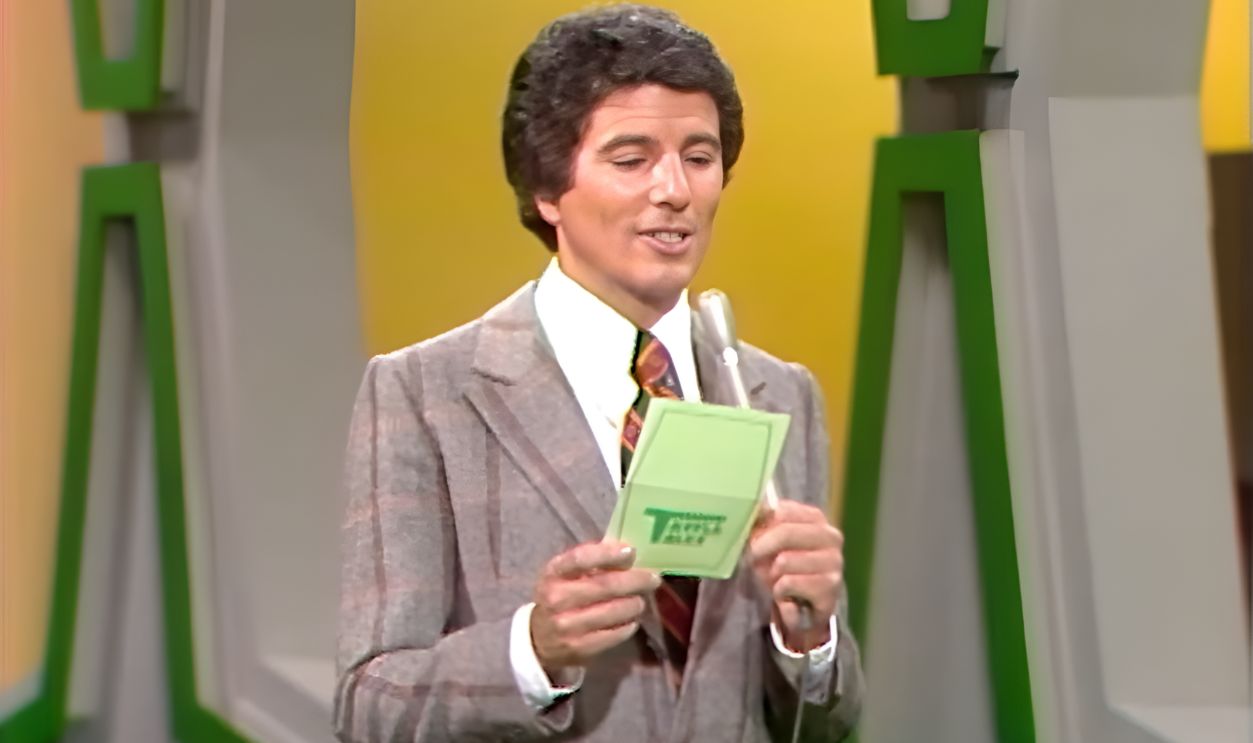 Screenshot from Tattletales, CBS (1974–1984), Modified
The Dating Game Sold A Blind Date As A Prize
The Dating Game continued in 1970s syndication after its original ABC run, and it returned again from 1978 to 1980 as The All-New Dating Game. The classic format had one contestant questioning three hidden potential dates and then choosing one for an expenses-paid outing. The separation wall made the show playful, but the date-as-prize setup feels very old-fashioned now. Modern dating shows usually build in more screening, consent language, and aftercare around participant interaction.
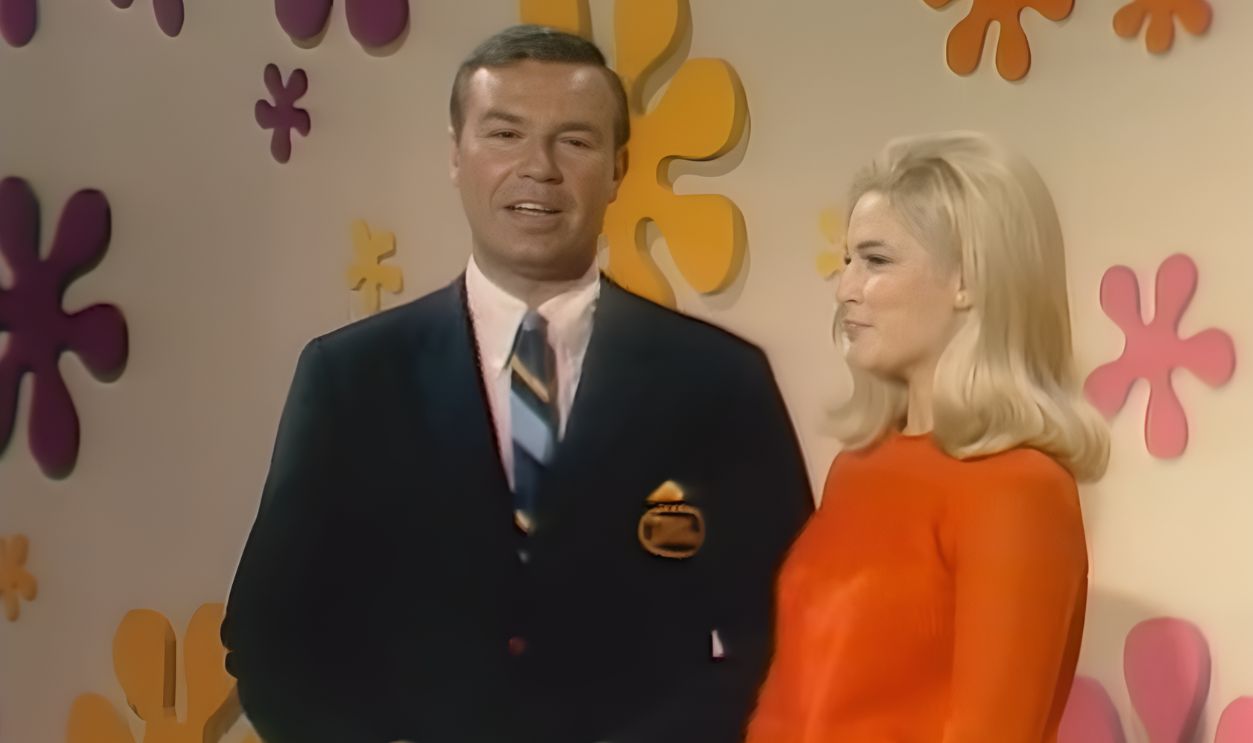 Screenshot from The Dating Game, ABC (1965–2021), Modified
Treasure Hunt Was Mostly Pure Luck And Nerves
The New Treasure Hunt revived the older format in the 1970s with Geoff Edwards as host. Contestants selected mystery packages in hopes of winning cash or prizes, but some boxes contained low-value “klunks.” The host also offered contestants cash to give up their chosen box, which turned the reveal into a pressure-cooker negotiation. A modern audience might still enjoy the suspense, but producers would likely make the odds and prize mechanics much more transparent.
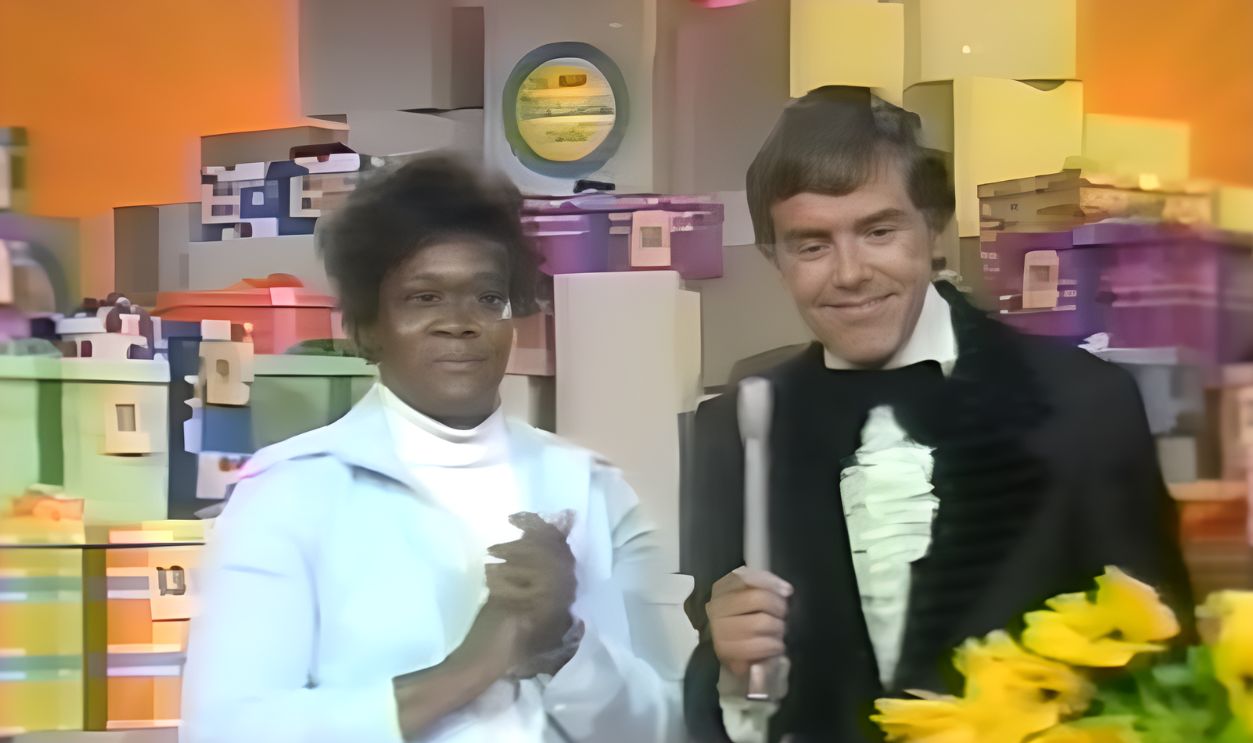 Screenshot from The New Treasure Hunt, ABC ((1956–1982), Modified
The Joker’s Wild Made Trivia Look Like A Slot Machine
The Joker’s Wild debuted on CBS in 1972 and used a slot-machine-style mechanism to determine question categories. Contestants pulled a lever, watched the wheels spin, and answered trivia based on the categories that appeared. The game itself rewarded knowledge, but its visual language leaned hard into casino imagery. Today, that look would probably raise extra questions, especially for daytime programming watched by a broad audience.
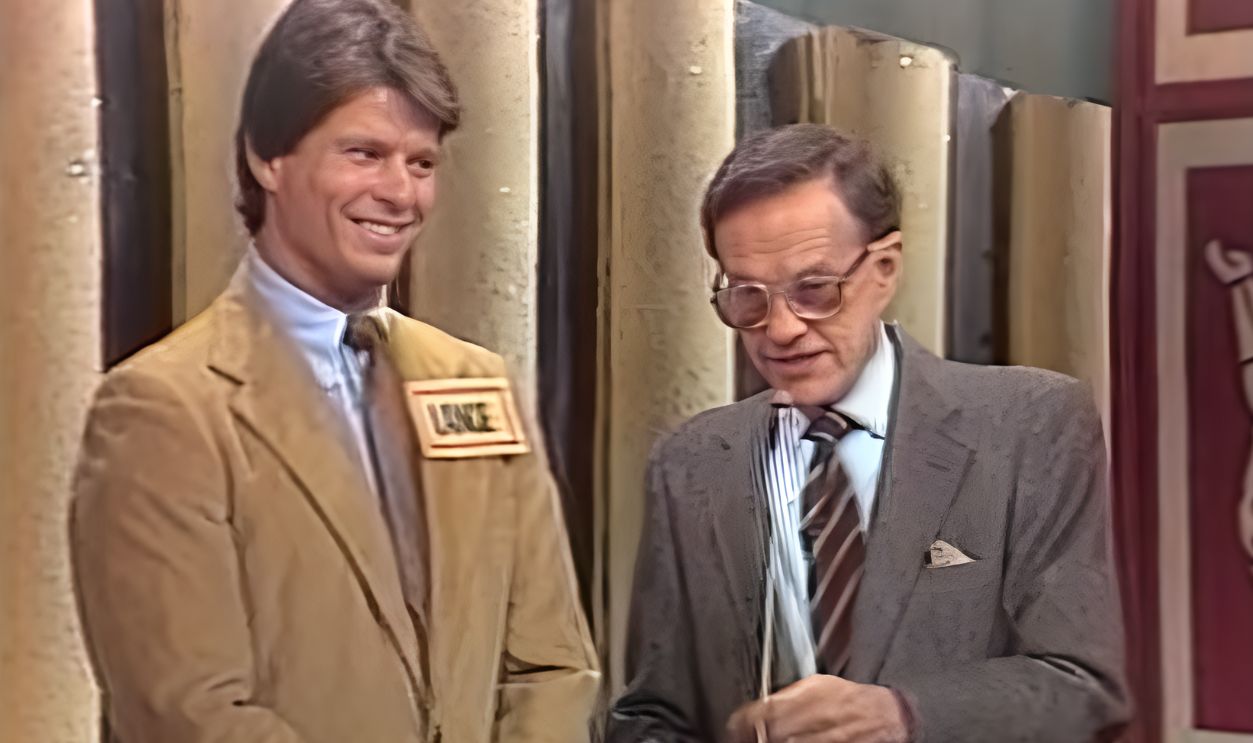 Screenshot from The Joker’s Wild, CBS (1972–2019), Modified
High Rollers Put Dice At Center Stage
NBC’s High Rollers debuted in 1974 with Alex Trebek as host, returned in 1978, and revolved around oversized dice. Contestants answered questions to gain control, then rolled dice to remove numbers from a game board and win prizes. The show adapted the dice game “shut the box,” which gave it a casino-adjacent feel without being an actual gambling show. Modern TV could revive the mechanics, but it would probably tone down the “high stakes” dice-table atmosphere.
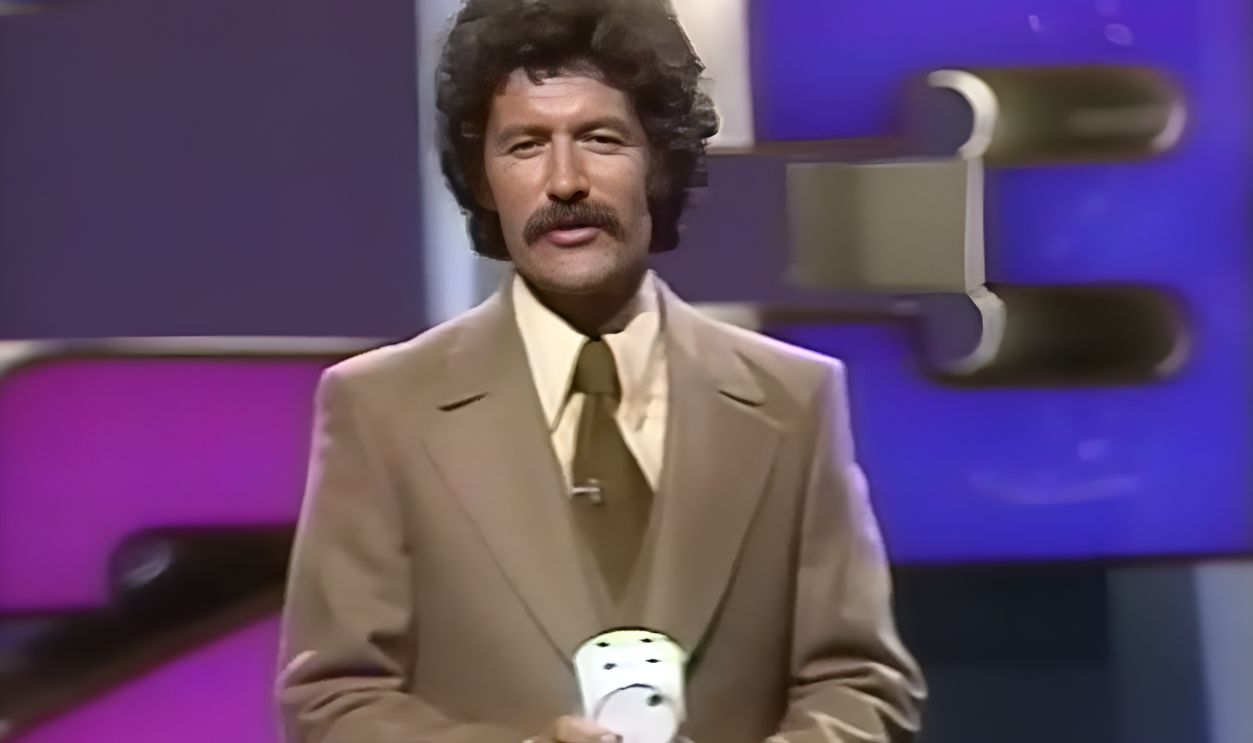 Screenshot from High Rollers, NBC (1974–1988), Modified
Gambit Turned Blackjack Into Daytime Television
CBS’s Gambit ran from 1972 to 1976 with Wink Martindale hosting, and its gameplay was based on blackjack. Married couples answered questions to control oversized playing cards, trying to build a hand close to 21 without going over. The rules were easy to follow, which helped the show move quickly. Even so, a blackjack-based daytime game would likely get a more careful presentation today to avoid looking like a straight casino tutorial.
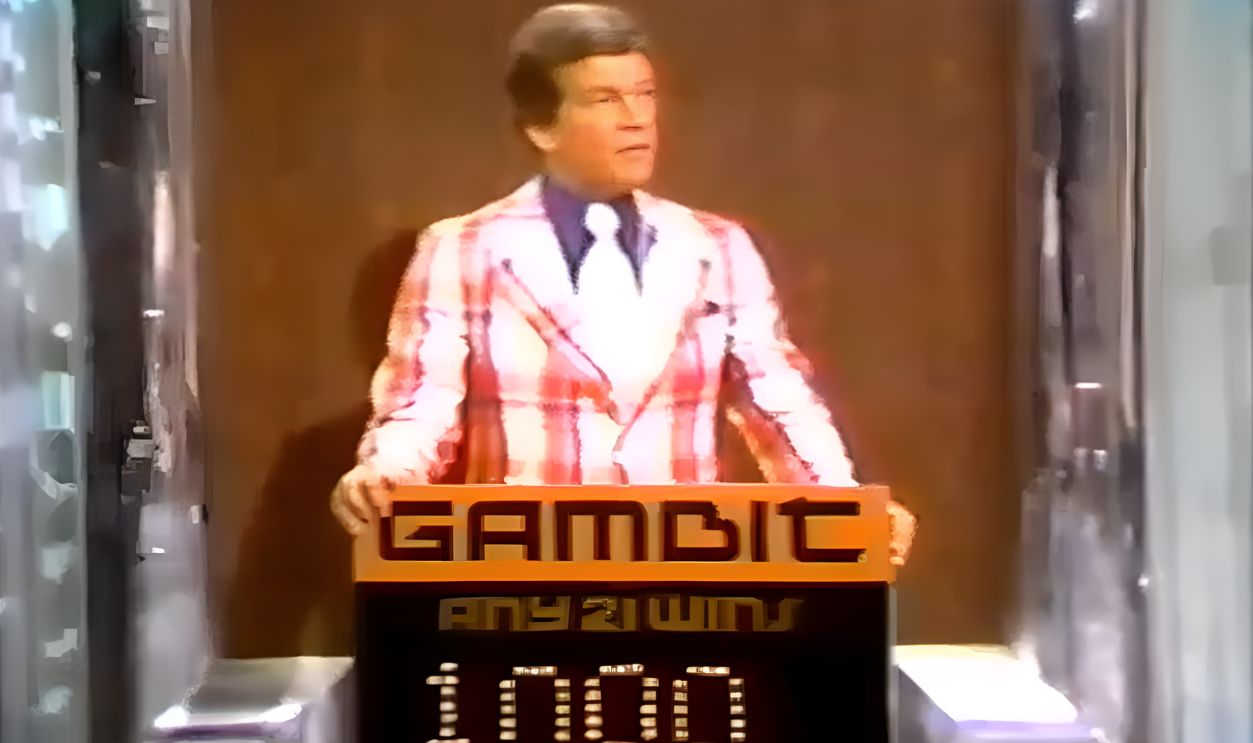 Screenshot from Gambit, CBS (1972–1981), Modified
Second Chance Had A Devil Waiting On The Board
ABC’s Second Chance ran in 1977 and later helped inspire the format of Press Your Luck. Contestants answered questions, earned spins, and used those spins on a prize board where landing on a Devil could wipe out winnings. The danger symbol made the game vivid and easy to understand. Today, producers might keep the “lose everything” tension, but the devil imagery and harsh wipeout mechanics would probably be softened for a broader daytime audience.
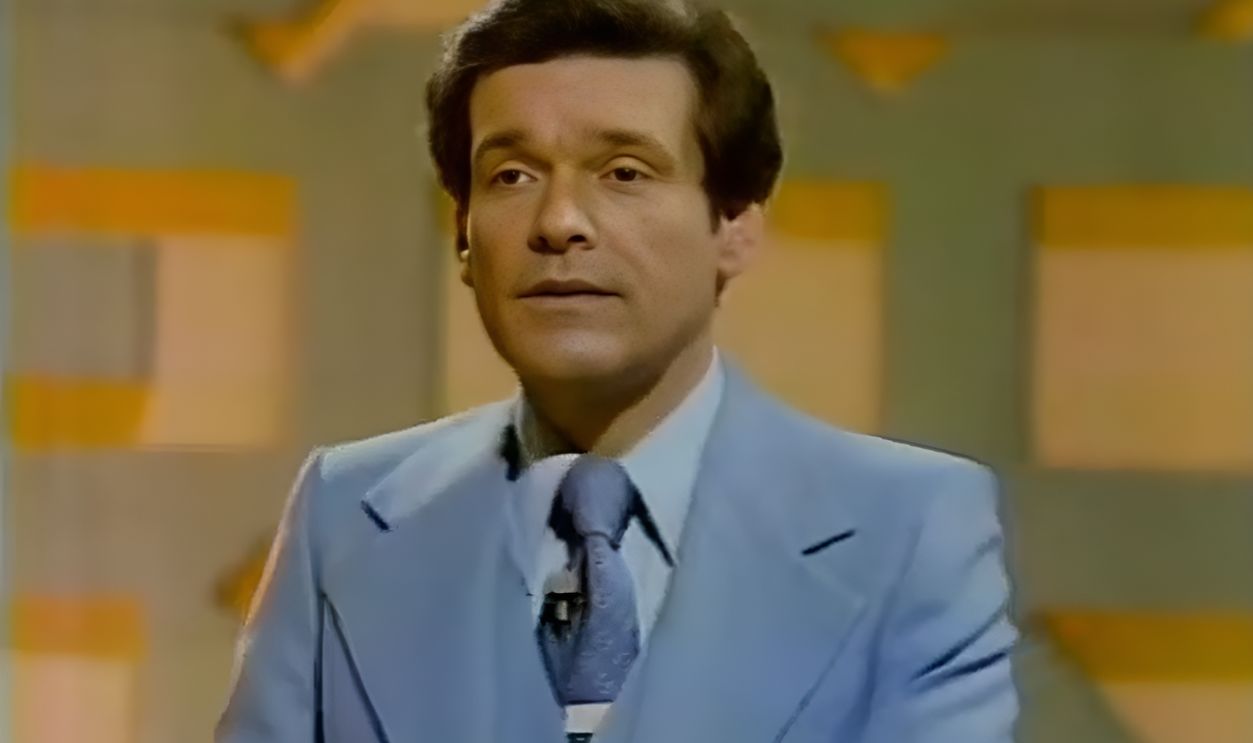 Screenshot from Second Chance, ABC (1977), Modified
All Star Secrets Made Celebrity Privacy The Game
NBC’s All Star Secrets aired in 1979 and had contestants match personal secrets to a panel of five celebrities. The secrets were collected from the celebrities before the show, and contestants won money by figuring out which star each secret belonged to. That is a tidy game mechanic, but it also turns personal disclosure into the main attraction. In today’s celebrity media climate, a show like this would need stricter boundaries around what counts as playful and what feels invasive.
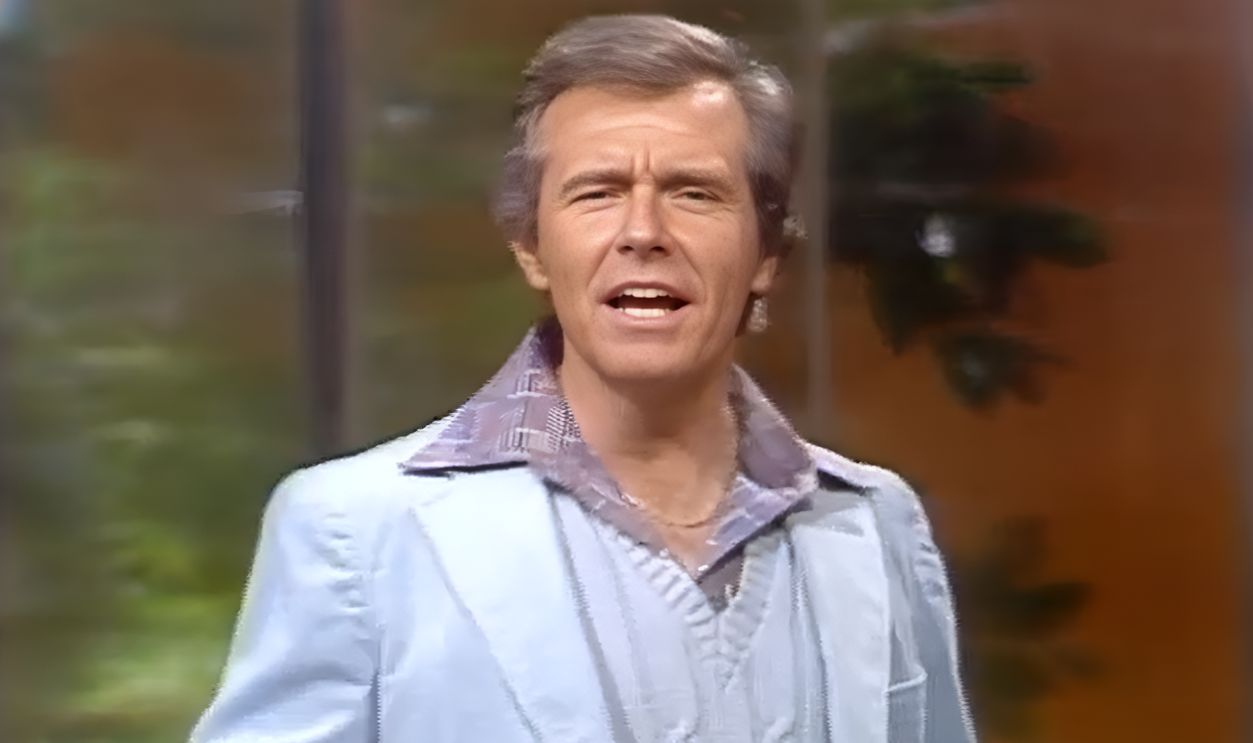 Screenshot from All-Star Secrets, NBC (1979), Modified
Make Me Laugh Paid Contestants Not To Crack
The 1979 syndicated version of Make Me Laugh asked contestants to sit through stand-up comics trying to make them laugh. Contestants earned one dollar for every second they lasted, with each comedian getting 60 seconds. The concept is clean on paper, but the pressure was all on comedians to break a stranger quickly. A modern version would need to be careful about punchlines, audience targeting, and the difference between playful teasing and uncomfortable pressure.
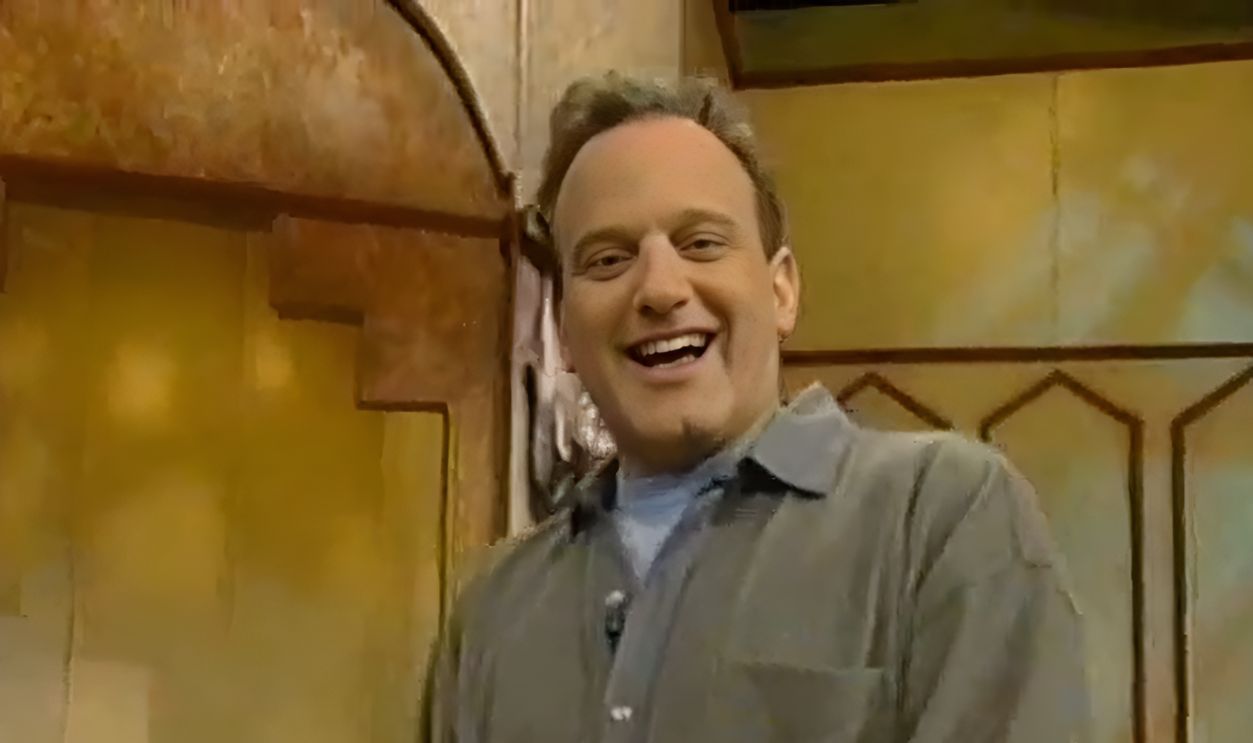 Screenshot from Make Me Laugh, Syndication (1979–1998), Modified
The Magnificent Marble Machine Was A Giant Pinball Gamble
NBC’s The Magnificent Marble Machine premiered in 1975 and paired contestants with celebrities for trivia before sending winners to a massive pinball machine. The bonus machine reportedly measured 20 feet high and 12 feet long. It was a wonderful visual stunt, but it also turned the climax into contestants and celebrities trying to manage a giant mechanical attraction on live-feeling television. Today, the set would be impressive, but the production costs and safety demands would probably make executives nervous.
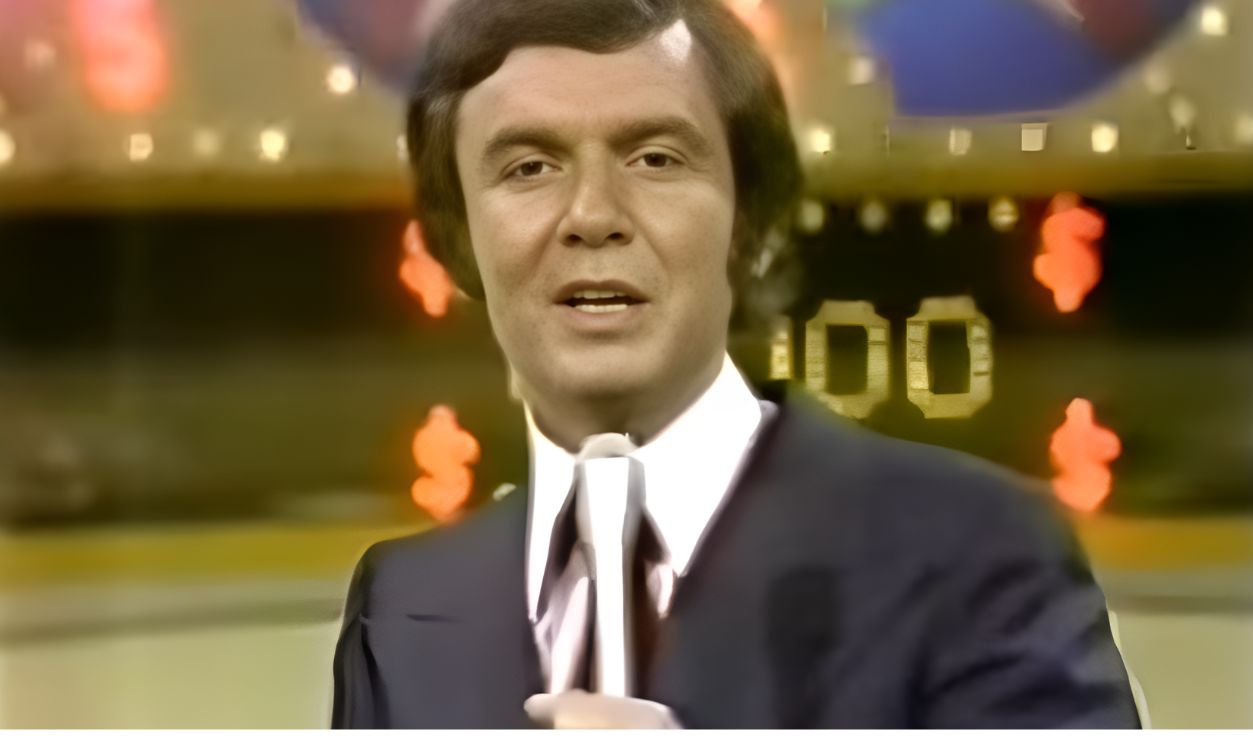 Screenshot from The Magnificent Marble Machine, NBC (1975–1976), Modified
Masquerade Party Hid Celebrities In Heavy Disguise
Masquerade Party was originally a 1950s game show, but it returned in syndication for a 1974–1975 revival hosted by Richard Dawson. The format had celebrity panelists question a disguised celebrity guest and try to guess the person’s identity. The costumes and makeup were the whole fun of the show. Today, that same idea would need a careful update because disguise-based comedy can age badly if the humor depends on appearance rather than wit.
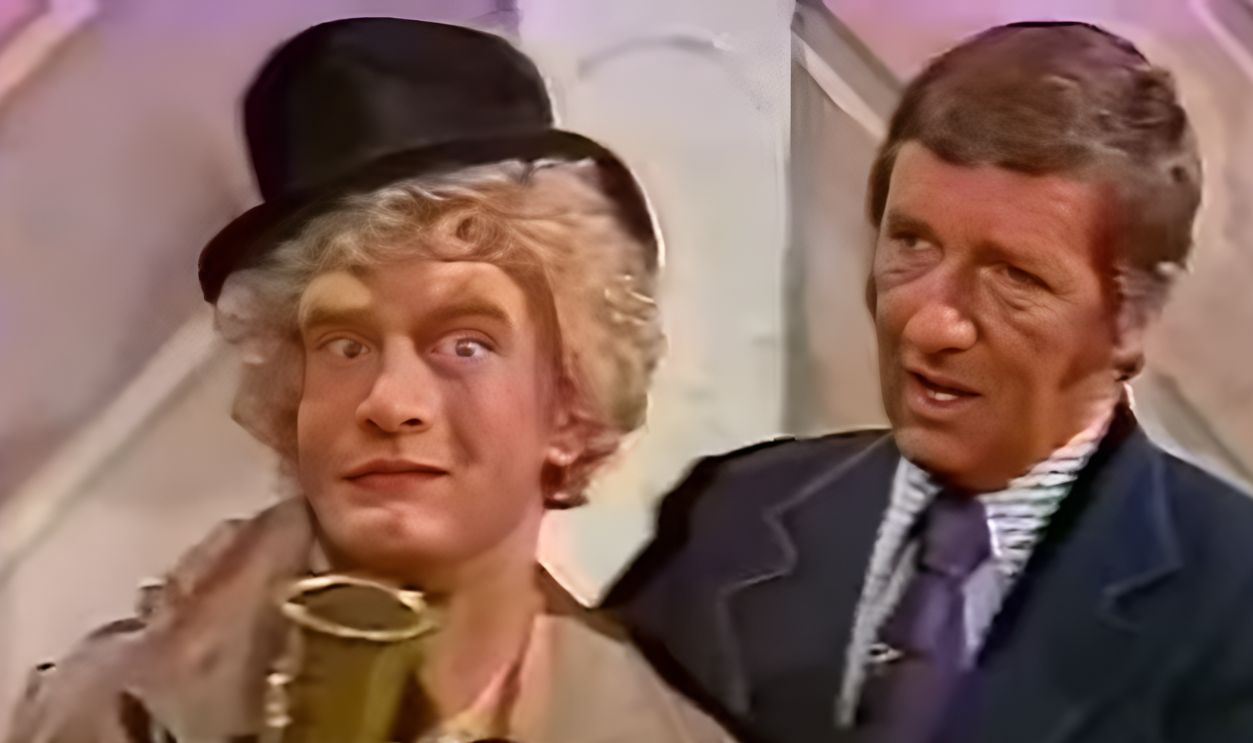 Screenshot from Masquerade Party, NBC (1952–1960), Modified
Rhyme And Reason Asked Stars To Improvise Poetry For Cash
ABC’s Rhyme and Reason ran from 1975 to 1976 with Bob Eubanks hosting. Contestants wrote rhyming words, then tried to get celebrity panelists to say the same words while completing comic lines. The game sounds wonderfully odd, especially because it mixed wordplay, celebrity banter, and a ticking clock. Modern TV would probably consider it too slow, too verbal, and too dependent on panel chemistry to survive outside a niche revival.
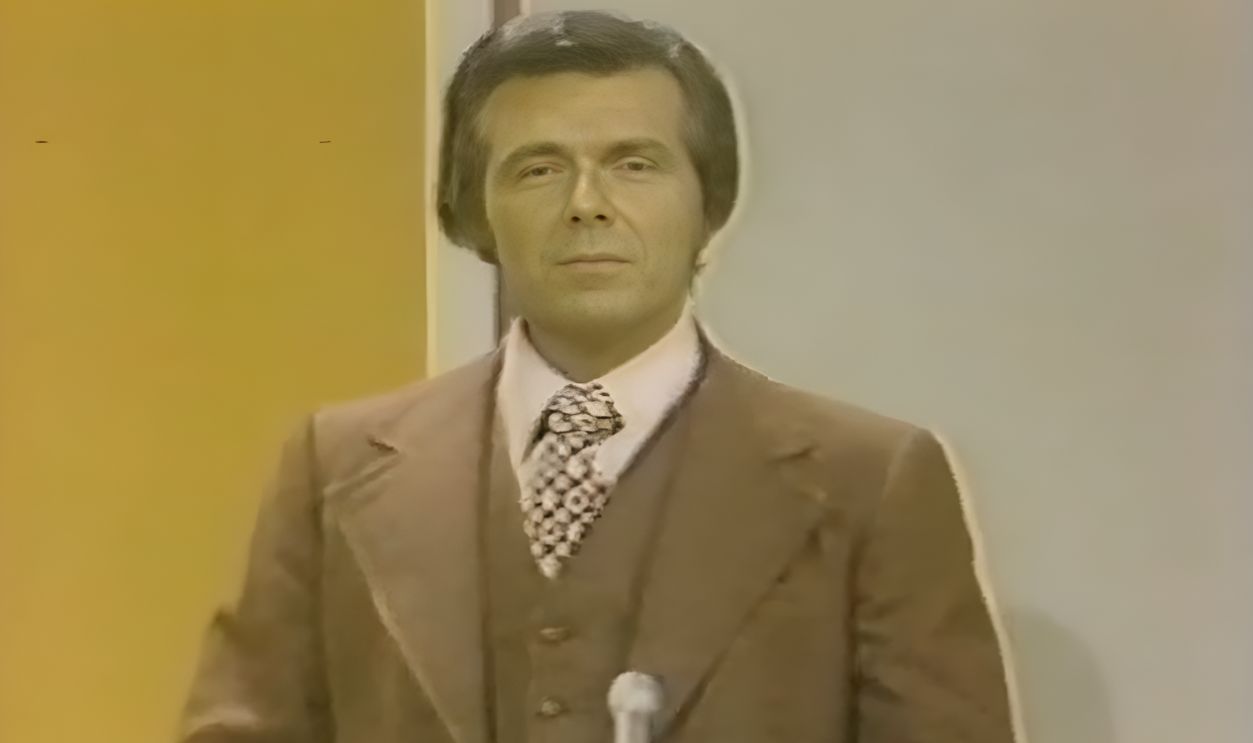 Screenshot from Rhyme and Reason, ABC (1975–1976), Modified
Blankety Blanks Made Pun Puzzles The Whole Show
ABC’s Blankety Blanks aired for only 50 episodes in 1975, with Bill Cullen hosting. Two teams, each made up of a contestant and a celebrity, solved pun-based puzzles by filling in missing words. That is a very 1970s game-show sentence in the best possible way. The problem is that a full half-hour of puns and celebrity puzzle-solving would probably be considered too quaint for most modern network schedules.
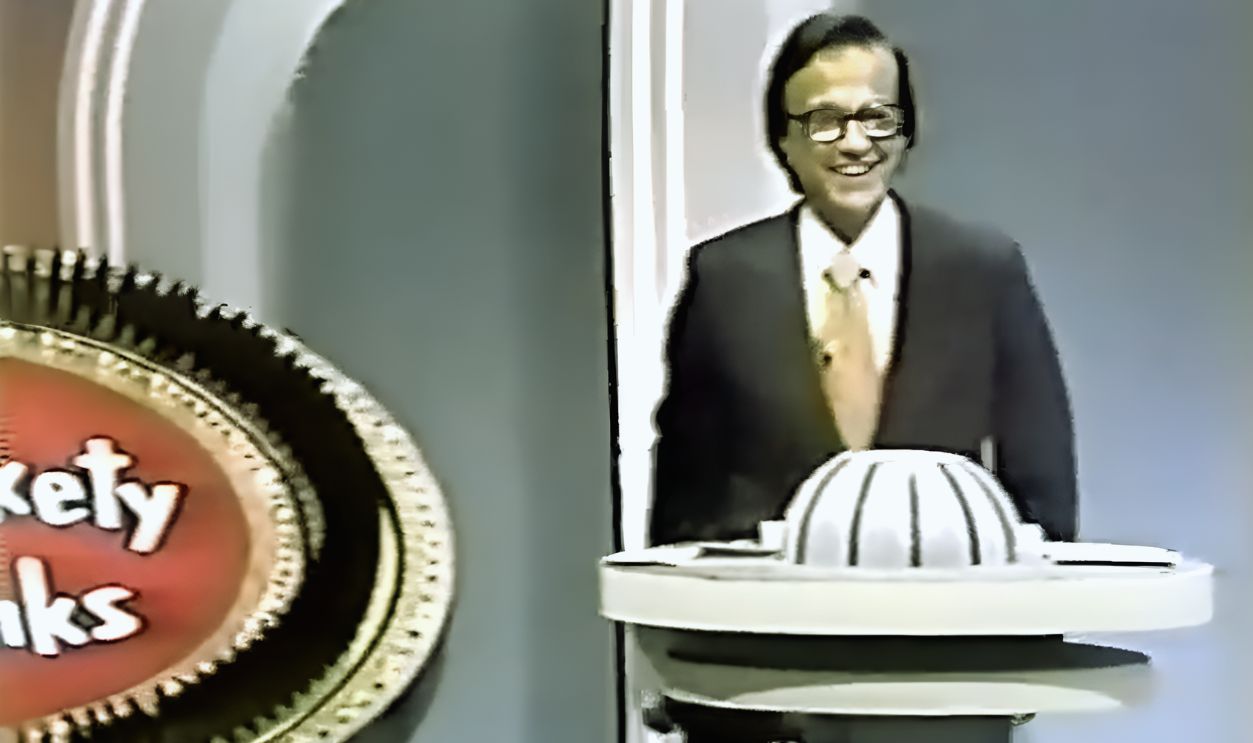 Screenshot from Blankety Blanks, ABC (1975), Modified
Battle Of The Network Stars Turned Sitcom Fame Into Gym Class
Battle of the Network Stars began in 1976 and featured television stars from ABC, CBS, and NBC competing in sporting events. The original series ran through 1988 and became a recurring spectacle of network pride, athletic contests, and celebrity novelty. It was not a traditional buzzer game, but it was absolutely a competition show built for the same audience. Today, networks could still stage celebrity competitions, but the old “watch TV stars do schoolyard athletics” vibe would need a slicker, safer, and more self-aware package.
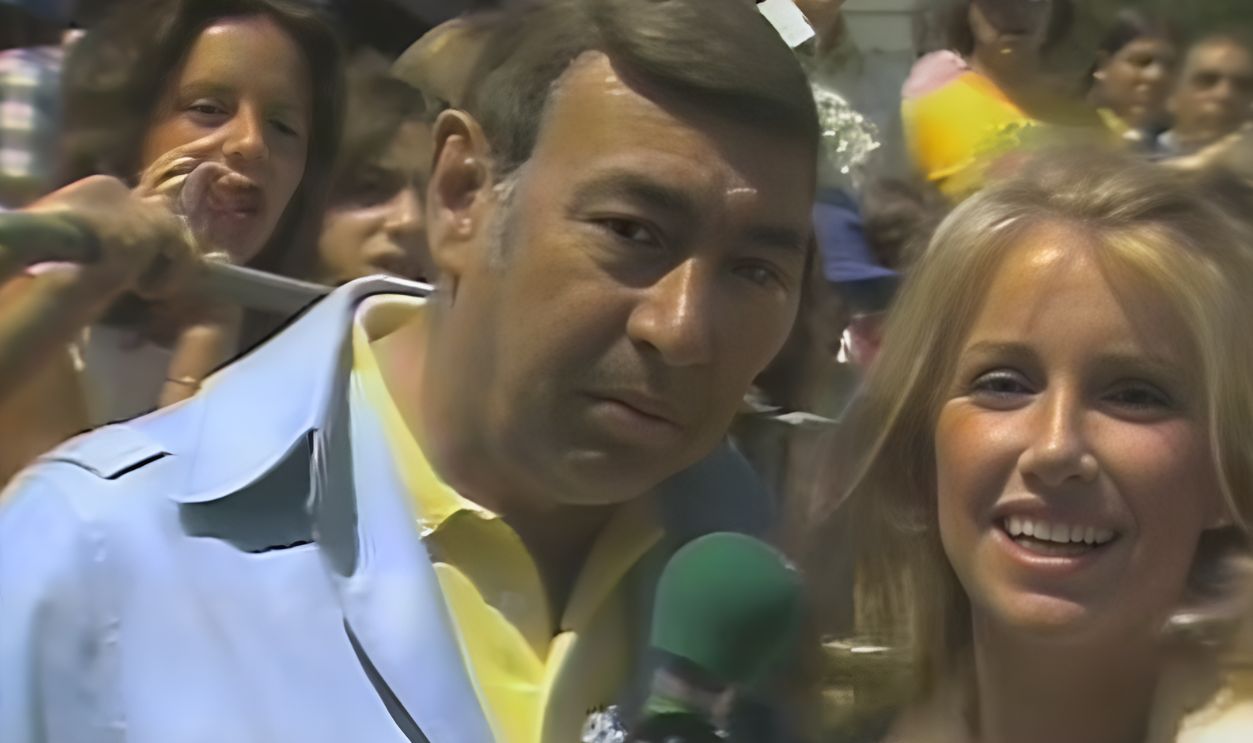 Screenshot from Battle of the Network Stars, ABC (1976–2017), Modified
The Price Is Right’s 1970s Version Was A Different Kind Of Showcase
The Price Is Right returned to CBS in 1972 with Bob Barker as host, and Barker remained with the show until 2007. The core pricing format clearly survived, but the early 1970s presentation leaned into a showroom style built around product displays, model reveals, and consumer fantasy. That version belonged to a world where appliances, cars, and living-room sets could feel like dazzling television events. The show still works today, but the 1970s staging would need a modern polish and a more current approach to presentation.
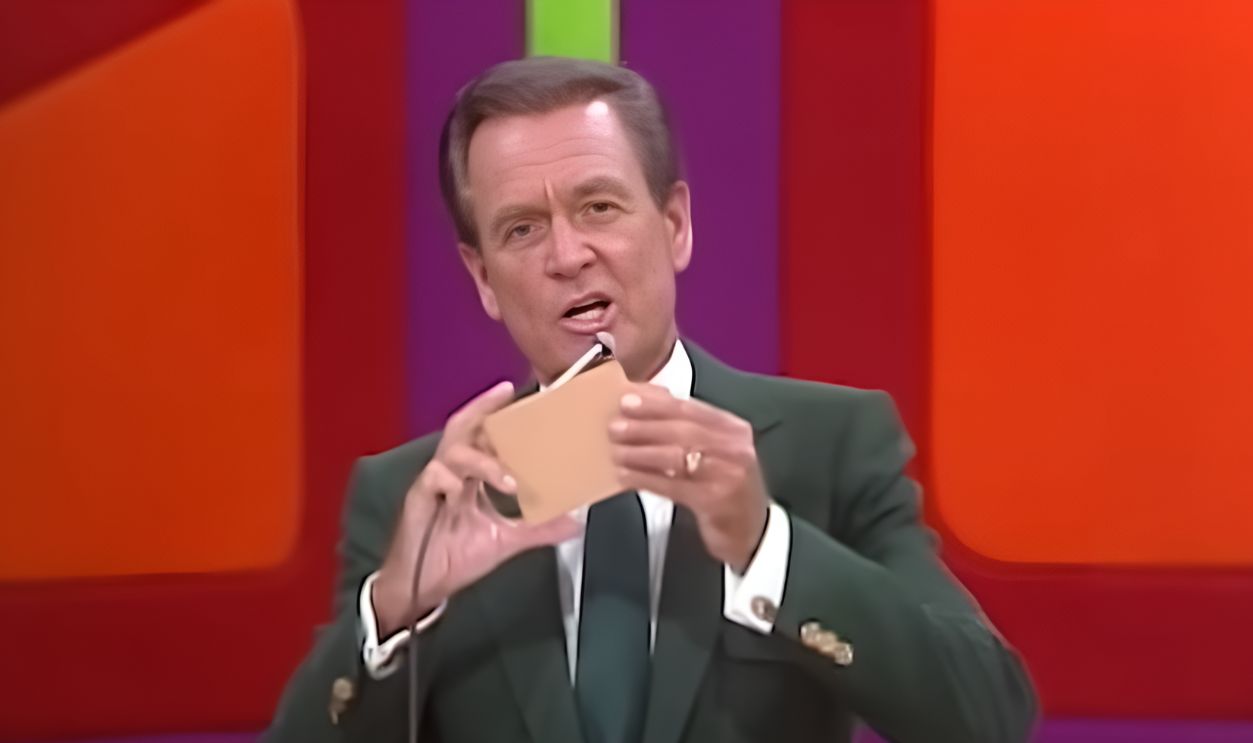 Screenshot from The Price Is Right, CBS (1972–), Modified
These Shows Were Wild Because Television Was Wild
The 1970s game-show boom gave viewers giant pinball machines, mystery boxes, gender battles, celebrity secrets, and contestants being gonged in front of America. Many of these formats were inventive, and some still have ideas worth borrowing. What would not cut it today is the casual approach to embarrassment, stereotypes, safety, privacy, and consent that surrounded so many of them. That is what makes these shows fascinating now: they are time capsules from an era when daytime TV was stranger, looser, and much less filtered.
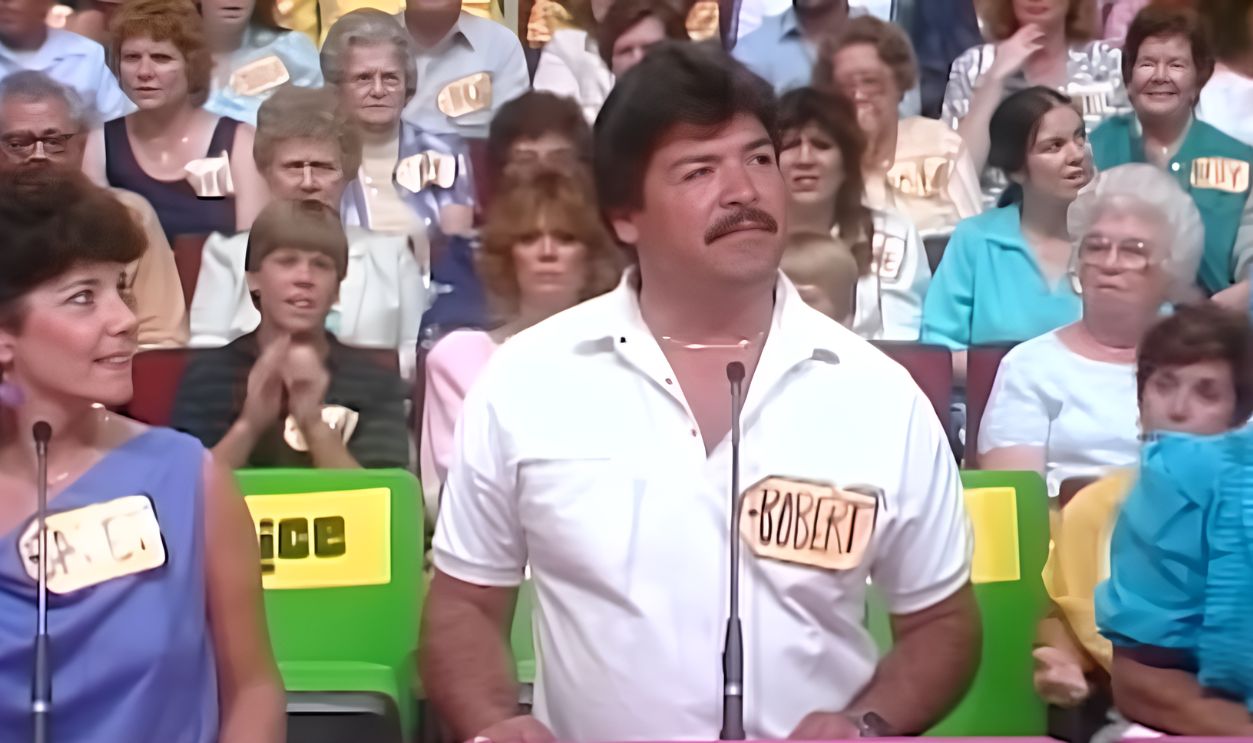 Screenshot from The Price Is Right, CBS (1972–), Modified
You May Also Like: