When Game Show Hosts Felt Like Old Friends
There was a time when game show hosts did more than explain the rules and hand out prizes. They showed up in American living rooms every weekday, year after year. By the 1970s and 1980s, the best hosts had become familiar faces viewers trusted, teased, and welcomed like members of the family.
 CBS tv, CC BY-SA 4.0 , via Wikimedia Commons
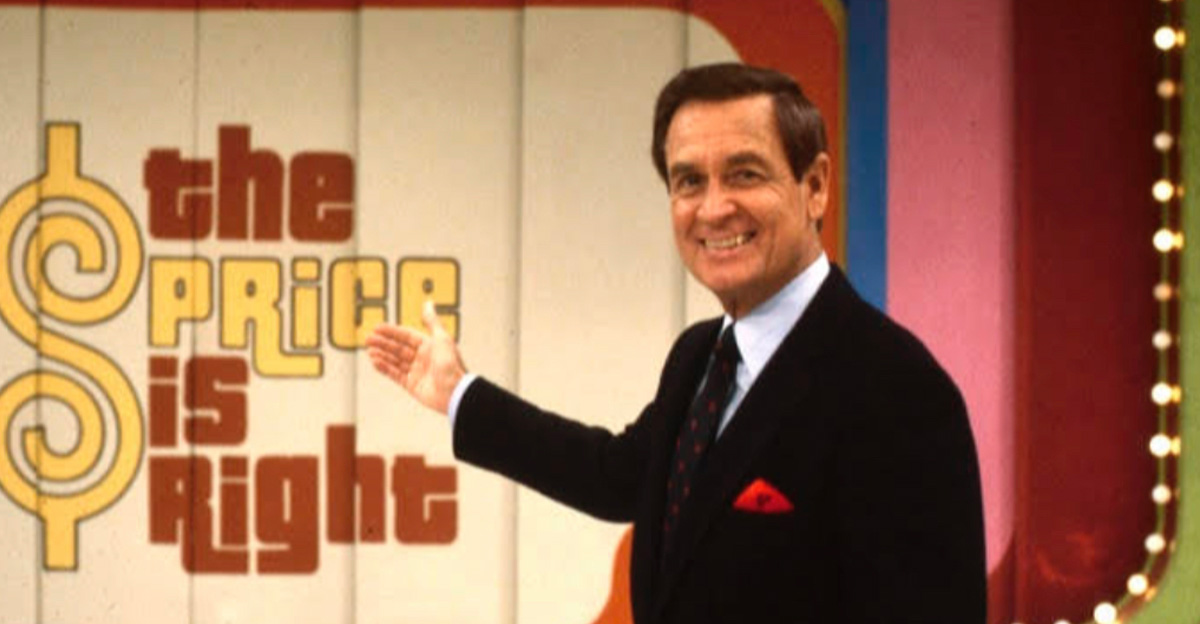
Bob Barker Made Everything Look Easy
For generations of viewers, Bob Barker practically was daytime television. Hosting The Price Is Right beginning in 1972, Barker mixed quick humor with remarkable patience. Whether contestants were wildly overbidding or sprinting onto the stage, he remained the calm center of the chaos.
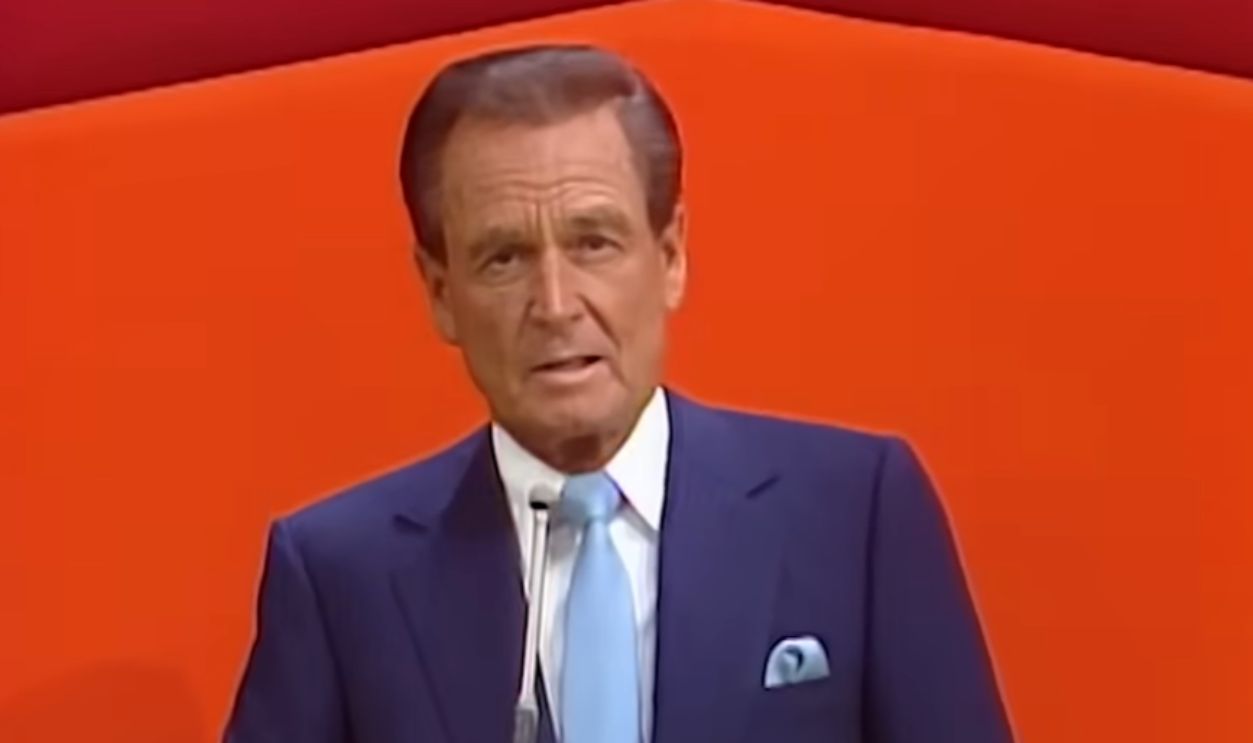 Screenshot from The Price Is Right, CBS (1972–)
Richard Dawson Knew Everybody's Name
Richard Dawson brought something unusually personal to Family Feud. He shook hands, hugged contestants, cracked jokes, and famously kissed thousands of female players. Beneath the cheeky behavior was a host who seemed genuinely interested in the families standing beside him, which helped viewers connect with him.
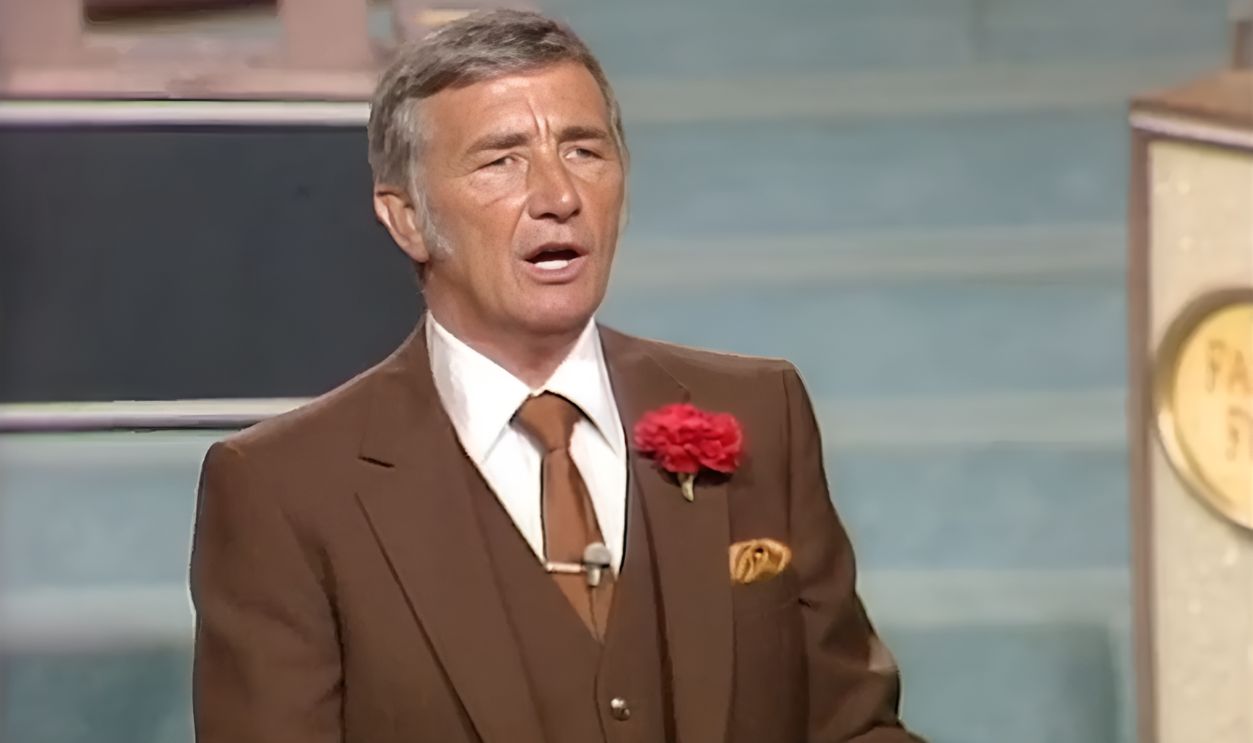 Screenshot from Family Feud, ABC (1976–), Enhanced
Gene Rayburn Controlled The Madness
Hosting Match Game required a special talent. Gene Rayburn had to manage celebrities, contestants, strange questions, double entendres, and occasionally complete disorder. Somehow, he kept everything moving. His long microphone, amused expressions, and dry reactions made him seem like the sensible uncle at a very strange family reunion.
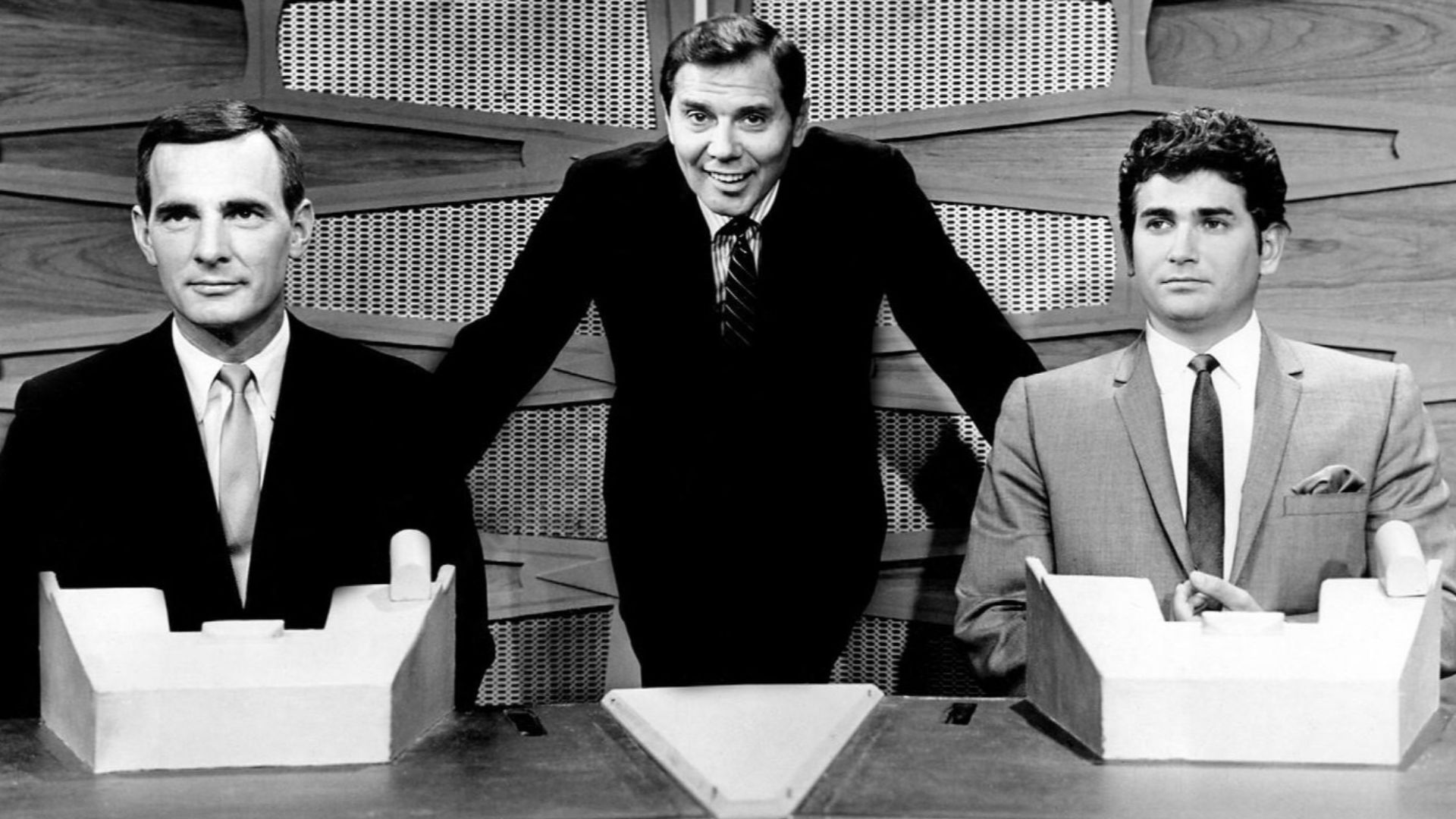 NBC Television, Wikimedia Commons
Dick Clark Was America's Permanent Teenager
Dick Clark already had enormous credibility from American Bandstand when he became closely associated with The $10,000 Pyramid and its later versions. His calm delivery was perfect for the frantic word game. Clark rarely needed theatrics. His familiar voice alone told viewers that everything was under control.
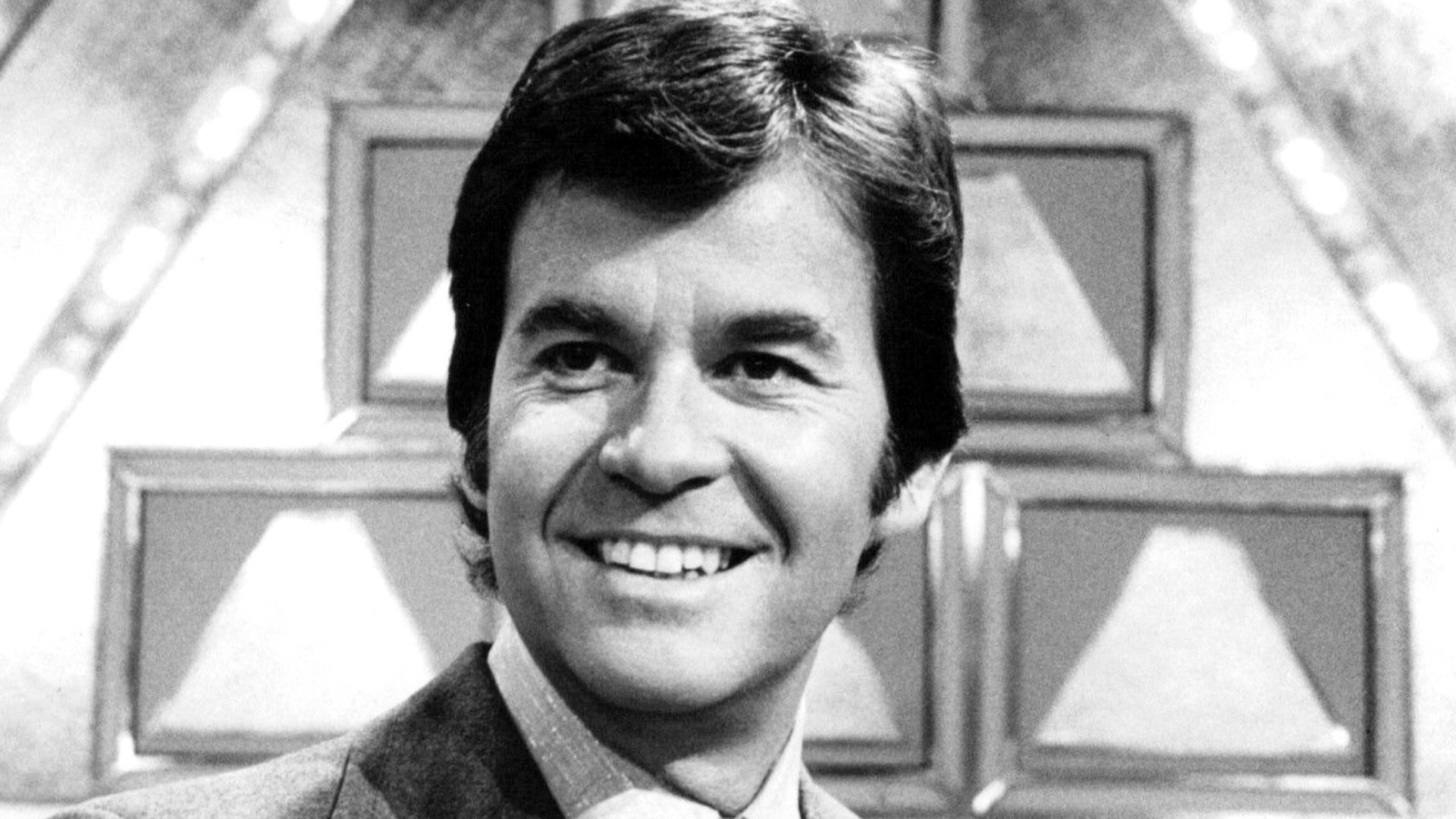 ABC Television, Wikimedia Commons
Alex Trebek Brought Quiet Authority
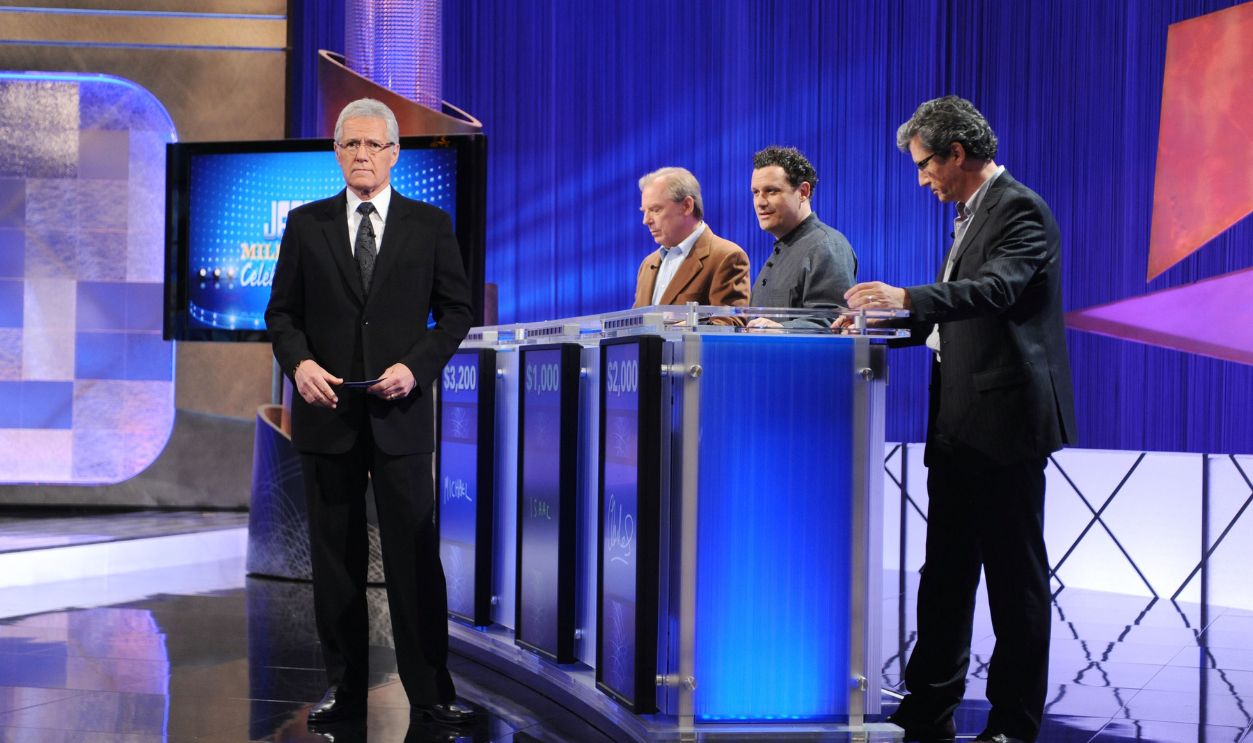
Before Jeopardy! turned Alex Trebek into a television institution, he had already hosted programs including High Rollers. When the revived Jeopardy! arrived in 1984, his measured style fit perfectly. Trebek never seemed desperate for attention. He simply made intelligence feel entertaining, approachable, and surprisingly comfortable.
Pat Sajak Became Part Of The Evening Routine
When Pat Sajak took over Wheel of Fortune in the early 1980s, he quickly settled into millions of households. His dry humor worked beautifully alongside Vanna White's glamorous presence. Sajak rarely acted as though the show was life or death, which was exactly why viewers could relax around him.
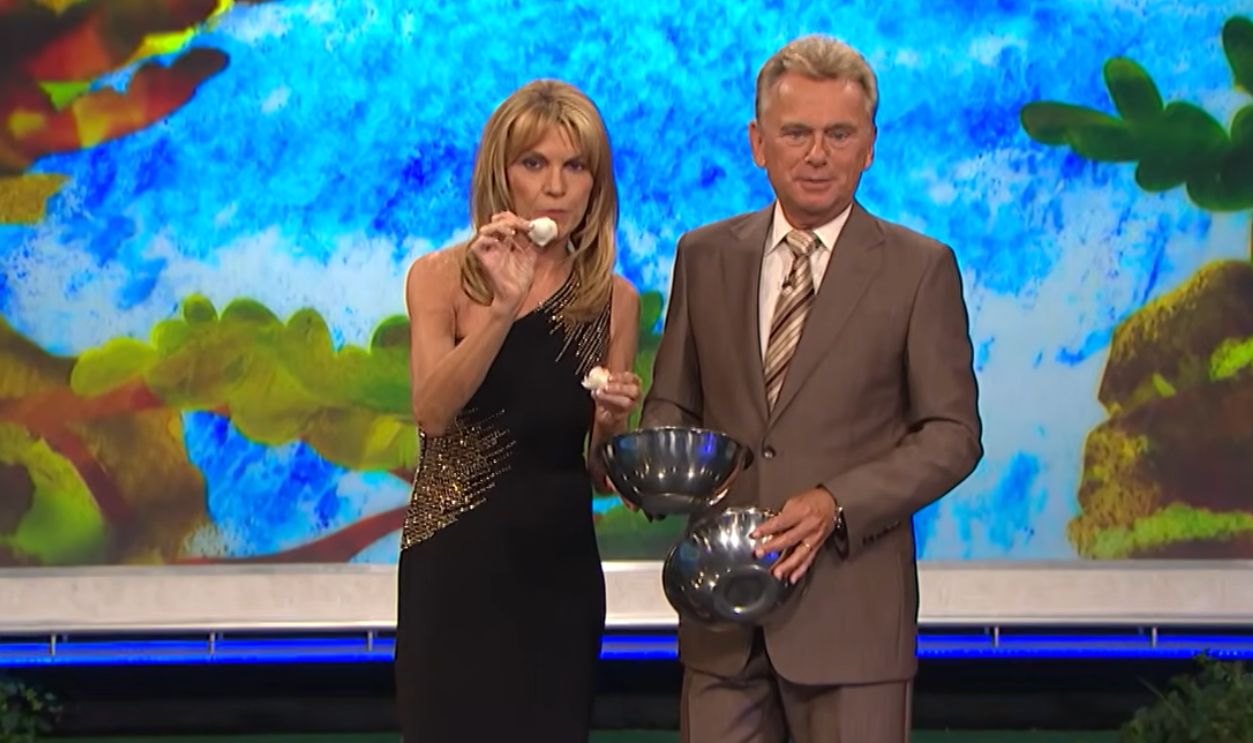 Screenshot from Wheel of Fortune, NBC (1975–)
Chuck Woolery Had That Effortless Charm
Long before Love Connection, Chuck Woolery helped launch the syndicated era of Wheel of Fortune. He later hosted Scrabble, where his casual humor and polished delivery fit the 1980s perfectly. Woolery always seemed comfortable on camera, which made contestants and viewers feel comfortable too.
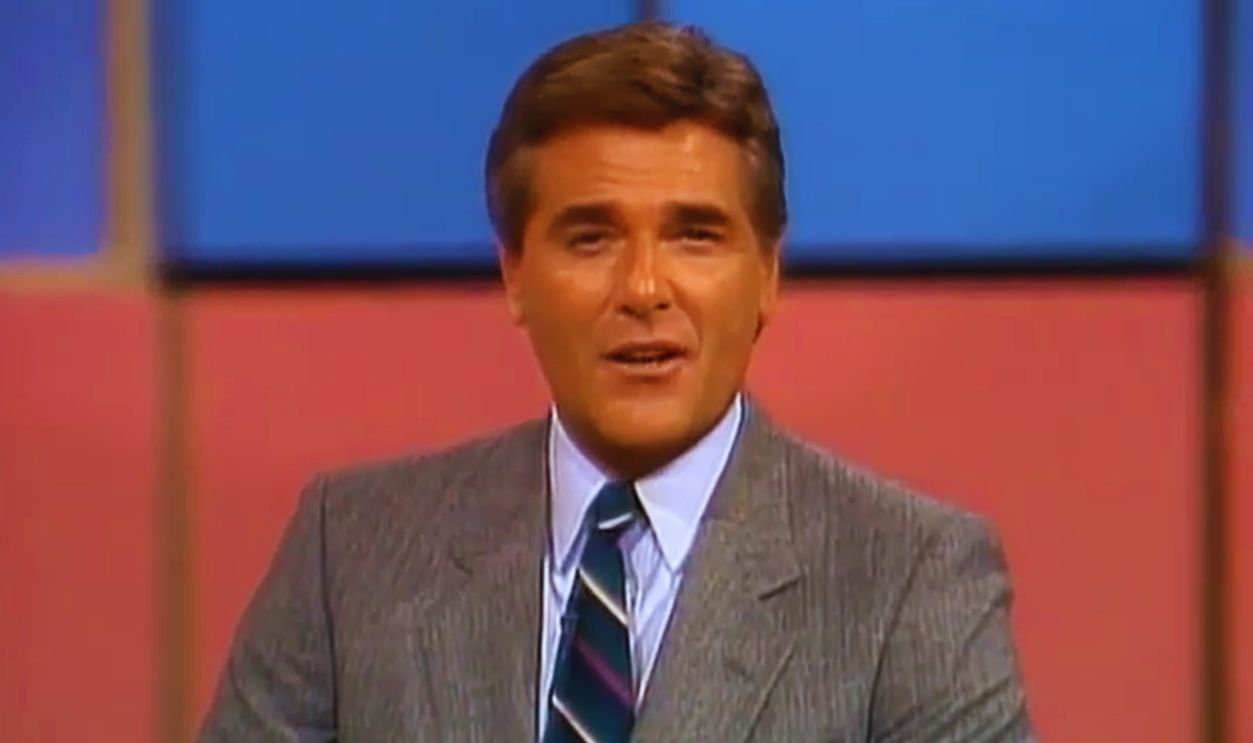 Screenshot from Scrabble, NBC (1984–)
Monty Hall Could Talk Anyone Into Anything
Monty Hall turned Let's Make a Deal into organized madness. Contestants wore outrageous costumes, screamed for attention, and made risky choices involving curtains and mysterious boxes. Hall somehow remembered details, worked the crowd, and maintained a friendly connection that made even losing a prize seem entertaining.
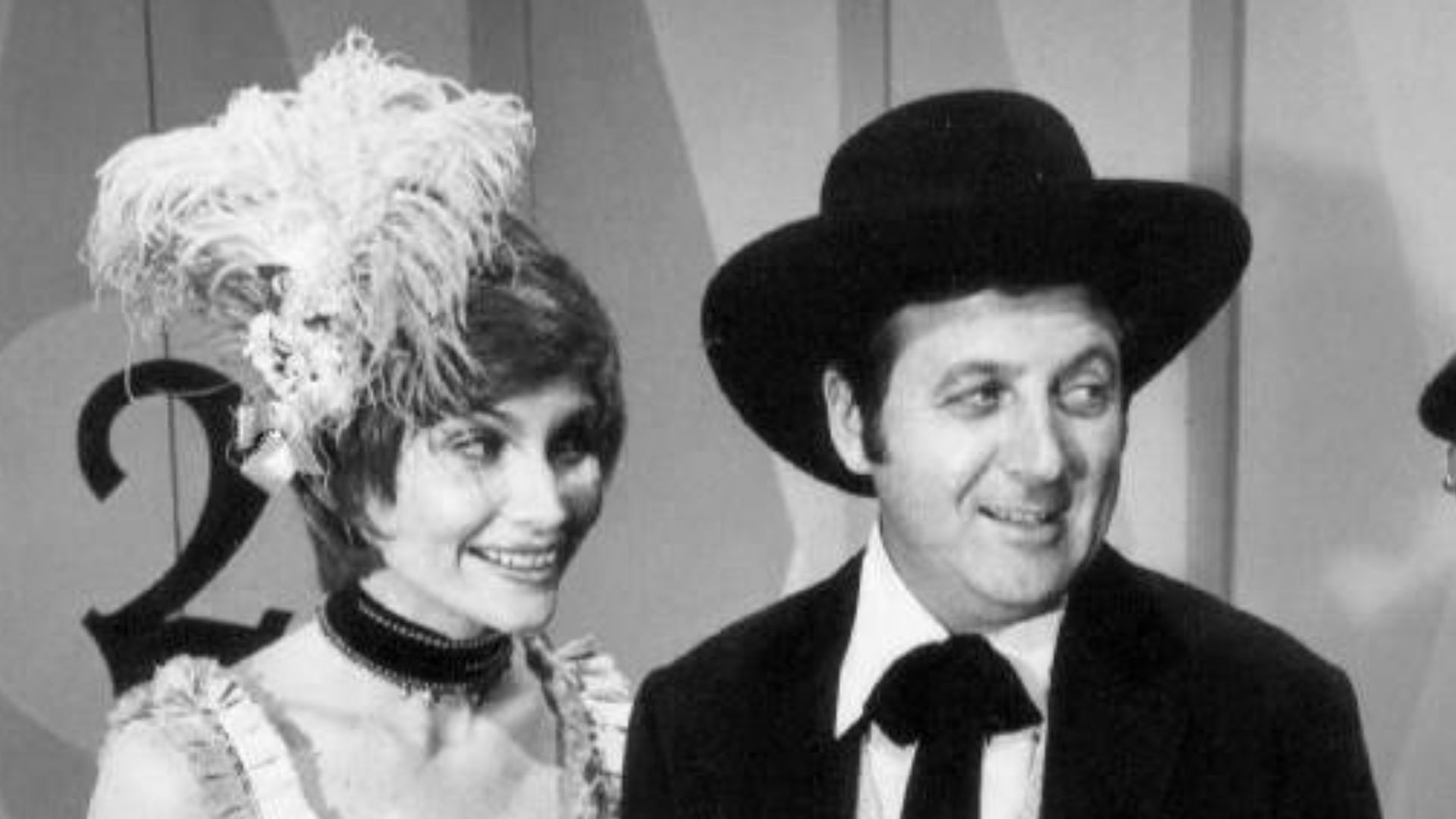 ABC Television, Wikimedia Commons
Bob Eubanks Asked What Everyone Was Thinking
The Newlywed Game gave Bob Eubanks one of television's most dangerous jobs: asking married couples questions about each other. The answers could be sweet, embarrassing, or disastrous. Eubanks usually responded with an amused grin that told viewers he understood exactly how awkward things had just become.
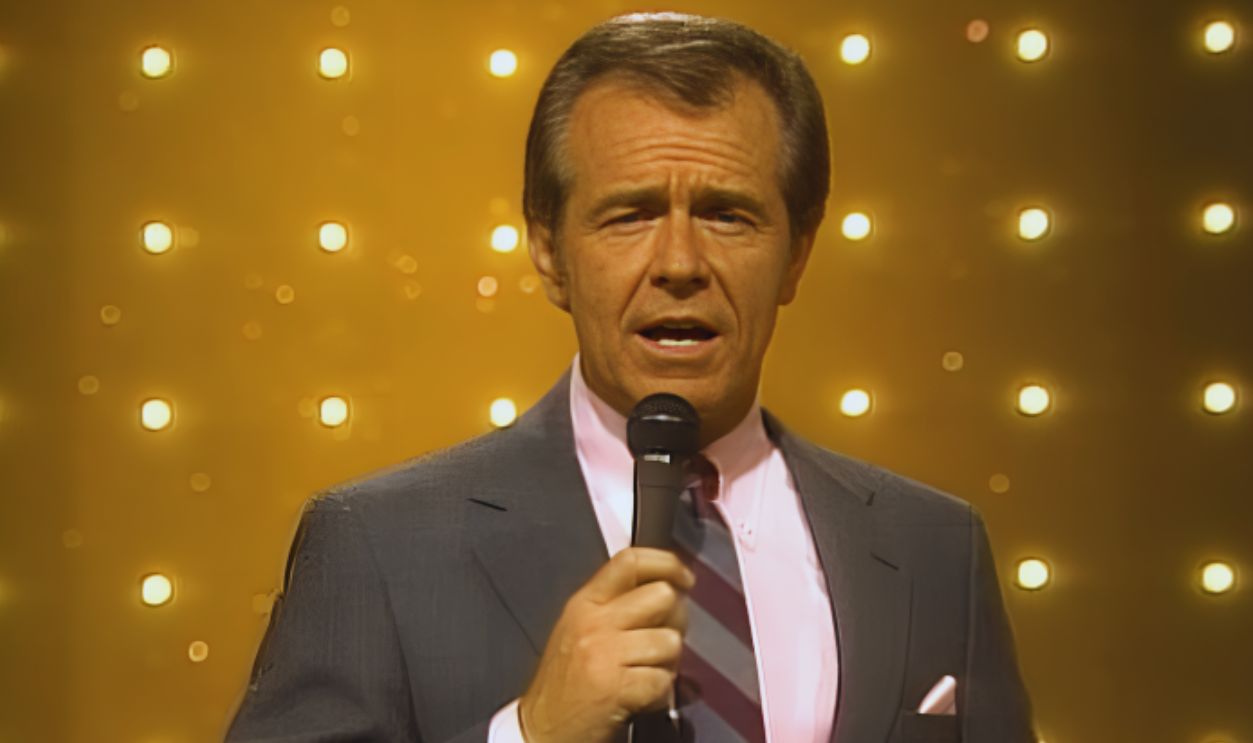 Screenshot from The Newlywed Game, ABC (1966–2013), Enhanced
Wink Martindale Had The Perfect Game Show Name
Even his name sounded like it belonged on television. Wink Martindale became especially memorable through Tic-Tac-Dough, although his hosting career stretched across numerous programs. His polished voice and cheerful confidence represented the classic game show style: professional enough to run the program, friendly enough to invite into your home.
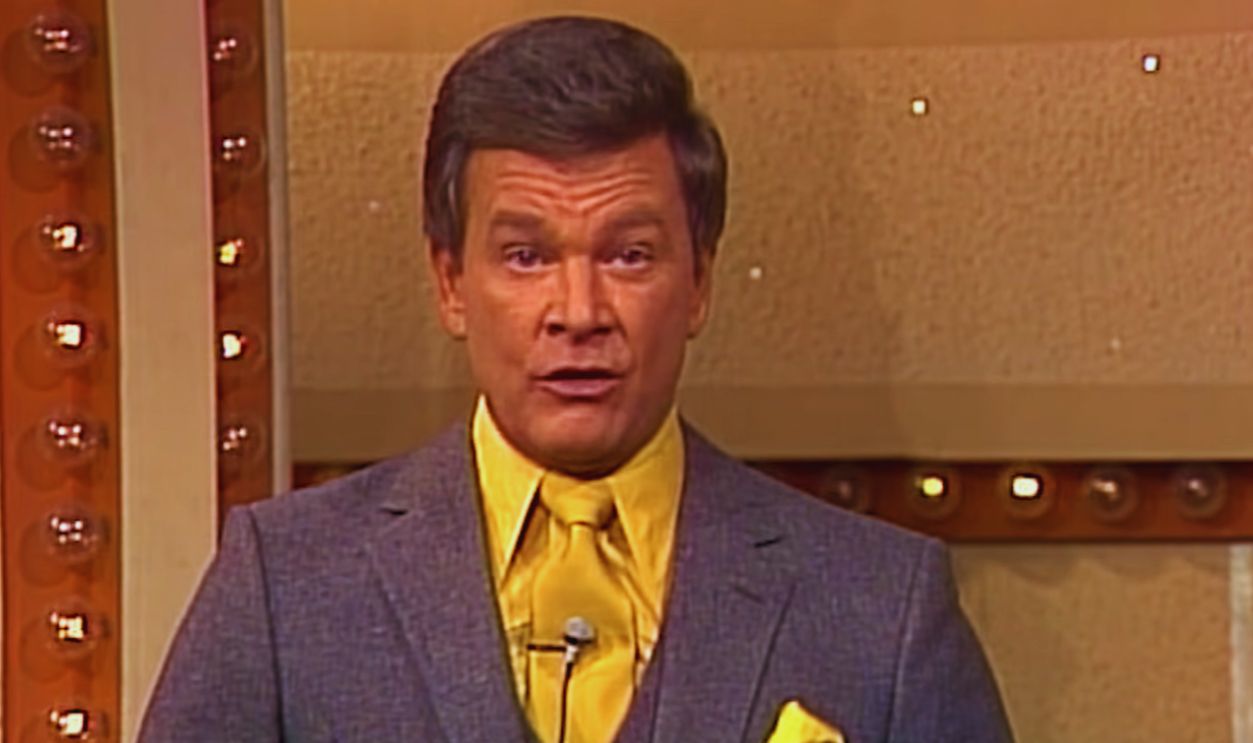 Screenshot from Tic-Tac-Dough, CBS (1956–)
Jim Perry Made Tough Games Feel Friendly
Jim Perry was a reassuring presence on Card Sharks and later Sale of the Century. Both shows could become surprisingly tense when serious prizes were involved. Perry never needed to create artificial excitement. His smooth delivery let the games provide the drama while he kept contestants moving comfortably through it.
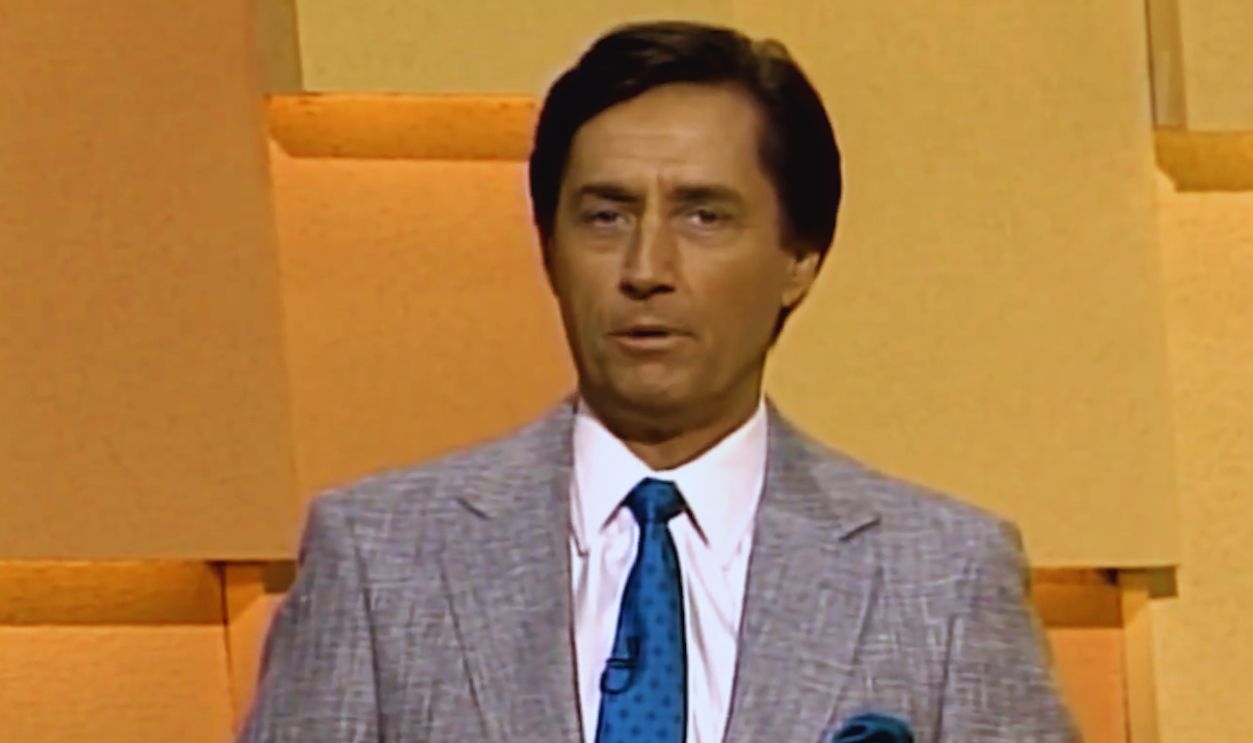 Screenshot from Sale of the Century, NBC (1969–1989)
Bill Cullen Was A Game Show Institution
Few hosts had a résumé quite like Bill Cullen. By the 1970s and 1980s, he already seemed like television royalty. Shows such as Blockbusters introduced him to another generation. Cullen's gentle humor and warm personality made him feel less like a performer and more like an old family friend.
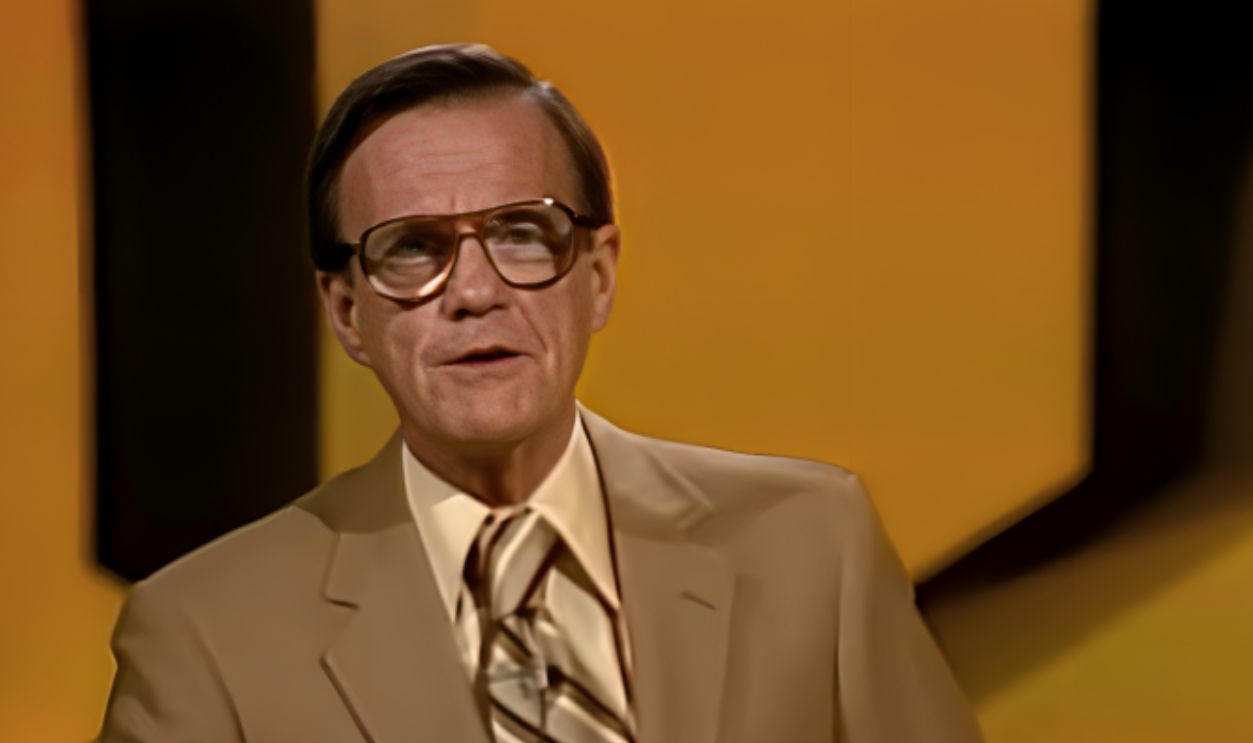 Screenshot from Blockbusters, NBC (1980–1982), Enhanced
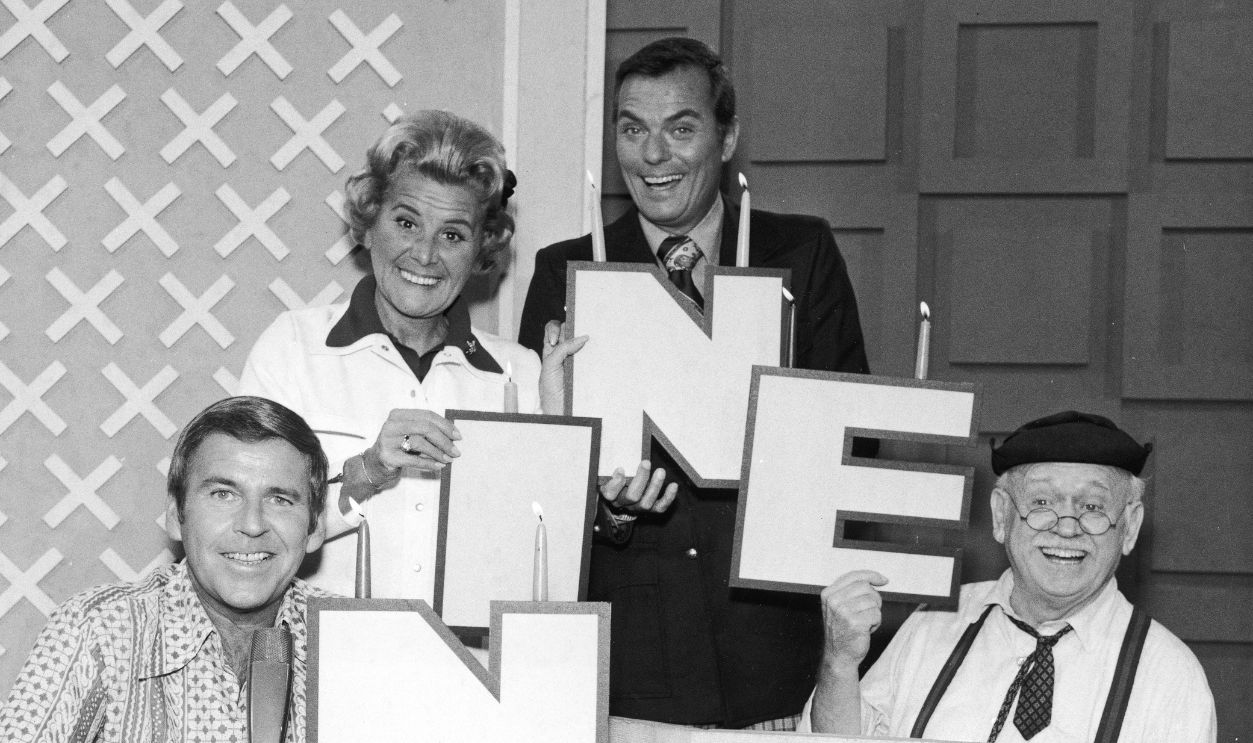
Peter Marshall Kept Hollywood In Line
Hollywood Squares looked like it could fall apart at any moment. Nine celebrities were stacked inside giant boxes, firing jokes at contestants while Peter Marshall tried to maintain order. His understated style was the secret ingredient. Marshall rarely competed with the stars. He simply kept the whole wonderfully strange machine running.
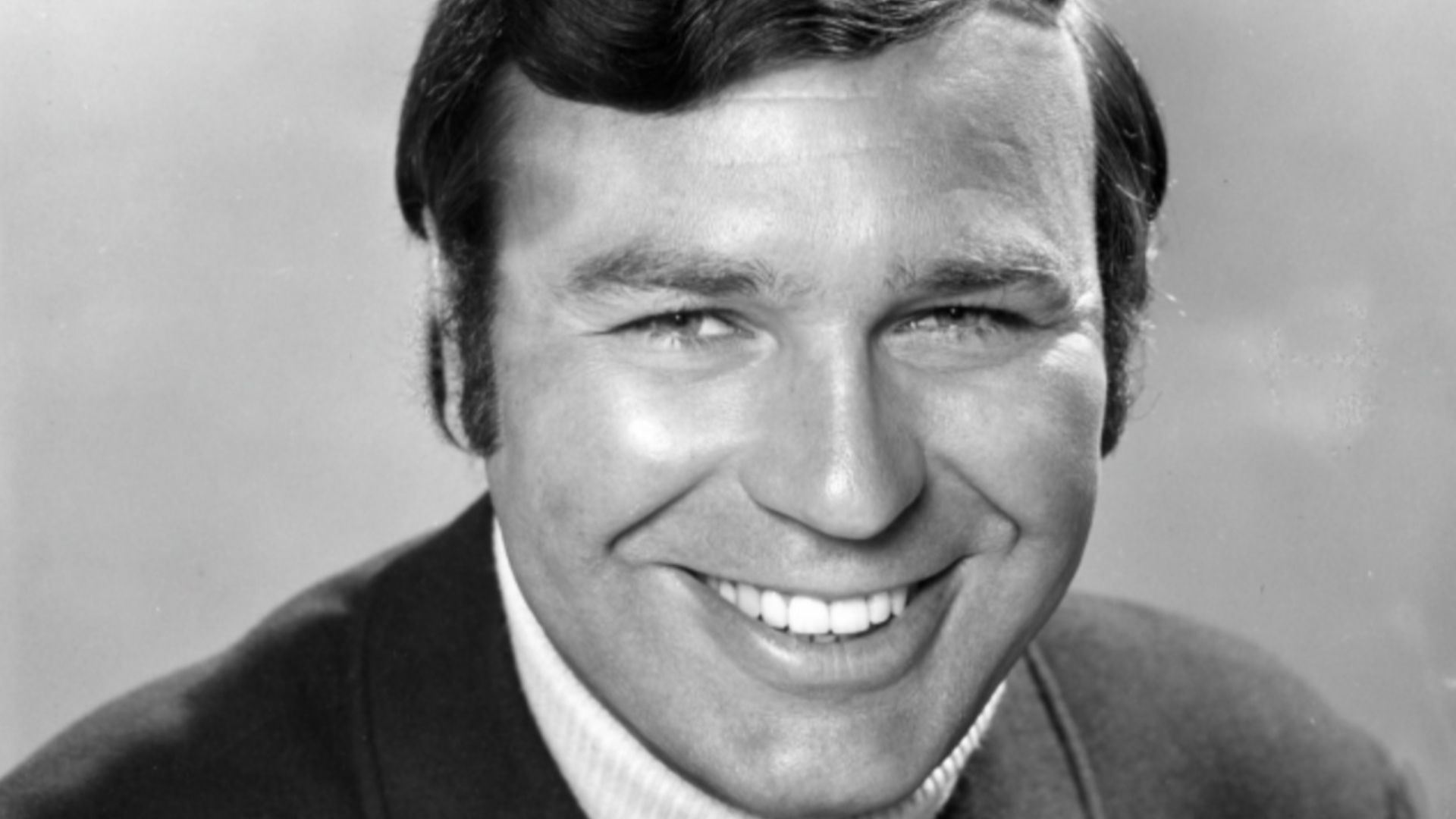
Jim Lange Played Matchmaker
Jim Lange spent years asking singles questions that ranged from innocent to hilariously suggestive on The Dating Game. His good-natured style prevented the format from feeling too uncomfortable. Lange acted almost like a friendly chaperone, standing nearby while contestants attempted to choose romance from behind a dividing wall.
 ABC Television, Wikimedia Commons
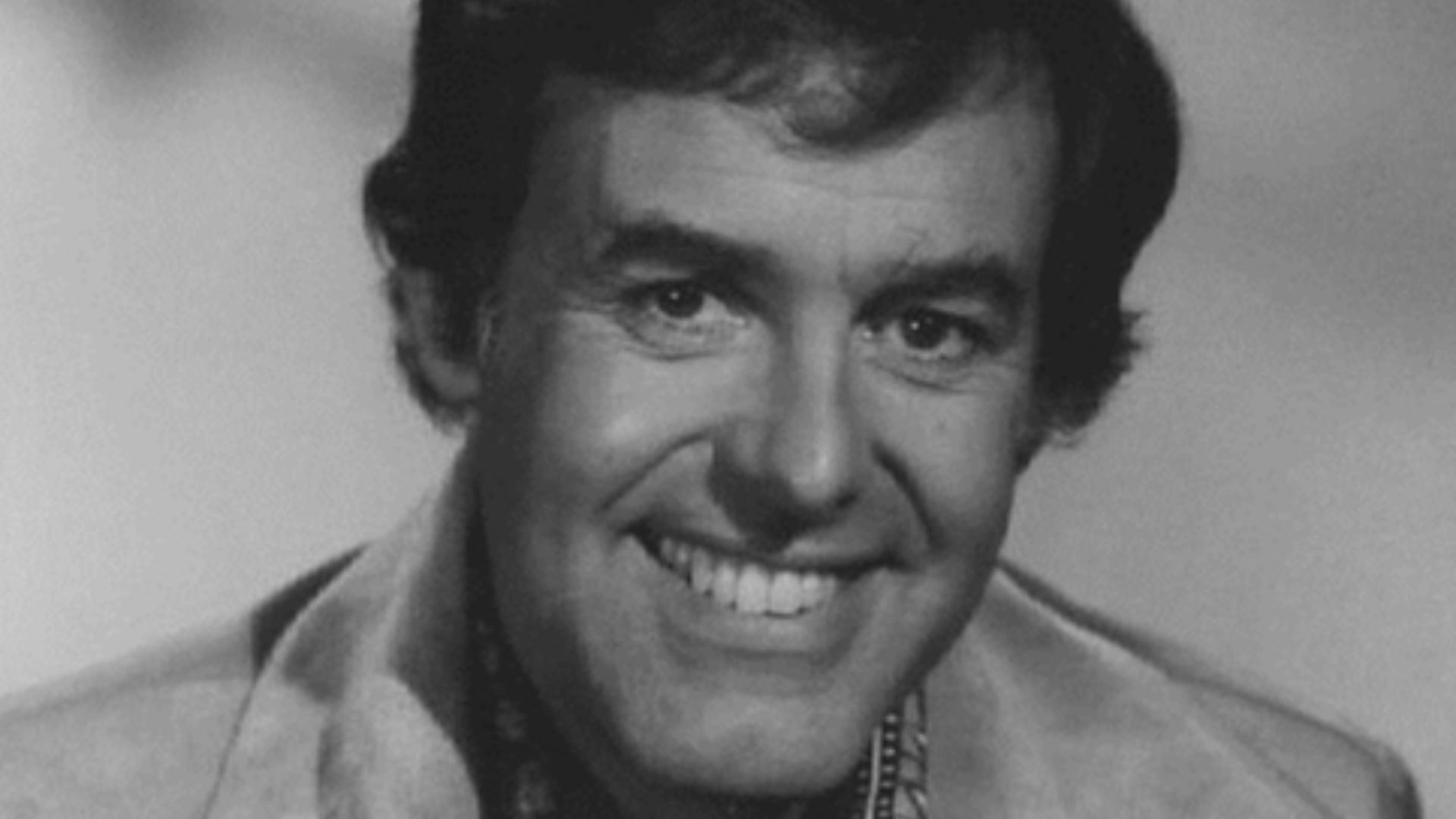
Geoff Edwards Made Games Feel Like Adventures
Geoff Edwards brought an energetic but approachable style to programs including The New Treasure Hunt. He could sell the excitement of a contestant choosing among mystery boxes without overwhelming the moment. Edwards looked as though he was having almost as much fun discovering the prizes as the people playing.
 NBC Network, Wikimedia Commons
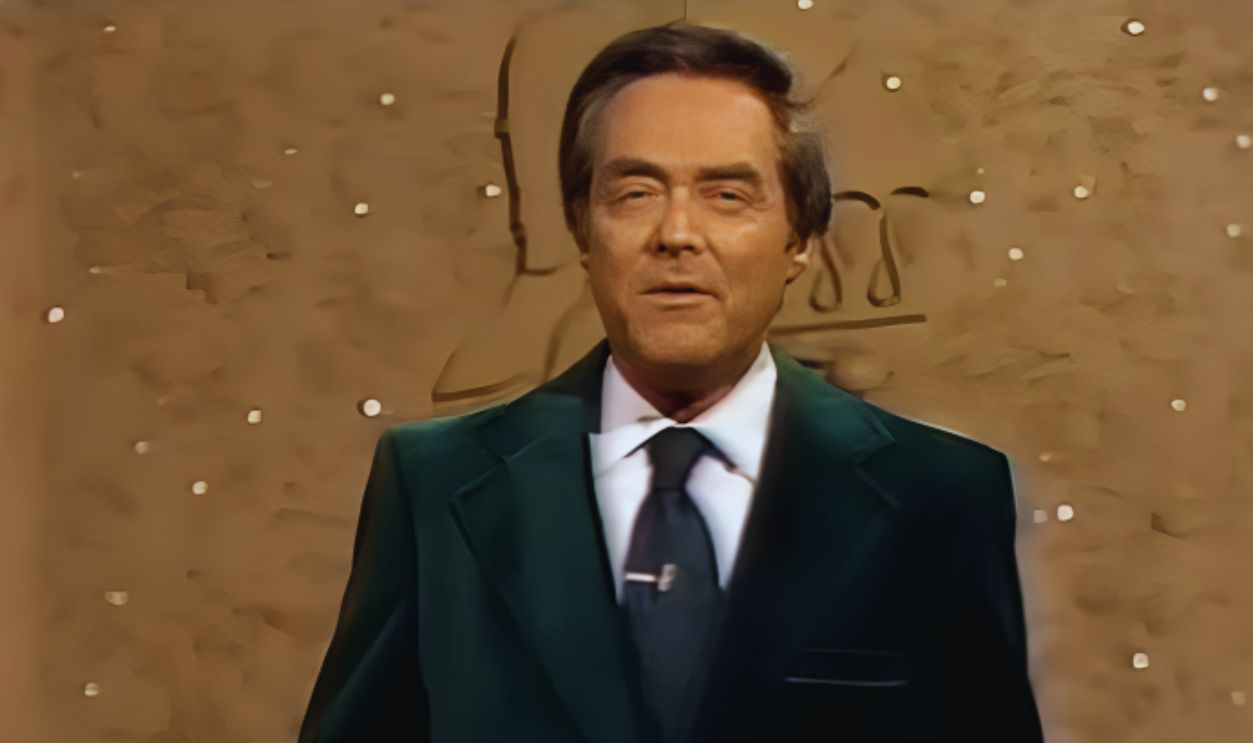
Jack Barry Made A Remarkable Comeback
Jack Barry's career had survived the quiz show scandals of the 1950s before he returned to prominence with The Joker's Wild. By the 1970s, viewers knew him for his composed, traditional hosting style. He brought an old-school television professionalism to a colorful new generation of game shows.
 Screenshot from The Joker's Wild, CBS (1971–2019), Enhanced
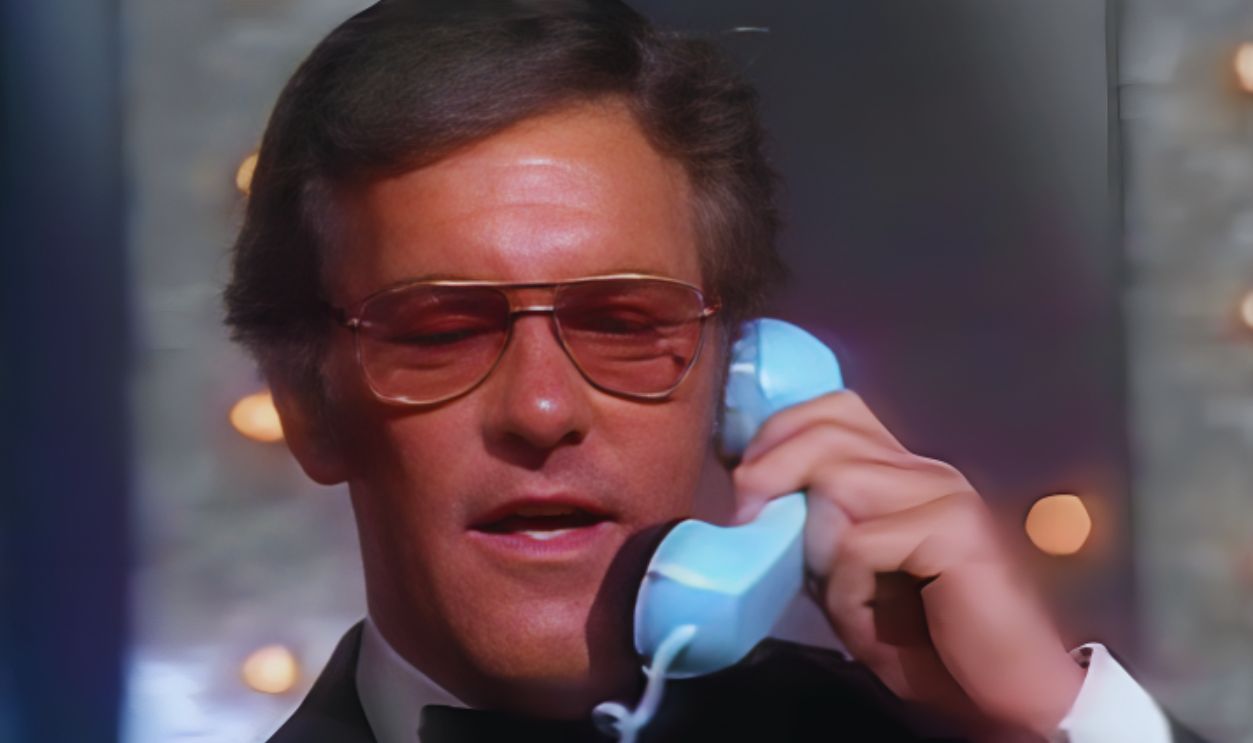
Tom Kennedy Was Dependably Smooth
Tom Kennedy never received quite the same household-name recognition as some of his contemporaries, but game show fans knew him well. His credits included Name That Tune and Password Plus. Kennedy had an easygoing style that allowed contestants to shine while he quietly kept the television machinery working.
 Screenshot from Name That Tune, NBC (1952–), Enhanced
Bert Convy Always Seemed To Be Having Fun
Whether hosting Tattletales, Super Password, or Win, Lose or Draw, Bert Convy brought a relaxed, playful energy to television. He could joke with celebrities without making contestants feel ignored. Convy's greatest strength was making the audience believe everyone onstage genuinely enjoyed being together.
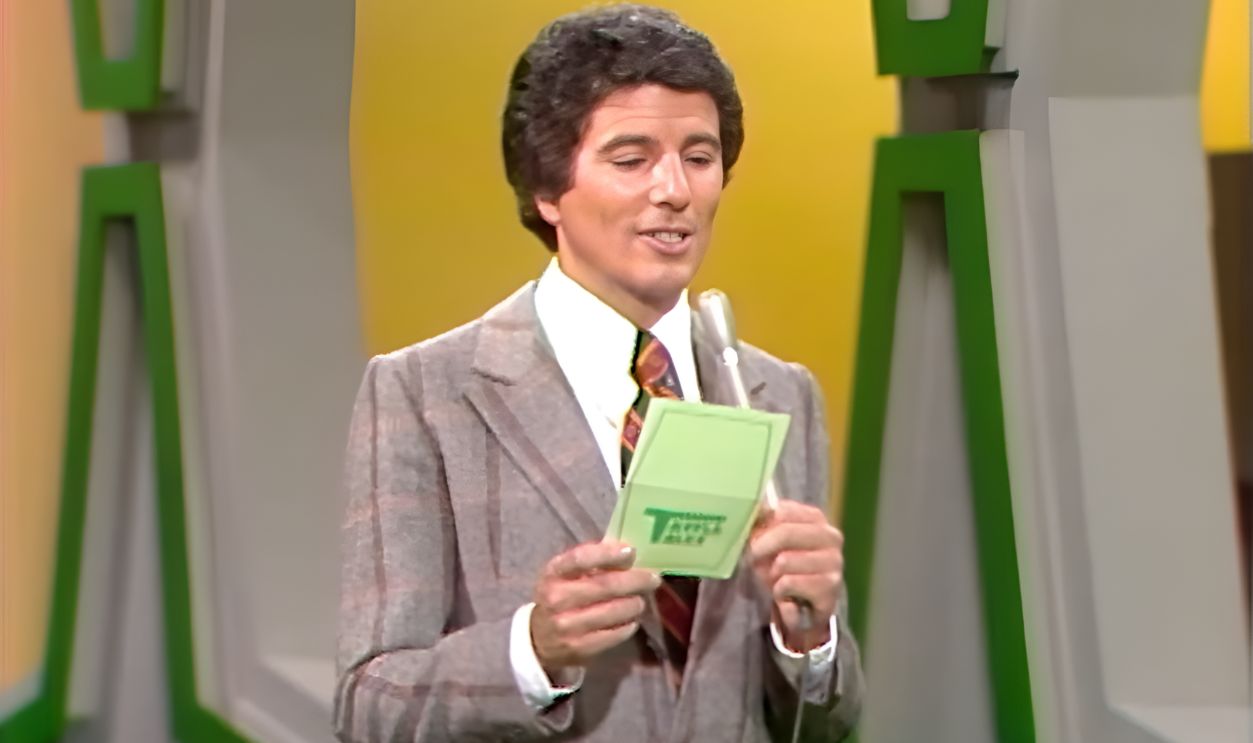 Screenshot from Tattletales, CBS (1974–1984), Enhanced
Peter Tomarken Guided Players Through Big Risks
Few game shows produced tension like Press Your Luck. With contestants yelling "No Whammies!" while enormous amounts of money hung in the balance, Peter Tomarken had plenty to manage. His enthusiastic but steady presence helped make the show's flashing lights and mischievous Whammies feel like wonderfully controlled chaos.
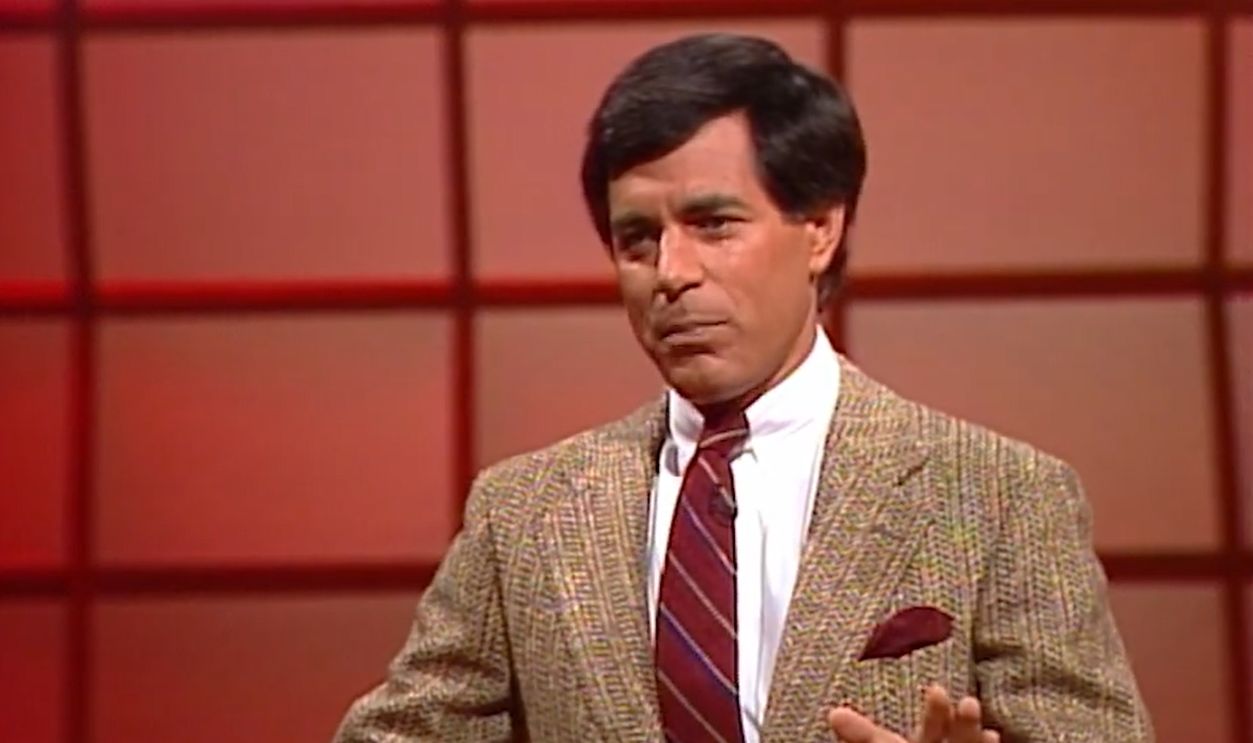 Screenshot from Press Your Luck, CBS (1983–)
John Davidson Brought Show-Business Polish
John Davidson seemed made for the glittery side of 1980s television. When he became host of The New Hollywood Squares, he brought singing-star charisma and a naturally upbeat personality. Davidson looked comfortable surrounded by celebrities because he was one himself, yet contestants remained at the heart of the program.
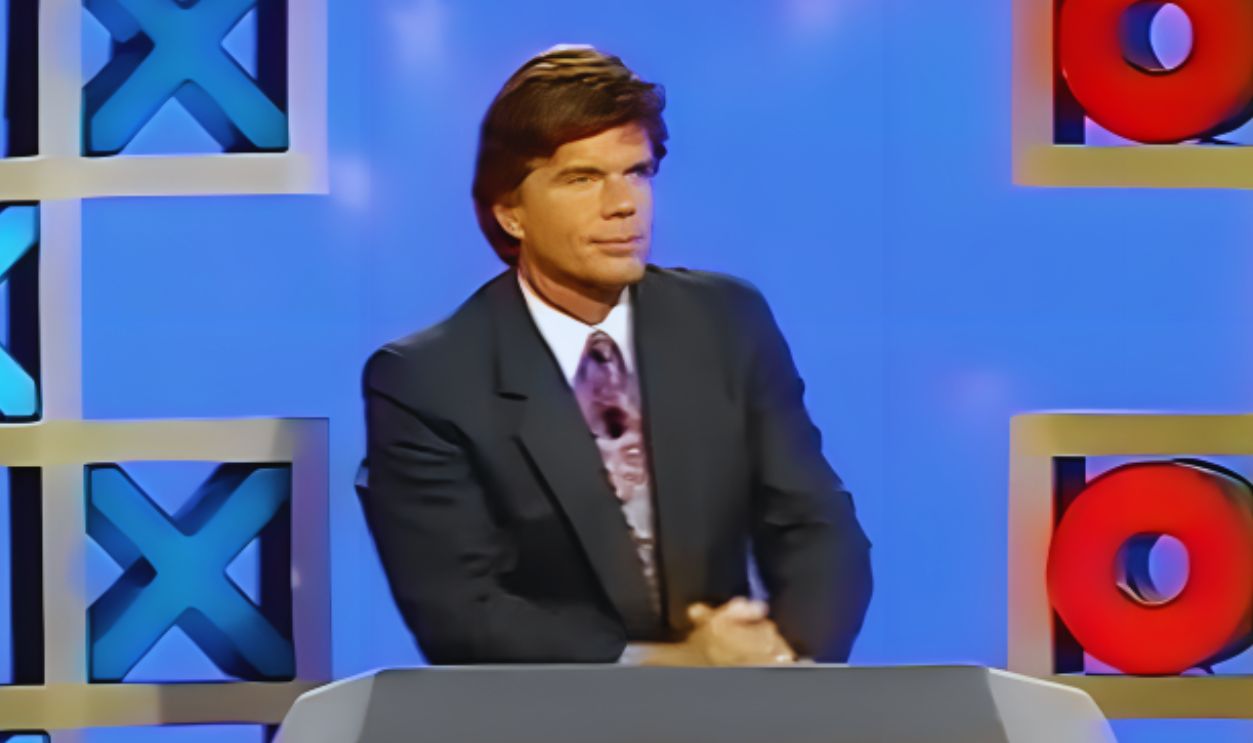 Screenshot from The New Hollywood Squares, NBC (1986–1989)
Allen Ludden Made Password Feel Like Home
Allen Ludden's Password career stretched back to the early 1960s, but his presence remained familiar into the beginning of the 1980s through Password Plus. Intelligent, gracious, and gently humorous, Ludden never talked down to players. His marriage to Betty White only strengthened his connection with television audiences.
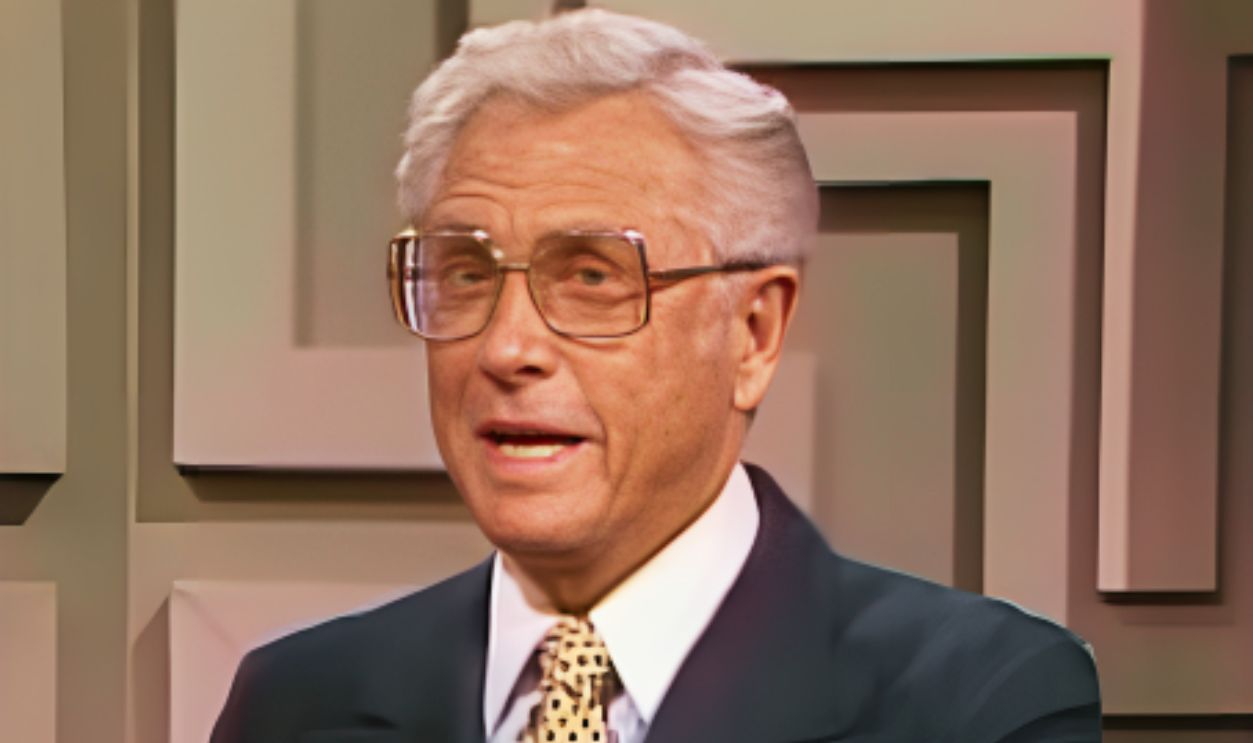 Screenshot from Password Plus, NBC (1979–1982), Enhanced
Ray Combs Brought New Energy To Family Feud
Replacing Richard Dawson was no easy assignment, but Ray Combs gave the revived Family Feud his own energetic style beginning in 1988. He moved quickly, joked constantly, and connected naturally with contestants. For younger viewers, Combs became their first familiar face behind the famous Feud podium.
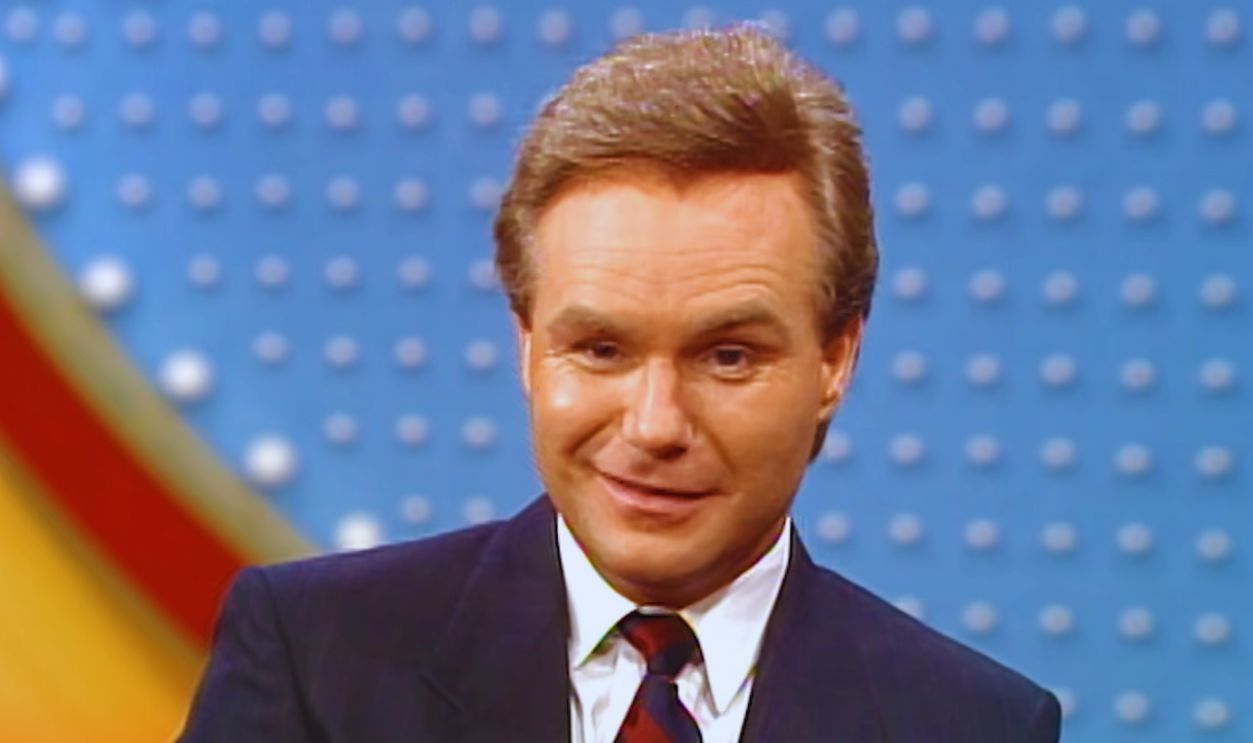 Screenshot from Family Feud, ABC (1976–)
Marc Summers Won Over Kids And Parents
Double Dare was technically aimed at younger viewers, but plenty of parents ended up watching too. Marc Summers managed trivia, screaming children, messy physical challenges, and gallons of green slime without losing control. His friendly enthusiasm made Nickelodeon's wildest game show feel surprisingly organized underneath all that goo.
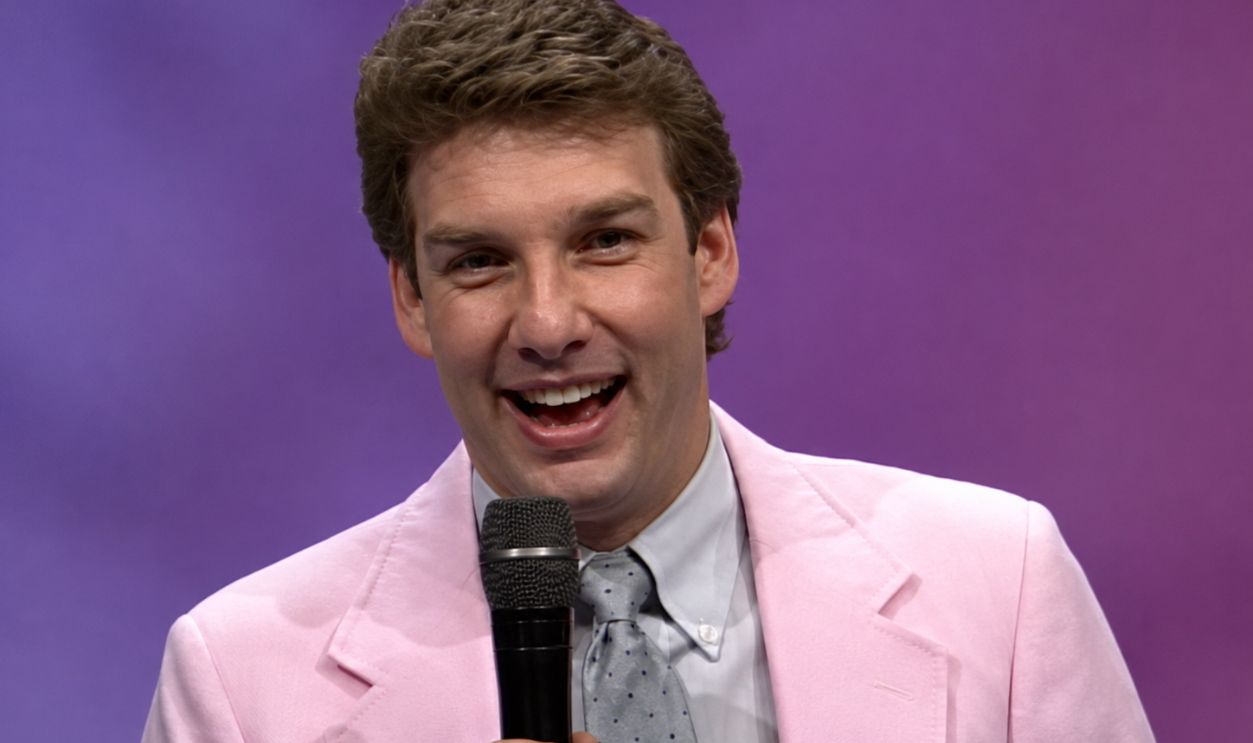 Screenshot from Double Dare, Nickelodeon (1986–2019)
Dennis James Was A Familiar Television Presence
Dennis James seemed to appear everywhere during television's early game show years, and he remained prominent during the 1970s. He hosted the nighttime version of The Price Is Right while Bob Barker handled daytime duties. James had the polished, booming delivery viewers once expected from a classic television host.
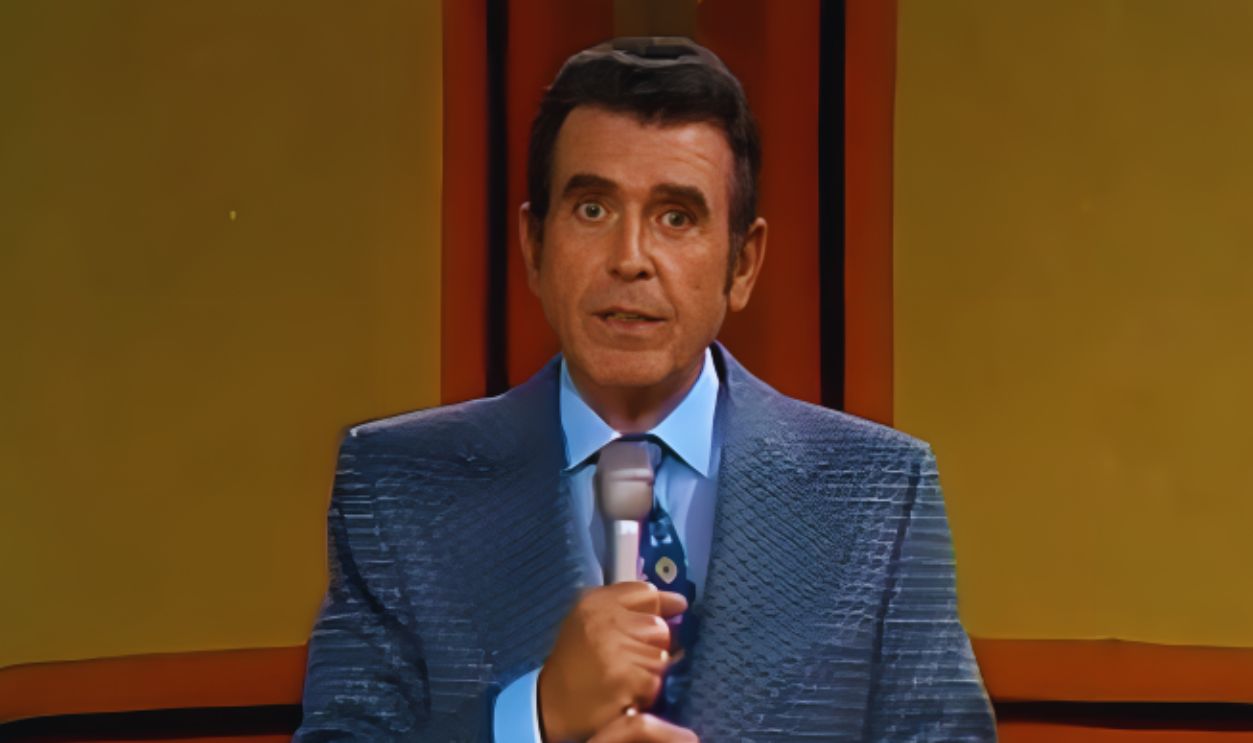 Screenshot from The Price Is Right, CBS (1972–), Enhanced
Jack Narz Was Dependably Professional
Jack Narz belonged to the generation of broadcasters who could seemingly host anything placed in front of them. During the 1970s, viewers saw him on programs such as Now You See It. He wasn't flashy, and that was part of his charm. Narz simply seemed reliable, friendly, and completely at home.
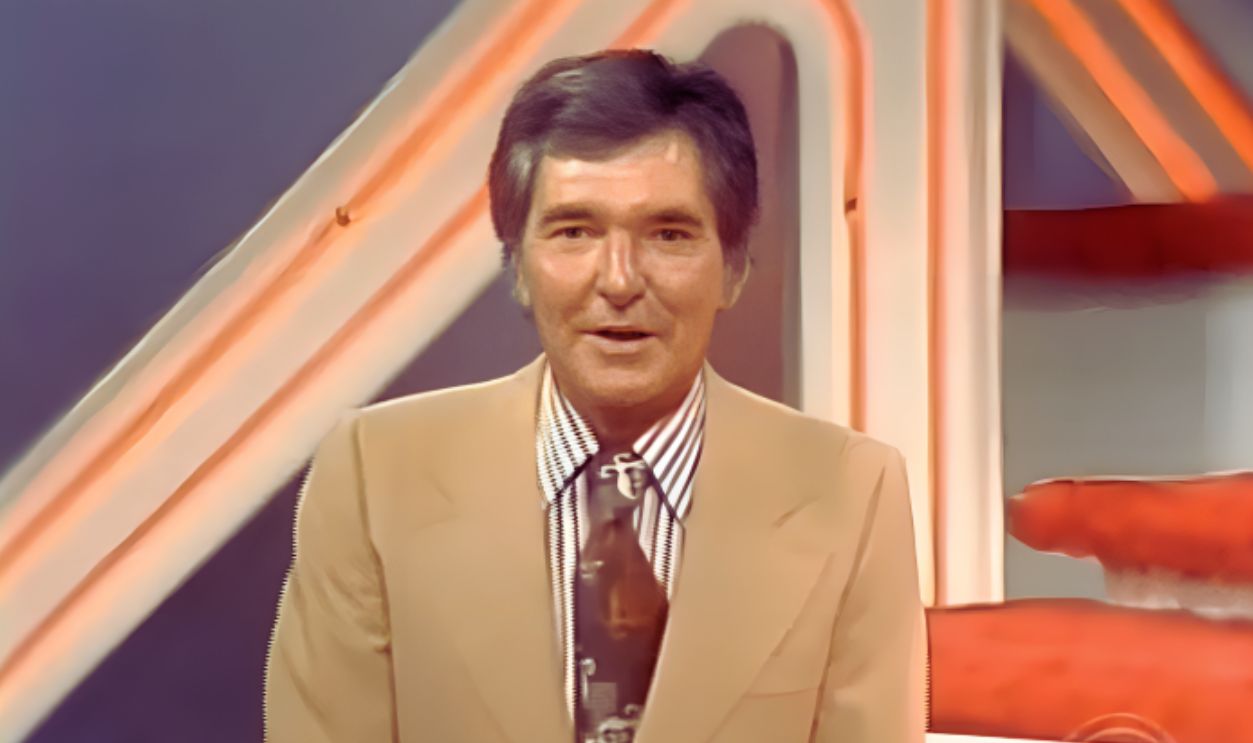 Screenshot from Now You See It, CBS (1974–1989), Enhanced
Why Viewers Trusted Them
These hosts appeared five days a week, often for years or even decades. There were no social media feeds revealing every detail of their lives. Viewers mainly knew them through television, where consistency mattered. The same smile, voice, jokes, and mannerisms became comforting parts of everyday routines.
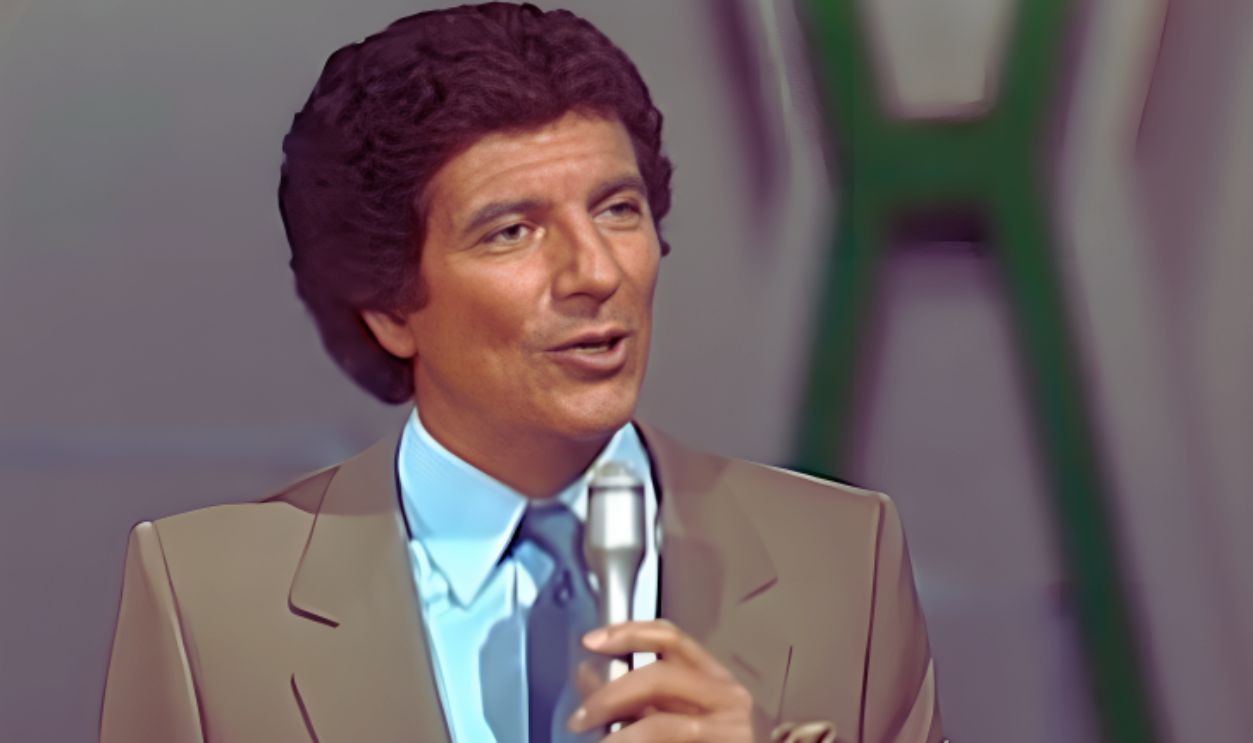 Screenshot from Tattletales, CBS (1974–1984), Enhanced
The Hosts Became Part Of The Prize
The cars, refrigerators, vacations, cash jackpots, and living-room sets may have attracted contestants, but the hosts kept viewers returning. Bob Barker, Gene Rayburn, Richard Dawson, Alex Trebek, Dick Clark, and their peers belonged to an era when television personalities became genuine household companions. For many viewers, hearing those familiar voices still feels like coming home.
You May Also Like:
True Stories From Old Hollywood Nobody Would Believe Today
Stars Who Have Experienced The True Darkness Hidden Beneath The Surface Of Hollywood