Wait, That Was the Original Opening?
A television opening can become as familiar as the show itself. However, some famous programs began with completely different music, forgotten cast members, strange animation, or credits that looked like they belonged to another series.
How many of these original openings do you remember?
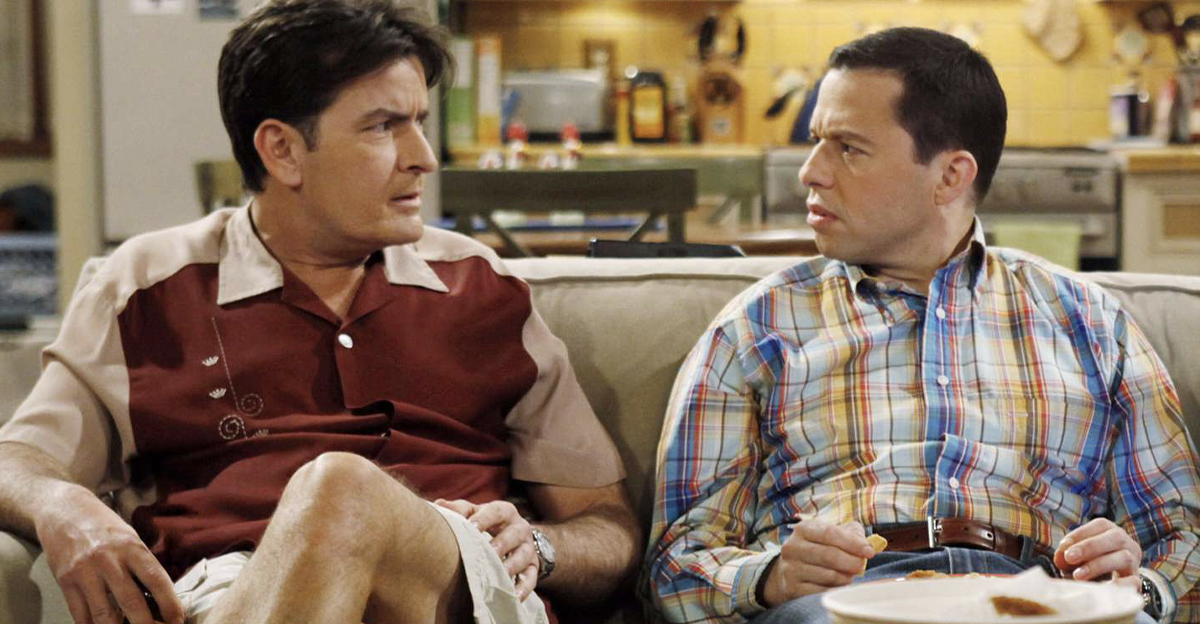 Two and a Half Men (2003-2011), Warner Bros. Television
Beverly Hills, 90210
The familiar opening featured electric guitars, cast members posing against a white background, and enough denim to supply an entire shopping mall. Season one was considerably different, using softer jazz-influenced music and imagery connected to the Walsh family’s move from snowy Minnesota to sunny Beverly Hills. It barely feels like the same show.
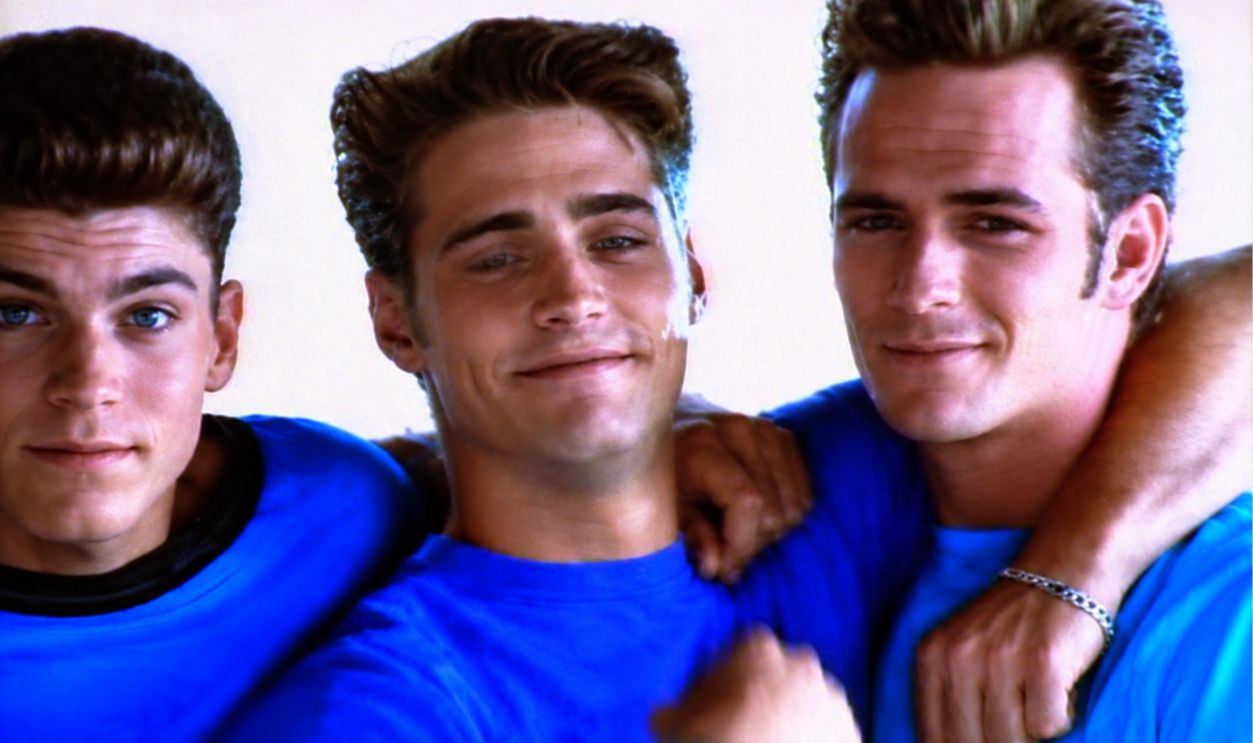 Screenshot from Beverly Hills, 90210, Worldvision Enterprises (1990–2000), Enhanced
Family Matters
The Winslows did not originally enter America’s living rooms to “As Days Go By.” Early episodes used Louis Armstrong’s “What a Wonderful World” alongside a different montage. The Jesse Frederick theme soon replaced it and became so closely associated with the series that many viewers forget the Armstrong opening existed.
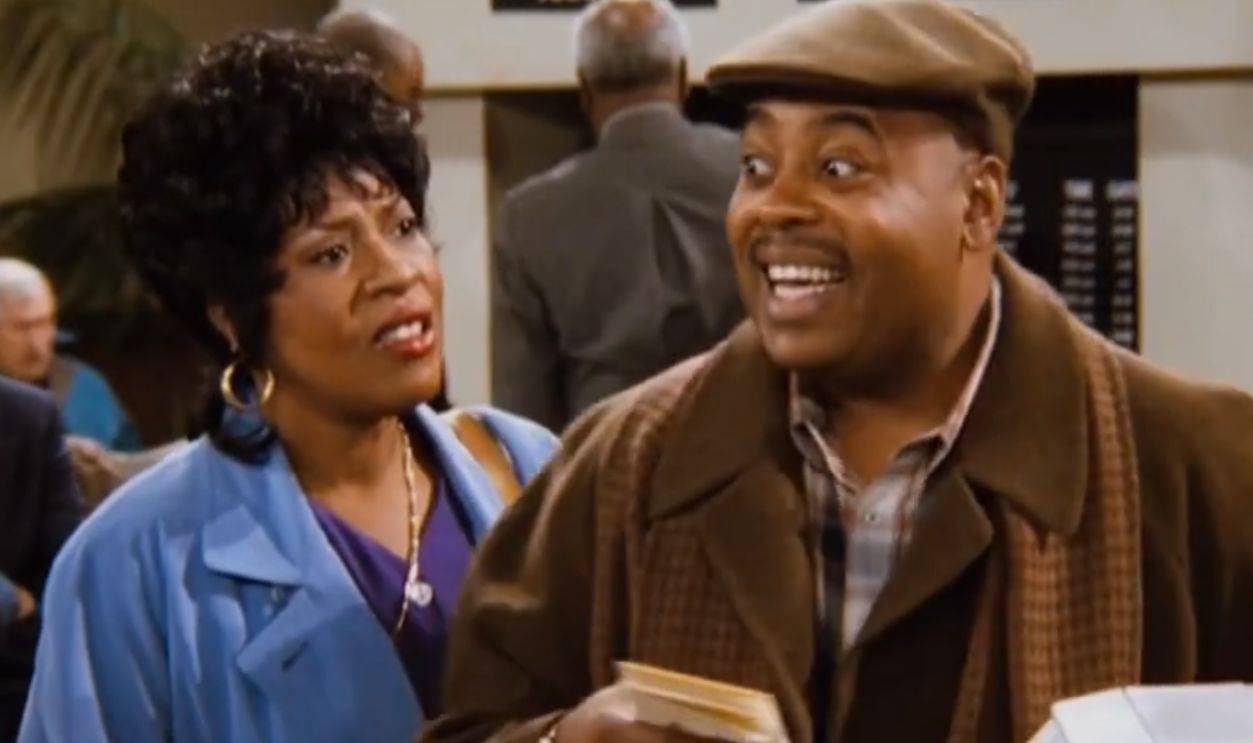 Screenshot from Family Matters, Warner Bros. Domestic Television Distribution (1989–1998)
Boy Meets World
The first season used an instrumental theme over clips of Cory Matthews and his friends behaving like ordinary schoolchildren. Later seasons introduced new music, updated graphics, and eventually the lively vocal theme most fans remember. The changing introduction mirrored Cory’s journey from confused sixth grader to an equally confused married adult.
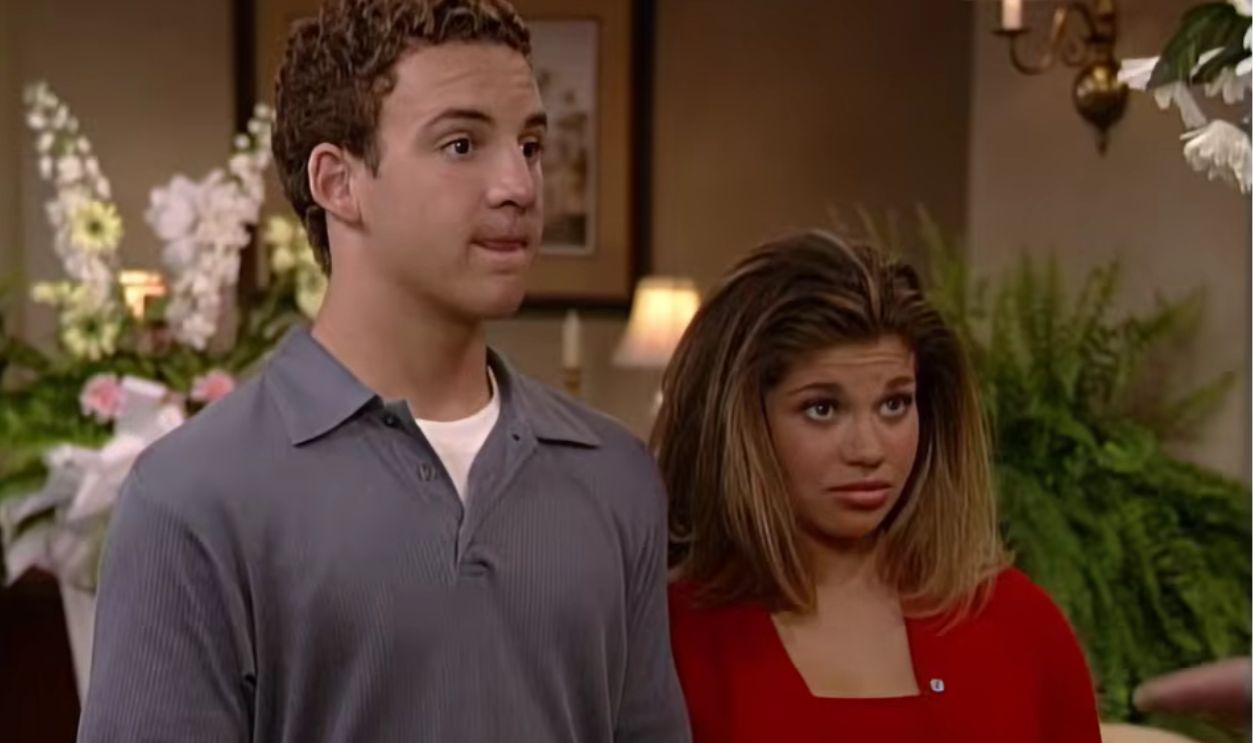 Screenshot from Boy Meets World, Buena Vista Television (1993–2000)
The Cosby Show
Rather than using one permanent opening, The Cosby Show repeatedly reinvented its credits around different versions of the same musical theme. The Huxtables appeared in settings inspired by jazz clubs, parks, tropical music, and the Apollo Theater. The comparatively simple season-one sequence is now overshadowed by the family’s elaborate synchronized dancing.
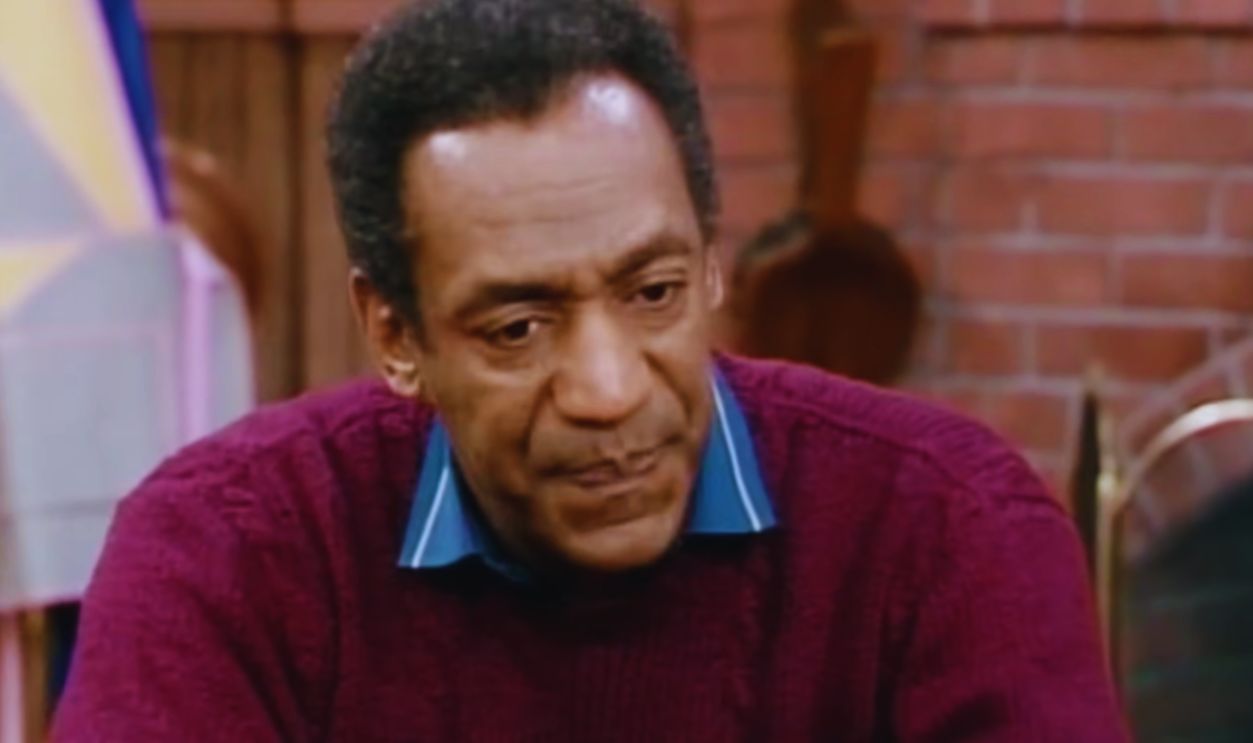 Screenshot from The Cosby Show, Carsey-Werner Distribution (1984-1992)
A Different World
The first season centered heavily on Denise Huxtable and used a theme performed by Phoebe Snow. Once Lisa Bonet departed, the credits were rebuilt around the larger Hillman College ensemble, with Aretha Franklin singing the theme. Boyz II Men supplied another version for the final season, completing a remarkable opening-credit evolution.
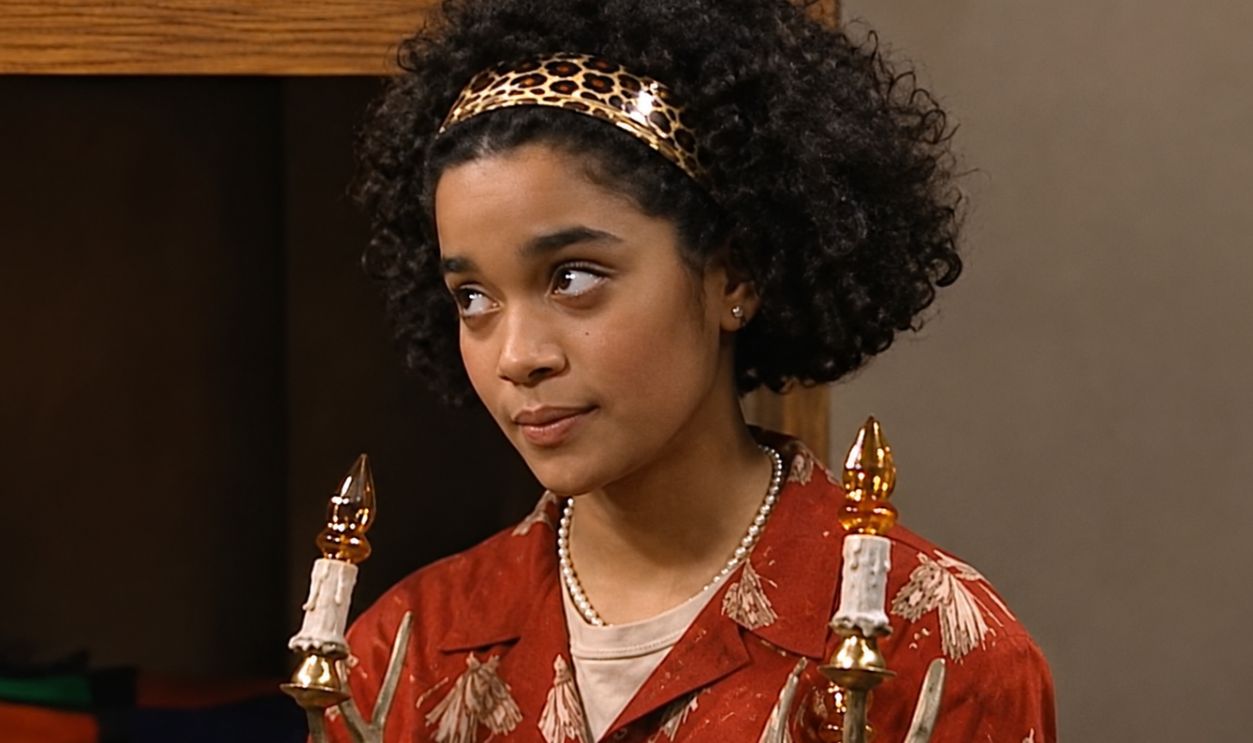 Screenshot from A Different World, Viacom Enterprises (1987–1993), Enhanced
The Facts of Life
Season one introduced a large group of Eastland students and several characters who quickly disappeared during the show’s famous retooling. Once the story focused on Blair, Tootie, Natalie, and Jo, the credits became brighter, faster, and far more recognizable. Later seasons abandoned the school setting entirely for an updated, distinctly 1980s presentation.
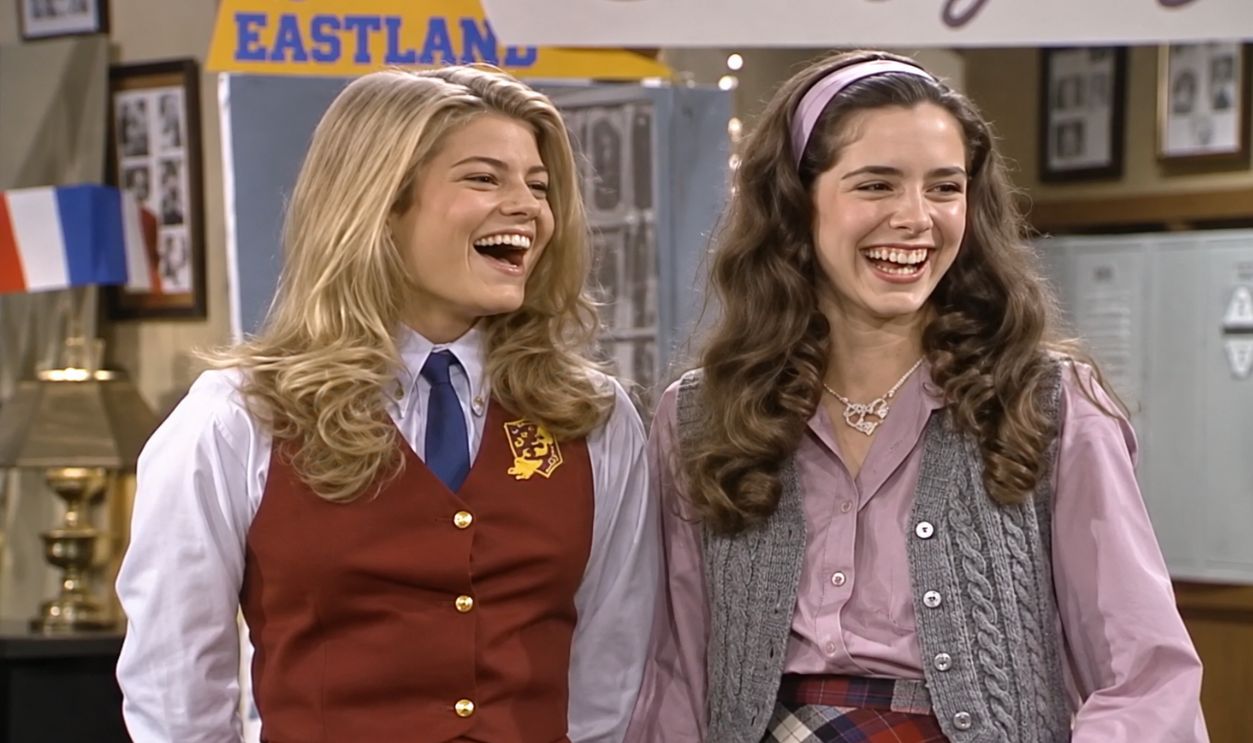 Screenshot from The Facts of Life, Embassy Telecommunications (1979–1988), Enhanced
Happy Days
The first two seasons famously opened with Bill Haley and His Comets’ “Rock Around the Clock.” Beginning with season three, the specially written “Happy Days” theme took over as the series moved toward a brighter, studio-bound style. Later credits added updated cast footage, flashing logos, and an increasingly 1980s interpretation of the 1950s.
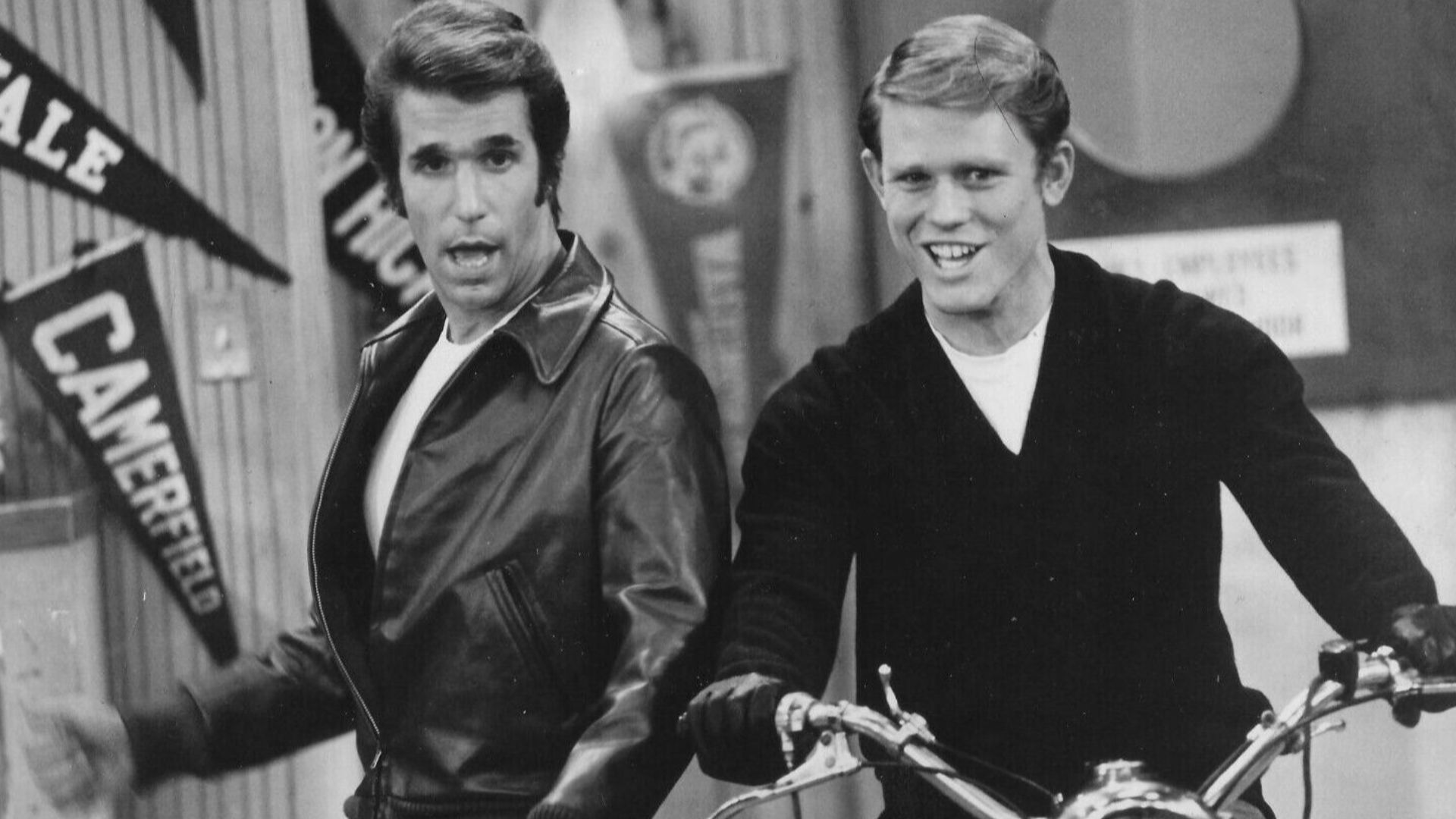 ABC Television. Uploaded by We hope at en.wikipedia, Wikimedia Commons
Cagney & Lacey
The show’s first-season credits used “Ain’t That the Way,” a vocal theme performed by Marie Cain. It was replaced by Bill Conti’s driving instrumental, accompanied by tougher images of New York police work. The second opening better matched the show’s gritty identity and made the forgotten original feel surprisingly lightweight.
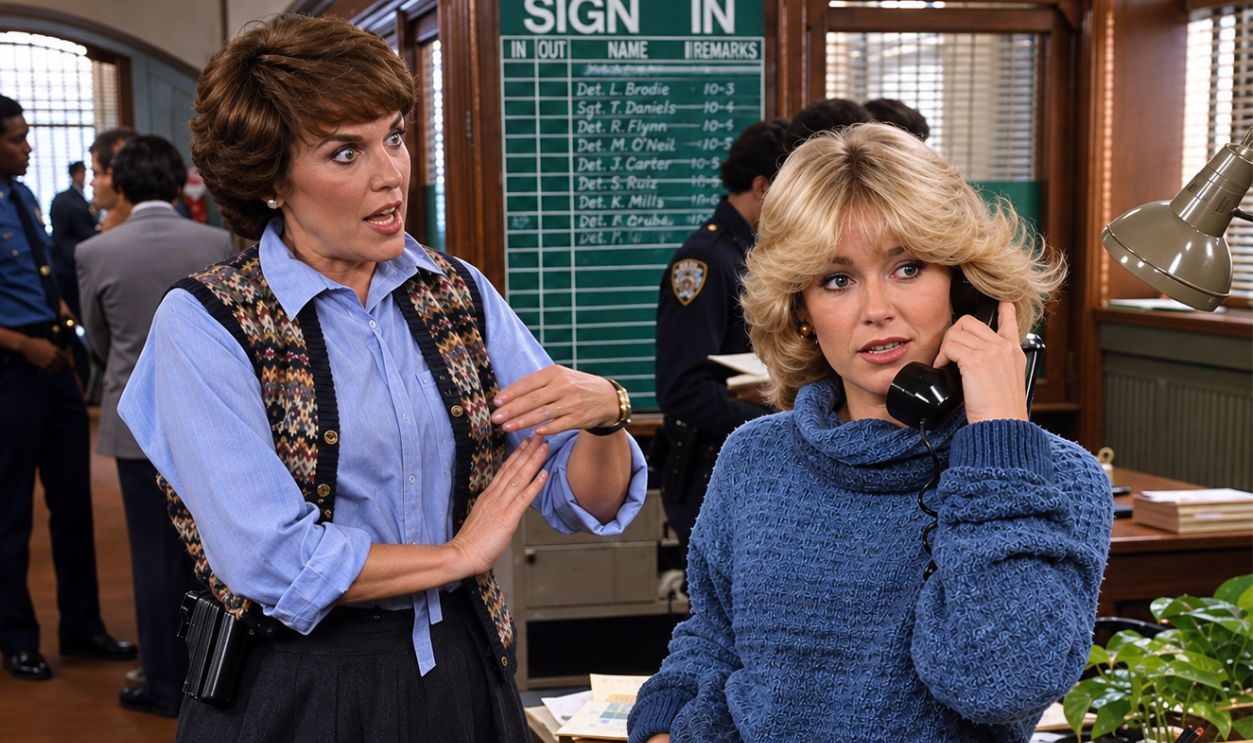 Screenshot from Cagney & Lacey, Orion Television (1982–1988), Enhanced
Everybody Loves Raymond
The sitcom experimented constantly with its opening. Early seasons used Rick Marotta’s instrumental theme, while later versions incorporated Beethoven’s “Ode to Joy” and Steve Miller Band’s “Jungle Love.” The visuals also ranged from a conveyor belt to Ray desperately trying to avoid his family. Apparently, one family required several introductions.
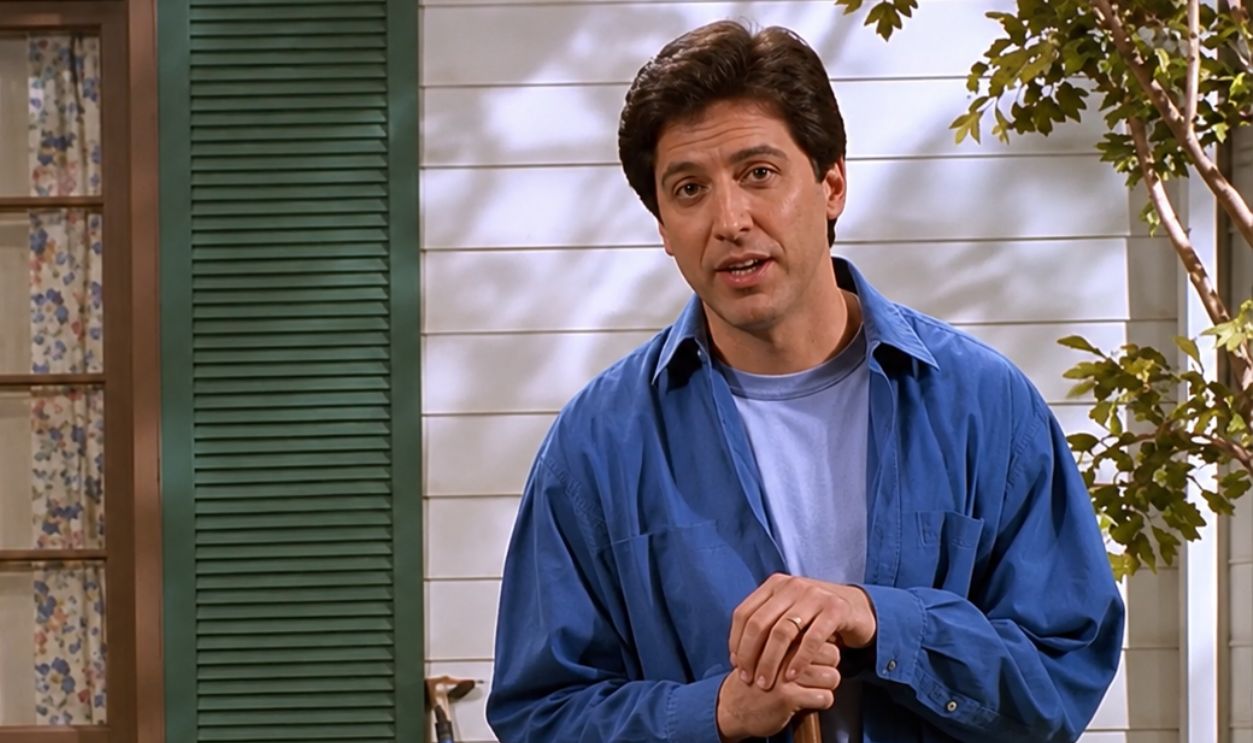 Screenshot from Everybody Loves Raymond, King World Productions (1996–2005), Enhanced
Yes, Dear
Early episodes began with the cast struggling through an unpleasant family beach outing while a light, jazzy tune played. Later seasons replaced that sequence with childlike drawings, live-action footage, and Bill Janovitz’s punk-flavored “Family Is Family.” It was such a dramatic shift that the opening seemed to have changed networks overnight.
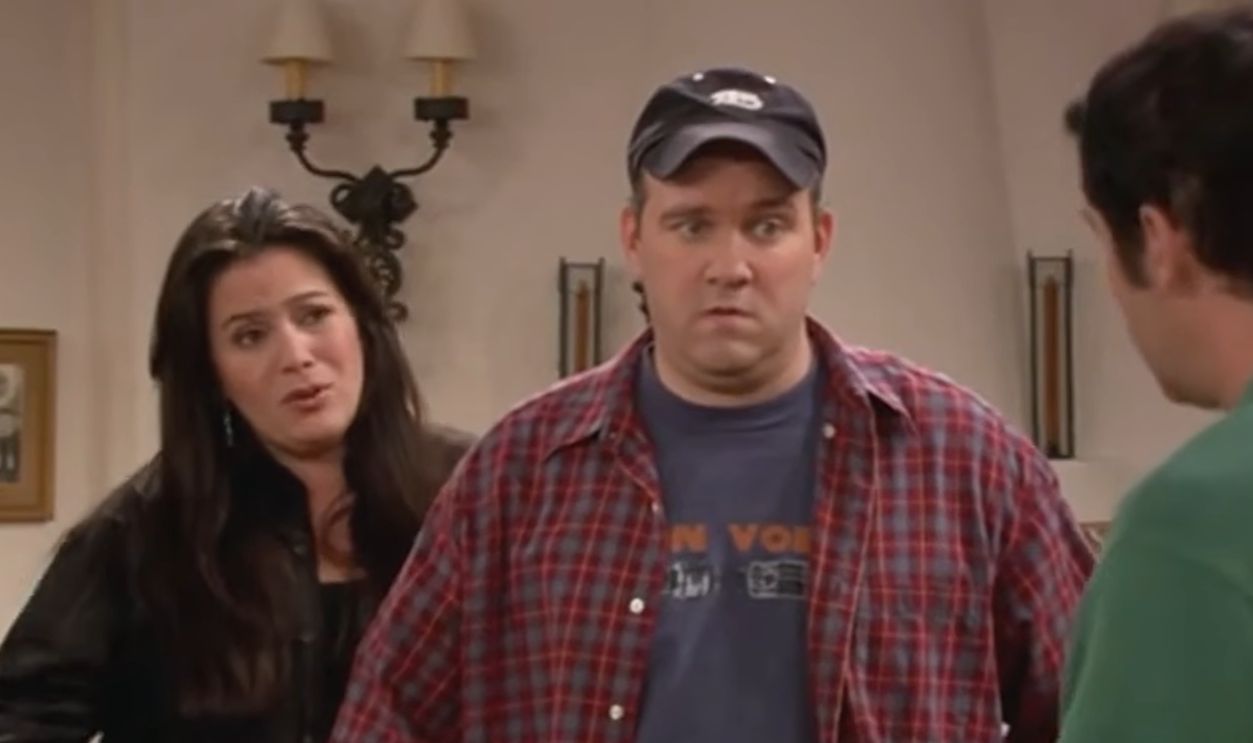 Screenshot from Yes, Dear, 20th Century Fox Television (2000–2006)
Big Love
For its first three seasons, Big Love used the Beach Boys’ “God Only Knows” over surreal images of Bill and his three wives. Season four replaced it with “Home” by Engineers and a darker sequence featuring the family falling through empty space. The cheerful awkwardness was suddenly gone, along with the ice-skating imagery.
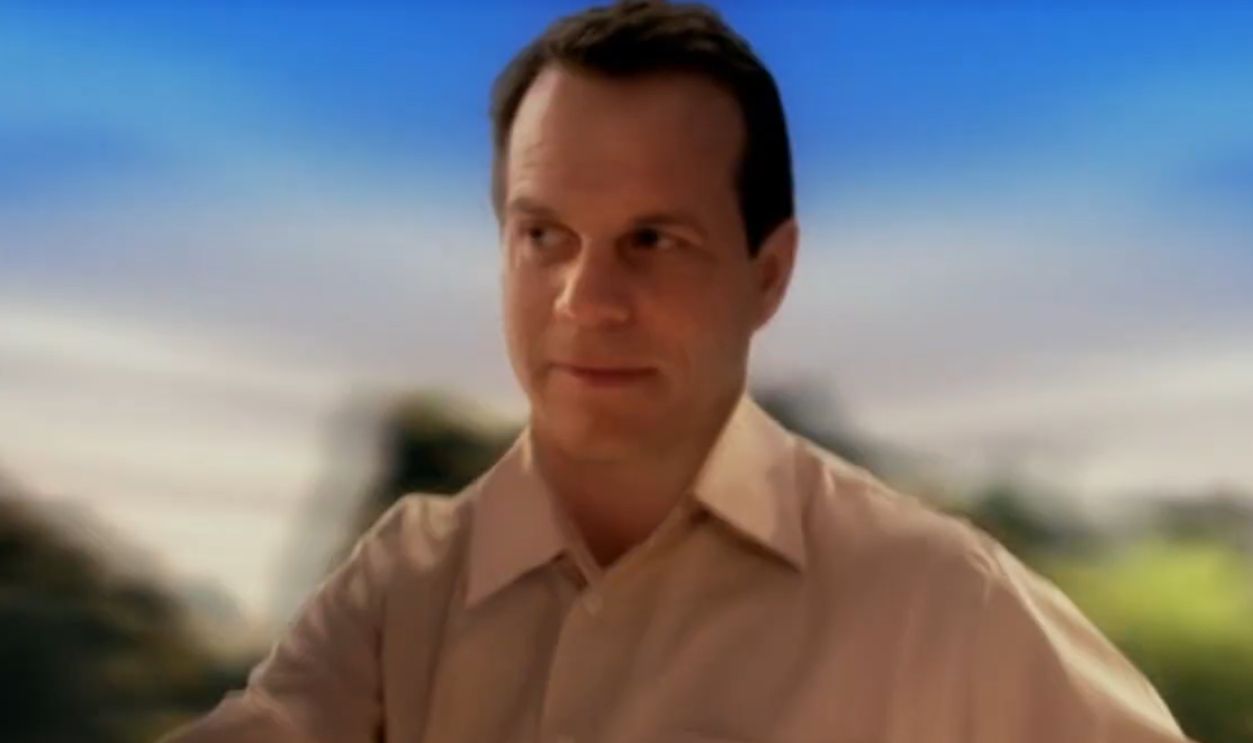 Screenshot from Big Love, Warner Bros. Television Distribution (2006–2011)
The Leftovers
Season one opened with mournful orchestral music and Renaissance-inspired artwork showing people vanishing into the sky. Season two replaced everything with Iris DeMent’s unexpectedly cheerful “Let the Mystery Be” and colorful family photographs containing empty figures. Season three went further, frequently changing the opening music from episode to episode.
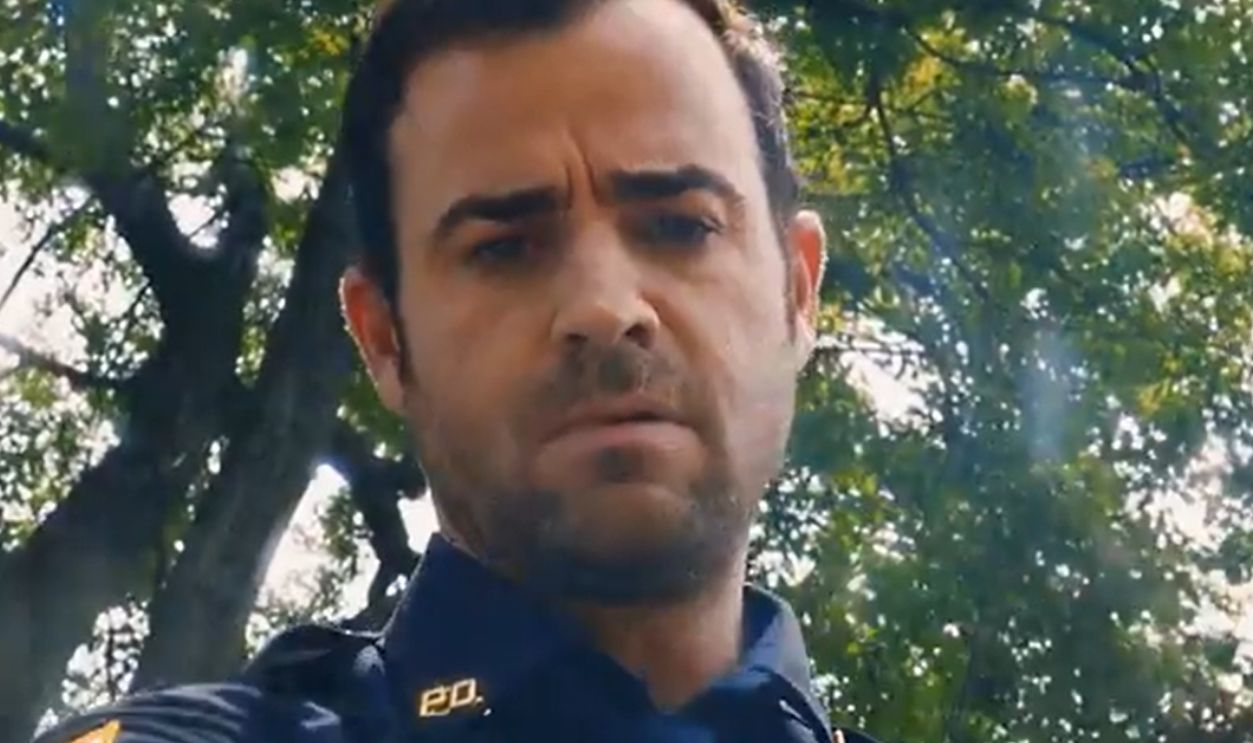 Screenshot from The Leftovers, HBO (2014–2017)
Nash Bridges
The first season used a shadowy instrumental theme by Elia Cmíral that suggested a serious police drama. Season two introduced the funkier “I’ve Got a Friend in You,” performed by Gigi MacKenzie. The final season changed direction again with electronic music, giving Don Johnson three notably different introductions during one series.
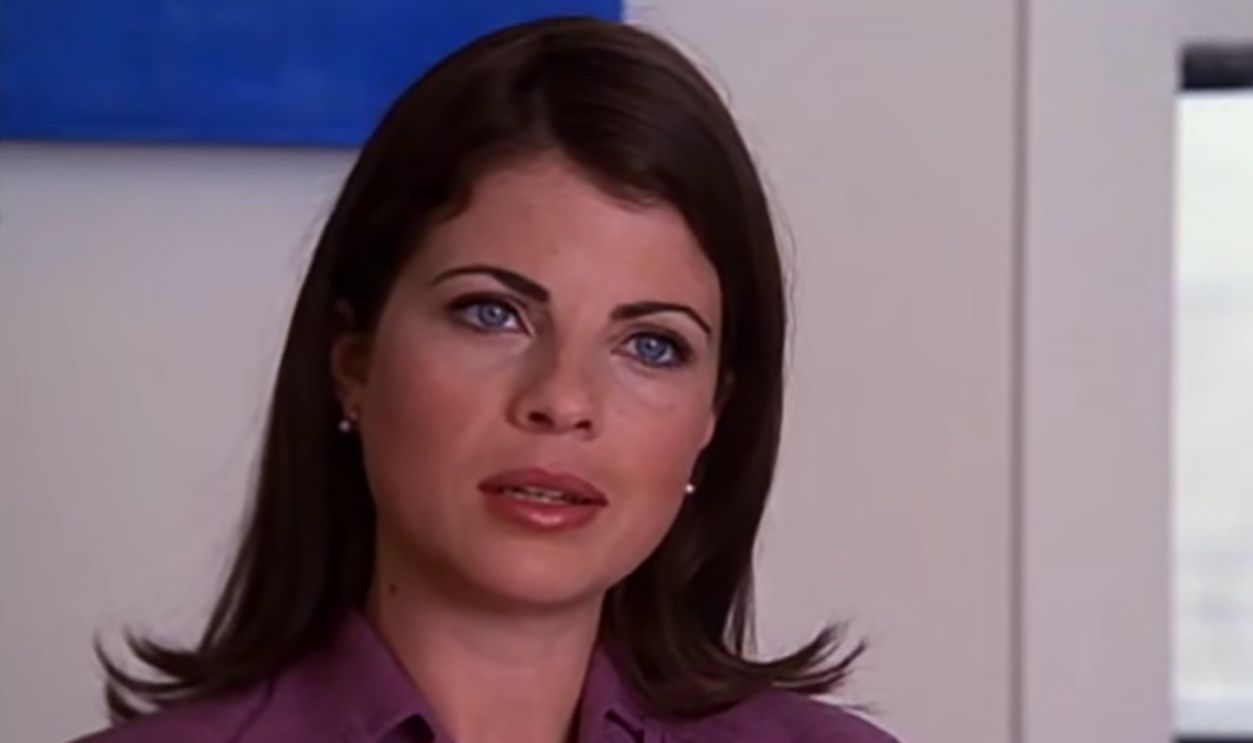 Screenshot from Nash Bridges, Paramount Network Television (1996–2001)
Garfield and Friends
The first two seasons opened with “Friends Are There,” a vaudeville-style number performed by Garfield and the cast. It was later replaced by the more energetic “We’re Ready to Party.” That second theme became far better known, especially after years of reruns, leaving the original sounding like an unusually polite rehearsal.
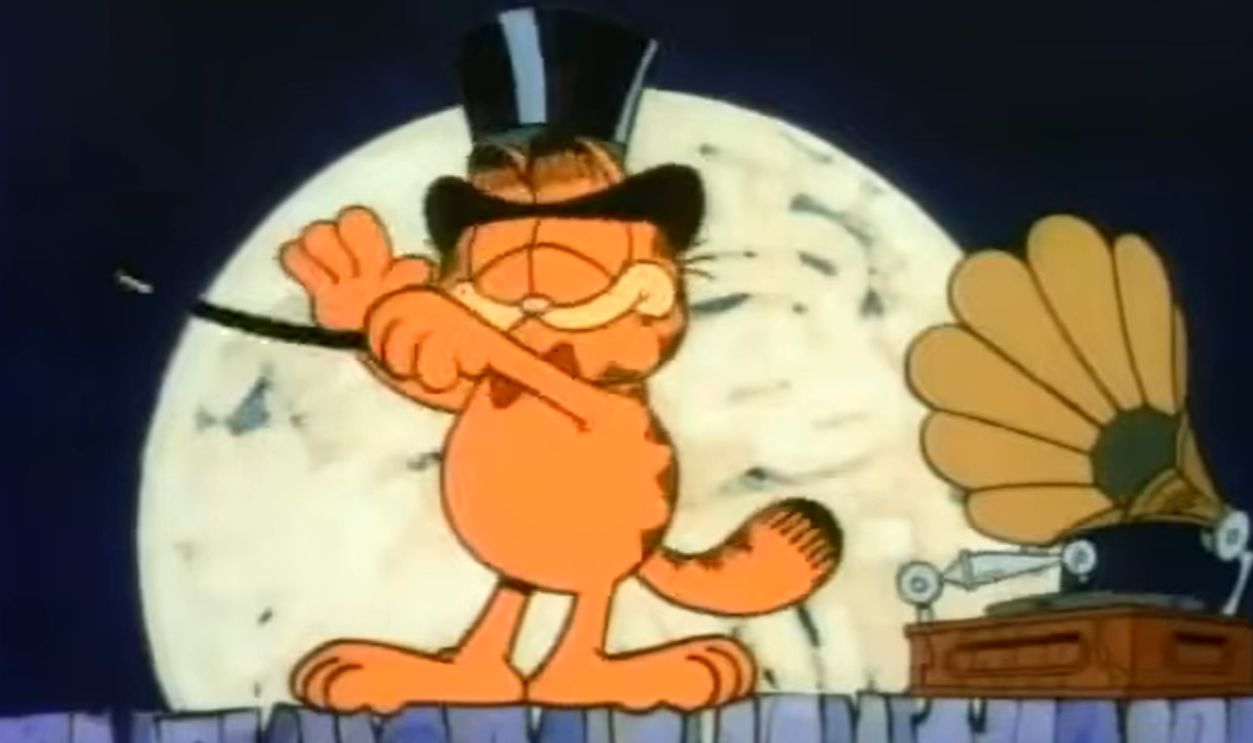 Screenshot from Garfield and Friends, The Program Exchange (1988–1994)
Monk
Season one featured an instrumental jazz theme composed by Jeff Beal. Beginning in season two, Randy Newman’s vocal number “It’s a Jungle Out There” replaced it and became synonymous with Adrian Monk’s many anxieties. The change was so controversial that the series later made a joke about television programs replacing their theme songs.
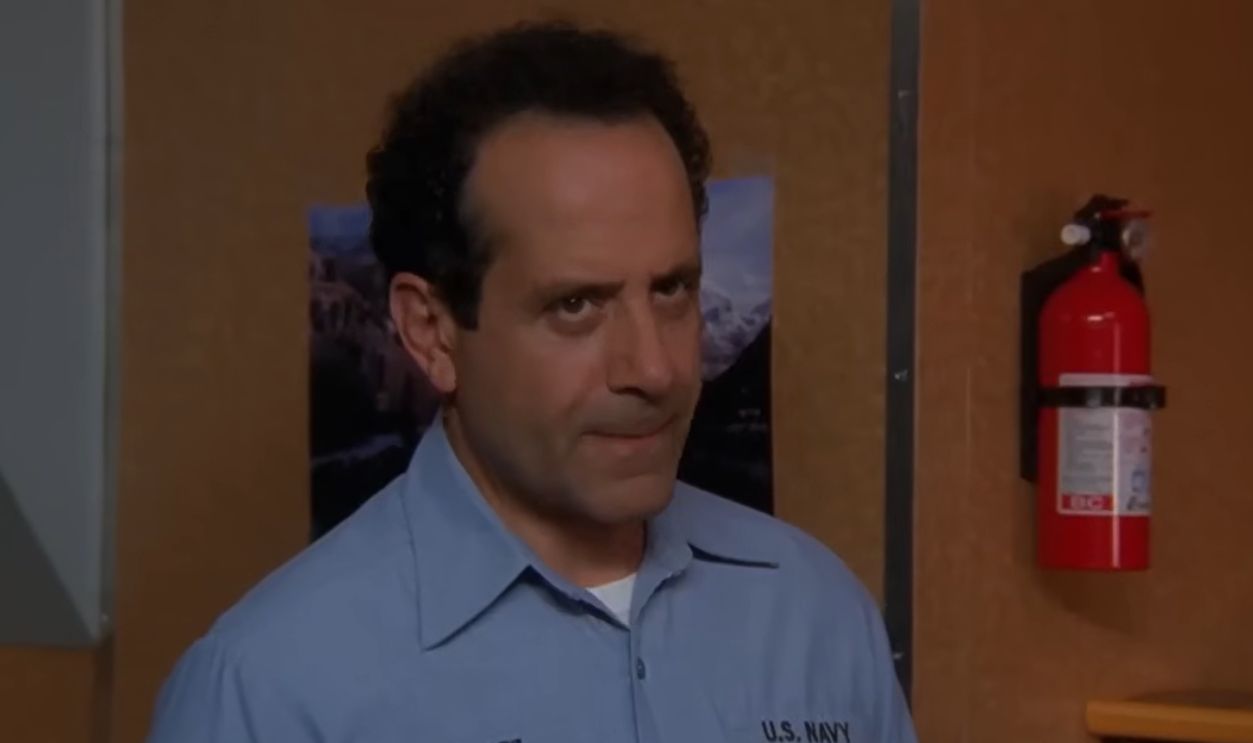 Screenshot from Monk, NBCUniversal Domestic Television Distribution (2002–2009)
Ed
Season one opened with the Foo Fighters’ “Next Year,” an optimistic song that fit Ed’s return to his hometown. The second season substituted Clem Snide’s “Moment in the Sun” because of licensing complications. “Next Year” eventually returned, making the opening-credit history nearly as complicated as Ed’s efforts to win Carol’s affection.
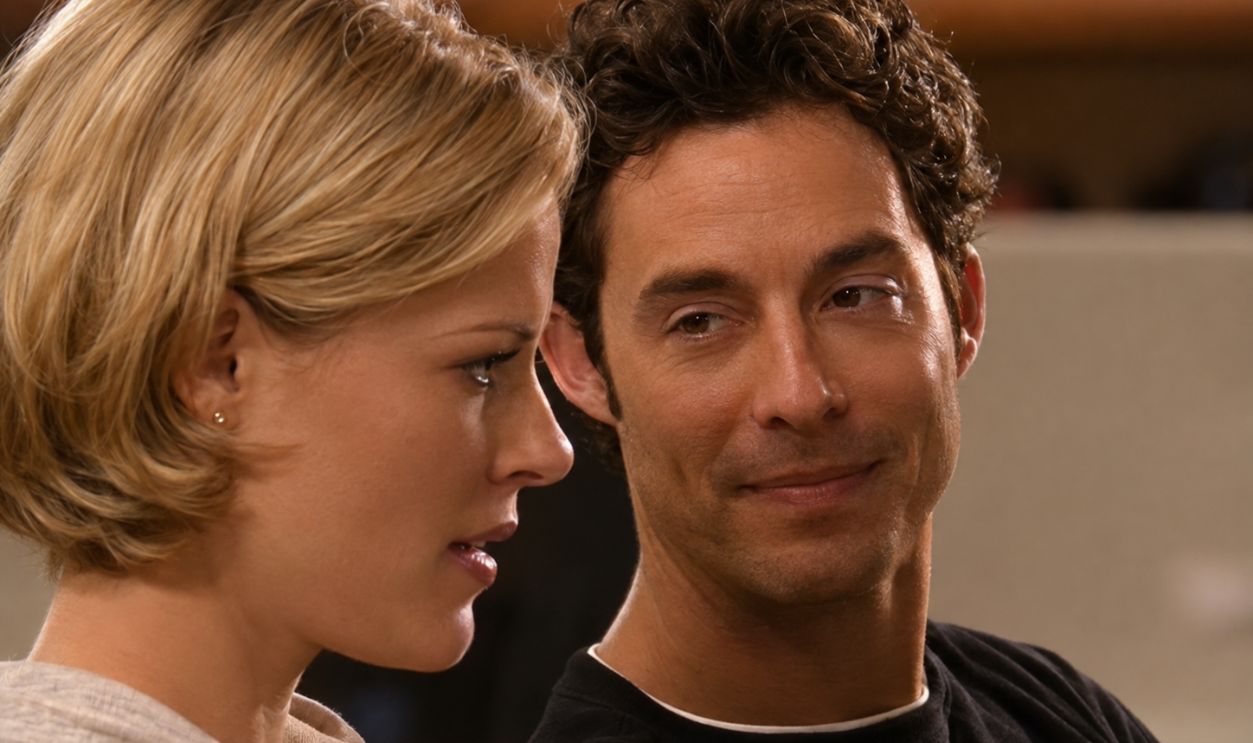 Screenshot from Ed, Universal Television Distribution (2000–2004), Enhanced
New Girl
The original opening featured Zooey Deschanel singing “Hey Girl” while Jess’ roommates awkwardly constructed a theatrical apartment set around her. During season four, it was replaced by a faster montage incorporating the expanded cast. The revised version was efficient, but it sacrificed much of the homemade weirdness that defined the early show.
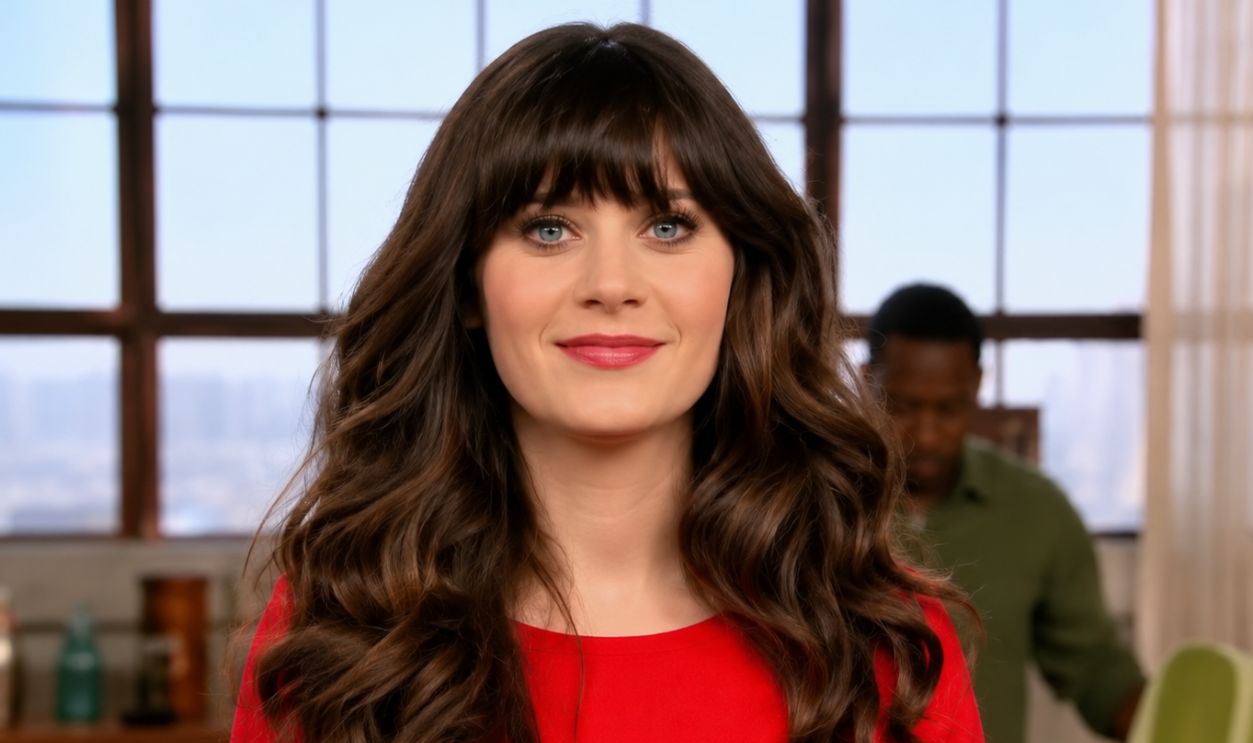 Screenshot from New Girl, 20th Century Fox Television (2011–2018), Enhanced
The Simpsons
The original opening was created for standard-definition television and featured a less crowded Springfield. In 2009, the sequence was extensively rebuilt for widescreen high definition. It retained the blackboard, saxophone, supermarket, and couch gags but added new characters, sharper animation, a billboard joke, and many background details that were absent before.
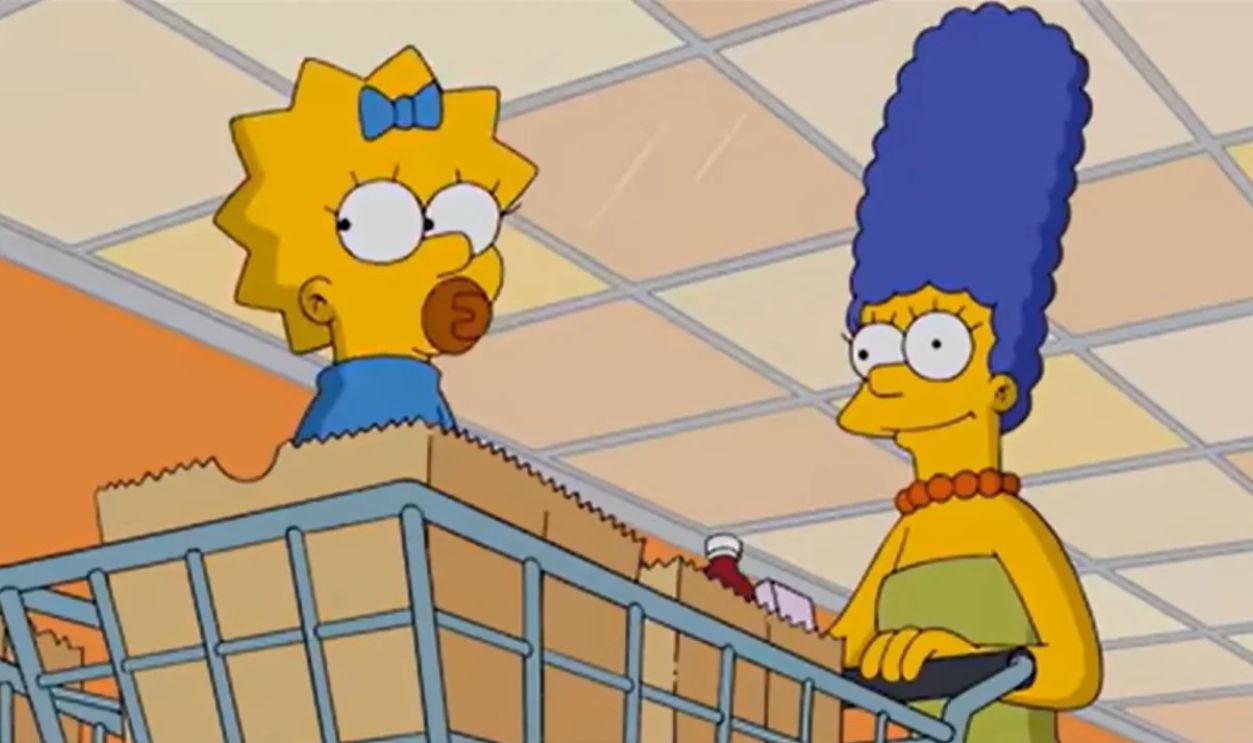 Screenshot from The Simpsons, Twentieth Television (1989–present)
Doctor Who
Few programs have reinvented their opening as frequently as Doctor Who. The 1963 original used an eerie “howlaround” effect created by pointing a television camera at its own monitor. Later versions added the Doctor’s face, star fields, tunnels, lightning, clocks, and computer-generated imagery, all while preserving the famous electronic theme.
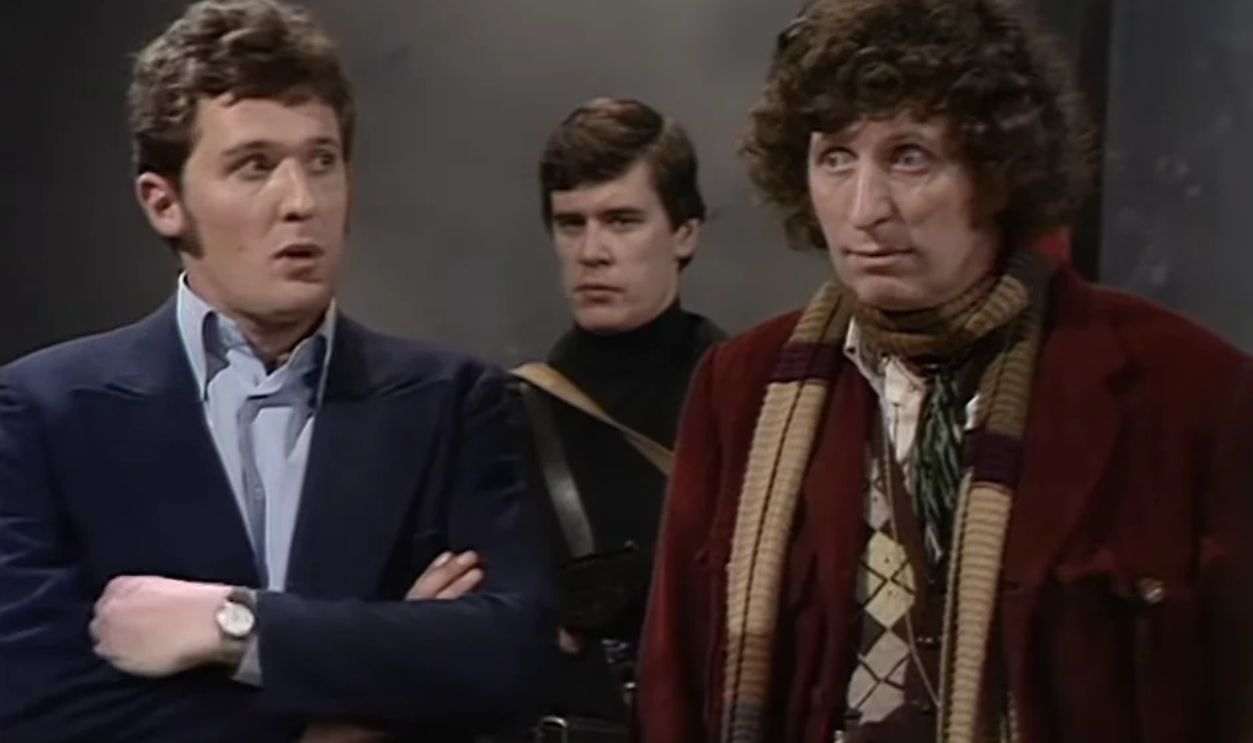 Screenshot from Doctor Who, BBC Enterprises (1963–present)
Knots Landing
The earliest opening introduced the California cul-de-sac through relatively straightforward aerial images and cast credits. Later seasons used horizontal scrolling panels, paint-like splashes, overlapping colored frames, and even elaborate sandcastle models of the neighborhood and Los Angeles. After 14 seasons, the opening had experienced nearly as much drama as the residents.
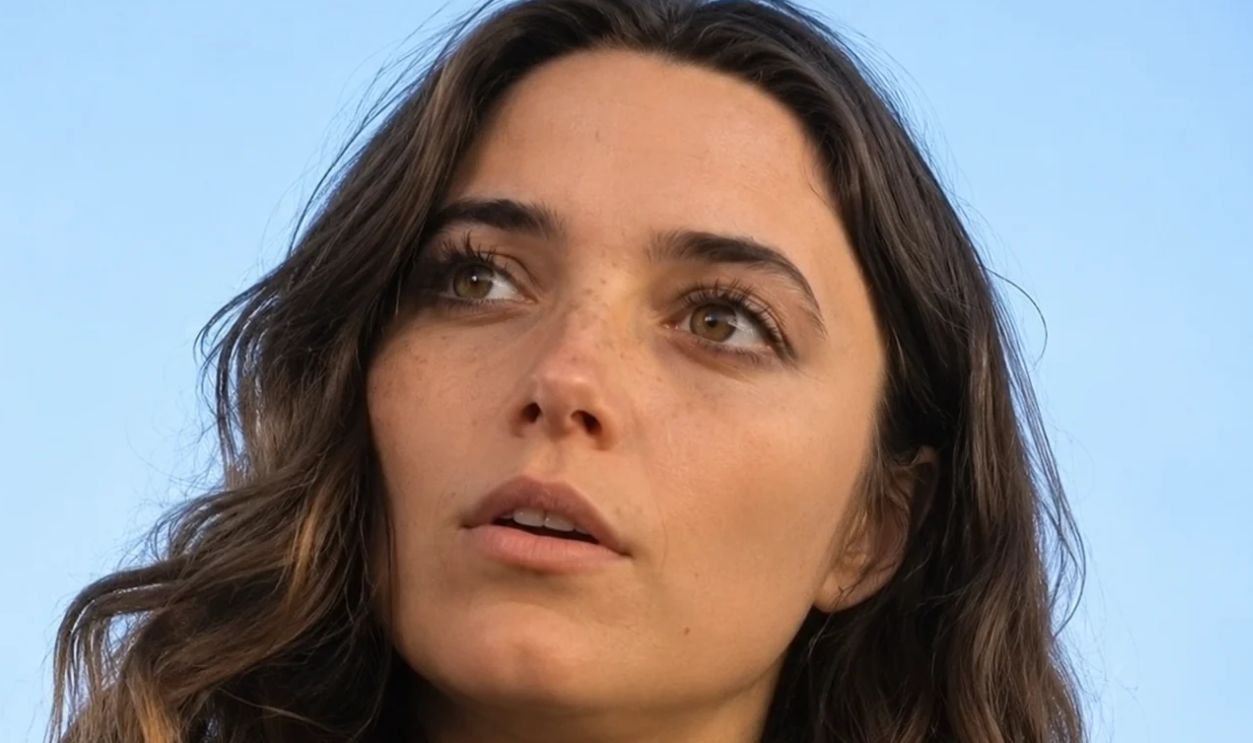 Screenshot from Knots Landing, Lorimar Television (1979–1993), Enhanced
American Horror Story
The first season’s opening combined disturbing photographs, medical imagery, antique objects, and figures lurking inside the Murder House. Every subsequent season created a new sequence tied to its setting and story, from carnival performers to hotel corridors and political symbolism. The music remained recognizable, but almost everything surrounding it repeatedly mutated.
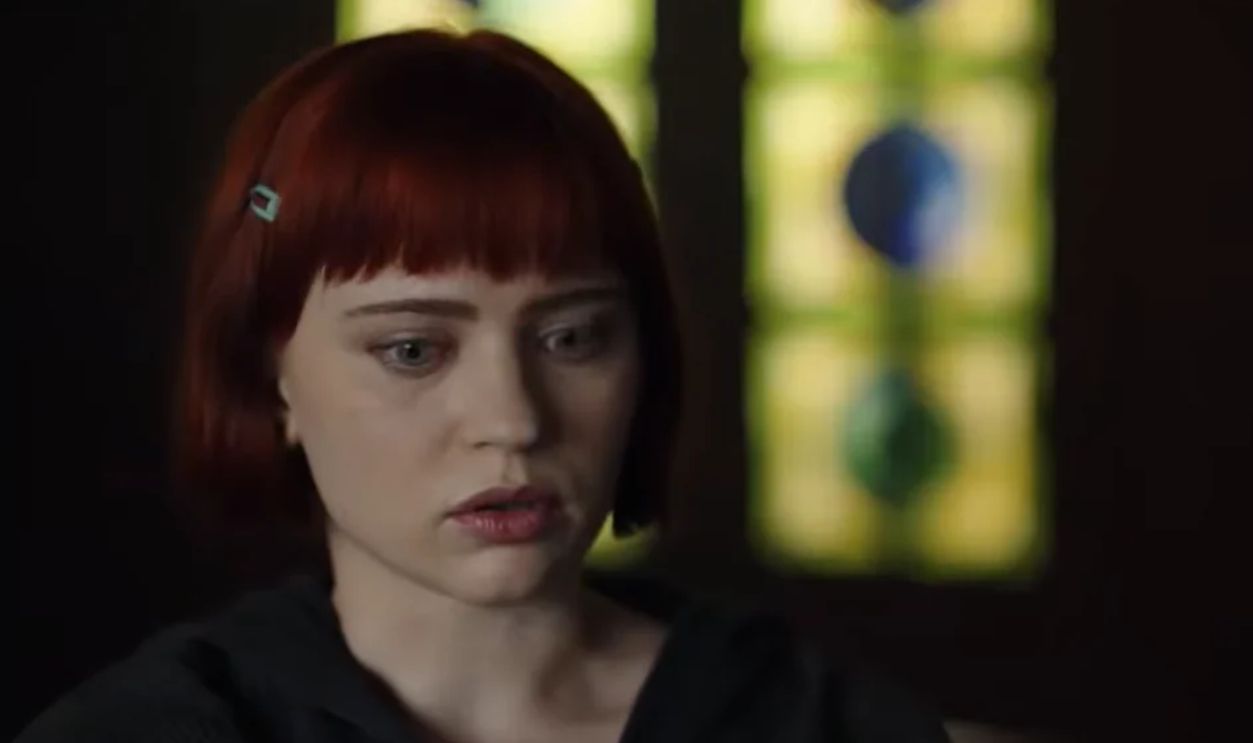 Screenshot from American Horror Story, 20th Television (2011–present)
Two and a Half Men
The original sequence placed Charlie Sheen, Jon Cryer, and Angus T. Jones against a red curtain while they lip-synced the show’s abbreviated theme. After Sheen’s departure, Ashton Kutcher entered a newly recorded version. Later credits changed the lineup again, sometimes using younger doubles or deliberately exaggerated visual tricks to acknowledge the cast upheaval.
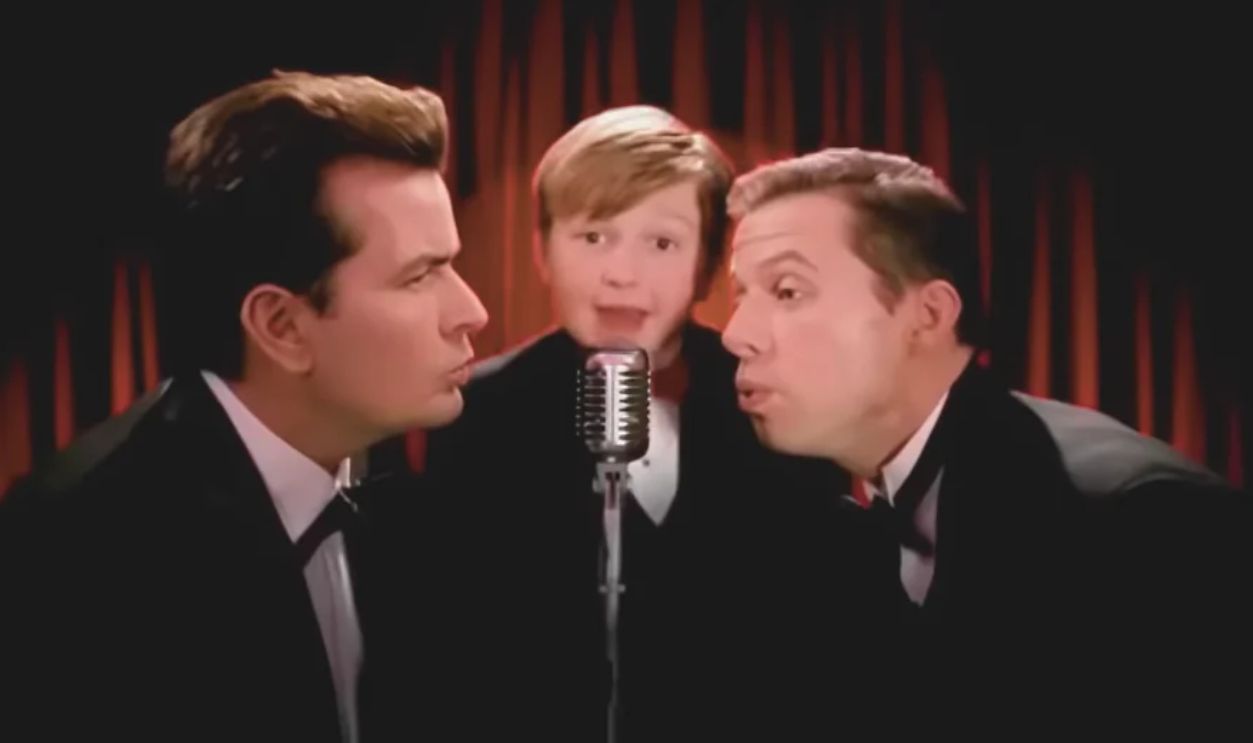 Screenshot from Two and a Half Men, Warner Bros. Television Distribution (2003–2015)
Baywatch
The NBC season opened with “Save Me,” performed by Peter Cetera, accompanied by credits that presented the series more like a conventional rescue drama. When Baywatch returned in syndication, it adopted Jimi Jamison’s “I’m Always Here,” faster editing, and the famous running-on-the-beach imagery that defined the show internationally.
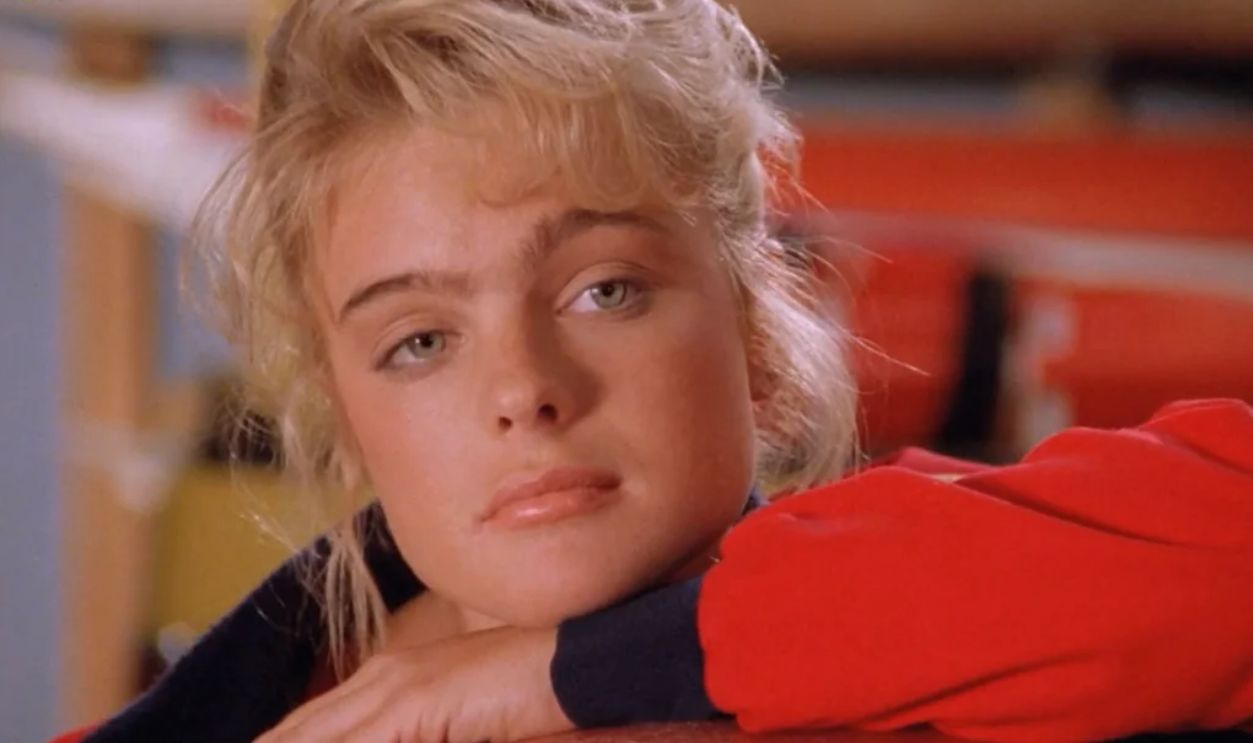 Screenshot from Baywatch, All American Television (1992–1998)
Roseanne
The earliest credits circled the Conner family’s kitchen table as everyone shared food and conversation. The concept remained, but the family, furniture, clothing, and even the dining room changed through the years. Later openings used morphing portraits, and the final original season added lyrics performed by John Popper to the previously instrumental theme.
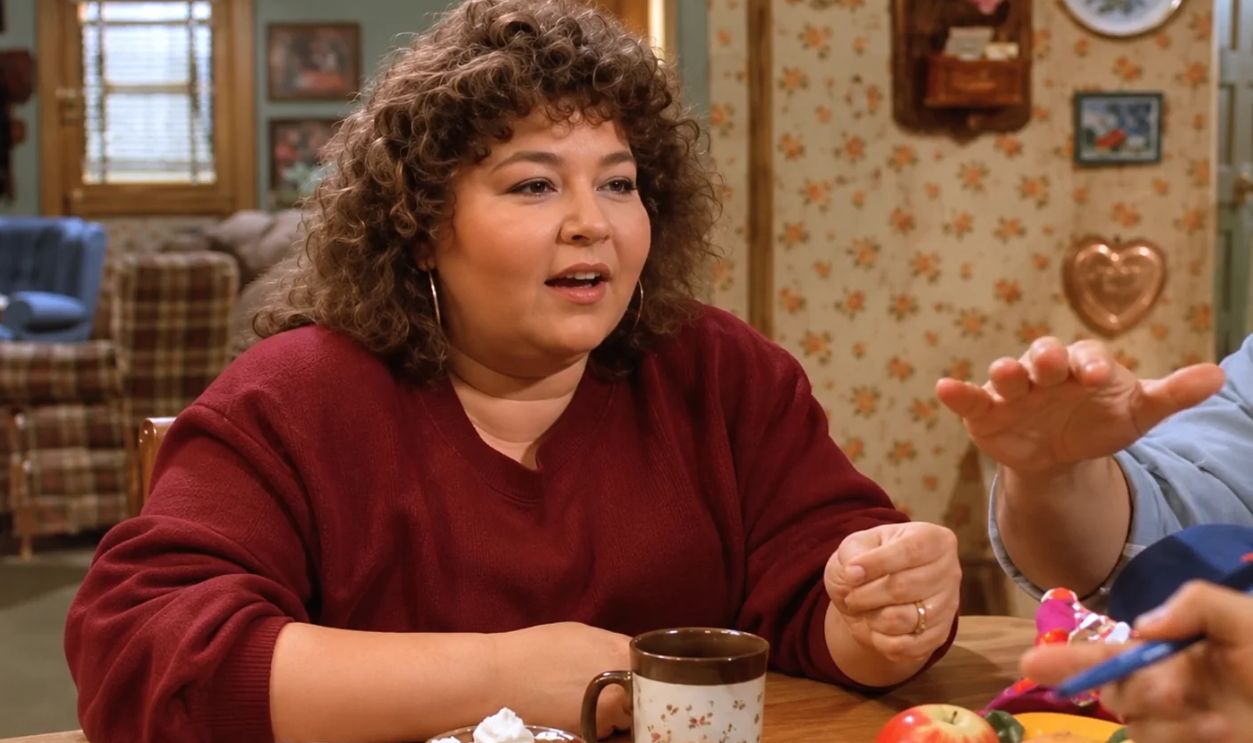 Screenshot from Roseanne, Viacom Enterprises (1988–1994), Enhanced
That ’70s Show
Season one used a version of “In the Street” performed by Todd Griffin as the teenagers sang inside the Vista Cruiser. Beginning in season two, Cheap Trick recorded a louder version commonly called “That ’70s Song.” The cast arrangement and driving footage also changed, making the polished later opening the one most viewers remember.
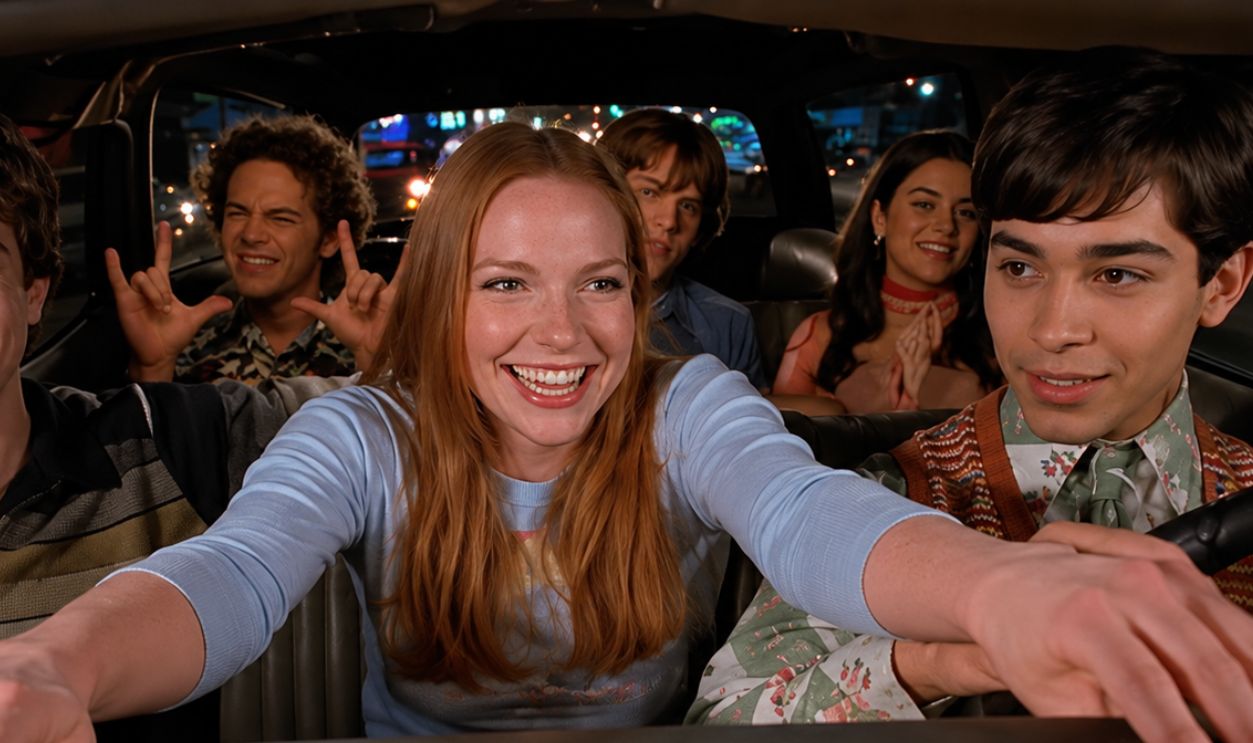 Screenshot from That ’70s Show, Carsey-Werner Distribution (1998–2006), Enhanced
You May Also Like: One-Season Sitcom Stars From The 1990s That No One Remembers—You Had To Be Paying Close Attention To Notice Any Of Them