You Can Still Hear The Voice
The special effects look older. Some of the futuristic dates have already come and gone. But say the right line from a 70s sci-fi show, and suddenly you can hear the voice again. Well, some of us can.
How many of these can you place?
"Gentlemen, we can rebuild him."
Before Steve Austin could run in slow motion, someone had to approve a rather expensive repair bill. Richard Anderson’s Oscar Goldman delivered this promise in the opening of "The Six Million Dollar Man." Lee Majors supplied the bionic hero. The introduction made sure everyone watching knew exactly what their money had bought.
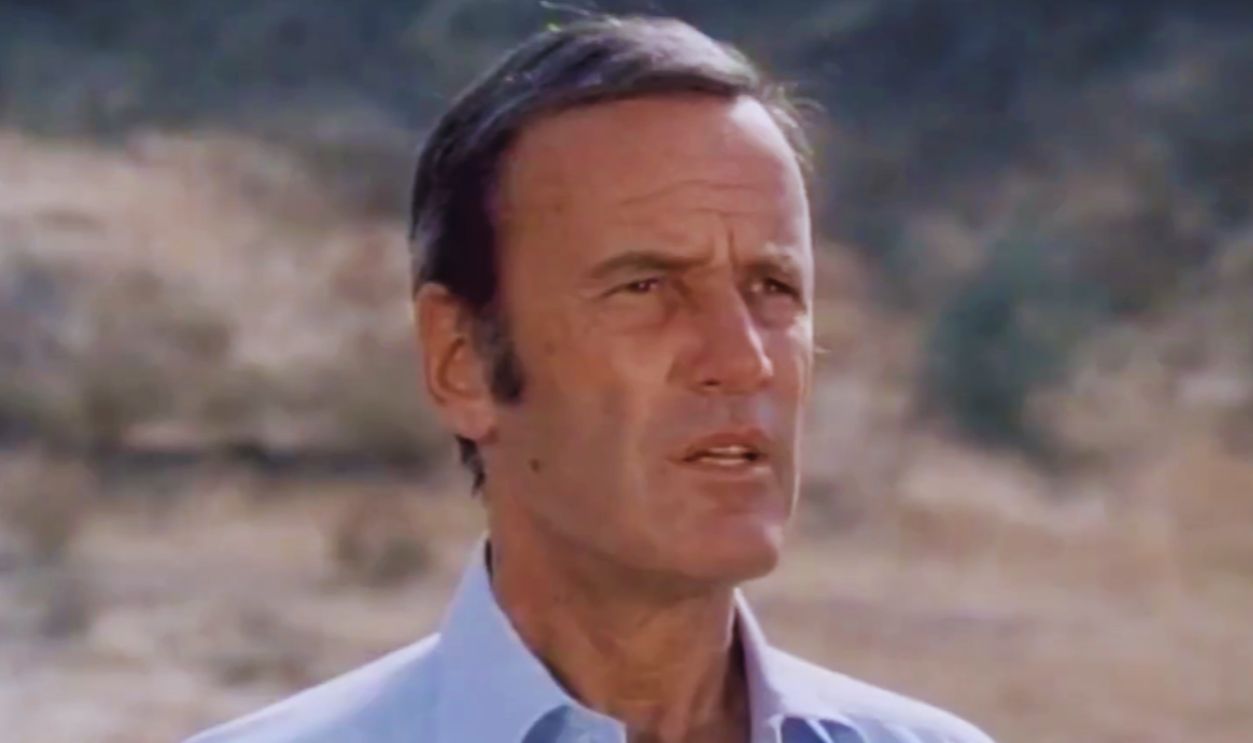 Screenshot from The Six Million Dollar Man, NBCUniversal (1974-1978)
"By your command."
Three words, delivered with practically no personality, somehow had plenty of personality. This was the mechanical acknowledgment associated with the Cylons in the original "Battlestar Galactica." Add the metallic armor and that moving red light, and suddenly a perfectly polite response sounded like very bad news for everyone else.
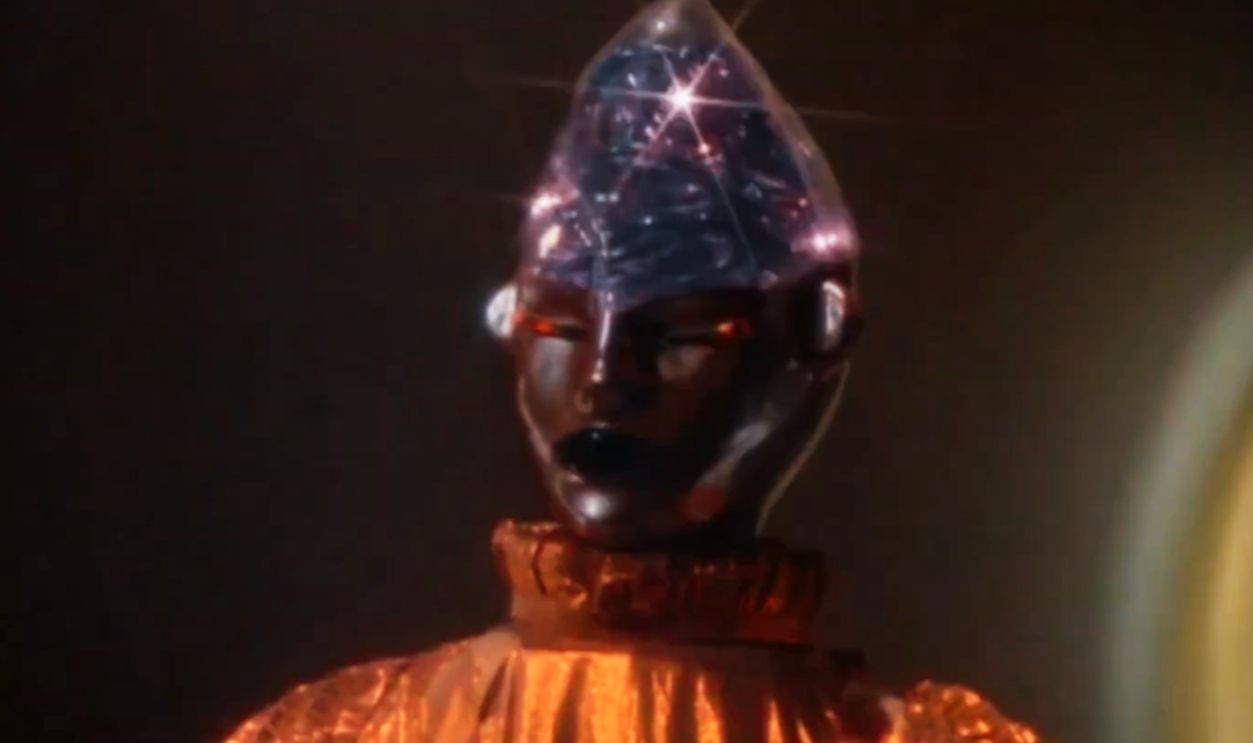 Screenshot from Battlestar Galactica, NBCUniversal (1978)
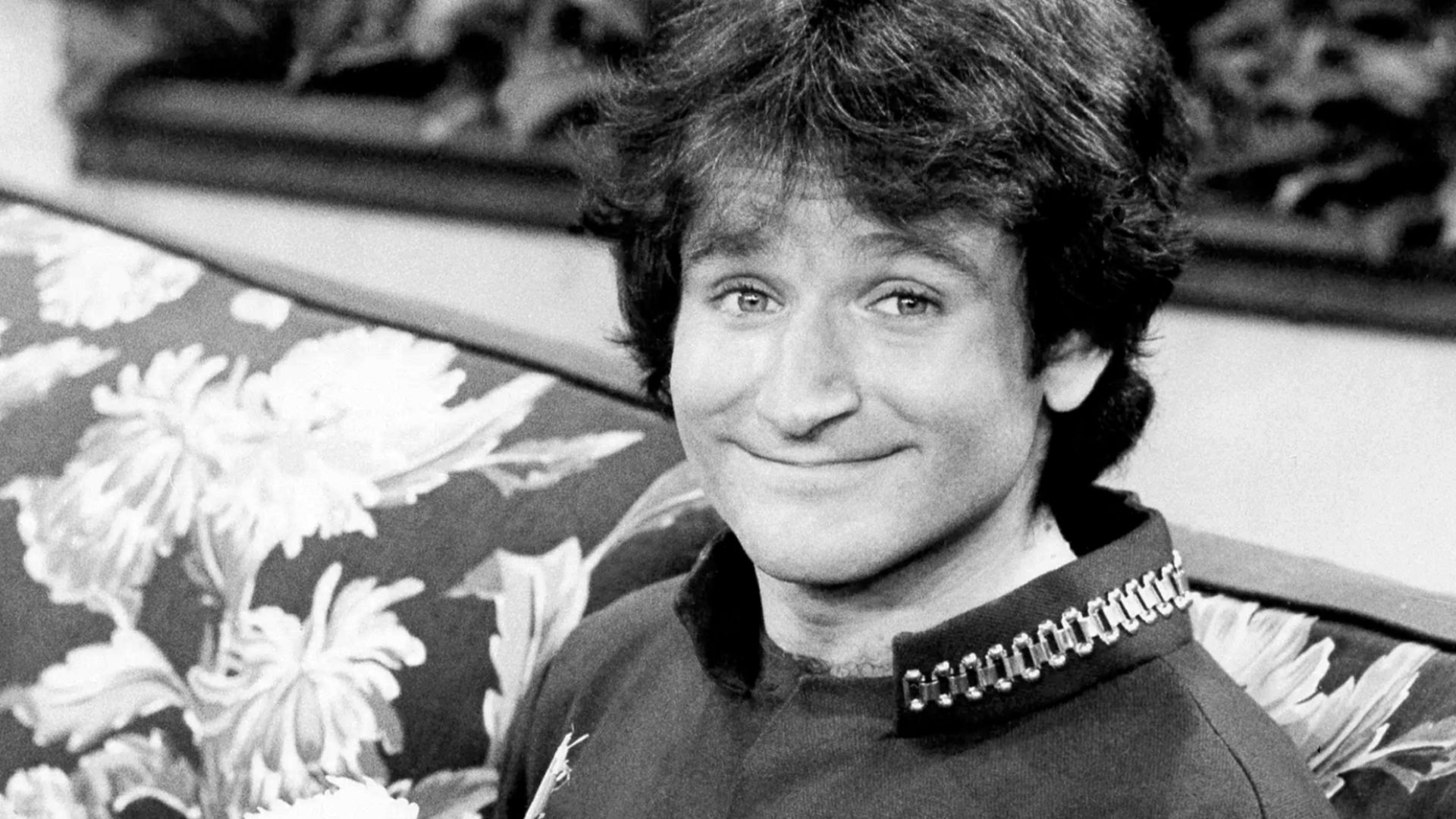
"Nanu-nanu."
Robin Williams made an alien greeting sound perfectly normal. Well, normal enough that people started repeating it to one another. "Mork & Mindy" arrived in 1978, bringing an extraterrestrial visitor into a Colorado household. Before long, viewers were copying his words and attempting the accompanying hand gesture. Earth apparently needed very little encouragement.
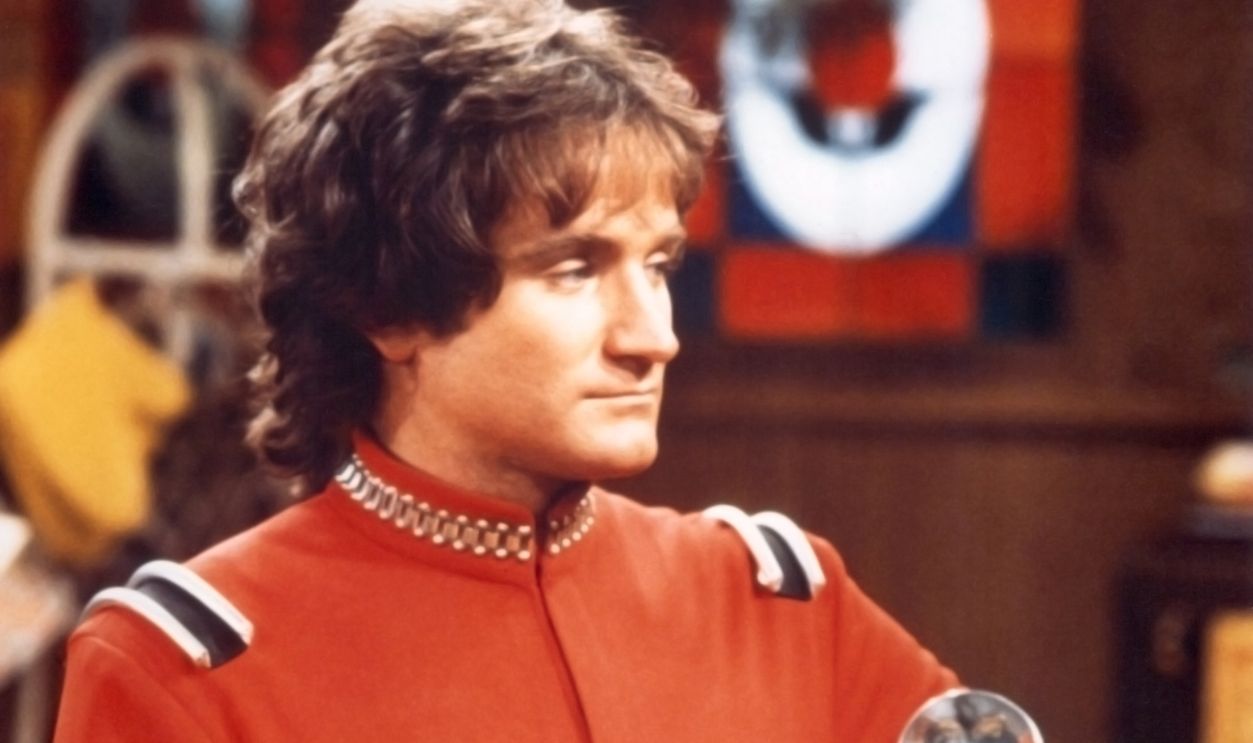 Silver Screen Collection, Getty Images
"Wonder Twin powers, activate!"
Saturday morning emergencies required a certain amount of ceremony. Zan and Jayna touched fists, announced their powers, and transformed into whatever the situation required. The alien siblings joined "The All-New Super Friends Hour" in 1977. Jayna could become an animal. Zan could become water in its various forms. Somehow, they made that arrangement work.
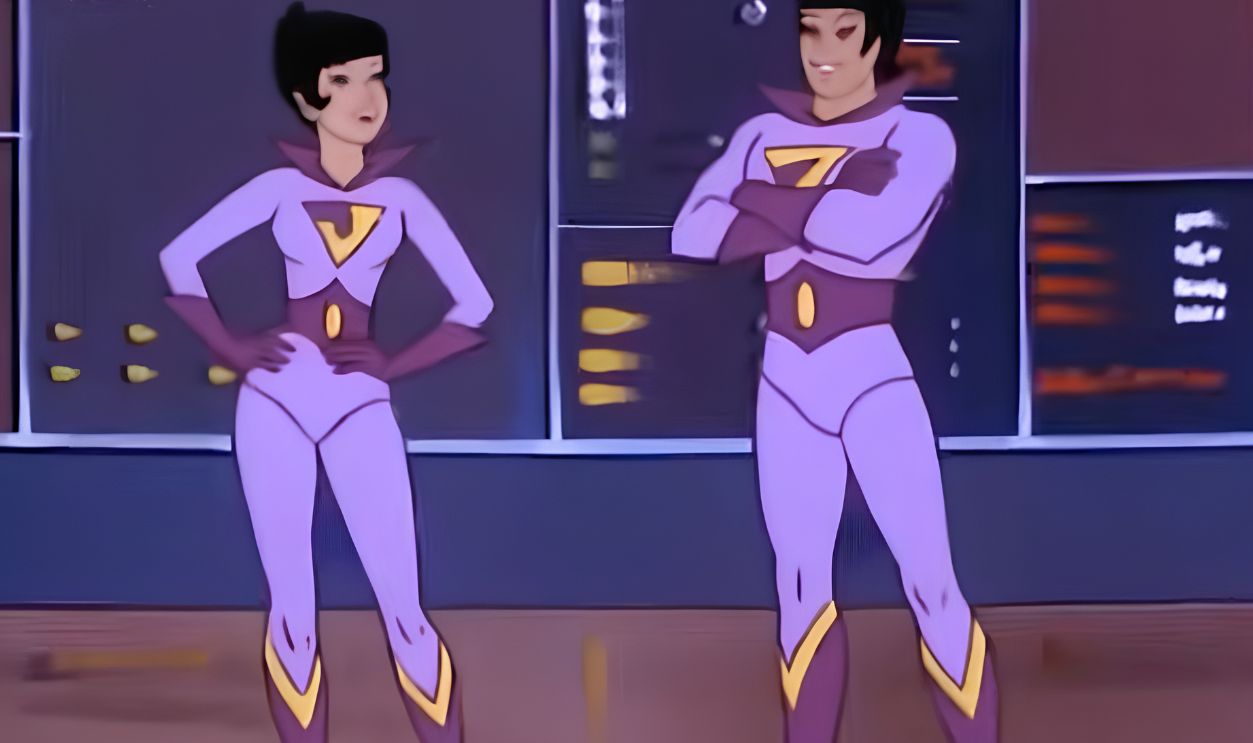 Screenshot from The All-New Super Friends Hour, Warner Bros. (1977-1978)
"Mr. McGee, don’t make me angry. You wouldn’t like me when I’m angry."
Bill Bixby’s David Banner gave reporter Jack McGee this warning in the 1977 television pilot for "The Incredible Hulk." It subsequently became part of the series’ familiar introduction. McGee heard a threat. Viewers heard a promise that Lou Ferrigno would probably be making an appearance before the evening was over.
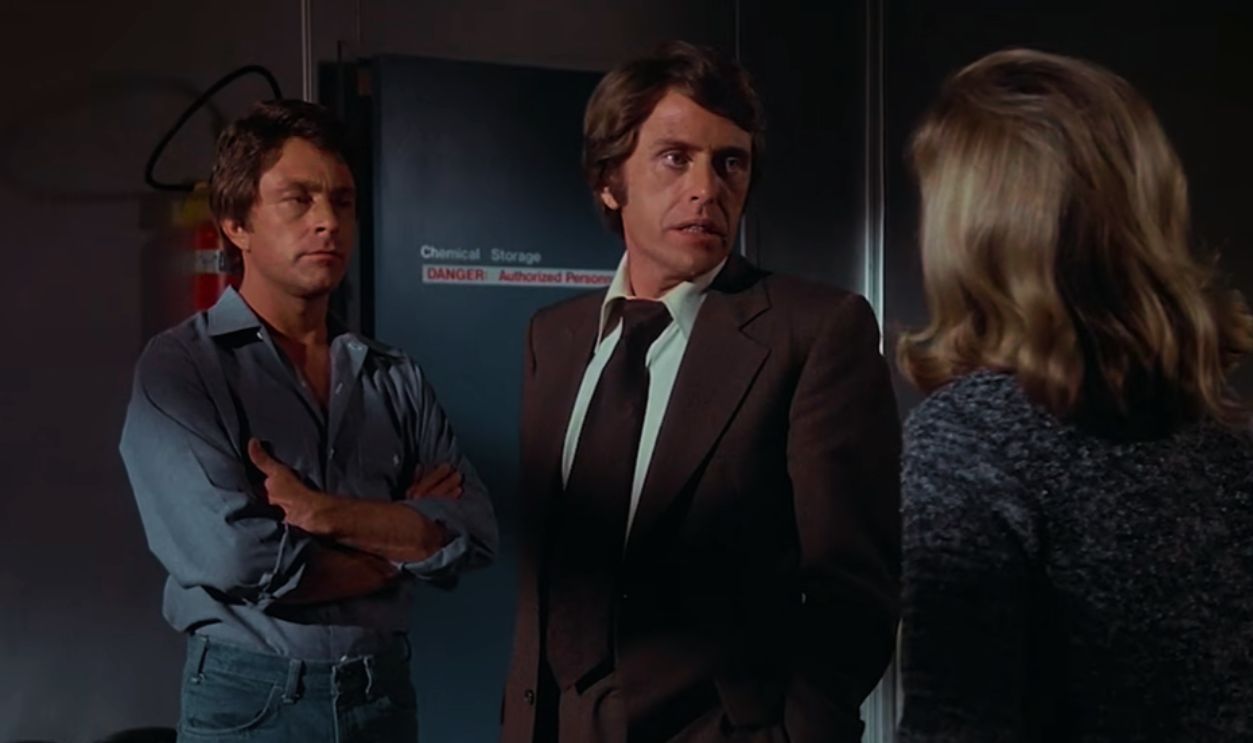 Screenshot from The Incredible Hulk, NBCUniversal (1977)
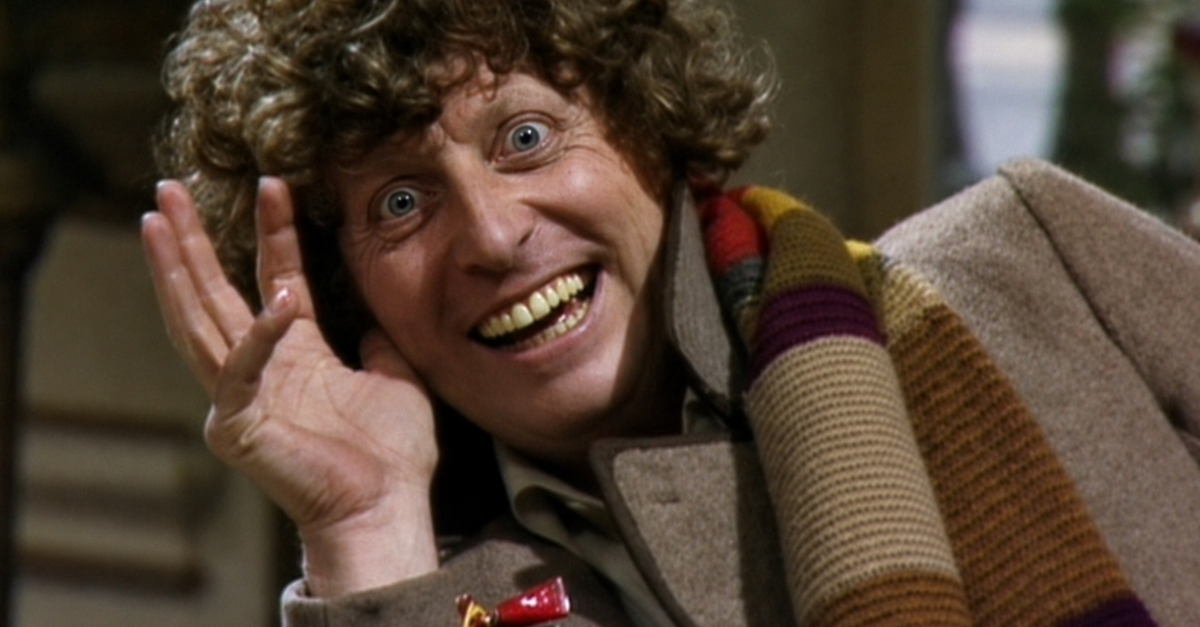
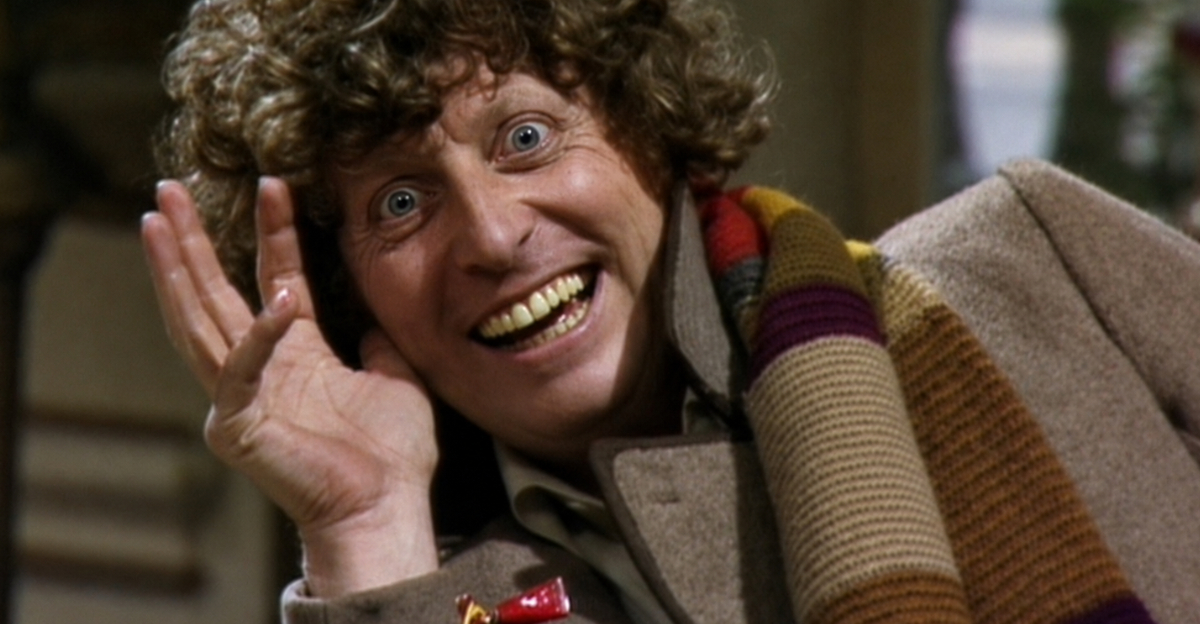
"Would you like a jelly baby?"
Tom Baker’s Fourth Doctor could be surrounded by danger and still behave as though offering someone a sweet might improve the situation. It became one of his trademarks on "Doctor Who." Other television heroes reached for equipment. This one rummaged through his pockets for something you could buy at a candy counter.
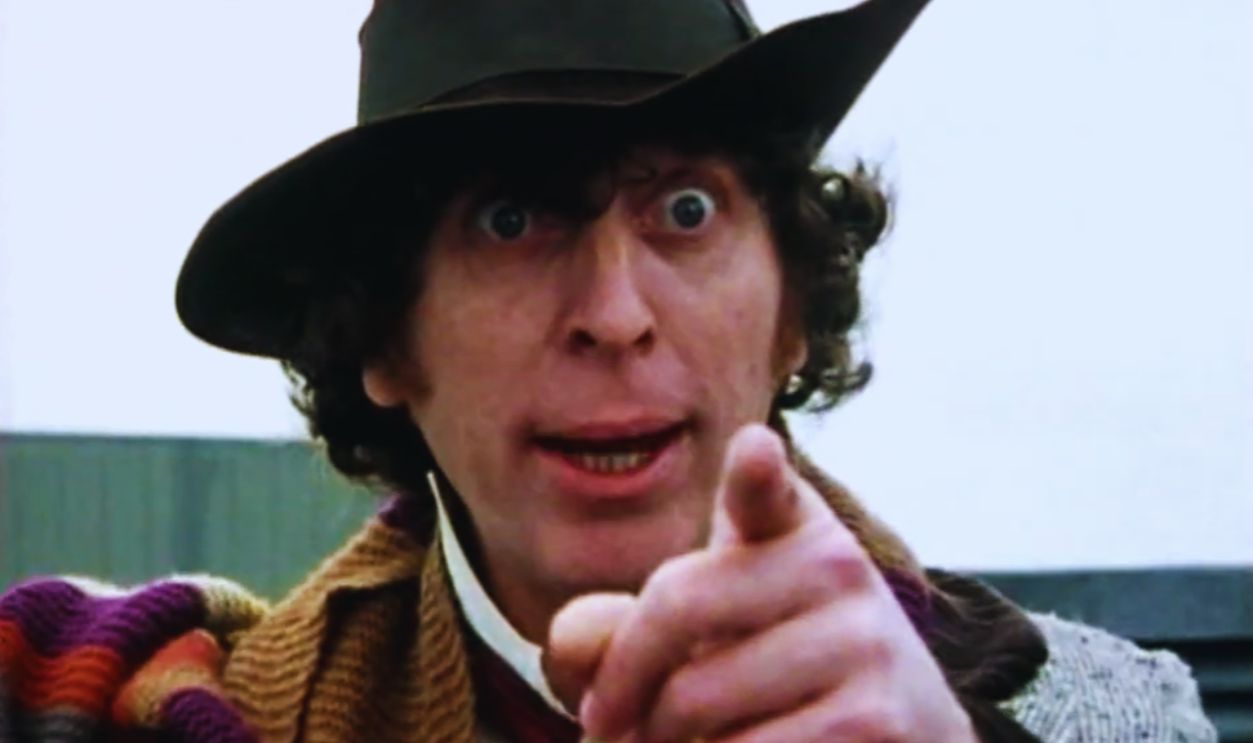 Screenshot from Doctor Who, BBC (1963-1989)
"Bidi-bidi-bidi. Buck, you’re my kind of guy."
The little robot in "Buck Rogers in the 25th Century" didn’t need an enormous vocabulary to make an impression. Twiki had Felix Silla inside the costume and Mel Blanc supplying his first-season voice. Yes, the man associated with Bugs Bunny also helped give the 25th century one very recognizable wise guy.
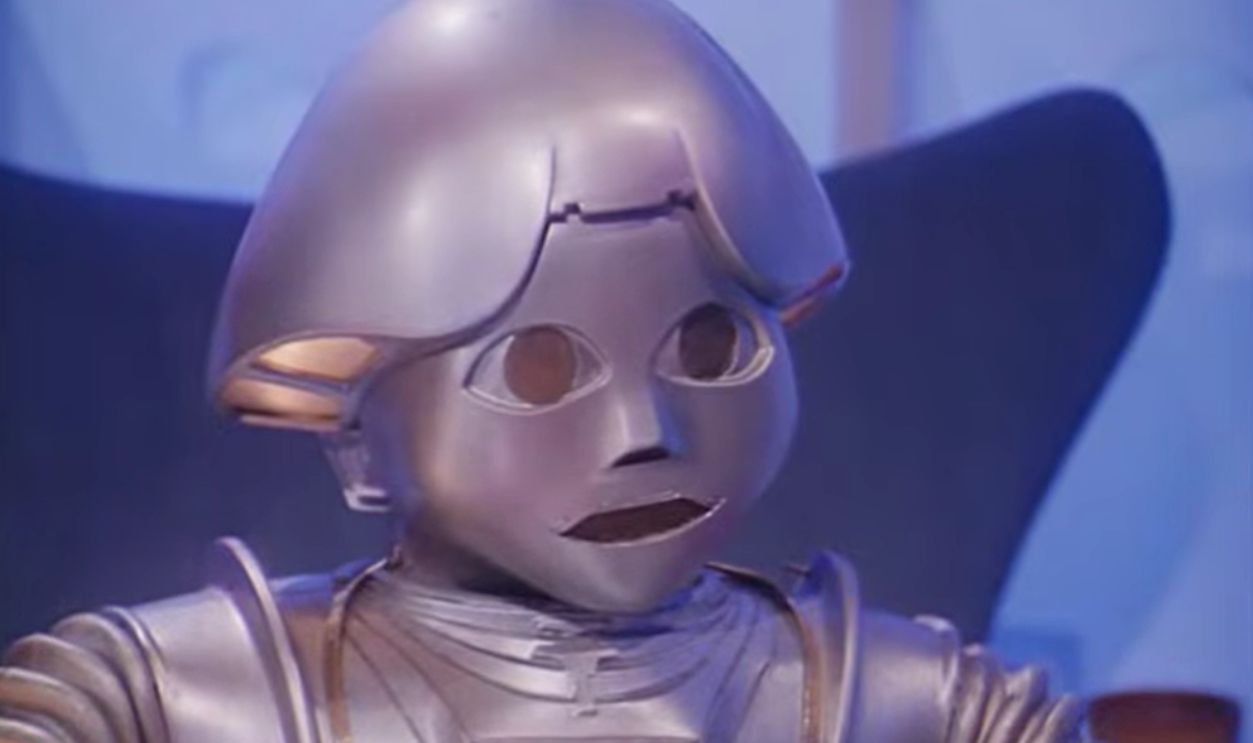 Screenshot from Buck Rogers in the 25th Century, NBCUniversal (1979-1981)
"We’re all aliens. Until we get to know one another."
"Space: 1999" could send its characters into some very strange situations, but Commander John Koenig occasionally made things sound remarkably simple. Martin Landau delivered this reassurance to Maya in "The Metamorph." For a show about people stranded on a wandering Moon, it was a surprisingly down-to-earth way of welcoming someone aboard.
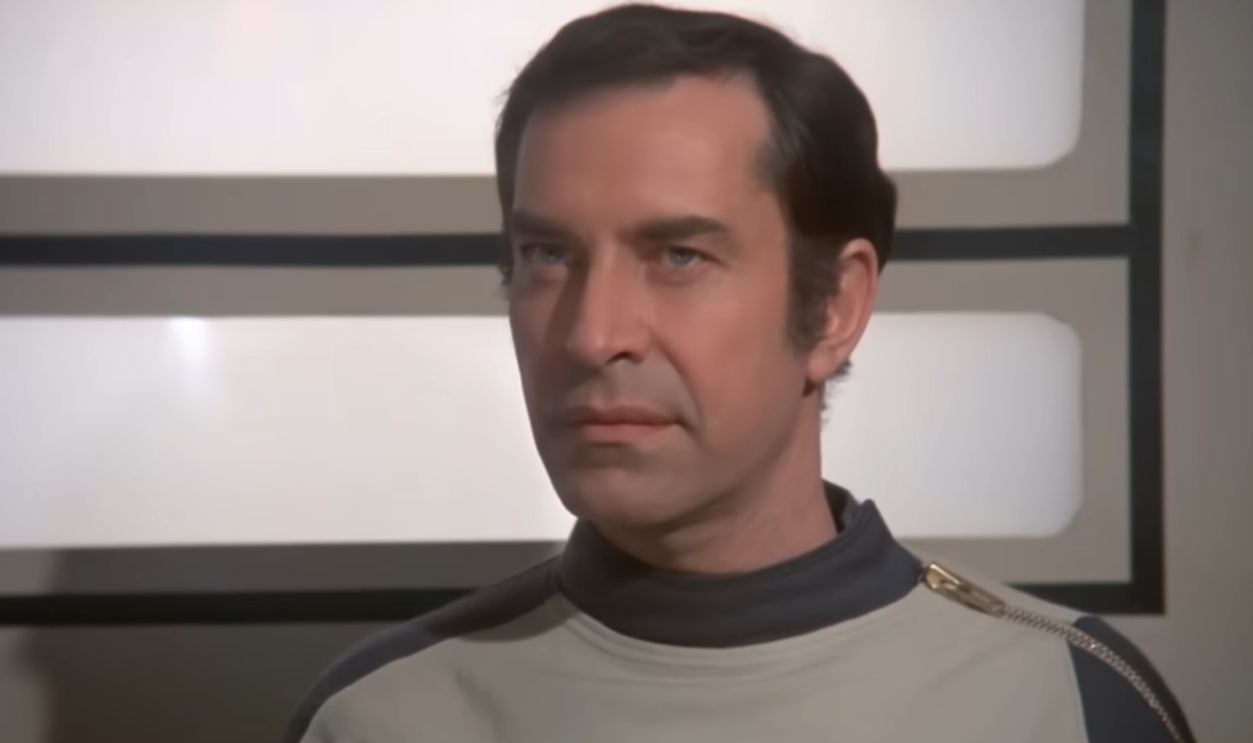 Screenshot from Space: 1999, ITV Studios (1975-1977)
"I am not expendable, I’m not stupid, and I’m not going."
Kerr Avon wasn’t particularly interested in making a noble speech before marching into danger. In the 1979 "Blake’s 7" episode "Horizon," Paul Darrow gave him a much more practical position. Other people could volunteer. Avon intended to stay exactly where he was, preferably somewhere with a functioning escape route.
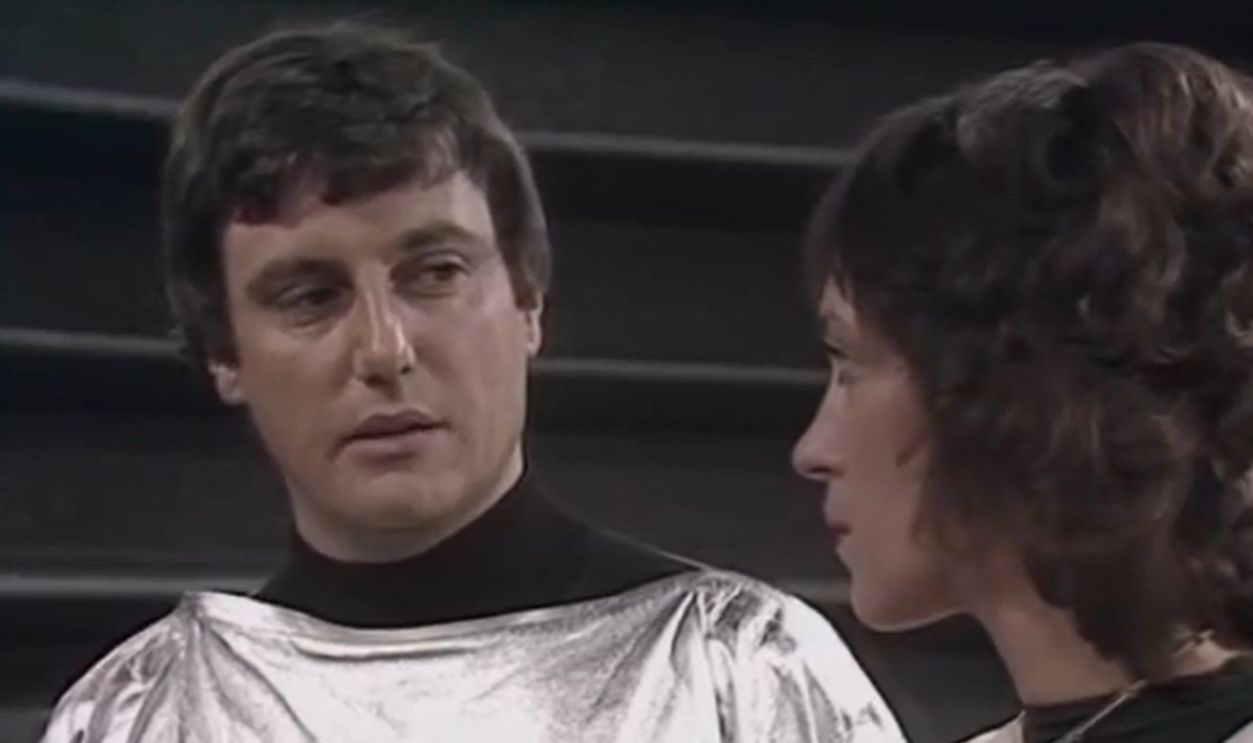 Screenshot from Blake’s 7, BBC (1978-1981)
"Transmute!"
For the G-Force team in "Battle of the Planets," changing clothes required considerably more excitement than opening a closet. Their wrist communicators helped transform their civilian outfits into bird-themed uniforms. The American adaptation of Japan’s "Science Ninja Team Gatchaman" arrived in 1978. One shouted word could send the whole business into action.
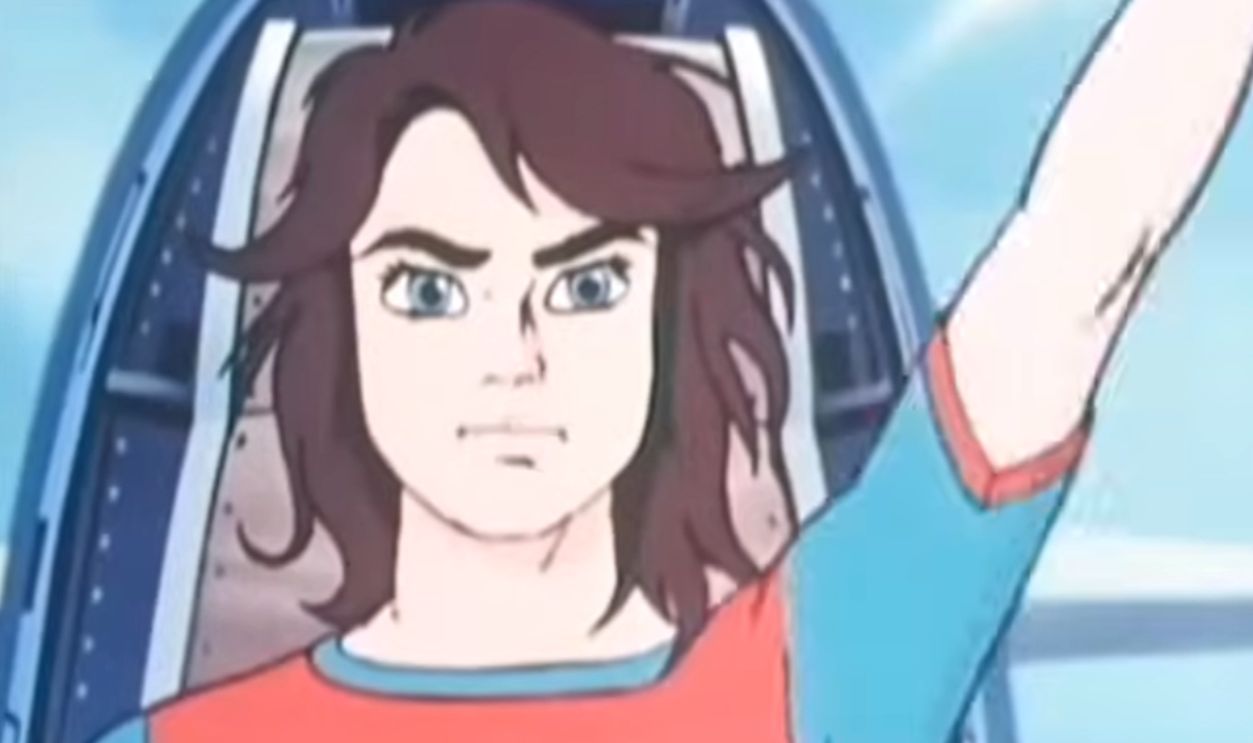 Screenshot from Battle of the Planets, Sandy Frank Film Syndication (1978-1980)
"There’s no point in being grown up if you can’t be childish sometimes."
Some television heroes demanded respect. Tom Baker’s Doctor seemed perfectly happy to make Sarah Jane question whether he should be left unsupervised. This reply comes from "Robot," his first "Doctor Who" adventure. Saving people was serious business. Apparently, behaving like a responsible adult throughout the process was entirely optional.
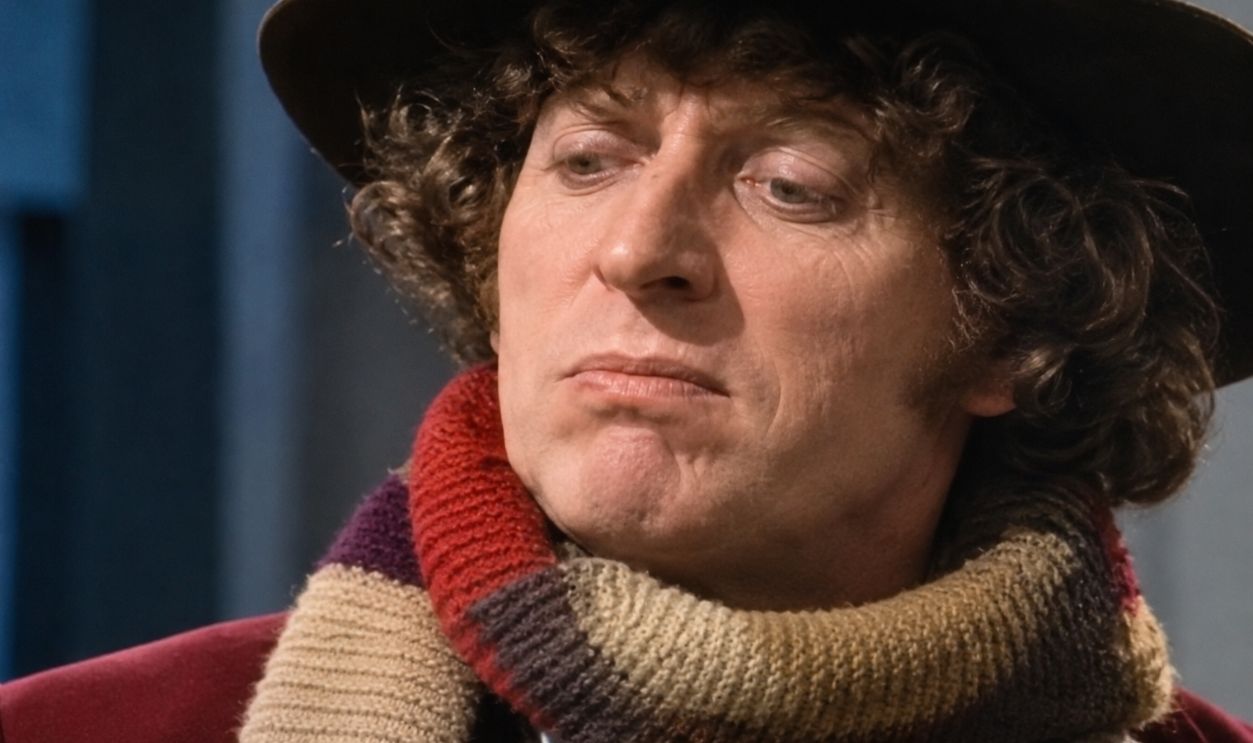 Screenshot from Doctor Who, BBC (1963-1989), Enhanced
"All irregularities will be handled by the forces controlling each dimension."
That was quite an opening promise for a television show to make. "Sapphire and Steel," which arrived in 1979, starred Joanna Lumley and David McCallum as mysterious operatives dealing with disturbances in time. The introduction sounded reassuringly official. What followed could make an ordinary house feel like somewhere you absolutely shouldn’t be.
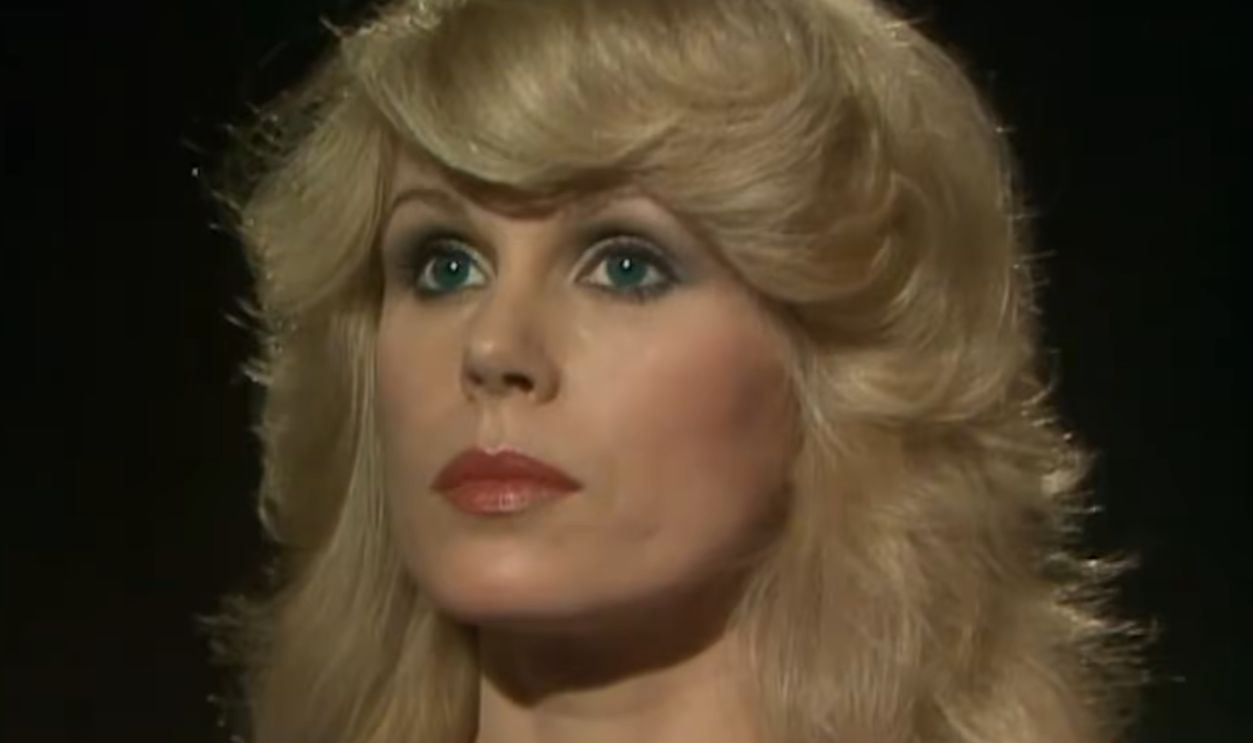 Screenshot from Sapphire & Steel, ITV Studios (1979-1982)
"Meanwhile, at the Hall of Justice…"
"Super Friends" had a convenient way of getting everyone back to headquarters. The narrator simply announced it, and there they were. That familiar transition made the Hall of Justice sound like the busiest address in the universe. With Superman, Batman, Wonder Woman, and the others on call, it probably needed a fairly substantial waiting room.
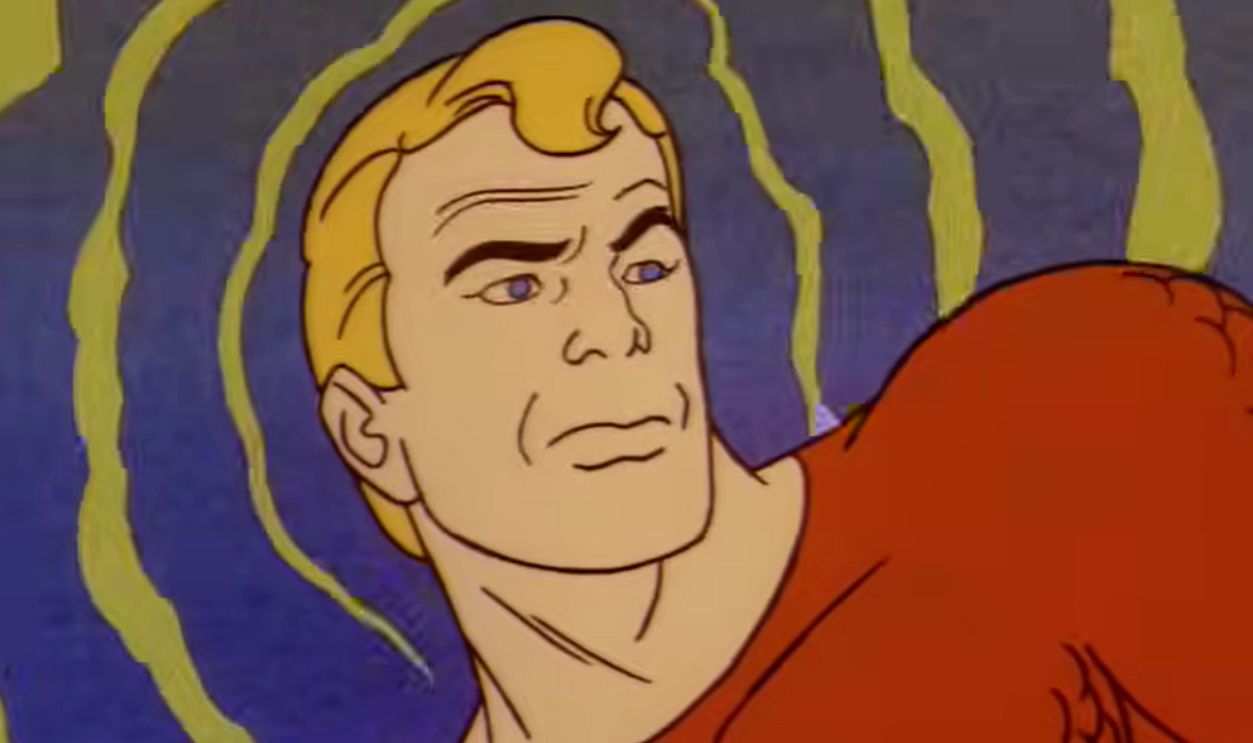 Screenshot from Super Friends, Warner Bros. (1973-1985)
"Mork calling Orson. Come in, Orson."
At the end of many "Mork & Mindy" episodes, the visitor from Ork reported what he had learned about humanity. Considering what Robin Williams had usually spent the previous half hour doing, Orson had plenty to hear about. The conversations could be funny, surprisingly thoughtful, or both. Understanding Earth remained a fairly demanding assignment.
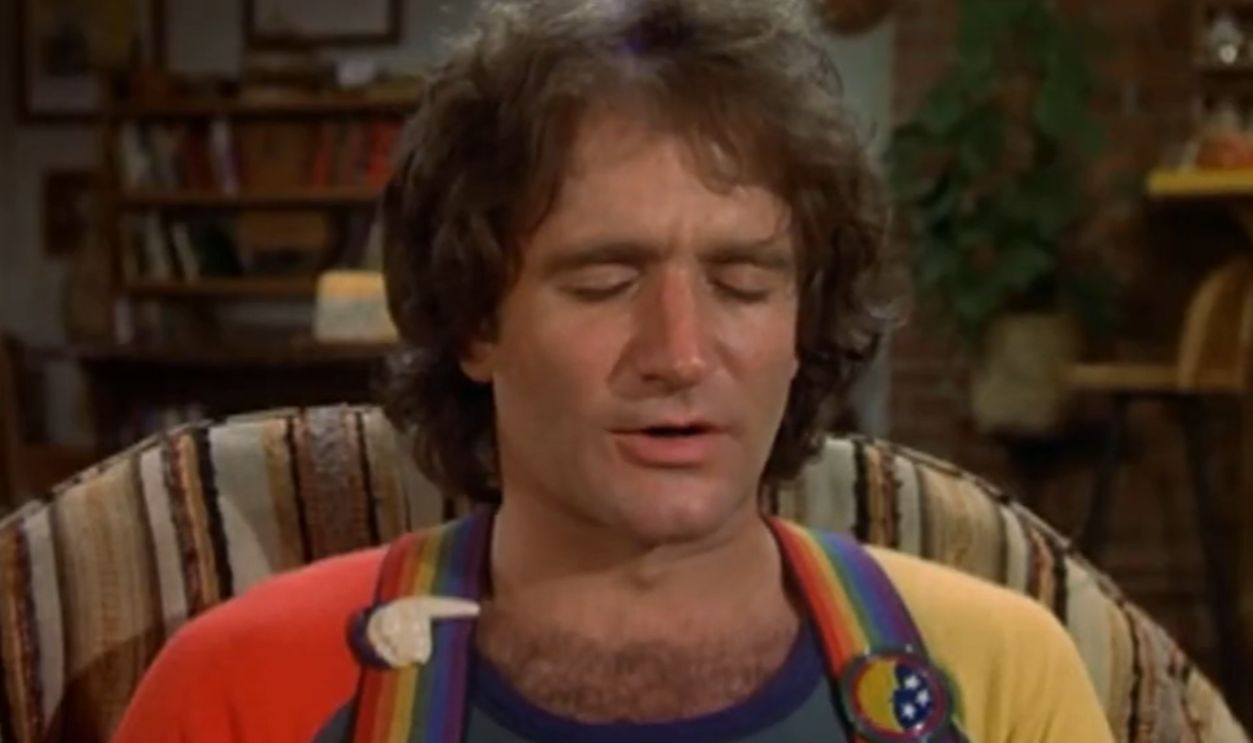 Screenshot from Mork & Mindy, Paramount (1978-1982)
"There are those who believe that life here began out there…"
Patrick Macnee’s opening narration gave the original "Battlestar Galactica" the sound of an ancient mystery being passed down through the ages. The series followed human survivors searching for Earth, with Lorne Greene’s Commander Adama leading the fleet. Before the adventure even started, that voice made the whole business sound terribly important.
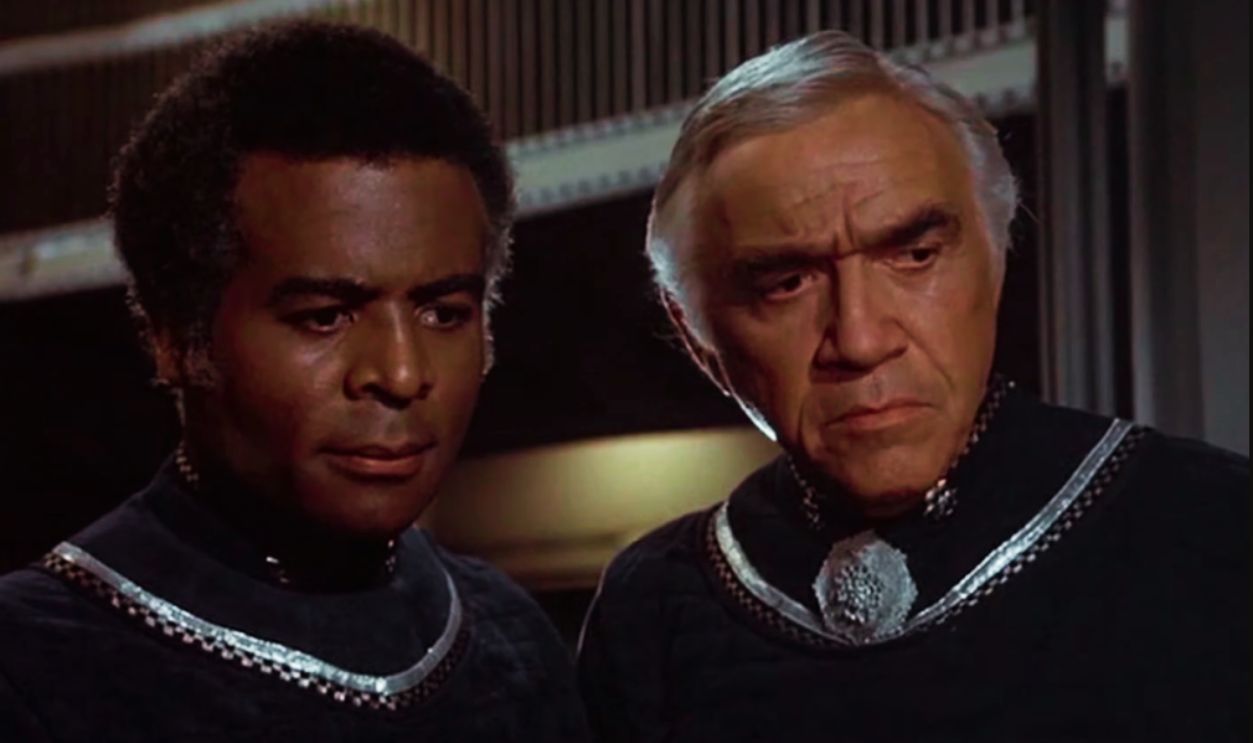 Screenshot from Battlestar Galactica, NBCUniversal (1978)
"I reversed the polarity of the neutron flow."
Jon Pertwee’s Doctor offered this explanation in the 1972 "Doctor Who" adventure "The Sea Devils." It sounded like exactly the sort of clever solution everyone should have thought of earlier. The full phrase appeared only once during his original run, but its association with the Third Doctor became much bigger than that single scene.
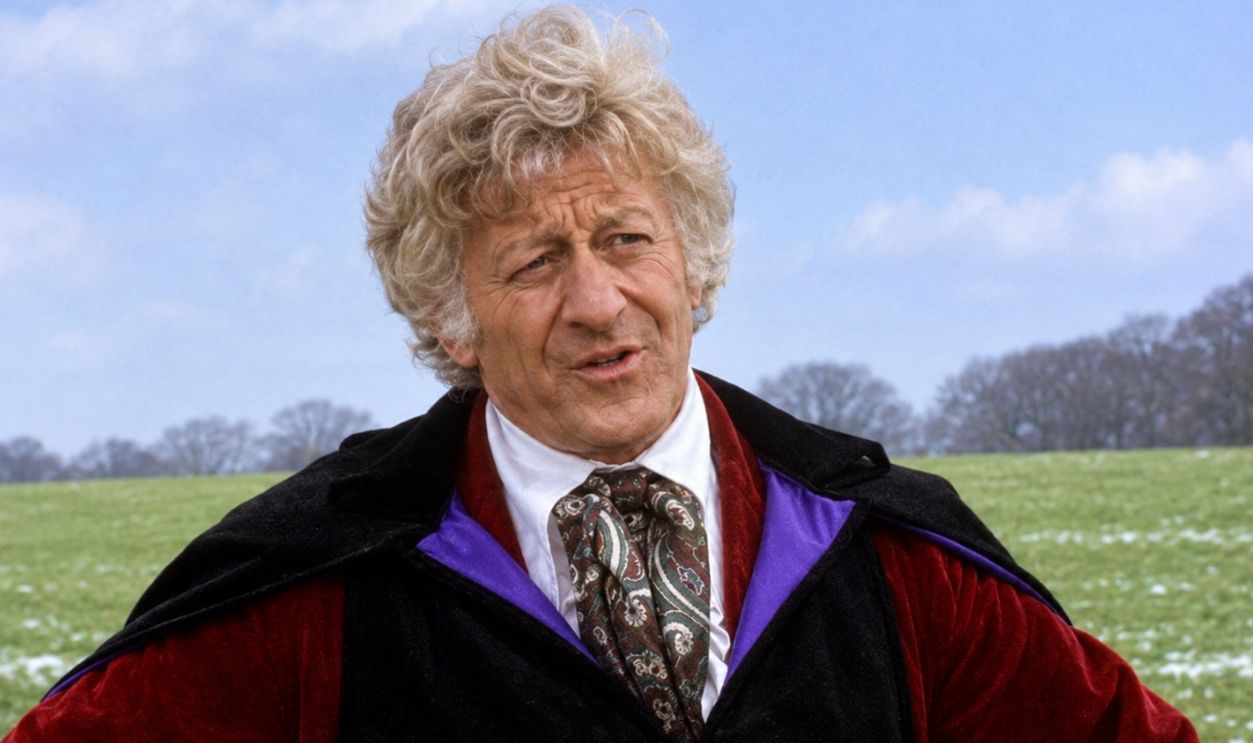 Screenshot from Doctor Who, BBC (1963-1989), Enhanced
"Affirmative, master."
"Doctor Who" introduced K9 in "The Invisible Enemy" in 1977, giving the Doctor a traveling companion who didn’t need convincing that he was right. Well, usually. John Leeson’s distinctive voice helped turn the mechanical dog into a character with considerable personality. He could make two words sound obedient, helpful, and occasionally rather superior.
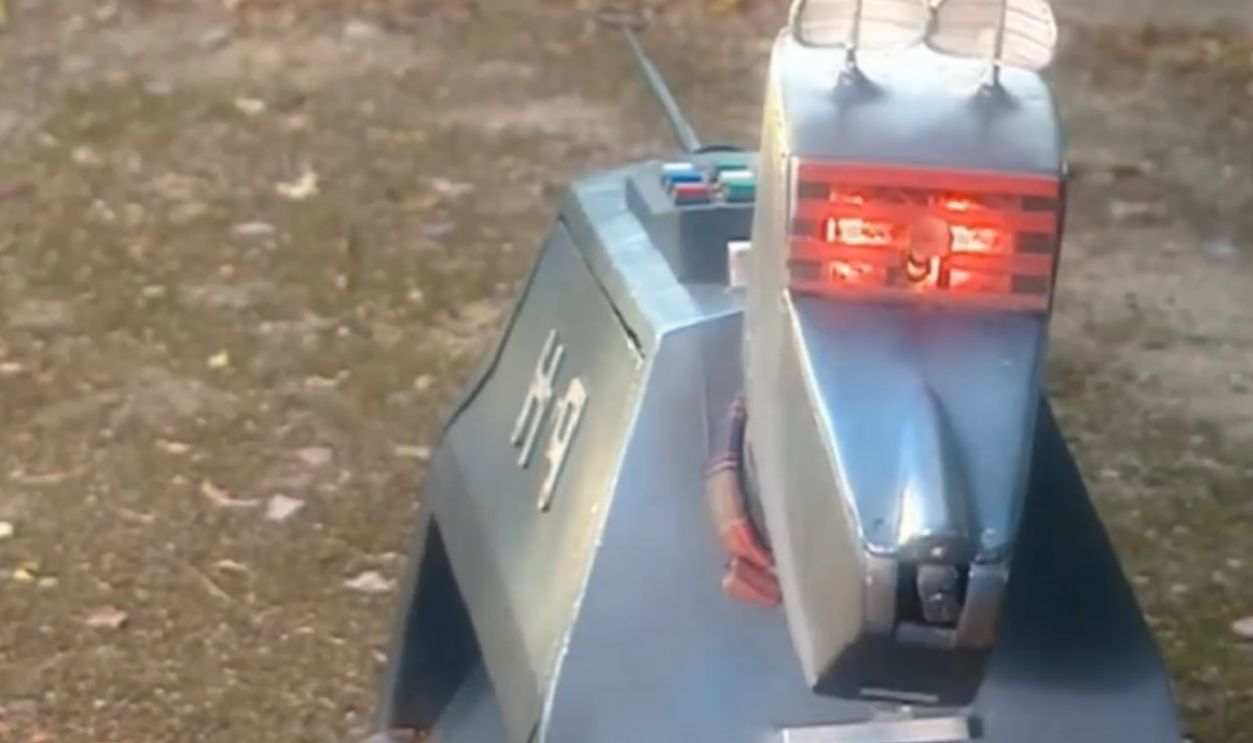 Screenshot from Doctor Who, BBC (1963-1989)
"Better. Stronger. Faster."
The opening of "The Six Million Dollar Man" didn’t leave much room for doubt about the results. Steve Austin had a bionic right arm, two bionic legs, and a bionic left eye. Those three closing words promised that his terrible accident had produced an extraordinary transformation. After an introduction like that, he could hardly spend the episode taking it easy.
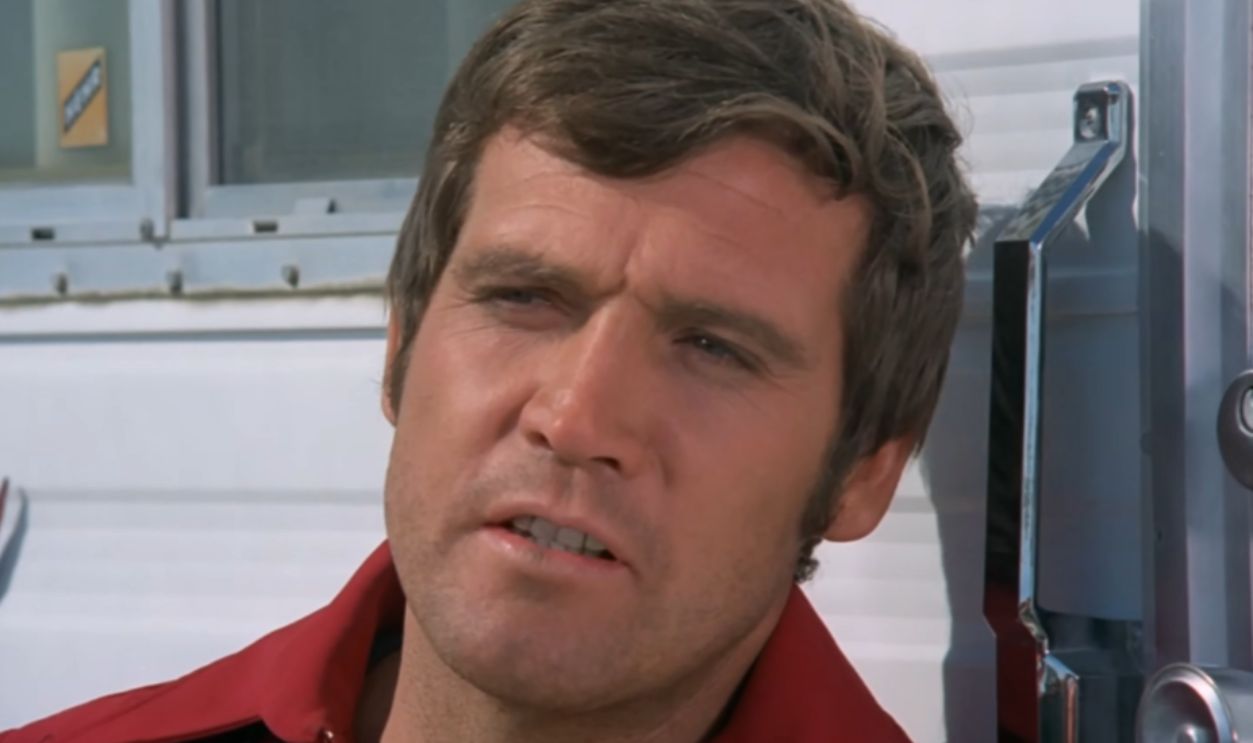 Screenshot from The Six Million Dollar Man, NBCUniversal (1974-1978)
"It’s better to live as your own man than as a fool in someone else’s dream."
Commander Koenig delivered this verdict in "The Bringers of Wonder, Part Two," an episode of "Space: 1999" involving aliens and a dangerously convincing illusion. The offer of happiness came with quite a catch. Martin Landau’s character preferred an uncertain reality, which was fortunate, because life on Moonbase Alpha certainly supplied plenty of that.
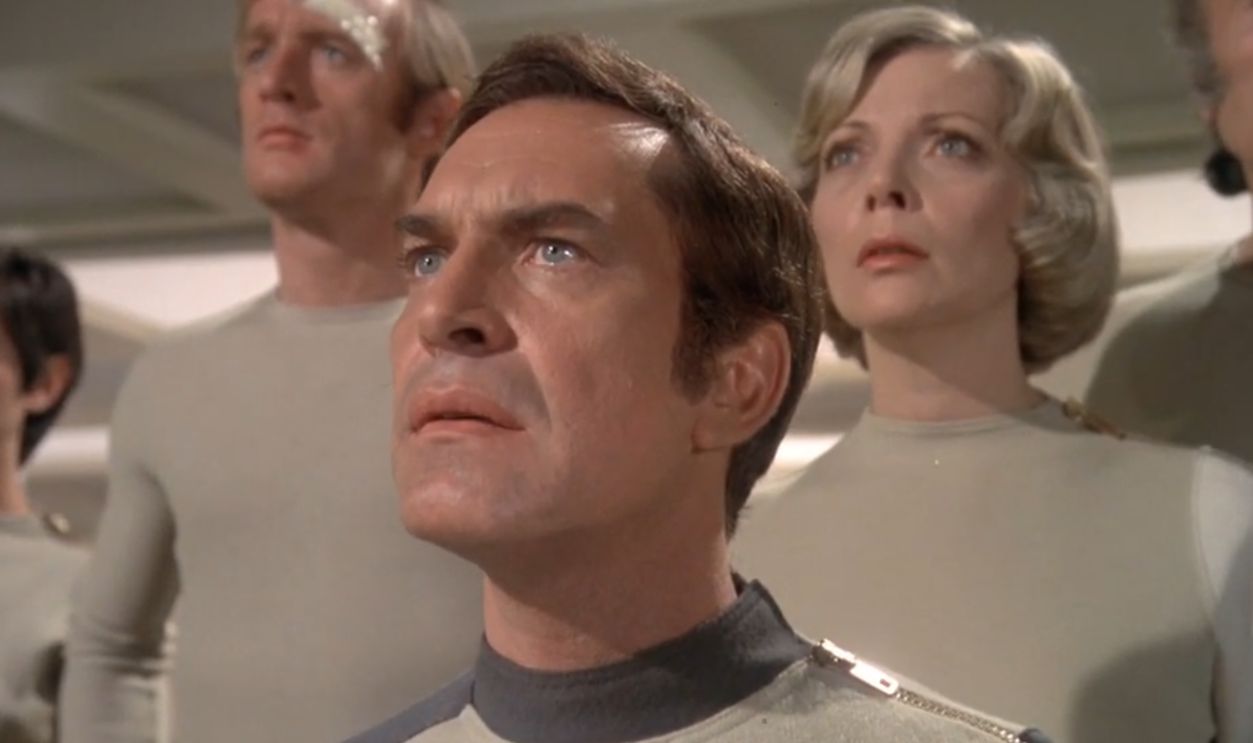 Screenshot from Space: 1999, ITV Studios (1975-1977)
Now Try Saying Them Out Loud
The real test is whether you read these in your own voice or immediately heard Oscar Goldman, a Cylon, Tom Baker, or Mork. If the voices came back without any help, those shows clearly left something behind.
You Might Also Like:
Classic TV Christmas Specials That Families Watched Every Year Before Streaming