Beyond The Screen
Old Hollywood wasn't just about glamour and red carpets. The real stories are wilder than any script that ever got greenlit. Studios ran like dictatorships. Stars lived double lives. Some moments defy logic entirely.
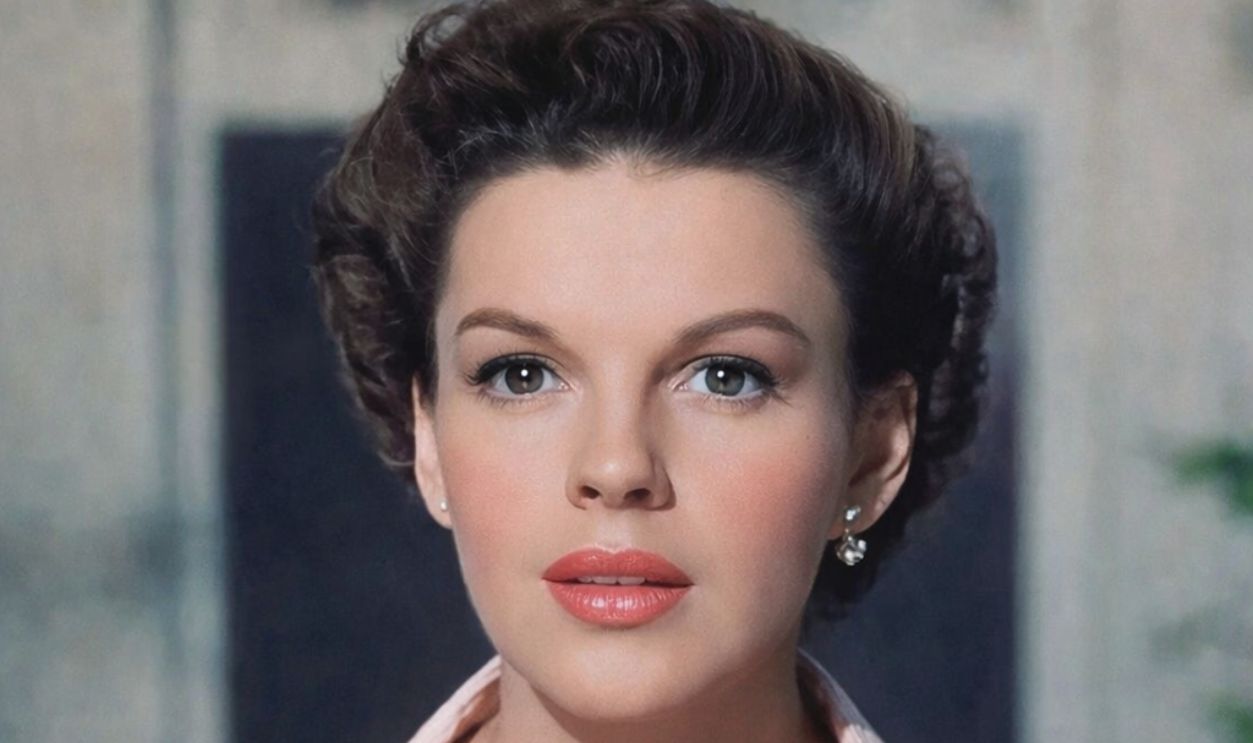
Charlie Chaplin’s Look-Alike Contest
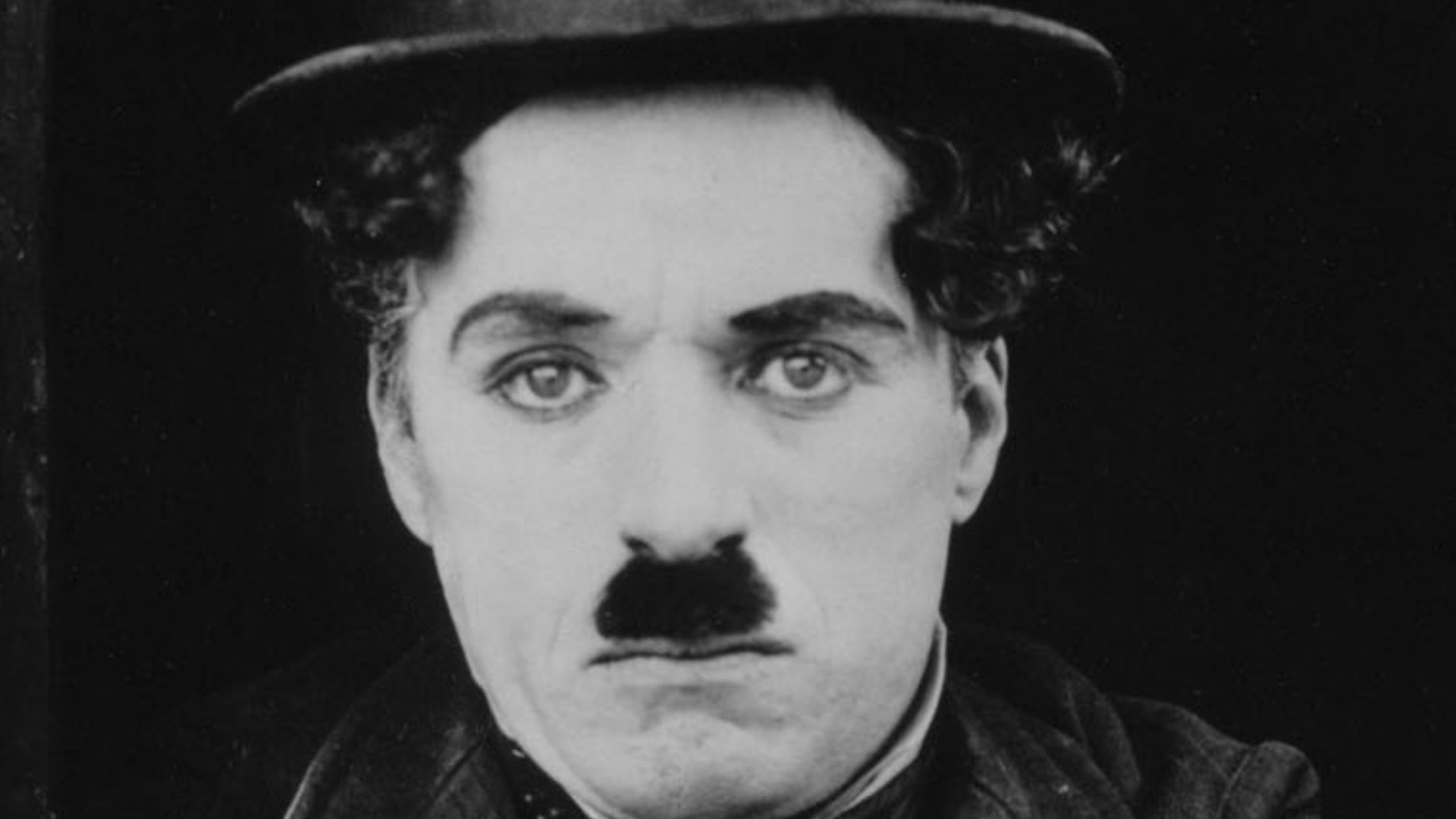
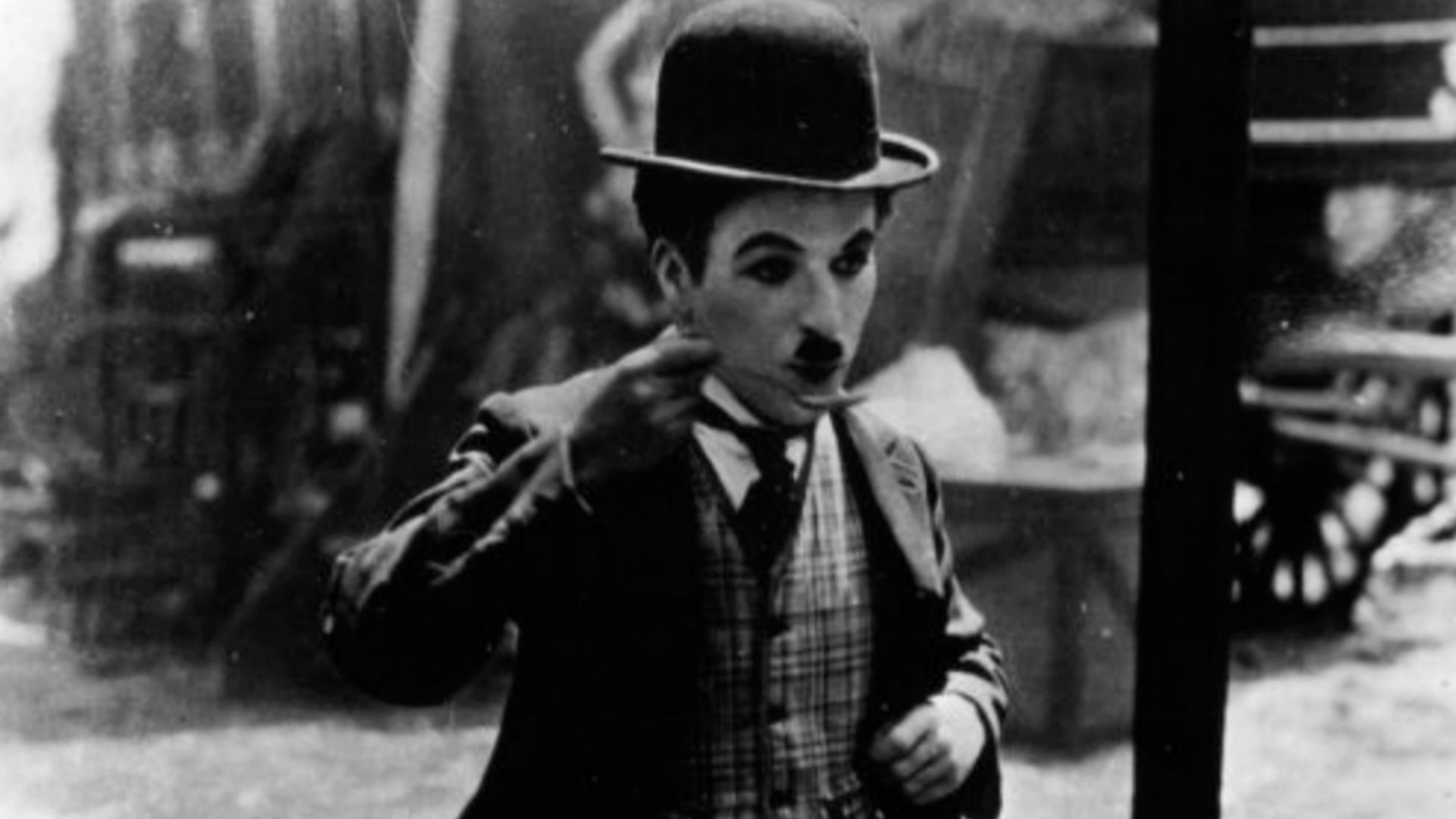
The contest took place in San Francisco during Chaplin's peak fame, when his Tramp character was the most recognizable face on earth. Judges scored contestants on their ability to mimic his signature waddle, twirling cane, and toothbrush mustache. Chaplin, performing as himself without exaggeration, reportedly finished in 20th place.
 First National, Wikimedia Commons
Charlie Chaplin’s Look-Alike Contest (Cont.)
The irony cuts deep as impersonators who overplayed every gesture beat the actual inventor of those gestures. Chaplin later recalled the experience with bemusement, noting that judges preferred caricature over authenticity. The real Chaplin was too subtle, too human.
 Charles Chaplin Productions, Wikimedia Commons
Olivia De Havilland’s Hollywood Lawsuit
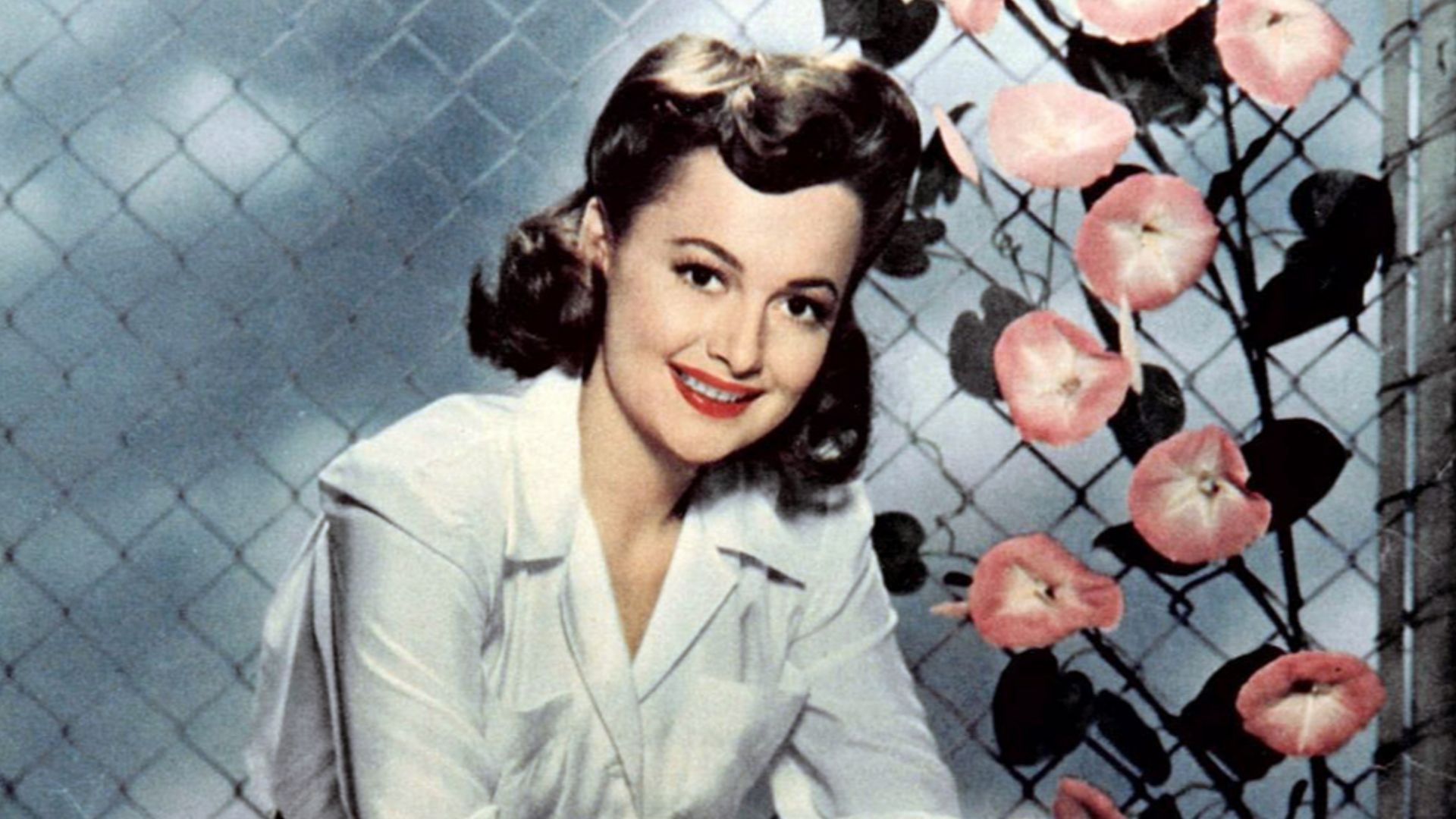
In 1943, Havilland did the unthinkable in old Hollywood: she sued Warner Bros, the studio that controlled her career. Like most actors then, she was bound by a contract that studios could endlessly extend by suspending performers who refused roles. De Havilland challenged this system after years of being typecast.
 Unknown authorUnknown author, Wikimedia Commons
Olivia De Havilland’s Hollywood Lawsuit (Cont.)
Against all odds, she won. The California court ruled that studios could not prolong contracts beyond seven calendar years. The landmark decision, now called the De Havilland Law, shattered the studio system’s grip and gave actors real freedom.
 Unknown authorUnknown author, Wikimedia Commons
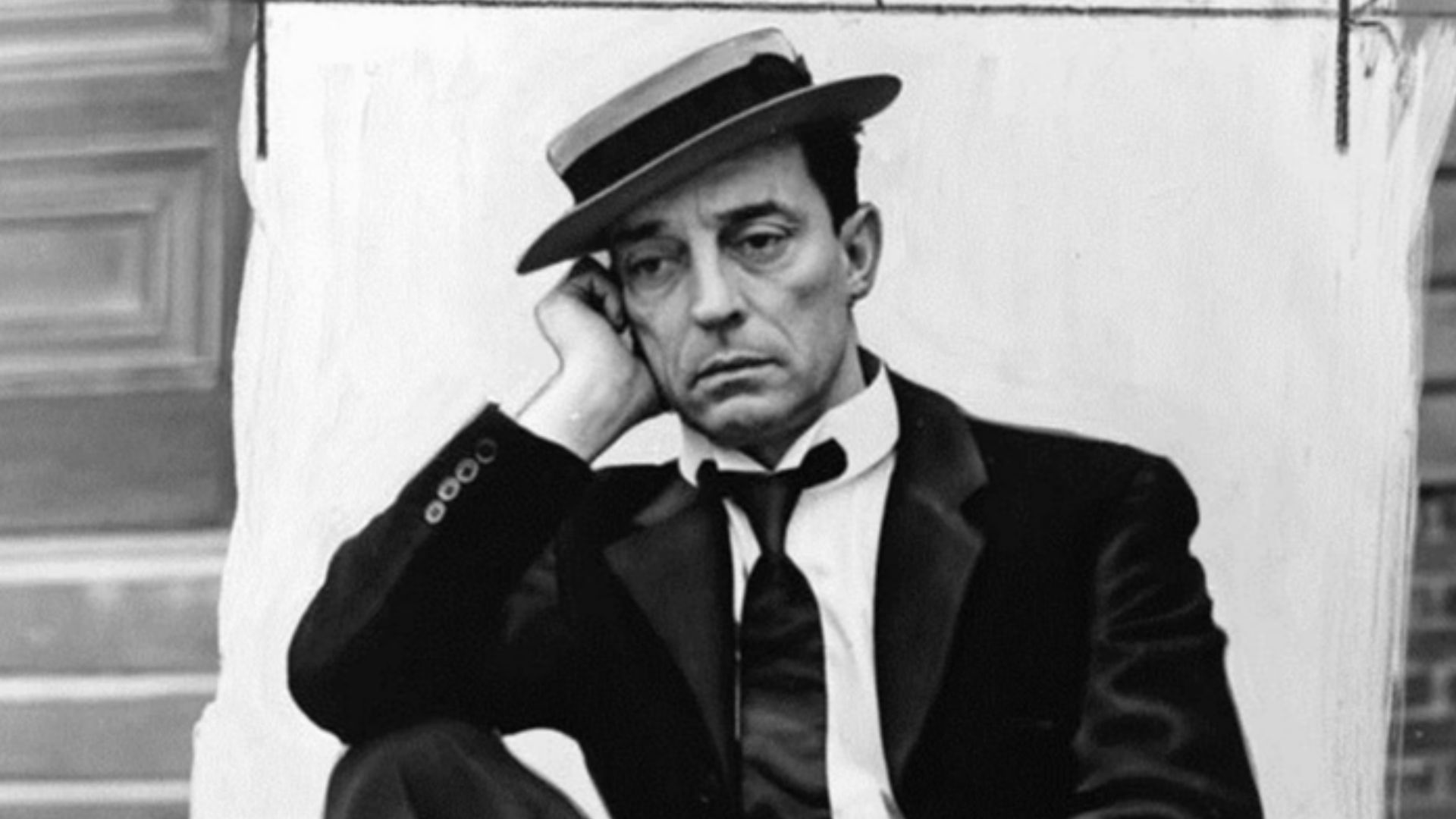
Buster Keaton’s Broken Neck Filming
Keaton fractured his neck during a stunt in Sherlock Jr when a collapsing water tank sent a torrent crashing down on him. The impact was brutal—you can see it in the film—but Keaton simply shook it off and kept shooting. He felt neck pain for years afterward.
 Screenshot from Sherlock Jr, Metro-Goldwyn Pictures (1924)
Buster Keaton’s Broken Neck Filming (Cont.)
Decades later, an X-ray finally revealed the truth: he'd been walking around with a broken neck since 1924. Keaton's reaction was reportedly casual, almost indifferent—classic Keaton. The injury had healed on its own, but imperfectly. That moment of silent-era toughness became legend.
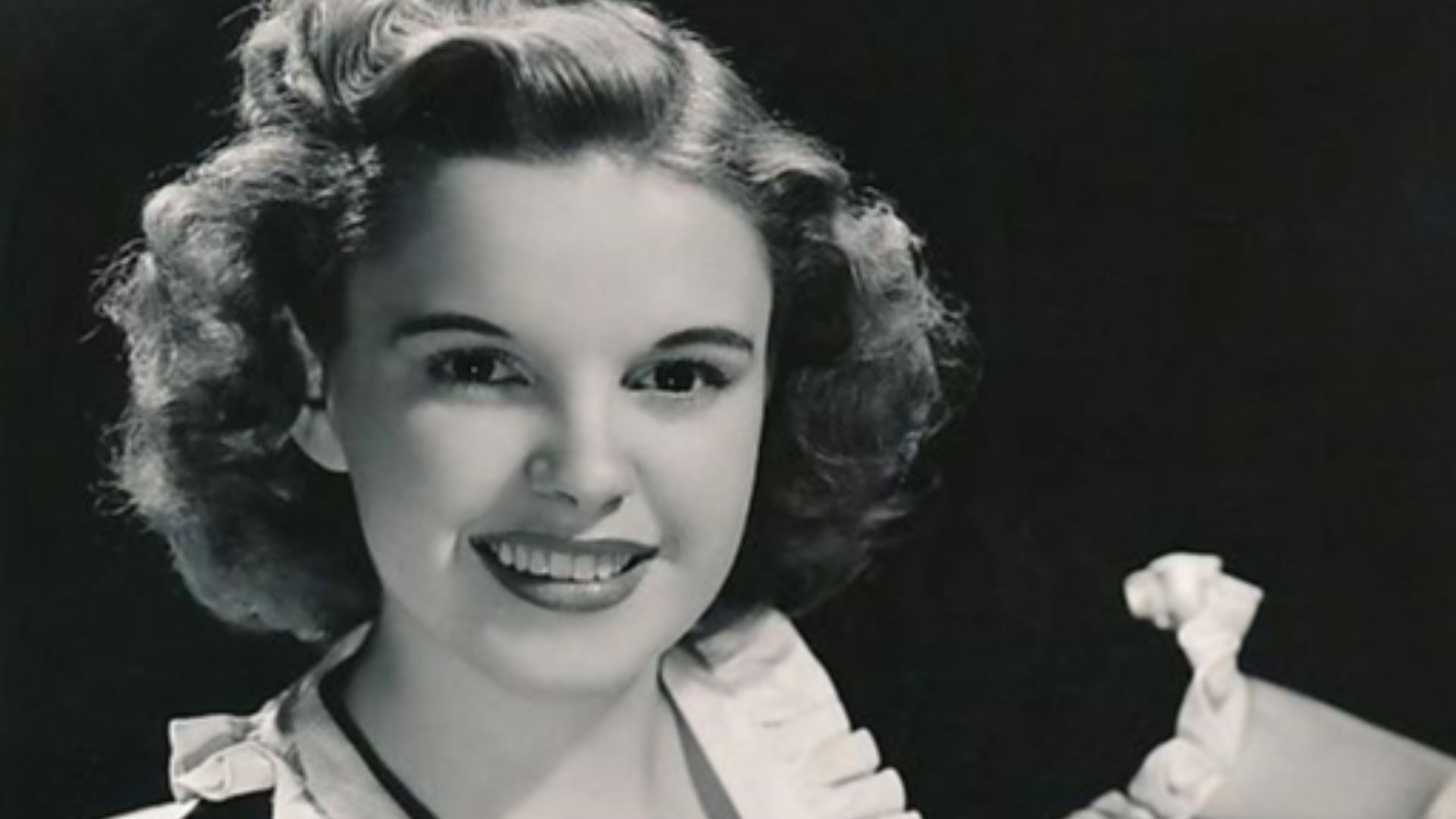
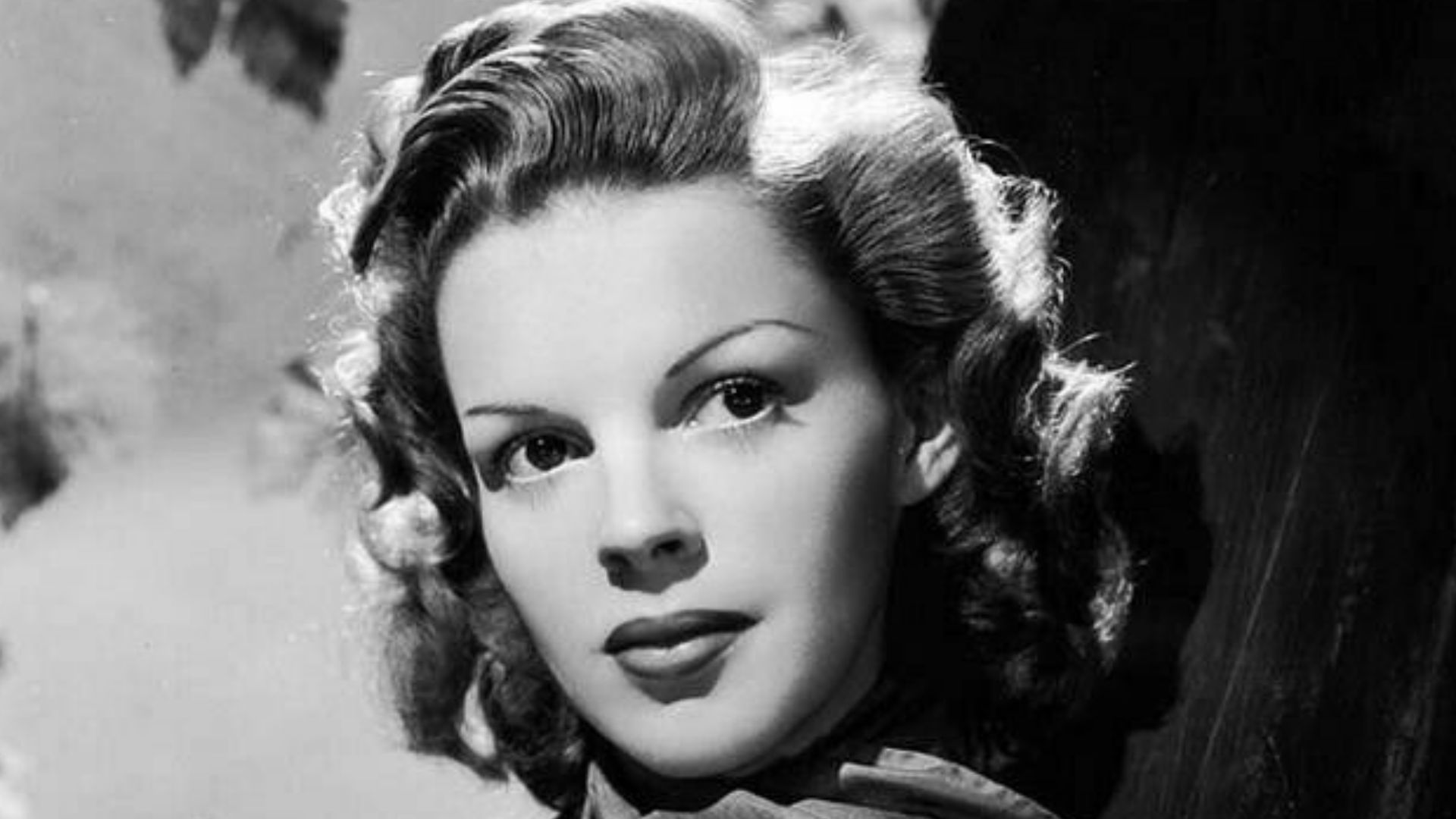
Judy Garland’s Speed As A Teenager
Garland was 16 when MGM put her on amphetamines to suppress her appetite and keep her rail-thin for the camera. Studio doctors handed out pills like candy—uppers to work 72 hours in a row, downers to sleep on command. This wasn't Hollywood excess; it was corporate policy.
 Metro-Goldwyn-Mayer, Wikimedia Commons
Judy Garland’s Speed As A Teenager (Cont.)
The consequences were catastrophic. Garland's addiction spiraled throughout her life, contributing to failed marriages, health crises, and her early death at 47. MGM treated her like machinery: wind her up, work her hard, medicate the breakdowns. What the studio called "management," history recognizes as abuse.
 Studio Publicity, Wikimedia Commons
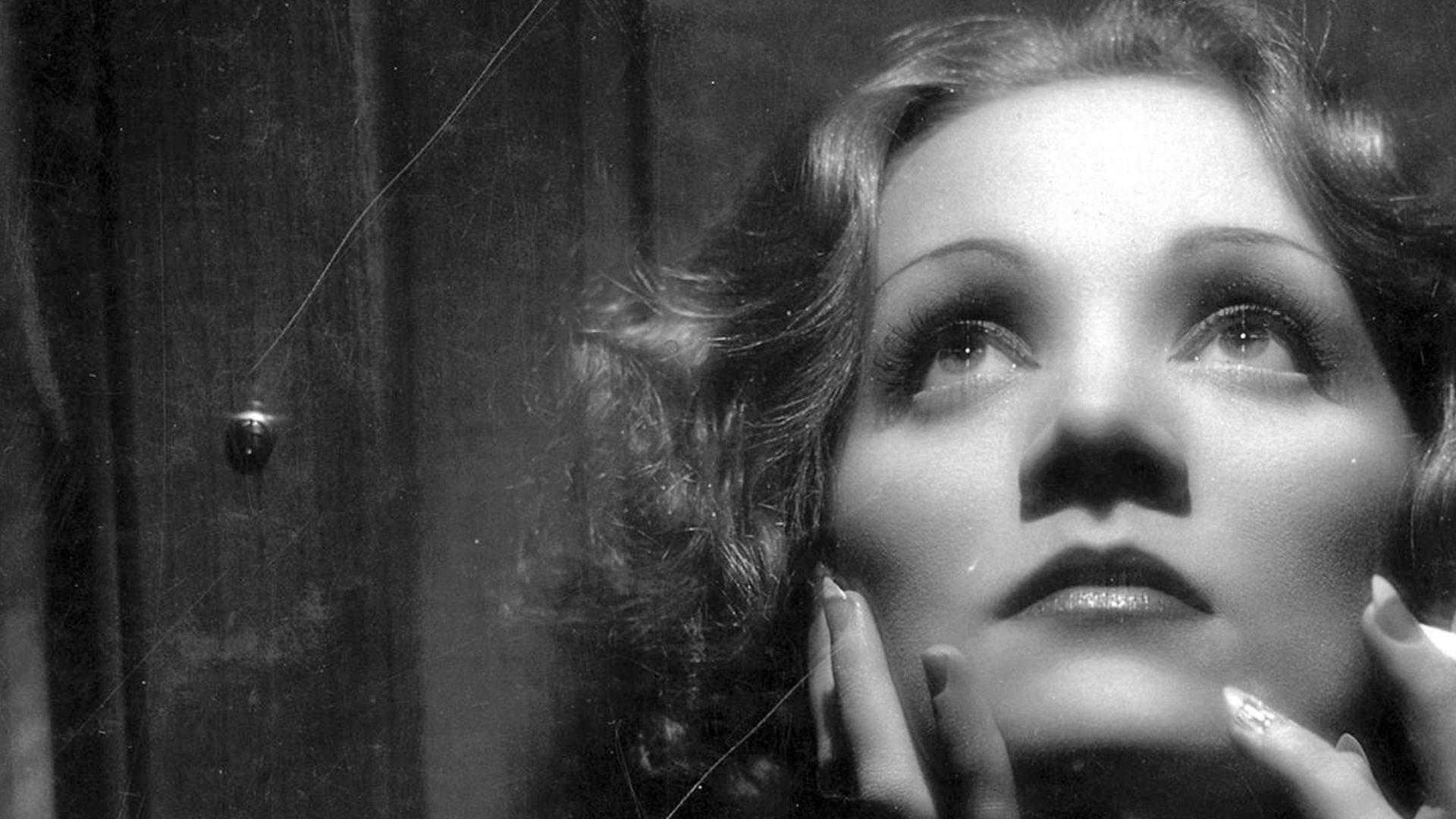
Marlene Dietrich’s Smuggling
While Dietrich dazzled audiences in films like Morocco and Shanghai Express, she was secretly funneling money to Jewish families fleeing the Nazi regime. She turned down lucrative offers from German studios after Hitler rose to power, essentially blacklisting herself from her homeland. Her defiance was personal and dangerous.
 Don English (1901-1964); Paramount Pictures, Wikimedia Commons
Marlene Dietrich’s Smuggling (Cont.)
During WWII, Dietrich took it further: she entertained Allied troops within miles of active combat zones, sometimes performing in freezing conditions near the front lines. The US awarded her the Medal of Freedom; France made her a Chevalier of the Legion of Honor.
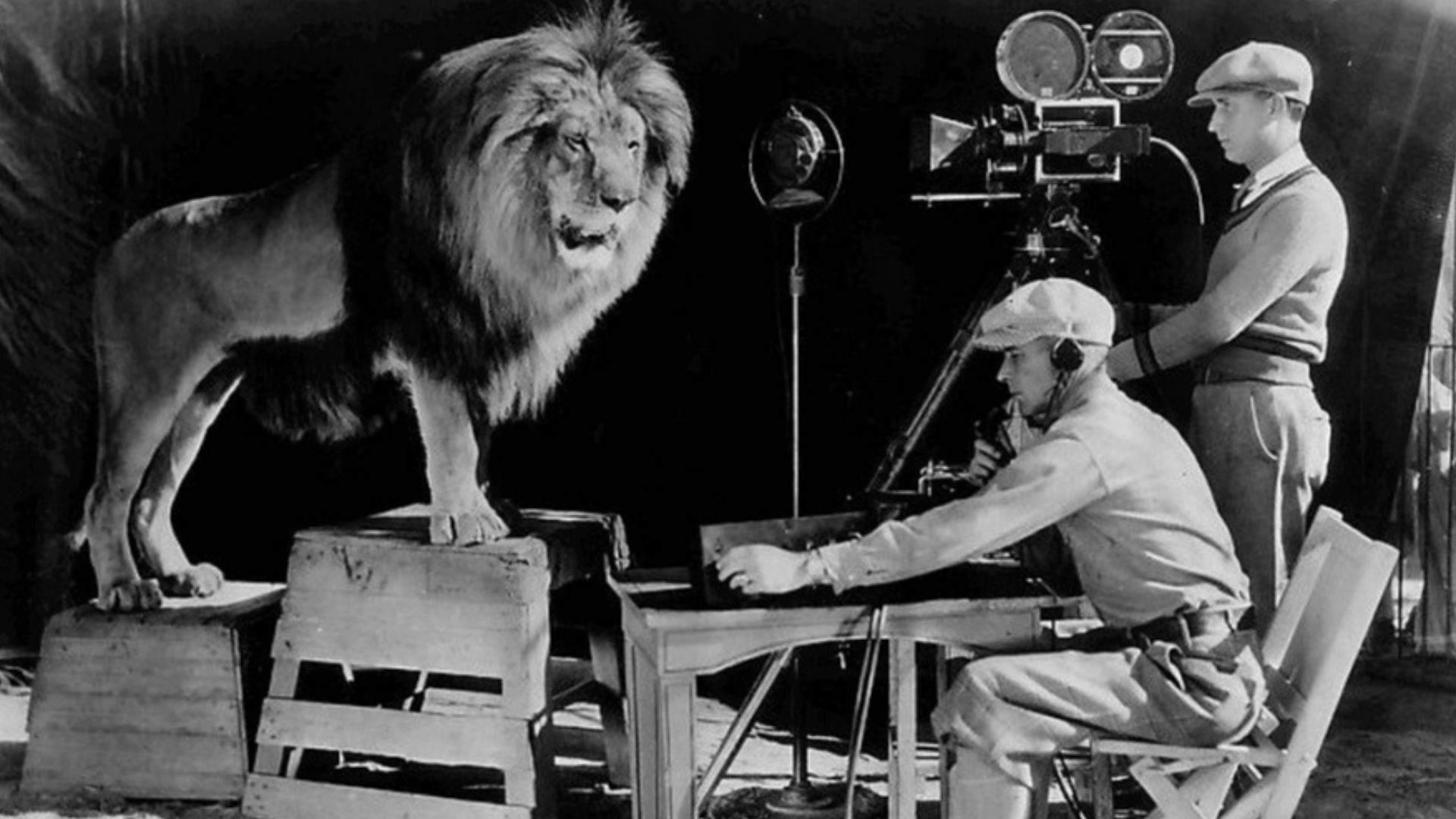
Real Lion On MGM's Lot
Jackie the Lion, one of several MGM mascots, was occasionally paraded around the studio lot in the 1920s and 30s as a living, breathing publicity stunt. Executives thought it projected power and prestige, a literal king of beasts representing the studio's dominance.
 Pacific & Atlantic Photos, Wikimedia Commons
Real Lion On MGM's Lot (Cont.)
Extras and lower-level employees didn't share the enthusiasm, reportedly scattering whenever the big cat made an appearance. The practice was as reckless as it sounds. This wasn't a sedated prop; this was a 400-pound predator on a leash, wandering past soundstages.

Hedy Lamarr’s Co-Invention
Lamarr wasn't just a stunning face in films like Algiers and Samson and Delilah, she was a legitimate inventor. In 1942, she co-developed a frequency-hopping system designed to prevent enemy forces from jamming Allied torpedo signals during World War II. The patent was revolutionary.
 MGM / Clarence Bull, Wikimedia Commons
Hedy Lamarr’s Co-Invention (Cont.)
The US Navy ignored it. Officials dismissed the idea, possibly because they couldn't take a Hollywood actress seriously as a scientist. Decades later, her frequency-hopping concept became foundational to Bluetooth, Wi-Fi, and GPS technology. Lamarr received almost no recognition during her lifetime.

Hollywood’s Vanishing Masterpieces
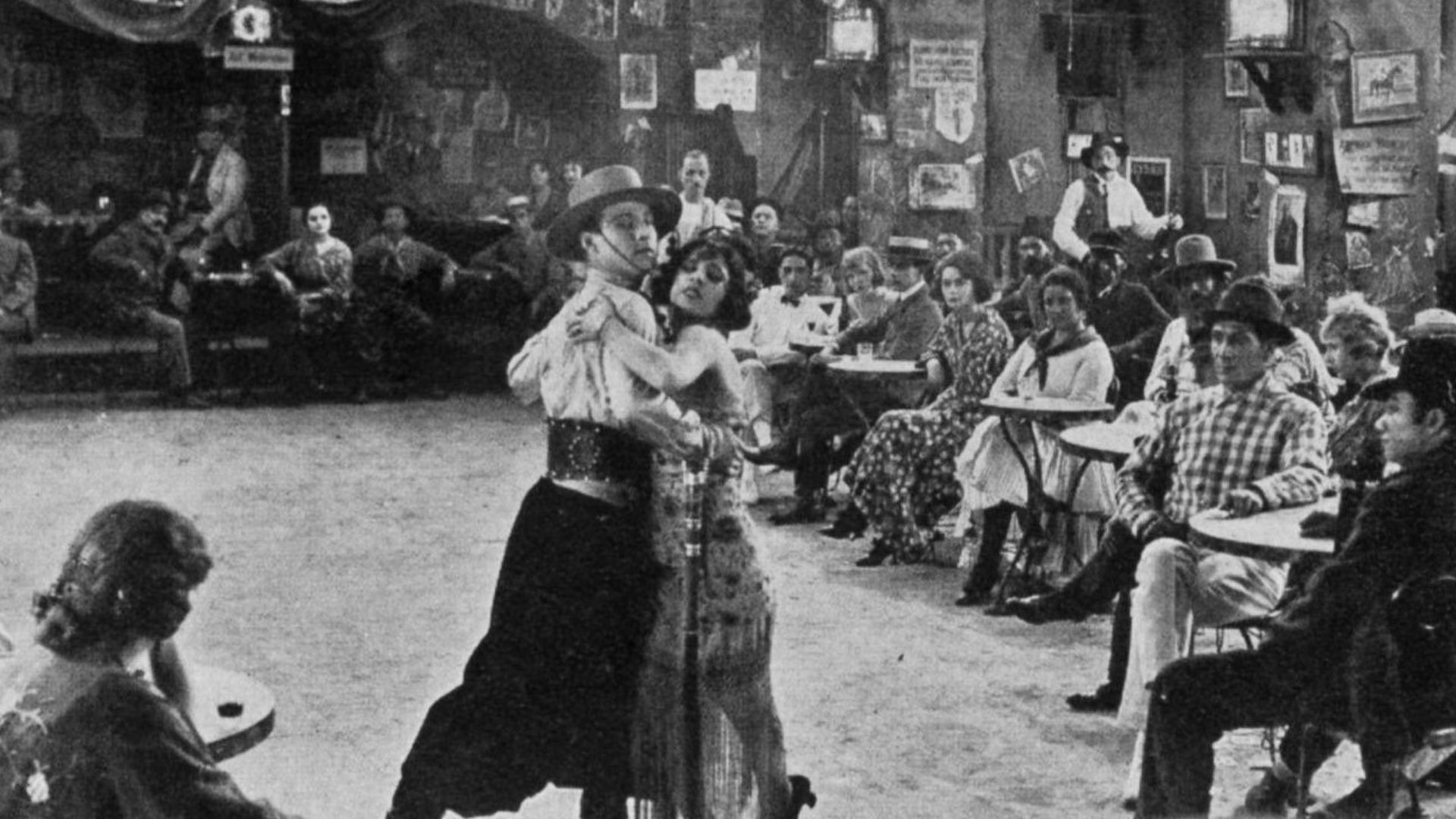
During Hollywood’s transition to sound in the late 1920s, studios deliberately destroyed thousands of silent film prints. Silent movies were considered obsolete, and storing them cost money. Worse, many were shot on highly flammable nitrate film, which studios viewed as a safety risk rather than a cultural treasure.
 Metro Pictures Corporation (still), Wikimedia Commons
Hollywood’s Vanishing Masterpieces (Cont.)
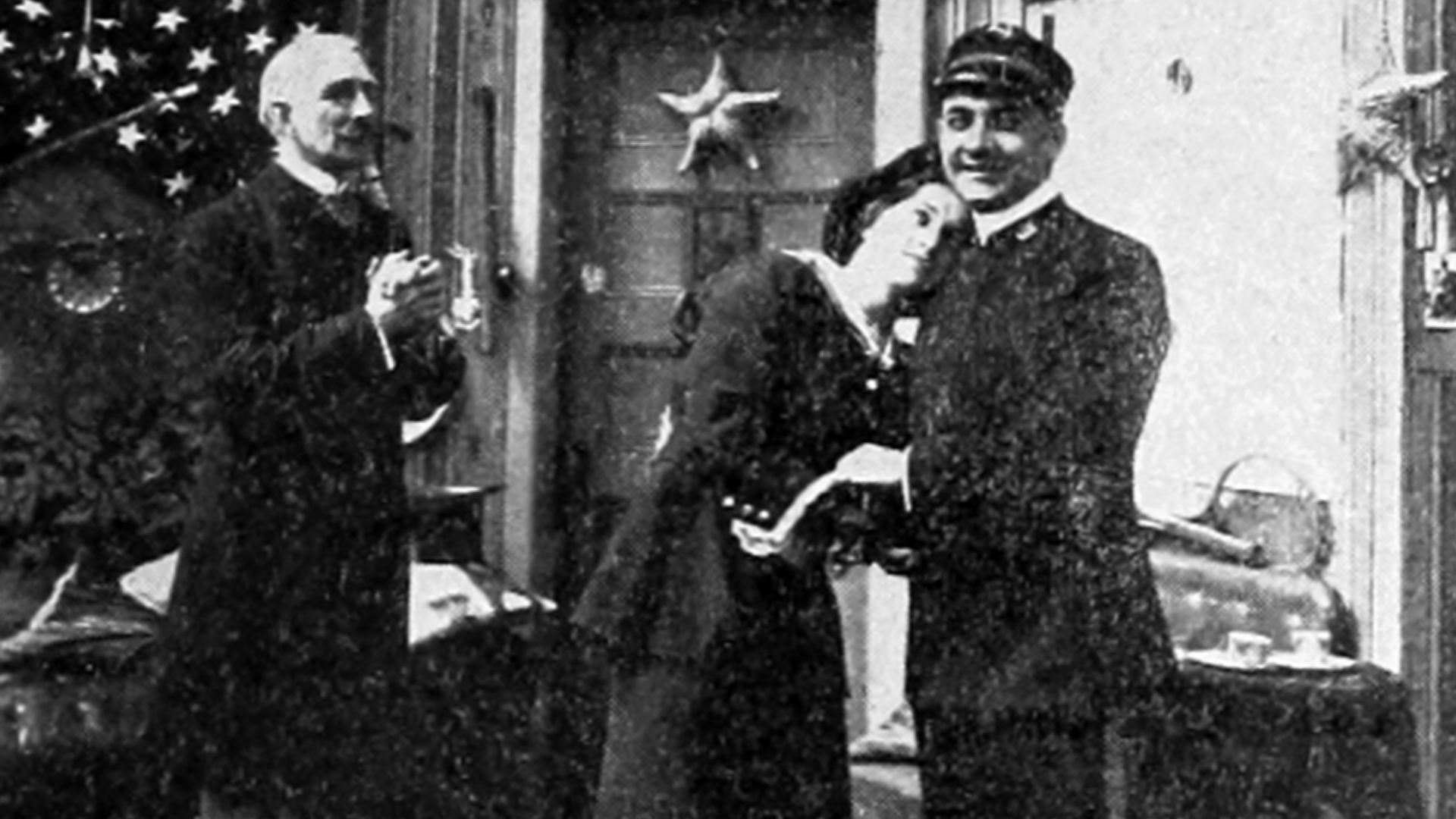
Executives also feared reissues might compete with new “talkies,” so negatives were dumped, burned, or chemically recycled for silver. As a result, an estimated 70–90% of American silent films are now lost forever. What should have been cinema’s foundation was treated like trash.
 Éclair Film Company, Wikimedia Commons
Frances Farmer’s Institutionalization
This individual’s career imploded after she clashed repeatedly with studio bosses and refused to play the Hollywood game. By 1943, her defiance had consequences: she was arrested, declared mentally unstable, and committed to a psychiatric institution. What followed remains one of Hollywood's most horrifying chapters.
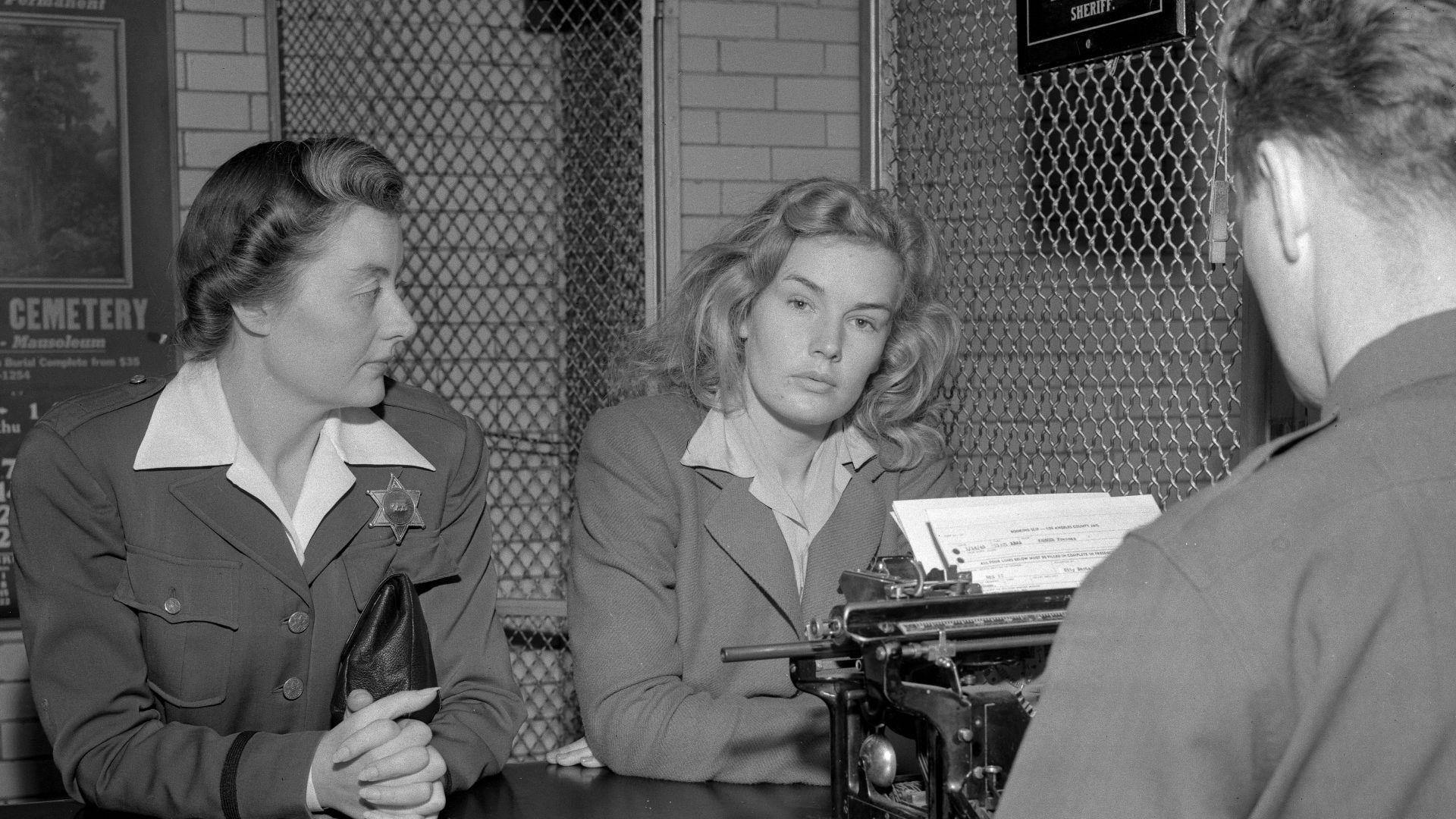 Los Angeles Times, Wikimedia Commons
Frances Farmer’s Institutionalization (Cont.)
Her mother and studio executives allegedly collaborated to have her locked away, framing rebellion as insanity. Farmer later wrote about the nightmare, describing brutal conditions and treatments that amounted to torture. Whether she actually received a lobotomy remains disputed, but the broader truth is undeniable.
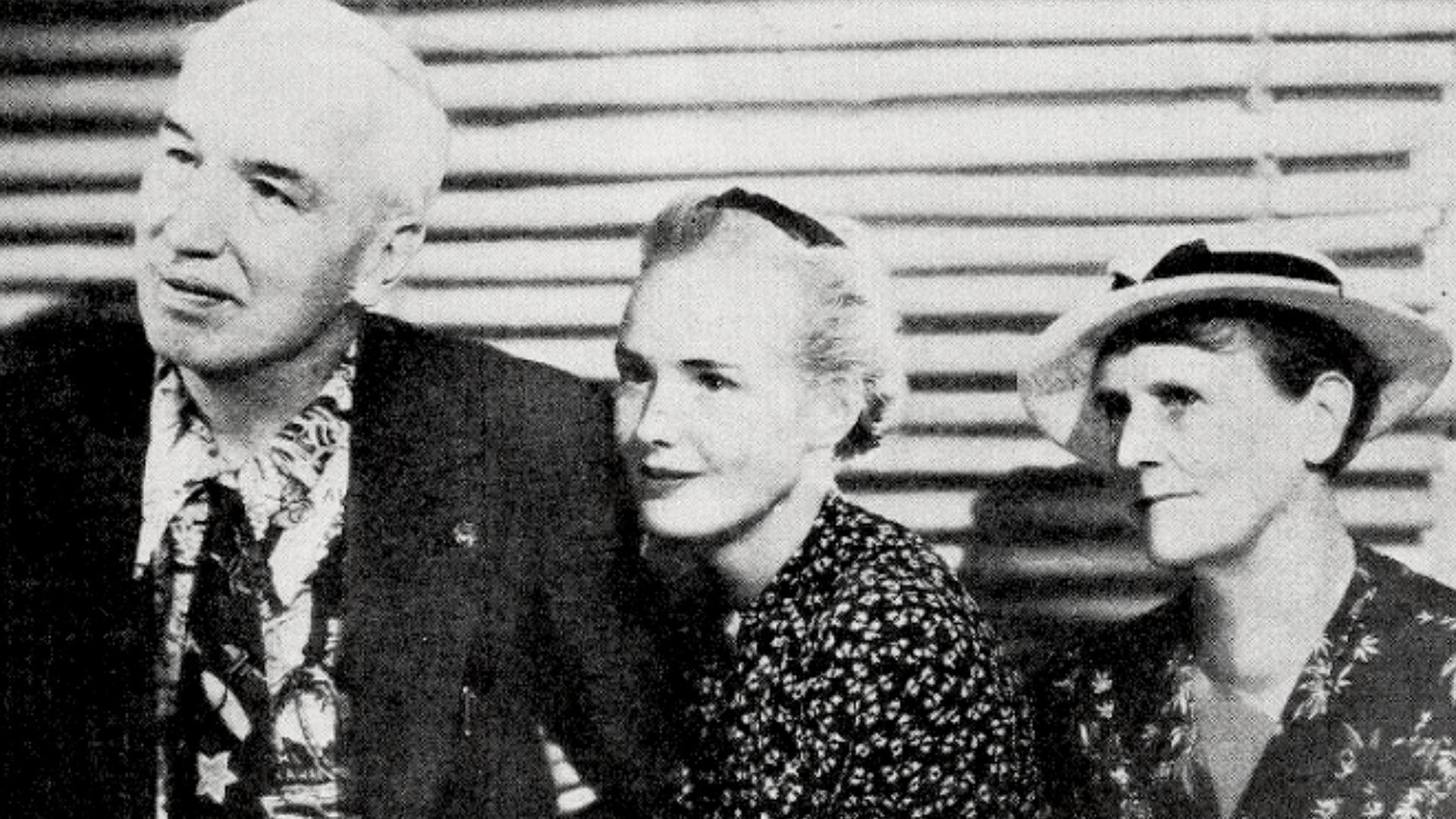 Unknown authorUnknown author, Wikimedia Commons
Gene Kelly’s "Singin' In The Rain" Dance
Kelly was running a 103-degree fever when he filmed the iconic title number, splashing through puddles in a soaking wool suit. The scene took multiple days to shoot, requiring the star to perform the same energetic choreography over and over while genuinely ill.
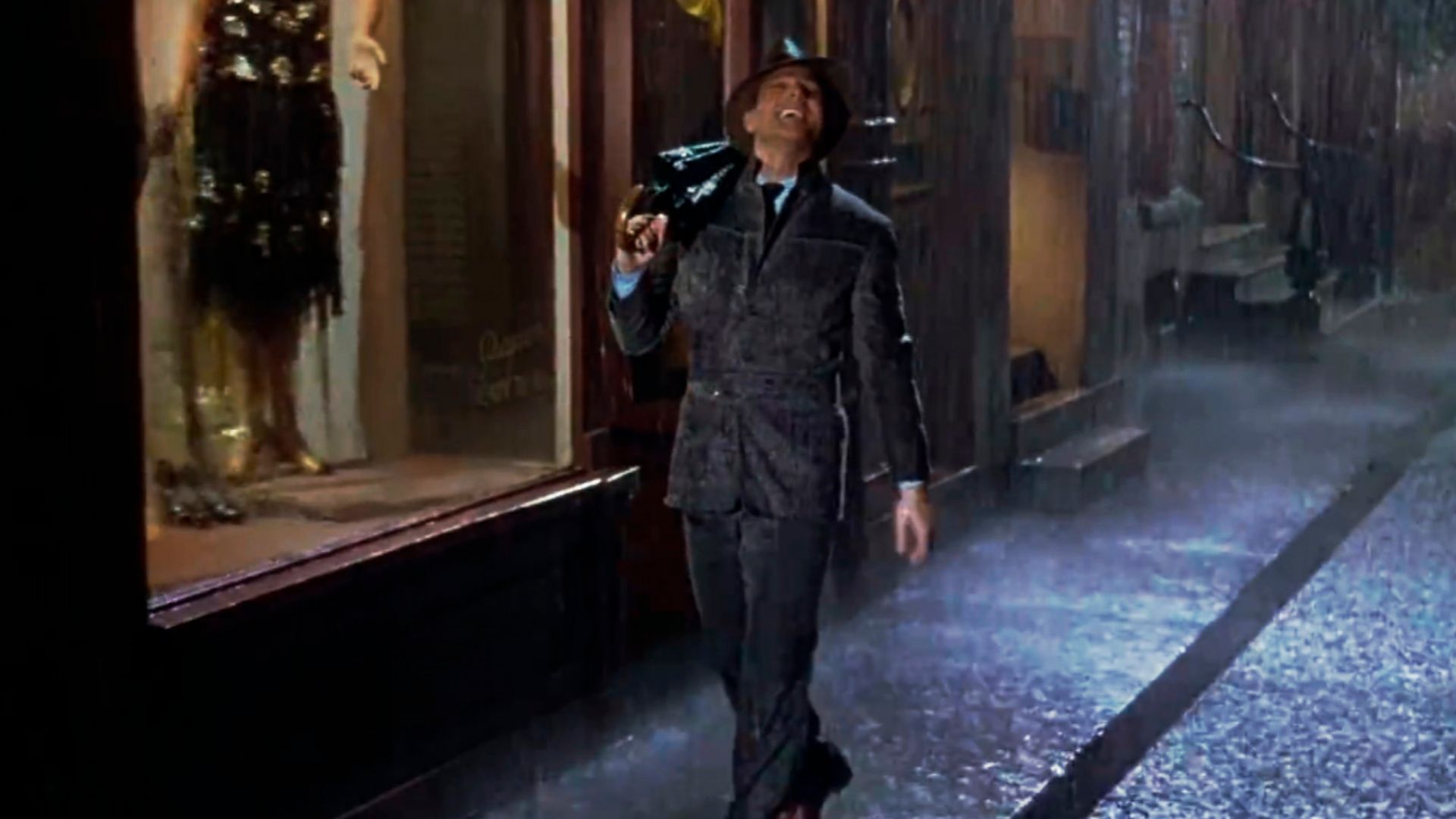 Metro-Goldwyn-Mayer, Wikimedia Commons
Gene Kelly’s "Singin' In The Rain" Dance (Cont.)
The cheerful exuberance audiences see on screen masks physical agony. Kelly's commitment to perfection meant working through pain, fever, and exhaustion without complaint. The most joyful moments in cinema history were often created under punishing conditions. Kelly's smile was real, but so was his suffering.
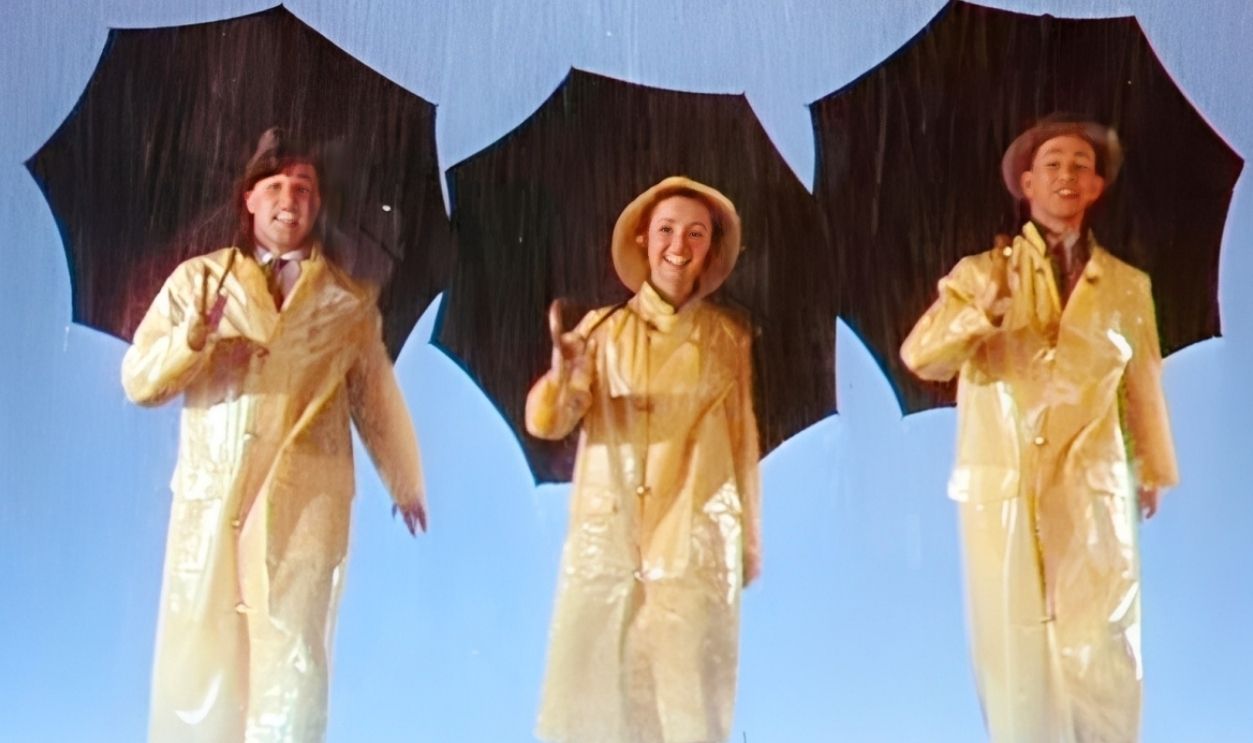 Trailer screenshot, Wikimedia Commons
Studios Controlled Who Actors Could Date
Morality clauses in studio contracts gave executives veto power over actors' romantic lives, including who they dated, when they married, and whether relationships went public. Studios arranged fake dates for publicity, forced stars into sham marriages to hide homosexuality, and sometimes forbade real relationships that didn't fit the desired image.

Studios Controlled Who Actors Could Date (Cont.)
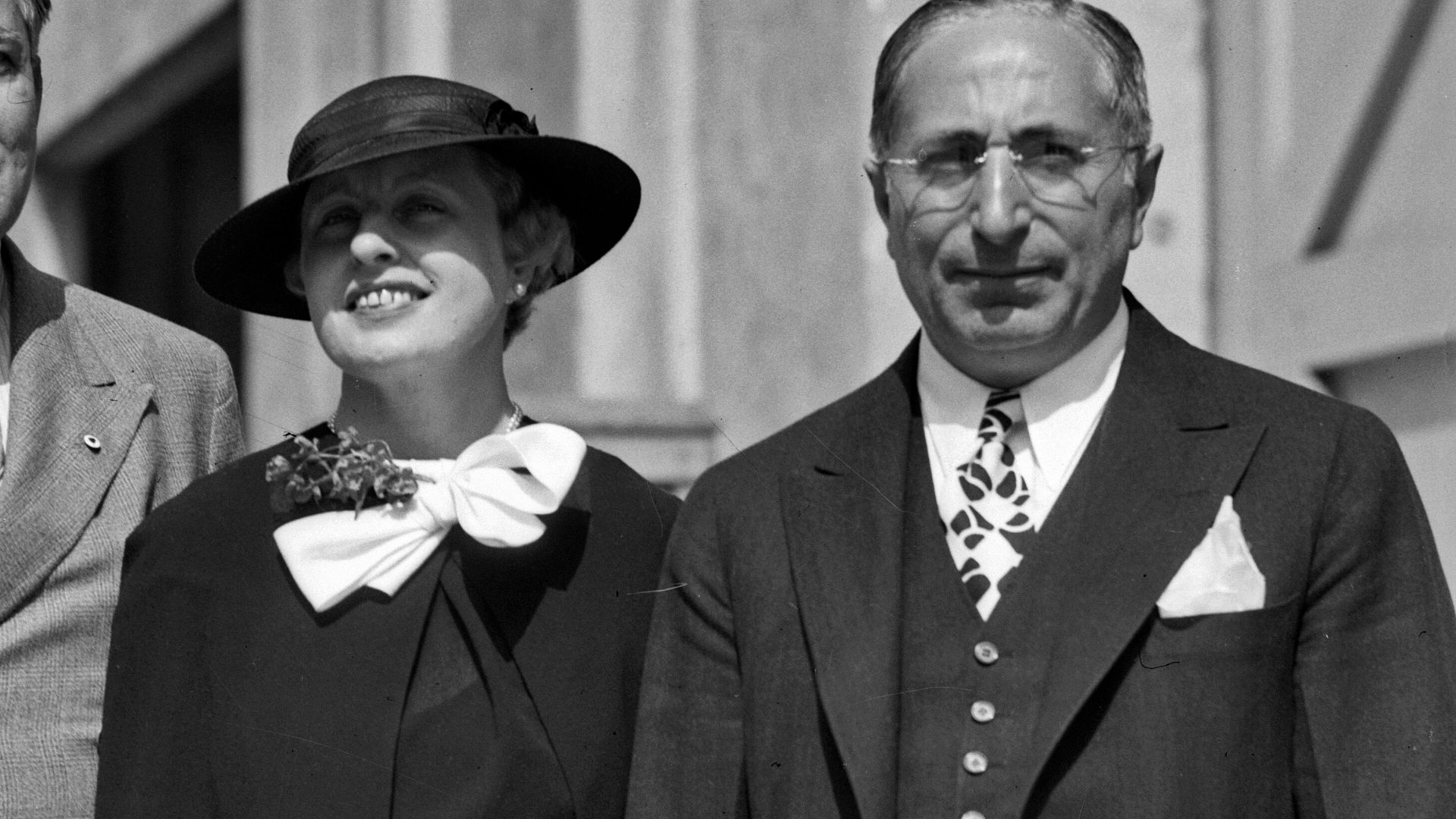
Louis B Mayer at MGM was particularly controlling, treating stars' personal lives as corporate assets. The system destroyed genuine relationships and forced countless actors into elaborate deceptions. Rock Hudson's studio-arranged marriage to his agent's secretary is just one famous example among hundreds.
 Los Angeles Times, Wikimedia Commons
Shirley Temple’s Wartime Propaganda
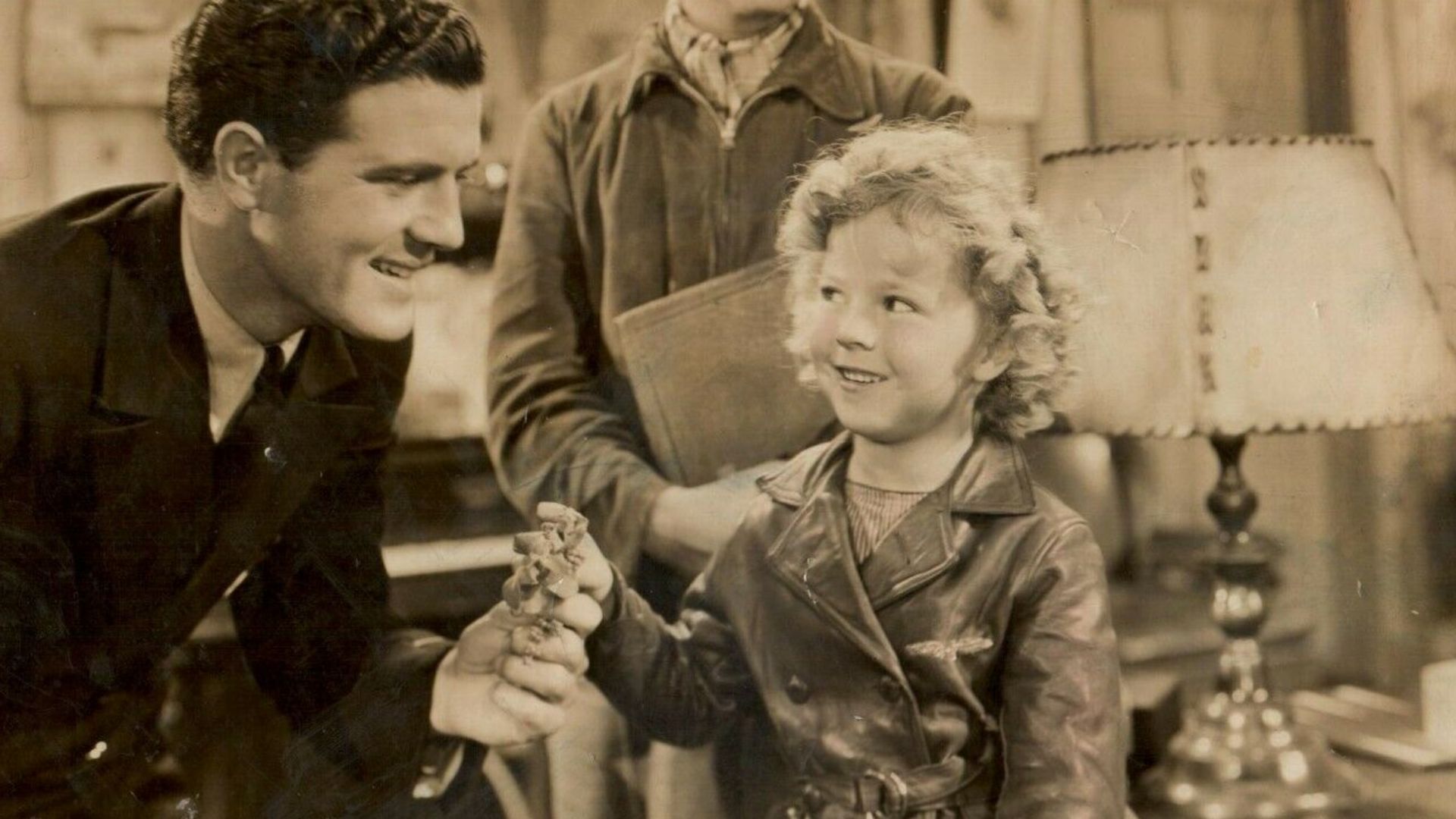
Temple wasn't just a child star—she became a diplomatic tool during WWII. The US government positioned her as the embodiment of American innocence and optimism, using her image in war bond campaigns and morale-boosting materials. At age 11, she was meeting with world leaders.
 Fox Film Corp, Wikimedia Commons
Shirley Temple’s Wartime Propaganda (Cont.)
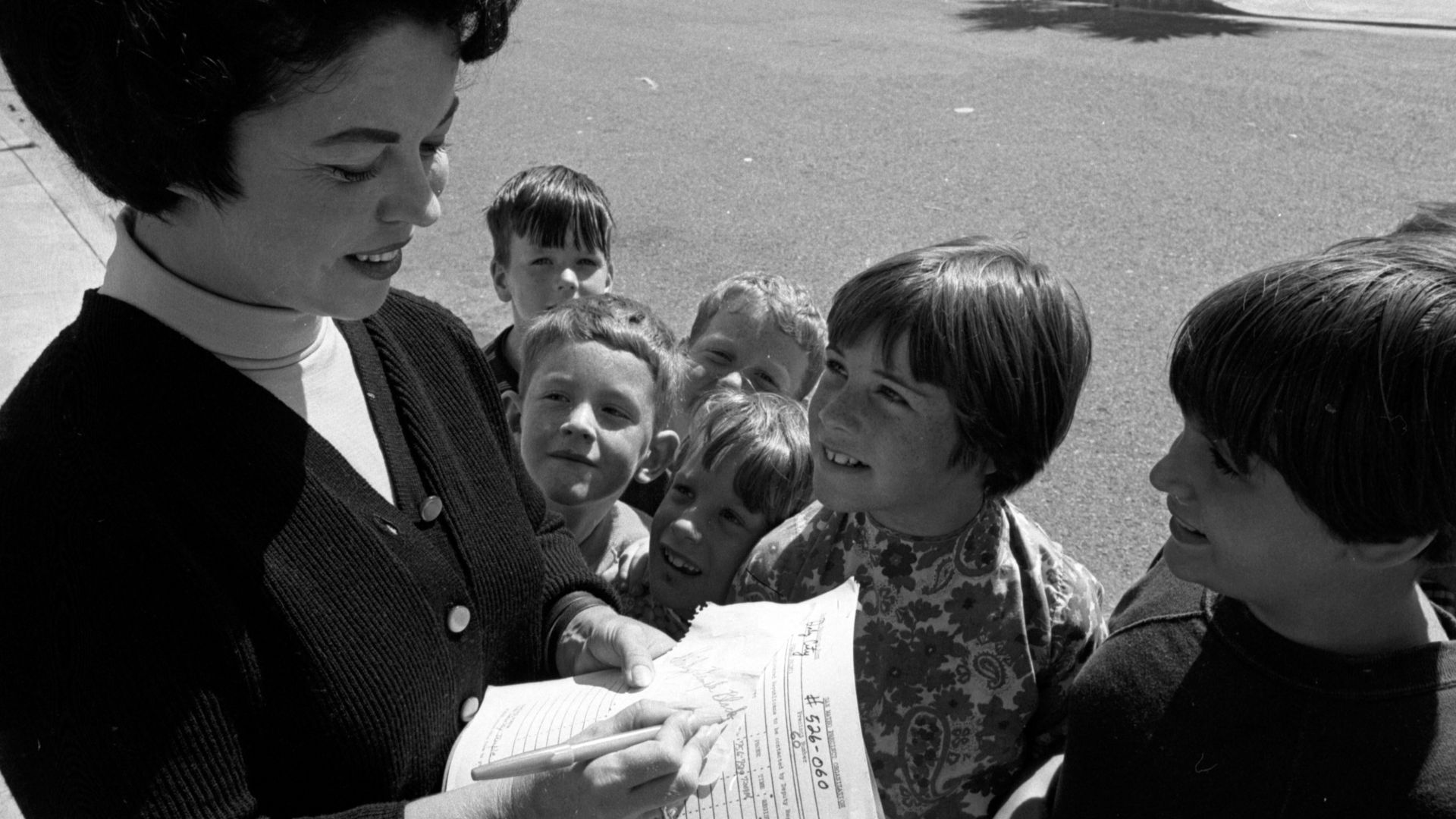
Her films were strategically released to distract from war anxieties and boost public spirits. The government understood Temple's power: her dimpled smile could sell hope more effectively than any political speech. The star was essentially weaponized wholesomeness, a child whose career was hijacked for propaganda purposes.
 Don Cormier, Los Angeles Times, Wikimedia Commons