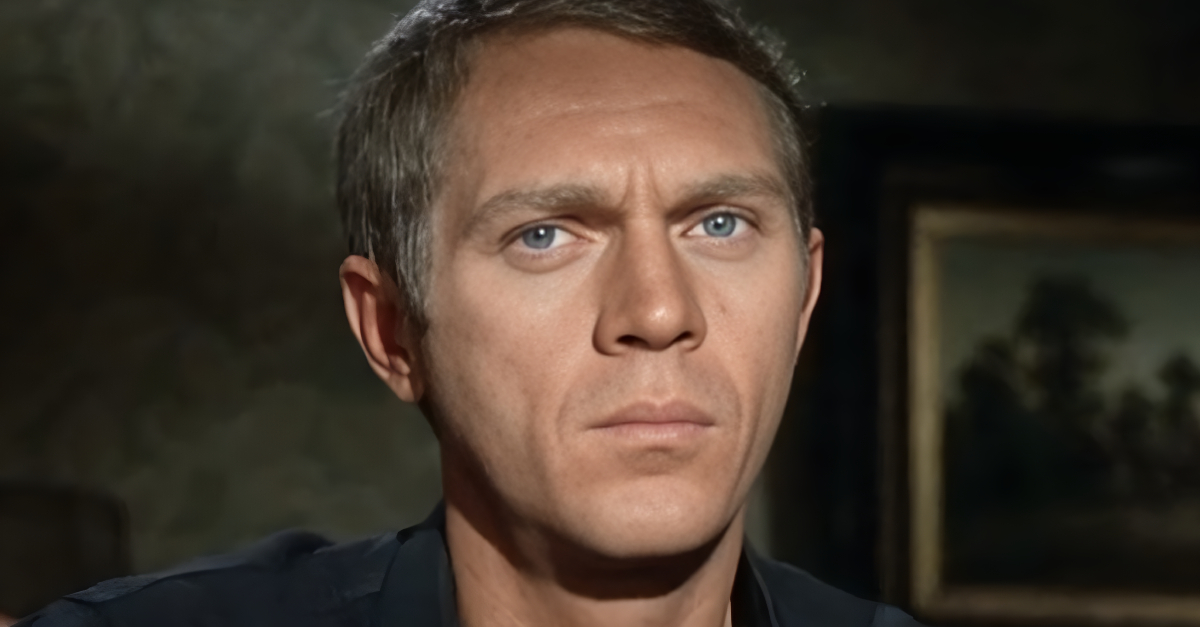
Two legends. One family argument.
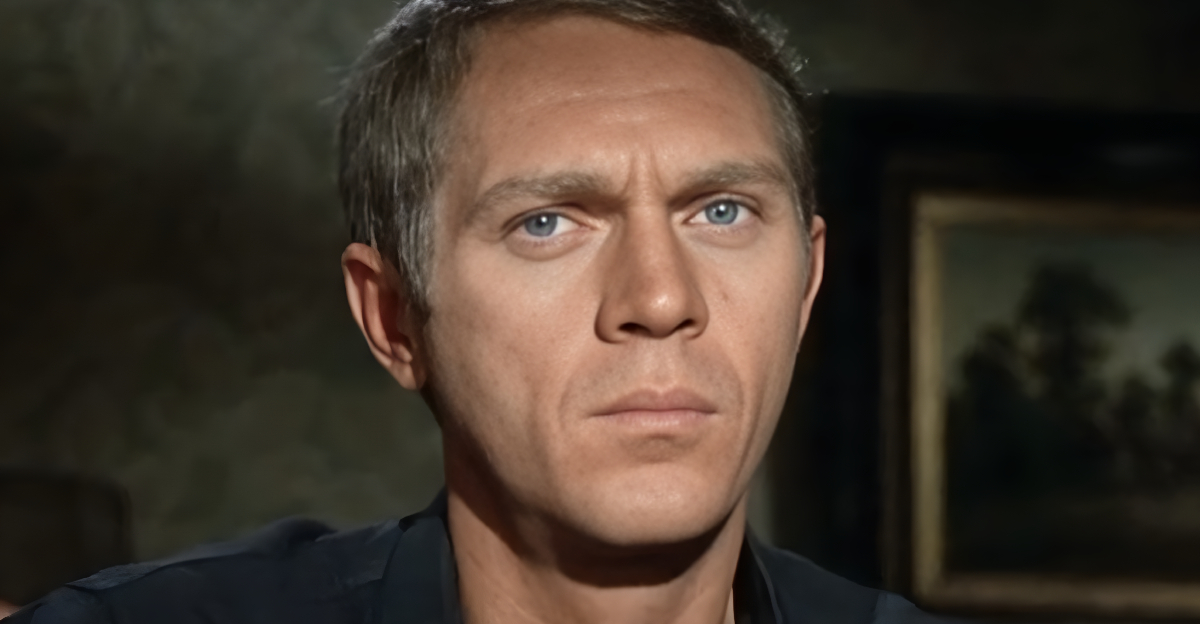
At some point, this argument happens in almost every family. Your dad insists Steve McQueen was the real deal—cool, dangerous, unpredictable. Your grandfather doesn’t even hesitate: John Wayne. End of discussion.
John Wayne: The original American tough guy
Before modern antiheroes, there was John Wayne. In films like The Searchers, True Grit, and Rio Bravo, he didn’t just play strong men—he defined what American toughness looked like. Think Ethan Edwards framed in that doorway at the end of The Searchers. Broad shoulders. Slow walk. Absolute certainty.
Steve McQueen: The king of cool danger
Then came McQueen. In Bullitt, The Great Escape, and Papillon, he wasn’t booming or theatrical. He was quiet. Watchful. Slightly unpredictable. Whether he’s calmly gearing up for a showdown in The Getaway or bouncing a baseball off the wall in solitary, he didn’t seem like he was acting tough—he seemed like he just was.
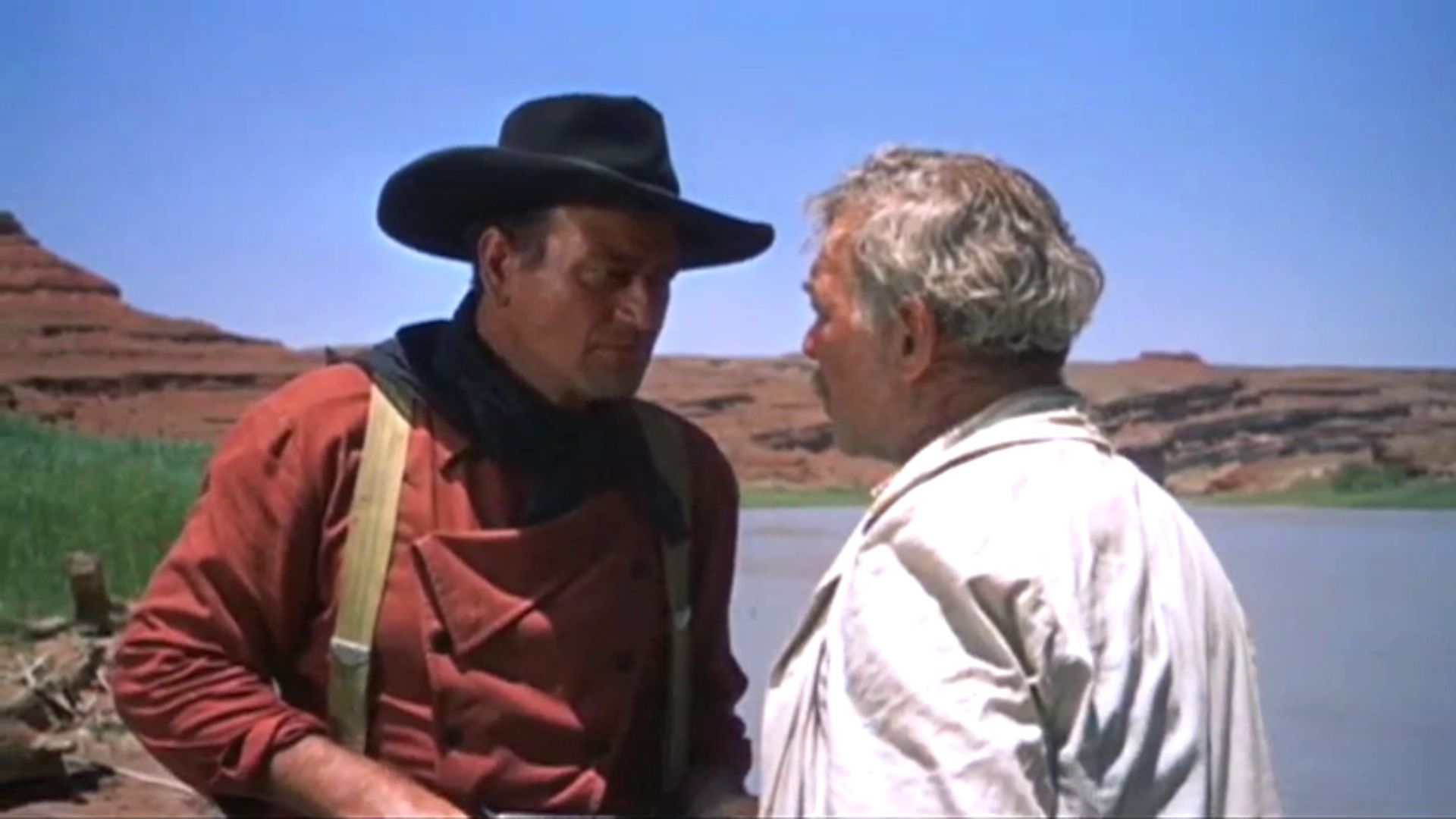
John Wayne: A presence you couldn’t manufacture
At 6-foot-4, Wayne filled the frame without trying. When he squared off in Rio Bravo or The Man Who Shot Liberty Valance, he barely had to move. He stood there—and the scene bent around him.
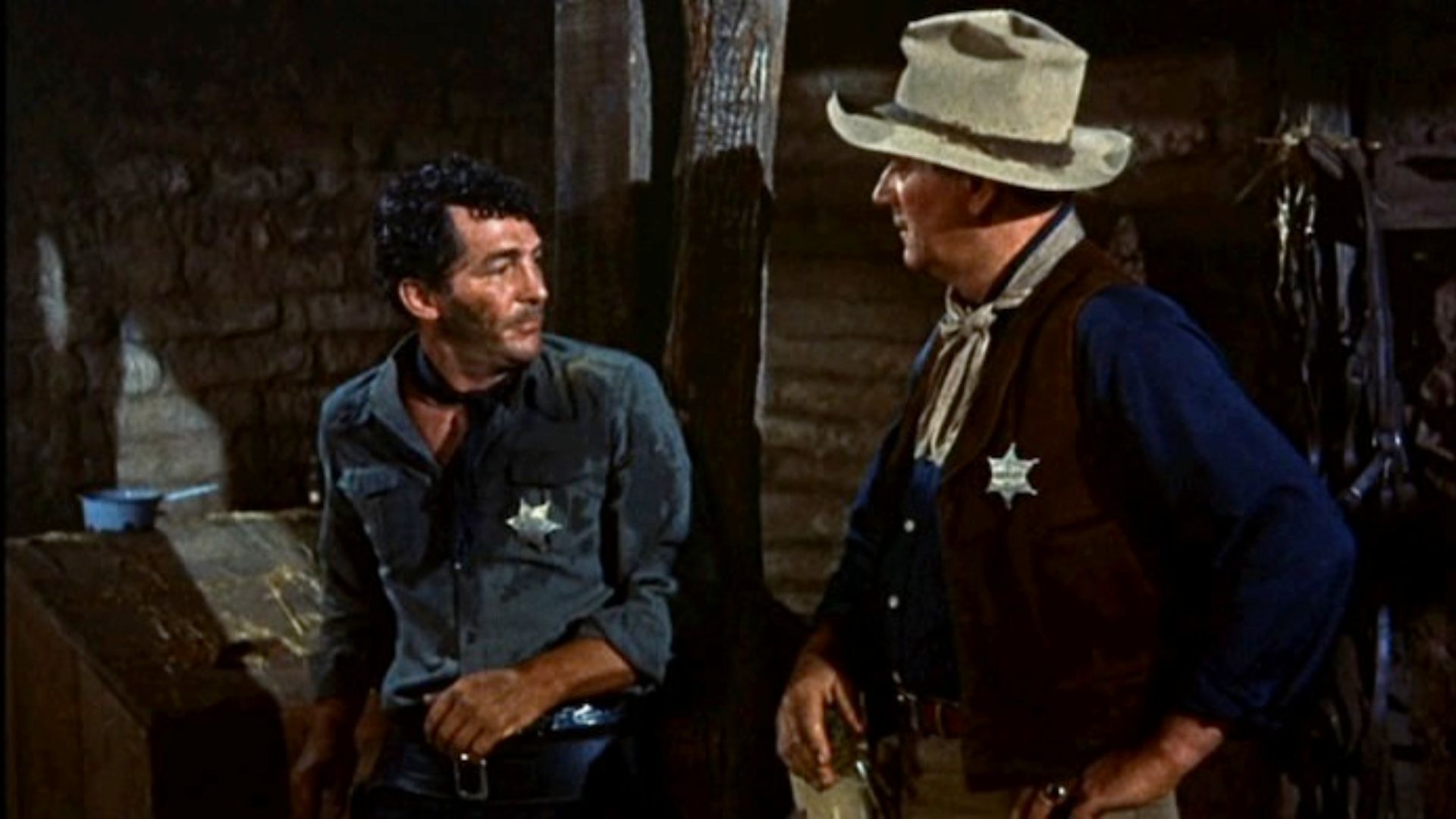 Trailer screenshot, Wikimedia Commons
Steve McQueen: A rough beginning
McQueen didn’t grow up comfortable. He bounced between relatives, joined street gangs, and was eventually sent to reform school. His edge wasn’t a studio invention—it was there long before Hollywood called.
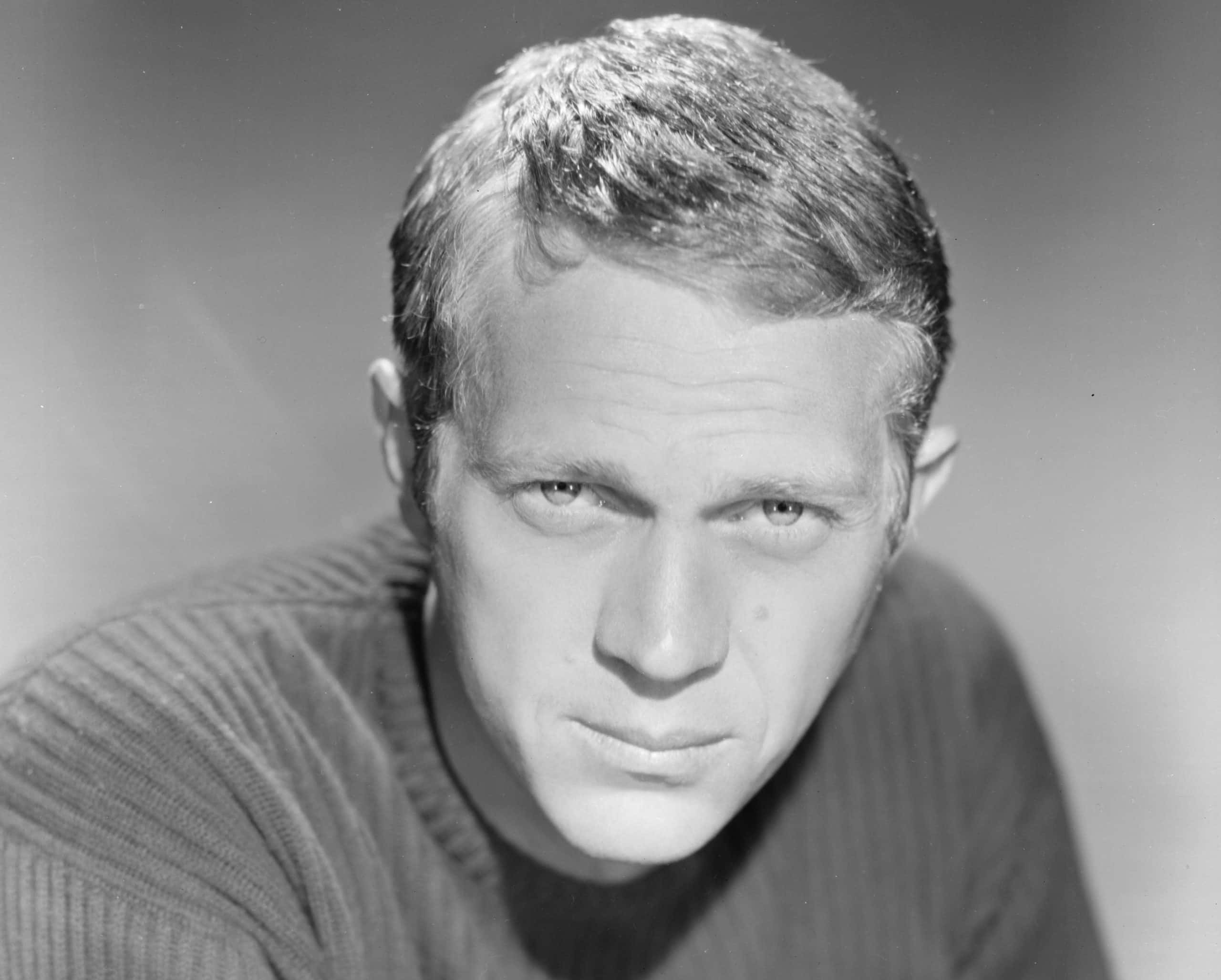
John Wayne: The voice alone could command a room
That gravelly delivery made simple lines sound like law. When Rooster Cogburn charges on horseback in True Grit, reins in his teeth and barreling straight into danger, it’s ridiculous and intimidating at the same time—and somehow it works.
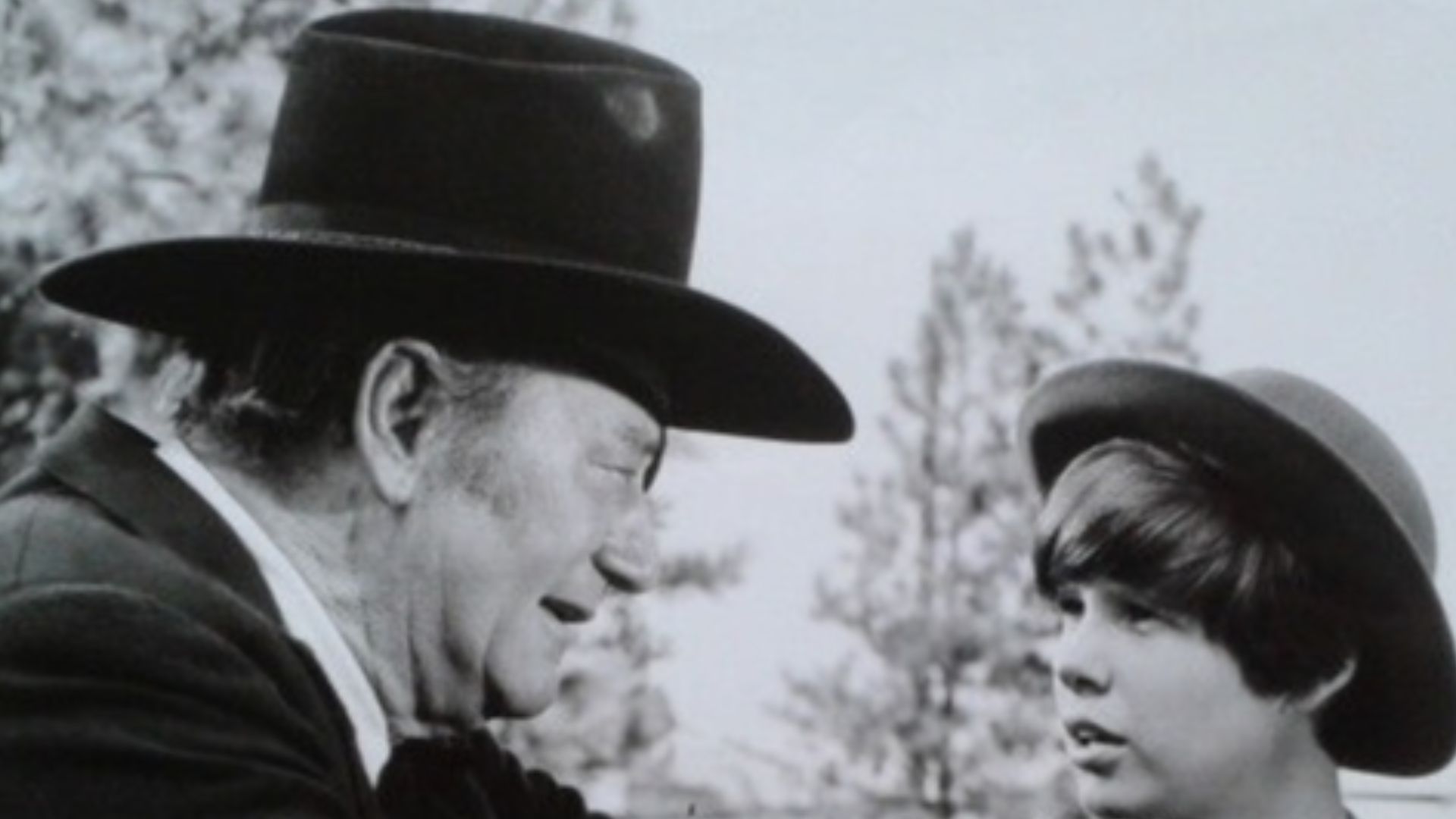 Unknown authorUnknown author, distributed by: Paramount Pictures, Wikimedia Commons
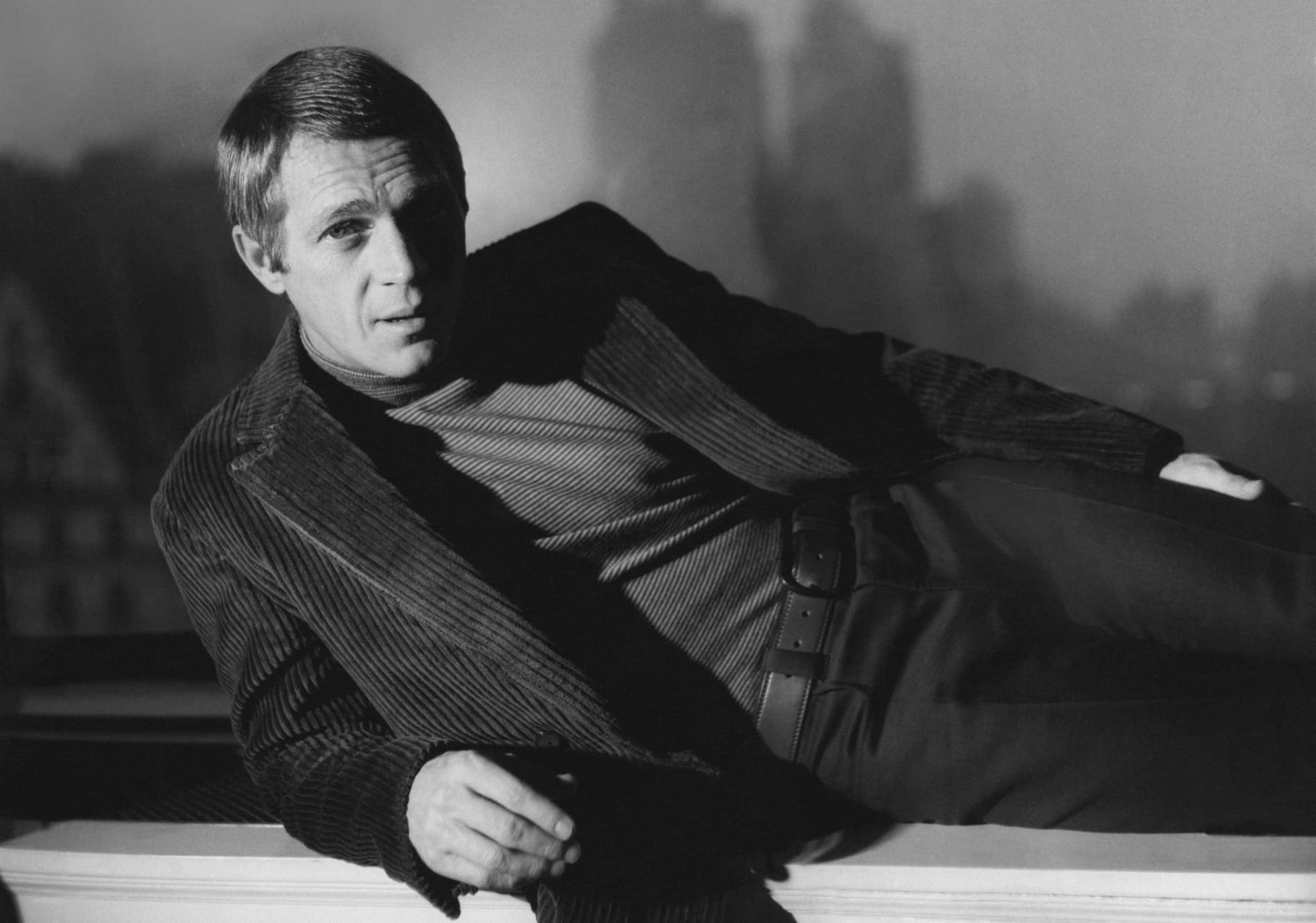
Steve McQueen: Reform school that reshaped him
McQueen later credited the California Junior Boys Republic with helping turn him around. Structure gave him discipline—but it didn’t smooth out the rebellion. That tension became his on-screen electricity.
John Wayne: The war hero image
In Sands of Iwo Jima, Wayne became synonymous with American military strength. The role earned him an Academy Award nomination, and for a generation of moviegoers, “Sergeant Stryker” didn’t feel like acting. It felt official.
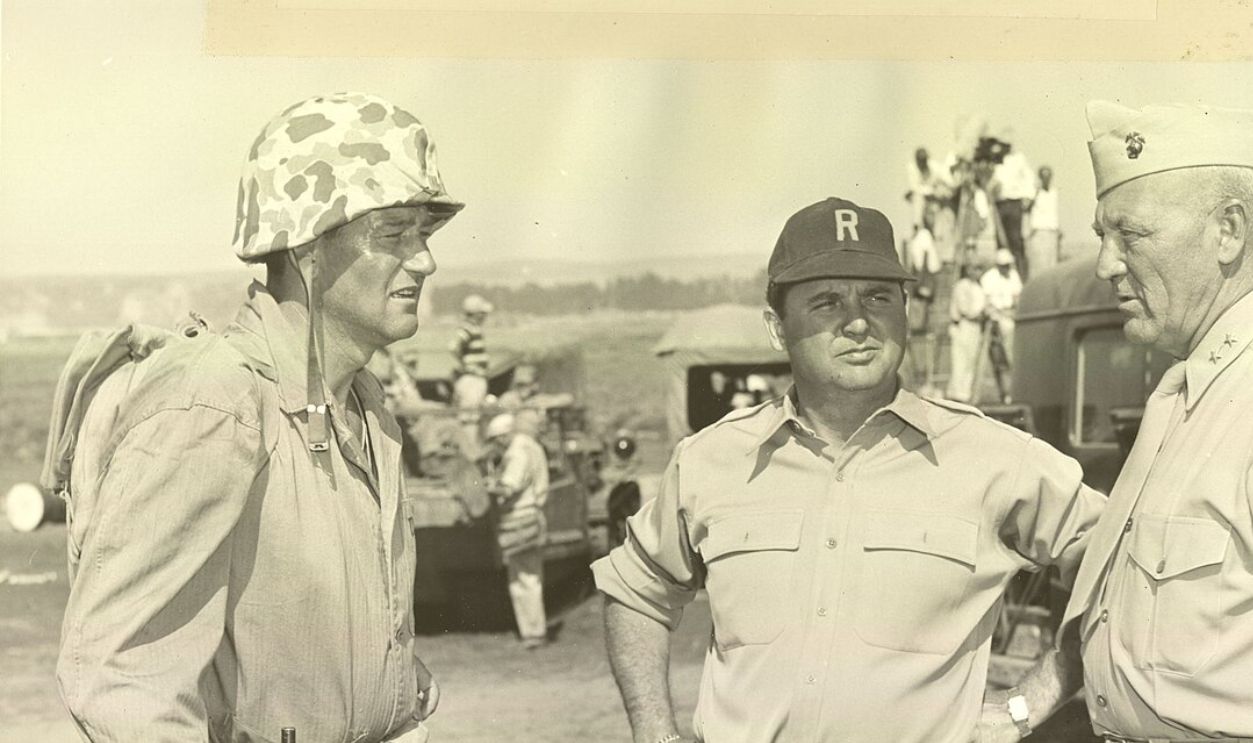 USMC Archives, CC BY 2.0, Wikimedia Commons
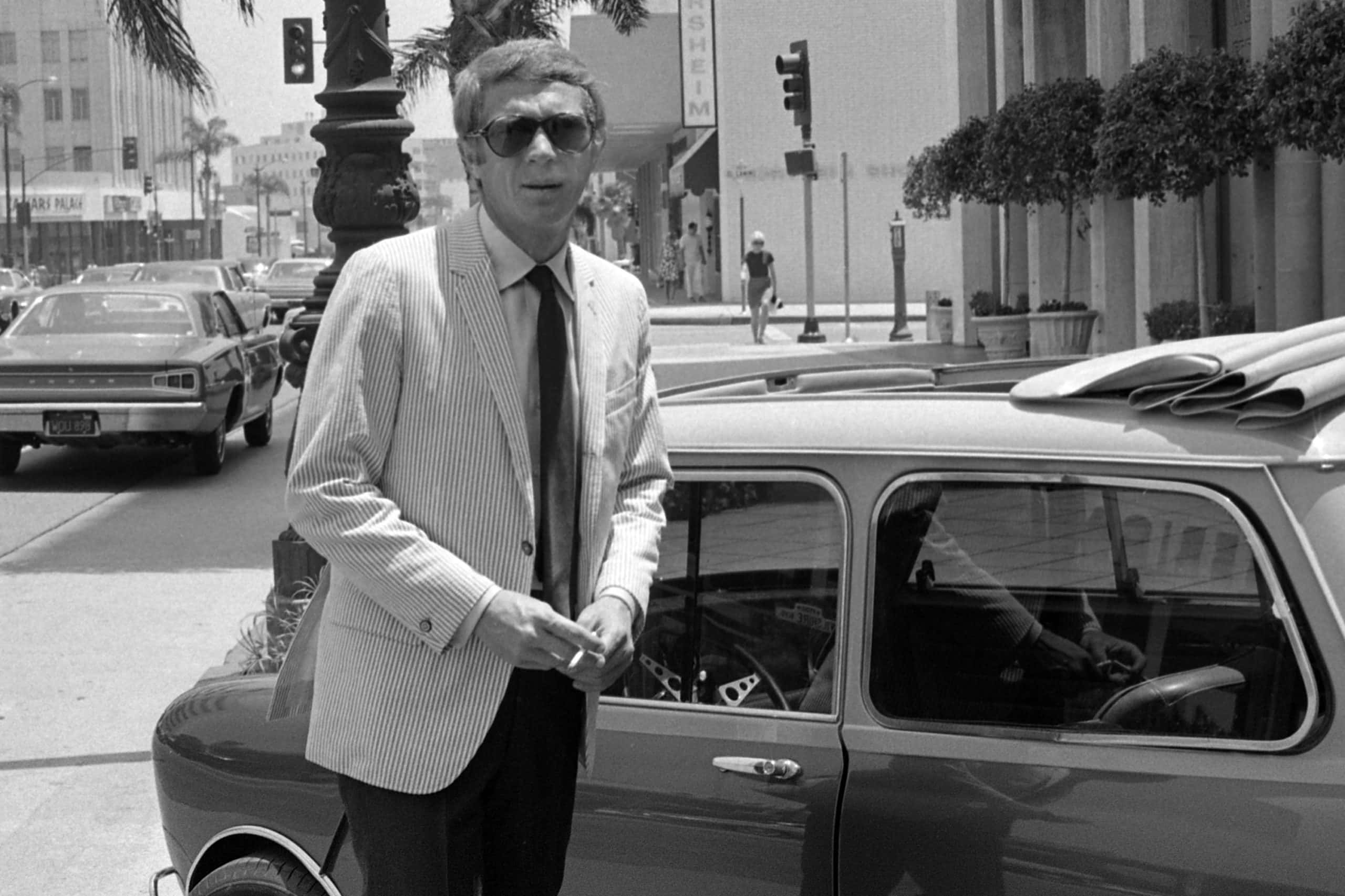
Steve McQueen: The Marines chapter
At 17, McQueen joined the U.S. Marine Corps. His record included disciplinary issues, but he also helped rescue fellow Marines during a training accident involving a stranded tank. His military service wasn’t a movie set.
John Wayne: The off-screen complication
Wayne famously portrayed war heroes but did not serve in World War II, remaining in Hollywood during the war years. It doesn’t erase his impact—but in an “on and off screen” debate, it’s a detail people tend to bring up sooner rather than later.
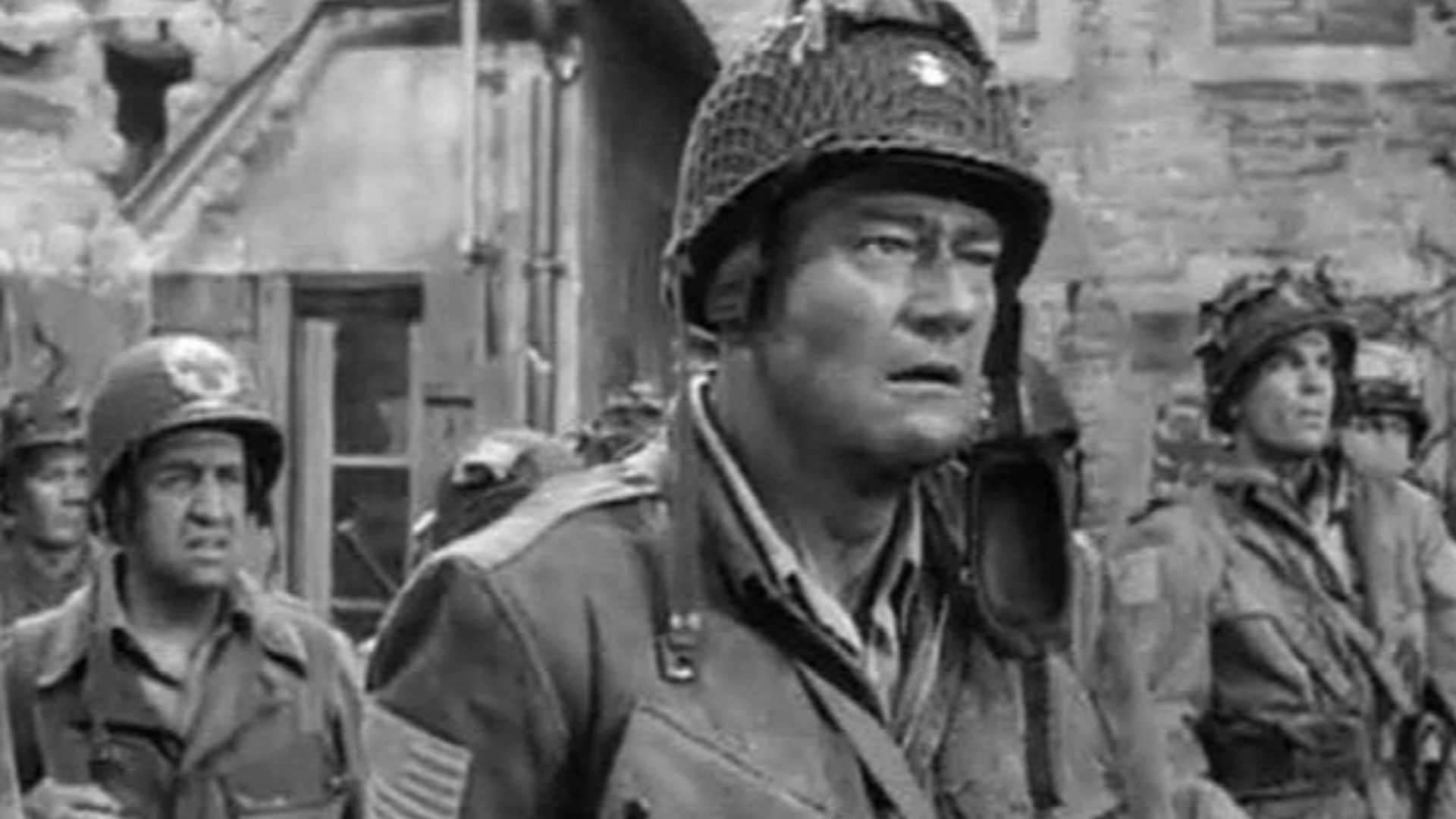 trailer screenshot (20th Century Fox), Wikimedia Commons
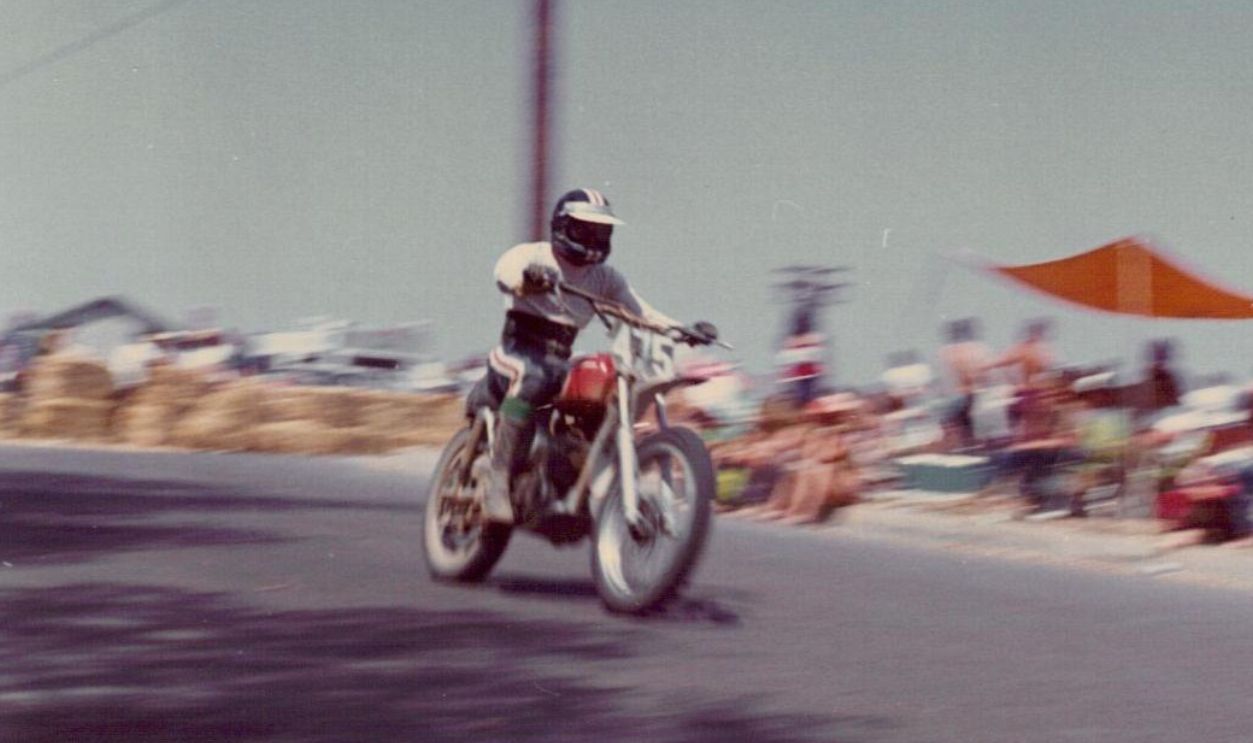
Steve McQueen: He didn’t fake the speed
McQueen rode for the U.S. team in the 1964 International Six Days Trial and was heavily involved in the driving during the legendary Bullitt car chase.
John Wayne: Toughness as authority
Wayne’s strength wasn’t reckless—it was steady. When he lowers his weapon at the end of The Searchers instead of pulling the trigger, that restraint carries weight. For his era, control was power.
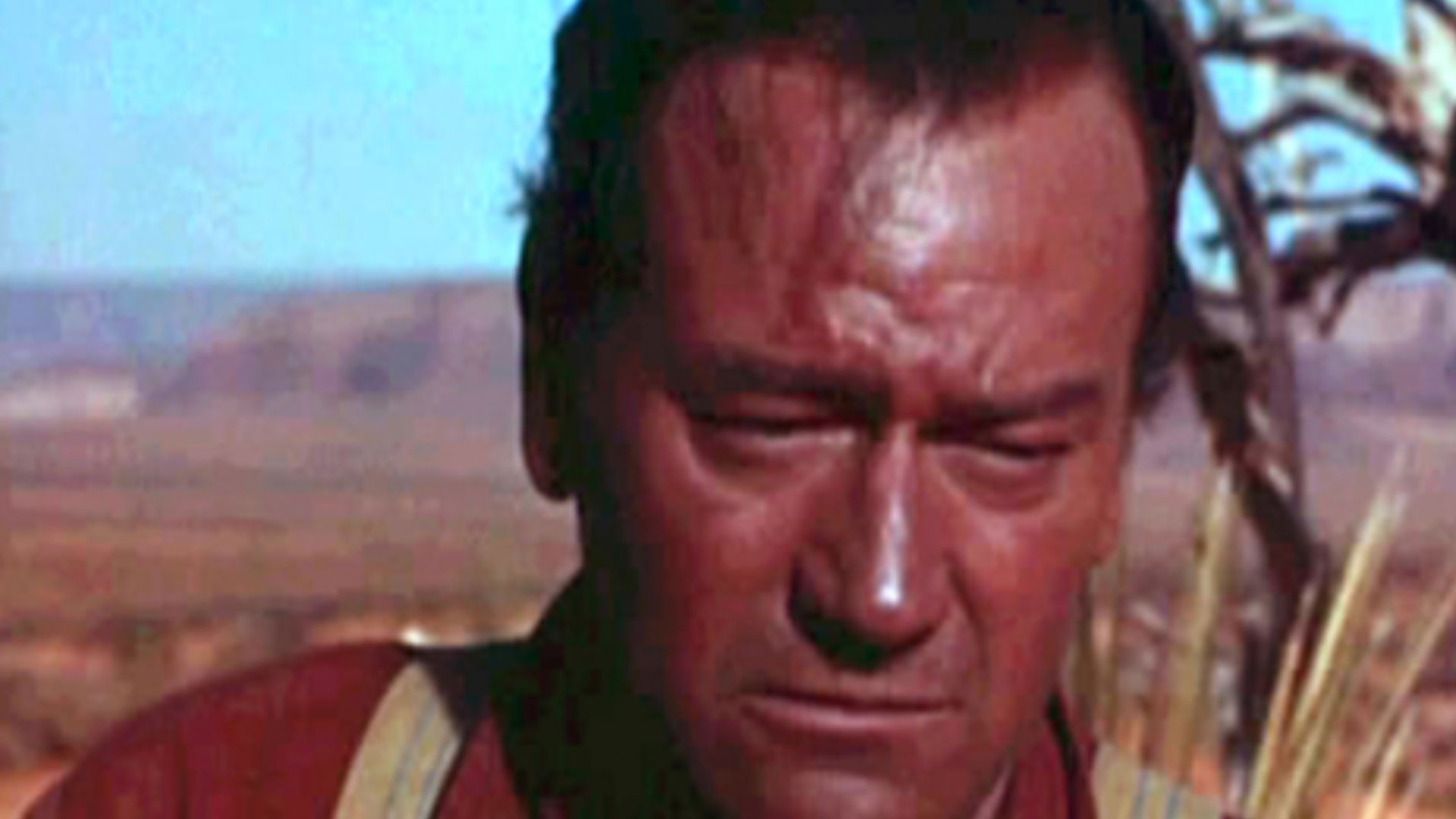 Own modification of image uploaded by User:Petrusbarbygere, Wikimedia Commons
Steve McQueen: Toughness as rebellion
McQueen didn’t restore order—he pushed against it. In The Great Escape, he keeps attempting that motorcycle jump over barbed wire even after setbacks. It’s stubborn. It’s risky. It’s pure defiance.
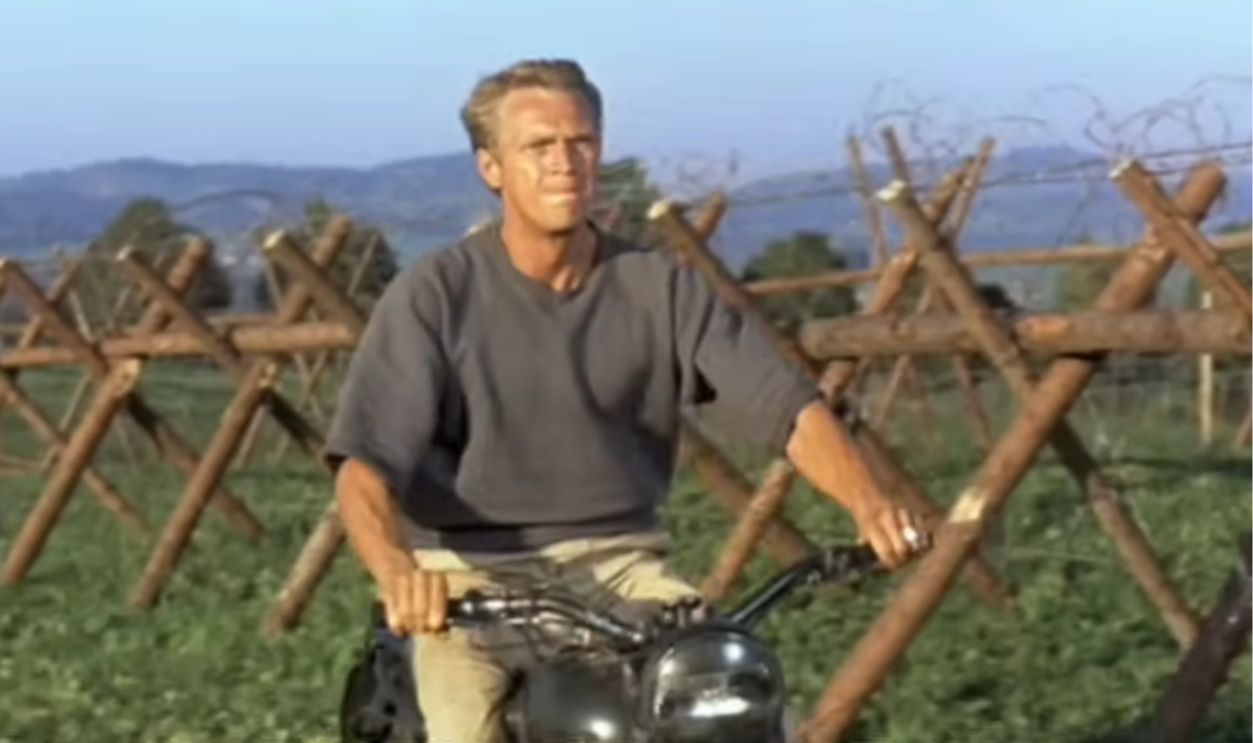 Screenshot from The Great Escape, United Artists (1963)
John Wayne: A symbol of an era
Wayne became shorthand for patriotism, resolve, and traditional masculinity. For many grandfathers, that symbolic weight is part of the toughness equation.
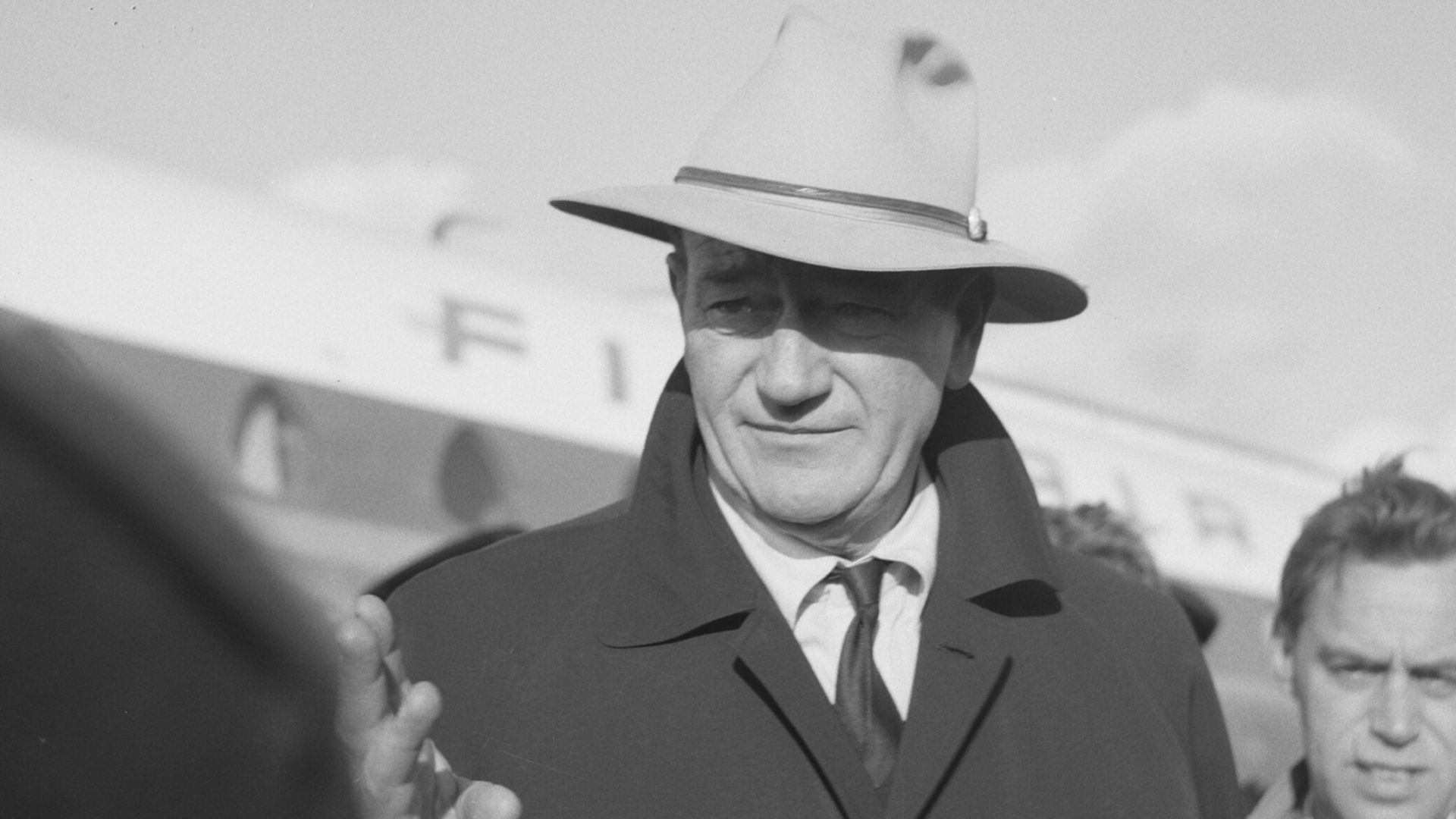 Hugo van Gelderen / Anefo, Wikimedia Commons
Steve McQueen: Flawed, volatile, real
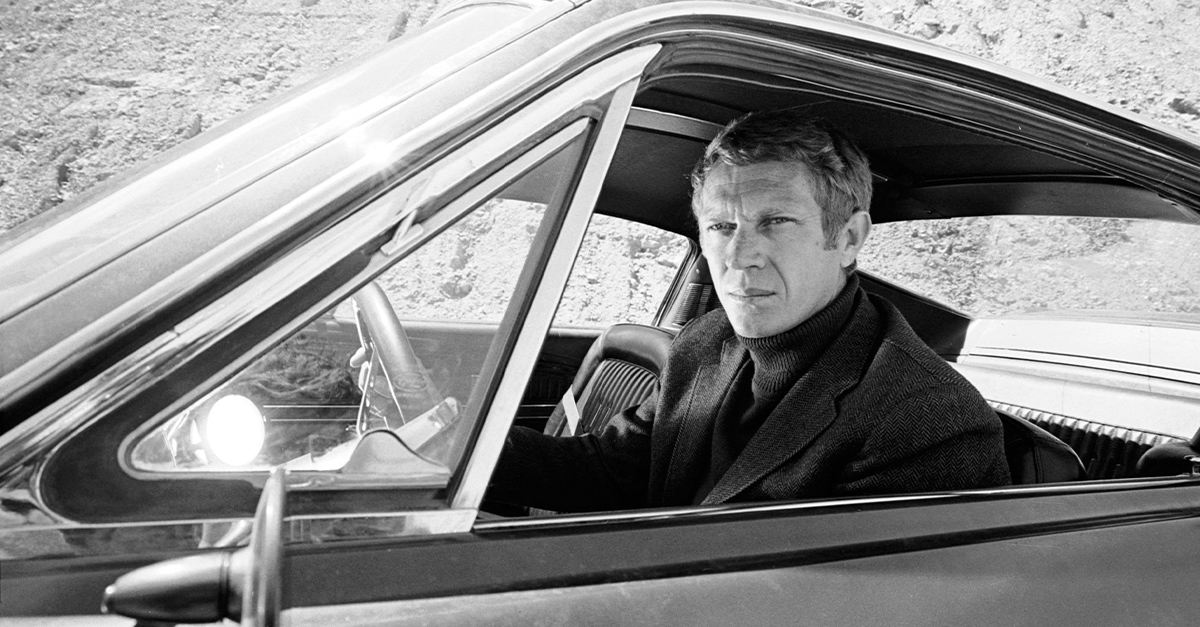
McQueen lived hard—fast cars, motorcycles, intense relationships, and personal struggles. The man racing through San Francisco in Bullitt wasn’t far removed from the guy racing off-camera on weekends.
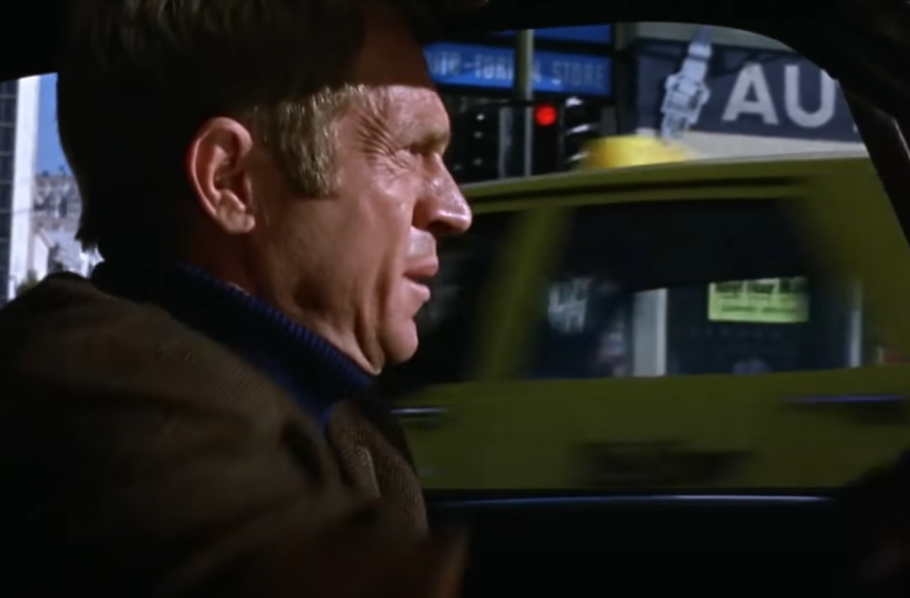 Solar Productions, Bullitt (1968)
Box office power
Wayne dominated the box office for decades, becoming one of the top money-making stars in Hollywood from the 40s through the 60s. McQueen became the highest-paid actor in the world by the early 70s, negotiating massive backend deals. Neither man just played tough—they had real leverage when contracts were signed.
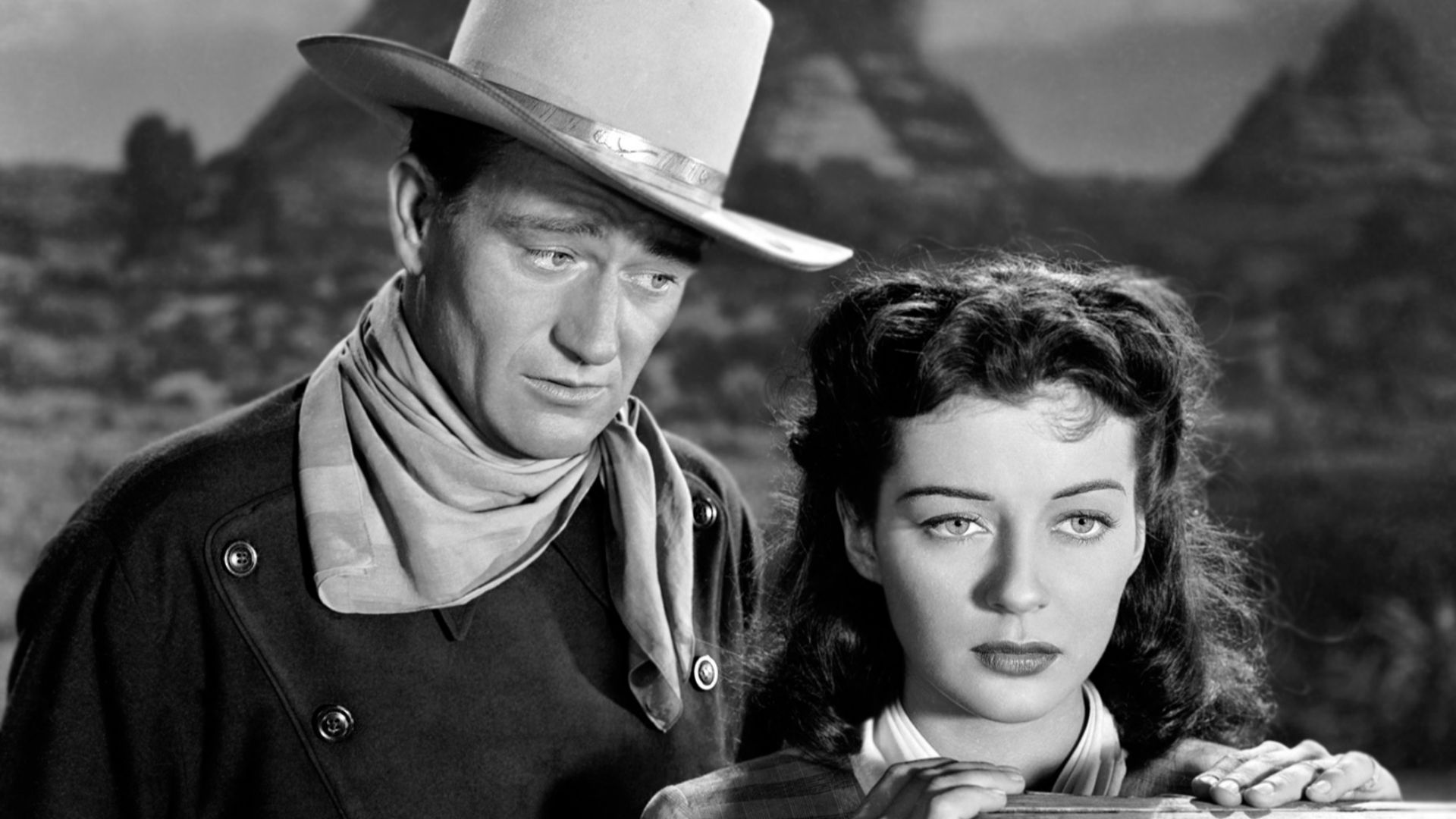 film screenshot, Wikimedia Commons
Health battles matter too
Wayne continued acting after major lung cancer surgery in 1964, even returning to physically demanding Western roles. McQueen later battled aggressive cancer and sought experimental treatment in Mexico before his death in 1980. Neither man exactly stepped back quietly when things got hard.
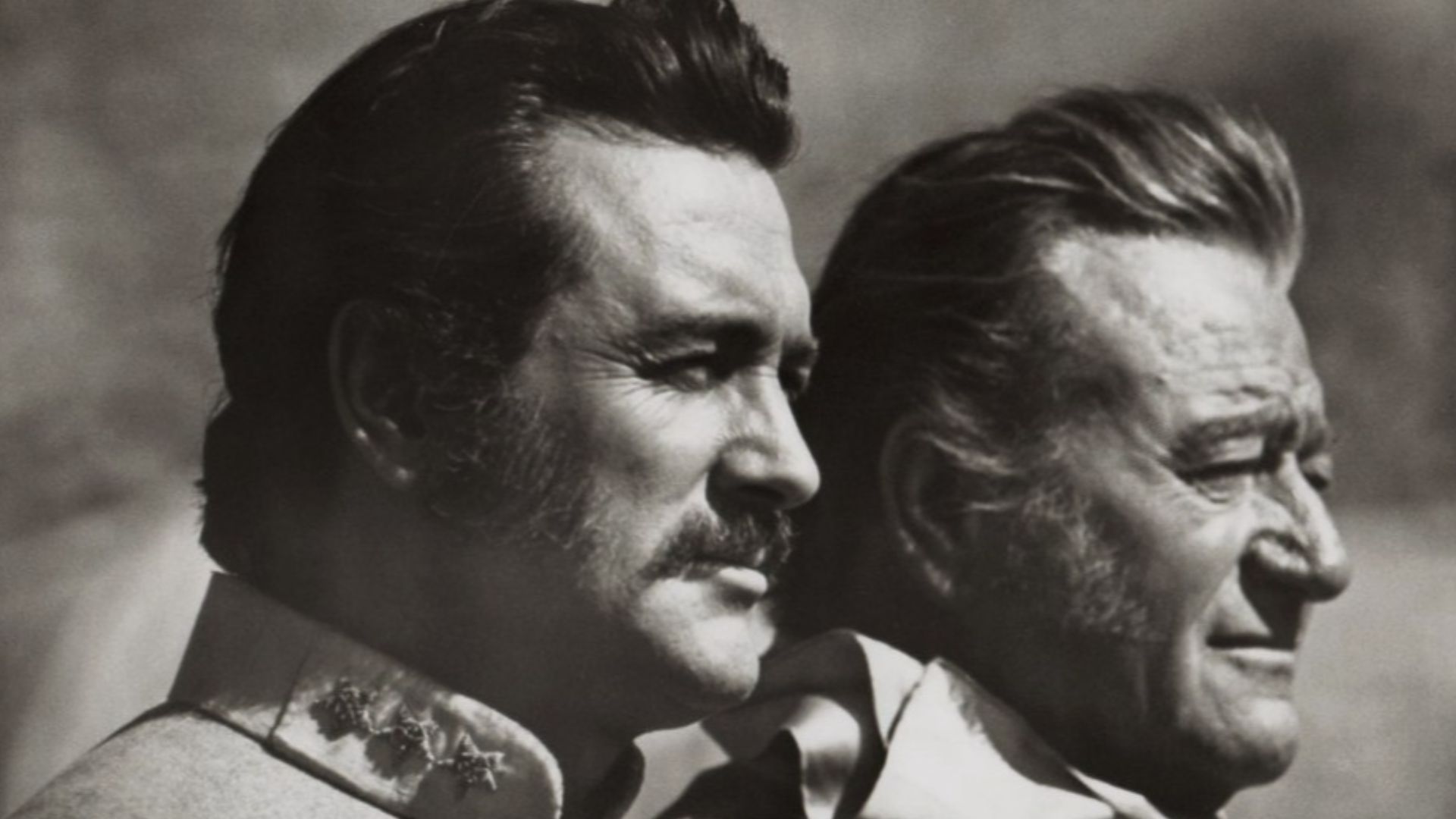 unknown (20th Century Fox), Wikimedia Commons
The stunt factor
Wayne handled plenty of physical scenes across decades of Westerns—horse falls, fistfights, and brutal location shoots—but he wasn’t known for high-risk stunt work himself. McQueen insisted on doing much of his own driving and riding. When your hobby is competitive racing, the line between actor and adrenaline junkie starts to blur.
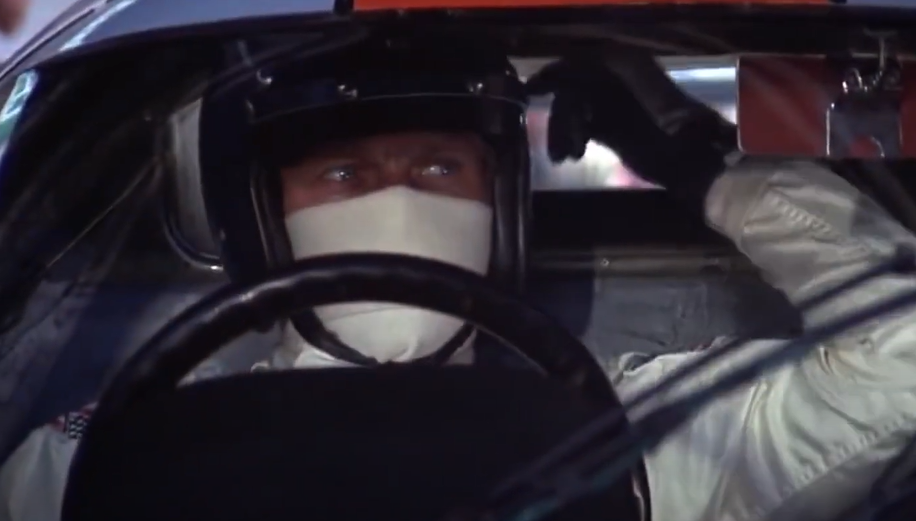 Cinema Center Films, Le Mans (1971)
Influence test
Wayne shaped the Western hero for generations—the steady sheriff, the cavalry officer, the man who restores order. McQueen shaped the modern action antihero—the quiet driver, the reluctant leader, the guy who says less and means more. If you’ve watched any minimalist action film in the last 40 years, you’ve probably seen echoes of both.
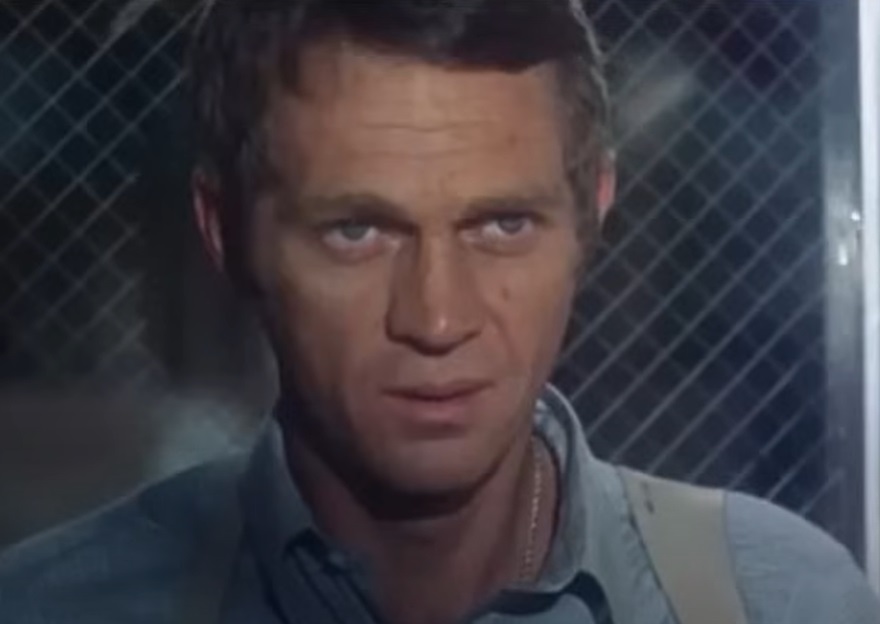
The generational divide
Grandpa’s era valued steadiness, patriotism, and moral clarity. Dad’s era leaned toward independence and a little rebellion. Same word—tough. But one version stands tall in a doorway; the other jumps a fence on a motorcycle.

Lee Marvin: The one who didn’t need to pretend
Before The Dirty Dozen and Point Blank, Lee Marvin served in the U.S. Marine Corps during World War II and was wounded in combat at the Battle of Saipan. So when he played hardened men on screen, he wasn’t exactly imagining it. If we’re grading “on and off screen,” Marvin quietly raises the standard.
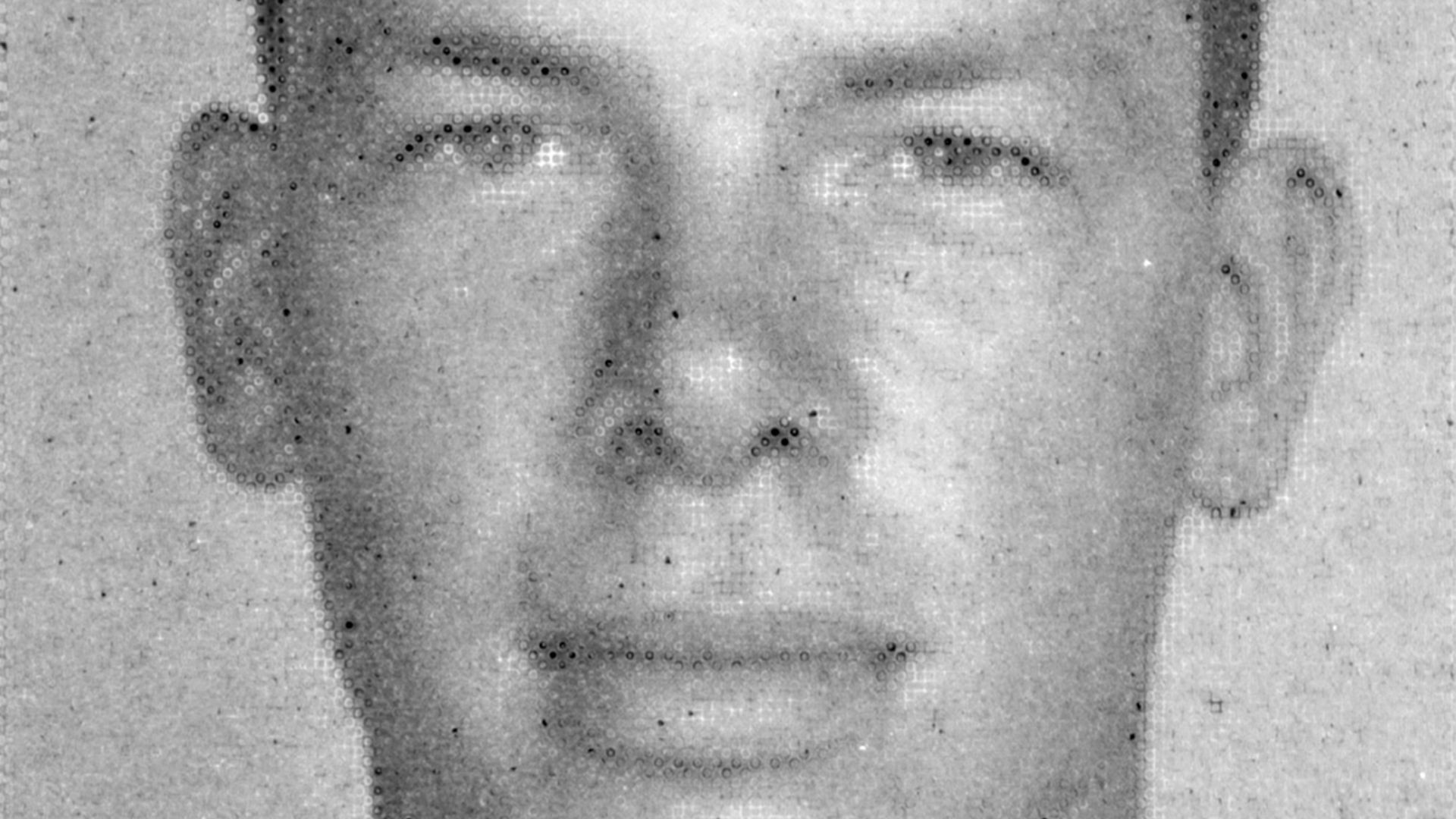 US Marine Corps, US Government, Wikimedia Commons
Audie Murphy: The résumé nobody else can top
Before playing himself in To Hell and Back, Audie Murphy became the most decorated American combat soldier of World War II, earning the Medal of Honor at 19 along with dozens of other U.S. and Allied decorations. He later built a long Western career. If real-life toughness carries serious weight, Murphy complicates this entire debate.
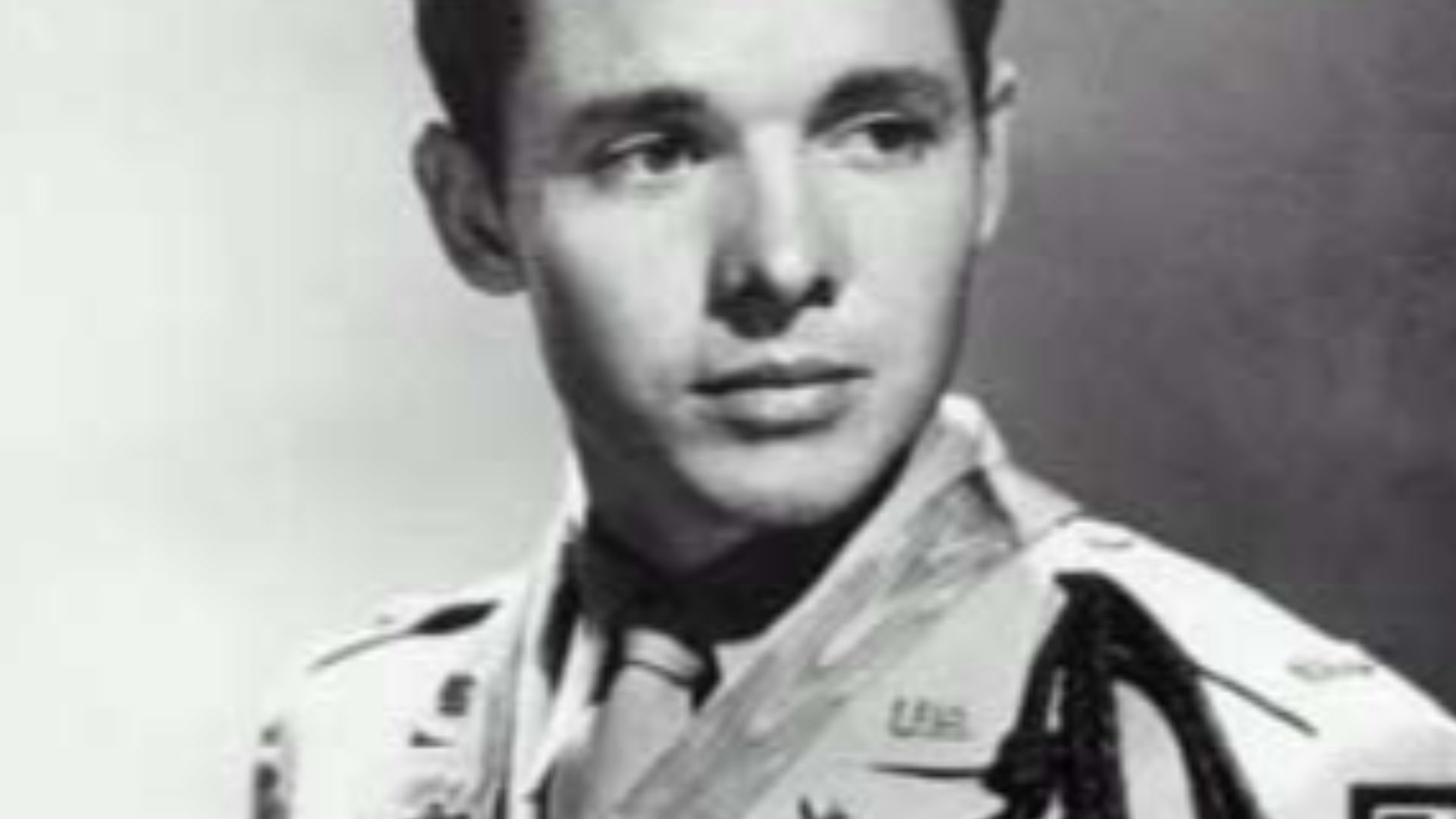 U.S. Army (http://www.detrick.army.mil/samc/index.cfm), Wikimedia Commons
If we judge purely on screen…
Wayne might take it. His archetype is foundational. Without him, the cinematic tough guy template probably looks very different—and a lot less confident.
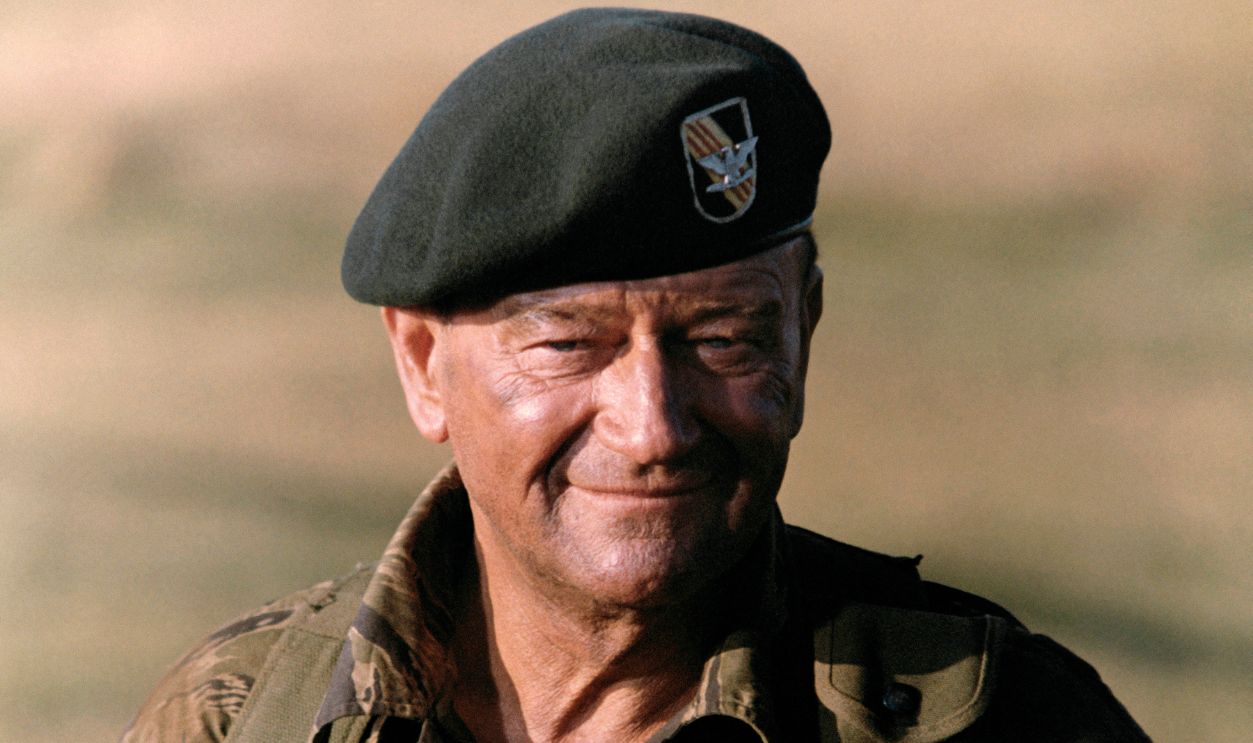
If we judge on and off screen combined…
McQueen makes a strong case. Reform school. Marines. Elite racing. Real-world risk. His toughness didn’t stop when the cameras did—and that counts for something.
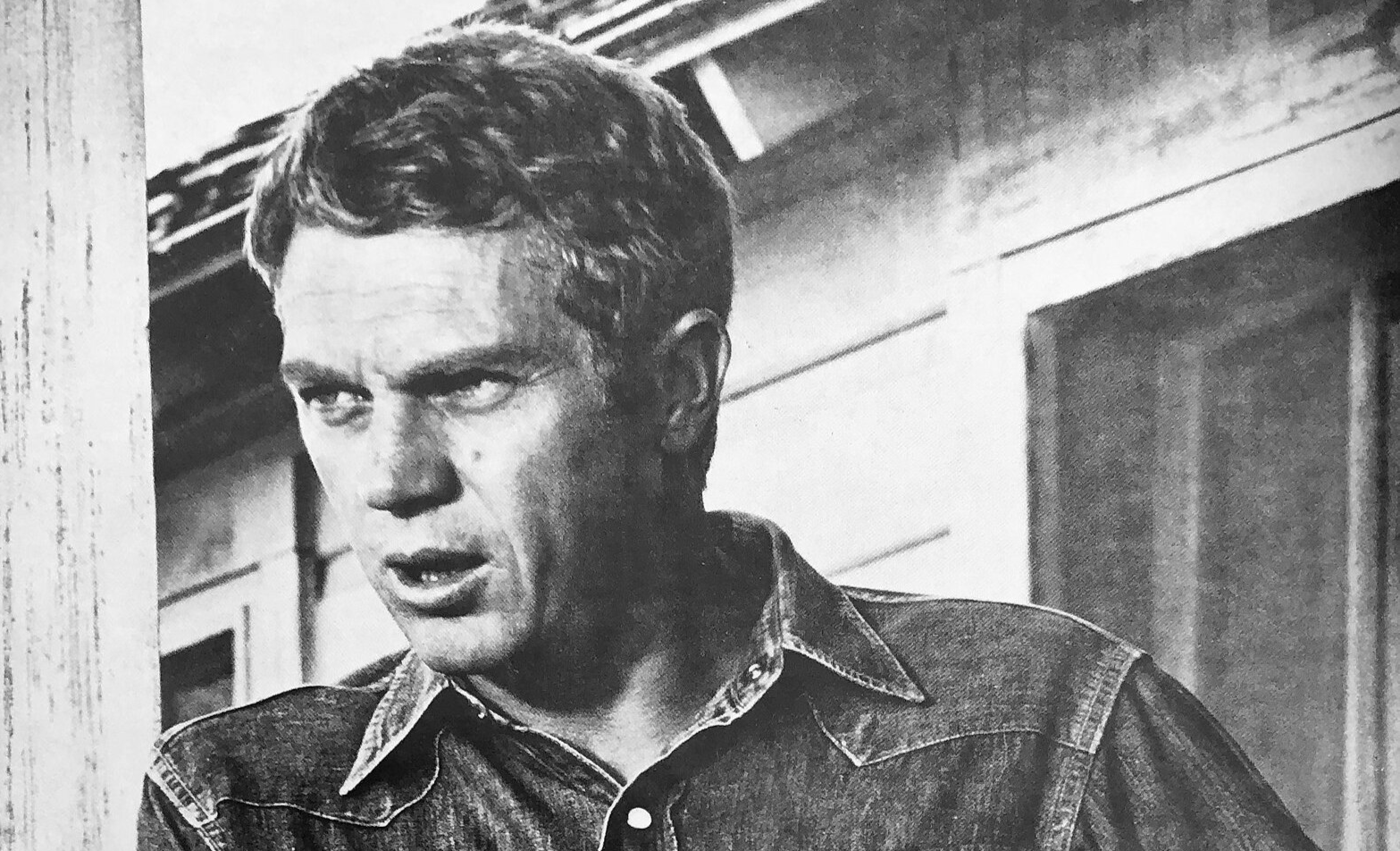 Kokusai Johosha, Wikimedia Commons
So who’s right?
Your grandfather isn’t wrong. Wayne built the myth of American toughness.
Your father isn’t wrong either. McQueen blurred the line between image and reality—and occasionally looked like he might walk off set to go race something instead.
And well, maybe they're both wrong because the right answer is Lee Marvin or Audie Murphy.
This is a tough one...(pun intended).
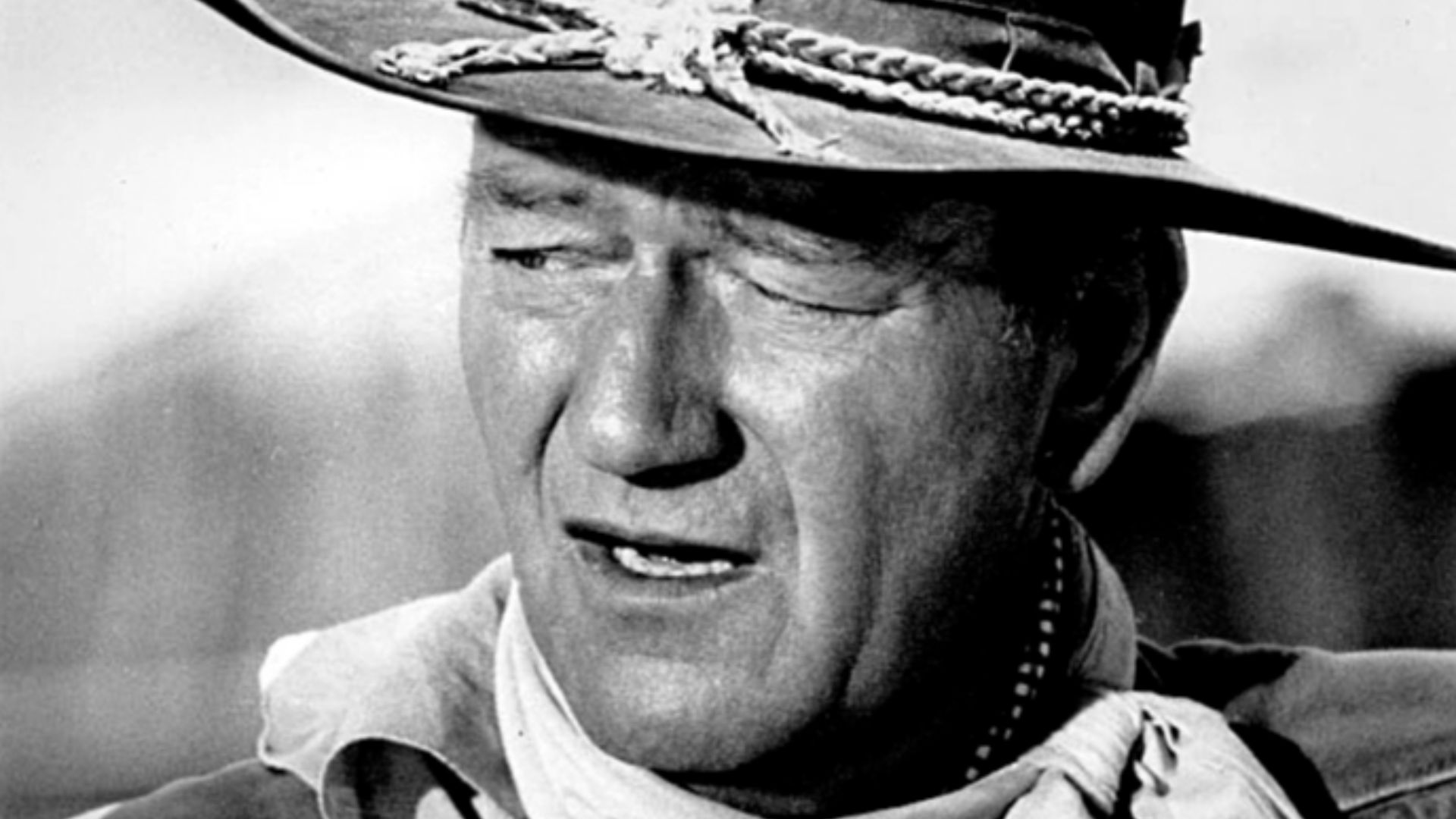 20th Century Fox, Wikimedia Commons
You Might Also Like:
Sources: 1, 2, 3