The Broken Star System
Success is sold as a dream built on talent and ambition. Behind the red carpets, many stars faced control and exploitation. Their stories reveal patterns that challenge the fantasy of fame and expose uncomfortable truths about a ruthless industry.
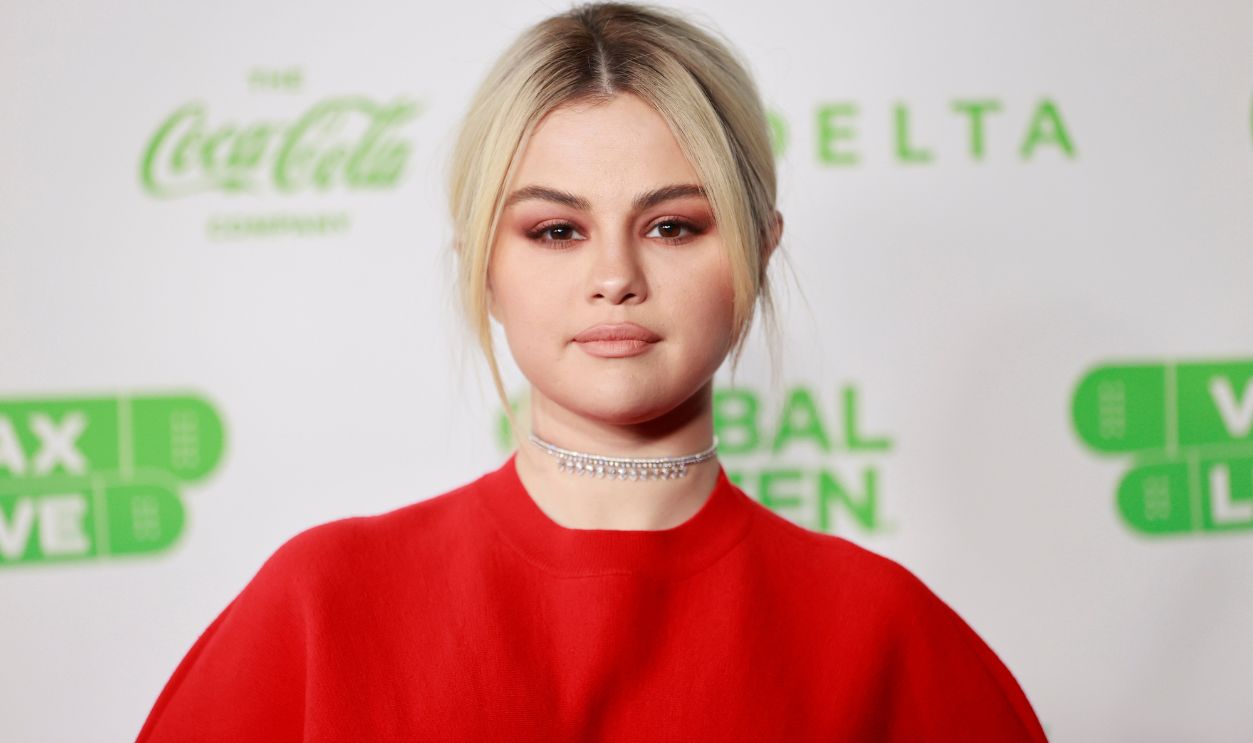
Judy Garland
The Wizard of Oz’s star, Judy Garland, enjoyed success with MGM, but the harsh studio system was too much to handle. Executives controlled her weight and medications, routinely supplying stimulants and sedatives. The pressure fueled lifelong addiction and contributed to her death at 47.
 Metro-Goldwyn-Mayer, Wikimedia Commons
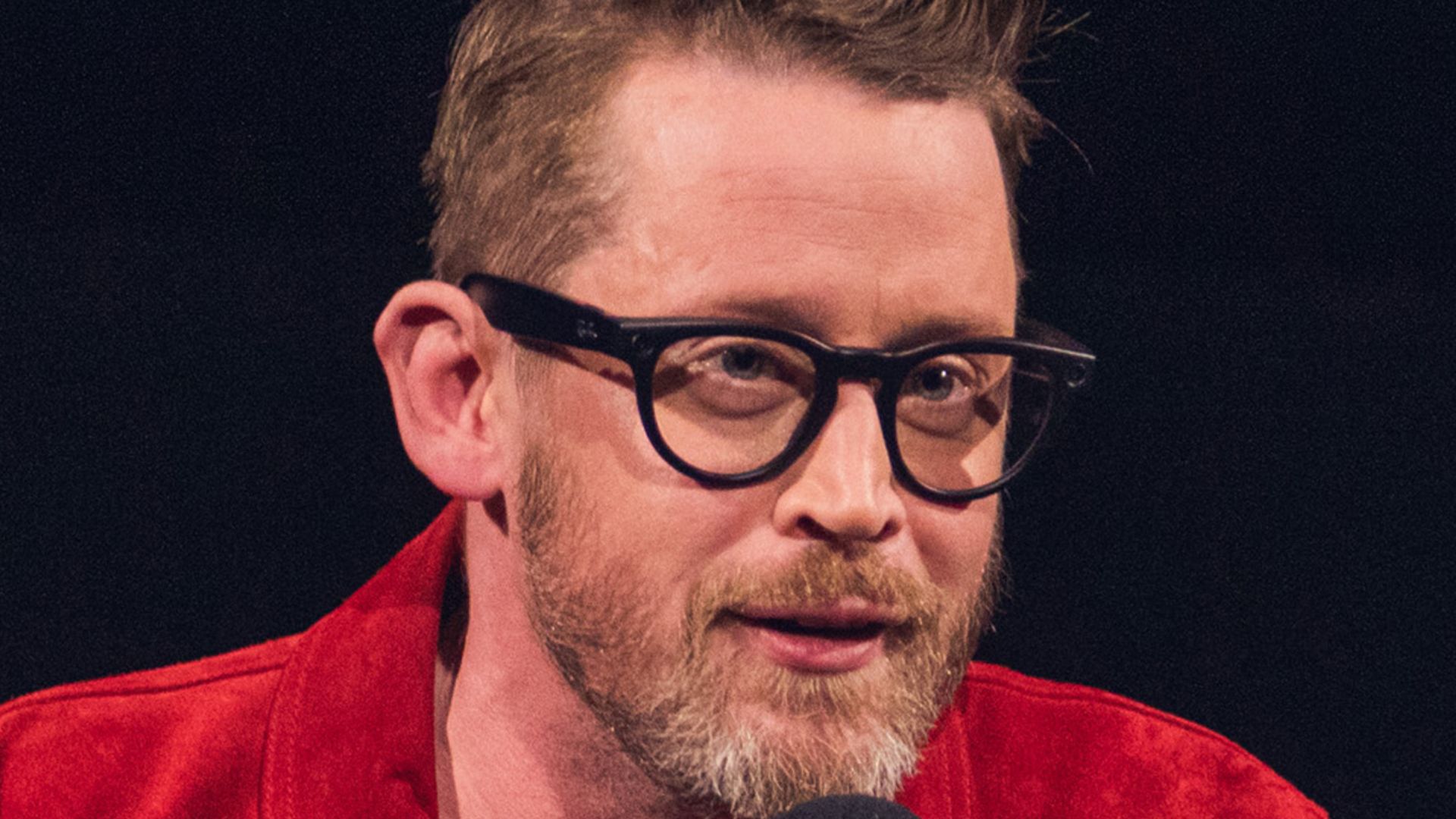
Macaulay Culkin
Early superstardom brought wealth but little protection for Macaulay Culkin. He became Hollywood’s most recognizable child actor while family disputes and financial control followed behind the scenes. As a result, he stepped away from acting young. His experience highlights how fame can magnify parental conflict.
Winona Ryder
A sudden shift from acclaim to scrutiny reshaped a promising career for Winona Ryder. After a highly publicized shoplifting arrest, she faced swift industry backlash and limited opportunities. The episode demonstrated how Hollywood often offers little forgiveness, especially to women, when personal mistakes interrupt carefully managed public images.
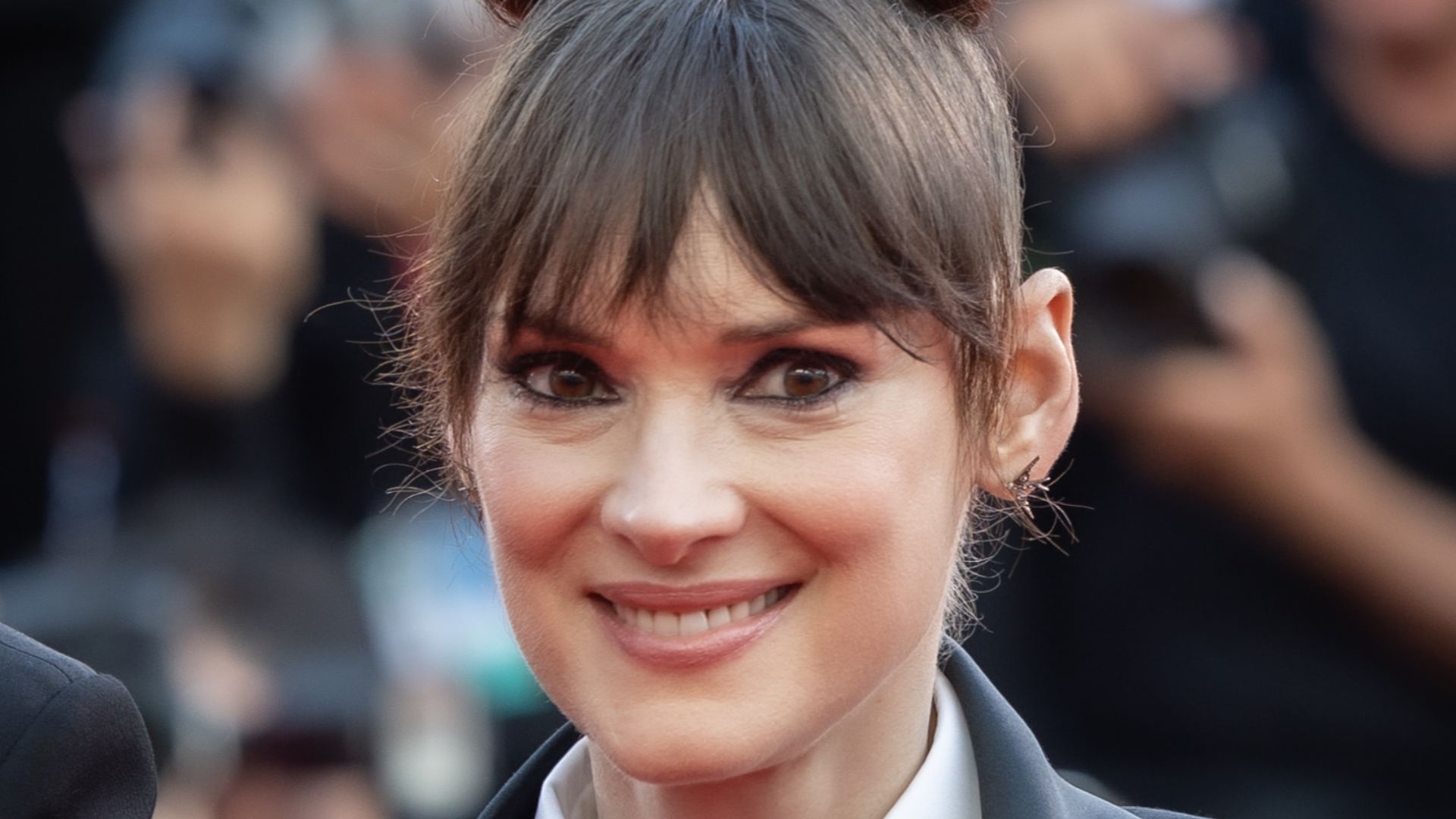 Harald Krichel, Wikimedia Commons
Marilyn Monroe
Marilyn Monroe’s stardom was carefully manufactured while her autonomy remained limited. Studios shaped her image but ignored mental health concerns that eventually contributed to her death. Her experience illustrates how glamour often conceals isolation and vulnerability.
 New York Sunday News, Wikimedia Commons
Brandon Lee
A fatal on-set accident in The Crow cut a rising career short and raised urgent safety questions. Brandon Lee died during filming when a prop gun malfunctioned and exposed lapses in oversight. The tragedy forced Hollywood to confront production shortcuts and the human cost of inadequate safety protocols.
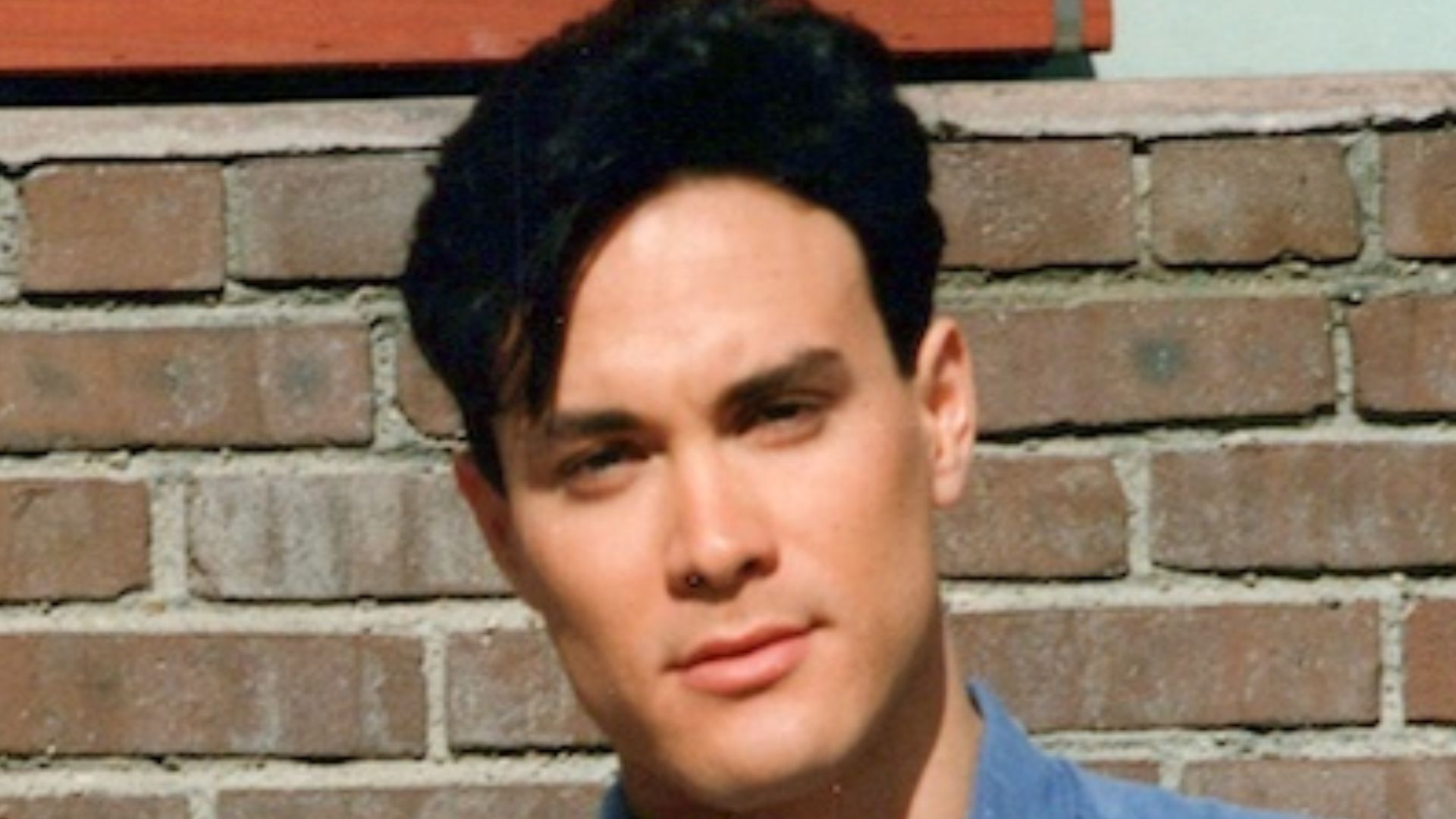 Obata family, Wikimedia Commons
Shirley Temple
Although she represented innocence onscreen, Shirley Temple later spoke of the troubling experiences behind it. As a child performer, protections were weak and boundaries often ignored. Her reflections show how early Hollywood prioritized profit and productivity while failing to safeguard minors from exploitation.
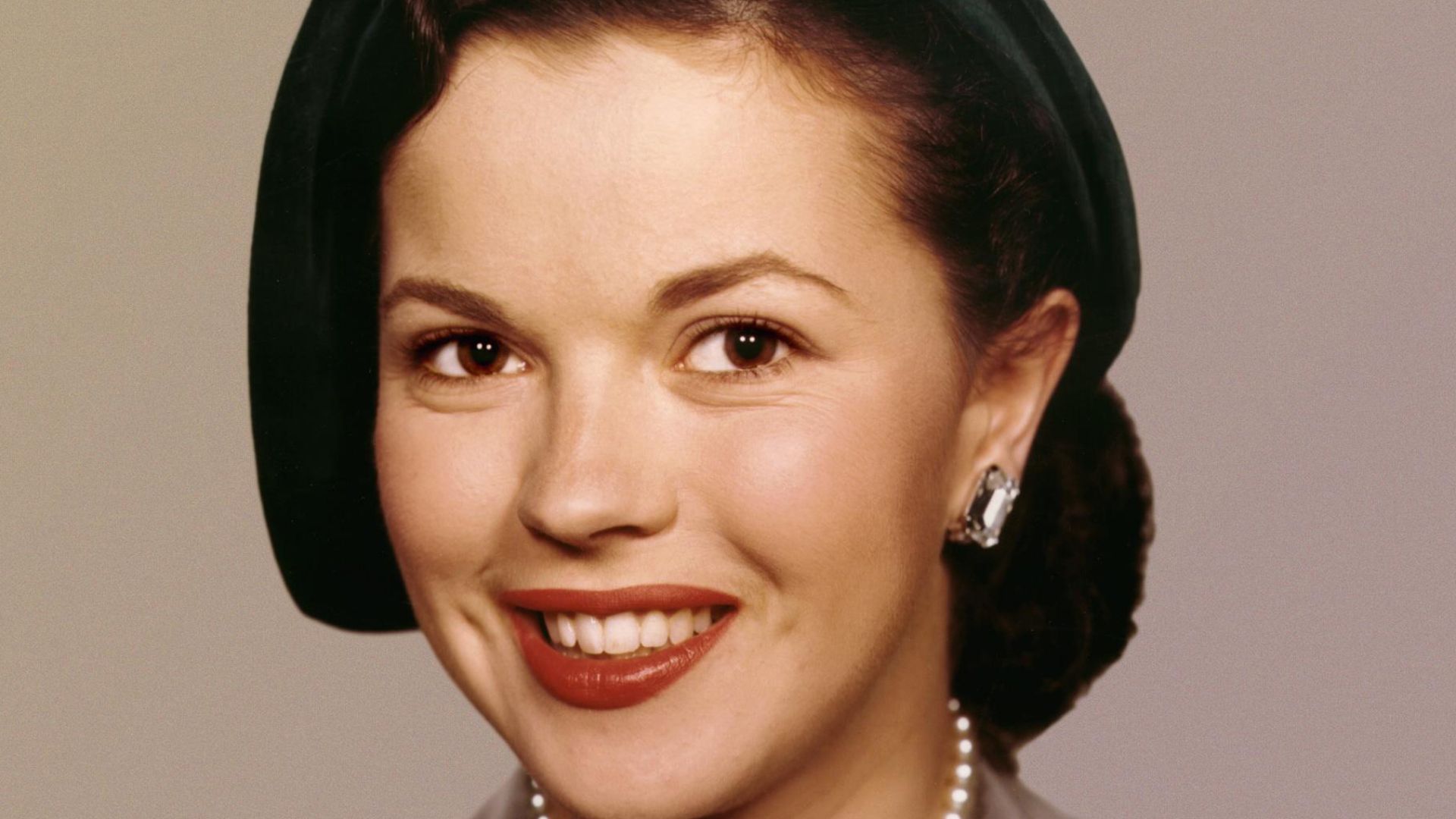 Unknown authorUnknown author, Wikimedia Commons
Bruce Lee
Global influence did not shield groundbreaking talent from discrimination. Bruce Lee faced stereotyping and limited opportunities despite redefining action cinema. Being passed over for leading roles revealed entrenched racism and resistance to Asian leads.
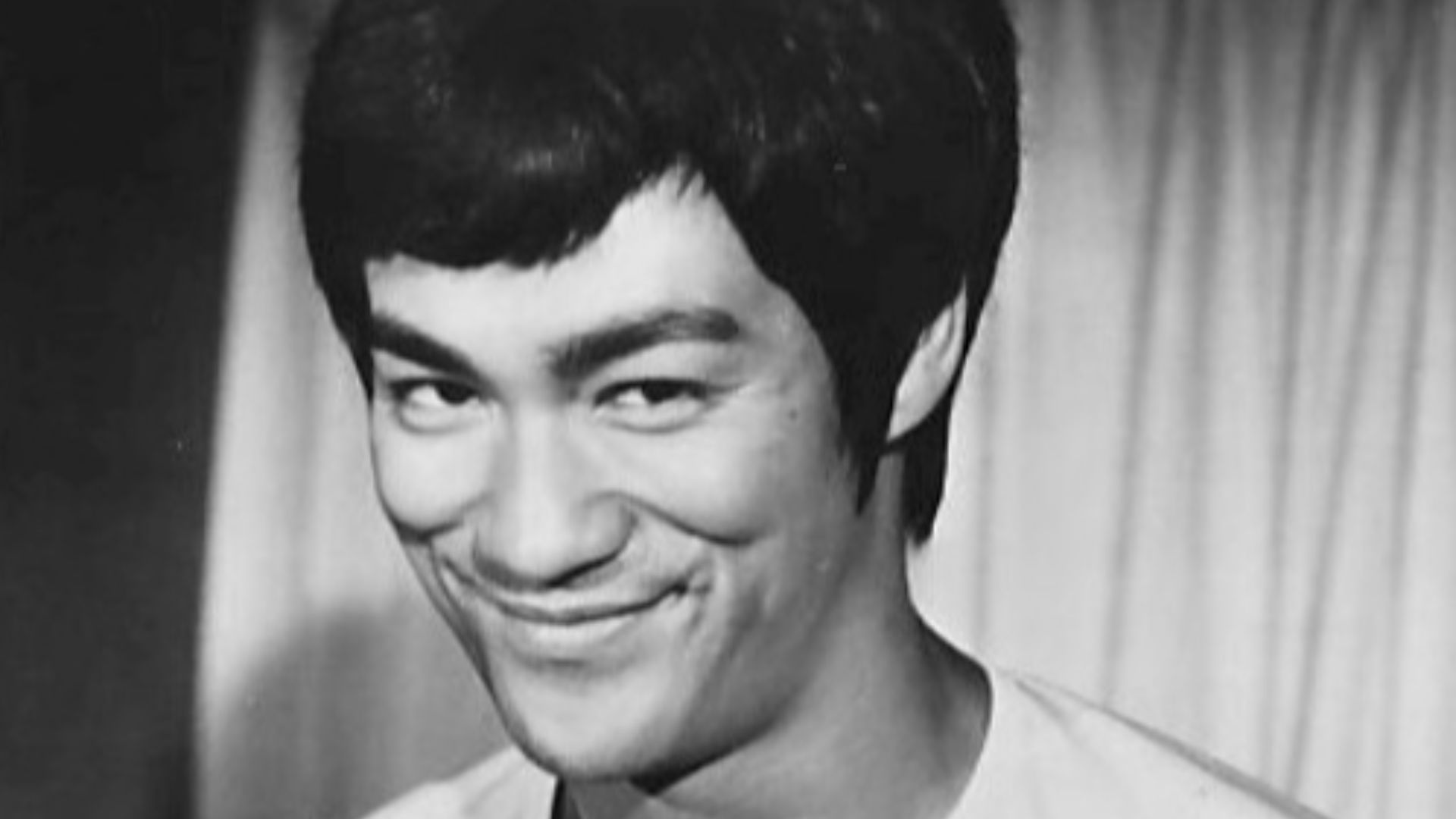 National General Pictures, Wikimedia Commons
Corey Feldman
Corey Feldman has used his platform to expose pressures affecting child actors. Drawing on personal experiences, he criticized Hollywood’s culture of silence and protection for powerful figures. His persistence helped raise public awareness and encouraged overdue conversations that the industry resisted for decades.
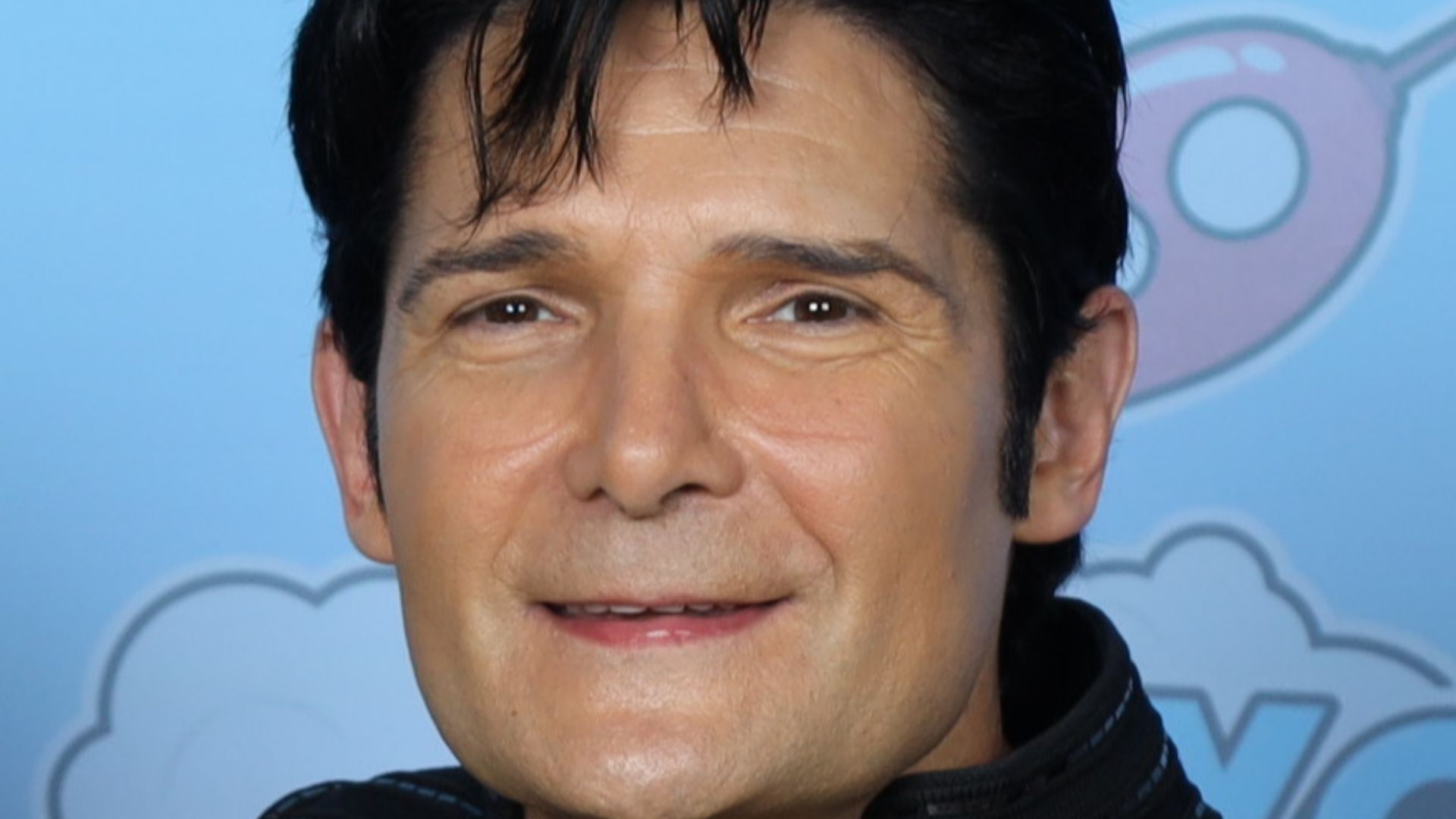 Super Festivals from Ft. Lauderdale, USA, Wikimedia Commons
Rose McGowan
Speaking out carried professional consequences. After accusing powerful figures of abuse, Rose McGowan described retaliation and isolation within the industry. Her experience became central to the MeToo movement, illustrating how challenging entrenched power structures often come with personal and career costs.
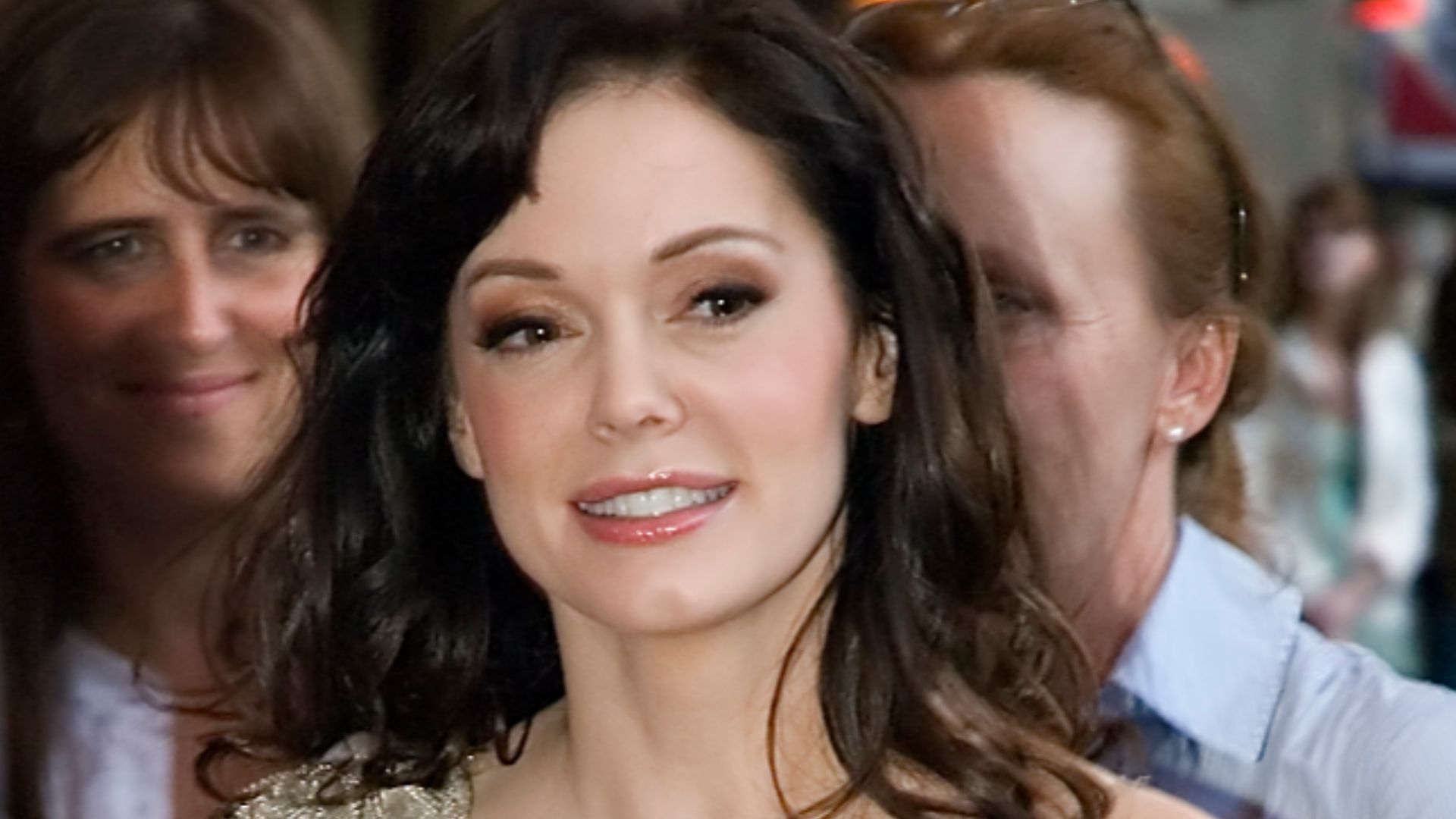 Jeff Balke. (Flickr profile)., Wikimedia Commons
Corey Haim
Without adequate safeguards, Corey Haim rose to fame quickly. Early exposure to drugs and adult environments contributed to lasting addiction struggles. As support systems failed, his decline highlighted how studios and managers, in addition to families, neglected vulnerable young performers during developmental years.
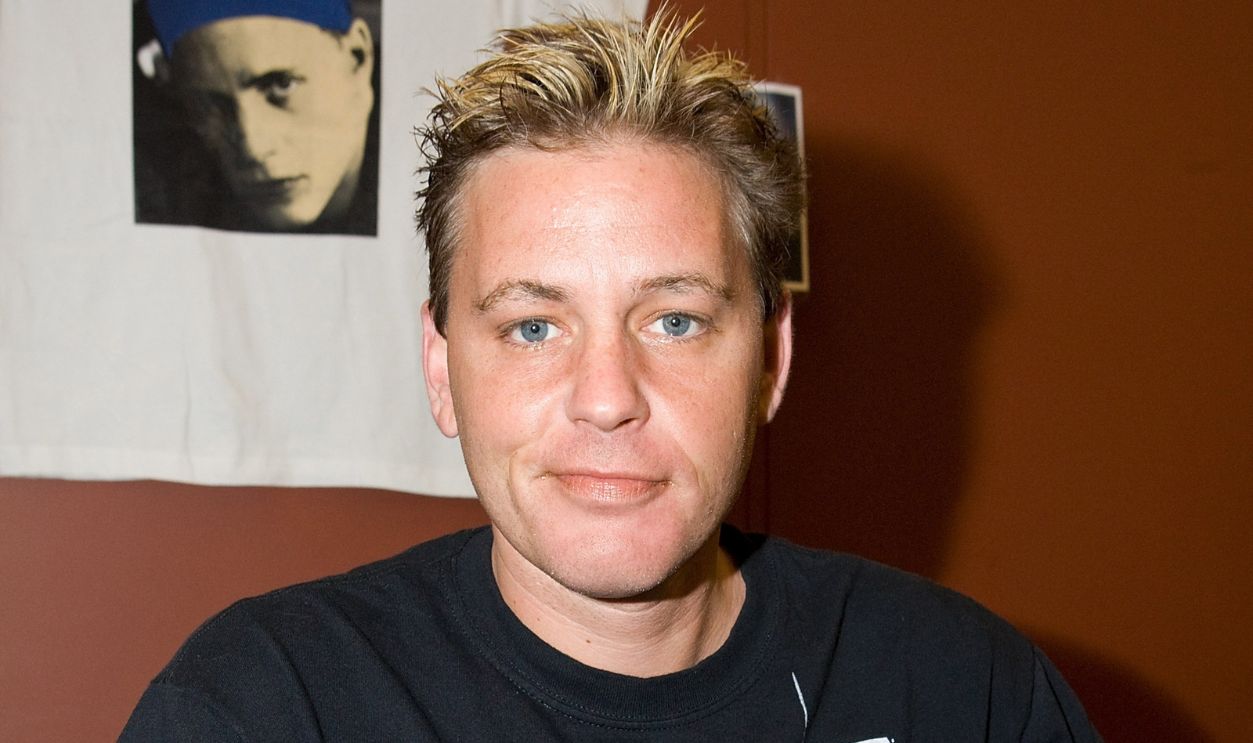
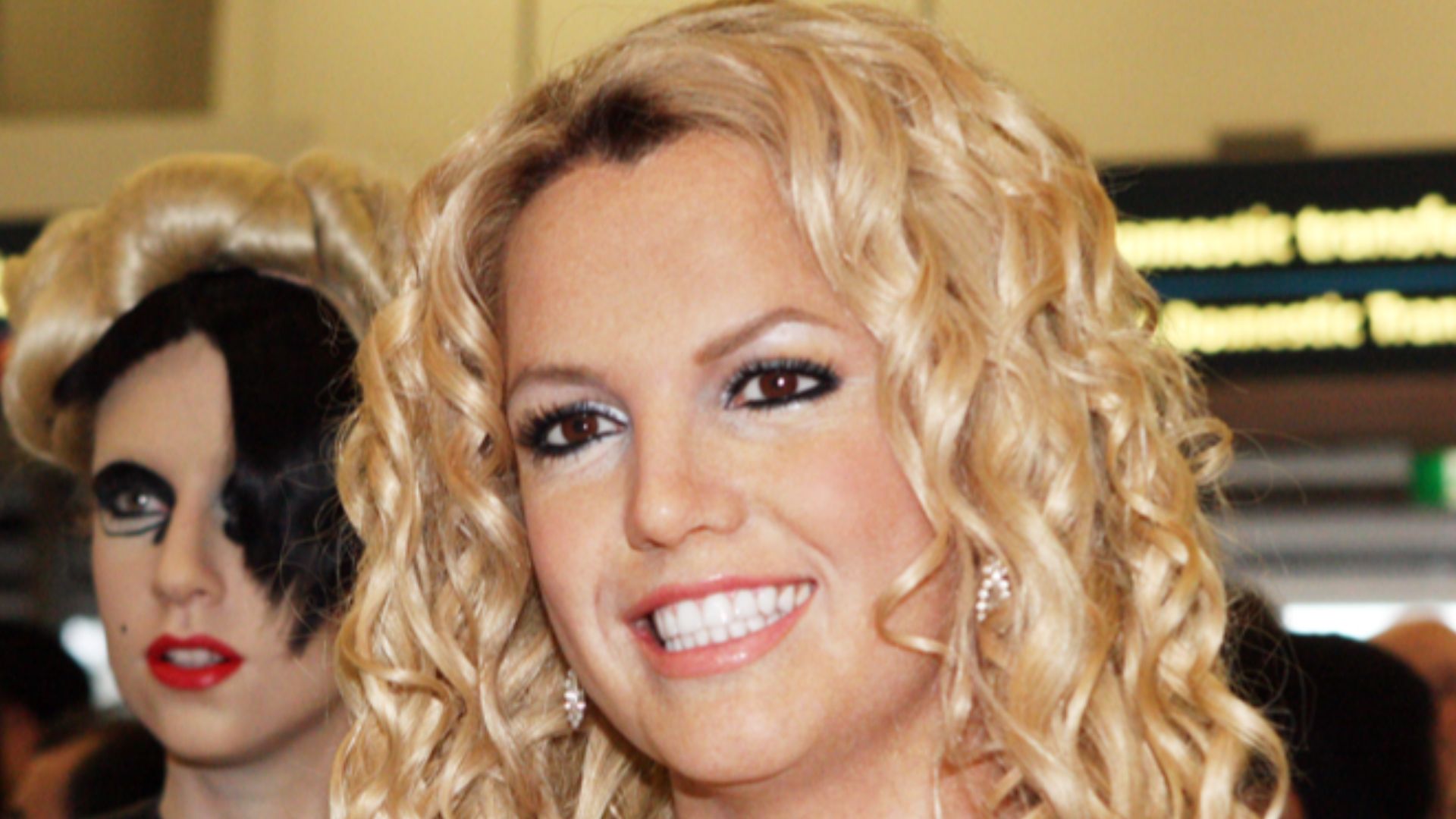
Britney Spears
Britney Spears’ conservatorship exposed how fame can coexist with profound control loss. Despite global success, legal arrangements stripped her of authority over finances and personal decisions. The case sparked nationwide debate about guardianship control and protections for high-earning entertainers.
 Eva Rinaldi, Wikimedia Commons
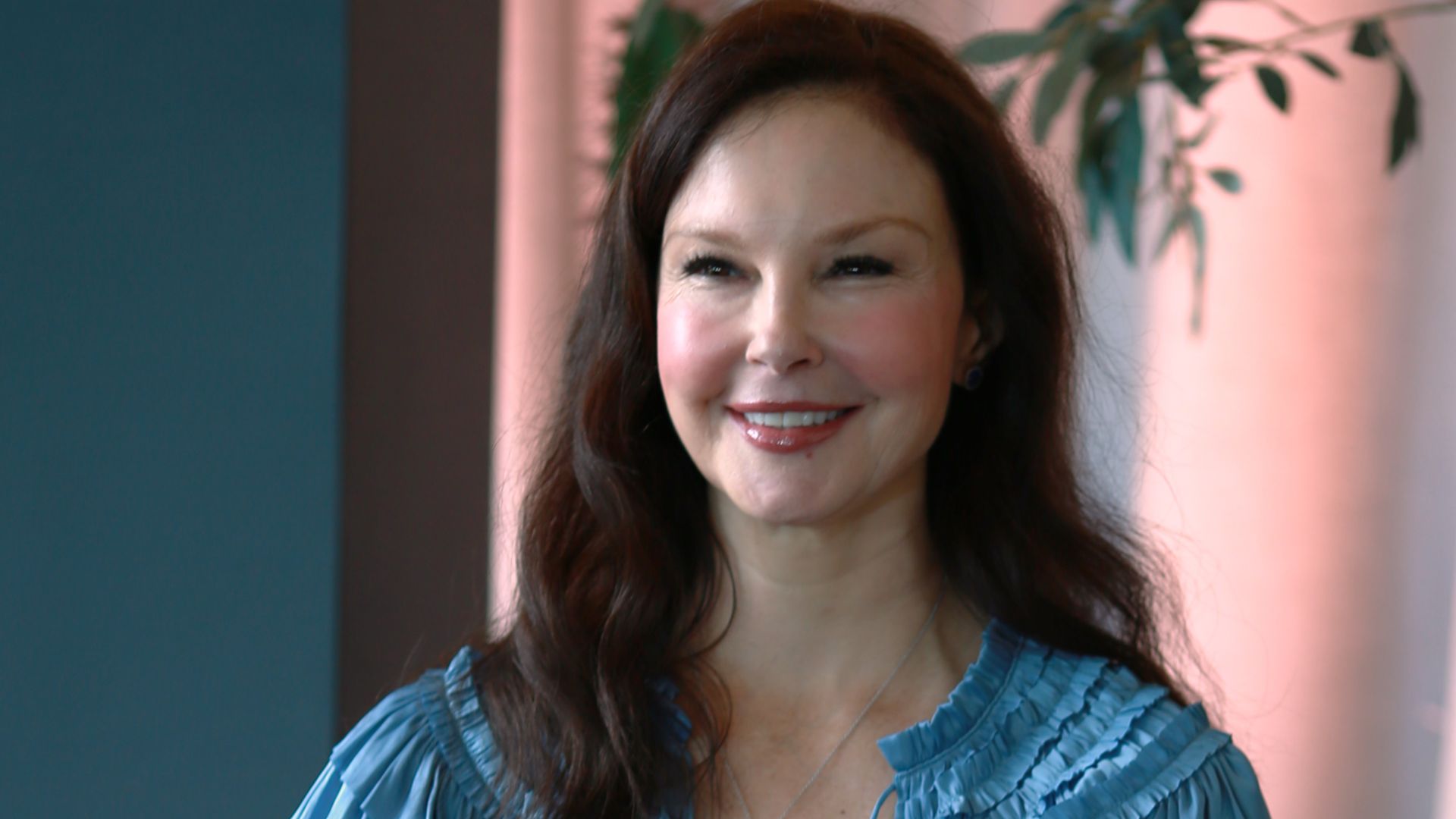
Ashley Judd
Career momentum stalled after rejecting inappropriate advances. Ashley Judd later explained how powerful producers influenced casting decisions, which led to alleged blacklisting. Her account shows how informal networks and unchecked authority can quietly end careers.
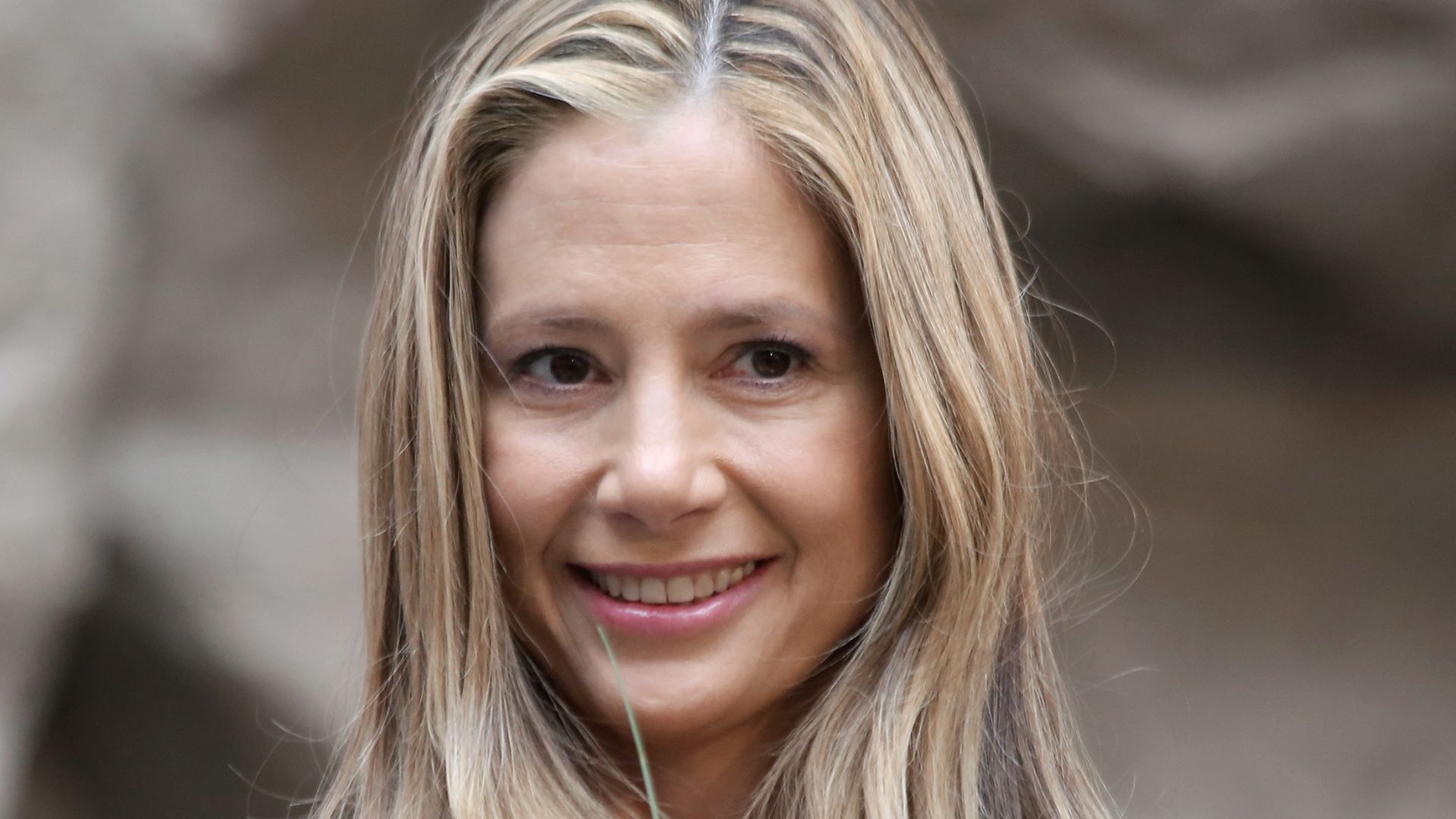
Mira Sorvino
An Oscar win for Mighty Aphrodite did not guarantee protection. Mira Sorvino reported losing roles after resisting harassment, later linking the slowdown to industry retaliation. Her story explained how speaking up could derail even successful careers.
 Manfred Werner (Tsui), Wikimedia Commons
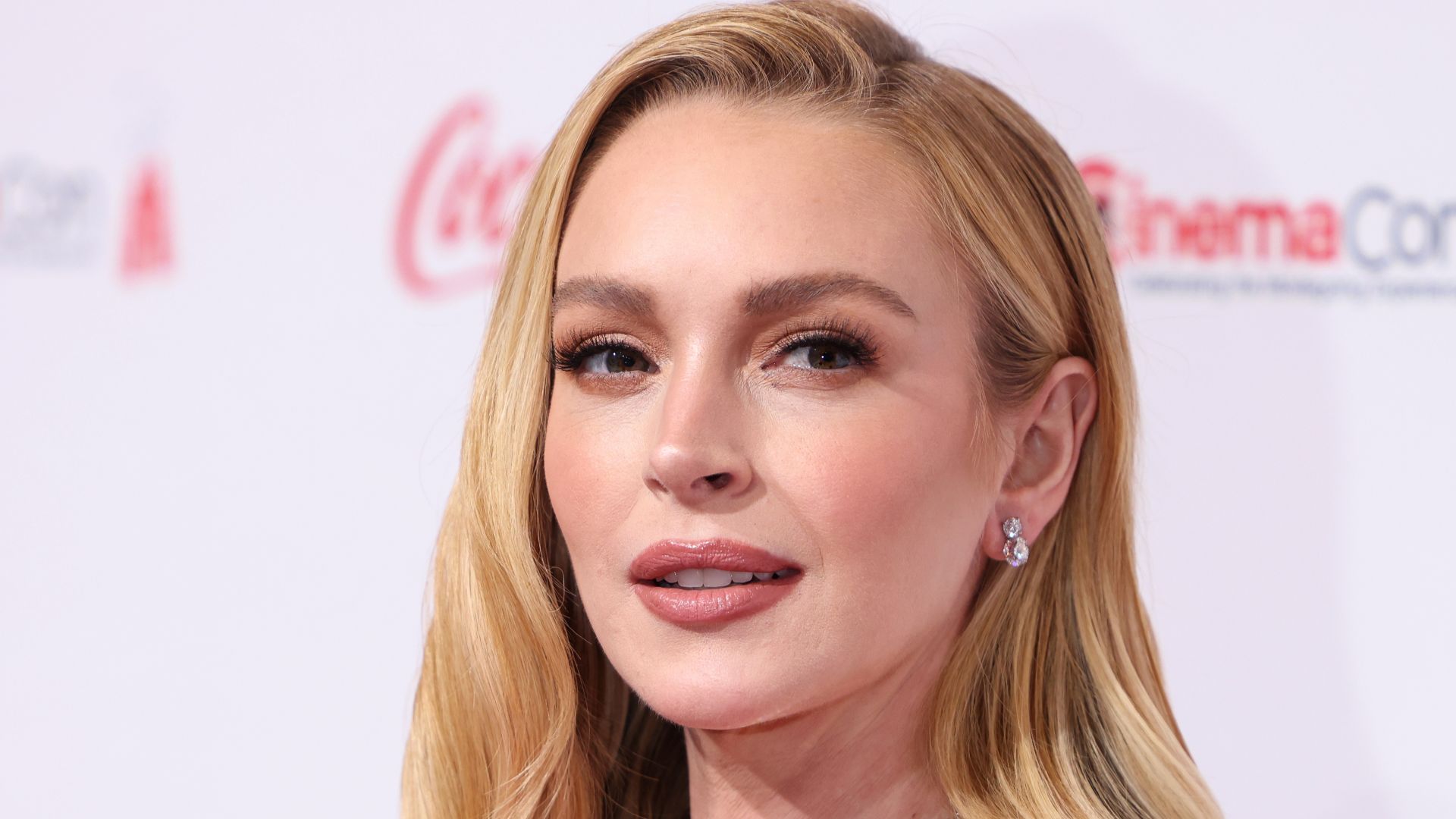
Lindsay Lohan
Lindsay Lohan became a household name with Freaky Friday and Mean Girls. Intense tabloid supervision collided with personal struggles and minimal industry guidance. As her difficulties became a public spectacle, the situation showed how studios retreat when stability and support are most needed by performers.
 Gage Skidmore, Wikimedia Commons
Jean Seberg
Political activism came with devastating consequences. Jean Seberg was targeted by government surveillance and harassment after supporting civil rights causes. Smear campaigns damaged her reputation and mental health. This is how careers could be quietly undermined when stars challenge political norms.
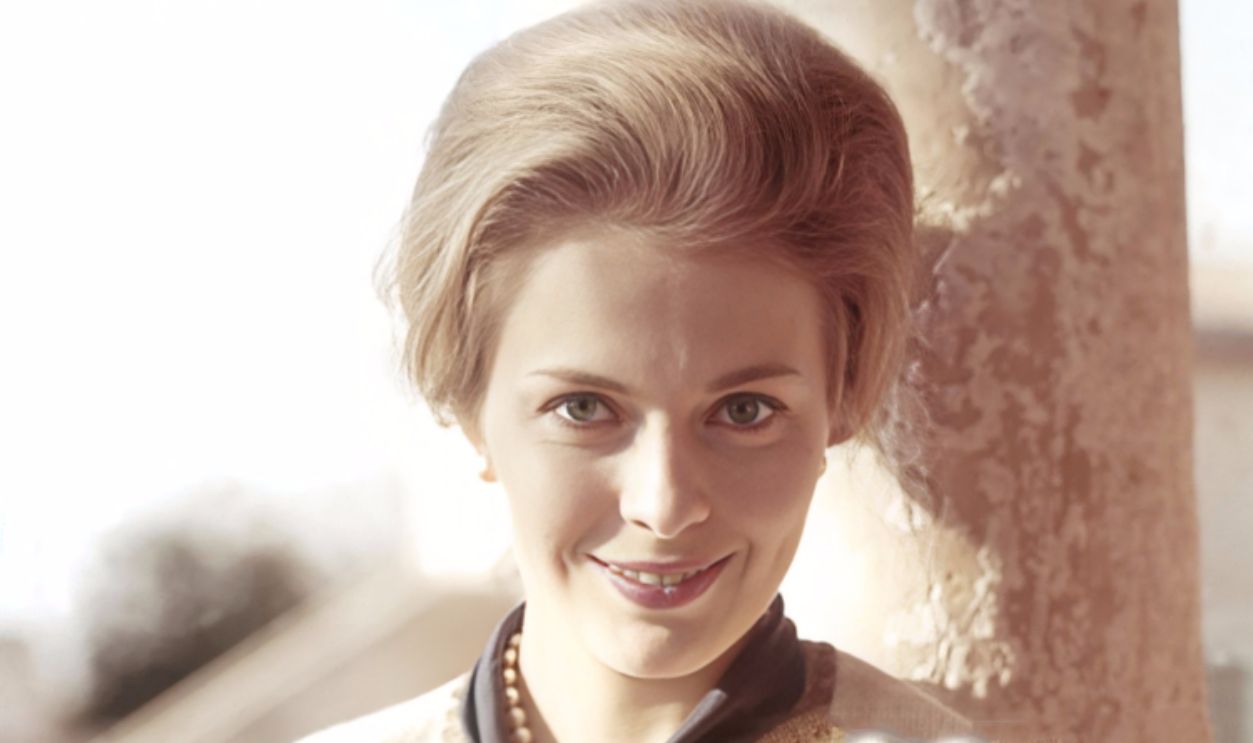 gettyimages.ch, Wikimedia Commons
Hedy Lamarr
Beauty overshadowed brilliance throughout her career. Hedy Lamarr was celebrated for her screen presence, while her groundbreaking scientific work went ignored for decades. Studio contracts limited creative freedom, demonstrating how the entertainment industry often reduced women to images.
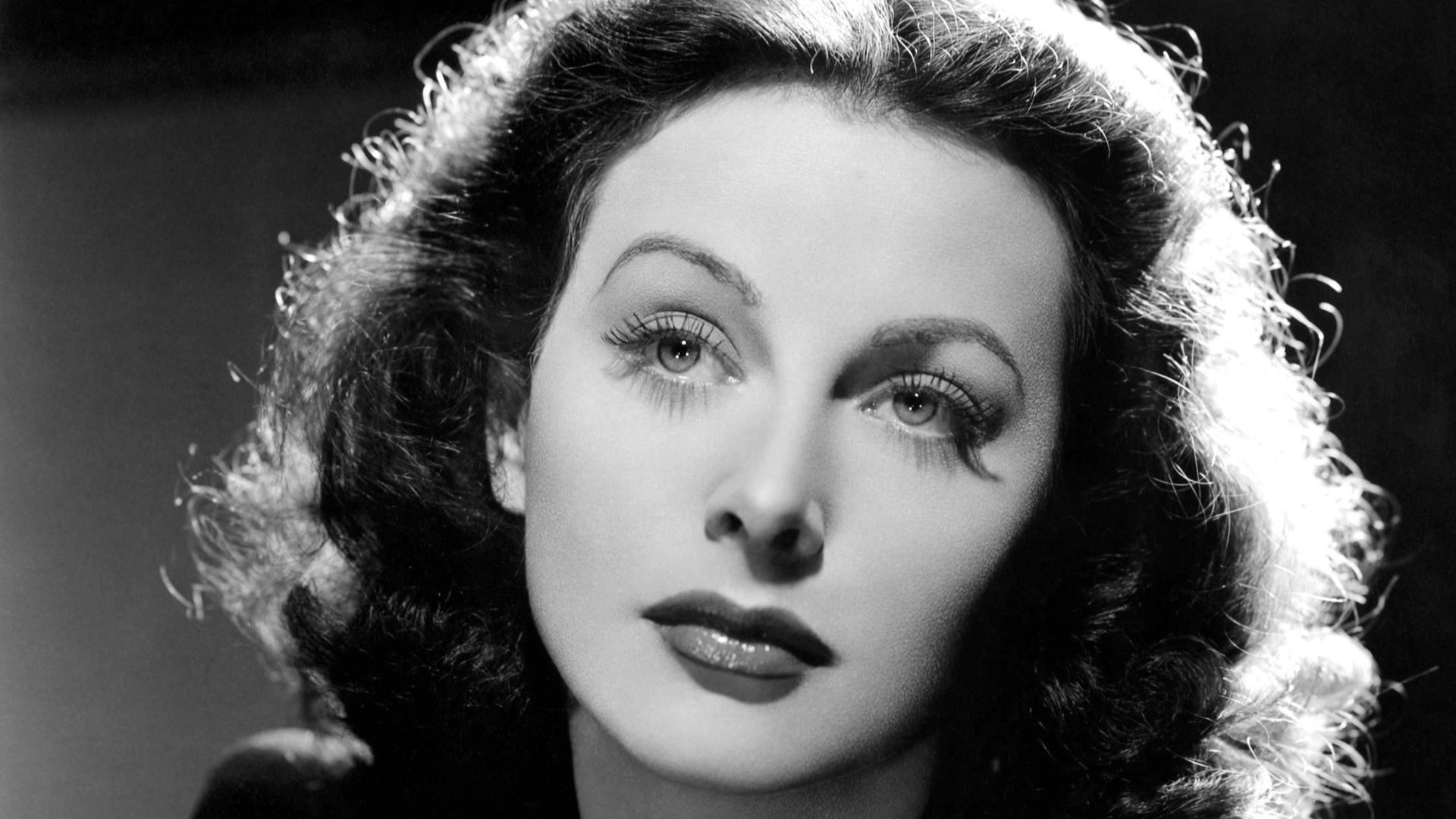 Employee(s) of MGM, Wikimedia Commons
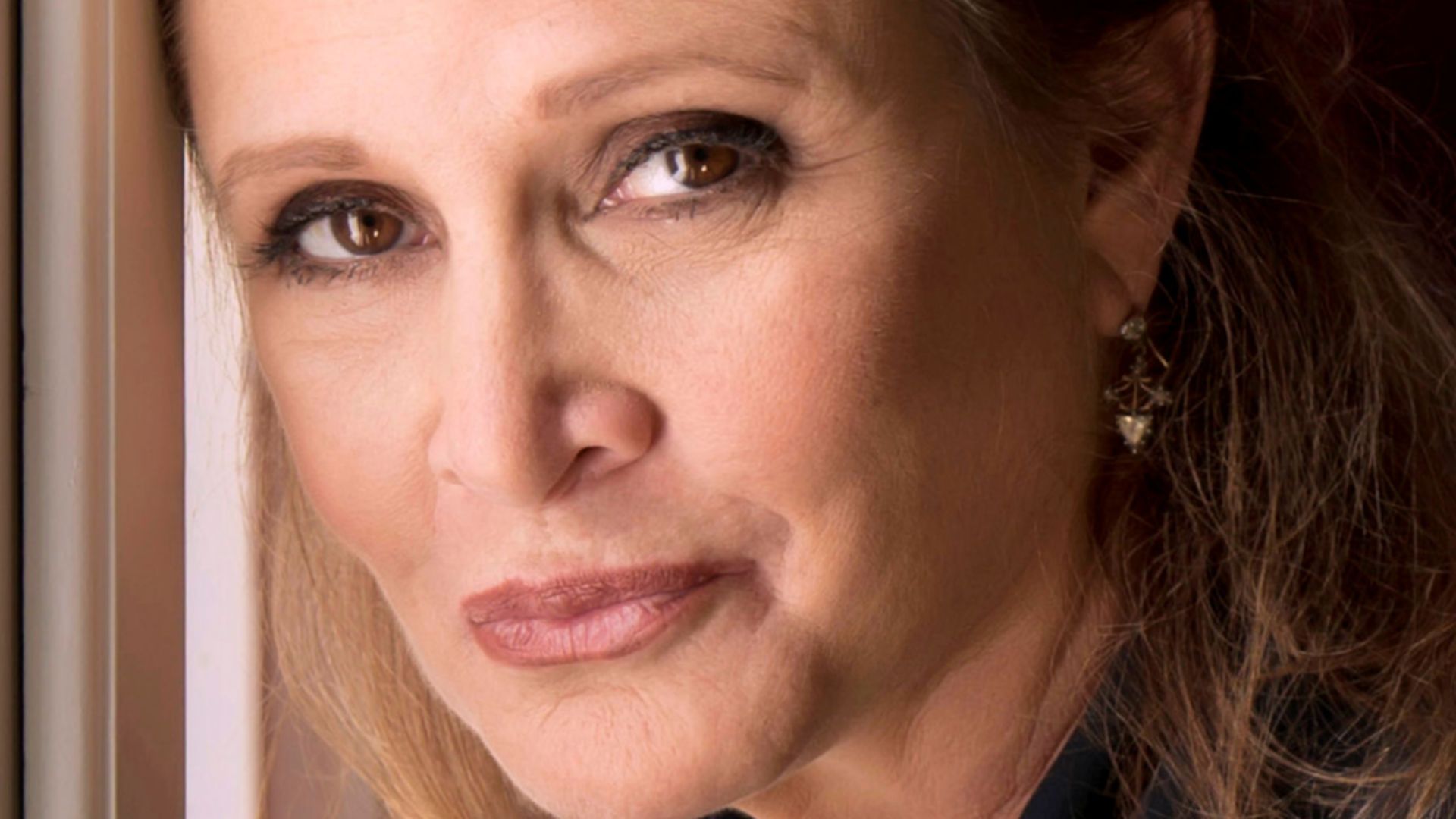
Carrie Fisher
Despite her iconic role as Princess Leia Organa, Carrie Fisher openly discussed living with bipolar disorder and addiction while working in an industry that stigmatized both. Her candor exposed how Hollywood often demands perfection while offering little understanding or support.
Megan Fox
Speaking critically altered professional standing. After calling out unsafe working conditions, Megan Fox found herself sidelined by major studios. The backlash shows how easy it is for powerful figures to jeopardize careers, particularly for women expected to remain silent to preserve marketable images.
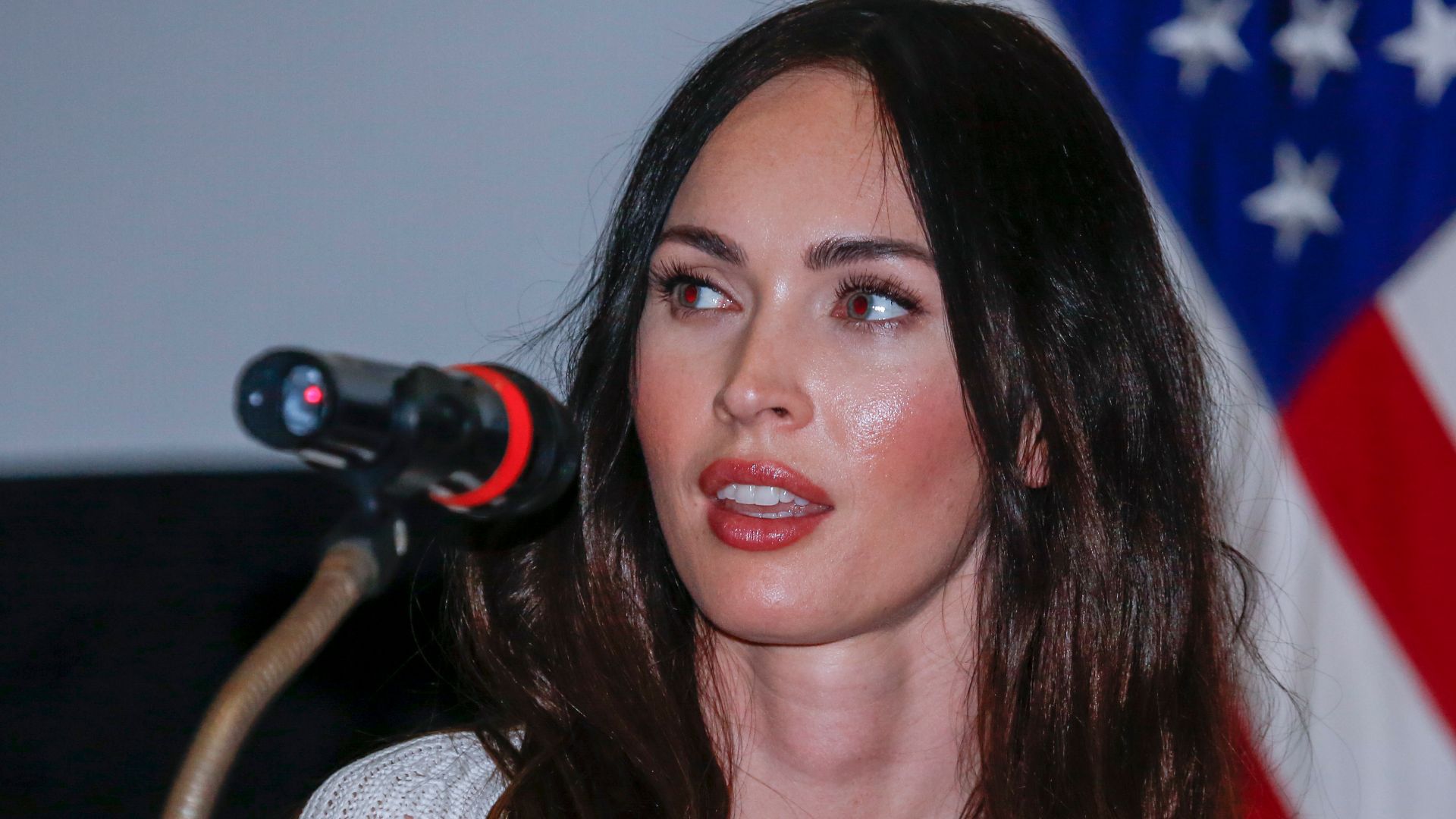 Spc. Ethan Ford U.S. ARMY GARRISON YONGSAN, Wikimedia Commons
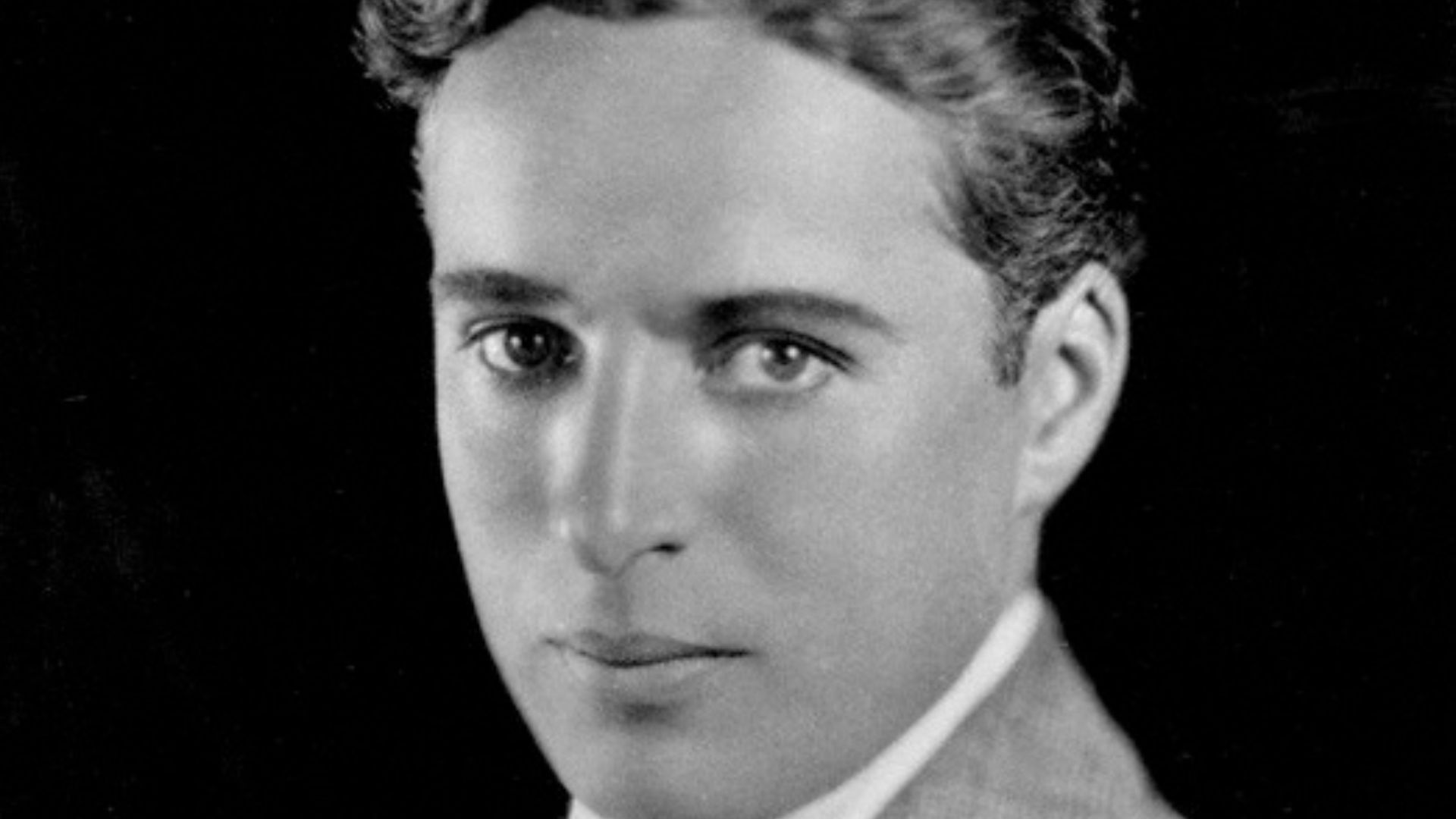
Charlie Chaplin
His worldwide fame offered little protection during political panic. Charlie Chaplin became a target during the Red Scare, facing accusations tied to his beliefs and personal life. Government attention and industry pressure eventually forced him into exile.
 Strauss-Peyton Studio, Wikimedia Commons
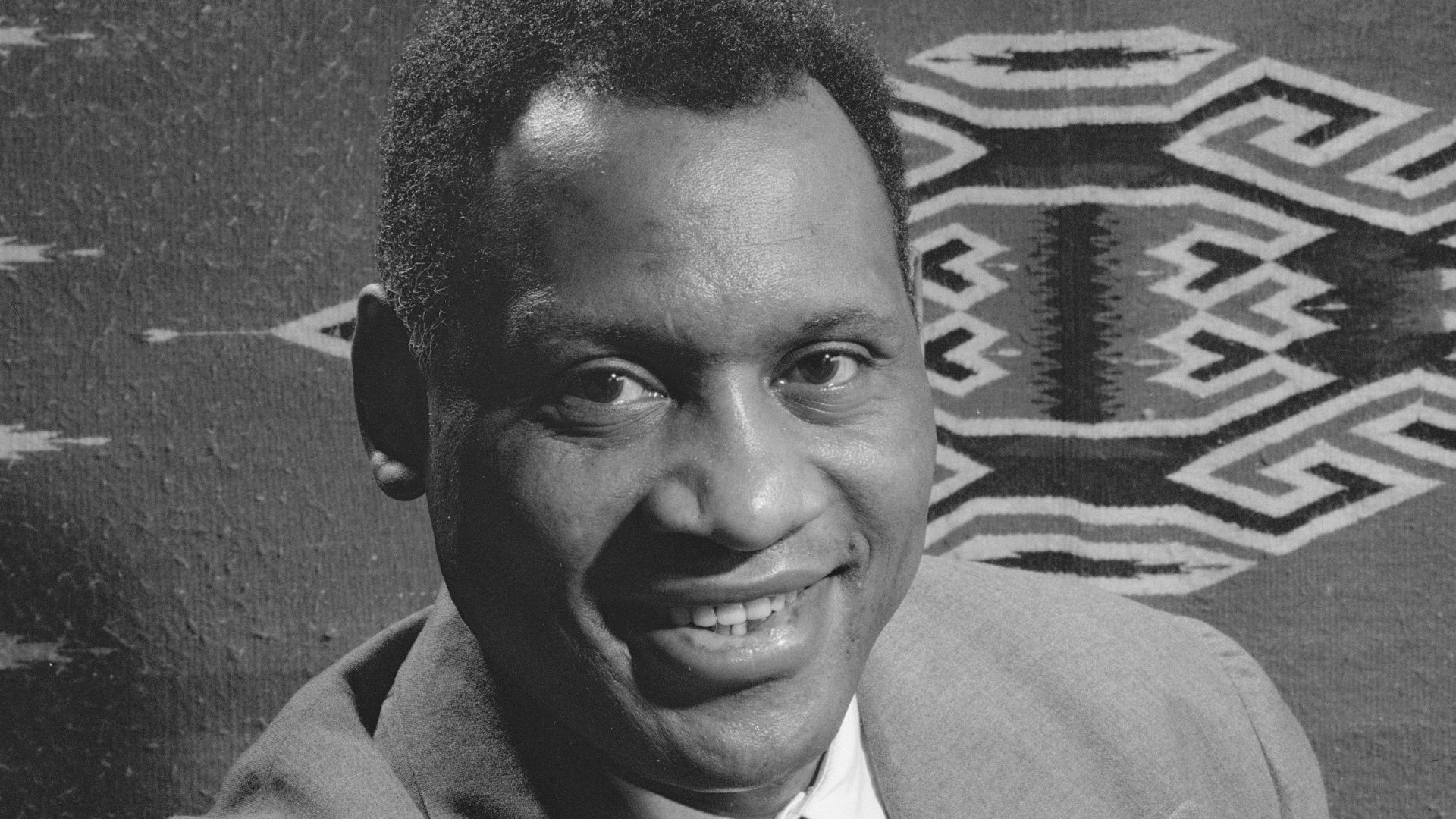
Paul Robeson
Extraordinary talent collided with systemic racism and politics. Paul Robeson’s outspoken activism led to blacklisting, revoked passports, and lost work opportunities. At this time, the entertainment industry and government institutions collaborated to suppress dissent, particularly from Black artists.
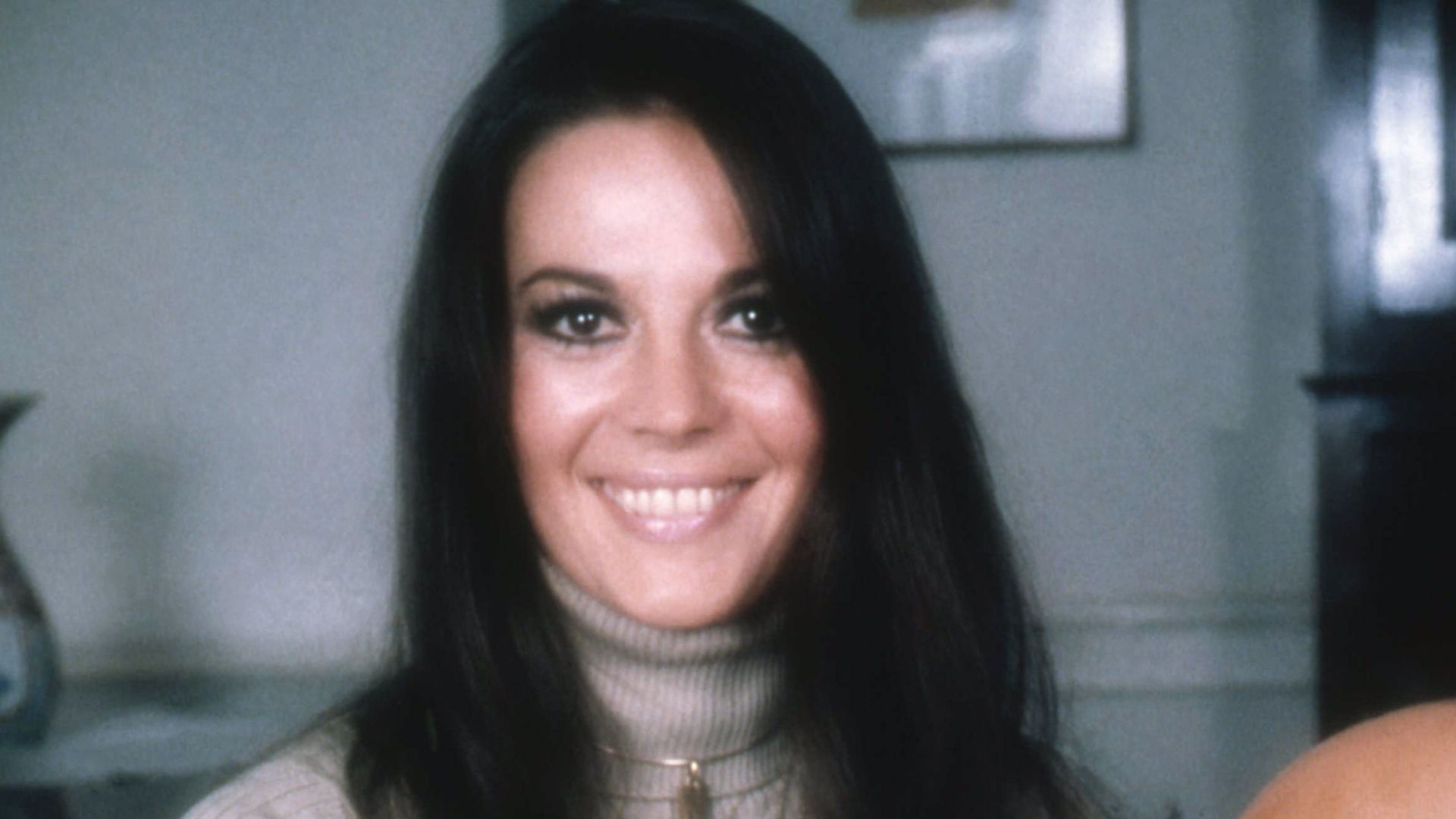
Natalie Wood
A celebrated career ended amid unanswered questions. Natalie Wood’s drowning during a yacht trip exposed gaps in investigation and accountability. Industry silence and shifting narratives fueled speculation, reflecting how Hollywood often protects reputations while leaving unresolved issues surrounding safety.
 Allan warren, Wikimedia Commons
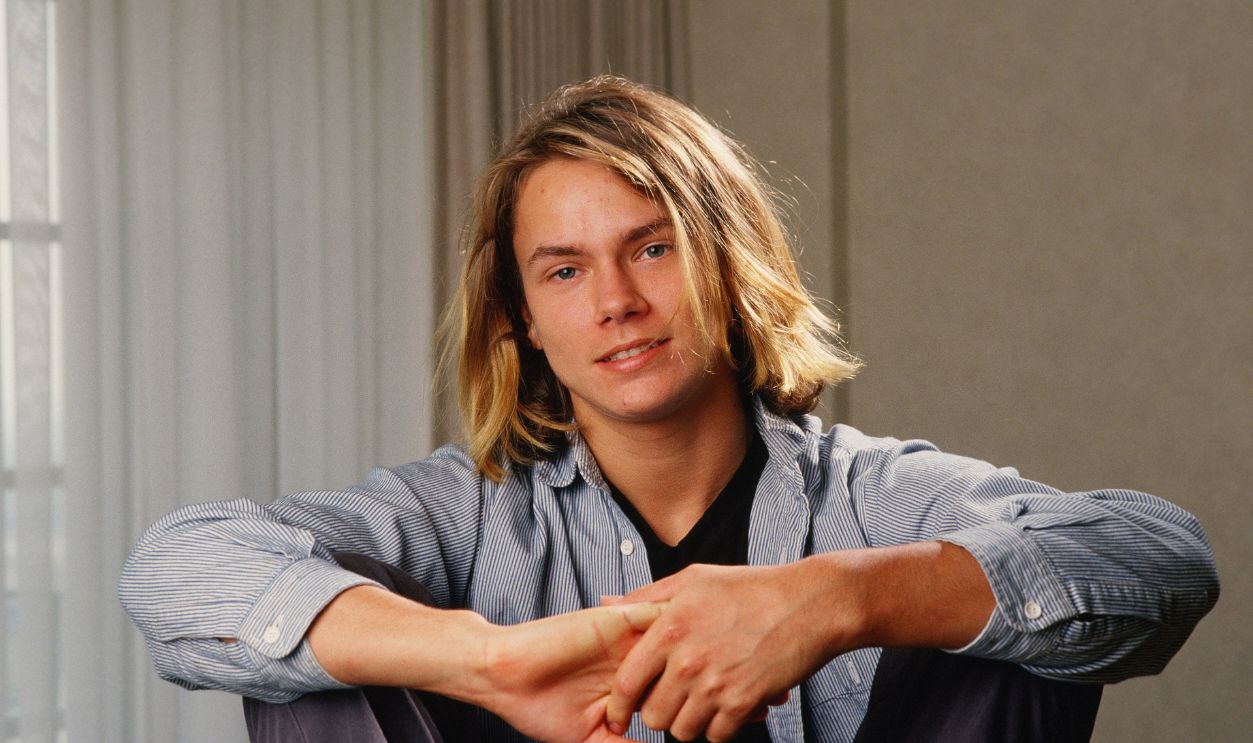
River Phoenix
Sudden fame placed enormous strain on a sensitive young actor. River Phoenix struggled with substance abuse amid Hollywood’s permissive party culture and constant pressure. His death outside a Los Angeles nightclub forced renewed attention on how the industry normalizes excess.
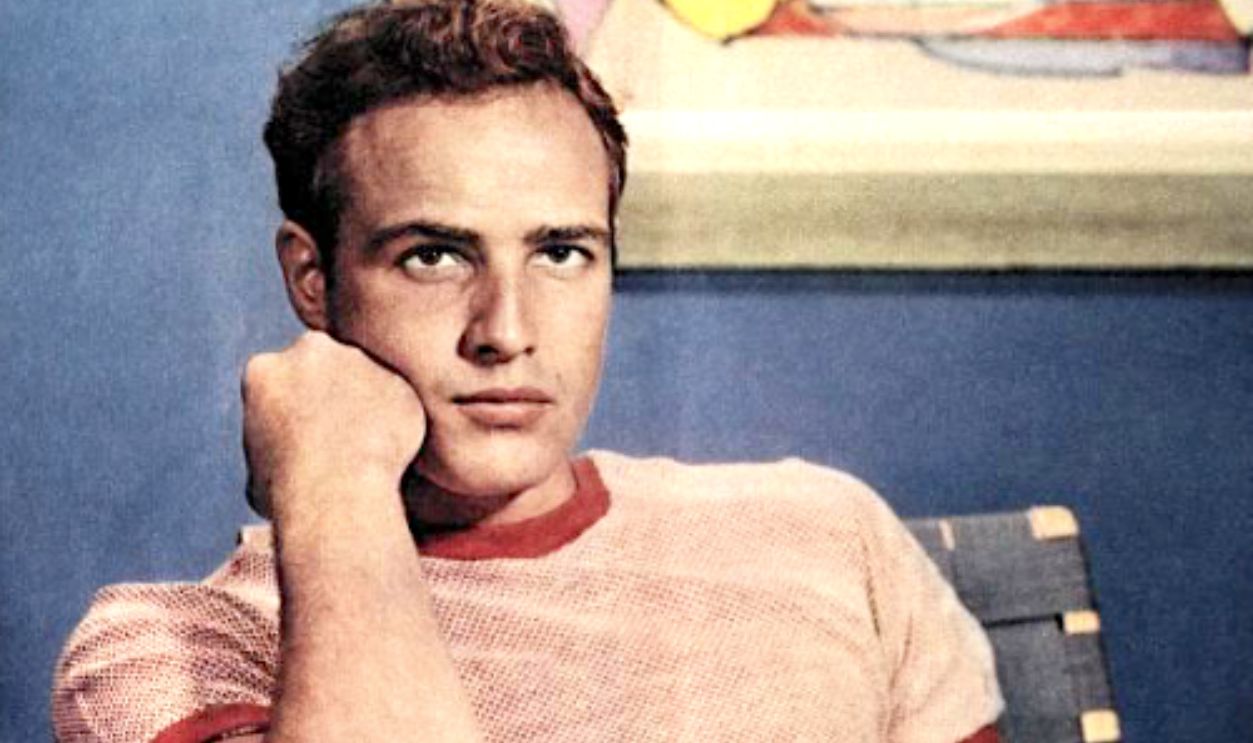
Marlon Brando
Immense talent did not erase disillusionment. Marlon Brando openly criticized Hollywood’s greed and exploitation while struggling with personal turmoil. His later career reflected tension between artistic integrity and commercial demands.
 Unknown author, Wikimedia Commons
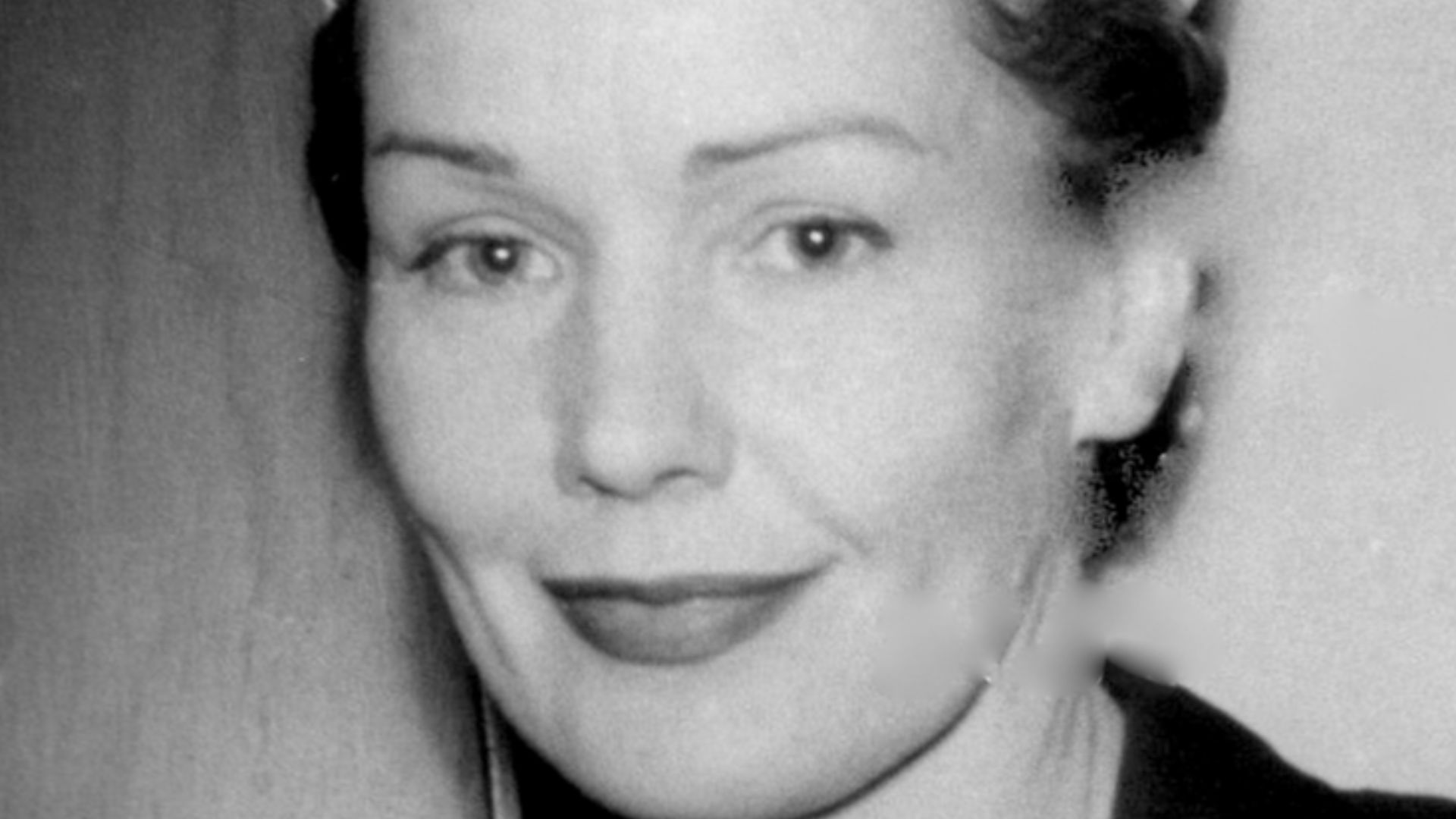
Frances Farmer
Nonconformity carried severe punishment during Hollywood’s studio era. Frances Farmer resisted rigid contracts and public expectations, which led to blacklisting and forced institutionalization. Her treatment exposed how dissenting women could be labeled unstable and removed when they challenged authority.
 Unknown authorUnknown author, Wikimedia Commons
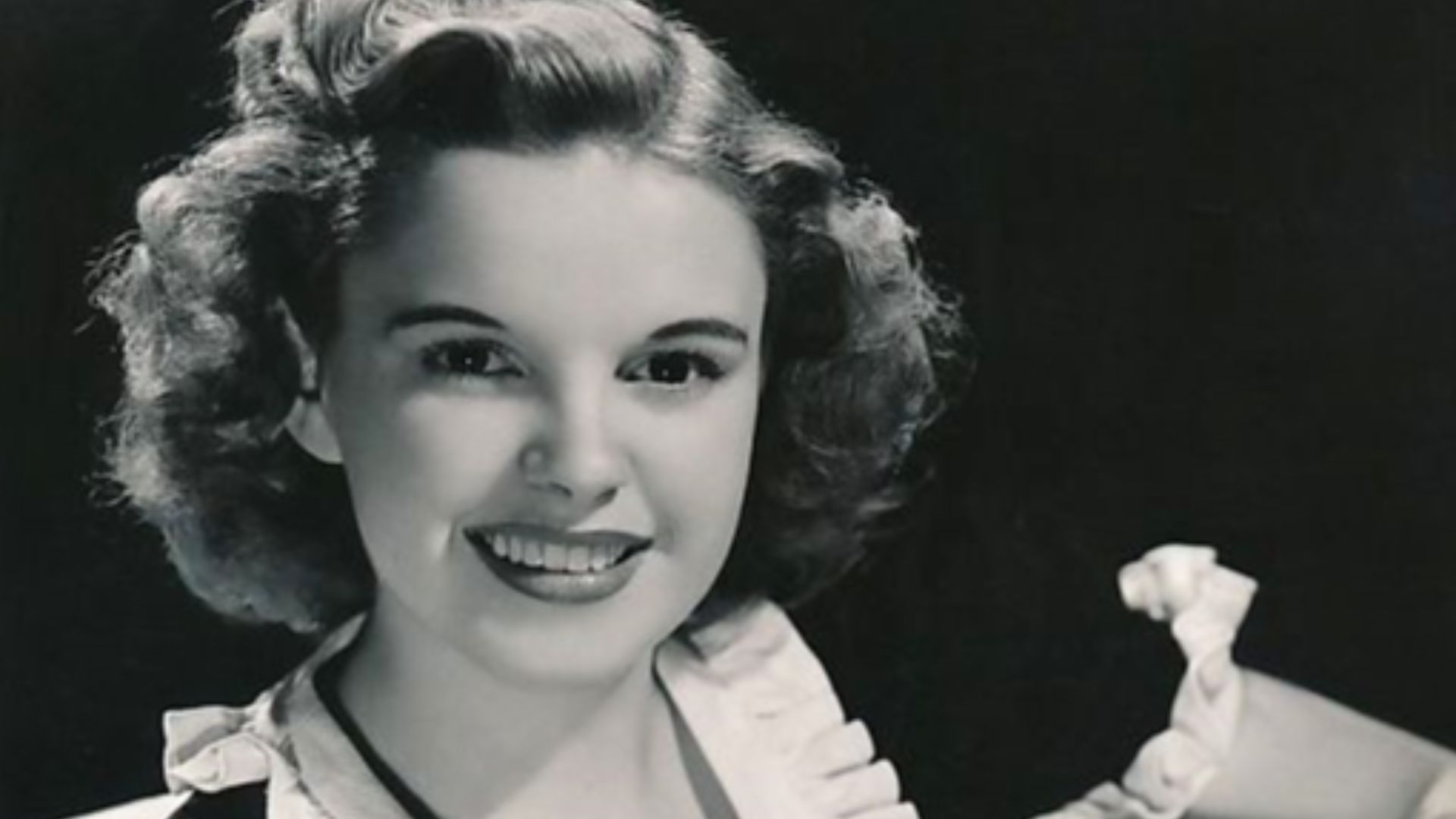
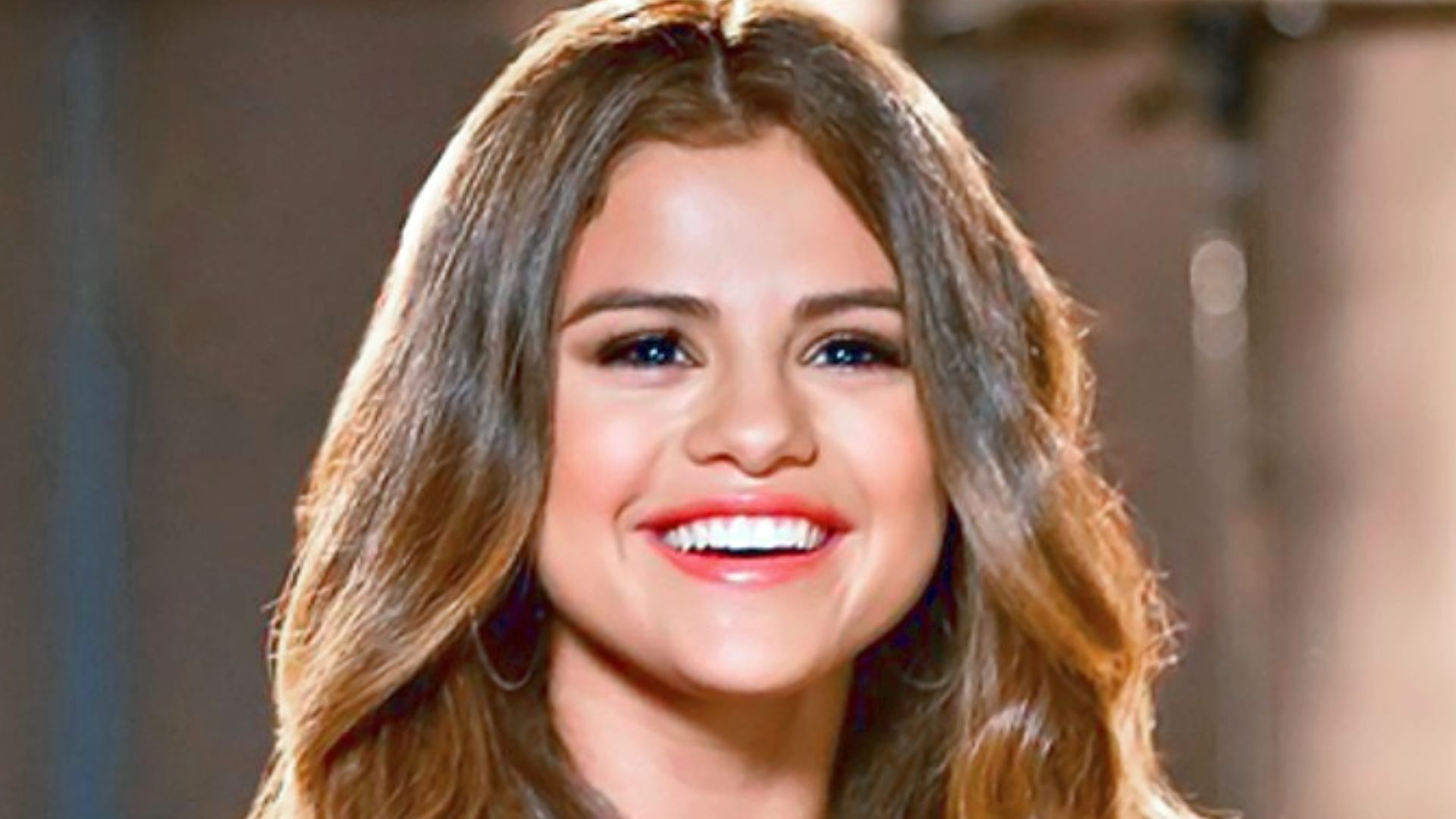
Selena Gomez
Early stardom on the Disney Channel brought Selena Gomez into the spotlight. She later spoke candidly about mental health struggles intensified by fame, social media pressure, and constant visibility. Her openness highlighted how modern Hollywood accelerates exposure while offering limited space for recovery.
 Lunchbox LP, Culver City, California, Wikimedia Commons