
When Guitars Plugged Into The Future
Rock and electronic music weren’t always obvious partners. One grew from sweaty clubs and amplifiers, the other from machines, circuits, and studios. But when the two collided, something powerful happened. More than just adding synths to rock or guitars to dance music, these bands rewired how songs were written, how records sounded, and how audiences thought about genre itself.
 Sony Music Entertainment, Wikimedia Commons
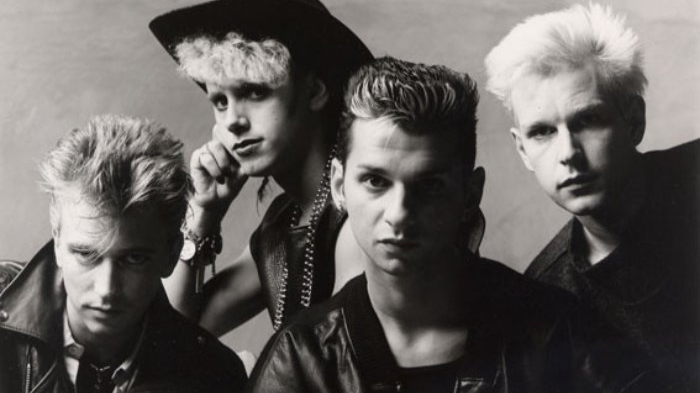
Depeche Mode
Depeche Mode started as bright synth-pop but gradually leaned into darker, more textured territory. Albums like Violator and Songs of Faith and Devotion layered industrial tones, bluesy guitar elements, and emotionally heavy lyrics. Tracks such as “Enjoy the Silence” proved electronic music could feel intimate, physical, and deeply human.
 Sire Records, Wikimedia Commons
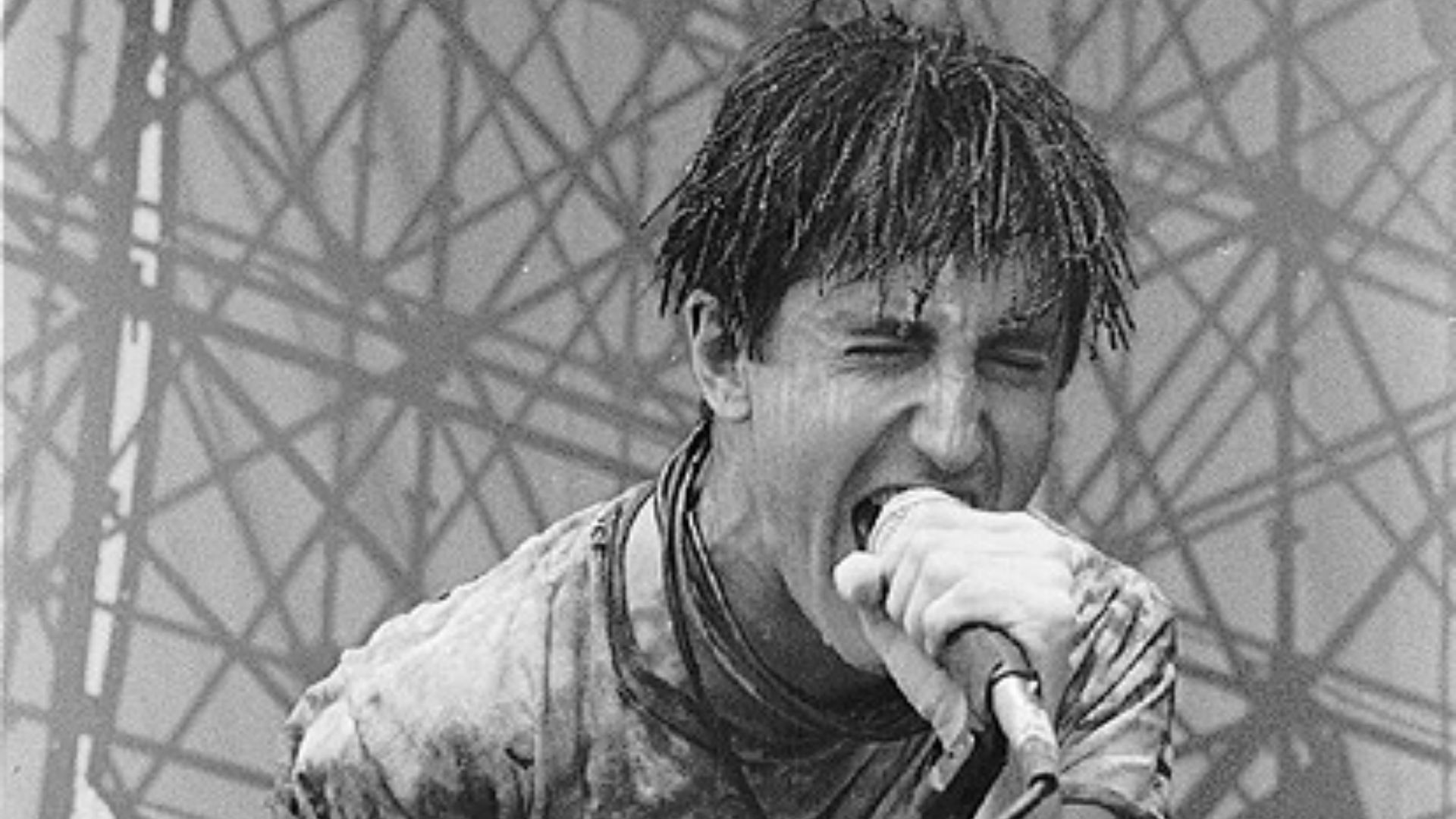
Nine Inch Nails
Trent Reznor fused industrial noise, electronic sequencing, and aggressive rock dynamics into something visceral and confessional. Albums like The Downward Spiral and The Fragile paired distorted synths with heavy guitars and cinematic sound design. Nine Inch Nails made electronic music feel violent, emotional, and brutally personal.
 Rik Goldman, Wikimedia Commons
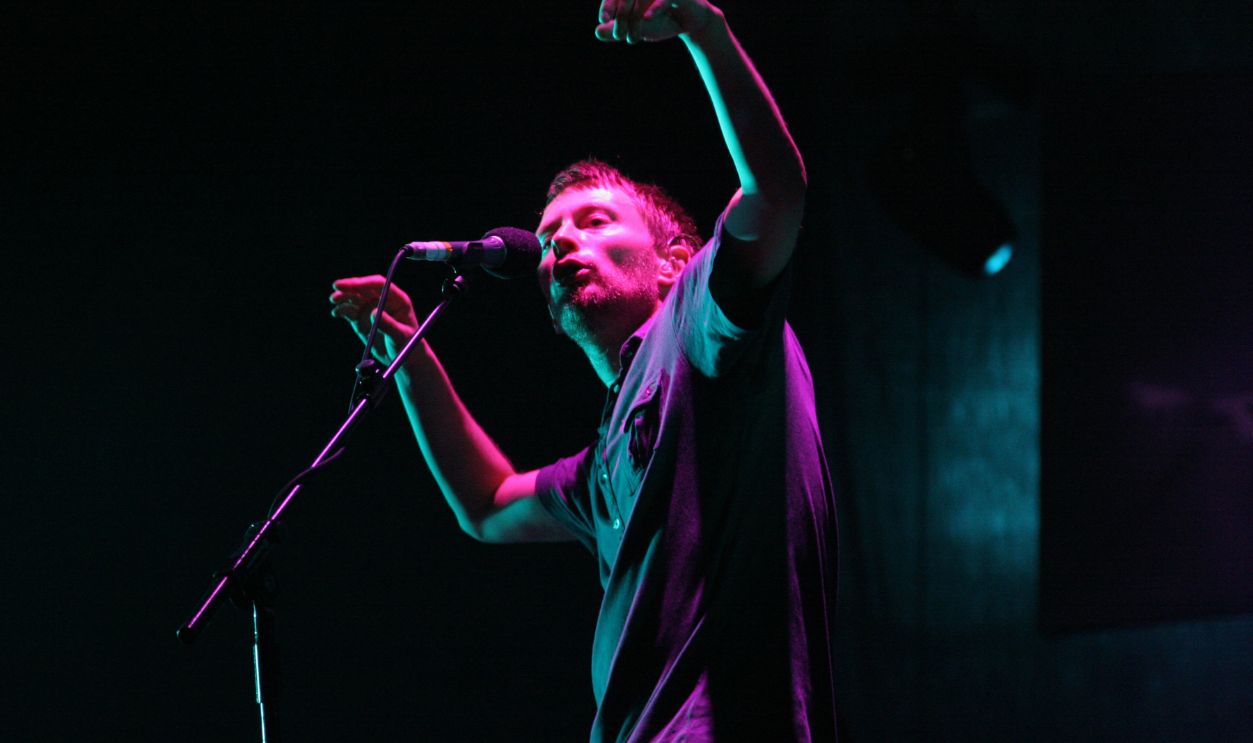
Radiohead
Radiohead’s evolution from guitar-driven alternative rock to electronic experimentation reshaped modern music. Kid A and Amnesiac introduced glitch beats, ambient textures, and digital manipulation without abandoning songwriting. Songs like “Idioteque” showed that electronic rhythms could carry the same emotional weight as traditional rock arrangements.
Tears For Fears
Tears For Fears blended introspective songwriting with lush synthesizers and rock structure. Influenced by psychology and new wave, they crafted emotionally rich pop that still felt expansive. Tracks like “Shout” and “Everybody Wants to Rule the World” balanced electronic polish with arena rock ambition.
 Screenshot from Shout, Mercury Records (1985)
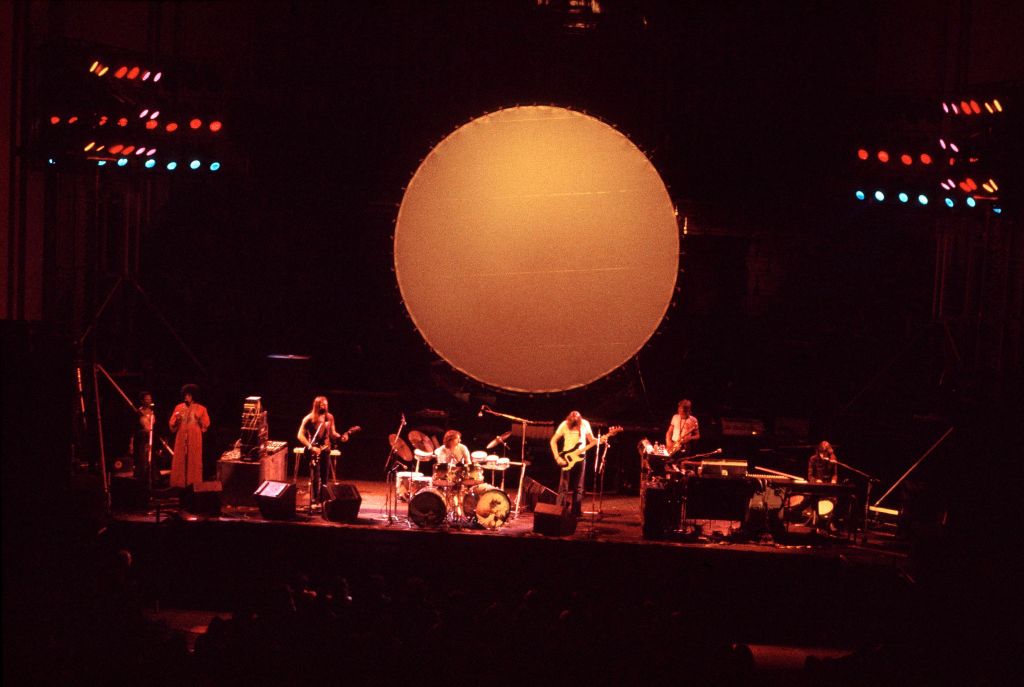
Pink Floyd
Pink Floyd embraced electronic tools long before they became standard. Synthesizers, tape loops, and sound effects played major roles on albums like The Dark Side of the Moon. Their use of electronics enhanced atmosphere and storytelling, proving technology could deepen rock’s emotional and conceptual reach.
Linkin Park
Linkin Park fused nu-metal riffs with electronic sampling, programming, and hip-hop influences. Albums like Hybrid Theory and Meteora balanced emotional lyrics with digital textures. Their sound resonated with a generation raised on both rock radio and electronic production.

The Prodigy
The Prodigy injected punk aggression and rock attitude into rave culture. Their distorted synths, breakbeats, and confrontational energy made electronic music feel dangerous and physical. Tracks like “Firestarter” and “Breathe” blurred the line between dance music and full-blown rock rebellion.
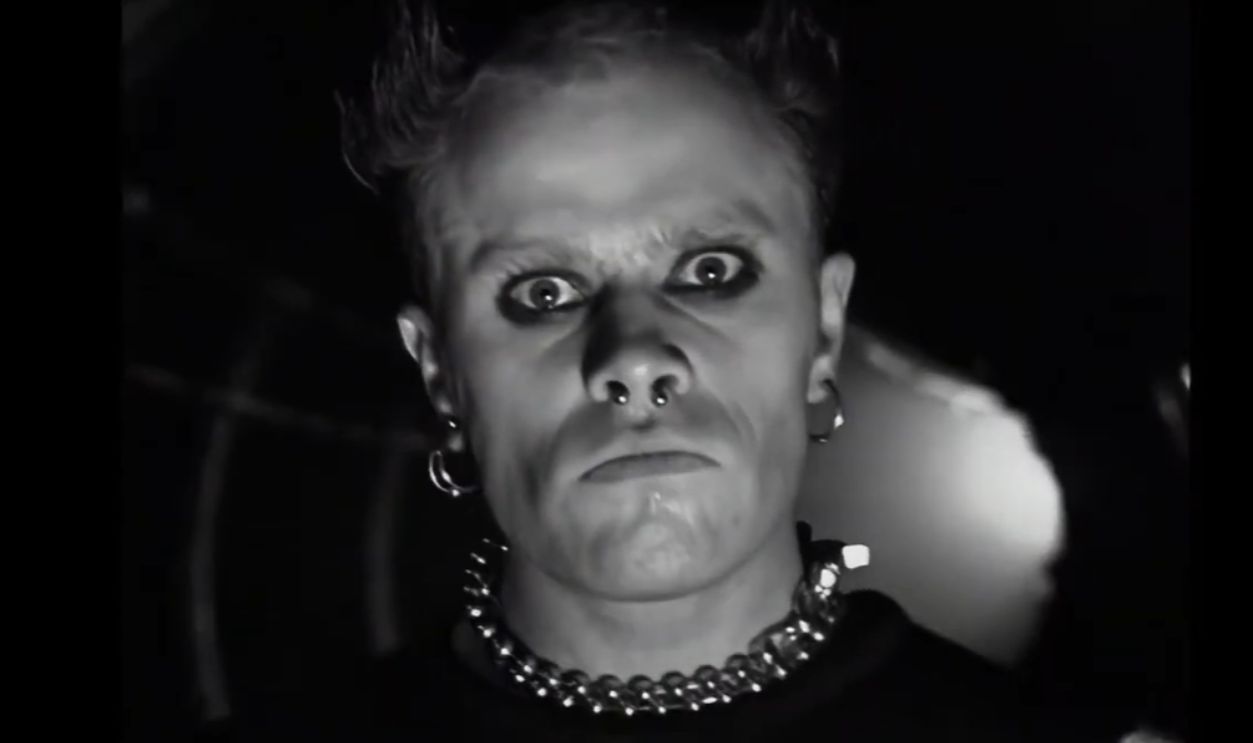 Screenshot from Firestarter, XL Recordings (1996)
New Order
Rising from Joy Division’s ashes, New Order merged post-punk guitars with electronic dance rhythms. Their use of sequencers and drum machines helped define synth-driven rock. “Blue Monday” became a landmark track, proving that emotional songwriting and club culture could coexist effortlessly.
 Screenshot from Blue Monday, Factory Records (1983)
Daft Punk
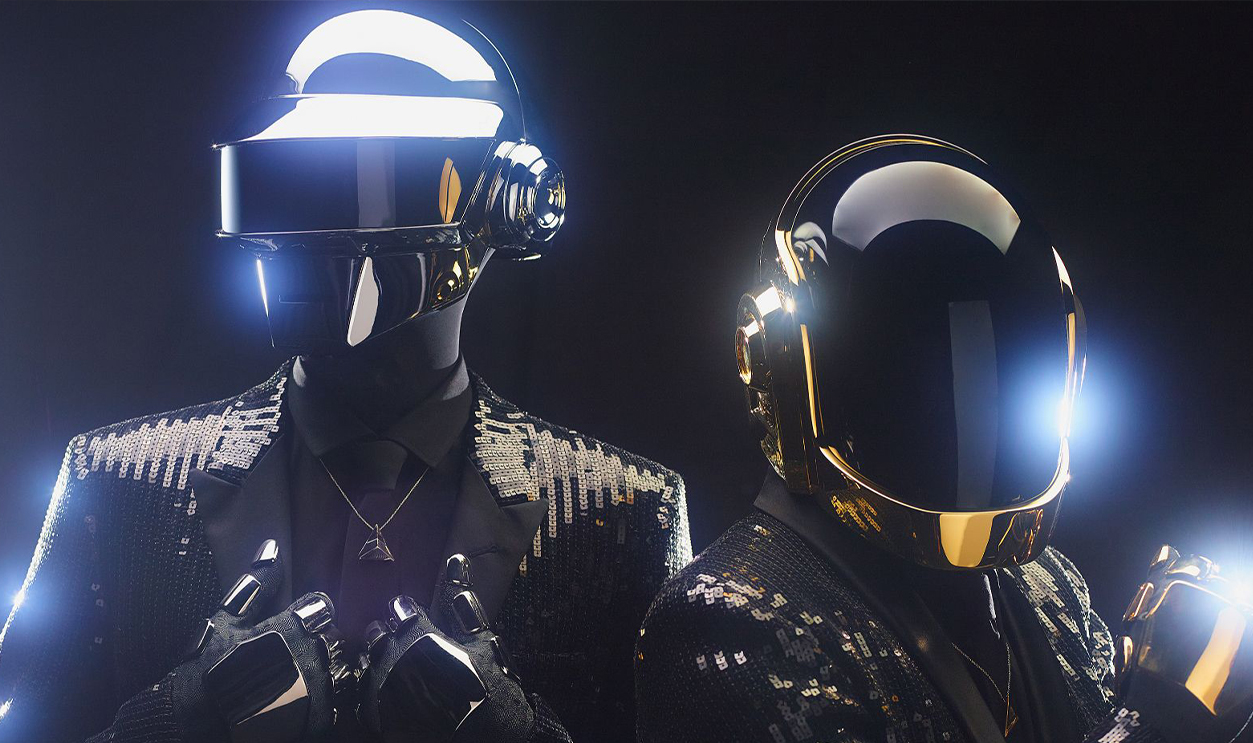
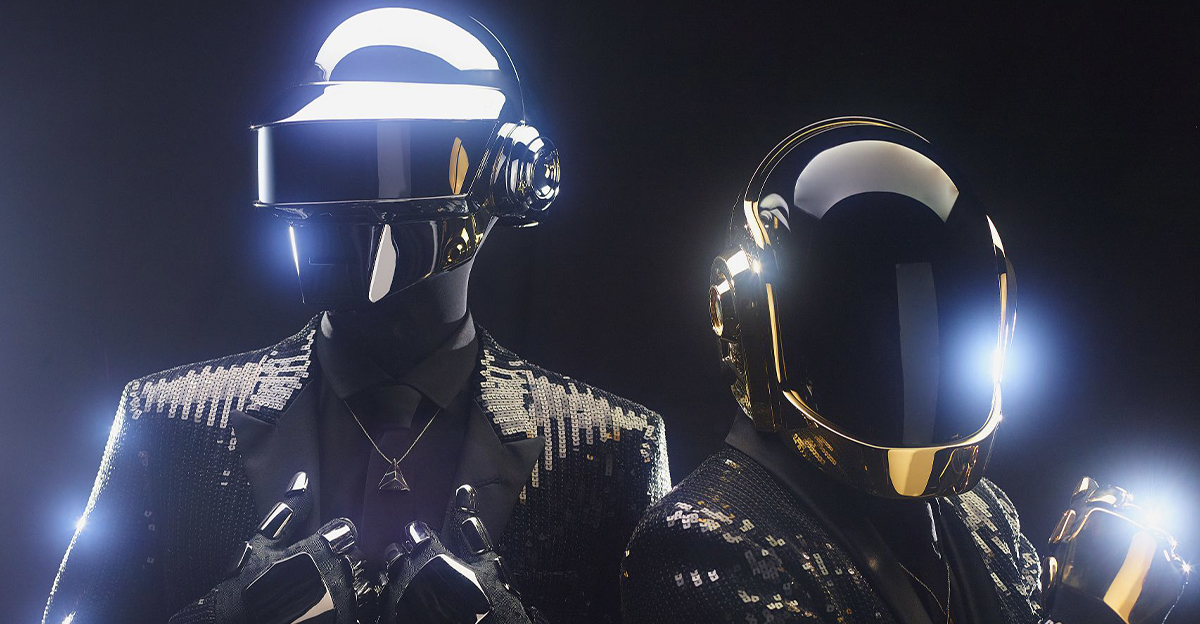
Daft Punk approached electronic music with a rock mindset. Heavy grooves, live-sounding drums, and distorted synths gave their tracks weight and momentum. Albums like Discovery and Random Access Memories openly borrowed from classic rock, funk, and disco traditions while sounding futuristic.
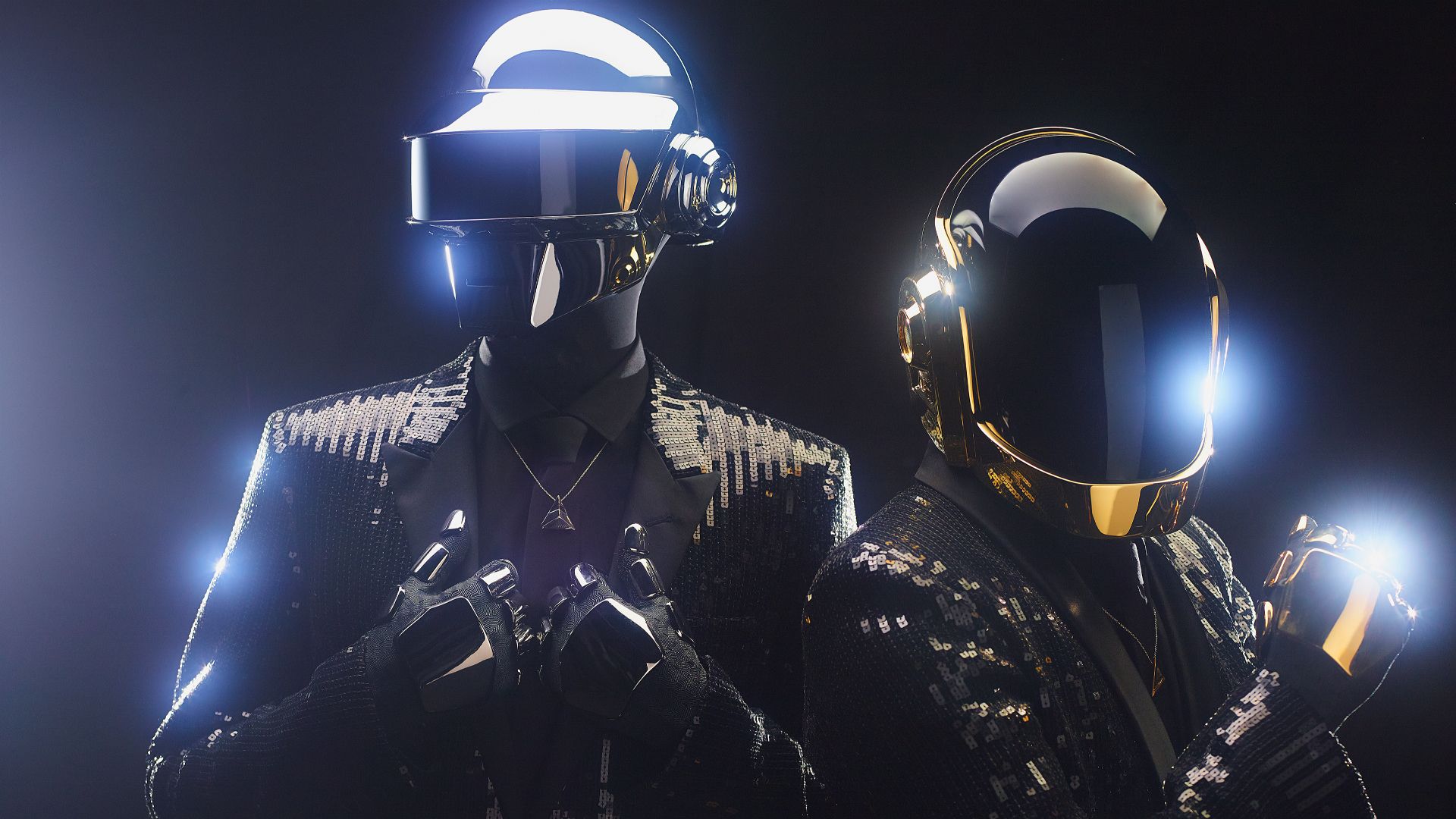 Sony Music Entertainment, Wikimedia Commons
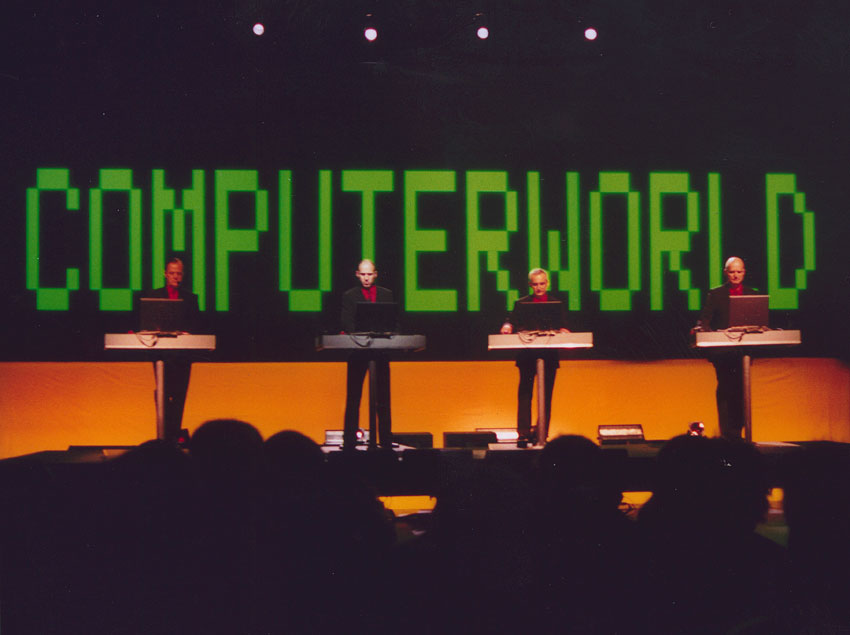
Kraftwerk
Kraftwerk laid the foundation for nearly every electronic-rock crossover that followed. Their robotic rhythms and minimalist synth melodies influenced rock bands, punk artists, and electronic producers alike. Tracks like “The Man-Machine” redefined what instruments could be and how music could feel mechanical yet expressive.
 Andreas Hagstrom, Wikimedia Commons
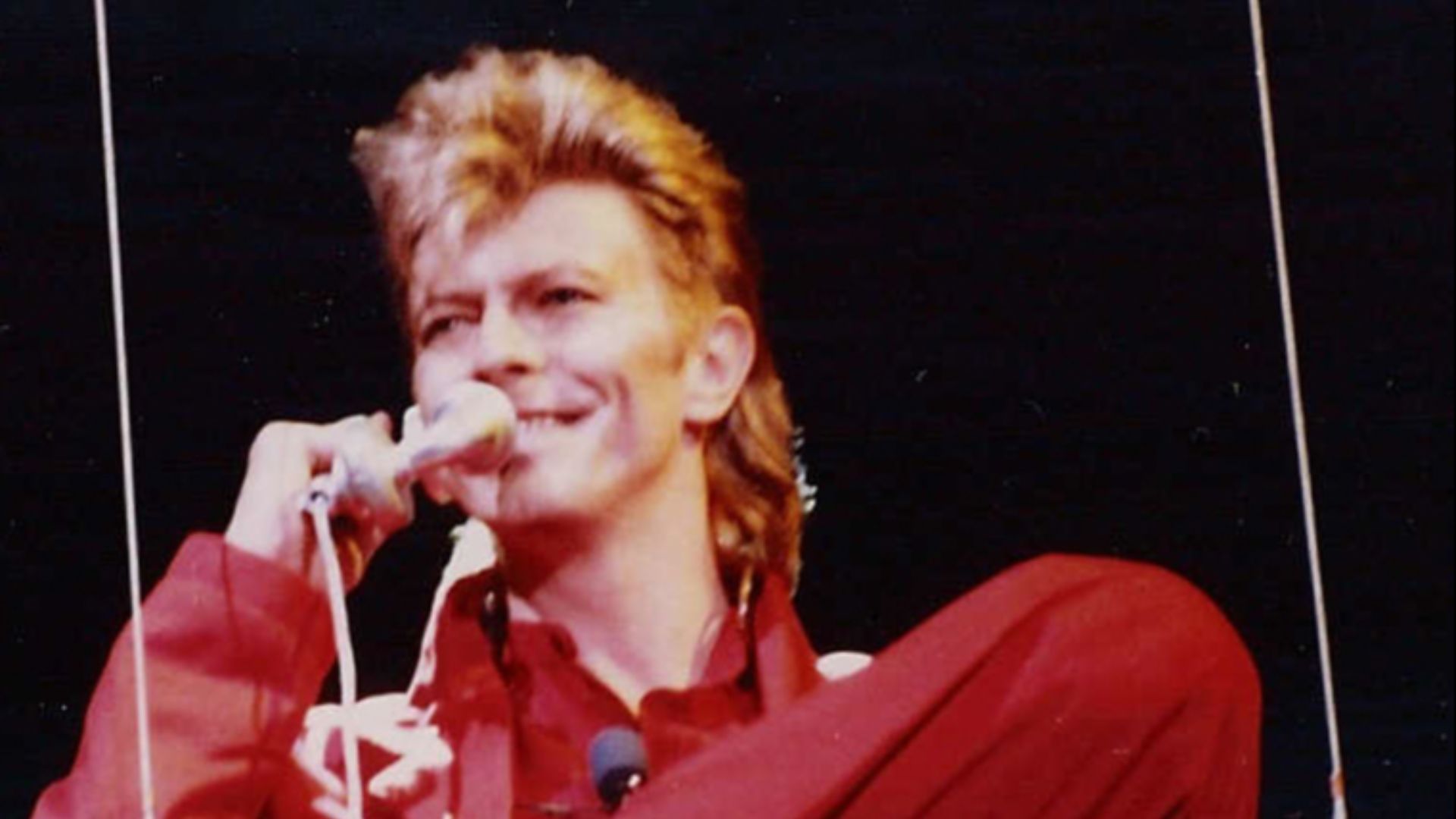
David Bowie
Bowie constantly blurred genres, especially during his Berlin era. Albums like Low and Heroes fused rock songwriting with ambient electronics and synthesizers. His willingness to experiment made electronic textures acceptable within rock, influencing everyone from post-punk bands to modern alternative artists.
 Elmar J. Lordemann (de:User:Jo Atmon), Wikimedia Commons
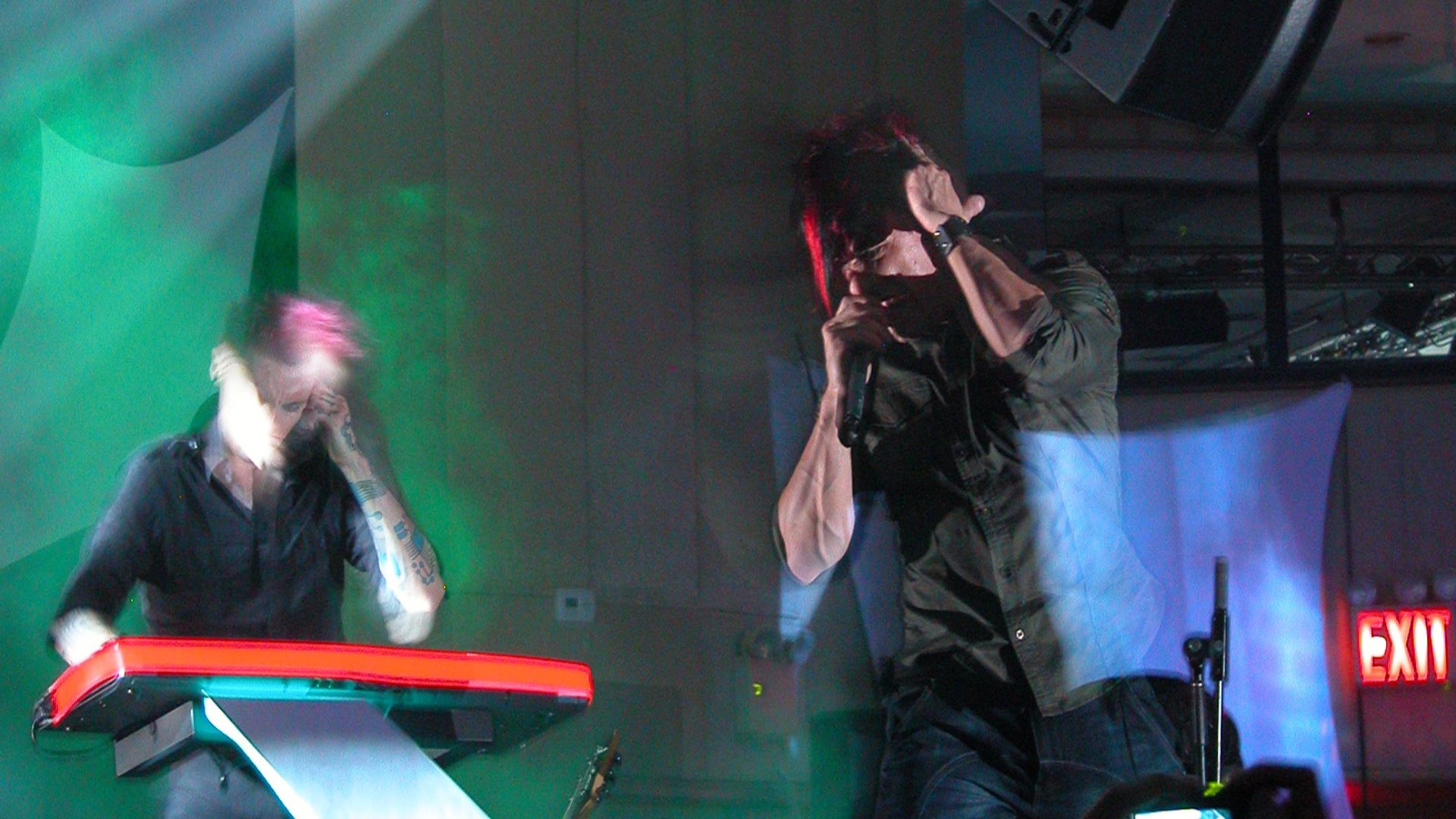
Celldweller
Celldweller blends electronic production with heavy guitar riffs and cinematic intensity. Drawing from industrial, metal, and EDM, his music feels engineered for impact. Tracks often combine aggressive rock structures with pulsating electronic drops, making Celldweller a modern blueprint for electronic-rock fusion.
 wiredforlego from Portland, USA, Wikimedia Commons
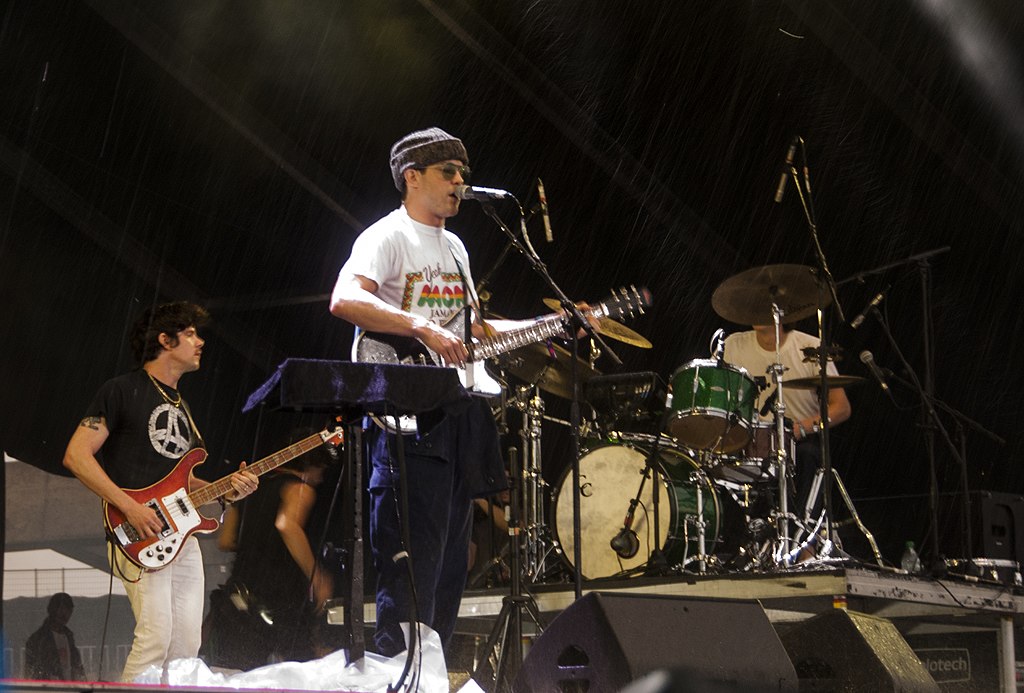
MGMT
MGMT mixed psychedelic rock with electronic textures and pop instincts. Their early hits leaned heavily on synths, but guitars and rock structures remained central. Albums like Oracular Spectacular showed how electronic sounds could feel playful, nostalgic, and distinctly band-driven.
Duran Duran
Duran Duran blended glossy electronics with rock attitude and funk rhythms. Their emphasis on basslines, synth hooks, and visual presentation helped define MTV-era rock. Songs like “Hungry Like the Wolf” made electronic textures feel adventurous and mainstream-friendly.
 Screenshot from Duran Duran – Hungry Like the Wolf, EMI Records (1982)
The Chemical Brothers
Known for their big-beat sound, The Chemical Brothers incorporated distorted loops, rock samples, and aggressive rhythms. Their live shows felt closer to rock concerts than DJ sets. Songs like “Block Rockin’ Beats” demonstrated how electronic music could hit with the force of a live band.
 Screenshot from The Chemical Brothers – Block Rockin’ Beats, Virgin Records (1997)
Pet Shop Boys
Pet Shop Boys crafted sophisticated electronic pop rooted in classic songwriting. Their music often followed rock structures but relied on synthesizers instead of guitars. Tracks like “West End Girls” proved electronic instrumentation could carry narrative depth, irony, and emotional complexity.
 Screenshot from Pet Shop Boys – West End Girls, Parlophone (1984)
Eurythmics
Eurythmics combined rock sensibility with electronic experimentation. Annie Lennox’s powerful vocals anchored songs built on synths and drum machines. “Sweet Dreams” became iconic by pairing cold electronic textures with bold, almost rock-like performance energy.
 Screenshot from Eurythmics – Sweet Dreams, RCA Records (1983)
Electric Light Orchestra
ELO bridged orchestral rock, pop, and electronic experimentation. Their heavy use of synthesizers alongside traditional rock instruments foreshadowed later electronic-rock hybrids. Albums like Out of the Blue blended futuristic sounds with classic songwriting instincts.
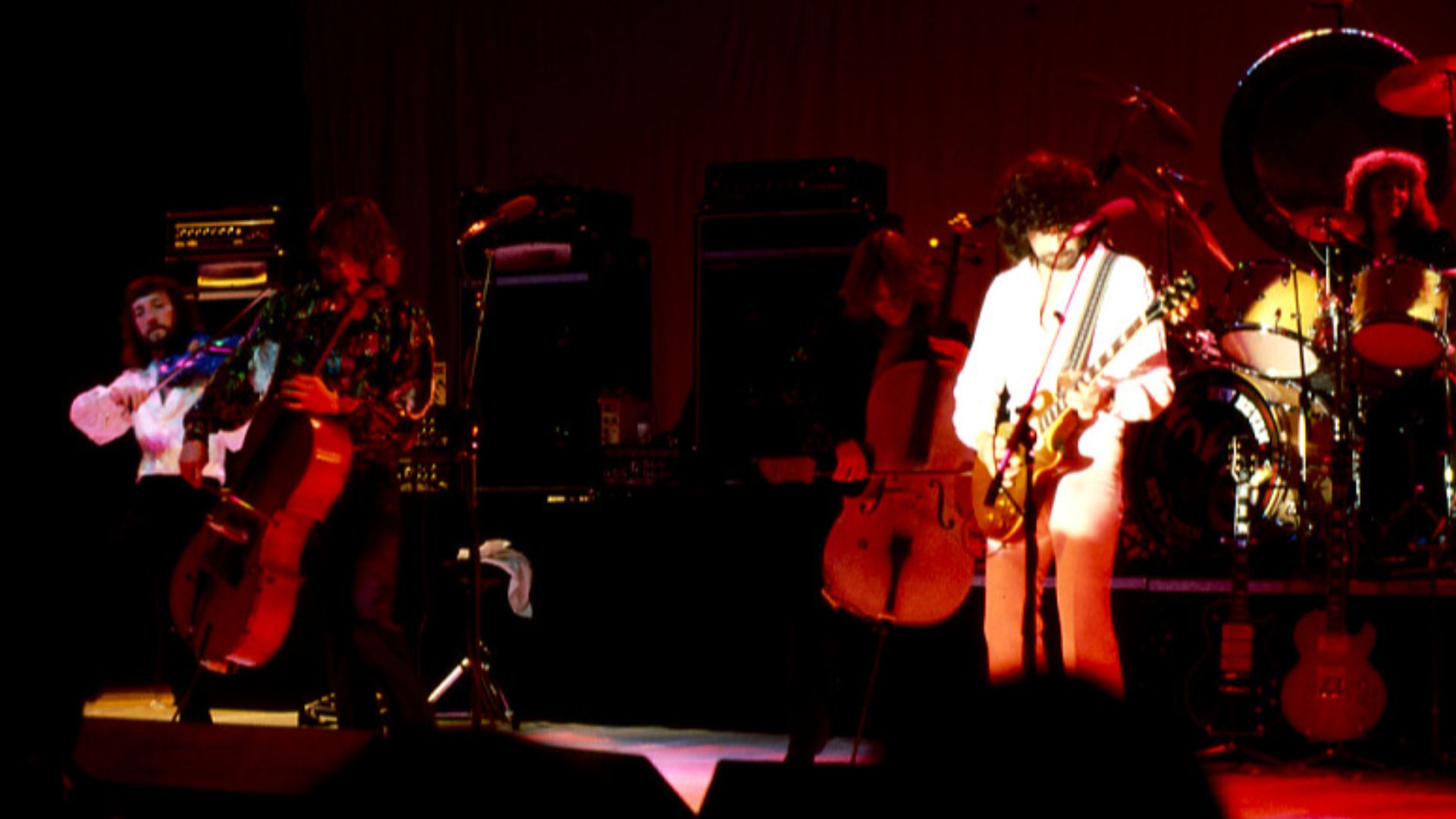 Helge Overas, Wikimedia Commons
Muse
Muse merged progressive rock ambition with electronic textures and modern production. Synth arpeggios, processed beats, and digital effects sit alongside massive guitar riffs. Songs like “Madness” and “Uprising” show how electronics can enhance rock’s drama and scale.
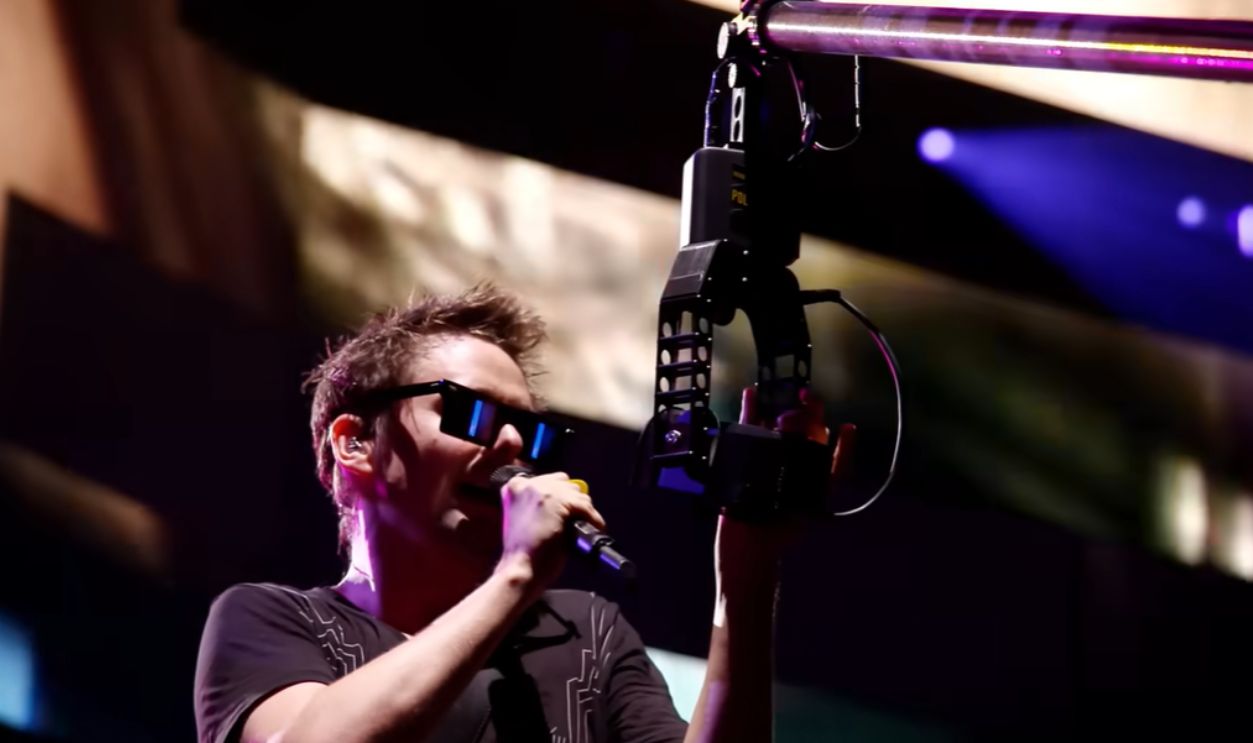 Screenshot from Muse – Madness, Warner Bros. Records (2012)
Rammstein
Rammstein fused industrial electronics with crushing metal riffs to create a rigid, mechanical sound. Drum machines and synth lines often mirror guitar parts, reinforcing their relentless rhythm. Their theatrical live shows further blur the line between electronic precision and rock spectacle.

Orchestral Manoeuvres In The Dark
OMD helped bring synthesizers into pop and rock consciousness during the early ’80s. Their melodic focus and experimental edge made electronic music feel approachable. Tracks like “Enola Gay” balanced catchy hooks with cold-war-era electronic minimalism.
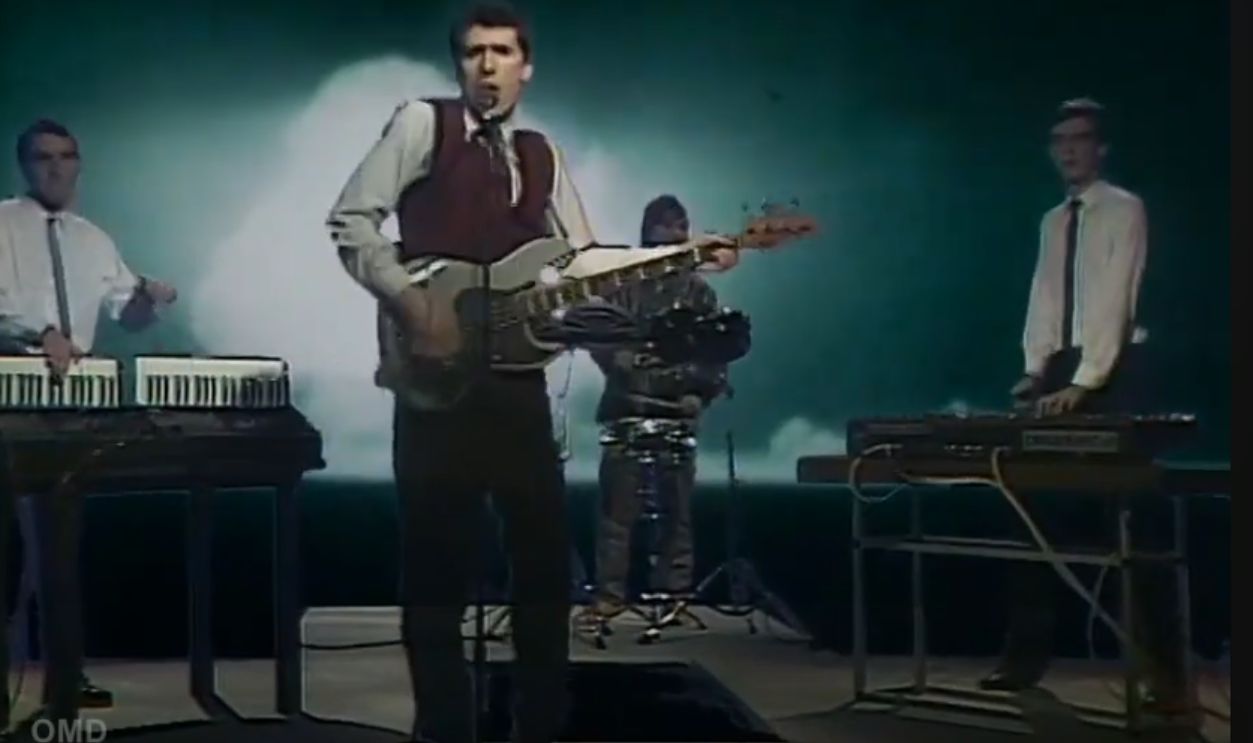 Screenshot from Orchestral Manoeuvres In The Dark – Enola Gay, Virgin Records (1980)
Blue Stahli
Blue Stahli’s music sits at the crossroads of electronic rock, industrial, and soundtrack composition. Heavy synths and distorted guitars work together to create high-impact tracks often used in film, TV, and games. The project emphasizes mood, aggression, and digital polish.
 wiredforlego from Portland, USA, Wikimedia Commons
Genesis
Genesis gradually integrated synthesizers into their progressive rock framework. During their late ’70s and ’80s period, electronic textures became central to their sound. Albums like Duke helped normalize synth-heavy arrangements within traditional rock band formats.
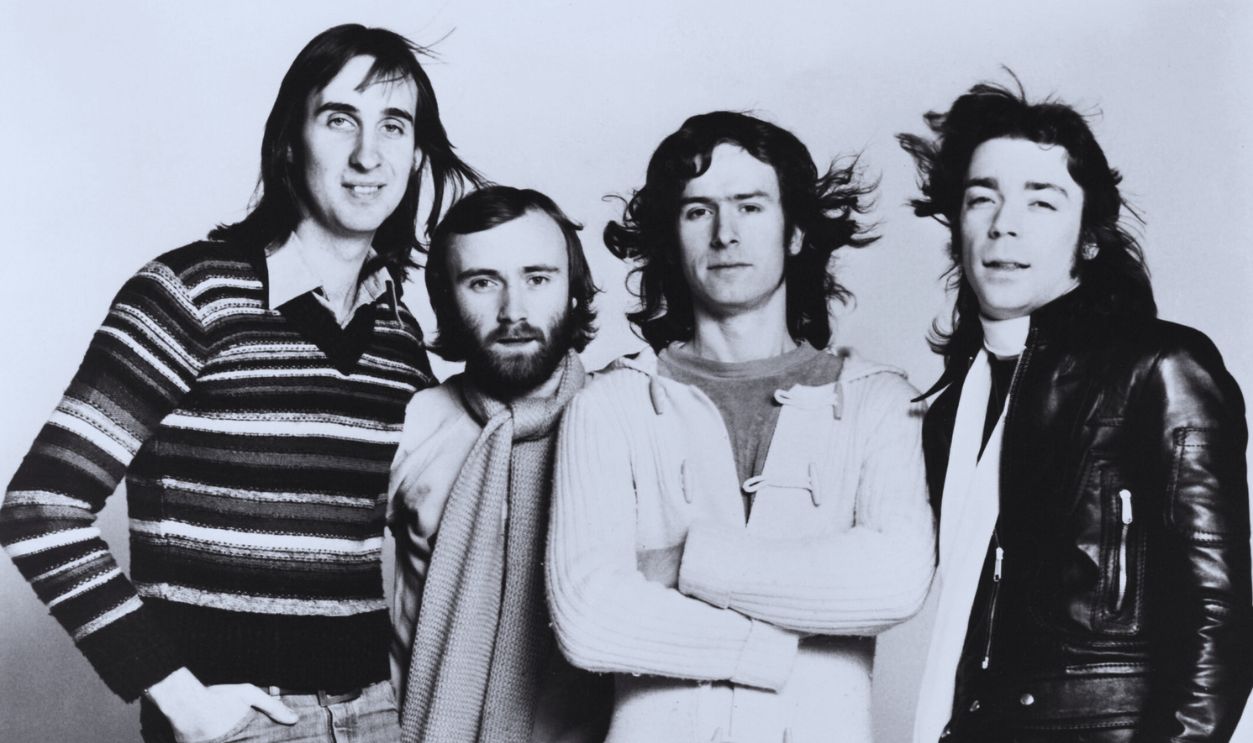 Distributed by Atco Records, Wikimedia Commons
The Human League
The Human League embraced synthesizers as their primary instruments, but their songwriting leaned heavily on pop and rock traditions. Their success helped bring electronic music into the mainstream, influencing rock artists to experiment with synth-based arrangements.
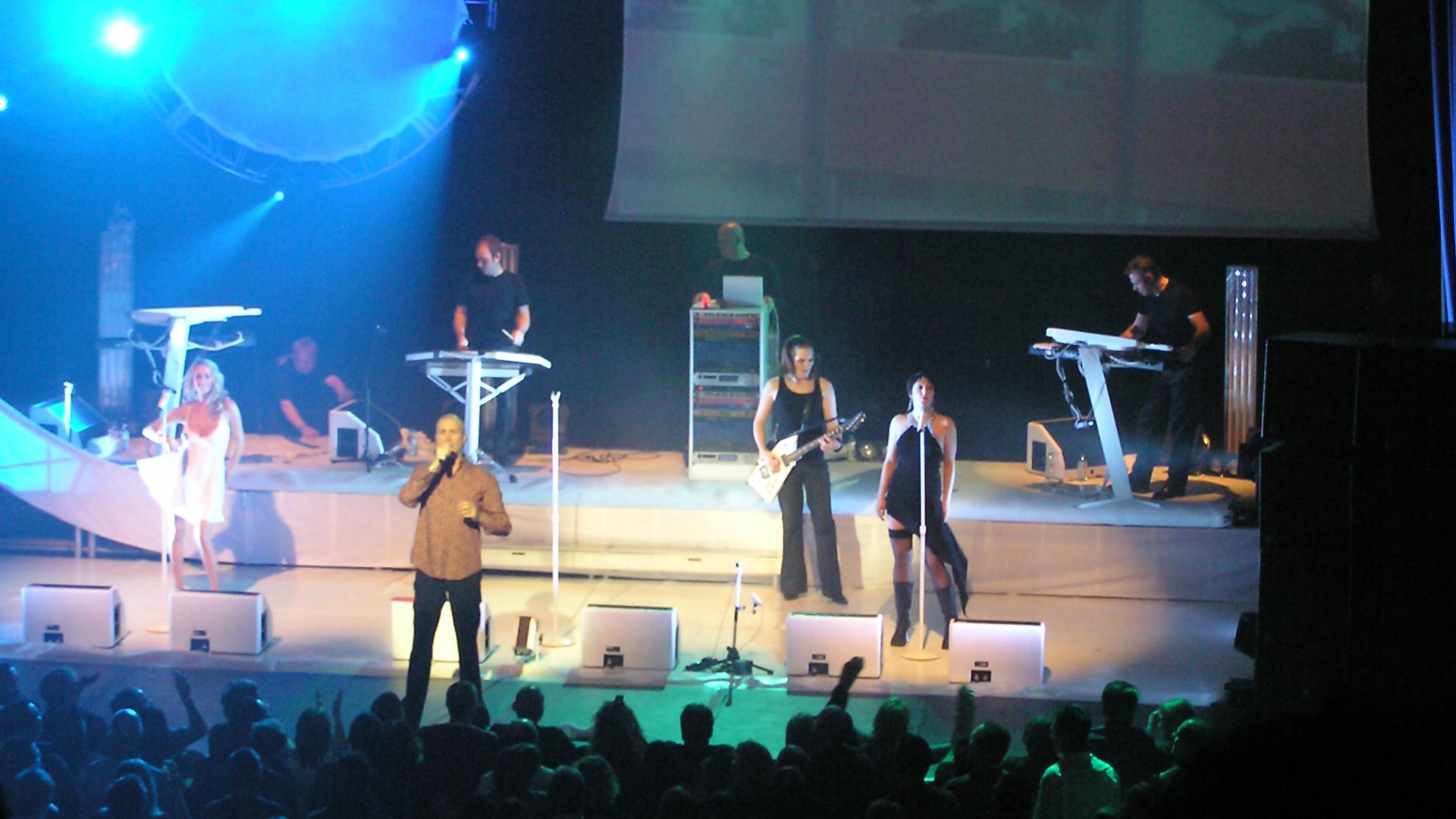
Massive Attack
Massive Attack fused electronic production with live instrumentation, dub influences, and rock-leaning atmospheres. Their trip-hop sound emphasized mood and texture over traditional song structure. Albums like Mezzanine attracted rock audiences while redefining electronic music’s emotional depth.
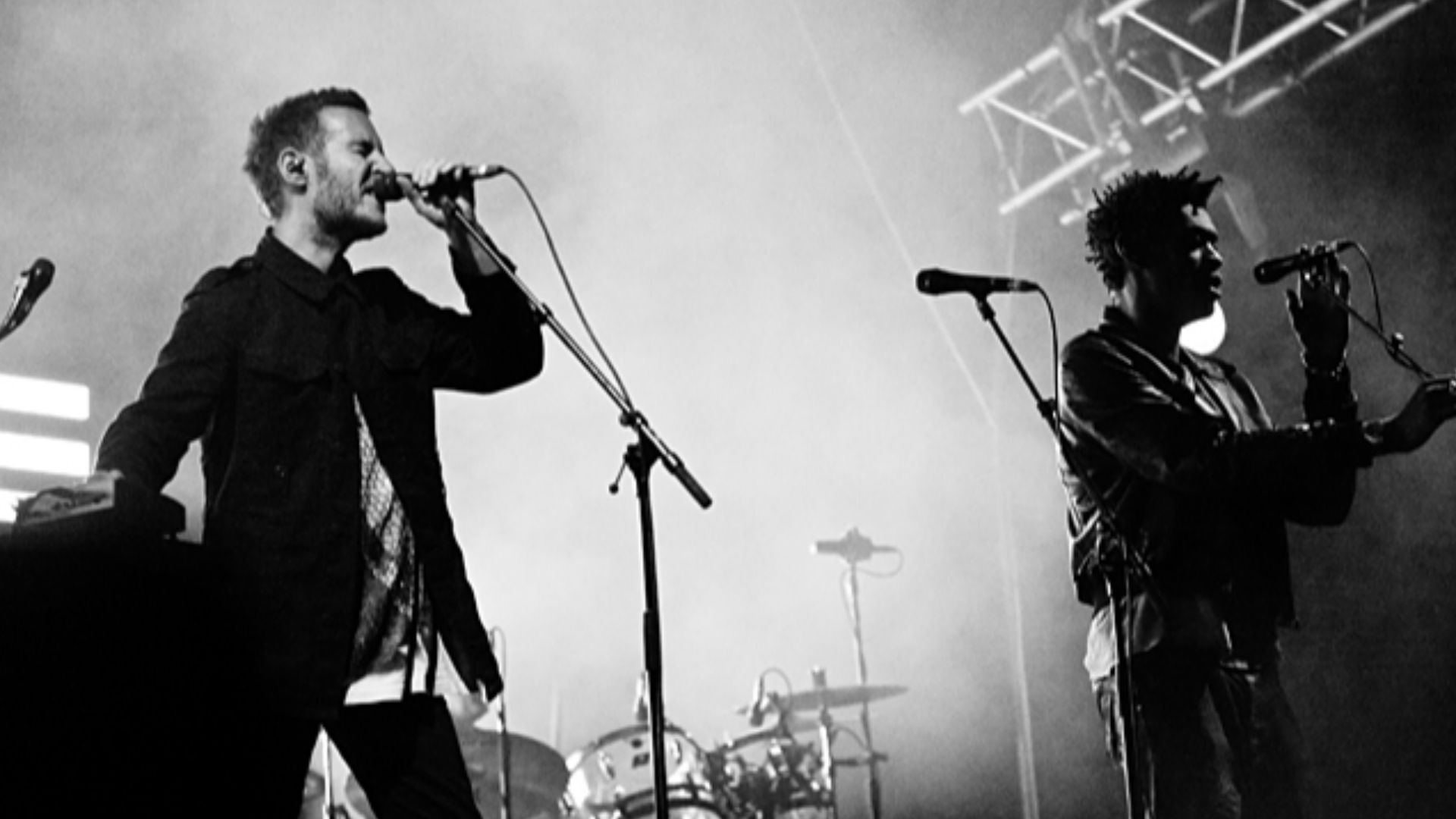 Platonova Alina, Wikimedia Commons
You May Also Like:
These Albums Defined The MTV Generation
The Most Iconic Double Albums In Rock History








.jpg)
