Too Strange, Too Loud, Or Too Ahead Of Their Time
Radio thrives on predictability, formatting, and easily labeled sounds. Some bands arrived with music that blurred genres, challenged structures, or refused tidy categorization. These groups weren’t short on talent, but their refusal to fit radio formulas left station programmers unsure where to place them.
 Clayton Call/Redferns, Getty Images
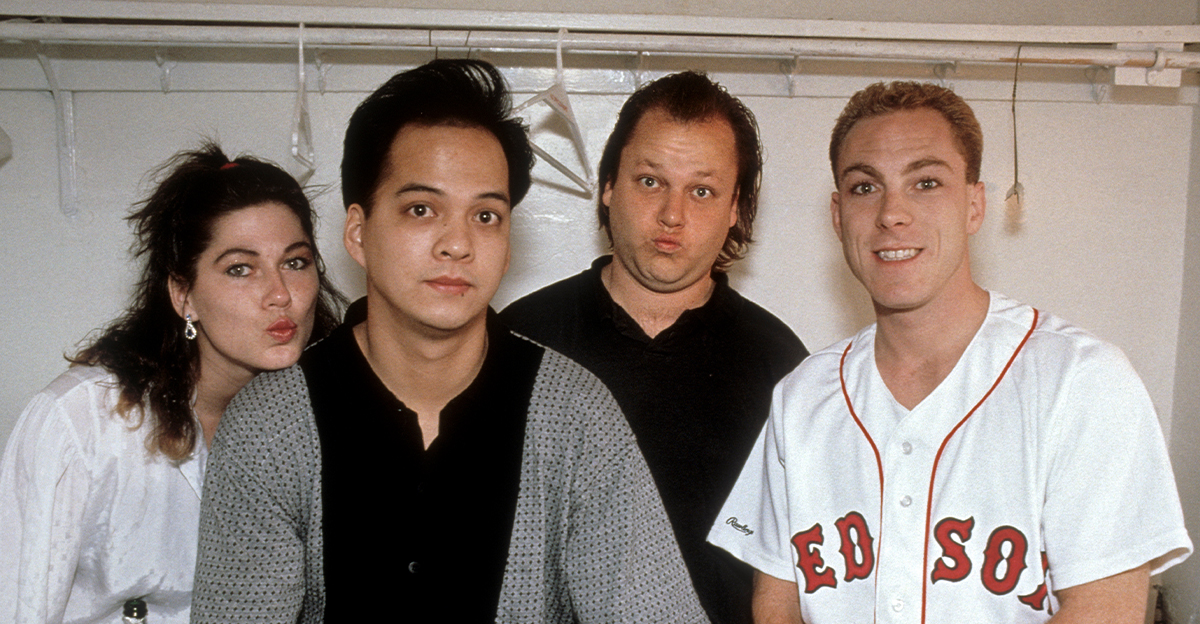
The Velvet Underground
The Velvet Underground blended art rock, noise, and taboo themes that made radio stations recoil. Most of their songs lacked obvious hooks and pushed some uncomfortable subjects, to put it mildly. Despite minimal airplay, their influence quietly reshaped alternative, punk, and indie music for decades.
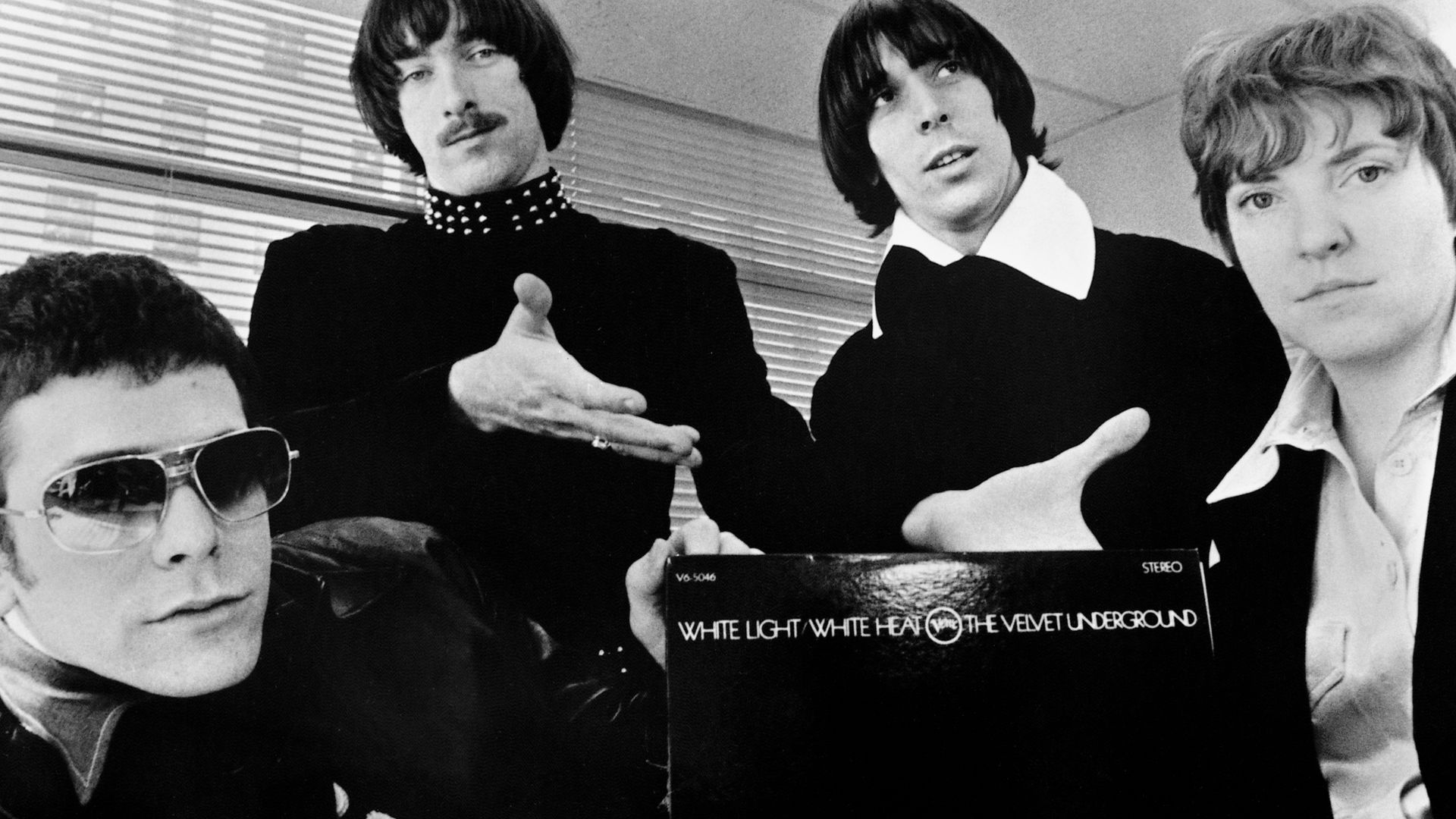
Talking Heads
Talking Heads confused radio formats by blending funk rhythms, art-rock sensibilities, and intellectual lyrics. Their sound didn’t fit cleanly into rock or pop categories, especially in the band’s earlier years. It caused some hesitation even as their cultural influence steadily grew.
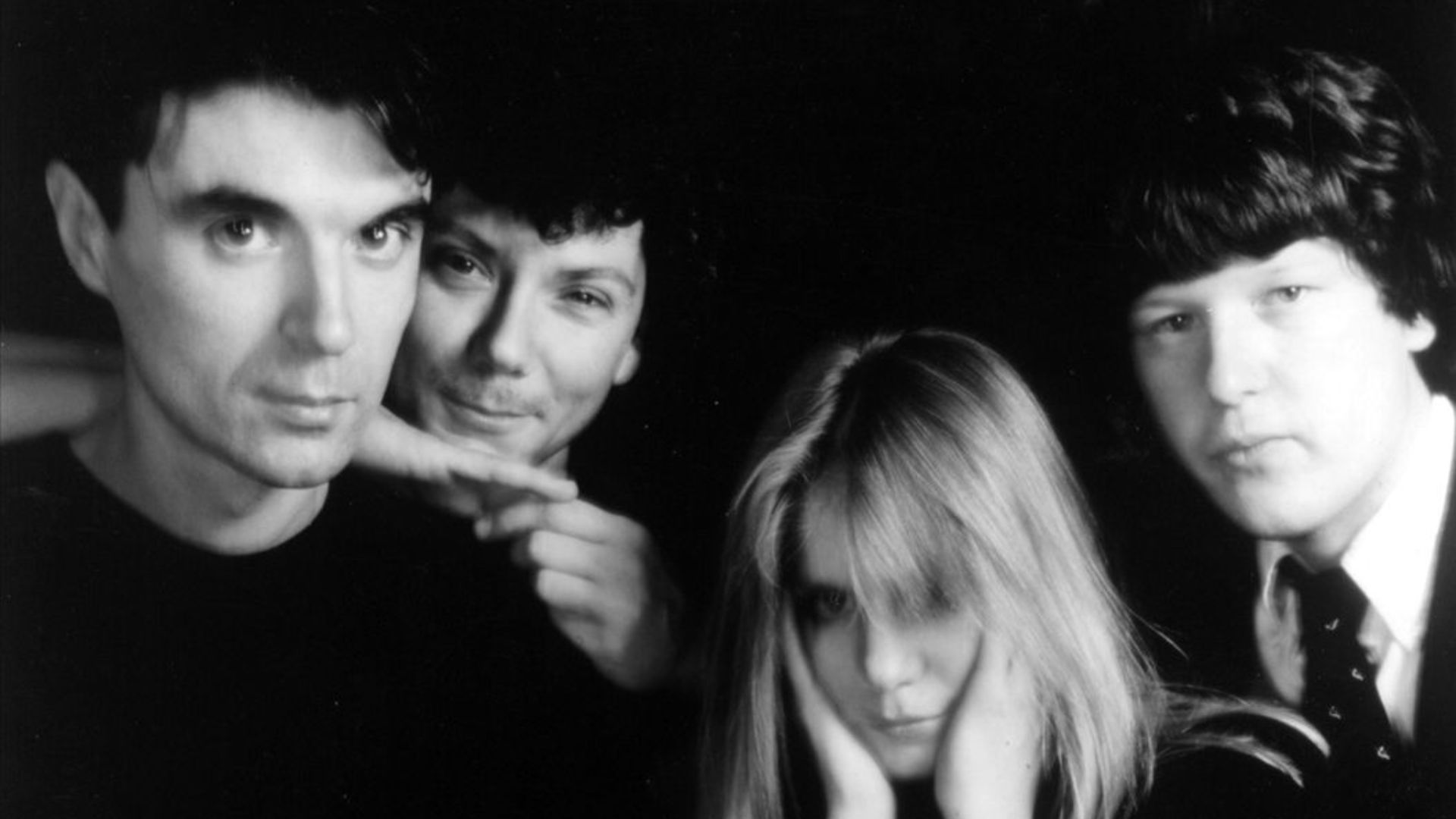 Distributed by Sire Records. Photographer uncredited., Wikimedia Commons
The Clash
The Clash moved quickly past punk, incorporating reggae, funk, and all kinds of political commentary. Radio stations expecting short bursts of pre-packaged punk rock angst struggled with their genre-defying direction, leaving airplay lagging behind their impact.
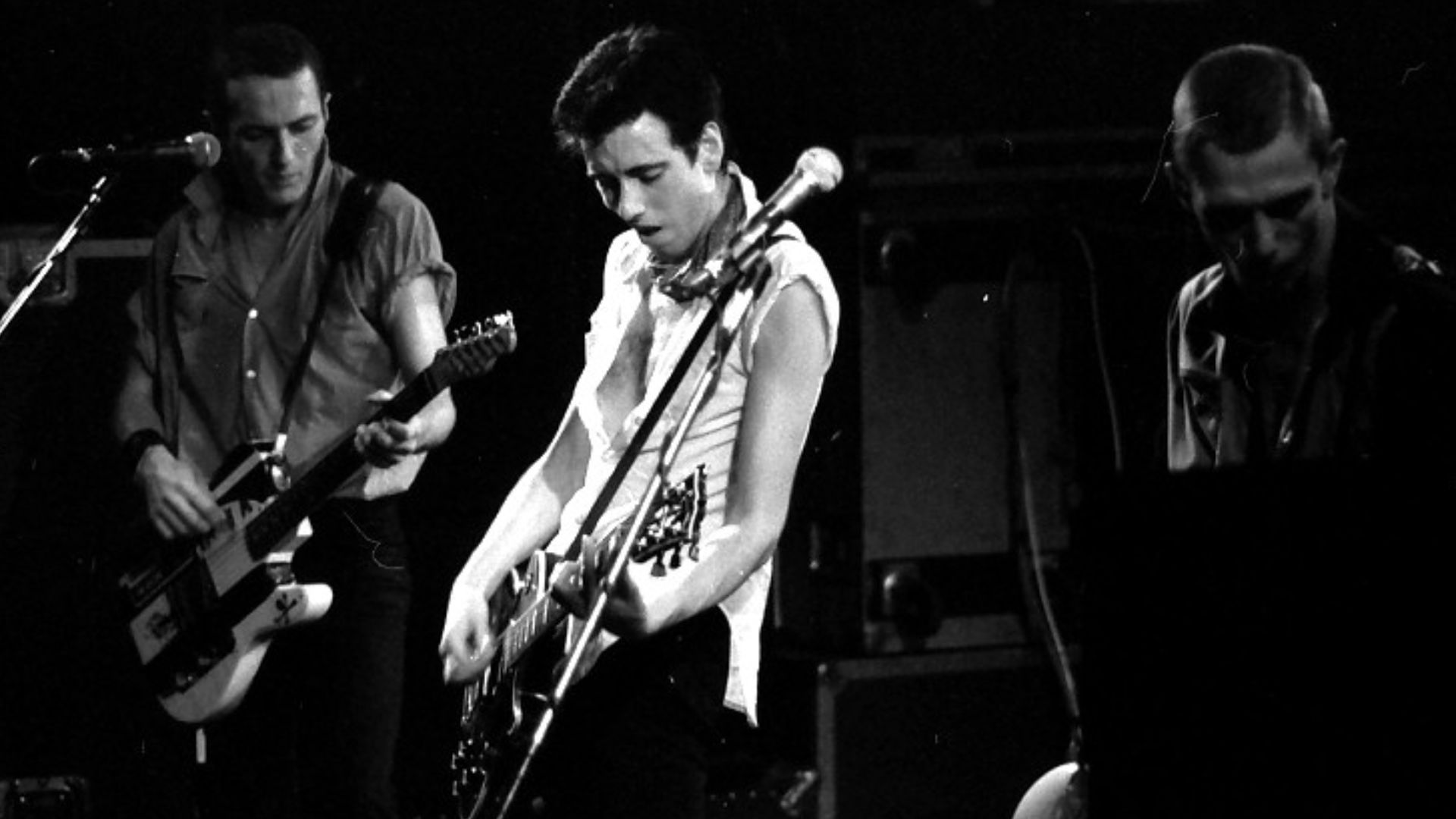 Helge Overas, Wikimedia Commons
Frank Zappa
Frank Zappa made a point of openly defying commercial norms, delivering unpredictable song structures and satirical lyrics. Radio programmers found it impossible to scare up single-friendly cuts from his repertoire, limiting Zappa’s mainstream exposure despite his dedicated fanbase.
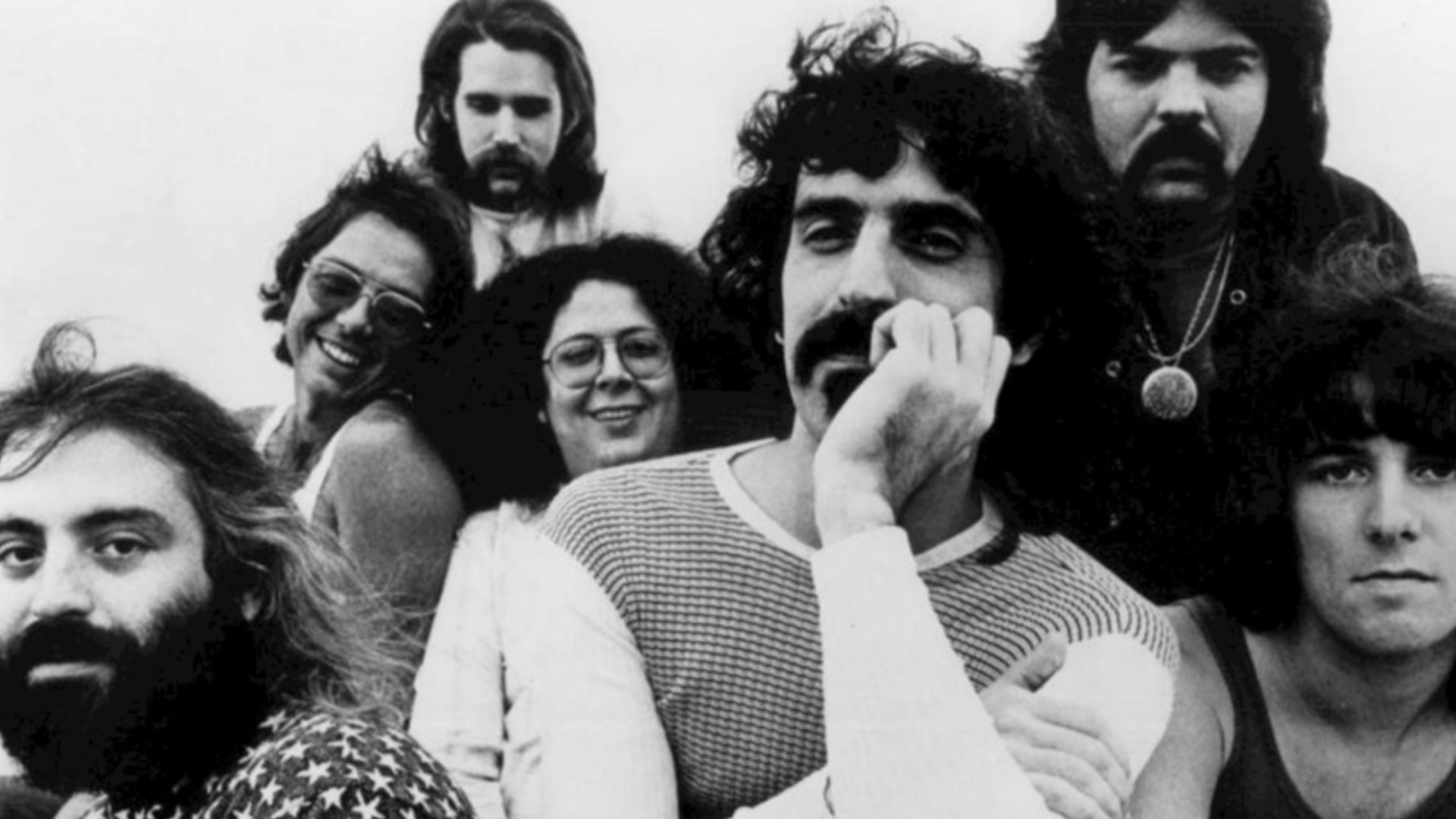 Herb Cohen Management, Wikimedia Commons
Pixies
Pixies’ quiet-loud dynamics and surreal lyrics unsettled the comfortable expectations of rock radio. Their abrupt shifts challenged formatting norms, keeping airplay scarce even as they exercised a major influence on 90s/alternative rock.
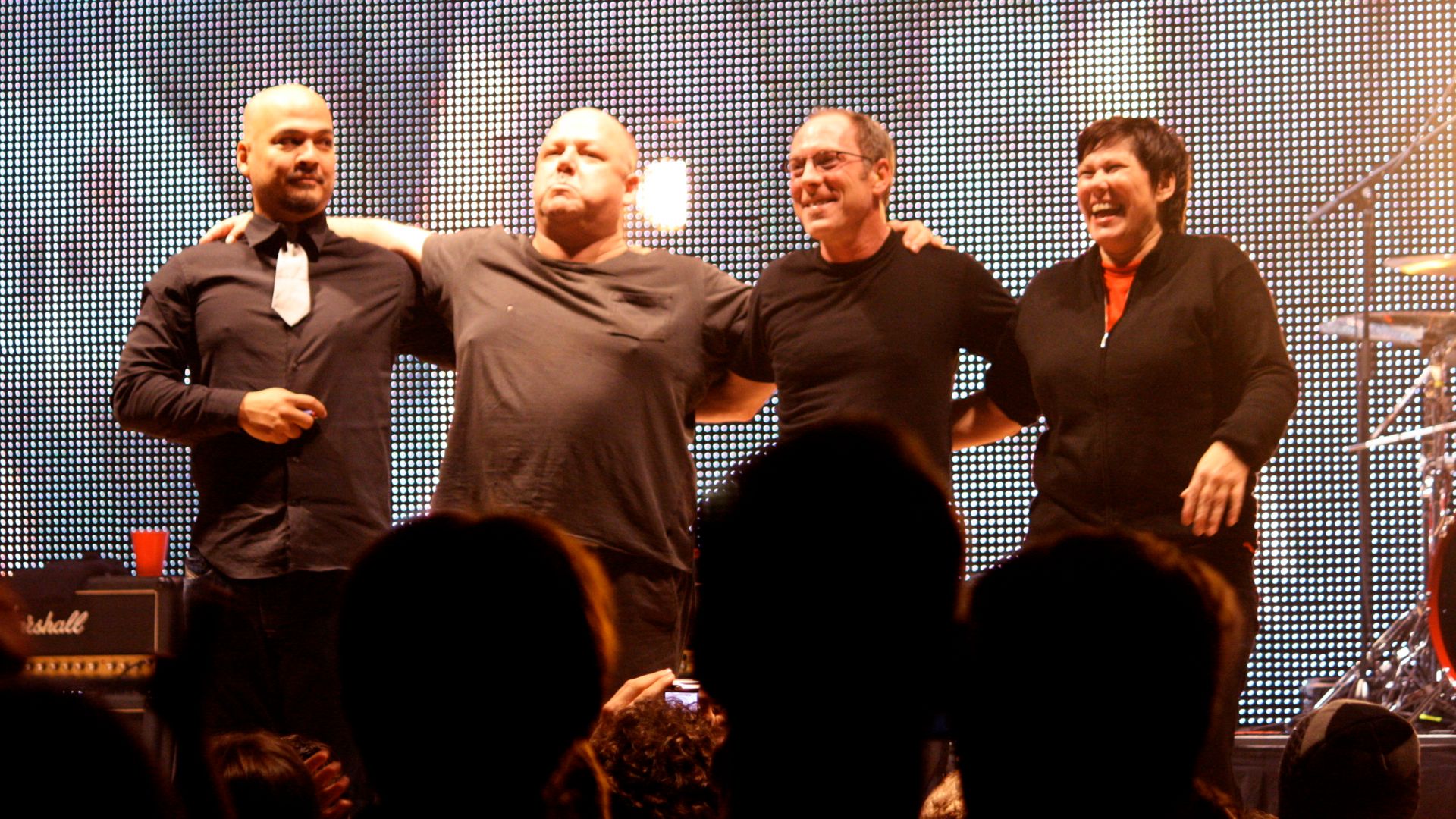 Angie Garrett (smoorenburg), Wikimedia Commons
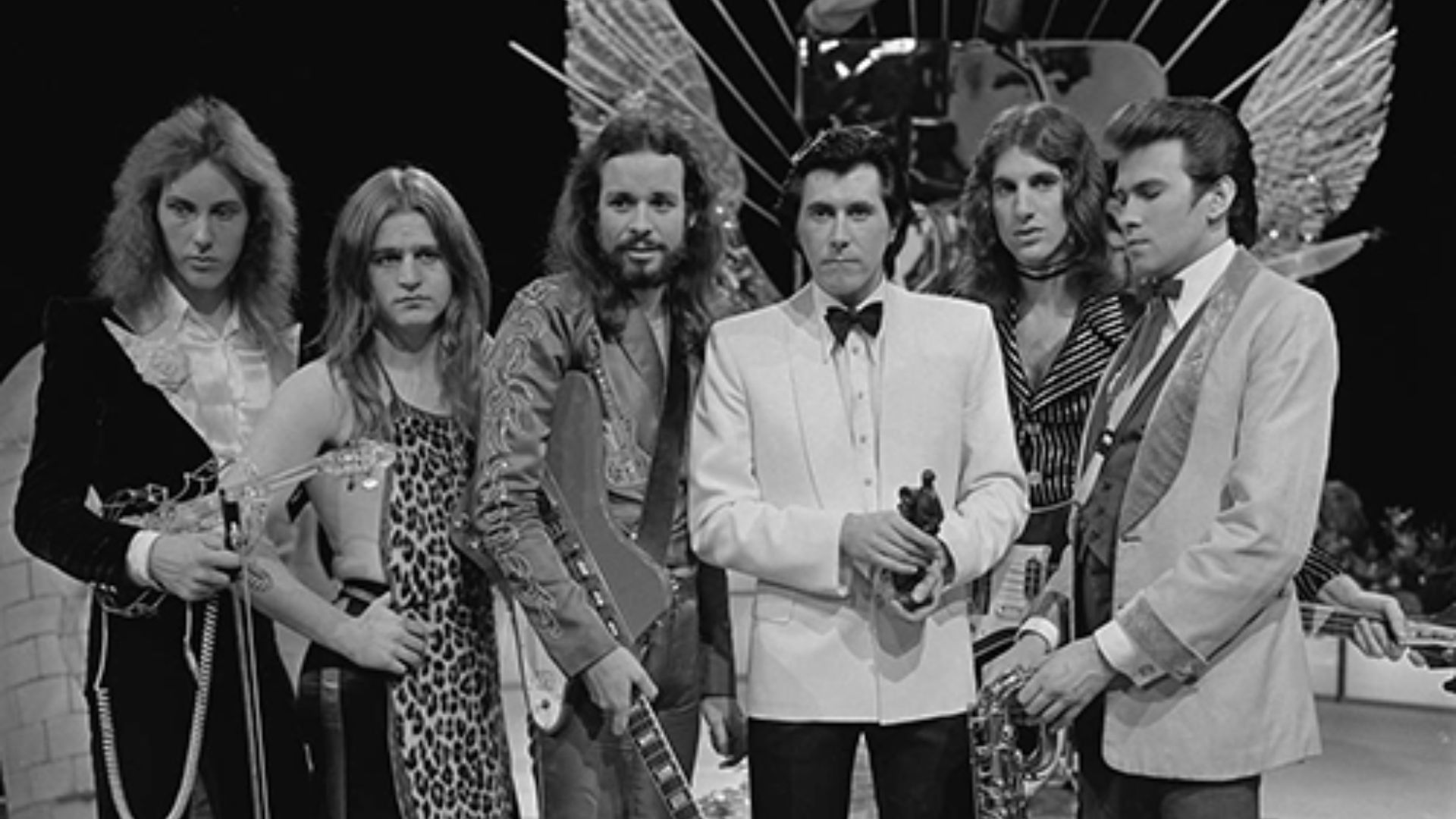
Roxy Music
Roxy Music fused glam, art rock, and experimental textures that confused commercial radio markets. Some songs felt too weird for pop stations and others too polished for rock. While some of the later singles from 1982’s Avalon album broke through to a wider audience, their overall sound remained difficult for playlists built on consistency.
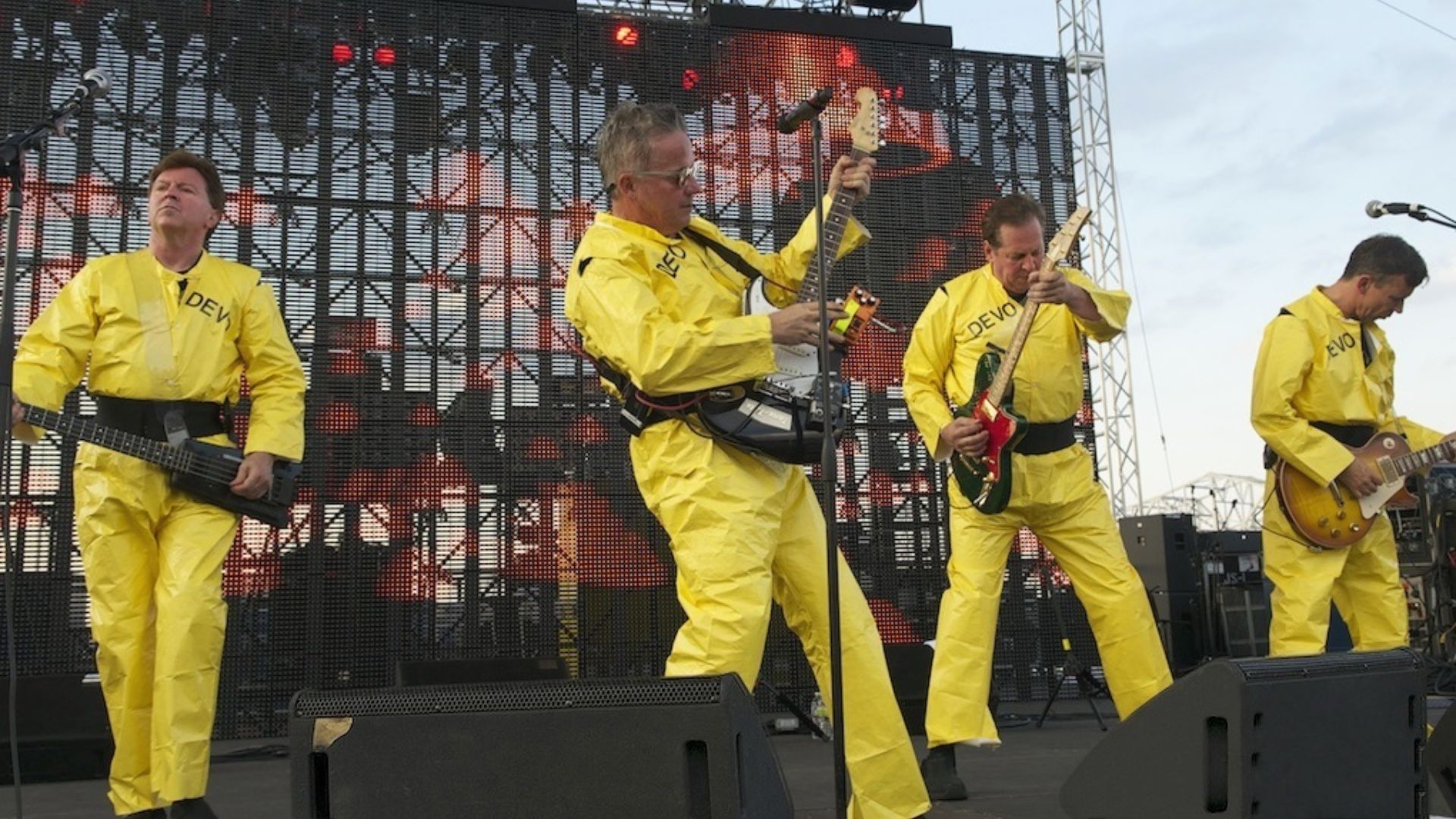
Devo
Devo’s robotic aesthetic and satirical tone puzzled radio executives. Their music sounded ironic even when it was sincere, which made it hard for mainstream listeners to figure out. Aside from the 1980 breakthrough hit “Whip It”, stations largely steered clear of the band whose originality challenged conventional rock identity.
 C Michael Stewart, Wikimedia Commons
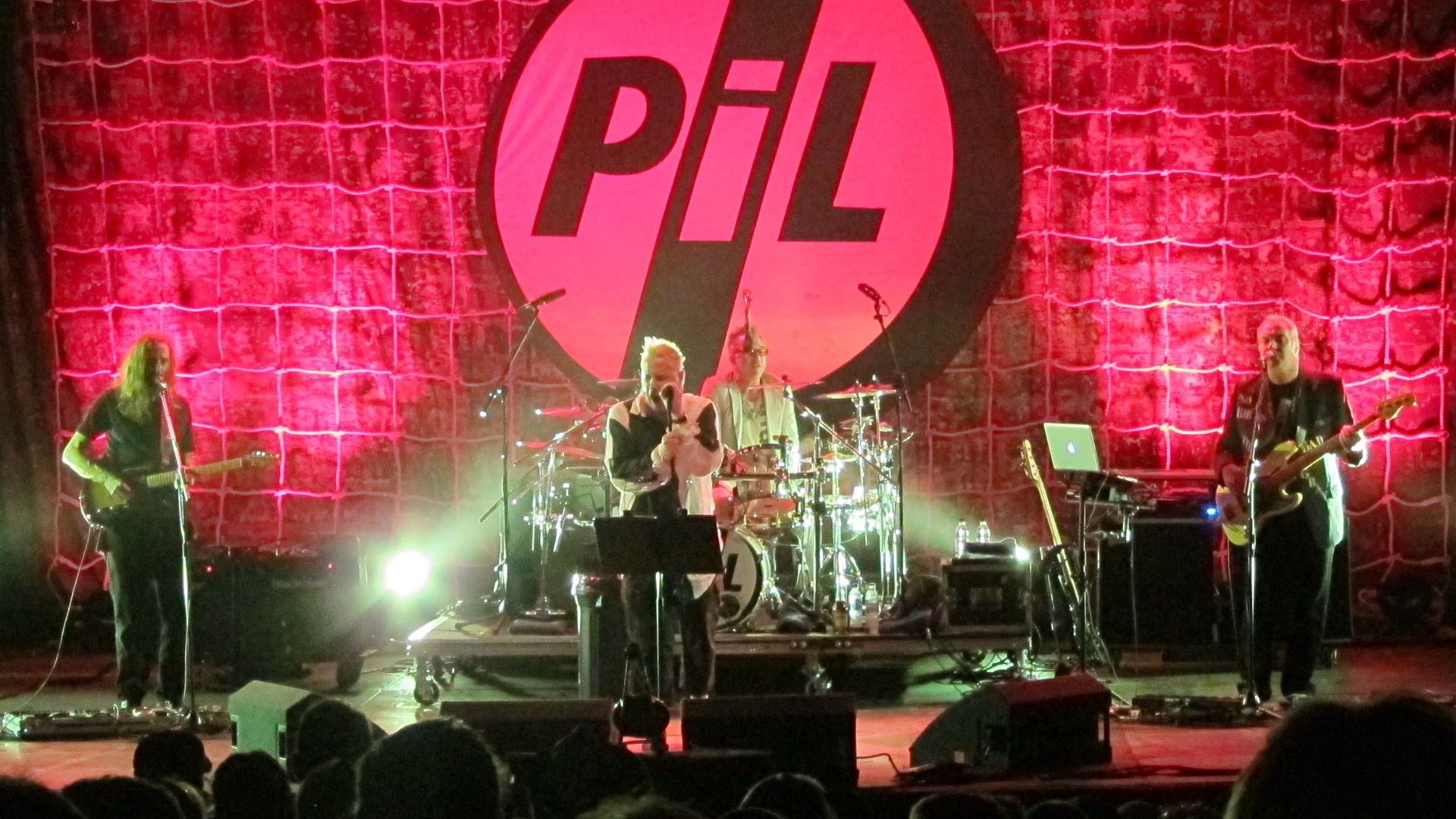
Public Image Ltd.
Public Image Ltd. manipulated punk rock to take it apart and rebuild it in their own image. The main tools were dub rhythms, experimental noise, and long-form tracks. Radio formats built for three-minute singles had no time or patience for their sprawling soundscapes, leaving PiL influential but largely absent from airwaves.
 Mike Higgott, Wikimedia Commons
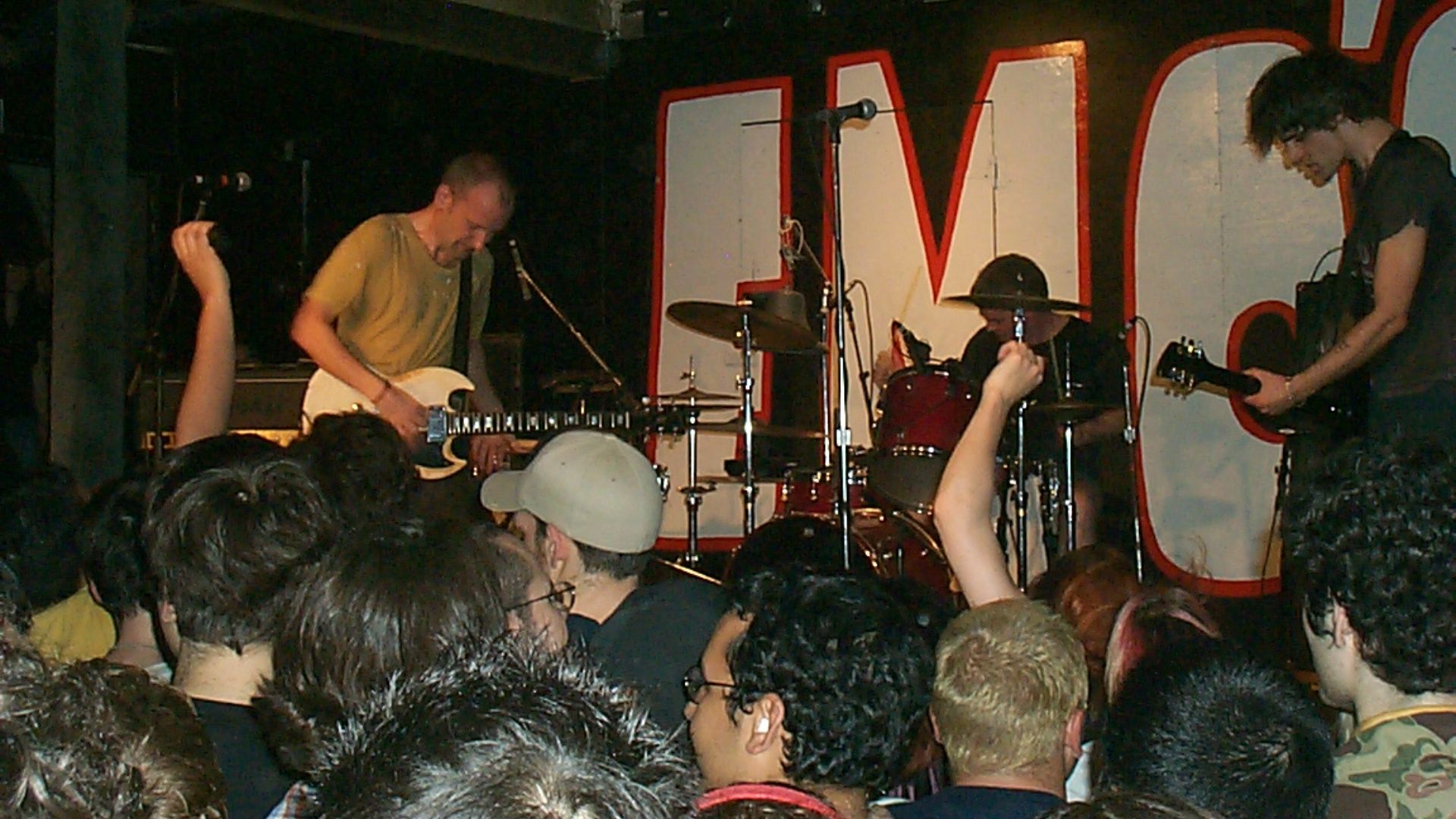
Fugazi
Fugazi totally rejected any commercial promotion, refusing singles and traditional press campaigns. Their uncompromising sound and ethics baffled radio stations that depended on standard industry pipelines. Despite minimal airplay, the band became one of underground music’s most respected institutions.
 Tim Trentham from Austin, USA, Wikimedia Commons
Sonic Youth
Sonic Youth loved to experiment with alternate tunings, noise, and abstract song structures that unnerved radio programmers. Their tracks often lacked clear hooks or predictable forms. Even after they signed to a major label in the early 90s, radio struggled to embrace a band that still insisted on exploration over accessibility.
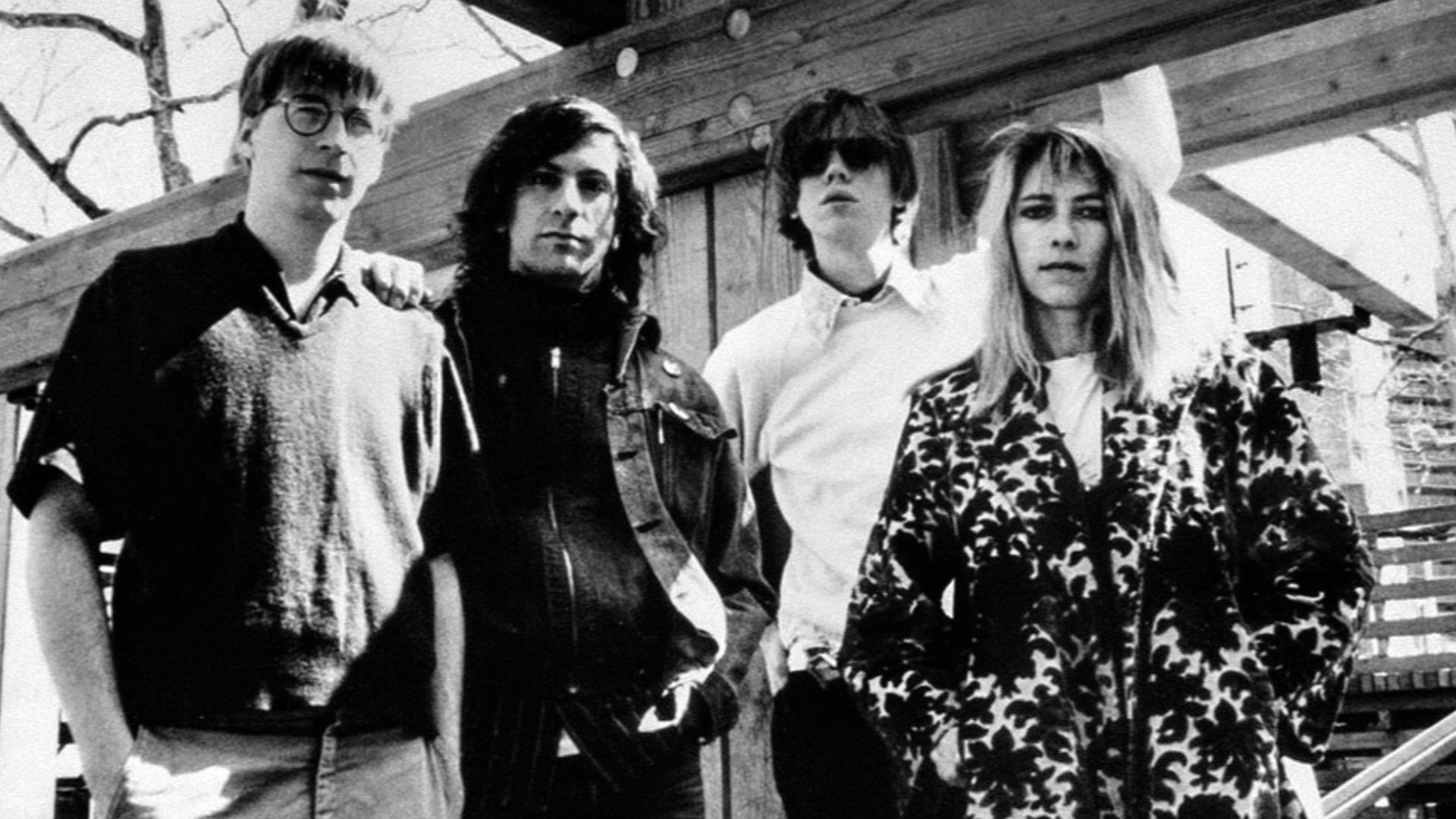 Photograph by Monica Dee. Distributed by SST Records., Wikimedia Commons
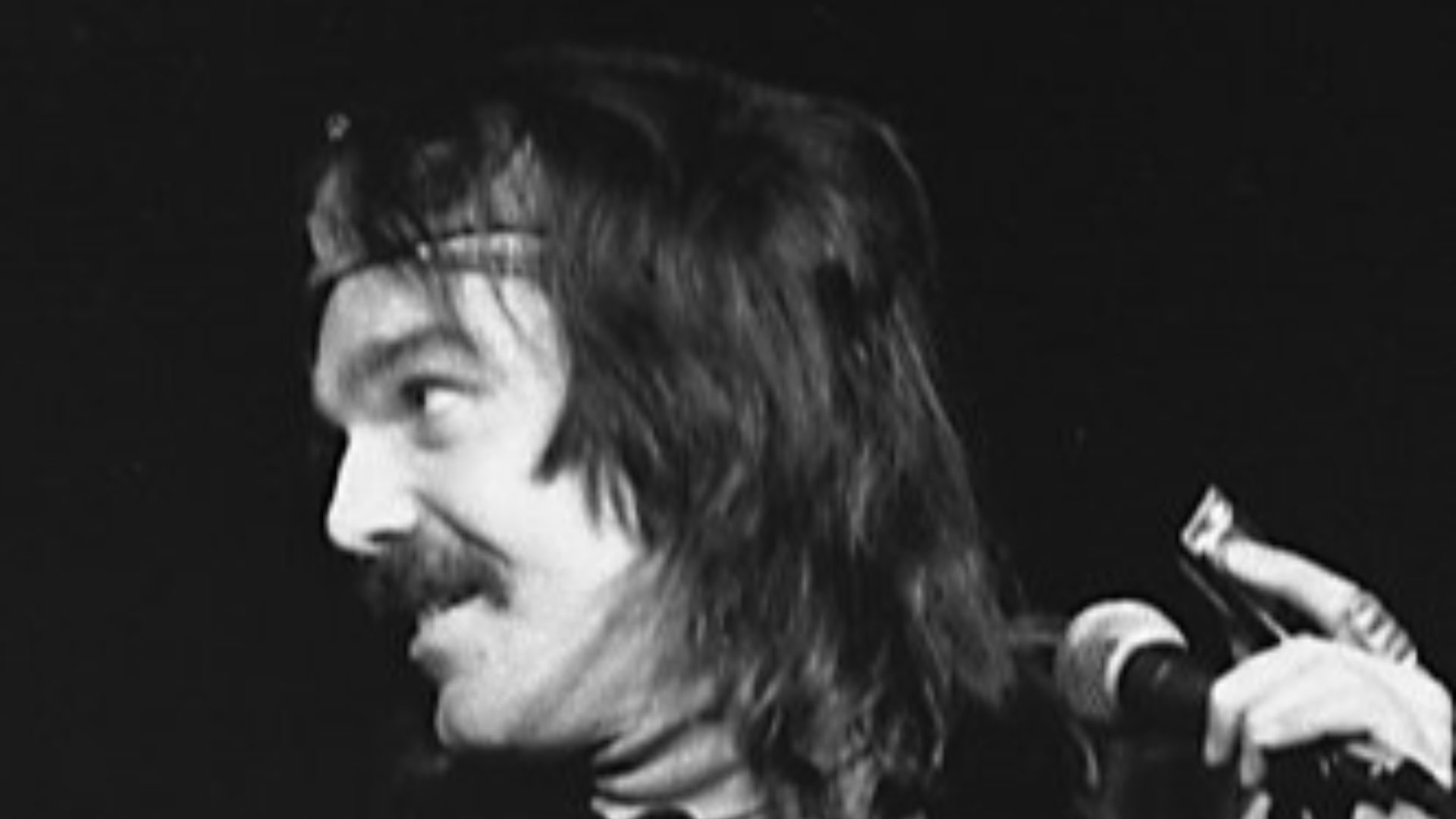
Captain Beefheart
Captain Beefheart’s music defied logic, blending blues with avant-garde chaos. Radio stations couldn’t classify it and usually didn’t even bother. His recordings were just as likely to be studied than played, leaving him as one more artist rooted in influence and fascination rather than airplay success.
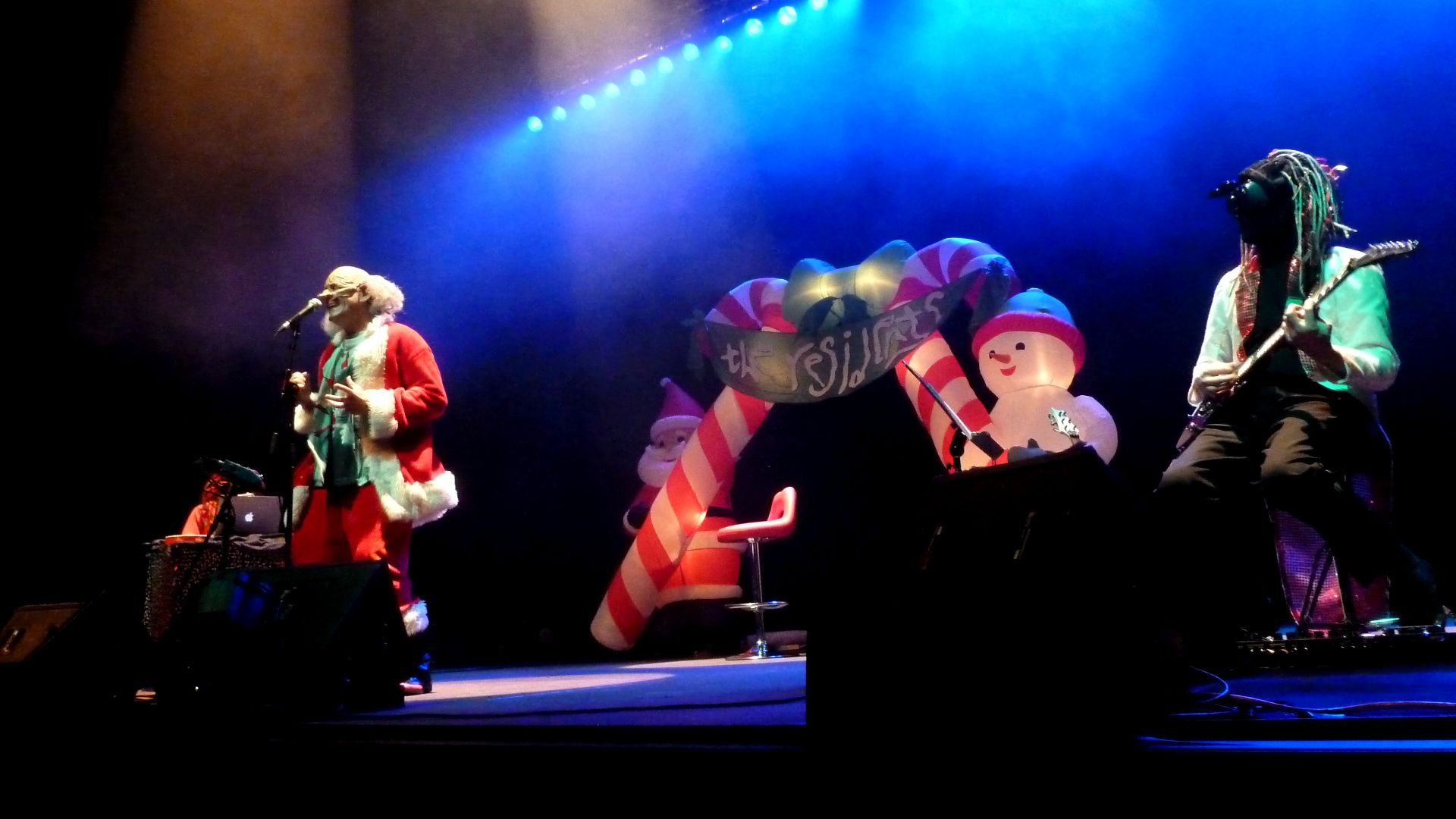
The Residents
The Residents avoided celebrity, melody, and marketing norms altogether. Their anonymity and abstract songs made radio airplay nearly impossible. Stations built on personalities and familiarity had no frame of reference for a group that deliberately operated outside the system.
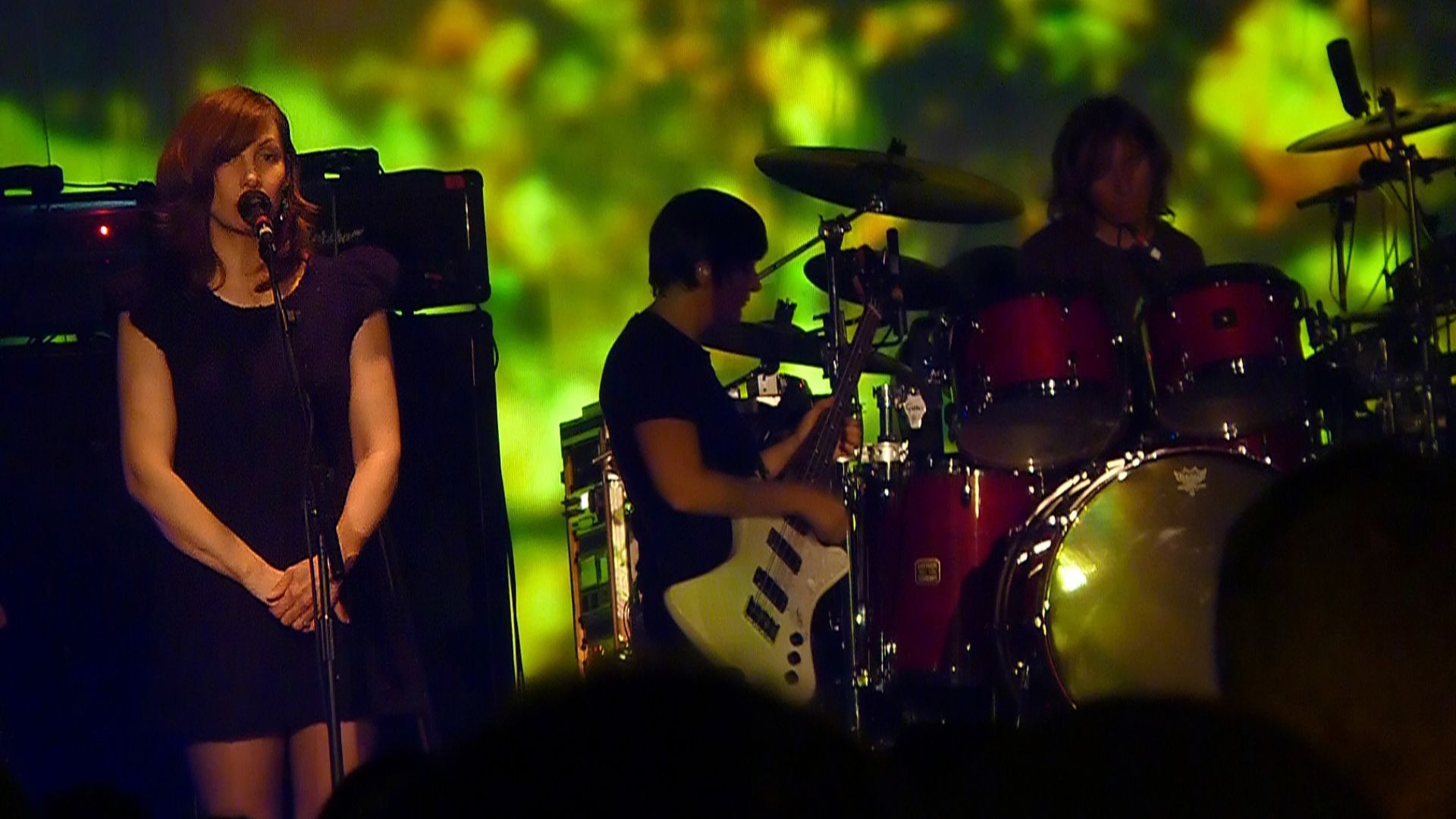
My Bloody Valentine
My Bloody Valentine’s swirling, distorted soundscapes challenged radio’s expectations of clarity, immediacy, and concision. Their songs felt more immersive than catchy, which made them difficult for casual listening environments. Their influence has grown over time even though their radio air play hasn’t.
Primus
Primus leaned into off-kilter rhythms, bizarre storytelling, and bass-heavy grooves. Radio struggled to present a band whose frontman openly declared they “sucked.” Their cult following grew regardless, but airplay remained cautious and inconsistent.
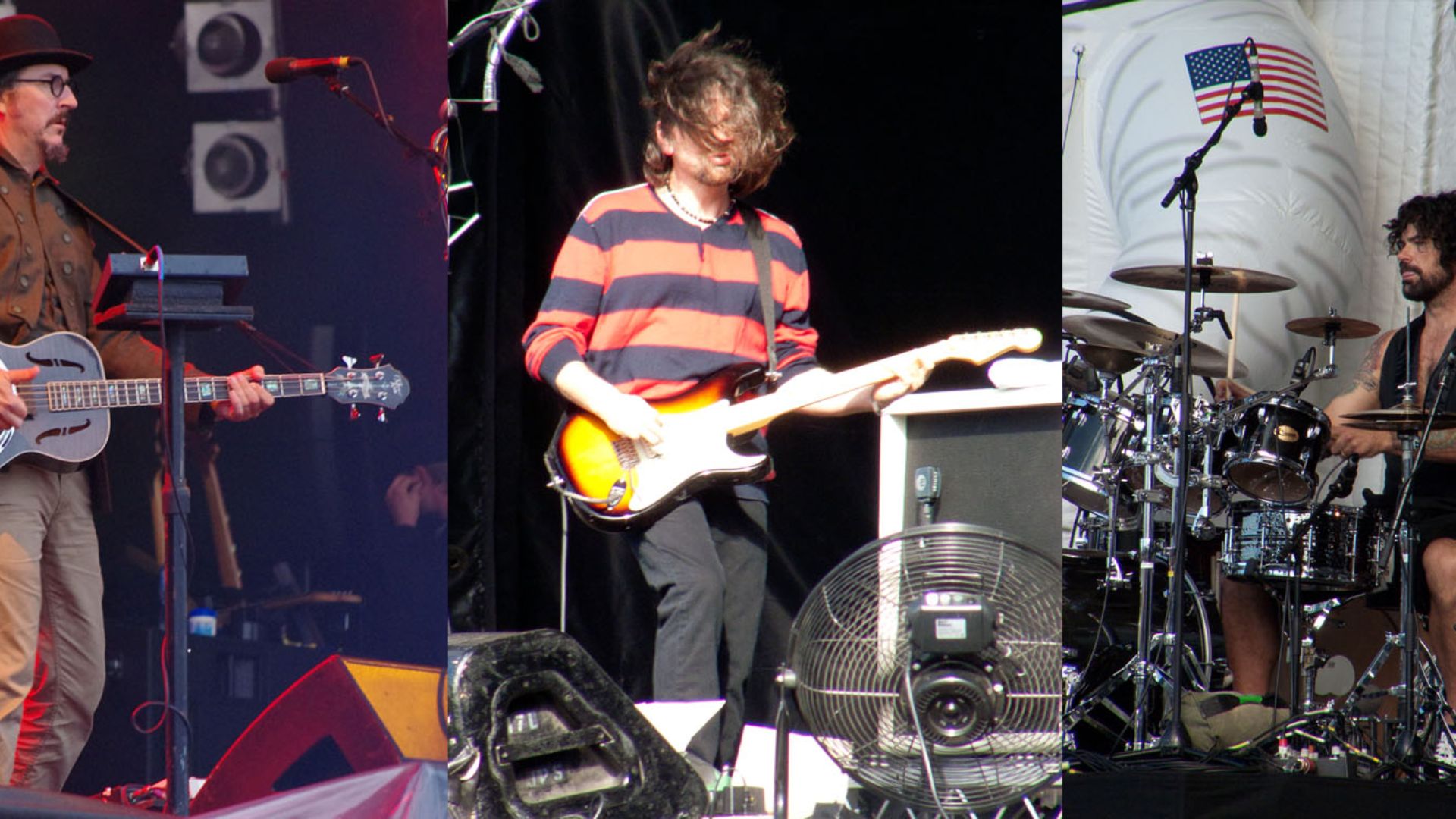 User:Watermastermonkey, [1] (Les, LaLonde and Jay), Wikimedia Commons
The Grateful Dead
The Grateful Dead thrived on extended improvisation rather than concise singles. Radio favored tight edits, while the band specialized in sprawling live jams. Their success bypassed traditional broadcasting entirely, relying instead on touring and word-of-mouth devotion.
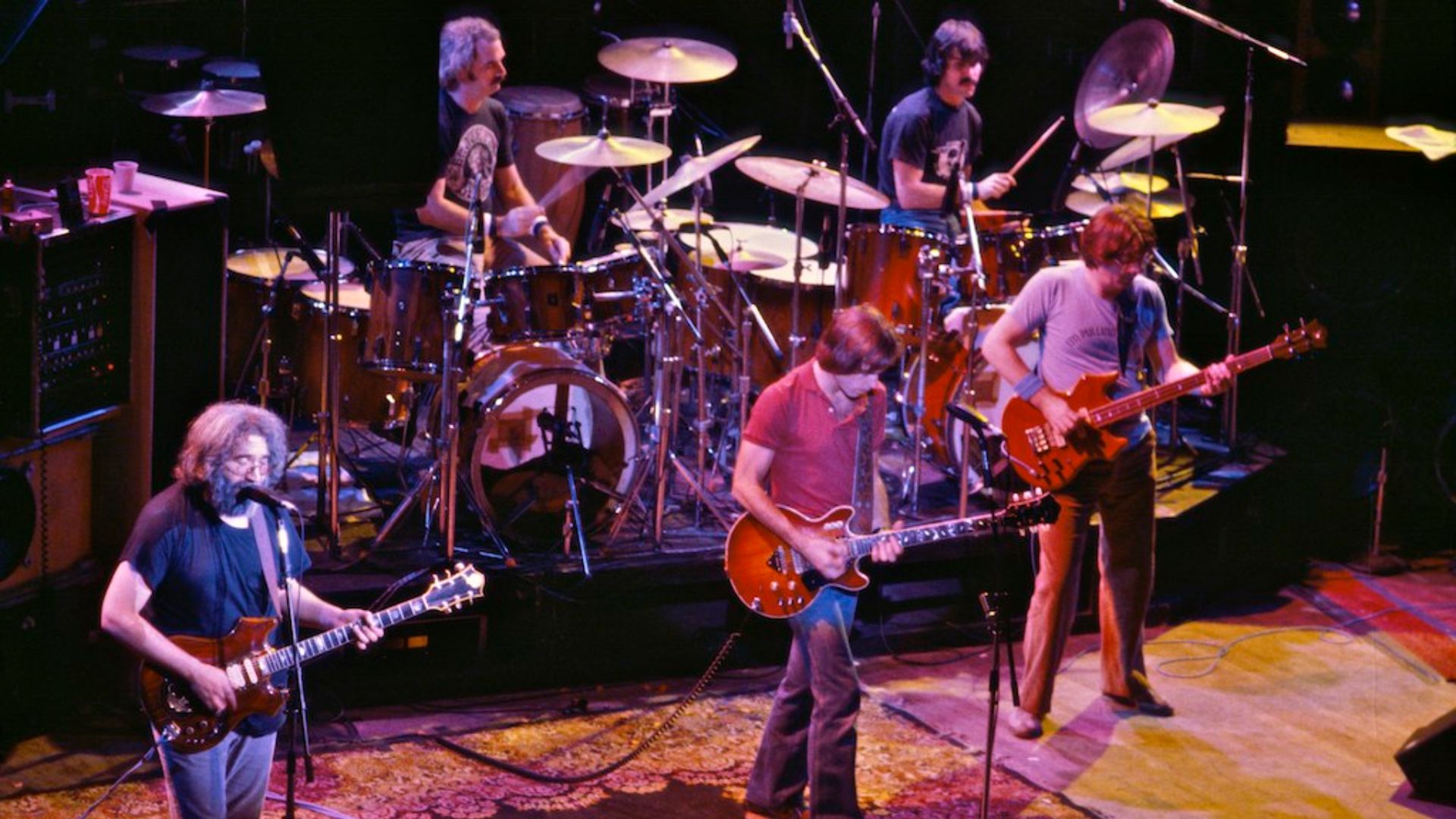 Chris Stone https://gratefulphoto.com, Wikimedia Commons
Can
Can’s hypnotic grooves and experimental repetition baffled radio programmers. Songs often unfolded gradually without traditional climaxes, clashing with commercial formatting. Though hugely influential in electronic and post-punk circles, their radio presence remained minimal.
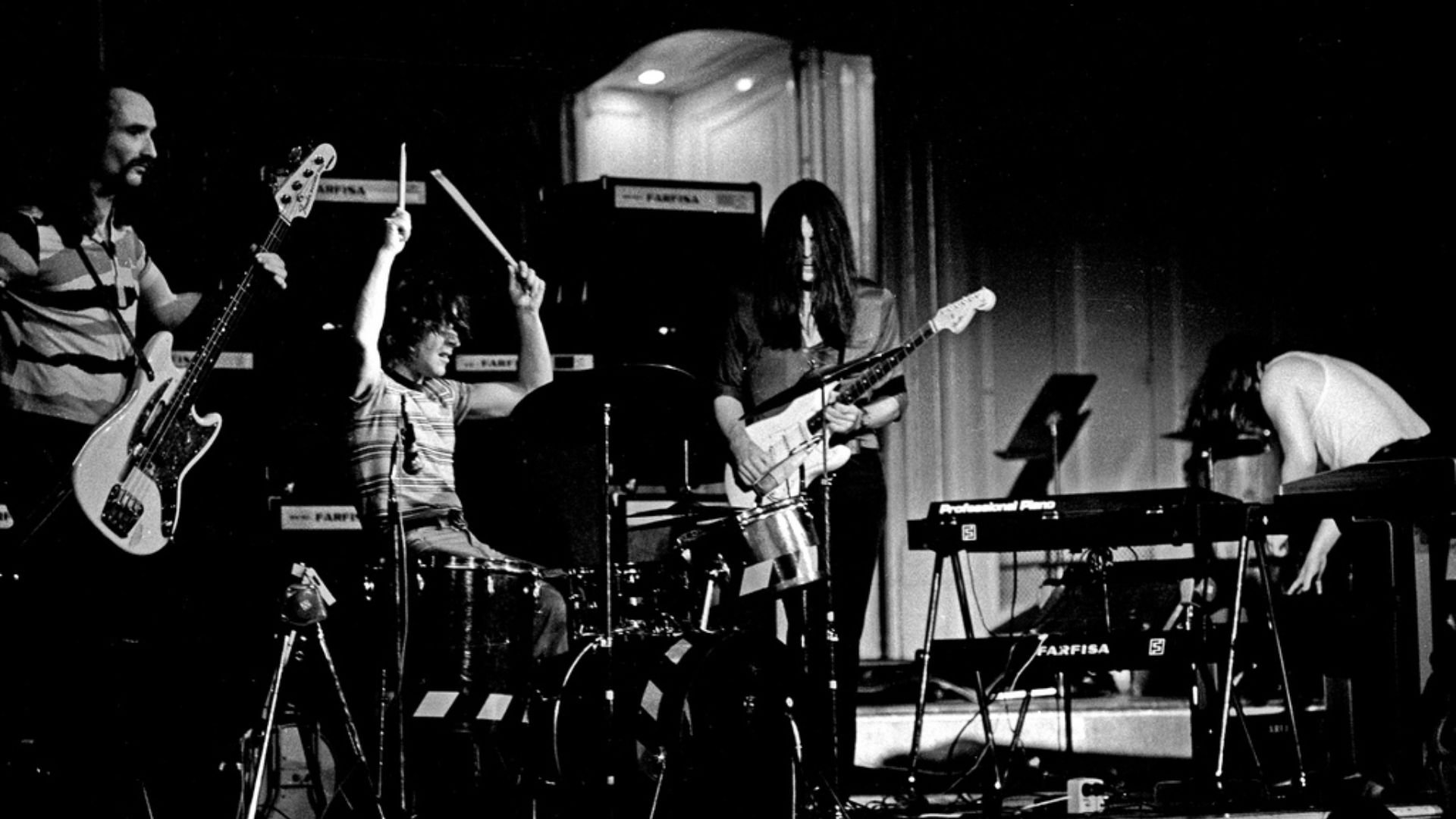 Heinrich Klaffs, Wikimedia Commons
Jane’s Addiction
Jane’s Addiction fused metal, funk, psychedelia, and art-rock, creating a sound radio couldn’t neatly slot. Early on, stations hesitated despite growing popularity. Their breakthrough helped redefine alternative rock, but their initial ambiguity slowed airplay acceptance.
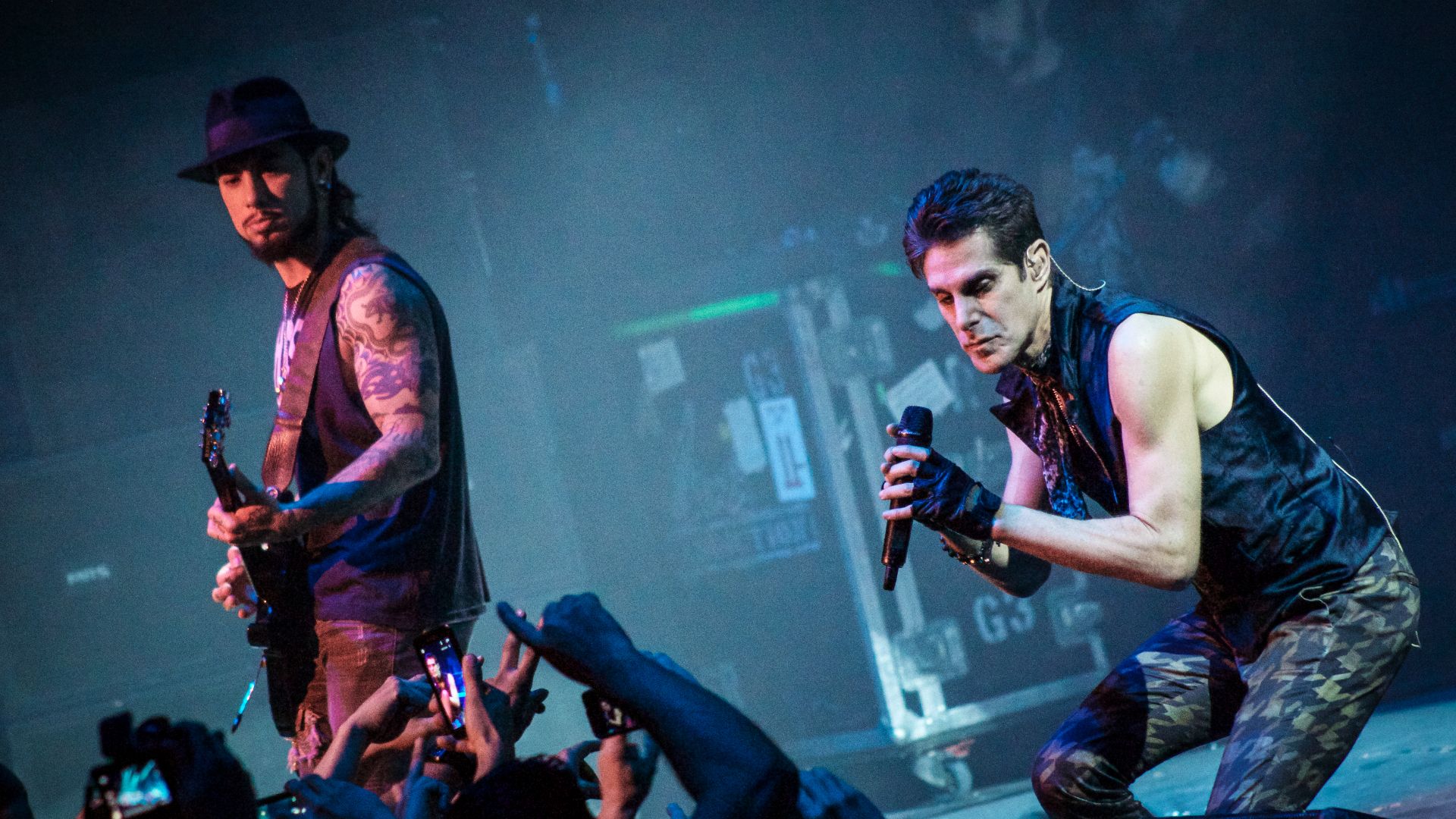 Cancha General, Wikimedia Commons
XTC
XTC wrote sharp, inventive songs, but their frequent stylistic shifts confused radio identity. Some tracks felt pop, others experimental. Without a consistent sonic brand, stations hesitated, even as the band delivered a steady stream of richly crafted albums.
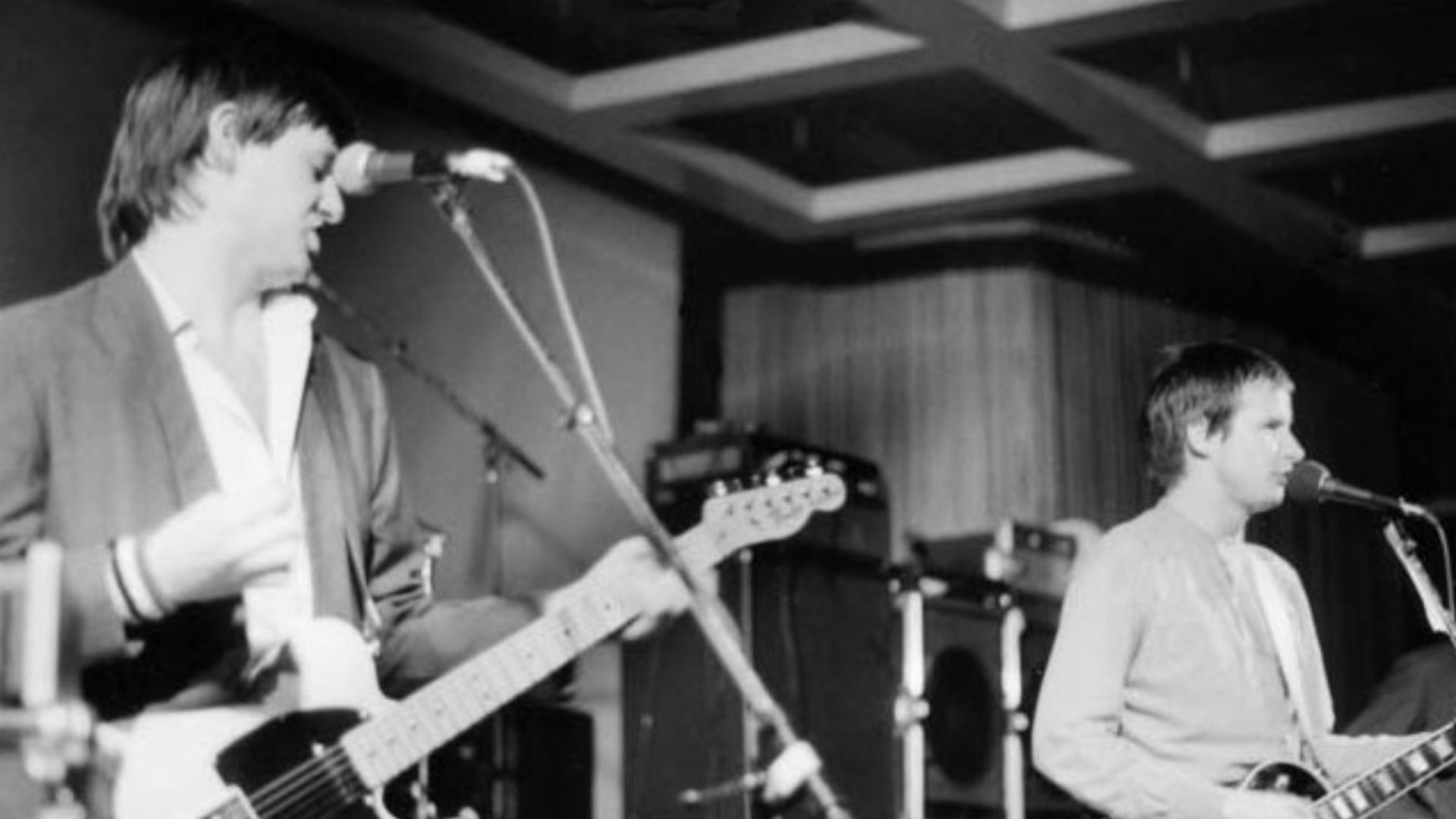 porcupiny from Buena Park, United States, Wikimedia Commons
Bauhaus
Bauhaus helped define gothic rock, but radio formats rarely welcomed darkness and theatricality. Their music felt too moody for pop and too stylized for rock. As a result, their influence far exceeded their radio presence.
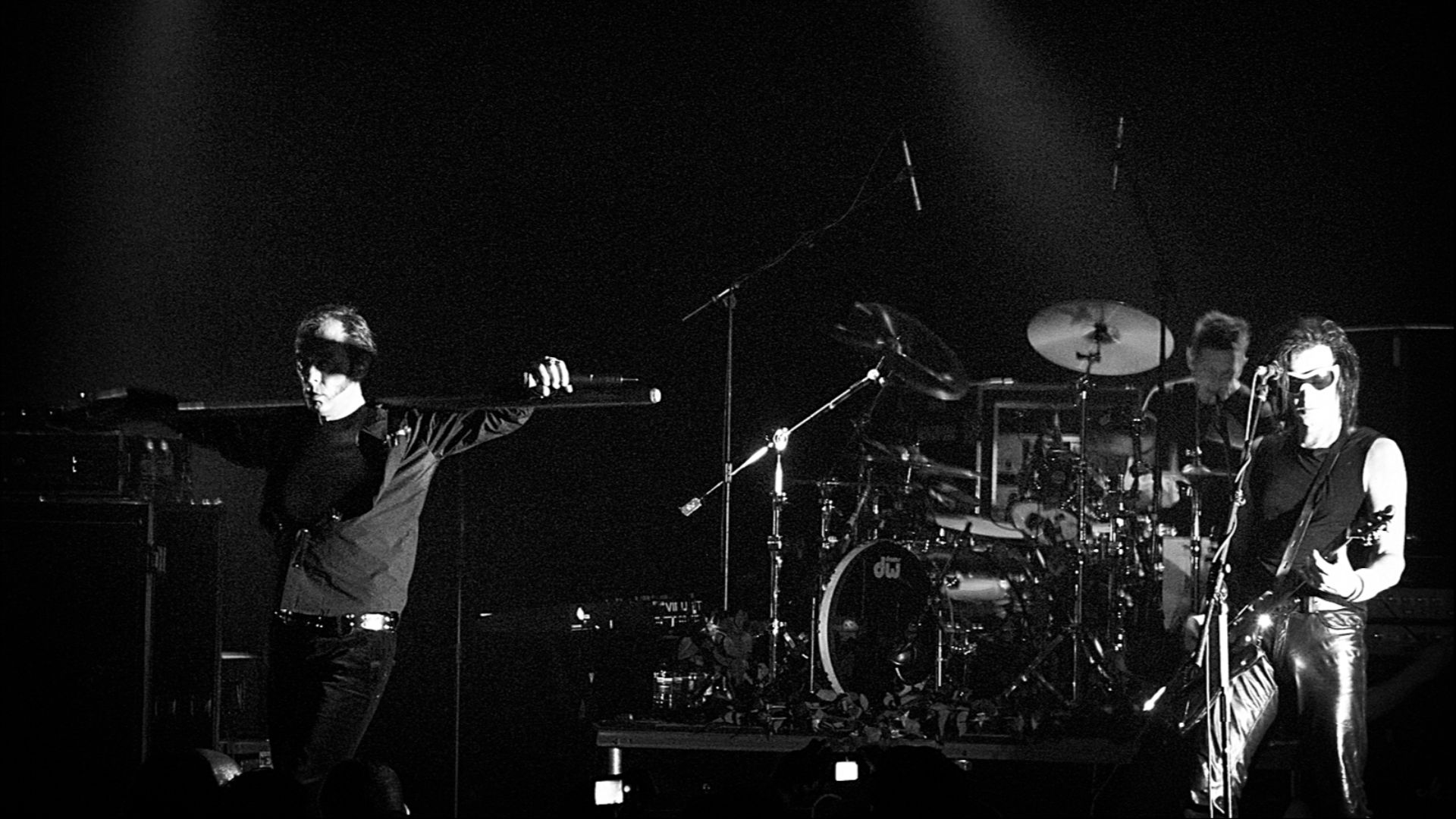 Pedro Figueidero, Wikimedia Commons
Faith No More
Faith No More blended metal, funk, rap, and absurdity in unpredictable ways. Radio struggled to follow their stylistic leaps from song to song. While a few singles landed, their broader catalog resisted the uniformity radio demanded.
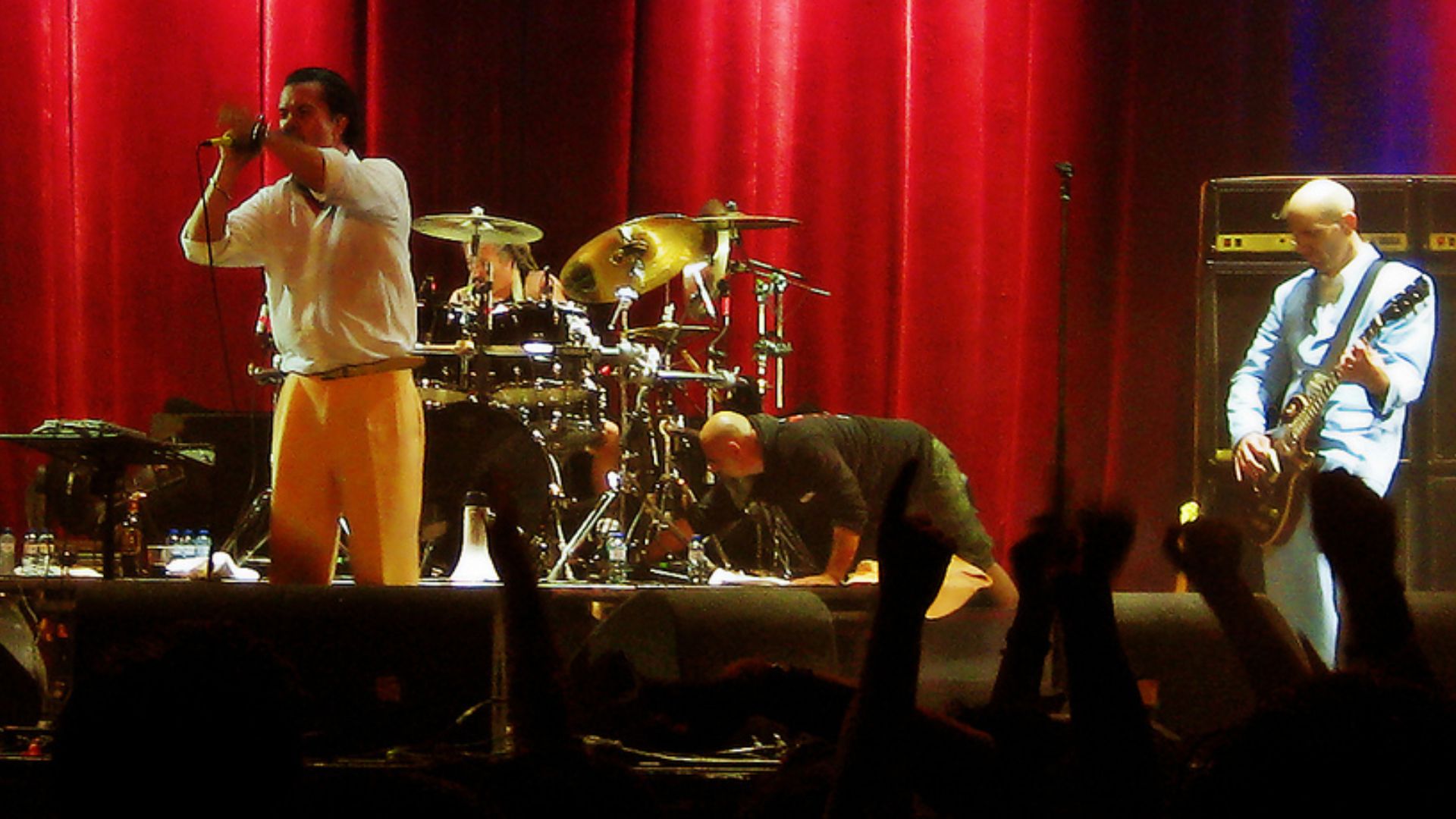
You May Also Like:
Music Stars That People Love, But Their Fan Bases Are Actually A Problem
These Forgotten Female Pop Stars Deserve Much More Than They Got