The Tour That Changed Hendrix
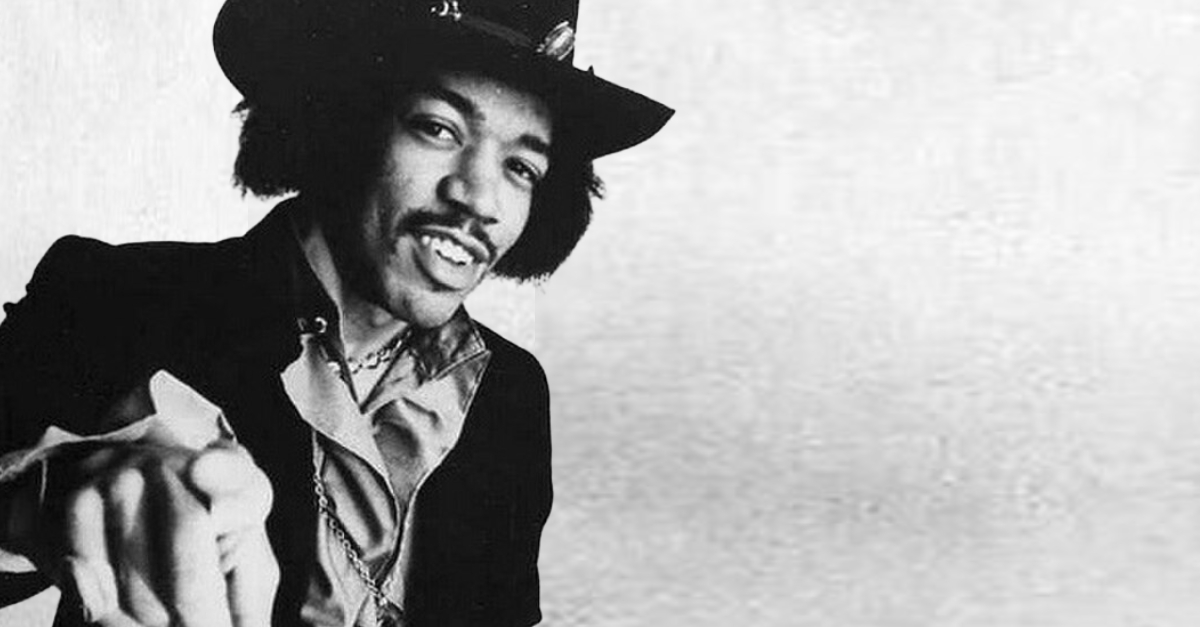
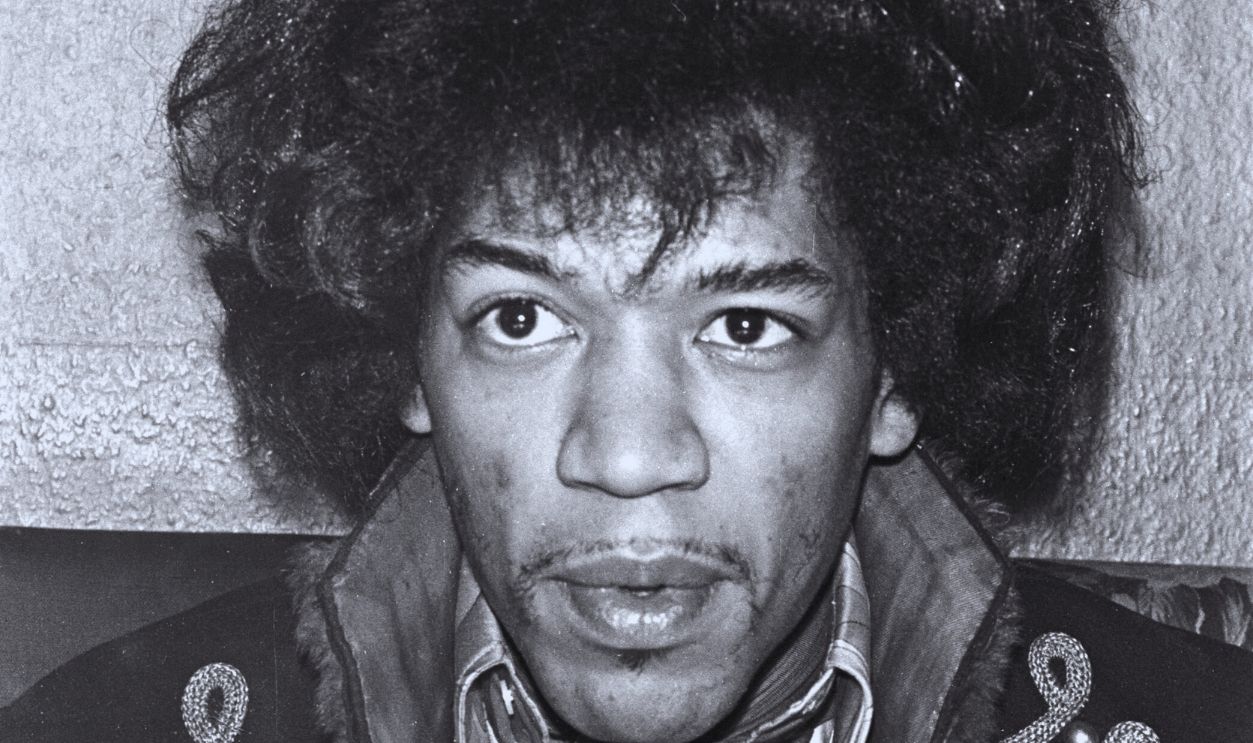
In 1967, Jimi Hendrix was already melting minds in London—but in the U.S., mainstream crowds didn’t quite know what to do with him yet. So when he signed on to open for The Monkees, America’s most teen-screaming pop phenomenon, it was a mismatch from the jump. The result? Hendrix was booed, heckled, and drowned out by Monkeemania.
What happened during that short, chaotic tour changed Hendrix forever, setting off a vow that would shape every decision he made from that moment on.
Hendrix Was Already a Star in London
By the time he returned to the U.S., Hendrix was a sensation overseas. But his American label wanted a faster breakthrough, so they pushed him toward a high-visibility tour. Hendrix later said, “It’s funny how people love you overseas and don’t know you at home.” Opening for a gigantic act seemed like the quickest way to fix that—at least on paper.
Micky Dolenz Accidentally Started the Whole Thing
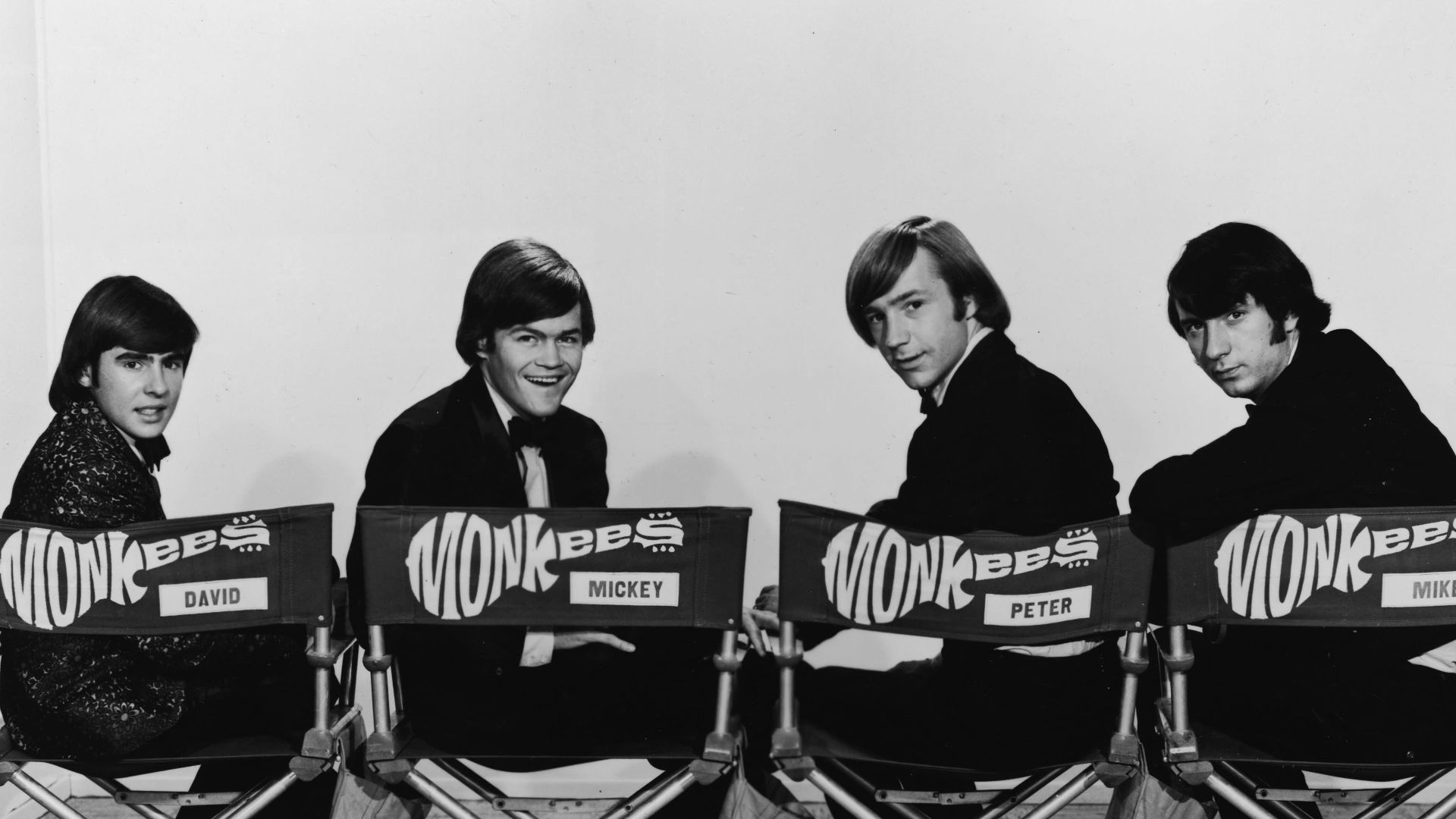
Micky Dolenz had seen Hendrix in London and was floored. He recalled, “I said, ‘You’ve got to hire this guy.’” Dolenz genuinely believed their young fans might discover something new. He meant well—but he underestimated just how wildly different Hendrix’s audience (and universe) really was.
 zannaland from Windermere, FL, Wikimedia Commons
The Monkees’ Management Thought It Was Smart Marketing
Their managers figured Hendrix would add credibility to The Monkees, helping shift their image from manufactured TV band to something closer to the rock world. Hendrix’s team thought they’d get in front of massive American crowds. Both sides had big hopes. Neither foresaw the coming trainwreck.
 Entertainment International, Wikimedia Commons
The Teen Crowds Were the Problem
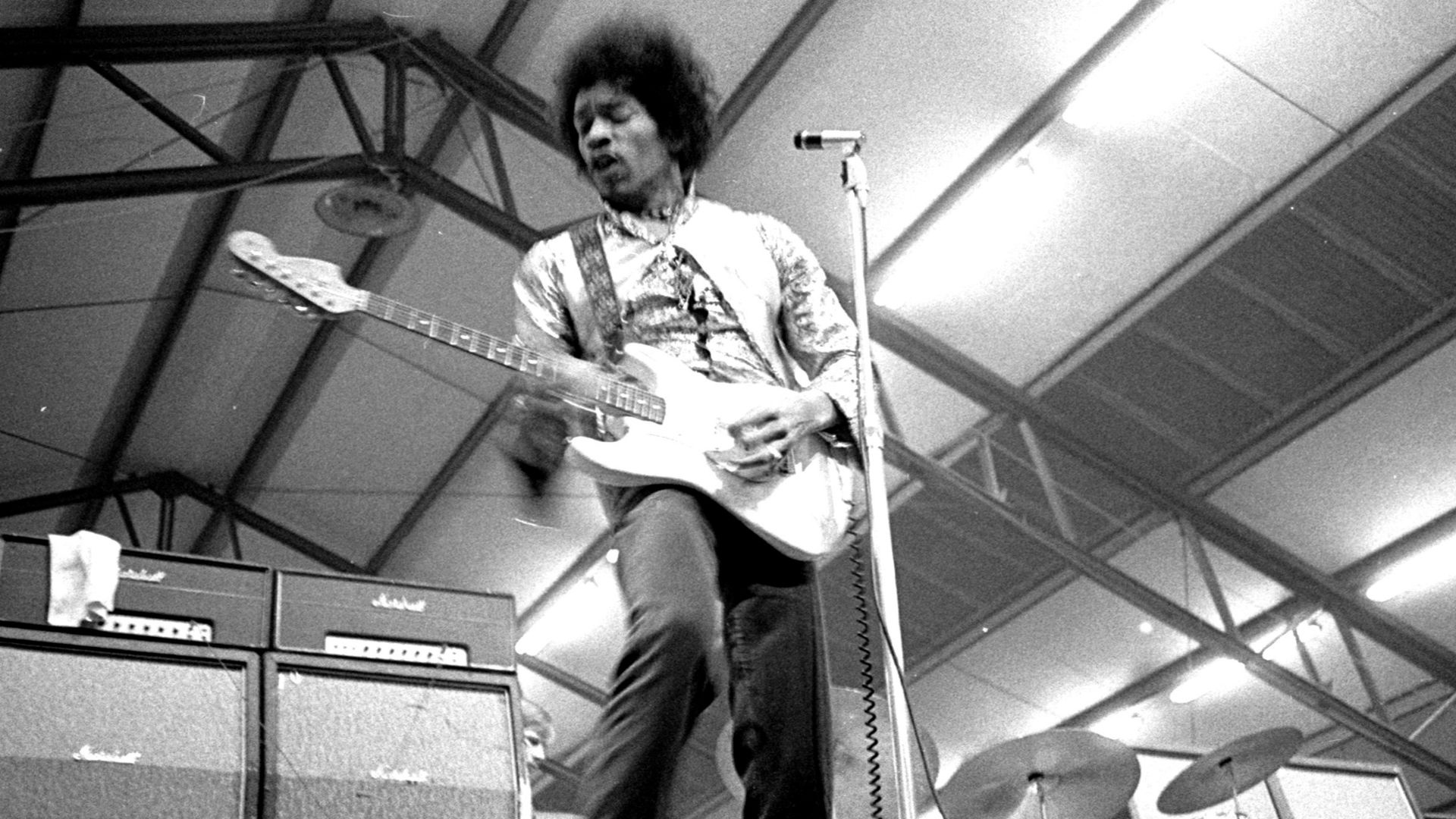
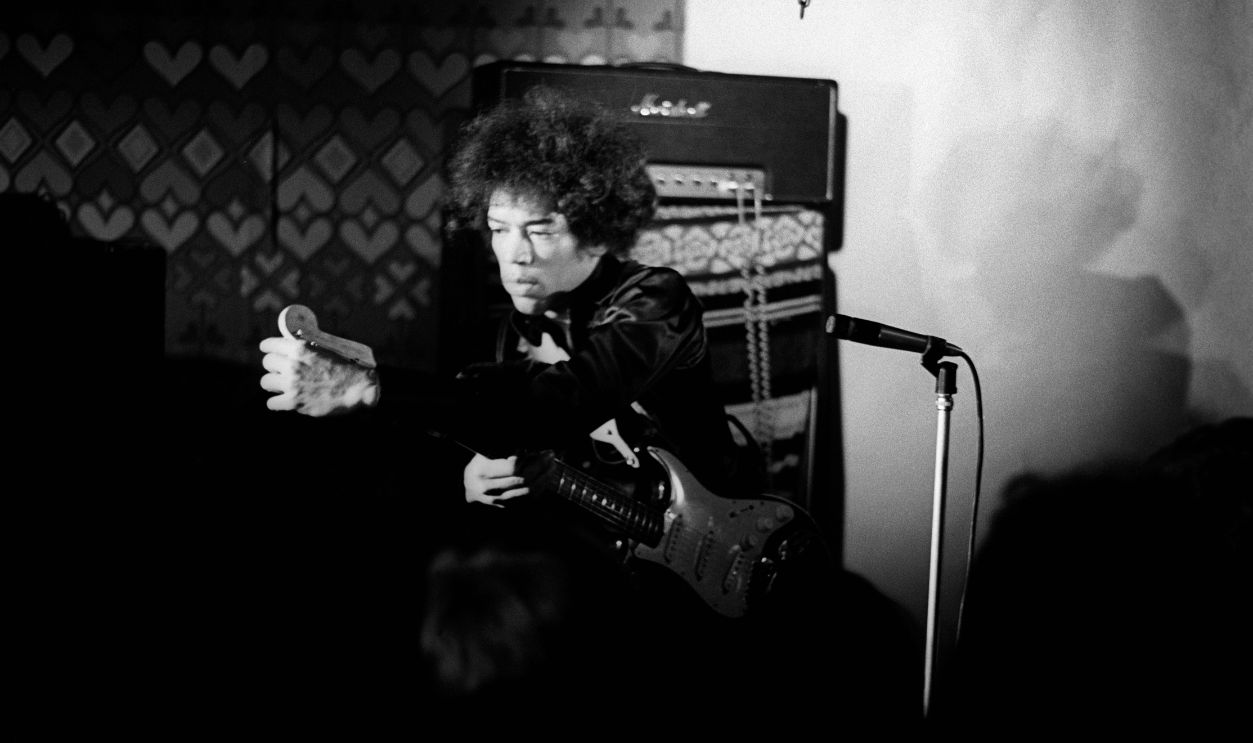
Most Monkee fans were literal children—preteens brought by parents and whipped into a frenzy for pop sing-alongs. They didn’t want psychedelic blues or feedback-laced solos. When Hendrix opened with roaring distortion, many kids just stared. Others covered their ears. It wasn’t hostility so much as total confusion.
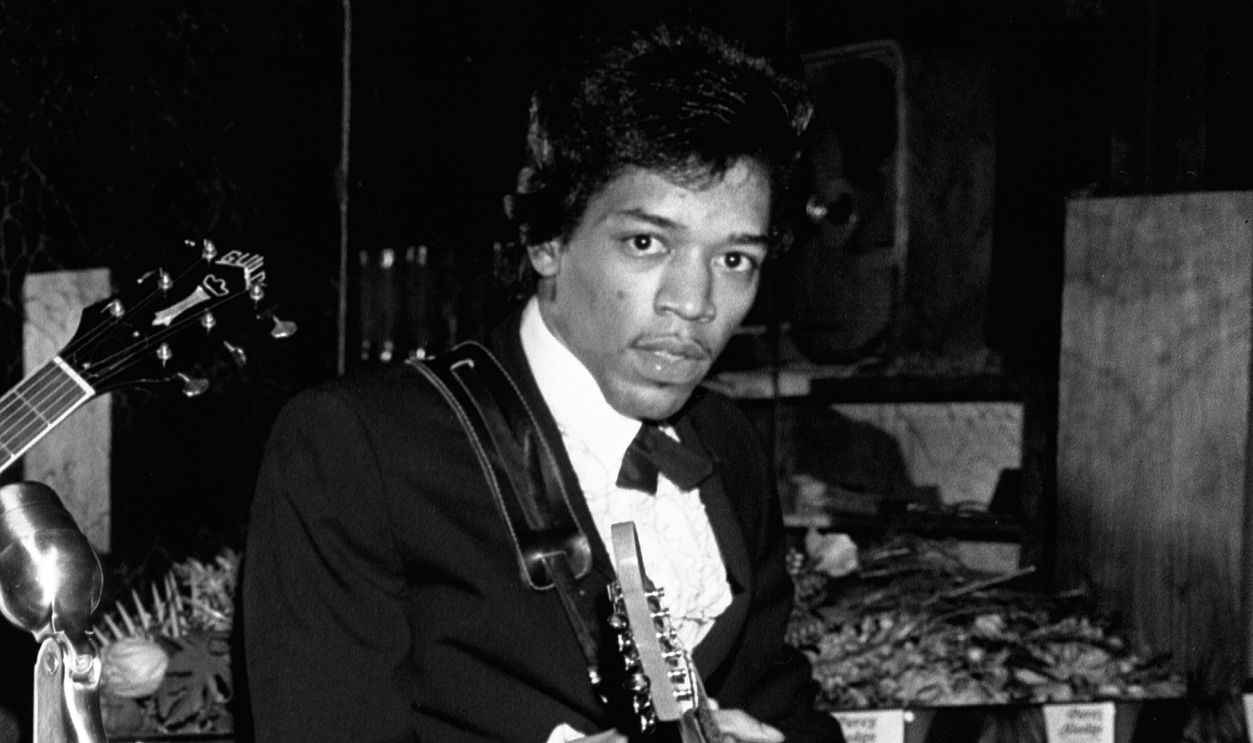
Kids Didn’t Just Boo—They Screamed Over Him
One of the strangest parts of the tour was that the booing wasn’t even the main obstacle. The nonstop shrieking for The Monkees meant Hendrix could barely hear his own amp. Roadies said the crowd noise was so loud it drowned out entire solos. Hendrix wasn’t just unwanted—he was literally inaudible.
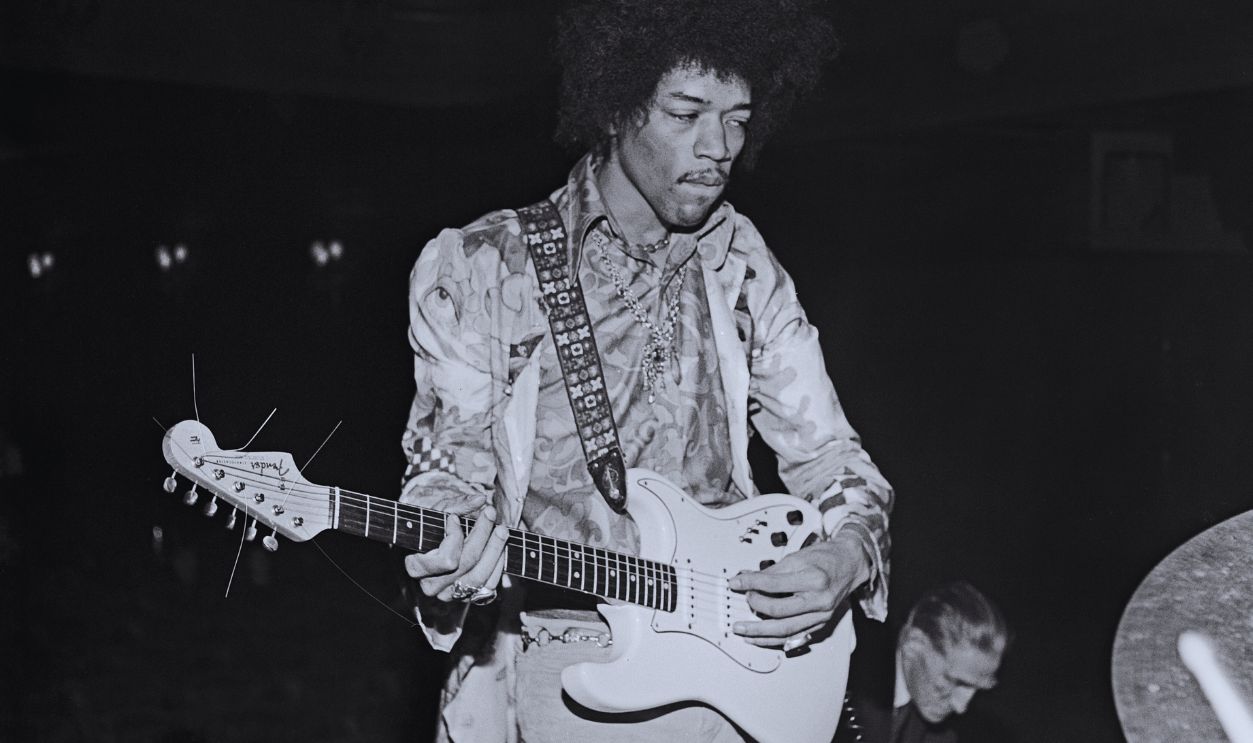
Parents in the Crowd Made It Worse
A surprising number of parents attended the shows, and many were openly hostile to Hendrix’s sound and appearance. Some complained he was “too loud” or “too wild.” One crew member recalled a mother saying she “didn’t bring her daughter here for that.” Hendrix wasn’t just performing to the wrong generation—he was performing to two of them.
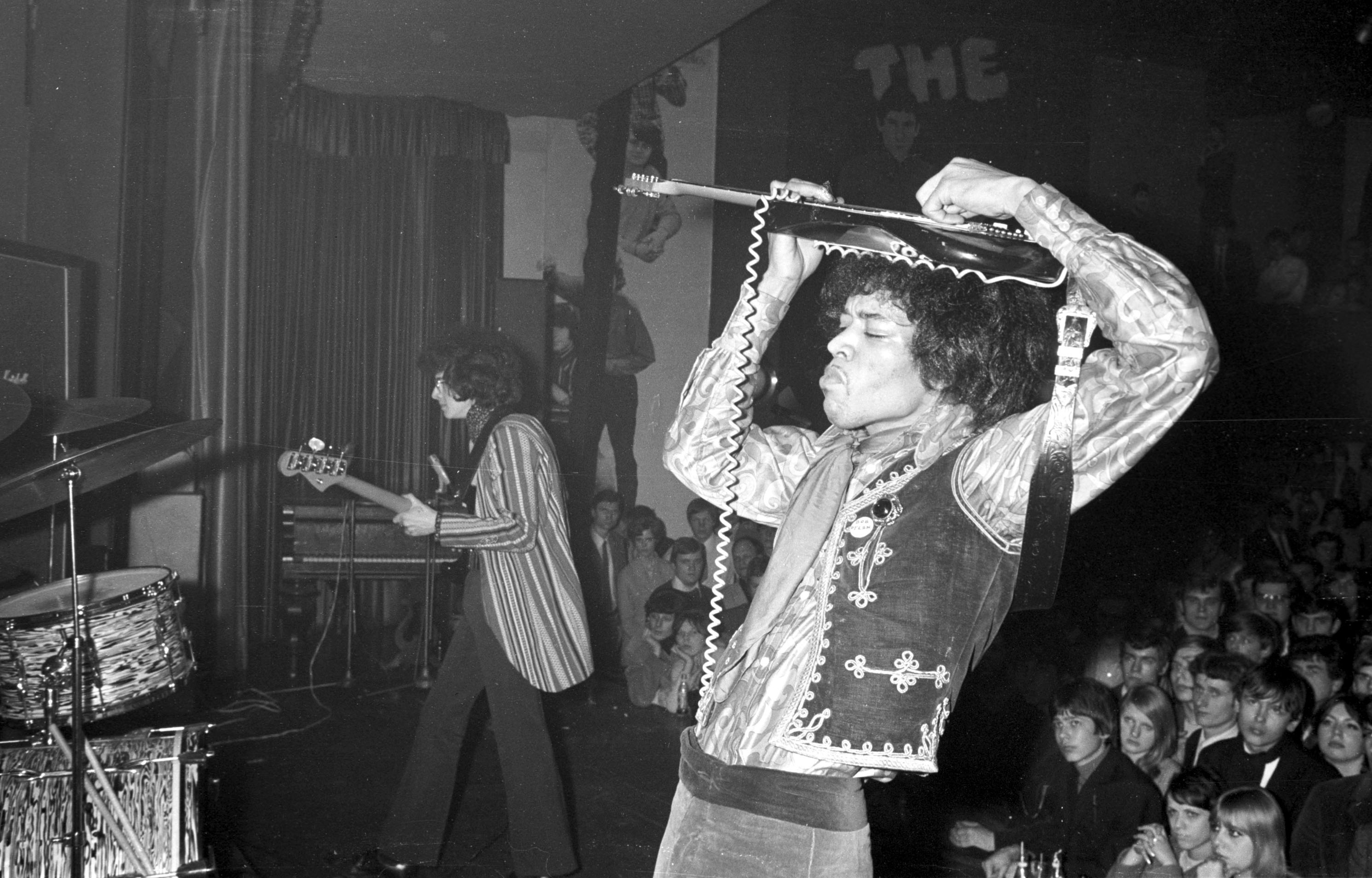
Hendrix Tried Adjusting His Sets—Briefly
Hendrix shortened solos, swapped songs, and even threw in Wild Thing to lighten the mood. Nothing worked. The crowds simply did not care who he was or why he was there. He joked later, “They just wanted to see The Monkees. I might as well have been playing to a brick wall.”
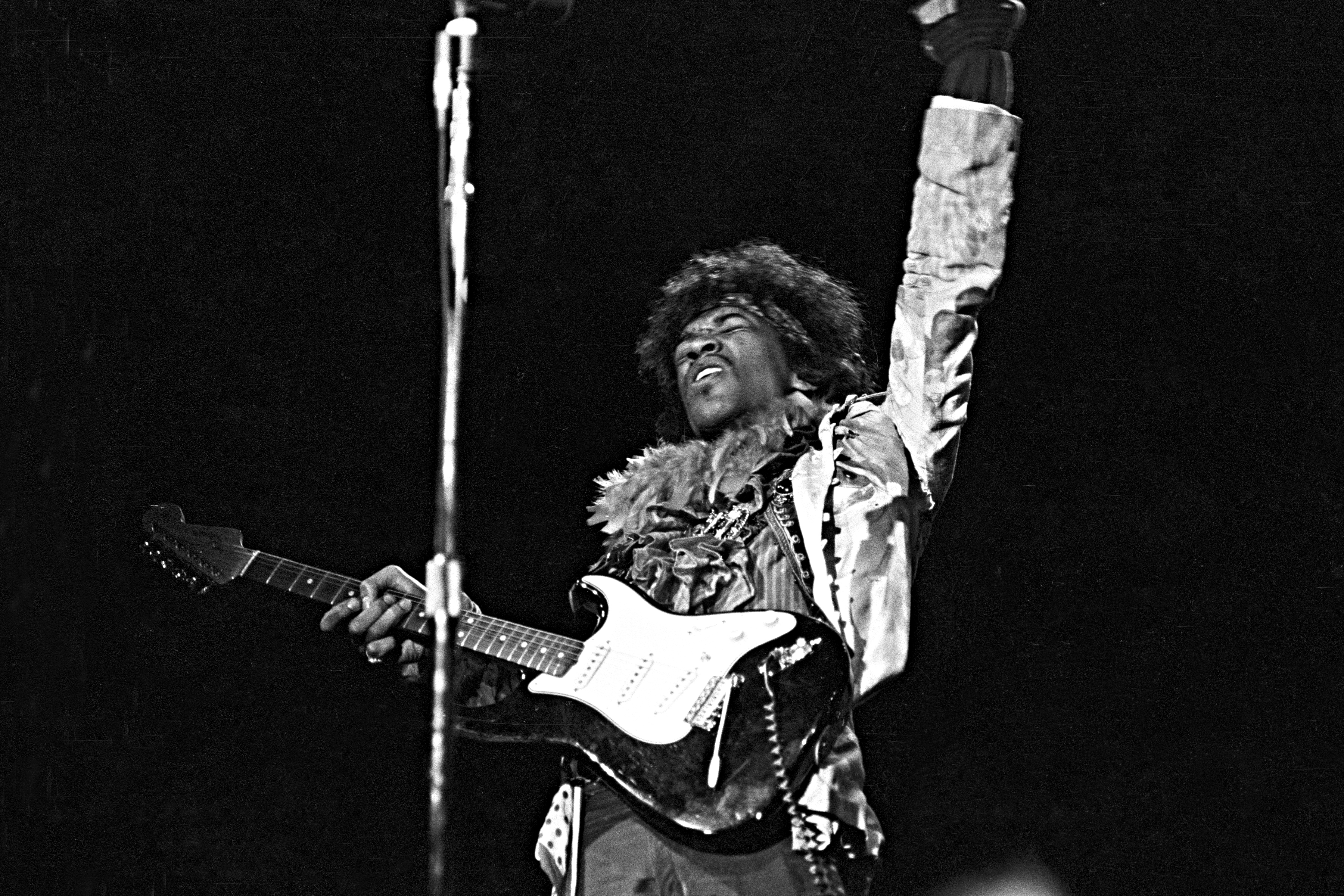 Michael Ochs Archives, Getty Images
Then the Booing Started
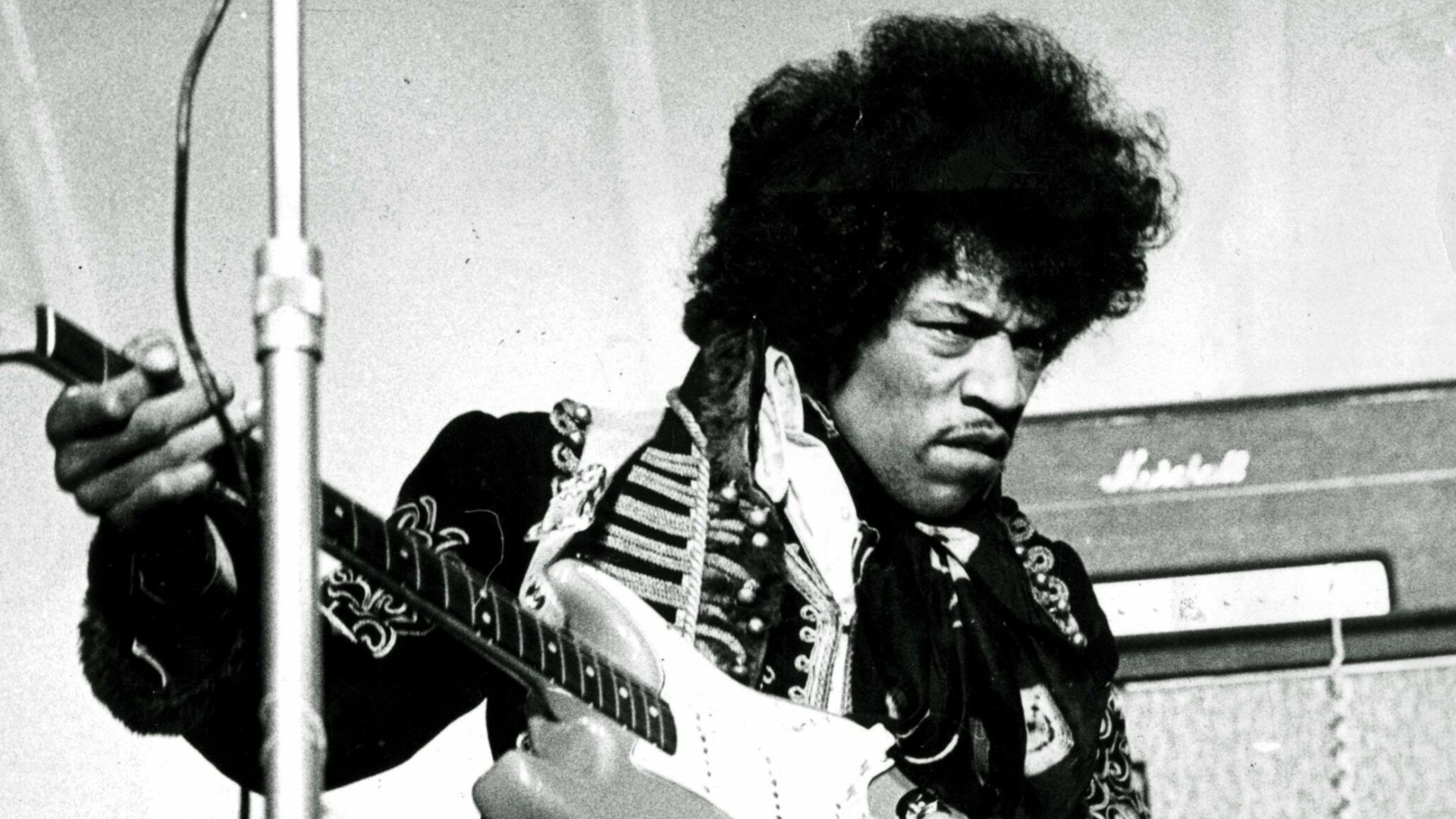
Certain shows turned ugly. Fans booed, chanted for Davy Jones, or talked loudly over Hendrix’s entire set. One witness recalled a girl yelling, “Get off the stage!” mid-solo. Sometimes, Hendrix walked off while flipping off the audience—something he rarely did anywhere else.
 Original photographer unknown, Wikimedia Commons
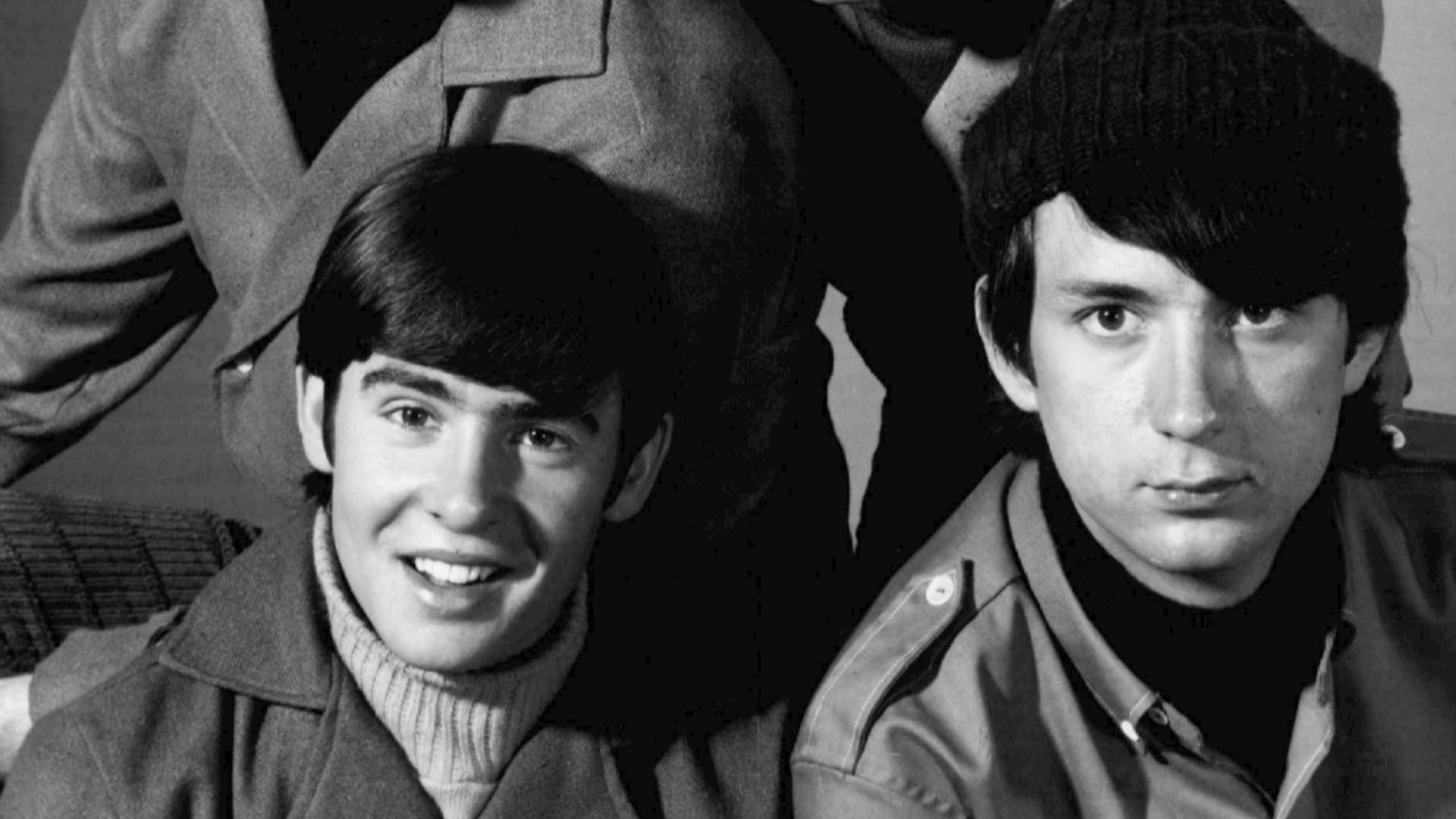
The Monkees Themselves Loved Him
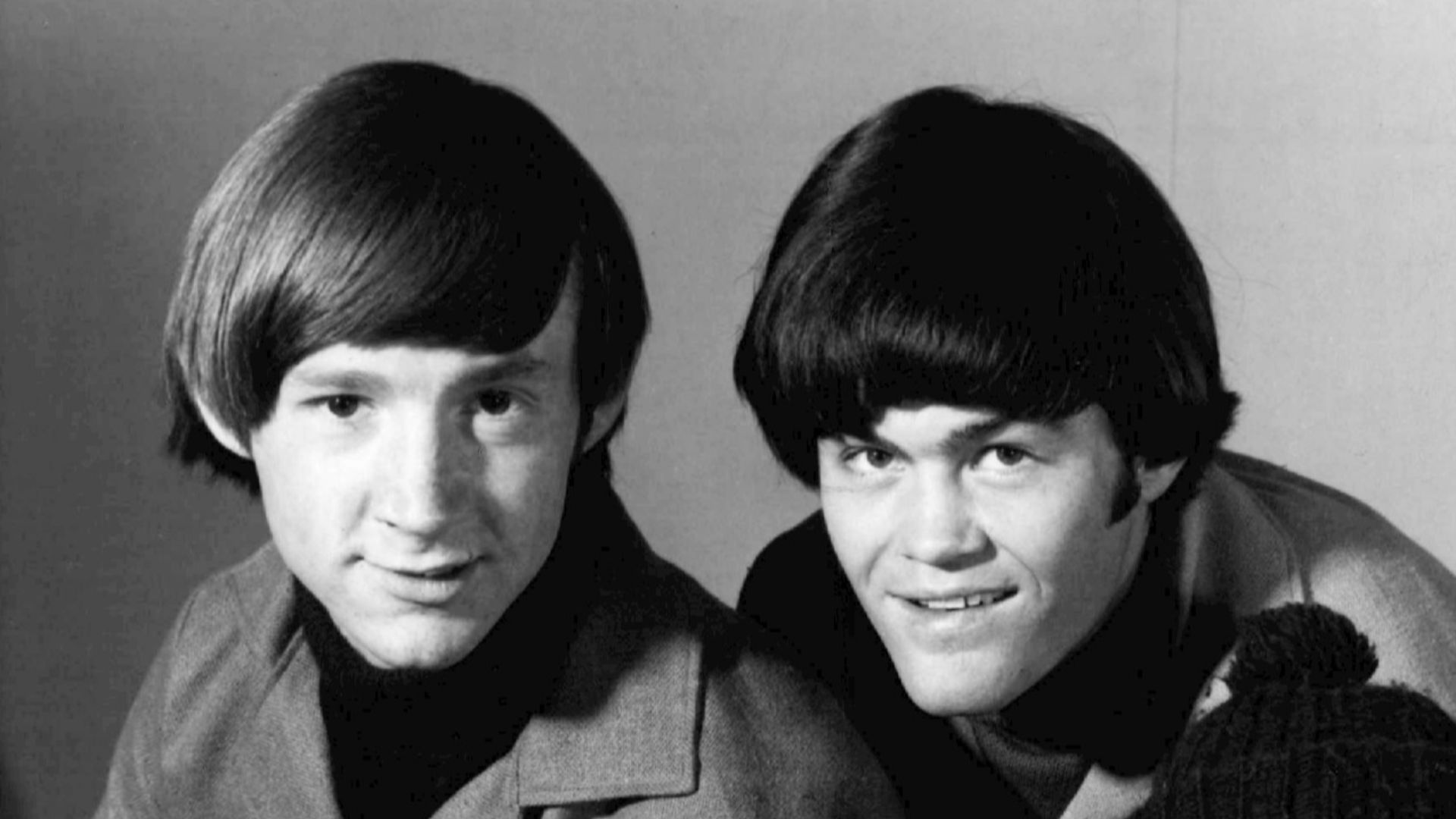
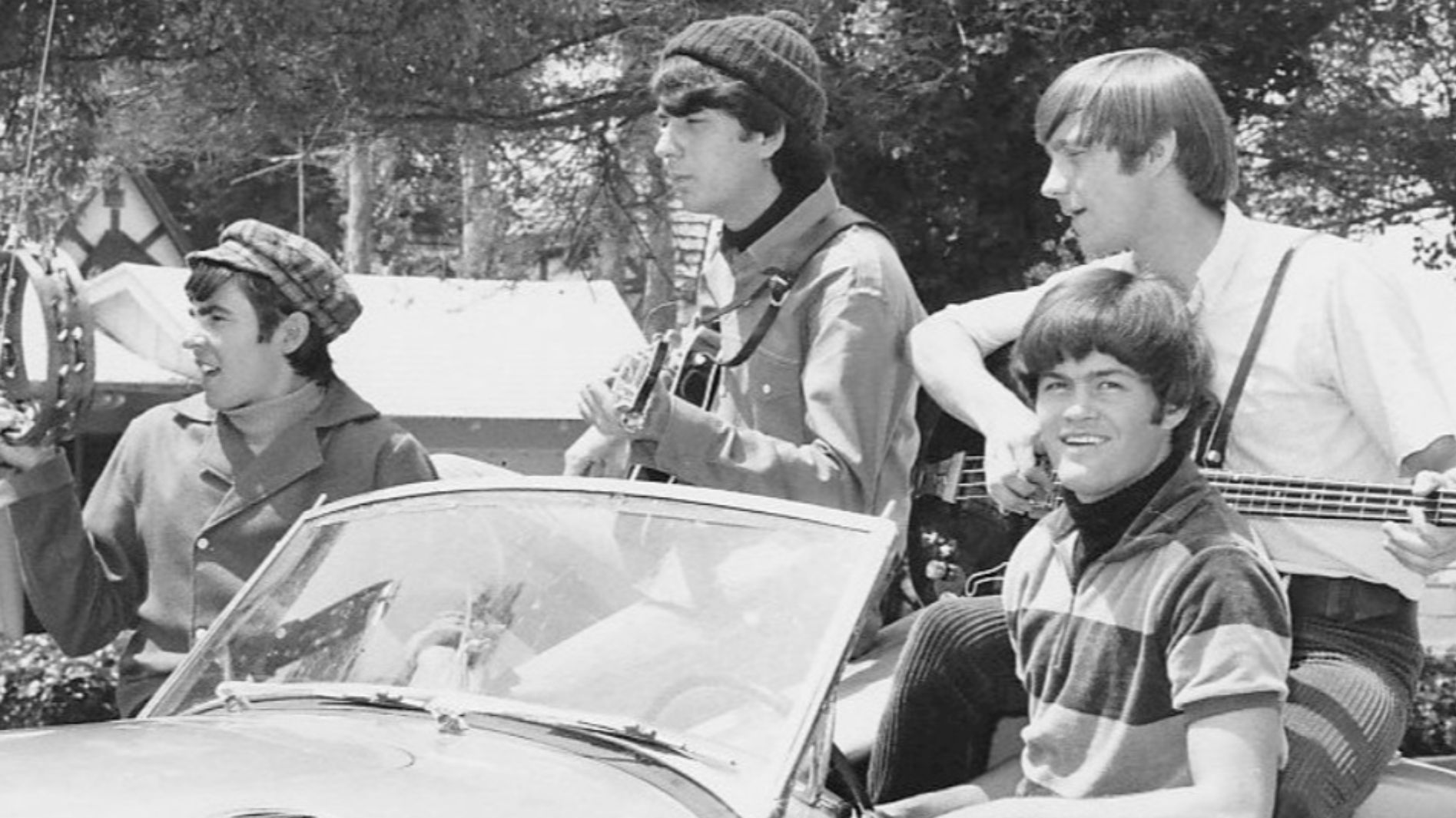
The band adored Hendrix and felt terrible. Dolenz said he was “one of the nicest, most talented people I’d ever met.” Peter Tork said watching him shred was “like watching the universe open.” They apologized often, but Hendrix never blamed them—he blamed the crowd mismatch.
Critics Didn’t Understand Him Either
Local newspapers reviewing the early dates called Hendrix “too loud,” “too wild,” and “out of place.” One reviewer claimed his performance felt like “a different show invading the wrong concert.” The irony only grew as Hendrix became one of the most celebrated musicians of all time.
 Unknown authorUnknown author, Wikimedia Commons
The Band Behind Hendrix Felt the Tension
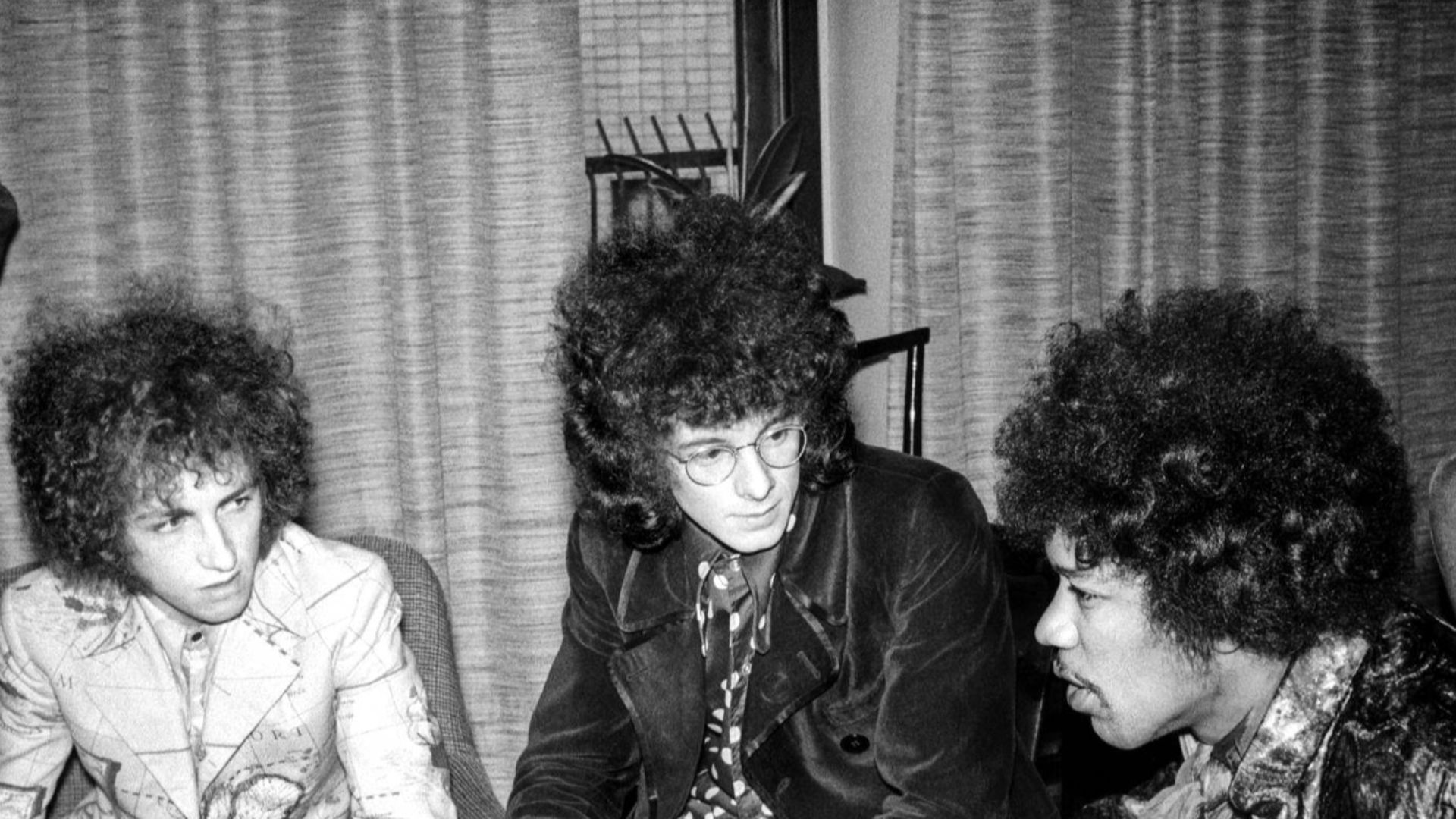
Noel Redding and Mitch Mitchell hated the tour instantly. Redding later said, “It was ridiculous—we weren’t playing to music fans.” Mitchell called it “the most mismatched bill in rock history.” The tension backstage was real, and the band felt trapped in a gig that was beneath their abilities.
 Marjut Valakivi, Wikimedia Commons
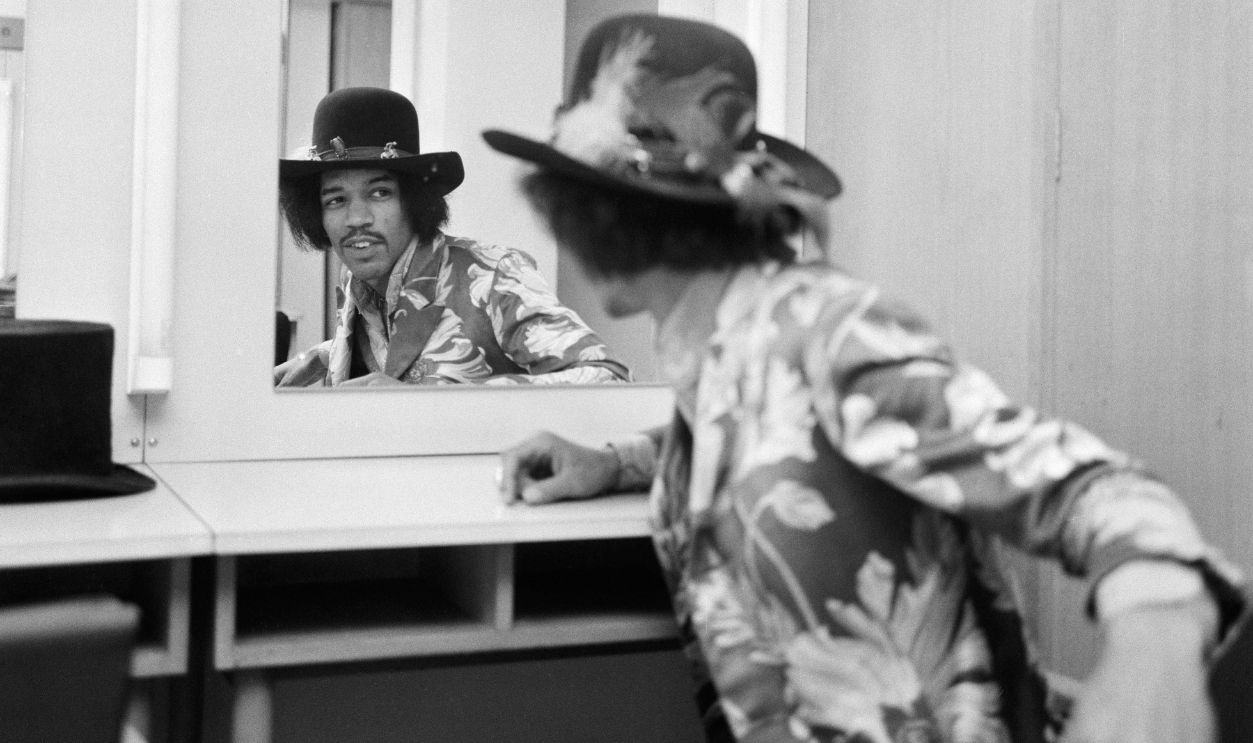
Backstage, Hendrix Was Miserable
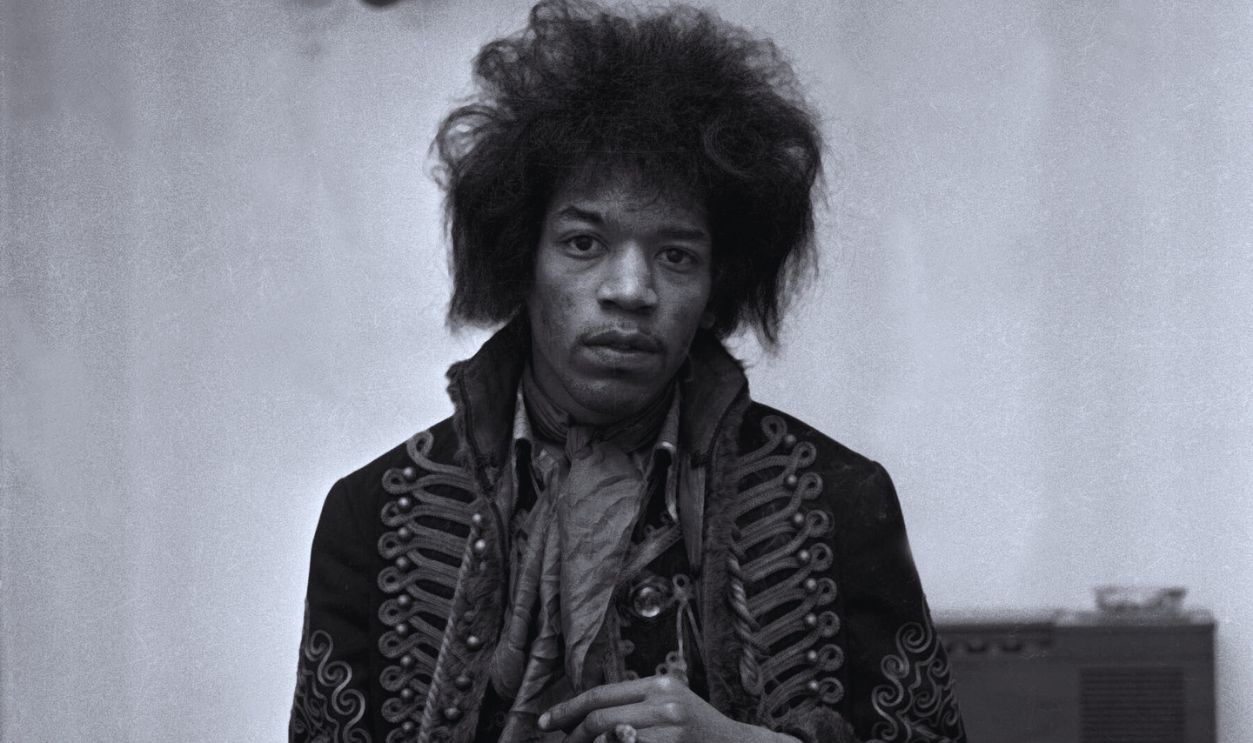
Crew members recalled him frustrated, quiet, and pacing. He felt humiliated playing to crowds who didn’t want him there. He reportedly told his bandmates, “Man, I can’t do this anymore.” The tour quickly stopped being an opportunity and started feeling like a punishment.
The Tour Did Give Hendrix One Hidden Advantage
Even though the crowds didn’t embrace him, the industry noticed. Promoters, musicians, and journalists who attended out of curiosity reported being stunned by Hendrix’s talent. Several later admitted they only discovered him because they came to see The Monkees and accidentally witnessed a future legend warming up the stage.
The Monkees Tried Defending Him
Whenever fans complained, the band stepped in. Mike Nesmith said, “If you don’t like him, you don’t understand music.” But defending Hendrix didn’t help. Their fans weren’t interested in being taught taste—they wanted pop, not pyrotechnic guitar wizardry.
Hendrix Hit His Breaking Point
After seven shows, he’d had enough. He told his team he was quitting. The Monkees didn’t fight it—they completely understood. Everyone backstage knew the pairing made no sense. Hendrix was too intense, too advanced, and too groundbreaking for that audience.
 Michael Ochs Archives, Getty Images
The Official Explanation Was a Lie
To avoid drama, the press release blamed Hendrix’s exit on “visa issues.” It was a polite PR cover. Everyone on the tour knew the truth: Hendrix bailed because the crowds weren’t just wrong—they were hostile.
A New Rule: Never Compromise Again
According to friends, this tour was the moment Hendrix made a personal vow: no more mismatched gigs, no more crowd-pleasing compromises. From now on, he’d play for people ready to hear him. That resolve shaped everything that came next.
 Michael Ochs Archives, Getty Images
Hendrix Leaving the Tour Became Part of His Mythology
Decades later, the failed tour became one of those “only Hendrix” stories that added to his mystique. Fans loved the idea that he was too ahead of his time, too intense, too brilliant to survive a pop-idol crowd. What was once humiliating slowly transformed into the perfect origin story for a rebel who refused to bend.
Monterey Pop Quickly Rewrote the Story
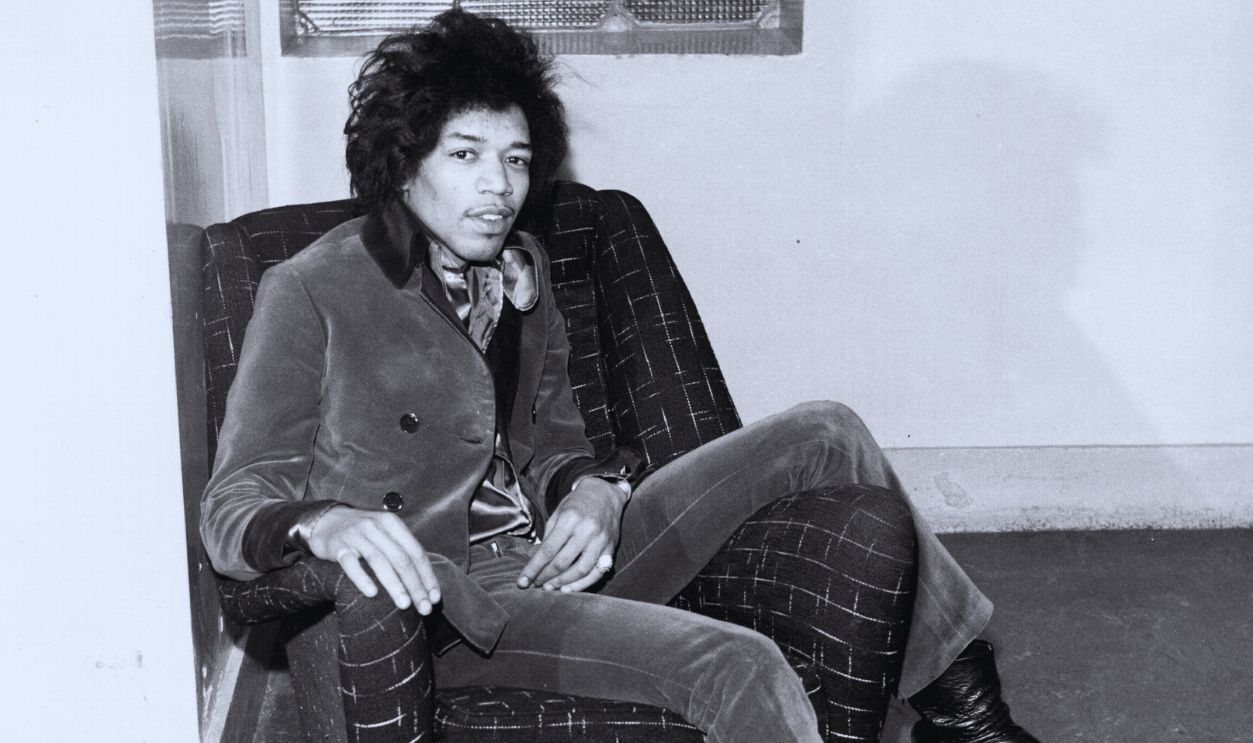
Just weeks earlier, Hendrix had stunned Monterey Pop by lighting his guitar on fire. And as that performance circulated on film and word-of-mouth, America suddenly woke up. Within months, he went from “that weird Monkees opener” to a generational icon.
 Michael Ochs Archives, Getty Images
Hendrix Later Reflected on the Disaster
Years later, he joked about the absurdity. He said touring with The Monkees was like “being a Black Panther opening for The Partridge Family.” It wasn’t bitterness—it was pure acknowledgment of how surreal the situation had been.
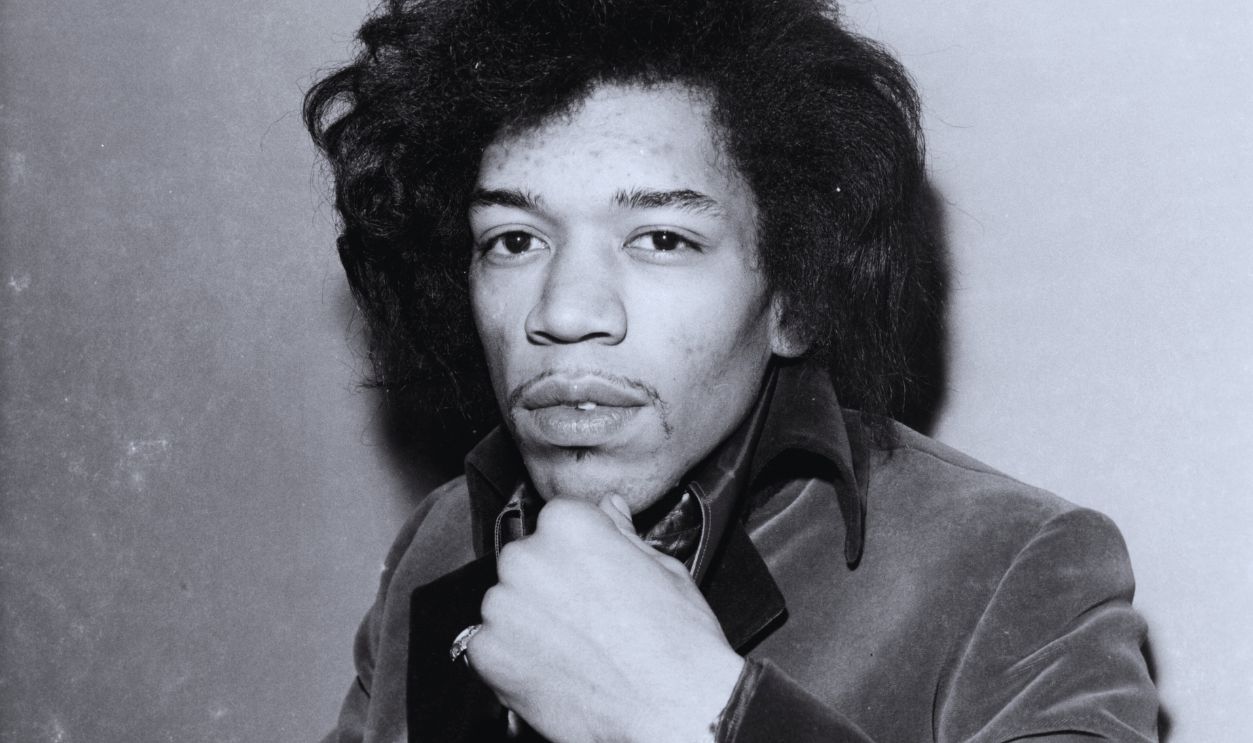
The Monkees Loved Retelling the Story
They often joked about it in interviews. Dolenz once said, “Our fans were too busy screaming to understand Jimi.” Despite the disaster, they remained proud that they had introduced Hendrix to many Americans—even if the timing was all wrong.
 NBC Television, Wikimedia Commons
Fans Eventually Realized What They’d Missed
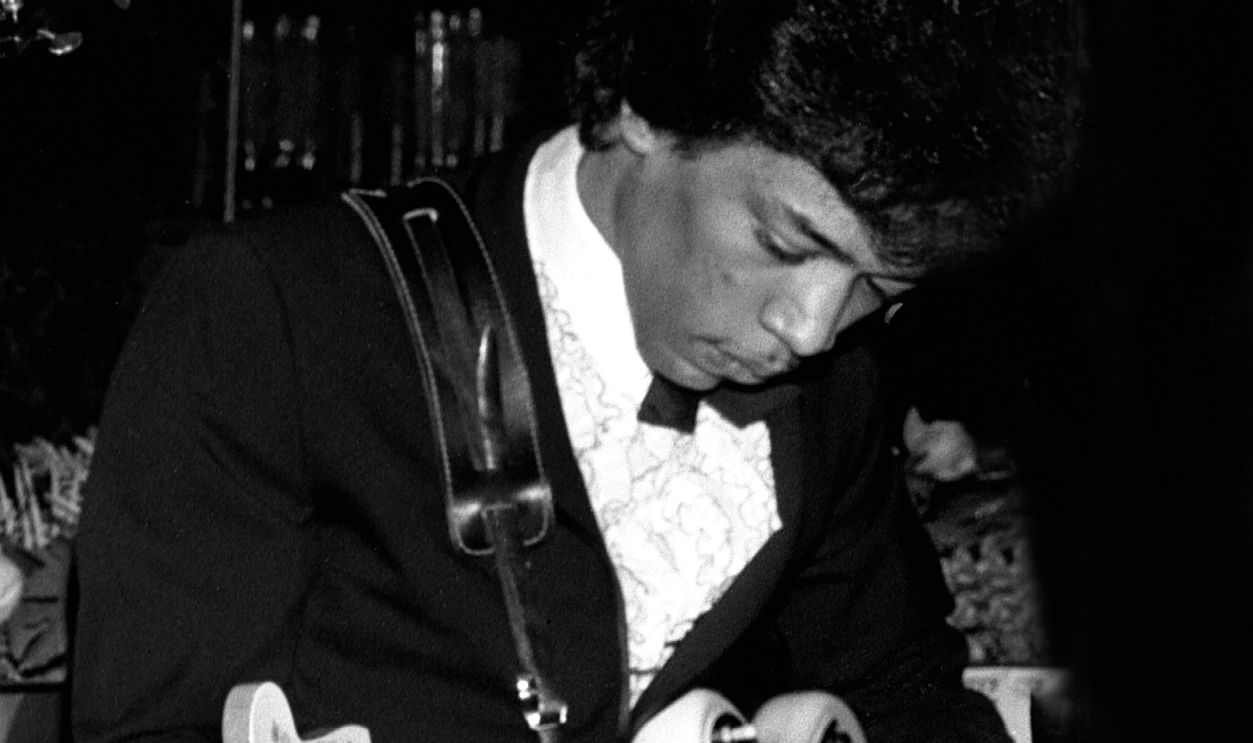
Some people who attended those shows later admitted they had “no clue” who Hendrix was in 1967. A few even wrote that they screamed through his set, only to realize decades later they witnessed history they were too young to understand.
The Misery Paid Off
The fiasco pushed Hendrix toward a sharper sense of artistic identity. Everything that followed—Axis: Bold as Love, Electric Ladyland, the boundary-shattering studio experiments—came from that renewed refusal to bend or soften his vision for anyone.
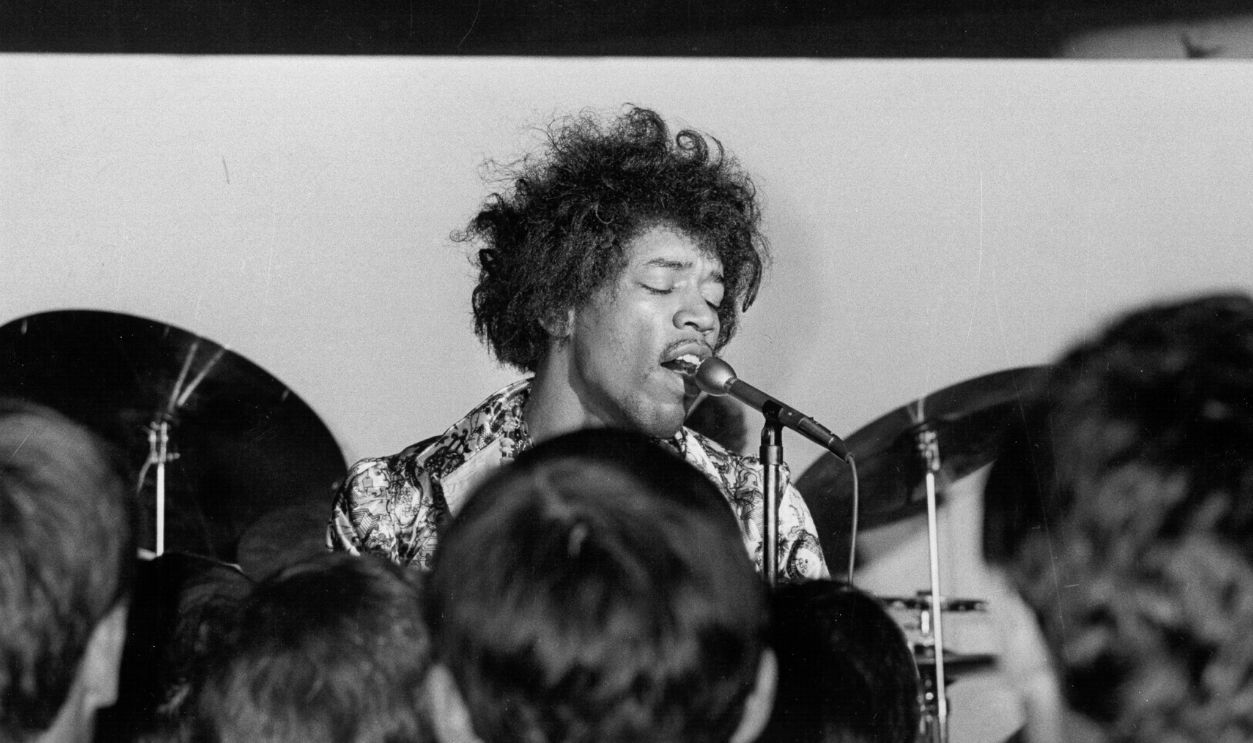
The Legacy of the Strangest Pairing in ’60s Rock
Today, the Hendrix-Monkees tour lives on as one of rock’s most bizarre mismatches—and one that shaped a legend. Being booed didn’t break Hendrix. It clarified him. Without that disastrous summer, he might never have doubled down so fiercely on the freedom that made him immortal.
You Might Also Like:
50-Year-Old Albums That We'd Still Rather Listen To Than What Artists Are Putting Out Today