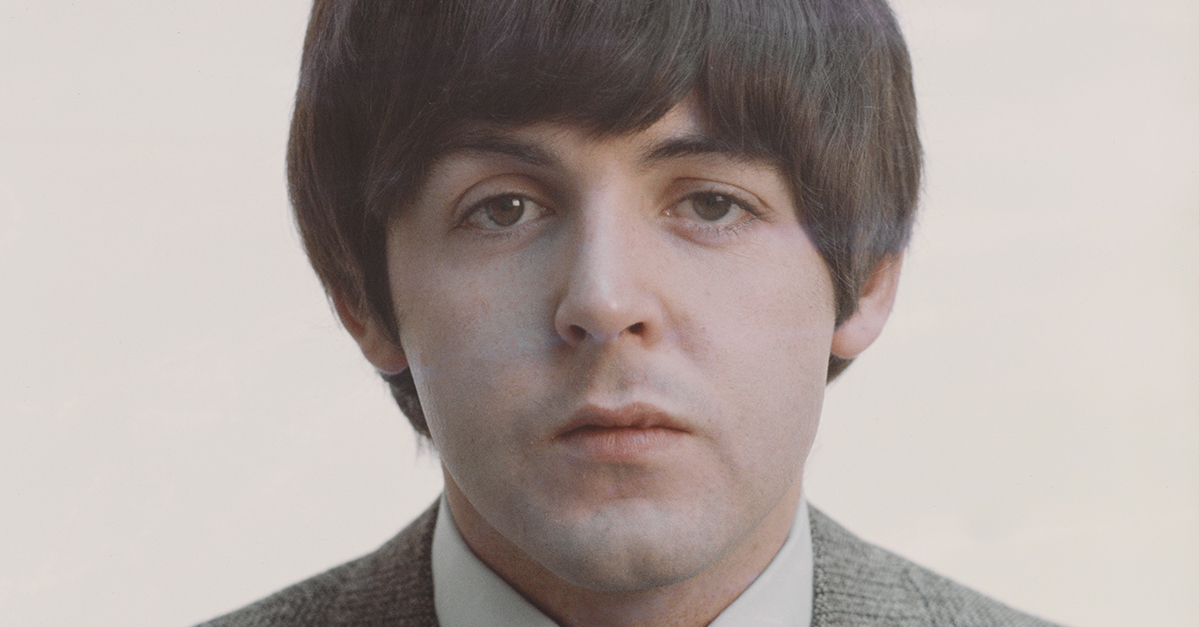
Did You Even Hear The Lyrics?
Most hit songs become famous because of a catchy chorus, memorable riff, or sing-along melody. The problem is that listeners often stop there. Beneath the hooks are stories about addiction, war, grief, mental health, politics, and personal trauma. Some artists intentionally hid their messages, while others watched audiences completely misunderstand their work.
If you've ever belted out one of these classics without knowing what they were really about, you're definitely not alone.
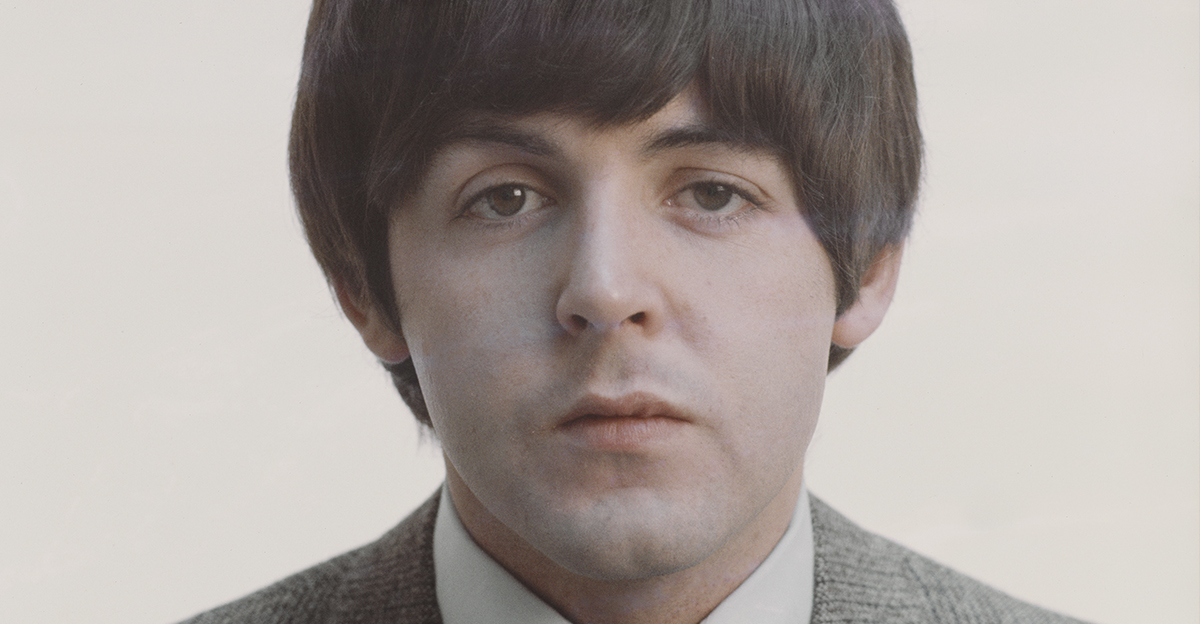 Mark Hayward Archive, Getty Images
"Every Breath You Take" (1983) — The Police
Thanks to its romantic melody, countless couples have used this song at weddings. Sting has repeatedly explained that it is actually about obsession, surveillance, and possessiveness after a painful breakup. The narrator isn't expressing healthy love, he's monitoring someone he can't let go of.
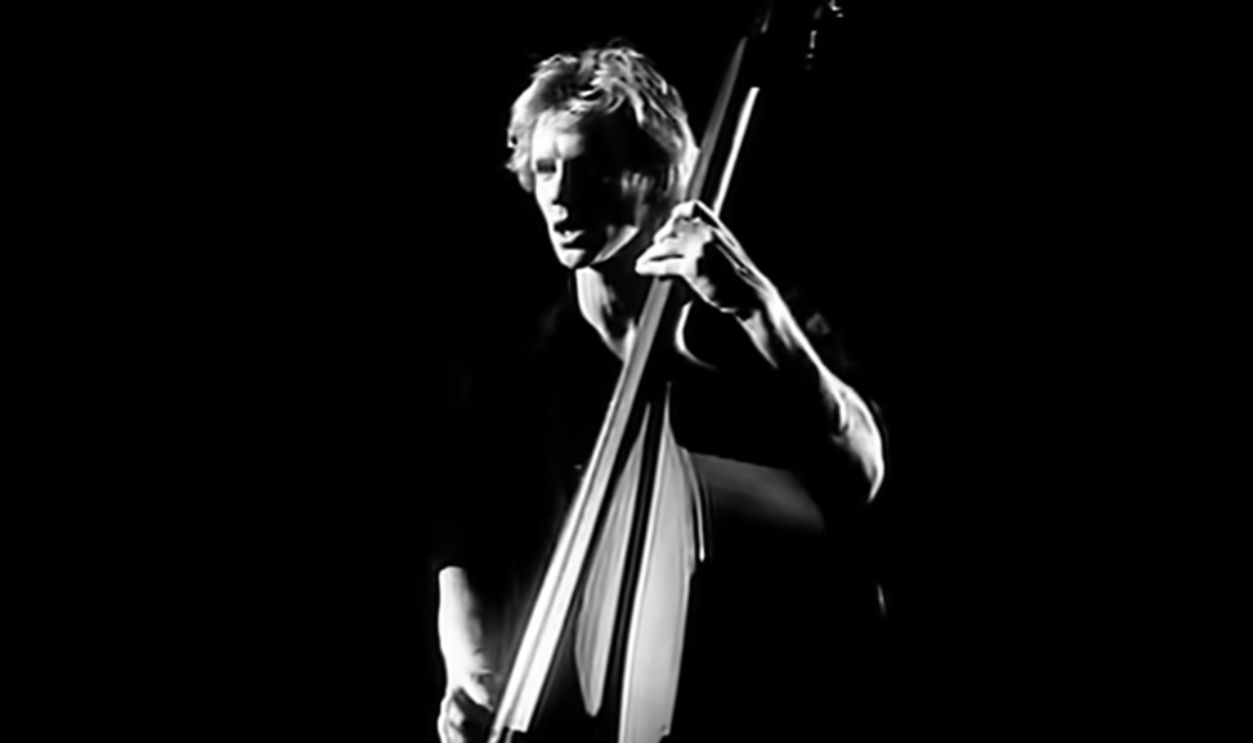 Screenshot from Every Breath You Take, A&M (1983)
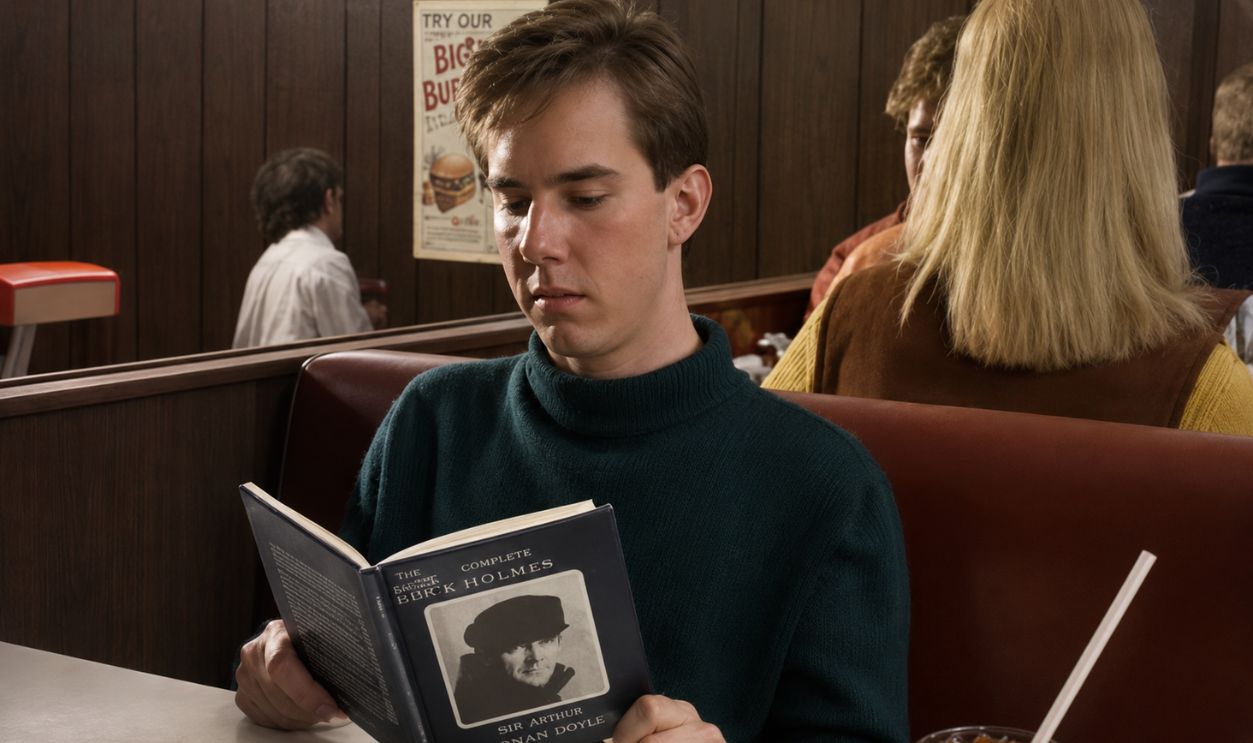
"Pumped Up Kicks" (2010) — Foster The People
Its breezy indie-pop sound caused many listeners to miss the disturbing story at its center. The lyrics describe the thoughts of a troubled young person contemplating violence. The contrast between the cheerful melody and dark subject matter helped make the song one of the most misunderstood hits of its era.
 Screenshot from Pumped Up Kicks, Columbia (2010)
"American Pie" (1971) — Don McLean
Few songs have generated more debate than "American Pie". McLean has confirmed that "The Day the Music Died" refers to the 1959 plane crash that killed Buddy Holly, Ritchie Valens, and The Big Bopper. Beyond that, many of the song's symbols remain intentionally open to interpretation, helping fuel decades of discussion.
 Screenshot from American Pie, United Artists (1971), Modified
"Semi-Charmed Life" (1997) — Third Eye Blind
This radio staple sounds like a carefree summer anthem. Hidden beneath its upbeat energy is a story about crystal meth addiction and the destructive highs and lows that accompany substance abuse. Many stations played it heavily despite missing the meaning buried in plain sight.
 Screenshot from Semi-Charmed Life, Elektra (1997)
"Hotel California" (1976) — Eagles
For decades, listeners have debated whether the song is about Satanism, cults, or something supernatural. Don Henley has consistently described it as a commentary on excess, self-destruction, and the darker side of the American Dream. The mystery helped make the song even more enduring.
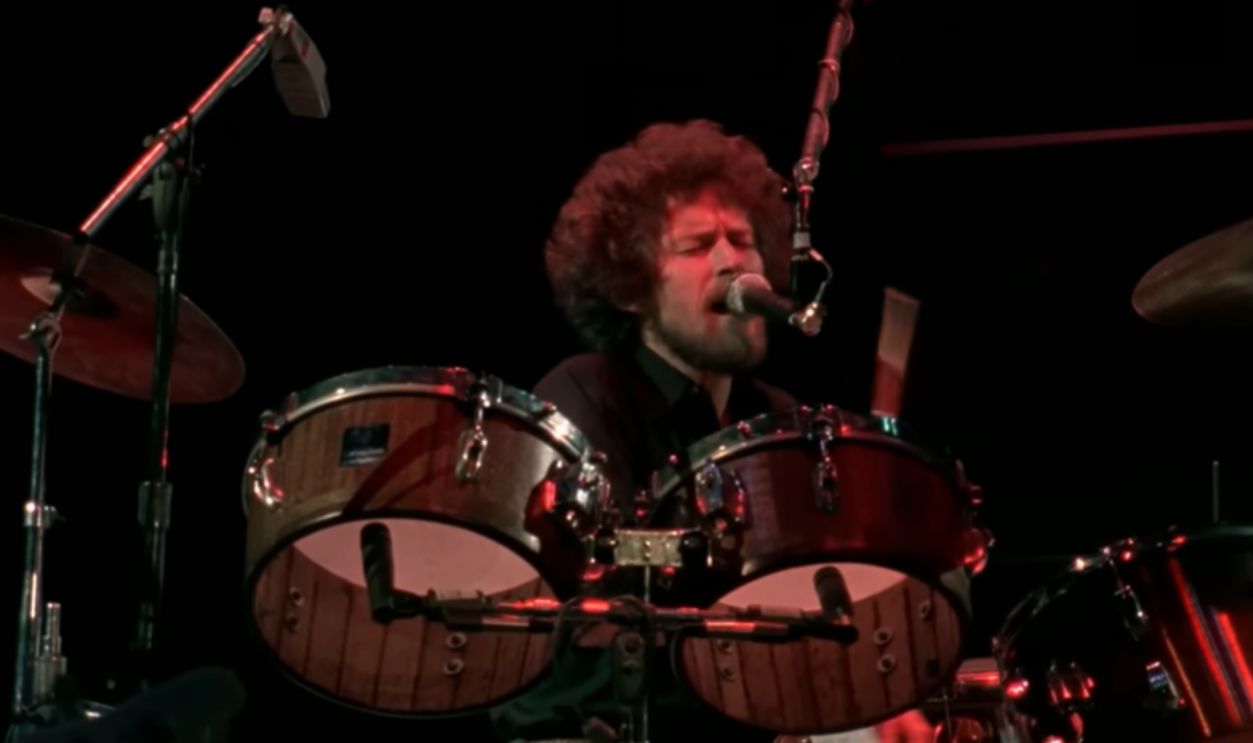 Screenshot from Semi-Charmed Life, Asylum (1976)
"Losing My Religion" (1991) — R.E.M.
Many assume the song concerns faith or organized religion. In Southern American slang, "losing my religion" means losing patience or reaching an emotional breaking point. Michael Stipe wrote it as a vulnerable reflection on unrequited feelings and emotional uncertainty rather than religious belief.
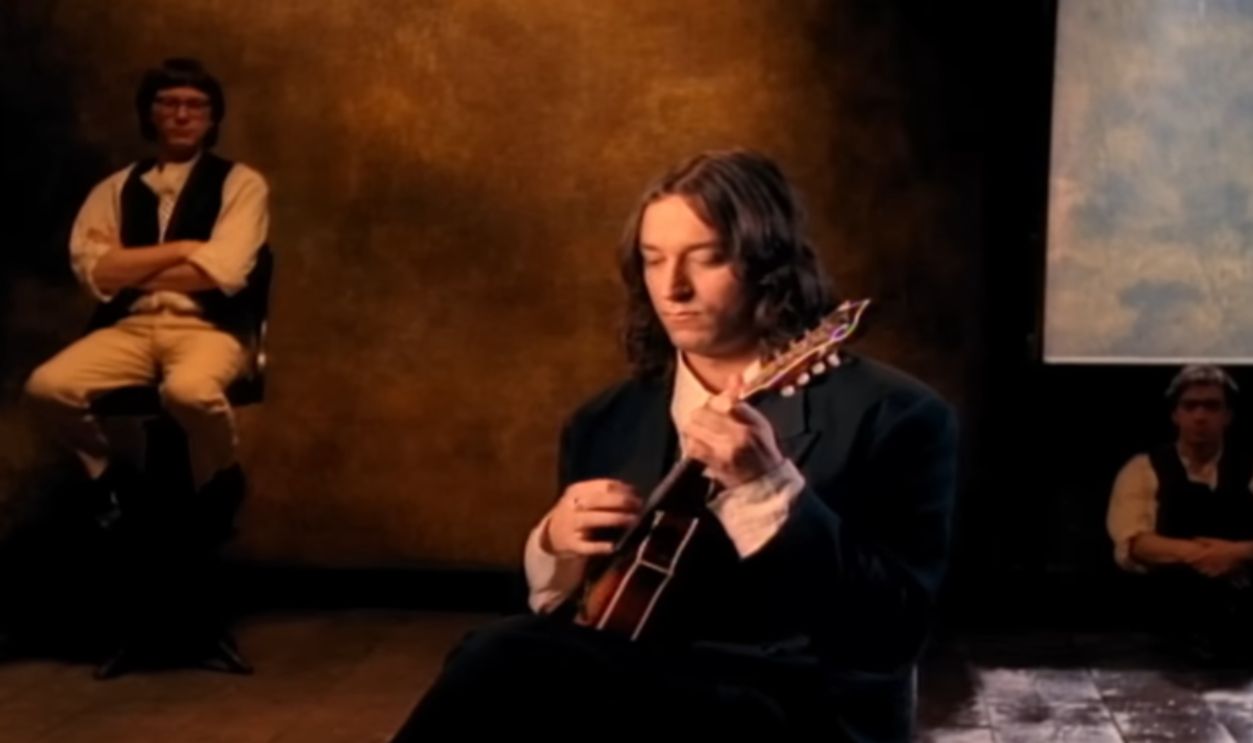 Screenshot from Losing My Religion, Warner Bros. (1991)
"One" (1988) — Metallica
The song's aggressive sound sometimes overshadows its devastating narrative. Inspired by Dalton Trumbo's novel Johnny Got His Gun, it tells the story of a soldier who loses his limbs, sight, hearing, and speech in war while remaining trapped inside his own conscious mind.
 Screenshot from One, Elektra (1988), Modified
"Born In The U.S.A." (1984) — Bruce Springsteen
No classic song is misunderstood more often. The enormous chorus convinced generations of listeners that Springsteen had written a patriotic celebration. Instead, the lyrics tell the story of a struggling Vietnam veteran confronting unemployment, disillusionment, and a country that failed him. If any famous song proves people often hear the music but miss the message, it's this one.
 Screenshot from Born In The U.S.A., Columbia (1984), Modified
"Fortunate Son" (1969) — Creedence Clearwater Revival
Some listeners mistake it for a broadly patriotic rock anthem. John Fogerty actually wrote it as a protest against class inequality during the Vietnam era, criticizing how wealthy and politically connected families often avoided military service while others were sent to fight.
 Screenshot from Fortunate Son, Fantasy (1969)
"Lucy In The Sky With Diamonds" (1967) — The Beatles
The title's initials famously spell LSD, leading many listeners to conclude the song was directly inspired by the psychedelic drug. John Lennon maintained that the title came from a drawing by his son Julian. While the song's imagery certainly reflects the psychedelic era, debate over its inspiration continues.
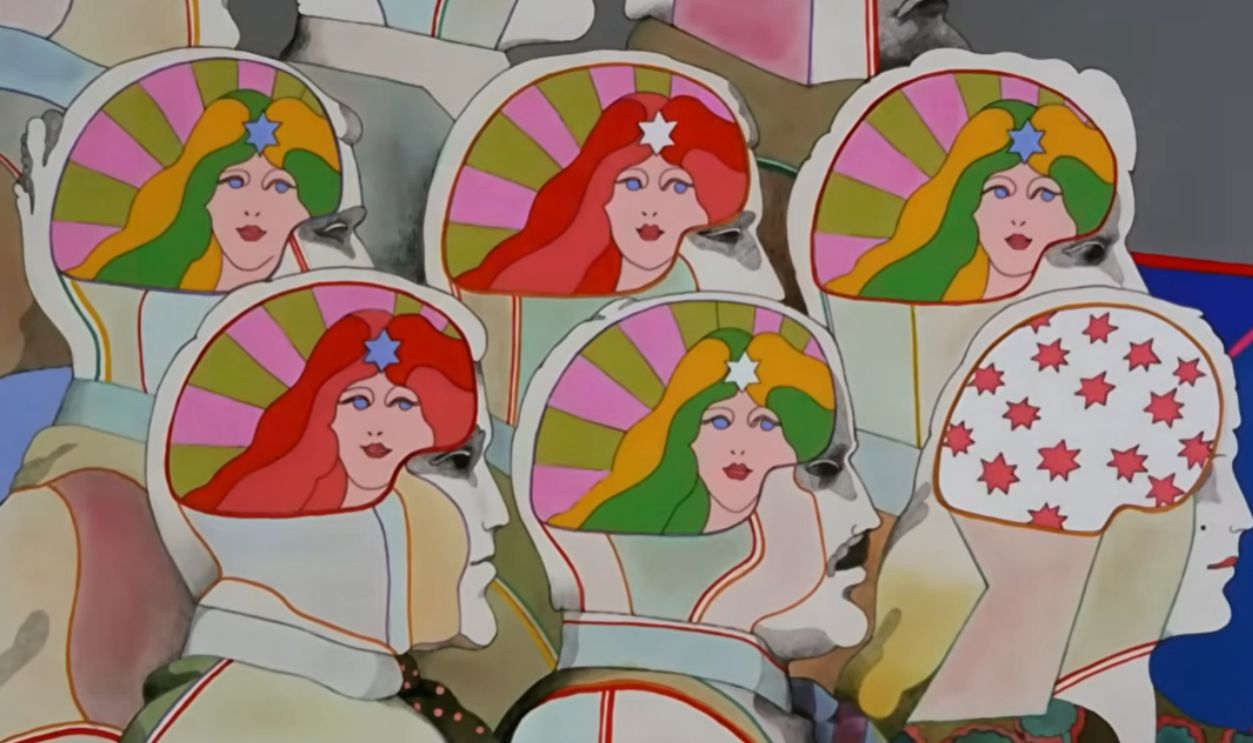 Screenshot from Lucy In The Sky With Diamonds, Parlophone (1967)
"Hey Ya!" (2003) — OutKast
Most audiences focus on the infectious beat and irresistible chorus. Andre 3000, however, filled the song with observations about unstable relationships, emotional dissatisfaction, and modern romance. It's one of the rare songs that can fill a dance floor while quietly questioning love itself.
 Screenshot from Hey Ya!, BMG (2003)
"The Sound Of Silence" (1964) — Simon & Garfunkel
The song is often interpreted as a simple meditation on loneliness. However, Paul Simon later shared it was about "the inability of people to communicate with each other, and not particularly internationally but especially emotionally, so that what you see around you is people who are unable to love each other."
Its themes of isolation, superficial interaction, and emotional distance feel remarkably relevant even today.
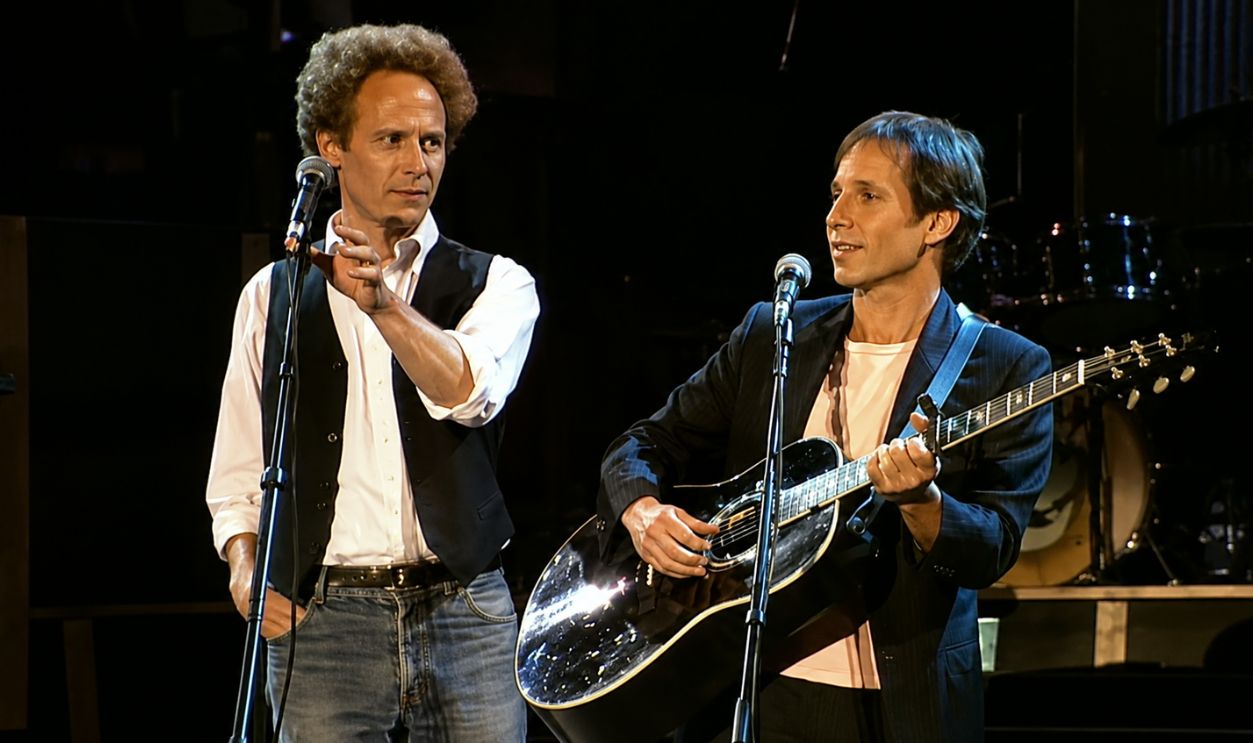 Screenshot from The Sound Of Silence, BMG (1964), Modified
"Zombie" (1994) — The Cranberries
Some listeners assume the song references fictional monsters or personal demons. Dolores O'Riordan actually wrote it in response to an IRA bombing in Warrington, England, that took the lives of two children. The song serves as a powerful condemnation of violence carried out in the name of political causes.
 Screenshot from Zombie, Island (1994)
"Good Riddance (Time Of Your Life)" (1997) — Green Day
Graduation ceremonies transformed this into a sentimental farewell anthem. Billie Joe Armstrong originally wrote it following a difficult breakup. While the lyrics can certainly be interpreted positively, the song's origins are rooted in disappointment, reflection, and unresolved emotions.
 Screenshot from Good Riddance (Time Of Your Life), Reprise (1997)
"Blackbird" (1968) — The Beatles
At first glance, the song appears to be about a bird learning to fly. Paul McCartney later explained that it was inspired by the American Civil Rights Movement and the struggle for racial equality. Its simple acoustic arrangement disguises a far deeper social message.
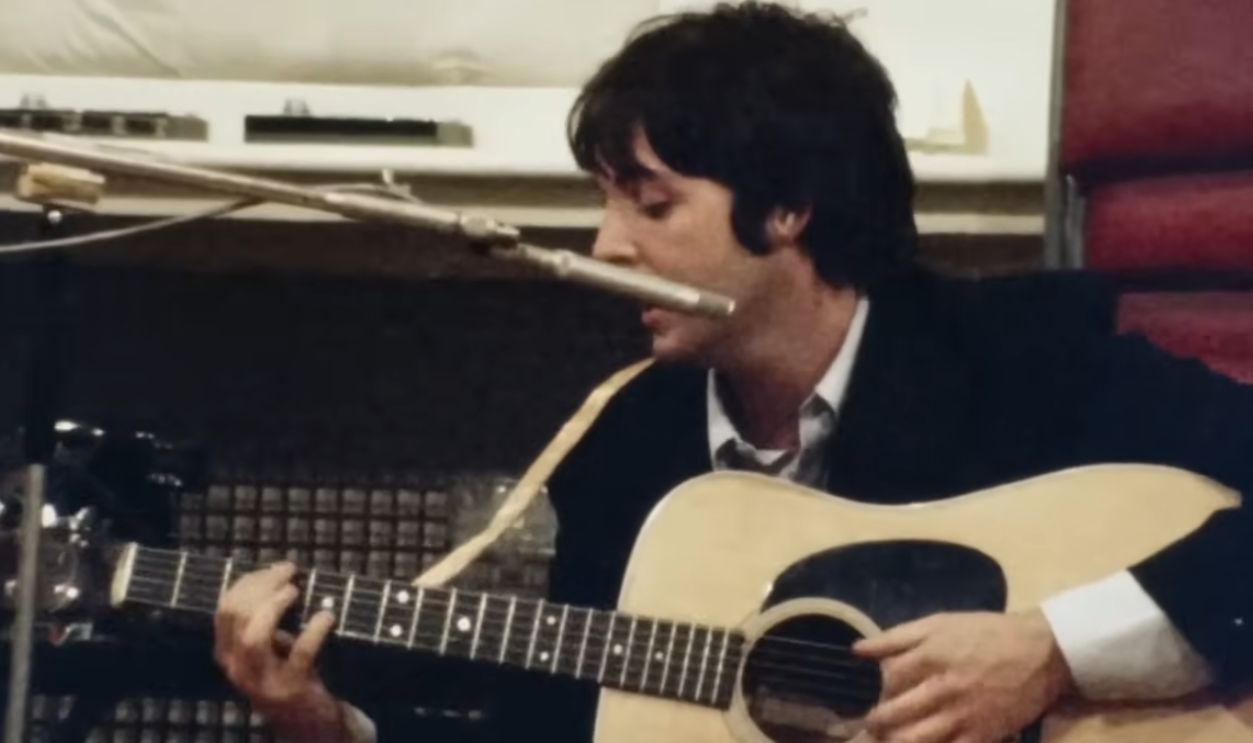 Screenshot from Blackbird, Apple (1968)
"You're Beautiful" (2004) — James Blunt
Many people hear a romantic ballad. James Blunt has repeatedly said the song is about briefly seeing a stranger and becoming fixated on an impossible fantasy. The narrator isn't experiencing true romance so much as projecting hopes onto someone he doesn't actually know.
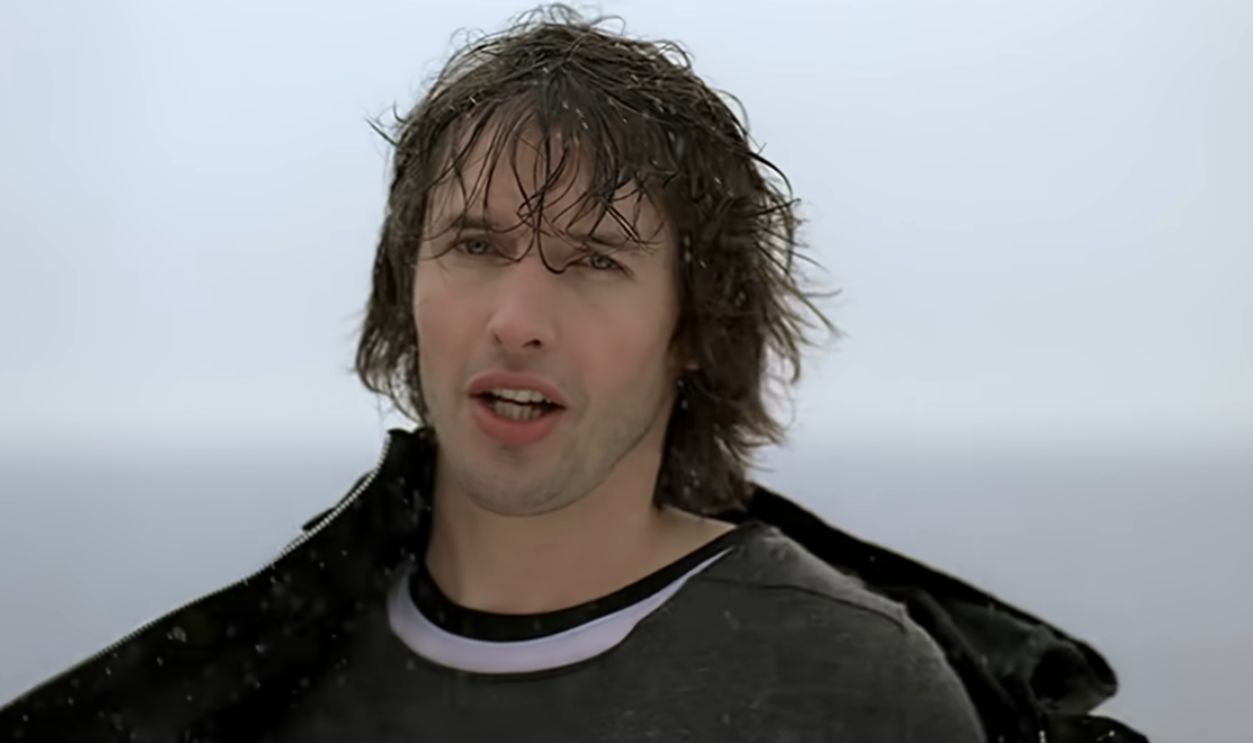 Screenshot from You're Beautiful, Atlantic Records (2004)
"Fast Car" (1988) — Tracy Chapman
The song's gentle melody sometimes causes listeners to overlook its social commentary. Chapman tells a story of poverty, limited opportunity, family responsibility, and dreams of escape. She later shared, that it "very generally represents the world that I saw it when I was growing up in Cleveland, Ohio, coming from a working class background".
The emotional realism at its core has helped make it one of the most respected songs of its generation.
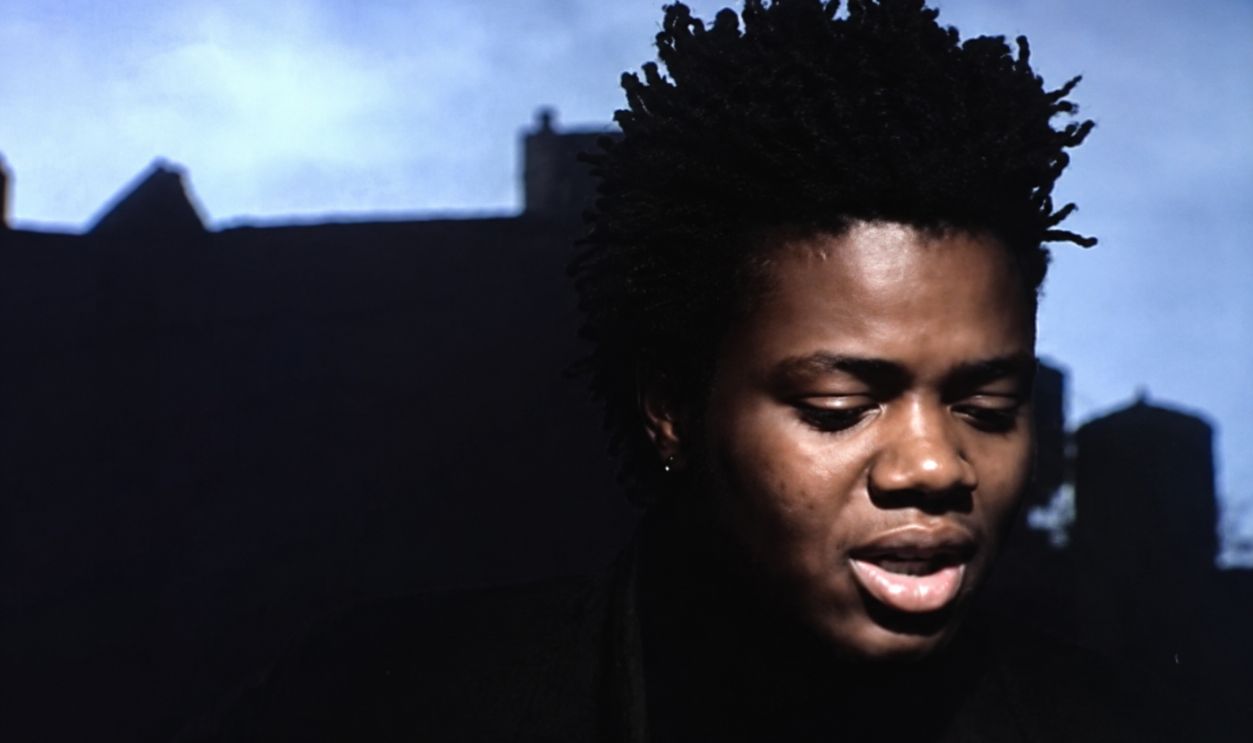 Screenshot from Fast Car, Elektra (1988), Modified
"Comfortably Numb" (1979) — Pink Floyd
Listeners often associate the song with recreational substance use. Roger Waters has explained that it was inspired largely by a real medical experience, where he had to be injected with tranquilizers before a show. The result is a haunting exploration of isolation, numbness, and psychological withdrawal.
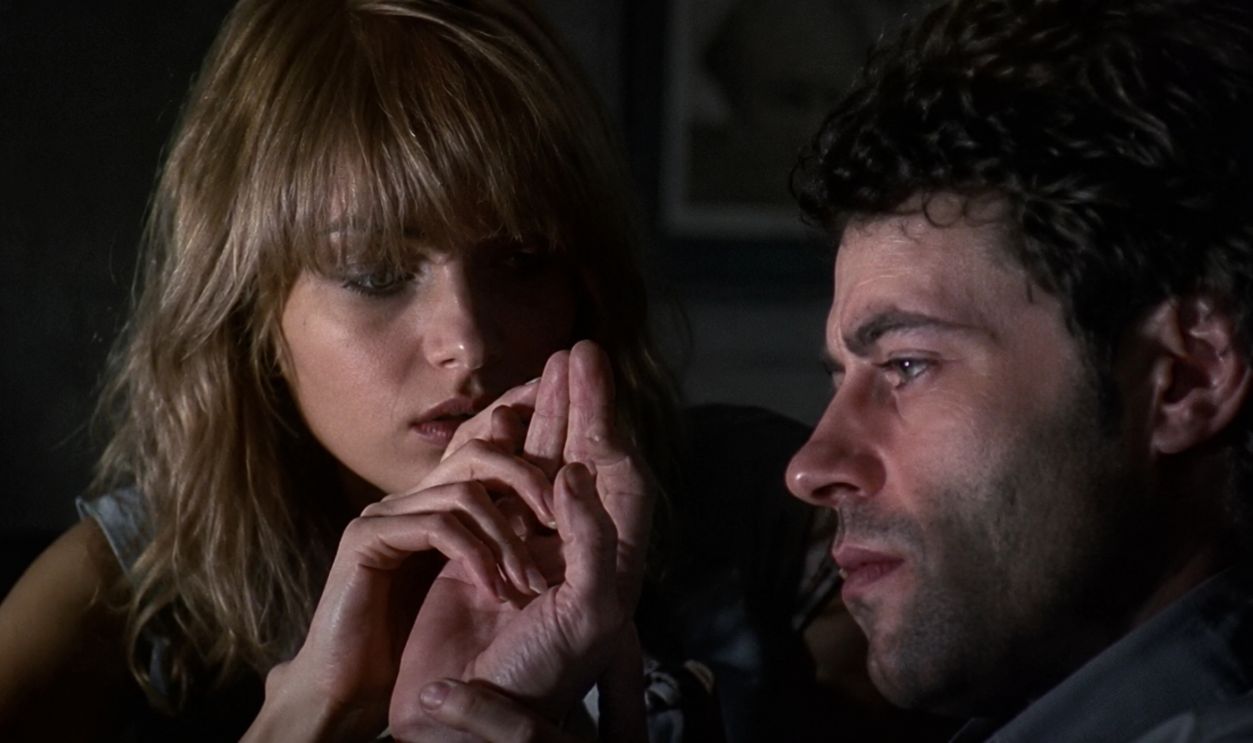 Screenshot from Comfortably Numb, Columbia (1979), Modified
"Waterfalls" (1995) — TLC
Many remember the memorable chorus but forget the serious issues discussed in the verses. The song addresses drug trafficking, HIV/AIDS, and risky behavior. Its blend of social awareness and pop accessibility helped it become one of the defining hits of the decade.
 Screenshot from Waterfalls, Arista Records (1995), Modified
"Piano Man" (1973) — Billy Joel
Fans often treat the song as a nostalgic sing-along. While Billy Joel's anthem certainly celebrates colorful barroom characters, it is also about disappointment, unrealized ambitions, and people searching for meaning in lives that haven't matched their expectations.
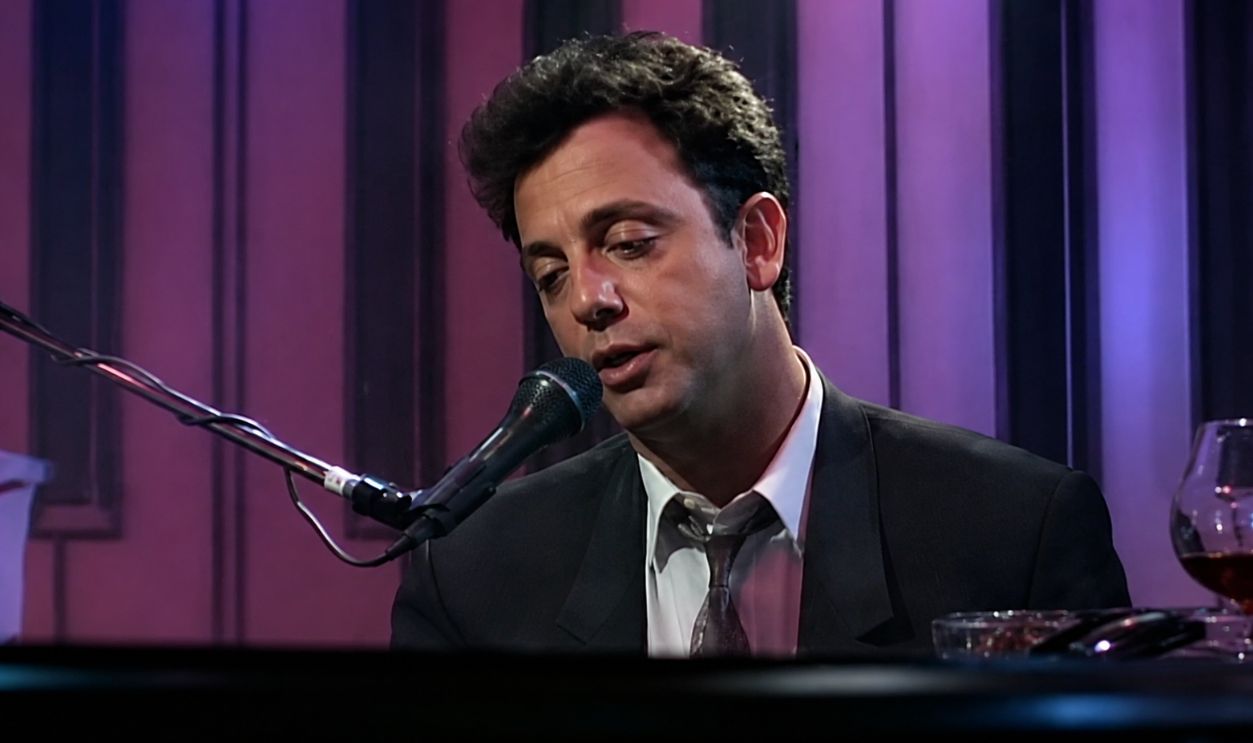 Screenshot from Piano Man, Columbia (1973), Modified
"Rocket Man" (1972) — Elton John
Some assume the song celebrates the excitement of space travel. Bernie Taupin's lyrics actually use the astronaut—inspired by Ray Bradbury's story The Rocket Man—as a metaphor for emotional isolation and the sacrifices that accompany demanding careers. Beneath the science-fiction imagery is a surprisingly lonely story.
 Screenshot from Rocket Man, DJM Records (1972)
"Brick" (1997) — Ben Folds Five
The piano-driven melody led some listeners to mistake it for a standard breakup song. Ben Folds later clarified that it recounts a teenage couple dealing with an abortion. The song's emotional impact comes from its honesty, uncertainty, and refusal to offer easy answers.
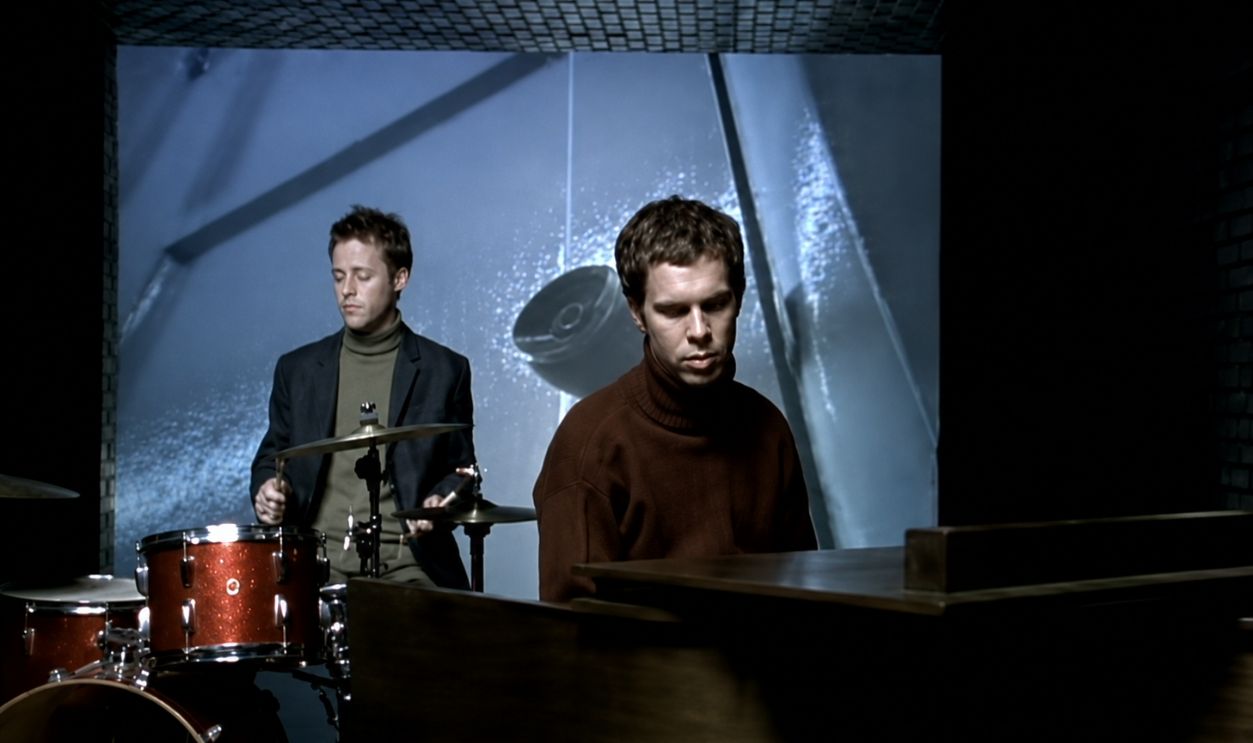 Screenshot from Brick, Epic (1997), Modified
"99 Luftballons" (1983) — Nena
Outside Germany, many listeners simply enjoyed the catchy melody. The song is actually an anti-war story in which harmless balloons trigger military paranoia and eventually catastrophic conflict. Its message about escalation and misunderstanding remains strikingly relevant.
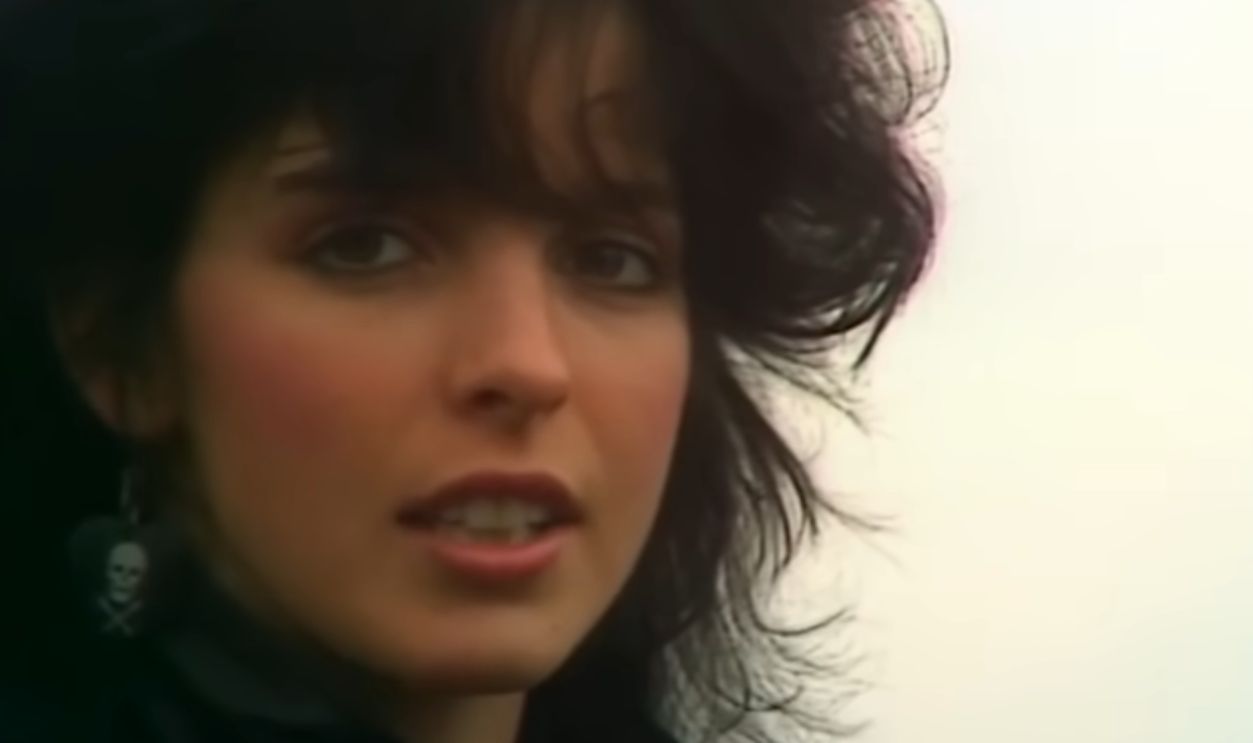 Screenshot from 99 Luftballons, Epic (1983)
"Purple Rain" (1984) — Prince
The title often leads listeners to search for a literal explanation. Prince described "purple rain" as a symbolic moment of transformation, redemption, and spiritual reflection. He explained: "When there's blood in the sky... red and blue = purple. Purple rain pertains to the end of the world and being with the one you love and letting your faith/God guide you through the purple rain".
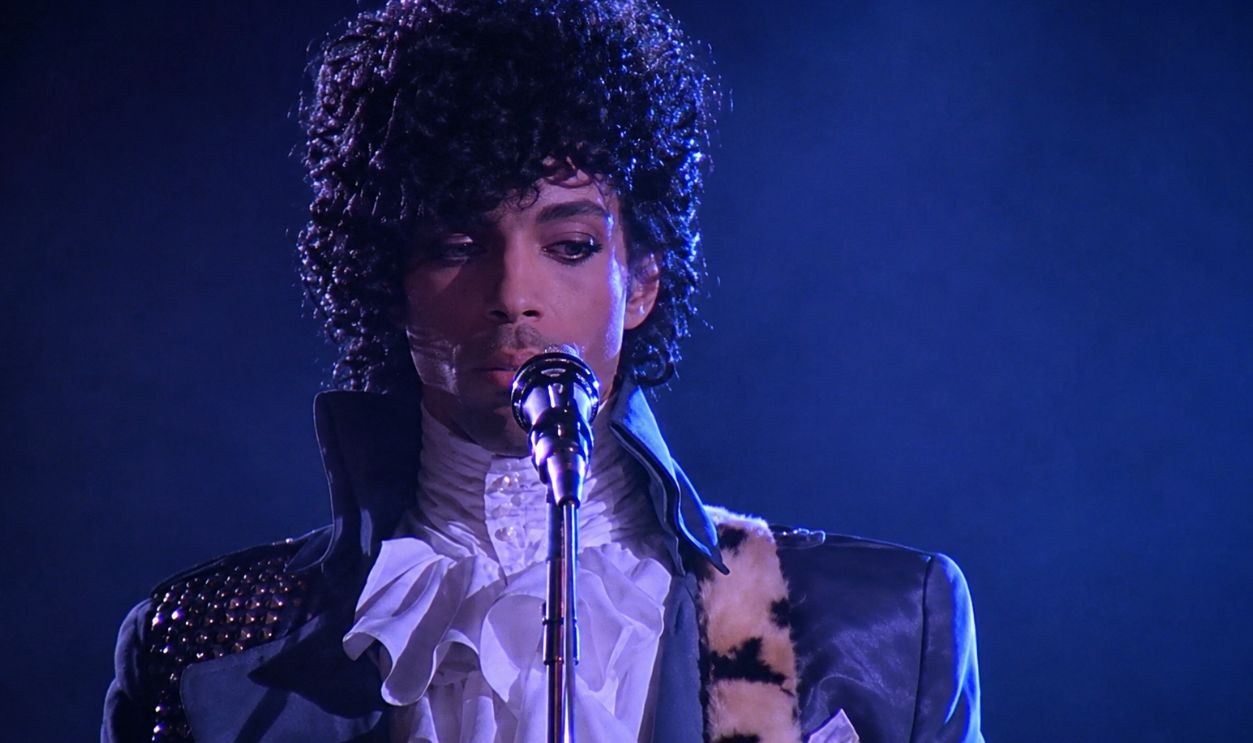 Screenshot from Purple Rain, Warner Bros. (1984), Modified
"Hallelujah" (1984) — Leonard Cohen
Because it appears in movies, television shows, and talent competitions, many hear it as a straightforward spiritual song. Leonard Cohen blended biblical imagery with themes of love, desire, heartbreak, and human imperfection, creating a work that is far more layered than many realize.
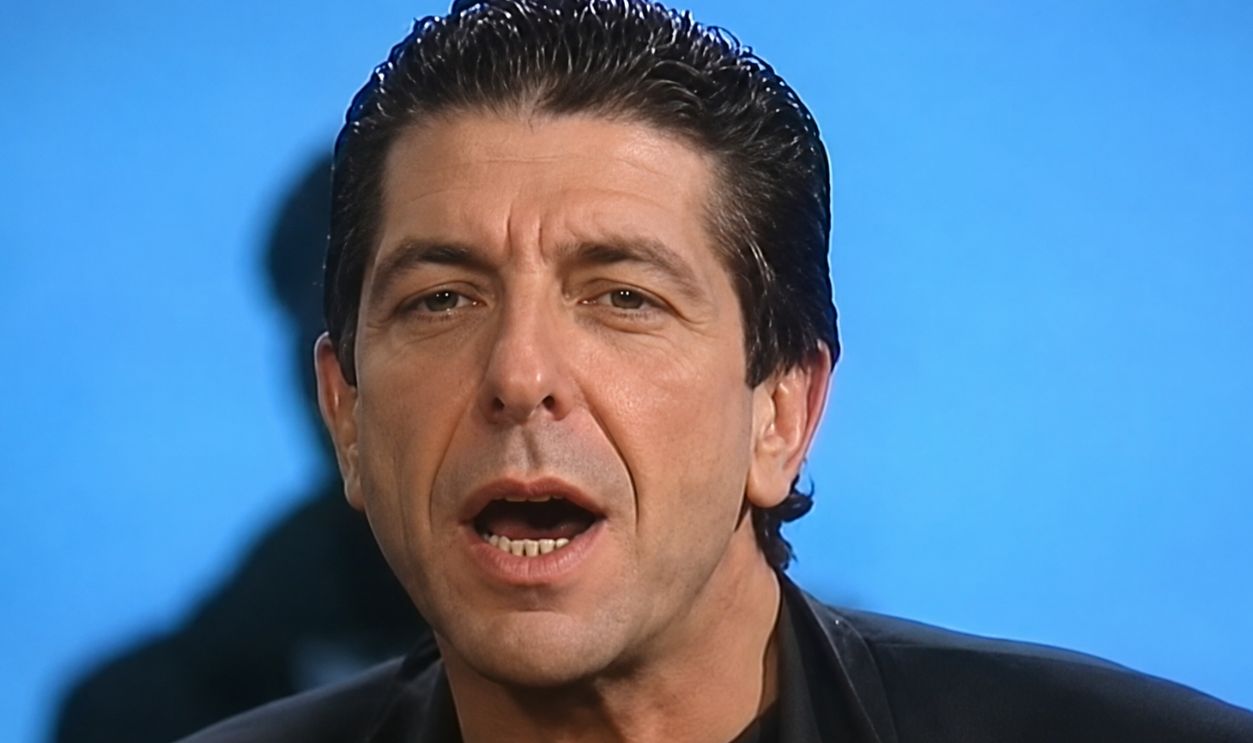 Screenshot from Hallelujah, Columbia (1984), Modified
You May Also Like:
Ranking Rock’s Best Live Acts Of All Time—Do You Agree?
Albums So Popular You’d Never Guess They Came From Indie Labels
Ranking The Best Rock Drummers Ever—What Do You Think?
Sources: 1, 2, 3, 4, 5, 6, 7, 8, 9, 10, 11, 12, 13, 14, 15, 16, 17, 18, 19, 20, 21, 22, 23, 24, 25, 26, 27