The Night Everything Changed
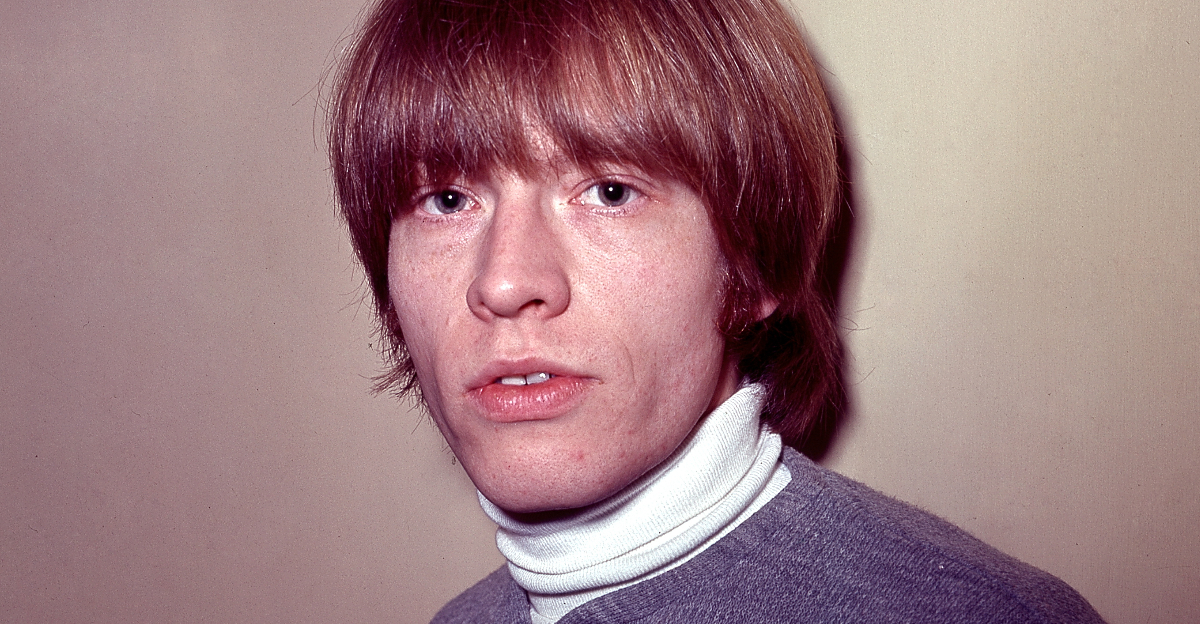
On a warm summer night in 1969, the man who founded The Rolling Stones, and one of the most famous musicians in the world, walked out into his backyard and never came back. The official explanation seemed straightforward. But years later, someone who had been there that night allegedly revealed a very different version of the events we all thought we knew.
 Michael Ochs Archives, Getty Images
Before There Were Rolling Stones
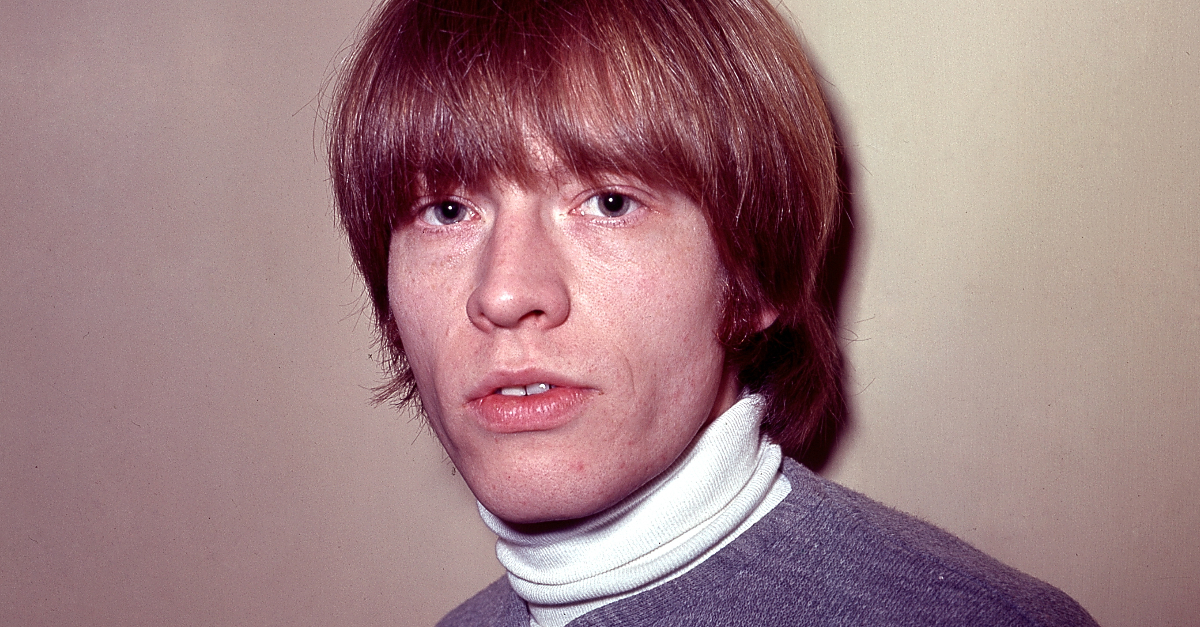
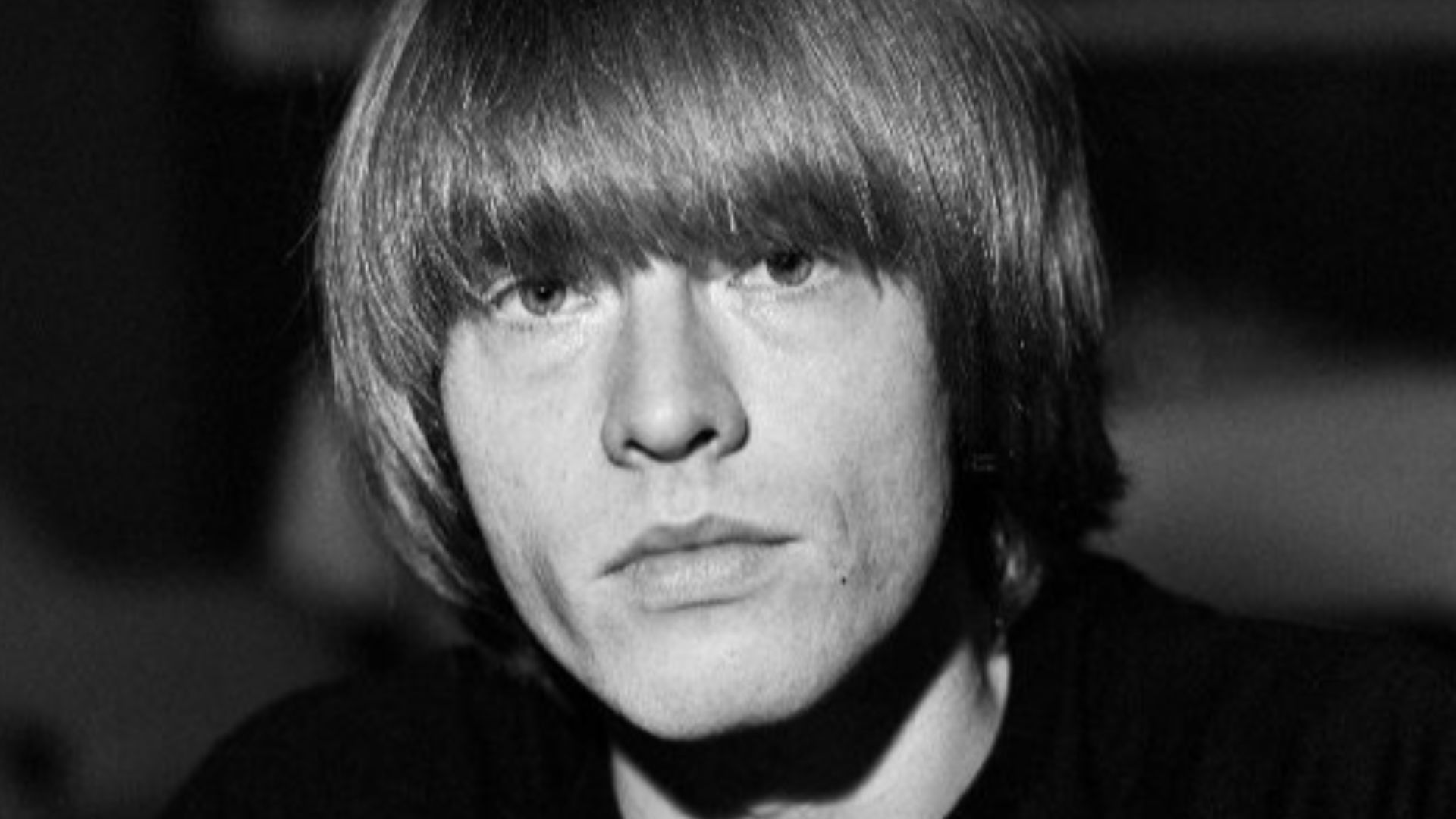
Long before Mick Jagger and Keith Richards became rock legends, Brian Jones was the man putting the pieces together. He placed ads looking for musicians, assembled the early lineup, and even came up with the name "The Rolling Stones." In the band's earliest days, Jones wasn't just a member. He was the driving force behind the entire operation.
 Olavi Kaskisuo / Lehtikuva, Wikimedia Commons
The Man Who Could Play Almost Anything
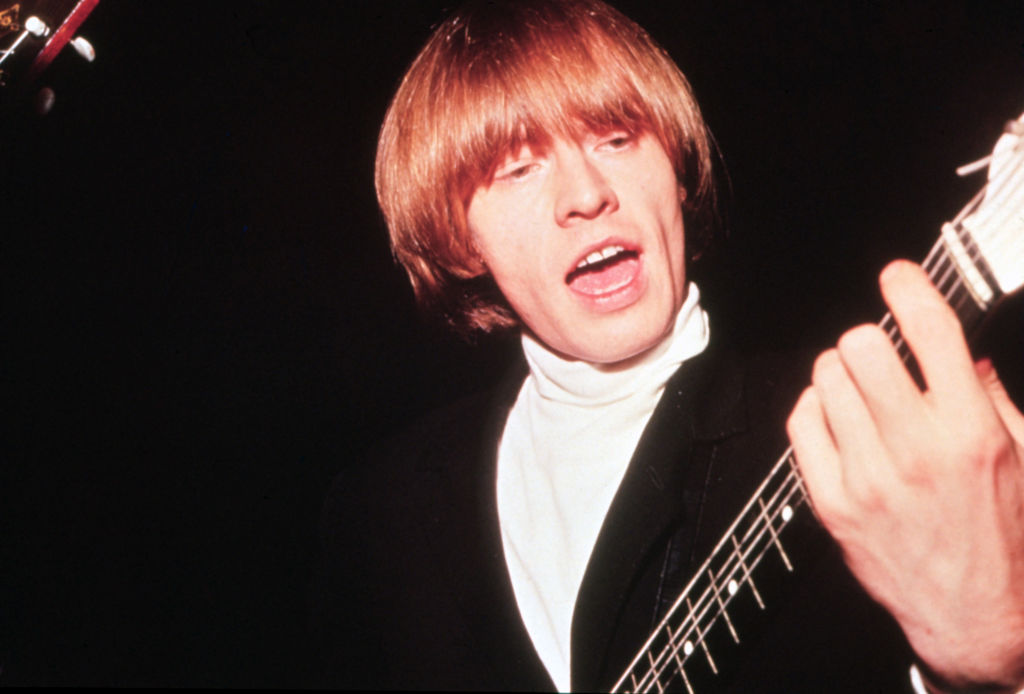
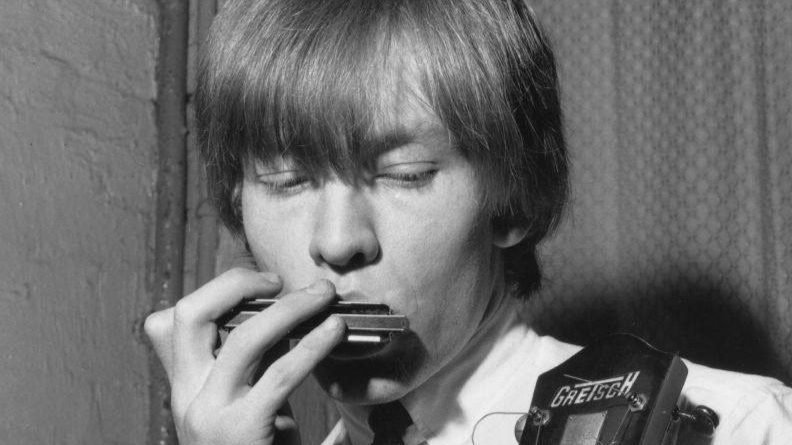
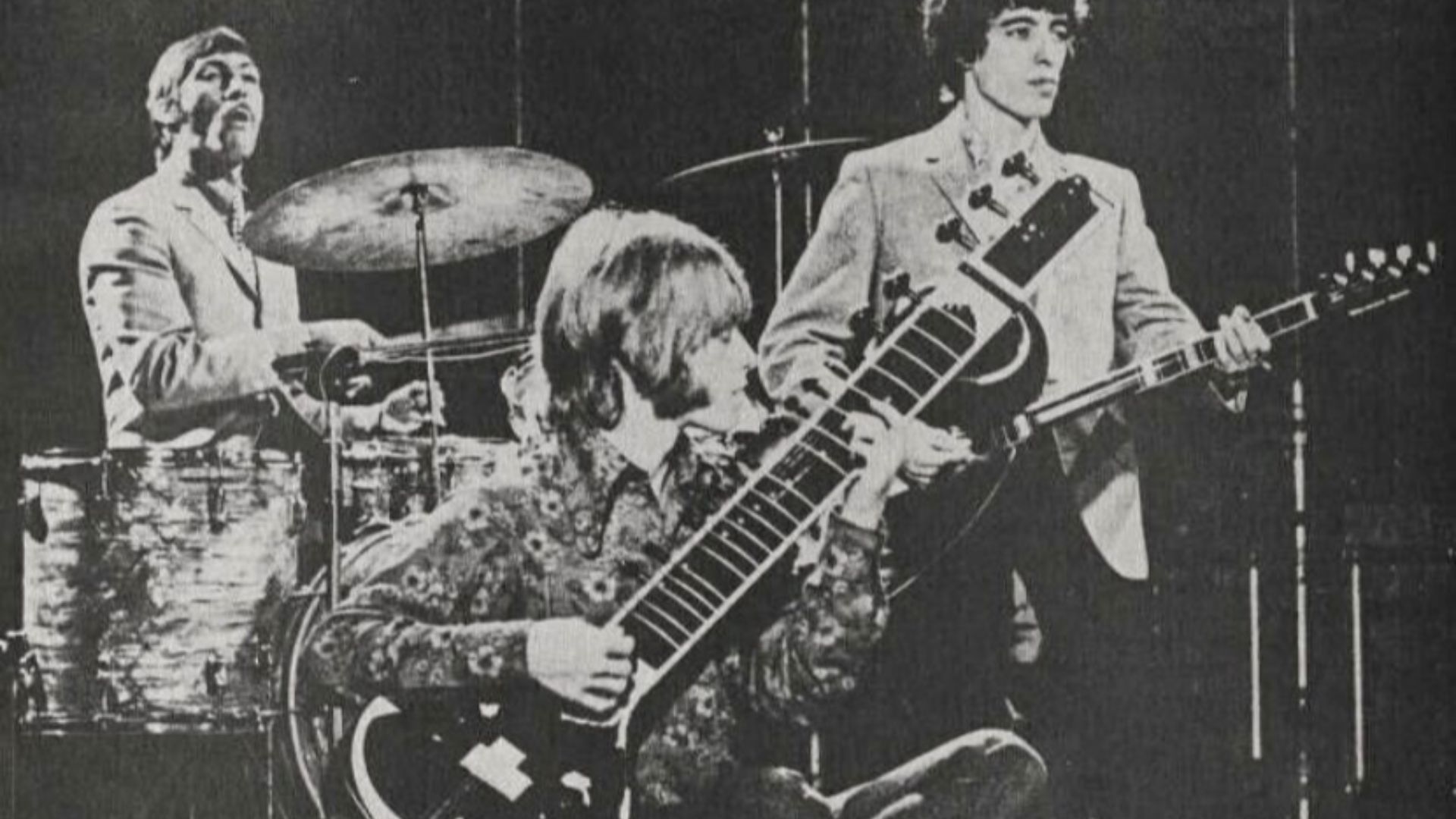
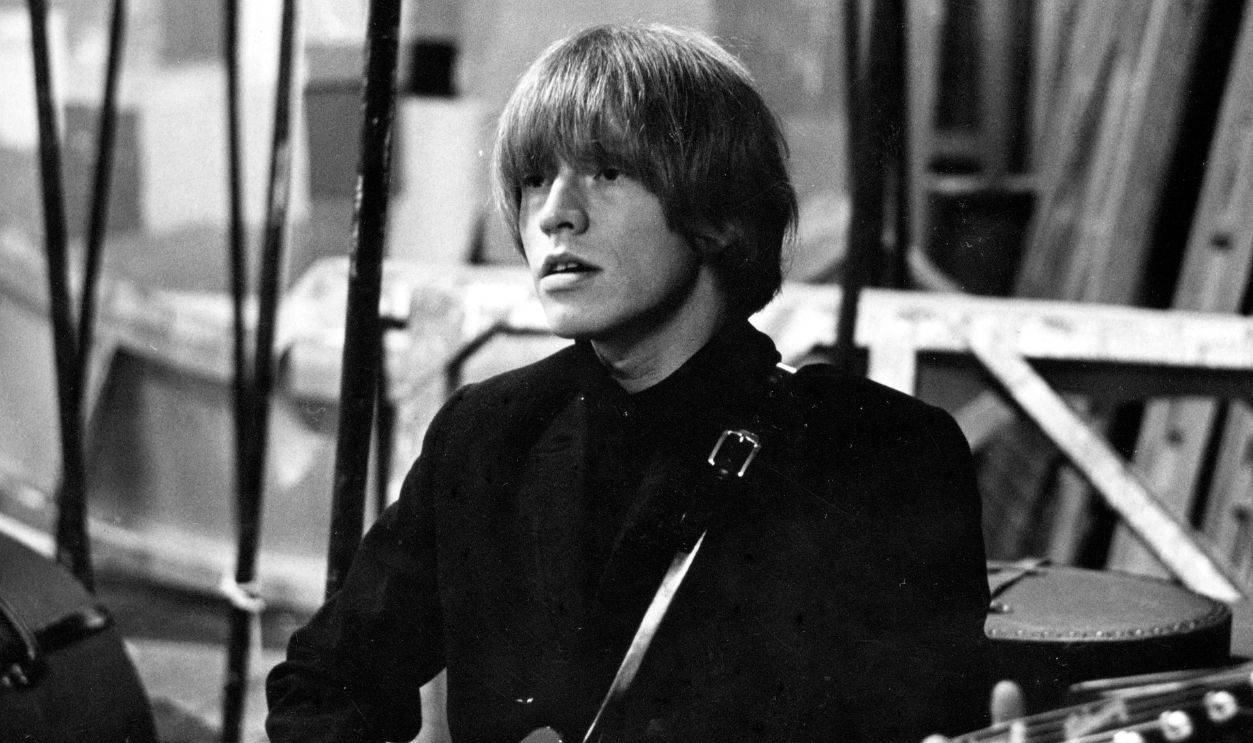
Jones possessed a level of musical talent that impressed even people who didn't particularly like him. While most rock musicians focused on one or two instruments, Jones seemed determined to learn everything. Guitar, harmonica, sitar, marimba, dulcimer, recorder, mellotron. If it made a sound, Brian Jones wanted to play it. His contributions helped separate the Stones from countless other British bands.
The Face Of Swinging London
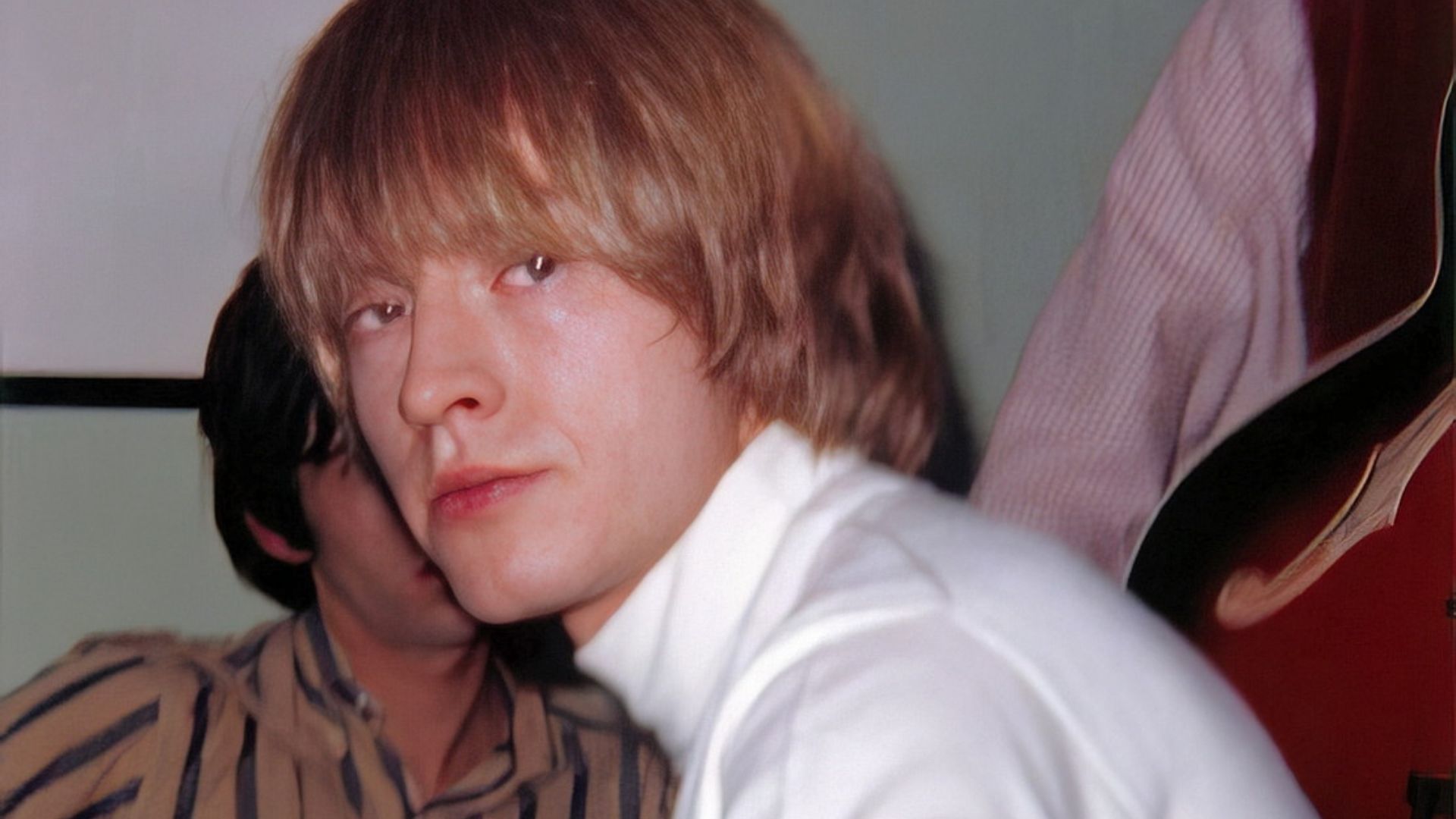
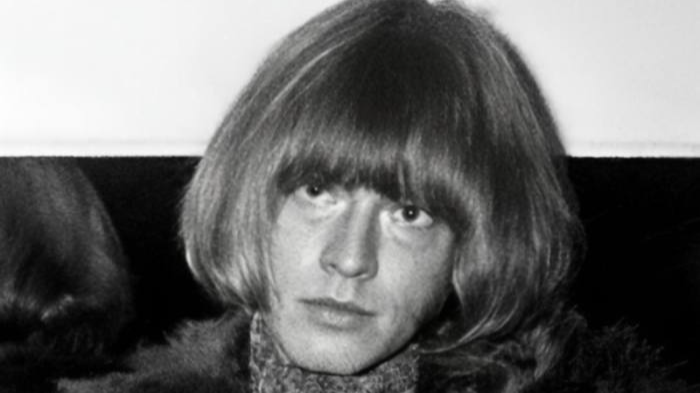
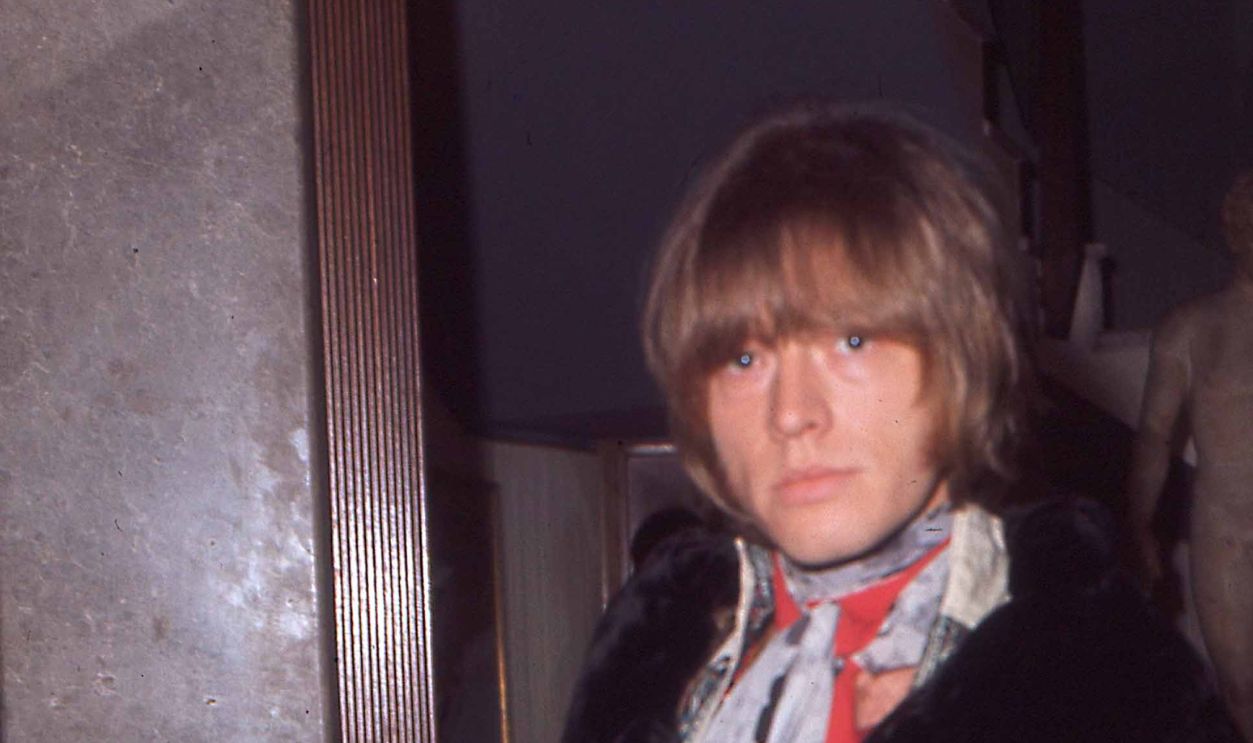
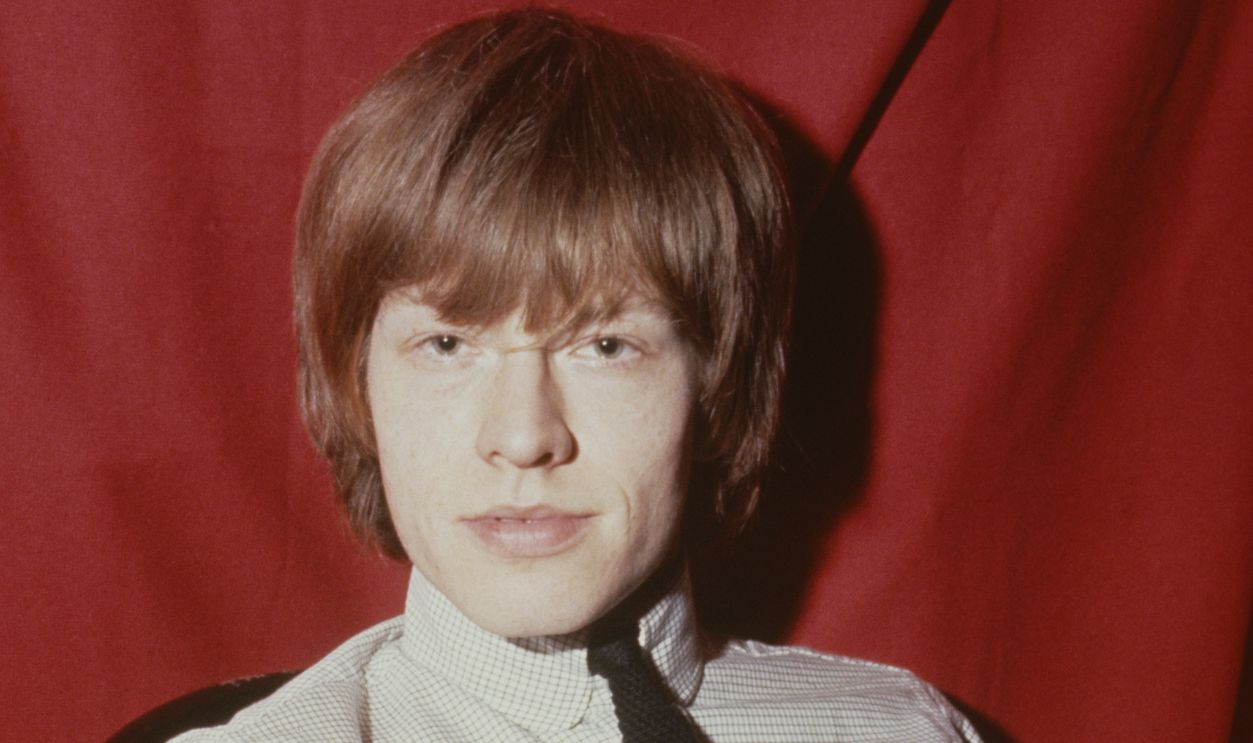
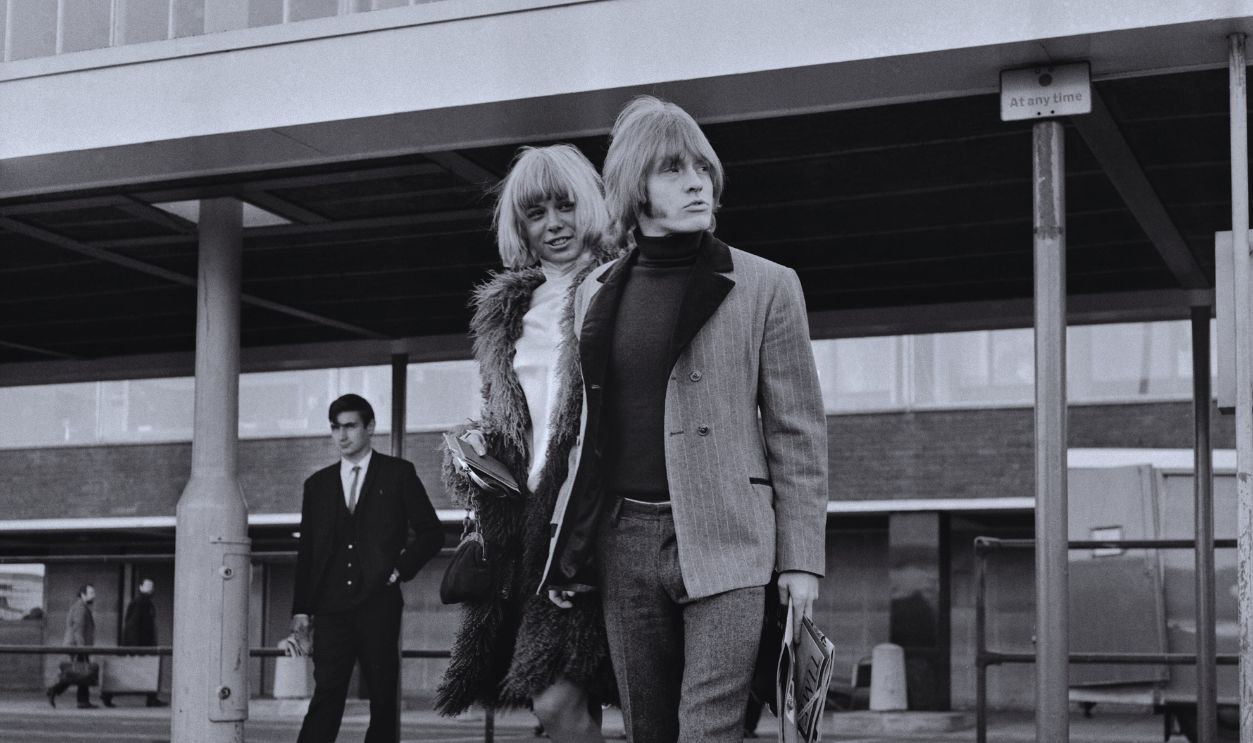
As the 60s exploded into full color, Jones became one of the era's most recognizable figures. Blond-haired, stylish, charismatic, and constantly surrounded by celebrities, he embodied the excitement of Swinging London. Magazine photographers loved him. Fans adored him. For a while, it seemed like Brian Jones had everything a young musician could possibly want.
 Steve Denenberg, Wikimedia Commons
The Partnership That Changed Everything
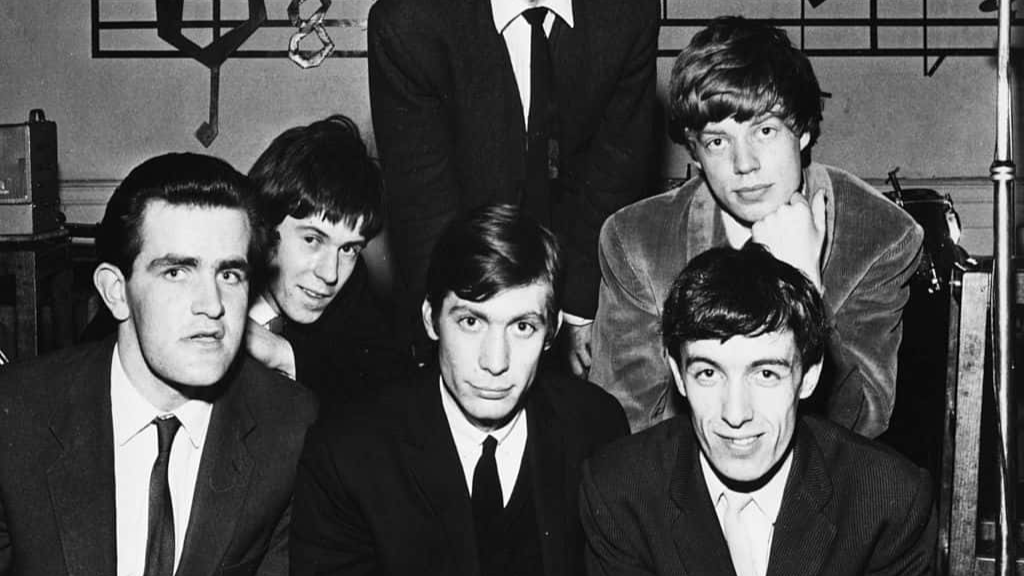
While Jones had helped create the band, another force was quietly taking control. Mick Jagger and Keith Richards were becoming one of the most successful songwriting teams in music history. As their influence grew, Jones's role began to shrink. The shift happened gradually, but it was impossible to miss. The band that Jones started was no longer revolving around Brian Jones.
Personal Problems Begin To Mount
The pressure wasn't helping. Jones's personal life became increasingly chaotic as the decade wore on. Legal issues, substance use, missed recording sessions, and growing tensions with other members of the band created problems that seemed to follow him everywhere. Friends later described someone who often appeared lost, frustrated, and disconnected from the world around him.
The Founder Becomes An Outsider
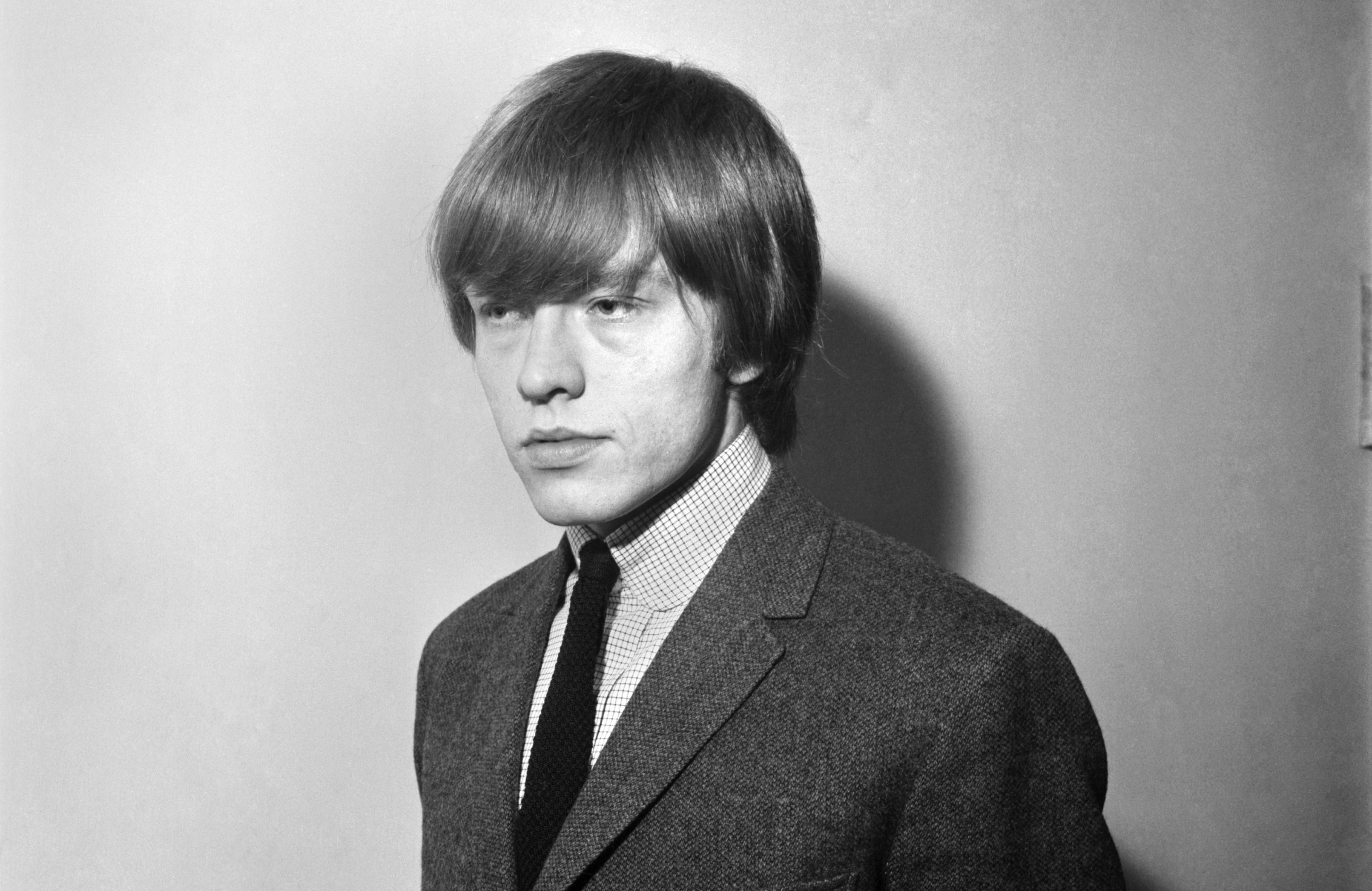
By 1968, the situation had become difficult to ignore. Jones was contributing less to recordings and spending less time with the band. Some sessions passed with little involvement from him at all. For a man who had once been considered the group's leader, the transformation was remarkable. Brian Jones was slowly becoming a spectator in the band he had created.
The Meeting Nobody Wanted
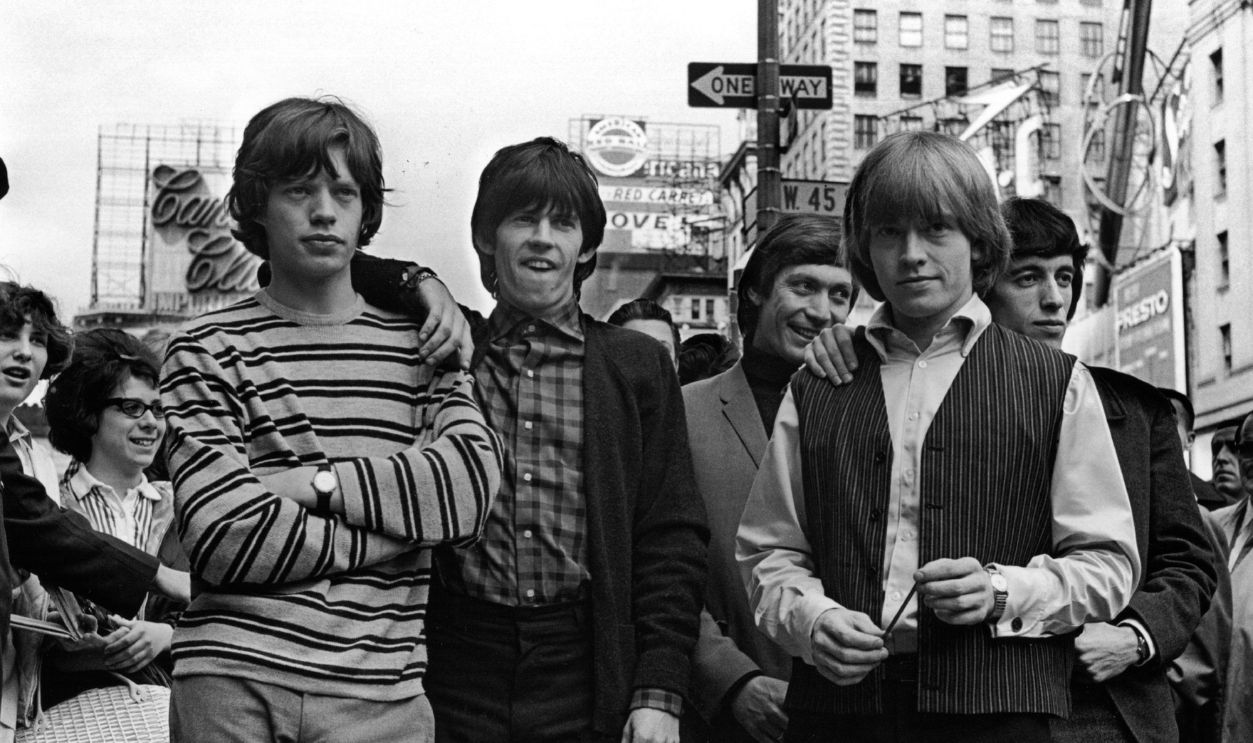
On June 8, 1969, Mick Jagger, Keith Richards, and Charlie Watts visited Jones at his home in Sussex. The purpose of the meeting was simple and painful. Brian Jones was being removed from The Rolling Stones. Public statements later suggested the split was friendly and mutual. Few people who know the story believe it felt that way to Jones.
 William Lovelace, Getty Images
Replaced Almost Immediately
The timing still feels surreal. Less than a month after being removed from the band he founded, Jones knew The Rolling Stones were preparing to move forward without him. Guitarist Mick Taylor had already been selected as his replacement. For the first time since creating the group, Brian Jones was no longer part of its future.
 Unknown authorUnknown author, Wikimedia Commons
Trying To Start Over
Despite the devastating setback, Jones wasn't planning to disappear. Friends later said he was discussing new musical projects and talking about forming another band. There were signs that he wanted a fresh start away from the pressures and politics that had consumed his final years with the Stones. Whether those plans would have succeeded is one of the many questions that will never be answered.
 Ben Merk (ANEFO), CC0, Wikimedia Commons
Cotchford Farm
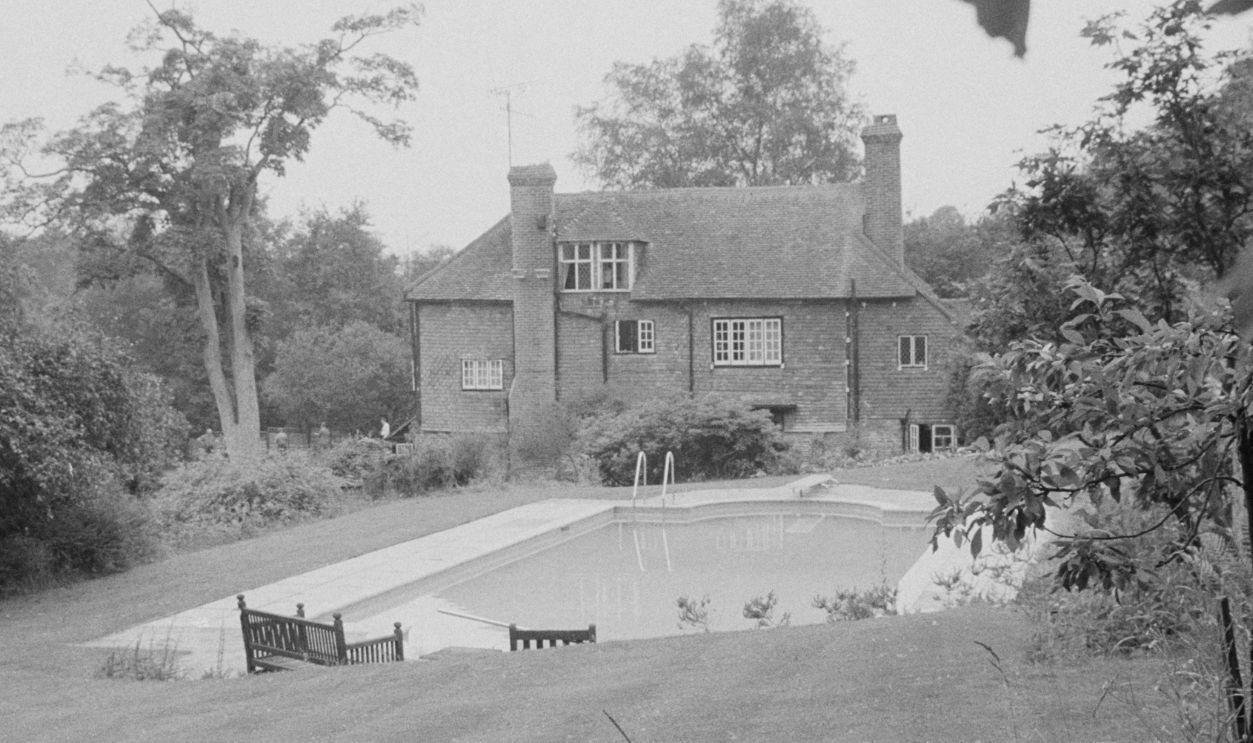
Jones had been living at Cotchford Farm, a secluded property in Sussex with an unusual history. The home had once belonged to A.A. Milne, the creator of Winnie-the-Pooh. Nestled in the countryside, it seemed like the perfect place for someone trying to rebuild his life. Instead, it would become one of the most infamous locations in rock-and-roll history.
A Pool Under Construction
One detail often overlooked is that parts of the property, including the pool area, had recently been undergoing renovation work. Frank Thorogood and others had spent considerable time working around the estate. It's one reason Thorogood's name would later become so closely connected to the mystery. He wasn't just a visitor that night. He knew the property well.
July 2, 1969
On the evening of July 2, Jones spent time at the property with several people, including his girlfriend Anna Wohlin and builder Frank Thorogood, who had been working on renovations around the estate. The evening appeared ordinary enough. There were conversations, drinks, and plans for the future. Nobody knew the night would become the subject of debate for generations.
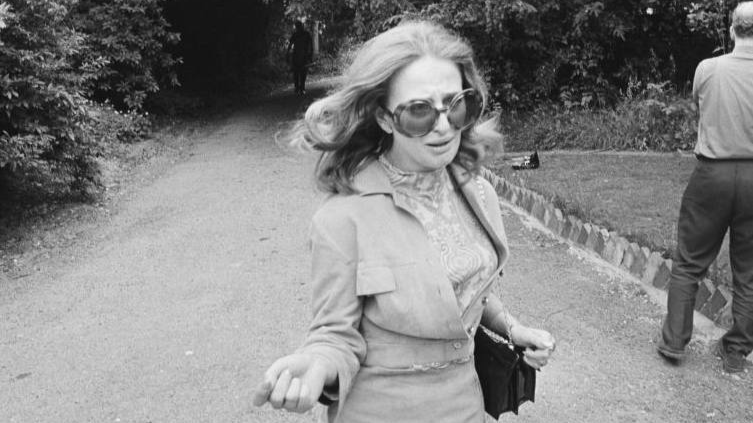
The Swimming Pool
At some point later that evening, attention shifted to the swimming pool. Jones entered the water. Exactly what happened next remains the central mystery of the entire case. What is known is that a short time later, something had gone terribly wrong. Efforts were made to help him, but they came too late.
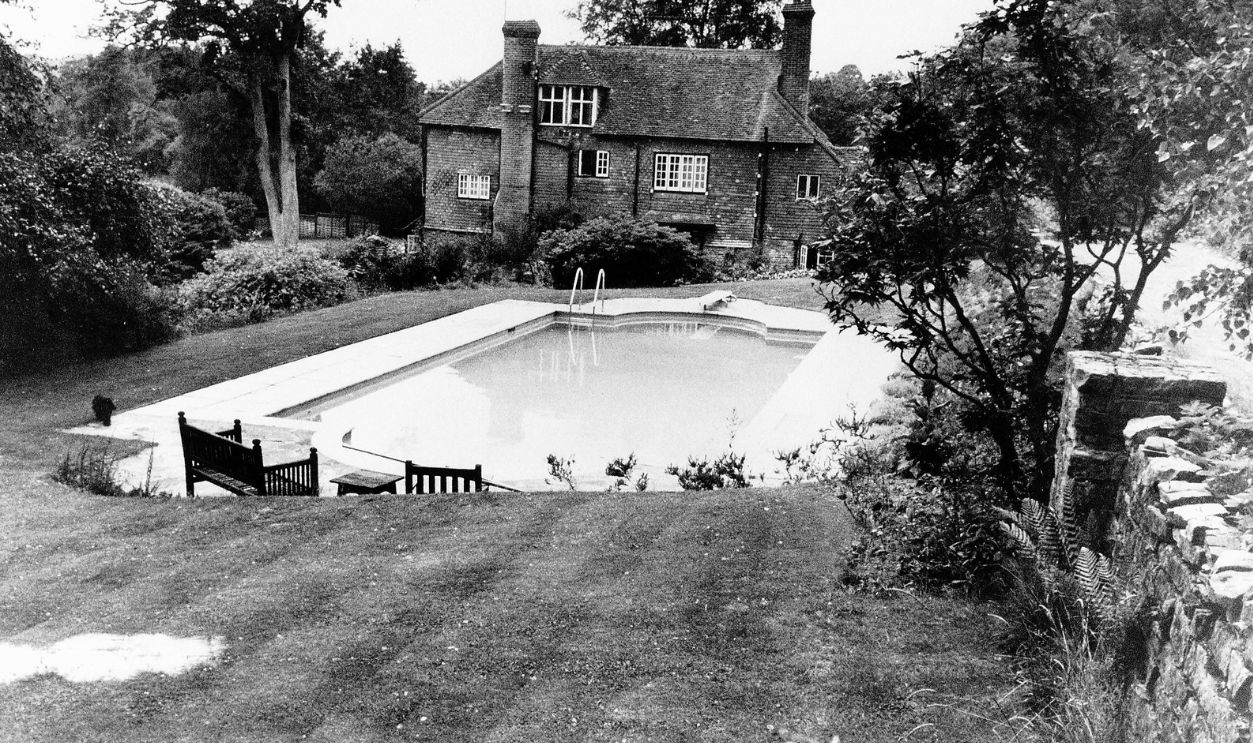
The Official Explanation
Authorities concluded that Jones had drowned while under the influence of alcohol and drugs. The verdict was recorded as "death by misadventure," a legal finding used in Britain for accidental deaths involving voluntary risks. To investigators, the case appeared settled. To many fans, friends, and researchers, it never quite felt that simple.
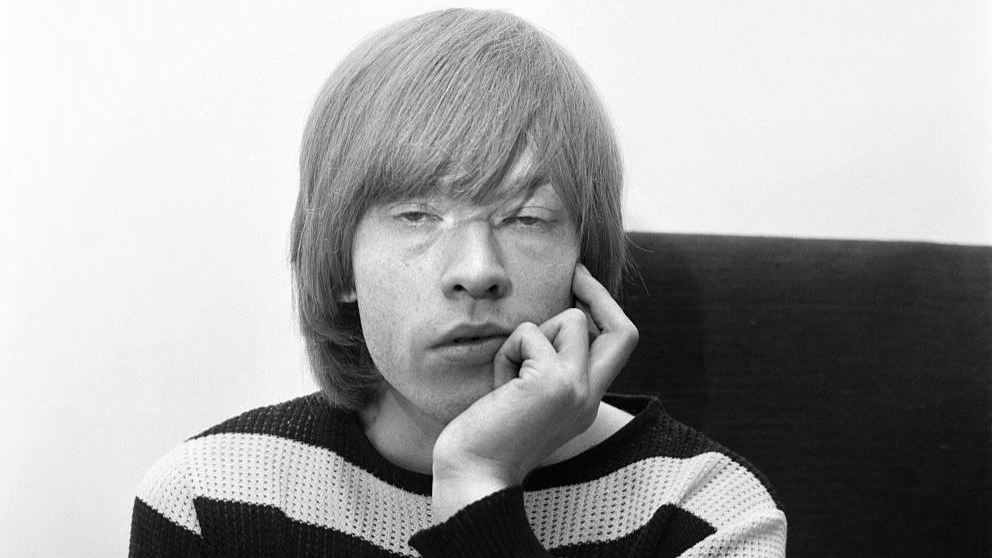
Questions Surface Almost Immediately
Almost from the moment the news became public, people began asking questions. Some accounts of the evening didn't perfectly match. Witnesses remembered certain details differently. Rumors spread quickly through the music industry and beyond. While no one could agree on exactly what had happened, many people agreed there seemed to be more to the story.
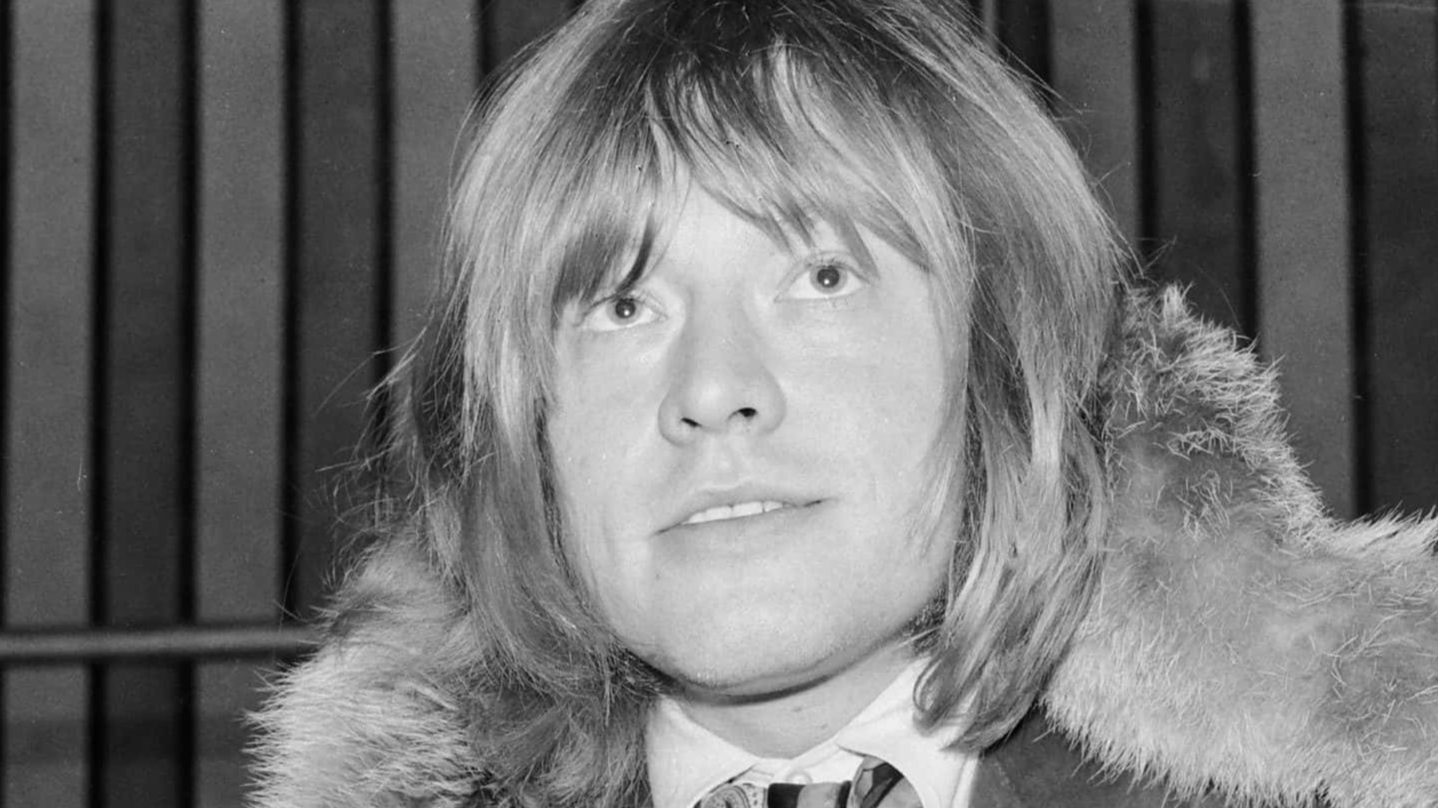
Frank Thorogood's Name Keeps Appearing
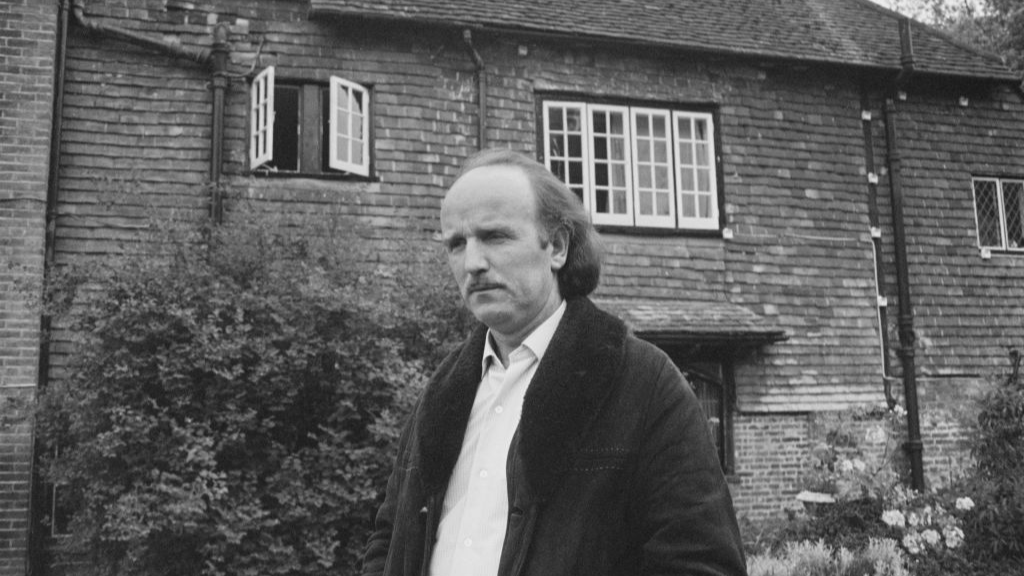
As the years passed, one name repeatedly surfaced whenever the case was discussed: Frank Thorogood. The builder had been present at Cotchford Farm that night and had spent considerable time around Jones during the renovations. While no official findings implicated Thorogood in any wrongdoing, his connection to the story never completely disappeared.
 Evening Standard, Getty Images
The Four Words That Changed Everything
For decades, Brian Jones's death was generally viewed as a tragic accident. Then author Scott Jones claimed that Frank Thorogood allegedly made a startling admission shortly before his own death in 1993. According to Scott Jones, Thorogood allegedly said, "It was me that did Brian." The alleged statement was never recorded, never tested in court, and remains controversial. But for many people, those four words completely changed how they viewed the case.
 Mark Hayward Archive, Getty Images
What Thorogood Was Allegedly Confessing To
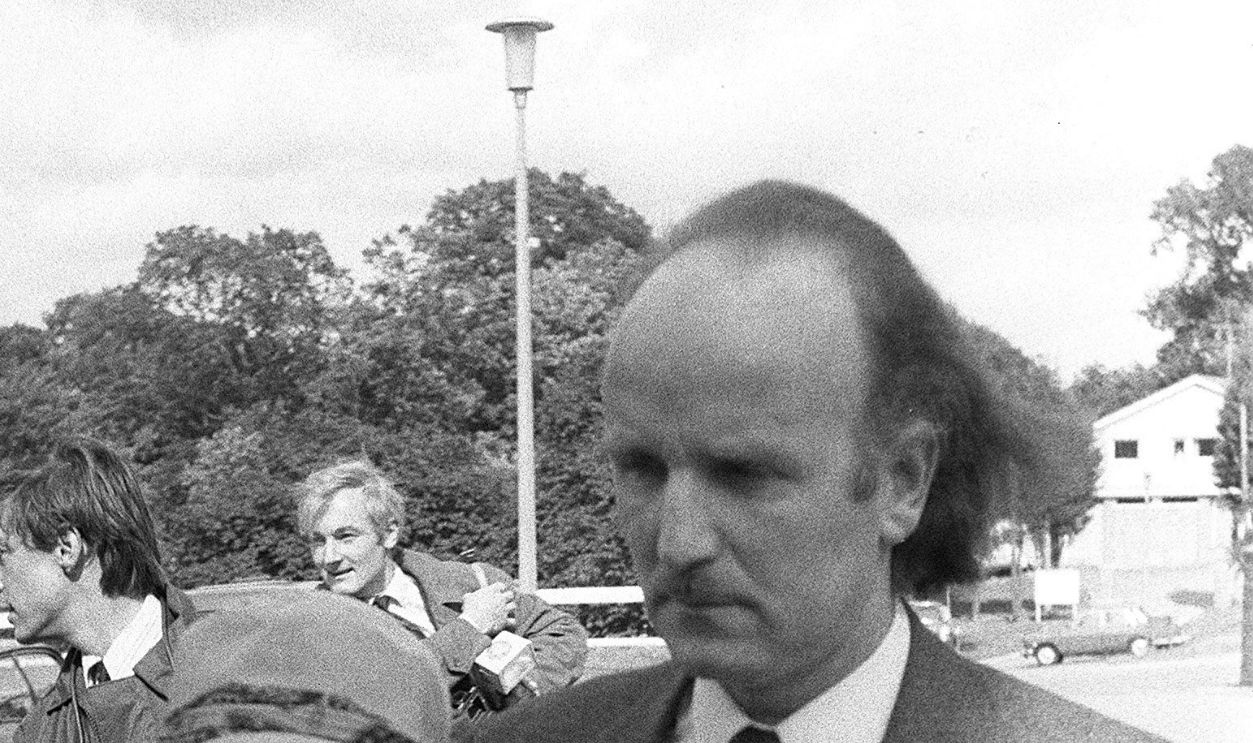
According to accounts that emerged later, Thorogood allegedly claimed an argument broke out between him and Jones near the swimming pool over money Jones supposedly owed him for renovation work at Cotchford Farm. Supporters of the theory argue the disagreement became heated and turned physical. The story suggests the confrontation ended with Jones being held underwater. If true, it would completely contradict the official finding. The problem is that none of those claims were ever proven.
Why The Mystery Didn't End There
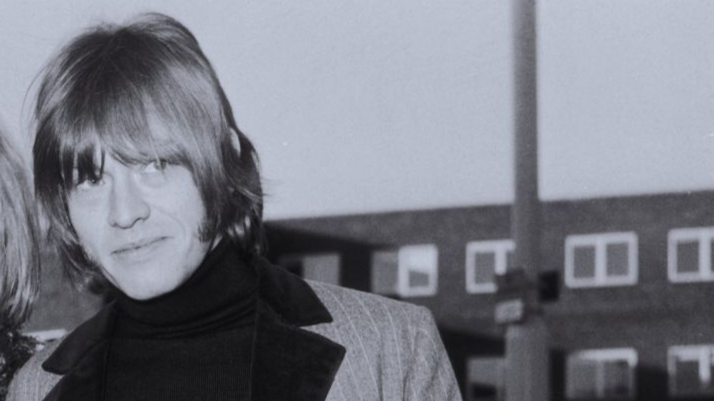
Normally, a confession settles a mystery. In this case, it created an entirely new one. Questions emerged about who heard the statements, exactly what was said, and whether memories had changed over time. Instead of providing certainty, the alleged confession added another layer of uncertainty to an already complicated story.
Anna Wohlin's Doubts
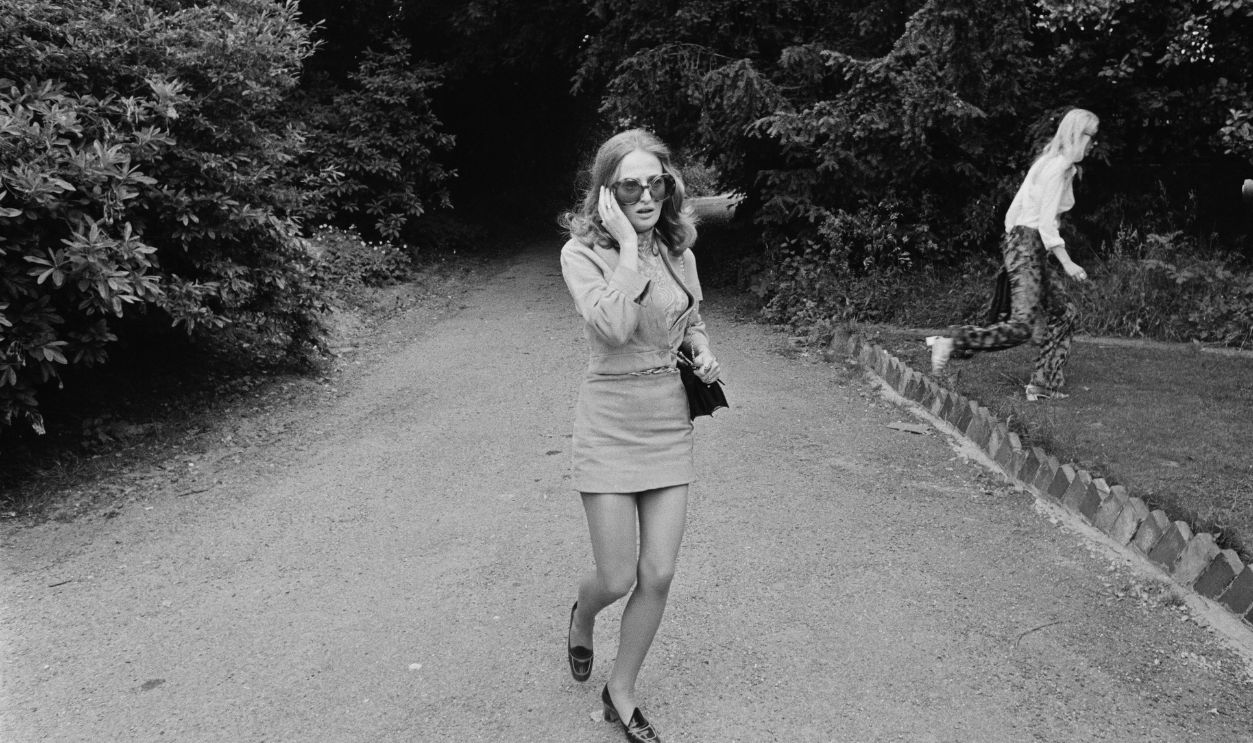
Jones's girlfriend Anna Wohlin was at Cotchford Farm that evening and spent years speaking publicly about what she remembered. She later wrote about the case and expressed doubts about the official explanation for Jones's death. While she never claimed to know exactly what happened, she questioned whether the full story had ever been uncovered. Her comments helped keep public interest in the case alive long after most people assumed it had been solved.
The Medical Findings
The official investigation concluded that Jones drowned and noted the presence of alcohol and drugs in his system. Over the years, some writers and researchers have scrutinized the medical findings and argued that certain details deserved a closer look. Others point out that later reviews failed to uncover evidence strong enough to overturn the original verdict. Like so much else in the case, the medical evidence remains part of the ongoing debate.
 CDC/ Stafford Smith, Wikimedia Commons
Memories Change
One of the challenges with any decades-old mystery is that memories rarely stay frozen in time. Various people connected to the case gave interviews over the years, and some accounts evolved. Details shifted. New recollections emerged. Old recollections were challenged. The result was a puzzle that became more complicated rather than less.
Was The Investigation Too Quick?
One reason the case continues to attract attention is that some researchers argue the original investigation was surprisingly brief given Jones's fame. Critics believe certain questions were never fully explored and that authorities accepted the accidental drowning explanation too quickly. Others disagree and believe investigators reached the correct conclusion. The debate continues to this day.
 Michael Ochs Archives, Getty Images
A Review Decades Later
Years after Jones's death, investigators reviewed new material submitted by researchers hoping the case would be reopened. After examining the information, authorities concluded there was insufficient evidence to overturn the original finding. The official verdict remained exactly where it had always been. Even so, public fascination with the case continued to grow.
 Trevor Humphries, Getty Images
The First Member Of The 27 Club
Today, Brian Jones is often remembered as one of the earliest members of the so-called 27 Club. He died at the age of 27, years before the deaths of Jimi Hendrix, Janis Joplin, Jim Morrison, Kurt Cobain, and Amy Winehouse would make the age famous for tragic reasons. At the time, however, nobody could have known that pattern would become part of rock history.
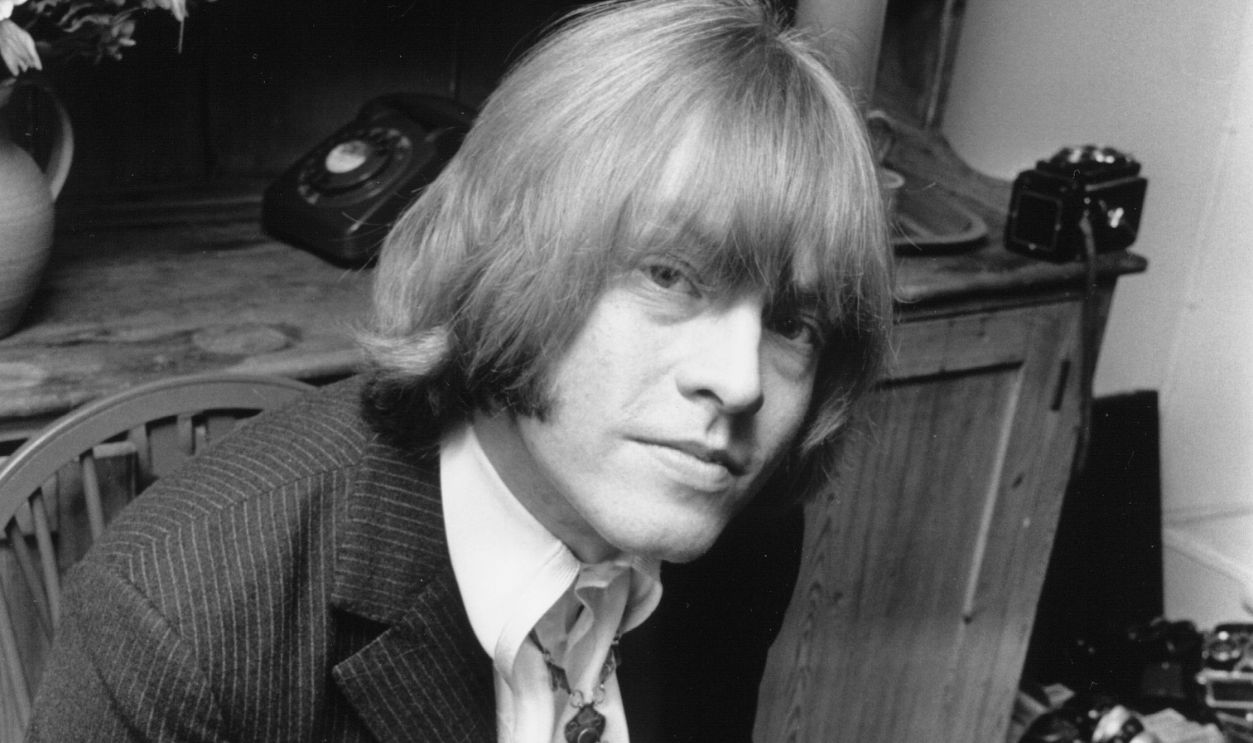
The Stones Move Forward
Just two days after Jones's death, The Rolling Stones held their famous free concert in London's Hyde Park. The event had originally been intended to introduce new guitarist Mick Taylor. Instead, it became a tribute to one of the band's founders. Thousands attended as the group honored the man who had helped start it all.
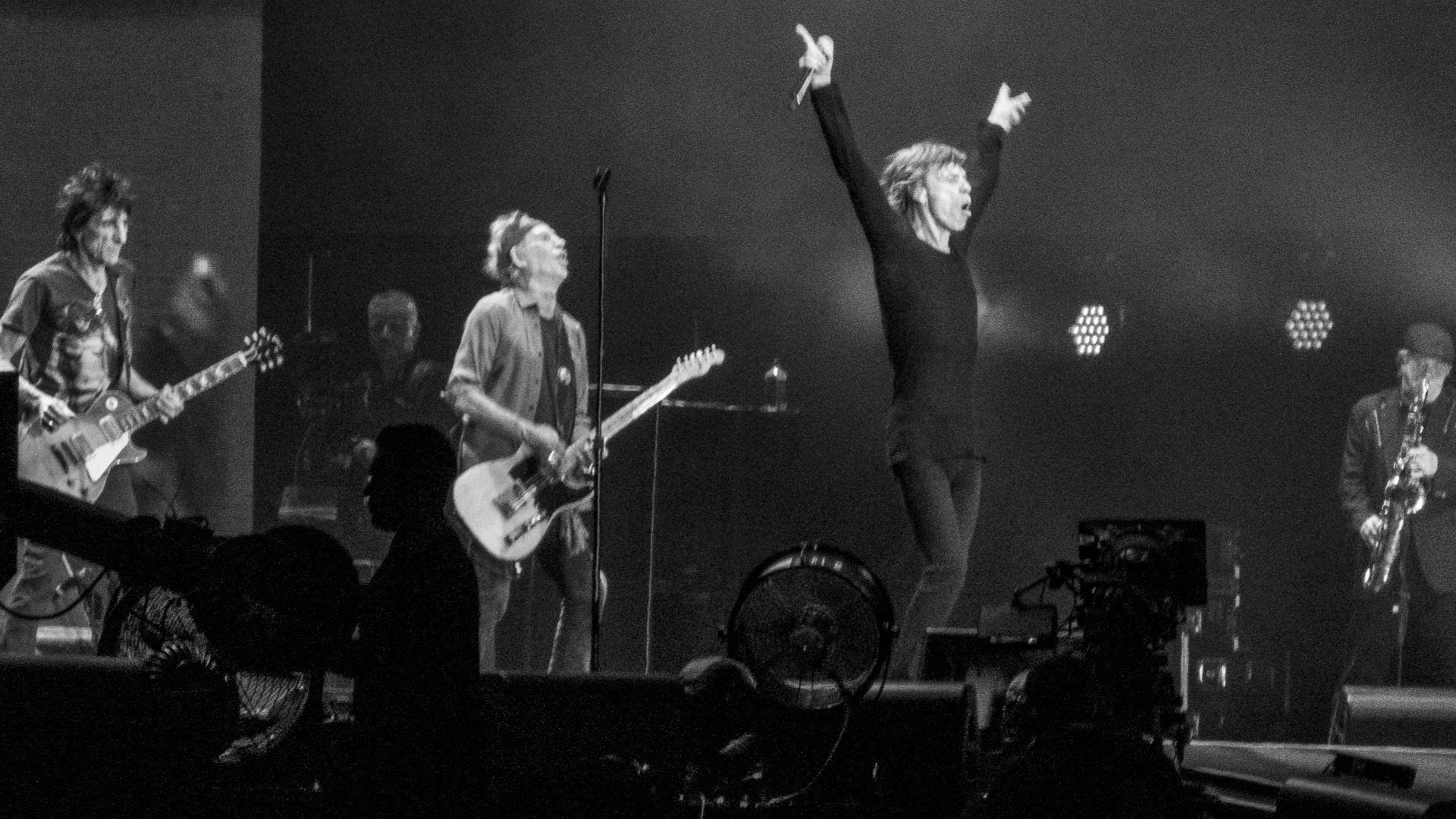 Andrea Sartorati, Wikimedia Commons
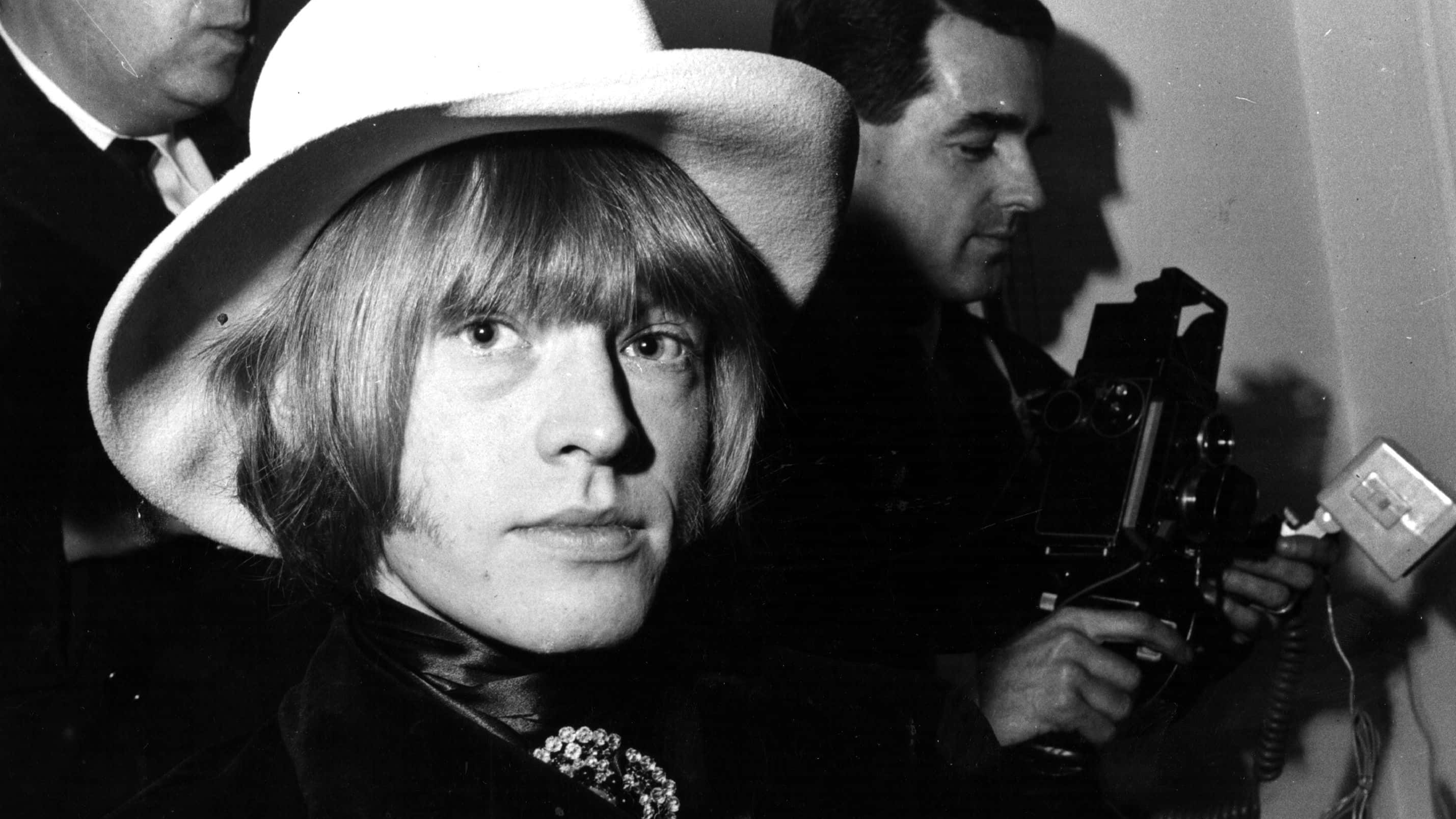
The Last Photos
Some of the final photographs of Jones taken at Cotchford Farm only days before his death remain difficult for fans to see. The photos showed a heavier and more tired-looking Jones than the image many fans remembered from the band's early years. Looking back, those images have become some of the most haunting in rock-and-roll history.
The Legacy He Left Behind
It's easy to focus on the mystery and forget the music. Jones's influence can still be heard throughout the Stones' early catalog. His willingness to experiment with unusual instruments helped create some of the band's most memorable sounds. Even after his departure, the fingerprints he left on the music never disappeared.
 Mark Hayward Archive, Getty Images
Why People Still Debate It
Most celebrity mysteries slowly fade away. The Brian Jones story never really has. Partly because he was famous. Partly because he was young. Partly because there are still questions that nobody can answer with certainty. And partly because every few years, another theory emerges that convinces people they are finally about to learn the truth.
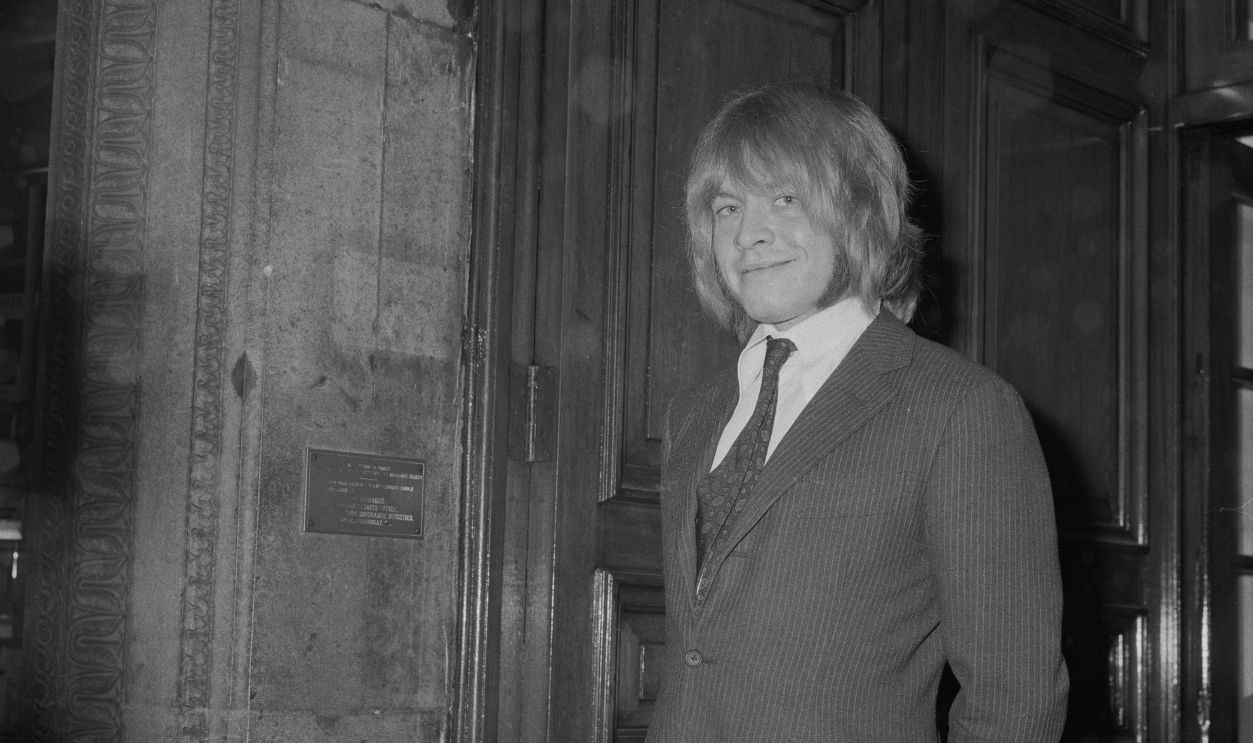 Evening Standard, Getty Images
The Mystery Remains
More than 50 years later, the official explanation remains unchanged. Yet so does the debate. The alleged confession, the conflicting accounts, and the unanswered questions continue to keep the story alive. Whether the truth of what happened that night will ever be fully known remains uncertain. What isn't uncertain is that Brian Jones's final hours remain one of rock music's most enduring mysteries.
 Mark Hayward Archive, Getty Images
You Might Also Like:
Ranking Rock’s Best Live Acts Of All Time—Do You Agree?
The Country Music Partnership Of Kenny Rogers And Dolly Parton