
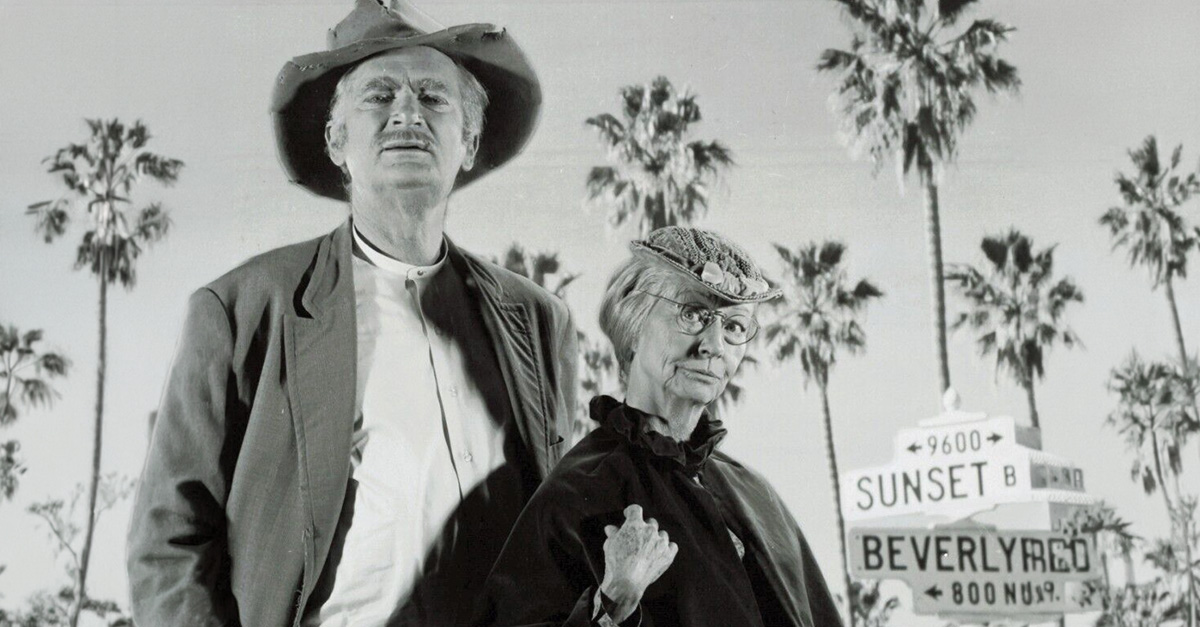
TV Was Great In The 1960s, But These Shows Would Be Totally Different If They Were Remade Today
The 1960s gave TV some of its coziest family sitcoms: neat houses, wise parents, nosy neighbors, and problems that could usually be solved before the closing credits. But try remaking those shows today, and everything changes. Social media, modern parenting, blended families, workplace expectations, and changing comedy standards would turn these classics into very different shows.
 CBS Television, Public domain, via Wikimedia Commons
Leave It To Beaver
A modern Leave It to Beaver would have a much harder time selling Beaver’s tiny disasters as major neighborhood events. Today, his adventures would involve group chats, school apps, bike helmets, and parents tracking his location. Ward and June would still be loving, but definitely less polished.
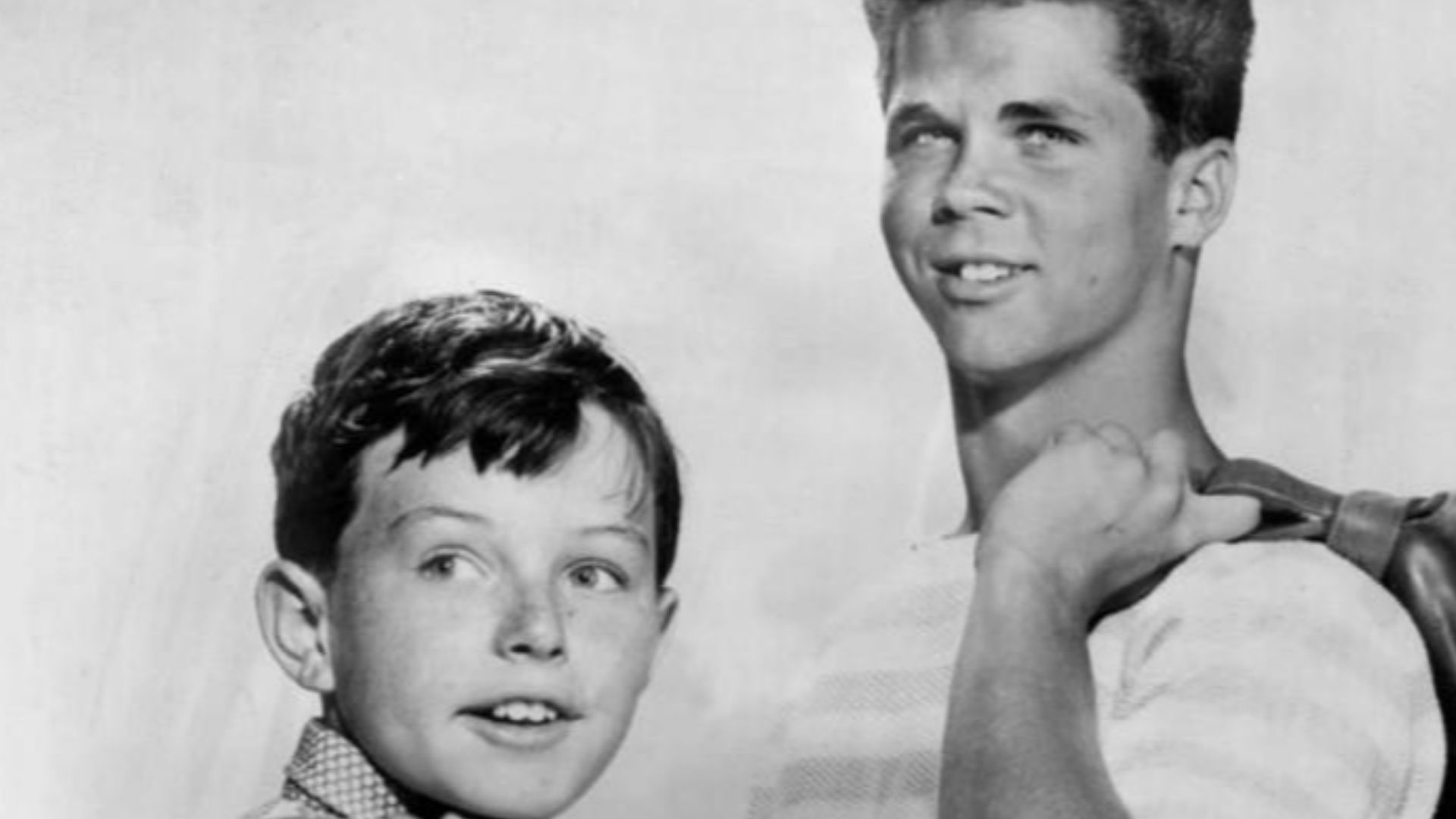 ABC Television, Wikimedia Commons
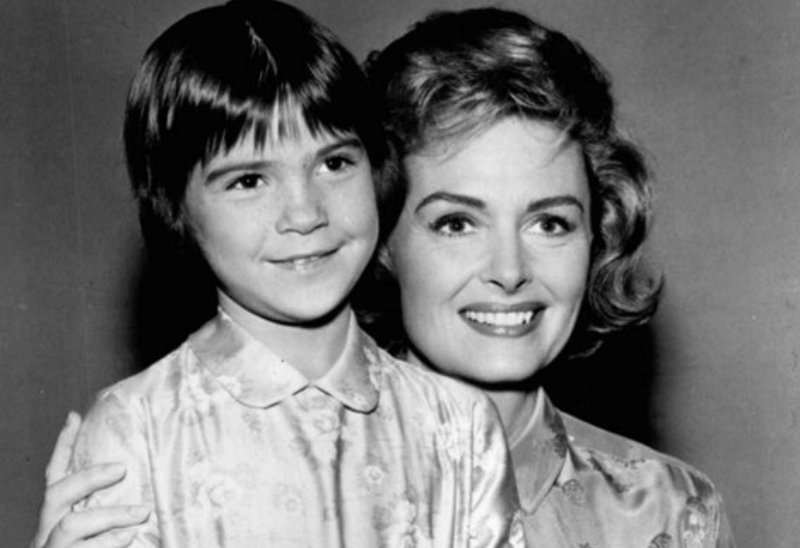
The Donna Reed Show
Donna Stone was the calm, perfectly capable mom who seemed to manage everything with a smile. A modern version would probably ask who is helping Donna. The show would lean into mental load, work-life balance, parenting pressure, and the fact that no one actually vacuums in pearls anymore.
Dennis The Menace
Dennis’s chaos was cute because everyone knew he meant well. Today, his parents would be getting texts from the school, calls from neighbors, and maybe advice from a child behavior specialist. Mr. Wilson would not just grumble from the porch; he would probably install a security camera.
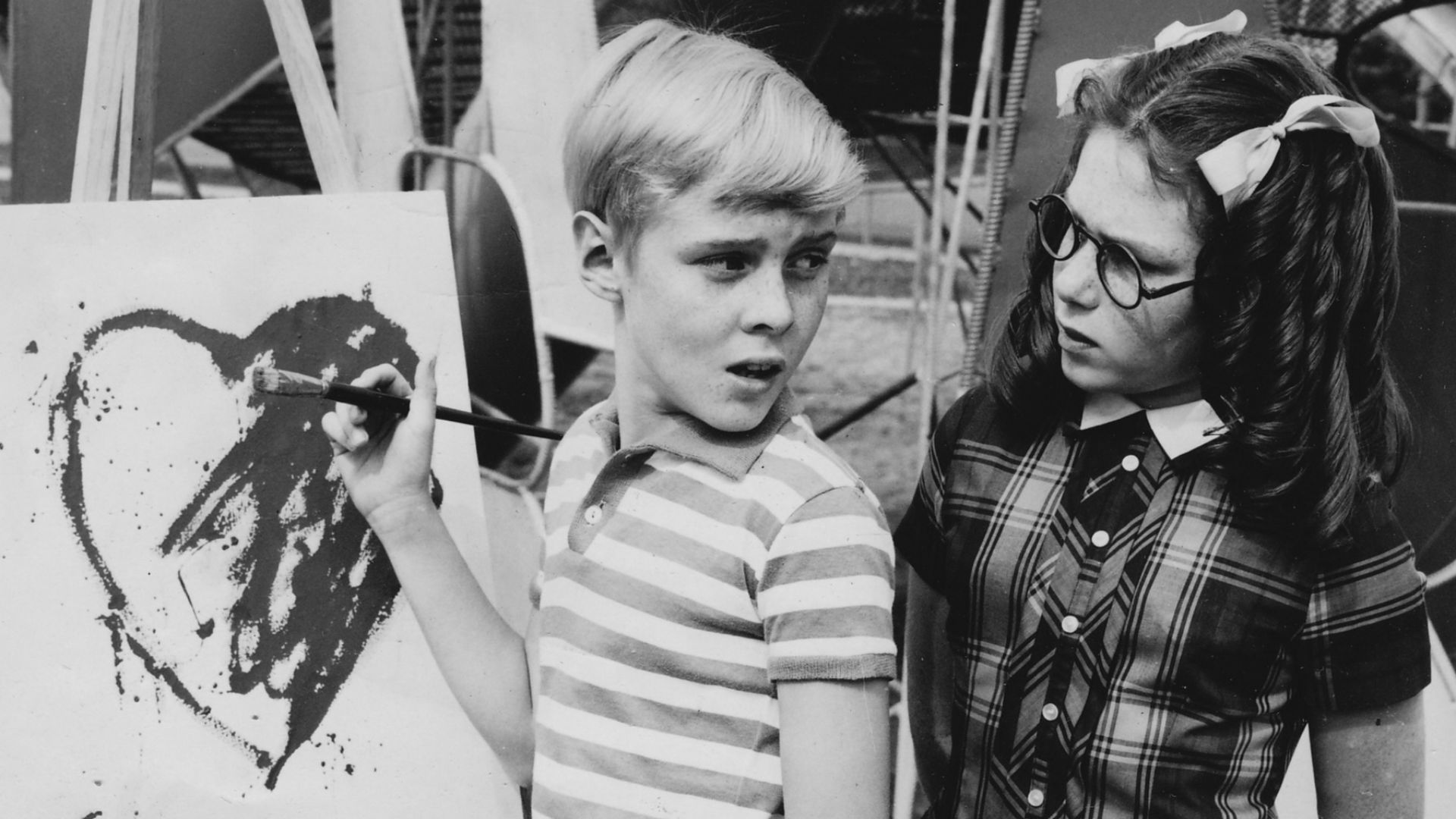 CBS Television Network, Wikimedia Commons
My Three Sons
A widowed father raising three boys was already a fresh idea for its era. Today, My Three Sons would dig much deeper into single parenting, grief, household labor, and boys learning emotional intelligence. Uncle Charley would still be useful, but modern Steve Douglas would need a shared calendar.
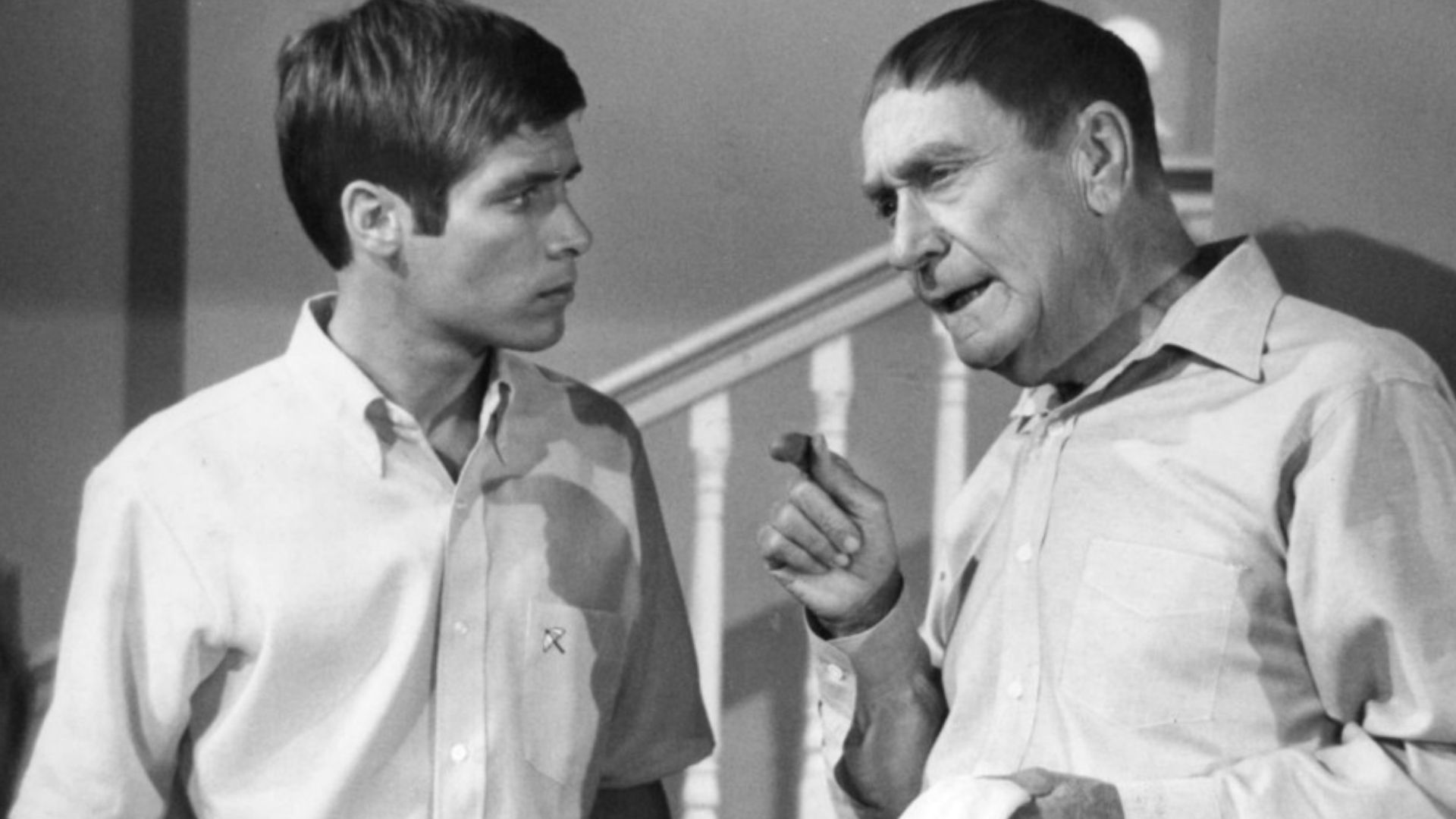 CBS Television, Wikimedia Commons
The Andy Griffith Show
Mayberry was built on front-porch wisdom and small-town trust. A remake today would have to deal with local politics, viral videos, tourism, and everyone knowing everyone’s business online. Andy Taylor’s calm approach would still work, but he would be solving very modern community headaches.
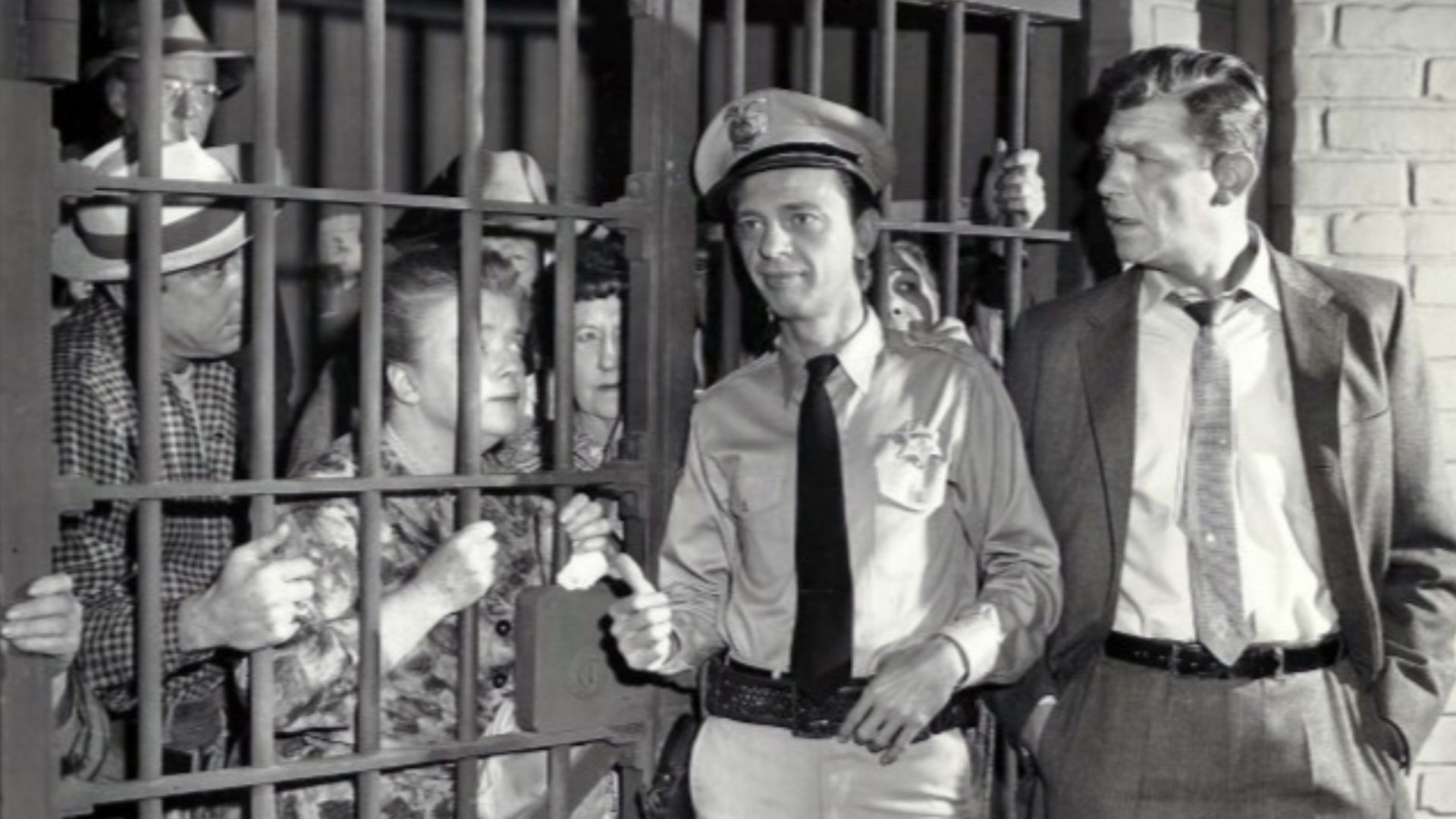 CBS Television, Wikimedia Commons
The Flintstones
A Stone Age family acting like a 1960s suburban household was the whole joke. Today, The Flintstones would probably become a sharp animated satire about consumerism, prehistoric capitalism, and gender roles. Fred would still yell, but Wilma would absolutely have her own group chat.
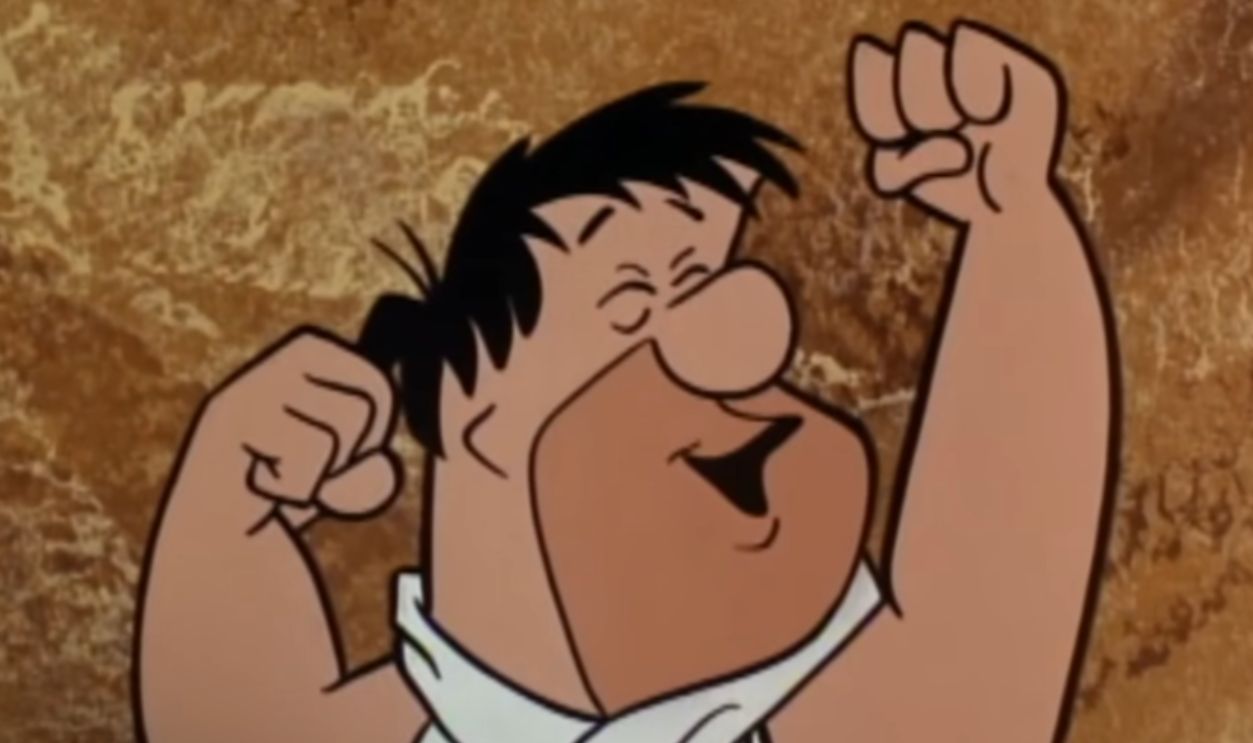 Screenshot from The Flintstones, Hanna-Barbera (1960–1966)
The Jetsons
The original Jetsons imagined the future with flying cars, robot maids, and push-button living. A new version would feel less like fantasy and more like a tech warning label. George Jetson would be burned out from remote work, while Jane demanded better privacy settings for the whole family.
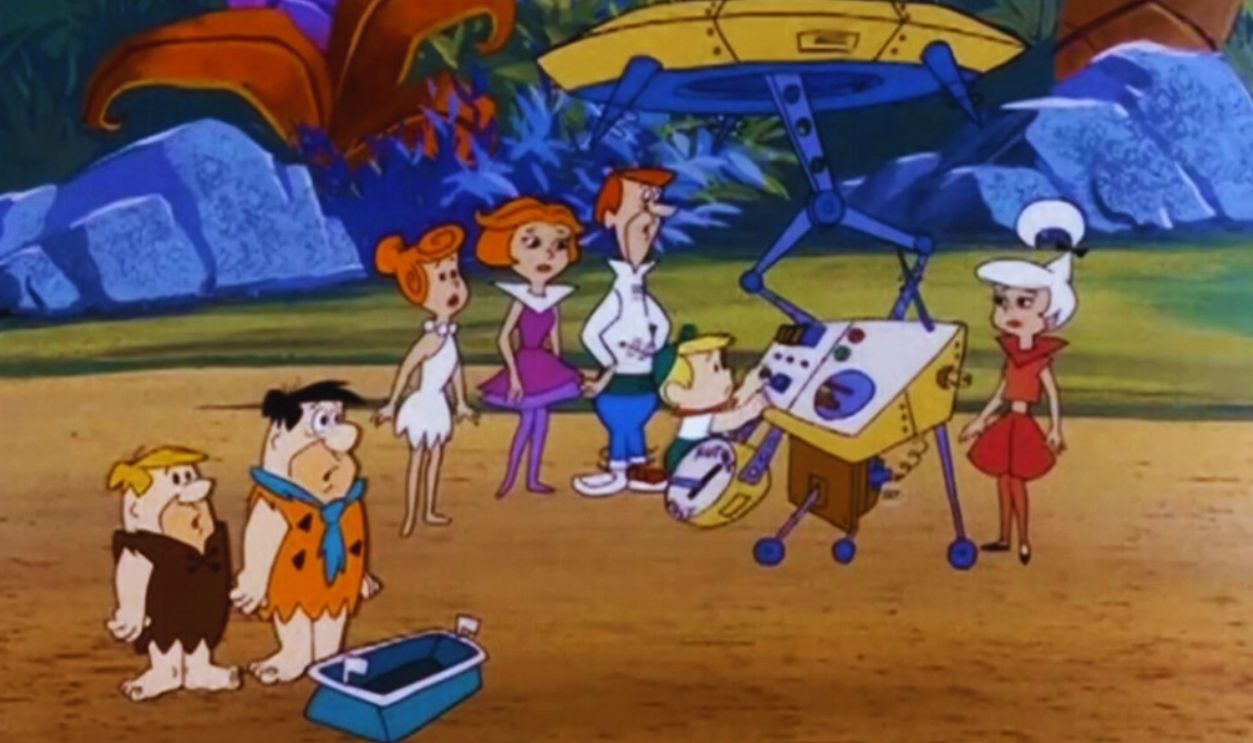 Screenshot from The Jetsons, Hanna-Barbera Productions (1962–1963, 1985–1987)
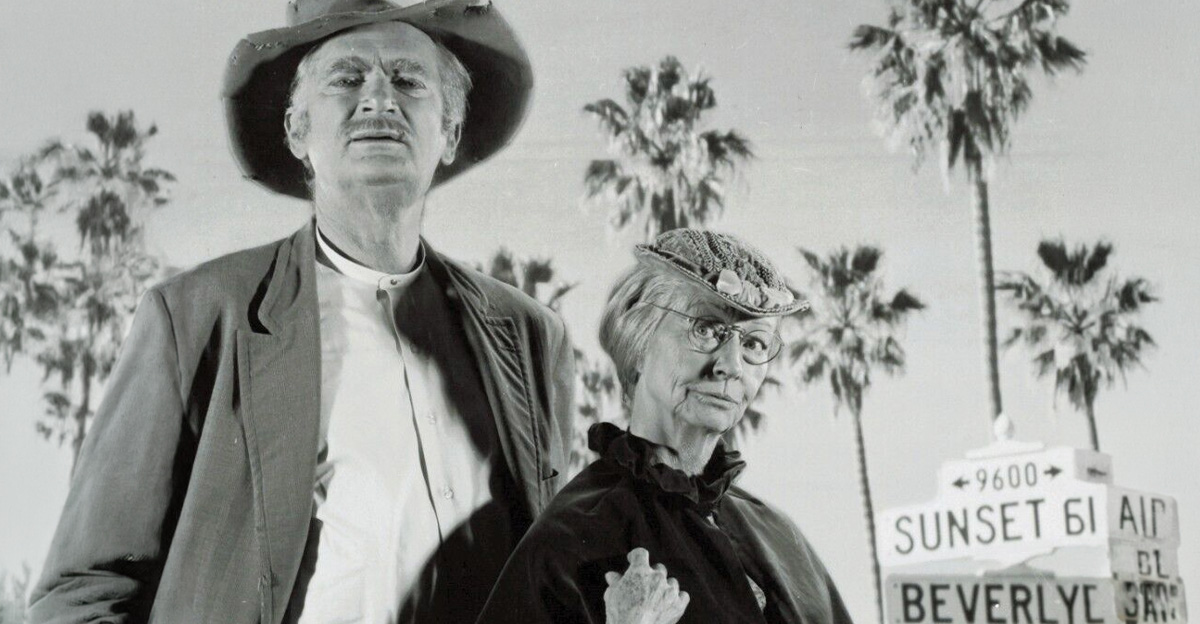
The Beverly Hillbillies
The Clampetts struck oil and moved to Beverly Hills, creating a clash between rural values and rich-neighbor nonsense. Today, the family would become instant influencers, reality-TV targets, and investment opportunities. Granny would go viral in one episode and refuse brand deals in the next.
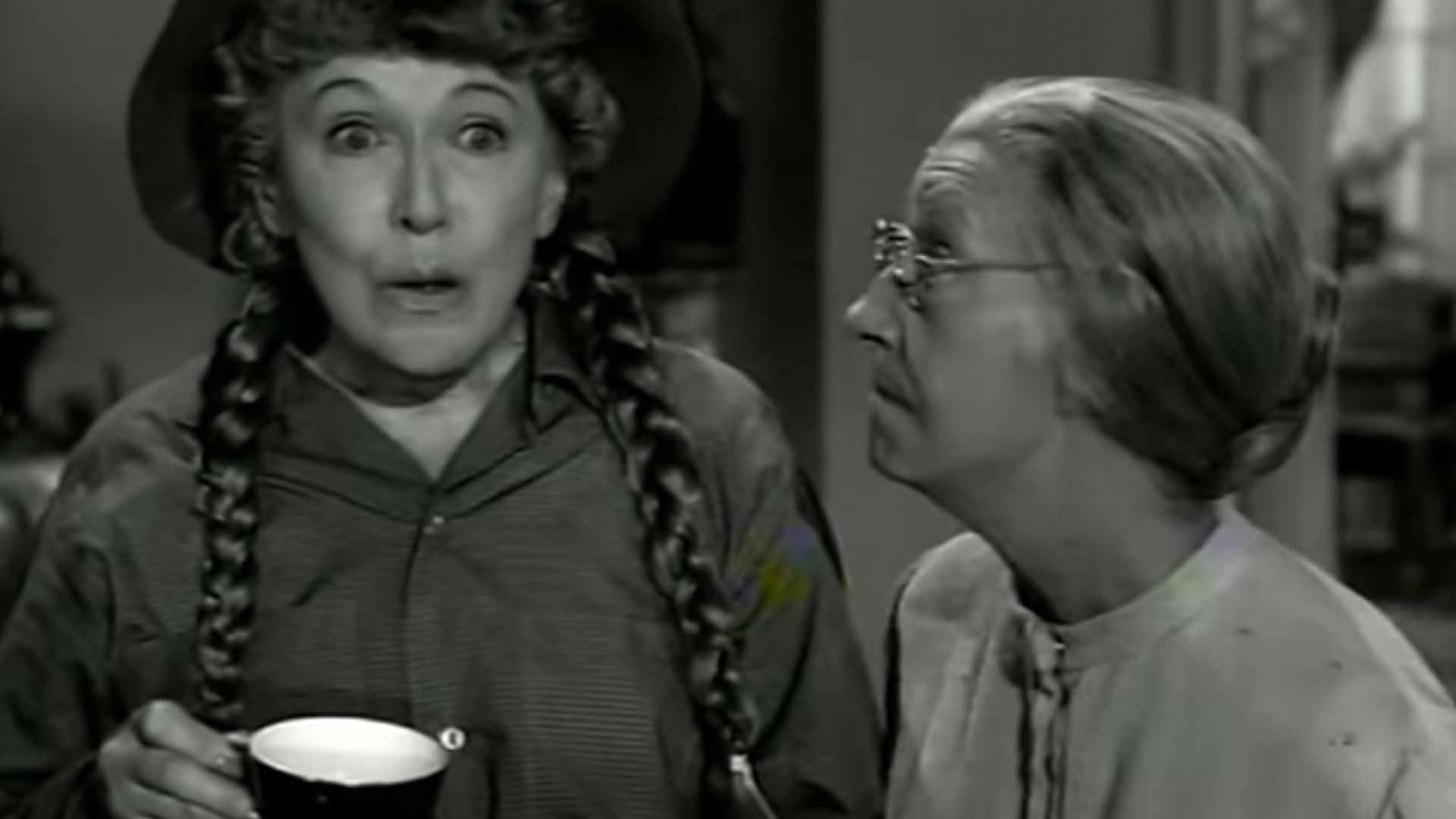 TV episode screenshot (CBS), Wikimedia Commons
Hazel
Hazel was the take-charge housekeeper who basically ran the Baxter home. A modern version would need to rethink class, labor, boundaries, and what it means to be “part of the family” while still being paid to work there. Hazel would probably negotiate better benefits before fixing dinner.
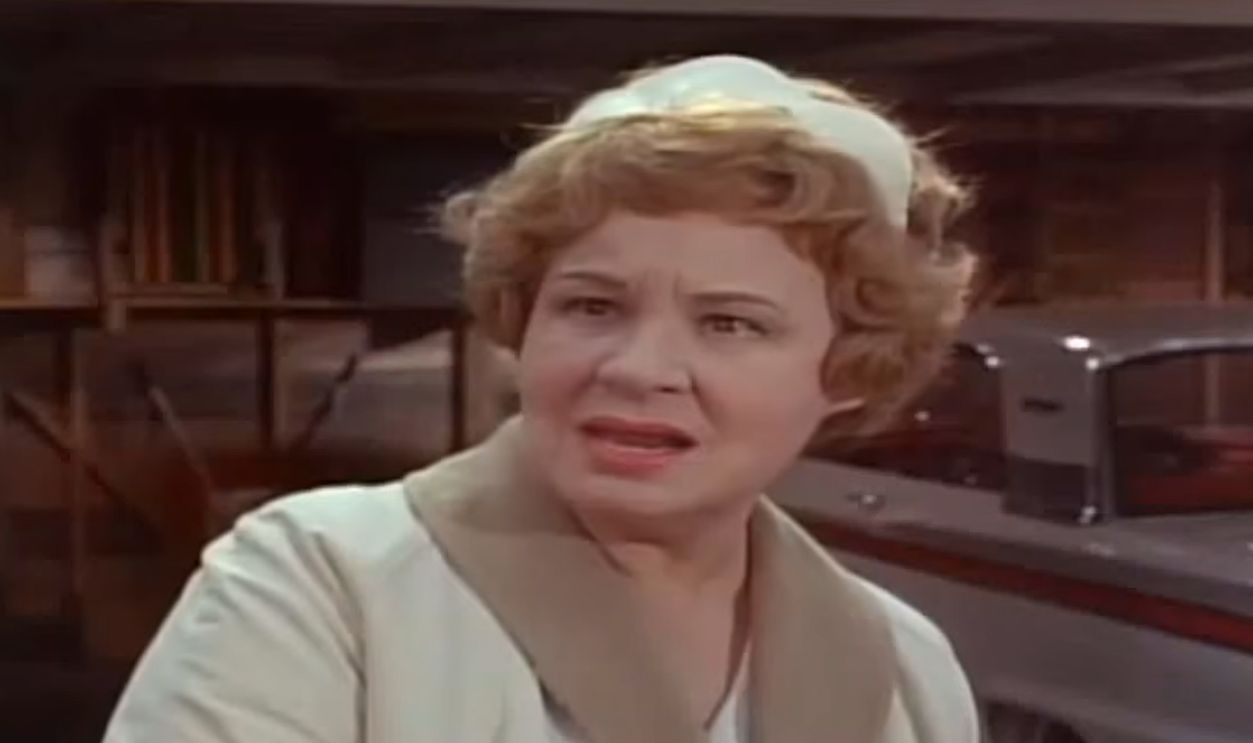 Screenshot from Hazel, NBC (1961–1966)
The Patty Duke Show
Identical cousins with totally different personalities made for a fun gimmick. A modern remake would immediately raise questions about identity, social media, school culture, and privacy. Patty and Cathy would probably switch places once, get exposed on TikTok, and spend the season rebuilding trust.
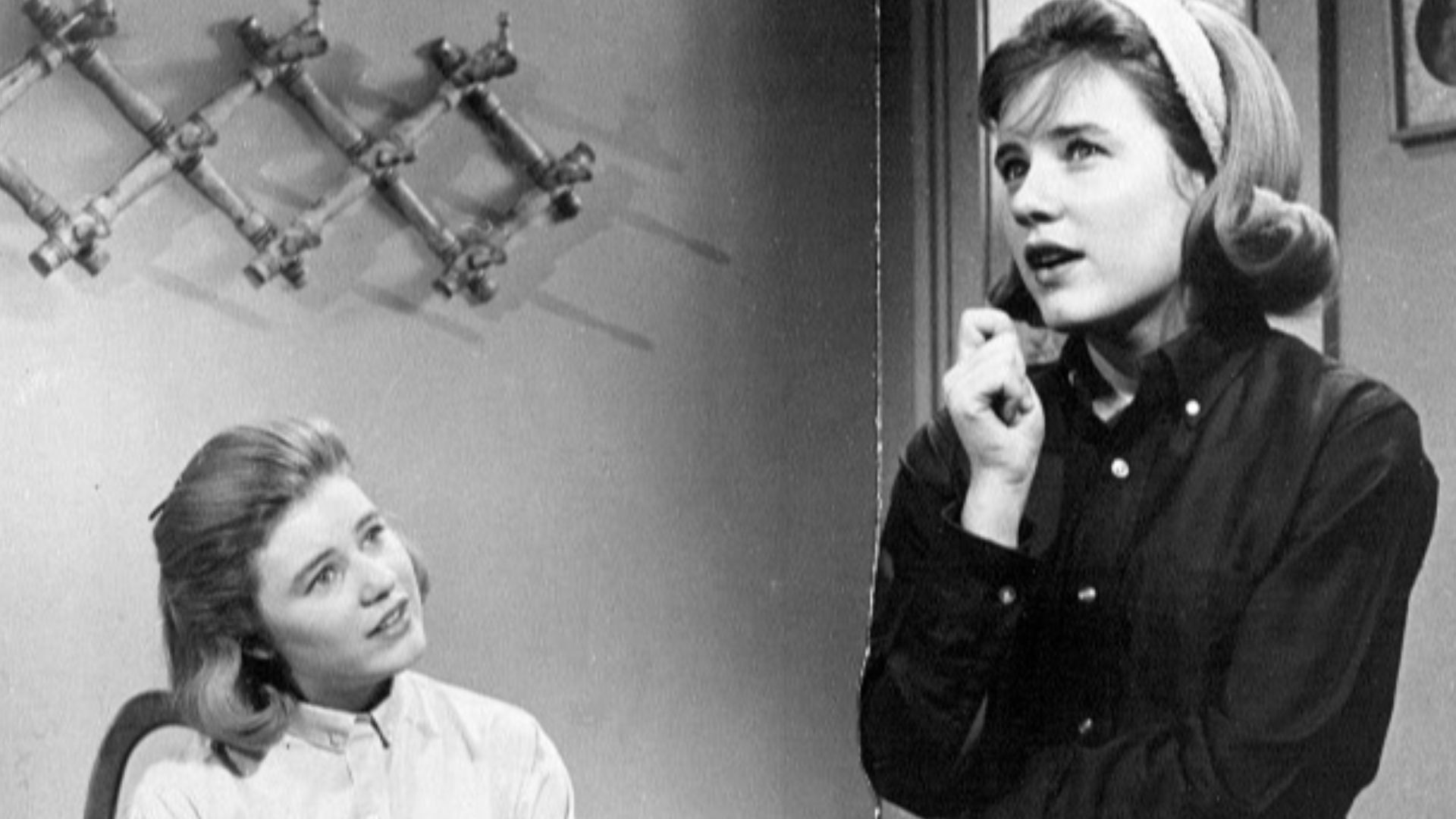 ABC Television, Wikimedia Commons
The Farmer’s Daughter
This political-family sitcom put a young woman into a widowed congressman’s household, where romance and domestic comedy followed. Today, that setup would be handled much more carefully. The power dynamics, public image, childcare expectations, and political optics would completely reshape the sweet, old-fashioned tone.
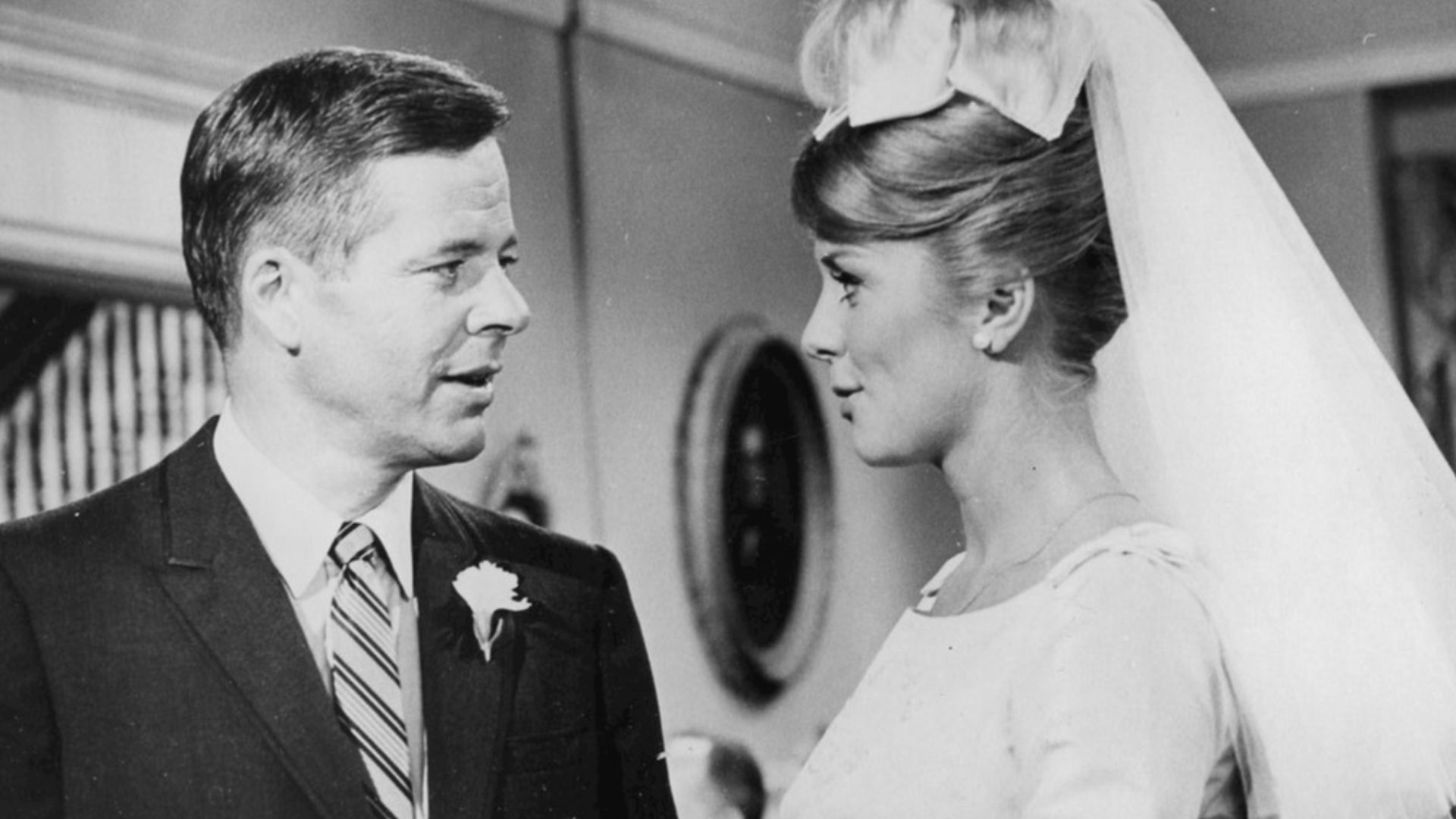 ABC Television, Wikimedia Commons
Karen
Karen followed a spirited teenager and her family, but a modern version would make teen life far messier. Karen would deal with social pressure, online identity, school stress, and parents trying to understand apps they secretly fear. The sitcom energy could stay, but the stakes would feel sharper.
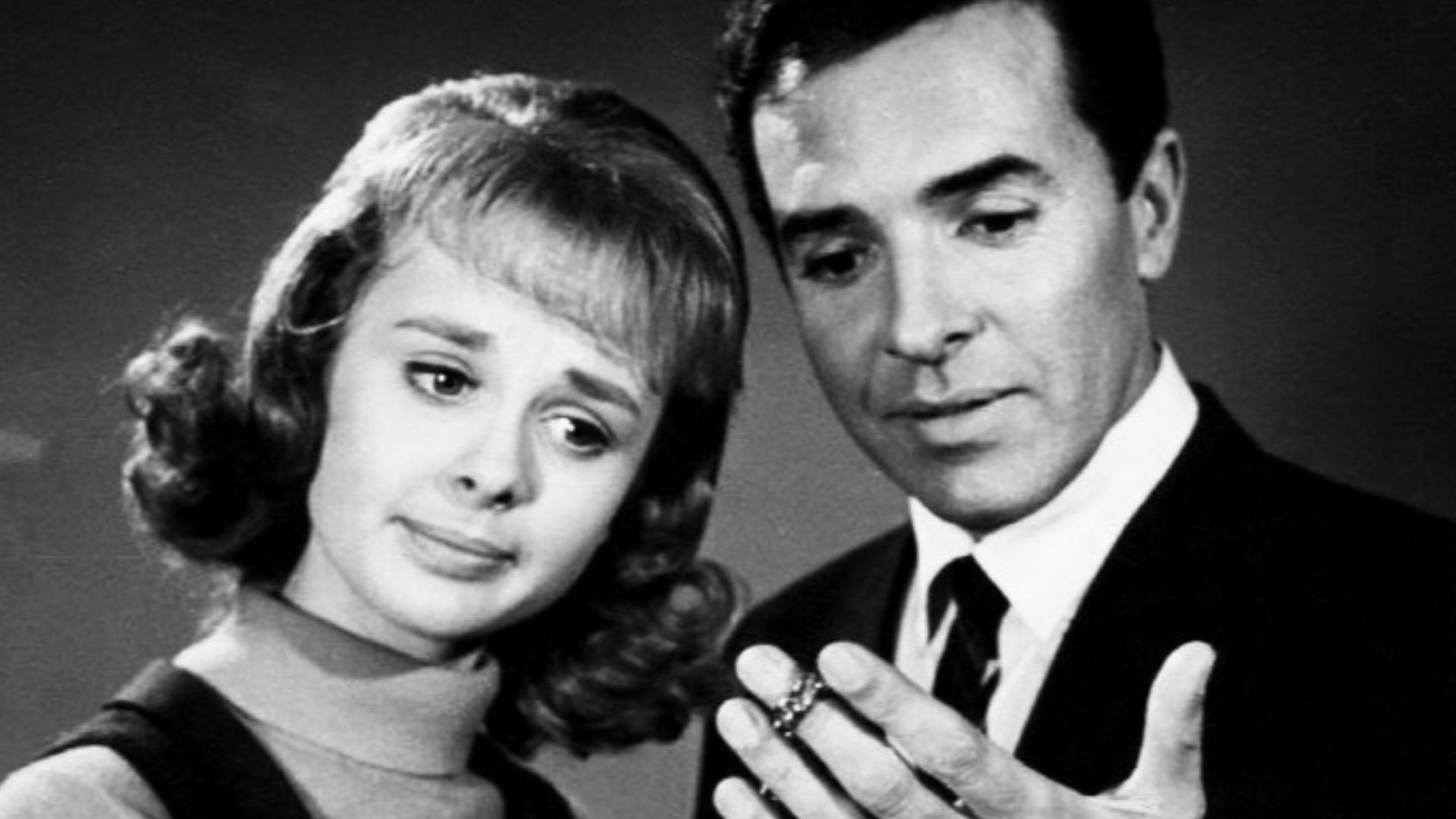 NBC Television, Wikimedia Commons
The Munsters
The joke of The Munsters was that the monster family thought they were perfectly normal. Today, that idea still works, but the comedy would shift toward acceptance, outsider identity, and suburban conformity. Herman would remain lovable, while Lily would probably become the neighborhood’s most intimidating PTA member.
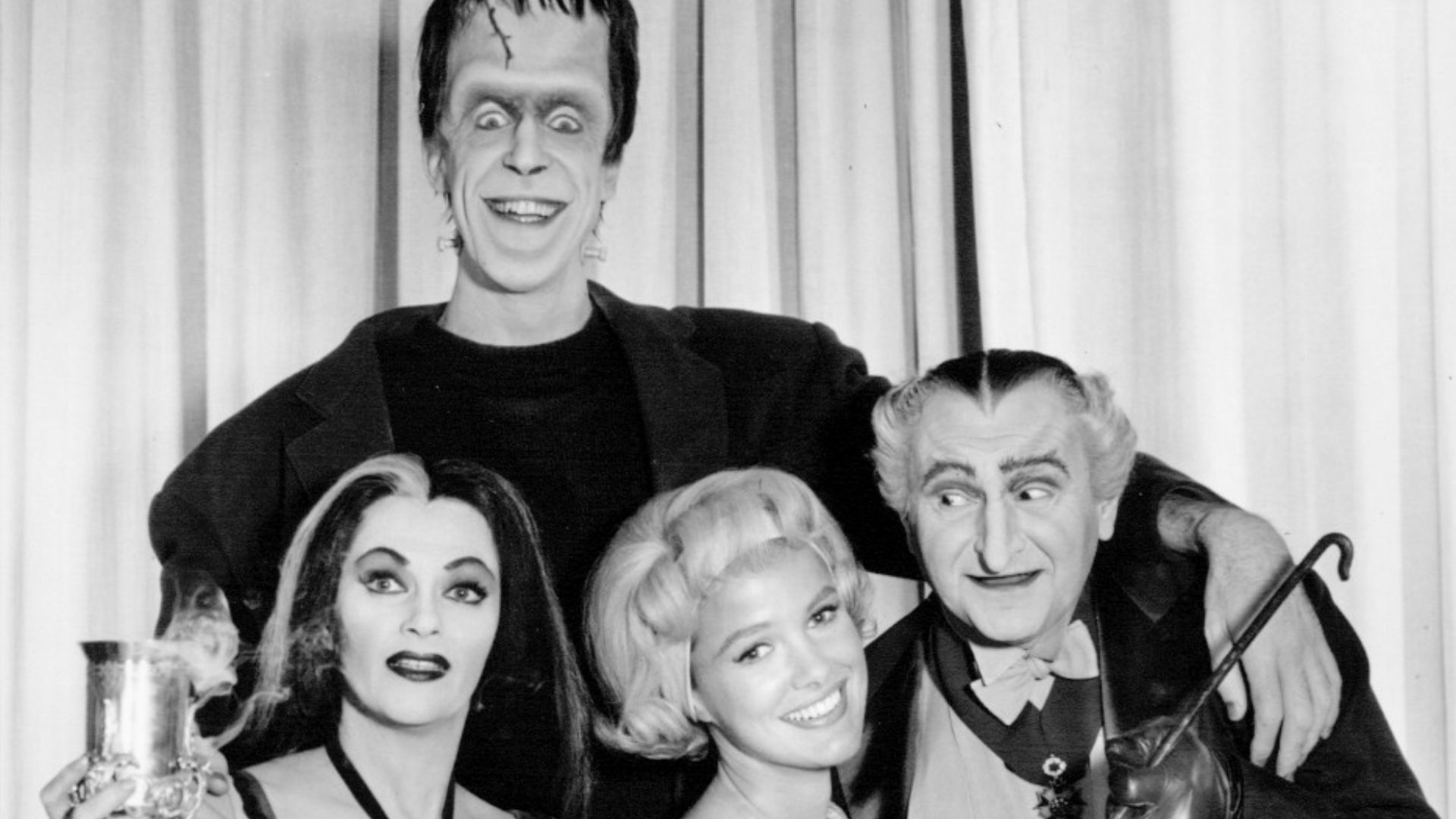 CBS Television, Wikimedia Commons
The Addams Family
The Addams family already feels weirdly modern because they loved each other exactly as they were. A remake today would not need to “fix” them. Instead, it would probably make the outside world look strange. Morticia and Gomez would still be couple goals, just with better lighting.
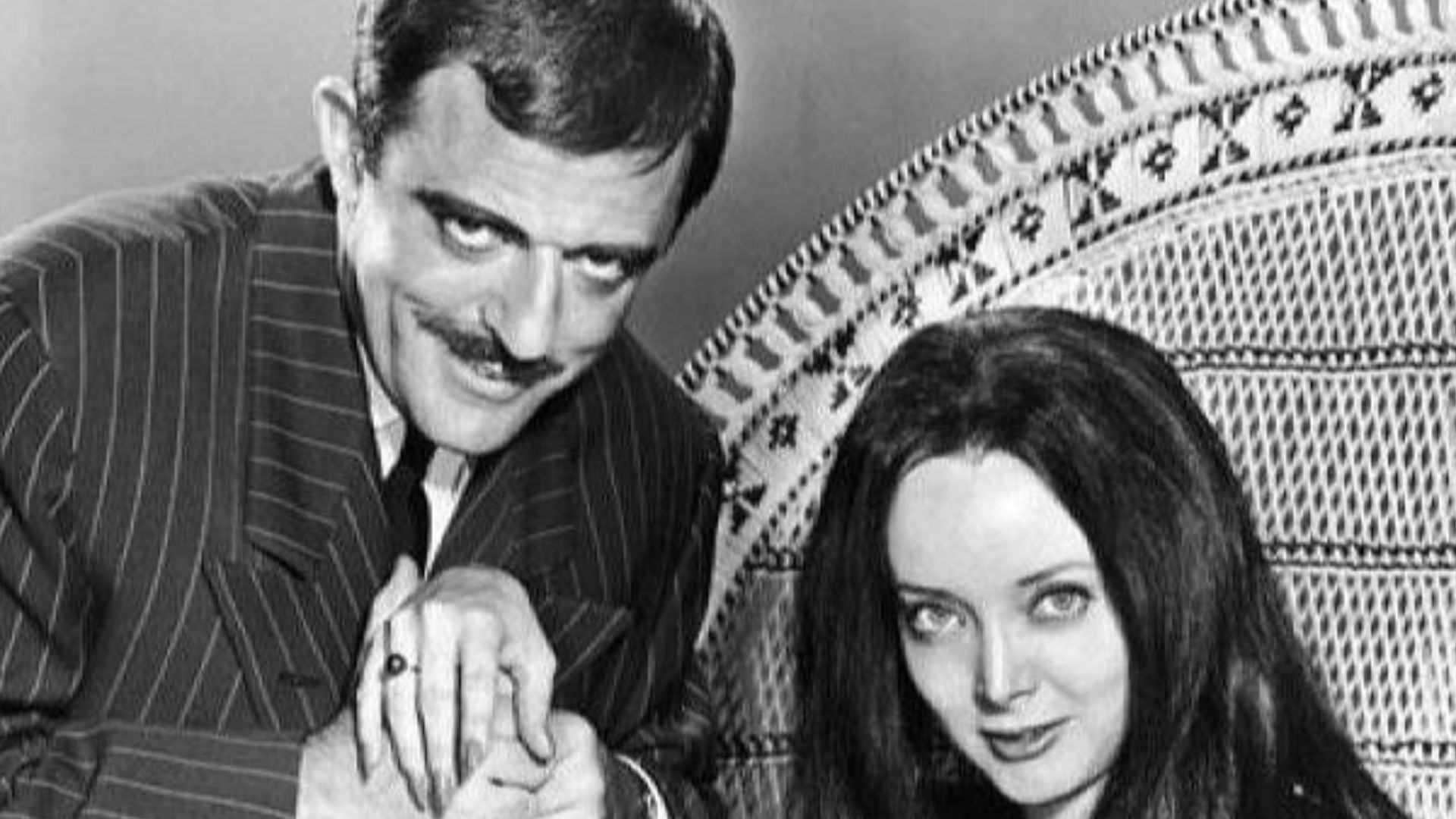 ABC Television, Wikimedia Commons
Bewitched
A witch hiding her powers to keep her mortal husband comfortable would play very differently now. Samantha would not spend every episode trying to seem less extraordinary. A modern Bewitched would explore identity, marriage compromises, and why Darrin keeps asking his magical wife to be ordinary.
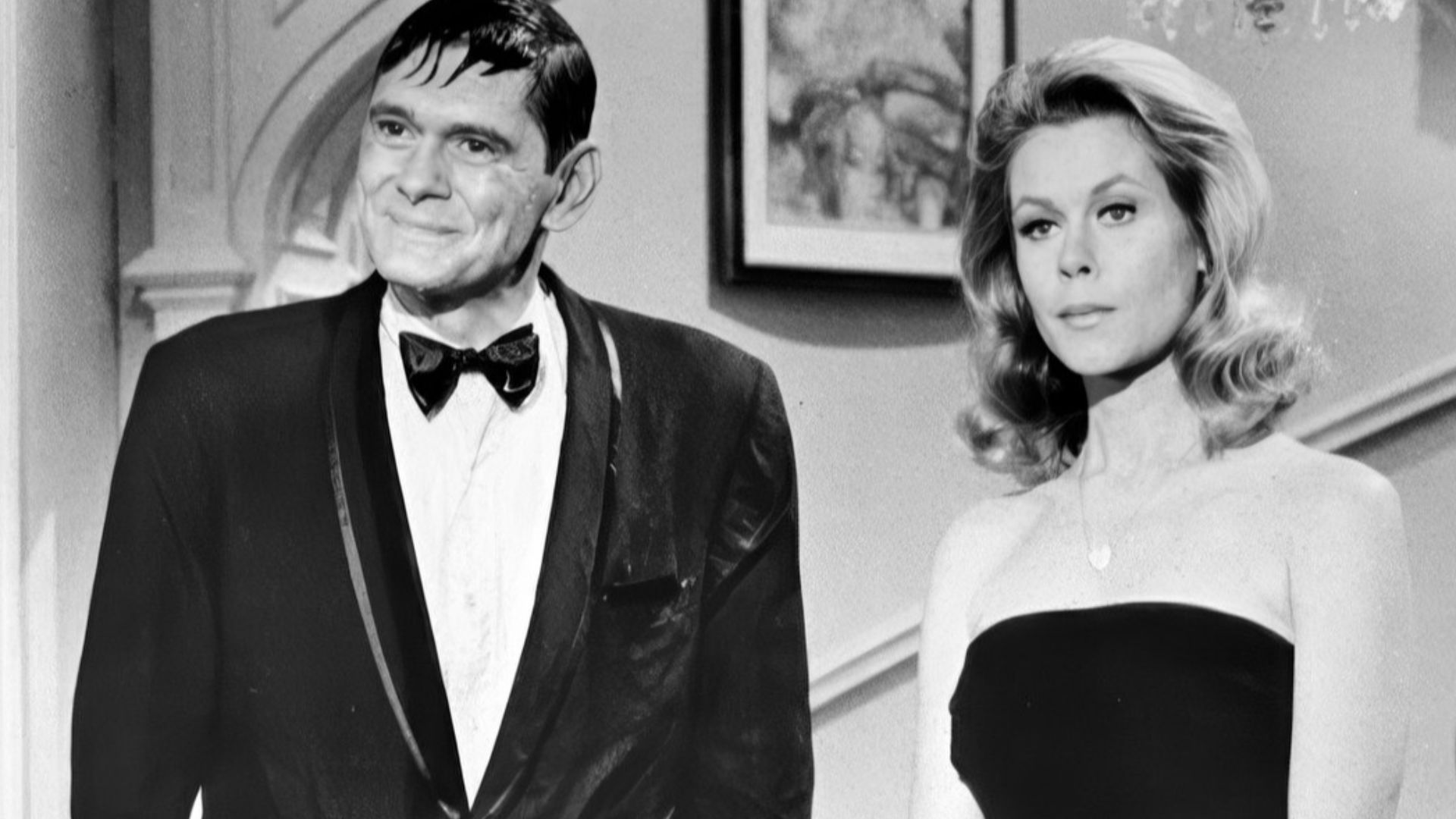 ABC Television Uploaded by We hope at en.wikipedia, Wikimedia Commons
Gidget
Gidget’s sunny teen beach life would become a much bigger coming-of-age story today. Surf culture, body image, independence, dating, and father-daughter boundaries would all get more attention. She would still chase adventure, but modern Gidget would be posting surf clips and setting firmer rules.
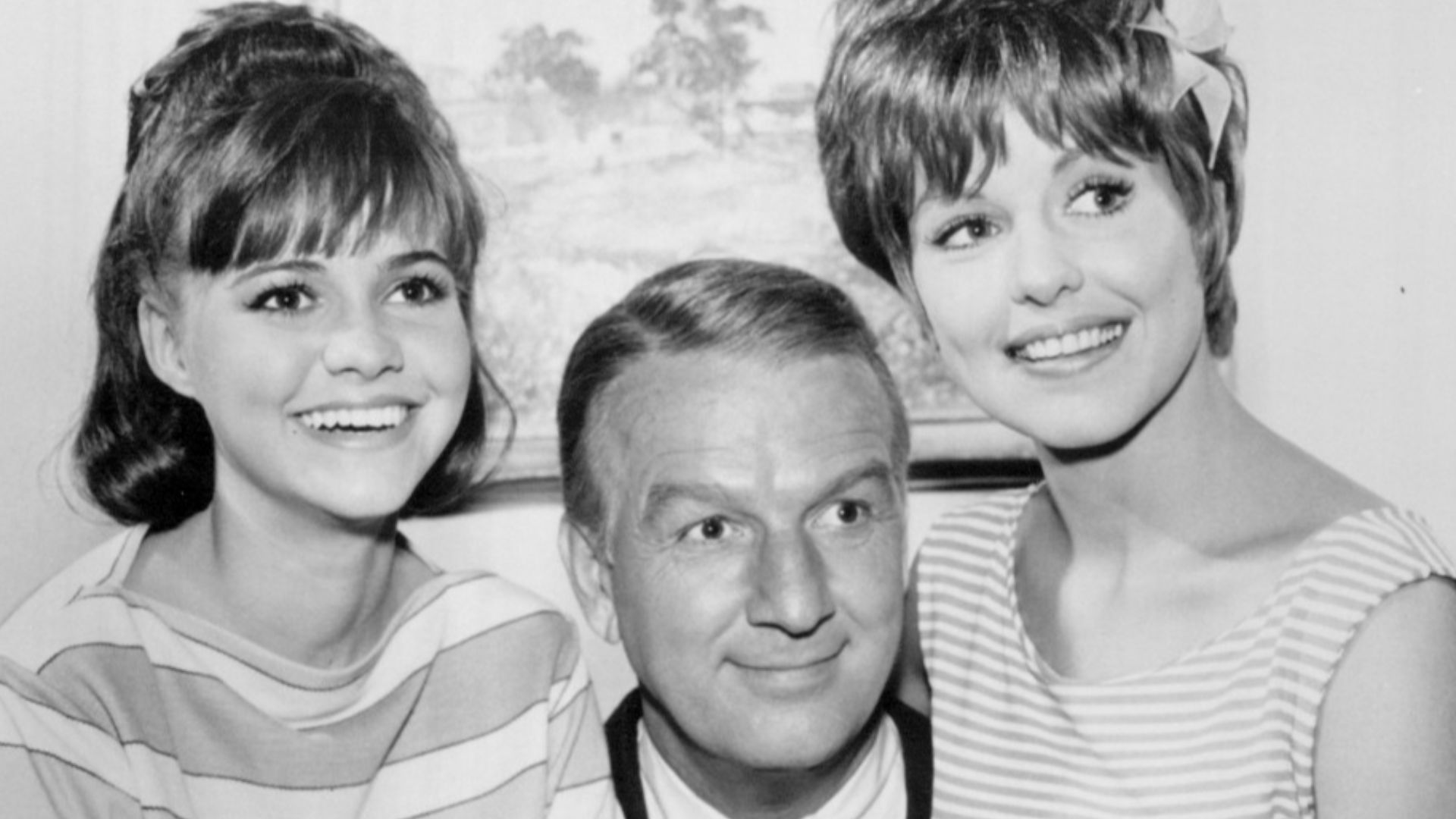 ABC Television, Wikimedia Commons
Please Don’t Eat The Daisies
A professor, his wife, four boys, and a chaotic household made this show feel like cheerful family mayhem. Today, the chaos would be louder and more relatable. The parents would juggle childcare costs, school emails, careers, and the terrifying mystery of why children destroy furniture.
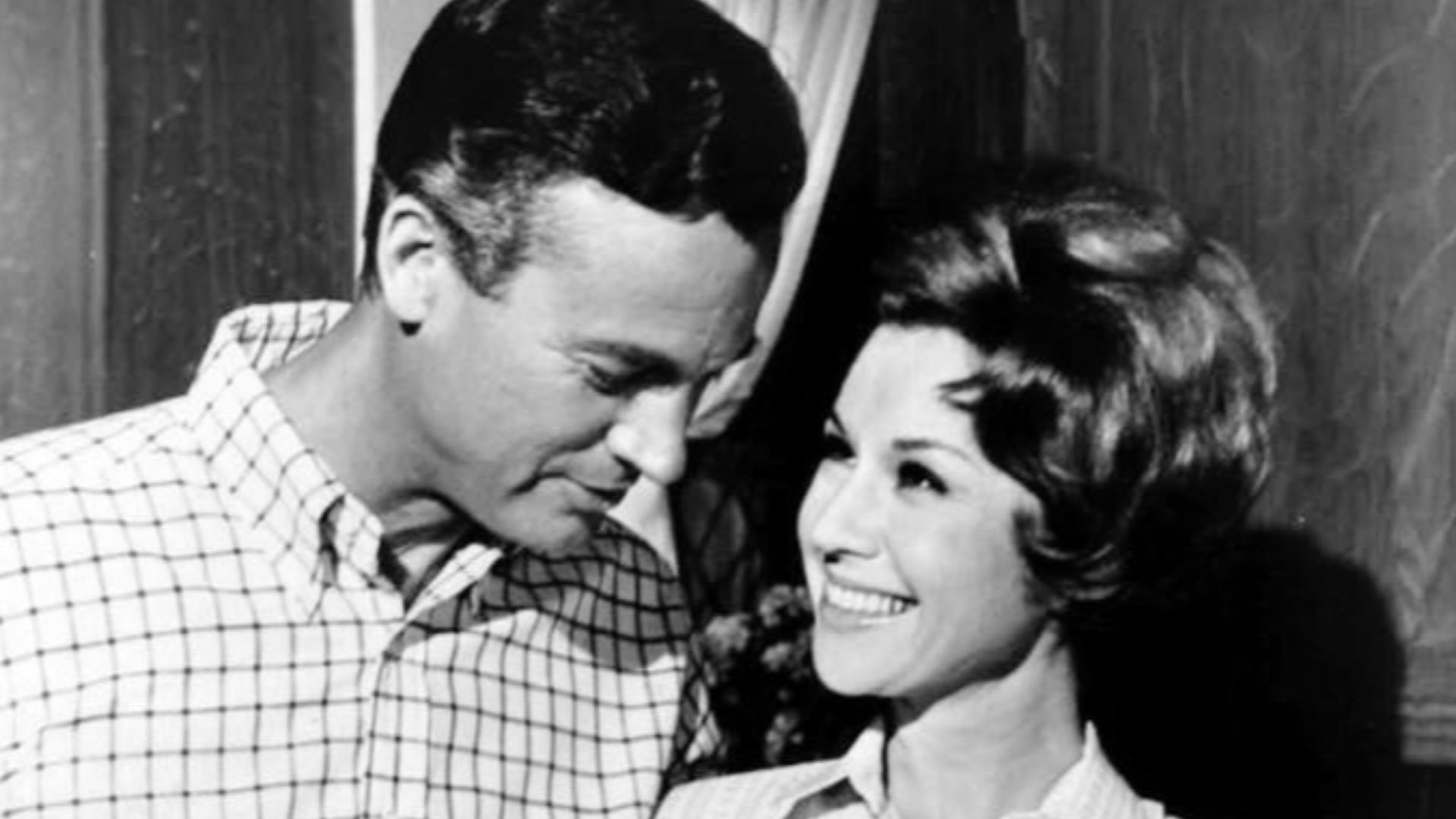 NBC Television, Wikimedia Commons
Family Affair
A wealthy bachelor suddenly raising his brother’s three children was a gentle premise with huge emotional weight. Today, Family Affair would focus much more on grief, adoption, therapy, and chosen family. Mr. French would still be elegant, but he would also be doing serious emotional labor.
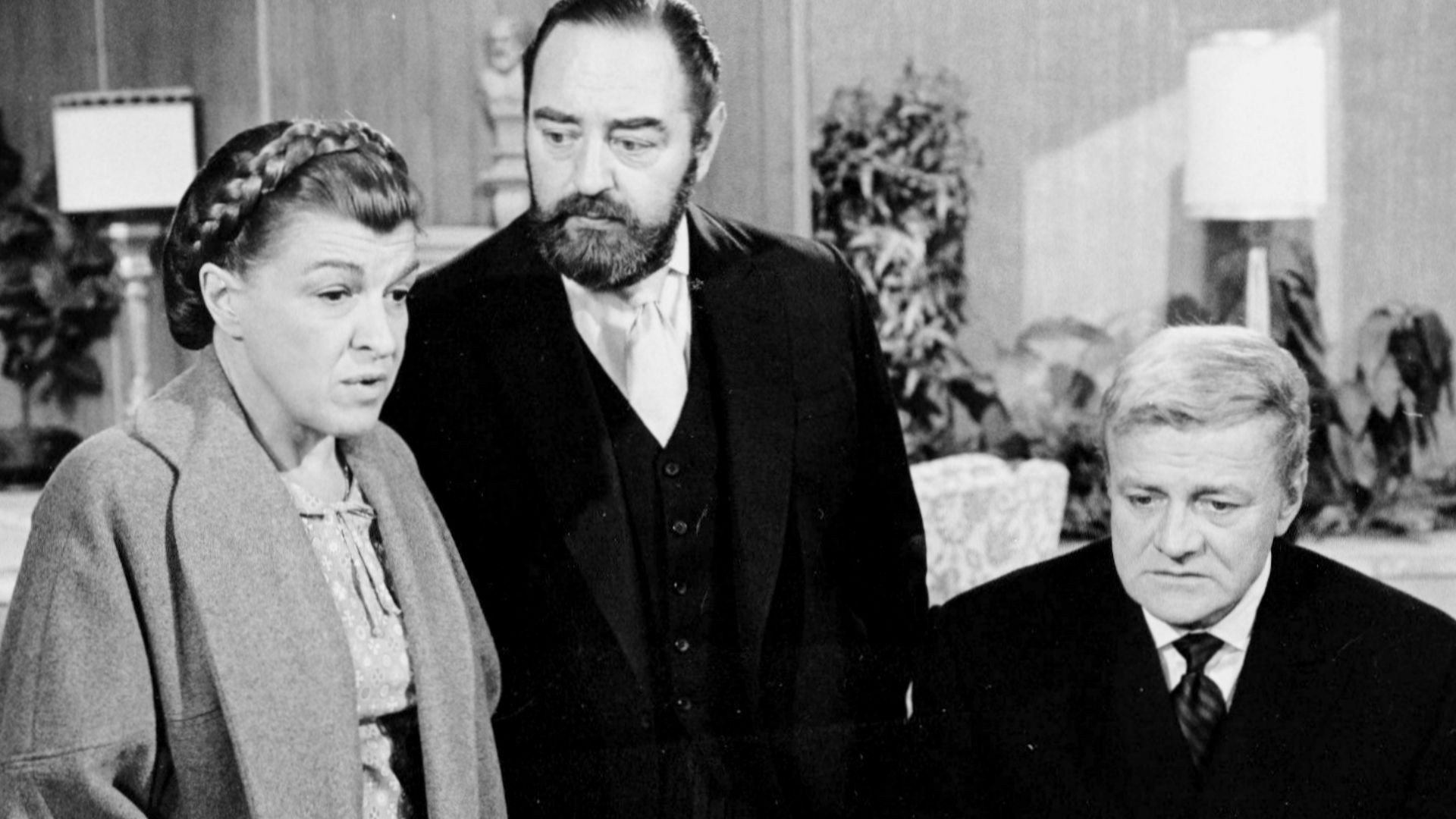 CBS Television Network, Wikimedia Commons
The Mothers-In-Law
Two meddling mothers living next door to their married children was a perfect 1960s sitcom engine. Today, it would become a comedy about boundaries. The young couple would mute family chats, install smart locks, and still somehow find their mothers in the kitchen giving advice.
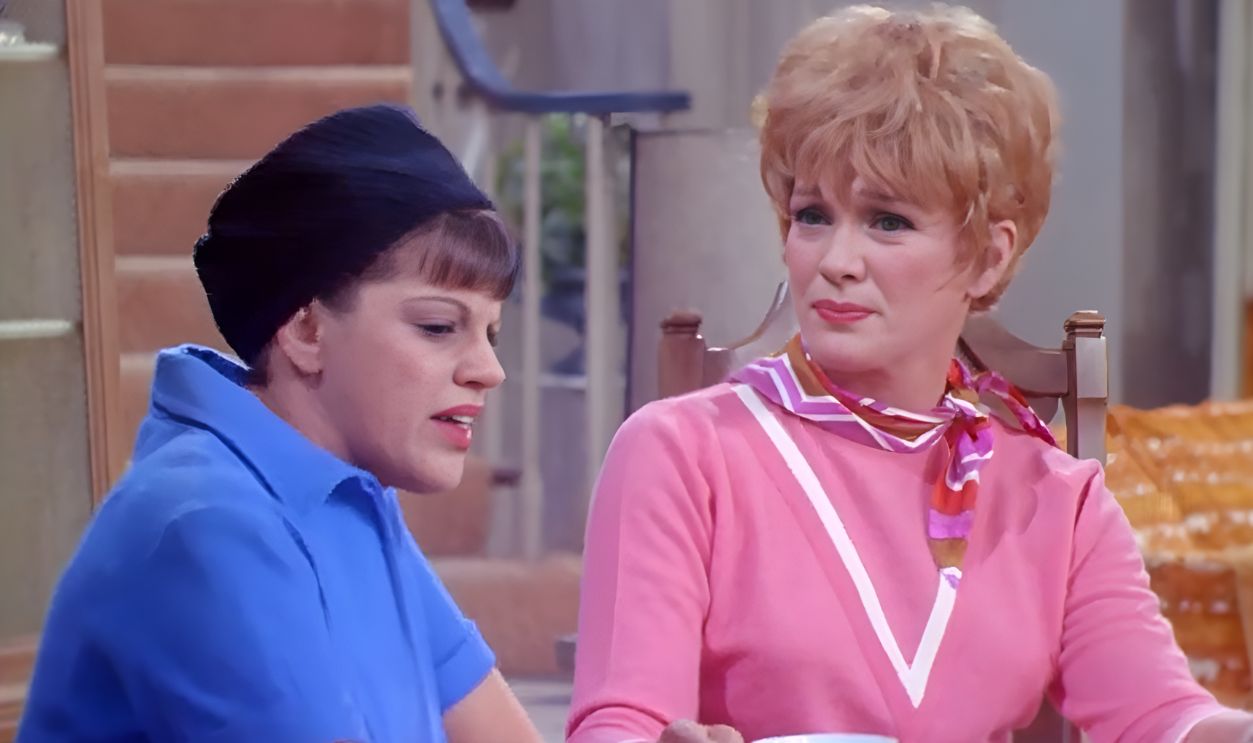 Screenshot from The Mothers-In-Law, NBC (1967–1969), Modified
Julia
Julia stood out because it centered a widowed Black working mother in a mainstream sitcom. A modern version would have room to be more honest about race, work, parenting, grief, and representation. Julia would still be graceful and funny, but the world around her would be more complex.
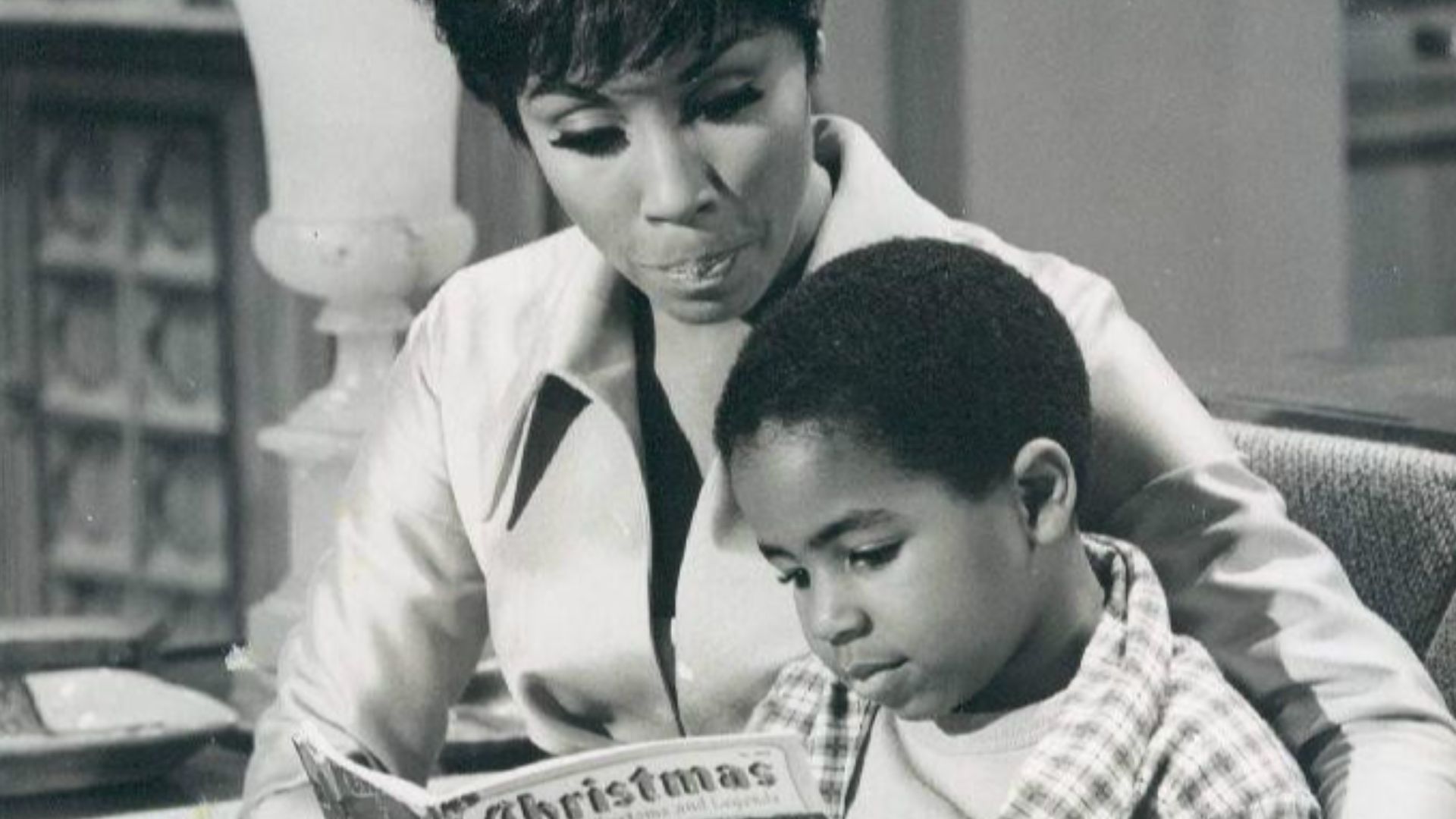 NBC Television. Uploaded by We hope at en.wikipedia, Wikimedia Commons
The Ghost & Mrs. Muir
A widow living with her children in a house haunted by a sea captain sounds like perfect streaming-era material. Today, the romance and family comedy would become more mysterious, emotional, and serialized. Also, someone would absolutely try to record the ghost for proof.
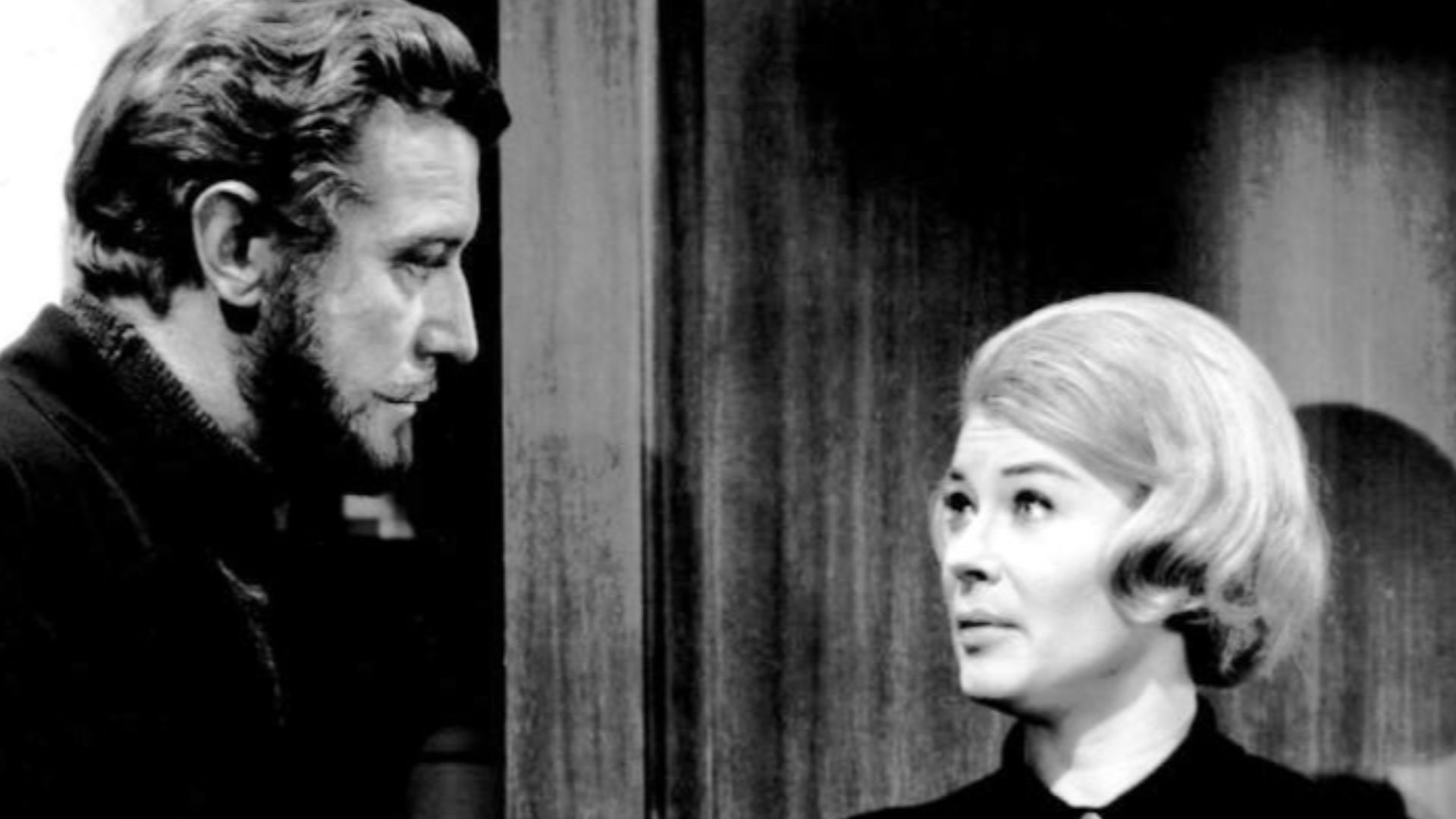 NBC Television, Wikimedia Commons
The Courtship Of Eddie’s Father
This father-son sitcom was tender for its time, but a remake would go deeper into single fatherhood and childhood grief. Eddie trying to find his dad a new wife would feel both sweet and awkward today. Modern Tom Corbett would probably be told to try therapy first.
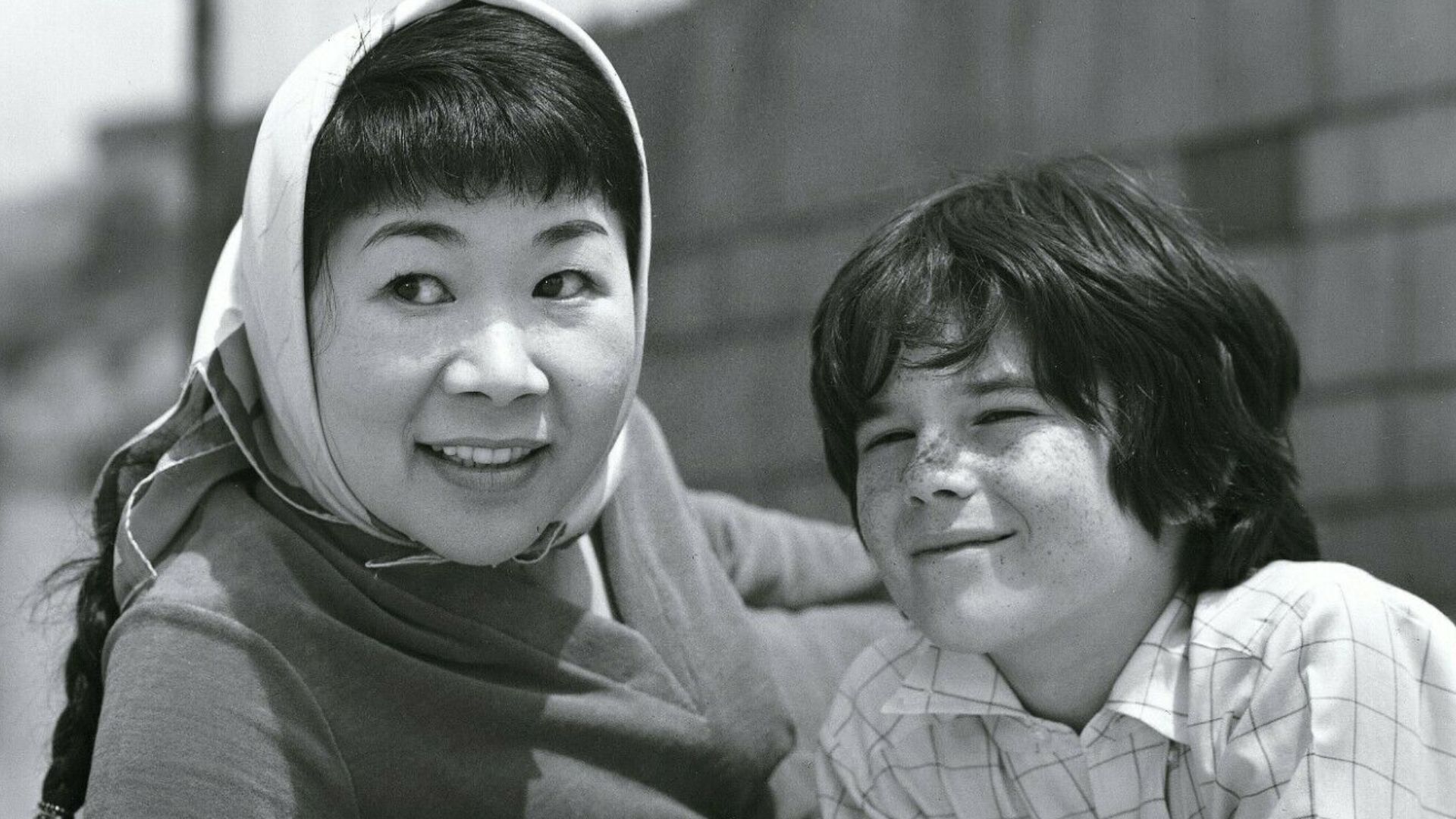 ABC Television, Wikimedia Commons
The Brady Bunch
A blended family with six kids, two parents, and one very patient housekeeper still has sitcom gold. Today, though, The Brady Bunch would deal with co-parenting, stepfamily tension, privacy, money, and screen time. The grid of smiling faces would become a family group video call.
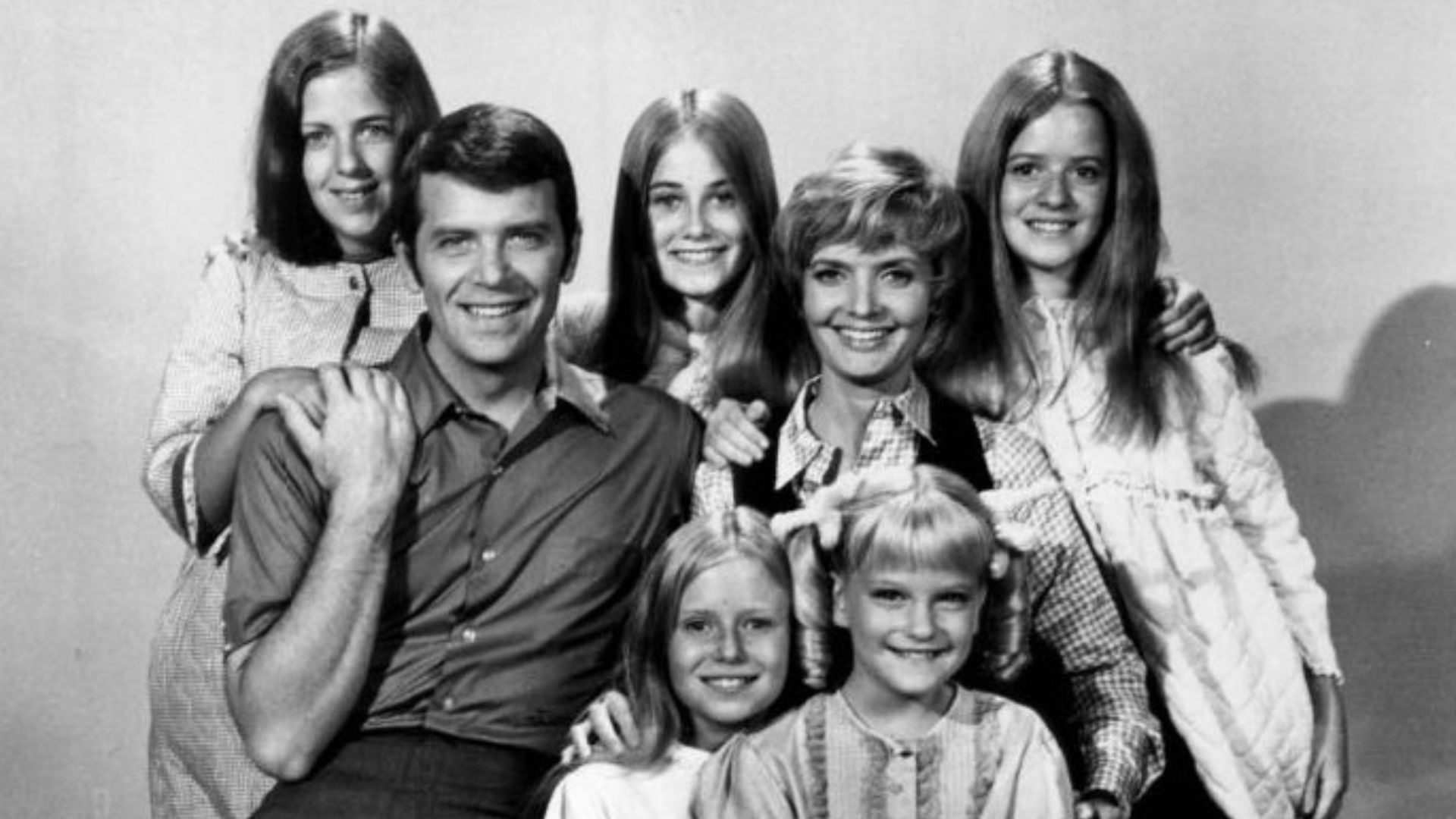 ABC Television., Wikimedia Commons
Petticoat Junction
A hotel run by a family near a small railway stop sounds quaint now, but a modern remake would turn it into a rural business comedy. The Bradley sisters would be dealing with online reviews, tourism apps, renovations, and guests who expect luxury service at country prices.
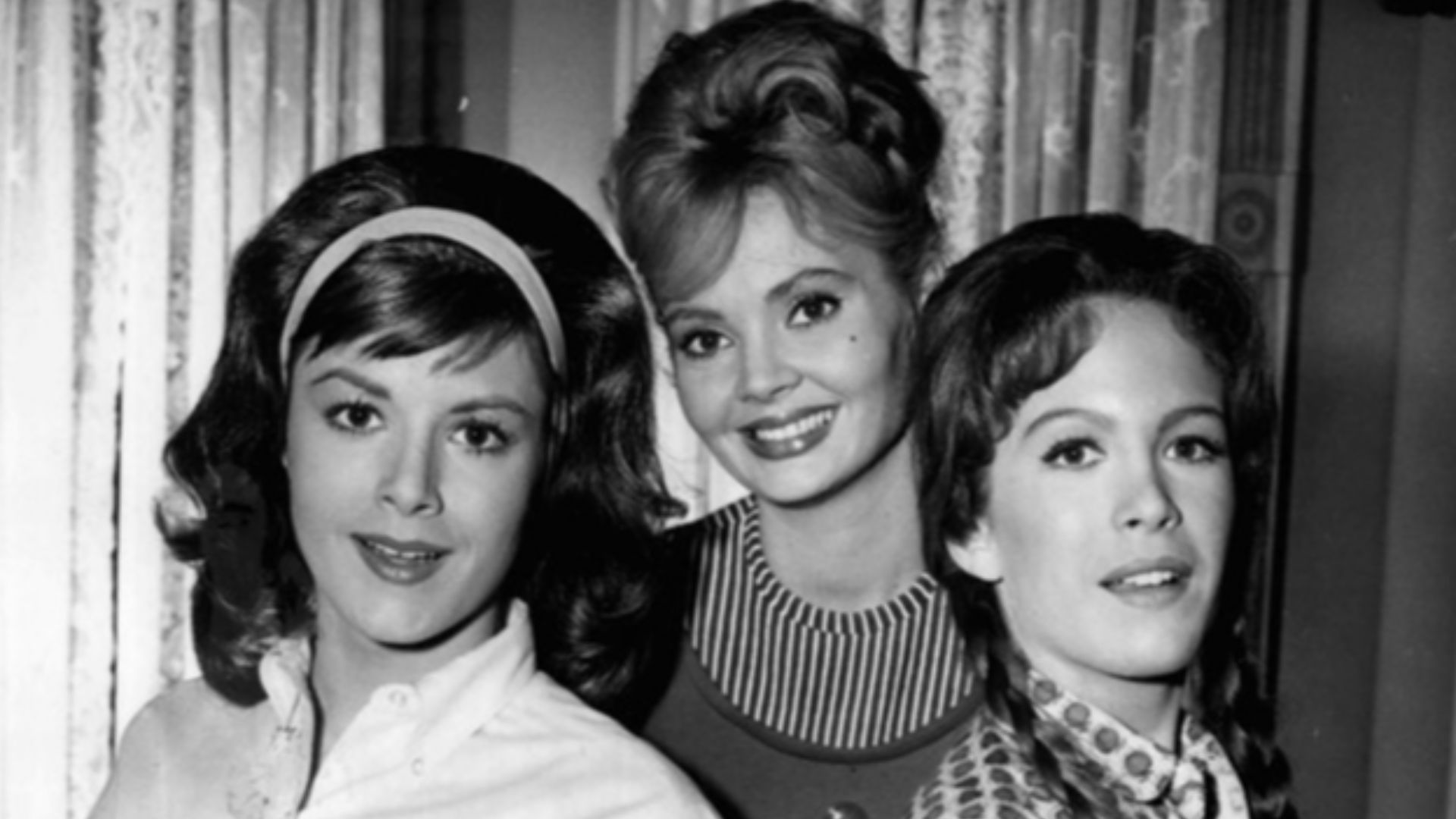 CBS Television, Wikimedia Commons
Which Of These 60s TV Shows Did You Watch?
These 1960s family sitcoms worked because they reflected the hopes, habits, and blind spots of their time. Remaking them today would not simply mean adding smartphones and modern clothes. The families would argue differently, parent differently, work differently, and love differently. The heart might stay, but the whole house would be remodeled.
You May Also Like:
Great Movies From The 1960s That No One Remembers—Seriously, Do You Remember Even 5 Of These Films?

.jpg)
