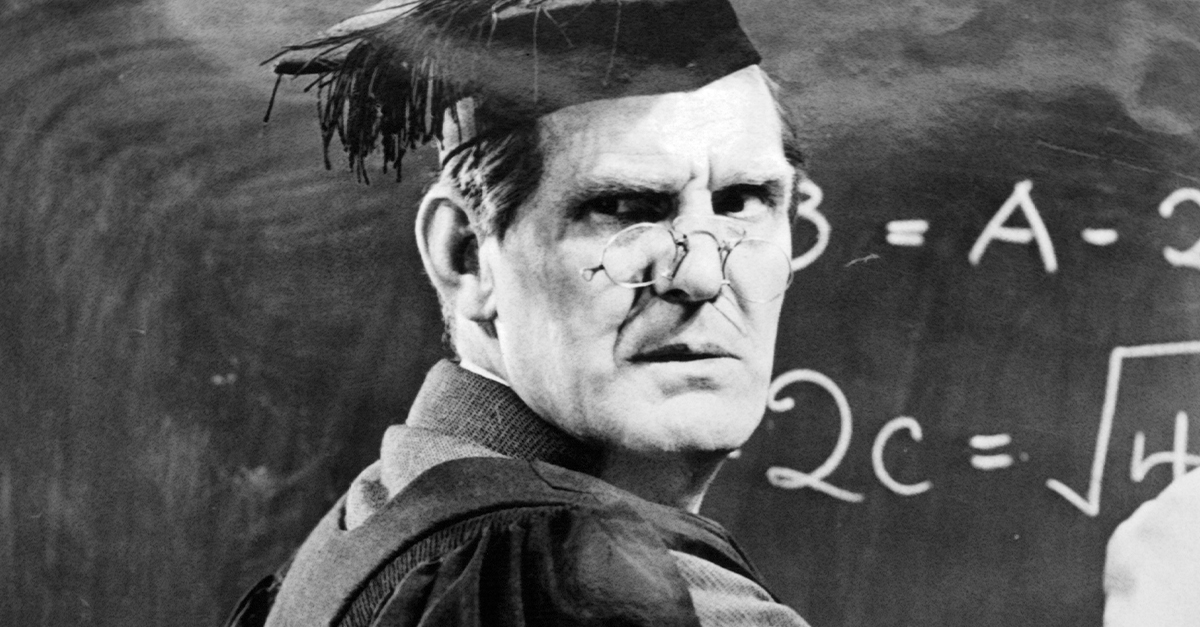
Lost Somewhere Between VHS And History
The 1960s gave us legendary classics like Psycho, The Graduate, 2001: A Space Odyssey, and Bonnie and Clyde. But for every movie that became so deeply ingrained in our collective movie memories, there were dozens that...didn’t.
And honestly? Some of these movies are genuinely great. Others are gloriously weird. But if you can remember even five of them without cheating, you might officially know way too much about old movies. And honestly? We think that’s awesome.
“The President’s Analyst” (1967)
Long before conspiracy thrillers became trendy, this bizarre little movie mixed Cold War paranoia with full-on absurd comedy. James Coburn plays a psychiatrist hired to treat the President of the United States...until every intelligence agency on Earth starts chasing him.
It feels like someone mashed together a spy movie, a political satire, and a fever dream. Somehow, it works way better than it should.
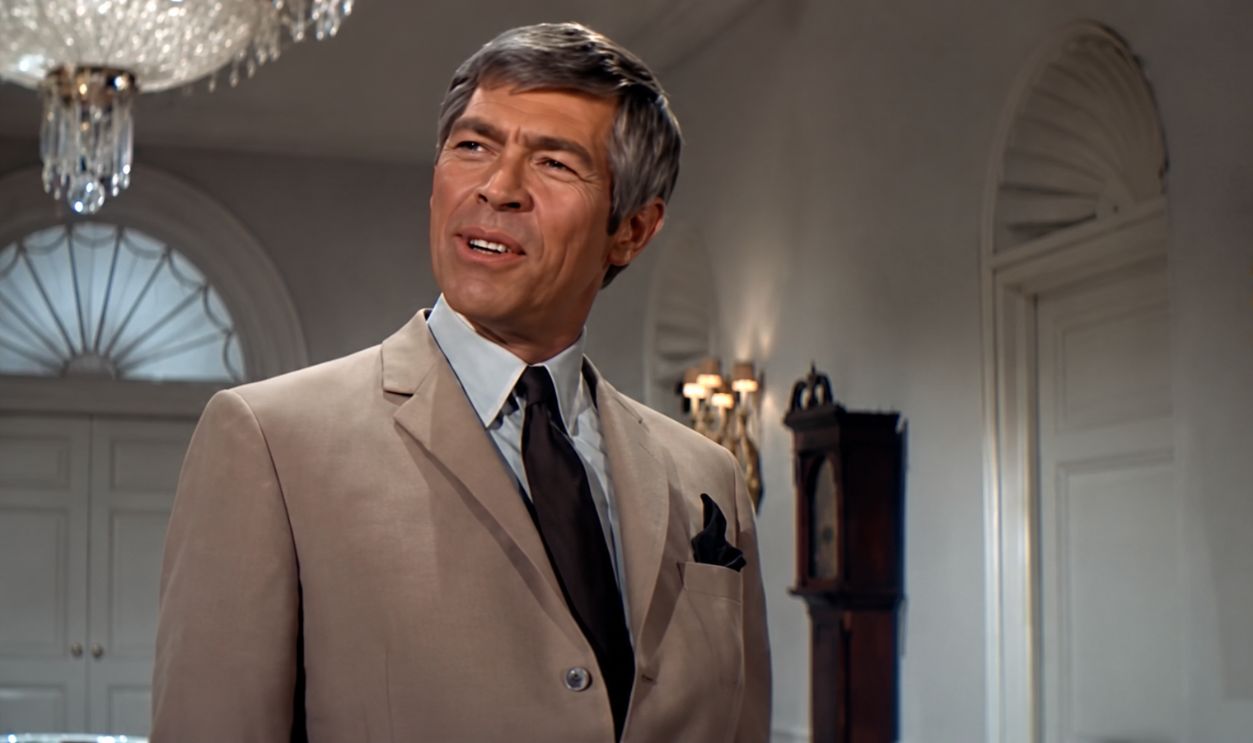 Screenshot from The President’s Analyst, Paramount Pictures (1967), Modified
“The Swimmer” (1968)
Burt Lancaster spends the entire movie swimming through backyard pools in suburban America. That sounds ridiculous because it absolutely is. But underneath the weird premise is a surprisingly dark psychological drama about denial, aging, and collapsing illusions.
The movie slowly gets stranger and sadder as it goes along. A lot of people discover it today and immediately wonder how this wasn’t considered a massive classic.
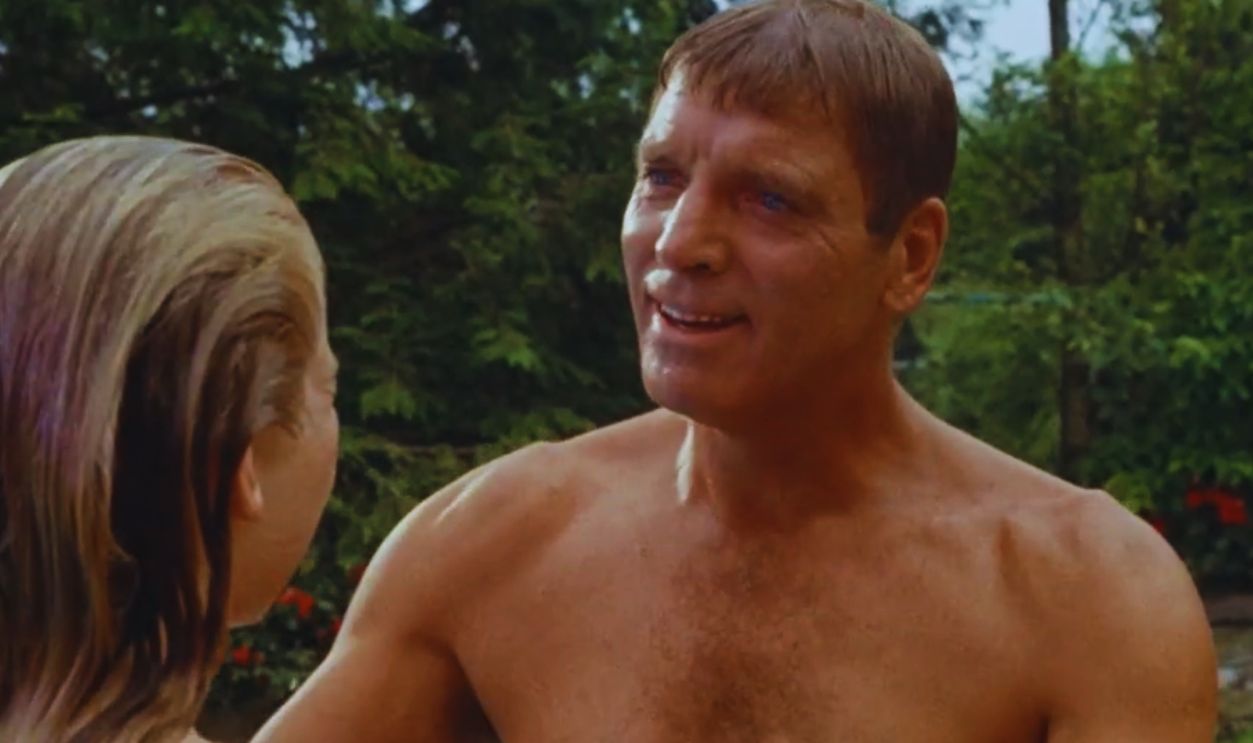 Screenshot from The Swimmer, Columbia Pictures (1968)
“Point Blank” (1967)
Lee Marvin walks through this movie like an unstoppable ghost fueled entirely by revenge. The plot is technically about a criminal trying to recover stolen money, but the style is what people remember. Sharp editing, surreal visuals, and strange dreamlike scenes made it feel decades ahead of its time.
Modern crime directors absolutely owe this movie a thank-you card.
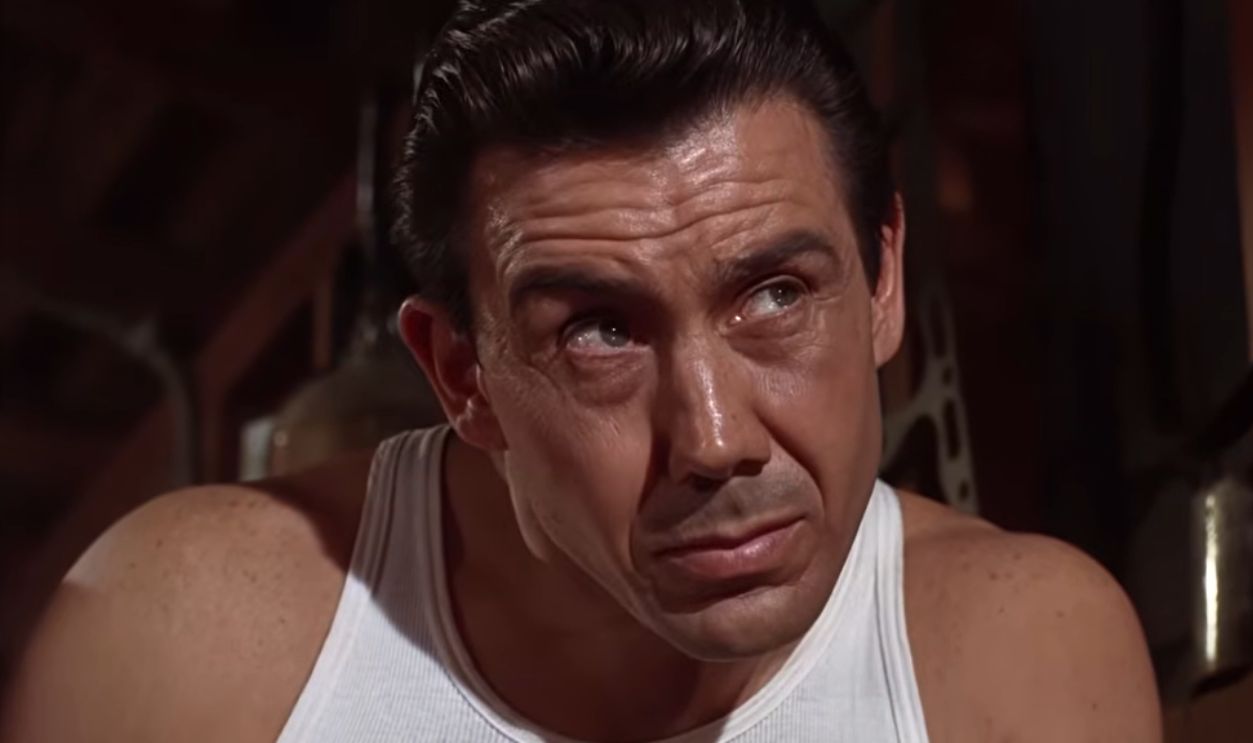 Screenshot from Point Blank, Metro-Goldwyn-Mayer (1967)
“Robinson Crusoe on Mars” (1964)
Exactly what the title promises: Robinson Crusoe...but on Mars.
The movie somehow turns this ridiculous concept into a genuinely entertaining sci-fi survival story. The visuals were surprisingly ambitious for the time, especially considering the budget.
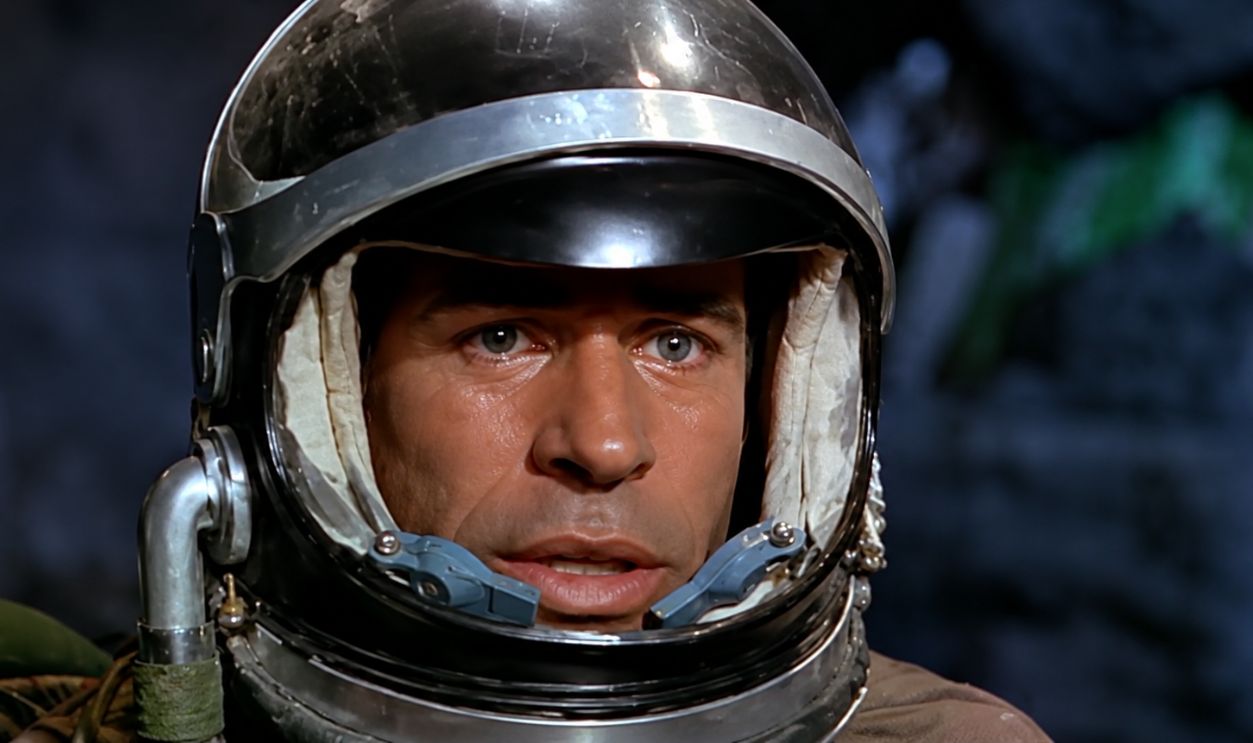 Screenshot from Robinson Crusoe on Mars, Paramount Pictures (1964), Modified
“The Loved One” (1965)
A comedy about the funeral business does not sound like a fun night at the movies. Yet somehow this one assembled an absurdly stacked cast and turned death into a giant Hollywood satire.
It’s dark, awkward, cynical, and occasionally completely insane. Which honestly describes a surprising number of 60s movies once you really start digging into them.
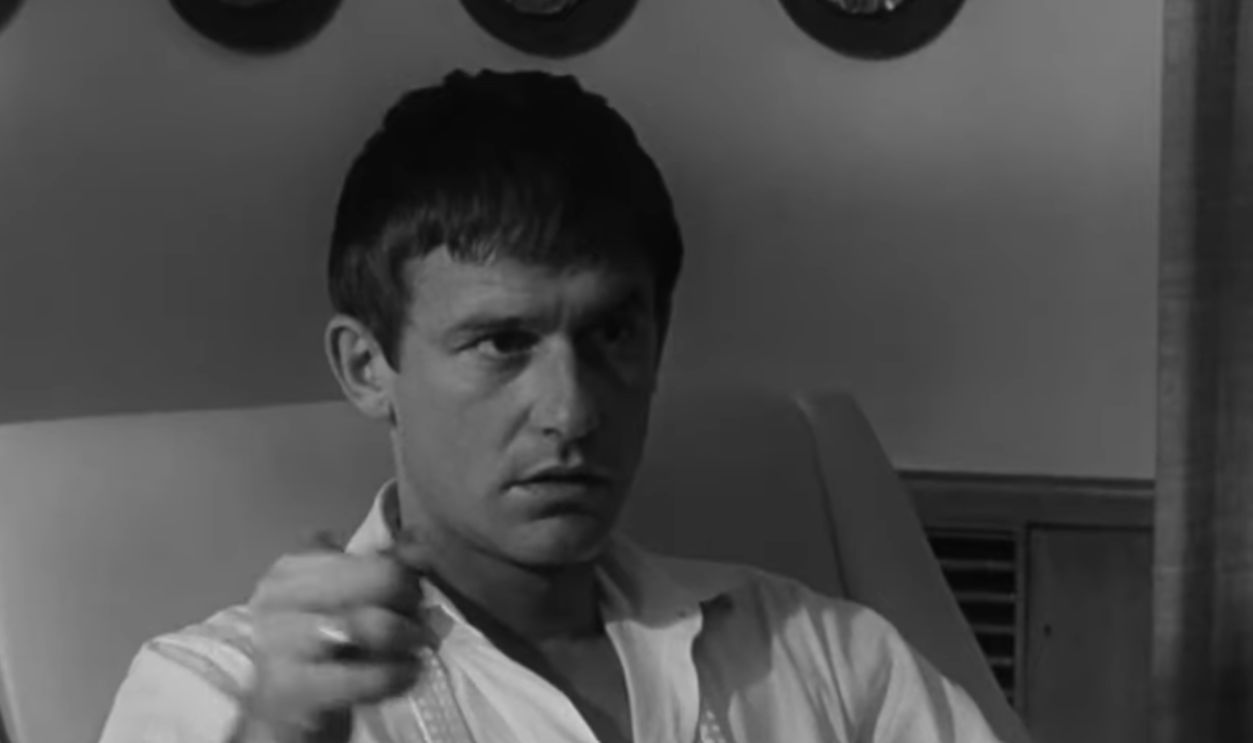 Screenshot from The Loved One, Metro-Goldwyn-Mayer (1965)
“Seconds” (1966)
This might be one of the creepiest movies of the entire decade. John Frankenheimer directed this unsettling psychological thriller about a man who undergoes a secret procedure to completely reinvent his life with a new identity and appearance.
The movie bombed when it came out. Today, people watch it and realize it feels uncomfortably modern.
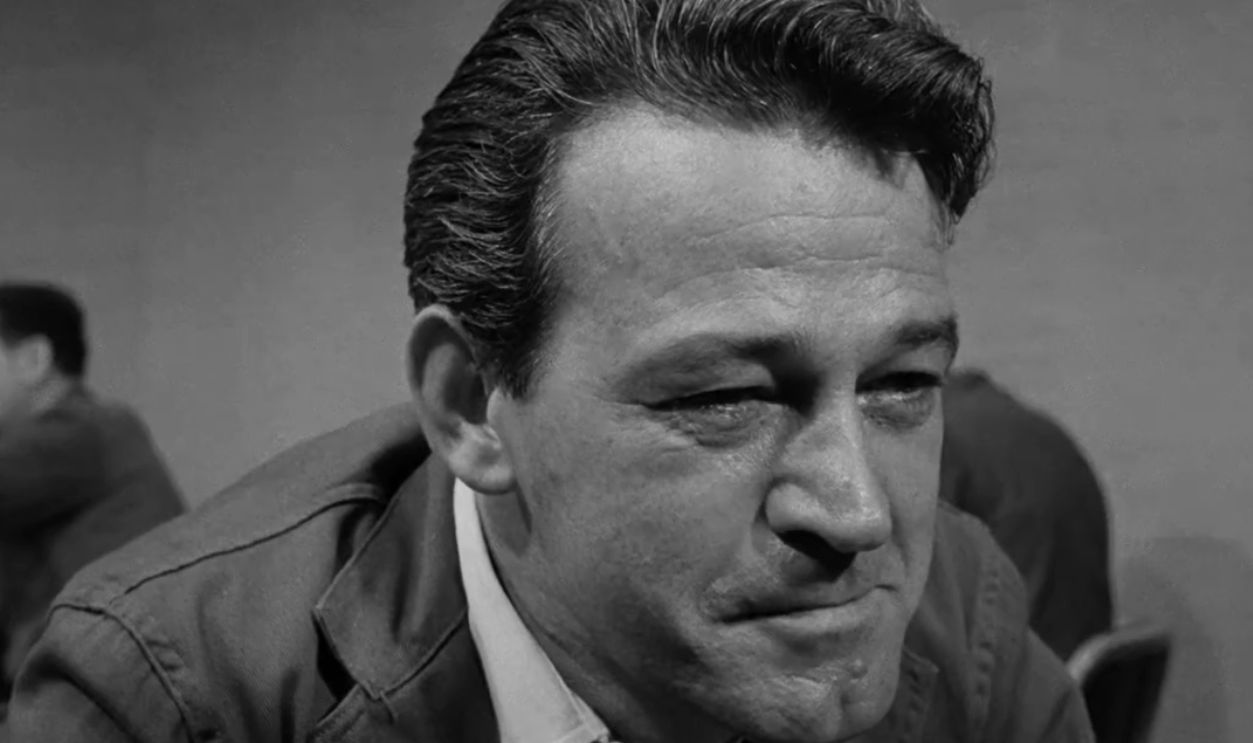 Screenshot from Seconds, Paramount Pictures (1966)
“Harper” (1966)
Paul Newman plays private detective Lew Harper with so much effortless cool that you almost forget how complicated the actual mystery gets. The movie mixes noir detective storytelling with that very specific laid-back 60s California vibe.
If you like detective movies but somehow missed this one, you’re probably going to enjoy yourself immediately.
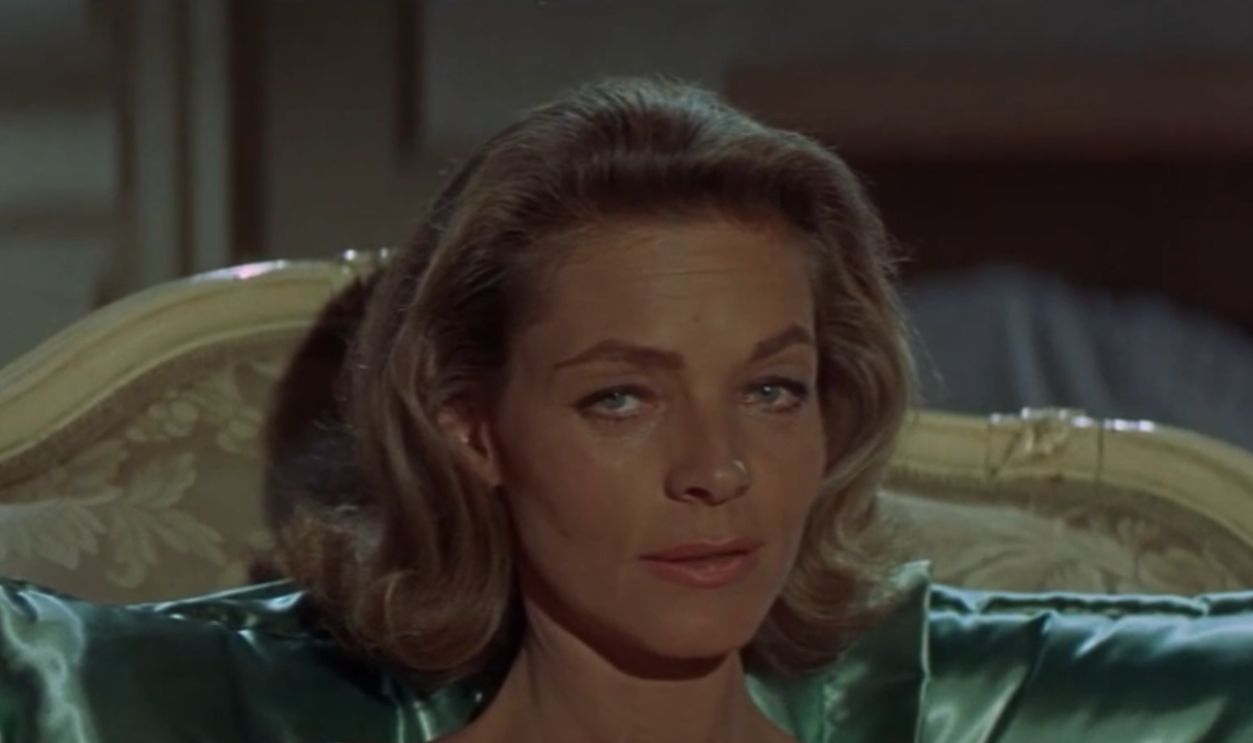 Screenshot from Harper, Warner Bros. Pictures (1966)
“The Train” (1964)
Most war movies from the era leaned heavily into spectacle. This one decided to become a tense thriller about stolen artwork and trains instead. And this is another John Frankenheimer film. Honestly, for such a respected director, an amazing number of Frankenheimer’s movies seem to have quietly faded from modern movie conversations.
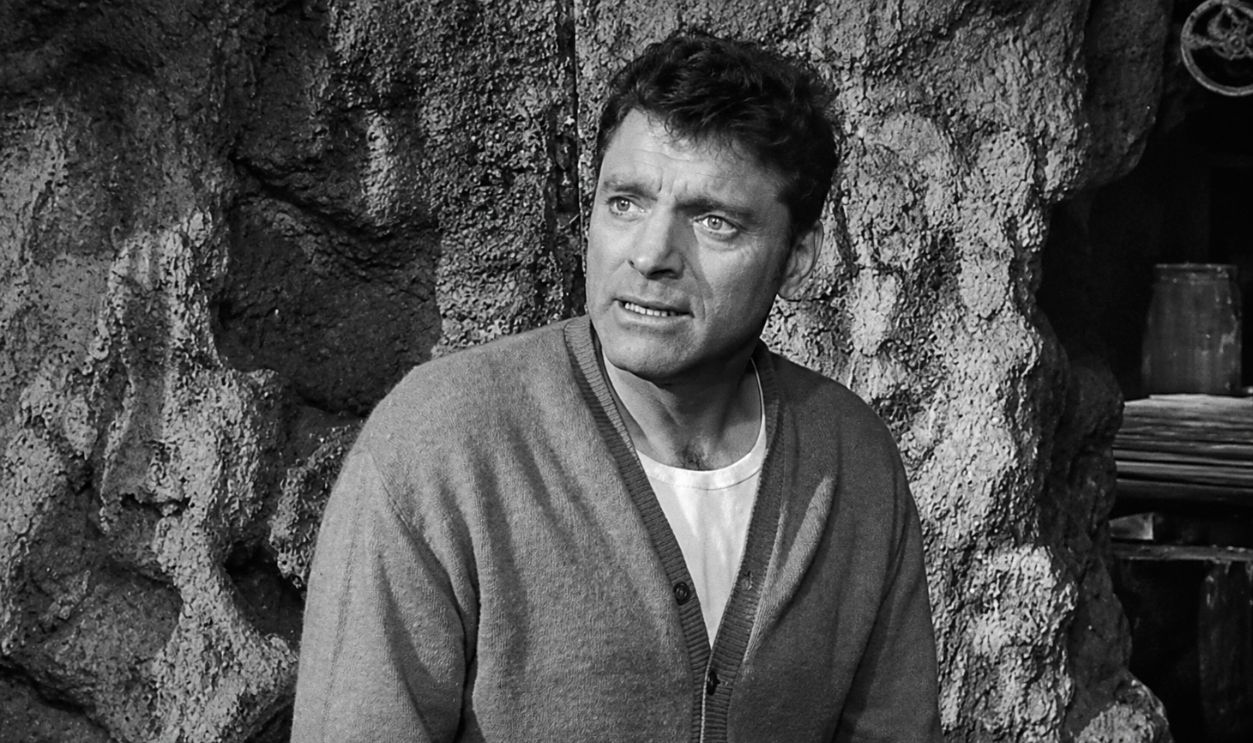 Screenshot from The Train, United Artists (1964), Modified
“Wild in the Streets” (1968)
This movie basically asked: “What if teenagers took over the entire United States government?” And somehow the answer involves rock music, political chaos, and mandatory retirement camps for older people.
It’s ridiculous...but also weirdly accurate about generational panic and media hysteria.
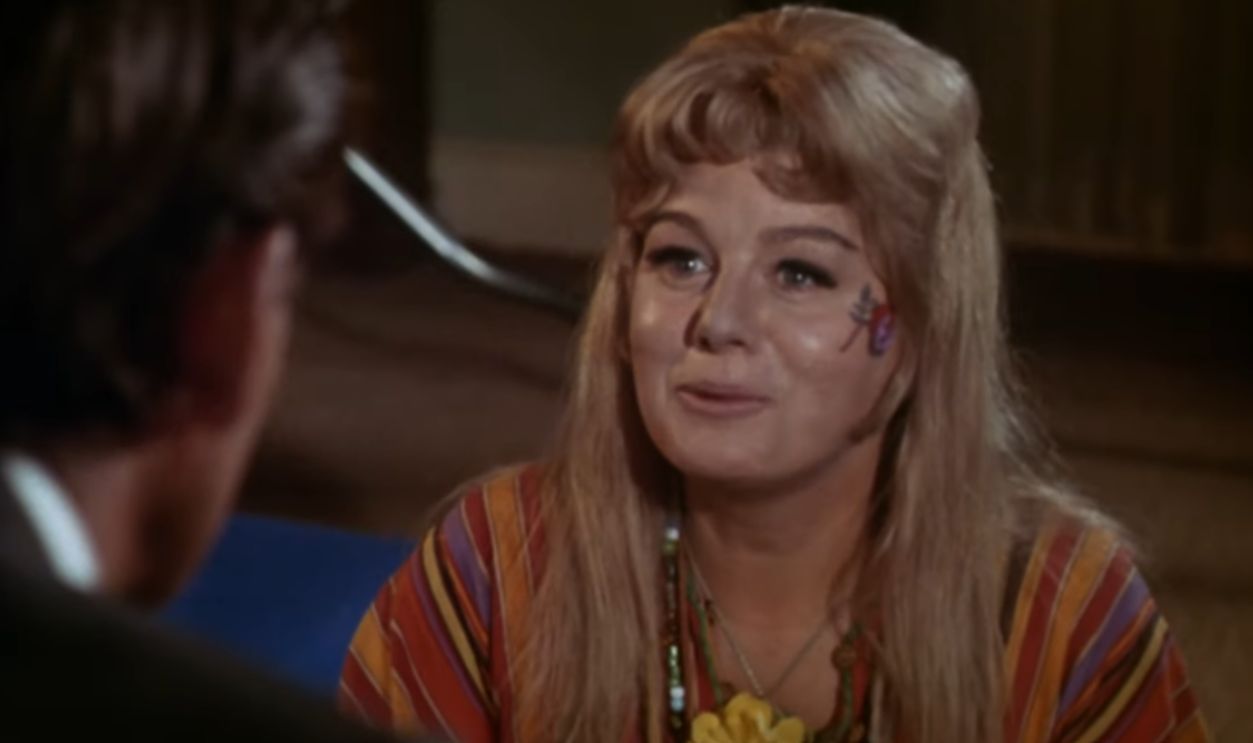 Screenshot from Wild in the Streets, American International Pictures (1968)
“The Incident” (1967)
Almost the entire movie takes place on a New York subway train while two violent young criminals terrorize the passengers. That simple setup creates an incredibly tense atmosphere that gets more uncomfortable minute by minute.
The cast is loaded with future stars before they became famous, which makes rewatching it even more interesting now.
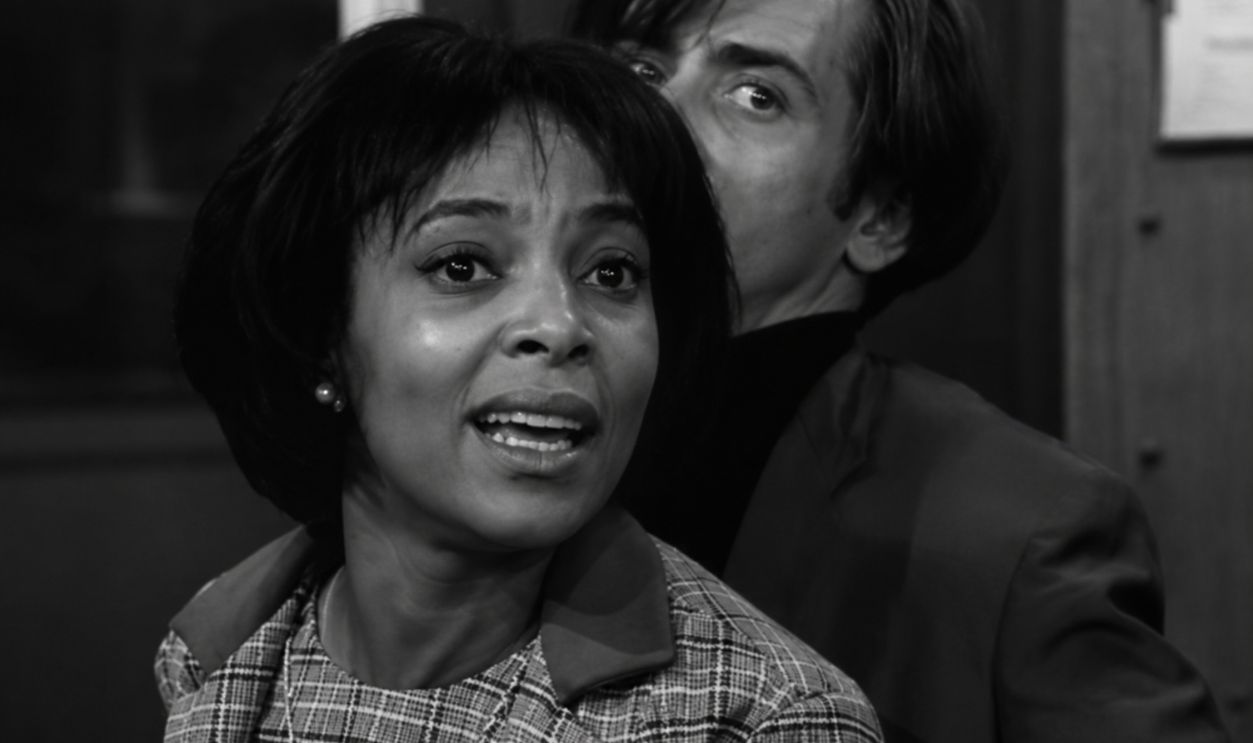 Screenshot from The Incident, 20th Century Fox (1967), Modified
“Hell in the Pacific” (1968)
Lee Marvin and Toshiro Mifune spend most of this movie stranded on an island during World War II trying to decide whether to kill each other or cooperate to survive.
There’s barely any dialogue for long stretches, yet it somehow stays completely gripping. Watching these two legendary actors silently glare at each other becomes the entire movie experience.
 Screenshot from Hell in the Pacific, Selmur Pictures (1968), Modified
“The Last Man on Earth” (1964)
Before The Omega Man and I Am Legend, there was this eerie Vincent Price adaptation of Richard Matheson’s novel. Price spends most of the movie wandering through an empty world while being hunted by vampire-like creatures.
It was made on a tiny budget, but the lonely atmosphere still works beautifully.
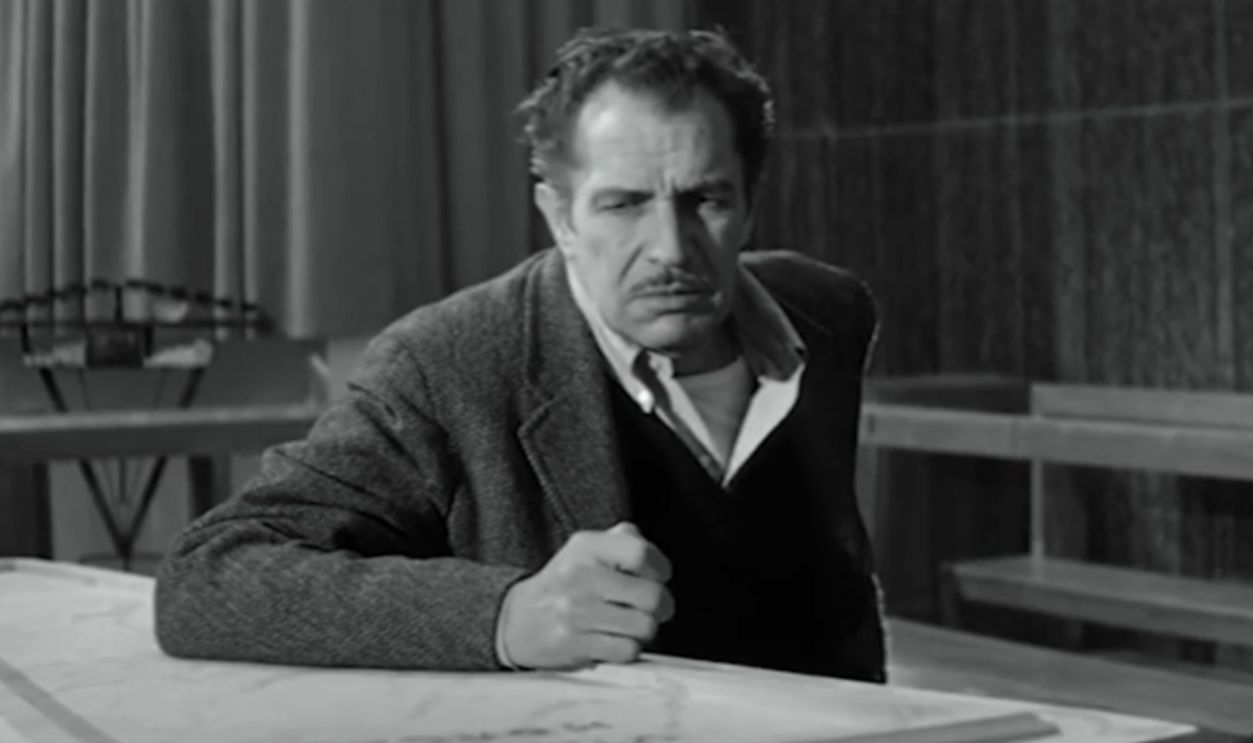 Screenshot from The Last Man on Earth, American International Pictures (1964)
“The Russians Are Coming, the Russians Are Coming” (1966)
A Soviet submarine accidentally runs aground near a small New England town, causing absolute panic among the locals. The Cold War comedy somehow manages to be both goofy and surprisingly smart.
For a movie built around international paranoia, it’s actually pretty warm-hearted underneath all the chaos.
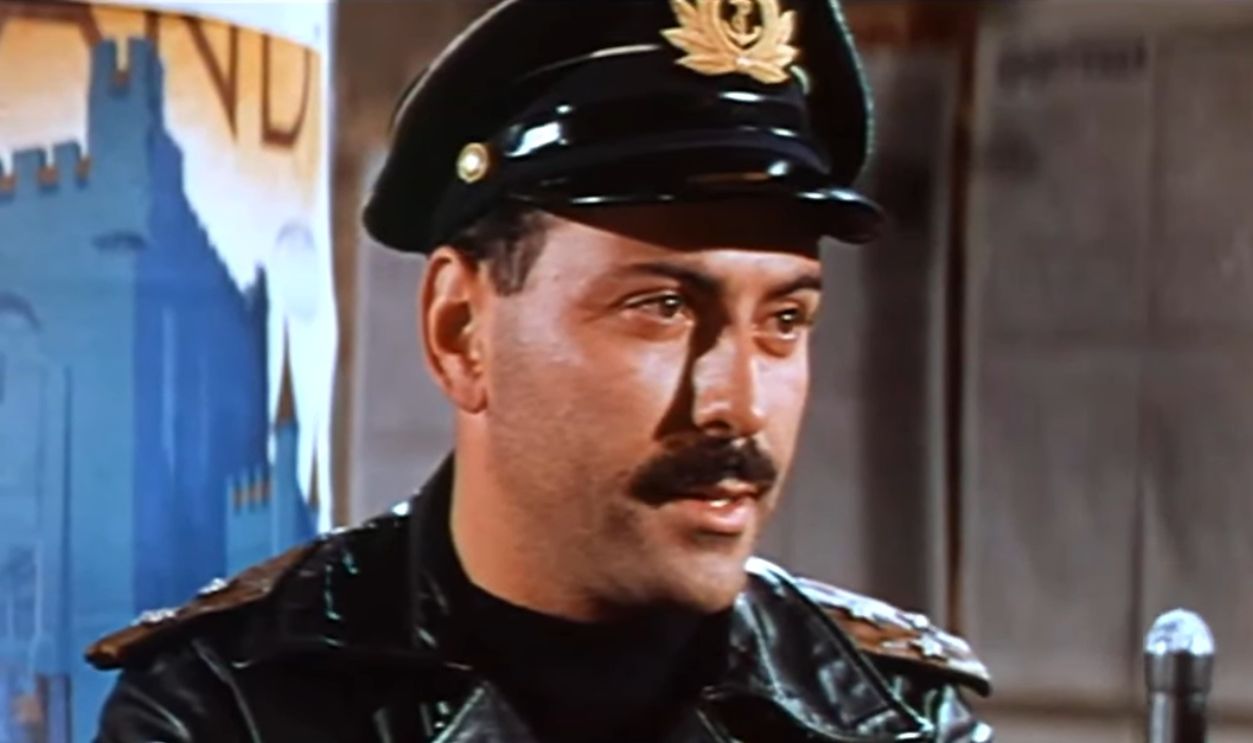 Screenshot from The Russians Are Coming, the Russians Are Coming, United Artists (1966)
“Lady in a Cage” (1964)
Olivia de Havilland spends the movie trapped inside a malfunctioning elevator while violent criminals invade her home. Yes, the premise is basically nightmare fuel.
The movie gets much darker and nastier than audiences expected at the time, which helped it develop a cult reputation later on.
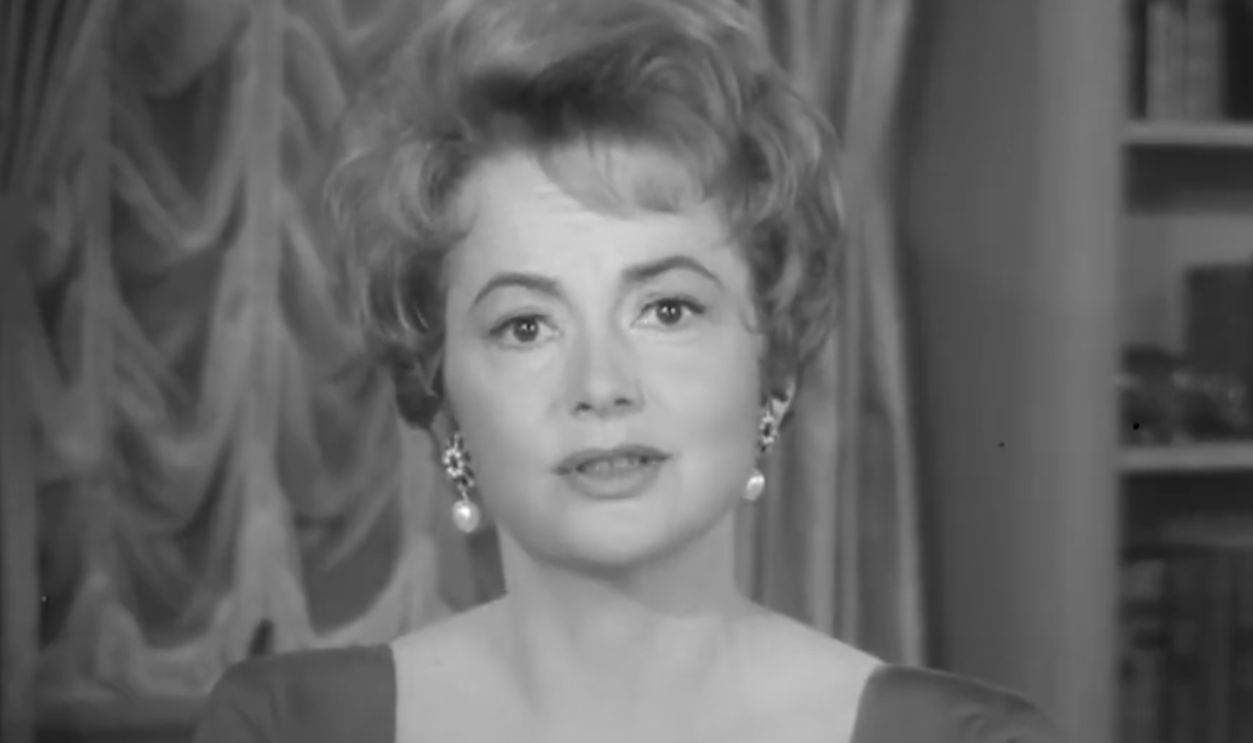 Screenshot from Lady in a Cage, Paramount Pictures (1964)
“The Night of the Iguana” (1964)
Richard Burton, Ava Gardner, and Deborah Kerr all look emotionally exhausted in this Tennessee Williams adaptation...which is exactly why it works. Nearly everyone in the movie feels messy, bitter, lonely, or completely lost.
It’s sweaty, dramatic, uncomfortable, and very 60s in the best possible way.
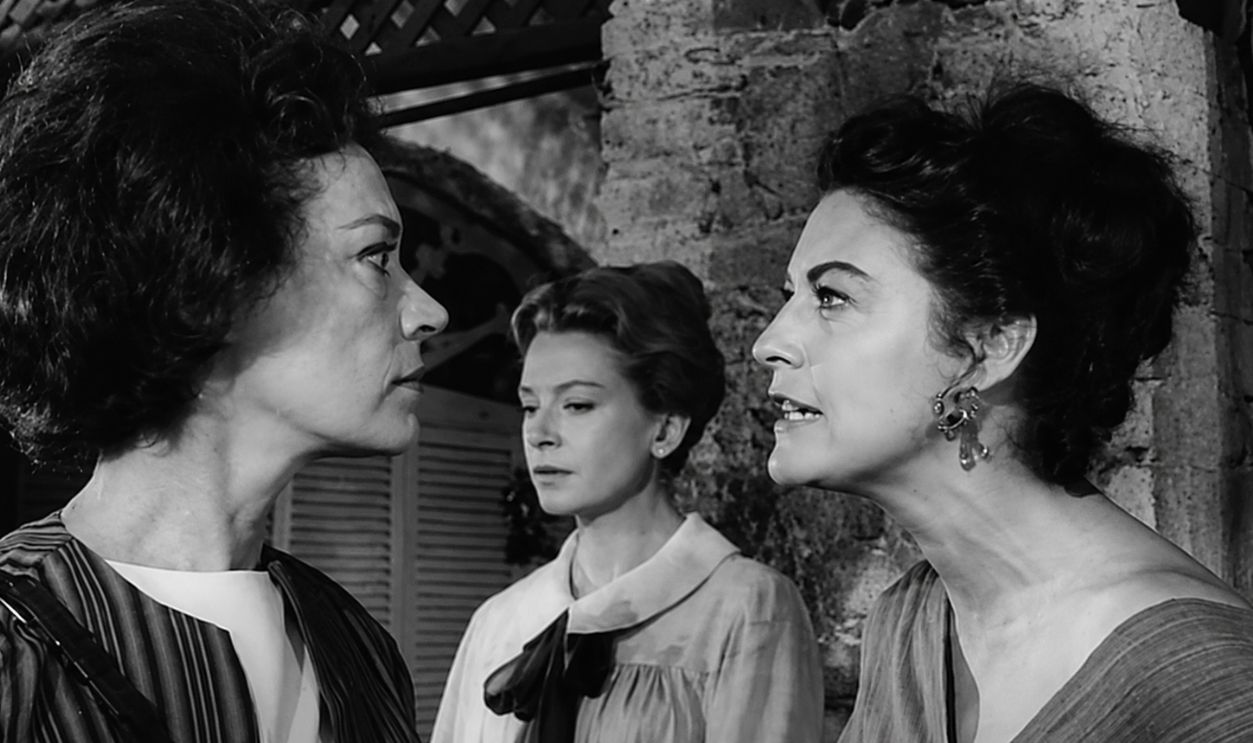 Screenshot from The Night of the Iguana, Metro-Goldwyn-Mayer (1964), Modified
“The Illustrated Man” (1969)
Ray Bradbury stories are connected through the tattoos covering Rod Steiger’s body, with each design leading into another strange science-fiction tale. The movie is ambitious, weird, and occasionally deeply unsettling.
Some parts work better than others, but the atmosphere alone makes it memorable.
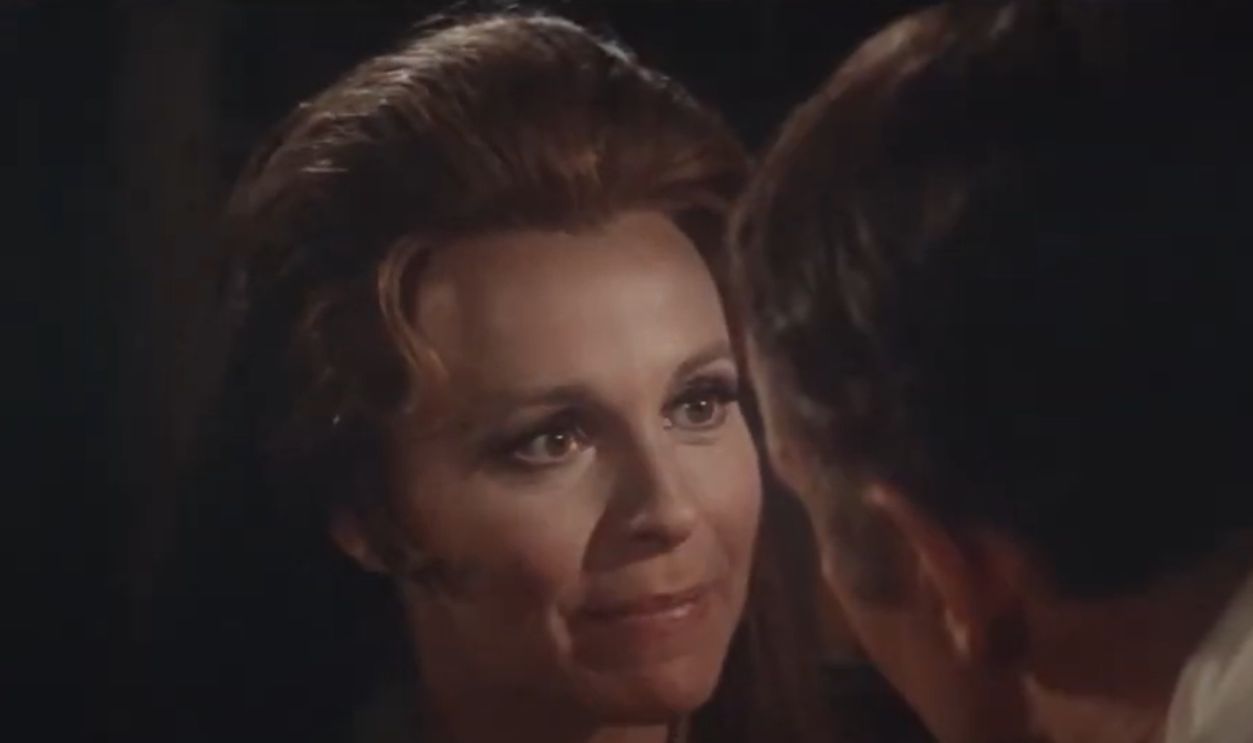 Screenshot from The Illustrated Man, Warner Bros.-Seven Arts (1969)
“Bunny Lake Is Missing” (1965)
A woman insists her young daughter has disappeared from school. The problem? Nobody can prove the child ever existed in the first place.
That setup alone is enough to make people immediately interested. The movie keeps getting stranger as it unfolds, and the psychological tension never really lets up.
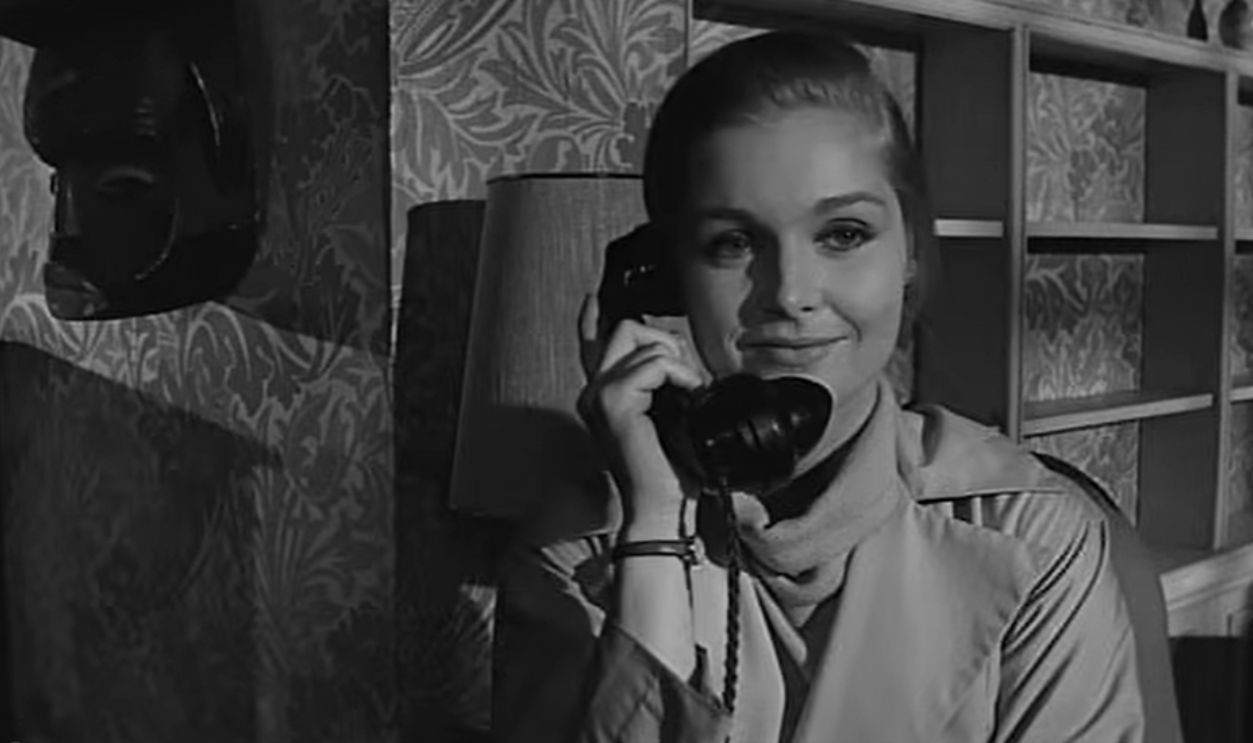 Screenshot from Bunny Lake Is Missing, Columbia Pictures
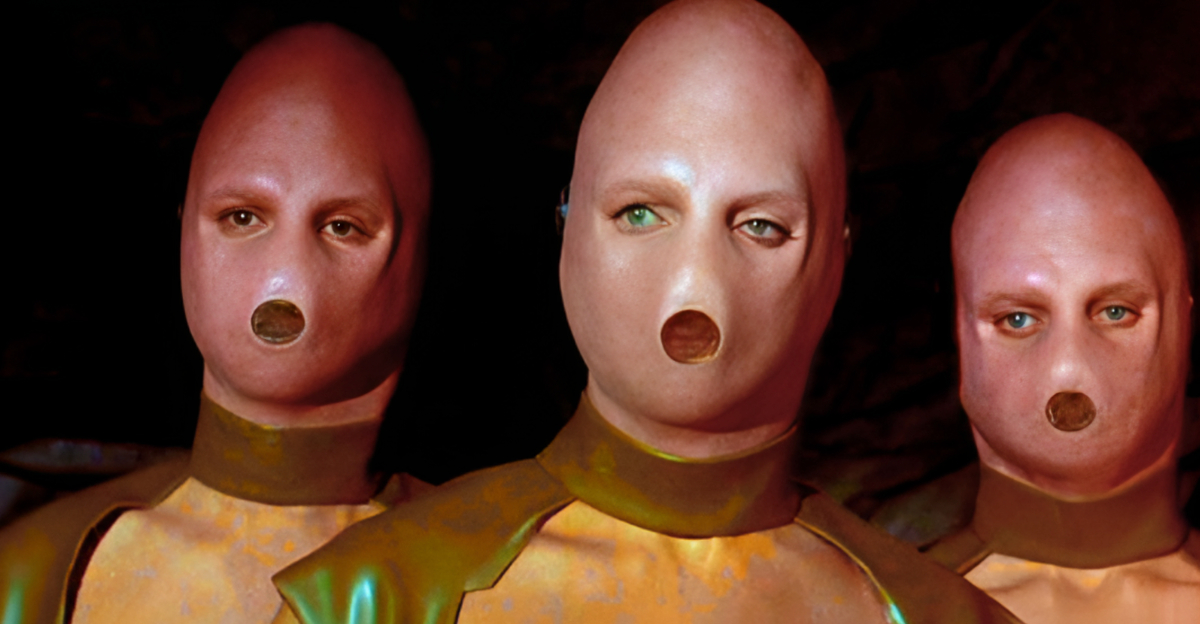
“The Time Travelers” (1964)
Scientists accidentally open a portal into the future and discover humanity living underground after civilization collapses. The special effects are extremely low-budget even by 60s standards...but honestly, that becomes part of the charm.
This feels like the kind of movie you’d accidentally discover at 2 a.m. and end up watching all the way through.
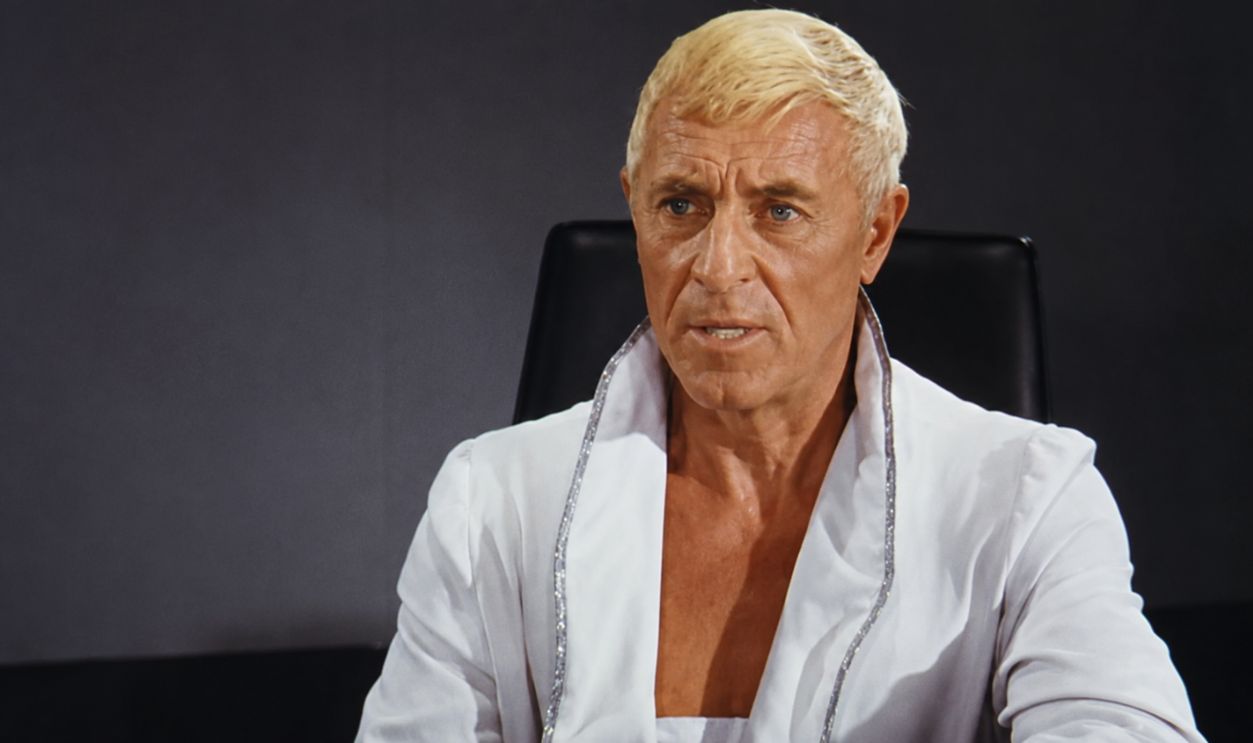 Screenshot from The Time Travelers, American International Pictures (1964), Modified
“One Potato, Two Potato” (1964)
This drama about interracial marriage was unusually bold for its time and handled subjects many Hollywood studios still avoided in the mid-60s.
It’s quiet, heartbreaking, and much more realistic than audiences expected back then. Modern viewers are often surprised this movie existed at all in 1964.
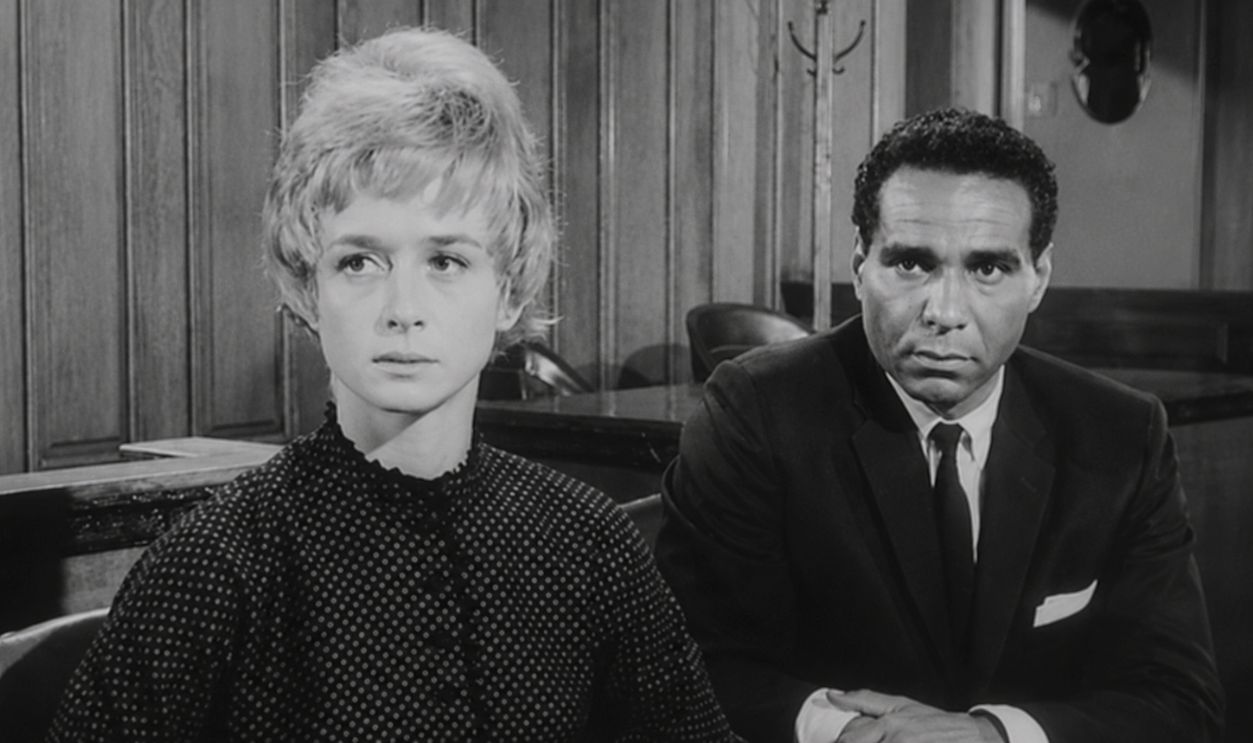 Screenshot from One Potato, Two Potato, Cinema V (1964), Modified
“The Fearless Vampire Killers” (1967)
Roman Polanski directed this strange horror-comedy starring Jack MacGowran and Sharon Tate. The movie bounces between creepy Gothic visuals and complete silliness every few minutes.
It’s stylish, weirdly charming, and definitely not your typical vampire movie.
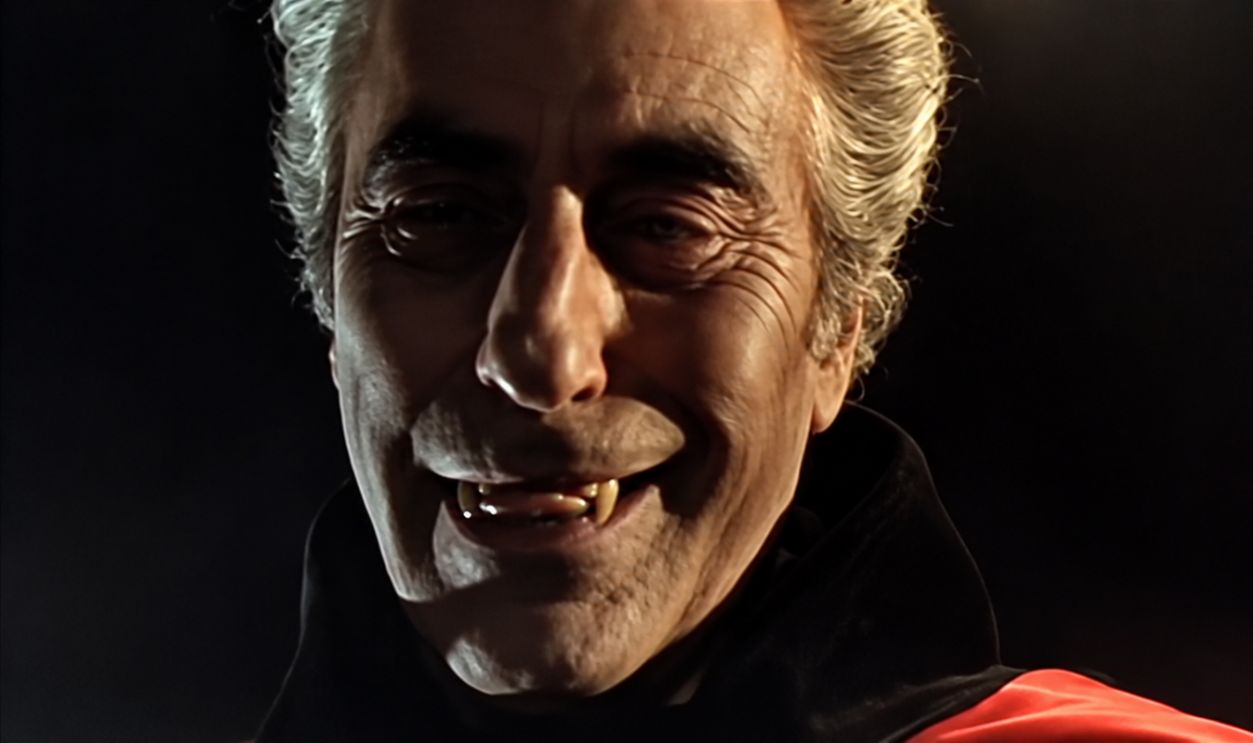 Screenshot from The Fearless Vampire Killers, Metro-Goldwyn-Mayer (1967)
“Charly” (1968)
Cliff Robertson won an Academy Award for playing a mentally disabled man who undergoes an experimental procedure that dramatically increases his intelligence.
The movie becomes increasingly emotional as the character realizes the effects may only be temporary. It hit audiences hard at the time, then somehow slowly faded from public memory.
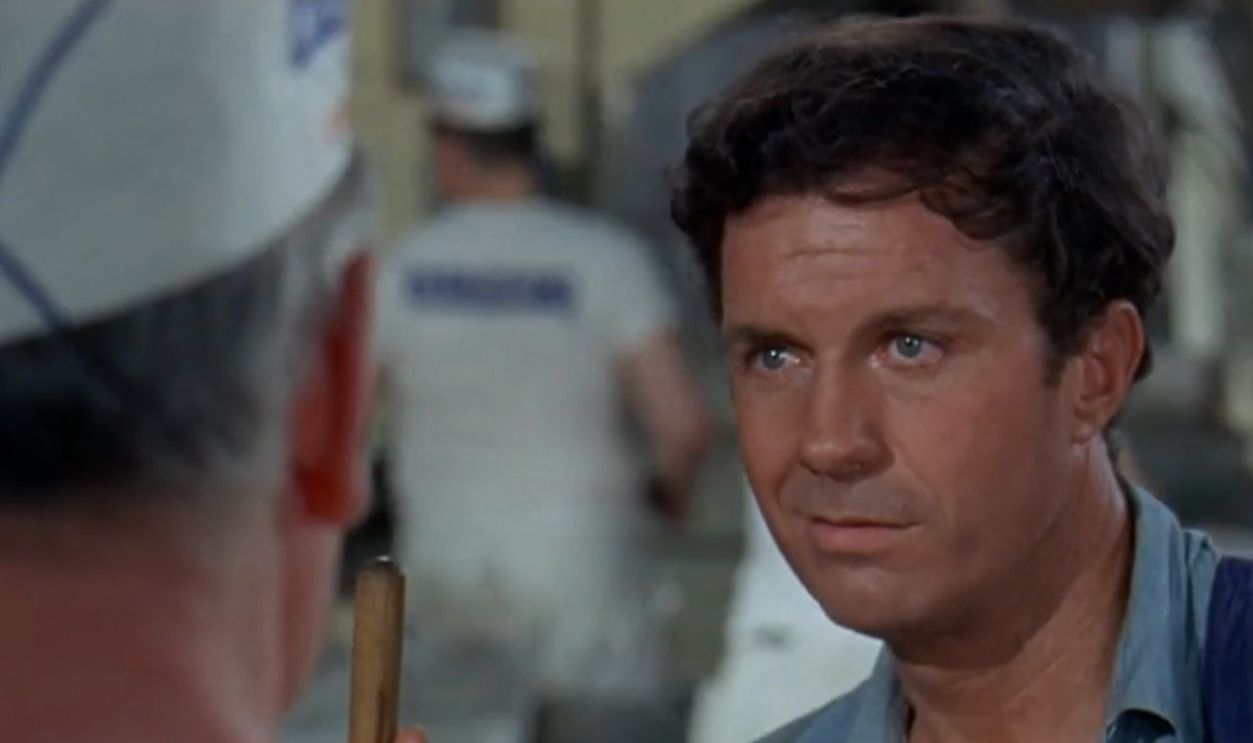 Screenshot from Charly, Cinerama Releasing Corporation (1968)
“The Devils Brigade” (1968)
William Holden leads an American-Canadian commando unit during World War II in this rugged war movie that somehow doesn’t get mentioned very often anymore.
The chemistry between the cast carries the whole thing. It also has that gritty late-60s war movie energy before the genre became much darker in the 70s.
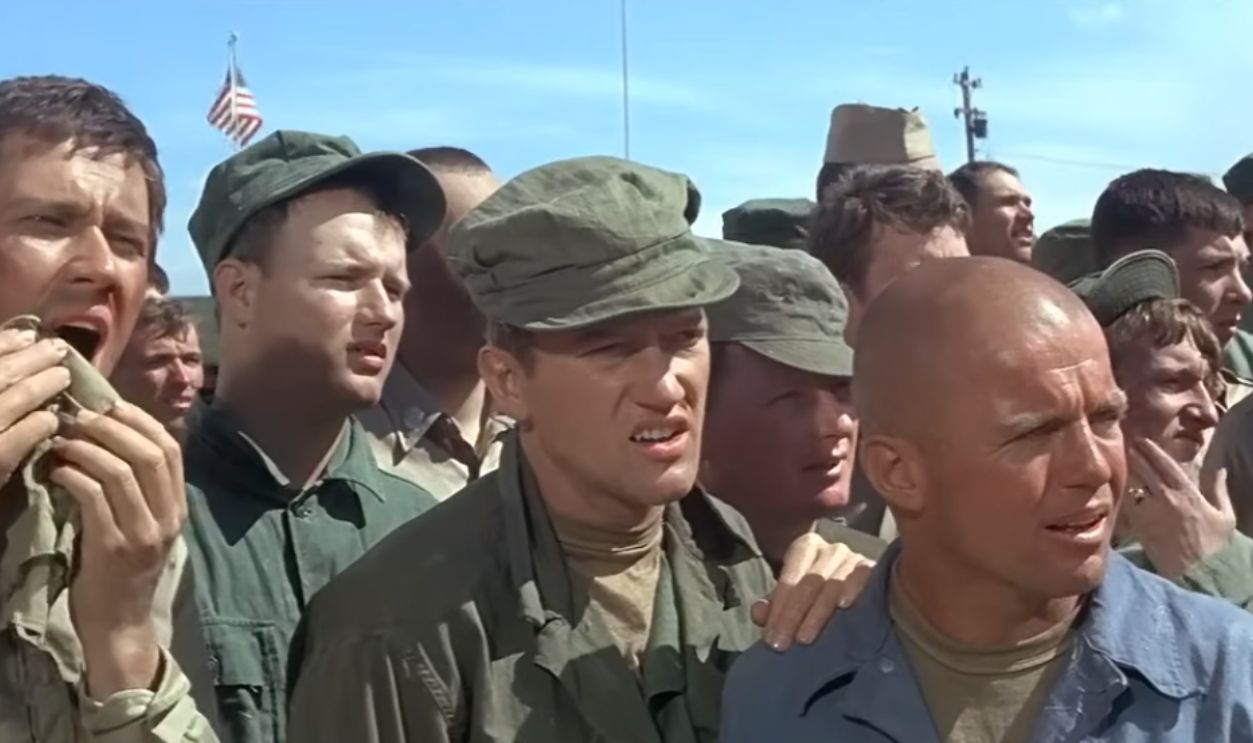 Screenshot from The Devils Brigade, United Artists (1968)
“The Shooting” (1966)
Jack Nicholson appears in this strange low-budget western directed by Monte Hellman. The movie feels less like a traditional western and more like a mysterious existential nightmare happening in the desert.
People expecting cowboys and action were probably very confused in 1966.
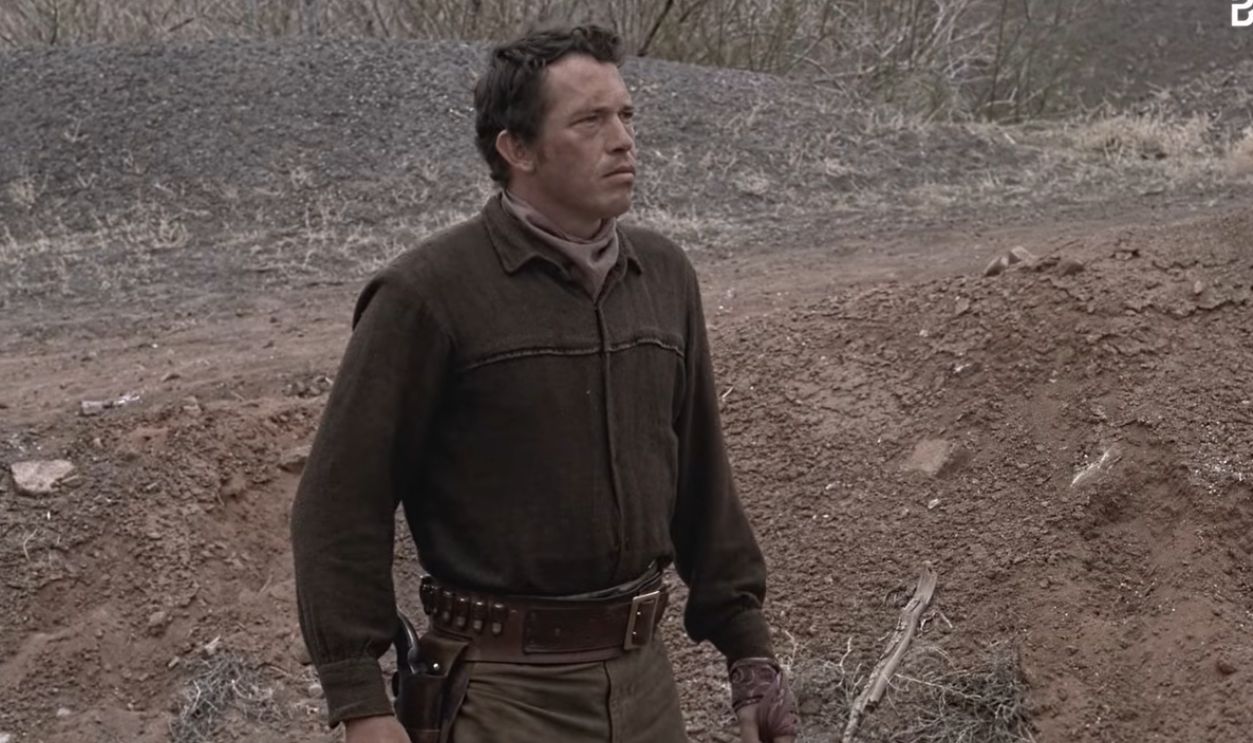 Screenshot from The Shooting, Jack H. Harris Enterprises (1966)
“Targets” (1968)
Boris Karloff plays an aging horror actor confronting the terrifying reality that real-world violence is becoming scarier than movie monsters.
Meanwhile, another storyline follows a seemingly ordinary young man descending into mass violence. The movie feels shockingly modern and uncomfortable now.
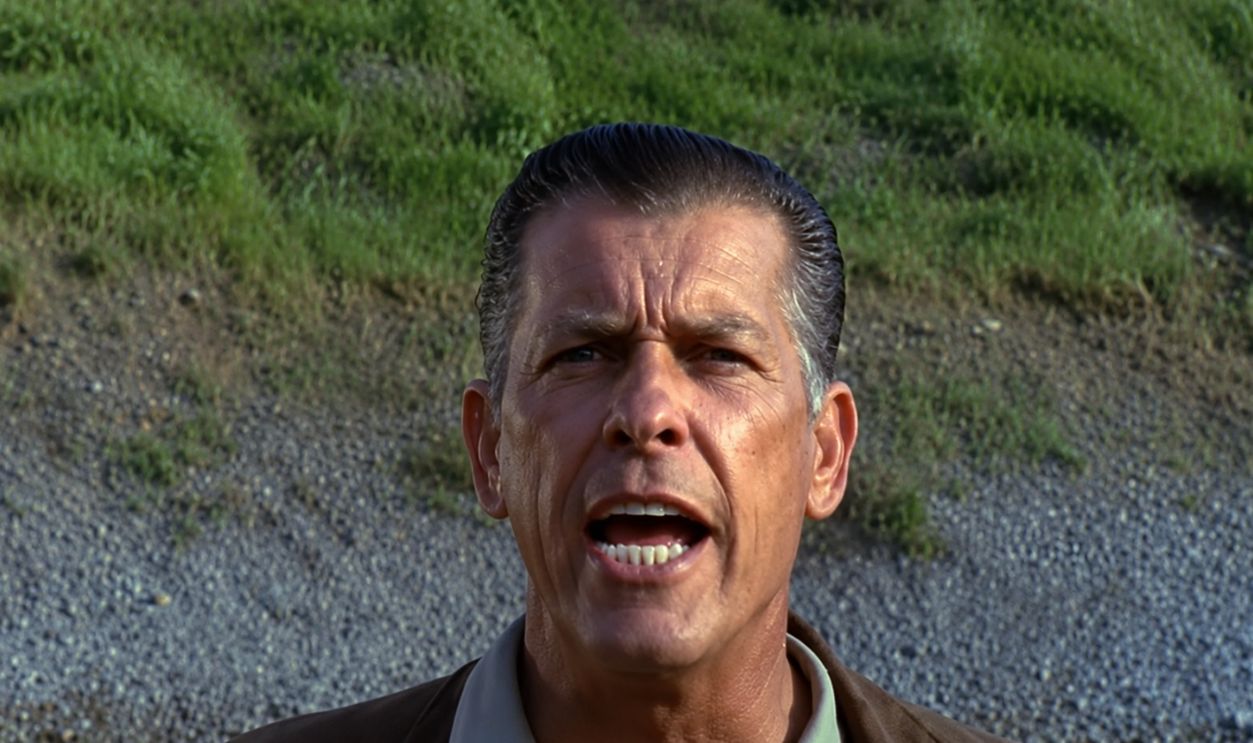 Screenshot from Targets, Paramount Pictures (1968), Modified
“The Bedford Incident” (1965)
What starts as a tense naval thriller slowly turns into a terrifying Cold War standoff between an American destroyer and a Soviet submarine.
Sidney Poitier and Richard Widmark are both excellent here. The ending also hits like a brick wall.
 Screenshot from The Bedford Incident, Columbia Pictures (1965), Modified
“A Dandy in Aspic” (1968)
A British spy discovers he’s been assigned to hunt...himself. That’s the movie.
The production became chaotic after director Anthony Mann died during filming, but the final result still has a cool paranoid atmosphere that spy movie fans usually love discovering.
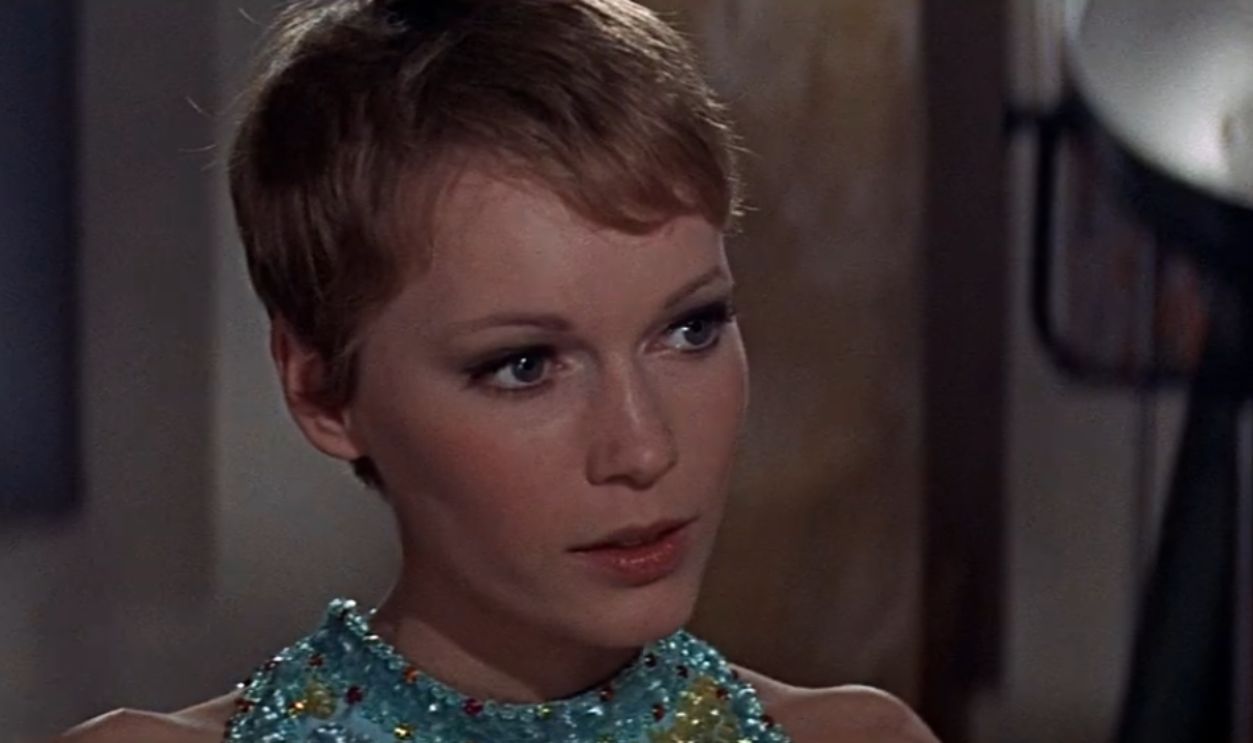 Screenshot from A Dandy in Aspic, Columbia Pictures (1968)
“Shock Corridor” (1963)
Samuel Fuller directed this strange, intense psychological drama about a journalist who gets himself committed to a mental institution to investigate a murder. Predictably, things go very badly.
The movie feels chaotic, uncomfortable, and way ahead of its time. Fuller throws subtlety completely out the window here...which is honestly part of what makes it memorable. Although apparently not memorable enough for most people born after 1980.
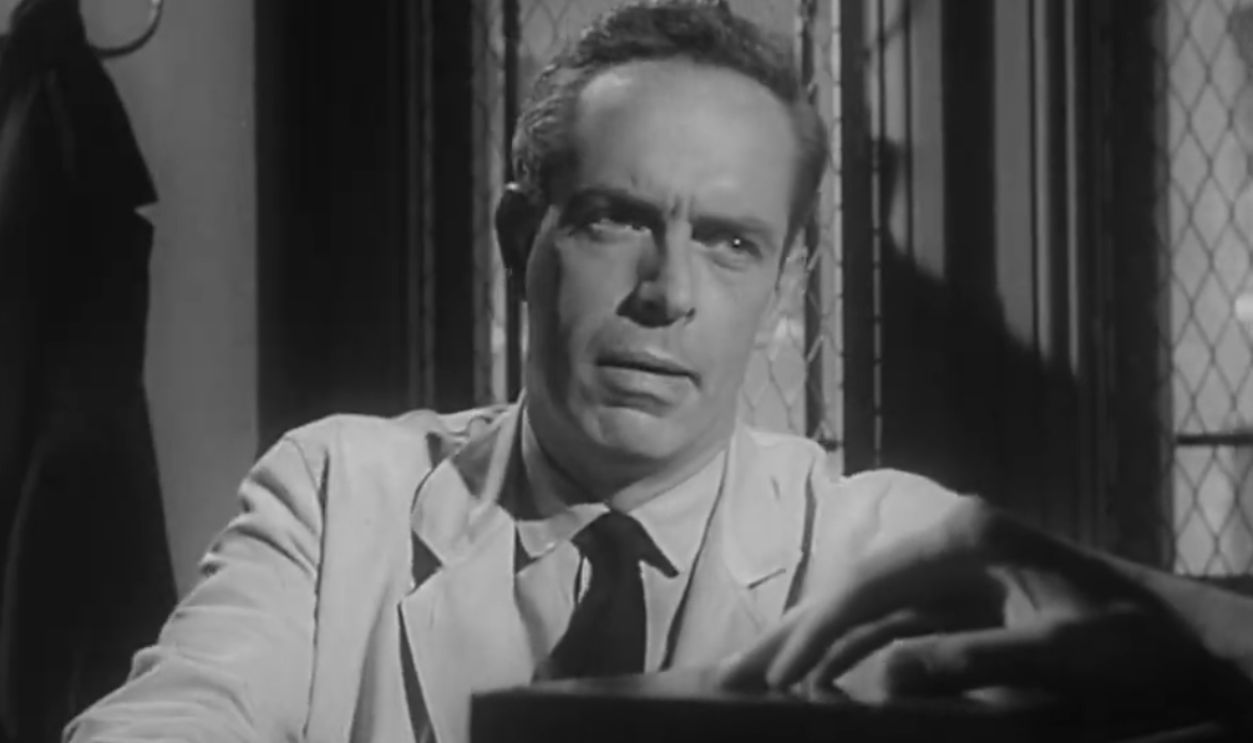 Screenshot from Corridor, Allied Artists Pictures (1963)
“The Saragossa Manuscript” (1965)
This surreal Polish fantasy film became legendary among movie nerds and musicians, especially after members of the Grateful Dead helped fund its restoration years later.
The story keeps folding into itself with nested stories, strange encounters, and bizarre dream logic. Watching it feels like falling asleep during a history lecture and having a very strange dream.
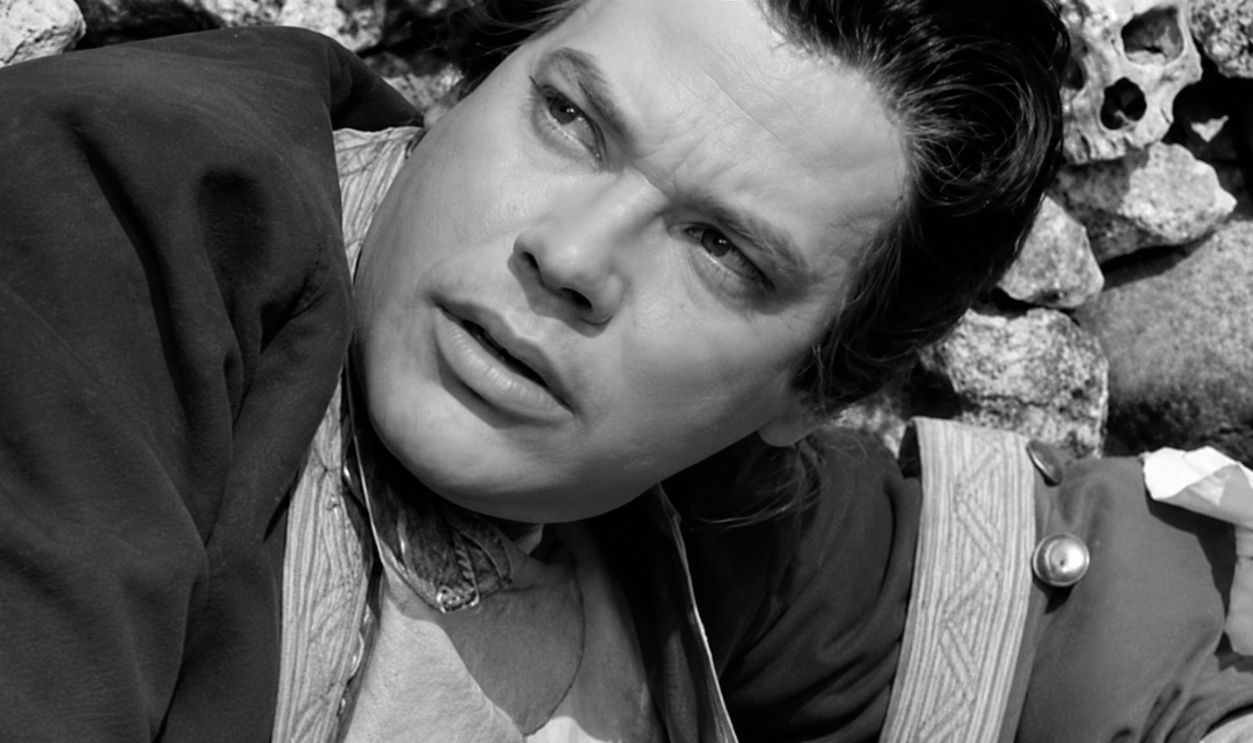 Screenshot from The Saragossa Manuscript, Film Polski (1965), Modified
You Might Also Like:
Songs That Were Recorded In One Take—How Many Have You Heard?