
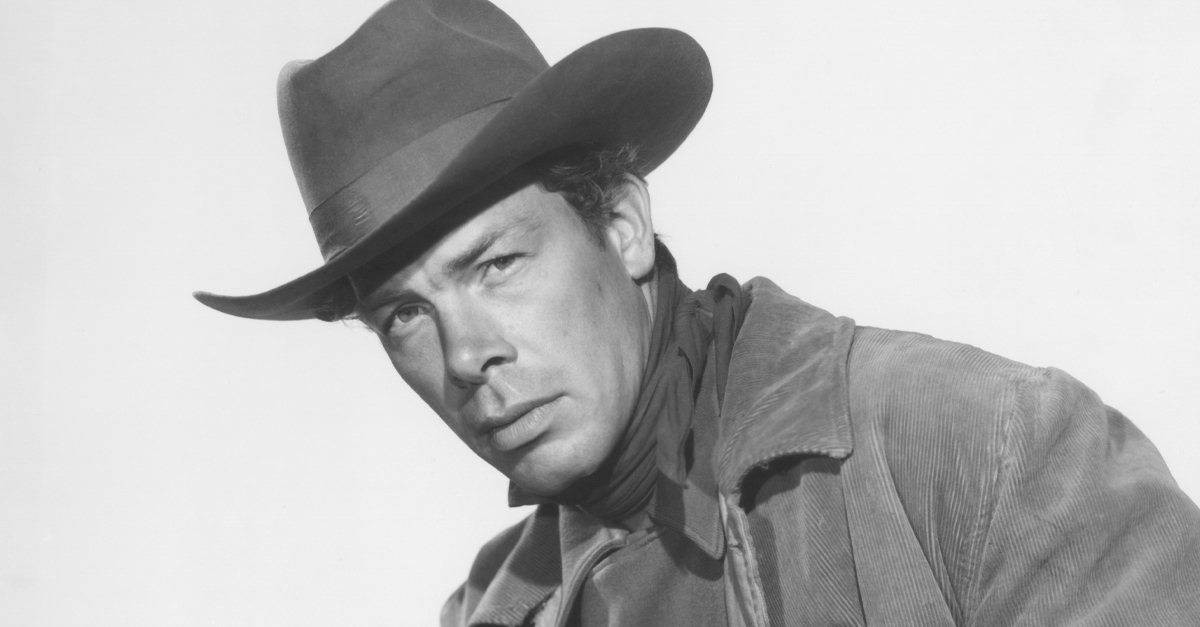
A Face Carved From Granite
Lee Marvin had one of the most unmistakable faces in Hollywood. With his gravelly voice and icy stare, he became the gold standard for cinematic tough guys. But unlike many actors who only played hard men, Marvin had already lived a life that earned him that reputation.
A Troubled Start In New York
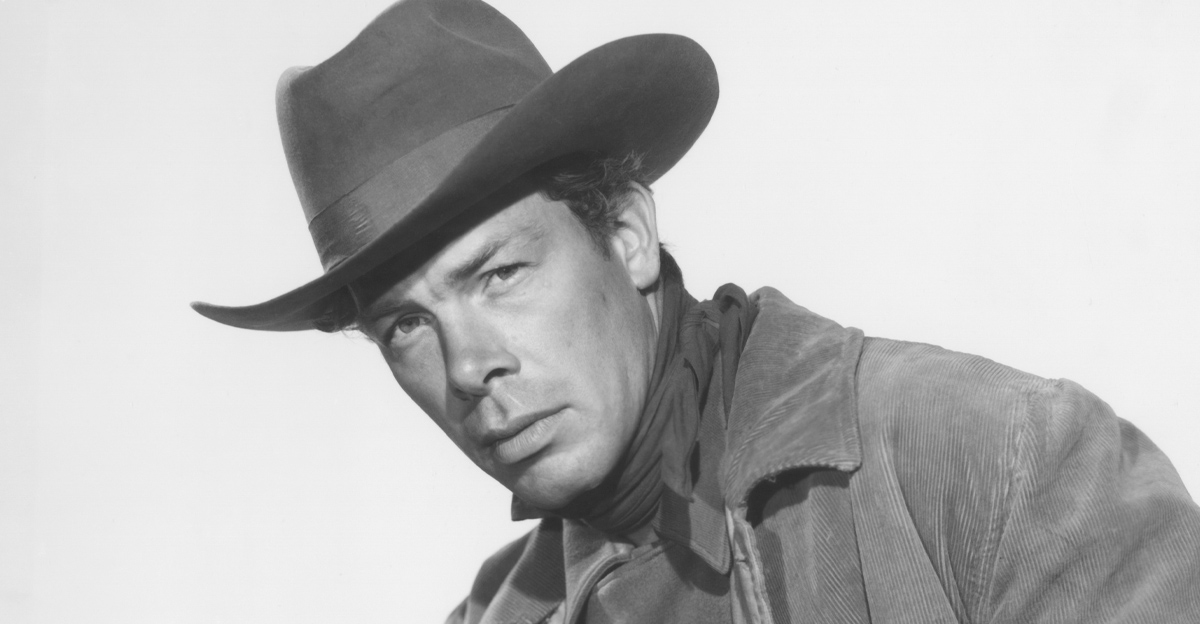
Lee Marvin was born on February 19, 1924, in New York City. He grew up in a well-to-do family, his father an ad exec and his mother a fashion writer, but he did not thrive in traditional academic settings. By his own accounts, he was expelled from several schools for bad behavior and poor performance.
 US Marine Corps, Wikimedia Commons
Kicked Out And On His Own
Marvin attended St. Leo College Preparatory School in Florida, where discipline was strict and expectations were high. He struggled there as well and was eventually expelled. By his late teens, formal education was no longer an option, and the world was about to change in a much bigger way.
 Silver Screen Collection, Getty Images
Answering The Call To War
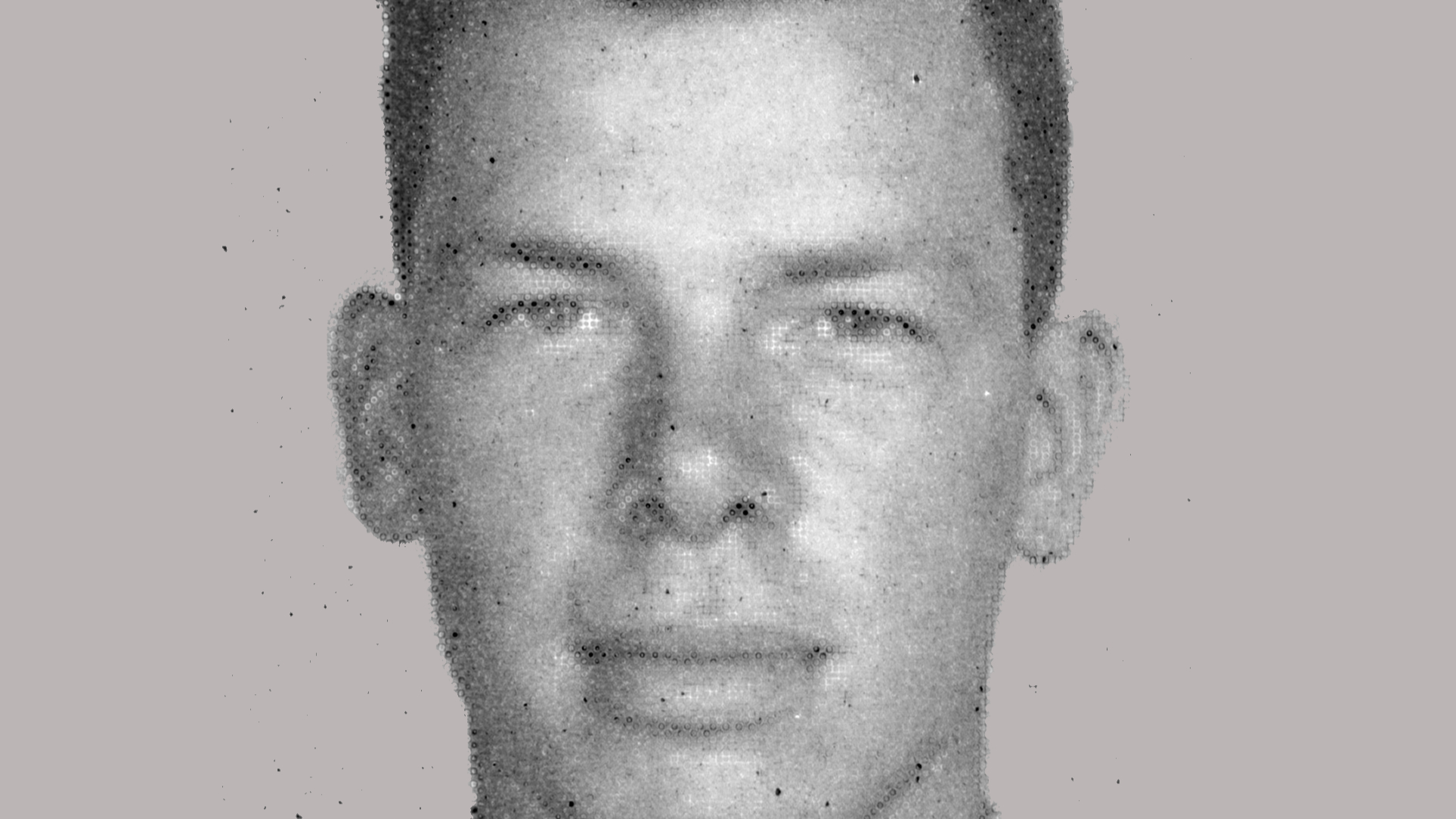
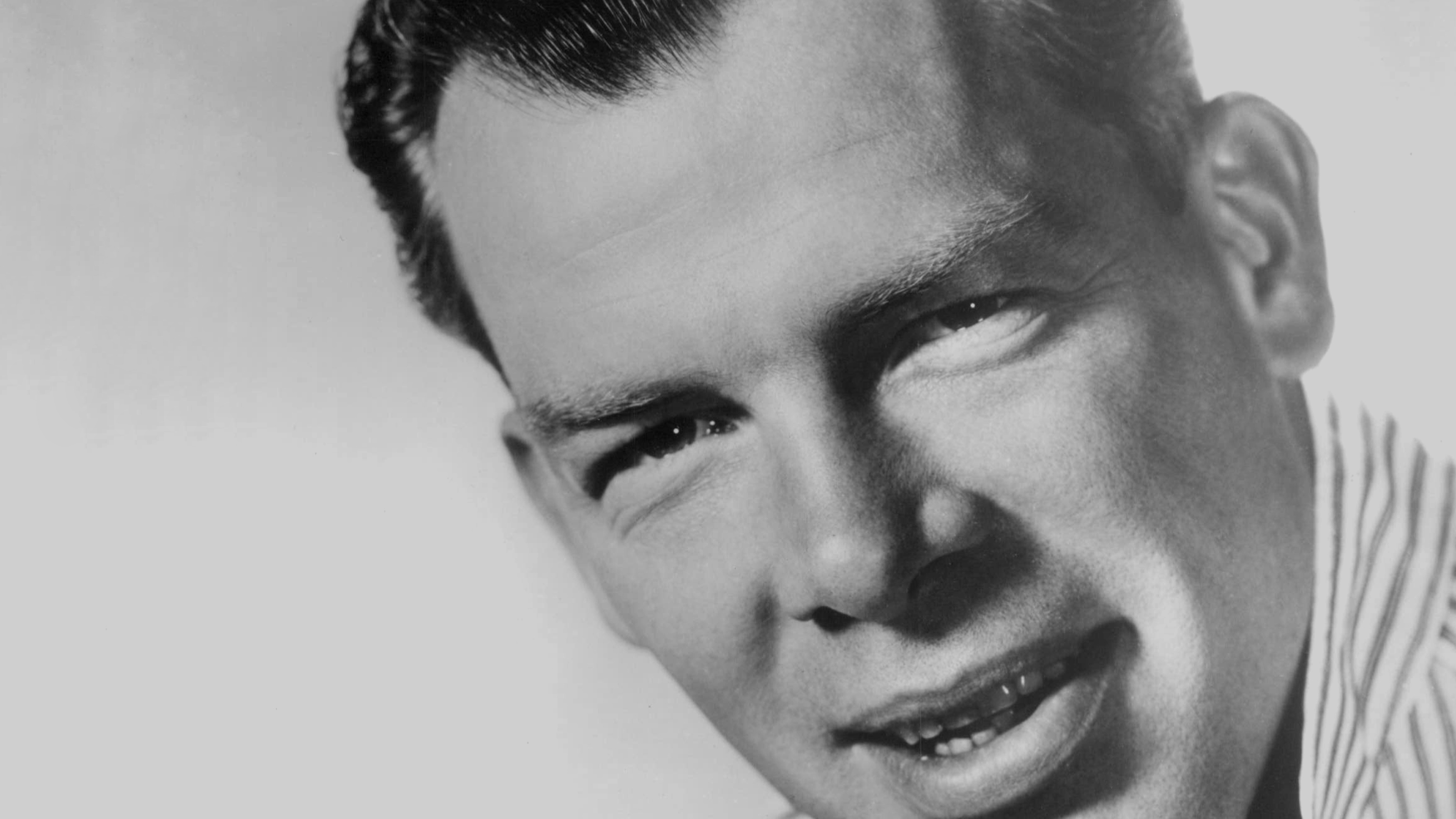
After the attack on Pearl Harbor, Marvin enlisted in the United States Marine Corps in 1942. He was just 18 years old. Like many young men of his generation, he stepped into a conflict that would define the rest of his life.
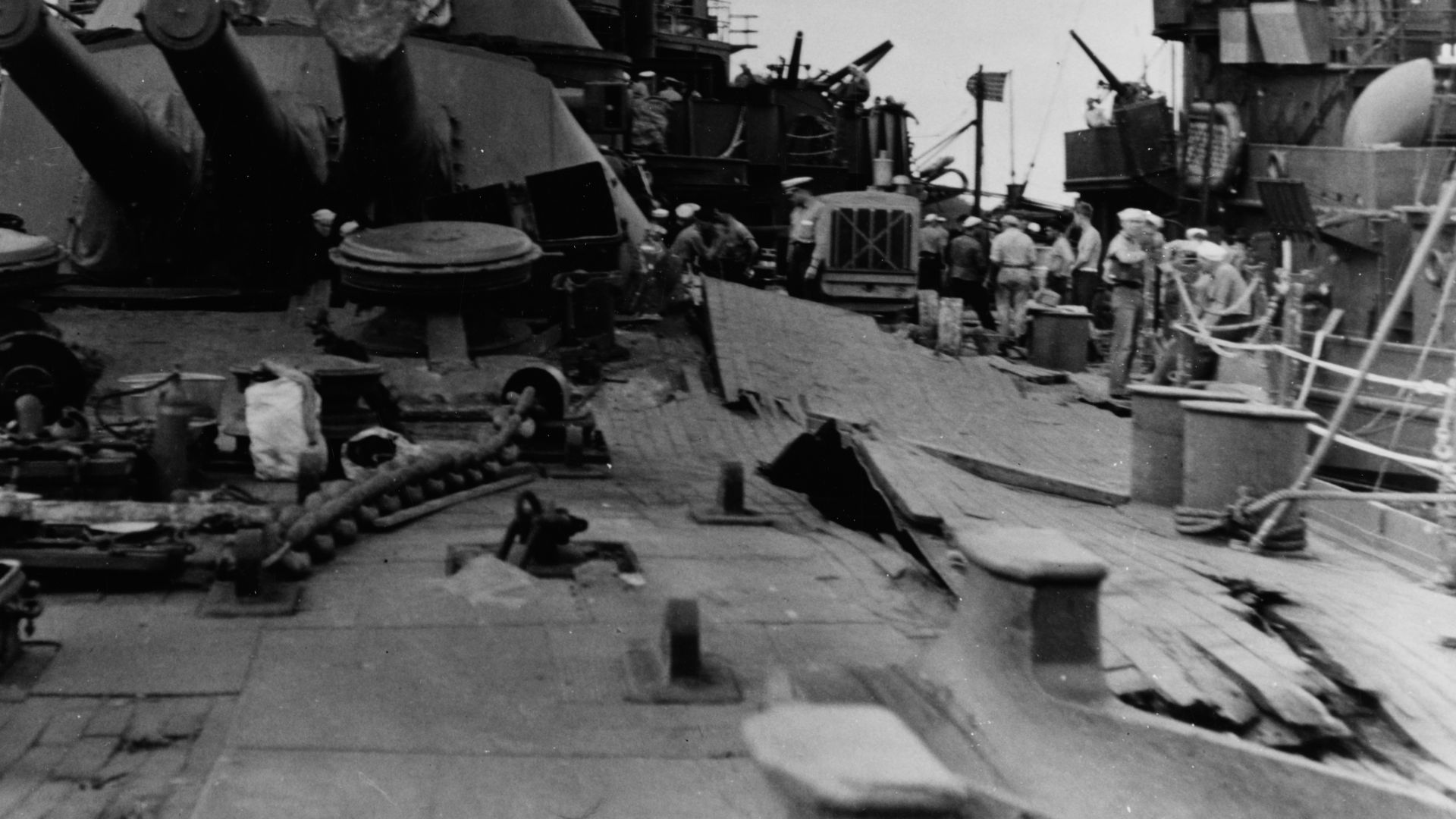 JustSomePics, Wikimedia Commons
A Marine In The Pacific
Marvin served with the 4th Marine Division in the Pacific Theater. He took part in some of the fiercest fighting of the war, including the Battle of Saipan in 1944. The combat was brutal and unforgiving, and Marvin was in the middle of it.

Wounded Under Fire
During the assault on Mount Tapotchau on Saipan, Marvin was hit by machine gun fire. He was severely wounded in the buttocks and sciatic nerve. The injury left him hospitalized for more than a year.
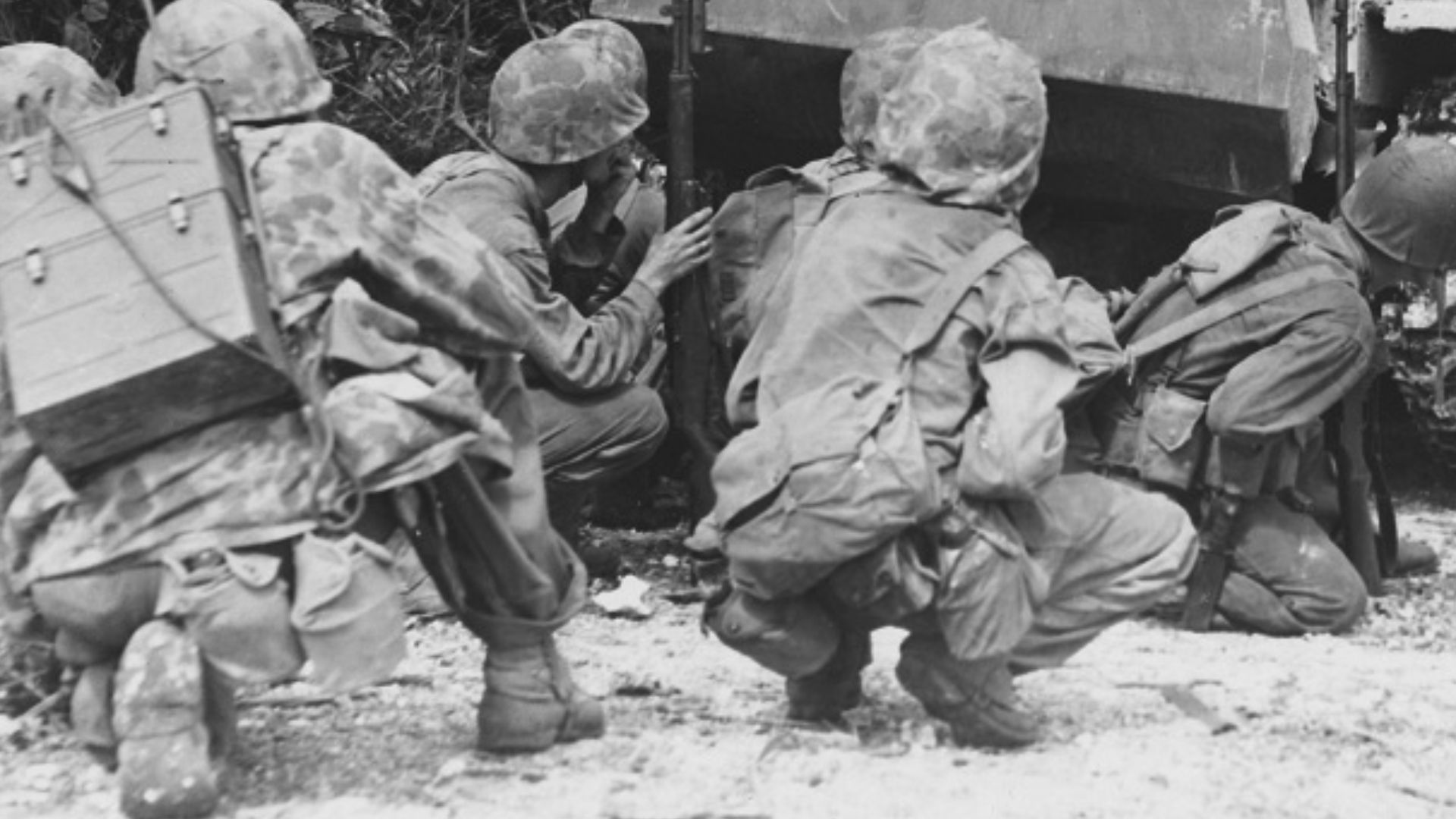 Anonymous USMC photographer, Wikimedia Commons
The Hard Way To A Purple Heart
Marvin was awarded the Purple Heart for his combat wounds. It was not a ceremonial honor. It came from surviving intense front-line combat that nearly cost him his life.

A Long Road To Recovery
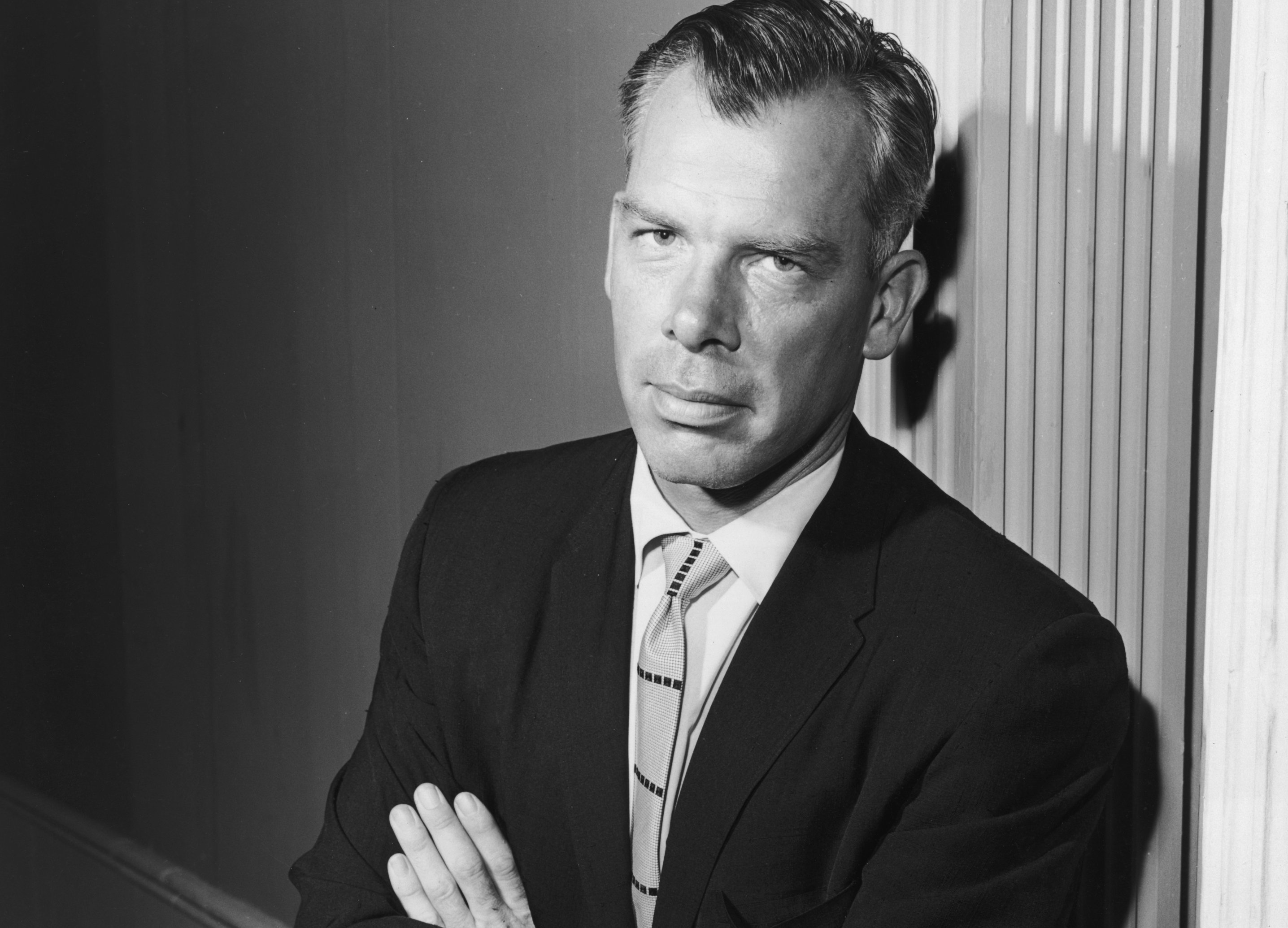
After being wounded, Marvin spent months in naval hospitals recovering from nerve damage. He was medically discharged from the Marine Corps in 1945. The war left physical and emotional scars that stayed with him for decades.
Carrying The War With Him
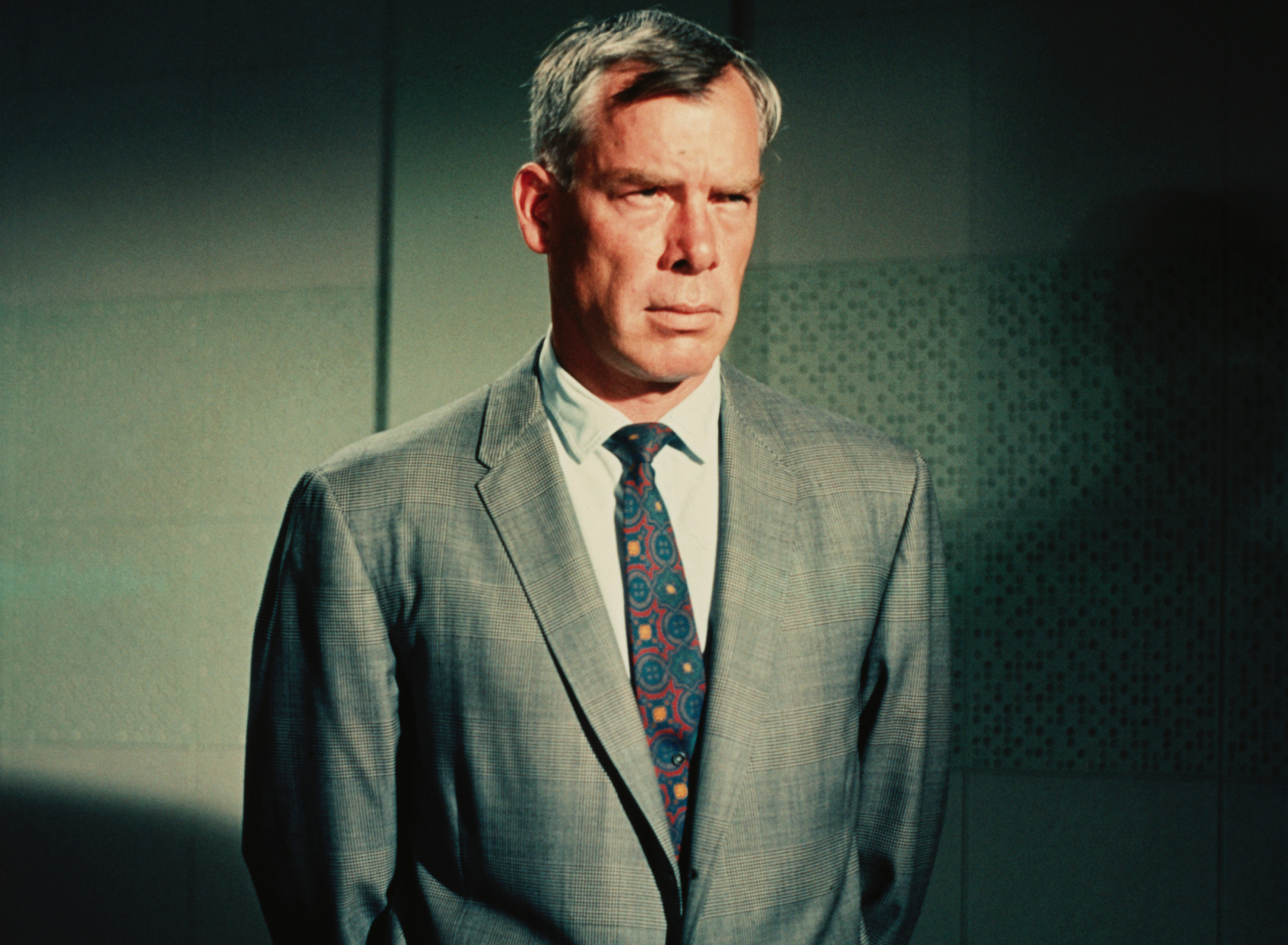
Marvin rarely romanticized his wartime service. He spoke bluntly about the fear, the chaos, and the randomness of survival. That honesty later informed many of his performances on screen.
From Uniform To Odd Jobs
When he returned home, Marvin did not immediately find his way into acting. He worked a series of jobs, including as a plumber’s assistant. Acting was not part of a grand plan. It was something he fell into almost by accident.
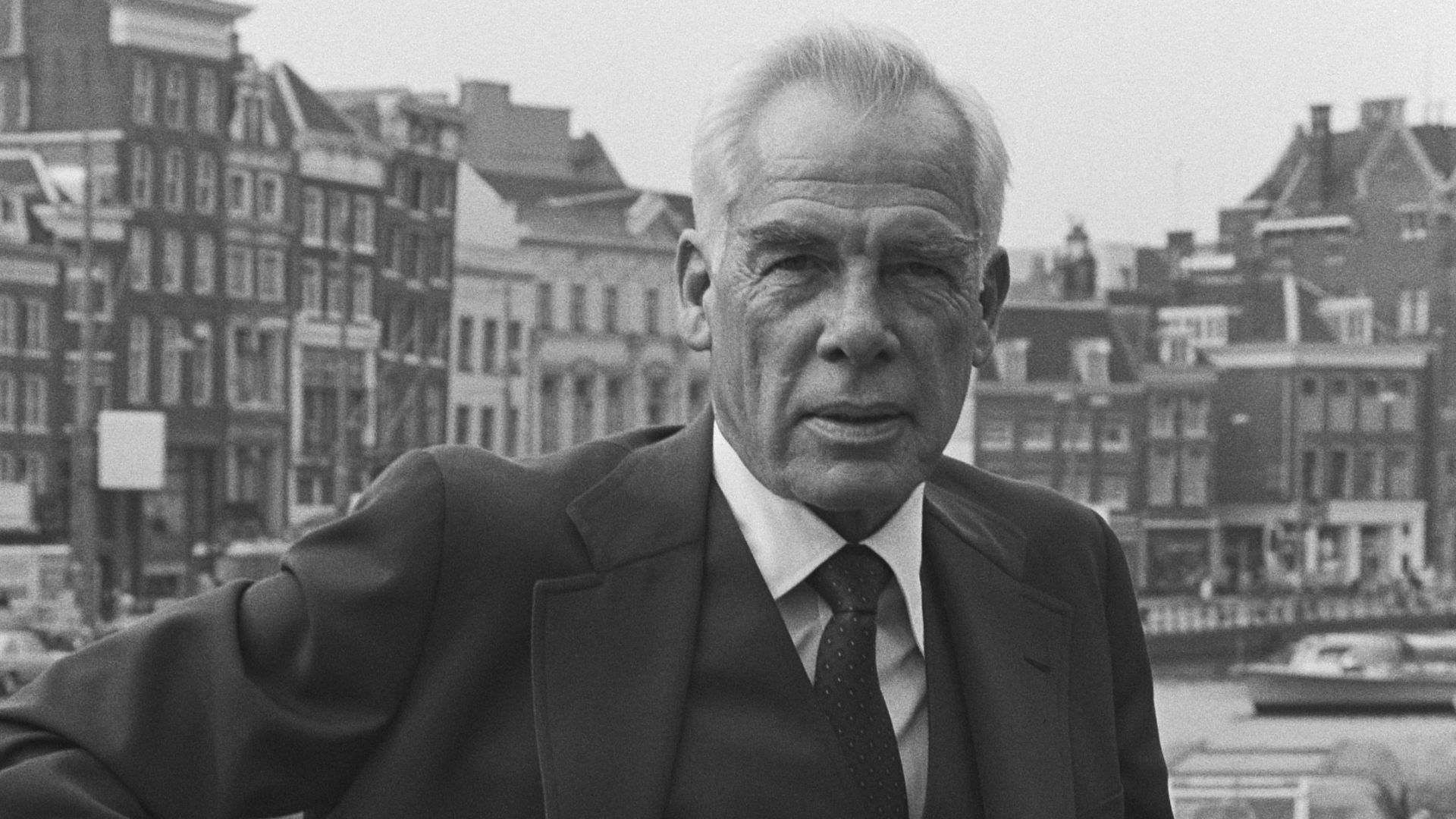 Hans van Dijk for Anefo, Wikimedia Commons
A Lucky Break On Stage
Marvin was repairing plumbing at a local theater in upstate New York when he was asked to fill in for a sick actor. He had no formal training. What he did have was presence, and it was enough to get him noticed.
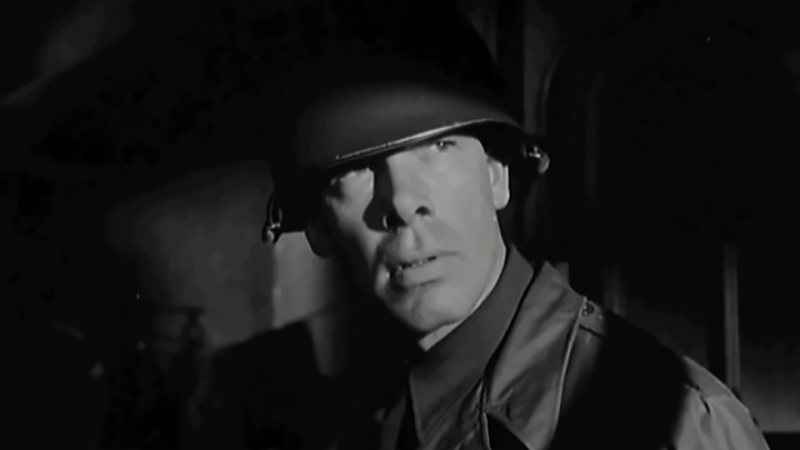 Unknown Author, Wikimedia Commons
Learning The Craft The Hard Way
Marvin began performing in regional theater productions. He learned by doing, often playing supporting roles that required intensity and authority. His natural toughness translated easily to the stage.
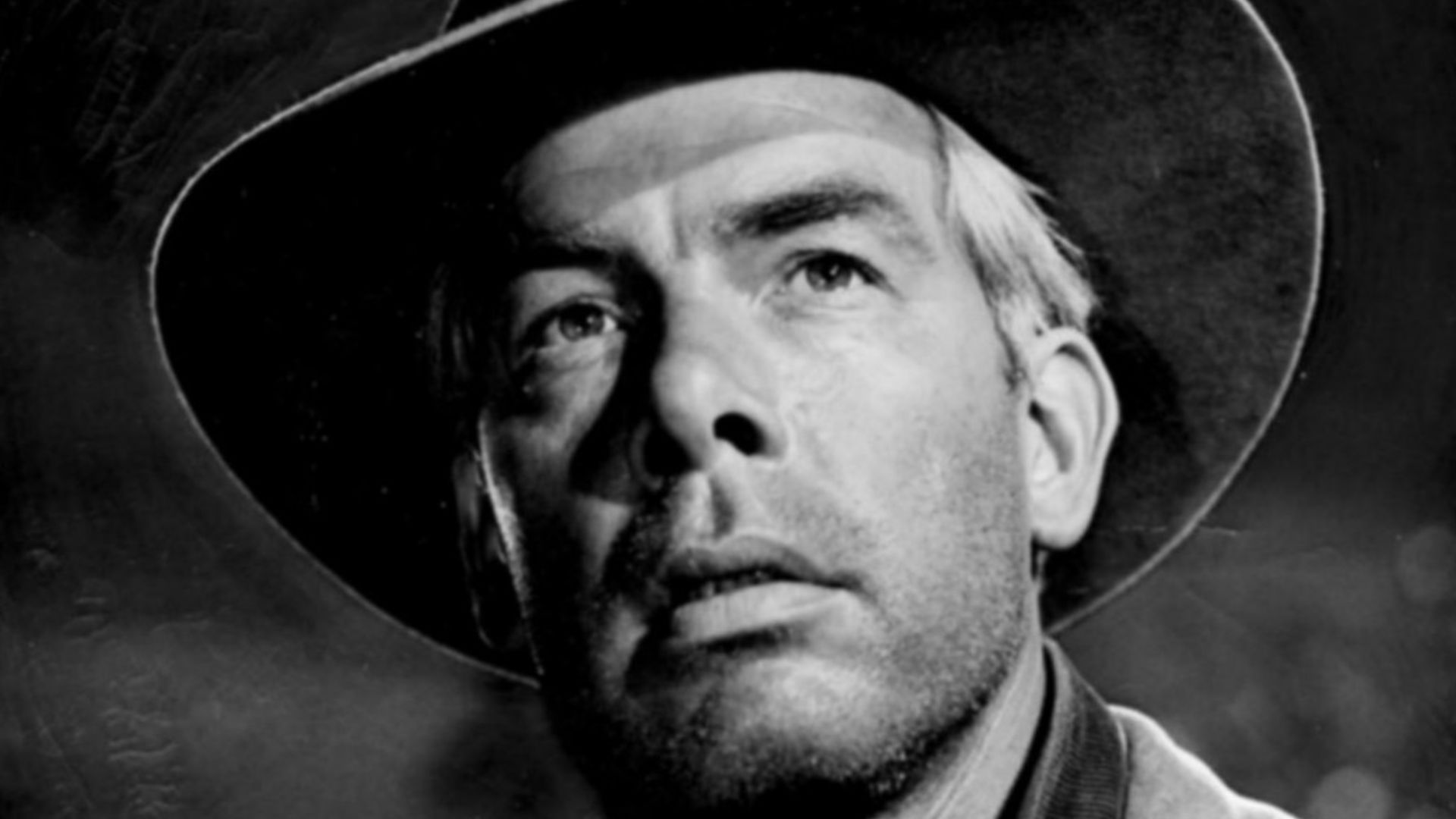 CBS Television, Wikimedia Commons
Hollywood Takes Notice
By the early 1950s, Marvin moved into television and film. He quickly became a go-to actor for Westerns and crime dramas. Directors saw authenticity in him that could not be faked.
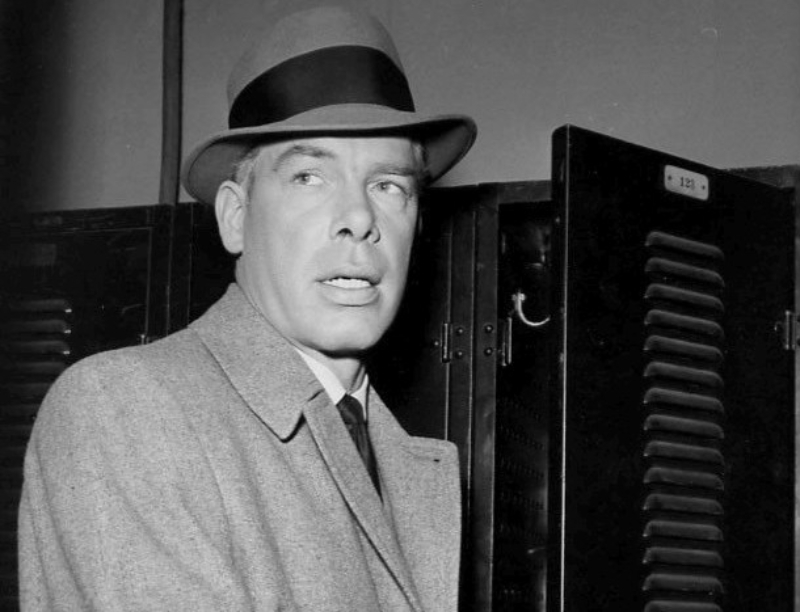
The Heavy With Real Edge
Marvin often played villains early in his film career. In films like The Big Heat and Bad Day At Black Rock, he brought a chilling realism to his roles. Audiences believed him because he understood violence in a way few actors did.
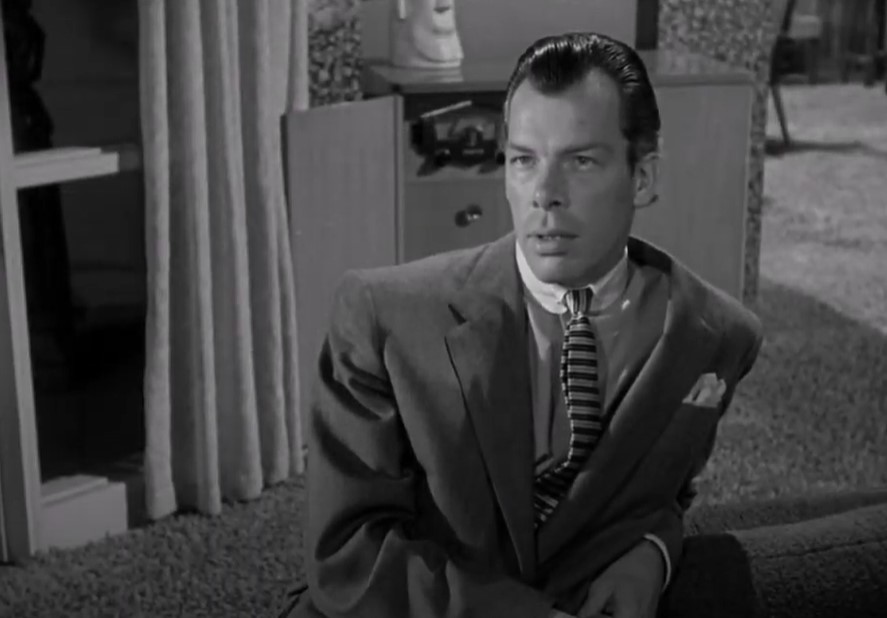 Screenshot from The Big Heat, Columbia Pictures (1953)
Breaking Out In The Wild One
In 1953’s The Wild One, Marvin starred opposite Marlon Brando. He played Chino, the rival gang leader. Even alongside Brando, Marvin’s physicality and simmering menace stood out.
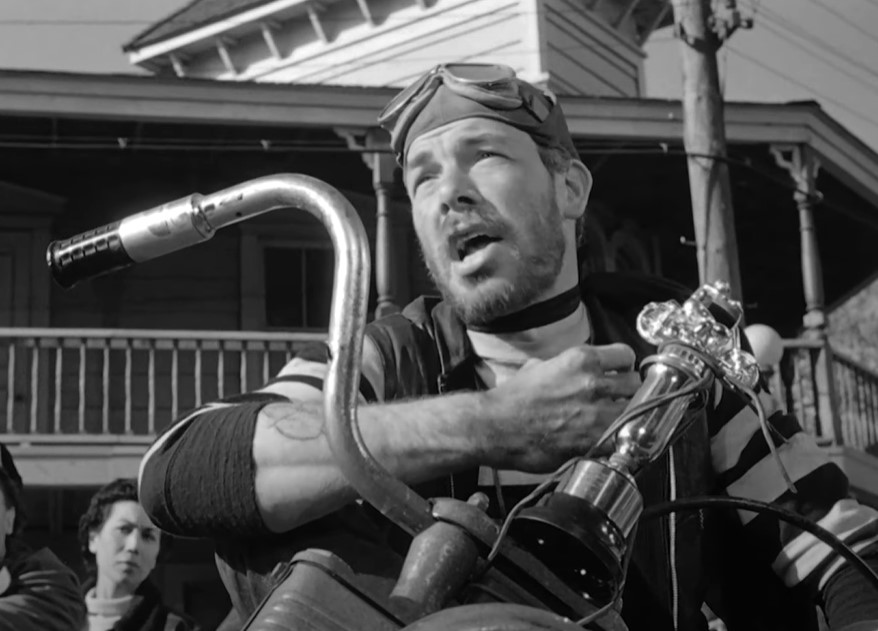 Screenshot from Stanley Kramer Productions, The Wild One (1953)
A War Veteran In War Films
Marvin appeared in several war movies, including The Dirty Dozen in 1967. His portrayal of Major John Reisman carried a hard-earned authority. Viewers could sense that he was not just pretending to understand combat leadership.
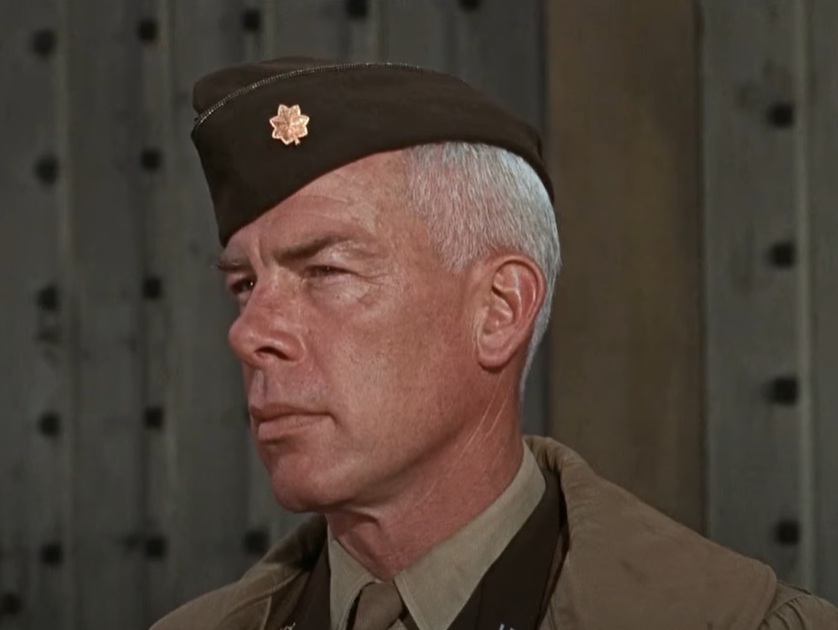 Screenshot from The Dirty Dozen, MGM (1967)
Winning An Oscar With A Wink
In 1965, Marvin won the Academy Award for Best Actor for his dual role in Cat Ballou. The film allowed him to show comedic timing alongside his trademark toughness. With the recognition from both his peers and audiences, this was undeniably the peak of Marvin's career as an actor.
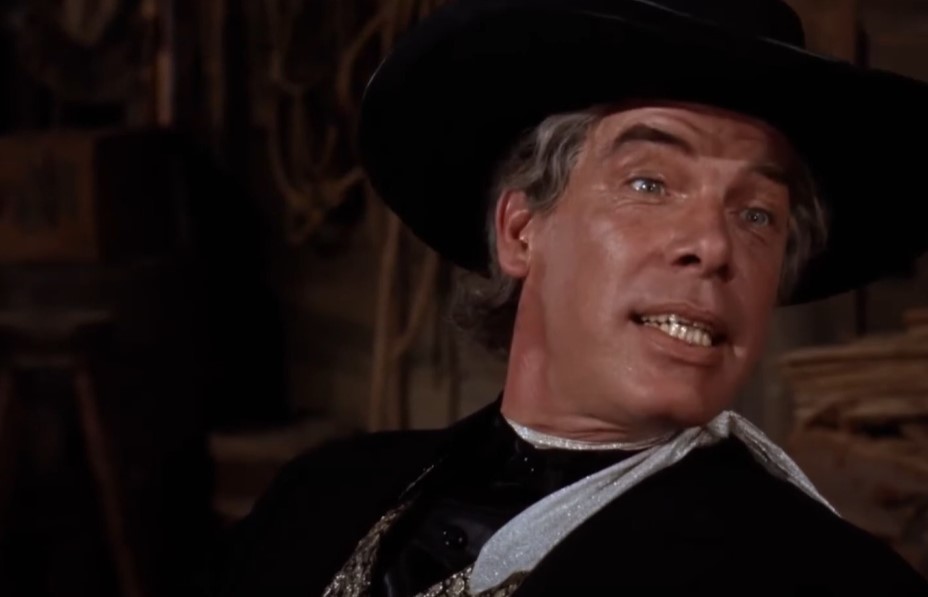 Screenshot from Cat Ballou, Columbia Pictures (1965)
Tough Guys With Layers
Marvin was not interested in playing one-note brutes. In films like Point Blank and Hell In The Pacific, he explored isolation, revenge, and moral ambiguity. His performances suggested a man who had seen too much and trusted too little.
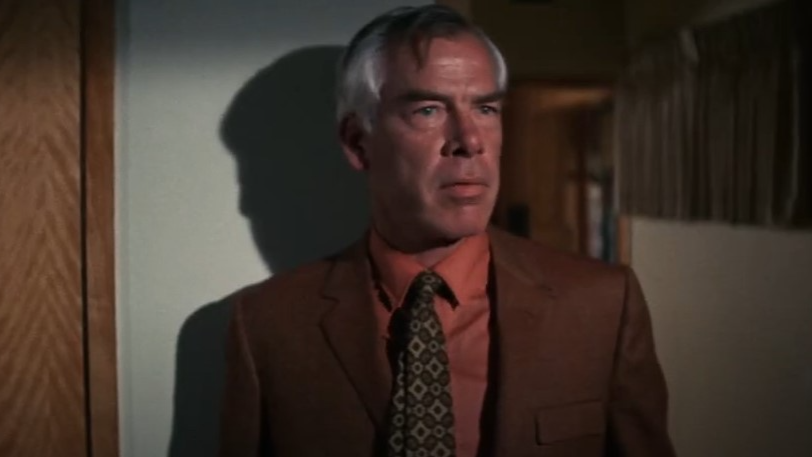 Screenshot from Point Blank, MGM (1967)
The Professional In The Professionals
In 1966’s The Professionals, Marvin played a skilled mercenary hired for a dangerous mission. The role leaned into his stoic demeanor and command presence. He projected competence without theatrics.
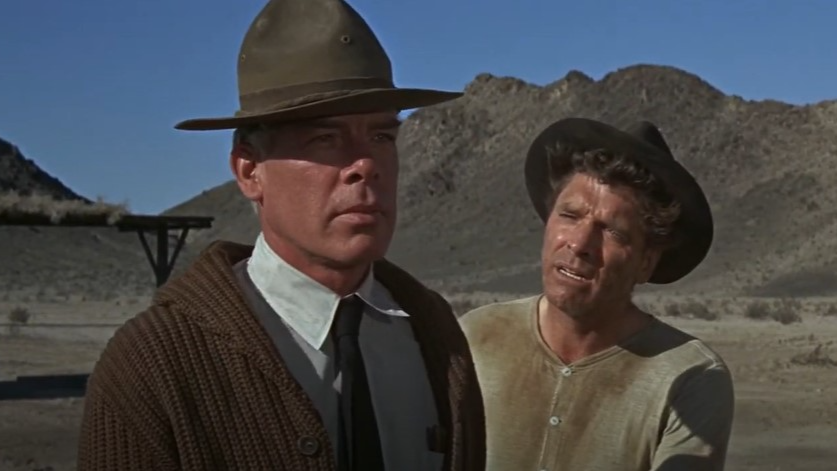 Screenshot from The Professionals, Columbia Pictures (1966)
Hell In The Pacific And Shared Humanity
In Hell In The Pacific, Marvin shared the screen with Toshiro Mifune. The film focused on two enemy soldiers stranded together during World War II. Marvin’s performance was restrained and grounded, reflecting a veteran’s understanding of war’s futility.
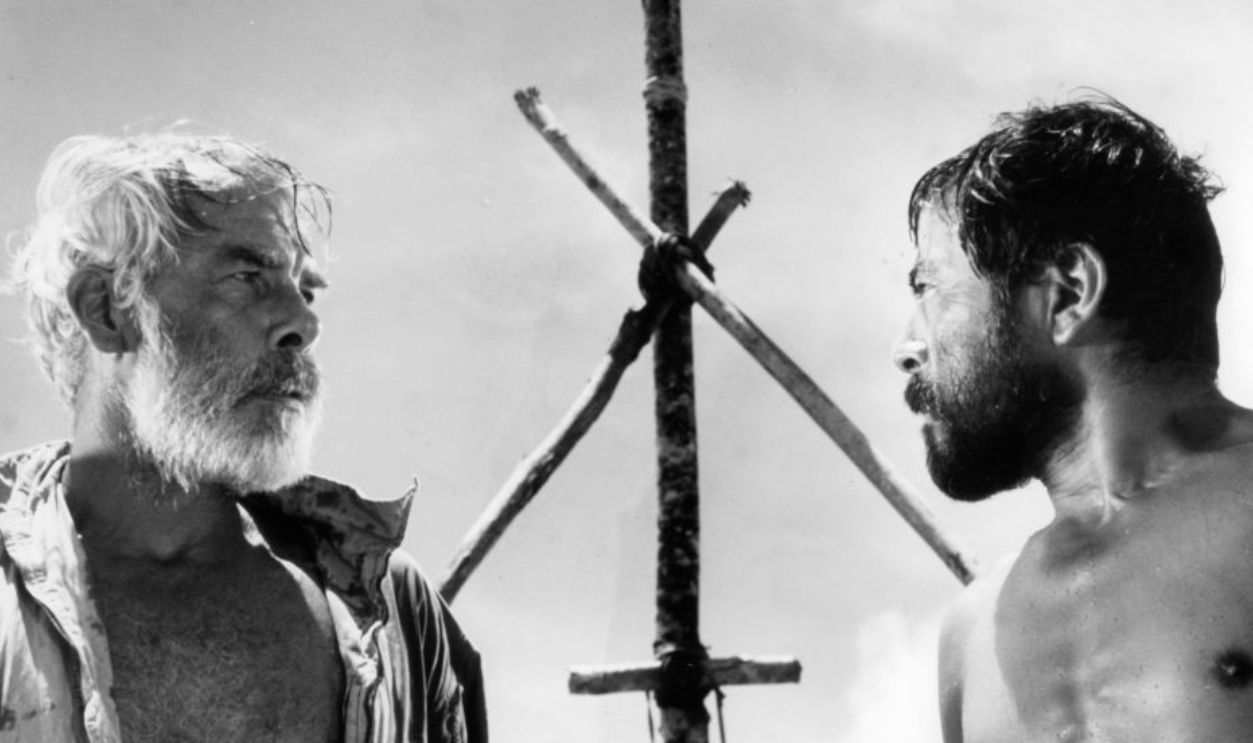 Michael Ochs Archives, Getty Images
A Reputation Off Screen
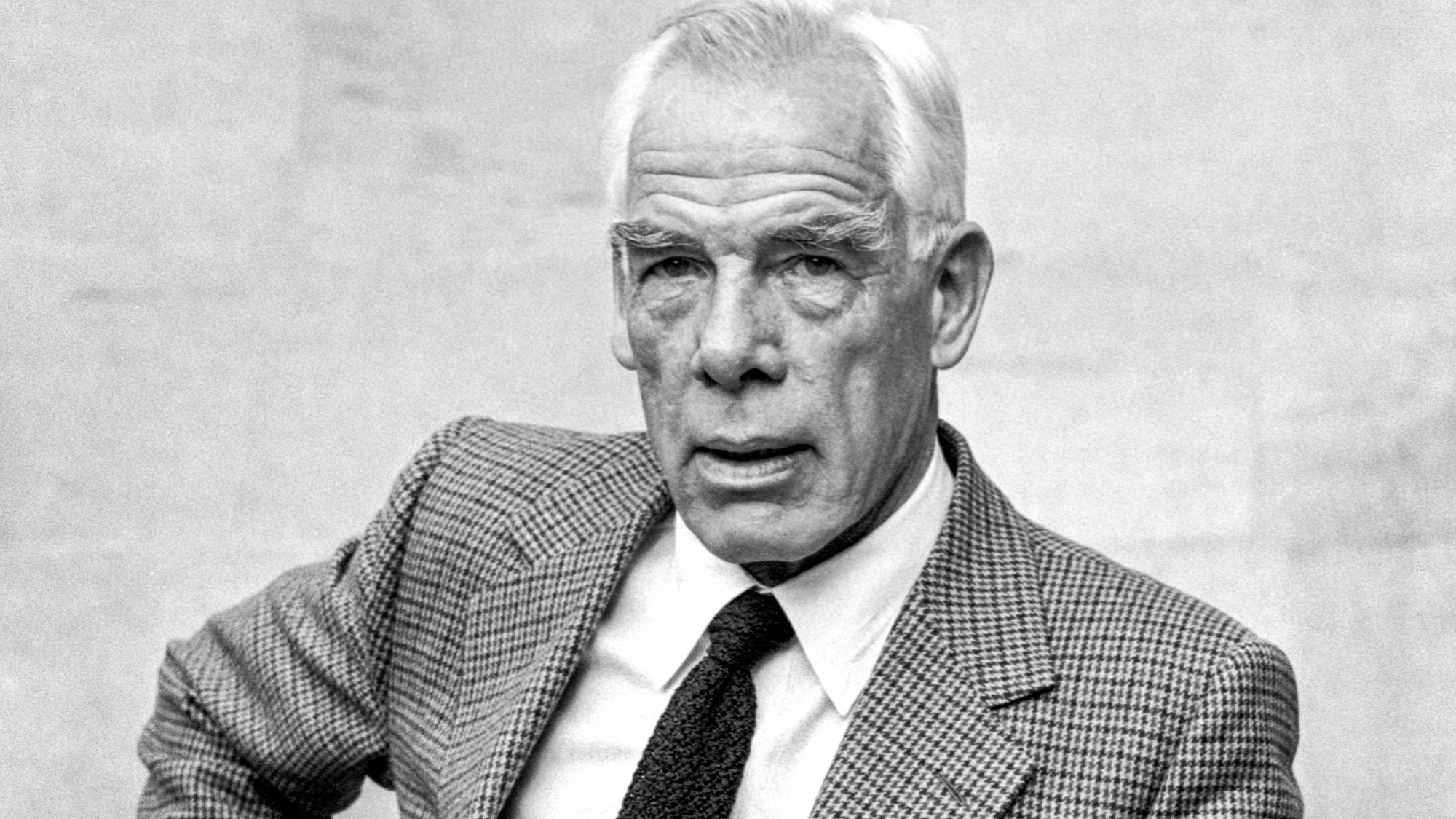
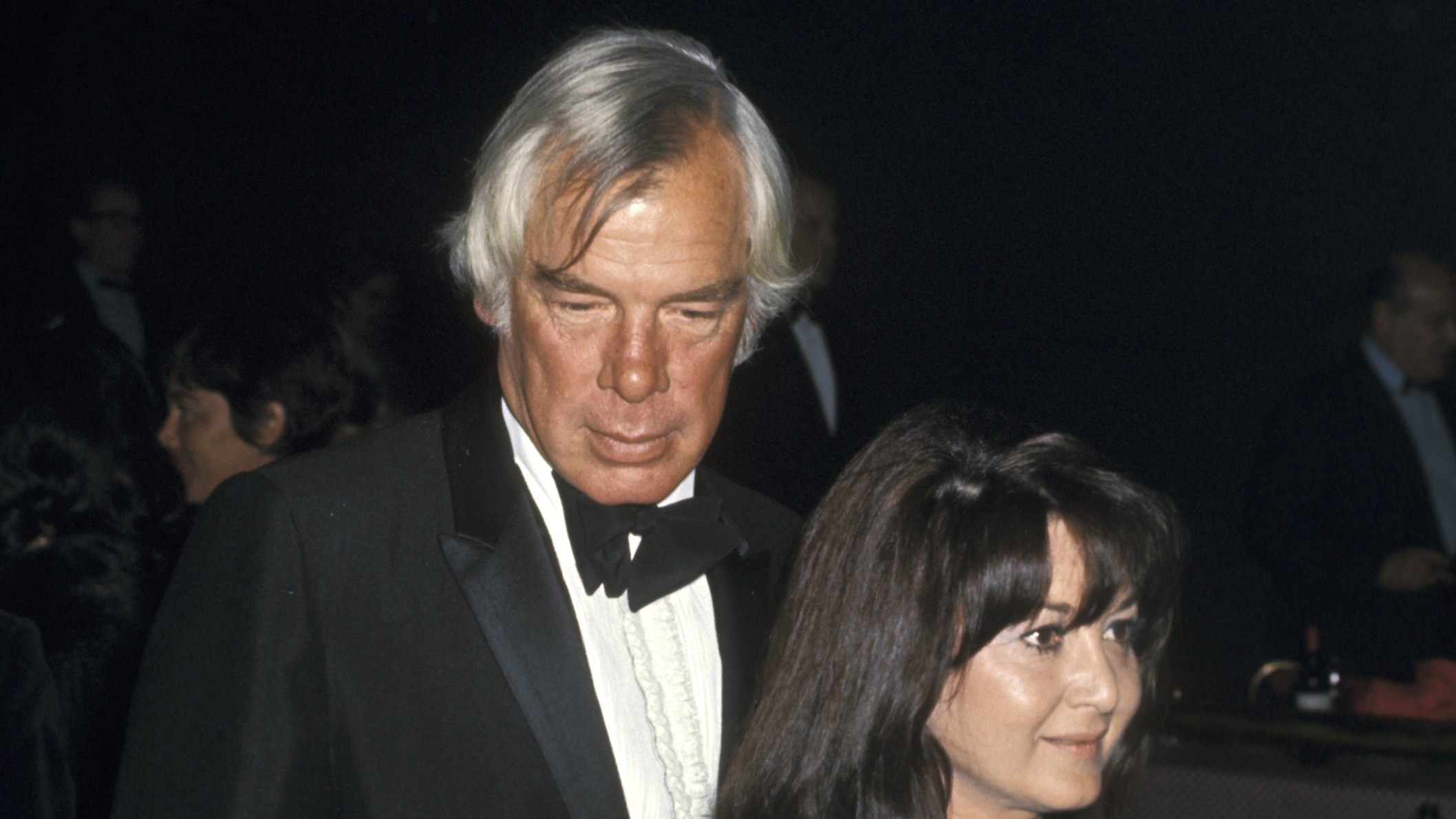
Off camera, Marvin had a reputation for being blunt and unapologetic. He was known for heavy drinking and a no-nonsense attitude. At the same time, colleagues often described him as professional and deeply loyal.
A Legal Battle That Made Headlines
In the 1970s, Marvin was involved in a highly publicized palimony lawsuit filed by his former partner, Michelle Triola. The case, Marvin v. Marvin, became a landmark decision in California regarding non-marital relationships. It kept his name in the headlines for reasons unrelated to film.

The Late Career Western Revival
Marvin returned to the Western genre in films like Monte Walsh in 1970. The movie portrayed aging cowboys confronting a changing world. Marvin brought quiet gravitas to a character facing the end of an era.
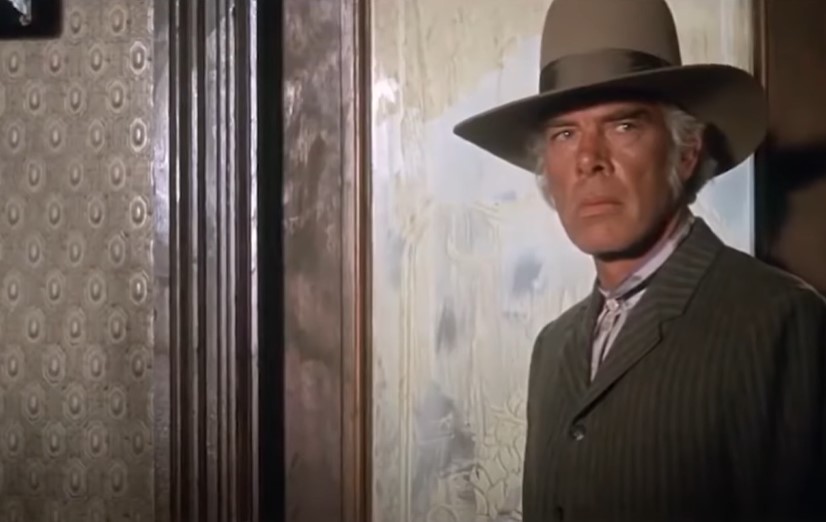 Screenshot from Monte Walsh, Cinema Center Films (1970)
A Leader On And Off Screen
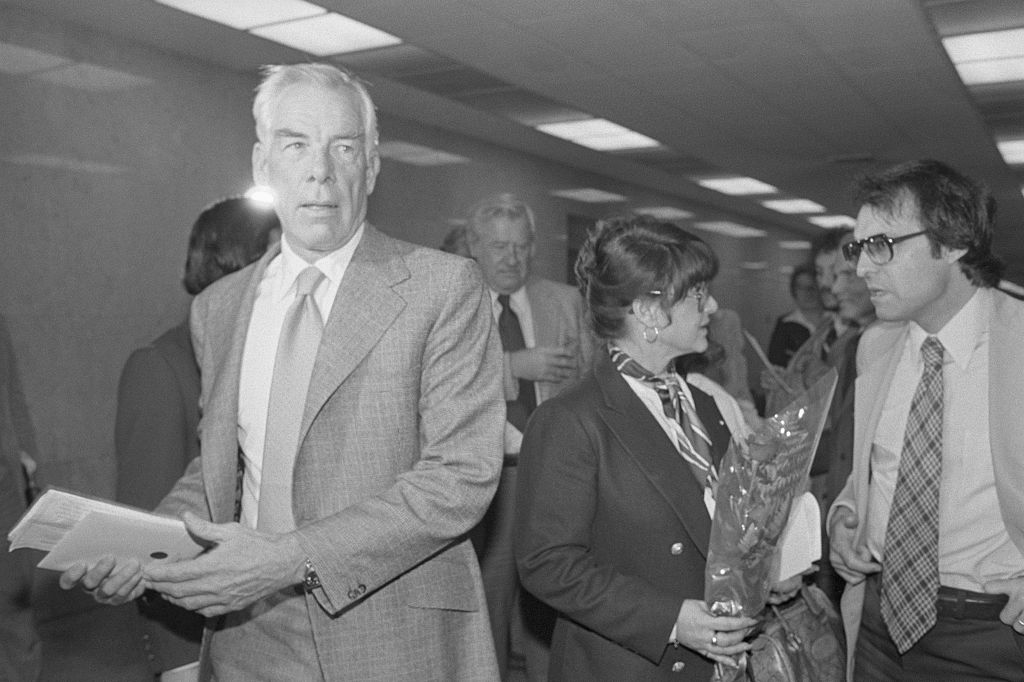
Directors frequently praised Marvin’s discipline and preparedness. His Marine background shaped his work ethic. He expected professionalism from himself and from everyone around him.
Health Problems And Final Years
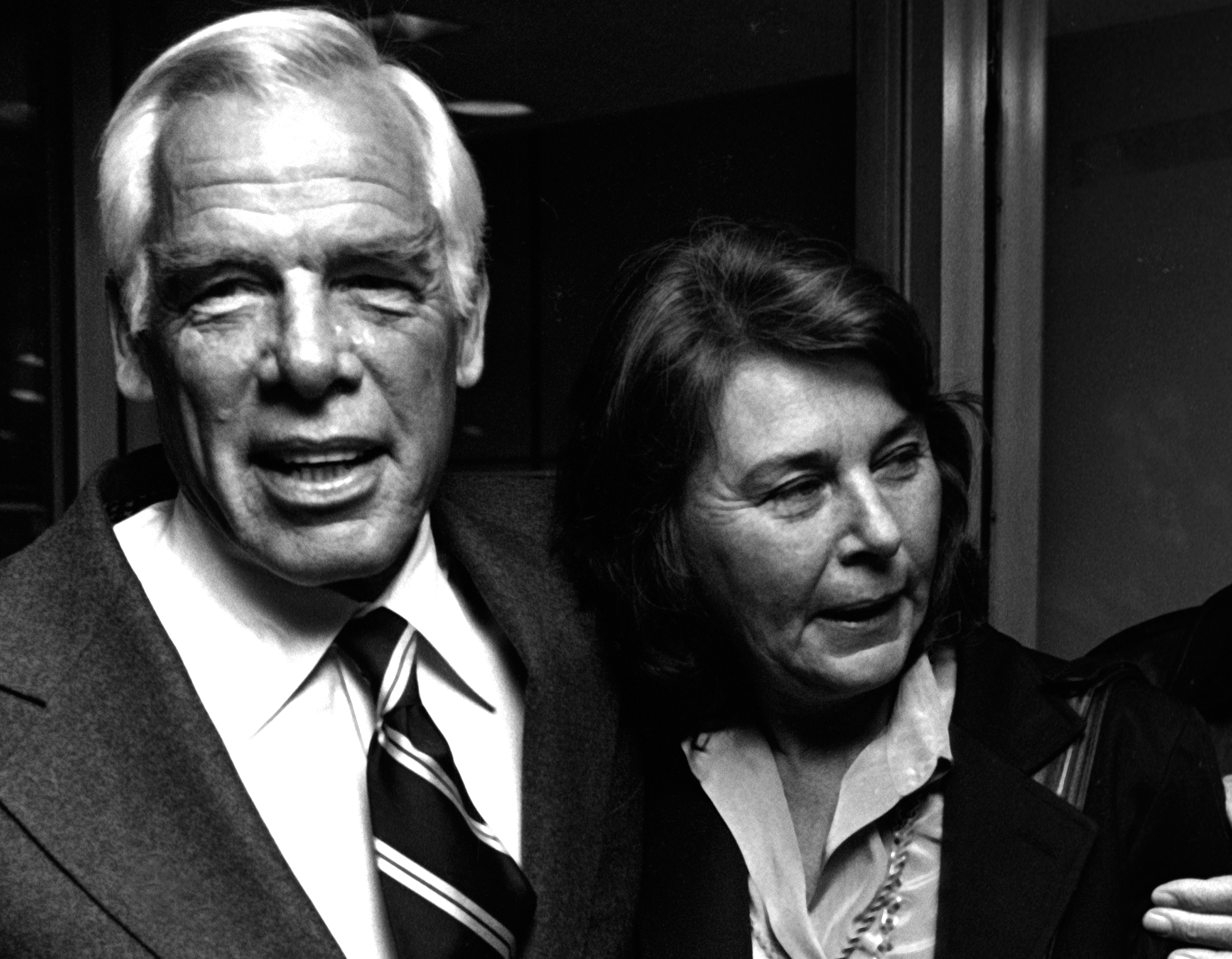
Years of hard living took a toll on Marvin’s health. After a two-week hospitalization in late 1986 where he suffered intestinal ruptures and a colectomy, Marvin never recovered to his full strength. He suffered a heart attack and died on August 29, 1987, at the age of 63.
A Toughness You Could Not Fake
Lee Marvin did not have to imagine what it meant to be under fire. He had survived it. His toughness on screen was grounded in lived experience, and audiences sensed that truth in every performance.
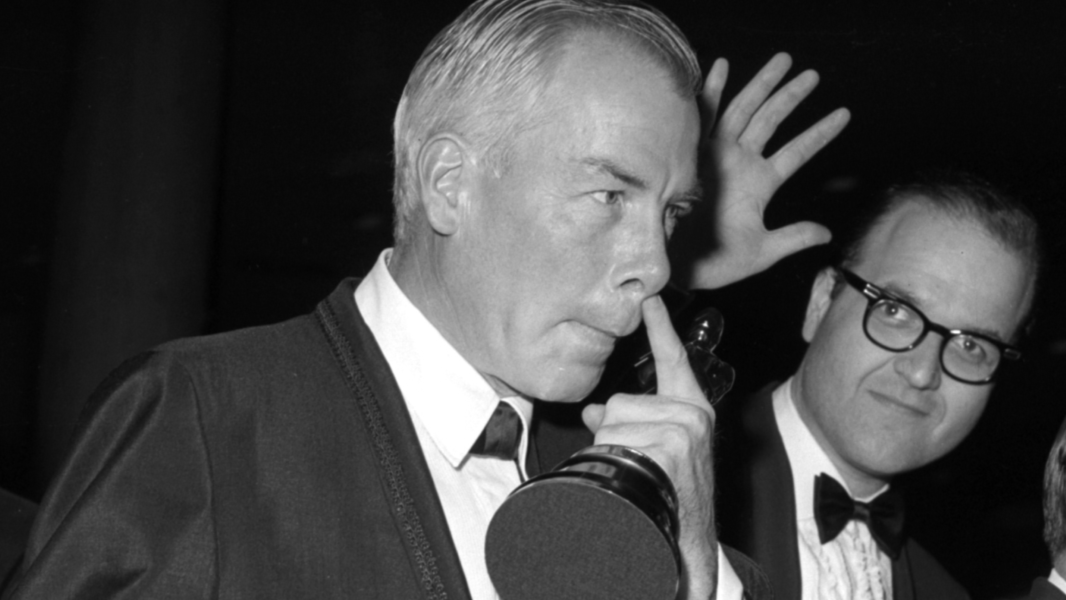 Michael Ochs Archives, Getty Images
The Legacy Of A Real-Life Warrior
Today, Lee Marvin remains an icon of American cinema. His Purple Heart was not a publicity detail. It was a reminder that before he became a Hollywood legend, he had already proven his courage the hard way.
You Might Also Like:
Times That American Cinema Butchered A Beautiful Foreign Film


.jpg)

.jpg)
