The Comeback That Nobody Saw Coming
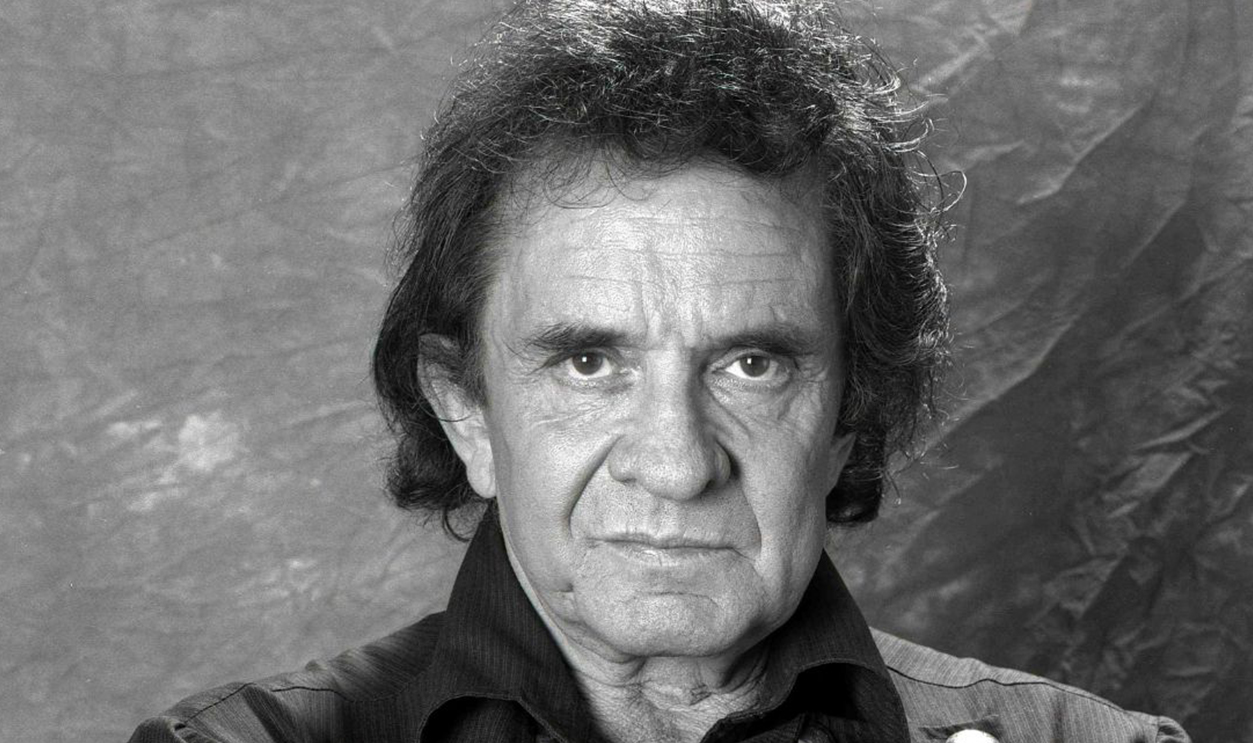
In 1994, legendary country singer Johnny Cash released an album that redefined his career. American Recordings was not a flashy comeback or a nostalgic attempt to replay past hits. It was a stark, stripped-down collection that laid Cash bare. His voice, his guitar, and his lived experience were front and center, and at a time when many in the industry viewed him as a relic from an earlier era, Cash delivered one of the most intimate and powerful albums of his life.
 Robert Knight Archive, Getty Images
A Career In Decline Before American Recordings
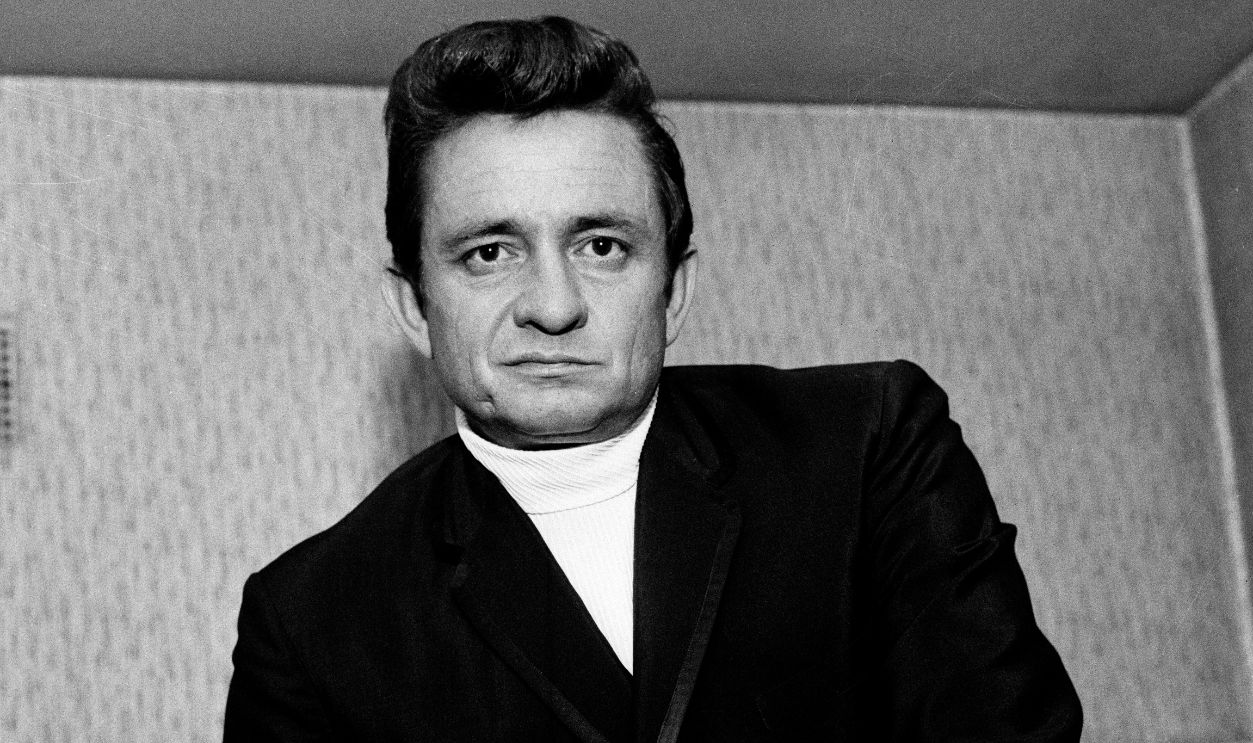
By the late 1980s and early 1990s, Johnny Cash was still a legend in name, but commercially he was struggling. After nearly 30 years with Columbia Records, he was dropped in 1986. His subsequent work with Mercury Records failed to produce major hits or regain significant chart momentum.
Younger audiences saw him as a historical figure rather than an active force in music. Radio trends had shifted, and the outlaw icon who once dominated the charts was no longer considered commercially viable. The Man in Black was respected, but he was no longer central to the conversation.
 George Wilkes Archive, Getty Images
A Life That Left Its Mark
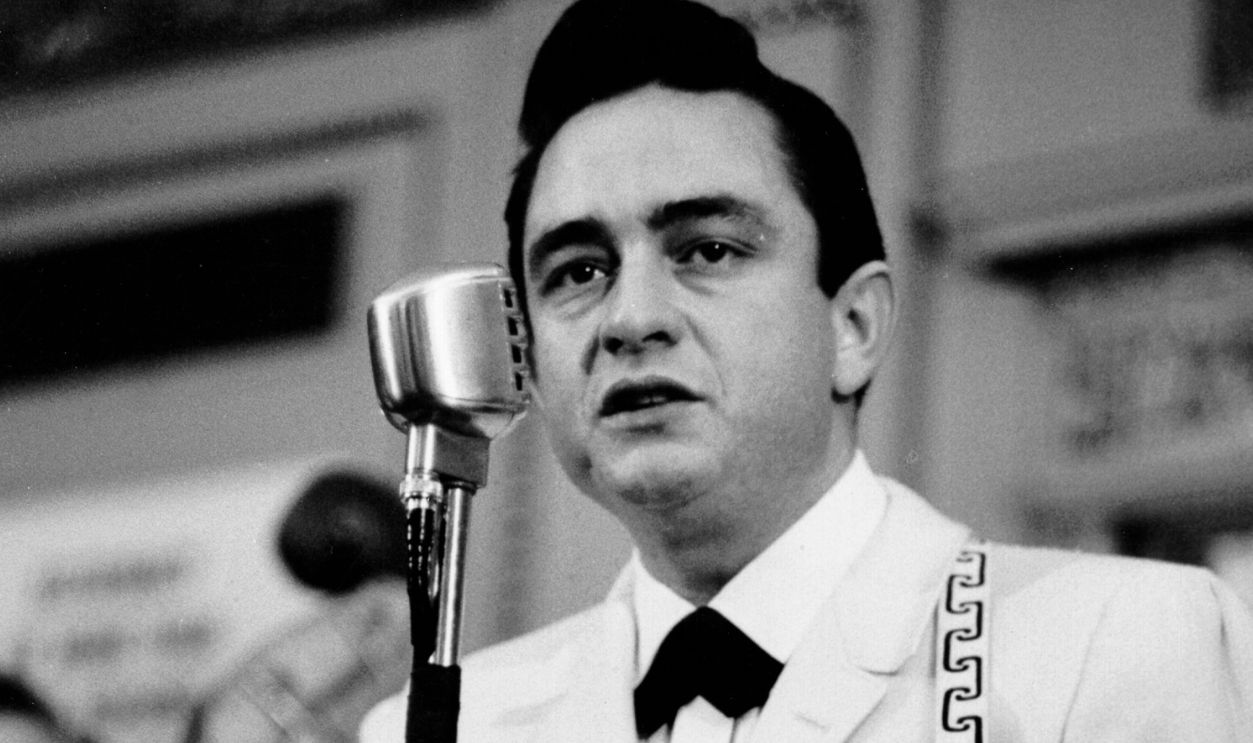
Cash had lived intensely. He had performed at prisons, battled addiction, endured career highs and devastating lows, and built one of country music’s most recognizable identities. By the early 1990s, his health had also begun to reflect the toll of decades on the road. Years of touring, substance struggles, and physical strain had changed his voice. It was deeper, rougher, and more weathered. What some might have considered decline would soon become his greatest strength.
 Michael Ochs Archives, Getty Images
Rick Rubin Sees What Others Missed
Rick Rubin was not a traditional country producer. He was known for his work in hip-hop and rock, having co-founded Def Jam and produced acts like the Beastie Boys and Red Hot Chili Peppers. When he saw Cash perform at Bob Dylan’s 30th anniversary concert in 1992, he recognized something others overlooked. Rubin saw authenticity. He believed Cash still had something urgent to say, but it required stripping everything back.
 jasontheexploder at https://www.flickr.com/photos/26251139@N00/, Wikimedia Commons
An Unlikely Partnership Begins
Rubin approached Cash with a simple proposal: record whatever felt honest. There would be no pressure to chase radio trends or recreate past hits. The focus would be entirely on the songs and the voice. Cash, initially skeptical, was intrigued by the creative freedom. He had nothing to lose. Soon the two began working together under Rubin’s label, then called Def American.
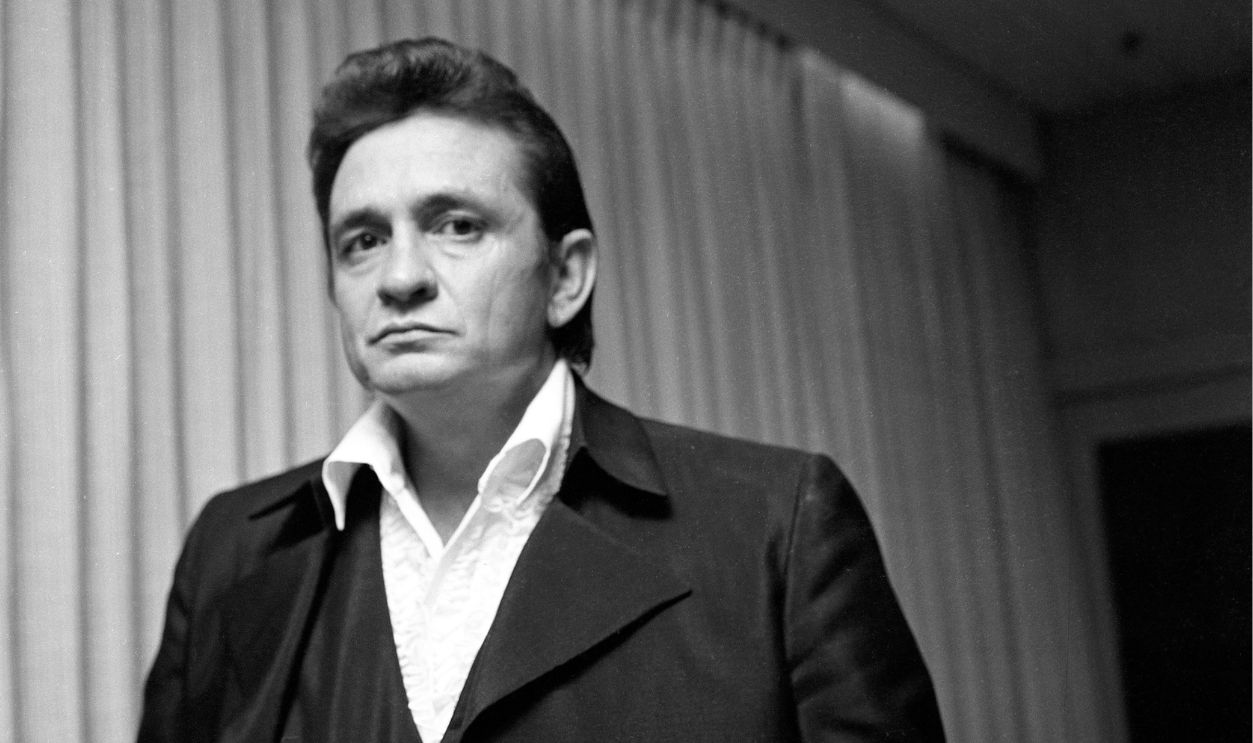 Michael Ochs Archives, Getty Images
Recording Without Distractions
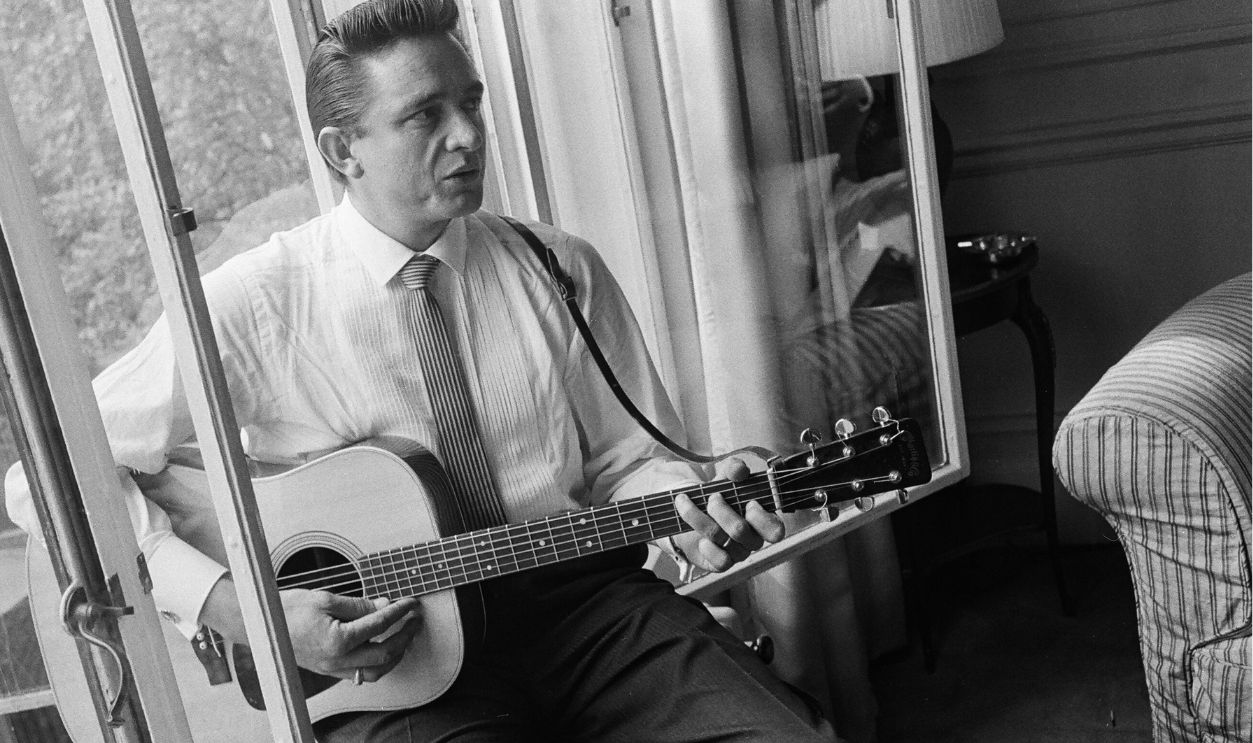
The recording sessions were intentionally minimal. Much of American Recordings was captured in Rubin’s living room in Los Angeles, at Cash’s cabin in Tennessee, and in small, intimate spaces. There were no elaborate studio bands. No lush arrangements. Often it was simply Cash and an acoustic guitar. The goal was clarity. Every breath, every crack in his voice, every pause would be preserved.
The Power Of A Weathered Voice
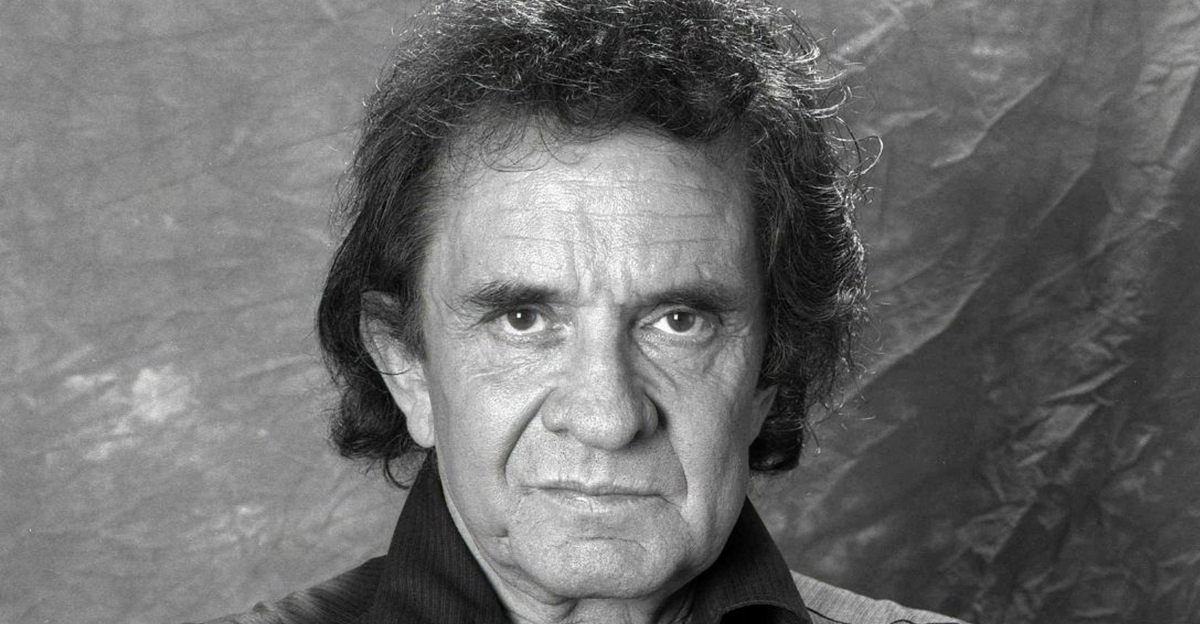
By 1994, Cash’s voice carried decades of experience. Instead of smoothing out the rough edges, Rubin leaned into them. The slight tremble, the gravity in his tone, the worn texture of his baritone all became emotional tools. What emerged was not the booming outlaw image of earlier years but something even more compelling. It was vulnerable. It was human. It felt lived in.
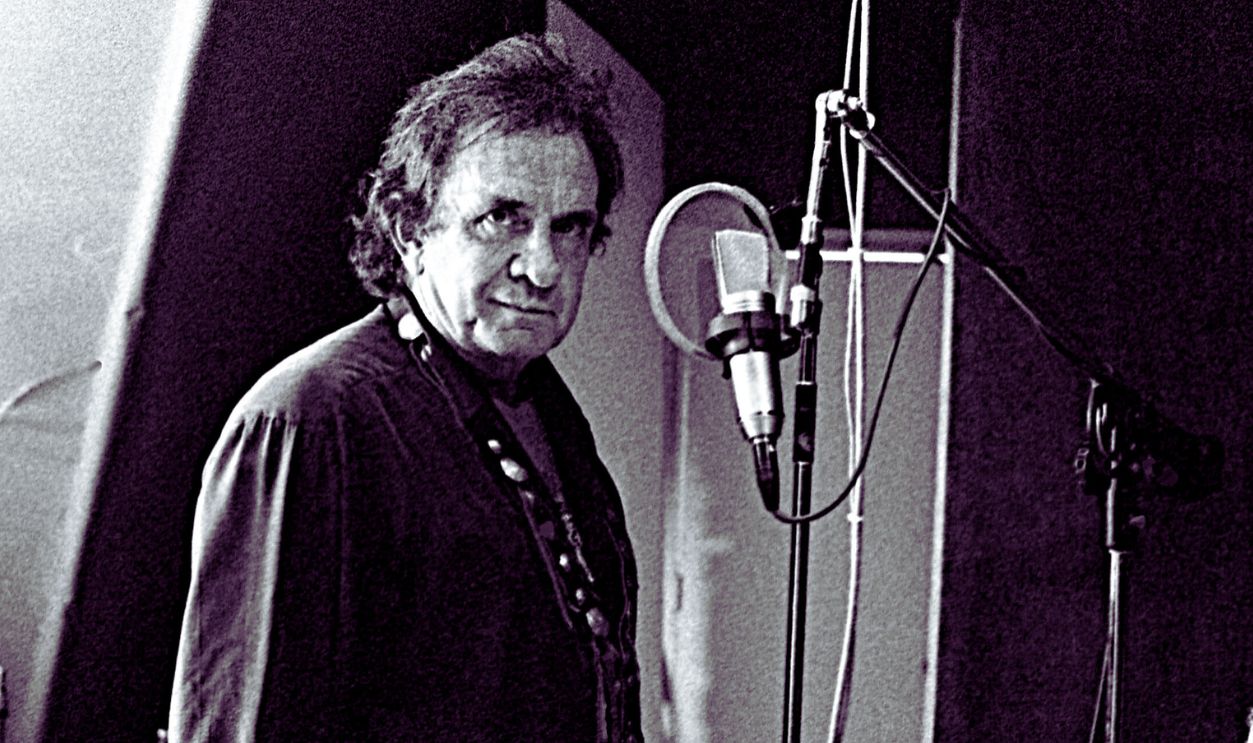
Reimagining The Songbook
The album blended traditional material with contemporary songwriting. Cash revisited “Delia’s Gone” and “Oh, Bury Me Not,” but he also interpreted songs by Nick Lowe, Tom Waits, Leonard Cohen, and Kris Kristofferson. Tracks like “The Beast in Me” and “Bird on a Wire” took on new weight when filtered through Cash’s voice. He did not simply cover these songs. He inhabited them.
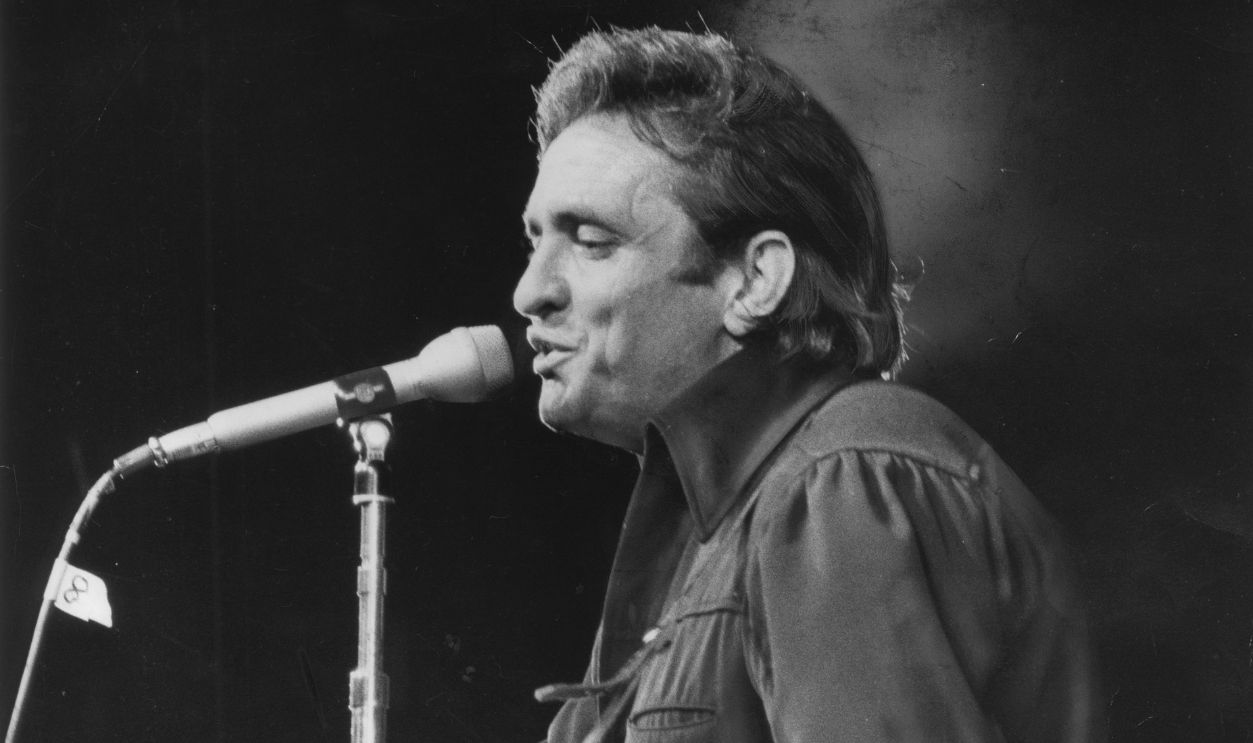
Themes Of Faith, Doubt, And Mortality
Many songs on American Recordings revolve around internal struggle. Sin, redemption, regret, survival, and spiritual reckoning all surface throughout the album. On “The Beast in Me,” he confronts inner darkness. On “Why Me Lord,” he turns toward grace. The sparse production makes every lyric land harder. There is no place for emotion to hide.
Critical Acclaim And Renewed Attention
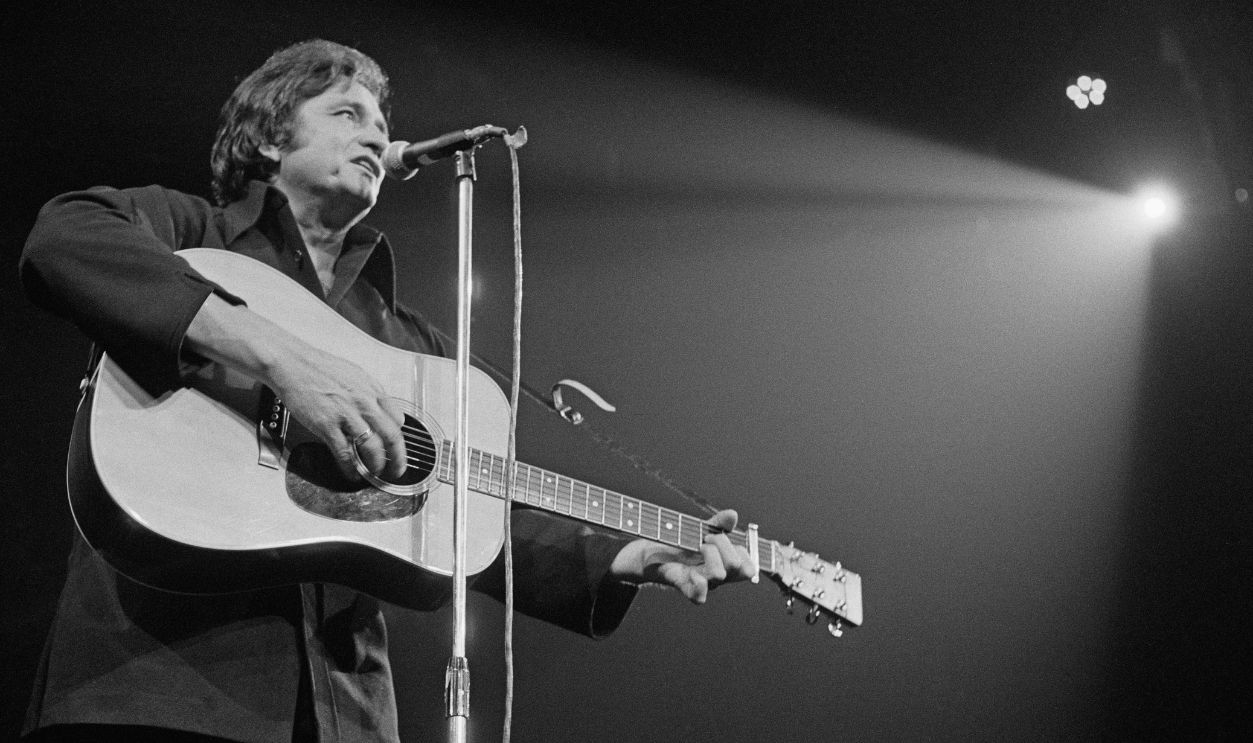
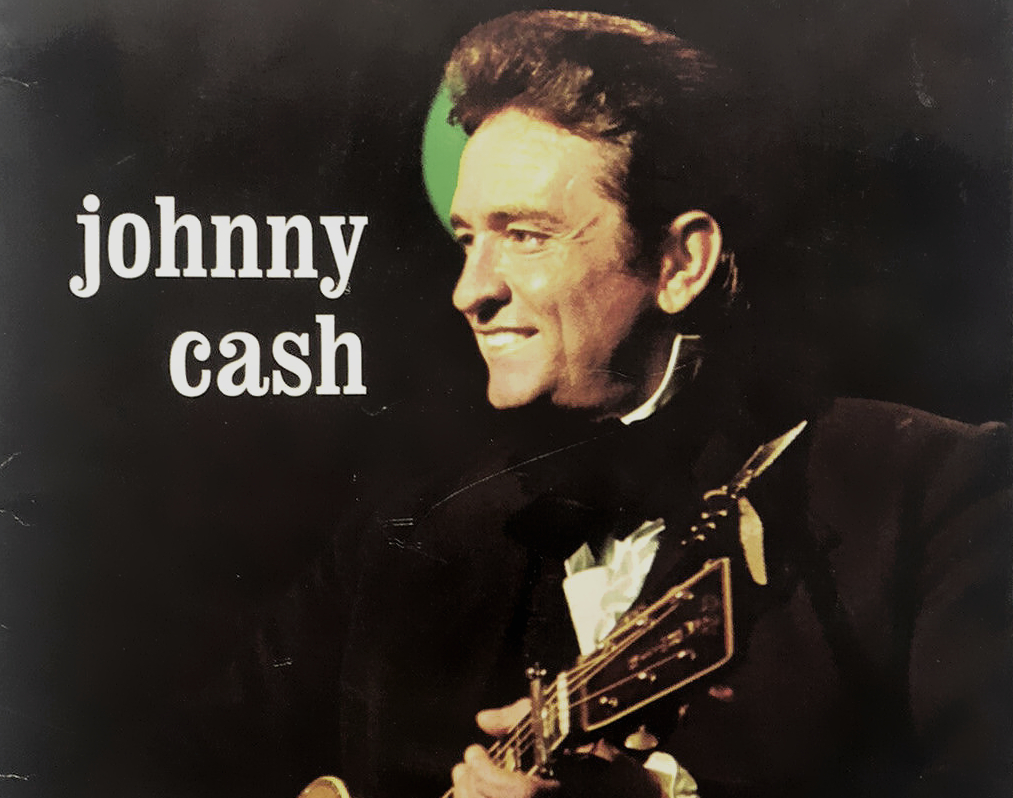
When the album was released on April 26, 1994, critics responded immediately. Many hailed it as a masterpiece and one of the boldest reinventions of an established artist in recent memory. For younger listeners who had grown up on alternative rock and hip-hop, Cash suddenly felt relevant again. He was no longer just a historical figure; he was current.
 Self Scanned, Wikimedia Commons
Commercial Success With Integrity
The album charted higher than most of his recent releases and reintroduced Cash to audiences across multiple genres. More importantly, it restored artistic credibility. In 1995, American Recordings won the Grammy Award for Best Contemporary Folk Album. Rather than being just a nostalgia award, it was recognition of artistic excellence.
Stripping Away The Persona
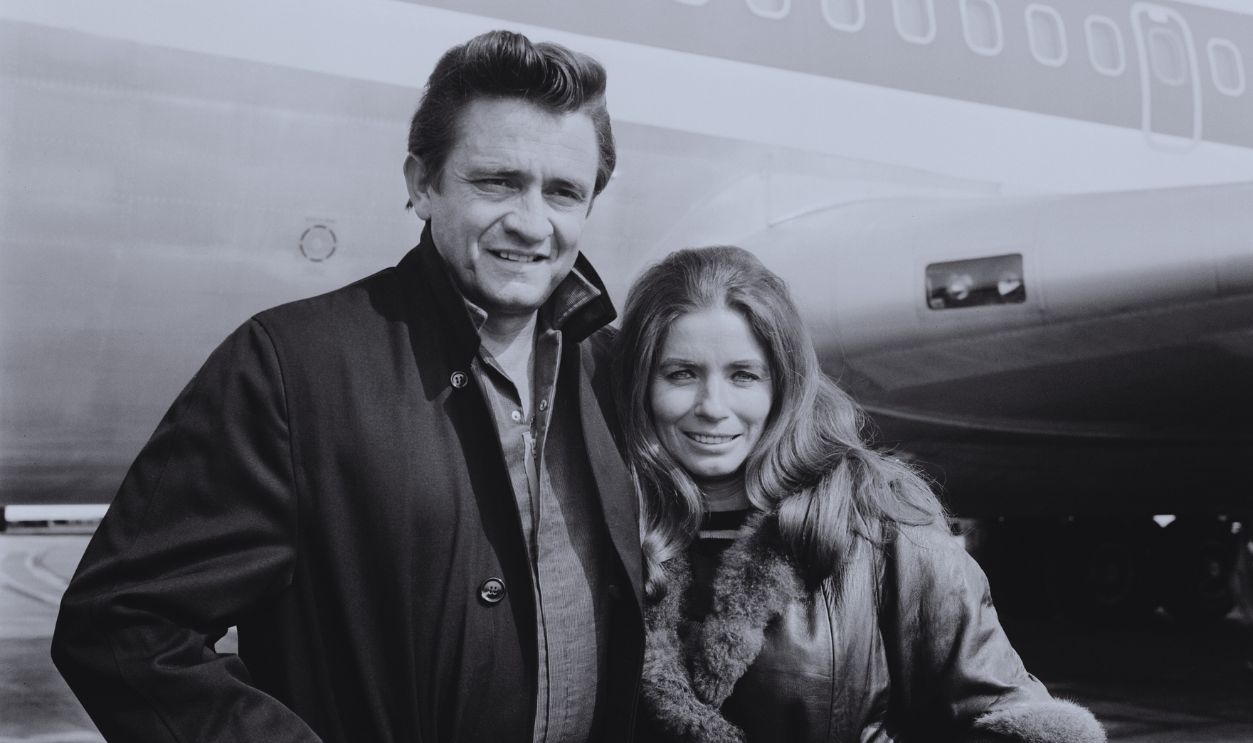
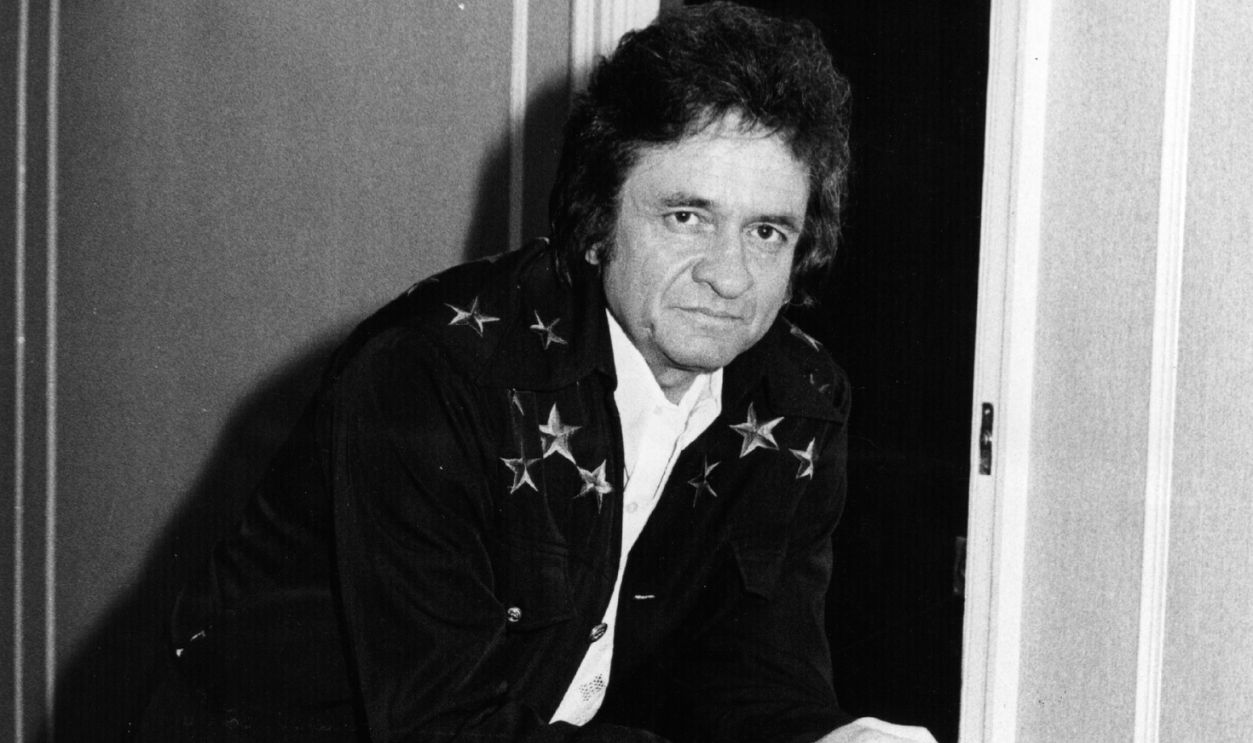
One of the album’s most significant achievements was how it dismantled the mythology surrounding Johnny Cash. The black clothing, the outlaw image, the larger-than-life persona all faded into the background. What remained was a man and his voice. That voice carried the weight of experience without theatricality, and became his most honest instrument.
Launching A New Chapter
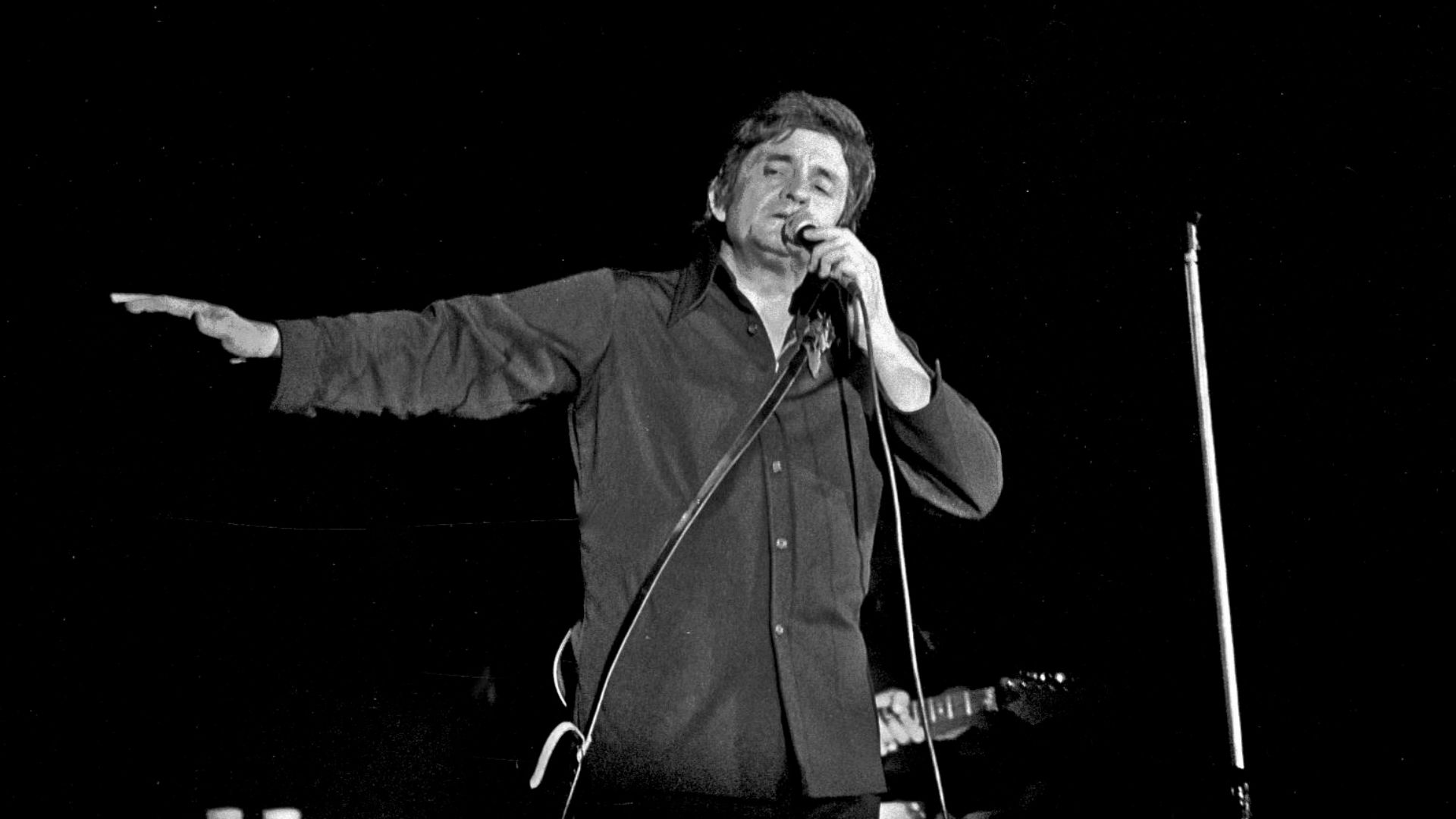
The success of American Recordings led to a series of follow-up albums: American II: Unchained, American III: Solitary Man, and American IV: The Man Comes Around. Each continued the stripped-down aesthetic while expanding the emotional scope. The series became one of the most respected late-career arcs in modern music history.
 Heinrich Klaffs, Wikimedia Commons
A Cultural Reawakening
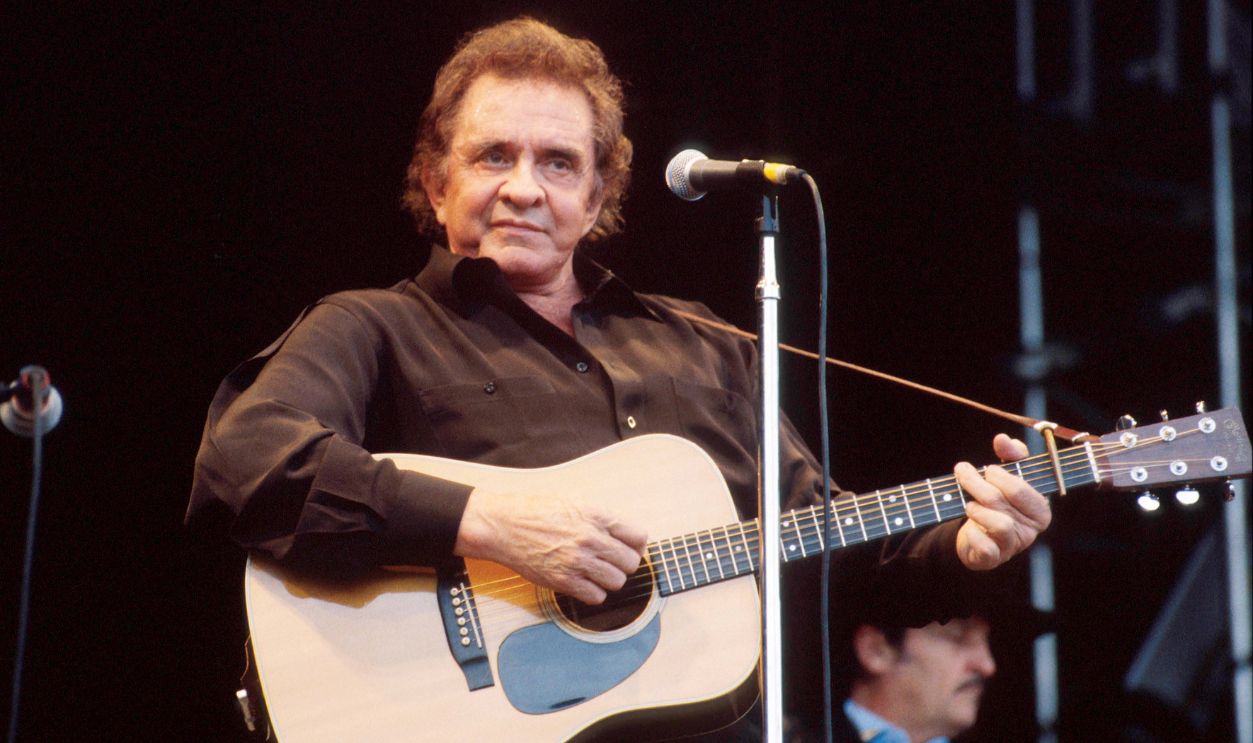
Cash’s revival also changed how the industry viewed legacy artists. Instead of relying on greatest-hits tours or safe retrospectives, he demonstrated that reinvention was possible at any age. The album influenced artists across genres who saw that authenticity could outlast trends.
Bridging Generations
Through Rubin’s production style and song choices, Cash connected with alternative rock audiences and younger fans who might never have explored his earlier catalog. Suddenly, Johnny Cash T-shirts appeared at concerts that had nothing to do with country music. His influence expanded into spaces it had never occupied before.
A Model For Artistic Reinvention
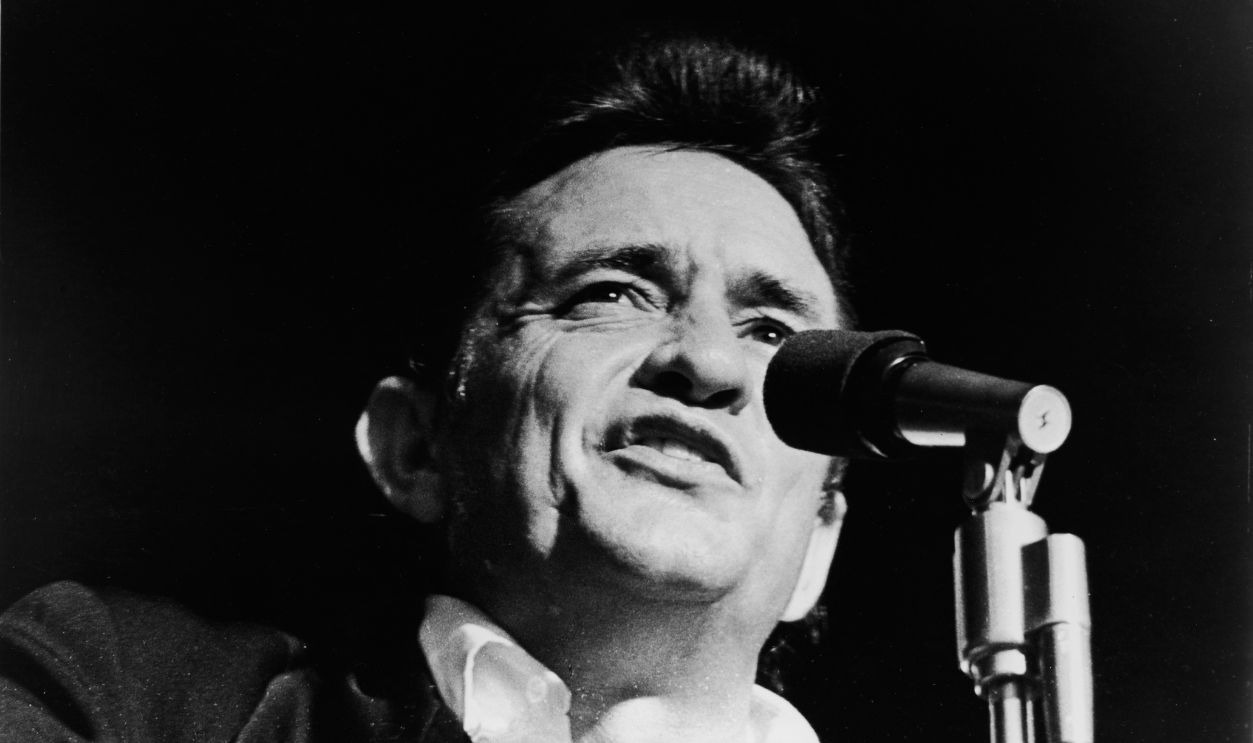
The blueprint established by American Recordings has since been studied and emulated. Stripping production down to essentials. Trusting the artist’s voice. Allowing imperfection to remain. These choices helped prove that minimalism can amplify emotional impact rather than reduce it.
 PH1 GARY RICE, USN, Wikimedia Commons
Personal Resilience Reflected In Sound
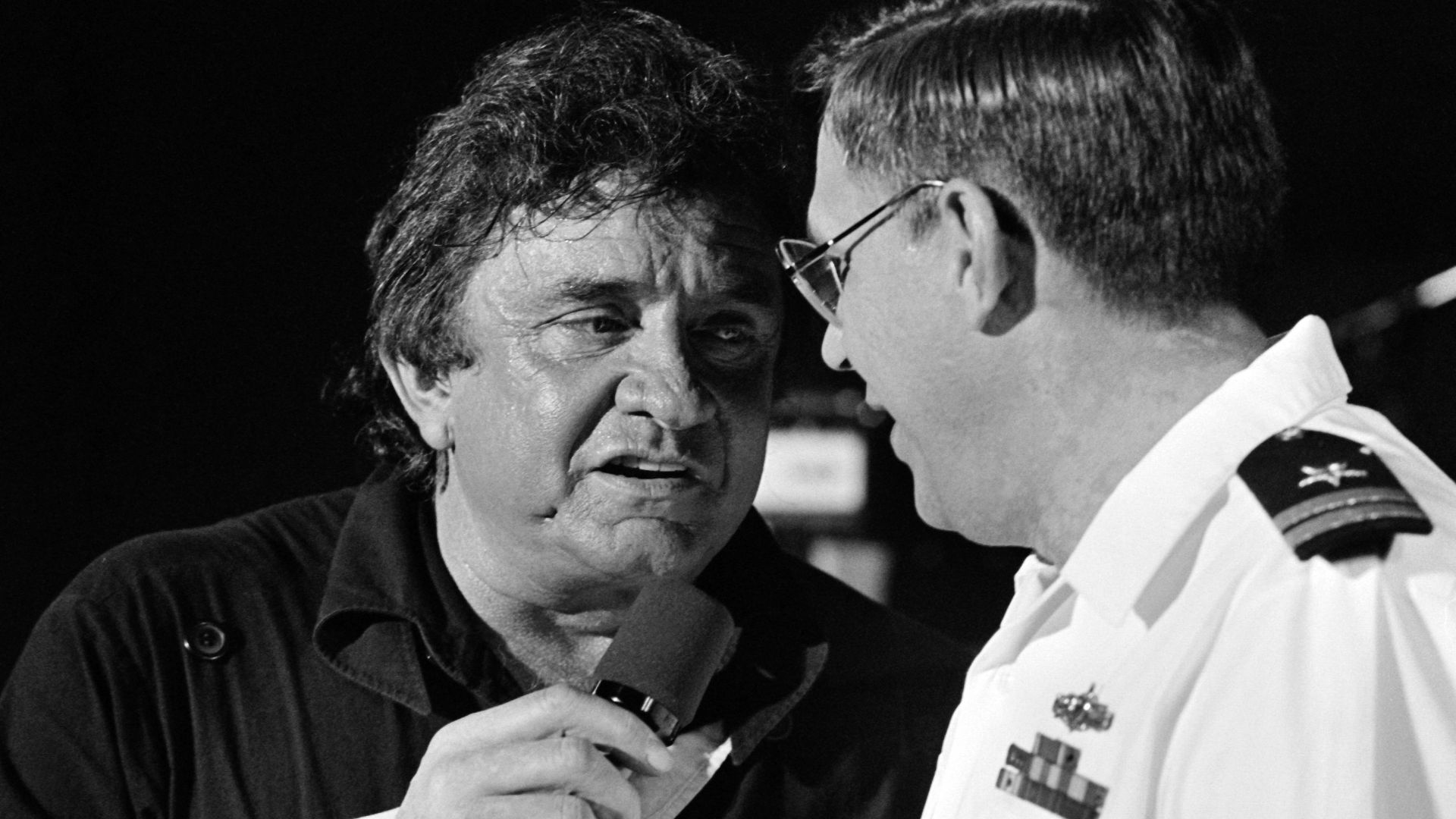
Cash had endured addiction, career setbacks, and health concerns. Instead of hiding those struggles, the album allowed them to resonate within the music. The slight wear in his voice did not signal weakness; it signaled survival.
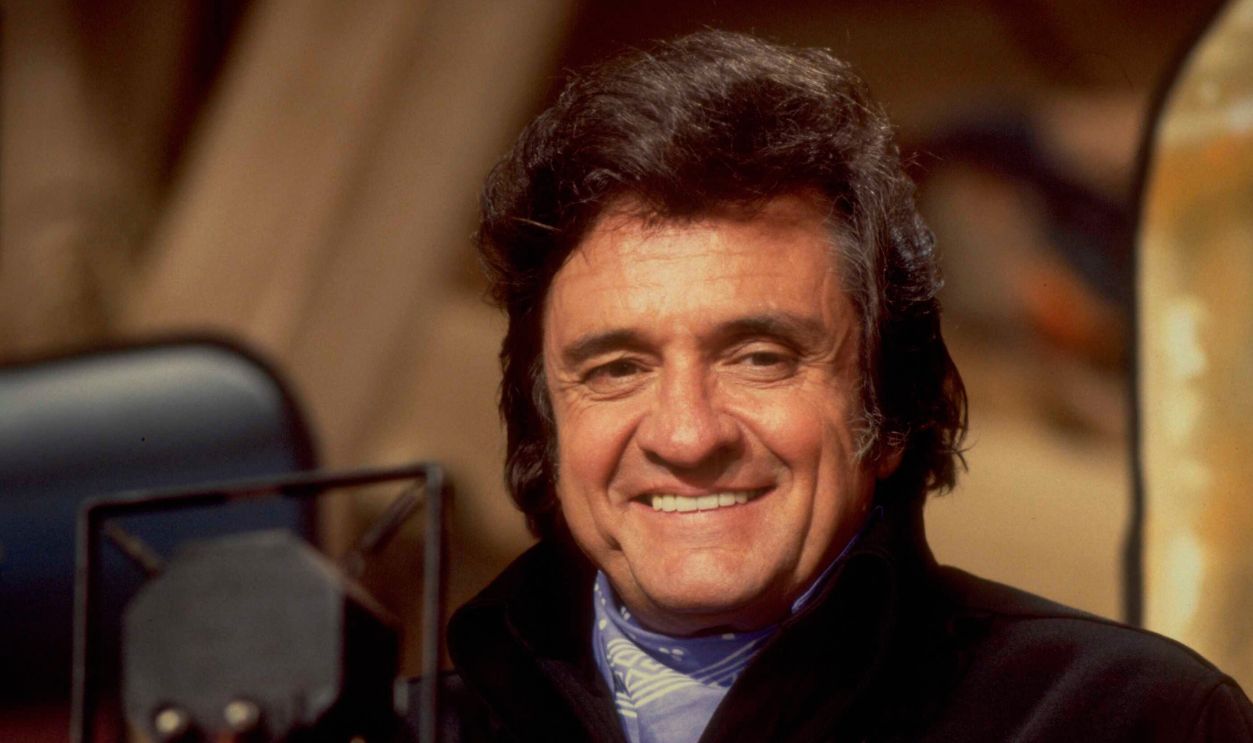
The Series Continues To Deepen The Legacy
Subsequent entries in the American series pushed even further. Particularly on American IV, released in 2002, Cash’s renditions of songs like “Hurt” became cultural milestones. But it all began with the courage of the first installment in 1994.
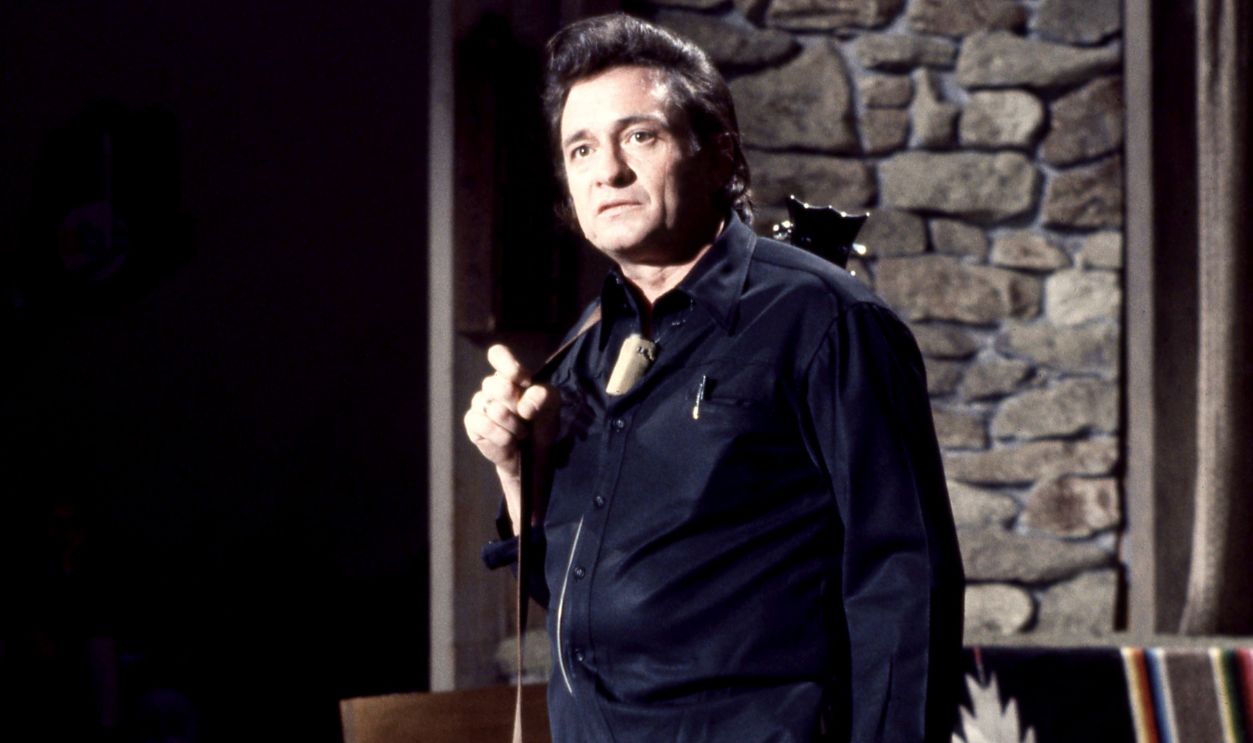
Final Thoughts: The Voice Above The Myth
American Recordings was more than a comeback album; it was an artistic statement about aging, truth, and the power of restraint. By removing excess and focusing on the essentials, Johnny Cash revealed something deeper than persona or legend. His weathered voice carried honesty that no elaborate production could improve. In the end, the myth was not destroyed, but was instead humanized. And in that humanity, Johnny Cash found a new chapter that may be the most enduring of all.
You May Also Like: