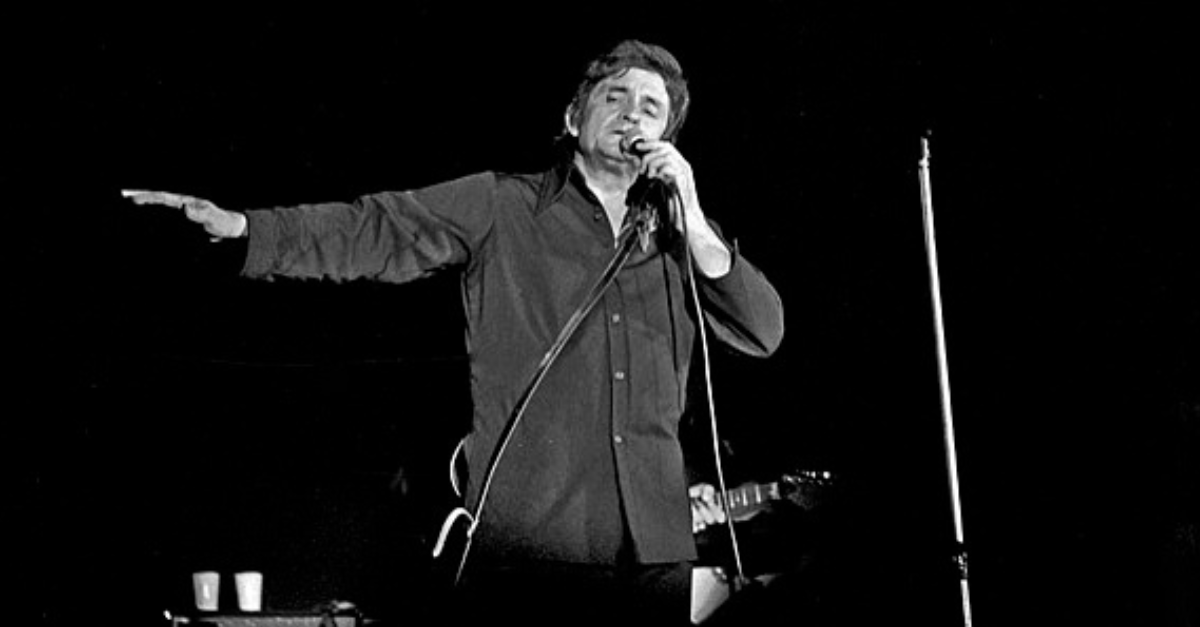
When The Man In Black Chose Sides
Johnny Cash never pretended to be neutral. While much of Nashville tried to tiptoe around the Vietnam War, Cash walked straight into it—boots first, guitar slung low, and conscience fully intact. At a time when protest could cost you radio play, sponsors, and even your career, Cash decided that silence felt worse.
 Heinrich Klaffs, Wikimedia Commons
A Country Star In A Divided America
By the mid-1960s, Cash was already one of the biggest names in music. But America was splitting down the middle over Vietnam, and country music leaned heavily toward patriotism and obedience. Cash knew exactly how dangerous it was to question from inside that world.
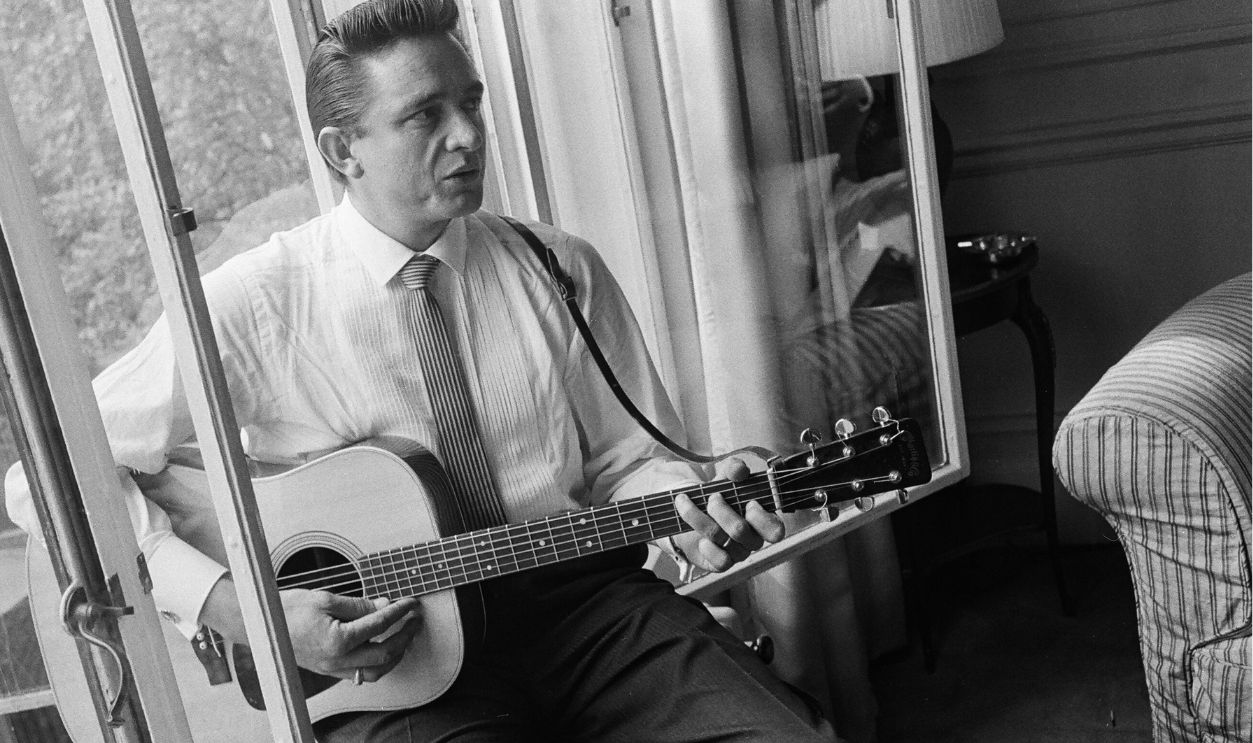
Cash Wasn’t A Protest Singer—Until He Was
Unlike folk contemporaries who built careers around protest, Cash didn’t arrive with a megaphone. His rebellion was quieter, rooted in empathy and storytelling. That made his Vietnam-era statements even more unsettling, because they didn’t sound radical—they sounded human.
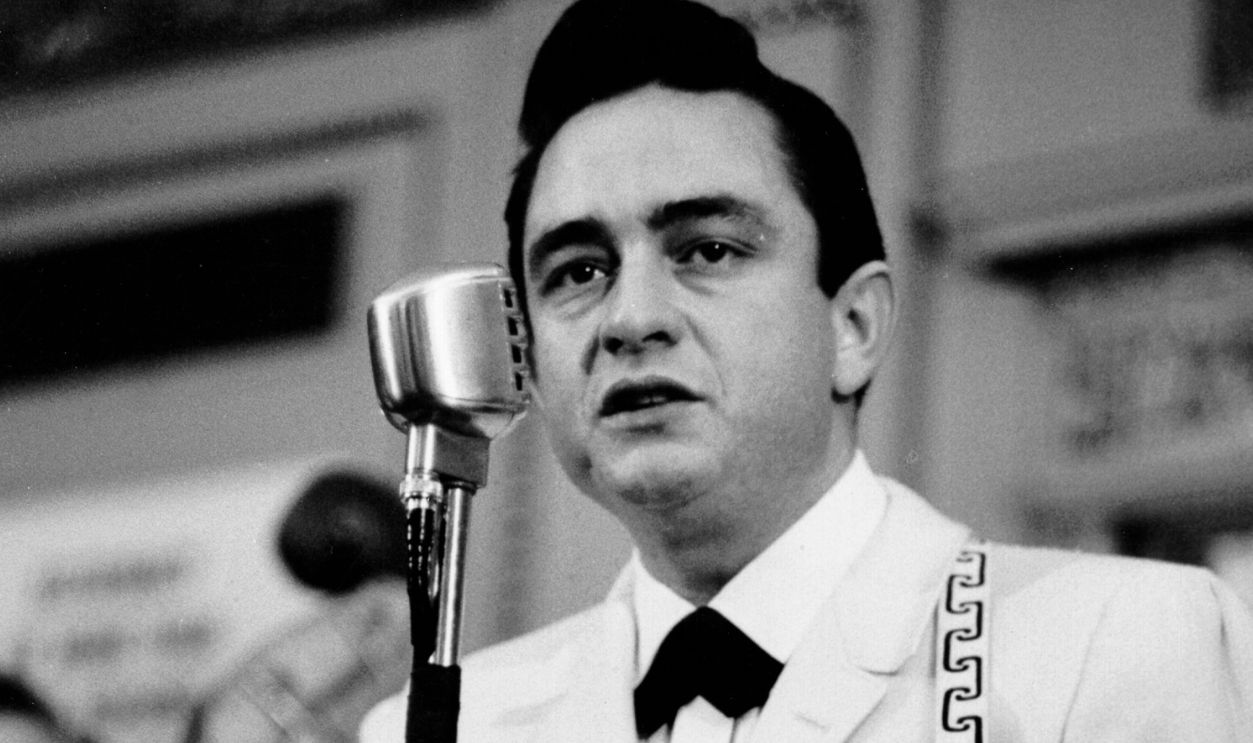 Michael Ochs Archives, Getty Images
The Johnny Cash Show And National Television
Cash’s television show gave him a rare platform: middle America tuned in weekly. Sponsors and network executives expected safe entertainment, not political discomfort. What they got instead was a performer who refused to separate art from morality.
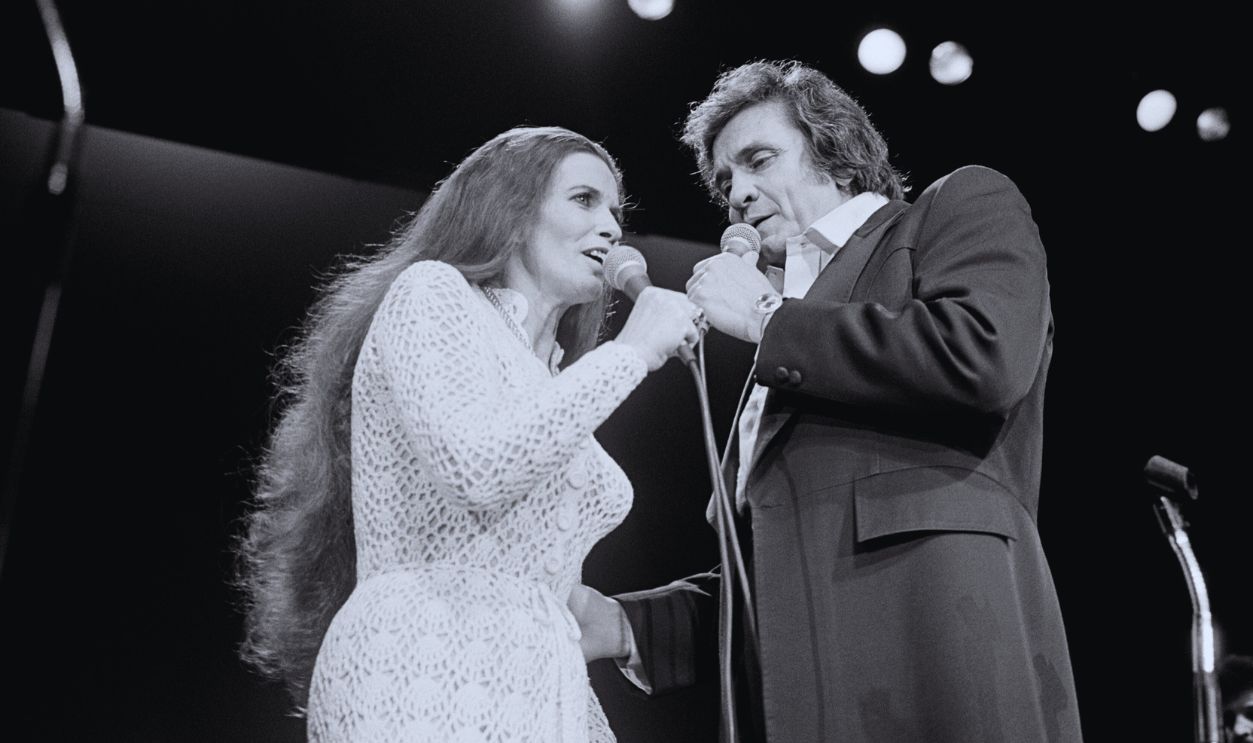
Singing In Viet Nam Talking Blues Appears
In 1971, Cash released Singing in Viet Nam Talking Blues, a spoken-word style track rooted in his firsthand experiences visiting US fighters.. The song didn’t glorify combat or wave flags—it questioned purpose, sacrifice, and silence. For many listeners, that alone felt like betrayal.
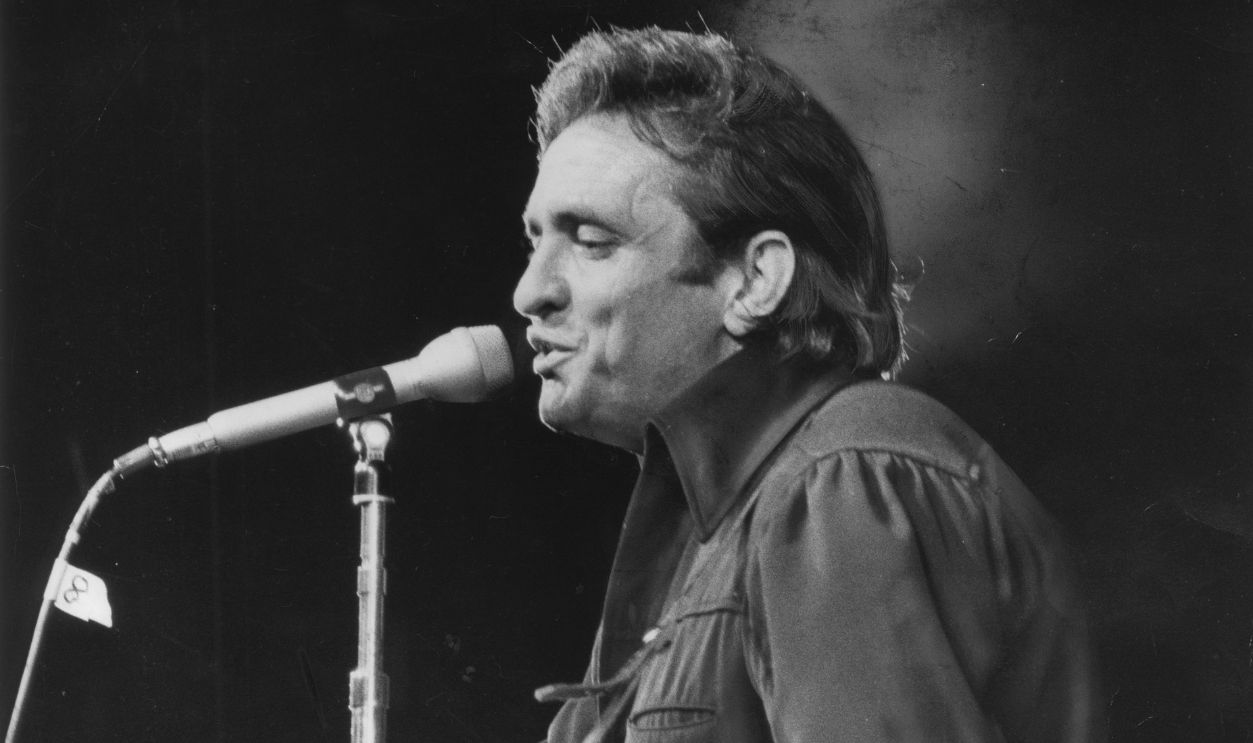
A Song That Refused To Take Orders
The song was controversial precisely because it avoided easy answers. Cash didn’t call the fighters villains or heroes—he called them human. That refusal to simplify made radio programmers deeply uncomfortable, especially during a time that demanded certainty.
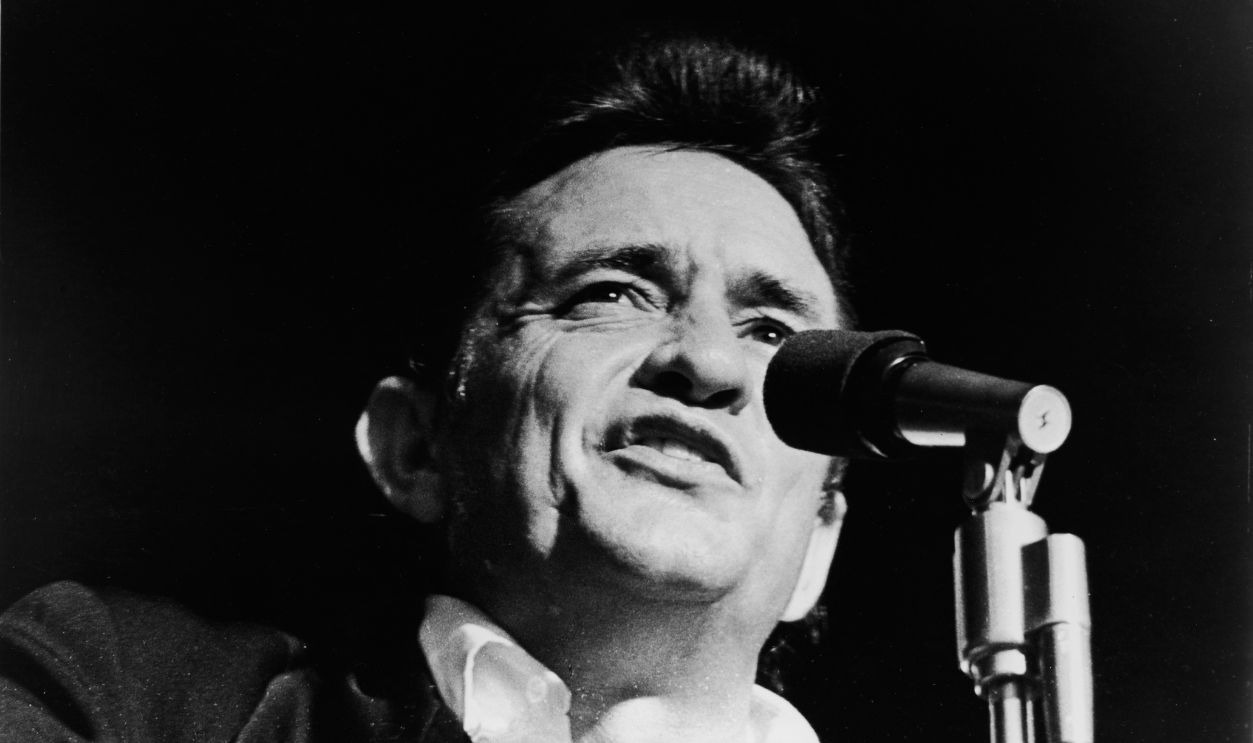
Nashville’s Quiet Panic
Behind the scenes, Cash’s label and industry peers worried. Country radio thrived on consensus, and Cash was poking holes in it. There were fears the song would alienate listeners who equated criticism with disloyalty.
Cash Refused To Rewrite Or Tone It Down
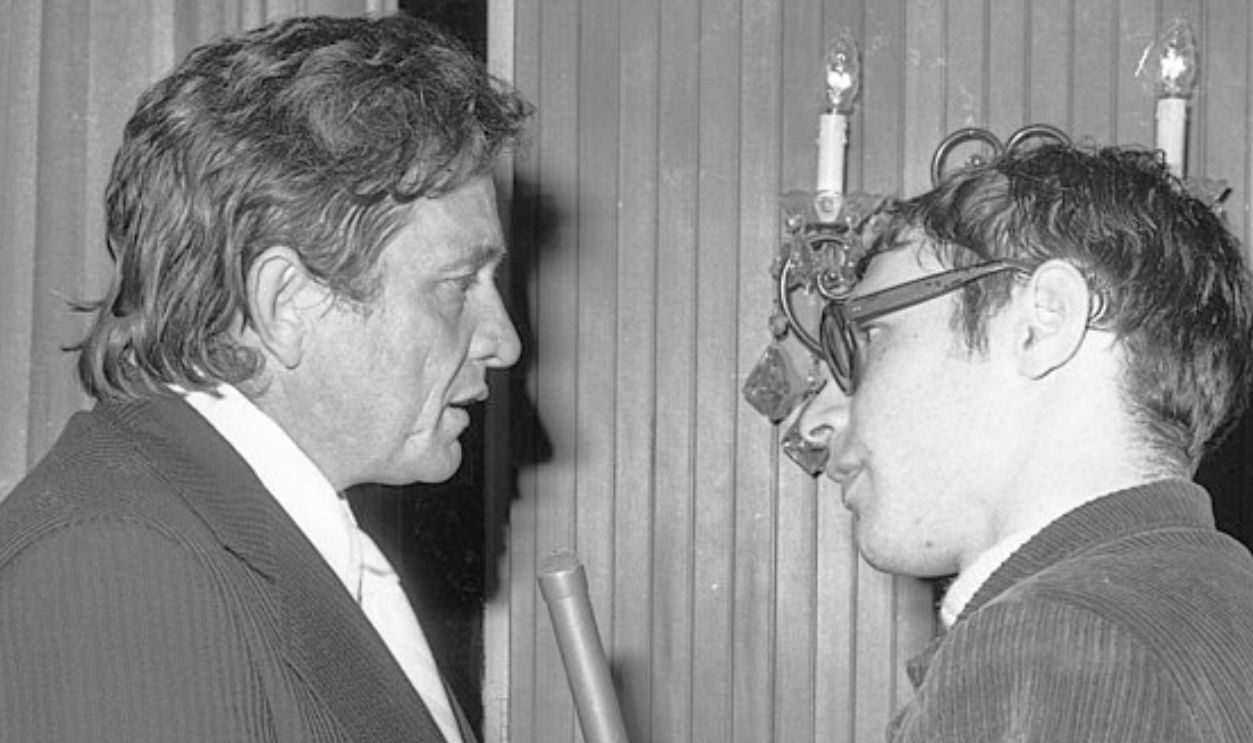
Cash was asked—politely at first—to soften the message. He declined. The song stayed intact, even when it meant limited airplay and raised eyebrows from executives who had made him rich.
Visiting Changed Everything
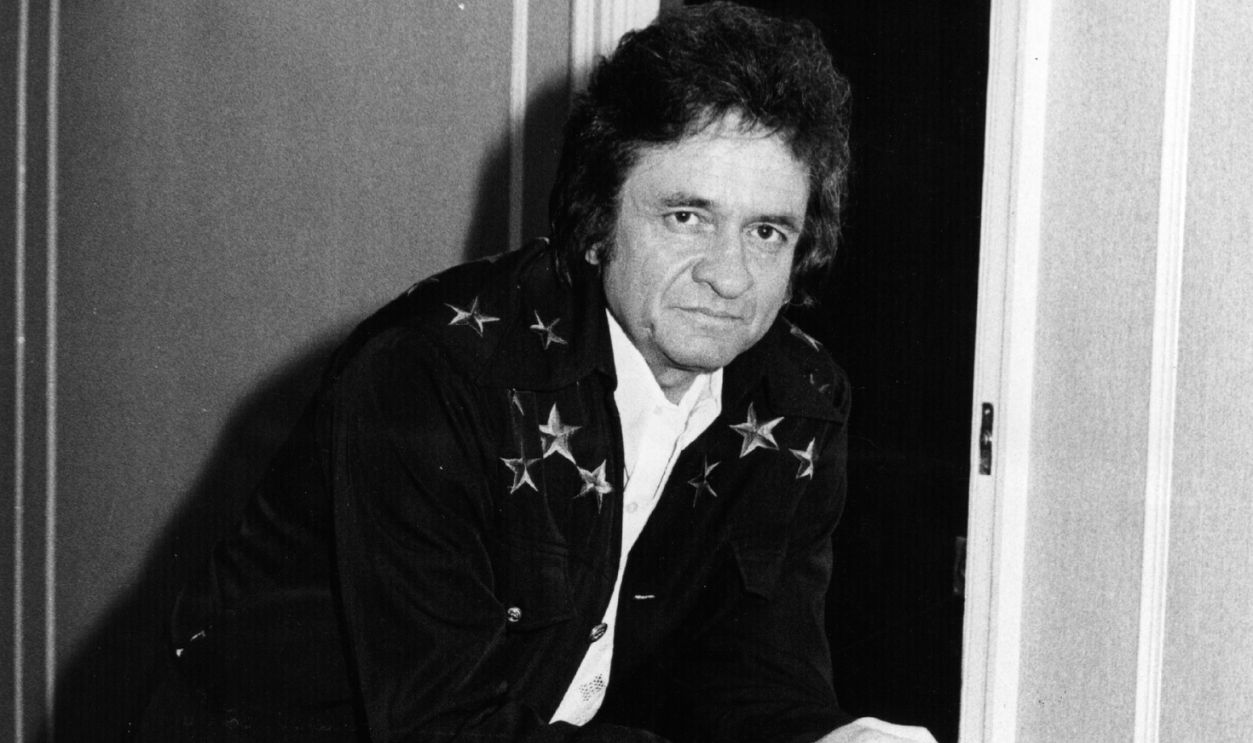
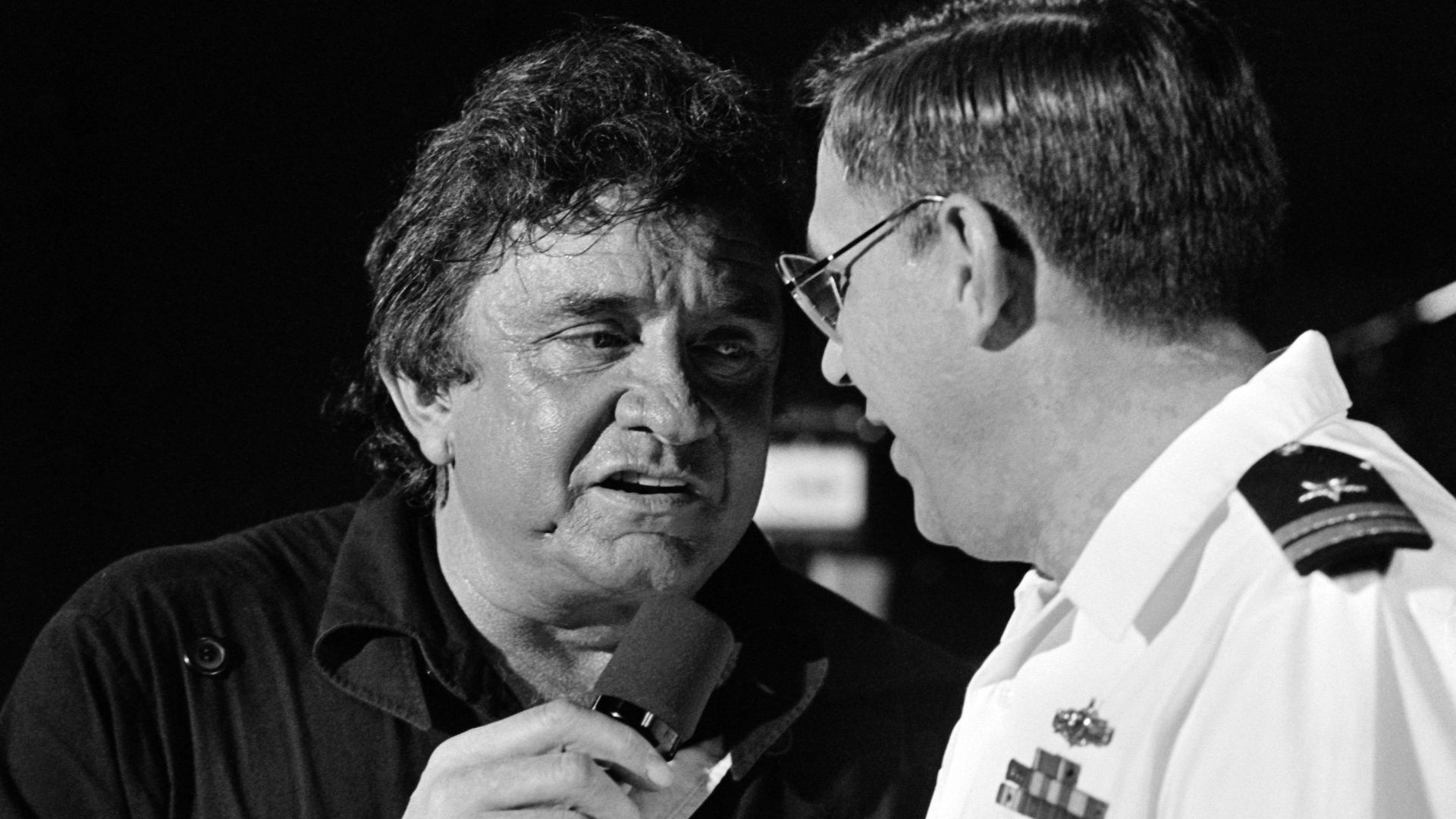
Cash’s perspective wasn’t abstract. He had traveled to Vietnam, performing and witnessing the emotional cost firsthand. Those experiences made censorship feel dishonest, like pretending the conflict only existed in press releases.
 George Wilkes Archive, Getty Images
Not Anti-Soldier—Anti-Silence
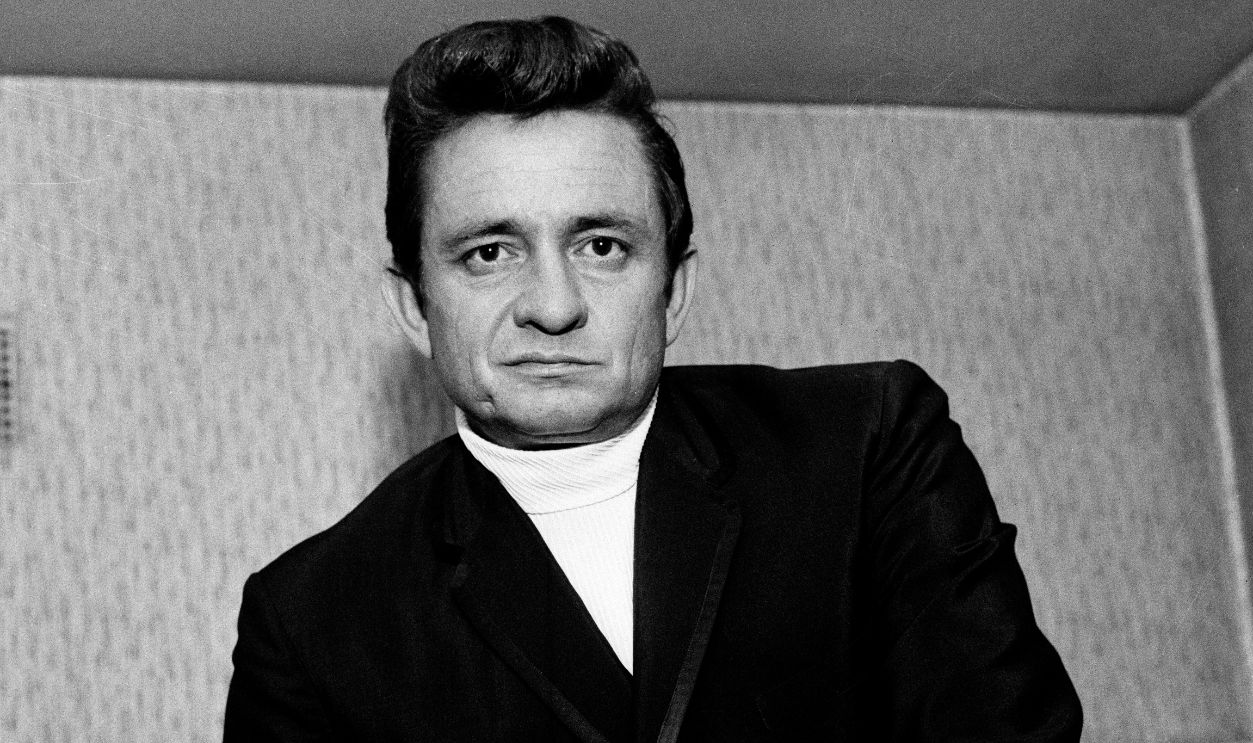
Cash made it clear that questioning didn’t mean abandoning the people fighting. His songs honored them while challenging the decisions that sent them there. That nuance confused critics who wanted clean categories.
Patriotism On Cash’s Own Terms
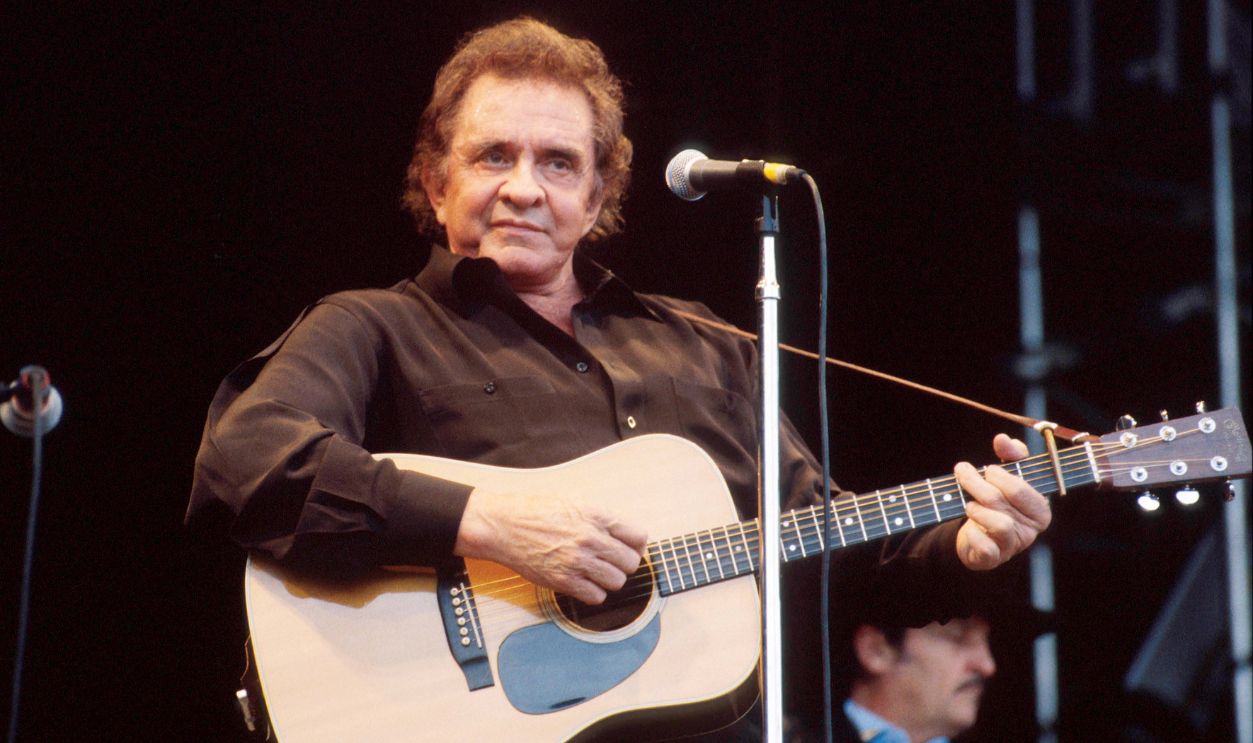
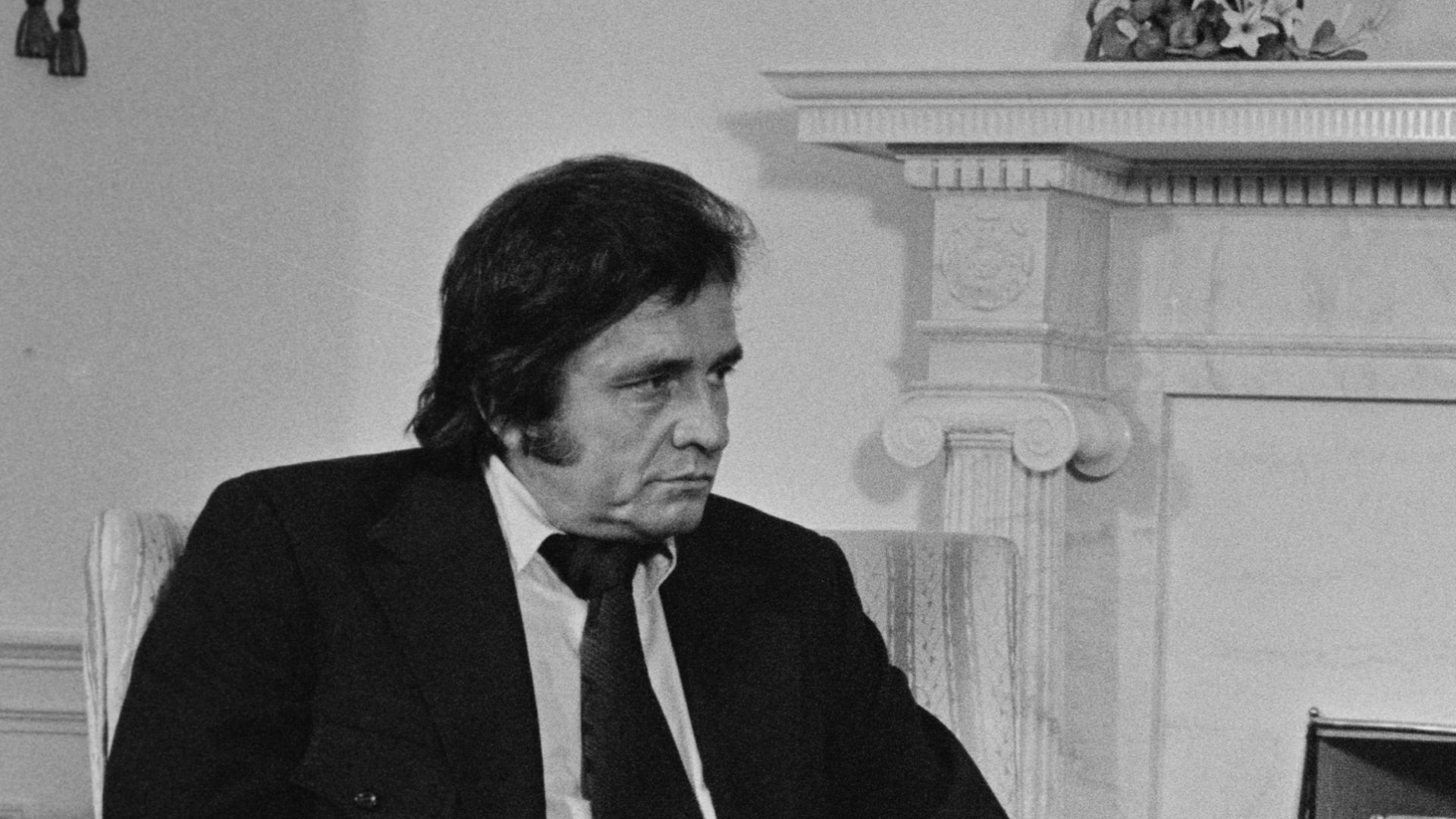
To Cash, patriotism meant accountability. Loving your country didn’t require blind agreement—it required honesty. That belief put him at odds with an industry that preferred uncomplicated loyalty.
 The Nixon library, Wikimedia Commons
The Man In Black Becomes A Symbol
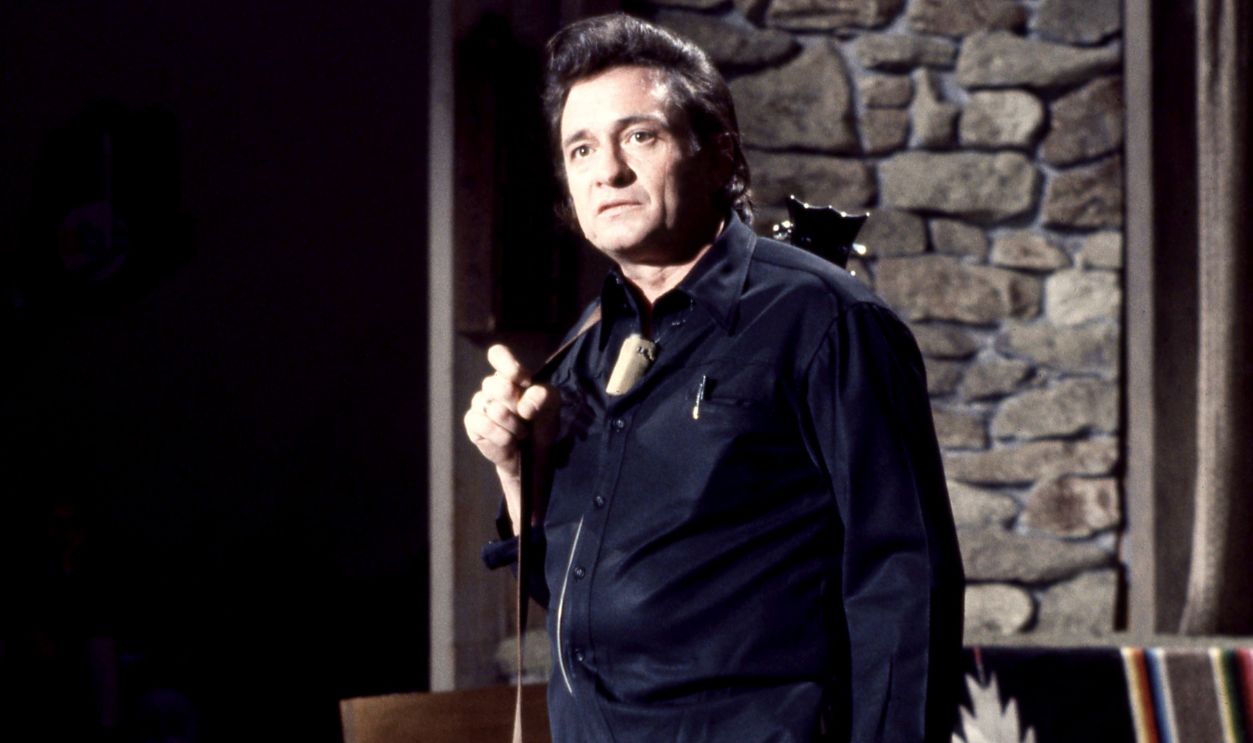
By this point, Cash’s all-black wardrobe had taken on new meaning. It wasn’t just style—it was stance. He wore it for the poor, the imprisoned, and the forgotten, including young men shipped overseas to fight a conflict few understood.
Fans Didn’t All Follow Him
Some longtime fans felt betrayed. Letters poured in, accusing Cash of being un-American. Others quietly drifted away. Cash accepted that cost without complaint, believing integrity mattered more than approval.
 PH1 GARY RICE, USN, Wikimedia Commons
Critics Didn’t Know What To Do With Him
Music critics struggled to categorize Cash’s Vietnam-era work. It wasn’t protest folk, and it wasn’t traditional country. That ambiguity kept the song out of neat narratives—but it also preserved its power.
Television Performances Raised Eyebrows
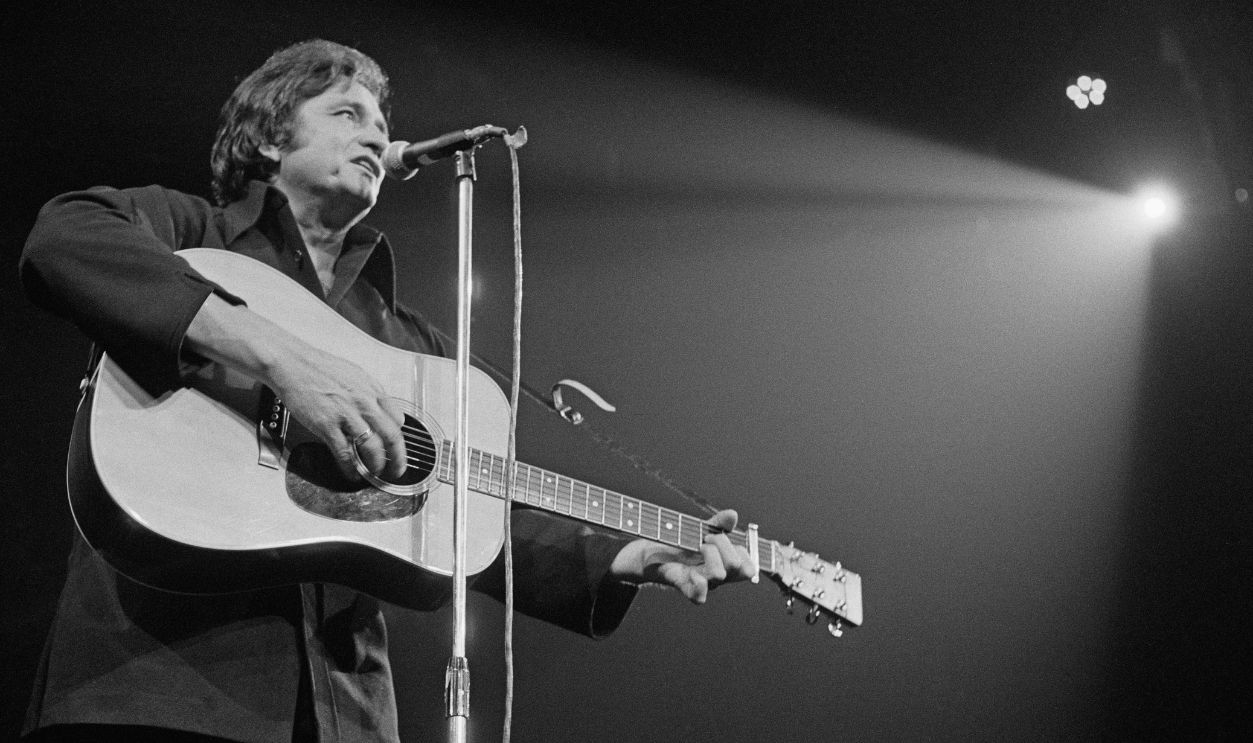
Cash didn’t hide his views on TV. When he spoke about Vietnam on air, it wasn’t fiery—it was measured, thoughtful, and unsettling. That calm delivery made his words harder to dismiss.
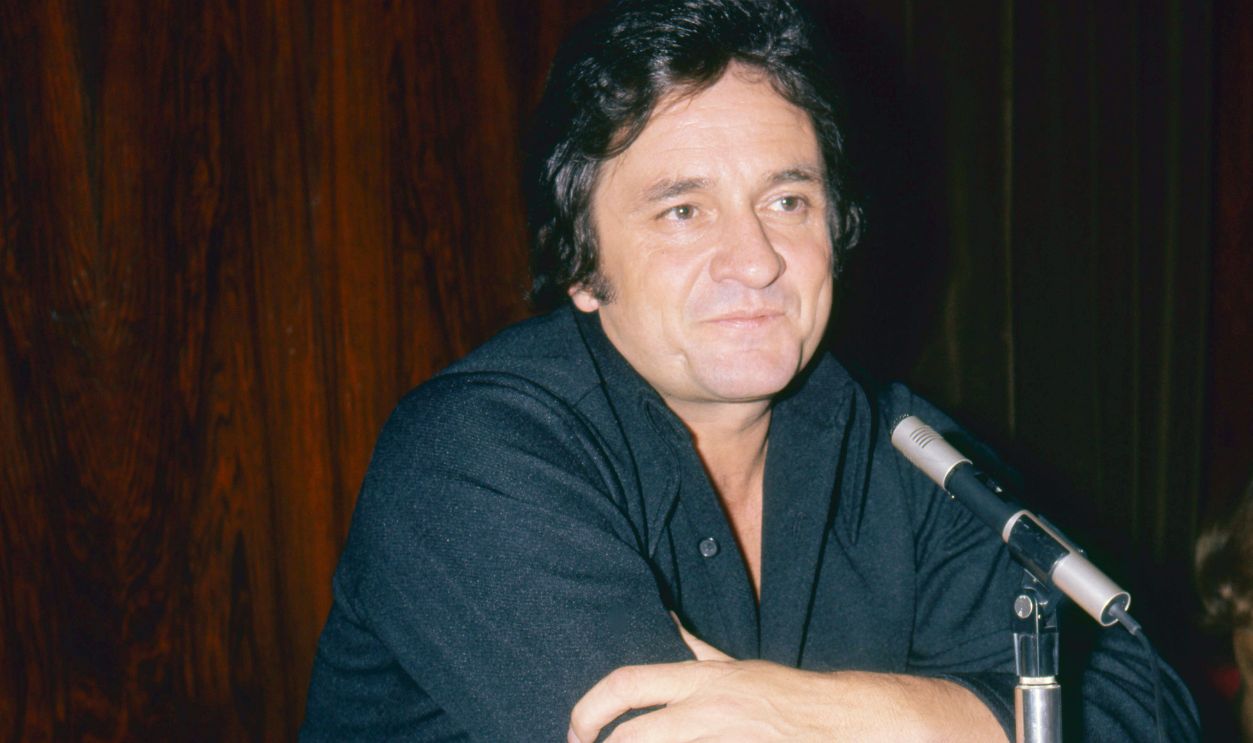
Standing Apart From Both Sides
Cash wasn’t embraced by activists, nor fully accepted by conservatives. He existed in a lonely middle ground, guided by conscience rather than movement. That isolation never seemed to bother him much.
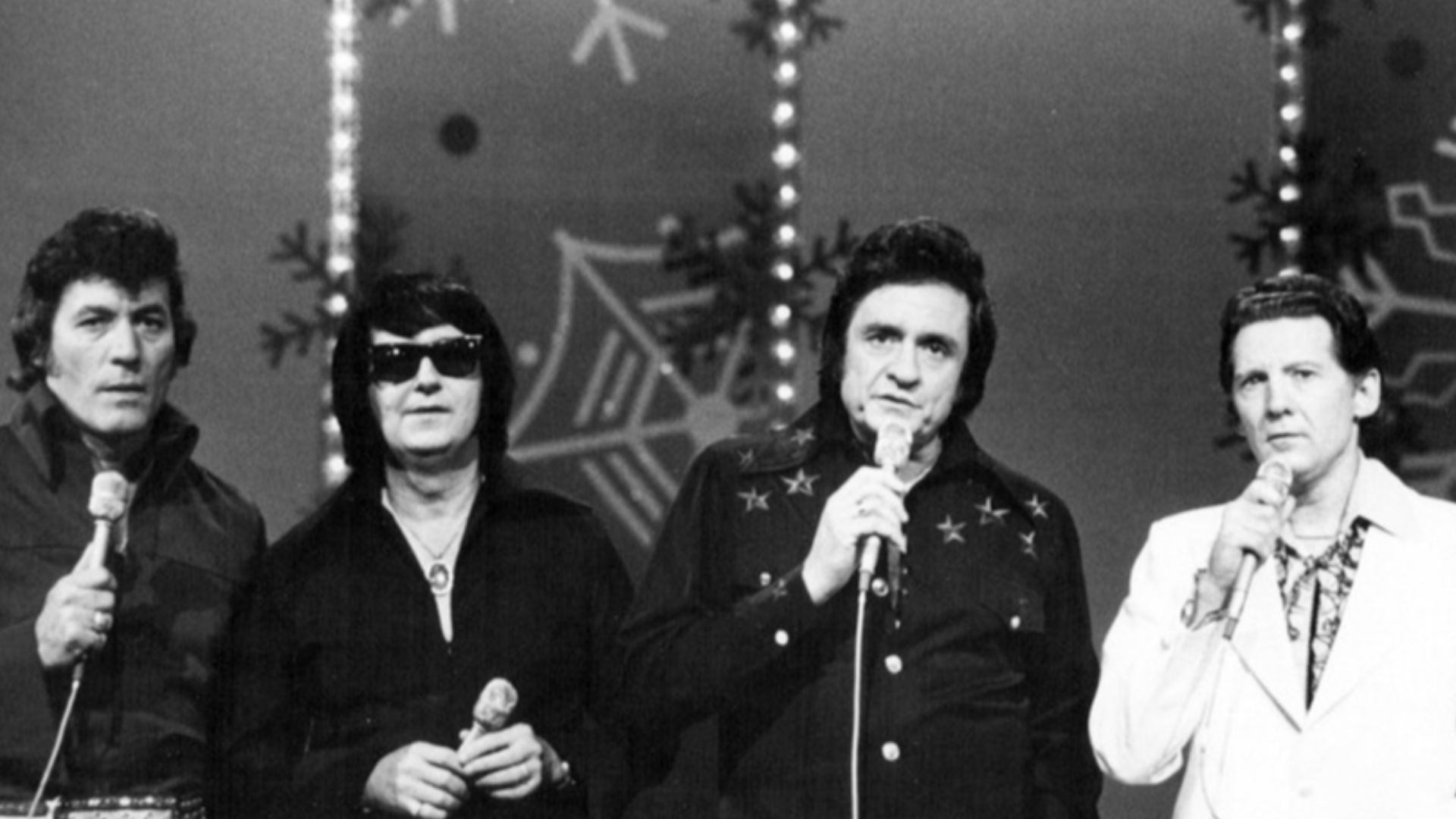 CBS Television, Wikimedia Commons
Commercial Risk Was Real
This wasn’t symbolic rebellion. Cash risked sponsorships, airplay, and future bookings. In an era before artists routinely mixed politics with branding, his stance was a genuine gamble.
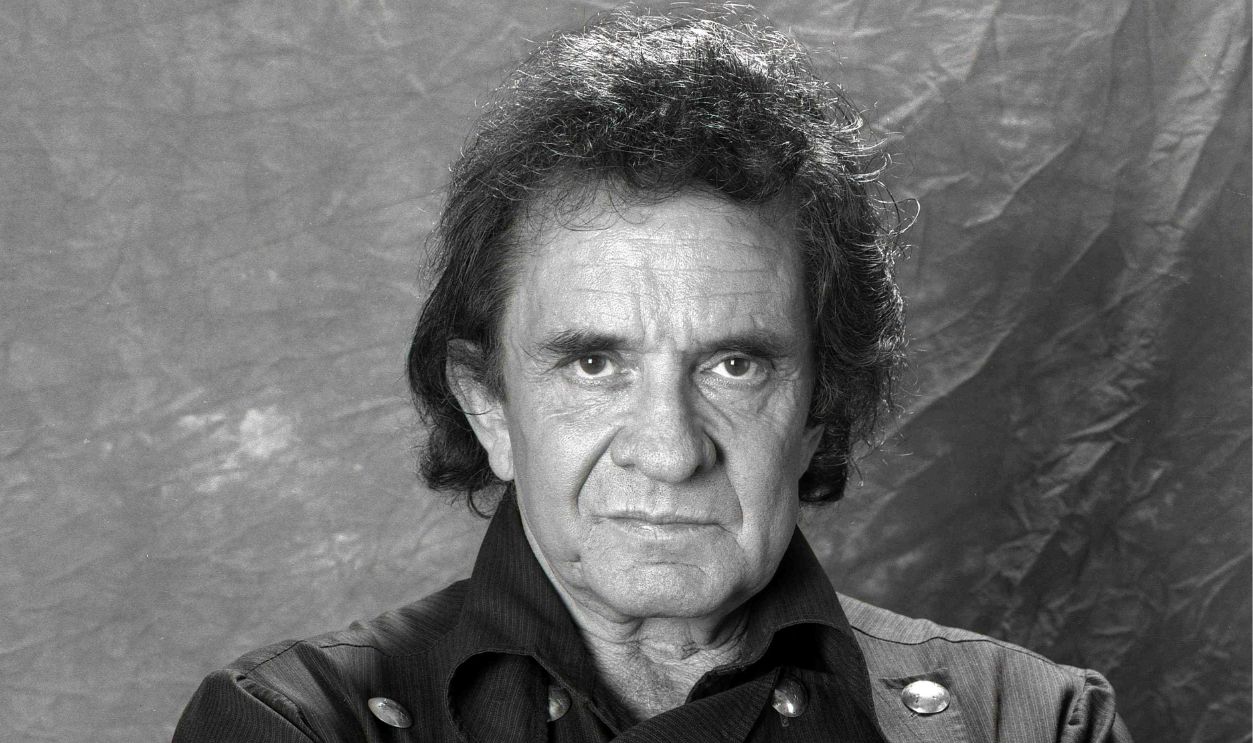 Robert Knight Archive, Getty Images
Why Cash Never Backed Down
Cash believed songs should tell the truth as the singer sees it. Once he’d written Singing in Viet Nam Talking Blues, changing it would’ve felt like lying. For Cash, that line was non-negotiable.
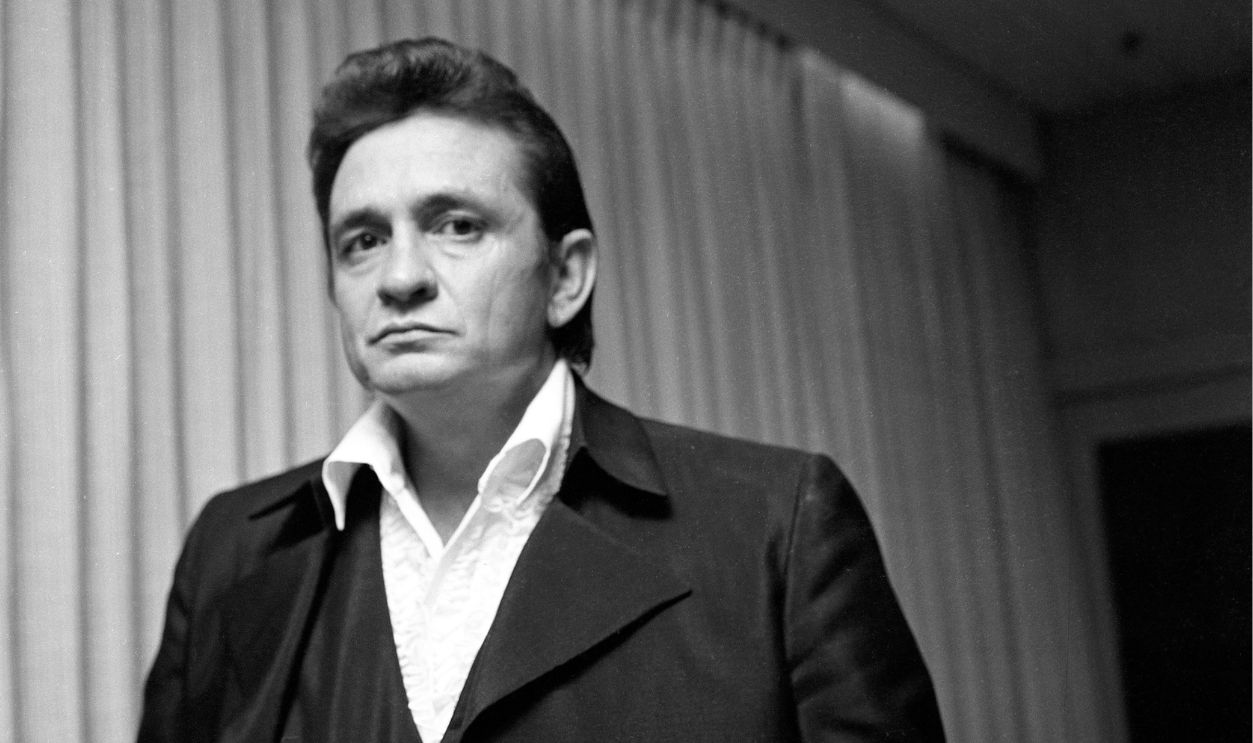 Michael Ochs Archives, Getty Images
Legacy Outlasted The Backlash
Time softened the controversy. As public opinion on Vietnam shifted, Cash’s refusal to censor himself began to look prescient rather than reckless. What once felt dangerous eventually felt honest.
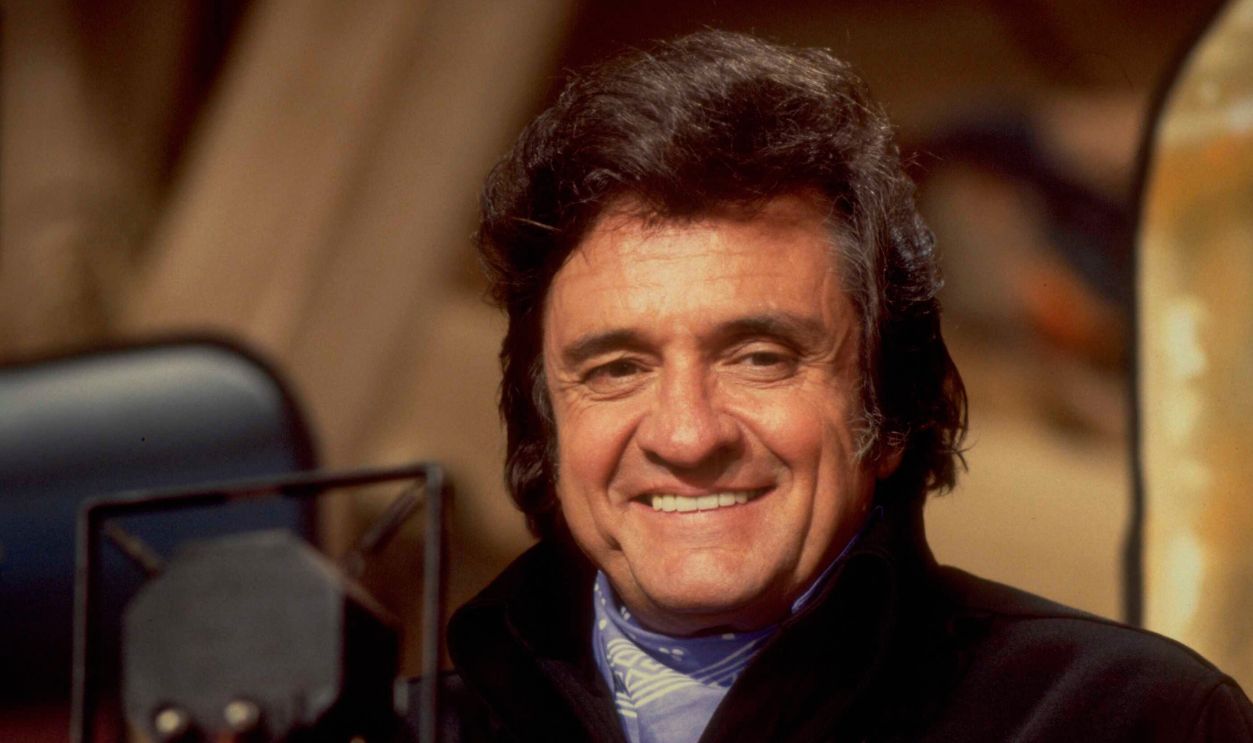
Cash And Conscience Became Linked
From that point on, Cash wasn’t just a singer—he was a moral presence. Fans came to expect discomfort alongside compassion. That expectation became part of his myth.
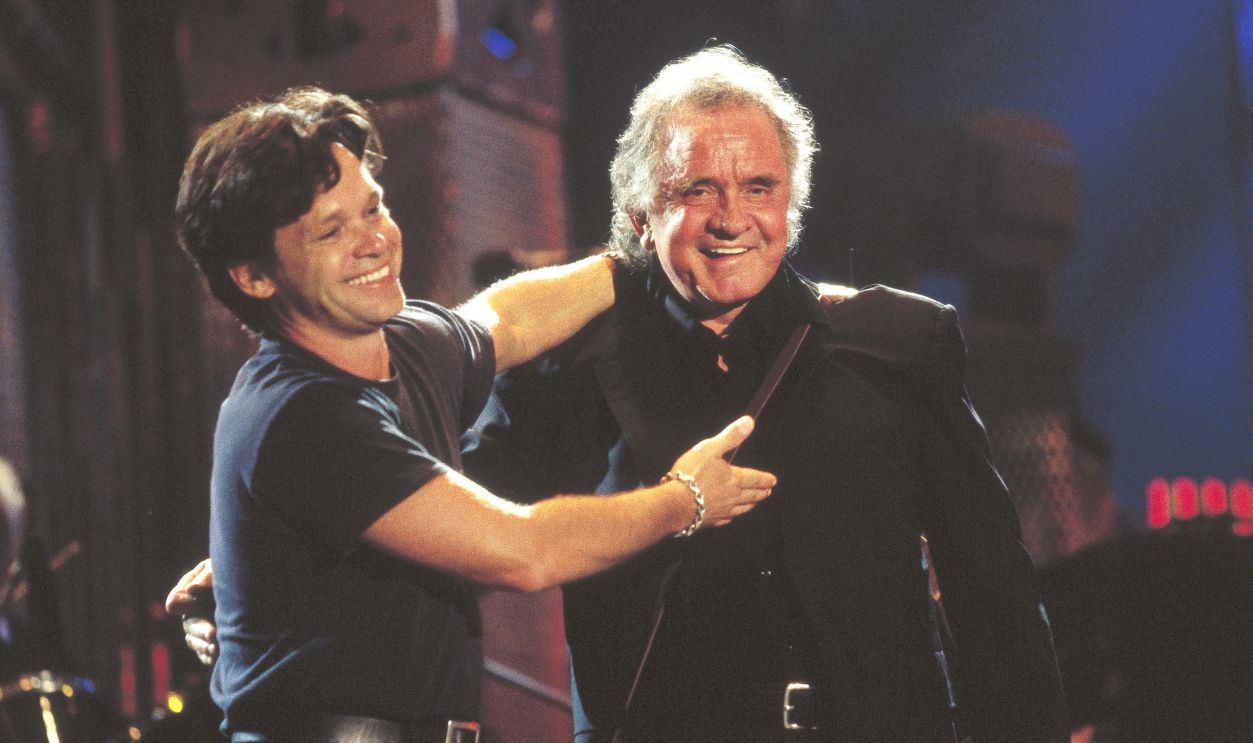
The Risk That Defined Him
Plenty of artists survive by staying agreeable. Cash chose something harder. He accepted fallout, misunderstanding, and loss in exchange for self-respect.
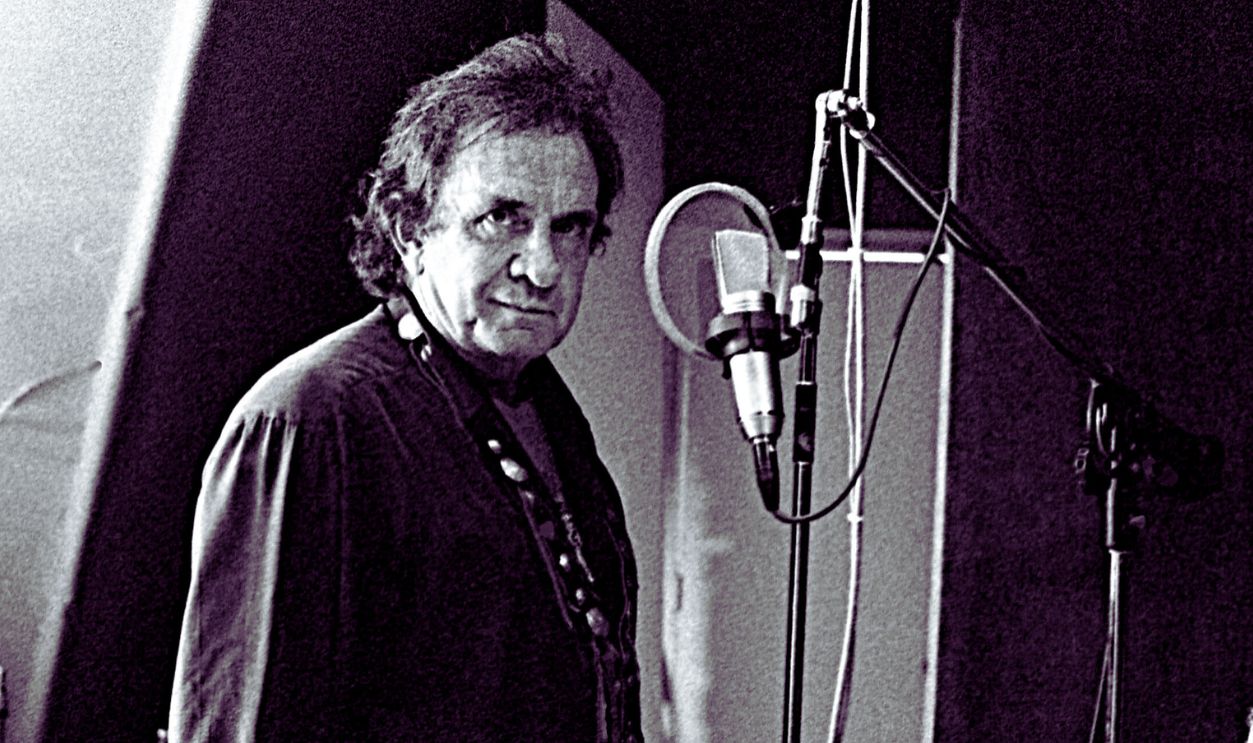
Why This Moment Still Matters
Johnny Cash’s Vietnam protest songs remind us that courage doesn’t always shout. Sometimes it speaks plainly and refuses to apologize. And sometimes, that quiet refusal changes how history remembers you.
You May Also Like: