
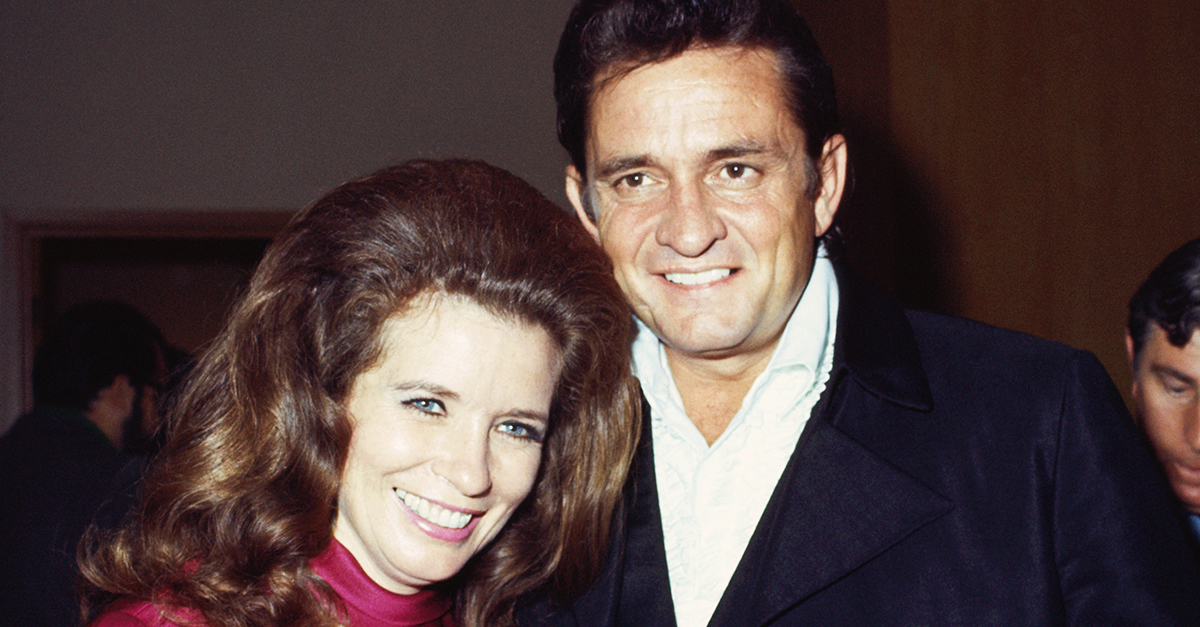
A Love That Played Out On A Public Stage
Johnny Cash and June Carter Cash shared a relationship shaped by music, patience, and endurance. Their story unfolded slowly over decades, becoming one of the most documented partnerships in country music history, marked by loyalty, struggle, and long-term commitment.
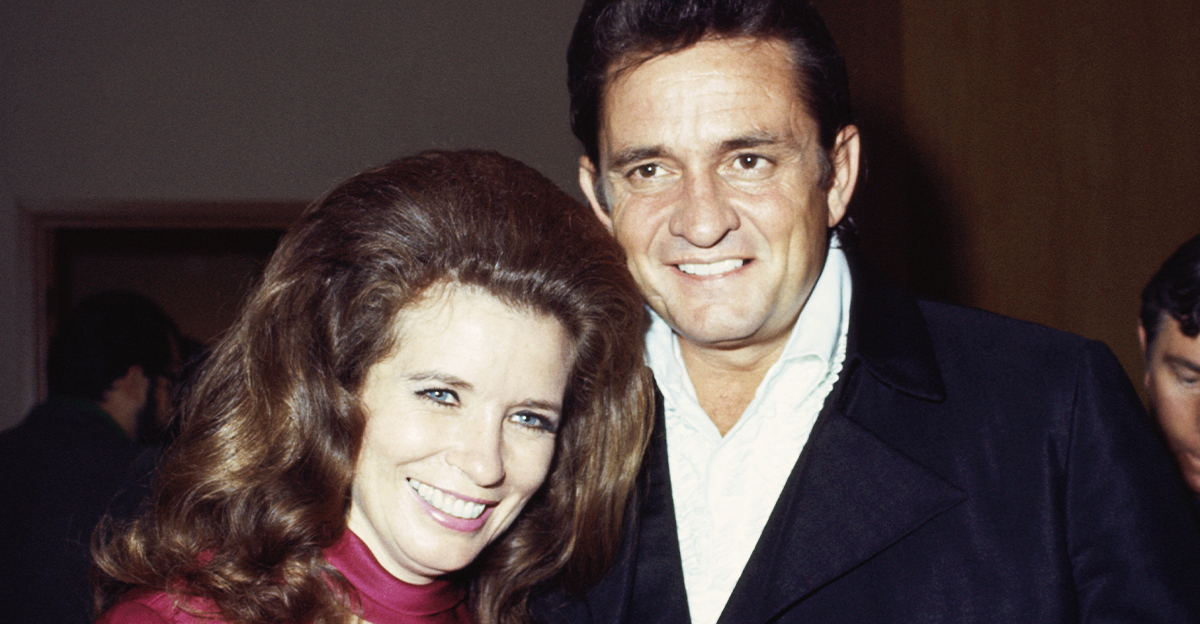 Michael Ochs Archives, Getty Images
Two Different Beginnings, One Musical World
Johnny Cash was raised in rural Arkansas, where hardship and loss later influenced his songwriting. June Carter was born into the Carter Family, a foundational force in country music. Though raised differently, both were shaped early by performance and tradition.
 Joel Baldwin, Wikimedia Commons
A First Meeting That Left An Impression
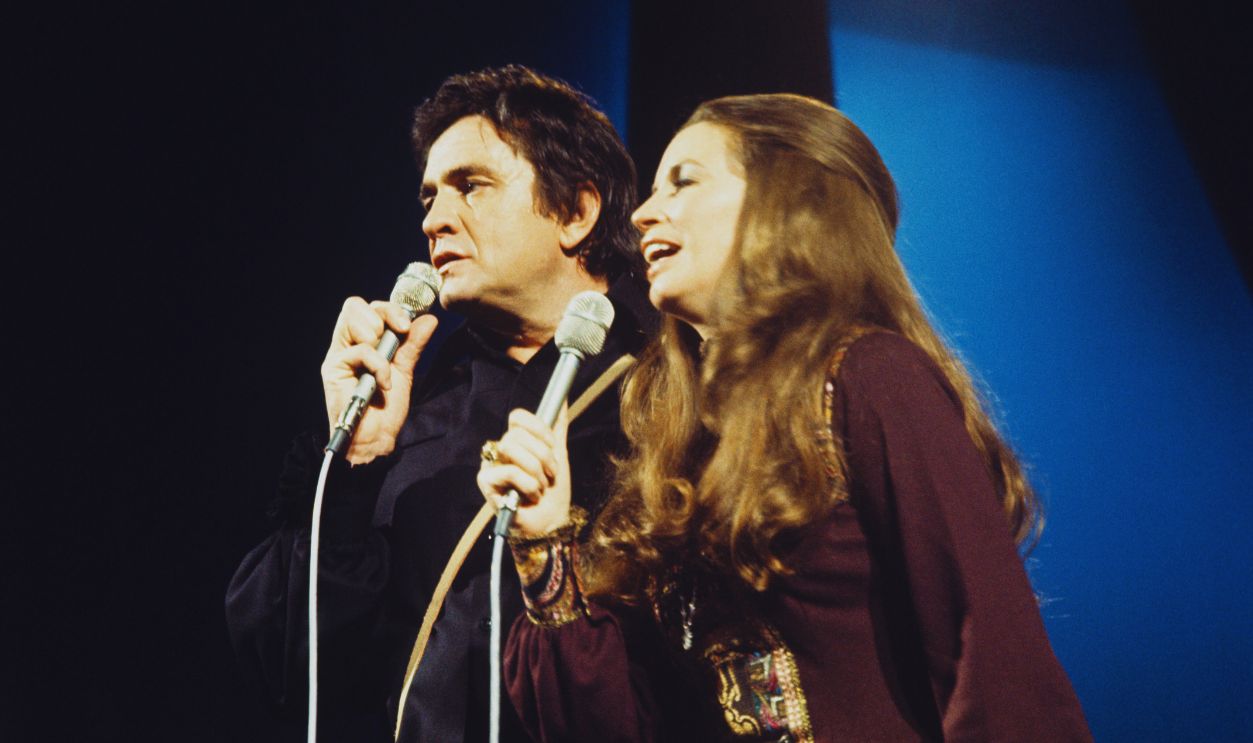
Cash and Carter met backstage at the Grand Ole Opry in 1956, but there was just one problem. They were both married at the time. However, this didn't do anything to quell the sparks between them.
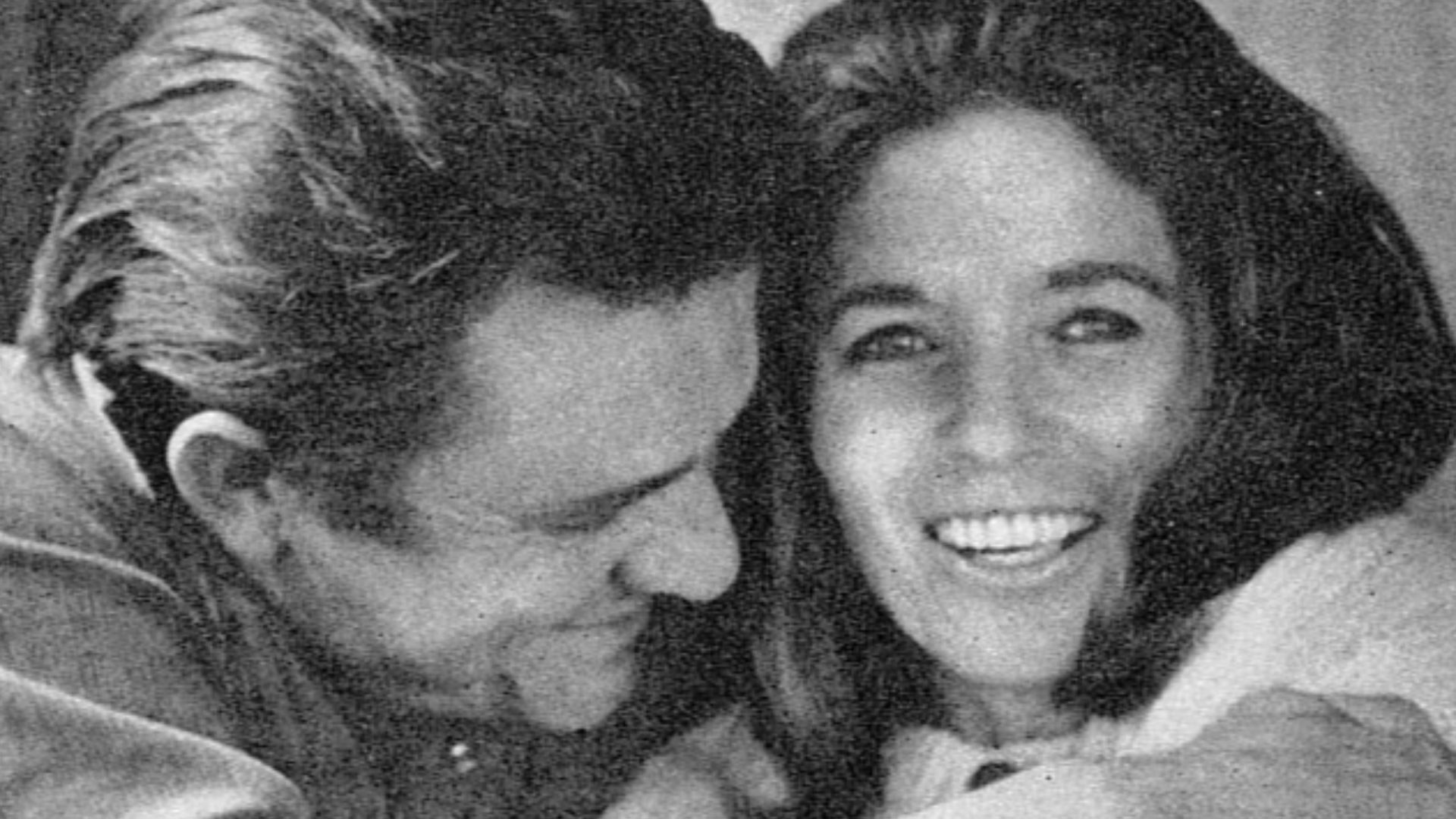
She Couldn't Look Away
June Carter later wrote about that fateful night: "I can't remember anything else we talked about, except his eyes. Those black eyes that shone like agates..."
Cash later said he felt a strong connection immediately, though their relationship remained professional and restrained for many years afterward.
 Gijsbert Hanekroot, Getty Images
Years Of Friendship On The Road
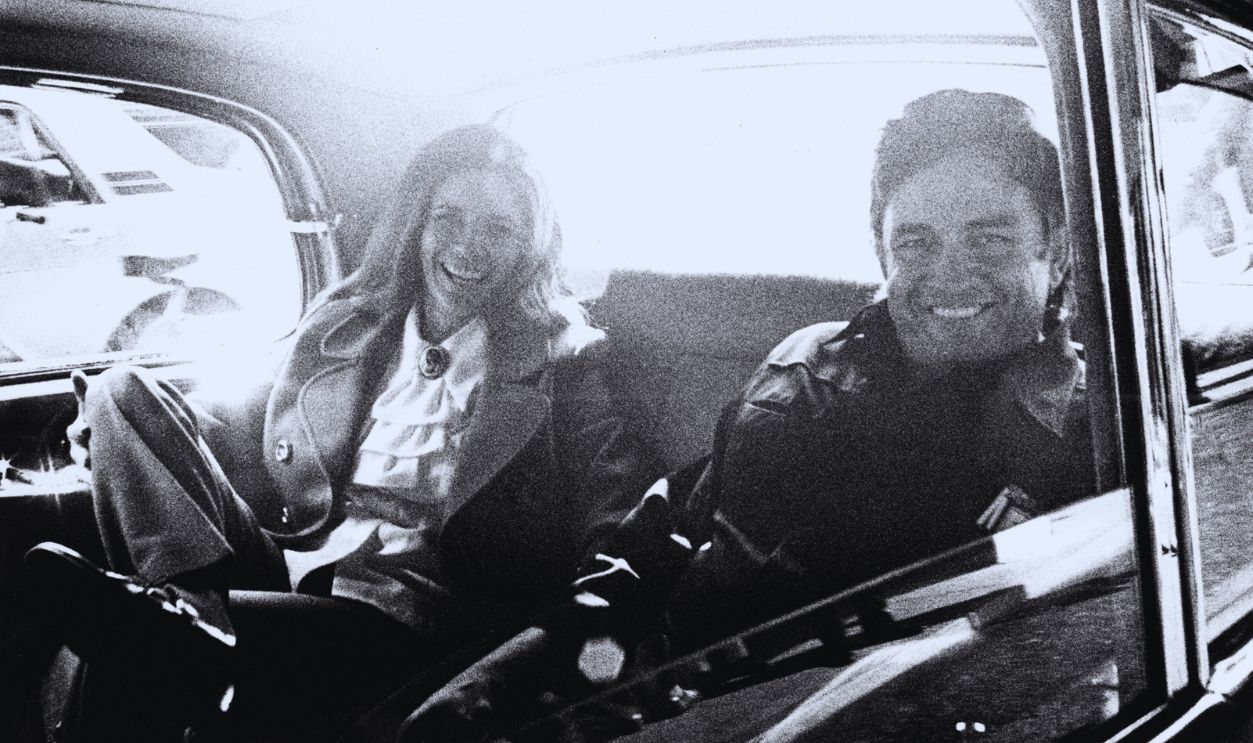
Touring brought them together repeatedly through the late 1950s and 1960s. Long stretches on the road allowed a close friendship to develop. Their bond formed gradually, grounded in familiarity and trust rather than a sudden romantic shift.
 Gijsbert Hanekroot, Getty Images
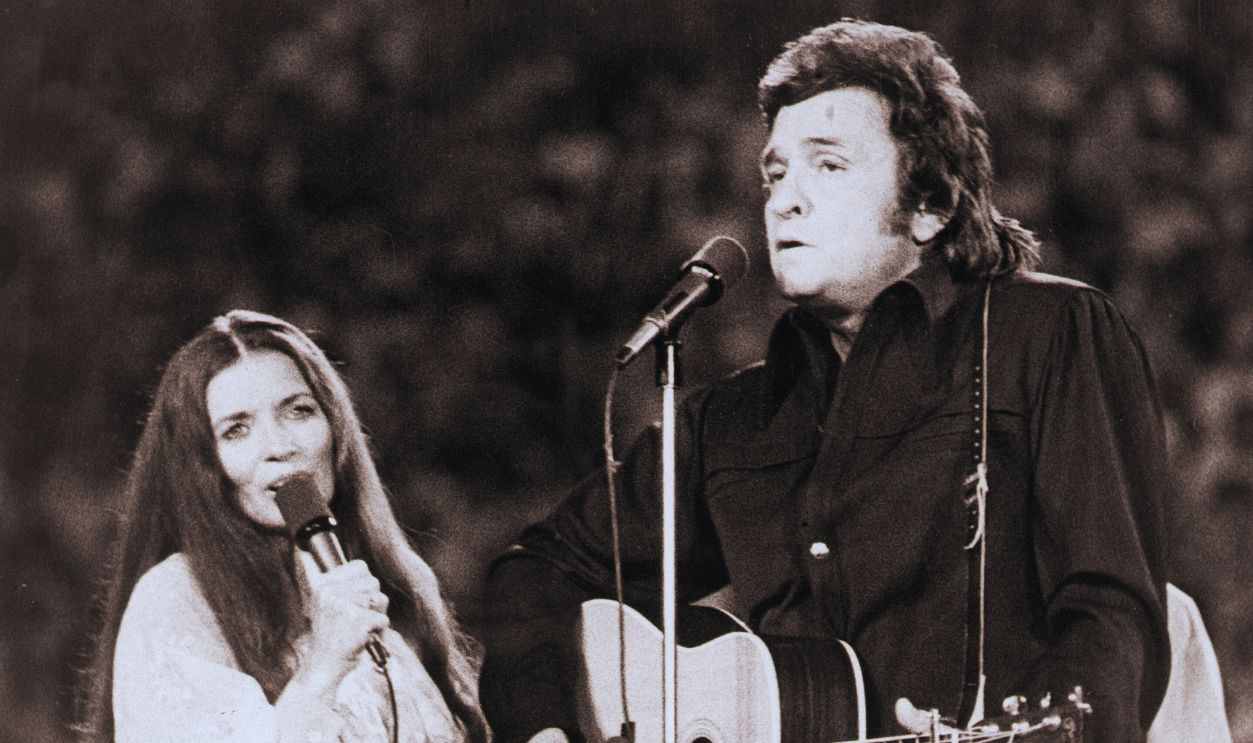
Music As A Shared Space
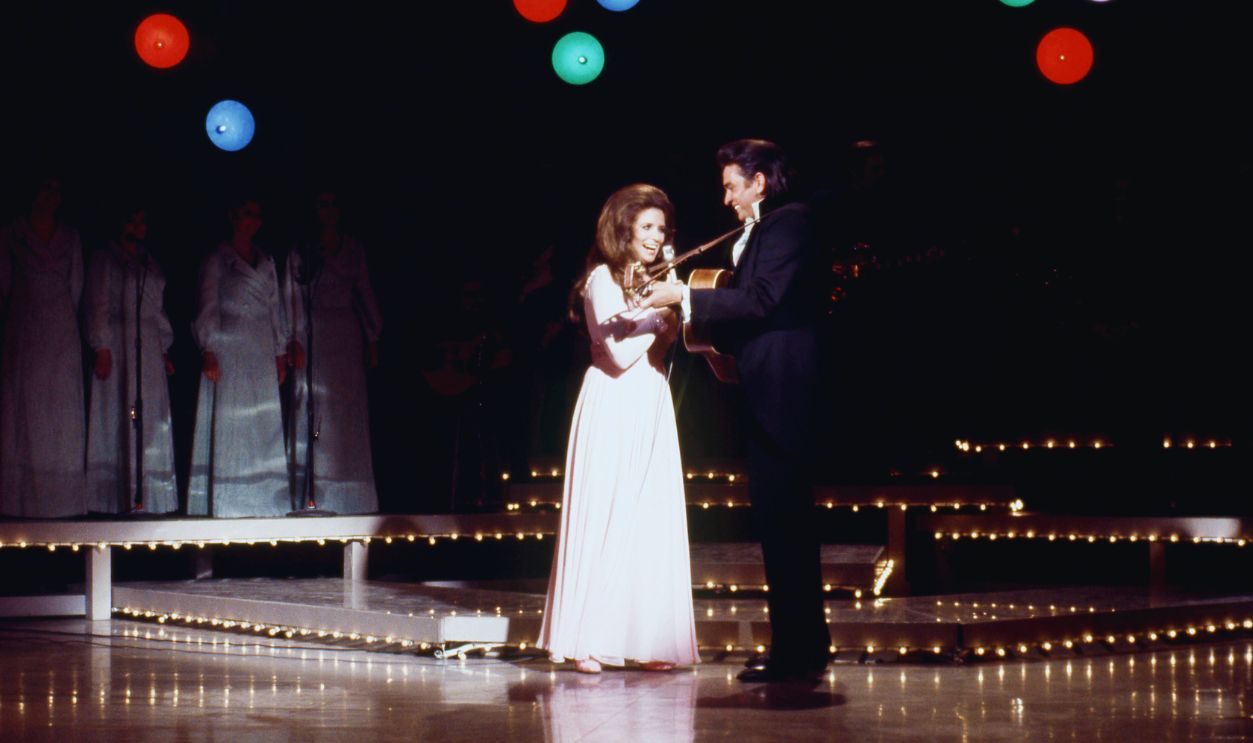
Performing together gave Cash and Carter a natural creative outlet. Their duets revealed ease and chemistry that audiences quickly noticed. Music became the place where their closeness was most visible, even when their personal lives were complicated.
"Ring Of Fire" And Unresolved Feelings
June Carter co-wrote “Ring of Fire,” inspired by her conflicted feelings for Cash while he was still struggling personally. When Cash recorded the song in 1963, it became one of his biggest hits, rooted in real emotional experience.
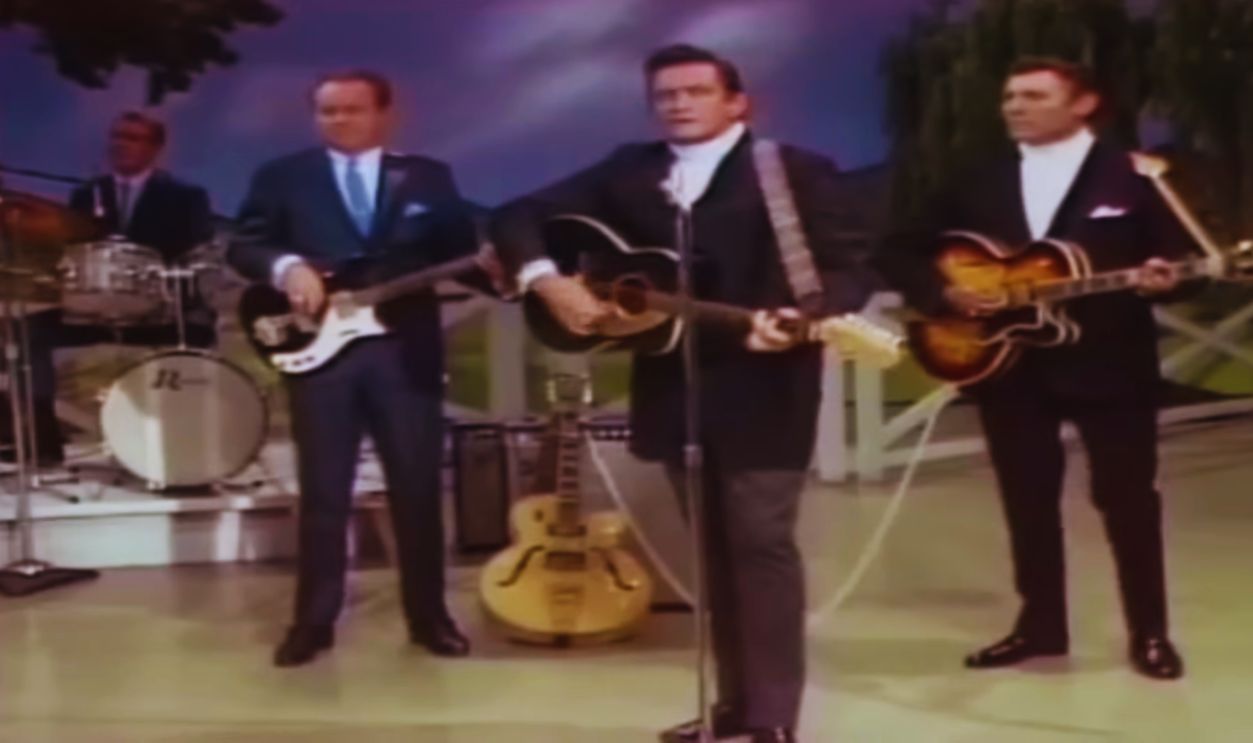 Screenshot from Johnny Cash – Ring of Fire, Sony Music Entertainment (1963)
Johnny Cash’s Struggles With Addiction
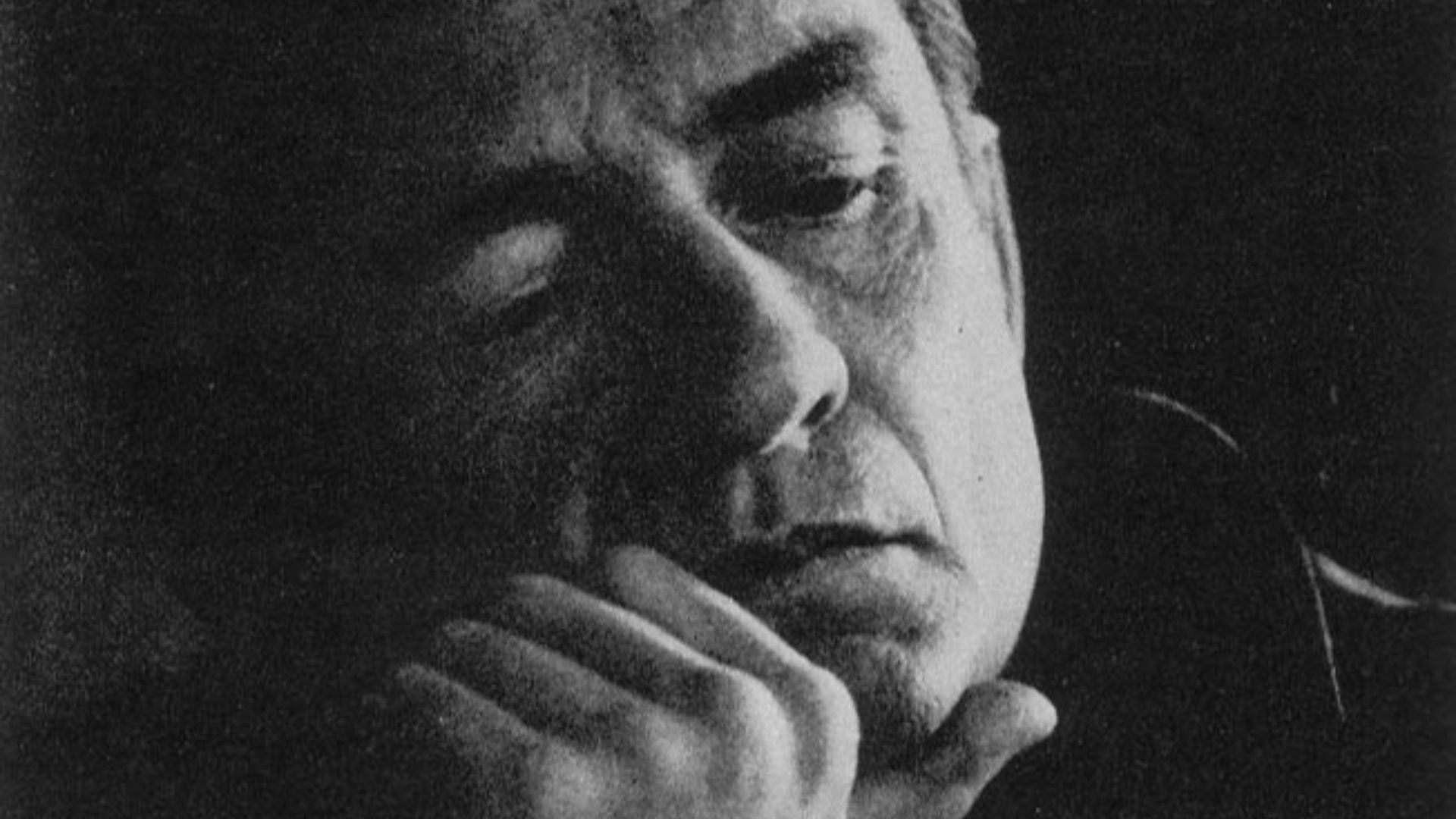
As Cash’s fame increased, so did his dependence on worrisome substances and heaving drinking. His addictions affected his career and relationships. Carter remained involved during this period, despite recognizing the seriousness of his condition.
 Joel Baldwin, Wikimedia Commons
Support Without Romantic Illusion
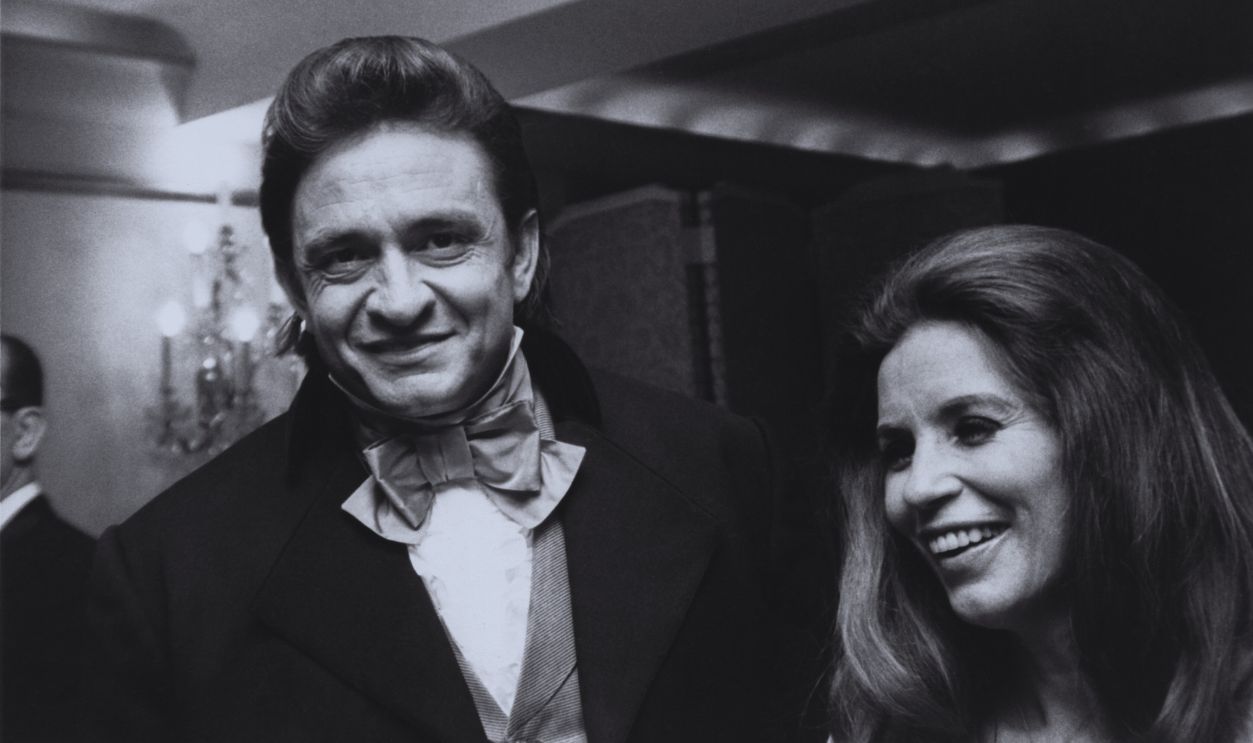
Carter did not ignore or excuse Cash’s behavior. Biographers note that she challenged him directly and encouraged sobriety. Her role was not passive support, but firm insistence that change was necessary for any future together.
At Cash's lowest point, Carter—along with her parents—rallied behind him, even moving into his mansion to help him overcome his addictions. After all, she wasn't about to say "I do" until her man had "cleaned up".
A Proposal In Front Of Thousands
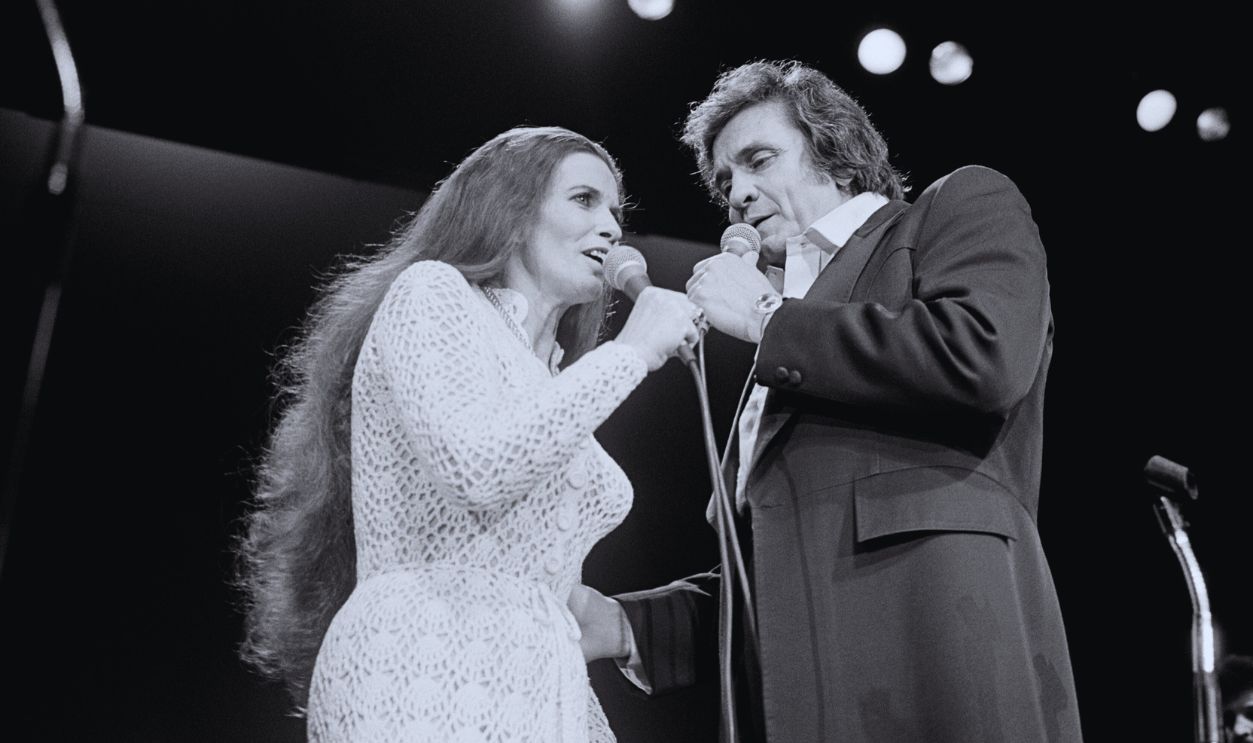
On February 22, 1968, Cash proposed to Carter onstage during a concert in London, Ontario. After years of uncertainty, the public proposal marked a clear turning point, transforming a long-delayed relationship into an explicit commitment.
Marriage After Years Of Waiting
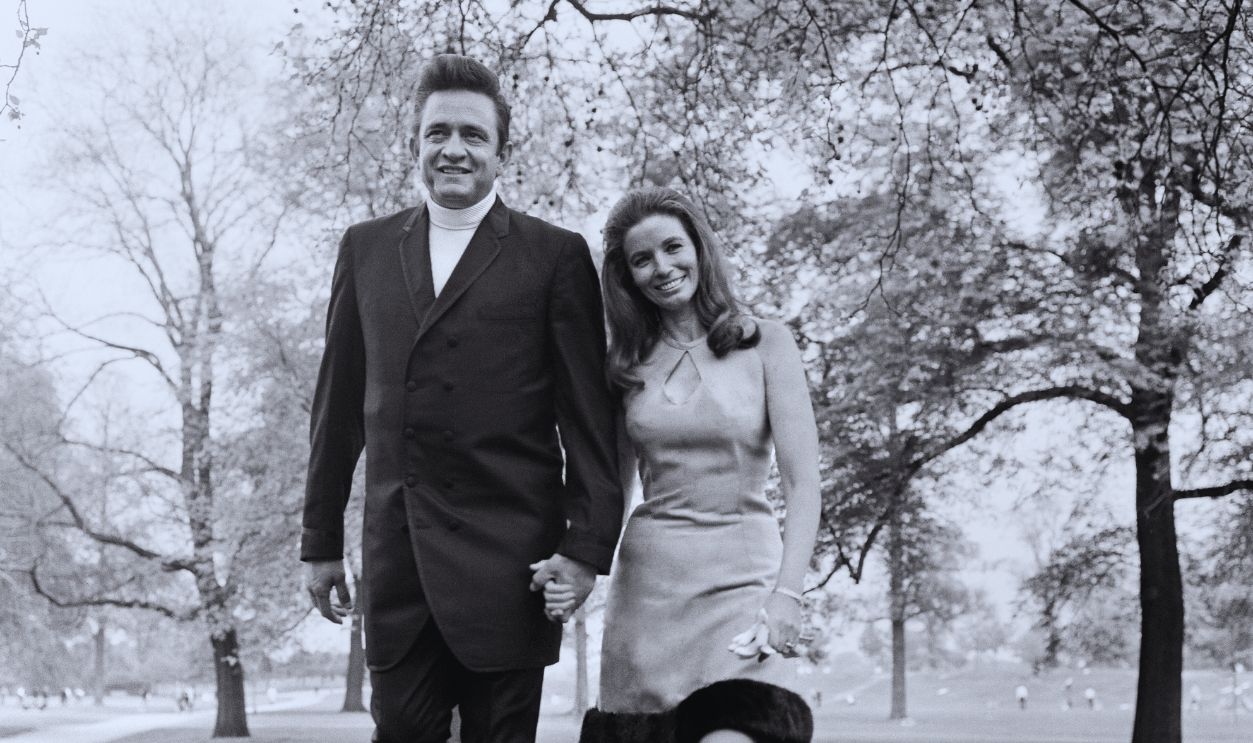
Cash and Carter married on March 1, 1968, in Franklin, Kentucky. Their marriage followed years of personal difficulty and emotional restraint, making it less a sudden romance and more the result of persistence and deliberate choice.
Building A Shared Life
Marriage did not slow their careers. They continued touring, recording, and appearing on television together. In 1970, their son John Carter Cash was born, adding family life to an already demanding professional partnership.
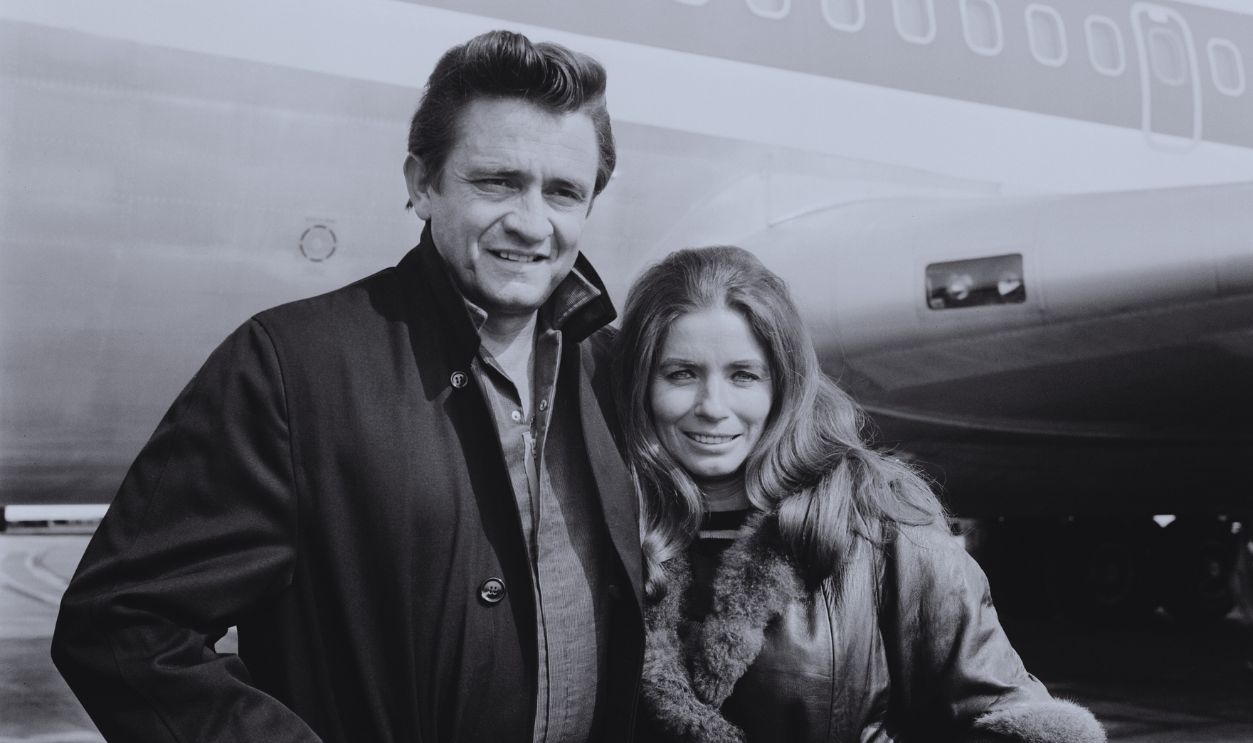
Creative Balance On Stage
Cash’s seriousness and Carter’s warmth complemented one another. Their performances mixed humor with emotional weight, helping audiences connect with them as people rather than distant stars.
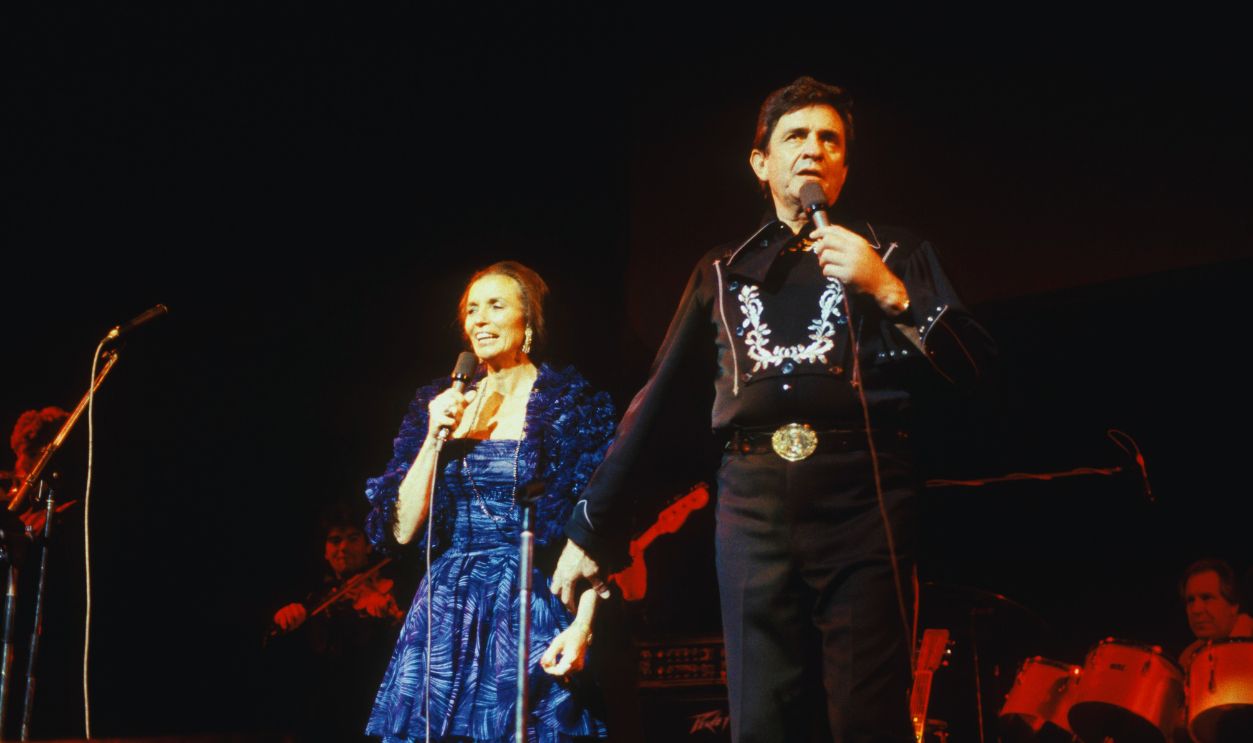
Recovery As A Long Process
Cash’s recovery was gradual and uneven. While his struggles did not disappear immediately, Carter remained a consistent presence, supporting sobriety while maintaining boundaries. Their marriage weathered setbacks rather than avoiding them.
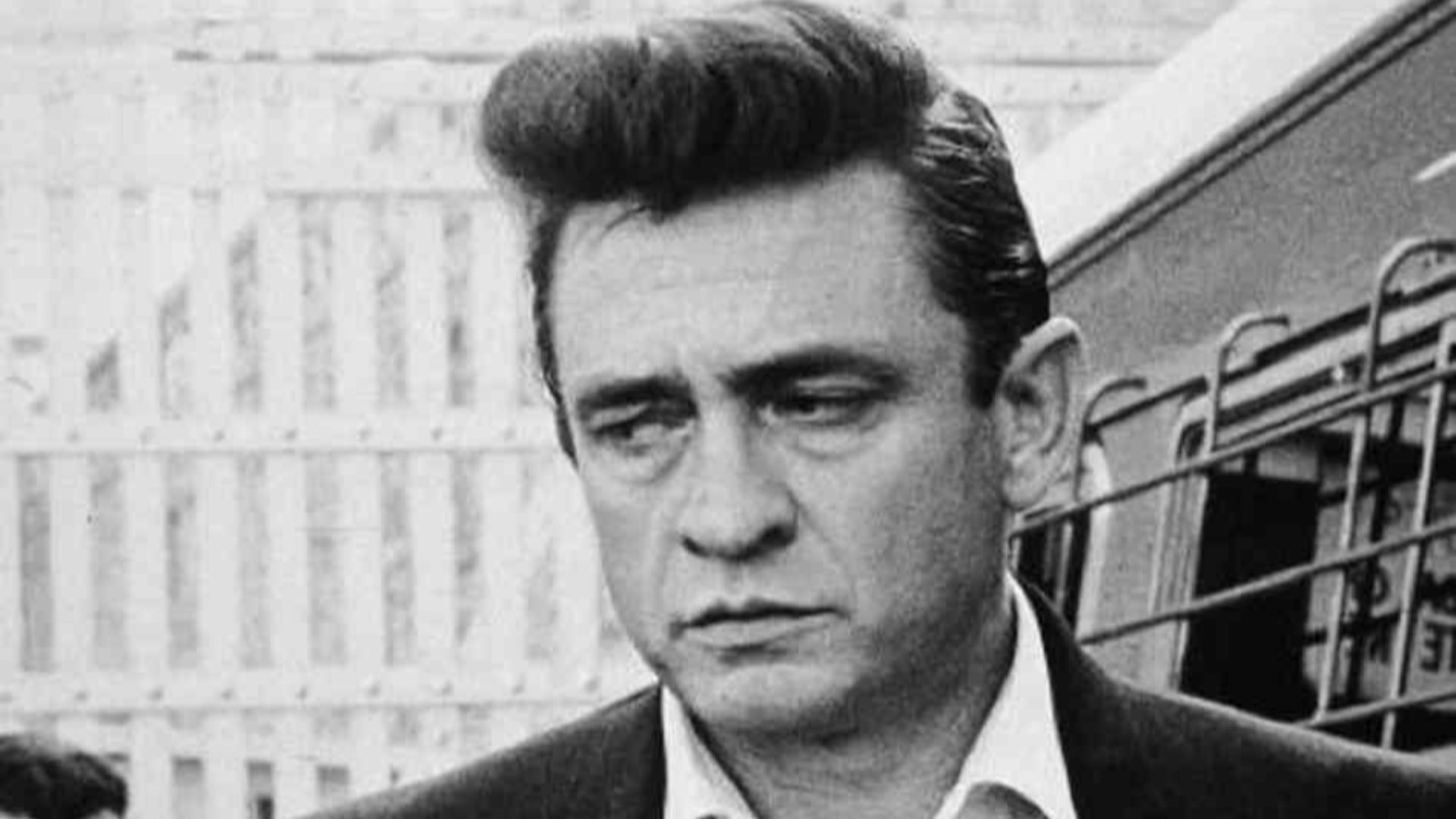 Dillan Stradlin, Wikimedia Commons
Shared Faith And Stability
Over time, faith and routine became important stabilizing forces in their relationship. As they aged, their partnership shifted away from intensity and toward consistency, shaped by shared values and daily responsibility.
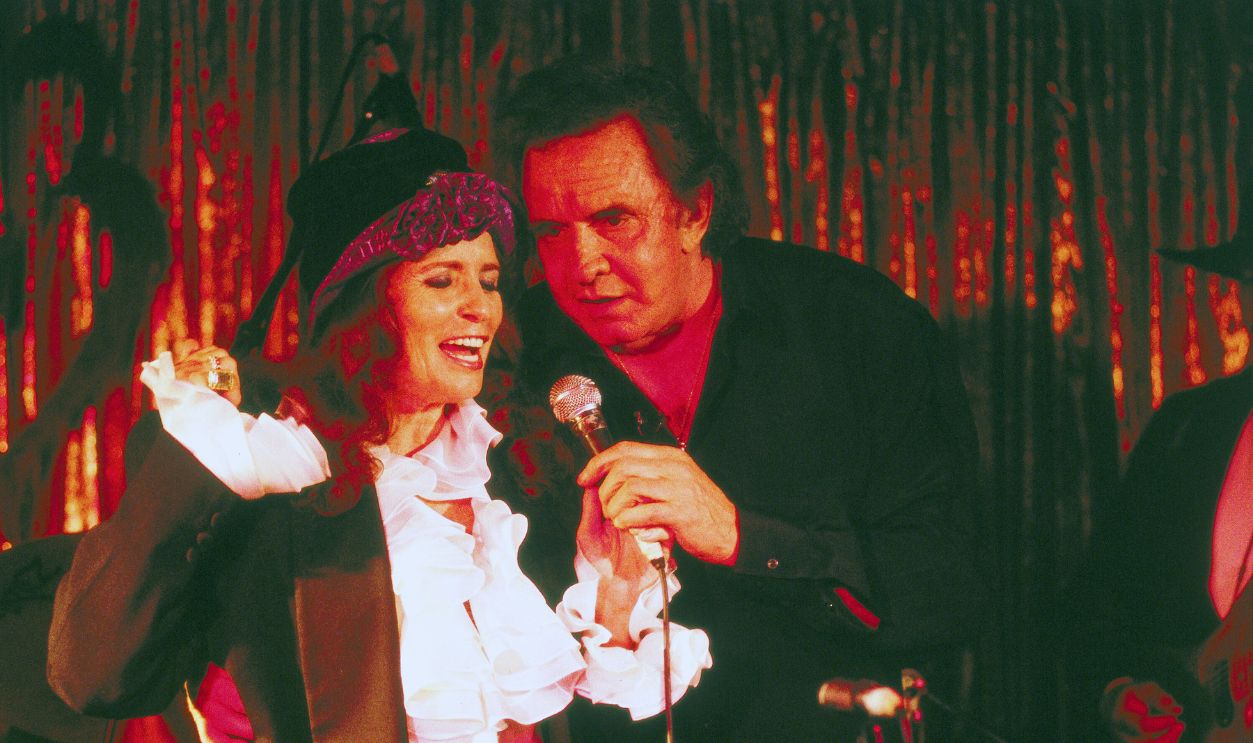
Public Figures, Private Commitment
Though admired publicly, Cash and Carter focused privately on sustaining their marriage. Their longevity came not from spectacle, but from shared work, mutual respect, and an understanding of each other’s limits and strengths. Cash and Carter remained married for 35 years.
But sadly, even happy stories must come to an end.
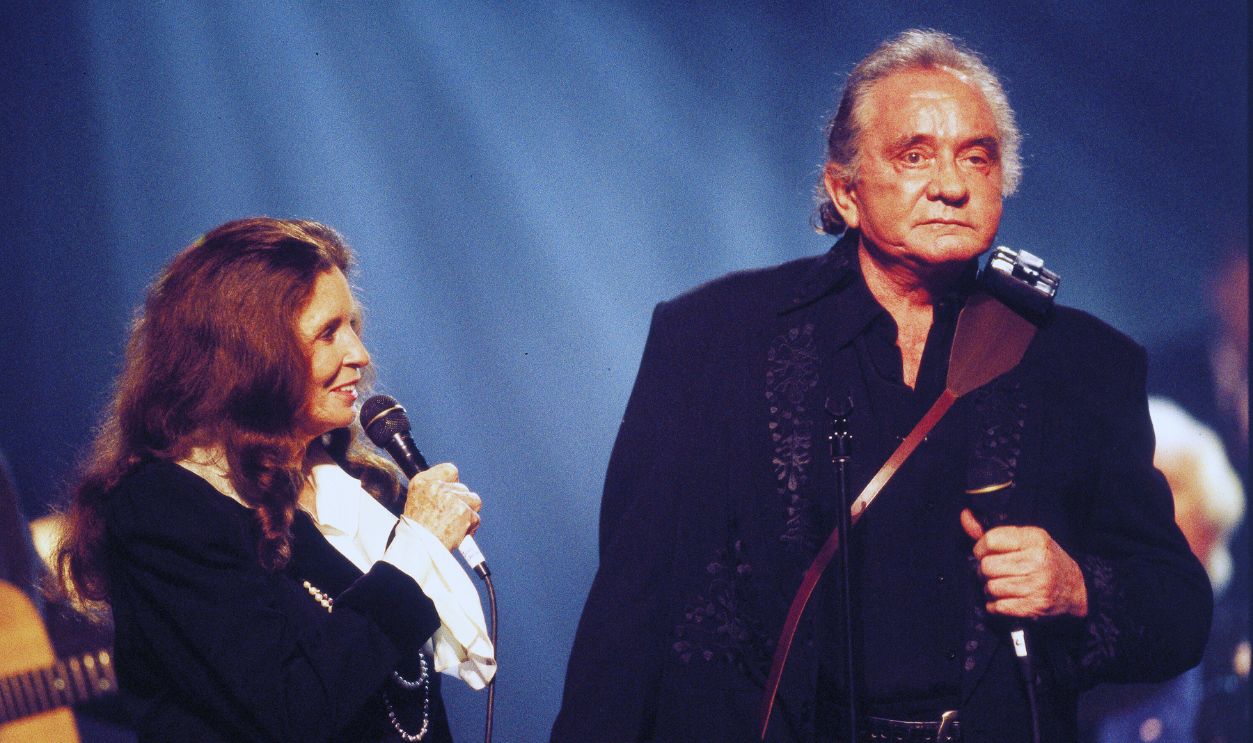
Declining Health And Changing Roles
In 2003, fate threw Carter and Cash a brutal curveball. Carter received a devastating diagnosis—a leaky heart valve. She needed surgery, but it didn't go smoothly at all. She never recovered and sadly passed on May 15, 2003. She was 73 years old. Cash was absolutely devastated.
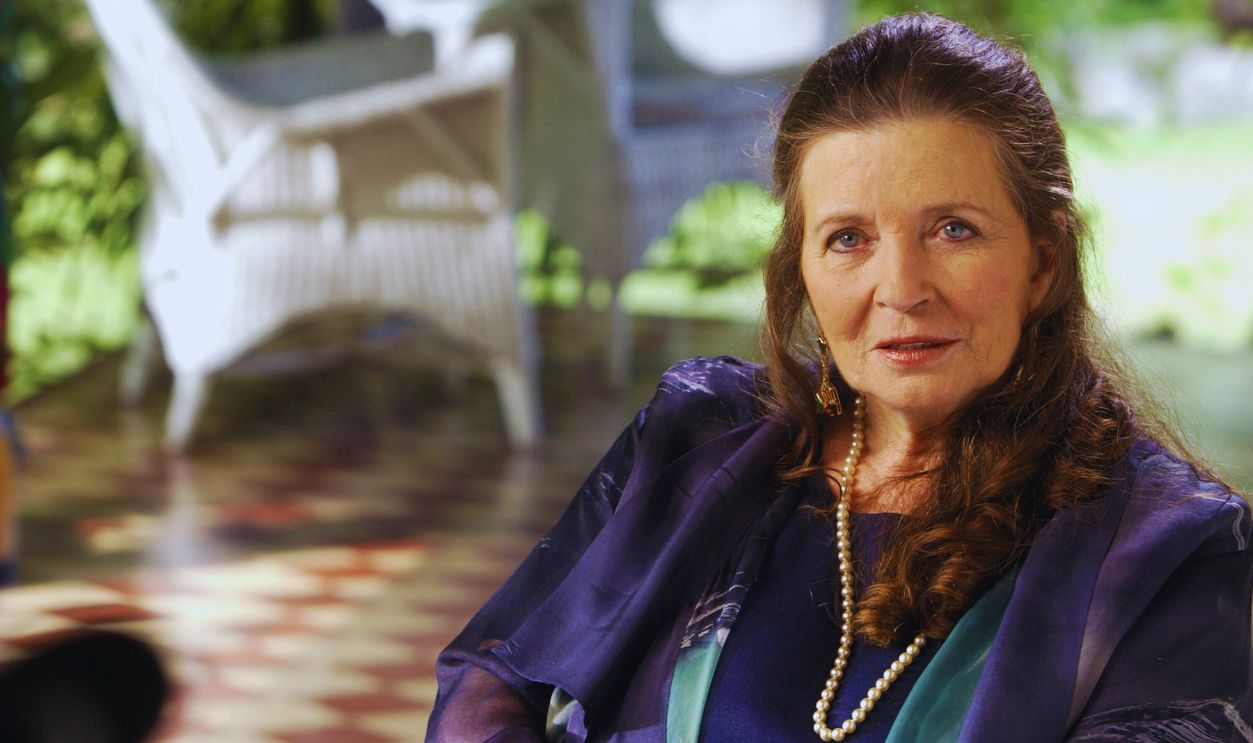
He Had To Keep Going
Though drowning in grief, Cash abided by his late wife's wishes: She'd wanted him to continue making music. He did that and more, recording 60 songs. Little did he know, his own days were numbered.
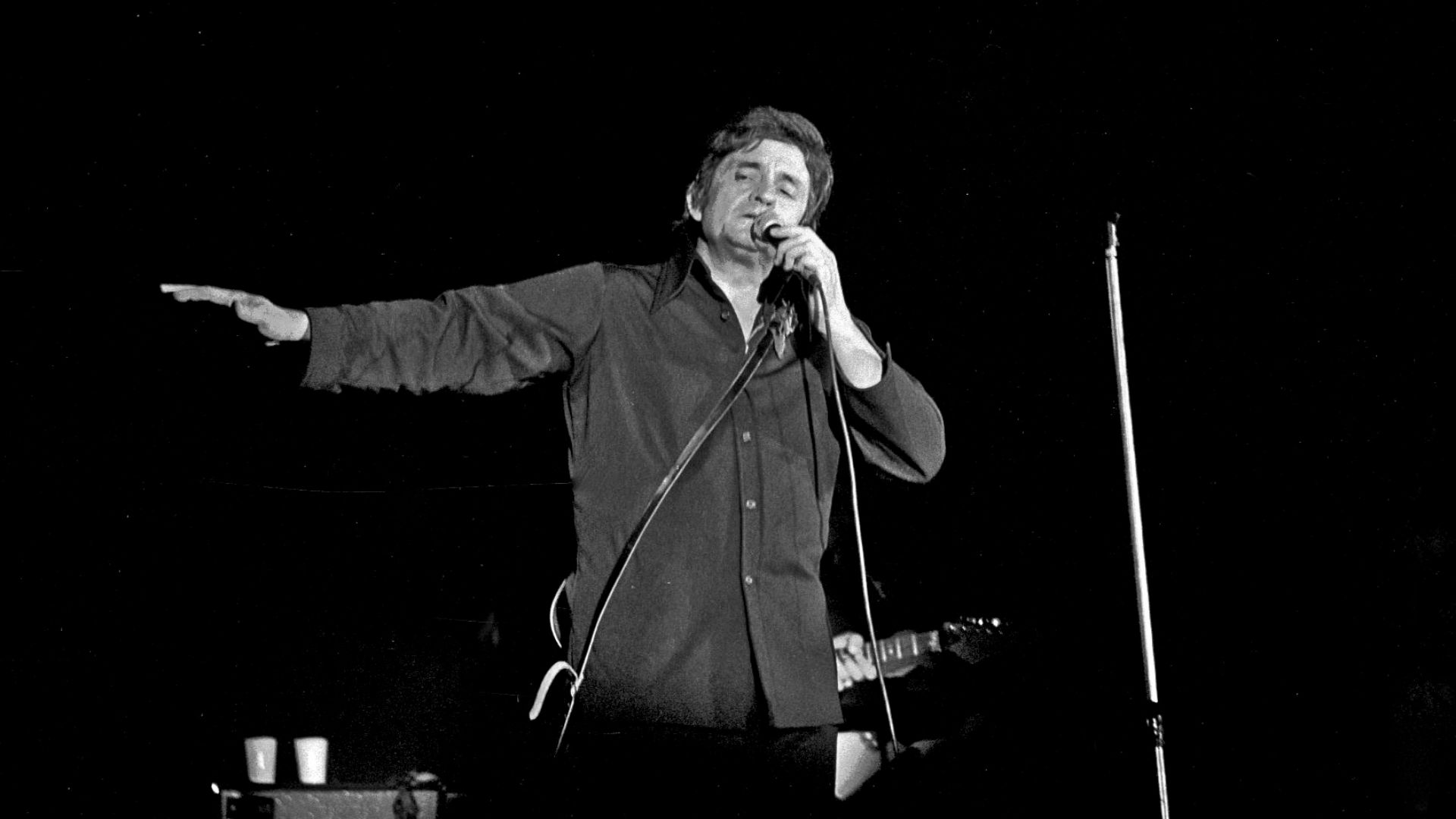 Heinrich Klaffs, Wikimedia Commons
The Love Never Died
At his last public performance in July of 2003, Cash made sure to honor Carter. Not only did he sing "Ring of Fire," but he also made a short speech about her: "The spirit of June Carter overshadows me tonight with the love she had for me and the love I have for her. We connect somewhere between here and Heaven. She came down for a short visit, I guess, from Heaven to visit with me tonight to give me courage and inspiration like she always has..."
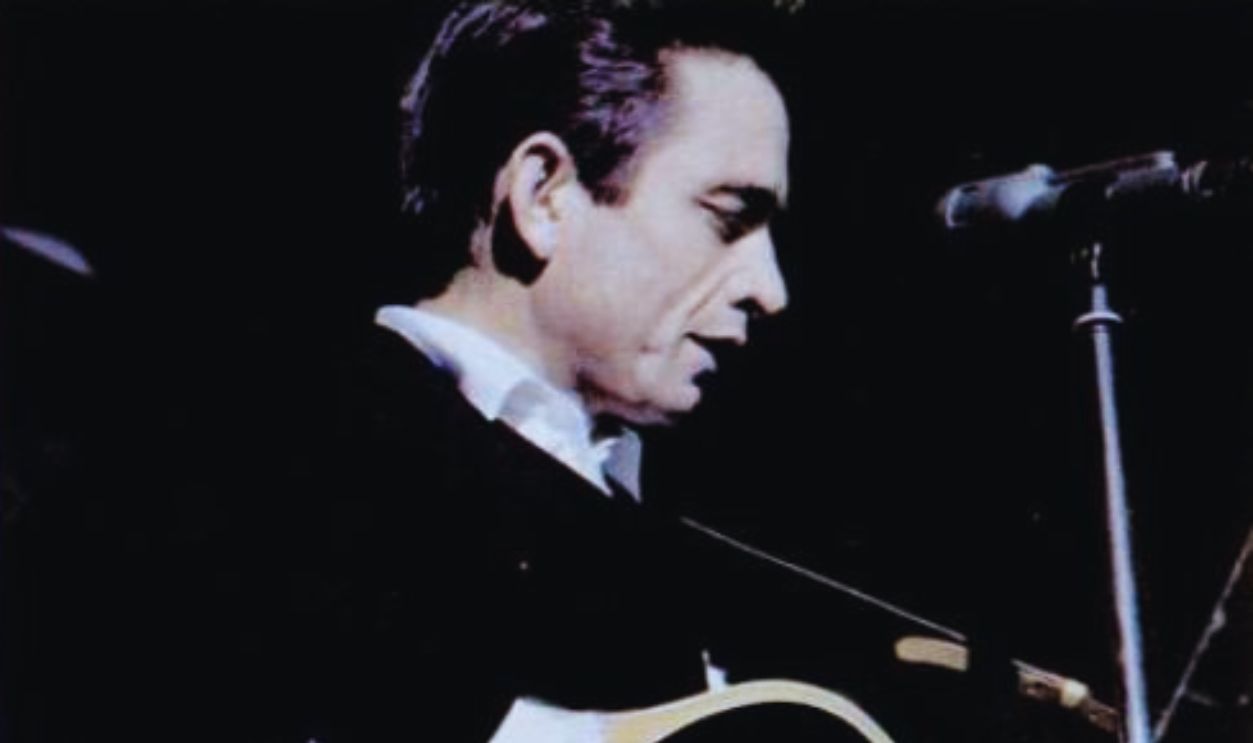 Columbia Records, Wikimedia Commons
Johnny Cash’s Final Months
Johnny Cash died in September 2003, four months after Carter. Many observers noted that her loss deeply affected him. His final recordings reflect grief, reflection, and a sense of closure.
A Letter That Endured
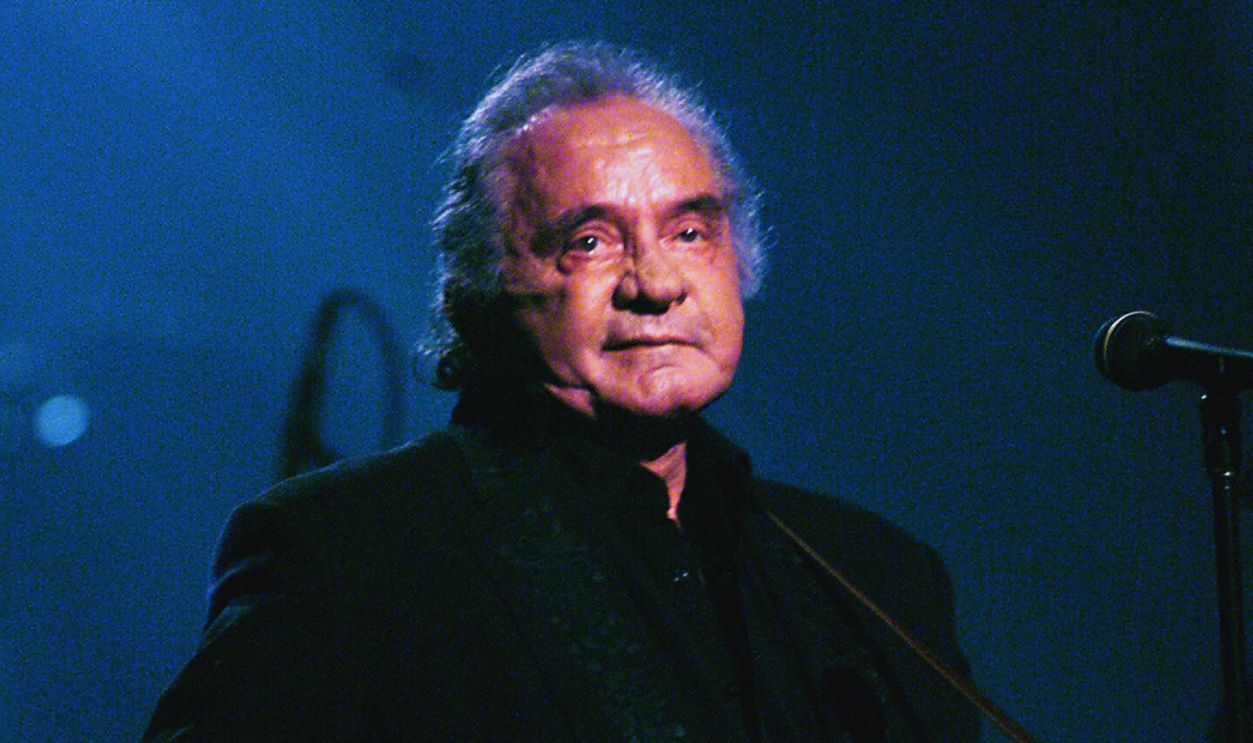
One of Cash’s most famous love letters to Carter, written years earlier for her 65th birthday, became widely shared after their deaths. Its plain language and gratitude-focused tone reinforced how central she was to his life. A part of the letter read, "You still fascinate and inspire me. You influence me for the better. You’re the object of my desire, the #1 Earthly reason for my existence. I love you very much."
A Lasting Cultural Legacy
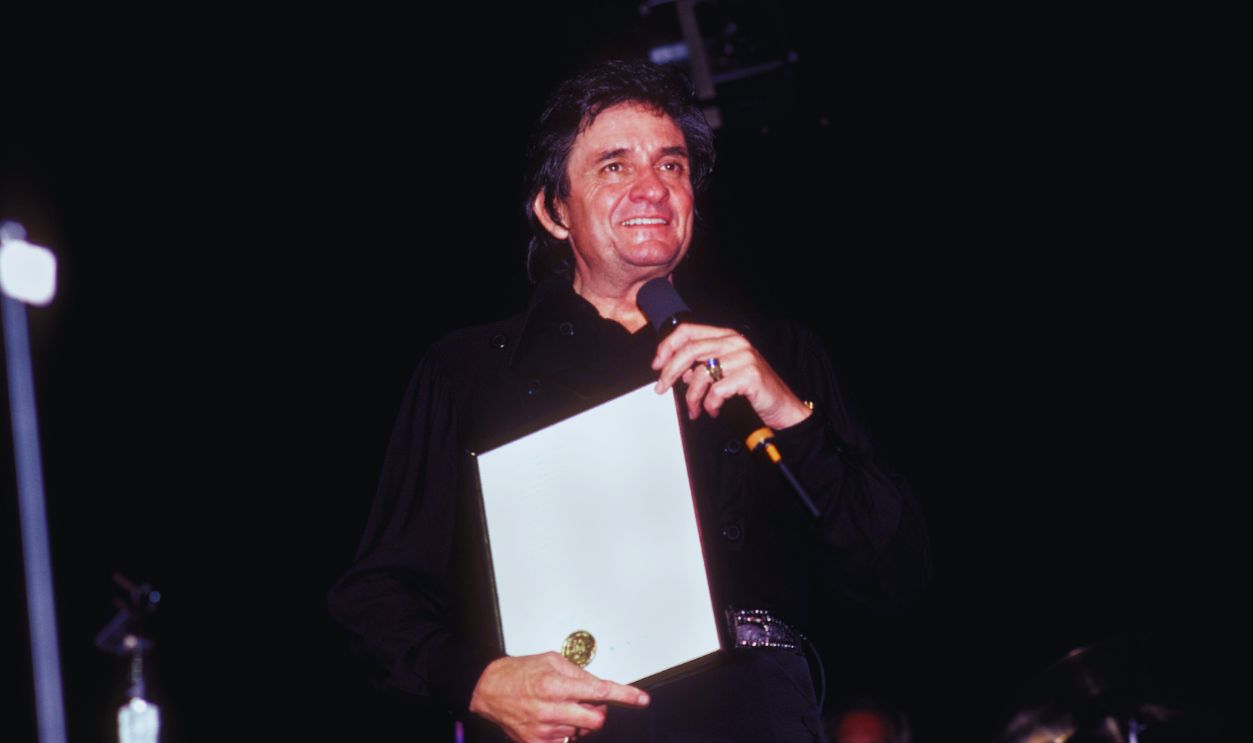
Their story continues through recordings, biographies, and film portrayals. Beyond romance, Cash and Carter are remembered for showing how a long-term partnership can be shaped by effort, honesty, and time.
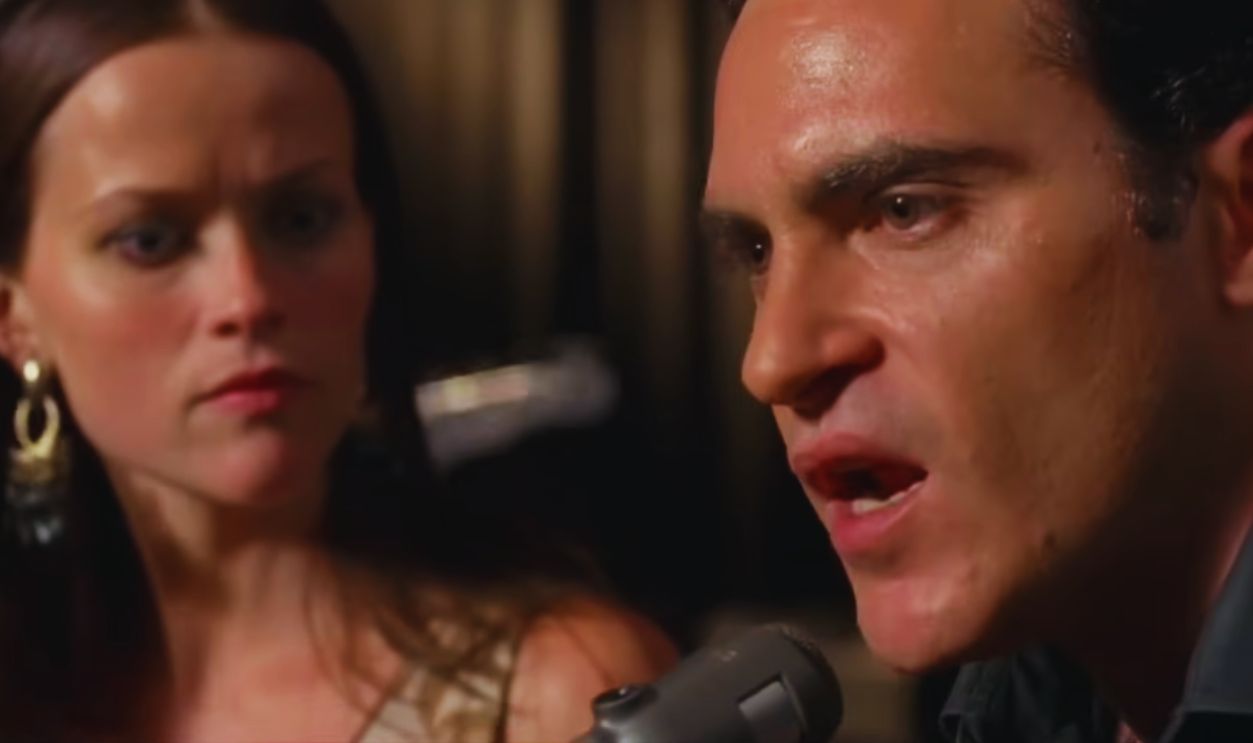 Screenshot from Walk the Line, 20th Century Fox (2005)
A Realistic Love Story
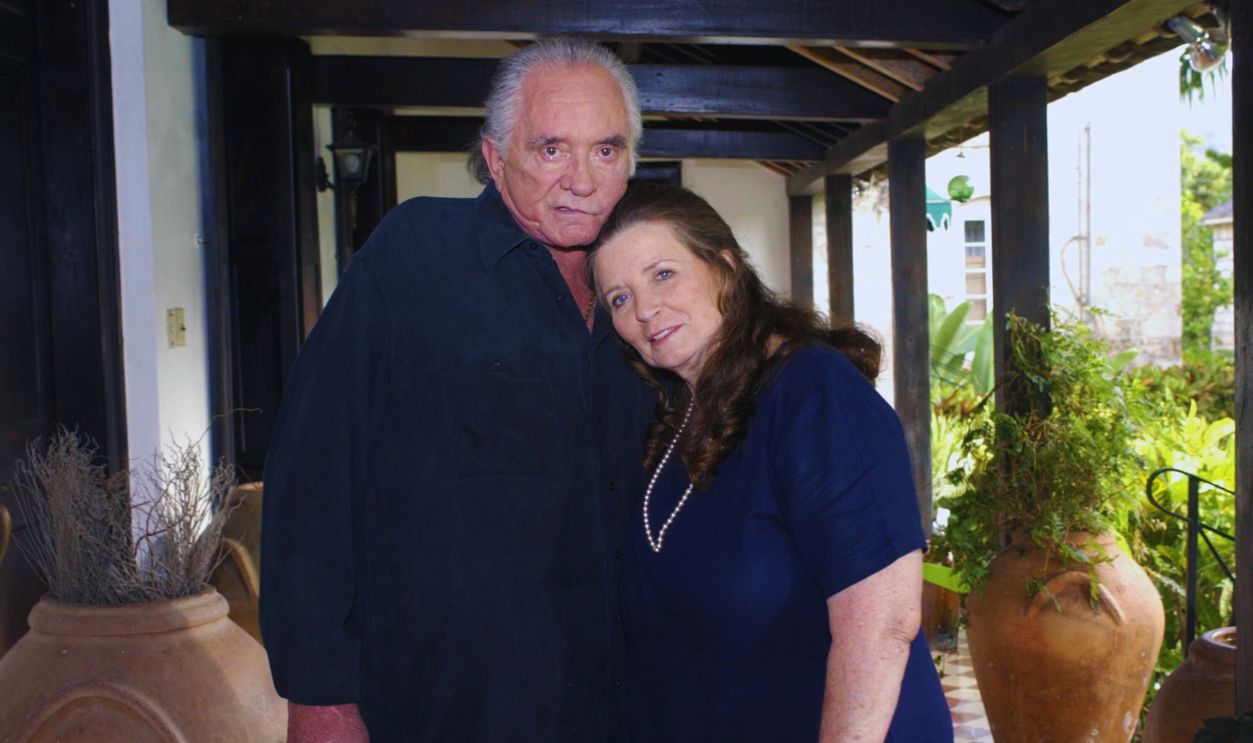
Johnny Cash and June Carter Cash demonstrated that lasting love is not effortless. Their relationship endured because it was built gradually, tested repeatedly, and sustained by commitment rather than idealized romance.
You May Also Like:
Rosanne Cash: The Shadow Of A Famous Name
These Forgotten Female Pop Stars Deserve Much More Than They Got



.png%20)