
When Roger McGuinn Chose the Band Over the Brotherhood
The Byrds helped invent folk rock, but behind the harmonies was a friendship unraveling in real time. When Roger McGuinn fired David Crosby in 1967, it ended more than a band lineup. It split a generation’s idea of unity—and sparked a rivalry that echoed through the counterculture.
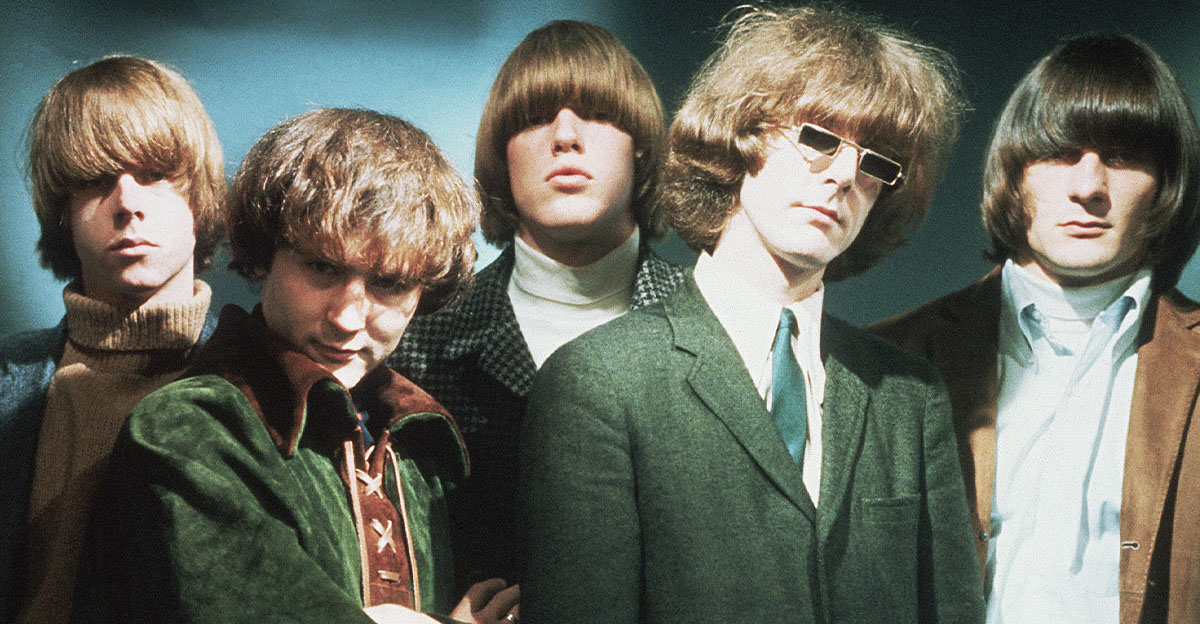 Hulton Deutsch / Contributor, Getty Images
A Band Born From Shared Vision
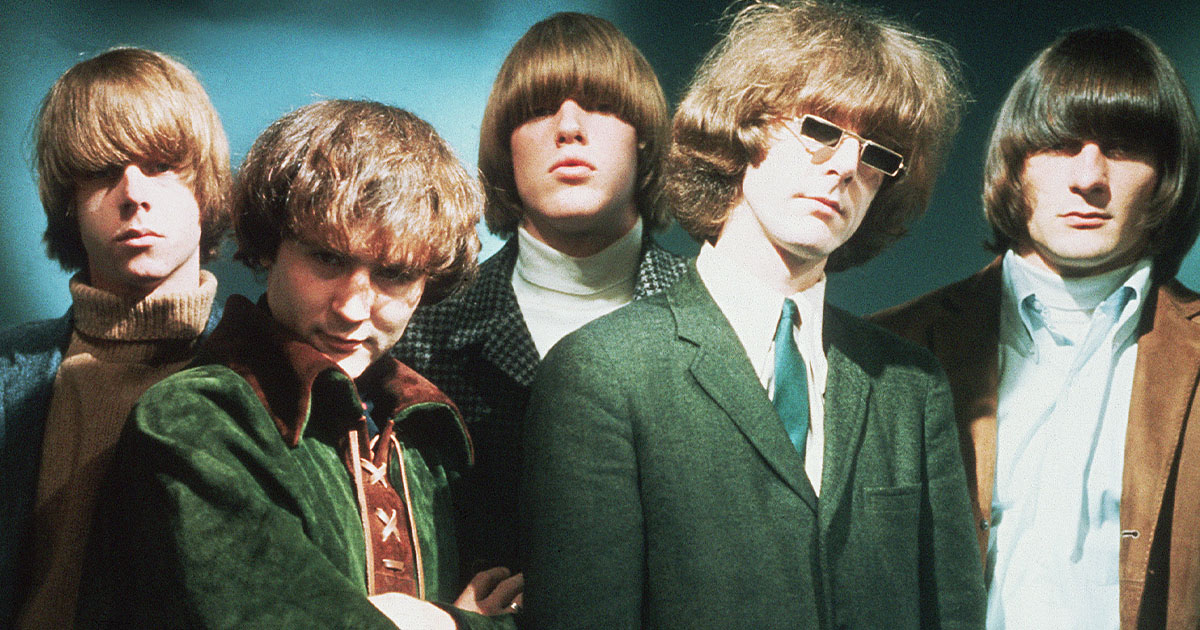
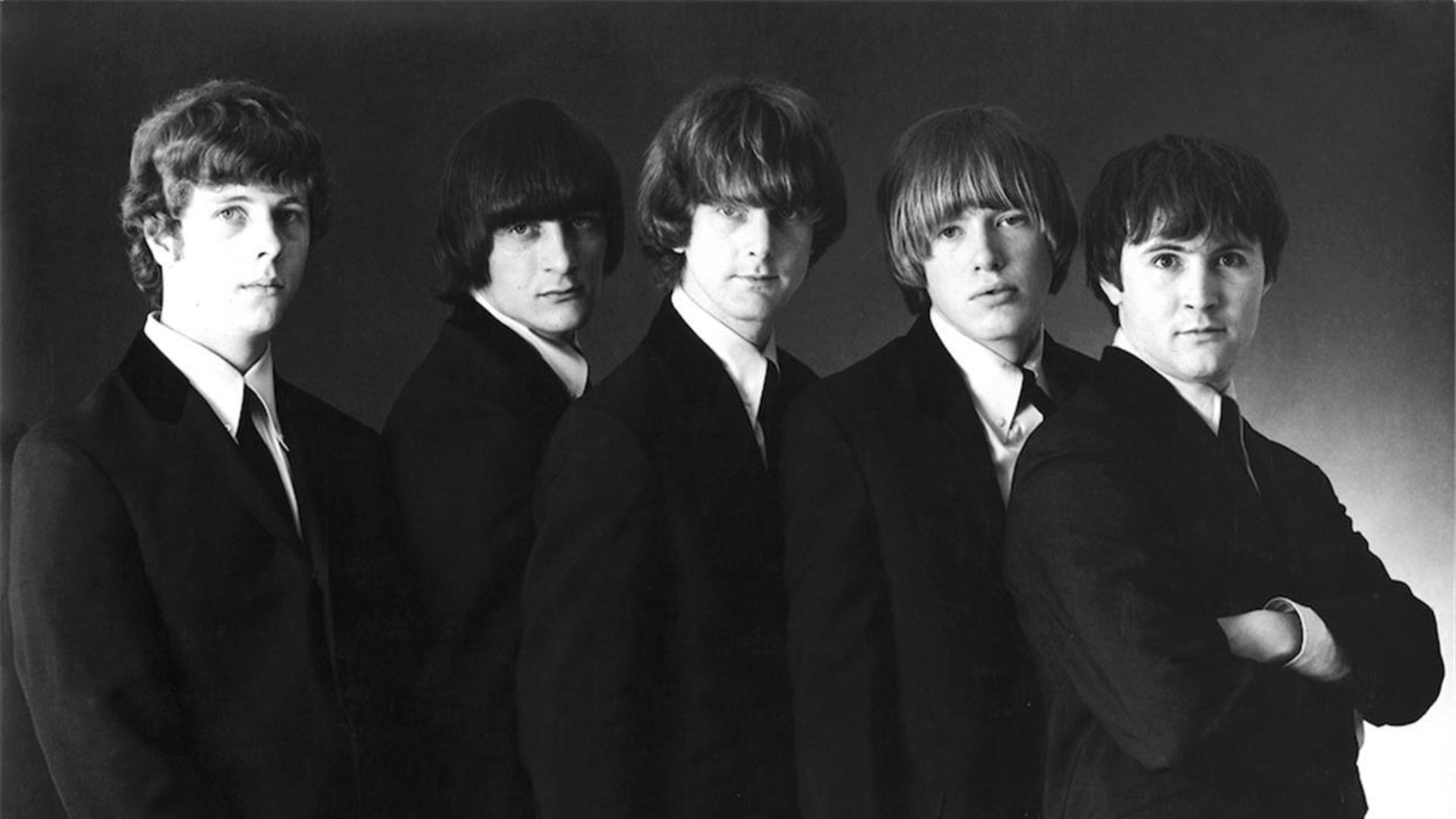
The Byrds formed in Los Angeles in 1964, built around Roger McGuinn, David Crosby, Gene Clark, Chris Hillman, and Michael Clarke. They shared an obsession with folk harmony, Bob Dylan’s songwriting, and the promise of something new. At first, the chemistry felt effortless.
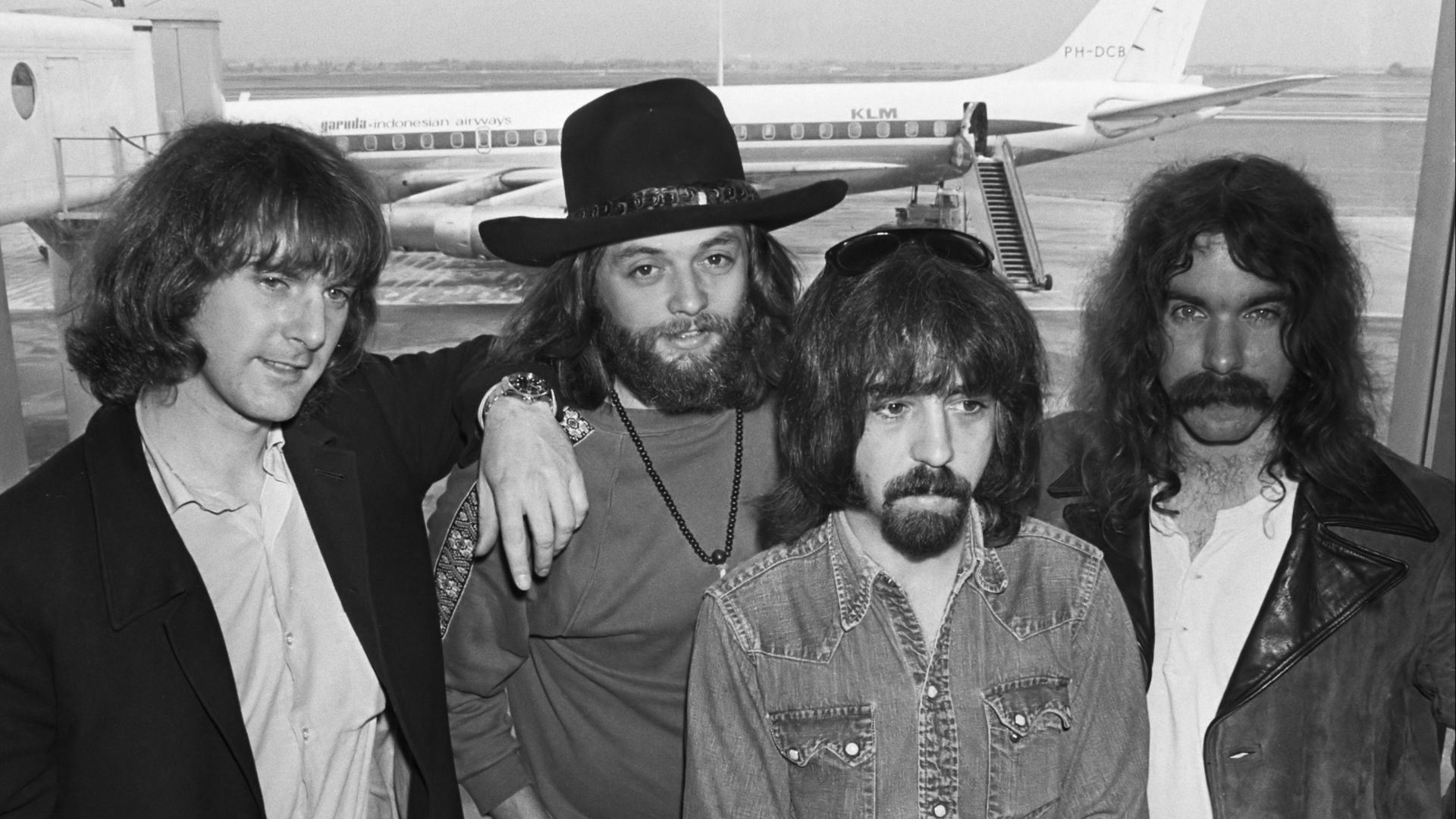 Joost Evers / Anefo, Wikimedia Commons
McGuinn as the Anchor
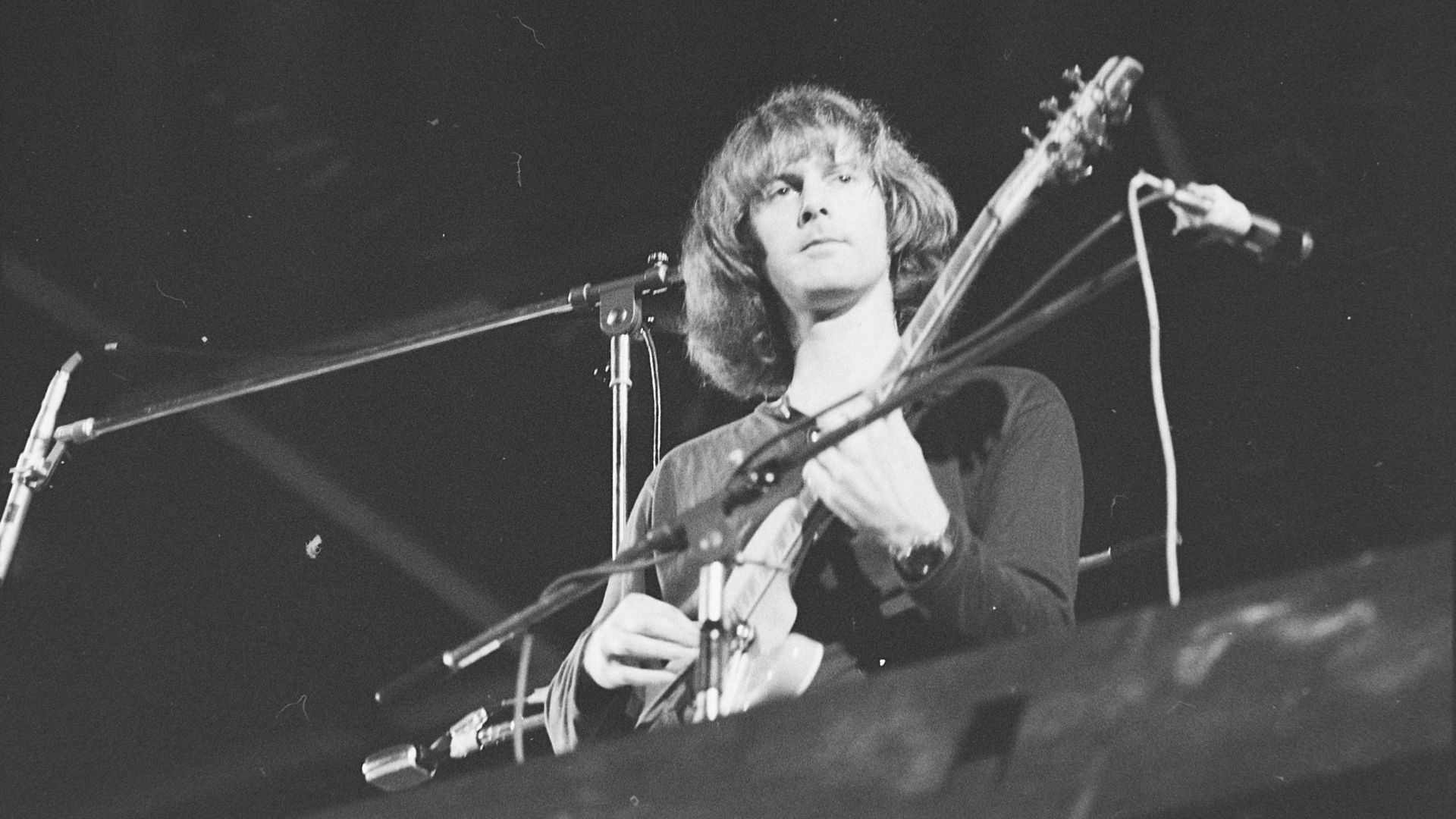
Roger McGuinn, born James Joseph McGuinn III on July 13, 1942, in Chicago, Illinois, was methodical and disciplined. He had played with the Chad Mitchell Trio and believed in structure. McGuinn saw The Byrds as a vessel that required order to survive.
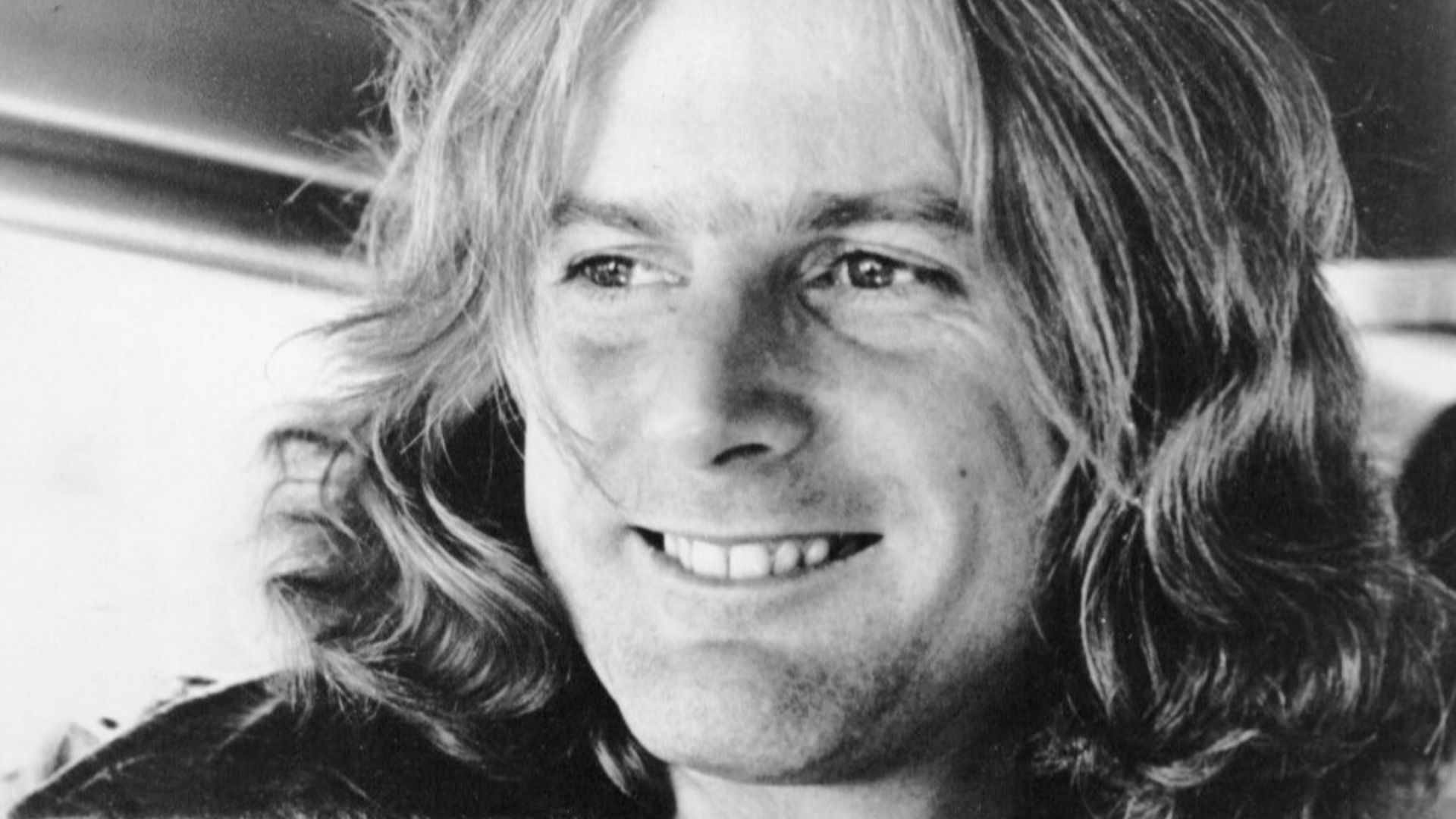 Columbia Records, Wikimedia Commons
Crosby as the Fire
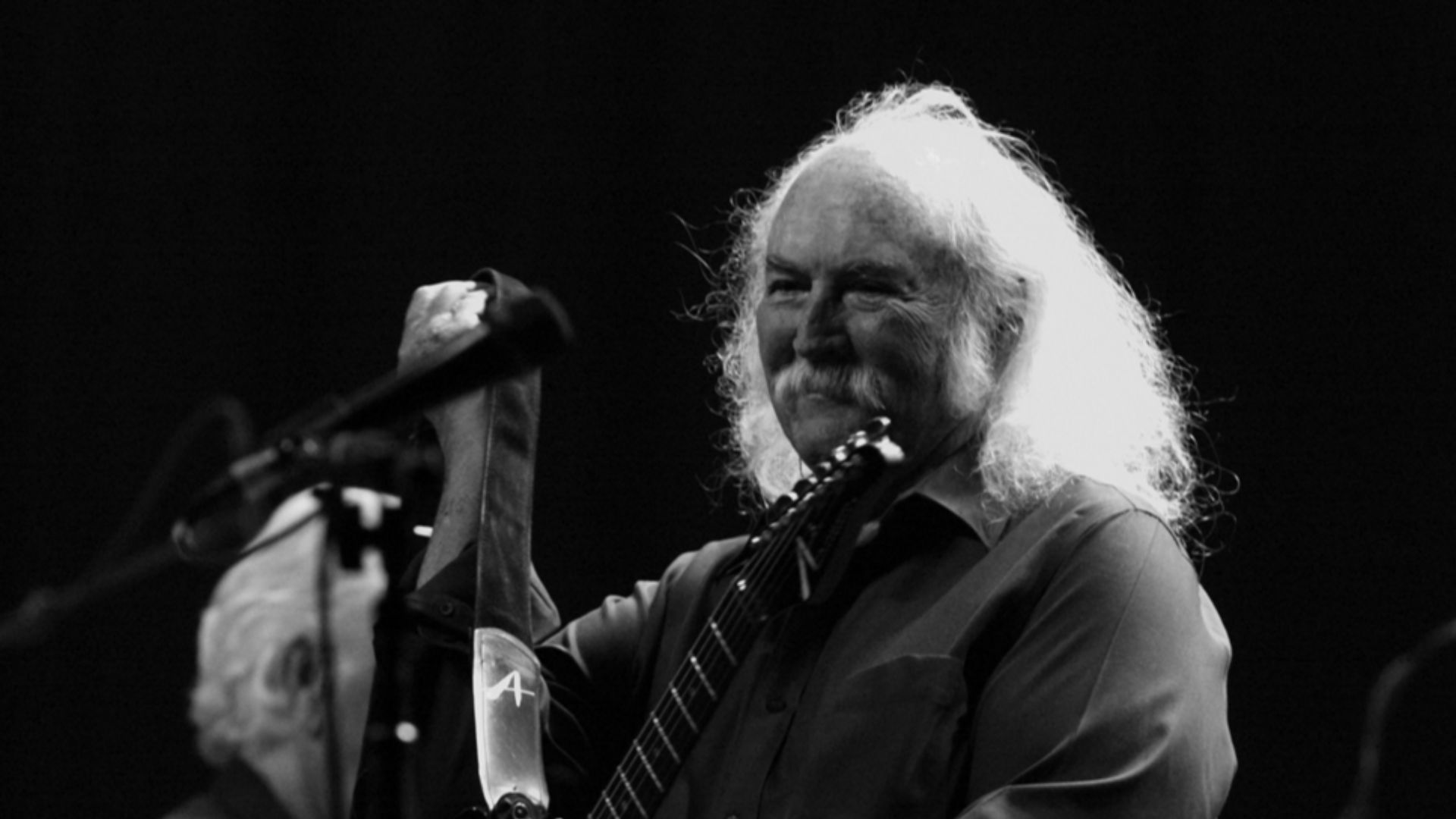
David Crosby, born August 14, 1941, in Los Angeles, California, was impulsive, outspoken, and philosophically restless. He pushed artistic boundaries and social ideas with equal force. Crosby believed music should challenge authority, not accommodate it.
Early Success Hides Early Cracks
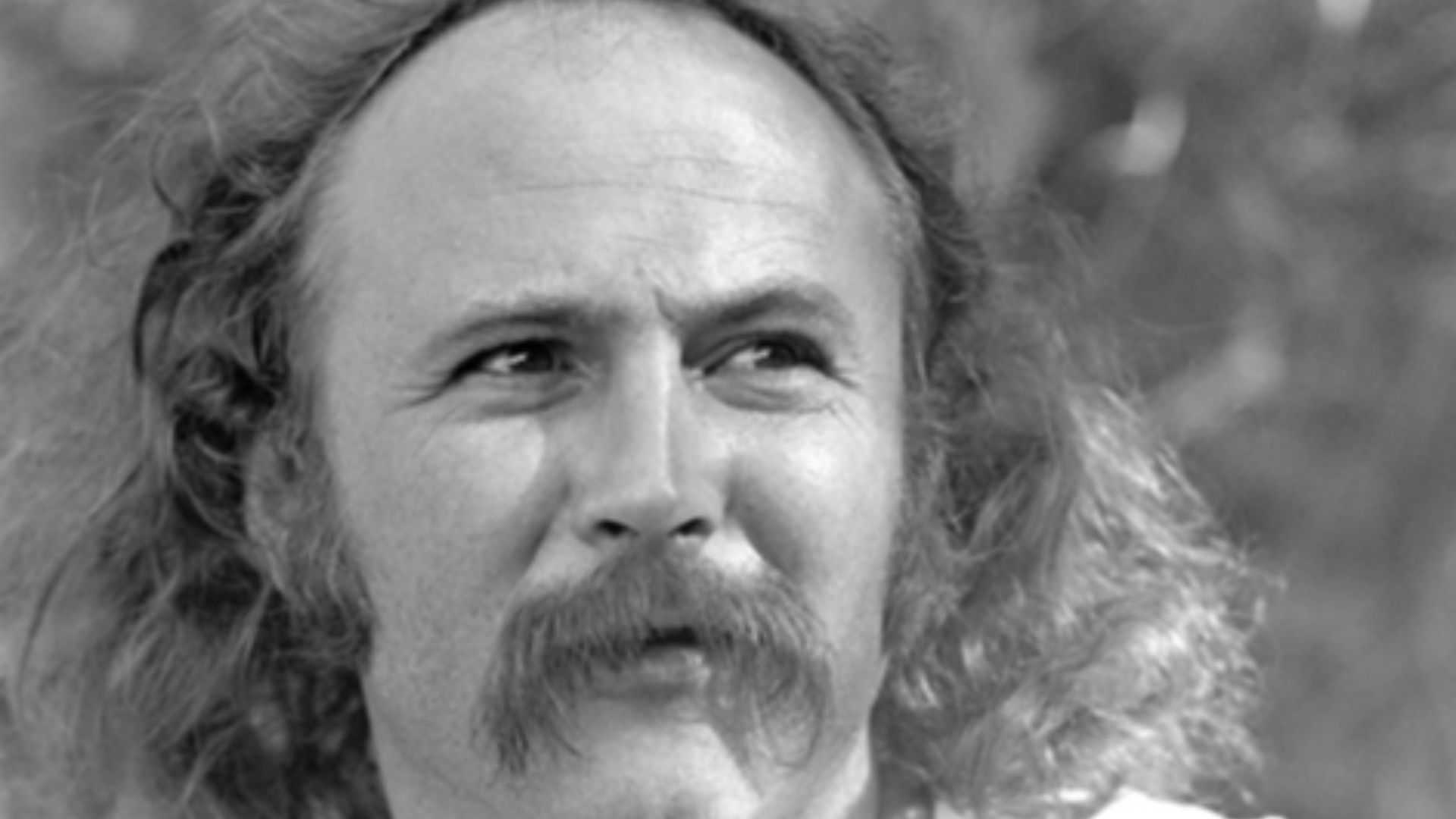
Hits like “Mr. Tambourine Man” in 1965 brought instant fame. But success magnified differences. Crosby wanted experimental harmonies and political statements. McGuinn wanted cohesion and direction. Neither man was wrong, but neither would bend.
Gene Clark Leaves—and the Balance Shifts
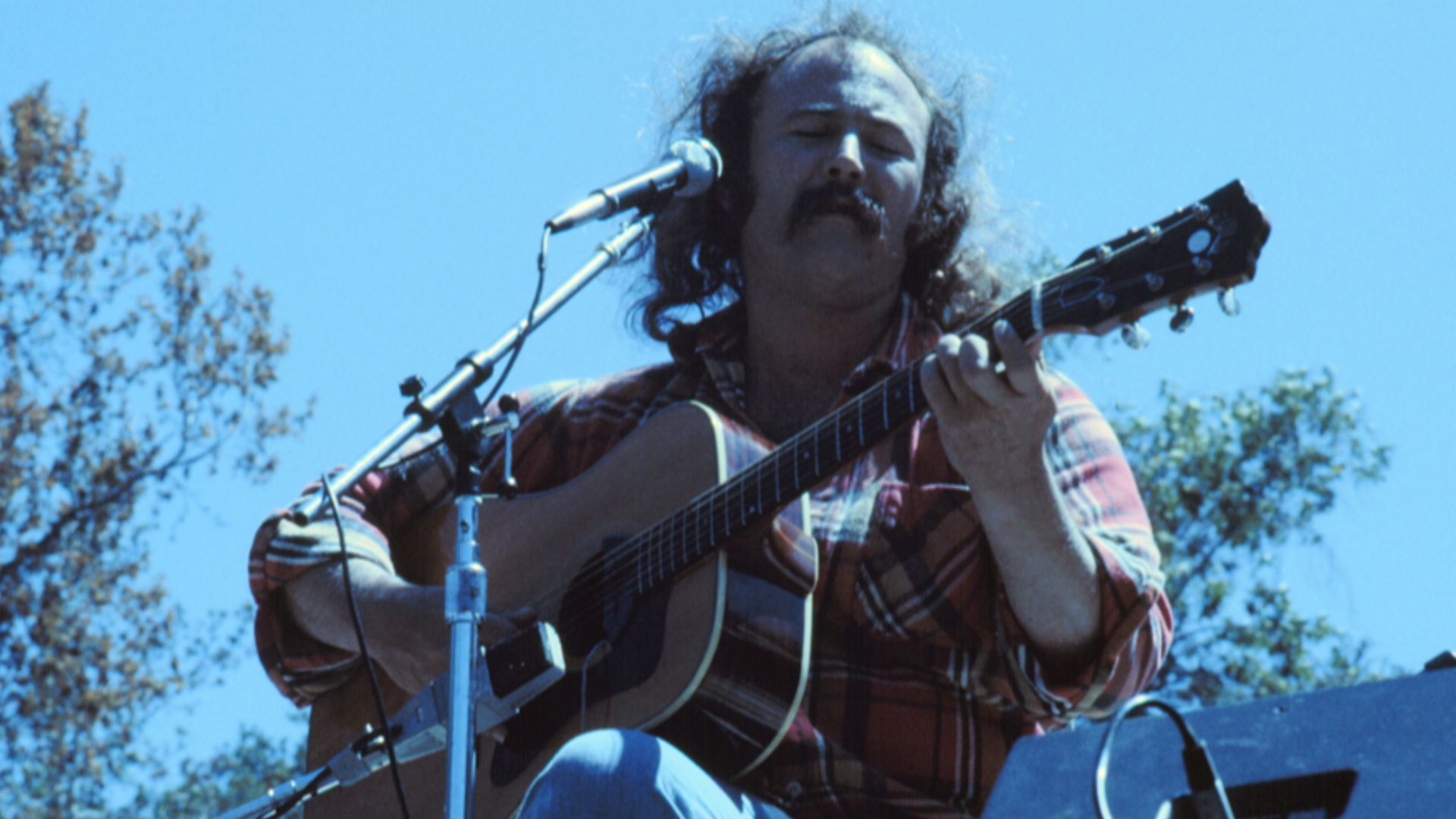
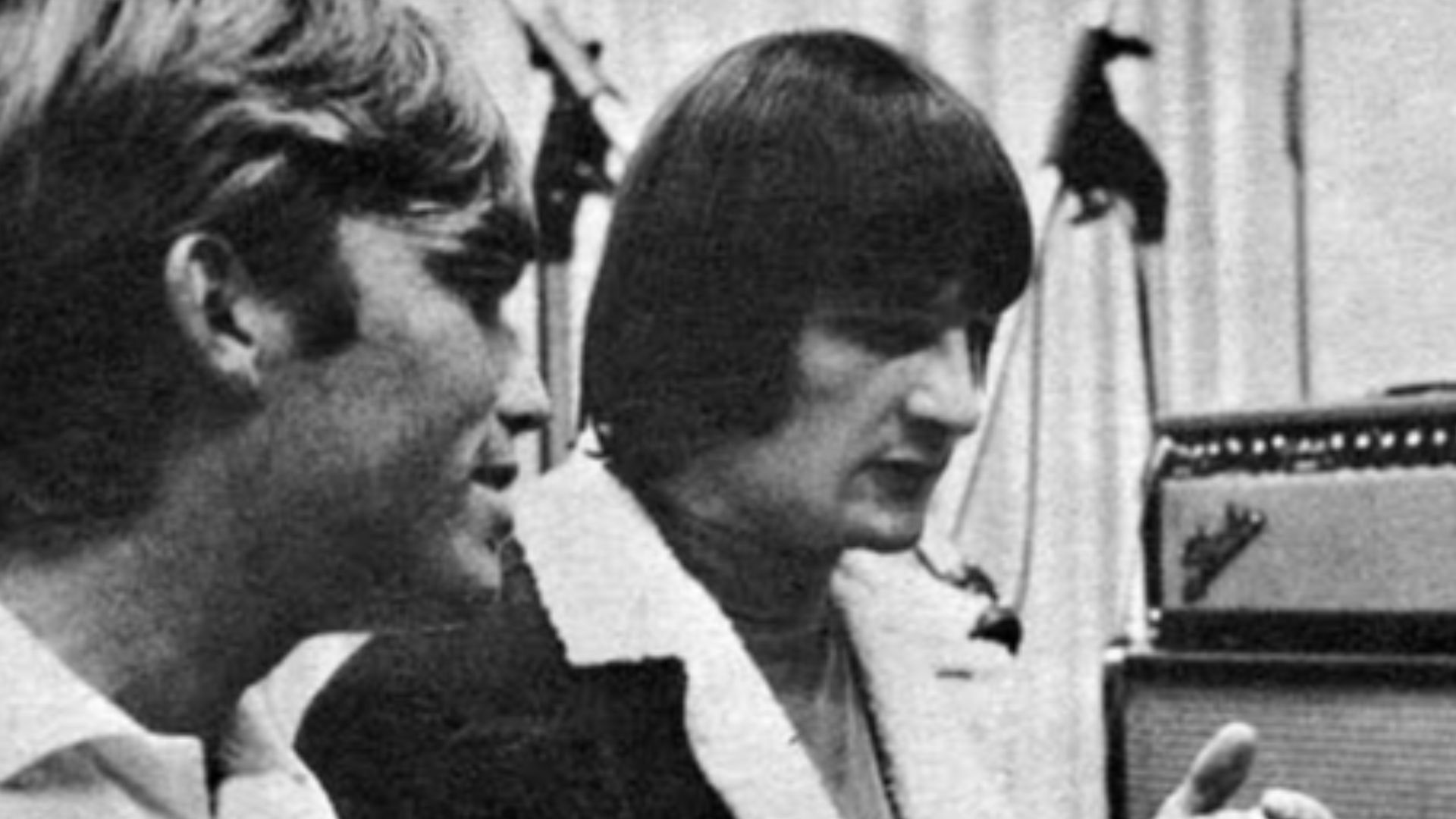
When Gene Clark left The Byrds in early 1966, the internal balance collapsed. Clark had been the emotional mediator. Without him, tensions between McGuinn and Crosby intensified, with no buffer left.
 KRLA Beat Publications-page 10 (PDF file), Wikimedia Commons
Crosby Pushes the Message
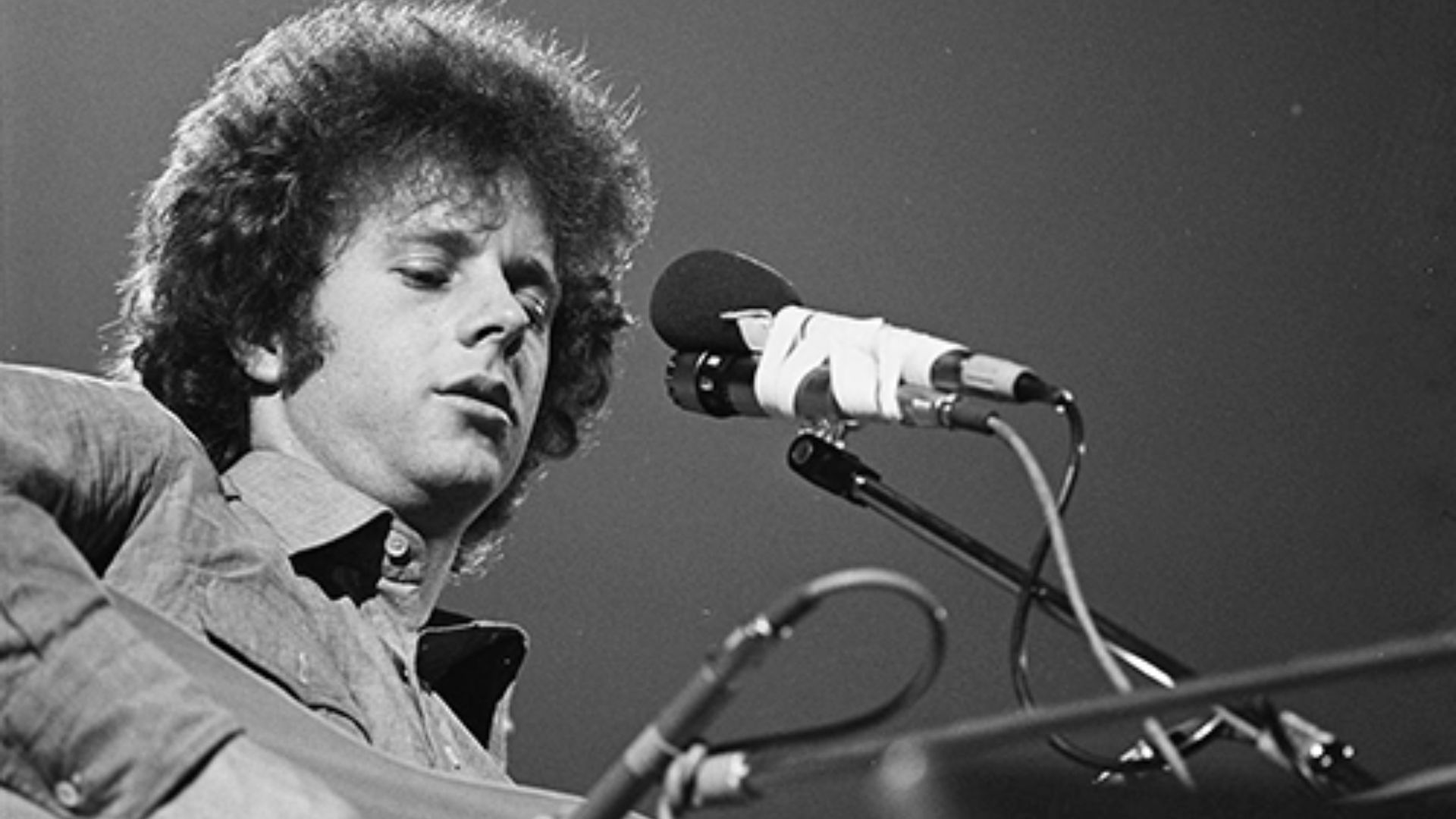
During recording sessions for Younger Than Yesterday in 1967, Crosby clashed repeatedly with McGuinn and Hillman. He argued passionately about song choices, arrangements, and lyrics. He wanted deeper messages. Others wanted unity.
 Beeld & Geluid Unknown photographer, Wikimedia Commons
The Monterey Incident
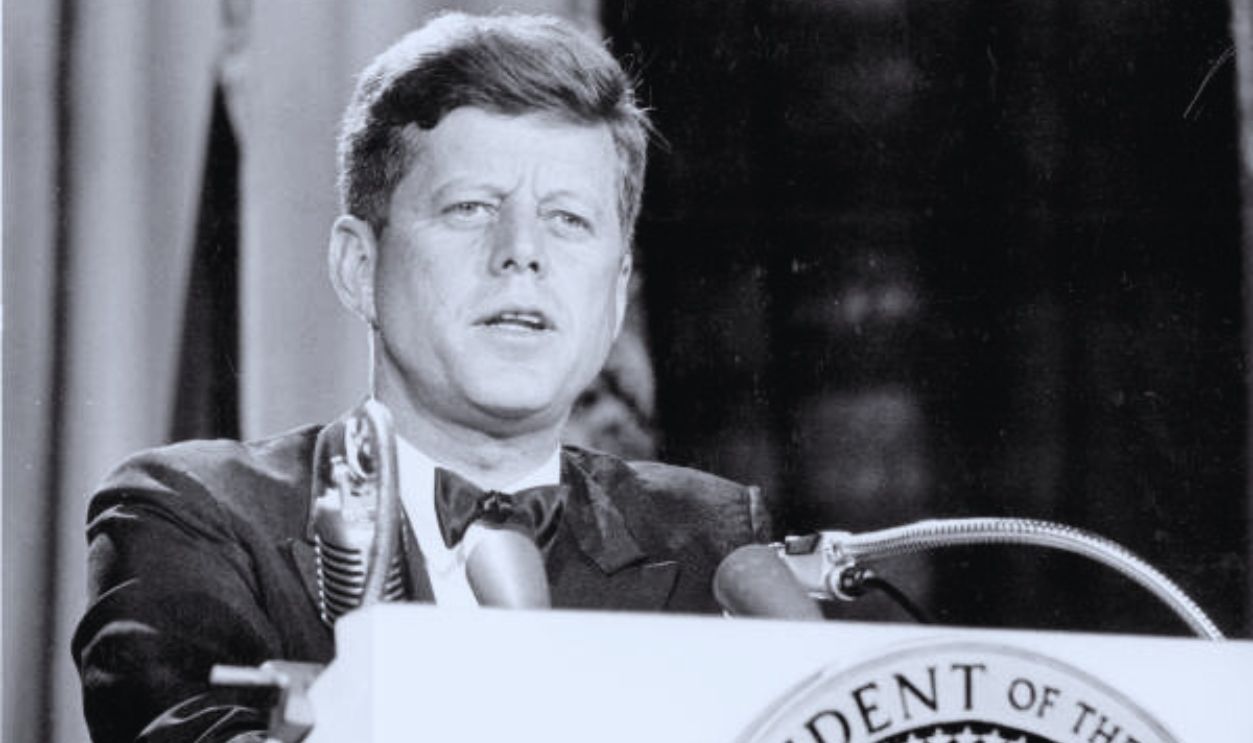
The breaking point came at the Monterey Pop Festival in June 1967. Crosby made political statements onstage that the band had not agreed to, including commentary on the assassination of President John F. Kennedy. McGuinn later said that moment destroyed trust.
 State Library and Archives of Florida, Wikimedia Commons
Control Versus Expression
McGuinn believed a band needed one voice guiding it. Crosby believed silencing expression betrayed the era. Their conflict mirrored the broader counterculture divide between discipline and rebellion.
 Fotoburo De Boer, Wikimedia Commons
The Decision Nobody Wanted
Shortly after Monterey, Roger McGuinn and Chris Hillman made the decision to remove David Crosby from The Byrds. In October 1967, Crosby was officially fired. There was no reconciliation. No gentle exit.
 KRLA Beat/Beat Publications, Inc., Wikimedia Commons
Friendship Ends With the Music
Crosby was devastated. He later said, “They didn’t just fire me. They erased me.” McGuinn maintained that the band could not function otherwise. Both men carried resentment for decades.
 Eva Rinaldi, Wikimedia Commons
The Byrds Continue—Changed
After Crosby’s departure, The Byrds released The Notorious Byrd Brothers. The album was critically acclaimed, but the spirit had shifted. The harmonies were intact, but the original brotherhood was gone.
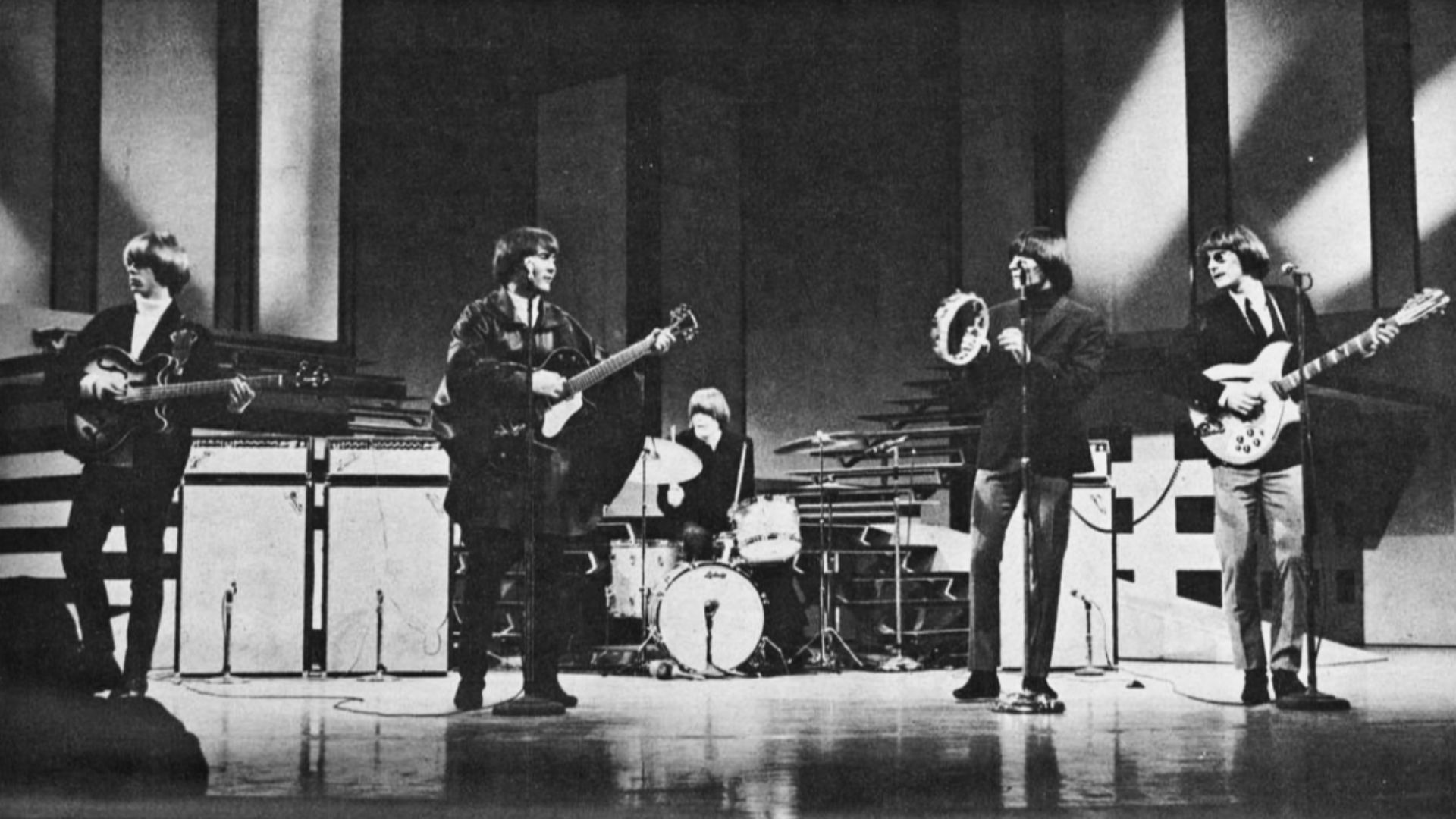
Crosby Finds His Own Voice
Crosby joined Stephen Stills and Graham Nash, forming Crosby, Stills & Nash in 1968. Their success proved Crosby’s instincts were not misguided.
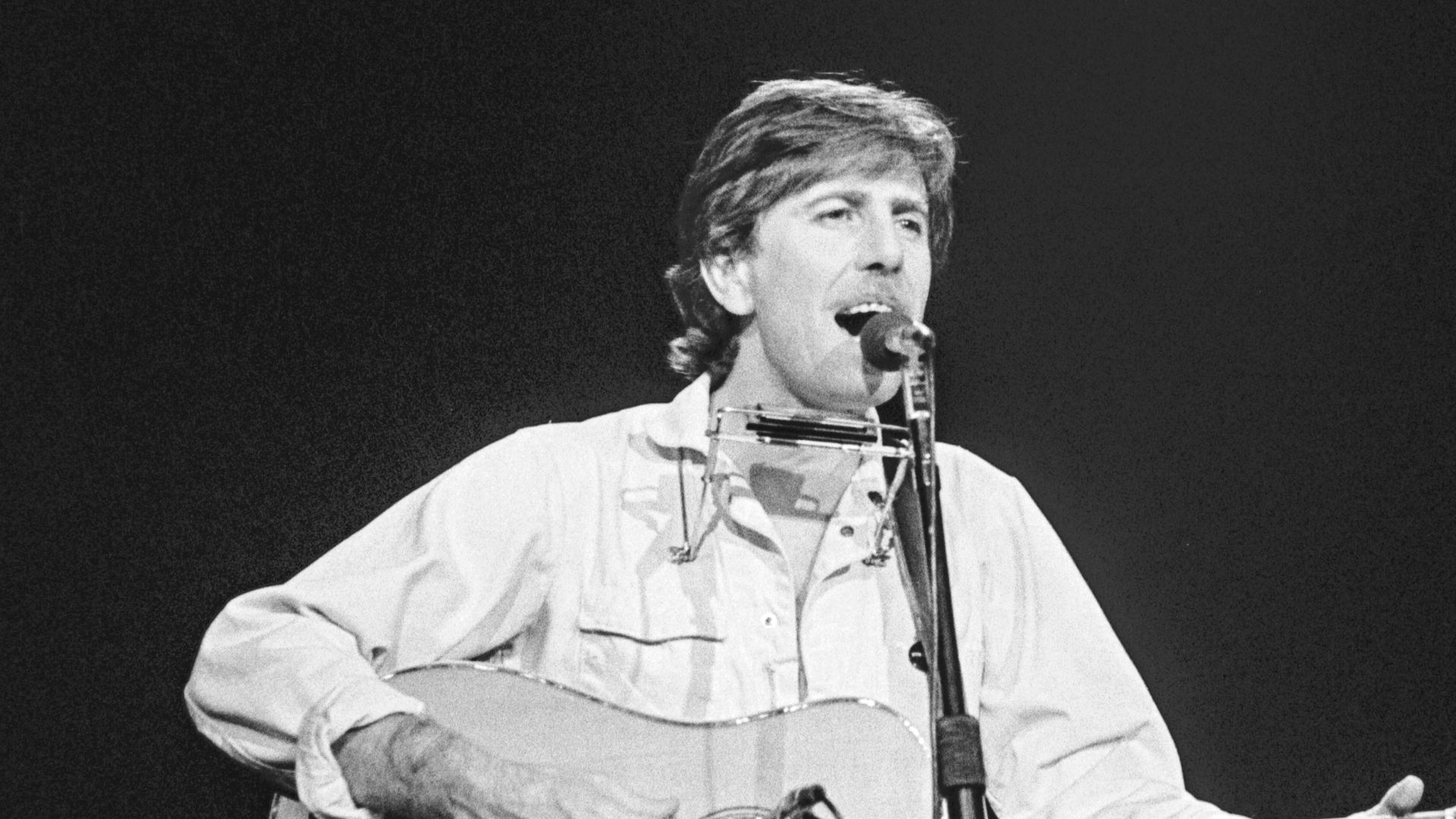
A Rivalry Forms Quietly
Though rarely overt, tension between Crosby and McGuinn lingered. Interviews over the years revealed unresolved hurt. They represented different paths through the same cultural storm.
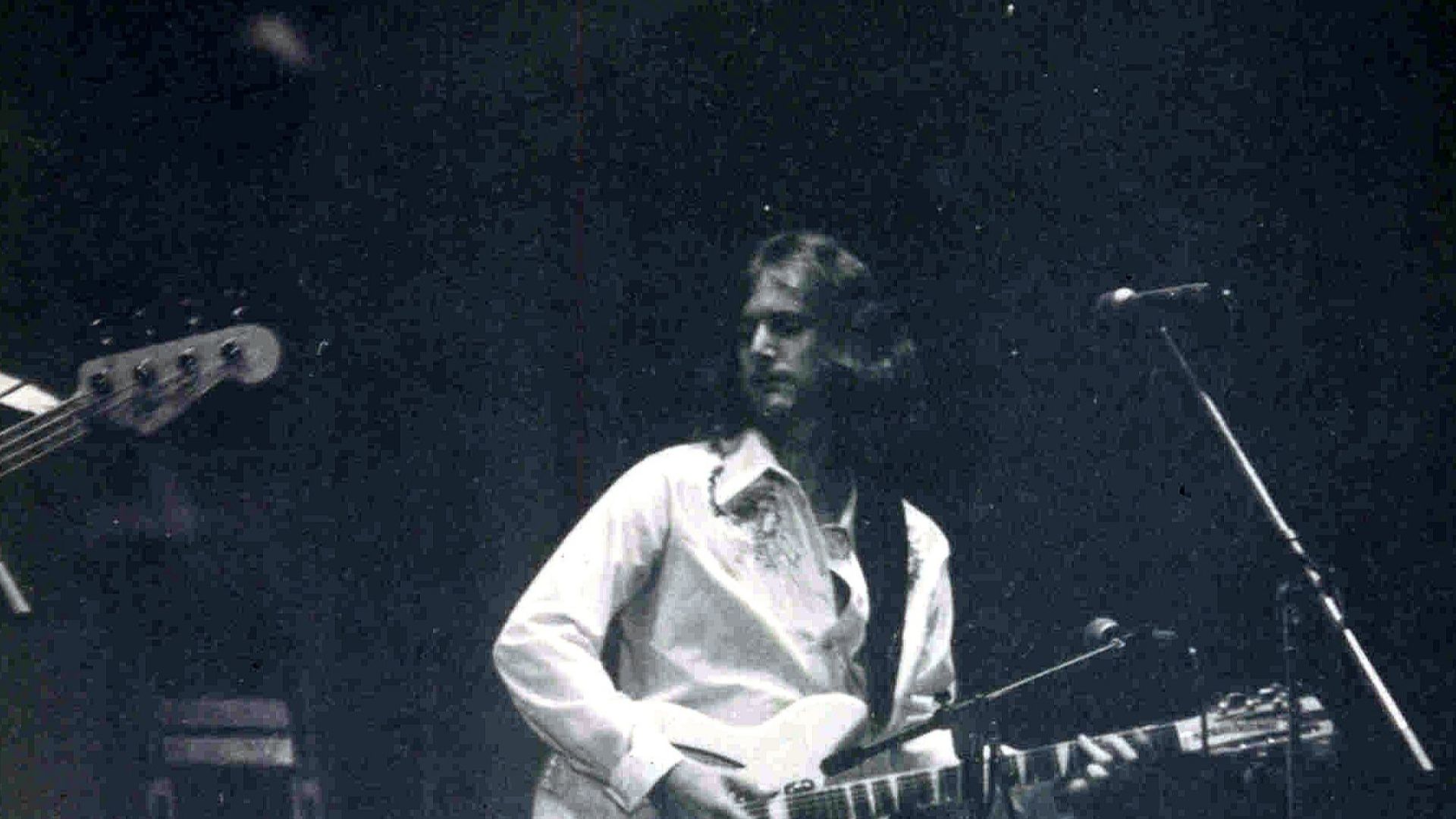 Dan Volonnino, Wikimedia Commons
Two Men, Two Philosophies
McGuinn believed survival required leadership and boundaries. Crosby believed art required risk and defiance. Their split reflected a generation wrestling with authority and freedom.
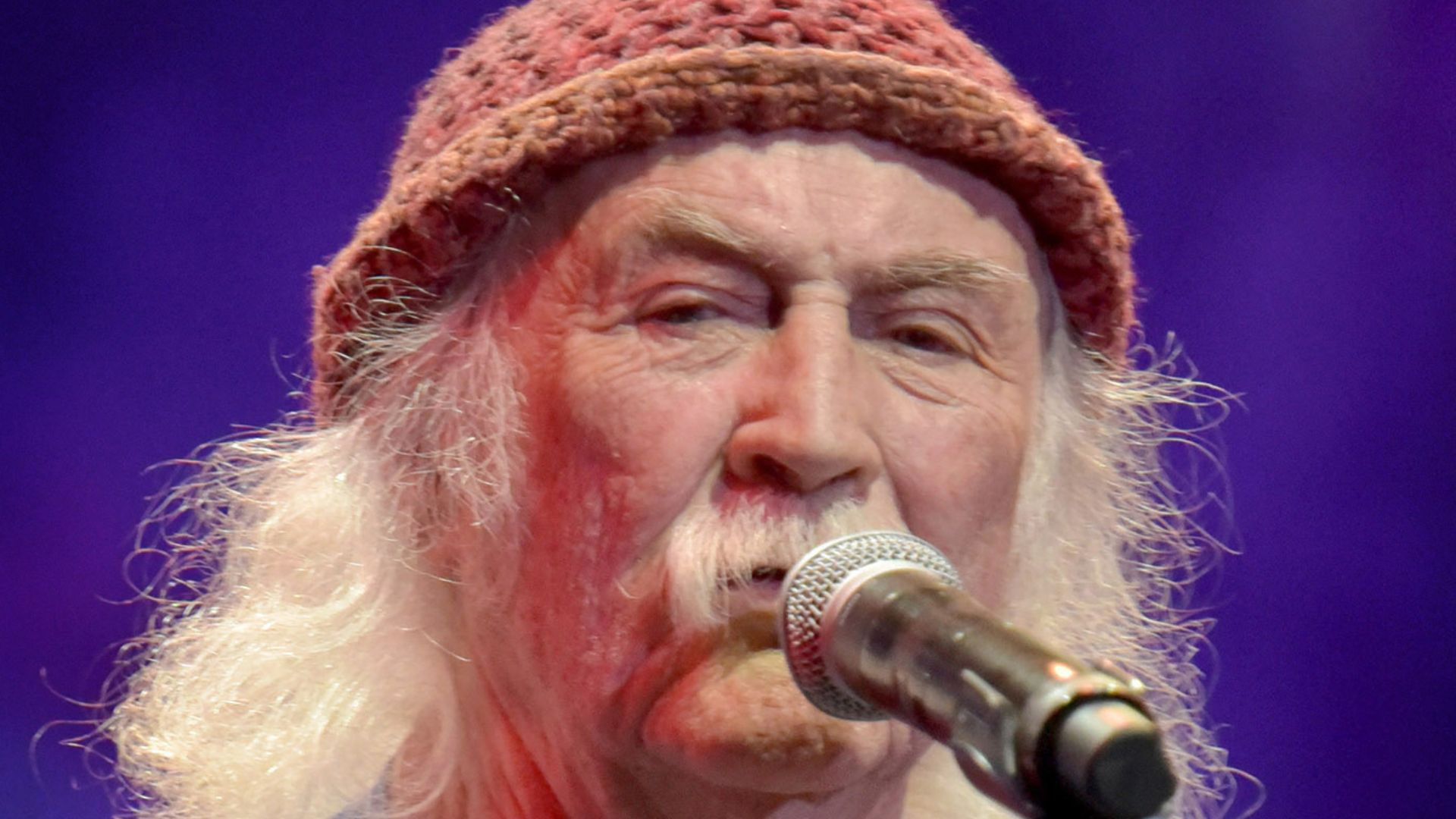
Time Softens—but Does Not Erase
In later years, both men acknowledged mistakes. McGuinn admitted Crosby’s voice was irreplaceable. Crosby admitted his behavior was confrontational.
The Cost of Cultural Collision
The Byrds’ breakup marked the end of innocence. Creativity alone could not hold people together. The firing of David Crosby wasn’t just band drama. It showed how friendship, ego, and ideals collide under fame.
Two Legends, Forever Linked
Roger McGuinn and David Crosby went on to define different corners of American music. Their rivalry became part of their legacy. When McGuinn fired Crosby, it ended a friendship—but gave birth to new sounds and voices. The music survived, but the bond never did.
 John Mathew Smith & www.celebrity-photos.com from Laurel Maryland, USA, Wikimedia Commons
You May Also Like:
.jpg)