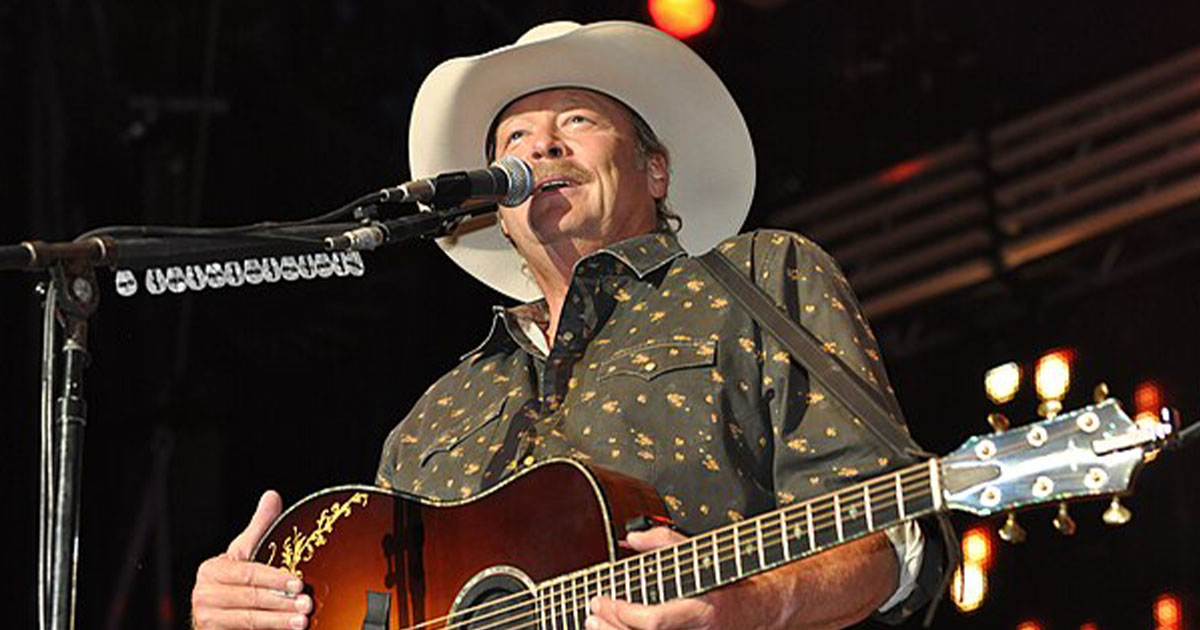
When Alan Jackson Refused to Follow the Crowd
Alan Jackson never raised his voice to make a point. He didn’t have to. While country music drifted toward trends, slogans, and stadium spectacle, he quietly stayed put. That decision made him an outsider in his own genre—and, eventually, its conscience.
A Georgia Boy Raised on Real Songs
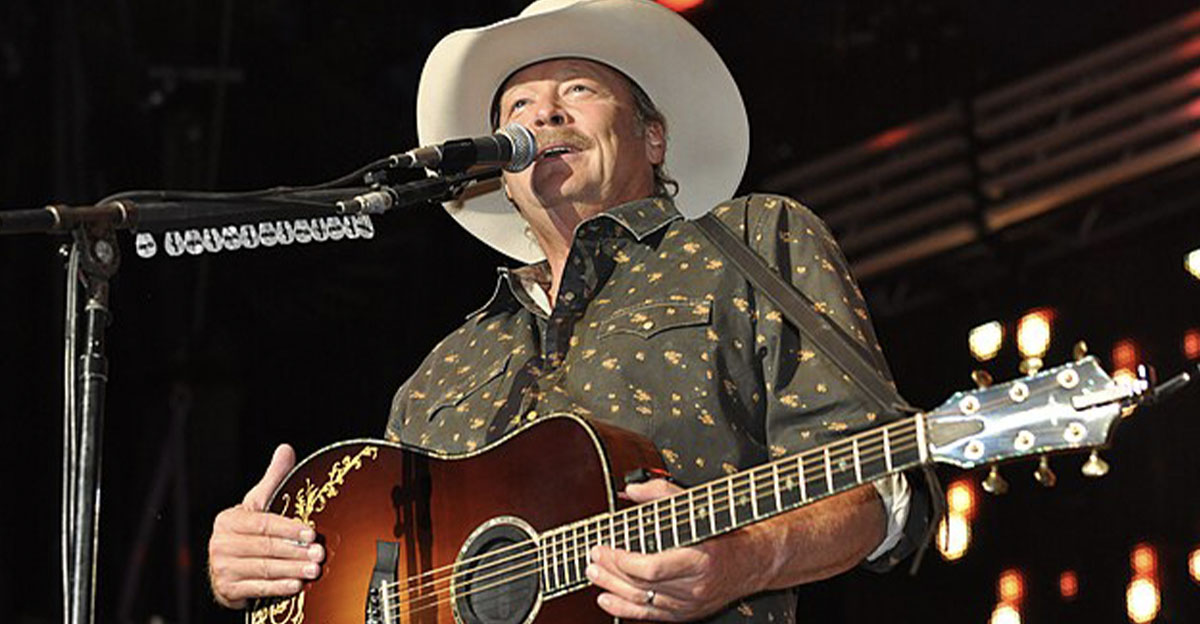
Alan Eugene Jackson was born on October 17, 1958, in Newnan, Georgia. He grew up in a small home with his parents, Joseph and Ruth Jackson, and four older sisters. His father worked as a mechanic, his mother played gospel records, and money was always tight. Music was comfort, not ambition.
 Ramsey Eden, Wikimedia Commons
Learning Country Before It Was Cool
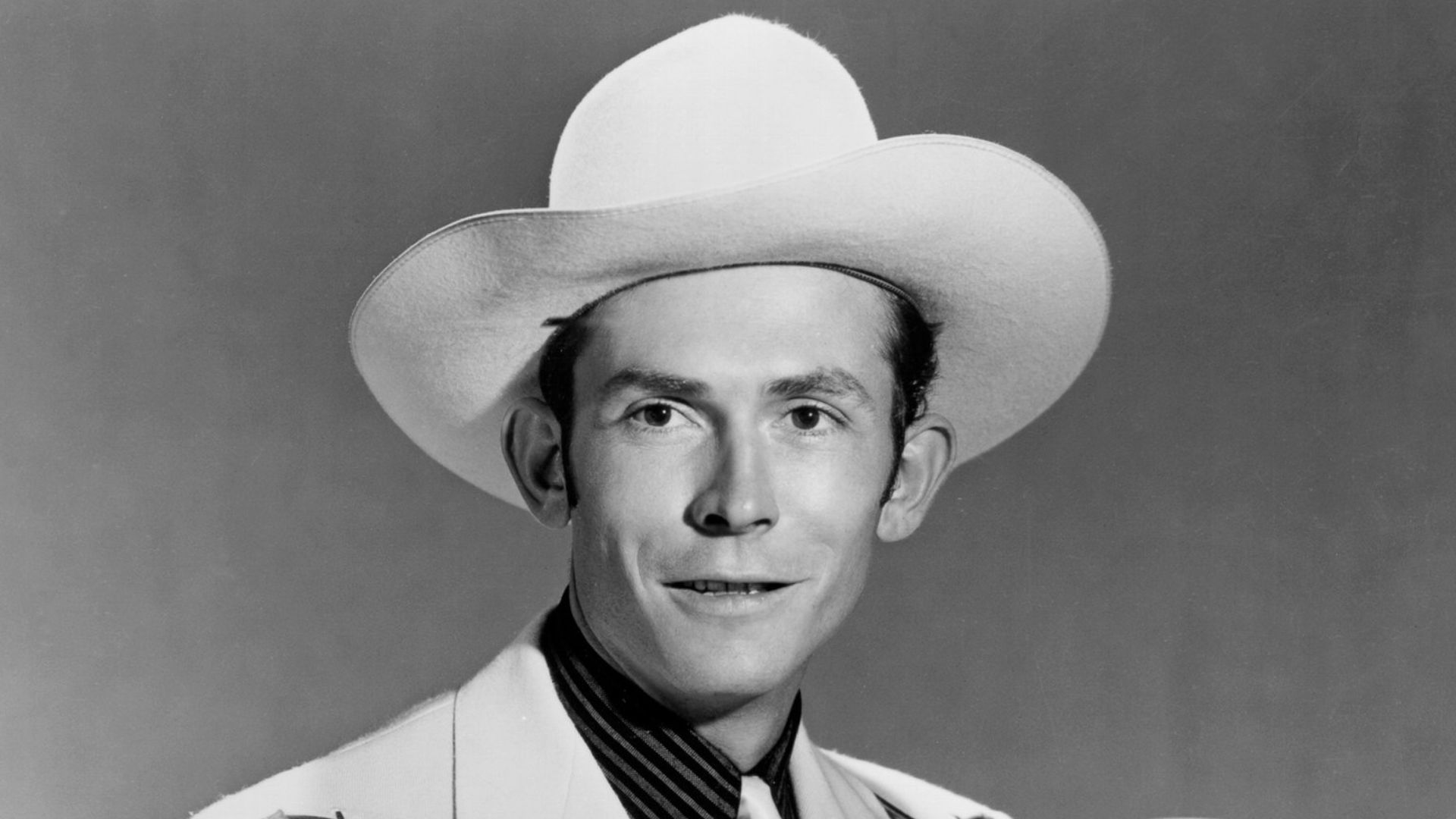
Alan grew up listening to Hank Williams, Gene Watson, and Merle Haggard. These were not polished pop stars. They were storytellers. Their songs were sad, funny, and honest. Alan absorbed that approach early, believing country music should sound like real life, not marketing.
Loving Denise Before Loving Fame
Alan met his future wife, Denise Jackson, in high school. They married in 1979, long before success was guaranteed. Denise later said, “We didn’t have a backup plan.” Their relationship grounded Alan, even when everything else later felt unstable.
 Rick Diamond/ACM2015, Getty Images
A Leap of Faith to Nashville
In 1985, Alan and Denise moved to Nashville with very little money. Alan worked in the mailroom at The Nashville Network while trying to get his songs heard. He wasn’t chasing trends. He was waiting for someone to hear his voice as it was.

A Break That Felt Earned
In 1989, Alan released his debut album Here in the Real World. The title alone set the tone. Songs like “Chasin’ That Neon Rainbow” spoke to struggle without pretending it was glamorous. The industry noticed because it sounded genuine.
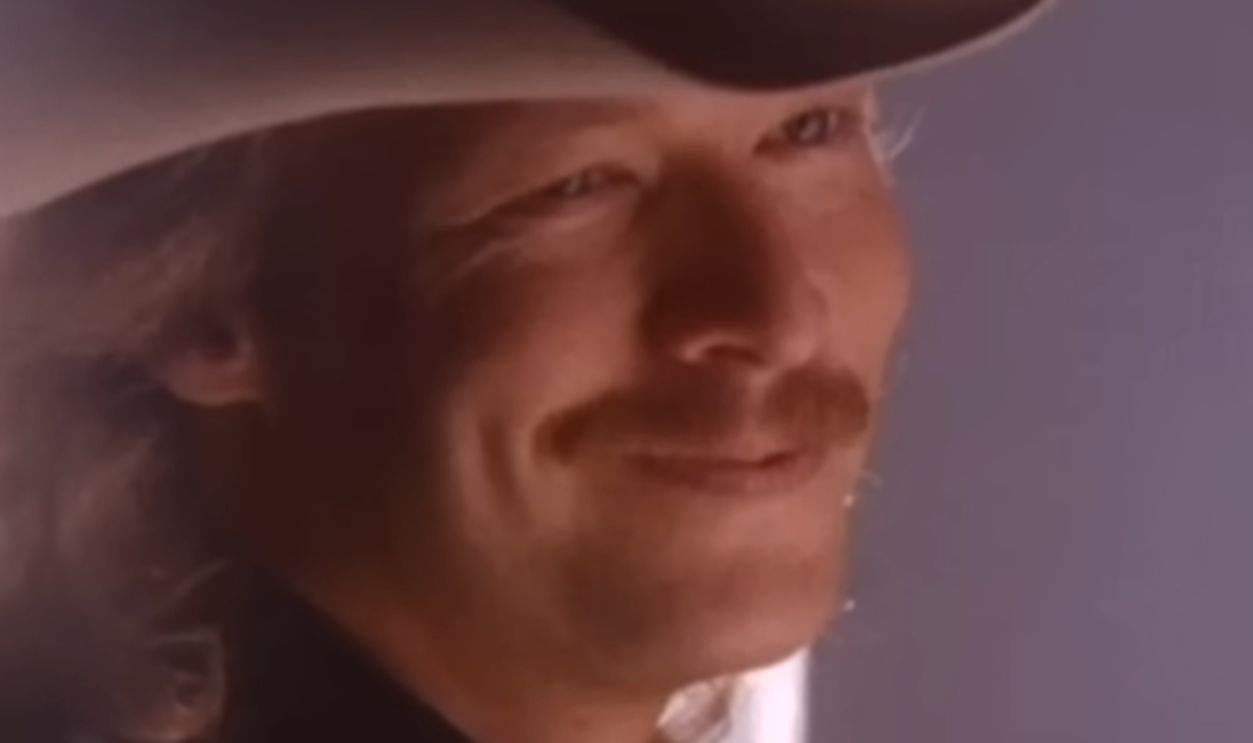 Screenshot from Chasin’ That Neon Rainbow, Arista Records (1990)
Success Without Reinvention
Throughout the 1990s, Alan released hit after hit without changing his identity. Albums like Don’t Rock the Jukebox and A Lot About Livin’ (And a Little ’Bout Love) made him a star. Still, he stayed musically conservative in the best sense of the word.

Country Starts to Change Around Him
By the late 2000s and early 2010s, country music shifted dramatically. Songs became louder, flashier, and more focused on image. Trucks, parties, and slogans replaced storytelling. Alan didn’t criticize it publicly, but he didn’t follow it either.
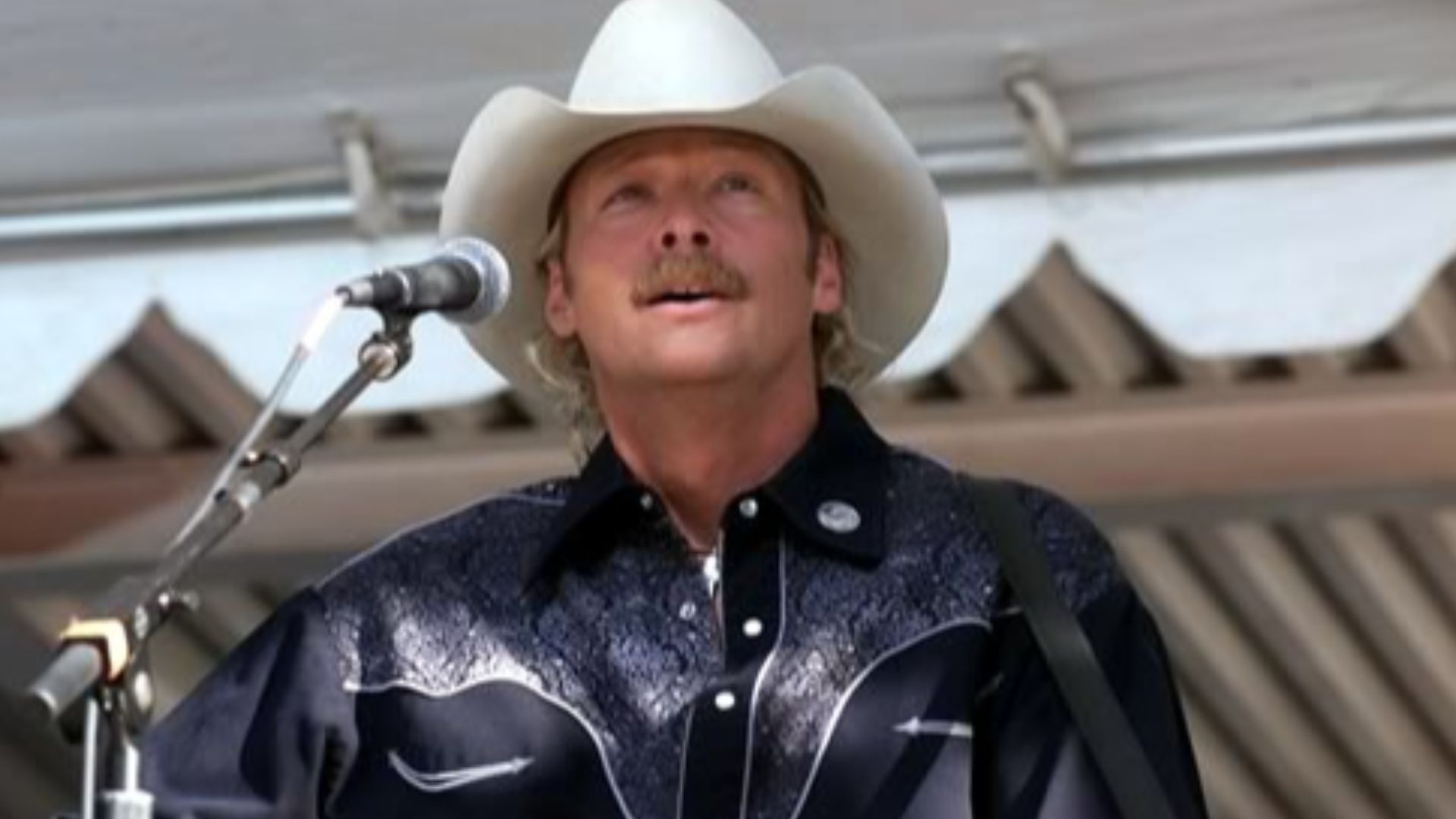
Watching “Bro-Country” Take Over
Artists like Florida Georgia Line dominated charts with a sound later labeled “bro-country.” It was commercially successful, but many longtime listeners felt disconnected. Alan represented an older approach that suddenly felt out of step with radio trends.
 Lunchbox LP, Wikimedia Commons
Silence as a Statement
Alan didn’t attack younger artists. He simply kept writing songs that sounded like him. That restraint became its own rebellion. In an industry obsessed with relevance, Alan chose consistency.
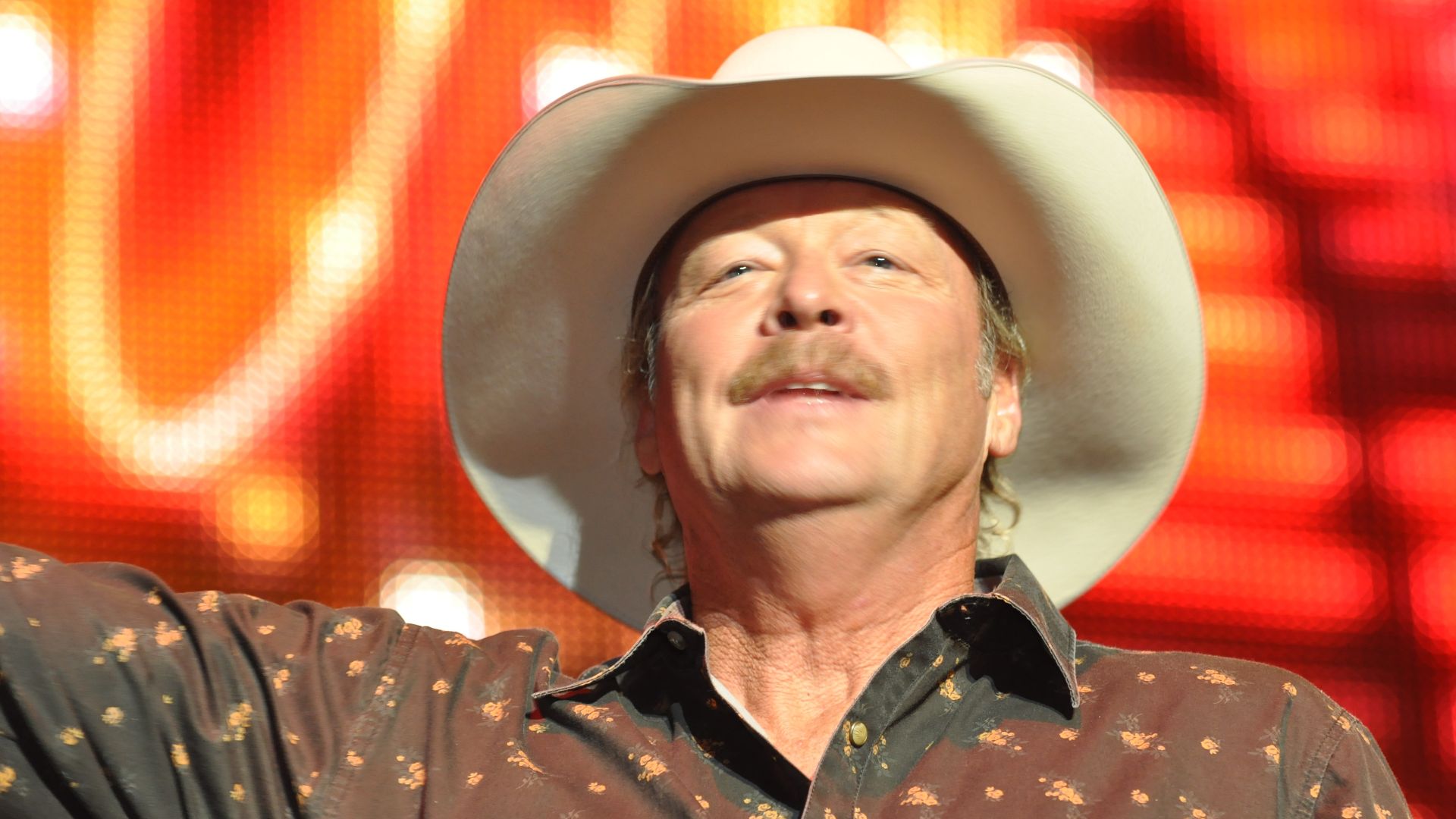 Joe Bielawa from MInneapolis, USA, Wikimedia Commons
A Quiet Protest at the CMAs
In 1999, during the CMA Awards, Alan performed “Choices” to honor George Jones, who was denied airtime due to his struggles. When producers cut the song short, Alan stopped singing mid-lyric. The gesture was calm, but it was unmistakable.
Respecting the Past Publicly
Alan consistently spoke about honoring those who came before him. “Country music is about remembering,” he once said. That philosophy clashed with a genre moving fast and forgetting faster.
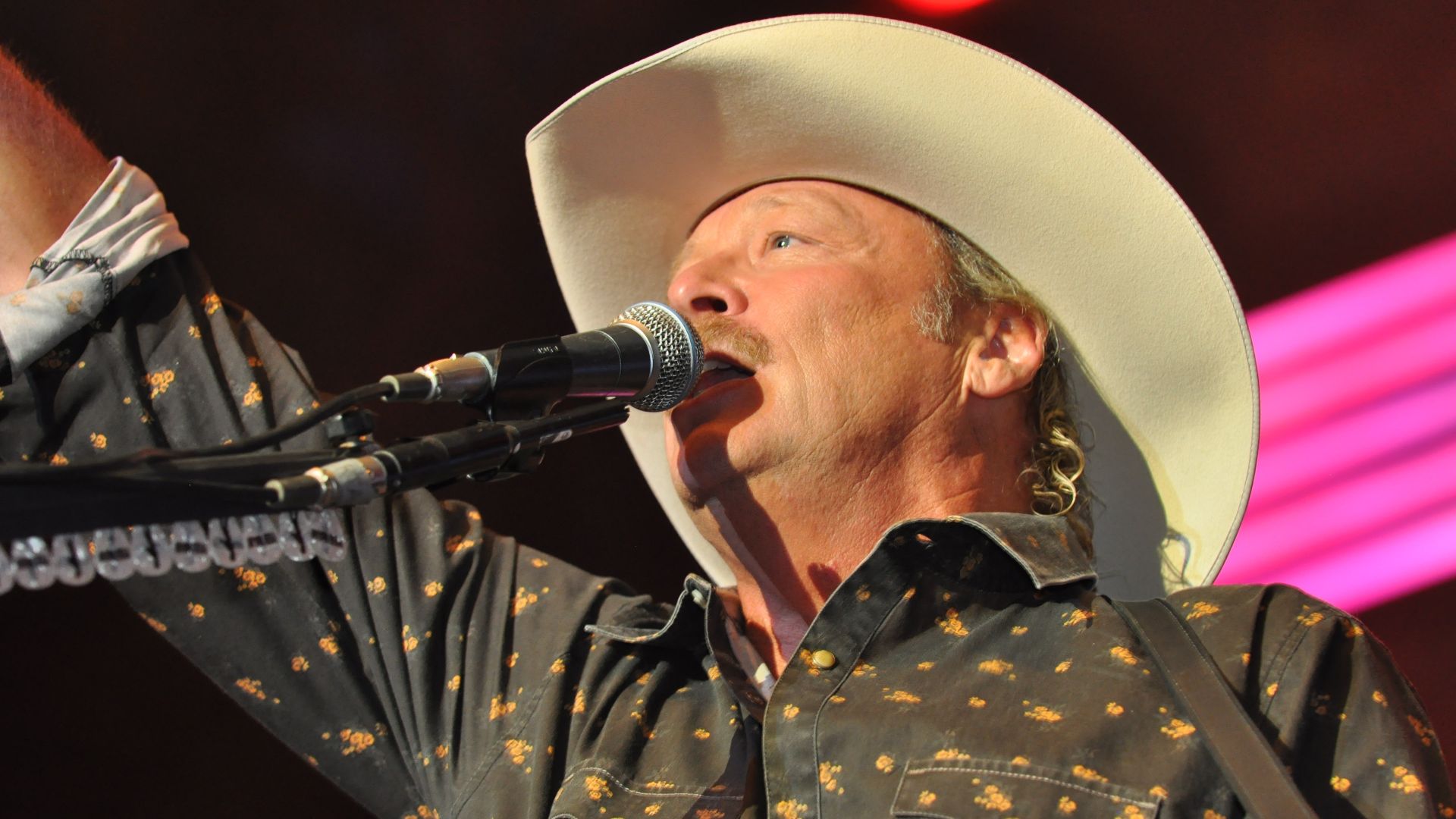 Joe Bielawa from MInneapolis, USA, Wikimedia Commons
Awards Without Chasing Approval
Alan Jackson has won two Grammy Awards, 16 CMA Awards, and 17 ACM Awards. He was inducted into the Country Music Hall of Fame in 2017. He earned those honors without reshaping himself for trends.
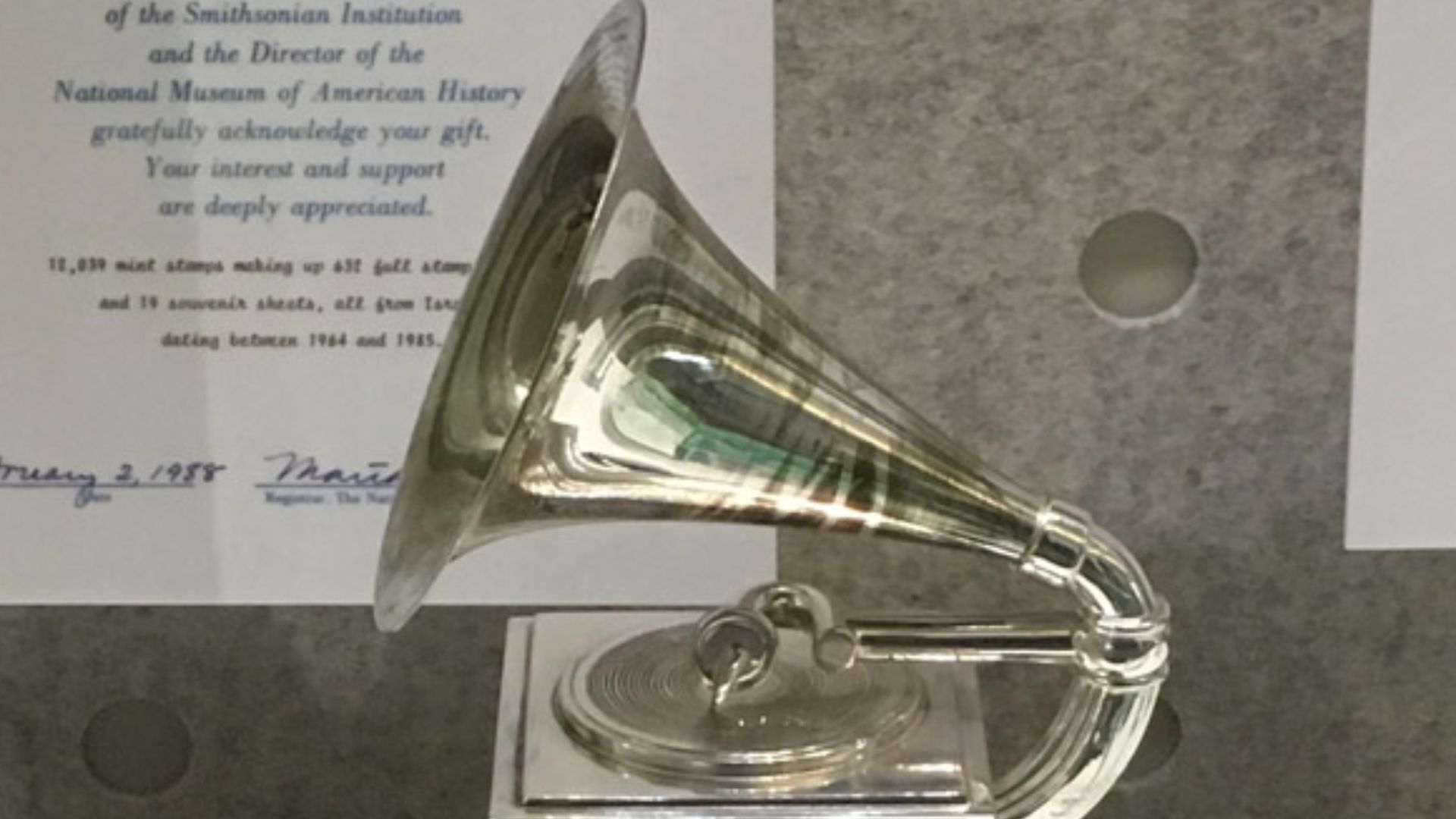 Mason Souza, Wikimedia Commons
Writing Songs That Last
Songs like “Remember When,” “Drive (For Daddy Gene),” and “Where Were You (When the World Stopped Turning)” proved that restraint could still move millions. These weren’t party anthems. They were reflections.
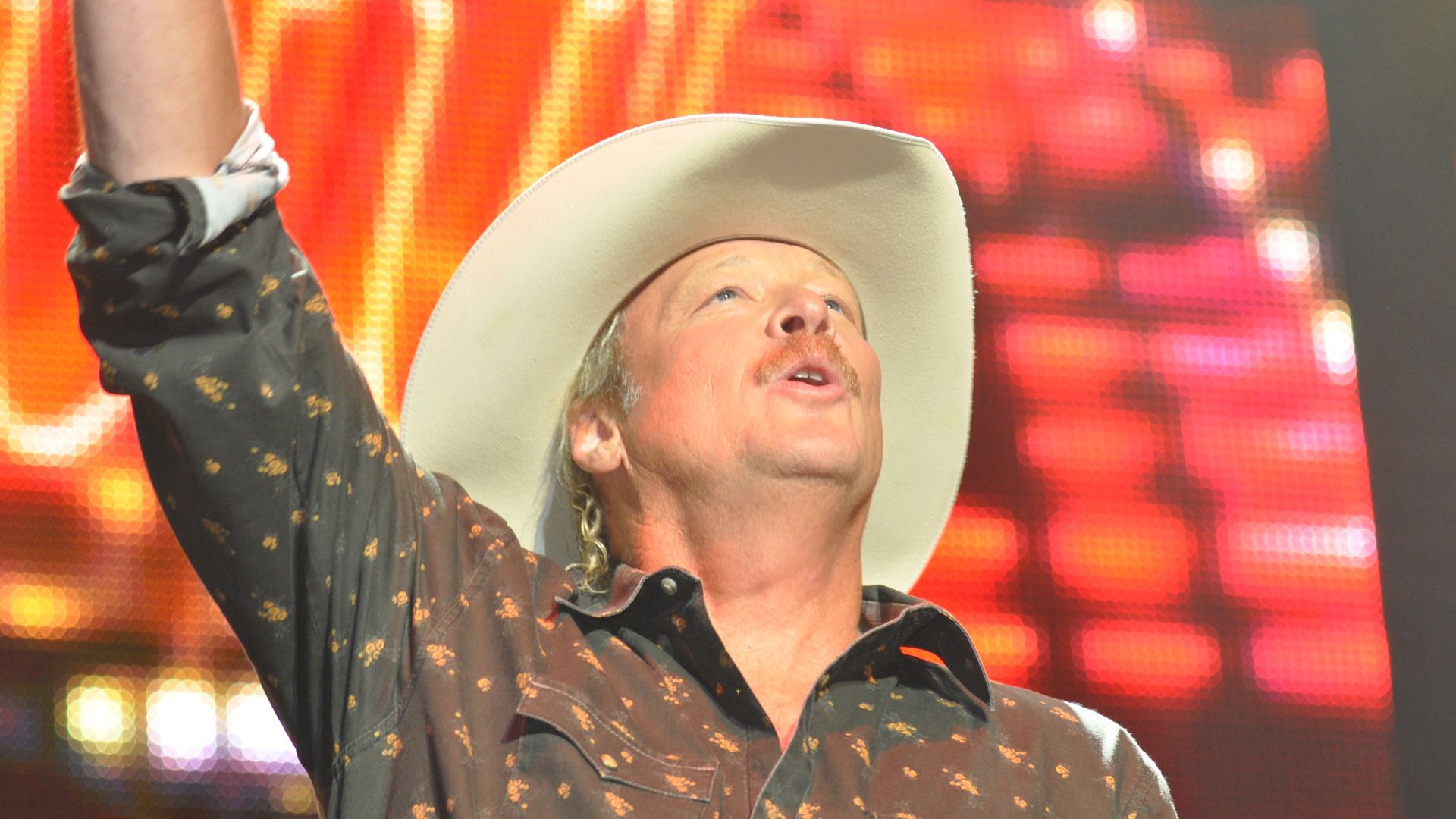 Joe Bielawa from MInneapolis, USA, Wikimedia Commons
Choosing Distance Over Reinvention
As bro-country dominated radio, Alan toured less and released music more selectively. He didn’t disappear, but he didn’t compete either. He let the noise pass.
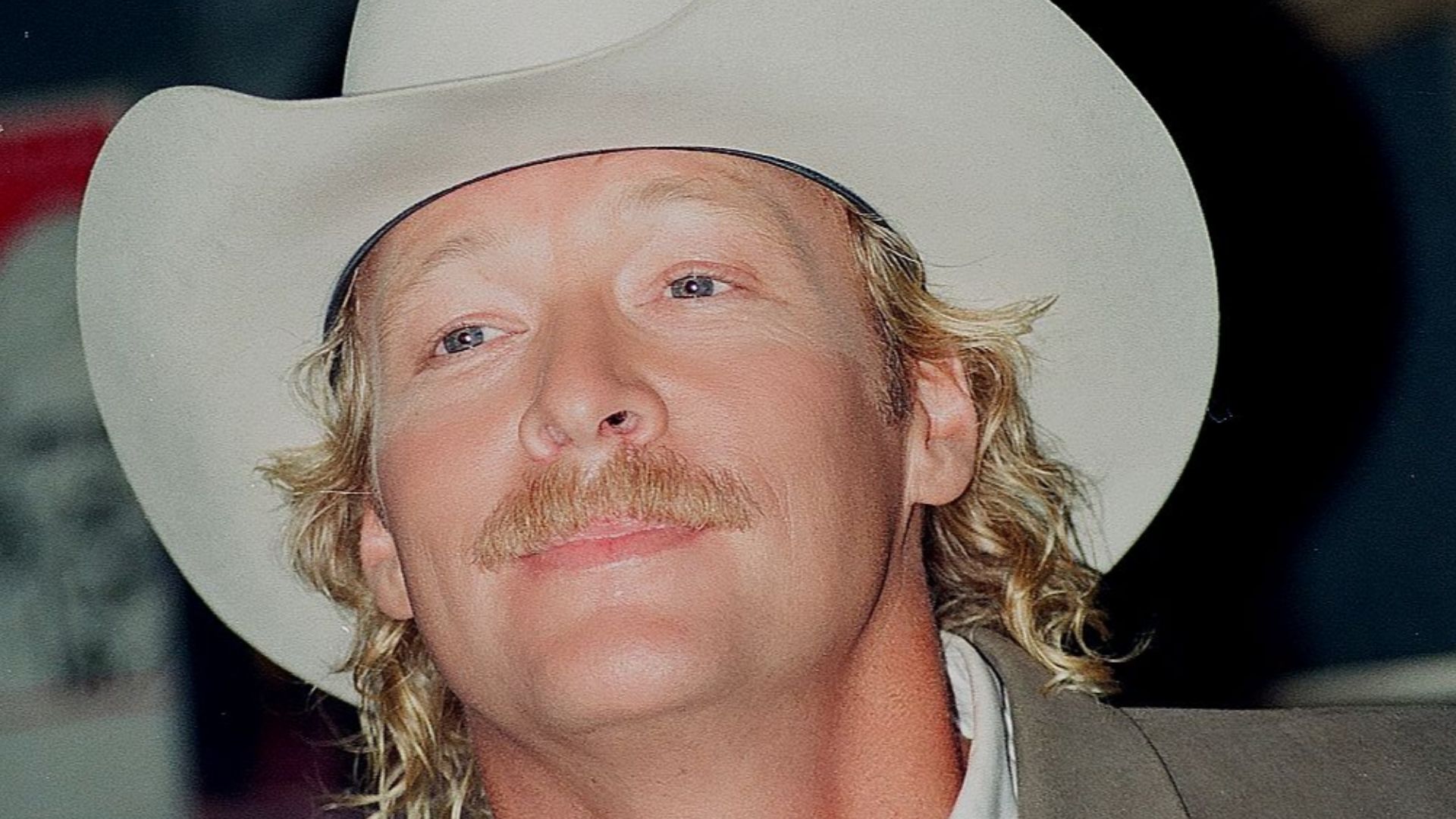 John Mathew Smith & www.celebrity-photos.com from Laurel Maryland, USA, Wikimedia Commons
Fans Noticed the Difference
Longtime listeners appreciated that Alan stayed true. He became a symbol of what country music used to be and, for many, what it should still be.
 Angela George at https://www.flickr.com/photos/sharongraphics/, Wikimedia Commons
A Man Comfortable Saying No
Alan once said, “I’ve never wanted to be famous enough to not be myself.” That mindset guided every decision, even when it meant stepping back from the spotlight.
 Joe Bielawa from MInneapolis, USA, Wikimedia Commons
Aging Without Apology
As he got older, Alan embraced aging openly. He didn’t try to sound younger. His voice deepened. His songs slowed. That honesty resonated with fans who grew up alongside him.

Tradition as Quiet Defiance
In a genre that often reinvents itself to survive, Alan proved that staying the same could be just as powerful. His rebellion wasn’t loud. It was patient.
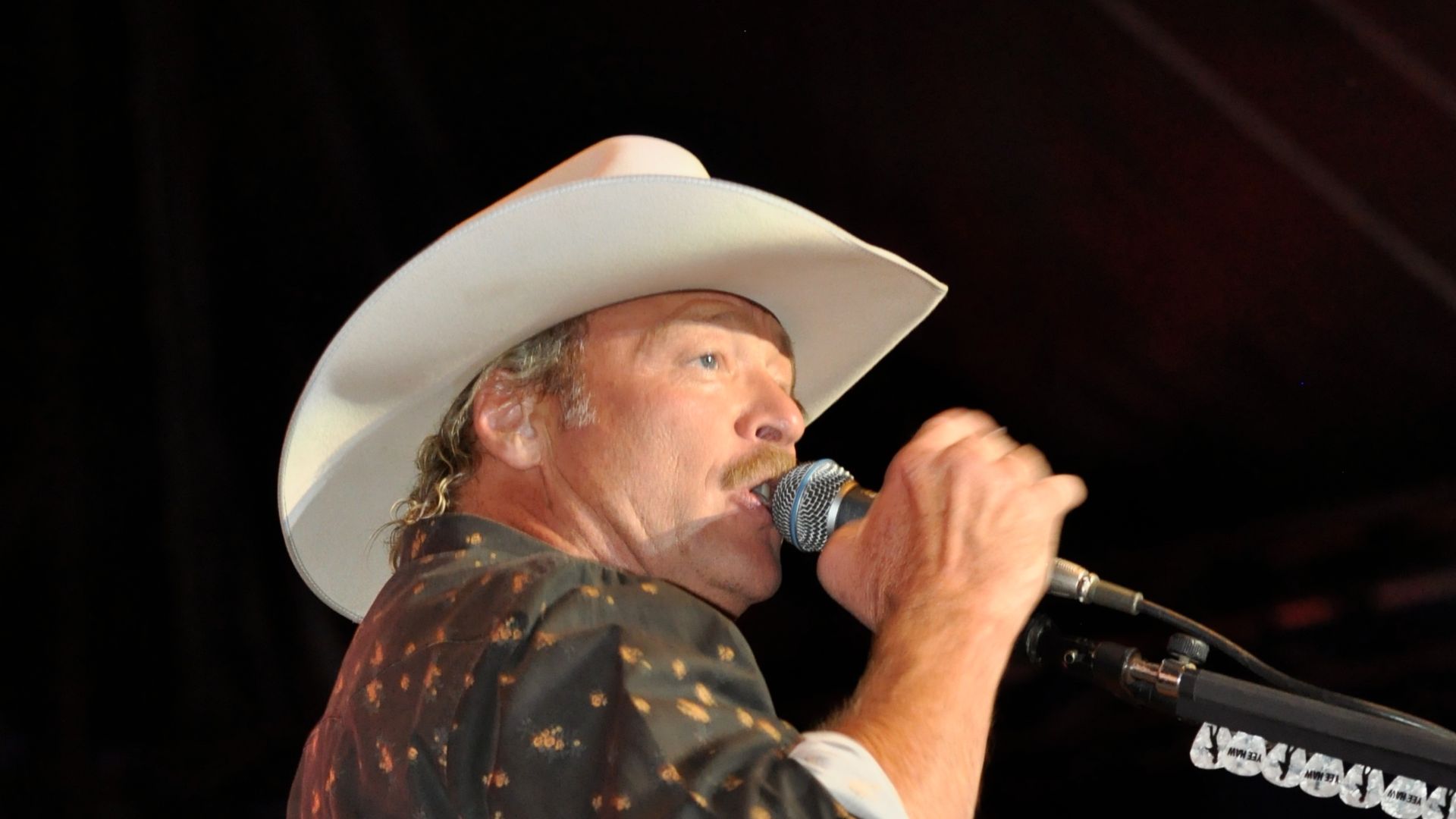 Joe Bielawa from MInneapolis, USA, Wikimedia Commons
Why His Choice Mattered
Alan Jackson showed that country music didn’t have to abandon its roots to stay alive. By refusing to chase bro-country trends, he preserved a lane for truth and storytelling.
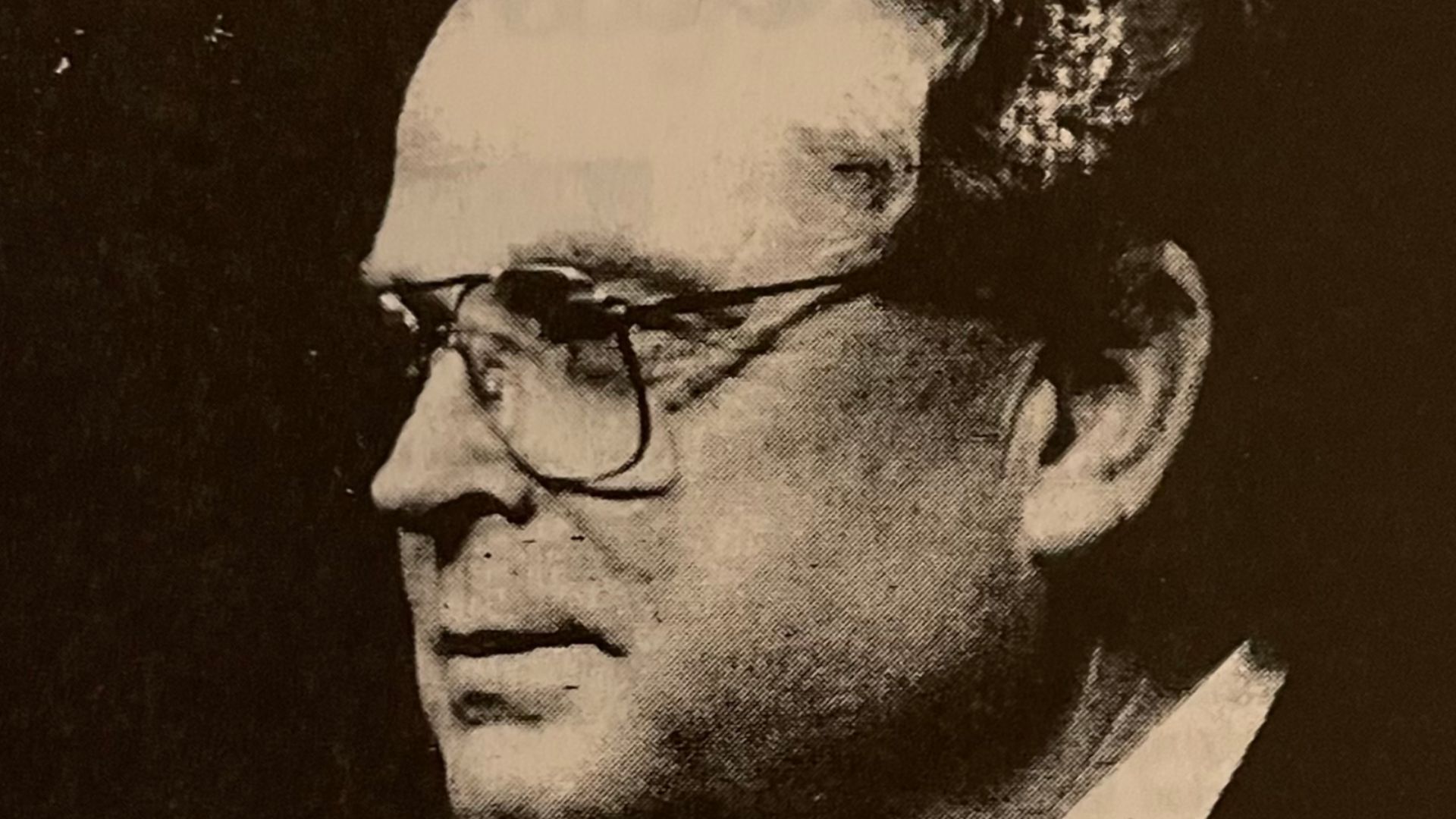
A Legacy Built on Restraint
Alan Jackson didn’t fight the industry. He outlasted it. His career stands as proof that tradition still has value when someone is brave enough to protect it.
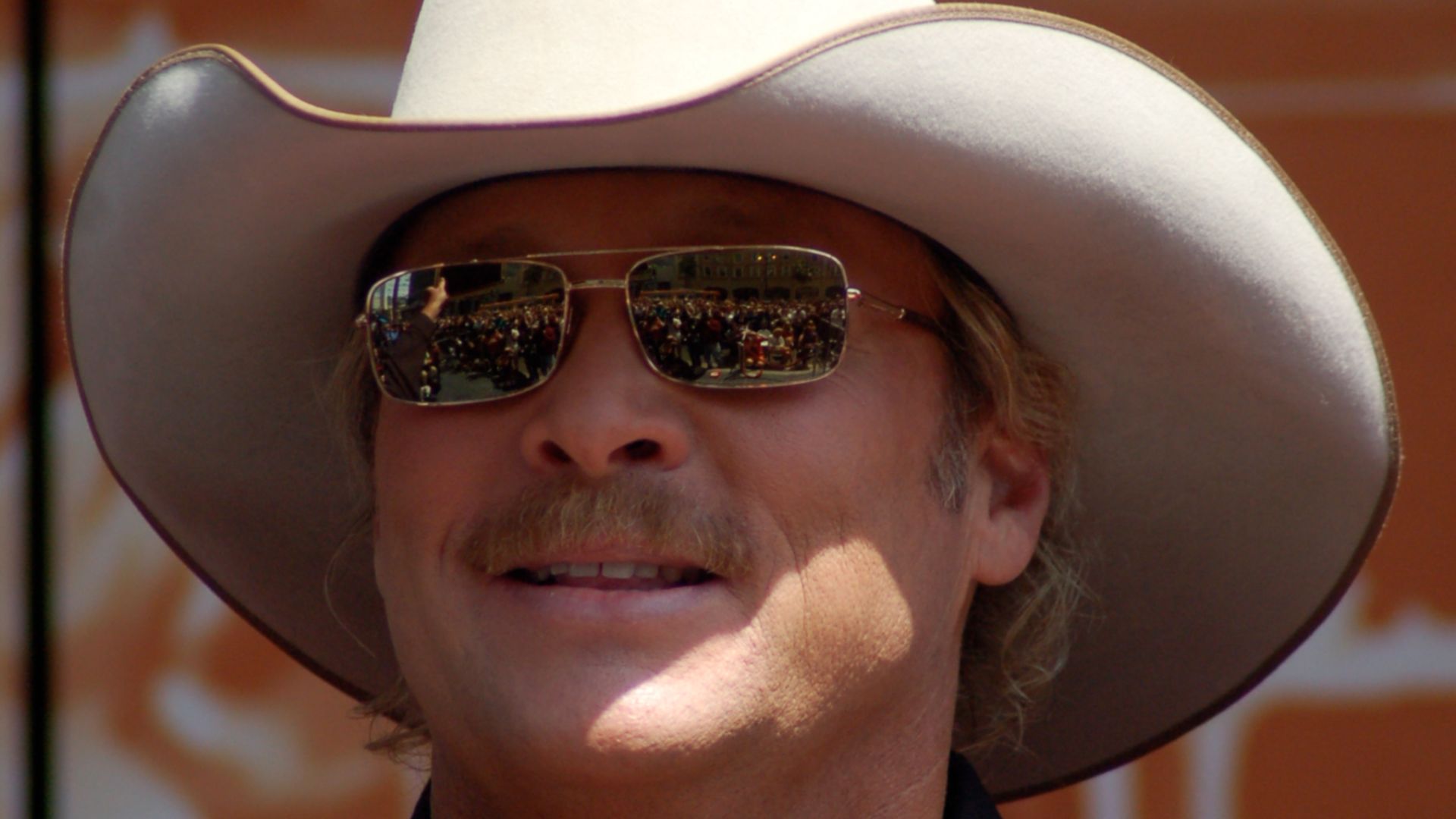 Angela George at https://www.flickr.com/photos/sharongraphics/, Wikimedia Commons
The Rebel Who Never Shouted
Alan Jackson’s quiet rebellion reminded country music of its soul. In a loud era, he chose honesty. And that choice may be the most radical thing he ever did.
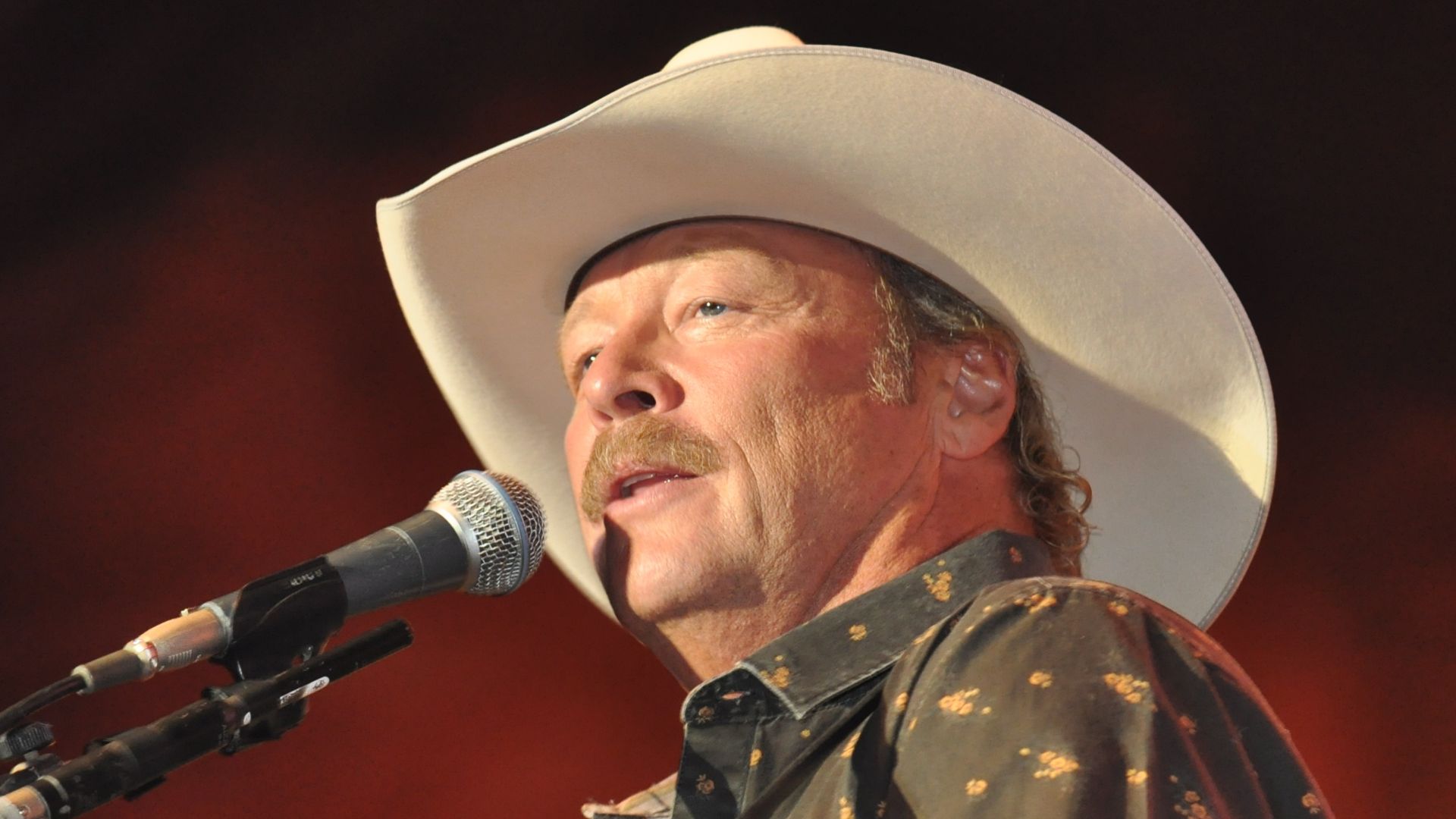 Joe Bielawa from MInneapolis, USA, Wikimedia Commons
You May Also Like: