One-Take Wonders
Most hit songs get recorded over and over and over again. Artists redo vocals, bands tighten up mistakes, producers obsess over tiny details nobody but audio engineers will ever notice. Some songs take weeks. Others take months. And then there are the rare ones that somehow came together almost instantly.
Some of these songs were fully recorded in one take, while others kept legendary first vocal or instrumental performances that nobody dared to redo. How many of these one-take wonders do you know?
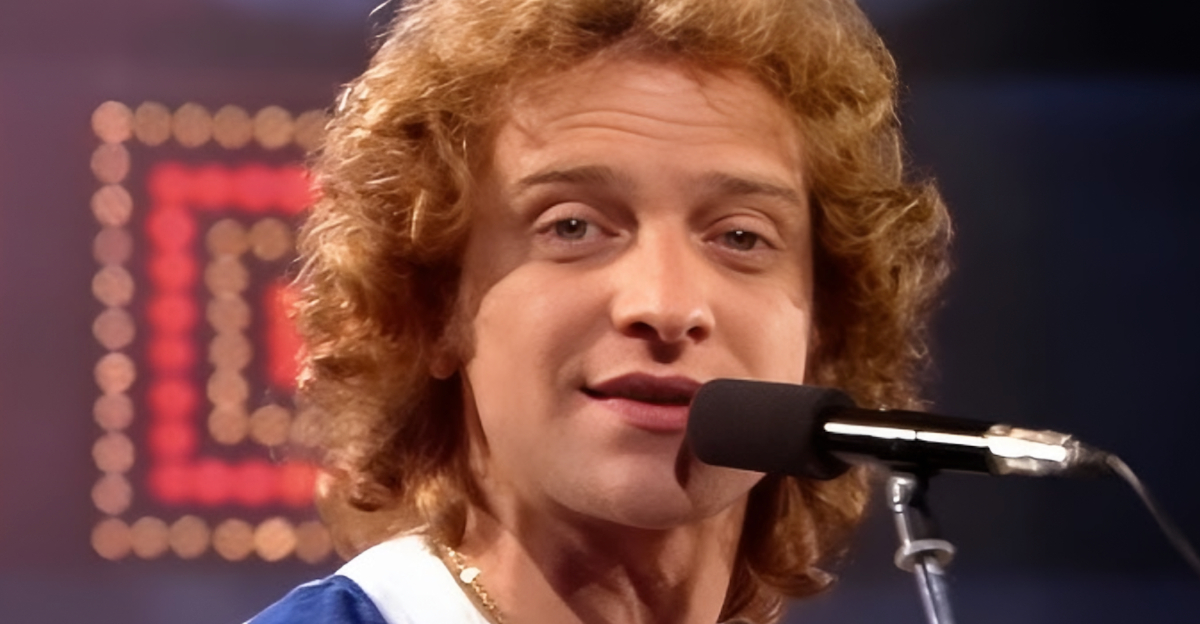
“Twist And Shout” (The Beatles)
This is probably the most famous one-take song ever recorded. The Beatles saved Twist And Shout for the very end of an exhausting recording session because John Lennon’s voice was already completely destroyed.
Producer George Martin knew Lennon realistically had one shot left before his throat gave out entirely. Lennon screamed his way through the song in a single take, immediately wrecked his voice, and created one of the rawest performances in rock history.
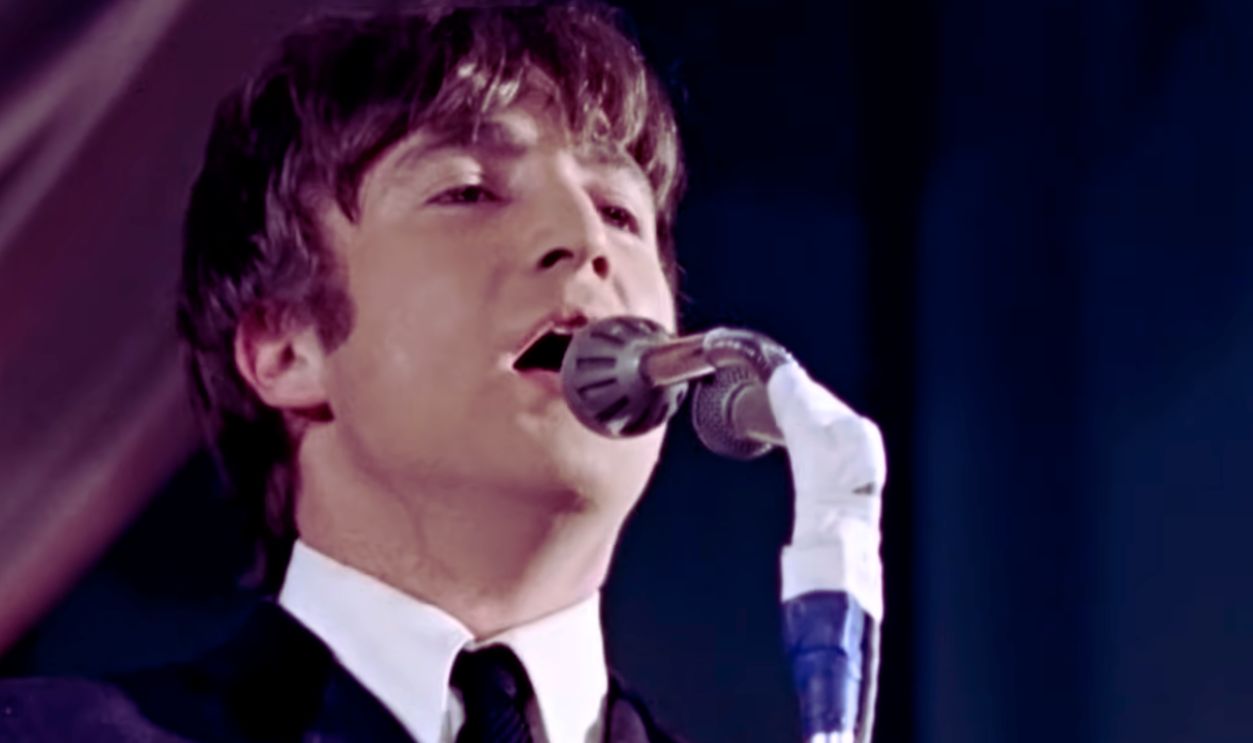 Screenshot from Twist and Shout, The Beatles, Parlophone Records (1963)
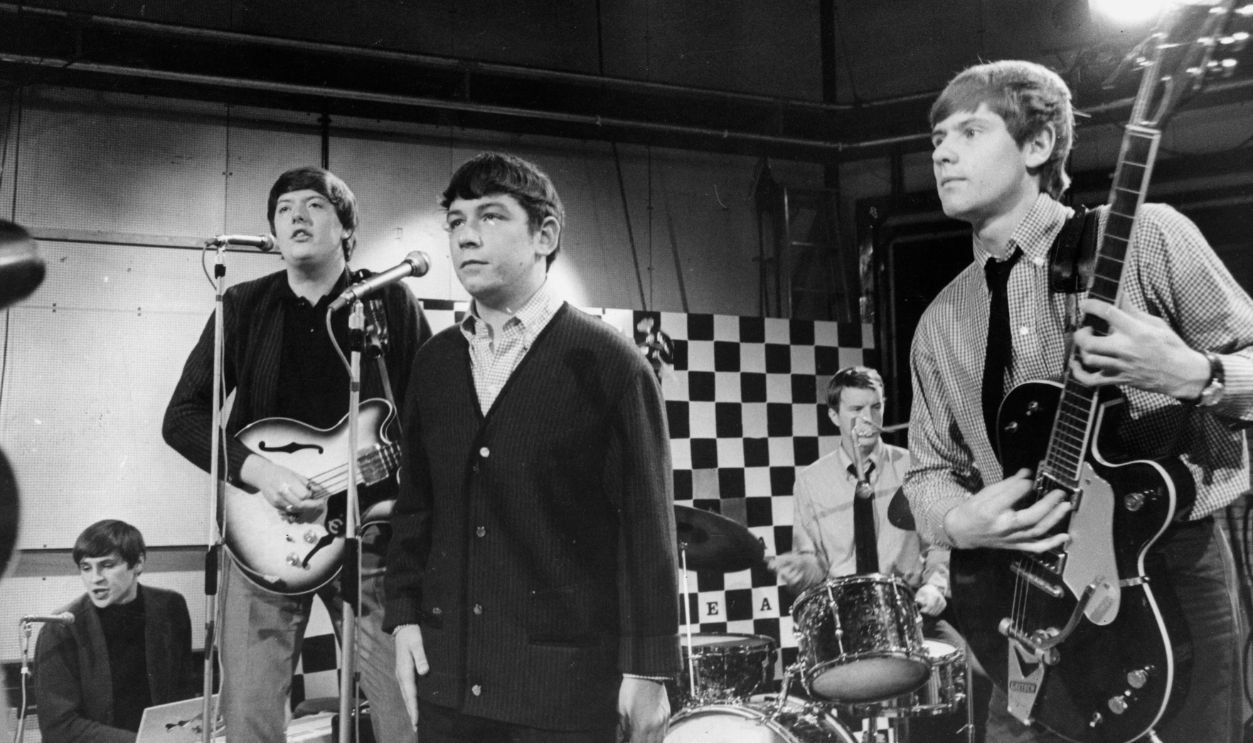
“The House Of The Rising Sun” (The Animals)
The Animals reportedly captured The House Of The Rising Sun almost live in the studio, preserving the dark atmosphere and loose energy of the performance.
Everything about the recording feels haunted and slightly dangerous. Eric Burdon’s vocal sounds exhausted in the perfect way, while Alan Price’s organ somehow makes the whole thing feel like it’s drifting through a smoky basement club at 2 a.m.
“Papa’s Got A Brand New Bag” (James Brown)
James Brown’s band attacked Papa’s Got A Brand New Bag with such ridiculous energy that the rehearsal-style take basically became the finished song.
That loose live feeling ended up helping invent funk music as people know it today. Nobody sounds cautious. Everybody sounds like they’re trying to outrun each other while still somehow staying locked into the groove.
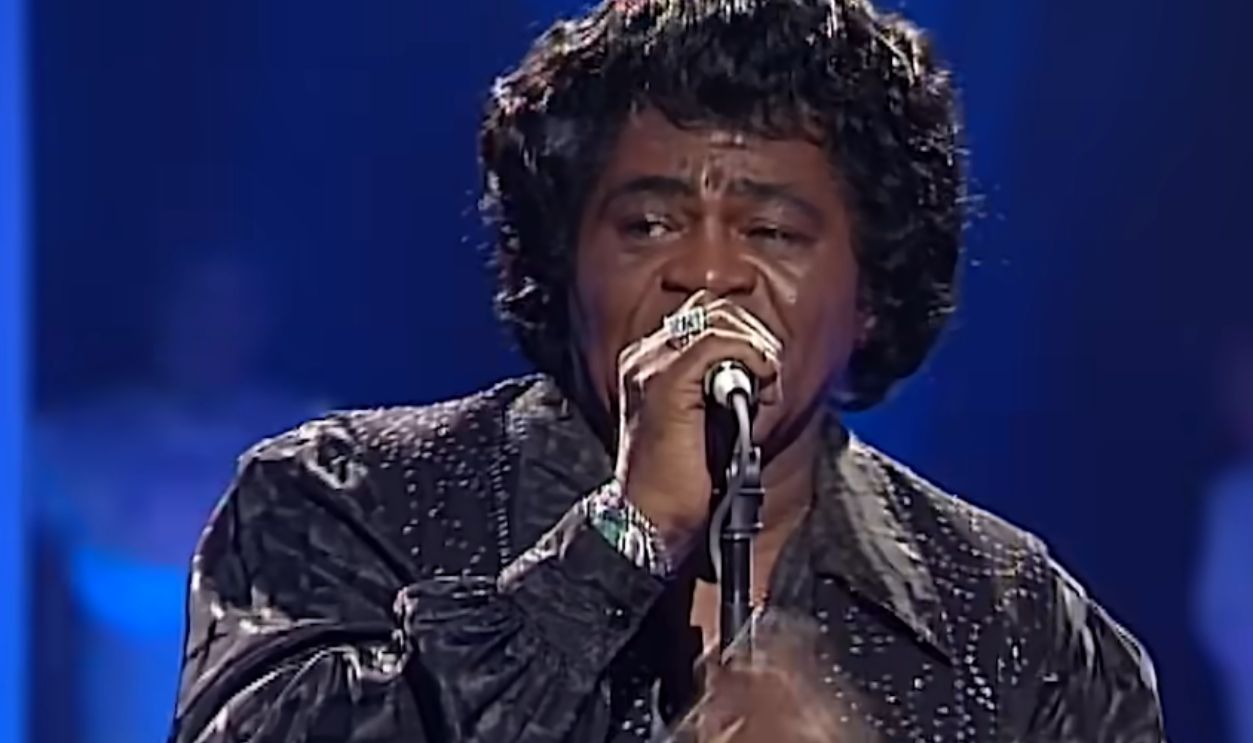 Screenshot from Papa’s Got a Brand New Bag, James Brown, King Records (1965)
“Louie Louie” (The Kingsmen)
The Kingsmen’s version of Louie Louie sounds messy because it absolutely was messy. The band recorded the song in one rough take, complete with distorted vocals, missed cues, and lyrics nobody could fully understand.
Ironically, all those imperfections made the song legendary. The FBI actually investigated the recording because worried adults became convinced the garbled lyrics secretly contained hidden obscenities. Imagine being the poor agent assigned to that case.
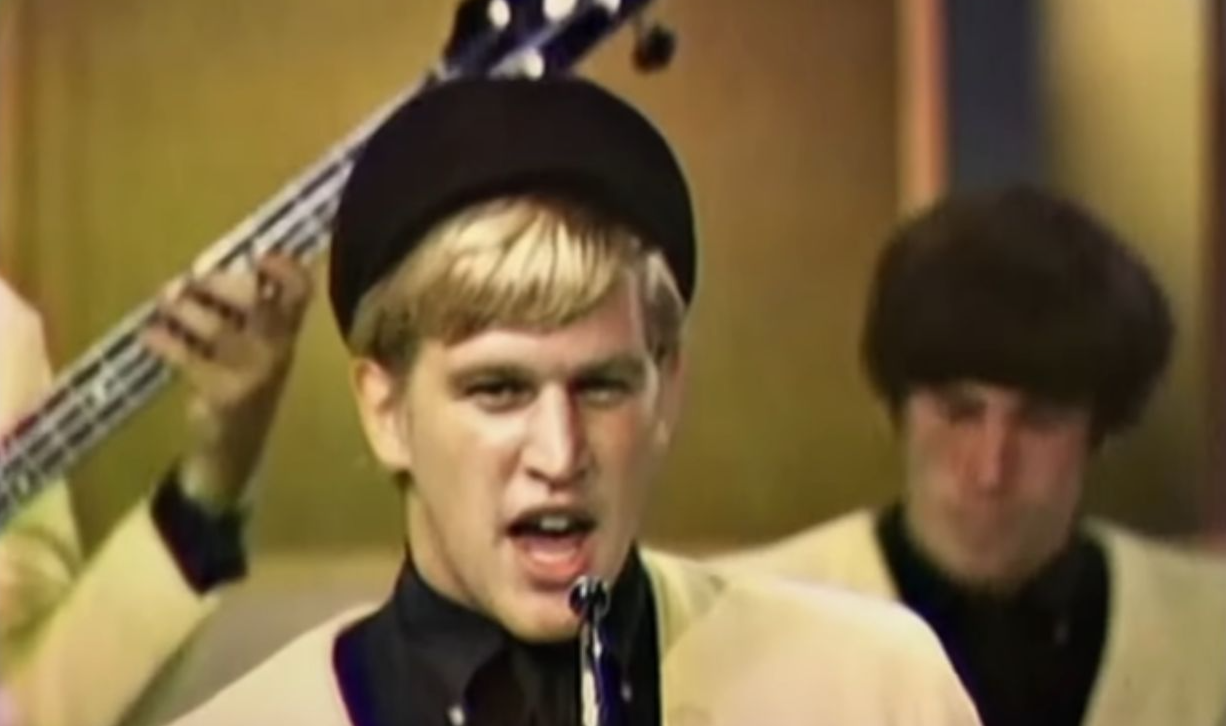 Screenshot from Louie Louie, The Kingsmen, Wand Records (1963)
“My Sharona” (The Knack)
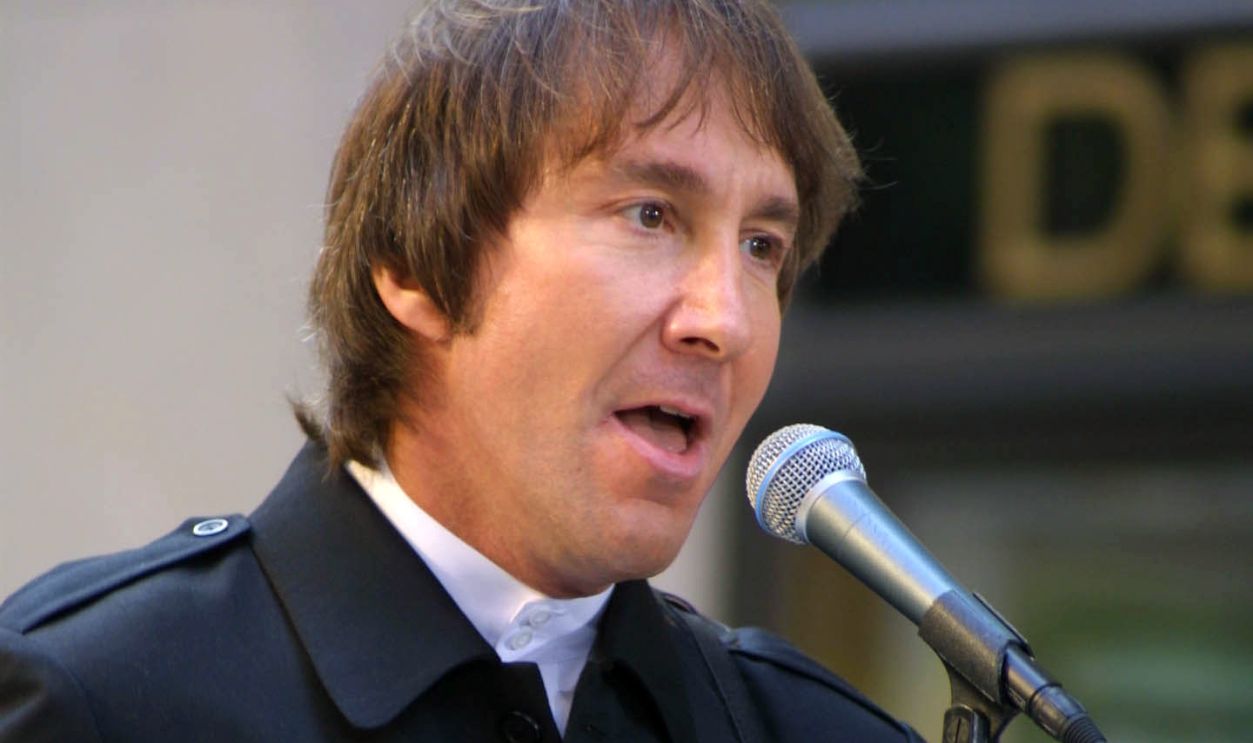
The Knack reportedly captured most of My Sharona in an explosive live studio performance, and the final version still sounds caffeinated forty years later.
The guitar riff feels like it’s sprinting downhill with no brakes. Even the rhythm section sounds slightly dangerous, which is exactly why the song still works.
“I Feel Love” (Donna Summer)
Donna Summer’s I Feel Love sounded like music from the future when it arrived in 1977. Giorgio Moroder’s hypnotic electronic production was already groundbreaking, but Summer’s effortless vocal tied the whole thing together almost immediately.
The recording feels strangely hypnotic because nobody overthought it. Everybody committed fully to the vibe before anyone could second-guess themselves.
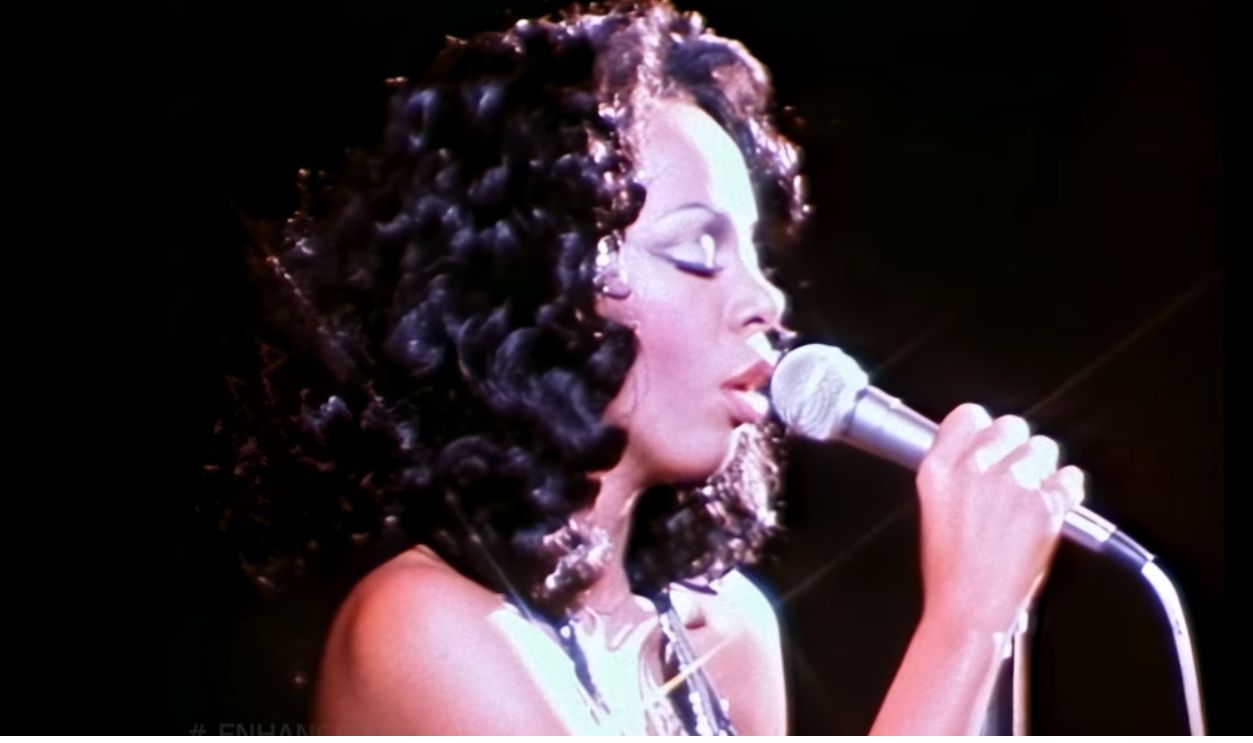 Screenshot from I Feel Love, Donna Summer, Casablanca Records (1977)
“Sister Ray” (The Velvet Underground)
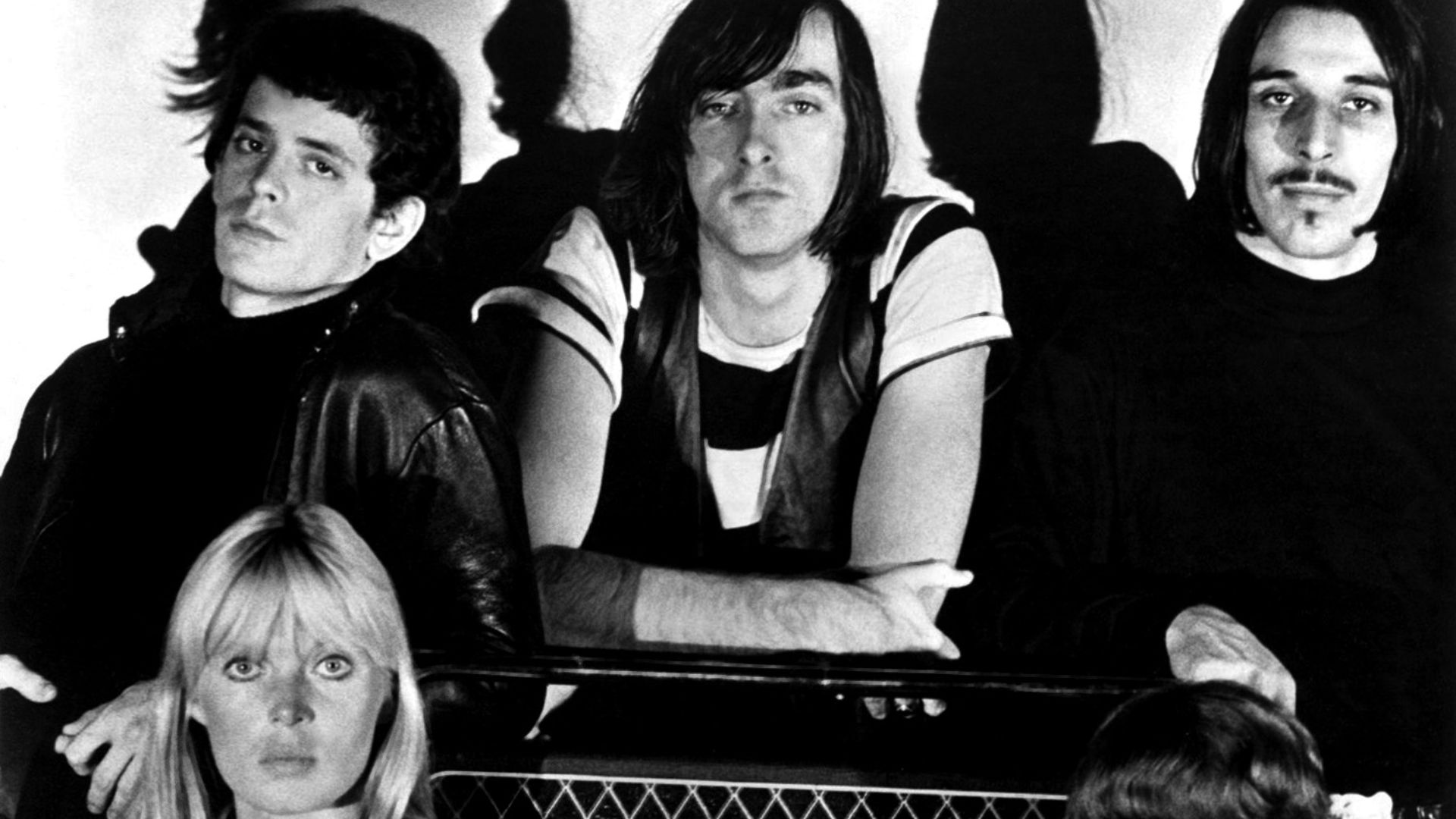
The Velvet Underground did not believe in polishing things. Sister Ray was recorded in one chaotic seventeen-minute take because the band wanted it to sound like complete musical chaos unfolding in real time.
Mission accomplished.
The recording is loud, abrasive, sloppy, hypnotic, and weirdly addictive anyway. Half the fun comes from hearing the band barely hold the whole thing together while refusing to slow down.
“Nothing Compares 2 U” (Sinéad O’Connor)
The full song wasn’t recorded in one take, but Sinéad O’Connor’s iconic vocal performance essentially was. And honestly, that’s the part everybody remembers anyway.
Her voice sounds so intimate and fragile that listening to the song almost feels intrusive. The emotion wasn’t manufactured through endless retakes. It happened naturally while the tape was rolling.
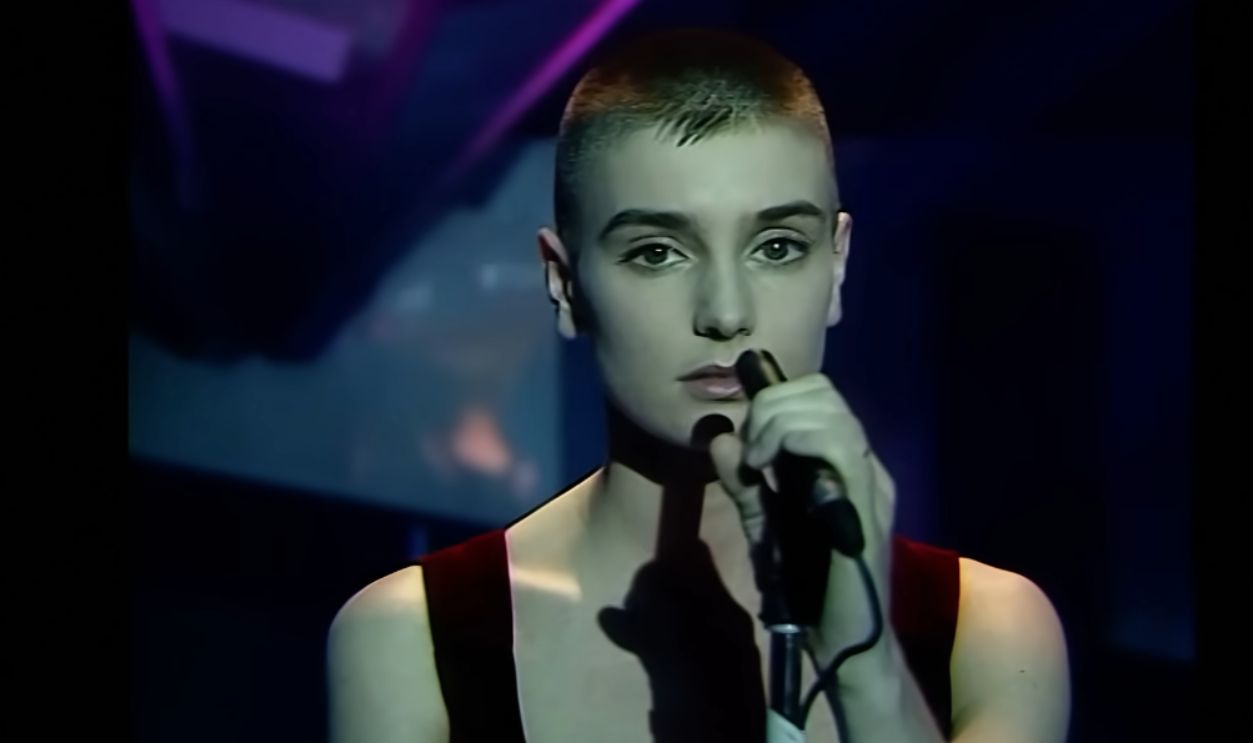 Screenshot from Nothing Compares 2 U, Ensign Records (1990)
“Losing My Religion” (R.E.M.)
Michael Stipe’s vocal for Losing My Religion came together in a single take that producers immediately realized they shouldn’t overwork.
That nervous energy lives all over the final recording. Stipe occasionally sounds uncertain, which somehow makes the lyrics hit even harder. A cleaner performance probably would’ve lost some of the song’s humanity.
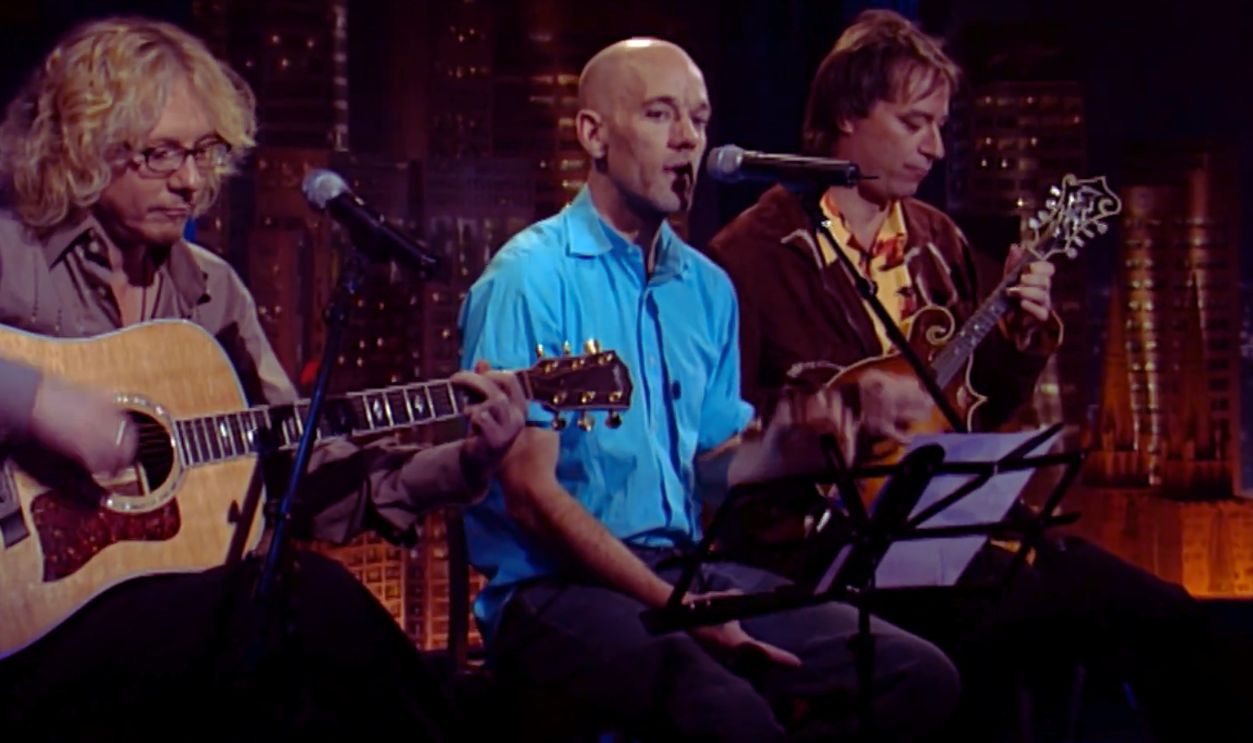 Screenshot from Losing My Religion, Warner Bros. Records (1991)
“I Can’t Make You Love Me” (Bonnie Raitt)
Bonnie Raitt recorded the heartbreaking vocal for I Can’t Make You Love Me in one emotional pass because producer Don Was knew trying to polish it further would only make it feel colder.
Raitt sounds genuinely exhausted throughout the song. Not theatrical. Not dramatic. Just emotionally worn out in the way people actually sound after accepting heartbreak.
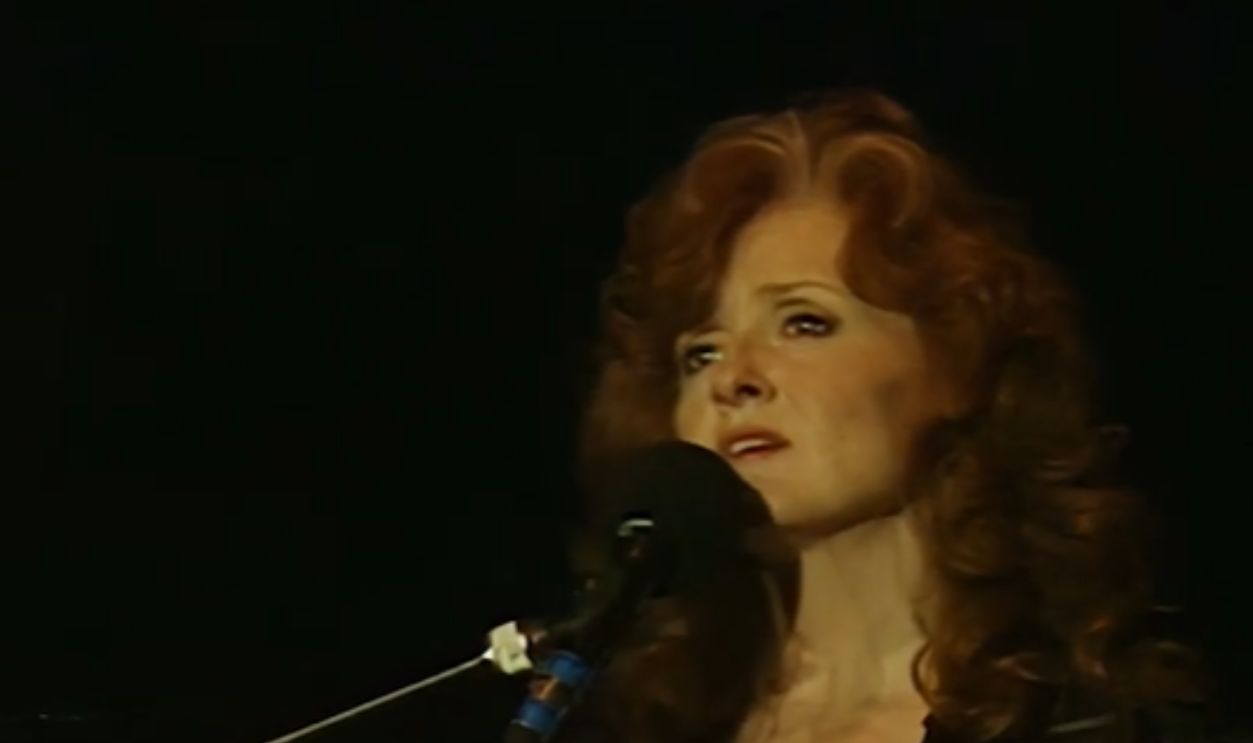 Screenshot from I Can’t Make You Love Me, Capitol Records (1991)
“You Oughta Know” (Alanis Morissette)
The full song took more studio work, but Alanis Morissette’s furious vocal performance was captured in one explosive take that nobody dared redo afterward.
Morissette sounds like she’s one bad sentence away from throwing furniture through the studio window. Every line feels spontaneous and slightly dangerous, which is exactly why the song became such a massive hit.
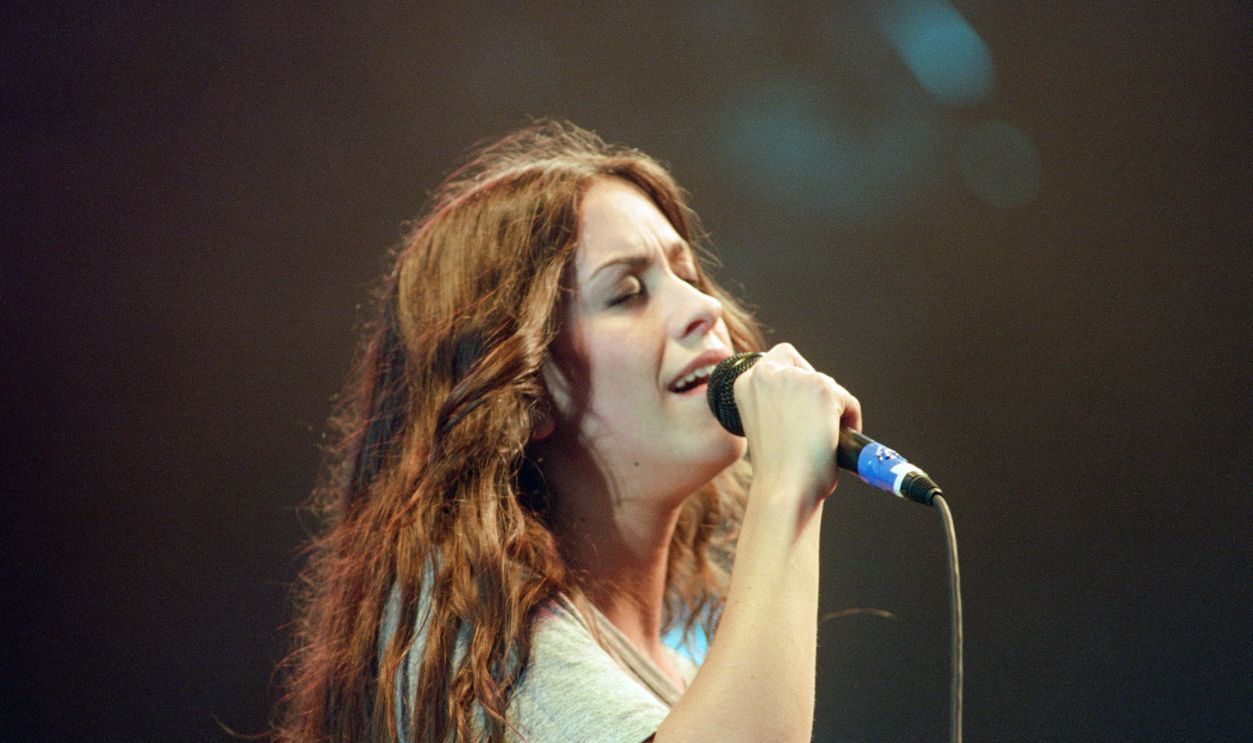
“Crazy” (Gnarls Barkley)
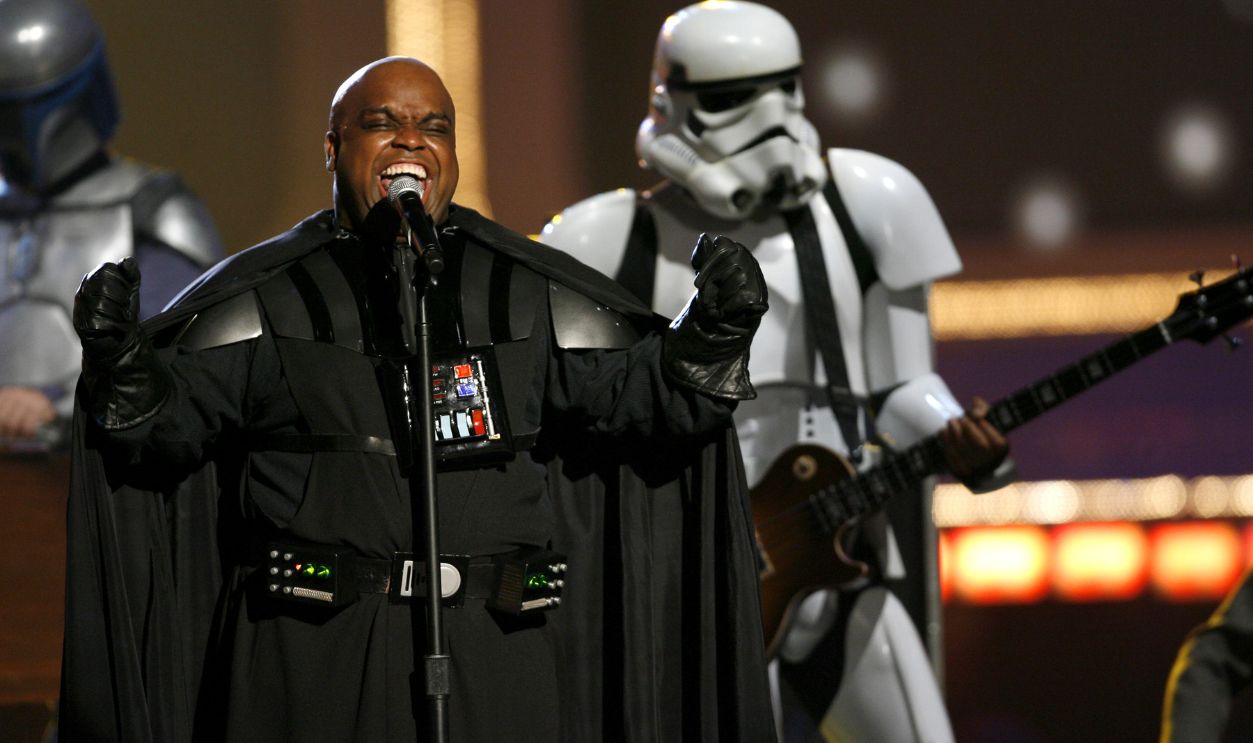
CeeLo Green reportedly nailed the vocal for Crazy almost immediately, giving the song its strange balance of confidence and emotional instability.
One second he sounds smooth and completely in control. The next second he sounds like somebody quietly unraveling in public. That unpredictability is exactly what makes the song so addictive.
 Christopher Polk, Getty Images
“Waiting For A Girl Like You” (Foreigner)
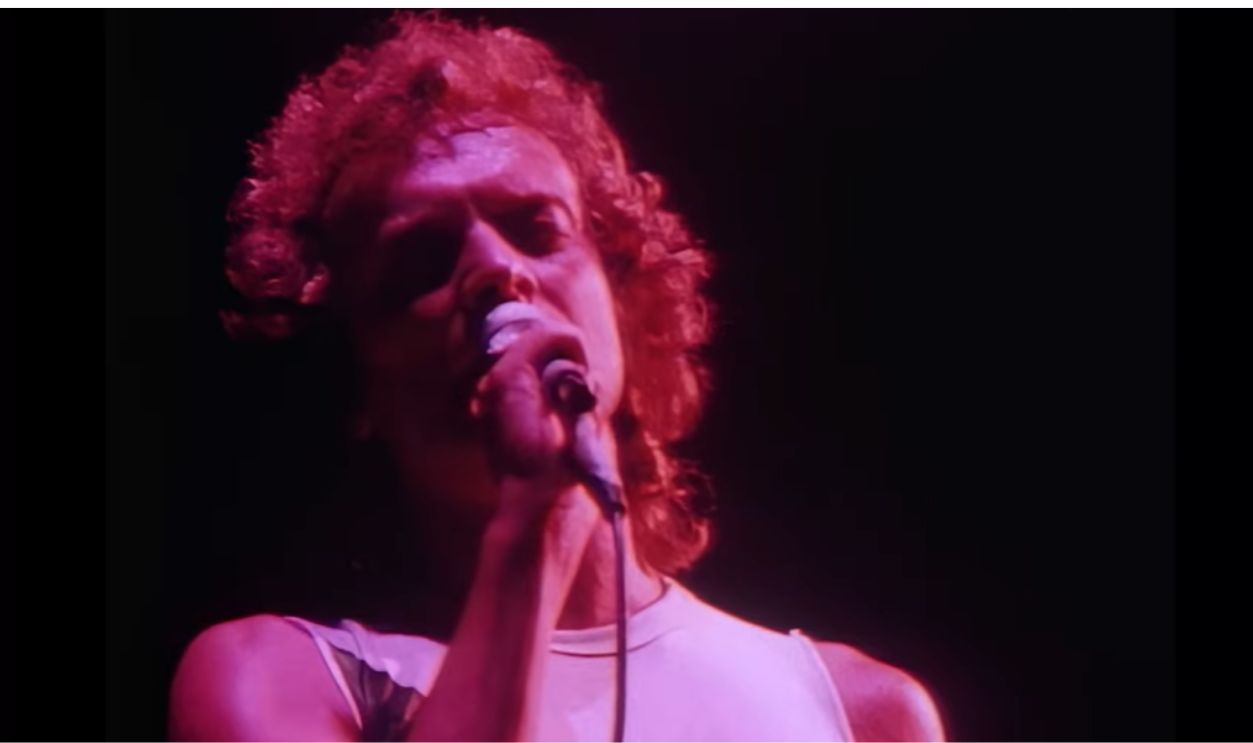
Lou Gramm recorded the vocal for Waiting For A Girl Like You in one take while unexpectedly fixated on a woman who had wandered into the studio.
Producer Mutt Lange later admitted Gramm suddenly sounded emotionally locked into the song in a way nobody expected. Sometimes weird studio accidents genuinely work out perfectly.
 Screenshot from Waiting for a Girl Like You, Atlantic Records (1981)
“Hello” (Adele)
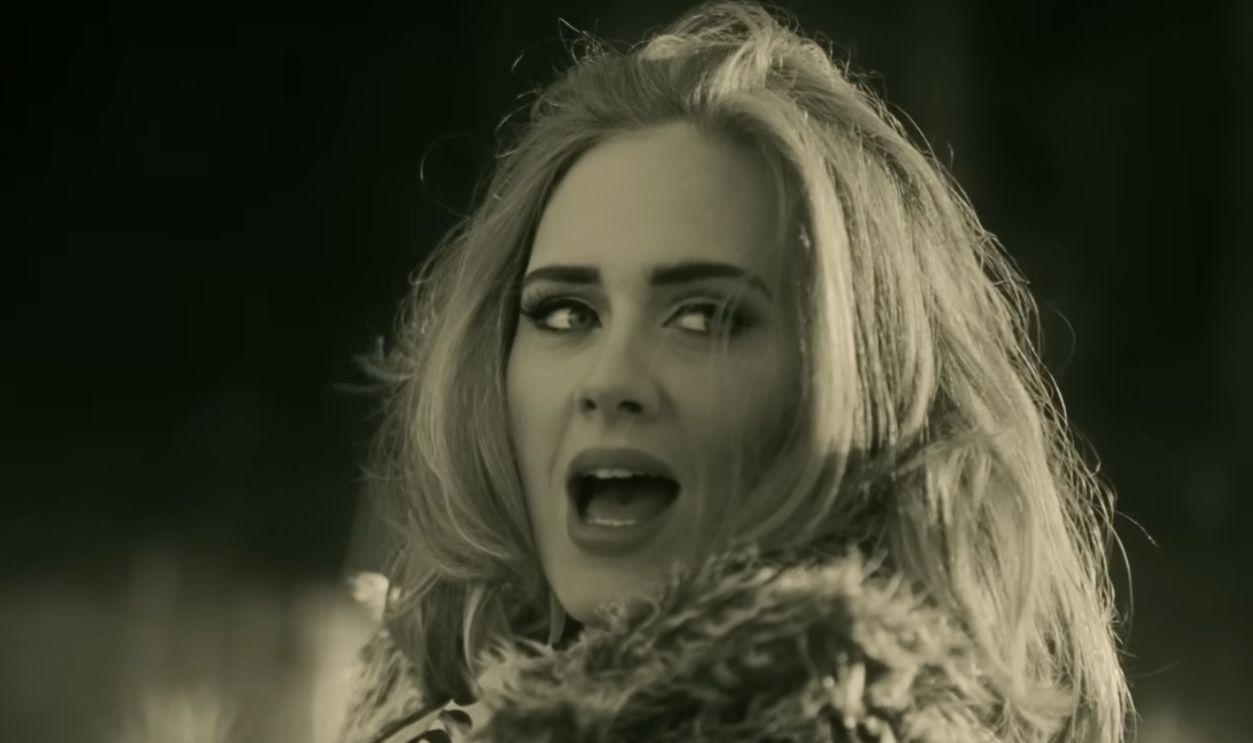
The final version of Hello involved more production work, but Adele’s guide vocal was so powerful producers kept huge portions of it in the finished song.
That explains why the recording feels so immediate. Adele doesn’t sound polished into perfection. She sounds like somebody trying to survive an uncomfortable emotional conversation in real time.
 Screenshot from Hello, Columbia Records (2015)
“You Know You’re Right” (Nirvana)
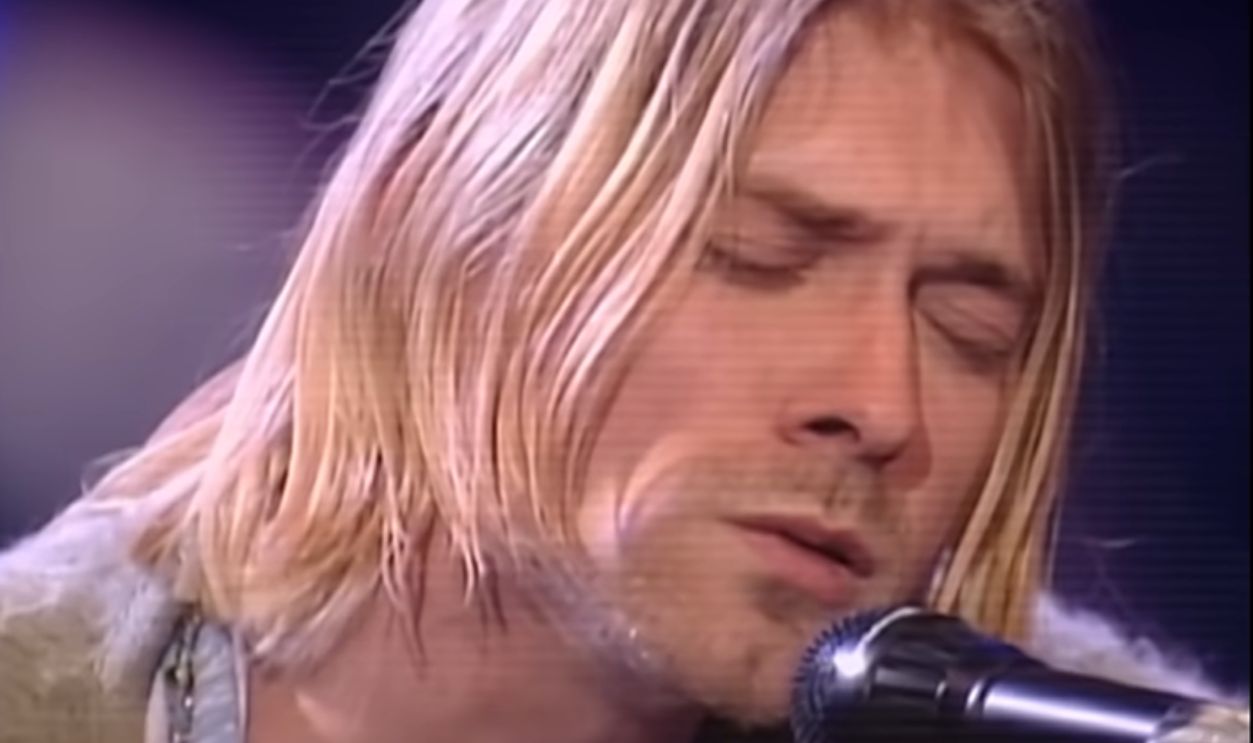
Kurt Cobain’s vocal on You Know You’re Right feels unsettling because it basically captured him emotionally unraveling in real time.
The recording itself wasn’t entirely one take, but Cobain’s vocal carried such raw intensity that recreating it later would’ve been impossible. Listening to the song now still feels uncomfortably personal.
 Screenshot from You Know You’re Right, Nirvana, DGC Records (2002)
“Bodysnatchers” (Radiohead)
Thom Yorke reportedly recorded the vocal for Bodysnatchers in one take, and the frantic energy running through the performance makes that surprisingly believable.
Yorke sounds anxious, exhausted, and slightly disconnected from reality the entire time, which honestly describes half of Radiohead’s catalog in the best possible way.
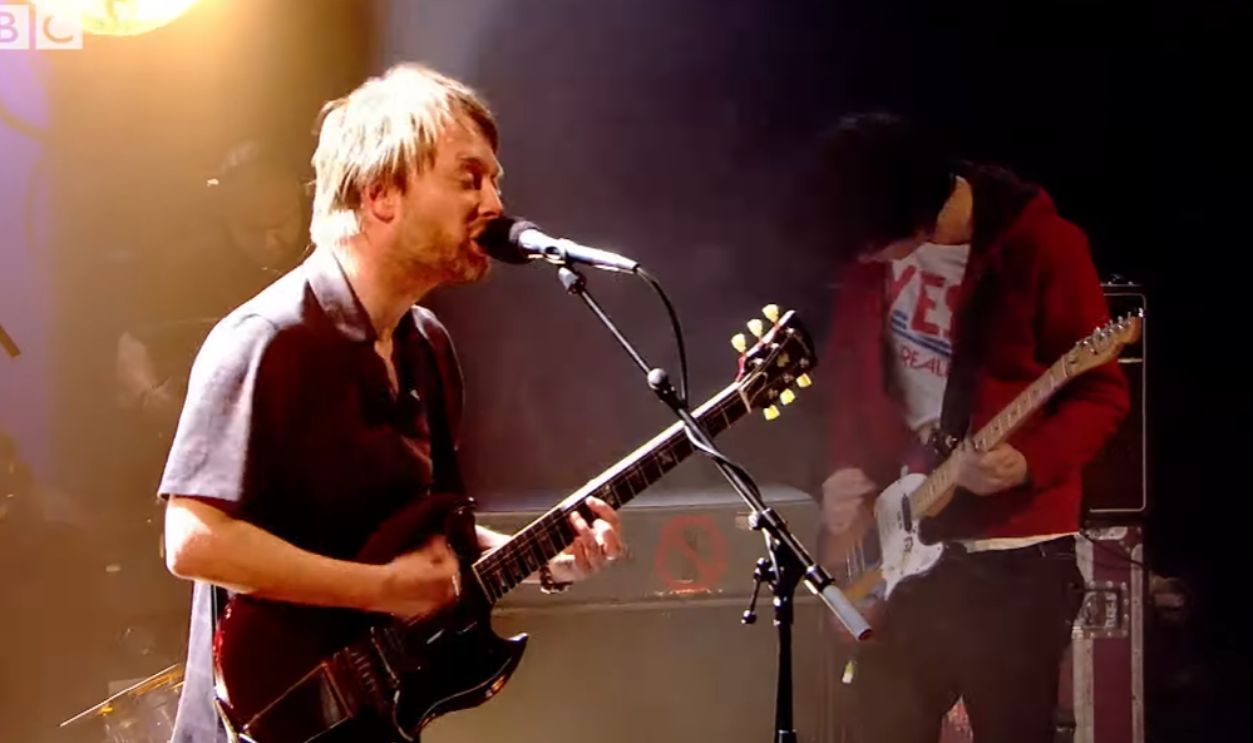 Screenshot from Bodysnatchers, Radiohead,TBD Records (2007)
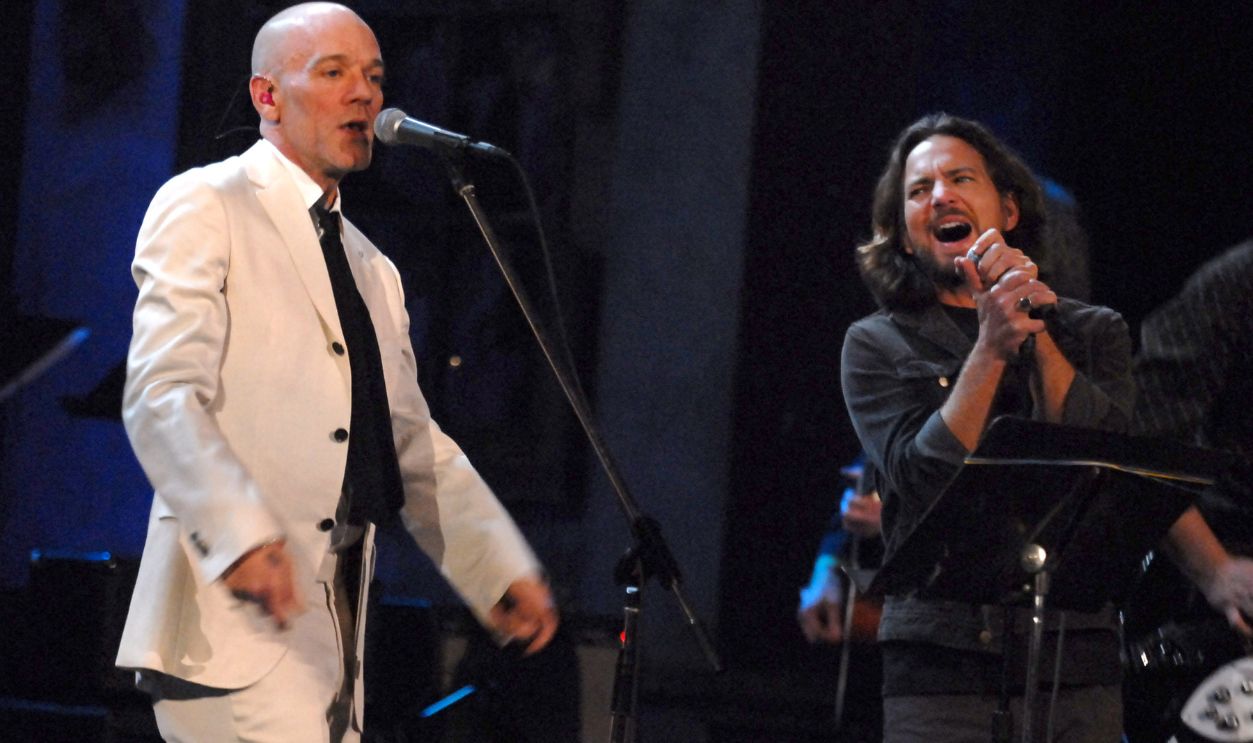
“Man On The Moon” (R.E.M.)
R.E.M. apparently trusted Michael Stipe’s instincts enough to keep another early vocal performance nearly intact on Man On The Moon.
The recording feels conversational and slightly mysterious, which fits a song about Andy Kaufman perfectly. Stipe sounds less like somebody performing and more like somebody quietly telling a strange story.
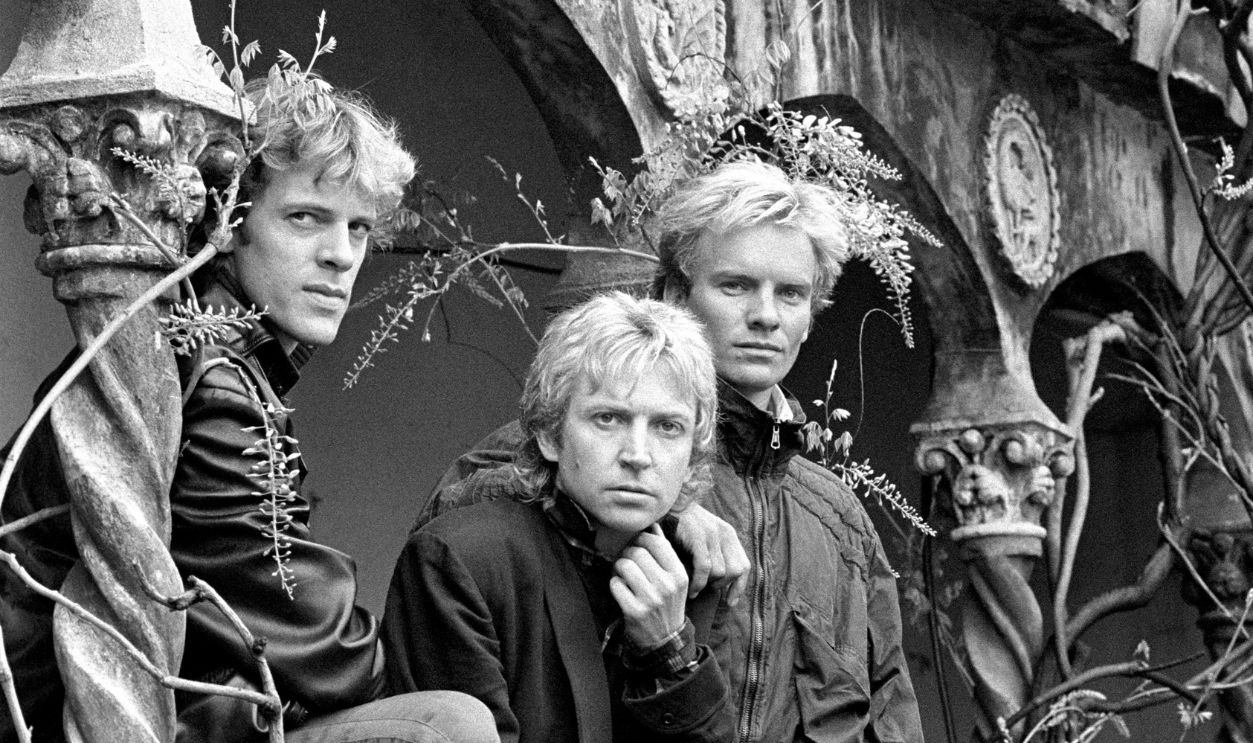
“Every Breath You Take” (The Police)
Every Breath You Take wasn’t recorded entirely in one take, but Andy Summers’ iconic guitar part was reportedly played straight through almost immediately.
That hypnotic riff became one of the most recognizable guitar lines in music history. Funny enough, Summers later admitted he initially thought Sting’s song sounded too simple.
“Beat It” (Michael Jackson)
Eddie Van Halen famously improvised huge portions of the Beat It guitar solo during an incredibly fast recording session that basically felt like controlled chaos.
Van Halen even rearranged parts of the song structure himself before recording the solo. The final result sounds so effortless that people forget how ridiculously difficult the playing actually is.
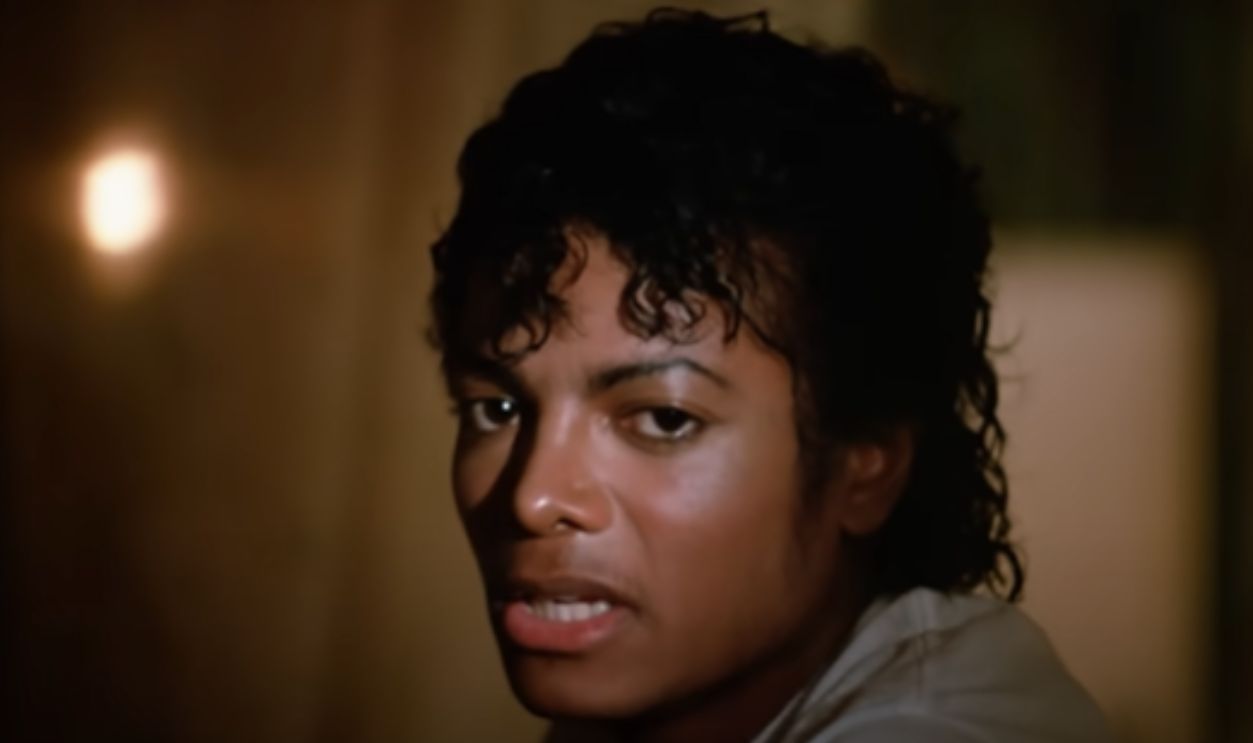 Screenshot from Beat It, Michael Jackson, Epic Records (1983)
You Might Also Like:
Albums So Popular You’d Never Guess They Came From Indie Labels
Bands Who Ditched Their Old Sound And Changed Everything