
A Lifelong Voyage
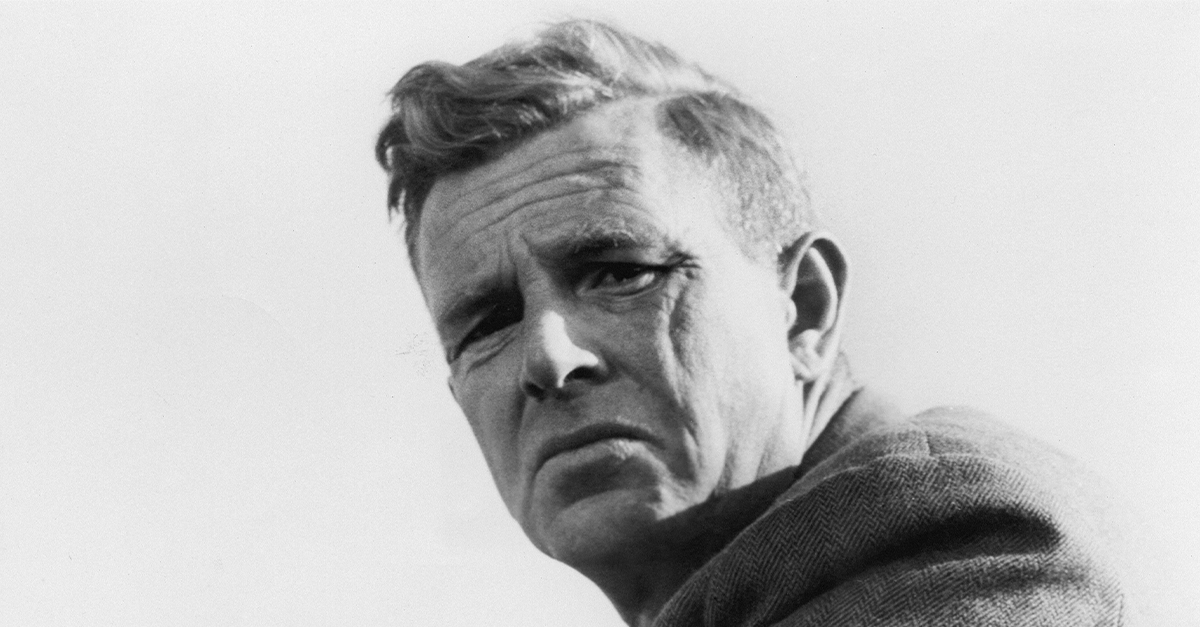
Before Sterling Hayden was a Hollywood leading man, he was a sailor who crossed oceans, commanded ships, and chased freedom wherever it could be found. His career brought him fame, war heroics, political controversy, literary success, and memorable cinematic performances. But Hayden seemed far more comfortable at sea than on a movie set. His story is one of talent, regret, independence, and a restless search for personal freedom.
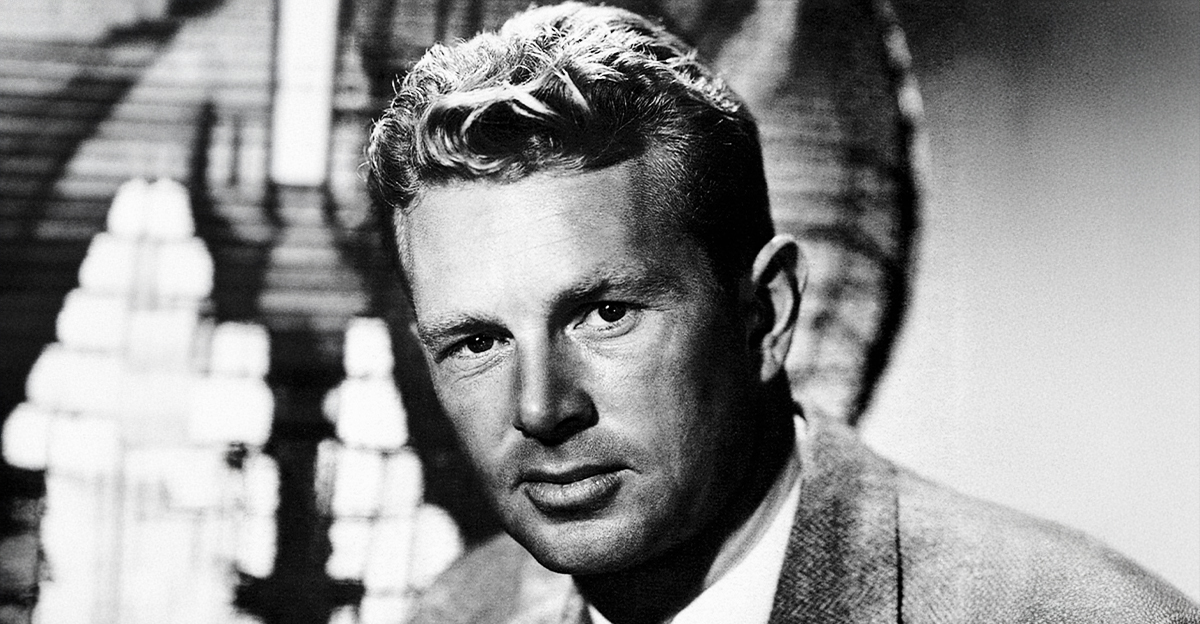 WolfTracerArchive/Photo12/Universal Images Group via Getty Images
A Boy Named Sterling Walter
Sterling Hayden was born Sterling Relyea Walter on March 26, 1916, in Upper Montclair, New Jersey. His early years were marked by instability and change. After the death of his father, he was adopted by his stepfather, James Hayden, and took the surname that would later become famous throughout Hollywood.
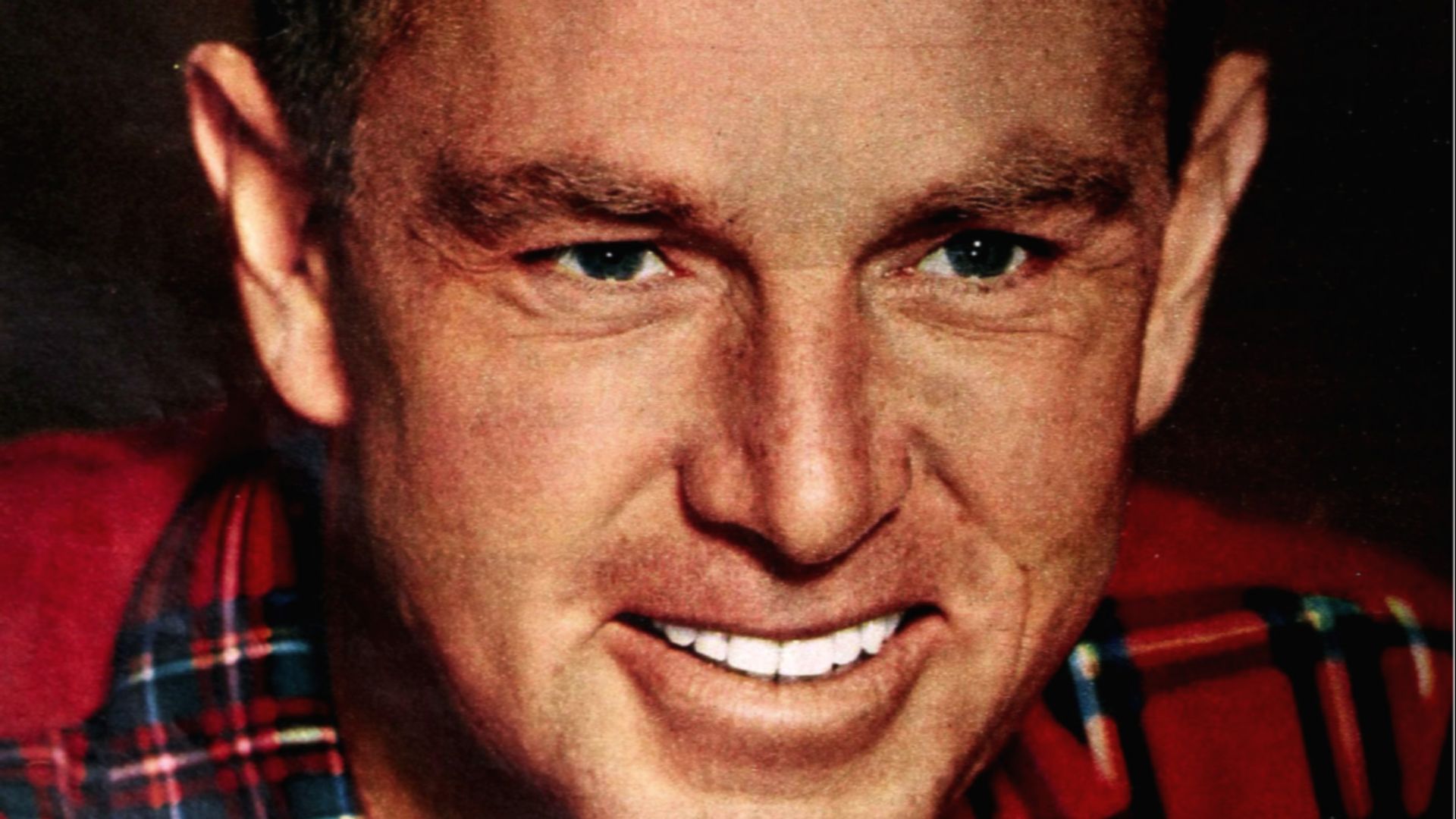 Affiliated Magazines, New York/ Photographer not credited, Wikimedia Commons
He Grew Up In New England
As a child, Hayden lived in several communities around New England and the northeastern United States. The constant movement brought him into contact with different places and lifestyles, but it also gave him a restless streak that would define much of his life. The sea was what really captured his imagination.
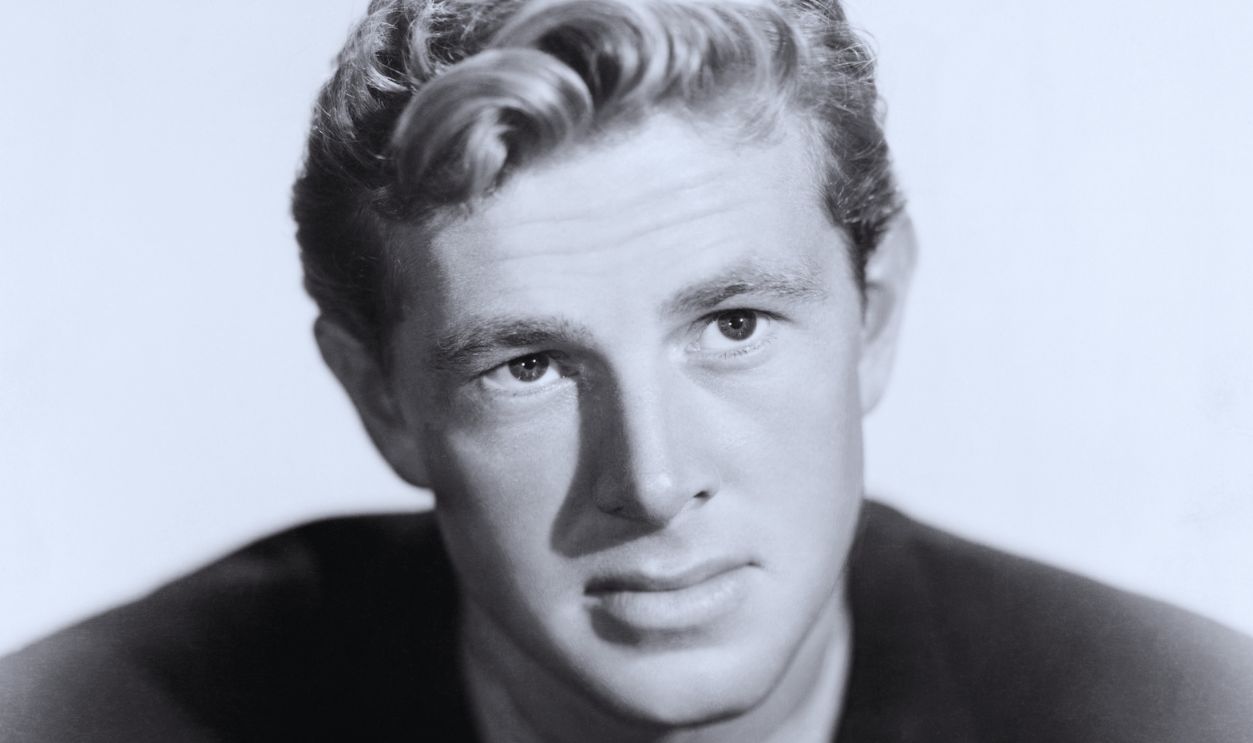 John Springer Collection, Getty Images
He Left School Behind
Hayden disliked formal education and eventually dropped out of high school at age 16. Rather than pursue a conventional career, he headed toward the docks and sought work aboard ships. The decision was the start of a lifelong relationship with the ocean and maritime adventure.

He Ran Away To Sea
His first voyage took him from New London, Connecticut, toward California aboard a schooner. What started out as an escape quickly became a profession. Hayden embraced the demanding life of a seaman and found a sense of purpose that he was never quite able to fully recapture anywhere else.
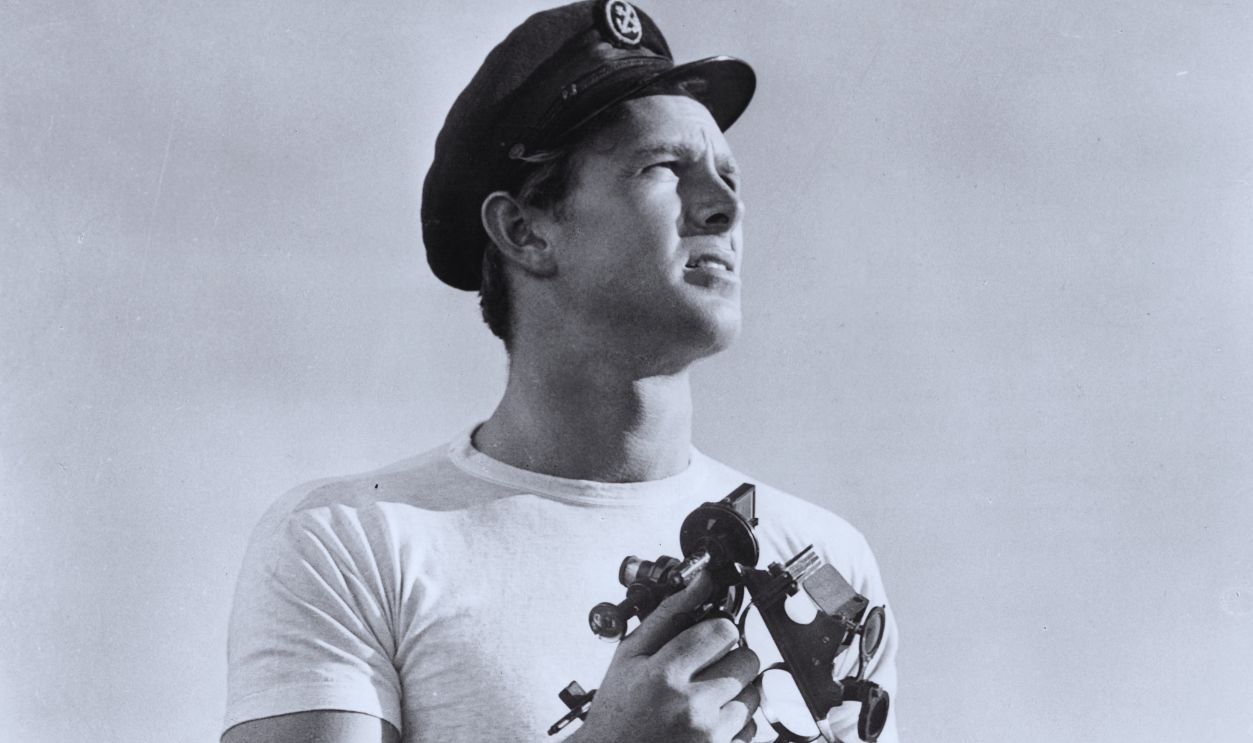
He Learned The Sailor’s Trade
During the following years, Hayden worked in a variety of maritime jobs. He served as a fisherman on the Grand Banks of Newfoundland, ran charter yachts, and worked as a fireman aboard steamships traveling to Cuba. Each of these experiences expanded his nautical knowledge and confidence.
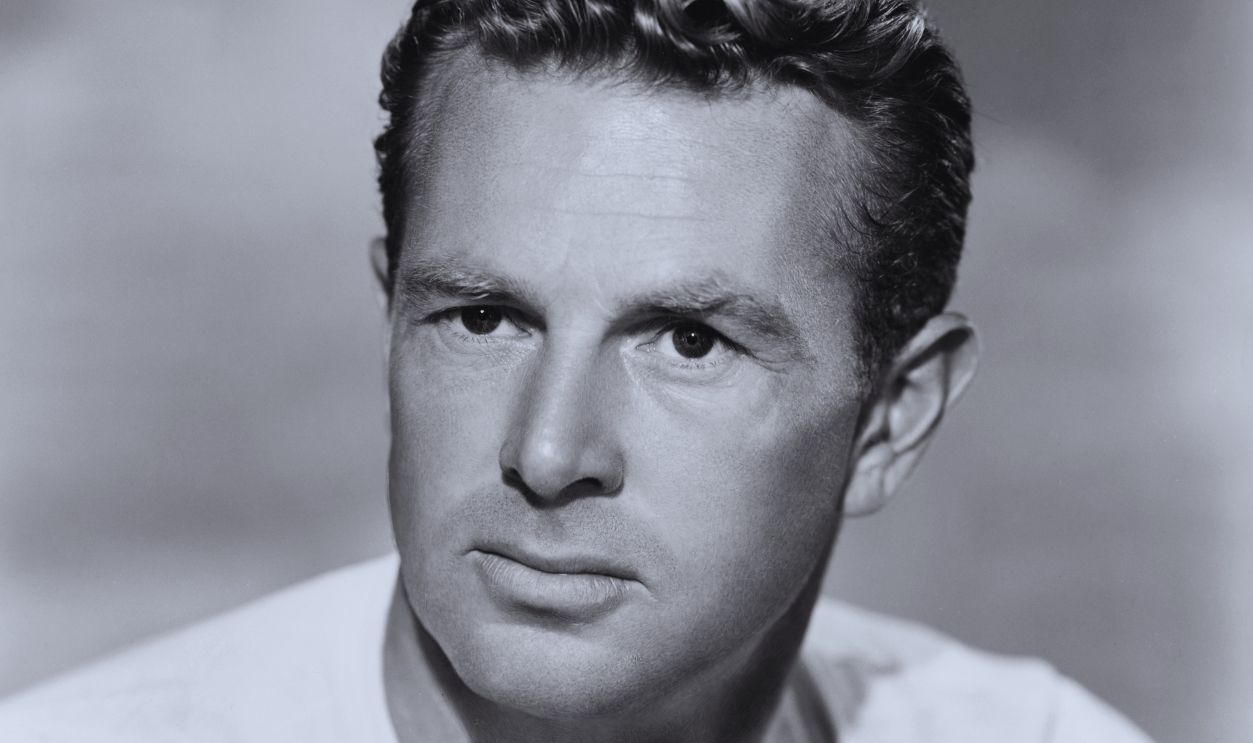 Pictorial Parade, Getty Images
He Circumnavigated The Globe
Hayden's maritime career advanced rapidly. He sailed around the world multiple times and earned increasing responsibility aboard larger vessels. Long before he became an actor, he had already developed a reputation as a capable and respected seaman with unusual determination.
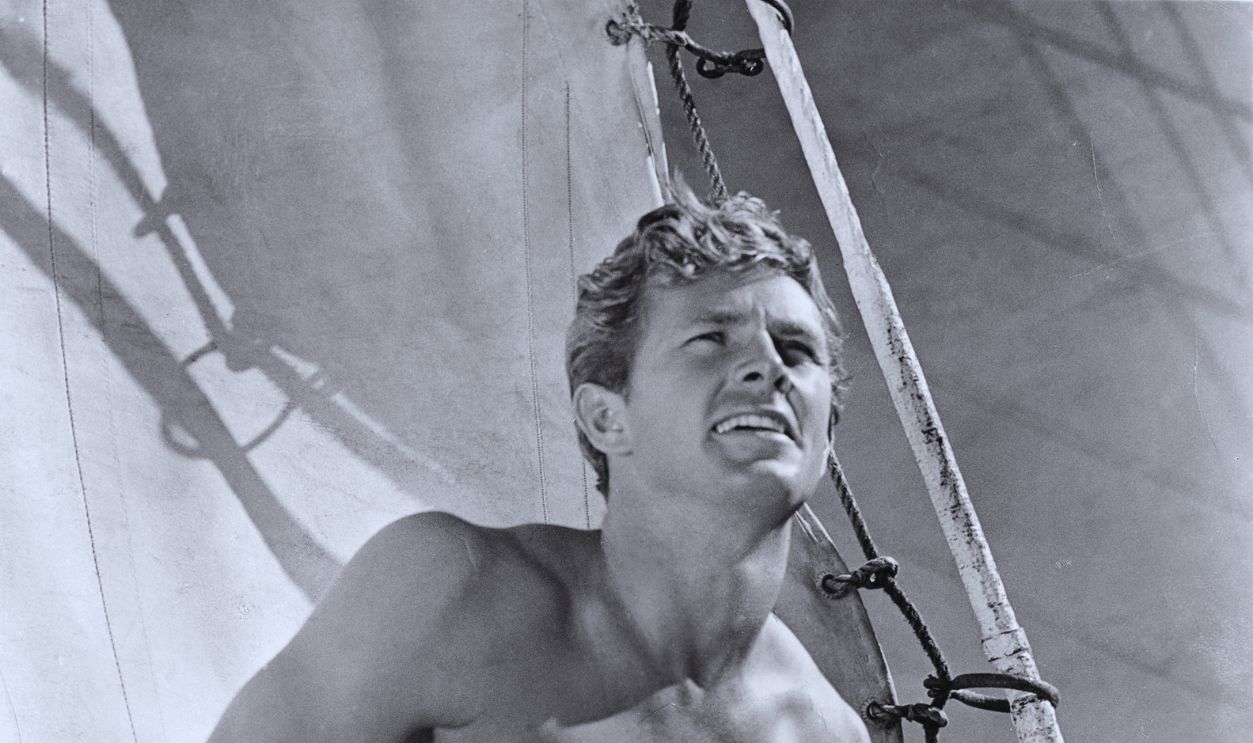 John Springer Collection, Getty Images
He Took Command At A Young Age
While still a young man, Hayden earned his master's license and received command responsibilities. Those kinds of opportunities were uncommon for someone his age, but his experience and skill had impressed those who worked with him. The sea was still at the center of his identity.
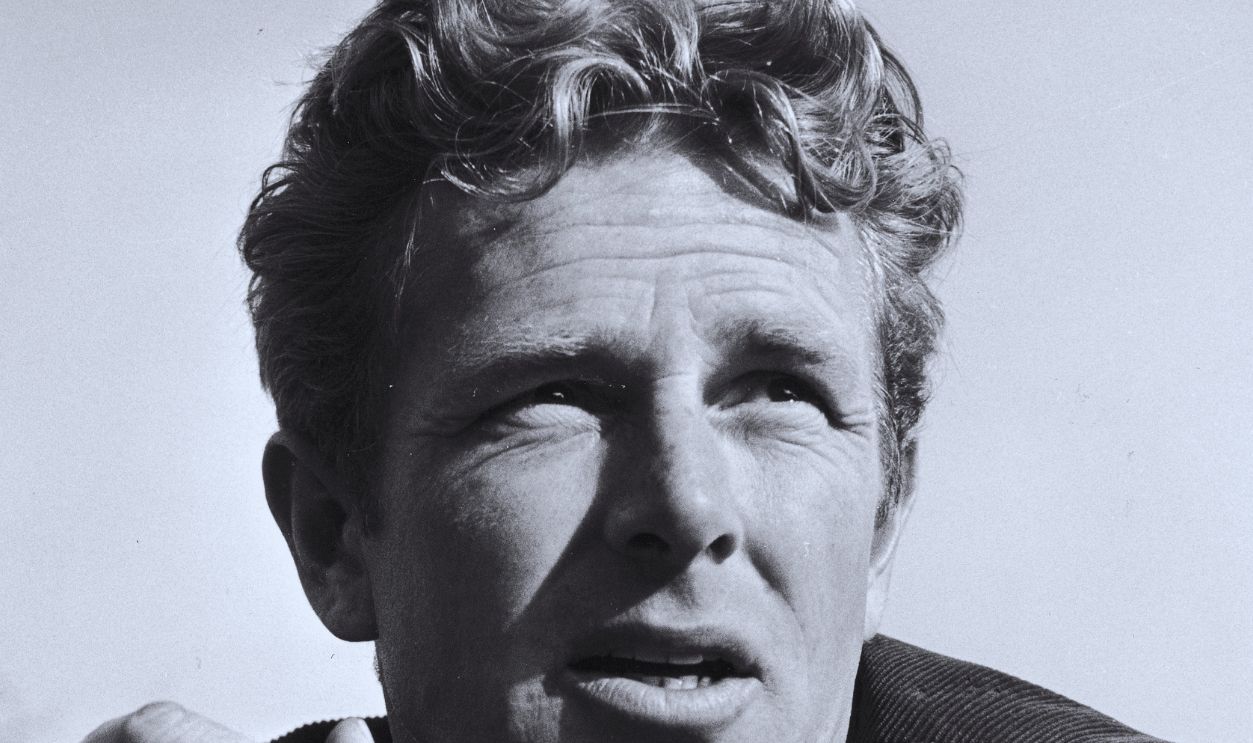
The Voyage To Tahiti
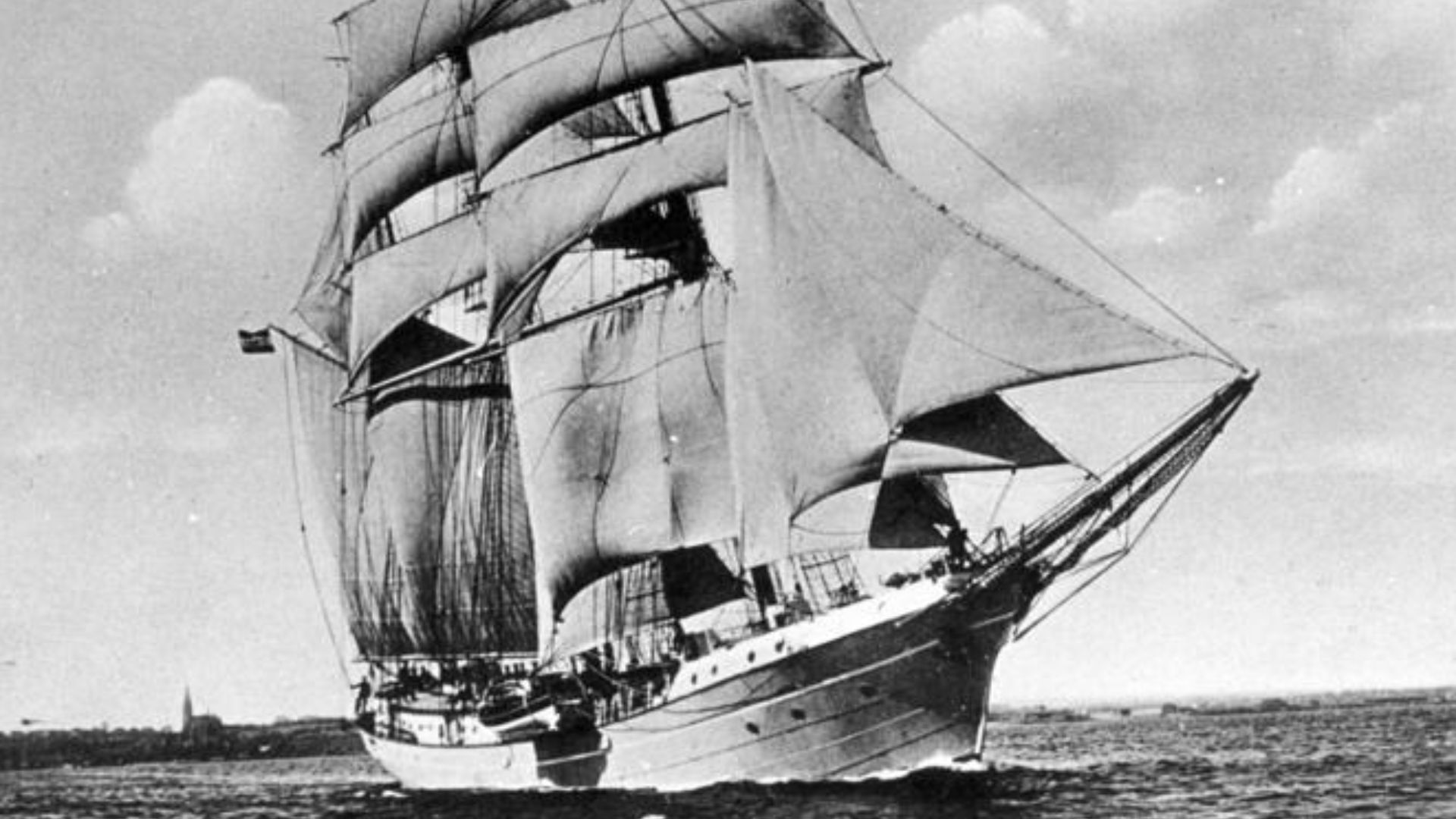
In 1938, at age 22, Hayden skippered the square-rigger Florence C. Robinson on a 7,700-mile voyage from Gloucester, Massachusetts, to Tahiti. The remarkable journey attracted attention and helped him make a name for himself as a genuine adventurer long before Hollywood discovered him.
 UnknownUnknown , Wikimedia Commons
A Magazine Cover Changed Everything
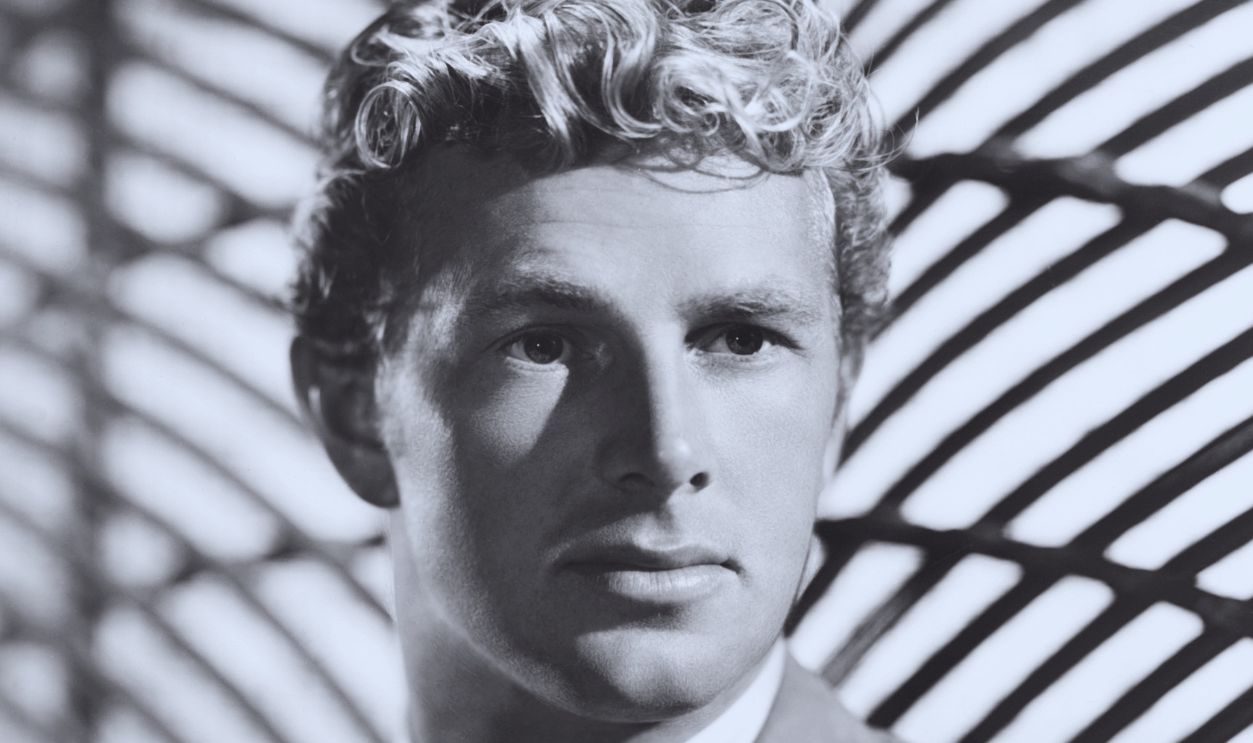
Hayden's life took a surprising turn when a photo of him taken during a Gloucester fishing race appeared on a magazine cover. The image caught the attention of people at Paramount Pictures, who invited him to undergo a screen test despite having no acting experience.
 Gettyimages - 1151376936, Sterling Hayden
A 'Blond Viking God'
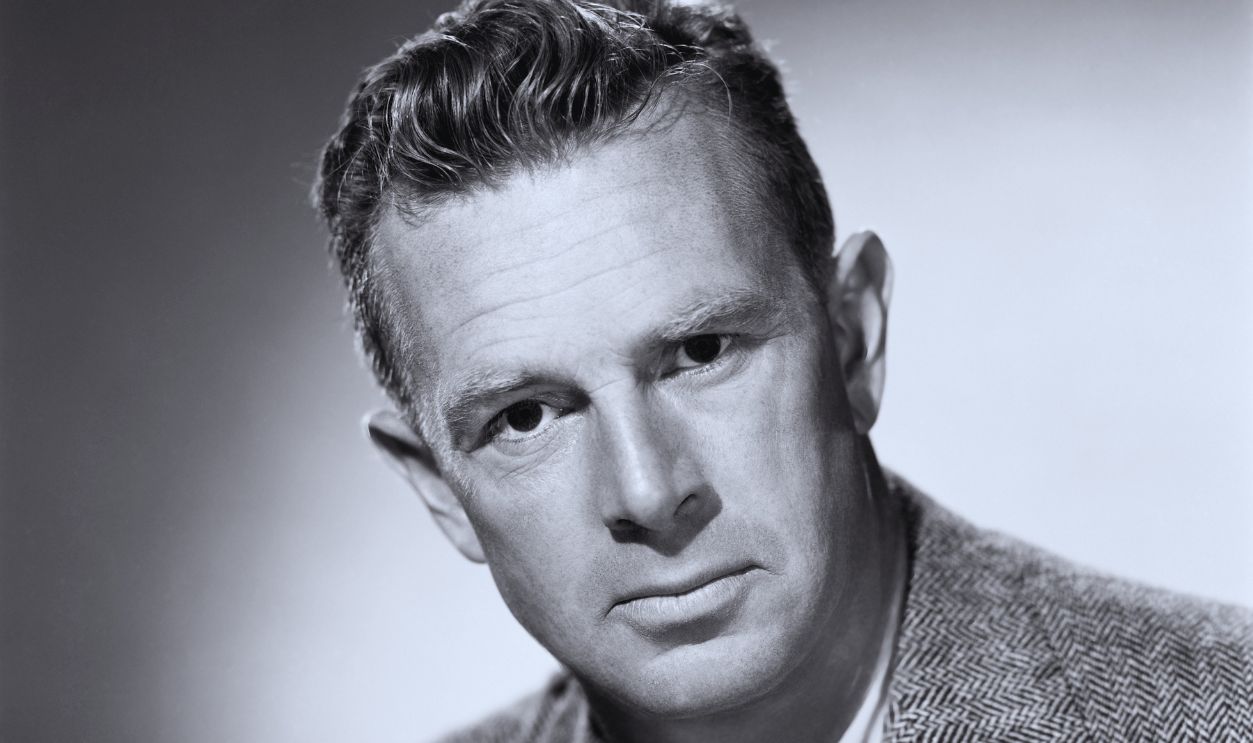
Paramount quickly recognized Hayden's striking appearance. Standing over six feet tall and possessing rugged good looks, he was promoted as 'The Most Beautiful Man in the Movies' and the 'Beautiful Blond Viking God.' His imposing physical presence became one of his trademarks.
His First Stage Appearance
Before establishing himself on screen, Hayden briefly appeared on stage. Although acting wasn’t his primary passion, these early experiences helped introduce him to performance and prepared him for opportunities that would soon arrive in Hollywood.
His First Film Role
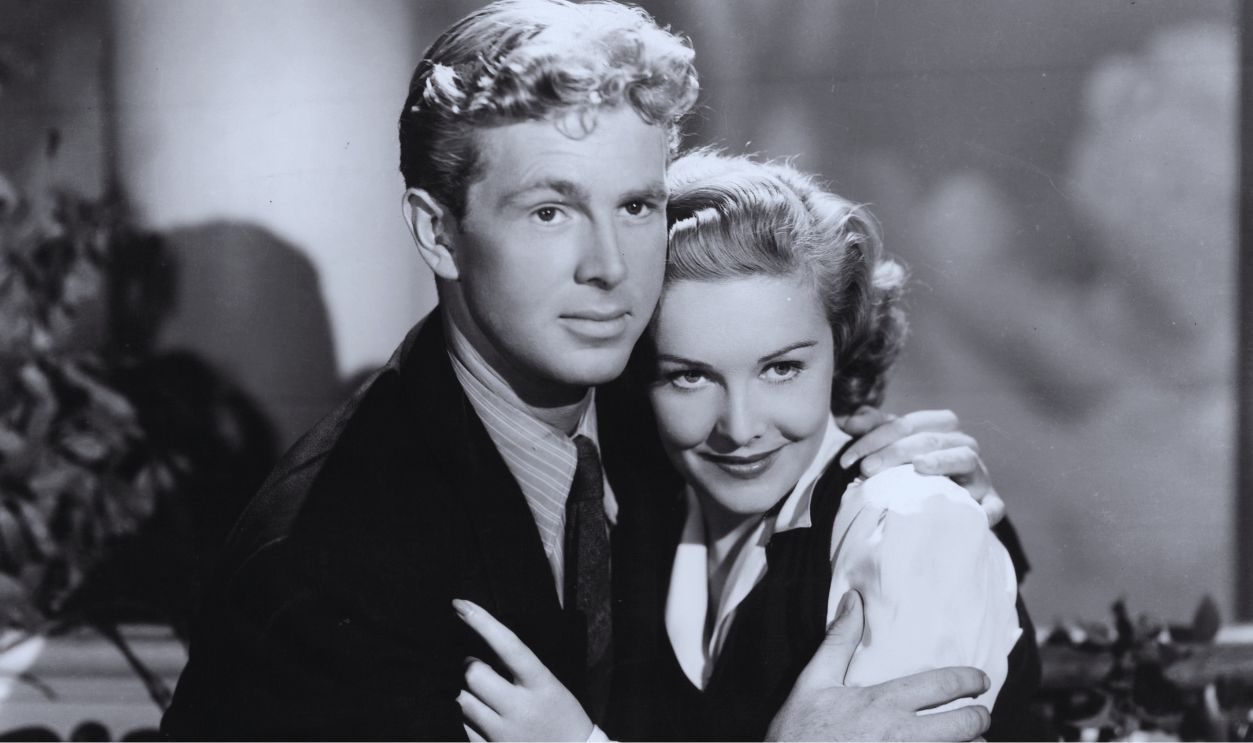
Hayden made his film debut in Virginia (1941). The film was directed by Edward H. Griffith and starred actress Madeleine Carroll. Although inexperienced, Hayden's screen presence was obvious, and Paramount hoped he would become one of the studio's major stars.
Falling For Madeleine Carroll
Working on Virginia (1941) changed Hayden's personal life as well as his professional one. He fell in love with leading lady Madeleine Carroll, and the pair married. For a time, they seemed like one of Hollywood's most promising couples.
 Donald Biddle Keyes, Wikimedia Commons
Bahama Passage And Early Promise
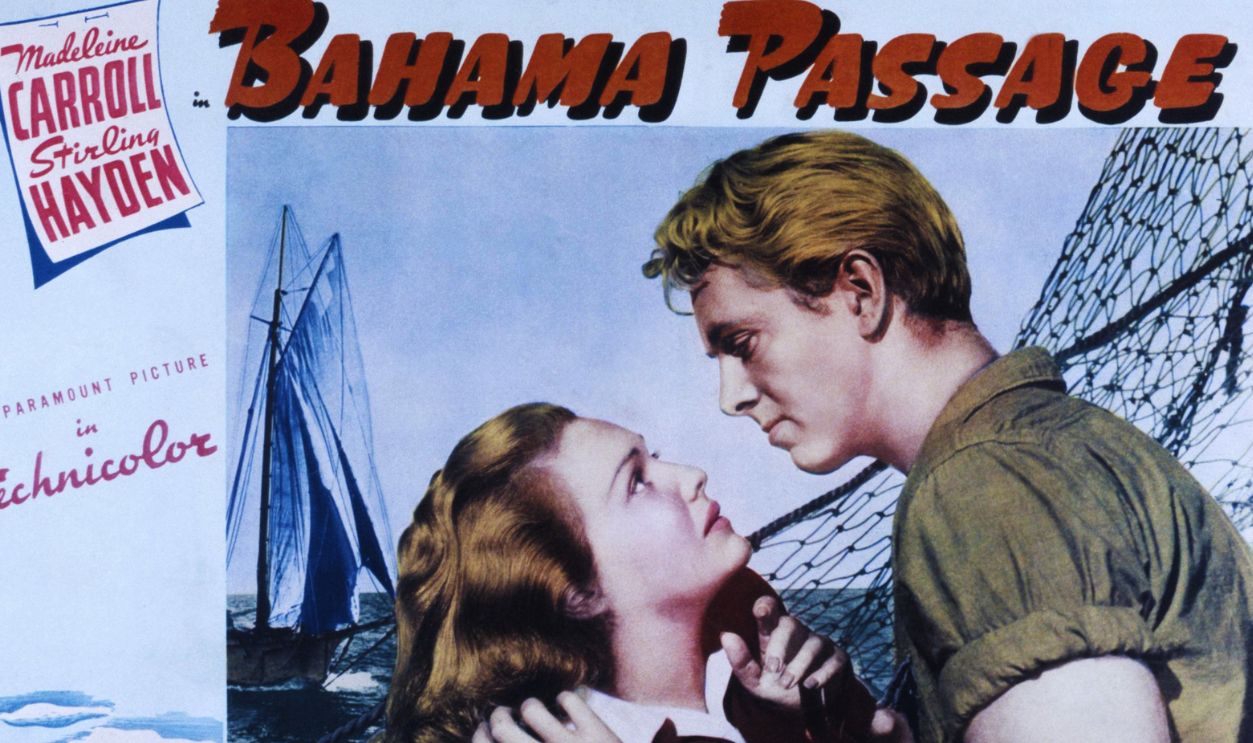
Hayden followed his debut with Bahama Passage (1941), again working with Carroll and Griffith. The film reinforced Paramount's belief that he could become a leading man. But Hayden still wasn’t quite convinced about acting as a career, and he increasingly longed for life at sea.
Walking Away From Hollywood
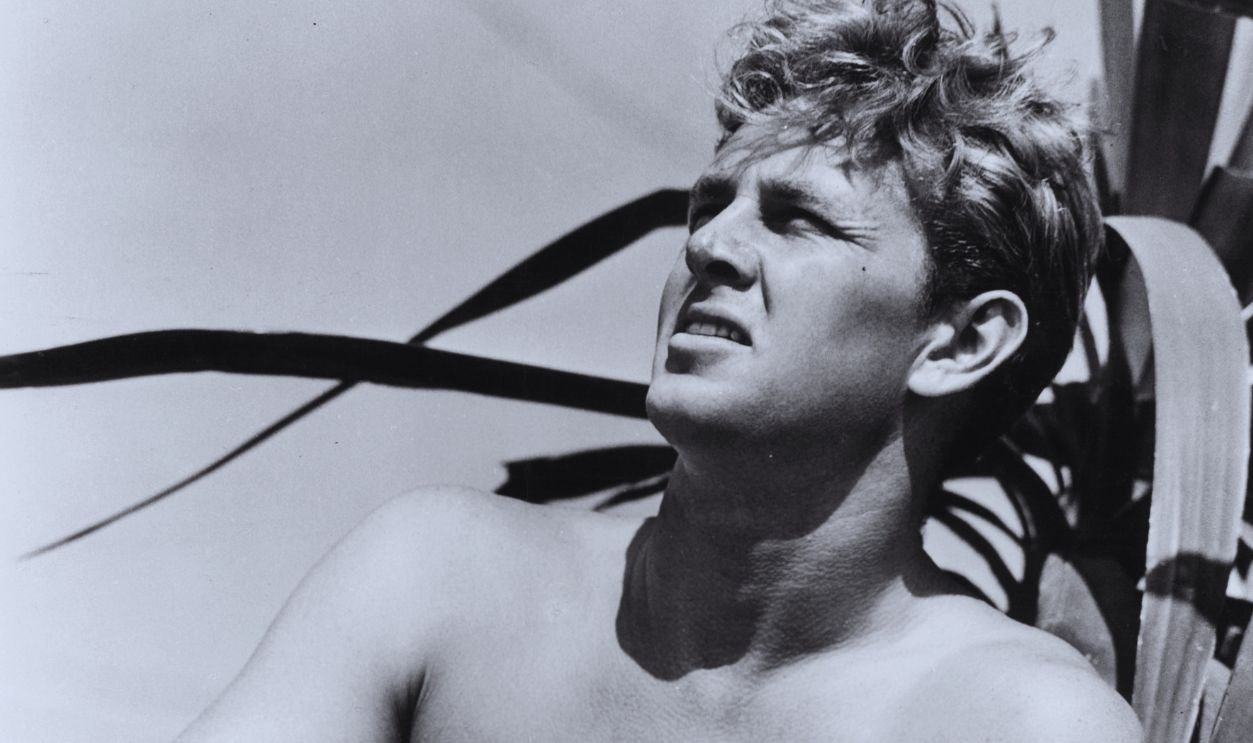
By late 1941, Hayden had gotten frustrated with filmmaking. He publicly declared that he was not really an actor and preferred being a sailor. While studios saw stardom ahead, Hayden was already seriously contemplating leaving the business entirely.
Joining The War Effort
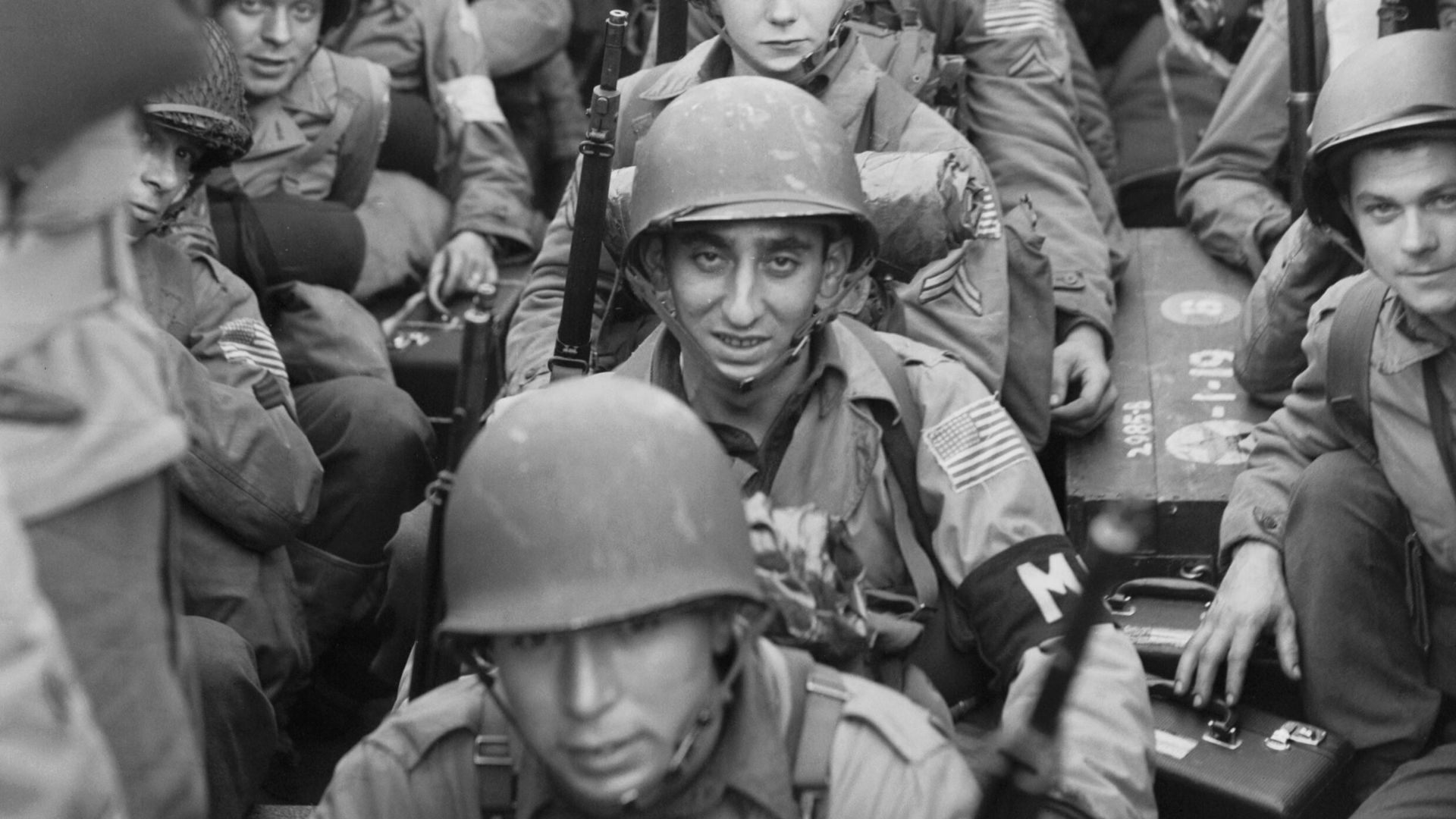
After the United States entered World War II, Hayden left Hollywood behind. Determined to contribute to the war effort, he entered military service and began a period that would become one of the most dramatic chapters of his life.
 Hudson, F A (Lt), Royal Navy official photographer, Wikimedia Commons
Becoming A Marine Officer
Hayden enlisted in the Marine Corps and underwent extensive training. Despite his independent nature, he adapted well enough to military life to earn a commission as a second lieutenant. His wartime service would soon take an unusual direction.
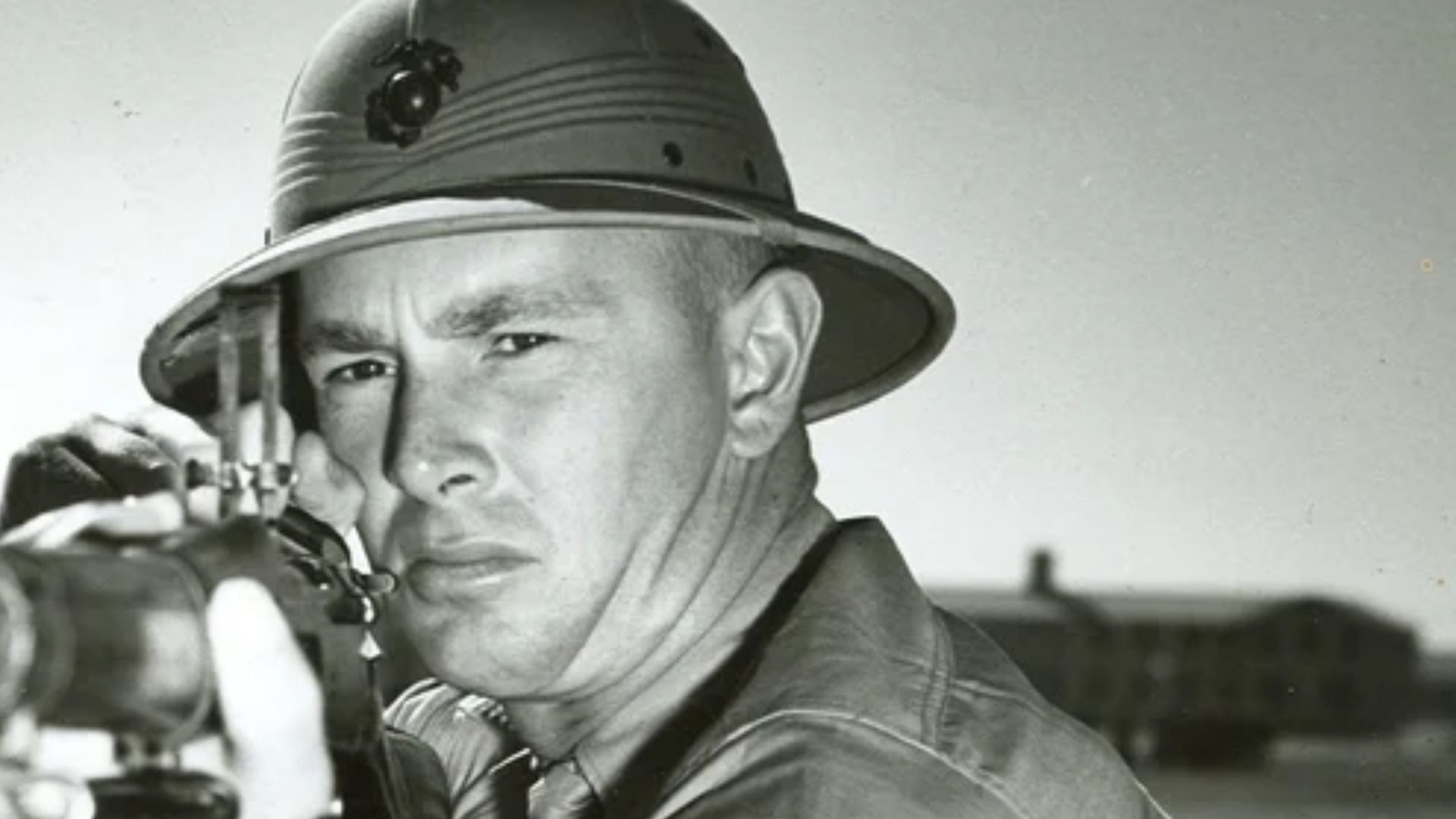
A New Identity
During the war, Hayden legally adopted the name John Hamilton. He disliked being recognized as a movie actor and preferred to be judged by his military service. The change reflected his desire to separate himself from Hollywood fame.
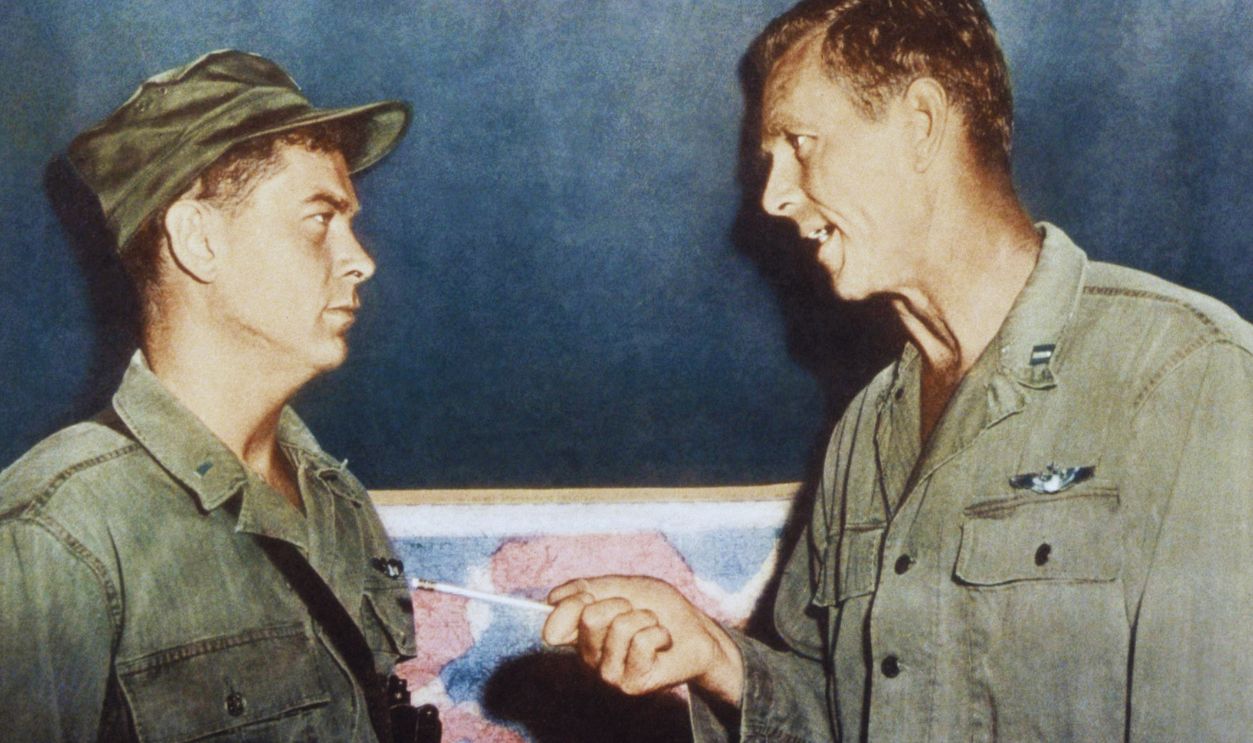
Service With The OSS
Hayden transferred to the Office of Strategic Services, the wartime intelligence organization that later evolved into the CIA (Central Intelligence Agency). He worked in the Mediterranean and Balkans, supporting resistance operations and helping coordinate aid to anti-German forces.
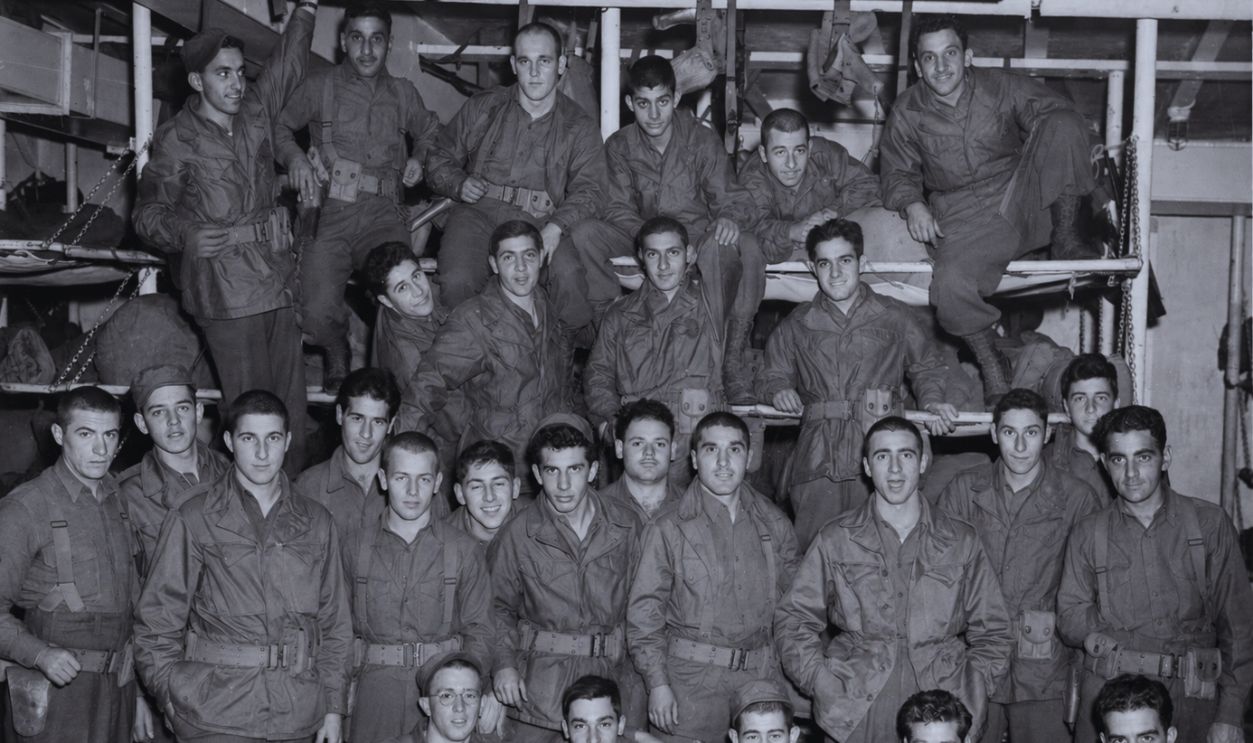 Signal Corps Archive from Ireland and United States, Wikimedia Commons
Missions In Yugoslavia
One of Hayden's most important assignments involved supporting the Yugoslav partisans led by Josip Broz Tito. Operating from a base in Italy, he helped organize supplies and assistance for guerrilla fighters battling German occupation forces.
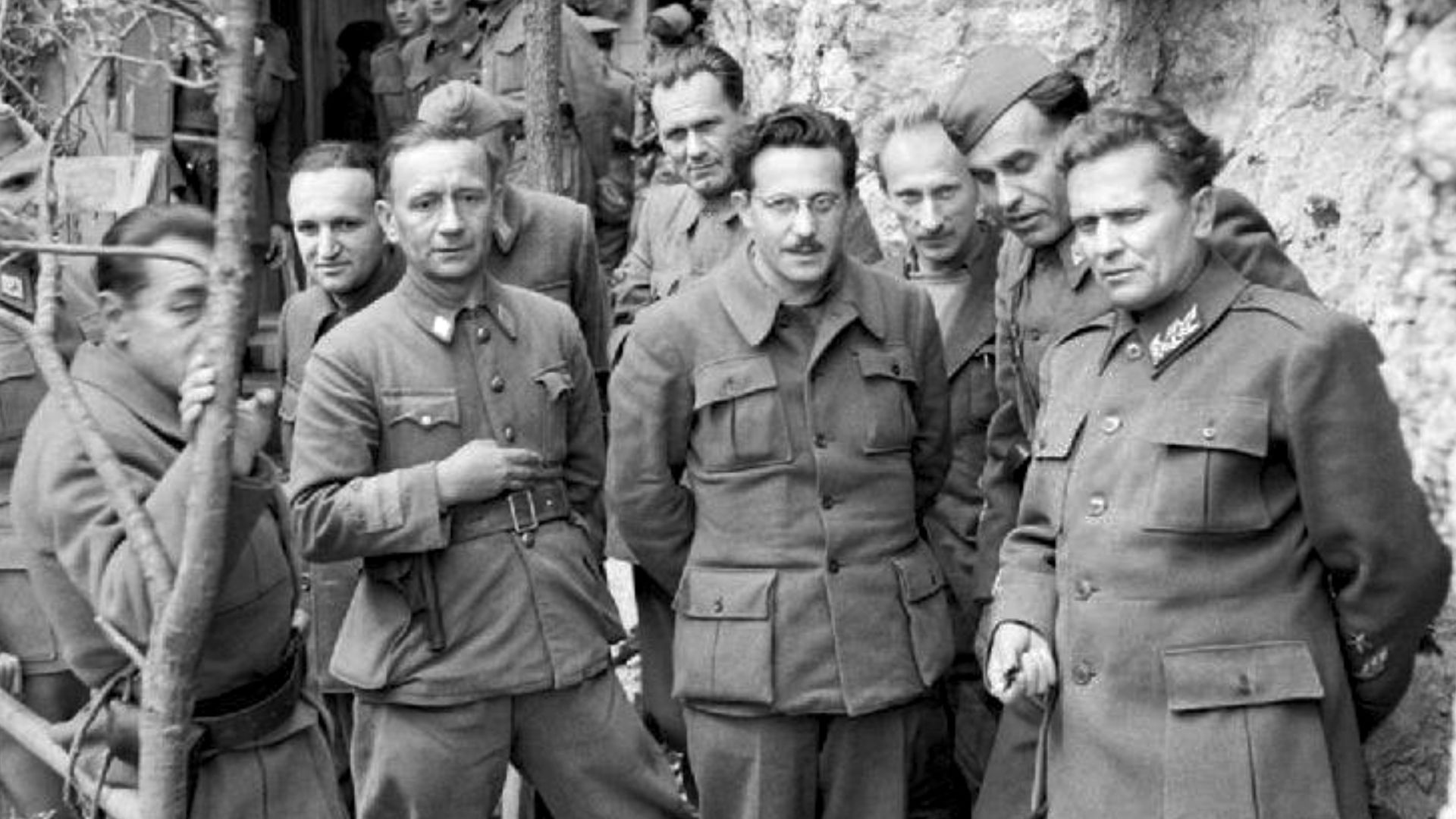 Slade, M J (Sgt) No 2 Army Film and Photographic Unit, Wikimedia Commons
Decorations And Recognition
Hayden's wartime service earned him some significant recognition from the higher-ups. He received the Silver Star and was awarded the Yugoslav Order of Merit. His accomplishments during the conflict contrasted sharply with the image of a reluctant Hollywood actor taking an easy assignment.
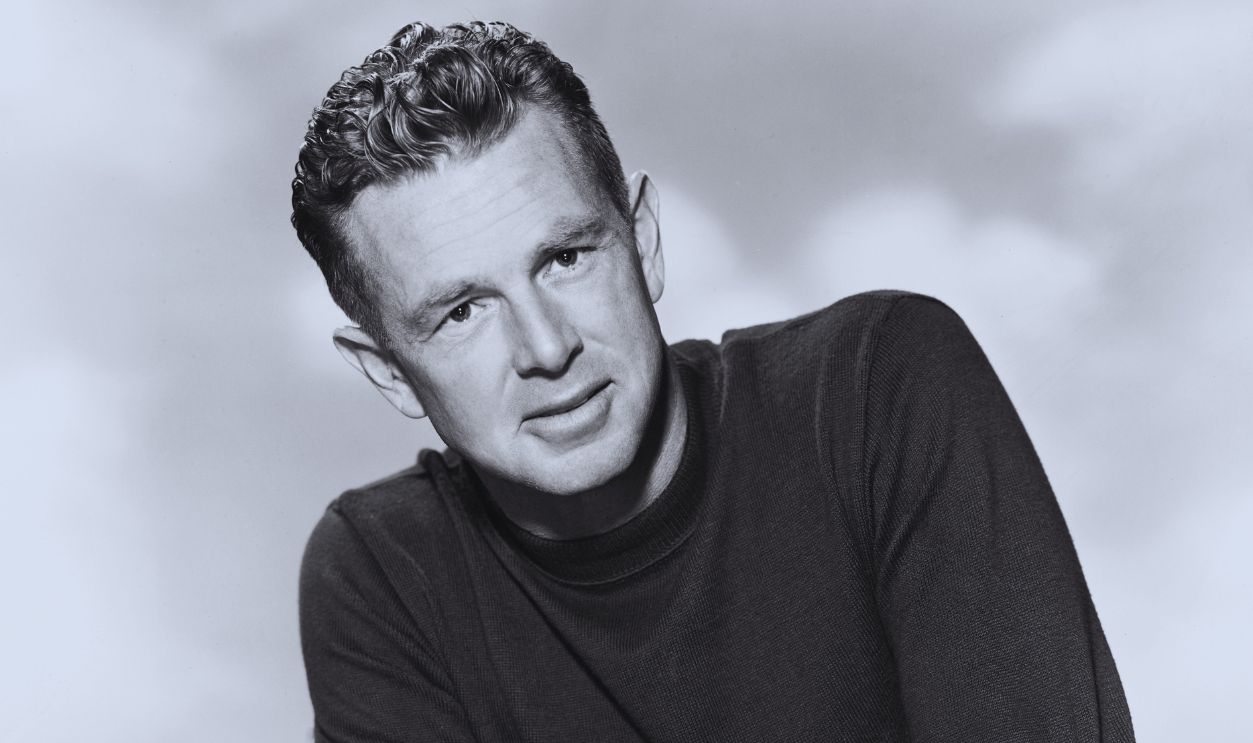 John Springer Collection, Getty Images
Return To Hollywood
After the war ended, Hayden made his way back to the United States and took up his film career where he’d left off. Though he was still uncertain about acting, Hollywood offered financial security and opportunities that he would never be able to find elsewhere. Paramount welcomed him back into its ranks.
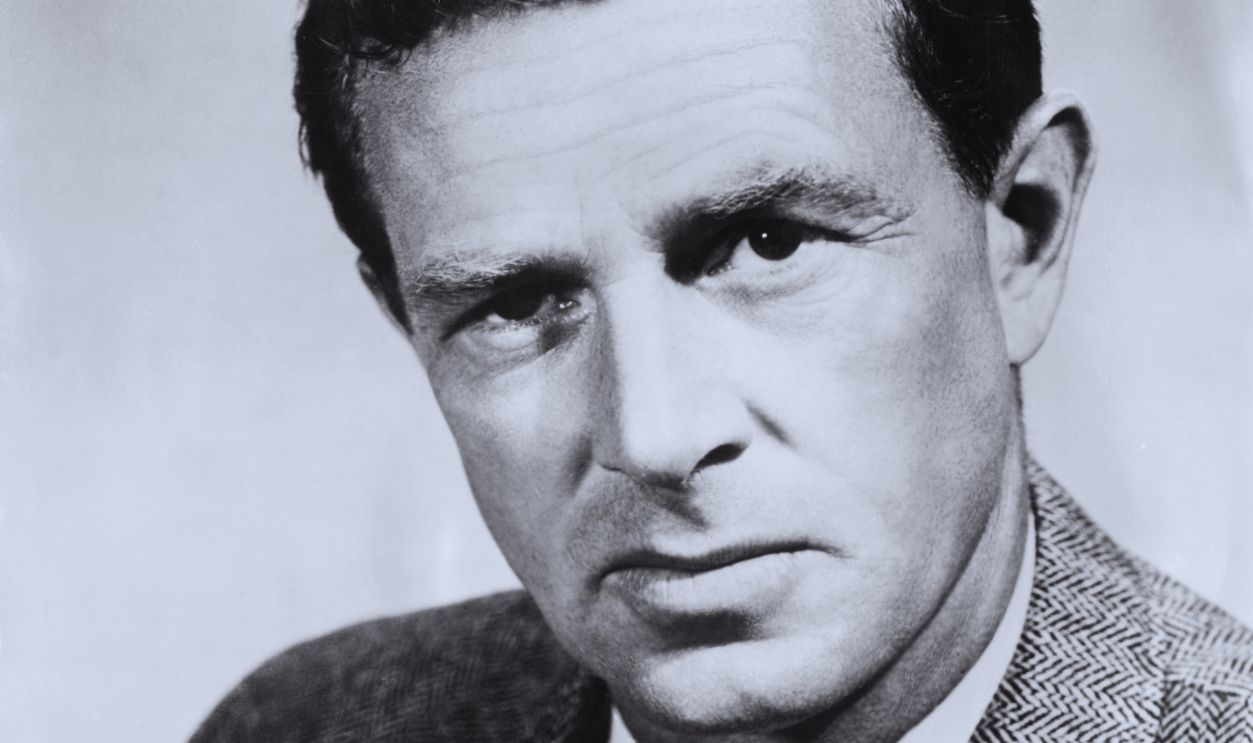
Rebuilding His Career
Hayden appeared in films such as Blaze Of Noon (1947), El Paso (1949), and Manhandled (1949). These productions helped him restore his profile, and even more importantly, they set him up for a breakthrough role that would elevate his standing considerably.
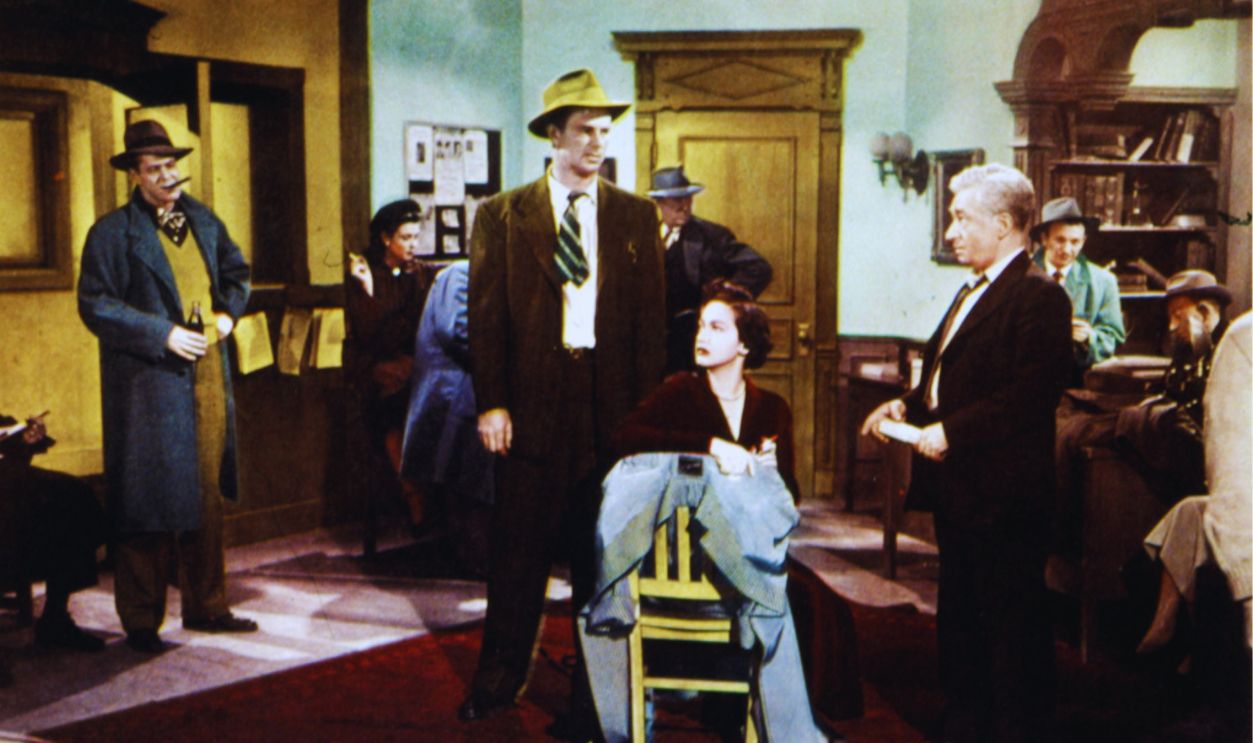
The Asphalt Jungle
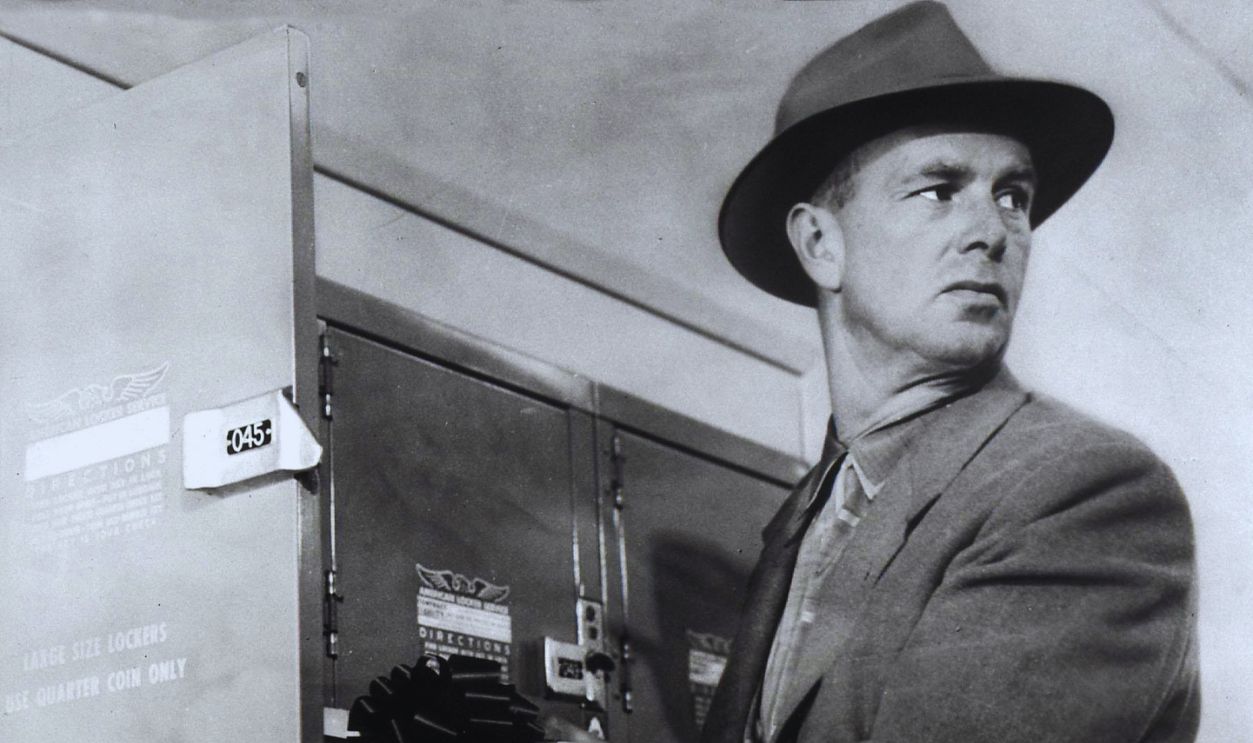
Hayden achieved major acclaim as Dix Handley in The Asphalt Jungle (1950). Directed by John Huston, the film became one of the defining crime dramas of its era. It was in this film at last that Hayden established himself as a serious actor capable of carrying major productions.
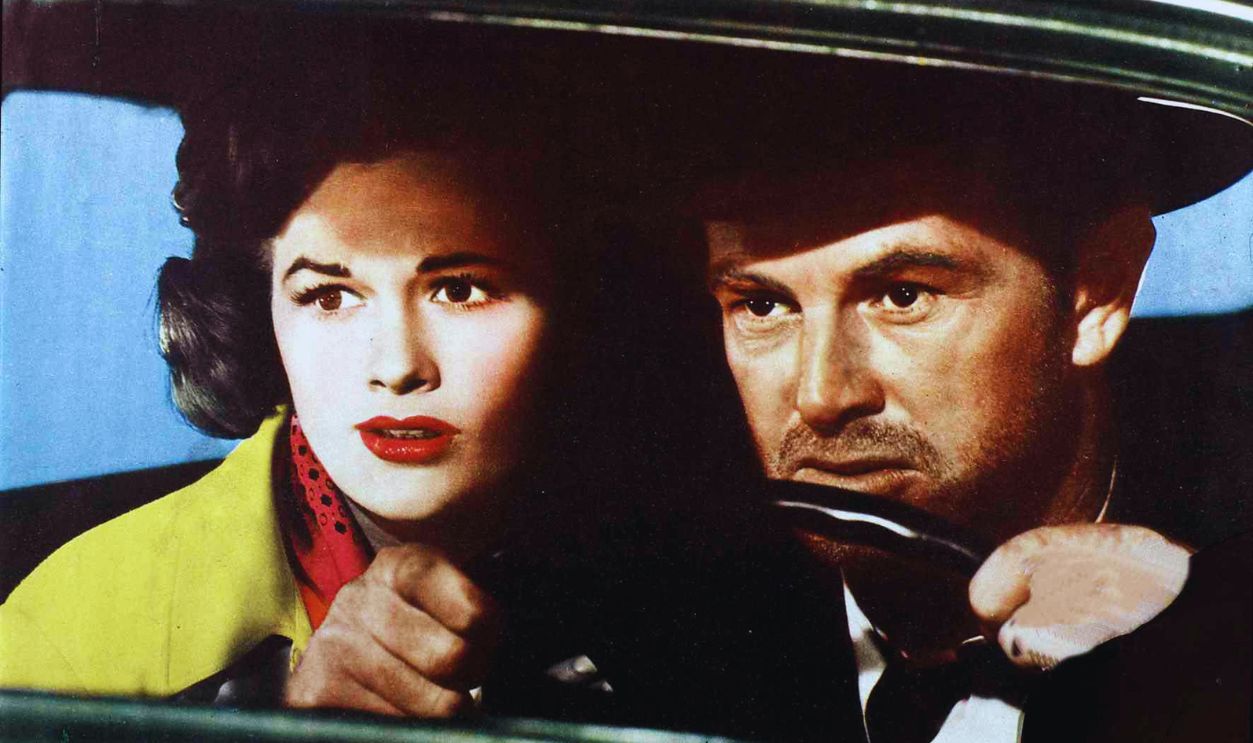
He Joined The Communist Party (Briefly)
Influenced partly by his wartime experiences with Yugoslav partisans, Hayden briefly joined the Communist Party in 1946. He was only a member for a few months, but this decision was now about to come home to roost with serious consequences for his personal life and reputation.
 Žorž Skrigin, Wikimedia Commons
HUAC Comes Calling
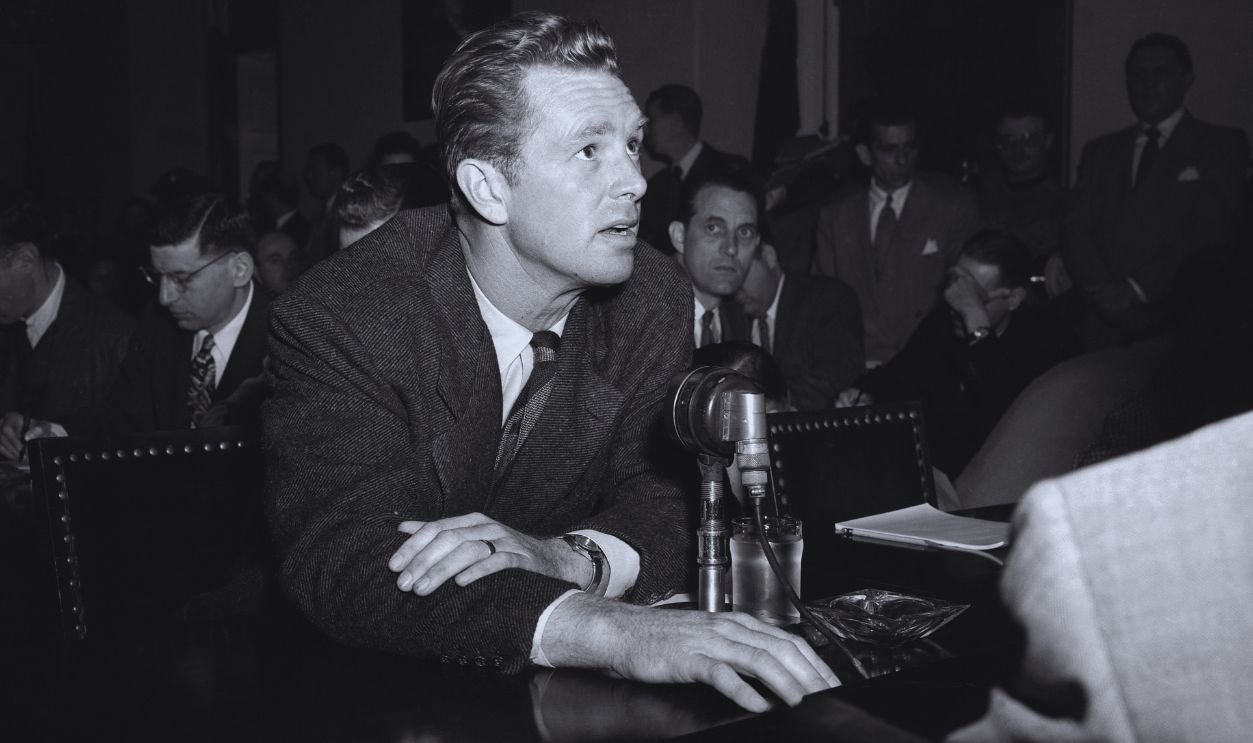
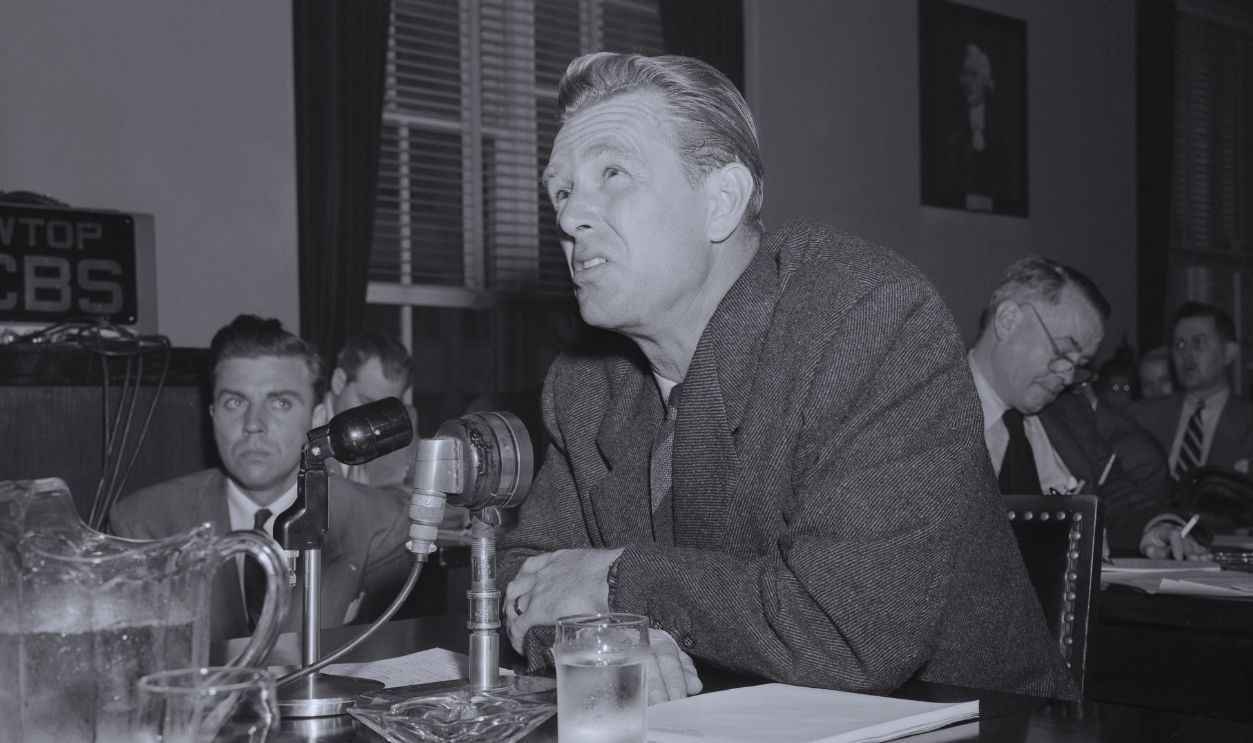
As anti-Communist investigations intensified, Hayden was subpoenaed by the House Committee on Un-American Activities (HUAC). In April 1951, he testified before the committee and acknowledged his previous Communist Party membership, describing it as a serious mistake.
He Named Names
During his testimony, Hayden identified several people connected to the Communist Party. His cooperation protected him from getting blacklisted by the film industry and also generated favorable publicity. But the decision would haunt Hayden for decades afterward.
A Lifetime Of Regret
Hayden never fully forgave himself for cooperating with HUAC. In later years, he repeatedly expressed deep remorse and wrote that he felt lasting contempt for himself because of his testimony. The episode would stand as one of the defining regrets of his life.
 Los Angeles Daily News, Wikimedia Commons
Johnny Guitar And The 1950s
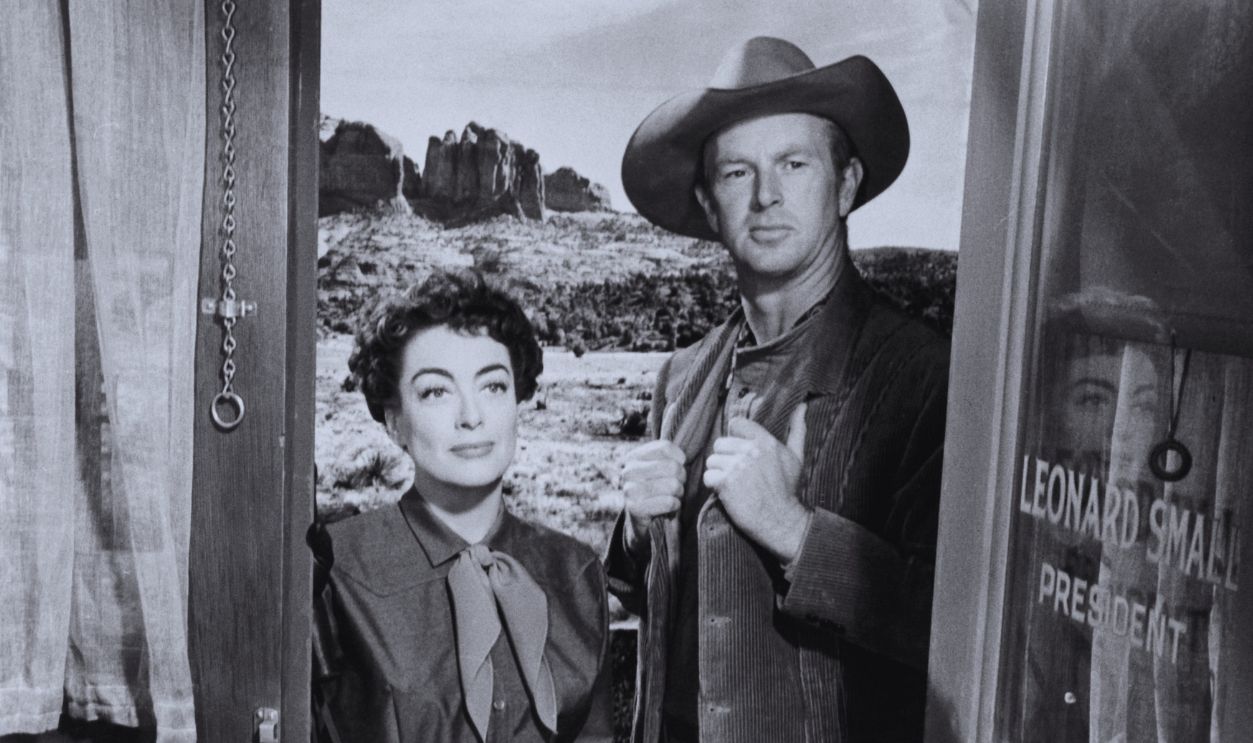
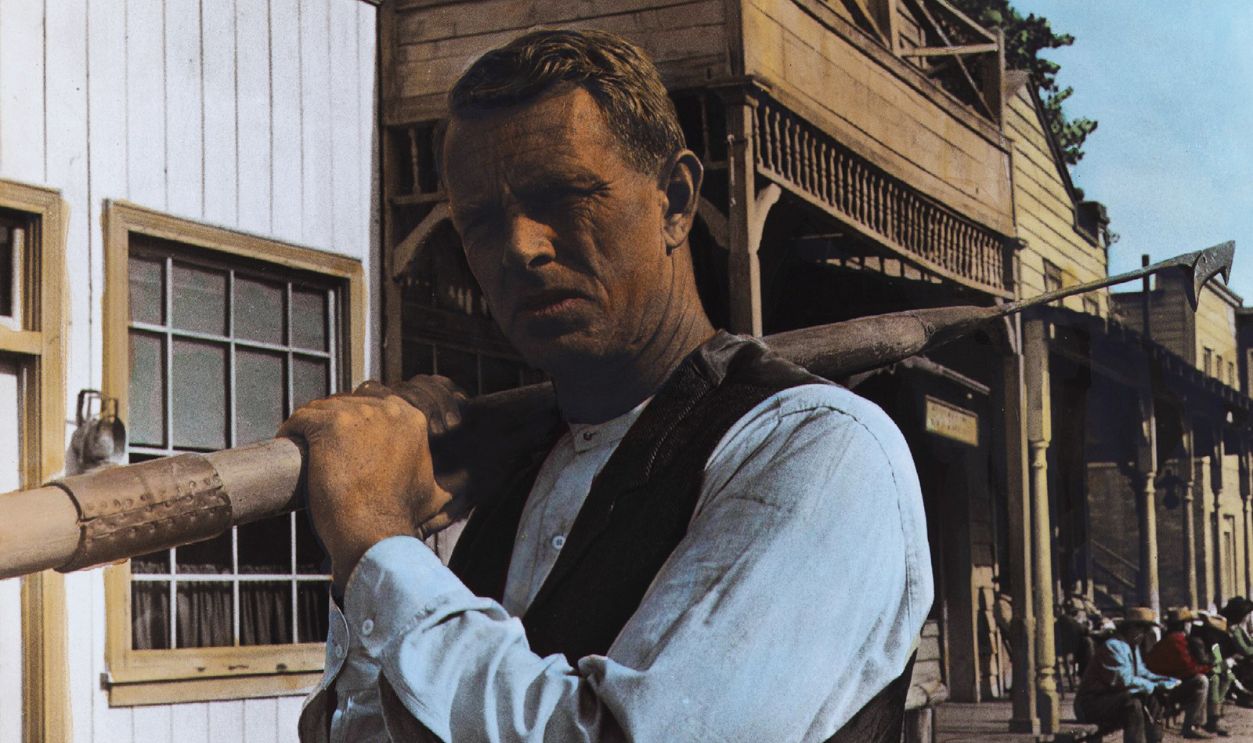
The 1950s proved to be one of Hayden's strongest periods as an actor. Among his most celebrated performances was Johnny Guitar (1954), Nicholas Ray's unconventional Western that co-starred Joan Crawford and Mercedes McCambridge. The film became both a box-office success and a lasting cult favorite.
First Kubrick Collaboration
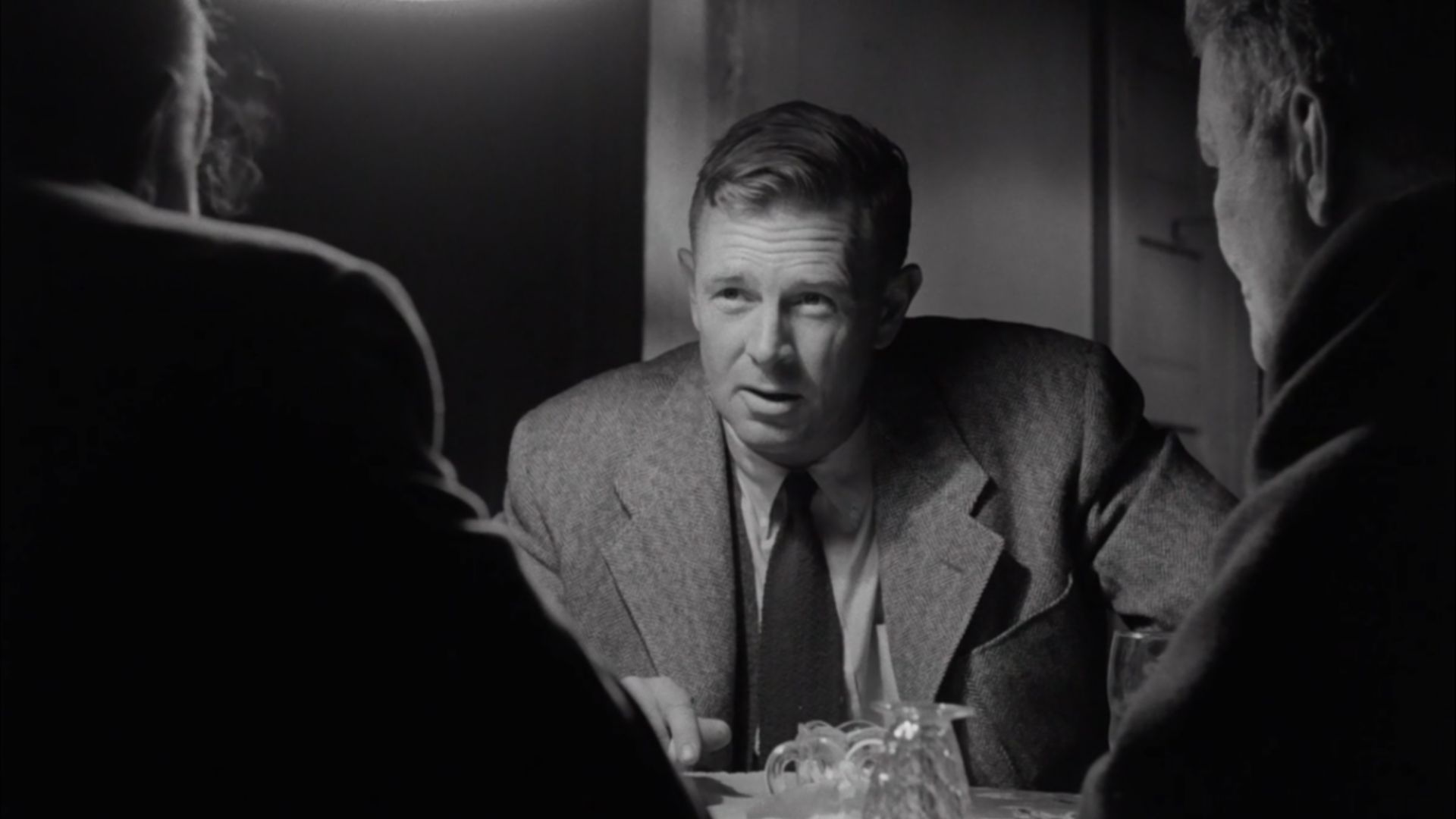
Hayden's first collaboration with Stanley Kubrick came in The Killing (1956). The film became a landmark crime thriller. As a career criminal determined to make one last big score, Hayden demonstrated the ability to anchor intelligent, stylish productions. The partnership would later produce another memorable classic.
 trailer screenshot (United Artists), Wikimedia Commons
Breaking Out Into The Open Ocean
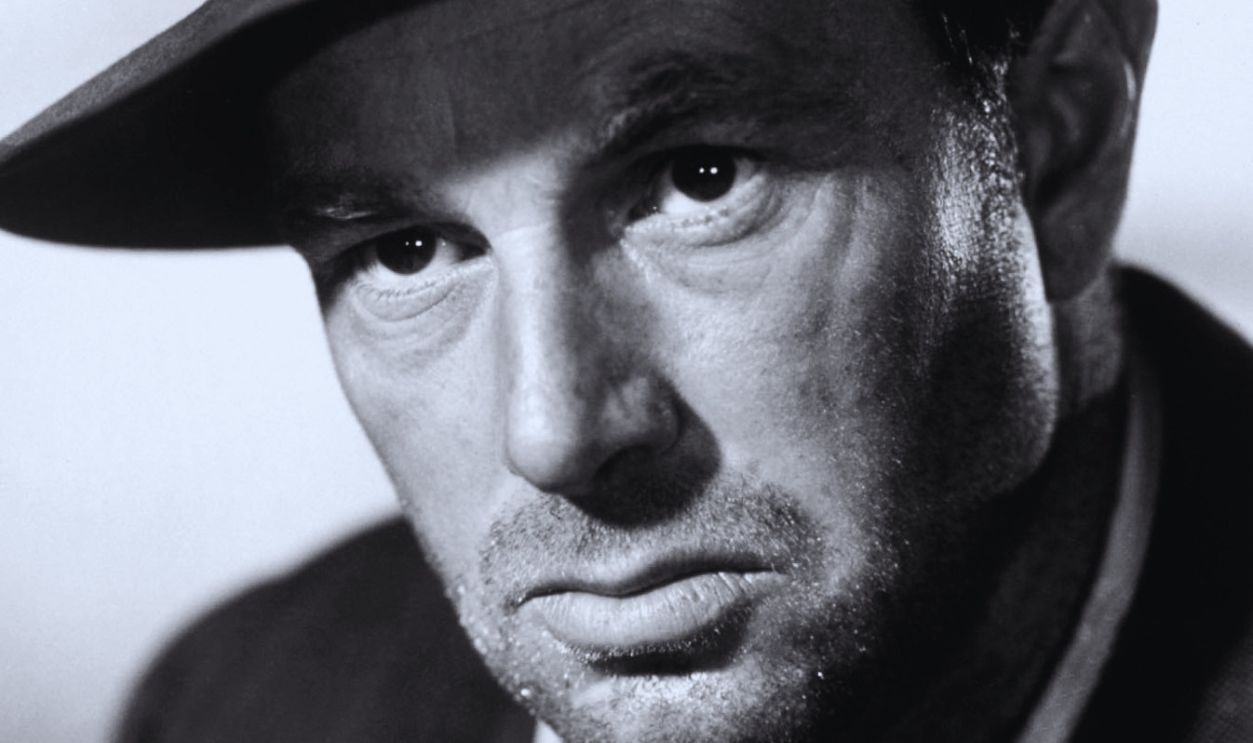
Following his divorce from his second wife Betty Ann de Noon, Hayden received custody of their four children. But in 1959, he defied a court order prohibiting him from taking his kids outside the United States, sailing with them to Tahiti aboard his schooner. Photographer Dody Weston Thompson joined the voyage and documented the journey.
 Wikiwatcher1 at en.wikipedia, Wikimedia Commons
Marriage To Catherine Devine McConnell
In 1960, Hayden married Catherine Devine McConnell. The marriage lasted for the remainder of his life and produced two sons. It was around this time that his original first love, the sea, took greater hold of him; Hayden increasingly viewed himself as a sailor and writer rather than a professional actor.
 De Carvalho Collection, Getty Images
Retirement, Writing, And Dr. Strangelove
Living aboard and around the waterfront community of Sausalito across the Golden Gate Bridge from San Francisco, Hayden focused on writing and produced his autobiography Wanderer (1963). But an old colleague reappeared with an idea to try to coax Hayden back for another big-screen appearance.
Kubrick Brought Him Back
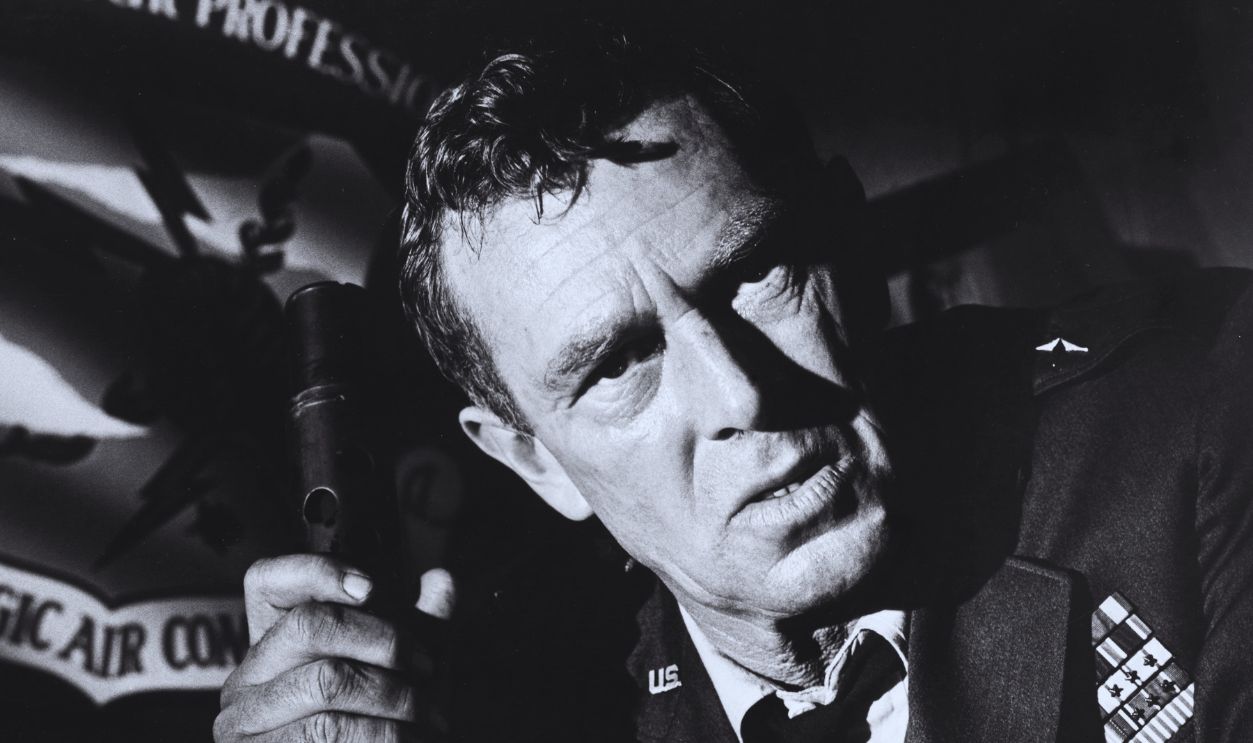
Though Hayden had little interest in returning to regular acting. Stanley Kubrick persuaded him to take one more major role in Dr. Strangelove (1964), and Hayden delivered one of the film’s most memorable performances as the obsessed Air Force General Jack D. Ripper. His stern authority, deadpan delivery, and unwavering conviction helped make the character both darkly comic and genuinely unsettling.
 Silver Screen Collection, Getty Images
Later Years, Later Roles
Hayden enjoyed a late-career resurgence with notable appearances in The Godfather (1972) as a corrupt law enforcement officer, and The Long Goodbye (1973) as a dissolute writer. He was offered the role of Quint in Jaws (1975) but declined it. His final years included roles in 9 To 5 (1980), Venom (1981), and The Blue and The Gray (1982) as abolitionist John Brown. During these years Hayden also produced a novel, Voyage (1976).
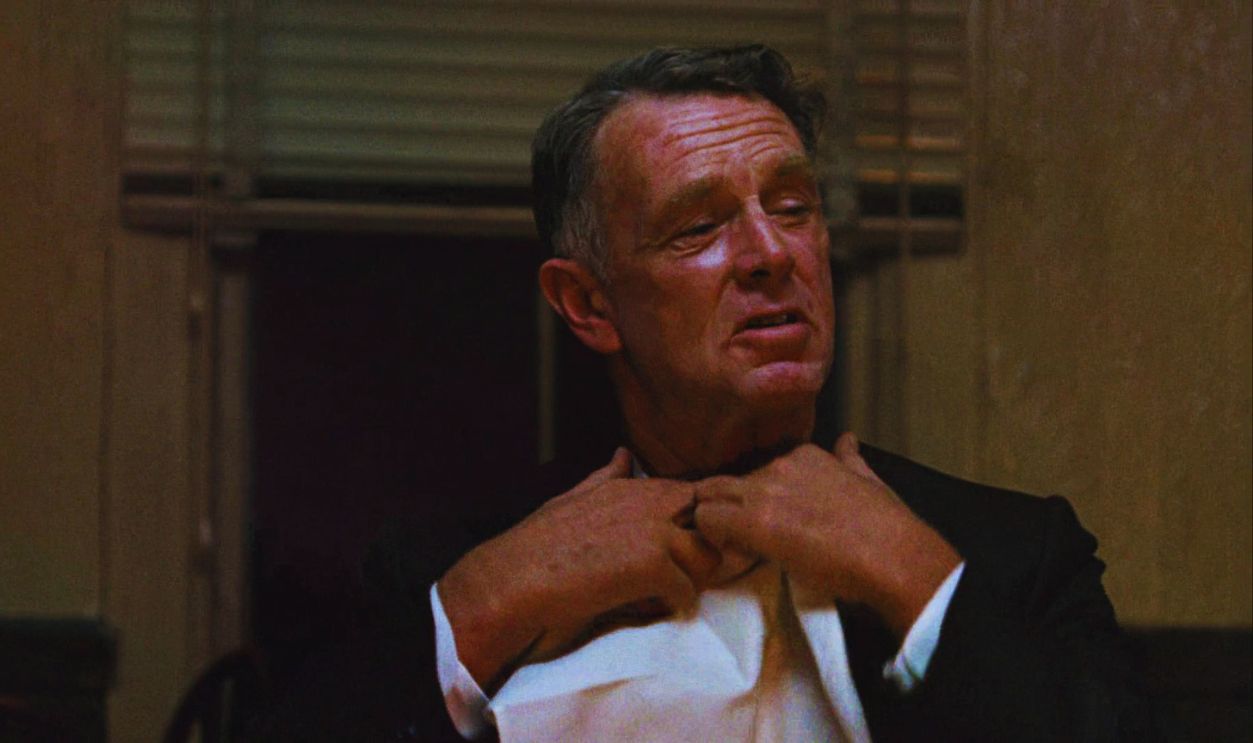 Screenshot from The Godfather, Paramount Pictures (1972)
The Legend Passed On
Hayden’s last film appearance was in a documentary on his life called Pharos of Chaos (1983). He died of prostate cancer three years later on May 23, 1986, at age 70. He’s still remembered today as an actor, sailor, writer, Marine, and OSS veteran, who left behind one of Hollywood's most unconventional legacies.
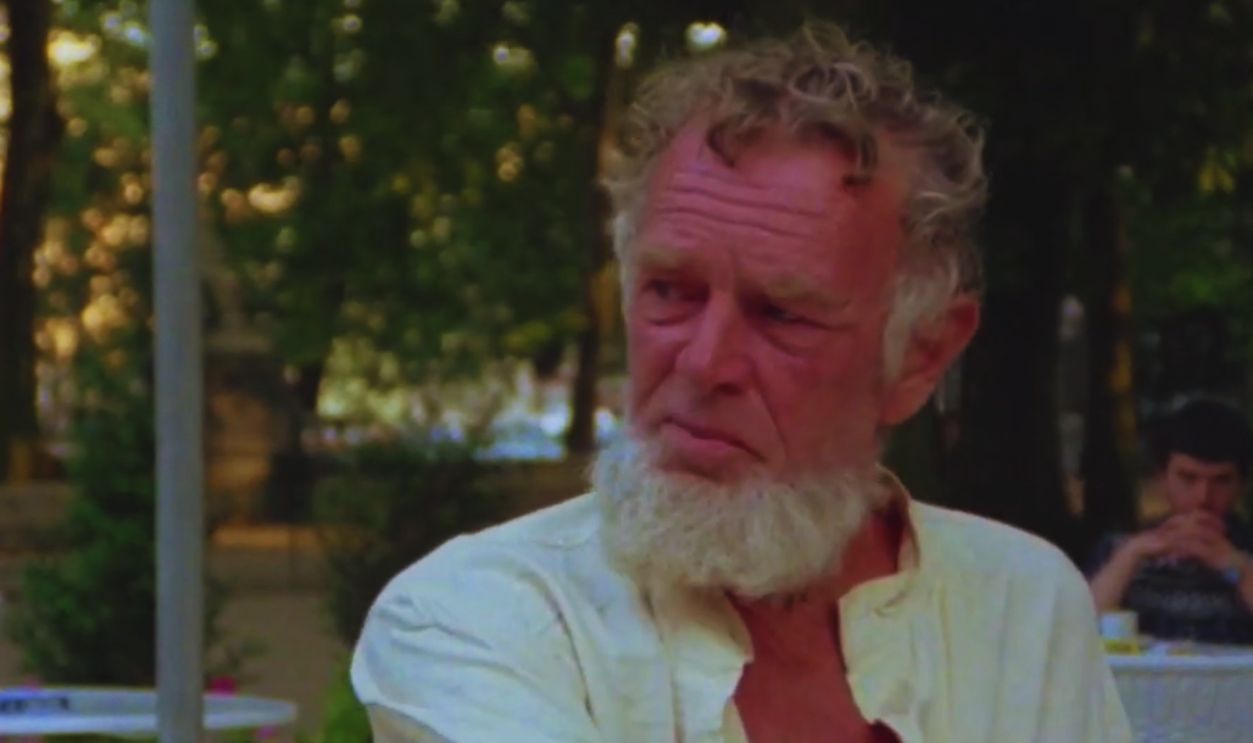 Screenshot from Pharos of Chaos, Bühler Films (1983)
You May Also Like:
Tough Guy Actors Who Refused To Cry Or Die On Screen
Surprising Facts About Gregory Peck, Hollywood’s Irresistible Nice Guy



.jpg%20)
