A Hollywood Legend Found Herself Starting Over
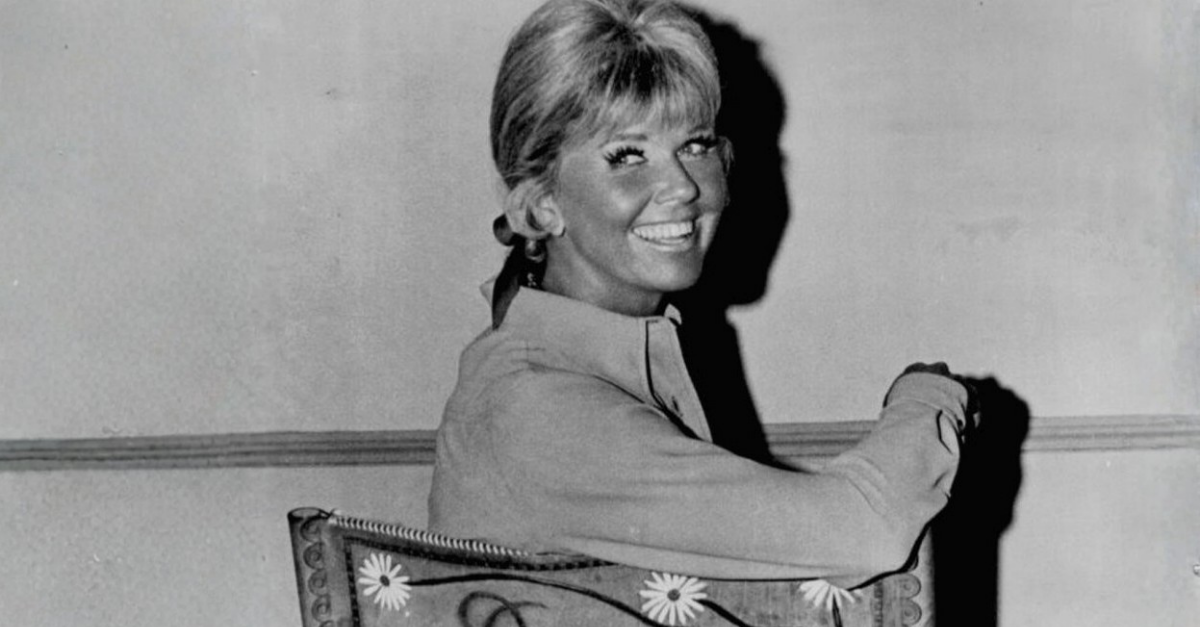
By the late 1960s, Doris Day had already done just about everything a movie star could hope to accomplish. She was one of Hollywood's biggest box office draws thanks to hits like Calamity Jane, Pillow Talk, and The Man Who Knew Too Much. Most people assumed she'd keep making movies, but life had other plans, and television ended up giving her career an unexpected second chapter.
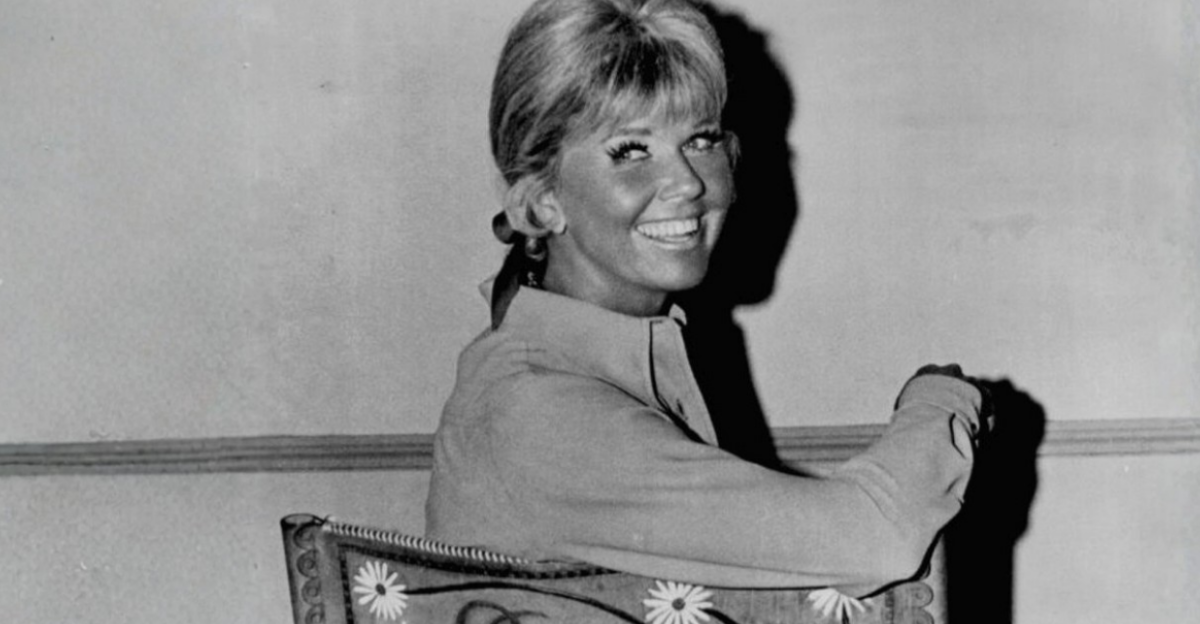 Rogers, Cowan, & Brenner-public relations, Beverly Hills, Wikimedia Commons
A Personal Tragedy Changed Her Career Overnight
Doris Day didn't set out to become a TV star. After her husband and manager, Martin Melcher, passed in 1968, she learned that much of her fortune had been lost and that he had already signed her to a television contract without her knowledge. Rather than fight it, she honored the agreement, and that difficult decision ended up reshaping the rest of her career.
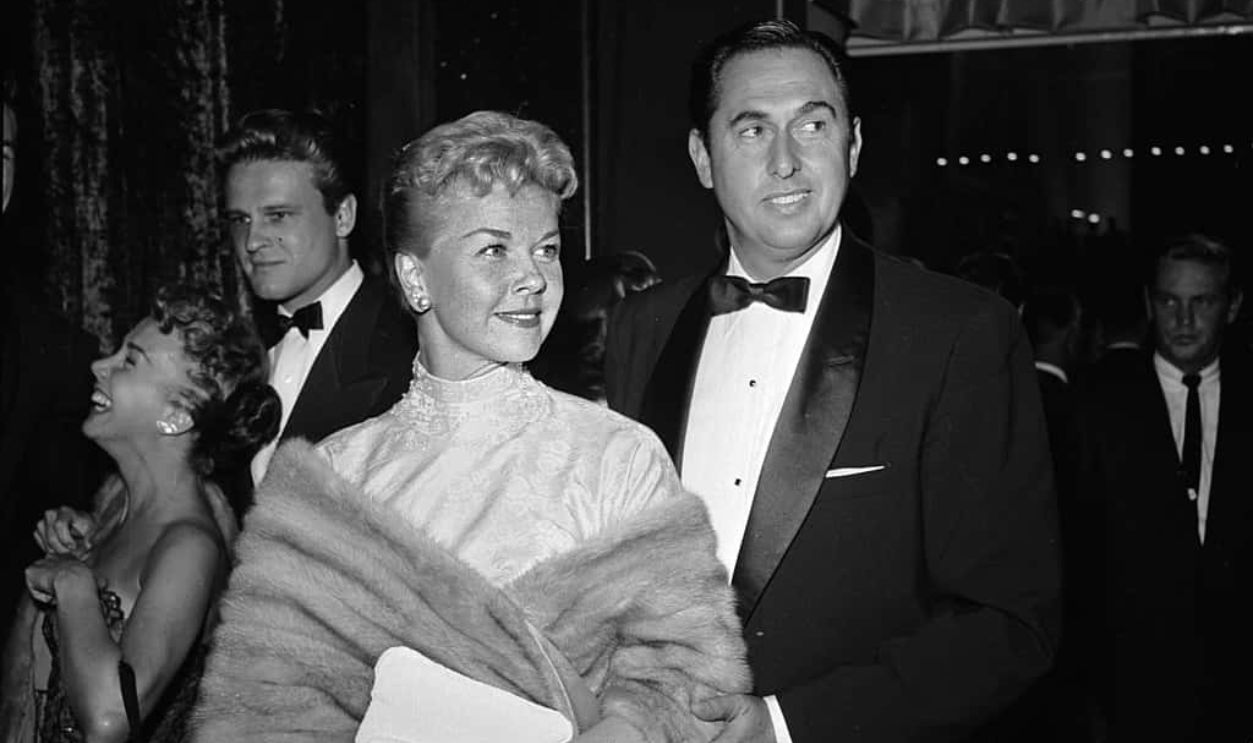
Television Wasn't The Obvious Choice
Today it's common to see movie stars jump between films and television, but that wasn't the case in the late 1960s. Back then, many people in Hollywood saw television as a step down from the big screen. That's one reason Doris Day's move surprised so many fans and industry insiders.
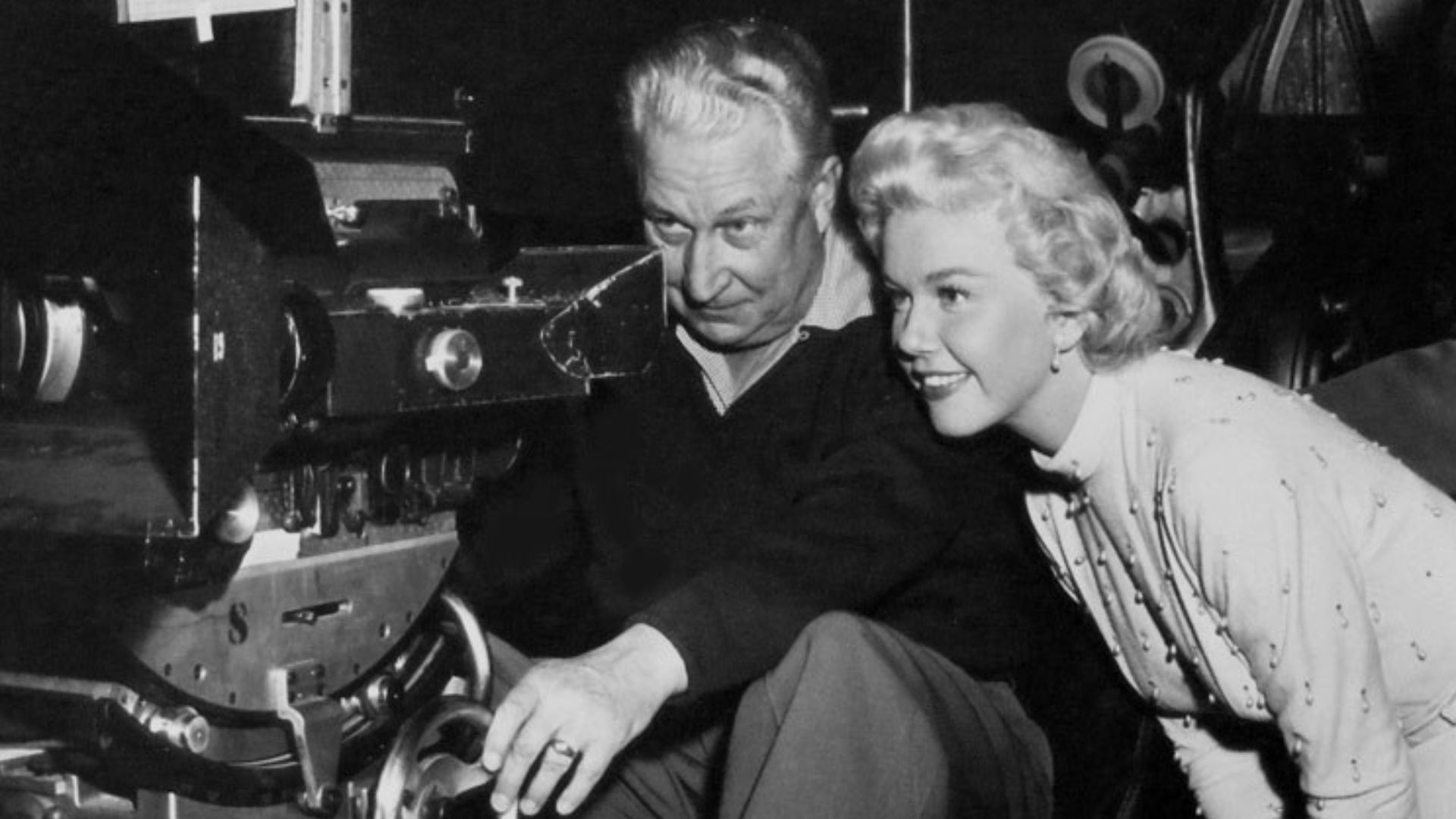 unknown (Warner Bros.), Wikimedia Commons
The Doris Day Show Arrived In 1968
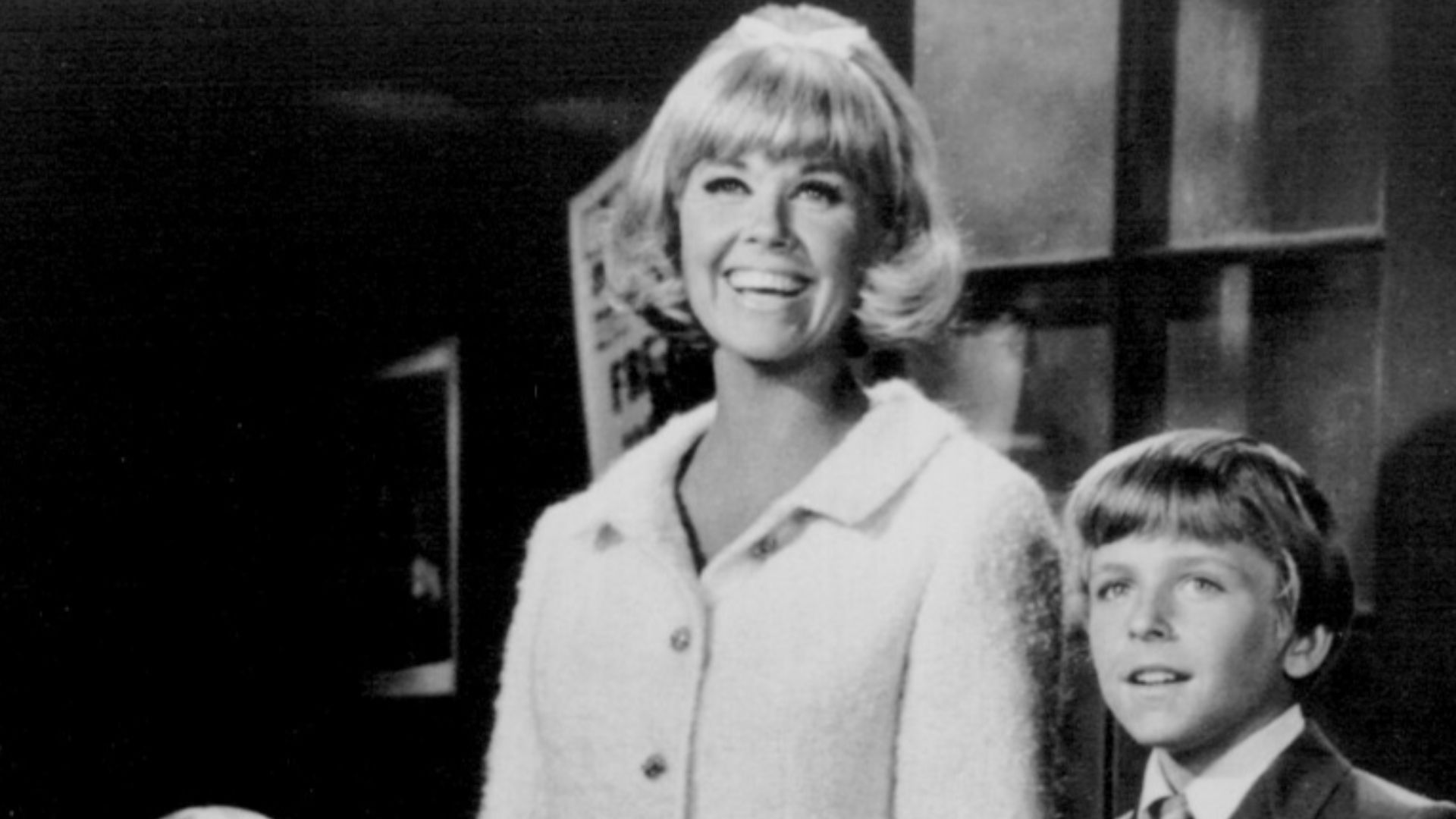
CBS premiered The Doris Day Show in September 1968, and it quickly became a regular part of viewers' weekly routines. Instead of seeing Day every few years in a new movie, audiences suddenly welcomed her into their living rooms every week. The series ultimately ran for five seasons and produced 128 episodes.
 CBS Television, Wikimedia Commons
She Still Felt Like The Doris Day Everyone Loved
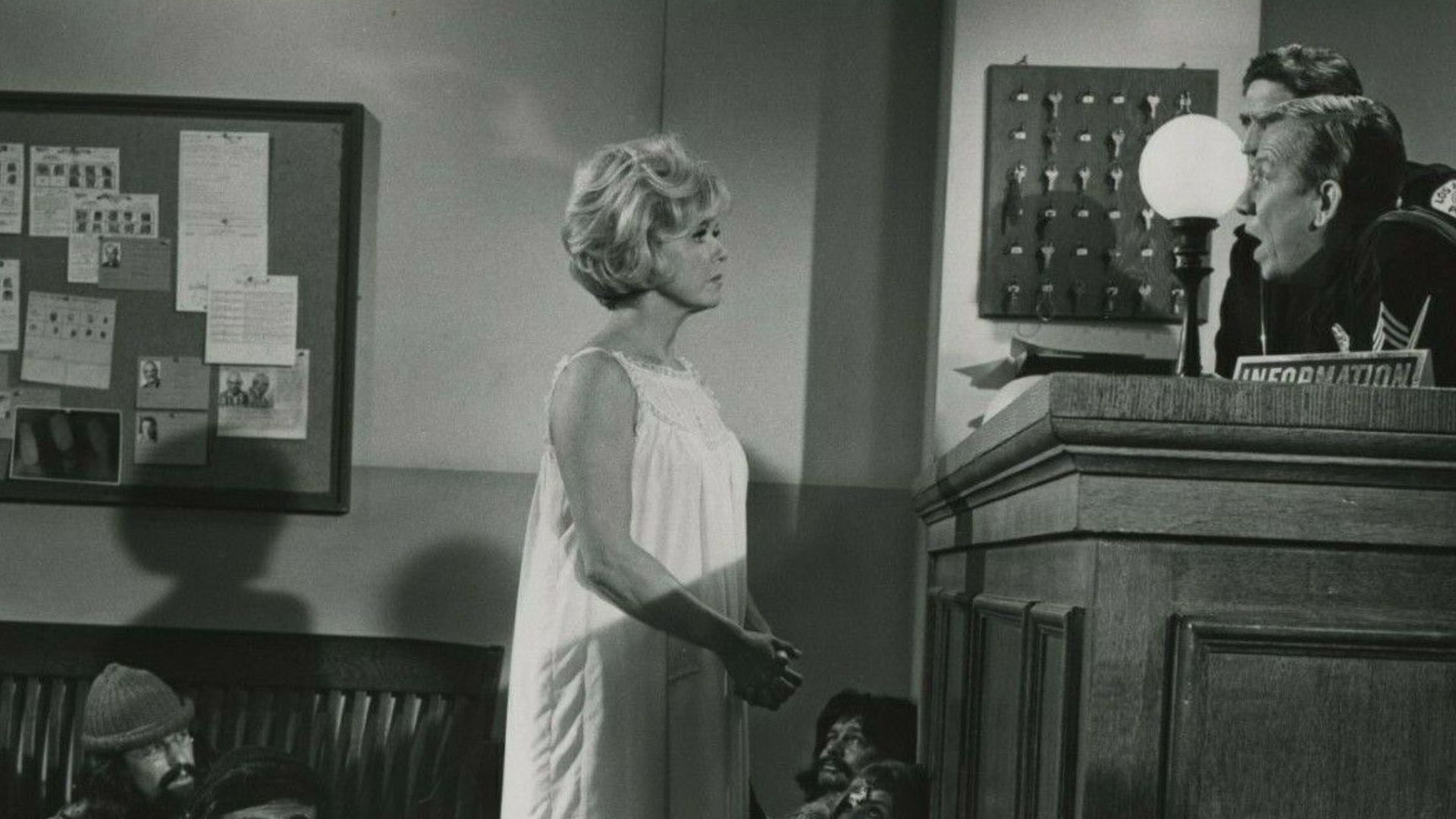
Even though she was working in a different medium, Day didn't change the qualities that made her famous. She was still warm, funny, optimistic, and effortlessly likable. Fans who had grown up watching her movies immediately recognized the same charm that had made her one of Hollywood's biggest stars.
 Unknown authorUnknown author, Wikimedia Commons
The First Season Had A Familiar Feel
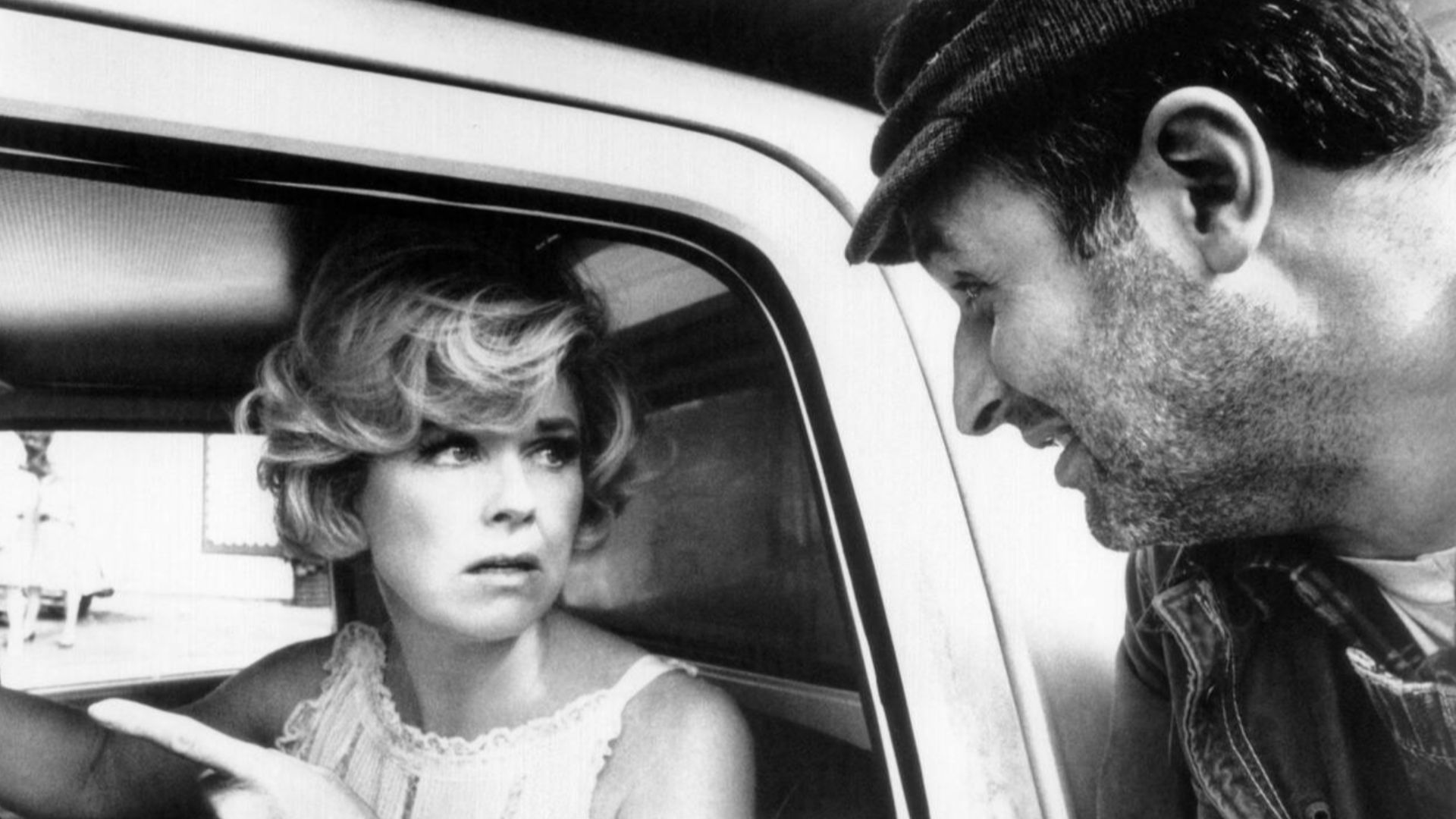
The show's original setup was pretty traditional. Day played Doris Martin, a widowed mother raising her two sons on her father's ranch. It fit perfectly with the wholesome family sitcoms that were popular on CBS during that era and gave longtime fans a comfortable introduction to her television career.
 Unknown authorUnknown author, Wikimedia Commons
The Producers Weren't Afraid To Shake Things Up
Most sitcoms stick with the same formula year after year, but The Doris Day Show did the exact opposite. The cast changed, the setting changed, and even the overall direction of the series evolved several times. Those constant reinventions eventually became one of the show's most memorable qualities.
 Screenshot from The Doris Day Show, CBS (1968)
The Move To San Francisco Opened New Doors
After leaving ranch life behind, Doris Martin moved to San Francisco and started a new career. Suddenly, the show wasn't just about family life anymore. It explored friendships, office life, and life in a bustling city, giving the writers plenty of fresh material to work with.
 Screenshot from The Doris Day Show, CBS (1968)
Season Four Changed Almost Everything
The biggest makeover came in the fourth season. Most of the supporting cast disappeared, and Doris became an independent magazine employee with an almost entirely new group of coworkers and friends. The overhaul reflected CBS's push toward more modern, urban programming in the early 1970s.
 Screenshot from The Doris Day Show, CBS (1968)
The Character Grew Along With The Times
As the series evolved, so did Doris Martin. Instead of focusing mostly on romance or family life, the later seasons highlighted her career, independence, and confidence. It was a noticeable shift that better reflected the changing roles women were taking on during the era.
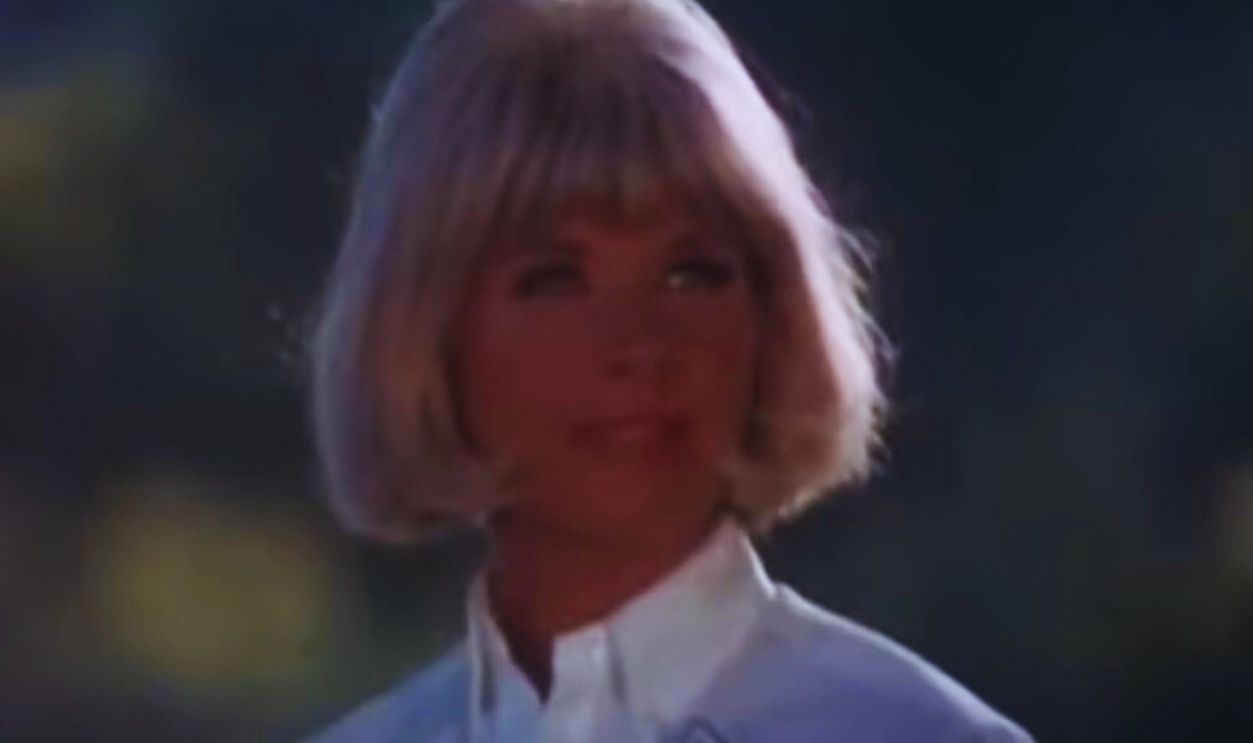 Screenshot from The Doris Day Show, CBS (1968)
Doris Day Became More Involved Behind The Scenes
As the show found its footing, Day took on more responsibility off camera as well. She eventually became a co-executive producer alongside her son, Terry Melcher, giving her more influence over storylines and the overall direction of the series. It marked an important step in her career beyond acting.
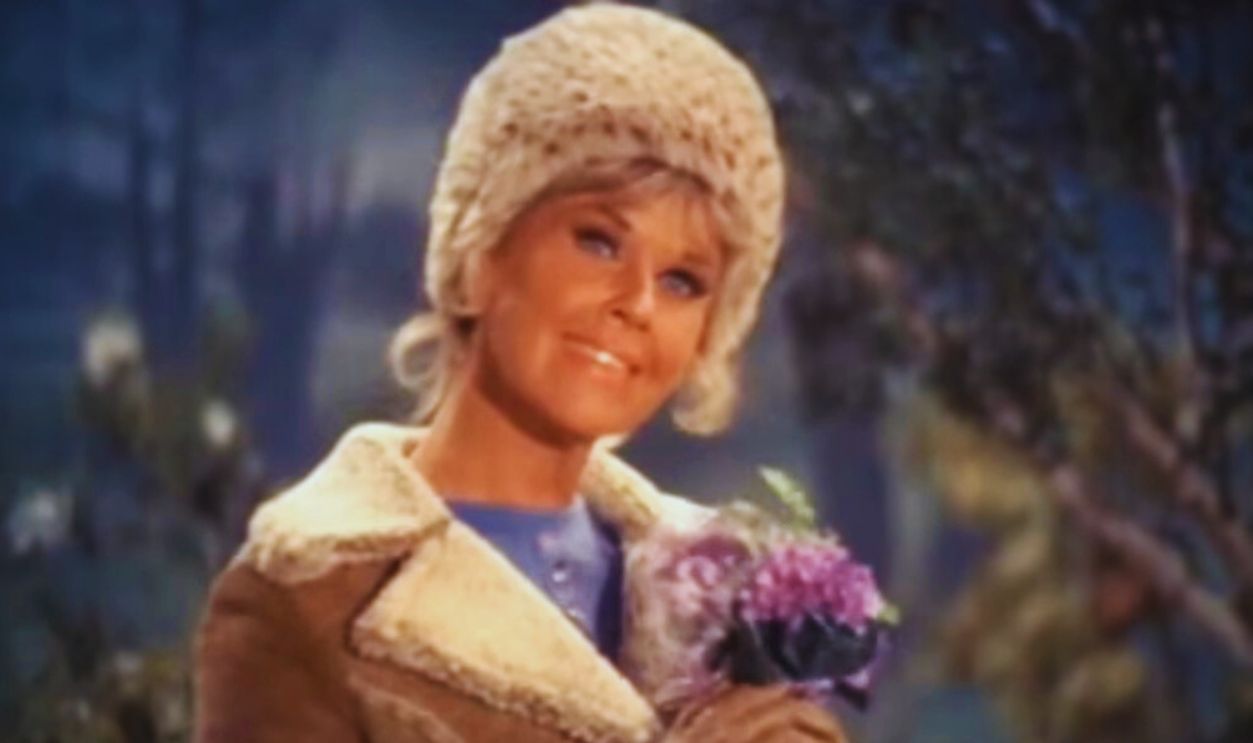 Screenshot from The Doris Day Show, CBS (1968)
"Que Sera, Sera" Tied Everything Together
Every episode opened with Day singing her signature hit, "Que Sera, Sera (Whatever Will Be, Will Be)." Since audiences already associated the song with her film career, it served as a perfect bridge between the Hollywood icon they already knew and the television star they were getting to know.
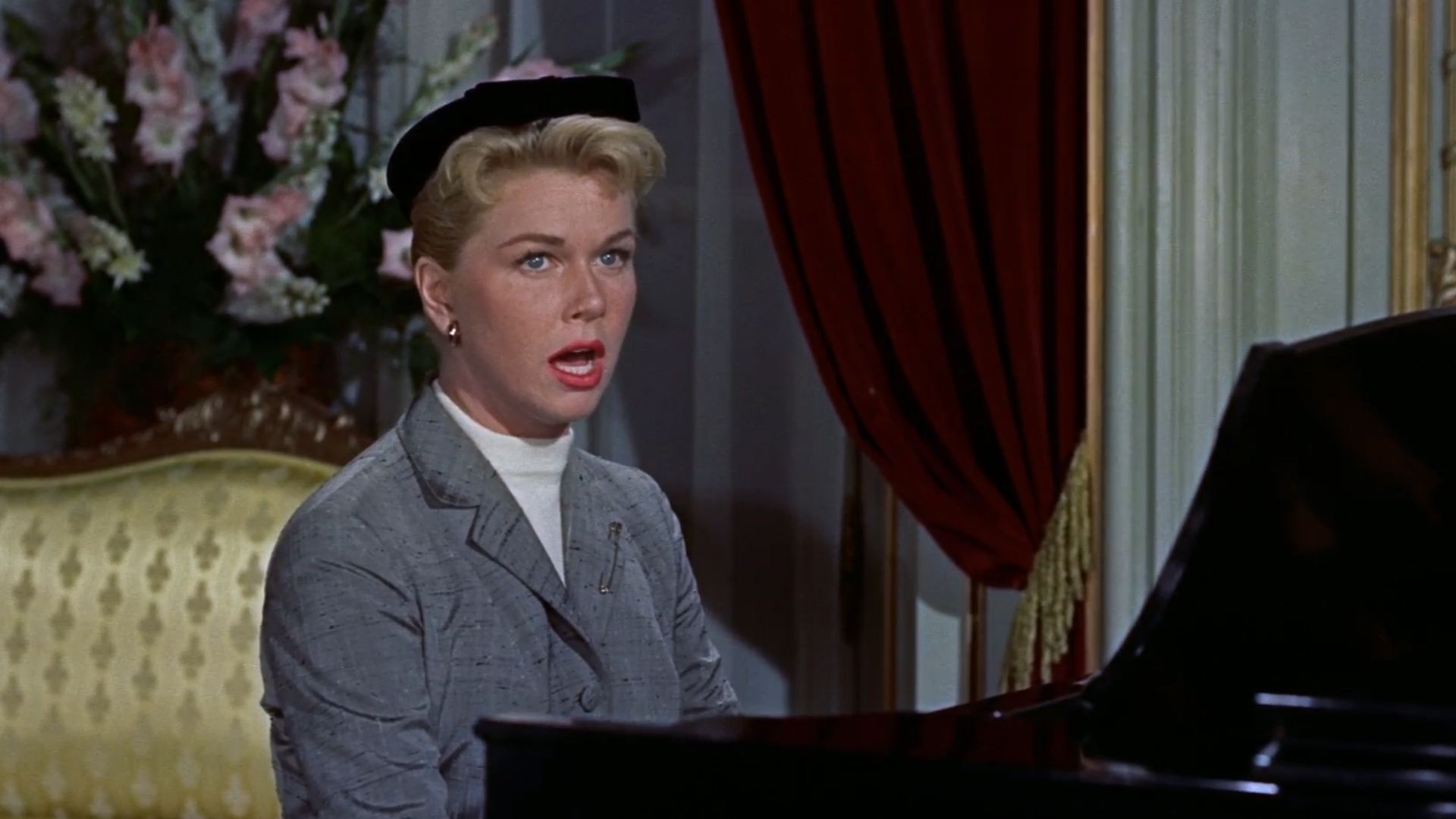 Paramount Pictures, Wikimedia Commons
Plenty Of Familiar Faces Dropped By
The show featured a steady stream of recognizable performers throughout its run. Actors like Denver Pyle, Rose Marie, McLean Stevenson, Jackie Joseph, and John Dehner all appeared, helping the series maintain a familiar, welcoming feel even as the format kept changing.
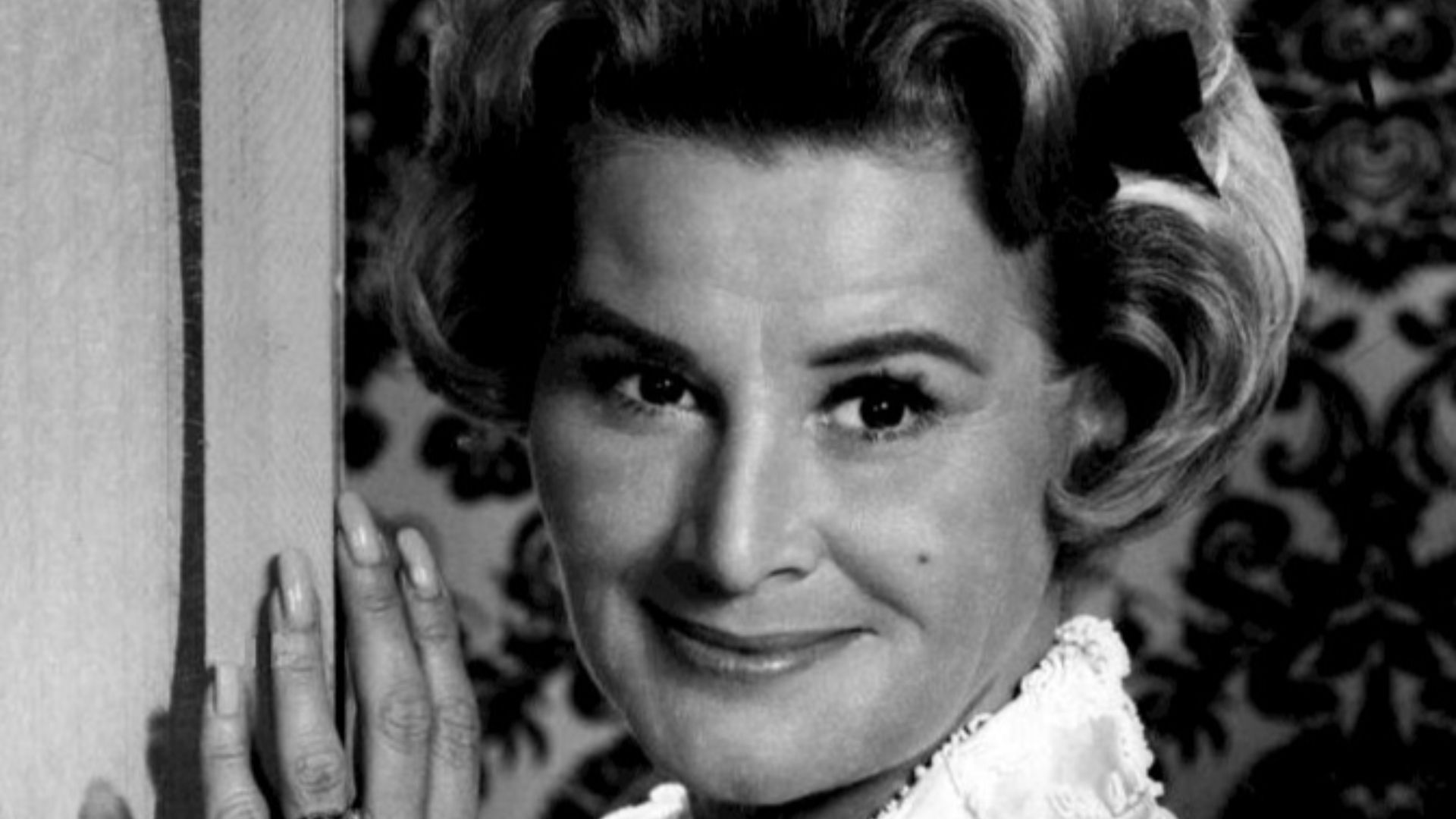 CBS Television, Wikimedia Commons
The Show Lasted Longer Than Many Expected
Considering how many times the series reinvented itself, it would have been easy to assume it wouldn't last very long. Instead, The Doris Day Show stayed on the air for five successful seasons, proving that viewers were willing to follow Day wherever the story went.
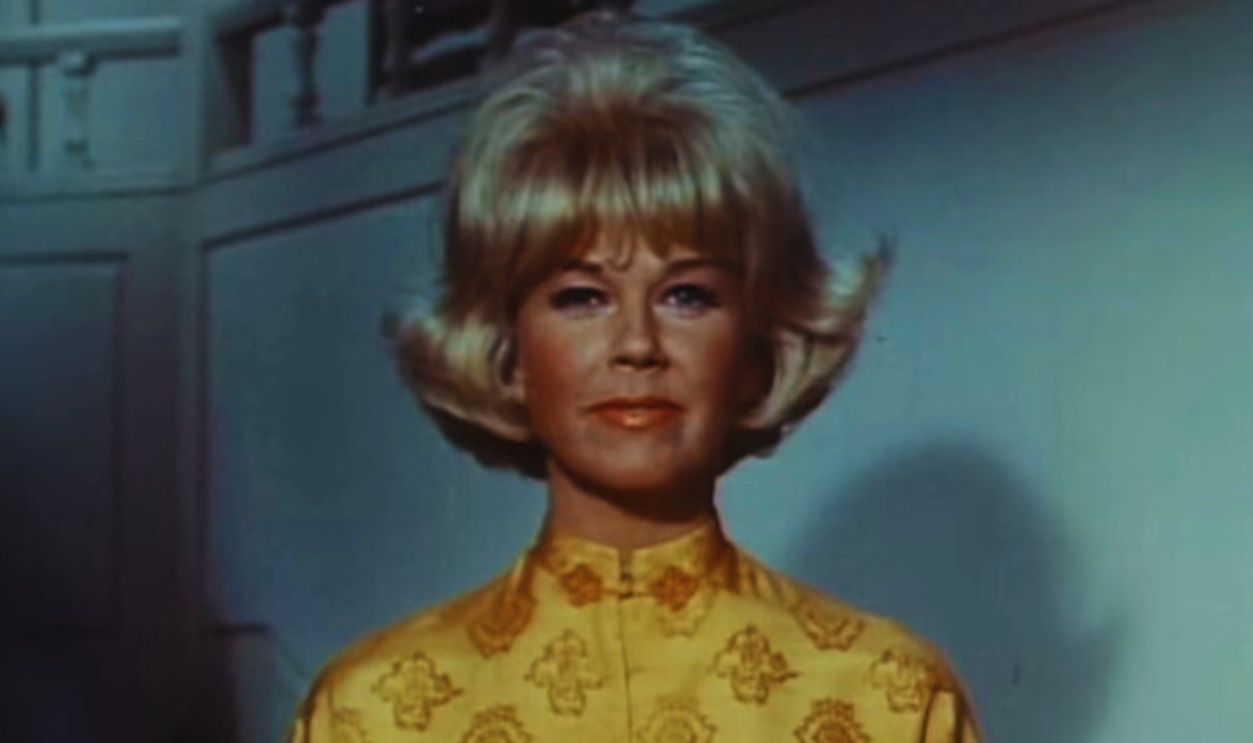 Universal Pictures, Wikimedia Commons
Television Helped Her Rebuild Her Life
The series wasn't just another acting job. It also provided financial stability after the devastating losses Day experienced following her husband's passing. By committing to the show, she was able to rebuild both her finances and her career during an incredibly difficult period.
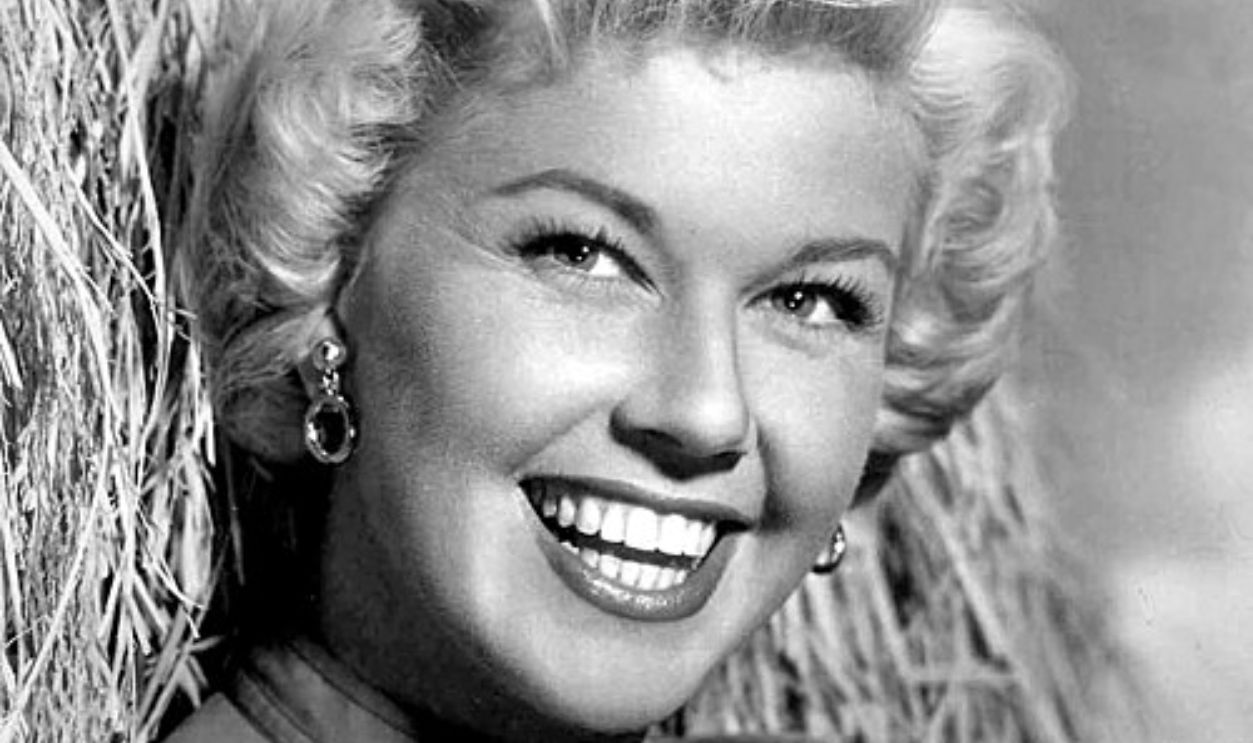 Unknown photographer, Wikimedia Commons
She Proved She Could Succeed On Television Too
Doris Day had already earned countless fans through her films, but television audiences embraced her just as enthusiastically. Her work on The Doris Day Show even earned her a Golden Globe Award, confirming that her appeal wasn't limited to movie theaters.
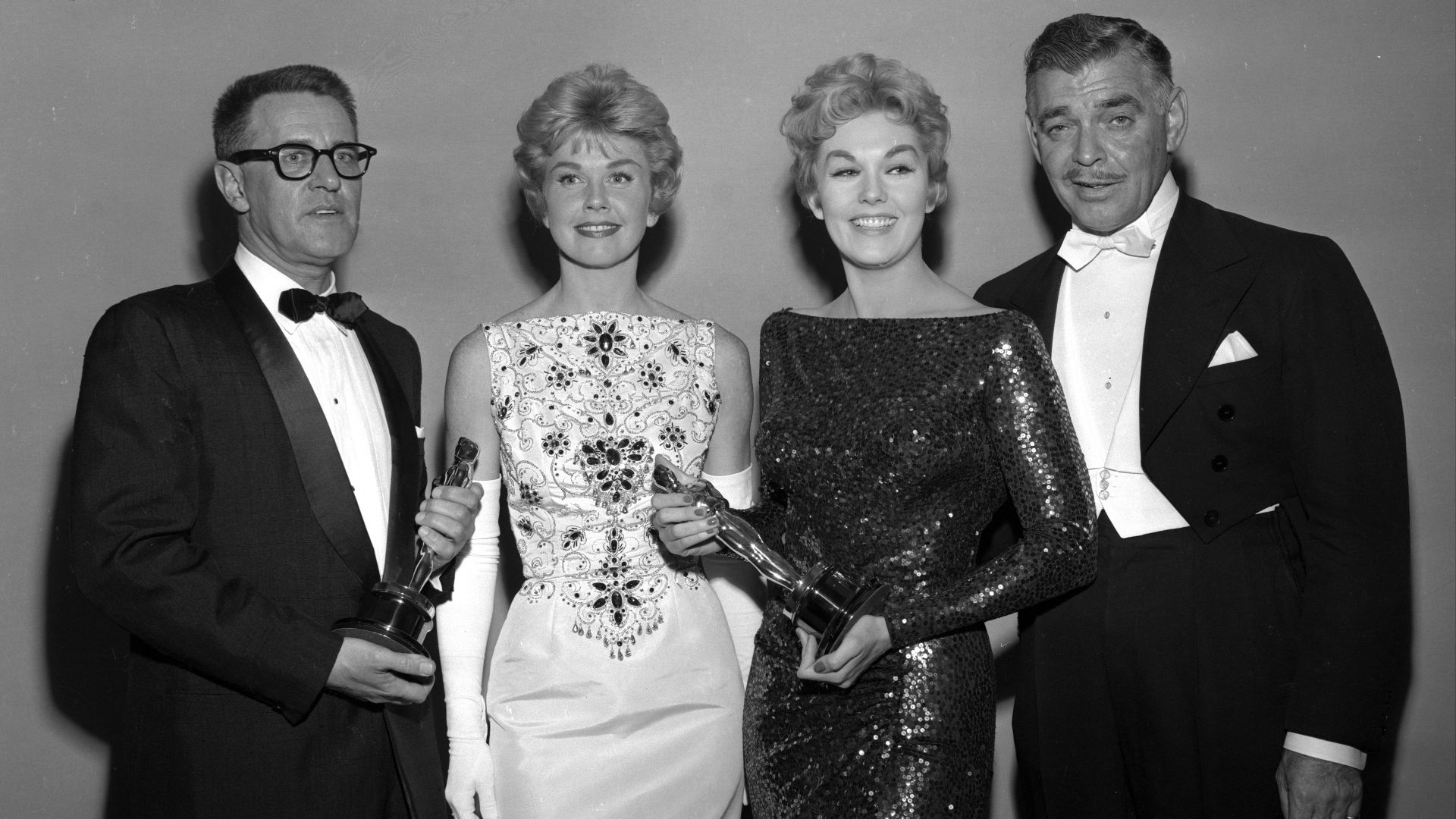 Los Angeles Times, Wikimedia Commons
Fans Got To Know A Different Side Of Her
A weekly sitcom gave viewers something movies couldn't. Spending time with Day every week made her seem even more approachable and relatable. Her natural warmth came through in every episode, making audiences feel like they were catching up with an old friend.
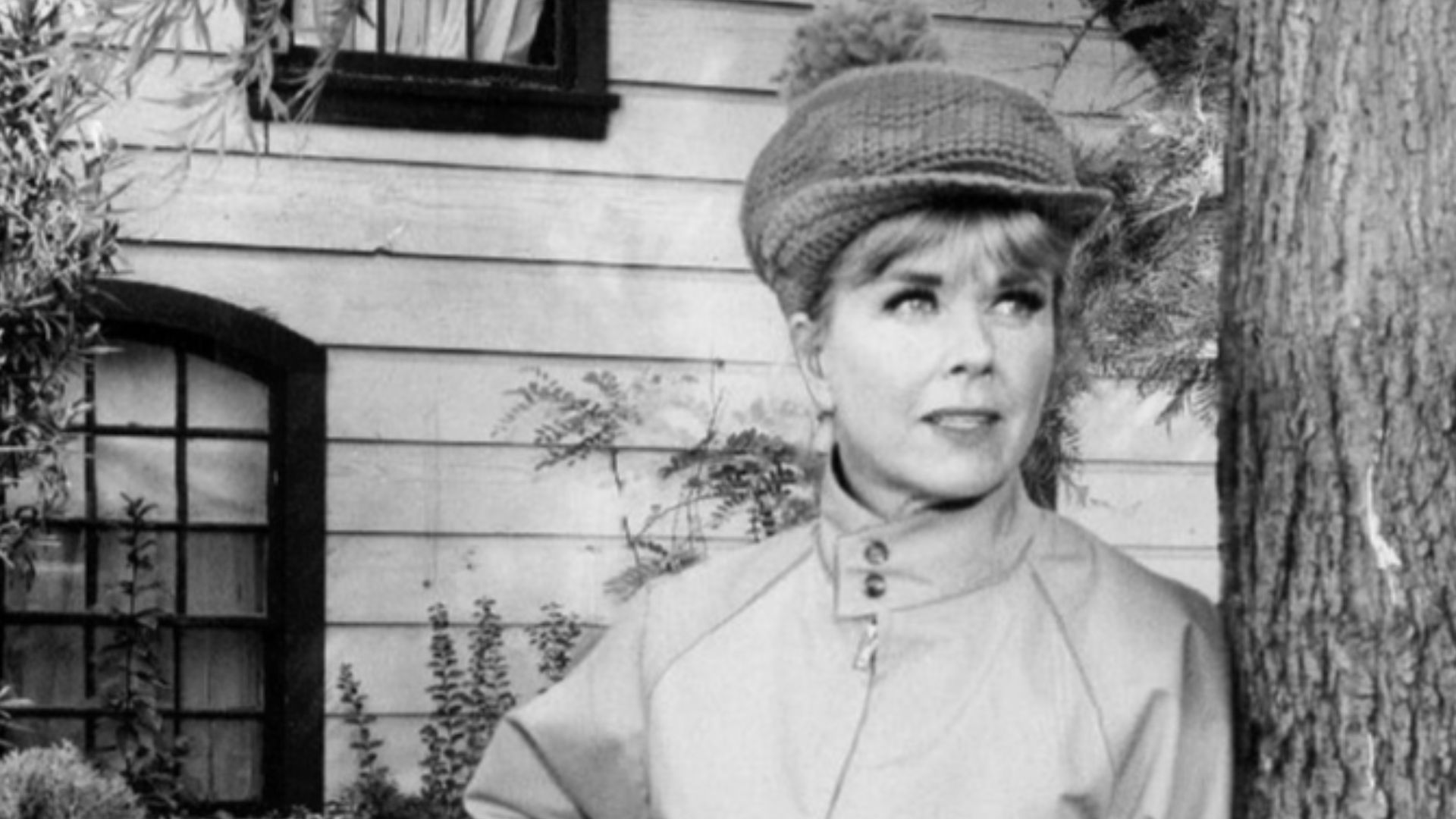 CBS Television, Wikimedia Commons
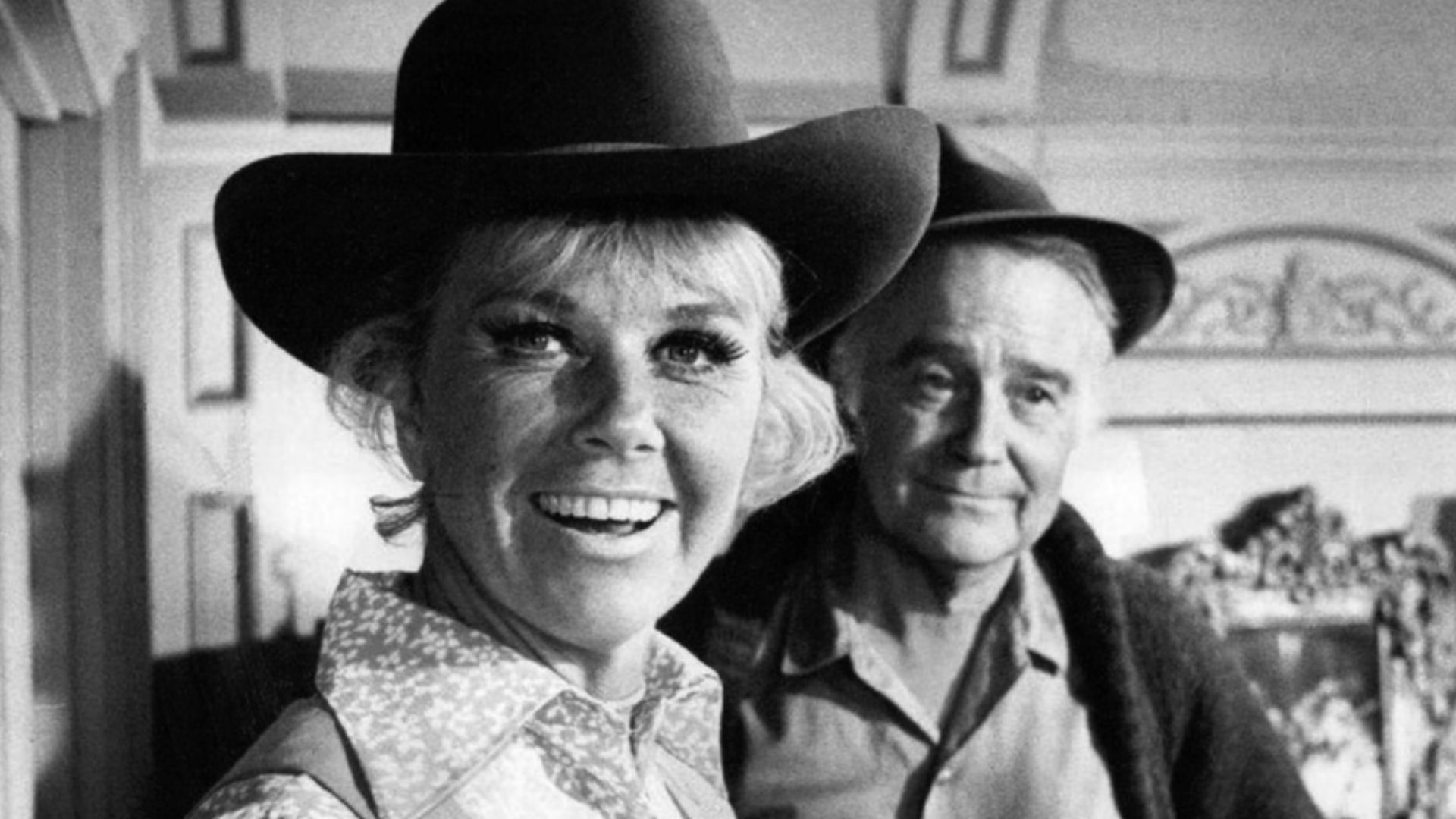
She Eventually Came To Enjoy Television
Although she accepted the series because she felt she had little choice, Day's attitude changed as the years went on. Once she gained more creative control and became comfortable with the production, she found herself genuinely enjoying the experience of making television.
 CBS Television, Wikimedia Commons
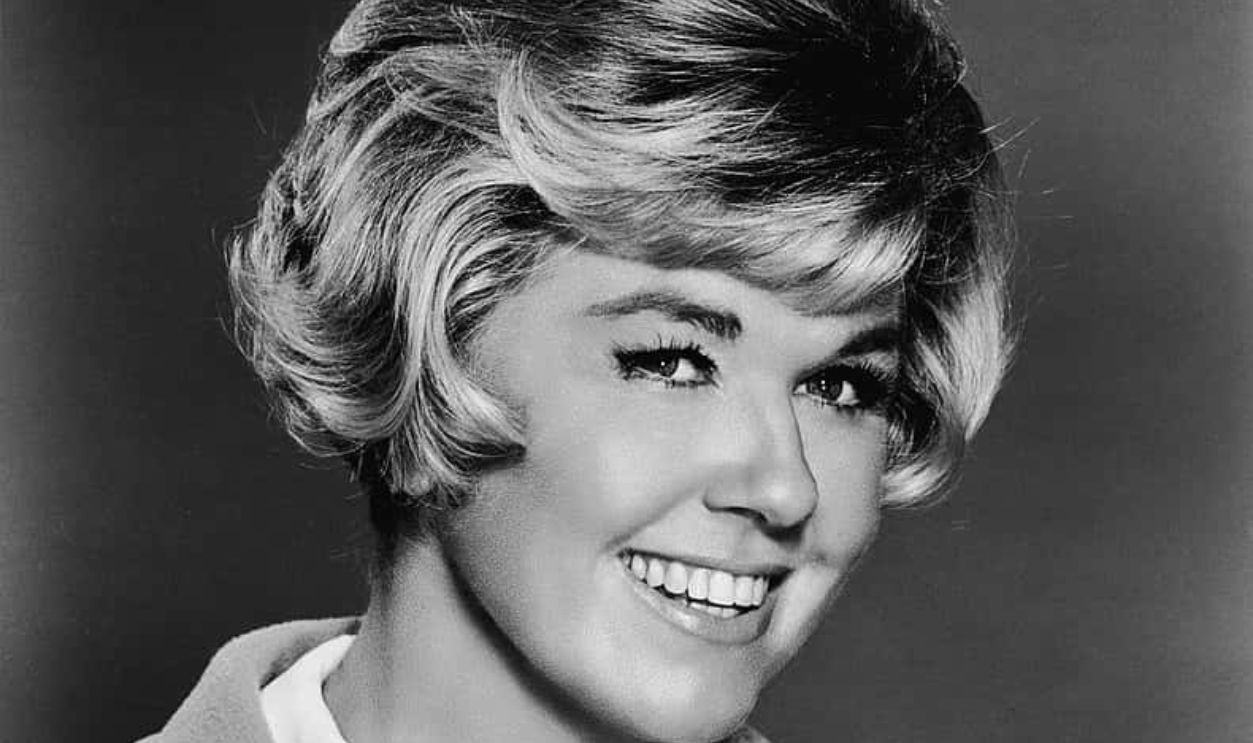
The Show Led To More TV Projects
After the sitcom ended, Day didn't disappear from television. She starred in several television specials, including The Doris Mary Anne Kappelhoff Special and Doris Day Today. Those programs also gave fans another chance to hear her sing alongside well-known entertainers.
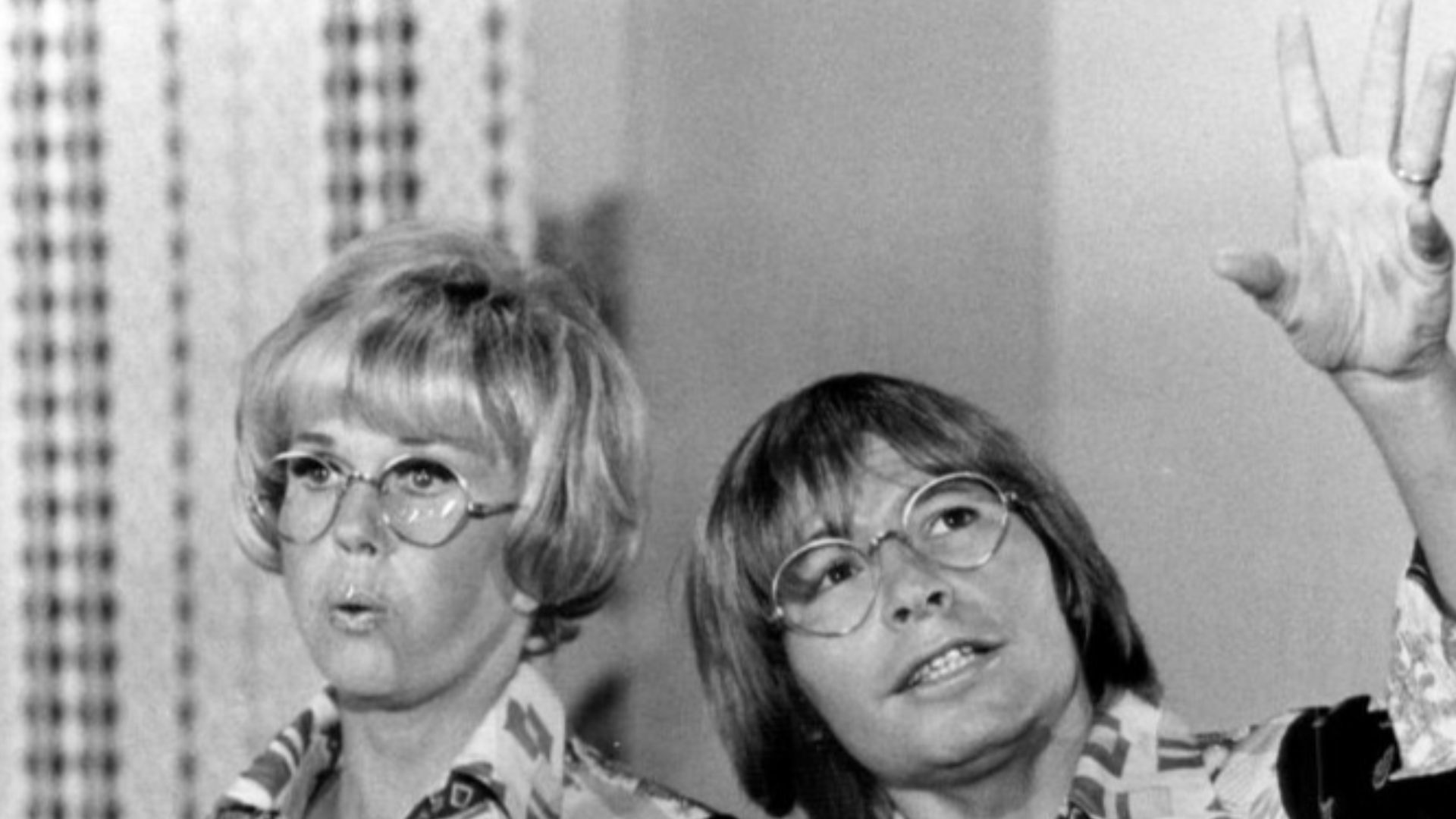
She Walked Away On Her Own Terms
When The Doris Day Show wrapped up in 1973, Day decided she didn't need another long-running acting role. Instead, she gradually stepped away from Hollywood and devoted much of her later life to animal welfare, a cause that became deeply important to her.
 CBS Television, Wikimedia Commons
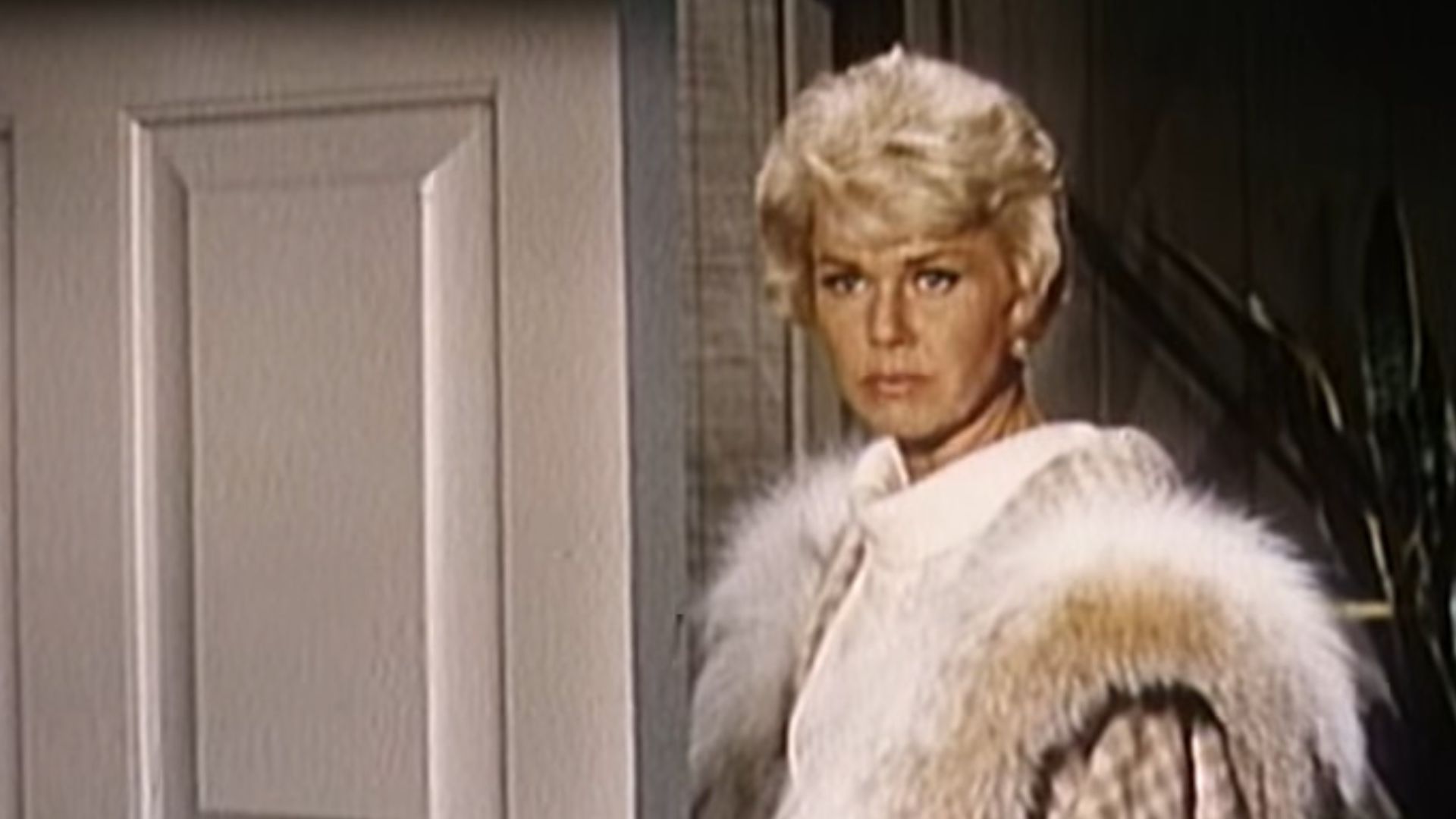
The Show Became An Important Part Of Her Story
While her classic movies are still what most people remember first, The Doris Day Show deserves plenty of credit too. It proved she could successfully reinvent herself at a time when many movie stars struggled to adapt to the changing entertainment landscape.
 Universal International, Wikimedia Commons
Reinvention Turned Into One Of Her Greatest Successes
Looking back, it's remarkable how well everything worked out. What began as a television contract she never wanted ended up becoming one of the defining chapters of her career. The Doris Day Show didn't just keep Doris Day in the spotlight. It reminded everyone why audiences had loved her all along.
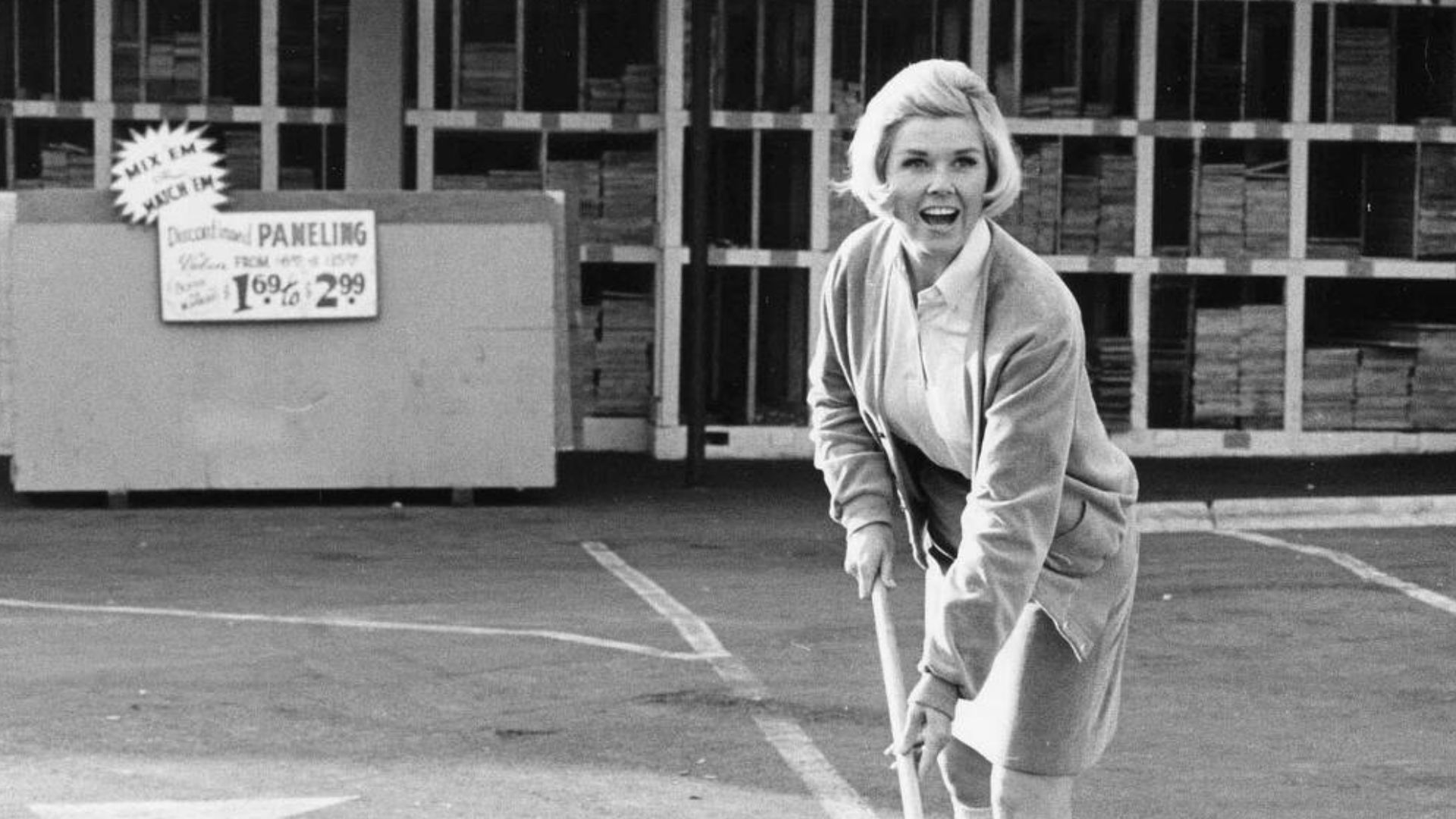 Unknown authorUnknown author, Wikimedia Commons
You May Also Like: